
Ahanaf_Tahmid01
35 貼文

Ahanaf_Tahmid01
舉報
封鎖用戶
低頻交易者
3.3 年
12 關注
11 粉絲
25 點讚數
貼文
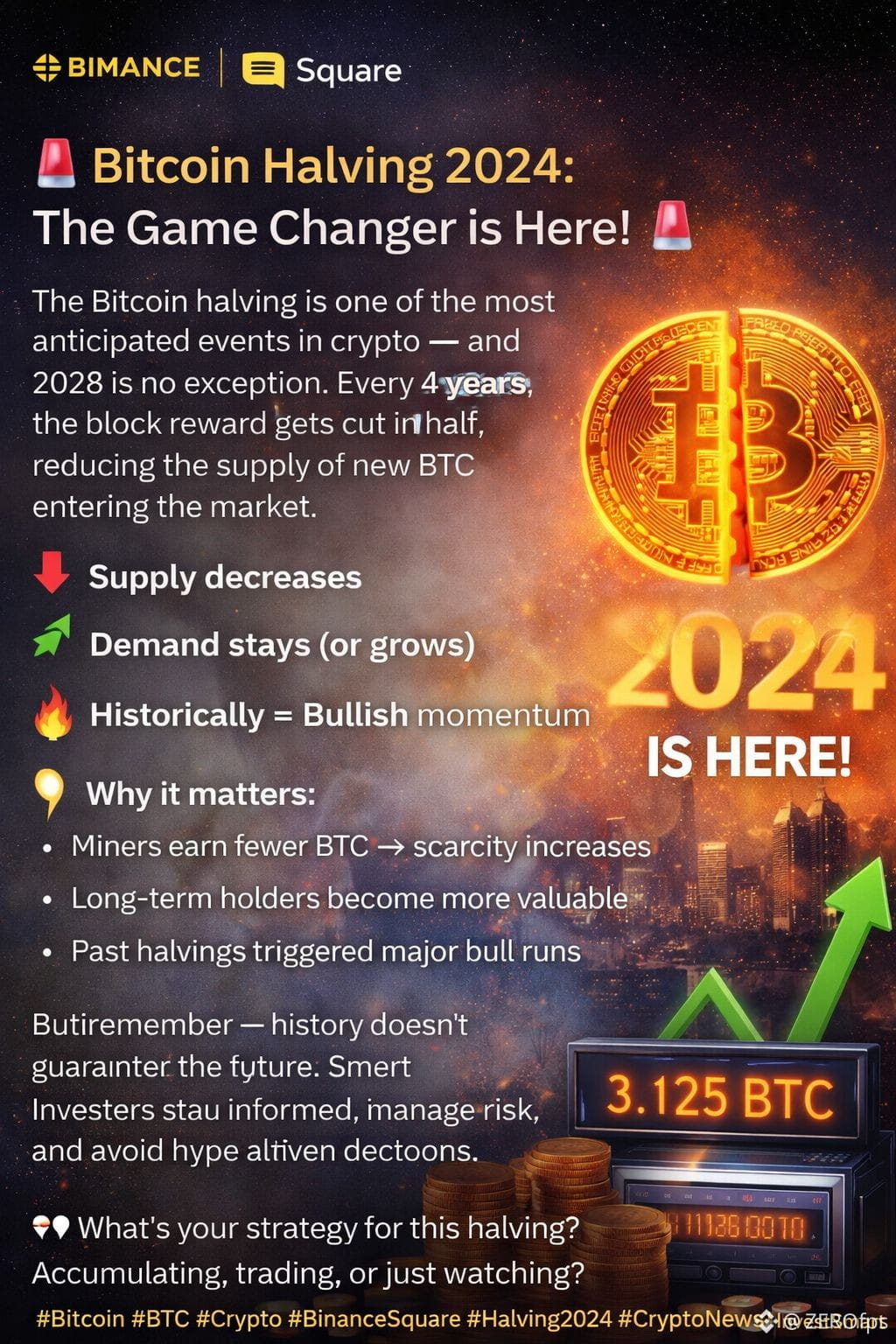
🚨 比特幣減半 2024:遊戲規則改變者到來了! 🚨
比特幣減半是加密貨幣中最受期待的事件之一——2024年也不例外。每4年,區塊獎勵減半,減少進入市場的新BTC供應。
📉 供應減少
📈 需求保持(或增長)
🔥 歷史上 = 看漲的勢頭
💡 這很重要的原因:
• 礦工賺取更少 $BTC → 稀缺性增加
• 長期持有者變得更有價值
• 過去的減半觸發了重大牛市
但請記住——歷史並不能保證未來。聰明的投資者保持信息靈通,管理風險,避免受炒作驅動的決策。
👀 你對這次減半的策略是什麼?
積累、交易還是僅僅觀察?
{spot}(BTCUSDT)
#比特幣 #BTC☀ #Crypto #BinanceSquare #Halving2024 #加密新聞 #InvestSmart
🚨 比特幣減半 2024:遊戲規則改變者到來了! 🚨
比特幣減半是加密貨幣中最受期待的事件之一——2024年也不例外。每4年,區塊獎勵減半,減少進入市場的新BTC供應。
📉 供應減少
📈 需求保持(或增長)
🔥 歷史上 = 看漲的勢頭
💡 這很重要的原因:
• 礦工賺取更少 $BTC → 稀缺性增加
• 長期持有者變得更有價值
• 過去的減半觸發了重大牛市
但請記住——歷史並不能保證未來。聰明的投資者保持信息靈通,管理風險,避免受炒作驅動的決策。
👀 你對這次減半的策略是什麼?
積累、交易還是僅僅觀察?
#比特幣 #BTC☀ #Crypto #BinanceSquare #Halving2024 #加密新聞 #InvestSmart
比特幣減半是加密貨幣中最受期待的事件之一——2024年也不例外。每4年,區塊獎勵減半,減少進入市場的新BTC供應。
📉 供應減少
📈 需求保持(或增長)
🔥 歷史上 = 看漲的勢頭
💡 這很重要的原因:
• 礦工賺取更少 $BTC → 稀缺性增加
• 長期持有者變得更有價值
• 過去的減半觸發了重大牛市
但請記住——歷史並不能保證未來。聰明的投資者保持信息靈通,管理風險,避免受炒作驅動的決策。
👀 你對這次減半的策略是什麼?
積累、交易還是僅僅觀察?
#比特幣 #BTC☀ #Crypto #BinanceSquare #Halving2024 #加密新聞 #InvestSmart
1
145
文章
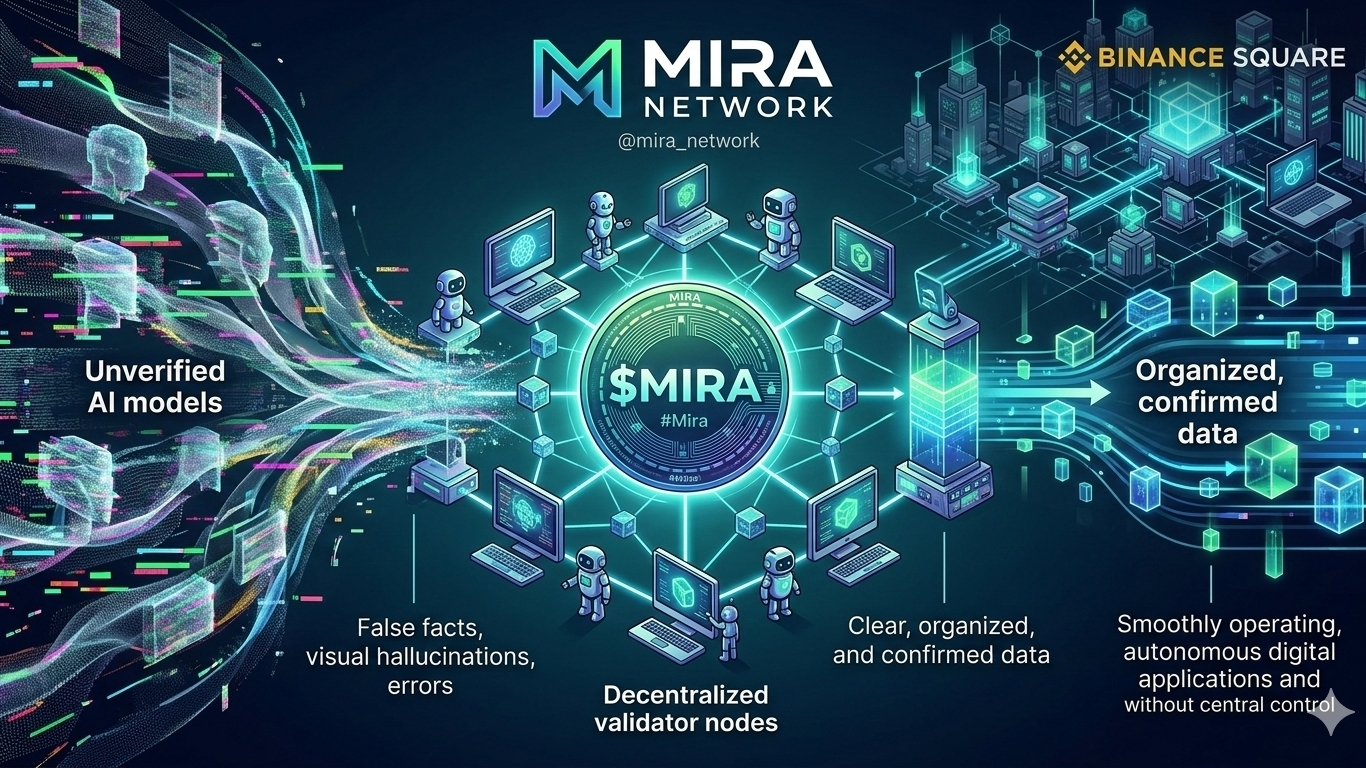
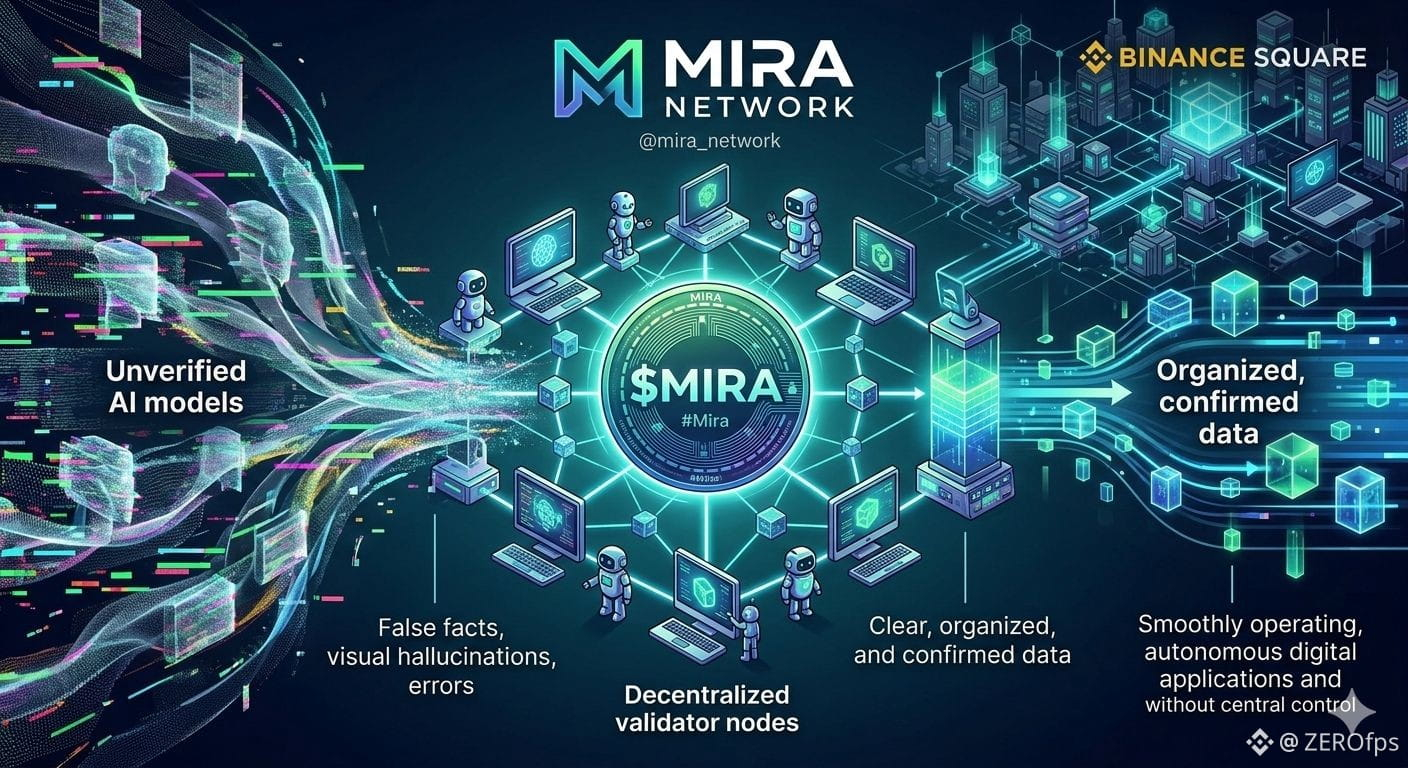
確保自主時代:Mira網絡如何爲人工智能構建去中心化信任層隨着人工智能系統越來越多地融入我們的日常生活和關鍵基礎設施,人工智能幻覺和系統性偏見的風險正在呈指數增長。我們不能再盲目地信任大型語言模型的概率輸出,尤其是在醫療、金融和去中心化應用等高風險領域。這正是@mira_network 介入改變遊戲的地方。
Mira正在建立一個去中心化的"信任層",而不是依賴中央權威來對人工智能進行事實覈查,該信任層通過加密方式驗證人工智能輸出。它通過將複雜的人工智能生成內容拆分爲更小的、獨立可驗證的聲明來工作,然後在多個不同的人工智能模型之間使用共識機制以確保絕對準確性。這有效地將人工智能的可靠性轉變爲一個可解決的工程問題,而不是一個概率猜測遊戲。
確保自主時代:Mira網絡如何爲人工智能構建去中心化信任層
隨着人工智能系統越來越多地融入我們的日常生活和關鍵基礎設施,人工智能幻覺和系統性偏見的風險正在呈指數增長。我們不能再盲目地信任大型語言模型的概率輸出,尤其是在醫療、金融和去中心化應用等高風險領域。這正是@Mira - Trust Layer of AI 介入改變遊戲的地方。
Mira正在建立一個去中心化的"信任層",而不是依賴中央權威來對人工智能進行事實覈查,該信任層通過加密方式驗證人工智能輸出。它通過將複雜的人工智能生成內容拆分爲更小的、獨立可驗證的聲明來工作,然後在多個不同的人工智能模型之間使用共識機制以確保絕對準確性。這有效地將人工智能的可靠性轉變爲一個可解決的工程問題,而不是一個概率猜測遊戲。
Mira正在建立一個去中心化的"信任層",而不是依賴中央權威來對人工智能進行事實覈查,該信任層通過加密方式驗證人工智能輸出。它通過將複雜的人工智能生成內容拆分爲更小的、獨立可驗證的聲明來工作,然後在多個不同的人工智能模型之間使用共識機制以確保絕對準確性。這有效地將人工智能的可靠性轉變爲一個可解決的工程問題,而不是一個概率猜測遊戲。
10
隨着人工智能的擴展,可驗證性成爲最大的瓶頸。@mira_network 通過去中心化人工智能驗證來解決這個問題。與其信任單一模型,Mira使用區塊鏈共識來覈實事實並消除幻覺。通過$MIRA token保護,這一基礎設施爲真正自主、無需信任的人工智能應用鋪平了道路。#Mira
#mira $MIRA
隨着人工智能的擴展,可驗證性成爲最大的瓶頸。@Mira - Trust Layer of AI 通過去中心化人工智能驗證來解決這個問題。與其信任單一模型,Mira使用區塊鏈共識來覈實事實並消除幻覺。通過$MIRA token保護,這一基礎設施爲真正自主、無需信任的人工智能應用鋪平了道路。#Mira
#mira $MIRA
#mira $MIRA
9
文章
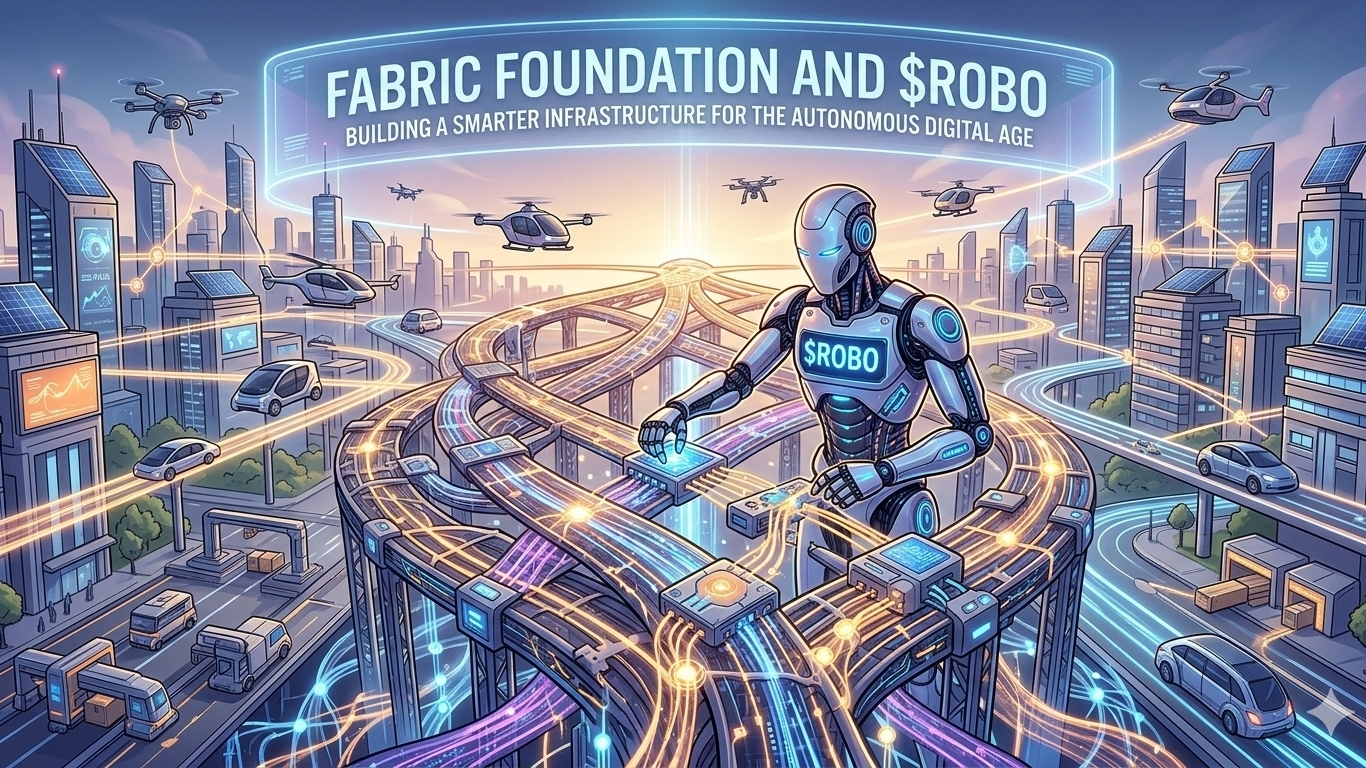
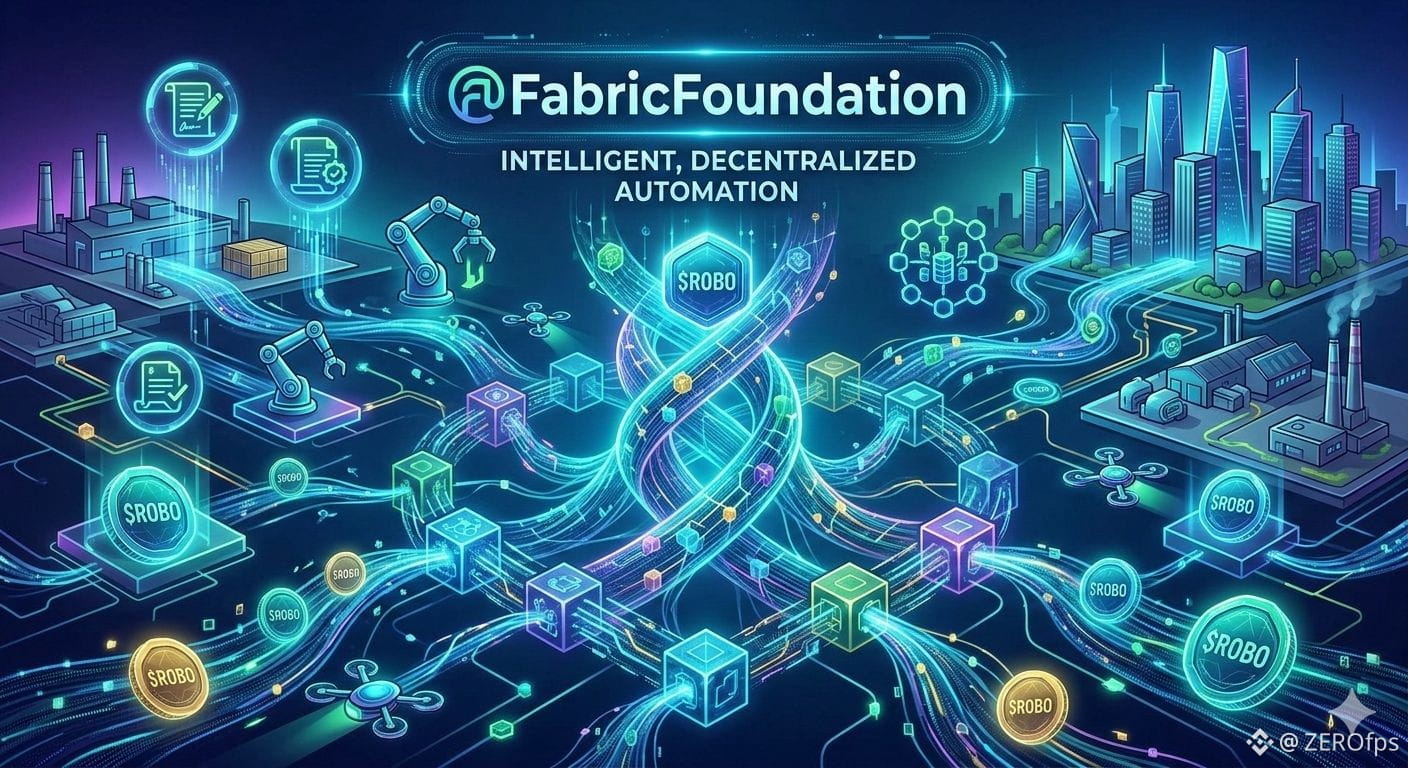
Fabric Foundation和$ROBO:爲自主數字時代構建更智能的基礎設施數字世界正進入一個新階段,在這個階段,自動化、人工智能和去中心化不再是獨立的創新,而是相互關聯的力量,塑造着未來。 @FabricFND Fabric Foundation正在作爲一個前瞻性項目浮現,專注於創建一個去中心化的基礎設施,使智能系統能夠獨立、安全和高效地運行。通過將區塊鏈的可靠性與自動化能力相結合,Fabric Foundation正在幫助爲下一代數字互動奠定基礎。
Fabric Foundation和$ROBO:爲自主數字時代構建更智能的基礎設施
數字世界正進入一個新階段,在這個階段,自動化、人工智能和去中心化不再是獨立的創新,而是相互關聯的力量,塑造着未來。 @Fabric Foundation Fabric Foundation正在作爲一個前瞻性項目浮現,專注於創建一個去中心化的基礎設施,使智能系統能夠獨立、安全和高效地運行。通過將區塊鏈的可靠性與自動化能力相結合,Fabric Foundation正在幫助爲下一代數字互動奠定基礎。
2
35
區塊鏈技術正在快速發展,@FabricFND 正在構建一個旨在支持智能去中心化自動化的生態系統。通過將安全的區塊鏈基礎設施與先進的自動化能力相結合,Fabric Foundation使系統和應用能夠獨立運行,同時保持透明度和信任。這種方法爲希望獲得更快、更可靠的去中心化解決方案的開發者、企業和用戶開闢了新的機會。
$ROBO 是支撐這個生態系統的核心代幣。它支持交易,獎勵參與,並使自動化服務高效運作。通過$ROBO,用戶可以與去中心化應用互動,訪問網絡功能,併爲Fabric生態系統的發展做出貢獻。這創造了一個可持續的環境,鼓勵創新和參與。
@FabricFoundation最重要的方面之一是其專注於現實世界的實用性。該生態系統旨在通過實現安全的自動化和去中心化協調來解決實際問題。這使其對需要效率、透明度和可擴展性的行業具有重要價值。
隨着去中心化技術的不斷增長,像@FabricFoundation這樣的項目和像$ROBO 這樣的代幣將在塑造未來中發揮關鍵作用。通過賦能自動化和安全的數字互動,Fabric生態系統代表了朝着更智能和更去中心化的世界邁出的重要一步。
#robo $ROBO
區塊鏈技術正在快速發展,@Fabric Foundation 正在構建一個旨在支持智能去中心化自動化的生態系統。通過將安全的區塊鏈基礎設施與先進的自動化能力相結合,Fabric Foundation使系統和應用能夠獨立運行,同時保持透明度和信任。這種方法爲希望獲得更快、更可靠的去中心化解決方案的開發者、企業和用戶開闢了新的機會。
$ROBO 是支撐這個生態系統的核心代幣。它支持交易,獎勵參與,並使自動化服務高效運作。通過$ROBO ,用戶可以與去中心化應用互動,訪問網絡功能,併爲Fabric生態系統的發展做出貢獻。這創造了一個可持續的環境,鼓勵創新和參與。
@FabricFoundation最重要的方面之一是其專注於現實世界的實用性。該生態系統旨在通過實現安全的自動化和去中心化協調來解決實際問題。這使其對需要效率、透明度和可擴展性的行業具有重要價值。
隨着去中心化技術的不斷增長,像@FabricFoundation這樣的項目和像$ROBO 這樣的代幣將在塑造未來中發揮關鍵作用。通過賦能自動化和安全的數字互動,Fabric生態系統代表了朝着更智能和更去中心化的世界邁出的重要一步。
#robo $ROBO
$ROBO 是支撐這個生態系統的核心代幣。它支持交易,獎勵參與,並使自動化服務高效運作。通過$ROBO ,用戶可以與去中心化應用互動,訪問網絡功能,併爲Fabric生態系統的發展做出貢獻。這創造了一個可持續的環境,鼓勵創新和參與。
@FabricFoundation最重要的方面之一是其專注於現實世界的實用性。該生態系統旨在通過實現安全的自動化和去中心化協調來解決實際問題。這使其對需要效率、透明度和可擴展性的行業具有重要價值。
隨着去中心化技術的不斷增長,像@FabricFoundation這樣的項目和像$ROBO 這樣的代幣將在塑造未來中發揮關鍵作用。通過賦能自動化和安全的數字互動,Fabric生態系統代表了朝着更智能和更去中心化的世界邁出的重要一步。
#robo $ROBO
37
文章
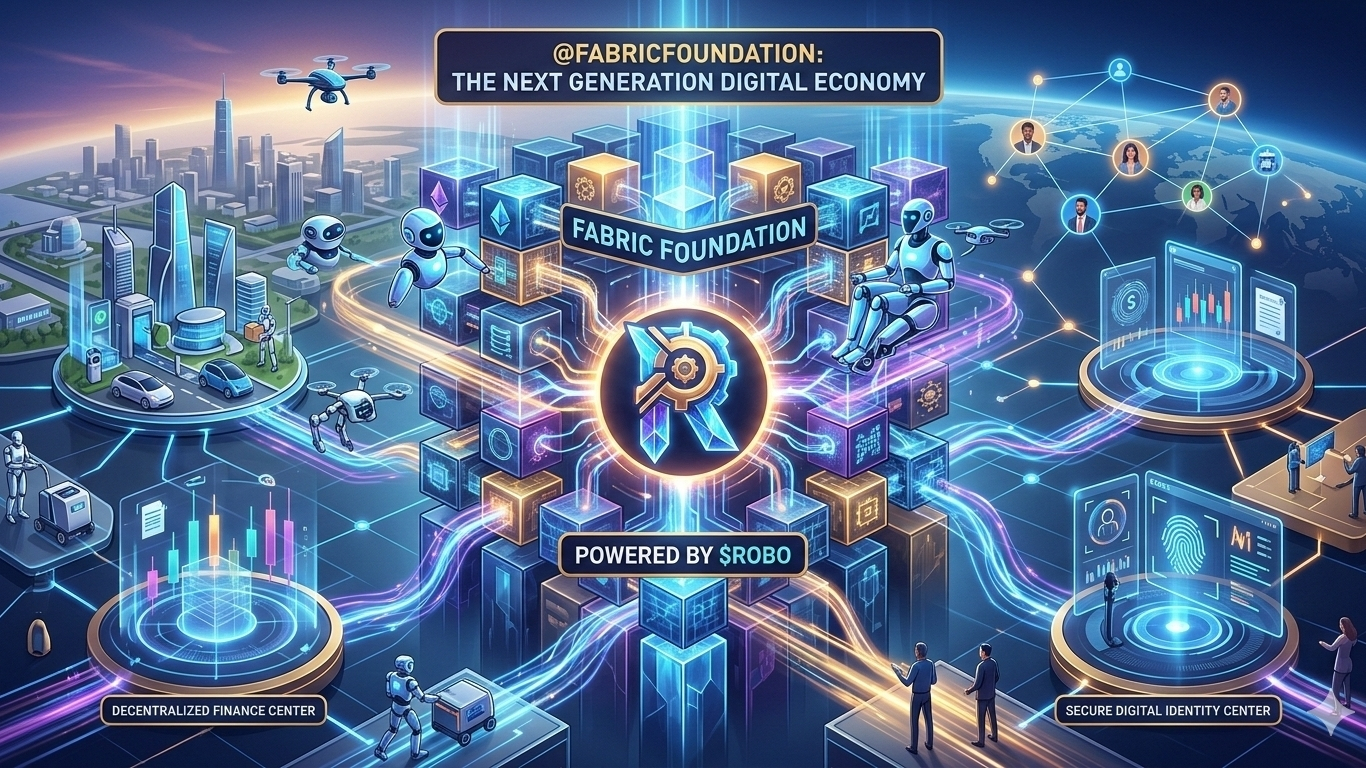
Fabric Foundation 和 $ROBO:推動去中心化智能自動化的未來@FabricFND 正在通過將區塊鏈基礎設施與由 $ROBO 驅動的智能自動化相結合,重新定義去中心化技術的未來。在一個效率、透明度和信任至關重要的世界中,Fabric Foundation 引入了一個強大的生態系統,旨在支持自主代理、智能協調和可擴展的創新。AI 驅動的邏輯與安全的區塊鏈架構的整合確保用戶、開發者和企業能夠自信和靈活地運營。
Fabric Foundation 和 $ROBO:推動去中心化智能自動化的未來
@Fabric Foundation 正在通過將區塊鏈基礎設施與由 $ROBO 驅動的智能自動化相結合,重新定義去中心化技術的未來。在一個效率、透明度和信任至關重要的世界中,Fabric Foundation 引入了一個強大的生態系統,旨在支持自主代理、智能協調和可擴展的創新。AI 驅動的邏輯與安全的區塊鏈架構的整合確保用戶、開發者和企業能夠自信和靈活地運營。
6
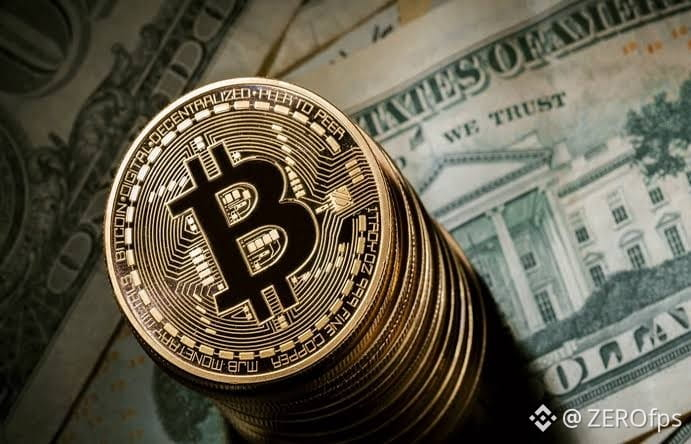
比特幣不再僅僅是一個實驗——它正在成為全球金融現實。
從被稱為「毫無價值」到達到創紀錄的價值,比特幣一次又一次地證明了它的韌性。它代表著自由、去中心化,以及技術對傳統系統的力量。雖然市場仍然存在波動,但比特幣的長期願景持續吸引著世界各地的投資者、開發者和信徒。
有些人看到風險。另一些人看到機會。
問題不在於比特幣是否能夠生存——而在於你是否能夠及早見證它的真正潛力。
#bitcoin #crypto $BTC #FutureOfFinance #DigitalGold
比特幣不再僅僅是一個實驗——它正在成為全球金融現實。
從被稱為「毫無價值」到達到創紀錄的價值,比特幣一次又一次地證明了它的韌性。它代表著自由、去中心化,以及技術對傳統系統的力量。雖然市場仍然存在波動,但比特幣的長期願景持續吸引著世界各地的投資者、開發者和信徒。
有些人看到風險。另一些人看到機會。
問題不在於比特幣是否能夠生存——而在於你是否能夠及早見證它的真正潛力。
#bitcoin #crypto $BTC #FutureOfFinance #DigitalGold
從被稱為「毫無價值」到達到創紀錄的價值,比特幣一次又一次地證明了它的韌性。它代表著自由、去中心化,以及技術對傳統系統的力量。雖然市場仍然存在波動,但比特幣的長期願景持續吸引著世界各地的投資者、開發者和信徒。
有些人看到風險。另一些人看到機會。
問題不在於比特幣是否能夠生存——而在於你是否能夠及早見證它的真正潛力。
#bitcoin #crypto $BTC #FutureOfFinance #DigitalGold
1
18
在特朗普政府下將比特幣整合到美國財政部的想法引發了金融和加密社區的重大討論。雖然這一概念看起來很激進,但與對去中心化資產作爲對抗通貨膨脹和全球不確定性的日益關注並不完全脫節。如果像比特幣這樣的數字資產成爲財政部儲備戰略的一部分,這可能標誌着各國如何看待和利用去中心化金融的歷史性轉折點。支持者認爲,這不僅會加強美元在全球的地位,還會向世界傳達出美國對金融創新的認真態度。另一方面,批評者提出了關於波動性、監管複雜性和長期經濟影響的合理擔憂。無論是象徵性還是戰略性的,即使只是討論本身,也使加密貨幣更接近主流政策辯論。隨着全球市場的發展,政治與加密之間的交集不再是假設——這正成爲一個嚴肅的考慮。
#TrumpBTCTreasury
在特朗普政府下將比特幣整合到美國財政部的想法引發了金融和加密社區的重大討論。雖然這一概念看起來很激進,但與對去中心化資產作爲對抗通貨膨脹和全球不確定性的日益關注並不完全脫節。如果像比特幣這樣的數字資產成爲財政部儲備戰略的一部分,這可能標誌着各國如何看待和利用去中心化金融的歷史性轉折點。支持者認爲,這不僅會加強美元在全球的地位,還會向世界傳達出美國對金融創新的認真態度。另一方面,批評者提出了關於波動性、監管複雜性和長期經濟影響的合理擔憂。無論是象徵性還是戰略性的,即使只是討論本身,也使加密貨幣更接近主流政策辯論。隨着全球市場的發展,政治與加密之間的交集不再是假設——這正成爲一個嚴肅的考慮。
#TrumpBTCTreasury
#TrumpBTCTreasury
7
$BTC TC 仍然是加密市場中最具主導地位的資產,理解其走勢對於任何認真的交易者或投資者來說都是至關重要的。作為第一種創造出來的加密貨幣,它不僅具有歷史意義,還為更廣泛的市場情緒定下基調。當它經歷重大價格變動時,通常會在其他代幣和相關資產中引起連鎖反應。許多交易者將其用作衡量整體市場健康的基準。在高波動性的情況下,它往往同時充當避風港和風險資產,具體取決於全球經濟狀況和投資者情緒。觀察其價格走勢、交易量和訂單簿深度可以提供有關潛在市場趨勢的重要線索。無論您是進行短期交易還是長期投資,識別其圖表上的支撐和阻力水平都是至關重要的。此外,宏觀經濟新聞、機構採用和監管發展經常對其表現產生直接影響,使其成為需要密切監控的關鍵資產。
$BTC TC 仍然是加密市場中最具主導地位的資產,理解其走勢對於任何認真的交易者或投資者來說都是至關重要的。作為第一種創造出來的加密貨幣,它不僅具有歷史意義,還為更廣泛的市場情緒定下基調。當它經歷重大價格變動時,通常會在其他代幣和相關資產中引起連鎖反應。許多交易者將其用作衡量整體市場健康的基準。在高波動性的情況下,它往往同時充當避風港和風險資產,具體取決於全球經濟狀況和投資者情緒。觀察其價格走勢、交易量和訂單簿深度可以提供有關潛在市場趨勢的重要線索。無論您是進行短期交易還是長期投資,識別其圖表上的支撐和阻力水平都是至關重要的。此外,宏觀經濟新聞、機構採用和監管發展經常對其表現產生直接影響,使其成為需要密切監控的關鍵資產。
26
$ADA 逐漸確立了自己作爲區塊鏈生態系統中的重要參與者,憑藉強大的學術基礎以及對可擴展性、可持續性和互操作性的關注而得以發展。交易者和投資者被吸引的不僅僅是其價格波動,還有其所支持網絡的長期願景。在分析$ADA時,重要的是要超越短期波動,考慮更廣泛的路線圖——特別是網絡升級和智能合約集成的影響。技術交易者通常監控關鍵水平和趨勢指標,如移動平均線、斐波那契回撤和交易量激增,以識別潛在的交易機會。與此同時,長期持有者密切關注質押機會和整體網絡活動。儘管它可能並不總是像一些較不知名的資產那樣帶來爆炸性的波動,但其穩定的發展和強大的社區支持使其成爲多元化策略的一個引人注目的選擇。與往常一樣,保持對項目發展和更廣泛市場趨勢的更新,有助於在交易時做出更明智的決策。
$ADA 逐漸確立了自己作爲區塊鏈生態系統中的重要參與者,憑藉強大的學術基礎以及對可擴展性、可持續性和互操作性的關注而得以發展。交易者和投資者被吸引的不僅僅是其價格波動,還有其所支持網絡的長期願景。在分析$ADA 時,重要的是要超越短期波動,考慮更廣泛的路線圖——特別是網絡升級和智能合約集成的影響。技術交易者通常監控關鍵水平和趨勢指標,如移動平均線、斐波那契回撤和交易量激增,以識別潛在的交易機會。與此同時,長期持有者密切關注質押機會和整體網絡活動。儘管它可能並不總是像一些較不知名的資產那樣帶來爆炸性的波動,但其穩定的發展和強大的社區支持使其成爲多元化策略的一個引人注目的選擇。與往常一樣,保持對項目發展和更廣泛市場趨勢的更新,有助於在交易時做出更明智的決策。
18
Cardano 繼續在加密社區引發辯論,吸引了支持者和懷疑者的強烈意見。一些人欣賞其學術和同行評審的開發方法,認為這種方法確保了隨著時間的推移,能夠建立更安全和可擴展的基礎。它對正式驗證和緩慢、系統性的升級的專注使其與那些優先考慮速度而非審查的項目區別開來。另一方面,批評者認為這種謹慎的方式延遲了採用,使 Cardano 在生態系統增長和開發者活動方面落後。辯論往往歸結為一種哲學上的差異——區塊鏈是否應優先考慮創新速度,還是應該追求精確性和長期可持續性?隨著生態系統的成熟,越來越多的智能合約和去中心化應用程序上線,Cardano 策略的現實影響將變得更加明確。無論你是支持還是批評,都無法否認 Cardano 在加密領域已經贏得了作為最受討論平台之一的地位。
#CardanoDebate
Cardano 繼續在加密社區引發辯論,吸引了支持者和懷疑者的強烈意見。一些人欣賞其學術和同行評審的開發方法,認為這種方法確保了隨著時間的推移,能夠建立更安全和可擴展的基礎。它對正式驗證和緩慢、系統性的升級的專注使其與那些優先考慮速度而非審查的項目區別開來。另一方面,批評者認為這種謹慎的方式延遲了採用,使 Cardano 在生態系統增長和開發者活動方面落後。辯論往往歸結為一種哲學上的差異——區塊鏈是否應優先考慮創新速度,還是應該追求精確性和長期可持續性?隨著生態系統的成熟,越來越多的智能合約和去中心化應用程序上線,Cardano 策略的現實影響將變得更加明確。無論你是支持還是批評,都無法否認 Cardano 在加密領域已經贏得了作為最受討論平台之一的地位。
#CardanoDebate
#CardanoDebate
1
$ETH/USD 依然是加密市場上交易最活躍的交易對之一,僅次於比特幣,無論是交易量還是影響力。以太坊已經遠遠超越了僅僅作爲數字貨幣的角色——它是去中心化金融(DeFi)、非同質化代幣(NFTs)和無數去中心化應用的基礎。$ETH/USD 的價格波動通常反映了市場對區塊鏈創新和採納的情緒。目前,交易者密切關注 $3,800–$4,000 的阻力區,而支撐位則接近 $3,400。技術指標如布林帶和移動平均線暗示着波動性增加,這可能預示着一次決定性的突破。隨着以太坊最近的升級和像 Layer 2s 這樣的擴展解決方案獲得關注,許多人認爲基本面比以往任何時候都更強勁。長期持有者將其視爲對去中心化技術未來的投資,而日內交易者則關注其流動性和波動性。無論你是爲了技術還是交易機會,ETH/USD 依然是一個需要理解的核心市場。
$ETH /USD 依然是加密市場上交易最活躍的交易對之一,僅次於比特幣,無論是交易量還是影響力。以太坊已經遠遠超越了僅僅作爲數字貨幣的角色——它是去中心化金融(DeFi)、非同質化代幣(NFTs)和無數去中心化應用的基礎。$ETH /USD 的價格波動通常反映了市場對區塊鏈創新和採納的情緒。目前,交易者密切關注 $3,800–$4,000 的阻力區,而支撐位則接近 $3,400。技術指標如布林帶和移動平均線暗示着波動性增加,這可能預示着一次決定性的突破。隨着以太坊最近的升級和像 Layer 2s 這樣的擴展解決方案獲得關注,許多人認爲基本面比以往任何時候都更強勁。長期持有者將其視爲對去中心化技術未來的投資,而日內交易者則關注其流動性和波動性。無論你是爲了技術還是交易機會,ETH/USD 依然是一個需要理解的核心市場。
57
$BTC 繼續是加密貨幣市場的心跳,作為整體市場情緒的重要指標。比特幣作為領先的數字資產,往往會影響山寨幣的走向,並且對利率決策、通脹數據和地緣政治不穩定等宏觀經濟因素做出強烈反應。最近,比特幣的價格行為與美國股市指數,特別是科技股權重較大的指數,顯示出強烈的相關性,使得跨市場分析比以往任何時候都更為相關。交易者密切關注約 $72,000 的阻力位和約 $63,000 的支撐位。突破這些水平之上或之下可能會暗示著動能的重大轉變。長期投資者也在密切監測減半的敘事和機構採用的趨勢。無論你是在進行短線交易還是長期持有,理解 BTC/USD 交易對的價格行為都是至關重要的。這仍然是地球上交易量最大和關注度最高的加密資產——有其原因。
$BTC 繼續是加密貨幣市場的心跳,作為整體市場情緒的重要指標。比特幣作為領先的數字資產,往往會影響山寨幣的走向,並且對利率決策、通脹數據和地緣政治不穩定等宏觀經濟因素做出強烈反應。最近,比特幣的價格行為與美國股市指數,特別是科技股權重較大的指數,顯示出強烈的相關性,使得跨市場分析比以往任何時候都更為相關。交易者密切關注約 $72,000 的阻力位和約 $63,000 的支撐位。突破這些水平之上或之下可能會暗示著動能的重大轉變。長期投資者也在密切監測減半的敘事和機構採用的趨勢。無論你是在進行短線交易還是長期持有,理解 BTC/USD 交易對的價格行為都是至關重要的。這仍然是地球上交易量最大和關注度最高的加密資產——有其原因。
3
以色列-伊朗衝突代表了中東地區最複雜和持久的地緣政治緊張關係之一。根植於意識形態、戰略和地區權力的競爭,兩國之間的摩擦產生了超越其邊界的深遠影響。伊朗對像真主黨這樣的組織的支持以及其核野心長期以來被以色列視爲生存威脅。作爲迴應,以色列進行了多次祕密行動和空襲,針對伊朗在敘利亞和其他地區的資產和代理人。這種緊張關係不僅僅是軍事上的——它在外交和經濟上也有所體現,影響着全球油價和國際聯盟。儘管兩國之間沒有直接爆發公開戰爭,但這種潛在衝突非常真實,受到網絡攻擊、間諜活動和代理戰爭的驅動。隨着地區和全球大國站隊或呼籲降級,局勢依然不穩定。理解這一衝突對於任何試圖把握更廣泛的中東地緣政治格局的人來說都是至關重要的。
#IsraelIranConflict
以色列-伊朗衝突代表了中東地區最複雜和持久的地緣政治緊張關係之一。根植於意識形態、戰略和地區權力的競爭,兩國之間的摩擦產生了超越其邊界的深遠影響。伊朗對像真主黨這樣的組織的支持以及其核野心長期以來被以色列視爲生存威脅。作爲迴應,以色列進行了多次祕密行動和空襲,針對伊朗在敘利亞和其他地區的資產和代理人。這種緊張關係不僅僅是軍事上的——它在外交和經濟上也有所體現,影響着全球油價和國際聯盟。儘管兩國之間沒有直接爆發公開戰爭,但這種潛在衝突非常真實,受到網絡攻擊、間諜活動和代理戰爭的驅動。隨着地區和全球大國站隊或呼籲降級,局勢依然不穩定。理解這一衝突對於任何試圖把握更廣泛的中東地緣政治格局的人來說都是至關重要的。
#IsraelIranConflict
#IsraelIranConflict
6
$BTC 仍然是加密市場的基石,通常作爲整體市場情緒的晴雨表。它的價格波動不僅影響投資者信心,還往往影響其他大多數資產的方向。交易者密切關注它的突破模式、支撐和阻力區域以及宏觀經濟相關性。作爲最古老和最受認可的加密貨幣,它提供了高流動性和深厚的市場深度,適合短期策略和長期持有。無論您是日交易還是長期投資,瞭解它如何對新聞、全球事件和機構動向作出反應至關重要。波動性是其身份的一部分,但這種波動性爲信息充分的交易者創造了機會。風險管理是關鍵,尤其是在處理槓桿時,關注成交量、相對強弱指數(RSI)和移動平均線等指標可以提供有價值的見解。最終,掌握 $BTC 的行爲有助於塑造更自信和戰略性的交易旅程。
$BTC 仍然是加密市場的基石,通常作爲整體市場情緒的晴雨表。它的價格波動不僅影響投資者信心,還往往影響其他大多數資產的方向。交易者密切關注它的突破模式、支撐和阻力區域以及宏觀經濟相關性。作爲最古老和最受認可的加密貨幣,它提供了高流動性和深厚的市場深度,適合短期策略和長期持有。無論您是日交易還是長期投資,瞭解它如何對新聞、全球事件和機構動向作出反應至關重要。波動性是其身份的一部分,但這種波動性爲信息充分的交易者創造了機會。風險管理是關鍵,尤其是在處理槓桿時,關注成交量、相對強弱指數(RSI)和移動平均線等指標可以提供有價值的見解。最終,掌握 $BTC 的行爲有助於塑造更自信和戰略性的交易旅程。
36
近年來,特朗普流量(Trump Traffic)這個詞開始流行,不僅限於政治圈。不論是談論線上互動、實體集會還是媒體報導,任何與唐納德·特朗普(Donald Trump)相關的事情都往往會吸引大量的注意力——有時甚至會導致交通阻塞。在他出現期間街道被封鎖,或因流量激增導致網站崩潰,特朗普效應是真實存在的。這一現象超越了傳統政治,進入流行文化、金融和數位媒體。每當特朗普發表公開聲明、推出產品或成為爭議焦點時,各平台的流量都會激增。對於市場營銷人員、分析師甚至投資者來說,理解這種高影響力流量的運作方式至關重要。這是一種病毒式傳播、極化和個性驅動品牌的混合體。無論你是支持還是反對他,都無法否認他的存在在線上和線下產生的漣漪效應。關鍵在於學會如何智能地導航或利用這種流量。
#TrumpTariffs
近年來,特朗普流量(Trump Traffic)這個詞開始流行,不僅限於政治圈。不論是談論線上互動、實體集會還是媒體報導,任何與唐納德·特朗普(Donald Trump)相關的事情都往往會吸引大量的注意力——有時甚至會導致交通阻塞。在他出現期間街道被封鎖,或因流量激增導致網站崩潰,特朗普效應是真實存在的。這一現象超越了傳統政治,進入流行文化、金融和數位媒體。每當特朗普發表公開聲明、推出產品或成為爭議焦點時,各平台的流量都會激增。對於市場營銷人員、分析師甚至投資者來說,理解這種高影響力流量的運作方式至關重要。這是一種病毒式傳播、極化和個性驅動品牌的混合體。無論你是支持還是反對他,都無法否認他的存在在線上和線下產生的漣漪效應。關鍵在於學會如何智能地導航或利用這種流量。
#TrumpTariffs
#TrumpTariffs
25
在加密貨幣交易中,擁有正確的工具與擁有正確的策略一樣重要。交易工具幫助您做出明智的決定,管理風險,並更有效地執行交易。圖表平臺使交易者能夠可視化價格變動,並應用技術指標,如相對強弱指數(RSI)、移動平均收斂發散指標(MACD)或移動平均線,以識別趨勢。價格警報工具在市場達到關鍵水平時保持您更新,因此您不會錯過任何機會。投資組合跟蹤器對於監控您的整體表現和跟蹤收益或損失至關重要。更高級的工具,如交易機器人,可以自動化策略,消除情感偏見,並全天候運作。風險管理計算器幫助根據止損水平和賬戶餘額確定頭寸大小。即使是像可靠的新聞聚合器這樣簡單的東西,也可以通過提供及時的市場動態信息來爲您提供競爭優勢。關鍵是要知道哪些工具與您的交易風格相符,並將它們整合到您的日常中,以便做出更聰明、更快速的決策。
#TradingTools101
在加密貨幣交易中,擁有正確的工具與擁有正確的策略一樣重要。交易工具幫助您做出明智的決定,管理風險,並更有效地執行交易。圖表平臺使交易者能夠可視化價格變動,並應用技術指標,如相對強弱指數(RSI)、移動平均收斂發散指標(MACD)或移動平均線,以識別趨勢。價格警報工具在市場達到關鍵水平時保持您更新,因此您不會錯過任何機會。投資組合跟蹤器對於監控您的整體表現和跟蹤收益或損失至關重要。更高級的工具,如交易機器人,可以自動化策略,消除情感偏見,並全天候運作。風險管理計算器幫助根據止損水平和賬戶餘額確定頭寸大小。即使是像可靠的新聞聚合器這樣簡單的東西,也可以通過提供及時的市場動態信息來爲您提供競爭優勢。關鍵是要知道哪些工具與您的交易風格相符,並將它們整合到您的日常中,以便做出更聰明、更快速的決策。
#TradingTools101
#TradingTools101
20
了解交易對對於任何進入加密貨幣交易世界的人來說都是至關重要的。交易對顯示了購買另一種資產所需的某一資產的數量,它是每個交易所交易的基礎。對於初學者來說,尤其在不同類型的交易對之間切換時,很容易感到困惑,例如加密對加密與加密對法幣。掌握交易對的關鍵是認識每個交易對告訴你的價值和市場需求。知道如何閱讀圖表並觀察這些交易對的流動性有助於識別更好的進入和退出點。此外,選擇正確的交易對可以影響費用、速度,甚至你的策略。這不僅僅是買入和賣出;而是以一種與你的目標和市場條件一致的方式進行。始終在交易前分析交易量和點差。記住,你選擇的交易對與資產本身一樣重要。
#TradingPairs101
了解交易對對於任何進入加密貨幣交易世界的人來說都是至關重要的。交易對顯示了購買另一種資產所需的某一資產的數量,它是每個交易所交易的基礎。對於初學者來說,尤其在不同類型的交易對之間切換時,很容易感到困惑,例如加密對加密與加密對法幣。掌握交易對的關鍵是認識每個交易對告訴你的價值和市場需求。知道如何閱讀圖表並觀察這些交易對的流動性有助於識別更好的進入和退出點。此外,選擇正確的交易對可以影響費用、速度,甚至你的策略。這不僅僅是買入和賣出;而是以一種與你的目標和市場條件一致的方式進行。始終在交易前分析交易量和點差。記住,你選擇的交易對與資產本身一樣重要。
#TradingPairs101
#TradingPairs101
1
10
流動性是交易中最重要但常被忽視的方面之一,尤其是在加密市場中。從本質上講,流動性指的是資產在不引起重大價格波動的情況下,買賣的速度和便利性。高流動性意味着市場上有足夠的買家和賣家,可以在沒有重大滑點的情況下進行大宗交易。另一方面,低流動性可能導致價格劇烈波動,並在執行交易時面臨困難。對於交易者來說,理解流動性對於風險管理至關重要。這不僅關乎發現機會;還關乎確保您能高效地進出倉位。交易量、市場深度和價差等因素提供了流動性水平的洞察。新交易者常常將價格波動誤認爲機會,忘記了流動性決定了這些機會的現實性。在交易之前,總是要考慮資產的流動性,以避免被困在流動性不足的市場中,導致交易成本大幅上升。
#Liquidity101
流動性是交易中最重要但常被忽視的方面之一,尤其是在加密市場中。從本質上講,流動性指的是資產在不引起重大價格波動的情況下,買賣的速度和便利性。高流動性意味着市場上有足夠的買家和賣家,可以在沒有重大滑點的情況下進行大宗交易。另一方面,低流動性可能導致價格劇烈波動,並在執行交易時面臨困難。對於交易者來說,理解流動性對於風險管理至關重要。這不僅關乎發現機會;還關乎確保您能高效地進出倉位。交易量、市場深度和價差等因素提供了流動性水平的洞察。新交易者常常將價格波動誤認爲機會,忘記了流動性決定了這些機會的現實性。在交易之前,總是要考慮資產的流動性,以避免被困在流動性不足的市場中,導致交易成本大幅上升。
#Liquidity101
#Liquidity101
1
13
登入以探索更多內容
加入幣安廣場中的全球加密貨幣用戶
⚡️ 獲取加密貨幣的最新和實用資訊。
💬 受到全球最大加密貨幣交易所的信任。
👍 發掘來自經過驗證創作者的真實見解。
電子郵件 / 電話號碼
熱門話題
CPI数据来袭能否触发9月加息
952,484 次瀏覽
3,131 討論中
快問快答!參與發佈熱門話題贏流量
✨本期話題: CPI數據來襲,能否觸發9月加息?
👉參與方式:
發佈短文或是長文並帶主話題 #CPI数据来袭能否触发9月加息
內容正文建議包含你對熱門話題的個人觀點或分析,如:
- 簡單聊下:非農超預期,CPI數據來襲,你認爲美聯儲會加息還是按兵不動?
- 你是看多還是看空?請使用曬單卡片曬出你的相關科技股、黃金交易/持倉。
🚀本期開放投稿時間:
- 2026年9月11日 11:00 - 2026年9月12日17:00 (東八區時間)
🎁活動獎勵:
- 流量扶持:符合活動要求且被評選上的優質內容,隨機獲得500 - 3000流量扶持激勵(最少發佈100字,按以上方向發佈的帖文被選上的機會更大哦, 獲得流量激勵的帖文作者將收到小祕書通知)
- 官方曝光:評選上的優質內容將有機會被官方賬號推薦
獲取內容發佈靈感,請參考話題頁#CPI数据来袭能否触发9月加息 或廣場内容流量诊断清单
币安广场
·546 人按讚
·590.7k 次瀏覽
空头爆仓推动以太坊反弹
1,332 次瀏覽
29 討論中
以太坊时隔七个月重返2600美元
10,374 次瀏覽
37 討論中