
BillyBlue
63 貼文

BillyBlue
舉報
封鎖用戶
17 關注
16 粉絲
26 點讚數
貼文
·
--
#pons 基本面很強。
在 Robinhood Chain 上保持首位的發射臺位置,並且以 1.8 倍的價格/回購(price-to-buybacks)進行交易。
PUMP 以 14 倍的價格/回購(price-to-buybacks)進行交易:
#pons 基本面很強。
在 Robinhood Chain 上保持首位的發射臺位置,並且以 1.8 倍的價格/回購(price-to-buybacks)進行交易。
PUMP 以 14 倍的價格/回購(price-to-buybacks)進行交易:
在 Robinhood Chain 上保持首位的發射臺位置,並且以 1.8 倍的價格/回購(price-to-buybacks)進行交易。
PUMP 以 14 倍的價格/回購(price-to-buybacks)進行交易:
46
·
--
#dusk $DUSK
{spot}(DUSKUSDT)
Dusk Network 是遊戲規則的改變者:面向受監管金融的、以隱私爲先的 L1。機密智能合約 + XSC 標準使私有代幣化證券成爲可能,並通過選擇性披露來滿足合規要求——不再需要在透明度與隱私之間做取捨。#DuskNetwork #隱私 #RWA
#dusk $DUSK
Dusk Network 是遊戲規則的改變者:面向受監管金融的、以隱私爲先的 L1。機密智能合約 + XSC 標準使私有代幣化證券成爲可能,並通過選擇性披露來滿足合規要求——不再需要在透明度與隱私之間做取捨。#DuskNetwork #隱私 #RWA
Dusk Network 是遊戲規則的改變者:面向受監管金融的、以隱私爲先的 L1。機密智能合約 + XSC 標準使私有代幣化證券成爲可能,並通過選擇性披露來滿足合規要求——不再需要在透明度與隱私之間做取捨。#DuskNetwork #隱私 #RWA
8
·
--
#dusk $DUSK
{spot}(DUSKUSDT)
Dusk Network 是一項遊戲規則改變者:面向受監管金融的“隱私優先”L1。藉助保密智能合約 + XSC 標準,可實現具有選擇性披露能力的私有代幣化證券,用於合規——不再需要在“透明度 vs 隱私”之間做取捨。#DuskNetwork #Privacy #RWA
#dusk $DUSK
Dusk Network 是一項遊戲規則改變者:面向受監管金融的“隱私優先”L1。藉助保密智能合約 + XSC 標準,可實現具有選擇性披露能力的私有代幣化證券,用於合規——不再需要在“透明度 vs 隱私”之間做取捨。#DuskNetwork #Privacy #RWA
Dusk Network 是一項遊戲規則改變者:面向受監管金融的“隱私優先”L1。藉助保密智能合約 + XSC 標準,可實現具有選擇性披露能力的私有代幣化證券,用於合規——不再需要在“透明度 vs 隱私”之間做取捨。#DuskNetwork #Privacy #RWA
11
·
--
#dusk $DUSK
Dusk Network:用於金融的隱私L1。由XSC + 機密智能合約驅動。*l
#DuskNetwork #PrivacyBlockchain #XSC #ConfidentialDeFi
#dusk $DUSK
Dusk Network:用於金融的隱私L1。由XSC + 機密智能合約驅動。*l
#DuskNetwork #PrivacyBlockchain #XSC #ConfidentialDeFi
Dusk Network:用於金融的隱私L1。由XSC + 機密智能合約驅動。*l
#DuskNetwork #PrivacyBlockchain #XSC #ConfidentialDeFi
17
·
--
文章
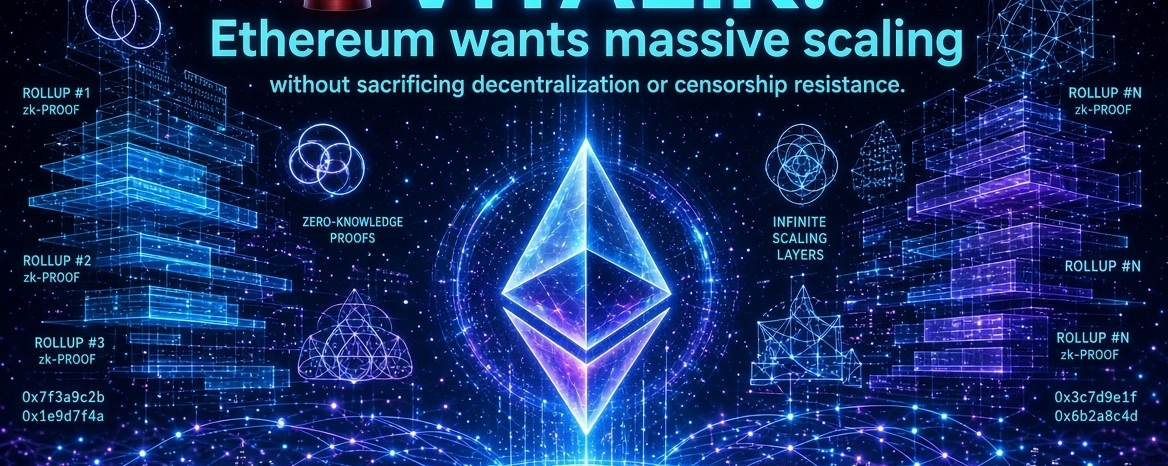
VITALIK:以太坊想要大幅擴容,同時不犧牲去中心化或抗審查以太坊聯合創辦人 Vitalik Buterin 反覆地將網路的下一階段建立在一項不可談判的原則之上:在保留讓以太坊與眾不同的特質的同時,提供數個數量級以上的更高容量。目標不只是提升吞吐量。真正的重點在於高效能——仍能讓一般使用者運行節點、抵抗審查、保持開放並可全球參與,而且即便主要營運者或開發者離開,系統依然保持穩健。
在這個願景的核心,是一種刻意的優先取捨:把頻寬放在積極降低延遲之上。Buterin 曾主張,提升資料頻寬比追逐一味更低的延遲更安全。延遲面臨由光速所設定的嚴格物理極限,還取決於在多樣化地點部署驗證者的需求——例如遠離資料中心的家庭環境——以確保仍具競爭力。相較之下,頻寬更像是工程問題:可以透過資料可用性抽樣(data availability sampling)、擦除碼(erasure coding)與零知識證明(zero-knowledge proofs)來解決。像是 PeerDAS 這類技術已能讓節點在不下載全部資料的情況下驗證龐大資料量。結合零知識證明,這條路徑便能在相對於先前設計的基礎上,將容量擴展到數千倍,且仍能維持廣泛分散的驗證者集合。
VITALIK:以太坊想要大幅擴容,同時不犧牲去中心化或抗審查
以太坊聯合創辦人 Vitalik Buterin 反覆地將網路的下一階段建立在一項不可談判的原則之上:在保留讓以太坊與眾不同的特質的同時,提供數個數量級以上的更高容量。目標不只是提升吞吐量。真正的重點在於高效能——仍能讓一般使用者運行節點、抵抗審查、保持開放並可全球參與,而且即便主要營運者或開發者離開,系統依然保持穩健。
在這個願景的核心,是一種刻意的優先取捨:把頻寬放在積極降低延遲之上。Buterin 曾主張,提升資料頻寬比追逐一味更低的延遲更安全。延遲面臨由光速所設定的嚴格物理極限,還取決於在多樣化地點部署驗證者的需求——例如遠離資料中心的家庭環境——以確保仍具競爭力。相較之下,頻寬更像是工程問題:可以透過資料可用性抽樣(data availability sampling)、擦除碼(erasure coding)與零知識證明(zero-knowledge proofs)來解決。像是 PeerDAS 這類技術已能讓節點在不下載全部資料的情況下驗證龐大資料量。結合零知識證明,這條路徑便能在相對於先前設計的基礎上,將容量擴展到數千倍,且仍能維持廣泛分散的驗證者集合。
在這個願景的核心,是一種刻意的優先取捨:把頻寬放在積極降低延遲之上。Buterin 曾主張,提升資料頻寬比追逐一味更低的延遲更安全。延遲面臨由光速所設定的嚴格物理極限,還取決於在多樣化地點部署驗證者的需求——例如遠離資料中心的家庭環境——以確保仍具競爭力。相較之下,頻寬更像是工程問題:可以透過資料可用性抽樣(data availability sampling)、擦除碼(erasure coding)與零知識證明(zero-knowledge proofs)來解決。像是 PeerDAS 這類技術已能讓節點在不下載全部資料的情況下驗證龐大資料量。結合零知識證明,這條路徑便能在相對於先前設計的基礎上,將容量擴展到數千倍,且仍能維持廣泛分散的驗證者集合。
43
·
--
文章
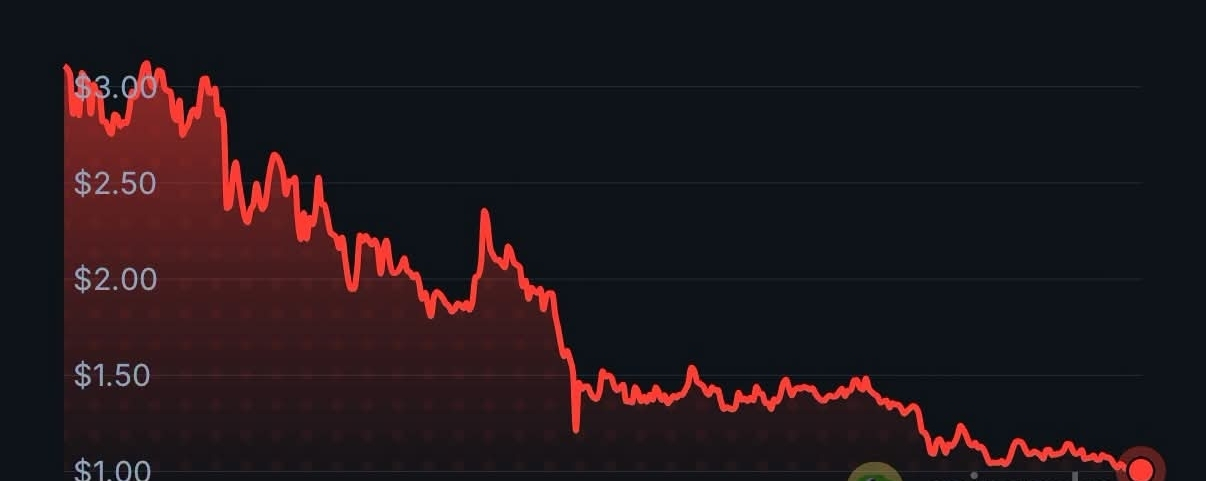
XRP 最後一次觸及歷史高點約在 2025 年 7 月中旬,接近 3.65 美元。#Xrp🔥🔥 最後一次觸及歷史高點是在 2025 年 7 月中旬,約爲 3.65 美元。大約 13 個月之後,即 2026 年 8 月中旬,該代幣交易價格接近 1.00 美元——較該峯值下跌超過 70%,並且在許多數據集中年初至今(YTD)大約下跌 45% 到 50%。
這種急劇回撤讓許多持有者以及潛在買家都在追問經典問題:該買入、賣出還是繼續持有?
2025 年的上漲行情及其後續
2025 年 XRP 的上漲主要由長期等待的美國主要監管不確定性得到解決所推動,同時還包括多隻現貨 XRP ETF 的推出,以及更廣泛的山寨幣輪動。價格一度突破了此前的週期高點,在一些數據集中曾短暫超過舊的 2018 年高點,並在接近 3.65 美元處創下新高。市場普遍對更明晰的法律地位以及機構產品能夠釋放持續需求抱有很高的樂觀情緒。
XRP 最後一次觸及歷史高點約在 2025 年 7 月中旬,接近 3.65 美元。
#Xrp🔥🔥 最後一次觸及歷史高點是在 2025 年 7 月中旬,約爲 3.65 美元。大約 13 個月之後,即 2026 年 8 月中旬,該代幣交易價格接近 1.00 美元——較該峯值下跌超過 70%,並且在許多數據集中年初至今(YTD)大約下跌 45% 到 50%。
這種急劇回撤讓許多持有者以及潛在買家都在追問經典問題:該買入、賣出還是繼續持有?
2025 年的上漲行情及其後續
2025 年 XRP 的上漲主要由長期等待的美國主要監管不確定性得到解決所推動,同時還包括多隻現貨 XRP ETF 的推出,以及更廣泛的山寨幣輪動。價格一度突破了此前的週期高點,在一些數據集中曾短暫超過舊的 2018 年高點,並在接近 3.65 美元處創下新高。市場普遍對更明晰的法律地位以及機構產品能夠釋放持續需求抱有很高的樂觀情緒。
這種急劇回撤讓許多持有者以及潛在買家都在追問經典問題:該買入、賣出還是繼續持有?
2025 年的上漲行情及其後續
2025 年 XRP 的上漲主要由長期等待的美國主要監管不確定性得到解決所推動,同時還包括多隻現貨 XRP ETF 的推出,以及更廣泛的山寨幣輪動。價格一度突破了此前的週期高點,在一些數據集中曾短暫超過舊的 2018 年高點,並在接近 3.65 美元處創下新高。市場普遍對更明晰的法律地位以及機構產品能夠釋放持續需求抱有很高的樂觀情緒。
103
·
--
文章
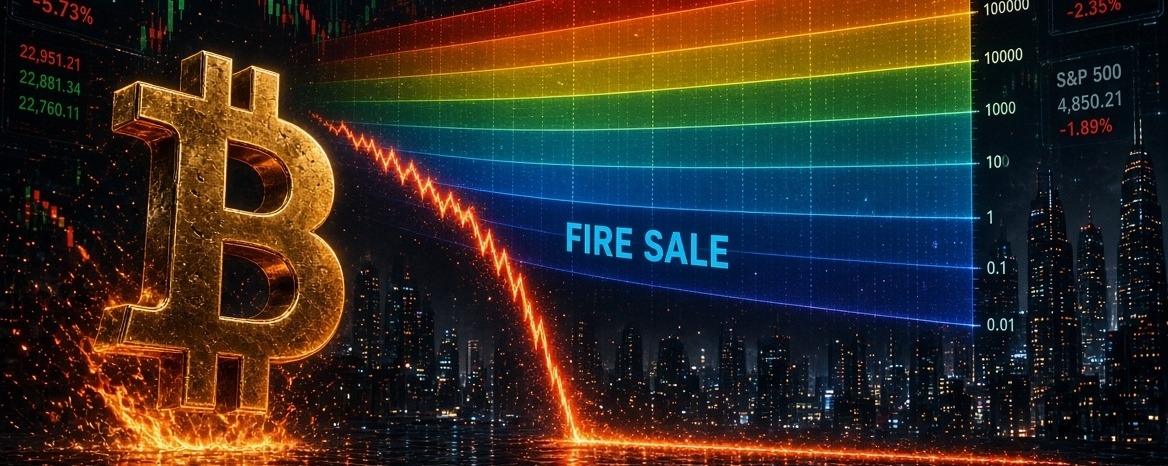
比特幣從未像現在這樣長期低於“<t-6/>”彩虹圖的“Fire Sale(甩賣)”區間比特幣從未像現在這樣,在“#bitcoin ”彩虹圖的“Fire Sale(甩賣)”區間下方停留這麼久。該說法在 2026 年 8 月中旬被廣泛傳播,概括了相較於比特幣長期對數增長軌跡而言一種異常長時間的極度低估。
“#bitcoin ” 彩虹圖在對數尺度的價格圖上疊加了按顏色劃分的估值區間。最深的藍色區域——“簡直就是甩賣!”——在歷史上曾標誌過深度恐慌性拋售(資本極度耗盡)的時期。此前對該水平的多次到訪或跌破(尤其是 2015 年、2020 年 3 月的 COVID 崩盤,以及 2022 年 11 月的 FTX 崩潰)通常持續時間相對較短;而當前這種多月的停留則更爲罕見。目前價格約在 63,000 美元附近,比 2025 年 10 月接近 126,000 美元的高點大約低 50%,同時也顯著低於模型的最低區間(近期估計大約在 63,000–65,000 美元,取決於擬合的精確程度)。經波動率調整後的指標顯示,相較於長期模型價格的偏離程度,比 2022 年底部時還要更深。
比特幣從未像現在這樣長期低於“<t-6/>”彩虹圖的“Fire Sale(甩賣)”區間
比特幣從未像現在這樣,在“#bitcoin ”彩虹圖的“Fire Sale(甩賣)”區間下方停留這麼久。該說法在 2026 年 8 月中旬被廣泛傳播,概括了相較於比特幣長期對數增長軌跡而言一種異常長時間的極度低估。
“#bitcoin ” 彩虹圖在對數尺度的價格圖上疊加了按顏色劃分的估值區間。最深的藍色區域——“簡直就是甩賣!”——在歷史上曾標誌過深度恐慌性拋售(資本極度耗盡)的時期。此前對該水平的多次到訪或跌破(尤其是 2015 年、2020 年 3 月的 COVID 崩盤,以及 2022 年 11 月的 FTX 崩潰)通常持續時間相對較短;而當前這種多月的停留則更爲罕見。目前價格約在 63,000 美元附近,比 2025 年 10 月接近 126,000 美元的高點大約低 50%,同時也顯著低於模型的最低區間(近期估計大約在 63,000–65,000 美元,取決於擬合的精確程度)。經波動率調整後的指標顯示,相較於長期模型價格的偏離程度,比 2022 年底部時還要更深。
“#bitcoin ” 彩虹圖在對數尺度的價格圖上疊加了按顏色劃分的估值區間。最深的藍色區域——“簡直就是甩賣!”——在歷史上曾標誌過深度恐慌性拋售(資本極度耗盡)的時期。此前對該水平的多次到訪或跌破(尤其是 2015 年、2020 年 3 月的 COVID 崩盤,以及 2022 年 11 月的 FTX 崩潰)通常持續時間相對較短;而當前這種多月的停留則更爲罕見。目前價格約在 63,000 美元附近,比 2025 年 10 月接近 126,000 美元的高點大約低 50%,同時也顯著低於模型的最低區間(近期估計大約在 63,000–65,000 美元,取決於擬合的精確程度)。經波動率調整後的指標顯示,相較於長期模型價格的偏離程度,比 2022 年底部時還要更深。
80
·
--

文章
CZ 將向 Giggle Academy 捐贈 BNB 和 幣安人生 代幣,隨後棄用該錢包
Changpeng張磊·趙(Changpeng Zhao),更廣爲人知的暱稱爲 CZ,是幣安(Binance)的創始人。他已宣佈一項果斷舉措:針對他名下某個公共錢包——該錢包已成爲迷因幣(meme coins)的“磁鐵”。他將把該地址中持有的 BNB 以及 幣安人生(Binance Life)代幣捐贈給 Giggle Academy。之後,他將徹底停止使用該錢包,並讓它作爲“銷燬地址”(burn address)繼續發揮作用。所給出的理由十分直接:打斷那種反覆出現的循環——隨機迷因幣被髮送到該錢包,隨後又會引發社區一波又一波的過度解讀;每當有人試圖清理它時,這種情況都會再次發生。
CZ 將向 Giggle Academy 捐贈 BNB 和 幣安人生 代幣,隨後棄用該錢包 Changpeng
張磊·趙(Changpeng Zhao),更廣爲人知的暱稱爲 CZ,是幣安(Binance)的創始人。他已宣佈一項果斷舉措:針對他名下某個公共錢包——該錢包已成爲迷因幣(meme coins)的“磁鐵”。他將把該地址中持有的 BNB 以及 幣安人生(Binance Life)代幣捐贈給 Giggle Academy。之後,他將徹底停止使用該錢包,並讓它作爲“銷燬地址”(burn address)繼續發揮作用。所給出的理由十分直接:打斷那種反覆出現的循環——隨機迷因幣被髮送到該錢包,隨後又會引發社區一波又一波的過度解讀;每當有人試圖清理它時,這種情況都會再次發生。
193
·
--
S&P觸及3800,ETH 1900。
4800,仍為1900。
5800,1900。
6800,1900。
今天7800——史上首次——而ETH仍維持1900。
多年的篤定、波動與希望,對抗簡單的股票複利卻完全沒有進展。你生命中最好的那些年,花時間看著一個數字凍結不動,而另一個數字翻了一倍。殘酷的機會成本。
S&P觸及3800,ETH 1900。
4800,仍為1900。
5800,1900。
6800,1900。
今天7800——史上首次——而ETH仍維持1900。
多年的篤定、波動與希望,對抗簡單的股票複利卻完全沒有進展。你生命中最好的那些年,花時間看著一個數字凍結不動,而另一個數字翻了一倍。殘酷的機會成本。
4800,仍為1900。
5800,1900。
6800,1900。
今天7800——史上首次——而ETH仍維持1900。
多年的篤定、波動與希望,對抗簡單的股票複利卻完全沒有進展。你生命中最好的那些年,花時間看著一個數字凍結不動,而另一個數字翻了一倍。殘酷的機會成本。
16
·
--
文章
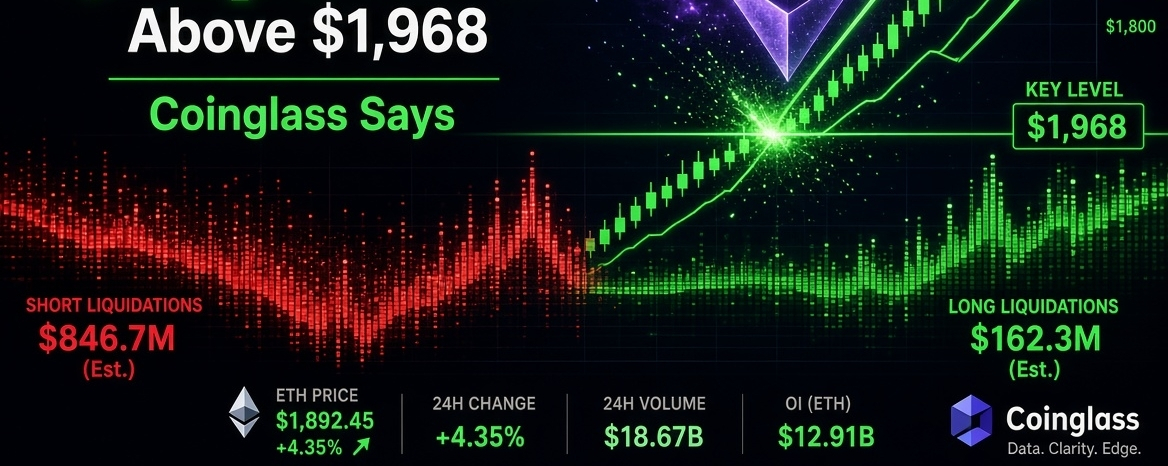
據 Coinglass 稱:ETH 若突破 1,968 美元或面臨 8.46 億美元空頭強平以太坊正處在短倉頭寸的“火藥桶”上。根據來自 Coinglass 的最新數據,如果 ETH 突破 1,968 美元,主要集中式交易所的累計空頭強平強度將約達到 8.46 億美元。該數字代表了以太坊期貨市場上目前可見的更爲顯著的近期期現強平集羣之一,並迅速引起了交易者的關注,他們正在觀察是否會出現潛在的空頭擠壓。
這個設置簡單但力量驚人。 #ETH #Ethereum #Crypt #Liquidations ##USJulyCPI&PPIDueThisWeek CryptoMarket 大量使用槓桿的交易者已在當前價格附近及其上方建立了空頭倉位。隨着價格接近 1,968 美元,這些倉位所承受的壓力將不斷累積。若價格果斷突破該水平,交易所將被迫自動平掉虧損的空頭賬戶,從而引發一連串的市價買單。這些被動買入可能會加速上行行情,在一種常被稱爲“空頭擠壓”的自我強化循環中,進一步清算更多空頭。
據 Coinglass 稱:ETH 若突破 1,968 美元或面臨 8.46 億美元空頭強平
以太坊正處在短倉頭寸的“火藥桶”上。根據來自 Coinglass 的最新數據,如果 ETH 突破 1,968 美元,主要集中式交易所的累計空頭強平強度將約達到 8.46 億美元。該數字代表了以太坊期貨市場上目前可見的更爲顯著的近期期現強平集羣之一,並迅速引起了交易者的關注,他們正在觀察是否會出現潛在的空頭擠壓。
這個設置簡單但力量驚人。 #ETH #Ethereum #Crypt #Liquidations ##USJulyCPI&PPIDueThisWeek CryptoMarket 大量使用槓桿的交易者已在當前價格附近及其上方建立了空頭倉位。隨着價格接近 1,968 美元,這些倉位所承受的壓力將不斷累積。若價格果斷突破該水平,交易所將被迫自動平掉虧損的空頭賬戶,從而引發一連串的市價買單。這些被動買入可能會加速上行行情,在一種常被稱爲“空頭擠壓”的自我強化循環中,進一步清算更多空頭。
這個設置簡單但力量驚人。 #ETH #Ethereum #Crypt #Liquidations ##USJulyCPI&PPIDueThisWeek CryptoMarket 大量使用槓桿的交易者已在當前價格附近及其上方建立了空頭倉位。隨着價格接近 1,968 美元,這些倉位所承受的壓力將不斷累積。若價格果斷突破該水平,交易所將被迫自動平掉虧損的空頭賬戶,從而引發一連串的市價買單。這些被動買入可能會加速上行行情,在一種常被稱爲“空頭擠壓”的自我強化循環中,進一步清算更多空頭。
6
·
--
文章
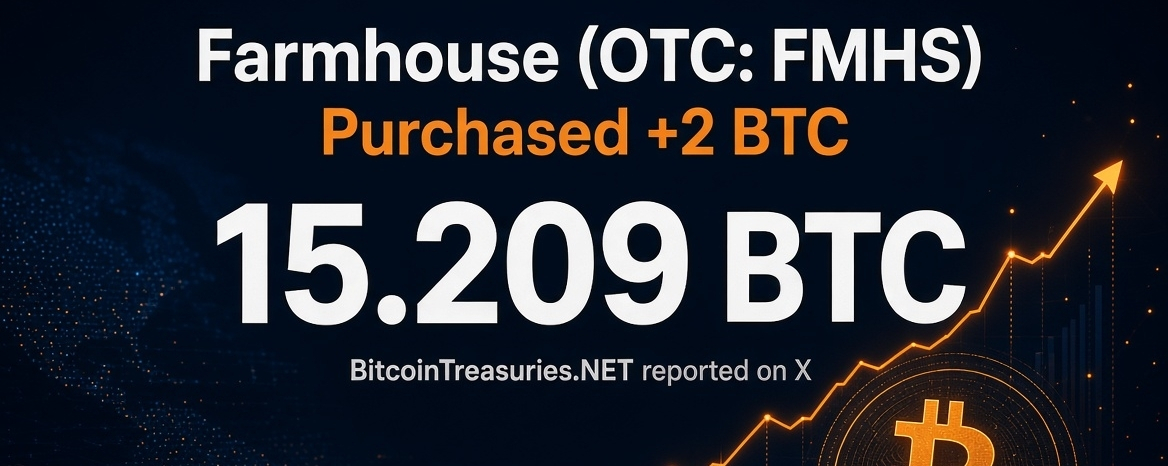
Farmhouse(OTC:FMHS)已額外購買 2 比特幣,使其總持有量達到 15 BTCBitcoinTreasuries.NET 在 X 上報導,公開交易公司 Farmhouse(OTC:FMHS)已額外購入 2 比特幣,使其總持有量達到 15.209 BTC。Odaily 也確認了這一更新,指出 Farmhouse 在最新一次收購後,持有 15.209 比特幣。
該公司的公告本身提供了更多細節。Farmhouse 表示,其已向儲備中再增加 2.0 BTC,平均價格爲 63,761 美元。目前持有的比特幣總量爲 15.209,混合平均成本基礎爲 64,547 美元。管理層以一句簡短的說法強調此次舉措:「我們在儲備領域擁有最佳切入點。」
Farmhouse(OTC:FMHS)已額外購買 2 比特幣,使其總持有量達到 15 BTC
BitcoinTreasuries.NET 在 X 上報導,公開交易公司 Farmhouse(OTC:FMHS)已額外購入 2 比特幣,使其總持有量達到 15.209 BTC。Odaily 也確認了這一更新,指出 Farmhouse 在最新一次收購後,持有 15.209 比特幣。
該公司的公告本身提供了更多細節。Farmhouse 表示,其已向儲備中再增加 2.0 BTC,平均價格爲 63,761 美元。目前持有的比特幣總量爲 15.209,混合平均成本基礎爲 64,547 美元。管理層以一句簡短的說法強調此次舉措:「我們在儲備領域擁有最佳切入點。」
該公司的公告本身提供了更多細節。Farmhouse 表示,其已向儲備中再增加 2.0 BTC,平均價格爲 63,761 美元。目前持有的比特幣總量爲 15.209,混合平均成本基礎爲 64,547 美元。管理層以一句簡短的說法強調此次舉措:「我們在儲備領域擁有最佳切入點。」
33
·
--
文章
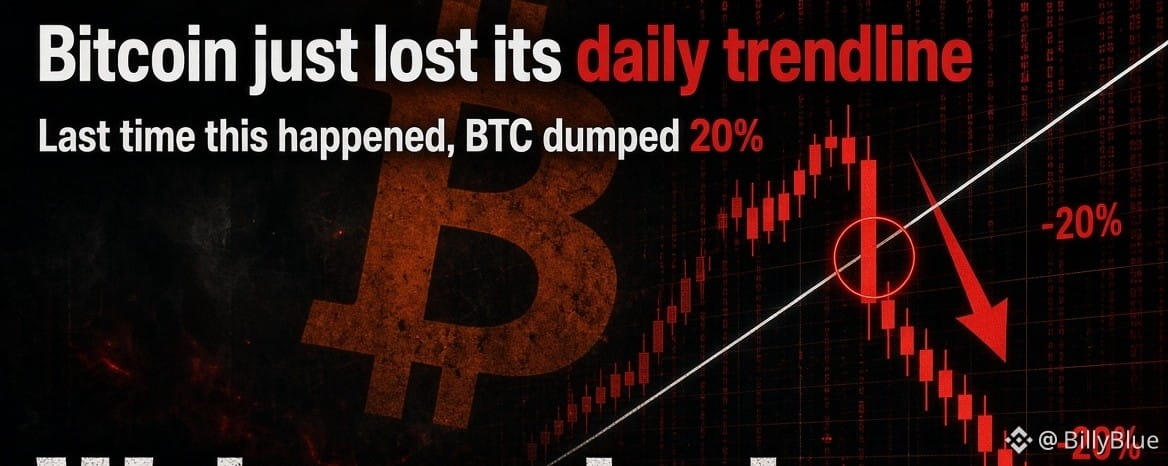
比特幣剛剛跌破了其日線趨勢線。
上一次發生這種情況,BTC下跌了20%。
我們要開始了圖表不會說謊,而此刻它正在發出與此前相同的警告。比特幣已經以通常預示着痛苦的那種堅定程度,刺穿了其上升的日線趨勢線。不是影線。不是短暫試探。這是一條幹淨、持續的跌破,令結構被打亂,且多頭正在回頭張望。
這並不是第一次。上一次價格以類似的方式失守同一條日線趨勢線時,比特幣並沒有“禮貌地”橫盤整理,也沒有進行溫和的更高低點修復。隨後數週它大約下跌了20%。流動性被狩獵。高槓杆多頭在一波又一波中被清算。“這只是健康回調”那羣人也都噤聲了。這個形態足夠熟悉,以至於許多在解讀上一輪崩潰時就已經發聲的人,如今正在再次畫出同樣的相似之處。
比特幣剛剛跌破了其日線趨勢線。 上一次發生這種情況,BTC下跌了20%。 我們要開始了
圖表不會說謊,而此刻它正在發出與此前相同的警告。比特幣已經以通常預示着痛苦的那種堅定程度,刺穿了其上升的日線趨勢線。不是影線。不是短暫試探。這是一條幹淨、持續的跌破,令結構被打亂,且多頭正在回頭張望。
這並不是第一次。上一次價格以類似的方式失守同一條日線趨勢線時,比特幣並沒有“禮貌地”橫盤整理,也沒有進行溫和的更高低點修復。隨後數週它大約下跌了20%。流動性被狩獵。高槓杆多頭在一波又一波中被清算。“這只是健康回調”那羣人也都噤聲了。這個形態足夠熟悉,以至於許多在解讀上一輪崩潰時就已經發聲的人,如今正在再次畫出同樣的相似之處。
這並不是第一次。上一次價格以類似的方式失守同一條日線趨勢線時,比特幣並沒有“禮貌地”橫盤整理,也沒有進行溫和的更高低點修復。隨後數週它大約下跌了20%。流動性被狩獵。高槓杆多頭在一波又一波中被清算。“這只是健康回調”那羣人也都噤聲了。這個形態足夠熟悉,以至於許多在解讀上一輪崩潰時就已經發聲的人,如今正在再次畫出同樣的相似之處。
47
·
--
文章
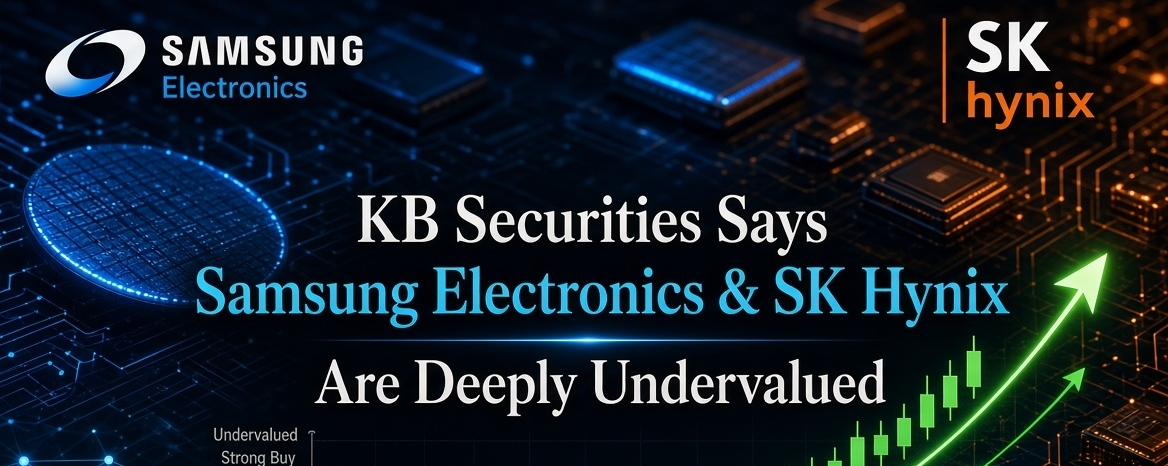
KB證券稱:三星電子與SK海力士嚴重被低估根據KB證券的說法,南韓兩家記憶體晶片巨頭三星電子與SK海力士,因其獲利成長爆發式加速,股價相對於其驚人的成長仍被嚴重低估。該券商在一份日期爲2026年8月13日的報告中指出,券商研究主管金東元(Kim Dong-won)表示,隨著公司預估獲利飆升,但股價遠遠落後,這些公司已進入「極度低估」區間。
KB證券預測,三星電子和SK海力士的合併營業利潤將從2025年的91兆韓元躍升至2026年的641兆韓元,並在2027年達到964兆韓元——接近1,000兆韓元大關。就2027年而言,該券商估計三星電子的營業利潤爲575兆韓元,SK海力士爲389兆韓元。這些數據意味著巨大的年增幅,兩家公司預期將主導韓國市場的獲利表現。
KB證券稱:三星電子與SK海力士嚴重被低估
根據KB證券的說法,南韓兩家記憶體晶片巨頭三星電子與SK海力士,因其獲利成長爆發式加速,股價相對於其驚人的成長仍被嚴重低估。該券商在一份日期爲2026年8月13日的報告中指出,券商研究主管金東元(Kim Dong-won)表示,隨著公司預估獲利飆升,但股價遠遠落後,這些公司已進入「極度低估」區間。
KB證券預測,三星電子和SK海力士的合併營業利潤將從2025年的91兆韓元躍升至2026年的641兆韓元,並在2027年達到964兆韓元——接近1,000兆韓元大關。就2027年而言,該券商估計三星電子的營業利潤爲575兆韓元,SK海力士爲389兆韓元。這些數據意味著巨大的年增幅,兩家公司預期將主導韓國市場的獲利表現。
KB證券預測,三星電子和SK海力士的合併營業利潤將從2025年的91兆韓元躍升至2026年的641兆韓元,並在2027年達到964兆韓元——接近1,000兆韓元大關。就2027年而言,該券商估計三星電子的營業利潤爲575兆韓元,SK海力士爲389兆韓元。這些數據意味著巨大的年增幅,兩家公司預期將主導韓國市場的獲利表現。
47
·
--

文章
Shein 通往香港的漫長路:因市場現實轉變而下調規模的 IPO總部位於新加坡的快時尚巨頭 Shein(由中國創立)正逐步邁向其長期期待的上市。根據知情人士以及援引新浪財經的報導,該公司計劃最早在 8 月 20 日開始接受投資者對其香港首次公開募股(IPO)的認購,並可能在 8 月 28 日前後於香港聯交所掛牌。該募股預期籌資規模介於 20 億至 30 億美元之間,儘管最終細節仍可能調整。
該公司原本目標估值約為 300 億美元——這已是較 2022 年私人市場高峰近 1000 億美元出現大幅下調,之後的融資輪次也曾將其估值調至約 640 億美元。然而,投資人反饋可能會迫使該數字進一步下修。部分報導指出,顧問正在以 200 億至 300 億美元的中高區間估值向公司“推銷”,反映潛在買家保持審慎。現有股東預期將認購發售股份約一半,為該交易提供一定支撐。
Shein 通往香港的漫長路:因市場現實轉變而下調規模的 IPO
總部位於新加坡的快時尚巨頭 Shein(由中國創立)正逐步邁向其長期期待的上市。根據知情人士以及援引新浪財經的報導,該公司計劃最早在 8 月 20 日開始接受投資者對其香港首次公開募股(IPO)的認購,並可能在 8 月 28 日前後於香港聯交所掛牌。該募股預期籌資規模介於 20 億至 30 億美元之間,儘管最終細節仍可能調整。
該公司原本目標估值約為 300 億美元——這已是較 2022 年私人市場高峰近 1000 億美元出現大幅下調,之後的融資輪次也曾將其估值調至約 640 億美元。然而,投資人反饋可能會迫使該數字進一步下修。部分報導指出,顧問正在以 200 億至 300 億美元的中高區間估值向公司“推銷”,反映潛在買家保持審慎。現有股東預期將認購發售股份約一半,為該交易提供一定支撐。
該公司原本目標估值約為 300 億美元——這已是較 2022 年私人市場高峰近 1000 億美元出現大幅下調,之後的融資輪次也曾將其估值調至約 640 億美元。然而,投資人反饋可能會迫使該數字進一步下修。部分報導指出,顧問正在以 200 億至 300 億美元的中高區間估值向公司“推銷”,反映潛在買家保持審慎。現有股東預期將認購發售股份約一半,為該交易提供一定支撐。
69
·
--
文章
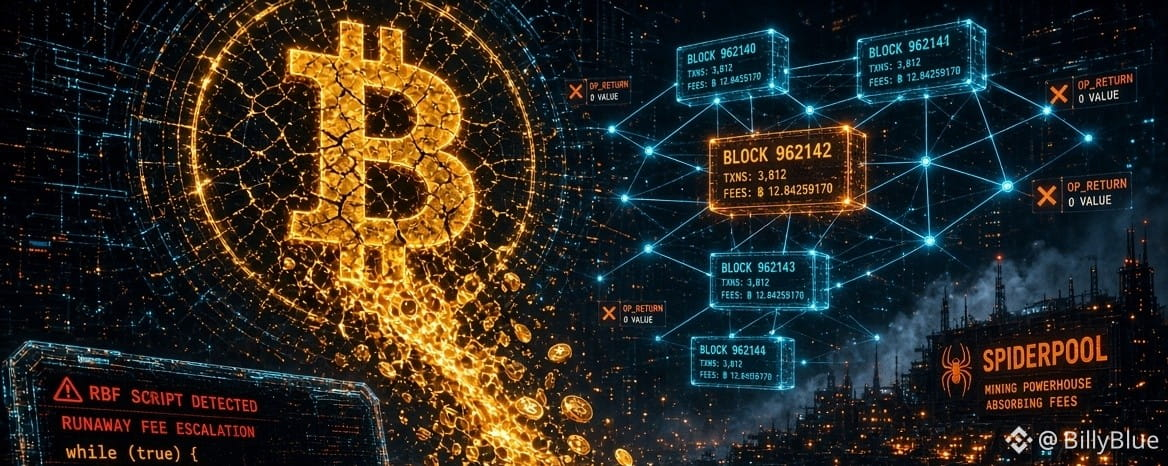
代價高昂的腳本:比特幣自動化錯誤如何將 1.6 BTC 變成礦工費用比特幣區塊 962142 默默吸收了近來鏈上歷史中一個更昂貴的自我傷害事件。一筆交易以單一輸入、160,343,885 聰(約 1.603 BTC)進入分類帳,且未向任何收款人交付任何價值。每一個聰都變成了網路費用。礦工,特別是那些在 SpiderPool 下運作的礦工,收走了全部金額。以當時接近 64,000 美元的價格計算,該手續費約值 102,800 至 103,000 美元。這筆交易提供了該區塊總手續費約 1.82 BTC 的約 88%。
代價高昂的腳本:比特幣自動化錯誤如何將 1.6 BTC 變成礦工費用
比特幣區塊 962142 默默吸收了近來鏈上歷史中一個更昂貴的自我傷害事件。一筆交易以單一輸入、160,343,885 聰(約 1.603 BTC)進入分類帳,且未向任何收款人交付任何價值。每一個聰都變成了網路費用。礦工,特別是那些在 SpiderPool 下運作的礦工,收走了全部金額。以當時接近 64,000 美元的價格計算,該手續費約值 102,800 至 103,000 美元。這筆交易提供了該區塊總手續費約 1.82 BTC 的約 88%。
107
·
--
**在幣安方塊(Binance Square)談真話的加密老手(Crypto OG)帶來無廢話的加密洞見,源自2017年的OG。** 在下一次重要動作來之前先關注,不然你會錯過。只講真話。
#BinanceSquare #CryptoOG #TruthSpeaker #Bitcoin
**在幣安方塊(Binance Square)談真話的加密老手(Crypto OG)帶來無廢話的加密洞見,源自2017年的OG。** 在下一次重要動作來之前先關注,不然你會錯過。只講真話。
#BinanceSquare #CryptoOG #TruthSpeaker #Bitcoin
#BinanceSquare #CryptoOG #TruthSpeaker #Bitcoin
9
·
--
Binance Alpha 透過簡單交易、Alpha Points、空投以及精選發現,讓使用者能夠提前存取具潛力的 Web3 代幣,為交易體驗帶來顛覆性的改變,並為未來的上架敞開大門。
#BinanceAlpha #Crypto #Web3 #Binance #Airdrops #Blockchain #DeFi #TokenLaunch
Binance Alpha 透過簡單交易、Alpha Points、空投以及精選發現,讓使用者能夠提前存取具潛力的 Web3 代幣,為交易體驗帶來顛覆性的改變,並為未來的上架敞開大門。
#BinanceAlpha #Crypto #Web3 #Binance #Airdrops #Blockchain #DeFi #TokenLaunch
#BinanceAlpha #Crypto #Web3 #Binance #Airdrops #Blockchain #DeFi #TokenLaunch
54
·
--
比特幣和以太幣主導加密貨幣市場。BTC 作為數位黃金,而 ETH 推動創新的智慧合約與 DeFi。
#BTC #ETH #Bitcoin #Ethereum #Crypto #Blockchain #DeFi
比特幣和以太幣主導加密貨幣市場。BTC 作為數位黃金,而 ETH 推動創新的智慧合約與 DeFi。
#BTC #ETH #Bitcoin #Ethereum #Crypto #Blockchain #DeFi
#BTC #ETH #Bitcoin #Ethereum #Crypto #Blockchain #DeFi
69
·
--
真實
**前十名 Binance Alpha 潛力項目(可提前體驗新興 Web3 項目)**
*截至 2026 年 8 月初——排名基於市場數據與活躍度。該列表變化頻繁;請務必查看官方 Binance Alpha / Binance Wallet Markets 頁面以獲取最新信息。*
1. **Ondo(ONDO)**
領跑型 RWA(現實世界資產)項目,經常登頂 Alpha 市值榜單。
2. **Aster(ASTER)**
Alpha 上交易量表現突出的佼佼者。
3. **Binance Life(幣安人生)**
受歡迎的社區/梗幣風格代幣,Alpha 影響力強。
4. **Fartcoin(FARTCOIN)**
梗幣代幣,在 Alpha 的市值與交易量榜單中都能穩定保持靠前位置。
5. **SOON**
值得關注的早期 Alpha 項目,市場存在感紮實。
6. **SKYAI**
以 AI 爲主的項目,經常出現在 Alpha 排名中並獲得聚焦。
7. **ARC(AI Rig Complex)**
與 AI 相關、活躍於 Alpha 生態的項目。
8. **AIXBT**
AI + 交易相關代幣,Alpha 上的持續成交量表現穩定。
9. **GRVT**
近期在 Alpha 上亮相,伴隨空投活動(2026 年 7 月)。
10. **DAPPOS(DOS)**
最新加入(於 2026 年 8 月 10 日在 Binance Alpha 上上線),併爲 Alpha Points 持有者持續提供空投。
### 備註
- Binance Alpha 會重點展示可能(但不保證)後續會在 Binance 現貨或期貨上線的早期項目。
- 許多項目也會進行 Alpha Points 空投以及 Alpha Box 活動。
- 其他經常被提及的名稱包括 AGT、AIA、CGPT、SHELL、PLUME,以及各類 AI/梗幣/DeFi 代幣。
如需最準確、實時的列表,請打開 **Binance 應用 → Alpha / Markets → Alpha** 部分,或訪問官方 Binance Wallet Alpha 頁面。
**前十名 Binance Alpha 潛力項目(可提前體驗新興 Web3 項目)**
*截至 2026 年 8 月初——排名基於市場數據與活躍度。該列表變化頻繁;請務必查看官方 Binance Alpha / Binance Wallet Markets 頁面以獲取最新信息。*
1. **Ondo(ONDO)**
領跑型 RWA(現實世界資產)項目,經常登頂 Alpha 市值榜單。
2. **Aster(ASTER)**
Alpha 上交易量表現突出的佼佼者。
3. **Binance Life(幣安人生)**
受歡迎的社區/梗幣風格代幣,Alpha 影響力強。
4. **Fartcoin(FARTCOIN)**
梗幣代幣,在 Alpha 的市值與交易量榜單中都能穩定保持靠前位置。
5. **SOON**
值得關注的早期 Alpha 項目,市場存在感紮實。
6. **SKYAI**
以 AI 爲主的項目,經常出現在 Alpha 排名中並獲得聚焦。
7. **ARC(AI Rig Complex)**
與 AI 相關、活躍於 Alpha 生態的項目。
8. **AIXBT**
AI + 交易相關代幣,Alpha 上的持續成交量表現穩定。
9. **GRVT**
近期在 Alpha 上亮相,伴隨空投活動(2026 年 7 月)。
10. **DAPPOS(DOS)**
最新加入(於 2026 年 8 月 10 日在 Binance Alpha 上上線),併爲 Alpha Points 持有者持續提供空投。
### 備註
- Binance Alpha 會重點展示可能(但不保證)後續會在 Binance 現貨或期貨上線的早期項目。
- 許多項目也會進行 Alpha Points 空投以及 Alpha Box 活動。
- 其他經常被提及的名稱包括 AGT、AIA、CGPT、SHELL、PLUME,以及各類 AI/梗幣/DeFi 代幣。
如需最準確、實時的列表,請打開 **Binance 應用 → Alpha / Markets → Alpha** 部分,或訪問官方 Binance Wallet Alpha 頁面。
*截至 2026 年 8 月初——排名基於市場數據與活躍度。該列表變化頻繁;請務必查看官方 Binance Alpha / Binance Wallet Markets 頁面以獲取最新信息。*
1. **Ondo(ONDO)**
領跑型 RWA(現實世界資產)項目,經常登頂 Alpha 市值榜單。
2. **Aster(ASTER)**
Alpha 上交易量表現突出的佼佼者。
3. **Binance Life(幣安人生)**
受歡迎的社區/梗幣風格代幣,Alpha 影響力強。
4. **Fartcoin(FARTCOIN)**
梗幣代幣,在 Alpha 的市值與交易量榜單中都能穩定保持靠前位置。
5. **SOON**
值得關注的早期 Alpha 項目,市場存在感紮實。
6. **SKYAI**
以 AI 爲主的項目,經常出現在 Alpha 排名中並獲得聚焦。
7. **ARC(AI Rig Complex)**
與 AI 相關、活躍於 Alpha 生態的項目。
8. **AIXBT**
AI + 交易相關代幣,Alpha 上的持續成交量表現穩定。
9. **GRVT**
近期在 Alpha 上亮相,伴隨空投活動(2026 年 7 月)。
10. **DAPPOS(DOS)**
最新加入(於 2026 年 8 月 10 日在 Binance Alpha 上上線),併爲 Alpha Points 持有者持續提供空投。
### 備註
- Binance Alpha 會重點展示可能(但不保證)後續會在 Binance 現貨或期貨上線的早期項目。
- 許多項目也會進行 Alpha Points 空投以及 Alpha Box 活動。
- 其他經常被提及的名稱包括 AGT、AIA、CGPT、SHELL、PLUME,以及各類 AI/梗幣/DeFi 代幣。
如需最準確、實時的列表,請打開 **Binance 應用 → Alpha / Markets → Alpha** 部分,或訪問官方 Binance Wallet Alpha 頁面。
1
319
登入以探索更多內容
加入幣安廣場中的全球加密貨幣用戶
⚡️ 獲取加密貨幣的最新和實用資訊。
💬 受到全球最大加密貨幣交易所的信任。
👍 發掘來自經過驗證創作者的真實見解。
電子郵件 / 電話號碼