

Vusal-Ismailov
58 貼文

Vusal-Ismailov
舉報
封鎖用戶
5 關注
12 粉絲
32 點讚數
貼文
投資組合
置頂

文章
查看翻譯
A Bearish Favor: Why the Arrival of Banks Actually Crashed Crypto Prices $BTC $ETH $USDT
{spot}(BTCUSDT)
{spot}(ETHUSDT)
How Banks Crashed Crypto Prices
For a long time, the crypto industry awaited the arrival of major banks as its main growth driver. In 2026, it finally happened—but instead of skyrocketing prices, the market got a prolonged correction.
How Banks Can Drive Prices Down
• Liquidity capture and functional replacement. Previously, investors and businesses bought Bitcoin, Ethereum, or traditional stablecoins (USDT, USDC) as an alternative to slow bank transfers or as an inflation hedge. Now that banks are launching their own regulated stablecoins (such as the Project Faro consortium or Japanese megabanks) and instant blockchain settlements, the need for independent cryptocurrencies for these purposes is declining. Capital is flowing out of the open crypto market into closed banking ecosystems.
• Growth in short positions and hedging. With the arrival of bank desks, custodians, and derivatives (futures, ETF options), major players gained the ability not only to buy the asset, but also to effectively bet against it. Banks hedge their clients' risks by selling futures, which puts constant downward pressure on the spot price and dampens sharp upward rallies.
• Strict compliance and cutting off "gray" channels. Bank integration means the widespread enforcement of regulations like the Travel Rule (83% of countries), the blocking of anonymous wallets, and bans on P2P transactions (such as in Russia). A massive layer of retail and shadow capital that used to flow freely onto crypto exchanges and push prices up is now cut off from the market due to bank checks and account freezes.
• Demand restrictions on the banks themselves. Due to strict Basel Committee requirements (a 1,250% risk weight and a 1–2% capital limit), banks physically cannot become major buyers of Bitcoin. Instead, they actively act as sellers—for example, liquidating confiscated or collateralized client assets—while collecting fees for servicing the infrastructure.
The arrival of traditional finance worked against prices for four key reasons:
• Liquidity capture. Banks are launching their own regulated stablecoins and tokenizing real-world assets. Businesses and investors no longer need to buy volatile coins for fast settlements—capital is moving into closed banking networks.
• Betting on a decline. With the growth of bank derivatives and ETF options, institutional players gained convenient tools for shorting and hedging. This weighs on the spot market and suppresses any attempts at sharp growth.
• Strict compliance. The rollout of the Travel Rule standard, account freezes, and P2P bans have cut exchanges off from a massive flow of retail and shadow capital that previously drove prices higher.
• Purchase restrictions for banks. Under international Basel Committee rules, holding Bitcoin on a balance sheet is unprofitable for banks due to prohibitive capital requirements. They build the infrastructure and earn fees, but they do not buy up the coins themselves.
Ultimately, banks have "tamed" the market: they took blockchain technology for their own purposes while stripping cryptocurrencies of their former freedom and speculative fuel.
"If this perspective on the current correction rings true to you—support the post with a reaction so more people in the feed can see the real picture of what's happening."
• #Bitcoin #BTC #Ethereum #ETH
• #CryptoMarket #MarketPullback #CryptoNews
• #BearMarket #InstitutionalAdoption #Regulation
• #Stablecoins #DeFi #TradFi
A Bearish Favor: Why the Arrival of Banks Actually Crashed Crypto Prices
$BTC $ETH $USDT
How Banks Crashed Crypto Prices
For a long time, the crypto industry awaited the arrival of major banks as its main growth driver. In 2026, it finally happened—but instead of skyrocketing prices, the market got a prolonged correction.
How Banks Can Drive Prices Down
• Liquidity capture and functional replacement. Previously, investors and businesses bought Bitcoin, Ethereum, or traditional stablecoins (USDT, USDC) as an alternative to slow bank transfers or as an inflation hedge. Now that banks are launching their own regulated stablecoins (such as the Project Faro consortium or Japanese megabanks) and instant blockchain settlements, the need for independent cryptocurrencies for these purposes is declining. Capital is flowing out of the open crypto market into closed banking ecosystems.
• Growth in short positions and hedging. With the arrival of bank desks, custodians, and derivatives (futures, ETF options), major players gained the ability not only to buy the asset, but also to effectively bet against it. Banks hedge their clients' risks by selling futures, which puts constant downward pressure on the spot price and dampens sharp upward rallies.
• Strict compliance and cutting off "gray" channels. Bank integration means the widespread enforcement of regulations like the Travel Rule (83% of countries), the blocking of anonymous wallets, and bans on P2P transactions (such as in Russia). A massive layer of retail and shadow capital that used to flow freely onto crypto exchanges and push prices up is now cut off from the market due to bank checks and account freezes.
• Demand restrictions on the banks themselves. Due to strict Basel Committee requirements (a 1,250% risk weight and a 1–2% capital limit), banks physically cannot become major buyers of Bitcoin. Instead, they actively act as sellers—for example, liquidating confiscated or collateralized client assets—while collecting fees for servicing the infrastructure.
The arrival of traditional finance worked against prices for four key reasons:
• Liquidity capture. Banks are launching their own regulated stablecoins and tokenizing real-world assets. Businesses and investors no longer need to buy volatile coins for fast settlements—capital is moving into closed banking networks.
• Betting on a decline. With the growth of bank derivatives and ETF options, institutional players gained convenient tools for shorting and hedging. This weighs on the spot market and suppresses any attempts at sharp growth.
• Strict compliance. The rollout of the Travel Rule standard, account freezes, and P2P bans have cut exchanges off from a massive flow of retail and shadow capital that previously drove prices higher.
• Purchase restrictions for banks. Under international Basel Committee rules, holding Bitcoin on a balance sheet is unprofitable for banks due to prohibitive capital requirements. They build the infrastructure and earn fees, but they do not buy up the coins themselves.
Ultimately, banks have "tamed" the market: they took blockchain technology for their own purposes while stripping cryptocurrencies of their former freedom and speculative fuel.
"If this perspective on the current correction rings true to you—support the post with a reaction so more people in the feed can see the real picture of what's happening."
• #Bitcoin #BTC #Ethereum #ETH
• #CryptoMarket #MarketPullback #CryptoNews
• #BearMarket #InstitutionalAdoption #Regulation
• #Stablecoins #DeFi #TradFi
How Banks Crashed Crypto Prices
For a long time, the crypto industry awaited the arrival of major banks as its main growth driver. In 2026, it finally happened—but instead of skyrocketing prices, the market got a prolonged correction.
How Banks Can Drive Prices Down
• Liquidity capture and functional replacement. Previously, investors and businesses bought Bitcoin, Ethereum, or traditional stablecoins (USDT, USDC) as an alternative to slow bank transfers or as an inflation hedge. Now that banks are launching their own regulated stablecoins (such as the Project Faro consortium or Japanese megabanks) and instant blockchain settlements, the need for independent cryptocurrencies for these purposes is declining. Capital is flowing out of the open crypto market into closed banking ecosystems.
• Growth in short positions and hedging. With the arrival of bank desks, custodians, and derivatives (futures, ETF options), major players gained the ability not only to buy the asset, but also to effectively bet against it. Banks hedge their clients' risks by selling futures, which puts constant downward pressure on the spot price and dampens sharp upward rallies.
• Strict compliance and cutting off "gray" channels. Bank integration means the widespread enforcement of regulations like the Travel Rule (83% of countries), the blocking of anonymous wallets, and bans on P2P transactions (such as in Russia). A massive layer of retail and shadow capital that used to flow freely onto crypto exchanges and push prices up is now cut off from the market due to bank checks and account freezes.
• Demand restrictions on the banks themselves. Due to strict Basel Committee requirements (a 1,250% risk weight and a 1–2% capital limit), banks physically cannot become major buyers of Bitcoin. Instead, they actively act as sellers—for example, liquidating confiscated or collateralized client assets—while collecting fees for servicing the infrastructure.
The arrival of traditional finance worked against prices for four key reasons:
• Liquidity capture. Banks are launching their own regulated stablecoins and tokenizing real-world assets. Businesses and investors no longer need to buy volatile coins for fast settlements—capital is moving into closed banking networks.
• Betting on a decline. With the growth of bank derivatives and ETF options, institutional players gained convenient tools for shorting and hedging. This weighs on the spot market and suppresses any attempts at sharp growth.
• Strict compliance. The rollout of the Travel Rule standard, account freezes, and P2P bans have cut exchanges off from a massive flow of retail and shadow capital that previously drove prices higher.
• Purchase restrictions for banks. Under international Basel Committee rules, holding Bitcoin on a balance sheet is unprofitable for banks due to prohibitive capital requirements. They build the infrastructure and earn fees, but they do not buy up the coins themselves.
Ultimately, banks have "tamed" the market: they took blockchain technology for their own purposes while stripping cryptocurrencies of their former freedom and speculative fuel.
"If this perspective on the current correction rings true to you—support the post with a reaction so more people in the feed can see the real picture of what's happening."
• #Bitcoin #BTC #Ethereum #ETH
• #CryptoMarket #MarketPullback #CryptoNews
• #BearMarket #InstitutionalAdoption #Regulation
• #Stablecoins #DeFi #TradFi
2
2
189
真實
查看翻譯
$IRYS После осеннего пика на 0.32 токен IRYS прошел фазу здоровой разгрузки и сейчас формирует базу около $0.0155.
Пока с рынка уходит лишний шум, самое время оценить суть проекта 👇
🔹 Технология: Первый программируемый L1 datachain — хранение данных + IrysVM в одном месте.
🔹 Тренд: Прямой фокус на AI и ресурсоемкие dApps, которым нужны проверяемые массивы данных.
🔹 Токеномика: Реальная утилитарность (газ, хранение, стейкинг) и механизм сжигания комиссий.
Коррекция вымыла спекулянтов, оставив сильную инфраструктуру на стыке AI и DePIN. Отличный кейс для watchlist 🔍
DYOR
{alpha}(560x91152b4ef635403efbae860edd0f8c321d7c035d)
$IRYS После осеннего пика на 0.32 токен IRYS прошел фазу здоровой разгрузки и сейчас формирует базу около $0.0155.
Пока с рынка уходит лишний шум, самое время оценить суть проекта 👇
🔹 Технология: Первый программируемый L1 datachain — хранение данных + IrysVM в одном месте.
🔹 Тренд: Прямой фокус на AI и ресурсоемкие dApps, которым нужны проверяемые массивы данных.
🔹 Токеномика: Реальная утилитарность (газ, хранение, стейкинг) и механизм сжигания комиссий.
Коррекция вымыла спекулянтов, оставив сильную инфраструктуру на стыке AI и DePIN. Отличный кейс для watchlist 🔍
DYOR
Пока с рынка уходит лишний шум, самое время оценить суть проекта 👇
🔹 Технология: Первый программируемый L1 datachain — хранение данных + IrysVM в одном месте.
🔹 Тренд: Прямой фокус на AI и ресурсоемкие dApps, которым нужны проверяемые массивы данных.
🔹 Токеномика: Реальная утилитарность (газ, хранение, стейкинг) и механизм сжигания комиссий.
Коррекция вымыла спекулянтов, оставив сильную инфраструктуру на стыке AI и DePIN. Отличный кейс для watchlist 🔍
DYOR
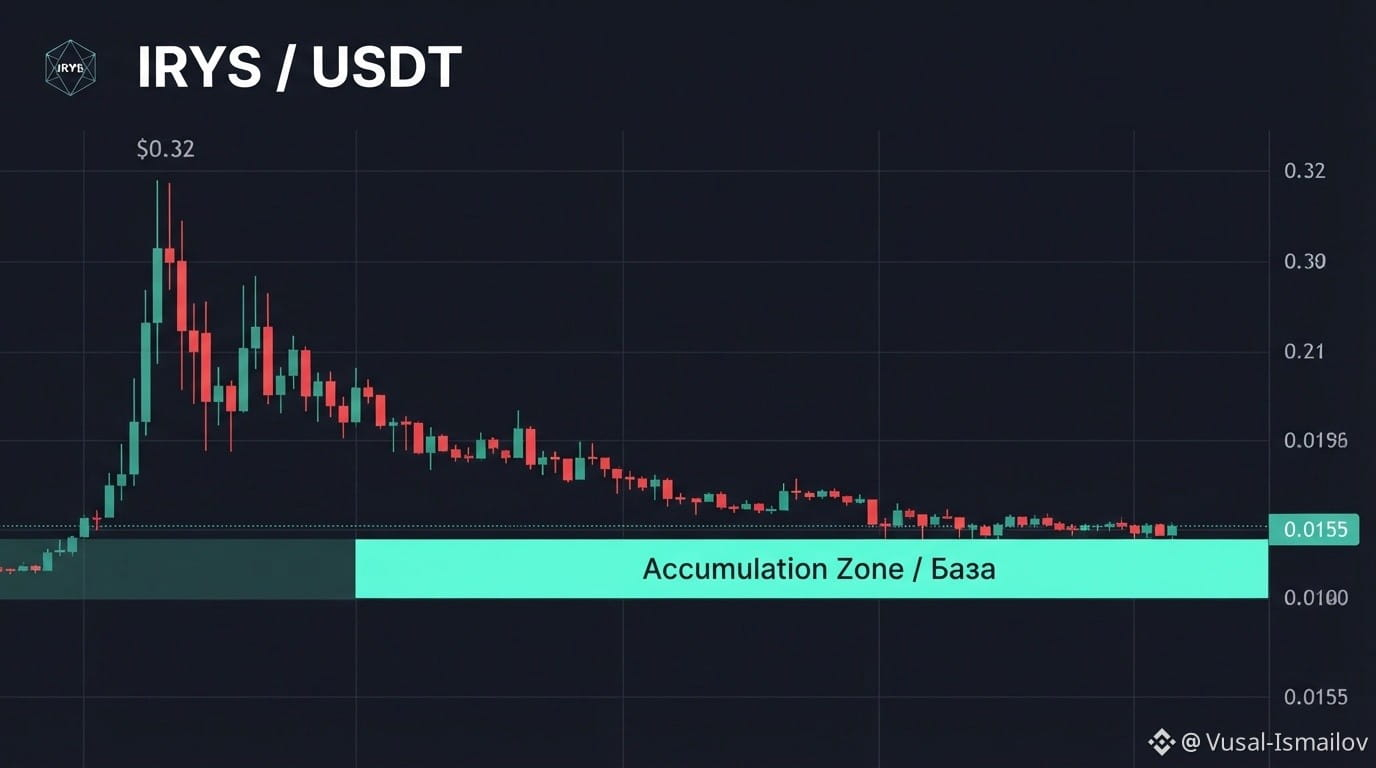
635
查看翻譯
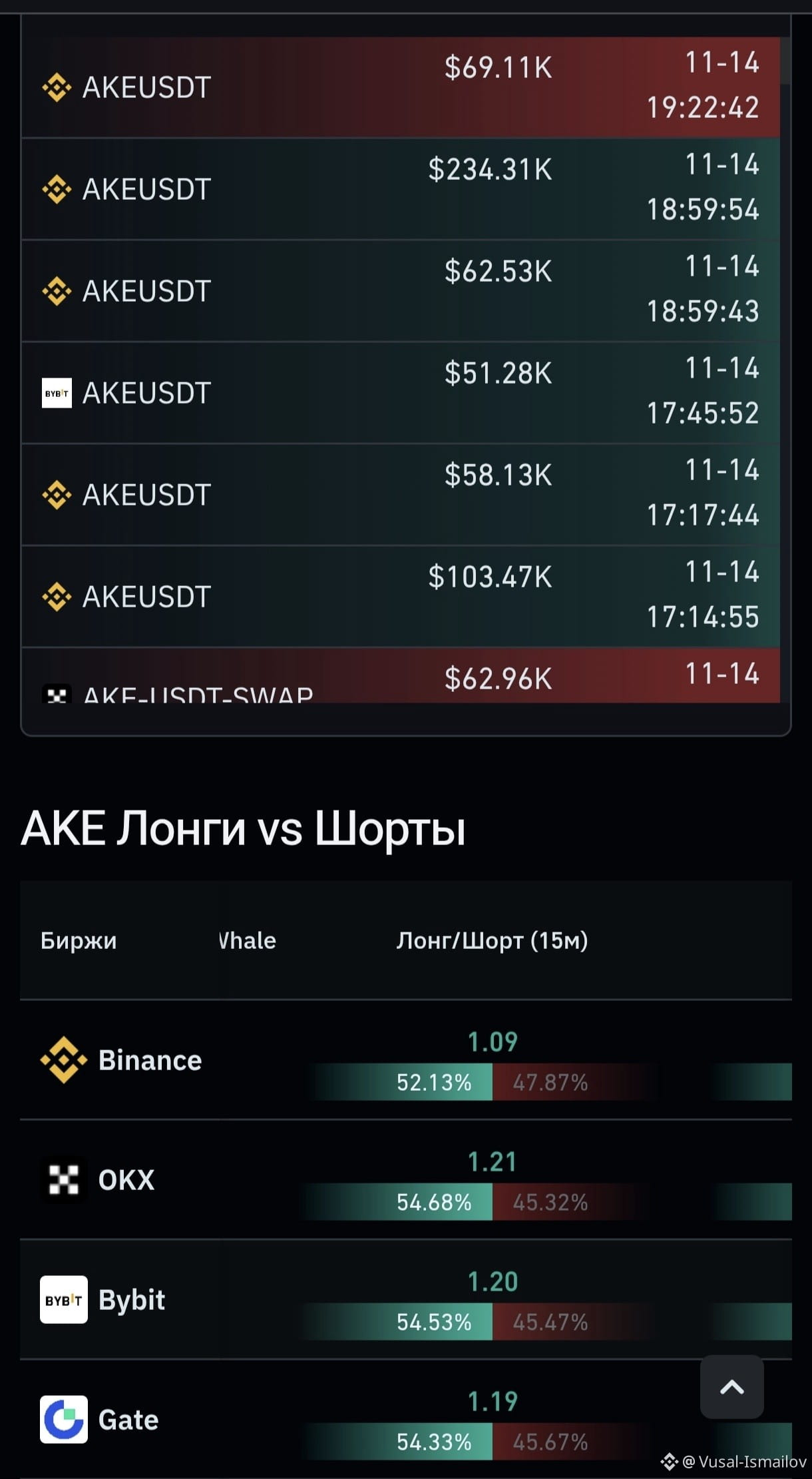
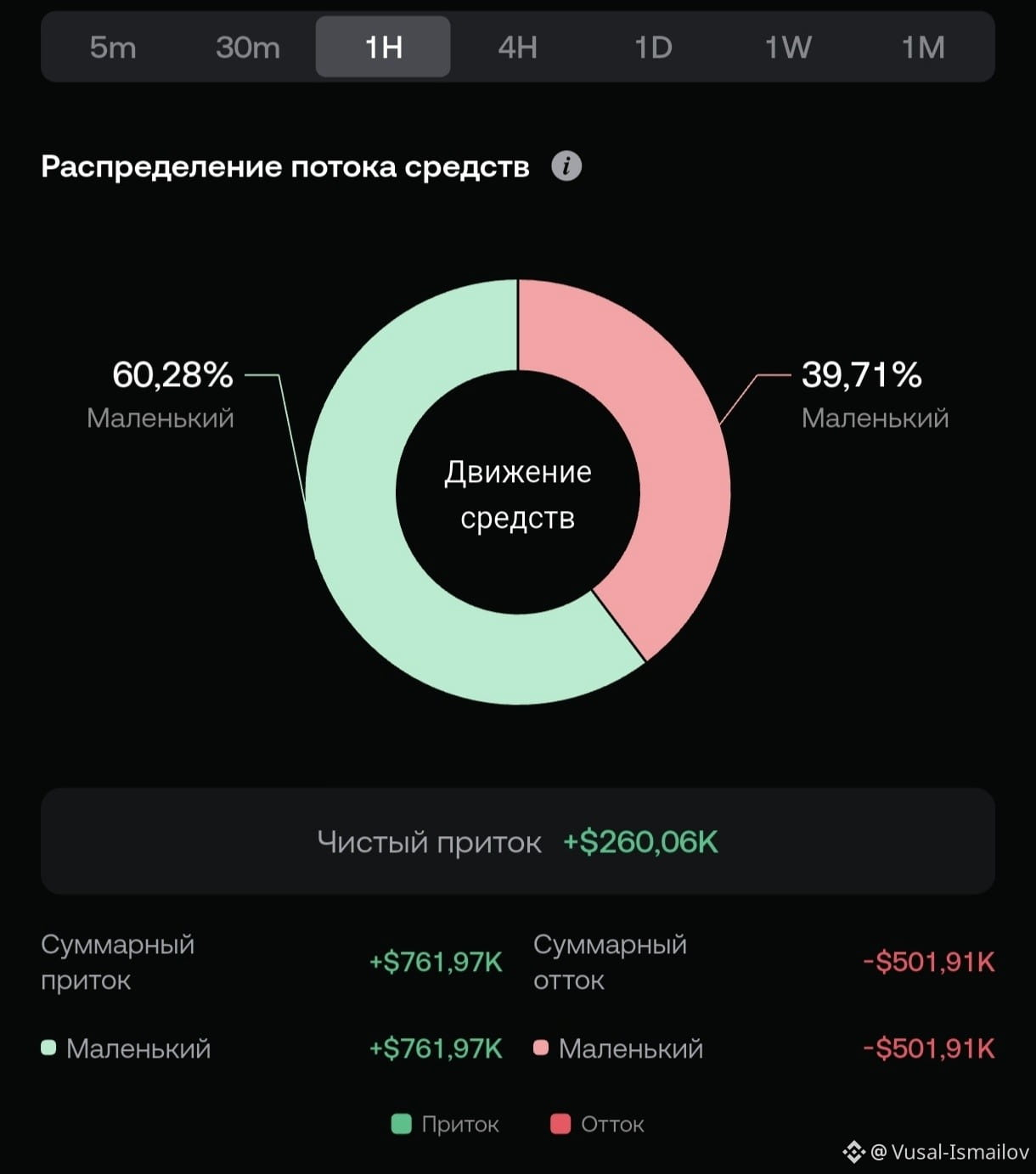
$AKE Капитал похоже продолжает вливания, ни как не могу поймать волну в соответствующем направлении
$AKE Капитал похоже продолжает вливания, ни как не могу поймать волну в соответствующем направлении
1
1
445
文章
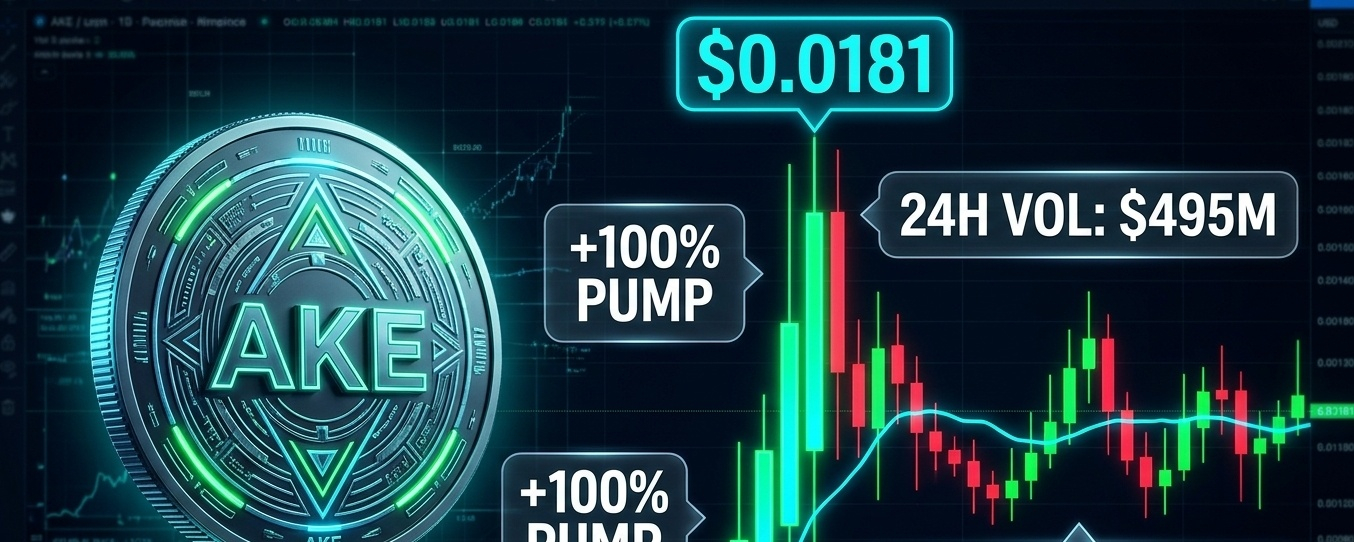
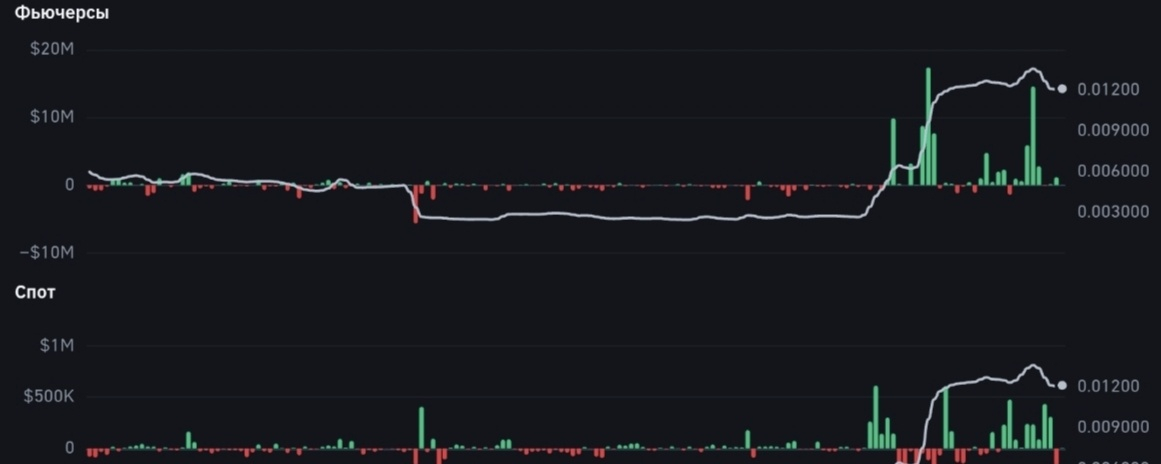
$AKE 坐上過山車:爆發式上漲後進入盤整——接下來走向何方?經歷強勁拉昇後,AKEDO($AKE )的價格在一天內飆升逾 400%(從約 0.0025 美元升至約 0.0181 美元的高點),隨後進入高波動階段,並在 0.012 至 0.0135 美元附近大幅震盪。
在每日交易量巨大(超過 4.95 億美元)、且超過 1,400 萬美元的期貨頭寸遭到清算後,市場目前正在尋找新的平衡點。
$AKE 坐上過山車:爆發式上漲後進入盤整——接下來走向何方?
經歷強勁拉昇後,AKEDO($AKE )的價格在一天內飆升逾 400%(從約 0.0025 美元升至約 0.0181 美元的高點),隨後進入高波動階段,並在 0.012 至 0.0135 美元附近大幅震盪。
在每日交易量巨大(超過 4.95 億美元)、且超過 1,400 萬美元的期貨頭寸遭到清算後,市場目前正在尋找新的平衡點。
在每日交易量巨大(超過 4.95 億美元)、且超過 1,400 萬美元的期貨頭寸遭到清算後,市場目前正在尋找新的平衡點。
1
456
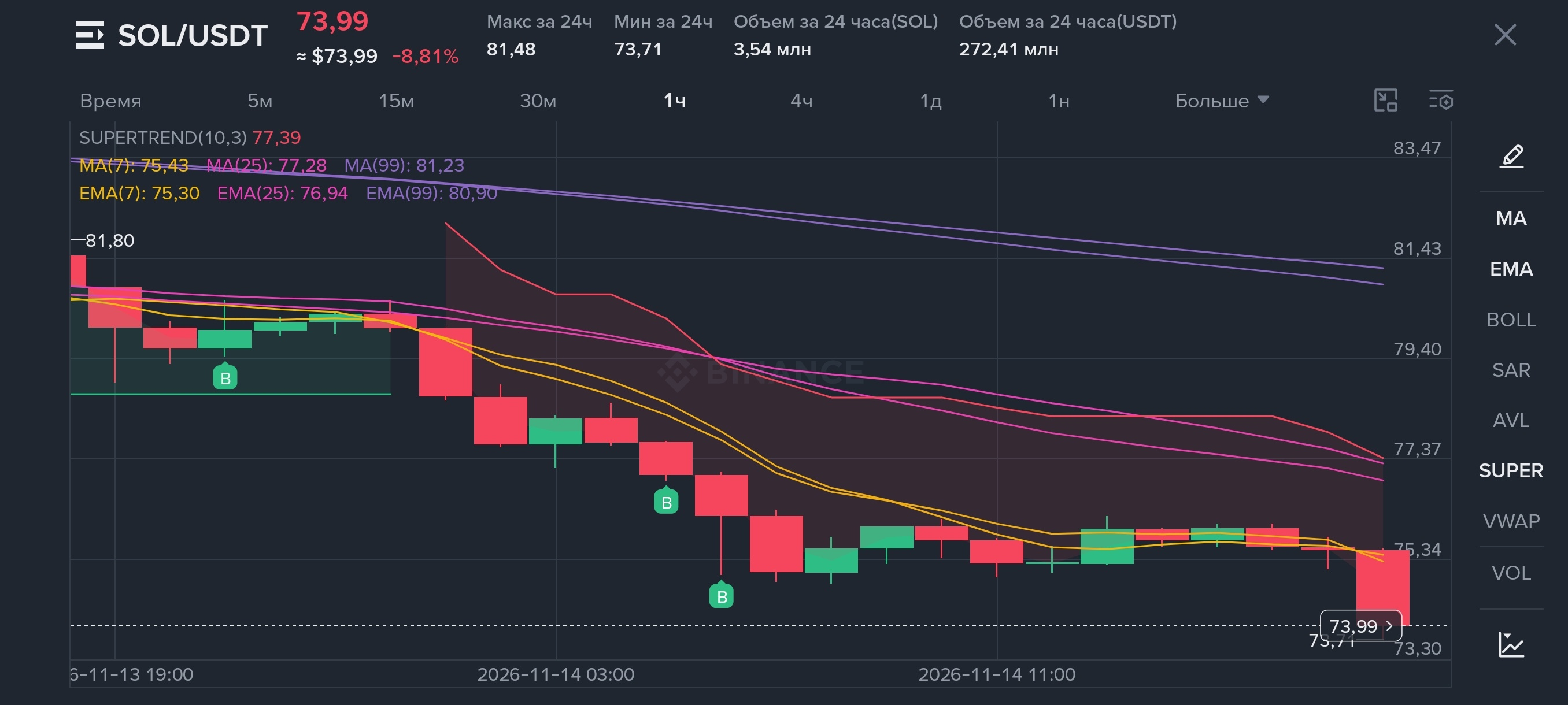
$ETH $SOL 市場一片飄紅:恐慌還是入場時機?📉
今天,許多投資者的加密貨幣投資組合正經受考驗:$BTC 拖累整個山寨幣市場,多頭頭寸遭到清算,過高的槓桿也隨之被擠出。
但對經驗豐富的市場參與者來說,這種暴跌並非恐慌的理由,而是以折扣價買入優質資產的“促銷機會”。當缺乏信心的投資者情緒化拋售時,大資金正在關鍵支撐位附近從容地吸納流動性。
我今天的計劃:
不做任何使用高槓杆的衝動交易。
觀察 BTC 和主流山寨幣(ETH、SOL、BNB)在需求區域的表現。
在現貨市場分批掛好限價單,爲中期逢低買入做準備。
記住:市場裏的錢正是在這樣的紅色交易日賺到的,而在綠色交易日落袋爲安。你會怎麼做:逢低加倉,還是等更低的底部?👇
{spot}(BTCUSDT)
$ETH $SOL 市場一片飄紅:恐慌還是入場時機?📉
今天,許多投資者的加密貨幣投資組合正經受考驗:$BTC 拖累整個山寨幣市場,多頭頭寸遭到清算,過高的槓桿也隨之被擠出。
但對經驗豐富的市場參與者來說,這種暴跌並非恐慌的理由,而是以折扣價買入優質資產的“促銷機會”。當缺乏信心的投資者情緒化拋售時,大資金正在關鍵支撐位附近從容地吸納流動性。
我今天的計劃:
不做任何使用高槓杆的衝動交易。
觀察 BTC 和主流山寨幣(ETH、SOL、BNB)在需求區域的表現。
在現貨市場分批掛好限價單,爲中期逢低買入做準備。
記住:市場裏的錢正是在這樣的紅色交易日賺到的,而在綠色交易日落袋爲安。你會怎麼做:逢低加倉,還是等更低的底部?👇
今天,許多投資者的加密貨幣投資組合正經受考驗:$BTC 拖累整個山寨幣市場,多頭頭寸遭到清算,過高的槓桿也隨之被擠出。
但對經驗豐富的市場參與者來說,這種暴跌並非恐慌的理由,而是以折扣價買入優質資產的“促銷機會”。當缺乏信心的投資者情緒化拋售時,大資金正在關鍵支撐位附近從容地吸納流動性。
我今天的計劃:
不做任何使用高槓杆的衝動交易。
觀察 BTC 和主流山寨幣(ETH、SOL、BNB)在需求區域的表現。
在現貨市場分批掛好限價單,爲中期逢低買入做準備。
記住:市場裏的錢正是在這樣的紅色交易日賺到的,而在綠色交易日落袋爲安。你會怎麼做:逢低加倉,還是等更低的底部?👇
401
$BTC $AKE $SOL 加密市場的經典劇情:大家都想低價買入,可真打折了,卻又害怕了 😅
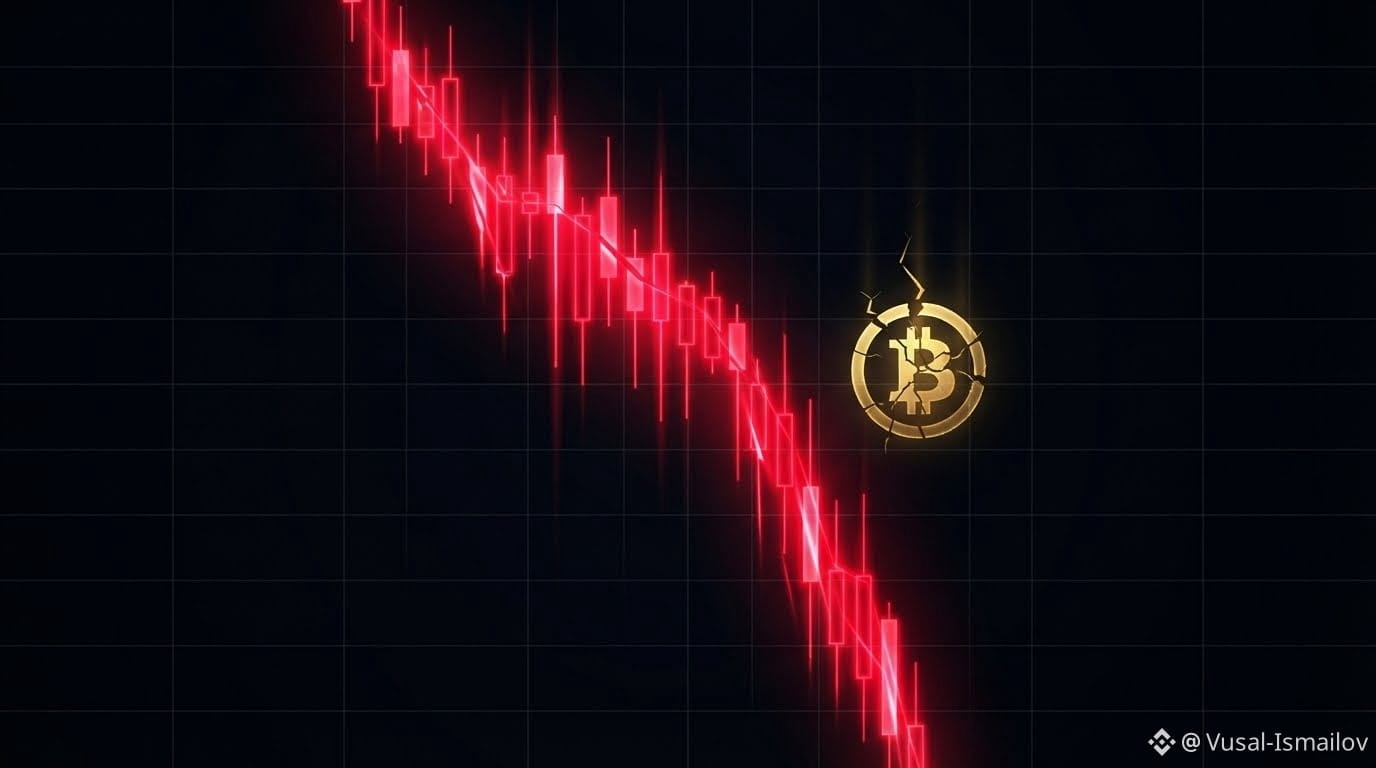
紅色蠟燭再次提醒我們,爲什麼在加密市場裏只有有耐心的人才能生存。市場只是在消化過熱行情,並清洗那些在高點入場、卻沒有設置止損的人。
歷史表明,每次急速下跌引發的擠壓行情,都會在最初的情緒風波平息後很快被買回。眼下最重要的是保持冷靜,別賤賣自己的幣,讓做市商撿了便宜。
如果你正在利用這波下跌分批買入、攤平成本,就點 🔥;如果你持有穩定幣、等待反轉,就點 🐳!
$BTC $AKE $SOL 加密市場的經典劇情:大家都想低價買入,可真打折了,卻又害怕了 😅
紅色蠟燭再次提醒我們,爲什麼在加密市場裏只有有耐心的人才能生存。市場只是在消化過熱行情,並清洗那些在高點入場、卻沒有設置止損的人。
歷史表明,每次急速下跌引發的擠壓行情,都會在最初的情緒風波平息後很快被買回。眼下最重要的是保持冷靜,別賤賣自己的幣,讓做市商撿了便宜。
如果你正在利用這波下跌分批買入、攤平成本,就點 🔥;如果你持有穩定幣、等待反轉,就點 🐳!
紅色蠟燭再次提醒我們,爲什麼在加密市場裏只有有耐心的人才能生存。市場只是在消化過熱行情,並清洗那些在高點入場、卻沒有設置止損的人。
歷史表明,每次急速下跌引發的擠壓行情,都會在最初的情緒風波平息後很快被買回。眼下最重要的是保持冷靜,別賤賣自己的幣,讓做市商撿了便宜。
如果你正在利用這波下跌分批買入、攤平成本,就點 🔥;如果你持有穩定幣、等待反轉,就點 🐳!
56
真實
文章
解析 $AKE 代幣經濟模型:11 月 21 日解鎖會帶來什麼影響?在 GameFi 和 AI 平臺領域,AKEDO($AKE)項目持續吸引交易者的關注,尤其是在 $BNB 生態系統不斷髮展的背景下。不過,在投資新興資產時,不僅要關注產品,也要考慮代幣的供應計劃。
僅一週後,也就是 11 月 21 日,$AKE 代幣將迎來下一次計劃解鎖。我們來分析相關數據,以及價格可能出現的走勢 👇
解析 $AKE 代幣經濟模型:11 月 21 日解鎖會帶來什麼影響?
在 GameFi 和 AI 平臺領域,AKEDO($AKE )項目持續吸引交易者的關注,尤其是在 $BNB 生態系統不斷髮展的背景下。不過,在投資新興資產時,不僅要關注產品,也要考慮代幣的供應計劃。
僅一週後,也就是 11 月 21 日,$AKE 代幣將迎來下一次計劃解鎖。我們來分析相關數據,以及價格可能出現的走勢 👇
僅一週後,也就是 11 月 21 日,$AKE 代幣將迎來下一次計劃解鎖。我們來分析相關數據,以及價格可能出現的走勢 👇
606
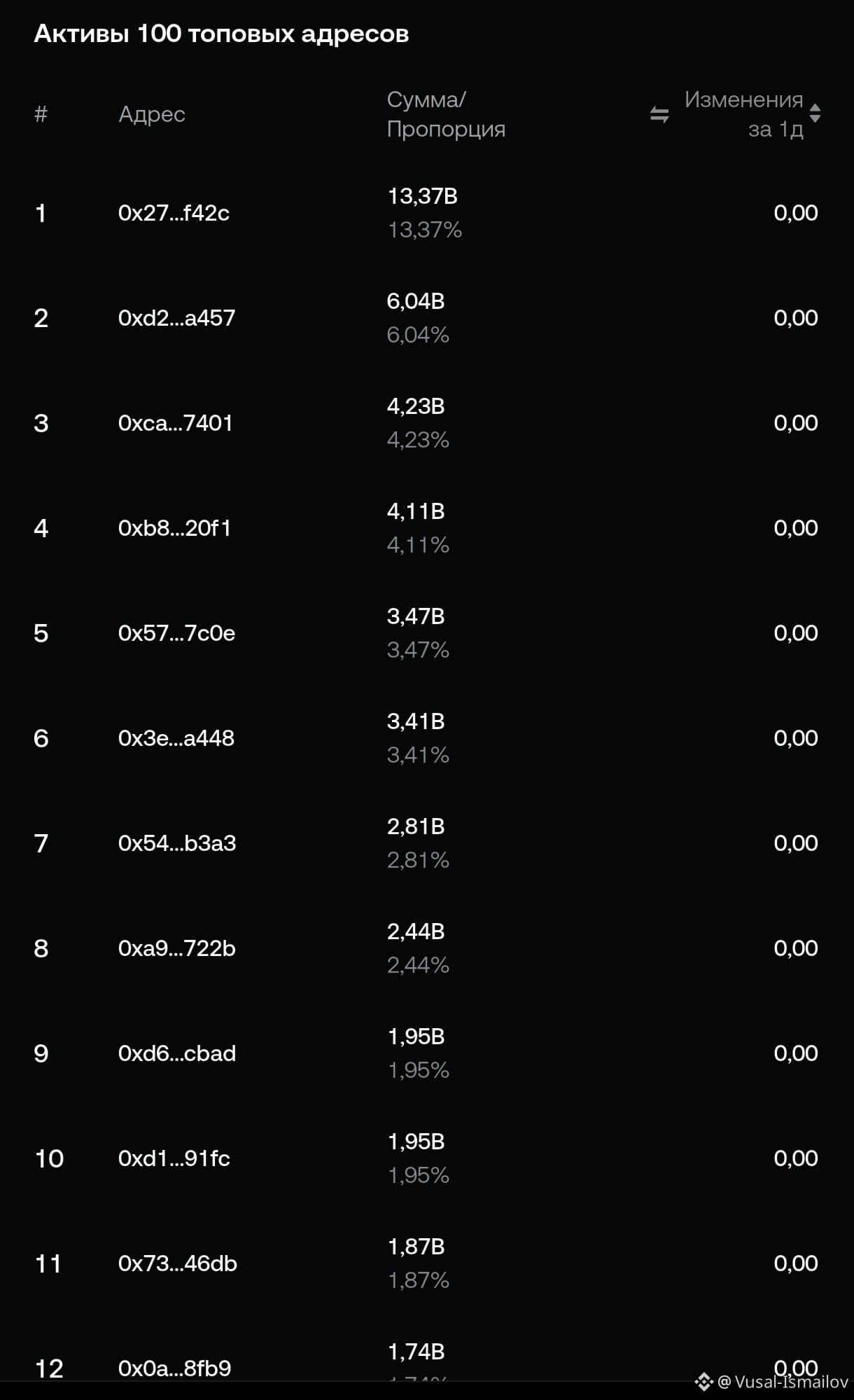
$AKE 有意思的是,從昨天到現在,前100名持有者的資產都沒有任何動靜,100個人中沒有一個例外
$AKE 有意思的是,從昨天到現在,前100名持有者的資產都沒有任何動靜,100個人中沒有一個例外
2
446
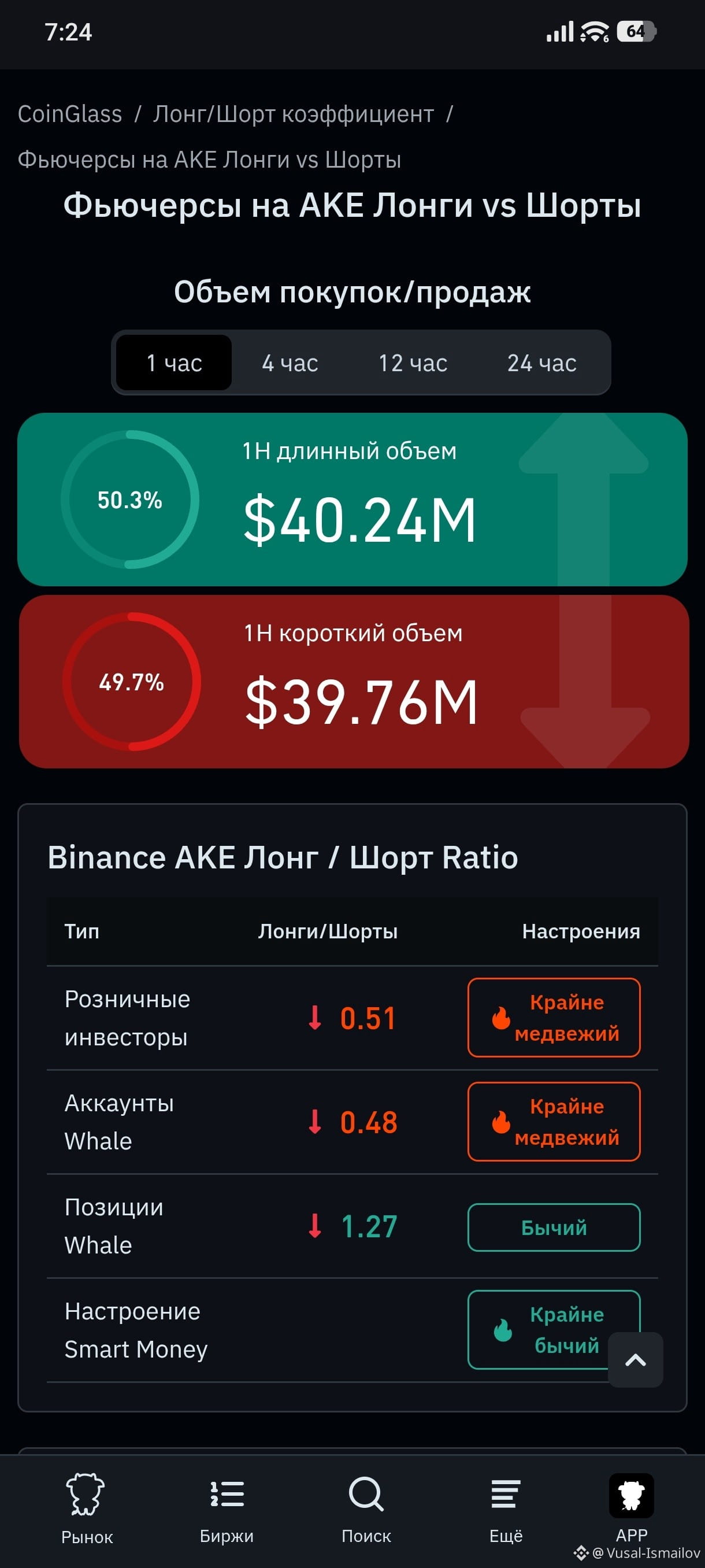
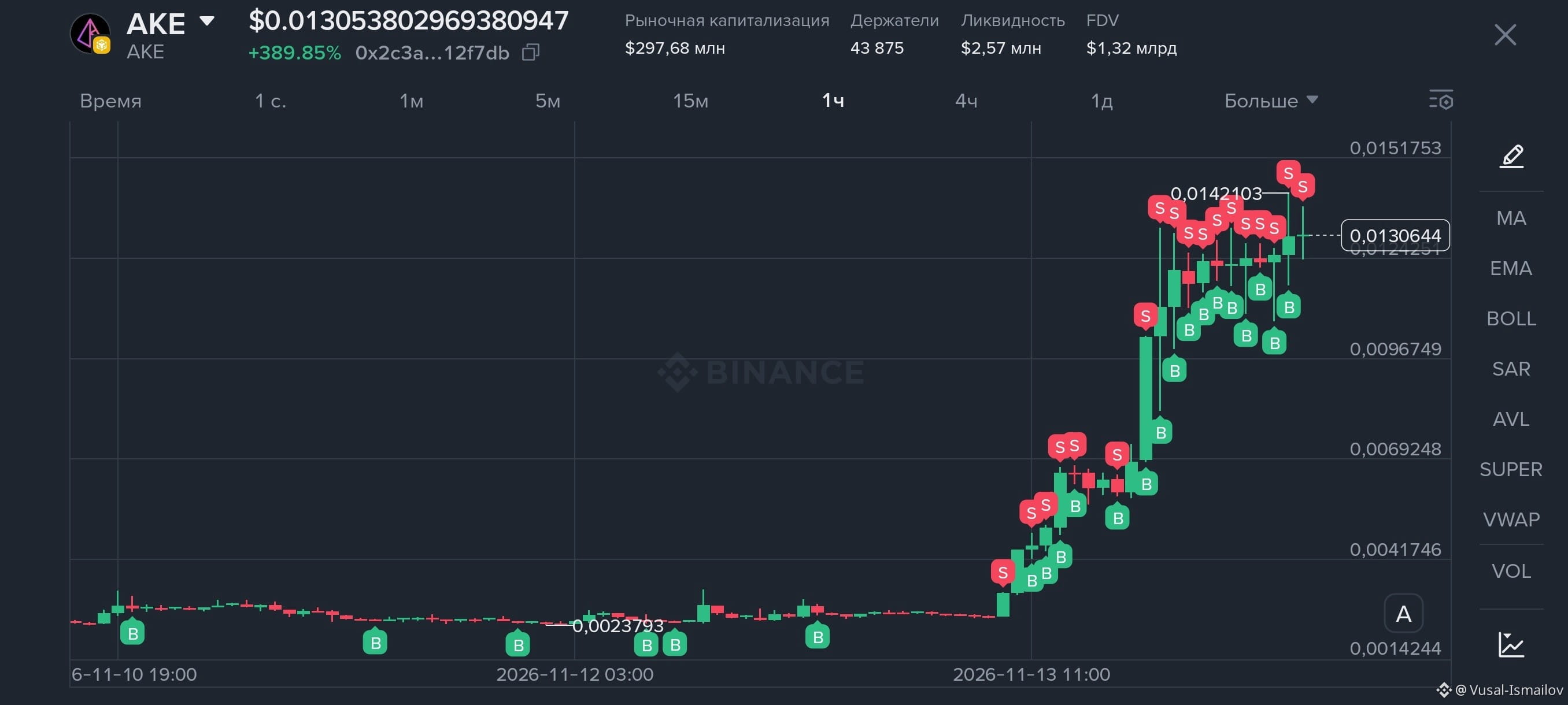
$AKE 你知道爲什麼它總是上躥下跳嗎?
都是因爲我攢着它的時候,它紋絲不動;我一決定賣掉,事情就開始了:剛一賣出,價格就飛漲……我當然立刻又買了回來,結果它又開始下跌。你們猜我做了什麼?
沒錯,你們完全猜對了——賣掉!你們肯定不信:價格又暴漲了。我自然是毫不猶豫地又買了回來。不管我怎麼跟它較勁,它就是不肯跟我朝同一個方向走。
投入和風險都增加了,可事情還是原地踏步。
折騰了好幾個小時,儘管我努力了,卻毫無收穫。
所以,抱歉讓大家坐了趟過山車 ;)
$AKE 你知道爲什麼它總是上躥下跳嗎?
都是因爲我攢着它的時候,它紋絲不動;我一決定賣掉,事情就開始了:剛一賣出,價格就飛漲……我當然立刻又買了回來,結果它又開始下跌。你們猜我做了什麼?
沒錯,你們完全猜對了——賣掉!你們肯定不信:價格又暴漲了。我自然是毫不猶豫地又買了回來。不管我怎麼跟它較勁,它就是不肯跟我朝同一個方向走。
投入和風險都增加了,可事情還是原地踏步。
折騰了好幾個小時,儘管我努力了,卻毫無收穫。
所以,抱歉讓大家坐了趟過山車 ;)
都是因爲我攢着它的時候,它紋絲不動;我一決定賣掉,事情就開始了:剛一賣出,價格就飛漲……我當然立刻又買了回來,結果它又開始下跌。你們猜我做了什麼?
沒錯,你們完全猜對了——賣掉!你們肯定不信:價格又暴漲了。我自然是毫不猶豫地又買了回來。不管我怎麼跟它較勁,它就是不肯跟我朝同一個方向走。
投入和風險都增加了,可事情還是原地踏步。
折騰了好幾個小時,儘管我努力了,卻毫無收穫。
所以,抱歉讓大家坐了趟過山車 ;)
1
2
420
$AKE 早知道底牌,我就住在索契了。真想把這些全都作爲一個倉位賣掉。可現在只能做點小規模的剝頭皮交易……
$AKE 早知道底牌,我就住在索契了。真想把這些全都作爲一個倉位賣掉。可現在只能做點小規模的剝頭皮交易……
396
2
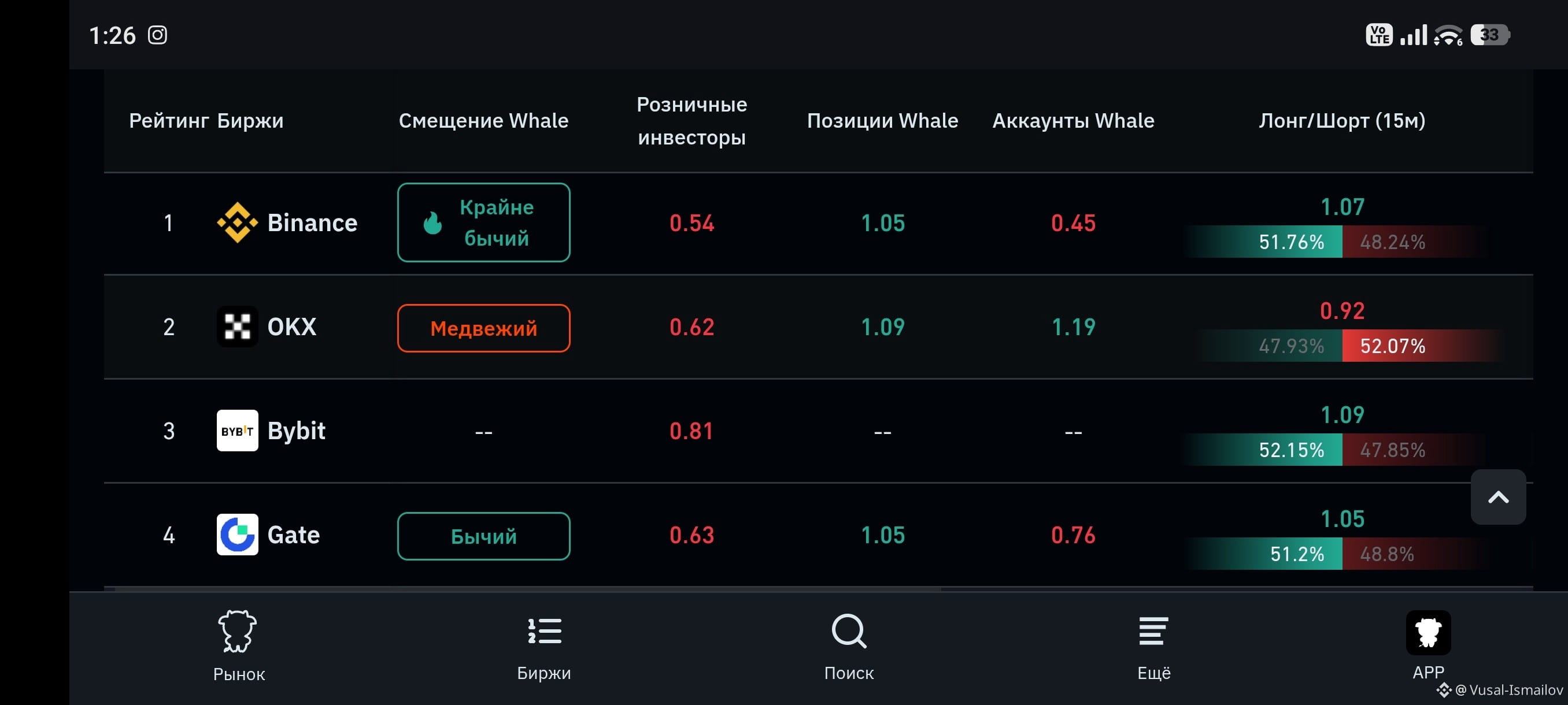
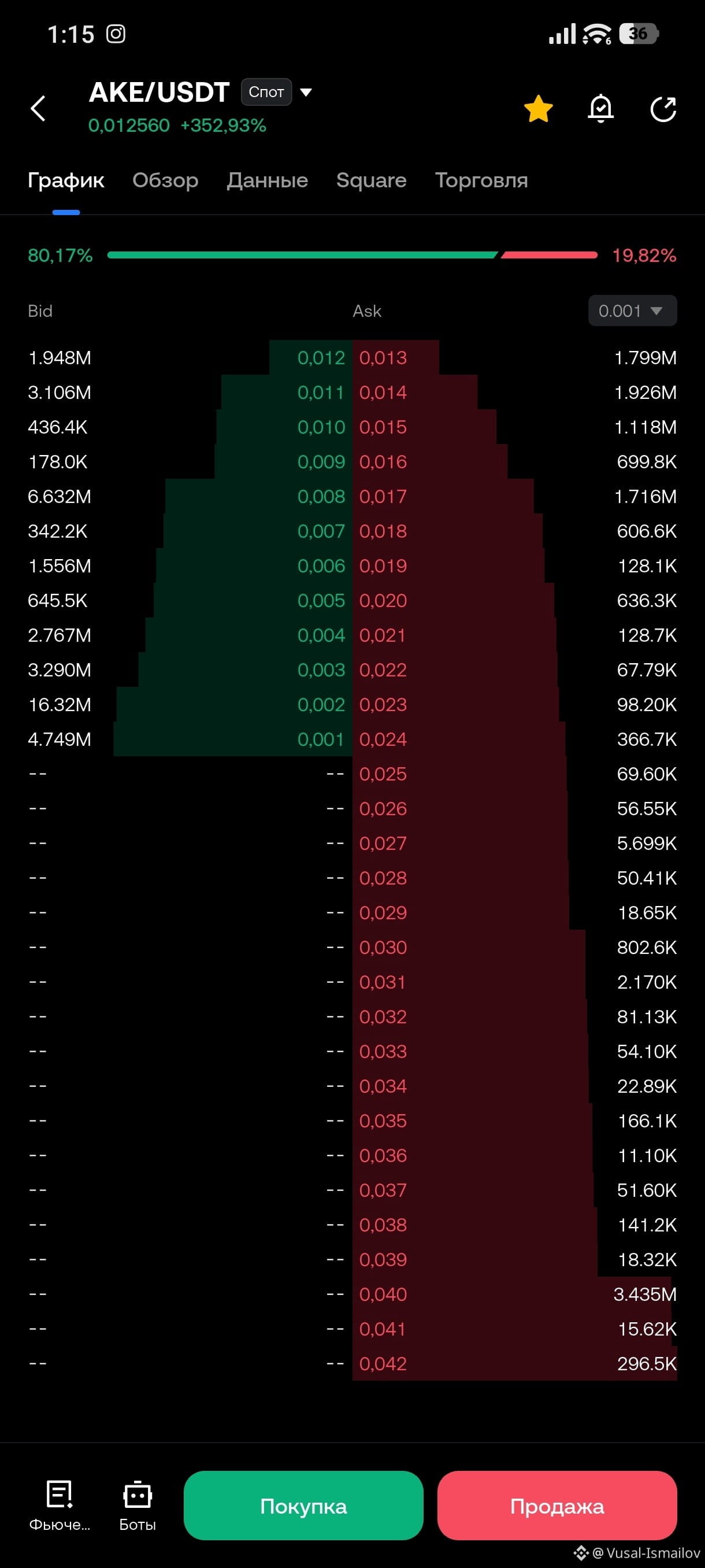
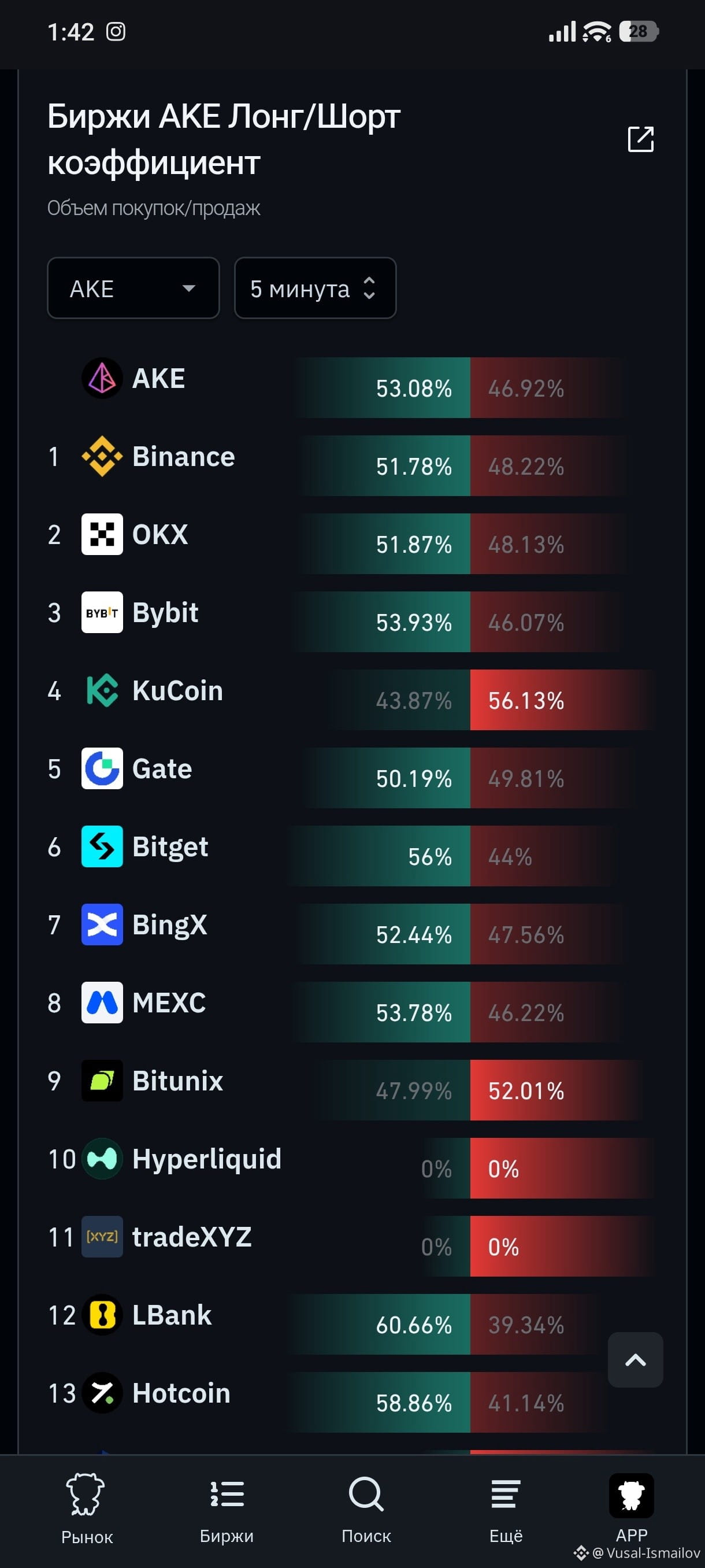
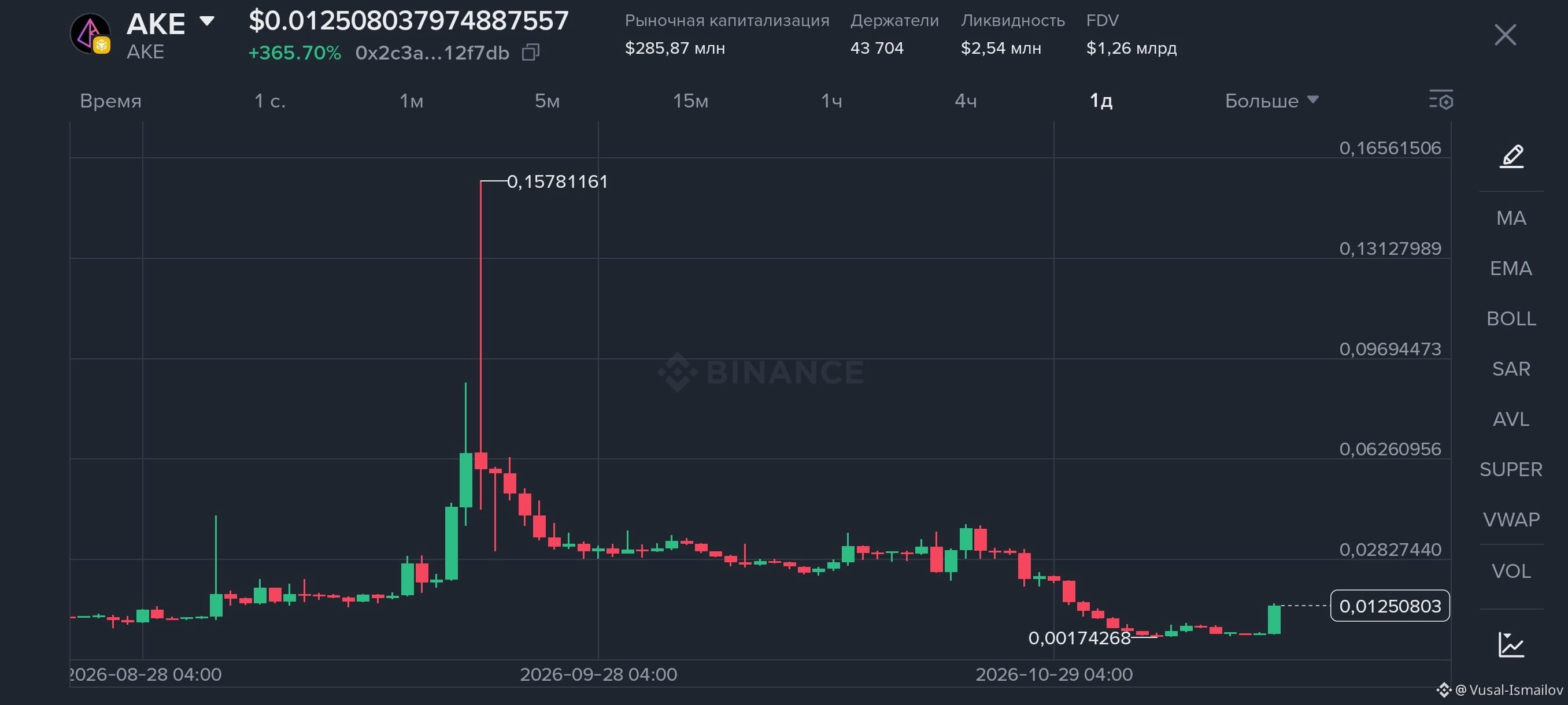
$AKE 您認爲現在是建立空頭頭寸的時機,價格不會再上漲了嗎?但就在不久前,價格還高得多,現在是否可能正在瞄準更高的目標?
$AKE 您認爲現在是建立空頭頭寸的時機,價格不會再上漲了嗎?但就在不久前,價格還高得多,現在是否可能正在瞄準更高的目標?
9
4
2.6k
$IRYS 又加倉到50美元,看看要過多少天才能回本,以及能不能盈利。
$AKE 考慮到現在的價格,賣出掛單觸發得真不是時候 :)
$IRYS 又加倉到50美元,看看要過多少天才能回本,以及能不能盈利。
$AKE 考慮到現在的價格,賣出掛單觸發得真不是時候 :)
$AKE 考慮到現在的價格,賣出掛單觸發得真不是時候 :)
210
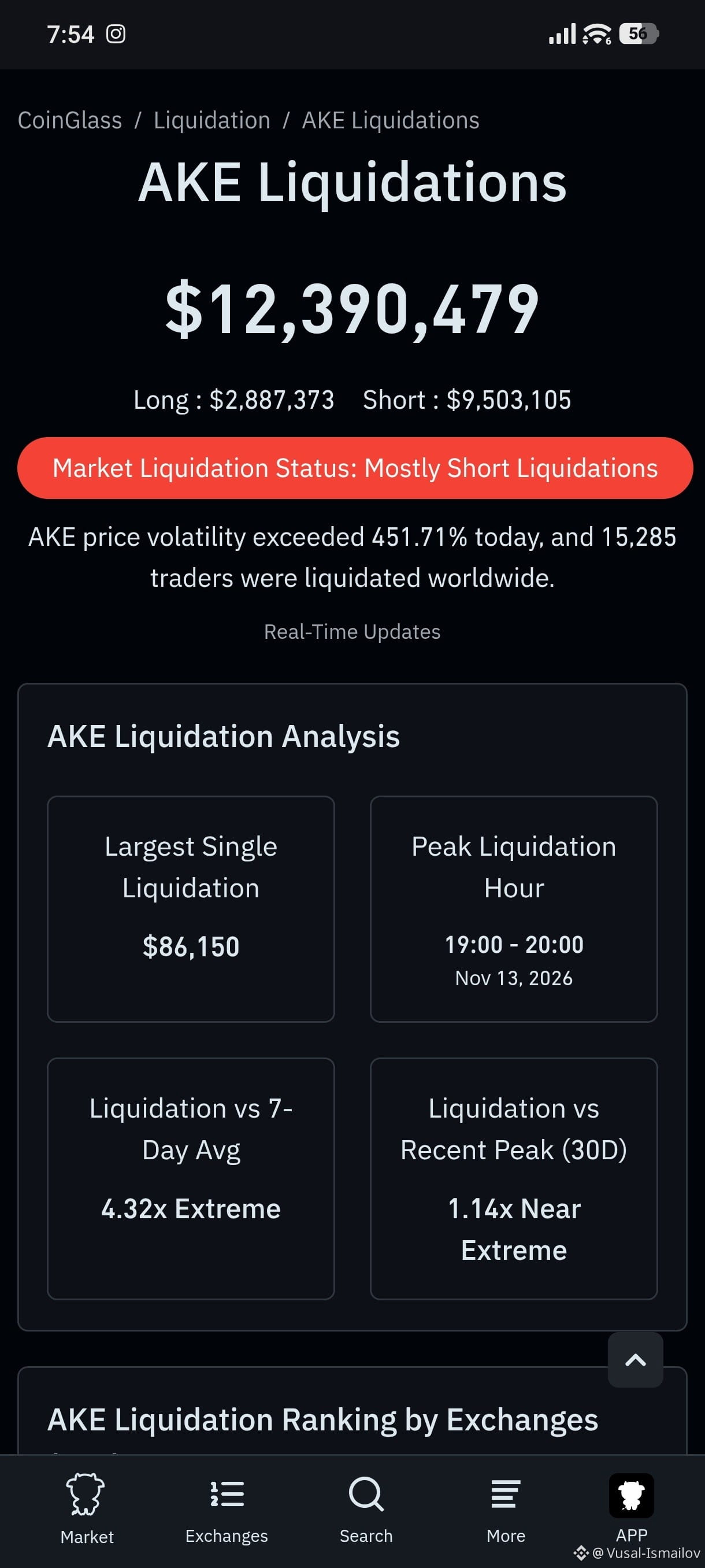
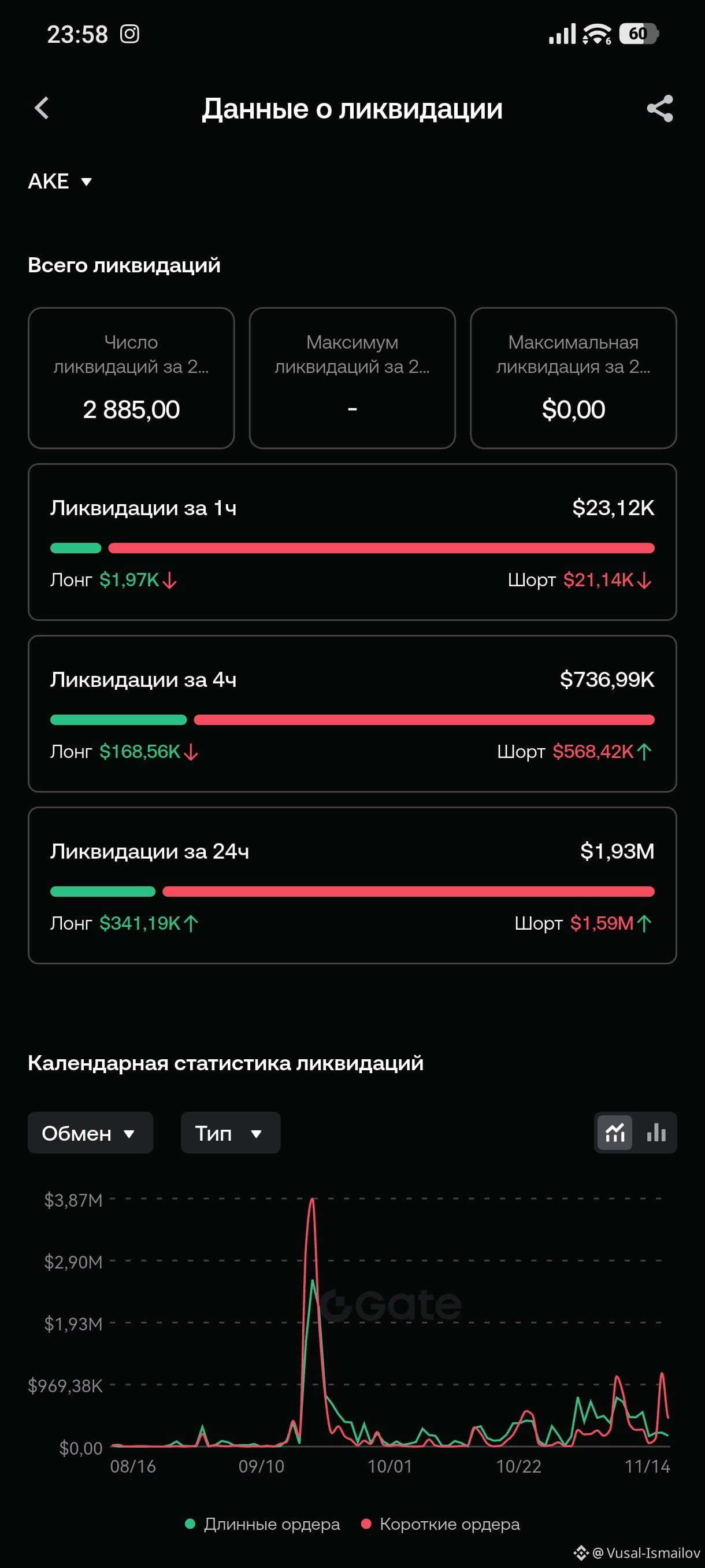
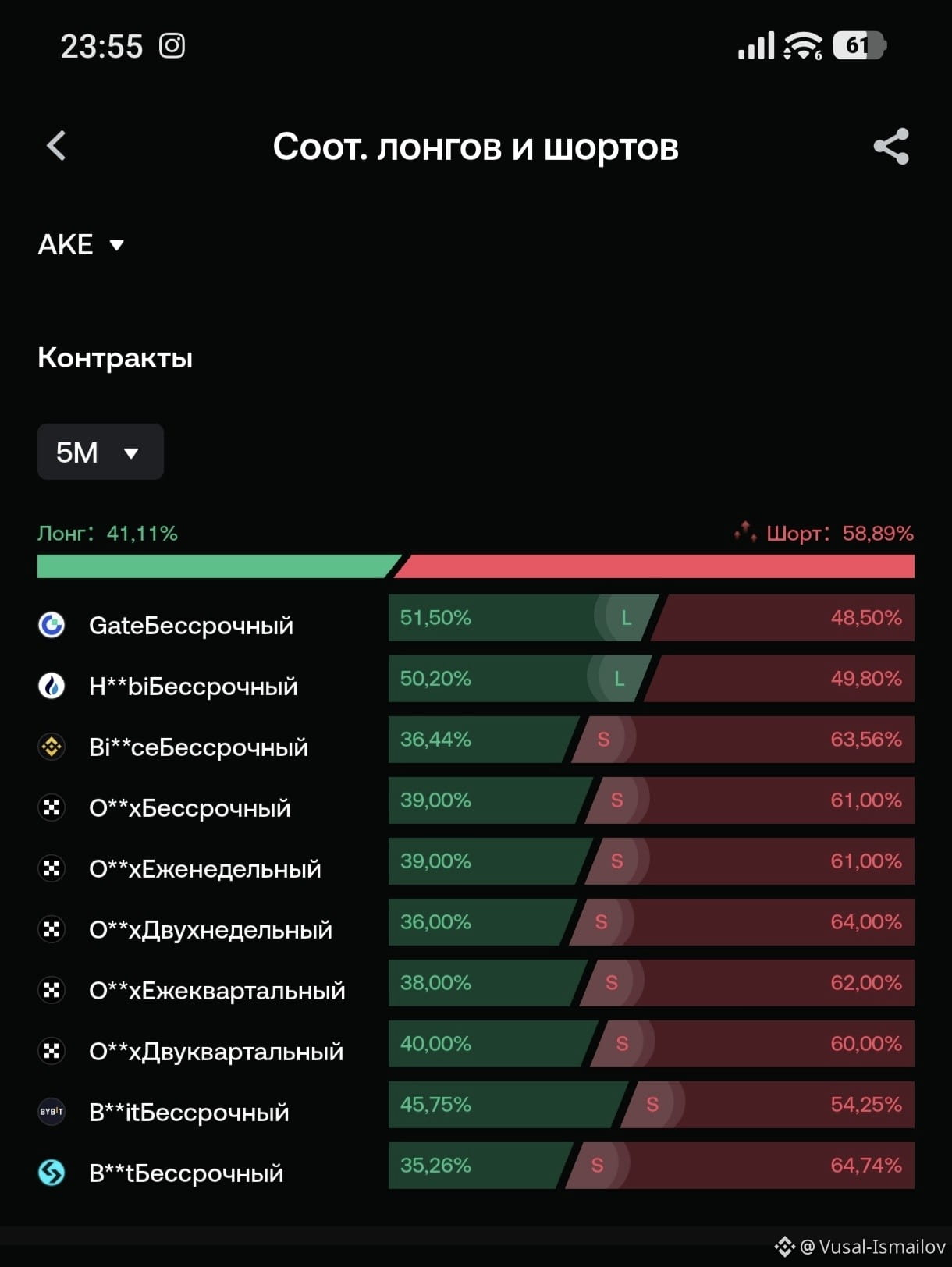
$AKE 關於清算的數據,我再次建議不要急於行動,仔細考慮自己的行爲。現階段的預測非常脆弱……
$AKE 關於清算的數據,我再次建議不要急於行動,仔細考慮自己的行爲。現階段的預測非常脆弱……
3
2
1.4k
登入以探索更多內容
加入幣安廣場中的全球加密貨幣用戶
⚡️ 獲取加密貨幣的最新和實用資訊。
💬 受到全球最大加密貨幣交易所的信任。
👍 發掘來自經過驗證創作者的真實見解。
電子郵件 / 電話號碼