

StoneFish
56 貼文

StoneFish
舉報
封鎖用戶
BP-D11AD1B8CC05
實盤交易
低頻交易者
2.4 年
46 關注
113 粉絲
120 點讚數
貼文
投資組合
全部
引用
·
--
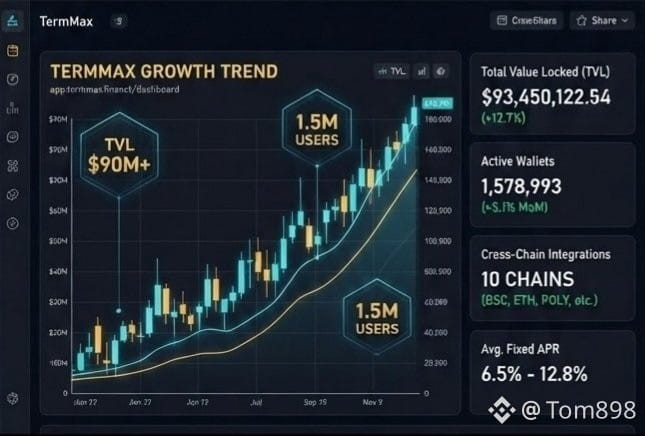
你知道嗎 @TermMax 現在是最看好的 DeFi 敘事,但爲什麼?
隨着接近 TGE 以及龐大的生態系統增長,數據不容置疑:
📈 TVL 突破 9000 萬美元+
🌐 150 萬+ 已註冊錢包 🔥
🚀 10 條 EVM 鏈上最高 17 萬用戶!
#TermMax @TermMax
你知道嗎 @TermMax 現在是最看好的 DeFi 敘事,但爲什麼?
隨着接近 TGE 以及龐大的生態系統增長,數據不容置疑:
📈 TVL 突破 9000 萬美元+
🌐 150 萬+ 已註冊錢包 🔥
🚀 10 條 EVM 鏈上最高 17 萬用戶!
#TermMax @TermMax
隨着接近 TGE 以及龐大的生態系統增長,數據不容置疑:
📈 TVL 突破 9000 萬美元+
🌐 150 萬+ 已註冊錢包 🔥
🚀 10 條 EVM 鏈上最高 17 萬用戶!
#TermMax @TermMax
75
·
--
市場可能還在等待最後一次確認
加密貨幣即使看起來偏多,仍可能缺少推動更強行情所需的參與度。
所以我關注的不是第一根K線本身,而是第一次拉昇之後發生了什麼。
$BTC 仍然是主要的市場篩選器。
如果比特幣保持強勢,同時成交量有所改善,風險偏好就可能沿着曲線逐步向下延展。
接着,$ETH 變得重要。
更強的 $ETH 可能意味着資金正在從比特幣之外擴張,爲更高β資產騰出空間。
這就是我正在觀察的:
$SOL $BNB $XRP $SUI $APT $AVAX $NEAR $SEI $TIA
關鍵不只是哪個代幣是綠色的。
我想知道的是:流動性在哪裏在持續。
成交量在擴大嗎?
生態系統正在吸引資金嗎?
在關注熱度退去之後,行情還能撐得住嗎?
DeFi 是另一個值得關注的領域。
$AAVE $UNI $CRV $PENDLE $JUP $MKR
這些協議讓市場獲得對借貸、交易、流動性和收益的敞口。
如果價格上漲同時伴隨更強的活躍度,信號會變得更具說服力。
基礎設施也同樣重要。
$LINK $ARB $OP $DOT $ATOM
隨着鏈上活動擴張,對數據、擴容和互操作性的需求可能會增加。
AI 仍然是主要的注意力磁鐵:
$TAO $RENDER $FET $KAITO $FIL
但注意力只是第一步。
真正更強的項目,是那些能夠把注意力轉化爲用戶、產品和需求的。
RWA 也是我在監測的另一個板塊。
$ONDO $LINK $MKR $XLM
代幣化可能會把更多更傳統的金融活動帶到區塊鏈基礎設施上,但流動性與採用率將比頭條新聞更重要。
然後還有投機面:
$BONK $PUMP $PENGU $PEOPLE
當社交關注和流動性同時到來時,這些往往會以極快速度上漲。
但我更關心的是第一次拉昇之後發生什麼。
成交量會不會繼續?
價格能否站得住?
流動性會不會留在場內?
這就是臨時走勢和真正輪動之間的區別。
對我來說,接下來更強的信號並不僅僅是突破。
而是突破之後仍有參與。
市場可能還在等待最後一次確認
加密貨幣即使看起來偏多,仍可能缺少推動更強行情所需的參與度。
所以我關注的不是第一根K線本身,而是第一次拉昇之後發生了什麼。
$BTC 仍然是主要的市場篩選器。
如果比特幣保持強勢,同時成交量有所改善,風險偏好就可能沿着曲線逐步向下延展。
接着,$ETH 變得重要。
更強的 $ETH 可能意味着資金正在從比特幣之外擴張,爲更高β資產騰出空間。
這就是我正在觀察的:
$SOL $BNB $XRP $SUI $APT $AVAX $NEAR $SEI $TIA
關鍵不只是哪個代幣是綠色的。
我想知道的是:流動性在哪裏在持續。
成交量在擴大嗎?
生態系統正在吸引資金嗎?
在關注熱度退去之後,行情還能撐得住嗎?
DeFi 是另一個值得關注的領域。
$AAVE $UNI $CRV $PENDLE $JUP $MKR
這些協議讓市場獲得對借貸、交易、流動性和收益的敞口。
如果價格上漲同時伴隨更強的活躍度,信號會變得更具說服力。
基礎設施也同樣重要。
$LINK $ARB $OP $DOT $ATOM
隨着鏈上活動擴張,對數據、擴容和互操作性的需求可能會增加。
AI 仍然是主要的注意力磁鐵:
$TAO $RENDER $FET $KAITO $FIL
但注意力只是第一步。
真正更強的項目,是那些能夠把注意力轉化爲用戶、產品和需求的。
RWA 也是我在監測的另一個板塊。
$ONDO $LINK $MKR $XLM
代幣化可能會把更多更傳統的金融活動帶到區塊鏈基礎設施上,但流動性與採用率將比頭條新聞更重要。
然後還有投機面:
$BONK $PUMP $PENGU $PEOPLE
當社交關注和流動性同時到來時,這些往往會以極快速度上漲。
但我更關心的是第一次拉昇之後發生什麼。
成交量會不會繼續?
價格能否站得住?
流動性會不會留在場內?
這就是臨時走勢和真正輪動之間的區別。
對我來說,接下來更強的信號並不僅僅是突破。
而是突破之後仍有參與。
加密貨幣即使看起來偏多,仍可能缺少推動更強行情所需的參與度。
所以我關注的不是第一根K線本身,而是第一次拉昇之後發生了什麼。
$BTC 仍然是主要的市場篩選器。
如果比特幣保持強勢,同時成交量有所改善,風險偏好就可能沿着曲線逐步向下延展。
接着,$ETH 變得重要。
更強的 $ETH 可能意味着資金正在從比特幣之外擴張,爲更高β資產騰出空間。
這就是我正在觀察的:
$SOL $BNB $XRP $SUI $APT $AVAX $NEAR $SEI $TIA
關鍵不只是哪個代幣是綠色的。
我想知道的是:流動性在哪裏在持續。
成交量在擴大嗎?
生態系統正在吸引資金嗎?
在關注熱度退去之後,行情還能撐得住嗎?
DeFi 是另一個值得關注的領域。
$AAVE $UNI $CRV $PENDLE $JUP $MKR
這些協議讓市場獲得對借貸、交易、流動性和收益的敞口。
如果價格上漲同時伴隨更強的活躍度,信號會變得更具說服力。
基礎設施也同樣重要。
$LINK $ARB $OP $DOT $ATOM
隨着鏈上活動擴張,對數據、擴容和互操作性的需求可能會增加。
AI 仍然是主要的注意力磁鐵:
$TAO $RENDER $FET $KAITO $FIL
但注意力只是第一步。
真正更強的項目,是那些能夠把注意力轉化爲用戶、產品和需求的。
RWA 也是我在監測的另一個板塊。
$ONDO $LINK $MKR $XLM
代幣化可能會把更多更傳統的金融活動帶到區塊鏈基礎設施上,但流動性與採用率將比頭條新聞更重要。
然後還有投機面:
$BONK $PUMP $PENGU $PEOPLE
當社交關注和流動性同時到來時,這些往往會以極快速度上漲。
但我更關心的是第一次拉昇之後發生什麼。
成交量會不會繼續?
價格能否站得住?
流動性會不會留在場內?
這就是臨時走勢和真正輪動之間的區別。
對我來說,接下來更強的信號並不僅僅是突破。
而是突破之後仍有參與。
222
·
--
⚡ 山寨幣正在移動——但流動性尚未站隊
山寨幣市場顯示出一些強勢片段,但整體局面依然支離破碎。
部分敘事正在吸引資金。另一些則正在衰退。而且有些代幣幾乎完全依靠短期動能在運行。
這說明一件事:
正在發生輪動,但更廣泛的參與尚未到來。
🟢 L1 輪動觀察
$AVAX $SUI $NEAR $TIA $APT $DOT
如果風險偏好不再只侷限於龍頭,這些生態可能會受益。
🔥 RWA + DEFI
$ONDO $PENDLE $AAVE $MKR $LDO $UNI $CRV $JTO $CVX
這個板塊值得關注,因爲恢復的流動性與鏈上活動,可能帶來更強的基本面“買盤”。
🤖 AI / 算力 選擇性
$TAO $RNDR $WLD $FET $AKT $THETA $AIOZ $KAITO
這個敘事依然很有力量,但強勢需要變得不只是孤立的拉盤。
🔻 較弱的 L1
$SEI $ZIL $HBAR $IOTA $XTZ
在這些名字的相對弱勢能夠有意義地扭轉之前,它們需要更強的流動性,以及全市場範圍內更高的風險偏好。
💀 MEME / 高β
$PEPE $BONK $WIF $FLOKI $SHIB $BOME $TRUMP $POPCAT
這裏是動能可能極端放大的地方:不論向上還是向下。快速上漲會吸引 FOMO——而快速反轉也會同樣迅速地抹掉漲幅。
關鍵不在於找到“第一個動起來”的幣。
而在於識別:在第一波之後,流動性還剩在哪裏。
留意:
📊 現貨成交量擴大
💰 流動性持續
🛡️ 買家在回撤時進行防守
📈 市場廣度改善
🔄 能經受 $BTC 波動的強勢
這就是一場投機性拉昇如何開始看起來更像真正的輪動。
$BTC 仍是市場錨點。
但流動性決定哪個敘事將迎來下一波關注。
別追那根K線。
跟隨資金。
非投資建議。先管理風險。
⚡ 山寨幣正在移動——但流動性尚未站隊
山寨幣市場顯示出一些強勢片段,但整體局面依然支離破碎。
部分敘事正在吸引資金。另一些則正在衰退。而且有些代幣幾乎完全依靠短期動能在運行。
這說明一件事:
正在發生輪動,但更廣泛的參與尚未到來。
🟢 L1 輪動觀察
$AVAX $SUI $NEAR $TIA $APT $DOT
如果風險偏好不再只侷限於龍頭,這些生態可能會受益。
🔥 RWA + DEFI
$ONDO $PENDLE $AAVE $MKR $LDO $UNI $CRV $JTO $CVX
這個板塊值得關注,因爲恢復的流動性與鏈上活動,可能帶來更強的基本面“買盤”。
🤖 AI / 算力 選擇性
$TAO $RNDR $WLD $FET $AKT $THETA $AIOZ $KAITO
這個敘事依然很有力量,但強勢需要變得不只是孤立的拉盤。
🔻 較弱的 L1
$SEI $ZIL $HBAR $IOTA $XTZ
在這些名字的相對弱勢能夠有意義地扭轉之前,它們需要更強的流動性,以及全市場範圍內更高的風險偏好。
💀 MEME / 高β
$PEPE $BONK $WIF $FLOKI $SHIB $BOME $TRUMP $POPCAT
這裏是動能可能極端放大的地方:不論向上還是向下。快速上漲會吸引 FOMO——而快速反轉也會同樣迅速地抹掉漲幅。
關鍵不在於找到“第一個動起來”的幣。
而在於識別:在第一波之後,流動性還剩在哪裏。
留意:
📊 現貨成交量擴大
💰 流動性持續
🛡️ 買家在回撤時進行防守
📈 市場廣度改善
🔄 能經受 $BTC 波動的強勢
這就是一場投機性拉昇如何開始看起來更像真正的輪動。
$BTC 仍是市場錨點。
但流動性決定哪個敘事將迎來下一波關注。
別追那根K線。
跟隨資金。
非投資建議。先管理風險。
山寨幣市場顯示出一些強勢片段,但整體局面依然支離破碎。
部分敘事正在吸引資金。另一些則正在衰退。而且有些代幣幾乎完全依靠短期動能在運行。
這說明一件事:
正在發生輪動,但更廣泛的參與尚未到來。
🟢 L1 輪動觀察
$AVAX $SUI $NEAR $TIA $APT $DOT
如果風險偏好不再只侷限於龍頭,這些生態可能會受益。
🔥 RWA + DEFI
$ONDO $PENDLE $AAVE $MKR $LDO $UNI $CRV $JTO $CVX
這個板塊值得關注,因爲恢復的流動性與鏈上活動,可能帶來更強的基本面“買盤”。
🤖 AI / 算力 選擇性
$TAO $RNDR $WLD $FET $AKT $THETA $AIOZ $KAITO
這個敘事依然很有力量,但強勢需要變得不只是孤立的拉盤。
🔻 較弱的 L1
$SEI $ZIL $HBAR $IOTA $XTZ
在這些名字的相對弱勢能夠有意義地扭轉之前,它們需要更強的流動性,以及全市場範圍內更高的風險偏好。
💀 MEME / 高β
$PEPE $BONK $WIF $FLOKI $SHIB $BOME $TRUMP $POPCAT
這裏是動能可能極端放大的地方:不論向上還是向下。快速上漲會吸引 FOMO——而快速反轉也會同樣迅速地抹掉漲幅。
關鍵不在於找到“第一個動起來”的幣。
而在於識別:在第一波之後,流動性還剩在哪裏。
留意:
📊 現貨成交量擴大
💰 流動性持續
🛡️ 買家在回撤時進行防守
📈 市場廣度改善
🔄 能經受 $BTC 波動的強勢
這就是一場投機性拉昇如何開始看起來更像真正的輪動。
$BTC 仍是市場錨點。
但流動性決定哪個敘事將迎來下一波關注。
別追那根K線。
跟隨資金。
非投資建議。先管理風險。
192
·
--
早安 🌅 幣安大家庭 💕
比特幣正在上漲,但到底是誰在買?
$BTC 反彈主要由期貨需求帶動,而鏈上現貨需求仍為負值。
↓
期貨
↑|
ETF 資金流
↑|
現貨需求
這呼應了四月那波由槓桿驅動的反彈。
真正看漲的確認:現貨需求必須轉為正值。
#CPIInLineFedWatch #AIInfraEarningsWatch #Gold4400HavenBid
早安 🌅 幣安大家庭 💕
比特幣正在上漲,但到底是誰在買?
$BTC 反彈主要由期貨需求帶動,而鏈上現貨需求仍為負值。
↓
期貨
↑|
ETF 資金流
↑|
現貨需求
這呼應了四月那波由槓桿驅動的反彈。
真正看漲的確認:現貨需求必須轉為正值。
#CPIInLineFedWatch #AIInfraEarningsWatch #Gold4400HavenBid
比特幣正在上漲,但到底是誰在買?
$BTC 反彈主要由期貨需求帶動,而鏈上現貨需求仍為負值。
↓
期貨
↑|
ETF 資金流
↑|
現貨需求
這呼應了四月那波由槓桿驅動的反彈。
真正看漲的確認:現貨需求必須轉為正值。
#CPIInLineFedWatch #AIInfraEarningsWatch #Gold4400HavenBid
65
·
--
突發新聞:$XAUT 價格強勢突破,達到 4,395 美元。原因是什麼??
由於該代幣的運作特性,疊加全球經濟與政治背景影響,$XAUT(Tether Gold)價格飆升至 4,300 – 4,400 美元區間。
導致 XAUT 急速上漲的主要原因
1. 全球黃金價格($XAU)爆發
$XAUT 由實物黃金 1:1 支撐(1 XAUT = 1 金衡盎司純金,由 Tether 託管持有)。因此,$XAUT 的價格始終與全球黃金價格波動高度同步。
當全球黃金價格持續刷新歷史紀錄,並進一步深度上探至每盎司 4,000 美元以上區域時,$XAUT 價格自然也會相應上漲。
2. 地緣政治緊張局勢 & 宏觀經濟不穩定
避險需求:長期的地緣政治衝突,加之通脹/衰退風險,會促使全球投資者拋售高風險資產,轉而尋求黃金。
增持趨勢:央行與大型金融機構增加實物黃金採購,推動全球黃金價格再創新高。
3. 加密市場資金流向的變化
RWA 投資轉向:當加密市場波動時,許多投資者會選擇將資金轉移到代幣化現實世界資產(RWA)上,例如 $XAUT,以對衝風險。
高靈活性:購買 $XAUT 讓投資者可以直接在區塊鏈上持有黃金,而無需擔心儲存、維護或實物金條運輸成本。
4. 加密交易所的價格溢價現象
當某些交易所對 $XAUT 的買盤需求激增,超過了即時流動性供給時,可能出現價格溢價,從而使該代幣價格在當時略高於實際現貨黃金價格。
#CPIToResetFedBets
#AIMemorySelloffEases $BTC
#BTCETHETFInflowsReturn $ETH
{spot}(BTCUSDT)
突發新聞:$XAUT 價格強勢突破,達到 4,395 美元。原因是什麼??
由於該代幣的運作特性,疊加全球經濟與政治背景影響,$XAUT(Tether Gold)價格飆升至 4,300 – 4,400 美元區間。
導致 XAUT 急速上漲的主要原因
1. 全球黃金價格($XAU)爆發
$XAUT 由實物黃金 1:1 支撐(1 XAUT = 1 金衡盎司純金,由 Tether 託管持有)。因此,$XAUT 的價格始終與全球黃金價格波動高度同步。
當全球黃金價格持續刷新歷史紀錄,並進一步深度上探至每盎司 4,000 美元以上區域時,$XAUT 價格自然也會相應上漲。
2. 地緣政治緊張局勢 & 宏觀經濟不穩定
避險需求:長期的地緣政治衝突,加之通脹/衰退風險,會促使全球投資者拋售高風險資產,轉而尋求黃金。
增持趨勢:央行與大型金融機構增加實物黃金採購,推動全球黃金價格再創新高。
3. 加密市場資金流向的變化
RWA 投資轉向:當加密市場波動時,許多投資者會選擇將資金轉移到代幣化現實世界資產(RWA)上,例如 $XAUT,以對衝風險。
高靈活性:購買 $XAUT 讓投資者可以直接在區塊鏈上持有黃金,而無需擔心儲存、維護或實物金條運輸成本。
4. 加密交易所的價格溢價現象
當某些交易所對 $XAUT 的買盤需求激增,超過了即時流動性供給時,可能出現價格溢價,從而使該代幣價格在當時略高於實際現貨黃金價格。
#CPIToResetFedBets
#AIMemorySelloffEases $BTC
#BTCETHETFInflowsReturn $ETH
由於該代幣的運作特性,疊加全球經濟與政治背景影響,$XAUT(Tether Gold)價格飆升至 4,300 – 4,400 美元區間。
導致 XAUT 急速上漲的主要原因
1. 全球黃金價格($XAU)爆發
$XAUT 由實物黃金 1:1 支撐(1 XAUT = 1 金衡盎司純金,由 Tether 託管持有)。因此,$XAUT 的價格始終與全球黃金價格波動高度同步。
當全球黃金價格持續刷新歷史紀錄,並進一步深度上探至每盎司 4,000 美元以上區域時,$XAUT 價格自然也會相應上漲。
2. 地緣政治緊張局勢 & 宏觀經濟不穩定
避險需求:長期的地緣政治衝突,加之通脹/衰退風險,會促使全球投資者拋售高風險資產,轉而尋求黃金。
增持趨勢:央行與大型金融機構增加實物黃金採購,推動全球黃金價格再創新高。
3. 加密市場資金流向的變化
RWA 投資轉向:當加密市場波動時,許多投資者會選擇將資金轉移到代幣化現實世界資產(RWA)上,例如 $XAUT,以對衝風險。
高靈活性:購買 $XAUT 讓投資者可以直接在區塊鏈上持有黃金,而無需擔心儲存、維護或實物金條運輸成本。
4. 加密交易所的價格溢價現象
當某些交易所對 $XAUT 的買盤需求激增,超過了即時流動性供給時,可能出現價格溢價,從而使該代幣價格在當時略高於實際現貨黃金價格。
#CPIToResetFedBets
#AIMemorySelloffEases $BTC
#BTCETHETFInflowsReturn $ETH
126
·
--
$GRVT ,我在看你們能把這齣戲撐多久。兄弟姐妹們,當心頂部會有一次大幅下跌。只要接下來幾天不跌,我就會立刻做多。我只是觀察那些“狗莊”有沒有膽子去接住他們自己製造的 2,850,000 個 $GRVT 代幣的活動獎勵。
從 AEON 和 SLX 吸取教訓——它們在交易所上市只是爲了砸盤,一路向下把籌碼發給散戶投資者。但你們卻堅持把它往上擡!
昨天我浮動盈利跌到了超過 500%。我又加了一些倉位,結果我醒來時它已經跌了。給我繼續把它砸到死!
$GRVT ,我在看你們能把這齣戲撐多久。兄弟姐妹們,當心頂部會有一次大幅下跌。只要接下來幾天不跌,我就會立刻做多。我只是觀察那些“狗莊”有沒有膽子去接住他們自己製造的 2,850,000 個 $GRVT 代幣的活動獎勵。
從 AEON 和 SLX 吸取教訓——它們在交易所上市只是爲了砸盤,一路向下把籌碼發給散戶投資者。但你們卻堅持把它往上擡!
昨天我浮動盈利跌到了超過 500%。我又加了一些倉位,結果我醒來時它已經跌了。給我繼續把它砸到死!
從 AEON 和 SLX 吸取教訓——它們在交易所上市只是爲了砸盤,一路向下把籌碼發給散戶投資者。但你們卻堅持把它往上擡!
昨天我浮動盈利跌到了超過 500%。我又加了一些倉位,結果我醒來時它已經跌了。給我繼續把它砸到死!
147
·
--
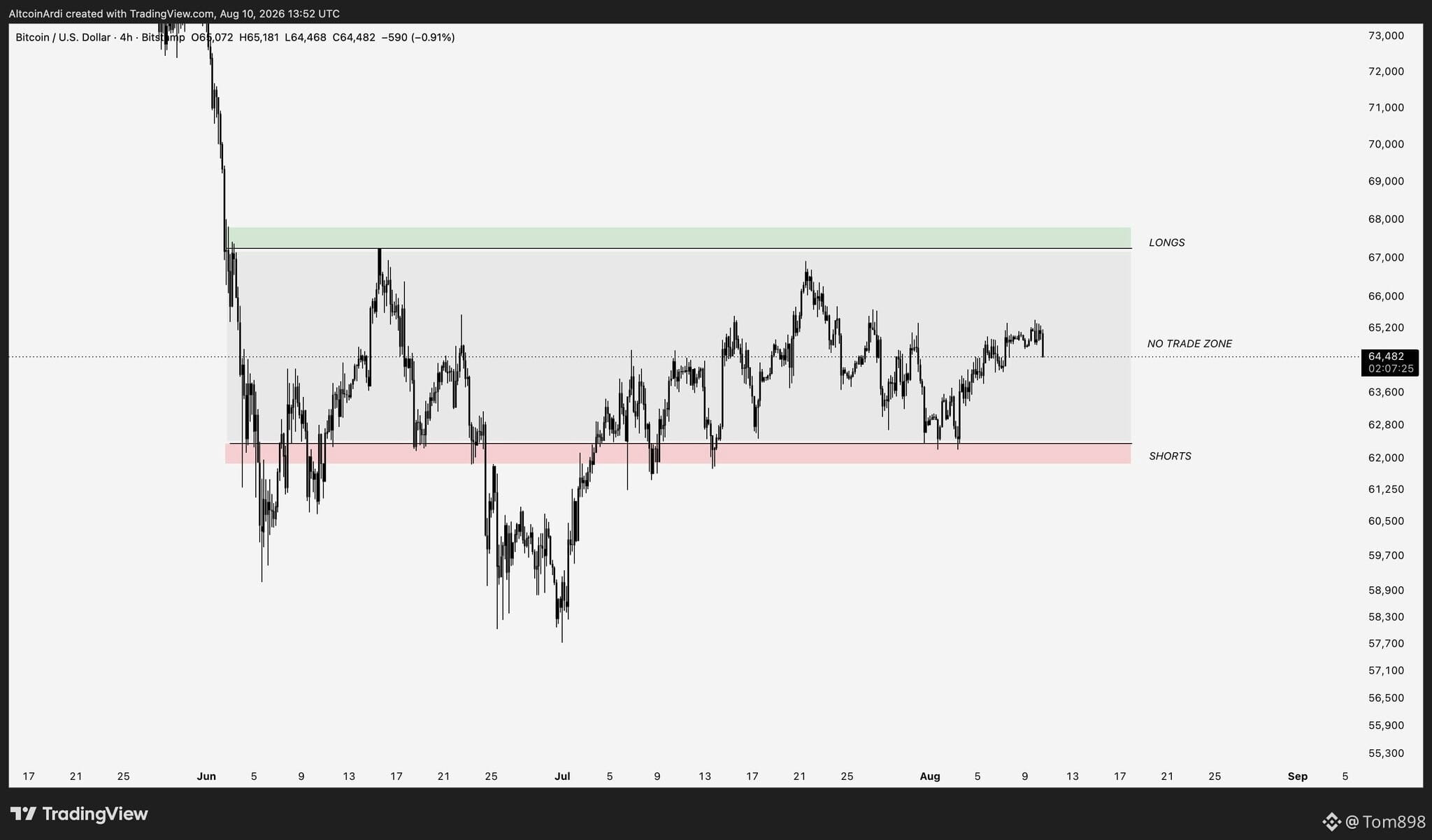
我會把這段 $BTC 區間爲你們講得很簡單。
只交易區間的邊界。忽略中間的所有內容。
#CPIToResetFedBets #AIMemorySelloffEases #BTCETHETFInflowsReturn
我會把這段 $BTC 區間爲你們講得很簡單。
只交易區間的邊界。忽略中間的所有內容。
#CPIToResetFedBets #AIMemorySelloffEases #BTCETHETFInflowsReturn
只交易區間的邊界。忽略中間的所有內容。
#CPIToResetFedBets #AIMemorySelloffEases #BTCETHETFInflowsReturn
70
·
--
#BTCETHETF資金流入回暖 比特幣和以太坊ETF終於一起轉爲上漲,資金流入的數據不容忽視📈
現貨比特幣ETF上週淨流入約8.65億美元——大約15周以來的最強表現。貝萊德的IBIT單獨貢獻了近6.94億美元。以太坊ETF又增加了2.44億美元,使其連續流入紀錄延長至五週👀
這感覺不只是一次隨機的單日反彈。主流加密資產的機構需求顯然正在迴歸,而以太坊悄然拉長的連漲/連續流入可能是更值得關注的信號。
不過,僅靠ETF資金流入還無法承載整個市場。利率、更廣泛的風險情緒以及真實的現貨需求都需要共同配合。
這是持續積累的開端,還是機構只是借道買入一次短期的宏觀回調?🤔$BTC
#BTCETHETF資金流入回暖 比特幣和以太坊ETF終於一起轉爲上漲,資金流入的數據不容忽視📈
現貨比特幣ETF上週淨流入約8.65億美元——大約15周以來的最強表現。貝萊德的IBIT單獨貢獻了近6.94億美元。以太坊ETF又增加了2.44億美元,使其連續流入紀錄延長至五週👀
這感覺不只是一次隨機的單日反彈。主流加密資產的機構需求顯然正在迴歸,而以太坊悄然拉長的連漲/連續流入可能是更值得關注的信號。
不過,僅靠ETF資金流入還無法承載整個市場。利率、更廣泛的風險情緒以及真實的現貨需求都需要共同配合。
這是持續積累的開端,還是機構只是借道買入一次短期的宏觀回調?🤔$BTC
現貨比特幣ETF上週淨流入約8.65億美元——大約15周以來的最強表現。貝萊德的IBIT單獨貢獻了近6.94億美元。以太坊ETF又增加了2.44億美元,使其連續流入紀錄延長至五週👀
這感覺不只是一次隨機的單日反彈。主流加密資產的機構需求顯然正在迴歸,而以太坊悄然拉長的連漲/連續流入可能是更值得關注的信號。
不過,僅靠ETF資金流入還無法承載整個市場。利率、更廣泛的風險情緒以及真實的現貨需求都需要共同配合。
這是持續積累的開端,還是機構只是借道買入一次短期的宏觀回調?🤔$BTC
71
·
--
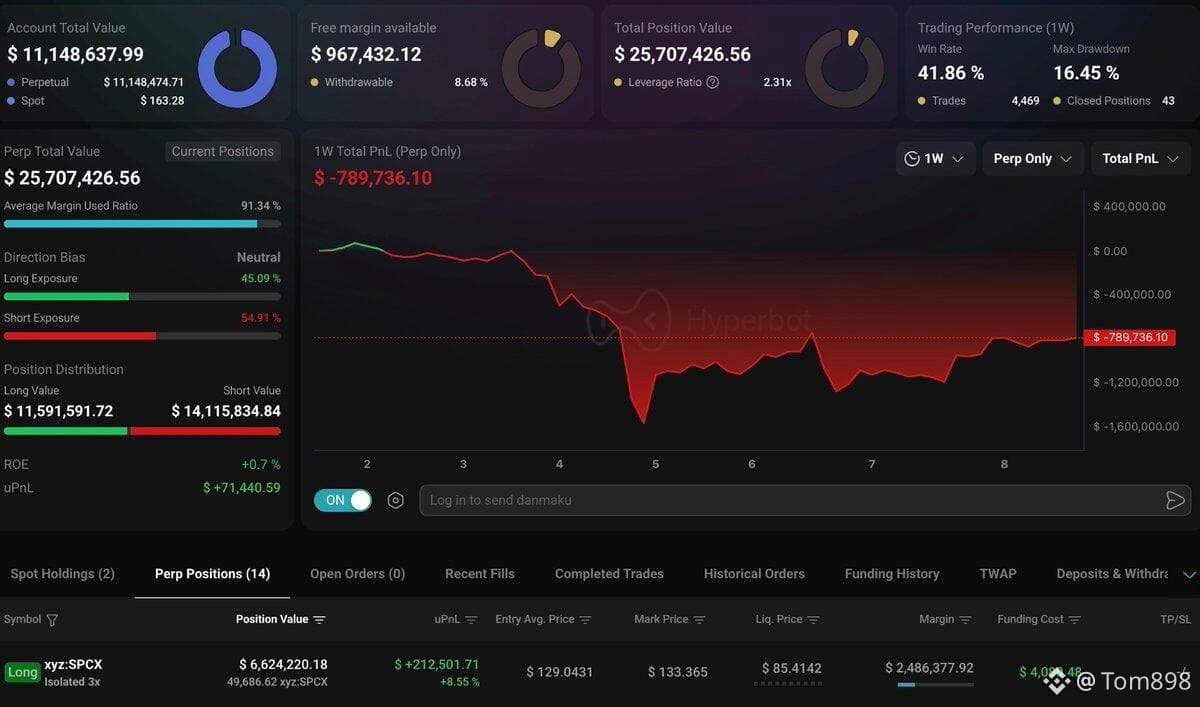
有人剛剛以 3x 槓桿開了一個 6.6M 美元的 $SPCXB 多單
目前他已獲得超過 20 萬美元的浮盈,勝率約爲 42%
這位大戶正在押注 $SPCXB 的底部已經到來
有人剛剛以 3x 槓桿開了一個 6.6M 美元的 $SPCXB 多單
目前他已獲得超過 20 萬美元的浮盈,勝率約爲 42%
這位大戶正在押注 $SPCXB 的底部已經到來
目前他已獲得超過 20 萬美元的浮盈,勝率約爲 42%
這位大戶正在押注 $SPCXB 的底部已經到來
126
·
--
以太坊的遺產:爲何它永遠改變了區塊鏈歷史
$ETH 已贏得其作爲區塊鏈歷史上最具影響力的創新之一的地位。通過引入智能合約,它將區塊鏈的用途從數字支付擴展到去中心化應用,併爲其打開了大門。
多年來,以太坊已成爲重大創新的基礎,包括去中心化金融(DeFi)、NFT、DAO、Layer 2 網絡以及代幣化資產。這些技術重塑了人們與金融、數字所有權以及線上社羣互動的方式。
以太坊的開源生態系統激勵了數千名開發者構建新的應用,並影響了許多更新的區塊鏈網絡的設計。
儘管面臨諸如網絡擁堵和高交易費用等挑戰,以太坊仍通過定期升級與社區驅動的創新持續演進。
如今,以太坊的遺產不僅由 ETH 的價值所定義,也由它幫助創建的全球生態系統所定義。它的影響遠超加密貨幣本身,使其成爲現代 Web3 運動的基石,併成爲區塊鏈技術發展史上關鍵的一章。
#Alphabet25BBond #AIMemoryBullTest
以太坊的遺產:爲何它永遠改變了區塊鏈歷史
$ETH 已贏得其作爲區塊鏈歷史上最具影響力的創新之一的地位。通過引入智能合約,它將區塊鏈的用途從數字支付擴展到去中心化應用,併爲其打開了大門。
多年來,以太坊已成爲重大創新的基礎,包括去中心化金融(DeFi)、NFT、DAO、Layer 2 網絡以及代幣化資產。這些技術重塑了人們與金融、數字所有權以及線上社羣互動的方式。
以太坊的開源生態系統激勵了數千名開發者構建新的應用,並影響了許多更新的區塊鏈網絡的設計。
儘管面臨諸如網絡擁堵和高交易費用等挑戰,以太坊仍通過定期升級與社區驅動的創新持續演進。
如今,以太坊的遺產不僅由 ETH 的價值所定義,也由它幫助創建的全球生態系統所定義。它的影響遠超加密貨幣本身,使其成爲現代 Web3 運動的基石,併成爲區塊鏈技術發展史上關鍵的一章。
#Alphabet25BBond #AIMemoryBullTest
$ETH 已贏得其作爲區塊鏈歷史上最具影響力的創新之一的地位。通過引入智能合約,它將區塊鏈的用途從數字支付擴展到去中心化應用,併爲其打開了大門。
多年來,以太坊已成爲重大創新的基礎,包括去中心化金融(DeFi)、NFT、DAO、Layer 2 網絡以及代幣化資產。這些技術重塑了人們與金融、數字所有權以及線上社羣互動的方式。
以太坊的開源生態系統激勵了數千名開發者構建新的應用,並影響了許多更新的區塊鏈網絡的設計。
儘管面臨諸如網絡擁堵和高交易費用等挑戰,以太坊仍通過定期升級與社區驅動的創新持續演進。
如今,以太坊的遺產不僅由 ETH 的價值所定義,也由它幫助創建的全球生態系統所定義。它的影響遠超加密貨幣本身,使其成爲現代 Web3 運動的基石,併成爲區塊鏈技術發展史上關鍵的一章。
#Alphabet25BBond #AIMemoryBullTest
94
·
--
閃迪(SanDisk)的業績超出預期,但股價爲何下跌?
閃迪最新的財報表現亮眼:季度營收達到 89.7 億美元,調整後每股收益爲 39.25 美元,均超過市場預期。
推動這一表現的核心因素仍然是 AI 基礎設施的擴張、高端存儲需求的快速增長,以及數據中心業務逐漸成爲關鍵增長重點。
不過,財報發佈後股價回落,主要原因在於市場此前已經提前將 AI 存儲增長預期計入價格。
今年以來,閃迪股價漲幅顯著,投資者對未來增長的預期也越來越高。當公司對下季度的指引並未清晰地超出這些極高預期時,資金選擇獲利了結。
從長期來看,AI 時代的數據存儲需求仍處於擴張階段。雲計算、AI 服務器和數據中心建設將繼續推動 NAND 與存儲市場的增長。短期內,股價可能需要消化較高估值帶來的壓力,但如果 AI 資本開支繼續保持強勁,閃迪仍具備增長潛力。
目前來看,閃迪的基本面似乎較爲紮實,但市場的預期過高已導致短期調整趨勢。
$SNDK
閃迪(SanDisk)的業績超出預期,但股價爲何下跌?
閃迪最新的財報表現亮眼:季度營收達到 89.7 億美元,調整後每股收益爲 39.25 美元,均超過市場預期。
推動這一表現的核心因素仍然是 AI 基礎設施的擴張、高端存儲需求的快速增長,以及數據中心業務逐漸成爲關鍵增長重點。
不過,財報發佈後股價回落,主要原因在於市場此前已經提前將 AI 存儲增長預期計入價格。
今年以來,閃迪股價漲幅顯著,投資者對未來增長的預期也越來越高。當公司對下季度的指引並未清晰地超出這些極高預期時,資金選擇獲利了結。
從長期來看,AI 時代的數據存儲需求仍處於擴張階段。雲計算、AI 服務器和數據中心建設將繼續推動 NAND 與存儲市場的增長。短期內,股價可能需要消化較高估值帶來的壓力,但如果 AI 資本開支繼續保持強勁,閃迪仍具備增長潛力。
目前來看,閃迪的基本面似乎較爲紮實,但市場的預期過高已導致短期調整趨勢。
$SNDK
閃迪最新的財報表現亮眼:季度營收達到 89.7 億美元,調整後每股收益爲 39.25 美元,均超過市場預期。
推動這一表現的核心因素仍然是 AI 基礎設施的擴張、高端存儲需求的快速增長,以及數據中心業務逐漸成爲關鍵增長重點。
不過,財報發佈後股價回落,主要原因在於市場此前已經提前將 AI 存儲增長預期計入價格。
今年以來,閃迪股價漲幅顯著,投資者對未來增長的預期也越來越高。當公司對下季度的指引並未清晰地超出這些極高預期時,資金選擇獲利了結。
從長期來看,AI 時代的數據存儲需求仍處於擴張階段。雲計算、AI 服務器和數據中心建設將繼續推動 NAND 與存儲市場的增長。短期內,股價可能需要消化較高估值帶來的壓力,但如果 AI 資本開支繼續保持強勁,閃迪仍具備增長潛力。
目前來看,閃迪的基本面似乎較爲紮實,但市場的預期過高已導致短期調整趨勢。
$SNDK
312
·
--
🚀 “等待更低價格”的敘事變得愈來愈難以辯護。
即使市場面臨地緣政治不確定性、AI 驅動的波動以及全球股市的壓力,$SOL 仍從 $75 附近強勢反彈。
加密貨幣沒有走向下破,反而持守關鍵支撐位。如今,市場情緒正在改善,機構參與度逐步提升,風險偏好也正慢慢回歸。
市場從不會等到人人都覺得買入很安心才行。
也許這一輪的低點早已在我們身後了。👀
#Bitcoin #Ethereum #Solana #Crypto #Altcoins
#SandiskBeatAndBuyback
#CircleArcLaunch
#EarningsRealityCheck
🚀 “等待更低價格”的敘事變得愈來愈難以辯護。
即使市場面臨地緣政治不確定性、AI 驅動的波動以及全球股市的壓力,$SOL 仍從 $75 附近強勢反彈。
加密貨幣沒有走向下破,反而持守關鍵支撐位。如今,市場情緒正在改善,機構參與度逐步提升,風險偏好也正慢慢回歸。
市場從不會等到人人都覺得買入很安心才行。
也許這一輪的低點早已在我們身後了。👀
#Bitcoin #Ethereum #Solana #Crypto #Altcoins
#SandiskBeatAndBuyback
#CircleArcLaunch
#EarningsRealityCheck
即使市場面臨地緣政治不確定性、AI 驅動的波動以及全球股市的壓力,$SOL 仍從 $75 附近強勢反彈。
加密貨幣沒有走向下破,反而持守關鍵支撐位。如今,市場情緒正在改善,機構參與度逐步提升,風險偏好也正慢慢回歸。
市場從不會等到人人都覺得買入很安心才行。
也許這一輪的低點早已在我們身後了。👀
#Bitcoin #Ethereum #Solana #Crypto #Altcoins
#SandiskBeatAndBuyback
#CircleArcLaunch
#EarningsRealityCheck
81
·
--
“如果你能回到六個月前,你會選擇投資哪種代幣?”
這也可能變成你在未來六個月問自己的同一個問題。
加密市場正在進入與以往週期截然不同的階段。現在不再是幾乎所有資產都會一起上漲的環境。資本正變得愈發挑剔:它會獎勵那些具備紮實基本面、可持續生態系統以及真實用戶採用的項目。
宏觀背景有所改善。美國國債收益率在較溫和的經濟數據公佈後有所回落,對更寬鬆的美聯儲政策的預期仍然保持不變,而華爾街繼續創出新高,主要由 AI 和科技股推動。綜合來看,這些因素爲風險資產(包括加密)提供了支撐。
然而,流動性依然高度集中。
機構投資者越來越傾向於選擇那些鏈上活動持續增長、收入可持續、生態系統在擴張、並且擁有長期用例價值的項目,而不是短暫的投機。
當前市場領跑者:
$BTC • $ETH • $BNB • $SOL • $LINK • $AAVE • $ONDO • $HYPE
如果市場參與度擴大,可能受益的項目:
$SUI • $TAO • $WLD • $PENDLE • $ENA • $SEI • $KAITO • $HUMA
這些生態系統與多項重要主題保持一致,包括 AI、真實世界資產(RWA)、下一代 DeFi、區塊鏈基礎設施以及鏈上金融。
與此同時,更高 Beta 的資產:
$DOGE • $SHIB • $PEPE • $BONK • $WIF • $BEAT • $LAB • $MEME
如果風險偏好增強,仍可能跑贏,但在再次帶領市場之前,可能需要新的催化劑。
這一輪週期不再是“什麼都買”—而是要找出那些在熱度褪去之後仍能繼續增長的項目。六個月後,許多投資者可能會說:“真希望我當時早點買。”真正的問題是:你今天正在選擇哪些項目?
關注我,獲取每日洞察以及加密、AI 和華爾街市場的最新動態。
#EarningsRealityCheck
#SpaceXBeatEstimates
#AMDBeatsButDrops
$BTC $ETH $SOL
“如果你能回到六個月前,你會選擇投資哪種代幣?”
這也可能變成你在未來六個月問自己的同一個問題。
加密市場正在進入與以往週期截然不同的階段。現在不再是幾乎所有資產都會一起上漲的環境。資本正變得愈發挑剔:它會獎勵那些具備紮實基本面、可持續生態系統以及真實用戶採用的項目。
宏觀背景有所改善。美國國債收益率在較溫和的經濟數據公佈後有所回落,對更寬鬆的美聯儲政策的預期仍然保持不變,而華爾街繼續創出新高,主要由 AI 和科技股推動。綜合來看,這些因素爲風險資產(包括加密)提供了支撐。
然而,流動性依然高度集中。
機構投資者越來越傾向於選擇那些鏈上活動持續增長、收入可持續、生態系統在擴張、並且擁有長期用例價值的項目,而不是短暫的投機。
當前市場領跑者:
$BTC • $ETH • $BNB • $SOL • $LINK • $AAVE • $ONDO • $HYPE
如果市場參與度擴大,可能受益的項目:
$SUI • $TAO • $WLD • $PENDLE • $ENA • $SEI • $KAITO • $HUMA
這些生態系統與多項重要主題保持一致,包括 AI、真實世界資產(RWA)、下一代 DeFi、區塊鏈基礎設施以及鏈上金融。
與此同時,更高 Beta 的資產:
$DOGE • $SHIB • $PEPE • $BONK • $WIF • $BEAT • $LAB • $MEME
如果風險偏好增強,仍可能跑贏,但在再次帶領市場之前,可能需要新的催化劑。
這一輪週期不再是“什麼都買”—而是要找出那些在熱度褪去之後仍能繼續增長的項目。六個月後,許多投資者可能會說:“真希望我當時早點買。”真正的問題是:你今天正在選擇哪些項目?
關注我,獲取每日洞察以及加密、AI 和華爾街市場的最新動態。
#EarningsRealityCheck
#SpaceXBeatEstimates
#AMDBeatsButDrops
$BTC $ETH $SOL
這也可能變成你在未來六個月問自己的同一個問題。
加密市場正在進入與以往週期截然不同的階段。現在不再是幾乎所有資產都會一起上漲的環境。資本正變得愈發挑剔:它會獎勵那些具備紮實基本面、可持續生態系統以及真實用戶採用的項目。
宏觀背景有所改善。美國國債收益率在較溫和的經濟數據公佈後有所回落,對更寬鬆的美聯儲政策的預期仍然保持不變,而華爾街繼續創出新高,主要由 AI 和科技股推動。綜合來看,這些因素爲風險資產(包括加密)提供了支撐。
然而,流動性依然高度集中。
機構投資者越來越傾向於選擇那些鏈上活動持續增長、收入可持續、生態系統在擴張、並且擁有長期用例價值的項目,而不是短暫的投機。
當前市場領跑者:
$BTC • $ETH • $BNB • $SOL • $LINK • $AAVE • $ONDO • $HYPE
如果市場參與度擴大,可能受益的項目:
$SUI • $TAO • $WLD • $PENDLE • $ENA • $SEI • $KAITO • $HUMA
這些生態系統與多項重要主題保持一致,包括 AI、真實世界資產(RWA)、下一代 DeFi、區塊鏈基礎設施以及鏈上金融。
與此同時,更高 Beta 的資產:
$DOGE • $SHIB • $PEPE • $BONK • $WIF • $BEAT • $LAB • $MEME
如果風險偏好增強,仍可能跑贏,但在再次帶領市場之前,可能需要新的催化劑。
這一輪週期不再是“什麼都買”—而是要找出那些在熱度褪去之後仍能繼續增長的項目。六個月後,許多投資者可能會說:“真希望我當時早點買。”真正的問題是:你今天正在選擇哪些項目?
關注我,獲取每日洞察以及加密、AI 和華爾街市場的最新動態。
#EarningsRealityCheck
#SpaceXBeatEstimates
#AMDBeatsButDrops
$BTC $ETH $SOL
361
·
--
🛢️ 霍爾木茲海峽即將重新開放,戰爭溢價一口氣被抽走
· 貝森特:明天有可能與伊朗達成協議,開放霍爾木茲海峽
魯比奧:談判取得進展;伊朗的立場有所軟化,考慮讓歐洲進入海峽進行掃雷
· WTI日內-5%,回落至74.66美元;Stoxx600在7月創下新高
一旦油價崩塌,“戰爭 = 通脹 = 加息”的邏輯就變得鬆動。半個月前,市場擔心油價推高通脹,迫使美聯儲不降息。如今,這一下行動催化劑正在被一項項拆解,風險資產集體鬆一口氣——漲幅半 + 6%,英特爾 + 10%。
唯一還裝作在睡覺的,是加密。$BTC 卡在64K,風險資產在上漲時不跟隨,但在下跌時會跟隨。“跟跌不跟漲”的這種背離,是現在最需要關注的信號——敘事偏向多頭,但價格尚未跟上。
別急着把宏觀利好翻譯成買入理由。我們會等BTC找到自己的方向,然後再談要不要跟隨。走着看 🧊$BTC $ETH
🛢️ 霍爾木茲海峽即將重新開放,戰爭溢價一口氣被抽走
· 貝森特:明天有可能與伊朗達成協議,開放霍爾木茲海峽
魯比奧:談判取得進展;伊朗的立場有所軟化,考慮讓歐洲進入海峽進行掃雷
· WTI日內-5%,回落至74.66美元;Stoxx600在7月創下新高
一旦油價崩塌,“戰爭 = 通脹 = 加息”的邏輯就變得鬆動。半個月前,市場擔心油價推高通脹,迫使美聯儲不降息。如今,這一下行動催化劑正在被一項項拆解,風險資產集體鬆一口氣——漲幅半 + 6%,英特爾 + 10%。
唯一還裝作在睡覺的,是加密。$BTC 卡在64K,風險資產在上漲時不跟隨,但在下跌時會跟隨。“跟跌不跟漲”的這種背離,是現在最需要關注的信號——敘事偏向多頭,但價格尚未跟上。
別急着把宏觀利好翻譯成買入理由。我們會等BTC找到自己的方向,然後再談要不要跟隨。走着看 🧊$BTC $ETH
· 貝森特:明天有可能與伊朗達成協議,開放霍爾木茲海峽
魯比奧:談判取得進展;伊朗的立場有所軟化,考慮讓歐洲進入海峽進行掃雷
· WTI日內-5%,回落至74.66美元;Stoxx600在7月創下新高
一旦油價崩塌,“戰爭 = 通脹 = 加息”的邏輯就變得鬆動。半個月前,市場擔心油價推高通脹,迫使美聯儲不降息。如今,這一下行動催化劑正在被一項項拆解,風險資產集體鬆一口氣——漲幅半 + 6%,英特爾 + 10%。
唯一還裝作在睡覺的,是加密。$BTC 卡在64K,風險資產在上漲時不跟隨,但在下跌時會跟隨。“跟跌不跟漲”的這種背離,是現在最需要關注的信號——敘事偏向多頭,但價格尚未跟上。
別急着把宏觀利好翻譯成買入理由。我們會等BTC找到自己的方向,然後再談要不要跟隨。走着看 🧊$BTC $ETH
81
·
--
剛剛分享我最新的傳統金融(TradFi)交易動態。我目前專注於風險管理、市場趨勢,以及有紀律的進場,而不是追求快速獲利。每一筆交易都是一次學習經驗,我也會透過適當的分析持續改進我的策略。 #ShareMyTradFi
剛剛分享我最新的傳統金融(TradFi)交易動態。我目前專注於風險管理、市場趨勢,以及有紀律的進場,而不是追求快速獲利。每一筆交易都是一次學習經驗,我也會透過適當的分析持續改進我的策略。 #ShareMyTradFi
61
·
--
今天是個很棒的日子,傳統金融(TradFi)的一次提醒讓我想起:耐心是最強的交易技能之一。儘管市場快速變動,我仍拒絕在沒有確認前就立刻進場。當我的交易設置與我的策略一致後,我才自信地進場,並讓計畫指引每一個決策。保護資金永遠排在追逐獲利之前。面對市場狀況的變化,持續保持自律,讓我作為交易者的信心也不斷累積。 #ShareMyTradFi
今天是個很棒的日子,傳統金融(TradFi)的一次提醒讓我想起:耐心是最強的交易技能之一。儘管市場快速變動,我仍拒絕在沒有確認前就立刻進場。當我的交易設置與我的策略一致後,我才自信地進場,並讓計畫指引每一個決策。保護資金永遠排在追逐獲利之前。面對市場狀況的變化,持續保持自律,讓我作為交易者的信心也不斷累積。 #ShareMyTradFi
72
·
--
突發:🇺🇸 2026年第二季度,美國比特幣挖出932 $BTC 枚,這是有記錄以來的最高季度產量,使總持倉增長至8,002 $BTC 。
🟠 @ABTC的每股Sats上漲11%至10,989。
“我們對比特幣的信念依然堅定不移,”聯合創始人兼首席戰略官Eric Trump表示。💬
$BTC
突發:🇺🇸 2026年第二季度,美國比特幣挖出932 $BTC 枚,這是有記錄以來的最高季度產量,使總持倉增長至8,002 $BTC 。
🟠 @ABTC的每股Sats上漲11%至10,989。
“我們對比特幣的信念依然堅定不移,”聯合創始人兼首席戰略官Eric Trump表示。💬
$BTC
🟠 @ABTC的每股Sats上漲11%至10,989。
“我們對比特幣的信念依然堅定不移,”聯合創始人兼首席戰略官Eric Trump表示。💬
$BTC
59
·
--
During today's discussion, a difficult point about the secondary market was mentioned, and there is a consensus:
Many high FDV model tokens that ranked at the top in the previous round are heading towards chronic decline.
Among them are some we have cooperated with, trusted, and heavily invested in, making this psychological shift somewhat difficult!
In recent years, many projects have essentially packaged the exit pressure from the primary market as long-termism in the secondary market.
Low circulation, high FDV, and long unlock periods are essentially a very clever financial design:
The project team and early investors first create valuation with a very small circulating supply, then maintain the price through narratives, airdrops, KOLs, market making, and exchange liquidity, and finally, through a long unlocking period, gradually transfer the paper gains from the primary market to the secondary market.
Projects like ENA, which is about to unlock again, are the most representative of this type.
The Ethena product itself is not bad; it aggregates stablecoin demand, centralized exchange funding rates, and on-chain yield narratives, truly capturing market pain points.
But a useful product does not mean the token can always enjoy a high premium.
Good products usually have intense phase-specific market movements, but that does not necessarily mean good assets. This was one of the biggest lessons from the last DeFi wave!
Users come to arbitrage, but that does not mean they are willing to hold your token long-term;
Protocols have revenue, but that does not mean the revenue effectively benefits token holders;
TVL looks good, but it may just be capital chasing subsidies, yields, and short-term certainty, not loyalty to the protocol itself.
Simply put, much on-chain capital is migratory, not resident capital, which are two completely different things.
Even a product at Uniswap's level faces long-term token capture controversies, let alone ordinary protocols.
So the greater the "great" project, the harder it is to operate in the secondary market!
$ENA $UNI
During today's discussion, a difficult point about the secondary market was mentioned, and there is a consensus:
Many high FDV model tokens that ranked at the top in the previous round are heading towards chronic decline.
Among them are some we have cooperated with, trusted, and heavily invested in, making this psychological shift somewhat difficult!
In recent years, many projects have essentially packaged the exit pressure from the primary market as long-termism in the secondary market.
Low circulation, high FDV, and long unlock periods are essentially a very clever financial design:
The project team and early investors first create valuation with a very small circulating supply, then maintain the price through narratives, airdrops, KOLs, market making, and exchange liquidity, and finally, through a long unlocking period, gradually transfer the paper gains from the primary market to the secondary market.
Projects like ENA, which is about to unlock again, are the most representative of this type.
The Ethena product itself is not bad; it aggregates stablecoin demand, centralized exchange funding rates, and on-chain yield narratives, truly capturing market pain points.
But a useful product does not mean the token can always enjoy a high premium.
Good products usually have intense phase-specific market movements, but that does not necessarily mean good assets. This was one of the biggest lessons from the last DeFi wave!
Users come to arbitrage, but that does not mean they are willing to hold your token long-term;
Protocols have revenue, but that does not mean the revenue effectively benefits token holders;
TVL looks good, but it may just be capital chasing subsidies, yields, and short-term certainty, not loyalty to the protocol itself.
Simply put, much on-chain capital is migratory, not resident capital, which are two completely different things.
Even a product at Uniswap's level faces long-term token capture controversies, let alone ordinary protocols.
So the greater the "great" project, the harder it is to operate in the secondary market!
$ENA $UNI
Many high FDV model tokens that ranked at the top in the previous round are heading towards chronic decline.
Among them are some we have cooperated with, trusted, and heavily invested in, making this psychological shift somewhat difficult!
In recent years, many projects have essentially packaged the exit pressure from the primary market as long-termism in the secondary market.
Low circulation, high FDV, and long unlock periods are essentially a very clever financial design:
The project team and early investors first create valuation with a very small circulating supply, then maintain the price through narratives, airdrops, KOLs, market making, and exchange liquidity, and finally, through a long unlocking period, gradually transfer the paper gains from the primary market to the secondary market.
Projects like ENA, which is about to unlock again, are the most representative of this type.
The Ethena product itself is not bad; it aggregates stablecoin demand, centralized exchange funding rates, and on-chain yield narratives, truly capturing market pain points.
But a useful product does not mean the token can always enjoy a high premium.
Good products usually have intense phase-specific market movements, but that does not necessarily mean good assets. This was one of the biggest lessons from the last DeFi wave!
Users come to arbitrage, but that does not mean they are willing to hold your token long-term;
Protocols have revenue, but that does not mean the revenue effectively benefits token holders;
TVL looks good, but it may just be capital chasing subsidies, yields, and short-term certainty, not loyalty to the protocol itself.
Simply put, much on-chain capital is migratory, not resident capital, which are two completely different things.
Even a product at Uniswap's level faces long-term token capture controversies, let alone ordinary protocols.
So the greater the "great" project, the harder it is to operate in the secondary market!
$ENA $UNI
351
·
--
通脹降溫正好發生在仍然偏鷹的美聯儲之上。如今,市場內部正在彼此“打架”。
6月PCE:headline 環比 -0.1%,爲2020年以來首次下跌。核心環比 +0.1%,低於預期的 +0.2%。同比 headline 從 4.1% 跌至 3.7%。核心維持在 3.3%。就表面而言,這是一段“乾淨”的去通脹。
但增長講的卻是另一種故事:
第二季度GDP走弱,錄得1.5%,低於預期的2.1%。
不過,最終銷售給私人買家跳升3.9%——自2023年初以來最強。
申領失業救濟人數小幅回升至197k。
拖累來自政府支出和庫存,而不是消費者。
美聯儲在連續第6次會議中維持3.5%—3.75%不變。3位投票者希望加息。價格更溫和削弱了“鷹派加息”的論點,但需求依然強勁,使其仍有存在空間。9月加息概率:64%,高於56%。
下面是多數人錯過的點:在“緩解/降溫”的利好下,股票和加密貨幣反彈。$BTC 重回到65k附近。標普 +1.7%。
而債券則相反。30年期國債跌破/突破 5.2%(這裏以走勢表述),爲2007年以來最高。長期資金認爲:通脹還沒有被真正擊敗。
兩個市場,兩種敘事。它們不可能同時都對。
一份PCE數據不是趨勢。7月的數據決定這是否真實,還是僅僅一陣油價帶來的“波動”。
當股票說“該降息了”,而債券說“還沒到時候”——你會相信誰?
通脹降溫正好發生在仍然偏鷹的美聯儲之上。如今,市場內部正在彼此“打架”。
6月PCE:headline 環比 -0.1%,爲2020年以來首次下跌。核心環比 +0.1%,低於預期的 +0.2%。同比 headline 從 4.1% 跌至 3.7%。核心維持在 3.3%。就表面而言,這是一段“乾淨”的去通脹。
但增長講的卻是另一種故事:
第二季度GDP走弱,錄得1.5%,低於預期的2.1%。
不過,最終銷售給私人買家跳升3.9%——自2023年初以來最強。
申領失業救濟人數小幅回升至197k。
拖累來自政府支出和庫存,而不是消費者。
美聯儲在連續第6次會議中維持3.5%—3.75%不變。3位投票者希望加息。價格更溫和削弱了“鷹派加息”的論點,但需求依然強勁,使其仍有存在空間。9月加息概率:64%,高於56%。
下面是多數人錯過的點:在“緩解/降溫”的利好下,股票和加密貨幣反彈。$BTC 重回到65k附近。標普 +1.7%。
而債券則相反。30年期國債跌破/突破 5.2%(這裏以走勢表述),爲2007年以來最高。長期資金認爲:通脹還沒有被真正擊敗。
兩個市場,兩種敘事。它們不可能同時都對。
一份PCE數據不是趨勢。7月的數據決定這是否真實,還是僅僅一陣油價帶來的“波動”。
當股票說“該降息了”,而債券說“還沒到時候”——你會相信誰?
6月PCE:headline 環比 -0.1%,爲2020年以來首次下跌。核心環比 +0.1%,低於預期的 +0.2%。同比 headline 從 4.1% 跌至 3.7%。核心維持在 3.3%。就表面而言,這是一段“乾淨”的去通脹。
但增長講的卻是另一種故事:
第二季度GDP走弱,錄得1.5%,低於預期的2.1%。
不過,最終銷售給私人買家跳升3.9%——自2023年初以來最強。
申領失業救濟人數小幅回升至197k。
拖累來自政府支出和庫存,而不是消費者。
美聯儲在連續第6次會議中維持3.5%—3.75%不變。3位投票者希望加息。價格更溫和削弱了“鷹派加息”的論點,但需求依然強勁,使其仍有存在空間。9月加息概率:64%,高於56%。
下面是多數人錯過的點:在“緩解/降溫”的利好下,股票和加密貨幣反彈。$BTC 重回到65k附近。標普 +1.7%。
而債券則相反。30年期國債跌破/突破 5.2%(這裏以走勢表述),爲2007年以來最高。長期資金認爲:通脹還沒有被真正擊敗。
兩個市場,兩種敘事。它們不可能同時都對。
一份PCE數據不是趨勢。7月的數據決定這是否真實,還是僅僅一陣油價帶來的“波動”。
當股票說“該降息了”,而債券說“還沒到時候”——你會相信誰?
93
·
--
這簡直太瘋狂了
如果比特幣觸及 71K,價值 433,000,000 美元的空頭將被平倉
如果比特幣跌至 57K 這個區間,價值 514,000,000 美元的多頭將被平倉
其中一件事很快就會發生
$BTC
這簡直太瘋狂了
如果比特幣觸及 71K,價值 433,000,000 美元的空頭將被平倉
如果比特幣跌至 57K 這個區間,價值 514,000,000 美元的多頭將被平倉
其中一件事很快就會發生
$BTC
如果比特幣觸及 71K,價值 433,000,000 美元的空頭將被平倉
如果比特幣跌至 57K 這個區間,價值 514,000,000 美元的多頭將被平倉
其中一件事很快就會發生
$BTC
88
登入以探索更多內容
加入幣安廣場中的全球加密貨幣用戶
⚡️ 獲取加密貨幣的最新和實用資訊。
💬 受到全球最大加密貨幣交易所的信任。
👍 發掘來自經過驗證創作者的真實見解。
電子郵件 / 電話號碼
熱門話題
黄金跌至4144美元
22,862 次瀏覽
179 討論中
🥇 黃金跌至4144美元:開戰都救不了金價,實際利率成了唯一主線
現貨黃金今日接連失守4200、4150關口,最低4142.37美元、單日跌超140美元(最大跌幅3.25%),爲8月5日以來首次跌破4200,本月累計跌近6%;白銀跌超5%至61美元附近、創七週新低。
最擰巴的傳導:特朗普拒絕伊朗重開霍爾木茲海峽方案、油價衝高(布油約99美元),按劇本該利多黃金,但"油價→通脹→加息"鏈條壓過了避險——10月加息25bp概率升至64.8%,10年期美債收益率5.20%、30年期破5.5%,美元指數站上101,實際利率直接碾壓無息黃金。9月綜合PMI 58.4創62個月新高,週三PCE(核心預期3.3%)、週五非農是10月FOMC的最終裁決。
我的判斷:黃金正從"避險資產"切換成"反實際利率資產",地緣溢價被沒收——這也解釋了同日無息資產的普遍走弱。技術上1小時RSI已到19(深度超賣),但超賣不等於見底:4230(趨勢線+61.8%回撤位)收復前,反彈都當逃命波處理
影響標的:A股貴金屬板塊(山東黃金跌停)、白銀與礦股;央行二季度購金289噸是長期託底。
怎麼操作:週三PCE偏強則下看4100—4000,偏弱則反抽看4230—4260;
國慶長假持倉者先減倉,輕倉過節。
#黄金跌至4144美元
笃行侠
·2 人按讚
·2.5k 次瀏覽
QNT从日内高点回落逾40%
10,390 次瀏覽
114 討論中
韩股Kospi指数跌2.7%三星SK海力士跌超5%
7,665 次瀏覽
58 討論中