

TheCryptoDegen
1.1k 貼文

TheCryptoDegen
舉報
封鎖用戶
Blockchain & Digital ASSETS Management |#BTC History & stories | Investor | Doing the MOST |On X @BuundiKe
低頻交易者
5.2 年
23 關注
3.8K+ 粉絲
2.0K+ 點讚數
貼文
全部
引用
影片
置頂
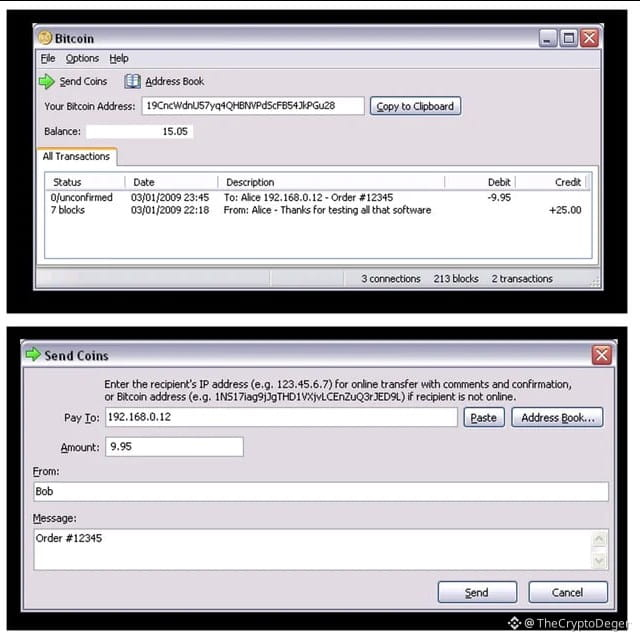
比特幣在2009年有一個功能,危險到連中本聰自己都在一位用戶指出後將其刪除
在比特幣的原版中,你可以直接將幣發送到某人的IP地址
不需要錢包地址,更糟糕的是,你的電腦會連接到他們的電腦來發送幣
這意味著任何人都可以看到你的IP,定位你的機器,甚至僅僅通過向你發送比特幣來嘗試攻擊
在2009年1月14日,中本聰決定親自測試,並發送電子郵件給一名早期礦工達斯汀·特拉梅爾,詢問他的IP地址
特拉梅爾回覆並真的將其發送給了他
幾分鐘後,中本聰連接並給他發送了25 BTC,附上一條消息說「你好」
特拉梅爾以警告回覆他,告訴他這個功能不安全,幾週內中本聰就將其從比特幣中完全刪除
如今這25 BTC的價值將達到186萬美元
比特幣在2009年有一個功能,危險到連中本聰自己都在一位用戶指出後將其刪除
在比特幣的原版中,你可以直接將幣發送到某人的IP地址
不需要錢包地址,更糟糕的是,你的電腦會連接到他們的電腦來發送幣
這意味著任何人都可以看到你的IP,定位你的機器,甚至僅僅通過向你發送比特幣來嘗試攻擊
在2009年1月14日,中本聰決定親自測試,並發送電子郵件給一名早期礦工達斯汀·特拉梅爾,詢問他的IP地址
特拉梅爾回覆並真的將其發送給了他
幾分鐘後,中本聰連接並給他發送了25 BTC,附上一條消息說「你好」
特拉梅爾以警告回覆他,告訴他這個功能不安全,幾週內中本聰就將其從比特幣中完全刪除
如今這25 BTC的價值將達到186萬美元
在比特幣的原版中,你可以直接將幣發送到某人的IP地址
不需要錢包地址,更糟糕的是,你的電腦會連接到他們的電腦來發送幣
這意味著任何人都可以看到你的IP,定位你的機器,甚至僅僅通過向你發送比特幣來嘗試攻擊
在2009年1月14日,中本聰決定親自測試,並發送電子郵件給一名早期礦工達斯汀·特拉梅爾,詢問他的IP地址
特拉梅爾回覆並真的將其發送給了他
幾分鐘後,中本聰連接並給他發送了25 BTC,附上一條消息說「你好」
特拉梅爾以警告回覆他,告訴他這個功能不安全,幾週內中本聰就將其從比特幣中完全刪除
如今這25 BTC的價值將達到186萬美元
89
10
183
362.4k
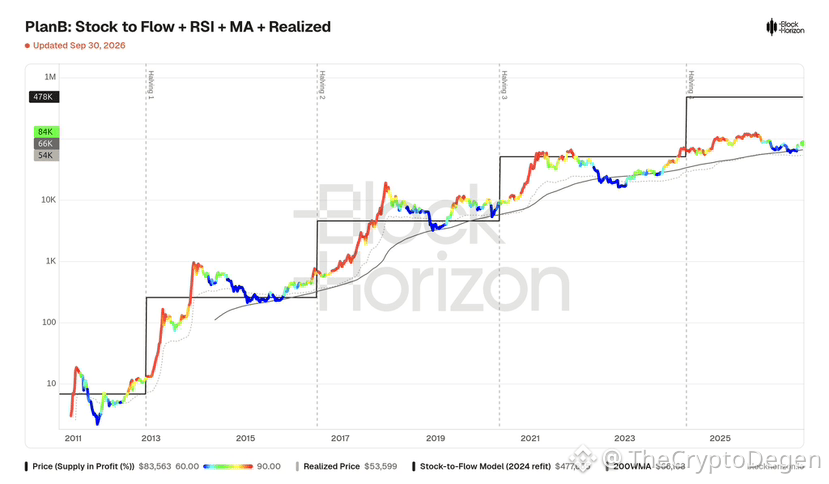
比特幣在9月收於83,563美元
- 高於已實現價格54,000美元
- 高於200周移動均線66,000美元
- 處於盈利狀態的地址佔比82%
- 處於盈利狀態的UTXO佔比80%
- 處於盈利狀態的比特幣佔比71%
展望Uptober!
比特幣在9月收於83,563美元
- 高於已實現價格54,000美元
- 高於200周移動均線66,000美元
- 處於盈利狀態的地址佔比82%
- 處於盈利狀態的UTXO佔比80%
- 處於盈利狀態的比特幣佔比71%
展望Uptober!
- 高於已實現價格54,000美元
- 高於200周移動均線66,000美元
- 處於盈利狀態的地址佔比82%
- 處於盈利狀態的UTXO佔比80%
- 處於盈利狀態的比特幣佔比71%
展望Uptober!
108
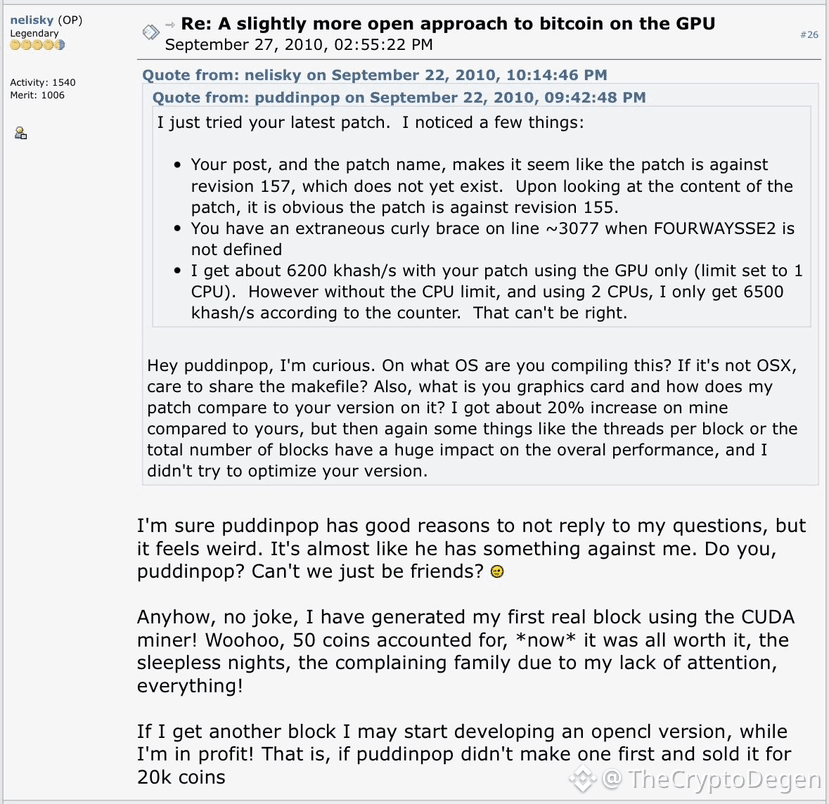
比特幣用戶發帖:“哇哦,已經清點好了 50 枚幣,*現在*這一切都值得了,那些不眠之夜,由於我不夠關心而抱怨的家人,所有的一切!”,日期:2010 年 9 月 27 日
比特幣用戶發帖:“哇哦,已經清點好了 50 枚幣,*現在*這一切都值得了,那些不眠之夜,由於我不夠關心而抱怨的家人,所有的一切!”,日期:2010 年 9 月 27 日
1
144
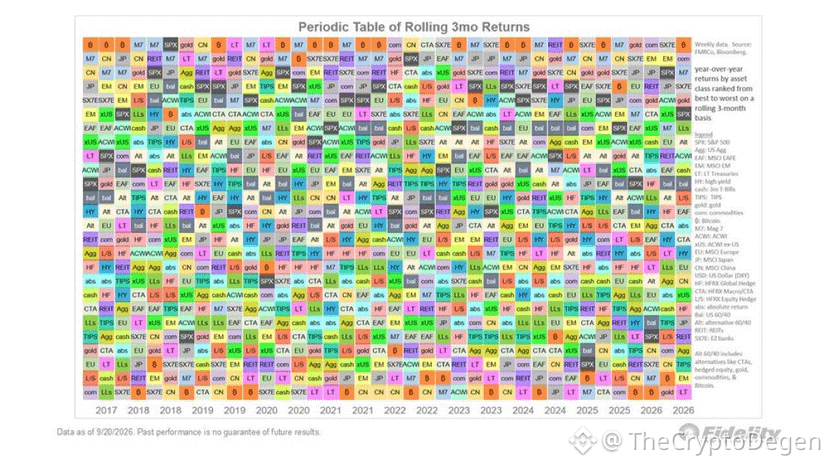
比特幣是年度表現最好的資產。
它有時也會是最差的。
看看 Fidelity 的滾動回報表。
其他所有東西都處在中間。
股票、債券、黃金、現金。
平平無奇,沒人關心。
但比特幣從不在中間。它要麼第一,要麼最後。這並不算壞事。它意味着人們一直在關注比特幣。你不想擁有那種沒有人發表觀點的資產。
波動性就是信號。
比特幣是年度表現最好的資產。
它有時也會是最差的。
看看 Fidelity 的滾動回報表。
其他所有東西都處在中間。
股票、債券、黃金、現金。
平平無奇,沒人關心。
但比特幣從不在中間。它要麼第一,要麼最後。這並不算壞事。它意味着人們一直在關注比特幣。你不想擁有那種沒有人發表觀點的資產。
波動性就是信號。
它有時也會是最差的。
看看 Fidelity 的滾動回報表。
其他所有東西都處在中間。
股票、債券、黃金、現金。
平平無奇,沒人關心。
但比特幣從不在中間。它要麼第一,要麼最後。這並不算壞事。它意味着人們一直在關注比特幣。你不想擁有那種沒有人發表觀點的資產。
波動性就是信號。
1
101
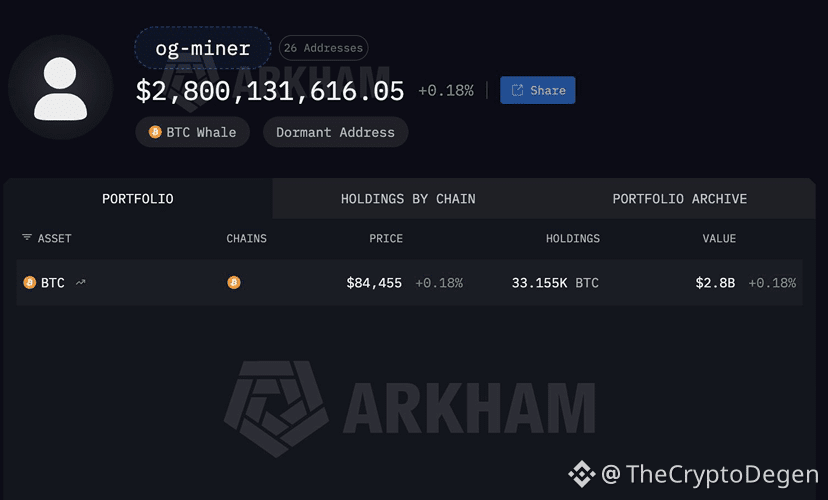
這隻 OG 有 33K BTC(28 億美元)
他把自己的 BTC 分別存放在 4.5K 個 BTC 地址中,過去 8 年一直如此,而且大部分比特幣的蹤跡都追溯到 2010 年的挖礦。
鑽石手。
#BTC
這隻 OG 有 33K BTC(28 億美元)
他把自己的 BTC 分別存放在 4.5K 個 BTC 地址中,過去 8 年一直如此,而且大部分比特幣的蹤跡都追溯到 2010 年的挖礦。
鑽石手。
#BTC
他把自己的 BTC 分別存放在 4.5K 個 BTC 地址中,過去 8 年一直如此,而且大部分比特幣的蹤跡都追溯到 2010 年的挖礦。
鑽石手。
#BTC
128
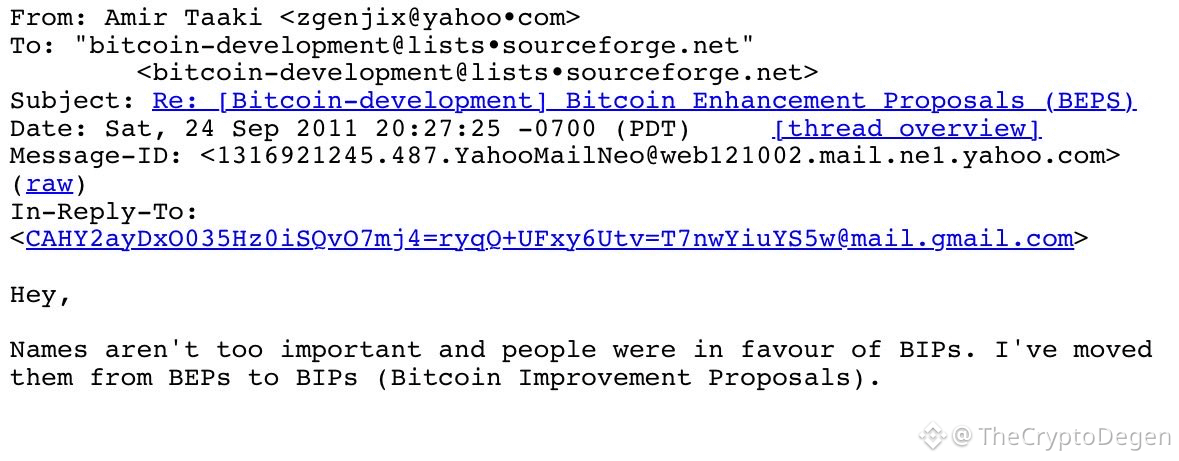
2011年9月25日,開發者 Amir Taaki 在比特幣開發郵件列表上提出,應該將比特幣的正式變更文件稱爲比特幣改進提案(Bitcoin Improvement Proposals,BIPs)。
BIP 流程是用於提出、討論和記錄對比特幣進行變更的公開規範體系。
各個 BIP 是編號的論文,涵蓋協議規則、點對點行爲、錢包標準以及流程約定。
此後諸如隔離見證(Segregated Witness)和 Taproot 等升級,都是通過該體系來進行規範的。
Taaki 的想法至今仍在使用,距今已超過 15 年。
這些文件存放在一個開放的倉庫中,在公衆中進行辯論,只有當實現與網絡都遵循它們時,纔會被採納。
這條郵件列表的備註並沒有創建比特幣的治理機制。它只是爲那套治理“寫下來”的形式之一命名。
2011年9月25日,開發者 Amir Taaki 在比特幣開發郵件列表上提出,應該將比特幣的正式變更文件稱爲比特幣改進提案(Bitcoin Improvement Proposals,BIPs)。
BIP 流程是用於提出、討論和記錄對比特幣進行變更的公開規範體系。
各個 BIP 是編號的論文,涵蓋協議規則、點對點行爲、錢包標準以及流程約定。
此後諸如隔離見證(Segregated Witness)和 Taproot 等升級,都是通過該體系來進行規範的。
Taaki 的想法至今仍在使用,距今已超過 15 年。
這些文件存放在一個開放的倉庫中,在公衆中進行辯論,只有當實現與網絡都遵循它們時,纔會被採納。
這條郵件列表的備註並沒有創建比特幣的治理機制。它只是爲那套治理“寫下來”的形式之一命名。
BIP 流程是用於提出、討論和記錄對比特幣進行變更的公開規範體系。
各個 BIP 是編號的論文,涵蓋協議規則、點對點行爲、錢包標準以及流程約定。
此後諸如隔離見證(Segregated Witness)和 Taproot 等升級,都是通過該體系來進行規範的。
Taaki 的想法至今仍在使用,距今已超過 15 年。
這些文件存放在一個開放的倉庫中,在公衆中進行辯論,只有當實現與網絡都遵循它們時,纔會被採納。
這條郵件列表的備註並沒有創建比特幣的治理機制。它只是爲那套治理“寫下來”的形式之一命名。
73
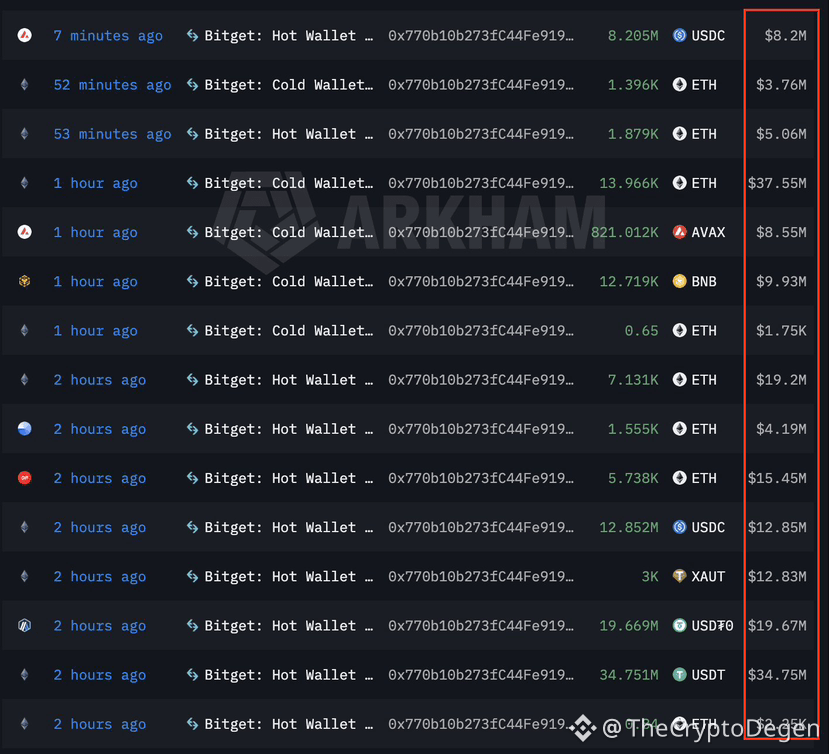
🚨 比特捷遭黑客攻擊,損失近2億美元
攻擊者入侵了三個熱錢包和一個冷錢包,並在幾分鐘內將所有資產換成ETH,其中部分在高於市場價5%的價格進行。 這些錢包目前仍持有5.30億美元。
截至目前,Bitget尚未發佈官方聲明。
🚨 比特捷遭黑客攻擊,損失近2億美元
攻擊者入侵了三個熱錢包和一個冷錢包,並在幾分鐘內將所有資產換成ETH,其中部分在高於市場價5%的價格進行。 這些錢包目前仍持有5.30億美元。
截至目前,Bitget尚未發佈官方聲明。
攻擊者入侵了三個熱錢包和一個冷錢包,並在幾分鐘內將所有資產換成ETH,其中部分在高於市場價5%的價格進行。 這些錢包目前仍持有5.30億美元。
截至目前,Bitget尚未發佈官方聲明。
93
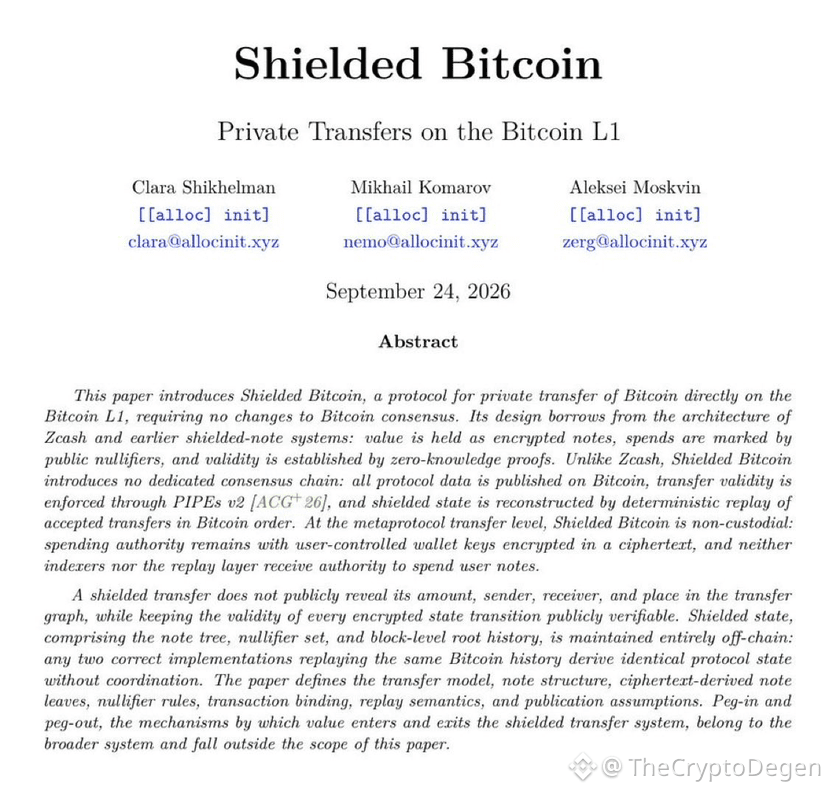
開發者剛剛想出了一種方法:在不更改比特幣本身的情況下,隱藏是誰發送了比特幣、誰收到了以及轉移了多少。
這一項新的提議並不是對協議的分叉,也不是新的加密貨幣。這正是比特幣被設計出來的方式:人們可以在不需要許可的情況下,在基礎層上進行創新。
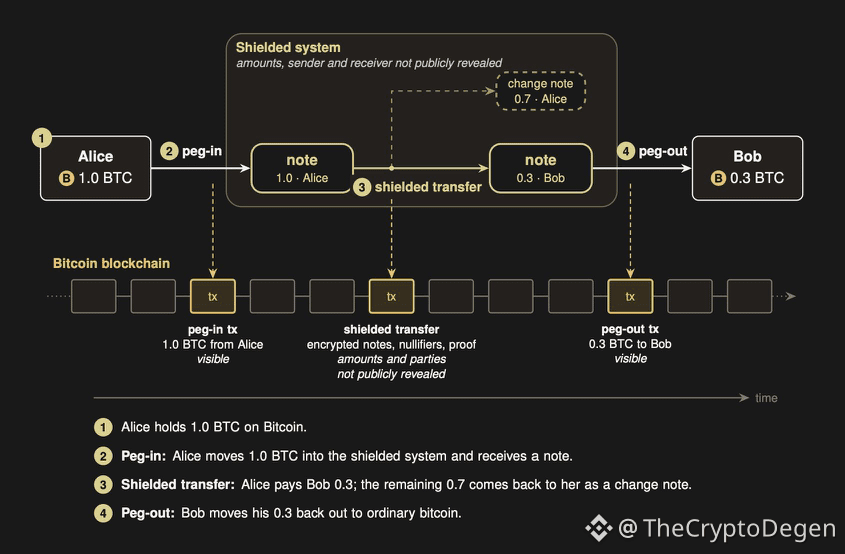
週四,研究員 Misha Komarov 和同事們發佈了 Shielded Bitcoin——一種面向比特幣基礎層的、類似 Zcash 的“保密池”。
加密的備註和零知識證明會隨同普通的比特幣交易一起傳輸。獨立的軟件會檢查:不會憑空創造硬幣,也不會出現重複花費。
並沒有任何公司在運行這個資金池,沒有側鏈,也沒有軟分叉。資金通過密碼學“金庫”進入和退出——這些金庫是 Komarov 一直在構建的,稱爲 PIPEs,因此不需要聯盟去持有比特幣。
礦工並不執行這些隱私規則。無效的保密數據仍然可能落入區塊;索引器只會將其忽略。
代價是:比特幣保持保守,而實驗則在其之上運行。如果它奏效,私密轉賬將以大多數比特幣最優秀想法的方式到來——不是通過改寫“憲法”,而是通過構建在每個人已經信任的結算層之上。
開發者剛剛想出了一種方法:在不更改比特幣本身的情況下,隱藏是誰發送了比特幣、誰收到了以及轉移了多少。
這一項新的提議並不是對協議的分叉,也不是新的加密貨幣。這正是比特幣被設計出來的方式:人們可以在不需要許可的情況下,在基礎層上進行創新。
週四,研究員 Misha Komarov 和同事們發佈了 Shielded Bitcoin——一種面向比特幣基礎層的、類似 Zcash 的“保密池”。
加密的備註和零知識證明會隨同普通的比特幣交易一起傳輸。獨立的軟件會檢查:不會憑空創造硬幣,也不會出現重複花費。
並沒有任何公司在運行這個資金池,沒有側鏈,也沒有軟分叉。資金通過密碼學“金庫”進入和退出——這些金庫是 Komarov 一直在構建的,稱爲 PIPEs,因此不需要聯盟去持有比特幣。
礦工並不執行這些隱私規則。無效的保密數據仍然可能落入區塊;索引器只會將其忽略。
代價是:比特幣保持保守,而實驗則在其之上運行。如果它奏效,私密轉賬將以大多數比特幣最優秀想法的方式到來——不是通過改寫“憲法”,而是通過構建在每個人已經信任的結算層之上。
這一項新的提議並不是對協議的分叉,也不是新的加密貨幣。這正是比特幣被設計出來的方式:人們可以在不需要許可的情況下,在基礎層上進行創新。
週四,研究員 Misha Komarov 和同事們發佈了 Shielded Bitcoin——一種面向比特幣基礎層的、類似 Zcash 的“保密池”。
加密的備註和零知識證明會隨同普通的比特幣交易一起傳輸。獨立的軟件會檢查:不會憑空創造硬幣,也不會出現重複花費。
並沒有任何公司在運行這個資金池,沒有側鏈,也沒有軟分叉。資金通過密碼學“金庫”進入和退出——這些金庫是 Komarov 一直在構建的,稱爲 PIPEs,因此不需要聯盟去持有比特幣。
礦工並不執行這些隱私規則。無效的保密數據仍然可能落入區塊;索引器只會將其忽略。
代價是:比特幣保持保守,而實驗則在其之上運行。如果它奏效,私密轉賬將以大多數比特幣最優秀想法的方式到來——不是通過改寫“憲法”,而是通過構建在每個人已經信任的結算層之上。
61
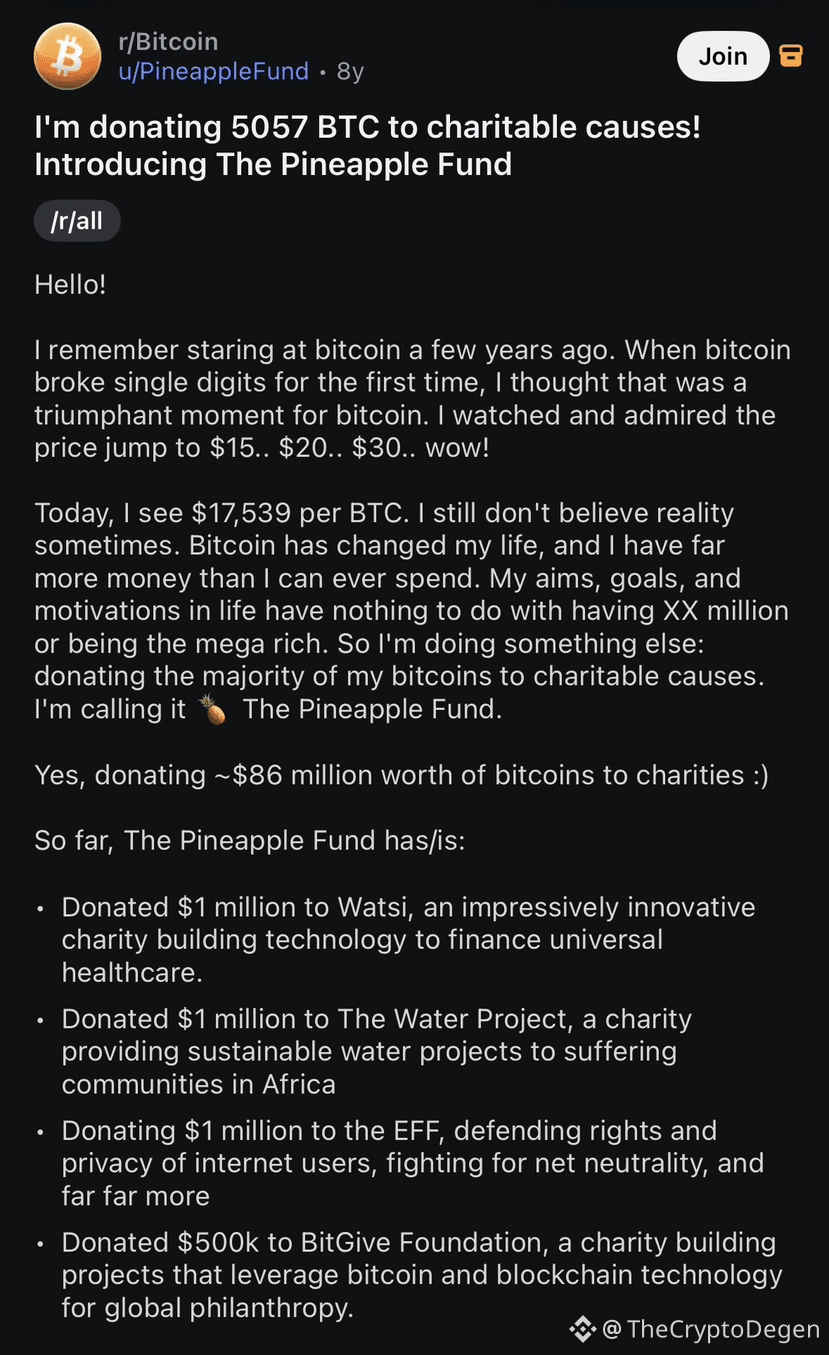
一位匿名用戶覺得自己已經有足夠的錢,於是承諾向慈善機構捐贈 5,057 比特幣。
Reddit 用戶“PineappleFund”想起自己曾目睹比特幣價格達到 15 美元、20 美元和 30 美元。到 2017 年 12 月,他們發帖道:
“我擁有的金錢遠遠多到我這輩子都花不完。”
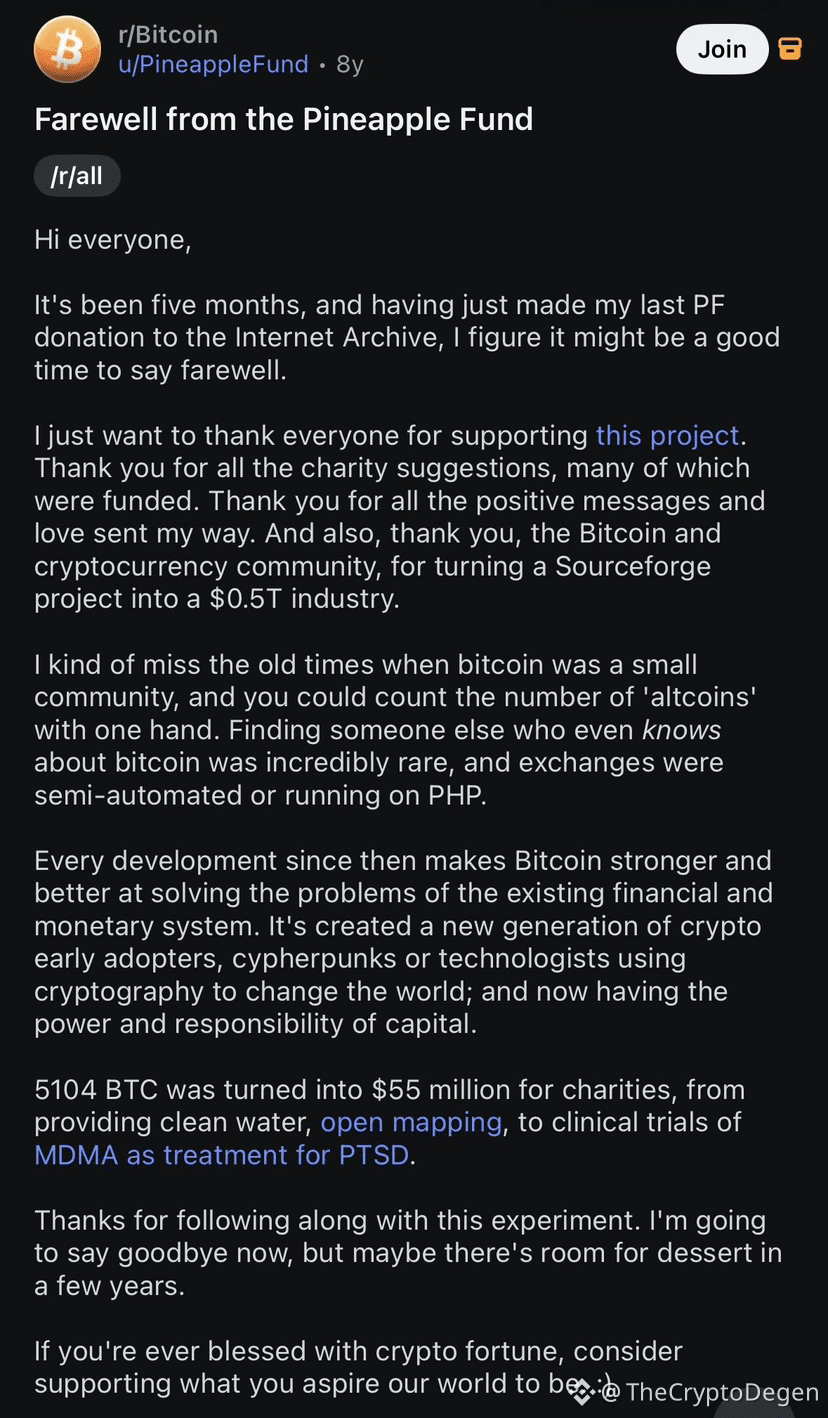
五個月後,他們的告別帖稱,5,104 比特幣已爲慈善機構帶來了 55,000,000 美元。
最終一筆捐款捐給了互聯網檔案館(Internet Archive)。
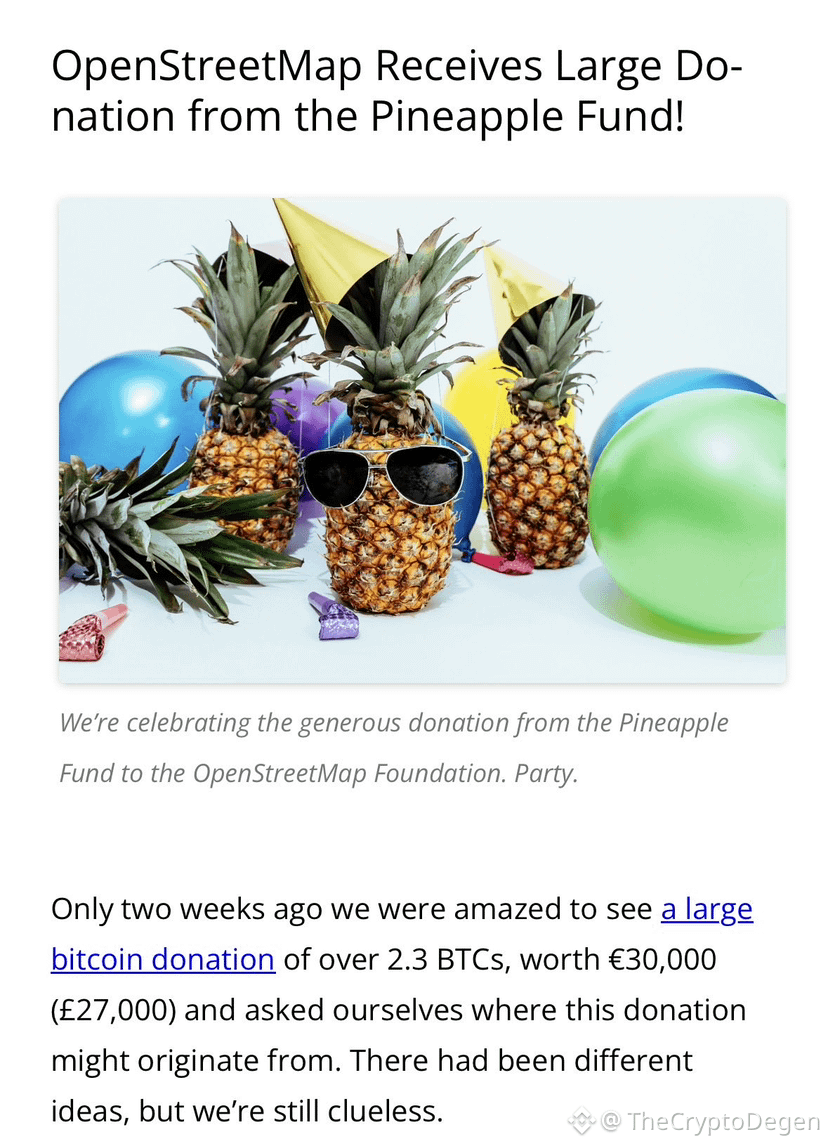
其中一位受捐方 OpenStreetMap 也曾獨立記錄自己收到了 18 比特幣。
如今,如果這些慈善機構當初把捐款保留爲比特幣,那麼它的價值將達到 426,394,540 美元。
自那之後,這位用戶再也沒有消息傳出。
一位匿名用戶覺得自己已經有足夠的錢,於是承諾向慈善機構捐贈 5,057 比特幣。
Reddit 用戶“PineappleFund”想起自己曾目睹比特幣價格達到 15 美元、20 美元和 30 美元。到 2017 年 12 月,他們發帖道:
“我擁有的金錢遠遠多到我這輩子都花不完。”
五個月後,他們的告別帖稱,5,104 比特幣已爲慈善機構帶來了 55,000,000 美元。
最終一筆捐款捐給了互聯網檔案館(Internet Archive)。
其中一位受捐方 OpenStreetMap 也曾獨立記錄自己收到了 18 比特幣。
如今,如果這些慈善機構當初把捐款保留爲比特幣,那麼它的價值將達到 426,394,540 美元。
自那之後,這位用戶再也沒有消息傳出。
Reddit 用戶“PineappleFund”想起自己曾目睹比特幣價格達到 15 美元、20 美元和 30 美元。到 2017 年 12 月,他們發帖道:
“我擁有的金錢遠遠多到我這輩子都花不完。”
五個月後,他們的告別帖稱,5,104 比特幣已爲慈善機構帶來了 55,000,000 美元。
最終一筆捐款捐給了互聯網檔案館(Internet Archive)。
其中一位受捐方 OpenStreetMap 也曾獨立記錄自己收到了 18 比特幣。
如今,如果這些慈善機構當初把捐款保留爲比特幣,那麼它的價值將達到 426,394,540 美元。
自那之後,這位用戶再也沒有消息傳出。
1
4
1.9k
一個很難理解的概念是:比特幣可以根據需要被分割成越來越小的單位,這樣不管人口變得多麼龐大,它都能保持可用性。
即使地球上的全球人口達到一萬億人,任何人都可以發送或接收任意規模的金額,因爲這個單位本身還能繼續被進一步、再進一步地細分。
0.0000000001 比特幣
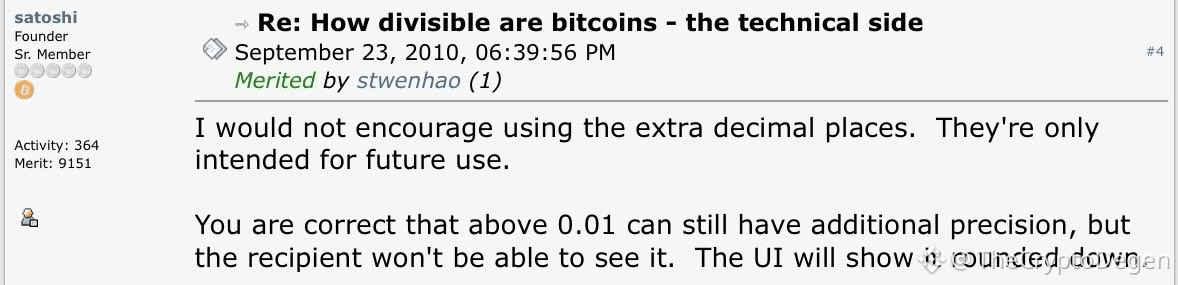
軟件可以保留其界面未顯示的精度。中本聰曾勸告開發者不要依賴那些額外顯示的數字:
“我不建議使用額外的小數位。它們只用於將來的用途。”
他解釋說,收款方在界面中看到的將是向下取整後的金額。讓人擔心的是,精度超出了客戶端界面上顯示的兩位小數,而不是超出比特幣八位小數的記賬範圍。
自中本聰在 2010 年 9 月 23 日發佈這篇帖子以來,比特幣的價格已呈指數級增長,如今很多人開始使用額外的小數位。
$BTC
一個很難理解的概念是:比特幣可以根據需要被分割成越來越小的單位,這樣不管人口變得多麼龐大,它都能保持可用性。
即使地球上的全球人口達到一萬億人,任何人都可以發送或接收任意規模的金額,因爲這個單位本身還能繼續被進一步、再進一步地細分。
0.0000000001 比特幣
軟件可以保留其界面未顯示的精度。中本聰曾勸告開發者不要依賴那些額外顯示的數字:
“我不建議使用額外的小數位。它們只用於將來的用途。”
他解釋說,收款方在界面中看到的將是向下取整後的金額。讓人擔心的是,精度超出了客戶端界面上顯示的兩位小數,而不是超出比特幣八位小數的記賬範圍。
自中本聰在 2010 年 9 月 23 日發佈這篇帖子以來,比特幣的價格已呈指數級增長,如今很多人開始使用額外的小數位。
$BTC
即使地球上的全球人口達到一萬億人,任何人都可以發送或接收任意規模的金額,因爲這個單位本身還能繼續被進一步、再進一步地細分。
0.0000000001 比特幣
軟件可以保留其界面未顯示的精度。中本聰曾勸告開發者不要依賴那些額外顯示的數字:
“我不建議使用額外的小數位。它們只用於將來的用途。”
他解釋說,收款方在界面中看到的將是向下取整後的金額。讓人擔心的是,精度超出了客戶端界面上顯示的兩位小數,而不是超出比特幣八位小數的記賬範圍。
自中本聰在 2010 年 9 月 23 日發佈這篇帖子以來,比特幣的價格已呈指數級增長,如今很多人開始使用額外的小數位。
$BTC
113
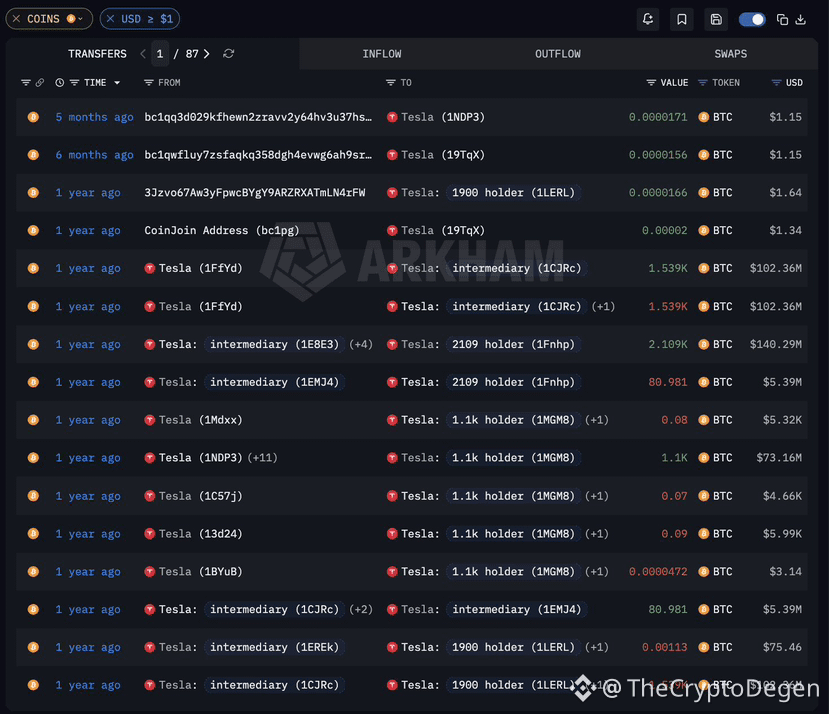
特斯拉什麼都沒做卻賺了1億美元
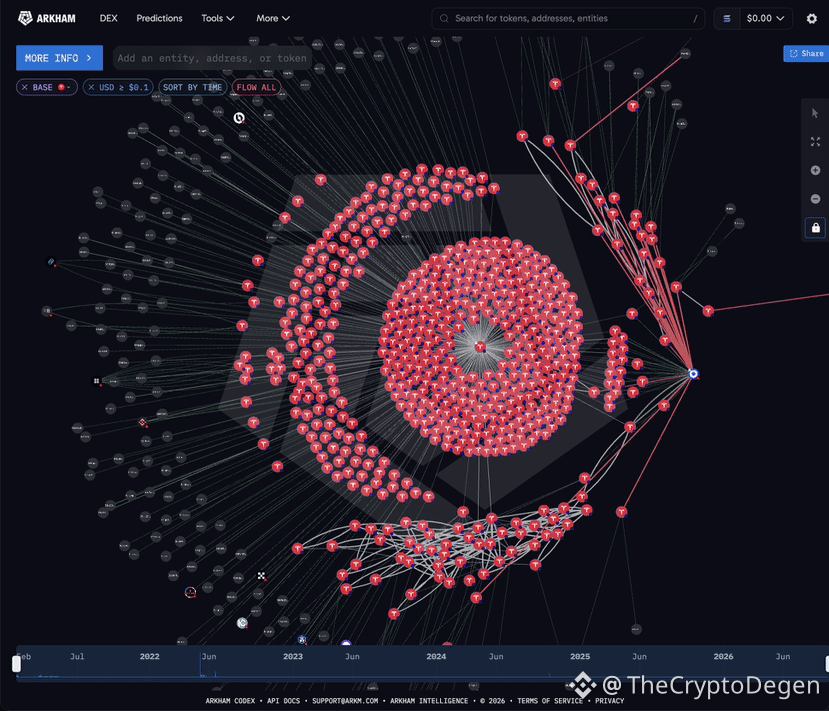
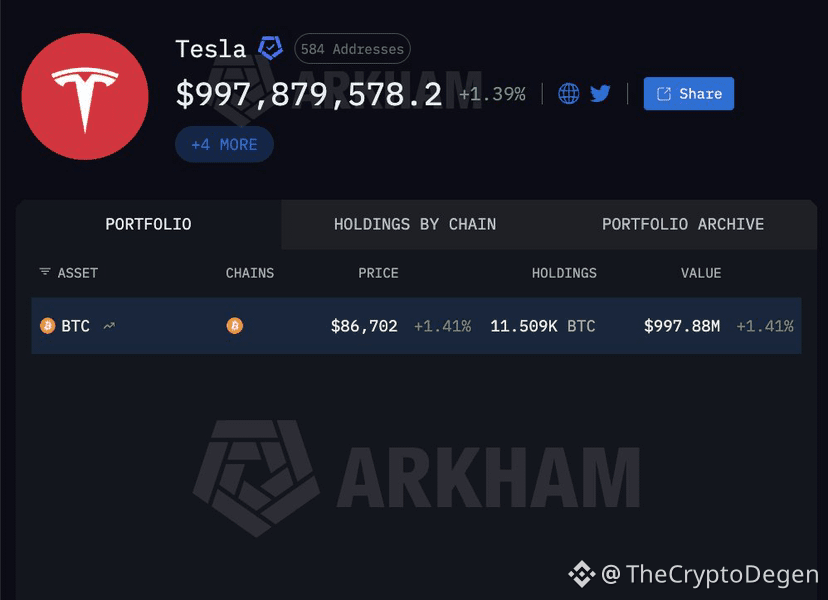
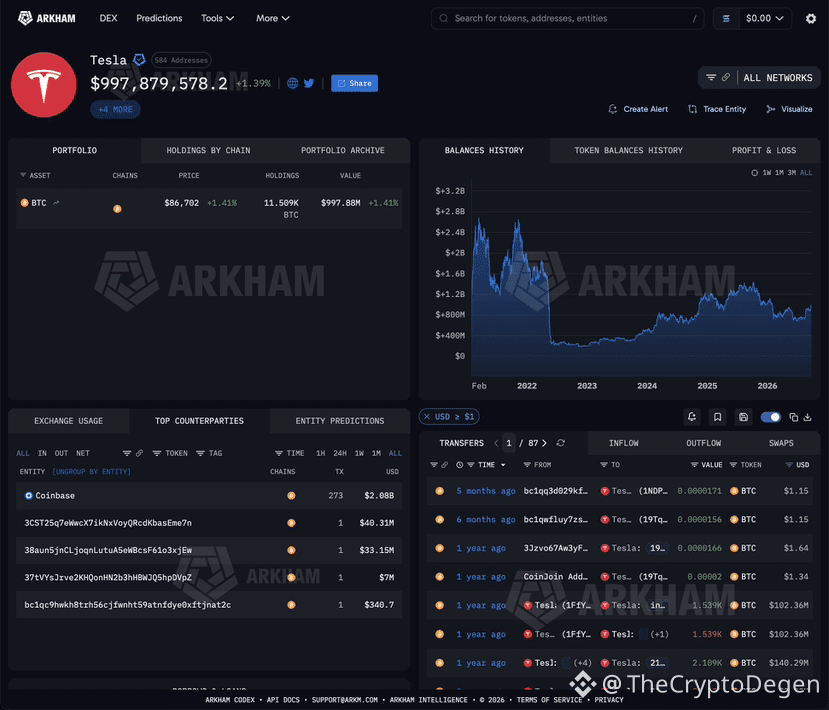
特斯拉持有價值9.9490億美元的比特幣(11,509 BTC)。本週比特幣上漲14%,其持倉增加1.2262億美元。
他們已經連續持有同一批資產4年,期間從未移動過一枚幣。距離10億美元只差510萬美元。
#TeslaBitcoinHoldings
特斯拉什麼都沒做卻賺了1億美元
特斯拉持有價值9.9490億美元的比特幣(11,509 BTC)。本週比特幣上漲14%,其持倉增加1.2262億美元。
他們已經連續持有同一批資產4年,期間從未移動過一枚幣。距離10億美元只差510萬美元。
#TeslaBitcoinHoldings
特斯拉持有價值9.9490億美元的比特幣(11,509 BTC)。本週比特幣上漲14%,其持倉增加1.2262億美元。
他們已經連續持有同一批資產4年,期間從未移動過一枚幣。距離10億美元只差510萬美元。
#TeslaBitcoinHoldings
109
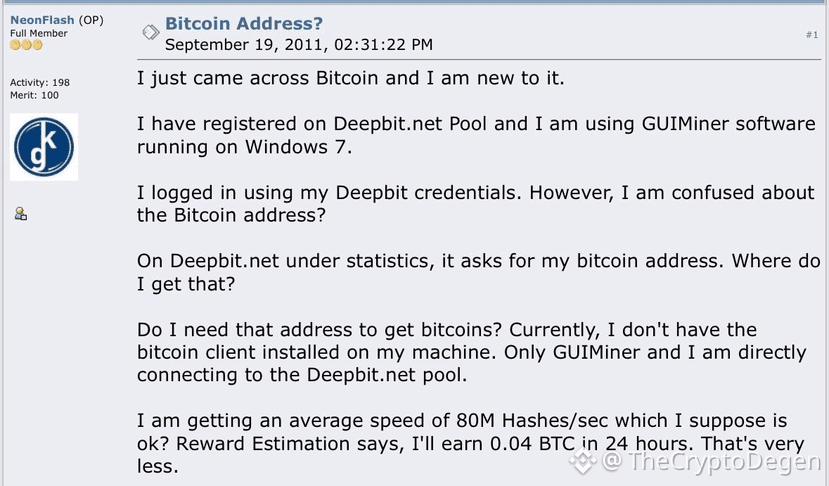
論壇用戶 NeonFlash 於 2011 年 9 月 19 日剛發現比特幣。他們使用的是 Radeon 6770M 顯卡,以大約 80,000,000(八千萬)次哈希/秒的速度挖掘比特幣。
計算器估算:每天約 0.046 枚比特幣,每月 1.393 BTC,或每年 16.74 枚比特幣。
他們認爲新顯卡的表現應該更好,於是詢問其他人是如何做到每天賺取十到十五枚比特幣的。
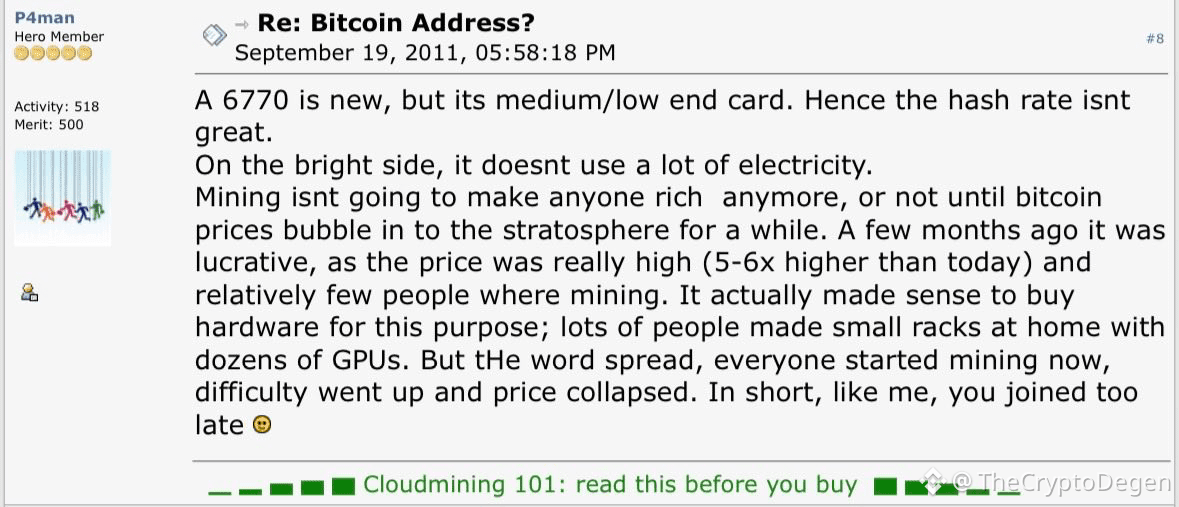
P4man 最終回答道:
“簡而言之,就像我一樣,你加入得太晚了。”
如果按今天當前市場價格 16.74 枚比特幣來計算,他們那一年將賺到 1,365,118 美元。
論壇用戶 NeonFlash 於 2011 年 9 月 19 日剛發現比特幣。他們使用的是 Radeon 6770M 顯卡,以大約 80,000,000(八千萬)次哈希/秒的速度挖掘比特幣。
計算器估算:每天約 0.046 枚比特幣,每月 1.393 BTC,或每年 16.74 枚比特幣。
他們認爲新顯卡的表現應該更好,於是詢問其他人是如何做到每天賺取十到十五枚比特幣的。
P4man 最終回答道:
“簡而言之,就像我一樣,你加入得太晚了。”
如果按今天當前市場價格 16.74 枚比特幣來計算,他們那一年將賺到 1,365,118 美元。
計算器估算:每天約 0.046 枚比特幣,每月 1.393 BTC,或每年 16.74 枚比特幣。
他們認爲新顯卡的表現應該更好,於是詢問其他人是如何做到每天賺取十到十五枚比特幣的。
P4man 最終回答道:
“簡而言之,就像我一樣,你加入得太晚了。”
如果按今天當前市場價格 16.74 枚比特幣來計算,他們那一年將賺到 1,365,118 美元。
557
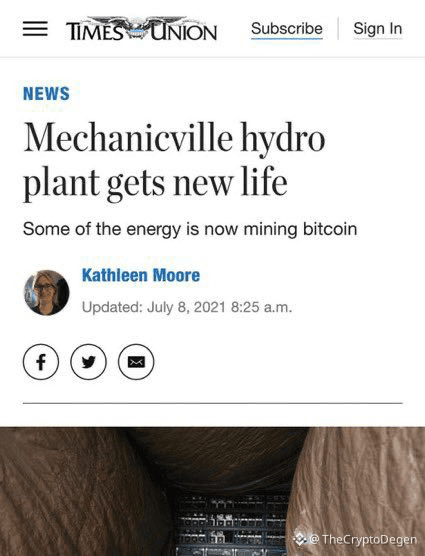
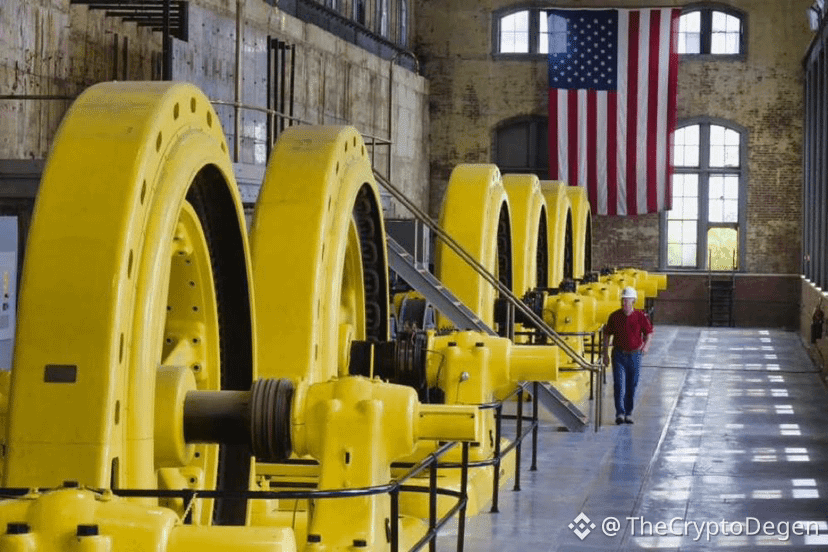
美國最古老的清潔可再生電力生產商——梅卡尼克維爾水電站——得益於比特幣挖礦而得以保全。
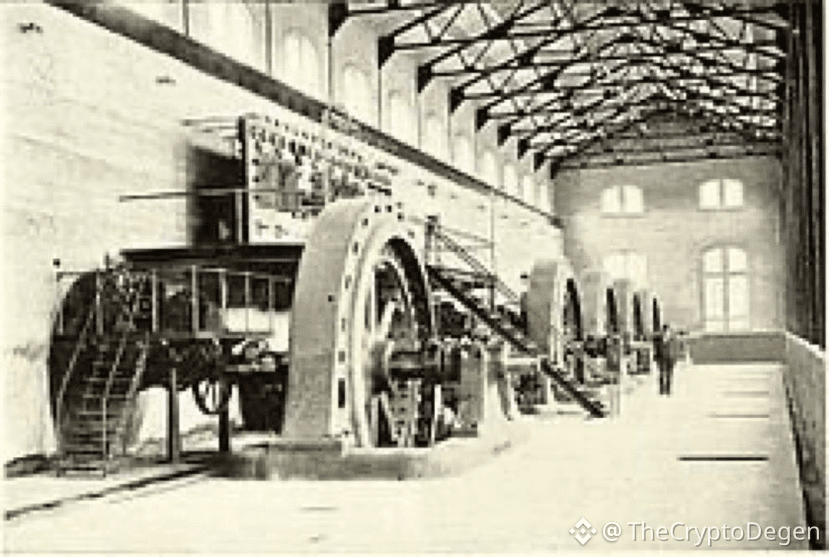
紐約的梅卡尼克維爾水電站可追溯至1897年。它建在哈德遜河上,爲位於斯克內克塔迪的通用電氣(General Electric)運營提供電力。此後,該公司長期放棄了這座設施。
2021年,這座水電大壩無法盈利,原本計劃退役。首席執行官決定使用部分電力來運行比特幣礦機後,局面發生了改變。
CEO Jim Besha表示,將電力賣給電網每千瓦時僅能帶來三美分;而比特幣挖礦帶來的大約是前者的三倍。
他購買二手挖礦設備,並將比特幣轉換爲現金,而不是把它當作投資長期持有。正是這一舉措讓該設施得以保全。
美國最古老的清潔可再生電力生產商——梅卡尼克維爾水電站——得益於比特幣挖礦而得以保全。
紐約的梅卡尼克維爾水電站可追溯至1897年。它建在哈德遜河上,爲位於斯克內克塔迪的通用電氣(General Electric)運營提供電力。此後,該公司長期放棄了這座設施。
2021年,這座水電大壩無法盈利,原本計劃退役。首席執行官決定使用部分電力來運行比特幣礦機後,局面發生了改變。
CEO Jim Besha表示,將電力賣給電網每千瓦時僅能帶來三美分;而比特幣挖礦帶來的大約是前者的三倍。
他購買二手挖礦設備,並將比特幣轉換爲現金,而不是把它當作投資長期持有。正是這一舉措讓該設施得以保全。
紐約的梅卡尼克維爾水電站可追溯至1897年。它建在哈德遜河上,爲位於斯克內克塔迪的通用電氣(General Electric)運營提供電力。此後,該公司長期放棄了這座設施。
2021年,這座水電大壩無法盈利,原本計劃退役。首席執行官決定使用部分電力來運行比特幣礦機後,局面發生了改變。
CEO Jim Besha表示,將電力賣給電網每千瓦時僅能帶來三美分;而比特幣挖礦帶來的大約是前者的三倍。
他購買二手挖礦設備,並將比特幣轉換爲現金,而不是把它當作投資長期持有。正是這一舉措讓該設施得以保全。
88
比特幣獎品被加密進人類DNA中
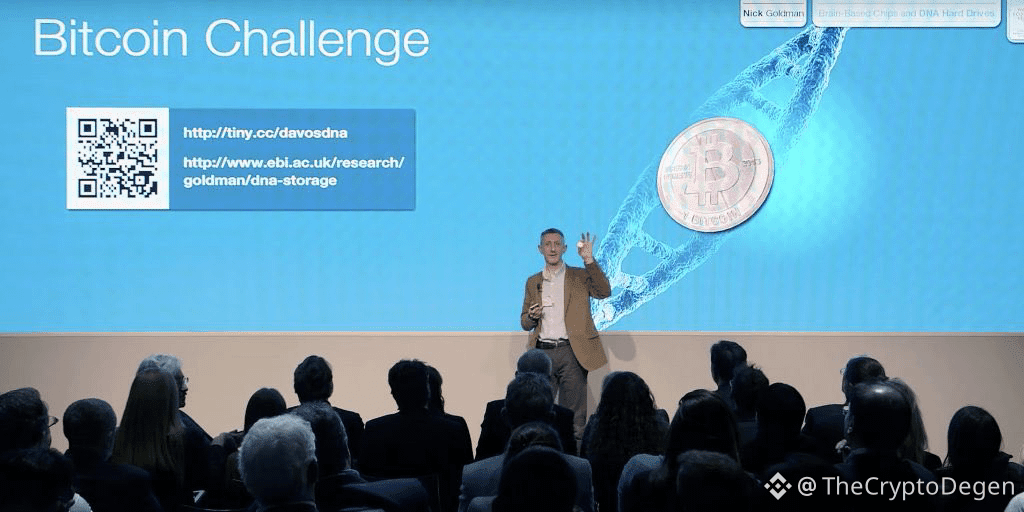
DNA,生命本身的構建基石與基礎結構,能夠通過將信息轉化爲由其四種化學字母構成的序列來存儲計算機數據。
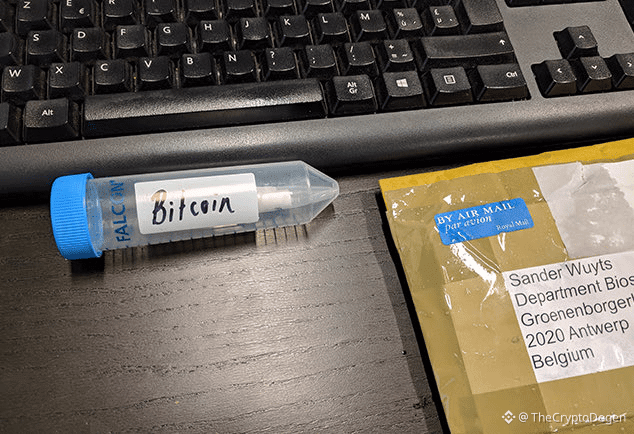
2015年1月,遺傳學家尼克·戈德曼(Nick Goldman)在達沃斯分發了合成DNA試管。所編碼的文件包含1個比特幣的私鑰。
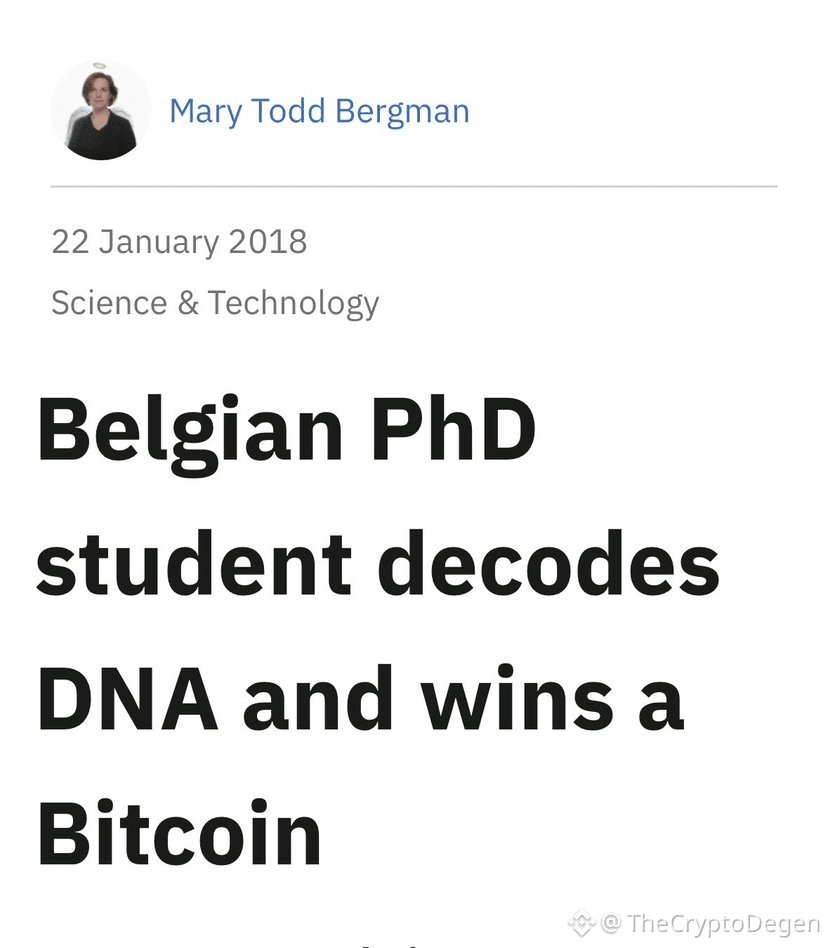
參與者有三年的時間對DNA進行測序並將其找回。比利時博士生桑德爾·維伊茨(Sander Wuyts)在2018年1月截止日期前不久就解決了這個挑戰。
他的第一次嘗試失敗了,因爲他的解碼程序中有一行錯誤代碼;但在移除它之後,他成功得到了文件和可使用的密鑰。
比特幣獎品被加密進人類DNA中
DNA,生命本身的構建基石與基礎結構,能夠通過將信息轉化爲由其四種化學字母構成的序列來存儲計算機數據。
2015年1月,遺傳學家尼克·戈德曼(Nick Goldman)在達沃斯分發了合成DNA試管。所編碼的文件包含1個比特幣的私鑰。
參與者有三年的時間對DNA進行測序並將其找回。比利時博士生桑德爾·維伊茨(Sander Wuyts)在2018年1月截止日期前不久就解決了這個挑戰。
他的第一次嘗試失敗了,因爲他的解碼程序中有一行錯誤代碼;但在移除它之後,他成功得到了文件和可使用的密鑰。
DNA,生命本身的構建基石與基礎結構,能夠通過將信息轉化爲由其四種化學字母構成的序列來存儲計算機數據。
2015年1月,遺傳學家尼克·戈德曼(Nick Goldman)在達沃斯分發了合成DNA試管。所編碼的文件包含1個比特幣的私鑰。
參與者有三年的時間對DNA進行測序並將其找回。比利時博士生桑德爾·維伊茨(Sander Wuyts)在2018年1月截止日期前不久就解決了這個挑戰。
他的第一次嘗試失敗了,因爲他的解碼程序中有一行錯誤代碼;但在移除它之後,他成功得到了文件和可使用的密鑰。
17
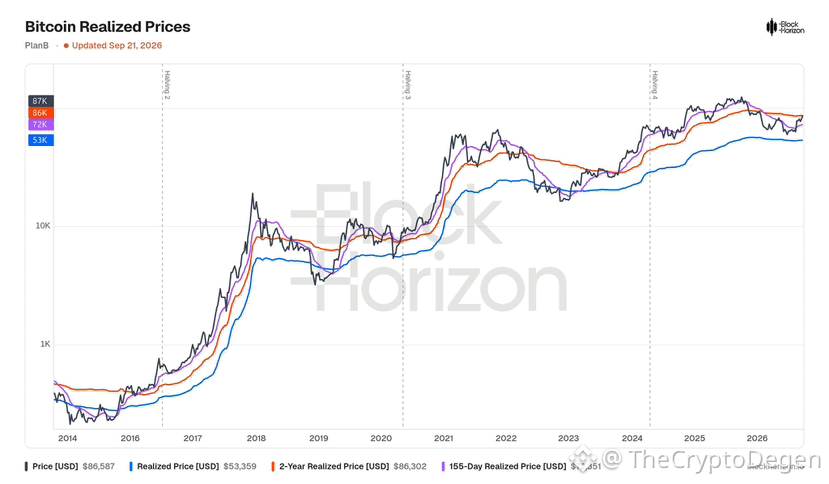
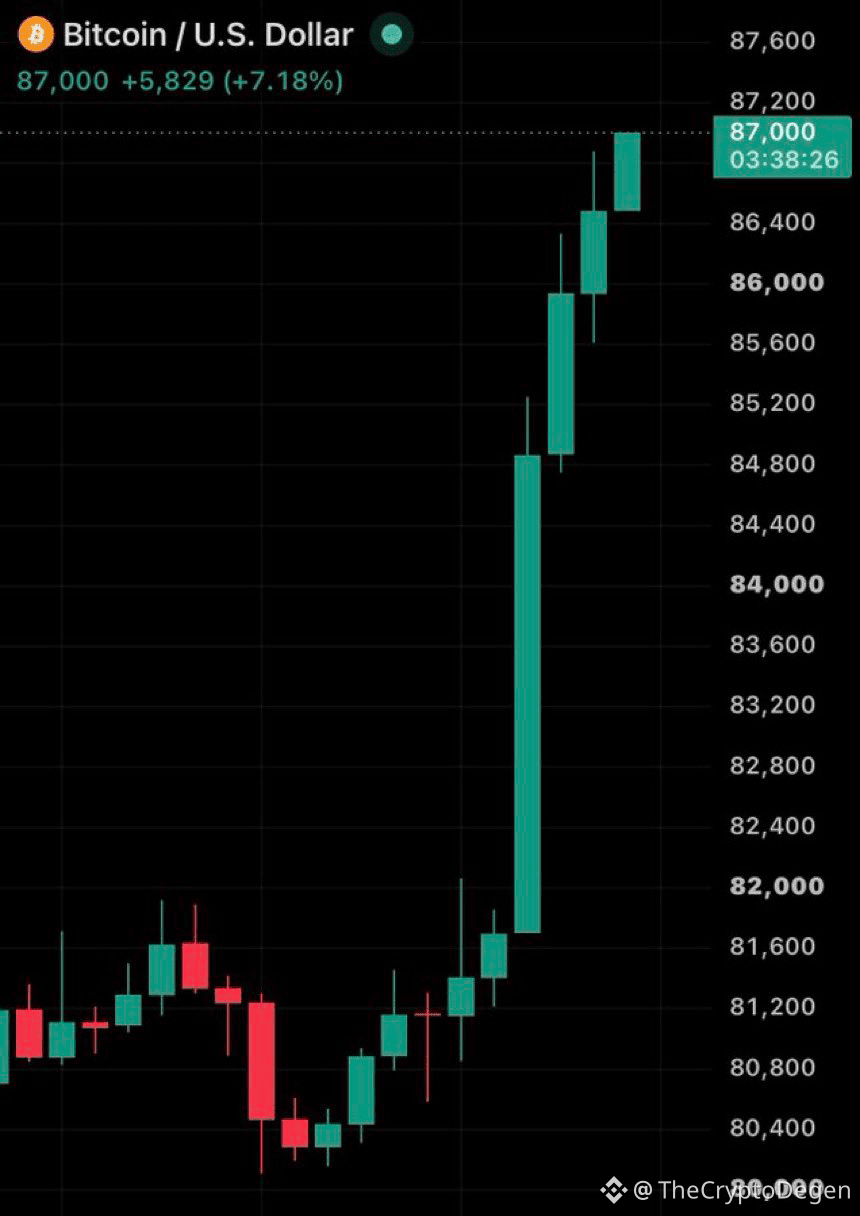
BTC $87K 現已高於所有主要的已實現價格(realized price):
• 已實現價格:$53K
• 155 天已實現:$72K
• 2 年已實現:$86K
在我看來,本輪週期跌破 $53K 這件事基本不在考慮範圍內。“必須像此前每一次熊市那樣重新測試已實現價格”的論點,其最後一個乾淨的切入位已經失效了。
BTC $87K 現已高於所有主要的已實現價格(realized price):
• 已實現價格:$53K
• 155 天已實現:$72K
• 2 年已實現:$86K
在我看來,本輪週期跌破 $53K 這件事基本不在考慮範圍內。“必須像此前每一次熊市那樣重新測試已實現價格”的論點,其最後一個乾淨的切入位已經失效了。
• 已實現價格:$53K
• 155 天已實現:$72K
• 2 年已實現:$86K
在我看來,本輪週期跌破 $53K 這件事基本不在考慮範圍內。“必須像此前每一次熊市那樣重新測試已實現價格”的論點,其最後一個乾淨的切入位已經失效了。
43
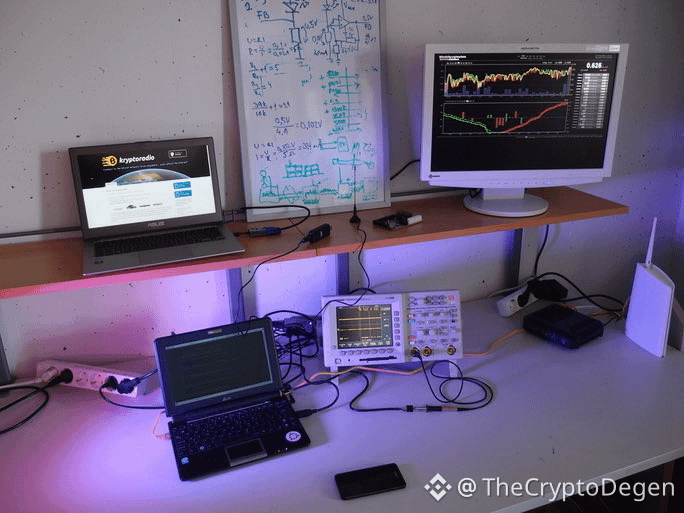
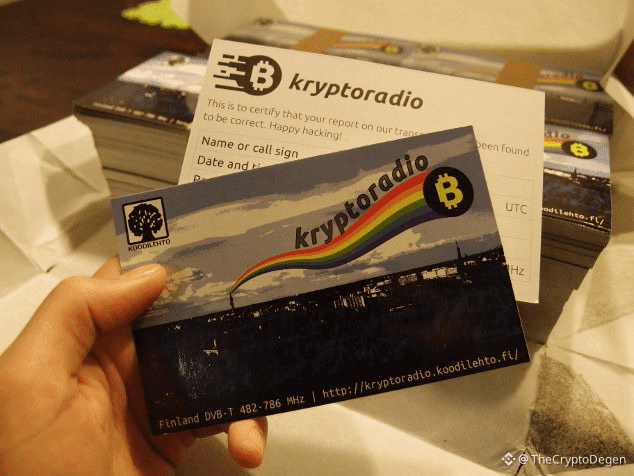
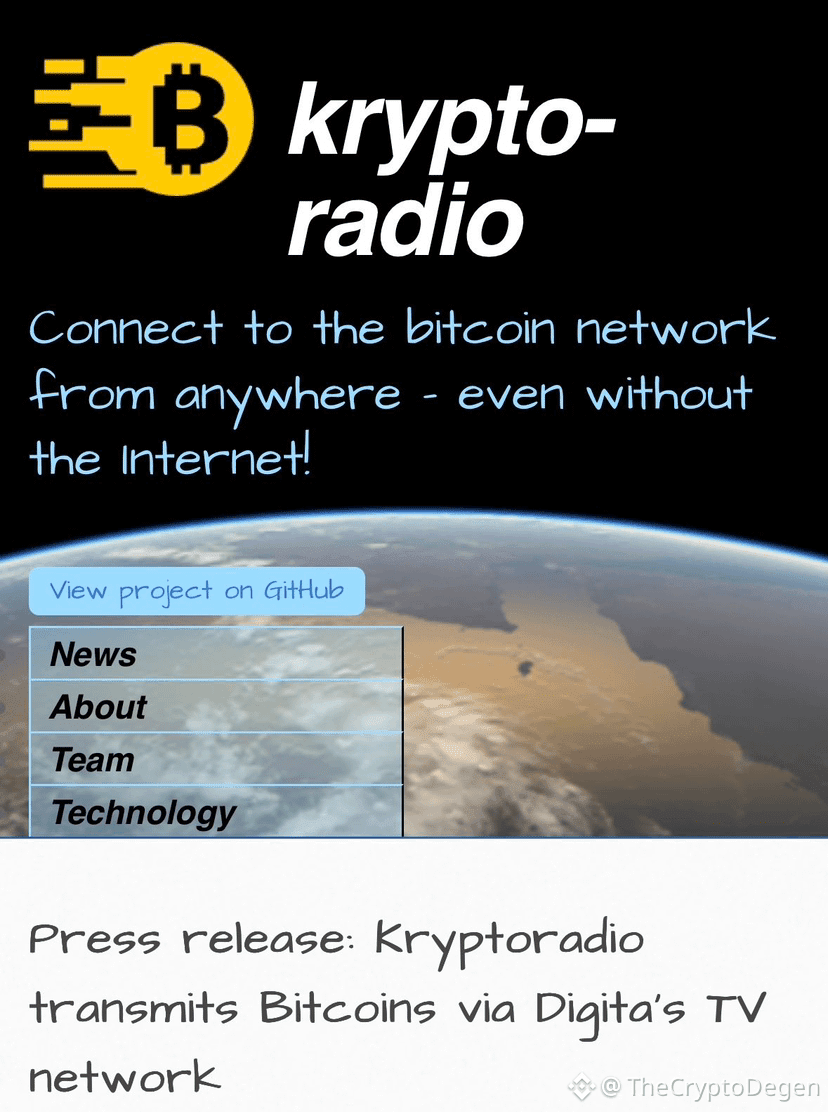
2014 年 9 月,名為 Kryptoradio 的芬蘭專案開始透過當地電視網路廣播比特幣區塊鏈。
最初的公告描述了來自 90 個廣播電台的傳輸。訊號包含比特幣交易、區塊以及匯率資訊。
接收者可以不使用一般的網際網路連線,就能追蹤比特幣網路。到 11 月時,試驗所使用的廣播網路覆蓋了芬蘭約 95% 的人口。
這是一種單向服務:透過電視訊號接收比特幣資料,並不會自動提供一種把交易回傳的方式。
試驗在 2014 年 12 月結束,之後該專案表示由於缺乏資金而無法繼續。
$BTC
{future}(BTCUSDT)
2014 年 9 月,名為 Kryptoradio 的芬蘭專案開始透過當地電視網路廣播比特幣區塊鏈。
最初的公告描述了來自 90 個廣播電台的傳輸。訊號包含比特幣交易、區塊以及匯率資訊。
接收者可以不使用一般的網際網路連線,就能追蹤比特幣網路。到 11 月時,試驗所使用的廣播網路覆蓋了芬蘭約 95% 的人口。
這是一種單向服務:透過電視訊號接收比特幣資料,並不會自動提供一種把交易回傳的方式。
試驗在 2014 年 12 月結束,之後該專案表示由於缺乏資金而無法繼續。
$BTC
最初的公告描述了來自 90 個廣播電台的傳輸。訊號包含比特幣交易、區塊以及匯率資訊。
接收者可以不使用一般的網際網路連線,就能追蹤比特幣網路。到 11 月時,試驗所使用的廣播網路覆蓋了芬蘭約 95% 的人口。
這是一種單向服務:透過電視訊號接收比特幣資料,並不會自動提供一種把交易回傳的方式。
試驗在 2014 年 12 月結束,之後該專案表示由於缺乏資金而無法繼續。
$BTC
8
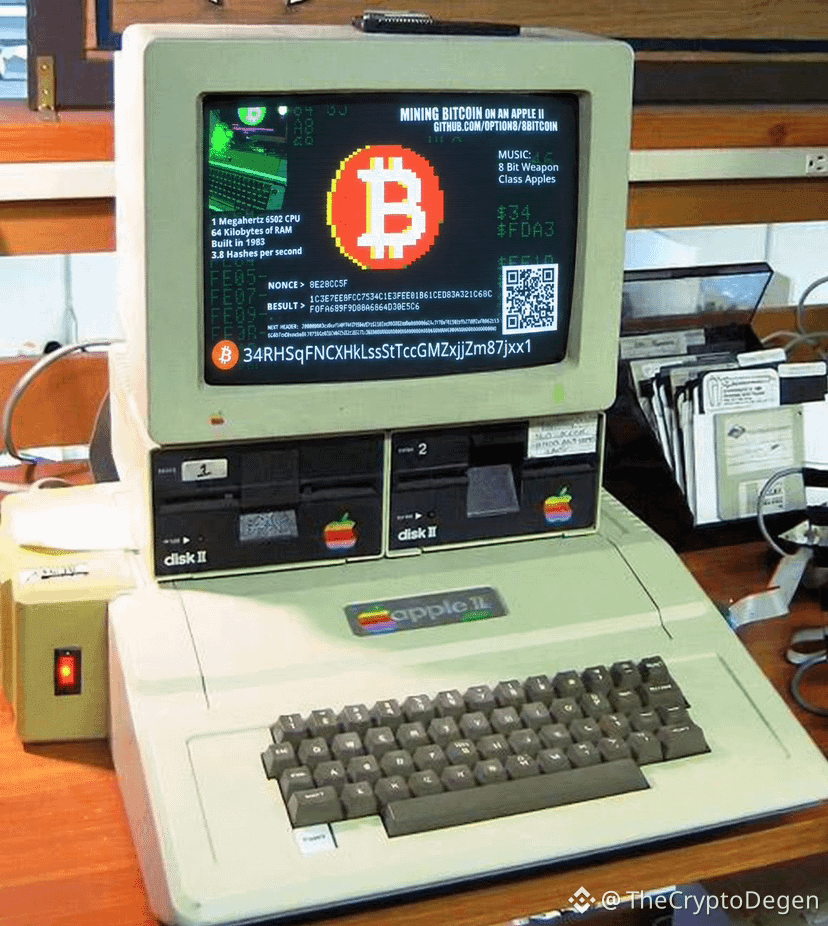
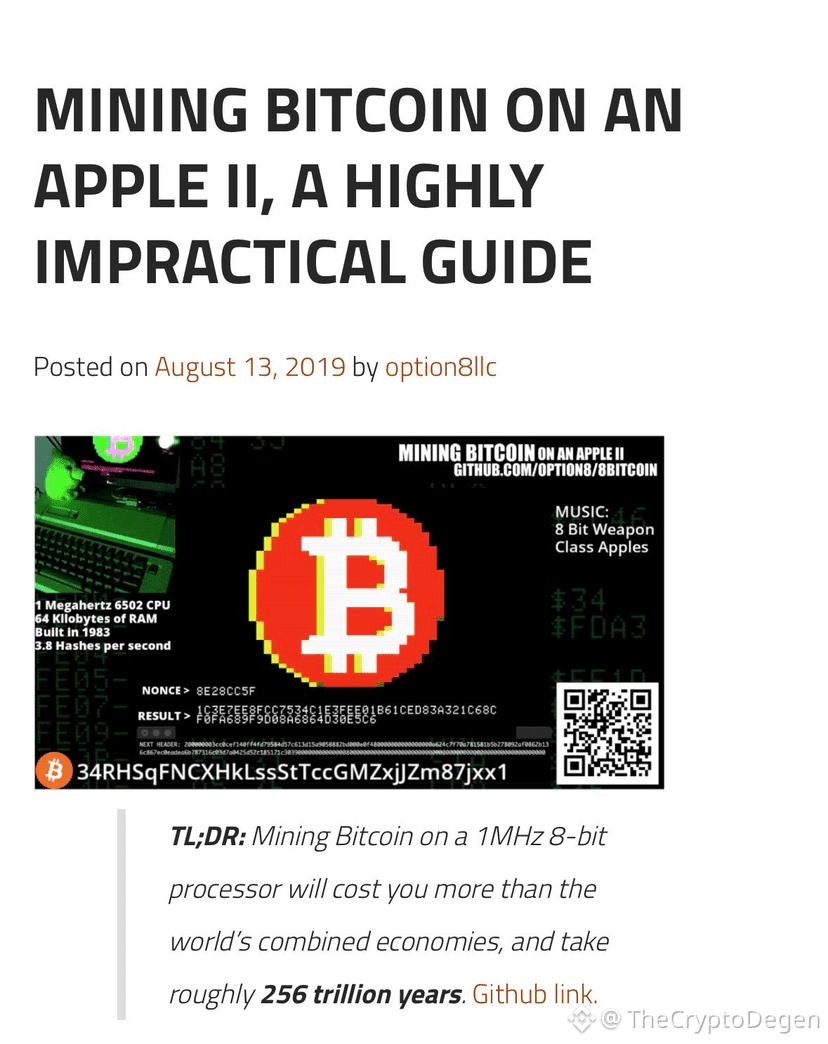
一名開發者在一臺蘋果 II(Apple II)上挖掘比特幣——這是一臺於 1983 年推出的家用電腦,配備八位處理器。
比特幣的哈希算法使用三十二位運算,因此程序不得不從更小的組成部分構造出這些運算。
程序員 Peter Ferrie 協助對代碼進行優化,直到其性能達到大約每秒 3.8 次哈希。
一臺現代 Mac 取得挖礦任務,並通過串行連接把工作經由虛擬軟盤傳遞給蘋果 II。當有新的工作到達時,一個低分辨率的比特幣符號會旋轉。
該開發者估算,在當時的難度條件下,找到一個區塊需要平均 256 萬億年。
一名開發者在一臺蘋果 II(Apple II)上挖掘比特幣——這是一臺於 1983 年推出的家用電腦,配備八位處理器。
比特幣的哈希算法使用三十二位運算,因此程序不得不從更小的組成部分構造出這些運算。
程序員 Peter Ferrie 協助對代碼進行優化,直到其性能達到大約每秒 3.8 次哈希。
一臺現代 Mac 取得挖礦任務,並通過串行連接把工作經由虛擬軟盤傳遞給蘋果 II。當有新的工作到達時,一個低分辨率的比特幣符號會旋轉。
該開發者估算,在當時的難度條件下,找到一個區塊需要平均 256 萬億年。
比特幣的哈希算法使用三十二位運算,因此程序不得不從更小的組成部分構造出這些運算。
程序員 Peter Ferrie 協助對代碼進行優化,直到其性能達到大約每秒 3.8 次哈希。
一臺現代 Mac 取得挖礦任務,並通過串行連接把工作經由虛擬軟盤傳遞給蘋果 II。當有新的工作到達時,一個低分辨率的比特幣符號會旋轉。
該開發者估算,在當時的難度條件下,找到一個區塊需要平均 256 萬億年。
46
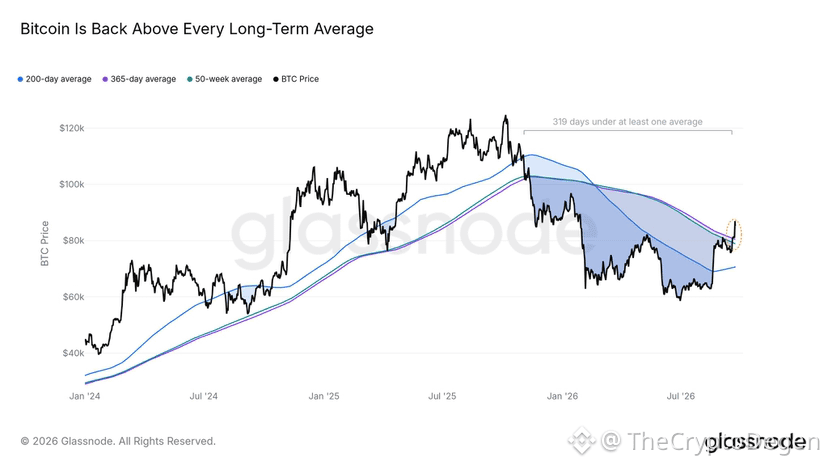
$BTC 已經重新站回其所有長期移動平均線之上。
在其下方徘徊了大約 300 天之後,這種局面如今已經反轉。
站在這些均線之上,正是維持長期上升趨勢的關鍵。
$BTC 已經重新站回其所有長期移動平均線之上。
在其下方徘徊了大約 300 天之後,這種局面如今已經反轉。
站在這些均線之上,正是維持長期上升趨勢的關鍵。
在其下方徘徊了大約 300 天之後,這種局面如今已經反轉。
站在這些均線之上,正是維持長期上升趨勢的關鍵。
42
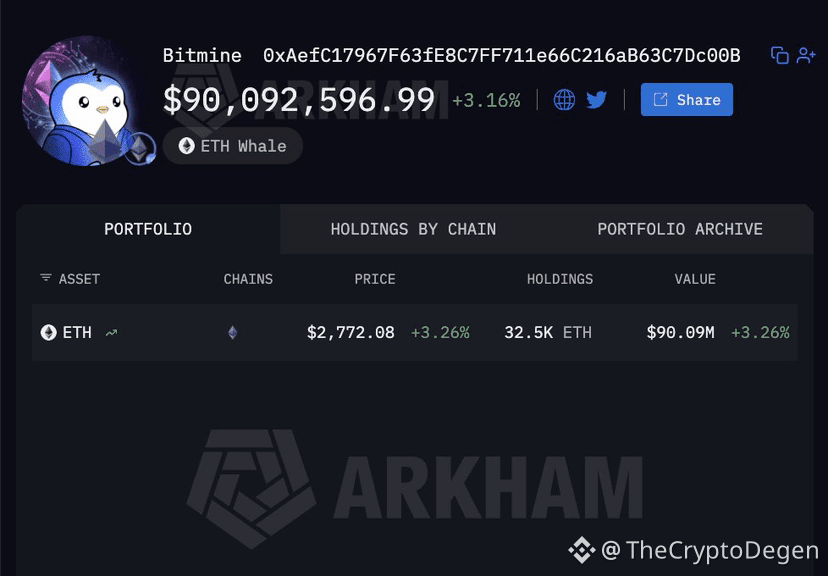
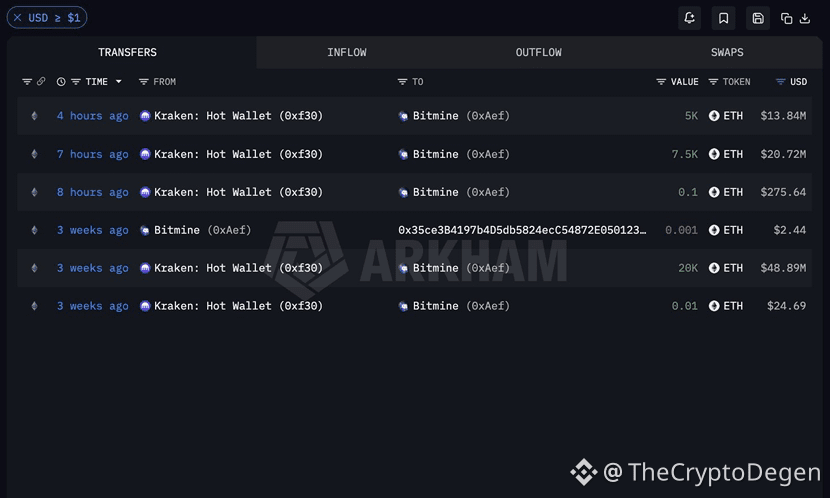
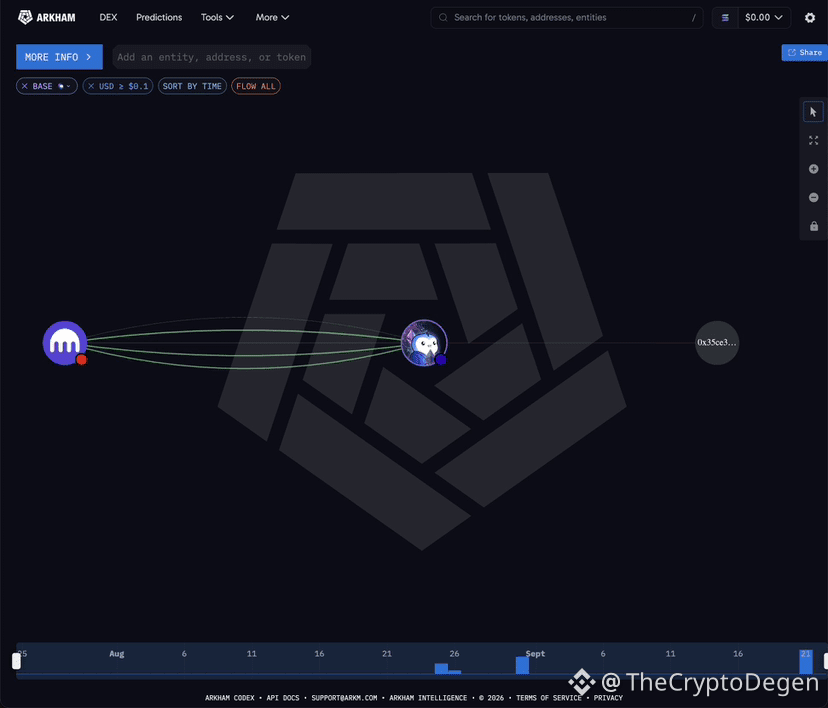
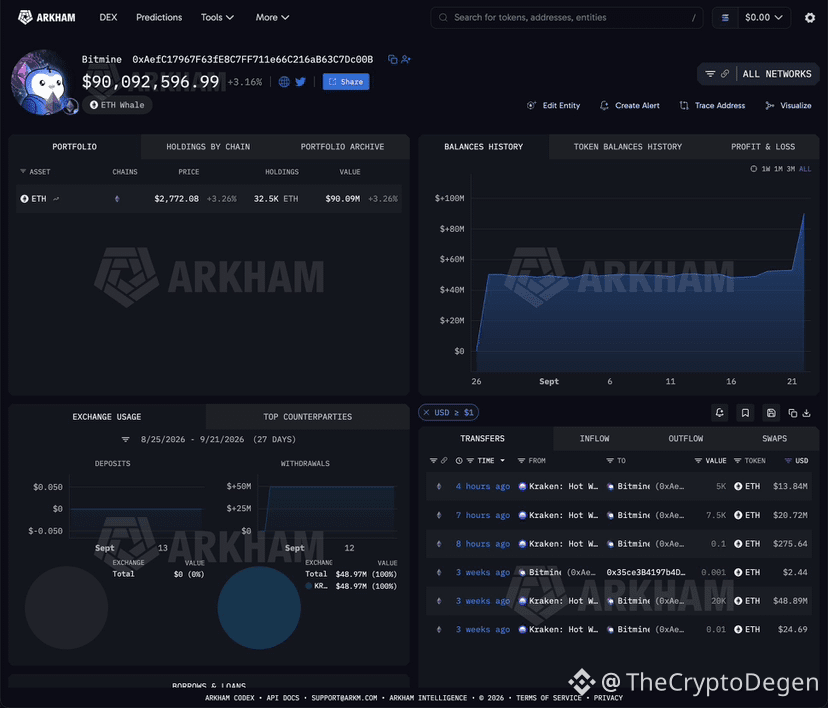
BITMINE正在收購
一隻錢包剛剛從Kraken提取了3450萬美元的ETH,這種收購模式與此前Bitmine的購買模式相符。
Bitmine在其標記的鏈上錢包中持有9.7805億美元的ETH,其中在此基礎上還約有100億美元的ETH已質押。
BITMINE正在收購
一隻錢包剛剛從Kraken提取了3450萬美元的ETH,這種收購模式與此前Bitmine的購買模式相符。
Bitmine在其標記的鏈上錢包中持有9.7805億美元的ETH,其中在此基礎上還約有100億美元的ETH已質押。
一隻錢包剛剛從Kraken提取了3450萬美元的ETH,這種收購模式與此前Bitmine的購買模式相符。
Bitmine在其標記的鏈上錢包中持有9.7805億美元的ETH,其中在此基礎上還約有100億美元的ETH已質押。
1.1k
登入以探索更多內容
加入幣安廣場中的全球加密貨幣用戶
⚡️ 獲取加密貨幣的最新和實用資訊。
💬 受到全球最大加密貨幣交易所的信任。
👍 發掘來自經過驗證創作者的真實見解。
電子郵件 / 電話號碼
熱門話題
比特币冲击8.7万美元遇阻回落
28,951 次瀏覽
125 討論中
$BTC
炸了!伊朗開火,大餅狂震500億!
兄弟們,今晚大餅這過山車,誰被甩下車了?
伊朗直接襲擊霍爾木茲海峽油輪,大餅從84000暴力拉上87000,又瞬間砸回去,一天蒸發500億美金市值,多空雙殺,慘烈!
$SNDKB
$ETH 但真正的王炸在後面:美國銀行集團急了,直接起訴監管要牌照;SEC主席也攤牌了,推託管新規,給機構進場鋪路。加上紐約和懷俄明州聯合監管,合規大門正在被一腳踹開。
消息面多空瘋狂碰撞,盤面來回洗。大餅這波到底是黃金坑還是變盤前奏?評論區留下你的多空觀點,看看誰纔是真盤感!
小狗不錯!#比特币冲击8.7万美元遇阻回落 #比特币涨至8.65万美元后回落 #MASK创纪录市值破3500万美元
大浪淘沙999
·15 人按讚
·21.6k 次瀏覽
美联储10月加息概率降至17%
31,388 次瀏覽
128 討論中
英伟达股价创历史新高涨2.4%
8,351 次瀏覽
68 討論中