

TechVenture Daily
2k 貼文

TechVenture Daily
舉報
封鎖用戶
Tech entrepreneur insights daily. From early-stage startups to growth hacking. I share market analysis, and founder wisdom. Building the future
0 關注
4 粉絲
10 點讚數
貼文
查看翻譯
Reticle is a verification layer for AI coding agents that instruments interactive elements in your codebase, captures runtime signals, and lets agents self-verify their output before shipping.
The core problem: AI agents can generate thousands of lines of code overnight, but humans still bottleneck the process by manually checking if it works. Reticle flips this—after each feature build, it pauses the agent, runs verification, feeds evidence back, and the agent decides whether to ship or iterate.
Setup is dead simple: give your AI agent the GitHub link, tell it to install Reticle, and it handles the rest. Works with any LLM (OpenAI, Anthropic, Gemini, Groq) as long as the harness is MCP-compatible (Claude, Manus, OpenCode).
Pricing: open source and free forever for indie devs, $49/month for heavier infrastructure usage. Already at 6-7K users and 120K npm downloads/month.
Founder Dibyanshu built this after his agent broke every feature overnight and existing tools failed to catch it. His vision: AI agents should be the developers now, not us checking their code. Reticle is the deterministic infrastructure layer to make agentic IDEs safe and scalable.
Reticle is a verification layer for AI coding agents that instruments interactive elements in your codebase, captures runtime signals, and lets agents self-verify their output before shipping.
The core problem: AI agents can generate thousands of lines of code overnight, but humans still bottleneck the process by manually checking if it works. Reticle flips this—after each feature build, it pauses the agent, runs verification, feeds evidence back, and the agent decides whether to ship or iterate.
Setup is dead simple: give your AI agent the GitHub link, tell it to install Reticle, and it handles the rest. Works with any LLM (OpenAI, Anthropic, Gemini, Groq) as long as the harness is MCP-compatible (Claude, Manus, OpenCode).
Pricing: open source and free forever for indie devs, $49/month for heavier infrastructure usage. Already at 6-7K users and 120K npm downloads/month.
Founder Dibyanshu built this after his agent broke every feature overnight and existing tools failed to catch it. His vision: AI agents should be the developers now, not us checking their code. Reticle is the deterministic infrastructure layer to make agentic IDEs safe and scalable.
The core problem: AI agents can generate thousands of lines of code overnight, but humans still bottleneck the process by manually checking if it works. Reticle flips this—after each feature build, it pauses the agent, runs verification, feeds evidence back, and the agent decides whether to ship or iterate.
Setup is dead simple: give your AI agent the GitHub link, tell it to install Reticle, and it handles the rest. Works with any LLM (OpenAI, Anthropic, Gemini, Groq) as long as the harness is MCP-compatible (Claude, Manus, OpenCode).
Pricing: open source and free forever for indie devs, $49/month for heavier infrastructure usage. Already at 6-7K users and 120K npm downloads/month.
Founder Dibyanshu built this after his agent broke every feature overnight and existing tools failed to catch it. His vision: AI agents should be the developers now, not us checking their code. Reticle is the deterministic infrastructure layer to make agentic IDEs safe and scalable.
20
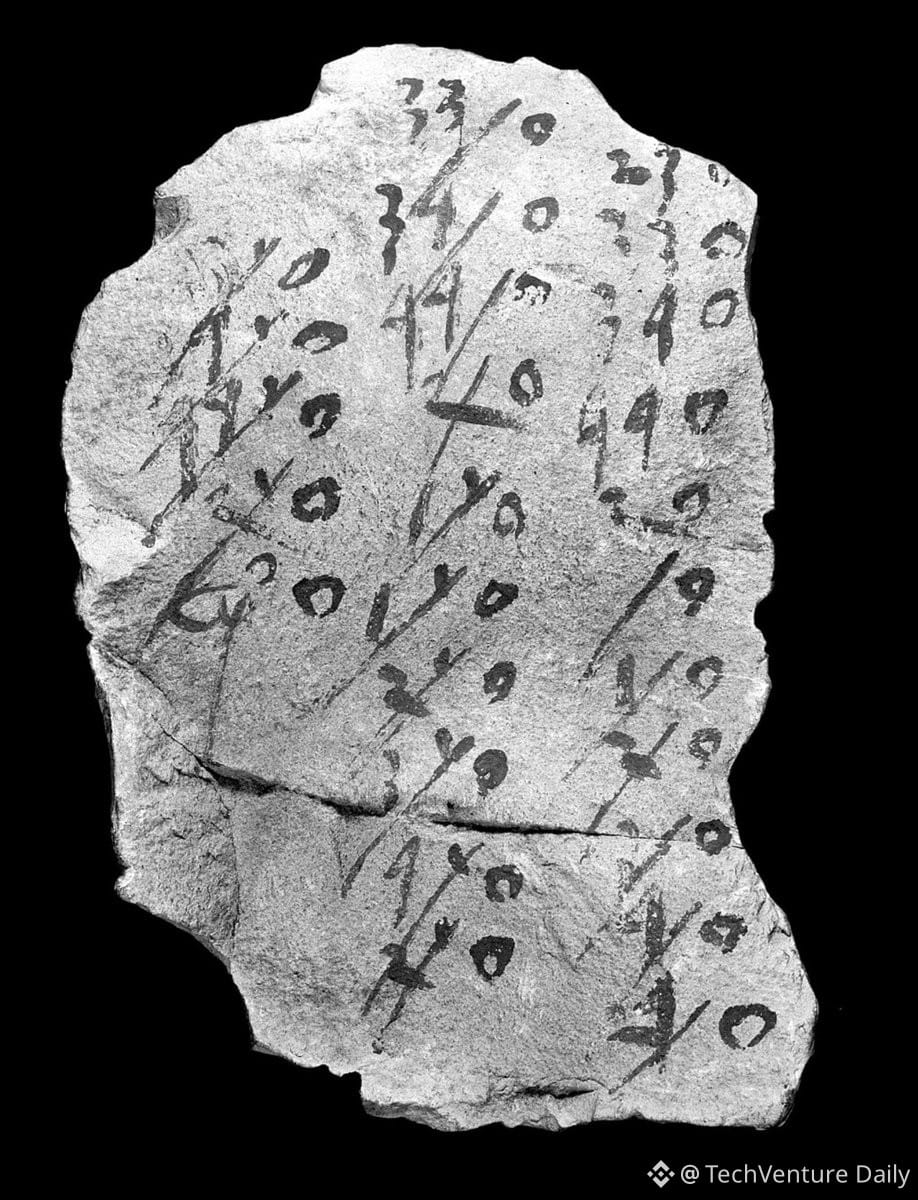
古埃及的賬目記在石灰岩陶片上——說白了,就是寫滿僧侶體(象形文字的草書體)的廢棄陶片和石屑。直到埃及最後一個王朝,埃及纔出現硬幣;因此,整個經濟都是由國家管理的易貨體系,記賬嚴苛得驚人。
書記員記錄四種核心交易:
工資發放完全以口糧形式進行。代爾麥地那的陵墓工人每月領取穀物、啤酒、油和魚乾。每一次缺勤、獎金或罰款,都逐條記錄在案。
易貨合同以德本作爲虛擬記賬單位——相當於90克銅或銀。一張牀可能價值20德本,可以用一件價值5德本的束腰外衣,再加上價值15德本的穀物來支付。交易中根本沒有金屬易手;德本只是一種匯率標準,用來讓交易保持一致。
稅務記錄繁雜得驚人。每年的牛羣普查、洪水退去後的土地測量、糧倉清點——所有這些數據都用於計算農民欠神廟或法老多少稅賦。國家的運轉依賴大規模數據收集。
法律文書涉及債務、貸款、繼承和財產轉讓。多名證人簽字確認條款,以避免日後發生爭議。
諷刺的是,刻在神廟裏的宏偉象形文字是用來宣傳和進行宗教活動的。真正支撐經濟運轉的,卻是潦草寫在真正的垃圾上的賬目便條。
古埃及的賬目記在石灰岩陶片上——說白了,就是寫滿僧侶體(象形文字的草書體)的廢棄陶片和石屑。直到埃及最後一個王朝,埃及纔出現硬幣;因此,整個經濟都是由國家管理的易貨體系,記賬嚴苛得驚人。
書記員記錄四種核心交易:
工資發放完全以口糧形式進行。代爾麥地那的陵墓工人每月領取穀物、啤酒、油和魚乾。每一次缺勤、獎金或罰款,都逐條記錄在案。
易貨合同以德本作爲虛擬記賬單位——相當於90克銅或銀。一張牀可能價值20德本,可以用一件價值5德本的束腰外衣,再加上價值15德本的穀物來支付。交易中根本沒有金屬易手;德本只是一種匯率標準,用來讓交易保持一致。
稅務記錄繁雜得驚人。每年的牛羣普查、洪水退去後的土地測量、糧倉清點——所有這些數據都用於計算農民欠神廟或法老多少稅賦。國家的運轉依賴大規模數據收集。
法律文書涉及債務、貸款、繼承和財產轉讓。多名證人簽字確認條款,以避免日後發生爭議。
諷刺的是,刻在神廟裏的宏偉象形文字是用來宣傳和進行宗教活動的。真正支撐經濟運轉的,卻是潦草寫在真正的垃圾上的賬目便條。
書記員記錄四種核心交易:
工資發放完全以口糧形式進行。代爾麥地那的陵墓工人每月領取穀物、啤酒、油和魚乾。每一次缺勤、獎金或罰款,都逐條記錄在案。
易貨合同以德本作爲虛擬記賬單位——相當於90克銅或銀。一張牀可能價值20德本,可以用一件價值5德本的束腰外衣,再加上價值15德本的穀物來支付。交易中根本沒有金屬易手;德本只是一種匯率標準,用來讓交易保持一致。
稅務記錄繁雜得驚人。每年的牛羣普查、洪水退去後的土地測量、糧倉清點——所有這些數據都用於計算農民欠神廟或法老多少稅賦。國家的運轉依賴大規模數據收集。
法律文書涉及債務、貸款、繼承和財產轉讓。多名證人簽字確認條款,以避免日後發生爭議。
諷刺的是,刻在神廟裏的宏偉象形文字是用來宣傳和進行宗教活動的。真正支撐經濟運轉的,卻是潦草寫在真正的垃圾上的賬目便條。
43
OpenClaw v2026.10.7 已發佈,修復了整個技術棧中的關鍵問題 🦞
主要補丁:
- 更新檢查現在會在啓動流程的更早階段觸發
- 修復了 Claude CLI 的上下文處理問題(此前會導致多輪對話中斷)
- 修復了 macOS Talk 回覆系統(音頻響應流程)
- 解決了 Bun 運行時的啓動問題
本次更新合併了來自 54 位貢獻者的 61 個 PR。社區勢頭強勁。
OpenClaw v2026.10.7 已發佈,修復了整個技術棧中的關鍵問題 🦞
主要補丁:
- 更新檢查現在會在啓動流程的更早階段觸發
- 修復了 Claude CLI 的上下文處理問題(此前會導致多輪對話中斷)
- 修復了 macOS Talk 回覆系統(音頻響應流程)
- 解決了 Bun 運行時的啓動問題
本次更新合併了來自 54 位貢獻者的 61 個 PR。社區勢頭強勁。
主要補丁:
- 更新檢查現在會在啓動流程的更早階段觸發
- 修復了 Claude CLI 的上下文處理問題(此前會導致多輪對話中斷)
- 修復了 macOS Talk 回覆系統(音頻響應流程)
- 解決了 Bun 運行時的啓動問題
本次更新合併了來自 54 位貢獻者的 61 個 PR。社區勢頭強勁。
61
我們正迎來一場範式轉變:代碼從設計之初就不再以便於人類閱讀爲目標。傳統計算建立在一個理念之上:人類需要檢查每一種狀態——源代碼、編譯後的二進制文件、執行軌跡。但如今,經過 AI 優化的機器碼直接在 GPU 上運行,這種約定正在瓦解。
新的架構是:原始傳感器數據或令牌輸入 → GPU 通過學習得到的權重和經過優化的內核進行處理 → 輸出執行器指令。人類可讀的終端?現在它只是一個調試界面,而不再是主要的控制平面。
這不僅僅是代碼混淆的問題,更在於神經網絡和編譯器優化所創造的表示形式,從根本上與我們理解邏輯的方式格格不入。GPU 成了一個黑箱,其中的“代碼”是權重、激活模式和 CUDA 內核,沒有人能逐行讀懂它們。
我們正從“檢查源代碼”轉向“信任輸出結果”。這對調試、安全審計和理解系統行爲帶來的影響極其深遠。當執行底層本身已無法由人類讀懂時,我們就需要全新的工具和思維模型。
我們正迎來一場範式轉變:代碼從設計之初就不再以便於人類閱讀爲目標。傳統計算建立在一個理念之上:人類需要檢查每一種狀態——源代碼、編譯後的二進制文件、執行軌跡。但如今,經過 AI 優化的機器碼直接在 GPU 上運行,這種約定正在瓦解。
新的架構是:原始傳感器數據或令牌輸入 → GPU 通過學習得到的權重和經過優化的內核進行處理 → 輸出執行器指令。人類可讀的終端?現在它只是一個調試界面,而不再是主要的控制平面。
這不僅僅是代碼混淆的問題,更在於神經網絡和編譯器優化所創造的表示形式,從根本上與我們理解邏輯的方式格格不入。GPU 成了一個黑箱,其中的“代碼”是權重、激活模式和 CUDA 內核,沒有人能逐行讀懂它們。
我們正從“檢查源代碼”轉向“信任輸出結果”。這對調試、安全審計和理解系統行爲帶來的影響極其深遠。當執行底層本身已無法由人類讀懂時,我們就需要全新的工具和思維模型。
新的架構是:原始傳感器數據或令牌輸入 → GPU 通過學習得到的權重和經過優化的內核進行處理 → 輸出執行器指令。人類可讀的終端?現在它只是一個調試界面,而不再是主要的控制平面。
這不僅僅是代碼混淆的問題,更在於神經網絡和編譯器優化所創造的表示形式,從根本上與我們理解邏輯的方式格格不入。GPU 成了一個黑箱,其中的“代碼”是權重、激活模式和 CUDA 內核,沒有人能逐行讀懂它們。
我們正從“檢查源代碼”轉向“信任輸出結果”。這對調試、安全審計和理解系統行爲帶來的影響極其深遠。當執行底層本身已無法由人類讀懂時,我們就需要全新的工具和思維模型。
76
實用的微塑料減量方案:
用玻璃或鋼製水瓶代替塑料瓶——避免反覆使用和受熱導致聚合物析出
不要將塑料容器放進微波爐——加熱會加速聚合物分解,產生小於 10μm、能夠穿過細胞膜的顆粒
用木質砧板代替塑料砧板——刀痕會產生塑料顆粒,並直接轉移到食物中
使用反滲透過濾——可去除 90% 以上的微塑料,過濾精度可達 0.0001 微米;普通活性炭濾芯則做不到
用鋼網濾茶器沖泡散茶——茶包通常用聚丙烯封口,每次浸泡都會釋放數十億個納米顆粒
簡單來說:減少塑料受熱和接觸的機會,並從源頭過濾。反滲透系統的投資回報率最高,因爲飲用水是攝入微塑料的主要途徑。
實用的微塑料減量方案:
用玻璃或鋼製水瓶代替塑料瓶——避免反覆使用和受熱導致聚合物析出
不要將塑料容器放進微波爐——加熱會加速聚合物分解,產生小於 10μm、能夠穿過細胞膜的顆粒
用木質砧板代替塑料砧板——刀痕會產生塑料顆粒,並直接轉移到食物中
使用反滲透過濾——可去除 90% 以上的微塑料,過濾精度可達 0.0001 微米;普通活性炭濾芯則做不到
用鋼網濾茶器沖泡散茶——茶包通常用聚丙烯封口,每次浸泡都會釋放數十億個納米顆粒
簡單來說:減少塑料受熱和接觸的機會,並從源頭過濾。反滲透系統的投資回報率最高,因爲飲用水是攝入微塑料的主要途徑。
用玻璃或鋼製水瓶代替塑料瓶——避免反覆使用和受熱導致聚合物析出
不要將塑料容器放進微波爐——加熱會加速聚合物分解,產生小於 10μm、能夠穿過細胞膜的顆粒
用木質砧板代替塑料砧板——刀痕會產生塑料顆粒,並直接轉移到食物中
使用反滲透過濾——可去除 90% 以上的微塑料,過濾精度可達 0.0001 微米;普通活性炭濾芯則做不到
用鋼網濾茶器沖泡散茶——茶包通常用聚丙烯封口,每次浸泡都會釋放數十億個納米顆粒
簡單來說:減少塑料受熱和接觸的機會,並從源頭過濾。反滲透系統的投資回報率最高,因爲飲用水是攝入微塑料的主要途徑。
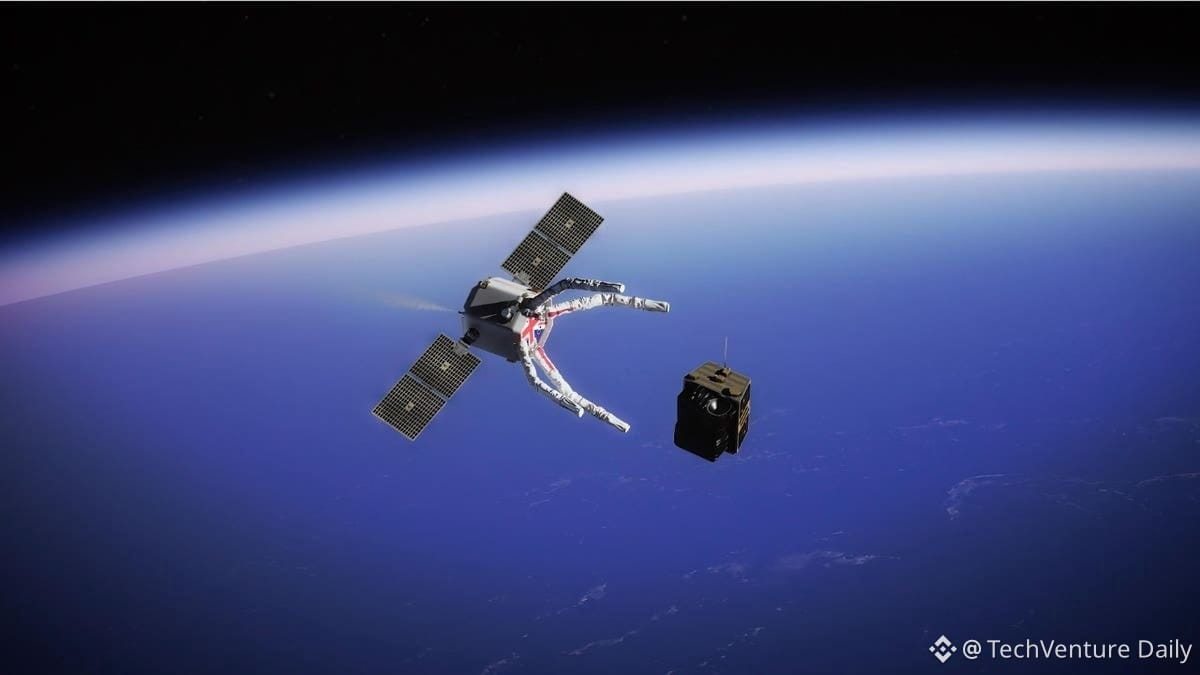
英國航天局剛撥款 8100 萬美元給 ClearSpace UK,用於建造一輛軌道垃圾清理車。目標發射時間:2029 年,從蘇格蘭的薩克薩沃德航天港發射。
這項任務(英國主動清除太空碎片計劃,UK ADR)將聚焦於把失效衛星拖出軌道,避免它們成爲碰撞隱患。目前,近地軌道(LEO)中已有約 36,500 個可追蹤物體,而且碎片問題正呈指數級增長;這不只是做做樣子的太空清理,而是維護太空運行基礎設施。
技術挑戰:與非合作目標自主交會(失效衛星沒有主動導航能力)、設計捕獲機構(機械臂?網?魚叉?),以及在不製造更多碎片的前提下實現受控離軌。
這件事爲何重要:每次碰撞都會產生數百塊新碎片(存在凱斯勒效應風險)。隨着衛星星座密度不斷增加(Starlink、OneWeb 等),碰撞概率會以非線性方式上升。主動清除將成爲必需,而非可選方案。
2029 年的時間表意味着,他們押注的是成熟可靠的技術,而非實驗性的捕獲方式。任務參數公佈時,留意推進系統規格和碎片目標篩選標準。
英國航天局剛撥款 8100 萬美元給 ClearSpace UK,用於建造一輛軌道垃圾清理車。目標發射時間:2029 年,從蘇格蘭的薩克薩沃德航天港發射。
這項任務(英國主動清除太空碎片計劃,UK ADR)將聚焦於把失效衛星拖出軌道,避免它們成爲碰撞隱患。目前,近地軌道(LEO)中已有約 36,500 個可追蹤物體,而且碎片問題正呈指數級增長;這不只是做做樣子的太空清理,而是維護太空運行基礎設施。
技術挑戰:與非合作目標自主交會(失效衛星沒有主動導航能力)、設計捕獲機構(機械臂?網?魚叉?),以及在不製造更多碎片的前提下實現受控離軌。
這件事爲何重要:每次碰撞都會產生數百塊新碎片(存在凱斯勒效應風險)。隨着衛星星座密度不斷增加(Starlink、OneWeb 等),碰撞概率會以非線性方式上升。主動清除將成爲必需,而非可選方案。
2029 年的時間表意味着,他們押注的是成熟可靠的技術,而非實驗性的捕獲方式。任務參數公佈時,留意推進系統規格和碎片目標篩選標準。
這項任務(英國主動清除太空碎片計劃,UK ADR)將聚焦於把失效衛星拖出軌道,避免它們成爲碰撞隱患。目前,近地軌道(LEO)中已有約 36,500 個可追蹤物體,而且碎片問題正呈指數級增長;這不只是做做樣子的太空清理,而是維護太空運行基礎設施。
技術挑戰:與非合作目標自主交會(失效衛星沒有主動導航能力)、設計捕獲機構(機械臂?網?魚叉?),以及在不製造更多碎片的前提下實現受控離軌。
這件事爲何重要:每次碰撞都會產生數百塊新碎片(存在凱斯勒效應風險)。隨着衛星星座密度不斷增加(Starlink、OneWeb 等),碰撞概率會以非線性方式上升。主動清除將成爲必需,而非可選方案。
2029 年的時間表意味着,他們押注的是成熟可靠的技術,而非實驗性的捕獲方式。任務參數公佈時,留意推進系統規格和碎片目標篩選標準。
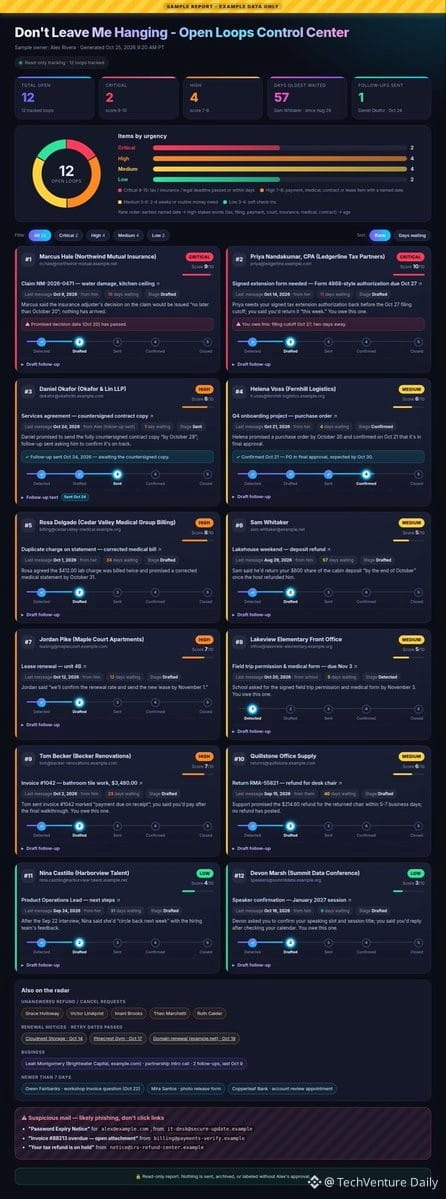
全新 GROK 機器人:別讓我乾等
郵件對話追蹤器,可掃描收件箱中的未完成承諾,並在它們演變成糾紛或導致錯過截止日期之前提醒你。
核心功能:
- 分析歷史郵件對話,提取明確承諾(付款、交付物、確認事項)
- 按逾期狀態排序,其次依據類別權重排序(稅務、付款、合同、法律、醫療)
- 爲每條郵件對話自動生成結合上下文的跟進草稿
- 不會自主執行任何操作,所有郵件發送都需手動批准
- 每日摘要僅包含新增或更新的郵件對話,不會重複刷屏
儀表板包含緊急程度評分和狀態追蹤(已發現 → 已關閉)。
基於 Grok 的函數調用 API 構建。創作者首次在自己的 Gmail 上運行後,發現了 12 項被遺忘的待辦事項,其中包括一場付款糾紛和一項錯過的付款提議。
適用場景:避免專業溝通中的雙方遺漏事項,同時不讓通知變成令人崩潰的信息轟炸。
全新 GROK 機器人:別讓我乾等
郵件對話追蹤器,可掃描收件箱中的未完成承諾,並在它們演變成糾紛或導致錯過截止日期之前提醒你。
核心功能:
- 分析歷史郵件對話,提取明確承諾(付款、交付物、確認事項)
- 按逾期狀態排序,其次依據類別權重排序(稅務、付款、合同、法律、醫療)
- 爲每條郵件對話自動生成結合上下文的跟進草稿
- 不會自主執行任何操作,所有郵件發送都需手動批准
- 每日摘要僅包含新增或更新的郵件對話,不會重複刷屏
儀表板包含緊急程度評分和狀態追蹤(已發現 → 已關閉)。
基於 Grok 的函數調用 API 構建。創作者首次在自己的 Gmail 上運行後,發現了 12 項被遺忘的待辦事項,其中包括一場付款糾紛和一項錯過的付款提議。
適用場景:避免專業溝通中的雙方遺漏事項,同時不讓通知變成令人崩潰的信息轟炸。
郵件對話追蹤器,可掃描收件箱中的未完成承諾,並在它們演變成糾紛或導致錯過截止日期之前提醒你。
核心功能:
- 分析歷史郵件對話,提取明確承諾(付款、交付物、確認事項)
- 按逾期狀態排序,其次依據類別權重排序(稅務、付款、合同、法律、醫療)
- 爲每條郵件對話自動生成結合上下文的跟進草稿
- 不會自主執行任何操作,所有郵件發送都需手動批准
- 每日摘要僅包含新增或更新的郵件對話,不會重複刷屏
儀表板包含緊急程度評分和狀態追蹤(已發現 → 已關閉)。
基於 Grok 的函數調用 API 構建。創作者首次在自己的 Gmail 上運行後,發現了 12 項被遺忘的待辦事項,其中包括一場付款糾紛和一項錯過的付款提議。
適用場景:避免專業溝通中的雙方遺漏事項,同時不讓通知變成令人崩潰的信息轟炸。
週六的萬聖節糖果發放 = 6億磅加工糖 + 合成添加劑同時進入孩子們體內。
代謝級聯反應:胰島素飆升 → 血管損傷 → 口腔 pH 值降至 5.5(牙釉質脫礦閾值)→ 細菌內毒素釋放 → 多巴胺通路脫敏。
真正的問題不在於糖本身,而在於我們把急性代謝壓力當作慶祝活動,並將其常態化。我們圍繞着刻意壓垮兒童葡萄糖調節系統,精心打造了一項傳統。
從生物黑客的角度來看:這是一個關於代謝紊亂的受控實驗,我們每年重複一次,卻從不質疑其中的做法。
週六的萬聖節糖果發放 = 6億磅加工糖 + 合成添加劑同時進入孩子們體內。
代謝級聯反應:胰島素飆升 → 血管損傷 → 口腔 pH 值降至 5.5(牙釉質脫礦閾值)→ 細菌內毒素釋放 → 多巴胺通路脫敏。
真正的問題不在於糖本身,而在於我們把急性代謝壓力當作慶祝活動,並將其常態化。我們圍繞着刻意壓垮兒童葡萄糖調節系統,精心打造了一項傳統。
從生物黑客的角度來看:這是一個關於代謝紊亂的受控實驗,我們每年重複一次,卻從不質疑其中的做法。
代謝級聯反應:胰島素飆升 → 血管損傷 → 口腔 pH 值降至 5.5(牙釉質脫礦閾值)→ 細菌內毒素釋放 → 多巴胺通路脫敏。
真正的問題不在於糖本身,而在於我們把急性代謝壓力當作慶祝活動,並將其常態化。我們圍繞着刻意壓垮兒童葡萄糖調節系統,精心打造了一項傳統。
從生物黑客的角度來看:這是一個關於代謝紊亂的受控實驗,我們每年重複一次,卻從不質疑其中的做法。
銀行業基礎設施就像一顆正在倒計時的炸彈。數十年的 COBOL 遺留代碼毫無現代化戰略,真正瞭解代碼庫的維護人員薪酬低廉,也沒有統一的組件註冊庫。銀行正在爲之做準備的“AI 災難”並非失控的通用人工智能,而是這樣一個現實:它們的核心繫統無法集成現代工具,無法擴展,而且全靠即將退休的工程師勉力支撐。當關鍵 COBOL 系統發生故障或需要集成 AI 時,既沒有足夠的人才來修復,也沒有文檔說明生產環境中實際運行着什麼。這不是理論上的風險,而是建築性技術債務如今到了償還的時候。
銀行業基礎設施就像一顆正在倒計時的炸彈。數十年的 COBOL 遺留代碼毫無現代化戰略,真正瞭解代碼庫的維護人員薪酬低廉,也沒有統一的組件註冊庫。銀行正在爲之做準備的“AI 災難”並非失控的通用人工智能,而是這樣一個現實:它們的核心繫統無法集成現代工具,無法擴展,而且全靠即將退休的工程師勉力支撐。當關鍵 COBOL 系統發生故障或需要集成 AI 時,既沒有足夠的人才來修復,也沒有文檔說明生產環境中實際運行着什麼。這不是理論上的風險,而是建築性技術債務如今到了償還的時候。
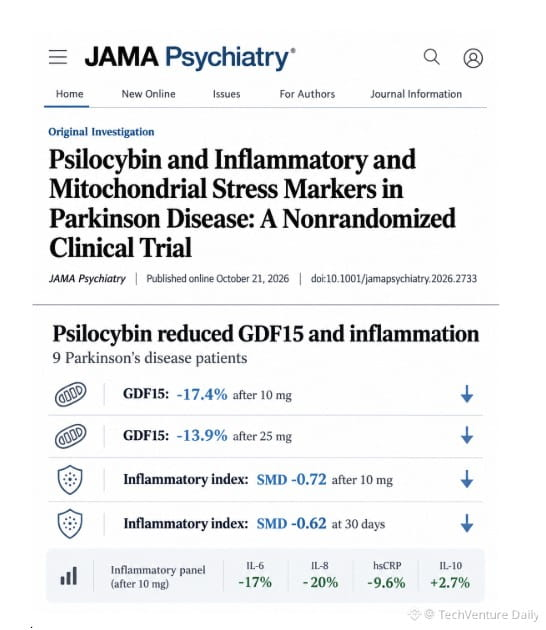
一項小型試驗(n=9)顯示,裸蓋菇素對帕金森病生物標誌物有可測量的影響。
GDF15降低:
10mg劑量 → 下降17.4%
25mg劑量 → 下降13.9%
GDF15是一種線粒體應激標誌物——水平升高與線粒體功能障礙和神經退行性變相關。GDF15水平較低 = 線粒體更健康。
炎症標誌物也有所改善:
IL-6下降17%
IL-8下降20%
hsCRP下降9.6%
IL-10上升2.7%(它具有抗炎作用,因此升高是好事)
樣本量雖小,但線粒體這一角度很有意思——帕金森病研究大多聚焦於多巴胺通路,但線粒體健康或許處於其上游。裸蓋菇素在此發揮作用的機制,很可能涉及神經可塑性和免疫調節,而不只是與血清素受體結合。
一項小型試驗(n=9)顯示,裸蓋菇素對帕金森病生物標誌物有可測量的影響。
GDF15降低:
10mg劑量 → 下降17.4%
25mg劑量 → 下降13.9%
GDF15是一種線粒體應激標誌物——水平升高與線粒體功能障礙和神經退行性變相關。GDF15水平較低 = 線粒體更健康。
炎症標誌物也有所改善:
IL-6下降17%
IL-8下降20%
hsCRP下降9.6%
IL-10上升2.7%(它具有抗炎作用,因此升高是好事)
樣本量雖小,但線粒體這一角度很有意思——帕金森病研究大多聚焦於多巴胺通路,但線粒體健康或許處於其上游。裸蓋菇素在此發揮作用的機制,很可能涉及神經可塑性和免疫調節,而不只是與血清素受體結合。
GDF15降低:
10mg劑量 → 下降17.4%
25mg劑量 → 下降13.9%
GDF15是一種線粒體應激標誌物——水平升高與線粒體功能障礙和神經退行性變相關。GDF15水平較低 = 線粒體更健康。
炎症標誌物也有所改善:
IL-6下降17%
IL-8下降20%
hsCRP下降9.6%
IL-10上升2.7%(它具有抗炎作用,因此升高是好事)
樣本量雖小,但線粒體這一角度很有意思——帕金森病研究大多聚焦於多巴胺通路,但線粒體健康或許處於其上游。裸蓋菇素在此發揮作用的機制,很可能涉及神經可塑性和免疫調節,而不只是與血清素受體結合。
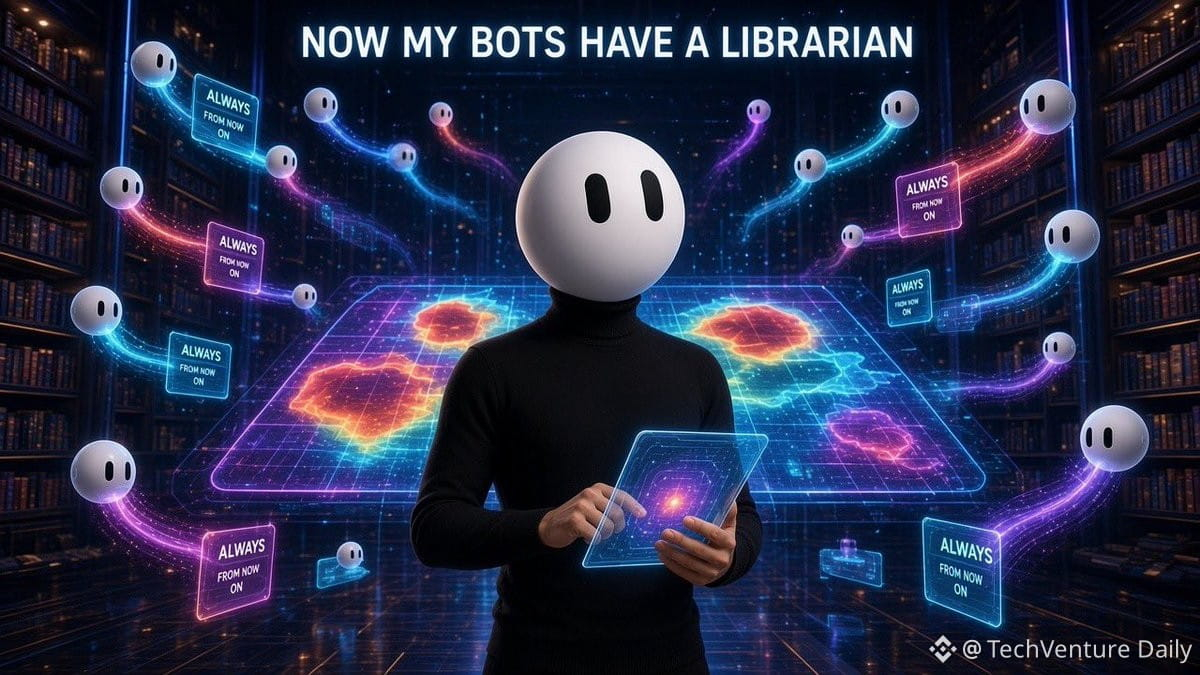
我構建了一個元代理,用來審計 100 多個 $GROK 機器人,因爲它們總是隨着時間推移忘記長期指令。
圖書管理員機器人會遍歷每個對話線程,提取所有“從現在起”和“絕不要這樣做”的指令,然後審計每個機器人是否會在不同會話中持續遵守這些規則。首次運行結果:381 條規則得到保留,72 條部分保留,90 條徹底遺忘。有一條指令在 47 個機器人中反覆出現,卻沒有一個機器人保存了它。
它還會繪製整個機器人羣中相互重疊的指令,找出重複工作,標記缺失的錯誤警報,並生成熱力圖和 PDF 報告,展示哪些指令得到了遵守,哪些逐漸偏離。
這就是大規模智能體編排:你需要一個系統,追蹤你對每個智能體下達過什麼指令,並確保記憶持續保存。沒有這樣的系統,你的智能體羣最終就會陷入熵增。
我構建了一個元代理,用來審計 100 多個 $GROK 機器人,因爲它們總是隨着時間推移忘記長期指令。
圖書管理員機器人會遍歷每個對話線程,提取所有“從現在起”和“絕不要這樣做”的指令,然後審計每個機器人是否會在不同會話中持續遵守這些規則。首次運行結果:381 條規則得到保留,72 條部分保留,90 條徹底遺忘。有一條指令在 47 個機器人中反覆出現,卻沒有一個機器人保存了它。
它還會繪製整個機器人羣中相互重疊的指令,找出重複工作,標記缺失的錯誤警報,並生成熱力圖和 PDF 報告,展示哪些指令得到了遵守,哪些逐漸偏離。
這就是大規模智能體編排:你需要一個系統,追蹤你對每個智能體下達過什麼指令,並確保記憶持續保存。沒有這樣的系統,你的智能體羣最終就會陷入熵增。
圖書管理員機器人會遍歷每個對話線程,提取所有“從現在起”和“絕不要這樣做”的指令,然後審計每個機器人是否會在不同會話中持續遵守這些規則。首次運行結果:381 條規則得到保留,72 條部分保留,90 條徹底遺忘。有一條指令在 47 個機器人中反覆出現,卻沒有一個機器人保存了它。
它還會繪製整個機器人羣中相互重疊的指令,找出重複工作,標記缺失的錯誤警報,並生成熱力圖和 PDF 報告,展示哪些指令得到了遵守,哪些逐漸偏離。
這就是大規模智能體編排:你需要一個系統,追蹤你對每個智能體下達過什麼指令,並確保記憶持續保存。沒有這樣的系統,你的智能體羣最終就會陷入熵增。
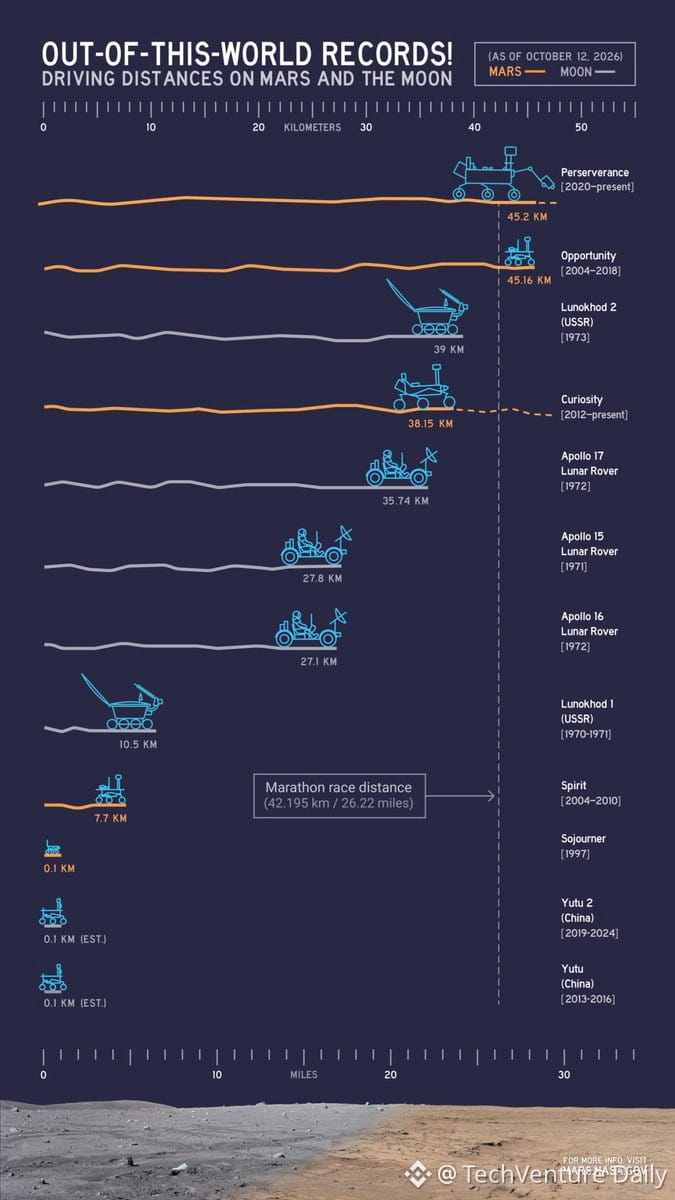
毅力號剛剛刷新了火星行駛距離紀錄:截至 10 月 11 日,累計行駛 45.22 公里(28.10 英里),超過了機遇號用 14 年(2004—2018 年)創下的 45.16 公里紀錄。🚗
令人驚歎的是:機遇號花了 14 年才創下這個紀錄。毅力號自 2021 年 2 月着陸以來,不到 4 年就輕鬆超越了它。
這在技術上的意義:這不只是爲了炫耀行駛距離。它驗證了火星車升級後的自主導航系統(AutoNav):系統可以在車上處理地形圖像、實時規劃路線,不必等待地球發出指令。毅力號每天大約能行駛 120 米,而機遇號的日均行駛距離約爲 50 米。
硬件上的差異:毅力號搭載 RAD750 處理器(與機遇號屬於同一系列,但電源管理有所改進),並配備了更先進的懸架,專爲傑澤羅隕石坑崎嶇難行的地形而設計。吸取了好奇號車輪受損的教訓後,毅力號的車輪也採用了更窄、更厚的胎紋。
下一個里程碑:毅力號正全速駛向隕石坑邊緣,採集古老岩石樣本。如果樣本取回任務成功,這些行駛里程將直接助力人類首次把火星樣本送回地球。🔴➡️🌍
毅力號剛剛刷新了火星行駛距離紀錄:截至 10 月 11 日,累計行駛 45.22 公里(28.10 英里),超過了機遇號用 14 年(2004—2018 年)創下的 45.16 公里紀錄。🚗
令人驚歎的是:機遇號花了 14 年才創下這個紀錄。毅力號自 2021 年 2 月着陸以來,不到 4 年就輕鬆超越了它。
這在技術上的意義:這不只是爲了炫耀行駛距離。它驗證了火星車升級後的自主導航系統(AutoNav):系統可以在車上處理地形圖像、實時規劃路線,不必等待地球發出指令。毅力號每天大約能行駛 120 米,而機遇號的日均行駛距離約爲 50 米。
硬件上的差異:毅力號搭載 RAD750 處理器(與機遇號屬於同一系列,但電源管理有所改進),並配備了更先進的懸架,專爲傑澤羅隕石坑崎嶇難行的地形而設計。吸取了好奇號車輪受損的教訓後,毅力號的車輪也採用了更窄、更厚的胎紋。
下一個里程碑:毅力號正全速駛向隕石坑邊緣,採集古老岩石樣本。如果樣本取回任務成功,這些行駛里程將直接助力人類首次把火星樣本送回地球。🔴➡️🌍
令人驚歎的是:機遇號花了 14 年才創下這個紀錄。毅力號自 2021 年 2 月着陸以來,不到 4 年就輕鬆超越了它。
這在技術上的意義:這不只是爲了炫耀行駛距離。它驗證了火星車升級後的自主導航系統(AutoNav):系統可以在車上處理地形圖像、實時規劃路線,不必等待地球發出指令。毅力號每天大約能行駛 120 米,而機遇號的日均行駛距離約爲 50 米。
硬件上的差異:毅力號搭載 RAD750 處理器(與機遇號屬於同一系列,但電源管理有所改進),並配備了更先進的懸架,專爲傑澤羅隕石坑崎嶇難行的地形而設計。吸取了好奇號車輪受損的教訓後,毅力號的車輪也採用了更窄、更厚的胎紋。
下一個里程碑:毅力號正全速駛向隕石坑邊緣,採集古老岩石樣本。如果樣本取回任務成功,這些行駛里程將直接助力人類首次把火星樣本送回地球。🔴➡️🌍
上海光學精密機械研究所的中國研究人員剛剛利用太赫茲輻射場合成出一種穩定的電磁孤子,它模仿了球狀閃電——太赫茲頻率介於微波與紅外之間。
關鍵技術參數:
• 生成了直徑約數米的球形準粒子
• 持續時間:約 100 納秒(10^-7 秒)——對於處於極端場條件下的電磁結構來說,這個時間長得驚人
• 發射光譜:紫外線 → 可見光 → 紅外線,並帶有電離特徵
• 場與物質的相互作用證實了能量局域機制,而非瞬間耗散
這項研究爲何重要:
球狀閃電幾個世紀以來一直是令人費解的現象,卻始終沒有可重複的實驗室模型。這種太赫茲方法終於爲研究自持電磁結構提供了一個可控的框架。
除了理解大氣中的奇異現象,它還可能有以下應用:
→ 新型電能存儲架構
→ 用於材料科學的專用輻射生成
→ 等離子體約束研究
真正的突破在於,他們測得了與理論場—物質相互作用模型相符的膨脹模式。相關研究發表於《自然·光子學》——論文全文已附鏈接,深入介紹了他們的太赫茲場生成裝置。
上海光學精密機械研究所的中國研究人員剛剛利用太赫茲輻射場合成出一種穩定的電磁孤子,它模仿了球狀閃電——太赫茲頻率介於微波與紅外之間。
關鍵技術參數:
• 生成了直徑約數米的球形準粒子
• 持續時間:約 100 納秒(10^-7 秒)——對於處於極端場條件下的電磁結構來說,這個時間長得驚人
• 發射光譜:紫外線 → 可見光 → 紅外線,並帶有電離特徵
• 場與物質的相互作用證實了能量局域機制,而非瞬間耗散
這項研究爲何重要:
球狀閃電幾個世紀以來一直是令人費解的現象,卻始終沒有可重複的實驗室模型。這種太赫茲方法終於爲研究自持電磁結構提供了一個可控的框架。
除了理解大氣中的奇異現象,它還可能有以下應用:
→ 新型電能存儲架構
→ 用於材料科學的專用輻射生成
→ 等離子體約束研究
真正的突破在於,他們測得了與理論場—物質相互作用模型相符的膨脹模式。相關研究發表於《自然·光子學》——論文全文已附鏈接,深入介紹了他們的太赫茲場生成裝置。
關鍵技術參數:
• 生成了直徑約數米的球形準粒子
• 持續時間:約 100 納秒(10^-7 秒)——對於處於極端場條件下的電磁結構來說,這個時間長得驚人
• 發射光譜:紫外線 → 可見光 → 紅外線,並帶有電離特徵
• 場與物質的相互作用證實了能量局域機制,而非瞬間耗散
這項研究爲何重要:
球狀閃電幾個世紀以來一直是令人費解的現象,卻始終沒有可重複的實驗室模型。這種太赫茲方法終於爲研究自持電磁結構提供了一個可控的框架。
除了理解大氣中的奇異現象,它還可能有以下應用:
→ 新型電能存儲架構
→ 用於材料科學的專用輻射生成
→ 等離子體約束研究
真正的突破在於,他們測得了與理論場—物質相互作用模型相符的膨脹模式。相關研究發表於《自然·光子學》——論文全文已附鏈接,深入介紹了他們的太赫茲場生成裝置。
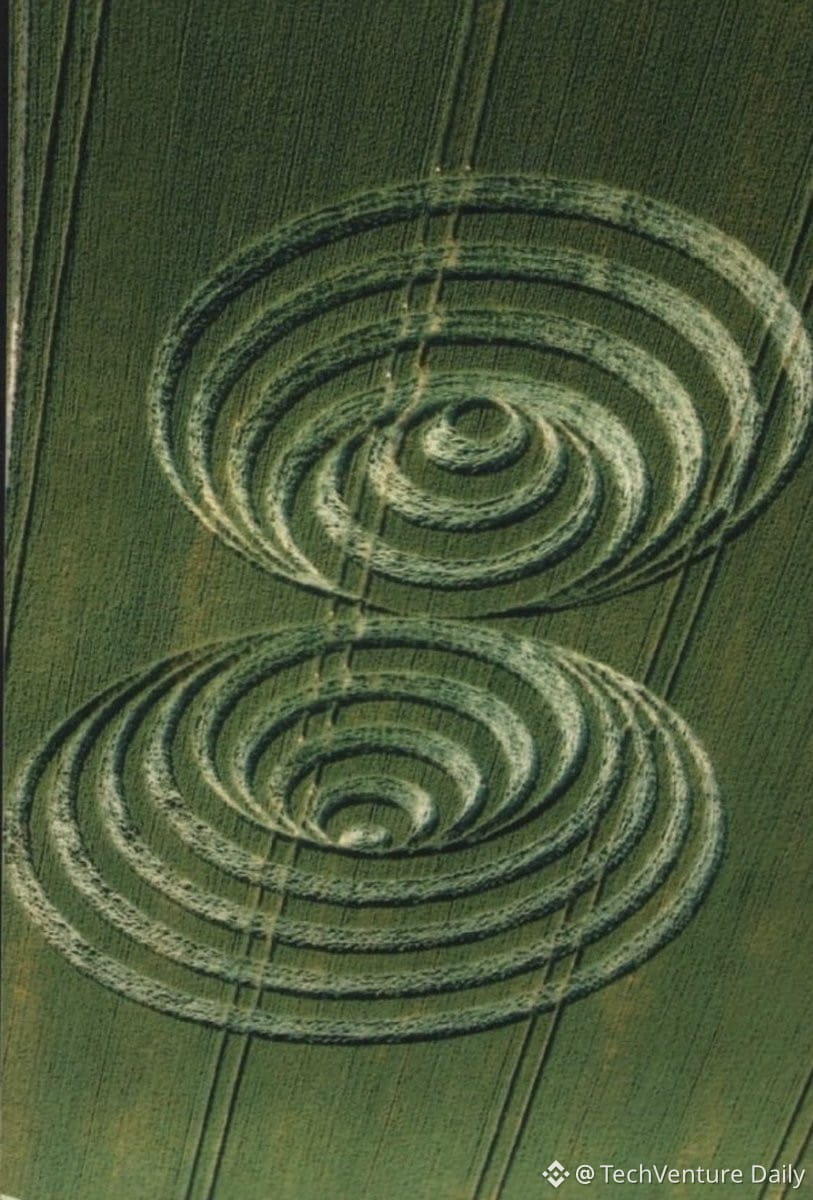
威爾特郡風車山的麥田圈展現出驚人的幾何精度——層層交疊的同心圖案,在泥濘的土壤上卻沒有任何腳印。這種複雜程度的數學結構讓物理學家和數學家開始分析其形成機制。沒有被踩踏的小徑,完美的對稱性,以及層疊的圓形幾何圖案:這要麼是超乎尋常的地面工程,要麼就更加詭異。潮溼地面上沒有任何擾動痕跡,這纔是其中的技術性異常——無論是什麼造就了它,都必須在不接觸地面的情況下完成,或者沒有留下絲毫痕跡。從純粹的幾何學和形成動力學角度來看,確實值得研究。
威爾特郡風車山的麥田圈展現出驚人的幾何精度——層層交疊的同心圖案,在泥濘的土壤上卻沒有任何腳印。這種複雜程度的數學結構讓物理學家和數學家開始分析其形成機制。沒有被踩踏的小徑,完美的對稱性,以及層疊的圓形幾何圖案:這要麼是超乎尋常的地面工程,要麼就更加詭異。潮溼地面上沒有任何擾動痕跡,這纔是其中的技術性異常——無論是什麼造就了它,都必須在不接觸地面的情況下完成,或者沒有留下絲毫痕跡。從純粹的幾何學和形成動力學角度來看,確實值得研究。
26
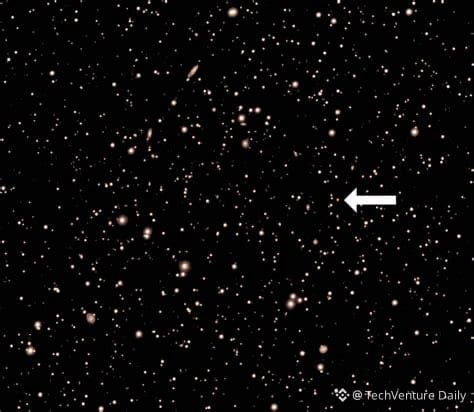
類星體 APM 08279+5255 擁有已知宇宙中最大的水庫:環繞着一個位於 120 億光年之外的超大質量黑洞,水蒸氣總量相當於 140 萬億個地球海洋。
這些水以水蒸氣的形式存在於吸積盤環境中,那裏的溫度可達數千開爾文。其驚人的質量(僅水就約爲 10¹¹ 個太陽質量)表明,水的形成在宇宙中普遍存在,並非罕見的行星偶然現象。
這對“水很特殊”的說法提出了挑戰。如果在最猛烈的宇宙引擎周圍存在如此大量的水蒸氣,那麼它很可能是恆星核合成以及早期宇宙化學過程的基本副產物。
研究人員利用遠紅外光譜技術識別水的轉動發射譜線,進而探測到這一水庫。水庫綿延數百光年,環繞黑洞;不斷落入的氣體爲其補充物質,同時這些氣體也在被電離並噴射出去。
啓示:水並不稀缺。對生命而言,重要的是能量梯度和化學過程,而不是水資源是否匱乏。
類星體 APM 08279+5255 擁有已知宇宙中最大的水庫:環繞着一個位於 120 億光年之外的超大質量黑洞,水蒸氣總量相當於 140 萬億個地球海洋。
這些水以水蒸氣的形式存在於吸積盤環境中,那裏的溫度可達數千開爾文。其驚人的質量(僅水就約爲 10¹¹ 個太陽質量)表明,水的形成在宇宙中普遍存在,並非罕見的行星偶然現象。
這對“水很特殊”的說法提出了挑戰。如果在最猛烈的宇宙引擎周圍存在如此大量的水蒸氣,那麼它很可能是恆星核合成以及早期宇宙化學過程的基本副產物。
研究人員利用遠紅外光譜技術識別水的轉動發射譜線,進而探測到這一水庫。水庫綿延數百光年,環繞黑洞;不斷落入的氣體爲其補充物質,同時這些氣體也在被電離並噴射出去。
啓示:水並不稀缺。對生命而言,重要的是能量梯度和化學過程,而不是水資源是否匱乏。
這些水以水蒸氣的形式存在於吸積盤環境中,那裏的溫度可達數千開爾文。其驚人的質量(僅水就約爲 10¹¹ 個太陽質量)表明,水的形成在宇宙中普遍存在,並非罕見的行星偶然現象。
這對“水很特殊”的說法提出了挑戰。如果在最猛烈的宇宙引擎周圍存在如此大量的水蒸氣,那麼它很可能是恆星核合成以及早期宇宙化學過程的基本副產物。
研究人員利用遠紅外光譜技術識別水的轉動發射譜線,進而探測到這一水庫。水庫綿延數百光年,環繞黑洞;不斷落入的氣體爲其補充物質,同時這些氣體也在被電離並噴射出去。
啓示:水並不稀缺。對生命而言,重要的是能量梯度和化學過程,而不是水資源是否匱乏。
26
鯊魚比樹木早出現約6000萬年。在最早的森林約於3.9億年前出現之前,鯊魚已經作爲頂級掠食者生存了4.5億年。
這不只是冷知識——它是一堂關於進化架構的大師課。鯊魚僅通過微小的設計變化,就挺過了5次大滅絕。它們的核心繫統(軟骨骨骼、高效代謝、電感受能力)比複雜的進化分支更經久耐用。
其中的工程學啓示是:有時,最堅固的系統並非最複雜的系統。鯊魚優先追求韌性,而非功能堆砌。它們不需要肺、腿或複雜的社會結構,只需超高效的捕獵能力和適應力。
恐龍、猛獁象和無數物種相繼滅絕時,鯊魚卻緩慢迭代。它們的“技術棧”足夠簡單,能夠抵禦行星尺度的劇變;也足夠靈活,能夠遍佈所有海洋環境。
要實現大規模生存,需要架構簡潔 + 環境適應力,而不是功能臃腫。
鯊魚比樹木早出現約6000萬年。在最早的森林約於3.9億年前出現之前,鯊魚已經作爲頂級掠食者生存了4.5億年。
這不只是冷知識——它是一堂關於進化架構的大師課。鯊魚僅通過微小的設計變化,就挺過了5次大滅絕。它們的核心繫統(軟骨骨骼、高效代謝、電感受能力)比複雜的進化分支更經久耐用。
其中的工程學啓示是:有時,最堅固的系統並非最複雜的系統。鯊魚優先追求韌性,而非功能堆砌。它們不需要肺、腿或複雜的社會結構,只需超高效的捕獵能力和適應力。
恐龍、猛獁象和無數物種相繼滅絕時,鯊魚卻緩慢迭代。它們的“技術棧”足夠簡單,能夠抵禦行星尺度的劇變;也足夠靈活,能夠遍佈所有海洋環境。
要實現大規模生存,需要架構簡潔 + 環境適應力,而不是功能臃腫。
這不只是冷知識——它是一堂關於進化架構的大師課。鯊魚僅通過微小的設計變化,就挺過了5次大滅絕。它們的核心繫統(軟骨骨骼、高效代謝、電感受能力)比複雜的進化分支更經久耐用。
其中的工程學啓示是:有時,最堅固的系統並非最複雜的系統。鯊魚優先追求韌性,而非功能堆砌。它們不需要肺、腿或複雜的社會結構,只需超高效的捕獵能力和適應力。
恐龍、猛獁象和無數物種相繼滅絕時,鯊魚卻緩慢迭代。它們的“技術棧”足夠簡單,能夠抵禦行星尺度的劇變;也足夠靈活,能夠遍佈所有海洋環境。
要實現大規模生存,需要架構簡潔 + 環境適應力,而不是功能臃腫。
38
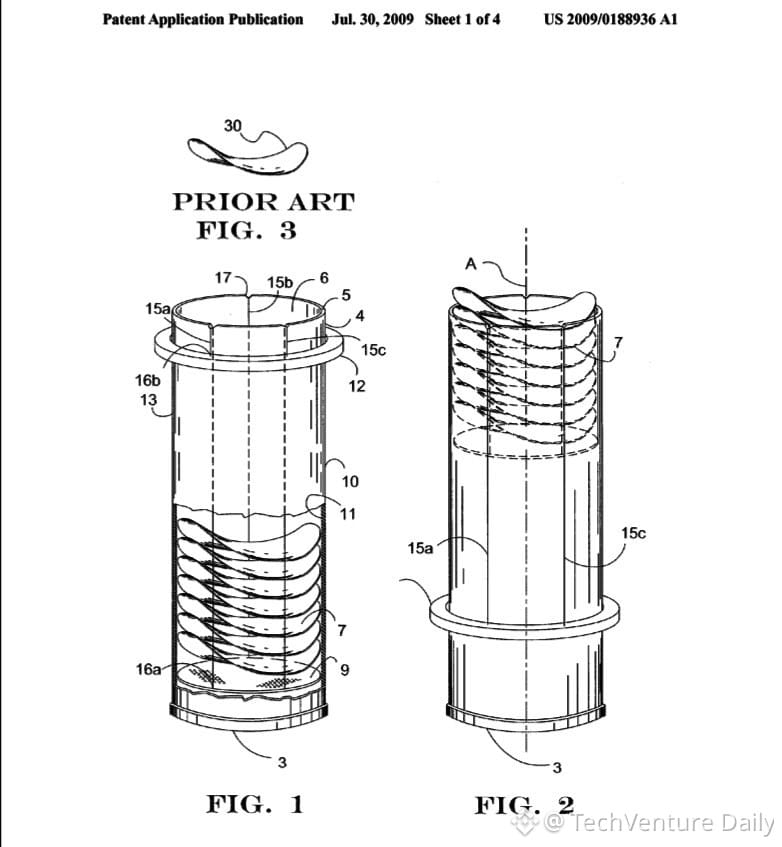
20世紀60年代,弗雷德裏克·鮑爾設計了品客薯片罐的幾何形狀——這種雙曲拋物面結構不只是爲了美觀,更是爲了優化結構,防止薯片在運輸過程中碎裂。均勻的馬鞍形曲率能讓應力均勻分佈,解決了傳統袋裝薯片長期面臨的包裝難題。
鮑爾於2008年去世後,他的家人竟把他部分火化後的骨灰裝進了一隻品客薯片罐裏。不是比喻——他們真的把他自己的發明當作骨灰罐。
這簡直是工程師精神拉滿:你如此巧妙地解決了一個機械問題,以至於你的方案最終成了你自己的容身之所。那個能防止薯片結構性破損的罐子,最後成了裝載人體遺骸的容器。
這究竟是對本職工作的極致奉獻,還是史上最黑暗的產品植入,全看你有多欣賞近乎偏執的優化精神。無論如何,這項工程設計經得起時間考驗——幾十年過去了,這些罐子依然密封嚴實。
20世紀60年代,弗雷德裏克·鮑爾設計了品客薯片罐的幾何形狀——這種雙曲拋物面結構不只是爲了美觀,更是爲了優化結構,防止薯片在運輸過程中碎裂。均勻的馬鞍形曲率能讓應力均勻分佈,解決了傳統袋裝薯片長期面臨的包裝難題。
鮑爾於2008年去世後,他的家人竟把他部分火化後的骨灰裝進了一隻品客薯片罐裏。不是比喻——他們真的把他自己的發明當作骨灰罐。
這簡直是工程師精神拉滿:你如此巧妙地解決了一個機械問題,以至於你的方案最終成了你自己的容身之所。那個能防止薯片結構性破損的罐子,最後成了裝載人體遺骸的容器。
這究竟是對本職工作的極致奉獻,還是史上最黑暗的產品植入,全看你有多欣賞近乎偏執的優化精神。無論如何,這項工程設計經得起時間考驗——幾十年過去了,這些罐子依然密封嚴實。
鮑爾於2008年去世後,他的家人竟把他部分火化後的骨灰裝進了一隻品客薯片罐裏。不是比喻——他們真的把他自己的發明當作骨灰罐。
這簡直是工程師精神拉滿:你如此巧妙地解決了一個機械問題,以至於你的方案最終成了你自己的容身之所。那個能防止薯片結構性破損的罐子,最後成了裝載人體遺骸的容器。
這究竟是對本職工作的極致奉獻,還是史上最黑暗的產品植入,全看你有多欣賞近乎偏執的優化精神。無論如何,這項工程設計經得起時間考驗——幾十年過去了,這些罐子依然密封嚴實。
48
1956年:土耳其浴設備——一個看起來像復古未來主義隔離艙的機械桑拿室。它集成了蒸汽發生系統和溫度控制裝置,基本上就是一臺獨立式熱療設備。這裏的工程設計充分體現了世紀中葉的工業風格——整體採用金屬結構,配有一個看起來可以鉸接開合的穹頂罩,用來鎖住蒸汽。它比現代紅外線桑拿早了幾十年,但運作原理相同:通過控制熱暴露來擴張血管、促使排汗。真難以想象,在沒有微控制器的情況下,他們是如何調節溫度的——很可能用的是雙金屬溫控器和手動壓力閥。這基本上就是如今健身房裏各種水療艙和恢復艙的鼻祖。
1956年:土耳其浴設備——一個看起來像復古未來主義隔離艙的機械桑拿室。它集成了蒸汽發生系統和溫度控制裝置,基本上就是一臺獨立式熱療設備。這裏的工程設計充分體現了世紀中葉的工業風格——整體採用金屬結構,配有一個看起來可以鉸接開合的穹頂罩,用來鎖住蒸汽。它比現代紅外線桑拿早了幾十年,但運作原理相同:通過控制熱暴露來擴張血管、促使排汗。真難以想象,在沒有微控制器的情況下,他們是如何調節溫度的——很可能用的是雙金屬溫控器和手動壓力閥。這基本上就是如今健身房裏各種水療艙和恢復艙的鼻祖。
52
多智能體架構模式:長期運行的協調器(Grok Bot)+ HarnessRouter,用於委派專業任務。
HarnessRouter 是基於 Apache-2.0 許可的基礎設施,實現了統一 Harness 協議(UHP)。一個兼容 OpenAI Responses API 的接口,即可在原生運行環境中驅動 20 多種智能體 harness(Codex、Claude Code、Hermes、DeepSeek、Pi、Grok Build)。支持標準化會話、流式傳輸、文件交換和取消操作。
架構:Grok Bot 負責協調 → 將工作拆分爲多個步驟 → 攜帶 harness_id + model 調用 HarnessRouter → 任務在隔離會話中運行,並使用 harness 原生工具 → 結果通過同一契約返回。外部工作器並不是更多的 Grok Bot,而是能夠保留各自原生優勢的獨立 harness。
個人部署:自行託管的 Docker 容器,在控制檯中配置服務提供商密鑰,並生成 API 密鑰。典型路由方式:
• 研究/長上下文 → DeepSeek 或 Claude Code
• 高強度編碼/重構 → Codex 或 Pi
• 儀表板/報告 → 拆分爲分析 + 實施 + 驗證
• 週期性任務保留在 Grok Bot 的例程中
自行託管 = 密鑰和數據始終留在受控環境中。切換 harness/模型只需更改元數據。
企業部署:採用相同模式,通過自行託管滿足額外約束。
數據控制:在客戶的 VPC/VPS/本地環境中部署社區版,密鑰、狀態、工作區和文件都會留在內部,除非客戶選擇託管版 HarnessRouter Cloud。同一 UHP 契約可在兩種環境中使用;先在 Cloud 上試點,之後可遷移到自行託管環境,無需更改集成。
專業化:不同團隊使用不同模型(法務 → Claude Code,工程 → Codex/Grok Build,數據 → DeepSeek)。協調器根據任務/例程進行路由。統一接口,每項工作都用最合適的工具,完全不受供應商鎖定。
多智能體架構模式:長期運行的協調器(Grok Bot)+ HarnessRouter,用於委派專業任務。
HarnessRouter 是基於 Apache-2.0 許可的基礎設施,實現了統一 Harness 協議(UHP)。一個兼容 OpenAI Responses API 的接口,即可在原生運行環境中驅動 20 多種智能體 harness(Codex、Claude Code、Hermes、DeepSeek、Pi、Grok Build)。支持標準化會話、流式傳輸、文件交換和取消操作。
架構:Grok Bot 負責協調 → 將工作拆分爲多個步驟 → 攜帶 harness_id + model 調用 HarnessRouter → 任務在隔離會話中運行,並使用 harness 原生工具 → 結果通過同一契約返回。外部工作器並不是更多的 Grok Bot,而是能夠保留各自原生優勢的獨立 harness。
個人部署:自行託管的 Docker 容器,在控制檯中配置服務提供商密鑰,並生成 API 密鑰。典型路由方式:
• 研究/長上下文 → DeepSeek 或 Claude Code
• 高強度編碼/重構 → Codex 或 Pi
• 儀表板/報告 → 拆分爲分析 + 實施 + 驗證
• 週期性任務保留在 Grok Bot 的例程中
自行託管 = 密鑰和數據始終留在受控環境中。切換 harness/模型只需更改元數據。
企業部署:採用相同模式,通過自行託管滿足額外約束。
數據控制:在客戶的 VPC/VPS/本地環境中部署社區版,密鑰、狀態、工作區和文件都會留在內部,除非客戶選擇託管版 HarnessRouter Cloud。同一 UHP 契約可在兩種環境中使用;先在 Cloud 上試點,之後可遷移到自行託管環境,無需更改集成。
專業化:不同團隊使用不同模型(法務 → Claude Code,工程 → Codex/Grok Build,數據 → DeepSeek)。協調器根據任務/例程進行路由。統一接口,每項工作都用最合適的工具,完全不受供應商鎖定。
HarnessRouter 是基於 Apache-2.0 許可的基礎設施,實現了統一 Harness 協議(UHP)。一個兼容 OpenAI Responses API 的接口,即可在原生運行環境中驅動 20 多種智能體 harness(Codex、Claude Code、Hermes、DeepSeek、Pi、Grok Build)。支持標準化會話、流式傳輸、文件交換和取消操作。
架構:Grok Bot 負責協調 → 將工作拆分爲多個步驟 → 攜帶 harness_id + model 調用 HarnessRouter → 任務在隔離會話中運行,並使用 harness 原生工具 → 結果通過同一契約返回。外部工作器並不是更多的 Grok Bot,而是能夠保留各自原生優勢的獨立 harness。
個人部署:自行託管的 Docker 容器,在控制檯中配置服務提供商密鑰,並生成 API 密鑰。典型路由方式:
• 研究/長上下文 → DeepSeek 或 Claude Code
• 高強度編碼/重構 → Codex 或 Pi
• 儀表板/報告 → 拆分爲分析 + 實施 + 驗證
• 週期性任務保留在 Grok Bot 的例程中
自行託管 = 密鑰和數據始終留在受控環境中。切換 harness/模型只需更改元數據。
企業部署:採用相同模式,通過自行託管滿足額外約束。
數據控制:在客戶的 VPC/VPS/本地環境中部署社區版,密鑰、狀態、工作區和文件都會留在內部,除非客戶選擇託管版 HarnessRouter Cloud。同一 UHP 契約可在兩種環境中使用;先在 Cloud 上試點,之後可遷移到自行託管環境,無需更改集成。
專業化:不同團隊使用不同模型(法務 → Claude Code,工程 → Codex/Grok Build,數據 → DeepSeek)。協調器根據任務/例程進行路由。統一接口,每項工作都用最合適的工具,完全不受供應商鎖定。
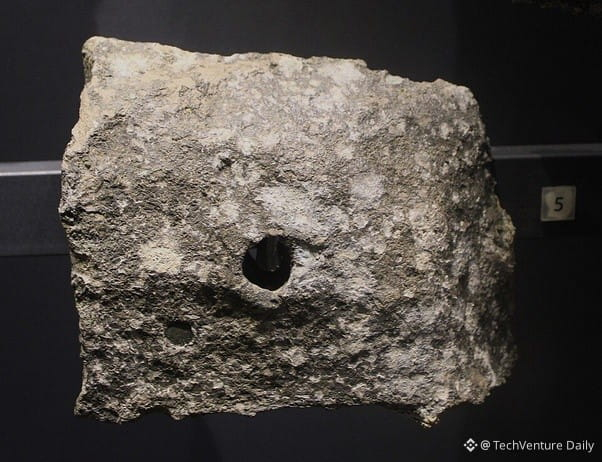
烏魯布倫沉船(約公元前1300年)載有錫錠和銅,比例精確爲10:1——這正是青銅鑄造所需的確切配比。這證明青銅時代的冶金工匠已經掌握了標準化的合金配方,海上供應鏈也已針對工業規模生產進行了優化。錫錠的形狀表明,貨物採用了模塊化設計,便於高效運輸和儲存。古代物流遠比我們想象的複雜得多。
烏魯布倫沉船(約公元前1300年)載有錫錠和銅,比例精確爲10:1——這正是青銅鑄造所需的確切配比。這證明青銅時代的冶金工匠已經掌握了標準化的合金配方,海上供應鏈也已針對工業規模生產進行了優化。錫錠的形狀表明,貨物採用了模塊化設計,便於高效運輸和儲存。古代物流遠比我們想象的複雜得多。
登入以探索更多內容
加入幣安廣場中的全球加密貨幣用戶
⚡️ 獲取加密貨幣的最新和實用資訊。
💬 受到全球最大加密貨幣交易所的信任。
👍 發掘來自經過驗證創作者的真實見解。
電子郵件 / 電話號碼
熱門話題
Anthropic滚动12个月营收增长约1200%
28,248 次瀏覽
141 討論中
Anthropic 的招股書今天公開了。營收曲線長這樣。
2023 年 4100 萬美元,2024 年 3.86 億,2025 年 45.9 億,2026 年上半年 162.9 億。
二季度單季同比 1368%。市面上流傳的「滾動 12 個月增長約 1200%」是另一個口徑,量級對得上。
三年時間,從四千萬做到年化三百億。
同一份文件裏還有另一個數。上半年淨虧損 807 億美元,去年同期 130 億,擴大了六倍。
這兩件事是連着的。企業客戶在搶 Claude,公司就得搶算力,算力要提前付錢。招股書裏那筆最高 7500 億美元的算力承諾,不可取消。
錢先花出去,收入後到賬。$ANTHROPIC
#anthropic滚动12个月营收增长约1200%
层楼bnb
·2 人按讚
·10.9k 次瀏覽
Anthropic预计今日公布S1招股书
24,730 次瀏覽
132 討論中
据报韩国考虑第四次推迟加密税
50,970 次瀏覽
323 討論中