

Himanshu Aka Tarzan
69 貼文
Himanshu Aka Tarzan
舉報
封鎖用戶
Binance Angel, Campus Buidler, Square Creator.
21 關注
1.1K+ 粉絲
3.5K+ 點讚數
貼文
全部
引用
直播
文章
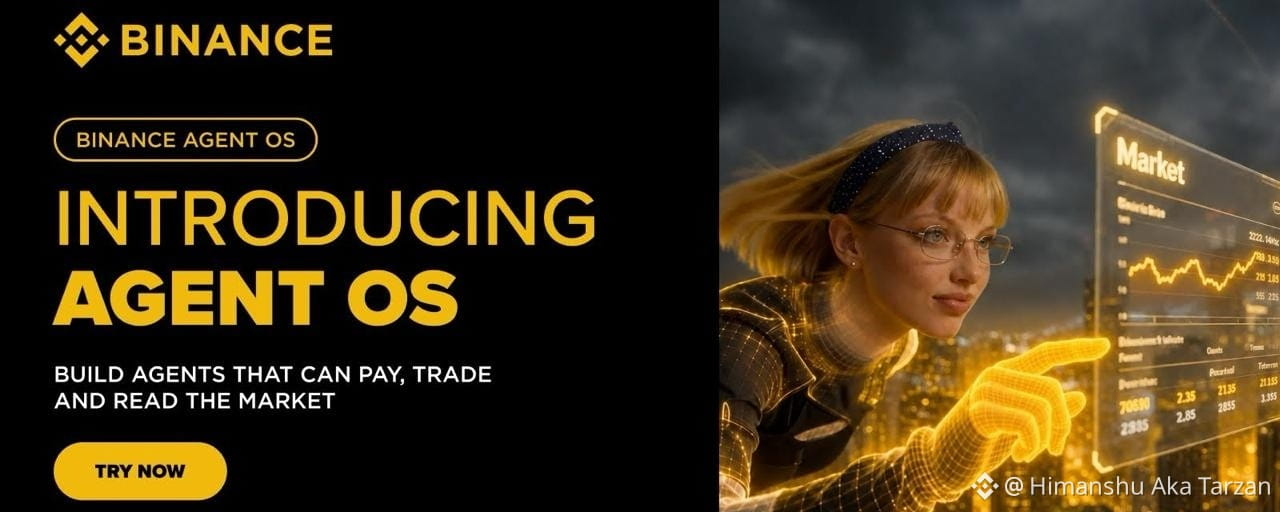
Binance Agent OS × AI:我的第一次上手測試 🤖🔶我想看看當你通過 MCP 將 Binance Agent OS 與 ChatGPT 連接起來時,會發生什麼。🤖🔶所以我決定親自測試一下。從將賬號連接到查看市場數據和錢包信息。下面是我發現的內容👇#BinanceAgentOS @Binance_Angels 第一步:將 Binance Agent OS 連接到 ChatGPT。該設置使用了 MCP 連接和 OAuth 身份驗證,因此連接是通過授權流程完成的,而不是僅僅共享你的 Binance 憑證。🔐 你的權限在這裏很重要。點擊“使用 Binance Agent OS 登錄”之後,ChatGPT 通過 MCP 請求訪問我的 Binance 賬戶。
Binance Agent OS × AI:我的第一次上手測試 🤖🔶
我想看看當你通過 MCP 將 Binance Agent OS 與 ChatGPT 連接起來時,會發生什麼。🤖🔶所以我決定親自測試一下。從將賬號連接到查看市場數據和錢包信息。下面是我發現的內容👇#BinanceAgentOS @Binance Angels 第一步:將 Binance Agent OS 連接到 ChatGPT。該設置使用了 MCP 連接和 OAuth 身份驗證,因此連接是通過授權流程完成的,而不是僅僅共享你的 Binance 憑證。🔐 你的權限在這裏很重要。點擊“使用 Binance Agent OS 登錄”之後,ChatGPT 通過 MCP 請求訪問我的 Binance 賬戶。
1
4
147

文章
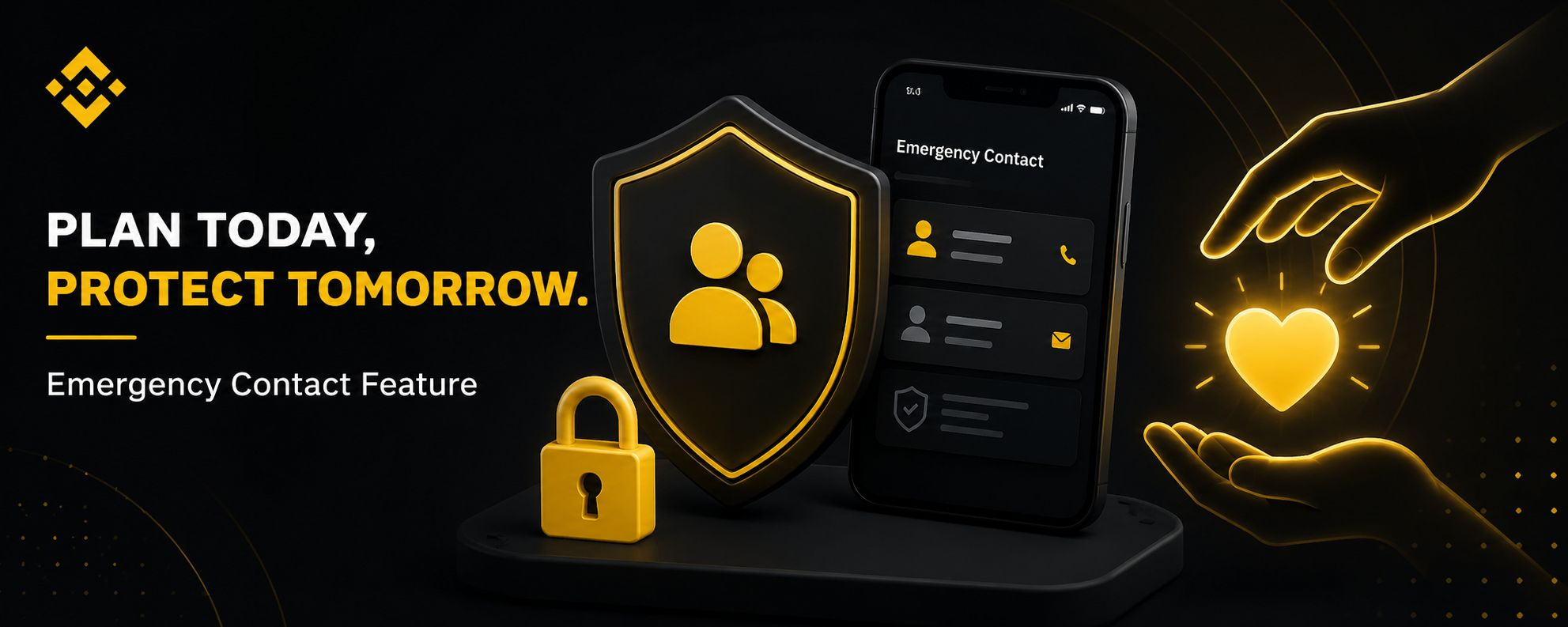
🔐 如果你突然無法管理你的 Binance 賬戶,你的加密資產會發生什麼?當我們思考加密貨幣安全時,我們通常會關注強密碼、雙重身份驗證(2FA)、反釣魚驗證碼以及保護我們的設備。
但還有另一種情況我們經常會忽略:
如果你突然無法訪問或管理你的賬戶,並且這種狀態持續很長時間,甚至永久無法管理,你的加密資產會怎樣?
一場突發意外、住院或其他不可預見的情況,可能會導致你的資產無法被那些最終可能需要處理它們的人所訪問。
這時,Binance 的緊急聯繫人(Emergency Contact)功能就可能派上用場。
🔐 如果你突然無法管理你的 Binance 賬戶,你的加密資產會發生什麼?
當我們思考加密貨幣安全時,我們通常會關注強密碼、雙重身份驗證(2FA)、反釣魚驗證碼以及保護我們的設備。
但還有另一種情況我們經常會忽略:
如果你突然無法訪問或管理你的賬戶,並且這種狀態持續很長時間,甚至永久無法管理,你的加密資產會怎樣?
一場突發意外、住院或其他不可預見的情況,可能會導致你的資產無法被那些最終可能需要處理它們的人所訪問。
這時,Binance 的緊急聯繫人(Emergency Contact)功能就可能派上用場。
但還有另一種情況我們經常會忽略:
如果你突然無法訪問或管理你的賬戶,並且這種狀態持續很長時間,甚至永久無法管理,你的加密資產會怎樣?
一場突發意外、住院或其他不可預見的情況,可能會導致你的資產無法被那些最終可能需要處理它們的人所訪問。
這時,Binance 的緊急聯繫人(Emergency Contact)功能就可能派上用場。
6
140
文章
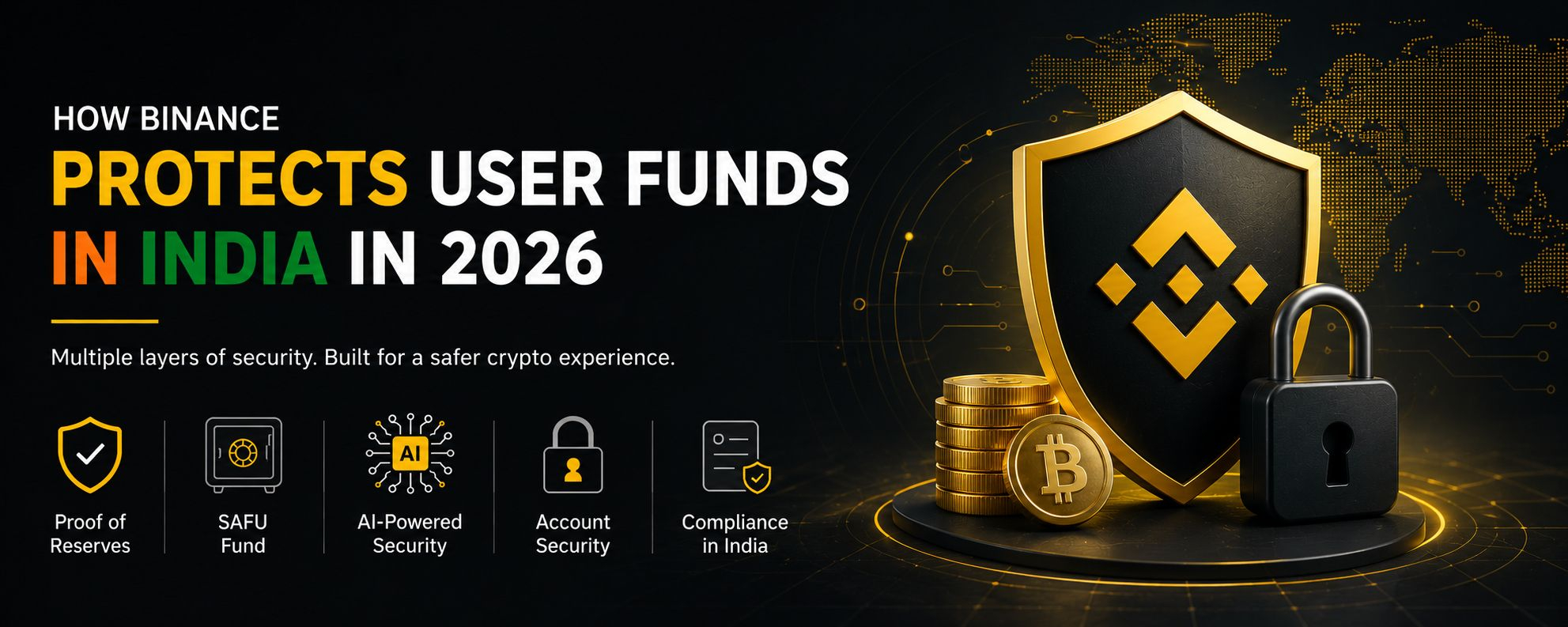
Binance 在 2026 年如何在印度保障使用者資金?隨著加密貨幣在印度的採用持續成長,對每位 Binance 使用者而言,安全與資金保障仍然十分重要。於 2026 年,Binance 透過多層次的安全防護、風險監控與透明機制,協助保護使用者資產。
🔐 1. 儲備證明
Binance 定期發佈儲備證明(Proof of Reserves,PoR),讓使用者能夠驗證符合資格的用戶資產是否有相應儲備支撐。透過梅克爾樹(Merkle trees)與零知識證明(zero-knowledge proofs)等加密技術,可在保護使用者隱私的同時提供透明度。
Binance 在 2026 年如何在印度保障使用者資金?
隨著加密貨幣在印度的採用持續成長,對每位 Binance 使用者而言,安全與資金保障仍然十分重要。於 2026 年,Binance 透過多層次的安全防護、風險監控與透明機制,協助保護使用者資產。
🔐 1. 儲備證明
Binance 定期發佈儲備證明(Proof of Reserves,PoR),讓使用者能夠驗證符合資格的用戶資產是否有相應儲備支撐。透過梅克爾樹(Merkle trees)與零知識證明(zero-knowledge proofs)等加密技術,可在保護使用者隱私的同時提供透明度。
🔐 1. 儲備證明
Binance 定期發佈儲備證明(Proof of Reserves,PoR),讓使用者能夠驗證符合資格的用戶資產是否有相應儲備支撐。透過梅克爾樹(Merkle trees)與零知識證明(zero-knowledge proofs)等加密技術,可在保護使用者隱私的同時提供透明度。
1
164
真實
文章
🇮🇳 Binance:2026 年印度最安全的加密平臺之一!Binance 持續爲印度加密用戶提供安全可靠的環境,採用多重安全防護、用戶保護和監管合規措施。
🔐 高級賬戶安全:2FA、提現保護與防釣魚功能
🛡️ 用戶保護:多重安全與風險管理系統
💰 SAFU 基金:Binance 的用戶安全資產基金(SAFU)在極端情況下提供額外一層保護
🇮🇳 FIU-IND 合規:Binance 已在印度金融情報單位(FIU-IND)完成註冊,支持其遵循印度的反洗錢/反恐融資(AML/CFT)框架
🇮🇳 Binance:2026 年印度最安全的加密平臺之一!
Binance 持續爲印度加密用戶提供安全可靠的環境,採用多重安全防護、用戶保護和監管合規措施。
🔐 高級賬戶安全:2FA、提現保護與防釣魚功能
🛡️ 用戶保護:多重安全與風險管理系統
💰 SAFU 基金:Binance 的用戶安全資產基金(SAFU)在極端情況下提供額外一層保護
🇮🇳 FIU-IND 合規:Binance 已在印度金融情報單位(FIU-IND)完成註冊,支持其遵循印度的反洗錢/反恐融資(AML/CFT)框架
🔐 高級賬戶安全:2FA、提現保護與防釣魚功能
🛡️ 用戶保護:多重安全與風險管理系統
💰 SAFU 基金:Binance 的用戶安全資產基金(SAFU)在極端情況下提供額外一層保護
🇮🇳 FIU-IND 合規:Binance 已在印度金融情報單位(FIU-IND)完成註冊,支持其遵循印度的反洗錢/反恐融資(AML/CFT)框架
2
143
我在2021年開始使用幣安,回想起來,感覺彷彿命運早已爲我安排了更大的計劃。一個里程碑接着另一個里程碑。我很幸運贏得了幣安 Campus Builder Program(校園建設者計劃),這爲我打開了成爲幣安 Angel(天使)的門。被選爲 Angel 是我旅程中最自豪的時刻之一。
這段經歷之所以真正特別,是因爲有着令人難以置信的社區。大家給予我的愛、信任與認可,遠比言語所能表達的更重要。從第一天起,我就一直堅信應把社區放在首位,而這也是我最大的動力。
我最難忘的記憶是幣安區塊鏈周。我與 @richardteng | @heyi | @CZ | 以及整個領導團隊見面,最終還在線下親自見到了我那令人驚喜的 Angel 家人,這一切簡直夢想成真。
當幣安慶祝第9週年之際,我很感激自己能成爲這段非凡旅程中的一小部分。我希望繼續建設、支持社區,並與大家一起創造更多難忘的回憶。💛🖤
#BinanceTurns9
@Binance_Angels
我在2021年開始使用幣安,回想起來,感覺彷彿命運早已爲我安排了更大的計劃。一個里程碑接着另一個里程碑。我很幸運贏得了幣安 Campus Builder Program(校園建設者計劃),這爲我打開了成爲幣安 Angel(天使)的門。被選爲 Angel 是我旅程中最自豪的時刻之一。
這段經歷之所以真正特別,是因爲有着令人難以置信的社區。大家給予我的愛、信任與認可,遠比言語所能表達的更重要。從第一天起,我就一直堅信應把社區放在首位,而這也是我最大的動力。
我最難忘的記憶是幣安區塊鏈周。我與 @Richard Teng | @Yi He | @CZ | 以及整個領導團隊見面,最終還在線下親自見到了我那令人驚喜的 Angel 家人,這一切簡直夢想成真。
當幣安慶祝第9週年之際,我很感激自己能成爲這段非凡旅程中的一小部分。我希望繼續建設、支持社區,並與大家一起創造更多難忘的回憶。💛🖤
#BinanceTurns9
@Binance Angels
這段經歷之所以真正特別,是因爲有着令人難以置信的社區。大家給予我的愛、信任與認可,遠比言語所能表達的更重要。從第一天起,我就一直堅信應把社區放在首位,而這也是我最大的動力。
我最難忘的記憶是幣安區塊鏈周。我與 @Richard Teng | @Yi He | @CZ | 以及整個領導團隊見面,最終還在線下親自見到了我那令人驚喜的 Angel 家人,這一切簡直夢想成真。
當幣安慶祝第9週年之際,我很感激自己能成爲這段非凡旅程中的一小部分。我希望繼續建設、支持社區,並與大家一起創造更多難忘的回憶。💛🖤
#BinanceTurns9
@Binance Angels
1
191
·
--
看漲
🇮🇳 德里,你準備好了嗎?🟡
有令人興奮的事情即將到來!#BinanceTurns9 慶典正在前往印度德里,我們迫不及待想與你們這羣出色的社區一起慶祝。
🎉 結識更多幣安用戶,盡情參與有趣活動,成爲一場難忘之夜的一部分。
📅 日期,
📍 地點,
🎟️ 註冊,以及所有細節都將很快公佈。
敬請期待……等待將會物超所值!🚀
$BNB
#Binance #DelhiMeetup
@Binance_South_Asia
🇮🇳 德里,你準備好了嗎?🟡
有令人興奮的事情即將到來!#BinanceTurns9 慶典正在前往印度德里,我們迫不及待想與你們這羣出色的社區一起慶祝。
🎉 結識更多幣安用戶,盡情參與有趣活動,成爲一場難忘之夜的一部分。
📅 日期,
📍 地點,
🎟️ 註冊,以及所有細節都將很快公佈。
敬請期待……等待將會物超所值!🚀
$BNB
#Binance #DelhiMeetup
@Binance South Asia
有令人興奮的事情即將到來!#BinanceTurns9 慶典正在前往印度德里,我們迫不及待想與你們這羣出色的社區一起慶祝。
🎉 結識更多幣安用戶,盡情參與有趣活動,成爲一場難忘之夜的一部分。
📅 日期,
📍 地點,
🎟️ 註冊,以及所有細節都將很快公佈。
敬請期待……等待將會物超所值!🚀
$BNB
#Binance #DelhiMeetup
@Binance South Asia

1
118
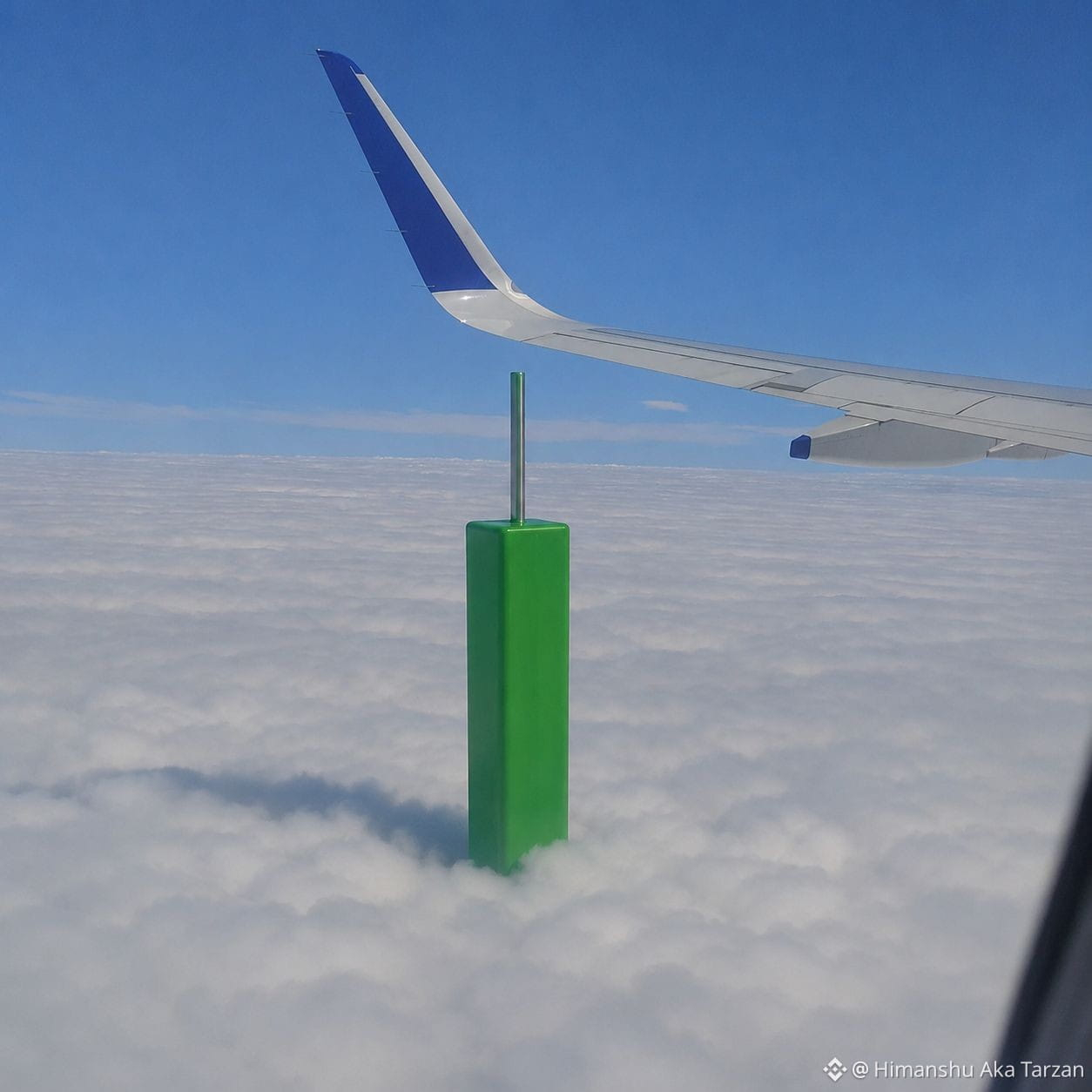
注意飛行員:請識別導致本K線的幣/代幣。
它目前正在干擾空中交通。😂✈️📈
重複:是哪一枚幣/代幣導致的?
#crypto #GreenCandle #bullmarket #CryptoMemes #bearmarket
注意飛行員:請識別導致本K線的幣/代幣。
它目前正在干擾空中交通。😂✈️📈
重複:是哪一枚幣/代幣導致的?
#crypto #GreenCandle #bullmarket #CryptoMemes #bearmarket
它目前正在干擾空中交通。😂✈️📈
重複:是哪一枚幣/代幣導致的?
#crypto #GreenCandle #bullmarket #CryptoMemes #bearmarket
1
124
·
--
看漲
60
·
--
看漲
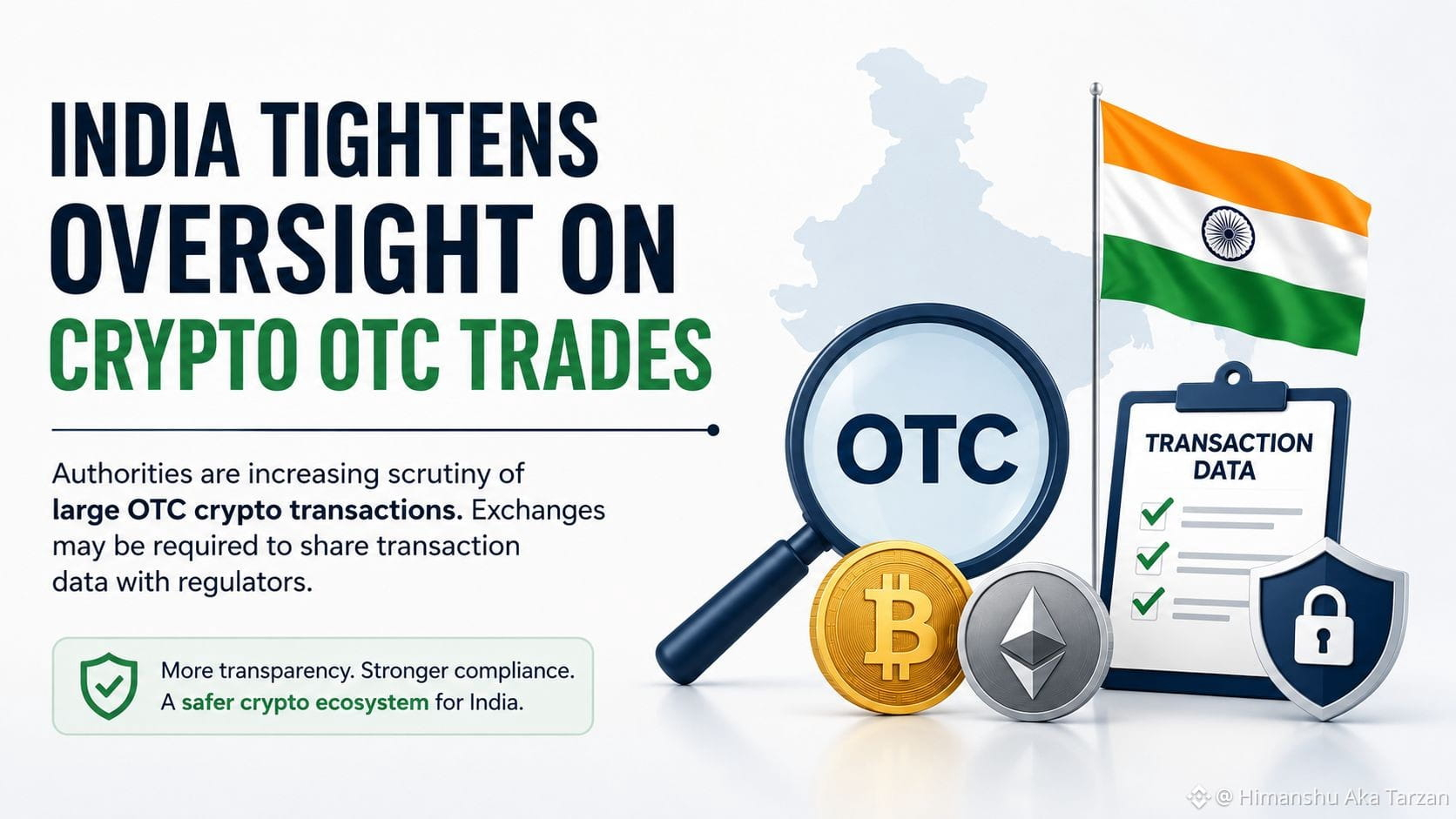
🚨 印度加強對加密場外交易的監管
最近的報告顯示,印度當局正在加大對大型場外(OTC)加密交易的審查力度。交易所可能需要提供交易數據以及參與重大OTC交易的個人或實體的詳細信息。
這一舉措旨在加強合規性,提高透明度,並監測加密生態系統中潛在的金融風險。
$BNB $ETH $BTC
#IndiaCryptoTax
#CryptoNews🔒📰🚫
#OTCTrading
#bitcoin
🚨 印度加強對加密場外交易的監管
最近的報告顯示,印度當局正在加大對大型場外(OTC)加密交易的審查力度。交易所可能需要提供交易數據以及參與重大OTC交易的個人或實體的詳細信息。
這一舉措旨在加強合規性,提高透明度,並監測加密生態系統中潛在的金融風險。
$BNB $ETH $BTC
#IndiaCryptoTax
#CryptoNews🔒📰🚫
#OTCTrading
#bitcoin
最近的報告顯示,印度當局正在加大對大型場外(OTC)加密交易的審查力度。交易所可能需要提供交易數據以及參與重大OTC交易的個人或實體的詳細信息。
這一舉措旨在加強合規性,提高透明度,並監測加密生態系統中潛在的金融風險。
$BNB $ETH $BTC
#IndiaCryptoTax
#CryptoNews🔒📰🚫
#OTCTrading
#bitcoin
158
準備好參加一場激動人心的AMA了嗎!
別忘了來參加哦!
準備好參加一場激動人心的AMA了嗎!
別忘了來參加哦!
別忘了來參加哦!


Binance Angels
·
--
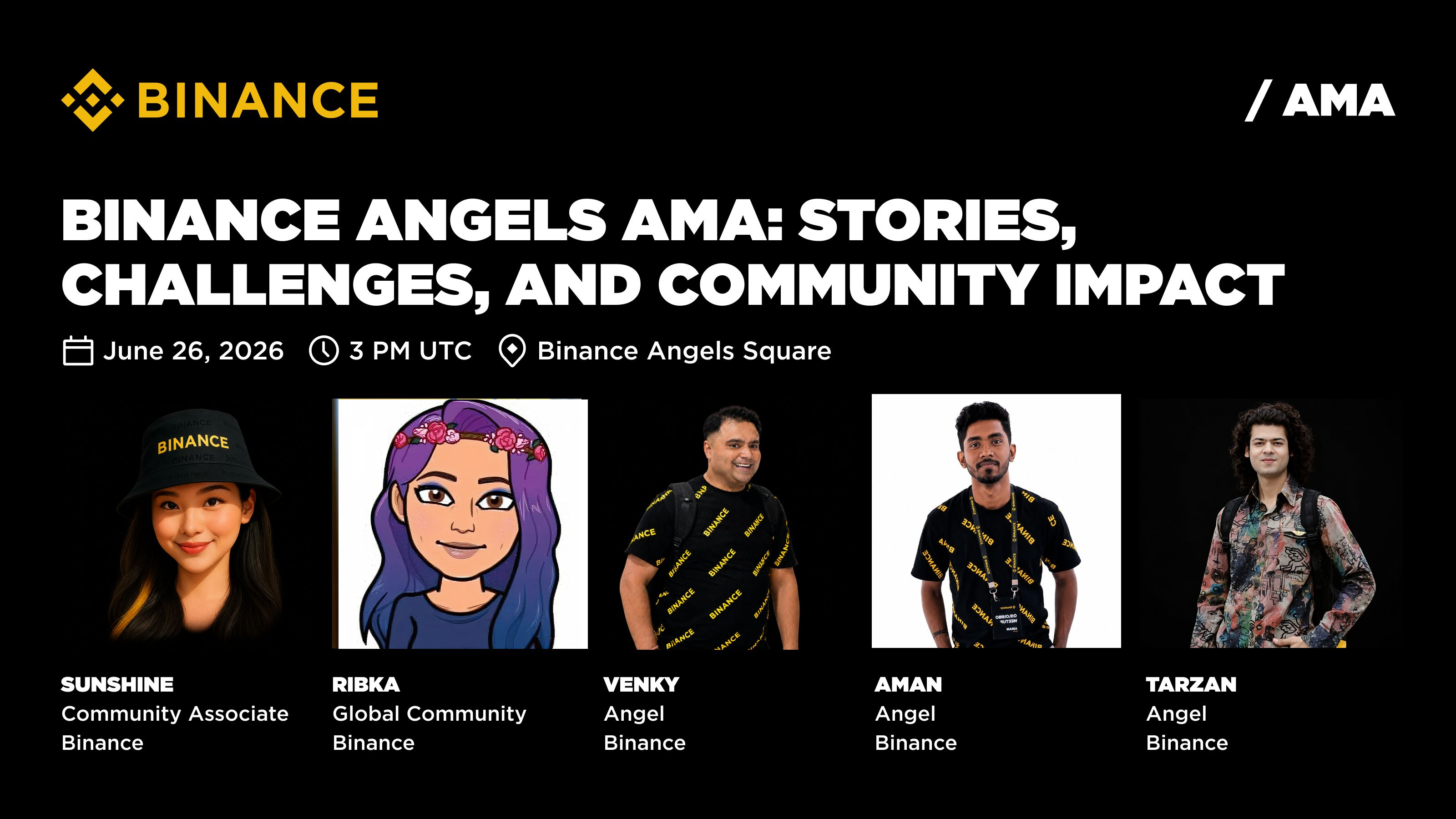
看漲加入我們參加幣安天使AMA:故事、挑戰和社區影響,我們將分享真實的天使旅程、社區故事和有意義的經歷。💛
📅 6月26日,星期五
⏰ 下午3點 UTC
📍 幣安天使廣場 subscribe here
堅持到最後——幣安的周邊等着你!👀
📅 6月26日,星期五
⏰ 下午3點 UTC
📍 幣安天使廣場 subscribe here
堅持到最後——幣安的周邊等着你!👀
30
🚨 印度的Binancians,來個小更新!
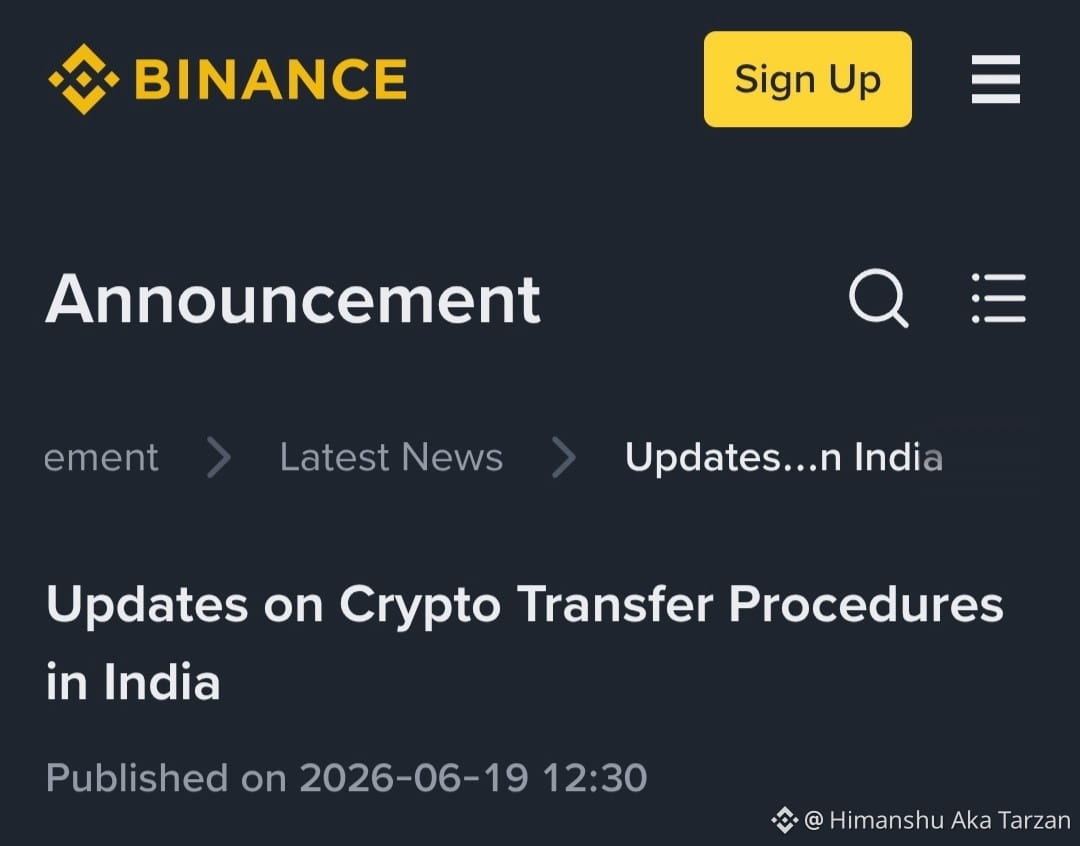
從今天開始,當你進行加密貨幣的存款(Deposit)或取款(Withdrawal)時,系統會要求你提供一些額外的信息,比如發件人(Sender)或受益人(Beneficiary)。
🇮🇳 #Binance #cryptoindia #Hindi @Binance_South_Asia
🚨 印度的Binancians,來個小更新!
從今天開始,當你進行加密貨幣的存款(Deposit)或取款(Withdrawal)時,系統會要求你提供一些額外的信息,比如發件人(Sender)或受益人(Beneficiary)。
🇮🇳 #Binance #cryptoindia #Hindi @Binance South Asia
從今天開始,當你進行加密貨幣的存款(Deposit)或取款(Withdrawal)時,系統會要求你提供一些額外的信息,比如發件人(Sender)或受益人(Beneficiary)。
🇮🇳 #Binance #cryptoindia #Hindi @Binance South Asia
108
🇮🇳 印度幣安用戶的重要更新!
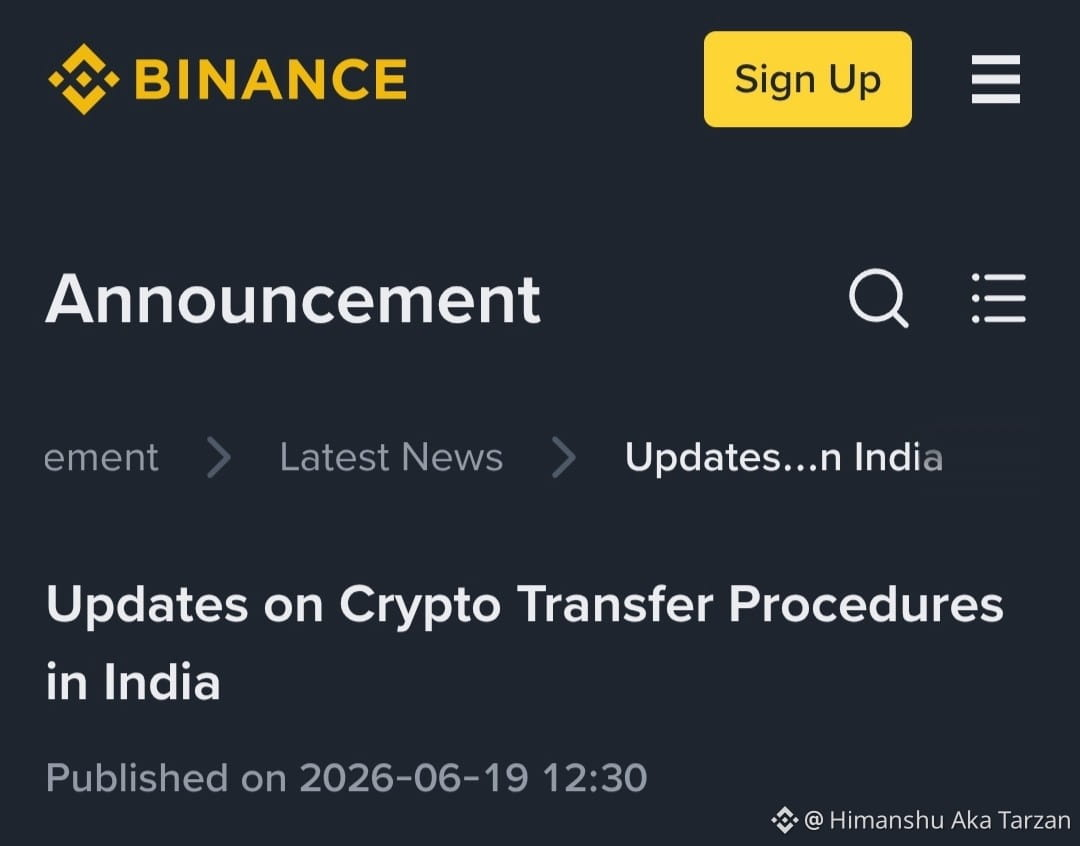
進行加密存款或提款的用戶可能需要根據當地監管要求提供額外的發送者或受益人信息。
保持信息更新,順暢轉賬。 🇮🇳
#cryptoindia #Binance @Binance_South_Asia
🇮🇳 印度幣安用戶的重要更新!
進行加密存款或提款的用戶可能需要根據當地監管要求提供額外的發送者或受益人信息。
保持信息更新,順暢轉賬。 🇮🇳
#cryptoindia #Binance @Binance South Asia
進行加密存款或提款的用戶可能需要根據當地監管要求提供額外的發送者或受益人信息。
保持信息更新,順暢轉賬。 🇮🇳
#cryptoindia #Binance @Binance South Asia
138
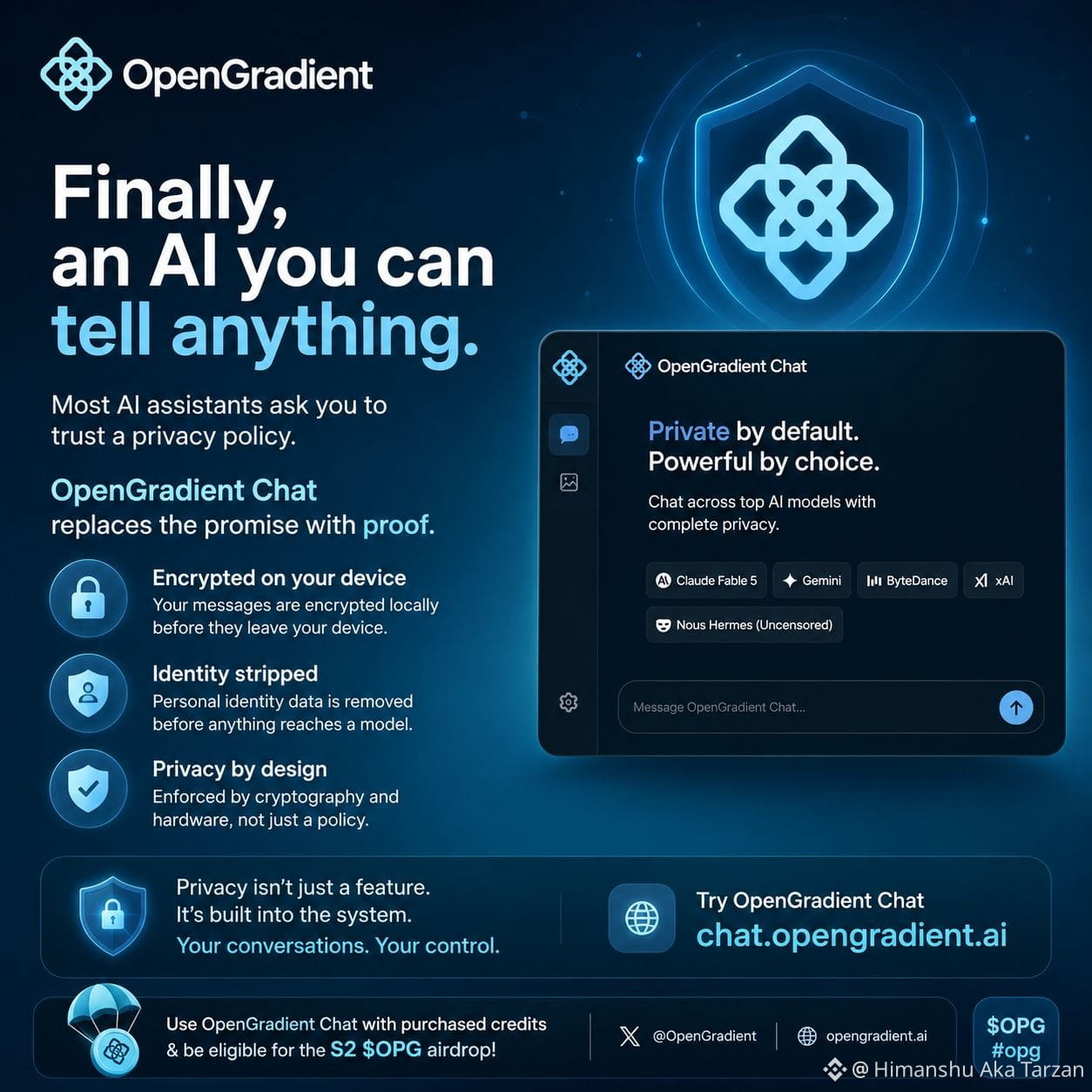
大多數AI助手會讓你相信他們的隱私政策。
@OpenGradient 採取了不同的方式。與其依賴承諾,OpenGradient Chat使用加密和隱私保護技術,確保你的對話從設計上就受到保護。
你的消息在你的設備上被加密,個人身份數據在任何信息到達AI模型之前就被刪除。隱私不僅僅是一個功能,它是系統本身的組成部分。
在一個AI越來越成爲我們日常生活一部分的世界中,默認私密的助手比以往任何時候都更重要。
親自體驗一下:https://chat.opengradient.ai/
你認爲什麼更重要:強大的AI還是私密的AI?👇
$OPG #OPG #opg
大多數AI助手會讓你相信他們的隱私政策。
@OpenGradient 採取了不同的方式。與其依賴承諾,OpenGradient Chat使用加密和隱私保護技術,確保你的對話從設計上就受到保護。
你的消息在你的設備上被加密,個人身份數據在任何信息到達AI模型之前就被刪除。隱私不僅僅是一個功能,它是系統本身的組成部分。
在一個AI越來越成爲我們日常生活一部分的世界中,默認私密的助手比以往任何時候都更重要。
親自體驗一下:https://chat.opengradient.ai/
你認爲什麼更重要:強大的AI還是私密的AI?👇
$OPG #OPG #opg
@OpenGradient 採取了不同的方式。與其依賴承諾,OpenGradient Chat使用加密和隱私保護技術,確保你的對話從設計上就受到保護。
你的消息在你的設備上被加密,個人身份數據在任何信息到達AI模型之前就被刪除。隱私不僅僅是一個功能,它是系統本身的組成部分。
在一個AI越來越成爲我們日常生活一部分的世界中,默認私密的助手比以往任何時候都更重要。
親自體驗一下:https://chat.opengradient.ai/
你認爲什麼更重要:強大的AI還是私密的AI?👇
$OPG #OPG #opg
136
登入以探索更多內容
加入幣安廣場中的全球加密貨幣用戶
⚡️ 獲取加密貨幣的最新和實用資訊。
💬 受到全球最大加密貨幣交易所的信任。
👍 發掘來自經過驗證創作者的真實見解。
電子郵件 / 電話號碼