

ZkStas
67 貼文

ZkStas
舉報
封鎖用戶
Zk technology is constantly evolving. I’m on the lookout for the most noteworthy news and innovations in this field. Today, I’d like to introduce you to Xion.
5 關注
34 粉絲
47 點讚數
貼文
全部
影片
置頂
·
--
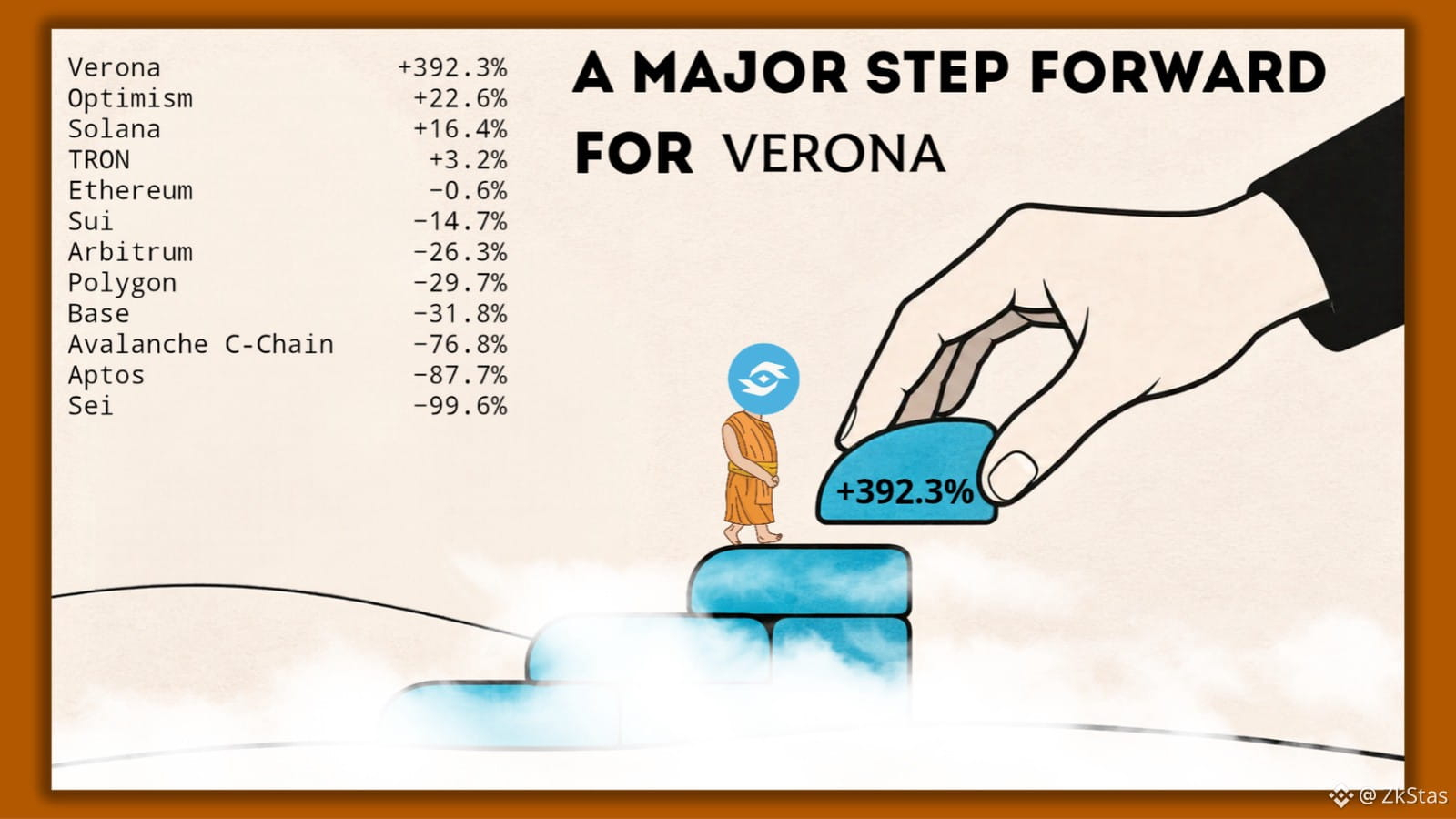
+392.3% 對一個小型網絡意味着什麼
Verona 報告稱,第三季度日均活躍地址數增長了 392.3%。相比之下,Solana 的增幅爲 16.4%,顯得微不足道。不過,這兩個網絡都是與各自上一季度的數據進行比較。
Verona 仍在積累用戶。起點基數越小,新增活動帶來的百分比變化就越大。因此,這張圖表反映的是增長速度。若要比較這兩個網絡的規模,則需要知道它們的實際地址數。
看來,Verona 選擇了一項能夠顯現自身進展的指標。對於一個正在逐漸找到立足之地的小型網絡來說,這樣做合情合理。
EarnOS 的 Ero 可能也有所助益。有人打開應用,完成一項品牌任務並獲得獎勵。即使不必關注 Verona 的每一條公告,他們也有理由使用這項服務。要知道增長中有多少來自 Ero,我們還需要活動數據明細。
這正是我感興趣的地方:Verona 通過人們真正用得上的東西來積累用戶。一款應用給了人們開始使用的理由;良好的體驗則讓他們有理由再次回來。
+392.3% 對一個小型網絡意味着什麼
Verona 報告稱,第三季度日均活躍地址數增長了 392.3%。相比之下,Solana 的增幅爲 16.4%,顯得微不足道。不過,這兩個網絡都是與各自上一季度的數據進行比較。
Verona 仍在積累用戶。起點基數越小,新增活動帶來的百分比變化就越大。因此,這張圖表反映的是增長速度。若要比較這兩個網絡的規模,則需要知道它們的實際地址數。
看來,Verona 選擇了一項能夠顯現自身進展的指標。對於一個正在逐漸找到立足之地的小型網絡來說,這樣做合情合理。
EarnOS 的 Ero 可能也有所助益。有人打開應用,完成一項品牌任務並獲得獎勵。即使不必關注 Verona 的每一條公告,他們也有理由使用這項服務。要知道增長中有多少來自 Ero,我們還需要活動數據明細。
這正是我感興趣的地方:Verona 通過人們真正用得上的東西來積累用戶。一款應用給了人們開始使用的理由;良好的體驗則讓他們有理由再次回來。
Verona 報告稱,第三季度日均活躍地址數增長了 392.3%。相比之下,Solana 的增幅爲 16.4%,顯得微不足道。不過,這兩個網絡都是與各自上一季度的數據進行比較。
Verona 仍在積累用戶。起點基數越小,新增活動帶來的百分比變化就越大。因此,這張圖表反映的是增長速度。若要比較這兩個網絡的規模,則需要知道它們的實際地址數。
看來,Verona 選擇了一項能夠顯現自身進展的指標。對於一個正在逐漸找到立足之地的小型網絡來說,這樣做合情合理。
EarnOS 的 Ero 可能也有所助益。有人打開應用,完成一項品牌任務並獲得獎勵。即使不必關注 Verona 的每一條公告,他們也有理由使用這項服務。要知道增長中有多少來自 Ero,我們還需要活動數據明細。
這正是我感興趣的地方:Verona 通過人們真正用得上的東西來積累用戶。一款應用給了人們開始使用的理由;良好的體驗則讓他們有理由再次回來。
125
·
--
查看翻譯
One day, a blockchain transaction could be marked VALID even though its owner never approved it.
That's one reason quantum computing worries security researchers. A sufficiently powerful quantum computer could break some of the digital signature schemes used today, allowing an attacker to forge signatures for vulnerable accounts.
We're not there yet. But in March 2026, Google Quantum AI estimated that breaking the elliptic-curve cryptography used by $BTC and $ETH might require roughly 20 times fewer physical qubits than earlier estimates suggested.
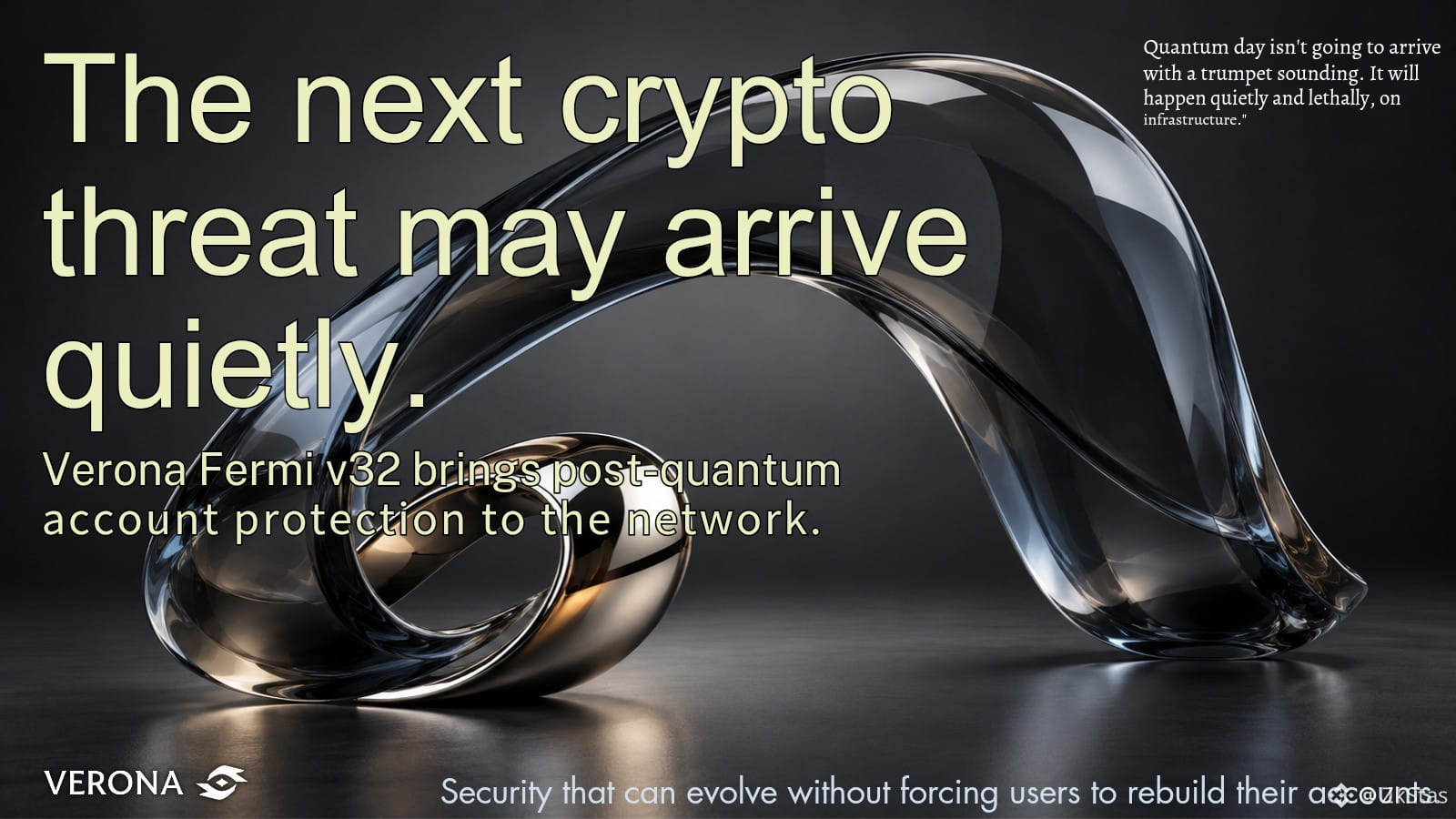
On October 28, $VERONA activated Fermi v32, adding two NIST-standard post-quantum signature options: ML-DSA-65 and SLH-DSA-128s.
What caught my attention was the account design.
Verona accounts are smart contracts with replaceable signing methods. A user can add a post-quantum key, revoke an older classical key, and keep the same address, funds and transaction history.
Think about how much depends on a single address: apps, payments, permissions, and eventually AI agents acting on someone's behalf. Changing the keys without rebuilding those connections could save a lot of trouble.
It's not a finished migration. The protection is opt-in, and validator keys and consensus are planned for Fermi Phase 2. Post-quantum signatures won't prevent phishing or every other kind of attack, either.
Adoption is still the real test for VERONA. But I think this is the right question for any chain planning to be around for decades:
When it's time to change the locks, will users have to move out?
One day, a blockchain transaction could be marked VALID even though its owner never approved it.
That's one reason quantum computing worries security researchers. A sufficiently powerful quantum computer could break some of the digital signature schemes used today, allowing an attacker to forge signatures for vulnerable accounts.
We're not there yet. But in March 2026, Google Quantum AI estimated that breaking the elliptic-curve cryptography used by $BTC and $ETH might require roughly 20 times fewer physical qubits than earlier estimates suggested.
On October 28, $VERONA activated Fermi v32, adding two NIST-standard post-quantum signature options: ML-DSA-65 and SLH-DSA-128s.
What caught my attention was the account design.
Verona accounts are smart contracts with replaceable signing methods. A user can add a post-quantum key, revoke an older classical key, and keep the same address, funds and transaction history.
Think about how much depends on a single address: apps, payments, permissions, and eventually AI agents acting on someone's behalf. Changing the keys without rebuilding those connections could save a lot of trouble.
It's not a finished migration. The protection is opt-in, and validator keys and consensus are planned for Fermi Phase 2. Post-quantum signatures won't prevent phishing or every other kind of attack, either.
Adoption is still the real test for VERONA. But I think this is the right question for any chain planning to be around for decades:
When it's time to change the locks, will users have to move out?
That's one reason quantum computing worries security researchers. A sufficiently powerful quantum computer could break some of the digital signature schemes used today, allowing an attacker to forge signatures for vulnerable accounts.
We're not there yet. But in March 2026, Google Quantum AI estimated that breaking the elliptic-curve cryptography used by $BTC and $ETH might require roughly 20 times fewer physical qubits than earlier estimates suggested.
On October 28, $VERONA activated Fermi v32, adding two NIST-standard post-quantum signature options: ML-DSA-65 and SLH-DSA-128s.
What caught my attention was the account design.
Verona accounts are smart contracts with replaceable signing methods. A user can add a post-quantum key, revoke an older classical key, and keep the same address, funds and transaction history.
Think about how much depends on a single address: apps, payments, permissions, and eventually AI agents acting on someone's behalf. Changing the keys without rebuilding those connections could save a lot of trouble.
It's not a finished migration. The protection is opt-in, and validator keys and consensus are planned for Fermi Phase 2. Post-quantum signatures won't prevent phishing or every other kind of attack, either.
Adoption is still the real test for VERONA. But I think this is the right question for any chain planning to be around for decades:
When it's time to change the locks, will users have to move out?
3
·
--
機器人就算用的訓練數據完全真實,也照樣可能是個笨蛋。這話我會印在包裝盒上。
人類還得說一句“不是,你全做錯了”的時候,“人工智能會搶走我們的工作”這話聽起來就帶着幾分黑色幽默。
Axis Robotics 正在基於 Verona 構建系統,讓買家能夠覈驗訓練錄製數據。要我掏錢買這些數據之前,我會先做這項覈驗。
然後給我看看機器人實際幹活的樣子。要是它把我的電視砸了,我可不會坐在一地狼藉前欣賞什麼密碼學。
機器人就算用的訓練數據完全真實,也照樣可能是個笨蛋。這話我會印在包裝盒上。
人類還得說一句“不是,你全做錯了”的時候,“人工智能會搶走我們的工作”這話聽起來就帶着幾分黑色幽默。
Axis Robotics 正在基於 Verona 構建系統,讓買家能夠覈驗訓練錄製數據。要我掏錢買這些數據之前,我會先做這項覈驗。
然後給我看看機器人實際幹活的樣子。要是它把我的電視砸了,我可不會坐在一地狼藉前欣賞什麼密碼學。
人類還得說一句“不是,你全做錯了”的時候,“人工智能會搶走我們的工作”這話聽起來就帶着幾分黑色幽默。
Axis Robotics 正在基於 Verona 構建系統,讓買家能夠覈驗訓練錄製數據。要我掏錢買這些數據之前,我會先做這項覈驗。
然後給我看看機器人實際幹活的樣子。要是它把我的電視砸了,我可不會坐在一地狼藉前欣賞什麼密碼學。
316
·
--
Bybit 和 Bitget 總計有 10,500 $USDT 等你來拿 👀
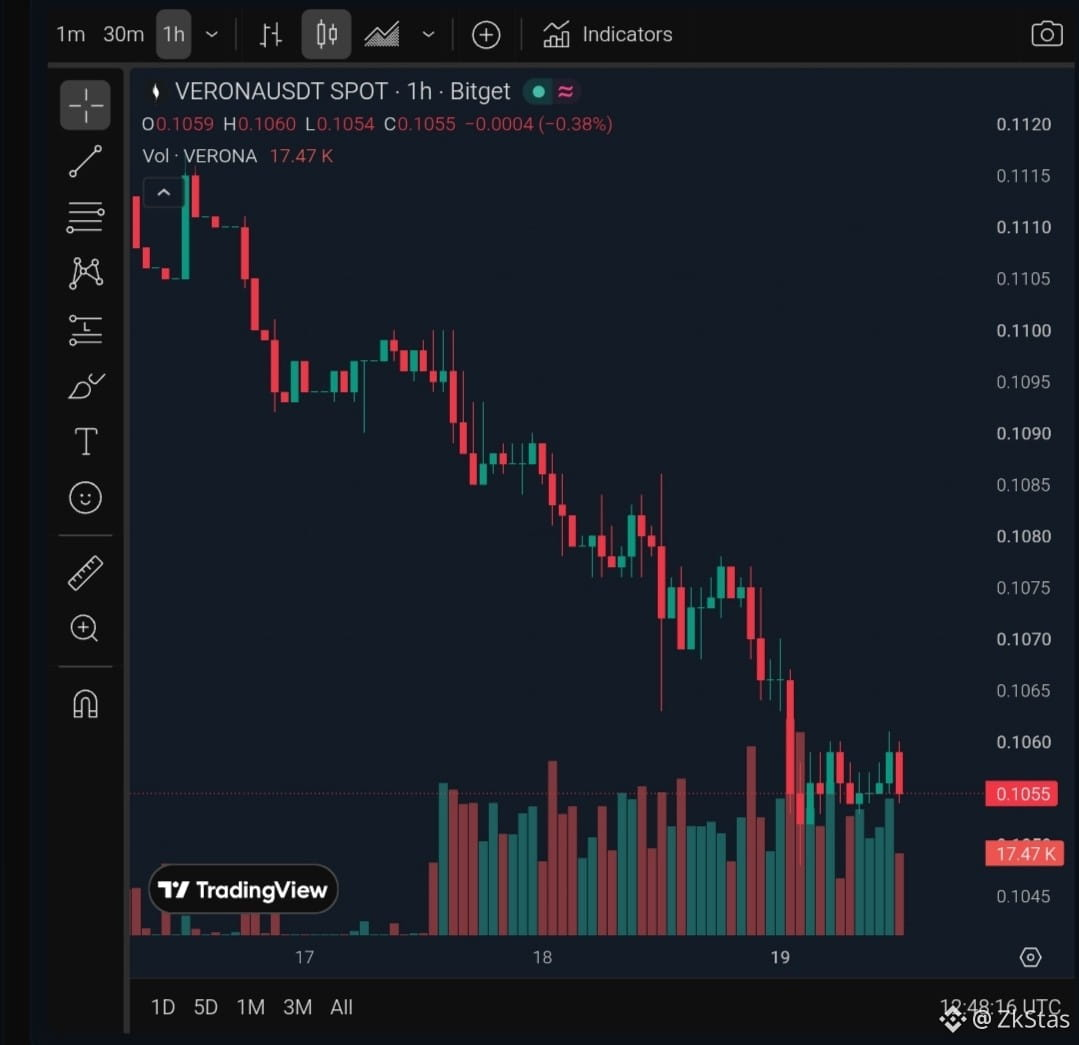
我查看的 Bitget 這輪活動中,排名前三的交易量都在 500 美元左右。如果你已經在這兩家交易所任一家交易,不妨看看 @cedehub 上的 $VERONA 活動。現在參加還不晚。
https://app.cedehub.io/verona2-tte
Bybit 和 Bitget 總計有 10,500 $USDT 等你來拿 👀
我查看的 Bitget 這輪活動中,排名前三的交易量都在 500 美元左右。如果你已經在這兩家交易所任一家交易,不妨看看 @cedehub 上的 $VERONA 活動。現在參加還不晚。
https://app.cedehub.io/verona2-tte
我查看的 Bitget 這輪活動中,排名前三的交易量都在 500 美元左右。如果你已經在這兩家交易所任一家交易,不妨看看 @cedehub 上的 $VERONA 活動。現在參加還不晚。
https://app.cedehub.io/verona2-tte
124
·
--
真實
如果我週一向 AI 抱怨工作,我可不想到了週五,“想辭職”這句話還一路跟着我出現在五個應用裏。
一時的情緒,可能會變成相當誤導人的記憶。
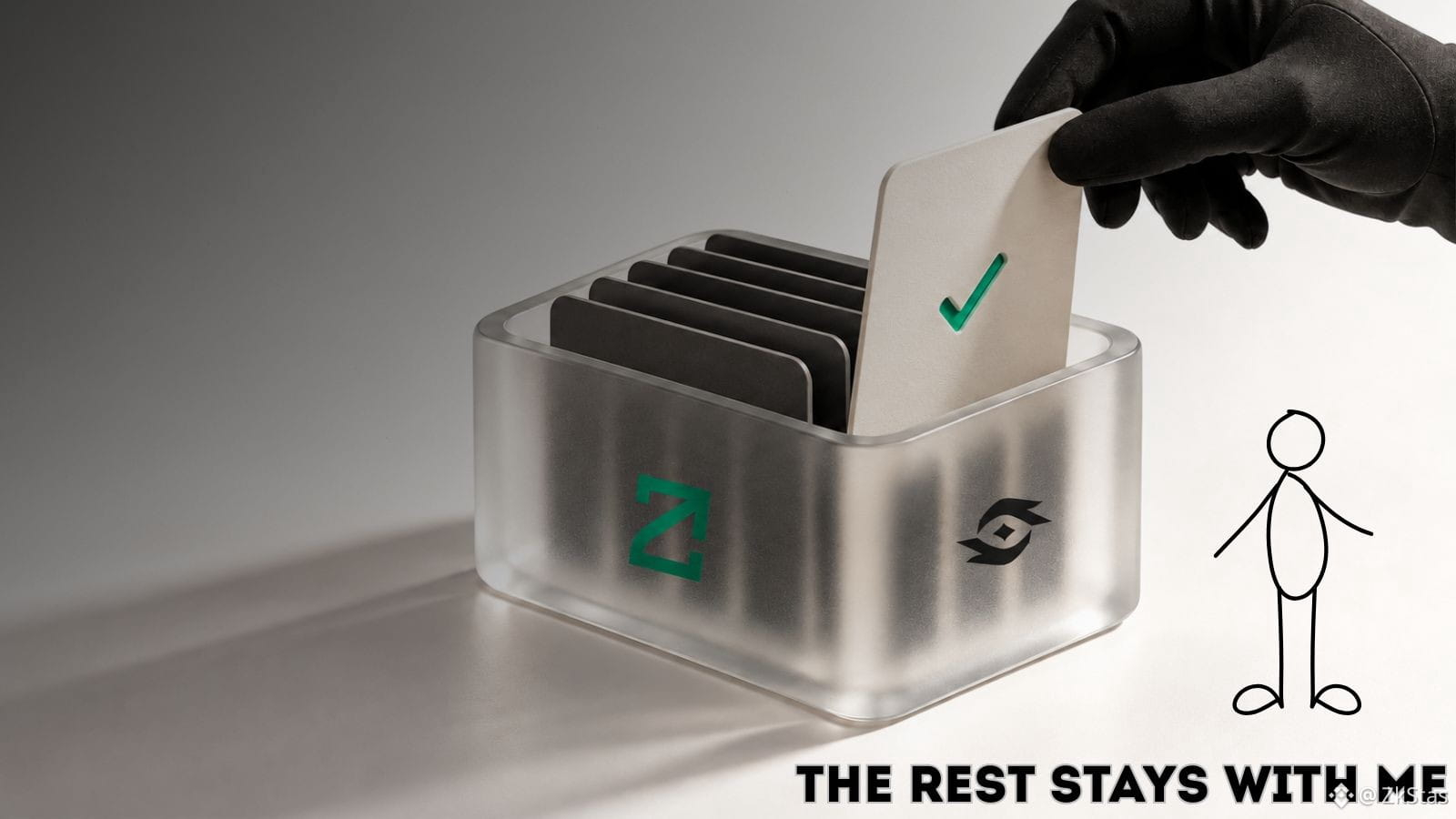
Verona 和 ZetaChain 正在詢問大家:AI 應該記住什麼、忘記什麼,以及可以分享什麼。ZetaChain 正在構建由用戶掌控、可在不同模型間攜帶的加密記憶。Verona 則讓用戶無需暴露背後的個人數據,就能證明特定事實。
比如,我在聊天中提到的收入,說到底只是一個說法。記得再準確,也不代表它經過了覈實。而要把實際憑證分享給其他服務,仍然應該徵得我的許可。
這兩個團隊正在探索這些系統如何協同運作,目前從瞭解用戶的需求着手。我希望能準確查看系統保存了哪些關於我的信息,刪除過時內容,並輕鬆撤回訪問權限。最好不用在設置裏折騰二十分鐘。
如果你使用 AI,歡迎在他們的問卷中填寫你的想法。問卷匿名,約需五分鐘,並將於 10 月 27 日截止。
https://docs.google.com/forms/d/e/1FAIpQLSdjzQjUk_q0wfL5fEQ4xq1Z86N_rEfDD9zL2o8oGMZe8BApyg/viewform
$VERONA $ZETA
如果我週一向 AI 抱怨工作,我可不想到了週五,“想辭職”這句話還一路跟着我出現在五個應用裏。
一時的情緒,可能會變成相當誤導人的記憶。
Verona 和 ZetaChain 正在詢問大家:AI 應該記住什麼、忘記什麼,以及可以分享什麼。ZetaChain 正在構建由用戶掌控、可在不同模型間攜帶的加密記憶。Verona 則讓用戶無需暴露背後的個人數據,就能證明特定事實。
比如,我在聊天中提到的收入,說到底只是一個說法。記得再準確,也不代表它經過了覈實。而要把實際憑證分享給其他服務,仍然應該徵得我的許可。
這兩個團隊正在探索這些系統如何協同運作,目前從瞭解用戶的需求着手。我希望能準確查看系統保存了哪些關於我的信息,刪除過時內容,並輕鬆撤回訪問權限。最好不用在設置裏折騰二十分鐘。
如果你使用 AI,歡迎在他們的問卷中填寫你的想法。問卷匿名,約需五分鐘,並將於 10 月 27 日截止。
https://docs.google.com/forms/d/e/1FAIpQLSdjzQjUk_q0wfL5fEQ4xq1Z86N_rEfDD9zL2o8oGMZe8BApyg/viewform
$VERONA $ZETA
一時的情緒,可能會變成相當誤導人的記憶。
Verona 和 ZetaChain 正在詢問大家:AI 應該記住什麼、忘記什麼,以及可以分享什麼。ZetaChain 正在構建由用戶掌控、可在不同模型間攜帶的加密記憶。Verona 則讓用戶無需暴露背後的個人數據,就能證明特定事實。
比如,我在聊天中提到的收入,說到底只是一個說法。記得再準確,也不代表它經過了覈實。而要把實際憑證分享給其他服務,仍然應該徵得我的許可。
這兩個團隊正在探索這些系統如何協同運作,目前從瞭解用戶的需求着手。我希望能準確查看系統保存了哪些關於我的信息,刪除過時內容,並輕鬆撤回訪問權限。最好不用在設置裏折騰二十分鐘。
如果你使用 AI,歡迎在他們的問卷中填寫你的想法。問卷匿名,約需五分鐘,並將於 10 月 27 日截止。
https://docs.google.com/forms/d/e/1FAIpQLSdjzQjUk_q0wfL5fEQ4xq1Z86N_rEfDD9zL2o8oGMZe8BApyg/viewform
$VERONA $ZETA
194
·
--
文章
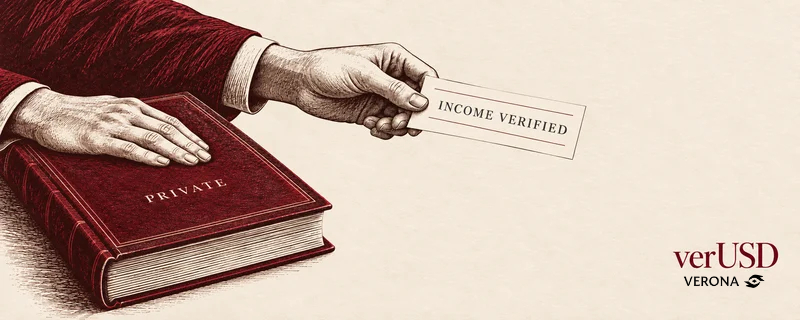
你的收入審查透露了什麼你上傳用來證明收入的銀行對帳單中,可能會有一筆支付給診所的款項。審核你申請的服務只需要知道你是否賺得足夠。這份文件也可能會告訴它你去了哪裡接受治療。
你並不是有意要分享那項資訊,只是它剛好附在別人想要的答案上。
銀行對帳單把一個人生活中的幾個部分放在同一頁上。當完成申請最簡單的方法是上傳整份文件時,如何區分哪些內容與申請相關,就變成了申請人的問題。於是,保護私人細節和順利填完表格之間,出現了一個令人不安的選擇。
你的收入審查透露了什麼
你上傳用來證明收入的銀行對帳單中,可能會有一筆支付給診所的款項。審核你申請的服務只需要知道你是否賺得足夠。這份文件也可能會告訴它你去了哪裡接受治療。
你並不是有意要分享那項資訊,只是它剛好附在別人想要的答案上。
銀行對帳單把一個人生活中的幾個部分放在同一頁上。當完成申請最簡單的方法是上傳整份文件時,如何區分哪些內容與申請相關,就變成了申請人的問題。於是,保護私人細節和順利填完表格之間,出現了一個令人不安的選擇。
你並不是有意要分享那項資訊,只是它剛好附在別人想要的答案上。
銀行對帳單把一個人生活中的幾個部分放在同一頁上。當完成申請最簡單的方法是上傳整份文件時,如何區分哪些內容與申請相關,就變成了申請人的問題。於是,保護私人細節和順利填完表格之間,出現了一個令人不安的選擇。
1
398
·
--
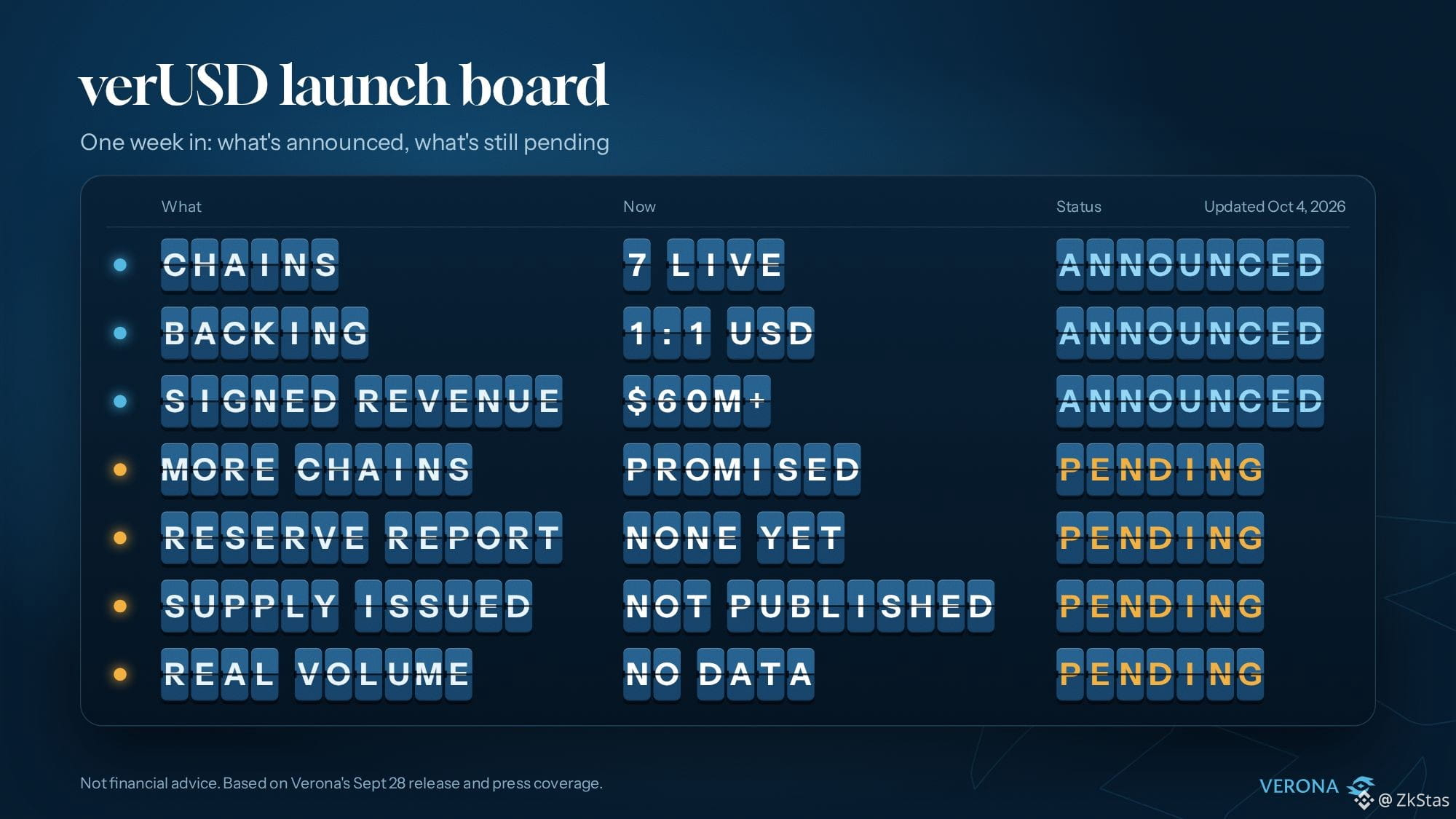
Verona(前身為 XION)於 9 月 28 日推出 verUSD,這是一種用於 AI 代理支付的美元穩定幣。上線一週,以下是目前進展。
已宣布
- 已在 7 條鏈上線:Ethereum、Solana、Polygon、Avalanche、Optimism、Arbitrum、Celo
- 由美元儲備按 1:1 支持,透過 Brale 發行,可透過 Verona 兌回
- 上線承諾金額超過 1 億美元,其中超過 6,000 萬美元是已簽約收入,預計將透過 verUSD 進行
仍待公布
- 儲備證明報告
- verUSD 的實際流通量
- 與這些超過 6,000 萬美元合約相應的實際支付交易量
- 承諾在數週內新增的其他鏈
我覺得有意思的是事件發生的順序。Verona 上的專案以 USDC 結算已有四年,之後才推出這種代幣,而不是先有代幣。如果轉換速度真如 Verona 所說,交易量應該很快就會出現。若沒有,這 1 億美元就只會停留在標題上。
有兩件事要分清楚。超過 1 億美元指的是承諾金額,不是流通中的代幣。而 verUSD 並非為持有而設:Burnt Labs 執行長表示,他們並沒有要求任何人持有它。應將它視為基礎設施,而非投資論點。
你會優先關注哪些待公布事項?請參與下方投票。
#verUSD #Stablecoin #AIAgents
Verona(前身為 XION)於 9 月 28 日推出 verUSD,這是一種用於 AI 代理支付的美元穩定幣。上線一週,以下是目前進展。
已宣布
- 已在 7 條鏈上線:Ethereum、Solana、Polygon、Avalanche、Optimism、Arbitrum、Celo
- 由美元儲備按 1:1 支持,透過 Brale 發行,可透過 Verona 兌回
- 上線承諾金額超過 1 億美元,其中超過 6,000 萬美元是已簽約收入,預計將透過 verUSD 進行
仍待公布
- 儲備證明報告
- verUSD 的實際流通量
- 與這些超過 6,000 萬美元合約相應的實際支付交易量
- 承諾在數週內新增的其他鏈
我覺得有意思的是事件發生的順序。Verona 上的專案以 USDC 結算已有四年,之後才推出這種代幣,而不是先有代幣。如果轉換速度真如 Verona 所說,交易量應該很快就會出現。若沒有,這 1 億美元就只會停留在標題上。
有兩件事要分清楚。超過 1 億美元指的是承諾金額,不是流通中的代幣。而 verUSD 並非為持有而設:Burnt Labs 執行長表示,他們並沒有要求任何人持有它。應將它視為基礎設施,而非投資論點。
你會優先關注哪些待公布事項?請參與下方投票。
#verUSD #Stablecoin #AIAgents
已宣布
- 已在 7 條鏈上線:Ethereum、Solana、Polygon、Avalanche、Optimism、Arbitrum、Celo
- 由美元儲備按 1:1 支持,透過 Brale 發行,可透過 Verona 兌回
- 上線承諾金額超過 1 億美元,其中超過 6,000 萬美元是已簽約收入,預計將透過 verUSD 進行
仍待公布
- 儲備證明報告
- verUSD 的實際流通量
- 與這些超過 6,000 萬美元合約相應的實際支付交易量
- 承諾在數週內新增的其他鏈
我覺得有意思的是事件發生的順序。Verona 上的專案以 USDC 結算已有四年,之後才推出這種代幣,而不是先有代幣。如果轉換速度真如 Verona 所說,交易量應該很快就會出現。若沒有,這 1 億美元就只會停留在標題上。
有兩件事要分清楚。超過 1 億美元指的是承諾金額,不是流通中的代幣。而 verUSD 並非為持有而設:Burnt Labs 執行長表示,他們並沒有要求任何人持有它。應將它視為基礎設施,而非投資論點。
你會優先關注哪些待公布事項?請參與下方投票。
#verUSD #Stablecoin #AIAgents
155
·
--
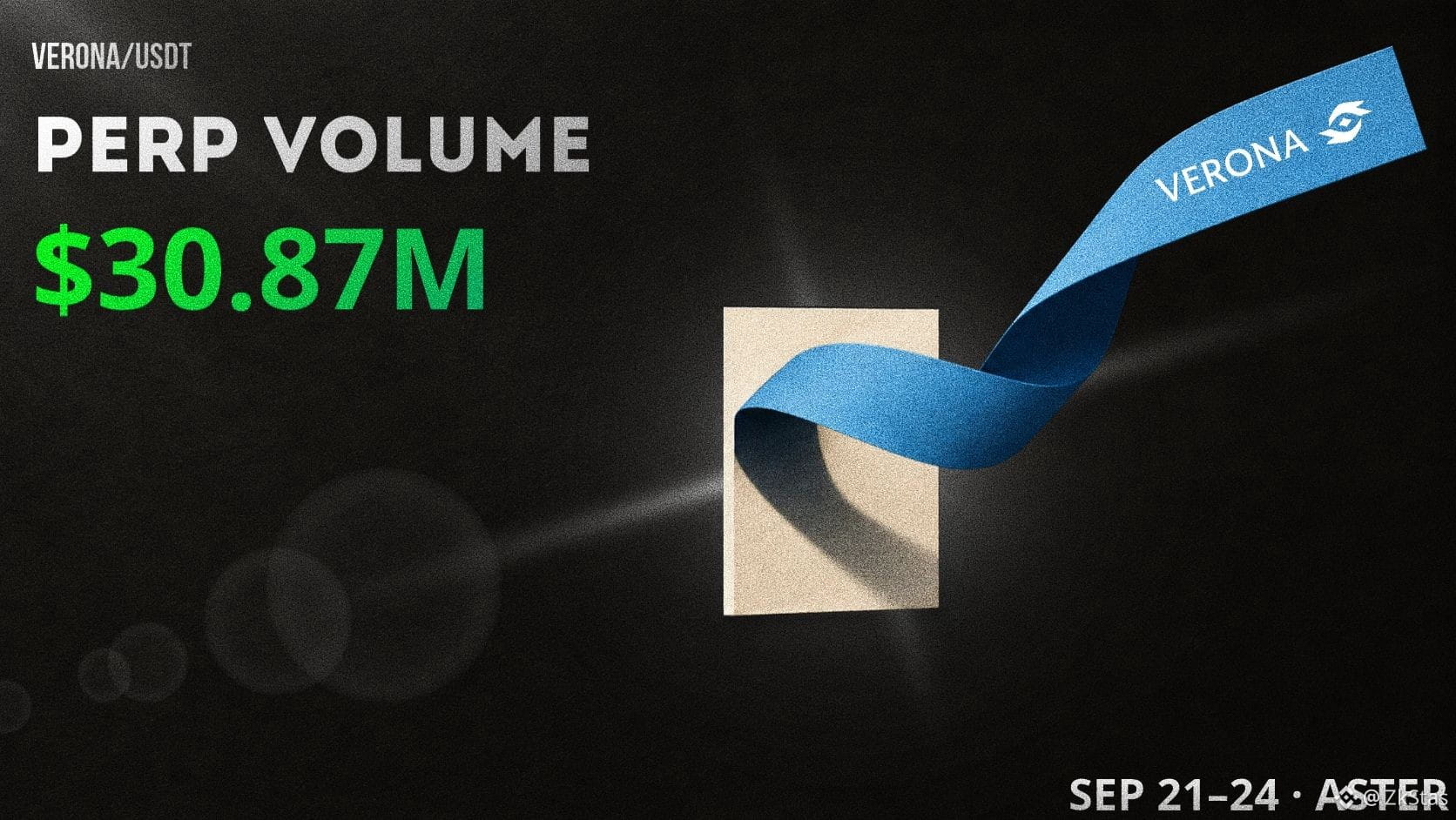
$VERONA 僅在 9 月 21 日開始於 Aster 交易。截至 9 月 24 日結束,VERONAUSDT 永續合約的成交額已達 30,867,414 USDT。
本次活動將於明天 9 月 26 日 14:00(UTC)結束,$30,000 的 $ASTER 以及額外的 VERONA 獎勵將發放給參與者。
以下是按完整 UTC 日期統計的交易進展:
9 月 22 日:2,704,071 USDT。
9 月 23 日:14,808,809 USDT。
9 月 24 日:13,328,622 USDT。
成交量從週三的高點回落,但週四依然實現了相當於首個完整交易日成交額的 4.93 倍。
現貨活動也同樣增長。根據 CoinGecko 的數據顯示,截至 9 月 21 日 00:00(UTC)上市前,24 小時成交額爲 247,587 美元。到 9 月 25 日 00:00(UTC),該數字爲 300,082 美元——增長了 21.2%。
這些數據衡量的是不同的市場。期貨成交額可能意味着同一筆資金多次週轉,而獎勵也爲交易者提供了額外的保持活躍的理由。僅憑這些數字,我們無法判斷這波需求在活動結束後還能持續多久。
不過,我覺得這對 Verona 是件好事。你可以繼續發佈更新,並且大多數情況下仍能觸達相同的受衆。Aster 讓 VERONA 有機會觸達那些並未持續關注該項目的交易者。
有些人可能只是爲了獎金而來。也無妨。他們仍然有理由打開交易圖表並進一步查看。我也希望看到 VERONA 在 9 月 26 日之後能成爲他們會反覆回來看的一對交易標的。這樣的話,這次上架的價值將遠超過幾天獎勵所帶來的影響。
$VERONA 僅在 9 月 21 日開始於 Aster 交易。截至 9 月 24 日結束,VERONAUSDT 永續合約的成交額已達 30,867,414 USDT。
本次活動將於明天 9 月 26 日 14:00(UTC)結束,$30,000 的 $ASTER 以及額外的 VERONA 獎勵將發放給參與者。
以下是按完整 UTC 日期統計的交易進展:
9 月 22 日:2,704,071 USDT。
9 月 23 日:14,808,809 USDT。
9 月 24 日:13,328,622 USDT。
成交量從週三的高點回落,但週四依然實現了相當於首個完整交易日成交額的 4.93 倍。
現貨活動也同樣增長。根據 CoinGecko 的數據顯示,截至 9 月 21 日 00:00(UTC)上市前,24 小時成交額爲 247,587 美元。到 9 月 25 日 00:00(UTC),該數字爲 300,082 美元——增長了 21.2%。
這些數據衡量的是不同的市場。期貨成交額可能意味着同一筆資金多次週轉,而獎勵也爲交易者提供了額外的保持活躍的理由。僅憑這些數字,我們無法判斷這波需求在活動結束後還能持續多久。
不過,我覺得這對 Verona 是件好事。你可以繼續發佈更新,並且大多數情況下仍能觸達相同的受衆。Aster 讓 VERONA 有機會觸達那些並未持續關注該項目的交易者。
有些人可能只是爲了獎金而來。也無妨。他們仍然有理由打開交易圖表並進一步查看。我也希望看到 VERONA 在 9 月 26 日之後能成爲他們會反覆回來看的一對交易標的。這樣的話,這次上架的價值將遠超過幾天獎勵所帶來的影響。
本次活動將於明天 9 月 26 日 14:00(UTC)結束,$30,000 的 $ASTER 以及額外的 VERONA 獎勵將發放給參與者。
以下是按完整 UTC 日期統計的交易進展:
9 月 22 日:2,704,071 USDT。
9 月 23 日:14,808,809 USDT。
9 月 24 日:13,328,622 USDT。
成交量從週三的高點回落,但週四依然實現了相當於首個完整交易日成交額的 4.93 倍。
現貨活動也同樣增長。根據 CoinGecko 的數據顯示,截至 9 月 21 日 00:00(UTC)上市前,24 小時成交額爲 247,587 美元。到 9 月 25 日 00:00(UTC),該數字爲 300,082 美元——增長了 21.2%。
這些數據衡量的是不同的市場。期貨成交額可能意味着同一筆資金多次週轉,而獎勵也爲交易者提供了額外的保持活躍的理由。僅憑這些數字,我們無法判斷這波需求在活動結束後還能持續多久。
不過,我覺得這對 Verona 是件好事。你可以繼續發佈更新,並且大多數情況下仍能觸達相同的受衆。Aster 讓 VERONA 有機會觸達那些並未持續關注該項目的交易者。
有些人可能只是爲了獎金而來。也無妨。他們仍然有理由打開交易圖表並進一步查看。我也希望看到 VERONA 在 9 月 26 日之後能成爲他們會反覆回來看的一對交易標的。這樣的話,這次上架的價值將遠超過幾天獎勵所帶來的影響。
369
·
--
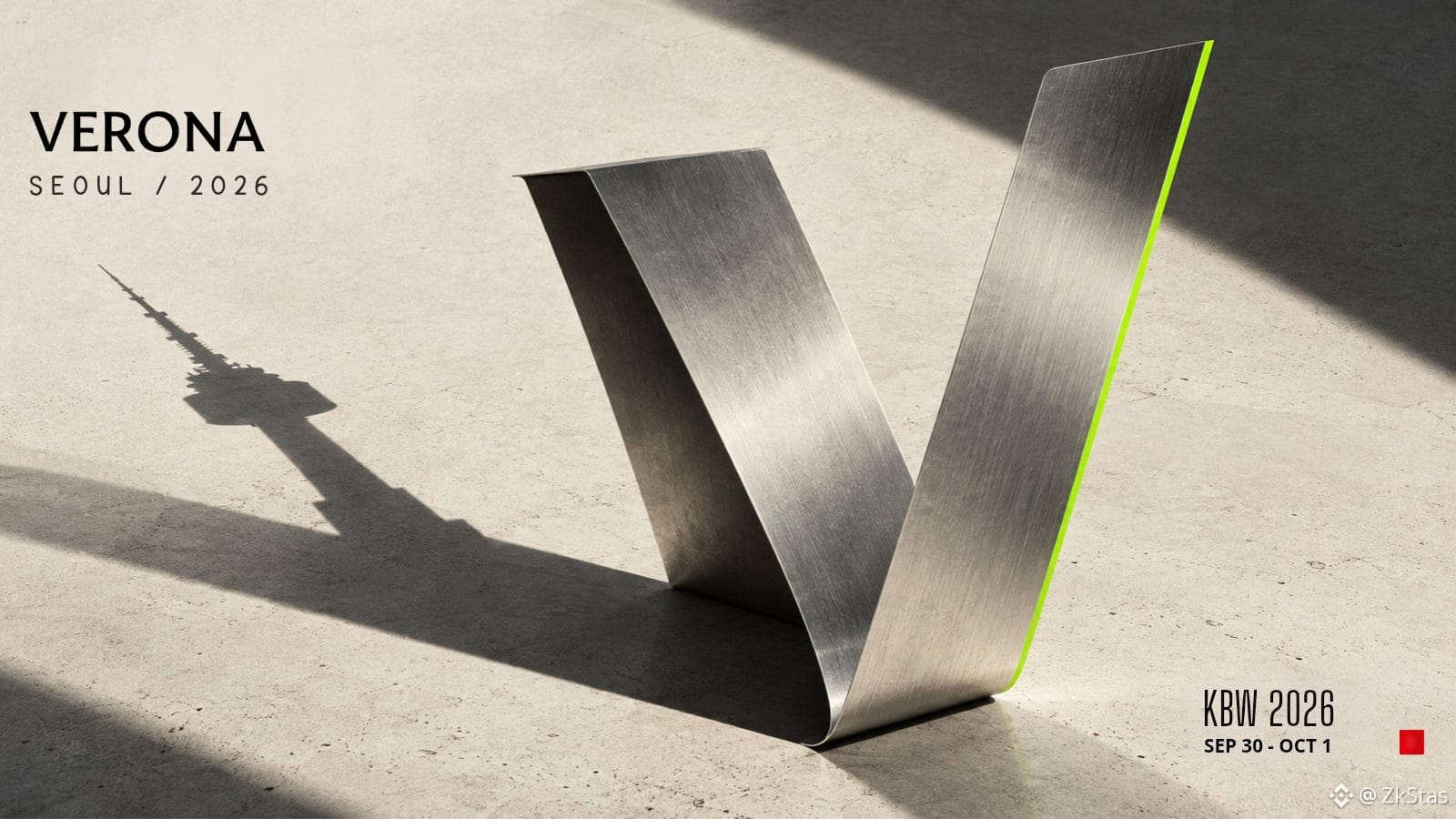
韓國區塊鏈周(Korea Blockchain Week)已將 Veronа 選爲 KBW2026 第二波“青銅級贊助商”。主會期將於 9 月 30 日至 10 月 1 日在 Walkerhill Hotels & Resorts 舉行。
相比起它的標誌在贊助商展板上被擺放在哪裏,我更好奇 Veronа 在現場會說些什麼。它的主張是:AI 代理在代表他人採取行動之前,需要可驗證的事實。首爾應該是一個很好的地方,讓更多正在打造下一波應用的人將這一理念放在眼前。
贊助信息並不能告訴我們 Veronа 將在 KBW 上宣佈什麼。目前可以確認的消息很簡單:Veronа 會到場。我會關注對話中接下來會出現什麼內容。
韓國區塊鏈周(Korea Blockchain Week)已將 Veronа 選爲 KBW2026 第二波“青銅級贊助商”。主會期將於 9 月 30 日至 10 月 1 日在 Walkerhill Hotels & Resorts 舉行。
相比起它的標誌在贊助商展板上被擺放在哪裏,我更好奇 Veronа 在現場會說些什麼。它的主張是:AI 代理在代表他人採取行動之前,需要可驗證的事實。首爾應該是一個很好的地方,讓更多正在打造下一波應用的人將這一理念放在眼前。
贊助信息並不能告訴我們 Veronа 將在 KBW 上宣佈什麼。目前可以確認的消息很簡單:Veronа 會到場。我會關注對話中接下來會出現什麼內容。
相比起它的標誌在贊助商展板上被擺放在哪裏,我更好奇 Veronа 在現場會說些什麼。它的主張是:AI 代理在代表他人採取行動之前,需要可驗證的事實。首爾應該是一個很好的地方,讓更多正在打造下一波應用的人將這一理念放在眼前。
贊助信息並不能告訴我們 Veronа 將在 KBW 上宣佈什麼。目前可以確認的消息很簡單:Veronа 會到場。我會關注對話中接下來會出現什麼內容。
122
·
--
VERONA 現在可以做多,也可以做空。事情變得更有趣了。
好幾個月來,我關於 VERONA 的大多數交流都圍繞它正在構建的東西:驗證(verification)、AI 代理、合作伙伴關係,以及這樣一個觀點——在機器能夠行動之前,它們需要值得信賴的事實。
昨天,談話的內容稍微變了。
VERONA/USDT 永續合約上線了 Aster。
我覺得有趣的地方並不只是“又一個上幣”。
永續合約市場意味着交易者現在可以在 VERONA 上雙向建倉:你如果認爲它會上漲,就做多;如果你認爲它會下跌,就做空。
於是,突然之間,同一張圖表被兩撥人盯上了。
而時機更讓人覺得值得關注。上線同時帶來 30,000 美元的 $ASTER 獎池,並附贈 $VERONA;活動將持續到 9 月 26 日。獎勵將根據每位參與者在符合條件的交易量中的佔比發放,並且每位參與者最多 3% 的上限。
所以在接下來的幾天裏,交易者到場會有一個額外的理由。
但我真正更關心的是:9 月 26 日之後會發生什麼。
活動可以帶來關注。獎勵可以帶來交易量。但這兩者都不能保證人會留下來。
如果在獎勵結束之後,交易者仍然會繼續開多和開空,那說明的東西會比任何“上線當天的K線”都更有意思。
昨天 $VERONA 又獲得了一個新市場。
現在我們要看看,它能不能真正吸引到交易者。
VERONA 現在可以做多,也可以做空。事情變得更有趣了。
好幾個月來,我關於 VERONA 的大多數交流都圍繞它正在構建的東西:驗證(verification)、AI 代理、合作伙伴關係,以及這樣一個觀點——在機器能夠行動之前,它們需要值得信賴的事實。
昨天,談話的內容稍微變了。
VERONA/USDT 永續合約上線了 Aster。
我覺得有趣的地方並不只是“又一個上幣”。
永續合約市場意味着交易者現在可以在 VERONA 上雙向建倉:你如果認爲它會上漲,就做多;如果你認爲它會下跌,就做空。
於是,突然之間,同一張圖表被兩撥人盯上了。
而時機更讓人覺得值得關注。上線同時帶來 30,000 美元的 $ASTER 獎池,並附贈 $VERONA;活動將持續到 9 月 26 日。獎勵將根據每位參與者在符合條件的交易量中的佔比發放,並且每位參與者最多 3% 的上限。
所以在接下來的幾天裏,交易者到場會有一個額外的理由。
但我真正更關心的是:9 月 26 日之後會發生什麼。
活動可以帶來關注。獎勵可以帶來交易量。但這兩者都不能保證人會留下來。
如果在獎勵結束之後,交易者仍然會繼續開多和開空,那說明的東西會比任何“上線當天的K線”都更有意思。
昨天 $VERONA 又獲得了一個新市場。
現在我們要看看,它能不能真正吸引到交易者。
好幾個月來,我關於 VERONA 的大多數交流都圍繞它正在構建的東西:驗證(verification)、AI 代理、合作伙伴關係,以及這樣一個觀點——在機器能夠行動之前,它們需要值得信賴的事實。
昨天,談話的內容稍微變了。
VERONA/USDT 永續合約上線了 Aster。
我覺得有趣的地方並不只是“又一個上幣”。
永續合約市場意味着交易者現在可以在 VERONA 上雙向建倉:你如果認爲它會上漲,就做多;如果你認爲它會下跌,就做空。
於是,突然之間,同一張圖表被兩撥人盯上了。
而時機更讓人覺得值得關注。上線同時帶來 30,000 美元的 $ASTER 獎池,並附贈 $VERONA;活動將持續到 9 月 26 日。獎勵將根據每位參與者在符合條件的交易量中的佔比發放,並且每位參與者最多 3% 的上限。
所以在接下來的幾天裏,交易者到場會有一個額外的理由。
但我真正更關心的是:9 月 26 日之後會發生什麼。
活動可以帶來關注。獎勵可以帶來交易量。但這兩者都不能保證人會留下來。
如果在獎勵結束之後,交易者仍然會繼續開多和開空,那說明的東西會比任何“上線當天的K線”都更有意思。
昨天 $VERONA 又獲得了一個新市場。
現在我們要看看,它能不能真正吸引到交易者。
1
422
·
--

$VERONA 起得很快 👀
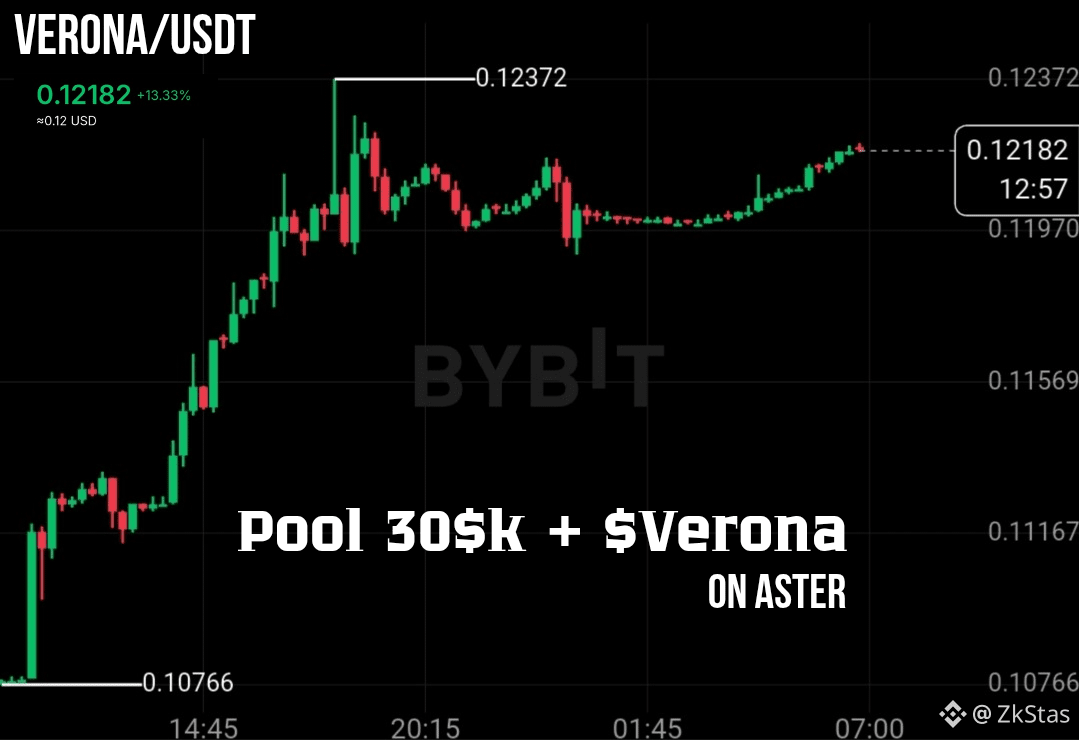
現在,$VERONA/USDT 永續合約已在 Aster 上線,這意味着交易者終於可以“雙向下注”:做多或做空 $VERONA。
從第一步來看,大家也沒有浪費時間。
此外還有一個 $30K $ASTER 獎勵池 + 獎勵 $VERONA,活動將持續至 9 月 26 日。
做多。做空。盯緊它。
我爆米花都準備好了。 🍿
看這裏:
medium.com/@AsterDEX/verona-trade-arena-30-000-in-aster-bonus-in-verona-rewards-await-14fd582a39d0

$VERONA 起得很快 👀
現在,$VERONA/USDT 永續合約已在 Aster 上線,這意味着交易者終於可以“雙向下注”:做多或做空 $VERONA。
從第一步來看,大家也沒有浪費時間。
此外還有一個 $30K $ASTER 獎勵池 + 獎勵 $VERONA,活動將持續至 9 月 26 日。
做多。做空。盯緊它。
我爆米花都準備好了。 🍿
看這裏:
medium.com/@AsterDEX/verona-trade-arena-30-000-in-aster-bonus-in-verona-rewards-await-14fd582a39d0
$VERONA 起得很快 👀
現在,$VERONA/USDT 永續合約已在 Aster 上線,這意味着交易者終於可以“雙向下注”:做多或做空 $VERONA。
從第一步來看,大家也沒有浪費時間。
此外還有一個 $30K $ASTER 獎勵池 + 獎勵 $VERONA,活動將持續至 9 月 26 日。
做多。做空。盯緊它。
我爆米花都準備好了。 🍿
看這裏:
medium.com/@AsterDEX/verona-trade-arena-30-000-in-aster-bonus-in-verona-rewards-await-14fd582a39d0
1
15
·
--
AI 代理開始擁有更好的工具,來自行管理付款。
Ripple 最新的 XRPL AI Starter Kit 更新允許代理使用 XRP Ledger 進行付款,這意味著它們可以用 $XRP 或 RLUSD 來支付像是資料或運算能力等服務。透過 $XRP 付款通道,代理也能在一次會話中發出許多小額付款,而不必讓每一筆都在鏈上逐一被記錄。
不過我覺得更有意思的是——代理在付款之前會發生什麼事。
想像一下,某個代理找到一些資料、取得價格,並準備付款。它要如何確保這些資料是可信、是真的?或者確保該發票來自正確的來源?而賣家又怎麼知道這個代理確實被授權可以動用這些資金?
錢包可以自行處理交易,但它無法保證,導向這筆付款的資訊本身是可靠可信的。
這時候,像 Verona.dev 這樣的驗證層就可能變得重要。只要讓代理取得一個它購買的內容或它被允許執行的行為所對應的可驗證事實,接著就把後續的付款基礎設施交給系統處理。
這也許就是機器對機器(machine-to-machine)商業在未來看起來會是什麼樣子:一套系統負責驗證、另一套處理權限,還有一套負責轉移資金。大量流程幾乎可以在瞬間完成,甚至沒有人需要看到結帳畫面。
我們花了多年時間,想把加密貨幣的付款流程簡化給一般人。
如果最後真正讓這套基礎設施變得「像正常運作一樣」的,並不是人類——那一定會很搞笑。
AI 代理開始擁有更好的工具,來自行管理付款。
Ripple 最新的 XRPL AI Starter Kit 更新允許代理使用 XRP Ledger 進行付款,這意味著它們可以用 $XRP 或 RLUSD 來支付像是資料或運算能力等服務。透過 $XRP 付款通道,代理也能在一次會話中發出許多小額付款,而不必讓每一筆都在鏈上逐一被記錄。
不過我覺得更有意思的是——代理在付款之前會發生什麼事。
想像一下,某個代理找到一些資料、取得價格,並準備付款。它要如何確保這些資料是可信、是真的?或者確保該發票來自正確的來源?而賣家又怎麼知道這個代理確實被授權可以動用這些資金?
錢包可以自行處理交易,但它無法保證,導向這筆付款的資訊本身是可靠可信的。
這時候,像 Verona.dev 這樣的驗證層就可能變得重要。只要讓代理取得一個它購買的內容或它被允許執行的行為所對應的可驗證事實,接著就把後續的付款基礎設施交給系統處理。
這也許就是機器對機器(machine-to-machine)商業在未來看起來會是什麼樣子:一套系統負責驗證、另一套處理權限,還有一套負責轉移資金。大量流程幾乎可以在瞬間完成,甚至沒有人需要看到結帳畫面。
我們花了多年時間,想把加密貨幣的付款流程簡化給一般人。
如果最後真正讓這套基礎設施變得「像正常運作一樣」的,並不是人類——那一定會很搞笑。
Ripple 最新的 XRPL AI Starter Kit 更新允許代理使用 XRP Ledger 進行付款,這意味著它們可以用 $XRP 或 RLUSD 來支付像是資料或運算能力等服務。透過 $XRP 付款通道,代理也能在一次會話中發出許多小額付款,而不必讓每一筆都在鏈上逐一被記錄。
不過我覺得更有意思的是——代理在付款之前會發生什麼事。
想像一下,某個代理找到一些資料、取得價格,並準備付款。它要如何確保這些資料是可信、是真的?或者確保該發票來自正確的來源?而賣家又怎麼知道這個代理確實被授權可以動用這些資金?
錢包可以自行處理交易,但它無法保證,導向這筆付款的資訊本身是可靠可信的。
這時候,像 Verona.dev 這樣的驗證層就可能變得重要。只要讓代理取得一個它購買的內容或它被允許執行的行為所對應的可驗證事實,接著就把後續的付款基礎設施交給系統處理。
這也許就是機器對機器(machine-to-machine)商業在未來看起來會是什麼樣子:一套系統負責驗證、另一套處理權限,還有一套負責轉移資金。大量流程幾乎可以在瞬間完成,甚至沒有人需要看到結帳畫面。
我們花了多年時間,想把加密貨幣的付款流程簡化給一般人。
如果最後真正讓這套基礎設施變得「像正常運作一樣」的,並不是人類——那一定會很搞笑。
1
201
·
--
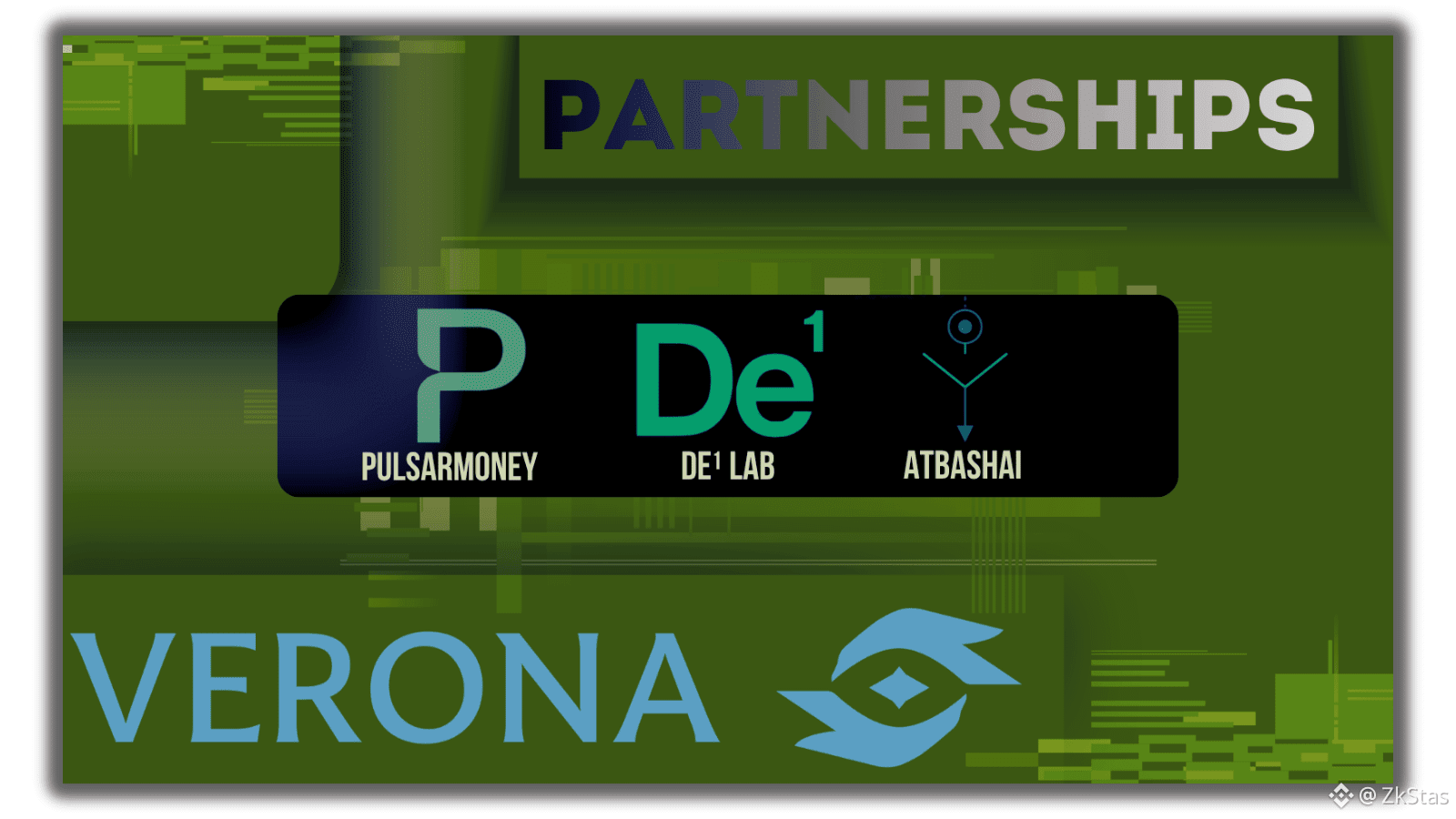
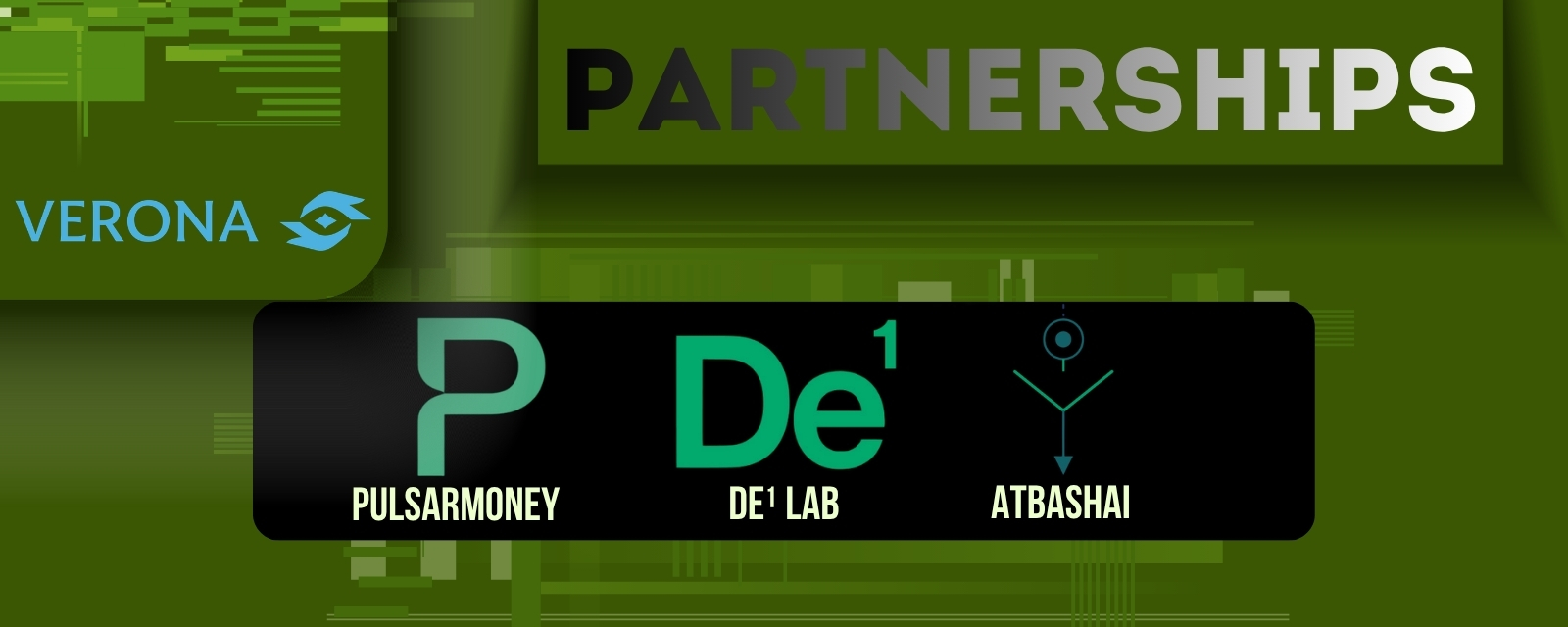
我在停止將它們視為彼此獨立的努力之後,才更能理解「Verona」這三次近期合作之間變得更為一致。
De1 聚焦於財務代理,旨在解讀市場資訊並做出決策。
Atbash 則處理另一項限制:確保這類代理在採取那些無法輕易撤銷的行動之前,仍會受到適用規則與檢查的約束。
Pulsar 透過將這些能力重新包裝為一種 AI 伴侶,並納入誘因與由代理促成的付款機制,讓它們更貼近終端使用者。
Verona 看似在這三項工作之間扮演中介層。其核心前提是:一個受託代替使用者移動資金或做出決策的 AI 系統,不能只用純粹的能力來評估。它還需要可靠的輸入、明確界定哪些行動被允許,以及能夠執行這些行動的操作情境。
因此,De1、Verona、Atbash 與 Pulsar 讀起來不像彼此無關的夥伴關係,更像是同一個共享流程(pipeline)中的組件。我正在追蹤的,就是這種逐漸浮現的對齊一致性。$USDC
我在停止將它們視為彼此獨立的努力之後,才更能理解「Verona」這三次近期合作之間變得更為一致。
De1 聚焦於財務代理,旨在解讀市場資訊並做出決策。
Atbash 則處理另一項限制:確保這類代理在採取那些無法輕易撤銷的行動之前,仍會受到適用規則與檢查的約束。
Pulsar 透過將這些能力重新包裝為一種 AI 伴侶,並納入誘因與由代理促成的付款機制,讓它們更貼近終端使用者。
Verona 看似在這三項工作之間扮演中介層。其核心前提是:一個受託代替使用者移動資金或做出決策的 AI 系統,不能只用純粹的能力來評估。它還需要可靠的輸入、明確界定哪些行動被允許,以及能夠執行這些行動的操作情境。
因此,De1、Verona、Atbash 與 Pulsar 讀起來不像彼此無關的夥伴關係,更像是同一個共享流程(pipeline)中的組件。我正在追蹤的,就是這種逐漸浮現的對齊一致性。$USDC
De1 聚焦於財務代理,旨在解讀市場資訊並做出決策。
Atbash 則處理另一項限制:確保這類代理在採取那些無法輕易撤銷的行動之前,仍會受到適用規則與檢查的約束。
Pulsar 透過將這些能力重新包裝為一種 AI 伴侶,並納入誘因與由代理促成的付款機制,讓它們更貼近終端使用者。
Verona 看似在這三項工作之間扮演中介層。其核心前提是:一個受託代替使用者移動資金或做出決策的 AI 系統,不能只用純粹的能力來評估。它還需要可靠的輸入、明確界定哪些行動被允許,以及能夠執行這些行動的操作情境。
因此,De1、Verona、Atbash 與 Pulsar 讀起來不像彼此無關的夥伴關係,更像是同一個共享流程(pipeline)中的組件。我正在追蹤的,就是這種逐漸浮現的對齊一致性。$USDC
1
99
·
--
文章
AI 代理正在變得強大到不可思議。他們可以讀取文件、分析市場、做出決策、移動資金,並且在沒有人盯著他們、每隔幾秒就要按下「確認」的情況下完成任務。
聽起來很棒。
直到你問三個看起來很基本的問題:
代理程式用來依據的資訊,真的都是真的嗎?
它想要採取的行動,真的被允許嗎?
如果涉及到金錢,這在現實世界中也還行得通嗎?而不只是那種精心打磨過的示範。
所以這三次近期的維羅納合作讓我印象特別深刻。
De¹、Atbash 和 Pulsar 看起來一開始完全是不同的專案。但當你把它們放在一起對照,就會發現它們其實各自都在處理同一個更大的問題中的不同部分。
AI 代理正在變得強大到不可思議。
他們可以讀取文件、分析市場、做出決策、移動資金,並且在沒有人盯著他們、每隔幾秒就要按下「確認」的情況下完成任務。
聽起來很棒。
直到你問三個看起來很基本的問題:
代理程式用來依據的資訊,真的都是真的嗎?
它想要採取的行動,真的被允許嗎?
如果涉及到金錢,這在現實世界中也還行得通嗎?而不只是那種精心打磨過的示範。
所以這三次近期的維羅納合作讓我印象特別深刻。
De¹、Atbash 和 Pulsar 看起來一開始完全是不同的專案。但當你把它們放在一起對照,就會發現它們其實各自都在處理同一個更大的問題中的不同部分。
聽起來很棒。
直到你問三個看起來很基本的問題:
代理程式用來依據的資訊,真的都是真的嗎?
它想要採取的行動,真的被允許嗎?
如果涉及到金錢,這在現實世界中也還行得通嗎?而不只是那種精心打磨過的示範。
所以這三次近期的維羅納合作讓我印象特別深刻。
De¹、Atbash 和 Pulsar 看起來一開始完全是不同的專案。但當你把它們放在一起對照,就會發現它們其實各自都在處理同一個更大的問題中的不同部分。
1
71
·
--
華爾街對代幣化資產的探索在很大程度上仍依賴於早於互聯網時代的監管框架。美國證券交易委員會(SEC)現在正通過提議對美國轉讓代理規則進行重大更新來應對這一差距,旨在納入基於區塊鏈的記錄保存和非憑證化證券。
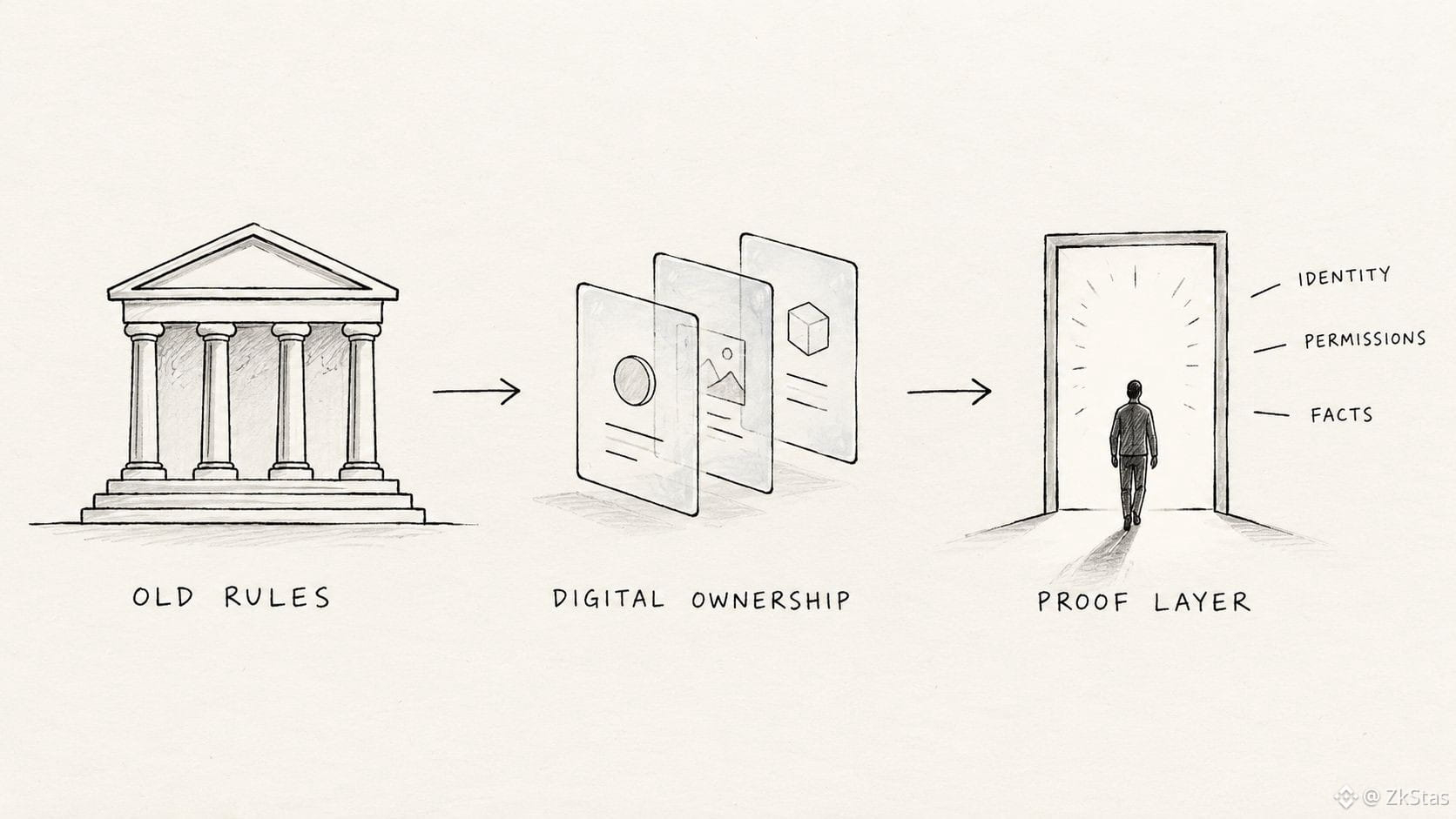
儘管看似技術性,這一監管演進至關重要。創建一個代表證券的代幣很簡單;然而,將此類代幣整合進用於確定所有權的既有法律基礎設施中,則是一項重大挑戰。這種整合還需要解決訪問控制問題:應用程序如何驗證身份、所有權、資格以及行爲授權,包括委派給AI代理的操作。
在這一背景下,Verona 的方法值得關注。它聚焦於可複用、經過驗證的事實和憑證,使應用程序和AI能夠訪問所需信息,而無需直接暴露底層敏感數據。
SEC 的提案現代化了所有權的運作機制,而 Verona 則解決了可驗證證明的運作機制。儘管二者不同,但這些發展共同指向金融業的一個共享未來。代幣化金融的廣泛採用不僅取決於技術基礎設施,還取決於所有權、權限和事實陳述的機器可驗證性。這一匯合將把代幣化金融從實驗階段推向常態化狀態。
華爾街對代幣化資產的探索在很大程度上仍依賴於早於互聯網時代的監管框架。美國證券交易委員會(SEC)現在正通過提議對美國轉讓代理規則進行重大更新來應對這一差距,旨在納入基於區塊鏈的記錄保存和非憑證化證券。
儘管看似技術性,這一監管演進至關重要。創建一個代表證券的代幣很簡單;然而,將此類代幣整合進用於確定所有權的既有法律基礎設施中,則是一項重大挑戰。這種整合還需要解決訪問控制問題:應用程序如何驗證身份、所有權、資格以及行爲授權,包括委派給AI代理的操作。
在這一背景下,Verona 的方法值得關注。它聚焦於可複用、經過驗證的事實和憑證,使應用程序和AI能夠訪問所需信息,而無需直接暴露底層敏感數據。
SEC 的提案現代化了所有權的運作機制,而 Verona 則解決了可驗證證明的運作機制。儘管二者不同,但這些發展共同指向金融業的一個共享未來。代幣化金融的廣泛採用不僅取決於技術基礎設施,還取決於所有權、權限和事實陳述的機器可驗證性。這一匯合將把代幣化金融從實驗階段推向常態化狀態。
儘管看似技術性,這一監管演進至關重要。創建一個代表證券的代幣很簡單;然而,將此類代幣整合進用於確定所有權的既有法律基礎設施中,則是一項重大挑戰。這種整合還需要解決訪問控制問題:應用程序如何驗證身份、所有權、資格以及行爲授權,包括委派給AI代理的操作。
在這一背景下,Verona 的方法值得關注。它聚焦於可複用、經過驗證的事實和憑證,使應用程序和AI能夠訪問所需信息,而無需直接暴露底層敏感數據。
SEC 的提案現代化了所有權的運作機制,而 Verona 則解決了可驗證證明的運作機制。儘管二者不同,但這些發展共同指向金融業的一個共享未來。代幣化金融的廣泛採用不僅取決於技術基礎設施,還取決於所有權、權限和事實陳述的機器可驗證性。這一匯合將把代幣化金融從實驗階段推向常態化狀態。
149
·
--
AI 代理可能不需要自己的錢。它們也許只需要獲得使用我們資金的許可。
據報道,印度正在開發一種系統,讓 AI 代理在無需用戶每筆交易單獨批准的情況下,能夠通過 UPI 發起小額支付。這絕非小事;8 月份 UPI 處理了超過 240 億筆交易。
想法是爲代理設定限制:支出上限、支付的特定條件,以及在無需持續用戶確認的情況下執行操作。到這裏,AI 代理就變得真正有趣了。
授予代理花錢的權限只是其中一部分。想想看:一個代理幫你預訂酒店、購買保險或註冊某項金融服務。它可能還需要驗證你的年齡、所在地、收入或會員資格。
但僅僅爲了證明一個事實就把所有個人數據交出去並不太有意義。這就是爲什麼我一直在關注 <c-1/>。
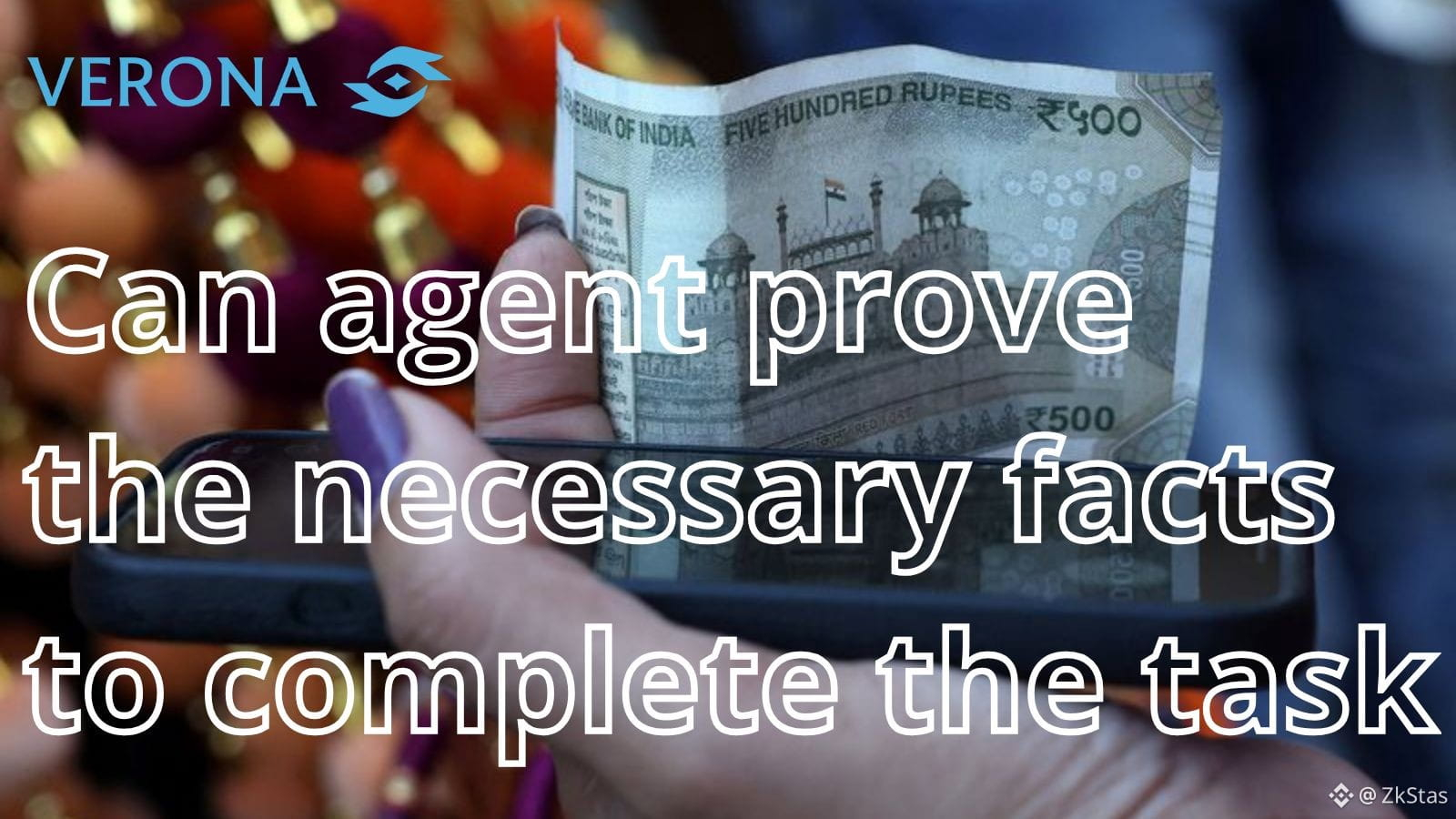
$VERONA 正在構建一種處理已驗證信息的方式,供應用和 AI 代理反覆使用,而無需泄露原始的敏感數據。雖然 UPI 可以幫助回答“這個代理是否被允許花費 50 美元?”,但 Verona 的目標是回答“這個代理能否證明完成任務所需的必要事實?”。
AI 代理正變得越來越能夠採取行動。下一個重大難關,是確保它們能夠證明自己確實具備這樣做的權限。
AI 代理可能不需要自己的錢。它們也許只需要獲得使用我們資金的許可。
據報道,印度正在開發一種系統,讓 AI 代理在無需用戶每筆交易單獨批准的情況下,能夠通過 UPI 發起小額支付。這絕非小事;8 月份 UPI 處理了超過 240 億筆交易。
想法是爲代理設定限制:支出上限、支付的特定條件,以及在無需持續用戶確認的情況下執行操作。到這裏,AI 代理就變得真正有趣了。
授予代理花錢的權限只是其中一部分。想想看:一個代理幫你預訂酒店、購買保險或註冊某項金融服務。它可能還需要驗證你的年齡、所在地、收入或會員資格。
但僅僅爲了證明一個事實就把所有個人數據交出去並不太有意義。這就是爲什麼我一直在關注 <c-1/>。
$VERONA 正在構建一種處理已驗證信息的方式,供應用和 AI 代理反覆使用,而無需泄露原始的敏感數據。雖然 UPI 可以幫助回答“這個代理是否被允許花費 50 美元?”,但 Verona 的目標是回答“這個代理能否證明完成任務所需的必要事實?”。
AI 代理正變得越來越能夠採取行動。下一個重大難關,是確保它們能夠證明自己確實具備這樣做的權限。
據報道,印度正在開發一種系統,讓 AI 代理在無需用戶每筆交易單獨批准的情況下,能夠通過 UPI 發起小額支付。這絕非小事;8 月份 UPI 處理了超過 240 億筆交易。
想法是爲代理設定限制:支出上限、支付的特定條件,以及在無需持續用戶確認的情況下執行操作。到這裏,AI 代理就變得真正有趣了。
授予代理花錢的權限只是其中一部分。想想看:一個代理幫你預訂酒店、購買保險或註冊某項金融服務。它可能還需要驗證你的年齡、所在地、收入或會員資格。
但僅僅爲了證明一個事實就把所有個人數據交出去並不太有意義。這就是爲什麼我一直在關注 <c-1/>。
$VERONA 正在構建一種處理已驗證信息的方式,供應用和 AI 代理反覆使用,而無需泄露原始的敏感數據。雖然 UPI 可以幫助回答“這個代理是否被允許花費 50 美元?”,但 Verona 的目標是回答“這個代理能否證明完成任務所需的必要事實?”。
AI 代理正變得越來越能夠採取行動。下一個重大難關,是確保它們能夠證明自己確實具備這樣做的權限。
377
·
--
KYC 最初是爲人類設計的。如今,金融世界正面臨一項新挑戰:我們如何覈實代表我們行事的 AI?
例如在香港,HKT Payment 被選中參與一個試點項目,用於測試在支付場景中識別 AI 代理。
關鍵問題是什麼?銀行知道你是誰,但當 AI 發送資金時,它還需要知道:到底是誰在控制它、是誰授予了它權限,以及這些權限是否仍然有效。
爲此,HKT 正提出自己的解決方案——“Agentic ID”。它將 AI 與真實的人或公司連接起來,使用經過驗證的數據與技術,使信息可以在不暴露多餘內容的情況下完成確認。
在我看來,這清楚地表明瞭 AI 經濟正朝向何處發展。
讓代理獲得資金只是工作的一半。關鍵在於爲它們提供經過驗證的數據以及證明其權限的憑據。
這也正是我在關注 Verona 的原因。
$Verona 正在構建一種系統:讓某個事實能夠在源頭被覈實一次,在用戶控制下保存,然後在不泄露底層數據的前提下複用。
儘管 HKT 和 Verona 並沒有關聯,但兩家公司正在走向同一個想法:
當自主 AI 能夠證明它是誰、它代表誰、以及它被授權做什麼時,它將變得大得多、更有用得多。
KYC 最初是爲人類設計的。如今,金融世界正面臨一項新挑戰:我們如何覈實代表我們行事的 AI?
例如在香港,HKT Payment 被選中參與一個試點項目,用於測試在支付場景中識別 AI 代理。
關鍵問題是什麼?銀行知道你是誰,但當 AI 發送資金時,它還需要知道:到底是誰在控制它、是誰授予了它權限,以及這些權限是否仍然有效。
爲此,HKT 正提出自己的解決方案——“Agentic ID”。它將 AI 與真實的人或公司連接起來,使用經過驗證的數據與技術,使信息可以在不暴露多餘內容的情況下完成確認。
在我看來,這清楚地表明瞭 AI 經濟正朝向何處發展。
讓代理獲得資金只是工作的一半。關鍵在於爲它們提供經過驗證的數據以及證明其權限的憑據。
這也正是我在關注 Verona 的原因。
$Verona 正在構建一種系統:讓某個事實能夠在源頭被覈實一次,在用戶控制下保存,然後在不泄露底層數據的前提下複用。
儘管 HKT 和 Verona 並沒有關聯,但兩家公司正在走向同一個想法:
當自主 AI 能夠證明它是誰、它代表誰、以及它被授權做什麼時,它將變得大得多、更有用得多。
例如在香港,HKT Payment 被選中參與一個試點項目,用於測試在支付場景中識別 AI 代理。
關鍵問題是什麼?銀行知道你是誰,但當 AI 發送資金時,它還需要知道:到底是誰在控制它、是誰授予了它權限,以及這些權限是否仍然有效。
爲此,HKT 正提出自己的解決方案——“Agentic ID”。它將 AI 與真實的人或公司連接起來,使用經過驗證的數據與技術,使信息可以在不暴露多餘內容的情況下完成確認。
在我看來,這清楚地表明瞭 AI 經濟正朝向何處發展。
讓代理獲得資金只是工作的一半。關鍵在於爲它們提供經過驗證的數據以及證明其權限的憑據。
這也正是我在關注 Verona 的原因。
$Verona 正在構建一種系統:讓某個事實能夠在源頭被覈實一次,在用戶控制下保存,然後在不泄露底層數據的前提下複用。
儘管 HKT 和 Verona 並沒有關聯,但兩家公司正在走向同一個想法:
當自主 AI 能夠證明它是誰、它代表誰、以及它被授權做什麼時,它將變得大得多、更有用得多。
110
·
--
真是有趣,情緒能變得如此之快。
代幣沒有在動。
團隊很安靜。
什麼都沒有發生。
然後,某一天的早晨就能改變整個對話。
當然,這段視頻的結尾被誇張了 😄 但它背後的想法並沒有變。
我經歷得夠久了,知道只根據今天的價格或今天的時間表來判斷一個項目,通常都是錯誤的。
對我來說重要的是:支撐它的人是否仍在持續建設,這個想法是否依然說得通,以及當興奮褪去之後,是否還有值得留下的東西。
有了 $Verona ,我的答案仍然是“是”。
真是有趣,情緒能變得如此之快。
代幣沒有在動。
團隊很安靜。
什麼都沒有發生。
然後,某一天的早晨就能改變整個對話。
當然,這段視頻的結尾被誇張了 😄 但它背後的想法並沒有變。
我經歷得夠久了,知道只根據今天的價格或今天的時間表來判斷一個項目,通常都是錯誤的。
對我來說重要的是:支撐它的人是否仍在持續建設,這個想法是否依然說得通,以及當興奮褪去之後,是否還有值得留下的東西。
有了 $Verona ,我的答案仍然是“是”。
代幣沒有在動。
團隊很安靜。
什麼都沒有發生。
然後,某一天的早晨就能改變整個對話。
當然,這段視頻的結尾被誇張了 😄 但它背後的想法並沒有變。
我經歷得夠久了,知道只根據今天的價格或今天的時間表來判斷一個項目,通常都是錯誤的。
對我來說重要的是:支撐它的人是否仍在持續建設,這個想法是否依然說得通,以及當興奮褪去之後,是否還有值得留下的東西。
有了 $Verona ,我的答案仍然是“是”。
99
·
--
文章
AI 現在就能花你的錢。它依然無法證明你就是你。2026 年,有件事悄悄發生了變化。
AI 不再只是一個建議你買什麼的工具。
它開始進行採購。
萬事達卡已在韓國、歐洲和摩爾多瓦完成了經過認證的 AI 代理交易。Visa 宣佈與 OpenAI 建立合作伙伴關係,把其支付基礎設施帶入代理式(agentic)商務。
萬事達卡走得更進一步,推出了面向機器對機器(machine-to-machine)支付的基礎設施,獲得30多家公司的支持,包括 Stripe、Coinbase、Cloudflare、Adyen 和 Checkout.com。
AI 現在就能花你的錢。它依然無法證明你就是你。
2026 年,有件事悄悄發生了變化。
AI 不再只是一個建議你買什麼的工具。
它開始進行採購。
萬事達卡已在韓國、歐洲和摩爾多瓦完成了經過認證的 AI 代理交易。Visa 宣佈與 OpenAI 建立合作伙伴關係,把其支付基礎設施帶入代理式(agentic)商務。
萬事達卡走得更進一步,推出了面向機器對機器(machine-to-machine)支付的基礎設施,獲得30多家公司的支持,包括 Stripe、Coinbase、Cloudflare、Adyen 和 Checkout.com。
AI 不再只是一個建議你買什麼的工具。
它開始進行採購。
萬事達卡已在韓國、歐洲和摩爾多瓦完成了經過認證的 AI 代理交易。Visa 宣佈與 OpenAI 建立合作伙伴關係,把其支付基礎設施帶入代理式(agentic)商務。
萬事達卡走得更進一步,推出了面向機器對機器(machine-to-machine)支付的基礎設施,獲得30多家公司的支持,包括 Stripe、Coinbase、Cloudflare、Adyen 和 Checkout.com。
1
125
登入以探索更多內容
加入幣安廣場中的全球加密貨幣用戶
⚡️ 獲取加密貨幣的最新和實用資訊。
💬 受到全球最大加密貨幣交易所的信任。
👍 發掘來自經過驗證創作者的真實見解。
電子郵件 / 電話號碼