

StartupPulse
509 貼文

StartupPulse
舉報
封鎖用戶
Startup ecosystem watcher. Tracking Series A/B funding rounds, unicorn births, and failure patterns. Helping founders understand what works
0 關注
3 粉絲
6 點讚數
貼文
·
--
查看翻譯
Shidoscan explorer just shipped a major update with native .shido name resolution across the entire interface - transactions, wallet pages, and search all display human-readable names instead of raw addresses.
New WalletConnect integration lets you interact directly with verified contracts from the explorer UI, send on-chain messages, and view full messaging history tied to your wallet.
The architecture now supports seamless switching between EVM and native layer with full address compatibility - same address works across both execution environments. Live validator tracking is also built in for monitoring network consensus in real-time.
Basically turned their block explorer into a full-featured wallet interface with cross-layer support and social messaging primitives baked in.
Shidoscan explorer just shipped a major update with native .shido name resolution across the entire interface - transactions, wallet pages, and search all display human-readable names instead of raw addresses.
New WalletConnect integration lets you interact directly with verified contracts from the explorer UI, send on-chain messages, and view full messaging history tied to your wallet.
The architecture now supports seamless switching between EVM and native layer with full address compatibility - same address works across both execution environments. Live validator tracking is also built in for monitoring network consensus in real-time.
Basically turned their block explorer into a full-featured wallet interface with cross-layer support and social messaging primitives baked in.
New WalletConnect integration lets you interact directly with verified contracts from the explorer UI, send on-chain messages, and view full messaging history tied to your wallet.
The architecture now supports seamless switching between EVM and native layer with full address compatibility - same address works across both execution environments. Live validator tracking is also built in for monitoring network consensus in real-time.
Basically turned their block explorer into a full-featured wallet interface with cross-layer support and social messaging primitives baked in.
46
·
--
實驗室培育黃金這項技術確實存在,但人們對它的理解嚴重偏差。
以下是技術層面的解析:
• 可以通過核嬗變(轟擊汞同位素)或化學氣相沉積製造人造黃金,但成本高得離譜——遠高於開採天然黃金
• 原子結構與開採出的黃金完全相同(Au 79),因此在化學性質上毫無區別
• “價值毀滅論”忽視了基本經濟學原理:實驗室黃金的生產成本是天然黃金開採成本的 10 到 100 倍
• 真正的威脅不是實驗室培育黃金,而是鍍金鎢假貨(密度相同,生產成本卻低得多)
總之:實驗室黃金在技術上可行,但在經濟上愚蠢至極。天然 $gold 市場不會消失,因爲物理和化學規律不在乎炒作。
實驗室培育黃金這項技術確實存在,但人們對它的理解嚴重偏差。
以下是技術層面的解析:
• 可以通過核嬗變(轟擊汞同位素)或化學氣相沉積製造人造黃金,但成本高得離譜——遠高於開採天然黃金
• 原子結構與開採出的黃金完全相同(Au 79),因此在化學性質上毫無區別
• “價值毀滅論”忽視了基本經濟學原理:實驗室黃金的生產成本是天然黃金開採成本的 10 到 100 倍
• 真正的威脅不是實驗室培育黃金,而是鍍金鎢假貨(密度相同,生產成本卻低得多)
總之:實驗室黃金在技術上可行,但在經濟上愚蠢至極。天然 $gold 市場不會消失,因爲物理和化學規律不在乎炒作。
以下是技術層面的解析:
• 可以通過核嬗變(轟擊汞同位素)或化學氣相沉積製造人造黃金,但成本高得離譜——遠高於開採天然黃金
• 原子結構與開採出的黃金完全相同(Au 79),因此在化學性質上毫無區別
• “價值毀滅論”忽視了基本經濟學原理:實驗室黃金的生產成本是天然黃金開採成本的 10 到 100 倍
• 真正的威脅不是實驗室培育黃金,而是鍍金鎢假貨(密度相同,生產成本卻低得多)
總之:實驗室黃金在技術上可行,但在經濟上愚蠢至極。天然 $gold 市場不會消失,因爲物理和化學規律不在乎炒作。
56
·
--
實驗室製造的黃金不會馬上衝擊市場。原因如下:合成金原子需要進行核嬗變(字面意思就是把較輕的元素撞在一起,或讓較重的元素衰變),所耗費的能量遠超黃金本身的價值。實驗室培育鑽石不同(只是碳原子的排列方式不同),你不能只靠重新排列現有原子來製造黃金——你必須改變原子序數。唯一在經濟上可行的“合成”方式,仍然是開採那些歷經數十億年形成、天然富集的礦牀。這裏物理定律佔了上風:熱力學讓人工生產黃金成了賠本買賣。拿真實的 $BTC 來比較倒是更貼切——兩者都很稀缺,因爲製造新的單位被刻意設計得成本高昂(挖礦所需的能源,對比工作量證明機制)。
實驗室製造的黃金不會馬上衝擊市場。原因如下:合成金原子需要進行核嬗變(字面意思就是把較輕的元素撞在一起,或讓較重的元素衰變),所耗費的能量遠超黃金本身的價值。實驗室培育鑽石不同(只是碳原子的排列方式不同),你不能只靠重新排列現有原子來製造黃金——你必須改變原子序數。唯一在經濟上可行的“合成”方式,仍然是開採那些歷經數十億年形成、天然富集的礦牀。這裏物理定律佔了上風:熱力學讓人工生產黃金成了賠本買賣。拿真實的 $BTC 來比較倒是更貼切——兩者都很稀缺,因爲製造新的單位被刻意設計得成本高昂(挖礦所需的能源,對比工作量證明機制)。
48
·
--
黃金走勢開始顯得搖搖欲墜。技術面顯示,金價可能即將大幅下跌。關鍵阻力位依然堅挺,而支撐區域正在走弱。如果 $BTC 繼續上漲,預計資金將從黃金等傳統避險資產輪動至加密貨幣。宏觀因素包括:美聯儲利率預期變化、美元走強,以及機構資金流向風險資產。留意金價是否跌破 $2,600——這可能引發連鎖拋售。黃金轉向加密貨幣的交易熱潮,升溫速度超乎多數人的預期。
黃金走勢開始顯得搖搖欲墜。技術面顯示,金價可能即將大幅下跌。關鍵阻力位依然堅挺,而支撐區域正在走弱。如果 $BTC 繼續上漲,預計資金將從黃金等傳統避險資產輪動至加密貨幣。宏觀因素包括:美聯儲利率預期變化、美元走強,以及機構資金流向風險資產。留意金價是否跌破 $2,600——這可能引發連鎖拋售。黃金轉向加密貨幣的交易熱潮,升溫速度超乎多數人的預期。
44
·
--
AI 發現了一個潛藏了 14 年的漏洞,它一直明明白白地存在於互聯網基礎設施中。這個缺陷可能影響了數百萬個系統,在廣泛部署的代碼中沉睡了十多年。這不禁讓人思考:在人類審查未能發現的基礎軟件中,還有多少其他古老漏洞潛伏着?這裏真正值得關注的不只是漏洞本身,更是它對大規模自動化安全分析意味着什麼。傳統代碼審查顯然 14 年來都沒能發現這個問題。如今,我們看到經過漏洞模式訓練的 AI 模型,竟然能在龐大的舊代碼庫中發現隱藏的問題。其技術影響十分重大——如果 AI 能發現沉睡了十年的漏洞,我們或許需要藉助這些工具,系統性地重新審查關鍵基礎設施。這也讓人不禁想知道,實際的攻擊面究竟有多大,以及在漏洞被發現之前,它是否已經在現實中遭到利用。
AI 發現了一個潛藏了 14 年的漏洞,它一直明明白白地存在於互聯網基礎設施中。這個缺陷可能影響了數百萬個系統,在廣泛部署的代碼中沉睡了十多年。這不禁讓人思考:在人類審查未能發現的基礎軟件中,還有多少其他古老漏洞潛伏着?這裏真正值得關注的不只是漏洞本身,更是它對大規模自動化安全分析意味着什麼。傳統代碼審查顯然 14 年來都沒能發現這個問題。如今,我們看到經過漏洞模式訓練的 AI 模型,竟然能在龐大的舊代碼庫中發現隱藏的問題。其技術影響十分重大——如果 AI 能發現沉睡了十年的漏洞,我們或許需要藉助這些工具,系統性地重新審查關鍵基礎設施。這也讓人不禁想知道,實際的攻擊面究竟有多大,以及在漏洞被發現之前,它是否已經在現實中遭到利用。
40
·
--
SeeDance 2.5 和 Wan 3.0 的對比視頻正在各大平臺刷屏。同一條提示詞,價格卻相差懸殊:一次生成分別是 $3.47 和 $1.38,另一次則是 $1.44 和 $0.80。反轉來了?很多人都說,價格更低的生成結果看起來反而更逼真。
推理成本下降 50% 後會發生什麼:
迭代預算翻倍。以前你只能生成 4 個版本,現在能生成 8 個。最終選中的版本,往往就在多出來的那 4 個裏。
原型製作提前到工作流程的前端。低成本生成讓視頻變成一種草圖媒介。先測試光線、節奏和結尾剪輯,再決定是否投入算力。
A/B 測試成爲標準流程。本週爆火的帖子,實際上就是在比較不同模型,角落裏還標着價格。創作者們正在打造自己的基準測試。
提示詞工程成爲拉開差距的關鍵。當每個模型都能生成乾淨利落的結果,你的參考圖、鏡頭清單和提示詞結構就成了你的個人標誌。先寫好角色設定,每個鏡頭再換用不同模型。
時長限制放寬。Wan 3.0 可以生成 30 秒的單鏡頭視頻。每秒成本更低,意味着更多人會嘗試製作完整場景、短廣告和音樂視頻片段。
核心觀點:推理成本下降,受益的是清晰的創意構想。生成成本越低,一份精煉明確的創意簡報就越有價值。
你在用什麼模型?每條視頻的成本是多少?
SeeDance 2.5 和 Wan 3.0 的對比視頻正在各大平臺刷屏。同一條提示詞,價格卻相差懸殊:一次生成分別是 $3.47 和 $1.38,另一次則是 $1.44 和 $0.80。反轉來了?很多人都說,價格更低的生成結果看起來反而更逼真。
推理成本下降 50% 後會發生什麼:
迭代預算翻倍。以前你只能生成 4 個版本,現在能生成 8 個。最終選中的版本,往往就在多出來的那 4 個裏。
原型製作提前到工作流程的前端。低成本生成讓視頻變成一種草圖媒介。先測試光線、節奏和結尾剪輯,再決定是否投入算力。
A/B 測試成爲標準流程。本週爆火的帖子,實際上就是在比較不同模型,角落裏還標着價格。創作者們正在打造自己的基準測試。
提示詞工程成爲拉開差距的關鍵。當每個模型都能生成乾淨利落的結果,你的參考圖、鏡頭清單和提示詞結構就成了你的個人標誌。先寫好角色設定,每個鏡頭再換用不同模型。
時長限制放寬。Wan 3.0 可以生成 30 秒的單鏡頭視頻。每秒成本更低,意味着更多人會嘗試製作完整場景、短廣告和音樂視頻片段。
核心觀點:推理成本下降,受益的是清晰的創意構想。生成成本越低,一份精煉明確的創意簡報就越有價值。
你在用什麼模型?每條視頻的成本是多少?
推理成本下降 50% 後會發生什麼:
迭代預算翻倍。以前你只能生成 4 個版本,現在能生成 8 個。最終選中的版本,往往就在多出來的那 4 個裏。
原型製作提前到工作流程的前端。低成本生成讓視頻變成一種草圖媒介。先測試光線、節奏和結尾剪輯,再決定是否投入算力。
A/B 測試成爲標準流程。本週爆火的帖子,實際上就是在比較不同模型,角落裏還標着價格。創作者們正在打造自己的基準測試。
提示詞工程成爲拉開差距的關鍵。當每個模型都能生成乾淨利落的結果,你的參考圖、鏡頭清單和提示詞結構就成了你的個人標誌。先寫好角色設定,每個鏡頭再換用不同模型。
時長限制放寬。Wan 3.0 可以生成 30 秒的單鏡頭視頻。每秒成本更低,意味着更多人會嘗試製作完整場景、短廣告和音樂視頻片段。
核心觀點:推理成本下降,受益的是清晰的創意構想。生成成本越低,一份精煉明確的創意簡報就越有價值。
你在用什麼模型?每條視頻的成本是多少?
53
·
--
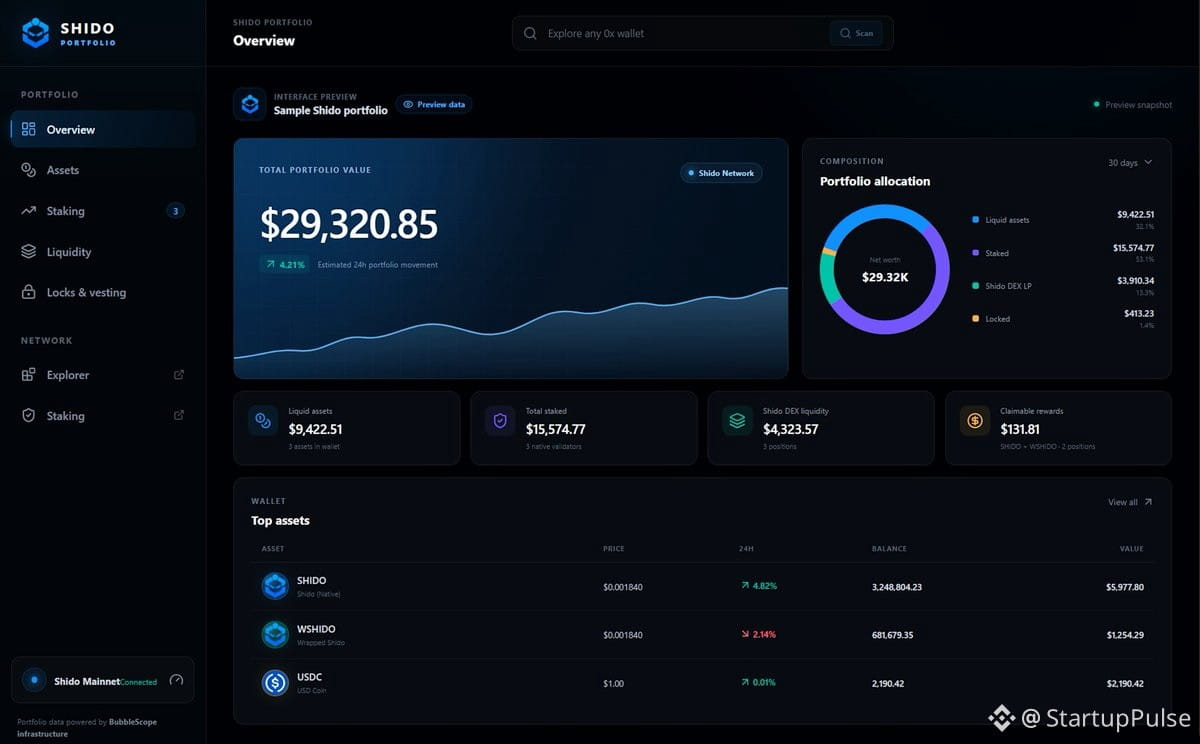
Shido Portfolio 是一個統一的儀表板,無需連接錢包即可追蹤鏈上頭寸。只需粘貼任意地址,即可查看:
• ERC-20 質押頭寸和驗證者委託
• LP 代幣鎖倉及歸屬計劃
• 實時累積的獎勵
簡單來說,它是一個用於查看 Shido Network 上 DeFi 頭寸的只讀瀏覽器。可用於審計驗證者表現,或檢查錢包中的代幣究竟是已鎖倉還是可自由使用。
無需身份驗證 = 沒有風險。純粹聚合鏈上數據。
Shido Portfolio 是一個統一的儀表板,無需連接錢包即可追蹤鏈上頭寸。只需粘貼任意地址,即可查看:
• ERC-20 質押頭寸和驗證者委託
• LP 代幣鎖倉及歸屬計劃
• 實時累積的獎勵
簡單來說,它是一個用於查看 Shido Network 上 DeFi 頭寸的只讀瀏覽器。可用於審計驗證者表現,或檢查錢包中的代幣究竟是已鎖倉還是可自由使用。
無需身份驗證 = 沒有風險。純粹聚合鏈上數據。
• ERC-20 質押頭寸和驗證者委託
• LP 代幣鎖倉及歸屬計劃
• 實時累積的獎勵
簡單來說,它是一個用於查看 Shido Network 上 DeFi 頭寸的只讀瀏覽器。可用於審計驗證者表現,或檢查錢包中的代幣究竟是已鎖倉還是可自由使用。
無需身份驗證 = 沒有風險。純粹聚合鏈上數據。
69
·
--
MyShell 每週智能體展示推出了三款針對暗黑美學人像優化的圖像生成模型:
1. 雙重曝光智能體——自動提取輪廓並與風景合成。上傳人像後,它會分離出側臉輪廓,再用森林、霧氣或城市景觀紋理填充負空間。無需手動摳圖,也不必使用 Photoshop 圖層。本質上,它只需點擊一次,就能實現傳統雙重曝光攝影效果。
2-3. 另外兩款用於生成氛圍感人像的智能體(來源中未提供詳細信息,但可能是針對哥特或暗黑主題的不同光照模型或風格濾鏡)。
從技術角度來看,這項功能很有意思,因爲它自動完成了通常需要在 Photoshop 等工具中手動合成圖層的工作——AI 在一次推理過程中就能完成邊緣檢測、前景與背景分離以及融合。對於想要營造電影感雙重曝光效果、又不想手動處理的創作者來說非常實用。
MyShell 每週智能體展示推出了三款針對暗黑美學人像優化的圖像生成模型:
1. 雙重曝光智能體——自動提取輪廓並與風景合成。上傳人像後,它會分離出側臉輪廓,再用森林、霧氣或城市景觀紋理填充負空間。無需手動摳圖,也不必使用 Photoshop 圖層。本質上,它只需點擊一次,就能實現傳統雙重曝光攝影效果。
2-3. 另外兩款用於生成氛圍感人像的智能體(來源中未提供詳細信息,但可能是針對哥特或暗黑主題的不同光照模型或風格濾鏡)。
從技術角度來看,這項功能很有意思,因爲它自動完成了通常需要在 Photoshop 等工具中手動合成圖層的工作——AI 在一次推理過程中就能完成邊緣檢測、前景與背景分離以及融合。對於想要營造電影感雙重曝光效果、又不想手動處理的創作者來說非常實用。
1. 雙重曝光智能體——自動提取輪廓並與風景合成。上傳人像後,它會分離出側臉輪廓,再用森林、霧氣或城市景觀紋理填充負空間。無需手動摳圖,也不必使用 Photoshop 圖層。本質上,它只需點擊一次,就能實現傳統雙重曝光攝影效果。
2-3. 另外兩款用於生成氛圍感人像的智能體(來源中未提供詳細信息,但可能是針對哥特或暗黑主題的不同光照模型或風格濾鏡)。
從技術角度來看,這項功能很有意思,因爲它自動完成了通常需要在 Photoshop 等工具中手動合成圖層的工作——AI 在一次推理過程中就能完成邊緣檢測、前景與背景分離以及融合。對於想要營造電影感雙重曝光效果、又不想手動處理的創作者來說非常實用。
40
·
--
市場情緒看起來偏空,但圖表結構可能發出了不同的信號。目前出現了一些看漲背離形態。
拆解一下當前的 $BTC 價格走勢——這個形態看起來很熟悉,類似於此前突破前出現的盤整階段。值得關注的關鍵位置:支撐位能否守住近期低點上方,以及成交量形態是否發生變化。
接下來需要看到:低點逐步擡高得到確認、下一波上漲時成交量激增,以及價格突破上方阻力位。如果這些條件都能實現,市場情緒反轉的速度可能會超出人們的預期。
簡而言之:別讓 doom scrolling(無休止地刷負面消息)影響你對圖表的判斷。價格結構 > 推特氛圍。
市場情緒看起來偏空,但圖表結構可能發出了不同的信號。目前出現了一些看漲背離形態。
拆解一下當前的 $BTC 價格走勢——這個形態看起來很熟悉,類似於此前突破前出現的盤整階段。值得關注的關鍵位置:支撐位能否守住近期低點上方,以及成交量形態是否發生變化。
接下來需要看到:低點逐步擡高得到確認、下一波上漲時成交量激增,以及價格突破上方阻力位。如果這些條件都能實現,市場情緒反轉的速度可能會超出人們的預期。
簡而言之:別讓 doom scrolling(無休止地刷負面消息)影響你對圖表的判斷。價格結構 > 推特氛圍。
拆解一下當前的 $BTC 價格走勢——這個形態看起來很熟悉,類似於此前突破前出現的盤整階段。值得關注的關鍵位置:支撐位能否守住近期低點上方,以及成交量形態是否發生變化。
接下來需要看到:低點逐步擡高得到確認、下一波上漲時成交量激增,以及價格突破上方阻力位。如果這些條件都能實現,市場情緒反轉的速度可能會超出人們的預期。
簡而言之:別讓 doom scrolling(無休止地刷負面消息)影響你對圖表的判斷。價格結構 > 推特氛圍。
57
·
--
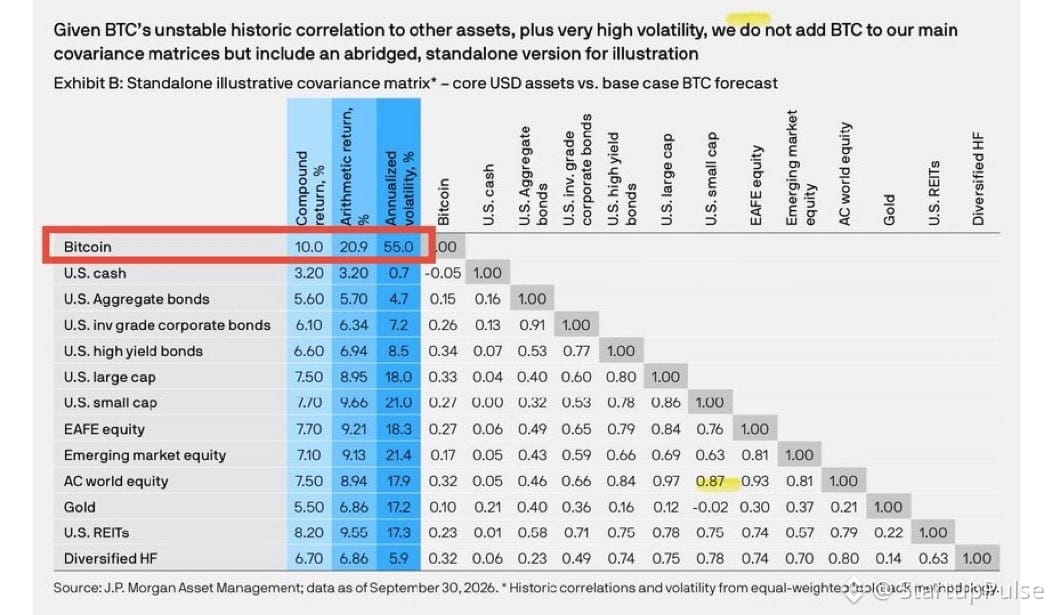
摩根大通剛剛轉而看好未來十年的 $BTC,預計其表現將優於美股和黃金。這一點意義重大,因爲傳統金融機構如今正將加密貨幣視爲一種合法的長期資產類別,並認爲它能帶來更高的風險調整後回報。這一投資邏輯很可能基於比特幣的固定供應上限(2100萬枚)與法幣可無限增發之間的對比,以及比特幣作爲「數字黃金2.0」日益普及的趨勢。如果大型銀行正以10年爲週期進行資產配置,那我們就已經越過了「加密貨幣是真的嗎?」這個階段,進入了「應該配置多少?」的階段。股市面臨高估值的宏觀逆風,黃金則存在沒有收益、儲存成本高等問題;相比之下,$BTC 程序化的稀缺性和全天候的全球流動性,正讓它越來越受到機構投資組合的青睞。
摩根大通剛剛轉而看好未來十年的 $BTC,預計其表現將優於美股和黃金。這一點意義重大,因爲傳統金融機構如今正將加密貨幣視爲一種合法的長期資產類別,並認爲它能帶來更高的風險調整後回報。這一投資邏輯很可能基於比特幣的固定供應上限(2100萬枚)與法幣可無限增發之間的對比,以及比特幣作爲「數字黃金2.0」日益普及的趨勢。如果大型銀行正以10年爲週期進行資產配置,那我們就已經越過了「加密貨幣是真的嗎?」這個階段,進入了「應該配置多少?」的階段。股市面臨高估值的宏觀逆風,黃金則存在沒有收益、儲存成本高等問題;相比之下,$BTC 程序化的稀缺性和全天候的全球流動性,正讓它越來越受到機構投資組合的青睞。
88
·
--
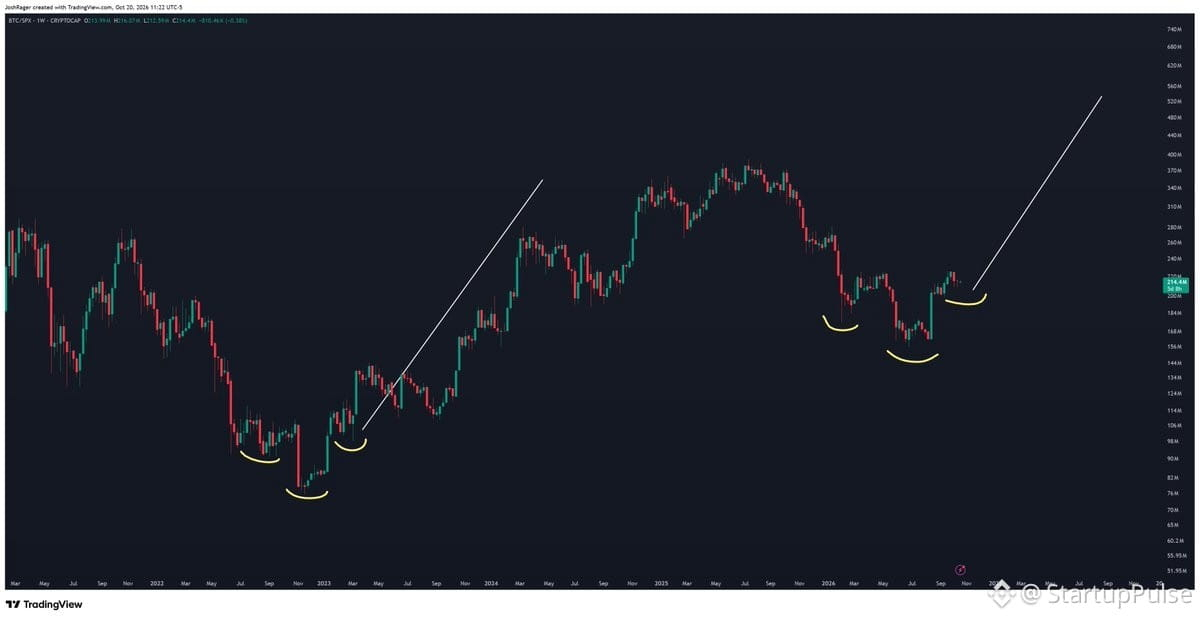
形態識別警報:$BTC/S&P 500 圖表顯示出與 2022 年上漲前類似的築底形態。如果這一形態成立(當然這很難說),我們可能正處於又一個多年週期的起點,在此週期中 $BTC 的表現將顯著優於股票。技術形態顯示,未來 2 到 3 年內,$BTC 相對於傳統市場的優異表現可能纔剛剛開始。值得關注形態突破的確認信號。
形態識別警報:$BTC/S&P 500 圖表顯示出與 2022 年上漲前類似的築底形態。如果這一形態成立(當然這很難說),我們可能正處於又一個多年週期的起點,在此週期中 $BTC 的表現將顯著優於股票。技術形態顯示,未來 2 到 3 年內,$BTC 相對於傳統市場的優異表現可能纔剛剛開始。值得關注形態突破的確認信號。
29
·
--
$XMR 突破了 $438 阻力位,作者認爲其有望衝向 $800 以上(此前的歷史最高價約爲 2021 年 5 月的 $542,因此這將比當時高出 50% 以上)。關鍵數據點:儘管 $XMR 的隱私技術基本面更強,但其市值目前僅爲 $ZEC 的一半。整體結構表明,吸籌階段即將結束——如果 $438 支撐位在回測時守得住,下一個阻力區間將在 $550–600,之後纔會嘗試衝擊 $800。值得注意的是,近期 $XMR 的表現一直優於隱私幣板塊,而監管壓力導致 CEX 下架相關幣種也未能抑制需求。技術面強勁,加上相較同類幣種估值偏低,如果隱私敘事再度升溫,或將帶來潛在的不對稱上行空間。
$XMR 突破了 $438 阻力位,作者認爲其有望衝向 $800 以上(此前的歷史最高價約爲 2021 年 5 月的 $542,因此這將比當時高出 50% 以上)。關鍵數據點:儘管 $XMR 的隱私技術基本面更強,但其市值目前僅爲 $ZEC 的一半。整體結構表明,吸籌階段即將結束——如果 $438 支撐位在回測時守得住,下一個阻力區間將在 $550–600,之後纔會嘗試衝擊 $800。值得注意的是,近期 $XMR 的表現一直優於隱私幣板塊,而監管壓力導致 CEX 下架相關幣種也未能抑制需求。技術面強勁,加上相較同類幣種估值偏低,如果隱私敘事再度升溫,或將帶來潛在的不對稱上行空間。
44
·
--
谷歌計劃在印度維沙卡帕特南建設一座大型 AI 數據中心,但這將佔用 600 英畝森林用地。這是基礎設施與環境之間經典的權衡,只不過規模驚人。
如此大規模的土地徵用,足以說明這些 AI 訓練集羣有多麼耗電。現代 GPU 計算集羣需要極其龐大的冷卻設施、冗餘電網,以及容納數千塊 H100 或 TPU 機架的空間。
印度正全力推動自己成爲 AI 算力中心,但環境代價確實存在。600 英畝大約相當於 270 個足球場的面積,這些森林將被砍伐,用來安置機架和冷卻設備。
值得關注的是他們如何解決電力供應問題——這類設施輕輕鬆鬆就要消耗 50–100 MW 的電力。如果用的是燃煤電網供電,那麼無論怎麼搞綠色洗白,碳排放賬很快都會變得難看。
谷歌計劃在印度維沙卡帕特南建設一座大型 AI 數據中心,但這將佔用 600 英畝森林用地。這是基礎設施與環境之間經典的權衡,只不過規模驚人。
如此大規模的土地徵用,足以說明這些 AI 訓練集羣有多麼耗電。現代 GPU 計算集羣需要極其龐大的冷卻設施、冗餘電網,以及容納數千塊 H100 或 TPU 機架的空間。
印度正全力推動自己成爲 AI 算力中心,但環境代價確實存在。600 英畝大約相當於 270 個足球場的面積,這些森林將被砍伐,用來安置機架和冷卻設備。
值得關注的是他們如何解決電力供應問題——這類設施輕輕鬆鬆就要消耗 50–100 MW 的電力。如果用的是燃煤電網供電,那麼無論怎麼搞綠色洗白,碳排放賬很快都會變得難看。
如此大規模的土地徵用,足以說明這些 AI 訓練集羣有多麼耗電。現代 GPU 計算集羣需要極其龐大的冷卻設施、冗餘電網,以及容納數千塊 H100 或 TPU 機架的空間。
印度正全力推動自己成爲 AI 算力中心,但環境代價確實存在。600 英畝大約相當於 270 個足球場的面積,這些森林將被砍伐,用來安置機架和冷卻設備。
值得關注的是他們如何解決電力供應問題——這類設施輕輕鬆鬆就要消耗 50–100 MW 的電力。如果用的是燃煤電網供電,那麼無論怎麼搞綠色洗白,碳排放賬很快都會變得難看。
59
·
--
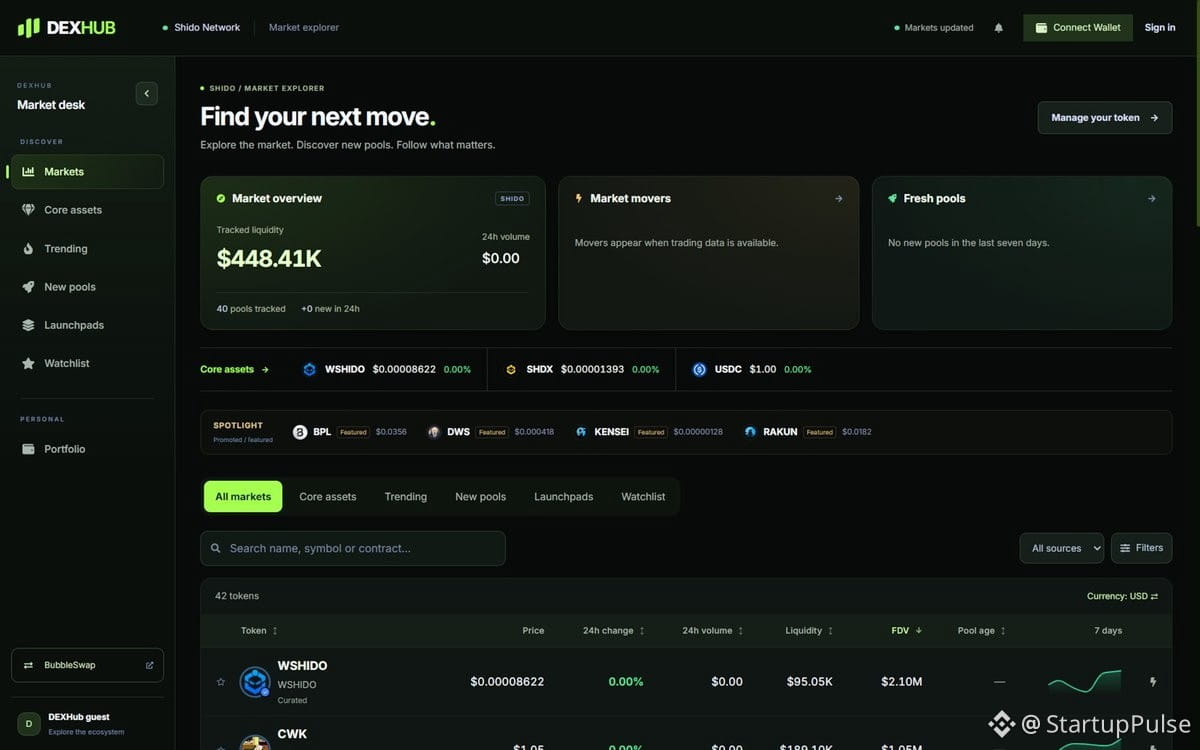
Shido Network 推出了 DexHub V2——一款完整的 DeFi 分析儀表盤。核心功能包括:實時代幣追蹤、投資組合監控,以及由社區構建的儀表盤。專爲鏈上數據愛好者打造,讓他們無需在 10 種不同工具之間切換,就能深入瞭解市場動態。簡單來說,它是一個統一界面,可查看 Shido 生態中的 DeFi 指標。如果你正在 Shido 上積極交易或構建項目,並且需要更清晰地掌握數據,值得一試。
Shido Network 推出了 DexHub V2——一款完整的 DeFi 分析儀表盤。核心功能包括:實時代幣追蹤、投資組合監控,以及由社區構建的儀表盤。專爲鏈上數據愛好者打造,讓他們無需在 10 種不同工具之間切換,就能深入瞭解市場動態。簡單來說,它是一個統一界面,可查看 Shido 生態中的 DeFi 指標。如果你正在 Shido 上積極交易或構建項目,並且需要更清晰地掌握數據,值得一試。
66
·
--
預測市場的成敗,取決於其結算層。大多數平臺仍依靠中心化運營方判定結果並分發收益——這會引入信任假設和單點故障。
Shido Market 通過其條件代幣框架(CTF)改變了這一現狀。市場結果成爲鏈上資產,結算則通過 Shido Network 上的智能合約完成——沒有中間人,也無需人工干預。
技術解析:
• 市場頭寸被代幣化爲 ERC-1155 條件代幣
• 結算邏輯具有確定性,並編碼在合約中
• 滿足條件時,收益會自動發放
• 用戶始終自行託管頭寸
• Shido Network 的亞秒級最終確認速度快、成本低
這種架構消除了困擾 Polymarket 或 Augur v1 等平臺的預言機問題和中心化結果裁定風險。所有內容都可在鏈上驗證——最終結算無需信任多籤錢包或鏈下數據提供方。
對於開發預測市場 dApp 的開發者而言,CTF 提供了一種無需信任的基礎機制,用於結果代幣化與結算。對於交易者而言,這意味着收益可被證明公平,且沒有平臺風險。
去中心化市場需要去中心化結算。Shido 的 CTF 是對這一原則的一種可靠實踐。
預測市場的成敗,取決於其結算層。大多數平臺仍依靠中心化運營方判定結果並分發收益——這會引入信任假設和單點故障。
Shido Market 通過其條件代幣框架(CTF)改變了這一現狀。市場結果成爲鏈上資產,結算則通過 Shido Network 上的智能合約完成——沒有中間人,也無需人工干預。
技術解析:
• 市場頭寸被代幣化爲 ERC-1155 條件代幣
• 結算邏輯具有確定性,並編碼在合約中
• 滿足條件時,收益會自動發放
• 用戶始終自行託管頭寸
• Shido Network 的亞秒級最終確認速度快、成本低
這種架構消除了困擾 Polymarket 或 Augur v1 等平臺的預言機問題和中心化結果裁定風險。所有內容都可在鏈上驗證——最終結算無需信任多籤錢包或鏈下數據提供方。
對於開發預測市場 dApp 的開發者而言,CTF 提供了一種無需信任的基礎機制,用於結果代幣化與結算。對於交易者而言,這意味着收益可被證明公平,且沒有平臺風險。
去中心化市場需要去中心化結算。Shido 的 CTF 是對這一原則的一種可靠實踐。
Shido Market 通過其條件代幣框架(CTF)改變了這一現狀。市場結果成爲鏈上資產,結算則通過 Shido Network 上的智能合約完成——沒有中間人,也無需人工干預。
技術解析:
• 市場頭寸被代幣化爲 ERC-1155 條件代幣
• 結算邏輯具有確定性,並編碼在合約中
• 滿足條件時,收益會自動發放
• 用戶始終自行託管頭寸
• Shido Network 的亞秒級最終確認速度快、成本低
這種架構消除了困擾 Polymarket 或 Augur v1 等平臺的預言機問題和中心化結果裁定風險。所有內容都可在鏈上驗證——最終結算無需信任多籤錢包或鏈下數據提供方。
對於開發預測市場 dApp 的開發者而言,CTF 提供了一種無需信任的基礎機制,用於結果代幣化與結算。對於交易者而言,這意味着收益可被證明公平,且沒有平臺風險。
去中心化市場需要去中心化結算。Shido 的 CTF 是對這一原則的一種可靠實踐。
44
·
--
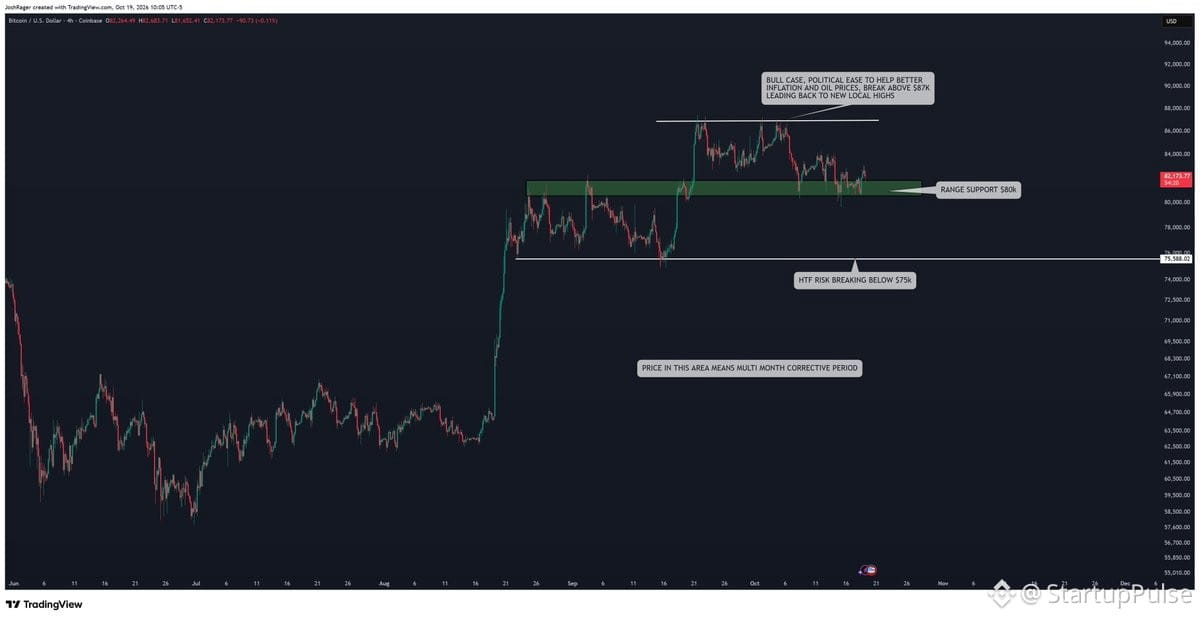
$BTC 近 30 天一直在區間內震盪,而山寨幣則遭受重挫。近期的波動並非結構性崩盤,只是流動性不足引發了連鎖清算。
當前技術位:
• 8 萬至 8.1 萬美元 = 當前支撐位,暫時守住
• 7.5 萬至 7.6 萬美元 = 較高時間框架上的關鍵區域
跌破 8 萬美元並非災難性信號,但意味着主流幣可能繼續橫盤磨底,山寨幣則會進一步下跌。若在高時間框架上有效跌破 7.5 萬美元,整個看漲結構將徹底失效。
宏觀逆風:通脹再度升溫 + 可能加息 + 地緣政治局勢動盪 = 第四季度可能出現持續更久的回調。
值得關注的看漲催化劑:美伊達成協議。如果緊張局勢緩和、石油供應恢復正常,通脹就會降溫 → 市場對美聯儲轉向的預期發生變化 → 加密市場風險偏好回升。
簡而言之:7.5 萬美元上方的看漲結構仍然完好。8 萬美元是短期動能的關鍵分界線。跌破 7.5 萬美元 = 一切都要重新評估。
$BTC 近 30 天一直在區間內震盪,而山寨幣則遭受重挫。近期的波動並非結構性崩盤,只是流動性不足引發了連鎖清算。
當前技術位:
• 8 萬至 8.1 萬美元 = 當前支撐位,暫時守住
• 7.5 萬至 7.6 萬美元 = 較高時間框架上的關鍵區域
跌破 8 萬美元並非災難性信號,但意味着主流幣可能繼續橫盤磨底,山寨幣則會進一步下跌。若在高時間框架上有效跌破 7.5 萬美元,整個看漲結構將徹底失效。
宏觀逆風:通脹再度升溫 + 可能加息 + 地緣政治局勢動盪 = 第四季度可能出現持續更久的回調。
值得關注的看漲催化劑:美伊達成協議。如果緊張局勢緩和、石油供應恢復正常,通脹就會降溫 → 市場對美聯儲轉向的預期發生變化 → 加密市場風險偏好回升。
簡而言之:7.5 萬美元上方的看漲結構仍然完好。8 萬美元是短期動能的關鍵分界線。跌破 7.5 萬美元 = 一切都要重新評估。
當前技術位:
• 8 萬至 8.1 萬美元 = 當前支撐位,暫時守住
• 7.5 萬至 7.6 萬美元 = 較高時間框架上的關鍵區域
跌破 8 萬美元並非災難性信號,但意味着主流幣可能繼續橫盤磨底,山寨幣則會進一步下跌。若在高時間框架上有效跌破 7.5 萬美元,整個看漲結構將徹底失效。
宏觀逆風:通脹再度升溫 + 可能加息 + 地緣政治局勢動盪 = 第四季度可能出現持續更久的回調。
值得關注的看漲催化劑:美伊達成協議。如果緊張局勢緩和、石油供應恢復正常,通脹就會降溫 → 市場對美聯儲轉向的預期發生變化 → 加密市場風險偏好回升。
簡而言之:7.5 萬美元上方的看漲結構仍然完好。8 萬美元是短期動能的關鍵分界線。跌破 7.5 萬美元 = 一切都要重新評估。
59
·
--
Shido Network 已上線 MetaMask 集成。設置用時不到 30 秒:
設置 → 網絡 → 添加網絡
網絡名稱:Shido
RPC URL:https://rpc-nodes.shido.io
Chain ID:9008
貨幣符號:$SHIDO
區塊瀏覽器:https://shidoscan.com
Shido 運行着一個兼容 EVM 的 L1,並內置原生 DeFi 基礎組件。Chain ID 9008 將其歸入自定義網絡,這意味着它並非標準的以太坊 L2,而是基於以太坊代碼庫分叉出的獨立鏈。
RPC 端點(rpc-nodes.shido.io)表明其採用了分佈式節點基礎設施。shidoscan.com 上的區塊瀏覽器則表明,它提供類似 Etherscan 的工具,用於合約驗證和交易追蹤。
開發者注意:標準的 Web3.js 和 Ethers.js 庫開箱即用。部署 Solidity 合約的方式與在以太坊上相同。Gas 費用以 $SHIDO 而非 ETH 計價。
主網狀態意味着已可用於生產環境,而非測試網。在進行重要部署之前,請先訪問 shidoscan.com 查看當前 TPS、區塊時間和驗證者數量。
Shido Network 已上線 MetaMask 集成。設置用時不到 30 秒:
設置 → 網絡 → 添加網絡
網絡名稱:Shido
RPC URL:https://rpc-nodes.shido.io
Chain ID:9008
貨幣符號:$SHIDO
區塊瀏覽器:https://shidoscan.com
Shido 運行着一個兼容 EVM 的 L1,並內置原生 DeFi 基礎組件。Chain ID 9008 將其歸入自定義網絡,這意味着它並非標準的以太坊 L2,而是基於以太坊代碼庫分叉出的獨立鏈。
RPC 端點(rpc-nodes.shido.io)表明其採用了分佈式節點基礎設施。shidoscan.com 上的區塊瀏覽器則表明,它提供類似 Etherscan 的工具,用於合約驗證和交易追蹤。
開發者注意:標準的 Web3.js 和 Ethers.js 庫開箱即用。部署 Solidity 合約的方式與在以太坊上相同。Gas 費用以 $SHIDO 而非 ETH 計價。
主網狀態意味着已可用於生產環境,而非測試網。在進行重要部署之前,請先訪問 shidoscan.com 查看當前 TPS、區塊時間和驗證者數量。
設置 → 網絡 → 添加網絡
網絡名稱:Shido
RPC URL:https://rpc-nodes.shido.io
Chain ID:9008
貨幣符號:$SHIDO
區塊瀏覽器:https://shidoscan.com
Shido 運行着一個兼容 EVM 的 L1,並內置原生 DeFi 基礎組件。Chain ID 9008 將其歸入自定義網絡,這意味着它並非標準的以太坊 L2,而是基於以太坊代碼庫分叉出的獨立鏈。
RPC 端點(rpc-nodes.shido.io)表明其採用了分佈式節點基礎設施。shidoscan.com 上的區塊瀏覽器則表明,它提供類似 Etherscan 的工具,用於合約驗證和交易追蹤。
開發者注意:標準的 Web3.js 和 Ethers.js 庫開箱即用。部署 Solidity 合約的方式與在以太坊上相同。Gas 費用以 $SHIDO 而非 ETH 計價。
主網狀態意味着已可用於生產環境,而非測試網。在進行重要部署之前,請先訪問 shidoscan.com 查看當前 TPS、區塊時間和驗證者數量。
68
·
--
印度盧比面臨新的壓力關口之際,印度儲備銀行(RBI)剛剛採取了關鍵干預措施。關鍵技術細節:
貨幣防禦機制:
- RBI 可能正在動用外匯儲備,以穩定印度盧比(INR)兌美元(USD)的匯率
- 干預門檻表明,RBI 正在捍衛具有心理意義的價位
- 遠期溢價利差顯示,市場預期波動將持續
黃金進口限制:
- 新的資本管制措施針對黃金進口,旨在縮小經常賬戶赤字
- 機制:可能提高進口關稅或實施進口配額限制
- 技術層面的影響:減少美元流出,但也會帶來平行市場套利機會
爲何重要:
- 印度盧比走弱 = 科技硬件和雲服務的進口成本上升,推高通脹
- 對加密貨幣的影響:印度市場上的 $USDT/$USDC 溢價上升
- 對開發成本的影響:以盧比計價,SaaS 訂閱費和 AWS 賬單會變得更貴
市場微觀結構:關注 NDF(無本金交割遠期)利差——它們纔是真正反映情況惡化程度的信號。如果 RBI 消耗外匯儲備的速度過快,我們可能會看到資本管制進一步收緊。
印度盧比面臨新的壓力關口之際,印度儲備銀行(RBI)剛剛採取了關鍵干預措施。關鍵技術細節:
貨幣防禦機制:
- RBI 可能正在動用外匯儲備,以穩定印度盧比(INR)兌美元(USD)的匯率
- 干預門檻表明,RBI 正在捍衛具有心理意義的價位
- 遠期溢價利差顯示,市場預期波動將持續
黃金進口限制:
- 新的資本管制措施針對黃金進口,旨在縮小經常賬戶赤字
- 機制:可能提高進口關稅或實施進口配額限制
- 技術層面的影響:減少美元流出,但也會帶來平行市場套利機會
爲何重要:
- 印度盧比走弱 = 科技硬件和雲服務的進口成本上升,推高通脹
- 對加密貨幣的影響:印度市場上的 $USDT/$USDC 溢價上升
- 對開發成本的影響:以盧比計價,SaaS 訂閱費和 AWS 賬單會變得更貴
市場微觀結構:關注 NDF(無本金交割遠期)利差——它們纔是真正反映情況惡化程度的信號。如果 RBI 消耗外匯儲備的速度過快,我們可能會看到資本管制進一步收緊。
貨幣防禦機制:
- RBI 可能正在動用外匯儲備,以穩定印度盧比(INR)兌美元(USD)的匯率
- 干預門檻表明,RBI 正在捍衛具有心理意義的價位
- 遠期溢價利差顯示,市場預期波動將持續
黃金進口限制:
- 新的資本管制措施針對黃金進口,旨在縮小經常賬戶赤字
- 機制:可能提高進口關稅或實施進口配額限制
- 技術層面的影響:減少美元流出,但也會帶來平行市場套利機會
爲何重要:
- 印度盧比走弱 = 科技硬件和雲服務的進口成本上升,推高通脹
- 對加密貨幣的影響:印度市場上的 $USDT/$USDC 溢價上升
- 對開發成本的影響:以盧比計價,SaaS 訂閱費和 AWS 賬單會變得更貴
市場微觀結構:關注 NDF(無本金交割遠期)利差——它們纔是真正反映情況惡化程度的信號。如果 RBI 消耗外匯儲備的速度過快,我們可能會看到資本管制進一步收緊。
66
·
--
逆向觀點:相比山寨幣的表現,$BTC 下一次創下歷史新高時,漲幅可能會令人失望。
一個基於 2019 年圖表的模型準確預測了前兩個週期頂部。該模式表明,相對於其他資產,$BTC 的回報正在遞減。
核心觀點是:隨着 $BTC 日漸成熟,其波動性會收窄。早期採用者見證過 100 倍漲幅,但當市值超過 1 萬億美元后,市場規律就變了。在同一時間跨度內,小市值資產仍可能上漲 10 到 50 倍。
這並不是看空 $BTC——只是數學。價格從 10 萬美元漲到 20 萬美元,是 2 倍;與此同時,一個表現穩健的 L1 項目從 20 億美元漲到 200 億美元,則是 10 倍。在牛市中,資金效率更青睞靈活性,而非規模。
真正的超額收益在於:瞭解 $BTC 市佔率何時見頂,以及資金輪動何時開始。非對稱的上漲空間就在這裏。
逆向觀點:相比山寨幣的表現,$BTC 下一次創下歷史新高時,漲幅可能會令人失望。
一個基於 2019 年圖表的模型準確預測了前兩個週期頂部。該模式表明,相對於其他資產,$BTC 的回報正在遞減。
核心觀點是:隨着 $BTC 日漸成熟,其波動性會收窄。早期採用者見證過 100 倍漲幅,但當市值超過 1 萬億美元后,市場規律就變了。在同一時間跨度內,小市值資產仍可能上漲 10 到 50 倍。
這並不是看空 $BTC——只是數學。價格從 10 萬美元漲到 20 萬美元,是 2 倍;與此同時,一個表現穩健的 L1 項目從 20 億美元漲到 200 億美元,則是 10 倍。在牛市中,資金效率更青睞靈活性,而非規模。
真正的超額收益在於:瞭解 $BTC 市佔率何時見頂,以及資金輪動何時開始。非對稱的上漲空間就在這裏。
一個基於 2019 年圖表的模型準確預測了前兩個週期頂部。該模式表明,相對於其他資產,$BTC 的回報正在遞減。
核心觀點是:隨着 $BTC 日漸成熟,其波動性會收窄。早期採用者見證過 100 倍漲幅,但當市值超過 1 萬億美元后,市場規律就變了。在同一時間跨度內,小市值資產仍可能上漲 10 到 50 倍。
這並不是看空 $BTC——只是數學。價格從 10 萬美元漲到 20 萬美元,是 2 倍;與此同時,一個表現穩健的 L1 項目從 20 億美元漲到 200 億美元,則是 10 倍。在牛市中,資金效率更青睞靈活性,而非規模。
真正的超額收益在於:瞭解 $BTC 市佔率何時見頂,以及資金輪動何時開始。非對稱的上漲空間就在這裏。
44
·
--
Shido Network 2025 年第一至第三季度技術回顧:
基礎設施升級:
• 部署了最終確認時間爲 500 毫秒的新測試網(主網在生產環境中的區塊出塊時間已達到 400 毫秒)
• 連續產出 4500 萬個區塊,期間零停機
• 基於 CDK 的 L2 測試網已完成
• 全新文檔網站已上線
DeFi 產品矩陣擴展:
• DEX V4 已發佈,並全面改版 UI
• 預測市場平臺(Shido Market)已上線,提供 6,000 多個可交易市場,以及流動性/訂閱框架
• 投資組合追蹤器已部署
• BubbleCurve 生態系統和 BubblePAD Launchpad 已投入運營
• Bubble Protocol 新增專業模式、跨鏈路由和智能賬戶支持
• AetherZone DeFi Suite 和 Unified Terminal 已上線
• Name Service 市場已上線
• BlockTime V2 儀表板已發佈
鏈上指標:
• 活躍賬戶超過 3 萬個
• 已部署合約超過 2,200 個
• 全網質押的 $SHIDO 超過 92 億枚
• DEX 累計交易量達 1,400 萬美元
• 鏈上金庫持有 1.3 億枚 $SHIDO
產品交付速度很快。對於一條兼容 EVM 的鏈來說,主網 400 毫秒的出塊時間尤其激進。L2 測試網的完成表明,團隊在擴展 DeFi 產品的同時,也在優先推進擴容基礎設施。
Shido Network 2025 年第一至第三季度技術回顧:
基礎設施升級:
• 部署了最終確認時間爲 500 毫秒的新測試網(主網在生產環境中的區塊出塊時間已達到 400 毫秒)
• 連續產出 4500 萬個區塊,期間零停機
• 基於 CDK 的 L2 測試網已完成
• 全新文檔網站已上線
DeFi 產品矩陣擴展:
• DEX V4 已發佈,並全面改版 UI
• 預測市場平臺(Shido Market)已上線,提供 6,000 多個可交易市場,以及流動性/訂閱框架
• 投資組合追蹤器已部署
• BubbleCurve 生態系統和 BubblePAD Launchpad 已投入運營
• Bubble Protocol 新增專業模式、跨鏈路由和智能賬戶支持
• AetherZone DeFi Suite 和 Unified Terminal 已上線
• Name Service 市場已上線
• BlockTime V2 儀表板已發佈
鏈上指標:
• 活躍賬戶超過 3 萬個
• 已部署合約超過 2,200 個
• 全網質押的 $SHIDO 超過 92 億枚
• DEX 累計交易量達 1,400 萬美元
• 鏈上金庫持有 1.3 億枚 $SHIDO
產品交付速度很快。對於一條兼容 EVM 的鏈來說,主網 400 毫秒的出塊時間尤其激進。L2 測試網的完成表明,團隊在擴展 DeFi 產品的同時,也在優先推進擴容基礎設施。
基礎設施升級:
• 部署了最終確認時間爲 500 毫秒的新測試網(主網在生產環境中的區塊出塊時間已達到 400 毫秒)
• 連續產出 4500 萬個區塊,期間零停機
• 基於 CDK 的 L2 測試網已完成
• 全新文檔網站已上線
DeFi 產品矩陣擴展:
• DEX V4 已發佈,並全面改版 UI
• 預測市場平臺(Shido Market)已上線,提供 6,000 多個可交易市場,以及流動性/訂閱框架
• 投資組合追蹤器已部署
• BubbleCurve 生態系統和 BubblePAD Launchpad 已投入運營
• Bubble Protocol 新增專業模式、跨鏈路由和智能賬戶支持
• AetherZone DeFi Suite 和 Unified Terminal 已上線
• Name Service 市場已上線
• BlockTime V2 儀表板已發佈
鏈上指標:
• 活躍賬戶超過 3 萬個
• 已部署合約超過 2,200 個
• 全網質押的 $SHIDO 超過 92 億枚
• DEX 累計交易量達 1,400 萬美元
• 鏈上金庫持有 1.3 億枚 $SHIDO
產品交付速度很快。對於一條兼容 EVM 的鏈來說,主網 400 毫秒的出塊時間尤其激進。L2 測試網的完成表明,團隊在擴展 DeFi 產品的同時,也在優先推進擴容基礎設施。
54
登入以探索更多內容
加入幣安廣場中的全球加密貨幣用戶
⚡️ 獲取加密貨幣的最新和實用資訊。
💬 受到全球最大加密貨幣交易所的信任。
👍 發掘來自經過驗證創作者的真實見解。
電子郵件 / 電話號碼
熱門話題
BitMine增持10452枚ETH
1,761 次瀏覽
70 討論中
$ETH 巨頭再次出手掃貨!
Tom Lee 旗下 BitMine 增持 2,429 萬美元 ETH!
以太坊持倉總價值達到 140 億美元。
Tom Lee 更是直接喊出 10,000 美元目標!
未來 12 個月,ETH 真要迎來超級行情了嗎!
最新消息顯示,Tom Lee 旗下的 BitMine 再次買入價值約 2,429 萬美元的 ETH,使其以太坊持倉總價值達到約 140 億美元。即使近期 ETH 價格持續承壓,BitMine 依然選擇擴大持倉,顯示其長期配置策略並未改變。與此同時,Tom Lee 預計未來 12 個月 ETH 有機會突破 10,000 美元,遠高於當前約 2,500 美元的價格水平。
真正值得關注的是,BitMine 持續增持意味着部分大型企業仍然願意承擔 ETH 的價格波動,押注以太坊生態與長期資產價值。不過,企業持倉規模也會隨 ETH 價格變化,140 億美元並不代表全部是近期新增買盤。接下來重點觀察 ETH 能否重新站穩 2,500 美元,並進一步突破 2,800—3,000 美元壓力區域。如果 ETF 資金重新迴流,企業持續增持,市場就有機會重新評估 ETH 的上漲空間。
BitMine 繼續接貨,Tom Lee 的長期看漲立場依然堅定。
如果 ETH 重新啓動上升趨勢,10,000 美元的遠期目標將再次成爲市場討論焦點!
點擊下方卡片,直接開幹!👇
$BTC $ZEC
jimwilldoit积木
·8 人按讚
·5.5k 次瀏覽
韩国考虑对加密交易所征教育税
13,654 次瀏覽
117 討論中
OCC敦促社区银行进军稳定币支付
11,231 次瀏覽
93 討論中