

BASTET MEME
143 貼文

BASTET MEME
舉報
封鎖用戶
Don't let your dreams one day be the foundation of investment, patience and restraint.
實盤交易
低頻交易者
5 年
36 關注
212 粉絲
152 點讚數
貼文
投資組合
全部
引用
置頂
·
--
文章
誰真正掌控着你的加密資產?每位投資者都必須思考的安全問題想象一下,某天早晨醒來,你發現自己再也無法訪問加密貨幣。
你的交易所賬戶可能仍然存在,餘額也可能仍顯示在屏幕上。但如果平臺遭遇安全漏洞、暫停提現,或無法訪問關鍵系統,會發生什麼?
這引出了加密行業中最重要的問題之一:
你真的擁有自己的加密資產嗎?還是隻是相信別人會替你保管好它?
擁有加密資產與掌控加密資產的區別
誰真正掌控着你的加密資產?每位投資者都必須思考的安全問題
想象一下,某天早晨醒來,你發現自己再也無法訪問加密貨幣。
你的交易所賬戶可能仍然存在,餘額也可能仍顯示在屏幕上。但如果平臺遭遇安全漏洞、暫停提現,或無法訪問關鍵系統,會發生什麼?
這引出了加密行業中最重要的問題之一:
你真的擁有自己的加密資產嗎?還是隻是相信別人會替你保管好它?
擁有加密資產與掌控加密資產的區別
你的交易所賬戶可能仍然存在,餘額也可能仍顯示在屏幕上。但如果平臺遭遇安全漏洞、暫停提現,或無法訪問關鍵系統,會發生什麼?
這引出了加密行業中最重要的問題之一:
你真的擁有自己的加密資產嗎?還是隻是相信別人會替你保管好它?
擁有加密資產與掌控加密資產的區別
92
置頂
·
--
文章
幣安安全危機:賠償還不夠——我們需要根本性的解決方案幣安對近期安全危機的應對,包括資產追回工作、賠償措施以及逐步恢復提現,都是保護用戶並維護加密貨幣生態系統信心的重要舉措。
然而,在重大安全漏洞發生後賠償受害者,並非長久之計。真正的挑戰在於防止未經授權的訪問,並確保任何單個遭到入侵的賬戶、員工、設備或內部系統都無法讓數十億美元面臨風險。
幣安安全危機:賠償還不夠——我們需要根本性的解決方案
幣安對近期安全危機的應對,包括資產追回工作、賠償措施以及逐步恢復提現,都是保護用戶並維護加密貨幣生態系統信心的重要舉措。
然而,在重大安全漏洞發生後賠償受害者,並非長久之計。真正的挑戰在於防止未經授權的訪問,並確保任何單個遭到入侵的賬戶、員工、設備或內部系統都無法讓數十億美元面臨風險。
然而,在重大安全漏洞發生後賠償受害者,並非長久之計。真正的挑戰在於防止未經授權的訪問,並確保任何單個遭到入侵的賬戶、員工、設備或內部系統都無法讓數十億美元面臨風險。
122
·
--
文章
查看翻譯
Your Crypto Can Be Stolen Without Hacking Your Account: 7 Scams Every Investor Must RecognizeMany crypto investors believe their funds are safe as long as nobody knows their password.
That assumption can be dangerously wrong.
In the crypto world, criminals do not always need to hack an exchange or break sophisticated security systems. Sometimes, they simply convince users to click a link, approve a transaction, reveal a recovery phrase, or trust a fake support agent.
Understanding these tactics is one of the most important skills every crypto investor needs.
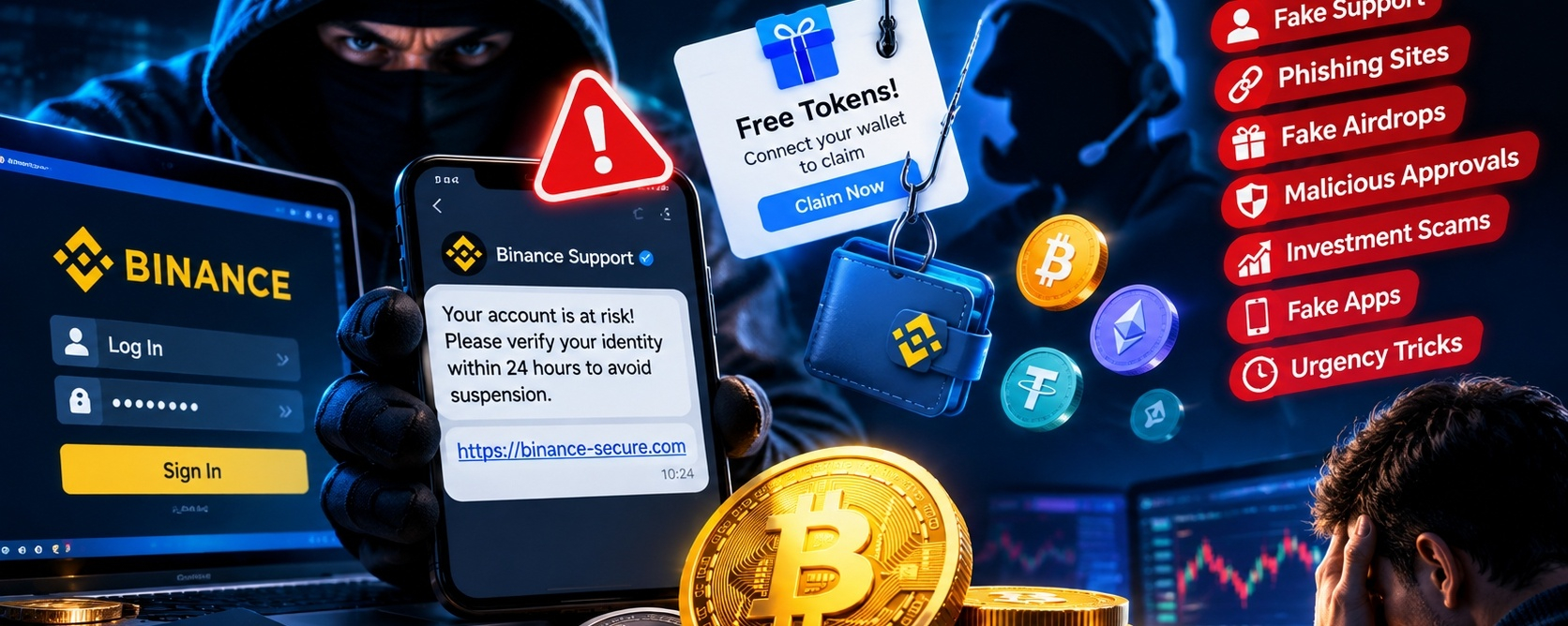
1. Fake Binance Support Messages
Scammers may impersonate Binance employees through Telegram, WhatsApp, X, email, or fake websites.
They might claim:
Your account is at risk.
Your withdrawal has been suspended.
Your identity needs urgent verification.
Your funds must be transferred to a secure wallet.
Remember: Never share your password, verification codes, or recovery phrase with anyone claiming to be customer support. Access Binance through its official app or website, not through unsolicited links.
2. Phishing Websites That Look Real
A fraudulent website can look almost identical to a legitimate exchange or wallet service.
You enter your login details, thinking you are accessing your account. Instead, you may be handing your credentials directly to criminals.
Protection:
Bookmark official websites.
Check the complete domain before logging in.
Avoid sponsored links from unknown sources.
Never enter credentials through unexpected messages.
3. Fake Airdrops and Free Token Offers
A message promises free tokens if you connect your wallet and claim a reward.
The real objective may be to trick you into signing a malicious transaction or approving access to your tokens.
A free reward is never worth risking your entire wallet.
4. Malicious Wallet Approvals
This is one of the most misunderstood crypto risks.
Connecting a wallet does not automatically mean your assets are exposed. However, signing certain transactions or granting token spending permissions can give a malicious contract the ability to move specific assets.
Before approving anything:
Understand what permission you are granting.
Check the contract and website carefully.
Avoid unlimited token approvals when unnecessary.
Review and revoke suspicious permissions using trusted tools.
5. Fake Investment Managers and Guaranteed Profits
Someone approaches you with a trading strategy that supposedly generates guaranteed daily returns.
They may show fake profits on a dashboard and allow a small withdrawal to build trust.
Then they encourage you to deposit more.
No legitimate investment can guarantee risk-free crypto profits.
6. Fake Apps and Downloads
Fraudulent mobile applications and browser extensions may imitate popular wallets or trading platforms.
Some can capture sensitive information or redirect transactions.
Download applications only through verified official sources, and check the developer and application details carefully.
7. The Fake Emergency Trick
Scammers create urgency.
They tell you that you have only minutes to save your funds, verify your wallet, or prevent an account suspension.
The pressure is intentional: they want you to act before thinking.
The safest response to an unexpected crypto emergency message is to stop, verify independently, and never rush.
Your 60-Second Crypto Safety Checklist
Before clicking, connecting, signing, or transferring:
Is this the official website or application?
Did I initiate this interaction?
Do I understand exactly what I am approving?
Is anyone asking for my seed phrase or verification code?
Have I independently verified the claim?
If something feels suspicious, stop.
The Most Important Lesson
In traditional finance, people often focus on protecting their bank passwords.
In crypto, protection goes further.
You must protect your credentials, private keys, recovery phrases, transaction approvals, and your own decision-making.
Your strongest security tool is not only technology. It is the ability to recognize manipulation before it becomes a transaction.
Let's Discuss
Which threat do you believe is most dangerous to crypto investors today?
A) Fake exchange support
B) Phishing websites
C) Malicious wallet approvals
D) Fake investment opportunities
E) Fake airdrops and reward campaigns
Share your answer and explain why. Your experience could help another investor avoid losing their funds.
Disclaimer: This article is for educational purposes only and does not constitute financial or investment advice.
#CryptoSecurity #CryptoScams #Binance #Blockchain #StaySafe
Your Crypto Can Be Stolen Without Hacking Your Account: 7 Scams Every Investor Must Recognize
Many crypto investors believe their funds are safe as long as nobody knows their password.
That assumption can be dangerously wrong.
In the crypto world, criminals do not always need to hack an exchange or break sophisticated security systems. Sometimes, they simply convince users to click a link, approve a transaction, reveal a recovery phrase, or trust a fake support agent.
Understanding these tactics is one of the most important skills every crypto investor needs.
1. Fake Binance Support Messages
Scammers may impersonate Binance employees through Telegram, WhatsApp, X, email, or fake websites.
They might claim:
Your account is at risk.
Your withdrawal has been suspended.
Your identity needs urgent verification.
Your funds must be transferred to a secure wallet.
Remember: Never share your password, verification codes, or recovery phrase with anyone claiming to be customer support. Access Binance through its official app or website, not through unsolicited links.
2. Phishing Websites That Look Real
A fraudulent website can look almost identical to a legitimate exchange or wallet service.
You enter your login details, thinking you are accessing your account. Instead, you may be handing your credentials directly to criminals.
Protection:
Bookmark official websites.
Check the complete domain before logging in.
Avoid sponsored links from unknown sources.
Never enter credentials through unexpected messages.
3. Fake Airdrops and Free Token Offers
A message promises free tokens if you connect your wallet and claim a reward.
The real objective may be to trick you into signing a malicious transaction or approving access to your tokens.
A free reward is never worth risking your entire wallet.
4. Malicious Wallet Approvals
This is one of the most misunderstood crypto risks.
Connecting a wallet does not automatically mean your assets are exposed. However, signing certain transactions or granting token spending permissions can give a malicious contract the ability to move specific assets.
Before approving anything:
Understand what permission you are granting.
Check the contract and website carefully.
Avoid unlimited token approvals when unnecessary.
Review and revoke suspicious permissions using trusted tools.
5. Fake Investment Managers and Guaranteed Profits
Someone approaches you with a trading strategy that supposedly generates guaranteed daily returns.
They may show fake profits on a dashboard and allow a small withdrawal to build trust.
Then they encourage you to deposit more.
No legitimate investment can guarantee risk-free crypto profits.
6. Fake Apps and Downloads
Fraudulent mobile applications and browser extensions may imitate popular wallets or trading platforms.
Some can capture sensitive information or redirect transactions.
Download applications only through verified official sources, and check the developer and application details carefully.
7. The Fake Emergency Trick
Scammers create urgency.
They tell you that you have only minutes to save your funds, verify your wallet, or prevent an account suspension.
The pressure is intentional: they want you to act before thinking.
The safest response to an unexpected crypto emergency message is to stop, verify independently, and never rush.
Your 60-Second Crypto Safety Checklist
Before clicking, connecting, signing, or transferring:
Is this the official website or application?
Did I initiate this interaction?
Do I understand exactly what I am approving?
Is anyone asking for my seed phrase or verification code?
Have I independently verified the claim?
If something feels suspicious, stop.
The Most Important Lesson
In traditional finance, people often focus on protecting their bank passwords.
In crypto, protection goes further.
You must protect your credentials, private keys, recovery phrases, transaction approvals, and your own decision-making.
Your strongest security tool is not only technology. It is the ability to recognize manipulation before it becomes a transaction.
Let's Discuss
Which threat do you believe is most dangerous to crypto investors today?
A) Fake exchange support
B) Phishing websites
C) Malicious wallet approvals
D) Fake investment opportunities
E) Fake airdrops and reward campaigns
Share your answer and explain why. Your experience could help another investor avoid losing their funds.
Disclaimer: This article is for educational purposes only and does not constitute financial or investment advice.
#CryptoSecurity #CryptoScams #Binance #Blockchain #StaySafe
·
--
文章
戰爭爆發時,你的加密貨幣會怎樣?幣安投資者生存指南想象一下,明天醒來時,看到一場全球大戰爆發的新聞。
股市正在下跌,油價正在上漲,銀行面臨不確定性,互聯網服務可能中斷。數百萬投資者都在問同一個問題:
我的加密貨幣會怎麼樣?
比特幣、以太坊、穩定幣和加密貨幣交易所都在全球數字生態系統中運行。但這並不意味着它們能夠免受地緣政治危機、金融恐慌、網絡攻擊或基礎設施故障的影響。
對於幣安投資者來說,在危機發生前瞭解這些風險,比危機開始後再試圖應對更有價值。
戰爭爆發時,你的加密貨幣會怎樣?幣安投資者生存指南
想象一下,明天醒來時,看到一場全球大戰爆發的新聞。
股市正在下跌,油價正在上漲,銀行面臨不確定性,互聯網服務可能中斷。數百萬投資者都在問同一個問題:
我的加密貨幣會怎麼樣?
比特幣、以太坊、穩定幣和加密貨幣交易所都在全球數字生態系統中運行。但這並不意味着它們能夠免受地緣政治危機、金融恐慌、網絡攻擊或基礎設施故障的影響。
對於幣安投資者來說,在危機發生前瞭解這些風險,比危機開始後再試圖應對更有價值。
股市正在下跌,油價正在上漲,銀行面臨不確定性,互聯網服務可能中斷。數百萬投資者都在問同一個問題:
我的加密貨幣會怎麼樣?
比特幣、以太坊、穩定幣和加密貨幣交易所都在全球數字生態系統中運行。但這並不意味着它們能夠免受地緣政治危機、金融恐慌、網絡攻擊或基礎設施故障的影響。
對於幣安投資者來說,在危機發生前瞭解這些風險,比危機開始後再試圖應對更有價值。
140
·
--
文章
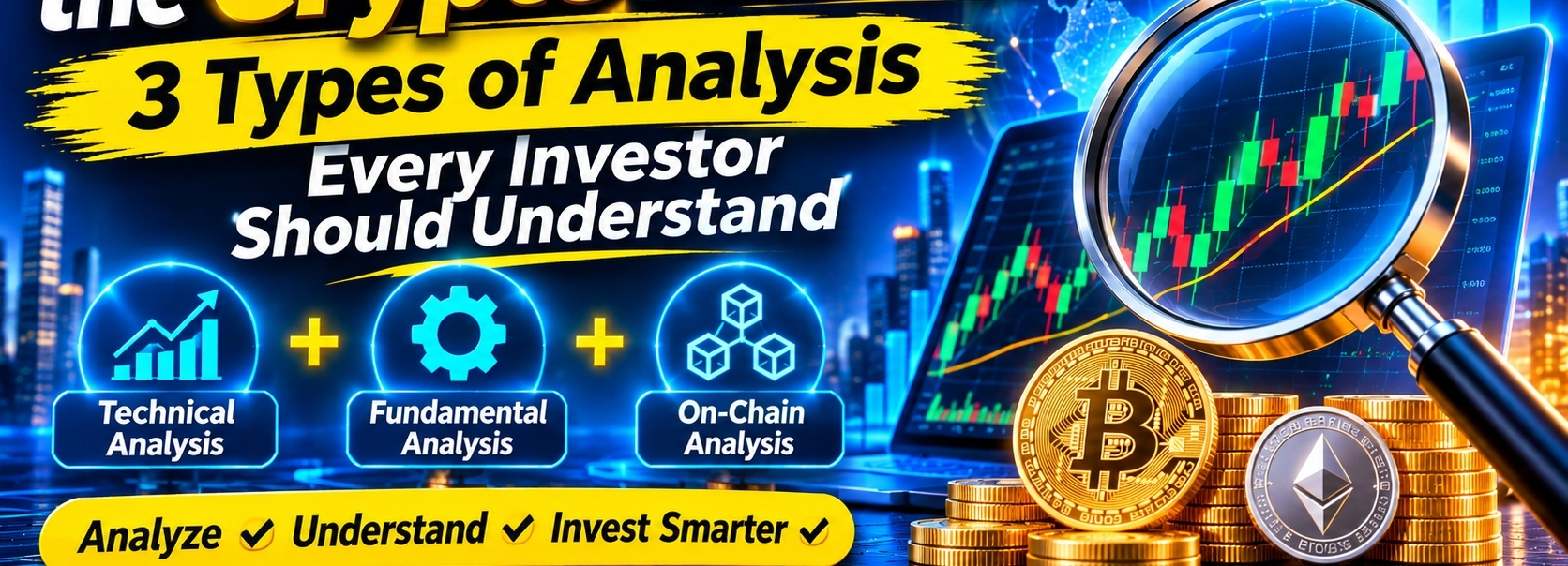
別再猜測加密貨幣市場:每位投資者都應瞭解的 3 種分析方法加密貨幣市場瞬息萬變。價格可能在幾小時內大幅上漲,也可能毫無預警地下跌,還可能在投資者最意想不到的時候改變方向。
但成功的市場分析並非要預測每一次波動,而是要理解現有證據、識別風險,並依據事實而非情緒做出決策。
如果你想了解某種加密貨幣未來可能的走勢,就需要關注三個重要維度。
1. 技術分析:價格告訴了你什麼?
技術分析通過研究歷史價格走勢和交易量,來識別可能的市場趨勢。
別再猜測加密貨幣市場:每位投資者都應瞭解的 3 種分析方法
加密貨幣市場瞬息萬變。價格可能在幾小時內大幅上漲,也可能毫無預警地下跌,還可能在投資者最意想不到的時候改變方向。
但成功的市場分析並非要預測每一次波動,而是要理解現有證據、識別風險,並依據事實而非情緒做出決策。
如果你想了解某種加密貨幣未來可能的走勢,就需要關注三個重要維度。
1. 技術分析:價格告訴了你什麼?
技術分析通過研究歷史價格走勢和交易量,來識別可能的市場趨勢。
但成功的市場分析並非要預測每一次波動,而是要理解現有證據、識別風險,並依據事實而非情緒做出決策。
如果你想了解某種加密貨幣未來可能的走勢,就需要關注三個重要維度。
1. 技術分析:價格告訴了你什麼?
技術分析通過研究歷史價格走勢和交易量,來識別可能的市場趨勢。
57
·
--
文章
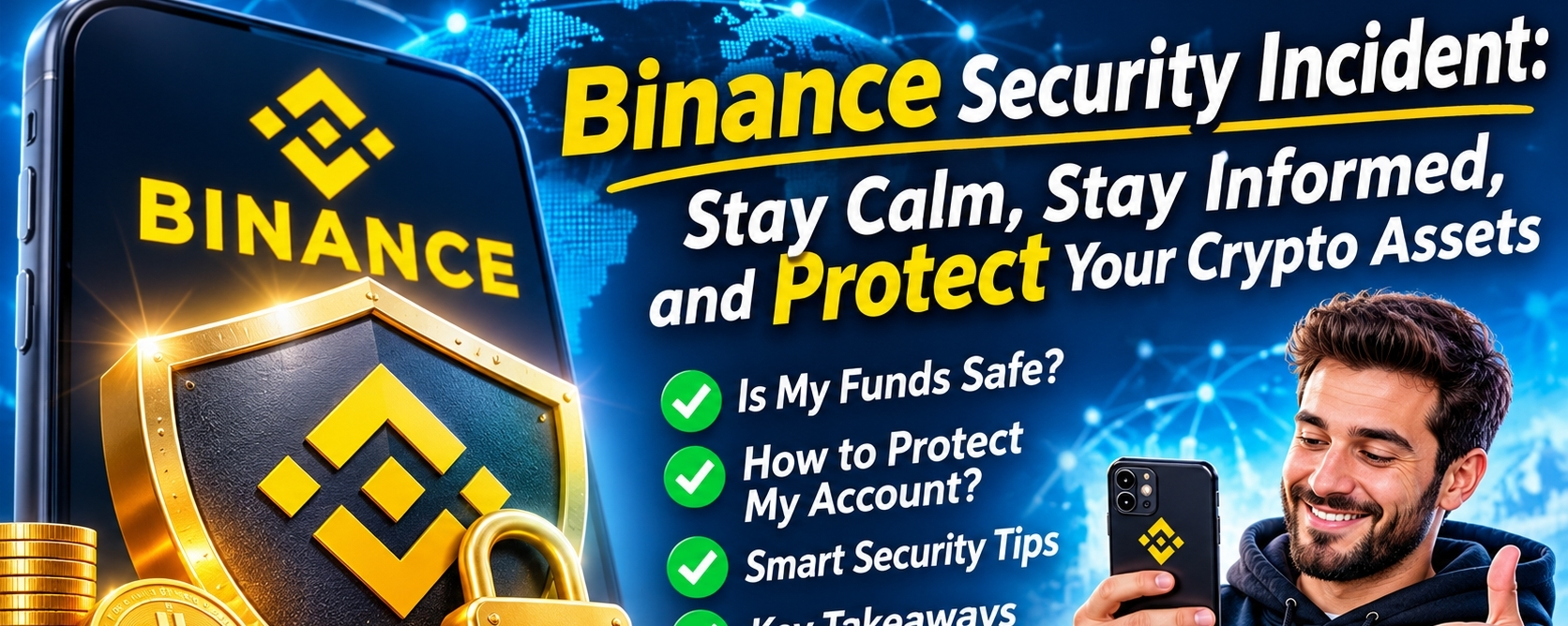
幣安安全事件:保持冷靜、及時瞭解情況並保護您的加密資產致每一位幣安用戶和加密貨幣投資者
幣安近期發生的安全事件無疑引發了加密貨幣社區的廣泛擔憂。發生如此重大的事件時,投資者自然會提出三個重要問題:
我的資金安全嗎?
我還能信任這個平臺嗎?
我應該怎麼做才能保護我的投資?
這些都是合理的問題,值得得到清晰、負責任的回答,而不是恐慌、猜測或盲目安慰。
1. 瞭解事件經過
幣安安全事件:保持冷靜、及時瞭解情況並保護您的加密資產
致每一位幣安用戶和加密貨幣投資者
幣安近期發生的安全事件無疑引發了加密貨幣社區的廣泛擔憂。發生如此重大的事件時,投資者自然會提出三個重要問題:
我的資金安全嗎?
我還能信任這個平臺嗎?
我應該怎麼做才能保護我的投資?
這些都是合理的問題,值得得到清晰、負責任的回答,而不是恐慌、猜測或盲目安慰。
1. 瞭解事件經過
幣安近期發生的安全事件無疑引發了加密貨幣社區的廣泛擔憂。發生如此重大的事件時,投資者自然會提出三個重要問題:
我的資金安全嗎?
我還能信任這個平臺嗎?
我應該怎麼做才能保護我的投資?
這些都是合理的問題,值得得到清晰、負責任的回答,而不是恐慌、猜測或盲目安慰。
1. 瞭解事件經過
133
·
--
文章
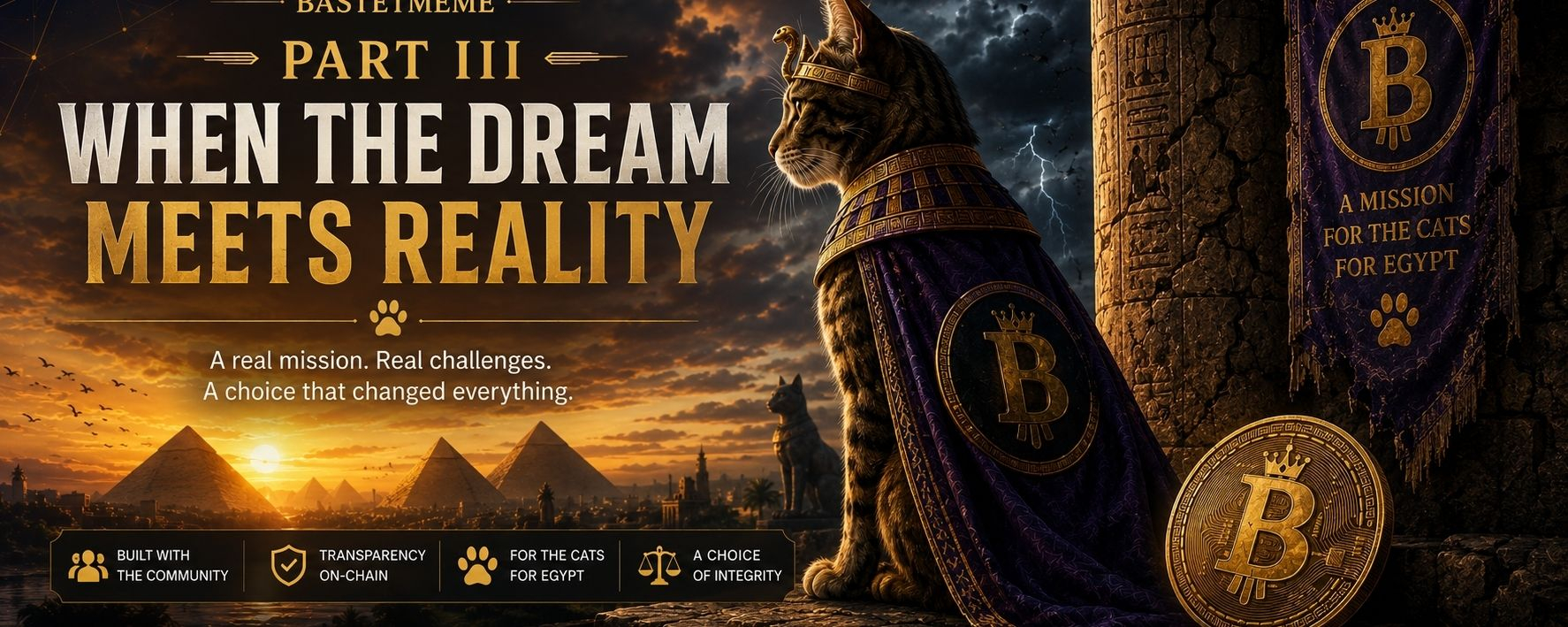
當夢想遇上現實最後一天,我們談到巴斯特Meme是如何被做出來的。
不需要大量的團隊投入。
沒有隱藏的金庫。
不承諾獲得保證的財富。
只有透明、一個小社區和一個夢想。
但接着來了每個項目最終都必須回答的問題:
在一個注意力有價格的世界裏,一個好主意還能活得下去嗎?
我們用艱難的方式發現:創建一個項目是一回事。
讓人們注意到它又是另一回事。
我們分享了關於巴斯特的故事。
我們製作了內容。
我們試着開始對話。
我們向加密貨幣社區發出了邀請。
當夢想遇上現實
最後一天,我們談到巴斯特Meme是如何被做出來的。
不需要大量的團隊投入。
沒有隱藏的金庫。
不承諾獲得保證的財富。
只有透明、一個小社區和一個夢想。
但接着來了每個項目最終都必須回答的問題:
在一個注意力有價格的世界裏,一個好主意還能活得下去嗎?
我們用艱難的方式發現:創建一個項目是一回事。
讓人們注意到它又是另一回事。
我們分享了關於巴斯特的故事。
我們製作了內容。
我們試着開始對話。
我們向加密貨幣社區發出了邀請。
不需要大量的團隊投入。
沒有隱藏的金庫。
不承諾獲得保證的財富。
只有透明、一個小社區和一個夢想。
但接着來了每個項目最終都必須回答的問題:
在一個注意力有價格的世界裏,一個好主意還能活得下去嗎?
我們用艱難的方式發現:創建一個項目是一回事。
讓人們注意到它又是另一回事。
我們分享了關於巴斯特的故事。
我們製作了內容。
我們試着開始對話。
我們向加密貨幣社區發出了邀請。
98
·
--
文章
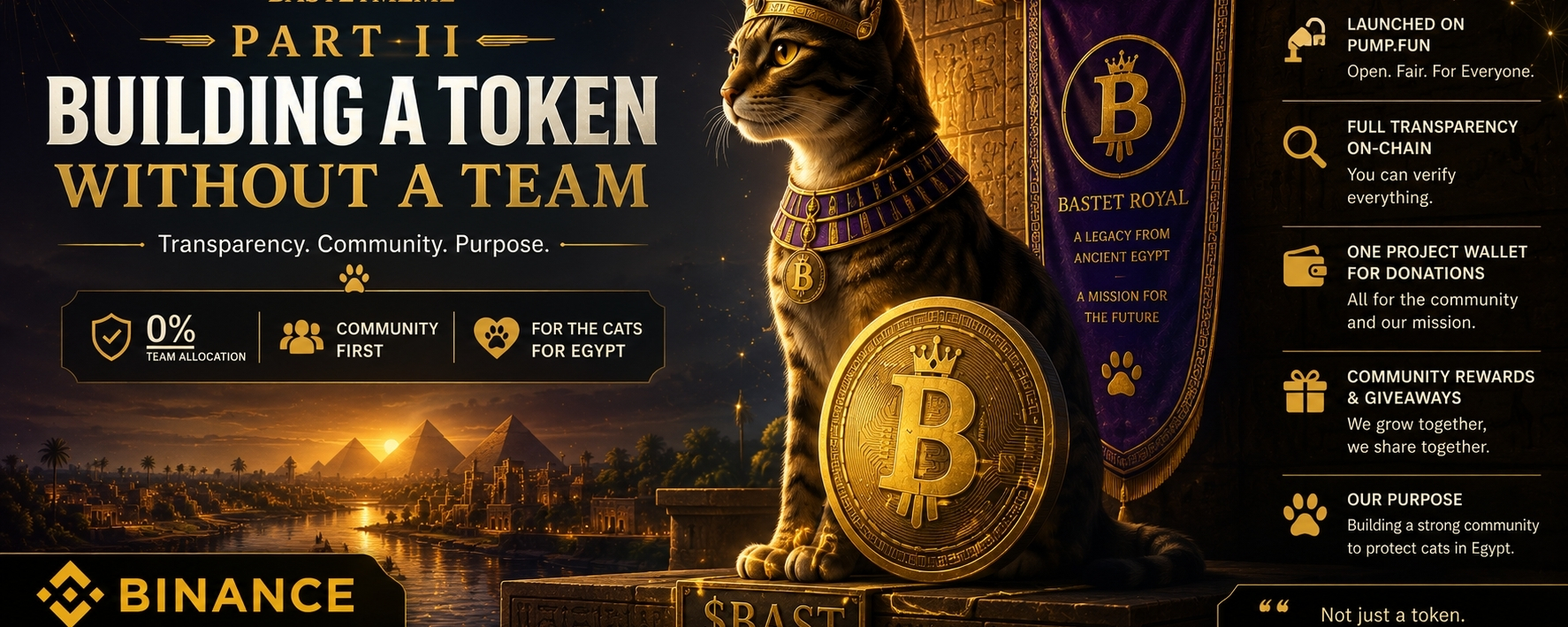
BASTETMEME — 第二部分
沒有團隊也能打造代幣上週五,我告訴了你 BastetMeme 是如何開始的。
一切始於一個夢想。
但是夢想很容易被描述。
打造它是另一回事。
當我們決定把 Bastet 的想法變成一個真實的加密項目時,我們遇到了一個每個小項目最終都會面對的問題:
當你身後沒有一筆財富支持時,你要如何去創造一些東西?
我們的答案很簡單:
用透明來打造。用社區來打造。
我們並沒有用傳統的團隊分配方式來創建 $BAST。
並沒有爲開發者、創始人或內部人士預留一個很大的比例。
BASTETMEME — 第二部分 沒有團隊也能打造代幣
上週五,我告訴了你 BastetMeme 是如何開始的。
一切始於一個夢想。
但是夢想很容易被描述。
打造它是另一回事。
當我們決定把 Bastet 的想法變成一個真實的加密項目時,我們遇到了一個每個小項目最終都會面對的問題:
當你身後沒有一筆財富支持時,你要如何去創造一些東西?
我們的答案很簡單:
用透明來打造。用社區來打造。
我們並沒有用傳統的團隊分配方式來創建 $BAST。
並沒有爲開發者、創始人或內部人士預留一個很大的比例。
一切始於一個夢想。
但是夢想很容易被描述。
打造它是另一回事。
當我們決定把 Bastet 的想法變成一個真實的加密項目時,我們遇到了一個每個小項目最終都會面對的問題:
當你身後沒有一筆財富支持時,你要如何去創造一些東西?
我們的答案很簡單:
用透明來打造。用社區來打造。
我們並沒有用傳統的團隊分配方式來創建 $BAST。
並沒有爲開發者、創始人或內部人士預留一個很大的比例。
61
·
--
文章
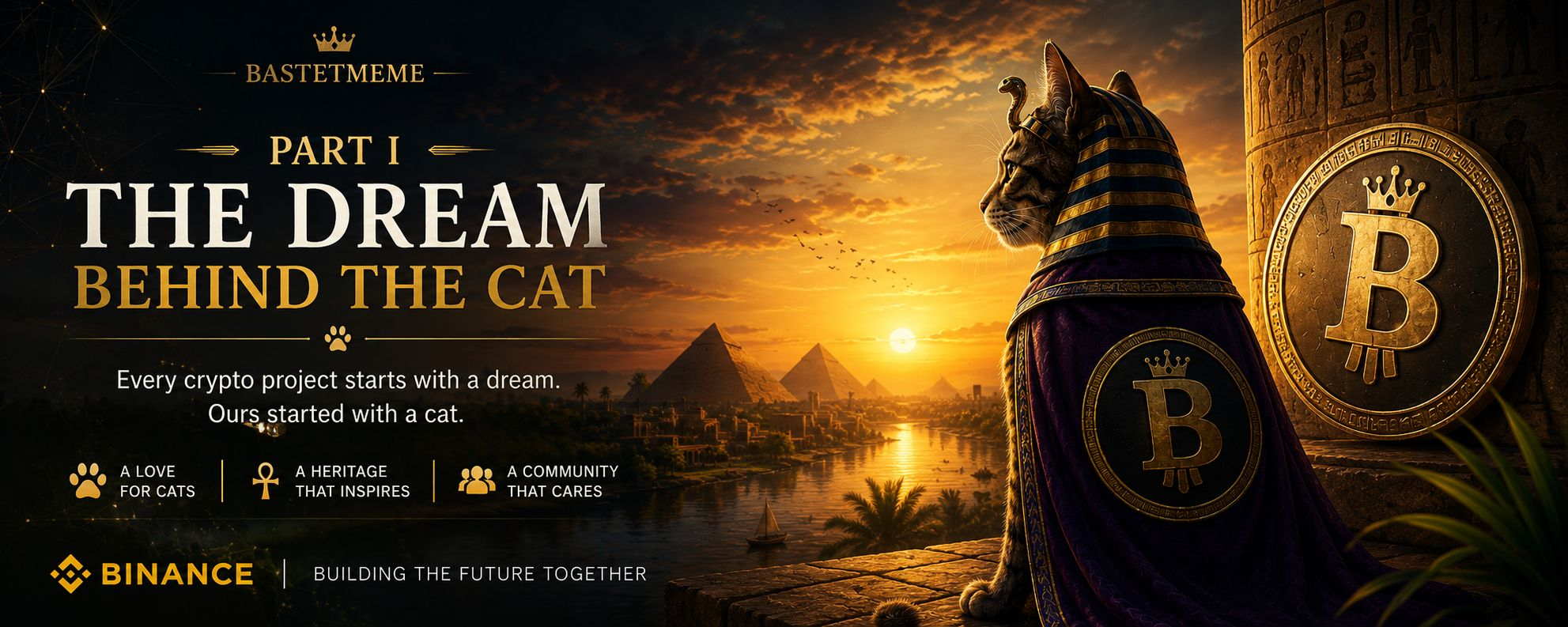
BASTETMEME — 第 I 部分
貓背後的夢想每一個加密項目的起點都是一個夢想。
有些夢想是從金錢開始的。
有些人從野心開始。
我們的開始源於一隻貓。
並不是看圖表。
並不是靠營銷預算。
並不是從“致富”的承諾開始。
一切始於一個簡單的問題:
如果一個加密社區真的能爲那些沒有聲音的動物做點好事呢?
我一直熱愛貓和動物。也一直對加密貨幣和 Web3 着迷——不只是因爲交易,而是因爲它背後的理念:來自不同地方的人們可以圍繞一個想法走到一起,而不需要傳統機構來把他們匯聚在一起。
BASTETMEME — 第 I 部分 貓背後的夢想
每一個加密項目的起點都是一個夢想。
有些夢想是從金錢開始的。
有些人從野心開始。
我們的開始源於一隻貓。
並不是看圖表。
並不是靠營銷預算。
並不是從“致富”的承諾開始。
一切始於一個簡單的問題:
如果一個加密社區真的能爲那些沒有聲音的動物做點好事呢?
我一直熱愛貓和動物。也一直對加密貨幣和 Web3 着迷——不只是因爲交易,而是因爲它背後的理念:來自不同地方的人們可以圍繞一個想法走到一起,而不需要傳統機構來把他們匯聚在一起。
有些夢想是從金錢開始的。
有些人從野心開始。
我們的開始源於一隻貓。
並不是看圖表。
並不是靠營銷預算。
並不是從“致富”的承諾開始。
一切始於一個簡單的問題:
如果一個加密社區真的能爲那些沒有聲音的動物做點好事呢?
我一直熱愛貓和動物。也一直對加密貨幣和 Web3 着迷——不只是因爲交易,而是因爲它背後的理念:來自不同地方的人們可以圍繞一個想法走到一起,而不需要傳統機構來把他們匯聚在一起。
38
·
--
看漲
#fogo $FOGO
{future}(FOGOUSDT)
🔥
FOGO 是一個新興的 Layer-1 區塊鏈項目,旨在實現高性能和可擴展的去中心化應用。其設計旨在提供超快速的交易和低延遲,並旨在賦能 DeFi、遊戲和下一代 Web3 平台。最近在主要交易所上市,FOGO 因其大膽的品牌形象和雄心勃勃的路線圖而受到關注。儘管仍處於早期階段,該項目將技術創新與日益增長的社區興趣相結合,將自己定位為不斷演變的加密生態系統中的一個充滿活力的競爭者。
#fogo $FOGO
🔥
FOGO 是一個新興的 Layer-1 區塊鏈項目,旨在實現高性能和可擴展的去中心化應用。其設計旨在提供超快速的交易和低延遲,並旨在賦能 DeFi、遊戲和下一代 Web3 平台。最近在主要交易所上市,FOGO 因其大膽的品牌形象和雄心勃勃的路線圖而受到關注。儘管仍處於早期階段,該項目將技術創新與日益增長的社區興趣相結合,將自己定位為不斷演變的加密生態系統中的一個充滿活力的競爭者。
🔥
FOGO 是一個新興的 Layer-1 區塊鏈項目,旨在實現高性能和可擴展的去中心化應用。其設計旨在提供超快速的交易和低延遲,並旨在賦能 DeFi、遊戲和下一代 Web3 平台。最近在主要交易所上市,FOGO 因其大膽的品牌形象和雄心勃勃的路線圖而受到關注。儘管仍處於早期階段,該項目將技術創新與日益增長的社區興趣相結合,將自己定位為不斷演變的加密生態系統中的一個充滿活力的競爭者。
2
3
·
--
看跌
{future}(BTCUSDT)
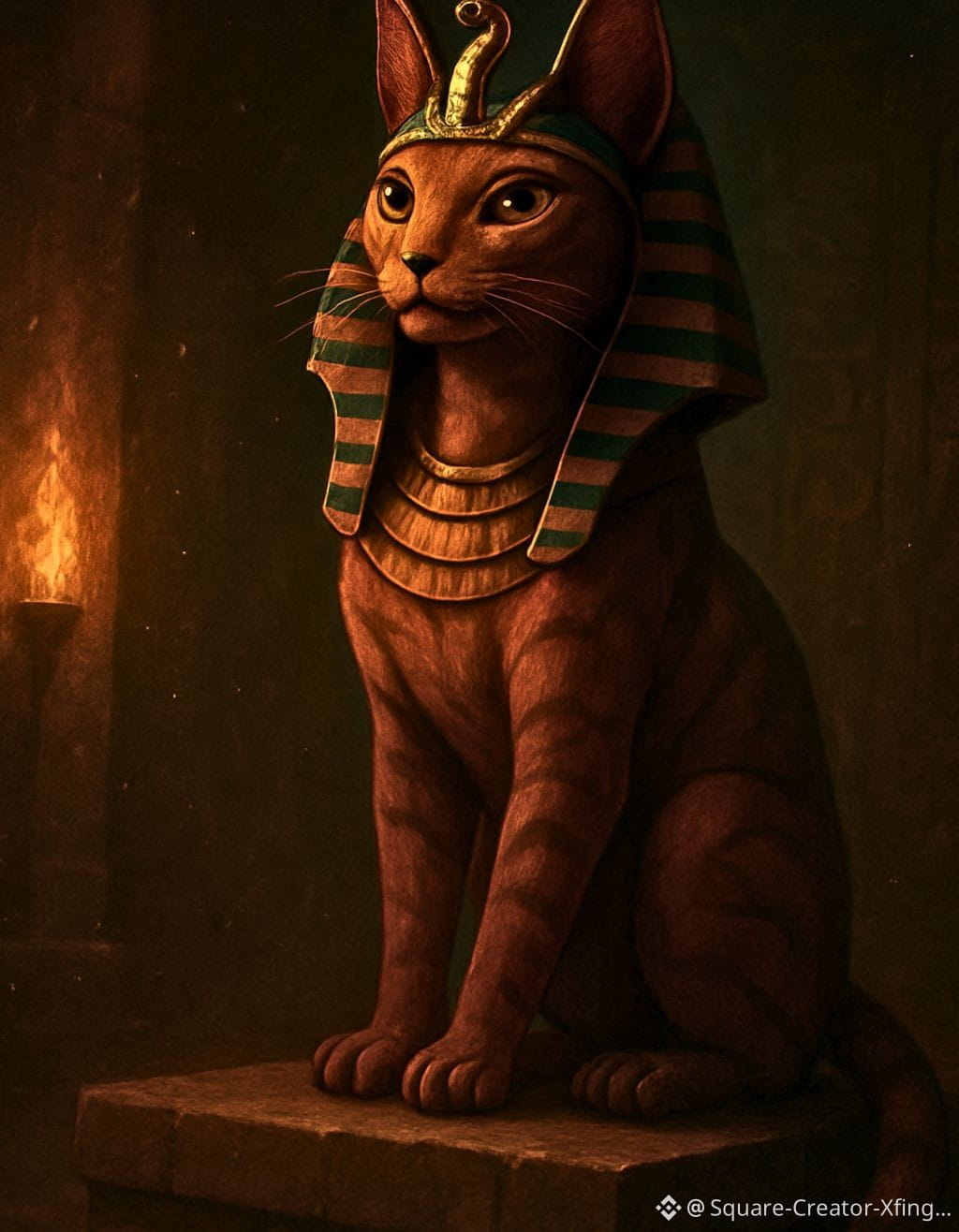
我們之前已經告訴過你,比特幣開始上升到最高點之後將會有完全的崩潰,降至60,000甚至更低!!
我支持Pi$
這是最佳的投資機會,趁還不算太晚 🙂
很多人會嘲笑、譏諷、笑著說
又一個瘋子!!🚩🚩🚩
但時間在我們之間
這不是投資建議,但對於想理解的人來說是一個紅燈 🚨🚨🚨
#pi
我們之前已經告訴過你,比特幣開始上升到最高點之後將會有完全的崩潰,降至60,000甚至更低!!
我支持Pi$
這是最佳的投資機會,趁還不算太晚 🙂
很多人會嘲笑、譏諷、笑著說
又一個瘋子!!🚩🚩🚩
但時間在我們之間
這不是投資建議,但對於想理解的人來說是一個紅燈 🚨🚨🚨
#pi
我支持Pi$
這是最佳的投資機會,趁還不算太晚 🙂
很多人會嘲笑、譏諷、笑著說
又一個瘋子!!🚩🚩🚩
但時間在我們之間
這不是投資建議,但對於想理解的人來說是一個紅燈 🚨🚨🚨
#pi
1
399
·
--
人工智能只是一個現代銷售代表,旨在引導您瞭解大型企業及其項目和產品,僅此而已
人工智能只是一個現代銷售代表,旨在引導您瞭解大型企業及其項目和產品,僅此而已
Elaouzi
·
--
虛假人工智能醜聞:73%的公司在向我們銷售“改進版ChatGPT”嗎?
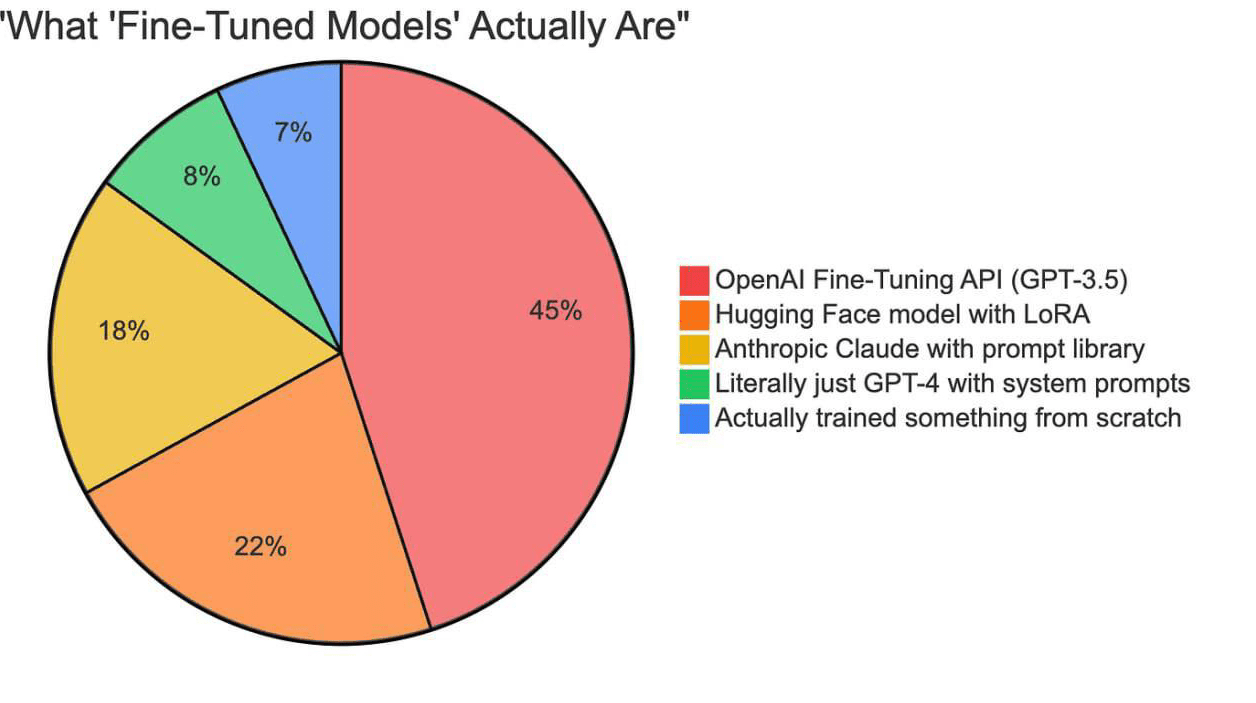
親愛的關注者們,向你們揭示許多人避而不談的人工智能市場的真相!對200多家獲得融資的初創公司的精確分析顯示,絕大多數(73%)主要依賴於其他公司的現成模型。
坦白說,許多產品中被稱爲“專有人工智能技術”的東西不過是:
坦白說,許多產品中被稱爲“專有人工智能技術”的東西不過是:
2
111
·
--

文章
時間的銷售者在一個充滿夢想的城市裏,夜空中星星閃爍着明亮的光芒,有一個名叫艾哈邁德的年輕人,他有一個奇怪而驚人的想法。他決定出售“時間”而不是物品。他出售他快樂的一分鐘、他思考的一個小時,或他生活的一天。他出售他靈魂的瞬間,人們熱切地購買。
艾哈邁德開始出售時間,人們開始向他購買。一位顧客購買了一分鐘他的快樂,以增加他無聊的一天,而另一位顧客購買了一個小時他的思緒,以尋找解決困難問題的方法。艾哈邁德以高價出售時間,但人們毫不猶豫地付款。
時間的銷售者
在一個充滿夢想的城市裏,夜空中星星閃爍着明亮的光芒,有一個名叫艾哈邁德的年輕人,他有一個奇怪而驚人的想法。他決定出售“時間”而不是物品。他出售他快樂的一分鐘、他思考的一個小時,或他生活的一天。他出售他靈魂的瞬間,人們熱切地購買。
艾哈邁德開始出售時間,人們開始向他購買。一位顧客購買了一分鐘他的快樂,以增加他無聊的一天,而另一位顧客購買了一個小時他的思緒,以尋找解決困難問題的方法。艾哈邁德以高價出售時間,但人們毫不猶豫地付款。
艾哈邁德開始出售時間,人們開始向他購買。一位顧客購買了一分鐘他的快樂,以增加他無聊的一天,而另一位顧客購買了一個小時他的思緒,以尋找解決困難問題的方法。艾哈邁德以高價出售時間,但人們毫不猶豫地付款。
10
·
--
說得非常好
說得非常好

Professor_MohammedEM
·
--
🌍🔥 Pi 之旅纔剛剛開始!
親愛的開拓者們,我們正生活在一個遠遠超出另一個數字貨幣項目的更大事物的初始階段。
Pi 的故事不是基於喧囂或空洞的承諾——而是建立在願景、耐心和社區之上。
現在,一些分析師認爲,隨着時間的推移,超過一萬億美元可能會流入 Pi 生態系統。
想一想這一點——這個流動性水平不僅僅是在搖動一個符號,而是在全球範圍內重塑數字貨幣的採用景觀。
Pi 的故事不是基於喧囂或空洞的承諾——而是建立在願景、耐心和社區之上。
現在,一些分析師認爲,隨着時間的推移,超過一萬億美元可能會流入 Pi 生態系統。
想一想這一點——這個流動性水平不僅僅是在搖動一個符號,而是在全球範圍內重塑數字貨幣的採用景觀。
14
·
--
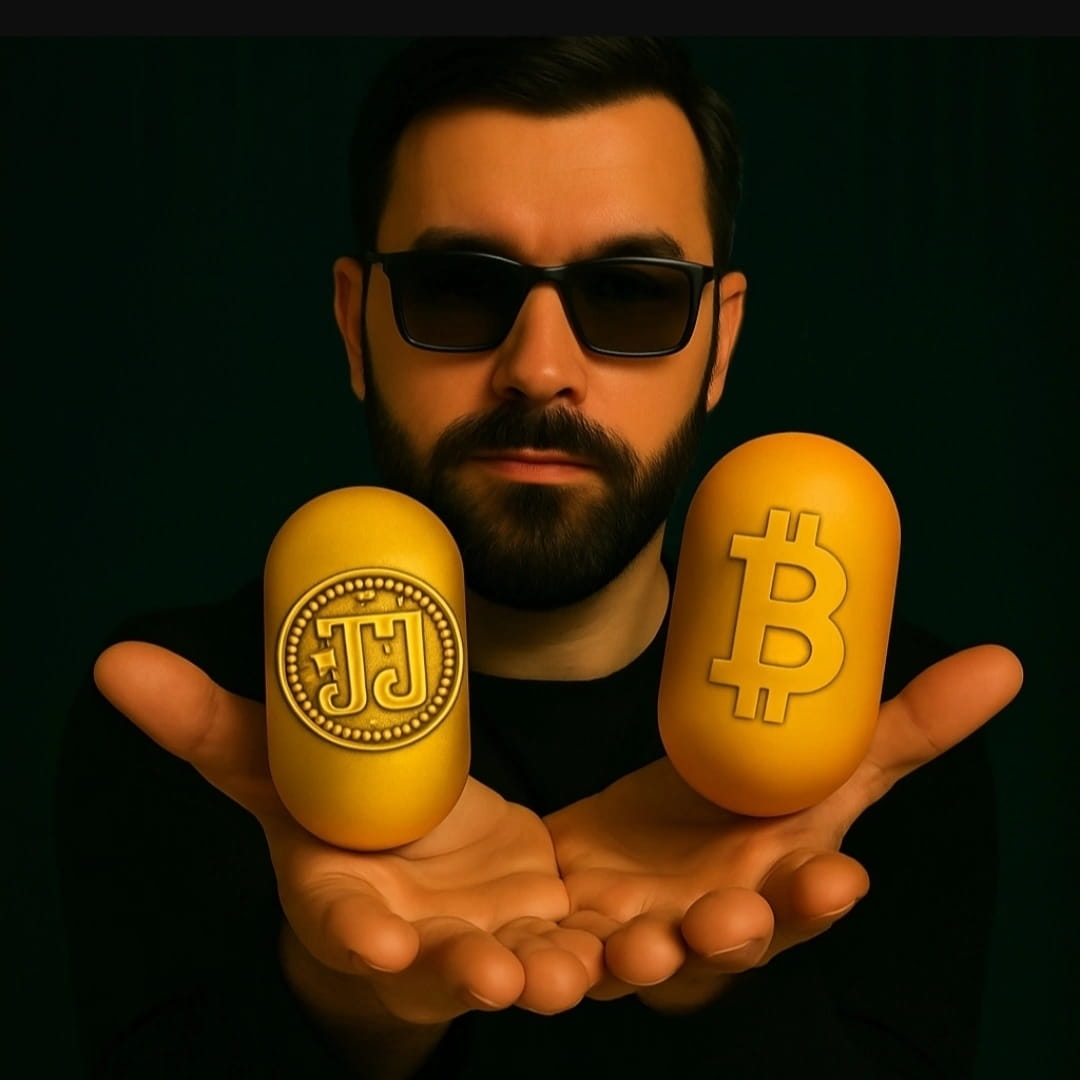
從未聽說過貨幣的人,無論是否擁有信息,都會在沒有知識的情況下發表意見,希望你不要轉發這些話。請在發表意見之前自己閱讀和研究。
從未聽說過貨幣的人,無論是否擁有信息,都會在沒有知識的情況下發表意見,希望你不要轉發這些話。請在發表意見之前自己閱讀和研究。
CRYPto tokens 89
·
--
關於 Pi 幣儲存者的消息
@yousif170:對於那些認為價格是 314,000 美元的人來說,這是詐騙。
✅ 是的,尼古拉斯·庫卡利斯或 Pi Network 的創始團隊實際上擁有超過 95% 的總幣量,因此該項目變得完全不可靠,並失去作為真正加密貨幣的所有可信度。
🔹 因為這意味著:
該貨幣完全是中心化的 — 意思是決策掌握在某個人或單位手中,而不是像比特幣或以太坊等真正的去中心化網絡。
✅ 是的,尼古拉斯·庫卡利斯或 Pi Network 的創始團隊實際上擁有超過 95% 的總幣量,因此該項目變得完全不可靠,並失去作為真正加密貨幣的所有可信度。
🔹 因為這意味著:
該貨幣完全是中心化的 — 意思是決策掌握在某個人或單位手中,而不是像比特幣或以太坊等真正的去中心化網絡。
69
·
--

文章
比特幣2025年第四季度前景## 主要驅動因素
1. 減半後供應緊縮(2024年減半影響加劇)。
2. 全球流動性:美聯儲的利率決策(降息 = 看漲)。
3. 機構需求:ETF資金流入,企業採納。
4. 監管:MiCA全面實施(歐盟),美國選舉政策變動。
5. 宏觀風險:通脹,網絡攻擊,地緣政治衝擊。
---
### 價格情景
| 情境 | 機率 | BTC價格範圍 | 促因
|---------------------|-----------------|---------------------|-----------------
比特幣2025年第四季度前景
## 主要驅動因素
1. 減半後供應緊縮(2024年減半影響加劇)。
2. 全球流動性:美聯儲的利率決策(降息 = 看漲)。
3. 機構需求:ETF資金流入,企業採納。
4. 監管:MiCA全面實施(歐盟),美國選舉政策變動。
5. 宏觀風險:通脹,網絡攻擊,地緣政治衝擊。
---
### 價格情景
| 情境 | 機率 | BTC價格範圍 | 促因
|---------------------|-----------------|---------------------|-----------------
1. 減半後供應緊縮(2024年減半影響加劇)。
2. 全球流動性:美聯儲的利率決策(降息 = 看漲)。
3. 機構需求:ETF資金流入,企業採納。
4. 監管:MiCA全面實施(歐盟),美國選舉政策變動。
5. 宏觀風險:通脹,網絡攻擊,地緣政治衝擊。
---
### 價格情景
| 情境 | 機率 | BTC價格範圍 | 促因
|---------------------|-----------------|---------------------|-----------------
1
28
·
--
看漲
Huma Finance ($HUMA);
Huma Finance 是一個去中心化融資平臺 (PayFi),連接傳統融資 (TradFi) 和去中心化融資 (DeFi)。旨在通過提供區塊鏈上的即時流動性來簡化全球支付,專注於收入擔保貸款和快速金融結算。該平臺在 Solana 網絡上運行,以確保交易速度和降低成本,並支持如跨境支付和實時結算等解決方案。
Huma Finance 的未來:
快速增長:該平臺在一年內實現了 54 億美元的 PayFi 交易,目標是在 2025 年底之前達到 100 億美元。
合作伙伴關係:與 Circle 和 Superstate 等大型實體合作,以改善流動性策略。
市場潛力:隨着對將 DeFi 解決方案與傳統融資相結合的需求增加,Huma Finance 可能會擁有光明的未來,但面臨加密貨幣市場波動的風險。
挑戰:其成功依賴於持續擴展、改善用戶體驗以及克服監管和技術挑戰。
#HUMAFINANCE
$HUMA
Huma Finance ($HUMA );
Huma Finance 是一個去中心化融資平臺 (PayFi),連接傳統融資 (TradFi) 和去中心化融資 (DeFi)。旨在通過提供區塊鏈上的即時流動性來簡化全球支付,專注於收入擔保貸款和快速金融結算。該平臺在 Solana 網絡上運行,以確保交易速度和降低成本,並支持如跨境支付和實時結算等解決方案。
Huma Finance 的未來:
快速增長:該平臺在一年內實現了 54 億美元的 PayFi 交易,目標是在 2025 年底之前達到 100 億美元。
合作伙伴關係:與 Circle 和 Superstate 等大型實體合作,以改善流動性策略。
市場潛力:隨着對將 DeFi 解決方案與傳統融資相結合的需求增加,Huma Finance 可能會擁有光明的未來,但面臨加密貨幣市場波動的風險。
挑戰:其成功依賴於持續擴展、改善用戶體驗以及克服監管和技術挑戰。
#HUMAFINANCE
$HUMA
195
·
--
這是比特幣在大崩潰之前實現歷史最高點的開始,比特幣跌至谷底 😂😂
這是比特幣在大崩潰之前實現歷史最高點的開始,比特幣跌至谷底 😂😂


حيتان العرب Arabicwhales
·
--
在過去的12小時中,8個在經歷了14年靜止後重啓的Satoshi時代的錢包轉移了80,000個比特幣,總價值86.8億美元!😱
🔹 其中兩個錢包在2011年4月以0.78美元的價格接收比特幣,其餘在2011年5月以3.37$ 美元的價格接收——當時它們的總價值僅爲21.78萬美元!
🔹 今天,這些比特幣的價值爲86.8億美元,即39,800倍的回報!🤯
📊 這是大規模拋售的開始嗎
分享你的預測 👇
🔹 其中兩個錢包在2011年4月以0.78美元的價格接收比特幣,其餘在2011年5月以3.37$ 美元的價格接收——當時它們的總價值僅爲21.78萬美元!
🔹 今天,這些比特幣的價值爲86.8億美元,即39,800倍的回報!🤯
📊 這是大規模拋售的開始嗎
分享你的預測 👇

252
·
--
22
22

8_NovaMeme
·
--
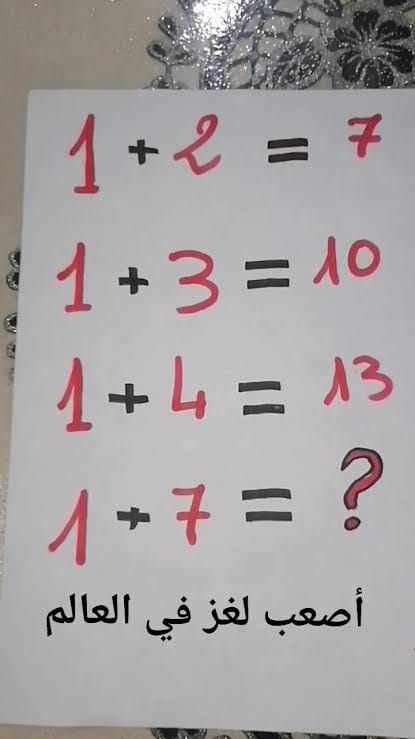
看漲世界上最困難的謎題 📍📍📍📍📍🔥🔥🔥🔥🔥🔥
只有那些不知道答案的人才會給出#answerthequestion werthequestion,給出正確答案的人將是贏家#lockyquiz uiz $BTC $TRUMP $BTC TH
只有那些不知道答案的人才會給出#answerthequestion werthequestion,給出正確答案的人將是贏家#lockyquiz uiz $BTC $TRUMP $BTC TH

3
·
--
連比特幣也不行,未來的日子會到來
連比特幣也不行,未來的日子會到來

mras645
·
--
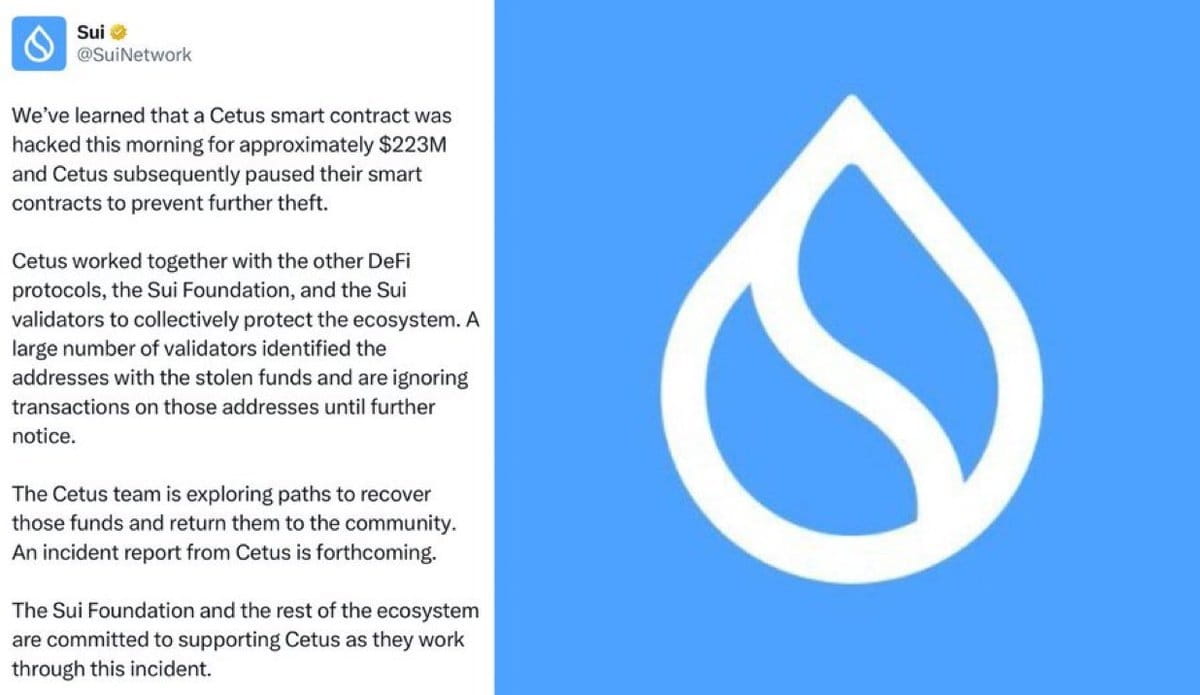
去中心化?大騙局 🤥
在突破 $200M 後,網絡 $SUI 開始阻止交易並凍結資金 🚫💸
面具掉了,我們看到了真相……
唯一真正去中心化的是比特幣 🟧
$SUI
$BTC
在突破 $200M 後,網絡 $SUI 開始阻止交易並凍結資金 🚫💸
面具掉了,我們看到了真相……
唯一真正去中心化的是比特幣 🟧
$SUI
$BTC
55
登入以探索更多內容
加入幣安廣場中的全球加密貨幣用戶
⚡️ 獲取加密貨幣的最新和實用資訊。
💬 受到全球最大加密貨幣交易所的信任。
👍 發掘來自經過驗證創作者的真實見解。
電子郵件 / 電話號碼