
_Jason
1.5k 貼文

_Jason
Crypto Insights & Market Updates 🌐 Web3 Enthusiast
286 關注
80 粉絲
488 點讚數
貼文
全部
引用
#dusk $DUSK @Dusk
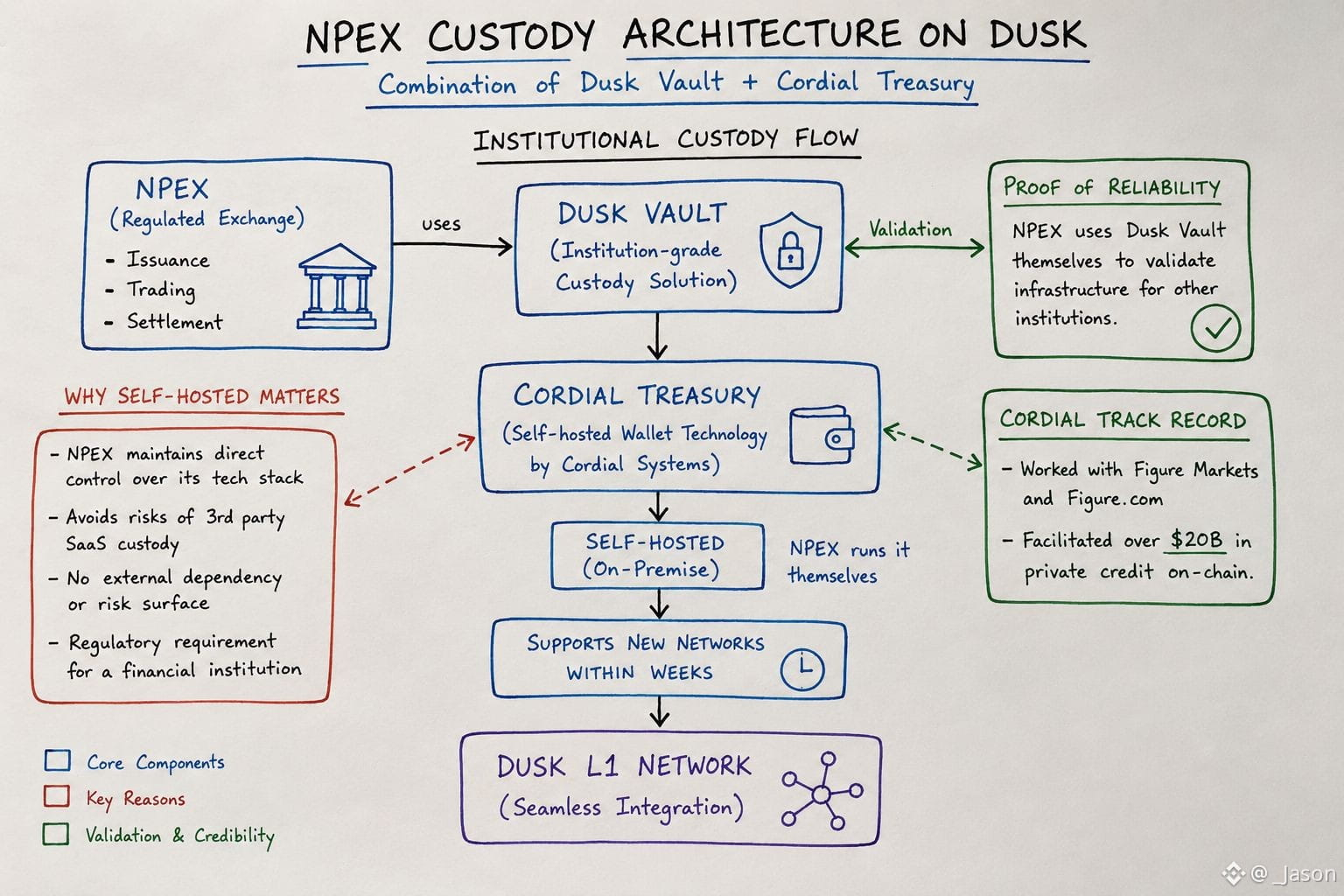
本週我在自己已覆蓋過的內容裏,首次發現了一條關於“黃昏(Dusk)堆棧”的新內容——準確說是:NPEX 實際如何持有並控制所涉及的數字資產,而不僅僅是交易或發行層面的運作。
答案可以歸結爲兩部分——Dusk Vault,被描述爲黃昏的機構級託管解決方案;以及 Cordial Treasury,這是由 Cordial Systems 構建的自託管(self-hosted)錢包技術,黃昏正是與之合作並針對本項目使用。
值得注意的是,爲什麼“自託管”在這裏至關重要。NPEX 作爲一家受監管的金融機構,優先考慮在自身技術棧上保持直接控制權,並且明確希望避免第三方 SaaS 託管解決方案所帶來的風險。這不是單純的偏好問題——把託管基礎設施交給某個外部 SaaS 提供商,就會引入依賴關係和風險暴露,這是受監管交易所通常不希望承擔的。
Cordial Treasury 通過“自託管且部署在本地(on premises)”來解決這一點:也就是由 NPEX 自己運行它,而不是依賴別人的託管服務。Cordial 特別被描述爲能夠在數週內爲新網絡增加支持——這也是他們能在合理的時間線上完成與黃昏 L1 的順利集成的關鍵。
另外需要提一下,Cordial 並不是某家缺乏驗證的供應商。他們曾與 Figure Markets 和 figure.com 合作,而這也促成了在鏈上發起超過 200 億美元的私募信貸(private credit)。把這樣一段已存在的業績帶入受監管交易所的集成,本身就具有說服力。
同時,這裏提到的 NPEX 並不只是作爲客戶在使用該託管方案——它還被定位爲對該方案的驗證者:讓其他機構在考慮採用同樣設置時,將“由黃昏(dusk)vault 親自使用來作爲背書”,用以證明該基礎設施的可靠性與安全性。
#dusk @Dusk $DUSK
本週我在自己已覆蓋過的內容裏,首次發現了一條關於“黃昏(Dusk)堆棧”的新內容——準確說是:NPEX 實際如何持有並控制所涉及的數字資產,而不僅僅是交易或發行層面的運作。
答案可以歸結爲兩部分——Dusk Vault,被描述爲黃昏的機構級託管解決方案;以及 Cordial Treasury,這是由 Cordial Systems 構建的自託管(self-hosted)錢包技術,黃昏正是與之合作並針對本項目使用。
值得注意的是,爲什麼“自託管”在這裏至關重要。NPEX 作爲一家受監管的金融機構,優先考慮在自身技術棧上保持直接控制權,並且明確希望避免第三方 SaaS 託管解決方案所帶來的風險。這不是單純的偏好問題——把託管基礎設施交給某個外部 SaaS 提供商,就會引入依賴關係和風險暴露,這是受監管交易所通常不希望承擔的。
Cordial Treasury 通過“自託管且部署在本地(on premises)”來解決這一點:也就是由 NPEX 自己運行它,而不是依賴別人的託管服務。Cordial 特別被描述爲能夠在數週內爲新網絡增加支持——這也是他們能在合理的時間線上完成與黃昏 L1 的順利集成的關鍵。
另外需要提一下,Cordial 並不是某家缺乏驗證的供應商。他們曾與 Figure Markets 和 figure.com 合作,而這也促成了在鏈上發起超過 200 億美元的私募信貸(private credit)。把這樣一段已存在的業績帶入受監管交易所的集成,本身就具有說服力。
同時,這裏提到的 NPEX 並不只是作爲客戶在使用該託管方案——它還被定位爲對該方案的驗證者:讓其他機構在考慮採用同樣設置時,將“由黃昏(dusk)vault 親自使用來作爲背書”,用以證明該基礎設施的可靠性與安全性。
#dusk @Dusk $DUSK
#dusk $DUSK @Dusk 本週我排隊的最後一個主題,也是把前面很多帖子串在一起的一點——也就是 DuskDS、DuskEVM 以及橋(bridge)之間實際的分工。我在過去兩週裏分別提到了這三者,但從未把它們並排地、作爲三個單獨命名的責任來展開。
DuskDS 是共識、結算與數據可用性。這是基礎層,幹着最重的活——也正是我在第一天講到的那部分:DuskEVM 上最終會以它作爲結算對象的東西,以及最終性的真相來源。
DuskEVM 是與以太坊兼容的智能合約執行。這是應用層:Solidity 合約真正運行的地方;排序器(sequencer)處理交易,並把它們打包以發佈回 DuskDS。
而橋(bridge)是第三個、很容易被忽略但至關重要的部分——它在這兩個環境之間移動 DUSK 以及消息。沒有把它明確命名爲自己的獨立組件,那麼在 DuskEVM 上用來支付 Gas 的 DUSK,以及在 dusk L1 上的 DUSK,就只是兩件彼此斷開的東西,而不是一個可以在兩個環境中通用的資產。
爲什麼要把它拆成三個被命名的部分,而不是隻說“dusk 區塊鏈”是一件事——因爲每一部分都有真正不同的工作,並且可以被分別推導與理解。結算保障存在於 DuskDS。執行與合約邏輯存在於 DuskEVM。資產與消息在兩者之間的流動,則具體由橋(bridge)承擔。
如果出了問題,或者你想弄清楚某一項特定保障到底來自哪裏(我的交易是否最終確定?我的合約是否在正確執行?我的 DUSK 是否真的發生了移動?),你可以準確指出這三者裏究竟是哪一個組件負責那項保障,而不是把整個技術棧當作一個沒有區分的、不透明黑盒。
#dusk @Dusk $DUSK
DuskDS 是共識、結算與數據可用性。這是基礎層,幹着最重的活——也正是我在第一天講到的那部分:DuskEVM 上最終會以它作爲結算對象的東西,以及最終性的真相來源。
DuskEVM 是與以太坊兼容的智能合約執行。這是應用層:Solidity 合約真正運行的地方;排序器(sequencer)處理交易,並把它們打包以發佈回 DuskDS。
而橋(bridge)是第三個、很容易被忽略但至關重要的部分——它在這兩個環境之間移動 DUSK 以及消息。沒有把它明確命名爲自己的獨立組件,那麼在 DuskEVM 上用來支付 Gas 的 DUSK,以及在 dusk L1 上的 DUSK,就只是兩件彼此斷開的東西,而不是一個可以在兩個環境中通用的資產。
爲什麼要把它拆成三個被命名的部分,而不是隻說“dusk 區塊鏈”是一件事——因爲每一部分都有真正不同的工作,並且可以被分別推導與理解。結算保障存在於 DuskDS。執行與合約邏輯存在於 DuskEVM。資產與消息在兩者之間的流動,則具體由橋(bridge)承擔。
如果出了問題,或者你想弄清楚某一項特定保障到底來自哪裏(我的交易是否最終確定?我的合約是否在正確執行?我的 DUSK 是否真的發生了移動?),你可以準確指出這三者裏究竟是哪一個組件負責那項保障,而不是把整個技術棧當作一個沒有區分的、不透明黑盒。
#dusk @Dusk $DUSK
YES
0%
NO
0%
0 票 • 投票已結束
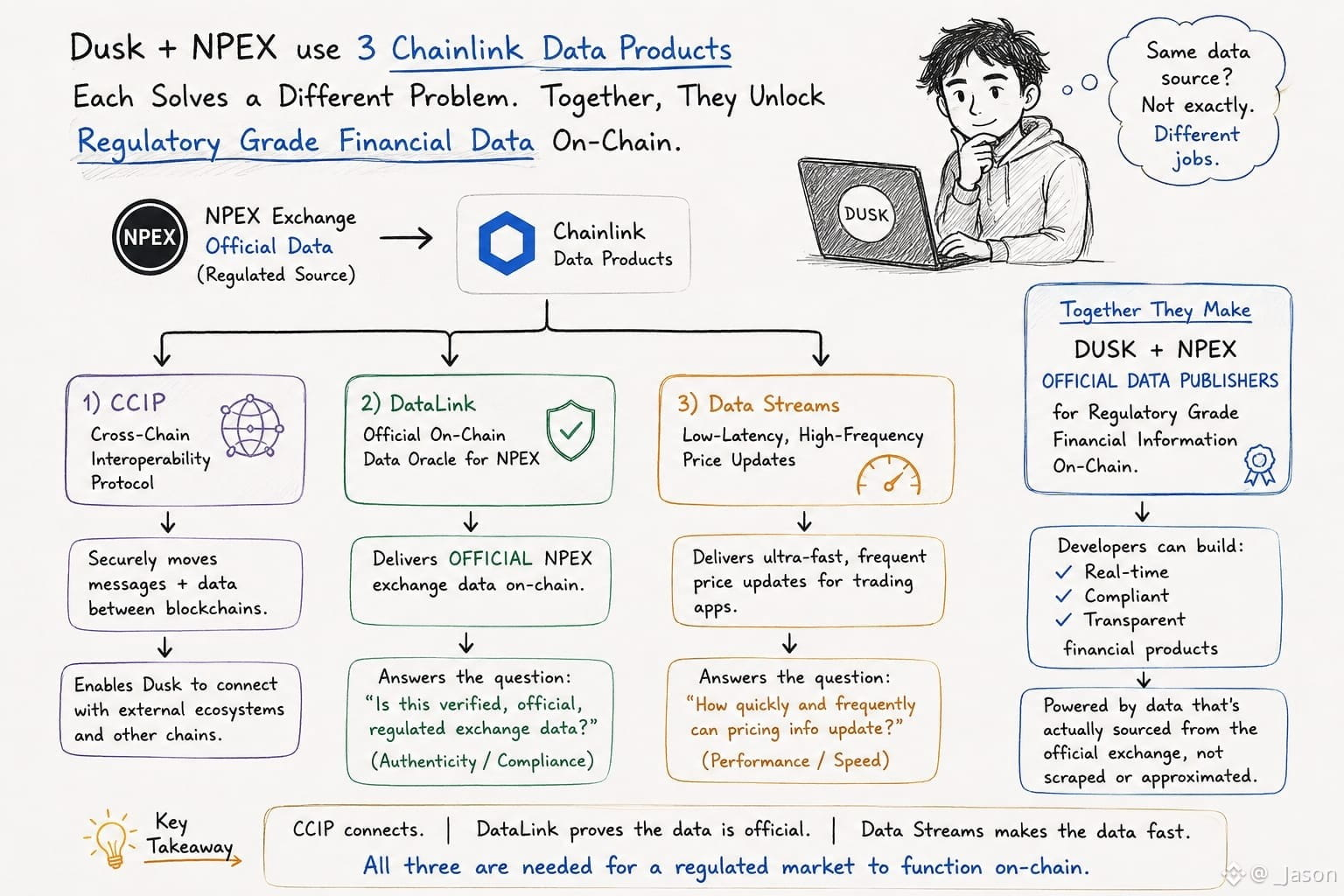
#dusk @Dusk 接着昨天的 CCIP 帖子說,因爲我注意到 Dusk 實際上在 CCIP 之外採用了兩種獨立的 Chainlink 數據產品:DataLink 和 Data Streams;在意識到它們解決的是不同問題之前,我差點把它們混爲“同一類價格信息源”。
DataLink 專門負責將官方的 NPEX 交易所數據直接送上區塊鏈。它被描述爲“爲該平臺提供唯一的鏈上數據預言機”——這意味着這不是來自某處的通用聚合市場數據,而是 NPEX 自己受監管交易所的數據,並通過某一特定的官方渠道上鍊。
Data Streams 是另一部分,它的工作完全不同——低延遲、高頻的價格更新,專門爲合規、注重性能的 DeFi 以及機構級交易應用而構建。這更像是“價格信息實際能有多快地傳導”的那一層,而不是 DataLink 負責的“數據來自誰、是否爲官方”的那一層。
爲什麼兩者都需要,而不是一個通用的訂閱源——因爲它們在回答兩個不同的問題。DataLink 回答的是“這是否經過驗證、官方、受監管的交易所數據”(合規/真實性問題)。Data Streams 回答的是“爲了面向主動交易,定價信息更新得有多快、多久頻率多高”(性能問題)。一個真正受監管的市場,確實需要把這兩個問題都回答得很好:來源要可被證明是合法的,同時速度也要足夠支撐真實交易,而不只是其中之一。
合在一起,這讓 Dusk 與 NPEX 成爲鏈上“監管級金融信息”的官方數據發佈方。對開發者而言,這意味着你可以基於確實來自官方交易所的數據(而不是從別處抓取或近似推算)來構建實時、合規、透明的金融產品。
$DUSK
DataLink 專門負責將官方的 NPEX 交易所數據直接送上區塊鏈。它被描述爲“爲該平臺提供唯一的鏈上數據預言機”——這意味着這不是來自某處的通用聚合市場數據,而是 NPEX 自己受監管交易所的數據,並通過某一特定的官方渠道上鍊。
Data Streams 是另一部分,它的工作完全不同——低延遲、高頻的價格更新,專門爲合規、注重性能的 DeFi 以及機構級交易應用而構建。這更像是“價格信息實際能有多快地傳導”的那一層,而不是 DataLink 負責的“數據來自誰、是否爲官方”的那一層。
爲什麼兩者都需要,而不是一個通用的訂閱源——因爲它們在回答兩個不同的問題。DataLink 回答的是“這是否經過驗證、官方、受監管的交易所數據”(合規/真實性問題)。Data Streams 回答的是“爲了面向主動交易,定價信息更新得有多快、多久頻率多高”(性能問題)。一個真正受監管的市場,確實需要把這兩個問題都回答得很好:來源要可被證明是合法的,同時速度也要足夠支撐真實交易,而不只是其中之一。
合在一起,這讓 Dusk 與 NPEX 成爲鏈上“監管級金融信息”的官方數據發佈方。對開發者而言,這意味着你可以基於確實來自官方交易所的數據(而不是從別處抓取或近似推算)來構建實時、合規、透明的金融產品。
$DUSK
#dusk $DUSK @Dusk
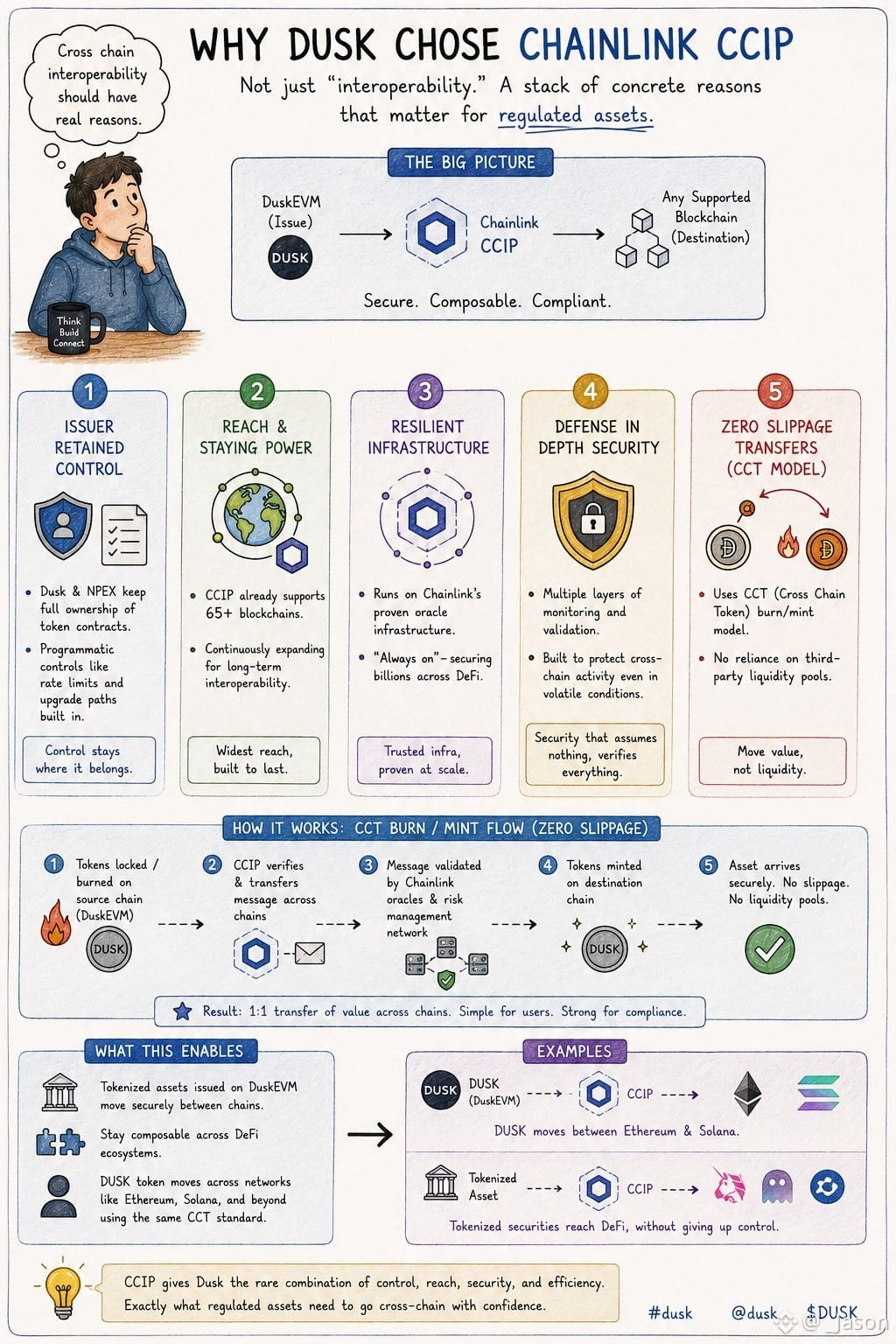
“跨鏈互操作性(cross chain interoperability)”這句話被提得太多了,幾乎都快失去任何特定含義了,所以今天我想認真看看:爲什麼 Dusk 選擇點名 Chainlink 的 CCIP,而不是僅僅接受這個“行業術語”。
原來當時給出的其實有好幾個具體原因,並不只是那種對“互操作性很好”的含糊表態。
第一——發行方保留控制權。Dusk 和 NPEX 在 CCIP 下對其代幣合約擁有完全所有權,並內置了速率限制、升級路徑等程序化控制。這和把控制權交給某種外部橋接機制有着本質區別。
第二——覆蓋範圍與長期延展能力。CCIP 已經支持 65+ 條區塊鏈,並且仍在持續擴展。對於長期互操作性來說,這一點很關鍵——不需要爲了獲得覆蓋而去犧牲發行方的控制權。
第三——CCIP 運行在同一套已經用於保護 DeFi 數十億資產的、可靠的預言機基礎設施上。其被描述爲“永遠在線(always on)”,所以這並不是首次把一些未經驗證的新基礎設施用來託付受監管資產。
第四——縱深防禦的安全性。也就是多層監控與驗證機制,在跨鏈活動過程中持續保護,即便在波動的市場環境下也同樣如此。對於受監管的證券,這一點比對一枚普通的“隨機 DeFi 代幣”更重要。
第五——還有這一條是具體機制而不只是原則:基於 CCT(跨鏈代幣 cross chain token)的燃燒/鑄造(burn/mint)實現零滑點轉賬,這會讓在跨鏈移動代幣時完全不依賴第三方流動性池。
實際會帶來什麼——在 DuskEVM 上發行的代幣化資產,可以在不同鏈之間安全地遷移,並在各類 DeFi 生態系統中保持可組合性;而 DUSK 本身也可以通過同一套 CCT 標準在以太坊與 Solana 等網絡之間進行遷移。
所以,“爲什麼是 Chainlink”並不是一個單一理由,而是一整套在涉及的資產是受監管證券而不是投機型代幣時,往往更爲關鍵的具體技術與治理層面原因。
#dusk $DUSK
@Dusk
“跨鏈互操作性(cross chain interoperability)”這句話被提得太多了,幾乎都快失去任何特定含義了,所以今天我想認真看看:爲什麼 Dusk 選擇點名 Chainlink 的 CCIP,而不是僅僅接受這個“行業術語”。
原來當時給出的其實有好幾個具體原因,並不只是那種對“互操作性很好”的含糊表態。
第一——發行方保留控制權。Dusk 和 NPEX 在 CCIP 下對其代幣合約擁有完全所有權,並內置了速率限制、升級路徑等程序化控制。這和把控制權交給某種外部橋接機制有着本質區別。
第二——覆蓋範圍與長期延展能力。CCIP 已經支持 65+ 條區塊鏈,並且仍在持續擴展。對於長期互操作性來說,這一點很關鍵——不需要爲了獲得覆蓋而去犧牲發行方的控制權。
第三——CCIP 運行在同一套已經用於保護 DeFi 數十億資產的、可靠的預言機基礎設施上。其被描述爲“永遠在線(always on)”,所以這並不是首次把一些未經驗證的新基礎設施用來託付受監管資產。
第四——縱深防禦的安全性。也就是多層監控與驗證機制,在跨鏈活動過程中持續保護,即便在波動的市場環境下也同樣如此。對於受監管的證券,這一點比對一枚普通的“隨機 DeFi 代幣”更重要。
第五——還有這一條是具體機制而不只是原則:基於 CCT(跨鏈代幣 cross chain token)的燃燒/鑄造(burn/mint)實現零滑點轉賬,這會讓在跨鏈移動代幣時完全不依賴第三方流動性池。
實際會帶來什麼——在 DuskEVM 上發行的代幣化資產,可以在不同鏈之間安全地遷移,並在各類 DeFi 生態系統中保持可組合性;而 DUSK 本身也可以通過同一套 CCT 標準在以太坊與 Solana 等網絡之間進行遷移。
所以,“爲什麼是 Chainlink”並不是一個單一理由,而是一整套在涉及的資產是受監管證券而不是投機型代幣時,往往更爲關鍵的具體技術與治理層面原因。
#dusk $DUSK
@Dusk
#dusk @Dusk 持續看到“NPEX partnership”被當作標題事實提及,但內容卻並不充分。所以今天我實際上去查了,NPEX到底是什麼,以及這項合作具體建立了什麼。
NPEX是一個在荷蘭運營的、受監管的證券交易所,它被許可爲多邊交易設施(MTF),並由荷蘭金融市場管理局(AFM)進行監管。這並不是某個“加密原生”的機構一頭扎進DeFi;它是已經存在的傳統金融基礎設施。規模也非常具體——已爲100+家中小企業促成超過2億歐元的融資,並擁有1.75萬+活躍投資者網絡正在使用它。
根據Dusk所述,這項合作真正建立的是:歐洲首個由區塊鏈驅動的證券交易所——也就是說,NPEX使用Dusk來發行、交易和代幣化受監管的金融工具,而不是Dusk試圖說服NPEX現有用戶去遷移到某個新的地方。
Dusk的CEO對此有一種我認爲很有用的表達方式:把它類比成書店——其他RWA協議被描述爲在“書架上尋找空間”(試圖把資產上架到自己的鏈上),而Dusk做的則是成爲容納整套藏書的“結構”。因此,關鍵並不是“說服NPEX把資產列到Dusk裏,作爲衆多選項之一”,而是“成爲NPEX自身正在運行的底層基礎設施”。
這是一種比我見過的大多數RWA項目更爲截然不同的商業模式;多數仍在試圖直接吸引資產/掛牌。它更接近於把區塊鏈能力嵌入到一個已經受監管、且已經擁有真實投資者交易量的交易所基礎設施層,而不是從零開始搭建一個新市場,然後期待流動性自己出現。
$DUSK
NPEX是一個在荷蘭運營的、受監管的證券交易所,它被許可爲多邊交易設施(MTF),並由荷蘭金融市場管理局(AFM)進行監管。這並不是某個“加密原生”的機構一頭扎進DeFi;它是已經存在的傳統金融基礎設施。規模也非常具體——已爲100+家中小企業促成超過2億歐元的融資,並擁有1.75萬+活躍投資者網絡正在使用它。
根據Dusk所述,這項合作真正建立的是:歐洲首個由區塊鏈驅動的證券交易所——也就是說,NPEX使用Dusk來發行、交易和代幣化受監管的金融工具,而不是Dusk試圖說服NPEX現有用戶去遷移到某個新的地方。
Dusk的CEO對此有一種我認爲很有用的表達方式:把它類比成書店——其他RWA協議被描述爲在“書架上尋找空間”(試圖把資產上架到自己的鏈上),而Dusk做的則是成爲容納整套藏書的“結構”。因此,關鍵並不是“說服NPEX把資產列到Dusk裏,作爲衆多選項之一”,而是“成爲NPEX自身正在運行的底層基礎設施”。
這是一種比我見過的大多數RWA項目更爲截然不同的商業模式;多數仍在試圖直接吸引資產/掛牌。它更接近於把區塊鏈能力嵌入到一個已經受監管、且已經擁有真實投資者交易量的交易所基礎設施層,而不是從零開始搭建一個新市場,然後期待流動性自己出現。
$DUSK
agree
0%
not agree
0%
0 票 • 投票已結束
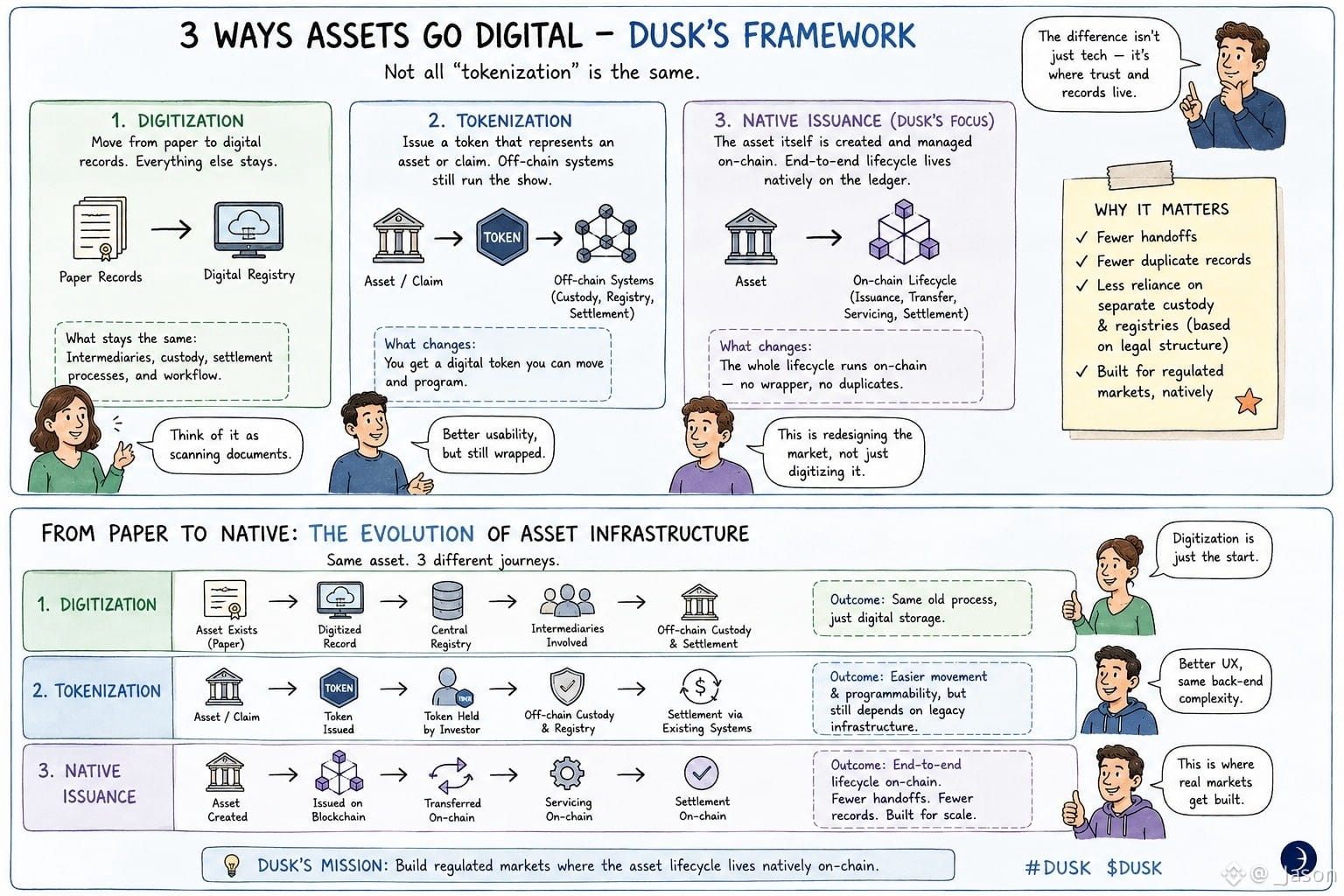
#dusk @Dusk 今天我想慢下來,談一個在整個 rwa 領域裏被相當寬泛地使用的詞——“tokenization(代幣化)”。dusk 實際上把它拆成了三種不同的事物;而當我把它們分別擺出來之後,其他地方那些較爲模糊的營銷說法也就更容易對上了。
第一是 digitization(數字化)。這就是把資產的登記/留存(recordkeeping)從紙質或手工流程,遷移到數字系統中。可以把它理解爲“去實體化證券”在一箇中心化登記處被記錄。資產生命週期和中介機構通常完全不變,唯一改變的是存儲介質。
第二是 tokenization(代幣化)。這是大家在隨口說“tokenization”時真正指的東西:發行一種代幣,用來代表某項資產,或代表對該資產的權利/索取權(claim)。這種代幣可以是可編程的,也更容易接入應用程序;但在這一模型下,被代幣化的受監管資產往往仍依賴現有的託管、登記和結算流程——這些流程經常仍是在鏈下發生。代幣本質上是一個“封裝層(wrapper)”,並不是對底層賬簿系統(system of record)的替代。
第三,是 dusk 實際上圍繞的這一點:native issuance(原生髮行)。這意味着資產本身在鏈上被創建並被管理——發行、轉移、服務(servicing)以及結算,都可以直接圍繞賬本來完成;而不是把代幣當作封裝層,套在某套獨立的鏈下系統之上。
爲什麼這種區分在實踐中真的重要——原生髮行被描述爲降低對獨立託管與登記層的依賴(取決於法律結構),並且因爲當整個工作流從一開始就“原生地”生活在鏈上時,會減少重複記錄的存在,所以在發行、轉移、服務與結算之間的交接(handoffs)也可能變少。僅僅做代幣化通常達不到這一點:你仍然常常需要在代幣與其他地方實際存在的底層資產之間進行對賬。
所以當 dusk 談論受監管市場時,它並不只是想表達“把資產包裝成代幣”。它瞄準的是更深層的版本:從一開始就把資產生命週期的運作方式,按照鏈上工作流重新設計。
$DUSK
第一是 digitization(數字化)。這就是把資產的登記/留存(recordkeeping)從紙質或手工流程,遷移到數字系統中。可以把它理解爲“去實體化證券”在一箇中心化登記處被記錄。資產生命週期和中介機構通常完全不變,唯一改變的是存儲介質。
第二是 tokenization(代幣化)。這是大家在隨口說“tokenization”時真正指的東西:發行一種代幣,用來代表某項資產,或代表對該資產的權利/索取權(claim)。這種代幣可以是可編程的,也更容易接入應用程序;但在這一模型下,被代幣化的受監管資產往往仍依賴現有的託管、登記和結算流程——這些流程經常仍是在鏈下發生。代幣本質上是一個“封裝層(wrapper)”,並不是對底層賬簿系統(system of record)的替代。
第三,是 dusk 實際上圍繞的這一點:native issuance(原生髮行)。這意味着資產本身在鏈上被創建並被管理——發行、轉移、服務(servicing)以及結算,都可以直接圍繞賬本來完成;而不是把代幣當作封裝層,套在某套獨立的鏈下系統之上。
爲什麼這種區分在實踐中真的重要——原生髮行被描述爲降低對獨立託管與登記層的依賴(取決於法律結構),並且因爲當整個工作流從一開始就“原生地”生活在鏈上時,會減少重複記錄的存在,所以在發行、轉移、服務與結算之間的交接(handoffs)也可能變少。僅僅做代幣化通常達不到這一點:你仍然常常需要在代幣與其他地方實際存在的底層資產之間進行對賬。
所以當 dusk 談論受監管市場時,它並不只是想表達“把資產包裝成代幣”。它瞄準的是更深層的版本:從一開始就把資產生命週期的運作方式,按照鏈上工作流重新設計。
$DUSK
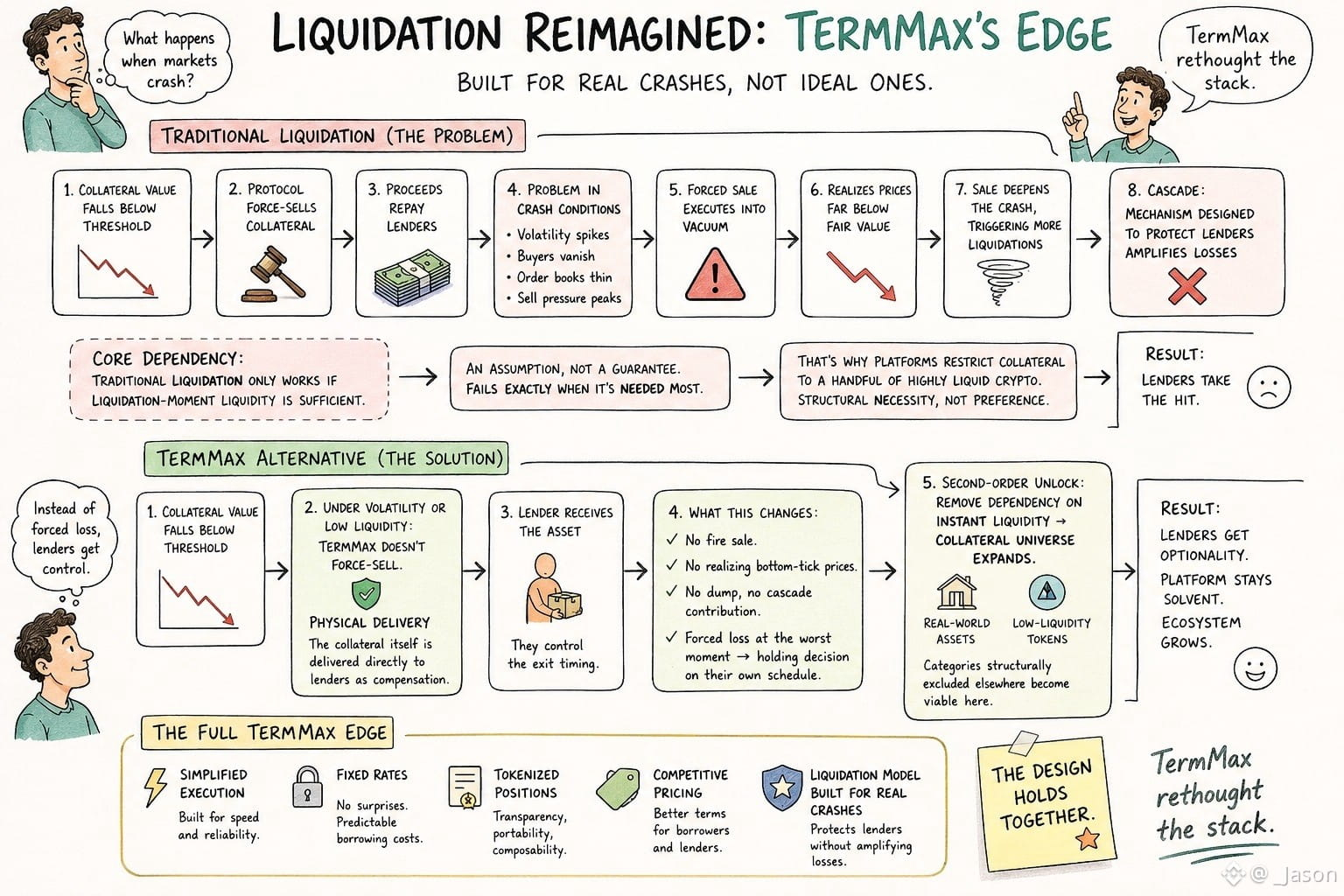
#termmax @TermMax 讓我們審視一個沒人會在來不及之前去重點壓力測試的失效模式:在流動性過薄時的清算。\n\n標準機制,逐步來看。抵押品價值跌破閾值。協議在公開市場強制出售抵押品。所得用於償還出借人。紙面上很乾淨。現在把真實崩盤條件加進來:波動率急劇飆升,買家消失,且在賣壓達到高峯的時刻,訂單簿恰好變薄。強制出售正好在這片真空中成交,成交價遠低於公允價值。更糟的是,出售本身會加深崩盤,進而觸發更多清算。形成連鎖反應。原本用來保護出借人的機制,反而成爲放大出借人損失的“擴音器”。\n\n量化核心依賴項的話,缺陷就一目瞭然:傳統清算只有在“清算髮生時的流動性”足夠時才奏效。這是一個假設,而不是保證,並且恰恰在最需要的時候失效。也正因此,傳統平臺會將抵押品限制在少數高度流動的加密貨幣上。不是偏好,而是結構性必需品。他們的整個償付能力模型,都依賴於能夠快速拋售抵押品。\n\n現在,直說 TermMax 的替代方案:實物交割。\n\n在顯著波動或低流動性的情況下,TermMax 不會強制拋售。抵押品本身將直接作爲補償交付給出借人。把這件事想清楚:沒有火售,因此也不會實現“底部 tick”式的低價;沒有拋壓,因此不會產生連鎖反應的貢獻。出借人拿到資產後自行掌控退出時點,把在最糟糕時刻被迫承受的損失,轉變爲由他們按自家節奏做出的持有決策。\n\n而第二層次的解鎖,纔是更大的故事:消除對即時流動性的依賴,抵押品宇宙就會擴展。現實世界資產。低流動性代幣。在其他地方被結構性排除的類別,在這裏變得可行。\n\n一句話概括完整系列:簡化執行、固定費率、代幣化倉位、具競爭力的定價,以及爲真實崩盤而非“理想情況”構建的清算模型。設計本身自洽。\n\n以上就是全部分析。TermMax 重新思考了這整套技術棧。
#termmax @TermMax 哥,來個簡短故事。我在我這兒附近有兩家店。
店一:定價牌,拒絕商量。你去問那個人:“哥們兒,能不能少點?”他就指着牌子,好像那是法院判決一樣。牌子上寫什麼就是什麼,最終敲定。店二:真正的集市。十個賣家,同樣的東西,價格不一樣。你走走看看,對比一下,去砍價——你就贏了。你去哪兒買?就這麼簡單。大家都知道答案。
但重點是:沒人告訴你的那件事——大多數 DeFi 平臺其實是店一。
你的借款利率、你的存款利率,所有這些都來自一個數學公式,叫 AMM 曲線。公式給出數字就完事了。牌價就是最終價,不許議價。而更醜的部分是?這個公式根本沒把真實市場算準。它只是在計算它被設定時要計算的東西。結果你會接受一些實際人類根本不會給你的利率,因爲對面根本沒有真正的人。只有帶脾氣的數學。
TermMax 把店一做成了整個集市。讓我告訴你具體怎麼做到的。
在 TermMax 上,做市商設定所謂的“區間訂單”。簡單說:每個做市商都擺出自己的攤位。“我就在這個區間按這個利率、用這些條款來借出/放貸。”另一個提供不同的東西。第三個,又是另一套。TermMax 把這些所有報價都集中到一個地方。於是你來借或出借時,你看到的不是一塊板子。你是在一整個集市裏挑選——挑你最適合的那筆交易。
而因爲這些做市商爲了你的生意在競爭,所以利率會保持誠實。競爭嘛,哥。本書裏最老的招,但它就是比任何公式都更管用。
一個價格是一張訂單。很多價格是一整個市場。就這麼直白。
明天、最後一天,而且最重的一次:TermMax 在市場徹底崩盤時會做什麼。你可別錯過。茶都準備好了。我們見。
店一:定價牌,拒絕商量。你去問那個人:“哥們兒,能不能少點?”他就指着牌子,好像那是法院判決一樣。牌子上寫什麼就是什麼,最終敲定。店二:真正的集市。十個賣家,同樣的東西,價格不一樣。你走走看看,對比一下,去砍價——你就贏了。你去哪兒買?就這麼簡單。大家都知道答案。
但重點是:沒人告訴你的那件事——大多數 DeFi 平臺其實是店一。
你的借款利率、你的存款利率,所有這些都來自一個數學公式,叫 AMM 曲線。公式給出數字就完事了。牌價就是最終價,不許議價。而更醜的部分是?這個公式根本沒把真實市場算準。它只是在計算它被設定時要計算的東西。結果你會接受一些實際人類根本不會給你的利率,因爲對面根本沒有真正的人。只有帶脾氣的數學。
TermMax 把店一做成了整個集市。讓我告訴你具體怎麼做到的。
在 TermMax 上,做市商設定所謂的“區間訂單”。簡單說:每個做市商都擺出自己的攤位。“我就在這個區間按這個利率、用這些條款來借出/放貸。”另一個提供不同的東西。第三個,又是另一套。TermMax 把這些所有報價都集中到一個地方。於是你來借或出借時,你看到的不是一塊板子。你是在一整個集市裏挑選——挑你最適合的那筆交易。
而因爲這些做市商爲了你的生意在競爭,所以利率會保持誠實。競爭嘛,哥。本書裏最老的招,但它就是比任何公式都更管用。
一個價格是一張訂單。很多價格是一整個市場。就這麼直白。
明天、最後一天,而且最重的一次:TermMax 在市場徹底崩盤時會做什麼。你可別錯過。茶都準備好了。我們見。
long
50%
short
50%
2 票 • 投票已結束
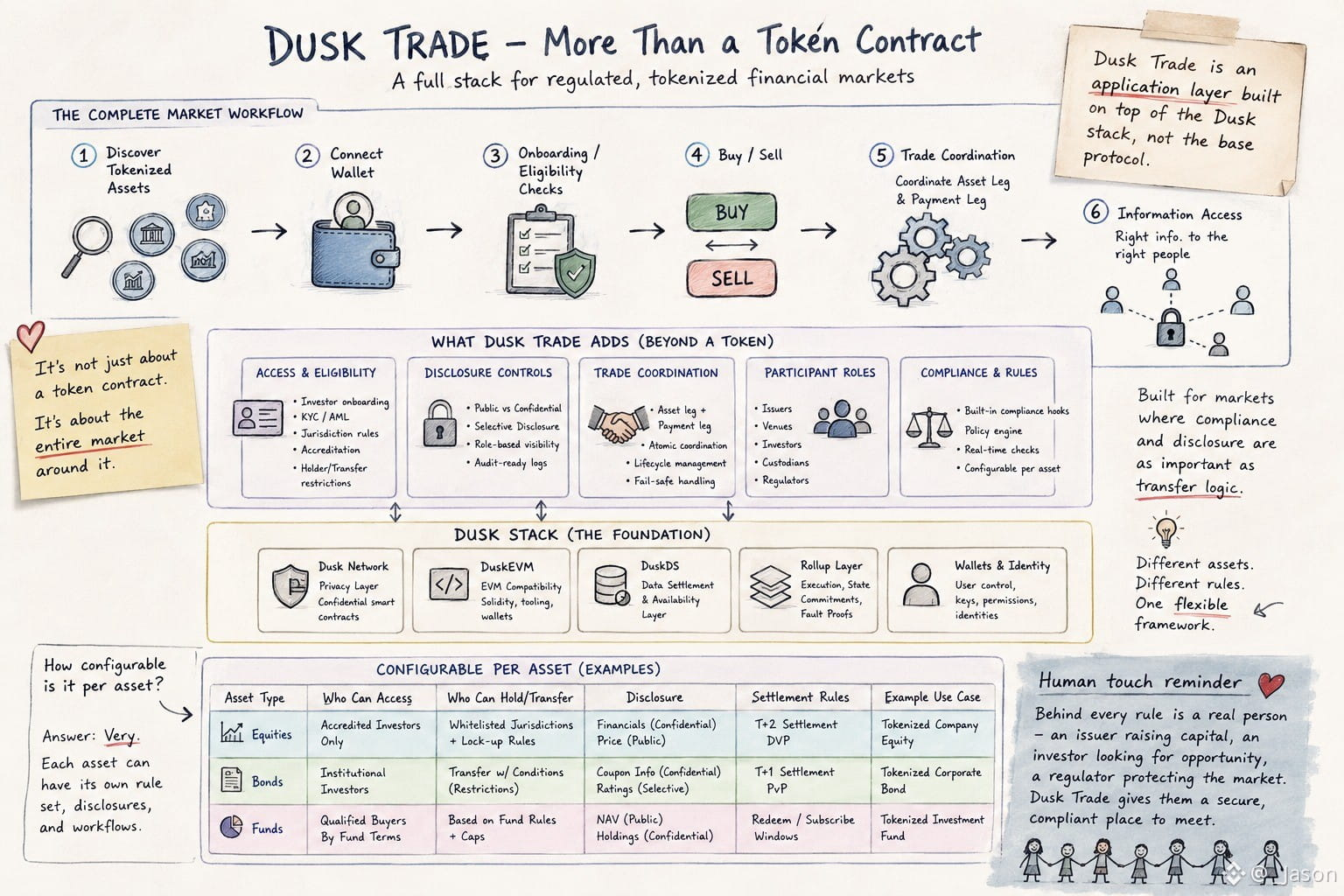
#dusk @Dusk 這周先從加密相關的事情後退一步,專門看了 Dusk Trade,因爲我覺得很容易把“代幣化資產平臺”簡單理解成“某處存在一個代幣合約”——但這並不是 Dusk Trade 實際是什麼。
Dusk Trade 位於基礎協議之上,屬於應用層——它明確不是基礎協議本身。它被描述爲一層產品層,使用其下方的 dusk stack。它實際涵蓋的是一整套工作流:發現代幣化的金融資產、連接錢包、完成入駐或資格/合規檢查、買入或賣出、協調交易中的資產環節與支付環節,並向發行方、交易場所、投資者或其他獲授權方,提供合適的關鍵信息。
而我認爲最後這部分纔是重點。對於受監管的資產來說,難點幾乎從來不在“代幣合約本身孤立存在”——真正難的是圍繞它的完整市場工作流。誰可以訪問該資產、誰可以持有或轉移、哪些是公開的哪些是保密的、哪些可以被選擇性披露、支付與資產結算如何協同協調在一起,以及發行方/交易場所/投資者如何在同一個環境中互動而不彼此踩到對方的要求。
所以 Dusk Trade 不是“另一個去中心化交易所(DEX)前端”,而是專門爲這樣一些市場構建的:圍繞資產必須存在資格與披露邏輯,而不僅僅是轉賬邏輯。一個通用的代幣合約默認不具備這些;如果底層棧沒有提供它,你就需要爲每一種受監管資產從頭把所有東西自己搭起來。
我目前仍在努力弄清的——就是這個資格/披露層在“每個資產”層面到底有多可配置,因爲不同的受監管工具(股票 vs 債券 vs 基金)顯然附帶的合規要求差異會非常大。
$DUSK
Dusk Trade 位於基礎協議之上,屬於應用層——它明確不是基礎協議本身。它被描述爲一層產品層,使用其下方的 dusk stack。它實際涵蓋的是一整套工作流:發現代幣化的金融資產、連接錢包、完成入駐或資格/合規檢查、買入或賣出、協調交易中的資產環節與支付環節,並向發行方、交易場所、投資者或其他獲授權方,提供合適的關鍵信息。
而我認爲最後這部分纔是重點。對於受監管的資產來說,難點幾乎從來不在“代幣合約本身孤立存在”——真正難的是圍繞它的完整市場工作流。誰可以訪問該資產、誰可以持有或轉移、哪些是公開的哪些是保密的、哪些可以被選擇性披露、支付與資產結算如何協同協調在一起,以及發行方/交易場所/投資者如何在同一個環境中互動而不彼此踩到對方的要求。
所以 Dusk Trade 不是“另一個去中心化交易所(DEX)前端”,而是專門爲這樣一些市場構建的:圍繞資產必須存在資格與披露邏輯,而不僅僅是轉賬邏輯。一個通用的代幣合約默認不具備這些;如果底層棧沒有提供它,你就需要爲每一種受監管資產從頭把所有東西自己搭起來。
我目前仍在努力弄清的——就是這個資格/披露層在“每個資產”層面到底有多可配置,因爲不同的受監管工具(股票 vs 債券 vs 基金)顯然附帶的合規要求差異會非常大。
$DUSK
#dusk @Dusk
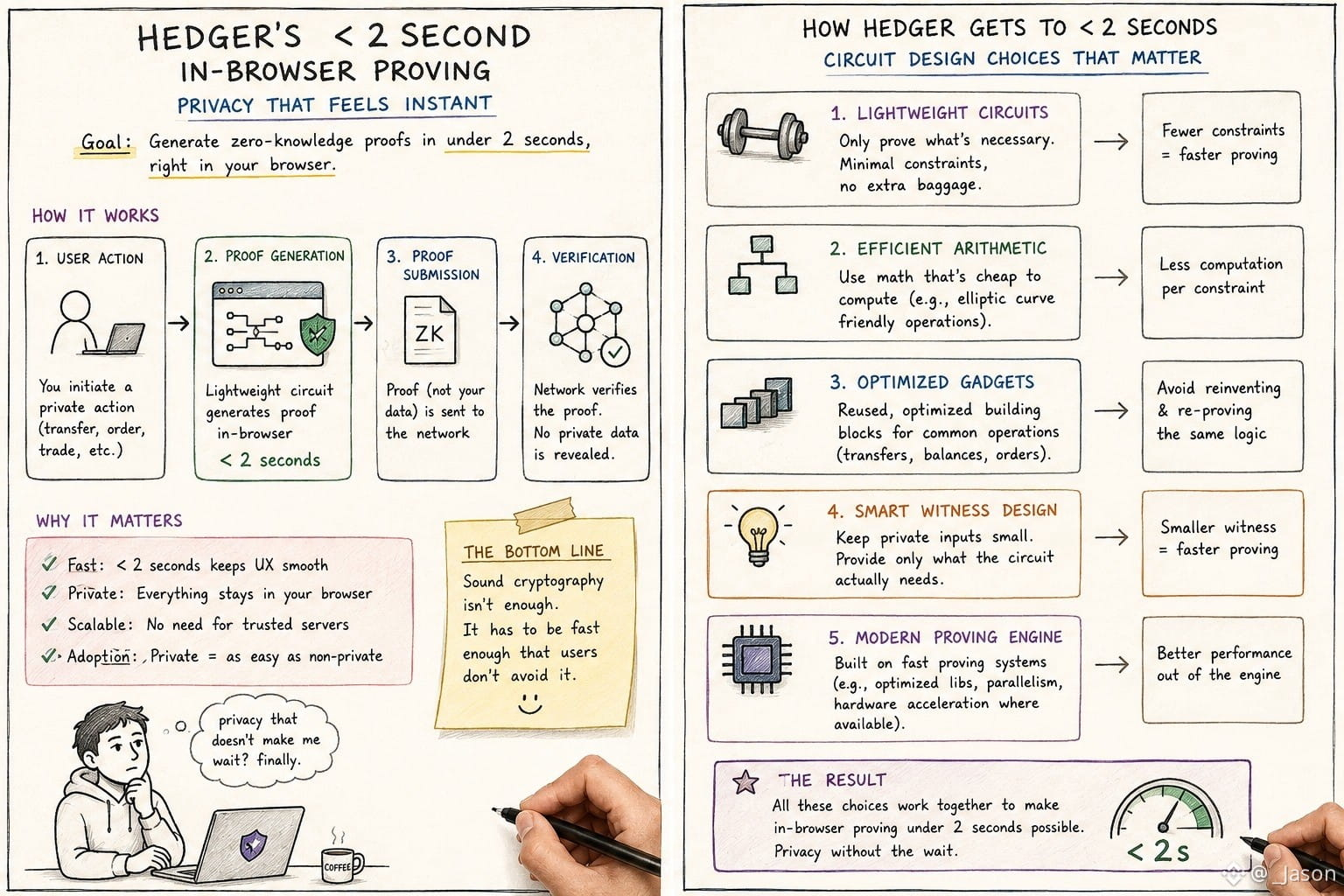
這一週我一直在繞着 Hedger 打轉,雖然沒有真正停在某一個我覺得更重要、但別人卻沒有給予足夠重視的具體數字上——那就是:證明時間。更具體地說,是快速的瀏覽器內證明:在 2 秒以內,且在客戶端完成。
先給個簡短背景,爲什麼這個數字重要。基於零知識證明的隱私技術在歷史上一直存在一個真實的可用性問題:生成證明可能在計算上非常重。如果這意味着你每次想做一些私密的事情都要等很久(或者不得不依賴一臺很強的服務器替你算),那就會直接成爲現實採用的“攔路虎”,不管底層密碼學有多嚴謹。“從技術上很私密,但實際用起來不可用”已經終結了很多原本還不錯的隱私系統。
Hedger 則是專門通過輕量級電路來解決這個問題:讓客戶端可以在 2 秒以內完成證明生成。這裏的“客戶端”同樣重要,因爲它和速度一樣關鍵——這不是在某臺服務器上生成證明再發回給你,而是直接在你自己的瀏覽器裏發生的。這也會帶來真實的信任含義:你並沒有把底層的私密輸入交給第三方服務器去計算證明。
那麼,爲什麼這和我這周講過的其他所有內容都能聯繫起來——例如,混淆訂單簿(obfuscated order books)、保密轉賬(confidential transfers)。它們的一切都依賴於:證明必須快到足以讓使用“私密版本”的工作流,並不會在體驗上明顯比非私密版本更慢。瀏覽器端 2 秒(或更短)的證明,才讓“默認隱私”變得像是現實可行的,而不是“隱私是一個慢、煩人、需要你額外選擇纔開啓的東西”。
用更直白的話說,這是在規模化場景下實現無縫的用戶體驗。我認爲這裏真正想表達的點就是:密碼學可靠是必要條件,但還不夠。它還必須快到足以避免人們因爲不耐煩而繞開它。
$DUSK
這一週我一直在繞着 Hedger 打轉,雖然沒有真正停在某一個我覺得更重要、但別人卻沒有給予足夠重視的具體數字上——那就是:證明時間。更具體地說,是快速的瀏覽器內證明:在 2 秒以內,且在客戶端完成。
先給個簡短背景,爲什麼這個數字重要。基於零知識證明的隱私技術在歷史上一直存在一個真實的可用性問題:生成證明可能在計算上非常重。如果這意味着你每次想做一些私密的事情都要等很久(或者不得不依賴一臺很強的服務器替你算),那就會直接成爲現實採用的“攔路虎”,不管底層密碼學有多嚴謹。“從技術上很私密,但實際用起來不可用”已經終結了很多原本還不錯的隱私系統。
Hedger 則是專門通過輕量級電路來解決這個問題:讓客戶端可以在 2 秒以內完成證明生成。這裏的“客戶端”同樣重要,因爲它和速度一樣關鍵——這不是在某臺服務器上生成證明再發回給你,而是直接在你自己的瀏覽器裏發生的。這也會帶來真實的信任含義:你並沒有把底層的私密輸入交給第三方服務器去計算證明。
那麼,爲什麼這和我這周講過的其他所有內容都能聯繫起來——例如,混淆訂單簿(obfuscated order books)、保密轉賬(confidential transfers)。它們的一切都依賴於:證明必須快到足以讓使用“私密版本”的工作流,並不會在體驗上明顯比非私密版本更慢。瀏覽器端 2 秒(或更短)的證明,才讓“默認隱私”變得像是現實可行的,而不是“隱私是一個慢、煩人、需要你額外選擇纔開啓的東西”。
用更直白的話說,這是在規模化場景下實現無縫的用戶體驗。我認爲這裏真正想表達的點就是:密碼學可靠是必要條件,但還不夠。它還必須快到足以避免人們因爲不耐煩而繞開它。
$DUSK
#termmax @TermMax
兄弟,你知道香料飯(biryani)那種外賣包嗎?就是那種帶masala(香料)的。有人家的大媽花了50年把這套香料配方打磨到極致,現在整個祕方就裝進一個小包裏。你不需要那50年。你只需要一個包和基本的常識。
先把這個想法記住,因爲 TermMax 對 DeFi 做了同樣的事。兩次。
兩個代幣:FT 和 GT。讓我像朋友一樣給你拆開說,不是那種白皮書風格。
FT 是 Fixed-Rate Token(固定利率代幣),本質上就是把“借貸”做成了“打包的形式”。舊玩法:去某處存入,然後像鷹一樣盯着浮動利率,天天緊張,壓力拉滿。FT 的玩法:你拿着一個代幣,它已經把一切都裝好了——固定回報、固定期限,到了到期就完事。買它、拿着、到點贖回。這就是全部工作。不用盯、不用猜你會賺多少。代幣知道。寫在裏面了。
現在 GT,Gearing Token(槓桿/配比代幣),這個纔是重磅。還記得 Day 1 嗎?那種循環噩夢:在這借、在那換、再存進去,來回折騰,十筆交易、三個協議、一個頭疼。GT 把那個“整個加槓桿倉位”一股腦塞進了一個代幣裏。抵押品、借到的金額、槓桿倍數——所有東西都打包進去了。你只做一筆交易,然後——砰!你拿到的就是一套完整策略。以前得花一個晚上、消耗半條理智的那種,現在一下到手。
一筆交易,兄弟。一筆。
而這纔是對我們這種人真正重要的部分:當整套策略就等同於一個代幣,你可以一鍵進入、一鍵退出。不用在半夜把十個倉位按反向順序拆開來收拾。你永遠清楚自己擁有的是什麼,因爲你擁有的就只有一件東西。
那些複雜的東西並沒有消失,只是被搬進了“包”裏面。大媽的配方,懂吧?
明天:TermMax 怎麼讓你真的去選擇自己的利率,而不是接受機器說給你的那套。那個很帶勁兒。奶茶準備好了。咱們見。
兄弟,你知道香料飯(biryani)那種外賣包嗎?就是那種帶masala(香料)的。有人家的大媽花了50年把這套香料配方打磨到極致,現在整個祕方就裝進一個小包裏。你不需要那50年。你只需要一個包和基本的常識。
先把這個想法記住,因爲 TermMax 對 DeFi 做了同樣的事。兩次。
兩個代幣:FT 和 GT。讓我像朋友一樣給你拆開說,不是那種白皮書風格。
FT 是 Fixed-Rate Token(固定利率代幣),本質上就是把“借貸”做成了“打包的形式”。舊玩法:去某處存入,然後像鷹一樣盯着浮動利率,天天緊張,壓力拉滿。FT 的玩法:你拿着一個代幣,它已經把一切都裝好了——固定回報、固定期限,到了到期就完事。買它、拿着、到點贖回。這就是全部工作。不用盯、不用猜你會賺多少。代幣知道。寫在裏面了。
現在 GT,Gearing Token(槓桿/配比代幣),這個纔是重磅。還記得 Day 1 嗎?那種循環噩夢:在這借、在那換、再存進去,來回折騰,十筆交易、三個協議、一個頭疼。GT 把那個“整個加槓桿倉位”一股腦塞進了一個代幣裏。抵押品、借到的金額、槓桿倍數——所有東西都打包進去了。你只做一筆交易,然後——砰!你拿到的就是一套完整策略。以前得花一個晚上、消耗半條理智的那種,現在一下到手。
一筆交易,兄弟。一筆。
而這纔是對我們這種人真正重要的部分:當整套策略就等同於一個代幣,你可以一鍵進入、一鍵退出。不用在半夜把十個倉位按反向順序拆開來收拾。你永遠清楚自己擁有的是什麼,因爲你擁有的就只有一件東西。
那些複雜的東西並沒有消失,只是被搬進了“包”裏面。大媽的配方,懂吧?
明天:TermMax 怎麼讓你真的去選擇自己的利率,而不是接受機器說給你的那套。那個很帶勁兒。奶茶準備好了。咱們見。
long
100%
short
0%
1 票 • 投票已結束
兄弟,想象一下:你租一套公寓,談好每月3萬(30k),握手成交,然後就搬進去。結果下個月房東敲門:“現在是5萬(55k)了。”再過一個月:“8萬(80k),市場情況嘛,懂的吧(yaar)。”你會不會發瘋?你肯定會說這簡直是瘋了,沒人能在這種條件下生活。
恭喜你。你想到的這正是大多數 DeFi 借貸的運作方式。
他們叫它“浮動利率”。聽起來沒什麼事,甚至還挺溫和。浮動。就像一艘船。可它真正意味着什麼是:你今天借到的利率,明天對你一點忠誠都沒有。我見過有人以4%的利率開了槓桿倉位,兩週感覺自己是天才,結果遇上市場恐慌,利率直接翻了三倍,最後把他們利潤裏的每一分錢(rupee)都喫幹抹淨。而且沒人提醒他們,因爲沒人能提醒。問題的本質就在這兒——甚至協議都不知道明天的利率會是多少。
那你要怎麼計劃?簡短答案:你根本沒法計劃。你只能整天盯着手機,好像它欠你錢一樣。
這也是爲什麼 TermMax 的固定利率真的讓我印象深刻。沒有戲劇性,沒有噱頭,就是一個簡單的交易:你以固定利率借固定期限,而且這個利率是鎖定的。鎖定就意味着鎖定。你在第一天看到的成本,就是最後一天的成本。放貸那邊也是同樣的道理:你在還沒點下去之前,就已經知道自己的準確收益。你甚至可以拿張紙巾(napkin)算一下:成本這麼多,收益這麼多,利潤這麼多。搞定。
順便說一句,這就是正常金融一直以來的做法。固定房貸、固定定期存款(fixed deposits)。DeFi 在追逐花哨東西的時候,把最基本的忘了。
TermMax 想起來了。
明天我會解釋支撐整個系統在幕後運轉的兩種代幣:FT 和 GT。聽起來可能有點技術,但我會講得很簡單,保證。奶茶(Chai)準備好了。我們到時見。
#termmax @TermMax
恭喜你。你想到的這正是大多數 DeFi 借貸的運作方式。
他們叫它“浮動利率”。聽起來沒什麼事,甚至還挺溫和。浮動。就像一艘船。可它真正意味着什麼是:你今天借到的利率,明天對你一點忠誠都沒有。我見過有人以4%的利率開了槓桿倉位,兩週感覺自己是天才,結果遇上市場恐慌,利率直接翻了三倍,最後把他們利潤裏的每一分錢(rupee)都喫幹抹淨。而且沒人提醒他們,因爲沒人能提醒。問題的本質就在這兒——甚至協議都不知道明天的利率會是多少。
那你要怎麼計劃?簡短答案:你根本沒法計劃。你只能整天盯着手機,好像它欠你錢一樣。
這也是爲什麼 TermMax 的固定利率真的讓我印象深刻。沒有戲劇性,沒有噱頭,就是一個簡單的交易:你以固定利率借固定期限,而且這個利率是鎖定的。鎖定就意味着鎖定。你在第一天看到的成本,就是最後一天的成本。放貸那邊也是同樣的道理:你在還沒點下去之前,就已經知道自己的準確收益。你甚至可以拿張紙巾(napkin)算一下:成本這麼多,收益這麼多,利潤這麼多。搞定。
順便說一句,這就是正常金融一直以來的做法。固定房貸、固定定期存款(fixed deposits)。DeFi 在追逐花哨東西的時候,把最基本的忘了。
TermMax 想起來了。
明天我會解釋支撐整個系統在幕後運轉的兩種代幣:FT 和 GT。聽起來可能有點技術,但我會講得很簡單,保證。奶茶(Chai)準備好了。我們到時見。
#termmax @TermMax
Yes
100%
No
0%
1 票 • 投票已結束
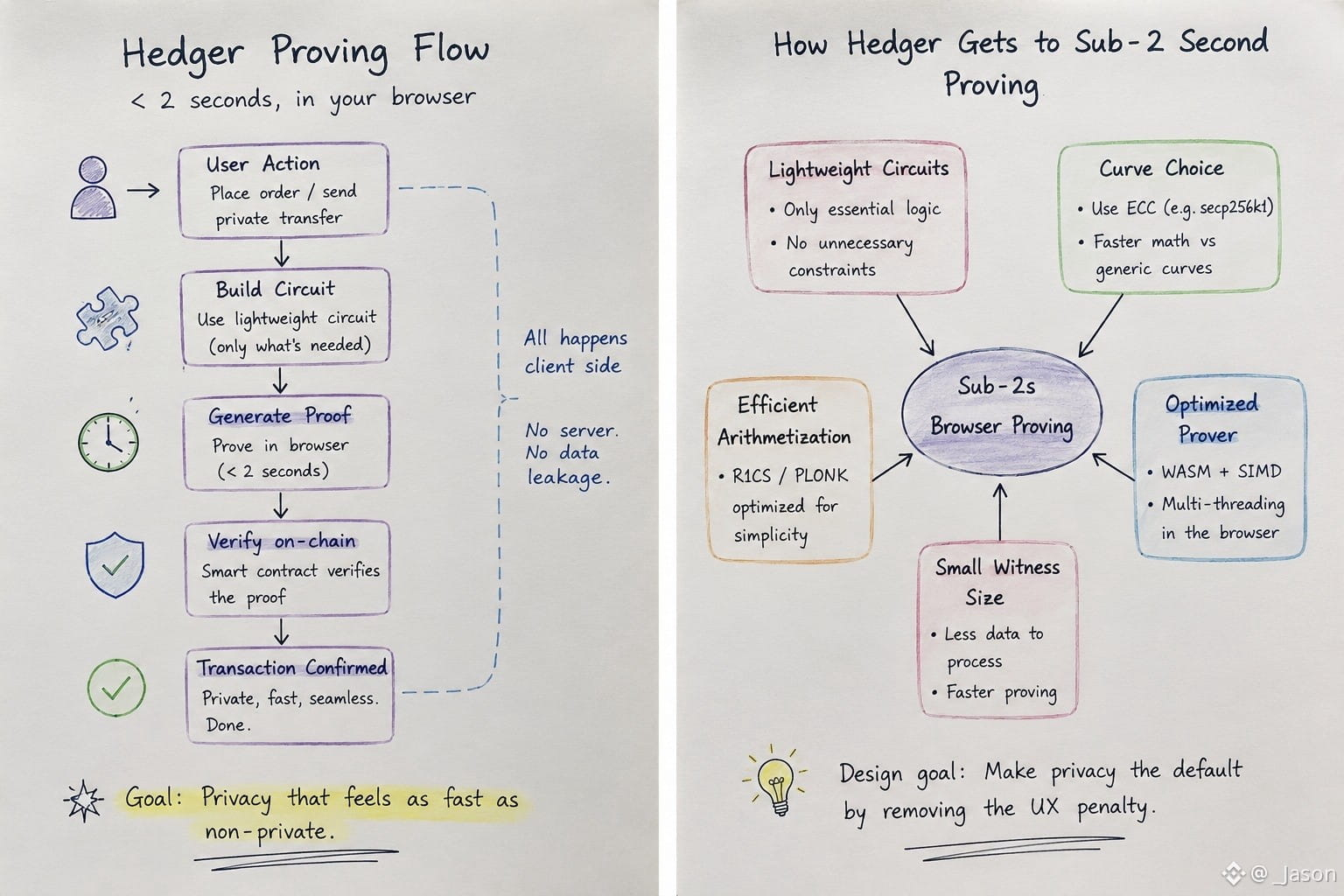
一整週都在圍繞 Hedger 轉來轉去,但沒有真正停在我認爲更重要、卻並未得到足夠重視的那個具體數字上——證明時間。具體來說:快速的瀏覽器內證明,<2 秒,且在客戶端完成。
先給點背景,爲什麼這個數字真的很關鍵。基於零知識證明的隱私技術在歷史上一直存在一個真實的可用性問題——生成證明可能計算開銷很大;而如果這意味着每次你想做一些私密的事情都要等很久(或需要一臺很強的服務器替你完成),那就會直接成爲落地採用的攔路虎。哪怕底層密碼學再嚴謹,產品也會卡在體驗上。“技術上很私密,但實際卻不可用”已經終結了不少原本很紮實的隱私系統。
Hedger 則是專門用輕量化電路來解決這個問題,讓客戶端在 <2 秒內生成證明。這裏的“客戶端”同樣重要,速度有多快並不是唯一因素——這不是在某個服務器上生成證明再發回給你,而是直接在你自己的瀏覽器裏發生的。這也會帶來真正的信任層面影響:你並沒有把那些底層的私密輸入交給第三方服務器,僅僅爲了讓它去計算證明。
爲什麼這件事和我這周講的其他所有內容都聯繫在一起——加密/混淆訂單簿、機密轉賬等等——都取決於:必須足夠快地生成證明,讓使用“私密版”的工作流不會在體感上比“非私密版”慢出明顯差距。一個 2 秒(或更短)的瀏覽器端證明,才能讓“默認即隱私”變得真實可行,而不是“需要一個很慢、很煩的選擇纔行”。
用更直白的話說:這是在規模化場景下實現無縫的用戶體驗。我認爲真正傳達的重點就在這裏——密碼學正確是必要條件,但還不夠;它還必須快到讓人不會因爲沒耐心而繞開它。
我很好奇:到底有哪些電路設計選擇,能把“典型的 zk 證明時間”壓到 <2 秒?從我瞭解的其他地方來看,這確實是一個很有意義的差距。
#dusk @Dusk $DUSK
先給點背景,爲什麼這個數字真的很關鍵。基於零知識證明的隱私技術在歷史上一直存在一個真實的可用性問題——生成證明可能計算開銷很大;而如果這意味着每次你想做一些私密的事情都要等很久(或需要一臺很強的服務器替你完成),那就會直接成爲落地採用的攔路虎。哪怕底層密碼學再嚴謹,產品也會卡在體驗上。“技術上很私密,但實際卻不可用”已經終結了不少原本很紮實的隱私系統。
Hedger 則是專門用輕量化電路來解決這個問題,讓客戶端在 <2 秒內生成證明。這裏的“客戶端”同樣重要,速度有多快並不是唯一因素——這不是在某個服務器上生成證明再發回給你,而是直接在你自己的瀏覽器裏發生的。這也會帶來真正的信任層面影響:你並沒有把那些底層的私密輸入交給第三方服務器,僅僅爲了讓它去計算證明。
爲什麼這件事和我這周講的其他所有內容都聯繫在一起——加密/混淆訂單簿、機密轉賬等等——都取決於:必須足夠快地生成證明,讓使用“私密版”的工作流不會在體感上比“非私密版”慢出明顯差距。一個 2 秒(或更短)的瀏覽器端證明,才能讓“默認即隱私”變得真實可行,而不是“需要一個很慢、很煩的選擇纔行”。
用更直白的話說:這是在規模化場景下實現無縫的用戶體驗。我認爲真正傳達的重點就在這裏——密碼學正確是必要條件,但還不夠;它還必須快到讓人不會因爲沒耐心而繞開它。
我很好奇:到底有哪些電路設計選擇,能把“典型的 zk 證明時間”壓到 <2 秒?從我瞭解的其他地方來看,這確實是一個很有意義的差距。
#dusk @Dusk $DUSK
#dusk $DUSK @Dusk
today i wanted to understand a specific phrase i saw attached to Hedger "obfuscated order books" because on its own that sounds almost contradictory, isnt the whole point of an order book that people can see it?
turns out the "obfuscated" part isnt about hiding that trading is happening, its about hiding intent and exposure specifically, and the reasoning is pretty institutional in nature once you think about who this actually matters for.
if your a large institutional trader and you place a sizeable order on a fully visible order book, other participants can see it and react before your order even fills front running, or just general market participants adjusting behavior because they now know your position or intent. thats a real cost for institutions moving meaningful size, and its described plainly as a critical feature for institutional trading that prevents market manipulation and protects participants from revealing intent or exposure.
this is where Hedger comes back in from the last two days the confidential asset ownership and transfers piece (holdings, amounts, balances staying encrypted end to end) is what actually makes obfuscated order books technically possible in the first place. you cant obfuscate an order book meaningfully if the underlying balances and transfers backing those orders are fully visible on chain.
worth being precise on where this actually stands right now tho the docs describe Hedger as laying the ground for the upcoming deployment of obfuscated order books, so this reads as foundational infrastructure being in place rather then the order book feature itself being live today.
what im curious to see next is what the actual obfuscated order book product looks like once it does ship, and whether the privacy there is opt in per order or a default behavior across the board.
#dusk @Dusk $DUSK
today i wanted to understand a specific phrase i saw attached to Hedger "obfuscated order books" because on its own that sounds almost contradictory, isnt the whole point of an order book that people can see it?
turns out the "obfuscated" part isnt about hiding that trading is happening, its about hiding intent and exposure specifically, and the reasoning is pretty institutional in nature once you think about who this actually matters for.
if your a large institutional trader and you place a sizeable order on a fully visible order book, other participants can see it and react before your order even fills front running, or just general market participants adjusting behavior because they now know your position or intent. thats a real cost for institutions moving meaningful size, and its described plainly as a critical feature for institutional trading that prevents market manipulation and protects participants from revealing intent or exposure.
this is where Hedger comes back in from the last two days the confidential asset ownership and transfers piece (holdings, amounts, balances staying encrypted end to end) is what actually makes obfuscated order books technically possible in the first place. you cant obfuscate an order book meaningfully if the underlying balances and transfers backing those orders are fully visible on chain.
worth being precise on where this actually stands right now tho the docs describe Hedger as laying the ground for the upcoming deployment of obfuscated order books, so this reads as foundational infrastructure being in place rather then the order book feature itself being live today.
what im curious to see next is what the actual obfuscated order book product looks like once it does ship, and whether the privacy there is opt in per order or a default behavior across the board.
#dusk @Dusk $DUSK
long
67%
short
33%
3 票 • 投票已結束
30 天交易 $DUSK 41.9 USDT
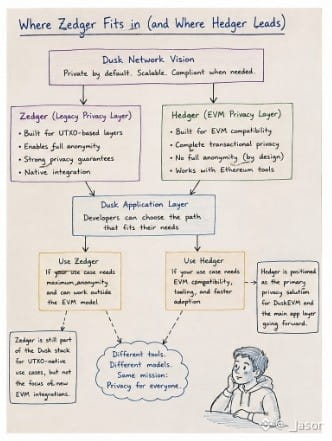
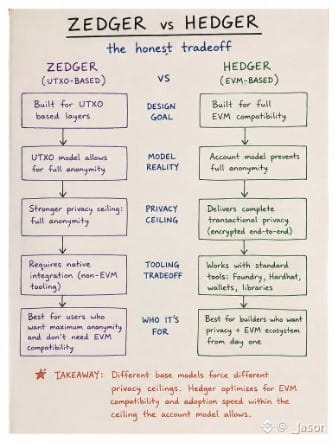
延續昨天的話,因為我注意到人們一直在拿 Hedger 跟一個叫 Zedger 的東西做比較;直到今天我才真正弄懂兩者的差異——結果是,這確實是一個「真正誠實的取捨」,而不只是「新東西取代舊東西」。
Zedger 是專門為基於 UTXO 的層而建的。這種模型天生就更容易實現完整匿名,因為 UTXO 不像帳戶那樣,會在跨交易的過程中保留同一種持久身份。
Hedger 則是出於「必然」而不同,不是「刻意」想要不同——它是為了完全相容 EVM 而建;這意味著它必須在帳戶模型之上運作。而帳戶模型就是不可能提供像 Zedger 這樣的 UTXO 系統所能達到的那種同等完整匿名。這一點講得很直白,沒有被含糊帶過——我很尊重這種表述;EVM 的帳戶模型阻礙了完整匿名,但 Zedger 仍然擁有這種能力。
那麼,在你失去完整匿名之後,你實際上換到的是什麼?Hedger 仍然提供完整的交易隱私(持倉、金額、餘額都會端到端保持加密),只是它同時能直接整合標準的以太坊工具鏈——例如 foundry、hardhat,以及常見錢包與程式庫。它被描述為可擴展、可審計、而且能從第一天就很容易採用;原因正是它並不需要為了達到目標而放棄 EVM 工具鏈生態。
所以真正的比較並不是「Hedger 嚴格優於 Zedger」,而是「不同的底層模型會帶來不同的隱私上限;Hedger 會在帳戶模型允許的那個上限內,最佳化 EVM 相容性與採用速度,而不是為了追求完整匿名、犧牲掉那種相容性。」
我很好奇:在 Dusk 的技術堆疊中,Zedger 現在是否仍在任何地方被使用?還是說它比較像是一個前身,會隨著 duskevm 成為主要應用層而逐步淘汰?
#dusk @Dusk $DUSK
Zedger 是專門為基於 UTXO 的層而建的。這種模型天生就更容易實現完整匿名,因為 UTXO 不像帳戶那樣,會在跨交易的過程中保留同一種持久身份。
Hedger 則是出於「必然」而不同,不是「刻意」想要不同——它是為了完全相容 EVM 而建;這意味著它必須在帳戶模型之上運作。而帳戶模型就是不可能提供像 Zedger 這樣的 UTXO 系統所能達到的那種同等完整匿名。這一點講得很直白,沒有被含糊帶過——我很尊重這種表述;EVM 的帳戶模型阻礙了完整匿名,但 Zedger 仍然擁有這種能力。
那麼,在你失去完整匿名之後,你實際上換到的是什麼?Hedger 仍然提供完整的交易隱私(持倉、金額、餘額都會端到端保持加密),只是它同時能直接整合標準的以太坊工具鏈——例如 foundry、hardhat,以及常見錢包與程式庫。它被描述為可擴展、可審計、而且能從第一天就很容易採用;原因正是它並不需要為了達到目標而放棄 EVM 工具鏈生態。
所以真正的比較並不是「Hedger 嚴格優於 Zedger」,而是「不同的底層模型會帶來不同的隱私上限;Hedger 會在帳戶模型允許的那個上限內,最佳化 EVM 相容性與採用速度,而不是為了追求完整匿名、犧牲掉那種相容性。」
我很好奇:在 Dusk 的技術堆疊中,Zedger 現在是否仍在任何地方被使用?還是說它比較像是一個前身,會隨著 duskevm 成為主要應用層而逐步淘汰?
#dusk @Dusk $DUSK
今天我其實想真正理解一下 Hedger,而不只是把它當作“dusk 的隱私那一套/給 duskevm 的東西”來知道而已,因爲它背後的密碼學比我進入時預期的要更層次分明。
我所瞭解的大多數 DeFi 隱私系統,主要只依賴零知識證明——證明某個計算被正確執行,而不透露輸入內容;這就是全部工具箱。Hedger 並不止步於此,它把多種技術組合在一起,而不是隻挑一種。
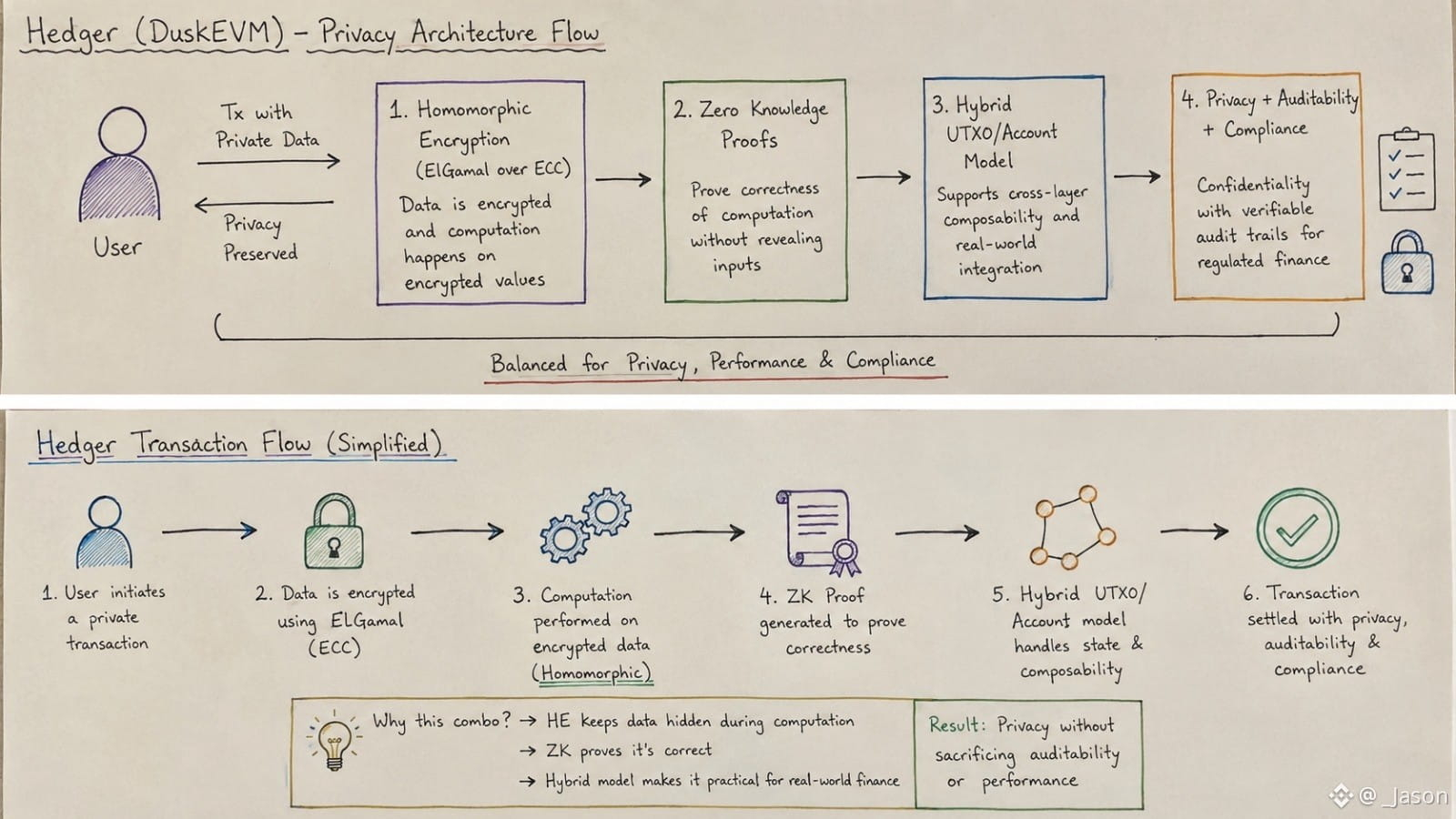
第一部分是同態加密,具體是基於 ECC 上的 ElGamal。它實際帶來的能力是:可以直接在加密值上進行計算,而不需要先把數據解密出來再做數學運算。這不同於“在事後證明數學是正確的”,更接近“在數字整個過程中都保持隱藏的前提下完成運算”。
第二部分仍然是零知識證明,但在上層做了分層設計——用來證明計算的正確性,同時不披露底層輸入。它的整體用途與一貫的目標相同:只是與同態層協同工作,而不是把所有事情都單靠零知識層來完成。
第三部分是混合的 UTXO/賬戶模型。這一設計支持跨層的可組合性,並讓它能與現實世界的金融系統乾淨地集成,而不是被鎖死在某一種交易模型形狀裏。
爲什麼要把這三樣東西都組合起來,而不是像其他人那樣只用 zk?我看到的說法是:是在同時權衡隱私、性能和合規,而不僅僅是孤立追求隱私。受監管的金融應用需要在保密性之外還具備可審計性,而把多種密碼學技術分層疊加在一起,顯然就是在不互相抵消的情況下同時兼顧兩者的方法。
我還想更好地理解一下:把這些技術結合在一起,相比純 zk 方案,會帶來有意義的計算開銷嗎?還是說在實際中性能成本大體上是相當的。
#dusk @Dusk $DUSK
我所瞭解的大多數 DeFi 隱私系統,主要只依賴零知識證明——證明某個計算被正確執行,而不透露輸入內容;這就是全部工具箱。Hedger 並不止步於此,它把多種技術組合在一起,而不是隻挑一種。
第一部分是同態加密,具體是基於 ECC 上的 ElGamal。它實際帶來的能力是:可以直接在加密值上進行計算,而不需要先把數據解密出來再做數學運算。這不同於“在事後證明數學是正確的”,更接近“在數字整個過程中都保持隱藏的前提下完成運算”。
第二部分仍然是零知識證明,但在上層做了分層設計——用來證明計算的正確性,同時不披露底層輸入。它的整體用途與一貫的目標相同:只是與同態層協同工作,而不是把所有事情都單靠零知識層來完成。
第三部分是混合的 UTXO/賬戶模型。這一設計支持跨層的可組合性,並讓它能與現實世界的金融系統乾淨地集成,而不是被鎖死在某一種交易模型形狀裏。
爲什麼要把這三樣東西都組合起來,而不是像其他人那樣只用 zk?我看到的說法是:是在同時權衡隱私、性能和合規,而不僅僅是孤立追求隱私。受監管的金融應用需要在保密性之外還具備可審計性,而把多種密碼學技術分層疊加在一起,顯然就是在不互相抵消的情況下同時兼顧兩者的方法。
我還想更好地理解一下:把這些技術結合在一起,相比純 zk 方案,會帶來有意義的計算開銷嗎?還是說在實際中性能成本大體上是相當的。
#dusk @Dusk $DUSK
我在看了昨天的帖子之後冒出來的一個問題——如果你要構建在 Dusk 上,究竟該如何在 DuskEVM 和 DuskVM 之間做選擇?因爲兩者都被當作選項提到,但並不立刻清楚到底“正確的”是哪一個。
結果並不是那種“更好 vs 更差”的關係,它純粹是取決於使用場景,條件一旦擺出來其實很清晰。
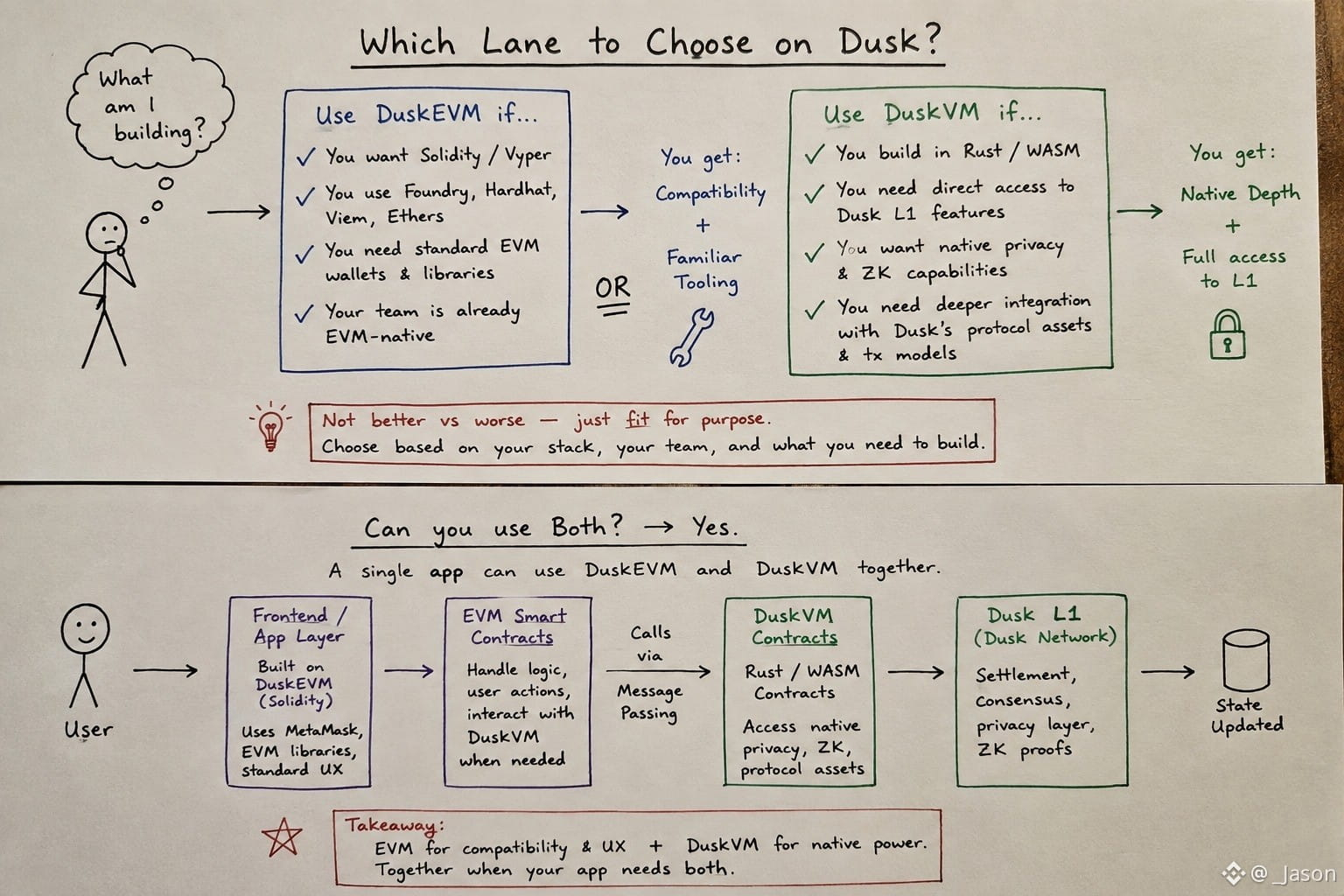
如果你想要 Solidity 或 Vyper,希望使用 foundry/hardhat/viem/ethers,或者只是想要標準的 EVM 錢包,並讓現有的以太坊庫在不做修改的情況下直接可用——那麼 DuskEVM 就是你的選擇。基本上——如果你的團隊已經熟悉 EVM 技術棧,並希望把這份經驗直接遷移過來,這就是這一條路。
DuskVM 是另一種選擇,它專門用於 Rust/wasm 合約。這裏真正重要的區別不只是“編程語言不同”。更關鍵的是:DuskVM 合約會直接在 Dusk L1 本身上執行,並且可以與 duskds 的原生交易模型、協議資產、隱私特性以及零知識能力進行更緊密的集成。所以如果你正在構建的東西確實需要直接觸達 Dusk 的隱私或 zk 棧,而不是僅僅通過一個 EVM 兼容層來間接實現,那麼 DuskVM 纔是在這裏真正提供訪問能力的地方。
我最終形成的實際心智模型是——DuskEVM 用一定程度的 L1 深度集成來換取與工具鏈的完全兼容(這些工具鏈團隊已經熟悉)。DuskVM 用失去那種熟悉感來換取對讓 Dusk 的 L1 本身與衆不同之處的更原生、更緊密的訪問。兩者都不是“高級”或“基礎”的選項,它們只是分別在解決不同的約束:看你在構建什麼,以及你的團隊已經掌握什麼。
不過我還很好奇一件事——一個應用是否在現實中真的可能同時使用兩者?比如:一個面向 EVM 的前端構建在 DuskEVM 上,但在底層仍需要觸達某些 DuskVM 原生的能力——還是說這種模式在實踐中並不太被支持。
#dusk $DUSK
@Dusk
結果並不是那種“更好 vs 更差”的關係,它純粹是取決於使用場景,條件一旦擺出來其實很清晰。
如果你想要 Solidity 或 Vyper,希望使用 foundry/hardhat/viem/ethers,或者只是想要標準的 EVM 錢包,並讓現有的以太坊庫在不做修改的情況下直接可用——那麼 DuskEVM 就是你的選擇。基本上——如果你的團隊已經熟悉 EVM 技術棧,並希望把這份經驗直接遷移過來,這就是這一條路。
DuskVM 是另一種選擇,它專門用於 Rust/wasm 合約。這裏真正重要的區別不只是“編程語言不同”。更關鍵的是:DuskVM 合約會直接在 Dusk L1 本身上執行,並且可以與 duskds 的原生交易模型、協議資產、隱私特性以及零知識能力進行更緊密的集成。所以如果你正在構建的東西確實需要直接觸達 Dusk 的隱私或 zk 棧,而不是僅僅通過一個 EVM 兼容層來間接實現,那麼 DuskVM 纔是在這裏真正提供訪問能力的地方。
我最終形成的實際心智模型是——DuskEVM 用一定程度的 L1 深度集成來換取與工具鏈的完全兼容(這些工具鏈團隊已經熟悉)。DuskVM 用失去那種熟悉感來換取對讓 Dusk 的 L1 本身與衆不同之處的更原生、更緊密的訪問。兩者都不是“高級”或“基礎”的選項,它們只是分別在解決不同的約束:看你在構建什麼,以及你的團隊已經掌握什麼。
不過我還很好奇一件事——一個應用是否在現實中真的可能同時使用兩者?比如:一個面向 EVM 的前端構建在 DuskEVM 上,但在底層仍需要觸達某些 DuskVM 原生的能力——還是說這種模式在實踐中並不太被支持。
#dusk $DUSK
@Dusk
今天花了點時間把 DuskEVM 到底如何從頭到尾處理一筆交易梳理了一遍。因爲我一直在看到有人提到“rollup”,但沒有把實際機制作清楚說明出來,所以我就打算自己把流程追一遍。
流程從你把一筆交易提交給 DuskEVM 的 sequencer(排序器)開始——如果你接觸過任何其他 rollup、標準的 solidity/evm 交易,這一部分應該都很熟悉,暫時還沒什麼“異樣”的地方。接着執行層會把它納入到一個 L2 區塊中。到這裏爲止,這只是執行側快速發生的常規 rollup 過程。
真正變得更有意思的是接下來的兩個步驟。batcher(批處理器)會把這筆交易數據取出來,併發布到 DuskDS——這是 Dusk 的實際共識、結算以及數據可用性(DA)層,也就是在底層做“重活”的那個系統。然後,狀態承諾(state commitments)和故障證明(fault proofs)才真正把由 DuskEVM 產生的結果狀態,和 DuskDS 的結算聯繫起來。
我覺得最重要、也最有實際意義的點是:在這裏,“inclusion(被包含)”和“settlement(結算)”是明確區分的兩個階段,並不是同一件事換了兩個名字。你的交易被快速納入某個 L2 區塊可能很快就發生了,但這並不等同於它已經完成結算。文檔也說得很直接:如果你在構建會在 DuskEVM 和 Dusk L1 之間轉移價值的東西,你應該去檢查真實的協議狀態或錢包狀態,而不是因爲過了一段時間就直接假設已經最終確定(final)。
我覺得很多人會在聽到“fast rollup”之後直接跳過這個區別,進而把“速度快”誤當成“最終性”。但它不是的——至少不能僅憑速度本身。
不過我還是想進一步瞭解:在實際場景中,“被包含”和“完全結算”之間通常會有多大的時間差。文檔描述了這些階段,但並沒有給出具體的時間。
#dusk @Dusk $DUSK
流程從你把一筆交易提交給 DuskEVM 的 sequencer(排序器)開始——如果你接觸過任何其他 rollup、標準的 solidity/evm 交易,這一部分應該都很熟悉,暫時還沒什麼“異樣”的地方。接着執行層會把它納入到一個 L2 區塊中。到這裏爲止,這只是執行側快速發生的常規 rollup 過程。
真正變得更有意思的是接下來的兩個步驟。batcher(批處理器)會把這筆交易數據取出來,併發布到 DuskDS——這是 Dusk 的實際共識、結算以及數據可用性(DA)層,也就是在底層做“重活”的那個系統。然後,狀態承諾(state commitments)和故障證明(fault proofs)才真正把由 DuskEVM 產生的結果狀態,和 DuskDS 的結算聯繫起來。
我覺得最重要、也最有實際意義的點是:在這裏,“inclusion(被包含)”和“settlement(結算)”是明確區分的兩個階段,並不是同一件事換了兩個名字。你的交易被快速納入某個 L2 區塊可能很快就發生了,但這並不等同於它已經完成結算。文檔也說得很直接:如果你在構建會在 DuskEVM 和 Dusk L1 之間轉移價值的東西,你應該去檢查真實的協議狀態或錢包狀態,而不是因爲過了一段時間就直接假設已經最終確定(final)。
我覺得很多人會在聽到“fast rollup”之後直接跳過這個區別,進而把“速度快”誤當成“最終性”。但它不是的——至少不能僅憑速度本身。
不過我還是想進一步瞭解:在實際場景中,“被包含”和“完全結算”之間通常會有多大的時間差。文檔描述了這些階段,但並沒有給出具體的時間。
#dusk @Dusk $DUSK
YES
0%
NO
0%
0 票 • 投票已結束
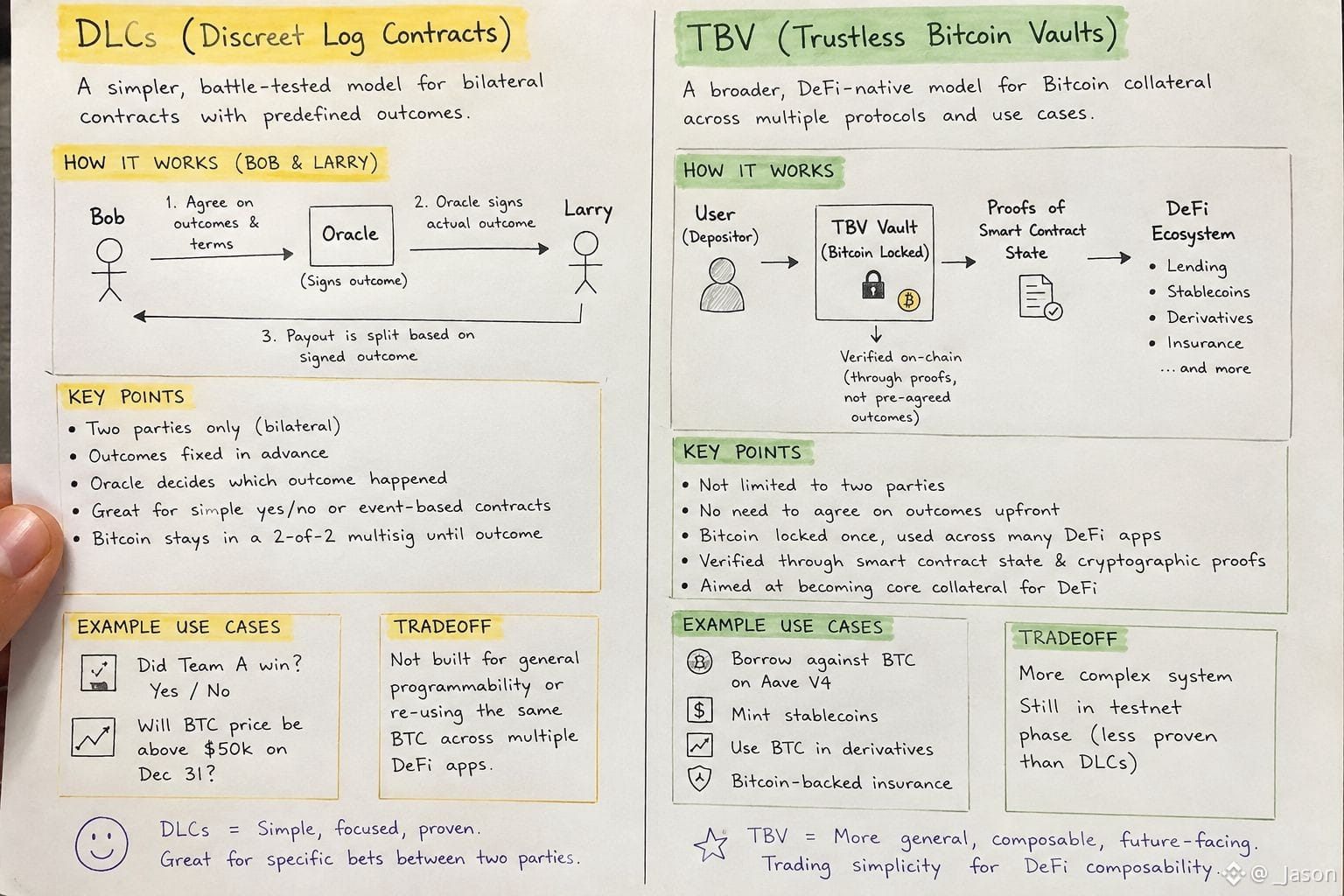
我這周排隊等着看的最後一個角度,而且我覺得它確實很關鍵,能讓我們在這些權衡上保持公平——TBV 和 DLC(離散日誌合約)相比如何?DLC 是一種更早、更簡單的比特幣抵押模型,很多人已經很熟悉了。
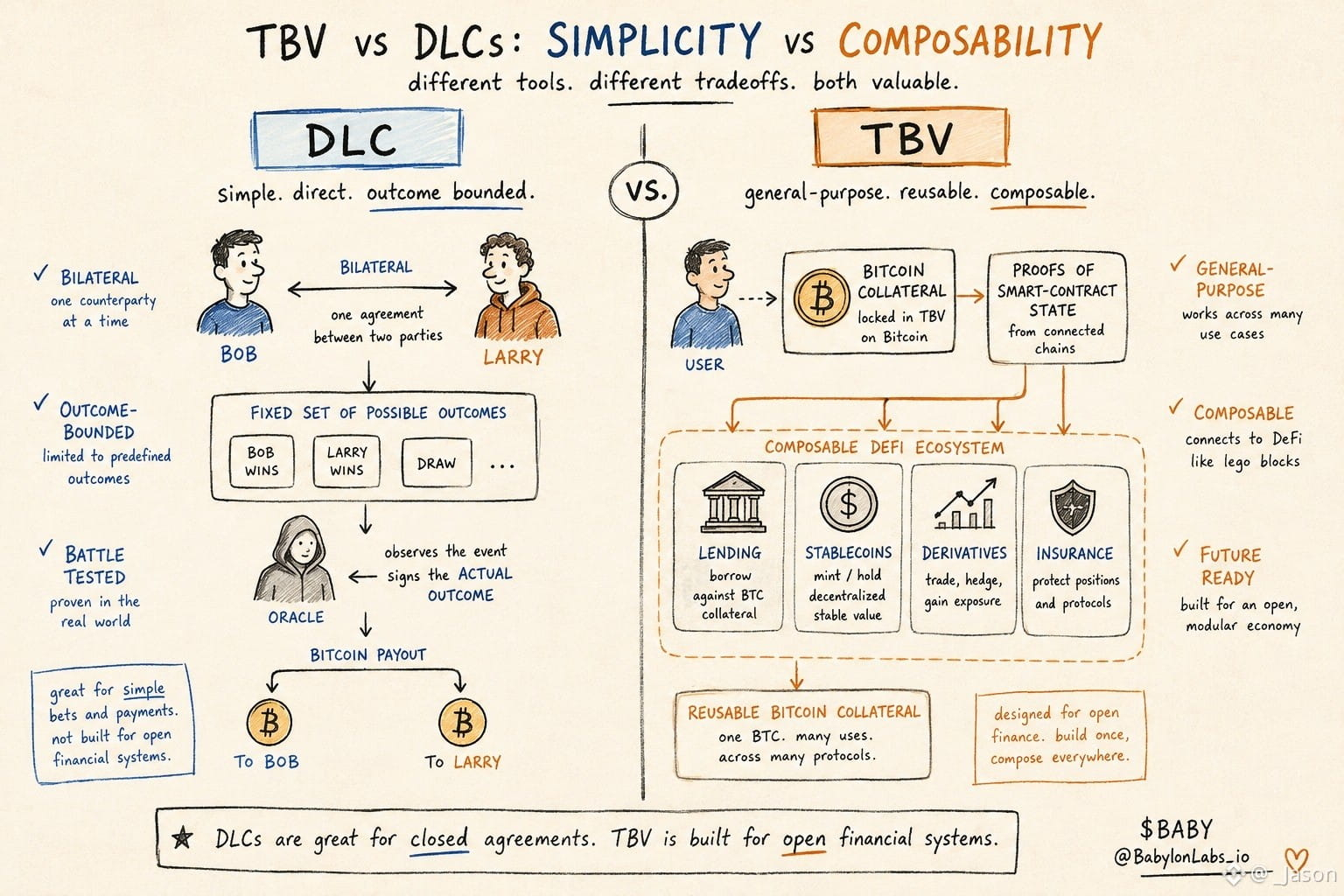
從核心來看,DLC 是一個雙方合約。鮑勃和拉里會事先約定一組可能的結果;隨後由一個預言機對實際發生的那個結果進行簽名。這個簽名決定了事先約定好的比特幣支付如何在雙方之間分配。它已經存在了一段時間,相對容易推理,並且與像 TBV 這種仍在測試網中演進的東西相比,確實經過了實戰檢驗。
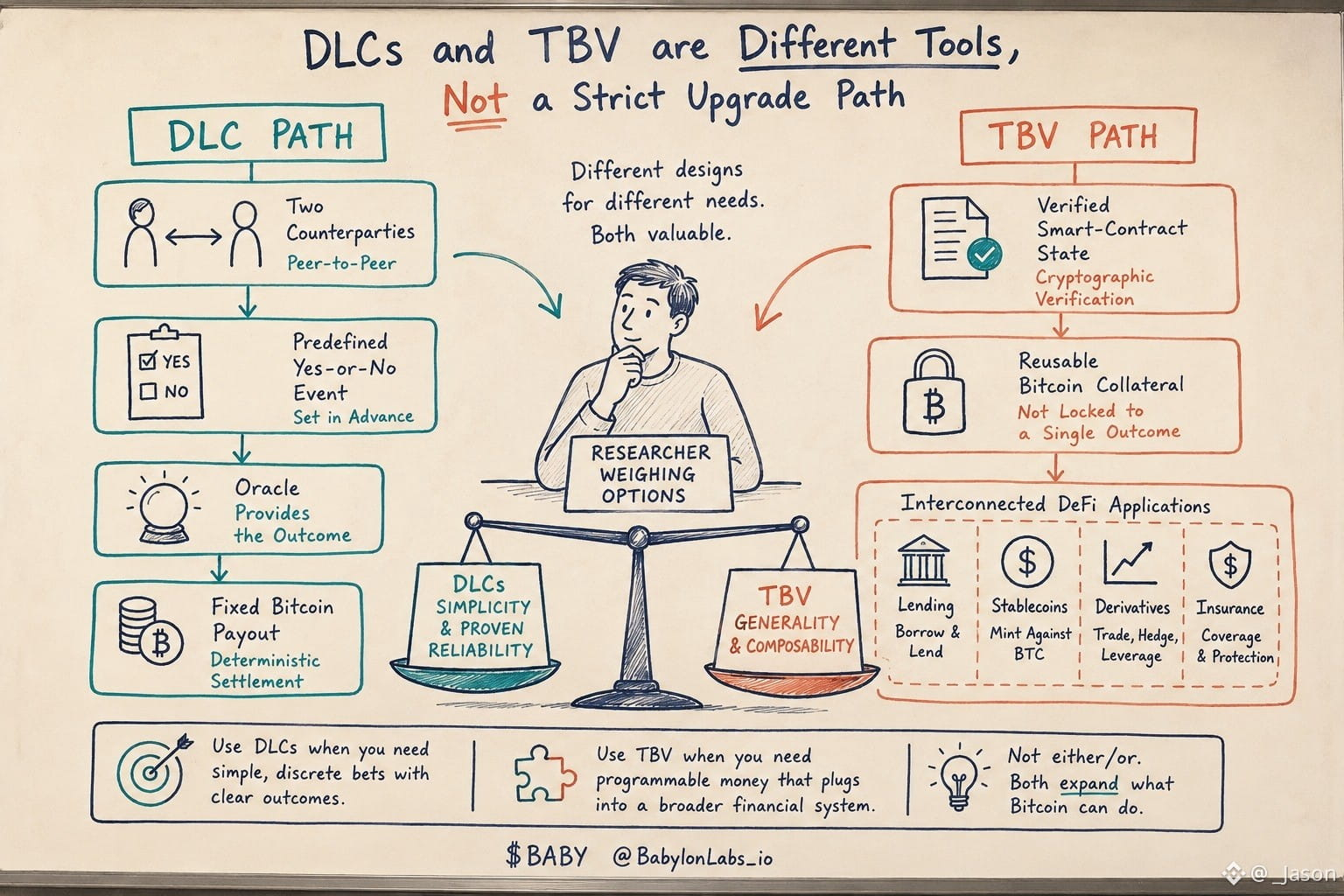
那麼每一種在“實際能做什麼”的層面,差異到底在哪。DLC 從本質上是雙邊的,而且結果是有邊界的——也就是鮑勃和拉里,只在事先商定的一個固定結果集合之內來運作。它非常適合那種結構化的事情:例如“事件 X 是否發生,是/否”,然後按結果支付。它不太擅長的是通用目的的可編程性,也不太能在不爲每次新的場景都重新談一份全新的合約的情況下,讓同一份比特幣在多個不同的應用裏充當抵押。
而 TBV 走的是結構上不同的方向——一種可以在更廣泛的 DeFi 生態中使用的抵押(例如今天用於借貸;文中提到未來方向包括穩定幣/衍生品/保險等),並通過證明來驗證真實的智能合約狀態,而不是通過雙方之間固定預先約定的一組結果。
我在這裏想說得坦誠一點,而不是隻把 TBV 講成“絕對更好”——DLC 更簡單、更成熟、經過更多驗證,這一點確實是優勢,尤其適用於那種狹義的雙邊場景。TBV 爲了獲得更強的通用性和 DeFi 組合性,犧牲了一部分簡單性。不同的工具對應不同的問題,並不存在從一個到另一個的嚴格升級路徑。
以上就是我這周根據文檔和白皮書整理出來的全部角度。
#baby $BABY
-@BabylonLabs_io
從核心來看,DLC 是一個雙方合約。鮑勃和拉里會事先約定一組可能的結果;隨後由一個預言機對實際發生的那個結果進行簽名。這個簽名決定了事先約定好的比特幣支付如何在雙方之間分配。它已經存在了一段時間,相對容易推理,並且與像 TBV 這種仍在測試網中演進的東西相比,確實經過了實戰檢驗。
那麼每一種在“實際能做什麼”的層面,差異到底在哪。DLC 從本質上是雙邊的,而且結果是有邊界的——也就是鮑勃和拉里,只在事先商定的一個固定結果集合之內來運作。它非常適合那種結構化的事情:例如“事件 X 是否發生,是/否”,然後按結果支付。它不太擅長的是通用目的的可編程性,也不太能在不爲每次新的場景都重新談一份全新的合約的情況下,讓同一份比特幣在多個不同的應用裏充當抵押。
而 TBV 走的是結構上不同的方向——一種可以在更廣泛的 DeFi 生態中使用的抵押(例如今天用於借貸;文中提到未來方向包括穩定幣/衍生品/保險等),並通過證明來驗證真實的智能合約狀態,而不是通過雙方之間固定預先約定的一組結果。
我在這裏想說得坦誠一點,而不是隻把 TBV 講成“絕對更好”——DLC 更簡單、更成熟、經過更多驗證,這一點確實是優勢,尤其適用於那種狹義的雙邊場景。TBV 爲了獲得更強的通用性和 DeFi 組合性,犧牲了一部分簡單性。不同的工具對應不同的問題,並不存在從一個到另一個的嚴格升級路徑。
以上就是我這周根據文檔和白皮書整理出來的全部角度。
#baby $BABY
-@BabylonLabs_io
我這周排隊等着講的最後一個角度,它我認爲實際上對於這裏的權衡是否公平很重要——TBV 和 DLC(離散日誌合約)相比如何?DLC 是一種更早、更簡單的比特幣抵押模型,很多人都已經很熟悉。
從核心來看,DLC 是一種雙方合約。鮑勃和拉里會提前就一組可能的結果達成一致;之後,預言機會爲實際發生的那一個結果簽名,而這個簽名就決定了預先約定的比特幣支付如何在他們之間分配。它已經存在很久了,相對容易理解,並且與像 TBV 這樣的仍在測試網推進的方案相比,它確實經過了真實戰場的檢驗。
那麼每一種在“實際能做什麼”上的真正差異在哪裏?DLC 本質上是雙邊的、受結果邊界限制的——也就是鮑勃和拉里,提前就同意一組固定的可能結果。它非常適合那種形如“事件 X 是否發生?是/否,按相應規則支付”的事情。它不太擅長的是通用編程能力,或者不需要在每次使用時就重新協商一份全新的合約,把同一份比特幣抵押同時服務於多個不同應用。
TBV 追求的是結構上不同的東西——一種可用於更廣泛 DeFi 生態的抵押(例如:今天用於借貸;未來方向還提到了穩定幣/衍生品/保險等),並通過對真實智能合約狀態的證明來驗證,而不是像兩名已命名的參與方之間那樣,依賴於一組事先固定的結果集合。
我這裏想說得誠實一些,而不是隻是在推銷 TBV 更好——DLC 更簡單、也更成熟,這是一個真實優勢,尤其是對於那種嚴格雙邊的場景。TBV 用一部分這種簡單性來換取更強的通用性與 DeFi 可組合性。不同工具被塑造成適合不同的問題,並不存在從一個到另一個的嚴格升級路徑。
這就是我這周從文檔和白皮書裏整理出來的全部角度。
#baby $BABY
@BabylonLabs_io
從核心來看,DLC 是一種雙方合約。鮑勃和拉里會提前就一組可能的結果達成一致;之後,預言機會爲實際發生的那一個結果簽名,而這個簽名就決定了預先約定的比特幣支付如何在他們之間分配。它已經存在很久了,相對容易理解,並且與像 TBV 這樣的仍在測試網推進的方案相比,它確實經過了真實戰場的檢驗。
那麼每一種在“實際能做什麼”上的真正差異在哪裏?DLC 本質上是雙邊的、受結果邊界限制的——也就是鮑勃和拉里,提前就同意一組固定的可能結果。它非常適合那種形如“事件 X 是否發生?是/否,按相應規則支付”的事情。它不太擅長的是通用編程能力,或者不需要在每次使用時就重新協商一份全新的合約,把同一份比特幣抵押同時服務於多個不同應用。
TBV 追求的是結構上不同的東西——一種可用於更廣泛 DeFi 生態的抵押(例如:今天用於借貸;未來方向還提到了穩定幣/衍生品/保險等),並通過對真實智能合約狀態的證明來驗證,而不是像兩名已命名的參與方之間那樣,依賴於一組事先固定的結果集合。
我這裏想說得誠實一些,而不是隻是在推銷 TBV 更好——DLC 更簡單、也更成熟,這是一個真實優勢,尤其是對於那種嚴格雙邊的場景。TBV 用一部分這種簡單性來換取更強的通用性與 DeFi 可組合性。不同工具被塑造成適合不同的問題,並不存在從一個到另一個的嚴格升級路徑。
這就是我這周從文檔和白皮書裏整理出來的全部角度。
#baby $BABY
@BabylonLabs_io
登入以探索更多內容