
Mrs Akhter
17 貼文

Mrs Akhter
舉報
封鎖用戶
實盤交易
低頻交易者
1.6 年
10 關注
0 粉絲
0 點讚數
貼文
投資組合
·
--
Solana $(SOL) 交易價格爲 $99.19 [1.34]
{future}(XRPUSDT)
而 $(XRP) 盤旋在約 $1.34 [1.42],顯示更廣泛的數字資產市場出現了短暫降溫階段。
{future}(SOLUSDT)
Solana $(SOL) 交易價格爲 $99.19 [1.34]
而 $(XRP) 盤旋在約 $1.34 [1.42],顯示更廣泛的數字資產市場出現了短暫降溫階段。
而 $(XRP) 盤旋在約 $1.34 [1.42],顯示更廣泛的數字資產市場出現了短暫降溫階段。
34
·
--
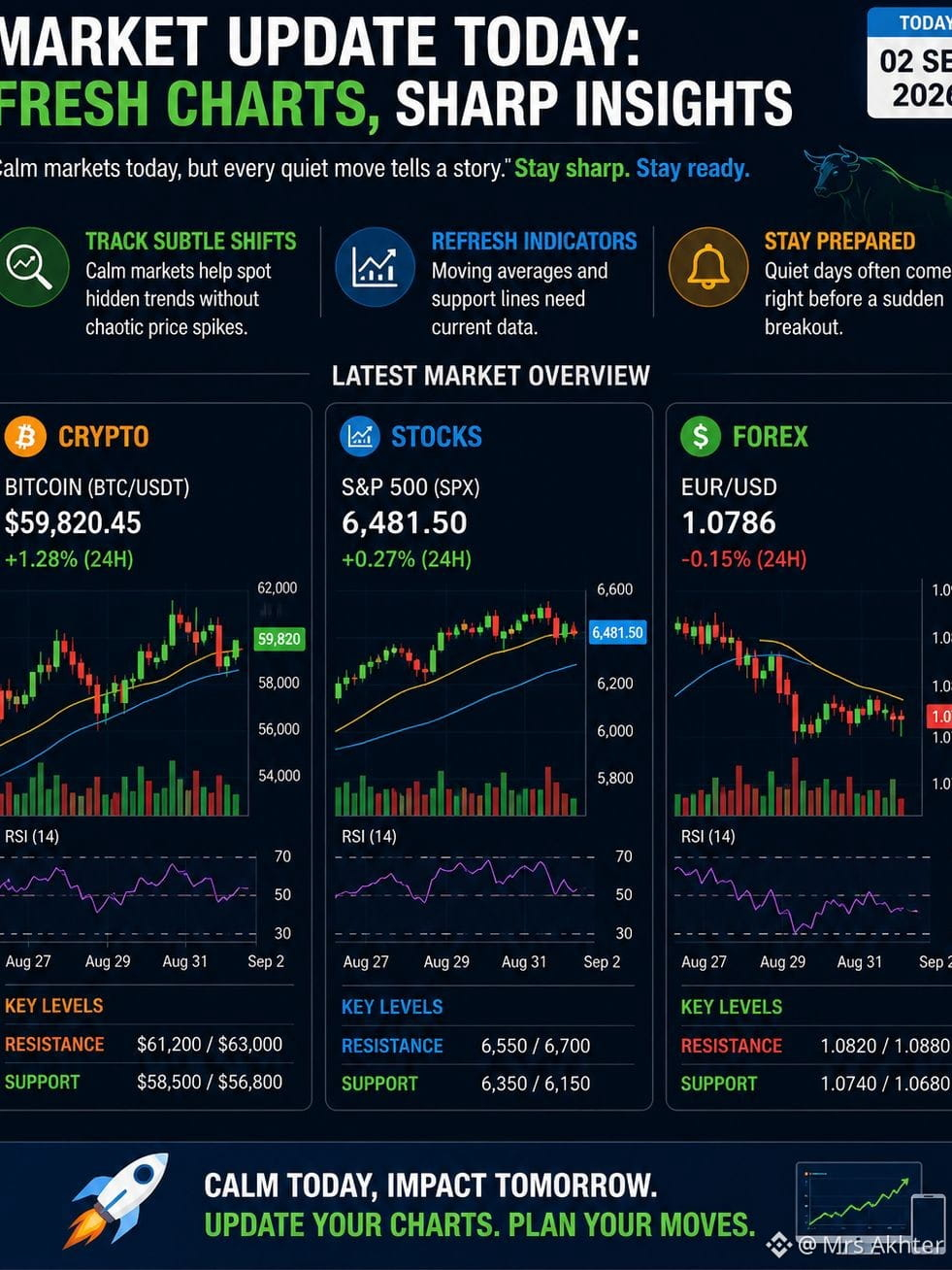
今天市場圖表需要一個全新的視角
市場正在快速變化,隨着收益率上升、油價走高以及地緣政治不確定性再起,加密貨幣和全球資產都在做出反應。
. 發現隱藏趨勢:盤整往往能揭示動能正在何處累積。
. 更新關鍵水平:重新覈對移動平均線、支撐位、阻力位以及成交量。
. 留意波動:看似平靜的價格走勢可能很快轉化爲突破或跌破。
我們今天應該更新哪些圖表——加密貨幣、股票還是外匯?我也可以把它改得更短、更專業,或更適合加密貨幣受衆,語氣更偏看漲。
#MarketUpddadate #stockmarketnews #marketanalysis. #forexmarkets #TradingSignal
今天市場圖表需要一個全新的視角
市場正在快速變化,隨着收益率上升、油價走高以及地緣政治不確定性再起,加密貨幣和全球資產都在做出反應。
. 發現隱藏趨勢:盤整往往能揭示動能正在何處累積。
. 更新關鍵水平:重新覈對移動平均線、支撐位、阻力位以及成交量。
. 留意波動:看似平靜的價格走勢可能很快轉化爲突破或跌破。
我們今天應該更新哪些圖表——加密貨幣、股票還是外匯?我也可以把它改得更短、更專業,或更適合加密貨幣受衆,語氣更偏看漲。
#MarketUpddadate #stockmarketnews #marketanalysis. #forexmarkets #TradingSignal
市場正在快速變化,隨着收益率上升、油價走高以及地緣政治不確定性再起,加密貨幣和全球資產都在做出反應。
. 發現隱藏趨勢:盤整往往能揭示動能正在何處累積。
. 更新關鍵水平:重新覈對移動平均線、支撐位、阻力位以及成交量。
. 留意波動:看似平靜的價格走勢可能很快轉化爲突破或跌破。
我們今天應該更新哪些圖表——加密貨幣、股票還是外匯?我也可以把它改得更短、更專業,或更適合加密貨幣受衆,語氣更偏看漲。
#MarketUpddadate #stockmarketnews #marketanalysis. #forexmarkets #TradingSignal
55
·
--
Kalshi上的交易者正在預測,到2026年末,Solana(SOL)的目標峯值價格約爲125.5美元。
{spot}(SOLUSDT)
Kalshi上的交易者正在預測,到2026年末,Solana(SOL)的目標峯值價格約爲125.5美元。
71
·
--
美國10年期國債收益率觸及4.81%——市場警惕
美國10年期國債收益率已攀升至約4.81%,正逼近自2025年初以來的最高水平。油價上漲以及對通脹的再度擔憂,正在給債券市場帶來壓力。
美聯儲主席凱文·沃什(Kevin Warsh)的強硬立場也進一步推高了人們對更緊縮貨幣政策的預期,市場目前定價顯示9月加息的概率更高。
⚠️ 爲什麼重要:更高的收益率可能收緊金融條件,並增加包括股票和加密貨幣(包括BTC)在內的市場波動。
📈 關鍵關口:4.81% → 4.90% → 5.00%
{etf_us}(OILT.ETF)
{future}(BTCUSDT)
#BTC、 #OilPrice #CryptoNews #TrendingPredictions #Market_Update
美國10年期國債收益率觸及4.81%——市場警惕
美國10年期國債收益率已攀升至約4.81%,正逼近自2025年初以來的最高水平。油價上漲以及對通脹的再度擔憂,正在給債券市場帶來壓力。
美聯儲主席凱文·沃什(Kevin Warsh)的強硬立場也進一步推高了人們對更緊縮貨幣政策的預期,市場目前定價顯示9月加息的概率更高。
⚠️ 爲什麼重要:更高的收益率可能收緊金融條件,並增加包括股票和加密貨幣(包括BTC)在內的市場波動。
📈 關鍵關口:4.81% → 4.90% → 5.00%
#BTC、 #OilPrice #CryptoNews #TrendingPredictions #Market_Update
美國10年期國債收益率已攀升至約4.81%,正逼近自2025年初以來的最高水平。油價上漲以及對通脹的再度擔憂,正在給債券市場帶來壓力。
美聯儲主席凱文·沃什(Kevin Warsh)的強硬立場也進一步推高了人們對更緊縮貨幣政策的預期,市場目前定價顯示9月加息的概率更高。
⚠️ 爲什麼重要:更高的收益率可能收緊金融條件,並增加包括股票和加密貨幣(包括BTC)在內的市場波動。
📈 關鍵關口:4.81% → 4.90% → 5.00%
#BTC、 #OilPrice #CryptoNews #TrendingPredictions #Market_Update
BTC-0.09%
OILTETF+0.62%
95
·
--
Arbitrum $(ARB) 確實是今天最耀眼的領漲者,漲幅超過 26%,現價約爲 0.1101 美元。 這波大幅反彈遠遠跑贏整個更廣泛的加密貨幣市場——包括比特幣和以太坊,它們都經歷了小幅下跌後的盤整。
加密市場簡報——2026 年 9 月 1 日
ARB:+26.10% 至約 0.1101 美元——受 Robinhood Chain 活動和手續費收入提振。
UNI:+10.96% 至約 5.21 美元——受 DeFi 動能支撐。
ENA:+7.85% 至約 0.203 美元——在更強的生態系統資金流入背景下走強。
ARB 是今天最突出的領漲者。
{spot}(ARBUSDT)
{future}(UNIUSDT)
{future}(ENAUSDT)
Arbitrum $(ARB) 確實是今天最耀眼的領漲者,漲幅超過 26%,現價約爲 0.1101 美元。 這波大幅反彈遠遠跑贏整個更廣泛的加密貨幣市場——包括比特幣和以太坊,它們都經歷了小幅下跌後的盤整。
加密市場簡報——2026 年 9 月 1 日
ARB:+26.10% 至約 0.1101 美元——受 Robinhood Chain 活動和手續費收入提振。
UNI:+10.96% 至約 5.21 美元——受 DeFi 動能支撐。
ENA:+7.85% 至約 0.203 美元——在更強的生態系統資金流入背景下走強。
ARB 是今天最突出的領漲者。
加密市場簡報——2026 年 9 月 1 日
ARB:+26.10% 至約 0.1101 美元——受 Robinhood Chain 活動和手續費收入提振。
UNI:+10.96% 至約 5.21 美元——受 DeFi 動能支撐。
ENA:+7.85% 至約 0.203 美元——在更強的生態系統資金流入背景下走強。
ARB 是今天最突出的領漲者。
33
·
--
幣安市場觀察:UNI領漲動能
Uniswap(UNI)目前領跑,24小時漲幅達令人印象深刻的+10.70%,隨後是NEAR(+7.96%)和ZEC(+1.75%)。
是什麼在吸引關注?
🔹 UNI:DeFi 活躍度、治理進展與生態系統增長
🔹 NEAR:AI 集成、網絡升級與生態擴張
🔹 ZEC:隱私技術發展與監管情緒
{future}(ZECUSDT)
{future}(NEARUSDT)
{future}(UNIUSDT)
動能很強,但加密市場變化迅速——在做出決定前務必進行自己的研究。📊
#BinanceSquare #Crypto #UNI #Uniswap #NEAR #ZEC #DeFi #Altcoins #CryptoMarket #CryptoNews
幣安市場觀察:UNI領漲動能
Uniswap(UNI)目前領跑,24小時漲幅達令人印象深刻的+10.70%,隨後是NEAR(+7.96%)和ZEC(+1.75%)。
是什麼在吸引關注?
🔹 UNI:DeFi 活躍度、治理進展與生態系統增長
🔹 NEAR:AI 集成、網絡升級與生態擴張
🔹 ZEC:隱私技術發展與監管情緒
動能很強,但加密市場變化迅速——在做出決定前務必進行自己的研究。📊
#BinanceSquare #Crypto #UNI #Uniswap #NEAR #ZEC #DeFi #Altcoins #CryptoMarket #CryptoNews
Uniswap(UNI)目前領跑,24小時漲幅達令人印象深刻的+10.70%,隨後是NEAR(+7.96%)和ZEC(+1.75%)。
是什麼在吸引關注?
🔹 UNI:DeFi 活躍度、治理進展與生態系統增長
🔹 NEAR:AI 集成、網絡升級與生態擴張
🔹 ZEC:隱私技術發展與監管情緒
動能很強,但加密市場變化迅速——在做出決定前務必進行自己的研究。📊
#BinanceSquare #Crypto #UNI #Uniswap #NEAR #ZEC #DeFi #Altcoins #CryptoMarket #CryptoNews
111
·
--
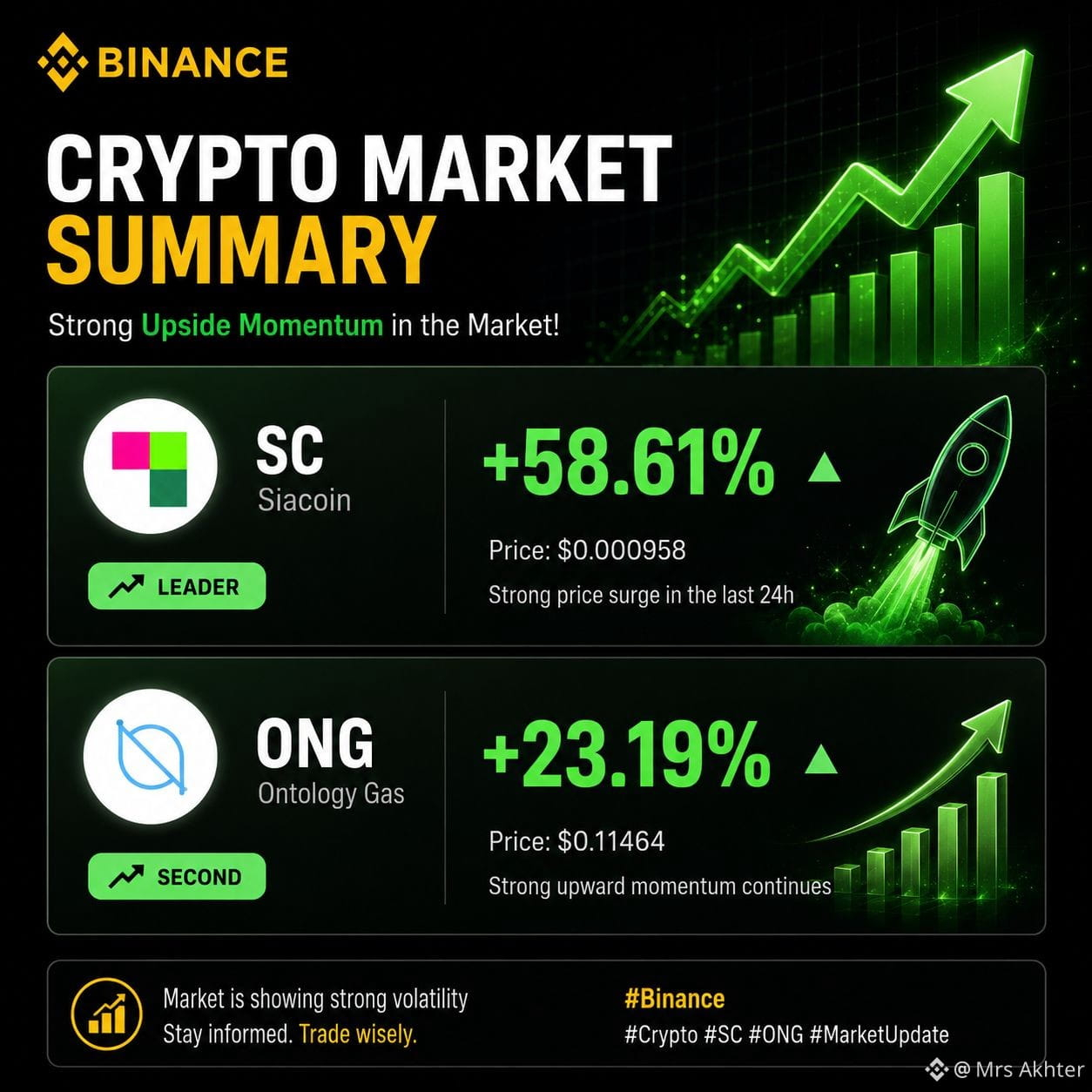
📈 加密市場更新:$SC 與 $ONG 飆升
🚀 Siacoin$ (SC) 正領漲市場,表現出令人印象深刻的 +58.61% 漲幅,顯示出強勁的短期動能。
🔥 Ontology Gas $(ONG) 緊隨其後,錄得穩健的 +23.19% 上漲。
{spot}(ONGUSDT)
{spot}(SCUSDT)
這兩種代幣都呈現顯著的上行波動與強勁的市場活躍度。交易者正在密切關注,看看這種動能能否繼續。📊
#BinanceSquare #Crypto #SC #Siacoin #ONG #OntologyGas #CryptoMarket #Altcoins #CryptoNews #MarketUpdate
📈 加密市場更新:$SC 與 $ONG 飆升
🚀 Siacoin$ (SC) 正領漲市場,表現出令人印象深刻的 +58.61% 漲幅,顯示出強勁的短期動能。
🔥 Ontology Gas $(ONG) 緊隨其後,錄得穩健的 +23.19% 上漲。
這兩種代幣都呈現顯著的上行波動與強勁的市場活躍度。交易者正在密切關注,看看這種動能能否繼續。📊
#BinanceSquare #Crypto #SC #Siacoin #ONG #OntologyGas #CryptoMarket #Altcoins #CryptoNews #MarketUpdate
🚀 Siacoin$ (SC) 正領漲市場,表現出令人印象深刻的 +58.61% 漲幅,顯示出強勁的短期動能。
🔥 Ontology Gas $(ONG) 緊隨其後,錄得穩健的 +23.19% 上漲。
這兩種代幣都呈現顯著的上行波動與強勁的市場活躍度。交易者正在密切關注,看看這種動能能否繼續。📊
#BinanceSquare #Crypto #SC #Siacoin #ONG #OntologyGas #CryptoMarket #Altcoins #CryptoNews #MarketUpdate
184
·
--
文章
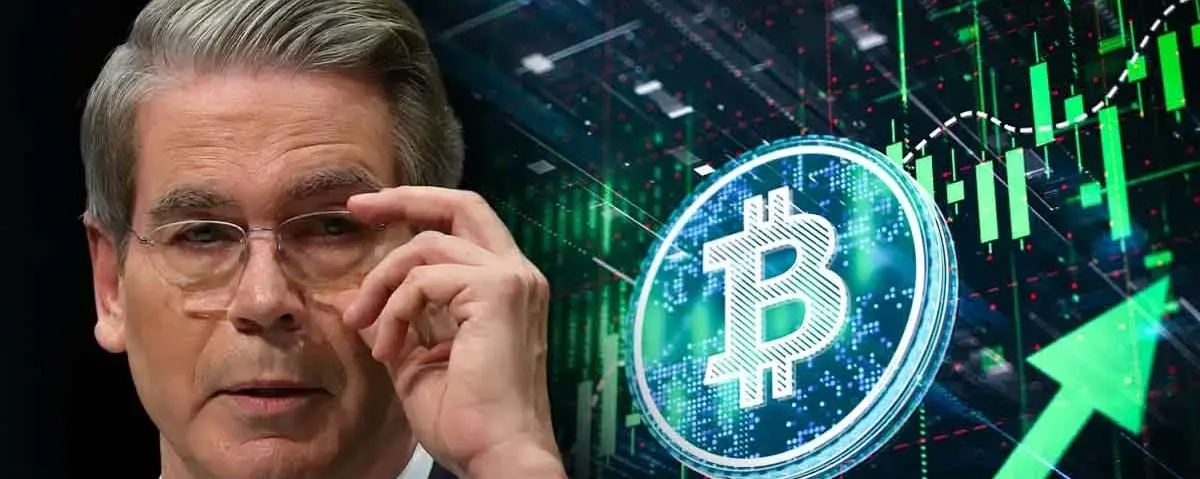
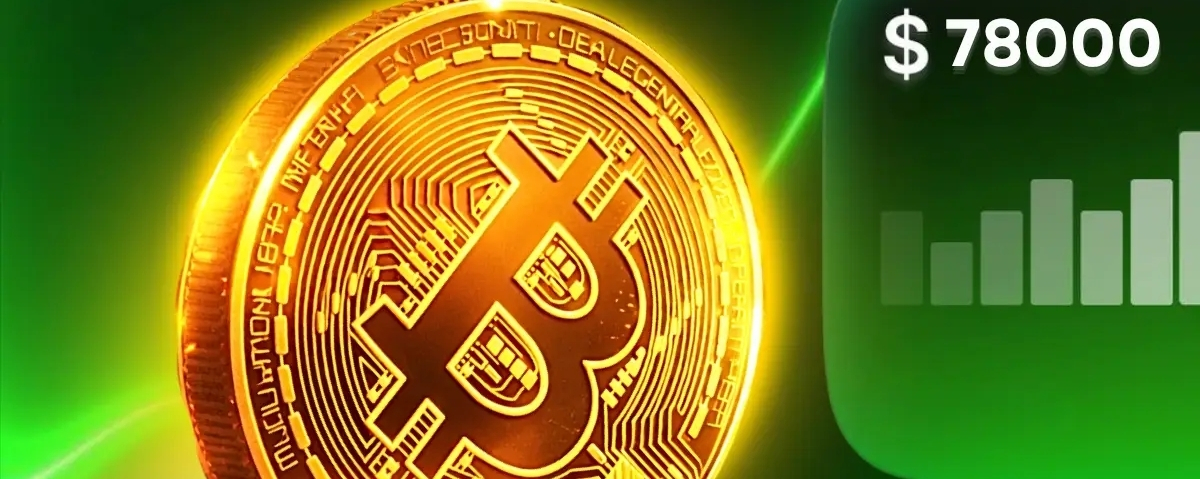
比特幣守在約78,000美元附近,幣安擴展交易機器人比特幣徘徊在約78,000美元附近之際,幣安擴展了針對代幣化股票配對(如CRCLB/USDT和MSTRB/USDT)的現貨網格與現貨DCA機器人。幣安還將其零做市商手續費的促銷活動延長至2026年9月30日。
比特幣守在約78,000美元附近,幣安擴展交易機器人
比特幣徘徊在約78,000美元附近之際,幣安擴展了針對代幣化股票配對(如CRCLB/USDT和MSTRB/USDT)的現貨網格與現貨DCA機器人。幣安還將其零做市商手續費的促銷活動延長至2026年9月30日。
73
·
--

文章
AI加密市場波動沉重:TAO與NEAR正面迎戰關鍵低點面向人工智能的加密貨幣板塊經歷了急劇回調,凸顯了在數字資產市場中情緒變化速度之快。該板塊此前約下跌12.1%,使其合計市值約減少28億美元;與此同時,與AI相關的主要代幣遭遇了強烈的拋售壓力。
在下行期間,隨着價格逼近多年來的低點,比特神經網絡(Bittensor,TAO)和NEAR協議(NEAR)等項目引起了市場關注。走弱反映的是整個山寨幣市場承壓,而非人工智能相關資產的孤立下跌。
AI加密市場波動沉重:TAO與NEAR正面迎戰關鍵低點
面向人工智能的加密貨幣板塊經歷了急劇回調,凸顯了在數字資產市場中情緒變化速度之快。該板塊此前約下跌12.1%,使其合計市值約減少28億美元;與此同時,與AI相關的主要代幣遭遇了強烈的拋售壓力。
在下行期間,隨着價格逼近多年來的低點,比特神經網絡(Bittensor,TAO)和NEAR協議(NEAR)等項目引起了市場關注。走弱反映的是整個山寨幣市場承壓,而非人工智能相關資產的孤立下跌。
在下行期間,隨着價格逼近多年來的低點,比特神經網絡(Bittensor,TAO)和NEAR協議(NEAR)等項目引起了市場關注。走弱反映的是整個山寨幣市場承壓,而非人工智能相關資產的孤立下跌。
123
·
--
文章
Strategy斥資3.697億美元重返比特幣市場由Michael Saylor領銜的策略(Strategy)在暫停10周後重新開始比特幣增持,在8月24日至30日期間以約3.697億美元的價格購買了 $BTC 。
該公司平均每枚比特幣支付約80,318美元,使其總比特幣持有量達到845,050 $BTC ,收購時的平均成本約爲每枚75,412美元。
此次最新購買由Strategy的股票出售計劃提供資金。該舉措表明,公司在今年夏天將部分資金用於管理現金儲備及其他財務義務之後,對比特幣增持重新作出承諾。
Strategy斥資3.697億美元重返比特幣市場
由Michael Saylor領銜的策略(Strategy)在暫停10周後重新開始比特幣增持,在8月24日至30日期間以約3.697億美元的價格購買了 $BTC 。
該公司平均每枚比特幣支付約80,318美元,使其總比特幣持有量達到845,050 $BTC ,收購時的平均成本約爲每枚75,412美元。
此次最新購買由Strategy的股票出售計劃提供資金。該舉措表明,公司在今年夏天將部分資金用於管理現金儲備及其他財務義務之後,對比特幣增持重新作出承諾。
該公司平均每枚比特幣支付約80,318美元,使其總比特幣持有量達到845,050 $BTC ,收購時的平均成本約爲每枚75,412美元。
此次最新購買由Strategy的股票出售計劃提供資金。該舉措表明,公司在今年夏天將部分資金用於管理現金儲備及其他財務義務之後,對比特幣增持重新作出承諾。
62
·
--
文章
查看翻譯
Bitcoin Holds Near $78,000 as $80K Resistance and Fed Policy Shape September OutlookBitcoin (BTC) is trading around $78,400, remaining below the crucial $80,000 level after recent volatility.
The market is now watching whether BTC can reclaim $80K and build fresh momentum. At the same time, expectations of a possible U.S. Federal Reserve rate hike in September are adding pressure to risk assets.
Key levels: Support near $77K | Resistance near $80K–$82K
Bitcoin Holds Near $78,000 as $80K Resistance and Fed Policy Shape September Outlook
Bitcoin (BTC) is trading around $78,400, remaining below the crucial $80,000 level after recent volatility.
The market is now watching whether BTC can reclaim $80K and build fresh momentum. At the same time, expectations of a possible U.S. Federal Reserve rate hike in September are adding pressure to risk assets.
Key levels: Support near $77K | Resistance near $80K–$82K
The market is now watching whether BTC can reclaim $80K and build fresh momentum. At the same time, expectations of a possible U.S. Federal Reserve rate hike in September are adding pressure to risk assets.
Key levels: Support near $77K | Resistance near $80K–$82K
40
·
--
文章
比特幣在2026年8月飆升24%比特幣在2026年8月飆升24%
在遇到重重的高額阻力之前,先迅速清算8萬美元。市場結構顯示出深度的機構參與,儘管關鍵技術阻力位以及短期降溫指標提示立即進入盤整。FinancePriceChart的有效結果索引:1.4.1
1 BTC 等於Rs 21,916,049.60截至8月31日 下午2:38(GMT+5)• 免責聲明2 Aug 8 Aug 14 Aug 20 Aug 26 Aug 18,000,000 19,000,000 20,000,000 21,000,000 22,000,000
比特幣在2026年8月飆升24%
比特幣在2026年8月飆升24%
在遇到重重的高額阻力之前,先迅速清算8萬美元。市場結構顯示出深度的機構參與,儘管關鍵技術阻力位以及短期降溫指標提示立即進入盤整。FinancePriceChart的有效結果索引:1.4.1
1 BTC 等於Rs 21,916,049.60截至8月31日 下午2:38(GMT+5)• 免責聲明2 Aug 8 Aug 14 Aug 20 Aug 26 Aug 18,000,000 19,000,000 20,000,000 21,000,000 22,000,000
在遇到重重的高額阻力之前,先迅速清算8萬美元。市場結構顯示出深度的機構參與,儘管關鍵技術阻力位以及短期降溫指標提示立即進入盤整。FinancePriceChart的有效結果索引:1.4.1
1 BTC 等於Rs 21,916,049.60截至8月31日 下午2:38(GMT+5)• 免責聲明2 Aug 8 Aug 14 Aug 20 Aug 26 Aug 18,000,000 19,000,000 20,000,000 21,000,000 22,000,000
85
·
--

文章
Tectonic 漏洞利用幾乎掏空 7500 萬美元:大多數資金仍滯留在 Cronos元描述:據報道,Tectonic 在 Cronos 上遭遇了約 7500 萬美元的 DeFi 漏洞利用,其中約 630 萬美元已轉移到以太坊,而近 6900 萬美元仍被困。
Tectonic 遭遇估計 7500 萬美元 DeFi 漏洞利用
據報道,運行在 Cronos 網絡上的去中心化借貸協議 Tectonic 遭到了一起涉及約 7500 萬美元數字資產的漏洞利用攻擊。
該事件促使 Cronos Network 在識別到影響 Tectonic 的漏洞利用後,暫停區塊鏈活動。據報道,驗證者停止出塊,而團隊正在調查事件並評估對用戶及資產的潛在影響。
Tectonic 漏洞利用幾乎掏空 7500 萬美元:大多數資金仍滯留在 Cronos
元描述:據報道,Tectonic 在 Cronos 上遭遇了約 7500 萬美元的 DeFi 漏洞利用,其中約 630 萬美元已轉移到以太坊,而近 6900 萬美元仍被困。
Tectonic 遭遇估計 7500 萬美元 DeFi 漏洞利用
據報道,運行在 Cronos 網絡上的去中心化借貸協議 Tectonic 遭到了一起涉及約 7500 萬美元數字資產的漏洞利用攻擊。
該事件促使 Cronos Network 在識別到影響 Tectonic 的漏洞利用後,暫停區塊鏈活動。據報道,驗證者停止出塊,而團隊正在調查事件並評估對用戶及資產的潛在影響。
Tectonic 遭遇估計 7500 萬美元 DeFi 漏洞利用
據報道,運行在 Cronos 網絡上的去中心化借貸協議 Tectonic 遭到了一起涉及約 7500 萬美元數字資產的漏洞利用攻擊。
該事件促使 Cronos Network 在識別到影響 Tectonic 的漏洞利用後,暫停區塊鏈活動。據報道,驗證者停止出塊,而團隊正在調查事件並評估對用戶及資產的潛在影響。
83
·
--
文章
查看翻譯
The Volume-Confirmed Breakout System For Big Wins.Most traders lose money trying to predict the market. I stopped doing that.
Instead, I wait for the market to tell me what it wants to do. That’s what breakout trading is.
This is the exact strategy I use to catch the big $20\%$– $100\%$ moves without sitting on charts all day.
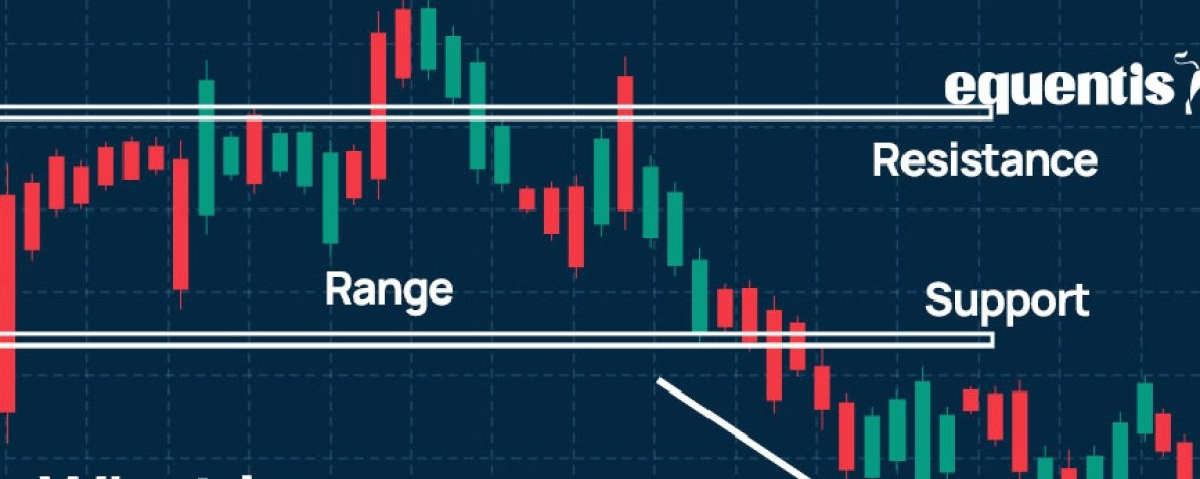
1. What is a Breakout?
A breakout happens when price pushes out of a area where it’s been stuck.
Think of it like a coiled spring. The longer it’s squeezed, the bigger the jump when it releases.
In trading terms:
Breakout = Price closes above resistance or below support with volume.
We’re not guessing. We’re waiting for confirmation that buyers or sellers have taken control.
2. The 3-Part Setup I Look For
I don’t trade every breakout. 90% of them are fakeouts. I only take A+ setups.
Part A: The Base / Consolidation
I want at least 3-6 weeks of sideways movement. The tighter the range, the better.
Stocks/Crypto:
Look for a range that’s less than 15% wide
mKey levels:
Mark clear support and resistance. This is where the "spring" is coiling
Example: BTC stuck between $58,000 – $61,000 for 1 month
Part B: Volume Confirmation
A breakout without volume is a trap.
Rule: The breakout candle volume should be 50% higher than the 20-day average volume.
This tells me real money is entering, not just retail.
Part C: The Catalyst
Big moves need a reason.
For stocks: earnings, news, sector rotation.
For crypto: BTC move, exchange listing, DTC transfer news, halving, etc.
For *DTC Transfer: Stocks to Binance* theme, the catalyst would be the actual transfer window opening.
3. The Entry: Don’t Chase
This is where most people mess up.
My entry rule:
Wait for a close above resistance. Then enter on the next day’s retest of that level.
Why? First candle often spikes and dumps. The retest is safer and gives you a tight stop.
Example:
Resistance = $100
Day 1: Closes at $102 on high volume → Breakout confirmed
Day 2: Pulls back to $99-$100 → Enter here
Stop Loss = Below $97, just under the old resistance
4. Managing The Trade
*Target: I use 2 targets.
- Target 1: 2R. Book 50% here.
- Target 2: Let the rest run with a trailing stop. Use the 20 EMA as your guide.
Stop Loss: Never move it down. If price closes back inside the base, I’m out. That means the breakout failed.
5. The 2 Rules That Save Me Money
1. Time Stop: If the breakout doesn’t move in 3-5 days, it’s weak. Exit. Big moves don’t sit still.
2. Avoid Low Volume Breakouts: If volume is dead, institutions aren’t in it. Skip it.
Final Thoughts
Breakout trading is boring 80% of the time. You’re waiting.
But that 20% when it works pays for everything else.
You’re not predicting. You’re reacting. You’re letting the market do the hard work, then you just follow.
Start with paper trading this for 1 month. Mark 10 bases, track the breakouts, and only take the ones with volume + catalyst.
That’s how you train your eye to spot the real big moves.
Want me to turn this into a checklist PDF or show you a real chart example with this setup?
The Volume-Confirmed Breakout System For Big Wins.
Most traders lose money trying to predict the market. I stopped doing that.
Instead, I wait for the market to tell me what it wants to do. That’s what breakout trading is.
This is the exact strategy I use to catch the big $20\%$– $100\%$ moves without sitting on charts all day.
1. What is a Breakout?
A breakout happens when price pushes out of a area where it’s been stuck.
Think of it like a coiled spring. The longer it’s squeezed, the bigger the jump when it releases.
In trading terms:
Breakout = Price closes above resistance or below support with volume.
We’re not guessing. We’re waiting for confirmation that buyers or sellers have taken control.
2. The 3-Part Setup I Look For
I don’t trade every breakout. 90% of them are fakeouts. I only take A+ setups.
Part A: The Base / Consolidation
I want at least 3-6 weeks of sideways movement. The tighter the range, the better.
Stocks/Crypto:
Look for a range that’s less than 15% wide
mKey levels:
Mark clear support and resistance. This is where the "spring" is coiling
Example: BTC stuck between $58,000 – $61,000 for 1 month
Part B: Volume Confirmation
A breakout without volume is a trap.
Rule: The breakout candle volume should be 50% higher than the 20-day average volume.
This tells me real money is entering, not just retail.
Part C: The Catalyst
Big moves need a reason.
For stocks: earnings, news, sector rotation.
For crypto: BTC move, exchange listing, DTC transfer news, halving, etc.
For *DTC Transfer: Stocks to Binance* theme, the catalyst would be the actual transfer window opening.
3. The Entry: Don’t Chase
This is where most people mess up.
My entry rule:
Wait for a close above resistance. Then enter on the next day’s retest of that level.
Why? First candle often spikes and dumps. The retest is safer and gives you a tight stop.
Example:
Resistance = $100
Day 1: Closes at $102 on high volume → Breakout confirmed
Day 2: Pulls back to $99-$100 → Enter here
Stop Loss = Below $97, just under the old resistance
4. Managing The Trade
*Target: I use 2 targets.
- Target 1: 2R. Book 50% here.
- Target 2: Let the rest run with a trailing stop. Use the 20 EMA as your guide.
Stop Loss: Never move it down. If price closes back inside the base, I’m out. That means the breakout failed.
5. The 2 Rules That Save Me Money
1. Time Stop: If the breakout doesn’t move in 3-5 days, it’s weak. Exit. Big moves don’t sit still.
2. Avoid Low Volume Breakouts: If volume is dead, institutions aren’t in it. Skip it.
Final Thoughts
Breakout trading is boring 80% of the time. You’re waiting.
But that 20% when it works pays for everything else.
You’re not predicting. You’re reacting. You’re letting the market do the hard work, then you just follow.
Start with paper trading this for 1 month. Mark 10 bases, track the breakouts, and only take the ones with volume + catalyst.
That’s how you train your eye to spot the real big moves.
Want me to turn this into a checklist PDF or show you a real chart example with this setup?
Instead, I wait for the market to tell me what it wants to do. That’s what breakout trading is.
This is the exact strategy I use to catch the big $20\%$– $100\%$ moves without sitting on charts all day.
1. What is a Breakout?
A breakout happens when price pushes out of a area where it’s been stuck.
Think of it like a coiled spring. The longer it’s squeezed, the bigger the jump when it releases.
In trading terms:
Breakout = Price closes above resistance or below support with volume.
We’re not guessing. We’re waiting for confirmation that buyers or sellers have taken control.
2. The 3-Part Setup I Look For
I don’t trade every breakout. 90% of them are fakeouts. I only take A+ setups.
Part A: The Base / Consolidation
I want at least 3-6 weeks of sideways movement. The tighter the range, the better.
Stocks/Crypto:
Look for a range that’s less than 15% wide
mKey levels:
Mark clear support and resistance. This is where the "spring" is coiling
Example: BTC stuck between $58,000 – $61,000 for 1 month
Part B: Volume Confirmation
A breakout without volume is a trap.
Rule: The breakout candle volume should be 50% higher than the 20-day average volume.
This tells me real money is entering, not just retail.
Part C: The Catalyst
Big moves need a reason.
For stocks: earnings, news, sector rotation.
For crypto: BTC move, exchange listing, DTC transfer news, halving, etc.
For *DTC Transfer: Stocks to Binance* theme, the catalyst would be the actual transfer window opening.
3. The Entry: Don’t Chase
This is where most people mess up.
My entry rule:
Wait for a close above resistance. Then enter on the next day’s retest of that level.
Why? First candle often spikes and dumps. The retest is safer and gives you a tight stop.
Example:
Resistance = $100
Day 1: Closes at $102 on high volume → Breakout confirmed
Day 2: Pulls back to $99-$100 → Enter here
Stop Loss = Below $97, just under the old resistance
4. Managing The Trade
*Target: I use 2 targets.
- Target 1: 2R. Book 50% here.
- Target 2: Let the rest run with a trailing stop. Use the 20 EMA as your guide.
Stop Loss: Never move it down. If price closes back inside the base, I’m out. That means the breakout failed.
5. The 2 Rules That Save Me Money
1. Time Stop: If the breakout doesn’t move in 3-5 days, it’s weak. Exit. Big moves don’t sit still.
2. Avoid Low Volume Breakouts: If volume is dead, institutions aren’t in it. Skip it.
Final Thoughts
Breakout trading is boring 80% of the time. You’re waiting.
But that 20% when it works pays for everything else.
You’re not predicting. You’re reacting. You’re letting the market do the hard work, then you just follow.
Start with paper trading this for 1 month. Mark 10 bases, track the breakouts, and only take the ones with volume + catalyst.
That’s how you train your eye to spot the real big moves.
Want me to turn this into a checklist PDF or show you a real chart example with this setup?
33
·
--
##比特幣 #BTC #比特幣價格 #比特幣新聞 #加密貨幣 #加密貨幣市場 #BTC價格 #比特幣分析 #加密交易 #比特幣ETF #加密新聞 #區塊鏈 #數字資產 #牛市 #比特幣更新 #BTCUSD #加密投資 #市場分析 #幣安
##比特幣 #BTC #比特幣價格 #比特幣新聞 #加密貨幣 #加密貨幣市場 #BTC價格 #比特幣分析 #加密交易 #比特幣ETF #加密新聞 #區塊鏈 #數字資產 #牛市 #比特幣更新 #BTCUSD #加密投資 #市場分析 #幣安
60
·
--
文章
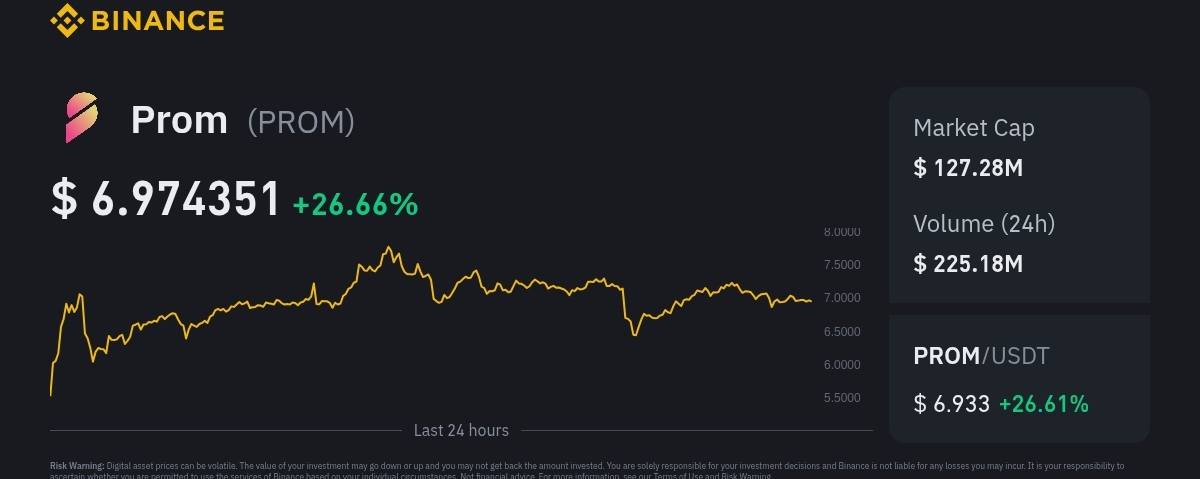
PROM加密貨幣飆升:爆炸性的周內行情引發市場關注2026年8月30日 — PROM(PROM)在加密貨幣市場中強勢發力,隨着買盤活動和交易量加速,迅速成爲值得關注的漲幅領跑者之一。該代幣的急劇上漲吸引了大量投機興趣,而其快速的價格波動也凸顯了謹慎進行風險管理的重要性。
PROM市場概覽
根據最新市場快照,PROM的交易價格約在7.11美元至7.37美元之間,較過去24小時出現了顯著上漲。
PROM加密貨幣飆升:爆炸性的周內行情引發市場關注
2026年8月30日 — PROM(PROM)在加密貨幣市場中強勢發力,隨着買盤活動和交易量加速,迅速成爲值得關注的漲幅領跑者之一。該代幣的急劇上漲吸引了大量投機興趣,而其快速的價格波動也凸顯了謹慎進行風險管理的重要性。
PROM市場概覽
根據最新市場快照,PROM的交易價格約在7.11美元至7.37美元之間,較過去24小時出現了顯著上漲。
PROM市場概覽
根據最新市場快照,PROM的交易價格約在7.11美元至7.37美元之間,較過去24小時出現了顯著上漲。
102
·
--
文章
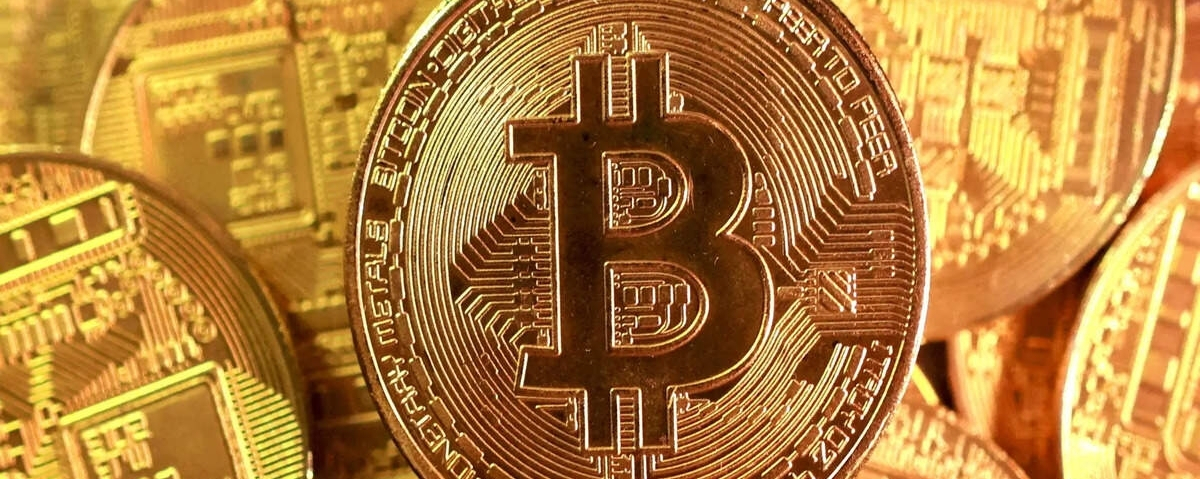
比特幣價格分析:BTC在市場壓力下盤整於80,000美元下方比特幣目前交易價格約爲78,760美元,繼續在此前市場回撤之後於重要的80,000美元關口下方進行盤整。儘管比特幣仍高於關鍵支撐區域,但仍有幾個因素在製造加密貨幣市場的短期不確定性。
比特幣從關鍵阻力位回落
比特幣近期在81,000–81,500美元阻力區域附近遭遇了強勁的賣壓。規模達63.6億美元的期權到期,促使市場波動加劇,因爲交易者調整倉位,槓桿也被重新設定。
比特幣價格分析:BTC在市場壓力下盤整於80,000美元下方
比特幣目前交易價格約爲78,760美元,繼續在此前市場回撤之後於重要的80,000美元關口下方進行盤整。儘管比特幣仍高於關鍵支撐區域,但仍有幾個因素在製造加密貨幣市場的短期不確定性。
比特幣從關鍵阻力位回落
比特幣近期在81,000–81,500美元阻力區域附近遭遇了強勁的賣壓。規模達63.6億美元的期權到期,促使市場波動加劇,因爲交易者調整倉位,槓桿也被重新設定。
比特幣從關鍵阻力位回落
比特幣近期在81,000–81,500美元阻力區域附近遭遇了強勁的賣壓。規模達63.6億美元的期權到期,促使市場波動加劇,因爲交易者調整倉位,槓桿也被重新設定。
77
登入以探索更多內容
加入幣安廣場中的全球加密貨幣用戶
⚡️ 獲取加密貨幣的最新和實用資訊。
💬 受到全球最大加密貨幣交易所的信任。
👍 發掘來自經過驗證創作者的真實見解。
電子郵件 / 電話號碼
熱門話題
Solana跌逾3%
33,352 次瀏覽
223 討論中
#solana跌逾3%
Solana 今日跌幅超過3%,屬於高波動山寨幣中跌幅靠前品種。市場數據顯示,SOL一度回落至約100美元附近,表現弱於比特幣。
一、下跌主要原因
1. 避險情緒升溫,資金撤離高風險資產
地緣局勢緊張推動市場避險; 油價上漲、美債收益率走高,市場重新擔憂美聯儲9月政策偏緊; 加密市場中,高β資產(SOL、DOGE等)通常比BTC跌幅更大。
2. 山寨幣獲利回吐
此前SOL跟隨加密市場反彈較強,資金在上漲後選擇兌現:
BTC跌幅相對有限; ETH、SOL、XRP等風險資產同步調整; 說明資金正在降低槓桿,而不是針對Solana生態的單獨利空。
3. SOL自身波動屬性較高
Solana過去上漲階段依賴:
DeFi交易活躍; meme幣生態熱度; ETF和機構資金預期。
但這些敘事在市場風險偏好下降時,容易出現資金快速撤退。
--------------
$ETH 交易策略
多單
2,370企穩後,開多單
止損:2,353
1目標:2,438附近減倉或止盈
2目標:2,460附近減倉或止盈
$BTC 交易策略
多單
76,400企穩後,開多單
止損:75,980
1目標:78,100附近減倉或止盈
2目標:79,100附近減倉或止盈
$SOL 交易策略
多單
97企穩後,開多單
止損:96
1目標:100附近減倉或止盈
2目標:102附近減倉或止盈
【👇👇點擊下方交易👇👇】🚀🚀🚀🎉🎉🎉🎉🎉
BIG巨鲸
·11 人按讚
·13.6k 次瀏覽
戴尔财报超预期股价涨8%
33,723 次瀏覽
258 討論中
美国8月ADP就业创1月来最小增幅
29,164 次瀏覽
242 討論中