

Funky 10
23 貼文

Funky 10
舉報
封鎖用戶
2 關注
10 粉絲
18 點讚數
貼文
·
--
看漲
🚨 $BTC 已跌至 $61K。大家都很害怕。這是底部嗎?🤔
比特幣曾經價值 $126K。現在大約是 $61K。幾乎跌了一半!📉
😨 市場情緒如何?
“恐懼指數”顯示爲 100 分中的 11 分。這意味着大家非常、非常害怕。一個月前是 51 分,那時大家還很冷靜。
有時候,當所有人都感到害怕時,價格會停止下跌並開始上漲。但也不總是如此。所以我們要謹慎。
📉 發生了什麼?
#bitcoin 曾試圖漲到 $87K,但沒能站穩,又跌了下來。
今年,比特幣幾次在 $58K–$60K 附近止跌,就像有一道地板。這個支撐位能守住嗎?🧱
大筆資金也正在撤出比特幣基金,而一位大型比特幣買家(Strategy)目前正在虧錢。
🟢 如果你買入並持有(現貨)
把它想成趁打折買玩具。🛒 不要一次買完,分批少量買入:
在 $60K 買一點
在 $57.5K 買一點
在 $55K 買一點
規則:如果價格跌破 $52K,就停下來重新考慮。
止盈位:$69K,然後是 $73K–$75K。
⚡ 如果你做短線交易(期貨)
🔴 做空:如果比特幣漲到 $64K–$66K 後無法繼續上漲,你可以押注它會下跌。如果漲破 $67K,就離場。目標位是 $60K,然後是 $56K。
🟢 做多:如果比特幣收盤價高於 $64.6K,它可能會繼續上漲。如果跌破 $62K,就離場。目標位是 $69K,然後是 $73K。
🟡 抄底反彈:如果比特幣跌至 $55K–$57K 後迅速反彈,你可以押注它會上漲。如果跌破 $53.5K,就離場。
如果比特幣收盤價低於 $60K,就要格外小心。可能還會繼續下跌。
🎯 簡易速查表
🧱 支撐位:$60K、$55K、$52K
🚪 阻力位:$64.6K、$69K、$73K–$75K
🛡️ 安全提示:使用小額資金。務必設定你的離場價格(止損價)。絕不要拿自己承受不起損失的錢來交易。
💬 你會怎麼做?現在在 $60K 買入,還是等到 $55K?在下面告訴我!👇
#CryptoTrading #BinanceSquare #BTCUSDT
⚠️ 這不是財務建議。請務必自行研究。交易可能會虧錢。
{spot}(BTCUSDT)
🚨 $BTC 已跌至 $61K。大家都很害怕。這是底部嗎?🤔
比特幣曾經價值 $126K。現在大約是 $61K。幾乎跌了一半!📉
😨 市場情緒如何?
“恐懼指數”顯示爲 100 分中的 11 分。這意味着大家非常、非常害怕。一個月前是 51 分,那時大家還很冷靜。
有時候,當所有人都感到害怕時,價格會停止下跌並開始上漲。但也不總是如此。所以我們要謹慎。
📉 發生了什麼?
#bitcoin 曾試圖漲到 $87K,但沒能站穩,又跌了下來。
今年,比特幣幾次在 $58K–$60K 附近止跌,就像有一道地板。這個支撐位能守住嗎?🧱
大筆資金也正在撤出比特幣基金,而一位大型比特幣買家(Strategy)目前正在虧錢。
🟢 如果你買入並持有(現貨)
把它想成趁打折買玩具。🛒 不要一次買完,分批少量買入:
在 $60K 買一點
在 $57.5K 買一點
在 $55K 買一點
規則:如果價格跌破 $52K,就停下來重新考慮。
止盈位:$69K,然後是 $73K–$75K。
⚡ 如果你做短線交易(期貨)
🔴 做空:如果比特幣漲到 $64K–$66K 後無法繼續上漲,你可以押注它會下跌。如果漲破 $67K,就離場。目標位是 $60K,然後是 $56K。
🟢 做多:如果比特幣收盤價高於 $64.6K,它可能會繼續上漲。如果跌破 $62K,就離場。目標位是 $69K,然後是 $73K。
🟡 抄底反彈:如果比特幣跌至 $55K–$57K 後迅速反彈,你可以押注它會上漲。如果跌破 $53.5K,就離場。
如果比特幣收盤價低於 $60K,就要格外小心。可能還會繼續下跌。
🎯 簡易速查表
🧱 支撐位:$60K、$55K、$52K
🚪 阻力位:$64.6K、$69K、$73K–$75K
🛡️ 安全提示:使用小額資金。務必設定你的離場價格(止損價)。絕不要拿自己承受不起損失的錢來交易。
💬 你會怎麼做?現在在 $60K 買入,還是等到 $55K?在下面告訴我!👇
#CryptoTrading #BinanceSquare #BTCUSDT
⚠️ 這不是財務建議。請務必自行研究。交易可能會虧錢。
256
·
--
查看翻譯
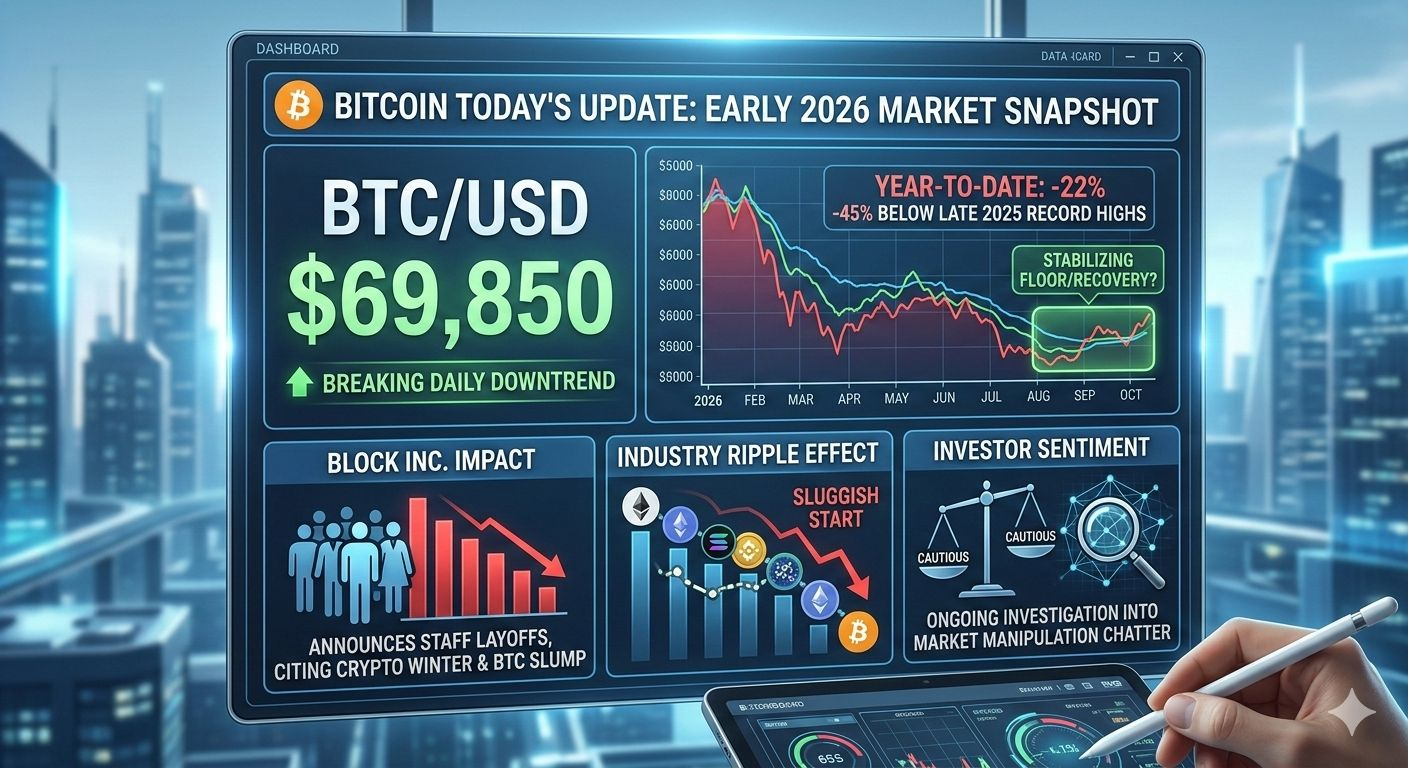
Here is your update on Bitcoin $BTC for today:
Current Price & Trend
* Price Level: Bitcoin is currently hovering just below the $70,000 mark.
* Recent Movement: While BTC has seen a slight uptick in the last 24 hours—breaking a recent daily downtrend—it is still recovering from a rough start to 2026. It is currently down roughly 22% year-to-date and sits about 45% below its record highs from late 2025.
What's Driving the News Today
* Signs of Stabilization: Technical analysts are noting that Bitcoin has finally broken its short-term daily price downtrend, giving some traders hope that the asset is finding a floor.
* Industry Ripple Effects: The broader crypto market's sluggish start to the year is having real-world impacts. For example, Jack Dorsey's payment company, Block (which holds a significant amount of BTC), recently announced major staff layoffs. Analysts are attributing this partly to the recent "crypto winter" and Bitcoin's dip in value.
* Market Sentiment: Investor sentiment remains cautious, with ongoing chatter and financial news articles exploring whether recent market manipulation contributed to the sudden crypto crashes earlier in the year.
Would you like me to look into any specific Bitcoin market metrics or check the status of any other cryptocurrencies for you?
{spot}(BTCUSDT)
Here is your update on Bitcoin $BTC for today:
Current Price & Trend
* Price Level: Bitcoin is currently hovering just below the $70,000 mark.
* Recent Movement: While BTC has seen a slight uptick in the last 24 hours—breaking a recent daily downtrend—it is still recovering from a rough start to 2026. It is currently down roughly 22% year-to-date and sits about 45% below its record highs from late 2025.
What's Driving the News Today
* Signs of Stabilization: Technical analysts are noting that Bitcoin has finally broken its short-term daily price downtrend, giving some traders hope that the asset is finding a floor.
* Industry Ripple Effects: The broader crypto market's sluggish start to the year is having real-world impacts. For example, Jack Dorsey's payment company, Block (which holds a significant amount of BTC), recently announced major staff layoffs. Analysts are attributing this partly to the recent "crypto winter" and Bitcoin's dip in value.
* Market Sentiment: Investor sentiment remains cautious, with ongoing chatter and financial news articles exploring whether recent market manipulation contributed to the sudden crypto crashes earlier in the year.
Would you like me to look into any specific Bitcoin market metrics or check the status of any other cryptocurrencies for you?
3
111
·
--
查看翻譯
ETHEREUM🌐 Ethereum $ETH
Market Update: Volatility, Whales, and the Rebound
The crypto market has been on a wild ride over the past few days. If you are looking for a quick snapshot of where Ethereum stands right now, here is the current situation:
The Macro Picture
* Current Price: ETH is currently trading in the $1,930 - $1,950 range.
* The Shakeout: Over the weekend, severe geopolitical shocks sent "extreme fear" through the market. ETH took a sharp hit, briefly dropping into the $1,700–$1,800 zone as a massive flush of leveraged positions triggered hundreds of millions in cross-market liquidations.
* The Recovery: We are now seeing a technical bounce. As leveraged longs were cleared out, on-chain data shows that long-term holders and whale wallets have been quietly accumulating the dip while retail sentiment remains fearful.
Ecosystem & Token Impact
* Liquidity Rotation: While Bitcoin is defending the $66K–$67K level, there is a visible shift of smart money moving toward Ethereum-based DeFi and high-performance utility protocols.
* Infrastructure Assets: During these macro swings, it is crucial to monitor how infrastructure and connectivity assets, like WalletConnect Token (WCT), react to the market. Their performance and utility are tightly coupled to Ethereum's network activity and gas fee dynamics during these periods of heavy consolidation.
The Long-Term Outlook
* Institutional Demand: Despite the short-term panic, the underlying fundamentals remain highly bullish. Ethereum-based funds just saw their highest weekly inflows since mid-January, driven heavily by the ongoing push for Real-World Asset (RWA) tokenization and Layer-2 expansion.
Would you like me to run a technical trade analysis on the current support and resistance levels to see where ETH might be heading next?
{spot}(ETHUSDT)
ETHEREUM
🌐 Ethereum $ETH
Market Update: Volatility, Whales, and the Rebound
The crypto market has been on a wild ride over the past few days. If you are looking for a quick snapshot of where Ethereum stands right now, here is the current situation:
The Macro Picture
* Current Price: ETH is currently trading in the $1,930 - $1,950 range.
* The Shakeout: Over the weekend, severe geopolitical shocks sent "extreme fear" through the market. ETH took a sharp hit, briefly dropping into the $1,700–$1,800 zone as a massive flush of leveraged positions triggered hundreds of millions in cross-market liquidations.
* The Recovery: We are now seeing a technical bounce. As leveraged longs were cleared out, on-chain data shows that long-term holders and whale wallets have been quietly accumulating the dip while retail sentiment remains fearful.
Ecosystem & Token Impact
* Liquidity Rotation: While Bitcoin is defending the $66K–$67K level, there is a visible shift of smart money moving toward Ethereum-based DeFi and high-performance utility protocols.
* Infrastructure Assets: During these macro swings, it is crucial to monitor how infrastructure and connectivity assets, like WalletConnect Token (WCT), react to the market. Their performance and utility are tightly coupled to Ethereum's network activity and gas fee dynamics during these periods of heavy consolidation.
The Long-Term Outlook
* Institutional Demand: Despite the short-term panic, the underlying fundamentals remain highly bullish. Ethereum-based funds just saw their highest weekly inflows since mid-January, driven heavily by the ongoing push for Real-World Asset (RWA) tokenization and Layer-2 expansion.
Would you like me to run a technical trade analysis on the current support and resistance levels to see where ETH might be heading next?
1
·
--
文章
對以太坊 $ETH 的長期分析$ETH
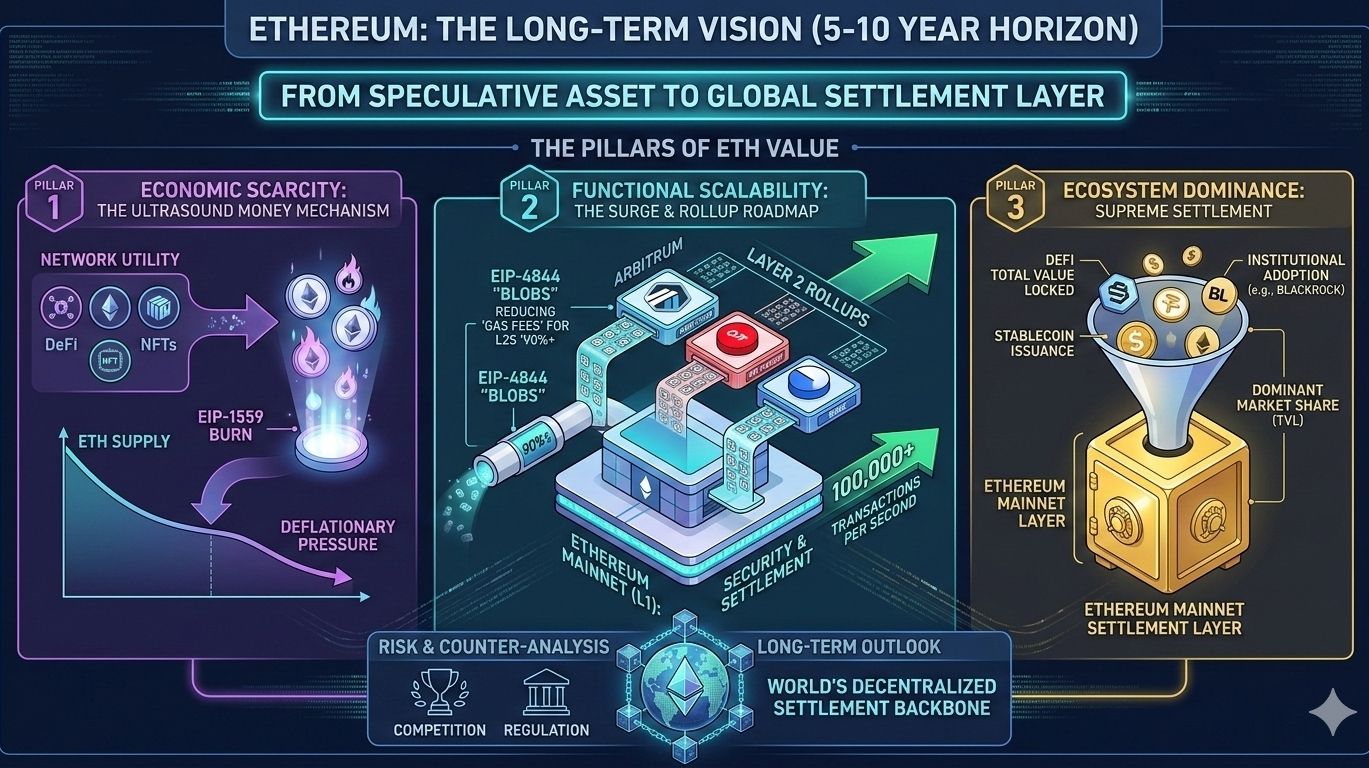
對以太坊(ETH)的長期分析是一項旨在5到10年視角的基礎性和生態系統評估。它不構成財務建議。
本分析的核心論點是,以太坊正從一種投機性資產轉變爲去中心化全球經濟的基礎性效用層和最高結算支柱。
這一過渡由三大不同的“證明支柱”支持,使ETH與其競爭對手區分開來。
證明的三大支柱
爲了分析以太坊的長期價值,我們必須考察提供其“效用”、“安全性”和“稀缺性”證明的具體技術和經濟機制。
對以太坊 $ETH 的長期分析
$ETH
對以太坊(ETH)的長期分析是一項旨在5到10年視角的基礎性和生態系統評估。它不構成財務建議。
本分析的核心論點是,以太坊正從一種投機性資產轉變爲去中心化全球經濟的基礎性效用層和最高結算支柱。
這一過渡由三大不同的“證明支柱”支持,使ETH與其競爭對手區分開來。
證明的三大支柱
爲了分析以太坊的長期價值,我們必須考察提供其“效用”、“安全性”和“稀缺性”證明的具體技術和經濟機制。
對以太坊(ETH)的長期分析是一項旨在5到10年視角的基礎性和生態系統評估。它不構成財務建議。
本分析的核心論點是,以太坊正從一種投機性資產轉變爲去中心化全球經濟的基礎性效用層和最高結算支柱。
這一過渡由三大不同的“證明支柱”支持,使ETH與其競爭對手區分開來。
證明的三大支柱
爲了分析以太坊的長期價值,我們必須考察提供其“效用”、“安全性”和“稀缺性”證明的具體技術和經濟機制。
70
·
--
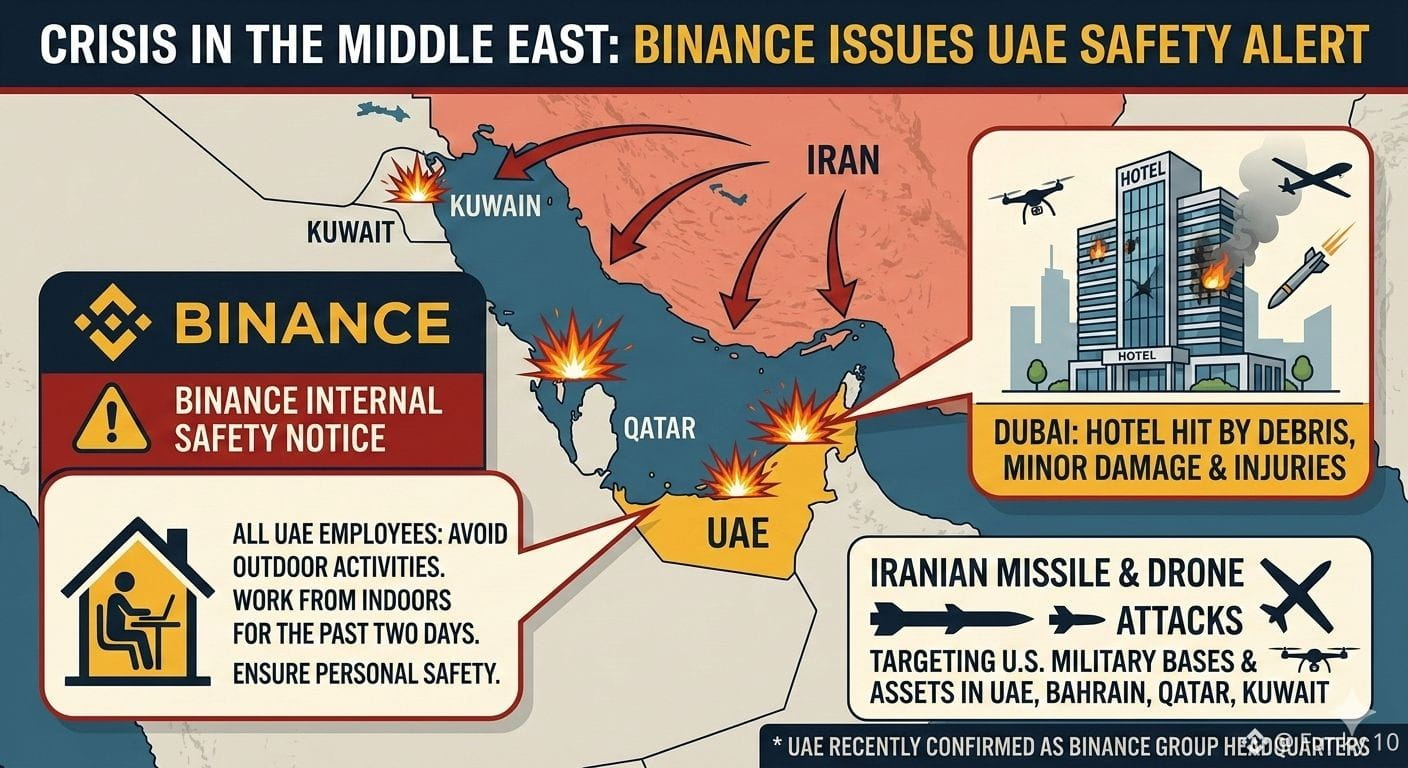
👀 幣安已指示所有在阿聯酋的員工過去兩天避免戶外活動並在室內工作,以確保他們的安全。阿聯酋是幣安最新宣佈的集團總部所在國。今天,伊朗向阿聯酋和其他中東國家的美國軍事基地發射了導彈和無人機,迪拜的一家酒店被擊中。
$BNB
{spot}(BNBUSDT)
👀 幣安已指示所有在阿聯酋的員工過去兩天避免戶外活動並在室內工作,以確保他們的安全。阿聯酋是幣安最新宣佈的集團總部所在國。今天,伊朗向阿聯酋和其他中東國家的美國軍事基地發射了導彈和無人機,迪拜的一家酒店被擊中。
$BNB
$BNB
69
·
--
查看翻譯
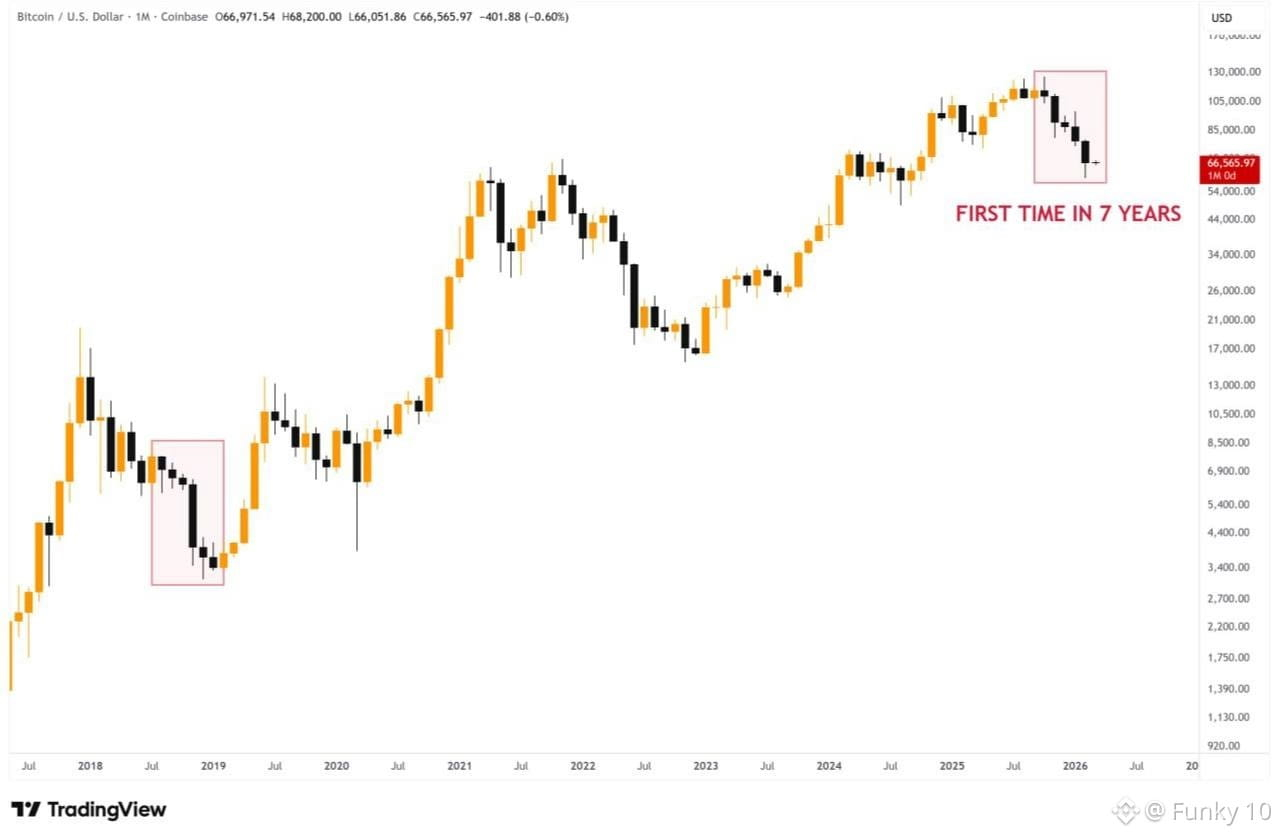
📉 For the first time since 2019 there are 5 bearish (red) monthly candles in a row on $BTC
chart!
Last time it happened 7 years ago when Bitcoin fell down for 6 months straight.
hint: look what happened afterwards
{spot}(BTCUSDT)
📉 For the first time since 2019 there are 5 bearish (red) monthly candles in a row on $BTC
chart!
Last time it happened 7 years ago when Bitcoin fell down for 6 months straight.
hint: look what happened afterwards
chart!
Last time it happened 7 years ago when Bitcoin fell down for 6 months straight.
hint: look what happened afterwards
1
16
·
--
文章
查看翻譯
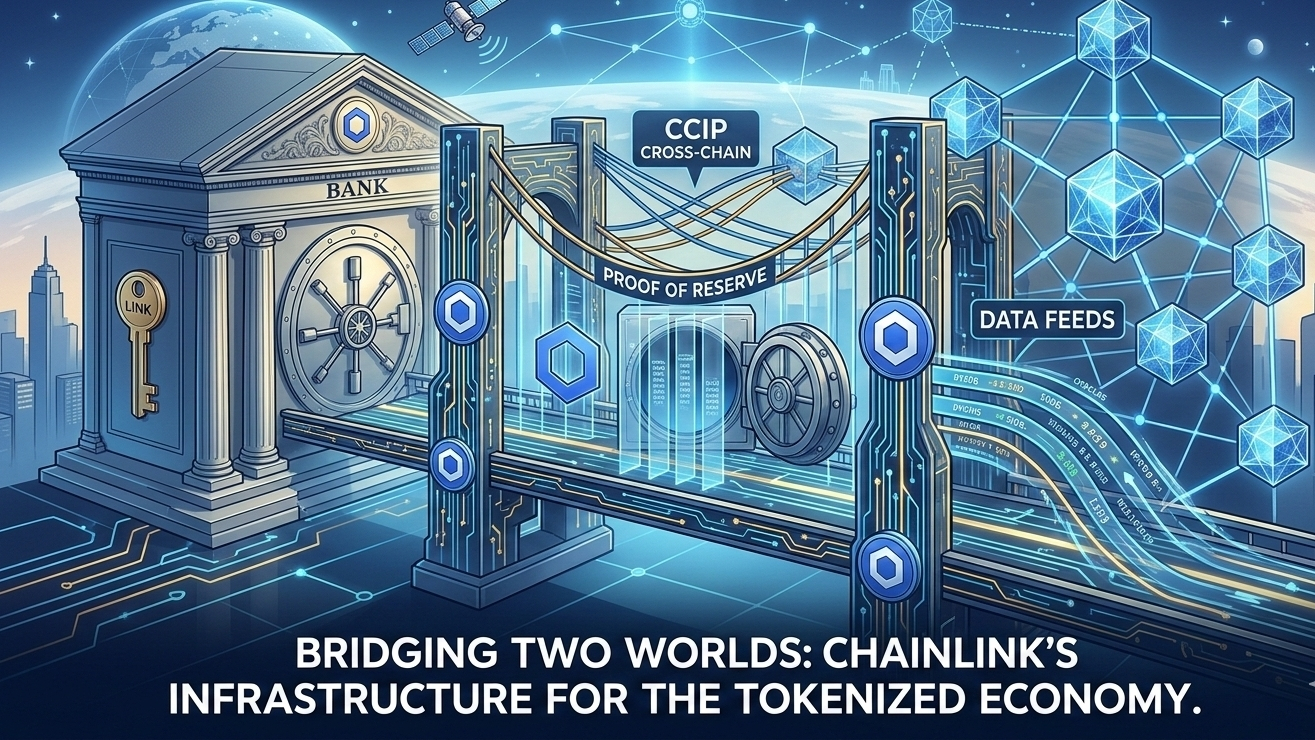
The Bridge Between Blockchains and the Real World: An Inside Look at Chainlink (LINK)If blockchains are highly secure, digital vaults, smart contracts are the automated rules governing what happens inside them. However, there is a fundamental flaw in this design: blockchains are intentionally isolated. They cannot natively connect to the outside world to check the price of a stock, verify a shipping manifest, or confirm if a flight was delayed.
This isolation is known as the Oracle Problem, and Chainlink ($LINK ) was built entirely to solve it. Today, Chainlink is not just a cryptocurrency; it is the industry-standard decentralized oracle network functioning as the foundational infrastructure for the entire tokenized economy.
Solving the Oracle Problem
To execute a contract based on real-world events, blockchains need external data. If a blockchain relies on a single, centralized data source (like a single stock exchange API), it creates a single point of failure, defeating the entire purpose of a decentralized network.
Chainlink solves this by using a decentralized network of independent node operators. These nodes fetch data from multiple sources, aggregate it, verify its accuracy, and securely deliver it on-chain. This ensures that smart contracts can trigger based on real-world events without sacrificing security or relying on a middleman.
Beyond Price Feeds: Chainlink's Core Technology
While Chainlink started by providing the price feeds that made Decentralized Finance (DeFi) possible, its technology stack has expanded significantly. In 2026, the network is built on a few critical pillars:
* Data Feeds & Streams: Chainlink provides high-frequency, tamper-proof market data. This has recently expanded heavily into traditional finance (TradFi), offering 24/5 equities streams to bring global stock market data natively on-chain.
* CCIP (Cross-Chain Interoperability Protocol): Often described as the TCP/IP of blockchains, CCIP is a highly secure messaging system that allows different blockchains to communicate. It enables developers to build applications that span multiple networks and allows assets to move seamlessly without relying on vulnerable cross-chain bridges.
* Proof of Reserve (PoR): As the market for tokenized assets grows, investors need to know that digital tokens are actually backed by real assets. Chainlink’s PoR provides automated, near real-time verification of the off-chain reserves backing stablecoins, tokenized gold, and digital treasuries.
The 2026 Landscape: Institutional Adoption and RWAs
Chainlink has transitioned from a tool primarily used by crypto-native developers to an essential piece of infrastructure for Global Systemically Important Banks (GSIBs). The defining narrative for Chainlink in 2026 is the tokenization of Real-World Assets (RWAs).
* The Canton Network Integration: In early 2026, Chainlink deployed its data standard across the Canton blockchain ecosystem. This massive integration brings regulatory-grade oracle infrastructure to a network that processes hundreds of billions in daily U.S. Treasury repo transactions, cementing Chainlink’s role in institutional finance.
* Mainstream Financial Vehicles: The launch of the Bitwise Chainlink ETF (CLNK) in January 2026 marked a watershed moment, allowing regulated institutional capital to flow directly into the LINK ecosystem.
* Global Bank Partnerships: Chainlink’s ongoing infrastructure work with Swift—the backbone of the global financial system connecting over 11,000 banks—has moved from pilot phases toward production, bridging traditional banking systems with blockchain networks.
The Role of the LINK Token
The LINK token is the economic engine that powers this entire network. It serves two primary functions:
* Payment Unit: Developers and financial institutions must pay Chainlink node operators in LINK to retrieve data, generate verifiable randomness, or utilize CCIP for cross-chain transfers.
* Network Security: Node operators are required to stake LINK tokens as collateral. If a node acts maliciously or provides inaccurate data, its staked LINK can be slashed (penalized). This economic incentive ensures that the network remains honest and highly secure.
{spot}(LINKUSDT)
The Bridge Between Blockchains and the Real World: An Inside Look at Chainlink (LINK)
If blockchains are highly secure, digital vaults, smart contracts are the automated rules governing what happens inside them. However, there is a fundamental flaw in this design: blockchains are intentionally isolated. They cannot natively connect to the outside world to check the price of a stock, verify a shipping manifest, or confirm if a flight was delayed.
This isolation is known as the Oracle Problem, and Chainlink ($LINK ) was built entirely to solve it. Today, Chainlink is not just a cryptocurrency; it is the industry-standard decentralized oracle network functioning as the foundational infrastructure for the entire tokenized economy.
Solving the Oracle Problem
To execute a contract based on real-world events, blockchains need external data. If a blockchain relies on a single, centralized data source (like a single stock exchange API), it creates a single point of failure, defeating the entire purpose of a decentralized network.
Chainlink solves this by using a decentralized network of independent node operators. These nodes fetch data from multiple sources, aggregate it, verify its accuracy, and securely deliver it on-chain. This ensures that smart contracts can trigger based on real-world events without sacrificing security or relying on a middleman.
Beyond Price Feeds: Chainlink's Core Technology
While Chainlink started by providing the price feeds that made Decentralized Finance (DeFi) possible, its technology stack has expanded significantly. In 2026, the network is built on a few critical pillars:
* Data Feeds & Streams: Chainlink provides high-frequency, tamper-proof market data. This has recently expanded heavily into traditional finance (TradFi), offering 24/5 equities streams to bring global stock market data natively on-chain.
* CCIP (Cross-Chain Interoperability Protocol): Often described as the TCP/IP of blockchains, CCIP is a highly secure messaging system that allows different blockchains to communicate. It enables developers to build applications that span multiple networks and allows assets to move seamlessly without relying on vulnerable cross-chain bridges.
* Proof of Reserve (PoR): As the market for tokenized assets grows, investors need to know that digital tokens are actually backed by real assets. Chainlink’s PoR provides automated, near real-time verification of the off-chain reserves backing stablecoins, tokenized gold, and digital treasuries.
The 2026 Landscape: Institutional Adoption and RWAs
Chainlink has transitioned from a tool primarily used by crypto-native developers to an essential piece of infrastructure for Global Systemically Important Banks (GSIBs). The defining narrative for Chainlink in 2026 is the tokenization of Real-World Assets (RWAs).
* The Canton Network Integration: In early 2026, Chainlink deployed its data standard across the Canton blockchain ecosystem. This massive integration brings regulatory-grade oracle infrastructure to a network that processes hundreds of billions in daily U.S. Treasury repo transactions, cementing Chainlink’s role in institutional finance.
* Mainstream Financial Vehicles: The launch of the Bitwise Chainlink ETF (CLNK) in January 2026 marked a watershed moment, allowing regulated institutional capital to flow directly into the LINK ecosystem.
* Global Bank Partnerships: Chainlink’s ongoing infrastructure work with Swift—the backbone of the global financial system connecting over 11,000 banks—has moved from pilot phases toward production, bridging traditional banking systems with blockchain networks.
The Role of the LINK Token
The LINK token is the economic engine that powers this entire network. It serves two primary functions:
* Payment Unit: Developers and financial institutions must pay Chainlink node operators in LINK to retrieve data, generate verifiable randomness, or utilize CCIP for cross-chain transfers.
* Network Security: Node operators are required to stake LINK tokens as collateral. If a node acts maliciously or provides inaccurate data, its staked LINK can be slashed (penalized). This economic incentive ensures that the network remains honest and highly secure.
4
162
·
--
$BTC
{spot}(BTCUSDT)
突發的激增——或稱爲“泵”——回到67,000美元到68,000美元的區間,主要是由於在週末發生重大地緣政治衝擊波後,迅速恢復的反彈。
以下是推動當前價格走勢的市場動態分析:
地緣政治衝擊與恢復
最初,由於美國-以色列在伊朗的空襲報告以及阿亞圖拉·阿里·哈梅內伊確認死亡,比特幣暴跌至約63,000美元。加密貨幣最初作爲一種標準的風險規避資產反應,因全球不確定性而急劇下跌。然而,隨着交易者開始考慮局部衝突的可能性,而不是立即更廣泛的全球升級,價格迅速逆轉並恢復了損失。
大規模市場清算
突如其來的下跌震動了加密衍生品市場的大量槓桿,這最終推動了反彈。
* 清算頭寸:在過去24小時內,超過157,000名槓桿交易者被清算。
* 總清算:約6.57億美元的多頭和空頭頭寸被清算。
當在閃電崩盤期間,重槓桿頭寸被抹去時,立即的賣壓會迅速消耗。一旦清算級聯停止,就爲急劇的“V型”買入反彈清除了道路。
週末流動性稀薄
整個運動——跌至63,000美元后再回升至67,000美元以上——發生在週末。週日交易傳統上流動性稀薄,這意味着活躍交易量較少,難以吸收大額交易。在流動性低的環境中,重大新聞事件可能導致價格劇烈波動,這顯著加速了當前反彈的速度。
您想深入瞭解宏觀經濟事件通常如何影響更廣泛的加密市場,還是想分析當前的支撐和阻力水平?
#IranConfirmsKhameneiIsDead #USIsraelStrikeIran #AnthropicUSGovClash
$BTC
突發的激增——或稱爲“泵”——回到67,000美元到68,000美元的區間,主要是由於在週末發生重大地緣政治衝擊波後,迅速恢復的反彈。
以下是推動當前價格走勢的市場動態分析:
地緣政治衝擊與恢復
最初,由於美國-以色列在伊朗的空襲報告以及阿亞圖拉·阿里·哈梅內伊確認死亡,比特幣暴跌至約63,000美元。加密貨幣最初作爲一種標準的風險規避資產反應,因全球不確定性而急劇下跌。然而,隨着交易者開始考慮局部衝突的可能性,而不是立即更廣泛的全球升級,價格迅速逆轉並恢復了損失。
大規模市場清算
突如其來的下跌震動了加密衍生品市場的大量槓桿,這最終推動了反彈。
* 清算頭寸:在過去24小時內,超過157,000名槓桿交易者被清算。
* 總清算:約6.57億美元的多頭和空頭頭寸被清算。
當在閃電崩盤期間,重槓桿頭寸被抹去時,立即的賣壓會迅速消耗。一旦清算級聯停止,就爲急劇的“V型”買入反彈清除了道路。
週末流動性稀薄
整個運動——跌至63,000美元后再回升至67,000美元以上——發生在週末。週日交易傳統上流動性稀薄,這意味着活躍交易量較少,難以吸收大額交易。在流動性低的環境中,重大新聞事件可能導致價格劇烈波動,這顯著加速了當前反彈的速度。
您想深入瞭解宏觀經濟事件通常如何影響更廣泛的加密市場,還是想分析當前的支撐和阻力水平?
#IranConfirmsKhameneiIsDead #USIsraelStrikeIran #AnthropicUSGovClash
79
·
--
#robo $ROBO
{future}(ROBOUSDT)
當搜索 "Robo Coin" 時,您可能在查看兩種完全不同的加密貨幣:
* Fabric Protocol ($ROBO):一種 AI 和 Web3 實用代幣。它旨在作爲自動化生態系統、智能合約和機器對機器交易的數字燃料。該資產符合日益增長的 AI 集成去中心化技術趨勢。
* ROBOCOIN(首個比特幣 ATM):在 Solana 區塊鏈上的一種投機性模因幣。它的創建旨在向2013年推出的世界首個實體比特幣 ATM 致敬,並且主要基於社區情緒而非實用性進行交易。
關鍵要點:
* 高風險與波動性:兩者都是較低市值資產,意味着它們容易出現大幅和突發的價格波動。
* 驗證資產:在購買之前,始終仔細檢查智能合約地址,以確保您交易的是正確的 "Robo" 幣,因爲這個名稱常常被使用。
您想讓我拉取其中任何一種幣的當前價格走勢和交易量嗎?
@FabricFND
#robo $ROBO
當搜索 "Robo Coin" 時,您可能在查看兩種完全不同的加密貨幣:
* Fabric Protocol ($ROBO ):一種 AI 和 Web3 實用代幣。它旨在作爲自動化生態系統、智能合約和機器對機器交易的數字燃料。該資產符合日益增長的 AI 集成去中心化技術趨勢。
* ROBOCOIN(首個比特幣 ATM):在 Solana 區塊鏈上的一種投機性模因幣。它的創建旨在向2013年推出的世界首個實體比特幣 ATM 致敬,並且主要基於社區情緒而非實用性進行交易。
關鍵要點:
* 高風險與波動性:兩者都是較低市值資產,意味着它們容易出現大幅和突發的價格波動。
* 驗證資產:在購買之前,始終仔細檢查智能合約地址,以確保您交易的是正確的 "Robo" 幣,因爲這個名稱常常被使用。
您想讓我拉取其中任何一種幣的當前價格走勢和交易量嗎?
@Fabric Foundation
7
·
--
查看翻譯
Solana: The High-Speed Blockchain for the Future
$SOL has emerged as a major player in the cryptocurrency world, offering a high-performance blockchain platform designed for decentralized applications (dApps) and crypto-currencies. Known for its incredible speed and low transaction costs, Solana is positioning itself as a foundation for the next generation of the internet (Web3).
Key Features of Solana:
Lightning-Fast Transactions: Solana can process thousands of transactions per second, making it one of the fastest blockchains in existence.
Low Transaction Fees: Transactions on Solana cost a fraction of a cent, making it highly accessible for users and developers.
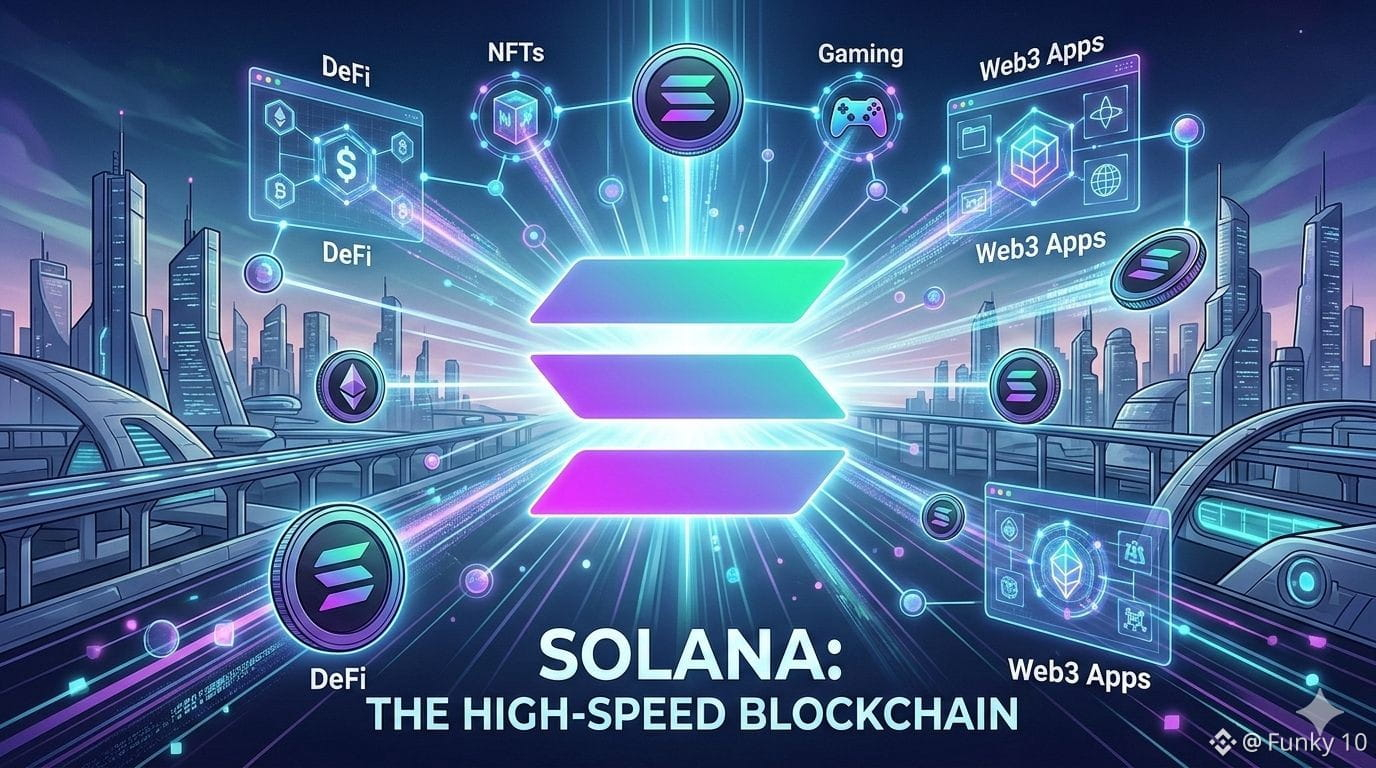
Growing Ecosystem: Solana hosts a vibrant and rapidly expanding ecosystem of projects spanning decentralized finance (DeFi), non-fungible tokens (NFTs), gaming, and more.
Proof of History (PoH): A unique consensus mechanism that helps Solana achieve its high speed and efficiency.
Whether you're a developer looking to build scalable dApps or an investor interested in the future of blockchain technology, Solana is an ecosystem worth watching. Check out the illustration below for a visual representation of its fast-growing network!
Here is a picture summarizing the Solana ecosystem and its high-speed nature.
#USIsraelStrikeIran #AnthropicUSGovClash #BlockAILayoffs
{spot}(SOLUSDT)
Solana: The High-Speed Blockchain for the Future
$SOL has emerged as a major player in the cryptocurrency world, offering a high-performance blockchain platform designed for decentralized applications (dApps) and crypto-currencies. Known for its incredible speed and low transaction costs, Solana is positioning itself as a foundation for the next generation of the internet (Web3).
Key Features of Solana:
Lightning-Fast Transactions: Solana can process thousands of transactions per second, making it one of the fastest blockchains in existence.
Low Transaction Fees: Transactions on Solana cost a fraction of a cent, making it highly accessible for users and developers.
Growing Ecosystem: Solana hosts a vibrant and rapidly expanding ecosystem of projects spanning decentralized finance (DeFi), non-fungible tokens (NFTs), gaming, and more.
Proof of History (PoH): A unique consensus mechanism that helps Solana achieve its high speed and efficiency.
Whether you're a developer looking to build scalable dApps or an investor interested in the future of blockchain technology, Solana is an ecosystem worth watching. Check out the illustration below for a visual representation of its fast-growing network!
Here is a picture summarizing the Solana ecosystem and its high-speed nature.
#USIsraelStrikeIran #AnthropicUSGovClash #BlockAILayoffs
27
·
--
看漲
35
·
--
看漲
查看翻譯
$BTC -ETFs:
NetFlow: +1,163 BTC ($137M) 🟢
Blackrock inflows 1,249 BTC ($147.13M) and currently holds 739,261 BTC ($87.08B);
$ETH -ETFs:
NetFlow: +20,290 ETH ($76.62M) 🟢
Blackrock inflows 34,799 ETH ($131.4M) and currently holds 2,959,462 ETH ($11.17B).
$BTC -ETFs:
NetFlow: +1,163 BTC ($137M) 🟢
Blackrock inflows 1,249 BTC ($147.13M) and currently holds 739,261 BTC ($87.08B);
$ETH -ETFs:
NetFlow: +20,290 ETH ($76.62M) 🟢
Blackrock inflows 34,799 ETH ($131.4M) and currently holds 2,959,462 ETH ($11.17B).
NetFlow: +1,163 BTC ($137M) 🟢
Blackrock inflows 1,249 BTC ($147.13M) and currently holds 739,261 BTC ($87.08B);
$ETH -ETFs:
NetFlow: +20,290 ETH ($76.62M) 🟢
Blackrock inflows 34,799 ETH ($131.4M) and currently holds 2,959,462 ETH ($11.17B).
1
1
·
--
查看翻譯
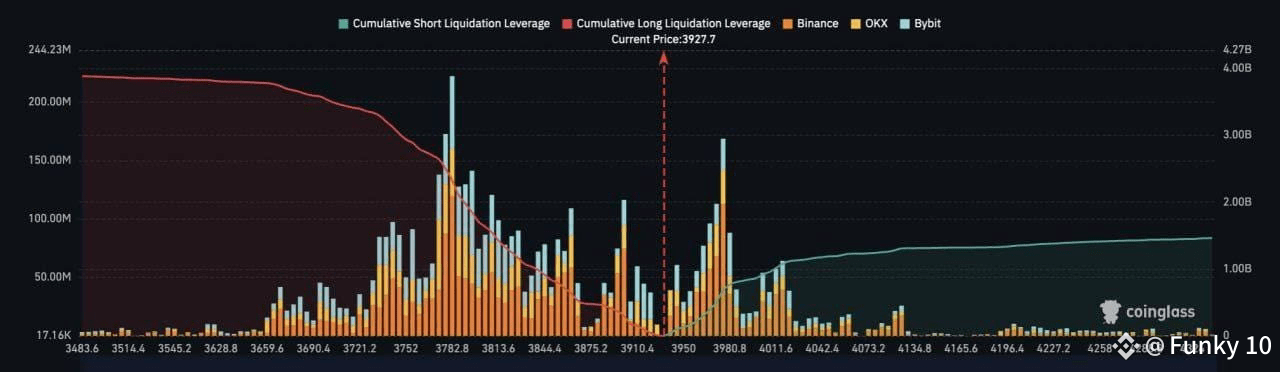
If $ETH hits $4,000, almost $1B in short positions will be liquidated, according to coinglass.
If $ETH hits $4,000, almost $1B in short positions will be liquidated, according to coinglass.
1
·
--
查看翻譯
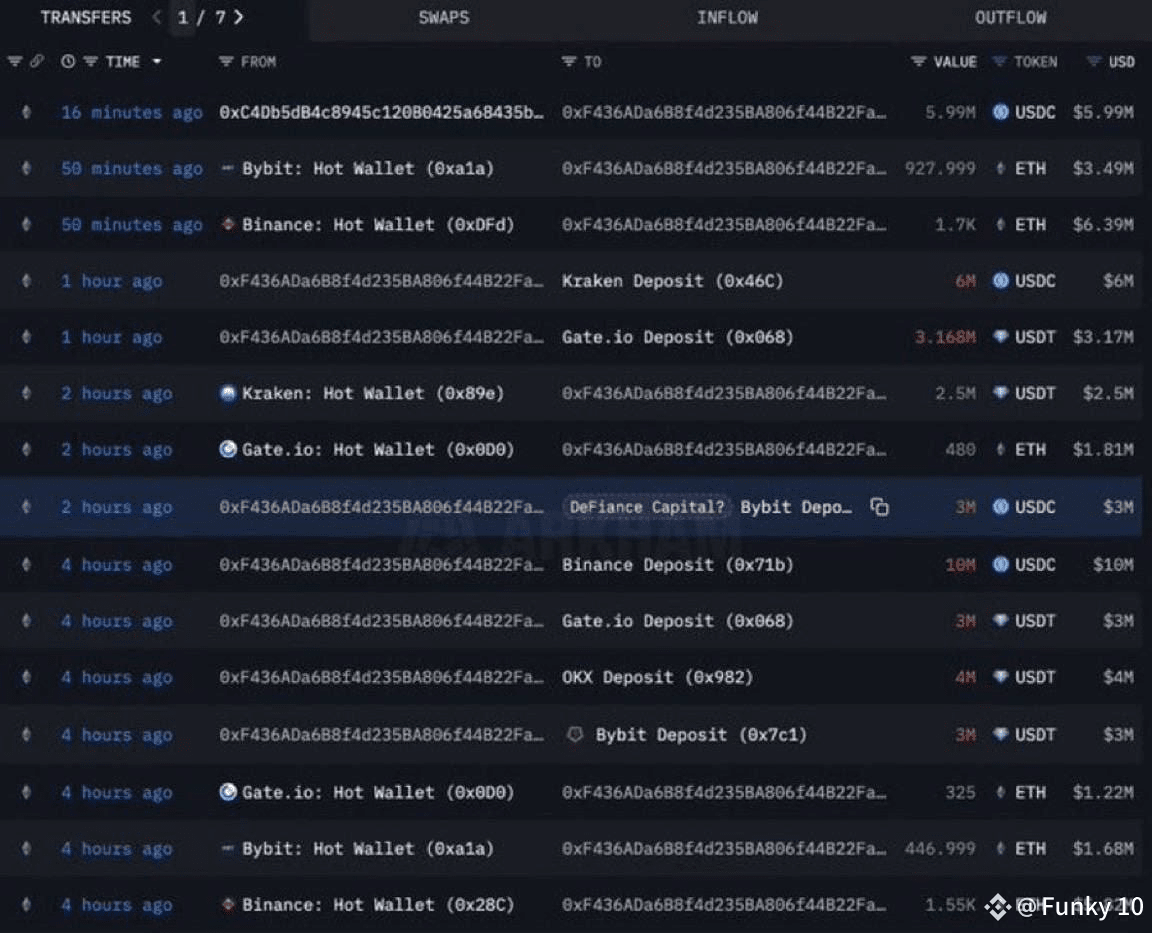
📌 A Whale just bought 30,366 $ETH worth $114M.
{spot}(ETHUSDT)
📌 A Whale just bought 30,366 $ETH worth $114M.
3
·
--
看漲
查看翻譯
According to report, Blackrock currently earns over $187 million a year from bitcoin ETF fees.
The market will go higher.
We about to see a massive wealth change this week.
WAKE UP!$ETH
{spot}(ETHUSDT)
According to report, Blackrock currently earns over $187 million a year from bitcoin ETF fees.
The market will go higher.
We about to see a massive wealth change this week.
WAKE UP!$ETH
The market will go higher.
We about to see a massive wealth change this week.
WAKE UP!$ETH
8
登入以探索更多內容
加入幣安廣場中的全球加密貨幣用戶
⚡️ 獲取加密貨幣的最新和實用資訊。
💬 受到全球最大加密貨幣交易所的信任。
👍 發掘來自經過驗證創作者的真實見解。
電子郵件 / 電話號碼