

SP Cryptozone
2.7k 貼文

SP Cryptozone
舉報
封鎖用戶
Navigating the crypto world with smart trades, constant learning, and growth. Building a diversified portfolio—join me on this exciting digital journey!
59 關注
493 粉絲
3.1K+ 點讚數
貼文
置頂
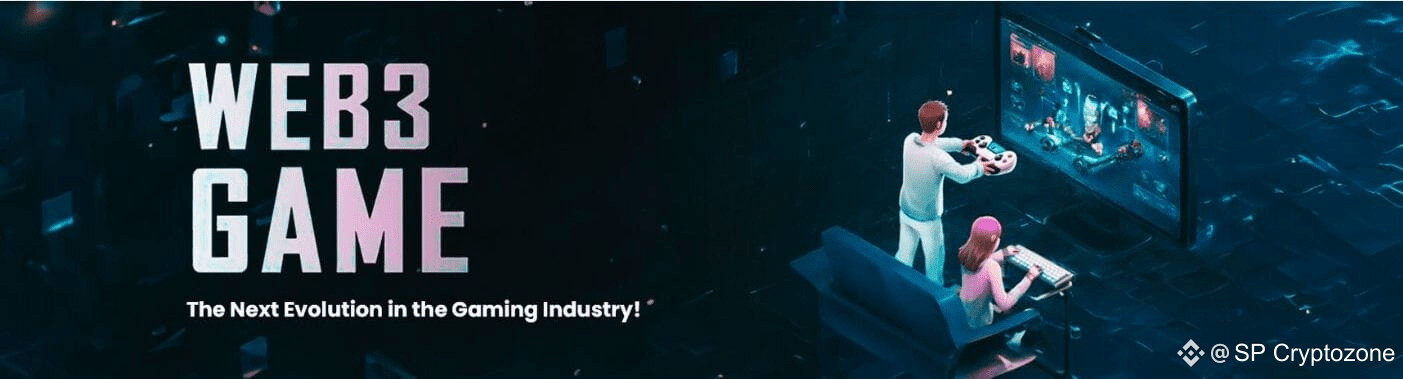
安靜的力量塑造Web3遊戲
Web3正在經歷比短期價格波動更深層次的轉變,這些波動仍然佔據市場的重要部分。 $COCOS ,目前價格爲$0.00097,正在穩步構建可能重新定義GameFi經濟的基礎設施。
向前推進
開發者正在推出創新的遊戲體驗。
新的去中心化應用程序正在上線,擴展生態系統的覆蓋範圍。
GameFi行業的採用率仍在增加。
構建框架
這不僅僅是一個投機性的願景——這是一個正在建立的具體基礎。正在進行的進展可能點燃下一個基於區塊鏈的遊戲浪潮。
突破前的耐心
整合期是自然和可持續增長所必需的。真正的問題不是是否,而是市場何時會認識到$COCOS 的潛力。
超越價格行爲
GameFi的持久價值並不在於突然的上漲。它存在於沉浸式的數字世界、運作的經濟體和玩家驅動的生態系統中。當其他人追逐炒作時,它$COCOS 正在爲持久的創新奠定基礎。
機會之窗
基礎設施幾乎完成,勢頭正在增強。採用即將迎來重大擴展。唯一剩下的問題是:當火車離開車站時,你會準備好嗎?
#GameFi #Web3 #BlockchainGaming #COCOS #COMBO
{future}(BTCUSDT)
安靜的力量塑造Web3遊戲
Web3正在經歷比短期價格波動更深層次的轉變,這些波動仍然佔據市場的重要部分。 $COCOS ,目前價格爲$0.00097,正在穩步構建可能重新定義GameFi經濟的基礎設施。
向前推進
開發者正在推出創新的遊戲體驗。
新的去中心化應用程序正在上線,擴展生態系統的覆蓋範圍。
GameFi行業的採用率仍在增加。
構建框架
這不僅僅是一個投機性的願景——這是一個正在建立的具體基礎。正在進行的進展可能點燃下一個基於區塊鏈的遊戲浪潮。
突破前的耐心
整合期是自然和可持續增長所必需的。真正的問題不是是否,而是市場何時會認識到$COCOS 的潛力。
超越價格行爲
GameFi的持久價值並不在於突然的上漲。它存在於沉浸式的數字世界、運作的經濟體和玩家驅動的生態系統中。當其他人追逐炒作時,它$COCOS 正在爲持久的創新奠定基礎。
機會之窗
基礎設施幾乎完成,勢頭正在增強。採用即將迎來重大擴展。唯一剩下的問題是:當火車離開車站時,你會準備好嗎?
#GameFi #Web3 #BlockchainGaming #COCOS #COMBO
Web3正在經歷比短期價格波動更深層次的轉變,這些波動仍然佔據市場的重要部分。 $COCOS ,目前價格爲$0.00097,正在穩步構建可能重新定義GameFi經濟的基礎設施。
向前推進
開發者正在推出創新的遊戲體驗。
新的去中心化應用程序正在上線,擴展生態系統的覆蓋範圍。
GameFi行業的採用率仍在增加。
構建框架
這不僅僅是一個投機性的願景——這是一個正在建立的具體基礎。正在進行的進展可能點燃下一個基於區塊鏈的遊戲浪潮。
突破前的耐心
整合期是自然和可持續增長所必需的。真正的問題不是是否,而是市場何時會認識到$COCOS 的潛力。
超越價格行爲
GameFi的持久價值並不在於突然的上漲。它存在於沉浸式的數字世界、運作的經濟體和玩家驅動的生態系統中。當其他人追逐炒作時,它$COCOS 正在爲持久的創新奠定基礎。
機會之窗
基礎設施幾乎完成,勢頭正在增強。採用即將迎來重大擴展。唯一剩下的問題是:當火車離開車站時,你會準備好嗎?
#GameFi #Web3 #BlockchainGaming #COCOS #COMBO
5
1
44
100.4k
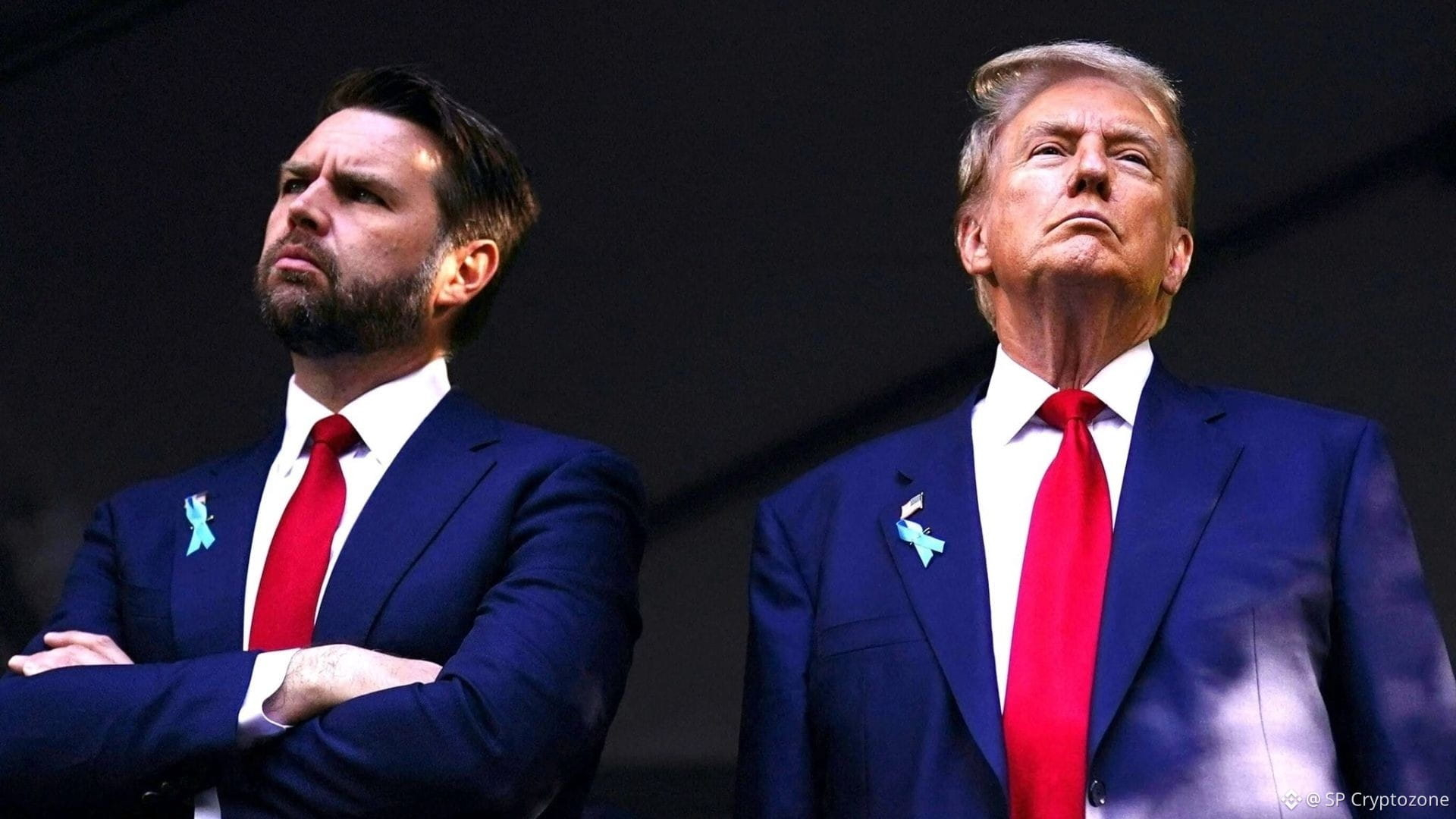
🚨 華盛頓進入高度戒備:特朗普和萬斯正準備發表重要聲明
美國東部時間下午1:30,有人看到唐納德·特朗普總統和副總統JD·萬斯正準備在橢圓形辦公室向公衆發表講話。
👀 接下來會發生什麼?
目前尚不清楚聲明的具體內容,但許多人正期待他們的發言。
📊 白宮的任何聲明都將引起廣泛關注,尤其是涉及金融市場、國際貿易、外交關係或國家經濟穩定時。
⚠️ 在那一刻到來之前,聲明的真實內容仍未確定。這可能只是政治舞臺上平常的一天,也可能意味着一項關鍵進展。
🔥 政策會出現重大轉變嗎?還是會涉及完全不同的事情?所有人的目光都聚焦在華盛頓,等待進一步說明。
$BTC
{future}(BTCUSDT)
$BREV
{future}(BREVUSDT)
$PHA
{future}(PHAUSDT)
#BreakingNews #Trump #JDVance #WhiteHouse #USPolitics
🚨 華盛頓進入高度戒備:特朗普和萬斯正準備發表重要聲明
美國東部時間下午1:30,有人看到唐納德·特朗普總統和副總統JD·萬斯正準備在橢圓形辦公室向公衆發表講話。
👀 接下來會發生什麼?
目前尚不清楚聲明的具體內容,但許多人正期待他們的發言。
📊 白宮的任何聲明都將引起廣泛關注,尤其是涉及金融市場、國際貿易、外交關係或國家經濟穩定時。
⚠️ 在那一刻到來之前,聲明的真實內容仍未確定。這可能只是政治舞臺上平常的一天,也可能意味着一項關鍵進展。
🔥 政策會出現重大轉變嗎?還是會涉及完全不同的事情?所有人的目光都聚焦在華盛頓,等待進一步說明。
$BTC
$BREV
$PHA
#BreakingNews #Trump #JDVance #WhiteHouse #USPolitics
美國東部時間下午1:30,有人看到唐納德·特朗普總統和副總統JD·萬斯正準備在橢圓形辦公室向公衆發表講話。
👀 接下來會發生什麼?
目前尚不清楚聲明的具體內容,但許多人正期待他們的發言。
📊 白宮的任何聲明都將引起廣泛關注,尤其是涉及金融市場、國際貿易、外交關係或國家經濟穩定時。
⚠️ 在那一刻到來之前,聲明的真實內容仍未確定。這可能只是政治舞臺上平常的一天,也可能意味着一項關鍵進展。
🔥 政策會出現重大轉變嗎?還是會涉及完全不同的事情?所有人的目光都聚焦在華盛頓,等待進一步說明。
$BTC
$BREV
$PHA
#BreakingNews #Trump #JDVance #WhiteHouse #USPolitics
302
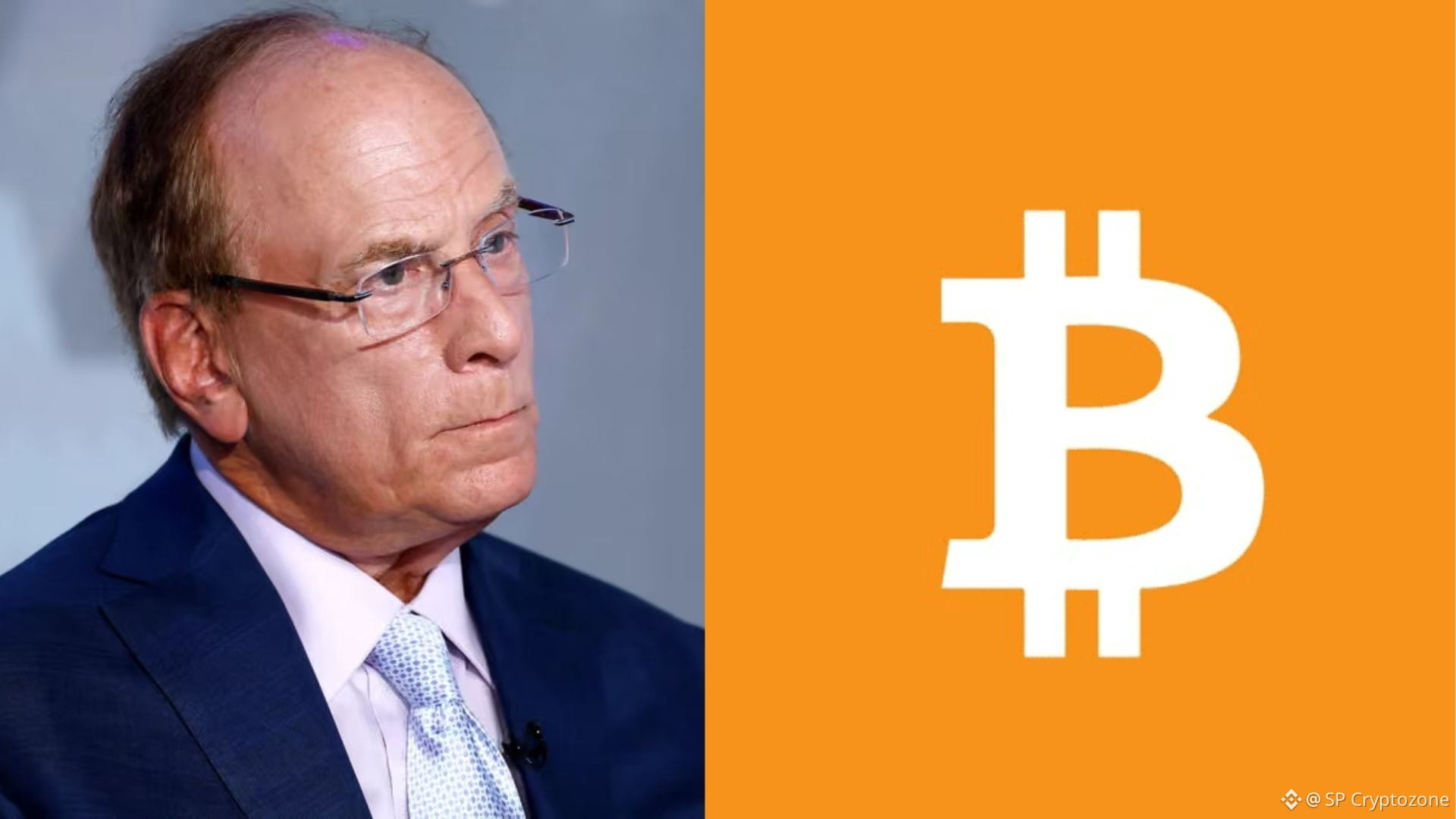
🚨 比特幣遭遇 2.2858 億美元 ETF 資金流出風波!
📉
近期變化表明,機構興趣正劇烈波動。本週,美國現貨比特幣 ETF 出現了驚人的 2.2858 億美元資金流出。
投資者密切關注貝萊德等機構,思忖近期的獲利了結階段是否會繼續壓低比特幣價格。
如果資金持續流出,看跌的投資者很快可能會面臨意想不到的局面,因爲一些場外觀望者已準備好把握比特幣流入帶來的機會。
看跌的投資者預計價格將進一步下跌,而看漲的交易者則感到緊張,希望買盤力量足以扭轉當前趨勢。
比特幣能否承受機構資金流出的壓力並實現反彈,還是還會出現更多拋售?
$BTC
{future}(BTCUSDT)
#Bitcoin #BitcoinETF #BlackRock #CryptoMarket #BTC
🚨 比特幣遭遇 2.2858 億美元 ETF 資金流出風波!
📉
近期變化表明,機構興趣正劇烈波動。本週,美國現貨比特幣 ETF 出現了驚人的 2.2858 億美元資金流出。
投資者密切關注貝萊德等機構,思忖近期的獲利了結階段是否會繼續壓低比特幣價格。
如果資金持續流出,看跌的投資者很快可能會面臨意想不到的局面,因爲一些場外觀望者已準備好把握比特幣流入帶來的機會。
看跌的投資者預計價格將進一步下跌,而看漲的交易者則感到緊張,希望買盤力量足以扭轉當前趨勢。
比特幣能否承受機構資金流出的壓力並實現反彈,還是還會出現更多拋售?
$BTC
#Bitcoin #BitcoinETF #BlackRock #CryptoMarket #BTC
📉
近期變化表明,機構興趣正劇烈波動。本週,美國現貨比特幣 ETF 出現了驚人的 2.2858 億美元資金流出。
投資者密切關注貝萊德等機構,思忖近期的獲利了結階段是否會繼續壓低比特幣價格。
如果資金持續流出,看跌的投資者很快可能會面臨意想不到的局面,因爲一些場外觀望者已準備好把握比特幣流入帶來的機會。
看跌的投資者預計價格將進一步下跌,而看漲的交易者則感到緊張,希望買盤力量足以扭轉當前趨勢。
比特幣能否承受機構資金流出的壓力並實現反彈,還是還會出現更多拋售?
$BTC
#Bitcoin #BitcoinETF #BlackRock #CryptoMarket #BTC
96
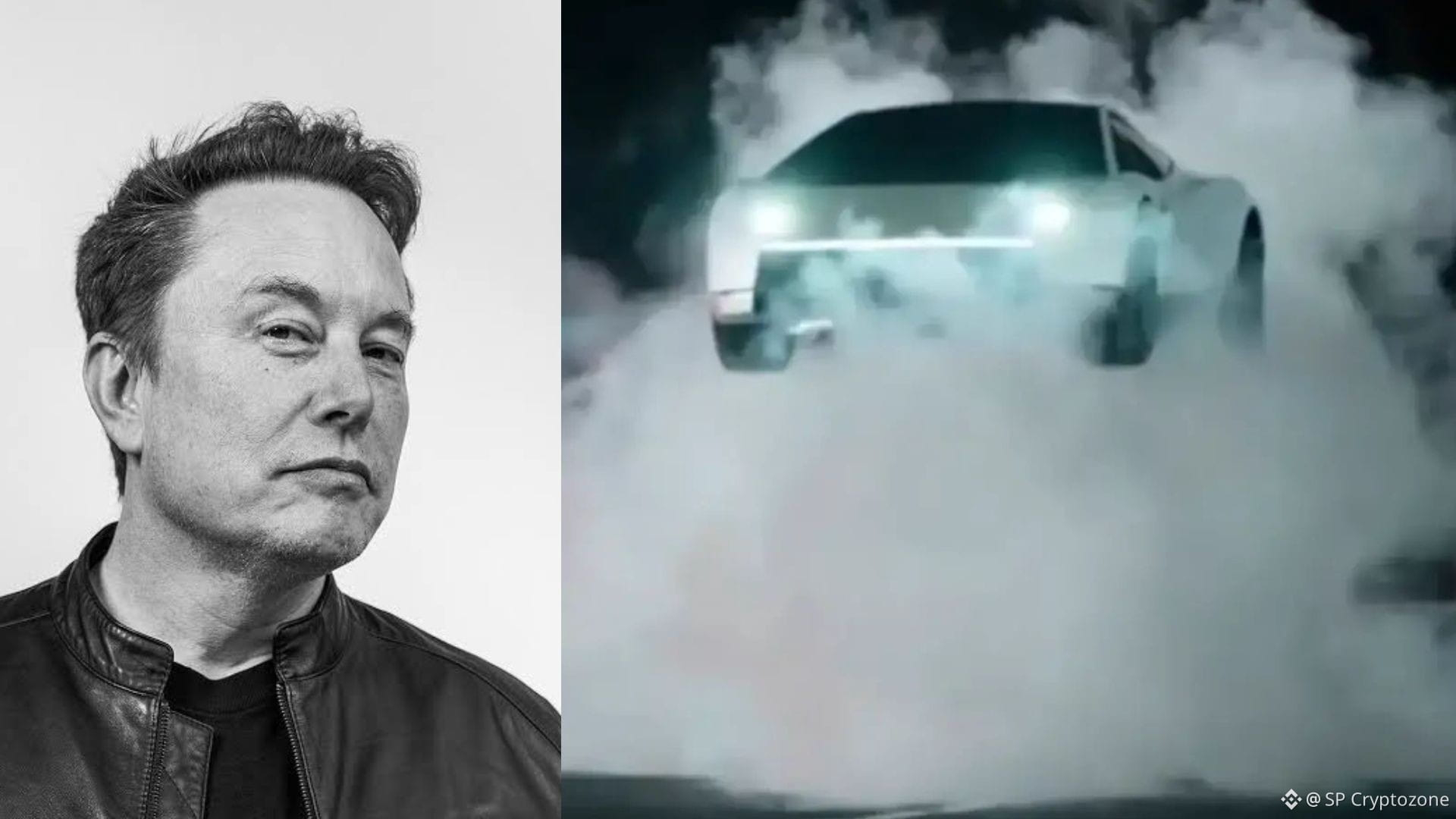
🚀 特斯拉售價 25 萬美元的火箭跑車:幻想還是現實?
🤯
埃隆·馬斯克正在暢想特斯拉 Roadster 的未來,它或許能重新定義超級跑車。
🔥 一些亮眼的特點包括:
🏎️ 加速性能:0 到 60 英里/小時的加速時間不到 1 秒,令人驚歎。
動力:這款 Roadster 計劃採用受 SpaceX 啓發的火箭助推器,甚至能夠讓車輛離開地面。
🤯 一段令人矚目的演示視頻中,甚至展示了這輛車飛越其他特斯拉汽車的畫面。
📅 據報道,這款車型最早預計於 2028 年發佈,不過時間表可能會有變動。
💰 據傳,這款車的“推力”版需要支付 250,000 美元定金。
⚠️ 不過,出於公共道路安全方面的考慮,飛行汽車很可能會受到限制;而有關加速性能的說法也需要得到證實。
👀 你會考慮購買一輛配備火箭助推器的 Roadster 嗎?還是說,對大多數人而言,這款車只是不切實際的夢想?
這些規格是埃隆·馬斯克所設想的車輛性能,並不一定代表實際量產版本最終會具備的表現。
$TSLAB
{spot}(TSLABUSDT)
#Tesla #ElonMusk #Roadster #SpaceX #Innovation
🚀 特斯拉售價 25 萬美元的火箭跑車:幻想還是現實?
🤯
埃隆·馬斯克正在暢想特斯拉 Roadster 的未來,它或許能重新定義超級跑車。
🔥 一些亮眼的特點包括:
🏎️ 加速性能:0 到 60 英里/小時的加速時間不到 1 秒,令人驚歎。
動力:這款 Roadster 計劃採用受 SpaceX 啓發的火箭助推器,甚至能夠讓車輛離開地面。
🤯 一段令人矚目的演示視頻中,甚至展示了這輛車飛越其他特斯拉汽車的畫面。
📅 據報道,這款車型最早預計於 2028 年發佈,不過時間表可能會有變動。
💰 據傳,這款車的“推力”版需要支付 250,000 美元定金。
⚠️ 不過,出於公共道路安全方面的考慮,飛行汽車很可能會受到限制;而有關加速性能的說法也需要得到證實。
👀 你會考慮購買一輛配備火箭助推器的 Roadster 嗎?還是說,對大多數人而言,這款車只是不切實際的夢想?
這些規格是埃隆·馬斯克所設想的車輛性能,並不一定代表實際量產版本最終會具備的表現。
$TSLAB
#Tesla #ElonMusk #Roadster #SpaceX #Innovation
🤯
埃隆·馬斯克正在暢想特斯拉 Roadster 的未來,它或許能重新定義超級跑車。
🔥 一些亮眼的特點包括:
🏎️ 加速性能:0 到 60 英里/小時的加速時間不到 1 秒,令人驚歎。
動力:這款 Roadster 計劃採用受 SpaceX 啓發的火箭助推器,甚至能夠讓車輛離開地面。
🤯 一段令人矚目的演示視頻中,甚至展示了這輛車飛越其他特斯拉汽車的畫面。
📅 據報道,這款車型最早預計於 2028 年發佈,不過時間表可能會有變動。
💰 據傳,這款車的“推力”版需要支付 250,000 美元定金。
⚠️ 不過,出於公共道路安全方面的考慮,飛行汽車很可能會受到限制;而有關加速性能的說法也需要得到證實。
👀 你會考慮購買一輛配備火箭助推器的 Roadster 嗎?還是說,對大多數人而言,這款車只是不切實際的夢想?
這些規格是埃隆·馬斯克所設想的車輛性能,並不一定代表實際量產版本最終會具備的表現。
$TSLAB
#Tesla #ElonMusk #Roadster #SpaceX #Innovation
143
🔥 特朗普就美國情報提出令人意外的說法
涉及伊朗 🇺🇸🇮🇷
唐納德·特朗普總統有關美國對伊朗情報工作的言論,引發了媒體的廣泛關注。
🗣️ 特朗普總統暗示,曾經列爲機密的資料可能很快會被公開,這或許會引發更多關於美國監控和情報工作的質詢。
💣 這意味着什麼?
預計這番言論將進一步加劇持續已久、不斷升級的緊張局勢中的雙方壓力。
🌍 目前的關鍵問題是,這番表態會如何影響外交談判、地緣政治行動,以及兩國發生軍事衝突的可能性。特朗普先生提到此前保密的細節如今已經可以獲取,但他具體暗示了什麼,目前仍不清楚。
👀 這會改變可能發生的對峙局勢,還是會引發一場新的衝突?
$BTC
{future}(BTCUSDT)
$TRUMP
{future}(TRUMPUSDT)
#Trump #Iran #USIntelligence #Geopolitics #GlobalMarkets
🔥 特朗普就美國情報提出令人意外的說法
涉及伊朗 🇺🇸🇮🇷
唐納德·特朗普總統有關美國對伊朗情報工作的言論,引發了媒體的廣泛關注。
🗣️ 特朗普總統暗示,曾經列爲機密的資料可能很快會被公開,這或許會引發更多關於美國監控和情報工作的質詢。
💣 這意味着什麼?
預計這番言論將進一步加劇持續已久、不斷升級的緊張局勢中的雙方壓力。
🌍 目前的關鍵問題是,這番表態會如何影響外交談判、地緣政治行動,以及兩國發生軍事衝突的可能性。特朗普先生提到此前保密的細節如今已經可以獲取,但他具體暗示了什麼,目前仍不清楚。
👀 這會改變可能發生的對峙局勢,還是會引發一場新的衝突?
$BTC
$TRUMP
#Trump #Iran #USIntelligence #Geopolitics #GlobalMarkets
涉及伊朗 🇺🇸🇮🇷
唐納德·特朗普總統有關美國對伊朗情報工作的言論,引發了媒體的廣泛關注。
🗣️ 特朗普總統暗示,曾經列爲機密的資料可能很快會被公開,這或許會引發更多關於美國監控和情報工作的質詢。
💣 這意味着什麼?
預計這番言論將進一步加劇持續已久、不斷升級的緊張局勢中的雙方壓力。
🌍 目前的關鍵問題是,這番表態會如何影響外交談判、地緣政治行動,以及兩國發生軍事衝突的可能性。特朗普先生提到此前保密的細節如今已經可以獲取,但他具體暗示了什麼,目前仍不清楚。
👀 這會改變可能發生的對峙局勢,還是會引發一場新的衝突?
$BTC
$TRUMP
#Trump #Iran #USIntelligence #Geopolitics #GlobalMarkets
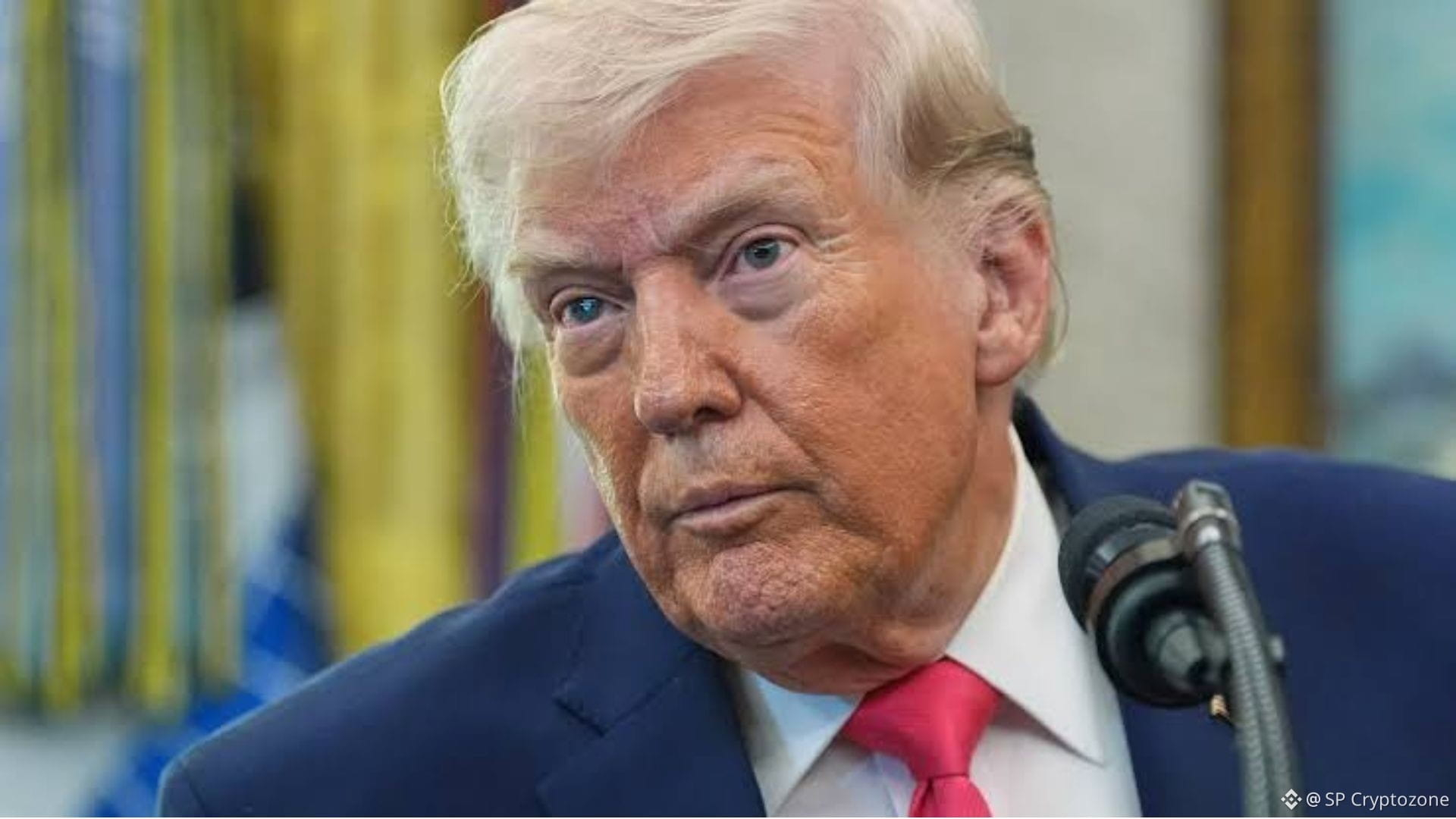
852
🚨特朗普暗示伊朗衝突可能迎來解決方案
特朗普總統表示,他相信自己能夠按照自己的條件結束與伊朗的衝突。
他的言論引發猜測:潛在協議或軍事戰略的重大轉變,可能很快讓這場衝突畫上句號。
然而,單靠言論不足以停止戰鬥。當地局勢以及德黑蘭的迴應,將在決定美國的倡議能否帶來解決方案,以及任何協議可能包含哪些條款方面發揮關鍵作用。
投資者也在密切關注任何解決跡象,因爲緊張局勢緩和或進一步升級,都將影響油價、地緣政治風險評估以及整體市場走勢。
特朗普的說法能否不止於空談?如果可以,解決方案可能會包含哪些條款?
$BTC
{future}(BTCUSDT)
$TRUMP
{future}(TRUMPUSDT)
$MRNAB
{spot}(MRNABUSDT)
#Trump #Iran #Geopolitics #OilMarkets #GlobalMarkets
🚨特朗普暗示伊朗衝突可能迎來解決方案
特朗普總統表示,他相信自己能夠按照自己的條件結束與伊朗的衝突。
他的言論引發猜測:潛在協議或軍事戰略的重大轉變,可能很快讓這場衝突畫上句號。
然而,單靠言論不足以停止戰鬥。當地局勢以及德黑蘭的迴應,將在決定美國的倡議能否帶來解決方案,以及任何協議可能包含哪些條款方面發揮關鍵作用。
投資者也在密切關注任何解決跡象,因爲緊張局勢緩和或進一步升級,都將影響油價、地緣政治風險評估以及整體市場走勢。
特朗普的說法能否不止於空談?如果可以,解決方案可能會包含哪些條款?
$BTC
$TRUMP
$MRNAB
#Trump #Iran #Geopolitics #OilMarkets #GlobalMarkets
特朗普總統表示,他相信自己能夠按照自己的條件結束與伊朗的衝突。
他的言論引發猜測:潛在協議或軍事戰略的重大轉變,可能很快讓這場衝突畫上句號。
然而,單靠言論不足以停止戰鬥。當地局勢以及德黑蘭的迴應,將在決定美國的倡議能否帶來解決方案,以及任何協議可能包含哪些條款方面發揮關鍵作用。
投資者也在密切關注任何解決跡象,因爲緊張局勢緩和或進一步升級,都將影響油價、地緣政治風險評估以及整體市場走勢。
特朗普的說法能否不止於空談?如果可以,解決方案可能會包含哪些條款?
$BTC
$TRUMP
$MRNAB
#Trump #Iran #Geopolitics #OilMarkets #GlobalMarkets
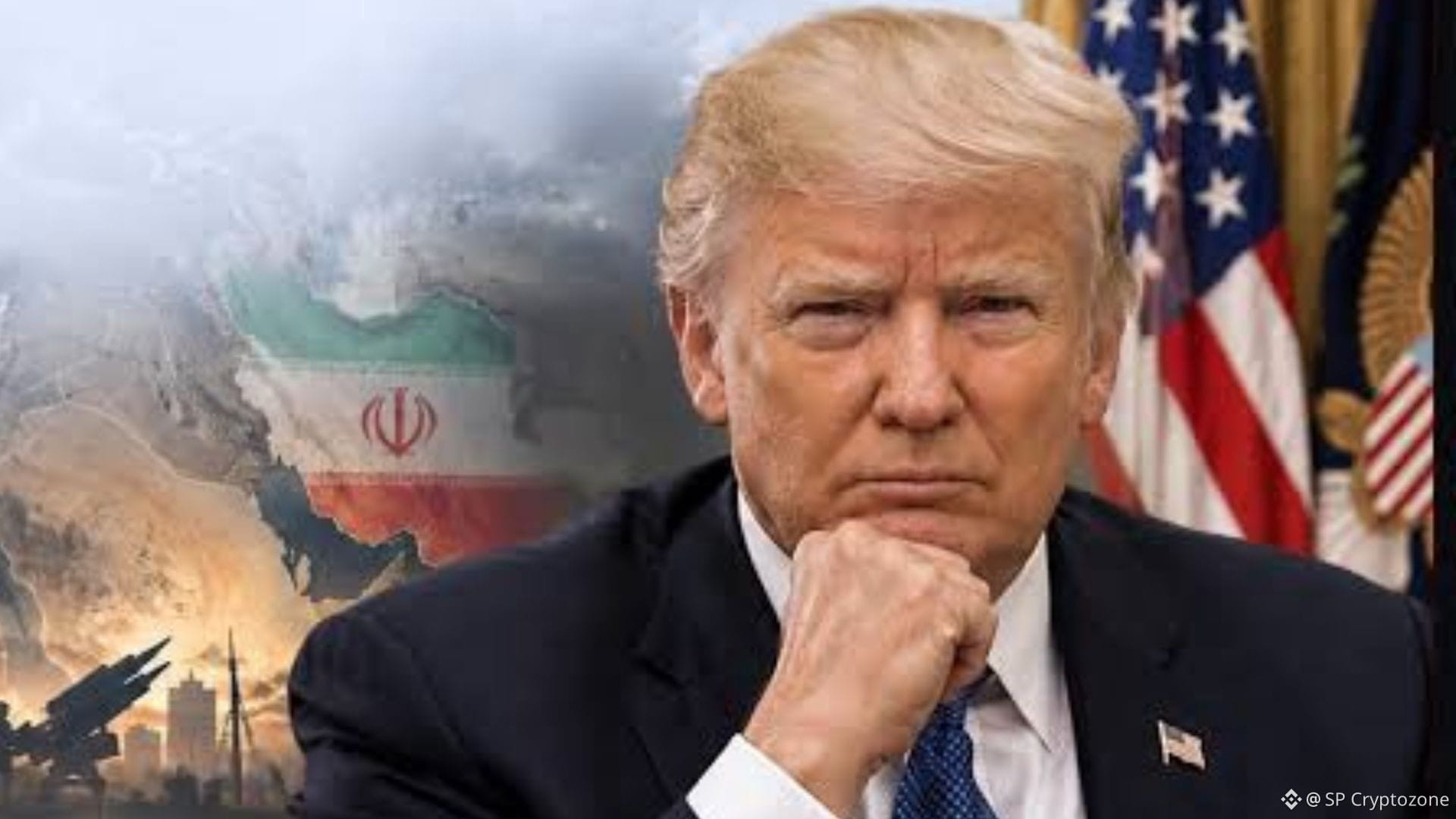
353
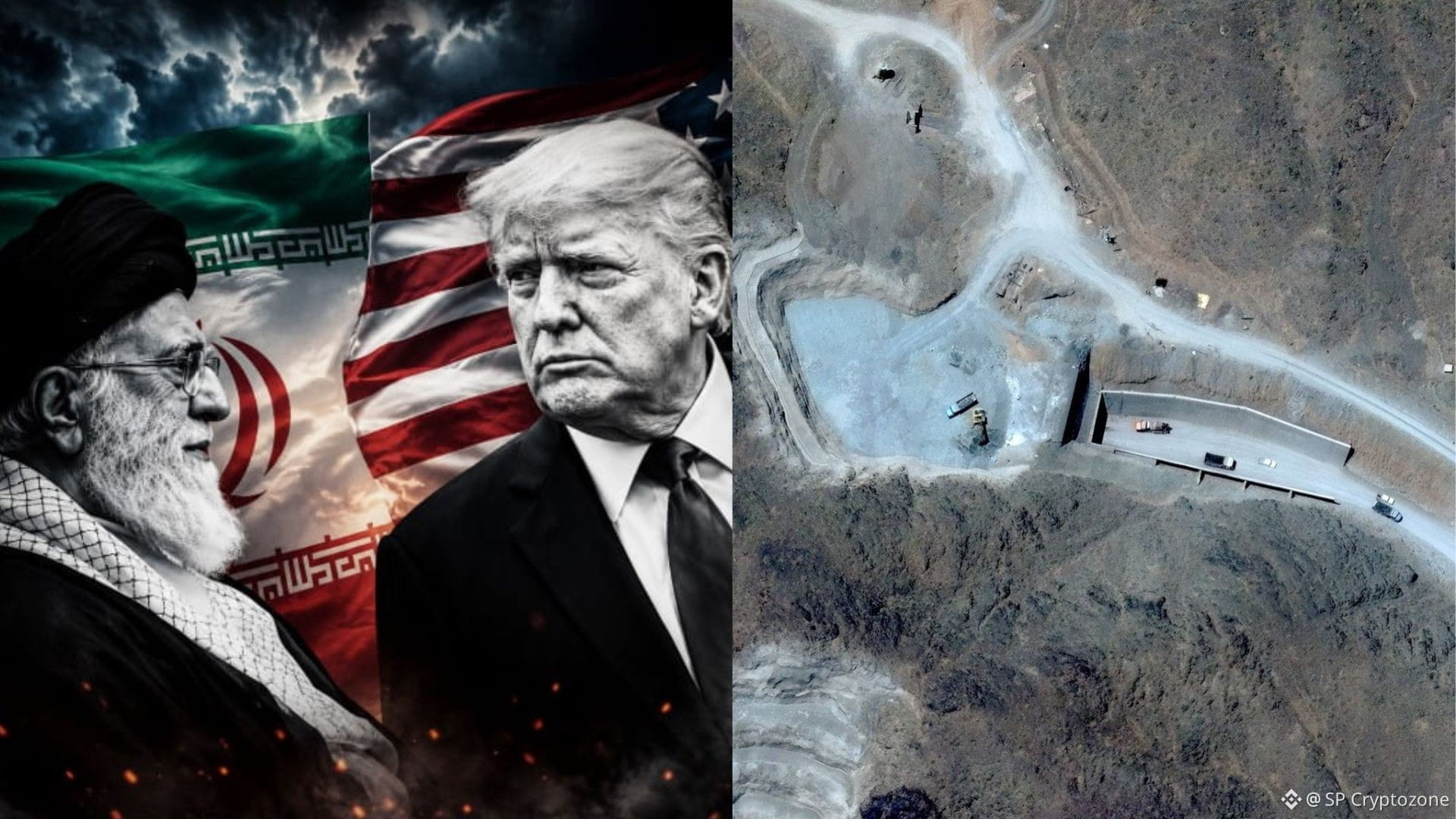
🚨 伊朗地下導彈網絡構成重大軍事挑戰
多年來在山體內部修建堅固設施的投入,可能爲伊朗帶來相當大的優勢,而常規空襲不太可能摧毀這些設施。
⛰️ 人們特別擔憂的是這些地下設施。美國情報報告顯示,儘管遭受了數週猛烈轟炸,伊朗相當一部分導彈仍完好無損;但報告並未披露這些設施內儲存武器的詳情。
導彈隧道給軍事行動帶來了更多障礙,因爲入口受損後可以進行清理,無需重建整個系統。
⚠️ 此外,深埋地下的核設施也帶來了難題。其具體狀況難以評估,也難以從空中定位和打擊;這取決於設施的埋藏深度及其防禦水平。
🌍 當前的軍事態勢表明,儘管掌控制空權能夠破壞基礎設施並干擾軍事行動,但要徹底摧毀所有設施要困難得多。
隨附文章指出了核心問題:這些襲擊是否有效瓦解了伊斯蘭共和國的能力,還是僅僅造成了暫時的挫折?
文章中提及的數據以及戰場評估有必要進行獨立覈實,因爲實際情況和設施受損程度仍不明朗。
$BTC
{future}(BTCUSDT)
$ETH
{future}(ETHUSDT)
$MSFTB
{spot}(MSFTBUSDT)
#IranIsraelConflict #Iran #UnitedStates #Geopolitics #MilitaryStrategy
🚨 伊朗地下導彈網絡構成重大軍事挑戰
多年來在山體內部修建堅固設施的投入,可能爲伊朗帶來相當大的優勢,而常規空襲不太可能摧毀這些設施。
⛰️ 人們特別擔憂的是這些地下設施。美國情報報告顯示,儘管遭受了數週猛烈轟炸,伊朗相當一部分導彈仍完好無損;但報告並未披露這些設施內儲存武器的詳情。
導彈隧道給軍事行動帶來了更多障礙,因爲入口受損後可以進行清理,無需重建整個系統。
⚠️ 此外,深埋地下的核設施也帶來了難題。其具體狀況難以評估,也難以從空中定位和打擊;這取決於設施的埋藏深度及其防禦水平。
🌍 當前的軍事態勢表明,儘管掌控制空權能夠破壞基礎設施並干擾軍事行動,但要徹底摧毀所有設施要困難得多。
隨附文章指出了核心問題:這些襲擊是否有效瓦解了伊斯蘭共和國的能力,還是僅僅造成了暫時的挫折?
文章中提及的數據以及戰場評估有必要進行獨立覈實,因爲實際情況和設施受損程度仍不明朗。
$BTC
$ETH
$MSFTB
#IranIsraelConflict #Iran #UnitedStates #Geopolitics #MilitaryStrategy
多年來在山體內部修建堅固設施的投入,可能爲伊朗帶來相當大的優勢,而常規空襲不太可能摧毀這些設施。
⛰️ 人們特別擔憂的是這些地下設施。美國情報報告顯示,儘管遭受了數週猛烈轟炸,伊朗相當一部分導彈仍完好無損;但報告並未披露這些設施內儲存武器的詳情。
導彈隧道給軍事行動帶來了更多障礙,因爲入口受損後可以進行清理,無需重建整個系統。
⚠️ 此外,深埋地下的核設施也帶來了難題。其具體狀況難以評估,也難以從空中定位和打擊;這取決於設施的埋藏深度及其防禦水平。
🌍 當前的軍事態勢表明,儘管掌控制空權能夠破壞基礎設施並干擾軍事行動,但要徹底摧毀所有設施要困難得多。
隨附文章指出了核心問題:這些襲擊是否有效瓦解了伊斯蘭共和國的能力,還是僅僅造成了暫時的挫折?
文章中提及的數據以及戰場評估有必要進行獨立覈實,因爲實際情況和設施受損程度仍不明朗。
$BTC
$ETH
$MSFTB
#IranIsraelConflict #Iran #UnitedStates #Geopolitics #MilitaryStrategy
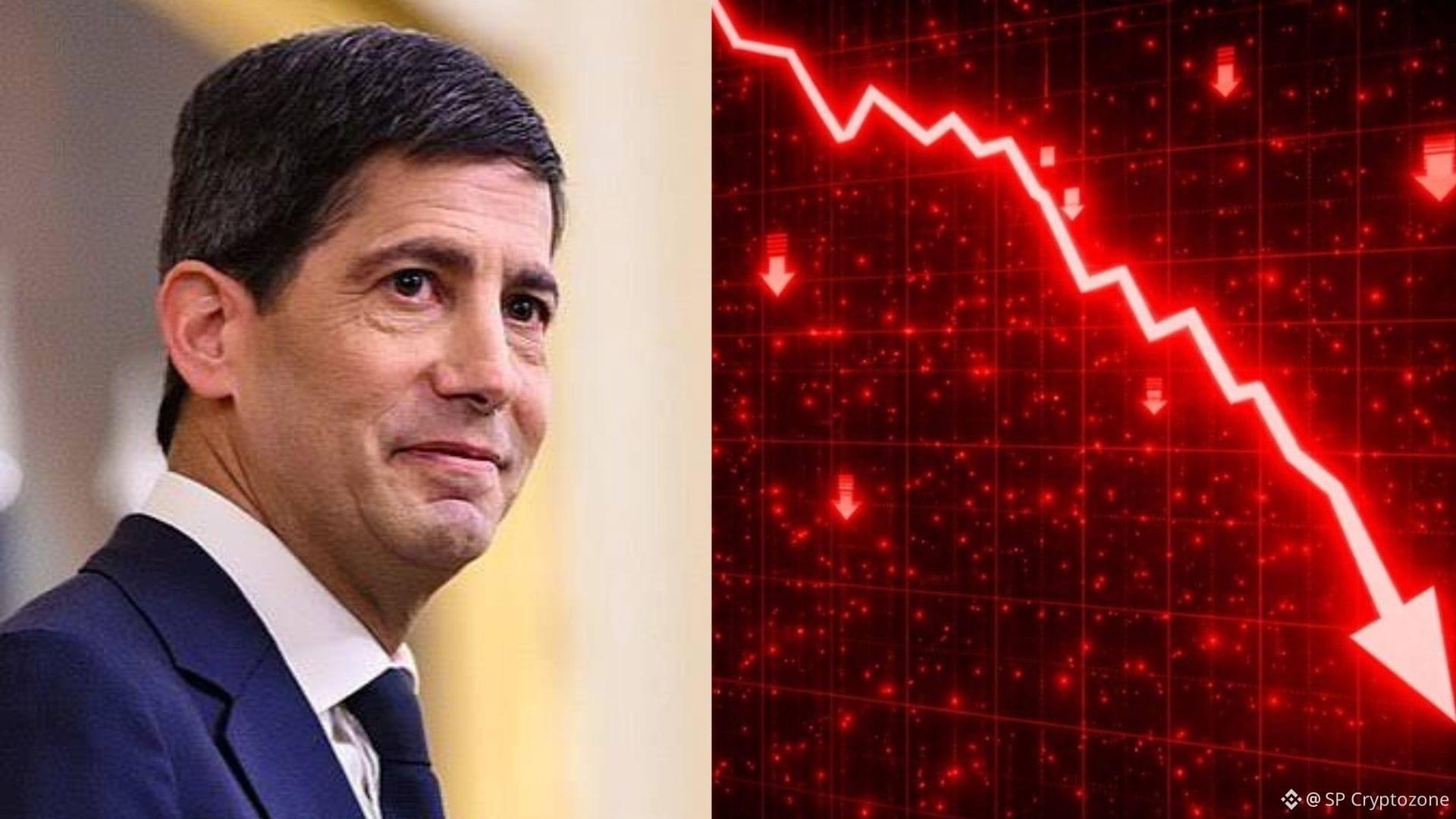
81
·
--
看跌
🚨 美國批發通脹飆升——市場面臨新的挑戰!📈
近期的通脹數據引發了討論:美國物價究竟是在放緩,還是在上漲?
📊 預計9月生產者價格指數(PPI)同比上漲6.3%,高於預期的5.3%。同期,月度價格上漲1.3%。
⚠️生產者成本上升可能會轉化爲消費者支出的增加,使美聯儲抑制通脹的工作更加複雜。
📉 如果通脹持續處於高位,降息預期可能會減弱,而更緊縮的貨幣政策前景可能對股票和加密貨幣造成負面影響。
₿ 投資者正密切關注美國國債收益率、美元走勢以及即將公佈的數據,這些因素將影響市場預期,因此比特幣目前備受關注。
👀 通脹擔憂會引發更多拋售嗎?市場能否承受住壓力?
要確保信息可信,必須對照官方報告覈實這些數據。
$BTC
{future}(BTCUSDT)
#Bitcoin #PPI #Inflation #FederalReserve #CryptoMarket
🚨 美國批發通脹飆升——市場面臨新的挑戰!📈
近期的通脹數據引發了討論:美國物價究竟是在放緩,還是在上漲?
📊 預計9月生產者價格指數(PPI)同比上漲6.3%,高於預期的5.3%。同期,月度價格上漲1.3%。
⚠️生產者成本上升可能會轉化爲消費者支出的增加,使美聯儲抑制通脹的工作更加複雜。
📉 如果通脹持續處於高位,降息預期可能會減弱,而更緊縮的貨幣政策前景可能對股票和加密貨幣造成負面影響。
₿ 投資者正密切關注美國國債收益率、美元走勢以及即將公佈的數據,這些因素將影響市場預期,因此比特幣目前備受關注。
👀 通脹擔憂會引發更多拋售嗎?市場能否承受住壓力?
要確保信息可信,必須對照官方報告覈實這些數據。
$BTC
#Bitcoin #PPI #Inflation #FederalReserve #CryptoMarket
近期的通脹數據引發了討論:美國物價究竟是在放緩,還是在上漲?
📊 預計9月生產者價格指數(PPI)同比上漲6.3%,高於預期的5.3%。同期,月度價格上漲1.3%。
⚠️生產者成本上升可能會轉化爲消費者支出的增加,使美聯儲抑制通脹的工作更加複雜。
📉 如果通脹持續處於高位,降息預期可能會減弱,而更緊縮的貨幣政策前景可能對股票和加密貨幣造成負面影響。
₿ 投資者正密切關注美國國債收益率、美元走勢以及即將公佈的數據,這些因素將影響市場預期,因此比特幣目前備受關注。
👀 通脹擔憂會引發更多拋售嗎?市場能否承受住壓力?
要確保信息可信,必須對照官方報告覈實這些數據。
$BTC
#Bitcoin #PPI #Inflation #FederalReserve #CryptoMarket
120
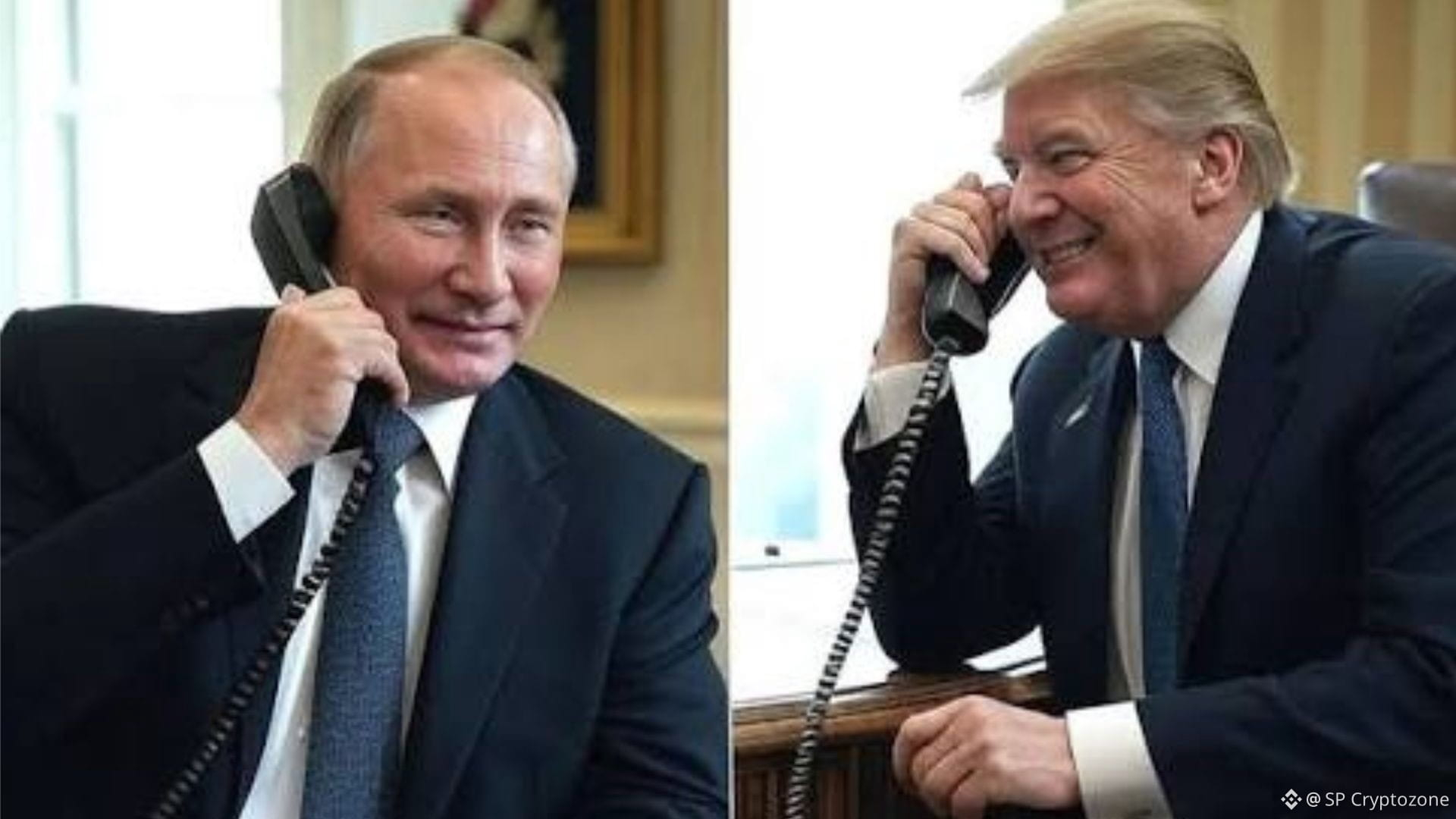
普京—特朗普停火主張正在接受審視
有報道稱,俄羅斯和美國政府正在就一項以能源設施爲重點的停火協議進行談判,但雙方都遇到了障礙。
唐納德·特朗普表示,莫斯科和基輔將“暫停相互襲擊對方的能源設施”,並稱這是“重大進展”,但他沒有說明協議的具體內容,這或許可以解釋爲何迄今爲止談判進展有限。烏克蘭總統澤連斯基稱,烏克蘭政府並不知道有這樣的協議,並表示只有莫斯科採取對等行動,烏克蘭纔會停止針對俄羅斯的行動。特朗普宣佈停火的消息傳出前不久,俄羅斯剛剛襲擊了烏克蘭哈爾科夫的一處能源設施,這讓澤連斯基質疑:“普京總統到底有沒有聽特朗普總統的話?”
與此同時,特朗普提議的具體細節仍然含糊不清,這使得評估雙方是否會遵守協議變得更加困難。宣佈一項已經發生的事情相對簡單,但要落實它或促使它真正實現,則複雜得多。
華盛頓有可能促成停火嗎?還是敵對行動會持續下去,停火談判也無法有效遏制衝突?
$TRUMP
{future}(TRUMPUSDT)
$GTC
{future}(GTCUSDT)
$BTC
{future}(BTCUSDT)
#Trump #Putin #Ukraine #Ceasefire #Geopolitics
普京—特朗普停火主張正在接受審視
有報道稱,俄羅斯和美國政府正在就一項以能源設施爲重點的停火協議進行談判,但雙方都遇到了障礙。
唐納德·特朗普表示,莫斯科和基輔將“暫停相互襲擊對方的能源設施”,並稱這是“重大進展”,但他沒有說明協議的具體內容,這或許可以解釋爲何迄今爲止談判進展有限。烏克蘭總統澤連斯基稱,烏克蘭政府並不知道有這樣的協議,並表示只有莫斯科採取對等行動,烏克蘭纔會停止針對俄羅斯的行動。特朗普宣佈停火的消息傳出前不久,俄羅斯剛剛襲擊了烏克蘭哈爾科夫的一處能源設施,這讓澤連斯基質疑:“普京總統到底有沒有聽特朗普總統的話?”
與此同時,特朗普提議的具體細節仍然含糊不清,這使得評估雙方是否會遵守協議變得更加困難。宣佈一項已經發生的事情相對簡單,但要落實它或促使它真正實現,則複雜得多。
華盛頓有可能促成停火嗎?還是敵對行動會持續下去,停火談判也無法有效遏制衝突?
$TRUMP
$GTC
$BTC
#Trump #Putin #Ukraine #Ceasefire #Geopolitics
有報道稱,俄羅斯和美國政府正在就一項以能源設施爲重點的停火協議進行談判,但雙方都遇到了障礙。
唐納德·特朗普表示,莫斯科和基輔將“暫停相互襲擊對方的能源設施”,並稱這是“重大進展”,但他沒有說明協議的具體內容,這或許可以解釋爲何迄今爲止談判進展有限。烏克蘭總統澤連斯基稱,烏克蘭政府並不知道有這樣的協議,並表示只有莫斯科採取對等行動,烏克蘭纔會停止針對俄羅斯的行動。特朗普宣佈停火的消息傳出前不久,俄羅斯剛剛襲擊了烏克蘭哈爾科夫的一處能源設施,這讓澤連斯基質疑:“普京總統到底有沒有聽特朗普總統的話?”
與此同時,特朗普提議的具體細節仍然含糊不清,這使得評估雙方是否會遵守協議變得更加困難。宣佈一項已經發生的事情相對簡單,但要落實它或促使它真正實現,則複雜得多。
華盛頓有可能促成停火嗎?還是敵對行動會持續下去,停火談判也無法有效遏制衝突?
$TRUMP
$GTC
$BTC
#Trump #Putin #Ukraine #Ceasefire #Geopolitics
1.4k
所有目光聚焦CPI:5月通脹報告能否推動比特幣邁上新臺階?
預計明日公佈的通脹數據將推動比特幣價格上漲。儘管看漲和看跌比特幣的觀點都有充分依據,但即將發佈的CPI報告可能成爲加密貨幣行業突破的催化劑。
一套獨特的跨資產模型已應運而生,其中納入了多種指標(如汽油價格、二手車價格、房地產、食品雜貨和通脹預期),旨在揭示影響通脹的關鍵因素。
非官方CPI預測
總體CPI(月度):+0.50%
總體CPI(年度):3.60%
核心CPI(月度):+0.20%
核心CPI(年度):2.39%
市場預期估值
總體CPI(月度):+0.5%至+0.6%
總體CPI(年度):3.6%–3.7%
核心CPI(月度):+0.2%至+0.3%
核心CPI(年度):2.4%–2.5%
若通脹報告低於預期,比特幣價格或將上漲
如果通脹報告顯示的數據低於預測,國債收益率和美元指數可能會下跌,投資者信心也會增強,從而提振加密資產。
相反,如果CPI報告高於預期,尤其是核心CPI超出預期,市場可能會陷入下行趨勢。通脹居高不下可能促使美聯儲實施更嚴格的貨幣政策,這很可能導致比特幣價格下跌。
必須強調的是,這只是對即將發佈的CPI報告所作的獨立預測。所使用的一些因素是通脹的間接指標,因此實際報告可能與這些預測存在顯著差異。
通脹會成爲比特幣實現重大突破所需的導火索嗎?
$BTC
{future}(BTCUSDT)
$ZEC
{future}(ZECUSDT)
所有目光聚焦CPI:5月通脹報告能否推動比特幣邁上新臺階?
預計明日公佈的通脹數據將推動比特幣價格上漲。儘管看漲和看跌比特幣的觀點都有充分依據,但即將發佈的CPI報告可能成爲加密貨幣行業突破的催化劑。
一套獨特的跨資產模型已應運而生,其中納入了多種指標(如汽油價格、二手車價格、房地產、食品雜貨和通脹預期),旨在揭示影響通脹的關鍵因素。
非官方CPI預測
總體CPI(月度):+0.50%
總體CPI(年度):3.60%
核心CPI(月度):+0.20%
核心CPI(年度):2.39%
市場預期估值
總體CPI(月度):+0.5%至+0.6%
總體CPI(年度):3.6%–3.7%
核心CPI(月度):+0.2%至+0.3%
核心CPI(年度):2.4%–2.5%
若通脹報告低於預期,比特幣價格或將上漲
如果通脹報告顯示的數據低於預測,國債收益率和美元指數可能會下跌,投資者信心也會增強,從而提振加密資產。
相反,如果CPI報告高於預期,尤其是核心CPI超出預期,市場可能會陷入下行趨勢。通脹居高不下可能促使美聯儲實施更嚴格的貨幣政策,這很可能導致比特幣價格下跌。
必須強調的是,這只是對即將發佈的CPI報告所作的獨立預測。所使用的一些因素是通脹的間接指標,因此實際報告可能與這些預測存在顯著差異。
通脹會成爲比特幣實現重大突破所需的導火索嗎?
$BTC
$ZEC
預計明日公佈的通脹數據將推動比特幣價格上漲。儘管看漲和看跌比特幣的觀點都有充分依據,但即將發佈的CPI報告可能成爲加密貨幣行業突破的催化劑。
一套獨特的跨資產模型已應運而生,其中納入了多種指標(如汽油價格、二手車價格、房地產、食品雜貨和通脹預期),旨在揭示影響通脹的關鍵因素。
非官方CPI預測
總體CPI(月度):+0.50%
總體CPI(年度):3.60%
核心CPI(月度):+0.20%
核心CPI(年度):2.39%
市場預期估值
總體CPI(月度):+0.5%至+0.6%
總體CPI(年度):3.6%–3.7%
核心CPI(月度):+0.2%至+0.3%
核心CPI(年度):2.4%–2.5%
若通脹報告低於預期,比特幣價格或將上漲
如果通脹報告顯示的數據低於預測,國債收益率和美元指數可能會下跌,投資者信心也會增強,從而提振加密資產。
相反,如果CPI報告高於預期,尤其是核心CPI超出預期,市場可能會陷入下行趨勢。通脹居高不下可能促使美聯儲實施更嚴格的貨幣政策,這很可能導致比特幣價格下跌。
必須強調的是,這只是對即將發佈的CPI報告所作的獨立預測。所使用的一些因素是通脹的間接指標,因此實際報告可能與這些預測存在顯著差異。
通脹會成爲比特幣實現重大突破所需的導火索嗎?
$BTC
$ZEC
290
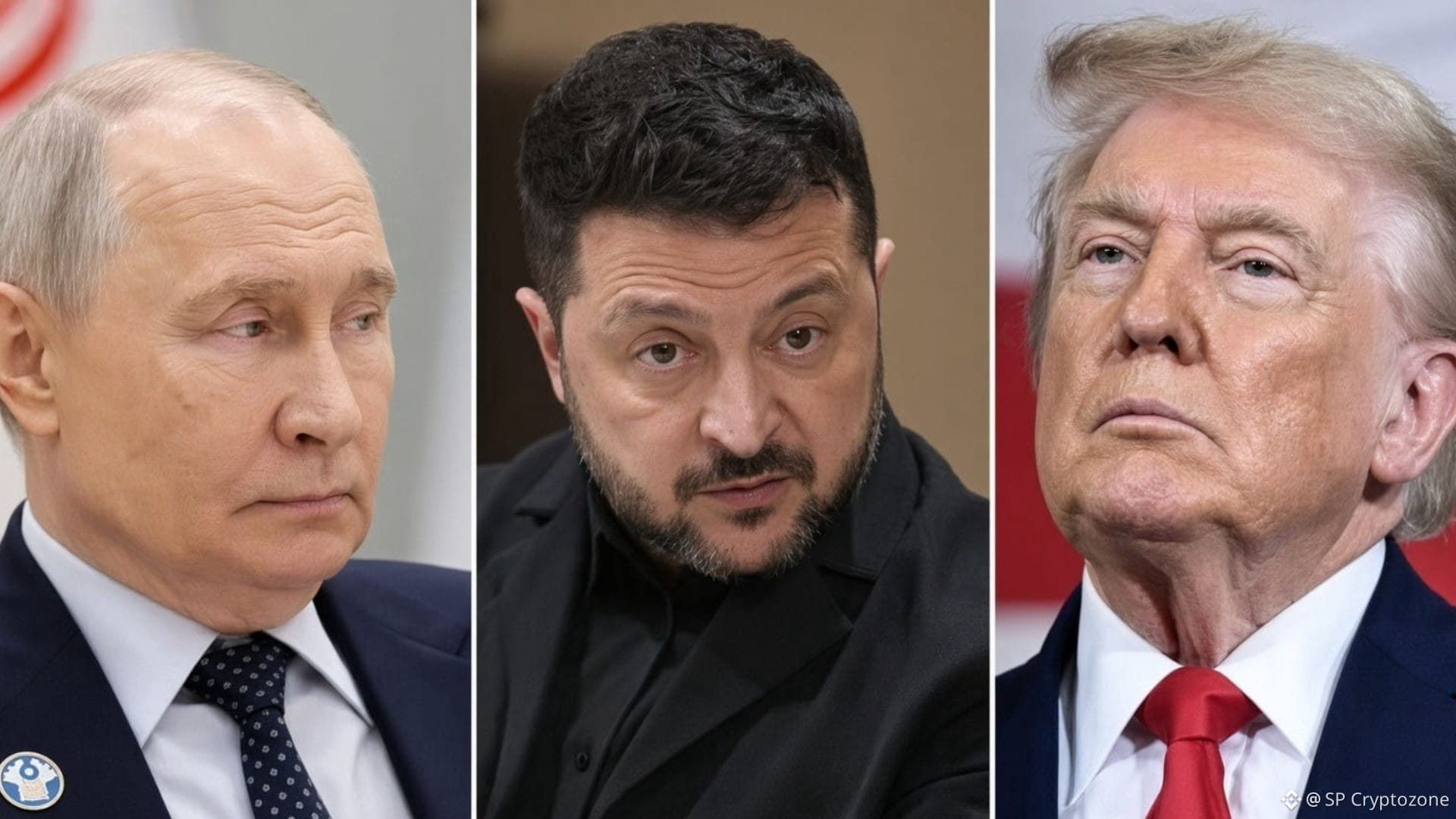
有關俄羅斯與烏克蘭停火的說法正受到嚴格審視。停火只有在雙方達成一致的情況下才能奏效,這正是當前爭論的核心。報道稱,美國正敦促烏克蘭停止襲擊俄羅斯的石油設施,而烏克蘭自身的能源系統卻正遭受打擊。
由此引發了一些關鍵問題:烏克蘭是否也願意接受同樣的限制?俄羅斯是否願意不再以烏克蘭基礎設施爲目標?此外,報道稱,美國可能會利用軍事支持和情報共享來影響烏克蘭的決定。
對烏克蘭而言,問題不只是石油設施,還涉及安全保障、談判籌碼,以及任何達成的協議是否可能真正奏效。
如果雙方都不作讓步,停火有可能維持下去嗎?還是說,這又將是一份外交聲明,之後纔會展開更加艱難的談判?
$BTC
{future}(BTCUSDT)
$JUP
{future}(JUPUSDT)
$KITE
{future}(KITEUSDT)
#RussiaUkraineWar #Trump #Ukraine #Geopolitics
有關俄羅斯與烏克蘭停火的說法正受到嚴格審視。停火只有在雙方達成一致的情況下才能奏效,這正是當前爭論的核心。報道稱,美國正敦促烏克蘭停止襲擊俄羅斯的石油設施,而烏克蘭自身的能源系統卻正遭受打擊。
由此引發了一些關鍵問題:烏克蘭是否也願意接受同樣的限制?俄羅斯是否願意不再以烏克蘭基礎設施爲目標?此外,報道稱,美國可能會利用軍事支持和情報共享來影響烏克蘭的決定。
對烏克蘭而言,問題不只是石油設施,還涉及安全保障、談判籌碼,以及任何達成的協議是否可能真正奏效。
如果雙方都不作讓步,停火有可能維持下去嗎?還是說,這又將是一份外交聲明,之後纔會展開更加艱難的談判?
$BTC
$JUP
$KITE
#RussiaUkraineWar #Trump #Ukraine #Geopolitics
由此引發了一些關鍵問題:烏克蘭是否也願意接受同樣的限制?俄羅斯是否願意不再以烏克蘭基礎設施爲目標?此外,報道稱,美國可能會利用軍事支持和情報共享來影響烏克蘭的決定。
對烏克蘭而言,問題不只是石油設施,還涉及安全保障、談判籌碼,以及任何達成的協議是否可能真正奏效。
如果雙方都不作讓步,停火有可能維持下去嗎?還是說,這又將是一份外交聲明,之後纔會展開更加艱難的談判?
$BTC
$JUP
$KITE
#RussiaUkraineWar #Trump #Ukraine #Geopolitics
309
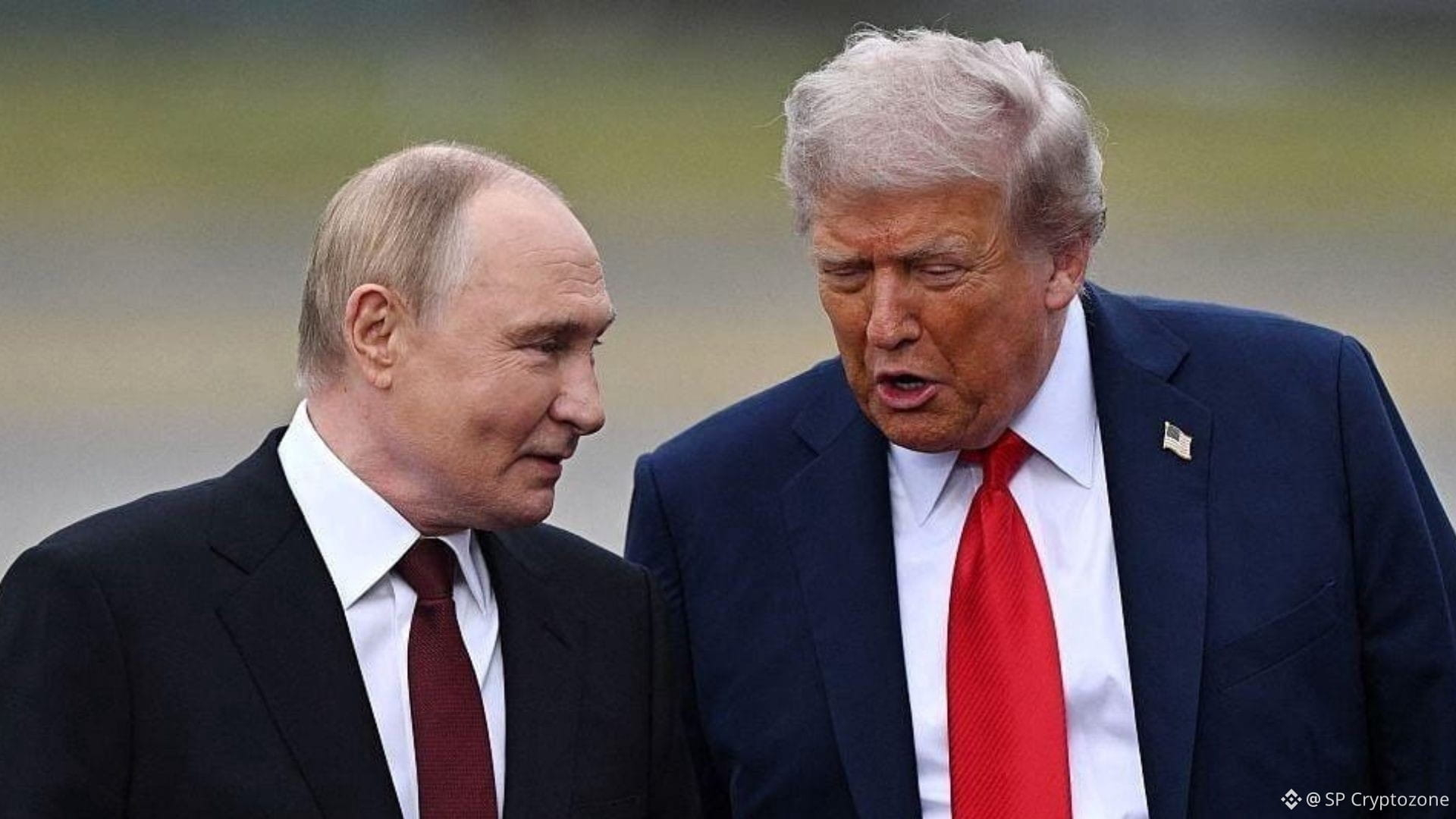
🚨 美歐緊張局勢升溫,俄羅斯能源再度受到審視
一項涉及俄羅斯石油、天然氣和柴油的近期協議,再次引發人們對西方制裁成效以及歐洲能源穩定未來的質疑。
🛢️ 核心問題在於:如果俄羅斯能源資源從美國運往歐洲,價格卻高於其原始銷售國的價格,這將引發諸多疑問。
英國前首相鮑里斯·約翰遜也加入了對特朗普對普京所採取做法的批評聲浪,使局勢更加複雜。
🌍 目前仍不確定,持續實施的制裁將如何影響俄羅斯經濟及其貨幣,也不確定其會如何影響這兩個主要西方國家之間外交與經濟關係的未來。
這一進展會促使人們重新評估俄羅斯的能源政策嗎?又可能對西方產生哪些影響?
所聲稱的800億美元估值以及擬議協議的關鍵內容尚未得到全面證實。
$TRUMP
{future}(TRUMPUSDT)
$BNB
{future}(BNBUSDT)
$BTC
{future}(BTCUSDT)
#Russia #Trump #Putin #EnergyMarkets #EuropeanUnion
🚨 美歐緊張局勢升溫,俄羅斯能源再度受到審視
一項涉及俄羅斯石油、天然氣和柴油的近期協議,再次引發人們對西方制裁成效以及歐洲能源穩定未來的質疑。
🛢️ 核心問題在於:如果俄羅斯能源資源從美國運往歐洲,價格卻高於其原始銷售國的價格,這將引發諸多疑問。
英國前首相鮑里斯·約翰遜也加入了對特朗普對普京所採取做法的批評聲浪,使局勢更加複雜。
🌍 目前仍不確定,持續實施的制裁將如何影響俄羅斯經濟及其貨幣,也不確定其會如何影響這兩個主要西方國家之間外交與經濟關係的未來。
這一進展會促使人們重新評估俄羅斯的能源政策嗎?又可能對西方產生哪些影響?
所聲稱的800億美元估值以及擬議協議的關鍵內容尚未得到全面證實。
$TRUMP
$BNB
$BTC
#Russia #Trump #Putin #EnergyMarkets #EuropeanUnion
一項涉及俄羅斯石油、天然氣和柴油的近期協議,再次引發人們對西方制裁成效以及歐洲能源穩定未來的質疑。
🛢️ 核心問題在於:如果俄羅斯能源資源從美國運往歐洲,價格卻高於其原始銷售國的價格,這將引發諸多疑問。
英國前首相鮑里斯·約翰遜也加入了對特朗普對普京所採取做法的批評聲浪,使局勢更加複雜。
🌍 目前仍不確定,持續實施的制裁將如何影響俄羅斯經濟及其貨幣,也不確定其會如何影響這兩個主要西方國家之間外交與經濟關係的未來。
這一進展會促使人們重新評估俄羅斯的能源政策嗎?又可能對西方產生哪些影響?
所聲稱的800億美元估值以及擬議協議的關鍵內容尚未得到全面證實。
$TRUMP
$BNB
$BTC
#Russia #Trump #Putin #EnergyMarkets #EuropeanUnion
382
🚨 據稱與俄羅斯達成的燃料協議讓特朗普陷入兩難 🇺🇸🇷🇺
美國可能購買俄羅斯柴油,這帶來了重大風險,可能進一步令美國與烏克蘭及歐洲夥伴的關係複雜化。
🇺🇦 據報道,烏克蘭總統澤連斯基批評這項潛在協議不公平,並質疑它能否助力全球各方削弱俄羅斯在烏克蘭的行動。
🛢️ 重要性:在燃料成本不斷上漲、各方持續努力減少俄羅斯能源進口之際,這項潛在安排應運而生。向俄羅斯購買燃料可能影響美國經濟,並阻礙通過制裁削弱俄羅斯的舉措。
🌍 此外,這項潛在協議可能危及美國的夥伴關係,因爲多個北約盟國正主張減少對俄羅斯能源資源的依賴。
👀 更大的背景:這項潛在安排凸顯了其中的難題:如何在儘量減少對預算的影響,與維護同北約夥伴的聯盟關係和互信之間取得平衡;這些夥伴已將自己定位爲俄羅斯的地緣政治對手。
在採取任何應對措施之前,有必要先確認這項潛在交易是否屬實及其具體內容。
$TRUMP
{future}(TRUMPUSDT)
$BNB
{future}(BNBUSDT)
$BTC
{future}(BTCUSDT)
#Trump #Russia #Ukraine #OilMarkets #Geopolitics
🚨 據稱與俄羅斯達成的燃料協議讓特朗普陷入兩難 🇺🇸🇷🇺
美國可能購買俄羅斯柴油,這帶來了重大風險,可能進一步令美國與烏克蘭及歐洲夥伴的關係複雜化。
🇺🇦 據報道,烏克蘭總統澤連斯基批評這項潛在協議不公平,並質疑它能否助力全球各方削弱俄羅斯在烏克蘭的行動。
🛢️ 重要性:在燃料成本不斷上漲、各方持續努力減少俄羅斯能源進口之際,這項潛在安排應運而生。向俄羅斯購買燃料可能影響美國經濟,並阻礙通過制裁削弱俄羅斯的舉措。
🌍 此外,這項潛在協議可能危及美國的夥伴關係,因爲多個北約盟國正主張減少對俄羅斯能源資源的依賴。
👀 更大的背景:這項潛在安排凸顯了其中的難題:如何在儘量減少對預算的影響,與維護同北約夥伴的聯盟關係和互信之間取得平衡;這些夥伴已將自己定位爲俄羅斯的地緣政治對手。
在採取任何應對措施之前,有必要先確認這項潛在交易是否屬實及其具體內容。
$TRUMP
$BNB
$BTC
#Trump #Russia #Ukraine #OilMarkets #Geopolitics
美國可能購買俄羅斯柴油,這帶來了重大風險,可能進一步令美國與烏克蘭及歐洲夥伴的關係複雜化。
🇺🇦 據報道,烏克蘭總統澤連斯基批評這項潛在協議不公平,並質疑它能否助力全球各方削弱俄羅斯在烏克蘭的行動。
🛢️ 重要性:在燃料成本不斷上漲、各方持續努力減少俄羅斯能源進口之際,這項潛在安排應運而生。向俄羅斯購買燃料可能影響美國經濟,並阻礙通過制裁削弱俄羅斯的舉措。
🌍 此外,這項潛在協議可能危及美國的夥伴關係,因爲多個北約盟國正主張減少對俄羅斯能源資源的依賴。
👀 更大的背景:這項潛在安排凸顯了其中的難題:如何在儘量減少對預算的影響,與維護同北約夥伴的聯盟關係和互信之間取得平衡;這些夥伴已將自己定位爲俄羅斯的地緣政治對手。
在採取任何應對措施之前,有必要先確認這項潛在交易是否屬實及其具體內容。
$TRUMP
$BNB
$BTC
#Trump #Russia #Ukraine #OilMarkets #Geopolitics
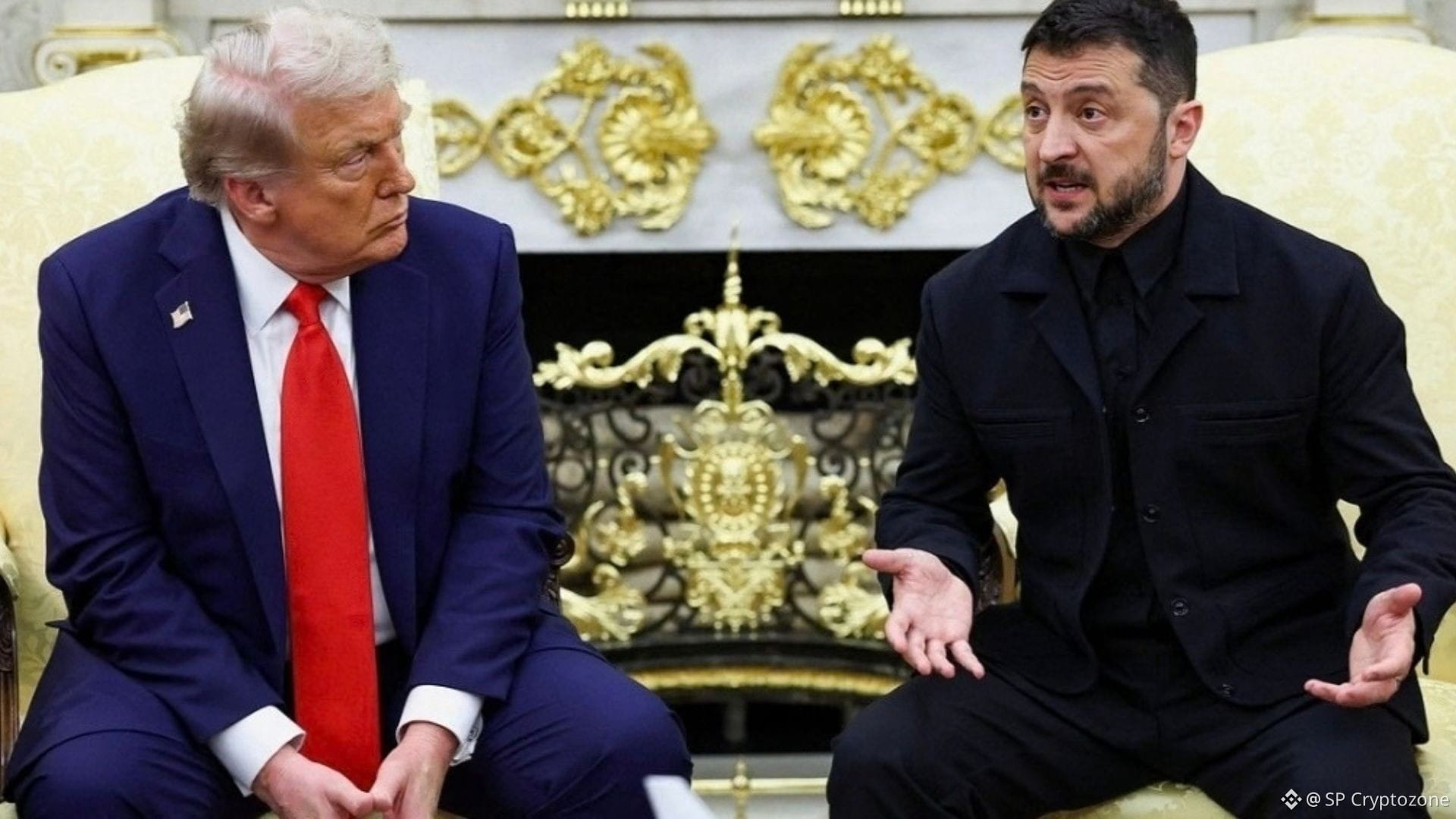
480
🚨 蘇珊·戴爾出席白宮活動,引發全國熱議 🇺🇸
🏛️ 商業影響、慈善事業與公共政策在此交匯。
戴爾科技創始人邁克爾·戴爾的妻子蘇珊·戴爾,出席了美國總統唐納德·特朗普舉辦的一場白宮正式集會,因此受到廣泛關注。
👗 她引人注目的紅色裝扮吸引了許多人的目光,但更重要的是,戴爾家族承諾向“特朗普賬戶”計劃捐贈總計62.5億美元。
💰 這一宣佈引發了全國熱烈討論,話題涉及慈善事業、經濟戰略,以及私營企業及其高管在政治領域日益增長的影響力。
🌍 支持者認爲,這項承諾有助於改善美國的未來前景;反對者則對其可能帶來的經濟影響表示擔憂。
👀 這筆鉅額捐款是否會影響圍繞這些重要議題展開的全國討論,仍有待觀察。
$BTC
{future}(BTCUSDT)
$DELLB
{spot}(DELLBUSDT)
$SOL
{future}(SOLUSDT)
#susandell #michaeldell #whitehouse #trumpaccounts
🚨 蘇珊·戴爾出席白宮活動,引發全國熱議 🇺🇸
🏛️ 商業影響、慈善事業與公共政策在此交匯。
戴爾科技創始人邁克爾·戴爾的妻子蘇珊·戴爾,出席了美國總統唐納德·特朗普舉辦的一場白宮正式集會,因此受到廣泛關注。
👗 她引人注目的紅色裝扮吸引了許多人的目光,但更重要的是,戴爾家族承諾向“特朗普賬戶”計劃捐贈總計62.5億美元。
💰 這一宣佈引發了全國熱烈討論,話題涉及慈善事業、經濟戰略,以及私營企業及其高管在政治領域日益增長的影響力。
🌍 支持者認爲,這項承諾有助於改善美國的未來前景;反對者則對其可能帶來的經濟影響表示擔憂。
👀 這筆鉅額捐款是否會影響圍繞這些重要議題展開的全國討論,仍有待觀察。
$BTC
$DELLB
$SOL
#susandell #michaeldell #whitehouse #trumpaccounts
🏛️ 商業影響、慈善事業與公共政策在此交匯。
戴爾科技創始人邁克爾·戴爾的妻子蘇珊·戴爾,出席了美國總統唐納德·特朗普舉辦的一場白宮正式集會,因此受到廣泛關注。
👗 她引人注目的紅色裝扮吸引了許多人的目光,但更重要的是,戴爾家族承諾向“特朗普賬戶”計劃捐贈總計62.5億美元。
💰 這一宣佈引發了全國熱烈討論,話題涉及慈善事業、經濟戰略,以及私營企業及其高管在政治領域日益增長的影響力。
🌍 支持者認爲,這項承諾有助於改善美國的未來前景;反對者則對其可能帶來的經濟影響表示擔憂。
👀 這筆鉅額捐款是否會影響圍繞這些重要議題展開的全國討論,仍有待觀察。
$BTC
$DELLB
$SOL
#susandell #michaeldell #whitehouse #trumpaccounts
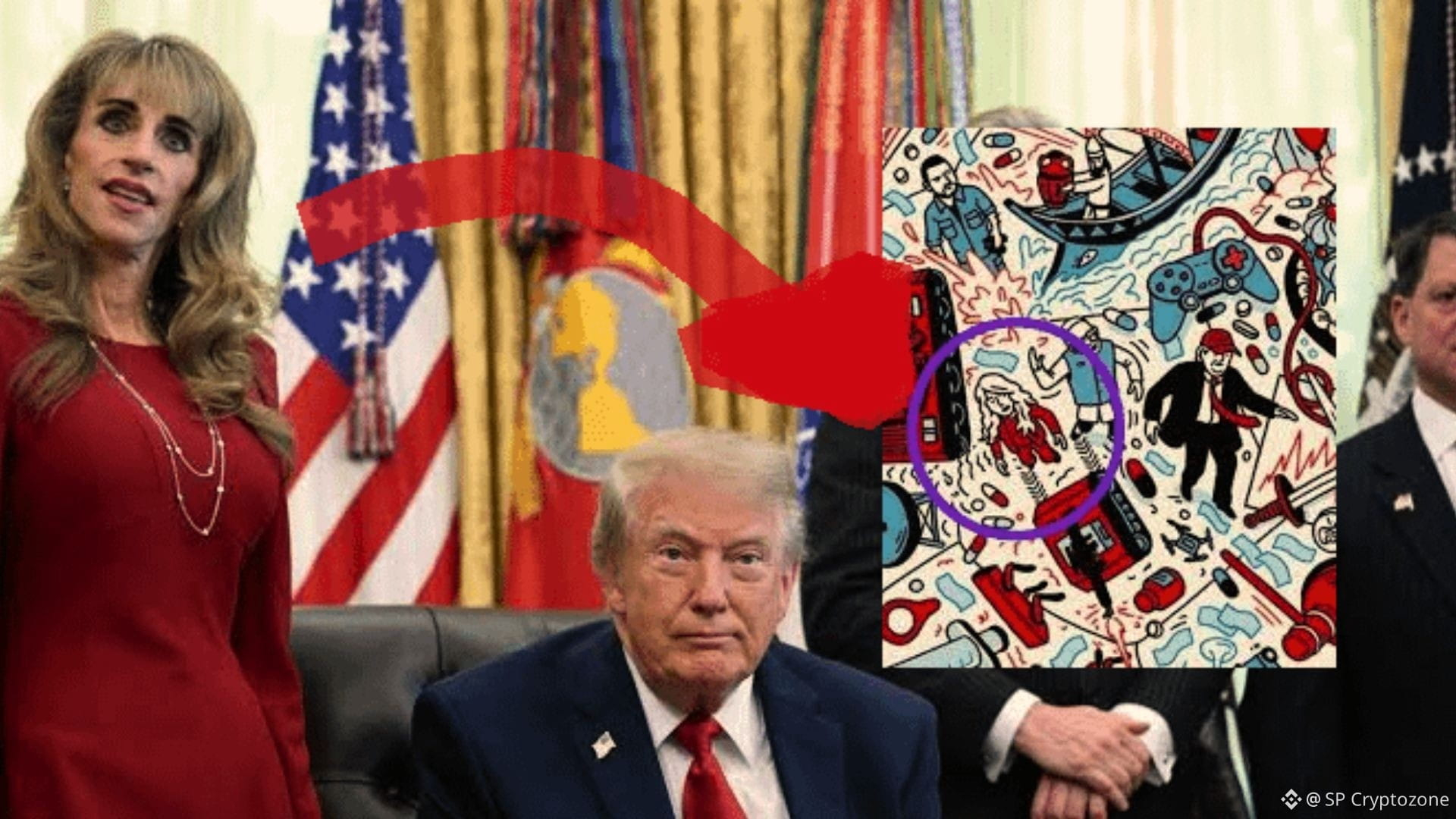
1
2.8k
🚀從職業滑雪到英偉達的 AI 力量核心!
英偉達 CEO 黃仁勳的女婿尼科·卡普雷茨,在自己的職業生涯中取得了長足進步。
⛷️ 在進入商界之前,卡普雷茨曾是代表瑞士參賽的高山滑雪職業選手。之後,他在包括波士頓諮詢集團在內的多家諮詢公司任職,後來又獲得了倫敦商學院的 MBA 學位,並在那裏結識了黃仁勳的女兒黃敏珊。
💼 卡普雷茨轉向人工智能領域,並於 2024 年初加入英偉達,專注於優化融資策略,以及與雲端 AI 公司建立合作關係。
📈 據報道,卡普雷茨晉升爲 AI 基礎設施增長副總裁,在雲計算領域負責推動重要合作。
🔥 從駕馭險峻山地到在迅速擴張的人工智能基礎設施領域嶄露頭角!他的成就令人矚目,尤其是在行業快速發展、競爭性聯盟不斷形成的背景下。
$NVDAB
{spot}(NVDABUSDT)
#nvidia #jensenhuang #artificialintelligence #aicloud #technews
🚀從職業滑雪到英偉達的 AI 力量核心!
英偉達 CEO 黃仁勳的女婿尼科·卡普雷茨,在自己的職業生涯中取得了長足進步。
⛷️ 在進入商界之前,卡普雷茨曾是代表瑞士參賽的高山滑雪職業選手。之後,他在包括波士頓諮詢集團在內的多家諮詢公司任職,後來又獲得了倫敦商學院的 MBA 學位,並在那裏結識了黃仁勳的女兒黃敏珊。
💼 卡普雷茨轉向人工智能領域,並於 2024 年初加入英偉達,專注於優化融資策略,以及與雲端 AI 公司建立合作關係。
📈 據報道,卡普雷茨晉升爲 AI 基礎設施增長副總裁,在雲計算領域負責推動重要合作。
🔥 從駕馭險峻山地到在迅速擴張的人工智能基礎設施領域嶄露頭角!他的成就令人矚目,尤其是在行業快速發展、競爭性聯盟不斷形成的背景下。
$NVDAB
#nvidia #jensenhuang #artificialintelligence #aicloud #technews
英偉達 CEO 黃仁勳的女婿尼科·卡普雷茨,在自己的職業生涯中取得了長足進步。
⛷️ 在進入商界之前,卡普雷茨曾是代表瑞士參賽的高山滑雪職業選手。之後,他在包括波士頓諮詢集團在內的多家諮詢公司任職,後來又獲得了倫敦商學院的 MBA 學位,並在那裏結識了黃仁勳的女兒黃敏珊。
💼 卡普雷茨轉向人工智能領域,並於 2024 年初加入英偉達,專注於優化融資策略,以及與雲端 AI 公司建立合作關係。
📈 據報道,卡普雷茨晉升爲 AI 基礎設施增長副總裁,在雲計算領域負責推動重要合作。
🔥 從駕馭險峻山地到在迅速擴張的人工智能基礎設施領域嶄露頭角!他的成就令人矚目,尤其是在行業快速發展、競爭性聯盟不斷形成的背景下。
$NVDAB
#nvidia #jensenhuang #artificialintelligence #aicloud #technews
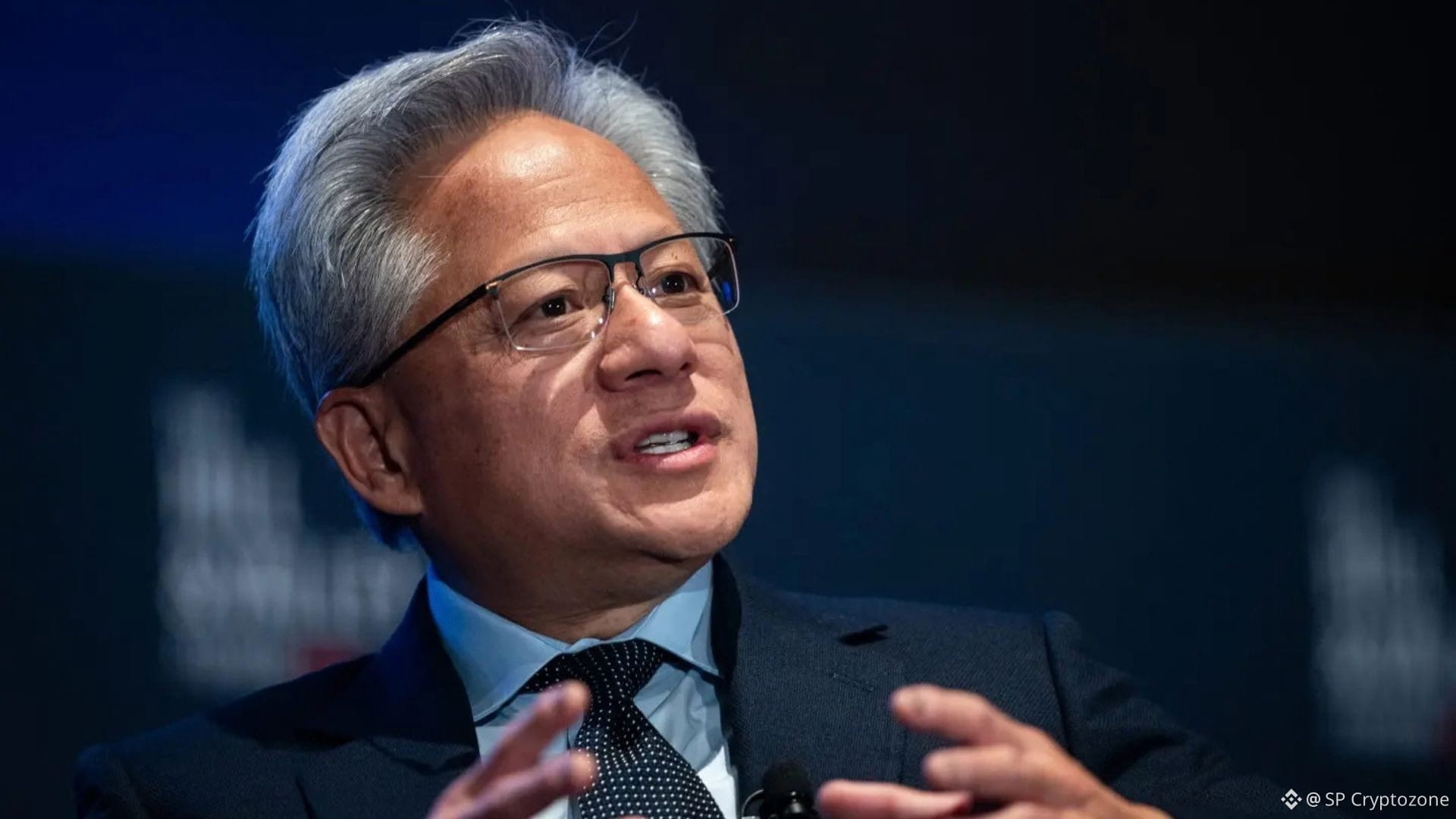
164
🚨 BITMINE 宣佈以太坊購入上限,稱“達到 5% 後將停止購買”🔥
隨着 Bitmine(BMNR)接近其加密貨幣持有總量目標,機構對購入以太坊的興趣或許很快會發生變化。
在新加坡舉行的 TOKEN2049 活動上,董事長 Tom Lee 宣佈,公司計劃在其持有量達到以太坊總供應量的 5% 後,停止進一步購入 ETH。
📊 通過積極增持 ETH,Bitmine 已成爲重要的企業投資者。許多人可能會將達到這一比例視爲公司購買策略的轉變。
⚠️ 然而,企業購買能力的一個潛在來源可能會減少,因爲以太坊未來的價值很大程度上取決於投資者情緒、市場活躍度、需求、ETF 資金流入以及其他買家的動向。
👀 其他機構會否入場滿足需求?還是這一上限會給 ETH 帶來額外壓力?
$ETH
{future}(ETHUSDT)
$BMNR
{future}(BMNRUSDT)
#ethereum #ETH #bitmine #cryptomarket #crypto
🚨 BITMINE 宣佈以太坊購入上限,稱“達到 5% 後將停止購買”🔥
隨着 Bitmine(BMNR)接近其加密貨幣持有總量目標,機構對購入以太坊的興趣或許很快會發生變化。
在新加坡舉行的 TOKEN2049 活動上,董事長 Tom Lee 宣佈,公司計劃在其持有量達到以太坊總供應量的 5% 後,停止進一步購入 ETH。
📊 通過積極增持 ETH,Bitmine 已成爲重要的企業投資者。許多人可能會將達到這一比例視爲公司購買策略的轉變。
⚠️ 然而,企業購買能力的一個潛在來源可能會減少,因爲以太坊未來的價值很大程度上取決於投資者情緒、市場活躍度、需求、ETF 資金流入以及其他買家的動向。
👀 其他機構會否入場滿足需求?還是這一上限會給 ETH 帶來額外壓力?
$ETH
$BMNR
#ethereum #ETH #bitmine #cryptomarket #crypto
隨着 Bitmine(BMNR)接近其加密貨幣持有總量目標,機構對購入以太坊的興趣或許很快會發生變化。
在新加坡舉行的 TOKEN2049 活動上,董事長 Tom Lee 宣佈,公司計劃在其持有量達到以太坊總供應量的 5% 後,停止進一步購入 ETH。
📊 通過積極增持 ETH,Bitmine 已成爲重要的企業投資者。許多人可能會將達到這一比例視爲公司購買策略的轉變。
⚠️ 然而,企業購買能力的一個潛在來源可能會減少,因爲以太坊未來的價值很大程度上取決於投資者情緒、市場活躍度、需求、ETF 資金流入以及其他買家的動向。
👀 其他機構會否入場滿足需求?還是這一上限會給 ETH 帶來額外壓力?
$ETH
$BMNR
#ethereum #ETH #bitmine #cryptomarket #crypto
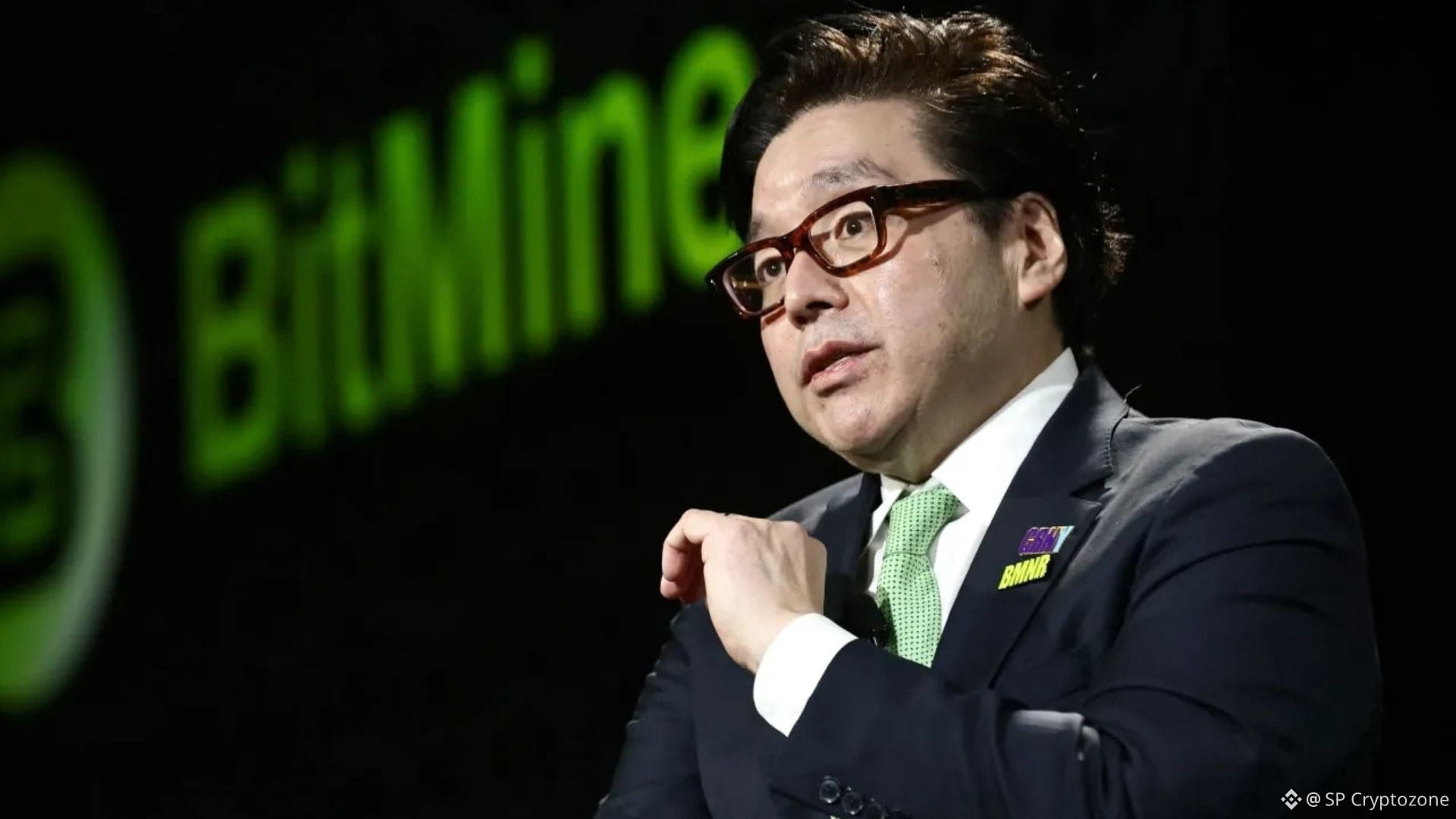
181
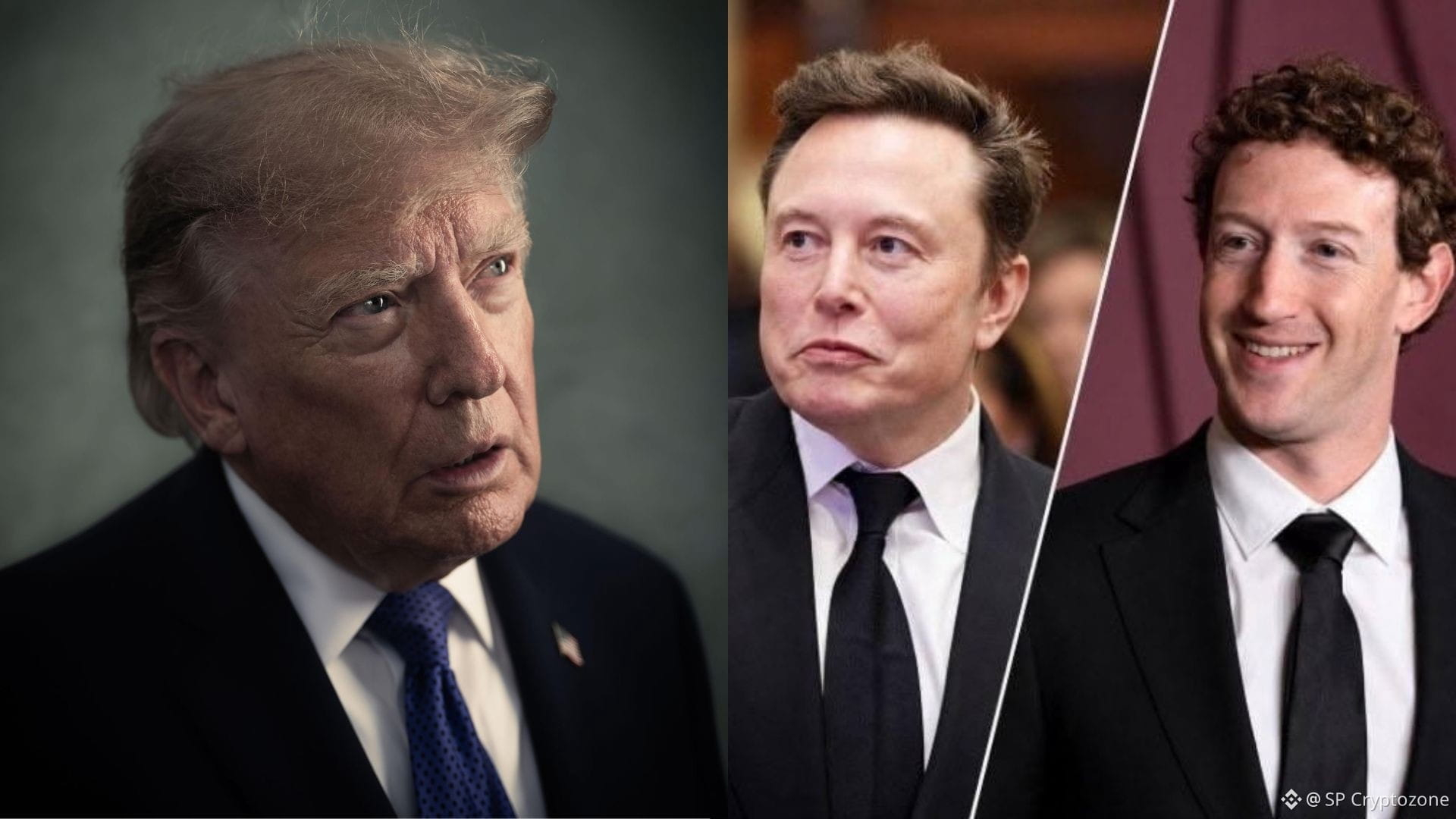
🚨 特朗普據稱對股票和 SpaceX 的投資備受關注 🇺🇸🚀
報道稱,唐納德·特朗普去年 8 月大舉投資 Meta 和 SpaceX 的股份,引發廣泛關注。
📊 據報道,這些投資包括價值約 2500 萬美元的 Meta 股票,以及 8 月 18 日 SpaceX 首次發行債券中價值 500 萬美元的部分。投資時機引人關注,尤其是當時有備忘錄提倡加強美國的發射能力。
💼 這些收購屬於一份報告所涵蓋的 517 筆不同金融交易。報告指出,這些投資由第三方金融機構管理,並非由特朗普本人直接監管。
👀 投資者迫切想知道還會有哪些細節浮出水面,以及這可能會對科技和商業航天領域產生什麼影響。
$BTC
{future}(BTCUSDT)
$OGN
{future}(OGNUSDT)
$RLC
{future}(RLCUSDT)
#Trump #Meta #SpaceX #StockMarket #Investing
🚨 特朗普據稱對股票和 SpaceX 的投資備受關注 🇺🇸🚀
報道稱,唐納德·特朗普去年 8 月大舉投資 Meta 和 SpaceX 的股份,引發廣泛關注。
📊 據報道,這些投資包括價值約 2500 萬美元的 Meta 股票,以及 8 月 18 日 SpaceX 首次發行債券中價值 500 萬美元的部分。投資時機引人關注,尤其是當時有備忘錄提倡加強美國的發射能力。
💼 這些收購屬於一份報告所涵蓋的 517 筆不同金融交易。報告指出,這些投資由第三方金融機構管理,並非由特朗普本人直接監管。
👀 投資者迫切想知道還會有哪些細節浮出水面,以及這可能會對科技和商業航天領域產生什麼影響。
$BTC
$OGN
$RLC
#Trump #Meta #SpaceX #StockMarket #Investing
報道稱,唐納德·特朗普去年 8 月大舉投資 Meta 和 SpaceX 的股份,引發廣泛關注。
📊 據報道,這些投資包括價值約 2500 萬美元的 Meta 股票,以及 8 月 18 日 SpaceX 首次發行債券中價值 500 萬美元的部分。投資時機引人關注,尤其是當時有備忘錄提倡加強美國的發射能力。
💼 這些收購屬於一份報告所涵蓋的 517 筆不同金融交易。報告指出,這些投資由第三方金融機構管理,並非由特朗普本人直接監管。
👀 投資者迫切想知道還會有哪些細節浮出水面,以及這可能會對科技和商業航天領域產生什麼影響。
$BTC
$OGN
$RLC
#Trump #Meta #SpaceX #StockMarket #Investing
136
部分真實
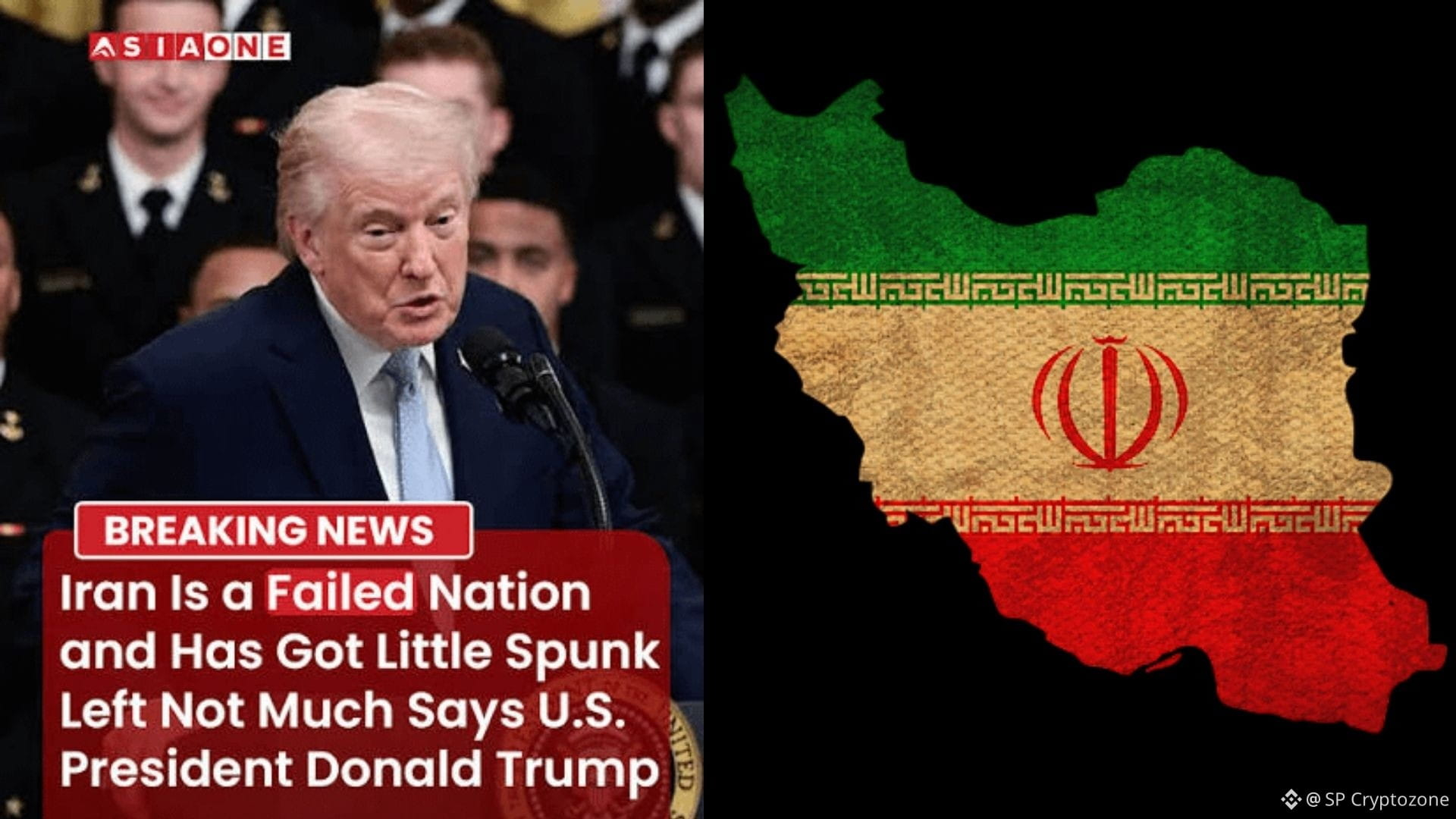
第一步:美國針對伊朗衝突反應的軍事準備——Axios消息引發關注
近期報道稱,美軍已被指示爲可能對伊朗採取重大軍事行動做好準備。
需要指出的是,截至目前,美國政府尚未就“襲擊”作出官方宣佈。不過,動員美軍的舉動可能意味着能源行業將面臨潛在挑戰。
🔥 原油價格上漲背後的原因:
該地區一旦發生軍事衝突,可能因產量受限和貿易航線中斷而導致價格飆升。
與此同時,華盛頓與德黑蘭之間的敵對局勢若有所緩和,反而可能降低油市中的風險溢價。
👀 當前迫切的問題是:由於國際關係緊張而導致的原油價格溢價——是否有其合理性?
$BTC
{future}(BTCUSDT)
$XAU
{future}(XAUUSDT)
$TRUMP
{future}(TRUMPUSDT)
#Iran #OilPrices #CrudeOil #Geopolitics #EnergyMarkets
第一步:美國針對伊朗衝突反應的軍事準備——Axios消息引發關注
近期報道稱,美軍已被指示爲可能對伊朗採取重大軍事行動做好準備。
需要指出的是,截至目前,美國政府尚未就“襲擊”作出官方宣佈。不過,動員美軍的舉動可能意味着能源行業將面臨潛在挑戰。
🔥 原油價格上漲背後的原因:
該地區一旦發生軍事衝突,可能因產量受限和貿易航線中斷而導致價格飆升。
與此同時,華盛頓與德黑蘭之間的敵對局勢若有所緩和,反而可能降低油市中的風險溢價。
👀 當前迫切的問題是:由於國際關係緊張而導致的原油價格溢價——是否有其合理性?
$BTC
$XAU
$TRUMP
#Iran #OilPrices #CrudeOil #Geopolitics #EnergyMarkets
近期報道稱,美軍已被指示爲可能對伊朗採取重大軍事行動做好準備。
需要指出的是,截至目前,美國政府尚未就“襲擊”作出官方宣佈。不過,動員美軍的舉動可能意味着能源行業將面臨潛在挑戰。
🔥 原油價格上漲背後的原因:
該地區一旦發生軍事衝突,可能因產量受限和貿易航線中斷而導致價格飆升。
與此同時,華盛頓與德黑蘭之間的敵對局勢若有所緩和,反而可能降低油市中的風險溢價。
👀 當前迫切的問題是:由於國際關係緊張而導致的原油價格溢價——是否有其合理性?
$BTC
$XAU
$TRUMP
#Iran #OilPrices #CrudeOil #Geopolitics #EnergyMarkets
846
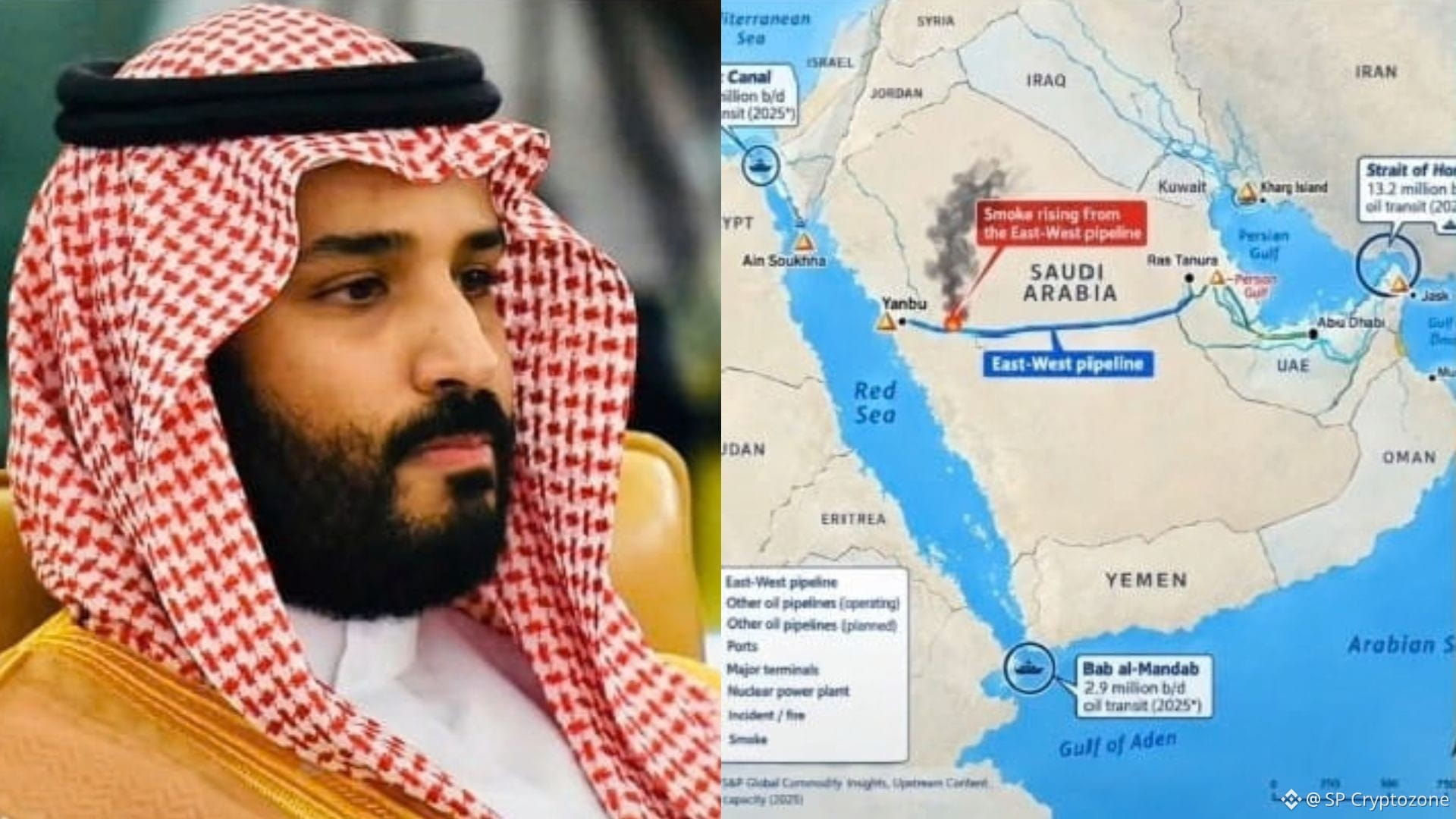
🚨 因安全問題,沙特石油運輸中斷⚠️
據報道,在利雅得和麥地那的基礎設施遭到襲擊後,沙特阿拉伯已暫停東西向輸油管道部分路段的運營。
相關部門已出於預防考慮暫停相關活動,目前正在進行調查。
🛢️ 沙特阿拉伯的重要石油運輸一旦受到干擾,可能會在全球範圍內造成重大影響,尤其是中斷持續較長時間的情況下。
🌍 交易員可能會密切關注管道狀況、石油供應以及對價格可能造成的影響。
$BTC
{future}(BTCUSDT)
$AMZNB
{spot}(AMZNBUSDT)
$HPEB
{spot}(HPEBUSDT)
#SaudiArabia #OilMarkets #CrudeOil #EnergyMarkets #MiddleEast
🚨 因安全問題,沙特石油運輸中斷⚠️
據報道,在利雅得和麥地那的基礎設施遭到襲擊後,沙特阿拉伯已暫停東西向輸油管道部分路段的運營。
相關部門已出於預防考慮暫停相關活動,目前正在進行調查。
🛢️ 沙特阿拉伯的重要石油運輸一旦受到干擾,可能會在全球範圍內造成重大影響,尤其是中斷持續較長時間的情況下。
🌍 交易員可能會密切關注管道狀況、石油供應以及對價格可能造成的影響。
$BTC
$AMZNB
$HPEB
#SaudiArabia #OilMarkets #CrudeOil #EnergyMarkets #MiddleEast
據報道,在利雅得和麥地那的基礎設施遭到襲擊後,沙特阿拉伯已暫停東西向輸油管道部分路段的運營。
相關部門已出於預防考慮暫停相關活動,目前正在進行調查。
🛢️ 沙特阿拉伯的重要石油運輸一旦受到干擾,可能會在全球範圍內造成重大影響,尤其是中斷持續較長時間的情況下。
🌍 交易員可能會密切關注管道狀況、石油供應以及對價格可能造成的影響。
$BTC
$AMZNB
$HPEB
#SaudiArabia #OilMarkets #CrudeOil #EnergyMarkets #MiddleEast
102
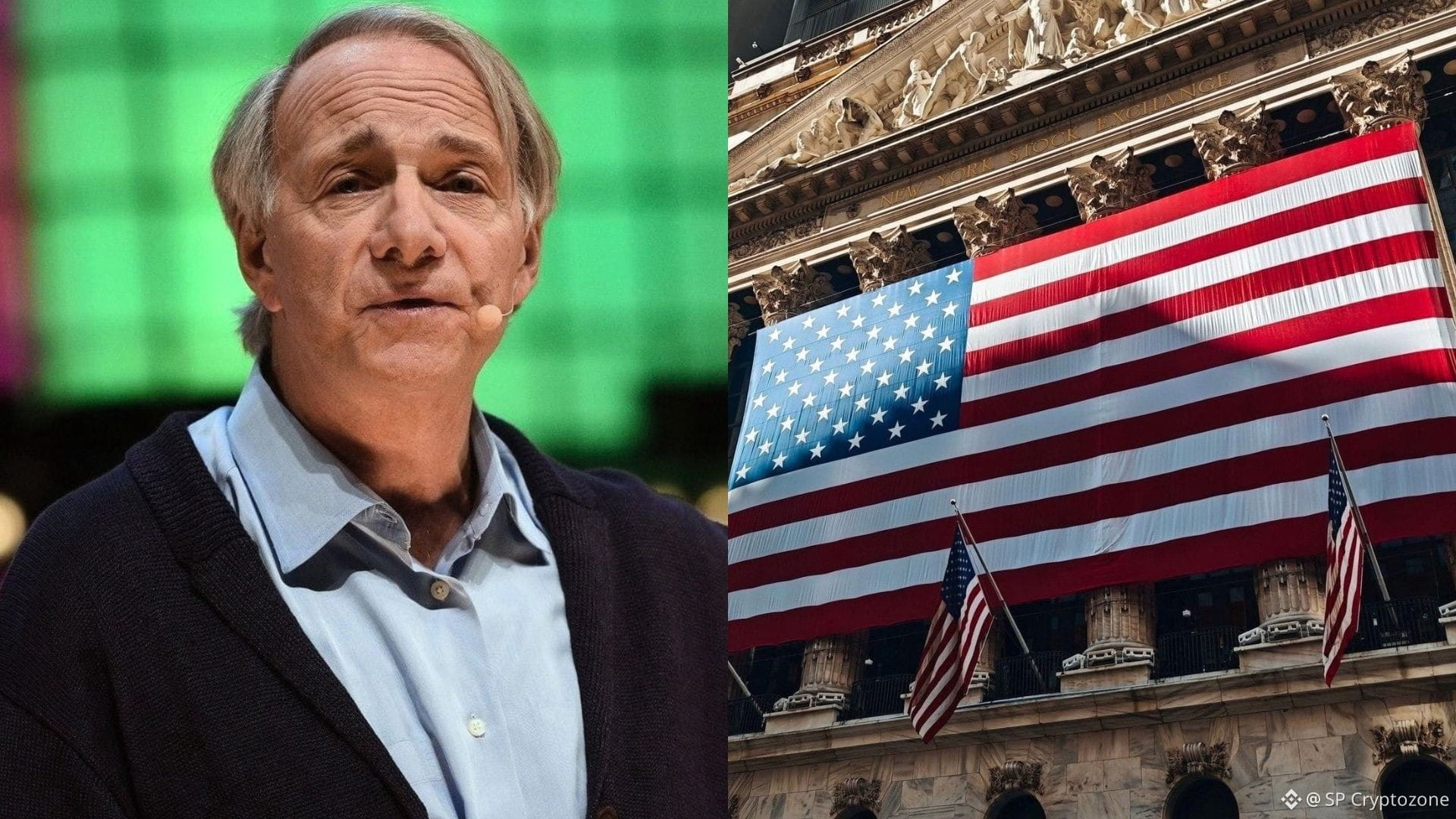
雷·達利歐對美國債務表示擔憂💰📉
富有的投資者雷·達利歐警告稱,未來三年內,美國可能會遭遇與債務相關的衝擊。
概括當前狀況:聯邦政府每年支出近 7 萬億美元,收入約爲 5 萬億美元,造成鉅額赤字,因而不得不進一步舉債。
⚠️ 這種情況可能導致政府借貸成本上升,使預算籌資更加困難,並加劇市場動盪。
對於投資者而言,這意味着,與其預期市場只會出現一次性下跌,不如爲債務驅動的環境做好準備。在這種環境下,美國整體經濟狀況所帶來的金融風險將難以忽視。
$BTC
{future}(BTCUSDT)
$NMR
{future}(NMRUSDT)
$ORCA
{future}(ORCAUSDT)
#RayDalio #USDebt #FederalDebt #Markets #Investing
雷·達利歐對美國債務表示擔憂💰📉
富有的投資者雷·達利歐警告稱,未來三年內,美國可能會遭遇與債務相關的衝擊。
概括當前狀況:聯邦政府每年支出近 7 萬億美元,收入約爲 5 萬億美元,造成鉅額赤字,因而不得不進一步舉債。
⚠️ 這種情況可能導致政府借貸成本上升,使預算籌資更加困難,並加劇市場動盪。
對於投資者而言,這意味着,與其預期市場只會出現一次性下跌,不如爲債務驅動的環境做好準備。在這種環境下,美國整體經濟狀況所帶來的金融風險將難以忽視。
$BTC
$NMR
$ORCA
#RayDalio #USDebt #FederalDebt #Markets #Investing
富有的投資者雷·達利歐警告稱,未來三年內,美國可能會遭遇與債務相關的衝擊。
概括當前狀況:聯邦政府每年支出近 7 萬億美元,收入約爲 5 萬億美元,造成鉅額赤字,因而不得不進一步舉債。
⚠️ 這種情況可能導致政府借貸成本上升,使預算籌資更加困難,並加劇市場動盪。
對於投資者而言,這意味着,與其預期市場只會出現一次性下跌,不如爲債務驅動的環境做好準備。在這種環境下,美國整體經濟狀況所帶來的金融風險將難以忽視。
$BTC
$NMR
$ORCA
#RayDalio #USDebt #FederalDebt #Markets #Investing
309
登入以探索更多內容
加入幣安廣場中的全球加密貨幣用戶
⚡️ 獲取加密貨幣的最新和實用資訊。
💬 受到全球最大加密貨幣交易所的信任。
👍 發掘來自經過驗證創作者的真實見解。
電子郵件 / 電話號碼