

Roaib_Bn
1.3k 貼文

Roaib_Bn
舉報
封鎖用戶
HOLDER | SELF BELIEVER | NOT A PERSONAL ADVISER | JUST AN EDUCATOR 📚 | Learning. Growing. Sharing Knowledge.Future in progress.
34 關注
9.9K+ 粉絲
13.8K+ 點讚數
貼文
全部
引用
影片
直播
·
--
文章
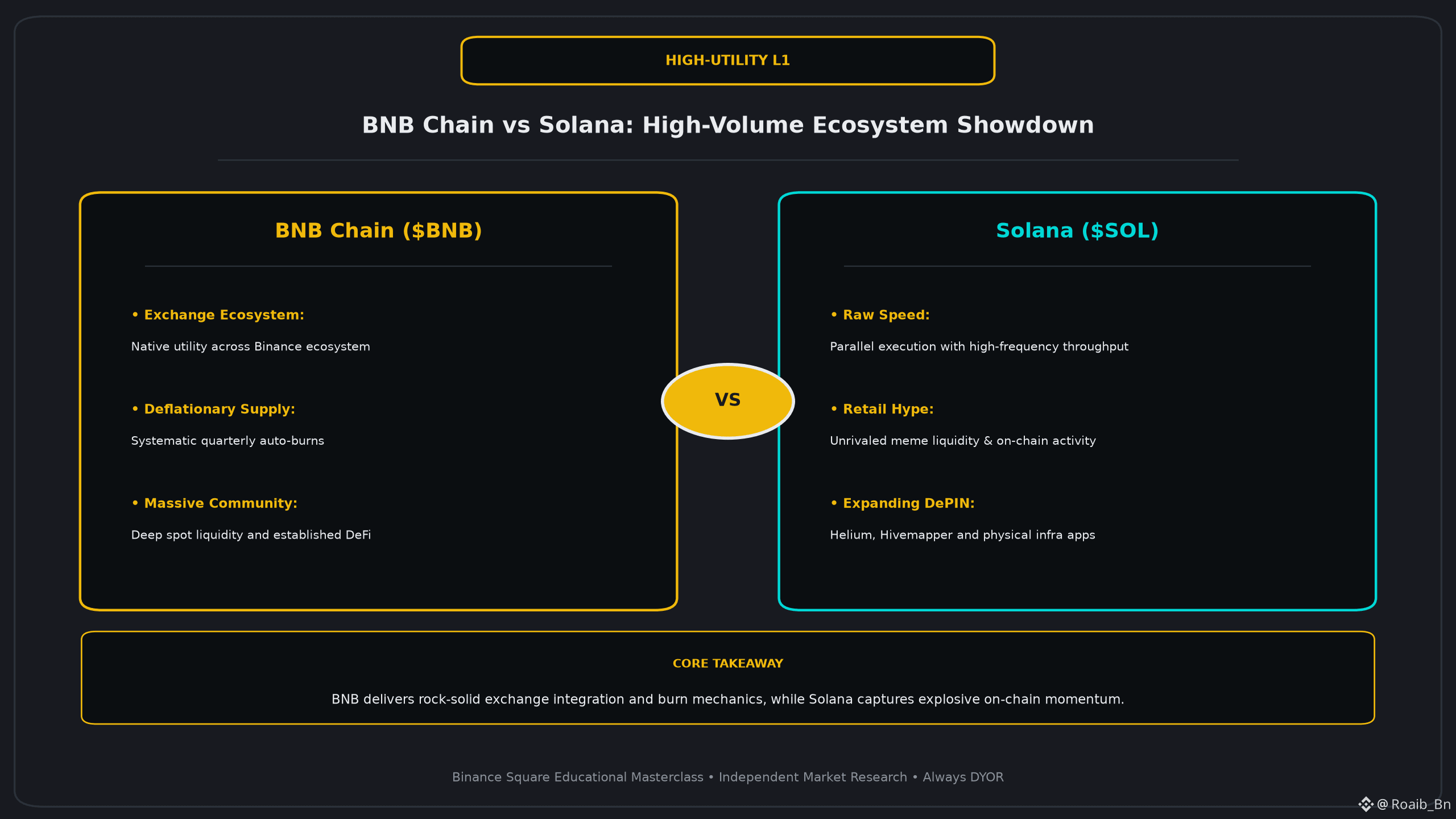
BNB Chain 與 Solana:高交易量生態系統對決BNB Chain 與 Solana:高交易量生態系統對決
Layer 1 主導權之爭已從理論白皮書轉向原始且可量化的鏈上活動。在當前市場週期中,有兩個名字始終備受散戶交易量和開發者關注:BNB Chain 和 Solana。儘管這兩個網絡都致力於提供快速、低成本的交易,但它們的底層理念和增長驅動因素截然不同。對於任何希望在業內流動性最高的生態系統中進行佈局的交易者來說,瞭解這些差異都至關重要。
BNB Chain 與 Solana:高交易量生態系統對決
BNB Chain 與 Solana:高交易量生態系統對決
Layer 1 主導權之爭已從理論白皮書轉向原始且可量化的鏈上活動。在當前市場週期中,有兩個名字始終備受散戶交易量和開發者關注:BNB Chain 和 Solana。儘管這兩個網絡都致力於提供快速、低成本的交易,但它們的底層理念和增長驅動因素截然不同。對於任何希望在業內流動性最高的生態系統中進行佈局的交易者來說,瞭解這些差異都至關重要。
Layer 1 主導權之爭已從理論白皮書轉向原始且可量化的鏈上活動。在當前市場週期中,有兩個名字始終備受散戶交易量和開發者關注:BNB Chain 和 Solana。儘管這兩個網絡都致力於提供快速、低成本的交易,但它們的底層理念和增長驅動因素截然不同。對於任何希望在業內流動性最高的生態系統中進行佈局的交易者來說,瞭解這些差異都至關重要。
7
·
--
今晚整體市場情緒保持穩定,明顯偏向看漲。市場廣度表現良好,在漲跌情況方面,上漲的有35種,而下跌的僅有14種。
前五十種資產的現貨交易量爲45.9億 USDT。我們看到,$SOL 上漲了2.5%,相對強勢明顯,而$BTC ho
今晚整體市場情緒保持穩定,明顯偏向看漲。市場廣度表現良好,在漲跌情況方面,上漲的有35種,而下跌的僅有14種。
前五十種資產的現貨交易量爲45.9億 USDT。我們看到,$SOL 上漲了2.5%,相對強勢明顯,而$BTC ho
前五十種資產的現貨交易量爲45.9億 USDT。我們看到,$SOL 上漲了2.5%,相對強勢明顯,而$BTC ho
3
·
--
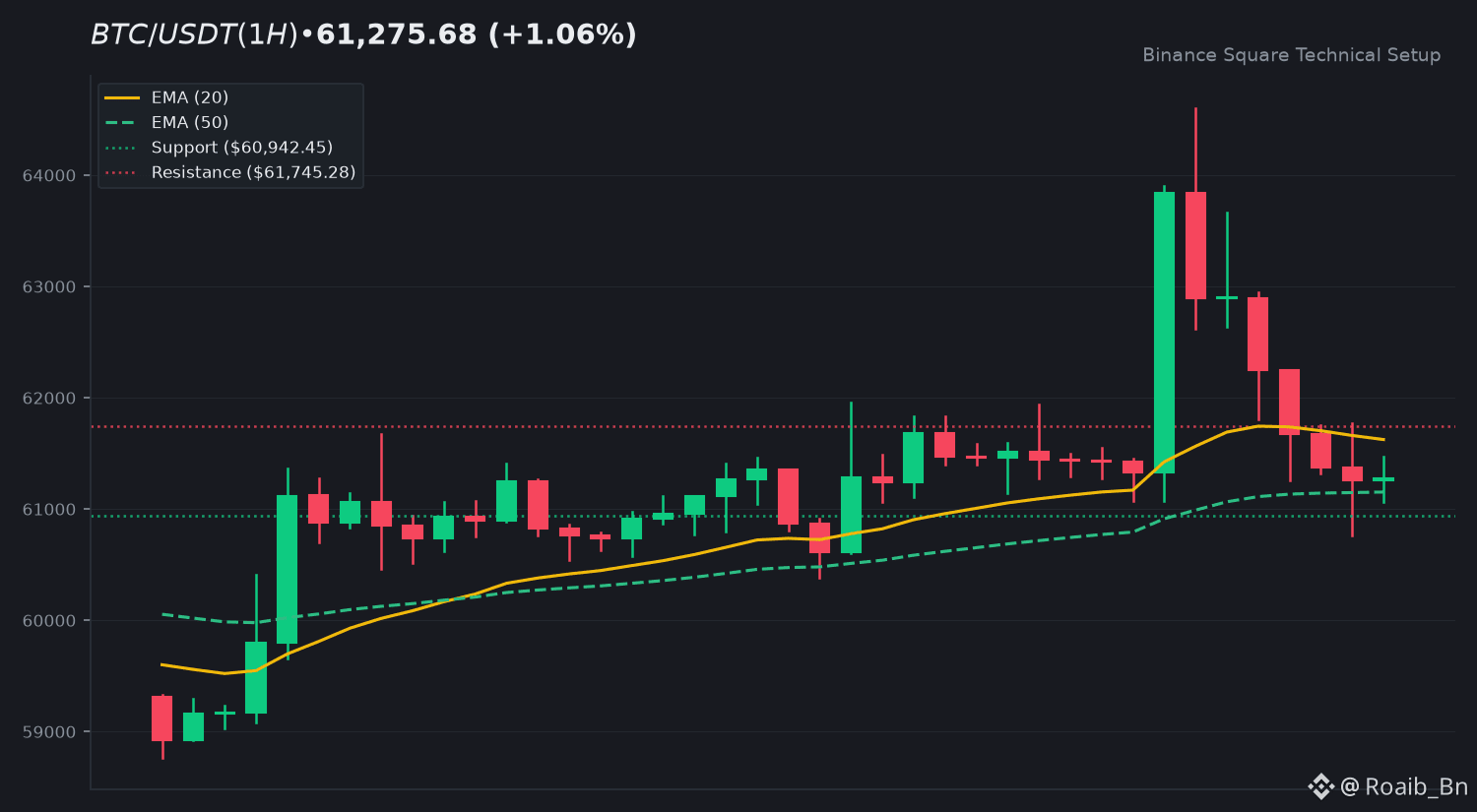
比特幣目前在 61,275.68 美元附近保持穩定,本交易時段上漲約 1.06%。價格目前在關鍵指數移動平均線上方盤整,表明買方正在悄然守住局部支撐位,但尚未引發強勢突破。
以太坊走勢緊隨其後,交易價格接近 1,730.75 美元,漲幅爲 1.03%。近期震盪期間,比特幣相對強勢,但 ETH 仍守住其主要趨勢線,並正在悄然構築自己的底部。
隨着成交量逐漸回升,更廣泛的市場走勢仍取決於這些狹窄區間將如何突破。你認爲這兩大主流幣中,哪一個會引領接下來的全面 impulsive move?
僅供教育分析,不構成財務建議。請自行研究。
$BTC ETH #BinanceSquare #加密市場
比特幣目前在 61,275.68 美元附近保持穩定,本交易時段上漲約 1.06%。價格目前在關鍵指數移動平均線上方盤整,表明買方正在悄然守住局部支撐位,但尚未引發強勢突破。
以太坊走勢緊隨其後,交易價格接近 1,730.75 美元,漲幅爲 1.03%。近期震盪期間,比特幣相對強勢,但 ETH 仍守住其主要趨勢線,並正在悄然構築自己的底部。
隨着成交量逐漸回升,更廣泛的市場走勢仍取決於這些狹窄區間將如何突破。你認爲這兩大主流幣中,哪一個會引領接下來的全面 impulsive move?
僅供教育分析,不構成財務建議。請自行研究。
$BTC ETH #BinanceSquare #加密市場
以太坊走勢緊隨其後,交易價格接近 1,730.75 美元,漲幅爲 1.03%。近期震盪期間,比特幣相對強勢,但 ETH 仍守住其主要趨勢線,並正在悄然構築自己的底部。
隨着成交量逐漸回升,更廣泛的市場走勢仍取決於這些狹窄區間將如何突破。你認爲這兩大主流幣中,哪一個會引領接下來的全面 impulsive move?
僅供教育分析,不構成財務建議。請自行研究。
$BTC ETH #BinanceSquare #加密市場
14
·
--
文章
查看翻譯
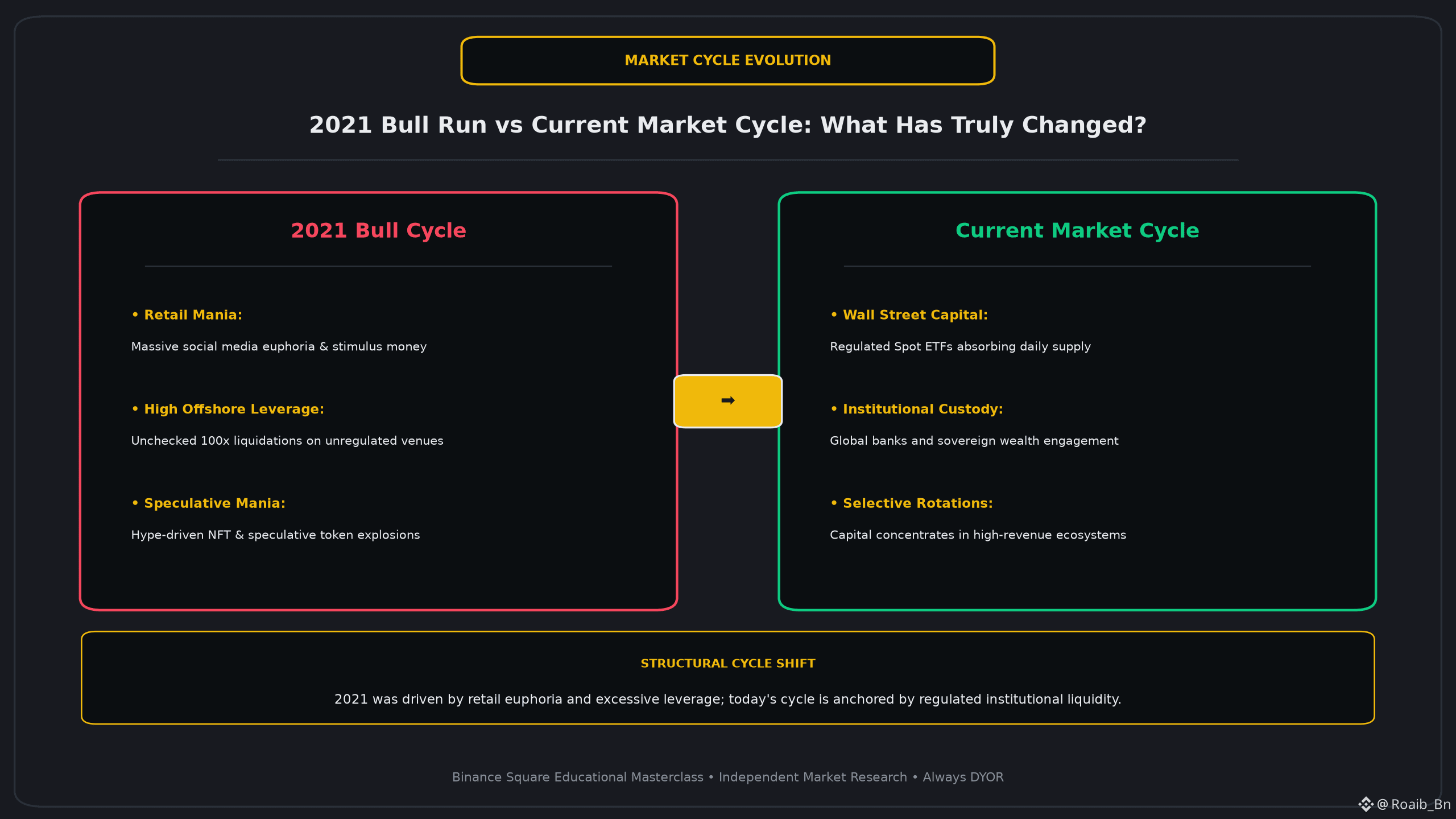
2021 Bull Run vs Current Market Cycle: What Has Truly Changed?Many traders navigating the crypto markets today are trying to apply the same playbook they used in 2021. However, treating the current market environment like the previous bull run is one of the quickest ways to get caught on the wrong side of a trend. The crypto landscape has undergone a structural transformation over the last few years, and understanding these fundamental shifts is absolutely essential for anyone looking to survive and thrive in this new era.
Let's look back at the 2021 bull cycle. It was defined by unprecedented retail euphoria, fueled by global stimulus checks and viral social media campaigns. Capital flowed frantically into highly speculative assets, meme coins, and early-stage non-fungible tokens. This retail-driven wave was amplified by staggering amounts of offshore, unregulated leverage. Platforms offering up to one-hundred-times leverage created an environment of extreme volatility, where massive cascading liquidations were common occurrences. It was a cycle driven by hype, momentum, and retail-led mania.
In stark contrast, the current market cycle operates on a completely different set of rules. Today, the dominant force is Wall Street and institutional capital. The introduction of regulated spot exchange-traded funds has created a steady, massive pipeline of daily liquidity absorbing supply. Instead of speculative retail mania, we are seeing global banks, sovereign wealth entities, and multi-billion-dollar asset managers establish secure, long-term custody solutions. Capital is no longer flowing mindlessly into every speculative token; instead, it is concentrating selectively in high-revenue ecosystems and established layer-one networks.
For a disciplined trader, this means adjusting your strategy. In 2021, the rising tide lifted all boats, and high-risk speculative plays often yielded the highest short-term returns. In the current cycle, patience and fundamental strength are far more rewarded. Total market capitalization is supported by institutional buyers who do not trade based on social media trends, but rather on macroeconomic data, liquidity cycles, and regulatory progress. This reduces overall erratic volatility but means that asset selection must be far more rigorous.
As we move deeper into this cycle, the divergence between these two eras will only become clearer. Are we going to see a return to the wild, retail-led speculative surges of the past, or has the institutionalization of crypto permanently changed the market structure?
What is your take on this cycle transition? Are you finding it harder to navigate than 2021, or do you prefer the steady, institutional-led growth? Share your thoughts in the comments below.
Disclaimer: This analysis is for educational purposes only. It does not constitute financial advice. Always do your own research before making any investment decisions.
$BTC $ETH #BinanceSquare #MarketCycles
2021 Bull Run vs Current Market Cycle: What Has Truly Changed?
Many traders navigating the crypto markets today are trying to apply the same playbook they used in 2021. However, treating the current market environment like the previous bull run is one of the quickest ways to get caught on the wrong side of a trend. The crypto landscape has undergone a structural transformation over the last few years, and understanding these fundamental shifts is absolutely essential for anyone looking to survive and thrive in this new era.
Let's look back at the 2021 bull cycle. It was defined by unprecedented retail euphoria, fueled by global stimulus checks and viral social media campaigns. Capital flowed frantically into highly speculative assets, meme coins, and early-stage non-fungible tokens. This retail-driven wave was amplified by staggering amounts of offshore, unregulated leverage. Platforms offering up to one-hundred-times leverage created an environment of extreme volatility, where massive cascading liquidations were common occurrences. It was a cycle driven by hype, momentum, and retail-led mania.
In stark contrast, the current market cycle operates on a completely different set of rules. Today, the dominant force is Wall Street and institutional capital. The introduction of regulated spot exchange-traded funds has created a steady, massive pipeline of daily liquidity absorbing supply. Instead of speculative retail mania, we are seeing global banks, sovereign wealth entities, and multi-billion-dollar asset managers establish secure, long-term custody solutions. Capital is no longer flowing mindlessly into every speculative token; instead, it is concentrating selectively in high-revenue ecosystems and established layer-one networks.
For a disciplined trader, this means adjusting your strategy. In 2021, the rising tide lifted all boats, and high-risk speculative plays often yielded the highest short-term returns. In the current cycle, patience and fundamental strength are far more rewarded. Total market capitalization is supported by institutional buyers who do not trade based on social media trends, but rather on macroeconomic data, liquidity cycles, and regulatory progress. This reduces overall erratic volatility but means that asset selection must be far more rigorous.
As we move deeper into this cycle, the divergence between these two eras will only become clearer. Are we going to see a return to the wild, retail-led speculative surges of the past, or has the institutionalization of crypto permanently changed the market structure?
What is your take on this cycle transition? Are you finding it harder to navigate than 2021, or do you prefer the steady, institutional-led growth? Share your thoughts in the comments below.
Disclaimer: This analysis is for educational purposes only. It does not constitute financial advice. Always do your own research before making any investment decisions.
$BTC $ETH #BinanceSquare #MarketCycles
2
·
--
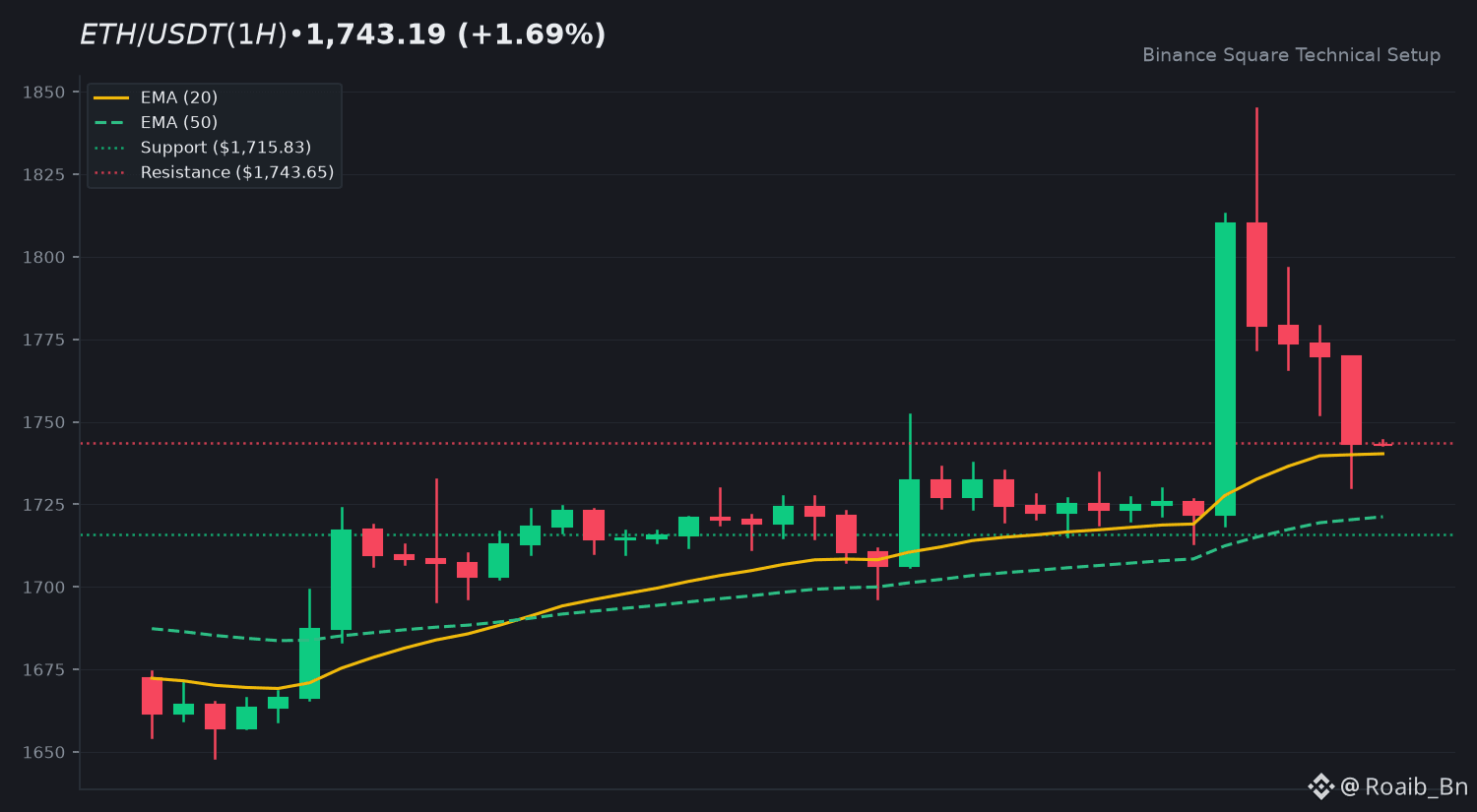
ETH 在 1,743.19 附近呈現穩步盤整,價格在狹窄區間內橫向波動。
在 1 小時圖上,價格徘徊在 20 EMA(1,740.33)附近。RSI 在 53 附近處於中性,表明買賣雙方暫時勢均力敵,正等待下一波方向性行情。
若要延續走勢,上行需關注 1,743.65。下行方面,1,715.83 仍是維持短期結構的直接支撐位。
你怎麼看這個價位——你會繼續持有,還是等待突破?
僅供教育分析,不構成投資建議。請自行研究(DYOR)。
$ETH #BinanceSquare #加密貨幣
ETH 在 1,743.19 附近呈現穩步盤整,價格在狹窄區間內橫向波動。
在 1 小時圖上,價格徘徊在 20 EMA(1,740.33)附近。RSI 在 53 附近處於中性,表明買賣雙方暫時勢均力敵,正等待下一波方向性行情。
若要延續走勢,上行需關注 1,743.65。下行方面,1,715.83 仍是維持短期結構的直接支撐位。
你怎麼看這個價位——你會繼續持有,還是等待突破?
僅供教育分析,不構成投資建議。請自行研究(DYOR)。
$ETH #BinanceSquare #加密貨幣
在 1 小時圖上,價格徘徊在 20 EMA(1,740.33)附近。RSI 在 53 附近處於中性,表明買賣雙方暫時勢均力敵,正等待下一波方向性行情。
若要延續走勢,上行需關注 1,743.65。下行方面,1,715.83 仍是維持短期結構的直接支撐位。
你怎麼看這個價位——你會繼續持有,還是等待突破?
僅供教育分析,不構成投資建議。請自行研究(DYOR)。
$ETH #BinanceSquare #加密貨幣
10
·
--
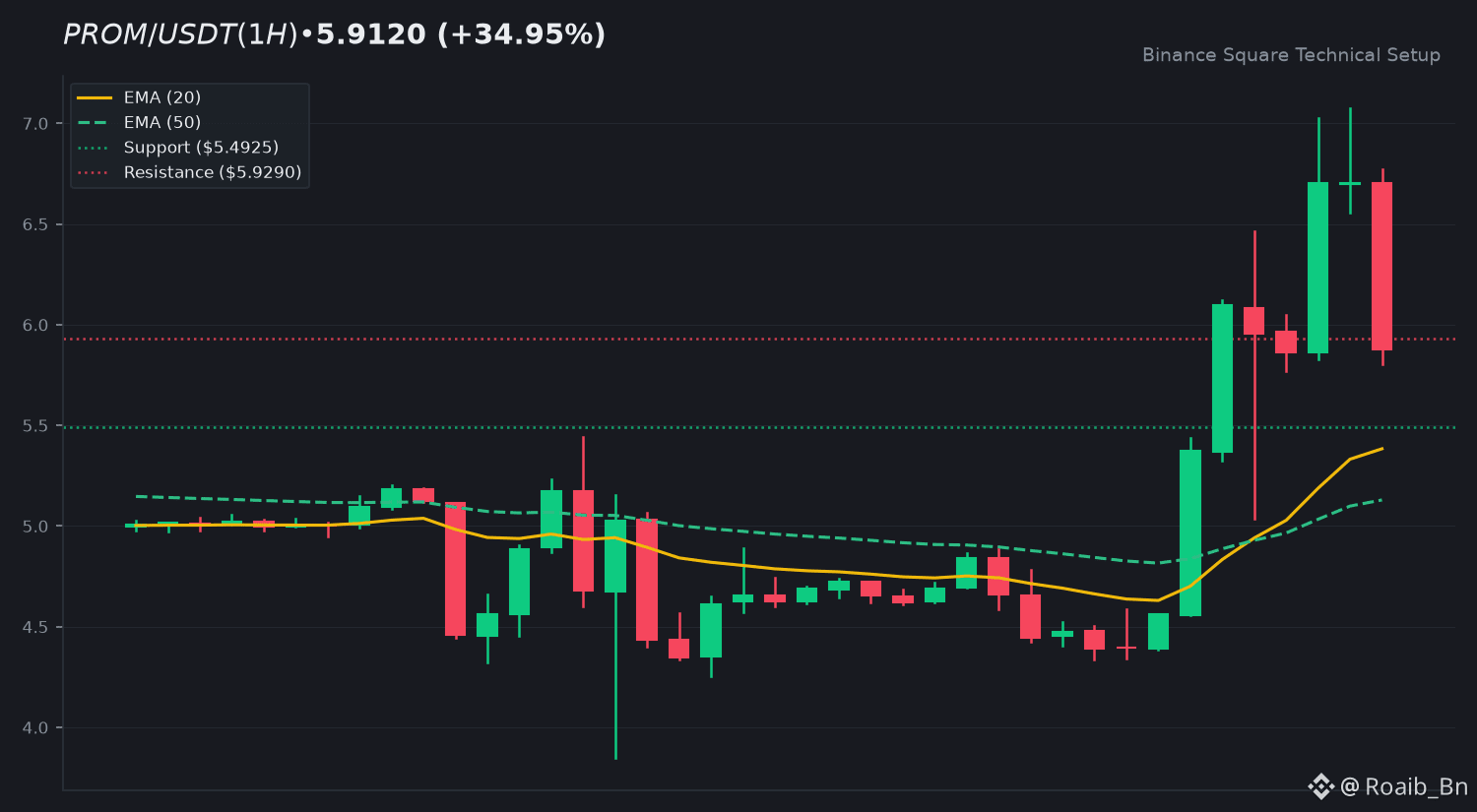
PROM 在過去 24 小時上漲了 +34.95%,目前在 5.9120 附近持續走強。
在 1 小時圖上,價格徘徊在 5.3837 的 20 EMA 附近。RSI 在 59 附近,處於中性水平,表明買賣雙方暫時勢均力敵,正等待下一波方向性行情。
若要延續漲勢,值得關注的關鍵位置是上方的 5.9290。下方的 5.4925 仍是維持短期走勢結構的直接支撐位。
你怎麼看這個價位——你正在持有,還是等待突破?
僅供學習參考,不構成投資建議。請自行研究(DYOR)。
$PROM #BinanceSquare #加密貨幣
PROM 在過去 24 小時上漲了 +34.95%,目前在 5.9120 附近持續走強。
在 1 小時圖上,價格徘徊在 5.3837 的 20 EMA 附近。RSI 在 59 附近,處於中性水平,表明買賣雙方暫時勢均力敵,正等待下一波方向性行情。
若要延續漲勢,值得關注的關鍵位置是上方的 5.9290。下方的 5.4925 仍是維持短期走勢結構的直接支撐位。
你怎麼看這個價位——你正在持有,還是等待突破?
僅供學習參考,不構成投資建議。請自行研究(DYOR)。
$PROM #BinanceSquare #加密貨幣
在 1 小時圖上,價格徘徊在 5.3837 的 20 EMA 附近。RSI 在 59 附近,處於中性水平,表明買賣雙方暫時勢均力敵,正等待下一波方向性行情。
若要延續漲勢,值得關注的關鍵位置是上方的 5.9290。下方的 5.4925 仍是維持短期走勢結構的直接支撐位。
你怎麼看這個價位——你正在持有,還是等待突破?
僅供學習參考,不構成投資建議。請自行研究(DYOR)。
$PROM #BinanceSquare #加密貨幣
17
·
--
文章
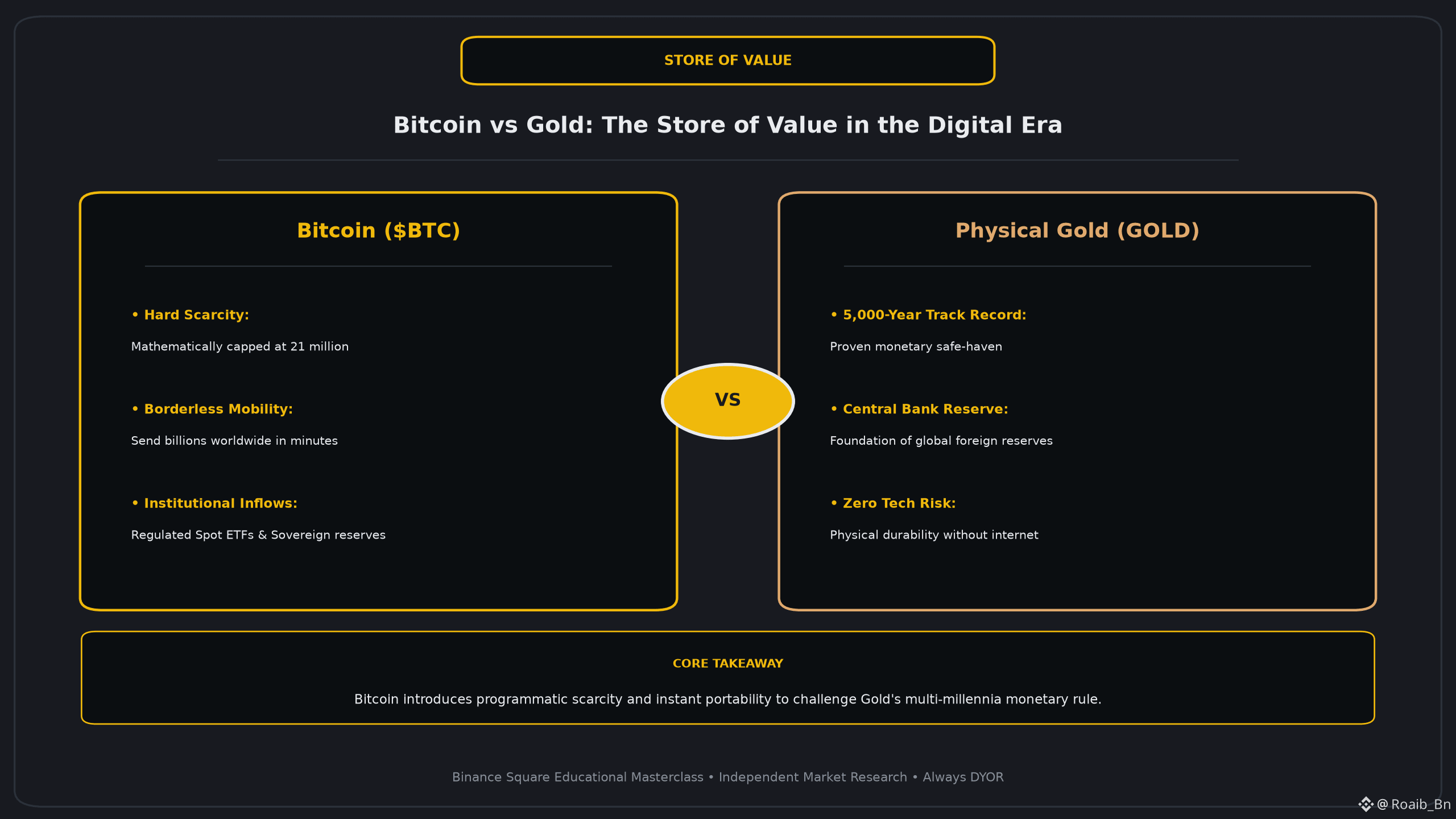
比特幣與黃金:數字時代的價值儲存手段比特幣與黃金:數字時代的價值儲存手段
宏觀經濟格局正在迅速變化,傳統避險資產與數字資產之間的爭論,對市場參與者而言從未如此切合當下。隨着各國央行應對持續的貨幣擴張和不斷變化的利率週期,尋求絕對的價值保值成爲資本配置的驅動力。將古代貨幣史上公認的重量級資產與數字時代的頂尖資產進行比較,能爲任何認真規劃長期宏觀策略的投資者提供重要視角。
比特幣與黃金:數字時代的價值儲存手段
比特幣與黃金:數字時代的價值儲存手段
宏觀經濟格局正在迅速變化,傳統避險資產與數字資產之間的爭論,對市場參與者而言從未如此切合當下。隨着各國央行應對持續的貨幣擴張和不斷變化的利率週期,尋求絕對的價值保值成爲資本配置的驅動力。將古代貨幣史上公認的重量級資產與數字時代的頂尖資產進行比較,能爲任何認真規劃長期宏觀策略的投資者提供重要視角。
宏觀經濟格局正在迅速變化,傳統避險資產與數字資產之間的爭論,對市場參與者而言從未如此切合當下。隨着各國央行應對持續的貨幣擴張和不斷變化的利率週期,尋求絕對的價值保值成爲資本配置的驅動力。將古代貨幣史上公認的重量級資產與數字時代的頂尖資產進行比較,能爲任何認真規劃長期宏觀策略的投資者提供重要視角。
7
·
--
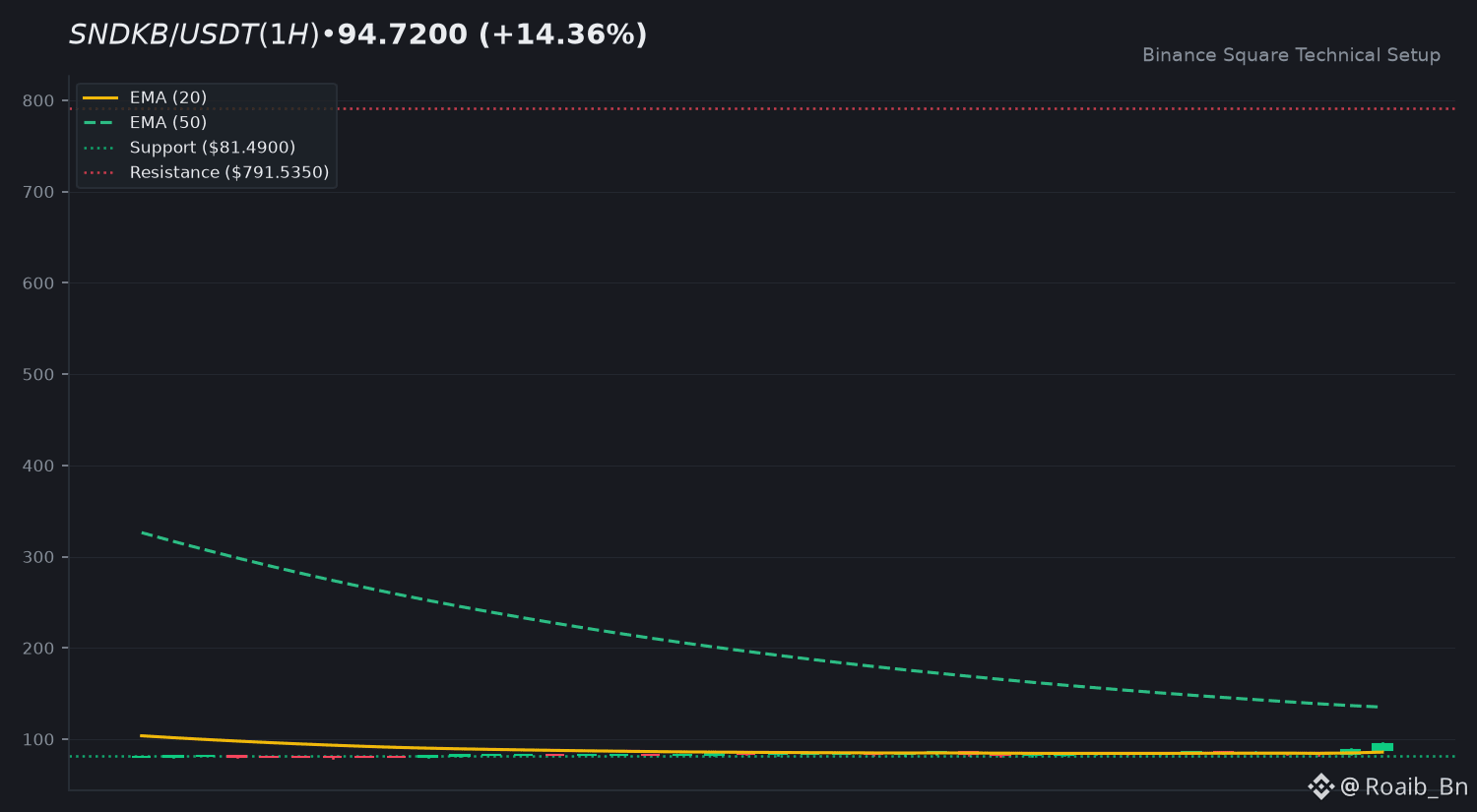
市場目前表現出不錯的強勢,$SNDKB 目前交投於94.7200美元附近,過去二十四小時上漲了14%,漲幅可觀。買方正在進場守住局部漲幅,隨着交易時段推進,動能得以延續。
在小時級別上,價格走勢穩穩地維持在20 EMA(85.7620)上方,RSI則恰好處於66.89。這表明看漲動能仍在持續,目前還沒有嚴重超買。
展望圖表結構,若要嘗試大幅突破,主要阻力位在更高的791.5350附近;而短線支撐位則穩守在81.4900附近,有助於維持當前趨勢。
你怎麼看這個走勢?你會繼續持倉,還是等待進一步確認後再採取行動?
僅供教育分析,不構成財務建議。請自行研究(DYOR)。
$SNDKB #BinanceSquare #加密貨幣
在小時級別上,價格走勢穩穩地維持在20 EMA(85.7620)上方,RSI則恰好處於66.89。這表明看漲動能仍在持續,目前還沒有嚴重超買。
展望圖表結構,若要嘗試大幅突破,主要阻力位在更高的791.5350附近;而短線支撐位則穩守在81.4900附近,有助於維持當前趨勢。
你怎麼看這個走勢?你會繼續持倉,還是等待進一步確認後再採取行動?
僅供教育分析,不構成財務建議。請自行研究(DYOR)。
$SNDKB #BinanceSquare #加密貨幣
38
·
--
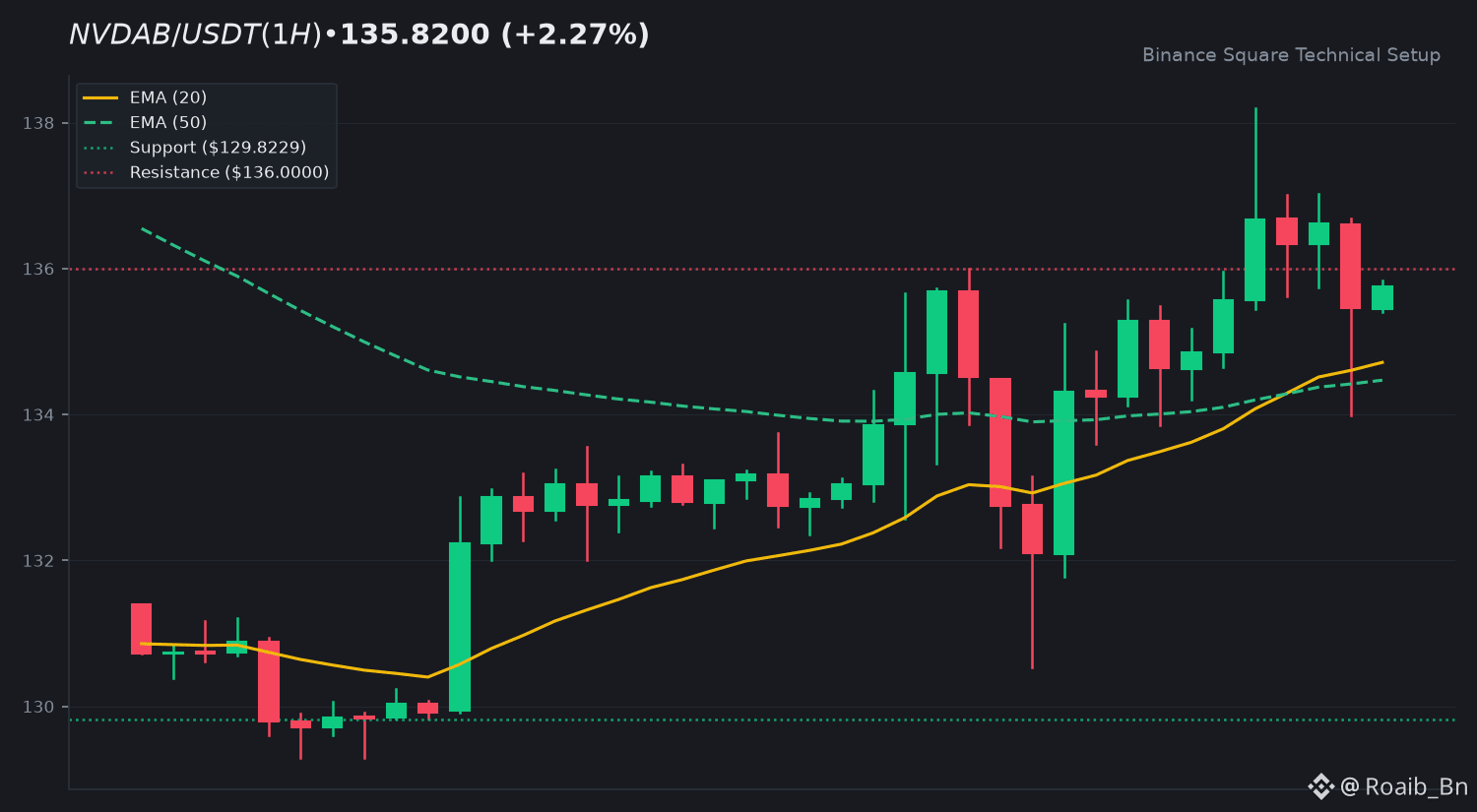
$NVDAB 目前正穩步上漲,交易價格接近 135.8200。過去二十四小時,該資產保持着積極的走勢,隨着一天接近過半,買方表現出平穩而堅定的興趣。
在小時級別圖表上,價格仍穩穩高於 20 EMA(134.7135)和 50 EMA(134.4698)。RSI 爲 58.32,在進入超買區域之前,價格仍有相當大的上行空間。
眼下的焦點是 136.0000 的主要阻力位。如果多頭能夠突破該位置,價格或將進一步上漲。反之,只要守住位於 129.8229 的主要支撐位,當前走勢結構就仍然穩固。
你怎麼看這波價格走勢——你會繼續持有,等待突破,還是等價格回測較低水平?
僅供學習分析,不構成財務建議。請自行研究。
$NVDAB #BinanceSquare #Crypto
在小時級別圖表上,價格仍穩穩高於 20 EMA(134.7135)和 50 EMA(134.4698)。RSI 爲 58.32,在進入超買區域之前,價格仍有相當大的上行空間。
眼下的焦點是 136.0000 的主要阻力位。如果多頭能夠突破該位置,價格或將進一步上漲。反之,只要守住位於 129.8229 的主要支撐位,當前走勢結構就仍然穩固。
你怎麼看這波價格走勢——你會繼續持有,等待突破,還是等價格回測較低水平?
僅供學習分析,不構成財務建議。請自行研究。
$NVDAB #BinanceSquare #Crypto
18
·
--
文章
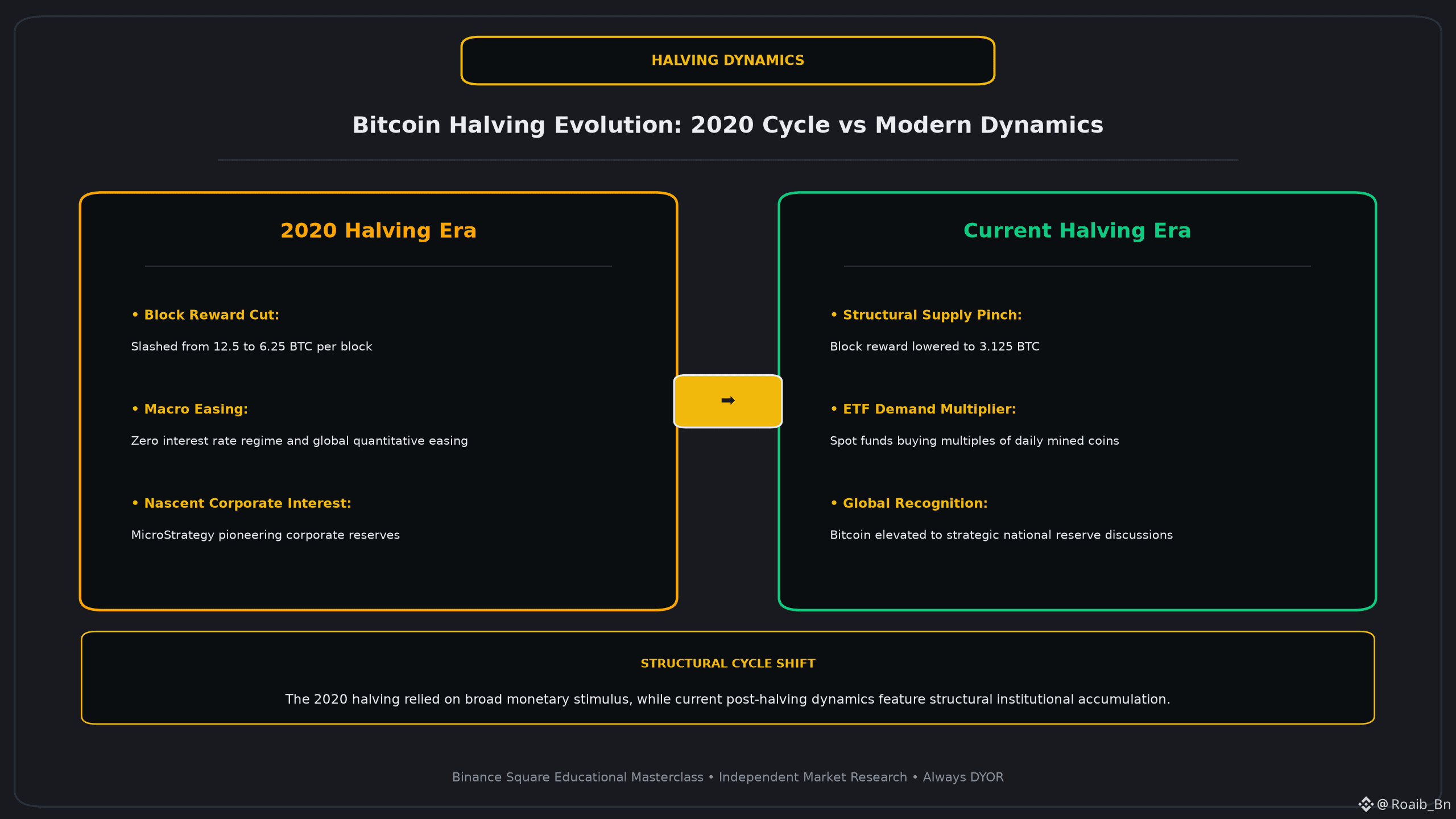
比特幣減半的演變:2020 年週期與現代市場動態比特幣減半週期的演變,是數字資產領域最深刻的敘事之一。許多交易者會參考歷史圖表來預測未來的價格走勢,但市場的底層機制已經發生了巨大變化。因此,要比較 2020 年與當前的市場格局,就需要深入審視結構性需求,而不能只關注供應減少。
回顧 2020 年的減半,當時我們所處的宏觀環境截然不同。區塊獎勵從 12.5 BTC 降至 6.25 BTC,但真正的催化劑是全球對疫情的應對。我們見證了量化寬鬆和零利率前所未有的時代。大量流動性涌入,推動投資者轉向風險資產。在此期間,機構的興趣纔剛剛開始升溫。MicroStrategy 首次大膽地將比特幣納入企業儲備,但對世界上大多數人來說,比特幣仍是一場投機性實驗。2020 年的週期以散戶參與爲主,其特點是在廉價資金充斥的世界中尋求收益。
比特幣減半的演變:2020 年週期與現代市場動態
比特幣減半週期的演變,是數字資產領域最深刻的敘事之一。許多交易者會參考歷史圖表來預測未來的價格走勢,但市場的底層機制已經發生了巨大變化。因此,要比較 2020 年與當前的市場格局,就需要深入審視結構性需求,而不能只關注供應減少。
回顧 2020 年的減半,當時我們所處的宏觀環境截然不同。區塊獎勵從 12.5 BTC 降至 6.25 BTC,但真正的催化劑是全球對疫情的應對。我們見證了量化寬鬆和零利率前所未有的時代。大量流動性涌入,推動投資者轉向風險資產。在此期間,機構的興趣纔剛剛開始升溫。MicroStrategy 首次大膽地將比特幣納入企業儲備,但對世界上大多數人來說,比特幣仍是一場投機性實驗。2020 年的週期以散戶參與爲主,其特點是在廉價資金充斥的世界中尋求收益。
回顧 2020 年的減半,當時我們所處的宏觀環境截然不同。區塊獎勵從 12.5 BTC 降至 6.25 BTC,但真正的催化劑是全球對疫情的應對。我們見證了量化寬鬆和零利率前所未有的時代。大量流動性涌入,推動投資者轉向風險資產。在此期間,機構的興趣纔剛剛開始升溫。MicroStrategy 首次大膽地將比特幣納入企業儲備,但對世界上大多數人來說,比特幣仍是一場投機性實驗。2020 年的週期以散戶參與爲主,其特點是在廉價資金充斥的世界中尋求收益。
9
·
--
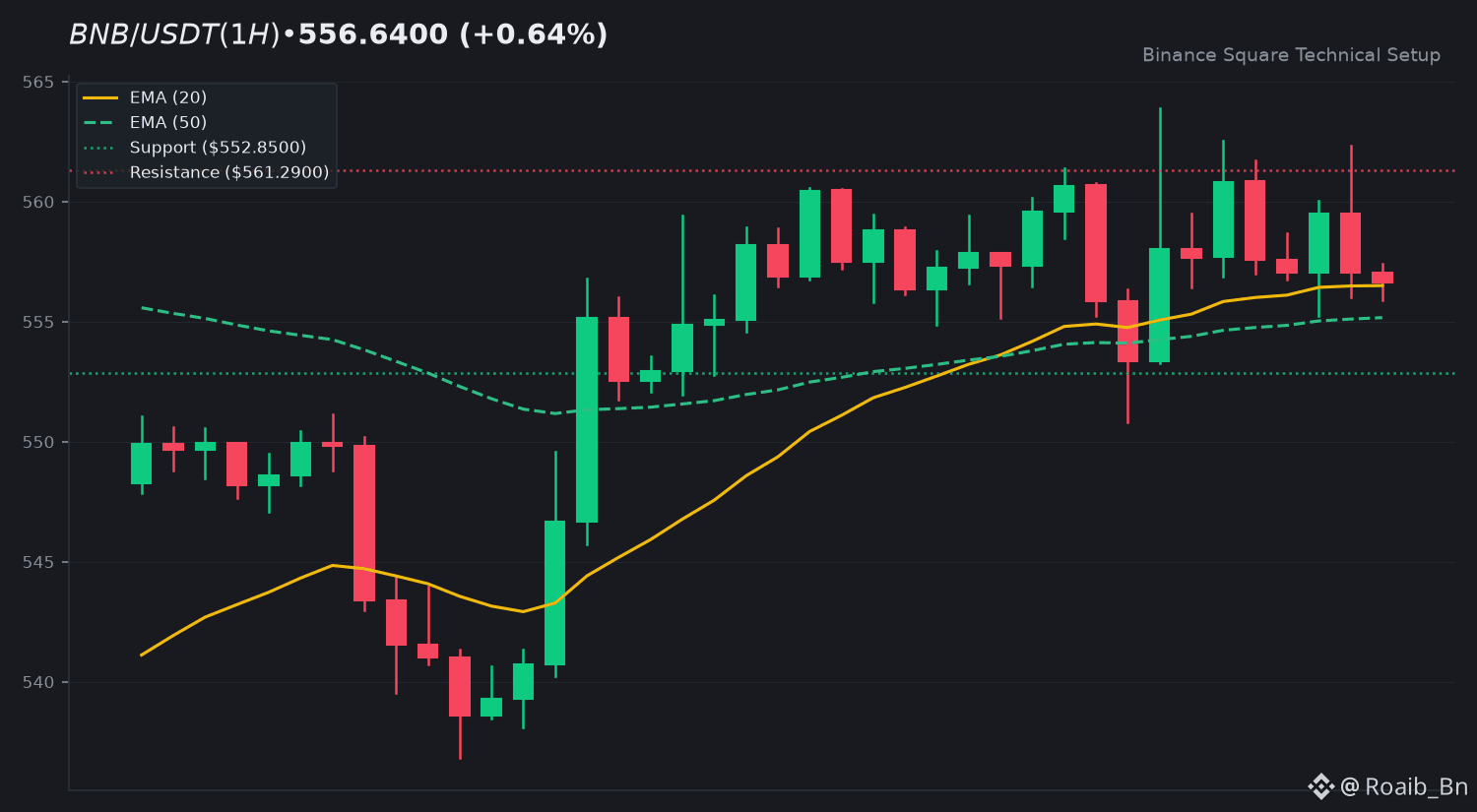
BNB目前在556.6400附近交易,呈現出穩步盤整的跡象。過去二十四小時內,該資產保持溫和的上行趨勢,反映出市場交投平靜,買賣雙方暫時達成平衡。
從小時級別來看,價格徘徊在20 EMA(556.5022)上方,表明短期趨勢中性且穩定。RSI爲52.05,動能仍不明朗,說明多頭和空頭目前都尚未在該資產的走勢方向上佔據主導地位。
展望後市,值得關注的主要阻力位仍爲561.2900,突破該位置可能意味着行情進一步走強。下方的即時支撐位則穩守在552.8500,這對維持當前走勢結構至關重要。
在這些價位,你會如何佈局?是繼續持有當前倉位,還是等待出現更明確的突破後再採取行動?
僅供學習分析,不構成財務建議。請自行研究(DYOR)。
$BNB #BinanceSquare #加密貨幣
從小時級別來看,價格徘徊在20 EMA(556.5022)上方,表明短期趨勢中性且穩定。RSI爲52.05,動能仍不明朗,說明多頭和空頭目前都尚未在該資產的走勢方向上佔據主導地位。
展望後市,值得關注的主要阻力位仍爲561.2900,突破該位置可能意味着行情進一步走強。下方的即時支撐位則穩守在552.8500,這對維持當前走勢結構至關重要。
在這些價位,你會如何佈局?是繼續持有當前倉位,還是等待出現更明確的突破後再採取行動?
僅供學習分析,不構成財務建議。請自行研究(DYOR)。
$BNB #BinanceSquare #加密貨幣
23
·
--
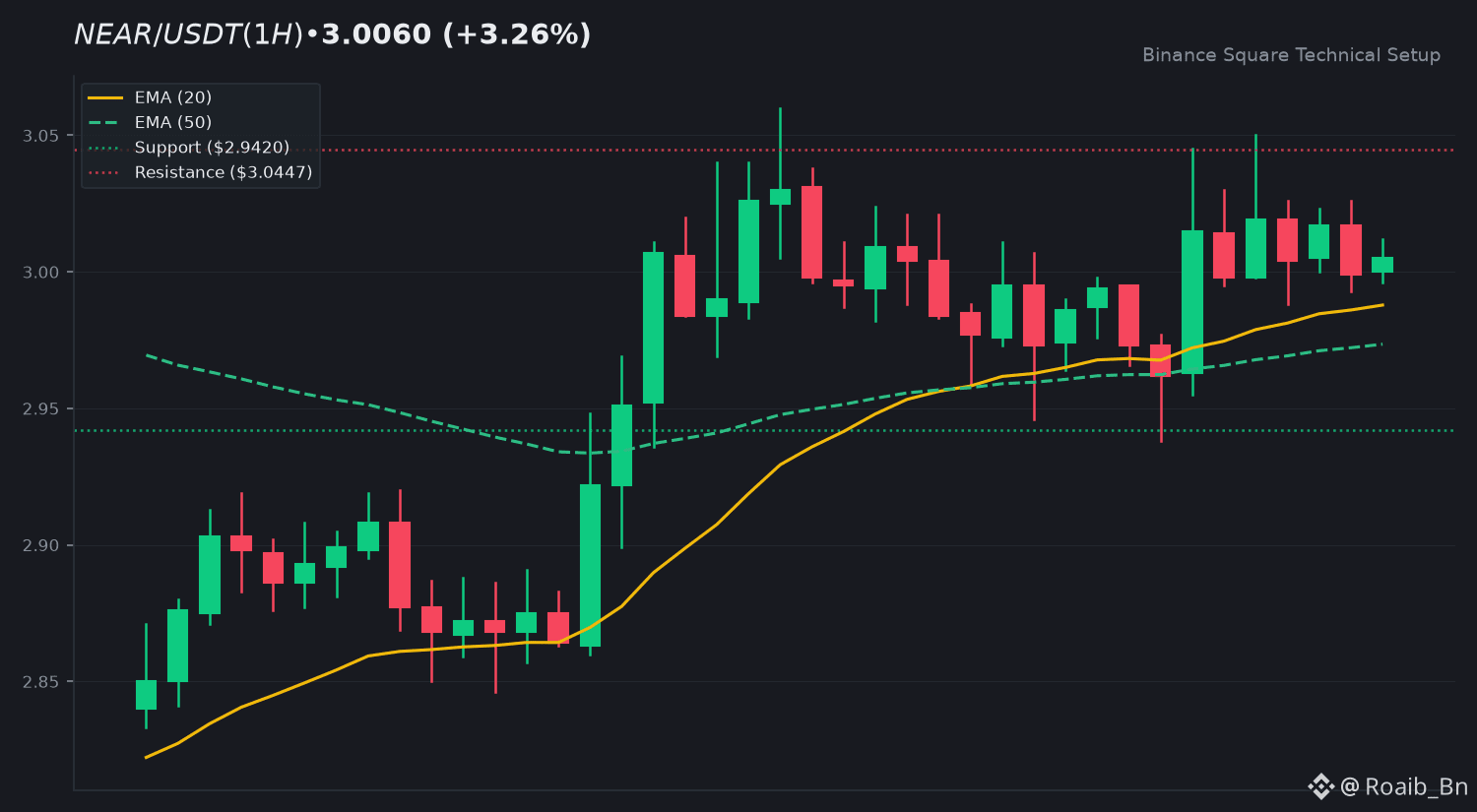
NEAR目前呈現出穩步上揚的勢頭,交易價格爲$3.0060,今日漲幅超過3%。經過近期幾個交易時段的表現後,該資產似乎正在逐漸企穩,並嘗試在心理關口3美元上方建立更穩固的基礎。
從小時圖來看,價格穩穩運行在20 EMA和50 EMA上方,這表明短期趨勢仍有利於多頭。RSI爲55.71,距離進入超買區域仍有充足空間,說明當前動能較爲均衡。
展望後市,值得關注的主要阻力位是$3.0447。如果價格能夠突破這一關口,或將進一步打開上漲空間。另一方面,短期支撐位在$2.9420,守住這一水平對於維持當前市場結構至關重要。
你如何看待目前的價格水平?你會繼續持倉,還是等到確認突破後再採取行動?
僅供教育分析,不構成財務建議。請自行研究(DYOR)。
$NEAR #BinanceSquare #加密貨幣
從小時圖來看,價格穩穩運行在20 EMA和50 EMA上方,這表明短期趨勢仍有利於多頭。RSI爲55.71,距離進入超買區域仍有充足空間,說明當前動能較爲均衡。
展望後市,值得關注的主要阻力位是$3.0447。如果價格能夠突破這一關口,或將進一步打開上漲空間。另一方面,短期支撐位在$2.9420,守住這一水平對於維持當前市場結構至關重要。
你如何看待目前的價格水平?你會繼續持倉,還是等到確認突破後再採取行動?
僅供教育分析,不構成財務建議。請自行研究(DYOR)。
$NEAR #BinanceSquare #加密貨幣
11
·
--
文章
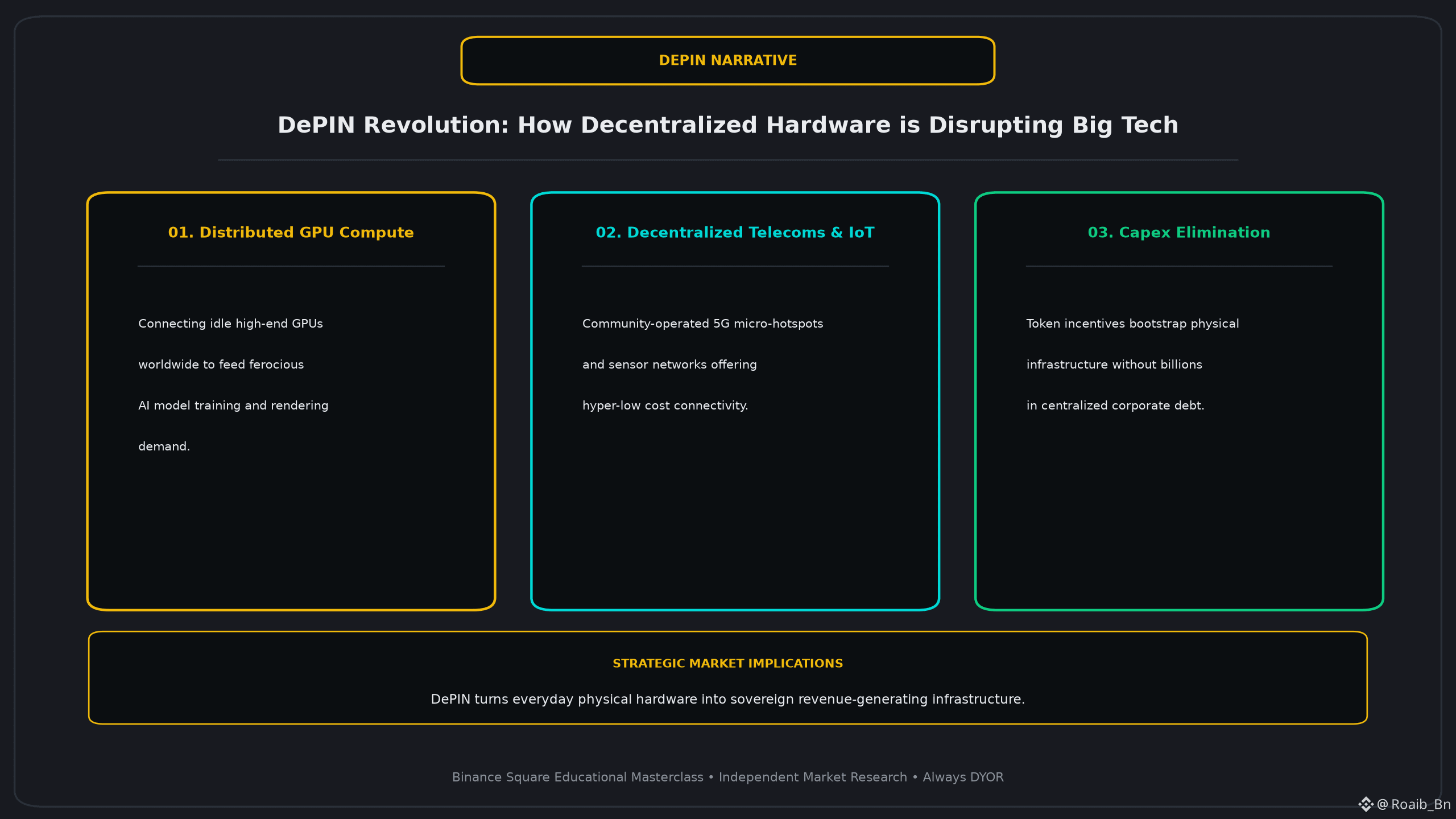
DePIN 革命:去中心化硬件如何顛覆大型科技公司DePIN 革命:去中心化硬件如何顛覆大型科技公司
類別:深度快訊分析與熱門趨勢敘事
數字資產領域正在從純粹的投機型代幣轉向有形的實體應用。過去十年由去中心化金融定義,而這個時代則由去中心化物理基礎設施網絡(DePIN)塑造。我們正見證一場對大型科技巨頭在計算、存儲和連接領域所持中心化壟斷地位的直接挑戰。對於現代交易者而言,理解這一敘事已不再是可有可無,而是識別下一波機構資本和實體經濟資本流向的關鍵。
DePIN 革命:去中心化硬件如何顛覆大型科技公司
DePIN 革命:去中心化硬件如何顛覆大型科技公司
類別:深度快訊分析與熱門趨勢敘事
數字資產領域正在從純粹的投機型代幣轉向有形的實體應用。過去十年由去中心化金融定義,而這個時代則由去中心化物理基礎設施網絡(DePIN)塑造。我們正見證一場對大型科技巨頭在計算、存儲和連接領域所持中心化壟斷地位的直接挑戰。對於現代交易者而言,理解這一敘事已不再是可有可無,而是識別下一波機構資本和實體經濟資本流向的關鍵。
類別:深度快訊分析與熱門趨勢敘事
數字資產領域正在從純粹的投機型代幣轉向有形的實體應用。過去十年由去中心化金融定義,而這個時代則由去中心化物理基礎設施網絡(DePIN)塑造。我們正見證一場對大型科技巨頭在計算、存儲和連接領域所持中心化壟斷地位的直接挑戰。對於現代交易者而言,理解這一敘事已不再是可有可無,而是識別下一波機構資本和實體經濟資本流向的關鍵。
10
·
--
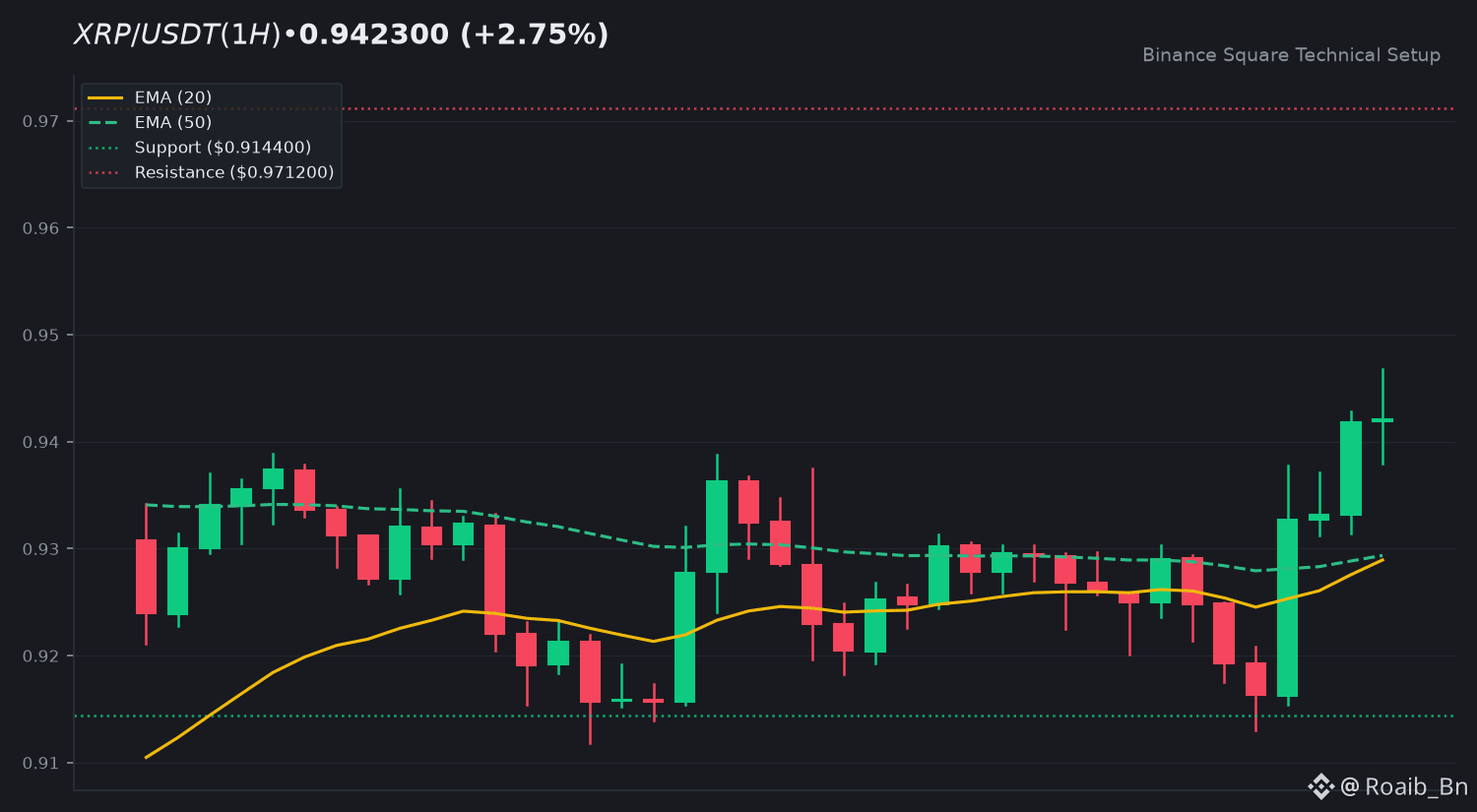
XRP目前表現穩健,交易價格在0.9423附近,較過去一天小幅上漲2.75%。近期波動過後,市場似乎正逐漸企穩,隨着買方入場支撐價格走勢,整體基調保持積極。
從小時級別來看,價格穩穩運行在20 EMA和50 EMA上方,確認了短期趨勢健康。RSI爲62.66,動能仍然看漲,但尚未過度拉伸,這表明在進入超買區域之前,價格仍有進一步波動的空間。
展望後市,值得關注的主要阻力位是0.9712;若突破該位置,可能意味着價格將測試更高區間。下行方面,守住0.9144的支撐位至關重要,這有助於維持當前市場結構,並讓多頭繼續掌控趨勢。
你會考慮在這些價位加倉,還是等到確認突破阻力位後再採取行動?
僅供教育參考,不構成財務建議。請自行研究。
$XRP #BinanceSquare #加密貨幣
從小時級別來看,價格穩穩運行在20 EMA和50 EMA上方,確認了短期趨勢健康。RSI爲62.66,動能仍然看漲,但尚未過度拉伸,這表明在進入超買區域之前,價格仍有進一步波動的空間。
展望後市,值得關注的主要阻力位是0.9712;若突破該位置,可能意味着價格將測試更高區間。下行方面,守住0.9144的支撐位至關重要,這有助於維持當前市場結構,並讓多頭繼續掌控趨勢。
你會考慮在這些價位加倉,還是等到確認突破阻力位後再採取行動?
僅供教育參考,不構成財務建議。請自行研究。
$XRP #BinanceSquare #加密貨幣
15
·
--
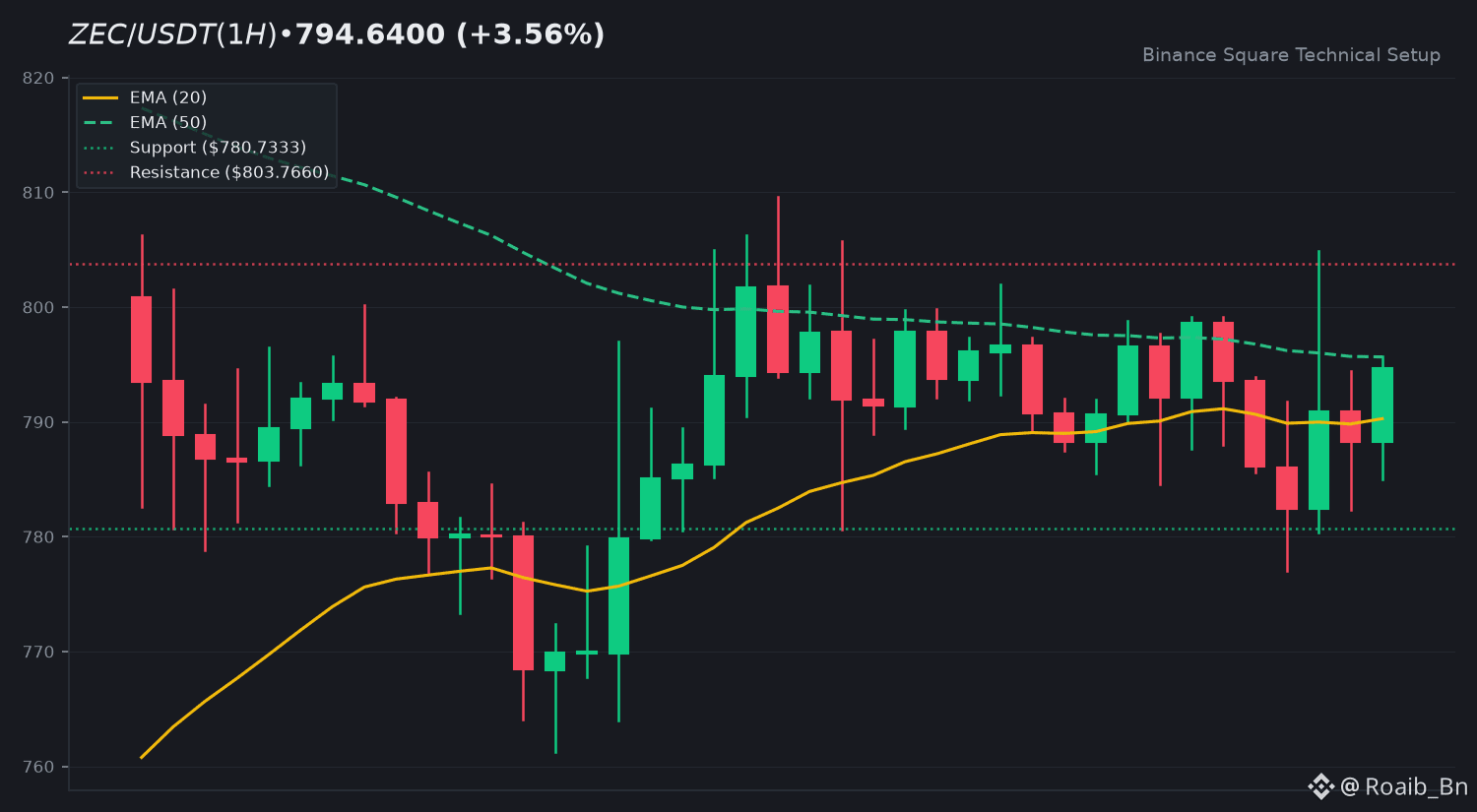
ZEC目前在794.64附近穩步波動,今日漲幅超過百分之三。該資產似乎在近期區間中部附近盤整,買方正試圖在上一交易時段後重拾部分動能。
從一小時圖來看,價格徘徊在790.27的20週期EMA上方,該均線爲多頭提供短期支撐。RSI爲54,市場目前處於中性區域,這表明多空雙方都有機會掌控局面,且目前都未顯得過度擴張。
眼下的重點仍是803.76這一主要阻力位,只有突破該位置,才能釋放進一步上漲的潛力。下行方面,守住780.73的支撐位至關重要,這有助於維持當前結構,避免出現更深幅度的回調。
你是在關注價格能否有效突破這些阻力位,還是會在價格盤整期間保持謹慎?
僅供教育分析,不構成財務建議。請自行研究。
$ZEC #BinanceSquare #加密貨幣
從一小時圖來看,價格徘徊在790.27的20週期EMA上方,該均線爲多頭提供短期支撐。RSI爲54,市場目前處於中性區域,這表明多空雙方都有機會掌控局面,且目前都未顯得過度擴張。
眼下的重點仍是803.76這一主要阻力位,只有突破該位置,才能釋放進一步上漲的潛力。下行方面,守住780.73的支撐位至關重要,這有助於維持當前結構,避免出現更深幅度的回調。
你是在關注價格能否有效突破這些阻力位,還是會在價格盤整期間保持謹慎?
僅供教育分析,不構成財務建議。請自行研究。
$ZEC #BinanceSquare #加密貨幣
41
·
--
文章
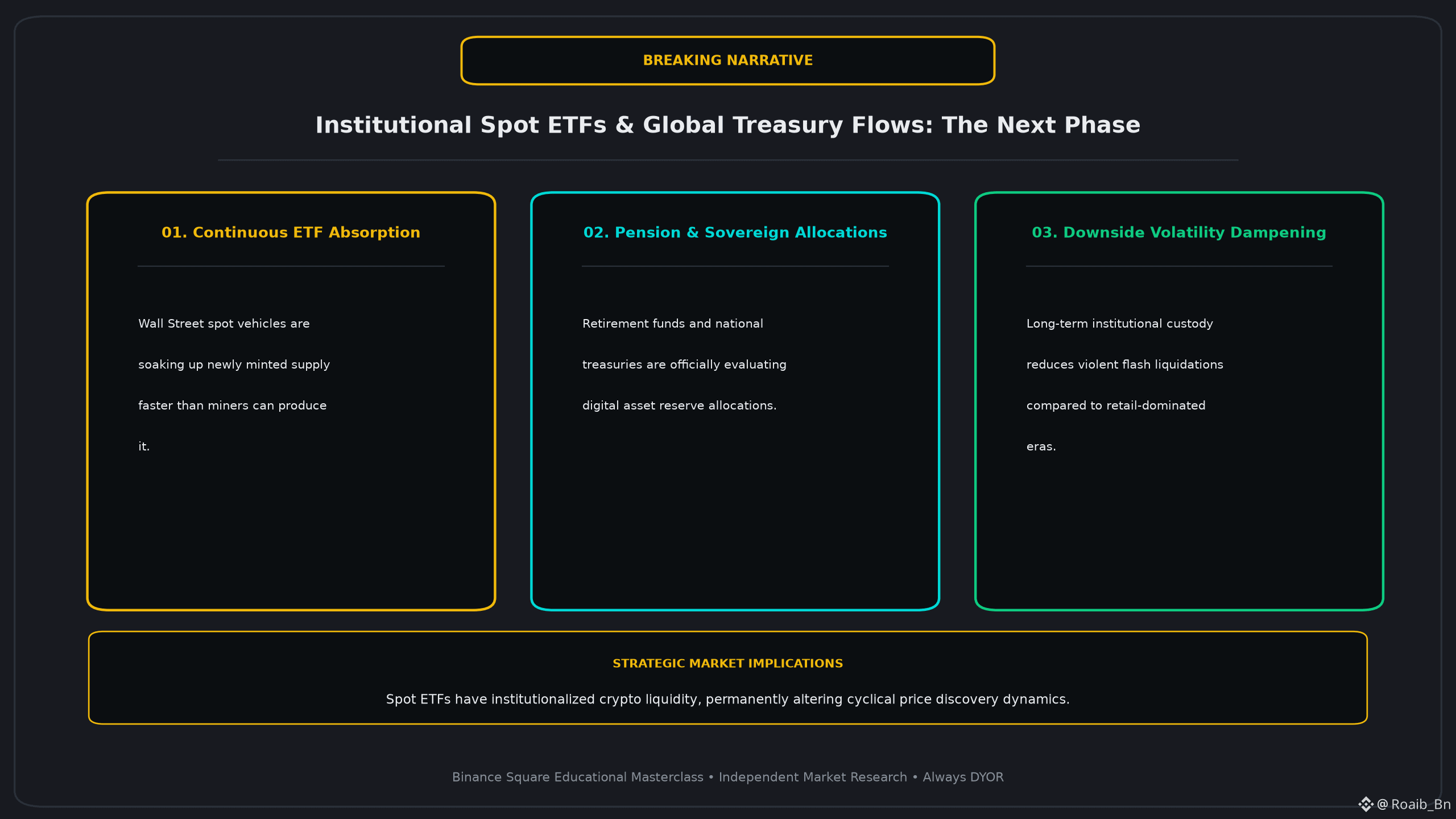
機構現貨ETF與全球資金流向:下一階段機構現貨ETF與全球資金流向:下一階段
數字資產市場格局發生了根本性轉變,而幾年前幾乎沒人能如此準確地預見到這一變化。隨着我們進入2026年最後一個季度,一個事實正變得愈發清晰:我們已經走出投機性散戶泡沫時代,邁入機構主導地位日益穩固的時期。推動這一轉變的主要因素,不僅是現貨交易所交易基金的出現,更是這些工具吸納現有供應的驚人速度。我們正見證一場歷史性的流動性重新配置,它正在永久改變這個領域中規模最大的資產的價格發現機制。
機構現貨ETF與全球資金流向:下一階段
機構現貨ETF與全球資金流向:下一階段
數字資產市場格局發生了根本性轉變,而幾年前幾乎沒人能如此準確地預見到這一變化。隨着我們進入2026年最後一個季度,一個事實正變得愈發清晰:我們已經走出投機性散戶泡沫時代,邁入機構主導地位日益穩固的時期。推動這一轉變的主要因素,不僅是現貨交易所交易基金的出現,更是這些工具吸納現有供應的驚人速度。我們正見證一場歷史性的流動性重新配置,它正在永久改變這個領域中規模最大的資產的價格發現機制。
數字資產市場格局發生了根本性轉變,而幾年前幾乎沒人能如此準確地預見到這一變化。隨着我們進入2026年最後一個季度,一個事實正變得愈發清晰:我們已經走出投機性散戶泡沫時代,邁入機構主導地位日益穩固的時期。推動這一轉變的主要因素,不僅是現貨交易所交易基金的出現,更是這些工具吸納現有供應的驚人速度。我們正見證一場歷史性的流動性重新配置,它正在永久改變這個領域中規模最大的資產的價格發現機制。
39
·
--
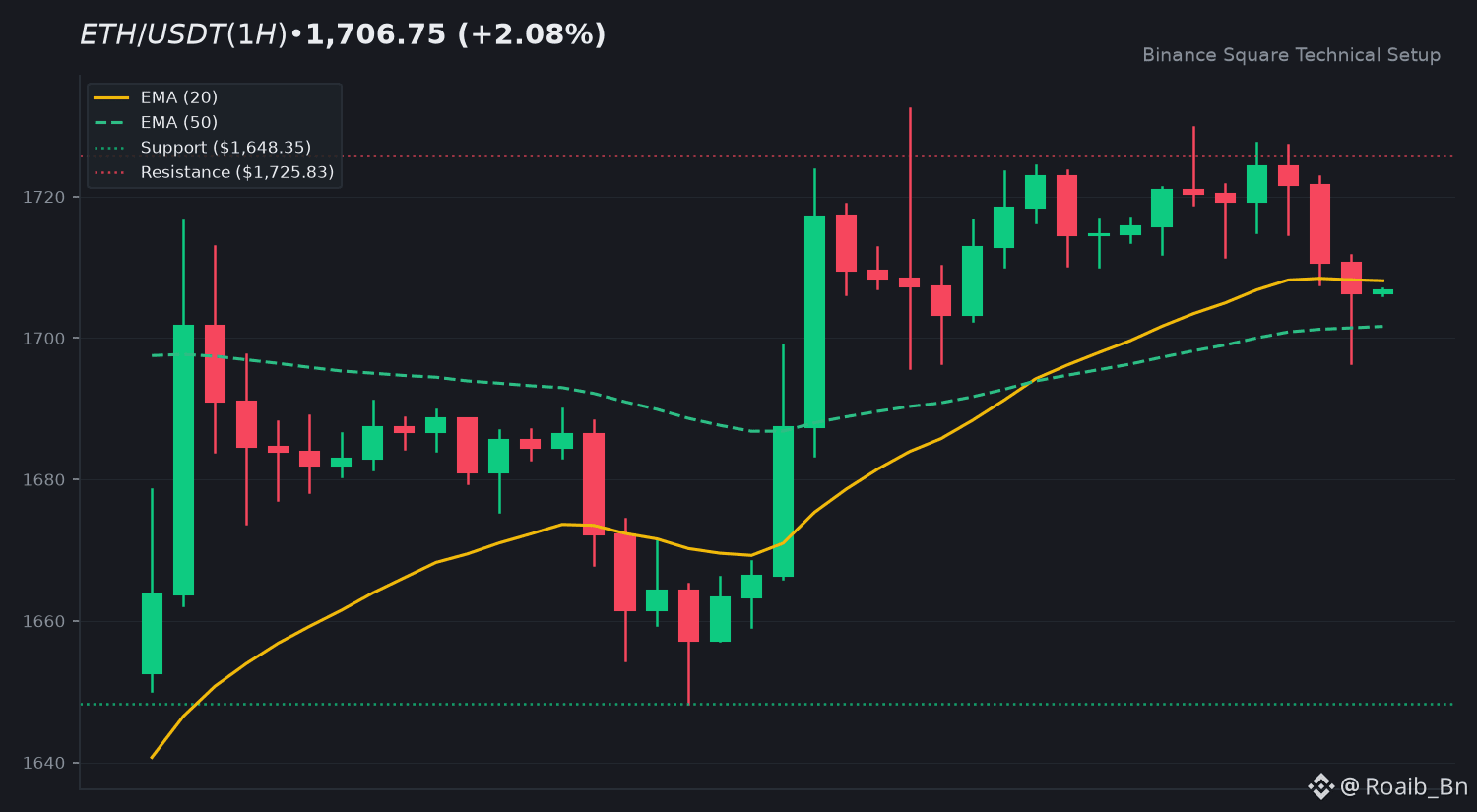
以太坊今日顯現出穩步盤整的跡象,目前交易價格接近 1706.75。過去一天,該資產小幅上漲約 2%,在交易者評估當前區間時保持平穩。
從小時級別來看,價格徘徊在 20 EMA(1708.10)附近,表明買賣雙方正在激烈博弈。目前 RSI 爲 51.93,動能仍處於中性狀態,說明多頭和空頭暫時都尚未確立明確趨勢。
展望後市,若行情有望延續,值得關注的主要阻力位是 1725.83。下行方面,只要價格維持在 1648.35 這一近端支撐位上方,當前結構就仍然完好。
你對當前的價格走勢有什麼看法——你會繼續持倉,還是等待更明確的突破?
僅供教育分析,不構成財務建議。請自行研究。
$ETH #BinanceSquare #加密貨幣
從小時級別來看,價格徘徊在 20 EMA(1708.10)附近,表明買賣雙方正在激烈博弈。目前 RSI 爲 51.93,動能仍處於中性狀態,說明多頭和空頭暫時都尚未確立明確趨勢。
展望後市,若行情有望延續,值得關注的主要阻力位是 1725.83。下行方面,只要價格維持在 1648.35 這一近端支撐位上方,當前結構就仍然完好。
你對當前的價格走勢有什麼看法——你會繼續持倉,還是等待更明確的突破?
僅供教育分析,不構成財務建議。請自行研究。
$ETH #BinanceSquare #加密貨幣
55
·
--
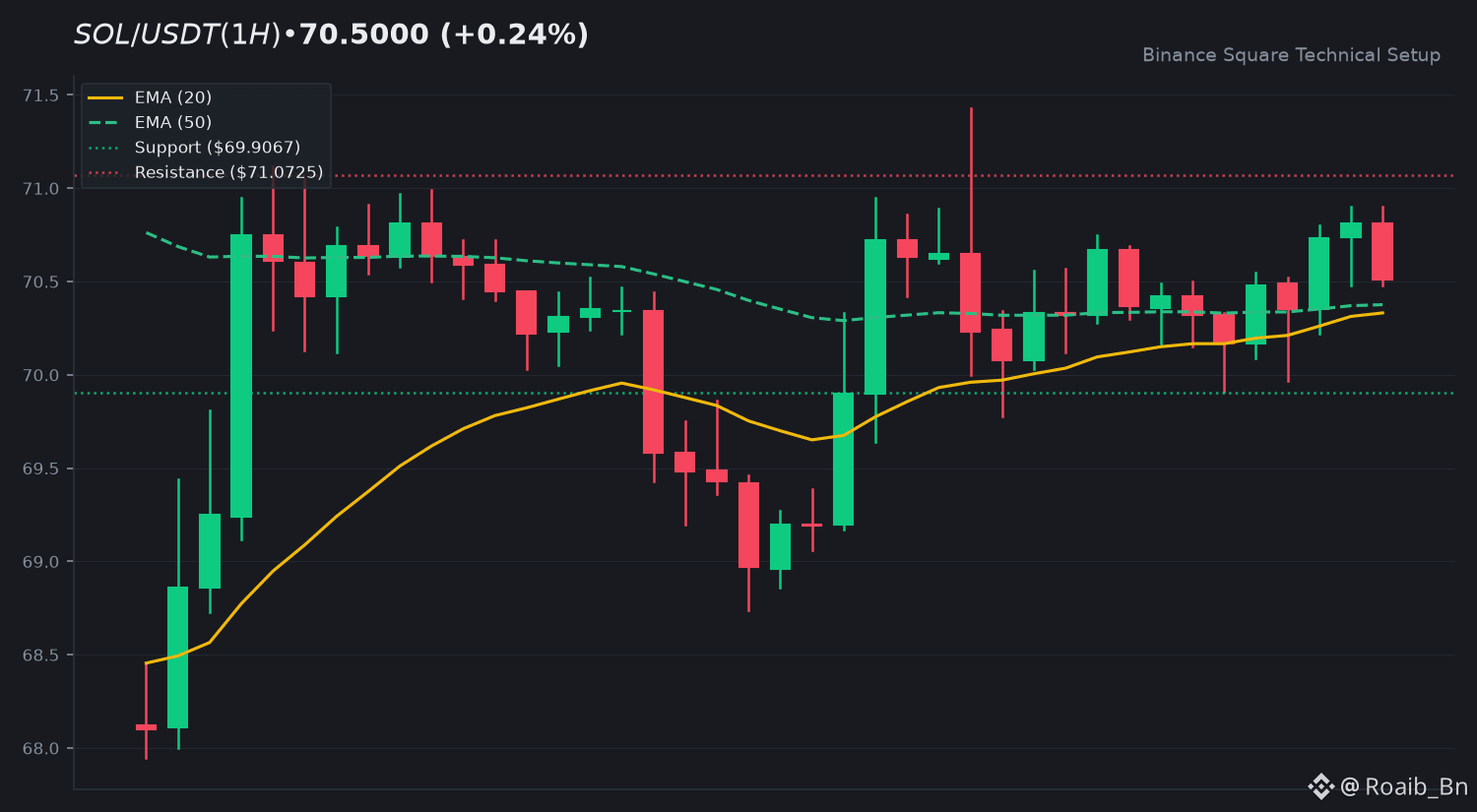
SOL目前在70.5000附近穩步波動。價格走勢依然平靜,在近期高點附近盤整;過去二十四小時略顯積極,沒有任何激進拋售壓力的跡象。
從小時級別來看,價格徘徊在20 EMA和50 EMA線上方,顯示出中性偏略微看漲的態勢。RSI爲53.85,表明當前動能處於平衡狀態,既未超買也未超賣,因此仍有向任一方向變動的空間。
我們正在關注71.0725這一主要阻力位,只有突破該位置,行情纔有望顯著延續。下行方面,只要守住69.9067這一直接支撐位,當前結構就仍然完好。
你是在等待價格突破當前水平,還是打算等支撐位出現更深度的回踩後再採取行動?
僅供教育分析,不構成財務建議。請自行研究。
$SOL #BinanceSquare #加密貨幣
從小時級別來看,價格徘徊在20 EMA和50 EMA線上方,顯示出中性偏略微看漲的態勢。RSI爲53.85,表明當前動能處於平衡狀態,既未超買也未超賣,因此仍有向任一方向變動的空間。
我們正在關注71.0725這一主要阻力位,只有突破該位置,行情纔有望顯著延續。下行方面,只要守住69.9067這一直接支撐位,當前結構就仍然完好。
你是在等待價格突破當前水平,還是打算等支撐位出現更深度的回踩後再採取行動?
僅供教育分析,不構成財務建議。請自行研究。
$SOL #BinanceSquare #加密貨幣
77
·
--
文章
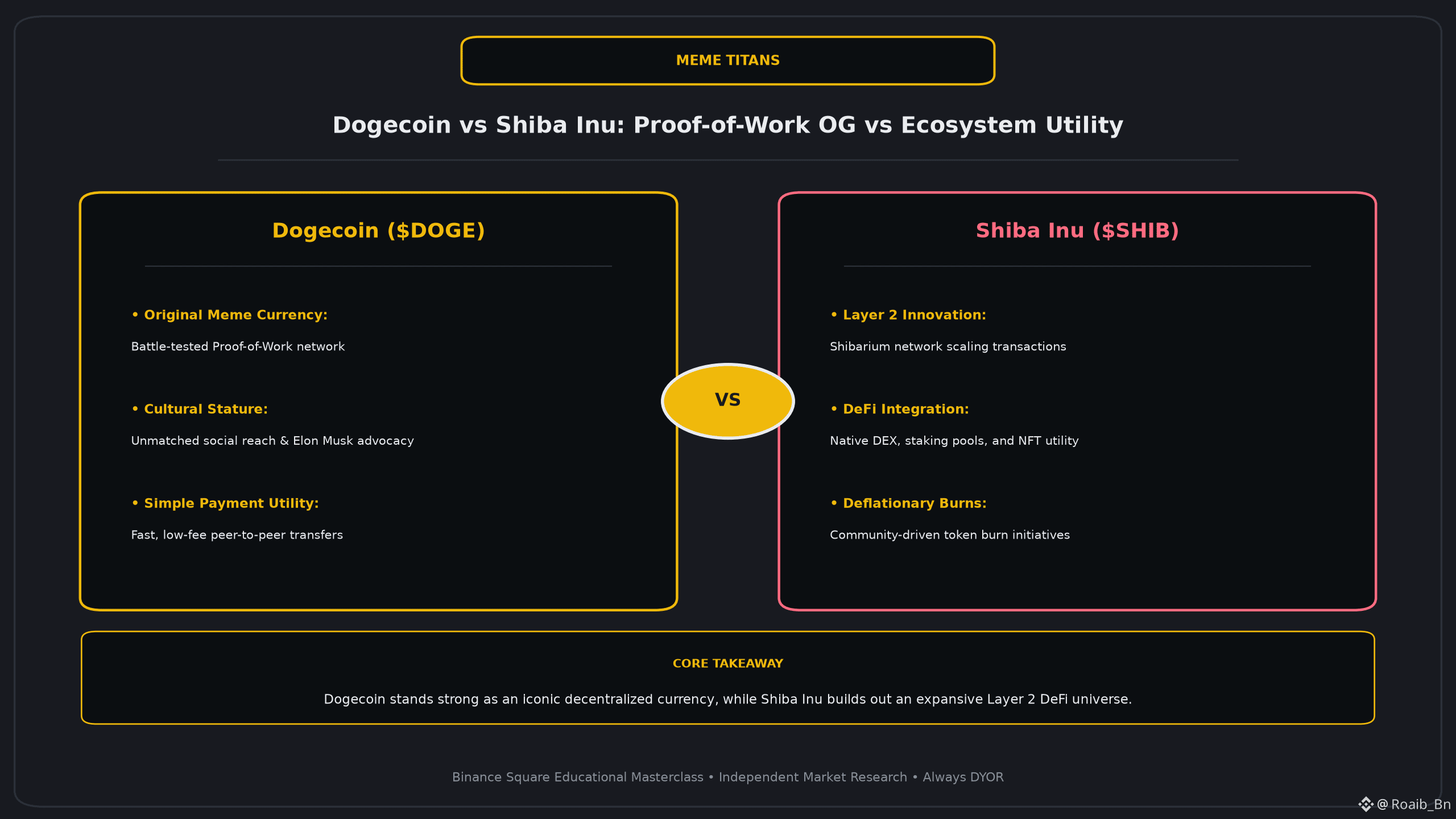
狗狗幣 vs 柴犬幣:工作量證明元老 vs 生態實用性狗狗幣 VS 柴犬幣:工作量證明元老 VS 生態實用性
模因幣領域早已超越以往週期中的投機狂熱,日趨成熟。如今,我們關注的是兩大巨頭:它們歷經多次市場調整,依然屹立不倒,成爲加密貨幣市場排名前列中的常青項目。儘管它們都源於犬類主題,但這兩種資產的技術基礎和長期願景已顯著分化。對於任何希望以嚴謹策略駕馭高波動性模因幣市場的交易者來說,瞭解這些差異都至關重要。
狗狗幣 vs 柴犬幣:工作量證明元老 vs 生態實用性
狗狗幣 VS 柴犬幣:工作量證明元老 VS 生態實用性
模因幣領域早已超越以往週期中的投機狂熱,日趨成熟。如今,我們關注的是兩大巨頭:它們歷經多次市場調整,依然屹立不倒,成爲加密貨幣市場排名前列中的常青項目。儘管它們都源於犬類主題,但這兩種資產的技術基礎和長期願景已顯著分化。對於任何希望以嚴謹策略駕馭高波動性模因幣市場的交易者來說,瞭解這些差異都至關重要。
模因幣領域早已超越以往週期中的投機狂熱,日趨成熟。如今,我們關注的是兩大巨頭:它們歷經多次市場調整,依然屹立不倒,成爲加密貨幣市場排名前列中的常青項目。儘管它們都源於犬類主題,但這兩種資產的技術基礎和長期願景已顯著分化。對於任何希望以嚴謹策略駕馭高波動性模因幣市場的交易者來說,瞭解這些差異都至關重要。
85
·
--
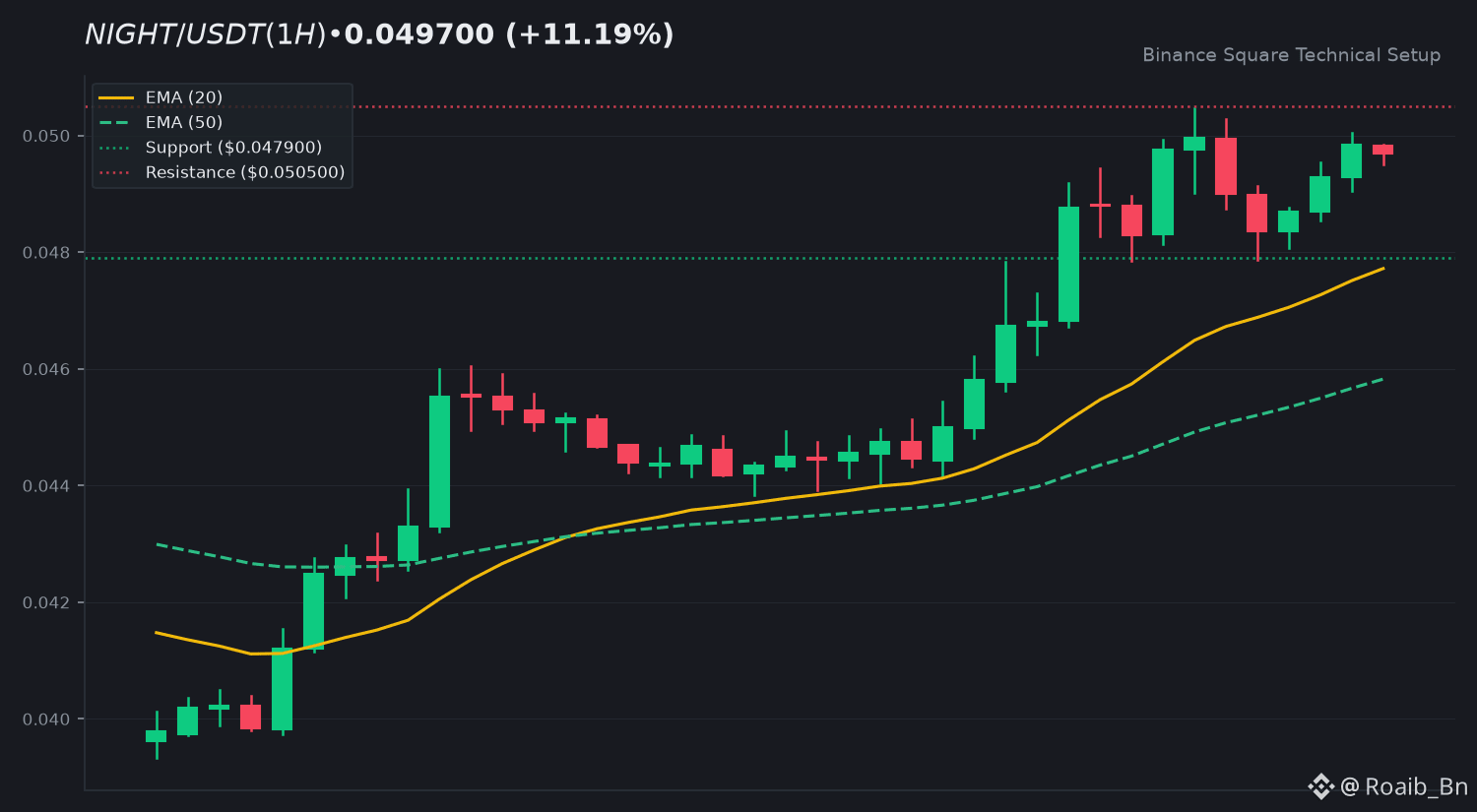
今晚市場顯現出明顯的強勢跡象,隨着時間進入深夜,行情依然穩健。前 50 名中有 37 個上漲、僅 12 個下跌,整體市場情緒仍然堅定看漲。投資者似乎正在擺脫近期的波動,青睞市場普遍穩步攀升。
交易活動依然活躍,24 小時現貨交易量徘徊在 24.3 億 USDT 左右。市場走勢健康,$BTC 漲幅達 1.3%,領跑行情;$ETH 則表現出更強勁的勢頭,漲幅爲 2.2%。SOL 和 ZEC 也堅守在上漲區間,令本交易時段保持活躍。
在應對這些價位時,請堅持風險管理計劃。你會逐步加倉跟進這波行情,還是等待回踩確認?僅供學習交流,不構成投資建議。請自行研究。
BinanceSquare #加密市場
今晚市場顯現出明顯的強勢跡象,隨着時間進入深夜,行情依然穩健。前 50 名中有 37 個上漲、僅 12 個下跌,整體市場情緒仍然堅定看漲。投資者似乎正在擺脫近期的波動,青睞市場普遍穩步攀升。
交易活動依然活躍,24 小時現貨交易量徘徊在 24.3 億 USDT 左右。市場走勢健康,$BTC 漲幅達 1.3%,領跑行情;$ETH 則表現出更強勁的勢頭,漲幅爲 2.2%。SOL 和 ZEC 也堅守在上漲區間,令本交易時段保持活躍。
在應對這些價位時,請堅持風險管理計劃。你會逐步加倉跟進這波行情,還是等待回踩確認?僅供學習交流,不構成投資建議。請自行研究。
BinanceSquare #加密市場
交易活動依然活躍,24 小時現貨交易量徘徊在 24.3 億 USDT 左右。市場走勢健康,$BTC 漲幅達 1.3%,領跑行情;$ETH 則表現出更強勁的勢頭,漲幅爲 2.2%。SOL 和 ZEC 也堅守在上漲區間,令本交易時段保持活躍。
在應對這些價位時,請堅持風險管理計劃。你會逐步加倉跟進這波行情,還是等待回踩確認?僅供學習交流,不構成投資建議。請自行研究。
BinanceSquare #加密市場
11
登入以探索更多內容
加入幣安廣場中的全球加密貨幣用戶
⚡️ 獲取加密貨幣的最新和實用資訊。
💬 受到全球最大加密貨幣交易所的信任。
👍 發掘來自經過驗證創作者的真實見解。
電子郵件 / 電話號碼