Binance Square

EchocryptoTrader

Crypto analysis | Simple charts | Fast updates I break down Bitcoin, altcoins, trends, and daily moves. Daily posts • Straightforward insights • No hype
低頻交易者
4.4 個月
2 關注
22 粉絲
31 點讚數
1 分享數
貼文
·
--
全球與國家的發展塑造快速變化的世界\u003ct-55/\u003e\u003ct-56/\u003e\u003ct-57/\u003e \u003cm-59/\u003e世界繼續經歷政治、技術、經濟和環境方面的快速變化。最近的發展表明,各國政府、企業和個人正在適應新挑戰,同時努力確保穩定和增長。 在全球舞臺上,經濟不確定性仍然是一個主要問題。許多國家仍在應對通貨膨脹、利率上升和供應鏈中斷的後果。各國政府正專注於在增長與財務紀律之間取得平衡。多個主要經濟體的中央銀行正在謹慎調整貨幣政策,以控制通貨膨脹而不減緩經濟復甦。尤其是發展中國家,正在尋求外國投資和貿易伙伴關係,以增強其經濟。

全球與國家的發展塑造快速變化的世界

\u003ct-55/\u003e\u003ct-56/\u003e\u003ct-57/\u003e \u003cm-59/\u003e世界繼續經歷政治、技術、經濟和環境方面的快速變化。最近的發展表明,各國政府、企業和個人正在適應新挑戰,同時努力確保穩定和增長。
在全球舞臺上,經濟不確定性仍然是一個主要問題。許多國家仍在應對通貨膨脹、利率上升和供應鏈中斷的後果。各國政府正專注於在增長與財務紀律之間取得平衡。多個主要經濟體的中央銀行正在謹慎調整貨幣政策,以控制通貨膨脹而不減緩經濟復甦。尤其是發展中國家,正在尋求外國投資和貿易伙伴關係,以增強其經濟。
Global and National Developments Shape a Rapidly Changing World#vanar @Vanar The world continues to experience rapid changes across politics, technology, the economy, and the environment. Recent developments show how governments, businesses, and individuals are adapting to new challenges while trying to ensure stability and growth. On the global stage, economic uncertainty remains a major concern. Many countries are still managing the after-effects of inflation, rising interest rates, and supply chain disruptions. Governments are focusing on balancing growth with financial discipline. Central banks in several major economies are cautiously adjusting monetary policies to control inflation without slowing down economic recovery. Developing nations, in particular, are seeking foreign investments and trade partnerships to strengthen their economies. In India, economic activity remains steady, supported by strong domestic demand and infrastructure development. Large-scale projects in transportation, digital connectivity, and renewable energy continue to create employment opportunities. The government is also emphasizing manufacturing and self-reliance through initiatives that encourage local production and innovation. Small and medium-sized businesses are increasingly adopting digital tools, helping them reach wider markets and improve efficiency. The technology sector is seeing fast growth, especially in artificial intelligence, cybersecurity, and digital payments. AI tools are being used in education, healthcare, and customer service, improving speed and accuracy. At the same time, concerns about data privacy and job displacement are being discussed widely. Experts stress the need for ethical AI use and skill development so that workers can adapt to new technologies rather than be replaced by them. Cybersecurity has become another major focus area. With more services moving online, cyberattacks and data breaches are increasing. Organizations are investing heavily in security systems, while governments are working on stricter digital laws to protect users. Public awareness about online safety is also improving, as people become more cautious about sharing personal information. In the education sector, blended learning is becoming common. Traditional classroom teaching is now supported by online platforms, recorded lectures, and digital assessments. This approach is helping students access quality education regardless of location. However, challenges such as digital inequality and screen fatigue still need to be addressed. Educators are calling for balanced learning methods that combine technology with human interaction. Environmental issues remain a critical topic worldwide. Climate change continues to affect weather patterns, leading to extreme heat, floods, and droughts in many regions. Countries are investing more in renewable energy sources such as solar and wind power. Public awareness about sustainable living is growing, with more people choosing eco-friendly products and reducing waste. Environmental experts emphasize that individual action, along with government policy, is essential for long-term impact. The health sector is also evolving. Hospitals and clinics are using digital health records and telemedicine to improve patient care. Mental health awareness has increased significantly, reducing stigma and encouraging people to seek professional help. Preventive healthcare, fitness, and healthy diets are gaining importance as people aim to improve their overall well-being. Socially, youth participation in entrepreneurship and freelancing is increasing. Many young individuals are choosing independent careers, online work, and startups instead of traditional jobs. This shift reflects changing attitudes toward work-life balance and financial independence. In conclusion, current developments across the world highlight a period of transition and adaptation. While challenges such as economic pressure, climate change, and technological disruption remain, innovation and awareness are driving positive change. The coming years will depend heavily on how governments, industries, and individuals respond to these evolvingGlobal and National Developments Shape a Rapidly Changing World The world continues to experience rapid changes across politics, technology, the economy, and the environment. Recent developments show how governments, businesses, and individuals are adapting to new challenges while trying to ensure stability and growth. On the global stage, economic uncertainty remains a major concern. Many countries are still managing the after-effects of inflation, rising interest rates, and supply chain disruptions. Governments are focusing on balancing growth with financial discipline. Central banks in several major economies are cautiously adjusting monetary policies to control inflation without slowing down economic recovery. Developing nations, in particular, are seeking foreign investments and trade partnerships to strengthen their economies. In India, economic activity remains steady, supported by strong domestic demand and infrastructure development. Large-scale projects in transportation, digital connectivity, and renewable energy continue to create employment opportunities. The government is also emphasizing manufacturing and self-reliance through initiatives that encourage local production and innovation. Small and medium-sized businesses are increasingly adopting digital tools, helping them reach wider markets and improve efficienThe world continues to experience rapid changes across politics, technology, the economy, and the environment. Recent developments show how governments, businesses, and individuals are adapting to new challenges while trying to ensure stability and growth. On the global stage, economic uncertainty remains a major concern. Many countries are still managing the after-effects of inflation, rising interest rates, and supply chain disruptions. Governments are focusing on balancing growth with financial discipline. Central banks in several major economies are cautiously adjusting monetary policies to control inflation without slowing down economic recovery. Developing nations, in particular, are seeking foreign investments and trade partnerships to strengthen their economies. In India, economic activity remains steady, supported by strong domestic demand and infrastructure development. Large-scale projects in transportation, digital connectivity, and renewable energy continue to create employment opportunities. The government is also emphasizing manufacturing and self-reliance through initiatives that encourage local production and innovation. Small and medium-sized businesses are increasingly adopting digital tools, helping them reach wider markets and improve efficiency. The technology sector is seeing fast growth, especially in artificial intelligence, cybersecurity, and digital payments. AI tools are being used in education, healthcare, and customer service, improving speed and accuracy. At the same time, concerns about data privacy and job displacement are being discussed widely. Experts stress the need for ethical AI use and skill development so that workers can adapt to new technologies rather than be replaced by them. Cybersecurity has become another major focus area. With more services moving online, cyberattacks and data breaches are increasing. Organizations are investing heavily in security systems, while governments are working on stricter digital laws to protect users. Public awareness about online safety is also improving, as people become more cautious about sharing personal information. In the education sector, blended learning is becoming common. Traditional classroom teaching is now supported by online platforms, recorded lectures, and digital assessments. This approach is helping students access quality education regardless of location. However, challenges such as digital inequality and screen fatigue still need to be addressed. Educators are calling for balanced learning methods that combine technology with human interaction. Environmental issues remain a critical topic worldwide. Climate change continues to affect weather patterns, leading to extreme heat, floods, and droughts in many regions. Countries are investing more in renewable energy sources such as solar and wind power. Public awareness about sustainable living is growing, with more people choosing eco-friendly products and reducing waste. Environmental experts emphasize that individual action, along with government policy, is essential for long-term impact. The health sector is also evolving. Hospitals and clinics are using digital health records and telemedicine to improve patient care. Mental health awareness has increased significantly, reducing stigma and encouraging people to seek professional help. Preventive healthcare, fitness, and healthy diets are gaining importance as people aim to improve their overall well-being. Socially, youth participation in entrepreneurship and freelancing is increasing. Many young individuals are choosing independent careers, online work, and startups instead of traditional jobs. This shift reflects changing attitudes toward work-life balance and financial independence. In conclusion, current developments across the world highlight a period of transition and adaptation. While challenges such as economic pressure, climate change, and technological disruption remain, innovation and awareness are driving positive change. The coming years will depend heavily on how governments, industries, and individuals respond to these evolvingGlobal and National Developments Shape a Rapidly Changing World The world continues to experience rapid changes across politics, technology, the economy, and the environment. Recent developments show how governments, businesses, and individuals are adapting to new challenges while trying to ensure stability and growth. On the global stage, economic uncertainty remains a major concern. Many countries are still managing the after-effects of inflation, rising interest rates, and supply chain disruptions. Governments are focusing on balancing growth with financial discipline. Central banks in several major economies are cautiously adjusting monetary policies to control inflation without slowing down economic recovery. Developing nations, in particular, are seeking foreign investments and trade partnerships to strengthen their economies. In India, economic activity remains steady, supported by strong domestic demand and infrastructure development. Large-scale projects in transportation, digital connectivity, and renewable energy continue to create employment opportunities. The government is also emphasizing manufacturing and self-reliance through initiatives that encourage local production and innovation. Small and medium-sized businesses are increasingly adopting digital tools, helping them reach wider markets and improve efficiency. realitiecy. realitie

Global and National Developments Shape a Rapidly Changing World

#vanar @Vanar The world continues to experience rapid changes across politics, technology, the economy, and the environment. Recent developments show how governments, businesses, and individuals are adapting to new challenges while trying to ensure stability and growth.
On the global stage, economic uncertainty remains a major concern. Many countries are still managing the after-effects of inflation, rising interest rates, and supply chain disruptions. Governments are focusing on balancing growth with financial discipline. Central banks in several major economies are cautiously adjusting monetary policies to control inflation without slowing down economic recovery. Developing nations, in particular, are seeking foreign investments and trade partnerships to strengthen their economies.
In India, economic activity remains steady, supported by strong domestic demand and infrastructure development. Large-scale projects in transportation, digital connectivity, and renewable energy continue to create employment opportunities. The government is also emphasizing manufacturing and self-reliance through initiatives that encourage local production and innovation. Small and medium-sized businesses are increasingly adopting digital tools, helping them reach wider markets and improve efficiency.
The technology sector is seeing fast growth, especially in artificial intelligence, cybersecurity, and digital payments. AI tools are being used in education, healthcare, and customer service, improving speed and accuracy. At the same time, concerns about data privacy and job displacement are being discussed widely. Experts stress the need for ethical AI use and skill development so that workers can adapt to new technologies rather than be replaced by them.
Cybersecurity has become another major focus area. With more services moving online, cyberattacks and data breaches are increasing. Organizations are investing heavily in security systems, while governments are working on stricter digital laws to protect users. Public awareness about online safety is also improving, as people become more cautious about sharing personal information.
In the education sector, blended learning is becoming common. Traditional classroom teaching is now supported by online platforms, recorded lectures, and digital assessments. This approach is helping students access quality education regardless of location. However, challenges such as digital inequality and screen fatigue still need to be addressed. Educators are calling for balanced learning methods that combine technology with human interaction.
Environmental issues remain a critical topic worldwide. Climate change continues to affect weather patterns, leading to extreme heat, floods, and droughts in many regions. Countries are investing more in renewable energy sources such as solar and wind power. Public awareness about sustainable living is growing, with more people choosing eco-friendly products and reducing waste. Environmental experts emphasize that individual action, along with government policy, is essential for long-term impact.
The health sector is also evolving. Hospitals and clinics are using digital health records and telemedicine to improve patient care. Mental health awareness has increased significantly, reducing stigma and encouraging people to seek professional help. Preventive healthcare, fitness, and healthy diets are gaining importance as people aim to improve their overall well-being.
Socially, youth participation in entrepreneurship and freelancing is increasing. Many young individuals are choosing independent careers, online work, and startups instead of traditional jobs. This shift reflects changing attitudes toward work-life balance and financial independence.
In conclusion, current developments across the world highlight a period of transition and adaptation. While challenges such as economic pressure, climate change, and technological disruption remain, innovation and awareness are driving positive change. The coming years will depend heavily on how governments, industries, and individuals respond to these evolvingGlobal and National Developments Shape a Rapidly Changing World
The world continues to experience rapid changes across politics, technology, the economy, and the environment. Recent developments show how governments, businesses, and individuals are adapting to new challenges while trying to ensure stability and growth.
On the global stage, economic uncertainty remains a major concern. Many countries are still managing the after-effects of inflation, rising interest rates, and supply chain disruptions. Governments are focusing on balancing growth with financial discipline. Central banks in several major economies are cautiously adjusting monetary policies to control inflation without slowing down economic recovery. Developing nations, in particular, are seeking foreign investments and trade partnerships to strengthen their economies.
In India, economic activity remains steady, supported by strong domestic demand and infrastructure development. Large-scale projects in transportation, digital connectivity, and renewable energy continue to create employment opportunities. The government is also emphasizing manufacturing and self-reliance through initiatives that encourage local production and innovation. Small and medium-sized businesses are increasingly adopting digital tools, helping them reach wider markets and improve efficienThe world continues to experience rapid changes across politics, technology, the economy, and the environment. Recent developments show how governments, businesses, and individuals are adapting to new challenges while trying to ensure stability and growth.
On the global stage, economic uncertainty remains a major concern. Many countries are still managing the after-effects of inflation, rising interest rates, and supply chain disruptions. Governments are focusing on balancing growth with financial discipline. Central banks in several major economies are cautiously adjusting monetary policies to control inflation without slowing down economic recovery. Developing nations, in particular, are seeking foreign investments and trade partnerships to strengthen their economies.
In India, economic activity remains steady, supported by strong domestic demand and infrastructure development. Large-scale projects in transportation, digital connectivity, and renewable energy continue to create employment opportunities. The government is also emphasizing manufacturing and self-reliance through initiatives that encourage local production and innovation. Small and medium-sized businesses are increasingly adopting digital tools, helping them reach wider markets and improve efficiency.
The technology sector is seeing fast growth, especially in artificial intelligence, cybersecurity, and digital payments. AI tools are being used in education, healthcare, and customer service, improving speed and accuracy. At the same time, concerns about data privacy and job displacement are being discussed widely. Experts stress the need for ethical AI use and skill development so that workers can adapt to new technologies rather than be replaced by them.
Cybersecurity has become another major focus area. With more services moving online, cyberattacks and data breaches are increasing. Organizations are investing heavily in security systems, while governments are working on stricter digital laws to protect users. Public awareness about online safety is also improving, as people become more cautious about sharing personal information.
In the education sector, blended learning is becoming common. Traditional classroom teaching is now supported by online platforms, recorded lectures, and digital assessments. This approach is helping students access quality education regardless of location. However, challenges such as digital inequality and screen fatigue still need to be addressed. Educators are calling for balanced learning methods that combine technology with human interaction.
Environmental issues remain a critical topic worldwide. Climate change continues to affect weather patterns, leading to extreme heat, floods, and droughts in many regions. Countries are investing more in renewable energy sources such as solar and wind power. Public awareness about sustainable living is growing, with more people choosing eco-friendly products and reducing waste. Environmental experts emphasize that individual action, along with government policy, is essential for long-term impact.
The health sector is also evolving. Hospitals and clinics are using digital health records and telemedicine to improve patient care. Mental health awareness has increased significantly, reducing stigma and encouraging people to seek professional help. Preventive healthcare, fitness, and healthy diets are gaining importance as people aim to improve their overall well-being.
Socially, youth participation in entrepreneurship and freelancing is increasing. Many young individuals are choosing independent careers, online work, and startups instead of traditional jobs. This shift reflects changing attitudes toward work-life balance and financial independence.
In conclusion, current developments across the world highlight a period of transition and adaptation. While challenges such as economic pressure, climate change, and technological disruption remain, innovation and awareness are driving positive change. The coming years will depend heavily on how governments, industries, and individuals respond to these evolvingGlobal and National Developments Shape a Rapidly Changing World
The world continues to experience rapid changes across politics, technology, the economy, and the environment. Recent developments show how governments, businesses, and individuals are adapting to new challenges while trying to ensure stability and growth.
On the global stage, economic uncertainty remains a major concern. Many countries are still managing the after-effects of inflation, rising interest rates, and supply chain disruptions. Governments are focusing on balancing growth with financial discipline. Central banks in several major economies are cautiously adjusting monetary policies to control inflation without slowing down economic recovery. Developing nations, in particular, are seeking foreign investments and trade partnerships to strengthen their economies.
In India, economic activity remains steady, supported by strong domestic demand and infrastructure development. Large-scale projects in transportation, digital connectivity, and renewable energy continue to create employment opportunities. The government is also emphasizing manufacturing and self-reliance through initiatives that encourage local production and innovation. Small and medium-sized businesses are increasingly adopting digital tools, helping them reach wider markets and improve efficiency. realitiecy. realitie
Global and National Developments Shape a Rapidly Changing World#Vanar Global and National Developments Shape a Rapidly Changing WorldThe world continues to experience rapid changes across politics, technology, the economy, and the environment. Recent developments show how governments, businesses, and individuals are adapting to new challenges while trying to ensure stability and growth. On the global stage, economic uncertainty remains a major concern. Many countries are still managing the after-effects of inflation, rising interest rates, and supply chain disruptions. Governments are focusing on balancing growth with financial discipline. Central banks in several major economies are cautiously adjusting monetary policies to control inflation without slowing down economic recovery. Developing nations, in particular, are seeking foreign investments and trade partnerships to strengthen their economies. In India, economic activity remains steady, supported by strong domestic demand and infrastructure development. Large-scale projects in transportation, digital connectivity, and renewable energy continue to create employment opportunities. The government is also emphasizing manufacturing and self-reliance through initiatives that encourage local production and innovation. Small and medium-sized businesses are increasingly adopting digital tools, helping them reach wider markets and improve efficiency. The technology sector is seeing fast growth, especially in artificial intelligence, cybersecurity, and digital payments. AI tools are being used in education, healthcare, and customer service, improving speed and accuracy. At the same time, concerns about data privacy and job displacement are being discussed widely. Experts stress the need for ethical AI use and skill development so that workers can adapt to new technologies rather than be replaced by them. Cybersecurity has become another major focus area. With more services moving online, cyberattacks and data breaches are increasing. Organizations are investing heavily in security systems, while governments are working on stricter digital laws to protect users. Public awareness about online safety is also improving, as people become more cautious about sharing personal information. In the education sector, blended learning is becoming common. Traditional classroom teaching is now supported by online platforms, recorded lectures, and digital assessments. This approach is helping students access quality education regardless of location. However, challenges such as digital inequality and screen fatigue still need to be addressed. Educators are calling for balanced learning methods that combine technology with human interaction. Environmental issues remain a critical topic worldwide. Climate change continues to affect weather patterns, leading to extreme heat, floods, and droughts in many regions. Countries are investing more in renewable energy sources such as solar and wind power. Public awareness about sustainable living is growing, with more people choosing eco-friendly products and reducing waste. Environmental experts emphasize that individual action, along with government policy, is essential for long-term impact. The health sector is also evolving. Hospitals and clinics are using digital health records and telemedicine to improve patient care. Mental health awareness has increased significantly, reducing stigma and encouraging people to seek professional help. Preventive healthcare, fitness, and healthy diets are gaining importance as people aim to improve their overall well-being. Socially, youth participation in entrepreneurship and freelancing is increasing. Many young individuals are choosing independent careers, online work, and startups instead of traditional jobs. This shift reflects changing attitudes toward work-life balance and financial independence. In conclusion, current developments across the world highlight a period of transition and adaptation. While challenges such as economic pressure, climate change, and technological disruption remain, innovation and awareness are driving positive change. The coming years will depend heavily on how governments, industries, and individuals respond to these evolvingGlobal and National Developments Shape a Rapidly Changing World The world continues to experience rapid changes across politics, technology, the economy, and the environment. Recent developments show how governments, businesses, and individuals are adapting to new challenges while trying to ensure stability and growth. On the global stage, economic uncertainty remains a major concern. Many countries are still managing the after-effects of inflation, rising interest rates, and supply chain disruptions. Governments are focusing on balancing growth with financial discipline. Central banks in several major economies are cautiously adjusting monetary policies to control inflation without slowing down economic recovery. Developing nations, in particular, are seeking foreign investments and trade partnerships to strengthen their economies. In India, economic activity remains steady, supported by strong domestic demand and infrastructure development. Large-scale projects in transportation, digital connectivity, and renewable energy continue to create employment opportunities. The government is also emphasizing manufacturing and self-reliance through initiatives that encourage local production and innovation. Small and medium-sized businesses are increasingly adopting digital tools, helping them reach wider markets and improve efficiency. realitie

Global and National Developments Shape a Rapidly Changing World

#Vanar Global and National Developments Shape a Rapidly Changing WorldThe world continues to experience rapid changes across politics, technology, the economy, and the environment. Recent developments show how governments, businesses, and individuals are adapting to new challenges while trying to ensure stability and growth.
On the global stage, economic uncertainty remains a major concern. Many countries are still managing the after-effects of inflation, rising interest rates, and supply chain disruptions. Governments are focusing on balancing growth with financial discipline. Central banks in several major economies are cautiously adjusting monetary policies to control inflation without slowing down economic recovery. Developing nations, in particular, are seeking foreign investments and trade partnerships to strengthen their economies.
In India, economic activity remains steady, supported by strong domestic demand and infrastructure development. Large-scale projects in transportation, digital connectivity, and renewable energy continue to create employment opportunities. The government is also emphasizing manufacturing and self-reliance through initiatives that encourage local production and innovation. Small and medium-sized businesses are increasingly adopting digital tools, helping them reach wider markets and improve efficiency.
The technology sector is seeing fast growth, especially in artificial intelligence, cybersecurity, and digital payments. AI tools are being used in education, healthcare, and customer service, improving speed and accuracy. At the same time, concerns about data privacy and job displacement are being discussed widely. Experts stress the need for ethical AI use and skill development so that workers can adapt to new technologies rather than be replaced by them.
Cybersecurity has become another major focus area. With more services moving online, cyberattacks and data breaches are increasing. Organizations are investing heavily in security systems, while governments are working on stricter digital laws to protect users. Public awareness about online safety is also improving, as people become more cautious about sharing personal information.
In the education sector, blended learning is becoming common. Traditional classroom teaching is now supported by online platforms, recorded lectures, and digital assessments. This approach is helping students access quality education regardless of location. However, challenges such as digital inequality and screen fatigue still need to be addressed. Educators are calling for balanced learning methods that combine technology with human interaction.
Environmental issues remain a critical topic worldwide. Climate change continues to affect weather patterns, leading to extreme heat, floods, and droughts in many regions. Countries are investing more in renewable energy sources such as solar and wind power. Public awareness about sustainable living is growing, with more people choosing eco-friendly products and reducing waste. Environmental experts emphasize that individual action, along with government policy, is essential for long-term impact.
The health sector is also evolving. Hospitals and clinics are using digital health records and telemedicine to improve patient care. Mental health awareness has increased significantly, reducing stigma and encouraging people to seek professional help. Preventive healthcare, fitness, and healthy diets are gaining importance as people aim to improve their overall well-being.
Socially, youth participation in entrepreneurship and freelancing is increasing. Many young individuals are choosing independent careers, online work, and startups instead of traditional jobs. This shift reflects changing attitudes toward work-life balance and financial independence.
In conclusion, current developments across the world highlight a period of transition and adaptation. While challenges such as economic pressure, climate change, and technological disruption remain, innovation and awareness are driving positive change. The coming years will depend heavily on how governments, industries, and individuals respond to these evolvingGlobal and National Developments Shape a Rapidly Changing World
The world continues to experience rapid changes across politics, technology, the economy, and the environment. Recent developments show how governments, businesses, and individuals are adapting to new challenges while trying to ensure stability and growth.
On the global stage, economic uncertainty remains a major concern. Many countries are still managing the after-effects of inflation, rising interest rates, and supply chain disruptions. Governments are focusing on balancing growth with financial discipline. Central banks in several major economies are cautiously adjusting monetary policies to control inflation without slowing down economic recovery. Developing nations, in particular, are seeking foreign investments and trade partnerships to strengthen their economies.
In India, economic activity remains steady, supported by strong domestic demand and infrastructure development. Large-scale projects in transportation, digital connectivity, and renewable energy continue to create employment opportunities. The government is also emphasizing manufacturing and self-reliance through initiatives that encourage local production and innovation. Small and medium-sized businesses are increasingly adopting digital tools, helping them reach wider markets and improve efficiency. realitie
Global and National Developments Shape a Rapidly Changing WorldThe world continues to experience rapid changes across politics, technology, the economy, and the environment. Recent developments show how governments, businesses, and individuals are adapting to new challenges while trying to ensure stability and growth. On the global stage, economic uncertainty remains a major concern. Many countries are still managing the after-effects of inflation, rising interest rates, and supply chain disruptions. Governments are focusing on balancing growth with financial discipline. Central banks in several major economies are cautiously adjusting monetary policies to control inflation without slowing down economic recovery. Developing nations, in particular, are seeking foreign investments and trade partnerships to strengthen their economies. In India, economic activity remains steady, The world continues to experience rapid changes across politics, technology, the economy, and the environment. Recent developments show how governments, businesses, and individuals are adapting to new challenges while trying to ensure stability and growth. On the global stage, economic uncertainty remains a major concern. Many countries are still managing the after-effects of inflation, rising interest rates, and supply chain disruptions. Governments are focusing on balancing growth with financial discipline. Central banks in several major economies are cautiously adjusting monetary policies to control inflation without slowing down economic recovery. Developing nations, in particular, are seeking foreign investments and trade partnerships to strengthen their economies. In India, economic activity remains steady, supported by strong domestic demand and infrastructure development. Large-scale projects in transportation, digital connectivity, and renewable energy continue to create employment opportunities. The government is also emphasizing manufacturing and self-reliance through initiatives that encourage local production and innovation. Small and medium-sized businesses are increasingly adopting digital tools, helping them reach wider markets and improve efficiency. The technology sector is seeing fast growth, especially in artificial intelligence, cybersecurity, and digital payments. AI tools are being used in education, healthcare, and customer service, improving speed and accuracy. At the same time, concerns about data privacy and job displacement are being discussed widely. Experts stress the need for ethical AI use and skill development so that workers can adapt to new technologies rather than be replaced by them. Cybersecurity has become another major focus area. With more services moving online, cyberattacks and data breaches are increasing. Organizations are investing heavily in security systems, while governments are working on stricter digital laws to protect users. Public awareness about online safety is also improving, as people become more cautious about sharing personal information. In the education sector, blended learning is becoming common. Traditional classroom teaching is now supported by online platforms, recorded lectures, and digital assessments. This approach is helping students access quality education regardless of location. However, challenges such as digital inequality and screen fatigue still need to be addressed. Educators are calling for balanced learning methods that combine technology with human interaction. Environmental issues remain a critical topic worldwide. Climate change continues to affect weather patterns, leading to extreme heat, floods, and droughts in many regions. Countries are investing more in renewable energy sources such as solar and wind power. Public awareness about sustainable living is growing, with more people choosing eco-friendly products and reducing waste. Environmental experts emphasize that individual action, along with government policy, is essential for long-term impact. The health sector is also evolving. Hospitals and clinics are using digital health records and telemedicine to improve patient care. Mental health awareness has increased significantly, reducing stigma and encouraging people to seek professional help. Preventive healthcare, fitness, and healthy diets are gaining importance as people aim to improve their overall well-being. Socially, youth participation in entrepreneurship and freelancing is increasing. Many young individuals are choosing independent careers, online work, and startups instead of traditional jobs. This shift reflects changing attitudes toward work-life balance and financial independence. In conclusion, current developments across the world highlight a period of transition and adaptation. While challenges such as economic pressure, climate change, and technological disruption remain, innovation and awareness are driving positive change. The coming years will depend heavily on how governments, industries, and individuals respond to these evolving realitiesupported by strong domestic demand and infrastructure development. Large-scale projects in transportation, digital connectivity, and renewable energy continue to create employment opportunities. The government is also emphasizing manufacturing and self-reliance through initiatives that encourage local production and innovation. Small and medium-sized businesses are increasingly adopting digital tools, helping them reach wider markets and improve efficiency.

Global and National Developments Shape a Rapidly Changing World

The world continues to experience rapid changes across politics, technology, the economy, and the environment. Recent developments show how governments, businesses, and individuals are adapting to new challenges while trying to ensure stability and growth.
On the global stage, economic uncertainty remains a major concern. Many countries are still managing the after-effects of inflation, rising interest rates, and supply chain disruptions. Governments are focusing on balancing growth with financial discipline. Central banks in several major economies are cautiously adjusting monetary policies to control inflation without slowing down economic recovery. Developing nations, in particular, are seeking foreign investments and trade partnerships to strengthen their economies.
In India, economic activity remains steady, The world continues to experience rapid changes across politics, technology, the economy, and the environment. Recent developments show how governments, businesses, and individuals are adapting to new challenges while trying to ensure stability and growth.
On the global stage, economic uncertainty remains a major concern. Many countries are still managing the after-effects of inflation, rising interest rates, and supply chain disruptions. Governments are focusing on balancing growth with financial discipline. Central banks in several major economies are cautiously adjusting monetary policies to control inflation without slowing down economic recovery. Developing nations, in particular, are seeking foreign investments and trade partnerships to strengthen their economies.
In India, economic activity remains steady, supported by strong domestic demand and infrastructure development. Large-scale projects in transportation, digital connectivity, and renewable energy continue to create employment opportunities. The government is also emphasizing manufacturing and self-reliance through initiatives that encourage local production and innovation. Small and medium-sized businesses are increasingly adopting digital tools, helping them reach wider markets and improve efficiency.
The technology sector is seeing fast growth, especially in artificial intelligence, cybersecurity, and digital payments. AI tools are being used in education, healthcare, and customer service, improving speed and accuracy. At the same time, concerns about data privacy and job displacement are being discussed widely. Experts stress the need for ethical AI use and skill development so that workers can adapt to new technologies rather than be replaced by them.
Cybersecurity has become another major focus area. With more services moving online, cyberattacks and data breaches are increasing. Organizations are investing heavily in security systems, while governments are working on stricter digital laws to protect users. Public awareness about online safety is also improving, as people become more cautious about sharing personal information.
In the education sector, blended learning is becoming common. Traditional classroom teaching is now supported by online platforms, recorded lectures, and digital assessments. This approach is helping students access quality education regardless of location. However, challenges such as digital inequality and screen fatigue still need to be addressed. Educators are calling for balanced learning methods that combine technology with human interaction.
Environmental issues remain a critical topic worldwide. Climate change continues to affect weather patterns, leading to extreme heat, floods, and droughts in many regions. Countries are investing more in renewable energy sources such as solar and wind power. Public awareness about sustainable living is growing, with more people choosing eco-friendly products and reducing waste. Environmental experts emphasize that individual action, along with government policy, is essential for long-term impact.
The health sector is also evolving. Hospitals and clinics are using digital health records and telemedicine to improve patient care. Mental health awareness has increased significantly, reducing stigma and encouraging people to seek professional help. Preventive healthcare, fitness, and healthy diets are gaining importance as people aim to improve their overall well-being.
Socially, youth participation in entrepreneurship and freelancing is increasing. Many young individuals are choosing independent careers, online work, and startups instead of traditional jobs. This shift reflects changing attitudes toward work-life balance and financial independence.
In conclusion, current developments across the world highlight a period of transition and adaptation. While challenges such as economic pressure, climate change, and technological disruption remain, innovation and awareness are driving positive change. The coming years will depend heavily on how governments, industries, and individuals respond to these evolving realitiesupported by strong domestic demand and infrastructure development. Large-scale projects in transportation, digital connectivity, and renewable energy continue to create employment opportunities. The government is also emphasizing manufacturing and self-reliance through initiatives that encourage local production and innovation. Small and medium-sized businesses are increasingly adopting digital tools, helping them reach wider markets and improve efficiency.
#vanar $VANRY 全球和國家發展塑造了一個快速變化的世界 世界繼續經歷政治、技術、經濟和環境的快速變化。最近的發展表明,政府、企業和個人正在適應新挑戰,同時努力確保穩定和增長。 在全球舞臺上,經濟不確定性仍然是一個主要問題。許多國家仍在應對通貨膨脹、利率上升和供應鏈中斷的後果。各國政府正專注於在增長與財政紀律之間取得平衡。幾個主要經濟體的中央銀行正在謹慎地調整貨幣政策,以控制通貨膨脹,而不放慢經濟復甦。發展中國家特別在尋求外國投資和貿易伙伴關係,以增強其經濟。 在印度,經濟活動保持穩定,得益於強勁的國內需求和基礎設施發展。交通、數字連接和可再生能源的大規模項目繼續創造就業機會。政府還通過鼓勵地方生產和創新的舉措,強調製造業和自給自足。中小型企業越來越多地採用數字工具,幫助他們進入更廣闊的市場並提高效率。
#vanar $VANRY 全球和國家發展塑造了一個快速變化的世界
世界繼續經歷政治、技術、經濟和環境的快速變化。最近的發展表明,政府、企業和個人正在適應新挑戰,同時努力確保穩定和增長。
在全球舞臺上,經濟不確定性仍然是一個主要問題。許多國家仍在應對通貨膨脹、利率上升和供應鏈中斷的後果。各國政府正專注於在增長與財政紀律之間取得平衡。幾個主要經濟體的中央銀行正在謹慎地調整貨幣政策,以控制通貨膨脹,而不放慢經濟復甦。發展中國家特別在尋求外國投資和貿易伙伴關係,以增強其經濟。
在印度,經濟活動保持穩定,得益於強勁的國內需求和基礎設施發展。交通、數字連接和可再生能源的大規模項目繼續創造就業機會。政府還通過鼓勵地方生產和創新的舉措,強調製造業和自給自足。中小型企業越來越多地採用數字工具,幫助他們進入更廣闊的市場並提高效率。
作爲印度的一名二年級BCA學生,我的世界全是代碼、作業和考試。但我一直知道我想要更多——我夢想在2027年出國攻讀我的人工智能碩士學位。最大的障礙?資助這個夢想。 . 就在那時,我找到了Binance。 對我來說,Binance不僅僅是一個交易所;它是我實現財務獨立的第一個真正課堂。當我在大學學習算法時,我在Binance學習市場。它讓我明白,你不需要成爲百萬富翁才能開始;你只需要保持好奇。 無論是通過Binance Academy學習還是探索Web3,這個平臺給了我掌控自己未來的工具。我不再只是一個學生;我正在一步一步地開闢自己的道路。 致我們三億人:我們是未來的建設者。🚀 #OneUnstoppableCommunity #Binance #IndiaCrypto
作爲印度的一名二年級BCA學生,我的世界全是代碼、作業和考試。但我一直知道我想要更多——我夢想在2027年出國攻讀我的人工智能碩士學位。最大的障礙?資助這個夢想。
.
就在那時,我找到了Binance。

對我來說,Binance不僅僅是一個交易所;它是我實現財務獨立的第一個真正課堂。當我在大學學習算法時,我在Binance學習市場。它讓我明白,你不需要成爲百萬富翁才能開始;你只需要保持好奇。
無論是通過Binance Academy學習還是探索Web3,這個平臺給了我掌控自己未來的工具。我不再只是一個學生;我正在一步一步地開闢自己的道路。

致我們三億人:我們是未來的建設者。🚀
#OneUnstoppableCommunity #Binance #IndiaCrypto
🔄 市場情緒、價格波動及復甦信號 比特幣 (BTC) 和以太坊 (ETH) 最近回暖,漲至兩週高點 — BTC 價格接近 ≈ $93,400,ETH 超過 ≈ $3,200。此次反彈主要受到市場對美國聯邦儲備局可能降息的希望推動,提升了對風險資產的需求。 經濟時報 +2 然而,整體情況依然不穩定:自 10 月份創下歷史高點以來 (BTC 超過 ≈ $126,000),BTC 和 ETH 均大幅下跌 — BTC 下跌約 ~33%,ETH 下跌約 ~36%。 mint +1 一些替代幣隨著 BTC/ETH 獲得漲幅,儘管整體加密市場市值在混合情緒下仍然承壓。 經濟時報 +2 #WriteToEarnUpgrade #BinanceAlphaAlert
🔄 市場情緒、價格波動及復甦信號
比特幣 (BTC) 和以太坊 (ETH) 最近回暖,漲至兩週高點 — BTC 價格接近 ≈ $93,400,ETH 超過 ≈ $3,200。此次反彈主要受到市場對美國聯邦儲備局可能降息的希望推動,提升了對風險資產的需求。

經濟時報 +2
然而,整體情況依然不穩定:自 10 月份創下歷史高點以來 (BTC 超過 ≈ $126,000),BTC 和 ETH 均大幅下跌 — BTC 下跌約 ~33%,ETH 下跌約 ~36%。

mint +1
一些替代幣隨著 BTC/ETH 獲得漲幅,儘管整體加密市場市值在混合情緒下仍然承壓。

經濟時報 +2
#WriteToEarnUpgrade #BinanceAlphaAlert
🚨 突發新聞:$ETH 以$3,000被拒絕 — 急劇回調開始 以太坊 ($ETH ) 未能突破$2,950–$3,000阻力區域,觸發市場新一輪的賣壓。 今天早些時候ETH觸及$2,985後急劇回撤,確認$3,000水平爲強拒絕點。 🔻 關鍵市場亮點 $ETH 從$2,950–$3,000阻力位被拒絕 目前滑向$2,800支撐區域 分析師警告如果$2,800失敗將出現更深的修正 潛在下行目標: $2,700 → $2,300 美國股市動量可能影響短期反彈 第二層網絡繼續顯示強勁增長,超過$35B TVL #ETH #MarketSentimentToday #MarketPullBaack
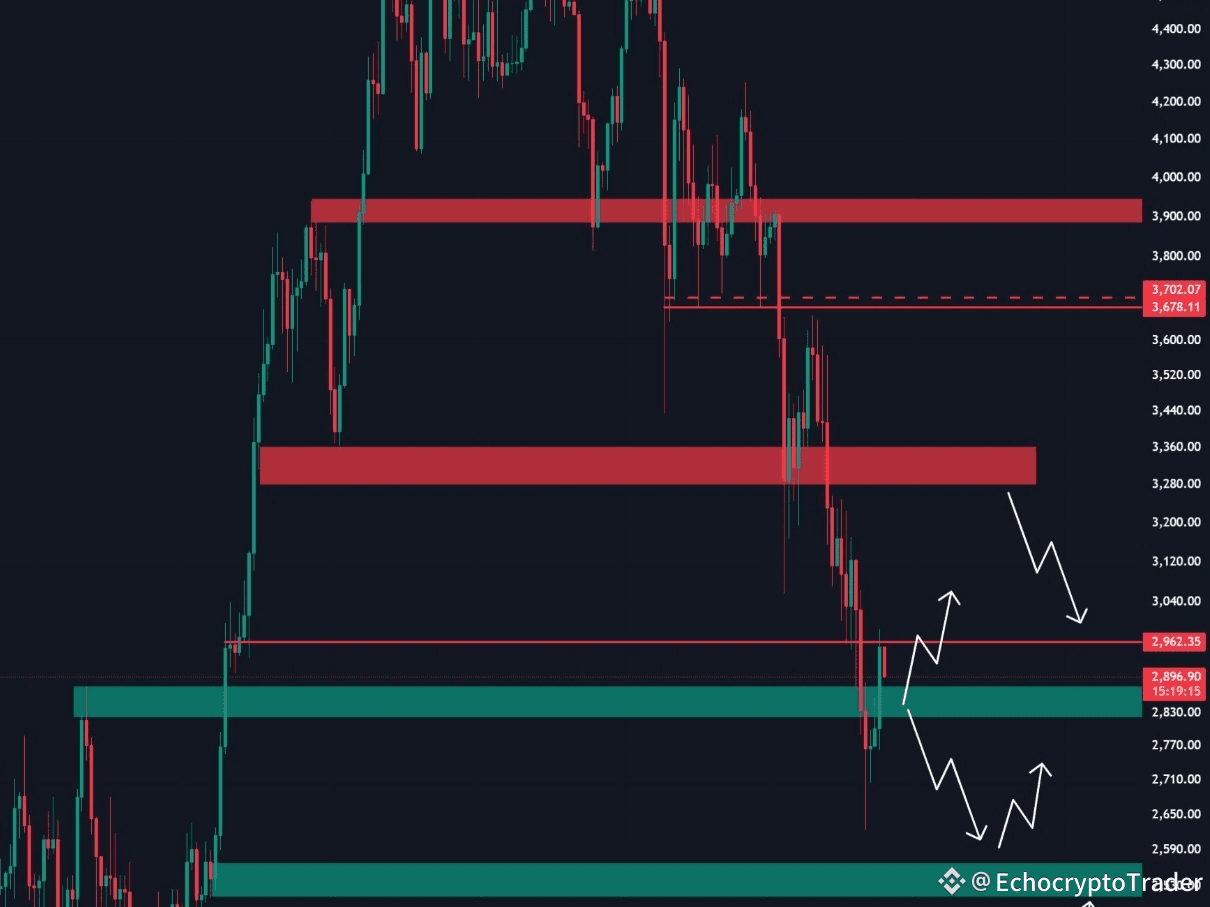
🚨 突發新聞:$ETH 以$3,000被拒絕 — 急劇回調開始

以太坊 ($ETH ) 未能突破$2,950–$3,000阻力區域,觸發市場新一輪的賣壓。
今天早些時候ETH觸及$2,985後急劇回撤,確認$3,000水平爲強拒絕點。

🔻 關鍵市場亮點

$ETH 從$2,950–$3,000阻力位被拒絕
目前滑向$2,800支撐區域
分析師警告如果$2,800失敗將出現更深的修正
潛在下行目標: $2,700 → $2,300
美國股市動量可能影響短期反彈

第二層網絡繼續顯示強勁增長,超過$35B TVL

#ETH #MarketSentimentToday #MarketPullBaack
比特幣從最近的高點下跌了約30%,降至幾個月以來的最低水平。 分析師警告稱,此次崩盤可能比以前的崩盤更難恢復,原因包括加密貨幣採用率下降和主要機構持有量增加流動性風險。 此次拋售還引發了市場對傳染的更廣泛擔憂:風險資產正在被拋售,加密貨幣受到的打擊更大 $BTC $ETH $XRP 這些硬幣將在接下來的45天內爆發
比特幣從最近的高點下跌了約30%,降至幾個月以來的最低水平。

分析師警告稱,此次崩盤可能比以前的崩盤更難恢復,原因包括加密貨幣採用率下降和主要機構持有量增加流動性風險。

此次拋售還引發了市場對傳染的更廣泛擔憂:風險資產正在被拋售,加密貨幣受到的打擊更大
$BTC $ETH $XRP 這些硬幣將在接下來的45天內爆發
🚀 下一個加密浪潮不會是隨機的 — 它將由同四個巨頭引領。 每個市場週期都會引入噪音、炒作、新幣和新敘事…… 但當塵埃落定時,四個名字總是屹立不倒: 🔶 比特幣 $BTC 基礎。價值存儲。世界曾對此資產抱有懷疑——直到機構像數字黃金一樣開始購買它。每次減半都讓人更難忽視,也讓人更容易後悔沒有持有。 🔷 以太坊 $ETH Web3 的大腦。構建者創造、部署、創新和升級去中心化技術未來的網絡。這不僅僅是加密——這是推動 DeFi、NFT、鏈上 AI 和智能合約的生態系統。 🟣 索拉納 $SOL 復興故事。每個人都認爲已結束的鏈——直到它以更快、更便宜和更強的姿態迴歸。現在它正在推動真實的採用:加密支付、迷因幣、應用程序和主流實用性。 💠 XRP 沉默的監管鬥士。雖然其他人迴避法庭,XRP 留下來了,倖存下來,現在持有跨境金融最強有力的案例之一。緩慢的敘事……但深厚的現實世界實用性。
🚀 下一個加密浪潮不會是隨機的 — 它將由同四個巨頭引領。
每個市場週期都會引入噪音、炒作、新幣和新敘事……
但當塵埃落定時,四個名字總是屹立不倒:

🔶 比特幣 $BTC
基礎。價值存儲。世界曾對此資產抱有懷疑——直到機構像數字黃金一樣開始購買它。每次減半都讓人更難忽視,也讓人更容易後悔沒有持有。

🔷 以太坊 $ETH
Web3 的大腦。構建者創造、部署、創新和升級去中心化技術未來的網絡。這不僅僅是加密——這是推動 DeFi、NFT、鏈上 AI 和智能合約的生態系統。

🟣 索拉納 $SOL
復興故事。每個人都認爲已結束的鏈——直到它以更快、更便宜和更強的姿態迴歸。現在它正在推動真實的採用:加密支付、迷因幣、應用程序和主流實用性。

💠 XRP
沉默的監管鬥士。雖然其他人迴避法庭,XRP 留下來了,倖存下來,現在持有跨境金融最強有力的案例之一。緩慢的敘事……但深厚的現實世界實用性。
🚀 比特幣 $BTC 不僅僅是一種貨幣 — 它是一種提醒。 每個週期,都會發生同樣的事情: 當比特幣$BTC 無聊時,人們會忽視它。 當它崩潰時,人們會害怕它。 當它突破歷史最高價時… 每個人突然都變成了信徒。 但真相很簡單: 📌 比特幣 $BTC 經歷了每一次政府禁令的嘗試。 📌 每次崩潰都培養了更強的持有者。 📌 每次減半都收緊了供應。 📌 每個週期都帶來了更多的採用 — 而不是更少。 今天,機構正在購買。 各國正在關注。 零售又開始覺醒… 比特幣不會消失 — 它正在做它一直以來所做的事情: 獎勵耐心。懲罰懷疑。 我們下個月後沒有時間了,我們無法繼續看漲比特幣。 問題不是:“比特幣還晚嗎?” 真正的問題是: 🔥 你想早早進入下一個章節 — 還是晚於歷史重演?
🚀 比特幣 $BTC 不僅僅是一種貨幣 — 它是一種提醒。
每個週期,都會發生同樣的事情:
當比特幣$BTC 無聊時,人們會忽視它。
當它崩潰時,人們會害怕它。
當它突破歷史最高價時… 每個人突然都變成了信徒。
但真相很簡單:
📌 比特幣 $BTC 經歷了每一次政府禁令的嘗試。
📌 每次崩潰都培養了更強的持有者。
📌 每次減半都收緊了供應。
📌 每個週期都帶來了更多的採用 — 而不是更少。
今天,機構正在購買。
各國正在關注。
零售又開始覺醒…
比特幣不會消失 — 它正在做它一直以來所做的事情:
獎勵耐心。懲罰懷疑。
我們下個月後沒有時間了,我們無法繼續看漲比特幣。

問題不是:“比特幣還晚嗎?”
真正的問題是:
🔥 你想早早進入下一個章節 — 還是晚於歷史重演?
想要在幣安每天賺取 4$ 而無需投資 1. 在幣安發佈 2. 寫作賺錢 3. 學習賺錢 4. 觀看賺錢 5. 領取你的紅包 代碼: BPHILQU6GF 在消失之前領取 100$ 的 pepe 等待你領取你的獎勵 如何領取: 1. 複製此代碼 2. 前往個人資料 3. 打開紅包並添加此代碼,簡單 #WriteToEarnUpgrade #RedPacketMission
想要在幣安每天賺取 4$ 而無需投資
1. 在幣安發佈
2. 寫作賺錢
3. 學習賺錢
4. 觀看賺錢
5. 領取你的紅包

代碼: BPHILQU6GF

在消失之前領取 100$ 的 pepe 等待你領取你的獎勵
如何領取:
1. 複製此代碼
2. 前往個人資料
3. 打開紅包並添加此代碼,簡單

#WriteToEarnUpgrade #RedPacketMission
🚨 市場回調 — 快速更新 加密貨幣目前正在降溫。買家正在退縮,流動性正在減少,賣家正在掌控局面。$BTC 比特幣和主要的替代幣正在失去動能,因爲交易者鎖定利潤並對整體風險規避情緒做出反應。 短期趨勢 = 下跌,波動性 = 上升。 保持警覺 — 像這樣的回調可能會迅速反轉。 #MarketPullback #StrategyBTCPurchase
🚨 市場回調 — 快速更新

加密貨幣目前正在降溫。買家正在退縮,流動性正在減少,賣家正在掌控局面。$BTC 比特幣和主要的替代幣正在失去動能,因爲交易者鎖定利潤並對整體風險規避情緒做出反應。

短期趨勢 = 下跌,波動性 = 上升。

保持警覺 — 像這樣的回調可能會迅速反轉。
#MarketPullback #StrategyBTCPurchase
#marketpullback 🚨 比特幣跌破96,000美元 — 完全恐慌模式已啓動 $BTC 比特幣剛剛跌破96,000美元,市場反應就像地板突然消失了一樣。 美聯儲對12月不降息的立場正在給已經燃燒的圖表澆上汽油。 風險資產正在全面撤退,加密貨幣受到的打擊最爲嚴重。 華爾街閃爍着紅色信號: • 納斯達克:-2% • 標普500:-1.3% • 與加密相關的股票:快速流血 流動性正在蒸發,訂單簿正在變薄,Binance交易員在波動性爆炸中拼命尋找立足點。 忘掉聖誕拉力賽吧。 真正的問題是:這是否是12月 capitulation的開始? 恐懼正在上升。 情緒正在崩潰。 BTC離觸發更深層級崩潰只差一個醜聞標題。
#marketpullback 🚨 比特幣跌破96,000美元 — 完全恐慌模式已啓動


$BTC 比特幣剛剛跌破96,000美元,市場反應就像地板突然消失了一樣。


美聯儲對12月不降息的立場正在給已經燃燒的圖表澆上汽油。

風險資產正在全面撤退,加密貨幣受到的打擊最爲嚴重。


華爾街閃爍着紅色信號:

• 納斯達克:-2%

• 標普500:-1.3%

• 與加密相關的股票:快速流血


流動性正在蒸發,訂單簿正在變薄,Binance交易員在波動性爆炸中拼命尋找立足點。


忘掉聖誕拉力賽吧。

真正的問題是:這是否是12月 capitulation的開始?


恐懼正在上升。

情緒正在崩潰。

BTC離觸發更深層級崩潰只差一個醜聞標題。
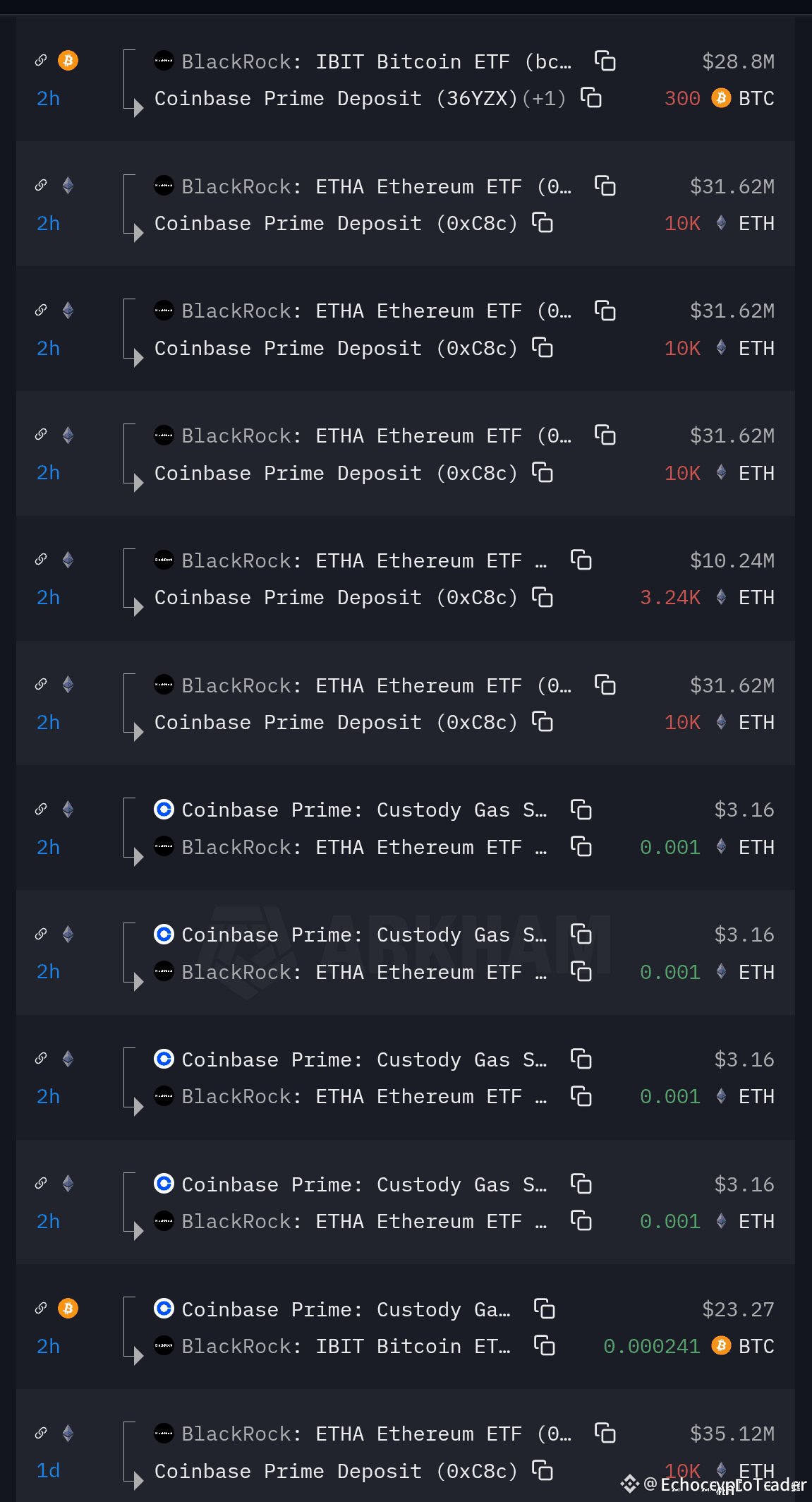
🚨 突發新聞:貝萊德正在每小時大規模拋售ETH和BTC — 市場承壓 在這一震撼加密市場的意外舉動中,貝萊德的ETF錢包每小時開始拋售比特幣和以太坊,重複的大額轉賬直接流向Coinbase Prime — 機構賣盤的場所。 在過去的幾個小時裏,鏈上追蹤器捕獲到: 🔥 10,000 $ETH ETH 批次被反覆發送 🔥 3,242 $ETH ETH 部分添加到賣出流中 🔥 300 $BTC BTC 從IBIT ETF錢包轉出 🔥 每小時持續的流出而非流入 這一模式並非隨機 — 這是算法賣出,機構用來卸載頭寸而不引發市場崩潰的方式。這一策略明確表明了一個轉變: #MarketPullback #BTC #ETH
🚨 突發新聞:貝萊德正在每小時大規模拋售ETH和BTC — 市場承壓

在這一震撼加密市場的意外舉動中,貝萊德的ETF錢包每小時開始拋售比特幣和以太坊,重複的大額轉賬直接流向Coinbase Prime — 機構賣盤的場所。
在過去的幾個小時裏,鏈上追蹤器捕獲到:

🔥 10,000 $ETH ETH 批次被反覆發送
🔥 3,242 $ETH ETH 部分添加到賣出流中
🔥 300 $BTC BTC 從IBIT ETF錢包轉出
🔥 每小時持續的流出而非流入
這一模式並非隨機 — 這是算法賣出,機構用來卸載頭寸而不引發市場崩潰的方式。這一策略明確表明了一個轉變:
#MarketPullback #BTC #ETH
🚨 突發新聞:邁克爾·伯裏關閉斯科恩資產管理公司 在震動全球投資界的一項舉措中,邁克爾·伯裏——以預測2008年金融危機而聞名的傳奇投資者——宣佈斯科恩資產管理公司將在2025年底前清算。 在2025年10月27日致投資者的正式信函中,伯裏表示他的估值前景不再與當前市場條件相符,這促使他決定返還資本。 值得注意的是,伯裏將投資者引向他的合夥人菲爾·克里夫頓,稱他“是投資領域一位極具潛力的年輕人才,也是我所遇到過的最傑出的思想家。” 金融界熱鬧非凡,關於這對2026年市場意味着什麼的問題層出不窮——以及伯裏可能知道其他人不知道的事情。 更多更新敬請關注。 #CryptoNews #MarketPullback #BTC
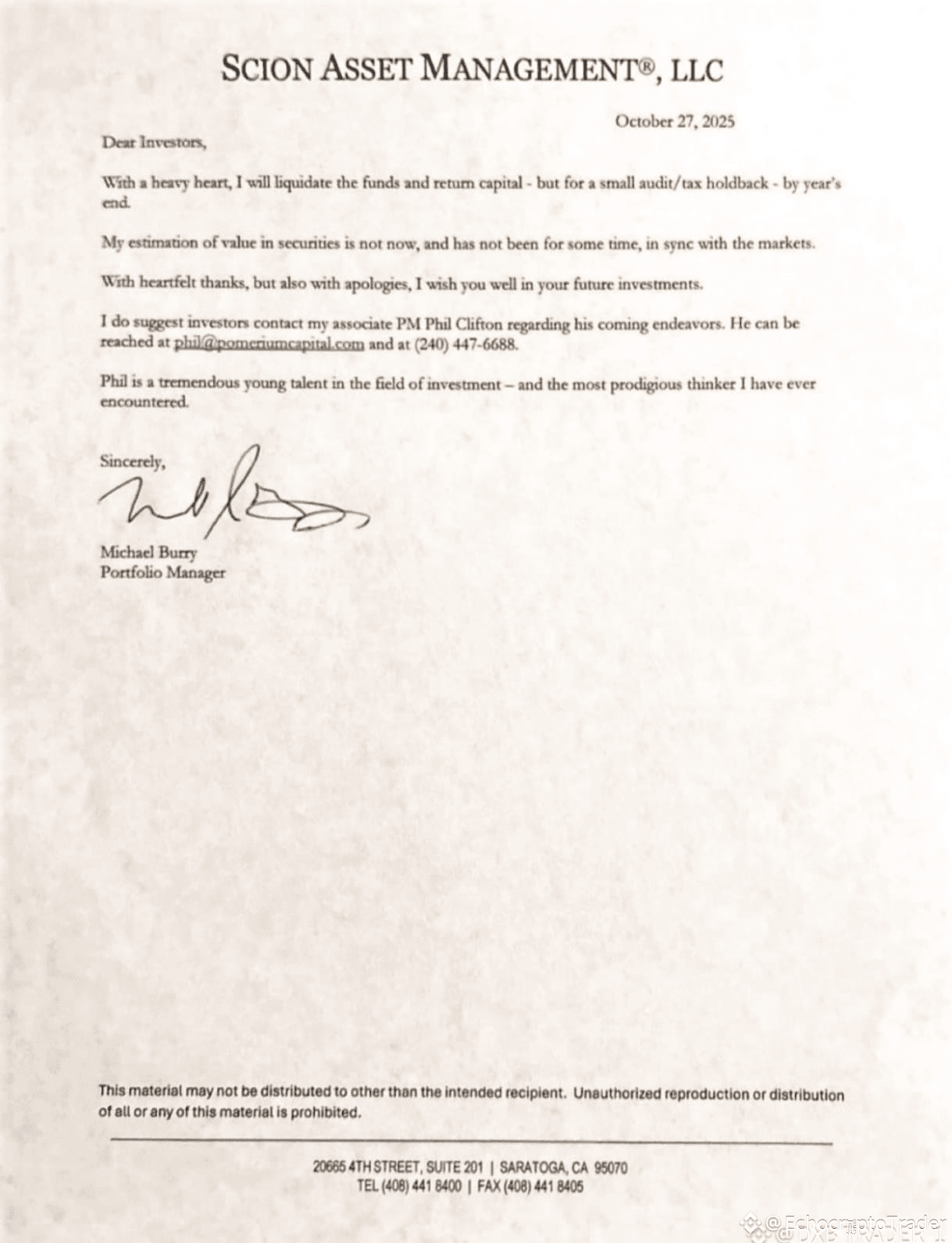
🚨 突發新聞:邁克爾·伯裏關閉斯科恩資產管理公司
在震動全球投資界的一項舉措中,邁克爾·伯裏——以預測2008年金融危機而聞名的傳奇投資者——宣佈斯科恩資產管理公司將在2025年底前清算。

在2025年10月27日致投資者的正式信函中,伯裏表示他的估值前景不再與當前市場條件相符,這促使他決定返還資本。
值得注意的是,伯裏將投資者引向他的合夥人菲爾·克里夫頓,稱他“是投資領域一位極具潛力的年輕人才,也是我所遇到過的最傑出的思想家。”

金融界熱鬧非凡,關於這對2026年市場意味着什麼的問題層出不窮——以及伯裏可能知道其他人不知道的事情。
更多更新敬請關注。
#CryptoNews #MarketPullback #BTC
🚨 MEGA BREAKING — EUROPE JUST WOKE UP 加密貨幣的格局今天正式發生了變化。 捷克國家銀行剛剛進行了首次$BTC + 加密貨幣購買…… 直接投資$1,000,000到數字資產。 不是投機。不是耳語。 這是歐洲中央銀行確認的歷史性舉動。 這並不是看漲…… 這是巨大的震動。 當中央銀行觸碰比特幣時,這不是“興趣”。 這是驗證。 這是動能。 這是一個大陸級連鎖反應的開始。 🇪🇺 歐洲不再在旁觀。 🇪🇺 歐洲已經走上了戰場。 🇪🇺 歐洲正在爲全面的加密擴張做好準備。 而這裏是真正的震驚: 中央銀行從不單獨行動。 一絲火花點燃整片森林。 一次購買標誌着政策思維的轉變。 一百萬變成十百萬。十百萬變成一億。 歐洲的加密浪潮並不是要來…… 它剛剛啓動。 繫好安全帶。 敘事正在翻轉。 流動性正在遷移。 下一個週期可能比任何人預測的都要更猛烈——而且更早到來。 🔥 這是早期信徒們一直在等待的時刻。 🚀 歐洲剛剛按下了啓動鍵。 #BTC #CryptoNews #Whale.Alert
🚨 MEGA BREAKING — EUROPE JUST WOKE UP

加密貨幣的格局今天正式發生了變化。


捷克國家銀行剛剛進行了首次$BTC + 加密貨幣購買……

直接投資$1,000,000到數字資產。

不是投機。不是耳語。

這是歐洲中央銀行確認的歷史性舉動。


這並不是看漲……

這是巨大的震動。


當中央銀行觸碰比特幣時,這不是“興趣”。

這是驗證。

這是動能。

這是一個大陸級連鎖反應的開始。


🇪🇺 歐洲不再在旁觀。

🇪🇺 歐洲已經走上了戰場。

🇪🇺 歐洲正在爲全面的加密擴張做好準備。


而這裏是真正的震驚:

中央銀行從不單獨行動。

一絲火花點燃整片森林。

一次購買標誌着政策思維的轉變。

一百萬變成十百萬。十百萬變成一億。


歐洲的加密浪潮並不是要來……

它剛剛啓動。


繫好安全帶。

敘事正在翻轉。

流動性正在遷移。

下一個週期可能比任何人預測的都要更猛烈——而且更早到來。


🔥 這是早期信徒們一直在等待的時刻。

🚀 歐洲剛剛按下了啓動鍵。
#BTC #CryptoNews #Whale.Alert
🚀 以太坊積累上升 • 巨鯨活動: BitMine 增加了 110,288 $ETH ETH,使其總持有量增加到 3.5 百萬 $ETH ETH。 像這樣的規模積累通常是對長期信心的強烈信號。 • 機構盈利能力: SharpLink 報告稱,其以太坊國庫戰略帶來了 1.04 億美元的利潤。 機構投資者並沒有在實驗——他們正在擴大規模。 • 升級前的定位: 資本流入正在上升,因爲市場爲 12 月 3 日的 Fusaka 升級做好準備。 這個升級被密切關注,作爲一個潛在的催化劑。 10000$ETH 的反彈仍然可能嗎? 你的預測是什麼,請通過命令告訴我。 #Ethereum #ETH #CryptoNews #CryptoMarket #WhaleAlert
🚀 以太坊積累上升


• 巨鯨活動:

BitMine 增加了 110,288 $ETH ETH,使其總持有量增加到 3.5 百萬 $ETH ETH。

像這樣的規模積累通常是對長期信心的強烈信號。


• 機構盈利能力:

SharpLink 報告稱,其以太坊國庫戰略帶來了 1.04 億美元的利潤。

機構投資者並沒有在實驗——他們正在擴大規模。


• 升級前的定位:

資本流入正在上升,因爲市場爲 12 月 3 日的 Fusaka 升級做好準備。

這個升級被密切關注,作爲一個潛在的催化劑。


10000$ETH 的反彈仍然可能嗎?
你的預測是什麼,請通過命令告訴我。

#Ethereum #ETH #CryptoNews #CryptoMarket #WhaleAlert
🟠 比特幣 (BTC) $BTC BTC 正在關鍵支撐位上保持強勁,並顯示出穩定的積累。 如果買家保持勢頭,向下一個阻力區的突破看起來很可能。$BTC 我會在這一週繼續關注波動性。 #BTC #XRP #CryptoNews #MarketUpdate #Bullish
🟠 比特幣 (BTC)


$BTC BTC 正在關鍵支撐位上保持強勁,並顯示出穩定的積累。

如果買家保持勢頭,向下一個阻力區的突破看起來很可能。$BTC

我會在這一週繼續關注波動性。
#BTC #XRP #CryptoNews #MarketUpdate #Bullish
🚨 突發消息:XRP 現貨 ETF 可能在本週推出 Canary Capital 已正式向美國證券交易委員會(SEC)提交了 8-A 表格——這是使第一個美國現貨-XRP ETF 有可能在 11 月初上線的關鍵步驟。 如果這個 ETF 上線,XRP 將獲得一些重大利益: ➡️ 機構訪問 ➡️ 受監管的風險敞口 ➡️ 新的流動性進入市場 機構的期待已經在增長——對 $XRP 產品的興趣正在迅速上升。 $XRP XRP 可能正進入一個新階段。 更多更新即將來臨。 #XRP #Ripple #CryptoNews #ETF
🚨 突發消息:XRP 現貨 ETF 可能在本週推出


Canary Capital 已正式向美國證券交易委員會(SEC)提交了 8-A 表格——這是使第一個美國現貨-XRP ETF 有可能在 11 月初上線的關鍵步驟。


如果這個 ETF 上線,XRP 將獲得一些重大利益:

➡️ 機構訪問

➡️ 受監管的風險敞口

➡️ 新的流動性進入市場


機構的期待已經在增長——對 $XRP 產品的興趣正在迅速上升。


$XRP XRP 可能正進入一個新階段。

更多更新即將來臨。
#XRP
#Ripple
#CryptoNews

#ETF
登入探索更多內容
探索最新的加密貨幣新聞
⚡️ 參與加密貨幣領域的最新討論
💬 與您喜愛的創作者互動
👍 享受您感興趣的內容
電子郵件 / 電話號碼
網站地圖
Cookie 偏好設定
平台條款