

nitinchauhannc
20 貼文

nitinchauhannc
舉報
封鎖用戶
實盤交易

JUP 持有者
低頻交易者
2.9 年
12 關注
5 粉絲
11 點讚數
貼文
投資組合
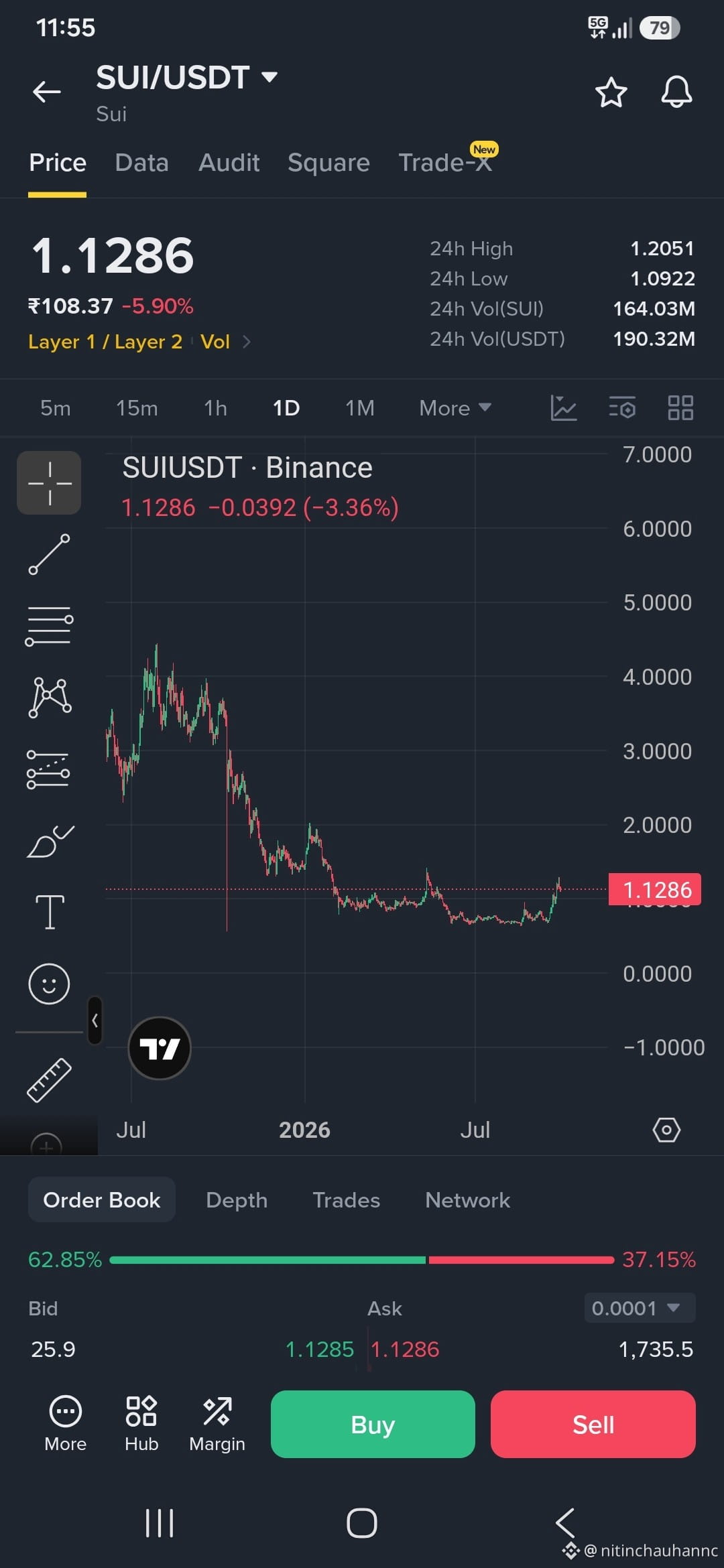
$SUI 的熱潮列車正在失去動力。📉 由於每月都有鉅額代幣解鎖持續稀釋供應,長期持有這是一項巨大的風險。若代幣經濟學只是對散戶不斷“傾倒”,那技術又有什麼意義?下面小心!🚨
#Sui #crypto #SUIUSD #altcoins #CryptoCrash #Bitcoin #Solana #CryptoNews #Bearish #DeFi #Web3 #Blockchain #CryptoTrading #SmartContracts #Dump #Layer1 #CryptoCommunity #AltcoinSeason #HODL #CryptoMarket
$SUI 的熱潮列車正在失去動力。📉 由於每月都有鉅額代幣解鎖持續稀釋供應,長期持有這是一項巨大的風險。若代幣經濟學只是對散戶不斷“傾倒”,那技術又有什麼意義?下面小心!🚨
#Sui #crypto #SUIUSD #altcoins #CryptoCrash #Bitcoin #Solana #CryptoNews #Bearish #DeFi #Web3 #Blockchain #CryptoTrading #SmartContracts #Dump #Layer1 #CryptoCommunity #AltcoinSeason #HODL #CryptoMarket
#Sui #crypto #SUIUSD #altcoins #CryptoCrash #Bitcoin #Solana #CryptoNews #Bearish #DeFi #Web3 #Blockchain #CryptoTrading #SmartContracts #Dump #Layer1 #CryptoCommunity #AltcoinSeason #HODL #CryptoMarket
97
·
--
看跌
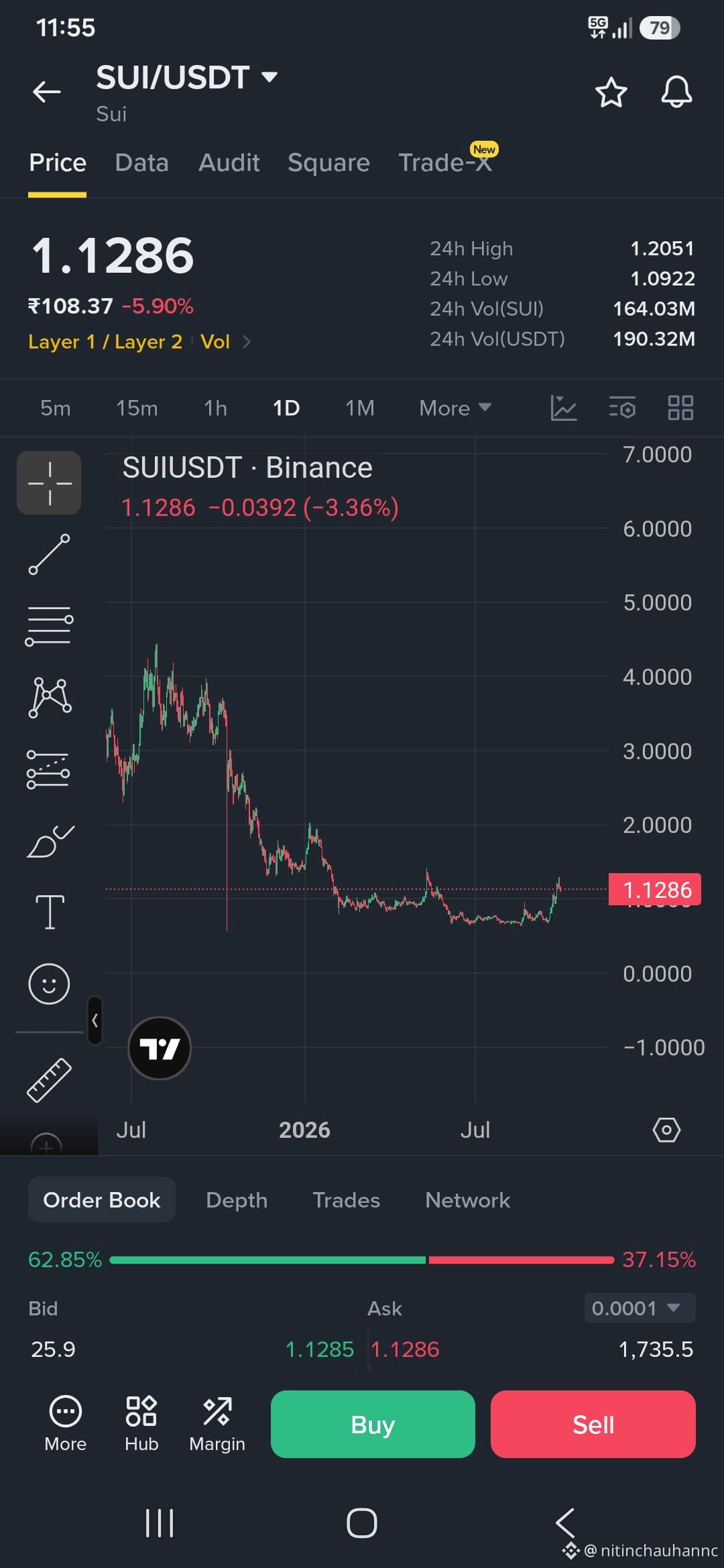
別被營銷矇蔽了雙眼。$SUI 紙面速度很快,但真正“黏住”的活躍用戶在哪裏?DEX 的交易量已從峯值出現了大幅下滑,而生態系統也在努力留住真正的應用。又一個被過度炒作的風投鏈?🧐📉
#SUICoin #Cryptocurrency #BearMarket #CryptoAnalysis #TradingSignals #Aptos #Ethereum #VCChain #CryptoWhales #Tokenomics #TechnicalAnalysis #RSI #ShortCrypto #MarketCrash #Altcoin #CryptoBubble #FinanceNews #InvestingRisks #Losses #StaySafe
別被營銷矇蔽了雙眼。$SUI 紙面速度很快,但真正“黏住”的活躍用戶在哪裏?DEX 的交易量已從峯值出現了大幅下滑,而生態系統也在努力留住真正的應用。又一個被過度炒作的風投鏈?🧐📉
#SUICoin #Cryptocurrency #BearMarket #CryptoAnalysis #TradingSignals #Aptos #Ethereum #VCChain #CryptoWhales #Tokenomics #TechnicalAnalysis #RSI #ShortCrypto #MarketCrash #Altcoin #CryptoBubble #FinanceNews #InvestingRisks #Losses #StaySafe
#SUICoin #Cryptocurrency #BearMarket #CryptoAnalysis #TradingSignals #Aptos #Ethereum #VCChain #CryptoWhales #Tokenomics #TechnicalAnalysis #RSI #ShortCrypto #MarketCrash #Altcoin #CryptoBubble #FinanceNews #InvestingRisks #Losses #StaySafe
117
·
--
看跌
🚨 這種類型的加密貨幣正在摧毀投資者的信任。#scam
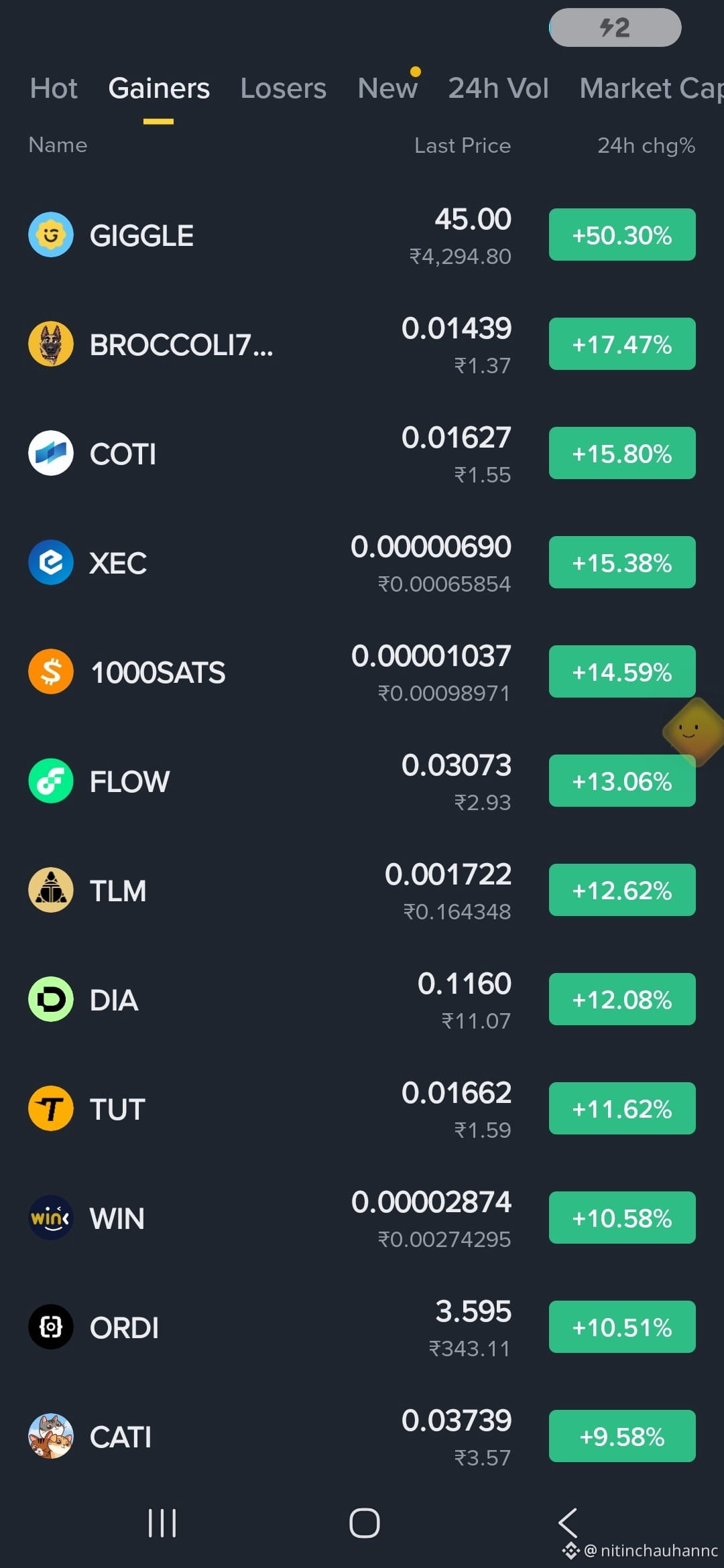
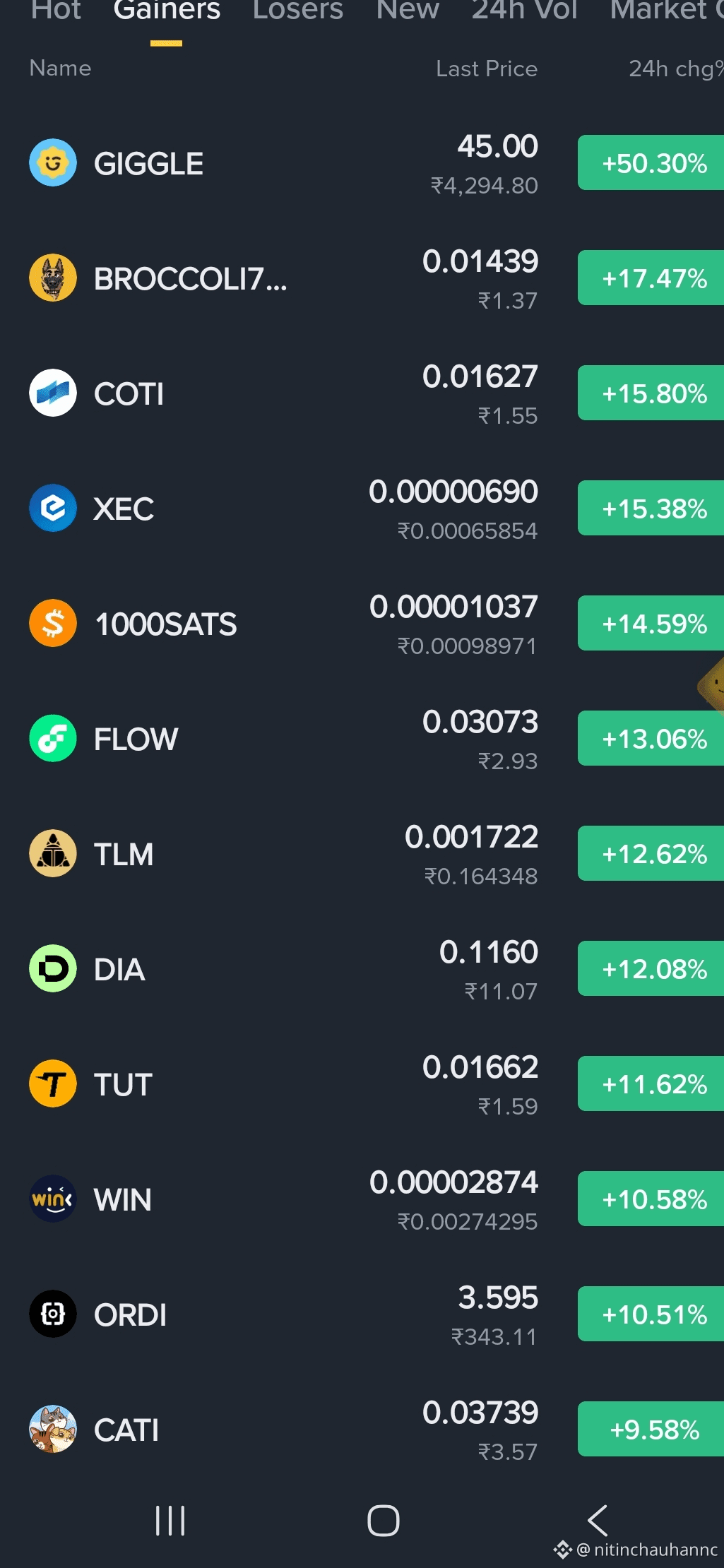
如果 Giggle Crypto 正在通過“拉高出貨”(Pump & Dump)計劃被操縱,那麼它正在傷害普通投資者,而少數大玩家卻從中獲取鉅額利潤。他們會人爲推高價格以吸引人們入場購買,隨後再拋售自己的持倉,讓成千上萬的投資者揹負重大虧損。
這種市場操縱不僅損害了投資者辛苦賺來的資金,還破壞了整個加密貨幣行業的聲譽與長期增長。若項目由操縱而非透明度和真實價值驅動,加密貨幣就難以實現主流普及。
如果有可信證據表明 Giggle Crypto 涉及“拉高出貨”或任何其他形式的市場操縱,應當進行徹底調查,並追究相關責任人的責任。投資者有權獲得公平、透明、值得信賴的市場——而不是讓少數人犧牲所有人的利益來獲利的市場。
🚨 這種類型的加密貨幣正在摧毀投資者的信任。#scam
如果 Giggle Crypto 正在通過“拉高出貨”(Pump & Dump)計劃被操縱,那麼它正在傷害普通投資者,而少數大玩家卻從中獲取鉅額利潤。他們會人爲推高價格以吸引人們入場購買,隨後再拋售自己的持倉,讓成千上萬的投資者揹負重大虧損。
這種市場操縱不僅損害了投資者辛苦賺來的資金,還破壞了整個加密貨幣行業的聲譽與長期增長。若項目由操縱而非透明度和真實價值驅動,加密貨幣就難以實現主流普及。
如果有可信證據表明 Giggle Crypto 涉及“拉高出貨”或任何其他形式的市場操縱,應當進行徹底調查,並追究相關責任人的責任。投資者有權獲得公平、透明、值得信賴的市場——而不是讓少數人犧牲所有人的利益來獲利的市場。
如果 Giggle Crypto 正在通過“拉高出貨”(Pump & Dump)計劃被操縱,那麼它正在傷害普通投資者,而少數大玩家卻從中獲取鉅額利潤。他們會人爲推高價格以吸引人們入場購買,隨後再拋售自己的持倉,讓成千上萬的投資者揹負重大虧損。
這種市場操縱不僅損害了投資者辛苦賺來的資金,還破壞了整個加密貨幣行業的聲譽與長期增長。若項目由操縱而非透明度和真實價值驅動,加密貨幣就難以實現主流普及。
如果有可信證據表明 Giggle Crypto 涉及“拉高出貨”或任何其他形式的市場操縱,應當進行徹底調查,並追究相關責任人的責任。投資者有權獲得公平、透明、值得信賴的市場——而不是讓少數人犧牲所有人的利益來獲利的市場。
53
·
--
看跌
🚨 這種加密貨幣正在摧毀投資者的信任。
如果 Giggle Crypto 正在通過“拉高出貨”(Pump & Dump)方案被操縱,那麼這會傷害普通投資者,而少數大玩家卻能賺取鉅額利潤。他們會人爲推高價格來吸引人們買入,隨後再拋售持倉,讓成千上萬的投資者揹負沉重損失。
這種市場操縱不僅會損害投資者辛苦賺來的錢,還會破壞整個加密貨幣行業的聲譽和長期發展。若項目是由操縱驅動而非透明和真實價值,那麼加密貨幣就無法實現主流採用。
如果有可信證據表明存在與 Giggle Crypto 相關的“拉高出貨”或任何其他形式的市場操縱,應當進行徹底調查,並追究相關責任人的責任。投資者值得擁有公平、透明、值得信賴的市場——而不是讓少數人以犧牲所有人的利益爲代價來獲利的市場。
🚨 這種加密貨幣正在摧毀投資者的信任。
如果 Giggle Crypto 正在通過“拉高出貨”(Pump & Dump)方案被操縱,那麼這會傷害普通投資者,而少數大玩家卻能賺取鉅額利潤。他們會人爲推高價格來吸引人們買入,隨後再拋售持倉,讓成千上萬的投資者揹負沉重損失。
這種市場操縱不僅會損害投資者辛苦賺來的錢,還會破壞整個加密貨幣行業的聲譽和長期發展。若項目是由操縱驅動而非透明和真實價值,那麼加密貨幣就無法實現主流採用。
如果有可信證據表明存在與 Giggle Crypto 相關的“拉高出貨”或任何其他形式的市場操縱,應當進行徹底調查,並追究相關責任人的責任。投資者值得擁有公平、透明、值得信賴的市場——而不是讓少數人以犧牲所有人的利益爲代價來獲利的市場。
如果 Giggle Crypto 正在通過“拉高出貨”(Pump & Dump)方案被操縱,那麼這會傷害普通投資者,而少數大玩家卻能賺取鉅額利潤。他們會人爲推高價格來吸引人們買入,隨後再拋售持倉,讓成千上萬的投資者揹負沉重損失。
這種市場操縱不僅會損害投資者辛苦賺來的錢,還會破壞整個加密貨幣行業的聲譽和長期發展。若項目是由操縱驅動而非透明和真實價值,那麼加密貨幣就無法實現主流採用。
如果有可信證據表明存在與 Giggle Crypto 相關的“拉高出貨”或任何其他形式的市場操縱,應當進行徹底調查,並追究相關責任人的責任。投資者值得擁有公平、透明、值得信賴的市場——而不是讓少數人以犧牲所有人的利益爲代價來獲利的市場。
2
294
·
--
看漲
看漲的加密貨幣市場:爲何樂觀情緒正在迴歸
加密貨幣市場再次進入看漲階段,吸引來自全球的投資者、機構以及技術愛好者。看漲市場的特徵包括價格上漲、交易量增加、投資者信心增強以及強勁的市場情緒。
多項因素正在推動這種重新燃起的樂觀情緒。隨着主要金融機構擴大對數字資產的敞口,機構投資持續增長。與此同時,多國監管的清晰度也進一步增強了散戶和機構投資者的信心。此外,區塊鏈創新、去中心化金融(DeFi)、現實世界資產的代幣化,以及人工智能的集成,正在創造新的應用場景,使其遠遠超越了簡單的加密貨幣交易。
比特幣通常被稱爲加密生態的“數字黃金”,往往會引領牛市。當比特幣不斷刷新里程碑時,資本往往會流向以太坊及其他高質量的山寨幣,從而在更廣泛的市場中帶來機會。歷史上,加密貨幣牛市往往獎勵那些堅持長期、紀律性的投資策略的投資者,而不是追逐短期價格波動。
然而,每一輪牛市都伴隨着風險。加密貨幣仍是一類波動性極高的資產,價格的快速上漲可能會隨之出現大幅回調。投資者應進行充分的研究,分散投資組合,謹慎管理風險,並避免僅根據市場炒作或社交媒體趨勢做出決策。
展望未來,加密貨幣的前景似乎愈發令人期待。持續的機構採納、技術進步、區塊鏈應用的擴展以及全球對數字資產的接受度提升,都可能爲長期增長提供支撐。儘管沒有任何市場會無限上漲,但健康的看漲週期往往反映出對區塊鏈技術變革潛力的信心不斷增強。
對投資者而言,成功的關鍵在於將樂觀與紀律相平衡。Bull markt
看漲的加密貨幣市場:爲何樂觀情緒正在迴歸
加密貨幣市場再次進入看漲階段,吸引來自全球的投資者、機構以及技術愛好者。看漲市場的特徵包括價格上漲、交易量增加、投資者信心增強以及強勁的市場情緒。
多項因素正在推動這種重新燃起的樂觀情緒。隨着主要金融機構擴大對數字資產的敞口,機構投資持續增長。與此同時,多國監管的清晰度也進一步增強了散戶和機構投資者的信心。此外,區塊鏈創新、去中心化金融(DeFi)、現實世界資產的代幣化,以及人工智能的集成,正在創造新的應用場景,使其遠遠超越了簡單的加密貨幣交易。
比特幣通常被稱爲加密生態的“數字黃金”,往往會引領牛市。當比特幣不斷刷新里程碑時,資本往往會流向以太坊及其他高質量的山寨幣,從而在更廣泛的市場中帶來機會。歷史上,加密貨幣牛市往往獎勵那些堅持長期、紀律性的投資策略的投資者,而不是追逐短期價格波動。
然而,每一輪牛市都伴隨着風險。加密貨幣仍是一類波動性極高的資產,價格的快速上漲可能會隨之出現大幅回調。投資者應進行充分的研究,分散投資組合,謹慎管理風險,並避免僅根據市場炒作或社交媒體趨勢做出決策。
展望未來,加密貨幣的前景似乎愈發令人期待。持續的機構採納、技術進步、區塊鏈應用的擴展以及全球對數字資產的接受度提升,都可能爲長期增長提供支撐。儘管沒有任何市場會無限上漲,但健康的看漲週期往往反映出對區塊鏈技術變革潛力的信心不斷增強。
對投資者而言,成功的關鍵在於將樂觀與紀律相平衡。Bull markt
加密貨幣市場再次進入看漲階段,吸引來自全球的投資者、機構以及技術愛好者。看漲市場的特徵包括價格上漲、交易量增加、投資者信心增強以及強勁的市場情緒。
多項因素正在推動這種重新燃起的樂觀情緒。隨着主要金融機構擴大對數字資產的敞口,機構投資持續增長。與此同時,多國監管的清晰度也進一步增強了散戶和機構投資者的信心。此外,區塊鏈創新、去中心化金融(DeFi)、現實世界資產的代幣化,以及人工智能的集成,正在創造新的應用場景,使其遠遠超越了簡單的加密貨幣交易。
比特幣通常被稱爲加密生態的“數字黃金”,往往會引領牛市。當比特幣不斷刷新里程碑時,資本往往會流向以太坊及其他高質量的山寨幣,從而在更廣泛的市場中帶來機會。歷史上,加密貨幣牛市往往獎勵那些堅持長期、紀律性的投資策略的投資者,而不是追逐短期價格波動。
然而,每一輪牛市都伴隨着風險。加密貨幣仍是一類波動性極高的資產,價格的快速上漲可能會隨之出現大幅回調。投資者應進行充分的研究,分散投資組合,謹慎管理風險,並避免僅根據市場炒作或社交媒體趨勢做出決策。
展望未來,加密貨幣的前景似乎愈發令人期待。持續的機構採納、技術進步、區塊鏈應用的擴展以及全球對數字資產的接受度提升,都可能爲長期增長提供支撐。儘管沒有任何市場會無限上漲,但健康的看漲週期往往反映出對區塊鏈技術變革潛力的信心不斷增強。
對投資者而言,成功的關鍵在於將樂觀與紀律相平衡。Bull markt
123
fogoFogo 是一條相對較新的 Layer-1 區塊鏈以及原生加密代幣,專爲超快的去中心化金融(DeFi)和鏈上交易而設計。它不只是又一個代幣——它是爲構建性能導向的區塊鏈網絡而提供動力的原生資產(FOGO),該網絡旨在以極低延遲處理實時金融業務。 �
CoinGecko +1
Fogo 是什麼
Fogo 是一款與 Solana 虛擬機(SVM)兼容的 Layer-1 區塊鏈,旨在提供針對高速交易優化的基礎設施,包括實時訂單簿、衍生品以及去中心化交易所。它通過性能導向的設計實現這一目標:區塊時間僅 40 毫秒,最終確認速度很快(約 1.3 秒),並且交易摩擦極低。 �
fogo
Fogo 是一條相對較新的 Layer-1 區塊鏈以及原生加密代幣,專爲超快的去中心化金融(DeFi)和鏈上交易而設計。它不只是又一個代幣——它是爲構建性能導向的區塊鏈網絡而提供動力的原生資產(FOGO),該網絡旨在以極低延遲處理實時金融業務。 �
CoinGecko +1
Fogo 是什麼
Fogo 是一款與 Solana 虛擬機(SVM)兼容的 Layer-1 區塊鏈,旨在提供針對高速交易優化的基礎設施,包括實時訂單簿、衍生品以及去中心化交易所。它通過性能導向的設計實現這一目標:區塊時間僅 40 毫秒,最終確認速度很快(約 1.3 秒),並且交易摩擦極低。 �
CoinGecko +1
Fogo 是什麼
Fogo 是一款與 Solana 虛擬機(SVM)兼容的 Layer-1 區塊鏈,旨在提供針對高速交易優化的基礎設施,包括實時訂單簿、衍生品以及去中心化交易所。它通過性能導向的設計實現這一目標:區塊時間僅 40 毫秒,最終確認速度很快(約 1.3 秒),並且交易摩擦極低。 �
·
--
看漲
#fogo $FOGO Fogo是一個相對較新的第1層區塊鏈和本地加密代幣,旨在爲超快速去中心化金融(DeFi)和鏈上交易提供支持。它不僅僅是另一個代幣——它是本地資產(FOGO),爲一個以性能爲中心的區塊鏈網絡提供動力,該網絡旨在處理實時金融操作,延遲極低。
CoinGecko +1
Fogo是什麼
Fogo是一個與Solana虛擬機(SVM)兼容的第1層區塊鏈,旨在提供優化的基礎設施,以支持高速交易、實時訂單簿、衍生品和去中心化交易所。它通過使用以性能爲導向的設計實現這一目標,具有40毫秒的區塊時間、快速最終性(約1.3秒)和極低的交易摩擦。
CoinGecko +1
它是如何工作的
Solana虛擬機(SVM)——Fogo運行在與Solana生態系統兼容的軟件上,使開發者能夠輕鬆遷移應用。
CoinMarketCap
Firedancer客戶端——一個定製的高性能驗證器引擎,提升網絡的速度和吞吐量。
CoinGecko
無Gas交互(Fogo會話)——用戶可以以簡化的方式與應用進行交互,無需重複支付費用或確認。
CoinMarketCap
代幣用途
FOGO代幣用於:
支付Fogo區塊鏈上的交易費用。
CoinMarketCap
與驗證者進行質押和網絡安全。
CoinMarketCap
治理和生態系統激勵以支持增長。
CoinMarketCap
爲什麼這很重要
Fogo專爲希望在去中心化網絡上獲得接近機構交易表現的用戶量身定製。它對速度、低成本和以交易爲中心的特性的關注使其與許多通用區塊鏈脫穎而出。然而,像所有新興的加密項目一樣,它也面臨與採用、競爭、流動性深度和波動性相關的風險。
cryptoslate.com
您想要一個**關於Fogo代幣經濟學(供應、分配、歸屬)的簡單解釋嗎?**
#fogo $FOGO Fogo是一個相對較新的第1層區塊鏈和本地加密代幣,旨在爲超快速去中心化金融(DeFi)和鏈上交易提供支持。它不僅僅是另一個代幣——它是本地資產(FOGO),爲一個以性能爲中心的區塊鏈網絡提供動力,該網絡旨在處理實時金融操作,延遲極低。
CoinGecko +1
Fogo是什麼
Fogo是一個與Solana虛擬機(SVM)兼容的第1層區塊鏈,旨在提供優化的基礎設施,以支持高速交易、實時訂單簿、衍生品和去中心化交易所。它通過使用以性能爲導向的設計實現這一目標,具有40毫秒的區塊時間、快速最終性(約1.3秒)和極低的交易摩擦。
CoinGecko +1
它是如何工作的
Solana虛擬機(SVM)——Fogo運行在與Solana生態系統兼容的軟件上,使開發者能夠輕鬆遷移應用。
CoinMarketCap
Firedancer客戶端——一個定製的高性能驗證器引擎,提升網絡的速度和吞吐量。
CoinGecko
無Gas交互(Fogo會話)——用戶可以以簡化的方式與應用進行交互,無需重複支付費用或確認。
CoinMarketCap
代幣用途
FOGO代幣用於:
支付Fogo區塊鏈上的交易費用。
CoinMarketCap
與驗證者進行質押和網絡安全。
CoinMarketCap
治理和生態系統激勵以支持增長。
CoinMarketCap
爲什麼這很重要
Fogo專爲希望在去中心化網絡上獲得接近機構交易表現的用戶量身定製。它對速度、低成本和以交易爲中心的特性的關注使其與許多通用區塊鏈脫穎而出。然而,像所有新興的加密項目一樣,它也面臨與採用、競爭、流動性深度和波動性相關的風險。
cryptoslate.com
您想要一個**關於Fogo代幣經濟學(供應、分配、歸屬)的簡單解釋嗎?**
CoinGecko +1
Fogo是什麼
Fogo是一個與Solana虛擬機(SVM)兼容的第1層區塊鏈,旨在提供優化的基礎設施,以支持高速交易、實時訂單簿、衍生品和去中心化交易所。它通過使用以性能爲導向的設計實現這一目標,具有40毫秒的區塊時間、快速最終性(約1.3秒)和極低的交易摩擦。
CoinGecko +1
它是如何工作的
Solana虛擬機(SVM)——Fogo運行在與Solana生態系統兼容的軟件上,使開發者能夠輕鬆遷移應用。
CoinMarketCap
Firedancer客戶端——一個定製的高性能驗證器引擎,提升網絡的速度和吞吐量。
CoinGecko
無Gas交互(Fogo會話)——用戶可以以簡化的方式與應用進行交互,無需重複支付費用或確認。
CoinMarketCap
代幣用途
FOGO代幣用於:
支付Fogo區塊鏈上的交易費用。
CoinMarketCap
與驗證者進行質押和網絡安全。
CoinMarketCap
治理和生態系統激勵以支持增長。
CoinMarketCap
爲什麼這很重要
Fogo專爲希望在去中心化網絡上獲得接近機構交易表現的用戶量身定製。它對速度、低成本和以交易爲中心的特性的關注使其與許多通用區塊鏈脫穎而出。然而,像所有新興的加密項目一樣,它也面臨與採用、競爭、流動性深度和波動性相關的風險。
cryptoslate.com
您想要一個**關於Fogo代幣經濟學(供應、分配、歸屬)的簡單解釋嗎?**
1
12
文章
查看翻譯
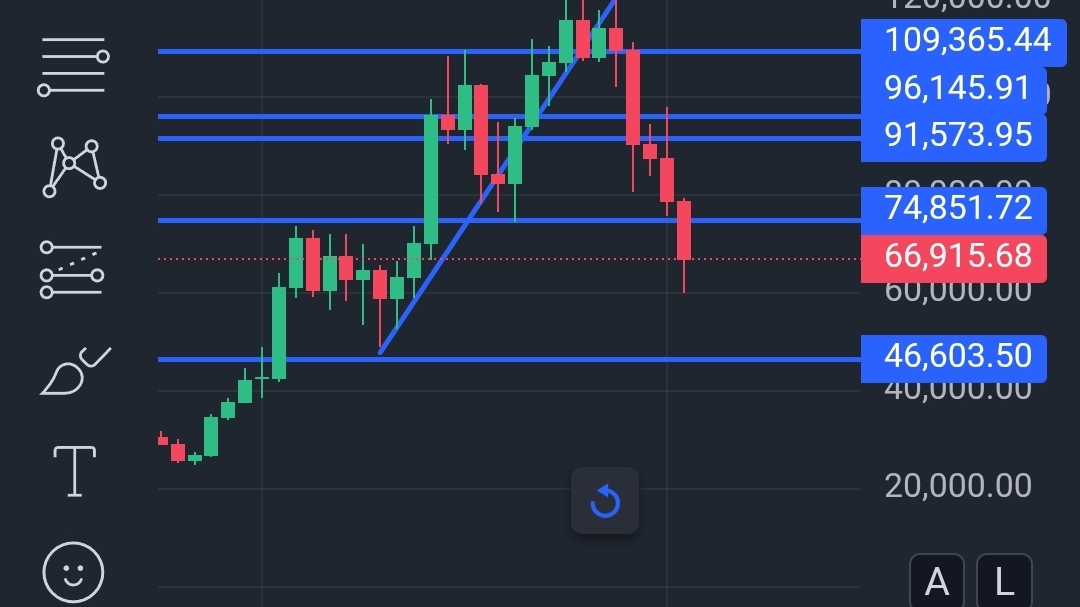
big whale fish investorBitcoin typically moves in cycles — expansion, correction, accumulation, and then another expansion phase. If the price gradually declines until March, it could represent a healthy correction, especially after a strong rally. During such periods, large holders known as “whales” often adjust their positions. While retail investors may panic and sell, whales tend to accumulate strategically, taking advantage of lower prices to build long-term positions.
A correction helps reset the market. Overleveraged positions get liquidated, short-term traders exit, and stronger hands step in. Although this phase can feel negative or slow, it often creates the foundation for the next upward move. Smart money generally accumulates during fear-driven pullbacks rather than during hype-driven peaks.
If the goal is to potentially achieve 180% growth by 2027, a disciplined strategy is essential. This may include dollar-cost averaging (DCA), proper risk management, and maintaining a long-term perspective. Crypto markets are also influenced by macroeconomic liquidity cycles, regulatory developments, and institutional adoption trends.#BCHJumps28%OnCMEFuturesListing #CardanoJoinsX402PaymentStandard #21SharesLaunchesEuropesFirstZcashETP #DollarIndexReclaims101 #bitcoin
big whale fish investor
Bitcoin typically moves in cycles — expansion, correction, accumulation, and then another expansion phase. If the price gradually declines until March, it could represent a healthy correction, especially after a strong rally. During such periods, large holders known as “whales” often adjust their positions. While retail investors may panic and sell, whales tend to accumulate strategically, taking advantage of lower prices to build long-term positions.
A correction helps reset the market. Overleveraged positions get liquidated, short-term traders exit, and stronger hands step in. Although this phase can feel negative or slow, it often creates the foundation for the next upward move. Smart money generally accumulates during fear-driven pullbacks rather than during hype-driven peaks.
If the goal is to potentially achieve 180% growth by 2027, a disciplined strategy is essential. This may include dollar-cost averaging (DCA), proper risk management, and maintaining a long-term perspective. Crypto markets are also influenced by macroeconomic liquidity cycles, regulatory developments, and institutional adoption trends.#BCHJumps28%OnCMEFuturesListing #CardanoJoinsX402PaymentStandard #21SharesLaunchesEuropesFirstZcashETP #DollarIndexReclaims101 #bitcoin
A correction helps reset the market. Overleveraged positions get liquidated, short-term traders exit, and stronger hands step in. Although this phase can feel negative or slow, it often creates the foundation for the next upward move. Smart money generally accumulates during fear-driven pullbacks rather than during hype-driven peaks.
If the goal is to potentially achieve 180% growth by 2027, a disciplined strategy is essential. This may include dollar-cost averaging (DCA), proper risk management, and maintaining a long-term perspective. Crypto markets are also influenced by macroeconomic liquidity cycles, regulatory developments, and institutional adoption trends.#BCHJumps28%OnCMEFuturesListing #CardanoJoinsX402PaymentStandard #21SharesLaunchesEuropesFirstZcashETP #DollarIndexReclaims101 #bitcoin
1
1
·
--
看跌
比特幣通常會以週期性方式運行——擴張、回調、累積,然後進入另一個擴張階段。如果價格在3月之前逐步下跌,這可能代表一種健康的回調,尤其是在經歷強勁反彈之後。在這樣的時期,通常被稱爲“鯨魚”的大型持有者往往會調整倉位。散戶投資者可能會驚慌並賣出,而鯨魚則傾向於在較低價格時有策略地累積,用來建立長期持倉。
回調有助於重置市場。過度槓桿的倉位會被清算,短期交易者會退出,實力更強的參與者則會接棒。儘管這一階段可能讓人感覺負面或進展緩慢,但它往往會爲下一次上行動能奠定基礎。聰明資金通常會在由恐慌驅動的回撤中累積,而不是在由追捧驅動的高峯中進場。
如果目標是有望在2027年前實現180%的增長,就需要採取紀律性的策略。這可能包括定投(DCA)、合理的風險管理,以及保持長期視角。加密市場也會受到宏觀層面的流動性週期、監管進展以及機構採用趨勢的影響。
與其只關注短期波動,更關鍵的是理解更廣闊的市場週期。耐心、在回調期間進行戰略性累積,以及情緒上的自律,往往是讓投資者更好地把握長期顯著收益的因素。
比特幣通常會以週期性方式運行——擴張、回調、累積,然後進入另一個擴張階段。如果價格在3月之前逐步下跌,這可能代表一種健康的回調,尤其是在經歷強勁反彈之後。在這樣的時期,通常被稱爲“鯨魚”的大型持有者往往會調整倉位。散戶投資者可能會驚慌並賣出,而鯨魚則傾向於在較低價格時有策略地累積,用來建立長期持倉。
回調有助於重置市場。過度槓桿的倉位會被清算,短期交易者會退出,實力更強的參與者則會接棒。儘管這一階段可能讓人感覺負面或進展緩慢,但它往往會爲下一次上行動能奠定基礎。聰明資金通常會在由恐慌驅動的回撤中累積,而不是在由追捧驅動的高峯中進場。
如果目標是有望在2027年前實現180%的增長,就需要採取紀律性的策略。這可能包括定投(DCA)、合理的風險管理,以及保持長期視角。加密市場也會受到宏觀層面的流動性週期、監管進展以及機構採用趨勢的影響。
與其只關注短期波動,更關鍵的是理解更廣闊的市場週期。耐心、在回調期間進行戰略性累積,以及情緒上的自律,往往是讓投資者更好地把握長期顯著收益的因素。
回調有助於重置市場。過度槓桿的倉位會被清算,短期交易者會退出,實力更強的參與者則會接棒。儘管這一階段可能讓人感覺負面或進展緩慢,但它往往會爲下一次上行動能奠定基礎。聰明資金通常會在由恐慌驅動的回撤中累積,而不是在由追捧驅動的高峯中進場。
如果目標是有望在2027年前實現180%的增長,就需要採取紀律性的策略。這可能包括定投(DCA)、合理的風險管理,以及保持長期視角。加密市場也會受到宏觀層面的流動性週期、監管進展以及機構採用趨勢的影響。
與其只關注短期波動,更關鍵的是理解更廣闊的市場週期。耐心、在回調期間進行戰略性累積,以及情緒上的自律,往往是讓投資者更好地把握長期顯著收益的因素。
7
文章
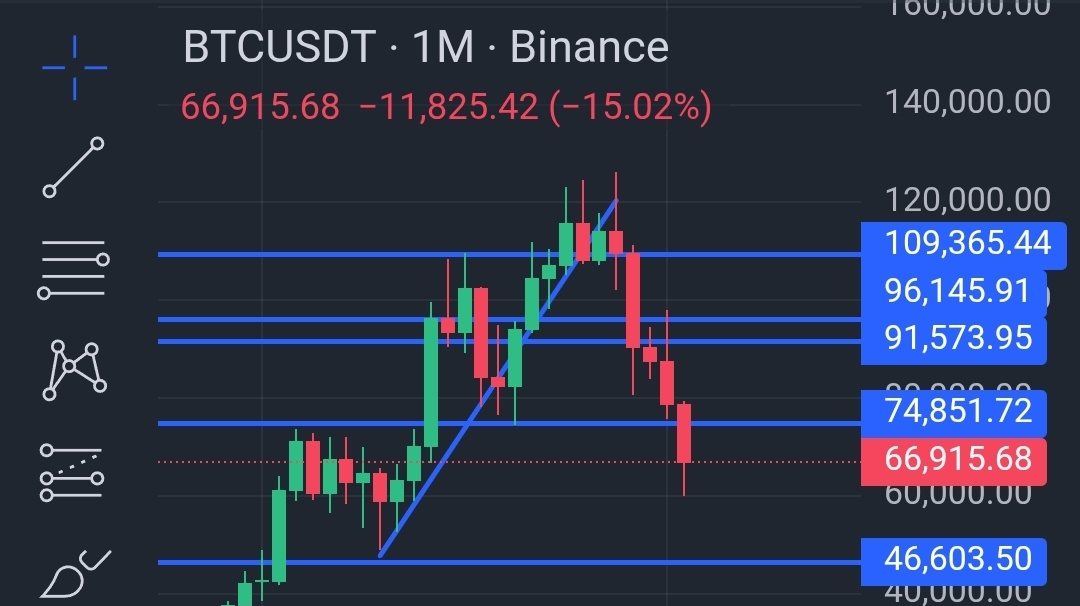
比特幣里正在發生點什麼大型機構有時具備影響市場情緒和價格走勢的能力,尤其是在像比特幣這樣的高度波動資產中。通過施加顯著的賣壓或傳播負面情緒,他們可能會將價格大致下推 10–20%。
當價格急劇下跌時,中小散戶往往會驚慌,出於對進一步損失的恐懼而開始拋售其持倉。這種恐慌性拋售會增加市場下行的動能。
在價格下跌之後,弱勢籌碼退出之後,大型投資公司和機構投資者可能會在更低的價位介入買入。通過以折扣價格累積比特幣,他們爲市場穩定並反彈時的潛在收益做好佈局。
比特幣里正在發生點什麼
大型機構有時具備影響市場情緒和價格走勢的能力,尤其是在像比特幣這樣的高度波動資產中。通過施加顯著的賣壓或傳播負面情緒,他們可能會將價格大致下推 10–20%。
當價格急劇下跌時,中小散戶往往會驚慌,出於對進一步損失的恐懼而開始拋售其持倉。這種恐慌性拋售會增加市場下行的動能。
在價格下跌之後,弱勢籌碼退出之後,大型投資公司和機構投資者可能會在更低的價位介入買入。通過以折扣價格累積比特幣,他們爲市場穩定並反彈時的潛在收益做好佈局。
當價格急劇下跌時,中小散戶往往會驚慌,出於對進一步損失的恐懼而開始拋售其持倉。這種恐慌性拋售會增加市場下行的動能。
在價格下跌之後,弱勢籌碼退出之後,大型投資公司和機構投資者可能會在更低的價位介入買入。通過以折扣價格累積比特幣,他們爲市場穩定並反彈時的潛在收益做好佈局。
3
106
·
--
看漲
查看翻譯
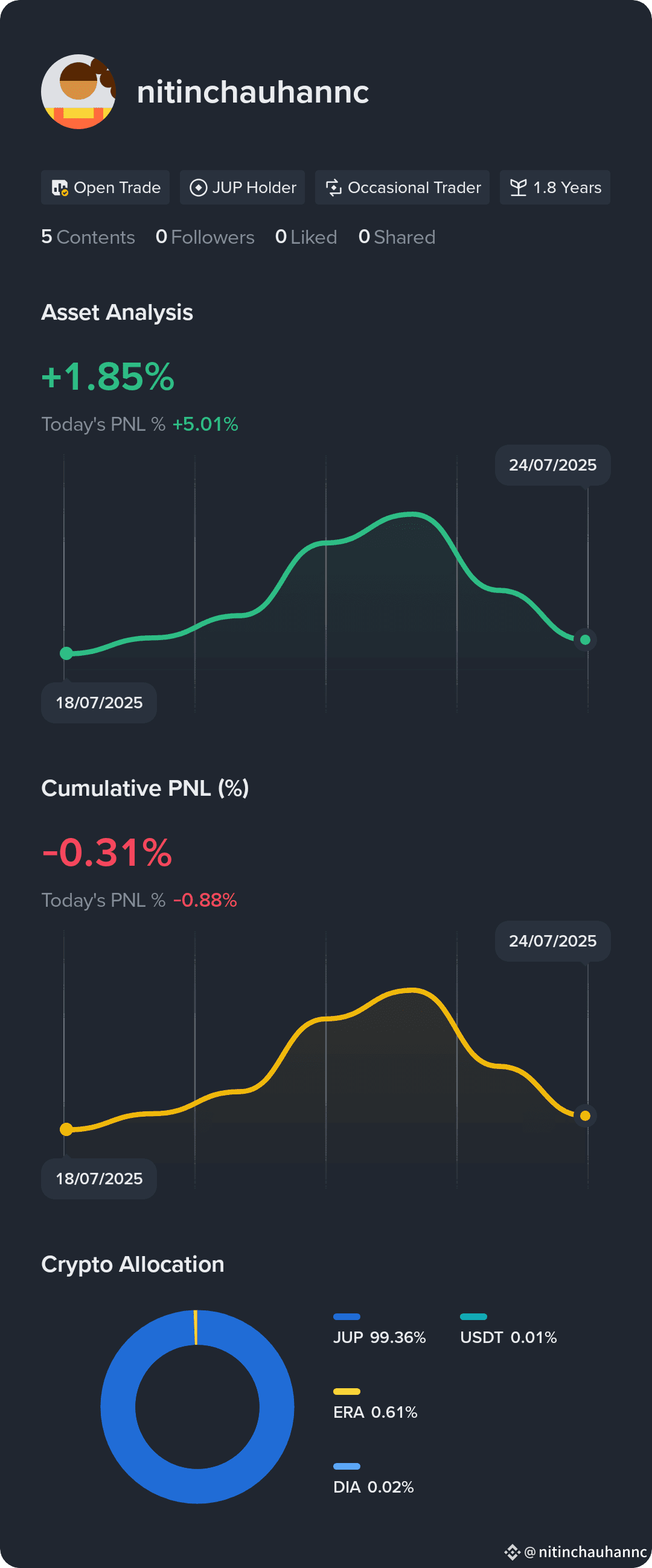
See my returns and portfolio breakdown. Follow for investment tips
The cryptocurrency market is a dynamic, decentralized financial ecosystem built on blockchain technology. Unlike traditional markets, it operates 24/7 and includes thousands of digital assets like Bitcoin (BTC), Ethereum (ETH), and altcoins. Bitcoin, created in 2009, remains the largest and most influential cryptocurrency, often seen as digital gold. Ethereum introduced smart contracts, enabling decentralized applications (dApps) and fueling sectors like decentralized finance (DeFi) and NFTs (non-fungible tokens).
Crypto assets are traded on centralized exchanges (like Binance, Coinbase) and decentralized platforms (like Uniswap). Prices are highly volatile, driven by supply-demand dynamics, global events, regulations, and investor sentiment. Regulation varies widely by country, with increasing scrutiny from governments and financial institutions.
Despite volatility and security concerns, the crypto market attracts investors, developers, and institutions seeking innovation and alternative wealth storage. As adoption grows, the market continues to evolve, shaping the future of digital finance and challenging the traditional banking system.
See my returns and portfolio breakdown. Follow for investment tips
The cryptocurrency market is a dynamic, decentralized financial ecosystem built on blockchain technology. Unlike traditional markets, it operates 24/7 and includes thousands of digital assets like Bitcoin (BTC), Ethereum (ETH), and altcoins. Bitcoin, created in 2009, remains the largest and most influential cryptocurrency, often seen as digital gold. Ethereum introduced smart contracts, enabling decentralized applications (dApps) and fueling sectors like decentralized finance (DeFi) and NFTs (non-fungible tokens).
Crypto assets are traded on centralized exchanges (like Binance, Coinbase) and decentralized platforms (like Uniswap). Prices are highly volatile, driven by supply-demand dynamics, global events, regulations, and investor sentiment. Regulation varies widely by country, with increasing scrutiny from governments and financial institutions.
Despite volatility and security concerns, the crypto market attracts investors, developers, and institutions seeking innovation and alternative wealth storage. As adoption grows, the market continues to evolve, shaping the future of digital finance and challenging the traditional banking system.
The cryptocurrency market is a dynamic, decentralized financial ecosystem built on blockchain technology. Unlike traditional markets, it operates 24/7 and includes thousands of digital assets like Bitcoin (BTC), Ethereum (ETH), and altcoins. Bitcoin, created in 2009, remains the largest and most influential cryptocurrency, often seen as digital gold. Ethereum introduced smart contracts, enabling decentralized applications (dApps) and fueling sectors like decentralized finance (DeFi) and NFTs (non-fungible tokens).
Crypto assets are traded on centralized exchanges (like Binance, Coinbase) and decentralized platforms (like Uniswap). Prices are highly volatile, driven by supply-demand dynamics, global events, regulations, and investor sentiment. Regulation varies widely by country, with increasing scrutiny from governments and financial institutions.
Despite volatility and security concerns, the crypto market attracts investors, developers, and institutions seeking innovation and alternative wealth storage. As adoption grows, the market continues to evolve, shaping the future of digital finance and challenging the traditional banking system.
1
·
--
看漲
加密貨幣市場是一個動態的、去中心化的金融生態系統,建立在區塊鏈技術之上。與傳統市場不同,它全天候運行,幷包括像比特幣(BTC)、以太坊(ETH)和山寨幣等數千種數字資產。比特幣於2009年創建,仍然是最大的、最具影響力的加密貨幣,常被視爲數字黃金。以太坊引入了智能合約,使去中心化應用(dApps)成爲可能,並推動了去中心化金融(DeFi)和NFT(非同質化代幣)等領域的發展。
加密資產在中心化交易所(如幣安、Coinbase)和去中心化平臺(如Uniswap)上交易。價格波動性極高,受供需動態、全球事件、法規和投資者情緒的驅動。各國的監管差異很大,政府和金融機構的審查力度不斷加大。
儘管存在波動性和安全問題,crypto市場仍吸引着尋求創新和替代財富存儲的投資者、開發者和機構。隨着採用率的提高,市場繼續發展,塑造數字金融的未來,並對傳統銀行系統構成挑戰。
加密貨幣市場是一個動態的、去中心化的金融生態系統,建立在區塊鏈技術之上。與傳統市場不同,它全天候運行,幷包括像比特幣(BTC)、以太坊(ETH)和山寨幣等數千種數字資產。比特幣於2009年創建,仍然是最大的、最具影響力的加密貨幣,常被視爲數字黃金。以太坊引入了智能合約,使去中心化應用(dApps)成爲可能,並推動了去中心化金融(DeFi)和NFT(非同質化代幣)等領域的發展。
加密資產在中心化交易所(如幣安、Coinbase)和去中心化平臺(如Uniswap)上交易。價格波動性極高,受供需動態、全球事件、法規和投資者情緒的驅動。各國的監管差異很大,政府和金融機構的審查力度不斷加大。
儘管存在波動性和安全問題,crypto市場仍吸引着尋求創新和替代財富存儲的投資者、開發者和機構。隨着採用率的提高,市場繼續發展,塑造數字金融的未來,並對傳統銀行系統構成挑戰。
加密資產在中心化交易所(如幣安、Coinbase)和去中心化平臺(如Uniswap)上交易。價格波動性極高,受供需動態、全球事件、法規和投資者情緒的驅動。各國的監管差異很大,政府和金融機構的審查力度不斷加大。
儘管存在波動性和安全問題,crypto市場仍吸引着尋求創新和替代財富存儲的投資者、開發者和機構。隨着採用率的提高,市場繼續發展,塑造數字金融的未來,並對傳統銀行系統構成挑戰。
26
·
--
看跌
查看翻譯
#CryptoScamSurge soon scams in crypto market makes crypto down towards but some crypto still make profit
#CryptoScamSurge soon scams in crypto market makes crypto down towards but some crypto still make profit
3
·
--
看漲
#MyFirstSquarePost 幣安廣場新手,很高興能在這裡與大家分享與交流!
讓我看好未來幾天的這筆交易
#MyFirstSquarePost 幣安廣場新手,很高興能在這裡與大家分享與交流!
讓我看好未來幾天的這筆交易
讓我看好未來幾天的這筆交易
93
登入以探索更多內容
加入幣安廣場中的全球加密貨幣用戶
⚡️ 獲取加密貨幣的最新和實用資訊。
💬 受到全球最大加密貨幣交易所的信任。
👍 發掘來自經過驗證創作者的真實見解。
電子郵件 / 電話號碼
熱門話題
美国10年期美债收益率逼近5.3%
0 次瀏覽
20 討論中
$BTC 國慶漲不漲,不看心情,看這2根線誰先被打穿
• 8.25萬–8.30 萬:最近反覆接針的位置。日線收破,假期敘事直接翻空,再往下看 7.8 萬–8.0 萬
• 8.5萬–8.6萬:長期持有者成本堆在這裏。不過去,全是假突破。
日線頂背離➕ETF 買盤降溫➕ 美債收益率仍高,薄盤向下比向上更快。
目前插針比較多,建議8.5上方做空比較好,以免插針被清算,中間位置少做單
财经悟空pro
·3 人按讚
·8.7k 次瀏覽
比特币ETF三季度净流入63.4亿美元
0 次瀏覽
20 討論中
韩国拟将股票债券纳入代币化证券
14,956 次瀏覽
76 討論中