

BNB-Boy
49 貼文

BNB-Boy
BP-129ABE7CA5F5
21 關注
7 粉絲
42 點讚數
貼文
全部
引用
BNB-Boy
·
--
我分享我對這個項目的真實看法。我相信$CASH確實有潛力,這源於它的社區和實際用途,而不是炒作。這是我的原創作品,我也不承諾任何保底收益。
BNB-Boy
·
--
我在幣安的收穫並不是什麼鉅額利潤——而是終於以自信的態度理解了加密貨幣。
剛下載幣安時,我以爲加密貨幣只是給那些整天盯着圖表的專家用的。起初,應用看起來讓人無從下手,我也擔心犯錯。與其急着去交易,我選擇花時間瀏覽平臺、瞭解各個功能怎麼運作,並從小額開始。
這個決定改變了我的體驗。
我很欣賞的一個功能是,它讓我能在一個地方輕鬆跟蹤自己的資產。以前我會覺得迷茫,但現在我真的能看到我持有什麼,並理解我的投資組合如何隨時間變化。我還發現了獎勵,以及參與幣安社區的簡單方式,這讓學習變得沒那麼令人生畏。
我最大的收穫是,能在自信的狀態下完成我第一次加密貨幣交易。這並不是想一夜暴富——而是克服一開始就不敢邁出步伐的恐懼。邁出那第一步讓我明白:學習比追逐快速收益更重要。
從那以後,我一直以自己的節奏探索加密貨幣領域。每一次小小的收穫、每一個我發現的功能、以及我做出的每一個負責任的決定,都像是又一個里程碑。回頭看,我才意識到,加密貨幣裏的進步不一定總用利潤來衡量。有時,它體現在你在過程中建立起來的自信。
如果你剛開始你的幣安之旅,不要覺得必須立刻把所有事情都弄懂。去學習、去提問、保持好奇心,並一步一步來。小的勝利最終會變成更大的勝利。
這就是我的幣安收穫。
@Binance Filipino #MyBinancePHWin
剛下載幣安時,我以爲加密貨幣只是給那些整天盯着圖表的專家用的。起初,應用看起來讓人無從下手,我也擔心犯錯。與其急着去交易,我選擇花時間瀏覽平臺、瞭解各個功能怎麼運作,並從小額開始。
這個決定改變了我的體驗。
我很欣賞的一個功能是,它讓我能在一個地方輕鬆跟蹤自己的資產。以前我會覺得迷茫,但現在我真的能看到我持有什麼,並理解我的投資組合如何隨時間變化。我還發現了獎勵,以及參與幣安社區的簡單方式,這讓學習變得沒那麼令人生畏。
我最大的收穫是,能在自信的狀態下完成我第一次加密貨幣交易。這並不是想一夜暴富——而是克服一開始就不敢邁出步伐的恐懼。邁出那第一步讓我明白:學習比追逐快速收益更重要。
從那以後,我一直以自己的節奏探索加密貨幣領域。每一次小小的收穫、每一個我發現的功能、以及我做出的每一個負責任的決定,都像是又一個里程碑。回頭看,我才意識到,加密貨幣裏的進步不一定總用利潤來衡量。有時,它體現在你在過程中建立起來的自信。
如果你剛開始你的幣安之旅,不要覺得必須立刻把所有事情都弄懂。去學習、去提問、保持好奇心,並一步一步來。小的勝利最終會變成更大的勝利。
這就是我的幣安收穫。
@Binance Filipino #MyBinancePHWin
BNB-Boy
·
--
*平均每小時工資(AHE)數字是什麼?
平均每小時工資,或稱 AHE,用來衡量美國員工每小時平均能賺到的金額。它由美國勞工統計局(Bureau of Labor Statistics)每月在《就業狀況摘要》(Employment Situation Summary)中發布。
為什麼 AHE 重要?
*工資成長*:它追蹤工資通膨。工資上升通常意味著勞工有更多可支配資金,進而帶動消費活動與 GDP。
*通膨訊號*:更快的工資成長可能推高企業成本。企業可能把這些成本轉嫁給消費者,增加通膨壓力。
*勞動市場健康度*:AHE 上升通常代表對勞工的需求強勁,且就業市場偏緊。
*政策影響*:聯準會(Federal Reserve)會密切關注 AHE。工資的重大變動可能影響利率決策。
總之,AHE 是觀察工資、通膨,以及經濟接下來可能走向的重要指標。
#TermMax @TermMax
平均每小時工資,或稱 AHE,用來衡量美國員工每小時平均能賺到的金額。它由美國勞工統計局(Bureau of Labor Statistics)每月在《就業狀況摘要》(Employment Situation Summary)中發布。
為什麼 AHE 重要?
*工資成長*:它追蹤工資通膨。工資上升通常意味著勞工有更多可支配資金,進而帶動消費活動與 GDP。
*通膨訊號*:更快的工資成長可能推高企業成本。企業可能把這些成本轉嫁給消費者,增加通膨壓力。
*勞動市場健康度*:AHE 上升通常代表對勞工的需求強勁,且就業市場偏緊。
*政策影響*:聯準會(Federal Reserve)會密切關注 AHE。工資的重大變動可能影響利率決策。
總之,AHE 是觀察工資、通膨,以及經濟接下來可能走向的重要指標。
#TermMax @TermMax
BNB-Boy
·
--
*TermMax V2 發佈:跨每個鏈實現更智能的固定利率交易
TermMax V2 已上線,它重塑了你在固定利率 DeFi 中的出借、借款與持倉追蹤方式。
核心升級:協議爲你而建。V2 不再需要你在各個市場裏尋覓,或在不同鏈之間切換;它會將一切聚合起來。策展者區間(Curator ranges)以及所有用戶限價單都被集中整合,讓你獲得一個最佳價格,並且只需簽署一次。
現在,所有支持的 EVM 鏈都以同一視圖呈現。即時對比收益率。你可以在主網並排看到 4%,以及二層網絡(L2)上的 6%,無需重新加載即可直接選擇。
每個市場的限價單均已上線。設置你想要的利率——無論是出借還是借款——讓市場來匹配你,尤其適用於大額交易。
新的儀表盤將跨鏈的債務、FT、金庫(vaults)、訂單與歷史記錄集中管理。立即連接並嘗試 V2。
#TermMax @TermMax
TermMax V2 已上線,它重塑了你在固定利率 DeFi 中的出借、借款與持倉追蹤方式。
核心升級:協議爲你而建。V2 不再需要你在各個市場裏尋覓,或在不同鏈之間切換;它會將一切聚合起來。策展者區間(Curator ranges)以及所有用戶限價單都被集中整合,讓你獲得一個最佳價格,並且只需簽署一次。
現在,所有支持的 EVM 鏈都以同一視圖呈現。即時對比收益率。你可以在主網並排看到 4%,以及二層網絡(L2)上的 6%,無需重新加載即可直接選擇。
每個市場的限價單均已上線。設置你想要的利率——無論是出借還是借款——讓市場來匹配你,尤其適用於大額交易。
新的儀表盤將跨鏈的債務、FT、金庫(vaults)、訂單與歷史記錄集中管理。立即連接並嘗試 V2。
#TermMax @TermMax
BNB-Boy
·
--
*TermMax V2:固定利率DeFi,終於簡單了
經過數月測試,TermMax V2 已上線。目標很簡單:讓應用替你完成繁重工作,你不必操心。
*最佳執行,自動完成*:V2 統一所有流動性。策展人區間(Curator ranges)和用戶限價單(user limit orders)在後臺合併。你只需獲得一條報價、簽署一次,即可在每個來源中獲得最佳費率。
*所有鏈,一個視圖*:不再需要切換鏈。以太坊、Arbitrum、BNB 等——每個市場與金庫都將匯聚在同一視圖中。通過篩選與對比即可立刻找到你的資產在何處收益最高。
*每個市場都可掌控*:限價單現已覆蓋所有 TermMax 市場。設置你的目標費率,然後等待做市/成交方(takers),而不是接受不理想的成交結果。
*你的指揮中心*:全新儀表盤展示跨所有鏈的持倉、FT、金庫、未成交訂單和歷史記錄。
今天就來試試 V2。
#TermMax @TermMax
經過數月測試,TermMax V2 已上線。目標很簡單:讓應用替你完成繁重工作,你不必操心。
*最佳執行,自動完成*:V2 統一所有流動性。策展人區間(Curator ranges)和用戶限價單(user limit orders)在後臺合併。你只需獲得一條報價、簽署一次,即可在每個來源中獲得最佳費率。
*所有鏈,一個視圖*:不再需要切換鏈。以太坊、Arbitrum、BNB 等——每個市場與金庫都將匯聚在同一視圖中。通過篩選與對比即可立刻找到你的資產在何處收益最高。
*每個市場都可掌控*:限價單現已覆蓋所有 TermMax 市場。設置你的目標費率,然後等待做市/成交方(takers),而不是接受不理想的成交結果。
*你的指揮中心*:全新儀表盤展示跨所有鏈的持倉、FT、金庫、未成交訂單和歷史記錄。
今天就來試試 V2。
#TermMax @TermMax
BNB-Boy
·
--
*TermMax App V2 已上線:一個 App,所有鏈,所有訂單 *
TermMax V2 現已推出,圍繞一個理念打造:你不需要替協議做事。
*統一訂單*:V2 會自動彙整策展人範圍 + 所有限價單,生成單一報價與交易。不再需要手動合併,以取得最佳成交。
*多鏈*:在同一個畫面查看所有 EVM 鏈上的每個市場與金庫。比對並排利率——例如以太坊上的 4% sUSDe vs L2 上的 6%——無需切換鏈。
*全平台皆可限價單*:在任何市場上發布你自己的利率。出借人設定最低利率,借款人設定最高利率。特別適合在流動性較薄的盤面中進行大型部位。
*強化儀表板*:在同一處追蹤所有債務、FT、金庫、訂單與跨鏈歷史。
V2 現已上線。連接錢包,體驗固定利率 DeFi,更加簡化。
#TermMax @TermMax
TermMax V2 現已推出,圍繞一個理念打造:你不需要替協議做事。
*統一訂單*:V2 會自動彙整策展人範圍 + 所有限價單,生成單一報價與交易。不再需要手動合併,以取得最佳成交。
*多鏈*:在同一個畫面查看所有 EVM 鏈上的每個市場與金庫。比對並排利率——例如以太坊上的 4% sUSDe vs L2 上的 6%——無需切換鏈。
*全平台皆可限價單*:在任何市場上發布你自己的利率。出借人設定最低利率,借款人設定最高利率。特別適合在流動性較薄的盤面中進行大型部位。
*強化儀表板*:在同一處追蹤所有債務、FT、金庫、訂單與跨鏈歷史。
V2 現已上線。連接錢包,體驗固定利率 DeFi,更加簡化。
#TermMax @TermMax
BNB-Boy
·
--
如何使用 Etherscan 上的 FTs 償還你的 TermMax 債務
想以較低滑點關閉 TermMax 槓桿部位嗎?在介面更新之前,進階使用者可以用 FTs 手動償還。
當你使用介面時,抵押品會以市價出售,可能面臨 MEV 與滑點風險。使用 FTs 償還則能讓你直接買回債務並保留更多抵押品。
*操作方式如下:*
1. 在市場的「Specs」分頁中 *尋找 FT/GT 位址*。
2. 透過 Etherscan 的 NFT Transfers 或儀表板取得你的 *GT ID*。
3. 在 GT 合約上 *呼叫 `loanInfo`*,取得你的 `debtAmt`。
4. 在 TermMax 上 *買入等於 `debtAmt` 的 FTs*。
5. *授權 FTs* 給 GT 合約,接著在 Etherscan 上 *呼叫 `repay`*。
先收回抵押品,然後自行透過 TWAP/限價單出售。在測試中,此方法節省了 +1.89%。
#TermMax @TermMax @TermMax
想以較低滑點關閉 TermMax 槓桿部位嗎?在介面更新之前,進階使用者可以用 FTs 手動償還。
當你使用介面時,抵押品會以市價出售,可能面臨 MEV 與滑點風險。使用 FTs 償還則能讓你直接買回債務並保留更多抵押品。
*操作方式如下:*
1. 在市場的「Specs」分頁中 *尋找 FT/GT 位址*。
2. 透過 Etherscan 的 NFT Transfers 或儀表板取得你的 *GT ID*。
3. 在 GT 合約上 *呼叫 `loanInfo`*,取得你的 `debtAmt`。
4. 在 TermMax 上 *買入等於 `debtAmt` 的 FTs*。
5. *授權 FTs* 給 GT 合約,接著在 Etherscan 上 *呼叫 `repay`*。
先收回抵押品,然後自行透過 TWAP/限價單出售。在測試中,此方法節省了 +1.89%。
#TermMax @TermMax @TermMax
BNB-Boy
·
--
升級時間:推出 TermMax XP 系統
TMX 預挖已於 8 月 11 日結束,你所獲得的 TMX 將永遠安全。現在是時候疊加 XP 了。
TermMax 全新 XP 系統將於 9 月 12 日推出,並在 TGE 時決定你的空投分配份額。我們將每日對你的持倉位置進行快照:
*Vault 存款 = 30x*、*FT 持有 = 15x*、*GT 持有 = 2x*。
範例:在金庫中存入 1,000 美元,每日可獲得 30,000 XP。
此外,透過推薦賺取 *來自 XP 的 10%*,並在排行榜(Leaderboard)上完成任務以獲得額外 XP。自 8 月 11 日以來的所有活動都將追溯計算。
公式很簡單:存更多、持有更久、推薦朋友、完成任務。你疊加的 XP 越多,你分到的 6% 空投份額就越大。LFG。
#TermMax @TermMax
TMX 預挖已於 8 月 11 日結束,你所獲得的 TMX 將永遠安全。現在是時候疊加 XP 了。
TermMax 全新 XP 系統將於 9 月 12 日推出,並在 TGE 時決定你的空投分配份額。我們將每日對你的持倉位置進行快照:
*Vault 存款 = 30x*、*FT 持有 = 15x*、*GT 持有 = 2x*。
範例:在金庫中存入 1,000 美元,每日可獲得 30,000 XP。
此外,透過推薦賺取 *來自 XP 的 10%*,並在排行榜(Leaderboard)上完成任務以獲得額外 XP。自 8 月 11 日以來的所有活動都將追溯計算。
公式很簡單:存更多、持有更久、推薦朋友、完成任務。你疊加的 XP 越多,你分到的 6% 空投份額就越大。LFG。
#TermMax @TermMax

1酱酱酱酱
·
--
我宣佈今晚不站街了 誤跑空哦


Hua BNB
·
--
兄弟們,給我新交易設置打分,滿分10分😂😂



Binance News
·
--
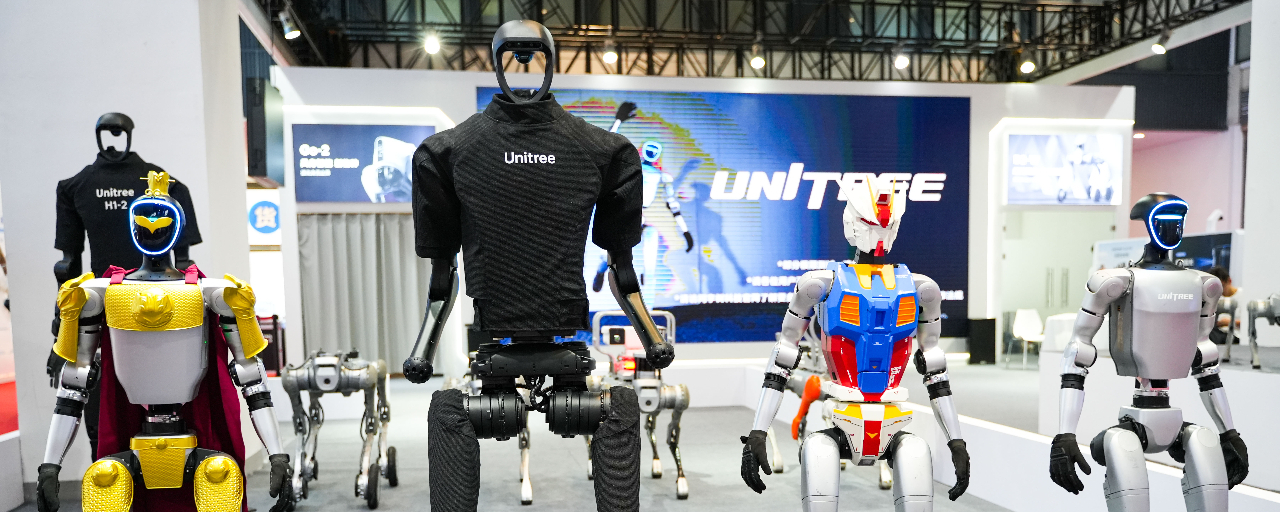
Unitree Robotics 上市首日暴漲629%,成爲內地首家人形機器人IPO
據彭博報道,宇樹機器人(Unitree Robotics)在上海交易首秀中股價大漲629%,此前其融資規模達到61億元人民幣(合9.04億美元)。這使其成爲中國內地首家公開上市的人形機器人制造商。公司官方名稱爲“玉數科技”(Yushu Technology),其股價從IPO發行價150.8元一路躍升至1,100元,隨後抹平了部分漲幅。開盤價對應的市值爲4450億元人民幣,與蘋果供應商立訊精密(Luxshare Precision)相當。該上市反映了投資者對“具身AI(physical AI)”日益增長的興趣,且隨着北京加大對戰略性技術的支持,這種需求進一步增強。彭博智庫(Bloomberg Intelligence)分析師Ian Ma表示,首日暴漲傳遞出市場對中國具身智能(embodied-AI)板塊的強勁需求,並可能爲優必選(UBTech)以及其他即將上市的機器人IPO提供更有利的估值參照。散戶申購甚至超過了上月內存芯片巨頭長鑫科技(CXMT)所募集的7.07萬億元人民幣。
登入以探索更多內容