

muhamadsolihin
21 貼文

muhamadsolihin
舉報
封鎖用戶
實盤交易
中頻交易者
2.3 年
58 關注
21 粉絲
12 點讚數
貼文
投資組合
全部
引用
文章
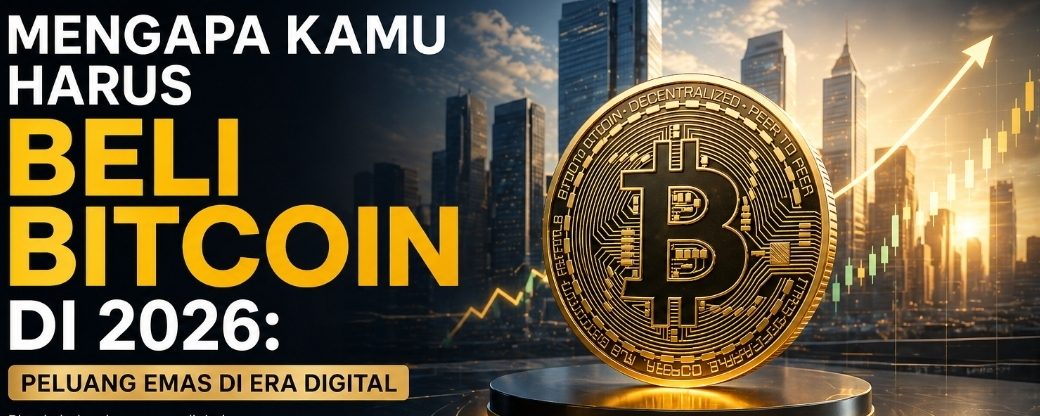
爲什麼你應該在2026年買入比特幣:數字時代的黃金機會在技術發展和全球金融系統變革的背景下,2026年買入比特幣的決定不再僅僅是個趨勢,而是構建金融未來的戰略步驟。許多投資者開始意識到,比特幣已經從一種投機資產發展成爲全球最被看重的投資工具之一。
現在的問題是,2026年買比特幣還相關嗎?答案是:比以往任何時候都更相關。
1. 供應有限,價值潛力持續上漲
爲什麼你應該在2026年買入比特幣:數字時代的黃金機會
在技術發展和全球金融系統變革的背景下,2026年買入比特幣的決定不再僅僅是個趨勢,而是構建金融未來的戰略步驟。許多投資者開始意識到,比特幣已經從一種投機資產發展成爲全球最被看重的投資工具之一。
現在的問題是,2026年買比特幣還相關嗎?答案是:比以往任何時候都更相關。
1. 供應有限,價值潛力持續上漲
現在的問題是,2026年買比特幣還相關嗎?答案是:比以往任何時候都更相關。
1. 供應有限,價值潛力持續上漲
195
贈品夥計們
贈品夥計們

cryptozidezi
·
--
看漲#cryptozidezi
5 美元幣 = 500 分.
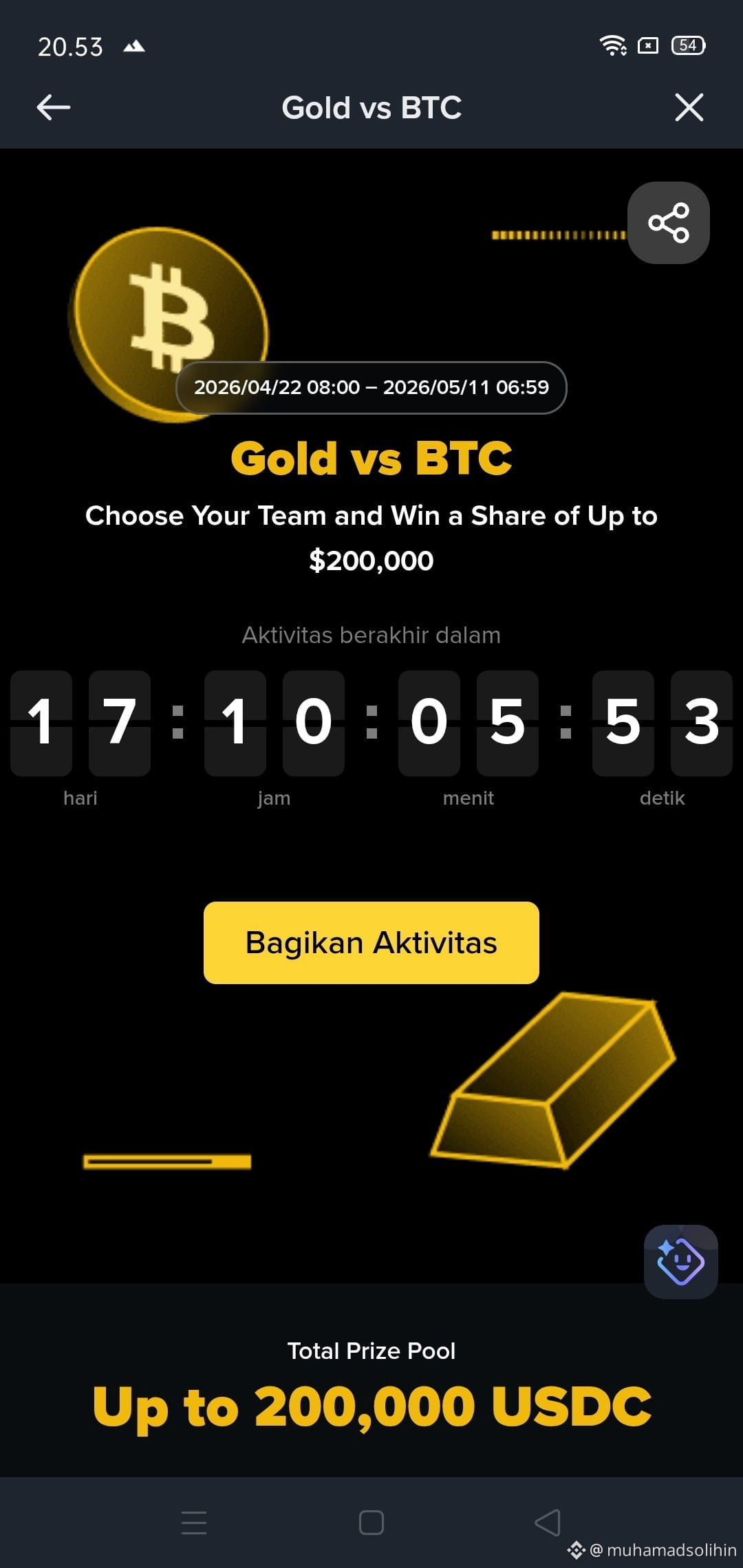
我將給一位隨機選中的粉絲 5 USDC.
規則:
– 點贊這條帖子
– 評論: “USDC”
– 至少 1111 個贊(否則將沒有贏家)
如果到 2026 年 4 月 24 日 12:00(UTC+2)這條帖子沒有達到 1111 個贊,
這個活動將每天重置,直到目標達到。
我會發布一段視頻,展示隨機選擇的過程和付款證明。
這只是個開始。獎勵會越來越豐厚。保持關注。
5 美元幣 = 500 分.
我將給一位隨機選中的粉絲 5 USDC.
規則:
– 點贊這條帖子
– 評論: “USDC”
– 至少 1111 個贊(否則將沒有贏家)
如果到 2026 年 4 月 24 日 12:00(UTC+2)這條帖子沒有達到 1111 個贊,
這個活動將每天重置,直到目標達到。
我會發布一段視頻,展示隨機選擇的過程和付款證明。
這只是個開始。獎勵會越來越豐厚。保持關注。

20
Gass 加入
Gass 加入


Binance Academy Indonesian
·
--
[重播] 🎙️ AMA "鏈上分析101" - 2026年4月
01 小時 20 分 33 秒 · 35k 人收聽
17
今天早些時候嘗試交易 $SIGN 期貨,只是想了解市場在 CreatorPad 活動期間的反應。
在 SIGNUSDT Perp 上開了一個小頭寸,並在不久後平倉。這次的結果並沒有盈利 (-2.53%),但讓我對價格波動和流動性在短期交易中的表現有了更清晰的瞭解。
目前,我將其視爲一個學習階段,觀察波動性、風險管理,以及在活動進行期間 SIGN 周圍的情緒發展。小額交易,真實體驗,真實教訓。
@SignOfficial $SIGN #SignDigitalSovereignInfra #creatorpad #BinanceSquare
今天早些時候嘗試交易 $SIGN 期貨,只是想了解市場在 CreatorPad 活動期間的反應。
在 SIGNUSDT Perp 上開了一個小頭寸,並在不久後平倉。這次的結果並沒有盈利 (-2.53%),但讓我對價格波動和流動性在短期交易中的表現有了更清晰的瞭解。
目前,我將其視爲一個學習階段,觀察波動性、風險管理,以及在活動進行期間 SIGN 周圍的情緒發展。小額交易,真實體驗,真實教訓。
@SignOfficial $SIGN #SignDigitalSovereignInfra #creatorpad #BinanceSquare
在 SIGNUSDT Perp 上開了一個小頭寸,並在不久後平倉。這次的結果並沒有盈利 (-2.53%),但讓我對價格波動和流動性在短期交易中的表現有了更清晰的瞭解。
目前,我將其視爲一個學習階段,觀察波動性、風險管理,以及在活動進行期間 SIGN 周圍的情緒發展。小額交易,真實體驗,真實教訓。
@SignOfficial $SIGN #SignDigitalSovereignInfra #creatorpad #BinanceSquare
3
38
文章
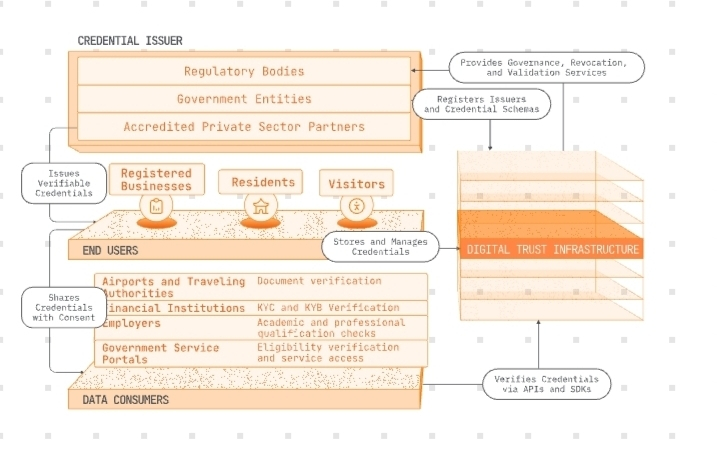
為什麼SIGN可能在數位主權基礎設施中發揮作用最近,我開始探索 @SignOfficial 和 $SIGN 背後的想法,特別是該專案如何將自己定位為數位主權基礎設施。這個概念引起了我的注意,因為當今許多地區都在尋找加強數位身份、所有權及安全鏈上驗證的方法,而不完全依賴集中式系統。
在中東等地區,數位轉型和經濟多元化正在迅速增長,支持可信數位證明的基礎設施可能變得越來越重要。像SIGN這樣的專案旨在提供工具,使使用者、機構和生態系統能夠透明地驗證資訊,同時保持對自己數位存在的控制。
為什麼SIGN可能在數位主權基礎設施中發揮作用
最近,我開始探索 @SignOfficial 和 $SIGN 背後的想法,特別是該專案如何將自己定位為數位主權基礎設施。這個概念引起了我的注意,因為當今許多地區都在尋找加強數位身份、所有權及安全鏈上驗證的方法,而不完全依賴集中式系統。
在中東等地區,數位轉型和經濟多元化正在迅速增長,支持可信數位證明的基礎設施可能變得越來越重要。像SIGN這樣的專案旨在提供工具,使使用者、機構和生態系統能夠透明地驗證資訊,同時保持對自己數位存在的控制。
在中東等地區,數位轉型和經濟多元化正在迅速增長,支持可信數位證明的基礎設施可能變得越來越重要。像SIGN這樣的專案旨在提供工具,使使用者、機構和生態系統能夠透明地驗證資訊,同時保持對自己數位存在的控制。
1
23
最近我注意到在Binance Square上,SIGN出現的頻率越來越高,所以我決定檢查一下背後的情況。
圍繞CreatorPad活動似乎有越來越多的活動,更多的創作者開始談論這個項目。我仍在探索生態系統是如何運作的,但早期的勢頭已經顯得很有趣。
目前,我會先觀察市場並學習更多,然後再做出任何交易決策。很期待看到SIGN在接下來的幾天內如何發展。
@SignOfficial
#SIGN
#SignDigitalSovereignInfrastructure
#CreatorPad
#BinanceSquare
#signdigitalsovereigninfra $SIGN
{spot}(SIGNUSDT)
最近我注意到在Binance Square上,SIGN出現的頻率越來越高,所以我決定檢查一下背後的情況。
圍繞CreatorPad活動似乎有越來越多的活動,更多的創作者開始談論這個項目。我仍在探索生態系統是如何運作的,但早期的勢頭已經顯得很有趣。
目前,我會先觀察市場並學習更多,然後再做出任何交易決策。很期待看到SIGN在接下來的幾天內如何發展。
@SignOfficial
#SIGN
#SignDigitalSovereignInfrastructure
#CreatorPad
#BinanceSquare
#signdigitalsovereigninfra $SIGN
圍繞CreatorPad活動似乎有越來越多的活動,更多的創作者開始談論這個項目。我仍在探索生態系統是如何運作的,但早期的勢頭已經顯得很有趣。
目前,我會先觀察市場並學習更多,然後再做出任何交易決策。很期待看到SIGN在接下來的幾天內如何發展。
@SignOfficial
#SIGN
#SignDigitalSovereignInfrastructure
#CreatorPad
#BinanceSquare
#signdigitalsovereigninfra $SIGN
1
16
登入以探索更多內容
加入幣安廣場中的全球加密貨幣用戶
⚡️ 獲取加密貨幣的最新和實用資訊。
💬 受到全球最大加密貨幣交易所的信任。
👍 發掘來自經過驗證創作者的真實見解。
電子郵件 / 電話號碼
熱門話題
以太坊三季度涨70.9%
107,246 次瀏覽
227 討論中
$ETH 以太坊這季度漲了70.8%。說實話,季初我沒敢重倉。
一季度跌29%,二季度再跌25%,連虧兩季,市場都在說以太坊不行了。結果7月到9月,從大概1570拉到2680附近。CoinGlass這數是2016年以來最強的三季度,去年三季度66.55%都蓋過去了。
比特幣同期42.71%,已經是2017年以來最好的三季度,還是被甩開。ETH/BTC一個季度擡了大約19%。現貨以太坊ETF進了約31億,比特幣ETF大約65億。錢是回來了,而且先回到跌得更慘的那個。
別高興太早。漲完還比年初低大概9%,離去年8月4950的高點還有一半左右。四季度歷史中位數才0.36%,三季度這種報復性行情,四季度經常還回去。
70.8%已經記在賬上了。下一季還領不領漲,就看ETF還進不進、ETH/BTC還站不站得住。
#以太坊三季度涨70.9%
逢春r
·2 人按讚
·15.1k 次瀏覽
美财政部允许各州提前提交稳定币认证
40,904 次瀏覽
61 討論中
美国10年期美债收益率逼近5.3%
81,641 次瀏覽
262 討論中