

Ruoxi 若曦
1.2k 貼文

Ruoxi 若曦
舉報
封鎖用戶
365 關注
22.1K+ 粉絲
1.4K+ 點讚數
貼文
全部
引用
直播
·
--
真實
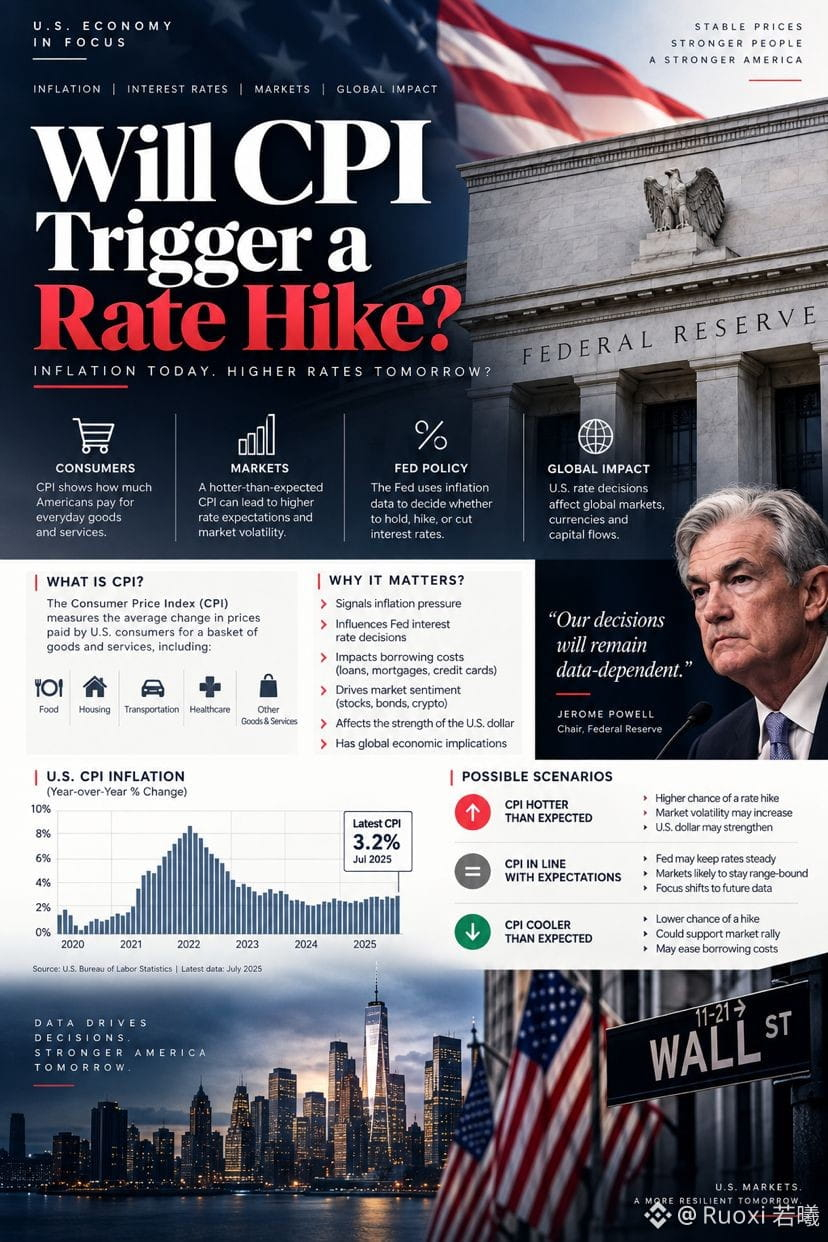
CPI會觸發加息嗎?
我一直密切關注這個局面,因爲這一次總覺得有點不一樣。
就業數據公佈得比預期更強,現在所有人都在等待CPI給美聯儲找出下一次藉口——或者說,下一條讓其保持謹慎的理由。
就我個人而言,我不太相信美聯儲會急着採取行動。單一強勁的數據點不會改變整體局面,但粘性通脹確實可能再次讓市場緊張。
最讓我擔心的是CPI公佈後的反應。幾分鐘之內,我們可能會看到股市受挫、收益率飆升,而黃金大幅波動。說實話,最先發生的那一步不一定是我信任的那一步。
目前我會對股票保持謹慎,並密切關注黃金。我寧願錯過第一根K線,也不想去追逐一段五分鐘後反轉的行情。
這就是我怎麼看。
你預計美聯儲會加息還是維持不變?看漲還是看跌?
#CPIWatch
CPI會觸發加息嗎?
我一直密切關注這個局面,因爲這一次總覺得有點不一樣。
就業數據公佈得比預期更強,現在所有人都在等待CPI給美聯儲找出下一次藉口——或者說,下一條讓其保持謹慎的理由。
就我個人而言,我不太相信美聯儲會急着採取行動。單一強勁的數據點不會改變整體局面,但粘性通脹確實可能再次讓市場緊張。
最讓我擔心的是CPI公佈後的反應。幾分鐘之內,我們可能會看到股市受挫、收益率飆升,而黃金大幅波動。說實話,最先發生的那一步不一定是我信任的那一步。
目前我會對股票保持謹慎,並密切關注黃金。我寧願錯過第一根K線,也不想去追逐一段五分鐘後反轉的行情。
這就是我怎麼看。
你預計美聯儲會加息還是維持不變?看漲還是看跌?
#CPIWatch
我一直密切關注這個局面,因爲這一次總覺得有點不一樣。
就業數據公佈得比預期更強,現在所有人都在等待CPI給美聯儲找出下一次藉口——或者說,下一條讓其保持謹慎的理由。
就我個人而言,我不太相信美聯儲會急着採取行動。單一強勁的數據點不會改變整體局面,但粘性通脹確實可能再次讓市場緊張。
最讓我擔心的是CPI公佈後的反應。幾分鐘之內,我們可能會看到股市受挫、收益率飆升,而黃金大幅波動。說實話,最先發生的那一步不一定是我信任的那一步。
目前我會對股票保持謹慎,並密切關注黃金。我寧願錯過第一根K線,也不想去追逐一段五分鐘後反轉的行情。
這就是我怎麼看。
你預計美聯儲會加息還是維持不變?看漲還是看跌?
#CPIWatch
131
·
--
@termmax 我一直在關注 DeFi 更不光鮮的一面,因爲那通常也是我學到最多的地方。TermMax 有一項漏洞賞金計劃,對在攻擊者之前發現嚴重智能合約問題賦予了真實的價值。
對於關鍵漏洞,獎勵爲直接受影響資金的 10%,上限爲 50,000 美元,最低爲 10,000 美元。我認爲這對白帽團隊儘早發聲是一個很有意義的激勵。
吸引我的是“重複攻擊”規則。如果一個合約可以被暫停或升級,那麼只計算最初的那次攻擊。如果無法停止,那麼可以將多次被反覆利用造成的累計損害納入考慮。這樣的設定更接近真實漏洞利用可能發生的方式。
TermMax 將固定利率的借貸與可自定義的 AMM 定價曲線結合起來,所以安全性不是我會輕易對待的事情。該賞金還要求提交概念驗證(proof of concept),並且測試限制在本地分叉(local forks)上,而不是在真實主網或公開測試網代碼上進行。
儘管如此,50K 的賞金並不會神奇地讓協議變得安全。漏洞可能仍未被發現,而 DeFi 也存在許多超出智能合約之外的風險。
就我個人而言,我把這項賞金視爲一個安全信號,而不是保證。
強有力的漏洞賞金會影響你使用 TermMax 的決定嗎?
#TermMax
$GALA
{spot}(GALAUSDT)
$BCH
{spot}(BCHUSDT)
@TermMax 我一直在關注 DeFi 更不光鮮的一面,因爲那通常也是我學到最多的地方。TermMax 有一項漏洞賞金計劃,對在攻擊者之前發現嚴重智能合約問題賦予了真實的價值。
對於關鍵漏洞,獎勵爲直接受影響資金的 10%,上限爲 50,000 美元,最低爲 10,000 美元。我認爲這對白帽團隊儘早發聲是一個很有意義的激勵。
吸引我的是“重複攻擊”規則。如果一個合約可以被暫停或升級,那麼只計算最初的那次攻擊。如果無法停止,那麼可以將多次被反覆利用造成的累計損害納入考慮。這樣的設定更接近真實漏洞利用可能發生的方式。
TermMax 將固定利率的借貸與可自定義的 AMM 定價曲線結合起來,所以安全性不是我會輕易對待的事情。該賞金還要求提交概念驗證(proof of concept),並且測試限制在本地分叉(local forks)上,而不是在真實主網或公開測試網代碼上進行。
儘管如此,50K 的賞金並不會神奇地讓協議變得安全。漏洞可能仍未被發現,而 DeFi 也存在許多超出智能合約之外的風險。
就我個人而言,我把這項賞金視爲一個安全信號,而不是保證。
強有力的漏洞賞金會影響你使用 TermMax 的決定嗎?
#TermMax
$GALA
$BCH
對於關鍵漏洞,獎勵爲直接受影響資金的 10%,上限爲 50,000 美元,最低爲 10,000 美元。我認爲這對白帽團隊儘早發聲是一個很有意義的激勵。
吸引我的是“重複攻擊”規則。如果一個合約可以被暫停或升級,那麼只計算最初的那次攻擊。如果無法停止,那麼可以將多次被反覆利用造成的累計損害納入考慮。這樣的設定更接近真實漏洞利用可能發生的方式。
TermMax 將固定利率的借貸與可自定義的 AMM 定價曲線結合起來,所以安全性不是我會輕易對待的事情。該賞金還要求提交概念驗證(proof of concept),並且測試限制在本地分叉(local forks)上,而不是在真實主網或公開測試網代碼上進行。
儘管如此,50K 的賞金並不會神奇地讓協議變得安全。漏洞可能仍未被發現,而 DeFi 也存在許多超出智能合約之外的風險。
就我個人而言,我把這項賞金視爲一個安全信號,而不是保證。
強有力的漏洞賞金會影響你使用 TermMax 的決定嗎?
#TermMax
$GALA
$BCH
Bounty Hunt 🟠
100%
Treasure Hunt 🟣
0%
4 票 • 投票已結束
1
1
460
·
--
部分真實
@termmax 當我閱讀 TermMax 的 XP 細分時,有一件事立刻引起了我的注意:乘數並不是對每個位置都相同。
金庫存款獲得基於債務資產價值的 30x XP,FT 持倉獲得 15x XP,GT 持倉獲得 2x XP。此外還有一個推薦部分,價值相當於被推薦用戶 XP 的 10%,不包括推薦獎勵本身。
說實話,我更喜歡這種邏輯,而不是那種簡單的“做 100 筆交易”活動。
它讓激勵體系和 TermMax 內部不同角色之間建立了聯繫。
而這些角色確實很重要,因爲 TermMax 會使用諸如固定利率代幣(Fixed-Rate Tokens)和槓桿代幣(Gearing Tokens)之類的工具,圍繞固定期限來構建借貸。
不過,30x 寫在紙面上確實很吸引人,但如果太多用戶涌入同一策略,它也可能變得沒那麼耀眼。
這點是我會重點關注的。
你認爲基於乘數的 XP 會帶來更好的用戶,還是隻是讓大家爲了同一筆空投展開更多競爭?
#TermMax
$ACE
{spot}(ACEUSDT)
$ONG
{spot}(ONGUSDT)
@TermMax 當我閱讀 TermMax 的 XP 細分時,有一件事立刻引起了我的注意:乘數並不是對每個位置都相同。
金庫存款獲得基於債務資產價值的 30x XP,FT 持倉獲得 15x XP,GT 持倉獲得 2x XP。此外還有一個推薦部分,價值相當於被推薦用戶 XP 的 10%,不包括推薦獎勵本身。
說實話,我更喜歡這種邏輯,而不是那種簡單的“做 100 筆交易”活動。
它讓激勵體系和 TermMax 內部不同角色之間建立了聯繫。
而這些角色確實很重要,因爲 TermMax 會使用諸如固定利率代幣(Fixed-Rate Tokens)和槓桿代幣(Gearing Tokens)之類的工具,圍繞固定期限來構建借貸。
不過,30x 寫在紙面上確實很吸引人,但如果太多用戶涌入同一策略,它也可能變得沒那麼耀眼。
這點是我會重點關注的。
你認爲基於乘數的 XP 會帶來更好的用戶,還是隻是讓大家爲了同一筆空投展開更多競爭?
#TermMax
$ACE
$ONG
金庫存款獲得基於債務資產價值的 30x XP,FT 持倉獲得 15x XP,GT 持倉獲得 2x XP。此外還有一個推薦部分,價值相當於被推薦用戶 XP 的 10%,不包括推薦獎勵本身。
說實話,我更喜歡這種邏輯,而不是那種簡單的“做 100 筆交易”活動。
它讓激勵體系和 TermMax 內部不同角色之間建立了聯繫。
而這些角色確實很重要,因爲 TermMax 會使用諸如固定利率代幣(Fixed-Rate Tokens)和槓桿代幣(Gearing Tokens)之類的工具,圍繞固定期限來構建借貸。
不過,30x 寫在紙面上確實很吸引人,但如果太多用戶涌入同一策略,它也可能變得沒那麼耀眼。
這點是我會重點關注的。
你認爲基於乘數的 XP 會帶來更好的用戶,還是隻是讓大家爲了同一筆空投展開更多競爭?
#TermMax
$ACE
$ONG
Bullish Token Volatility 🟢
73%
Bearish Token Volatility 🔴
27%
11 票 • 投票已結束
3
868
·
--
@termmax 我現在看待 DeFi 協議的方式有點不同。
在 TermMax 上看到 93% 的 DeFiSafety PQR 分數引起了我的注意,但我不把 93% 視為「安全了,搞定了,接著走」。我反而把它當作一個理由:更深入地去看,老實說我會這麼想。這個分數涵蓋程式碼、文件、測試、安全性、管理控制以及预言機。
TermMax 在「程式碼與團隊」打到 100%,在「安全性」是 94%,在「管理控制」是 97%,在「预言機」是 100%。測試是 89%,文件則是 70%。而那個數字——其實我最想更了解的就是它。
我認為安全分數應該這樣被使用。
不是當成綠燈,而是當成研究的起點。TermMax 也提到了單元測試、模糊測試(fuzzing)、變異測試(mutation testing)以及整合測試。
不過,DeFi 裡的智能合約風險永遠不會完全消失。
所以我對這個 93% 會保持關注,但不會盲目信任。
對於處理放貸、借貸以及結構化產品的協議而言,安全性不是配角——它就是整場遊戲。
93% 的 PQR 分數會改變你對某個 DeFi 協議的看法嗎?
#TermMax
$CLO
{future}(CLOUSDT)
$ACE
{spot}(ACEUSDT)
@TermMax 我現在看待 DeFi 協議的方式有點不同。
在 TermMax 上看到 93% 的 DeFiSafety PQR 分數引起了我的注意,但我不把 93% 視為「安全了,搞定了,接著走」。我反而把它當作一個理由:更深入地去看,老實說我會這麼想。這個分數涵蓋程式碼、文件、測試、安全性、管理控制以及预言機。
TermMax 在「程式碼與團隊」打到 100%,在「安全性」是 94%,在「管理控制」是 97%,在「预言機」是 100%。測試是 89%,文件則是 70%。而那個數字——其實我最想更了解的就是它。
我認為安全分數應該這樣被使用。
不是當成綠燈,而是當成研究的起點。TermMax 也提到了單元測試、模糊測試(fuzzing)、變異測試(mutation testing)以及整合測試。
不過,DeFi 裡的智能合約風險永遠不會完全消失。
所以我對這個 93% 會保持關注,但不會盲目信任。
對於處理放貸、借貸以及結構化產品的協議而言,安全性不是配角——它就是整場遊戲。
93% 的 PQR 分數會改變你對某個 DeFi 協議的看法嗎?
#TermMax
$CLO
$ACE
在 TermMax 上看到 93% 的 DeFiSafety PQR 分數引起了我的注意,但我不把 93% 視為「安全了,搞定了,接著走」。我反而把它當作一個理由:更深入地去看,老實說我會這麼想。這個分數涵蓋程式碼、文件、測試、安全性、管理控制以及预言機。
TermMax 在「程式碼與團隊」打到 100%,在「安全性」是 94%,在「管理控制」是 97%,在「预言機」是 100%。測試是 89%,文件則是 70%。而那個數字——其實我最想更了解的就是它。
我認為安全分數應該這樣被使用。
不是當成綠燈,而是當成研究的起點。TermMax 也提到了單元測試、模糊測試(fuzzing)、變異測試(mutation testing)以及整合測試。
不過,DeFi 裡的智能合約風險永遠不會完全消失。
所以我對這個 93% 會保持關注,但不會盲目信任。
對於處理放貸、借貸以及結構化產品的協議而言,安全性不是配角——它就是整場遊戲。
93% 的 PQR 分數會改變你對某個 DeFi 協議的看法嗎?
#TermMax
$CLO
$ACE
Bullish Volatile 🟢
67%
Bearish Volatile 🔴
33%
3 票 • 投票已結束
340
·
--
真實
@termmax 我一直在關注 DeFi 的清算側,因爲很多借貸思路都會在這裏接受真實檢驗。
一個協議可以提供誘人的利率,但當市場突然波動 30% 時會發生什麼?
TermMax 給出了一個有意思的答案:實物交割。在某些清算情境下,可以將抵押品交付給出借人,而不只是依賴在流動性很薄的市場中出售資產。該設計也旨在讓諸如低流動性資產以及部分 RWA 等抵押品更易於處理。
我認爲這可能是 TermMax 較不“炫目”的部分,但很可能也是更重要的一部分。
如果在急劇波動期間流動性消失,僅僅說“把它清算掉”並不能保證出借人獲得公平的回收。
但實物交割也並非萬能護盾。抵押品本身仍可能繼續貶值。
在極端波動時,你會比起傳統的市場清算,更信任實物交割嗎?
#TermMax
$GPS
{spot}(GPSUSDT)
$TUT
{spot}(TUTUSDT)
@TermMax 我一直在關注 DeFi 的清算側,因爲很多借貸思路都會在這裏接受真實檢驗。
一個協議可以提供誘人的利率,但當市場突然波動 30% 時會發生什麼?
TermMax 給出了一個有意思的答案:實物交割。在某些清算情境下,可以將抵押品交付給出借人,而不只是依賴在流動性很薄的市場中出售資產。該設計也旨在讓諸如低流動性資產以及部分 RWA 等抵押品更易於處理。
我認爲這可能是 TermMax 較不“炫目”的部分,但很可能也是更重要的一部分。
如果在急劇波動期間流動性消失,僅僅說“把它清算掉”並不能保證出借人獲得公平的回收。
但實物交割也並非萬能護盾。抵押品本身仍可能繼續貶值。
在極端波動時,你會比起傳統的市場清算,更信任實物交割嗎?
#TermMax
$GPS
$TUT
一個協議可以提供誘人的利率,但當市場突然波動 30% 時會發生什麼?
TermMax 給出了一個有意思的答案:實物交割。在某些清算情境下,可以將抵押品交付給出借人,而不只是依賴在流動性很薄的市場中出售資產。該設計也旨在讓諸如低流動性資產以及部分 RWA 等抵押品更易於處理。
我認爲這可能是 TermMax 較不“炫目”的部分,但很可能也是更重要的一部分。
如果在急劇波動期間流動性消失,僅僅說“把它清算掉”並不能保證出借人獲得公平的回收。
但實物交割也並非萬能護盾。抵押品本身仍可能繼續貶值。
在極端波動時,你會比起傳統的市場清算,更信任實物交割嗎?
#TermMax
$GPS
$TUT
Bullish volatility 🟢
33%
Bearish volatility 🔴
67%
12 票 • 投票已結束
1.3k
·
--
@Dusk_Foundation 我一直在關注 AI + 加密貨幣 的對話,總覺得缺了點什麼。每個人都在談論代理生成代碼、執行任務、讓事情進展更快。很少有人追問:當代理遵循一份已經過時、而沒人記得它過時的規範時,會發生什麼。
Pituitary(垂體)是 Dusk 爲解決那個更安靜的問題所做的嘗試。它關注規範、文檔、決策與代碼之間的關係,而不是把每個文件都當作彼此孤立的東西。它可以搜索規範、進行對比、找出陳舊文檔,並評估影響。
說實話,這纔是我覺得更有意思的 AI 工具。不是又一個聊天機器人告訴開發者該寫什麼代碼,而是能幫助開發者避免丟失項目最初意圖的系統。尤其是面向金融基礎設施的場景,隱私與合規可能本身就是實際應用邏輯的一部分。
不過這裏也有風險。過多的自動告警可能會變成噪音,團隊最終可能會開始無視它們。這個工具必須證明它發出的信號確實有用。
但如果 AI 要寫更多我們的代碼,我們不應該爲“如何記住代碼應該遵循的規則”構建更好的系統嗎?
#dusk $DUSK
$PORTAL
{spot}(PORTALUSDT)
$DOLO
{spot}(DOLOUSDT)
@Dusk 我一直在關注 AI + 加密貨幣 的對話,總覺得缺了點什麼。每個人都在談論代理生成代碼、執行任務、讓事情進展更快。很少有人追問:當代理遵循一份已經過時、而沒人記得它過時的規範時,會發生什麼。
Pituitary(垂體)是 Dusk 爲解決那個更安靜的問題所做的嘗試。它關注規範、文檔、決策與代碼之間的關係,而不是把每個文件都當作彼此孤立的東西。它可以搜索規範、進行對比、找出陳舊文檔,並評估影響。
說實話,這纔是我覺得更有意思的 AI 工具。不是又一個聊天機器人告訴開發者該寫什麼代碼,而是能幫助開發者避免丟失項目最初意圖的系統。尤其是面向金融基礎設施的場景,隱私與合規可能本身就是實際應用邏輯的一部分。
不過這裏也有風險。過多的自動告警可能會變成噪音,團隊最終可能會開始無視它們。這個工具必須證明它發出的信號確實有用。
但如果 AI 要寫更多我們的代碼,我們不應該爲“如何記住代碼應該遵循的規則”構建更好的系統嗎?
#dusk $DUSK
$PORTAL
$DOLO
Pituitary(垂體)是 Dusk 爲解決那個更安靜的問題所做的嘗試。它關注規範、文檔、決策與代碼之間的關係,而不是把每個文件都當作彼此孤立的東西。它可以搜索規範、進行對比、找出陳舊文檔,並評估影響。
說實話,這纔是我覺得更有意思的 AI 工具。不是又一個聊天機器人告訴開發者該寫什麼代碼,而是能幫助開發者避免丟失項目最初意圖的系統。尤其是面向金融基礎設施的場景,隱私與合規可能本身就是實際應用邏輯的一部分。
不過這裏也有風險。過多的自動告警可能會變成噪音,團隊最終可能會開始無視它們。這個工具必須證明它發出的信號確實有用。
但如果 AI 要寫更多我們的代碼,我們不應該爲“如何記住代碼應該遵循的規則”構建更好的系統嗎?
#dusk $DUSK
$PORTAL
$DOLO
Bullish Time 🟢
100%
Bearish Time 🔴
0%
3 票 • 投票已結束
297
·
--
真實
@Dusk_Foundation 有件事我在閱讀 Dusk 的文件時注意到:智慧合約正逐漸成為網路經濟的一部分,而不只是其應用。
Dusk 的經濟協議(Economic Protocol)讓智慧合約可以收取費用、支付 Gas,並可自主運作。聽起來像是一項小小的技術改進,但一旦你想到金融應用的運作方式,這就不再只是技術細節。合約可以擁有自己的經濟行為,而不是依賴每位使用者去手動管理每個步驟。
接著,Stake 抽象(Stake Abstraction)又加上一層。
合約可以參與質押(staking)、處理取消質押(unstaking),並獲取質押獎勵。因此,合約不只是執行金融邏輯——它也能管理圍繞該邏輯的一部分網路經濟。這也是我覺得特別有趣的地方。
這可能讓質押基礎設施變得更具可組合性。但可組合性總會帶來另一個問題——合約由誰來控制?如果程式碼有 bug 會發生什麼?
Dusk 可以提供基礎設施,但應用層面的風險仍然屬於開發者與使用者。
你會使用一個自動進行質押並管理你的 DUSK 的智慧合約嗎?
#dusk $DUSK
$COW
{spot}(COWUSDT)
$HEMI
{spot}(HEMIUSDT)
@Dusk 有件事我在閱讀 Dusk 的文件時注意到:智慧合約正逐漸成為網路經濟的一部分,而不只是其應用。
Dusk 的經濟協議(Economic Protocol)讓智慧合約可以收取費用、支付 Gas,並可自主運作。聽起來像是一項小小的技術改進,但一旦你想到金融應用的運作方式,這就不再只是技術細節。合約可以擁有自己的經濟行為,而不是依賴每位使用者去手動管理每個步驟。
接著,Stake 抽象(Stake Abstraction)又加上一層。
合約可以參與質押(staking)、處理取消質押(unstaking),並獲取質押獎勵。因此,合約不只是執行金融邏輯——它也能管理圍繞該邏輯的一部分網路經濟。這也是我覺得特別有趣的地方。
這可能讓質押基礎設施變得更具可組合性。但可組合性總會帶來另一個問題——合約由誰來控制?如果程式碼有 bug 會發生什麼?
Dusk 可以提供基礎設施,但應用層面的風險仍然屬於開發者與使用者。
你會使用一個自動進行質押並管理你的 DUSK 的智慧合約嗎?
#dusk $DUSK
$COW
$HEMI
Dusk 的經濟協議(Economic Protocol)讓智慧合約可以收取費用、支付 Gas,並可自主運作。聽起來像是一項小小的技術改進,但一旦你想到金融應用的運作方式,這就不再只是技術細節。合約可以擁有自己的經濟行為,而不是依賴每位使用者去手動管理每個步驟。
接著,Stake 抽象(Stake Abstraction)又加上一層。
合約可以參與質押(staking)、處理取消質押(unstaking),並獲取質押獎勵。因此,合約不只是執行金融邏輯——它也能管理圍繞該邏輯的一部分網路經濟。這也是我覺得特別有趣的地方。
這可能讓質押基礎設施變得更具可組合性。但可組合性總會帶來另一個問題——合約由誰來控制?如果程式碼有 bug 會發生什麼?
Dusk 可以提供基礎設施,但應用層面的風險仍然屬於開發者與使用者。
你會使用一個自動進行質押並管理你的 DUSK 的智慧合約嗎?
#dusk $DUSK
$COW
$HEMI
Buying Bullish 🟢
80%
Selling Bearish 🔴
20%
5 票 • 投票已結束
4
1
642
·
--
@Dusk_Foundation 我一直在關注黎明(Dusk)的一件事:現在生態系統的故事感覺不一樣了。
吸引我注意的並不只是隱私角度。更在於黎明(Dusk)正在圍繞受監管的金融搭建多項組件——從 DuskVM 和 DuskEVM,到身份、結算以及資產工作流。這樣一來,這個網絡給人的感覺更像是基礎設施,而不只是單一產品。
如今,Dusk 的文檔展示了與 Chainlink、NPEX、Quantoz 和 Cordial Systems 等名稱的集成,它們分別觸及金融的不同部分。Chainlink 通過 CCIP 帶來跨鏈消息與數據;而 NPEX 則直接對接受監管的真實世界資產與證券活動。
我認爲,這正是黎明(Dusk)變得有趣的地方。金融機構通常不需要“另一個區塊鏈”,僅僅因爲它更快或更便宜。他們需要的是:在不把所有東西都強行封閉成單一系統的前提下,讓隱私、合規、結算與互操作性協同運作。
不過,仍有一個大問題:紙面上的集成並不等同於持續採用。Dusk 需要真正的用戶、真實的資產規模以及真正的應用,來證明這個生態能否在夥伴關係之外繼續成長。
即便如此,從我所看到的情況來看,方向正在變得更清晰。Dusk 似乎先搭好了“軌道”,再讓應用跟上。
你覺得這種“先做基礎設施”的思路,真的能把更多受監管的資產帶到鏈上嗎?
#dusk $DUSK
$ACE
{spot}(ACEUSDT)
$HEI
{spot}(HEIUSDT)
@Dusk 我一直在關注黎明(Dusk)的一件事:現在生態系統的故事感覺不一樣了。
吸引我注意的並不只是隱私角度。更在於黎明(Dusk)正在圍繞受監管的金融搭建多項組件——從 DuskVM 和 DuskEVM,到身份、結算以及資產工作流。這樣一來,這個網絡給人的感覺更像是基礎設施,而不只是單一產品。
如今,Dusk 的文檔展示了與 Chainlink、NPEX、Quantoz 和 Cordial Systems 等名稱的集成,它們分別觸及金融的不同部分。Chainlink 通過 CCIP 帶來跨鏈消息與數據;而 NPEX 則直接對接受監管的真實世界資產與證券活動。
我認爲,這正是黎明(Dusk)變得有趣的地方。金融機構通常不需要“另一個區塊鏈”,僅僅因爲它更快或更便宜。他們需要的是:在不把所有東西都強行封閉成單一系統的前提下,讓隱私、合規、結算與互操作性協同運作。
不過,仍有一個大問題:紙面上的集成並不等同於持續採用。Dusk 需要真正的用戶、真實的資產規模以及真正的應用,來證明這個生態能否在夥伴關係之外繼續成長。
即便如此,從我所看到的情況來看,方向正在變得更清晰。Dusk 似乎先搭好了“軌道”,再讓應用跟上。
你覺得這種“先做基礎設施”的思路,真的能把更多受監管的資產帶到鏈上嗎?
#dusk $DUSK
$ACE
$HEI
吸引我注意的並不只是隱私角度。更在於黎明(Dusk)正在圍繞受監管的金融搭建多項組件——從 DuskVM 和 DuskEVM,到身份、結算以及資產工作流。這樣一來,這個網絡給人的感覺更像是基礎設施,而不只是單一產品。
如今,Dusk 的文檔展示了與 Chainlink、NPEX、Quantoz 和 Cordial Systems 等名稱的集成,它們分別觸及金融的不同部分。Chainlink 通過 CCIP 帶來跨鏈消息與數據;而 NPEX 則直接對接受監管的真實世界資產與證券活動。
我認爲,這正是黎明(Dusk)變得有趣的地方。金融機構通常不需要“另一個區塊鏈”,僅僅因爲它更快或更便宜。他們需要的是:在不把所有東西都強行封閉成單一系統的前提下,讓隱私、合規、結算與互操作性協同運作。
不過,仍有一個大問題:紙面上的集成並不等同於持續採用。Dusk 需要真正的用戶、真實的資產規模以及真正的應用,來證明這個生態能否在夥伴關係之外繼續成長。
即便如此,從我所看到的情況來看,方向正在變得更清晰。Dusk 似乎先搭好了“軌道”,再讓應用跟上。
你覺得這種“先做基礎設施”的思路,真的能把更多受監管的資產帶到鏈上嗎?
#dusk $DUSK
$ACE
$HEI
Buying Time Long 🟢
0%
Selling Time Short 🔴
0%
Hold and Wait 🟠
0%
0 票 • 投票已結束
1
254
·
--
@Dusk_Foundation 有一件事我一直盯着 DUSK 並不斷追問:在比特幣仍是市場主要基準的情況下,較小的 L1 能開始獲得關注嗎?
吸引我注意的是 Dusk 的發展方向。它並不是試圖取代比特幣。它正在圍繞受監管的金融、隱私、選擇性披露以及鏈上結算來構建。這是一個非常不同的押注。
有意思的部分在於 Moonlight 和 Phoenix 的組合。一個讓交易保持公開,另一個則支持受保護的轉賬。在我看來,這對金融應用更具實用性——因爲並不總是需要完全透明。
另外,DuskEVM 爲開發者提供了熟悉的 Solidity/EVM 路徑。我認爲這很重要,因爲良好的基礎設施仍然需要建設者,而不只是強有力的敘事。
不過,我還不能把這稱爲已確認的趨勢轉變。CMC 顯示 DUSK 約爲 0.06 美元,市值大約 3000 萬美元,因此流動性和採用仍然是真實風險。
儘管如此,我會保持一個更簡單的判斷:如果當比特幣放緩時,DUSK 仍能保持強勢,那時我就會開始更密切地關注。
你認爲 DUSK 正展現出一些早期跡象,表明它的走勢正在與比特幣不同嗎?
#dusk $DUSK
$AKE
{future}(AKEUSDT)
$ACU
{future}(ACUUSDT)
@Dusk 有一件事我一直盯着 DUSK 並不斷追問:在比特幣仍是市場主要基準的情況下,較小的 L1 能開始獲得關注嗎?
吸引我注意的是 Dusk 的發展方向。它並不是試圖取代比特幣。它正在圍繞受監管的金融、隱私、選擇性披露以及鏈上結算來構建。這是一個非常不同的押注。
有意思的部分在於 Moonlight 和 Phoenix 的組合。一個讓交易保持公開,另一個則支持受保護的轉賬。在我看來,這對金融應用更具實用性——因爲並不總是需要完全透明。
另外,DuskEVM 爲開發者提供了熟悉的 Solidity/EVM 路徑。我認爲這很重要,因爲良好的基礎設施仍然需要建設者,而不只是強有力的敘事。
不過,我還不能把這稱爲已確認的趨勢轉變。CMC 顯示 DUSK 約爲 0.06 美元,市值大約 3000 萬美元,因此流動性和採用仍然是真實風險。
儘管如此,我會保持一個更簡單的判斷:如果當比特幣放緩時,DUSK 仍能保持強勢,那時我就會開始更密切地關注。
你認爲 DUSK 正展現出一些早期跡象,表明它的走勢正在與比特幣不同嗎?
#dusk $DUSK
$AKE
$ACU
吸引我注意的是 Dusk 的發展方向。它並不是試圖取代比特幣。它正在圍繞受監管的金融、隱私、選擇性披露以及鏈上結算來構建。這是一個非常不同的押注。
有意思的部分在於 Moonlight 和 Phoenix 的組合。一個讓交易保持公開,另一個則支持受保護的轉賬。在我看來,這對金融應用更具實用性——因爲並不總是需要完全透明。
另外,DuskEVM 爲開發者提供了熟悉的 Solidity/EVM 路徑。我認爲這很重要,因爲良好的基礎設施仍然需要建設者,而不只是強有力的敘事。
不過,我還不能把這稱爲已確認的趨勢轉變。CMC 顯示 DUSK 約爲 0.06 美元,市值大約 3000 萬美元,因此流動性和採用仍然是真實風險。
儘管如此,我會保持一個更簡單的判斷:如果當比特幣放緩時,DUSK 仍能保持強勢,那時我就會開始更密切地關注。
你認爲 DUSK 正展現出一些早期跡象,表明它的走勢正在與比特幣不同嗎?
#dusk $DUSK
$AKE
$ACU
Buying Long 🟢
64%
Selling Short 🔴
36%
11 票 • 投票已結束
1
1
270
·
--
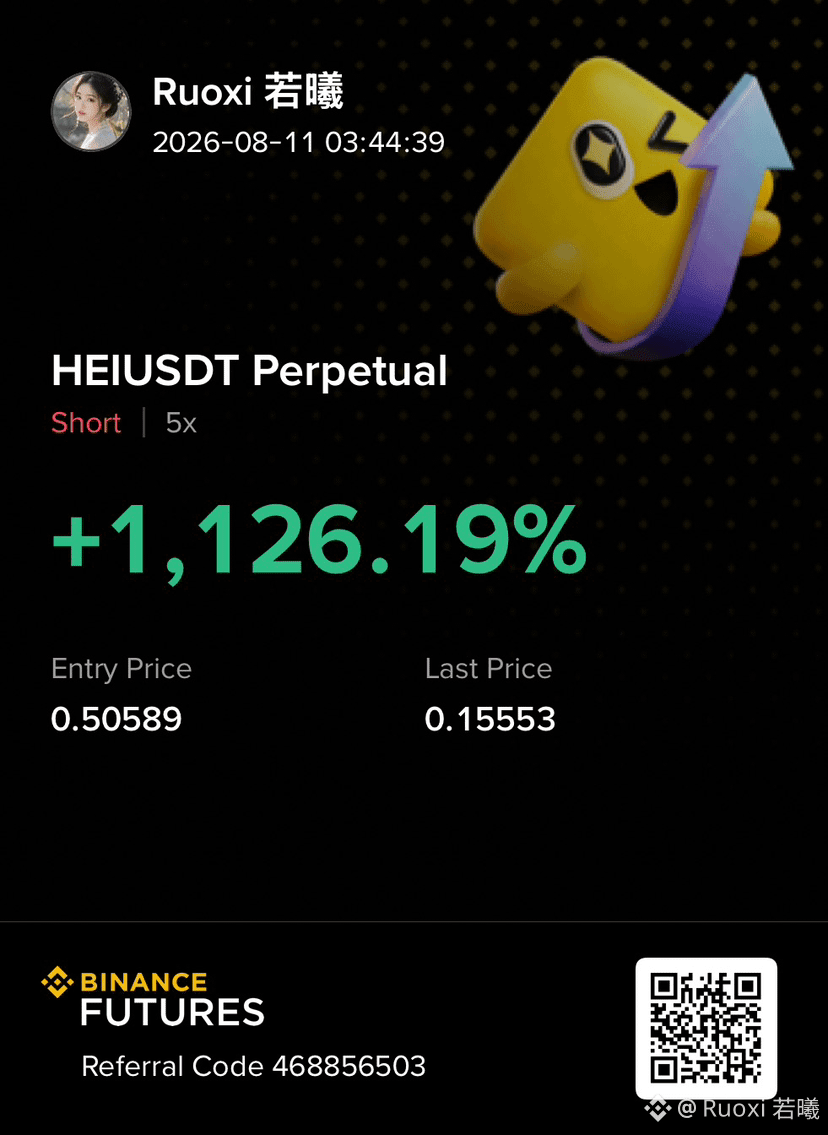
$HEI 進展得很順利🔥
交易進展得不錯,但我仍然保持簡單:不追單,不要過度自信。
我現在最喜歡的是動能。如果$HEI 能夠維持這種強勢,並在健康放量的情況下繼續攀升更高的水平,這套設置仍可能保持有趣。
對我來說,關鍵是耐心。讓圖表來確認這一步,而不是強行入場。
目前這筆交易不錯。讓我們看看$HEI 接下來會如何應對下一步。👀📈
$HEI 進展得很順利🔥
交易進展得不錯,但我仍然保持簡單:不追單,不要過度自信。
我現在最喜歡的是動能。如果$HEI 能夠維持這種強勢,並在健康放量的情況下繼續攀升更高的水平,這套設置仍可能保持有趣。
對我來說,關鍵是耐心。讓圖表來確認這一步,而不是強行入場。
目前這筆交易不錯。讓我們看看$HEI 接下來會如何應對下一步。👀📈
交易進展得不錯,但我仍然保持簡單:不追單,不要過度自信。
我現在最喜歡的是動能。如果$HEI 能夠維持這種強勢,並在健康放量的情況下繼續攀升更高的水平,這套設置仍可能保持有趣。
對我來說,關鍵是耐心。讓圖表來確認這一步,而不是強行入場。
目前這筆交易不錯。讓我們看看$HEI 接下來會如何應對下一步。👀📈
301
·
--
@babylonlabs_io 有一件事是我在瀏覽 Babylon 的 2025 年 Q4 創始人電話會議後注意到的:對話的內容變化有多大。
一年前,大多數人都在討論比特幣質押。現在,團隊的重點是讓比特幣在 DeFi 中真正可用——不依賴封裝資產,也不需要放棄自我託管。我認爲這比很多人意識到的要大的多。
吸引我注意的是“無託管比特幣金庫(Trustless Bitcoin Vaults)”。
這個想法聽起來出奇地簡單。你的 BTC 仍然掌握在你自己的控制之下,同時又可以作爲借貸以及其他 DeFi 用例的抵押品。如果 Babylon 做得很好,它可能會消除比特幣持有者一直避開鏈上金融的最大原因之一。
我也喜歡一點:創始人並沒有假裝一切都完美。
他們坦誠討論了 BABY 的賣壓、提升代幣實用性,以及爲什麼真正的產品應該在代幣經濟學試圖“捕獲價值”之前就先創造價值。說實話,這是更艱難的道路,而成功將取決於採用,而不是公告。
從我所看到的情況來看,Babylon 正在努力讓比特幣保持對其原初理念的忠實,同時賦予它更實用的用途。
這是一個雄心勃勃的目標,但執行纔是一切。如果用戶體驗不夠簡單,即便是最好的技術也很難獲得市場關注。
你認爲無託管比特幣金庫能成爲那個最終把更多比特幣帶入 DeFi 的功能嗎?
#baby $BABY
$HOME
{spot}(HOMEUSDT)
$BLESS
{future}(BLESSUSDT)
@BabylonLabs_io 有一件事是我在瀏覽 Babylon 的 2025 年 Q4 創始人電話會議後注意到的:對話的內容變化有多大。
一年前,大多數人都在討論比特幣質押。現在,團隊的重點是讓比特幣在 DeFi 中真正可用——不依賴封裝資產,也不需要放棄自我託管。我認爲這比很多人意識到的要大的多。
吸引我注意的是“無託管比特幣金庫(Trustless Bitcoin Vaults)”。
這個想法聽起來出奇地簡單。你的 BTC 仍然掌握在你自己的控制之下,同時又可以作爲借貸以及其他 DeFi 用例的抵押品。如果 Babylon 做得很好,它可能會消除比特幣持有者一直避開鏈上金融的最大原因之一。
我也喜歡一點:創始人並沒有假裝一切都完美。
他們坦誠討論了 BABY 的賣壓、提升代幣實用性,以及爲什麼真正的產品應該在代幣經濟學試圖“捕獲價值”之前就先創造價值。說實話,這是更艱難的道路,而成功將取決於採用,而不是公告。
從我所看到的情況來看,Babylon 正在努力讓比特幣保持對其原初理念的忠實,同時賦予它更實用的用途。
這是一個雄心勃勃的目標,但執行纔是一切。如果用戶體驗不夠簡單,即便是最好的技術也很難獲得市場關注。
你認爲無託管比特幣金庫能成爲那個最終把更多比特幣帶入 DeFi 的功能嗎?
#baby $BABY
$HOME
$BLESS
一年前,大多數人都在討論比特幣質押。現在,團隊的重點是讓比特幣在 DeFi 中真正可用——不依賴封裝資產,也不需要放棄自我託管。我認爲這比很多人意識到的要大的多。
吸引我注意的是“無託管比特幣金庫(Trustless Bitcoin Vaults)”。
這個想法聽起來出奇地簡單。你的 BTC 仍然掌握在你自己的控制之下,同時又可以作爲借貸以及其他 DeFi 用例的抵押品。如果 Babylon 做得很好,它可能會消除比特幣持有者一直避開鏈上金融的最大原因之一。
我也喜歡一點:創始人並沒有假裝一切都完美。
他們坦誠討論了 BABY 的賣壓、提升代幣實用性,以及爲什麼真正的產品應該在代幣經濟學試圖“捕獲價值”之前就先創造價值。說實話,這是更艱難的道路,而成功將取決於採用,而不是公告。
從我所看到的情況來看,Babylon 正在努力讓比特幣保持對其原初理念的忠實,同時賦予它更實用的用途。
這是一個雄心勃勃的目標,但執行纔是一切。如果用戶體驗不夠簡單,即便是最好的技術也很難獲得市場關注。
你認爲無託管比特幣金庫能成爲那個最終把更多比特幣帶入 DeFi 的功能嗎?
#baby $BABY
$HOME
$BLESS
Bullish Buying 🟢
100%
Bearish Selling 🔴
0%
1 票 • 投票已結束
1
147
·
--
@babylonlabs_io 有件事我一直盯着比特幣看,想知道爲什麼把它用於 DeFi 總意味着要放棄一些東西。
讀了 Babylon 的文檔後,我對這一點有了些新的看法。在公共測試網中,原生 BTC 可以被鎖定在一個無需信任的比特幣金庫裏,並通過 Aave v4 作爲抵押品使用。你的比特幣不會被包裝(wrapped),也不會交給託管方——老實說,這種方式感覺更貼近比特幣最初的精神。
我認爲這對 BTCFi 來說是一個有意義的步驟。不過它還是測試網;而且 peg-in(從原生 BTC 進入系統的)流程、確認時間以及清算行爲,都需要在真實市場壓力下經受檢驗,才能讓我完全信任。
如果比特幣還能在保持原生的同時解鎖流動性,那可能比大多數人預期的要更大的轉變。
你會用原生 BTC 借貸,還是更願意繼續持有?
#baby $BABY
$1000SATS
{spot}(1000SATSUSDT)
$IDOL
{future}(IDOLUSDT)
@BabylonLabs_io 有件事我一直盯着比特幣看,想知道爲什麼把它用於 DeFi 總意味着要放棄一些東西。
讀了 Babylon 的文檔後,我對這一點有了些新的看法。在公共測試網中,原生 BTC 可以被鎖定在一個無需信任的比特幣金庫裏,並通過 Aave v4 作爲抵押品使用。你的比特幣不會被包裝(wrapped),也不會交給託管方——老實說,這種方式感覺更貼近比特幣最初的精神。
我認爲這對 BTCFi 來說是一個有意義的步驟。不過它還是測試網;而且 peg-in(從原生 BTC 進入系統的)流程、確認時間以及清算行爲,都需要在真實市場壓力下經受檢驗,才能讓我完全信任。
如果比特幣還能在保持原生的同時解鎖流動性,那可能比大多數人預期的要更大的轉變。
你會用原生 BTC 借貸,還是更願意繼續持有?
#baby $BABY
$1000SATS
$IDOL
讀了 Babylon 的文檔後,我對這一點有了些新的看法。在公共測試網中,原生 BTC 可以被鎖定在一個無需信任的比特幣金庫裏,並通過 Aave v4 作爲抵押品使用。你的比特幣不會被包裝(wrapped),也不會交給託管方——老實說,這種方式感覺更貼近比特幣最初的精神。
我認爲這對 BTCFi 來說是一個有意義的步驟。不過它還是測試網;而且 peg-in(從原生 BTC 進入系統的)流程、確認時間以及清算行爲,都需要在真實市場壓力下經受檢驗,才能讓我完全信任。
如果比特幣還能在保持原生的同時解鎖流動性,那可能比大多數人預期的要更大的轉變。
你會用原生 BTC 借貸,還是更願意繼續持有?
#baby $BABY
$1000SATS
$IDOL
Bullish Buying 🟢
83%
Bearish Selling 🔴
17%
6 票 • 投票已結束
1
244
·
--
@babylonlabs_io 我在將 TBV 與封裝 BTC 以及各類橋對比時,有一個想法反覆涌上心頭:也許我們一直在解決錯誤的問題。
與其把比特幣到處搬運,難道更好的方案不是把它留在已經擁有最強安全性的地方嗎?
這就是爲什麼巴比倫的 TBV 特別打動我。它不依賴由集中式託管方持有代幣,也不依賴由橋接聯盟來控制贖回。比特幣依然留在自己的鏈上,而密碼學證明則將其與基於以太坊的活動連接起來。
我仍然看到了侷限性。額外的等待時間並不理想,而且這項技術比傳統封裝方法更新,因此落地需要時間。
想法:我寧願多等一會兒,也不想在我和我的 BTC 之間再引入一層託管。
如果讓你今天做選擇,你會信任託管方、橋,還是信任最小化的金庫(vault)?
#baby $BABY
$AXTIB
{spot}(AXTIBUSDT)
$SNXXB
{spot}(SNXXBUSDT)
@BabylonLabs_io 我在將 TBV 與封裝 BTC 以及各類橋對比時,有一個想法反覆涌上心頭:也許我們一直在解決錯誤的問題。
與其把比特幣到處搬運,難道更好的方案不是把它留在已經擁有最強安全性的地方嗎?
這就是爲什麼巴比倫的 TBV 特別打動我。它不依賴由集中式託管方持有代幣,也不依賴由橋接聯盟來控制贖回。比特幣依然留在自己的鏈上,而密碼學證明則將其與基於以太坊的活動連接起來。
我仍然看到了侷限性。額外的等待時間並不理想,而且這項技術比傳統封裝方法更新,因此落地需要時間。
想法:我寧願多等一會兒,也不想在我和我的 BTC 之間再引入一層託管。
如果讓你今天做選擇,你會信任託管方、橋,還是信任最小化的金庫(vault)?
#baby $BABY
$AXTIB
$SNXXB
與其把比特幣到處搬運,難道更好的方案不是把它留在已經擁有最強安全性的地方嗎?
這就是爲什麼巴比倫的 TBV 特別打動我。它不依賴由集中式託管方持有代幣,也不依賴由橋接聯盟來控制贖回。比特幣依然留在自己的鏈上,而密碼學證明則將其與基於以太坊的活動連接起來。
我仍然看到了侷限性。額外的等待時間並不理想,而且這項技術比傳統封裝方法更新,因此落地需要時間。
想法:我寧願多等一會兒,也不想在我和我的 BTC 之間再引入一層託管。
如果讓你今天做選擇,你會信任託管方、橋,還是信任最小化的金庫(vault)?
#baby $BABY
$AXTIB
$SNXXB
Bullish Zone 🟢
100%
Bearish Zone 🔴
0%
2 票 • 投票已結束
5
1
113
·
--
真實
@babylonlabs_io 我一直在關注比特幣 DeFi,但有一件事總讓我心裏不踏實。
比特幣是加密領域裏最大的資產,但在 DeFi 中使用的 BTC 卻只有大約 1%。這並不是因爲人們不想要收益。大多數持有者只是並不願意把自己的幣交給橋、託管方或“包裝代幣”。根據我所看到的情況,安全始終放在第一位。
Babylon 的無信任比特幣託管金庫(TBV)似乎是另一種思路。TBV 並不是把 BTC 從比特幣體系中挪開;相反,它允許你把原生 BTC 鎖進一個由你自主管控的 Taproot 金庫,而以太坊應用則會把它識別爲抵押品。不需要包裝 BTC。你的資金也不會被某個橋來持有。信任從“公司”轉向密碼學,以及比特幣/以太坊網絡本身。
我認爲這纔是這裏真正的創新。只要你想用它去借貸或在 DeFi 中使用,比特幣並不會因此就不再是比特幣。它仍然留在自己的鏈上,而協議通過密碼學驗證來證明跨鏈發生了什麼。相比我們多年來使用的那些模式,這是一種巨大的思維方式轉變。
不過話說回來,現在還很早。TBV 目前運行在比特幣 Signet 和以太坊測試網之上,而且它的設計比“簡單包裝 BTC”要複雜得多。像任何新協議一樣,真實世界的採用、安審,以及開發者集成,同樣會和技術本身一樣重要。
Babylon 已經證明了自託管的比特幣質押是可行的。如果 TBV 能把同樣的理念帶到“以比特幣爲底層資產”的 DeFi 中,我認爲它可能爲 BTC 解鎖一個完全不同的未來。
當你把比特幣投入 DeFi 來發揮作用時,你會更信任密碼學而不是託管方嗎?
#baby $BABY
$GRVT
{alpha}(560x46f2564e0fa8248d15125e7e54173cfbdef91be7)
$SNXXB
{spot}(SNXXBUSDT)
@BabylonLabs_io 我一直在關注比特幣 DeFi,但有一件事總讓我心裏不踏實。
比特幣是加密領域裏最大的資產,但在 DeFi 中使用的 BTC 卻只有大約 1%。這並不是因爲人們不想要收益。大多數持有者只是並不願意把自己的幣交給橋、託管方或“包裝代幣”。根據我所看到的情況,安全始終放在第一位。
Babylon 的無信任比特幣託管金庫(TBV)似乎是另一種思路。TBV 並不是把 BTC 從比特幣體系中挪開;相反,它允許你把原生 BTC 鎖進一個由你自主管控的 Taproot 金庫,而以太坊應用則會把它識別爲抵押品。不需要包裝 BTC。你的資金也不會被某個橋來持有。信任從“公司”轉向密碼學,以及比特幣/以太坊網絡本身。
我認爲這纔是這裏真正的創新。只要你想用它去借貸或在 DeFi 中使用,比特幣並不會因此就不再是比特幣。它仍然留在自己的鏈上,而協議通過密碼學驗證來證明跨鏈發生了什麼。相比我們多年來使用的那些模式,這是一種巨大的思維方式轉變。
不過話說回來,現在還很早。TBV 目前運行在比特幣 Signet 和以太坊測試網之上,而且它的設計比“簡單包裝 BTC”要複雜得多。像任何新協議一樣,真實世界的採用、安審,以及開發者集成,同樣會和技術本身一樣重要。
Babylon 已經證明了自託管的比特幣質押是可行的。如果 TBV 能把同樣的理念帶到“以比特幣爲底層資產”的 DeFi 中,我認爲它可能爲 BTC 解鎖一個完全不同的未來。
當你把比特幣投入 DeFi 來發揮作用時,你會更信任密碼學而不是託管方嗎?
#baby $BABY
$GRVT
$SNXXB
比特幣是加密領域裏最大的資產,但在 DeFi 中使用的 BTC 卻只有大約 1%。這並不是因爲人們不想要收益。大多數持有者只是並不願意把自己的幣交給橋、託管方或“包裝代幣”。根據我所看到的情況,安全始終放在第一位。
Babylon 的無信任比特幣託管金庫(TBV)似乎是另一種思路。TBV 並不是把 BTC 從比特幣體系中挪開;相反,它允許你把原生 BTC 鎖進一個由你自主管控的 Taproot 金庫,而以太坊應用則會把它識別爲抵押品。不需要包裝 BTC。你的資金也不會被某個橋來持有。信任從“公司”轉向密碼學,以及比特幣/以太坊網絡本身。
我認爲這纔是這裏真正的創新。只要你想用它去借貸或在 DeFi 中使用,比特幣並不會因此就不再是比特幣。它仍然留在自己的鏈上,而協議通過密碼學驗證來證明跨鏈發生了什麼。相比我們多年來使用的那些模式,這是一種巨大的思維方式轉變。
不過話說回來,現在還很早。TBV 目前運行在比特幣 Signet 和以太坊測試網之上,而且它的設計比“簡單包裝 BTC”要複雜得多。像任何新協議一樣,真實世界的採用、安審,以及開發者集成,同樣會和技術本身一樣重要。
Babylon 已經證明了自託管的比特幣質押是可行的。如果 TBV 能把同樣的理念帶到“以比特幣爲底層資產”的 DeFi 中,我認爲它可能爲 BTC 解鎖一個完全不同的未來。
當你把比特幣投入 DeFi 來發揮作用時,你會更信任密碼學而不是託管方嗎?
#baby $BABY
$GRVT
$SNXXB
Bullish Time Zone 🟢
50%
Bearish Time Zone 🔴
0%
Unpredictable Zone 🟠
50%
2 票 • 投票已結束
2
186
·
--
真實
@babylonlabs_io 有一件事我一直在關注:那些試圖把比特幣引入 DeFi 的項目。說實話,大多數最後都會依賴於“封裝資產”(wrapped assets),或者由某個人持有密鑰。這對我來說從來都不算是真正的答案。
Babylon 的 Aave v4 集成感覺不一樣。
你的 BTC 會在一個無需信任(Trustless)的比特幣金庫(Vault)裏保持鎖定,而 Aave v4 會通過專用適配器識別這筆被鎖定的 BTC 作爲抵押品。你可以在不進行跨鏈(bridging)或封裝的情況下借出資產——我認爲這確實是一個很有意義的變化。它的設計比我預期得更清爽。
我反覆想到的一點是:這並不是爲了讓比特幣“動起來”。而是讓比特幣在完全留在它應在的位置的同時變得有用。根據我在文檔裏看到的內容,這個金庫是專門爲 Aave 應用創建的;其中的內部記賬代幣(vaultBTC)只在協議內部代表抵押品——它並不是一個可交易的封裝 BTC 代幣。
當然,我仍然會保持謹慎。該集成正通過公共測試網逐步推出;借貸仍然存在清算風險;而每一種新的借貸模式都需要時間,才能在真實市場條件下證明自己。即便是很強的設計,也無法避免意想不到的邊緣情況。
我覺得 Babylon 正在嘗試解決一個多年來許多 BTC 持有者都在談論的問題:在不放棄自我託管(self-custody)的前提下,在 DeFi 中使用比特幣。
如果它從來都不需要離開比特幣網絡,你會拿原生 BTC 去借貸嗎?
#baby $BABY
$COTI
{spot}(COTIUSDT)
$UAI
{future}(UAIUSDT)
@BabylonLabs_io 有一件事我一直在關注:那些試圖把比特幣引入 DeFi 的項目。說實話,大多數最後都會依賴於“封裝資產”(wrapped assets),或者由某個人持有密鑰。這對我來說從來都不算是真正的答案。
Babylon 的 Aave v4 集成感覺不一樣。
你的 BTC 會在一個無需信任(Trustless)的比特幣金庫(Vault)裏保持鎖定,而 Aave v4 會通過專用適配器識別這筆被鎖定的 BTC 作爲抵押品。你可以在不進行跨鏈(bridging)或封裝的情況下借出資產——我認爲這確實是一個很有意義的變化。它的設計比我預期得更清爽。
我反覆想到的一點是:這並不是爲了讓比特幣“動起來”。而是讓比特幣在完全留在它應在的位置的同時變得有用。根據我在文檔裏看到的內容,這個金庫是專門爲 Aave 應用創建的;其中的內部記賬代幣(vaultBTC)只在協議內部代表抵押品——它並不是一個可交易的封裝 BTC 代幣。
當然,我仍然會保持謹慎。該集成正通過公共測試網逐步推出;借貸仍然存在清算風險;而每一種新的借貸模式都需要時間,才能在真實市場條件下證明自己。即便是很強的設計,也無法避免意想不到的邊緣情況。
我覺得 Babylon 正在嘗試解決一個多年來許多 BTC 持有者都在談論的問題:在不放棄自我託管(self-custody)的前提下,在 DeFi 中使用比特幣。
如果它從來都不需要離開比特幣網絡,你會拿原生 BTC 去借貸嗎?
#baby $BABY
$COTI
$UAI
Babylon 的 Aave v4 集成感覺不一樣。
你的 BTC 會在一個無需信任(Trustless)的比特幣金庫(Vault)裏保持鎖定,而 Aave v4 會通過專用適配器識別這筆被鎖定的 BTC 作爲抵押品。你可以在不進行跨鏈(bridging)或封裝的情況下借出資產——我認爲這確實是一個很有意義的變化。它的設計比我預期得更清爽。
我反覆想到的一點是:這並不是爲了讓比特幣“動起來”。而是讓比特幣在完全留在它應在的位置的同時變得有用。根據我在文檔裏看到的內容,這個金庫是專門爲 Aave 應用創建的;其中的內部記賬代幣(vaultBTC)只在協議內部代表抵押品——它並不是一個可交易的封裝 BTC 代幣。
當然,我仍然會保持謹慎。該集成正通過公共測試網逐步推出;借貸仍然存在清算風險;而每一種新的借貸模式都需要時間,才能在真實市場條件下證明自己。即便是很強的設計,也無法避免意想不到的邊緣情況。
我覺得 Babylon 正在嘗試解決一個多年來許多 BTC 持有者都在談論的問題:在不放棄自我託管(self-custody)的前提下,在 DeFi 中使用比特幣。
如果它從來都不需要離開比特幣網絡,你會拿原生 BTC 去借貸嗎?
#baby $BABY
$COTI
$UAI
Bullish Buying 🟢
33%
Bearish Selling 🔴
67%
6 票 • 投票已結束
2
612
·
--
@babylonlabs_io 這些天我一直用另一種方式看待空投。
很長一段時間,我以爲領取空投只是連接錢包然後等待代幣。後來我花了一些時間閱讀 Babylon 的文檔,其中有一個小步驟引起了我的注意。
要領取 BABY 空投,符合條件的用戶需要接受空投條款和隱私政策,並通過用他們的 BABY 錢包簽署一條加密信息來證明已接受。它不是一筆區塊鏈交易,也不需要支付 Gas。它只是一個錢包簽名,用來確認你在領取之前理解了規則。
我之所以喜歡這種做法,是因爲它能留下清晰的記錄:每一位參與者都同意相同的條件。Babylon 正在通過自託管 BTC 質押,爲 PoS 鏈構建由比特幣背書的安全性,因此擁有透明的領取流程,與這種理念也是一致的。
不過,仍有一個想法一直縈繞在我腦海裏:大多數人點擊“接受”時不看任何一行文字。如果之後資格條件、地區限制或數據處理方式真的會影響結果,這種習慣很容易變成問題。我認爲花兩分鐘閱讀條款,比急着去領取更值得。
在簽署之前,你會閱讀空投的條款 & 隱私政策嗎?還是你通常會相信流程並直接點擊接受?
#baby $BABY
$ESP $BABYSHARK
{spot}(ESPUSDT)
{alpha}(560x777bf78ad4546b61607a17bf4a1977dbbea98c28)
@BabylonLabs_io 這些天我一直用另一種方式看待空投。
很長一段時間,我以爲領取空投只是連接錢包然後等待代幣。後來我花了一些時間閱讀 Babylon 的文檔,其中有一個小步驟引起了我的注意。
要領取 BABY 空投,符合條件的用戶需要接受空投條款和隱私政策,並通過用他們的 BABY 錢包簽署一條加密信息來證明已接受。它不是一筆區塊鏈交易,也不需要支付 Gas。它只是一個錢包簽名,用來確認你在領取之前理解了規則。
我之所以喜歡這種做法,是因爲它能留下清晰的記錄:每一位參與者都同意相同的條件。Babylon 正在通過自託管 BTC 質押,爲 PoS 鏈構建由比特幣背書的安全性,因此擁有透明的領取流程,與這種理念也是一致的。
不過,仍有一個想法一直縈繞在我腦海裏:大多數人點擊“接受”時不看任何一行文字。如果之後資格條件、地區限制或數據處理方式真的會影響結果,這種習慣很容易變成問題。我認爲花兩分鐘閱讀條款,比急着去領取更值得。
在簽署之前,你會閱讀空投的條款 & 隱私政策嗎?還是你通常會相信流程並直接點擊接受?
#baby $BABY
$ESP $BABYSHARK
很長一段時間,我以爲領取空投只是連接錢包然後等待代幣。後來我花了一些時間閱讀 Babylon 的文檔,其中有一個小步驟引起了我的注意。
要領取 BABY 空投,符合條件的用戶需要接受空投條款和隱私政策,並通過用他們的 BABY 錢包簽署一條加密信息來證明已接受。它不是一筆區塊鏈交易,也不需要支付 Gas。它只是一個錢包簽名,用來確認你在領取之前理解了規則。
我之所以喜歡這種做法,是因爲它能留下清晰的記錄:每一位參與者都同意相同的條件。Babylon 正在通過自託管 BTC 質押,爲 PoS 鏈構建由比特幣背書的安全性,因此擁有透明的領取流程,與這種理念也是一致的。
不過,仍有一個想法一直縈繞在我腦海裏:大多數人點擊“接受”時不看任何一行文字。如果之後資格條件、地區限制或數據處理方式真的會影響結果,這種習慣很容易變成問題。我認爲花兩分鐘閱讀條款,比急着去領取更值得。
在簽署之前,你會閱讀空投的條款 & 隱私政策嗎?還是你通常會相信流程並直接點擊接受?
#baby $BABY
$ESP $BABYSHARK
Buying long 🟢 💯
50%
Selling Short 🔴 💯
50%
4 票 • 投票已結束
1
1
223
·
--
@babylonlabs_io 有件事我一直在關注:穩定幣在 Babylon Genesis 上找到了真正的使用場景,而且 Noble USDC 的實用性比我原先預期的更強。
以前我還以爲這只是另一種用來停放資金的方式。讀完 Babylon 的文檔後我才發現,它確實能讓你在生態系統中更順暢地移動,摩擦感並不大。你可以在 Tower DEX 上兌換 Noble USDC,通過 Eureka 將其橋接到如 Arbitrum 之類的支持鏈上;當需要時,也可以使用其他橋,如 Union 和 Axelar。
我反覆想到的一點是……穩定的流動性往往比那些炫目的功能更重要。一旦你把 Noble USDC 放到 Babylon Genesis 上,就更容易進入 BABY 質押,或在生態系統內部探索諸如 cBABY、eBABY 和 milkBABY 之類的流動性質押選項,而不是不斷切換網絡。
不過話說回來,我不會稱它是完美的。Babylon 的生態還很年輕,可用的應用和流動性都在增長,但目前尚未達到那些更成熟公鏈的水平。在轉移更大金額之前,我也一直會把這一點記在心裏。
我覺得這類基礎設施會在不知不覺中改善用戶體驗。它不是那種一眼就能當作“頭條”的功能,但它讓圍繞“比特幣安全性”的 DeFi 感覺更緊密、更有連接感。
如果你今天在 Babylon Genesis 上擁有 Noble USDC,你會先兌換、先橋接,還是先質押?
#baby $BABY
$EUL
{spot}(EULUSDT)
$DIA
{spot}(DIAUSDT)
@BabylonLabs_io 有件事我一直在關注:穩定幣在 Babylon Genesis 上找到了真正的使用場景,而且 Noble USDC 的實用性比我原先預期的更強。
以前我還以爲這只是另一種用來停放資金的方式。讀完 Babylon 的文檔後我才發現,它確實能讓你在生態系統中更順暢地移動,摩擦感並不大。你可以在 Tower DEX 上兌換 Noble USDC,通過 Eureka 將其橋接到如 Arbitrum 之類的支持鏈上;當需要時,也可以使用其他橋,如 Union 和 Axelar。
我反覆想到的一點是……穩定的流動性往往比那些炫目的功能更重要。一旦你把 Noble USDC 放到 Babylon Genesis 上,就更容易進入 BABY 質押,或在生態系統內部探索諸如 cBABY、eBABY 和 milkBABY 之類的流動性質押選項,而不是不斷切換網絡。
不過話說回來,我不會稱它是完美的。Babylon 的生態還很年輕,可用的應用和流動性都在增長,但目前尚未達到那些更成熟公鏈的水平。在轉移更大金額之前,我也一直會把這一點記在心裏。
我覺得這類基礎設施會在不知不覺中改善用戶體驗。它不是那種一眼就能當作“頭條”的功能,但它讓圍繞“比特幣安全性”的 DeFi 感覺更緊密、更有連接感。
如果你今天在 Babylon Genesis 上擁有 Noble USDC,你會先兌換、先橋接,還是先質押?
#baby $BABY
$EUL
$DIA
以前我還以爲這只是另一種用來停放資金的方式。讀完 Babylon 的文檔後我才發現,它確實能讓你在生態系統中更順暢地移動,摩擦感並不大。你可以在 Tower DEX 上兌換 Noble USDC,通過 Eureka 將其橋接到如 Arbitrum 之類的支持鏈上;當需要時,也可以使用其他橋,如 Union 和 Axelar。
我反覆想到的一點是……穩定的流動性往往比那些炫目的功能更重要。一旦你把 Noble USDC 放到 Babylon Genesis 上,就更容易進入 BABY 質押,或在生態系統內部探索諸如 cBABY、eBABY 和 milkBABY 之類的流動性質押選項,而不是不斷切換網絡。
不過話說回來,我不會稱它是完美的。Babylon 的生態還很年輕,可用的應用和流動性都在增長,但目前尚未達到那些更成熟公鏈的水平。在轉移更大金額之前,我也一直會把這一點記在心裏。
我覺得這類基礎設施會在不知不覺中改善用戶體驗。它不是那種一眼就能當作“頭條”的功能,但它讓圍繞“比特幣安全性”的 DeFi 感覺更緊密、更有連接感。
如果你今天在 Babylon Genesis 上擁有 Noble USDC,你會先兌換、先橋接,還是先質押?
#baby $BABY
$EUL
$DIA
Bullish Time 🟢
67%
Bearish Time 🔴
33%
6 票 • 投票已結束
1
726
登入以探索更多內容
加入幣安廣場中的全球加密貨幣用戶
⚡️ 獲取加密貨幣的最新和實用資訊。
💬 受到全球最大加密貨幣交易所的信任。
👍 發掘來自經過驗證創作者的真實見解。
電子郵件 / 電話號碼
熱門話題
SEC因拨款中断暂停加密ETF审查
96,883 次瀏覽
144 討論中
$ETH
政府關門把SEC幹停了
90多分加密ETF申請全TM卡死
萊特幣XRP SOL排着隊等死?
兄弟們
10月1號美國聯邦財政年度開始
國會沒批預算
現在SEC直接進入撥款中斷狀態
新的加密ETF審查
全部暫停
你品品這個畫面
90多分待審申請
有些截止日期就在10月初
現在全TM凍結了
目前哪些倒黴蛋被卡住了?
萊特幣、SOL、XRP
現貨ETF審批全部暫停
現在不是拒絕
不是不批
而是
沒人給你辦了
已經上市的BTC、ETH等ETF不受影響
照樣可以交易、申購、贖回
現在被卡住的是新的ETF審批進度
這事兒弄得
前幾年加密市場天天求SEC
哥,給弄個ETF吧
現在好不容易ETF越來越多
SEC又TM暫停了
你說這不是扯呢嗎
這個事本質上是屬於美國財政的程序性時間
不是加密的政策轉向
目前更多的是情緒上的影響
並且短期會打掉一部分資金對新ETF落地的預期
容易導致資金情緒偏謹慎
只要國會把預算恢復
審批能夠重新啓動的話
長期的邏輯是不變的
#sec因拨款中断暂停加密etf审查
孔大锤
·17 人按讚
·26.4k 次瀏覽
Zcash现货ETF首现周度净流出9360万美元
281,478 次瀏覽
323 討論中
比特币冲击8.7万美元遇阻回落
350,259 次瀏覽
509 討論中