
Jay - Web3 Ai Builder
510 貼文

Jay - Web3 Ai Builder
Building in Web3. NFT. Ai, Metaverse. Marketing. Community builder. Book Author. Asia Web3 Ai Association - Founding Vice President. IGAI - Founder
實盤交易

BNB 持有者
高頻交易者
6 年
141 關注
12.5K+ 粉絲
5.3K+ 點讚數
貼文
投資組合
全部
引用
影片
真實
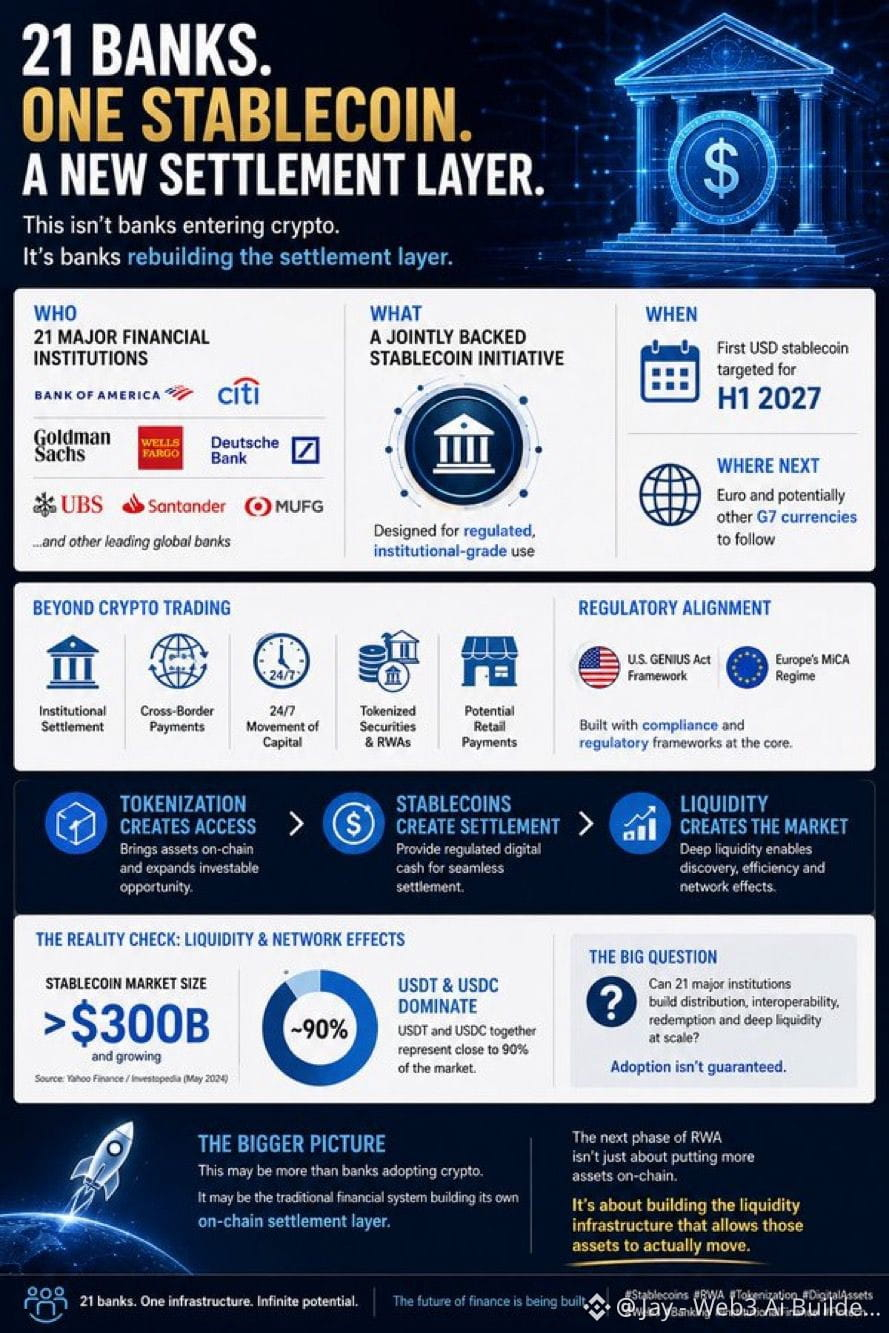
🏦 21家主要金融機構正在建構一個穩定幣。
消息已釋出 lnkd.in/gprshGSj
這比另一個穩定幣發行更重大。
據報導,一組由21家主要金融機構組成——其中包括美國銀行(Bank of America)、花旗(Citi)、高盛(Goldman Sachs)、富國銀行(Wells Fargo)、德意志銀行(Deutsche Bank)、瑞銀(UBS)、桑坦德(Santander)以及三菱日聯金融集團(MUFG)——正在共同推進一項由其共同背書的穩定幣計畫。
目標是在2027年上半年推出首個以美元計價的穩定幣,其他主要貨幣可能也會隨後跟進。
但更重要的故事並不是幣本身。
而是正在圍繞數位貨幣建構的基礎設施。
多年來,穩定幣大多是從加密貨幣的角度被看待。
如今討論正轉向:
→ 機構結算
→ 跨境支付
→ 資本24/7不間斷流動
→ 權益代幣化證券與RWA
→ 傳統金融與區塊鏈基礎設施之間的整合
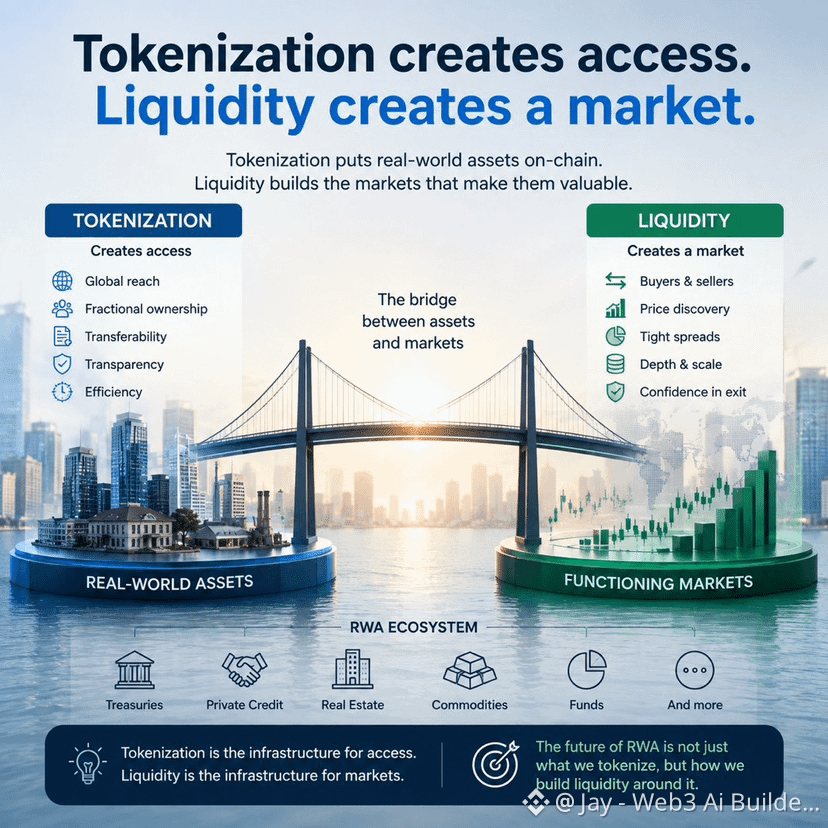
這之所以重要,是因為「代幣化」本身並不能創造一個能運作的金融市場。
-代幣化帶來可及性。
-穩定幣帶來結算。
-流動性創造市場。
而流動性仍是關鍵問題。
穩定幣市場已成長至超過3,000億美元,但USDT與USDC仍占據了絕大多數的流動性。
因此,即便有21家金融機構站在新穩定幣背後,採用也並非保證。
真正的考驗將在於:他們能否圍繞其建成分配通路、互通性、贖回機制以及深度流動性。
如果他們做到了,我們或許正在朝向比「銀行採用加密貨幣」更大的方向前進。
我們也許正在見證傳統金融體系開始建構自身的鏈上結算層。
RWA的下一階段,可能不只是把更多資產放到鏈上。
它可能是在打造流動性基礎設施,讓那些資產真的能夠移動。
消息已釋出 lnkd.in/gprshGSj
這比另一個穩定幣發行更重大。
據報導,一組由21家主要金融機構組成——其中包括美國銀行(Bank of America)、花旗(Citi)、高盛(Goldman Sachs)、富國銀行(Wells Fargo)、德意志銀行(Deutsche Bank)、瑞銀(UBS)、桑坦德(Santander)以及三菱日聯金融集團(MUFG)——正在共同推進一項由其共同背書的穩定幣計畫。
目標是在2027年上半年推出首個以美元計價的穩定幣,其他主要貨幣可能也會隨後跟進。
但更重要的故事並不是幣本身。
而是正在圍繞數位貨幣建構的基礎設施。
多年來,穩定幣大多是從加密貨幣的角度被看待。
如今討論正轉向:
→ 機構結算
→ 跨境支付
→ 資本24/7不間斷流動
→ 權益代幣化證券與RWA
→ 傳統金融與區塊鏈基礎設施之間的整合
這之所以重要,是因為「代幣化」本身並不能創造一個能運作的金融市場。
-代幣化帶來可及性。
-穩定幣帶來結算。
-流動性創造市場。
而流動性仍是關鍵問題。
穩定幣市場已成長至超過3,000億美元,但USDT與USDC仍占據了絕大多數的流動性。
因此,即便有21家金融機構站在新穩定幣背後,採用也並非保證。
真正的考驗將在於:他們能否圍繞其建成分配通路、互通性、贖回機制以及深度流動性。
如果他們做到了,我們或許正在朝向比「銀行採用加密貨幣」更大的方向前進。
我們也許正在見證傳統金融體系開始建構自身的鏈上結算層。
RWA的下一階段,可能不只是把更多資產放到鏈上。
它可能是在打造流動性基礎設施,讓那些資產真的能夠移動。
RWA 面臨的是流動性問題,不是代幣化問題。
我們越來越擅長把真實世界資產上鏈。
國庫券(Treasuries)。
私人信貸(Private credit)。
基金(Funds)。
不動產(Real estate)。
商品(Commodities)。
但把一項資產代幣化,並為其創建一個流動市場,是兩件截然不同的事。
代幣化 ≠ 流動性。
你可以在鏈上表示一筆 1,000 萬美元的資產。
你可以將其拆分為成千上萬的代幣。
你可以讓所有權與交割變得更有效率。
但當投資人想要出售時:
交易的對手方是誰?
真正的挑戰就從這裡開始。
要讓 RWA 市場進一步發展,我相信我們需要更重視圍繞代幣的基礎設施:
→ 充足的買家與賣家
→ 合規的二級市場准入
→ 穩定可靠的發行與贖回
→ 穩定幣與法幣結算通道
→ 做市商與流動性提供者
→ 托管與轉帳基礎設施
→ 對底層資產的清晰法律權利
而且流動性需要在壓力情境下被考量——不只是市場正常運作時。
這也是為什麼 TVL 或代幣化資產價值不應自動被解讀為可用流動性。
一筆 1 億美元的代幣化資產,並不必然意味著在不造成重大價格影響的情況下,能立即賣出 1 億美元。
不同的 RWA 結構自然會呈現不同的流動性特徵。
一個代幣化國庫券產品不應該用與代幣化私人信貸或不動產完全相同的方式來評估。
所以,或許下一階段的 RWA 不只是:
「還能代幣化什麼?」
而是:
「我們如何圍繞我們已經代幣化的資產,打造能運作的市場?」
發行讓資產上了鏈。
流動性可能決定它們能否在規模化時仍留在鏈上。
#RWA #Tokenization #Liquidity #Web3 #DigitalAssets #Stablecoins #DeFi #CapitalMarkets
我們越來越擅長把真實世界資產上鏈。
國庫券(Treasuries)。
私人信貸(Private credit)。
基金(Funds)。
不動產(Real estate)。
商品(Commodities)。
但把一項資產代幣化,並為其創建一個流動市場,是兩件截然不同的事。
代幣化 ≠ 流動性。
你可以在鏈上表示一筆 1,000 萬美元的資產。
你可以將其拆分為成千上萬的代幣。
你可以讓所有權與交割變得更有效率。
但當投資人想要出售時:
交易的對手方是誰?
真正的挑戰就從這裡開始。
要讓 RWA 市場進一步發展,我相信我們需要更重視圍繞代幣的基礎設施:
→ 充足的買家與賣家
→ 合規的二級市場准入
→ 穩定可靠的發行與贖回
→ 穩定幣與法幣結算通道
→ 做市商與流動性提供者
→ 托管與轉帳基礎設施
→ 對底層資產的清晰法律權利
而且流動性需要在壓力情境下被考量——不只是市場正常運作時。
這也是為什麼 TVL 或代幣化資產價值不應自動被解讀為可用流動性。
一筆 1 億美元的代幣化資產,並不必然意味著在不造成重大價格影響的情況下,能立即賣出 1 億美元。
不同的 RWA 結構自然會呈現不同的流動性特徵。
一個代幣化國庫券產品不應該用與代幣化私人信貸或不動產完全相同的方式來評估。
所以,或許下一階段的 RWA 不只是:
「還能代幣化什麼?」
而是:
「我們如何圍繞我們已經代幣化的資產,打造能運作的市場?」
發行讓資產上了鏈。
流動性可能決定它們能否在規模化時仍留在鏈上。
#RWA #Tokenization #Liquidity #Web3 #DigitalAssets #Stablecoins #DeFi #CapitalMarkets
生活值得去享受!
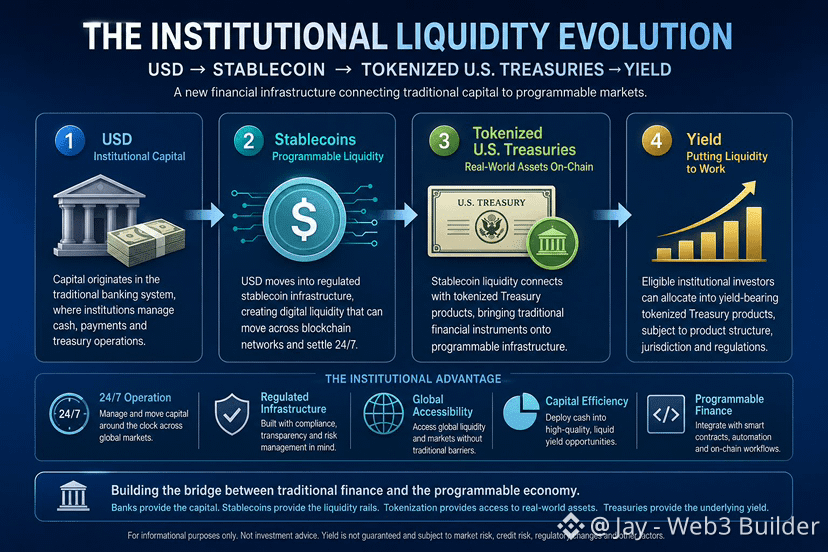
機構流動性
嘿,
快速市場更新 👇
* 比特幣目前交易在約 77.7K 美元附近,過去一週上漲超過 23%,隨着 ETF 需求再度升溫,繼續爲反彈提供支撐。
~ 覆蓋來源:CoinStats
* 比特幣和以太坊 ETF 上週合計錄得 26 億美元資金淨流入,創下其在 2026 年以來最強的單週淨流入。
~ 覆蓋來源:CryptoSlate
* 比特幣在經歷 21% 的周度反彈後仍守在 77K 美元上方,而 XRP 在同一時期也上漲了約 46%。
~ 覆蓋來源:CoinDesk
* 加密市場仍處於強勁修復階段,比特幣領漲,交易者關注 ETF 資金流向以及即將到來的美國宏觀動態。
~ 覆蓋來源:KuCoin
* 美國市場正將注意力轉向不斷上升的美國國債收益率以及更廣泛的金融環境,這可能會影響包括加密資產在內的風險資產。
~ 覆蓋來源:華爾街日報
保持關注,明智交易,祝你度過美好的一天! 🚀
快速市場更新 👇
* 比特幣目前交易在約 77.7K 美元附近,過去一週上漲超過 23%,隨着 ETF 需求再度升溫,繼續爲反彈提供支撐。
~ 覆蓋來源:CoinStats
* 比特幣和以太坊 ETF 上週合計錄得 26 億美元資金淨流入,創下其在 2026 年以來最強的單週淨流入。
~ 覆蓋來源:CryptoSlate
* 比特幣在經歷 21% 的周度反彈後仍守在 77K 美元上方,而 XRP 在同一時期也上漲了約 46%。
~ 覆蓋來源:CoinDesk
* 加密市場仍處於強勁修復階段,比特幣領漲,交易者關注 ETF 資金流向以及即將到來的美國宏觀動態。
~ 覆蓋來源:KuCoin
* 美國市場正將注意力轉向不斷上升的美國國債收益率以及更廣泛的金融環境,這可能會影響包括加密資產在內的風險資產。
~ 覆蓋來源:華爾街日報
保持關注,明智交易,祝你度過美好的一天! 🚀
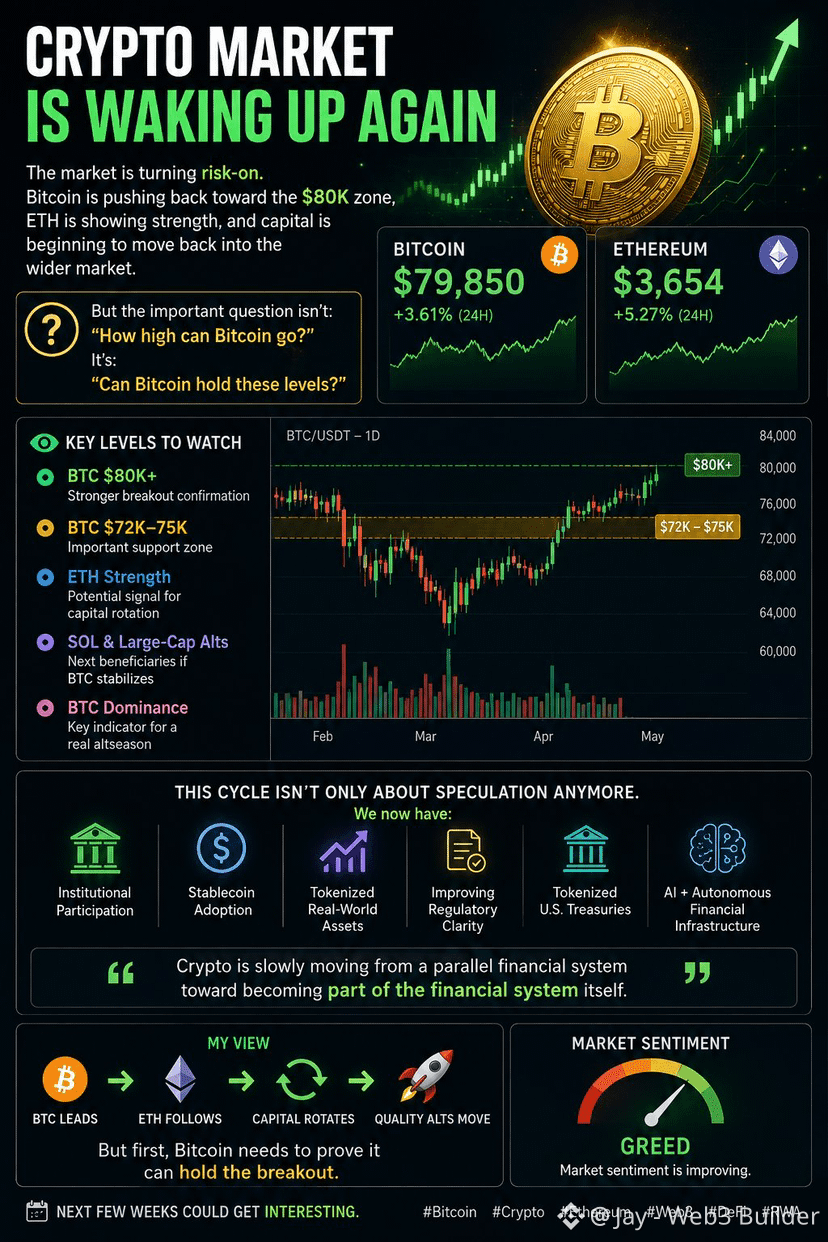
🚀 加密市場正在再次甦醒
加密市場正在轉向風險偏好(risk-on)。
比特幣正逼近並回到 80K 美元附近,ETH 顯示出強勢跡象,資金也開始重新流回更廣泛的市場。
但關鍵問題並不是:
“比特幣最高能漲到多少?”
而是:
“比特幣能否守住這些水平?”
👀 我在關注:
• BTC 80K+ → 更強的突破確認
• BTC 72K–75K → 重要支撐區
• ETH 強勢 → 可能是資金輪動的信號
• SOL & 大盤山寨 → 如果 BTC 穩定,這些可能成爲下一個受益者
• BTC 主導率 → 真正開啓山寨季(altseason)的關鍵指標
有趣的是,這一輪週期不再只是關於投機。
我們現在擁有:
🏦 機構參與
💵 穩定幣採用
📊 代幣化現實世界資產
🇺🇸 監管清晰度正在提升
💰 代幣化的美國國債
🤖 AI + 自動化金融基礎設施
加密貨幣正緩慢地從一個平行的金融體系,走向成爲金融體系本身的一部分。
我的觀點:
BTC 領漲 → ETH 跟隨 → 資金輪動 → 質地更好的山寨幣上移。
但在此之前,比特幣需要證明它能夠守住這次突破。
接下來的幾周可能會變得很有看點。
#Bitcoin #Crypto #Ethereum #Web3 #Stablecoins #RWA #DigitalAssets #DeFi
加密市場正在轉向風險偏好(risk-on)。
比特幣正逼近並回到 80K 美元附近,ETH 顯示出強勢跡象,資金也開始重新流回更廣泛的市場。
但關鍵問題並不是:
“比特幣最高能漲到多少?”
而是:
“比特幣能否守住這些水平?”
👀 我在關注:
• BTC 80K+ → 更強的突破確認
• BTC 72K–75K → 重要支撐區
• ETH 強勢 → 可能是資金輪動的信號
• SOL & 大盤山寨 → 如果 BTC 穩定,這些可能成爲下一個受益者
• BTC 主導率 → 真正開啓山寨季(altseason)的關鍵指標
有趣的是,這一輪週期不再只是關於投機。
我們現在擁有:
🏦 機構參與
💵 穩定幣採用
📊 代幣化現實世界資產
🇺🇸 監管清晰度正在提升
💰 代幣化的美國國債
🤖 AI + 自動化金融基礎設施
加密貨幣正緩慢地從一個平行的金融體系,走向成爲金融體系本身的一部分。
我的觀點:
BTC 領漲 → ETH 跟隨 → 資金輪動 → 質地更好的山寨幣上移。
但在此之前,比特幣需要證明它能夠守住這次突破。
接下來的幾周可能會變得很有看點。
#Bitcoin #Crypto #Ethereum #Web3 #Stablecoins #RWA #DigitalAssets #DeFi
你是嗎?

2026 年的 Web3 人脈網絡 😂
“很高興認識你!你做什麼工作?”
“我是一名創始人。”
“做什麼的?”
“還在決定呢。” 🤣
“但我們正在融資。”
#Web3 #創業公司幽默 #創始人生活 #加密幽默
“很高興認識你!你做什麼工作?”
“我是一名創始人。”
“做什麼的?”
“還在決定呢。” 🤣
“但我們正在融資。”
#Web3 #創業公司幽默 #創始人生活 #加密幽默
形狀!
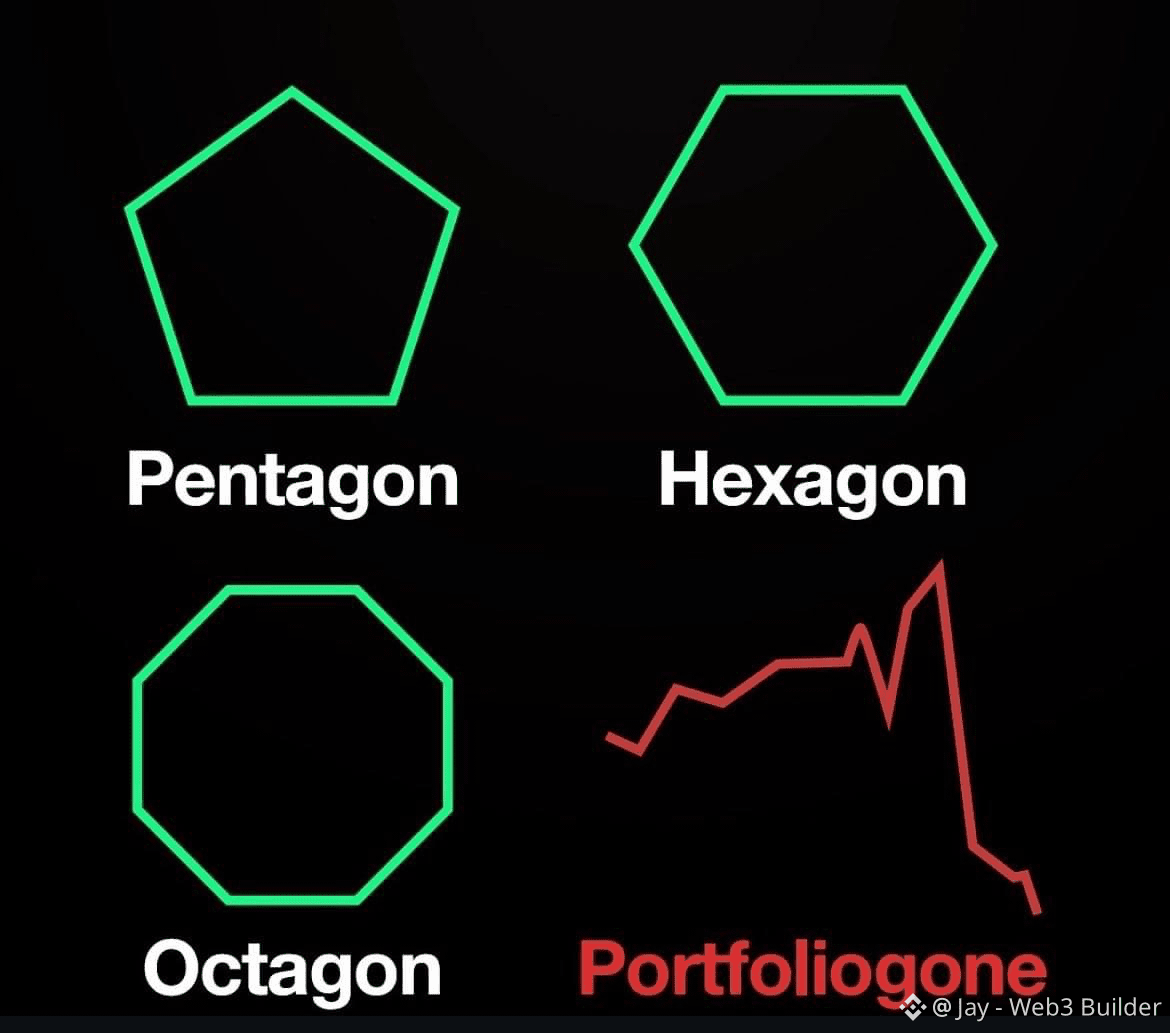
除了被過度炒作的
$BTC 在 2021 年:$63,000
$BTC 在 2024 年:$63,000
$BTC 在 2026 年:$63,000
伊朗戰爭之前的 $BTC:$63,000
伊朗戰爭開始四個月後的 $BTC:$63,000
特朗普贏得勝選之前的 $BTC:$63,000
特朗普贏得勝選後 18 個月的 $BTC:$63,000
$BTC 在 2021 年:$63,000
$BTC 在 2024 年:$63,000
$BTC 在 2026 年:$63,000
伊朗戰爭之前的 $BTC:$63,000
伊朗戰爭開始四個月後的 $BTC:$63,000
特朗普贏得勝選之前的 $BTC:$63,000
特朗普贏得勝選後 18 個月的 $BTC:$63,000

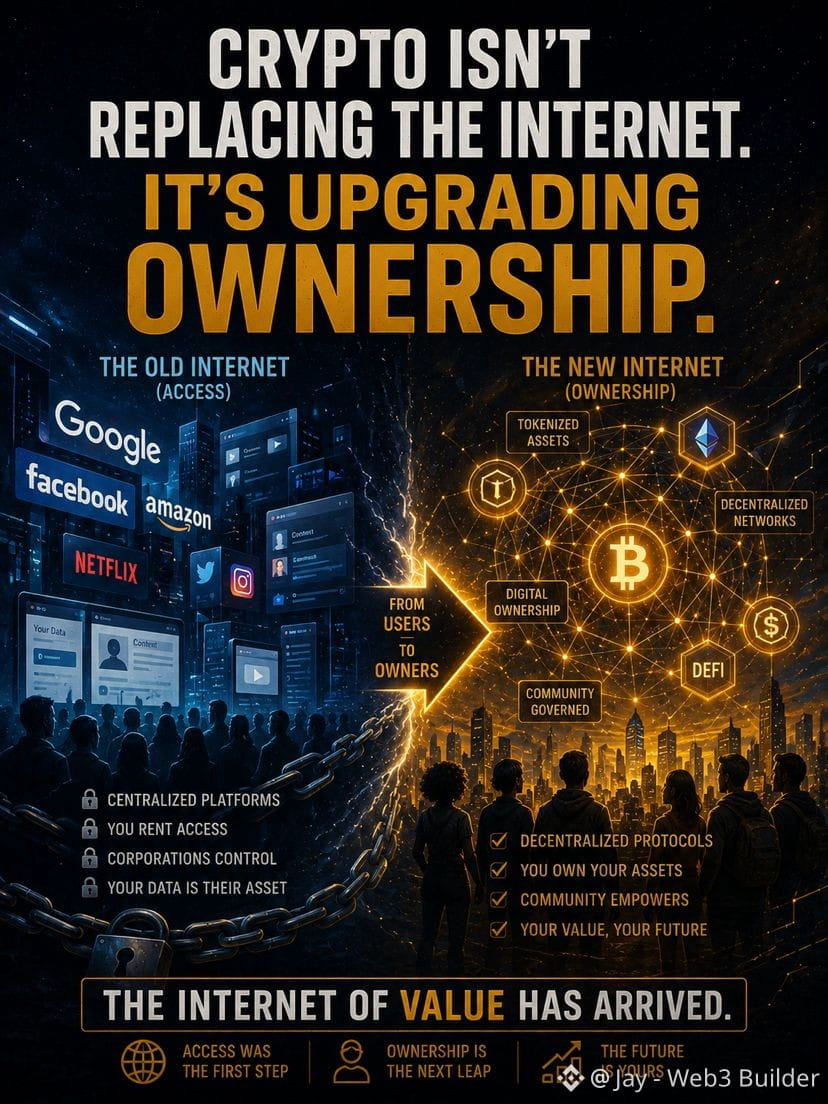
你好呀,
快速市場更新👇
* 隨着交易者期待本週美國通脹數據以尋找市場下一步動向的線索,比特幣目前在約65,000美元附近交易。
~ 報道來源:CoinDesk
* 以太坊正展現出重新增強的實力,因爲交易者越來越多地關注ETH,並與更廣泛的加密市場復甦同步。
~ 報道來源:ET Markets
* 美國參議院已推進一項重要的加密法案,該法案將爲美國境內數字資產監管建立框架。
~ 報道來源:Reuters
* Robinhood已通過Bitstamp開始將加密交易直接帶入其主要的英國應用,爲符合條件的用戶提供超過50種數字資產的訪問權限。
~ 報道來源:The Block
* 近期,Solana一直是表現更強的主要資產之一;隨着整體市場趨於穩定,過去一週其漲幅接近5%。
~ 報道來源:CoinDesk
保持關注、理性交易,祝你有美好的一天!🚀
快速市場更新👇
* 隨着交易者期待本週美國通脹數據以尋找市場下一步動向的線索,比特幣目前在約65,000美元附近交易。
~ 報道來源:CoinDesk
* 以太坊正展現出重新增強的實力,因爲交易者越來越多地關注ETH,並與更廣泛的加密市場復甦同步。
~ 報道來源:ET Markets
* 美國參議院已推進一項重要的加密法案,該法案將爲美國境內數字資產監管建立框架。
~ 報道來源:Reuters
* Robinhood已通過Bitstamp開始將加密交易直接帶入其主要的英國應用,爲符合條件的用戶提供超過50種數字資產的訪問權限。
~ 報道來源:The Block
* 近期,Solana一直是表現更強的主要資產之一;隨着整體市場趨於穩定,過去一週其漲幅接近5%。
~ 報道來源:CoinDesk
保持關注、理性交易,祝你有美好的一天!🚀
登入以探索更多內容