
InetWare
12 貼文

InetWare
45 關注
26 粉絲
18 點讚數
貼文
全部
引用

完成了 😊


PRO Crypto Tech
·
--
看漲新一輪的 #Binance 拉馬丹贈品活動再次上線 🎁💸 我在第一輪中獲得了 400$ 🥳
快來領取你的禮物 👉🧧 CLAIM REWARD
快來領取你的禮物 👉🧧 CLAIM REWARD

比特幣
PRO Crypto Tech
·
--
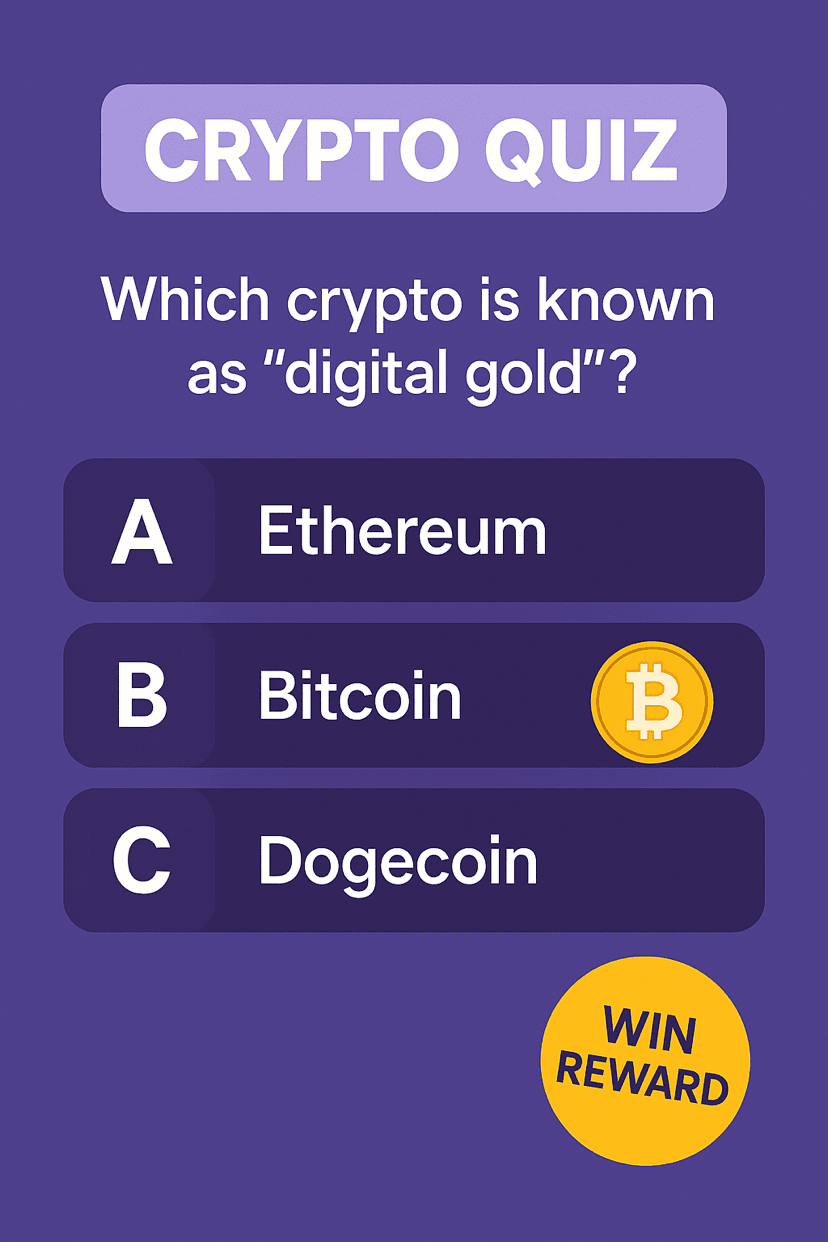
看漲🎁 加密貨幣問答 🧠 正確回答 & 贏取免費 $BNB 🥳 🎁
問題⁉️
👉 哪種加密貨幣被稱為 - #DIGITAL_GOLD ?
🅰️ 以太坊
🅱️ 比特幣
🅾️ 狗狗幣
👉在評論中輸入正確答案 📥👌
問題⁉️
👉 哪種加密貨幣被稱為 - #DIGITAL_GOLD ?
🅰️ 以太坊
🅱️ 比特幣
🅾️ 狗狗幣
👉在評論中輸入正確答案 📥👌
#standford #PiNetwork
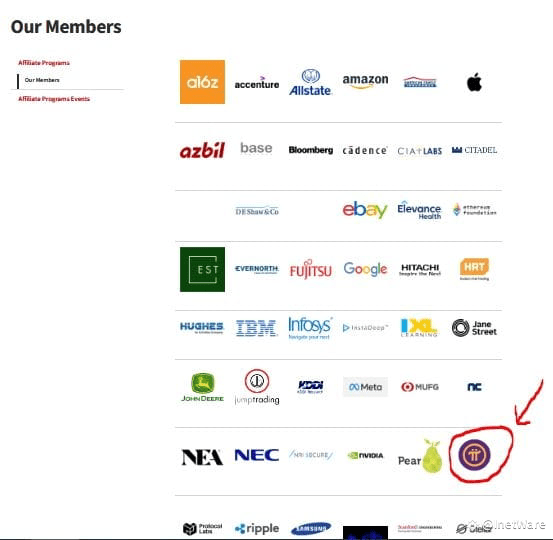
儘管有懷疑和錯誤資訊,Pi Network 正在獲得認可和信譽。它與亞馬遜、蘋果、谷歌、IBM 和三星等主要科技公司齊名,這一點得到了史丹佛大學計算機科學與工程社群的認可。這份認可突顯了 Pi Network 的潛力和合法性。與其聽信負面消息,人們被鼓勵進行自己的研究,深入了解這個項目,看看 Pi Network 為何正為未來鋪路。
以下是除了 Pi Network 之外的 BIG 公司名單:👇
https://www.cs.stanford.edu/get-involved/affiliate-programs/our-members
儘管有懷疑和錯誤資訊,Pi Network 正在獲得認可和信譽。它與亞馬遜、蘋果、谷歌、IBM 和三星等主要科技公司齊名,這一點得到了史丹佛大學計算機科學與工程社群的認可。這份認可突顯了 Pi Network 的潛力和合法性。與其聽信負面消息,人們被鼓勵進行自己的研究,深入了解這個項目,看看 Pi Network 為何正為未來鋪路。
以下是除了 Pi Network 之外的 BIG 公司名單:👇
https://www.cs.stanford.edu/get-involved/affiliate-programs/our-members
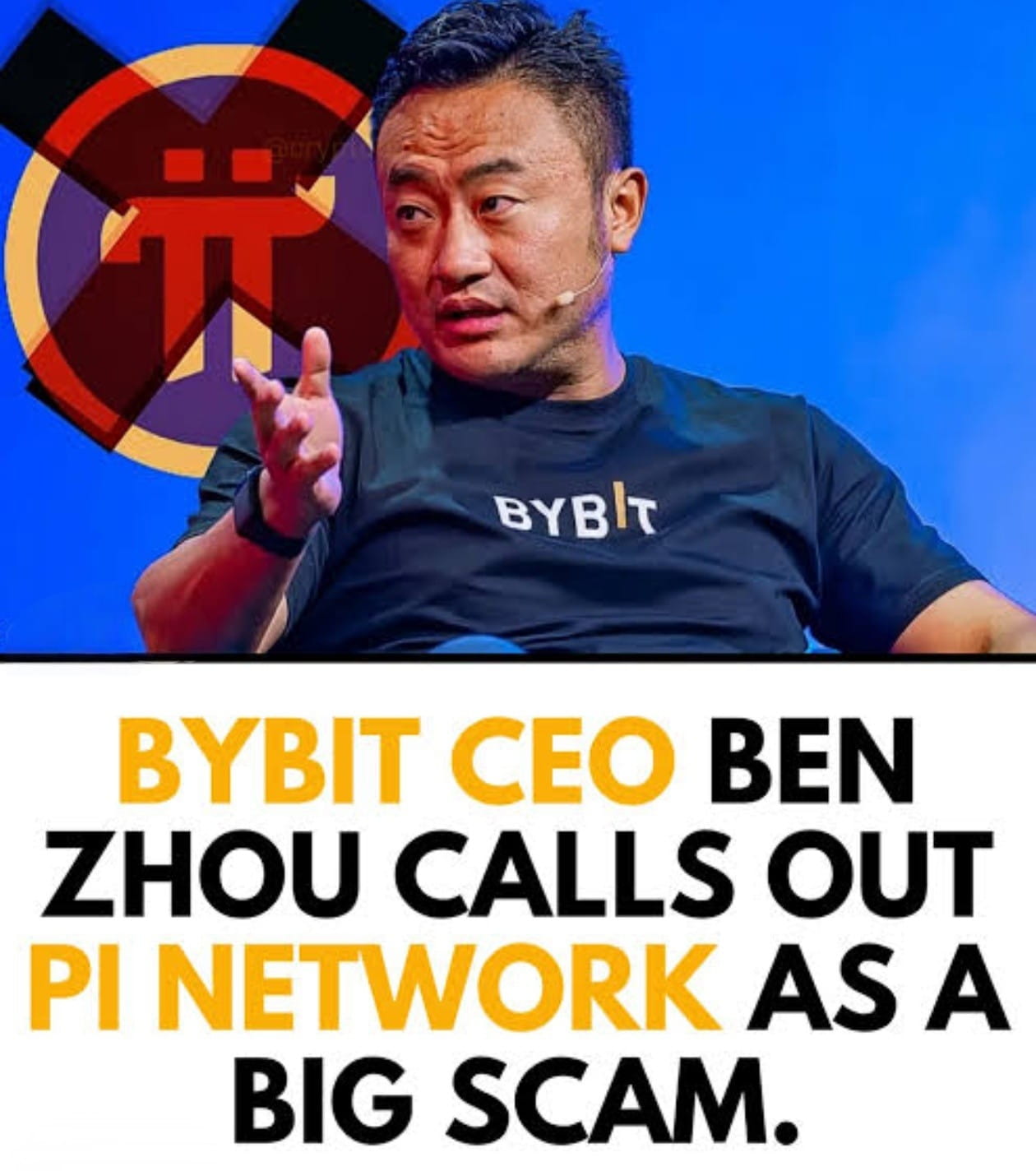
Bybit CEO Ben Zhou 對 Pi Network 的評論顯示他對加密空間的理解淺薄,Pi Network 不僅僅是個「按個按鈕就賺錢」的項目,它是一個主要由社群驅動的。
CRYPTO UNIVERSE -
·
--
🚨 Bybit CEO 的警告:Pi Network 可能比 Meme Coin 更具風險! 🚨
Bybit CEO Ben Zhou 對 Pi Network 發出了警告,認爲它可能比最具風險的 Meme Coin 更危險。與 Meme Coin 通常只是爲了娛樂或投機交易不同,Pi Network 自我宣傳爲一種顛覆性的數字貨幣——但它缺乏支撐其大膽主張所需的透明度。
⚠️ 紅色警報:
🔍 可疑的領導層:Pi 核心團隊及其創始人在網上的存在感令人驚訝地有限,使得評估他們的可信度變得困難。
📈 不明確的路線圖:該項目的發展目標依然模糊,讓潛在投資者對其未來感到困惑。
📵 透明度問題:一個合法的加密項目依賴於開放性和社區參與,但 Pi Network 在這兩個方面都表現不佳。
💡 Zhou 的建議:
✅ 做好功課:在投資前徹底研究任何項目。
✅ 堅持成熟的參與者:關注那些有明確、可靠記錄的成熟加密貨幣。
✅ 避免空洞的承諾:不要被那些提供輕鬆回報而沒有實質證據支持的項目所左右。
#PiCoreTeam
Bybit CEO Ben Zhou 對 Pi Network 發出了警告,認爲它可能比最具風險的 Meme Coin 更危險。與 Meme Coin 通常只是爲了娛樂或投機交易不同,Pi Network 自我宣傳爲一種顛覆性的數字貨幣——但它缺乏支撐其大膽主張所需的透明度。
⚠️ 紅色警報:
🔍 可疑的領導層:Pi 核心團隊及其創始人在網上的存在感令人驚訝地有限,使得評估他們的可信度變得困難。
📈 不明確的路線圖:該項目的發展目標依然模糊,讓潛在投資者對其未來感到困惑。
📵 透明度問題:一個合法的加密項目依賴於開放性和社區參與,但 Pi Network 在這兩個方面都表現不佳。
💡 Zhou 的建議:
✅ 做好功課:在投資前徹底研究任何項目。
✅ 堅持成熟的參與者:關注那些有明確、可靠記錄的成熟加密貨幣。
✅ 避免空洞的承諾:不要被那些提供輕鬆回報而沒有實質證據支持的項目所左右。
#PiCoreTeam
登入以探索更多內容