

ChainSector
49 貼文
ChainSector
舉報
封鎖用戶
BP-C65692134790
21 關注
25 粉絲
64 點讚數
貼文
全部
引用
·
--
查看翻譯
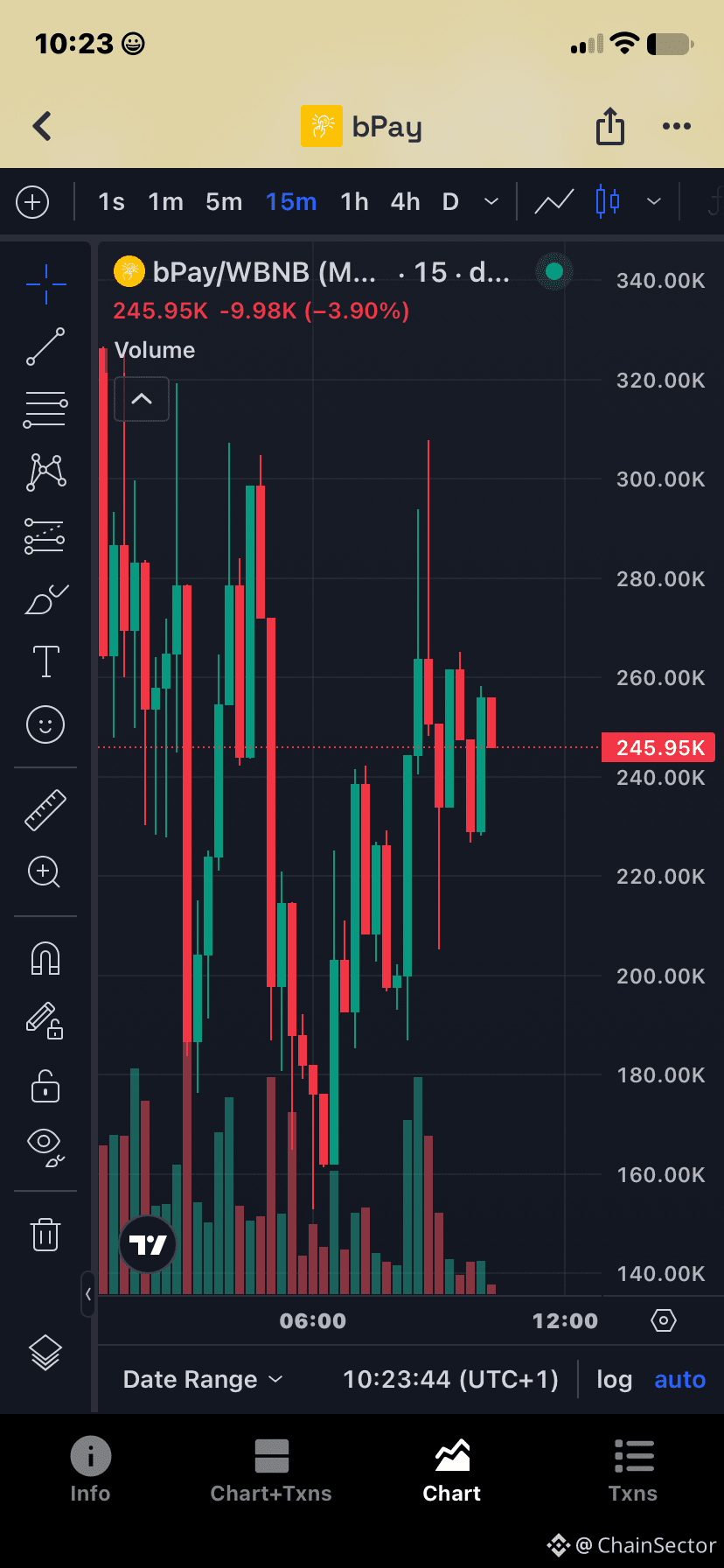
I’ve been taking a closer look at bPay on BNB Chain.
What caught my attention is the project itself, so I’m exploring the details and checking everything before interacting. If you’re researching bPay too, make sure to verify the contract address and do your own research.
CA: 0xb13003bf44de426dd2a3aae3df9c3400de0a7777
Code: BP-C65692134790
#bPay
I’ve been taking a closer look at bPay on BNB Chain.
What caught my attention is the project itself, so I’m exploring the details and checking everything before interacting. If you’re researching bPay too, make sure to verify the contract address and do your own research.
CA: 0xb13003bf44de426dd2a3aae3df9c3400de0a7777
Code: BP-C65692134790
#bPay
What caught my attention is the project itself, so I’m exploring the details and checking everything before interacting. If you’re researching bPay too, make sure to verify the contract address and do your own research.
CA: 0xb13003bf44de426dd2a3aae3df9c3400de0a7777
Code: BP-C65692134790
#bPay
59
·
--
查看翻譯
A New Way for EVM Products to Reach TON Users
The latest STON.fi integration example isn't just another cross-chain swap demo.
It's a Telegram Mini App architecture showing how an EVM-native product can become accessible to TON users.
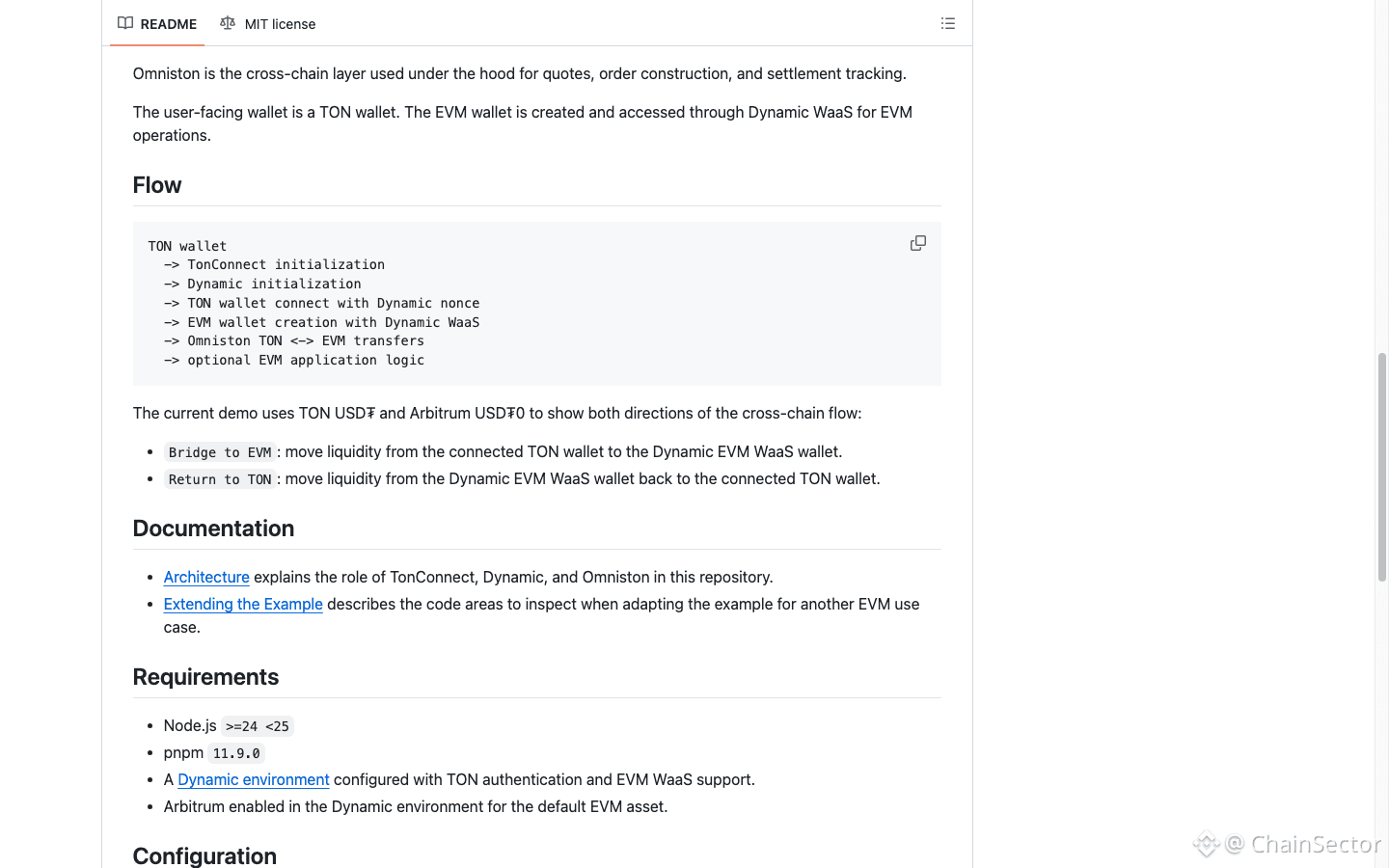
The example combines:
TonConnect → TON wallet
Dynamic → embedded EVM wallet
Omniston → cross-chain execution
The example route is:
TON USDT ↔ Arbitrum USDT0
Why does that matter?
Because an EVM-native product doesn't necessarily need to rebuild itself as a TON-native application just to serve TON users.
The cross-chain layer can sit between the two ecosystems.
And putting the experience inside a Telegram Mini App makes the whole flow even more interesting.
For builders, I think the open-source part is the biggest takeaway.
Instead of just reading about the architecture, developers can inspect the implementation and use it as a reference for their own TON ↔ EVM Mini App.
That's a much more practical starting point.
[GitHub example](https://github.com/ston-fi/omniston-ton-evm-miniapp-example?utm_source=chatgpt.com)
A New Way for EVM Products to Reach TON Users
The latest STON.fi integration example isn't just another cross-chain swap demo.
It's a Telegram Mini App architecture showing how an EVM-native product can become accessible to TON users.
The example combines:
TonConnect → TON wallet
Dynamic → embedded EVM wallet
Omniston → cross-chain execution
The example route is:
TON USDT ↔ Arbitrum USDT0
Why does that matter?
Because an EVM-native product doesn't necessarily need to rebuild itself as a TON-native application just to serve TON users.
The cross-chain layer can sit between the two ecosystems.
And putting the experience inside a Telegram Mini App makes the whole flow even more interesting.
For builders, I think the open-source part is the biggest takeaway.
Instead of just reading about the architecture, developers can inspect the implementation and use it as a reference for their own TON ↔ EVM Mini App.
That's a much more practical starting point.
GitHub example
The latest STON.fi integration example isn't just another cross-chain swap demo.
It's a Telegram Mini App architecture showing how an EVM-native product can become accessible to TON users.
The example combines:
TonConnect → TON wallet
Dynamic → embedded EVM wallet
Omniston → cross-chain execution
The example route is:
TON USDT ↔ Arbitrum USDT0
Why does that matter?
Because an EVM-native product doesn't necessarily need to rebuild itself as a TON-native application just to serve TON users.
The cross-chain layer can sit between the two ecosystems.
And putting the experience inside a Telegram Mini App makes the whole flow even more interesting.
For builders, I think the open-source part is the biggest takeaway.
Instead of just reading about the architecture, developers can inspect the implementation and use it as a reference for their own TON ↔ EVM Mini App.
That's a much more practical starting point.
GitHub example
68
·
--
查看翻譯
5 Things I Check Before a Polygon Cross-Chain Swap
Cross-chain swaps can make moving assets between networks much simpler.
But I still don't like going straight from selecting a token to pressing confirm.
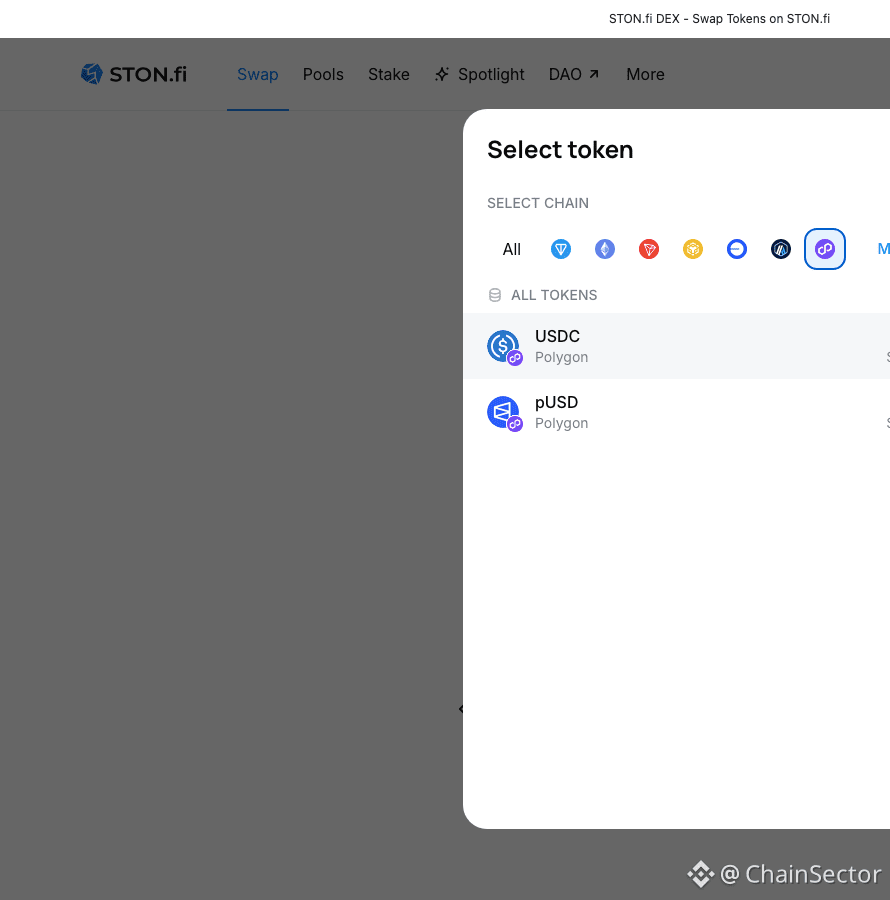
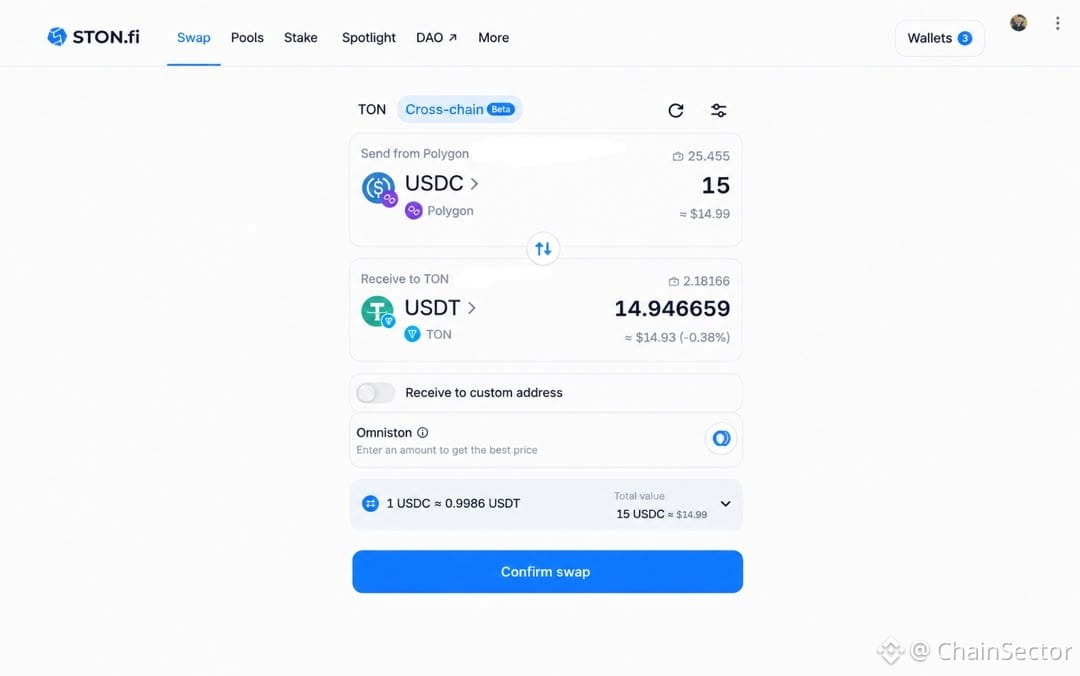
When looking at a USDC on Polygon → USDT on TON route, these are the five things I check.
1. Source network
First, I confirm that the USDC I'm using is actually on Polygon.
I check the token + network, not just the token name.
2. Destination
Next, I confirm where I want the asset to arrive.
USDC on Polygon → USDT on TON
Both networks should be obvious before I continue.
3. Expected output
Then I check the quote.
I want to know what I'm expected to receive and what transaction or fee information is being displayed.
4. Final review
Before confirmation, I go through the transaction one more time.
Source.
Destination.
Expected output.
Fees.
Transaction details.
5. Don't rush
The fact that a cross-chain swap looks simple doesn't mean I should skip the checks.
The interface should make the process easier, but I still want to understand what I'm confirming.
My quick checklist:
Source network ✓
Destination ✓
Expected output ✓
Fees/details ✓
Final review ✓
A few seconds of checking can make a big difference.
If you want to explore the route yourself:
5 Things I Check Before a Polygon Cross-Chain Swap
Cross-chain swaps can make moving assets between networks much simpler.
But I still don't like going straight from selecting a token to pressing confirm.
When looking at a USDC on Polygon → USDT on TON route, these are the five things I check.
1. Source network
First, I confirm that the USDC I'm using is actually on Polygon.
I check the token + network, not just the token name.
2. Destination
Next, I confirm where I want the asset to arrive.
USDC on Polygon → USDT on TON
Both networks should be obvious before I continue.
3. Expected output
Then I check the quote.
I want to know what I'm expected to receive and what transaction or fee information is being displayed.
4. Final review
Before confirmation, I go through the transaction one more time.
Source.
Destination.
Expected output.
Fees.
Transaction details.
5. Don't rush
The fact that a cross-chain swap looks simple doesn't mean I should skip the checks.
The interface should make the process easier, but I still want to understand what I'm confirming.
My quick checklist:
Source network ✓
Destination ✓
Expected output ✓
Fees/details ✓
Final review ✓
A few seconds of checking can make a big difference.
If you want to explore the route yourself:
Cross-chain swaps can make moving assets between networks much simpler.
But I still don't like going straight from selecting a token to pressing confirm.
When looking at a USDC on Polygon → USDT on TON route, these are the five things I check.
1. Source network
First, I confirm that the USDC I'm using is actually on Polygon.
I check the token + network, not just the token name.
2. Destination
Next, I confirm where I want the asset to arrive.
USDC on Polygon → USDT on TON
Both networks should be obvious before I continue.
3. Expected output
Then I check the quote.
I want to know what I'm expected to receive and what transaction or fee information is being displayed.
4. Final review
Before confirmation, I go through the transaction one more time.
Source.
Destination.
Expected output.
Fees.
Transaction details.
5. Don't rush
The fact that a cross-chain swap looks simple doesn't mean I should skip the checks.
The interface should make the process easier, but I still want to understand what I'm confirming.
My quick checklist:
Source network ✓
Destination ✓
Expected output ✓
Fees/details ✓
Final review ✓
A few seconds of checking can make a big difference.
If you want to explore the route yourself:
66
·
--
看漲
查看翻譯
How to Swap a TON Token by Contract Address on STON.fi
Not every TON token is easy to find by simply searching its name.
If I already have the official contract address, I can use that address directly on STON.fi.
Here's the process I follow:
1. Open the Ston_fi.
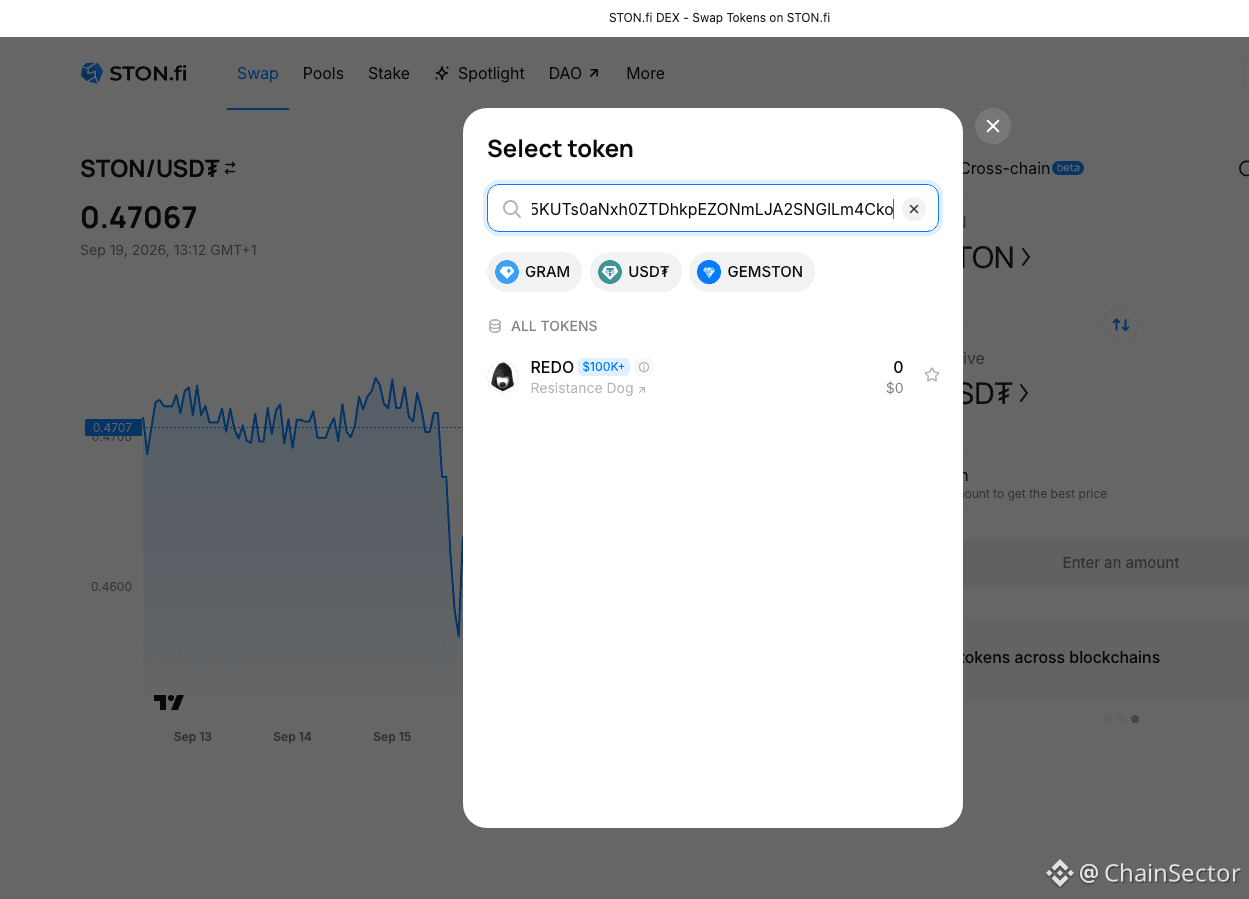
2. Open the token selector.
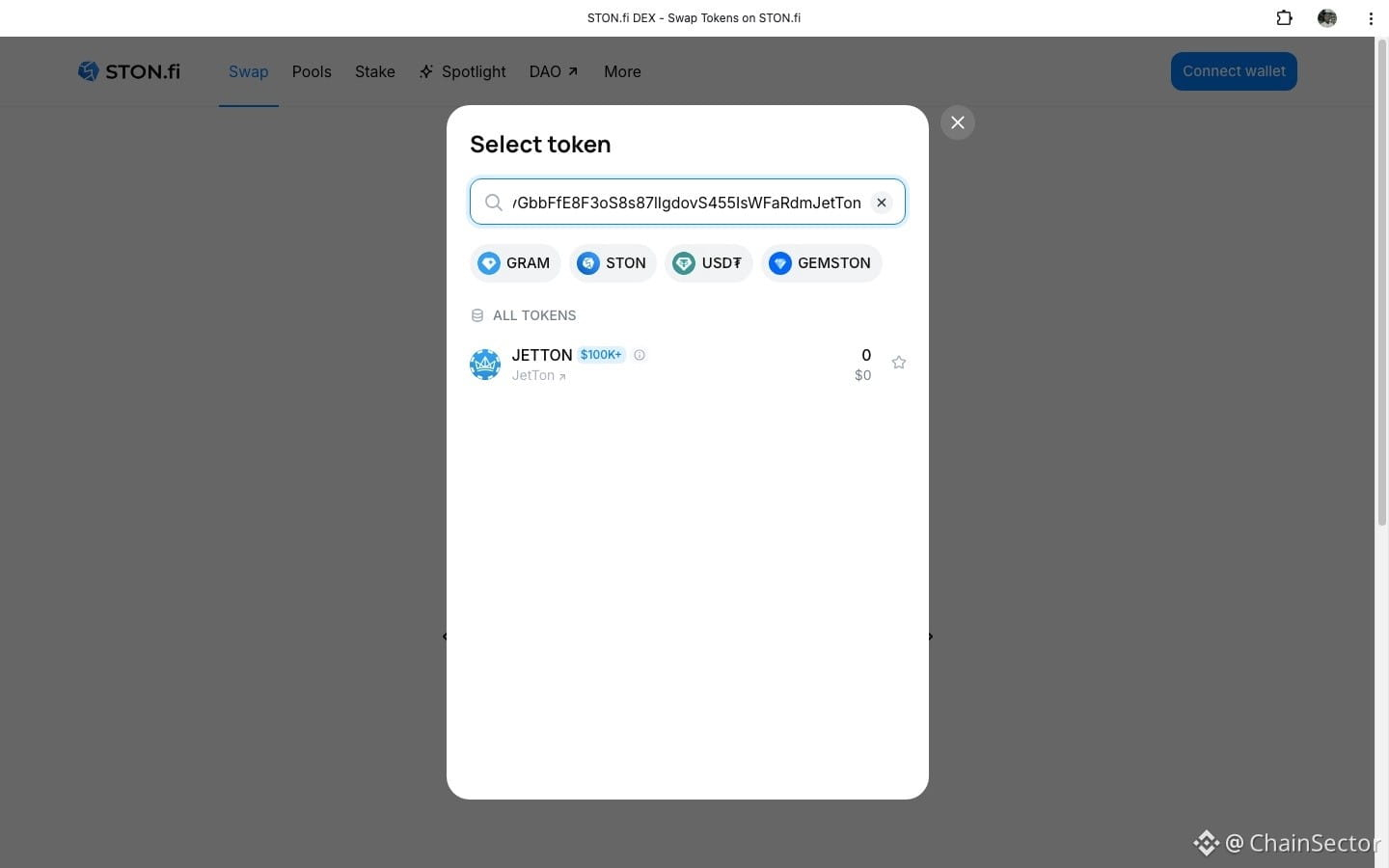
3. Paste the token's official contract address into the search field.
4. Check the detected name, symbol and decimals.
5. Import the token.
6. Enter the amount and review the swap details before confirming.
STON.fi's current documentation specifically recommends verifying the official contract address because scam tokens can copy popular token names.
That's the part I wouldn't skip.
A familiar name or logo isn't enough for me when dealing with an unfamiliar token.
I want to confirm the contract → token details → swap details before interacting with it.
STON.fi also has interface flags for certain risky tokens, including Fake, Honeypot and Taxable classifications.
So if you're trying to swap a less familiar TON token, the contract address can be a much more precise starting point than searching by name alone.
@ston_fi
How to Swap a TON Token by Contract Address on STON.fi
Not every TON token is easy to find by simply searching its name.
If I already have the official contract address, I can use that address directly on STON.fi.
Here's the process I follow:
1. Open the Ston_fi.
2. Open the token selector.
3. Paste the token's official contract address into the search field.
4. Check the detected name, symbol and decimals.
5. Import the token.
6. Enter the amount and review the swap details before confirming.
STON.fi's current documentation specifically recommends verifying the official contract address because scam tokens can copy popular token names.
That's the part I wouldn't skip.
A familiar name or logo isn't enough for me when dealing with an unfamiliar token.
I want to confirm the contract → token details → swap details before interacting with it.
STON.fi also has interface flags for certain risky tokens, including Fake, Honeypot and Taxable classifications.
So if you're trying to swap a less familiar TON token, the contract address can be a much more precise starting point than searching by name alone.
@ston_fi
Not every TON token is easy to find by simply searching its name.
If I already have the official contract address, I can use that address directly on STON.fi.
Here's the process I follow:
1. Open the Ston_fi.
2. Open the token selector.
3. Paste the token's official contract address into the search field.
4. Check the detected name, symbol and decimals.
5. Import the token.
6. Enter the amount and review the swap details before confirming.
STON.fi's current documentation specifically recommends verifying the official contract address because scam tokens can copy popular token names.
That's the part I wouldn't skip.
A familiar name or logo isn't enough for me when dealing with an unfamiliar token.
I want to confirm the contract → token details → swap details before interacting with it.
STON.fi also has interface flags for certain risky tokens, including Fake, Honeypot and Taxable classifications.
So if you're trying to swap a less familiar TON token, the contract address can be a much more precise starting point than searching by name alone.
@ston_fi
138
·
--
如何在 TON 上將 USDT 兌換爲以太坊上的 USDT
如果你在 TON 上有 USDT,但需要以太坊上的 USDT,你可以使用 STON.fi 的跨鏈兌換流程。
流程是:
USDT(TON)→ USDT(以太坊)
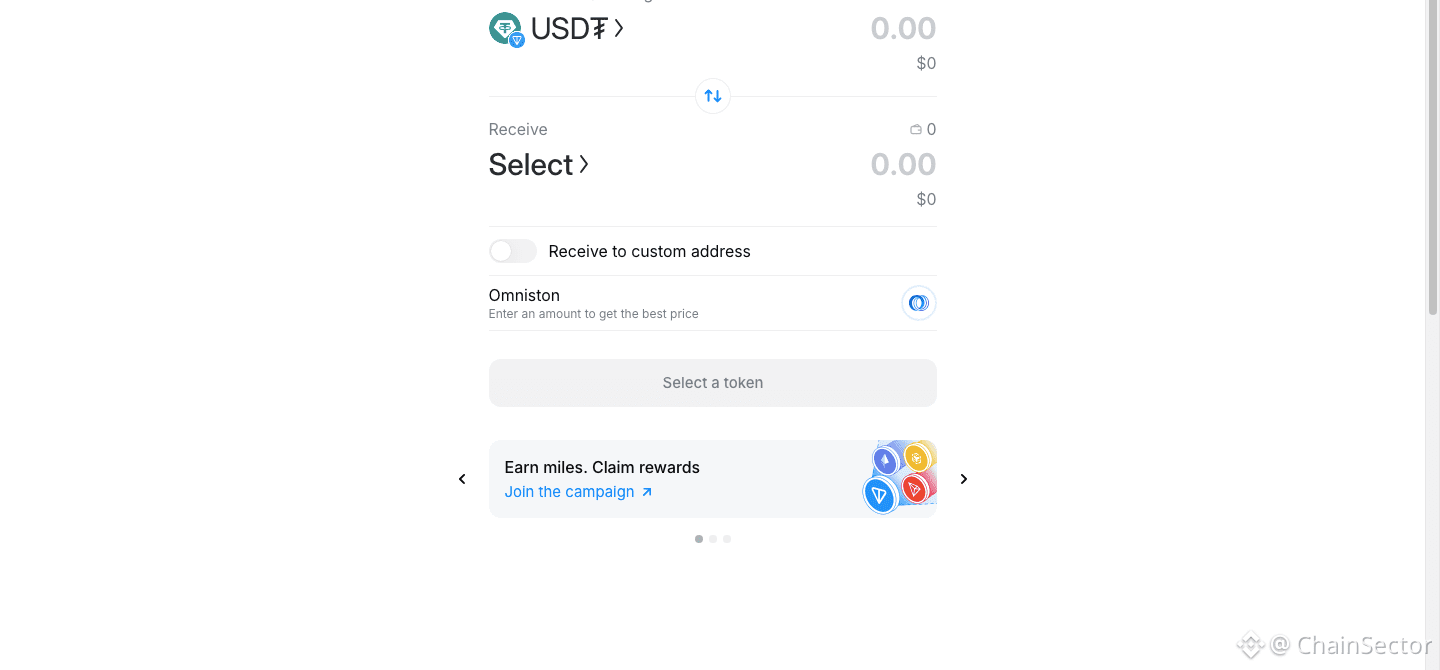
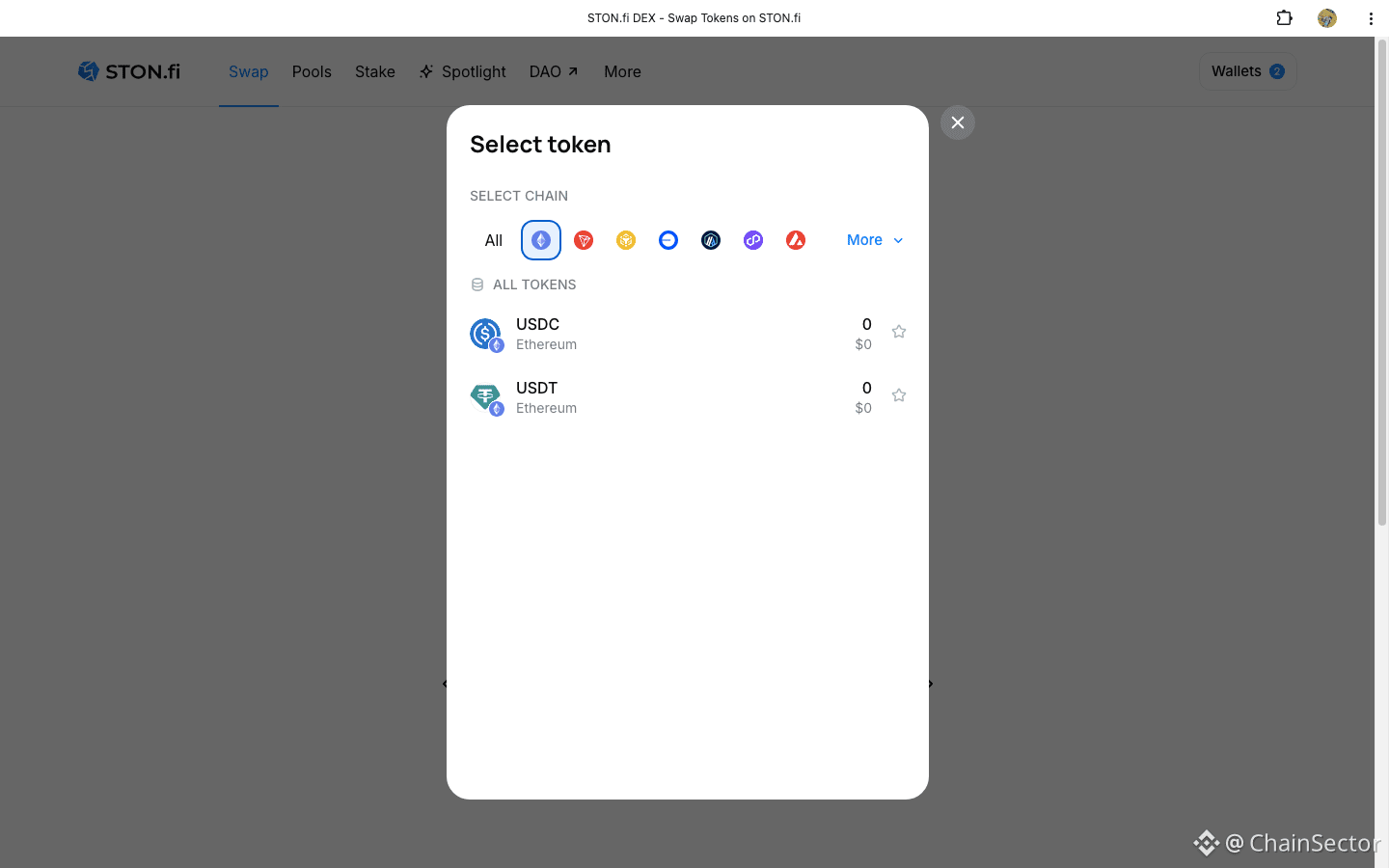
打開 STON.fi 的跨鏈界面,並選擇 TON 上的 USDT 作爲你要發送的資產。
然後選擇以太坊作爲目標網絡,並選擇 USDT 作爲接收資產。
在確認之前,請檢查實際到賬金額、手續費、路由以及其他兌換細節。
STON.fi 當前的跨鏈界面支持以太坊,並且除 TON 之外還支持多個其他網絡,由 Omniston 負責跨鏈執行層。
重要的是,不要把這兩個 USDT 當作在同一網絡上的資產。
TON 上的 USDT ≠ 以太坊上的 USDT。
因此,在接收側進行的網絡選擇是我在確認之前始終會覈實的事項。
如何在 TON 上將 USDT 兌換爲以太坊上的 USDT
如果你在 TON 上有 USDT,但需要以太坊上的 USDT,你可以使用 STON.fi 的跨鏈兌換流程。
流程是:
USDT(TON)→ USDT(以太坊)
打開 STON.fi 的跨鏈界面,並選擇 TON 上的 USDT 作爲你要發送的資產。
然後選擇以太坊作爲目標網絡,並選擇 USDT 作爲接收資產。
在確認之前,請檢查實際到賬金額、手續費、路由以及其他兌換細節。
STON.fi 當前的跨鏈界面支持以太坊,並且除 TON 之外還支持多個其他網絡,由 Omniston 負責跨鏈執行層。
重要的是,不要把這兩個 USDT 當作在同一網絡上的資產。
TON 上的 USDT ≠ 以太坊上的 USDT。
因此,在接收側進行的網絡選擇是我在確認之前始終會覈實的事項。
如果你在 TON 上有 USDT,但需要以太坊上的 USDT,你可以使用 STON.fi 的跨鏈兌換流程。
流程是:
USDT(TON)→ USDT(以太坊)
打開 STON.fi 的跨鏈界面,並選擇 TON 上的 USDT 作爲你要發送的資產。
然後選擇以太坊作爲目標網絡,並選擇 USDT 作爲接收資產。
在確認之前,請檢查實際到賬金額、手續費、路由以及其他兌換細節。
STON.fi 當前的跨鏈界面支持以太坊,並且除 TON 之外還支持多個其他網絡,由 Omniston 負責跨鏈執行層。
重要的是,不要把這兩個 USDT 當作在同一網絡上的資產。
TON 上的 USDT ≠ 以太坊上的 USDT。
因此,在接收側進行的網絡選擇是我在確認之前始終會覈實的事項。

86
·
--
在我開始交換之前,我不再只盯着數量
現在當我使用 DEX 時,並不會在看到預期數量後立刻按下“確認”
.
我會先檢查一些其他要點。
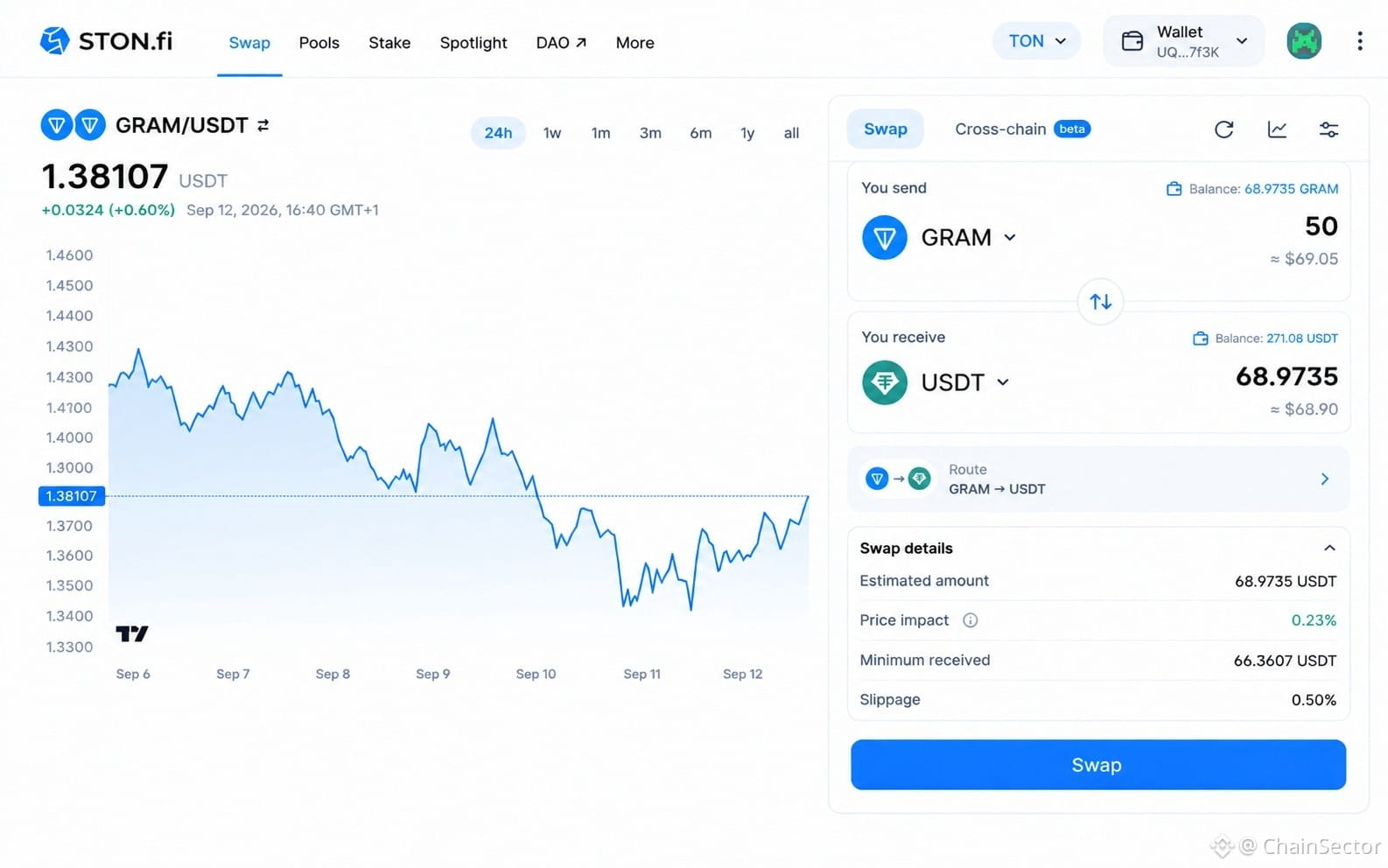
在 STON.fi 上,我的快速流程是:
1. 預估數量
我預計能收到什麼?
2. 價格影響
我的交易可能會把成交價格影響到多大?
3. 最少到賬
在我確認之前,系統顯示的最少可收到數量是多少?
4. 滑點
我允許成交過程中有怎樣的價格波動?
我認爲這些數字不應該被單獨看待。
把它們放在一起看,才能讓我對即將執行的兌換有更清晰、更全面的瞭解。
這就是我現在的習慣:
不要只看你將得到什麼。也要看你是在什麼條件下得到它的。
在我開始交換之前,我不再只盯着數量
現在當我使用 DEX 時,並不會在看到預期數量後立刻按下“確認”
.
我會先檢查一些其他要點。
在 STON.fi 上,我的快速流程是:
1. 預估數量
我預計能收到什麼?
2. 價格影響
我的交易可能會把成交價格影響到多大?
3. 最少到賬
在我確認之前,系統顯示的最少可收到數量是多少?
4. 滑點
我允許成交過程中有怎樣的價格波動?
我認爲這些數字不應該被單獨看待。
把它們放在一起看,才能讓我對即將執行的兌換有更清晰、更全面的瞭解。
這就是我現在的習慣:
不要只看你將得到什麼。也要看你是在什麼條件下得到它的。
現在當我使用 DEX 時,並不會在看到預期數量後立刻按下“確認”
.
我會先檢查一些其他要點。
在 STON.fi 上,我的快速流程是:
1. 預估數量
我預計能收到什麼?
2. 價格影響
我的交易可能會把成交價格影響到多大?
3. 最少到賬
在我確認之前,系統顯示的最少可收到數量是多少?
4. 滑點
我允許成交過程中有怎樣的價格波動?
我認爲這些數字不應該被單獨看待。
把它們放在一起看,才能讓我對即將執行的兌換有更清晰、更全面的瞭解。
這就是我現在的習慣:
不要只看你將得到什麼。也要看你是在什麼條件下得到它的。
217
·
--
我從用戶視角嘗試查看跨鏈置換
當一個新的鏈被加入到跨鏈系統時,很容易只關注公告,卻忘了真正的用戶體驗。
所以我換了一種方式來看。
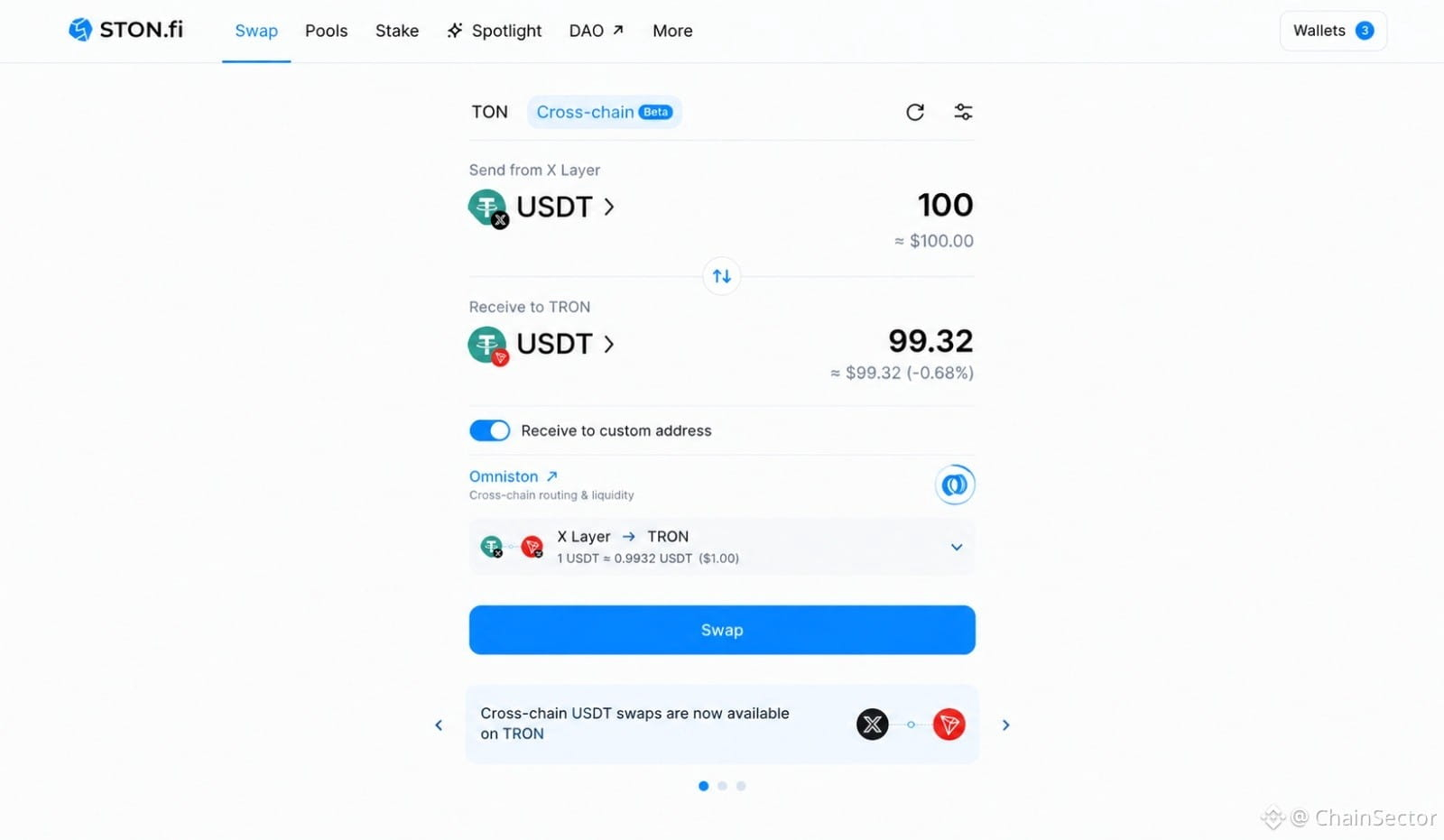
我想看看通過 STON.fi 將 USDT 從 X Layer 轉到 TRON 會是什麼感受。
有趣的是,Omniston 在界面之下提供了底層支持。
用戶無需手動弄清楚如何連接這兩個網絡,而是會獲得一個統一的置換流程:在確認之前,用戶可以查看路由和預期輸出。
我認爲,隨着更多網絡被連接,這一點會變得尤爲重要。
更多的鏈不一定要給用戶帶來更復雜的操作。
理想情況下,它應該意味着同一個簡單界面帶來更多目的地。
這正是 STON.fi 在通過 Omniston 推動的方向。
試試跨鏈置換:
STON.fi 跨鏈置換
我從用戶視角嘗試查看跨鏈置換
當一個新的鏈被加入到跨鏈系統時,很容易只關注公告,卻忘了真正的用戶體驗。
所以我換了一種方式來看。
我想看看通過 STON.fi 將 USDT 從 X Layer 轉到 TRON 會是什麼感受。
有趣的是,Omniston 在界面之下提供了底層支持。
用戶無需手動弄清楚如何連接這兩個網絡,而是會獲得一個統一的置換流程:在確認之前,用戶可以查看路由和預期輸出。
我認爲,隨着更多網絡被連接,這一點會變得尤爲重要。
更多的鏈不一定要給用戶帶來更復雜的操作。
理想情況下,它應該意味着同一個簡單界面帶來更多目的地。
這正是 STON.fi 在通過 Omniston 推動的方向。
試試跨鏈置換:
STON.fi 跨鏈置換
當一個新的鏈被加入到跨鏈系統時,很容易只關注公告,卻忘了真正的用戶體驗。
所以我換了一種方式來看。
我想看看通過 STON.fi 將 USDT 從 X Layer 轉到 TRON 會是什麼感受。
有趣的是,Omniston 在界面之下提供了底層支持。
用戶無需手動弄清楚如何連接這兩個網絡,而是會獲得一個統一的置換流程:在確認之前,用戶可以查看路由和預期輸出。
我認爲,隨着更多網絡被連接,這一點會變得尤爲重要。
更多的鏈不一定要給用戶帶來更復雜的操作。
理想情況下,它應該意味着同一個簡單界面帶來更多目的地。
這正是 STON.fi 在通過 Omniston 推動的方向。
試試跨鏈置換:
STON.fi 跨鏈置換
69
·
--
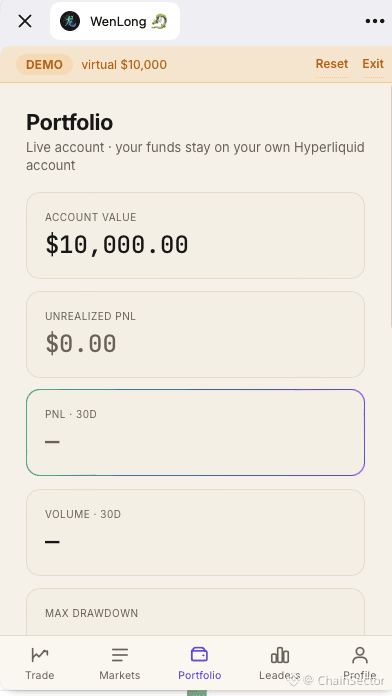
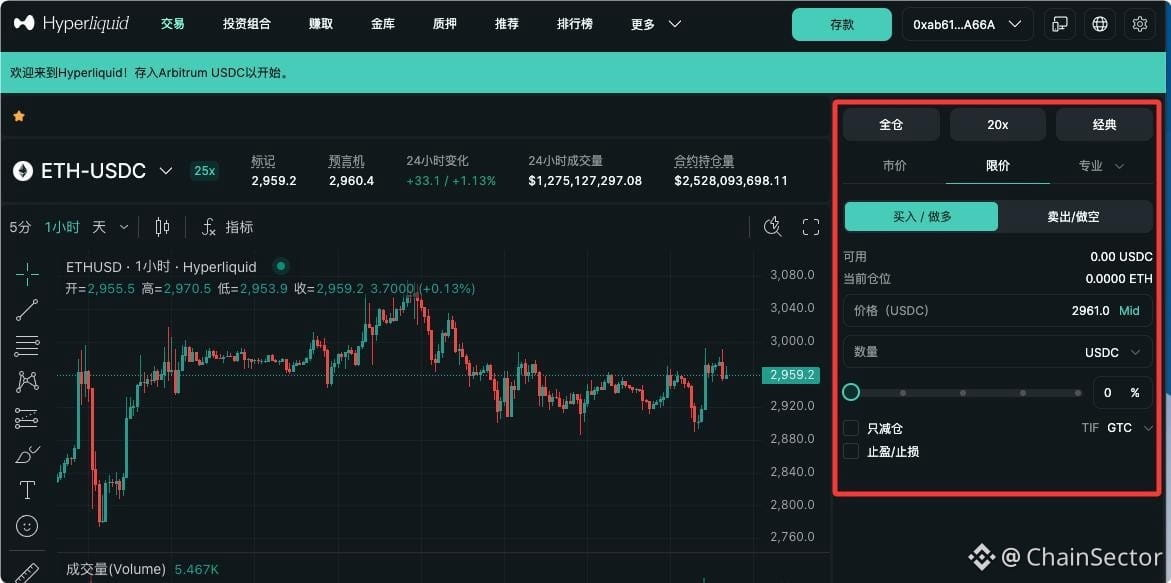
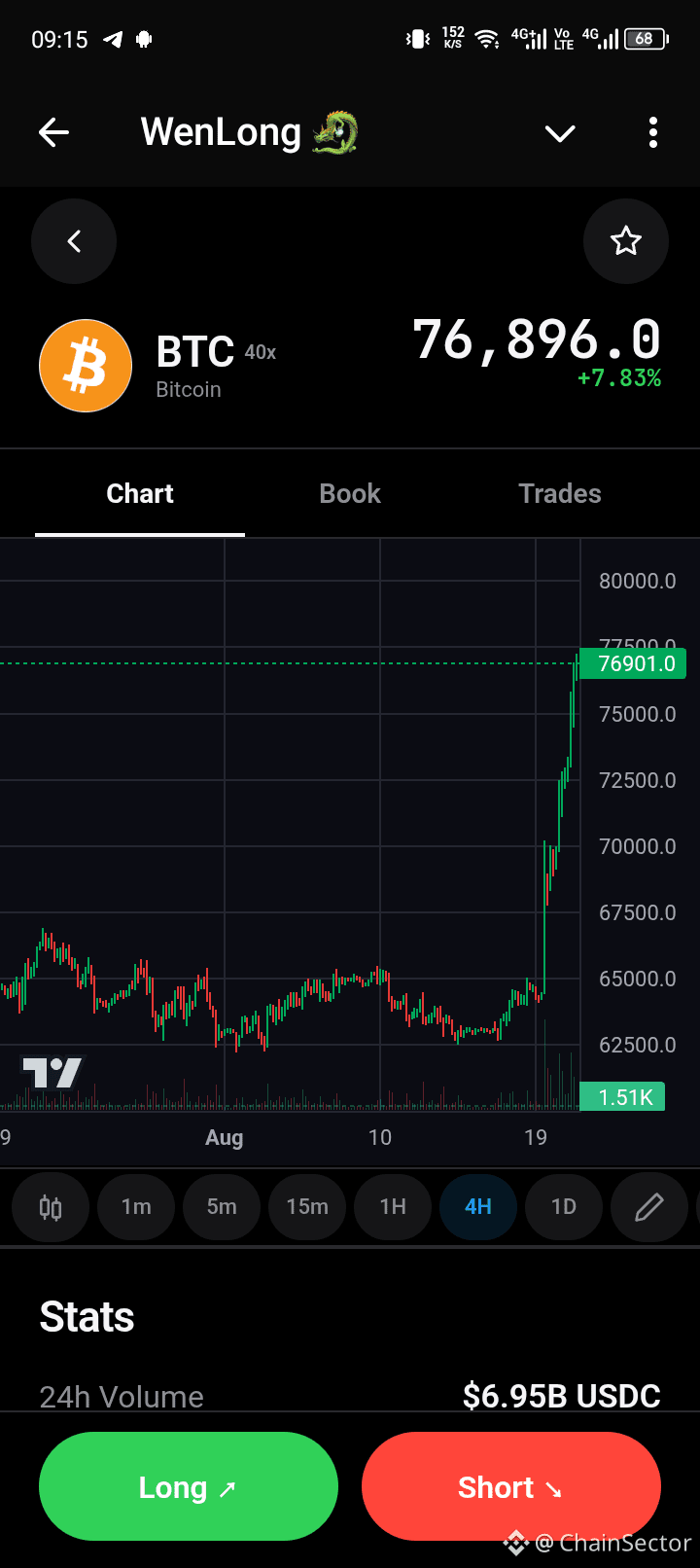
我在 Telegram 裏看了看 WenLong,真正吸引我的是它的用戶體驗
我遇到了 WenLong,於是決定瀏覽界面,而不是隻是轉發公告。
如果你以前用過永續交易平臺,那麼你看到的第一件東西會很熟悉:
📊 圖表
💰 市場價格
📈 持倉信息
⚡ 槓桿
🟢 做多 / 🔴 做空
但更讓我感興趣的,是那張簡單界面背後的基礎設施。
WenLong 把 Hyperliquid 的永續交易帶入 Telegram,而資金流動可以從 TON 生態開始。WenLong 自己的網站將這種體驗描述爲:一個由 TON 資助的、Telegram 原生的 Hyperliquid 終端。
這也正是跨鏈基礎設施變得重要的地方。
用戶並不一定想要去思考:
TON → 橋接 → 目標網絡 → 交換 → 充值 → Hyperliquid
他們只想從自己手頭的起始資產,直接用到這個應用。
Omniston 在這裏很有意思,因爲它提供的是流動性聚合和路由基礎設施,讓應用可以直接集成,而不需要自己從頭構建整個流動性—路由層。
這讓我開始思考 DeFi 的用戶體驗將走向哪裏。
基礎設施可以變得更復雜,而界面卻可以更簡單。
說實話,我覺得這是一件好事。
普通用戶不應該爲了使用一個應用,就必須理解交易中涉及的每一個網絡。
複雜性可以留在底層。
體驗可以保持簡單。
在我探索 WenLong 的過程中,這一點最讓我印象深刻。
不是槓桿。
而是抽象化。
@ston_fi
自行研究(DYOR)。有槓桿的交易風險很大。
我在 Telegram 裏看了看 WenLong,真正吸引我的是它的用戶體驗
我遇到了 WenLong,於是決定瀏覽界面,而不是隻是轉發公告。
如果你以前用過永續交易平臺,那麼你看到的第一件東西會很熟悉:
📊 圖表
💰 市場價格
📈 持倉信息
⚡ 槓桿
🟢 做多 / 🔴 做空
但更讓我感興趣的,是那張簡單界面背後的基礎設施。
WenLong 把 Hyperliquid 的永續交易帶入 Telegram,而資金流動可以從 TON 生態開始。WenLong 自己的網站將這種體驗描述爲:一個由 TON 資助的、Telegram 原生的 Hyperliquid 終端。
這也正是跨鏈基礎設施變得重要的地方。
用戶並不一定想要去思考:
TON → 橋接 → 目標網絡 → 交換 → 充值 → Hyperliquid
他們只想從自己手頭的起始資產,直接用到這個應用。
Omniston 在這裏很有意思,因爲它提供的是流動性聚合和路由基礎設施,讓應用可以直接集成,而不需要自己從頭構建整個流動性—路由層。
這讓我開始思考 DeFi 的用戶體驗將走向哪裏。
基礎設施可以變得更復雜,而界面卻可以更簡單。
說實話,我覺得這是一件好事。
普通用戶不應該爲了使用一個應用,就必須理解交易中涉及的每一個網絡。
複雜性可以留在底層。
體驗可以保持簡單。
在我探索 WenLong 的過程中,這一點最讓我印象深刻。
不是槓桿。
而是抽象化。
@ston_fi
自行研究(DYOR)。有槓桿的交易風險很大。
我遇到了 WenLong,於是決定瀏覽界面,而不是隻是轉發公告。
如果你以前用過永續交易平臺,那麼你看到的第一件東西會很熟悉:
📊 圖表
💰 市場價格
📈 持倉信息
⚡ 槓桿
🟢 做多 / 🔴 做空
但更讓我感興趣的,是那張簡單界面背後的基礎設施。
WenLong 把 Hyperliquid 的永續交易帶入 Telegram,而資金流動可以從 TON 生態開始。WenLong 自己的網站將這種體驗描述爲:一個由 TON 資助的、Telegram 原生的 Hyperliquid 終端。
這也正是跨鏈基礎設施變得重要的地方。
用戶並不一定想要去思考:
TON → 橋接 → 目標網絡 → 交換 → 充值 → Hyperliquid
他們只想從自己手頭的起始資產,直接用到這個應用。
Omniston 在這裏很有意思,因爲它提供的是流動性聚合和路由基礎設施,讓應用可以直接集成,而不需要自己從頭構建整個流動性—路由層。
這讓我開始思考 DeFi 的用戶體驗將走向哪裏。
基礎設施可以變得更復雜,而界面卻可以更簡單。
說實話,我覺得這是一件好事。
普通用戶不應該爲了使用一個應用,就必須理解交易中涉及的每一個網絡。
複雜性可以留在底層。
體驗可以保持簡單。
在我探索 WenLong 的過程中,這一點最讓我印象深刻。
不是槓桿。
而是抽象化。
@ston_fi
自行研究(DYOR)。有槓桿的交易風險很大。
1
108
·
--
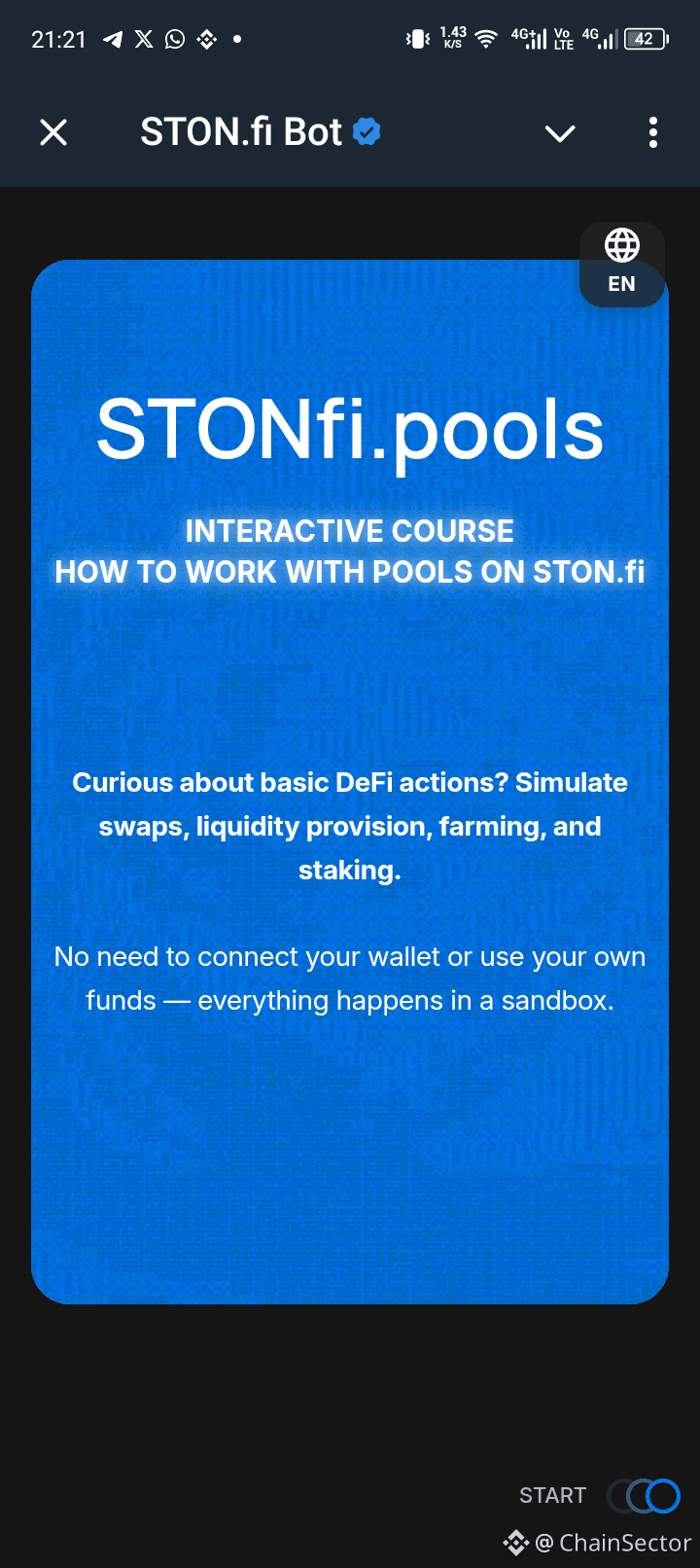
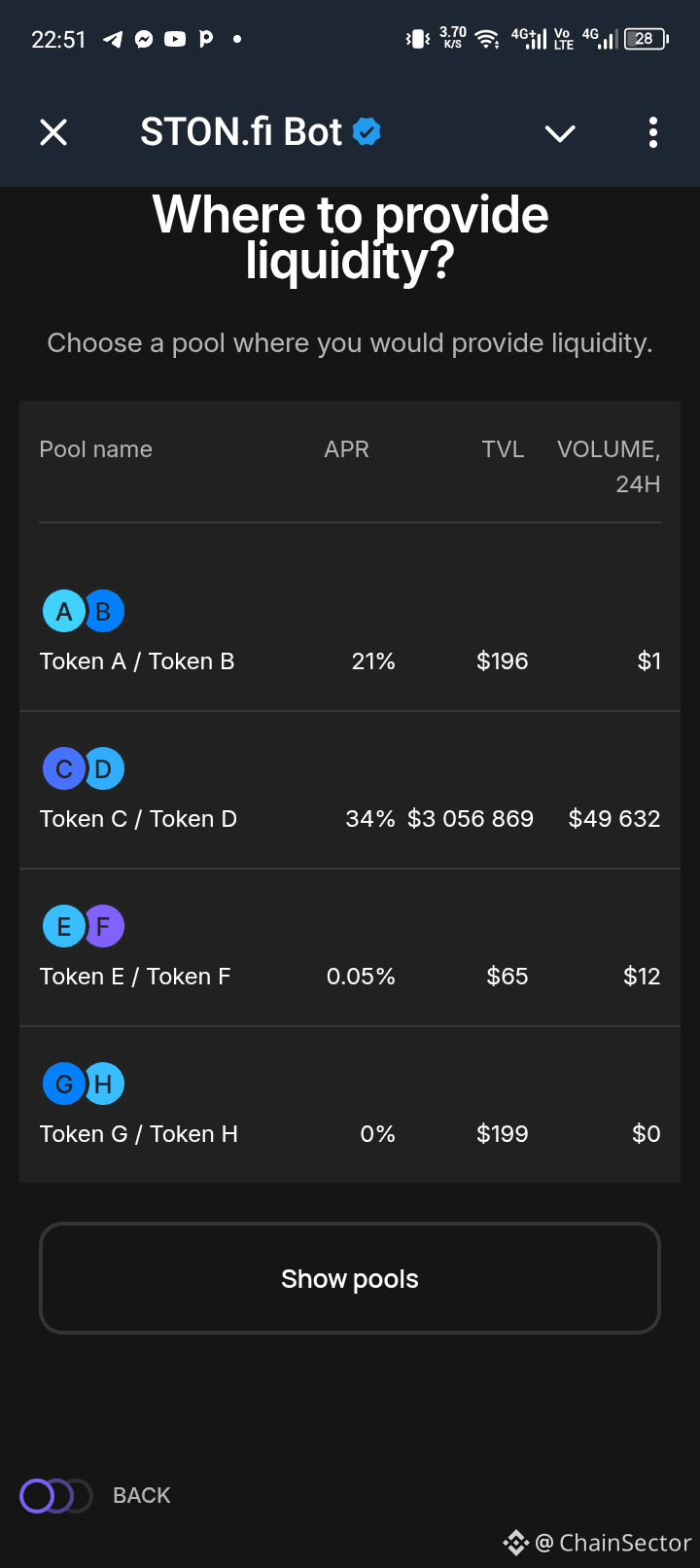
我在使用真實資金之前先體驗了 STON.fi 的 DeFi 模擬器
最近我看到 STONfi.pools 的交互式課程,於是決定試試看。
讓我感興趣的原因其實很簡單:
我不需要連接我的錢包。
一切都在模擬器中完成,所以我可以在不使用自己資金的情況下探索整個流程。
課程讓你練習:
• 交易(Swaps)
• 提供流動性
• 挖礦(Farming)
• 質押(Staking)
我覺得這種方式很有用,因爲一旦你真正面對界面來操作,DeFi 的體驗可能會非常不一樣。
例如,你或許能理解什麼是流動性池,但當你第一次看到那些具體按鈕和步驟時,仍可能會猶豫。
模擬器則爲你提供了一個熟悉該流程的地方。
如果你犯了錯呢?
你不會損失任何東西。
你只需要再試一次。
當然,在使用真實資金之前我仍會做充分的研究。模擬器並不能消除真實 DeFi 所涉及的風險。
但作爲學習工具,我認爲這個思路是有道理的:
在把錢投入之前,先讓自己對流程感到熟悉。
@ston_fi
我在使用真實資金之前先體驗了 STON.fi 的 DeFi 模擬器
最近我看到 STONfi.pools 的交互式課程,於是決定試試看。
讓我感興趣的原因其實很簡單:
我不需要連接我的錢包。
一切都在模擬器中完成,所以我可以在不使用自己資金的情況下探索整個流程。
課程讓你練習:
• 交易(Swaps)
• 提供流動性
• 挖礦(Farming)
• 質押(Staking)
我覺得這種方式很有用,因爲一旦你真正面對界面來操作,DeFi 的體驗可能會非常不一樣。
例如,你或許能理解什麼是流動性池,但當你第一次看到那些具體按鈕和步驟時,仍可能會猶豫。
模擬器則爲你提供了一個熟悉該流程的地方。
如果你犯了錯呢?
你不會損失任何東西。
你只需要再試一次。
當然,在使用真實資金之前我仍會做充分的研究。模擬器並不能消除真實 DeFi 所涉及的風險。
但作爲學習工具,我認爲這個思路是有道理的:
在把錢投入之前,先讓自己對流程感到熟悉。
@ston_fi
最近我看到 STONfi.pools 的交互式課程,於是決定試試看。
讓我感興趣的原因其實很簡單:
我不需要連接我的錢包。
一切都在模擬器中完成,所以我可以在不使用自己資金的情況下探索整個流程。
課程讓你練習:
• 交易(Swaps)
• 提供流動性
• 挖礦(Farming)
• 質押(Staking)
我覺得這種方式很有用,因爲一旦你真正面對界面來操作,DeFi 的體驗可能會非常不一樣。
例如,你或許能理解什麼是流動性池,但當你第一次看到那些具體按鈕和步驟時,仍可能會猶豫。
模擬器則爲你提供了一個熟悉該流程的地方。
如果你犯了錯呢?
你不會損失任何東西。
你只需要再試一次。
當然,在使用真實資金之前我仍會做充分的研究。模擬器並不能消除真實 DeFi 所涉及的風險。
但作爲學習工具,我認爲這個思路是有道理的:
在把錢投入之前,先讓自己對流程感到熟悉。
@ston_fi
1
75
·
--
這個 STON.fi 功能用過之後就更懂了
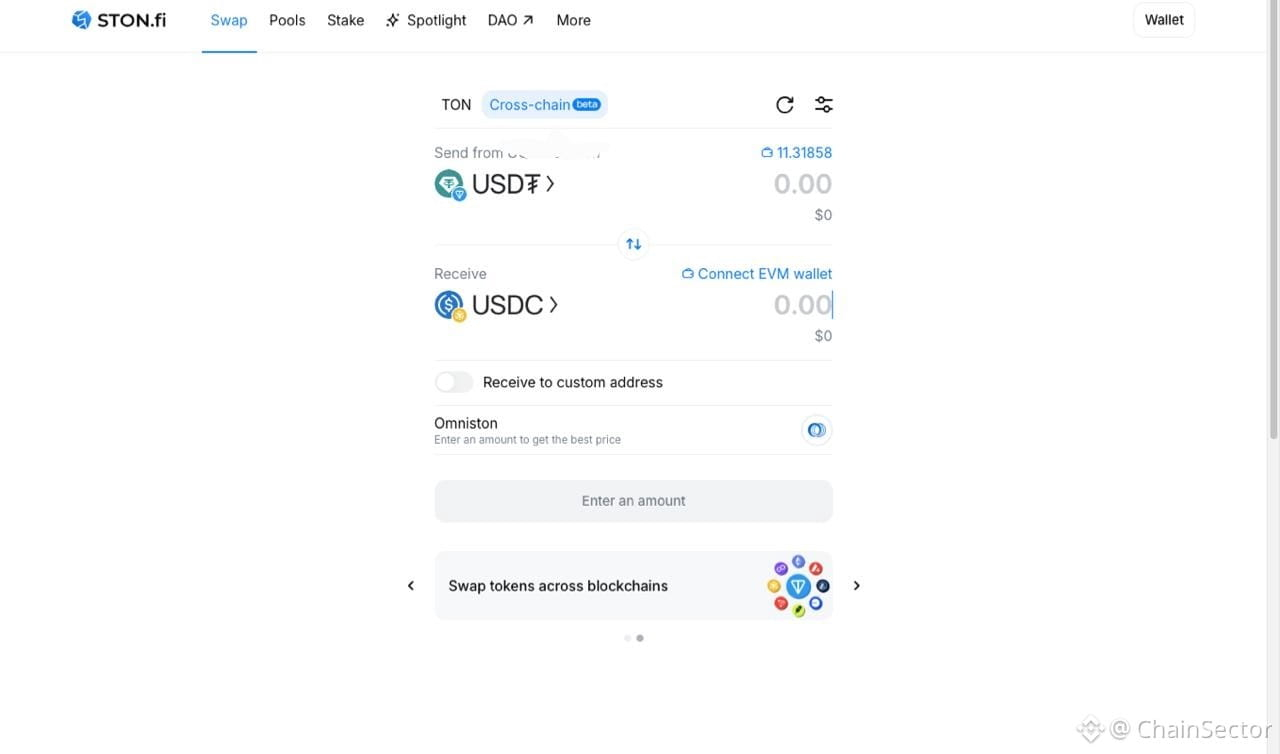
我今天嘗試了 STON.fi 的新「自訂地址」選項。
在交換的兩端都連接錢包之外,我是維持來源錢包已連線,並輸入另一個錢包作為目的地。
這代表你可以從一個錢包進行換幣,同時把得到的代幣發送到其他地方。
如果你把交易錢包和持幣錢包分開,或只是需要把輸出結果傳送到另一個地址,這就很有用。
我唯一會放慢腳步的是最後的檢查。當你自行輸入目的地地址時,在按下確認前,請確保地址和網路都是正確的。
功能不大,但很實用。
@ston_fi
#STONfi #TON #CrossChain
這個 STON.fi 功能用過之後就更懂了
我今天嘗試了 STON.fi 的新「自訂地址」選項。
在交換的兩端都連接錢包之外,我是維持來源錢包已連線,並輸入另一個錢包作為目的地。
這代表你可以從一個錢包進行換幣,同時把得到的代幣發送到其他地方。
如果你把交易錢包和持幣錢包分開,或只是需要把輸出結果傳送到另一個地址,這就很有用。
我唯一會放慢腳步的是最後的檢查。當你自行輸入目的地地址時,在按下確認前,請確保地址和網路都是正確的。
功能不大,但很實用。
@ston_fi
#STONfi #TON #CrossChain
我今天嘗試了 STON.fi 的新「自訂地址」選項。
在交換的兩端都連接錢包之外,我是維持來源錢包已連線,並輸入另一個錢包作為目的地。
這代表你可以從一個錢包進行換幣,同時把得到的代幣發送到其他地方。
如果你把交易錢包和持幣錢包分開,或只是需要把輸出結果傳送到另一個地址,這就很有用。
我唯一會放慢腳步的是最後的檢查。當你自行輸入目的地地址時,在按下確認前,請確保地址和網路都是正確的。
功能不大,但很實用。
@ston_fi
#STONfi #TON #CrossChain
1
77
·
--
我在查看流動性池之前,先測試了 STON.fi 的三個全新 DeFi 工具
每當我看流動性池時,我的第一直覺通常是拿 APR 來做比較。
這次我決定先放慢腳步,先測試 STON.fi 的三個全新 DeFi 工具。
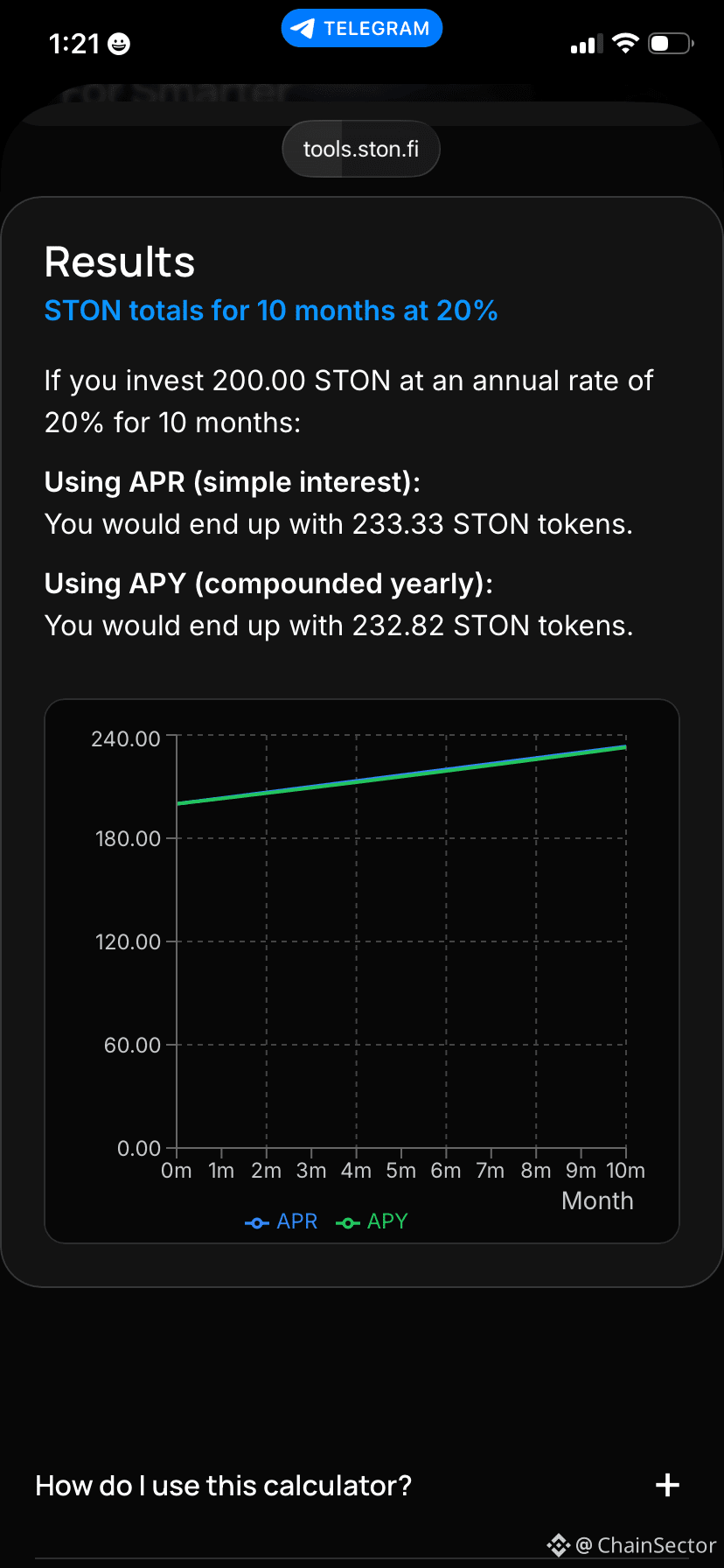
我先從 APR 計算器開始,調整存入金額、APR 數值與投資期限,看看不同情境如何影響預期收益。
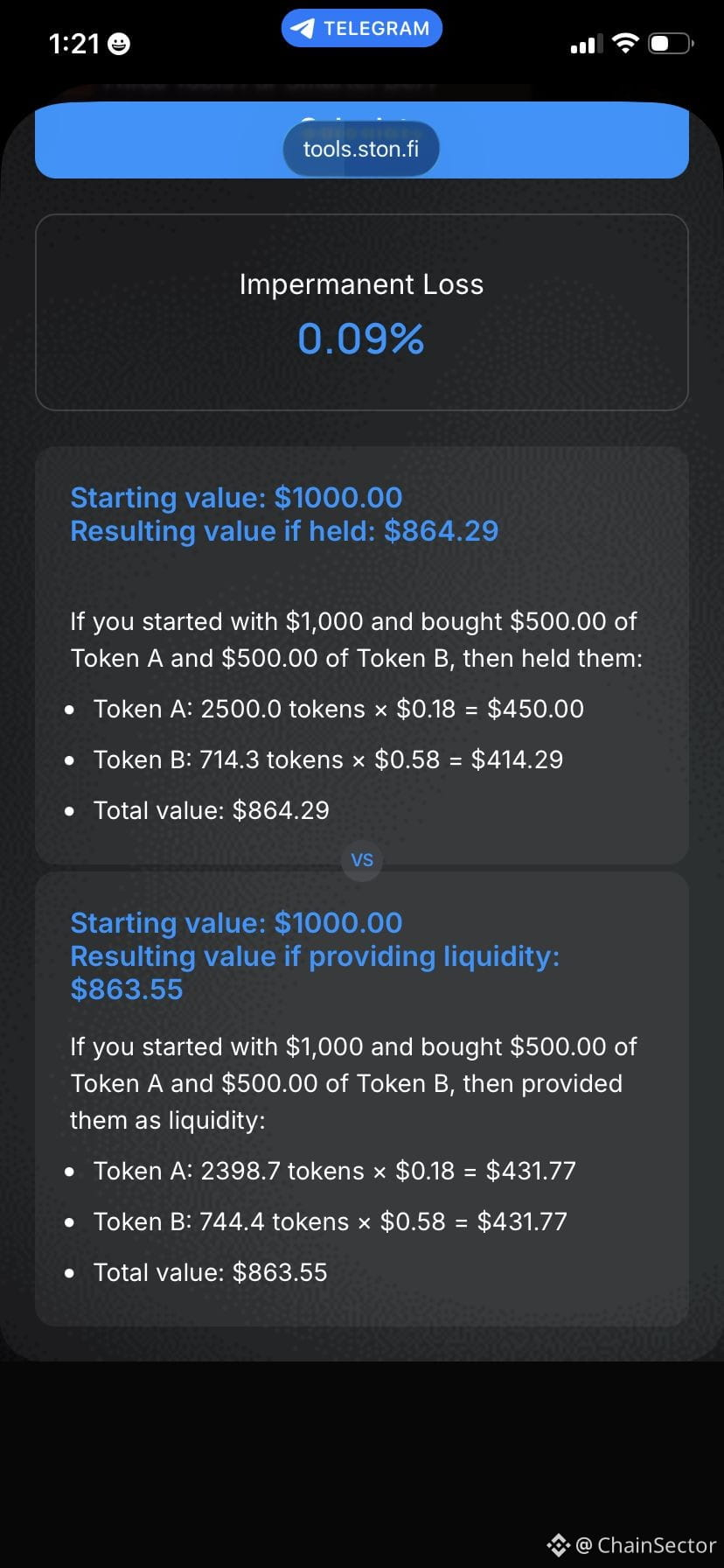
接著我轉到無常損失(Impermanent Loss)計算器。
我覺得最有用的並不是無常損失百分比本身,而是「單純持有資產」與「提供資產作為流動性」之間的差異比較。
同時看到兩種結果,讓這個概念變得更容易理解。
最後,我加入了 STON.fi Pools Updates 頻道。
它不像每天都要打開不同的池子,而是透過定期的 APR 更新,讓我保持掌握。
把三個工具一起使用後,我不再把它們當成彼此獨立的功能。
它們已經成為我在評估流動性機會之前的流程的一部分。
它們不是投資建議,但確實能幫助我做出更有資訊的決策。
@ston_fi
#STONfi #TON #DeFi
我在查看流動性池之前,先測試了 STON.fi 的三個全新 DeFi 工具
每當我看流動性池時,我的第一直覺通常是拿 APR 來做比較。
這次我決定先放慢腳步,先測試 STON.fi 的三個全新 DeFi 工具。
我先從 APR 計算器開始,調整存入金額、APR 數值與投資期限,看看不同情境如何影響預期收益。
接著我轉到無常損失(Impermanent Loss)計算器。
我覺得最有用的並不是無常損失百分比本身,而是「單純持有資產」與「提供資產作為流動性」之間的差異比較。
同時看到兩種結果,讓這個概念變得更容易理解。
最後,我加入了 STON.fi Pools Updates 頻道。
它不像每天都要打開不同的池子,而是透過定期的 APR 更新,讓我保持掌握。
把三個工具一起使用後,我不再把它們當成彼此獨立的功能。
它們已經成為我在評估流動性機會之前的流程的一部分。
它們不是投資建議,但確實能幫助我做出更有資訊的決策。
@ston_fi
#STONfi #TON #DeFi
每當我看流動性池時,我的第一直覺通常是拿 APR 來做比較。
這次我決定先放慢腳步,先測試 STON.fi 的三個全新 DeFi 工具。
我先從 APR 計算器開始,調整存入金額、APR 數值與投資期限,看看不同情境如何影響預期收益。
接著我轉到無常損失(Impermanent Loss)計算器。
我覺得最有用的並不是無常損失百分比本身,而是「單純持有資產」與「提供資產作為流動性」之間的差異比較。
同時看到兩種結果,讓這個概念變得更容易理解。
最後,我加入了 STON.fi Pools Updates 頻道。
它不像每天都要打開不同的池子,而是透過定期的 APR 更新,讓我保持掌握。
把三個工具一起使用後,我不再把它們當成彼此獨立的功能。
它們已經成為我在評估流動性機會之前的流程的一部分。
它們不是投資建議,但確實能幫助我做出更有資訊的決策。
@ston_fi
#STONfi #TON #DeFi
2
58
·
--
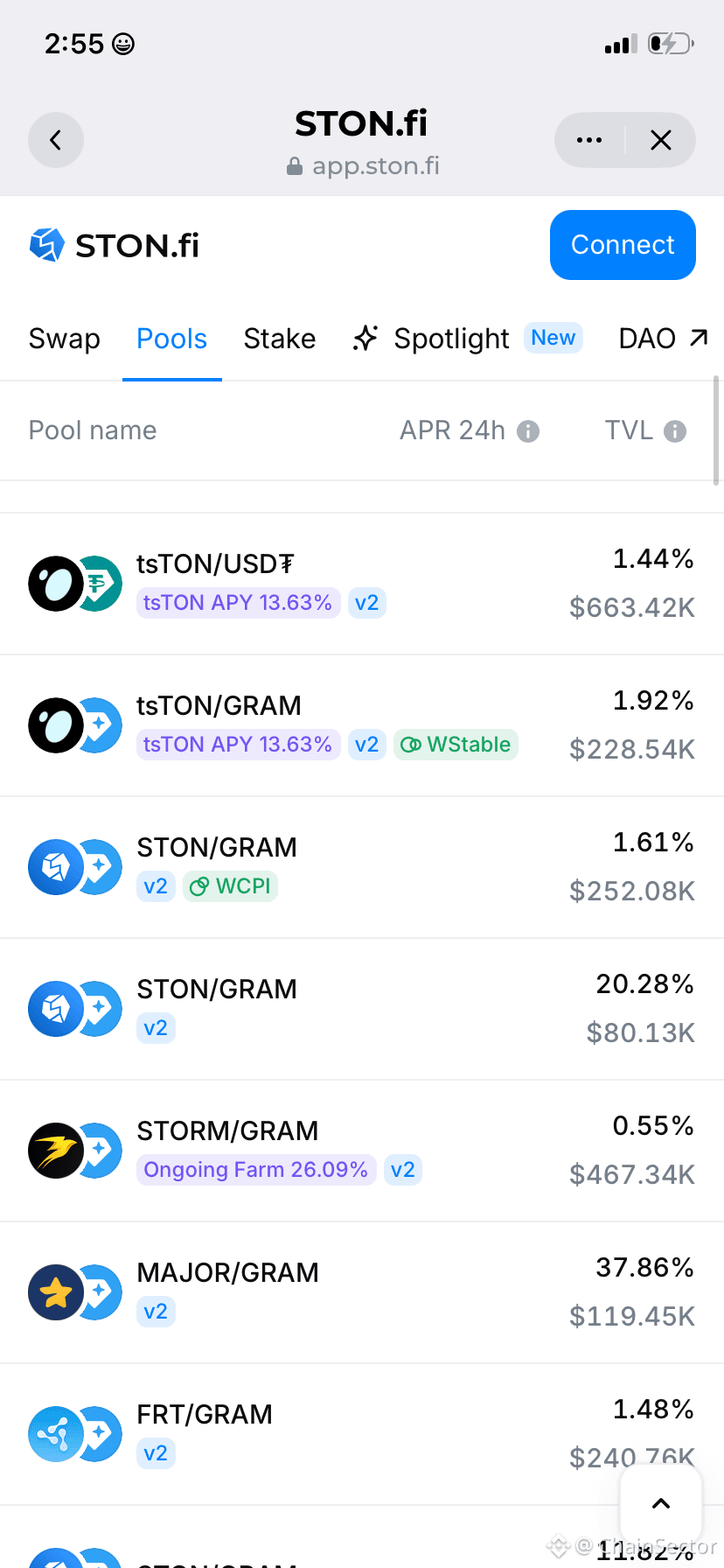
今天我在 STON.fi 上對比了兩個流動性池,只是想看看它們有什麼不同。
這並不是爲了立刻做出選擇。
而是爲了瞭解不同項目在平臺上的呈現方式,並讓自己更熟悉這個界面。
有時候,花幾分鐘多探索一下,所帶來的收穫比直接急着進入一筆交易更大。
今天我在 STON.fi 上對比了兩個流動性池,只是想看看它們有什麼不同。
這並不是爲了立刻做出選擇。
而是爲了瞭解不同項目在平臺上的呈現方式,並讓自己更熟悉這個界面。
有時候,花幾分鐘多探索一下,所帶來的收穫比直接急着進入一筆交易更大。
這並不是爲了立刻做出選擇。
而是爲了瞭解不同項目在平臺上的呈現方式,並讓自己更熟悉這個界面。
有時候,花幾分鐘多探索一下,所帶來的收穫比直接急着進入一筆交易更大。
2
167
·
--
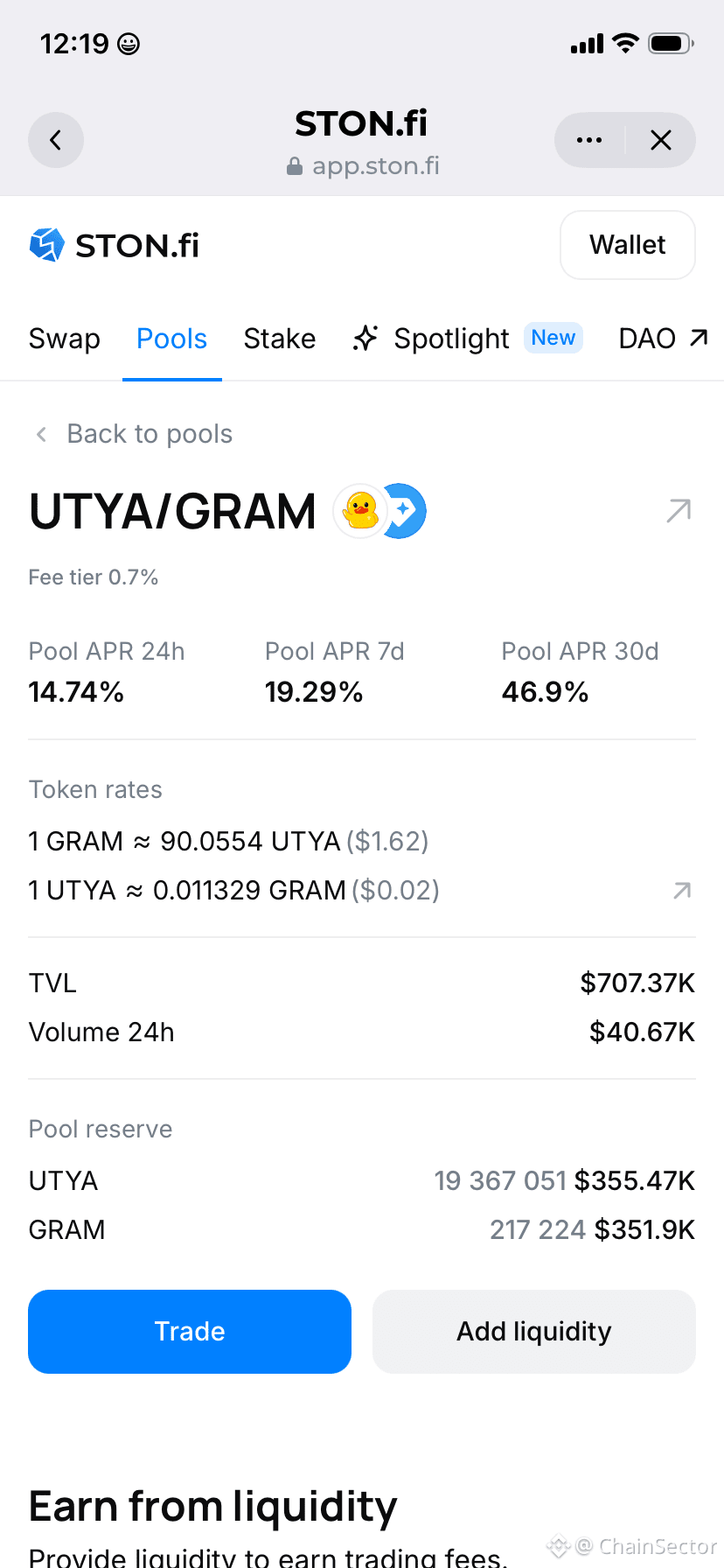
今天我花了幾分鐘在 STON.fi 上探索一下不同的資金池,結果卻比原本預想的多待了很久。
有一件事特別吸引我:看到某些資產在不同的資金池組合中反覆出現。
這讓原本只是隨便瀏覽的行爲,變成了一次小型的生態系統探索任務。
有時候,DEX 上最有意思的東西,往往是你一開始並不打算尋找的。
今天我花了幾分鐘在 STON.fi 上探索一下不同的資金池,結果卻比原本預想的多待了很久。
有一件事特別吸引我:看到某些資產在不同的資金池組合中反覆出現。
這讓原本只是隨便瀏覽的行爲,變成了一次小型的生態系統探索任務。
有時候,DEX 上最有意思的東西,往往是你一開始並不打算尋找的。
有一件事特別吸引我:看到某些資產在不同的資金池組合中反覆出現。
這讓原本只是隨便瀏覽的行爲,變成了一次小型的生態系統探索任務。
有時候,DEX 上最有意思的東西,往往是你一開始並不打算尋找的。
2
108
·
--
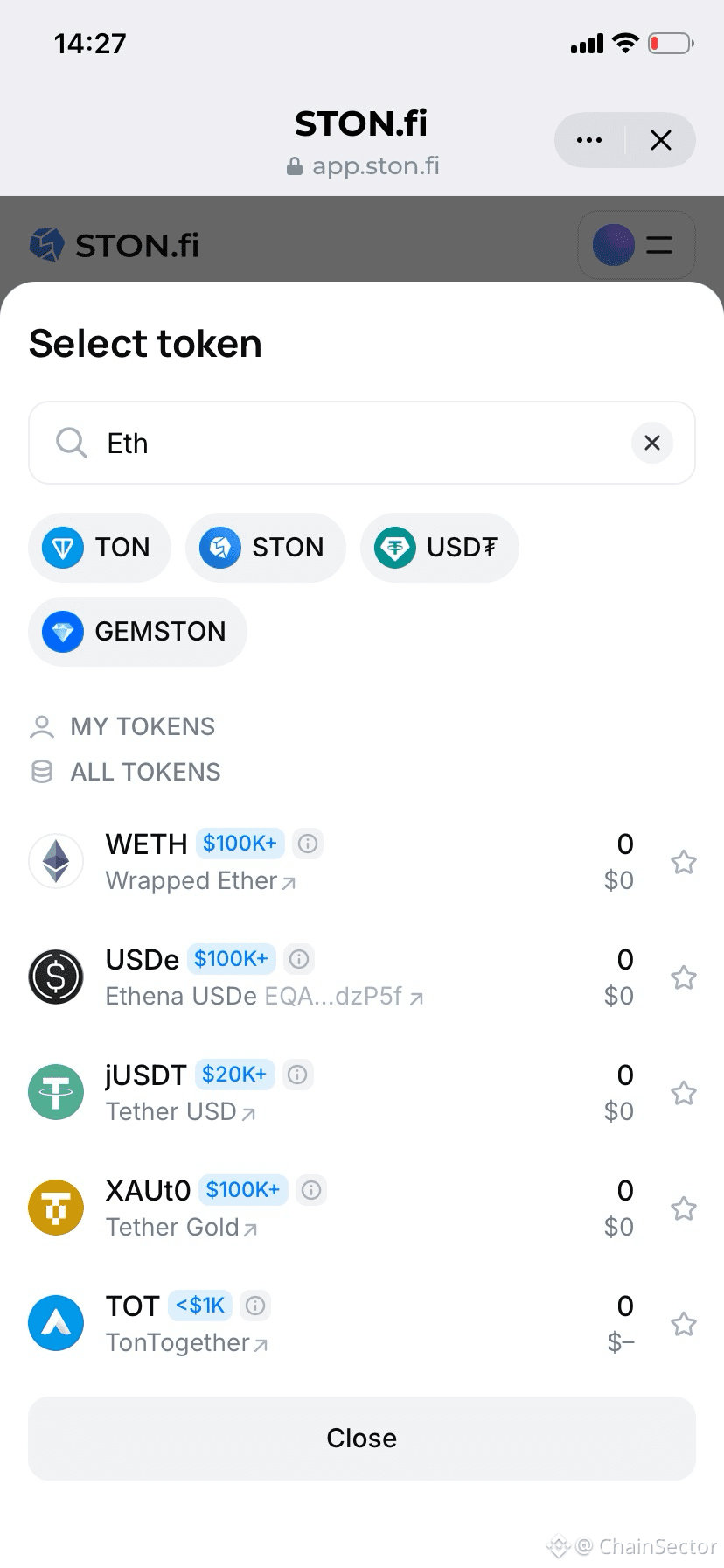
在Ston_fi上探索不同的資產讓我意識到,在去中心化交易所(DEX)內的發現並不總是顯得那麼有意圖。
有時候你只是打開界面進行一個簡單的兌換,卻最終注意到完全不同的代幣和你最初沒有關注的活動。
這種小轉變很有趣,因爲它將平臺從一個簡單的工具轉變爲更像是一個探索環境。
即使你沒有積極研究,你通過與生態系統的互動,仍然會學到一些新東西。
這是我在剛開始使用時沒有預料到的。
在Ston_fi上探索不同的資產讓我意識到,在去中心化交易所(DEX)內的發現並不總是顯得那麼有意圖。
有時候你只是打開界面進行一個簡單的兌換,卻最終注意到完全不同的代幣和你最初沒有關注的活動。
這種小轉變很有趣,因爲它將平臺從一個簡單的工具轉變爲更像是一個探索環境。
即使你沒有積極研究,你通過與生態系統的互動,仍然會學到一些新東西。
這是我在剛開始使用時沒有預料到的。
有時候你只是打開界面進行一個簡單的兌換,卻最終注意到完全不同的代幣和你最初沒有關注的活動。
這種小轉變很有趣,因爲它將平臺從一個簡單的工具轉變爲更像是一個探索環境。
即使你沒有積極研究,你通過與生態系統的互動,仍然會學到一些新東西。
這是我在剛開始使用時沒有預料到的。
1
118
·
--
看漲
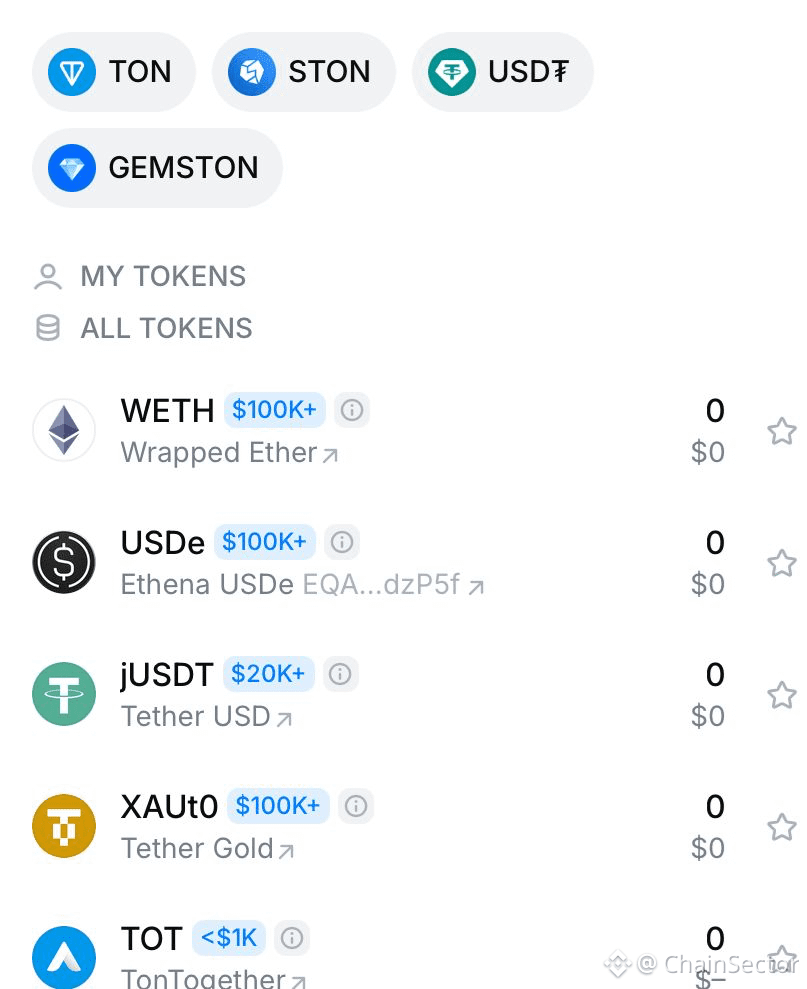
代幣背後的社區
在STON.fi上探索資產時,我沒想到我會從背後的社區中學到這麼多。
每個代幣似乎都會吸引不同類型的觀衆。
觀察這些差異是探索TON生態系統中一個意外有趣的部分。
並不是每個教訓都來自於蠟燭圖。
有時,它來自於那些構建和支持項目的人。
代幣背後的社區
在STON.fi上探索資產時,我沒想到我會從背後的社區中學到這麼多。
每個代幣似乎都會吸引不同類型的觀衆。
觀察這些差異是探索TON生態系統中一個意外有趣的部分。
並不是每個教訓都來自於蠟燭圖。
有時,它來自於那些構建和支持項目的人。
在STON.fi上探索資產時,我沒想到我會從背後的社區中學到這麼多。
每個代幣似乎都會吸引不同類型的觀衆。
觀察這些差異是探索TON生態系統中一個意外有趣的部分。
並不是每個教訓都來自於蠟燭圖。
有時,它來自於那些構建和支持項目的人。
1
84
·
--
看漲
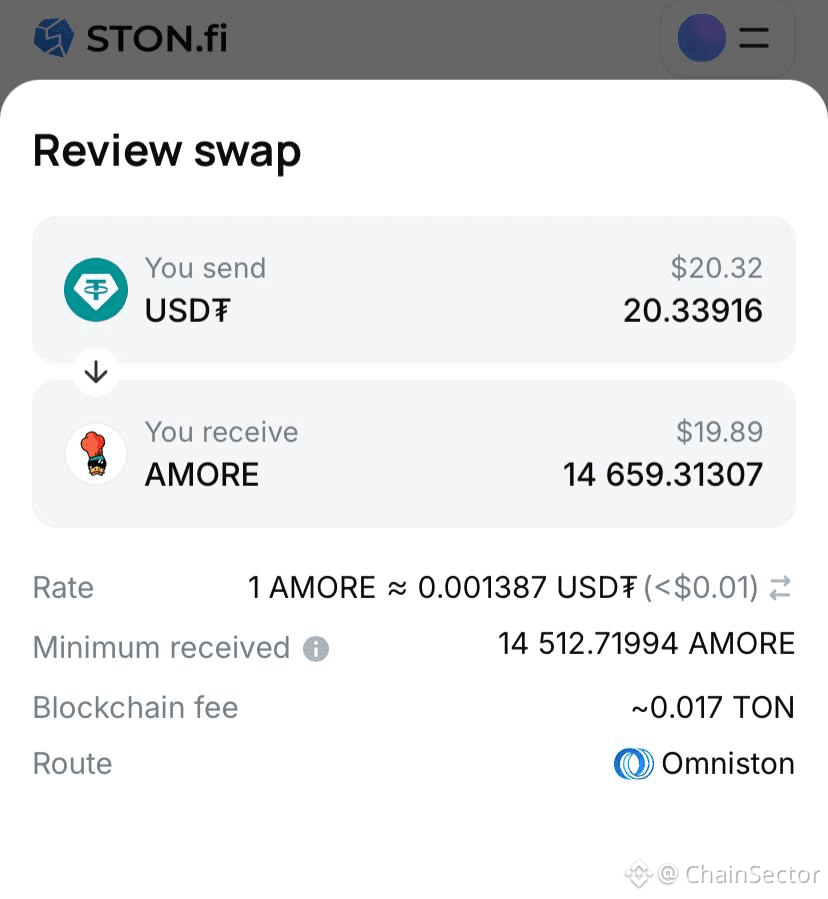
我喜歡在 STON.fi 瀏覽的一點是,它有時會帶來意想不到的發現。
你先從搜尋某一項資產開始。
過了幾分鐘後,你就會開始閱讀一些你從未遇見過的專案。
這也是不被充分重視的、蓬勃生態系帶來的好處之一。
探索也成為體驗的一部分。
坦白說,了解不同社群正在 TON 上打造什麼,和交易本身一樣有趣。
我喜歡在 STON.fi 瀏覽的一點是,它有時會帶來意想不到的發現。
你先從搜尋某一項資產開始。
過了幾分鐘後,你就會開始閱讀一些你從未遇見過的專案。
這也是不被充分重視的、蓬勃生態系帶來的好處之一。
探索也成為體驗的一部分。
坦白說,了解不同社群正在 TON 上打造什麼,和交易本身一樣有趣。
你先從搜尋某一項資產開始。
過了幾分鐘後,你就會開始閱讀一些你從未遇見過的專案。
這也是不被充分重視的、蓬勃生態系帶來的好處之一。
探索也成為體驗的一部分。
坦白說,了解不同社群正在 TON 上打造什麼,和交易本身一樣有趣。
1
169
·
--
看漲
在反覆使用 STON.fi 的過程中,我沒想到的一件事:
這種重複的交互會讓人隨時間自然減少猶豫。
一開始,我會在確認操作之前,仔細重新檢查幾乎每一步。
現在,整個交互流程感覺更加舒適,也更可預測了。
在反覆使用 STON.fi 的過程中,我沒想到的一件事:
這種重複的交互會讓人隨時間自然減少猶豫。
一開始,我會在確認操作之前,仔細重新檢查幾乎每一步。
現在,整個交互流程感覺更加舒適,也更可預測了。
這種重複的交互會讓人隨時間自然減少猶豫。
一開始,我會在確認操作之前,仔細重新檢查幾乎每一步。
現在,整個交互流程感覺更加舒適,也更可預測了。
1
253
·
--
看漲
在STON.fi呆的時間長了以後,有一件事我沒想到:
導航的流暢性有多麼改變整體交互的感覺。
起初我幾乎沒想過這個。
但反覆使用讓我意識到,在平臺上更簡單的操作大大減少了猶豫,比我最初預期的要多得多。
在STON.fi呆的時間長了以後,有一件事我沒想到:
導航的流暢性有多麼改變整體交互的感覺。
起初我幾乎沒想過這個。
但反覆使用讓我意識到,在平臺上更簡單的操作大大減少了猶豫,比我最初預期的要多得多。
導航的流暢性有多麼改變整體交互的感覺。
起初我幾乎沒想過這個。
但反覆使用讓我意識到,在平臺上更簡單的操作大大減少了猶豫,比我最初預期的要多得多。
1
175
·
--
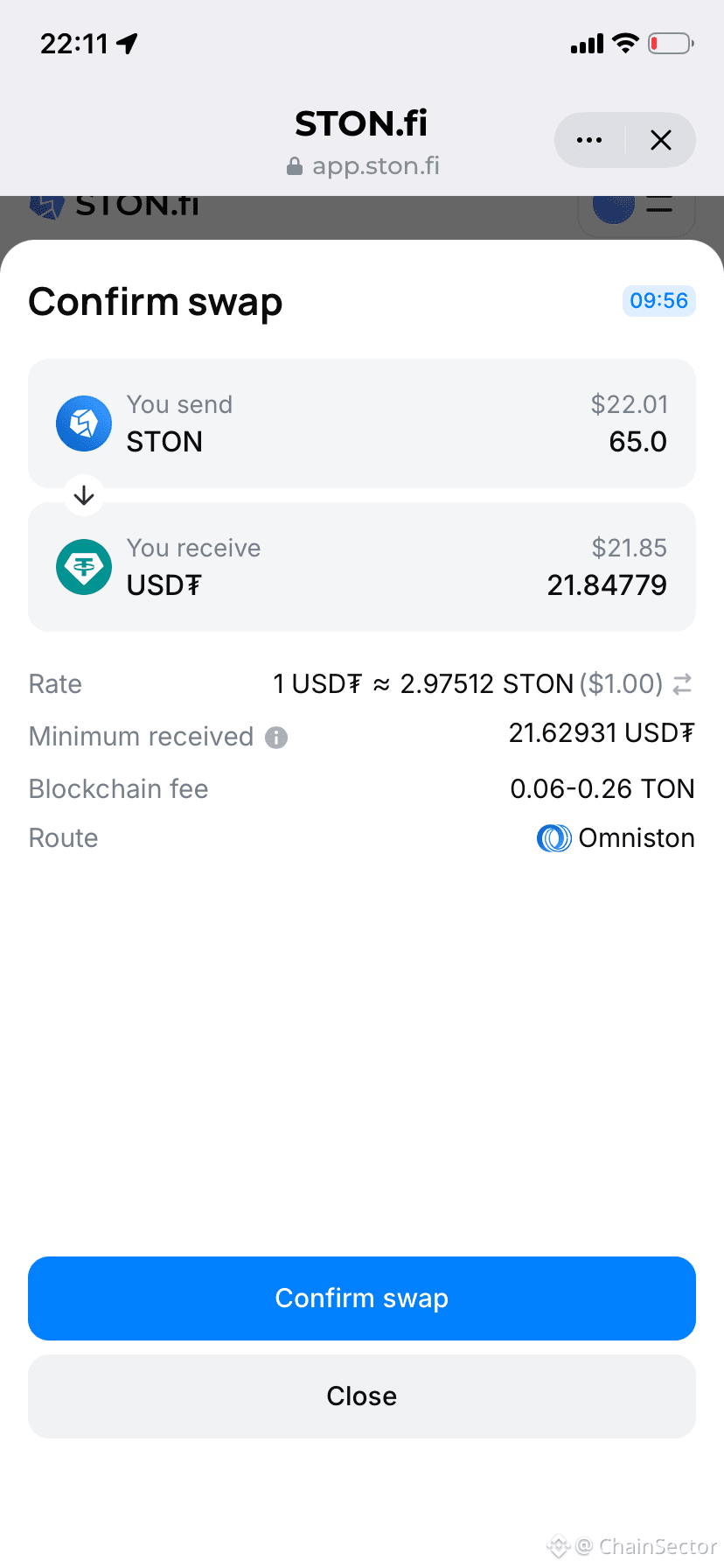
看漲
我在更頻繁地使用STON.fi時沒有預料到的一件事:
小界面細節對整體交互感覺的影響有多大。
起初我幾乎沒有注意到佈局流暢性或信息位置這樣的細節。
但隨着時間的推移,更流暢的交互讓我覺得體驗比我預期的要舒適得多。
我在更頻繁地使用STON.fi時沒有預料到的一件事:
小界面細節對整體交互感覺的影響有多大。
起初我幾乎沒有注意到佈局流暢性或信息位置這樣的細節。
但隨着時間的推移,更流暢的交互讓我覺得體驗比我預期的要舒適得多。
小界面細節對整體交互感覺的影響有多大。
起初我幾乎沒有注意到佈局流暢性或信息位置這樣的細節。
但隨着時間的推移,更流暢的交互讓我覺得體驗比我預期的要舒適得多。
1
149
·
--
我在更頻繁地使用STON.fi後感到欣賞的事情:
隨着你對它的熟悉度增加,交互流程開始變得更加順暢。
小的可用性細節,隨着時間的推移,比第一次訪問時更爲重要。
我在更頻繁地使用STON.fi後感到欣賞的事情:
隨着你對它的熟悉度增加,交互流程開始變得更加順暢。
小的可用性細節,隨着時間的推移,比第一次訪問時更爲重要。
隨着你對它的熟悉度增加,交互流程開始變得更加順暢。
小的可用性細節,隨着時間的推移,比第一次訪問時更爲重要。
1
147
登入以探索更多內容
加入幣安廣場中的全球加密貨幣用戶
⚡️ 獲取加密貨幣的最新和實用資訊。
💬 受到全球最大加密貨幣交易所的信任。
👍 發掘來自經過驗證創作者的真實見解。
電子郵件 / 電話號碼
熱門話題
Zcash现货ETF首现周度净流出9360万美元
32,381 次瀏覽
68 討論中
$ZEC 的ETF終於出現了一個不太好看的信號:上線以來首次出現周度淨流出,本週約有 9360萬美元撤出,而兩週前還曾單週淨流入9820萬美元。與此同時,$ZEC 已經從前高約1690美元回落到1300美元附近,短短一週跌幅約17.5%。
這條真正有意思的不是“ETF流出了”,而是資金剛把隱私敘事炒熱,機構錢就開始往外撤。
觀察位:1300是第一道防守,前高1690是趨勢壓力,重新站回1500上方纔能緩解高位資金退潮的擔憂。
方向:短線偏弱,先看1300能不能穩住;如果ETF繼續連續流出,前面的強勢敘事就要重新定價。
$ZEC #Zcash现货ETF首现周度净流出9360万美元
OxDegen
·0 人按讚
·1.4k 次瀏覽
希腊警方破获加密诈骗团伙拘17人
2,508 次瀏覽
46 討論中
比特币冲击8.7万美元遇阻回落
96,538 次瀏覽
216 討論中