
Selena09
3.5k 貼文

Selena09
舉報
封鎖用戶
447 關注
681 粉絲
2.4K+ 點讚數
貼文
全部
引用
影片
·
--
查看翻譯
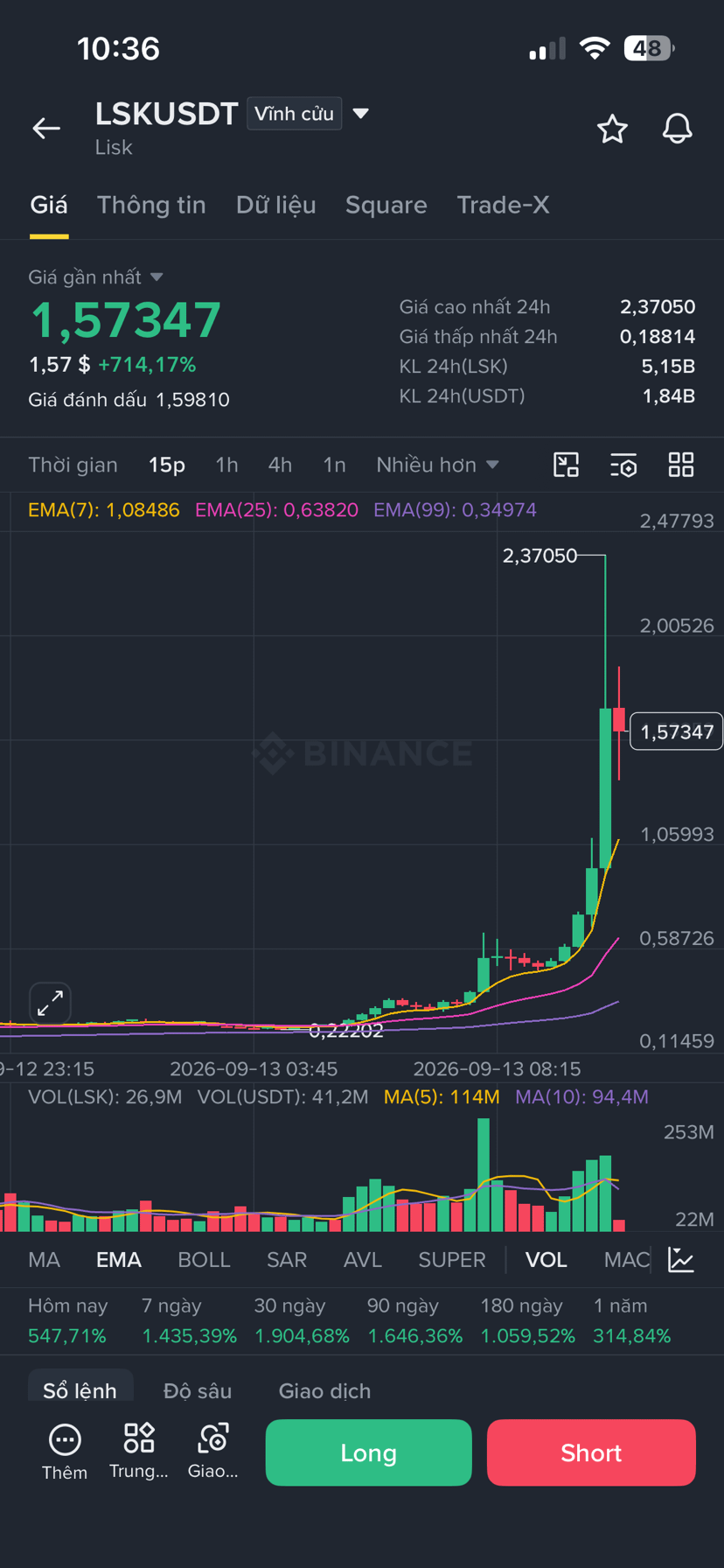
Kèo gì đây? $LSK đẩy lên 2.3$, hiện tại giao dịch ở 1.5$ $LAB $BEAT đây rồi chứ đâu, đẩy x lần so với buổi sáng, short thủ toang thật rồi các bác ui
{future}(LSKUSDT)
{future}(BEATUSDT)
{future}(LABUSDT)
Kèo gì đây? $LSK đẩy lên 2.3$, hiện tại giao dịch ở 1.5$ $LAB $BEAT đây rồi chứ đâu, đẩy x lần so với buổi sáng, short thủ toang thật rồi các bác ui
354
·
--
查看翻譯
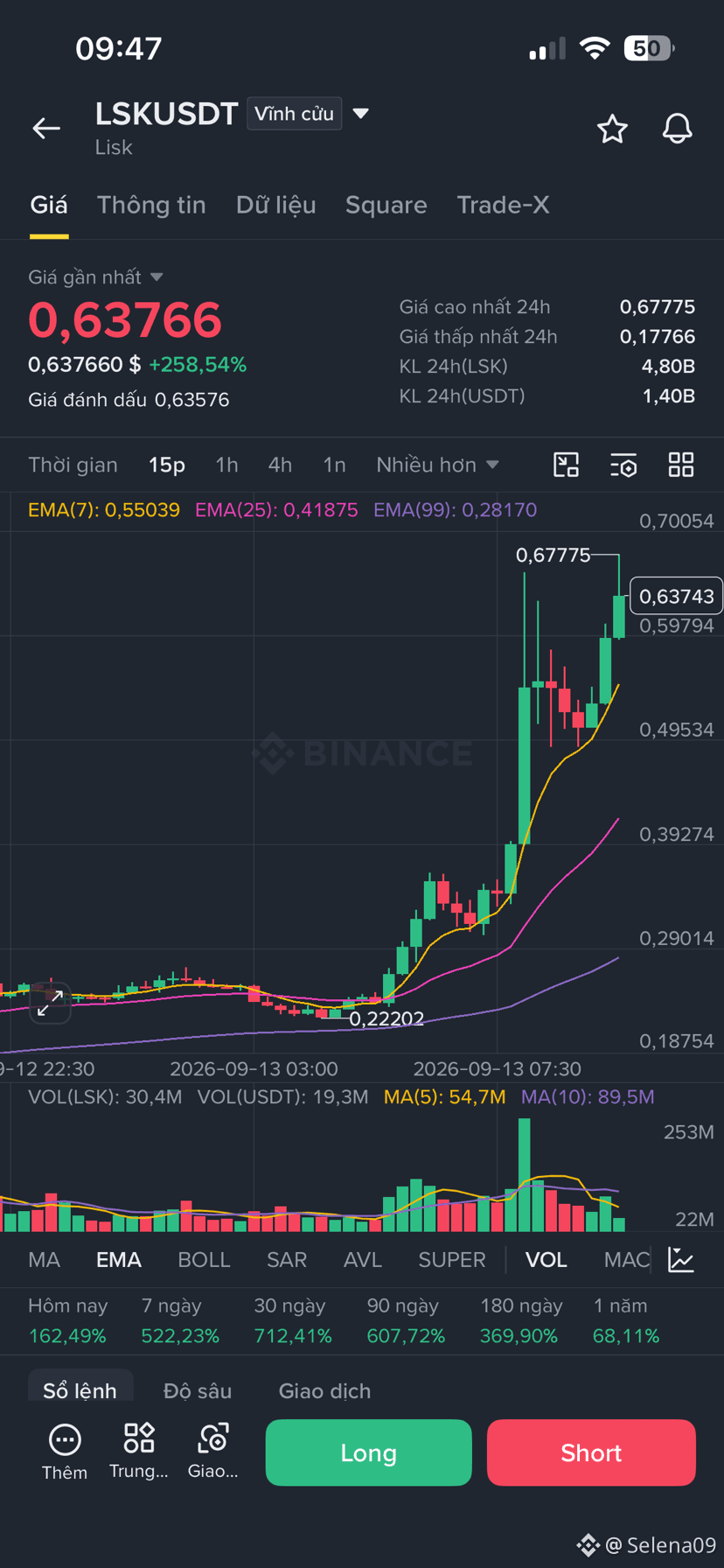
Sáng ra lướt Square rất nhiều bác lõm $LSK , nó đẩy thế này short cản tàu là toang luôn, giờ thấy đẩy 0.67 rồi
Canh thêm khúc nữa mình sẽ thử vol bé
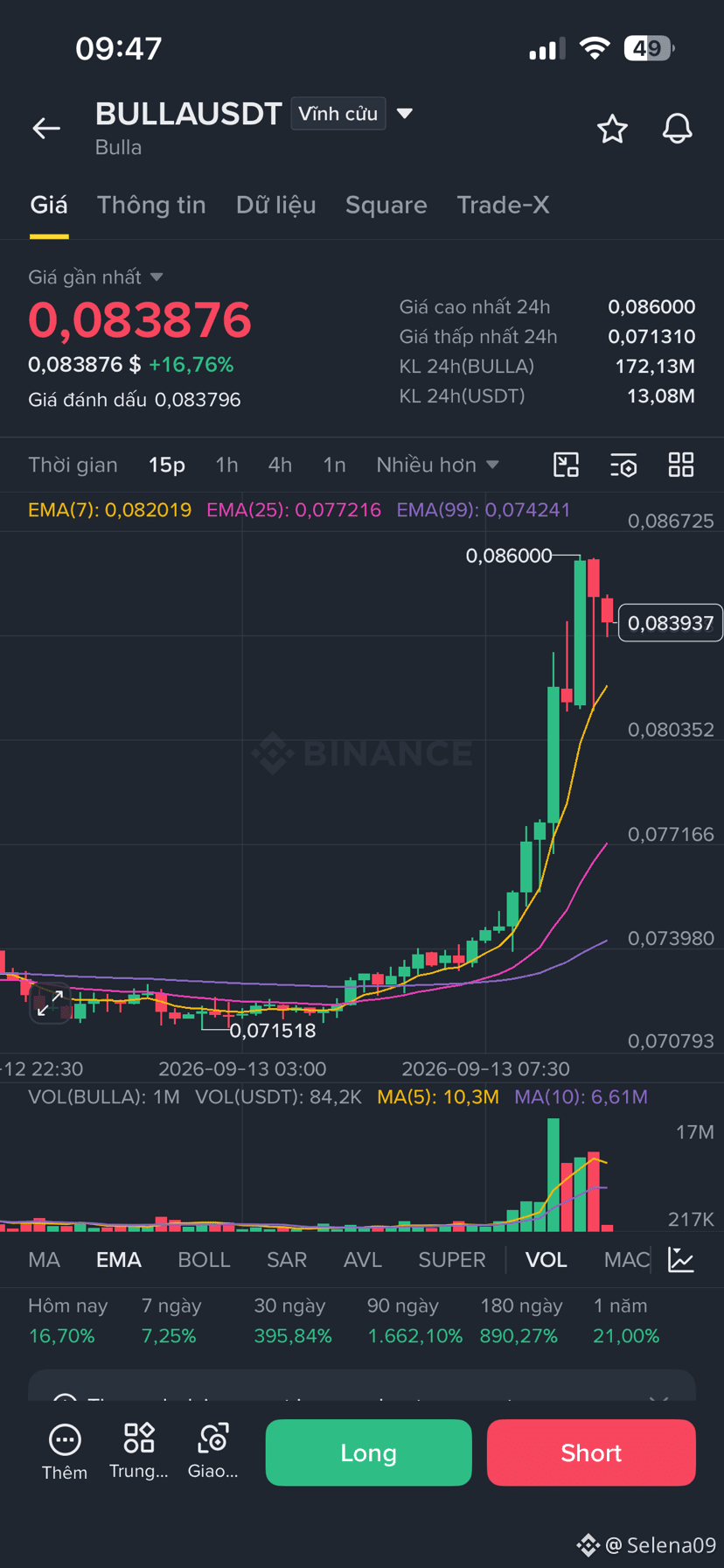
Hôm nay sẽ xem thêm $BULLA và $BTW , 2 con hàng mình hay lướt lát mỗi khi nó chỉnh
{future}(BULLAUSDT)
{future}(LSKUSDT)
{future}(BTWUSDT)
Sáng ra lướt Square rất nhiều bác lõm $LSK , nó đẩy thế này short cản tàu là toang luôn, giờ thấy đẩy 0.67 rồi
Canh thêm khúc nữa mình sẽ thử vol bé
Hôm nay sẽ xem thêm $BULLA và $BTW , 2 con hàng mình hay lướt lát mỗi khi nó chỉnh
Canh thêm khúc nữa mình sẽ thử vol bé
Hôm nay sẽ xem thêm $BULLA và $BTW , 2 con hàng mình hay lướt lát mỗi khi nó chỉnh
374
·
--
查看翻譯
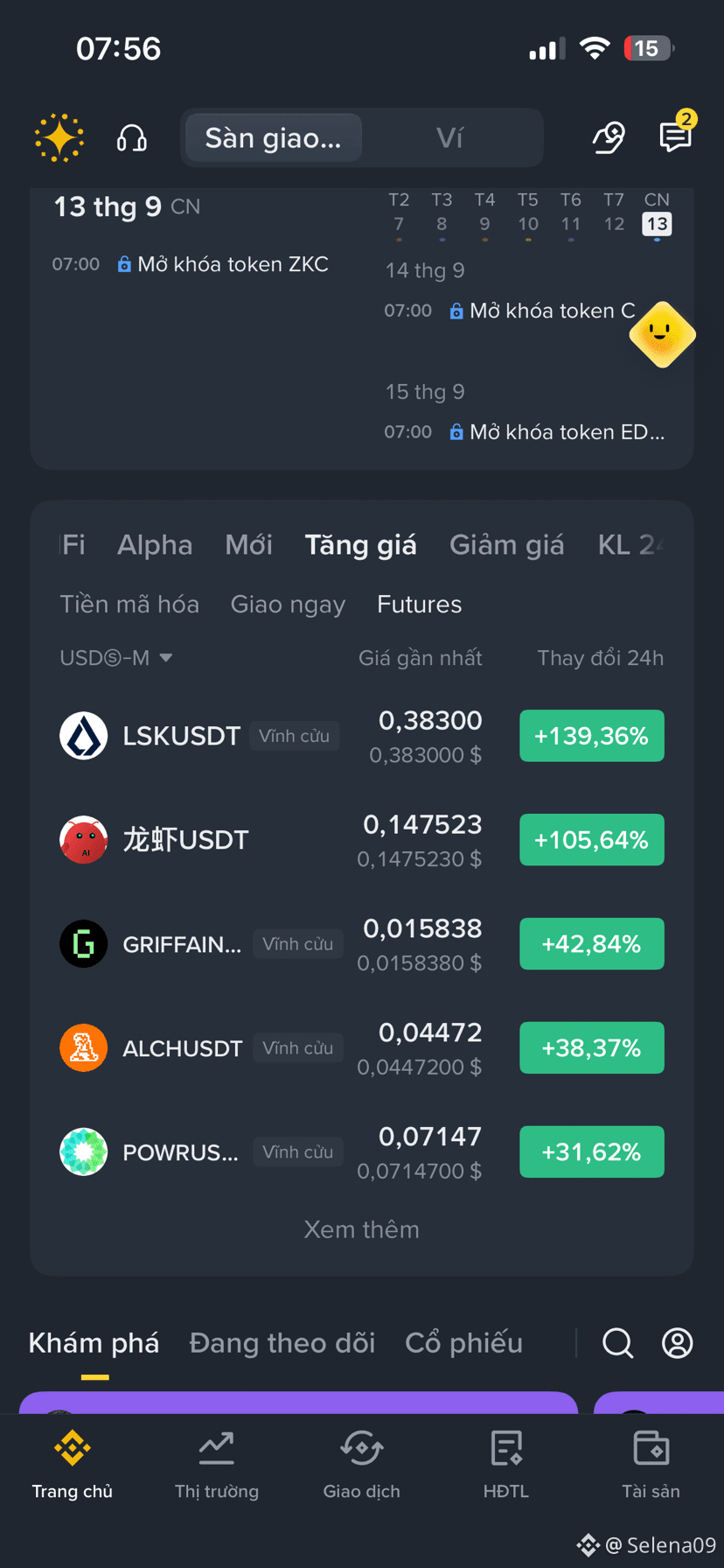
$龙虾 hết nóng chưa nhỉ? short được chưa mn?
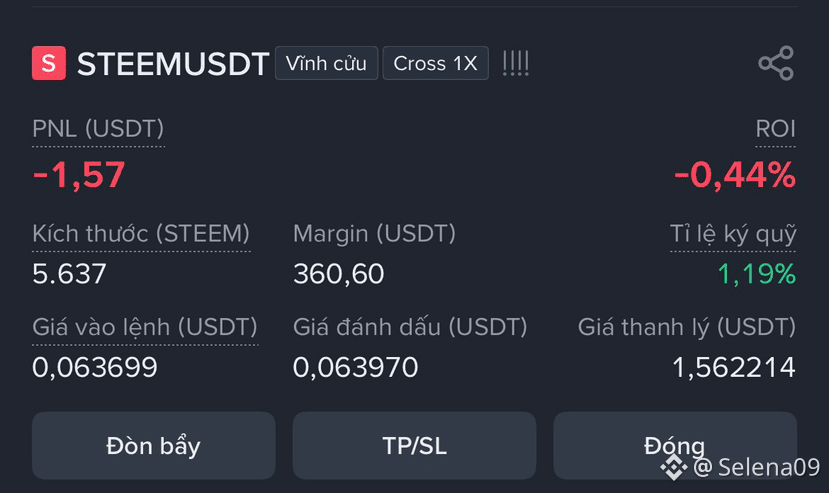
mình mới thử tí $STEEM vol bé xíu mà đã đỏ rồi, để đi xem $AKE xem có long lướt cafe được k
{future}(龙虾USDT)
{future}(AKEUSDT)
{future}(STEEMUSDT)
$龙虾 hết nóng chưa nhỉ? short được chưa mn?
mình mới thử tí $STEEM vol bé xíu mà đã đỏ rồi, để đi xem $AKE xem có long lướt cafe được k
mình mới thử tí $STEEM vol bé xíu mà đã đỏ rồi, để đi xem $AKE xem có long lướt cafe được k
1
214
·
--
查看翻譯
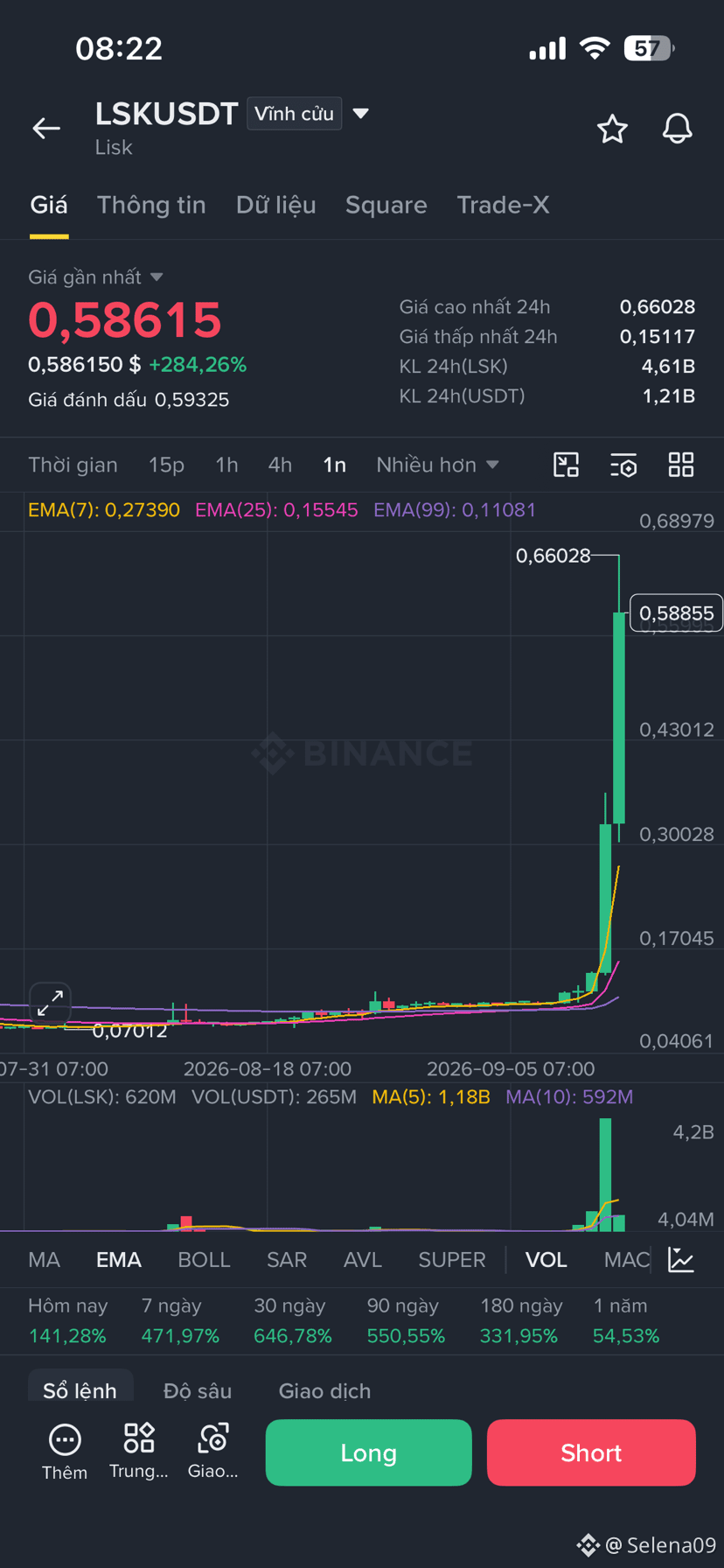
Choáng váng với $LSK , 30 phút trước 0.38 mà giờ đẩy lên 0.66, quyết tâm tiễn sọc thủ rồi, bơm 2 ngày x5
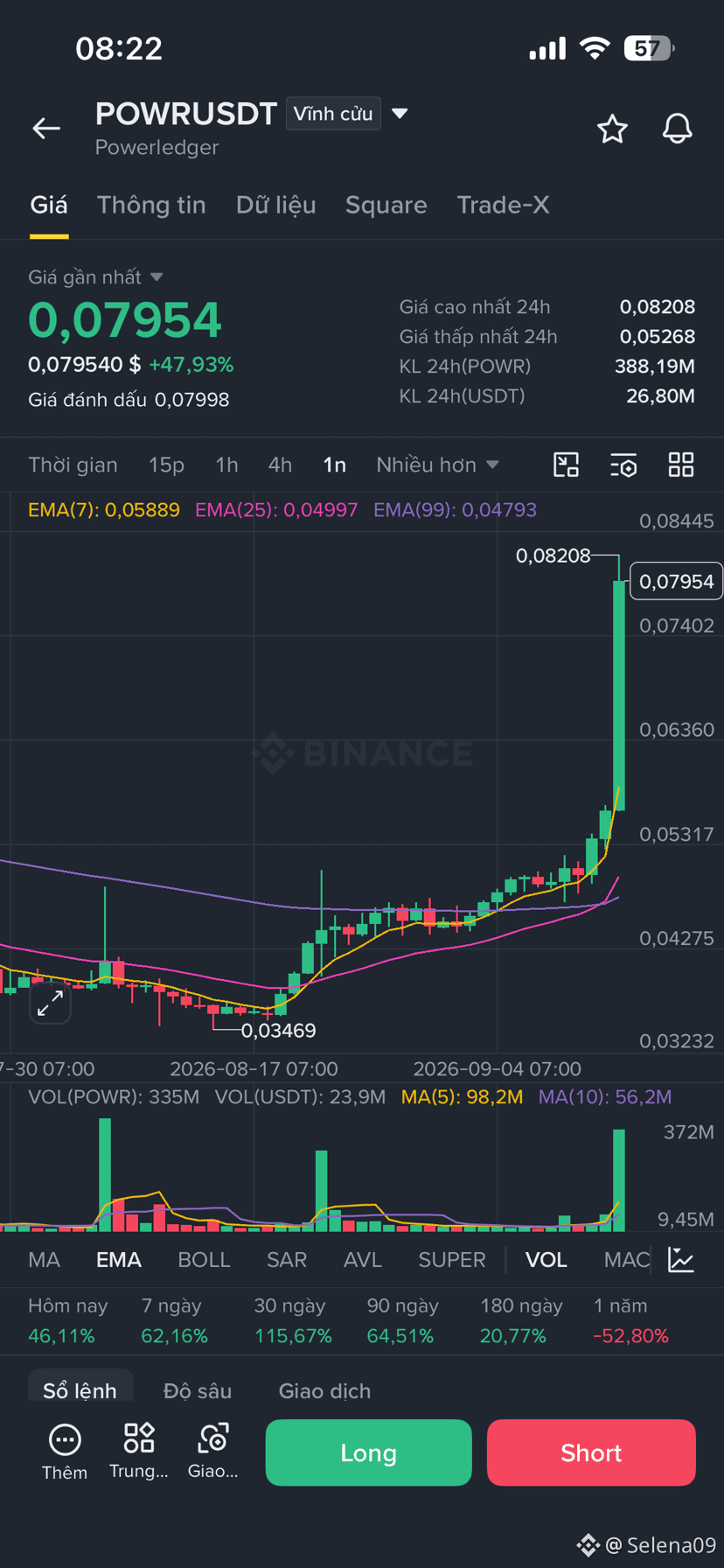
Hôm nay có thêm $POWR $ALCH , soi 1 con để kiếm tiền cuối tuần nào
LSK chạy khoa đỡ quá
{future}(ALCHUSDT)
{future}(POWRUSDT)
{future}(LSKUSDT)
Choáng váng với $LSK , 30 phút trước 0.38 mà giờ đẩy lên 0.66, quyết tâm tiễn sọc thủ rồi, bơm 2 ngày x5
Hôm nay có thêm $POWR $ALCH , soi 1 con để kiếm tiền cuối tuần nào
LSK chạy khoa đỡ quá
Hôm nay có thêm $POWR $ALCH , soi 1 con để kiếm tiền cuối tuần nào
LSK chạy khoa đỡ quá
1
717
·
--
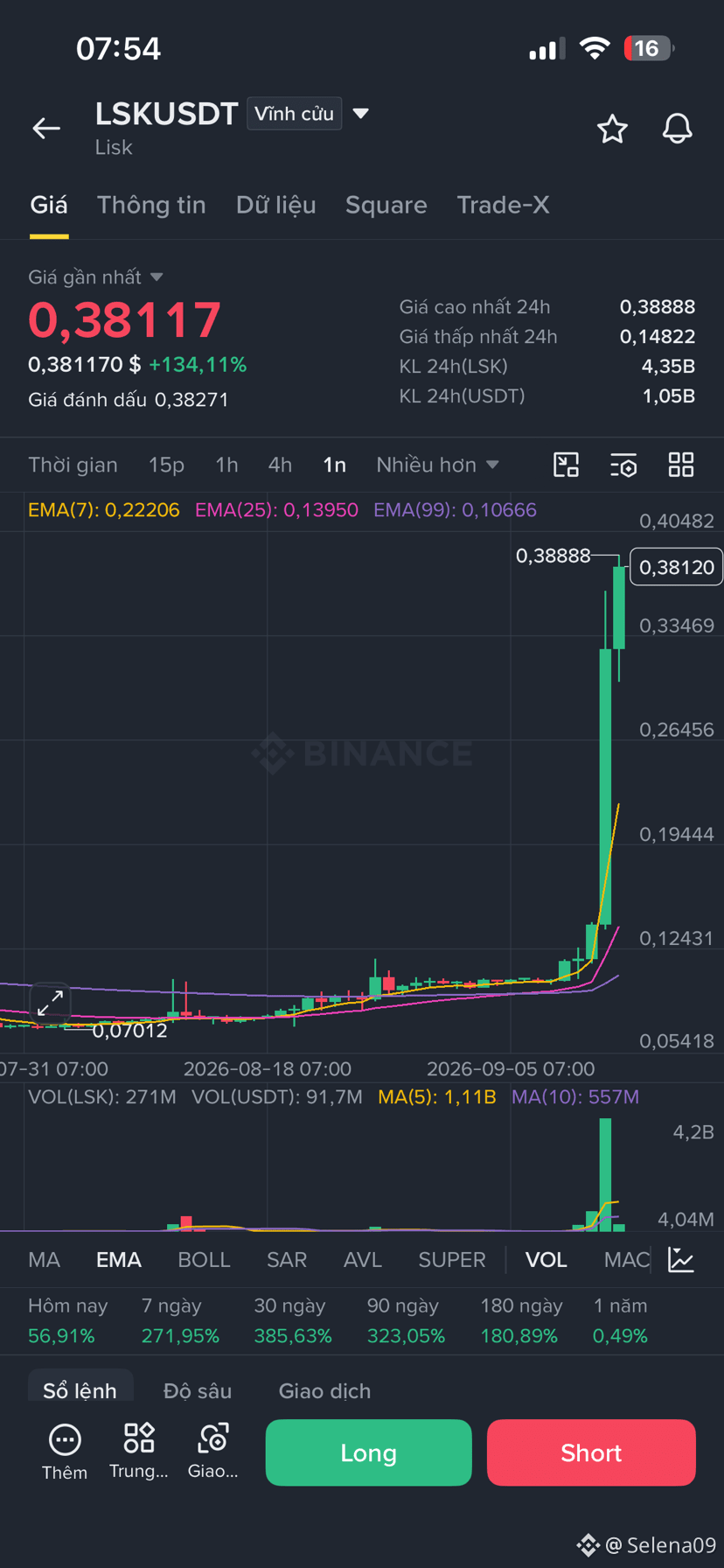
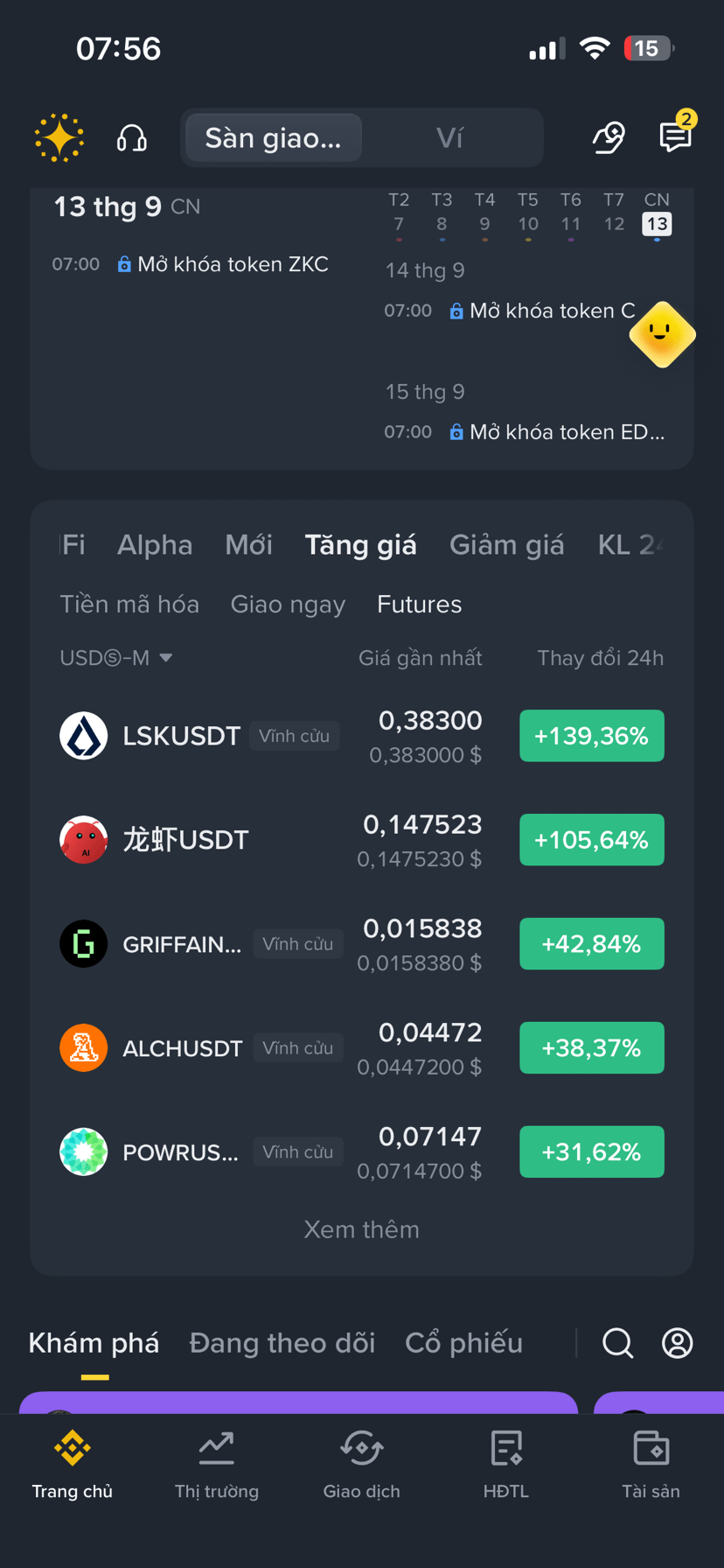
沒想到在夢裏明達也不會想到 $LSK 居然會猛轟到這麼厲害,昨晚誰做了 short 了睡覺,今天起牀估計得嚇一跳。龍蝦 $龍蝦 也不甘示弱,拼命衝到 0.17;至於隨之而來的 $GRIFFAIN ,大家抓到哪一隻了?哪一隻都猛得不行
{future}(GRIFFAINUSDT)
{future}(龍蝦USDT)
{future}(LSKUSDT)
沒想到在夢裏明達也不會想到 $LSK 居然會猛轟到這麼厲害,昨晚誰做了 short 了睡覺,今天起牀估計得嚇一跳。龍蝦 $龍蝦 也不甘示弱,拼命衝到 0.17;至於隨之而來的 $GRIFFAIN ,大家抓到哪一隻了?哪一隻都猛得不行
1
1.7k
·
--
查看翻譯
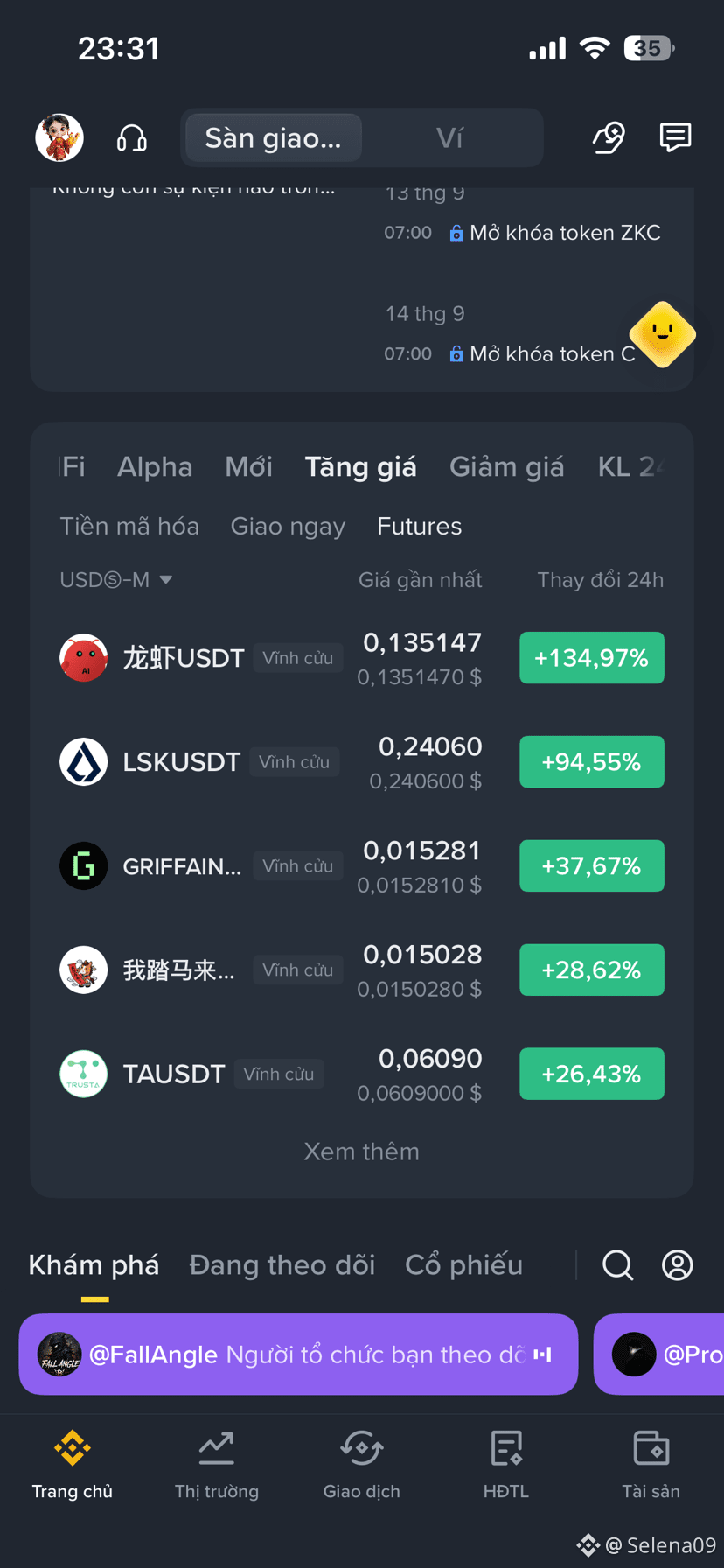
Tôm hùm $龙虾 khó ăn thế :) thò ngón nào cụt ngon đó :)
Đi sang $LAB $GRIFFAIN xem nhẹ nhàng hơn không
{future}(GRIFFAINUSDT)
{future}(LABUSDT)
{future}(龙虾USDT)
Tôm hùm $龙虾 khó ăn thế :) thò ngón nào cụt ngon đó :)
Đi sang $LAB $GRIFFAIN xem nhẹ nhàng hơn không
Đi sang $LAB $GRIFFAIN xem nhẹ nhàng hơn không
1
291
·
--
查看翻譯
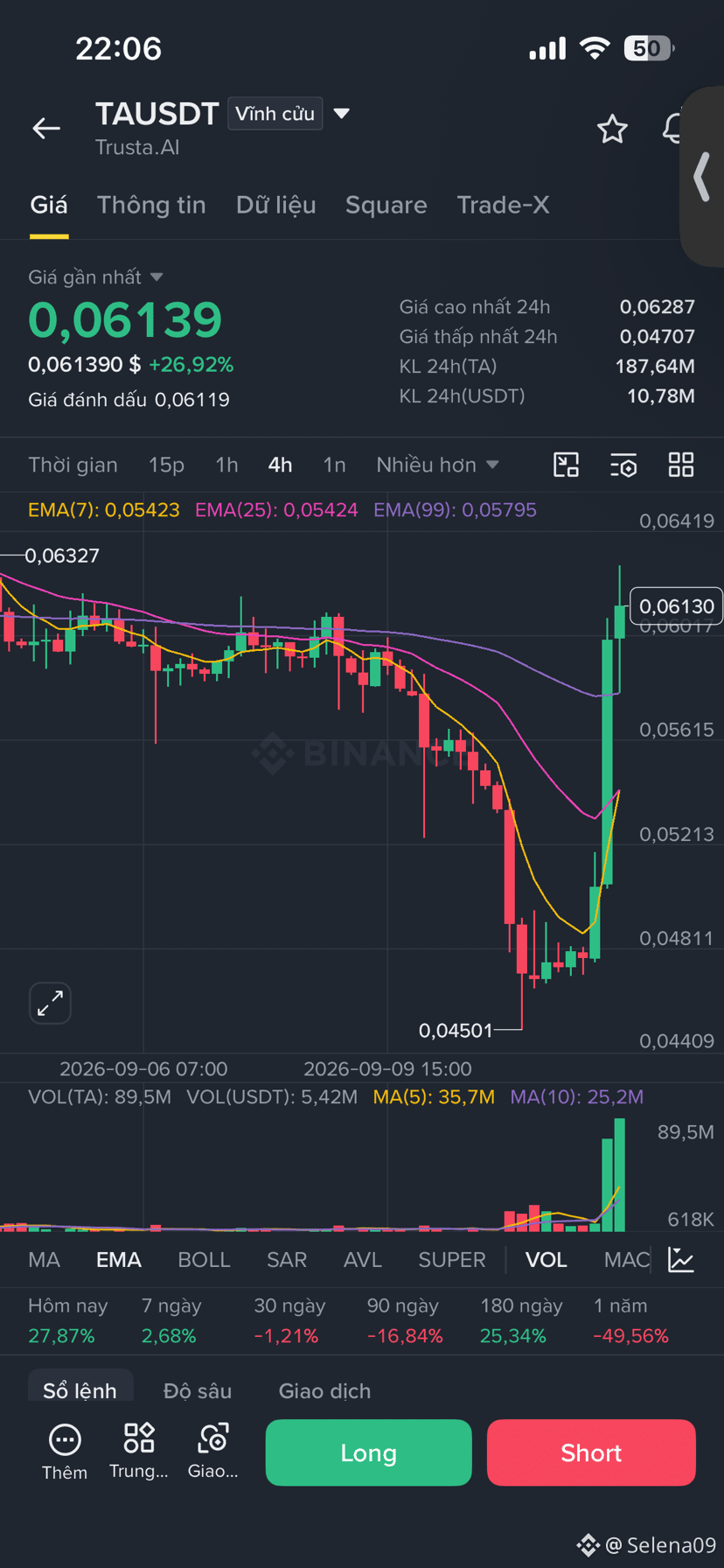
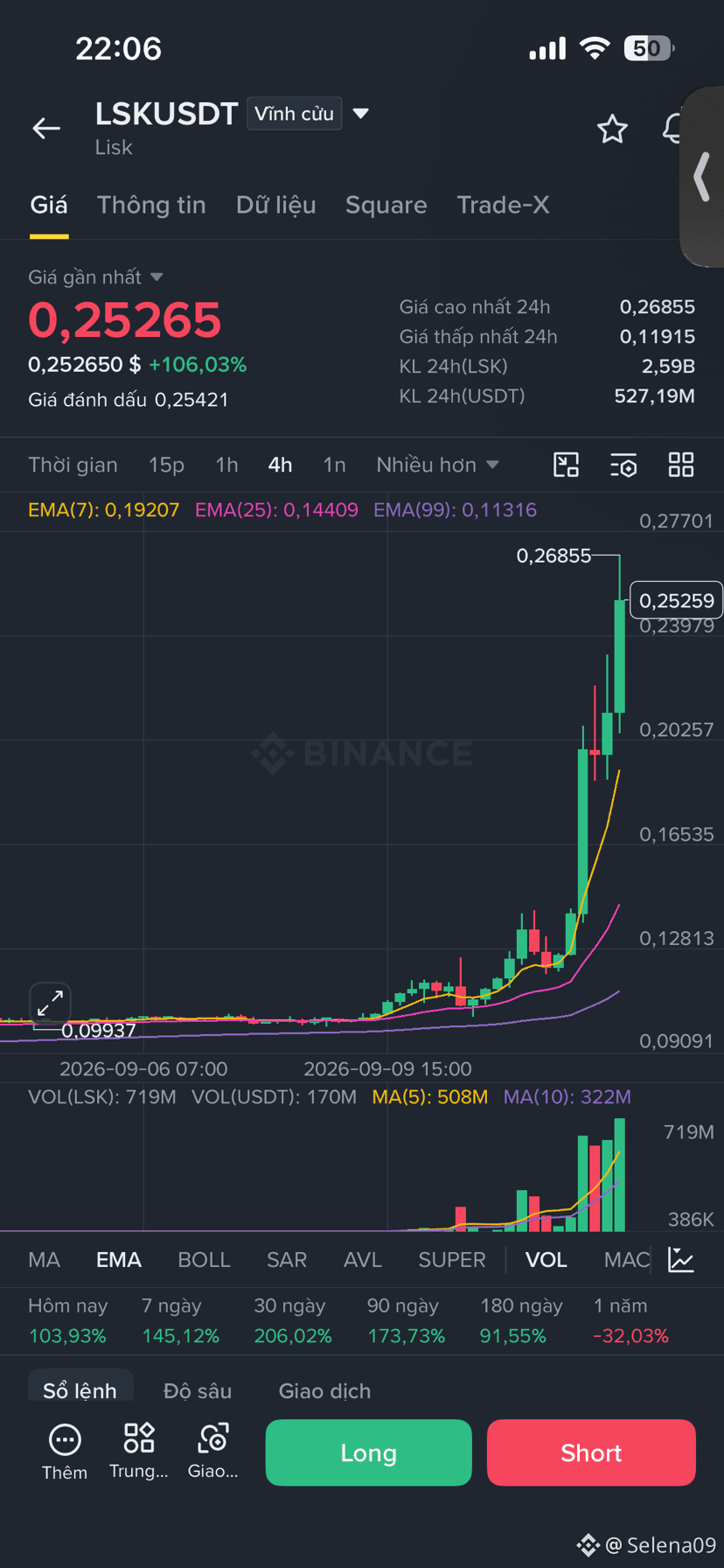
$LSK quyết tâm để các short thủ ra đi rồi, đẩy gần x3, cùng chờ xem $$我踏马来了 và $TA có làm điều tương tự không? coin bay quá ae ạ, thị trường sôi động là có cơ hội kiếm rùi
{future}(TAUSDT)
{future}(LSKUSDT)
{future}(我踏马来了USDT)
$LSK quyết tâm để các short thủ ra đi rồi, đẩy gần x3, cùng chờ xem $$我踏马来了 và $TA có làm điều tương tự không? coin bay quá ae ạ, thị trường sôi động là có cơ hội kiếm rùi
113
·
--
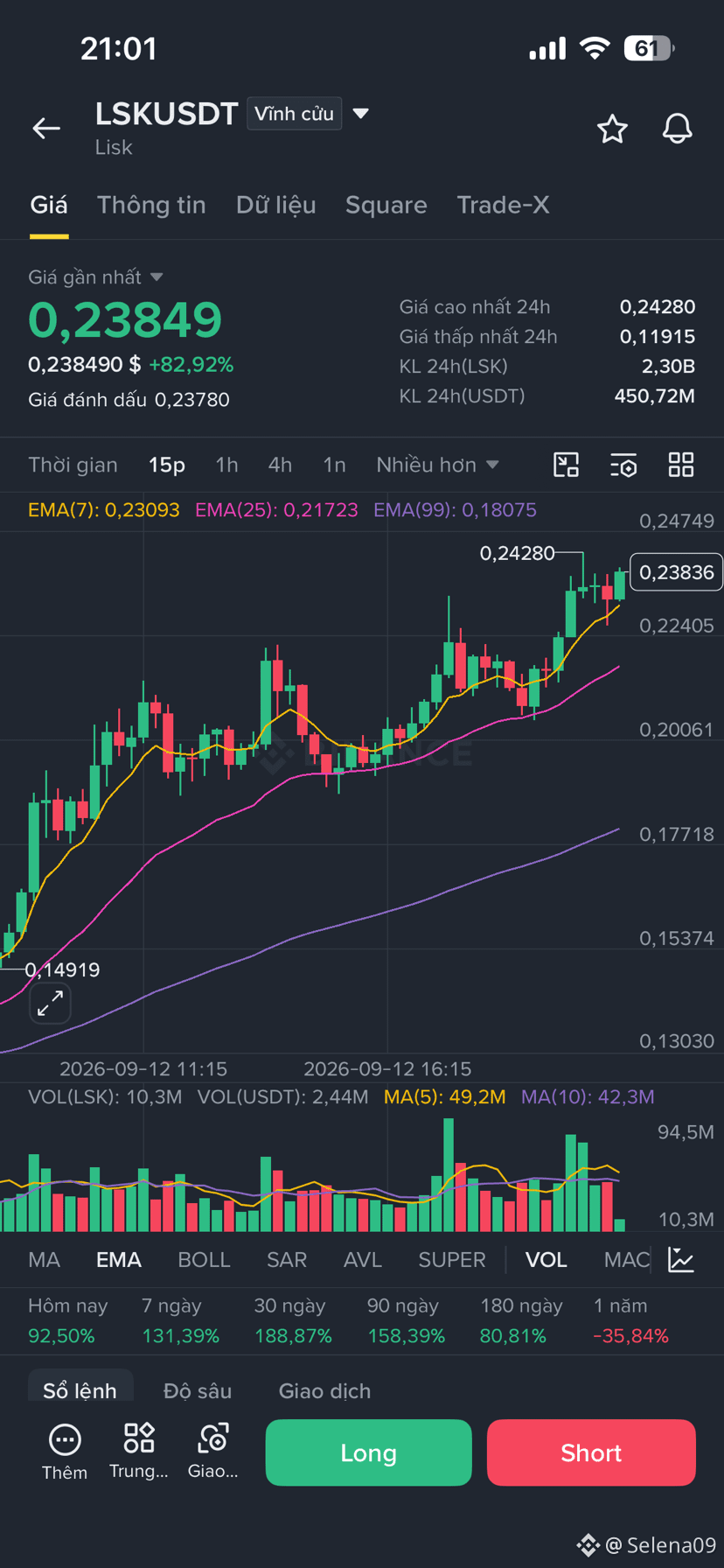
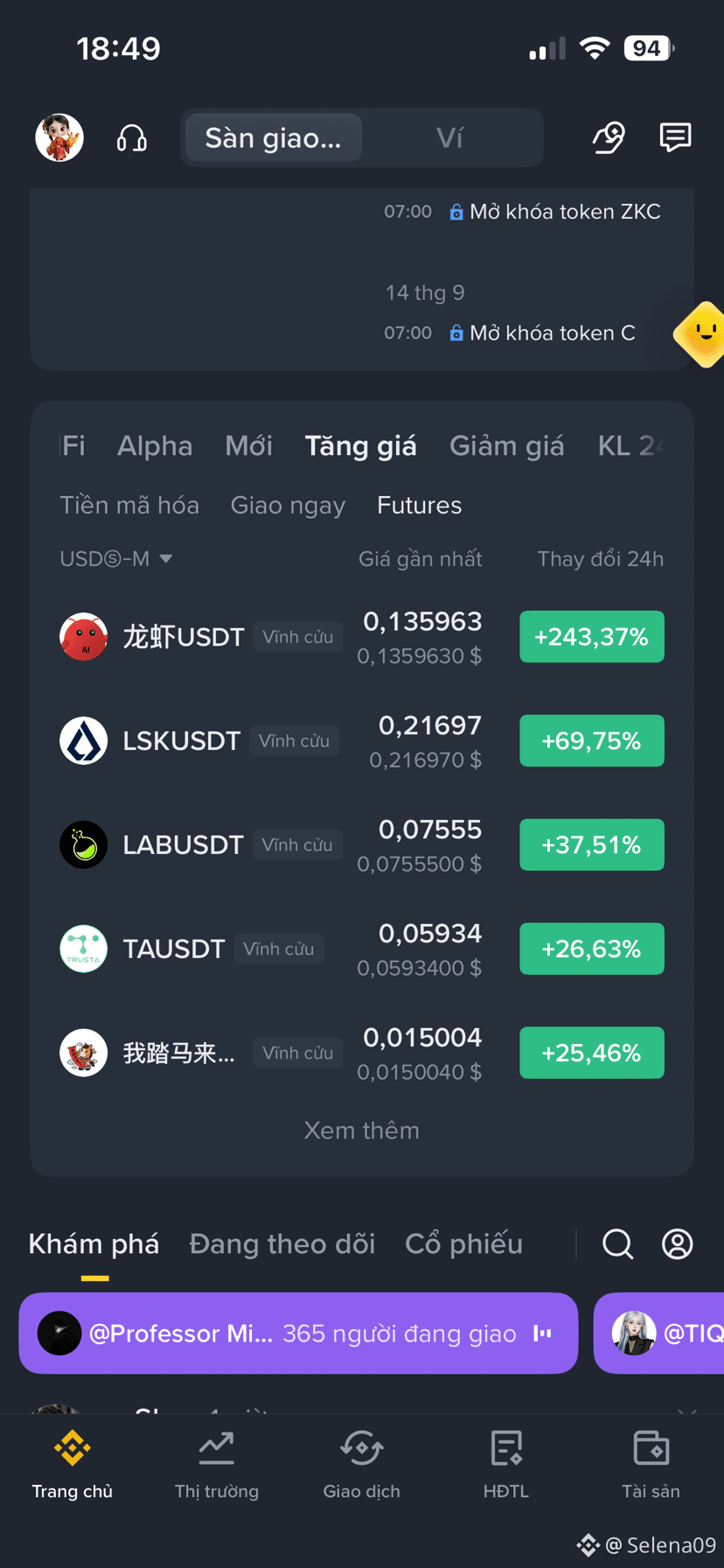
跳過 $龍蝦 $LSK 我會選擇 $AKE
當所有人都在 fomo 追一個的時候,我會選擇一隻新的來等它漲,或許更安全。
{future}(AKEUSDT)
{future}(LSKUSDT)
{future}(龍蝦USDT)
跳過 $龍蝦 $LSK 我會選擇 $AKE
當所有人都在 fomo 追一個的時候,我會選擇一隻新的來等它漲,或許更安全。
當所有人都在 fomo 追一個的時候,我會選擇一隻新的來等它漲,或許更安全。
562
·
--
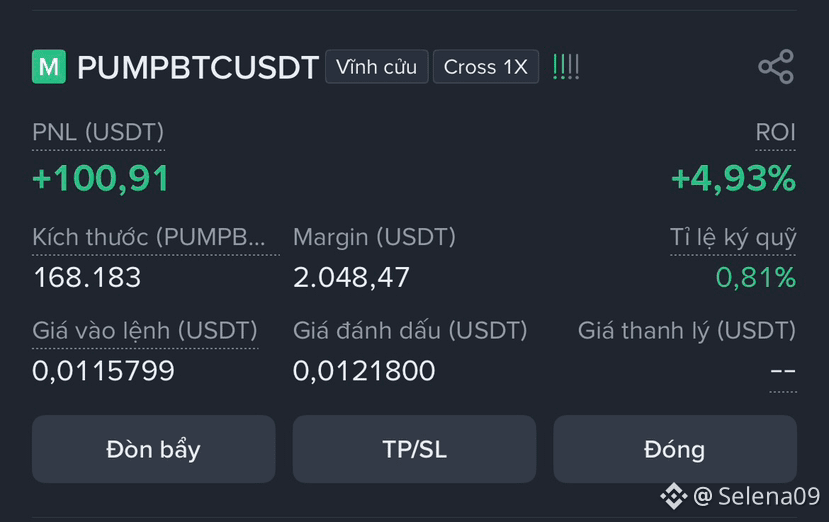
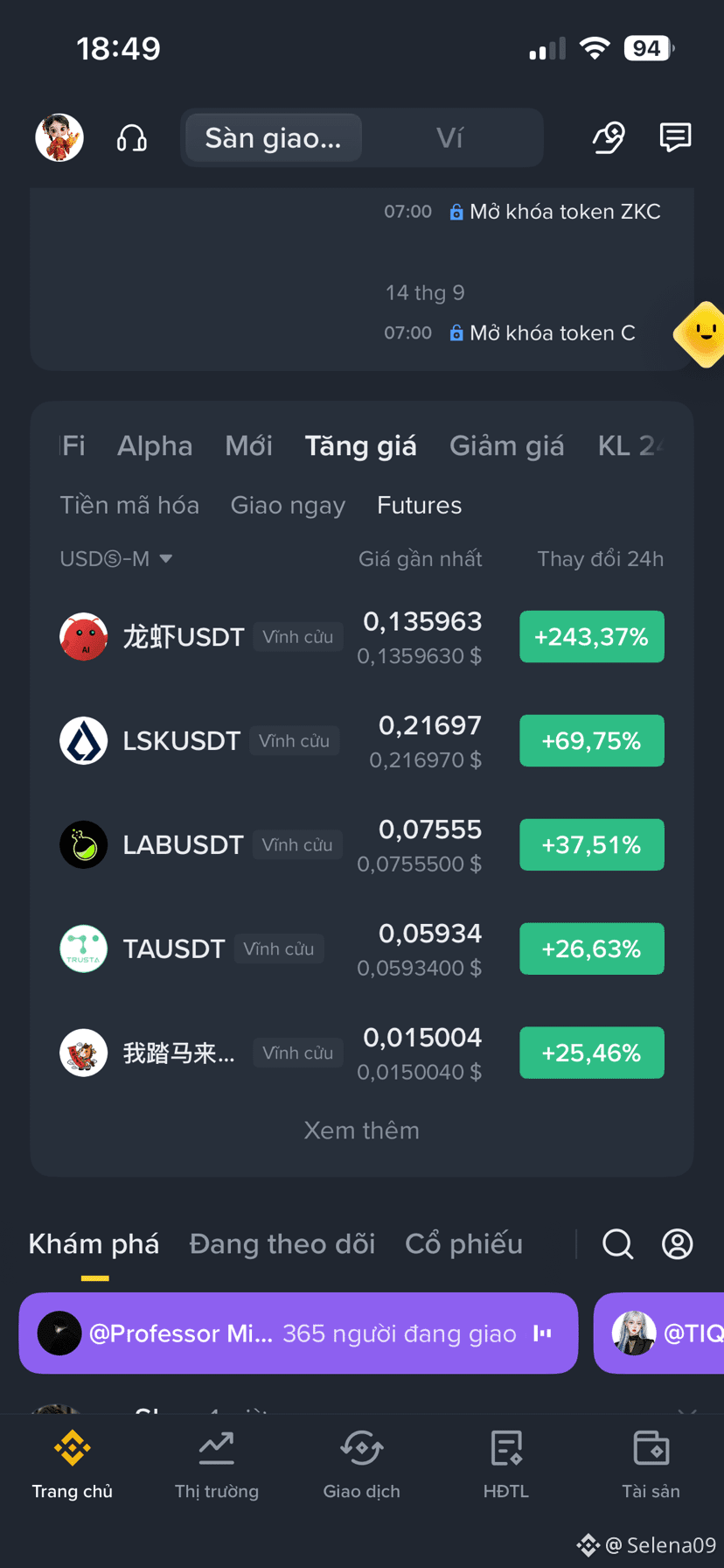
龍蝦 $龙虾 đ 推得太難進單,所以我就換別的,賺到 100u $PUMPBTC ;接下來會再看 $FLOCK ,這批貨今天才又推回來
{future}(PUMPBTCUSDT)
{future}(TAUSDT)
{future}(龙虾USDT)
龍蝦 $龙虾 đ 推得太難進單,所以我就換別的,賺到 100u $PUMPBTC ;接下來會再看 $FLOCK ,這批貨今天才又推回來
314
·
--
湯 $龍蝦 đẩy 輕鬆太棒了各位,誰能喫得下這類的嗎?
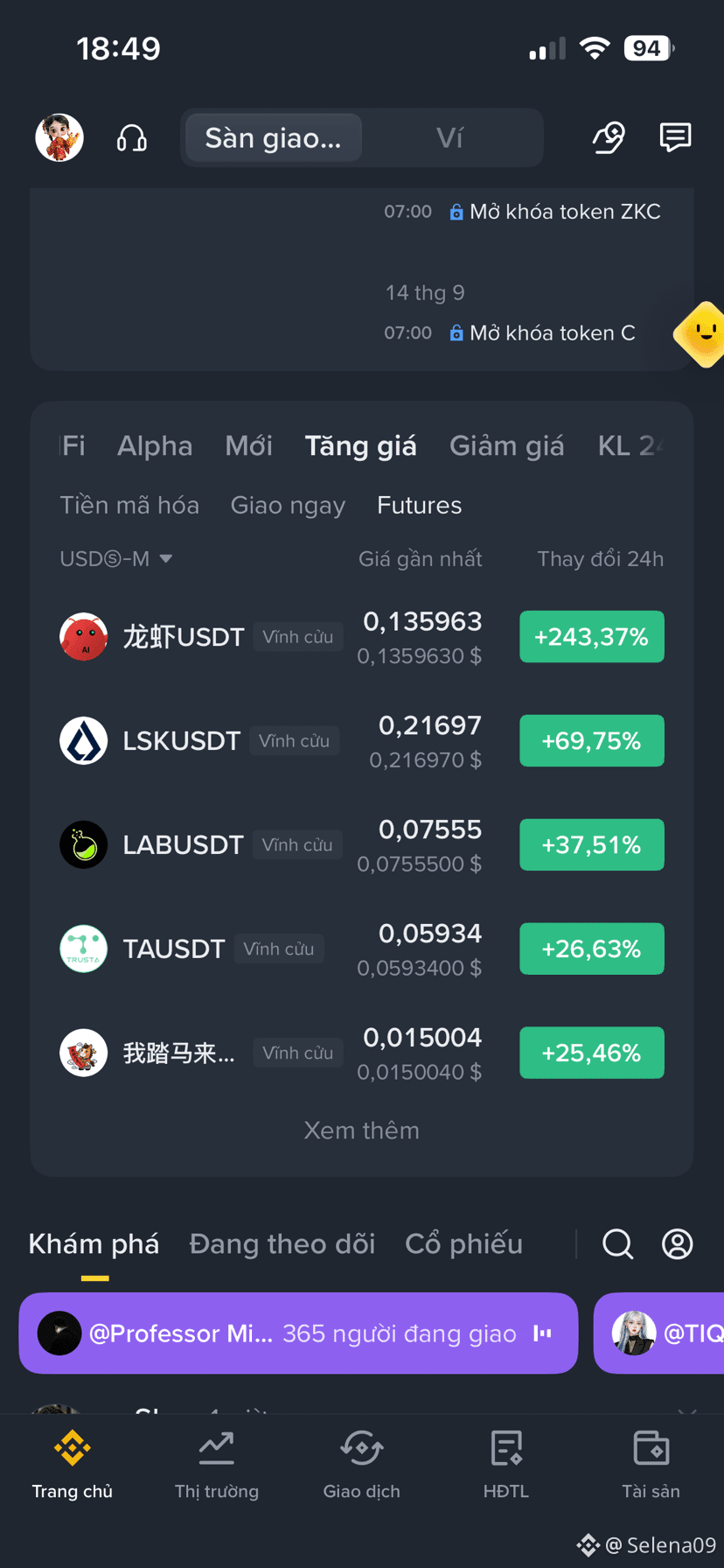
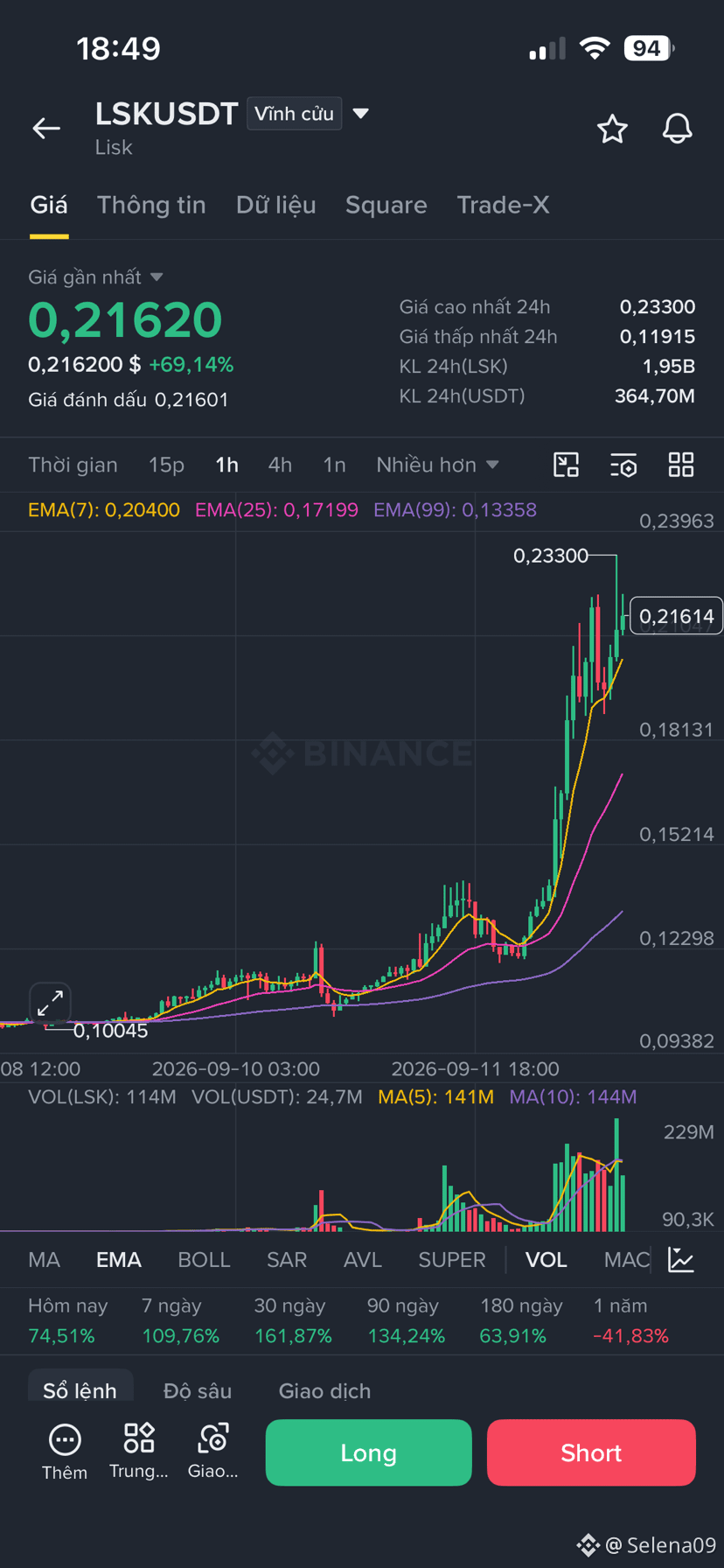
今晚估計看龍蝦,$LSK $TA
今天有新的號了呢
{future}(TAUSDT)
{future}(LSKUSDT)
{future}(龍蝦USDT)
湯 $龍蝦 đẩy 輕鬆太棒了各位,誰能喫得下這類的嗎?
今晚估計看龍蝦,$LSK $TA
今天有新的號了呢
今晚估計看龍蝦,$LSK $TA
今天有新的號了呢
1
379
·
--
查看翻譯
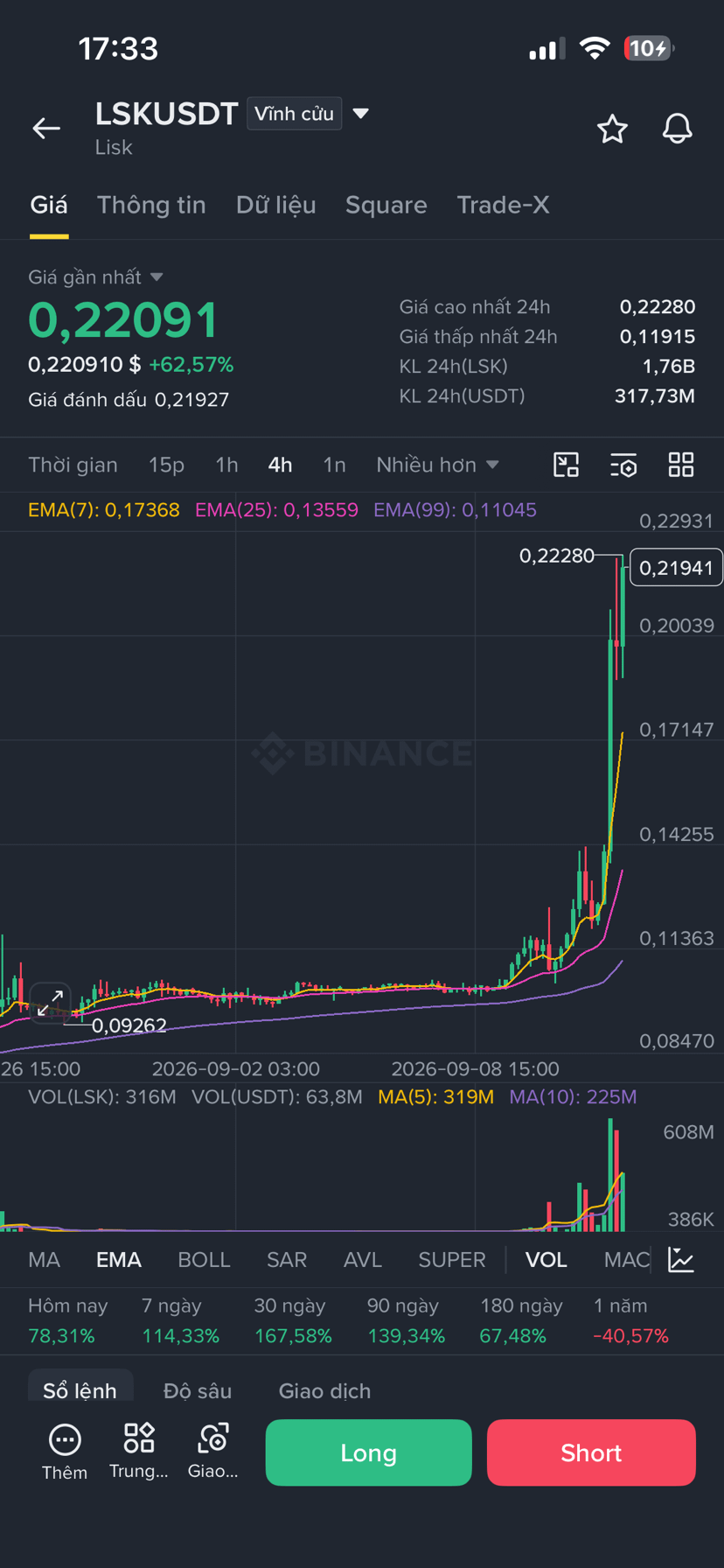
Thôi nhé $LSK đẩy láo nhé, đẩy gì vài cây nến đã x2 rồi làm lõm mớ
$VTHO $UAI cũng đẩy ác lắm nhé, x 2 nữa đi :)
{future}(UAIUSDT)
{future}(VTHOUSDT)
{future}(LSKUSDT)
Thôi nhé $LSK đẩy láo nhé, đẩy gì vài cây nến đã x2 rồi làm lõm mớ
$VTHO $UAI cũng đẩy ác lắm nhé, x 2 nữa đi :)
$VTHO $UAI cũng đẩy ác lắm nhé, x 2 nữa đi :)
2
375
·
--
Fomo $BEAT thành công, 現在切換到 short $LSK $龍蝦 了嗎?要不要去找週末最後一波的入場點
{future}(BEATUSDT)
{future}(龍蝦USDT)
{future}(LSKUSDT)
Fomo $BEAT thành công, 現在切換到 short $LSK $龍蝦 了嗎?要不要去找週末最後一波的入場點
2
218
·
--
查看翻譯
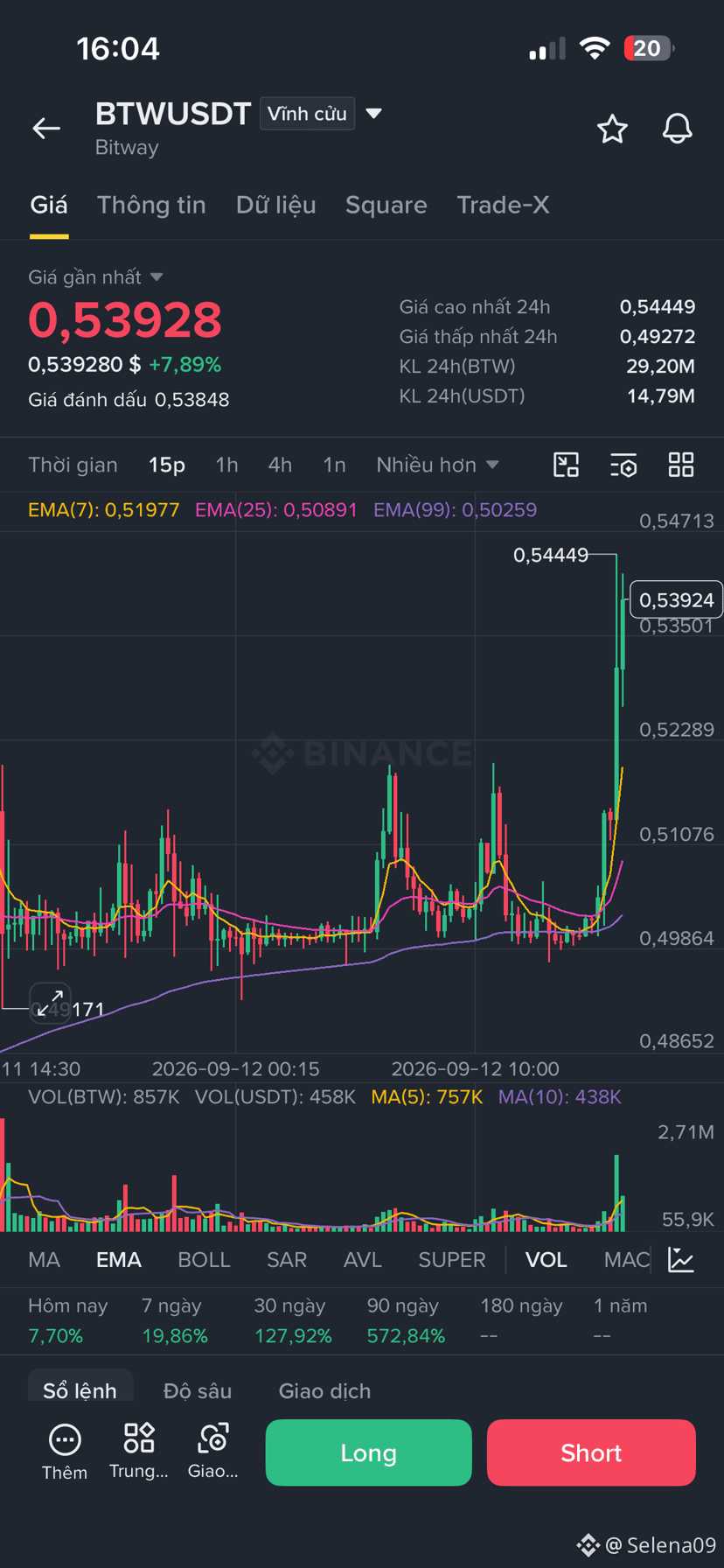
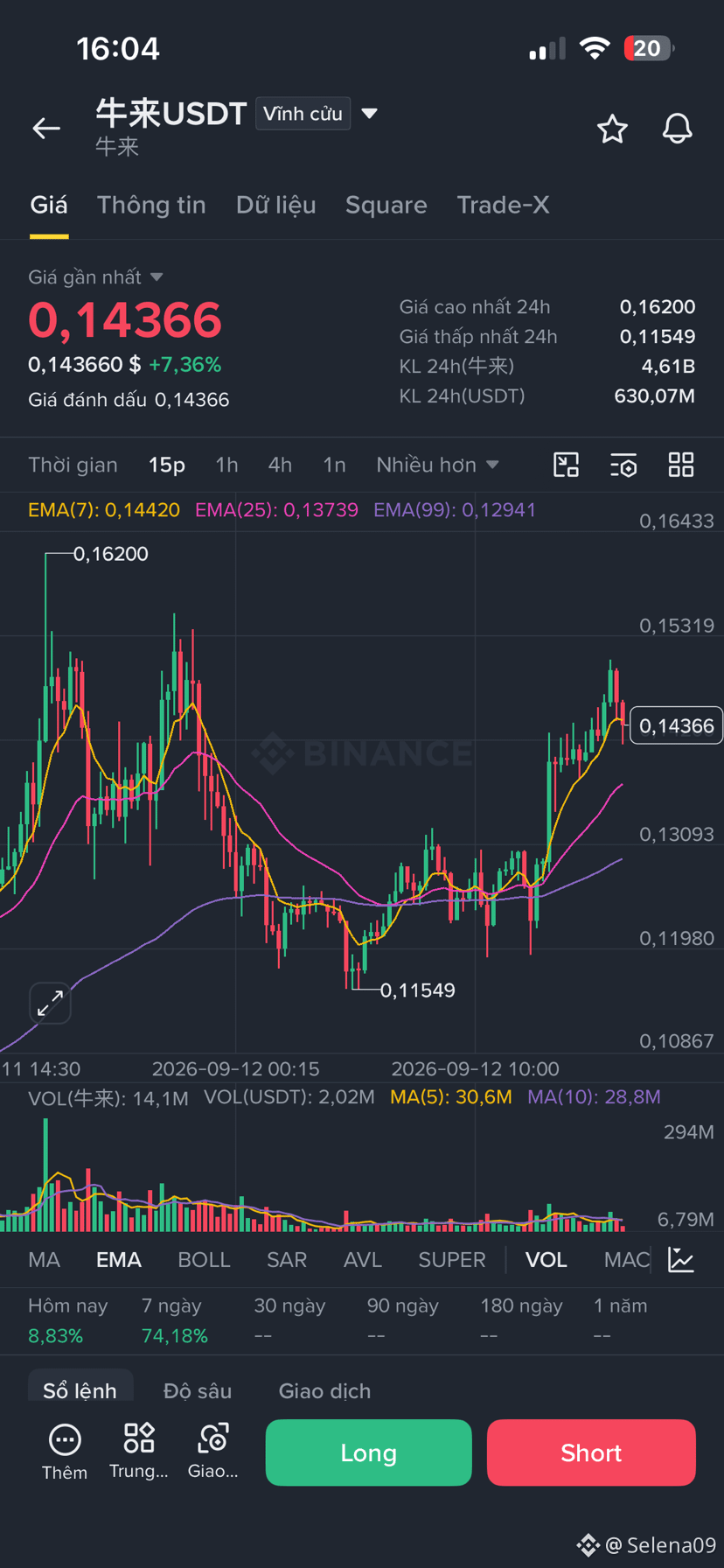
☘️☘️📈📈Giờ mới để ý $BTW và $牛来 vẫn tăng đều lắm nha mn
$BTW chạm 0.54$
牛来 vẫn 0.14$
Màu này mà mua và hold trúng những con tăng mạnh thế này là khoẻ re nè, long sọc nhiều đau tim lắm🥂🥂📈📈
☘️☘️📈📈Giờ mới để ý $BTW và $牛来 vẫn tăng đều lắm nha mn
$BTW chạm 0.54$
牛来 vẫn 0.14$
Màu này mà mua và hold trúng những con tăng mạnh thế này là khoẻ re nè, long sọc nhiều đau tim lắm🥂🥂📈📈
$BTW chạm 0.54$
牛来 vẫn 0.14$
Màu này mà mua và hold trúng những con tăng mạnh thế này là khoẻ re nè, long sọc nhiều đau tim lắm🥂🥂📈📈
180
·
--
查看翻譯
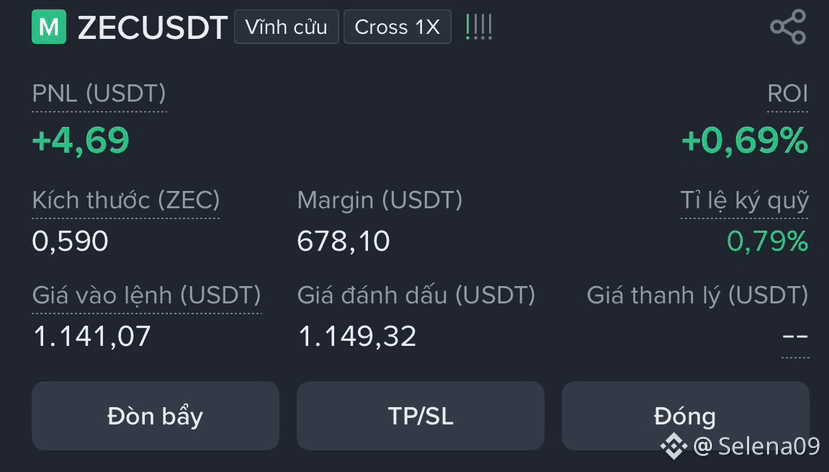
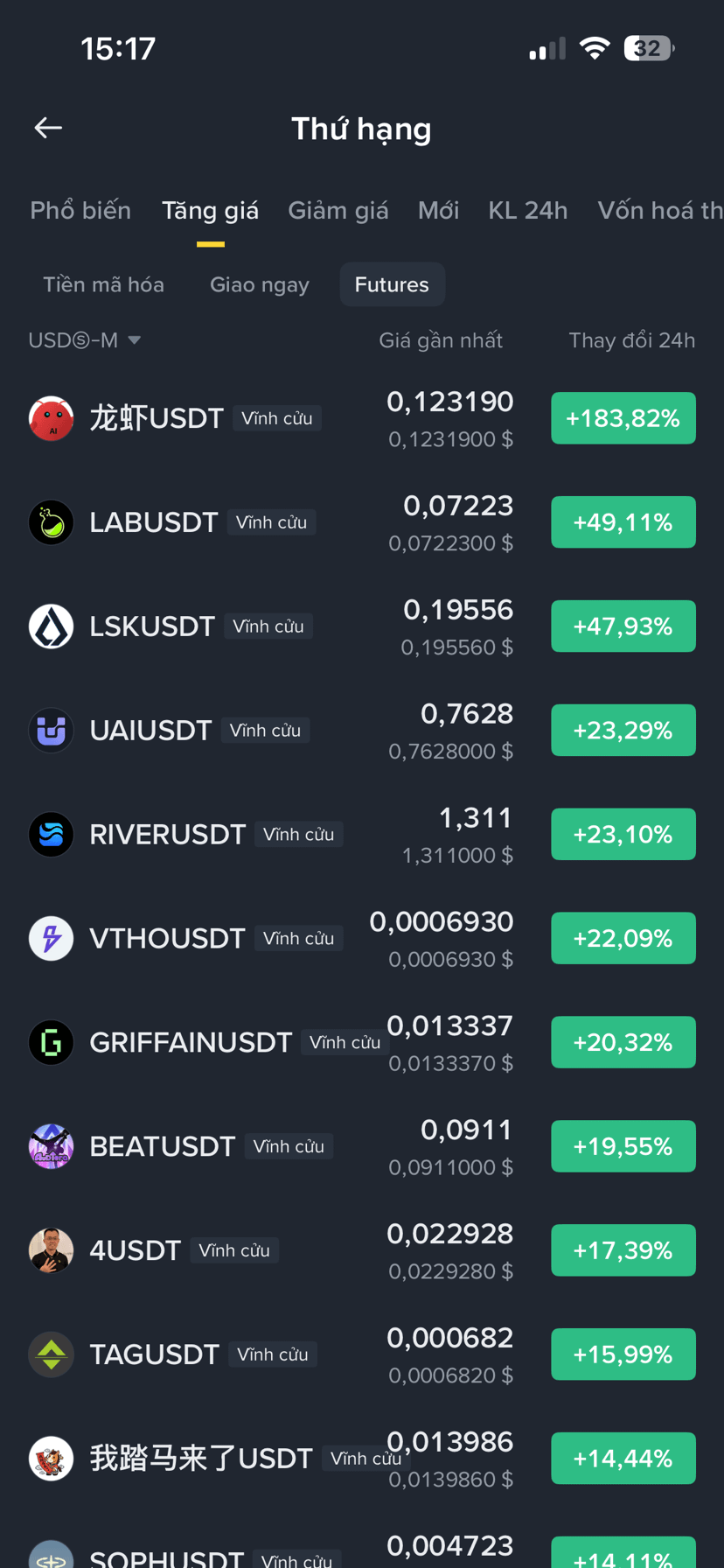
📉Thấy $BTC tuột về còn 77k3 thử 1 lệnh bé long $ZEC mà đứng im thế này, chẳng lẽ lại đóng rồi chuyển sang $LSK cho lẹ 📉📉📉
{future}(LSKUSDT)
{future}(BTCUSDT)
{future}(ZECUSDT)
📉Thấy $BTC tuột về còn 77k3 thử 1 lệnh bé long $ZEC mà đứng im thế này, chẳng lẽ lại đóng rồi chuyển sang $LSK cho lẹ 📉📉📉
160
·
--
查看翻譯
$4 có vẻ lên đều quá mn, con này chắc tham khảo trước thôi, vẫn thấy khá mạnh. đi soi lại $CYS và $COLLECT xem có vào lệnh được không nào
{future}(COLLECTUSDT)
{future}(CYSUSDT)
{future}(4USDT)
$4 có vẻ lên đều quá mn, con này chắc tham khảo trước thôi, vẫn thấy khá mạnh. đi soi lại $CYS và $COLLECT xem có vào lệnh được không nào
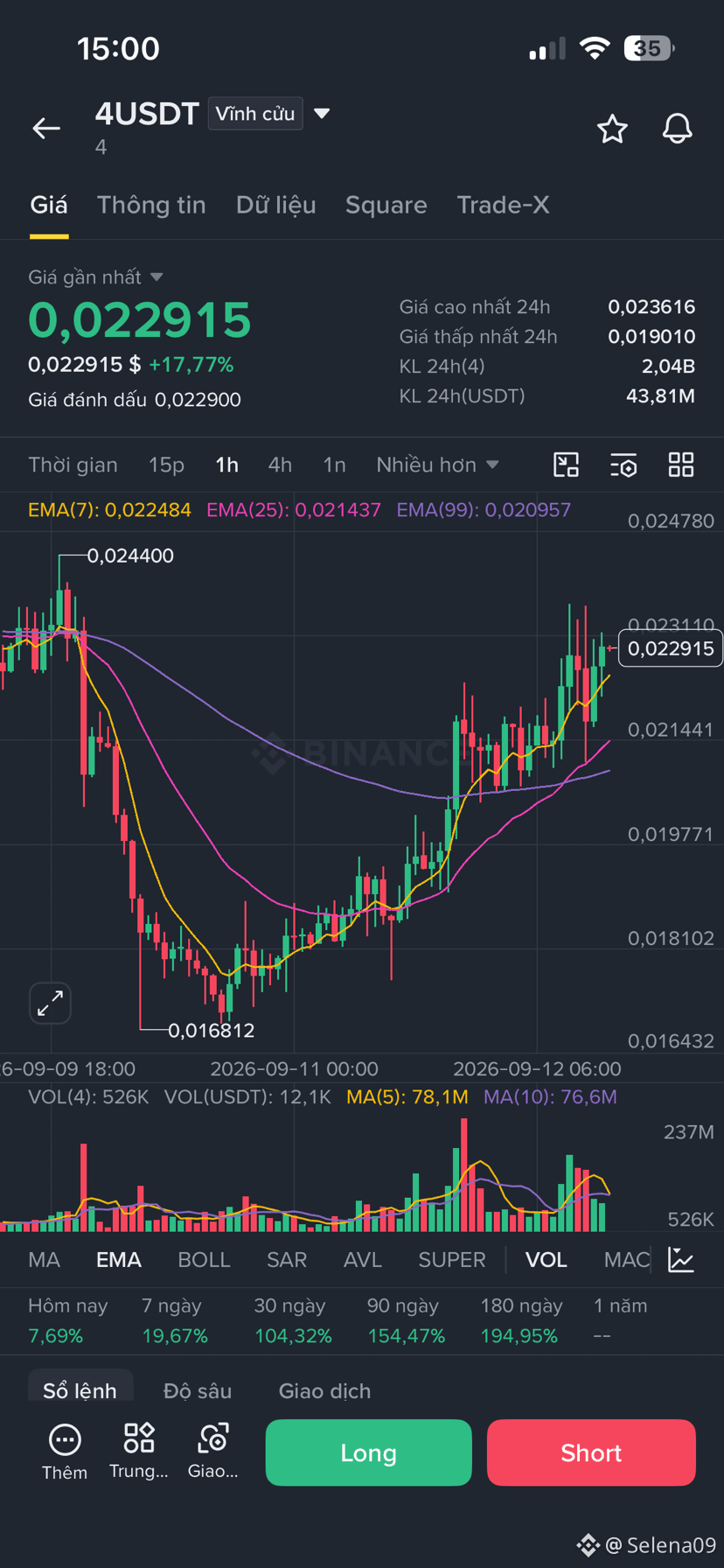
430
·
--
睡醒了還是看到這3位頂得這麼緊:$牛來 $龍蝦 $LSK
這樣做有很多做短線的高手在犧牲,少一點吧:(
{future}(LSKUSDT)
{future}(龍蝦USDT)
{future}(牛來USDT)
睡醒了還是看到這3位頂得這麼緊:$牛來 $龍蝦 $LSK
這樣做有很多做短線的高手在犧牲,少一點吧:(
這樣做有很多做短線的高手在犧牲,少一點吧:(
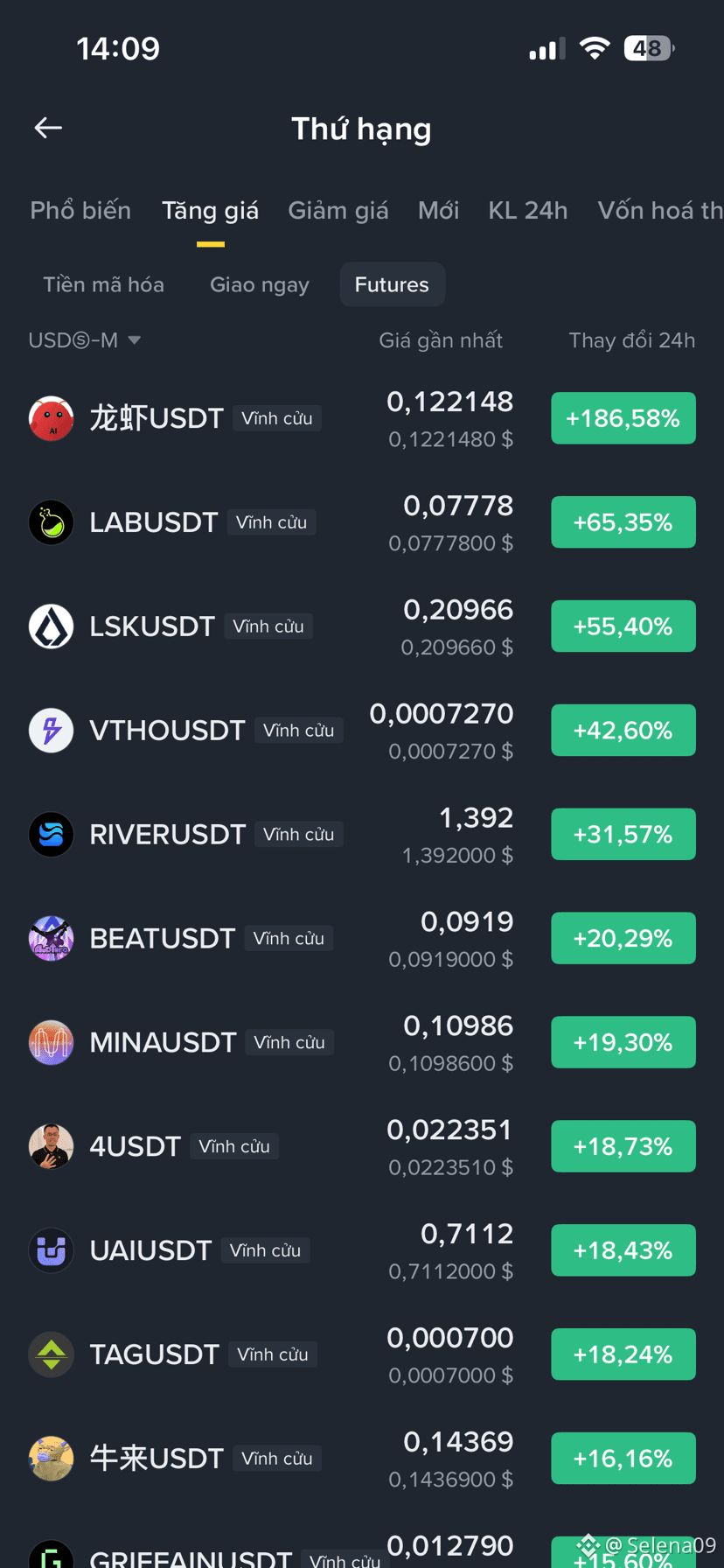
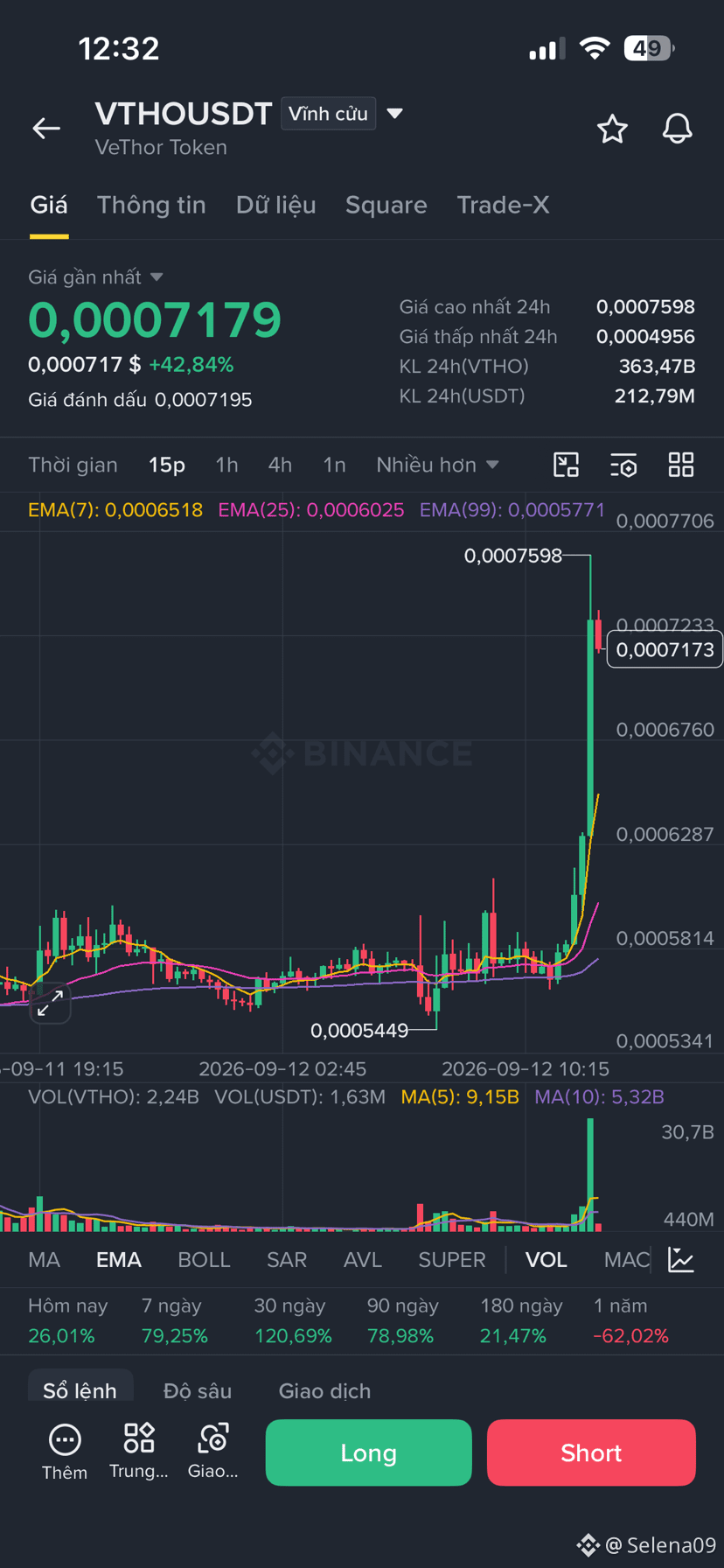
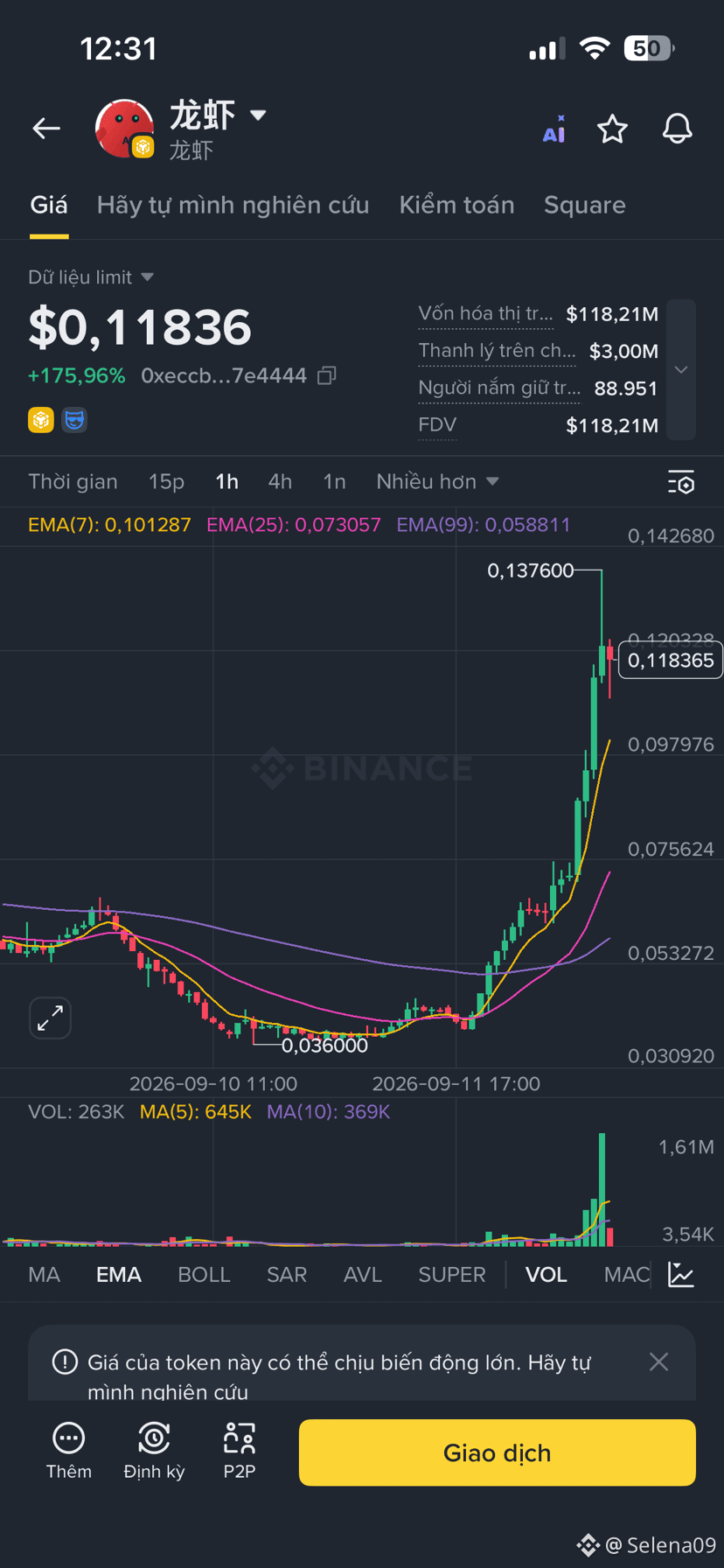
462
·
--
查看翻譯
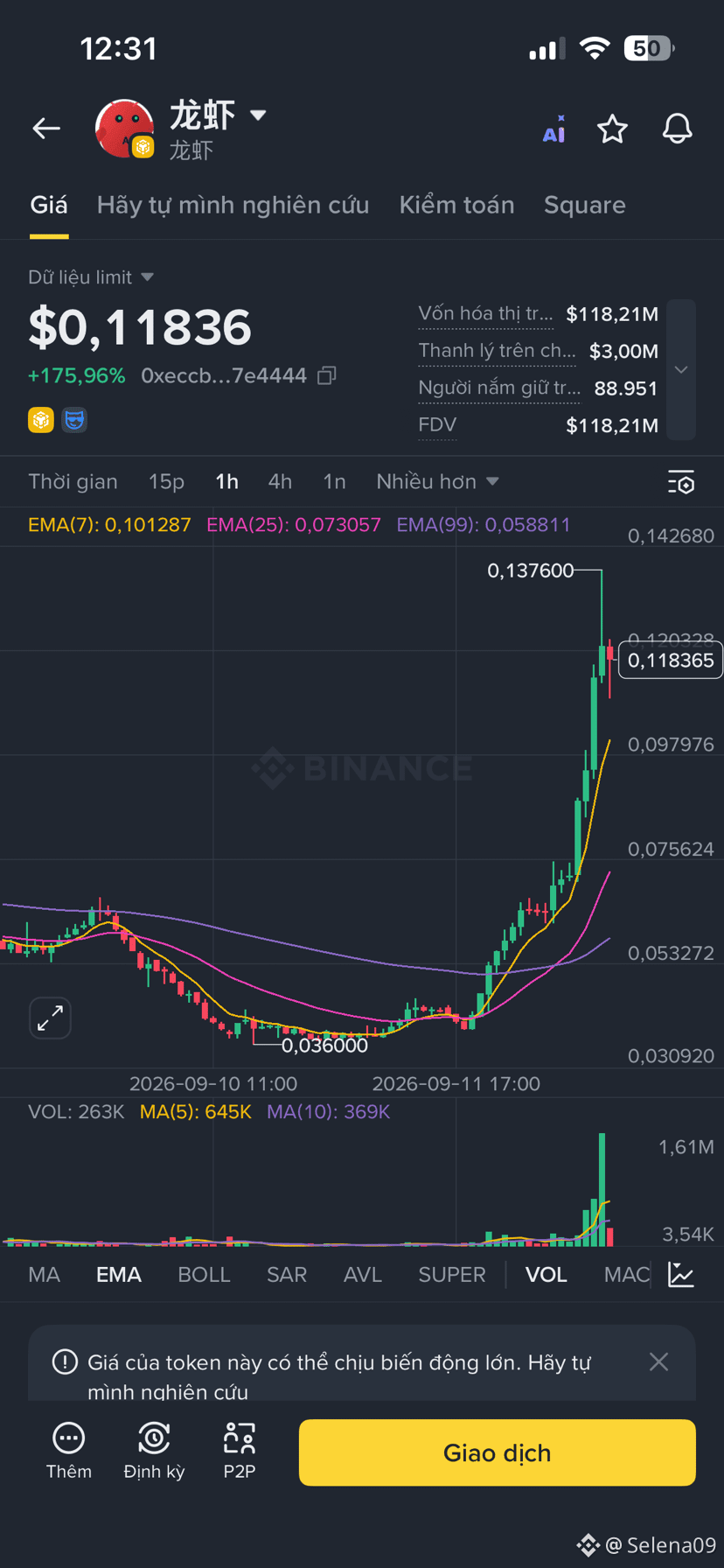
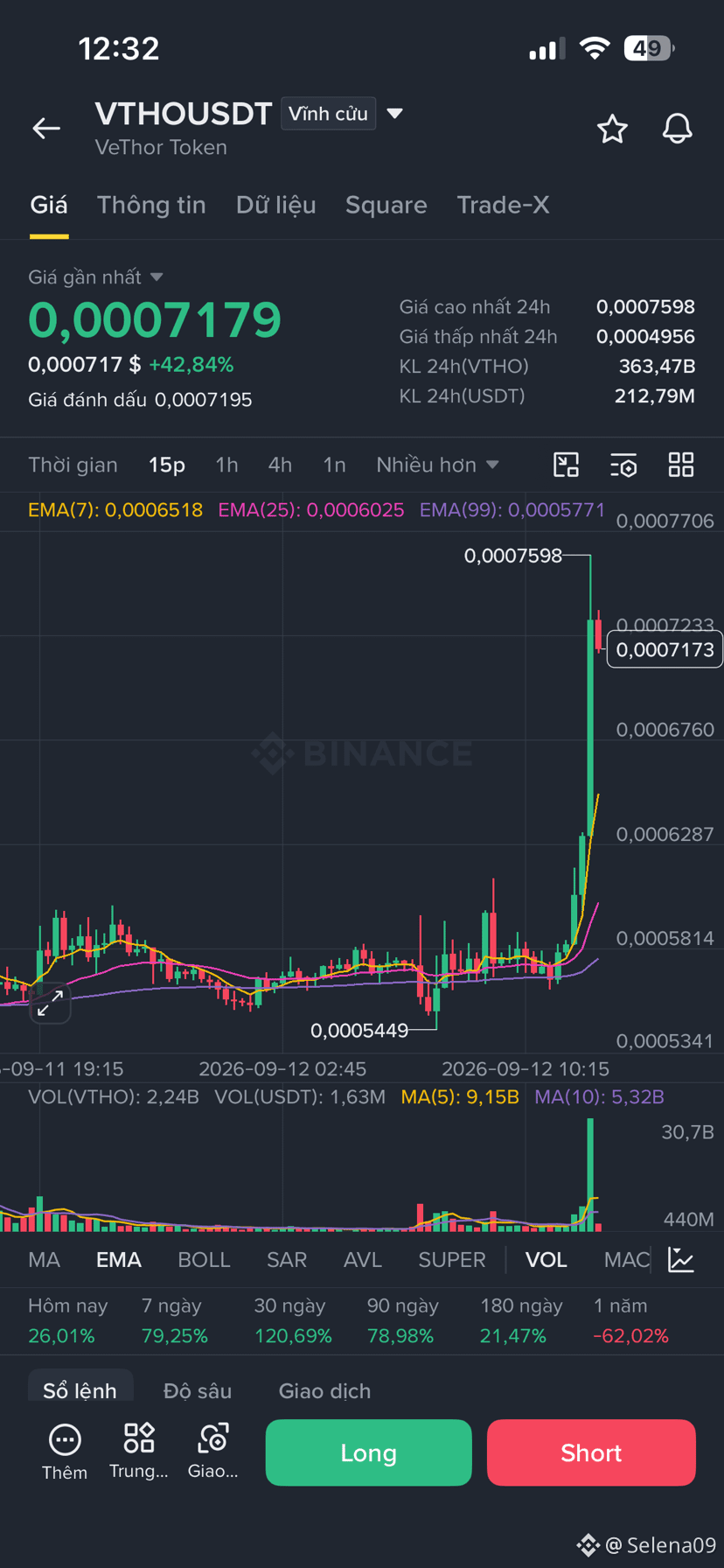
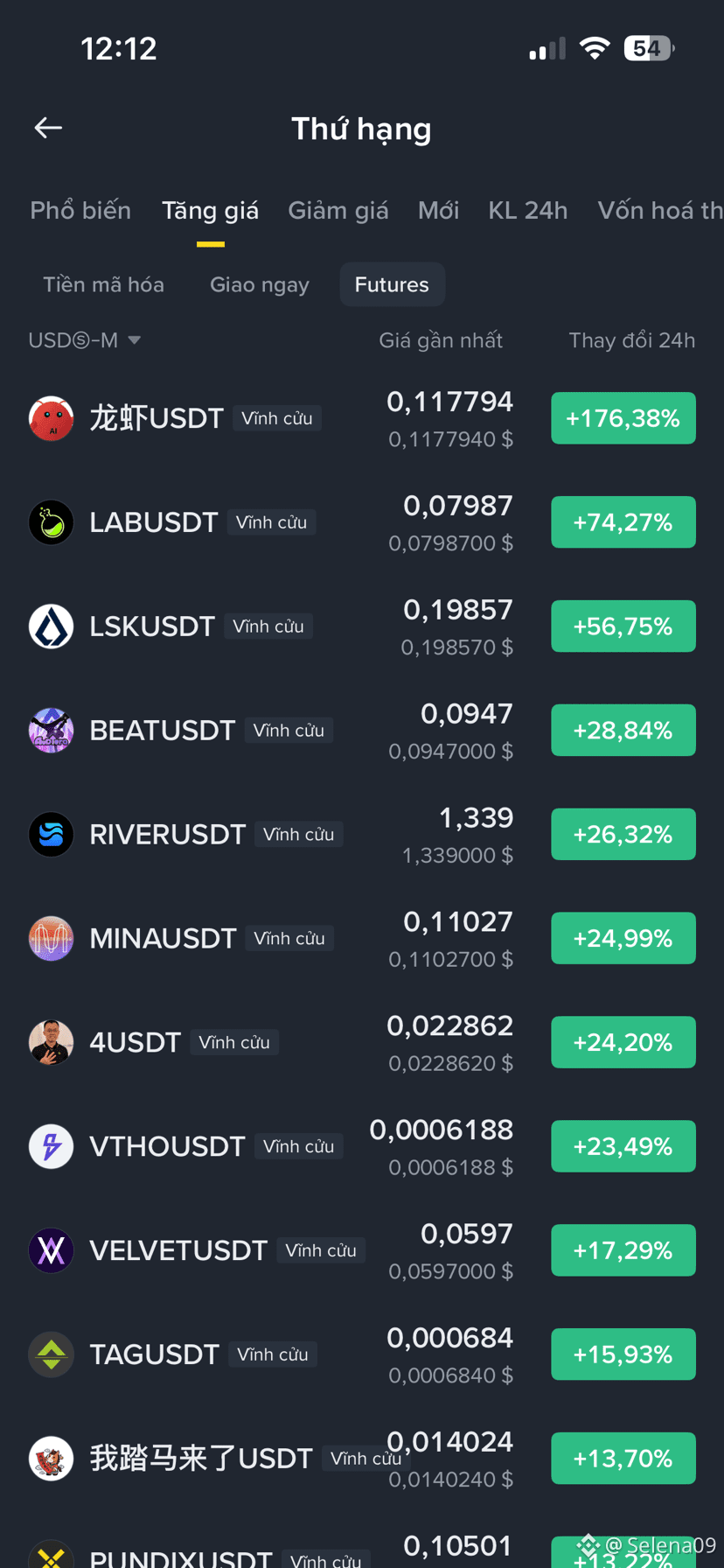
Sau $龙虾 $4 thì tới lượt $VTHO pumb mạnh, nay cuối tuần mà alt thi nhau bay quá mn ơi, con nào ổn áp rỉa cafe nè
{future}(VTHOUSDT)
{future}(4USDT)
{future}(龙虾USDT)
Sau $龙虾 $4 thì tới lượt $VTHO pumb mạnh, nay cuối tuần mà alt thi nhau bay quá mn ơi, con nào ổn áp rỉa cafe nè
476
·
--
等了一整個早上它才變綠
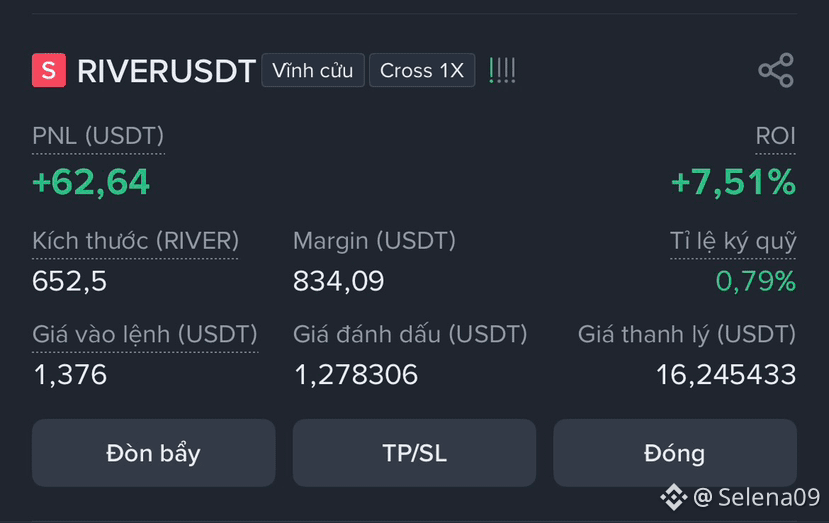
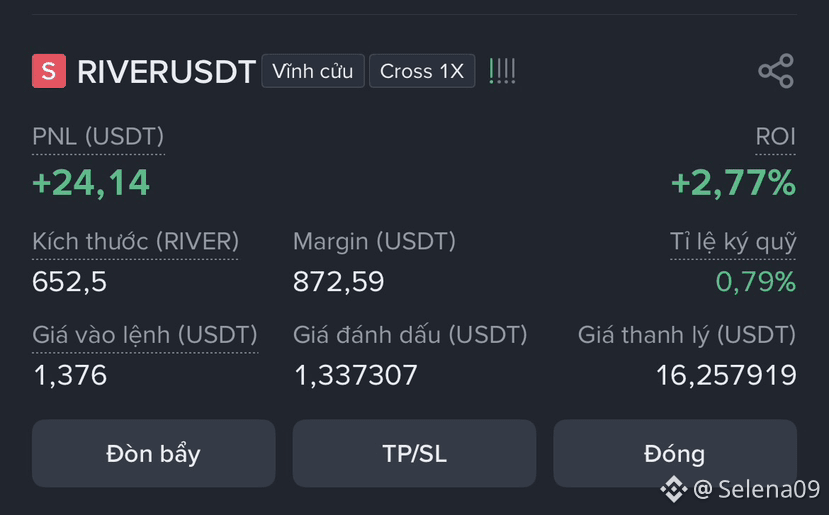
$RIVER ,快塌下去吧。來,試試看 $4 $BANK thử nào,這個銀行這邊還有一點點在頂部 kk
{future}(BANKUSDT)
{future}(4USDT)
{future}(RIVERUSDT)
等了一整個早上它才變綠
$RIVER ,快塌下去吧。來,試試看 $4 $BANK thử nào,這個銀行這邊還有一點點在頂部 kk
$RIVER ,快塌下去吧。來,試試看 $4 $BANK thử nào,這個銀行這邊還有一點點在頂部 kk
206
·
--
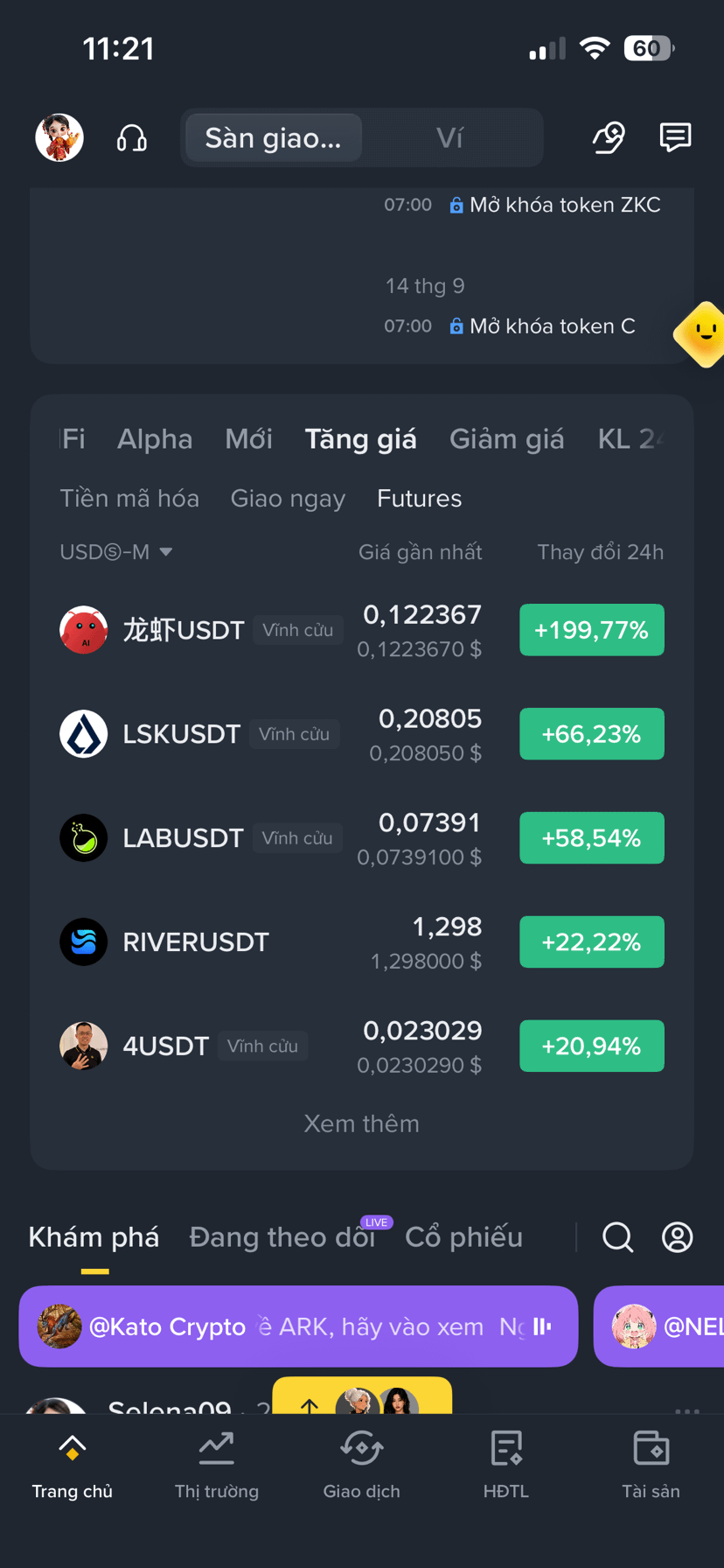
龍蝦 $龍蝦 0.014$, 天哪太糟了,漲了將近 x5,下定決心把條紋全都乾淨清掉,往上推並立刻按到用戶頭上就是了,記得 $LAB $4 哦各位
{future}(4USDT)
{future}(龍蝦USDT)
{future}(LABUSDT)
龍蝦 $龍蝦 0.014$, 天哪太糟了,漲了將近 x5,下定決心把條紋全都乾淨清掉,往上推並立刻按到用戶頭上就是了,記得 $LAB $4 哦各位
552
·
--
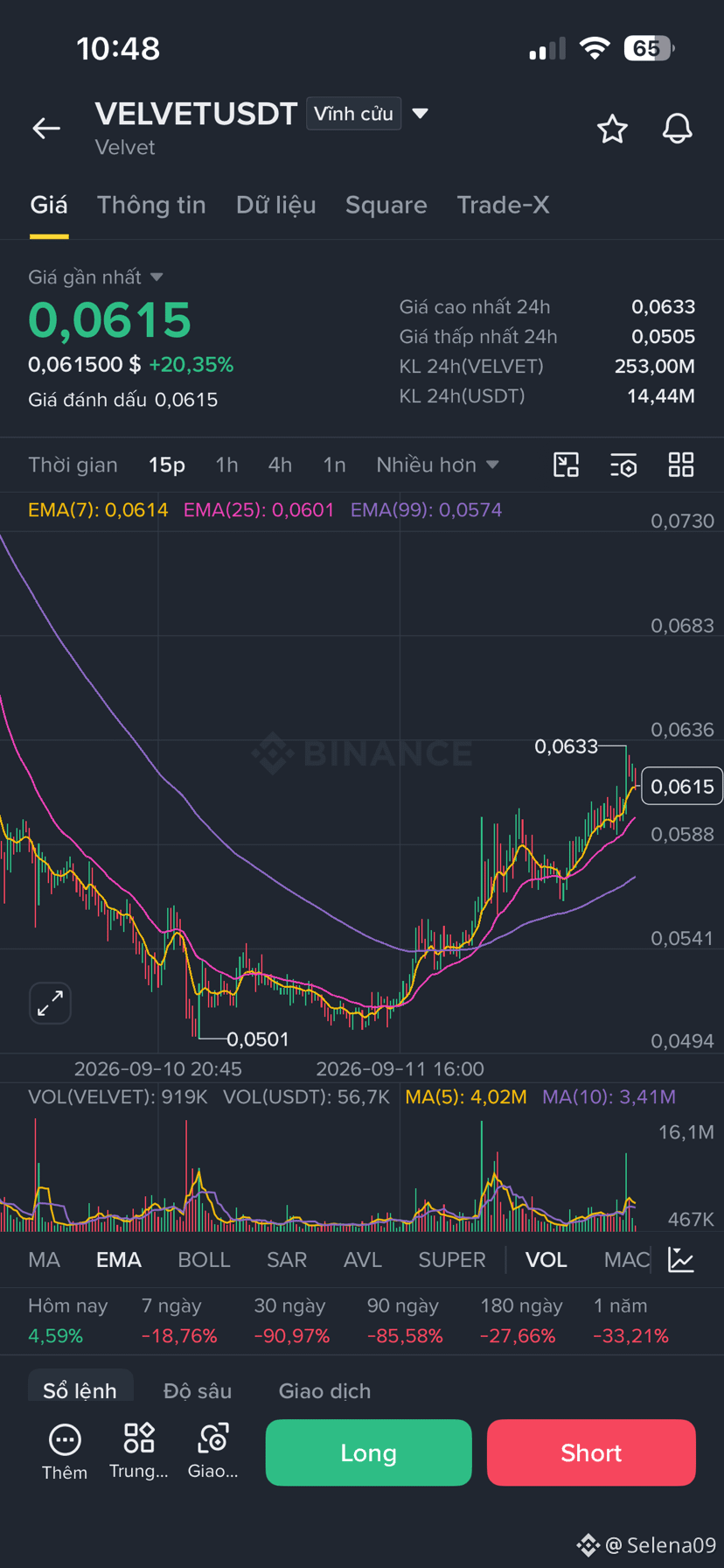
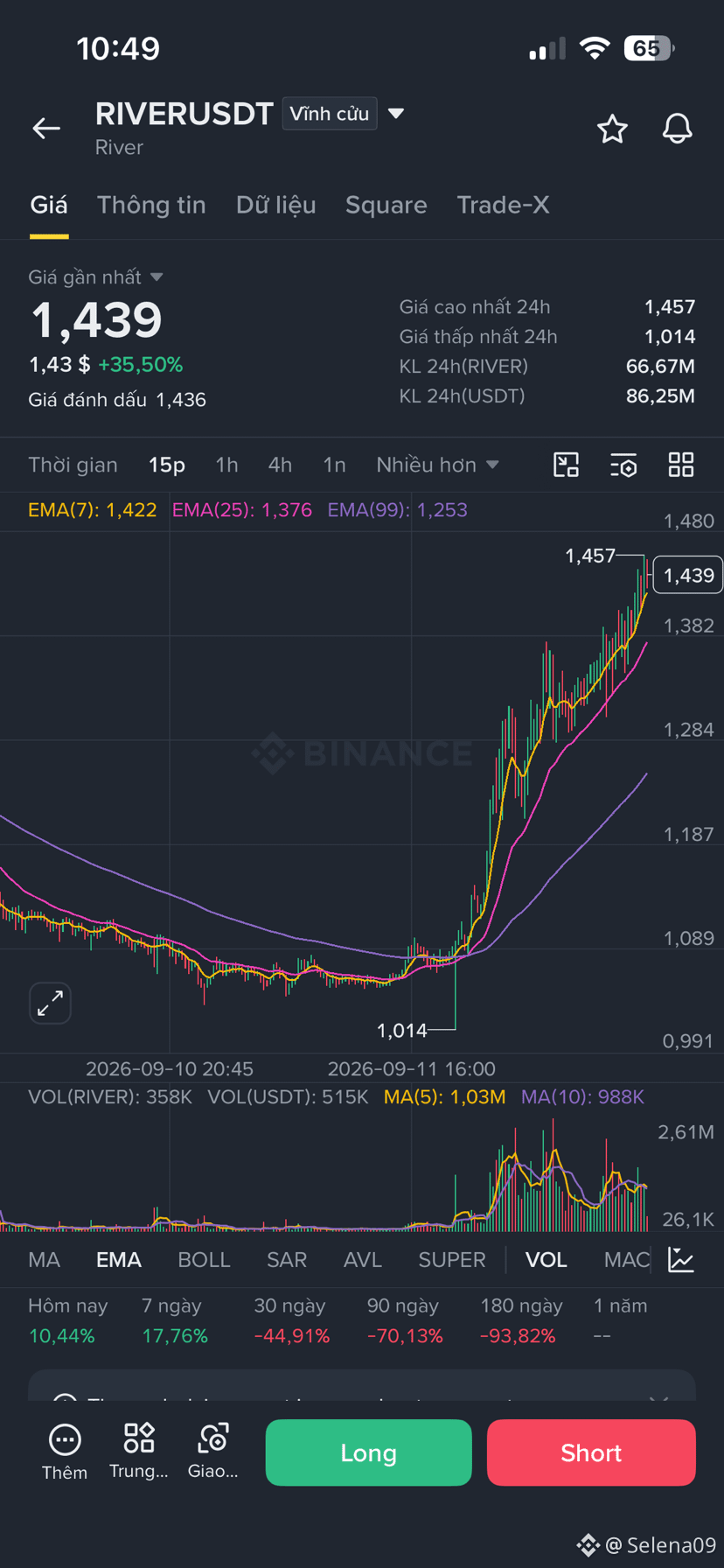
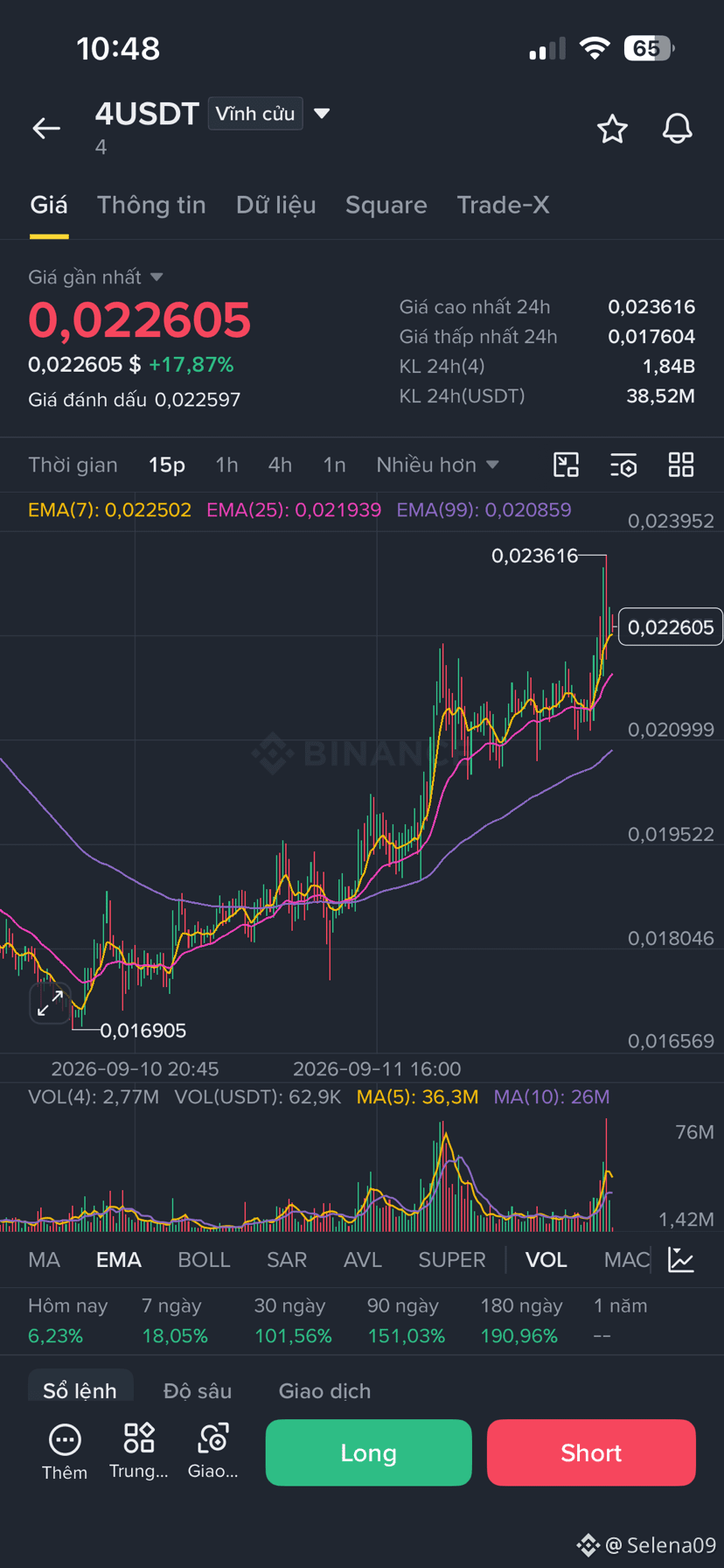
別想着龍蝦了,推到 $RIVER $4 $LSK ,Vetvet 去找喫的就行了,拉布和龍蝦這一推太誇張了,配不上
{future}(LSKUSDT)
{future}(4USDT)
{future}(RIVERUSDT)
別想着龍蝦了,推到 $RIVER $4 $LSK ,Vetvet 去找喫的就行了,拉布和龍蝦這一推太誇張了,配不上
1
168
登入以探索更多內容
加入幣安廣場中的全球加密貨幣用戶
⚡️ 獲取加密貨幣的最新和實用資訊。
💬 受到全球最大加密貨幣交易所的信任。
👍 發掘來自經過驗證創作者的真實見解。
電子郵件 / 電話號碼