
good traider
27 貼文

good traider
舉報
封鎖用戶
20 關注
17 粉絲
31 點讚數
貼文
·
--
查看翻譯
#termmax @termmax Liquidation Architecture: Physical Delivery in the TermMax Ecosystem
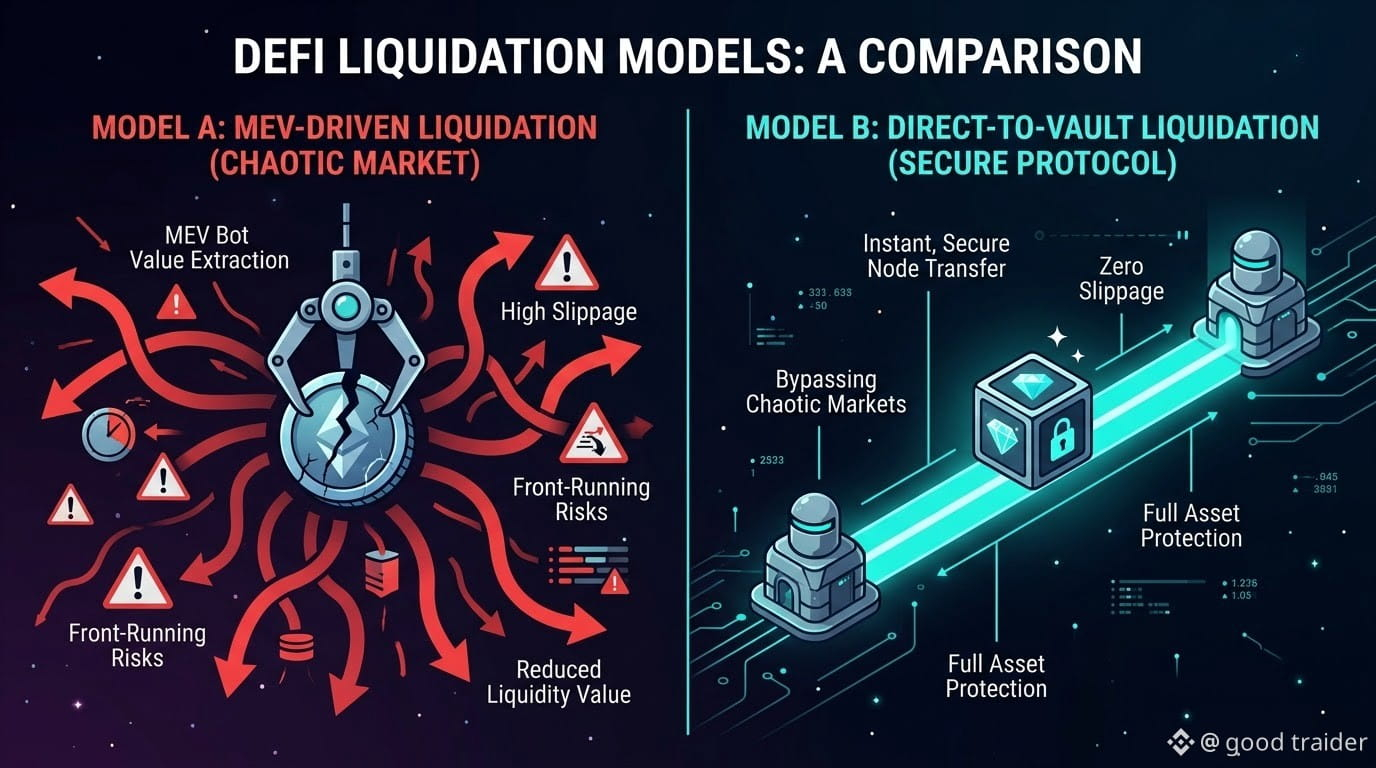
In classic DeFi protocols (such as Aave or Compound), liquidation relies on external liquidity pools and arbitrageurs. When a position's Health Factor drops below 1, the smart contract allows liquidators (MEV bots) to buy the collateral at a discount (Liquidation Penalty, usually between 5% and 10%) and instantly sell it on a DEX. This creates a severe "bad debt" problem for low-liquidity assets, such as tokenized RWAs.
The TermMax architecture solves this problem by implementing the Physical Delivery model. In the event of a default or a critical lack of liquidity on the Maturity Date, the protocol does not initiate a sale of the collateral on the open market. Instead, the underlying collateral asset is transferred directly to the lender's wallet at a fixed settlement rate.
Technical and economic implications of this solution:
* Elimination of slippage in the order book when liquidating large volumes.
* Complete exclusion of MEV bots from the value chain, which retains value within the protocol.
* The mechanism allows the protocol to safely accept illiquid tokens as collateral, as the system does not need to source counterparty liquidity in pools during market panic.
#termmax @TermMax Liquidation Architecture: Physical Delivery in the TermMax Ecosystem
In classic DeFi protocols (such as Aave or Compound), liquidation relies on external liquidity pools and arbitrageurs. When a position's Health Factor drops below 1, the smart contract allows liquidators (MEV bots) to buy the collateral at a discount (Liquidation Penalty, usually between 5% and 10%) and instantly sell it on a DEX. This creates a severe "bad debt" problem for low-liquidity assets, such as tokenized RWAs.
The TermMax architecture solves this problem by implementing the Physical Delivery model. In the event of a default or a critical lack of liquidity on the Maturity Date, the protocol does not initiate a sale of the collateral on the open market. Instead, the underlying collateral asset is transferred directly to the lender's wallet at a fixed settlement rate.
Technical and economic implications of this solution:
* Elimination of slippage in the order book when liquidating large volumes.
* Complete exclusion of MEV bots from the value chain, which retains value within the protocol.
* The mechanism allows the protocol to safely accept illiquid tokens as collateral, as the system does not need to source counterparty liquidity in pools during market panic.
In classic DeFi protocols (such as Aave or Compound), liquidation relies on external liquidity pools and arbitrageurs. When a position's Health Factor drops below 1, the smart contract allows liquidators (MEV bots) to buy the collateral at a discount (Liquidation Penalty, usually between 5% and 10%) and instantly sell it on a DEX. This creates a severe "bad debt" problem for low-liquidity assets, such as tokenized RWAs.
The TermMax architecture solves this problem by implementing the Physical Delivery model. In the event of a default or a critical lack of liquidity on the Maturity Date, the protocol does not initiate a sale of the collateral on the open market. Instead, the underlying collateral asset is transferred directly to the lender's wallet at a fixed settlement rate.
Technical and economic implications of this solution:
* Elimination of slippage in the order book when liquidating large volumes.
* Complete exclusion of MEV bots from the value chain, which retains value within the protocol.
* The mechanism allows the protocol to safely accept illiquid tokens as collateral, as the system does not need to source counterparty liquidity in pools during market panic.
72
·
--
#termmax @termmax 乍一看,TermMax 的 槓桿代幣(GT)像是一項標準的用戶體驗改進。與其手動提供資產、借入另一種資產、在 DEX 上進行交換,再次供給(循環操作),該協議只需一鍵完成。方便嗎?是的。但這裏更深層的含義根本不在於節省時間。
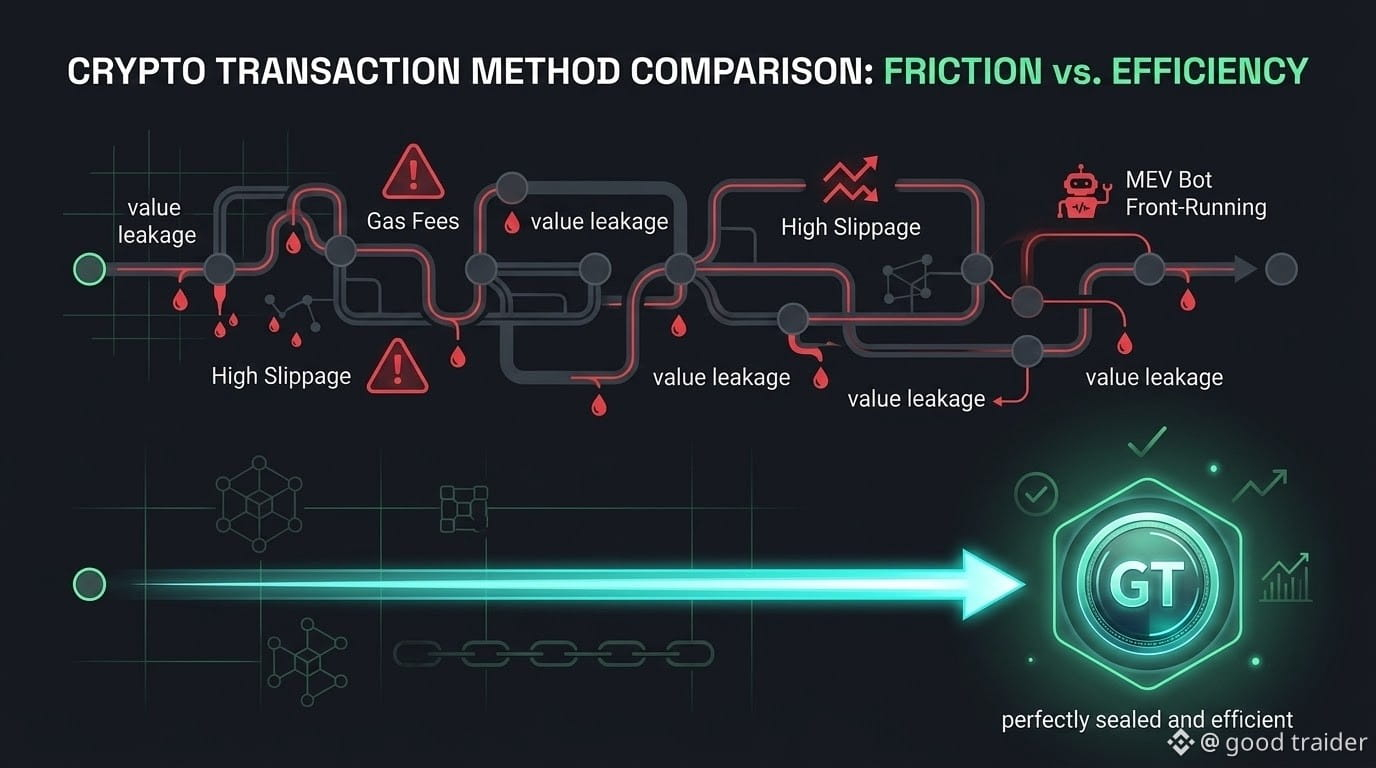
當你手動搭建一個槓桿倉位時,每一步都會造成價值泄漏。你在每一次合約交互中都要支付 Gas 費用,在流動性池中的滑點會讓你付出代價,交換過程中甚至可能遭到 MEV 機器人搶跑。
通過將所有這些邏輯整合進一個單一的基礎原語(GT),TermMax 實質上將套利“內化”。系統在自身內部鎖定流動性,而無需向外部聚合器和機器人支付“貢品”。
對零售投資者看起來像是一個更方便的界面,實際上卻是一個面向極致資本效率的工具。
我此刻最關心的問題是:這種機制對鯨魚是否足夠有吸引力?大資金並不真的在意鼠標點擊的次數。他們關心的是執行過程中損失的基點(basis points)。如果 GT 在數學上證明它能比手動路由更便宜地建立倉位,我們將在這裏看到槓桿需求的大規模遷移。
#termmax @TermMax 乍一看,TermMax 的 槓桿代幣(GT)像是一項標準的用戶體驗改進。與其手動提供資產、借入另一種資產、在 DEX 上進行交換,再次供給(循環操作),該協議只需一鍵完成。方便嗎?是的。但這裏更深層的含義根本不在於節省時間。
當你手動搭建一個槓桿倉位時,每一步都會造成價值泄漏。你在每一次合約交互中都要支付 Gas 費用,在流動性池中的滑點會讓你付出代價,交換過程中甚至可能遭到 MEV 機器人搶跑。
通過將所有這些邏輯整合進一個單一的基礎原語(GT),TermMax 實質上將套利“內化”。系統在自身內部鎖定流動性,而無需向外部聚合器和機器人支付“貢品”。
對零售投資者看起來像是一個更方便的界面,實際上卻是一個面向極致資本效率的工具。
我此刻最關心的問題是:這種機制對鯨魚是否足夠有吸引力?大資金並不真的在意鼠標點擊的次數。他們關心的是執行過程中損失的基點(basis points)。如果 GT 在數學上證明它能比手動路由更便宜地建立倉位,我們將在這裏看到槓桿需求的大規模遷移。
當你手動搭建一個槓桿倉位時,每一步都會造成價值泄漏。你在每一次合約交互中都要支付 Gas 費用,在流動性池中的滑點會讓你付出代價,交換過程中甚至可能遭到 MEV 機器人搶跑。
通過將所有這些邏輯整合進一個單一的基礎原語(GT),TermMax 實質上將套利“內化”。系統在自身內部鎖定流動性,而無需向外部聚合器和機器人支付“貢品”。
對零售投資者看起來像是一個更方便的界面,實際上卻是一個面向極致資本效率的工具。
我此刻最關心的問題是:這種機制對鯨魚是否足夠有吸引力?大資金並不真的在意鼠標點擊的次數。他們關心的是執行過程中損失的基點(basis points)。如果 GT 在數學上證明它能比手動路由更便宜地建立倉位,我們將在這裏看到槓桿需求的大規模遷移。
2
125
·
--
#termmax @termmax 如何 TermMax 將複雜槓桿變成簡單的現貨交易 📉
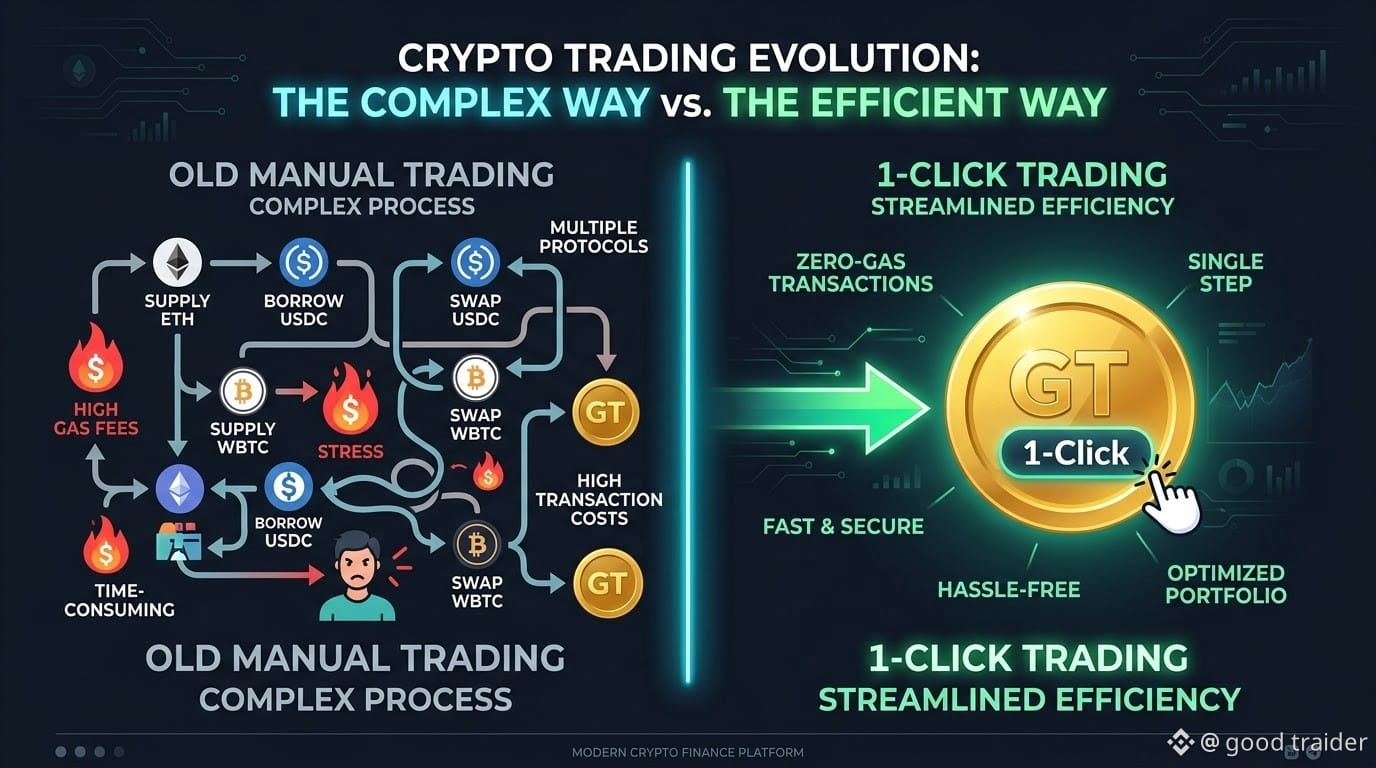
你有沒有試過手動搭建槓桿部位,透過迴圈來執行?提供一種資產 ➡️ 借入另一種 ➡️ 交換 ➡️ 再供給一次……在價格還沒移動之前,礦工費(Gas)和去中心化交易所(DEX)滑價就已經把你的獲利吃掉了。
在閱讀 @TermMax 的文件時,我發現了一個優雅的解法——Gearing Tokens(GT)。
協議把這些多步驟的痛點,直接打包到單一資產之中。你不需要在不同的智慧合約之間跳來跳去、也不必把交易次數成倍增加;你只要透過一鍵購買代幣,就能開啟一個複雜槓桿策略。原本需要微操管理的事情,現在看起來就像一般的現貨交易。這不但大幅降低進入門檻,也能省下 Gas。
你通常在搭建這些借貸迴圈時會燒掉多少 Gas?👇
#termmax @TermMax 如何 TermMax 將複雜槓桿變成簡單的現貨交易 📉
你有沒有試過手動搭建槓桿部位,透過迴圈來執行?提供一種資產 ➡️ 借入另一種 ➡️ 交換 ➡️ 再供給一次……在價格還沒移動之前,礦工費(Gas)和去中心化交易所(DEX)滑價就已經把你的獲利吃掉了。
在閱讀 @TermMax 的文件時,我發現了一個優雅的解法——Gearing Tokens(GT)。
協議把這些多步驟的痛點,直接打包到單一資產之中。你不需要在不同的智慧合約之間跳來跳去、也不必把交易次數成倍增加;你只要透過一鍵購買代幣,就能開啟一個複雜槓桿策略。原本需要微操管理的事情,現在看起來就像一般的現貨交易。這不但大幅降低進入門檻,也能省下 Gas。
你通常在搭建這些借貸迴圈時會燒掉多少 Gas?👇
你有沒有試過手動搭建槓桿部位,透過迴圈來執行?提供一種資產 ➡️ 借入另一種 ➡️ 交換 ➡️ 再供給一次……在價格還沒移動之前,礦工費(Gas)和去中心化交易所(DEX)滑價就已經把你的獲利吃掉了。
在閱讀 @TermMax 的文件時,我發現了一個優雅的解法——Gearing Tokens(GT)。
協議把這些多步驟的痛點,直接打包到單一資產之中。你不需要在不同的智慧合約之間跳來跳去、也不必把交易次數成倍增加;你只要透過一鍵購買代幣,就能開啟一個複雜槓桿策略。原本需要微操管理的事情,現在看起來就像一般的現貨交易。這不但大幅降低進入門檻,也能省下 Gas。
你通常在搭建這些借貸迴圈時會燒掉多少 Gas?👇
4
2
72
·
--
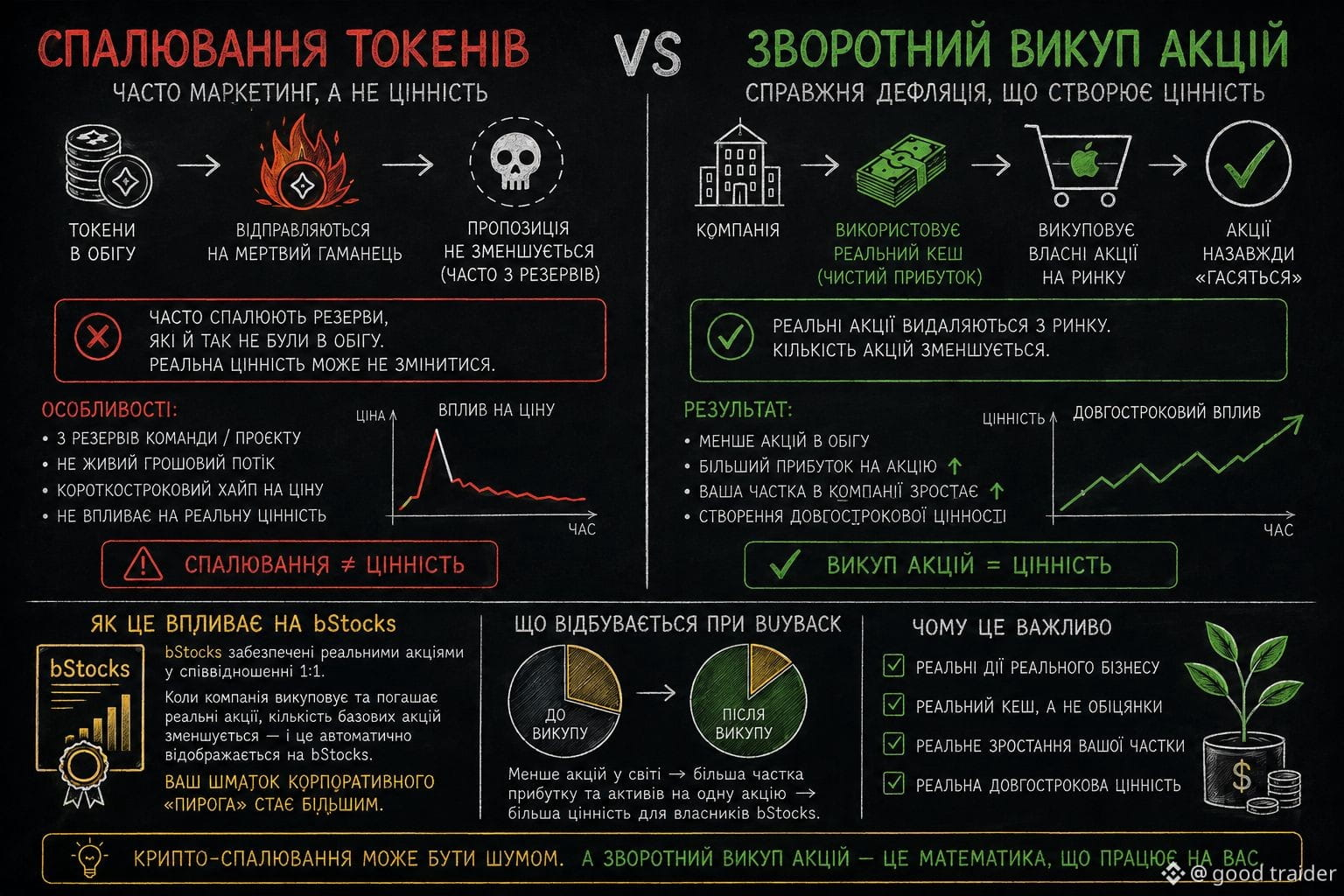
真正的「資產『銷毀』」是怎麼運作的
在加密貨幣圈裡,人人都在崇拜代幣銷毀(Token Burn)的消息。當開發者把數百萬枚幣送往死亡錢包(dead wallet),受眾就期待價格立刻上漲。但這往往只是行銷:被「銷毀」的是原本就不在流通中的儲備,而資產的實際價值並沒有改變。
在傳統市場,則有一個更真誠、也更直接的類似通縮(deflation)方式——股份回購(Share Buybacks)。而且它會直接影響你的 bStocks。
它是怎麼做到的:
公司(例如 Apple)拿出它用實際營運賺來、以數十億美元計的真實淨利潤。然後它走到公開市場,向和你一樣的投資者買回自家股票,並永久地把它們「熄滅」(不再流通)。
因此,全球實際流通的股票數量會下降,而這也會在 bStocks 的代幣經濟(tokenomics)中自動反映。你手上的那塊企業「蛋糕」會變大。
差異是本質性的。加密貨幣的「銷毀」常常是為了話題度(hype)而從空氣中炮製。而 Buyback 則是:當真正的企業拿出手上的現金,去用數學方式增加你在公司的持股比例。
@BinanceCIS #bStocksCIS
真正的「資產『銷毀』」是怎麼運作的
在加密貨幣圈裡,人人都在崇拜代幣銷毀(Token Burn)的消息。當開發者把數百萬枚幣送往死亡錢包(dead wallet),受眾就期待價格立刻上漲。但這往往只是行銷:被「銷毀」的是原本就不在流通中的儲備,而資產的實際價值並沒有改變。
在傳統市場,則有一個更真誠、也更直接的類似通縮(deflation)方式——股份回購(Share Buybacks)。而且它會直接影響你的 bStocks。
它是怎麼做到的:
公司(例如 Apple)拿出它用實際營運賺來、以數十億美元計的真實淨利潤。然後它走到公開市場,向和你一樣的投資者買回自家股票,並永久地把它們「熄滅」(不再流通)。
因此,全球實際流通的股票數量會下降,而這也會在 bStocks 的代幣經濟(tokenomics)中自動反映。你手上的那塊企業「蛋糕」會變大。
差異是本質性的。加密貨幣的「銷毀」常常是為了話題度(hype)而從空氣中炮製。而 Buyback 則是:當真正的企業拿出手上的現金,去用數學方式增加你在公司的持股比例。
@BinanceCIS #bStocksCIS
在加密貨幣圈裡,人人都在崇拜代幣銷毀(Token Burn)的消息。當開發者把數百萬枚幣送往死亡錢包(dead wallet),受眾就期待價格立刻上漲。但這往往只是行銷:被「銷毀」的是原本就不在流通中的儲備,而資產的實際價值並沒有改變。
在傳統市場,則有一個更真誠、也更直接的類似通縮(deflation)方式——股份回購(Share Buybacks)。而且它會直接影響你的 bStocks。
它是怎麼做到的:
公司(例如 Apple)拿出它用實際營運賺來、以數十億美元計的真實淨利潤。然後它走到公開市場,向和你一樣的投資者買回自家股票,並永久地把它們「熄滅」(不再流通)。
因此,全球實際流通的股票數量會下降,而這也會在 bStocks 的代幣經濟(tokenomics)中自動反映。你手上的那塊企業「蛋糕」會變大。
差異是本質性的。加密貨幣的「銷毀」常常是為了話題度(hype)而從空氣中炮製。而 Buyback 則是:當真正的企業拿出手上的現金,去用數學方式增加你在公司的持股比例。
@BinanceCIS #bStocksCIS
1
1
82
·
--
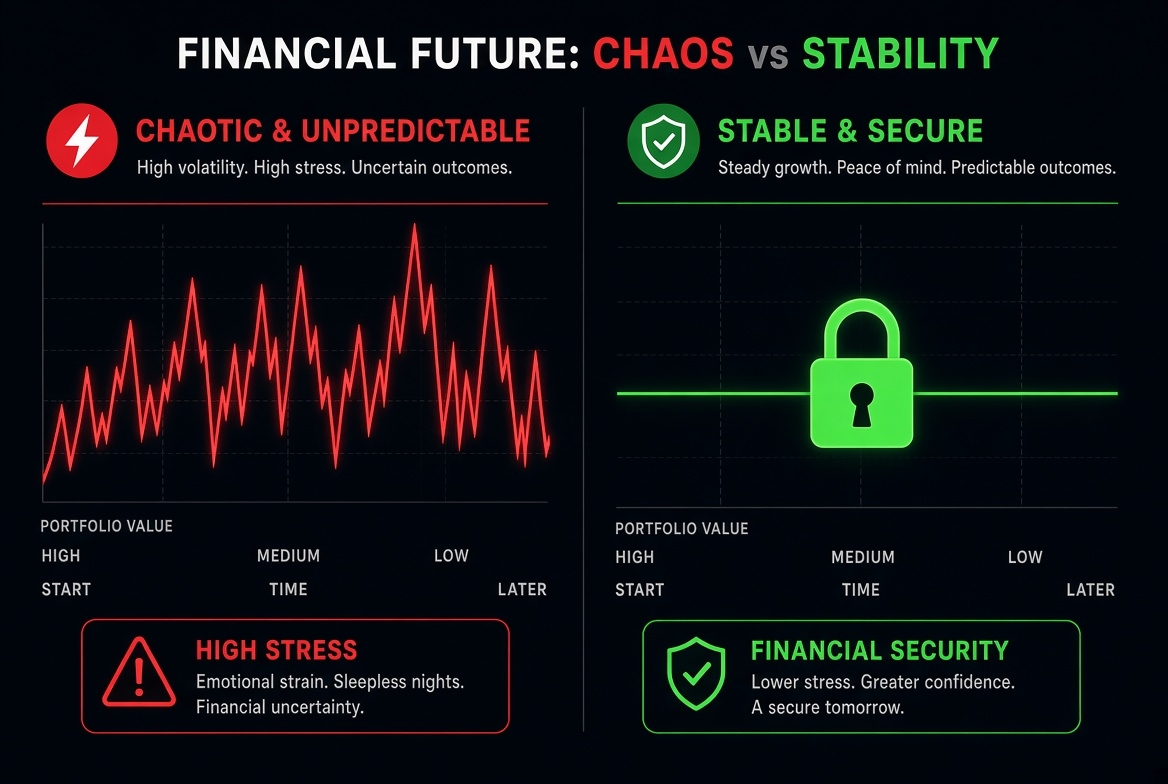
#termmax @termmax 永不停歇的交易很棒——直到你開始那個長達12小時的工作班次才知道 📉🕰️
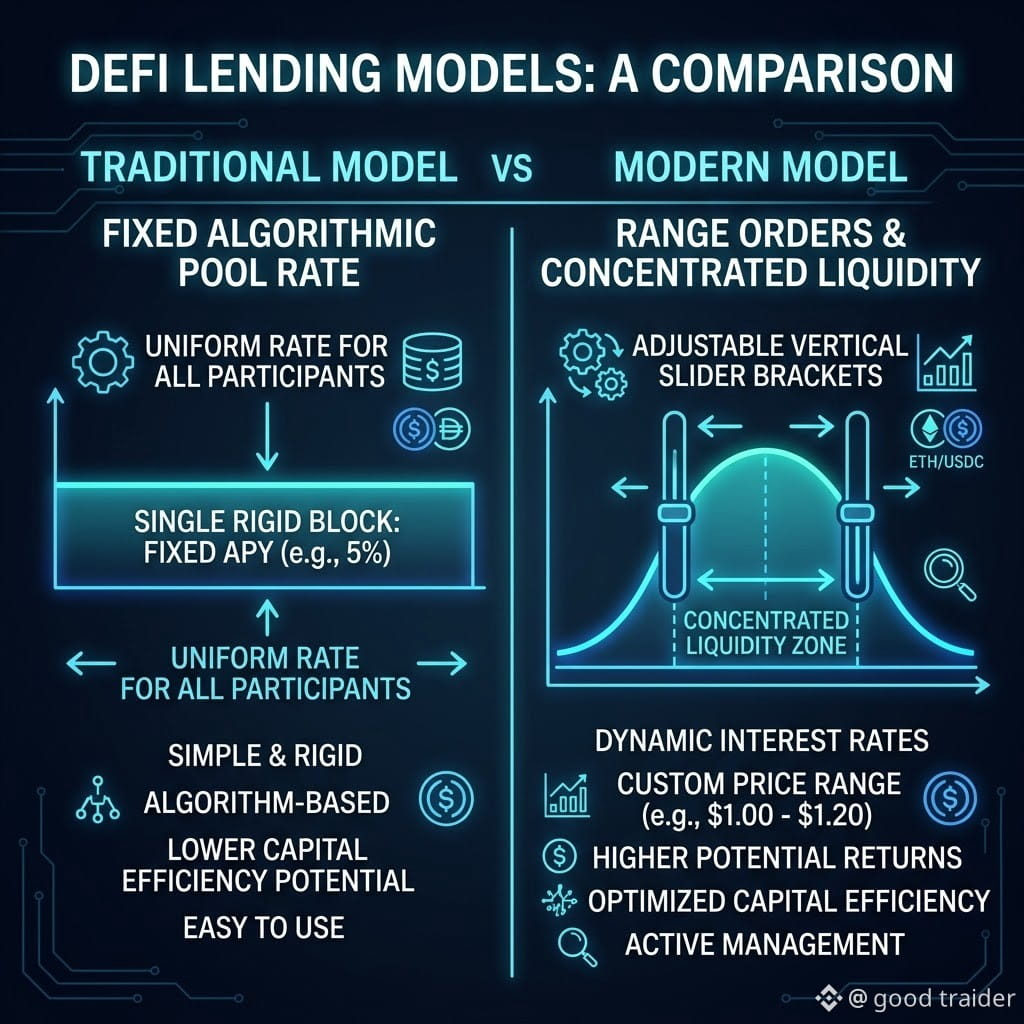
你在 DeFi 開了倉位,但在你工作、又沒盯著終端的同時——浮動利率(floating rates)就把你的一半 PNL 吃掉了。當你是為了明確的大目標在有計畫地累積資本(例如自己的房子)時,帶著不確定性的、帶獎盃式的利息彩票根本不適合。
所以我開始關注 TermMax。他們透過「固定利率代幣」(Fixed-Rate Tokens,FT)解決了這個問題。
核心概念超級簡單:你在借貸或出借(lending)時,會獲得在明確期限內的固定利率。沒有來自演算法搖擺帶來的驚喜。你在按下「Confirm」之前,就能看到你保證的收益或精確的成本。你安穩地把工作做完、進入錢包——而策略則替你守住神經與資金。
@BinanceCIS
#termmax @TermMax 永不停歇的交易很棒——直到你開始那個長達12小時的工作班次才知道 📉🕰️
你在 DeFi 開了倉位,但在你工作、又沒盯著終端的同時——浮動利率(floating rates)就把你的一半 PNL 吃掉了。當你是為了明確的大目標在有計畫地累積資本(例如自己的房子)時,帶著不確定性的、帶獎盃式的利息彩票根本不適合。
所以我開始關注 TermMax。他們透過「固定利率代幣」(Fixed-Rate Tokens,FT)解決了這個問題。
核心概念超級簡單:你在借貸或出借(lending)時,會獲得在明確期限內的固定利率。沒有來自演算法搖擺帶來的驚喜。你在按下「Confirm」之前,就能看到你保證的收益或精確的成本。你安穩地把工作做完、進入錢包——而策略則替你守住神經與資金。
@BinanceCIS
你在 DeFi 開了倉位,但在你工作、又沒盯著終端的同時——浮動利率(floating rates)就把你的一半 PNL 吃掉了。當你是為了明確的大目標在有計畫地累積資本(例如自己的房子)時,帶著不確定性的、帶獎盃式的利息彩票根本不適合。
所以我開始關注 TermMax。他們透過「固定利率代幣」(Fixed-Rate Tokens,FT)解決了這個問題。
核心概念超級簡單:你在借貸或出借(lending)時,會獲得在明確期限內的固定利率。沒有來自演算法搖擺帶來的驚喜。你在按下「Confirm」之前,就能看到你保證的收益或精確的成本。你安穩地把工作做完、進入錢包——而策略則替你守住神經與資金。
@BinanceCIS
1
1
71
·
--
#bstockscis @BinanceCIS
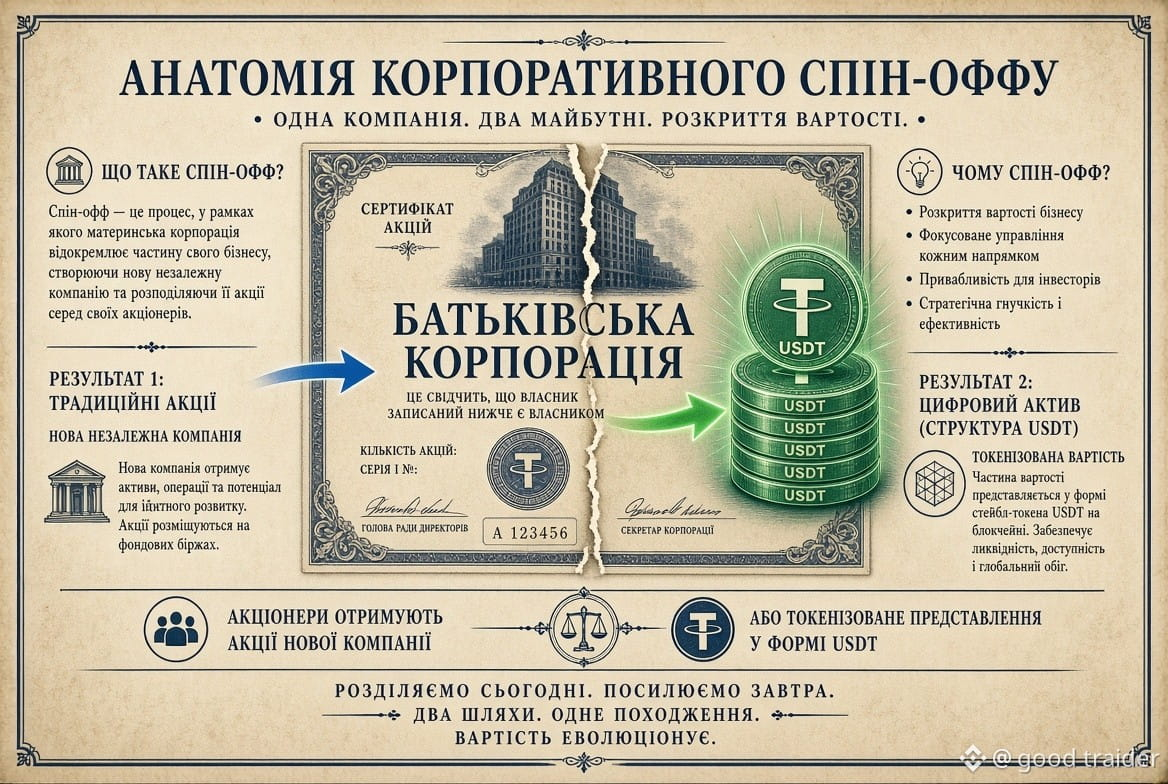
公司級 Airdrop。bStocks 如何處理股權分拆(Spin-off)
Spin-off 是指將部分業務從公司中分離,成立成一家新公司。在傳統市場中,投資者會自動獲得新公司的股票。但 bStock 是有保障的衍生品,因此這裡的公司事件(Corporate Action)會透過專用協議進行。
運作方式如下:
• bStock 交易會暫停,以便完成餘額的記帳/鎖定。
• 托管方(Custodian)取得新公司的實體股票。
• 交易所會決定這份價值的分配形式。
關鍵細節:你不一定會收到新的代幣。如果該公司不符合平台的上市條件,則會改採現金補償。托管方會直接出售目標股票,而你會在現貨錢包中以 USDT 收到其等值款項。
代幣化資產會在分拆期間為你保留 100% 的價值。但取得該價值的形式——是新的代號(ticker)還是純粹的現金——取決於平台規則。
#bstockscis @BinanceCIS
公司級 Airdrop。bStocks 如何處理股權分拆(Spin-off)
Spin-off 是指將部分業務從公司中分離,成立成一家新公司。在傳統市場中,投資者會自動獲得新公司的股票。但 bStock 是有保障的衍生品,因此這裡的公司事件(Corporate Action)會透過專用協議進行。
運作方式如下:
• bStock 交易會暫停,以便完成餘額的記帳/鎖定。
• 托管方(Custodian)取得新公司的實體股票。
• 交易所會決定這份價值的分配形式。
關鍵細節:你不一定會收到新的代幣。如果該公司不符合平台的上市條件,則會改採現金補償。托管方會直接出售目標股票,而你會在現貨錢包中以 USDT 收到其等值款項。
代幣化資產會在分拆期間為你保留 100% 的價值。但取得該價值的形式——是新的代號(ticker)還是純粹的現金——取決於平台規則。
公司級 Airdrop。bStocks 如何處理股權分拆(Spin-off)
Spin-off 是指將部分業務從公司中分離,成立成一家新公司。在傳統市場中,投資者會自動獲得新公司的股票。但 bStock 是有保障的衍生品,因此這裡的公司事件(Corporate Action)會透過專用協議進行。
運作方式如下:
• bStock 交易會暫停,以便完成餘額的記帳/鎖定。
• 托管方(Custodian)取得新公司的實體股票。
• 交易所會決定這份價值的分配形式。
關鍵細節:你不一定會收到新的代幣。如果該公司不符合平台的上市條件,則會改採現金補償。托管方會直接出售目標股票,而你會在現貨錢包中以 USDT 收到其等值款項。
代幣化資產會在分拆期間為你保留 100% 的價值。但取得該價值的形式——是新的代號(ticker)還是純粹的現金——取決於平台規則。
62
·
--
所有權的幻覺。bStock 不是股票,它是帶有「安全墊」的衍生品
以前我把代幣化股票想得很字面。感覺是:買了 $TSLAB——就成為完整的特斯拉股東。但實際上,bStock 不是企業中的份額,而是一種衍生工具(衍生品)。
在法律上,真實股票並不屬於你,也不屬於 Binance。它們由受監管的託管機構持有。託管機構以自己的名義買入股票,並在這些股票作為擔保的基礎上發行代幣。
這直接限制了公司治理權。你沒有股東大會投票權,也不能要求取得實體證書。
不過,缺乏法律地位並不會否定經濟權利。所有的財務收益(股息或分拆)託管機構會自動轉發到你的加密貨幣餘額中。你失去的只是那些紙本式的繁瑣官僚流程。
這種模式的最大優點是風險隔離。與那些讓人存疑的經紀商不同,在這裡你的資產是受保護的。即使交易所發生什麼事,真實股票仍會留在另一個司法管轄區的託管機構裡。
對我來說,bStock 是理想的折衷。我放棄其實也不需要的投票權,但換來的是純粹的獲利、24/7 的價格曝險,以及可靠的「安全墊」。
你最在意的是什麼?
@BinanceCIS #bStocksCIS
所有權的幻覺。bStock 不是股票,它是帶有「安全墊」的衍生品
以前我把代幣化股票想得很字面。感覺是:買了 $TSLAB——就成為完整的特斯拉股東。但實際上,bStock 不是企業中的份額,而是一種衍生工具(衍生品)。
在法律上,真實股票並不屬於你,也不屬於 Binance。它們由受監管的託管機構持有。託管機構以自己的名義買入股票,並在這些股票作為擔保的基礎上發行代幣。
這直接限制了公司治理權。你沒有股東大會投票權,也不能要求取得實體證書。
不過,缺乏法律地位並不會否定經濟權利。所有的財務收益(股息或分拆)託管機構會自動轉發到你的加密貨幣餘額中。你失去的只是那些紙本式的繁瑣官僚流程。
這種模式的最大優點是風險隔離。與那些讓人存疑的經紀商不同,在這裡你的資產是受保護的。即使交易所發生什麼事,真實股票仍會留在另一個司法管轄區的託管機構裡。
對我來說,bStock 是理想的折衷。我放棄其實也不需要的投票權,但換來的是純粹的獲利、24/7 的價格曝險,以及可靠的「安全墊」。
你最在意的是什麼?
@BinanceCIS #bStocksCIS
以前我把代幣化股票想得很字面。感覺是:買了 $TSLAB——就成為完整的特斯拉股東。但實際上,bStock 不是企業中的份額,而是一種衍生工具(衍生品)。
在法律上,真實股票並不屬於你,也不屬於 Binance。它們由受監管的託管機構持有。託管機構以自己的名義買入股票,並在這些股票作為擔保的基礎上發行代幣。
這直接限制了公司治理權。你沒有股東大會投票權,也不能要求取得實體證書。
不過,缺乏法律地位並不會否定經濟權利。所有的財務收益(股息或分拆)託管機構會自動轉發到你的加密貨幣餘額中。你失去的只是那些紙本式的繁瑣官僚流程。
這種模式的最大優點是風險隔離。與那些讓人存疑的經紀商不同,在這裡你的資產是受保護的。即使交易所發生什麼事,真實股票仍會留在另一個司法管轄區的託管機構裡。
對我來說,bStock 是理想的折衷。我放棄其實也不需要的投票權,但換來的是純粹的獲利、24/7 的價格曝險,以及可靠的「安全墊」。
你最在意的是什麼?
@BinanceCIS #bStocksCIS
Прибуток і зручність 24/7
50%
Безпека активів (кастодіан)
50%
Офіційний статус акціонера
0%
2 票 • 投票已結束
149
·
--
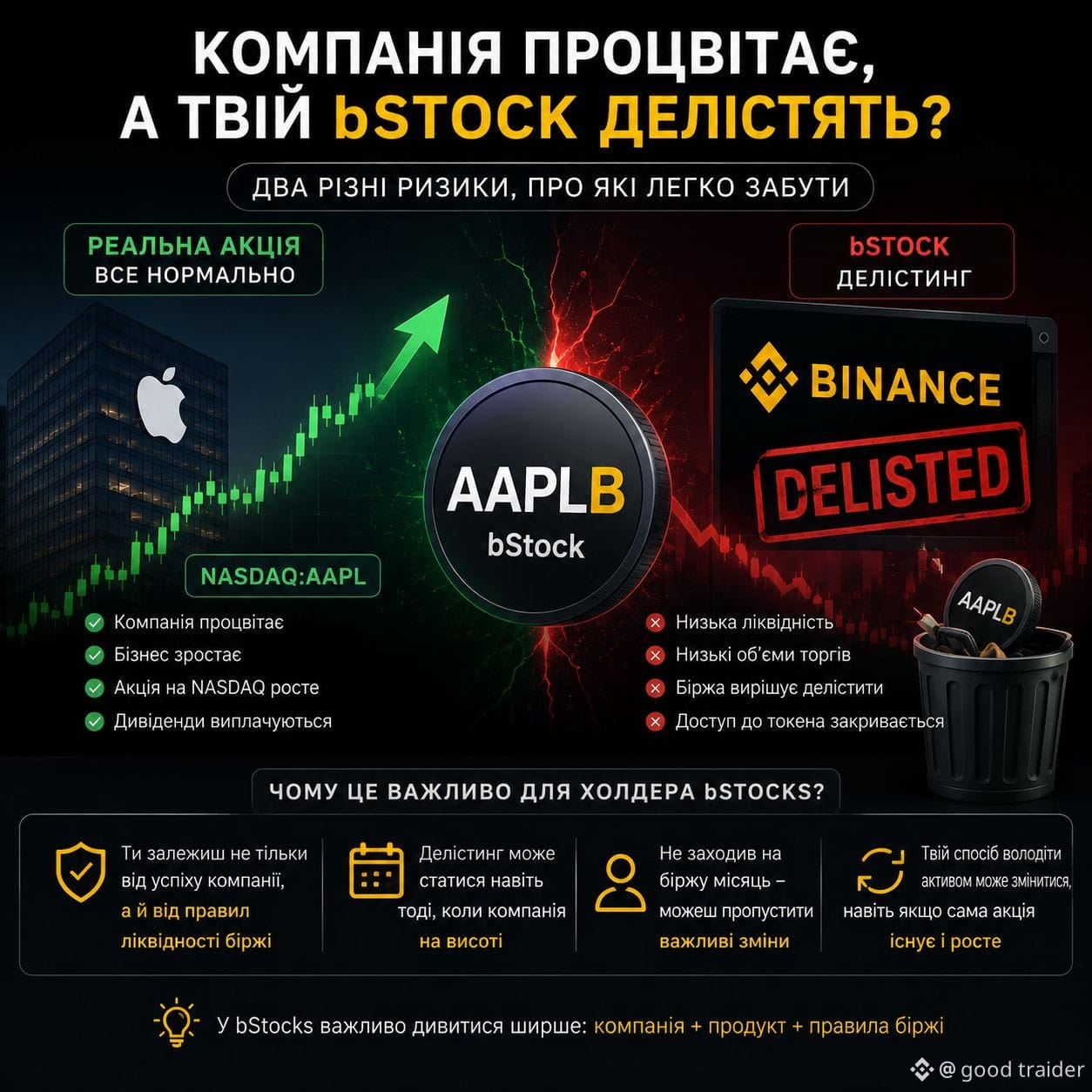
公司蓬勃發展。它的股票在上漲。而你的 bStock 卻可能突然被 Binance 下架。
聽起來很怪,但這是兩個不同的風險。
你可以在公司運作正常、它的股票在證券市場交易、業務持續發展的情況下購買 $ABC_B。
但 Binance 可能會針對 bStock 本身的可用性單獨做出決定。
也就是說:
真實股票 → 一切正常 📈
bStock → 下架
而這點非常重要。
下架代幣並不意味着公司破產,或者真實股票不再存在。
只是你通過某個特定的 bStock 來獲取該公司敞口的方式可能會發生變化。
因此,在 bStocks 中有兩個不同層級的風險:
→ 公司本身的風險
→ 某個特定代幣化產品的可用性風險
而第二個很容易被忽略。
你或許對 NVIDIA、Microsoft 或其他公司完全有信心——但這並不代表某個特定的 bStock 會永遠在 Binance 上保持可用。
我就喜歡 bStocks 這種細微的差別。
因爲在這裏,你不僅僅是要問:“這家公司好嗎?”
@BinanceCIS #bStocksCIS
公司蓬勃發展。它的股票在上漲。而你的 bStock 卻可能突然被 Binance 下架。
聽起來很怪,但這是兩個不同的風險。
你可以在公司運作正常、它的股票在證券市場交易、業務持續發展的情況下購買 $ABC_B。
但 Binance 可能會針對 bStock 本身的可用性單獨做出決定。
也就是說:
真實股票 → 一切正常 📈
bStock → 下架
而這點非常重要。
下架代幣並不意味着公司破產,或者真實股票不再存在。
只是你通過某個特定的 bStock 來獲取該公司敞口的方式可能會發生變化。
因此,在 bStocks 中有兩個不同層級的風險:
→ 公司本身的風險
→ 某個特定代幣化產品的可用性風險
而第二個很容易被忽略。
你或許對 NVIDIA、Microsoft 或其他公司完全有信心——但這並不代表某個特定的 bStock 會永遠在 Binance 上保持可用。
我就喜歡 bStocks 這種細微的差別。
因爲在這裏,你不僅僅是要問:“這家公司好嗎?”
@BinanceCIS #bStocksCIS
聽起來很怪,但這是兩個不同的風險。
你可以在公司運作正常、它的股票在證券市場交易、業務持續發展的情況下購買 $ABC_B。
但 Binance 可能會針對 bStock 本身的可用性單獨做出決定。
也就是說:
真實股票 → 一切正常 📈
bStock → 下架
而這點非常重要。
下架代幣並不意味着公司破產,或者真實股票不再存在。
只是你通過某個特定的 bStock 來獲取該公司敞口的方式可能會發生變化。
因此,在 bStocks 中有兩個不同層級的風險:
→ 公司本身的風險
→ 某個特定代幣化產品的可用性風險
而第二個很容易被忽略。
你或許對 NVIDIA、Microsoft 或其他公司完全有信心——但這並不代表某個特定的 bStock 會永遠在 Binance 上保持可用。
我就喜歡 bStocks 這種細微的差別。
因爲在這裏,你不僅僅是要問:“這家公司好嗎?”
@BinanceCIS #bStocksCIS
132
·
--
真實
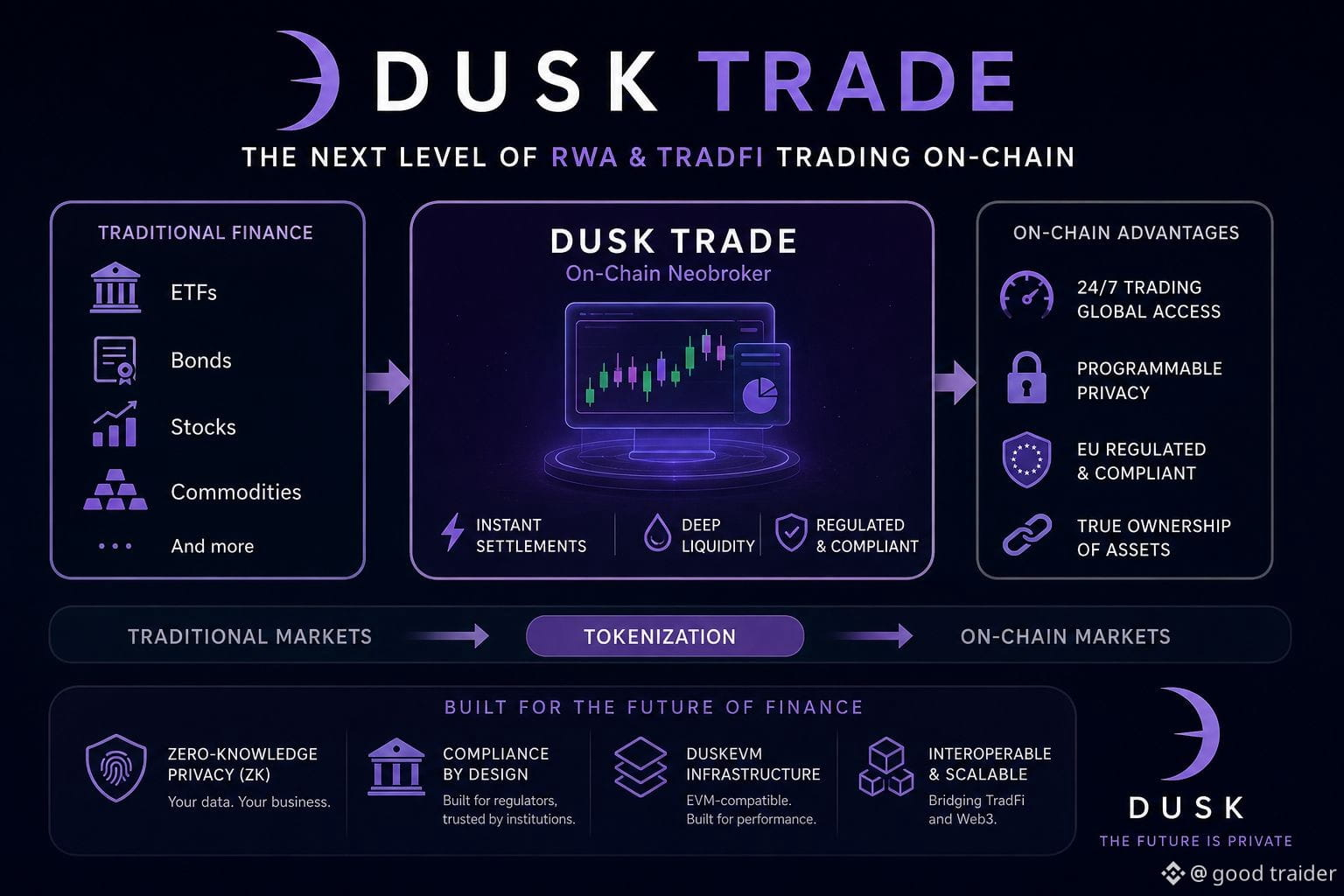
黃昏貿易:RWA 與傳統資產在鏈上的新交易層級
目前大家都在談論 RWA 的代幣化,但多數專案仍停留在精美概念的階段。透過觀察基礎設施如何發展,我詳細拆解了 Dusk Trade 的運作機制。這不只是又一個 DEX,而是一個針對代幣化金融資產的完整鏈上經紀商。
對我這種實務者來說,這裡最有趣的是能夠在鏈上進行即時結算,並交易代幣化的 ETF、債券以及其他來自傳統金融世界的資產。我們已習慣加密貨幣那種快速且便利的交易,而現在 Dusk 也把同樣的速度與流動性帶到傳統市場。更重要的是——該平台依照嚴格的歐盟法規,全面合規地建置。
將這樣的合法環境與可程式化的隱私相結合,正是那種能夠安全地把數兆美元從 TradFi 轉移到 Web3 的架構。我將持續關注這個專案的進展,因為這類工具正在改變遊戲規則。
@Dusk_Foundation $DUSK #dusk
黃昏貿易:RWA 與傳統資產在鏈上的新交易層級
目前大家都在談論 RWA 的代幣化,但多數專案仍停留在精美概念的階段。透過觀察基礎設施如何發展,我詳細拆解了 Dusk Trade 的運作機制。這不只是又一個 DEX,而是一個針對代幣化金融資產的完整鏈上經紀商。
對我這種實務者來說,這裡最有趣的是能夠在鏈上進行即時結算,並交易代幣化的 ETF、債券以及其他來自傳統金融世界的資產。我們已習慣加密貨幣那種快速且便利的交易,而現在 Dusk 也把同樣的速度與流動性帶到傳統市場。更重要的是——該平台依照嚴格的歐盟法規,全面合規地建置。
將這樣的合法環境與可程式化的隱私相結合,正是那種能夠安全地把數兆美元從 TradFi 轉移到 Web3 的架構。我將持續關注這個專案的進展,因為這類工具正在改變遊戲規則。
@Dusk $DUSK #dusk
目前大家都在談論 RWA 的代幣化,但多數專案仍停留在精美概念的階段。透過觀察基礎設施如何發展,我詳細拆解了 Dusk Trade 的運作機制。這不只是又一個 DEX,而是一個針對代幣化金融資產的完整鏈上經紀商。
對我這種實務者來說,這裡最有趣的是能夠在鏈上進行即時結算,並交易代幣化的 ETF、債券以及其他來自傳統金融世界的資產。我們已習慣加密貨幣那種快速且便利的交易,而現在 Dusk 也把同樣的速度與流動性帶到傳統市場。更重要的是——該平台依照嚴格的歐盟法規,全面合規地建置。
將這樣的合法環境與可程式化的隱私相結合,正是那種能夠安全地把數兆美元從 TradFi 轉移到 Web3 的架構。我將持續關注這個專案的進展,因為這類工具正在改變遊戲規則。
@Dusk $DUSK #dusk
1
96
·
--
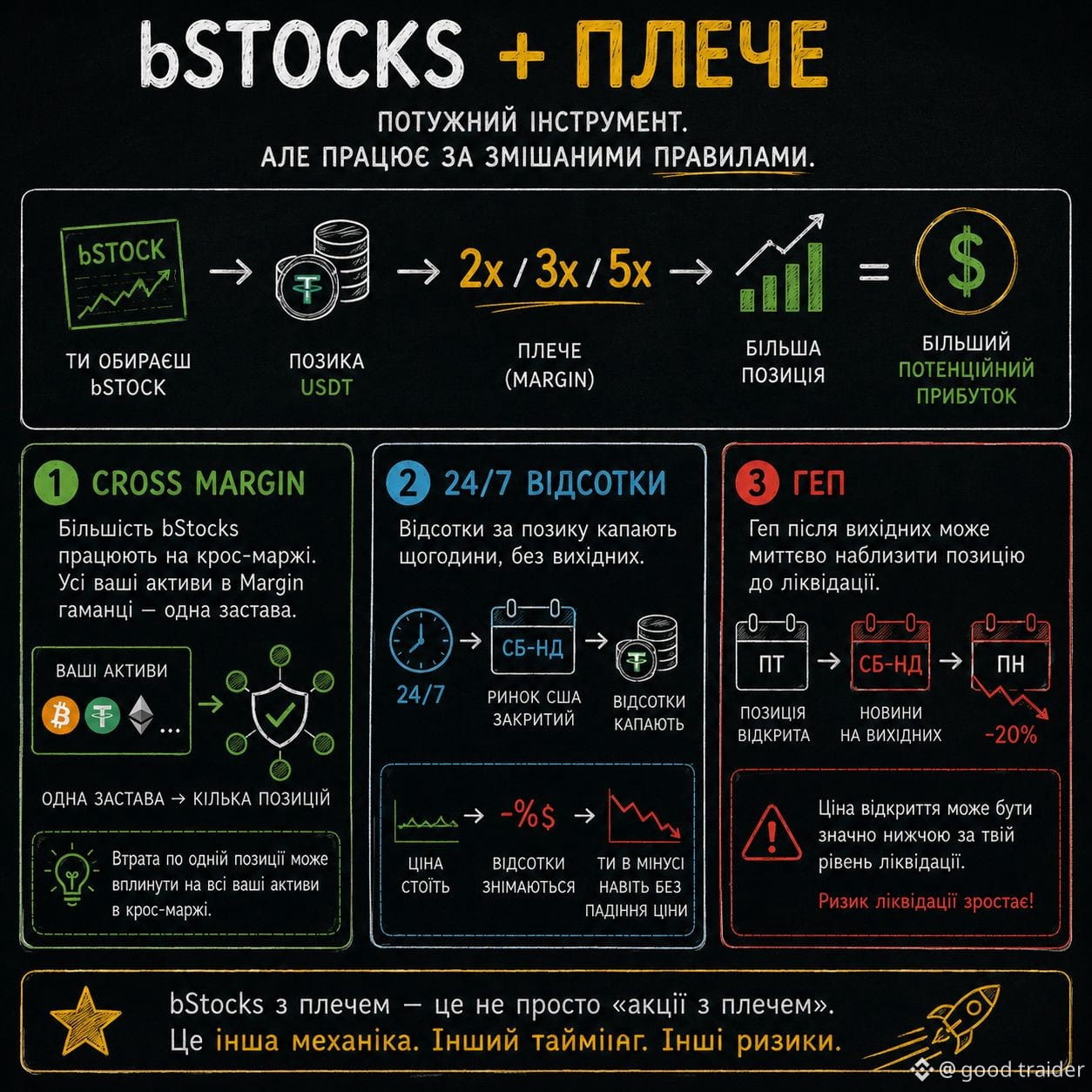
#bstockscis Торгівля bStocks 使用槓桿。聽起來很酷,但這裡有驚喜 👀
乍看之下——一切就像在加密貨幣裡:借了 USDT、加大倉位、賺得更多。
但有個細節。
當你借入資產,利息會每小時累積。
🇺🇸 美國市場已關閉。
📈 bStock 仍在交易。
💸 借貸的利息繼續滴答滴答地累積。
也就是說,對股票市場而言的「休市」不一定意味著你的保證金借貸也是「休市」。
接下來就更有意思了。
你在週五開了槓桿倉位。到了週末出現不妙的消息。然後在週一,實際行情以很大的向下跳空(大缺口)開盤。
你的倉位可能立刻就變得離清算更近很多。
而這套計算方式,已經完全不同於 Spot。
在 bStocks + Margin 同時運作:→ bStock 的價格
→ 流動性
→ 借款成本
→ Margin Level
→ 美國市場的交易時間
→ 可能出現的跳空。
這些機制正是我在研究 bStocks 時覺得有趣的地方。
「保證金(Margin)」按鈕看起來很簡單。
但你按下之後所發生的事情,才更有意思。
你會在週末也持有帶槓桿的 bStock 嗎?
@BinanceCIS #bStocksCIS
#bstockscis Торгівля bStocks 使用槓桿。聽起來很酷,但這裡有驚喜 👀
乍看之下——一切就像在加密貨幣裡:借了 USDT、加大倉位、賺得更多。
但有個細節。
當你借入資產,利息會每小時累積。
🇺🇸 美國市場已關閉。
📈 bStock 仍在交易。
💸 借貸的利息繼續滴答滴答地累積。
也就是說,對股票市場而言的「休市」不一定意味著你的保證金借貸也是「休市」。
接下來就更有意思了。
你在週五開了槓桿倉位。到了週末出現不妙的消息。然後在週一,實際行情以很大的向下跳空(大缺口)開盤。
你的倉位可能立刻就變得離清算更近很多。
而這套計算方式,已經完全不同於 Spot。
在 bStocks + Margin 同時運作:→ bStock 的價格
→ 流動性
→ 借款成本
→ Margin Level
→ 美國市場的交易時間
→ 可能出現的跳空。
這些機制正是我在研究 bStocks 時覺得有趣的地方。
「保證金(Margin)」按鈕看起來很簡單。
但你按下之後所發生的事情,才更有意思。
你會在週末也持有帶槓桿的 bStock 嗎?
@BinanceCIS #bStocksCIS
乍看之下——一切就像在加密貨幣裡:借了 USDT、加大倉位、賺得更多。
但有個細節。
當你借入資產,利息會每小時累積。
🇺🇸 美國市場已關閉。
📈 bStock 仍在交易。
💸 借貸的利息繼續滴答滴答地累積。
也就是說,對股票市場而言的「休市」不一定意味著你的保證金借貸也是「休市」。
接下來就更有意思了。
你在週五開了槓桿倉位。到了週末出現不妙的消息。然後在週一,實際行情以很大的向下跳空(大缺口)開盤。
你的倉位可能立刻就變得離清算更近很多。
而這套計算方式,已經完全不同於 Spot。
在 bStocks + Margin 同時運作:→ bStock 的價格
→ 流動性
→ 借款成本
→ Margin Level
→ 美國市場的交易時間
→ 可能出現的跳空。
這些機制正是我在研究 bStocks 時覺得有趣的地方。
「保證金(Margin)」按鈕看起來很簡單。
但你按下之後所發生的事情,才更有意思。
你會在週末也持有帶槓桿的 bStock 嗎?
@BinanceCIS #bStocksCIS
1
73
·
--
真實
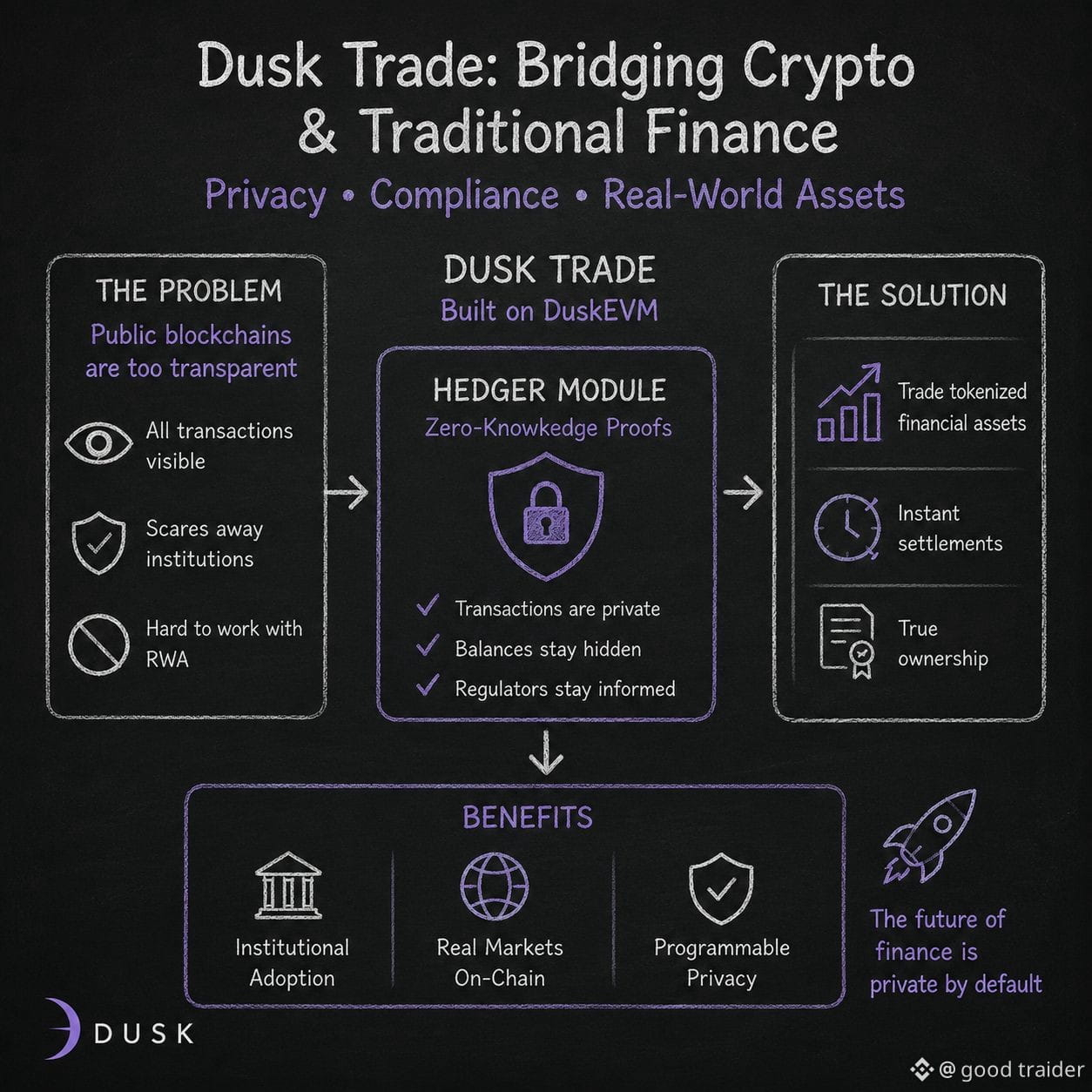
#dusk $DUSK 每天與加密貨幣打交道並分析市場機制時,我經常思考如何跨越我們熟悉的交易所與傳統金融之間的鴻溝。公開區塊鏈的首要問題在於絕對透明性——它會嚇退大資本,並使得與真實資產(RWA)的正常運作變得困難。
在探索新的工具時,我注意到了 Dusk 生態系統,尤其是他們基於 DuskEVM 的未來平臺 Dusk Trade。對我這樣經常進行交易操作的用戶來說,這裏有一個非常酷的功能:能夠對代幣化的金融資產進行交易,並實現即時結算以及真正的所有權。
他們通過在 Hedger 模塊中應用零知識證明(Zero-Knowledge Proofs)技術,解決了市場層面的根本痛點。這意味着,你可以在對監管機構完全合法且透明的前提下與 DeFi 工具進行交互,但同時還能讓你的交易與餘額細節對外界目光保持完整的隱私。
我認爲,“可編程隱私”正是未來,因爲它能讓真實市場安全地遷移到鏈上。我正在等待主網的全面上線,以便測試這些可能性。
@Dusk_Foundation
#dusk $DUSK 每天與加密貨幣打交道並分析市場機制時,我經常思考如何跨越我們熟悉的交易所與傳統金融之間的鴻溝。公開區塊鏈的首要問題在於絕對透明性——它會嚇退大資本,並使得與真實資產(RWA)的正常運作變得困難。
在探索新的工具時,我注意到了 Dusk 生態系統,尤其是他們基於 DuskEVM 的未來平臺 Dusk Trade。對我這樣經常進行交易操作的用戶來說,這裏有一個非常酷的功能:能夠對代幣化的金融資產進行交易,並實現即時結算以及真正的所有權。
他們通過在 Hedger 模塊中應用零知識證明(Zero-Knowledge Proofs)技術,解決了市場層面的根本痛點。這意味着,你可以在對監管機構完全合法且透明的前提下與 DeFi 工具進行交互,但同時還能讓你的交易與餘額細節對外界目光保持完整的隱私。
我認爲,“可編程隱私”正是未來,因爲它能讓真實市場安全地遷移到鏈上。我正在等待主網的全面上線,以便測試這些可能性。
@Dusk
在探索新的工具時,我注意到了 Dusk 生態系統,尤其是他們基於 DuskEVM 的未來平臺 Dusk Trade。對我這樣經常進行交易操作的用戶來說,這裏有一個非常酷的功能:能夠對代幣化的金融資產進行交易,並實現即時結算以及真正的所有權。
他們通過在 Hedger 模塊中應用零知識證明(Zero-Knowledge Proofs)技術,解決了市場層面的根本痛點。這意味着,你可以在對監管機構完全合法且透明的前提下與 DeFi 工具進行交互,但同時還能讓你的交易與餘額細節對外界目光保持完整的隱私。
我認爲,“可編程隱私”正是未來,因爲它能讓真實市場安全地遷移到鏈上。我正在等待主網的全面上線,以便測試這些可能性。
@Dusk
1
78
·
--
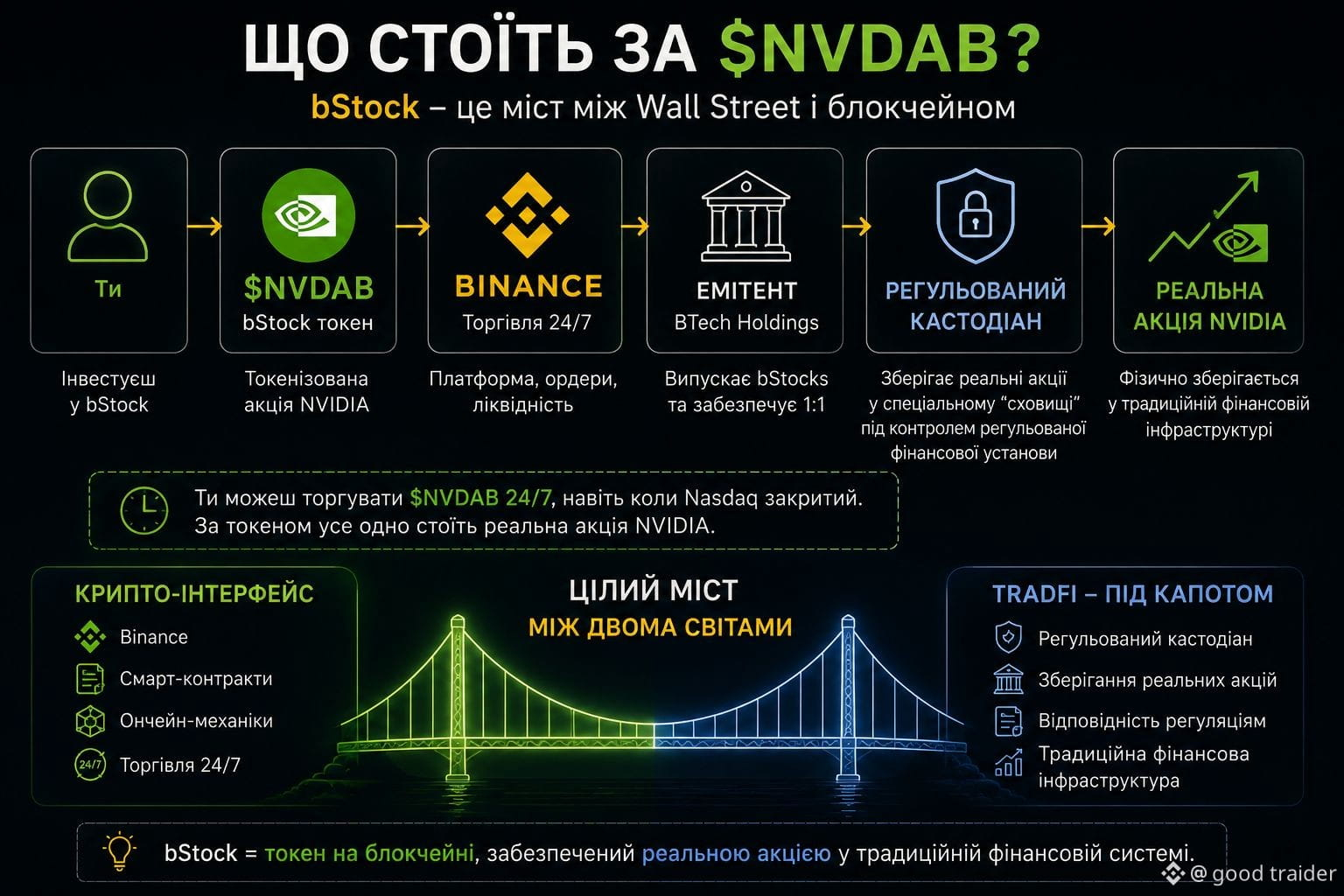
#bstockscis 你在 bStocks 看到的只是 $NVDAB。那背後到底是什麼?
事實上,你的 bStock 和真正的股票之間,有一整套基礎設施。
你 → $NVDAB → Binance → 發行方 → 受監管的託管機構 → 真正的 NVIDIA 股票。
正是託管機構保存著支撐 bStocks 的真實股票。
用白話說——這是一個在受監管金融機構控制下的「真實股票倉庫」。
而在其上層運作的則是 Binance、智慧合約以及鏈上機制。
也就是說,bStock 並不只是把「股票包裝成代幣」。
這是一座連接華爾街與區塊鏈的完整橋樑。
而最有趣的是:當你在週六凌晨 3 點交易 $NVDAB,這個代幣背後依然是那張實際存在於傳統金融基礎設施中的真實股票。
最上層是加密介面。
TradFi 在引擎蓋下。👀
就喜歡這些細節,所以我才喜歡 bStocks 😅
@BinanceCIS #bStocksCIS
#bstockscis 你在 bStocks 看到的只是 $NVDAB。那背後到底是什麼?
事實上,你的 bStock 和真正的股票之間,有一整套基礎設施。
你 → $NVDAB → Binance → 發行方 → 受監管的託管機構 → 真正的 NVIDIA 股票。
正是託管機構保存著支撐 bStocks 的真實股票。
用白話說——這是一個在受監管金融機構控制下的「真實股票倉庫」。
而在其上層運作的則是 Binance、智慧合約以及鏈上機制。
也就是說,bStock 並不只是把「股票包裝成代幣」。
這是一座連接華爾街與區塊鏈的完整橋樑。
而最有趣的是:當你在週六凌晨 3 點交易 $NVDAB,這個代幣背後依然是那張實際存在於傳統金融基礎設施中的真實股票。
最上層是加密介面。
TradFi 在引擎蓋下。👀
就喜歡這些細節,所以我才喜歡 bStocks 😅
@BinanceCIS #bStocksCIS
事實上,你的 bStock 和真正的股票之間,有一整套基礎設施。
你 → $NVDAB → Binance → 發行方 → 受監管的託管機構 → 真正的 NVIDIA 股票。
正是託管機構保存著支撐 bStocks 的真實股票。
用白話說——這是一個在受監管金融機構控制下的「真實股票倉庫」。
而在其上層運作的則是 Binance、智慧合約以及鏈上機制。
也就是說,bStock 並不只是把「股票包裝成代幣」。
這是一座連接華爾街與區塊鏈的完整橋樑。
而最有趣的是:當你在週六凌晨 3 點交易 $NVDAB,這個代幣背後依然是那張實際存在於傳統金融基礎設施中的真實股票。
最上層是加密介面。
TradFi 在引擎蓋下。👀
就喜歡這些細節,所以我才喜歡 bStocks 😅
@BinanceCIS #bStocksCIS
1
86
·
--
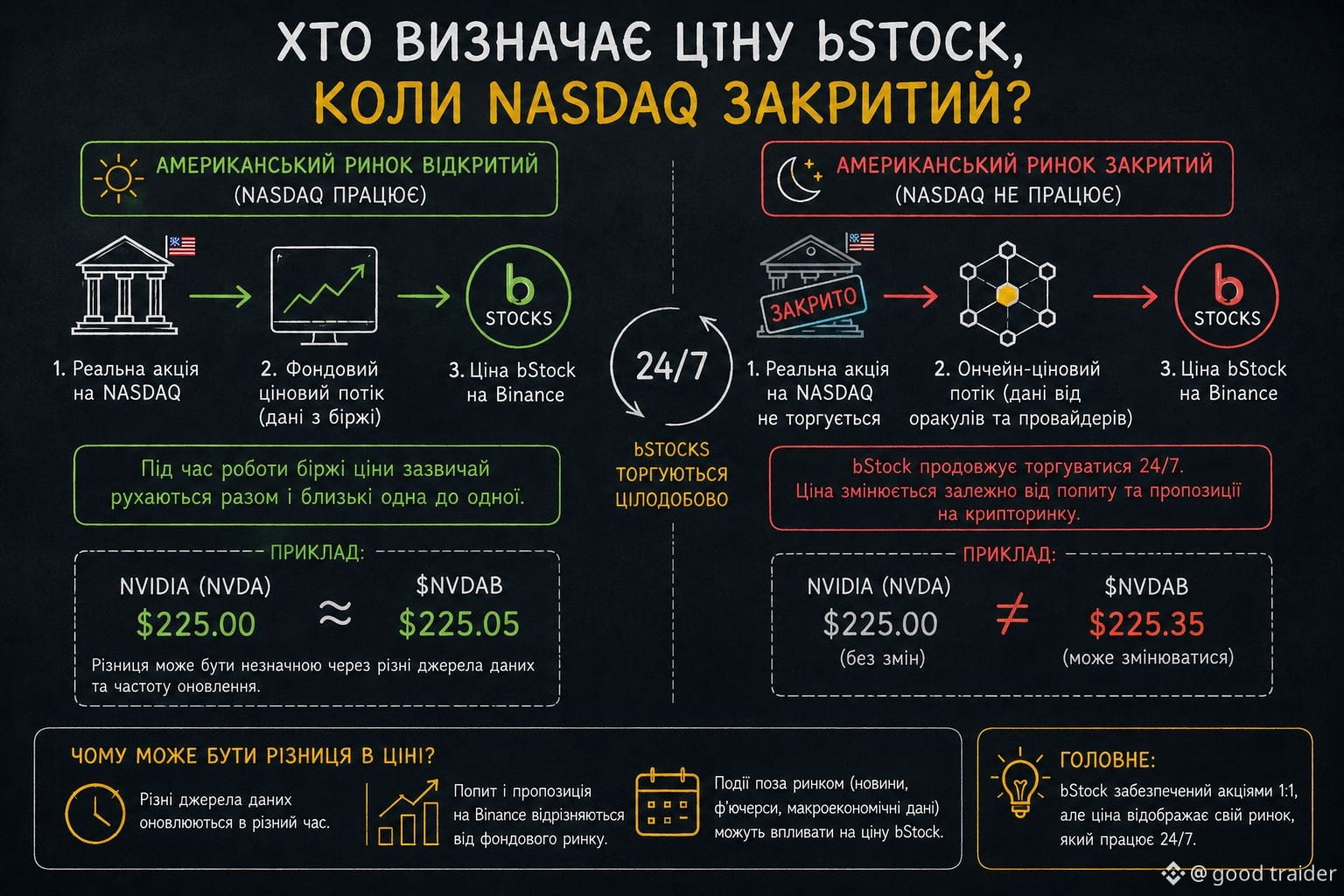
#bstockscis 誰實際上在納斯達克收盤時確定 bStock 的價格?👀
有趣的細節:bStock 的價格和真實股票的價格並不是來自同一個來源。
對於 bStock 使用的是鏈上 price feed,而真正的股票則使用單獨的股票市場 feed。
而且它們的更新頻率不同。
因此即使做到 1:1,價格仍有一點點差異——這是一種正常情況。
例如:
NVIDIA → $225,00
$NVDAB → $225,15
這並不意味着代幣“被高估”,或有什麼地方壞了。
只是兩個數據源可能沒有在同一秒同步更新。
接下來最有意思的來了 👇
當美國市場收市時,bStock 仍會在 Binance 上繼續交易,而真實股票的價格在主要交易所實際上不會發生變化。
也就是說,bStocks 不只是股票圖表的一個復刻。
在幕後,有一套獨立的價格數據系統、預言機以及機制,幫助讓價格保持接近基礎資產。
我就喜歡這種細節。
因爲你在屏幕上看到的只是 $NVDAB,而下面卻在運行一整套 TradFi + 區塊鏈的系統。😅
#bStocksCIS @BinanceCIS
#bstockscis 誰實際上在納斯達克收盤時確定 bStock 的價格?👀
有趣的細節:bStock 的價格和真實股票的價格並不是來自同一個來源。
對於 bStock 使用的是鏈上 price feed,而真正的股票則使用單獨的股票市場 feed。
而且它們的更新頻率不同。
因此即使做到 1:1,價格仍有一點點差異——這是一種正常情況。
例如:
NVIDIA → $225,00
$NVDAB → $225,15
這並不意味着代幣“被高估”,或有什麼地方壞了。
只是兩個數據源可能沒有在同一秒同步更新。
接下來最有意思的來了 👇
當美國市場收市時,bStock 仍會在 Binance 上繼續交易,而真實股票的價格在主要交易所實際上不會發生變化。
也就是說,bStocks 不只是股票圖表的一個復刻。
在幕後,有一套獨立的價格數據系統、預言機以及機制,幫助讓價格保持接近基礎資產。
我就喜歡這種細節。
因爲你在屏幕上看到的只是 $NVDAB,而下面卻在運行一整套 TradFi + 區塊鏈的系統。😅
#bStocksCIS @BinanceCIS
有趣的細節:bStock 的價格和真實股票的價格並不是來自同一個來源。
對於 bStock 使用的是鏈上 price feed,而真正的股票則使用單獨的股票市場 feed。
而且它們的更新頻率不同。
因此即使做到 1:1,價格仍有一點點差異——這是一種正常情況。
例如:
NVIDIA → $225,00
$NVDAB → $225,15
這並不意味着代幣“被高估”,或有什麼地方壞了。
只是兩個數據源可能沒有在同一秒同步更新。
接下來最有意思的來了 👇
當美國市場收市時,bStock 仍會在 Binance 上繼續交易,而真實股票的價格在主要交易所實際上不會發生變化。
也就是說,bStocks 不只是股票圖表的一個復刻。
在幕後,有一套獨立的價格數據系統、預言機以及機制,幫助讓價格保持接近基礎資產。
我就喜歡這種細節。
因爲你在屏幕上看到的只是 $NVDAB,而下面卻在運行一整套 TradFi + 區塊鏈的系統。😅
#bStocksCIS @BinanceCIS
1
142
·
--
#bstockscis 你以爲,1 bStock = 1 股嗎?不總是的 👀
這裏有一個很容易忽略的小細節。
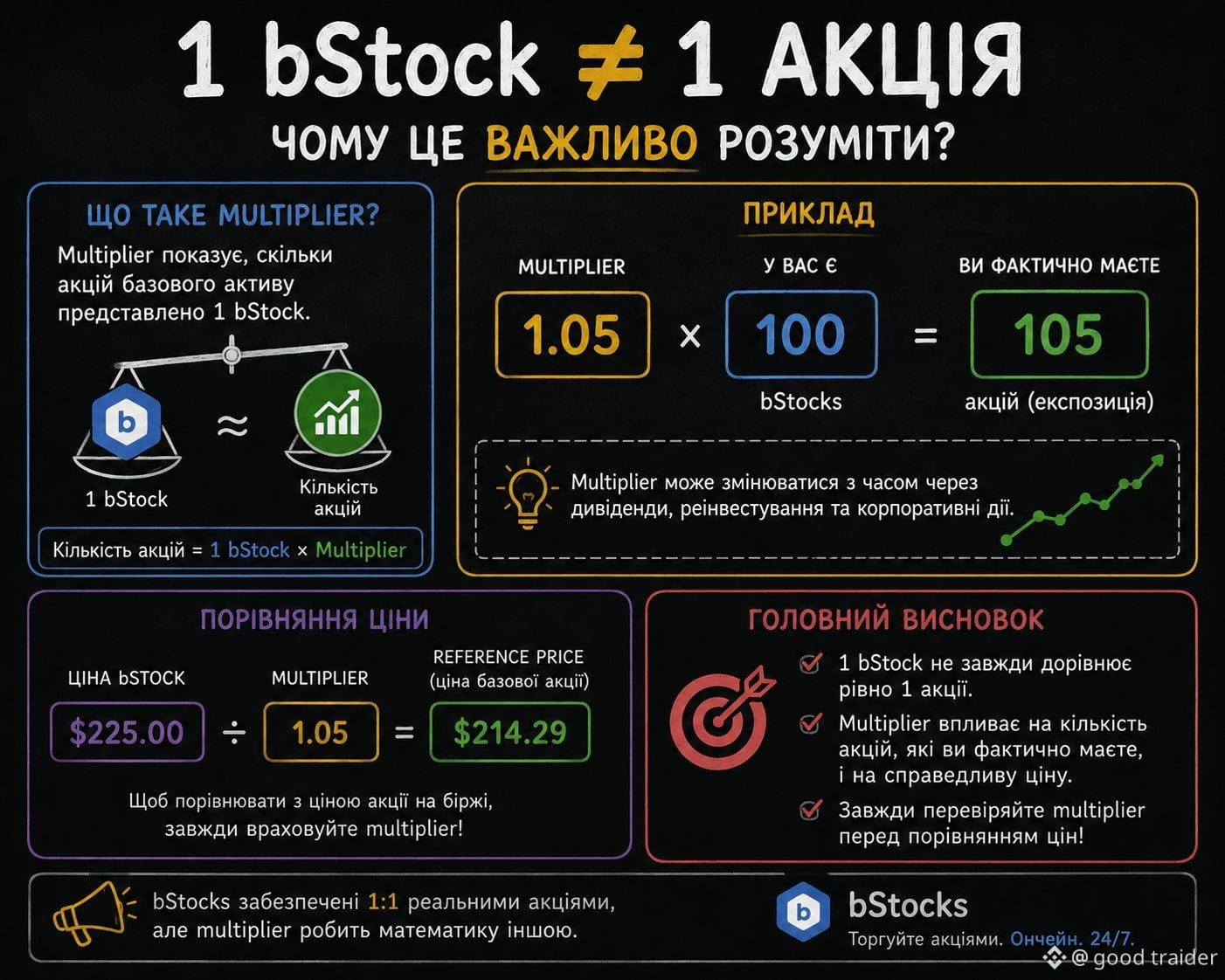
在 bStocks 裏有一個參數叫 Multiplier(乘數)。
例如,如果 Multiplier = 1.05,那麼 1 個代幣實際上相當於基礎資產的 1.05 股。
所以不能直接看:
NVDAB = $225,而 NVIDIA = $225 就一定總是對的。
必須考慮 Multiplier。
在 Binance 上甚至還有專門的公式:
代幣價格 ÷ Multiplier = 參考價格
而且 Multiplier 可能會因爲公司事件和股息再投資而逐步變化。
也就是說,代幣的價格看起來可能幾乎一樣,但它所代表的基礎資產數量已經不一樣了。
文檔裏一個很小的數字,但用來理解 bStocks 卻非常重要 😅
因爲結果會很有意思:
**1 個代幣 ≠ 終身必然等於 1 股。**
你之前有認真看過這個 Multiplier 嗎? 👀
#bStocksCIS @BinanceCIS
#bstockscis 你以爲,1 bStock = 1 股嗎?不總是的 👀
這裏有一個很容易忽略的小細節。
在 bStocks 裏有一個參數叫 Multiplier(乘數)。
例如,如果 Multiplier = 1.05,那麼 1 個代幣實際上相當於基礎資產的 1.05 股。
所以不能直接看:
NVDAB = $225,而 NVIDIA = $225 就一定總是對的。
必須考慮 Multiplier。
在 Binance 上甚至還有專門的公式:
代幣價格 ÷ Multiplier = 參考價格
而且 Multiplier 可能會因爲公司事件和股息再投資而逐步變化。
也就是說,代幣的價格看起來可能幾乎一樣,但它所代表的基礎資產數量已經不一樣了。
文檔裏一個很小的數字,但用來理解 bStocks 卻非常重要 😅
因爲結果會很有意思:
**1 個代幣 ≠ 終身必然等於 1 股。**
你之前有認真看過這個 Multiplier 嗎? 👀
#bStocksCIS @BinanceCIS
這裏有一個很容易忽略的小細節。
在 bStocks 裏有一個參數叫 Multiplier(乘數)。
例如,如果 Multiplier = 1.05,那麼 1 個代幣實際上相當於基礎資產的 1.05 股。
所以不能直接看:
NVDAB = $225,而 NVIDIA = $225 就一定總是對的。
必須考慮 Multiplier。
在 Binance 上甚至還有專門的公式:
代幣價格 ÷ Multiplier = 參考價格
而且 Multiplier 可能會因爲公司事件和股息再投資而逐步變化。
也就是說,代幣的價格看起來可能幾乎一樣,但它所代表的基礎資產數量已經不一樣了。
文檔裏一個很小的數字,但用來理解 bStocks 卻非常重要 😅
因爲結果會很有意思:
**1 個代幣 ≠ 終身必然等於 1 股。**
你之前有認真看過這個 Multiplier 嗎? 👀
#bStocksCIS @BinanceCIS
1
80
·
--
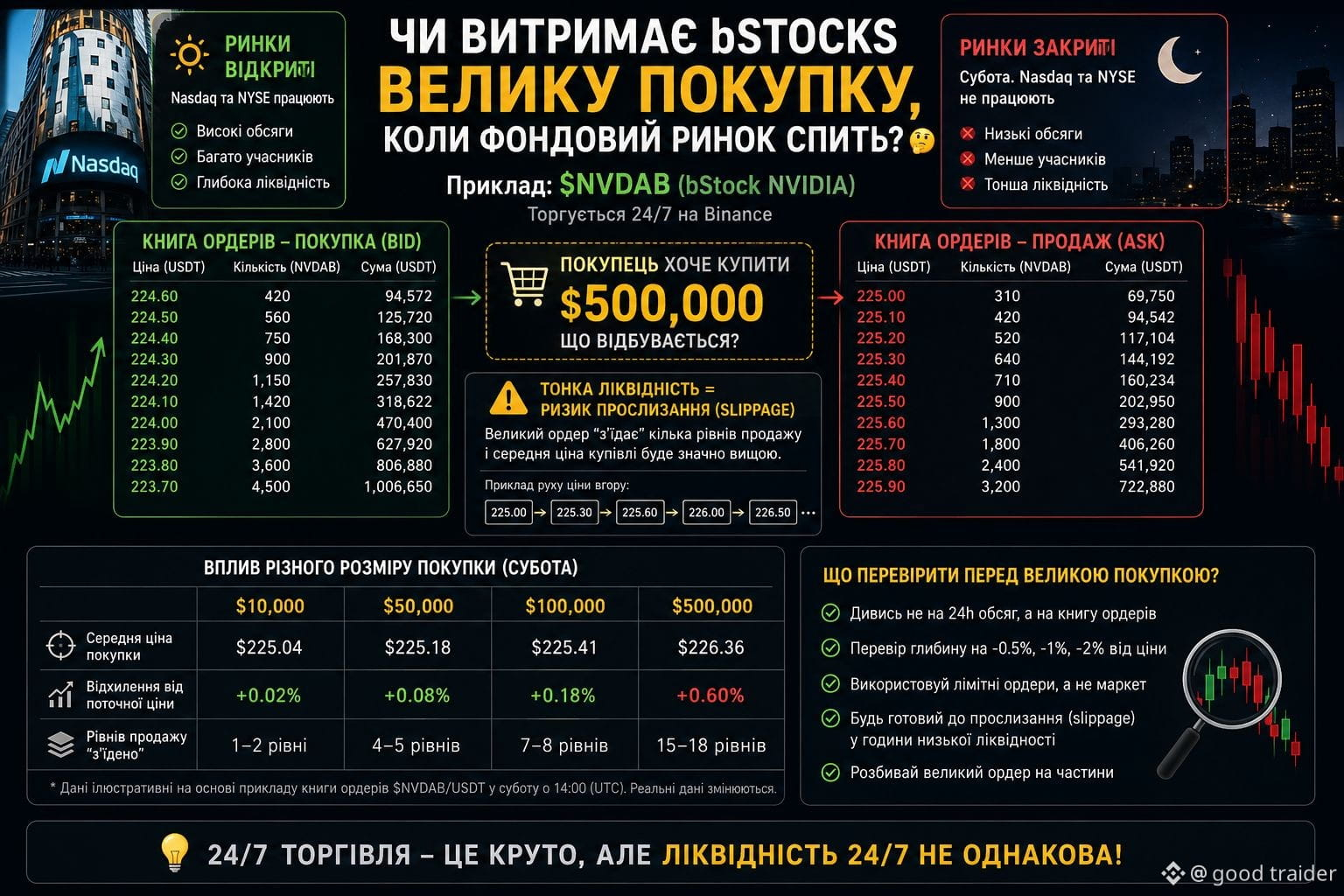
bStocks 在股市睡着的時候,能承受一次大額買入嗎?
白天 Nasdaq 開放——巨大的成交量與深厚的流動性。
現在是週六。Nasdaq 和 NYSE 關閉了,但 $NVDAB 仍在 Binance 上繼續交易。
然後有個買家進場,買入 $500 000。
如果買賣盤比較薄,它會開始“喫掉”這些價位:
$226 → $226.5 → $227 → $228…
結果就是,平均成交價會明顯更高。
所以關鍵點在於:
Volume ≠ Liquidity。
你可以用幾百筆小單去成交 $500K,但可能並沒有足夠的深度,來承接一筆大訂單。
我會看,不是 24h 的成交量,而是訂單簿裏真實掛單:在 -0.5%、-1% 和 -2% 之內,各有多少流動性。
因爲 24/7 交易很酷。但 24/7 流動性,並不等於同樣的流動性。👀
你們會在週六進場 bStock,買入 $100K+ 嗎?
#bStocksCIS @BinanceCIS
bStocks 在股市睡着的時候,能承受一次大額買入嗎?
白天 Nasdaq 開放——巨大的成交量與深厚的流動性。
現在是週六。Nasdaq 和 NYSE 關閉了,但 $NVDAB 仍在 Binance 上繼續交易。
然後有個買家進場,買入 $500 000。
如果買賣盤比較薄,它會開始“喫掉”這些價位:
$226 → $226.5 → $227 → $228…
結果就是,平均成交價會明顯更高。
所以關鍵點在於:
Volume ≠ Liquidity。
你可以用幾百筆小單去成交 $500K,但可能並沒有足夠的深度,來承接一筆大訂單。
我會看,不是 24h 的成交量,而是訂單簿裏真實掛單:在 -0.5%、-1% 和 -2% 之內,各有多少流動性。
因爲 24/7 交易很酷。但 24/7 流動性,並不等於同樣的流動性。👀
你們會在週六進場 bStock,買入 $100K+ 嗎?
#bStocksCIS @BinanceCIS
白天 Nasdaq 開放——巨大的成交量與深厚的流動性。
現在是週六。Nasdaq 和 NYSE 關閉了,但 $NVDAB 仍在 Binance 上繼續交易。
然後有個買家進場,買入 $500 000。
如果買賣盤比較薄,它會開始“喫掉”這些價位:
$226 → $226.5 → $227 → $228…
結果就是,平均成交價會明顯更高。
所以關鍵點在於:
Volume ≠ Liquidity。
你可以用幾百筆小單去成交 $500K,但可能並沒有足夠的深度,來承接一筆大訂單。
我會看,不是 24h 的成交量,而是訂單簿裏真實掛單:在 -0.5%、-1% 和 -2% 之內,各有多少流動性。
因爲 24/7 交易很酷。但 24/7 流動性,並不等於同樣的流動性。👀
你們會在週六進場 bStock,買入 $100K+ 嗎?
#bStocksCIS @BinanceCIS
3
268
·
--
$GRVT——解鎖前還是解鎖後 unlock?
我以約 30 美元、約 0.29 美元的價格進場。
我的下注很簡單:我想在下一個 Community Airdrop 解鎖之前看到一波拉昇,然後實現盈利。
但有個小問題 🤔
如果大家現在都在等解鎖前的拉昇,而做市商反其道而行呢?
先是——解鎖 → 賣壓 → 回撤。
然後——纔會拉昇,當大多數弱手都已經離場。
🎯 我的預測:解鎖前會拉昇。
你們怎麼看?
解鎖前 $GRVT 會高於還是低於 0.29 美元?
把你的預估價格寫在評論裏。我們看看誰猜對了 👇
$GRVT——解鎖前還是解鎖後 unlock?
我以約 30 美元、約 0.29 美元的價格進場。
我的下注很簡單:我想在下一個 Community Airdrop 解鎖之前看到一波拉昇,然後實現盈利。
但有個小問題 🤔
如果大家現在都在等解鎖前的拉昇,而做市商反其道而行呢?
先是——解鎖 → 賣壓 → 回撤。
然後——纔會拉昇,當大多數弱手都已經離場。
🎯 我的預測:解鎖前會拉昇。
你們怎麼看?
解鎖前 $GRVT 會高於還是低於 0.29 美元?
把你的預估價格寫在評論裏。我們看看誰猜對了 👇
我以約 30 美元、約 0.29 美元的價格進場。
我的下注很簡單:我想在下一個 Community Airdrop 解鎖之前看到一波拉昇,然後實現盈利。
但有個小問題 🤔
如果大家現在都在等解鎖前的拉昇,而做市商反其道而行呢?
先是——解鎖 → 賣壓 → 回撤。
然後——纔會拉昇,當大多數弱手都已經離場。
🎯 我的預測:解鎖前會拉昇。
你們怎麼看?
解鎖前 $GRVT 會高於還是低於 0.29 美元?
把你的預估價格寫在評論裏。我們看看誰猜對了 👇
1
1.1k
·
--
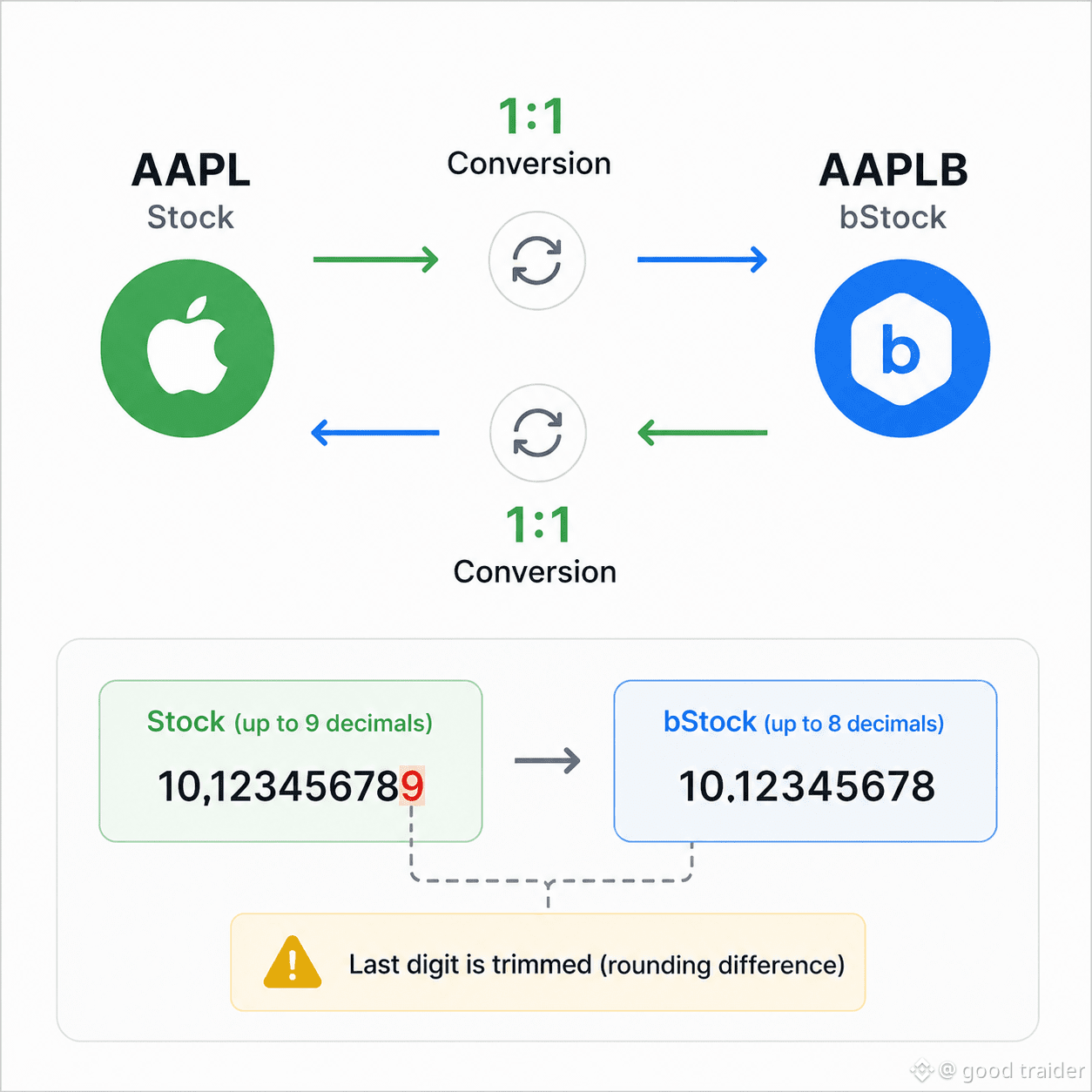
bStocks 裏有個小細節,很容易被忽略 👀
把股票從“股票 → bStock”進行轉換時,並不總是能完美地“精確到最後一位數字”。
爲什麼?
系統中的普通股票可能會在小數點後記錄多達 9 位,而 bStocks 最多支持到 8 位。
例如:
10,123456789 AAPL
↓
10,12345678 AAPLB
最後那一位數字根本不會被帶入到代幣中。
看起來像是幾分錢,但在大額交易量下,這些小差異就會變得更有意思。
不過這並不是隱藏手續費。
Binance 的文檔裏明確把它描述爲 rounding difference——由於記賬精度不同而產生的餘數。
我就喜歡這種細節。
因爲當你看到“1:1 conversion”,很容易以爲那裏根本沒有任何技術層面的細節。
但其實有 😅
#bStocksCIS @BinanceCIS
bStocks 裏有個小細節,很容易被忽略 👀
把股票從“股票 → bStock”進行轉換時,並不總是能完美地“精確到最後一位數字”。
爲什麼?
系統中的普通股票可能會在小數點後記錄多達 9 位,而 bStocks 最多支持到 8 位。
例如:
10,123456789 AAPL
↓
10,12345678 AAPLB
最後那一位數字根本不會被帶入到代幣中。
看起來像是幾分錢,但在大額交易量下,這些小差異就會變得更有意思。
不過這並不是隱藏手續費。
Binance 的文檔裏明確把它描述爲 rounding difference——由於記賬精度不同而產生的餘數。
我就喜歡這種細節。
因爲當你看到“1:1 conversion”,很容易以爲那裏根本沒有任何技術層面的細節。
但其實有 😅
#bStocksCIS @BinanceCIS
把股票從“股票 → bStock”進行轉換時,並不總是能完美地“精確到最後一位數字”。
爲什麼?
系統中的普通股票可能會在小數點後記錄多達 9 位,而 bStocks 最多支持到 8 位。
例如:
10,123456789 AAPL
↓
10,12345678 AAPLB
最後那一位數字根本不會被帶入到代幣中。
看起來像是幾分錢,但在大額交易量下,這些小差異就會變得更有意思。
不過這並不是隱藏手續費。
Binance 的文檔裏明確把它描述爲 rounding difference——由於記賬精度不同而產生的餘數。
我就喜歡這種細節。
因爲當你看到“1:1 conversion”,很容易以爲那裏根本沒有任何技術層面的細節。
但其實有 😅
#bStocksCIS @BinanceCIS
57
·
--
#bstockscis
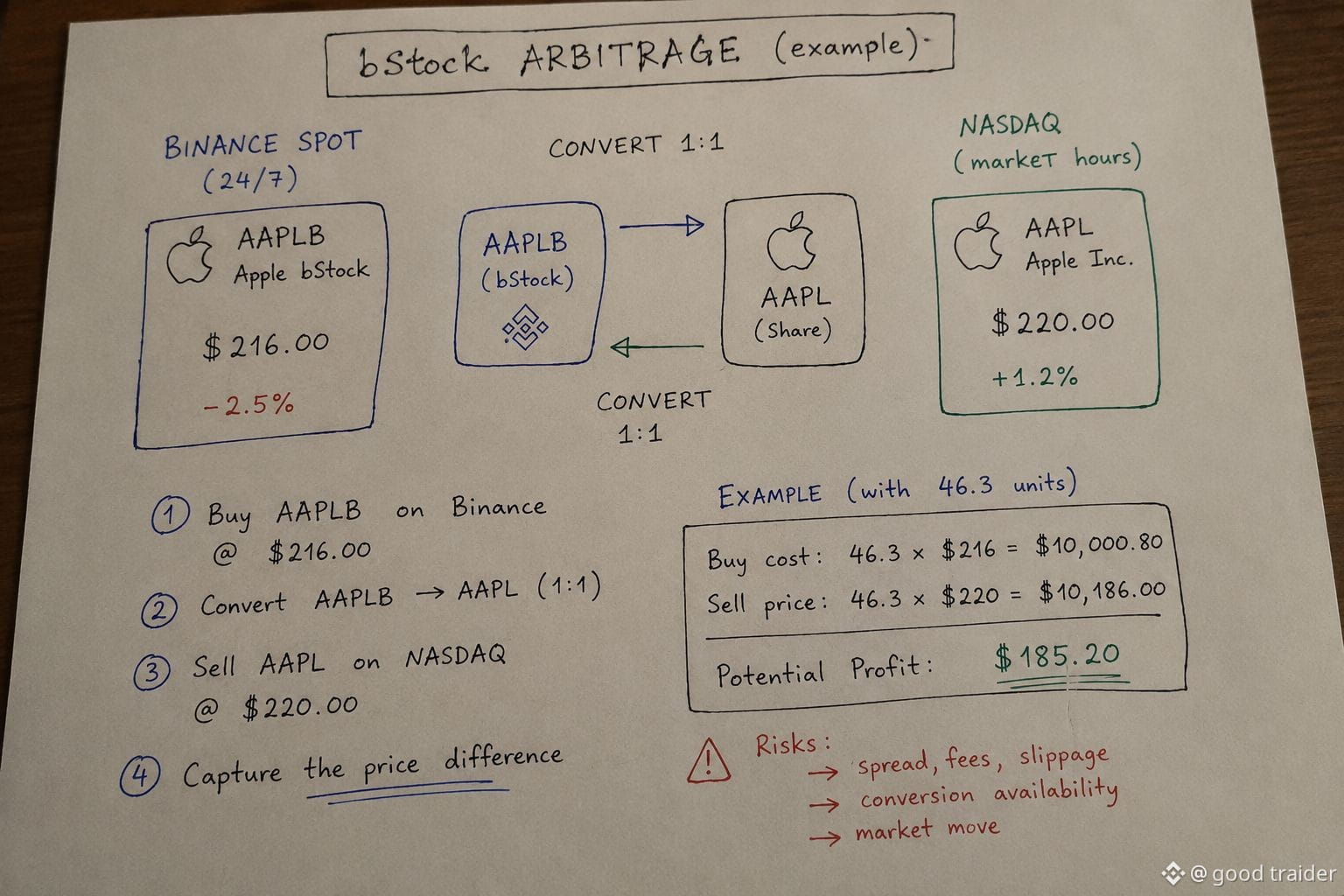
那如果 bStock 暫時比真實股票更便宜呢?👀
來想一個簡單的場景。
Apple 在股票市場上是 220 美元,而 $AAPLB 在 Binance 現貨上因爲大幅拋售而跌到 216 美元。差價——將近 1.8%。
可能的情景:
1️⃣ 在現貨上買入 $AAPLB
比如用 10,000 美元。大約能拿到 46.3 AAPLB。
2️⃣ 將 AAPLB 轉換爲 AAPL
如果轉換可用,bStock 可以按 1:1 的比例兌換成對應的股票。
3️⃣ 賣出 AAPL
46.3 × 220 美元 ≈ 10,186 美元。
扣除成本後大約是 +186 美元。
思路很簡單:買得更便宜 → 1:1 轉換 → 再以更高價格賣出。
但套利並不是“無風險的錢”。價差可能消失、流動性可能不夠、轉換可能不可用,而且還有手續費和滑點。
所以我不會只看 216 美元 vs 220 美元,而是看:
價差 − 手續費 − 滑點 − 執行風險。
如果算完後仍有緩衝空間——機會就會變得有意思。
正是在這裏,bStocks 可能會很有趣:股票市場和加密市場能夠爲同一經濟資產製造短暫的價格偏離。
但只有一個問題:
你能否在別人之前先把差價喫掉?😏
@BinanceCIS
#bstockscis
那如果 bStock 暫時比真實股票更便宜呢?👀
來想一個簡單的場景。
Apple 在股票市場上是 220 美元,而 $AAPLB 在 Binance 現貨上因爲大幅拋售而跌到 216 美元。差價——將近 1.8%。
可能的情景:
1️⃣ 在現貨上買入 $AAPLB
比如用 10,000 美元。大約能拿到 46.3 AAPLB。
2️⃣ 將 AAPLB 轉換爲 AAPL
如果轉換可用,bStock 可以按 1:1 的比例兌換成對應的股票。
3️⃣ 賣出 AAPL
46.3 × 220 美元 ≈ 10,186 美元。
扣除成本後大約是 +186 美元。
思路很簡單:買得更便宜 → 1:1 轉換 → 再以更高價格賣出。
但套利並不是“無風險的錢”。價差可能消失、流動性可能不夠、轉換可能不可用,而且還有手續費和滑點。
所以我不會只看 216 美元 vs 220 美元,而是看:
價差 − 手續費 − 滑點 − 執行風險。
如果算完後仍有緩衝空間——機會就會變得有意思。
正是在這裏,bStocks 可能會很有趣:股票市場和加密市場能夠爲同一經濟資產製造短暫的價格偏離。
但只有一個問題:
你能否在別人之前先把差價喫掉?😏
@BinanceCIS
那如果 bStock 暫時比真實股票更便宜呢?👀
來想一個簡單的場景。
Apple 在股票市場上是 220 美元,而 $AAPLB 在 Binance 現貨上因爲大幅拋售而跌到 216 美元。差價——將近 1.8%。
可能的情景:
1️⃣ 在現貨上買入 $AAPLB
比如用 10,000 美元。大約能拿到 46.3 AAPLB。
2️⃣ 將 AAPLB 轉換爲 AAPL
如果轉換可用,bStock 可以按 1:1 的比例兌換成對應的股票。
3️⃣ 賣出 AAPL
46.3 × 220 美元 ≈ 10,186 美元。
扣除成本後大約是 +186 美元。
思路很簡單:買得更便宜 → 1:1 轉換 → 再以更高價格賣出。
但套利並不是“無風險的錢”。價差可能消失、流動性可能不夠、轉換可能不可用,而且還有手續費和滑點。
所以我不會只看 216 美元 vs 220 美元,而是看:
價差 − 手續費 − 滑點 − 執行風險。
如果算完後仍有緩衝空間——機會就會變得有意思。
正是在這裏,bStocks 可能會很有趣:股票市場和加密市場能夠爲同一經濟資產製造短暫的價格偏離。
但只有一個問題:
你能否在別人之前先把差價喫掉?😏
@BinanceCIS
68
·
--
真實
#bStocksCIS
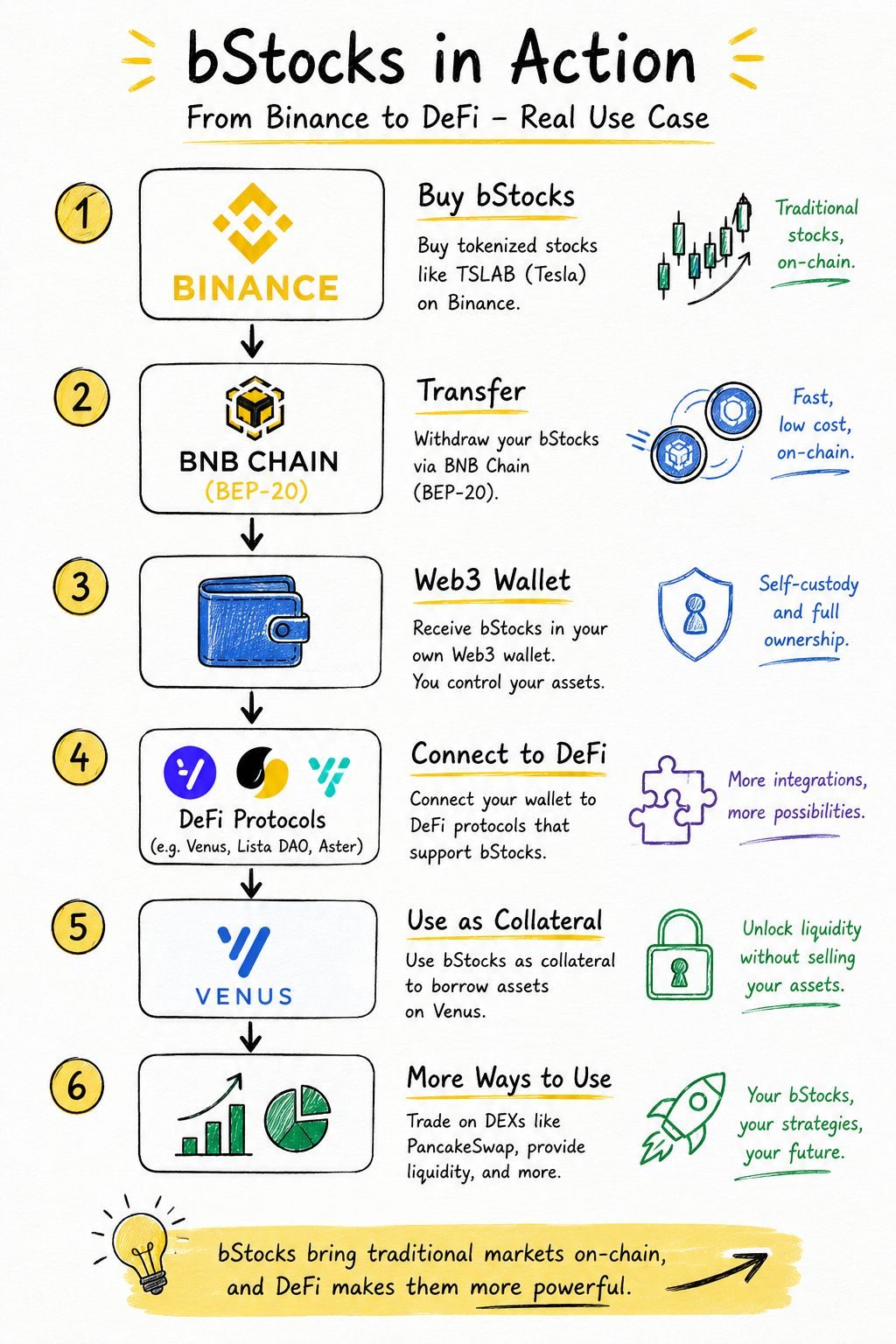
bStocks — 不僅僅是買入和持有
我們大多數人習慣了這樣的理解:買入股票之後,它們就只是繼續留在經紀賬戶裏。
而在 bStocks 的情況下,可能會有更多機會。
例如:
- 我在 Binance 上購買 $TSLAB 。
- 通過 BNB Chain(BEP-20)網絡,將資產轉移到自己的 Web3 錢包,或 Trust Wallet。
- 將錢包連接到支持 bStocks 的 DeFi 協議,例如 Venus,在那裏代幣化的股票可以作爲抵押品(collateral)使用。
對我來說,這是一個很有意思的例子,展示傳統金融工具如何逐步成爲 Web3 生態的一部分。
我認爲,正是這些場景體現了代幣化資產的主要優勢——它們不僅可以被保存在投資組合中,還可以在區塊鏈生態中使用。
你會使用這種可能性嗎,還是更偏好經典的持有方式?
@BinanceCIS
#bStocksCIS
bStocks — 不僅僅是買入和持有
我們大多數人習慣了這樣的理解:買入股票之後,它們就只是繼續留在經紀賬戶裏。
而在 bStocks 的情況下,可能會有更多機會。
例如:
- 我在 Binance 上購買 $TSLAB 。
- 通過 BNB Chain(BEP-20)網絡,將資產轉移到自己的 Web3 錢包,或 Trust Wallet。
- 將錢包連接到支持 bStocks 的 DeFi 協議,例如 Venus,在那裏代幣化的股票可以作爲抵押品(collateral)使用。
對我來說,這是一個很有意思的例子,展示傳統金融工具如何逐步成爲 Web3 生態的一部分。
我認爲,正是這些場景體現了代幣化資產的主要優勢——它們不僅可以被保存在投資組合中,還可以在區塊鏈生態中使用。
你會使用這種可能性嗎,還是更偏好經典的持有方式?
@BinanceCIS
bStocks — 不僅僅是買入和持有
我們大多數人習慣了這樣的理解:買入股票之後,它們就只是繼續留在經紀賬戶裏。
而在 bStocks 的情況下,可能會有更多機會。
例如:
- 我在 Binance 上購買 $TSLAB 。
- 通過 BNB Chain(BEP-20)網絡,將資產轉移到自己的 Web3 錢包,或 Trust Wallet。
- 將錢包連接到支持 bStocks 的 DeFi 協議,例如 Venus,在那裏代幣化的股票可以作爲抵押品(collateral)使用。
對我來說,這是一個很有意思的例子,展示傳統金融工具如何逐步成爲 Web3 生態的一部分。
我認爲,正是這些場景體現了代幣化資產的主要優勢——它們不僅可以被保存在投資組合中,還可以在區塊鏈生態中使用。
你會使用這種可能性嗎,還是更偏好經典的持有方式?
@BinanceCIS
96
登入以探索更多內容
加入幣安廣場中的全球加密貨幣用戶
⚡️ 獲取加密貨幣的最新和實用資訊。
💬 受到全球最大加密貨幣交易所的信任。
👍 發掘來自經過驗證創作者的真實見解。
電子郵件 / 電話號碼
熱門話題
美联储加息是否已成定局
740,078 次瀏覽
2,045 討論中
快問快答!參與發佈熱門話題贏流量
✨本期話題: 美聯儲利率決議發佈在即,加息已成定局?
👉參與方式:
發佈短文或是長文並帶主話題 #美联储加息是否已成定局
內容正文建議包含你對熱門話題的個人觀點或分析,如:
- 簡單聊下:8月核心CPI環比升0.3%,市場對本週加息25個基點的押注逼近九成,你認爲美聯儲會在本週宣佈加息麼?是一次加息還是多次加息的起點?
- 加息一旦落地,將如何影響BTC、科技股和黃金的後續走勢?你是看多還是看空?
- 你將如何調整你的交易/持倉策略?請使用曬單卡片曬出你的BTC、科技股、黃金交易/持倉。
⏰本期開放投稿時間:
- 2026年9月15日 19:00 - 2026年9月17日11:00 (東八區時間)
🎁活動獎勵:
- 流量扶持:符合活動要求且被評選上的優質內容,隨機獲得500 - 3000流量扶持激勵(最少發佈100字,按以上方向發佈的帖文被選上的機會更大哦, 獲得流量激勵的帖文作者將收到小祕書通知)
- 官方曝光:評選上的優質內容將有機會被官方賬號推薦
獲取內容發佈靈感,請參考話題頁#美联储加息是否已成定局 或廣場内容流量诊断清单
币安广场
·330 人按讚
·452.9k 次瀏覽
阿根廷承诺2029年采用OECD加密报告框架
0 次瀏覽
20 討論中
以太坊跌破2400美元
26,628 次瀏覽
166 討論中