
GEMINI
1.1k 貼文

GEMINI
舉報
封鎖用戶
I'm just an immature trader and a crypto lover 👋
79 關注
173 粉絲
272 點讚數
貼文
全部
引用
影片
直播
·
--
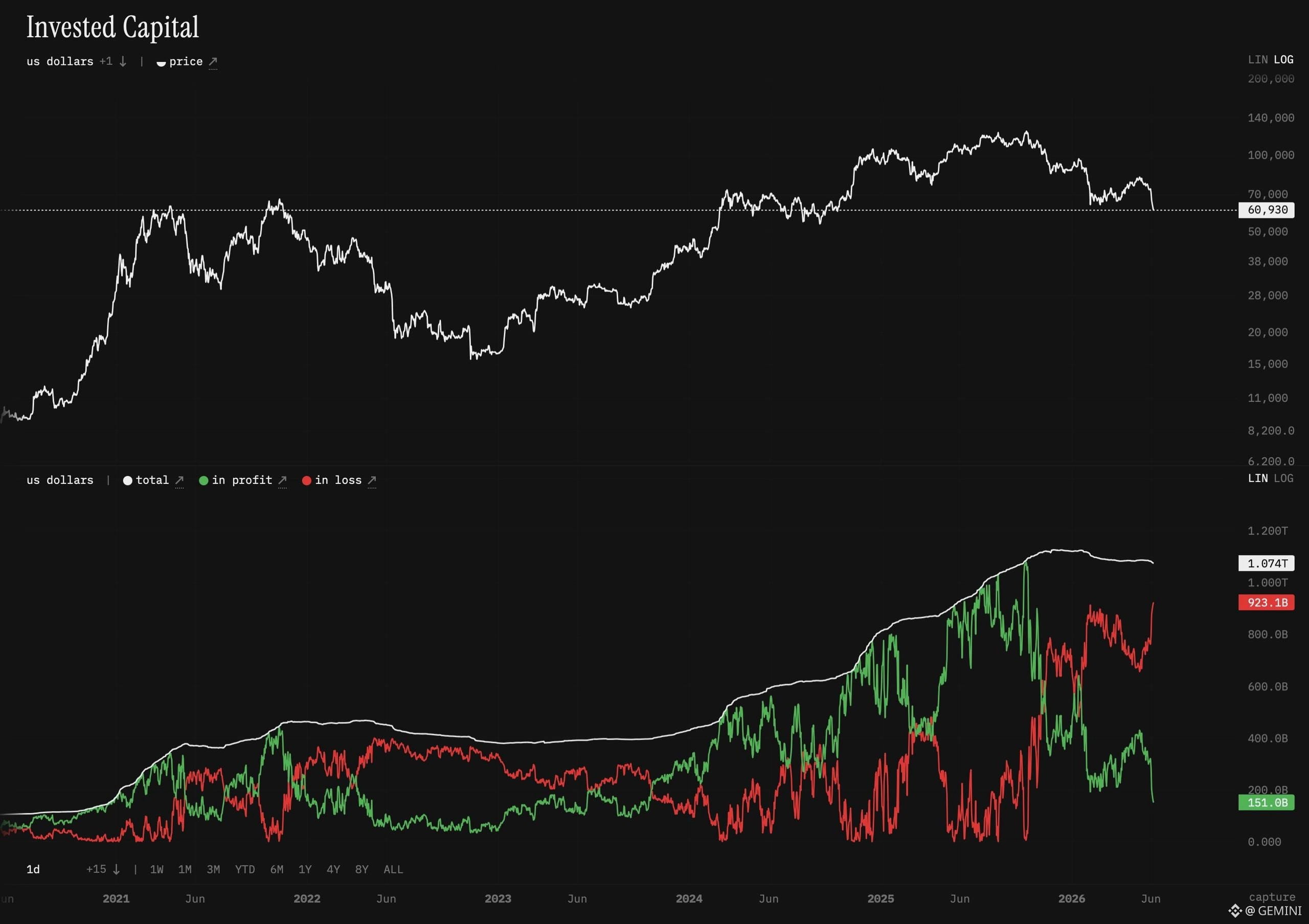
很多人預測比特幣會漲到$40k #Bitcoin ,他們可能會被證明是對的。同時,重要的是要認識到市場目前的狀態。使用基於九個獨立錨點的均值迴歸模型,包括技術指標、鏈上數據、趨勢信號以及短期和長期均值,目前的水平大致代表着一個Q0.4事件。
這將這個區間置於一個統計上更極端的區域,比特幣在2011年低於$2的交易情況更爲嚴重。價格會進一步下跌嗎?當然可以。市場總是比預期的更具彈性。但從歷史來看,這種情況下往往標誌着機會區域,而不是最聰明的恐慌之地。恐懼聲越大,背景信息就越重要。
很多人預測比特幣會漲到$40k #Bitcoin ,他們可能會被證明是對的。同時,重要的是要認識到市場目前的狀態。使用基於九個獨立錨點的均值迴歸模型,包括技術指標、鏈上數據、趨勢信號以及短期和長期均值,目前的水平大致代表着一個Q0.4事件。
這將這個區間置於一個統計上更極端的區域,比特幣在2011年低於$2的交易情況更爲嚴重。價格會進一步下跌嗎?當然可以。市場總是比預期的更具彈性。但從歷史來看,這種情況下往往標誌着機會區域,而不是最聰明的恐慌之地。恐懼聲越大,背景信息就越重要。
這將這個區間置於一個統計上更極端的區域,比特幣在2011年低於$2的交易情況更爲嚴重。價格會進一步下跌嗎?當然可以。市場總是比預期的更具彈性。但從歷史來看,這種情況下往往標誌着機會區域,而不是最聰明的恐慌之地。恐懼聲越大,背景信息就越重要。
55
·
--
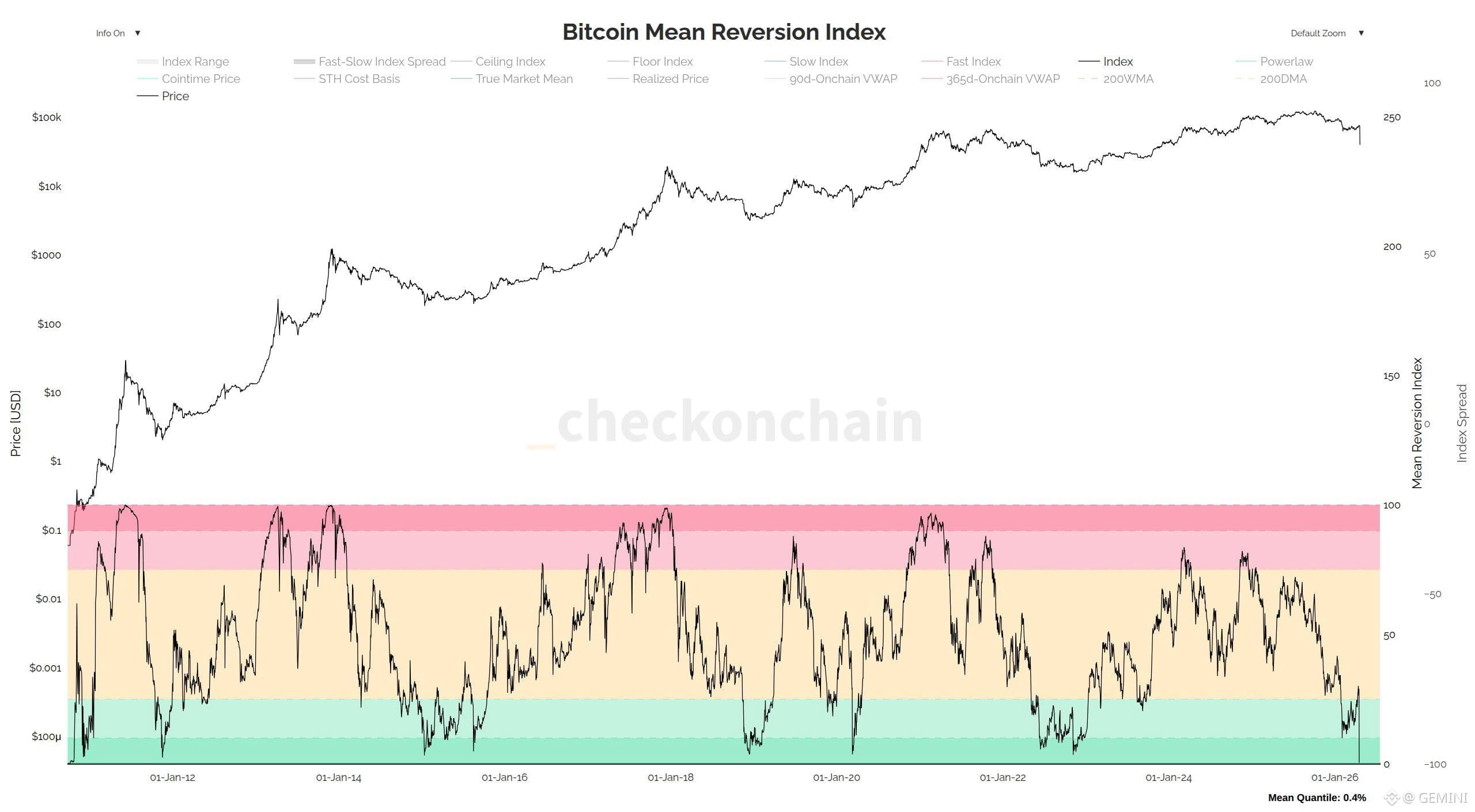
自2025年9月以來,#Bitcoin 市場的流動性下降了近50%,市場深度明顯收縮。由於參與者減少和交易活動降低,訂單簿變得更薄,使得價格對突發的買入或賣出壓力更加敏感。因此,交易者可能會在當前市場環境中經歷更高的波動性和更不可預測的價格行爲...
自2025年9月以來,#Bitcoin 市場的流動性下降了近50%,市場深度明顯收縮。由於參與者減少和交易活動降低,訂單簿變得更薄,使得價格對突發的買入或賣出壓力更加敏感。因此,交易者可能會在當前市場環境中經歷更高的波動性和更不可預測的價格行爲...
19
·
--
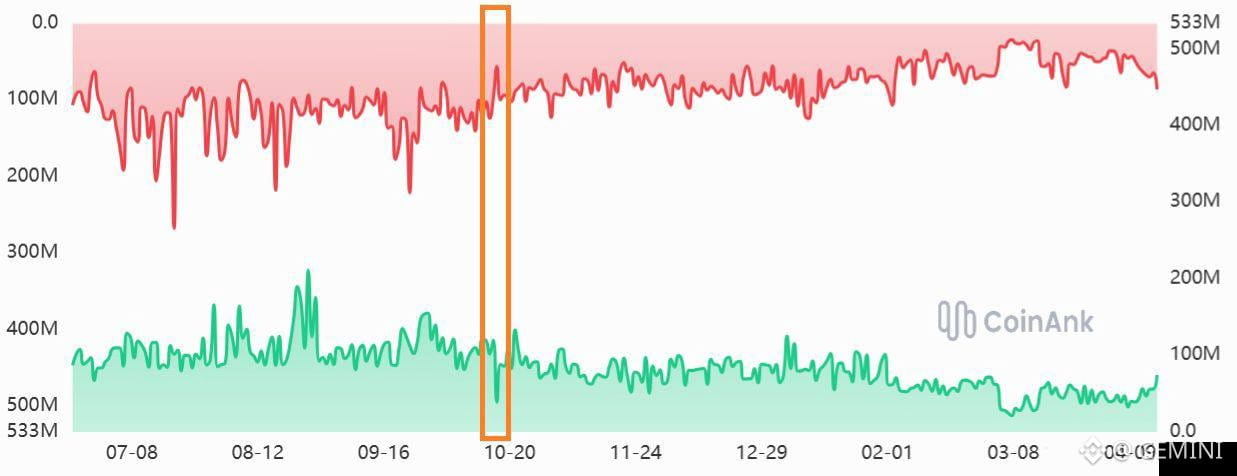
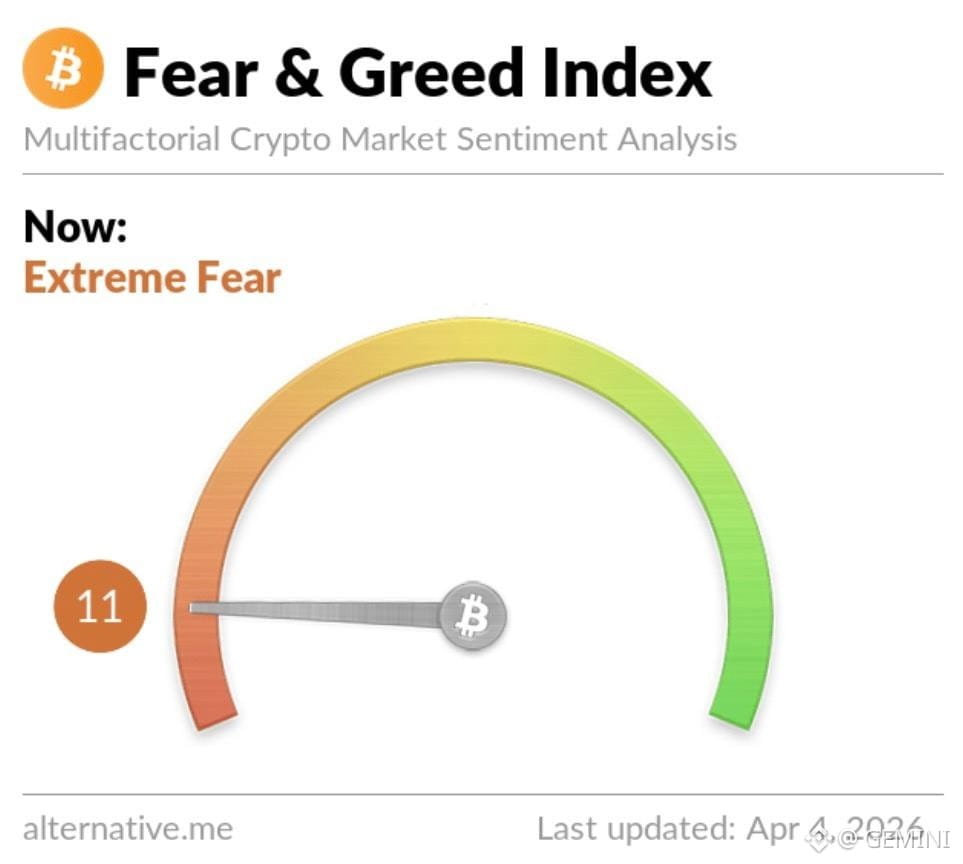
市場目前處於一個敏感的位置,#Bitcoin 在$65K-$70K的緊密區間內交易,這一局面受到負伽馬條件的影響。在這種情況下,交易商對衝往往會放大價格波動,使得價格走勢更加反應敏捷,通常比平常更劇烈。一個阻力區正在$72K附近形成,這可能會限制上漲,除非強勁的買盤壓力突破。
在下方,支撐顯得相對薄弱,增加了如果買家失去力量時更快下跌的風險。總體來看,這個區間看起來不會長期穩定。從這裏的突破或破位可能會導致加速的價格走勢,而不是漸進的趨勢。
市場目前處於一個敏感的位置,#Bitcoin 在$65K-$70K的緊密區間內交易,這一局面受到負伽馬條件的影響。在這種情況下,交易商對衝往往會放大價格波動,使得價格走勢更加反應敏捷,通常比平常更劇烈。一個阻力區正在$72K附近形成,這可能會限制上漲,除非強勁的買盤壓力突破。
在下方,支撐顯得相對薄弱,增加了如果買家失去力量時更快下跌的風險。總體來看,這個區間看起來不會長期穩定。從這裏的突破或破位可能會導致加速的價格走勢,而不是漸進的趨勢。
在下方,支撐顯得相對薄弱,增加了如果買家失去力量時更快下跌的風險。總體來看,這個區間看起來不會長期穩定。從這裏的突破或破位可能會導致加速的價格走勢,而不是漸進的趨勢。
1
1
102
·
--
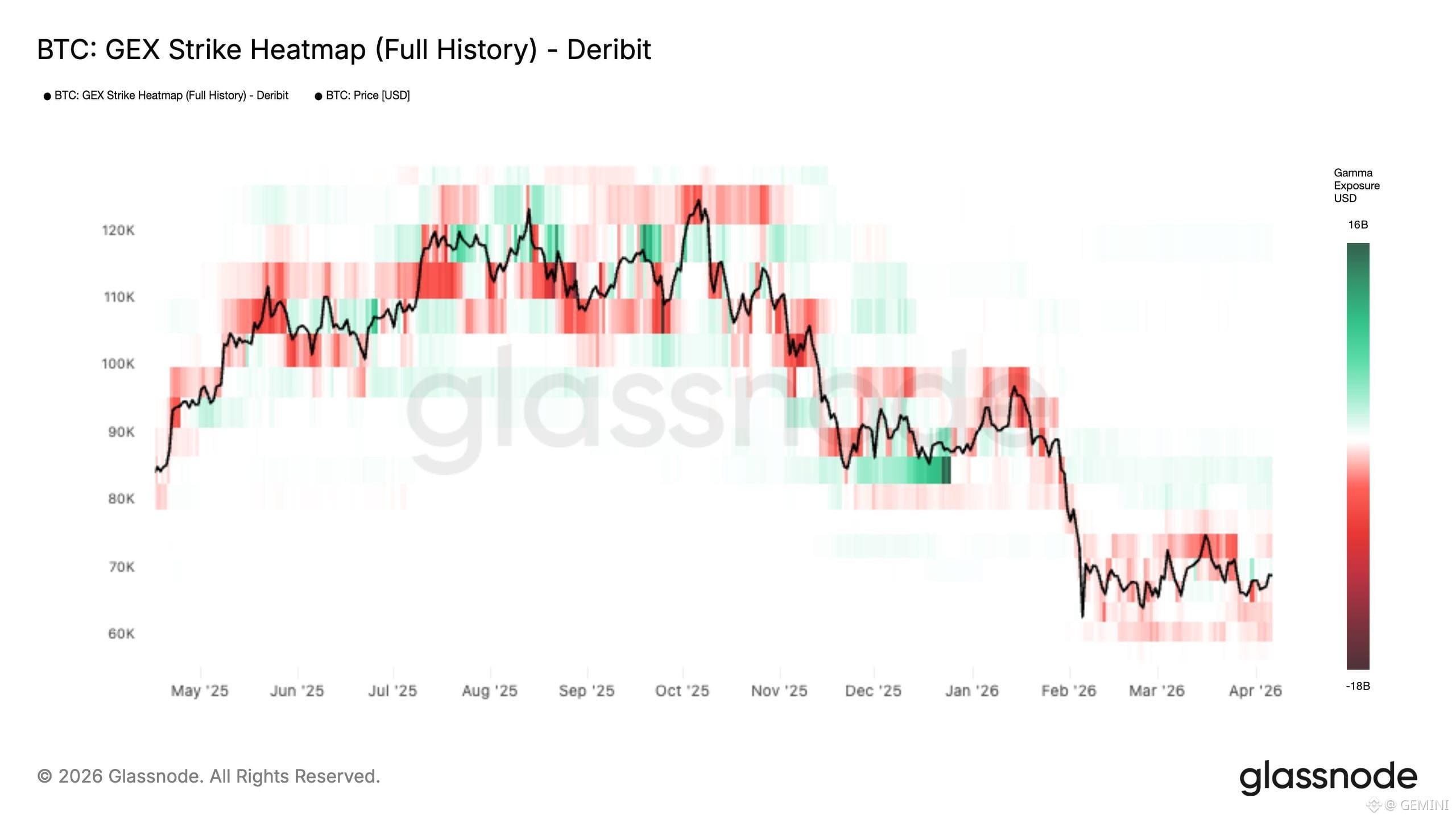
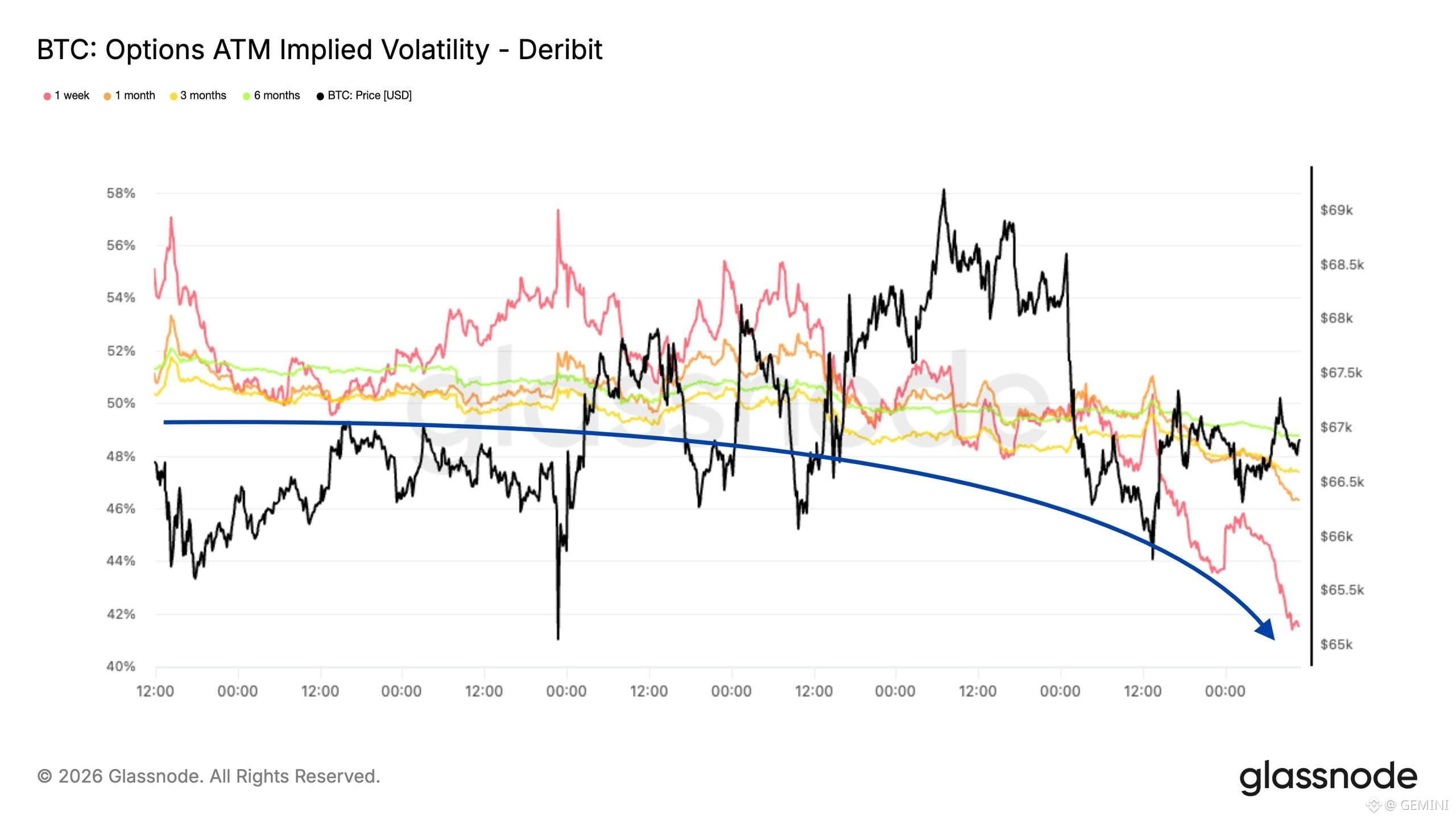
隱含波動率在整個曲線上有所緩解,主要是由於前端的急劇下降。1週期的利率已下降至約41.5%,這是自1月底以來的最低點,而較長期限的利率現在緊密集中在46%和48%之間,導致曲線更加平坦。市場正在降低對近期催化劑的預期。
短期選項需求減弱,表明交易者對即時風險或突然波動的關注減少。同時,短期和長期利率之間的利差收緊,顯示出不確定性的分佈更加均勻。市場似乎並沒有將風險集中在短期內,而是在觀望模式中,採取更加審慎和不那麼反應迅速的態度。
隱含波動率在整個曲線上有所緩解,主要是由於前端的急劇下降。1週期的利率已下降至約41.5%,這是自1月底以來的最低點,而較長期限的利率現在緊密集中在46%和48%之間,導致曲線更加平坦。市場正在降低對近期催化劑的預期。
短期選項需求減弱,表明交易者對即時風險或突然波動的關注減少。同時,短期和長期利率之間的利差收緊,顯示出不確定性的分佈更加均勻。市場似乎並沒有將風險集中在短期內,而是在觀望模式中,採取更加審慎和不那麼反應迅速的態度。
短期選項需求減弱,表明交易者對即時風險或突然波動的關注減少。同時,短期和長期利率之間的利差收緊,顯示出不確定性的分佈更加均勻。市場似乎並沒有將風險集中在短期內,而是在觀望模式中,採取更加審慎和不那麼反應迅速的態度。
25
·
--
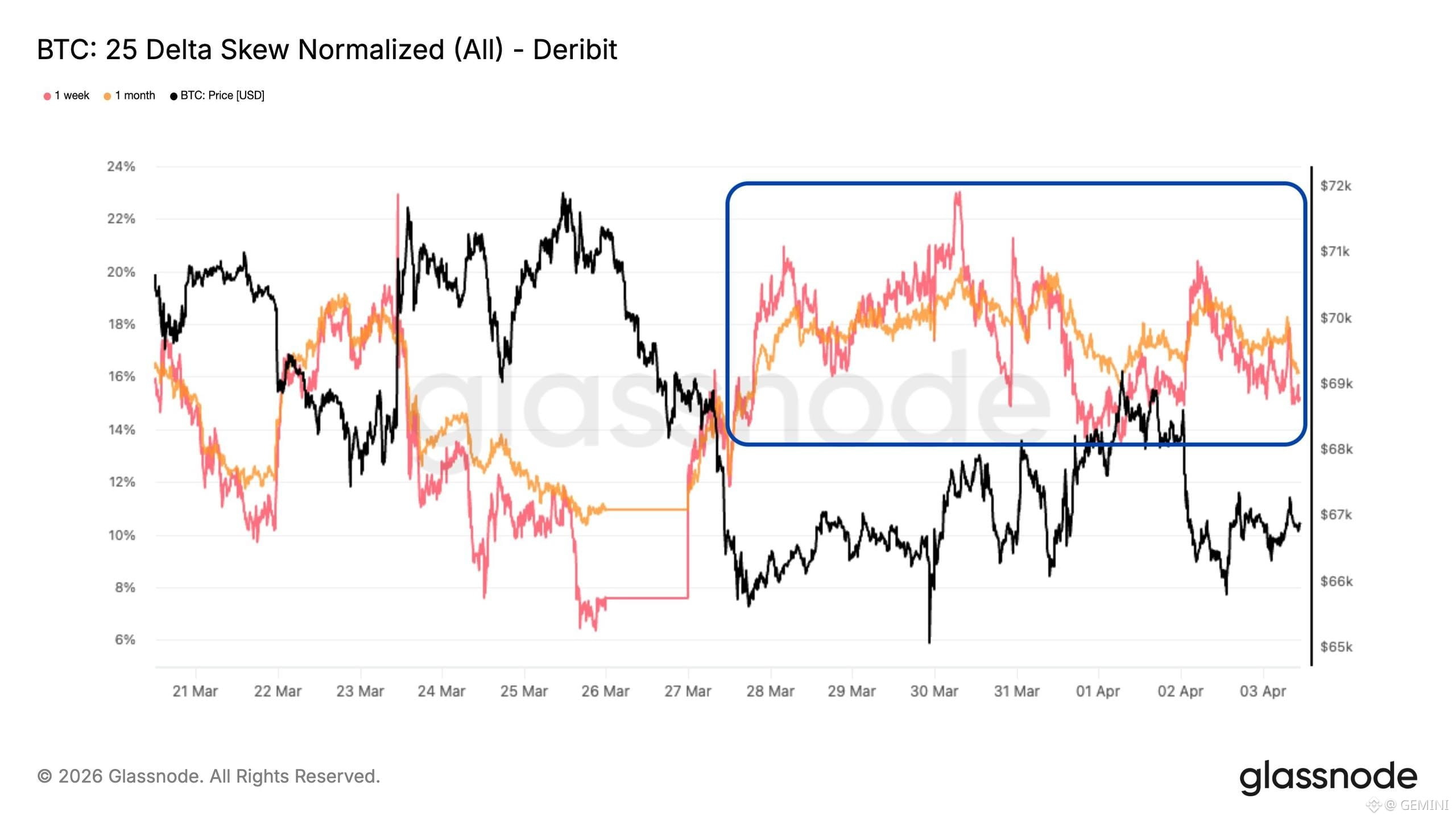
對下行保護的需求仍然強勁,曲線的傾斜度相較於上週保持在高位。1W和1M期限仍然徘徊在15-16%左右,突顯了即使整體波動性趨勢下降,參與者對下行對衝的一致興趣。
這種局勢指向謹慎的市場基調。儘管最近波動性有所降溫,參與者仍在積極防範潛在的下行風險,信心尚未完全恢復,市場仍然保持防禦性佈局。
對下行保護的需求仍然強勁,曲線的傾斜度相較於上週保持在高位。1W和1M期限仍然徘徊在15-16%左右,突顯了即使整體波動性趨勢下降,參與者對下行對衝的一致興趣。
這種局勢指向謹慎的市場基調。儘管最近波動性有所降溫,參與者仍在積極防範潛在的下行風險,信心尚未完全恢復,市場仍然保持防禦性佈局。
這種局勢指向謹慎的市場基調。儘管最近波動性有所降溫,參與者仍在積極防範潛在的下行風險,信心尚未完全恢復,市場仍然保持防禦性佈局。
12
·
--
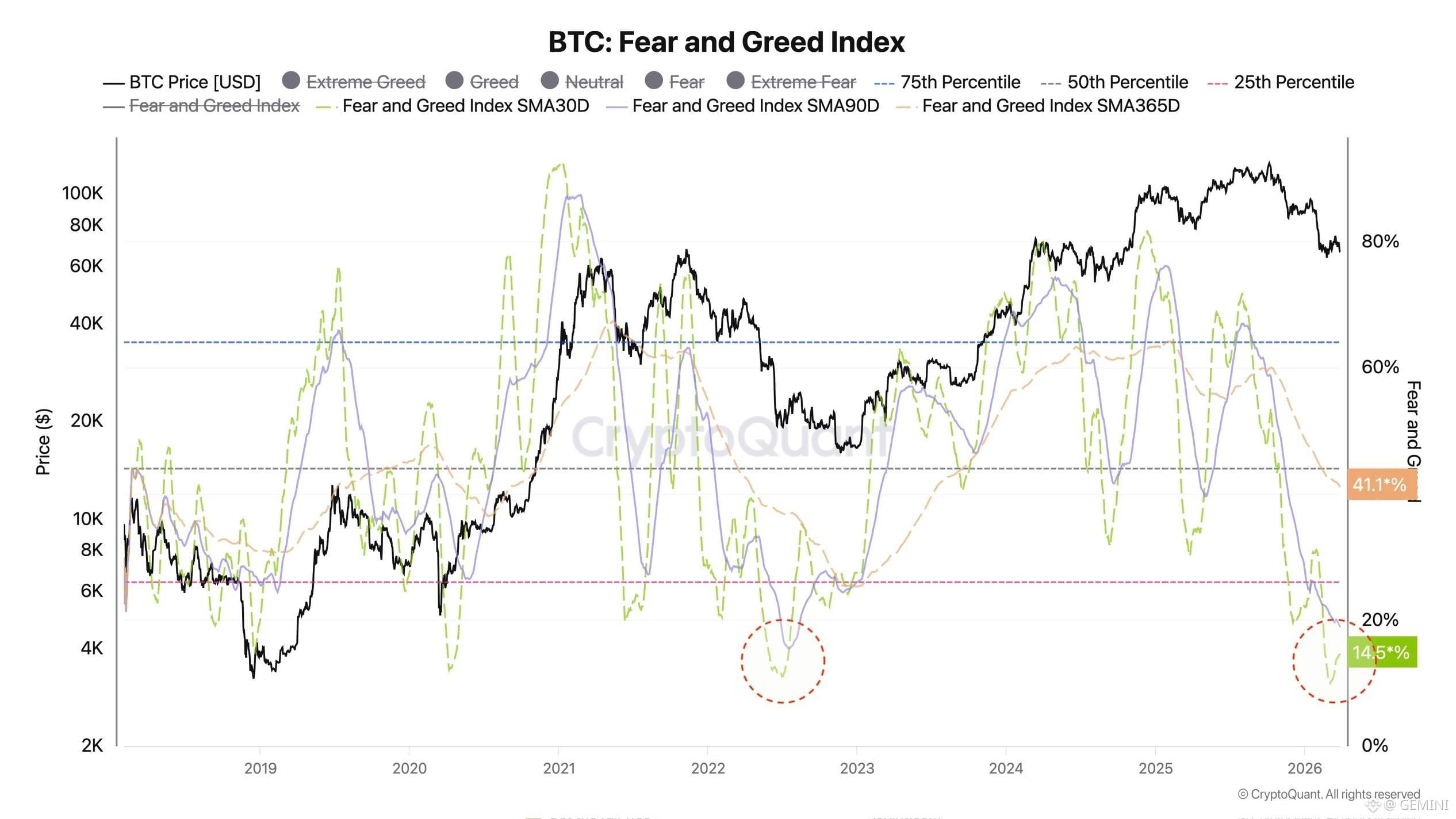
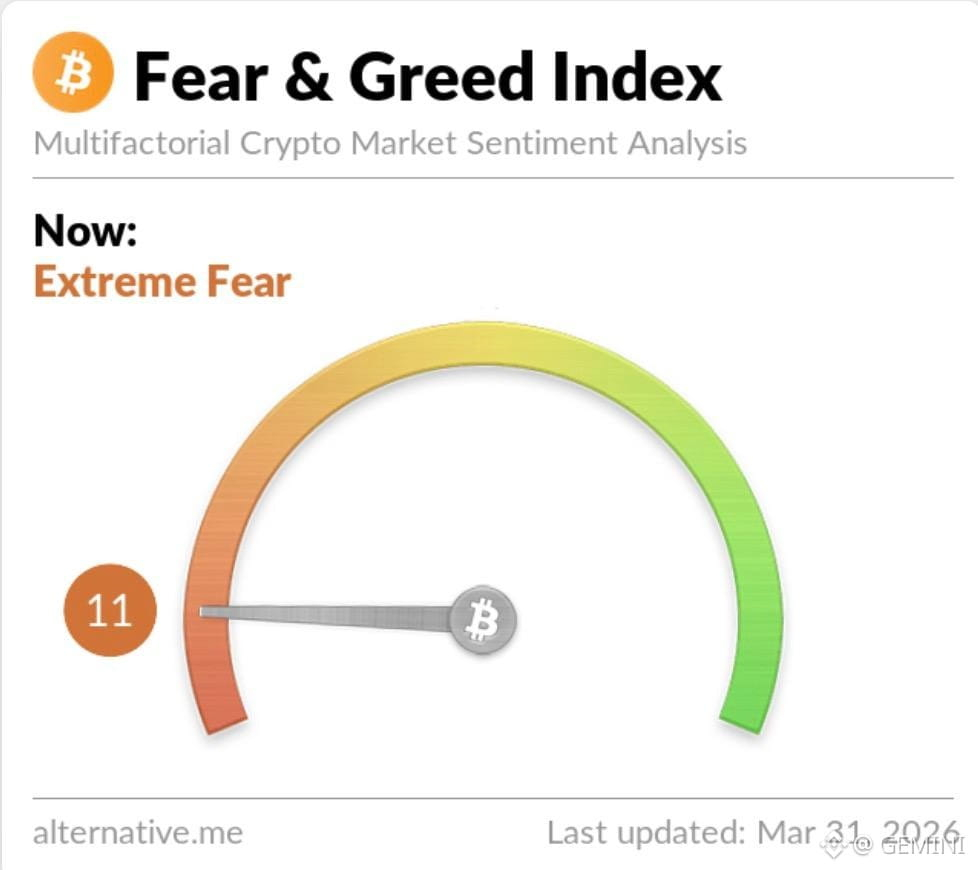
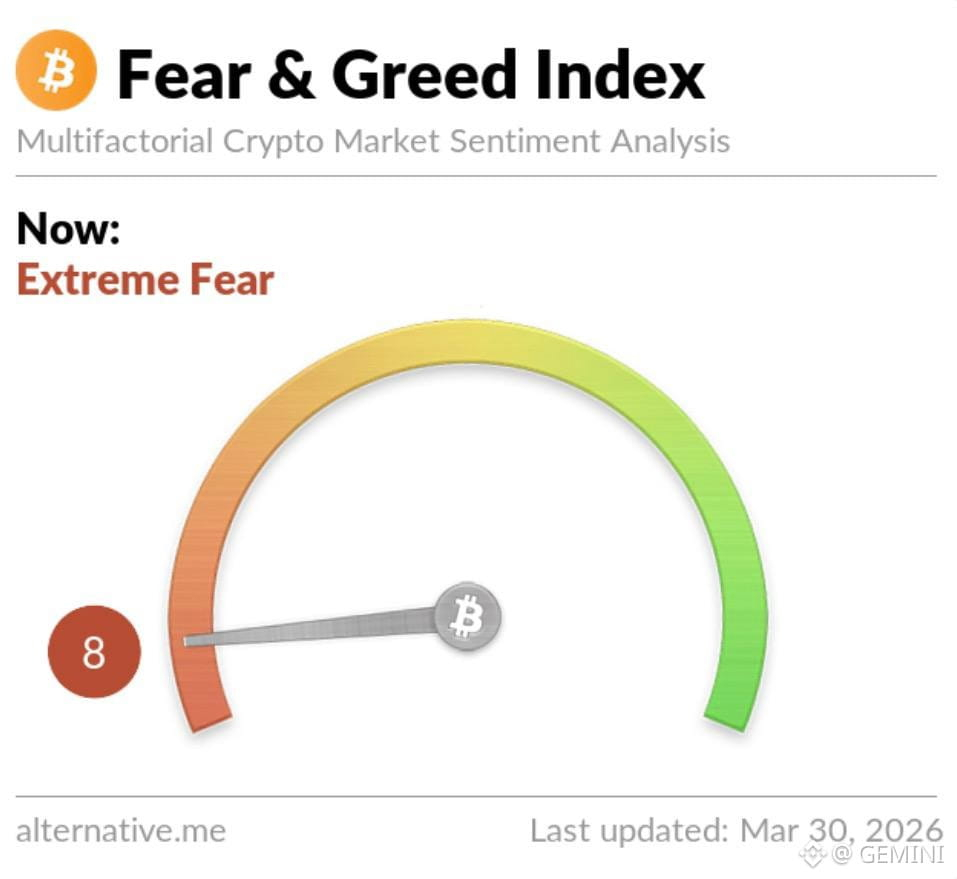
市場情緒開始與我們在2022年看到的模式相呼應,恐懼與貪婪指數緩慢傾向於恐懼。然而,365日移動平均線仍然處於相對高位,這表明全面的熊市重置尚未發生。
雖然短期信心正在減弱,但更廣泛的趨勢尚未完全冷卻。市場中仍然存在一些殘餘的樂觀情緒,直到這些情緒被清除,稱其爲完全重置將爲時尚早。簡單來說,市場顯示出早期疲軟的跡象,但尚未經歷通常標誌着週期結束的深度重置。
市場情緒開始與我們在2022年看到的模式相呼應,恐懼與貪婪指數緩慢傾向於恐懼。然而,365日移動平均線仍然處於相對高位,這表明全面的熊市重置尚未發生。
雖然短期信心正在減弱,但更廣泛的趨勢尚未完全冷卻。市場中仍然存在一些殘餘的樂觀情緒,直到這些情緒被清除,稱其爲完全重置將爲時尚早。簡單來說,市場顯示出早期疲軟的跡象,但尚未經歷通常標誌着週期結束的深度重置。
雖然短期信心正在減弱,但更廣泛的趨勢尚未完全冷卻。市場中仍然存在一些殘餘的樂觀情緒,直到這些情緒被清除,稱其爲完全重置將爲時尚早。簡單來說,市場顯示出早期疲軟的跡象,但尚未經歷通常標誌着週期結束的深度重置。
37
·
--
看漲
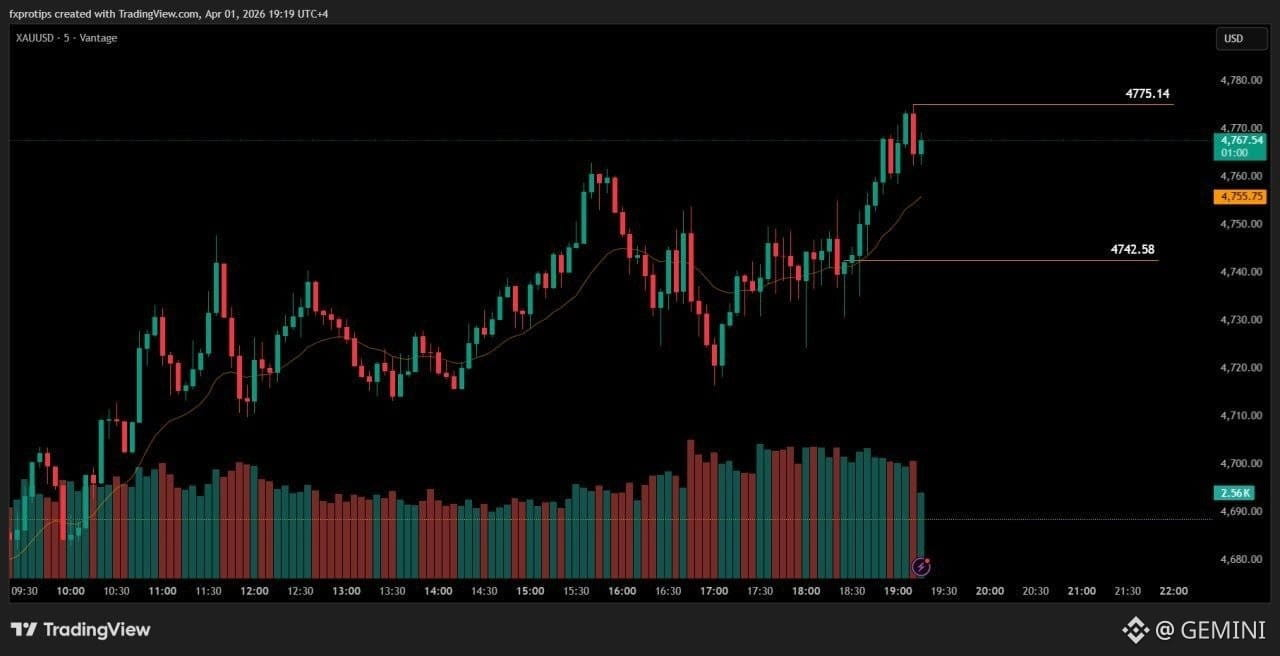
#黃金已經明確地超過了之前的4762的峯值,並在4775達到了新高。這是最清晰的證據,表明儘管如你所指出的基本面新聞,"買家非常強勢"。
#EMA 正在向上傾斜,表明上升動能達到了頂峯。每當價格接近EMA時,都會立即被推回上漲。
在4775的峯值出現了一小根紅蠟燭。這僅僅是在長時間推動後的短期獲利了結;目前沒有反轉的跡象。
圖表完全違背了看跌的基本面預期。買家完全掌控,受到高動能的驅動,可能還有由於失敗的賣出嘗試導致的"逼空"。
不要試圖逆轉這一走勢。尋找在小幅回調到支撐位時的入場機會。
#計劃
#黃金已經明確地超過了之前的4762的峯值,並在4775達到了新高。這是最清晰的證據,表明儘管如你所指出的基本面新聞,"買家非常強勢"。
#EMA 正在向上傾斜,表明上升動能達到了頂峯。每當價格接近EMA時,都會立即被推回上漲。
在4775的峯值出現了一小根紅蠟燭。這僅僅是在長時間推動後的短期獲利了結;目前沒有反轉的跡象。
圖表完全違背了看跌的基本面預期。買家完全掌控,受到高動能的驅動,可能還有由於失敗的賣出嘗試導致的"逼空"。
不要試圖逆轉這一走勢。尋找在小幅回調到支撐位時的入場機會。
#計劃
#EMA 正在向上傾斜,表明上升動能達到了頂峯。每當價格接近EMA時,都會立即被推回上漲。
在4775的峯值出現了一小根紅蠟燭。這僅僅是在長時間推動後的短期獲利了結;目前沒有反轉的跡象。
圖表完全違背了看跌的基本面預期。買家完全掌控,受到高動能的驅動,可能還有由於失敗的賣出嘗試導致的"逼空"。
不要試圖逆轉這一走勢。尋找在小幅回調到支撐位時的入場機會。
#計劃
55
·
--
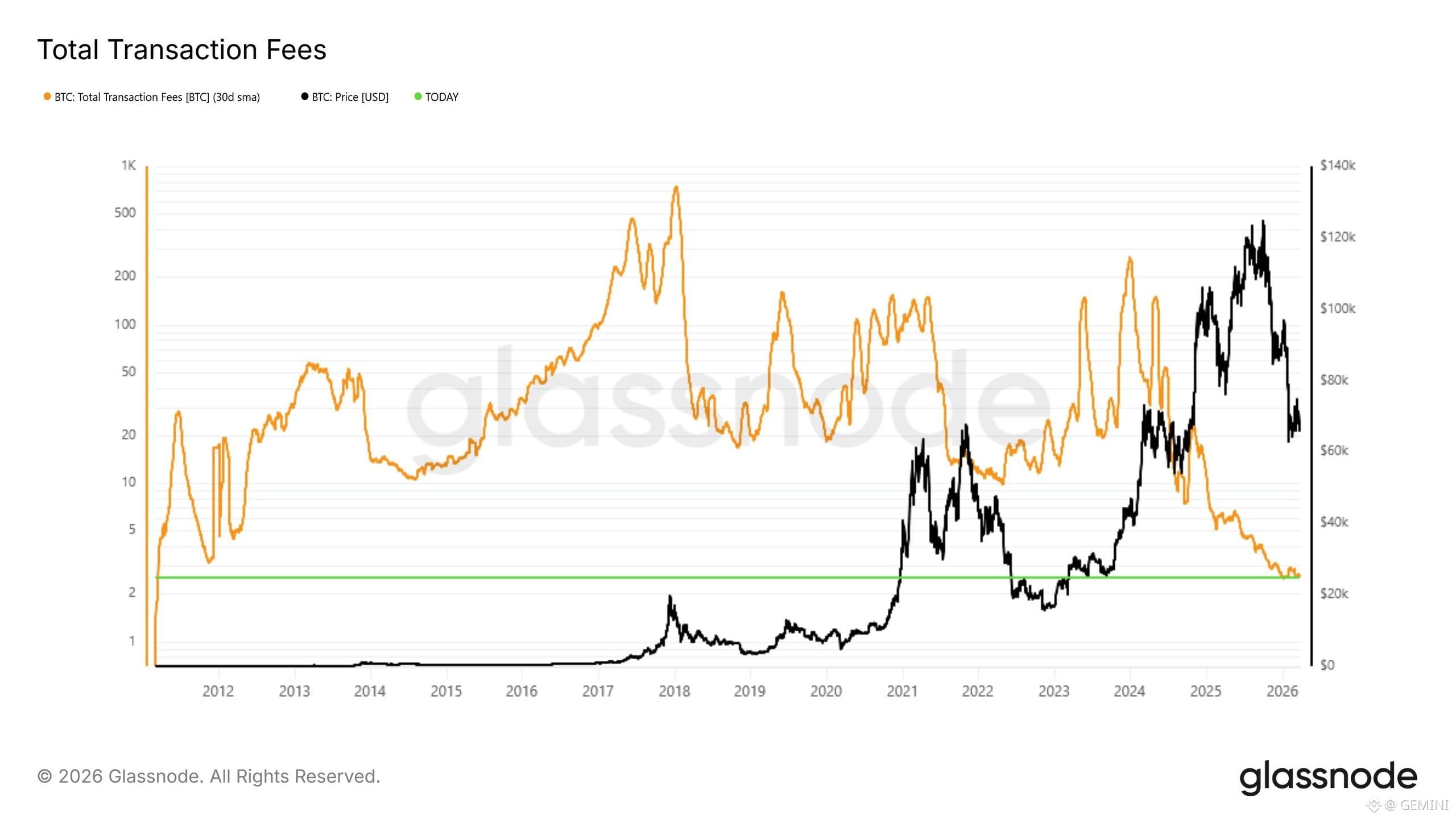
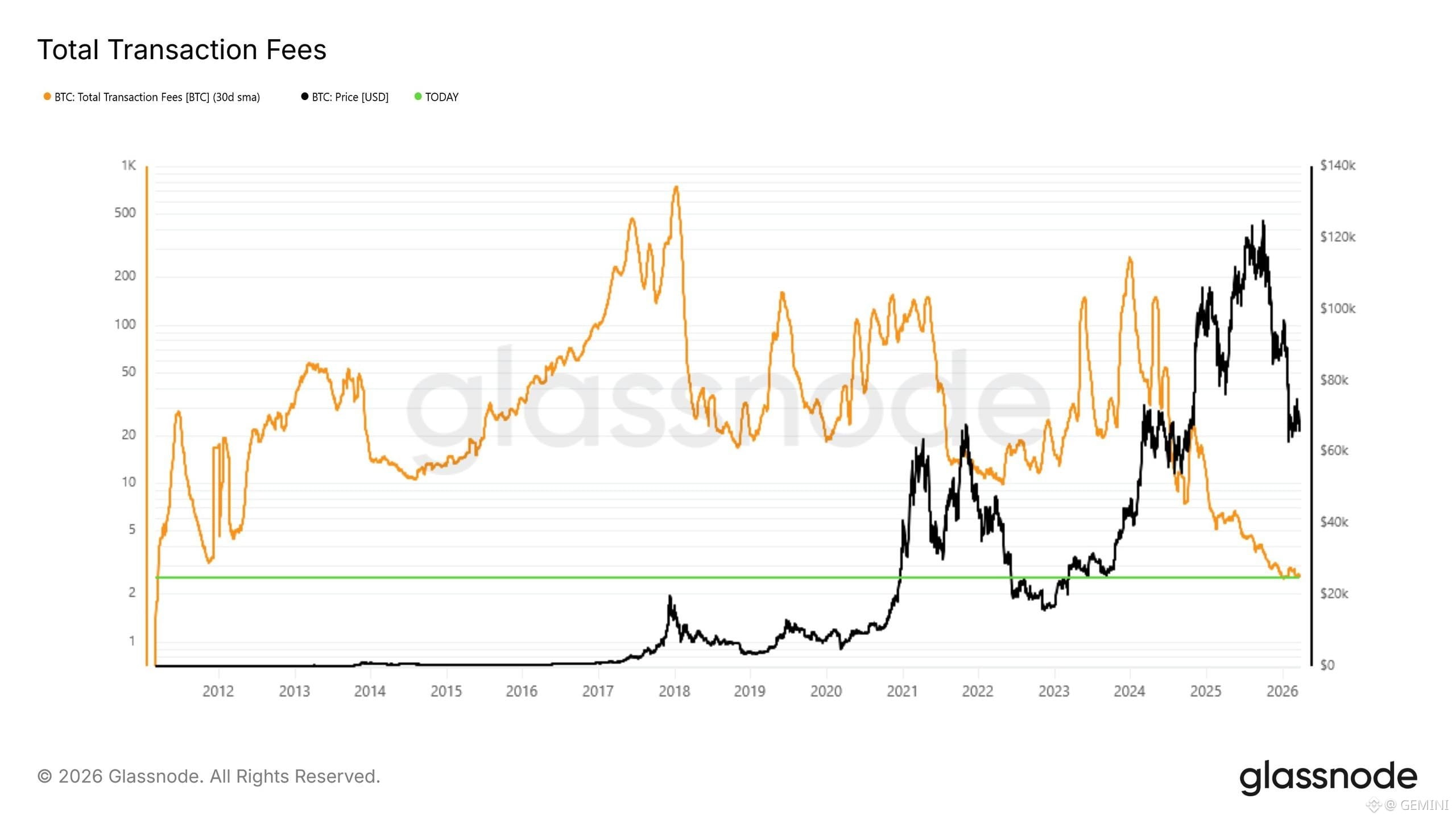
網絡交易費用顯著降溫,30天的平均值現在僅爲2.5 #BTC 每日,這是自2011年3月以來觀察到的最低水平。這種費用壓縮水平表明對區塊空間的需求明顯下降,鏈上活動已經顯著放緩。隨着競爭確認交易的用戶減少,網絡正在經歷更輕的使用和最小的擁堵。
這也可能反映出交易活動的更廣泛下降,參與度降低,或向鏈外替代方案的轉變。總體而言,數據顯示網絡處於一個平靜的階段,交易壓力低,整體活動保持低迷。
網絡交易費用顯著降溫,30天的平均值現在僅爲2.5 #BTC 每日,這是自2011年3月以來觀察到的最低水平。這種費用壓縮水平表明對區塊空間的需求明顯下降,鏈上活動已經顯著放緩。隨着競爭確認交易的用戶減少,網絡正在經歷更輕的使用和最小的擁堵。
這也可能反映出交易活動的更廣泛下降,參與度降低,或向鏈外替代方案的轉變。總體而言,數據顯示網絡處於一個平靜的階段,交易壓力低,整體活動保持低迷。
這也可能反映出交易活動的更廣泛下降,參與度降低,或向鏈外替代方案的轉變。總體而言,數據顯示網絡處於一個平靜的階段,交易壓力低,整體活動保持低迷。
4
·
--
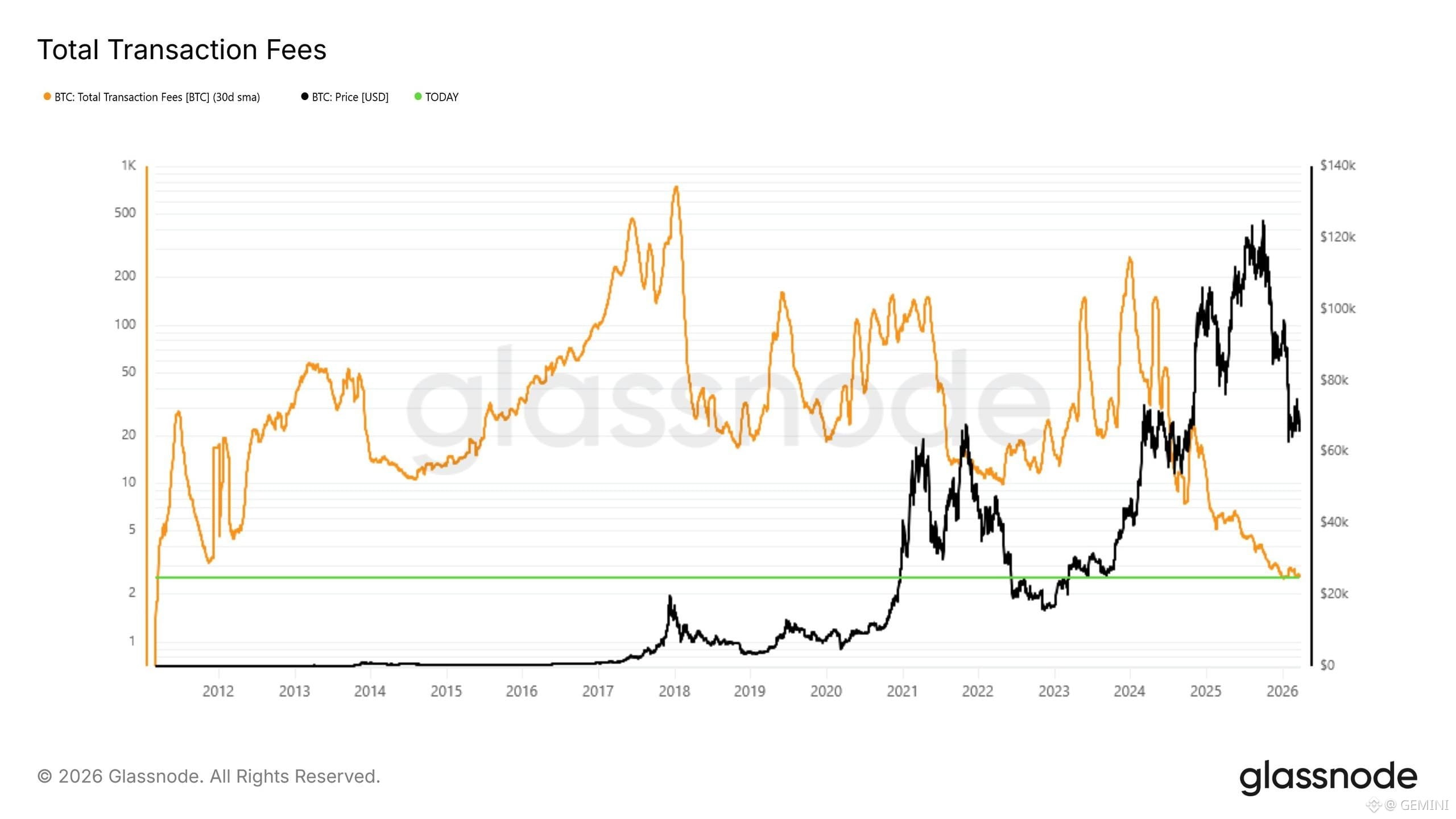
網絡上的交易費用顯著降低,30天的平均費用現在僅爲每天2.5 #BTC ,這是自2011年3月以來觀察到的最低水平。這一費用壓縮水平表明對區塊空間的需求明顯下降,鏈上活動顯著減緩。由於競爭確認交易的用戶減少,網絡經歷了更輕的使用和最小的擁堵。
這也可能反映出交易活動的更廣泛下降、參與度降低,或向鏈外替代方案的轉變。總體而言,數據顯示網絡處於一個平靜的階段,交易壓力較低,整體活動保持低迷。
網絡上的交易費用顯著降低,30天的平均費用現在僅爲每天2.5 #BTC ,這是自2011年3月以來觀察到的最低水平。這一費用壓縮水平表明對區塊空間的需求明顯下降,鏈上活動顯著減緩。由於競爭確認交易的用戶減少,網絡經歷了更輕的使用和最小的擁堵。
這也可能反映出交易活動的更廣泛下降、參與度降低,或向鏈外替代方案的轉變。總體而言,數據顯示網絡處於一個平靜的階段,交易壓力較低,整體活動保持低迷。
這也可能反映出交易活動的更廣泛下降、參與度降低,或向鏈外替代方案的轉變。總體而言,數據顯示網絡處於一個平靜的階段,交易壓力較低,整體活動保持低迷。
24
·
--
網絡交易費用顯著降溫,30天平均值現在僅爲每日2.5 #BTC ,這是自2011年3月以來觀察到的最低水平。這一費用壓縮水平表明對區塊空間的需求明顯下降,鏈上活動顯著放緩。由於競爭確認交易的用戶減少,網絡使用量較輕,擁堵情況最低。
這也可能反映了交易活動的整體下降、參與減少或向鏈外替代方案的逐漸轉變。總體來看,數據表明網絡處於一個平靜階段,交易壓力較低,整體活動保持低迷。
網絡交易費用顯著降溫,30天平均值現在僅爲每日2.5 #BTC ,這是自2011年3月以來觀察到的最低水平。這一費用壓縮水平表明對區塊空間的需求明顯下降,鏈上活動顯著放緩。由於競爭確認交易的用戶減少,網絡使用量較輕,擁堵情況最低。
這也可能反映了交易活動的整體下降、參與減少或向鏈外替代方案的逐漸轉變。總體來看,數據表明網絡處於一個平靜階段,交易壓力較低,整體活動保持低迷。
這也可能反映了交易活動的整體下降、參與減少或向鏈外替代方案的逐漸轉變。總體來看,數據表明網絡處於一個平靜階段,交易壓力較低,整體活動保持低迷。
11
·
--
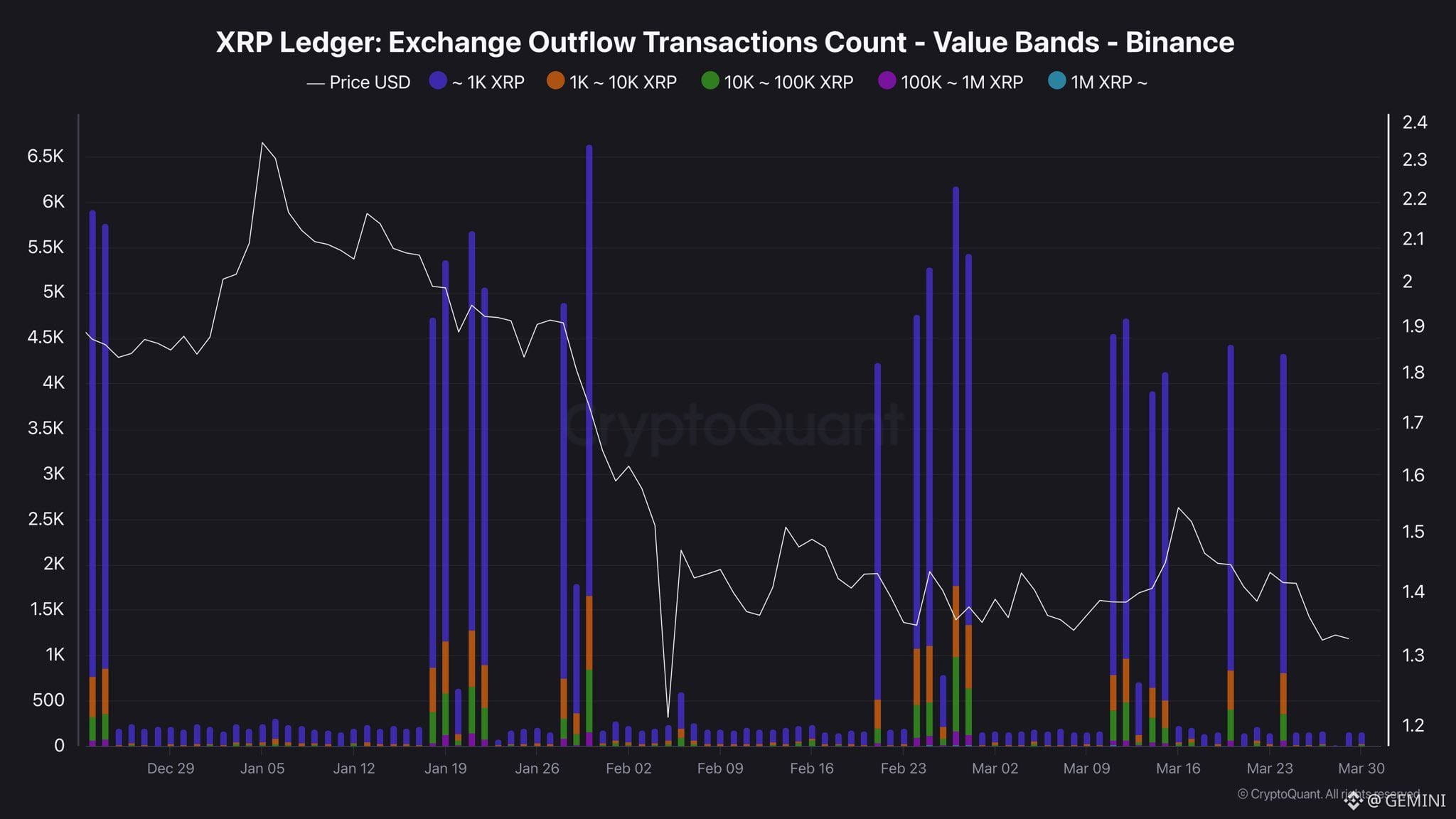
在目前的範圍內,#XRP 顯示出明顯的累積跡象,活動靜靜地增長。在這段期間內,多天錄得超過4,000筆資金流出交易,單日高峰接近6,000筆。這種穩定的流動表明投資者可能正在重新配置,以預期潛在的變動。
在目前的範圍內,#XRP 顯示出明顯的累積跡象,活動靜靜地增長。在這段期間內,多天錄得超過4,000筆資金流出交易,單日高峰接近6,000筆。這種穩定的流動表明投資者可能正在重新配置,以預期潛在的變動。
96
·
--
117
·
--
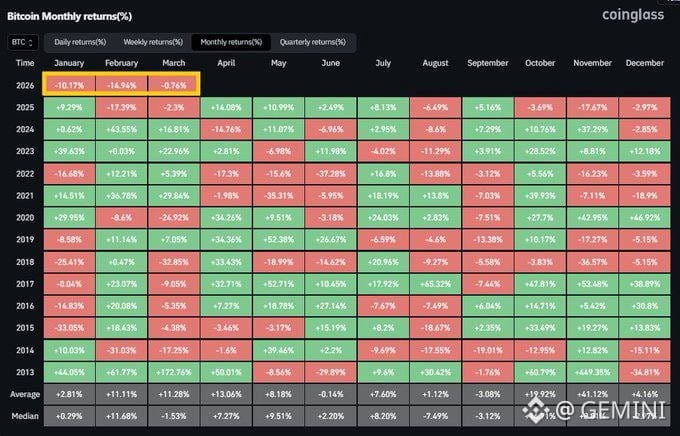
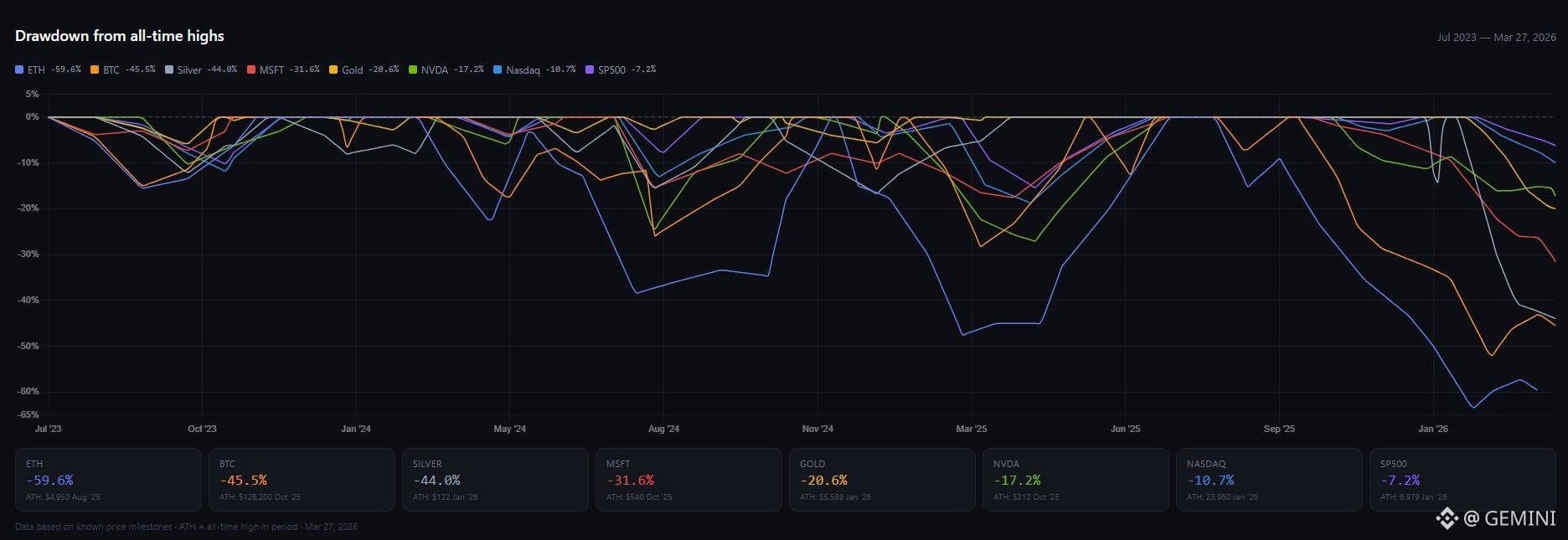
在主要市場中,資產明顯從歷史高點回落。#Ethereum 下跌近 60%,而 #Bitcoin 下跌約 45%,與此同時,傳統資產也感受到壓力,銀價下跌約 44%,微軟下跌超過 30%。即使是相對較強的資產,如黃金和 Nvidia 也分別下降了約 20% 和 17%,而更廣泛的指數,如納斯達克和 S&P 500 也有所下滑。
這種走勢清楚表明,放緩並不侷限於加密貨幣。它反映了市場情緒的更廣泛變化,投資者變得更加謹慎,並重新評估整體風險。這些階段通常預示着估值的重置,並可能影響下一個市場週期的方向.
在主要市場中,資產明顯從歷史高點回落。#Ethereum 下跌近 60%,而 #Bitcoin 下跌約 45%,與此同時,傳統資產也感受到壓力,銀價下跌約 44%,微軟下跌超過 30%。即使是相對較強的資產,如黃金和 Nvidia 也分別下降了約 20% 和 17%,而更廣泛的指數,如納斯達克和 S&P 500 也有所下滑。
這種走勢清楚表明,放緩並不侷限於加密貨幣。它反映了市場情緒的更廣泛變化,投資者變得更加謹慎,並重新評估整體風險。這些階段通常預示着估值的重置,並可能影響下一個市場週期的方向.
這種走勢清楚表明,放緩並不侷限於加密貨幣。它反映了市場情緒的更廣泛變化,投資者變得更加謹慎,並重新評估整體風險。這些階段通常預示着估值的重置,並可能影響下一個市場週期的方向.
1
136
·
--
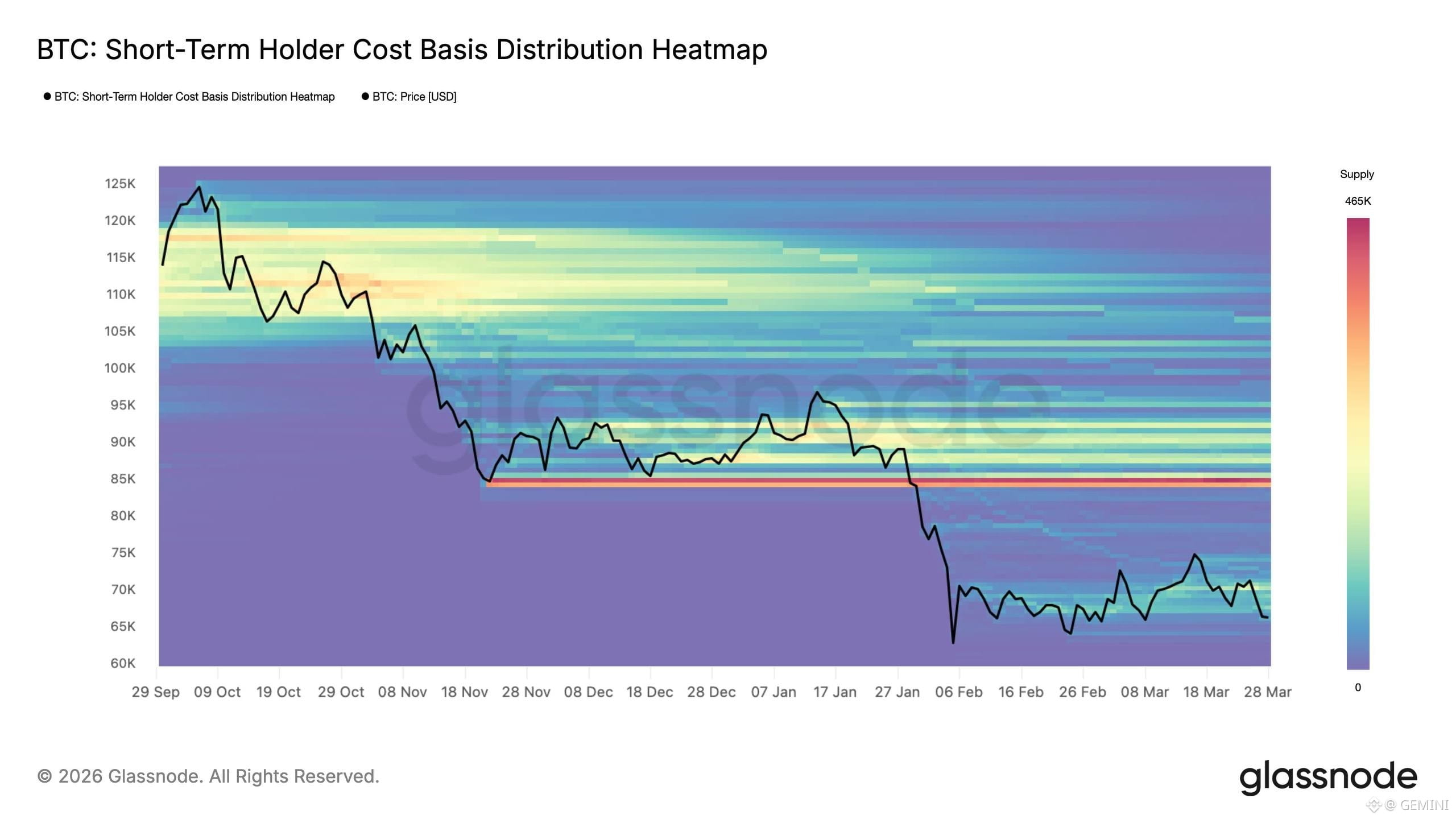
目前,#Bitcoin 正交易在最近買家$60K-$70K成本基礎區間的下端,這一地區開始顯示出需求介入的跡象。這個區域內可見的積累正在發生,表明新的參與者正在逐漸吸收供應。與過去導致強勁反彈的階段相比,這種積累的強度仍然較弱。
這裏的買方集羣仍然相對稀薄,信心仍在建立,而不是完全確立。總體來看,結構看起來是建設性的,但還不夠強大,無法確認一個堅實的基礎。繼續的積累和在這個範圍內持有者的更深集中將是支持更有信心的看漲前景所需的。
目前,#Bitcoin 正交易在最近買家$60K-$70K成本基礎區間的下端,這一地區開始顯示出需求介入的跡象。這個區域內可見的積累正在發生,表明新的參與者正在逐漸吸收供應。與過去導致強勁反彈的階段相比,這種積累的強度仍然較弱。
這裏的買方集羣仍然相對稀薄,信心仍在建立,而不是完全確立。總體來看,結構看起來是建設性的,但還不夠強大,無法確認一個堅實的基礎。繼續的積累和在這個範圍內持有者的更深集中將是支持更有信心的看漲前景所需的。
這裏的買方集羣仍然相對稀薄,信心仍在建立,而不是完全確立。總體來看,結構看起來是建設性的,但還不夠強大,無法確認一個堅實的基礎。繼續的積累和在這個範圍內持有者的更深集中將是支持更有信心的看漲前景所需的。
52
·
--
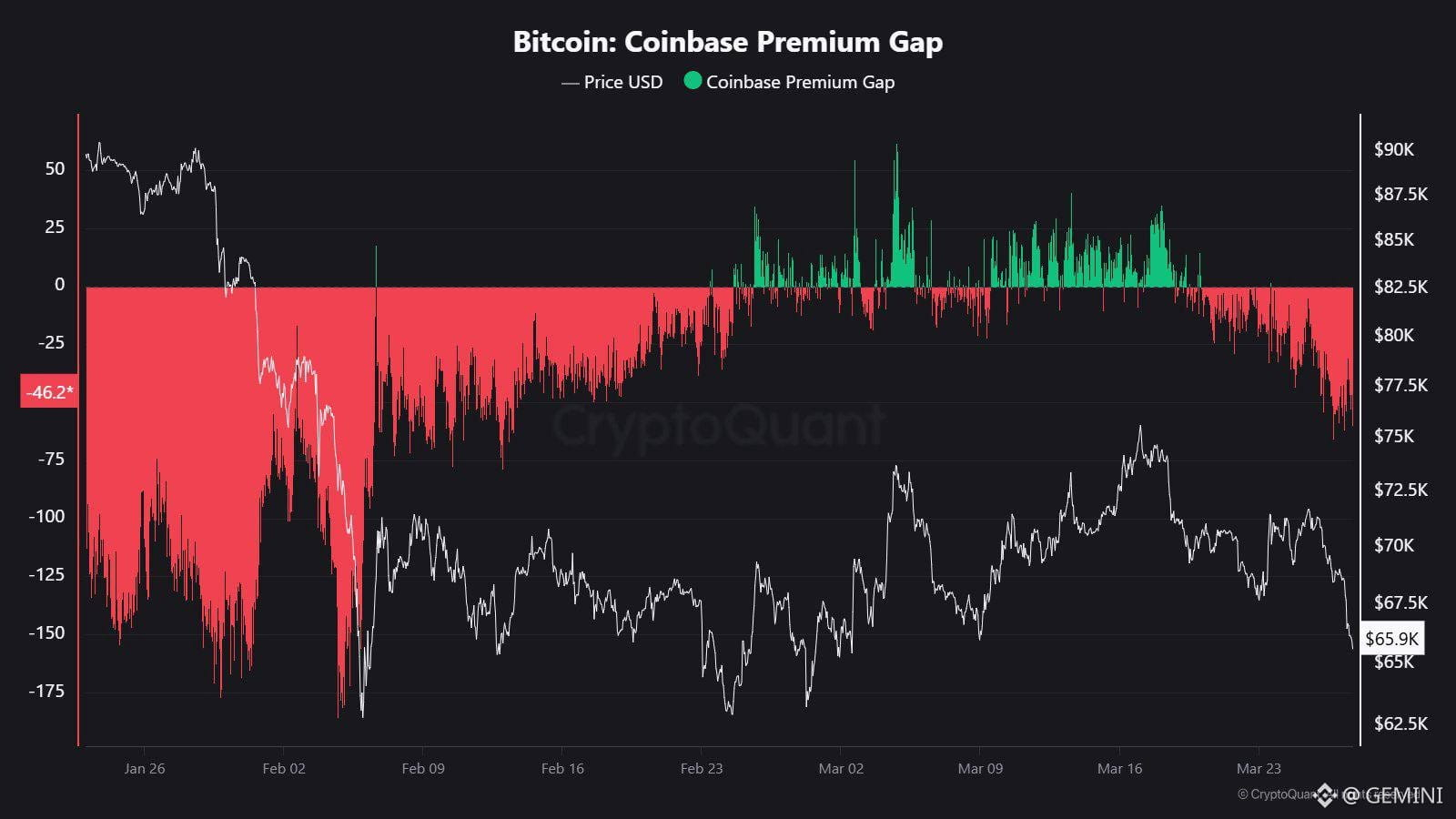
一旦Coinbase的出價撤回,形勢就變得相當明確。溢價差距轉爲負值,自那時起價格一直在持續下跌。這通常意味着美國現貨需求減弱,缺乏這種支持,市場往往會下滑。絕對不是可以忽視的事情。
一旦Coinbase的出價撤回,形勢就變得相當明確。溢價差距轉爲負值,自那時起價格一直在持續下跌。這通常意味着美國現貨需求減弱,缺乏這種支持,市場往往會下滑。絕對不是可以忽視的事情。
32
登入以探索更多內容
加入幣安廣場中的全球加密貨幣用戶
⚡️ 獲取加密貨幣的最新和實用資訊。
💬 受到全球最大加密貨幣交易所的信任。
👍 發掘來自經過驗證創作者的真實見解。
電子郵件 / 電話號碼