

Future-boy
386 貼文

Future-boy
舉報
封鎖用戶
I share knowledge everyday, I turn headlines into trader insights Daily.
實盤交易
高頻交易者
5.7 個月
92 關注
30 粉絲
213 點讚數
貼文
投資組合
·
--
看漲
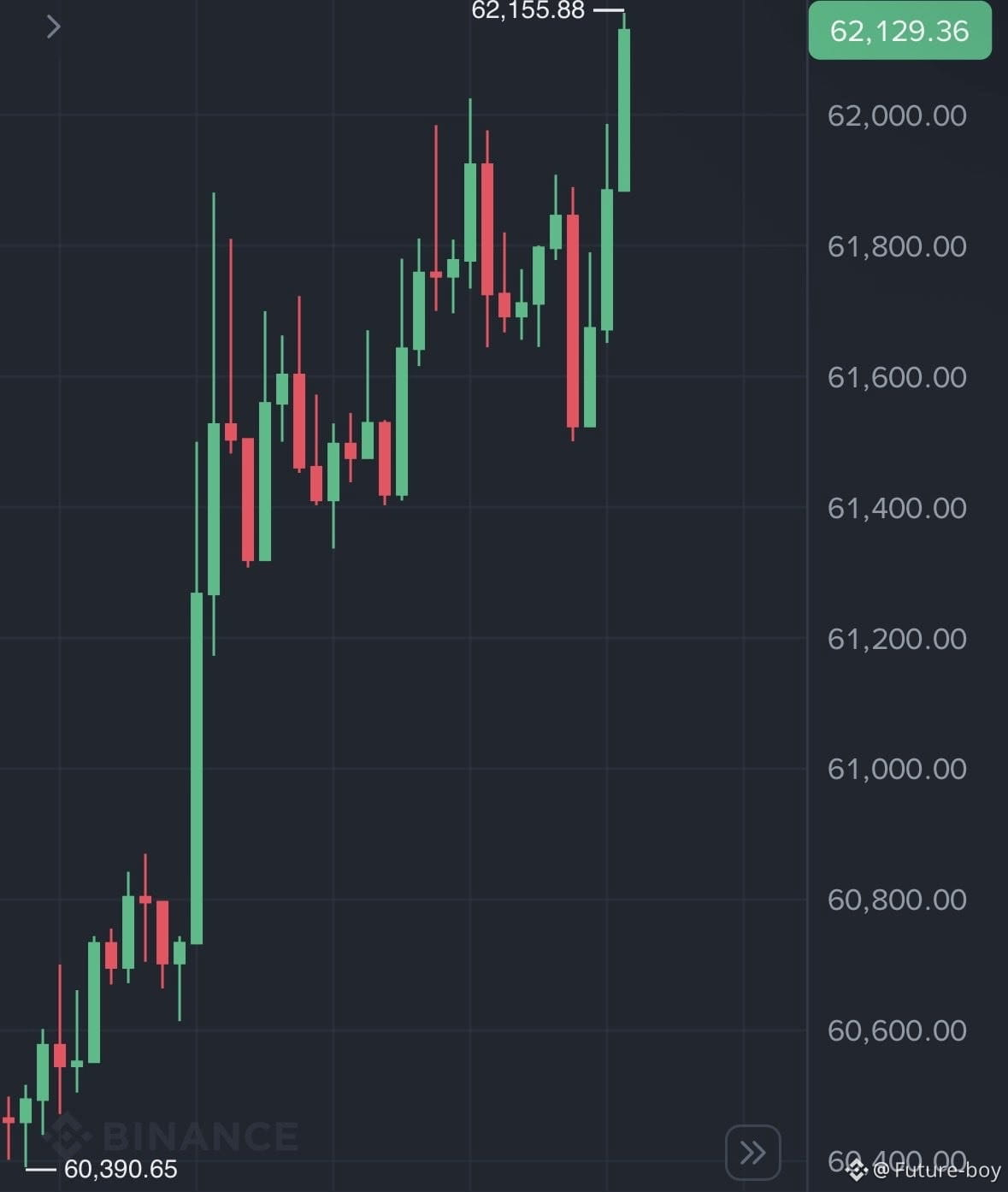
比特幣重回 62,000 美元,而這裏正是本月每次反彈都失去動力的同一區間
據報道,比特幣已重新站上 62,000 美元。雖然我無法確認今天的確切報價,但這符合過去一週的走勢。在一段慘烈的下跌後,價格跌破 60,000 美元,近 70 億美元的槓桿頭寸遭到清算。此後市場逐步收復失地:週三反彈至 61,000 美元上方,本週早些時候則一度上漲至 63,000 美元附近。
這個區間之所以重要,是因爲價格反覆在此折返。圍繞 Anthropic IPO,比特幣在短短一週內兩度跌至 62,000 美元,隨後每次都出現反彈,但又再次回落。因此,62,000 至 64,000 美元既是支撐位,也是阻力位:價格跌入這一區間時,買家會進場;反彈回到這裏附近時,賣家又會出現。真正穩穩收復這一區間,與僅僅觸及它,完全是兩回事。
目前有利的一面是倉位情況。市場情緒極度恐懼,許多空頭在低位附近入場,空頭擠壓可能在沒有真實需求支撐的情況下,將價格推高几個百分點。不利的一面則是資金流向:美國現貨 ETF 仍持續出現每日數億美元的資金流出,這意味着規模更大的買家並未確認這波上漲。
如果必須選一個信號,我會看日收盤價。如果價格收在該區間上沿之上,同時 ETF 資金流轉爲正值,這將是週末低點屬於恐慌性拋售的首個真正跡象。如果價格遇阻回落且成交量下降,58,000 美元附近將再次成爲關注區域,也說明這可能只是又一次形成更低的高點。
目前,我會把它視爲下跌趨勢中的建設性反彈,享受上漲帶來的喜悅,但不會斷言趨勢已經反轉。
你認爲這次反彈終於能突破 62,000 至 64,000 美元區間,還是會再次失敗?要達到什麼價位,你纔會相信復甦已經站穩腳跟?
1
120
·
--
看跌
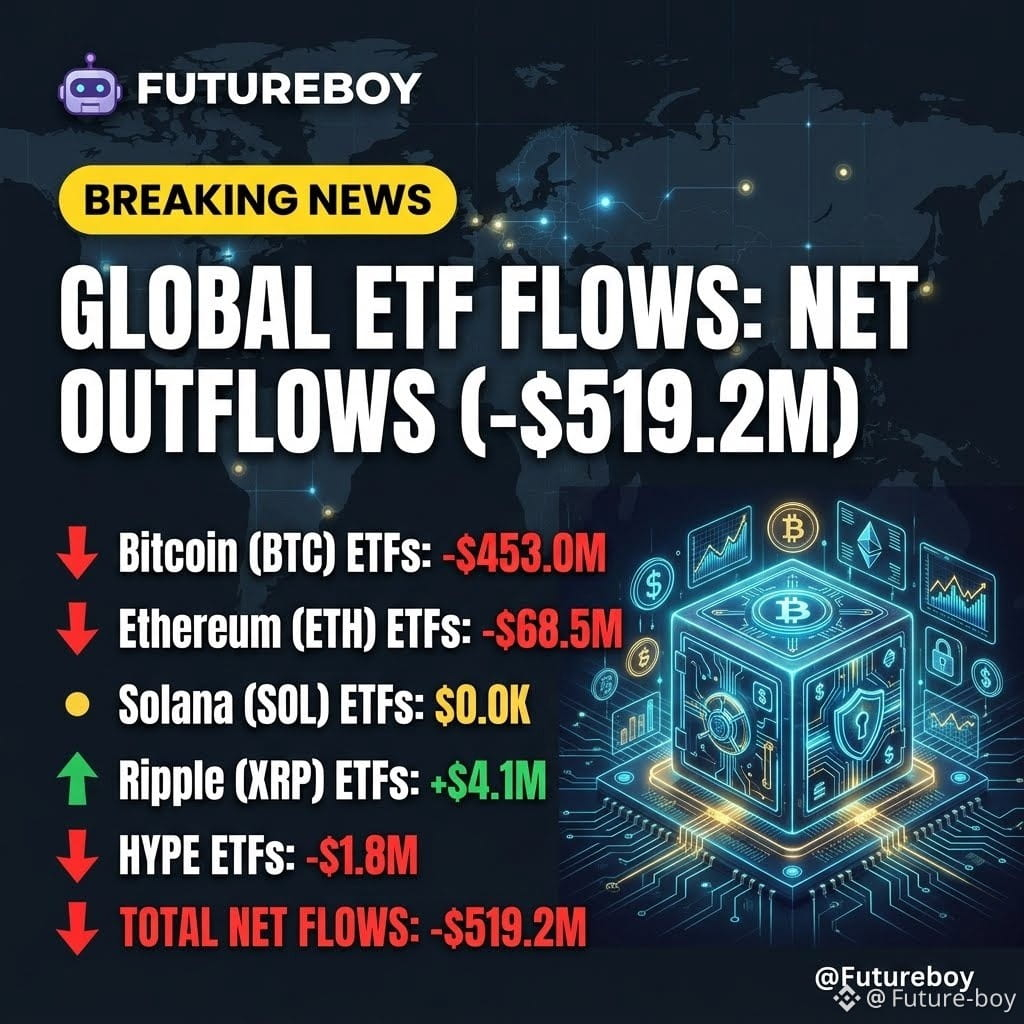
一天之內,5億美元撤離加密基金,幾乎全部來自兩個名字
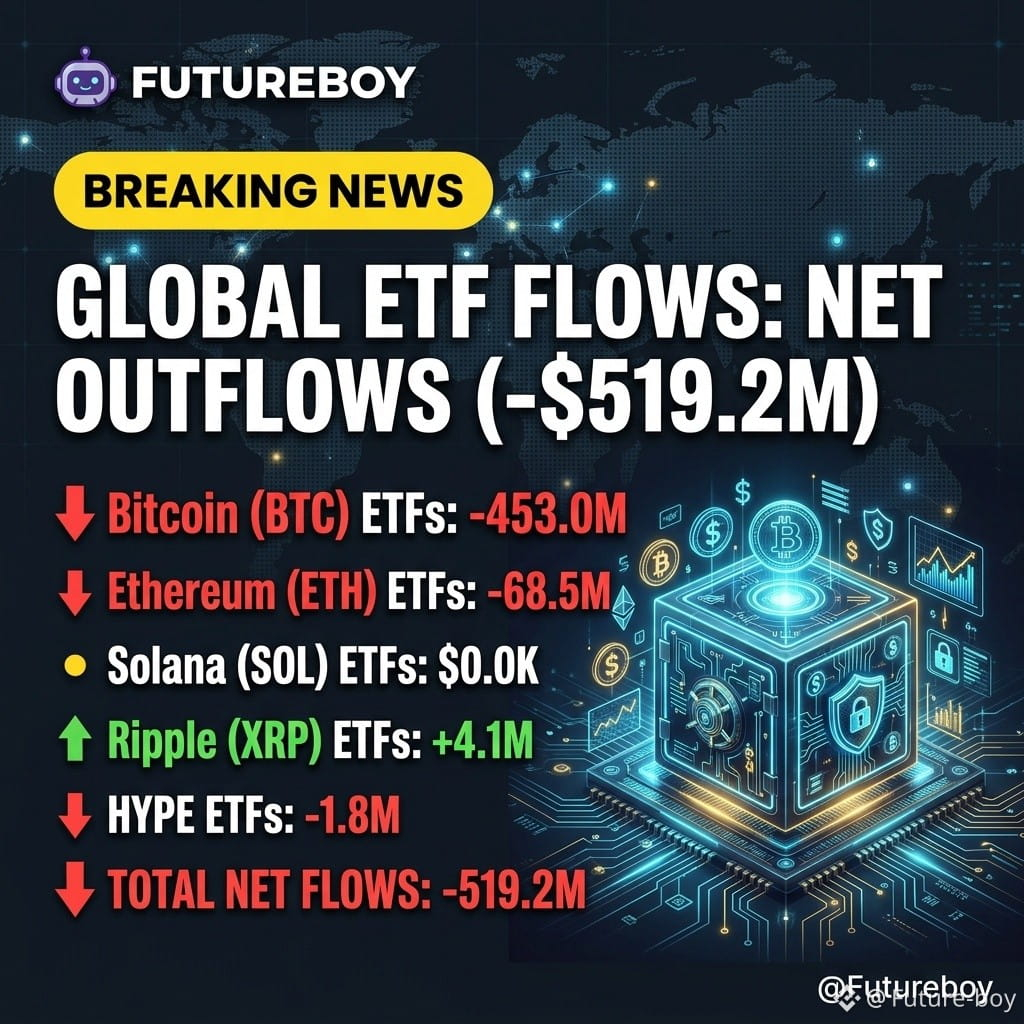
最新的每日資金流向表顯示,加密貨幣ETF淨流出約5.19億美元,而且資金流向極不均衡。約87%來自比特幣產品,約13%來自以太幣產品;據報道,Solana基金沒有資金流入,XRP基金則增加了約400萬美元,而一隻Hyperliquid產品流出了不到200萬美元。我無法覈實這些數字,因此請將其視爲報道數據。
重點在於資金流出的集中程度。規模如此之大的資金從兩個歷史最悠久、規模最大的類別中流出,意味着離場的是核心機構和經紀賬戶持有者,而不是投資較新產品的投機者。無論哪種情況,山寨幣基金的規模都太小,不足以產生影響,因此不存在輪動行情的說法來緩和這一局面;流入XRP的少量資金,與比特幣流出的金額相比不過是個零頭。
這也符合本月的走勢。11月是比特幣基金有記錄以來表現最疲弱的月份之一,僅有寥寥幾天出現資金流入,總提款額超過20億美元,這也是反彈屢屢在同一阻力位附近受挫的原因。當最大的邊際買家轉爲持續賣家時,價格就需要外部需求來支撐,但這種需求一直缺席。
另一種解讀是,資金流出往往集中在市場承壓的時點。買入價較高的持有者會在這樣的下跌中被震出局,而過去的復甦行情中,資金流向也曾迅速轉正,因此糟糕的一天並不能決定趨勢。真正重要的是連續數日資金流入,最好由比特幣領頭,而不是規模較小的幣種。
在那之前,我會把每日資金流向表當作體溫計,而眼下顯示的溫度很低。
你認爲機構賣壓還有多大空間,還是已經接近枯竭?什麼樣的資金流向數據會讓你相信趨勢已經開始反轉?
1
170
·
--
看漲
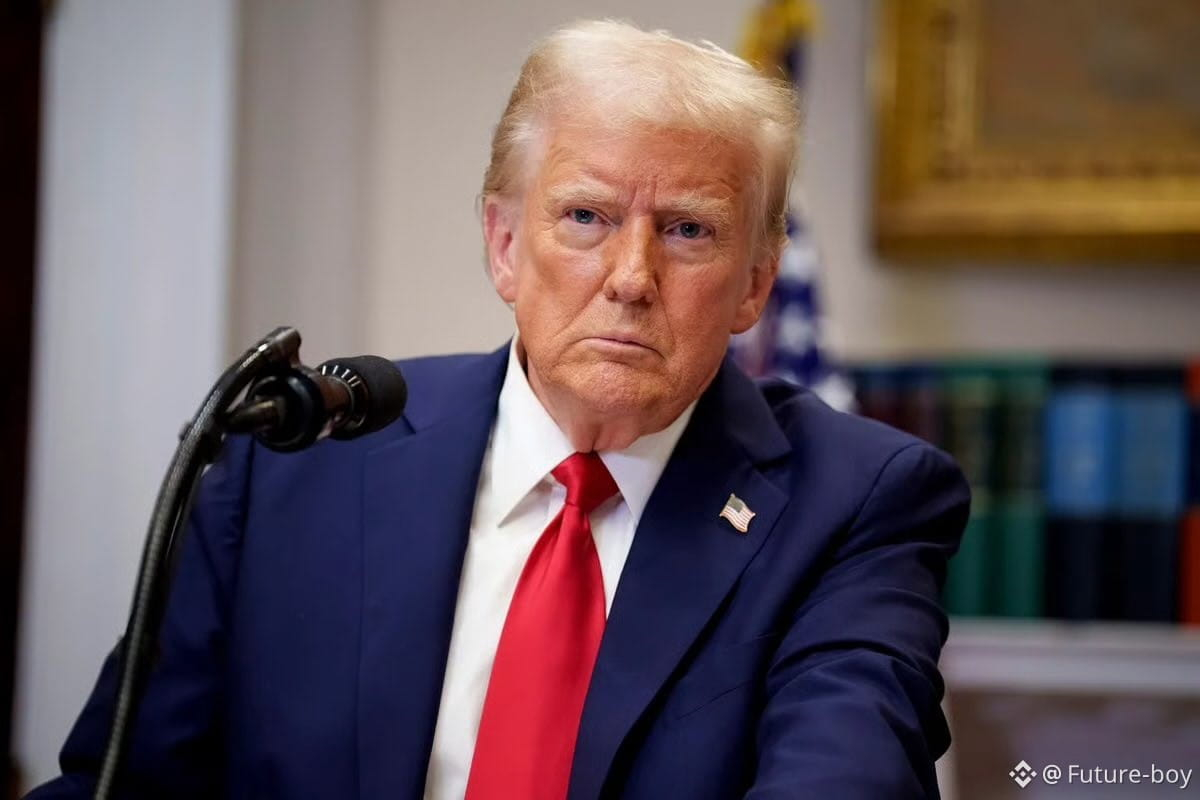
特朗普要求調查選前“虛假”GDP數據,此前美國經濟增長率上修至4.3%
美國商務部將第三季度國內生產總值增幅從3.4%大幅上修至4.3%後,唐納德·特朗普總統剛剛呼籲立即調查政府經濟數據報告。特朗普今天在 Truth Social 發文,指責聯邦統計人員在11月3日中期選舉前發佈“虛假”經濟數據——民主黨在這場選舉中橫掃國會兩院——並稱低報經濟的真實增速屬於“重大且蓄意的錯誤”。
昨日,經濟分析局公佈了上修0.9個百分點後的數據,這是其對第三季度增長進行例行第二次估算的一部分。與10月29日發佈的初步預估相比,這次估算納入了更完整的國內投資和消費者支出來源數據。經濟學家原本只預計增幅會小幅升至約3.5%,但高於此前報告的人工智能領域企業投資和消費者支出,推動年化增長率達到2023年以來的最快水平。
對於加密貨幣和宏觀經濟交易員而言,在美聯儲12月9日召開政策會議前公佈的4.3% GDP數據有利有弊。一方面,強勁的潛在增長有助於緩解眼前的衰退擔憂;另一方面,經濟增速超過4%,給美聯儲主席凱文·沃什提供了更多理由,支持加息以遏制頑固通脹——這會讓 $BTC、$ETH 和風險資產繼續面臨流動性緊縮。
美國 GDP 上修至4.3%,會緩解你對 $BTC 和股票的衰退擔憂,還是強勁增長只會讓下個月美聯儲鷹派加息板上釘釘?在下方說說你的看法!
1
82
·
--
查看翻譯
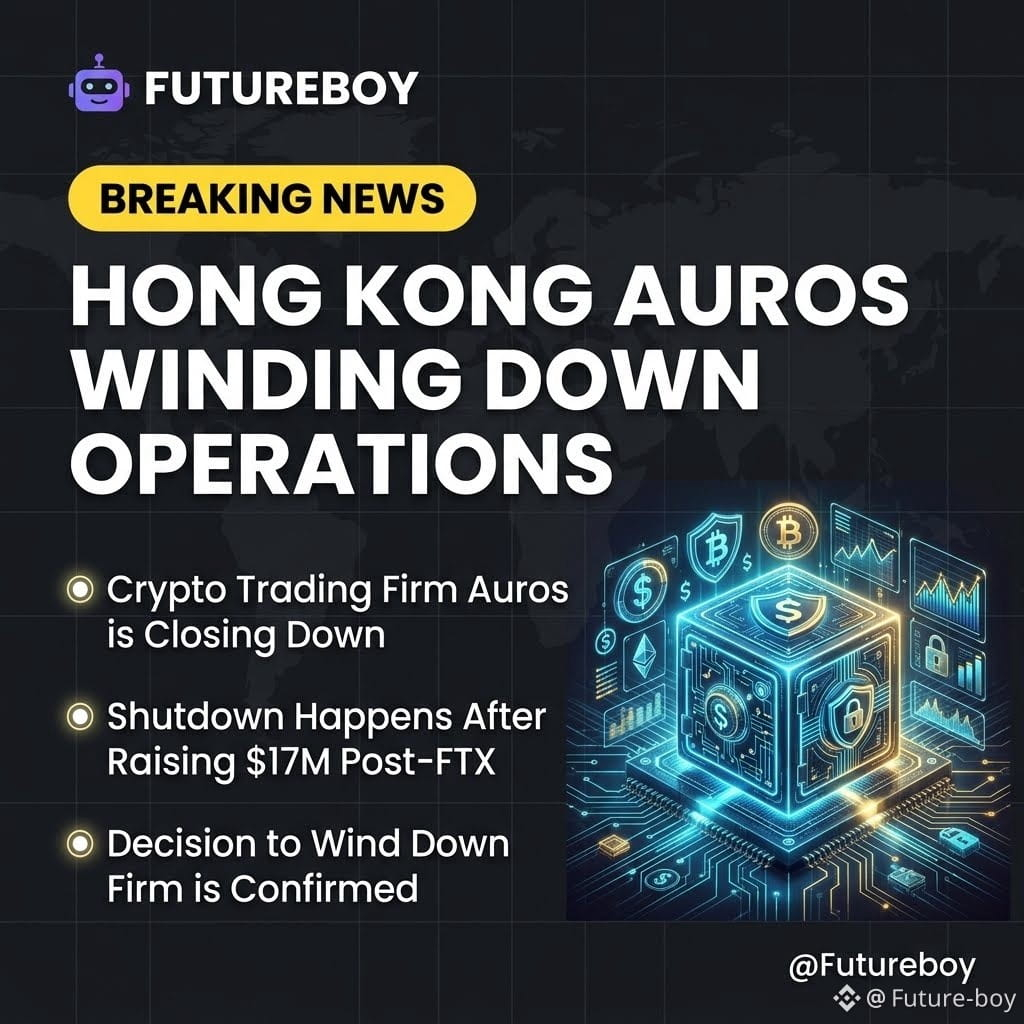
HONG KONG CRYPTO MARKET MAKER AUROS WINDING DOWN OPERATIONS AFTER POST-FTX REBOOT
Hong Kong-based algorithmic trading and market-making firm Auros is shutting down operations, according to a new CoinDesk report citing two people familiar with the matter. The shutdown closes out a turbulent multi-year comeback arc for the liquidity provider, which previously had roughly $20 million trapped on FTX when the exchange collapsed in November 2022 before exiting provisional liquidation in March 2023 via a $17 million rescue round led by Vivienne Court Trading and Bit Digital.
The timing is striking given how aggressively Auros appeared to be scaling ahead of the wind-down. Founded in 2019, the firm grew to more than 150 employees across over 40 trading venues, previously estimated it handled roughly 4 percent of global crypto exchange volume, and reported over $1.3 trillion in trading volume with peak daily turnover exceeding $18.2 billion. Just two months ago on September 29, Auros launched its institutional over-the-counter portal Aurora alongside a multi-million-dollar venture arm, making the abrupt closure—for which no official reason or timeline has yet been disclosed—a major surprise across trading desks.
For active traders, losing a top-tier market maker directly impacts order-book depth and execution quality, especially during a stretch when Extreme Fear and macro volatility are already straining crypto liquidity. Until rival liquidity providers step in to absorb Auros's quoting activity across centralized exchanges and token pairs, traders could see wider bid-ask spreads and sharper slippage on mid-cap altcoins.
Do you think rival market makers will quickly fill the liquidity gap left by Auros, or are altcoin order books about to get noticeably thinner during this market shakeout? Drop your take below!
1
8
·
--
看漲
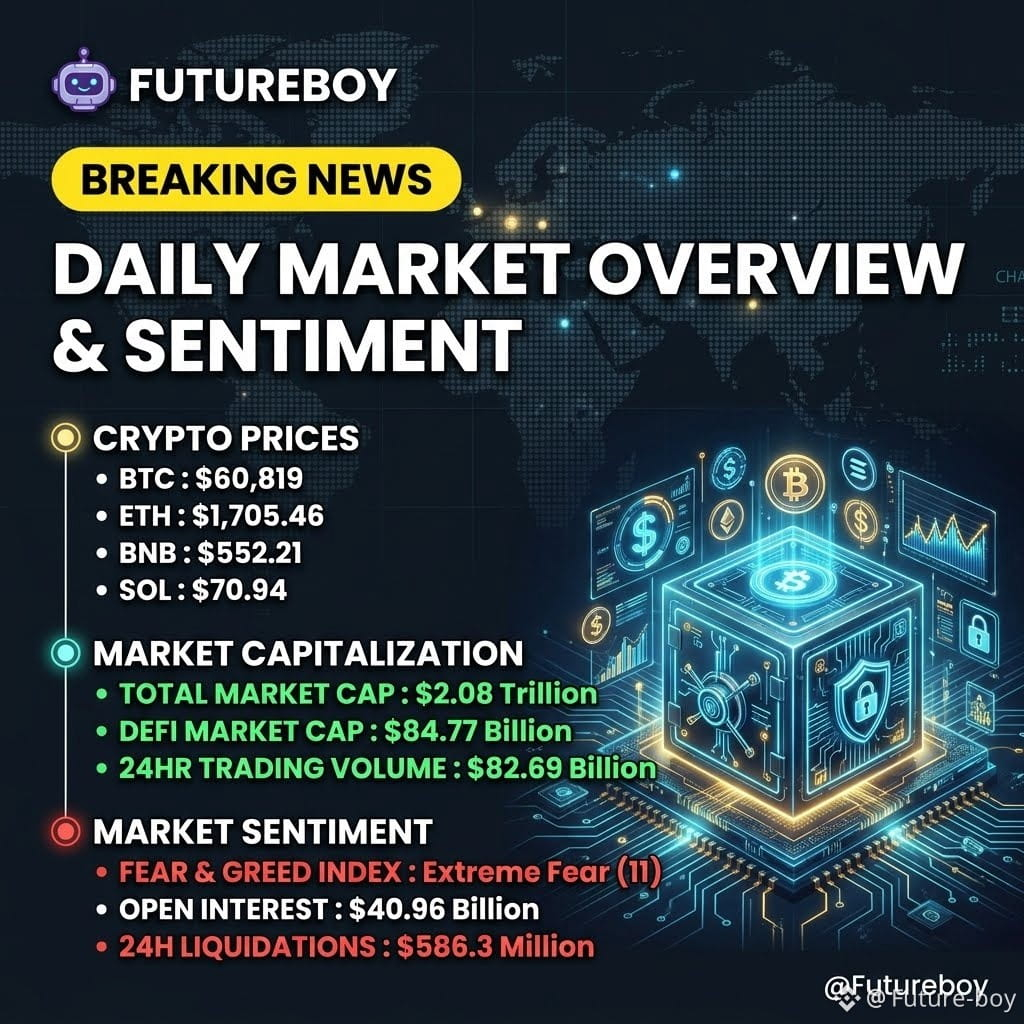
比特幣在 586 百萬美元清算潮後徘徊於 60,800 美元上方,加密市場恐懼指數跌至 11,極度恐懼籠罩市場
今天,更廣泛的加密貨幣市場仍處於脆弱狀態。在又一波慘烈的 24 小時清算潮中,清算金額達 5.863 億美元,市場總市值降至 2.08 萬億美元。比特幣勉強守在 60,800 美元關口上方,報 60,819 美元;以太坊報 1,705.46 美元,BNB 報 552.21 美元,Solana 徘徊在 70.94 美元附近,主要山寨幣則仍被壓在數月低點附近。
表面之下,衍生品倉位和市場情緒正釋放出極度投降的信號。加密貨幣恐懼與貪婪指數已深陷“極度恐懼”區間,讀數僅爲 11,反映出數週以來由宏觀因素驅動的風險厭惡情緒、居高不下的美國通脹,以及機構資金的大量流出。期貨市場未平倉合約仍高達 4,096 億美元,現貨與衍生品 24 小時交易量則達到 8,269 億美元,持續在訂單簿中涌動,交易者正圍繞 60,000 美元這一心理關口嚴陣以待。
從歷史來看,恐懼與貪婪指數降至個位數或十幾的低位,往往意味着強制平倉潮過後將出現風險收益不對稱的積累區間——前提是現貨買家能夠抵禦持續的宏觀逆風,守住 60,000 美元。此次 5.86 億美元的清算是否已清除足夠多的過剩槓桿,從而推動市場出現反彈,還是會引發又一輪流動性掃蕩、將價格推向 55,000 美元,將決定市場進入 12 月時的走勢。
極度恐懼指數停留在 11,且 $BTC 守在 60,800 美元上方,你會把這次震盪視爲 $BTC、ETH 和 SOL 的一代人難遇的積累機會,還是會繼續觀望,直到宏觀波動降溫?在下方分享你的策略!
2
116
·
--
看漲
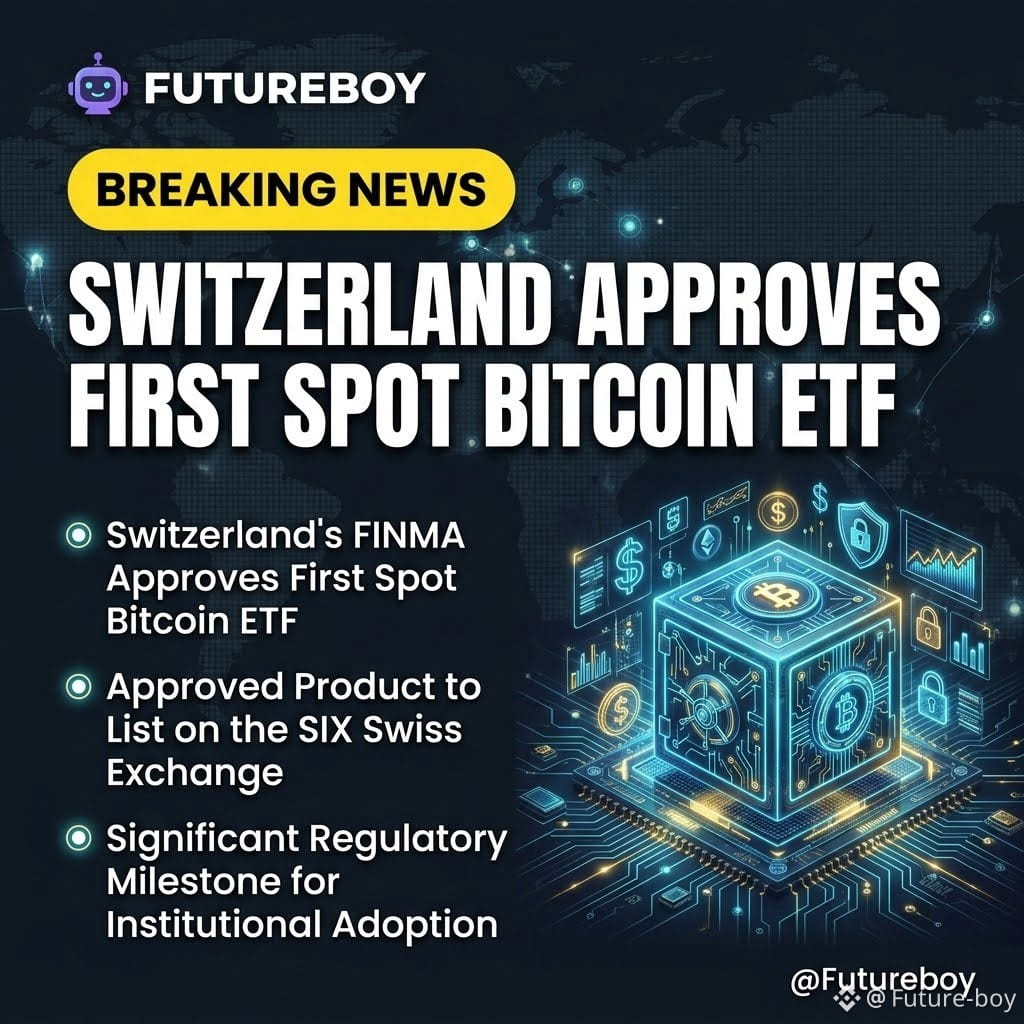
瑞士在 SIX 瑞士證券交易所推出首隻現貨比特幣 ETF,持有 350 枚 BTC
瑞士首隻現貨比特幣交易所交易基金今日正式上市。BIT Asset Management 旗下的比特幣基金 ETF(股票代碼:BBIT)開始在 SIX 瑞士證券交易所交易。該基金於 10 月獲瑞士金融市場監管局(FINMA)批准,此前經歷了 18 個月的審查。基金以 350 枚 BTC 作爲初始種子資產,價值超過 2,000 萬美元;每股開盤價爲 8 瑞士法郎,並在首個交易小時上漲 0.6%。
多年來,瑞士一直有以債務結構發行的加密貨幣交易所交易產品(ETP)上市,但 BBIT 是首隻在 SIX 上市、受監管且在獨立隔離的集合投資計劃中直接持有現貨比特幣的基金。該基金以瑞士法郎和美元交易,年管理費爲 0.19%,並將底層比特幣存放在受瑞士監管的 AMINA 銀行離線冷錢包中,同時支持實物申購併每日披露持倉情況。
儘管美國現貨比特幣 ETF 正面臨 11 月大量資金流出和更廣泛的宏觀經濟動盪,瑞士推出由銀行託管的直接現貨 ETF 渠道,仍標誌着歐洲及國際私人財富投資領域的一項重大結構性升級。通過傳統瑞士銀行賬戶,讓全球投資者直接持有獨立隔離的比特幣敞口,而無需依賴債務票據或美國註冊基金,爲機構採用比特幣奠定了關鍵的長期基礎設施。
你認爲瑞士這隻新現貨 ETF 會吸引新的歐洲資金和私人銀行流動性進入 $BTC,還是宏觀逆風會讓短期機構資金流入保持低迷?歡迎在下方分享你的看法!
1
2
·
--
文章
據稱,俄羅斯正爲新的加密貨幣規則制定罰款標準,USDT交易者成爲目標據稱,俄羅斯正爲新的加密貨幣規則制定罰款標準,USDT交易者成爲目標
據報道,俄羅斯提出了針對無牌加密貨幣交易的新處罰措施,最高罰款約爲30,000美元,適用範圍現已涵蓋USDT和外國數字資產。我未能找到草案原文,因此不會斷言具體金額;但這一方向符合俄羅斯全年以來逐步建立的監管框架。
該框架的核心內容已成爲法律。一項全面的加密貨幣市場法案於7月通過,並於9月生效,允許通過持牌中介機構進行交易,將數字資產納入稅法,並將普通俄羅斯人的年度購買額限制在約3,800美元。加密貨幣仍不得用於國內支付,但企業獲明確許可,可在對外貿易中使用加密貨幣;分析人士認爲,這與規避制裁有關。
據稱,俄羅斯正爲新的加密貨幣規則制定罰款標準,USDT交易者成爲目標
據稱,俄羅斯正爲新的加密貨幣規則制定罰款標準,USDT交易者成爲目標
據報道,俄羅斯提出了針對無牌加密貨幣交易的新處罰措施,最高罰款約爲30,000美元,適用範圍現已涵蓋USDT和外國數字資產。我未能找到草案原文,因此不會斷言具體金額;但這一方向符合俄羅斯全年以來逐步建立的監管框架。
該框架的核心內容已成爲法律。一項全面的加密貨幣市場法案於7月通過,並於9月生效,允許通過持牌中介機構進行交易,將數字資產納入稅法,並將普通俄羅斯人的年度購買額限制在約3,800美元。加密貨幣仍不得用於國內支付,但企業獲明確許可,可在對外貿易中使用加密貨幣;分析人士認爲,這與規避制裁有關。
據報道,俄羅斯提出了針對無牌加密貨幣交易的新處罰措施,最高罰款約爲30,000美元,適用範圍現已涵蓋USDT和外國數字資產。我未能找到草案原文,因此不會斷言具體金額;但這一方向符合俄羅斯全年以來逐步建立的監管框架。
該框架的核心內容已成爲法律。一項全面的加密貨幣市場法案於7月通過,並於9月生效,允許通過持牌中介機構進行交易,將數字資產納入稅法,並將普通俄羅斯人的年度購買額限制在約3,800美元。加密貨幣仍不得用於國內支付,但企業獲明確許可,可在對外貿易中使用加密貨幣;分析人士認爲,這與規避制裁有關。
1
93
·
--
看跌
比特幣週三反彈,但 ETF 資金仍在流出——這正是值得關注的背離
11 月 25 日公佈的資金流向數據顯示,在比特幣反彈至 61,000 美元上方的同一天,約有 5 億美元從加密貨幣 ETF 中流出。流傳的數據稱,比特幣基金流出約 4.53 億美元,以太幣基金流出約 6,800 萬美元,淨流出總額接近 5.19 億美元,而山寨幣產品幾乎沒有變化。我無法覈實這些數字,因此請將它們視爲未經證實的報告數據。
背離纔是關鍵。價格上漲的同時,最大的機構需求來源卻朝着相反方向移動,這意味着這波反彈並非由推動本輪週期早期走勢的投資者帶動。本月早些時候的上漲與空頭清算有關,而這樣的資金流向表明,買盤大多是機械性的,並非源於新的信心。
山寨幣的數據更能說明問題。XRP 基金流入了幾百萬美元,據報道 Solana 基金沒有資金流動,而 Hyperliquid 產品則小幅淨流出。因此,沒有跡象表明在比特幣和以太幣資金流出的同時,資金正在轉向市值較小的幣種。今年早些時候,新的山寨幣基金曾是一大亮點;如今與大規模贖回相比,它們的資金變化幾乎可以忽略不計。
較爲平衡的看法是,日度資金流向噪聲很大,而且往往滯後於價格。資金流出可能恰好在低點前達到峯值,而此前也曾有單日強勁流入打破持續多日的流出。不過,11 月的表現一直疲弱;據一種統計口徑,本月只有兩天出現資金流入。因此,在認定趨勢已經改變之前,我需要看到連續幾天的資金流入。
目前的資金流向表明,機構在這波反彈中仍是淨賣方,因此我們有理由謹慎看待這波反彈。
你認爲 ETF 資金流出是這輪低迷的原因,還是隻是其症狀?什麼樣的資金流向數據會讓你相信拋售已經結束?
1
169
·
--
看漲
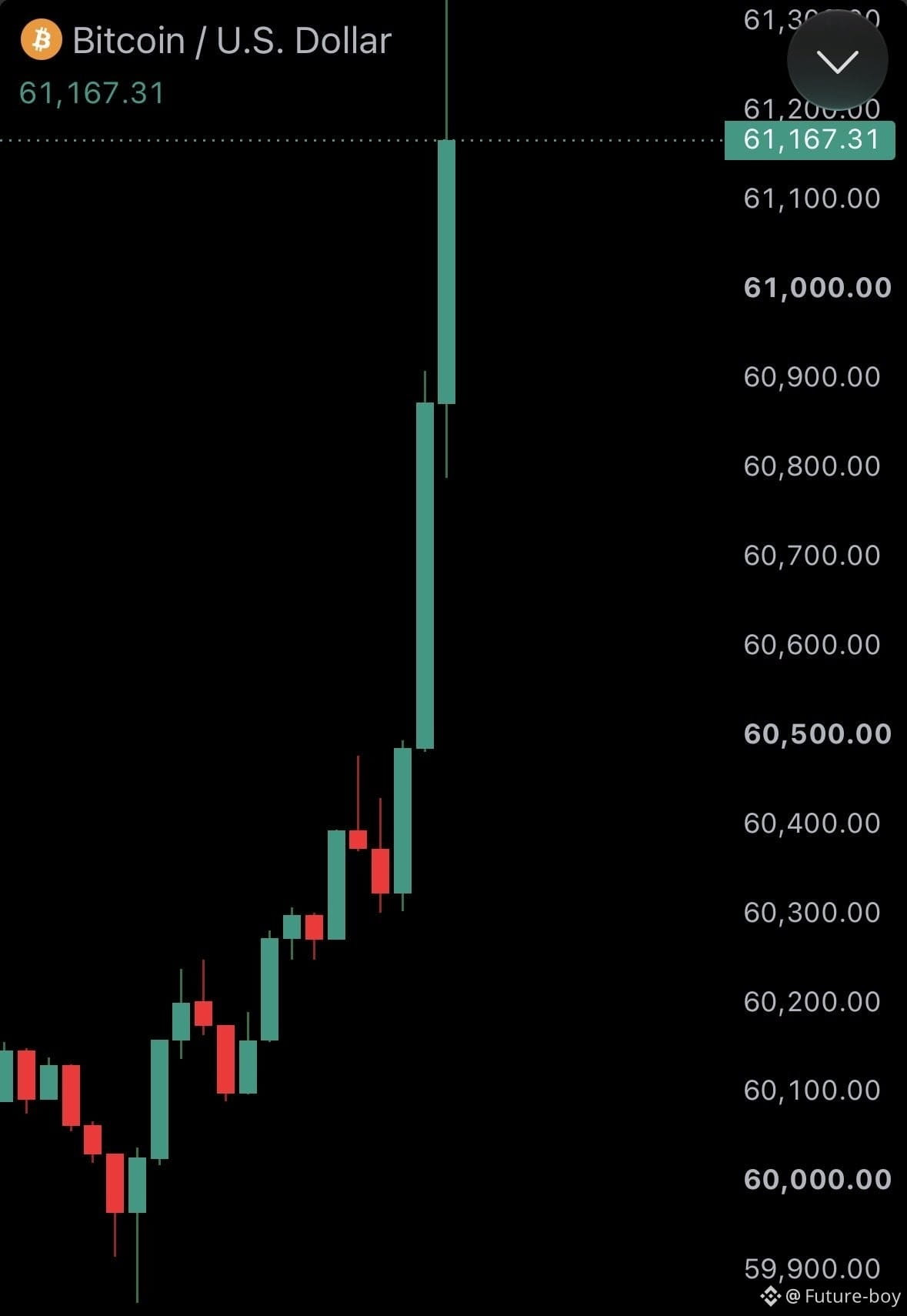
比特幣重回 61,000 美元上方,反彈看起來確有其事,但推動反彈的是空頭回補,而非新資金
比特幣已收復 61,000 美元關口。在經歷了令人難熬的週末後,這是個令人欣慰的變化。據報道,比特幣週末一度跌至約 55,000 美元,爲近兩年來的最低水平。這些週末數據來自我無法準確確定日期的報道,因此請謹慎看待具體低點。更明確的是這波反彈的性質:市場報道認爲,反彈主要是因爲空頭被迫回補倉位。
這個區別很重要。如果價格上漲是因爲看跌交易者被迫平倉,漲勢可能看起來很凌厲,但等被迫買盤耗盡後就會消退。棘手之處在於,基本面尚未出現任何改善。美國現貨比特幣 ETF 本月僅有兩天錄得資金流入,11 月的資金流出已超過 20 億美元,市場仍預計美聯儲會加息,而週三公佈的新關稅提案又增添了一項宏觀層面的擔憂。
不過,也有一些積極跡象。一位分析師指出,TD Sequential 指標在 3 日圖上發出了買入信號;該指標此前曾準確預示最近兩次拋售。市場情緒也一直處於極度恐懼狀態,槓桿已數次出清,而且隨着比特幣反彈,Strategy 股價在盤前交易中跳漲,這表明緊張不安的持有者開始鬆一口氣。
在有證據表明情況並非如此之前,我認爲這只是下跌趨勢中的一次緩解性反彈。值得關注的價位是 62,000 至 64,000 美元區間,之前的反彈曾在這裏受阻;下行方面則是 58,000 美元附近。若日收盤價突破阻力位,且 ETF 資金流向轉爲正向,市場前景就會改變;若未能突破,週末低點就可能再次受到考驗。
目前看到行情轉綠,我當然很高興,但不會追高;在相信反彈不止於此之前,我希望先看到資金流向給出確認。
你認爲這是復甦的開始,還是新一輪下跌前的空頭擠壓?在你重新開始買入之前,還需要看到什麼?
1
78
·
--
看跌
《華盛頓郵報》報道:特朗普政府曾討論動用戰時權力,促使英偉達首席執行官黃仁勳復職
據《華盛頓郵報》的一篇新報道,五角大樓官員和國防部長皮特·赫格塞思曾討論援引《國防生產法》賦予的戰時權力,向英偉達董事會施壓,要求黃仁勳在本月早些時候突然辭職後重新擔任首席執行官。報道援引多位知情人士的話指出,這一想法也得到了硅谷知名人士的支持,其中包括加密貨幣投資人巴拉吉·斯里尼瓦桑和科技投資人謝爾文·皮舍瓦爾。他們認爲,讓黃仁勳重掌這家美國領先的人工智能芯片製造商,是關乎美國國家安全的緊迫事項。
雖然特朗普政府最終並未正式援引《國防生產法》,但《華盛頓郵報》指出,白宮的直接干預仍爲黃仁勳最終重返英偉達鋪平了道路。這些內部討論凸顯出,華盛頓對人工智能基礎設施的重視程度之高——它不僅被視爲企業治理問題,更被視爲國家安全和地緣政治競爭力的關鍵支柱。
對於關注傳統科技市場與加密貨幣市場交匯點的交易者而言,將英偉達領導層視爲國家安全資產,凸顯了主權政策如今與人工智能算力的深度交織。隨着 $RENDER、TAO 和 FET 等人工智能基礎設施代幣緊密跟隨 NVDA 相關消息,並與 BTC 同步波動,華盛頓願意考慮採取非常規行政措施,足以說明圍繞全球算力主導權的博弈已變得多麼激烈。
你認爲,華盛頓考慮動用戰時法律來保護人工智能領域的領先地位,是利好美國科技股和 RENDER、TAO 等去中心化算力代幣,還是這種程度的政府幹預會讓你更加謹慎?歡迎在下方分享你的看法!
1
390
·
--
看跌
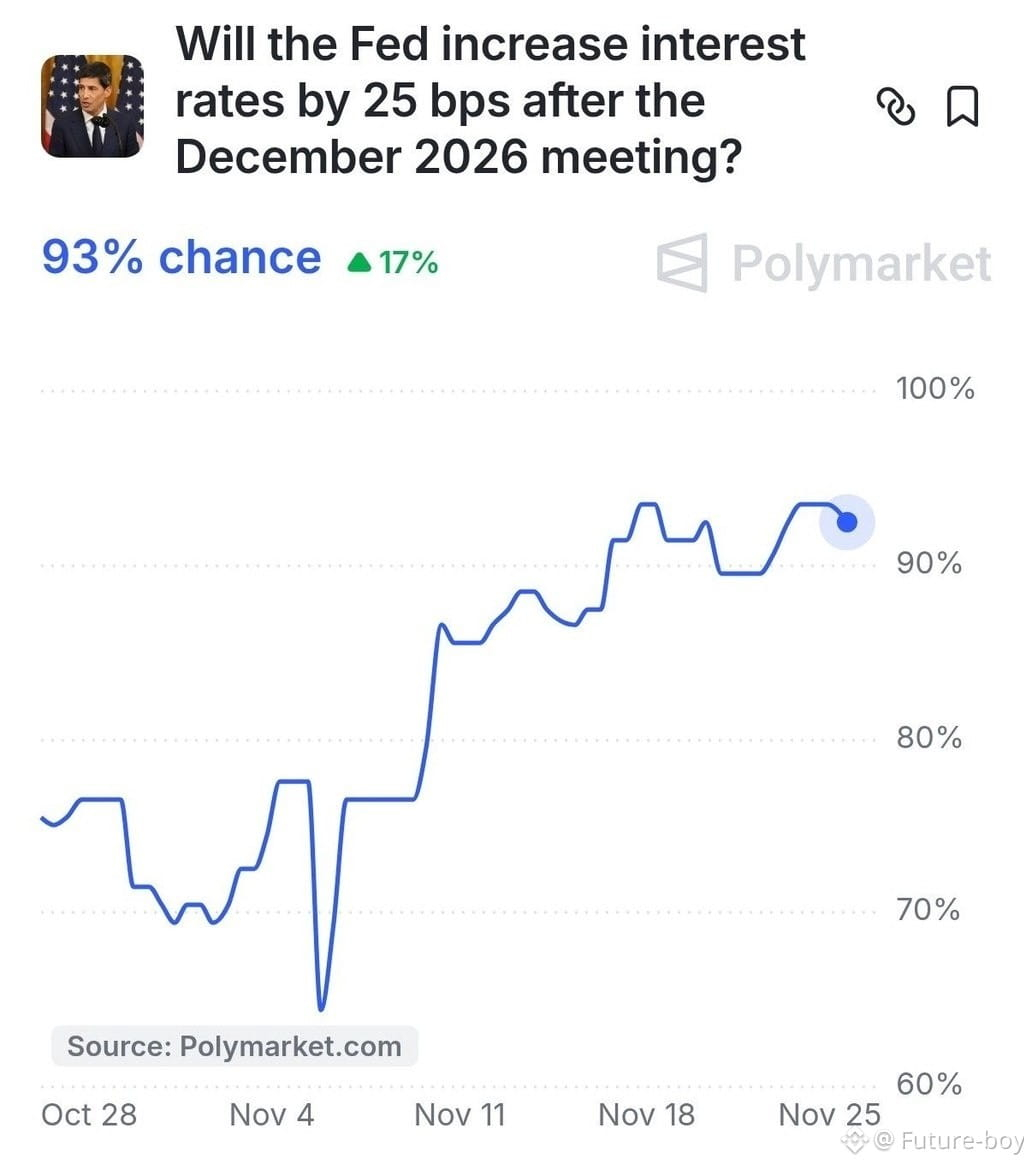
市場定價顯示:12月FOMC會議加息25個基點的概率爲93%
利率期貨和預測市場幾乎一致認定,美聯儲將再次收緊政策;市場定價顯示,決策者在即將於12月9日舉行的FOMC會議上加息25個基點的概率約爲93%。在CME FedWatch和Kalshi合約中,交易者認爲維持利率不變的概率不到7%,並將目標利率區間上調25個基點至4.00–4.25%視爲壓倒性的基本情景。
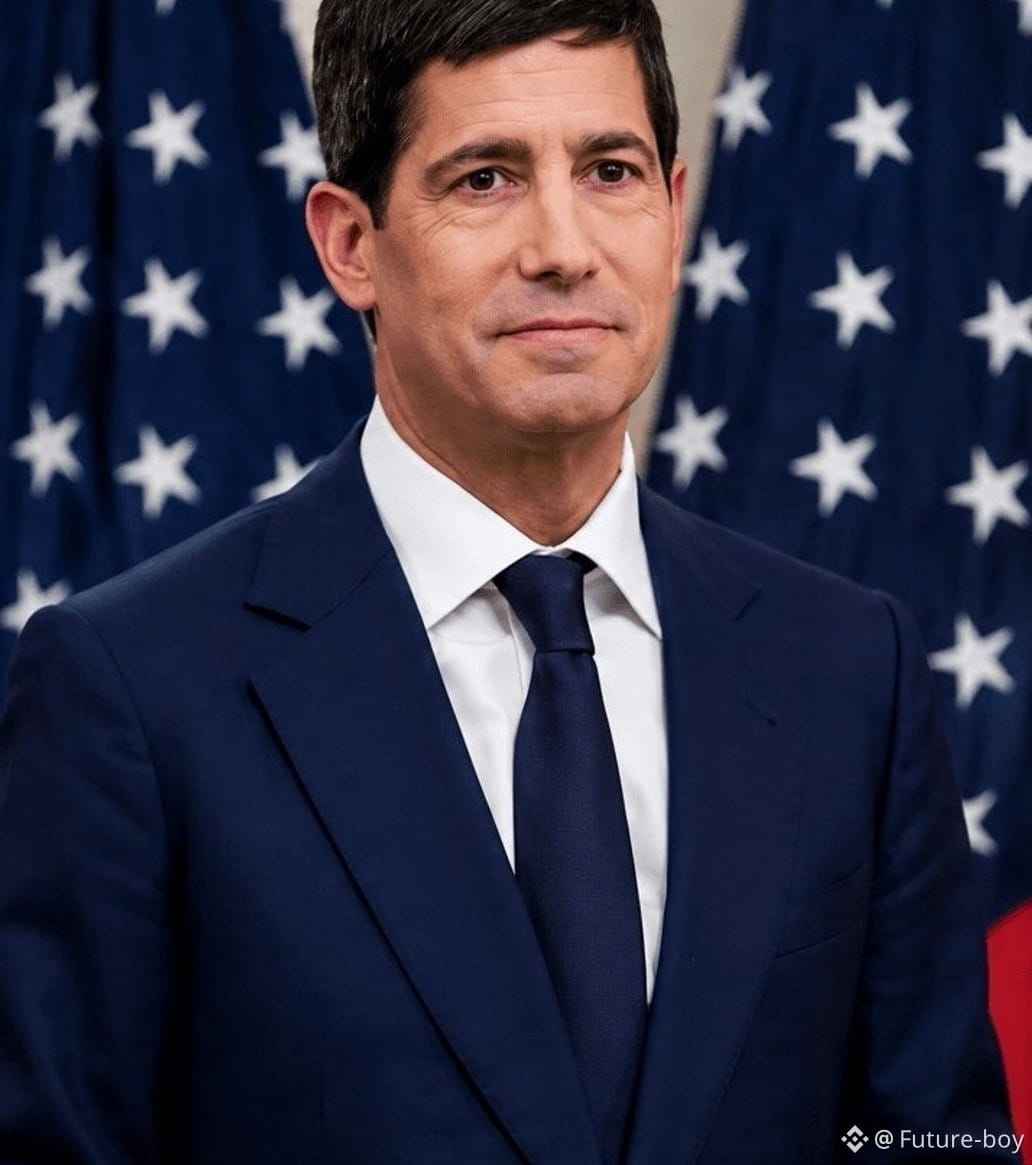
這一近乎確定的預期,緊隨高於預期的美國通脹數據以及偏鷹派的FOMC會議紀要而來。紀要顯示,幾乎所有決策者都認爲有必要進一步收緊政策。10月美聯儲首選的通脹指標同比上漲3.8%,核心消費價格仍頑固地居高不下。美聯儲主席凱文·沃什領導的央行已表明,將積極聚焦物價穩定——儘管比爾·阿克曼等億萬富翁投資者以及財政部人士警告,過度收緊可能使經濟陷入衰退。
對於加密貨幣交易者而言,93%的隱含概率意味着,12月加息本身基本已反映在當前BTC和ETH價格中。真正引發波動的因素將是沃什主席對未來政策的指引——具體而言,美聯儲是否暗示2027年1月和3月還會進一步加息,還是在經歷近期數萬億美元規模的股市和加密貨幣回撤後,暗示暫停加息。
既然市場已經以93%的概率計入加息25個基點,你認爲12月FOMC會議會讓$BTC出現經典的“謠言時買入,消息落地時賣出”式反彈嗎?還是偏鷹派的2027年展望會讓加密貨幣進一步下跌?歡迎在下方分享你的看法!
1
63
·
--
看跌
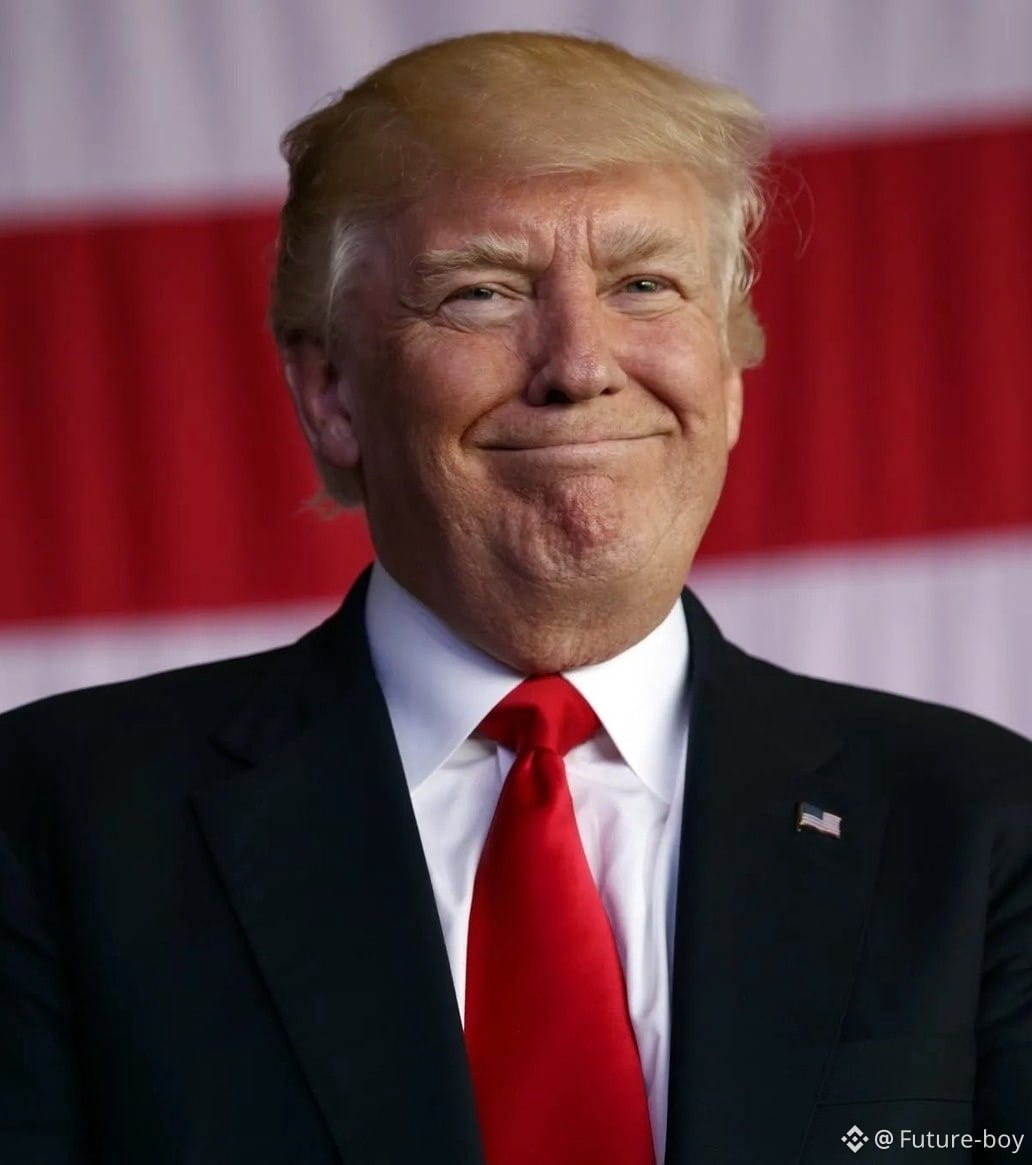
特朗普將民主黨贏得中期選舉歸咎於股市暴跌6萬億美元
唐納德·特朗普總統剛剛再次爲華爾街11月的慘烈下跌給出政治層面的解釋,直接將股市和退休賬戶下挫歸咎於民主黨在11月3日中期選舉中的勝利。特朗普今天在 Truth Social 發文稱,股市暴跌正是因爲民主黨贏得了衆議院和參議院的多數席位;他還補充說,如果自己的名字也出現在選票上,結果肯定會截然不同,股市和美國人的401(k)退休賬戶都會一路走高。
自選舉日以來,美國股票市值已蒸發近6萬億美元,標普500指數因此進入回調區間,科技股和半導體股也遭受重創。特朗普將這輪暴跌完全歸咎於市場擔憂:民主黨即將掌控的國會將在2027年1月上臺後限制人工智能和數據中心擴張。然而,機構交易臺還在應對頑固的通脹、針對14個貿易伙伴的新一輪關稅提案,以及美聯儲12月加息可能性日益增加等因素。
對於關注$BTC、$ETH和人工智能代幣、眼看它們隨着華爾街每天開盤而劇烈波動的加密貨幣交易者來說,華盛頓的政治甩鍋又給本已脆弱的市場增添了一層頭條風險。無論市場是在應對國會即將陷入僵局、關稅引發的通脹,還是過熱的人工智能估值,風險資產目前仍對宏觀敘事高度敏感。
你認同特朗普的說法,認爲華爾街拋售股票純粹是因爲中期選舉結果嗎?還是說,關稅和美聯儲加息擔憂纔是這輪$BTC和股票回調背後的真正原因?歡迎在下方留言分享看法!
1
130
·
--
看跌
邁克爾·伯裏平掉納斯達克空頭頭寸,幾乎全面轉爲做多
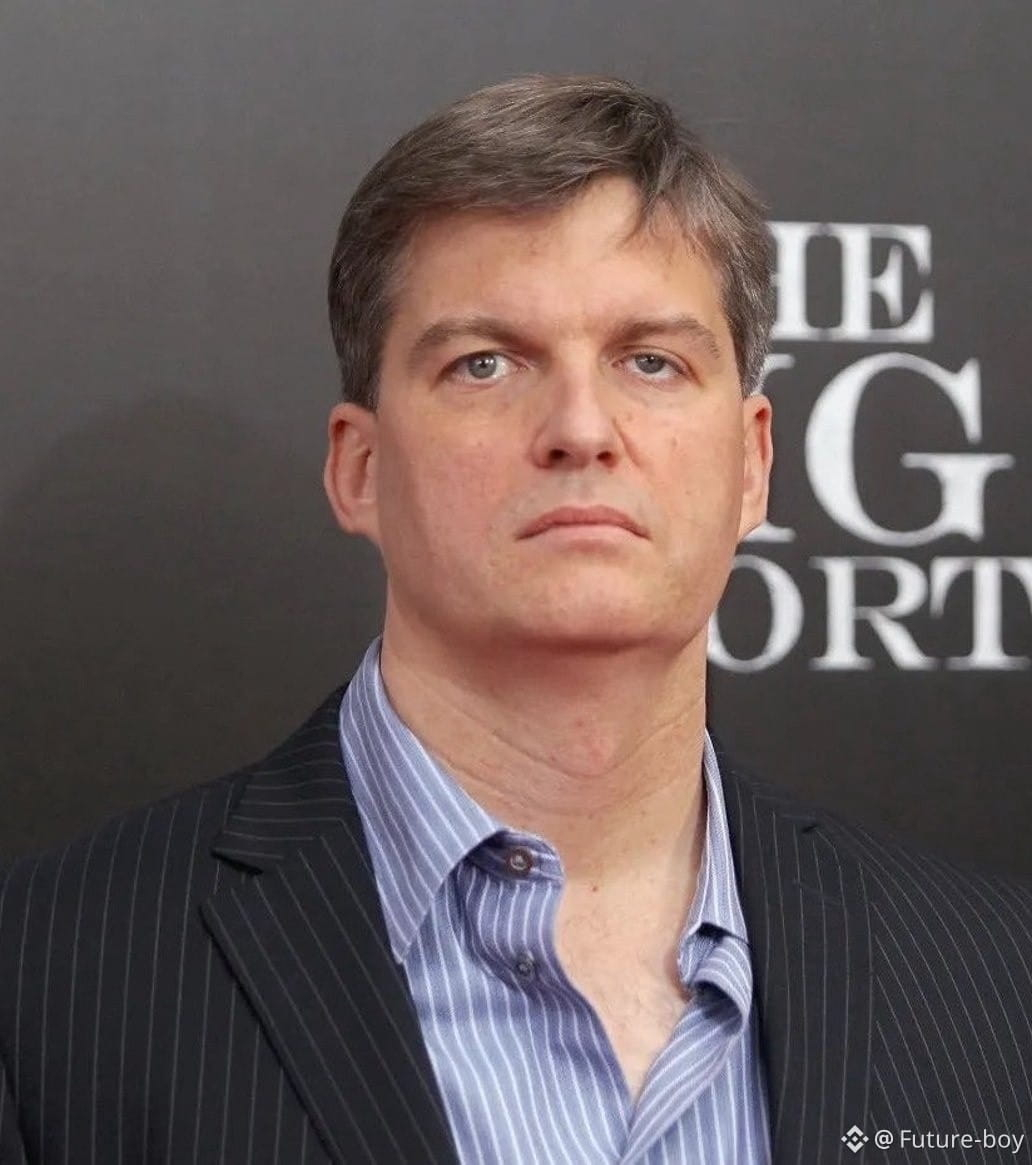
華爾街最知名的逆勢看空者剛剛獲利了結科技股空頭頭寸,並調整了自己的倉位。在 11 月 25 日的 Substack 更新中,《大空頭》投資人邁克爾·伯裏透露,在科技股持續拋售之際,他賣出了剩餘的納斯達克 100 指數看跌期權,令投資組合幾乎完全轉爲做多——僅保留了 Palantir 和大都會人壽的看跌頭寸。
雖然標題看起來像是徹底轉向看漲,但具體情況反映出更具策略性的考量。伯裏手頭約有 25% 的現金,主要來自盈利的看跌期權交易和新注入的資金;他明確表示,只有出現合適的交易機會時,纔會動用這筆閒置資金。他還補充說,自己仍在積極評估新的做空機會,並認爲目前以做多爲主的倉位只是暫時的。即便如此,在股市和人工智能類股票蒸發數萬億美元后,市場上最響亮的看空者之一選擇在此時賣出納斯達克看跌期權並獲利了結,顯然釋放了一個信號:眼下的下跌行情可能已經變得擁擠。
對於那些眼看着 $BTC 和高貝塔係數山寨幣隨科技股波動起落的加密貨幣交易者來說,伯裏平掉指數空頭頭寸,消除了一個重要的心理層面利空——儘管他仍留有充足現金,等待下一次行情波動。
當華爾街最大的看空者了結納斯達克空頭頭寸,並動用現金逢低買入時,你會把這看作 $BTC 和科技股觸底的信號嗎?還是認爲他只是在爲下一輪下跌蓄勢?歡迎在下方分享你的看法!

1
64
·
--
特朗普提議對14個貿易伙伴徵收新關稅,美國股市開盤時市值蒸發2萬億美元
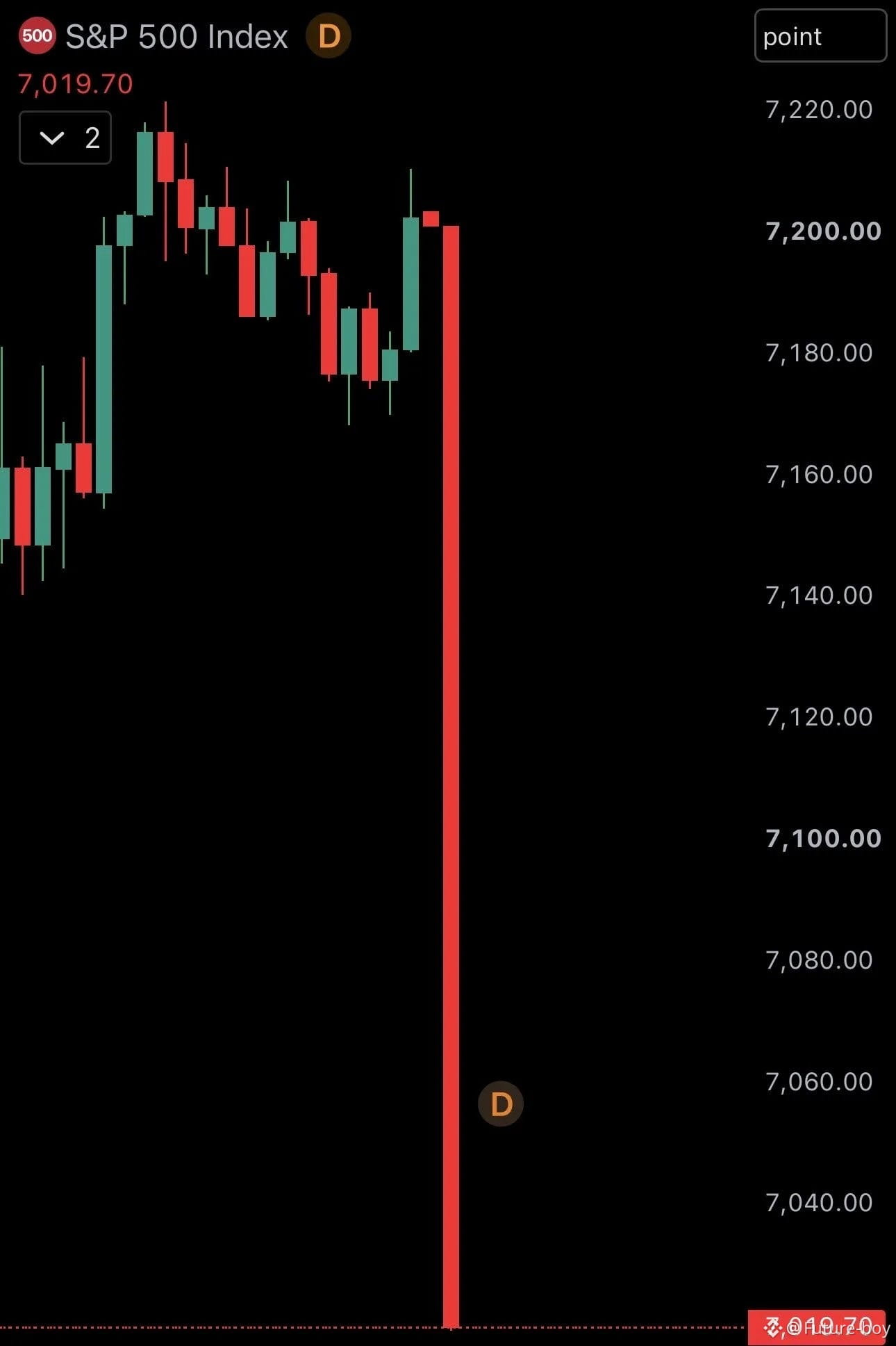
華爾街今日開盤後全面暴跌,特朗普政府公佈針對美國14個主要貿易伙伴的廣泛新關稅提案,開盤鈴聲一響,股市市值便蒸發約2萬億美元。在歷時八個月、針對結構性工業產能過剩問題的調查後,美國貿易代表辦公室提出了高額進口關稅:越南最高35%,印度最高25%,中國和新加坡最高20%,泰國、馬來西亞、印度尼西亞和柬埔寨等東南亞樞紐最高18%,歐盟、日本、韓國、臺灣和瑞士等主要盟友最高15%。
政府指出,這些措施仍需經過公衆意見徵詢期,實施時間可能因此推遲至2027年1月;同時,越南、印度和新加坡等國家仍有機會通過雙邊協議降低稅率。但市場立即消化了供應鏈遭受衝擊的預期。多年來一直將製造業從中國轉移至越南和東南亞的進口商,突然面臨巨大的新增成本壁壘,令市場再次擔憂通脹居高不下,並可能擠壓美國大型科技股和消費類股票的利潤率。
對加密貨幣交易者而言,華爾街遭遇2萬億美元的宏觀衝擊,意味着所有風險資產都直接處於風暴中心。每當激進的關稅消息引發通脹擔憂,並在開盤時重創傳統股票,機構交易部門就會爭相籌集現金、降低風險敞口——這意味着,隨着全球市場流動性收緊,$BTC、$ETH和高貝塔係數的山寨幣將立即面臨波動性考驗。
你認爲這次新的關稅衝擊會讓BTC和ETH跟隨華爾街下跌,還是加密貨幣會因能對衝貿易戰再起引發的通脹而吸引資金?歡迎在下方說說你的看法!
1
35
·
--
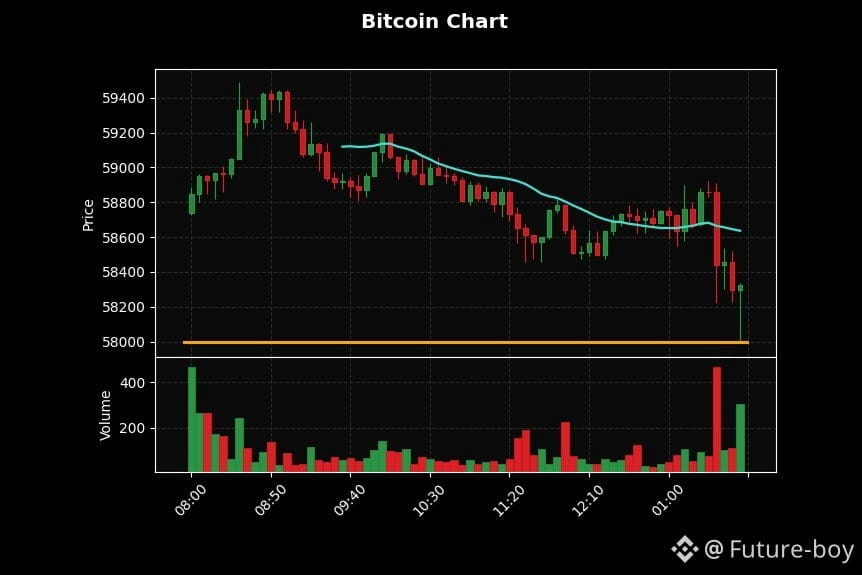
比特幣再次測試58,000美元關口,同一價位不斷被稱爲底部,也被視爲陷阱
比特幣近期一直在58,000美元附近徘徊。週五,在股票和加密貨幣市場普遍拋售之際,價格曾跌至這一水平。我無法確認今天是否再次觸及該價位,但今早一份技術分析報告稱,價格從62,500美元回落,並再次瞄準58,000美元。這個價位之所以重要,是因爲它緊挨着比特幣今年7月創下的約57,700美元低點。
市場上有兩派人馬,正就此爭論不休。一方援引長期模型和移動平均線:富達追蹤的一張圖表顯示,58,000美元附近存在支撐,200周均線也在相近位置,挖礦成本同樣不遠。過去幾個週期中,類似價位都曾出現資金累積。另一方則指出,日線圖上出現了死亡交叉,價格已連續六週下跌,ETF資金大幅流出,並認爲若明確跌破支撐,價格就可能進一步下探至50,000美元出頭。
當前的市場環境仍不利於買方。美國現貨比特幣ETF在11月的資金流出已超過20億美元,花旗再次下調預測;納斯達克週五表現疲軟,美聯儲也沒有釋放即將降息的信號。預測市場顯示,大多數交易者預計週六收盤時比特幣將在58,000至60,000美元之間,這說明市場對這一區間的預期十分集中。
比特幣確實有機會從這裏反彈。市場情緒極度恐懼,槓桿已經數次出清,而過去的低點也曾在類似情緒下形成。但反彈不等於觸底。在相信最糟糕的時期已經過去之前,我希望看到ETF資金流趨於穩定,且價格重新站上62,000美元。
目前,我把58,000美元視爲關鍵分界線;在市場明確選擇方向之前,無論漲跌都應保持謹慎。
你認爲58,000美元能守住、成爲底部嗎?還是說跌破它只是時間問題?什麼情況會讓你開始堅定買入?
結論:看跌
1
73
·
--
文章
據報道,以太坊的後量子計劃傾向於採用 Keccak,其吸引力在於以太坊已經據報道,以太坊的後量子計劃傾向於採用 Keccak,其吸引力在於以太坊已經在各處使用它
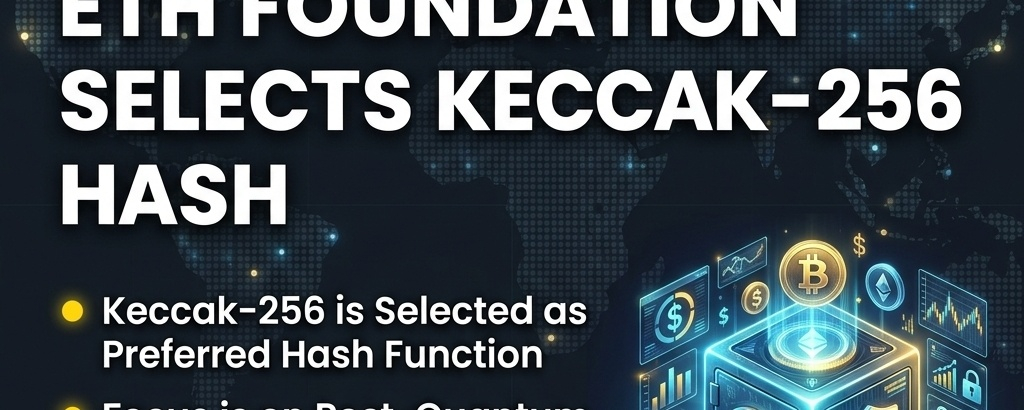
據報道,以太坊基金會已將 Keccak-256 選爲其後量子過渡期間首選的哈希函數。我沒能找到公告原文,因此會將這一具體選擇視爲尚未得到證實。不過,我可以確認其大致方向。今年 8 月,一位基金會研究員表示,以太坊將放棄 Poseidon——一種旨在證明系統中高效運行的哈希函數——轉而採用 SHA 和 BLAKE 等傳統哈希函數。此前,團隊已在舊方案上投入了八年時間。
據報道,以太坊的後量子計劃傾向於採用 Keccak,其吸引力在於以太坊已經
據報道,以太坊的後量子計劃傾向於採用 Keccak,其吸引力在於以太坊已經在各處使用它
據報道,以太坊基金會已將 Keccak-256 選爲其後量子過渡期間首選的哈希函數。我沒能找到公告原文,因此會將這一具體選擇視爲尚未得到證實。不過,我可以確認其大致方向。今年 8 月,一位基金會研究員表示,以太坊將放棄 Poseidon——一種旨在證明系統中高效運行的哈希函數——轉而採用 SHA 和 BLAKE 等傳統哈希函數。此前,團隊已在舊方案上投入了八年時間。
據報道,以太坊基金會已將 Keccak-256 選爲其後量子過渡期間首選的哈希函數。我沒能找到公告原文,因此會將這一具體選擇視爲尚未得到證實。不過,我可以確認其大致方向。今年 8 月,一位基金會研究員表示,以太坊將放棄 Poseidon——一種旨在證明系統中高效運行的哈希函數——轉而採用 SHA 和 BLAKE 等傳統哈希函數。此前,團隊已在舊方案上投入了八年時間。
1
68
·
--
真實
文章
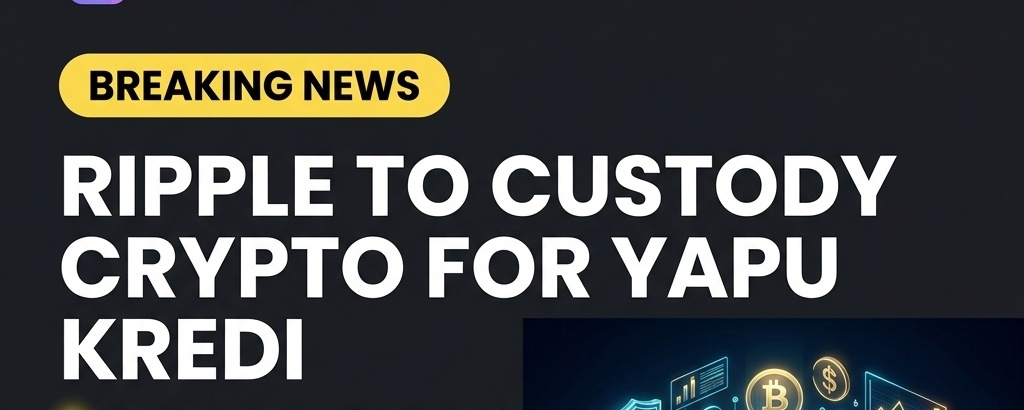
據報道,瑞波正爲另一家土耳其銀行提供託管服務,而安卡拉的監管規則正是讓其據報道,瑞波正爲另一家土耳其銀行提供託管服務,而安卡拉的監管規則正是關鍵所在
據報道,瑞波正在爲土耳其的 Yapı Kredi 及其加密平臺提供託管技術。我沒有找到關於這筆交易細節的來源,因此只能依據周邊事實進行判斷。瑞波早已在該國開展業務。其託管技術爲 Garanti BBVA Kripto 提供安全保障。該平臺是土耳其最大的私人銀行之一旗下的加密業務部門,客戶可以在此持有、轉賬和兌換比特幣、以太幣和 XRP 等資產。據報道,雙方的合作關係已續約。
據報道,瑞波正爲另一家土耳其銀行提供託管服務,而安卡拉的監管規則正是讓其
據報道,瑞波正爲另一家土耳其銀行提供託管服務,而安卡拉的監管規則正是關鍵所在
據報道,瑞波正在爲土耳其的 Yapı Kredi 及其加密平臺提供託管技術。我沒有找到關於這筆交易細節的來源,因此只能依據周邊事實進行判斷。瑞波早已在該國開展業務。其託管技術爲 Garanti BBVA Kripto 提供安全保障。該平臺是土耳其最大的私人銀行之一旗下的加密業務部門,客戶可以在此持有、轉賬和兌換比特幣、以太幣和 XRP 等資產。據報道,雙方的合作關係已續約。
據報道,瑞波正在爲土耳其的 Yapı Kredi 及其加密平臺提供託管技術。我沒有找到關於這筆交易細節的來源,因此只能依據周邊事實進行判斷。瑞波早已在該國開展業務。其託管技術爲 Garanti BBVA Kripto 提供安全保障。該平臺是土耳其最大的私人銀行之一旗下的加密業務部門,客戶可以在此持有、轉賬和兌換比特幣、以太幣和 XRP 等資產。據報道,雙方的合作關係已續約。
2
1.2k
·
--
文章
查看翻譯
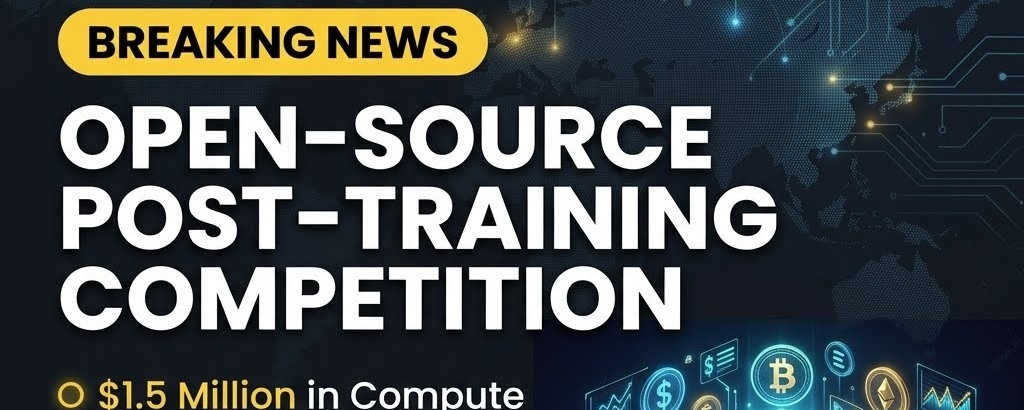
A 1.5 MILLION DOLLAR COMPUTE POOL FOR OPEN SOURCE POST TRAINING IS AN AI STORY, SO HERE IS THE HONESA 1.5 MILLION DOLLAR COMPUTE POOL FOR OPEN SOURCE POST TRAINING IS AN AI STORY, SO HERE IS THE HONEST CRYPTO ANGLE
A competition is reportedly offering about 1.5 million dollars in compute and more than 200,000 dollars in prizes for open source post training work. I could not find the competition's page, so I cannot tell you the rules, the deadline or who is running it. The closest confirmed link is White Circle, an AI safety startup, which recently released a training framework called Halo that it uses internally and has opened up to outside teams, so the two may be connected, but I would not assume it.
The idea behind post training is simple. Instead of building a giant model from scratch, which costs a fortune, teams take a strong open model and adapt it with additional training on specific tasks, which is cheaper and often gets surprisingly close to the frontier. The catch is that good post training still needs serious compute, so a pool of free compute is a real prize for small teams that could not otherwise afford the experiments.
For crypto the connection is indirect, and I do not want to overstate it. Decentralized AI projects like to argue that open models and shared compute are the alternative to a few big labs controlling everything, and competitions that subsidize open work feed that story. But this announcement is not a token, a protocol or a crypto product, and nothing in it directly affects any coin.
The more honest read is on sentiment. Money flowing into open source AI development is part of the same wave that is driving AI stocks and AI related tokens, and when the AI trade wobbles, as it did this month, those assets tend to wobble with it. Anyone buying AI tokens on this kind of headline should check whether the project actually uses open compute or just borrows the narrative.
I'm watching for the details of the competition and who sponsors the compute, since that will show whether it is a serious research effort or a marketing push.
Do you think open source AI competitions can really shift power away from the big labs, and do AI tokens deserve their premium when most of the real work happens off chain?
A 1.5 MILLION DOLLAR COMPUTE POOL FOR OPEN SOURCE POST TRAINING IS AN AI STORY, SO HERE IS THE HONES
A 1.5 MILLION DOLLAR COMPUTE POOL FOR OPEN SOURCE POST TRAINING IS AN AI STORY, SO HERE IS THE HONEST CRYPTO ANGLE
A competition is reportedly offering about 1.5 million dollars in compute and more than 200,000 dollars in prizes for open source post training work. I could not find the competition's page, so I cannot tell you the rules, the deadline or who is running it. The closest confirmed link is White Circle, an AI safety startup, which recently released a training framework called Halo that it uses internally and has opened up to outside teams, so the two may be connected, but I would not assume it.
The idea behind post training is simple. Instead of building a giant model from scratch, which costs a fortune, teams take a strong open model and adapt it with additional training on specific tasks, which is cheaper and often gets surprisingly close to the frontier. The catch is that good post training still needs serious compute, so a pool of free compute is a real prize for small teams that could not otherwise afford the experiments.
For crypto the connection is indirect, and I do not want to overstate it. Decentralized AI projects like to argue that open models and shared compute are the alternative to a few big labs controlling everything, and competitions that subsidize open work feed that story. But this announcement is not a token, a protocol or a crypto product, and nothing in it directly affects any coin.
The more honest read is on sentiment. Money flowing into open source AI development is part of the same wave that is driving AI stocks and AI related tokens, and when the AI trade wobbles, as it did this month, those assets tend to wobble with it. Anyone buying AI tokens on this kind of headline should check whether the project actually uses open compute or just borrows the narrative.
I'm watching for the details of the competition and who sponsors the compute, since that will show whether it is a serious research effort or a marketing push.
Do you think open source AI competitions can really shift power away from the big labs, and do AI tokens deserve their premium when most of the real work happens off chain?
1
165
·
--
看漲
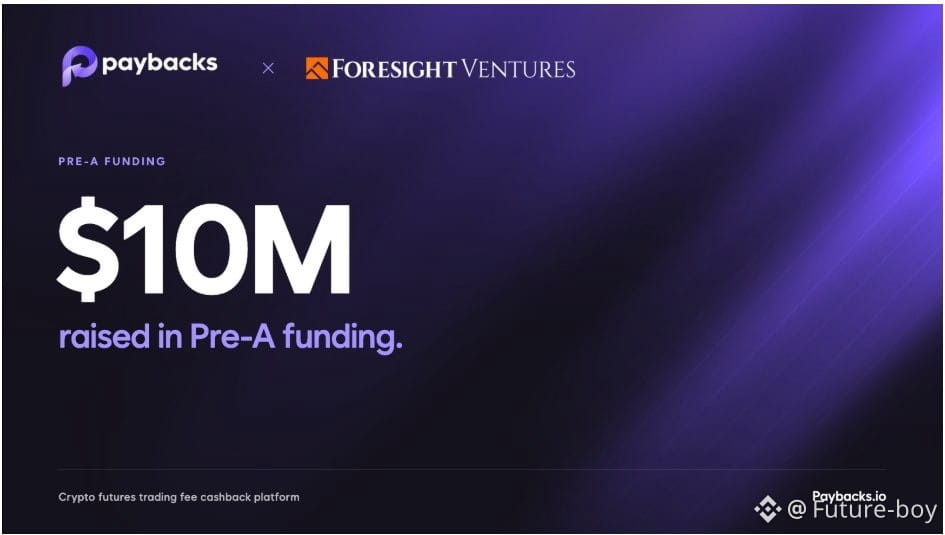
PAYBACKS 獲 Foresight Ventures 1,000 萬美元融資,將推出加密貨幣手續費返現平臺
加密貨幣手續費返還平臺 Paybacks 剛剛完成 1,000 萬美元的 Pre-Series A 輪融資,唯一投資方爲 Foresight Ventures,推動這家新成立的初創公司估值達到 1 億美元。融資完成的同時,公司正式推出 paybacks.io。這項服務旨在將傳統交易所的聯盟營銷佣金轉化爲直接的交易手續費返還,面向普通期貨交易者。
通過與合作交易所直接簽訂協議,Paybacks 會在次日自動以 USDT 的形式向用戶返還符合條件的加密貨幣期貨交易手續費,最高可達 90%。該平臺不再讓網紅通過推薦鏈接拿走大筆掛單和喫單手續費,而是充當機構級別的返傭層——提供 24 小時在線客服,協助交易者遷移現有交易所賬戶,並保證返現比例最高。
對於活躍的衍生品交易者來說,手續費侵蝕是長期損益中最隱蔽、危害最大的因素之一,尤其是在高波動行情中進行剝頭皮交易或管理槓桿倉位時。如今,主要風險投資機構開始以九位數估值投資手續費返還基礎設施,爲每筆 $BTC、ETH 和 SOL 交易削減成本,正迅速成爲行業慣例,而不再是圈內人的專屬福利。
你已經在使用手續費返還計劃來降低期貨交易成本了嗎?還是每筆交易仍在支付全額交易所手續費?歡迎在下方分享你的看法!
1
133
·
--
看跌
查看翻譯
UNICREDIT LAUNCHES ITALY'S FIRST CAPITAL-PROTECTED BITCOIN CERTIFICATE WITH A 65% RETURN CAP
Italian banking giant UniCredit just opened subscriptions for Italy's first retail-focused, capital-protected Bitcoin certificate, tied directly to BlackRock's iShares Bitcoin ETP. Available through the bank's advisory service with a €1,000 minimum investment, the six-year structured note runs through December 2032 and comes with a straightforward trade-off designed for cautious traditional investors.
Here is what "capital-protected, capped at 65%" actually means in plain terms: if Bitcoin crashes over the next six years, buyers who hold the certificate until maturity get 100 percent of their initial €1,000 principal back. In exchange for that downside safety net, UniCredit caps maximum upside gains at 65 percent—meaning even if $BTC doubles or triples by 2032, the payout maxes out at €1,650, or roughly 8.7 percent annualized before fees and inflation.
While crypto natives would never trade away uncapped upside for a bank-issued ceiling—especially when selling early forfeits the principal guarantee—products like this act as a massive onboarding bridge for conservative European savers. Every time a major legacy bank packages Bitcoin into a familiar, downside-protected retail product, fresh TradFi liquidity quietly enters the ecosystem without needing self-custody wallets or exchange accounts.
Would you ever trade away uncapped $BTC upside for six years of guaranteed principal protection, or is capping gains at 65% completely missing the point of Bitcoin? Drop your take below!

BTC+1.10%
BLKUS+1.92%
1
216
登入以探索更多內容
加入幣安廣場中的全球加密貨幣用戶
⚡️ 獲取加密貨幣的最新和實用資訊。
💬 受到全球最大加密貨幣交易所的信任。
👍 發掘來自經過驗證創作者的真實見解。
電子郵件 / 電話號碼