
Cryptographic World
627 貼文

Cryptographic World
舉報
封鎖用戶
Cryptographic World Crypto News Analysis And Setups. No investment plans Apply Risk And Goodluck on Your Journey!
實盤交易
低頻交易者
3.5 年
30 關注
2.7K+ 粉絲
2.6K+ 點讚數
貼文
投資組合
全部
引用
文章
比特幣突破 65,000 美元:本週將公佈美國通脹數據。除 XRP 外,本週所有主要幣種均上漲;BTC、以太幣和 BNB 各自均上漲近 3%,因全球股市在接近歷史新高的水平附近交易。
比特幣週一升至 65,000 美元以上,本週累計上漲近 3%;7 月通脹數據預計於週三上午 8:30(美國東部時間)公佈。此前週五疲弱的就業報告緩解了市場對美聯儲可能需要上調利率的擔憂。
以太幣交易在約 1,919 美元附近,本週同樣上漲近 3%。BNB 上漲 0.3% 至 603 美元,並與該漲幅相當。Solana 表現最強,日內上漲 1% 至接近 77 美元,且近七天累計上漲近 5%。Tron 維持在 33 美分附近。
比特幣突破 65,000 美元:本週將公佈美國通脹數據。
除 XRP 外,本週所有主要幣種均上漲;BTC、以太幣和 BNB 各自均上漲近 3%,因全球股市在接近歷史新高的水平附近交易。
比特幣週一升至 65,000 美元以上,本週累計上漲近 3%;7 月通脹數據預計於週三上午 8:30(美國東部時間)公佈。此前週五疲弱的就業報告緩解了市場對美聯儲可能需要上調利率的擔憂。
以太幣交易在約 1,919 美元附近,本週同樣上漲近 3%。BNB 上漲 0.3% 至 603 美元,並與該漲幅相當。Solana 表現最強,日內上漲 1% 至接近 77 美元,且近七天累計上漲近 5%。Tron 維持在 33 美分附近。
比特幣週一升至 65,000 美元以上,本週累計上漲近 3%;7 月通脹數據預計於週三上午 8:30(美國東部時間)公佈。此前週五疲弱的就業報告緩解了市場對美聯儲可能需要上調利率的擔憂。
以太幣交易在約 1,919 美元附近,本週同樣上漲近 3%。BNB 上漲 0.3% 至 603 美元,並與該漲幅相當。Solana 表現最強,日內上漲 1% 至接近 77 美元,且近七天累計上漲近 5%。Tron 維持在 33 美分附近。
330
文章
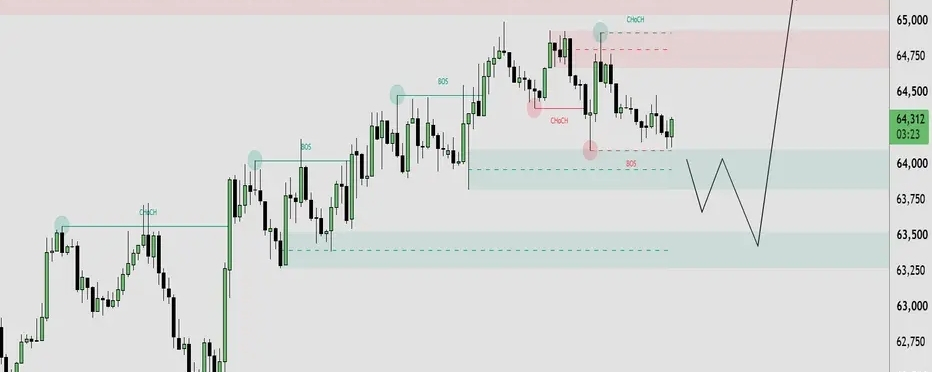
BTCUSD 回踩至需求區的價格走勢與市場結構。BTCUSD目前正在經歷一次強勁看漲擴張後的修正階段;近期的價格走勢顯示,價格跌破一個明確的阻力區後,短期動能出現了走弱。圖表突顯了先前的結構突破(BOS),其後接連出現多個性質改變(CHoCH)點,這意味著市場正轉向回檔,而不是立刻向上延伸。價格正接近一個標記的需求區,在此區域流動性可能正在聚集,因此該區對觀察買方反應格外重要。只要較大的市場結構仍維持完好,當前下跌可能只是更大趨勢中的回踩,而非已被確認的反轉。鄰近的阻力區仍持續作為關鍵的技術性屏障。
BTCUSD 回踩至需求區的價格走勢與市場結構。
BTCUSD目前正在經歷一次強勁看漲擴張後的修正階段;近期的價格走勢顯示,價格跌破一個明確的阻力區後,短期動能出現了走弱。圖表突顯了先前的結構突破(BOS),其後接連出現多個性質改變(CHoCH)點,這意味著市場正轉向回檔,而不是立刻向上延伸。價格正接近一個標記的需求區,在此區域流動性可能正在聚集,因此該區對觀察買方反應格外重要。只要較大的市場結構仍維持完好,當前下跌可能只是更大趨勢中的回踩,而非已被確認的反轉。鄰近的阻力區仍持續作為關鍵的技術性屏障。
41
SharpLink首席執行官警告反對新的以太坊網絡提案EIP-8363SharpLink首席執行官Joseph Chalom反對EIP-8363,稱這是一項錯誤的以太坊提案。
該提案將銷燬驗證者獎勵,使在50%的質押比例下的發行收益率降至零。
Chalom承認通過的概率很低,但警告這項提案帶來的影響並不容小覷。
SharpLink首席執行官Joseph Chalom公開反對EIP-8363。該以太坊提案將在質押比例上升時銷燬驗證者獎勵,警告該變更將削弱去中心化金融,並抹去ETH相較比特幣(BTC)的原生收益優勢。
SharpLink首席執行官警告反對新的以太坊網絡提案EIP-8363
SharpLink首席執行官Joseph Chalom反對EIP-8363,稱這是一項錯誤的以太坊提案。
該提案將銷燬驗證者獎勵,使在50%的質押比例下的發行收益率降至零。
Chalom承認通過的概率很低,但警告這項提案帶來的影響並不容小覷。
SharpLink首席執行官Joseph Chalom公開反對EIP-8363。該以太坊提案將在質押比例上升時銷燬驗證者獎勵,警告該變更將削弱去中心化金融,並抹去ETH相較比特幣(BTC)的原生收益優勢。
該提案將銷燬驗證者獎勵,使在50%的質押比例下的發行收益率降至零。
Chalom承認通過的概率很低,但警告這項提案帶來的影響並不容小覷。
SharpLink首席執行官Joseph Chalom公開反對EIP-8363。該以太坊提案將在質押比例上升時銷燬驗證者獎勵,警告該變更將削弱去中心化金融,並抹去ETH相較比特幣(BTC)的原生收益優勢。
1
14
巴西對1萬美元加密貨幣轉賬啓動24小時凍結。新的監管措施包括一項預防性規定:對個人或按日合計超過1萬美元的資金進行24小時保留,以便VASP對這些資金流動進行風險分析。該銀行強調,這些措施具有預防性質。
巴西中央銀行對1萬美元交易設定24小時資金保留期
鑑於數字資產日益被用於快速轉移與金融欺詐相關的資金,巴西中央銀行已發佈一項新的決議,以遏制其用於非法目的。
巴西對1萬美元加密貨幣轉賬啓動24小時凍結。
新的監管措施包括一項預防性規定:對個人或按日合計超過1萬美元的資金進行24小時保留,以便VASP對這些資金流動進行風險分析。該銀行強調,這些措施具有預防性質。
巴西中央銀行對1萬美元交易設定24小時資金保留期
鑑於數字資產日益被用於快速轉移與金融欺詐相關的資金,巴西中央銀行已發佈一項新的決議,以遏制其用於非法目的。
巴西中央銀行對1萬美元交易設定24小時資金保留期
鑑於數字資產日益被用於快速轉移與金融欺詐相關的資金,巴西中央銀行已發佈一項新的決議,以遏制其用於非法目的。
1
36
每個人都錯過了 SOLANA 和 CARDANO 的早期機會,但下一個 100x 加密貨幣的預售仍然機會大開當更廣泛的市場重新開始動起來時,尋找下一個 100x 加密貨幣的熱潮總會愈發升溫,而 2026 年 8 月正在把這種能量帶到行業的每一個角落。從比特幣突破 65,000 美元,到卡爾達諾本週 ETF 窗口開啓,每一輪週期都會獎勵那些在大衆意識到之前就已提前佈局的這些錢包。
儘管像 SOLANA 和 CARDANO 這樣的“大盤股”交易價格已經反映了數年市場關注度,但成千上萬的錢包悄悄把賭注押在了別處——他們一輪又一輪地參與預售,因爲他們相信,加密貨幣裏最大的回報在前 100 之外。
每個人都錯過了 SOLANA 和 CARDANO 的早期機會,但下一個 100x 加密貨幣的預售仍然機會大開
當更廣泛的市場重新開始動起來時,尋找下一個 100x 加密貨幣的熱潮總會愈發升溫,而 2026 年 8 月正在把這種能量帶到行業的每一個角落。從比特幣突破 65,000 美元,到卡爾達諾本週 ETF 窗口開啓,每一輪週期都會獎勵那些在大衆意識到之前就已提前佈局的這些錢包。
儘管像 SOLANA 和 CARDANO 這樣的“大盤股”交易價格已經反映了數年市場關注度,但成千上萬的錢包悄悄把賭注押在了別處——他們一輪又一輪地參與預售,因爲他們相信,加密貨幣裏最大的回報在前 100 之外。
儘管像 SOLANA 和 CARDANO 這樣的“大盤股”交易價格已經反映了數年市場關注度,但成千上萬的錢包悄悄把賭注押在了別處——他們一輪又一輪地參與預售,因爲他們相信,加密貨幣裏最大的回報在前 100 之外。
128
比特幣:全球 M2 飆升 1 兆美元,然而 BTC 仍可能下跌——為什麼?加密貨幣市場尚未擺脫困擾其數週的動盪。這些訊號也未能排除未來幾週可能進一步下跌的可能。
資金流動推動了其中大部分的疲弱表現,尤其是當穩定幣供應量未能達到需求。
全球 M2 供應量(另一項主要市場槓桿)持續穩步上升,但卻沒有帶來許多人先前定價所期待的成長。
全球 M2 供應量能帶動加密貨幣嗎?
Alphractal 最近報導稱,全球 M2 貨幣供應量在短短一週內大幅飆升,約增加了 1 兆美元。
比特幣:全球 M2 飆升 1 兆美元,然而 BTC 仍可能下跌——為什麼?
加密貨幣市場尚未擺脫困擾其數週的動盪。這些訊號也未能排除未來幾週可能進一步下跌的可能。
資金流動推動了其中大部分的疲弱表現,尤其是當穩定幣供應量未能達到需求。
全球 M2 供應量(另一項主要市場槓桿)持續穩步上升,但卻沒有帶來許多人先前定價所期待的成長。
全球 M2 供應量能帶動加密貨幣嗎?
Alphractal 最近報導稱,全球 M2 貨幣供應量在短短一週內大幅飆升,約增加了 1 兆美元。
資金流動推動了其中大部分的疲弱表現,尤其是當穩定幣供應量未能達到需求。
全球 M2 供應量(另一項主要市場槓桿)持續穩步上升,但卻沒有帶來許多人先前定價所期待的成長。
全球 M2 供應量能帶動加密貨幣嗎?
Alphractal 最近報導稱,全球 M2 貨幣供應量在短短一週內大幅飆升,約增加了 1 兆美元。
49
文章
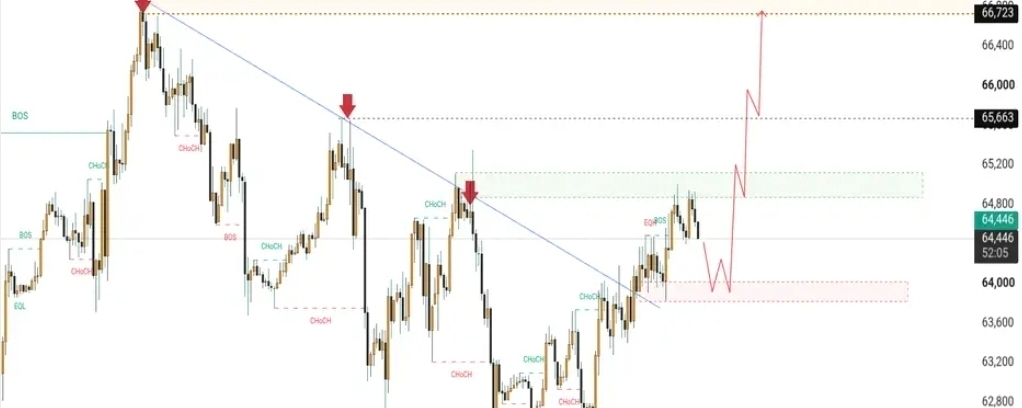
BTCUSD | 趨勢線突破後的看漲延續價格在形成看漲的性格轉變(CHoCH)後突破下降趨勢線,顯示短期動能出現轉換。近期反彈已重新奪回關鍵結構,目前價格正盤整於鄰近的阻力/流動性區下方。
所標註的阻力仍是主要的決策區域。若能成功突破並在此水位上方獲得站穩(接受),可能會暴露下一個流動性目標,位置接近先前的弱高(Weak High)。然而,如果價格未能守住剛剛的突破結構,可能會在買方嘗試再次上攻之前,回撤至所標註的需求區。
BTCUSD | 趨勢線突破後的看漲延續
價格在形成看漲的性格轉變(CHoCH)後突破下降趨勢線,顯示短期動能出現轉換。近期反彈已重新奪回關鍵結構,目前價格正盤整於鄰近的阻力/流動性區下方。
所標註的阻力仍是主要的決策區域。若能成功突破並在此水位上方獲得站穩(接受),可能會暴露下一個流動性目標,位置接近先前的弱高(Weak High)。然而,如果價格未能守住剛剛的突破結構,可能會在買方嘗試再次上攻之前,回撤至所標註的需求區。
所標註的阻力仍是主要的決策區域。若能成功突破並在此水位上方獲得站穩(接受),可能會暴露下一個流動性目標,位置接近先前的弱高(Weak High)。然而,如果價格未能守住剛剛的突破結構,可能會在買方嘗試再次上攻之前,回撤至所標註的需求區。
1
61
文章
對 $XRP ETFs 來說可不是好消息……🚨對 $XRP ETFs 來說可不是好消息……
據報道,現貨 $XRP ETF 已連續第 4 周錄得資金淨流出!
情緒偏弱,但如果你相信 @Ripple 正在打造的東西,以及未來 5–10 年數字資產將走向何處,那麼像這樣的時期最終可能會看起來像是代際級的增持機會。
真正好買的東西在當下通常並不會讓人覺得“買起來很輕鬆”。
對 $XRP ETFs 來說可不是好消息……
🚨對 $XRP ETFs 來說可不是好消息……
據報道,現貨 $XRP ETF 已連續第 4 周錄得資金淨流出!
情緒偏弱,但如果你相信 @Ripple 正在打造的東西,以及未來 5–10 年數字資產將走向何處,那麼像這樣的時期最終可能會看起來像是代際級的增持機會。
真正好買的東西在當下通常並不會讓人覺得“買起來很輕鬆”。
據報道,現貨 $XRP ETF 已連續第 4 周錄得資金淨流出!
情緒偏弱,但如果你相信 @Ripple 正在打造的東西,以及未來 5–10 年數字資產將走向何處,那麼像這樣的時期最終可能會看起來像是代際級的增持機會。
真正好買的東西在當下通常並不會讓人覺得“買起來很輕鬆”。
2
3
2.2k
文章
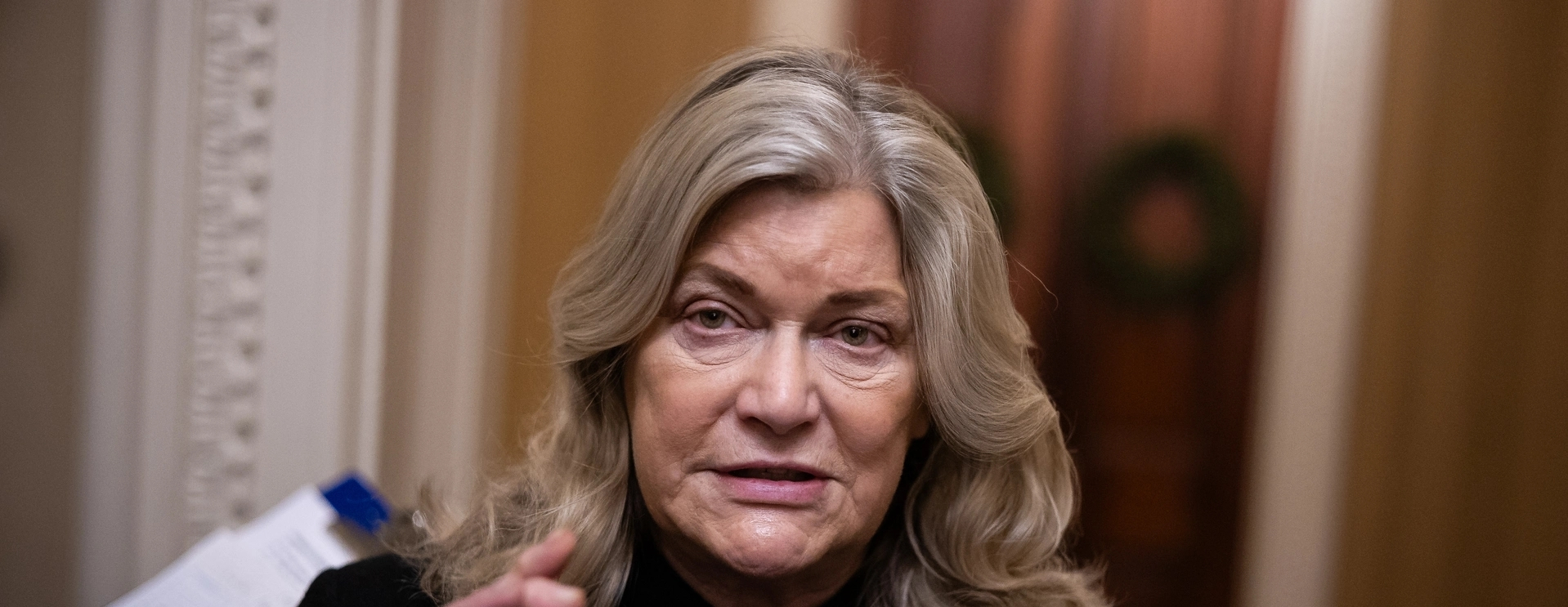
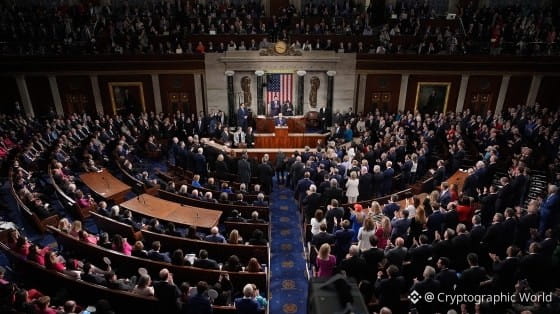
加密貨幣在參議院遭遇挫折加密貨幣產業在華盛頓的首要優先事項,在美國參議院遭遇了迎頭痛擊般的挫折。
在共和黨參議員與加密貨幣高層花了數週時間公開堅稱,將要進行表決的、旨在制定新規、且對產業更友善的數位資產法案勢在必行之後,參議院共和黨人如今預定將在八月休會前離開議場,而不會將該措施付諸表決;他們把議程改推到九月。
延宕——過去一年以來困擾所謂《清晰法案》(Clarity Act)眾多事件之一——是一記重擊,削弱了該法案通過的前景。該立法一直是跨黨派激烈交鋒數月的焦點,也牽涉到銀行與加密貨幣公司之間一場兇狠的遊說衝突。
加密貨幣在參議院遭遇挫折
加密貨幣產業在華盛頓的首要優先事項,在美國參議院遭遇了迎頭痛擊般的挫折。
在共和黨參議員與加密貨幣高層花了數週時間公開堅稱,將要進行表決的、旨在制定新規、且對產業更友善的數位資產法案勢在必行之後,參議院共和黨人如今預定將在八月休會前離開議場,而不會將該措施付諸表決;他們把議程改推到九月。
延宕——過去一年以來困擾所謂《清晰法案》(Clarity Act)眾多事件之一——是一記重擊,削弱了該法案通過的前景。該立法一直是跨黨派激烈交鋒數月的焦點,也牽涉到銀行與加密貨幣公司之間一場兇狠的遊說衝突。
在共和黨參議員與加密貨幣高層花了數週時間公開堅稱,將要進行表決的、旨在制定新規、且對產業更友善的數位資產法案勢在必行之後,參議院共和黨人如今預定將在八月休會前離開議場,而不會將該措施付諸表決;他們把議程改推到九月。
延宕——過去一年以來困擾所謂《清晰法案》(Clarity Act)眾多事件之一——是一記重擊,削弱了該法案通過的前景。該立法一直是跨黨派激烈交鋒數月的焦點,也牽涉到銀行與加密貨幣公司之間一場兇狠的遊說衝突。
1
403

文章
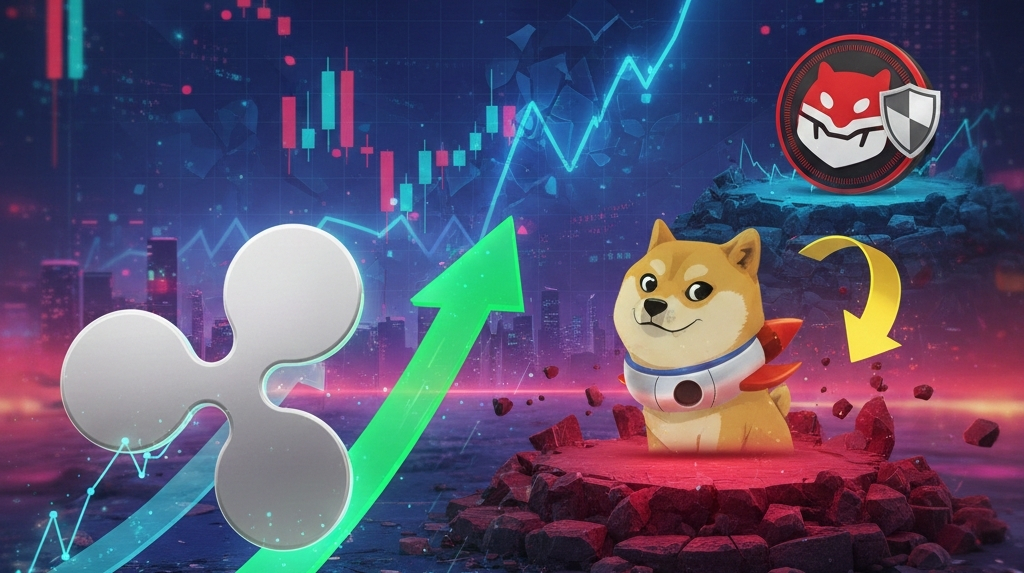
今天的加密貨幣價格預測 2月6日 – XRP、狗狗幣、柴犬幣二月份依然混亂。一次突如其來的比特幣激增剛剛震撼了整個市場,今天的加密貨幣價格預測關注的是XRP、狗狗幣、SHIB接下來會發生什麼。
二月份依然混亂,市場剛剛得到了事情變化有多快的提醒。
比特幣在一次突發的走勢中猛漲近7%,從約64,000美元反彈至70,000美元,並拖動整個市場一同上漲。
那次反彈瞬間改變了短期動量,迫使晚期賣家平倉,給了替代幣一些急需的喘息空間。
XRP、狗狗幣和柴犬幣都迅速反應,但現在更大的問題是這是否只是一次波動尖峯,還是更可持續的某種開始。
今天的加密貨幣價格預測 2月6日 – XRP、狗狗幣、柴犬幣二月份依然混亂。
一次突如其來的比特幣激增剛剛震撼了整個市場,今天的加密貨幣價格預測關注的是XRP、狗狗幣、SHIB接下來會發生什麼。
二月份依然混亂,市場剛剛得到了事情變化有多快的提醒。
比特幣在一次突發的走勢中猛漲近7%,從約64,000美元反彈至70,000美元,並拖動整個市場一同上漲。
那次反彈瞬間改變了短期動量,迫使晚期賣家平倉,給了替代幣一些急需的喘息空間。
XRP、狗狗幣和柴犬幣都迅速反應,但現在更大的問題是這是否只是一次波動尖峯,還是更可持續的某種開始。
二月份依然混亂,市場剛剛得到了事情變化有多快的提醒。
比特幣在一次突發的走勢中猛漲近7%,從約64,000美元反彈至70,000美元,並拖動整個市場一同上漲。
那次反彈瞬間改變了短期動量,迫使晚期賣家平倉,給了替代幣一些急需的喘息空間。
XRP、狗狗幣和柴犬幣都迅速反應,但現在更大的問題是這是否只是一次波動尖峯,還是更可持續的某種開始。
1
181
文章
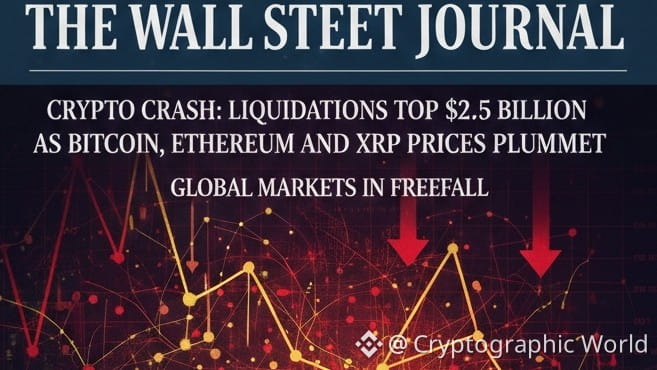
加密崩潰:清算超過$2.5億,比特幣、以太坊和XRP價格暴跌。加密貨幣價格在週六延續了近期的下跌,像比特幣、以太坊和XRP等頂級資產的價格跌至幾個月或更長時間未見的水平,清算情況在全天持續上升。
根據CoinGecko的數據,比特幣在過去一天下跌8%,最新價格爲$77,195,創下九個月以來的最低價格,並將其周度跌幅擴大到超過13%。自十月份突破$126,000的高峯以來,頂級加密貨幣的價格已經下跌近39%。
與此同時,以太坊的跌幅更加明顯,今天下跌13%,最新價格爲$2,362,過去一週下跌20%。按市值計算的第二大幣種自8月份接近$5,000的高峯以來,價值已損失52%。
加密崩潰:清算超過$2.5億,比特幣、以太坊和XRP價格暴跌。
加密貨幣價格在週六延續了近期的下跌,像比特幣、以太坊和XRP等頂級資產的價格跌至幾個月或更長時間未見的水平,清算情況在全天持續上升。
根據CoinGecko的數據,比特幣在過去一天下跌8%,最新價格爲$77,195,創下九個月以來的最低價格,並將其周度跌幅擴大到超過13%。自十月份突破$126,000的高峯以來,頂級加密貨幣的價格已經下跌近39%。
與此同時,以太坊的跌幅更加明顯,今天下跌13%,最新價格爲$2,362,過去一週下跌20%。按市值計算的第二大幣種自8月份接近$5,000的高峯以來,價值已損失52%。
根據CoinGecko的數據,比特幣在過去一天下跌8%,最新價格爲$77,195,創下九個月以來的最低價格,並將其周度跌幅擴大到超過13%。自十月份突破$126,000的高峯以來,頂級加密貨幣的價格已經下跌近39%。
與此同時,以太坊的跌幅更加明顯,今天下跌13%,最新價格爲$2,362,過去一週下跌20%。按市值計算的第二大幣種自8月份接近$5,000的高峯以來,價值已損失52%。
1
62
文章
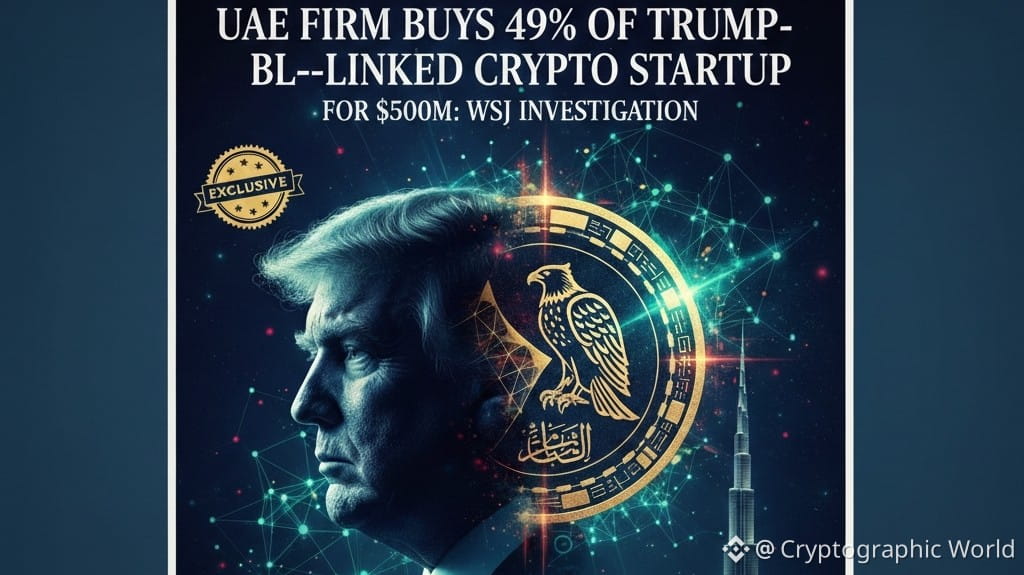
阿聯酋公司以5億美元收購與特朗普相關的加密初創公司49%的股份:華爾街日報一家阿聯酋支持的投資工具悄然同意收購世界自由金融近一半的股份,這是一家與特朗普總統有關的加密貨幣初創公司,就在他重返白宮前幾天,《華爾街日報》報道了這一情況。
阿布扎比實體阿里亞姆投資1,由謝赫·塔赫努恩·本·扎耶德·阿爾·納哈揚支持,於2025年1月簽署協議,以5億美元收購世界自由金融49%的股份,《華爾街日報》報道,引用了相關文件和知情人士的話。
阿聯酋公司以5億美元收購與特朗普相關的加密初創公司49%的股份:華爾街日報
一家阿聯酋支持的投資工具悄然同意收購世界自由金融近一半的股份,這是一家與特朗普總統有關的加密貨幣初創公司,就在他重返白宮前幾天,《華爾街日報》報道了這一情況。
阿布扎比實體阿里亞姆投資1,由謝赫·塔赫努恩·本·扎耶德·阿爾·納哈揚支持,於2025年1月簽署協議,以5億美元收購世界自由金融49%的股份,《華爾街日報》報道,引用了相關文件和知情人士的話。
阿布扎比實體阿里亞姆投資1,由謝赫·塔赫努恩·本·扎耶德·阿爾·納哈揚支持,於2025年1月簽署協議,以5億美元收購世界自由金融49%的股份,《華爾街日報》報道,引用了相關文件和知情人士的話。
47
文章
XRP在邊緣:高風險陷阱還是十年一遇的山寨幣機會?XRP軍團再次熱鬧起來,因爲Ripple正在與監管作鬥爭,關注現實世界的支付,並乘着下一個大的加密宏觀浪潮。這只是另一個炒作週期,還是XRP終於要突破的時刻?讓我們分析風險、機會和鏈上現實。
氛圍檢查:XRP再次回到聚光燈下:經過一段波動、不安的交易期,圖表閃爍着經典的生死攸關的設置。價格在一個緊密的範圍內磨蹭,突然的漲幅後跟着急劇的回調——這是市場中多頭和空頭都蓄勢待發的教科書式跡象。波動性正在升溫,但尚未完全突破。這是聰明資金悄悄建立頭寸的區域,而散戶交易者則在評論區爭論。
XRP在邊緣:高風險陷阱還是十年一遇的山寨幣機會?
XRP軍團再次熱鬧起來,因爲Ripple正在與監管作鬥爭,關注現實世界的支付,並乘着下一個大的加密宏觀浪潮。這只是另一個炒作週期,還是XRP終於要突破的時刻?讓我們分析風險、機會和鏈上現實。
氛圍檢查:XRP再次回到聚光燈下:經過一段波動、不安的交易期,圖表閃爍着經典的生死攸關的設置。價格在一個緊密的範圍內磨蹭,突然的漲幅後跟着急劇的回調——這是市場中多頭和空頭都蓄勢待發的教科書式跡象。波動性正在升溫,但尚未完全突破。這是聰明資金悄悄建立頭寸的區域,而散戶交易者則在評論區爭論。
氛圍檢查:XRP再次回到聚光燈下:經過一段波動、不安的交易期,圖表閃爍着經典的生死攸關的設置。價格在一個緊密的範圍內磨蹭,突然的漲幅後跟着急劇的回調——這是市場中多頭和空頭都蓄勢待發的教科書式跡象。波動性正在升溫,但尚未完全突破。這是聰明資金悄悄建立頭寸的區域,而散戶交易者則在評論區爭論。
2
256
文章
人工智慧、加密貨幣和特朗普超級政治行動委員會儲存數百萬美元以用於中期選舉MAGA Inc. 在2025年結束時手頭上擁有超過3億美元,與加密貨幣和人工智慧產業相關的團體旨在展示他們的政治影響力。
與加密貨幣和人工智慧產業相關的政治團體根據新的競選財務報告已經籌集了數千萬美元,因為他們希望在今年的中期選舉中成為主要參與者。
最知名的支持加密貨幣的團體在2025年結束時擁有近1.94億美元可支配,幾乎全部與Fairshake有關,這是一個由Coinbase和其他風險投資者支持的團體,根據向聯邦選舉委員會提交的新報告顯示。一個支持人工智慧的團體,Leading the Future,在其競選帳戶中結束了這一年,擁有3900萬美元。
人工智慧、加密貨幣和特朗普超級政治行動委員會儲存數百萬美元以用於中期選舉
MAGA Inc. 在2025年結束時手頭上擁有超過3億美元,與加密貨幣和人工智慧產業相關的團體旨在展示他們的政治影響力。
與加密貨幣和人工智慧產業相關的政治團體根據新的競選財務報告已經籌集了數千萬美元,因為他們希望在今年的中期選舉中成為主要參與者。
最知名的支持加密貨幣的團體在2025年結束時擁有近1.94億美元可支配,幾乎全部與Fairshake有關,這是一個由Coinbase和其他風險投資者支持的團體,根據向聯邦選舉委員會提交的新報告顯示。一個支持人工智慧的團體,Leading the Future,在其競選帳戶中結束了這一年,擁有3900萬美元。
與加密貨幣和人工智慧產業相關的政治團體根據新的競選財務報告已經籌集了數千萬美元,因為他們希望在今年的中期選舉中成為主要參與者。
最知名的支持加密貨幣的團體在2025年結束時擁有近1.94億美元可支配,幾乎全部與Fairshake有關,這是一個由Coinbase和其他風險投資者支持的團體,根據向聯邦選舉委員會提交的新報告顯示。一個支持人工智慧的團體,Leading the Future,在其競選帳戶中結束了這一年,擁有3900萬美元。
4
314
文章
今天的加密市場崩潰:為什麼替代幣在下跌的原因。加密市場的崩潰在週末加速,比特幣首次跌破$80,000的關鍵支撐位,這是幾個月來的第一次。週日的交易價格為$78,678,較其歷史高點$126,300大幅下跌。
以太坊價格崩潰至$2,400,而幣安幣(BNB)跌至$770。所有代幣的市場資本在過去24小時內下降了超過5.80%,降至$2.67萬億。這篇文章探討了當前加密崩潰背後的一些主要原因。
在特朗普提名凱文·沃什後,加密市場崩潰發生了。
今天的加密市場崩潰:為什麼替代幣在下跌的原因。
加密市場的崩潰在週末加速,比特幣首次跌破$80,000的關鍵支撐位,這是幾個月來的第一次。週日的交易價格為$78,678,較其歷史高點$126,300大幅下跌。
以太坊價格崩潰至$2,400,而幣安幣(BNB)跌至$770。所有代幣的市場資本在過去24小時內下降了超過5.80%,降至$2.67萬億。這篇文章探討了當前加密崩潰背後的一些主要原因。
在特朗普提名凱文·沃什後,加密市場崩潰發生了。
以太坊價格崩潰至$2,400,而幣安幣(BNB)跌至$770。所有代幣的市場資本在過去24小時內下降了超過5.80%,降至$2.67萬億。這篇文章探討了當前加密崩潰背後的一些主要原因。
在特朗普提名凱文·沃什後,加密市場崩潰發生了。
55
文章
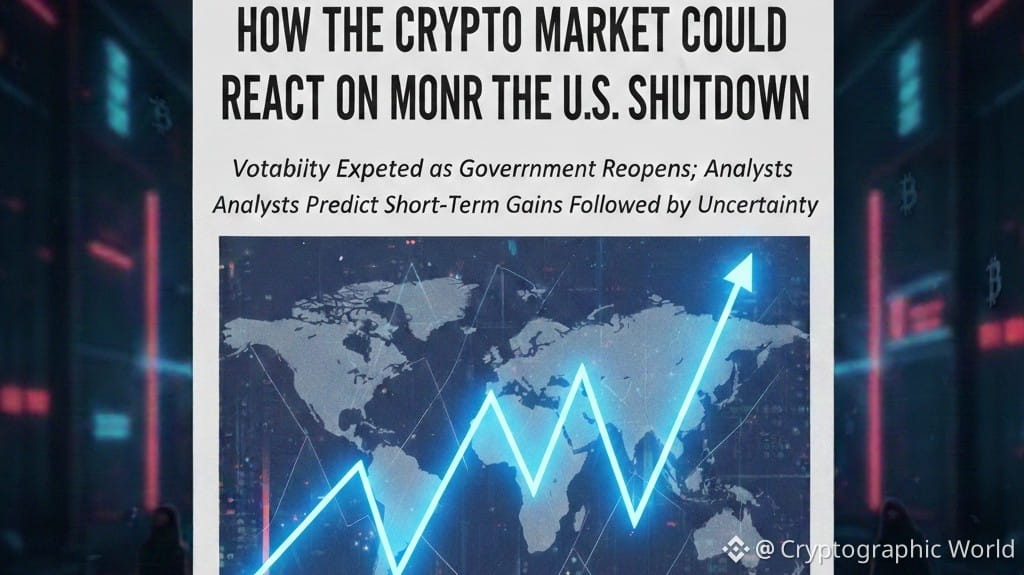
在美國關閉後,加密市場在週一可能的反應隨著美國進入部分政府關閉,眾議院計劃在週一採取行動,加密貨幣交易者正為一個可能波動的週初做好準備。
在黃金和白銀價格崩潰後的不確定性已經影響到加密市場,幾乎抹去了市場上近2000億美元的價值。
美國政府部分關閉
在週五晚間更新顯示美國政府進入部分關閉後,加密貨幣價格持續受到強大壓力。立法者批准了一項臨時資金計劃,但眾議院在休會前未能進行投票。
在美國關閉後,加密市場在週一可能的反應
隨著美國進入部分政府關閉,眾議院計劃在週一採取行動,加密貨幣交易者正為一個可能波動的週初做好準備。
在黃金和白銀價格崩潰後的不確定性已經影響到加密市場,幾乎抹去了市場上近2000億美元的價值。
美國政府部分關閉
在週五晚間更新顯示美國政府進入部分關閉後,加密貨幣價格持續受到強大壓力。立法者批准了一項臨時資金計劃,但眾議院在休會前未能進行投票。
在黃金和白銀價格崩潰後的不確定性已經影響到加密市場,幾乎抹去了市場上近2000億美元的價值。
美國政府部分關閉
在週五晚間更新顯示美國政府進入部分關閉後,加密貨幣價格持續受到強大壓力。立法者批准了一項臨時資金計劃,但眾議院在休會前未能進行投票。
12
文章
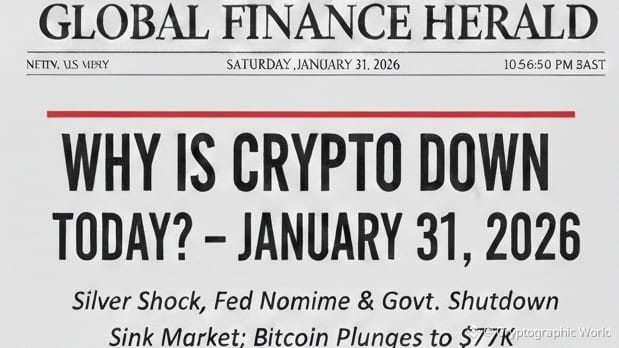
今天爲什麼加密貨幣下跌? – 2026年1月31日“比特幣可能會在76,000美元至80,000美元的範圍內繼續整合,並嘗試突破85,000美元的心理水平,”Bitget首席執行官Gracy Chen說道。
今天加密市場下跌。在經歷了一天的增長後,在過去24小時內下降了1.7%,目前市值爲3.06萬億美元。此外,在此期間,前100種幣中有90種下跌。總的加密交易量爲1240億美元。
TLDR: 加密市場市值在週四早上(協調世界時)下降了1.7%;前100種幣中有90種,前10種幣中有9種下跌;比特幣下降了1.7%,至80,820美元,以太坊下降了2.5%,至2,942美元;此次下跌是由於經濟壓力、新資本缺乏以及地緣政治壓力;‘這一整合期爲必要的重置提供了機會’;在今年晚些時候之前,降息不太可能;
今天爲什麼加密貨幣下跌? – 2026年1月31日
“比特幣可能會在76,000美元至80,000美元的範圍內繼續整合,並嘗試突破85,000美元的心理水平,”Bitget首席執行官Gracy Chen說道。
今天加密市場下跌。在經歷了一天的增長後,在過去24小時內下降了1.7%,目前市值爲3.06萬億美元。此外,在此期間,前100種幣中有90種下跌。總的加密交易量爲1240億美元。
TLDR: 加密市場市值在週四早上(協調世界時)下降了1.7%;前100種幣中有90種,前10種幣中有9種下跌;比特幣下降了1.7%,至80,820美元,以太坊下降了2.5%,至2,942美元;此次下跌是由於經濟壓力、新資本缺乏以及地緣政治壓力;‘這一整合期爲必要的重置提供了機會’;在今年晚些時候之前,降息不太可能;
今天加密市場下跌。在經歷了一天的增長後,在過去24小時內下降了1.7%,目前市值爲3.06萬億美元。此外,在此期間,前100種幣中有90種下跌。總的加密交易量爲1240億美元。
TLDR: 加密市場市值在週四早上(協調世界時)下降了1.7%;前100種幣中有90種,前10種幣中有9種下跌;比特幣下降了1.7%,至80,820美元,以太坊下降了2.5%,至2,942美元;此次下跌是由於經濟壓力、新資本缺乏以及地緣政治壓力;‘這一整合期爲必要的重置提供了機會’;在今年晚些時候之前,降息不太可能;
1
31
文章
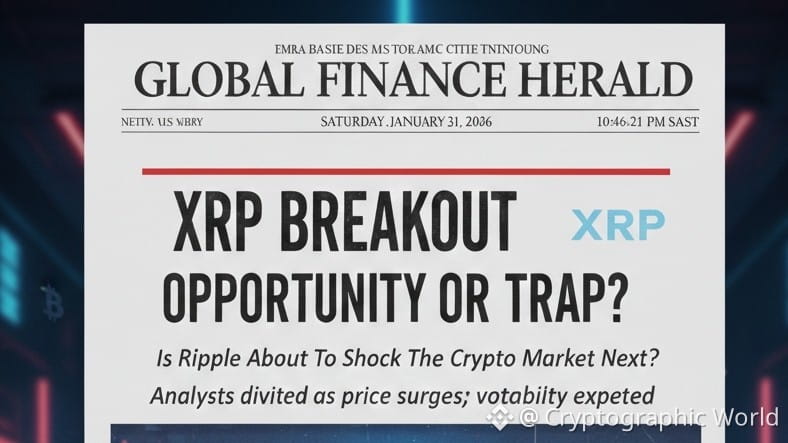
XRP 突破機會還是陷阱?Ripple 是否即將震驚加密市場?XRP 圖表再次升溫,而宏觀壓力、ETF 熱潮和政治戲劇交織在一起。這是 XRP 重大回歸的早期階段,還是 XRP 軍隊的另一個牛市陷阱?讓我們現在來拆解風險、機會以及真正的鏈上和敘事驅動因素。
情緒檢查:XRP 正處於經典的“風暴前的寧靜”時刻之一。市場既沒有完全的狂歡也沒有完全的恐懼——更像是緊張的期待。價格波動不定,在強勁反彈和劇烈震盪之間擺動,交易者不斷被誘導相信下一個巨大的波動終於要來了。這本身就告訴你一件事:市場定位不穩定,任何決定性的突破都可能是暴力的。
XRP 突破機會還是陷阱?Ripple 是否即將震驚加密市場?
XRP 圖表再次升溫,而宏觀壓力、ETF 熱潮和政治戲劇交織在一起。這是 XRP 重大回歸的早期階段,還是 XRP 軍隊的另一個牛市陷阱?讓我們現在來拆解風險、機會以及真正的鏈上和敘事驅動因素。
情緒檢查:XRP 正處於經典的“風暴前的寧靜”時刻之一。市場既沒有完全的狂歡也沒有完全的恐懼——更像是緊張的期待。價格波動不定,在強勁反彈和劇烈震盪之間擺動,交易者不斷被誘導相信下一個巨大的波動終於要來了。這本身就告訴你一件事:市場定位不穩定,任何決定性的突破都可能是暴力的。
情緒檢查:XRP 正處於經典的“風暴前的寧靜”時刻之一。市場既沒有完全的狂歡也沒有完全的恐懼——更像是緊張的期待。價格波動不定,在強勁反彈和劇烈震盪之間擺動,交易者不斷被誘導相信下一個巨大的波動終於要來了。這本身就告訴你一件事:市場定位不穩定,任何決定性的突破都可能是暴力的。
180
文章
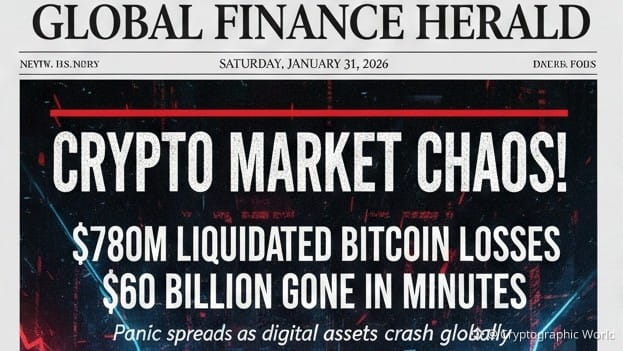
加密市場混亂:780萬美元被平倉,比特幣損失600億美元在幾分鐘內。在比特幣急劇下跌期間,30分鐘內超過7.8億美元的槓桿多頭被平倉。
加密恐懼與貪婪指數達到16,發出極端恐懼的信號。
比特幣市值蒸發了600億美元,因宏觀經濟壓力導致拋售。
比特幣和主要加密貨幣經歷了急劇下跌,因爲市場波動性加劇,迫使大規模平倉,並在全球交易者中引發極端恐懼。機構流出、地緣政治緊張局勢和風險厭惡情緒促成了拋售,創造了高度的交易活動。
加密市場混亂:780萬美元被平倉,比特幣損失600億美元在幾分鐘內。
在比特幣急劇下跌期間,30分鐘內超過7.8億美元的槓桿多頭被平倉。
加密恐懼與貪婪指數達到16,發出極端恐懼的信號。
比特幣市值蒸發了600億美元,因宏觀經濟壓力導致拋售。
比特幣和主要加密貨幣經歷了急劇下跌,因爲市場波動性加劇,迫使大規模平倉,並在全球交易者中引發極端恐懼。機構流出、地緣政治緊張局勢和風險厭惡情緒促成了拋售,創造了高度的交易活動。
加密恐懼與貪婪指數達到16,發出極端恐懼的信號。
比特幣市值蒸發了600億美元,因宏觀經濟壓力導致拋售。
比特幣和主要加密貨幣經歷了急劇下跌,因爲市場波動性加劇,迫使大規模平倉,並在全球交易者中引發極端恐懼。機構流出、地緣政治緊張局勢和風險厭惡情緒促成了拋售,創造了高度的交易活動。
27
登入以探索更多內容
加入幣安廣場中的全球加密貨幣用戶
⚡️ 獲取加密貨幣的最新和實用資訊。
💬 受到全球最大加密貨幣交易所的信任。
👍 發掘來自經過驗證創作者的真實見解。
電子郵件 / 電話號碼
熱門話題
AI股持续上涨还有哪些投资机会
519,551 次瀏覽
1,988 討論中
快問快答!參與發佈熱門話題贏流量
✨本期話題: AI股持續上漲還有哪些投資機會?
👉參與方式:
發佈短文或是長文並帶主話題 #AI股持续上涨还有哪些投资机会
分享您是看漲還是看跌,或是曬出您的持倉
內容正文建議,如:
- 英偉達稱明年芯片銷量或將翻倍,頭部AI公司營收預測屢創新高,背後算力投入同樣驚人。你認爲AI需求真的起飛了嗎?這種需求能持續多久?近日AI股上漲,你覺得這波AI股票行情是強勢反攻,還是短期反彈?
- Anthropic、OpenAI 等行業大佬呼籲放緩AI發展速度,特朗普卻計劃組建AI軍隊,稱AI未來或佔美國GDP的25%。你更認同哪一方?政府下場會成爲AI股的長期利好嗎?
- 你會佈局AI股嗎?請使用曬單卡片曬出你的AI股票相關標的交易/持倉。
⏰本期開放投稿時間:
- 2026年9月22日 15:00 - 2026年9月24日12:00 (東八區時間)
🎁活動獎勵:
- 流量扶持:符合活動要求且被評選上的優質內容,隨機獲得500 - 3000流量扶持激勵(最少發佈100字,按以上方向發佈的帖文被選上的機會更大哦, 獲得流量激勵的帖文作者將收到小祕書通知)
- 官方曝光:評選上的優質內容將有機會被官方賬號推薦
獲取內容發佈靈感,請參考話題頁#AI股持续上涨还有哪些投资机会 或廣場内容流量诊断清单
币安广场
·612 人按讚
·637.8k 次瀏覽
21Shares推出欧洲首只Zcash实物ETP
10,527 次瀏覽
155 討論中
Cardano接入x402支付标准
20,831 次瀏覽
116 討論中