

DevRajCrypto
674 貼文

DevRajCrypto
舉報
封鎖用戶
🚀 Crypto Educator | Market Intelligence & On-Chain Insights |
📊 BTC • Altcoins • Crypto Trends | Making the market easier to understand |
實盤交易
低頻交易者
3.5 年
20 關注
4.6K+ 粉絲
4.9K+ 點讚數
貼文
投資組合
全部
引用
影片
置頂
·
--
真實
#binancelaunchesbinanceintelligence
幣安剛剛做出了一項調整,我認爲交易者應該關注。👀
我花了很多時間觀察人們如何在幣安交易。對大多數散戶交易者來說,最大的問題通常不是缺少圖表,而是信息、解讀和行動之間存在脫節。
這就是我覺得 Binance Intelligence 值得關注的原因。
幣安現在將 Binance AI、AI Pro 和 Agent OS 整合到同一個 AI 層中。Binance AI 旨在個性化市場信息,而 AI Pro 可以將日常語言描述的想法轉化爲可視化交易工作流。Agent OS 則更進一步,爲開發者提供基礎設施,讓他們能夠圍繞幣安的功能構建智能體。
但我更大的感悟是:
真正的競爭或許不再發生在交易所之間,而是在交易界面之間。
如今,交易者會打開圖表 → 搜索信息 → 形成觀點 → 制定策略 → 監控策略。
未來,這個流程可能變成:
想法 → AI → 策略 → 執行 → 監控。
這比單純在交易所裏放入一個聊天機器人,要重大得多。
而且已經有一個值得關注的信號:幣安表示,自 Agent OS 於 8 月推出以來,其每日調用量已超過 280,000 次。
但我不會僅僅因爲這件事就看漲 $BNB 。
真正的考驗在於用戶採用情況。
如果數百萬用戶開始使用 AI 來研究、構建和監控交易,幣安就有可能在其生態系統內承接更多活動。
如果 AI 只是又一個無人使用的功能,那麼這個說法就沒有多大意義。
我的問題是:AI 會成爲新的交易界面嗎?還是經驗豐富的交易者仍會更願意自己做最後決定?👇
$BNB #BinanceIntelligence #AI #crypto #BinanceSquare
#binancelaunchesbinanceintelligence
幣安剛剛做出了一項調整,我認爲交易者應該關注。👀
我花了很多時間觀察人們如何在幣安交易。對大多數散戶交易者來說,最大的問題通常不是缺少圖表,而是信息、解讀和行動之間存在脫節。
這就是我覺得 Binance Intelligence 值得關注的原因。
幣安現在將 Binance AI、AI Pro 和 Agent OS 整合到同一個 AI 層中。Binance AI 旨在個性化市場信息,而 AI Pro 可以將日常語言描述的想法轉化爲可視化交易工作流。Agent OS 則更進一步,爲開發者提供基礎設施,讓他們能夠圍繞幣安的功能構建智能體。
但我更大的感悟是:
真正的競爭或許不再發生在交易所之間,而是在交易界面之間。
如今,交易者會打開圖表 → 搜索信息 → 形成觀點 → 制定策略 → 監控策略。
未來,這個流程可能變成:
想法 → AI → 策略 → 執行 → 監控。
這比單純在交易所裏放入一個聊天機器人,要重大得多。
而且已經有一個值得關注的信號:幣安表示,自 Agent OS 於 8 月推出以來,其每日調用量已超過 280,000 次。
但我不會僅僅因爲這件事就看漲 $BNB 。
真正的考驗在於用戶採用情況。
如果數百萬用戶開始使用 AI 來研究、構建和監控交易,幣安就有可能在其生態系統內承接更多活動。
如果 AI 只是又一個無人使用的功能,那麼這個說法就沒有多大意義。
我的問題是:AI 會成爲新的交易界面嗎?還是經驗豐富的交易者仍會更願意自己做最後決定?👇
$BNB #BinanceIntelligence #AI #crypto #BinanceSquare
幣安剛剛做出了一項調整,我認爲交易者應該關注。👀
我花了很多時間觀察人們如何在幣安交易。對大多數散戶交易者來說,最大的問題通常不是缺少圖表,而是信息、解讀和行動之間存在脫節。
這就是我覺得 Binance Intelligence 值得關注的原因。
幣安現在將 Binance AI、AI Pro 和 Agent OS 整合到同一個 AI 層中。Binance AI 旨在個性化市場信息,而 AI Pro 可以將日常語言描述的想法轉化爲可視化交易工作流。Agent OS 則更進一步,爲開發者提供基礎設施,讓他們能夠圍繞幣安的功能構建智能體。
但我更大的感悟是:
真正的競爭或許不再發生在交易所之間,而是在交易界面之間。
如今,交易者會打開圖表 → 搜索信息 → 形成觀點 → 制定策略 → 監控策略。
未來,這個流程可能變成:
想法 → AI → 策略 → 執行 → 監控。
這比單純在交易所裏放入一個聊天機器人,要重大得多。
而且已經有一個值得關注的信號:幣安表示,自 Agent OS 於 8 月推出以來,其每日調用量已超過 280,000 次。
但我不會僅僅因爲這件事就看漲 $BNB 。
真正的考驗在於用戶採用情況。
如果數百萬用戶開始使用 AI 來研究、構建和監控交易,幣安就有可能在其生態系統內承接更多活動。
如果 AI 只是又一個無人使用的功能,那麼這個說法就沒有多大意義。
我的問題是:AI 會成爲新的交易界面嗎?還是經驗豐富的交易者仍會更願意自己做最後決定?👇
$BNB #BinanceIntelligence #AI #crypto #BinanceSquare

8
2
42
45k
·
--
亞馬遜($AMZN)即將公佈財報,市場又給出了一個值得關注的信號。
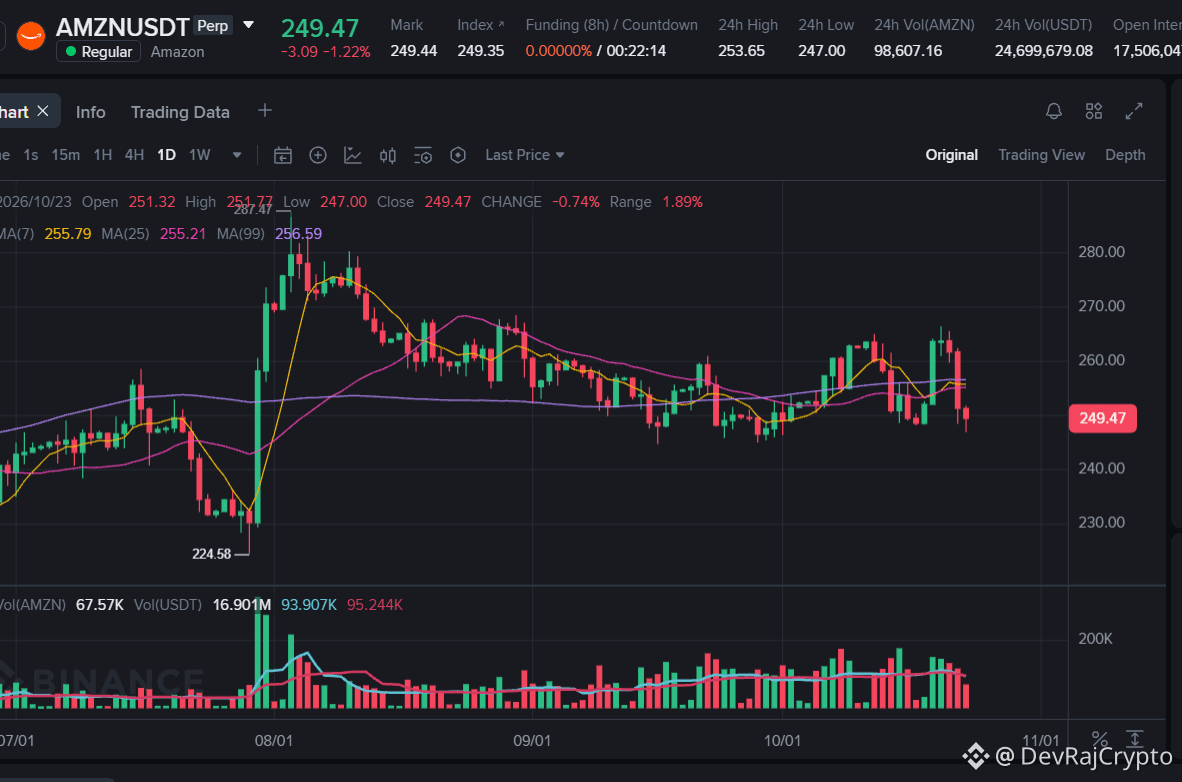
根據幣安 AMZNUSDT 永續合約市場快照,該合約目前報 $249.57,24 小時內下跌 1.16%。
以下是關鍵數據:
• 當前價格:$249.57
• 24 小時最高價:$253.65
• 24 小時最低價:$247.00
• 24 小時交易量:約 2470 萬 USDT
• 未平倉合約量:約 1751 萬 USDT
我的觀察:在這份快照中,價格更接近 24 小時低點而非高點,顯示短期走勢偏弱。但僅憑一天的價格波動,我們無法判斷交易者是在押注財報表現超預期,還是隻是在應對更廣泛的市場狀況。
對於亞馬遜即將發佈的財報,我關注 AWS 的增長、AI 基礎設施支出以及管理層對未來的展望。
強勁的財報並不意味着股價一定會上漲。市場預期同樣重要。
財報發佈前,你看好還是看空 $AMZN ?
#EarningsSeason #BinancePick
市場數據來自所提供的幣安 AMZNUSDT 永續合約快照。這些數據具有時效性,可能會發生變化。永續合約是一種衍生品,與持有亞馬遜股票並不相同。以上內容僅爲市場評論,不構成財務建議。
亞馬遜($AMZN )即將公佈財報,市場又給出了一個值得關注的信號。
根據幣安 AMZNUSDT 永續合約市場快照,該合約目前報 $249.57,24 小時內下跌 1.16%。
以下是關鍵數據:
• 當前價格:$249.57
• 24 小時最高價:$253.65
• 24 小時最低價:$247.00
• 24 小時交易量:約 2470 萬 USDT
• 未平倉合約量:約 1751 萬 USDT
我的觀察:在這份快照中,價格更接近 24 小時低點而非高點,顯示短期走勢偏弱。但僅憑一天的價格波動,我們無法判斷交易者是在押注財報表現超預期,還是隻是在應對更廣泛的市場狀況。
對於亞馬遜即將發佈的財報,我關注 AWS 的增長、AI 基礎設施支出以及管理層對未來的展望。
強勁的財報並不意味着股價一定會上漲。市場預期同樣重要。
財報發佈前,你看好還是看空 $AMZN ?
#EarningsSeason #BinancePick
市場數據來自所提供的幣安 AMZNUSDT 永續合約快照。這些數據具有時效性,可能會發生變化。永續合約是一種衍生品,與持有亞馬遜股票並不相同。以上內容僅爲市場評論,不構成財務建議。
根據幣安 AMZNUSDT 永續合約市場快照,該合約目前報 $249.57,24 小時內下跌 1.16%。
以下是關鍵數據:
• 當前價格:$249.57
• 24 小時最高價:$253.65
• 24 小時最低價:$247.00
• 24 小時交易量:約 2470 萬 USDT
• 未平倉合約量:約 1751 萬 USDT
我的觀察:在這份快照中,價格更接近 24 小時低點而非高點,顯示短期走勢偏弱。但僅憑一天的價格波動,我們無法判斷交易者是在押注財報表現超預期,還是隻是在應對更廣泛的市場狀況。
對於亞馬遜即將發佈的財報,我關注 AWS 的增長、AI 基礎設施支出以及管理層對未來的展望。
強勁的財報並不意味着股價一定會上漲。市場預期同樣重要。
財報發佈前,你看好還是看空 $AMZN ?
#EarningsSeason #BinancePick
市場數據來自所提供的幣安 AMZNUSDT 永續合約快照。這些數據具有時效性,可能會發生變化。永續合約是一種衍生品,與持有亞馬遜股票並不相同。以上內容僅爲市場評論,不構成財務建議。
226
·
--
真實
亞馬遜的 AI 業務正在加速增長。但投資者會因爲增長而給予回報,還是會擔憂成本?
$AMZN 將於 10 月 29 日公佈第三季度財報。我關注一個可能影響市場反應的財務矛盾:AWS 的增長與建設 AI 基礎設施的成本。
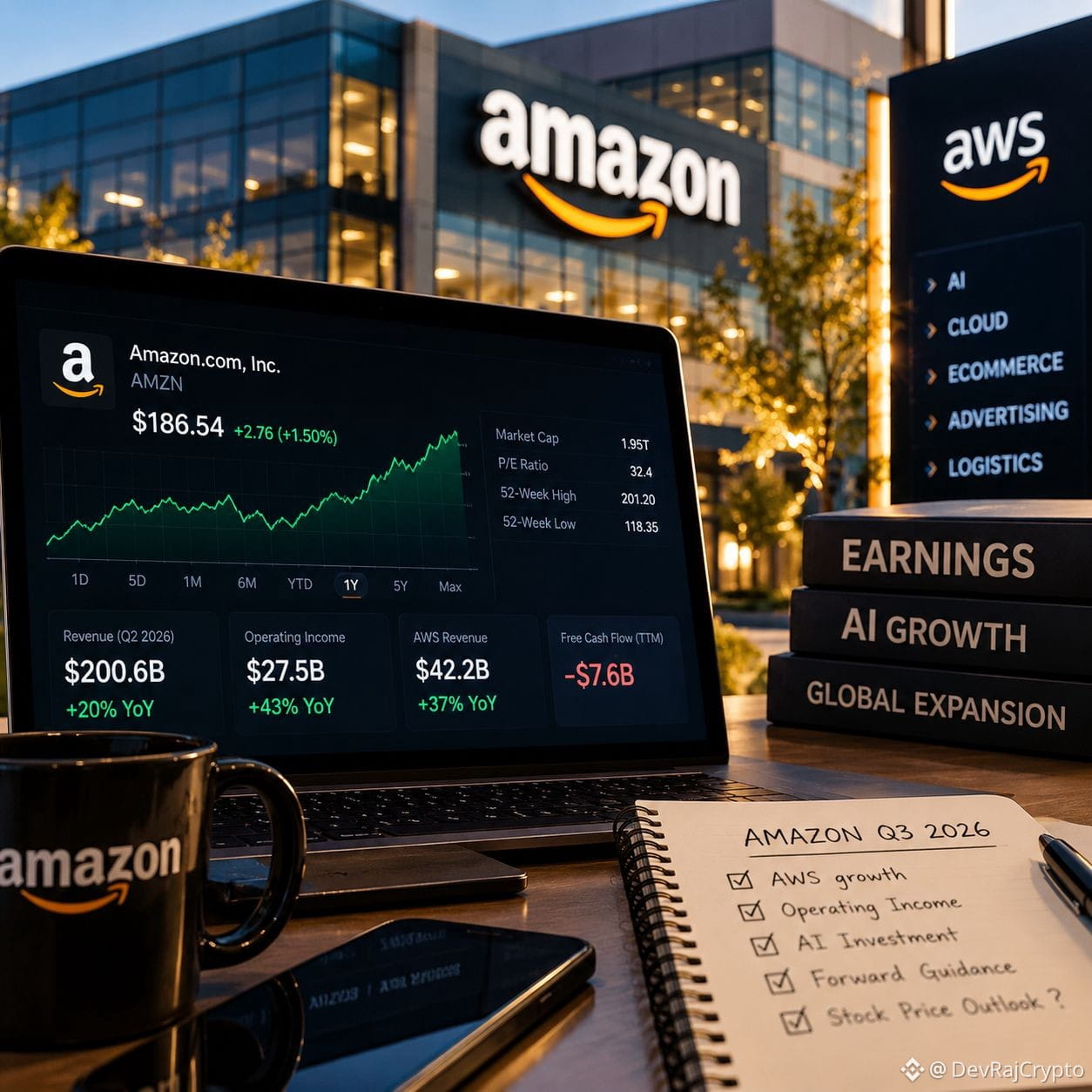
亞馬遜第二季度業績揭示了三個重要數據:
📈 AWS 營收:422 億美元,同比增長 37%。
💰 營業利潤:275 億美元,增長 43%。
⚠️ 過去 12 個月的自由現金流:-76 億美元。亞馬遜表示,物業和設備採購同比增加 661 億美元,是現金流下滑的主要原因。
以下是我的觀察。
亞馬遜展現出強勁的雲業務增長和營業盈利能力。但 AI 基礎設施需要大量前期投資,單看營收增長,並不能說明這些投資能否隨着時間推移高效地產生現金流。
我的看法是:我對亞馬遜的業務基本面謹慎看好,但股價反應將取決於市場預期、AWS 的增長以及管理層對未來的指引。
對於即將公佈的財報,我會關注三個信號:
1. AWS 能否維持強勁增長?
2. 營業利潤是否跟得上投資步伐?
3. 管理層是否能證明 AI 支出正在轉化爲持久的業務回報?
如果業績大幅超出預期,可能會提振看漲情緒;但如果業績指引令人失望,或市場擔憂資本支出,股價反應可能會更加複雜。
你對 $AMZN 有什麼預測:業績會超出預期嗎?財報公佈後股價會走高嗎?
#EarningsSeason #BinancePick
來源:亞馬遜官方 2026 年第二季度財報及第三季度財報公告。
本文爲基本面分析,並不保證財報結果或股價走勢。
亞馬遜的 AI 業務正在加速增長。但投資者會因爲增長而給予回報,還是會擔憂成本?
$AMZN 將於 10 月 29 日公佈第三季度財報。我關注一個可能影響市場反應的財務矛盾:AWS 的增長與建設 AI 基礎設施的成本。
亞馬遜第二季度業績揭示了三個重要數據:
📈 AWS 營收:422 億美元,同比增長 37%。
💰 營業利潤:275 億美元,增長 43%。
⚠️ 過去 12 個月的自由現金流:-76 億美元。亞馬遜表示,物業和設備採購同比增加 661 億美元,是現金流下滑的主要原因。
以下是我的觀察。
亞馬遜展現出強勁的雲業務增長和營業盈利能力。但 AI 基礎設施需要大量前期投資,單看營收增長,並不能說明這些投資能否隨着時間推移高效地產生現金流。
我的看法是:我對亞馬遜的業務基本面謹慎看好,但股價反應將取決於市場預期、AWS 的增長以及管理層對未來的指引。
對於即將公佈的財報,我會關注三個信號:
1. AWS 能否維持強勁增長?
2. 營業利潤是否跟得上投資步伐?
3. 管理層是否能證明 AI 支出正在轉化爲持久的業務回報?
如果業績大幅超出預期,可能會提振看漲情緒;但如果業績指引令人失望,或市場擔憂資本支出,股價反應可能會更加複雜。
你對 $AMZN 有什麼預測:業績會超出預期嗎?財報公佈後股價會走高嗎?
#EarningsSeason #BinancePick
來源:亞馬遜官方 2026 年第二季度財報及第三季度財報公告。
本文爲基本面分析,並不保證財報結果或股價走勢。
$AMZN 將於 10 月 29 日公佈第三季度財報。我關注一個可能影響市場反應的財務矛盾:AWS 的增長與建設 AI 基礎設施的成本。
亞馬遜第二季度業績揭示了三個重要數據:
📈 AWS 營收:422 億美元,同比增長 37%。
💰 營業利潤:275 億美元,增長 43%。
⚠️ 過去 12 個月的自由現金流:-76 億美元。亞馬遜表示,物業和設備採購同比增加 661 億美元,是現金流下滑的主要原因。
以下是我的觀察。
亞馬遜展現出強勁的雲業務增長和營業盈利能力。但 AI 基礎設施需要大量前期投資,單看營收增長,並不能說明這些投資能否隨着時間推移高效地產生現金流。
我的看法是:我對亞馬遜的業務基本面謹慎看好,但股價反應將取決於市場預期、AWS 的增長以及管理層對未來的指引。
對於即將公佈的財報,我會關注三個信號:
1. AWS 能否維持強勁增長?
2. 營業利潤是否跟得上投資步伐?
3. 管理層是否能證明 AI 支出正在轉化爲持久的業務回報?
如果業績大幅超出預期,可能會提振看漲情緒;但如果業績指引令人失望,或市場擔憂資本支出,股價反應可能會更加複雜。
你對 $AMZN 有什麼預測:業績會超出預期嗎?財報公佈後股價會走高嗎?
#EarningsSeason #BinancePick
來源:亞馬遜官方 2026 年第二季度財報及第三季度財報公告。
本文爲基本面分析,並不保證財報結果或股價走勢。
1
188
·
--
🐕 DOGE 在 0.08 美元附近徘徊。但這是在復甦,還是下跌趨勢中的短暫停頓?
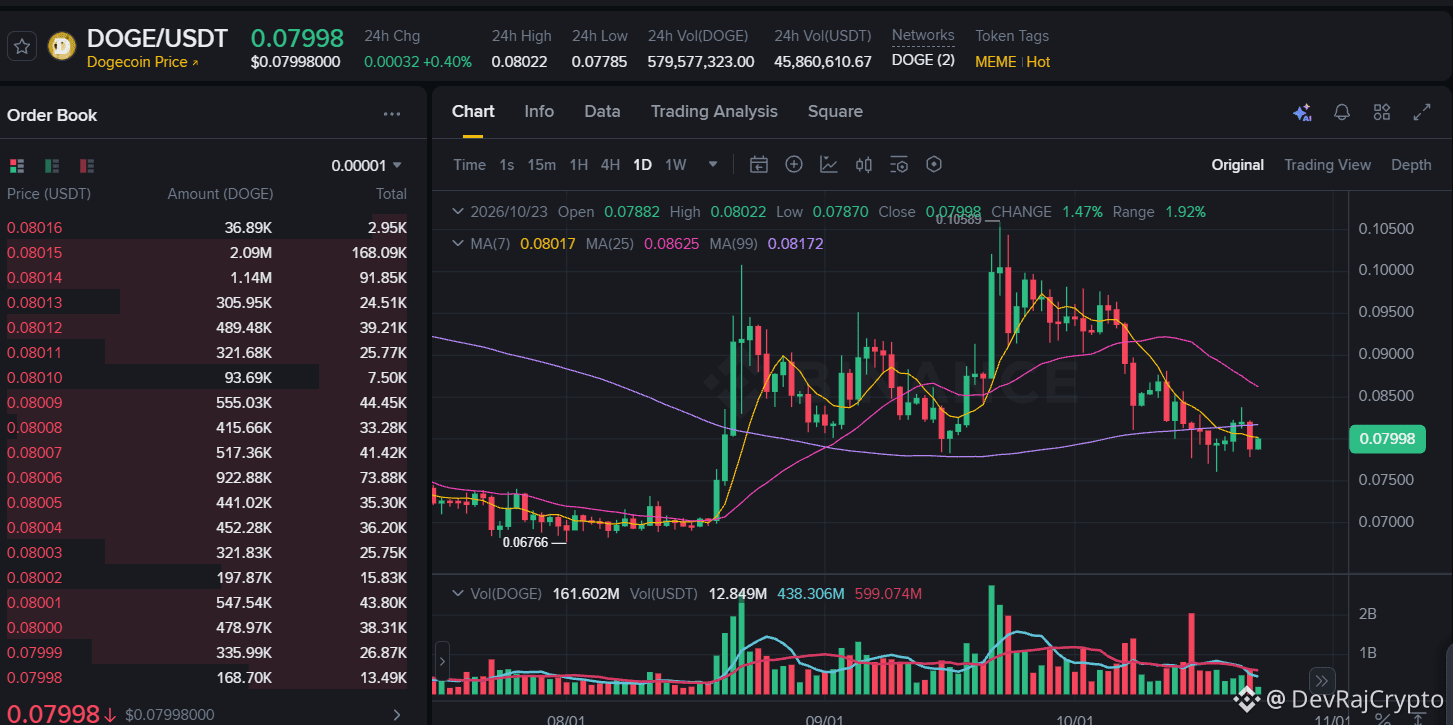
狗狗幣的日線圖顯示,短期企穩與更廣泛的拋售壓力正在相互角力。
以下是我關注的重點:
📉 1. 趨勢仍承壓。
DOGE 目前在 0.07998 美元附近交易,低於其 7 日移動平均線(0.08017 美元)、99 日移動平均線(0.08172 美元)和 25 日移動平均線(0.08625 美元)。
這說明買方尚未重新站上關鍵趨勢位。
🟢 2. 我關注的價位是 0.0778 美元。
近期低點在 0.07785 美元附近。如果買方守住這一區域,並推動 DOGE 升至 0.0802 美元上方,短期復甦或將展開。
🔴 3. 阻力位比樂觀情緒更重要。
0.0817 美元附近是下一個重要關口。若要實現更強勁的復甦,就需要突破這一位置;而 0.0862 美元仍是更高的阻力區,接近 25 日均線。
我的看法:DOGE 僅僅在 0.08 美元附近企穩,並不足以讓我斷定它已經觸底。我希望看到買方重新站上阻力位並讓漲勢持續,而不是隻出現一根綠色 K 線。
如果 0.0778 美元被明確跌破,復甦格局就會轉弱。如果 DOGE 重新站上 0.0817 美元並守住,短期走勢將有所改善。
💬 你怎麼看:DOGE 是在 0.08 美元附近築底,還是準備再跌一段?
$DOGE #狗狗幣 #加密貨幣分析 #BinanceSquare
技術分析基於 2026 年 10 月 23 日展示的 DOGE/USDT 日線圖。上述價位僅爲觀察結果,並非對未來走勢的保證。不構成財務建議。
🐕 DOGE 在 0.08 美元附近徘徊。但這是在復甦,還是下跌趨勢中的短暫停頓?
狗狗幣的日線圖顯示,短期企穩與更廣泛的拋售壓力正在相互角力。
以下是我關注的重點:
📉 1. 趨勢仍承壓。
DOGE 目前在 0.07998 美元附近交易,低於其 7 日移動平均線(0.08017 美元)、99 日移動平均線(0.08172 美元)和 25 日移動平均線(0.08625 美元)。
這說明買方尚未重新站上關鍵趨勢位。
🟢 2. 我關注的價位是 0.0778 美元。
近期低點在 0.07785 美元附近。如果買方守住這一區域,並推動 DOGE 升至 0.0802 美元上方,短期復甦或將展開。
🔴 3. 阻力位比樂觀情緒更重要。
0.0817 美元附近是下一個重要關口。若要實現更強勁的復甦,就需要突破這一位置;而 0.0862 美元仍是更高的阻力區,接近 25 日均線。
我的看法:DOGE 僅僅在 0.08 美元附近企穩,並不足以讓我斷定它已經觸底。我希望看到買方重新站上阻力位並讓漲勢持續,而不是隻出現一根綠色 K 線。
如果 0.0778 美元被明確跌破,復甦格局就會轉弱。如果 DOGE 重新站上 0.0817 美元並守住,短期走勢將有所改善。
💬 你怎麼看:DOGE 是在 0.08 美元附近築底,還是準備再跌一段?
$DOGE #狗狗幣 #加密貨幣分析 #BinanceSquare
技術分析基於 2026 年 10 月 23 日展示的 DOGE/USDT 日線圖。上述價位僅爲觀察結果,並非對未來走勢的保證。不構成財務建議。
狗狗幣的日線圖顯示,短期企穩與更廣泛的拋售壓力正在相互角力。
以下是我關注的重點:
📉 1. 趨勢仍承壓。
DOGE 目前在 0.07998 美元附近交易,低於其 7 日移動平均線(0.08017 美元)、99 日移動平均線(0.08172 美元)和 25 日移動平均線(0.08625 美元)。
這說明買方尚未重新站上關鍵趨勢位。
🟢 2. 我關注的價位是 0.0778 美元。
近期低點在 0.07785 美元附近。如果買方守住這一區域,並推動 DOGE 升至 0.0802 美元上方,短期復甦或將展開。
🔴 3. 阻力位比樂觀情緒更重要。
0.0817 美元附近是下一個重要關口。若要實現更強勁的復甦,就需要突破這一位置;而 0.0862 美元仍是更高的阻力區,接近 25 日均線。
我的看法:DOGE 僅僅在 0.08 美元附近企穩,並不足以讓我斷定它已經觸底。我希望看到買方重新站上阻力位並讓漲勢持續,而不是隻出現一根綠色 K 線。
如果 0.0778 美元被明確跌破,復甦格局就會轉弱。如果 DOGE 重新站上 0.0817 美元並守住,短期走勢將有所改善。
💬 你怎麼看:DOGE 是在 0.08 美元附近築底,還是準備再跌一段?
$DOGE #狗狗幣 #加密貨幣分析 #BinanceSquare
技術分析基於 2026 年 10 月 23 日展示的 DOGE/USDT 日線圖。上述價位僅爲觀察結果,並非對未來走勢的保證。不構成財務建議。
1
201
·
--
真實
#bitcoinhashratehitssevenmonthhigh
比特幣算力正在回升,挖礦難度也在增加。這兩件事可以同時成立。
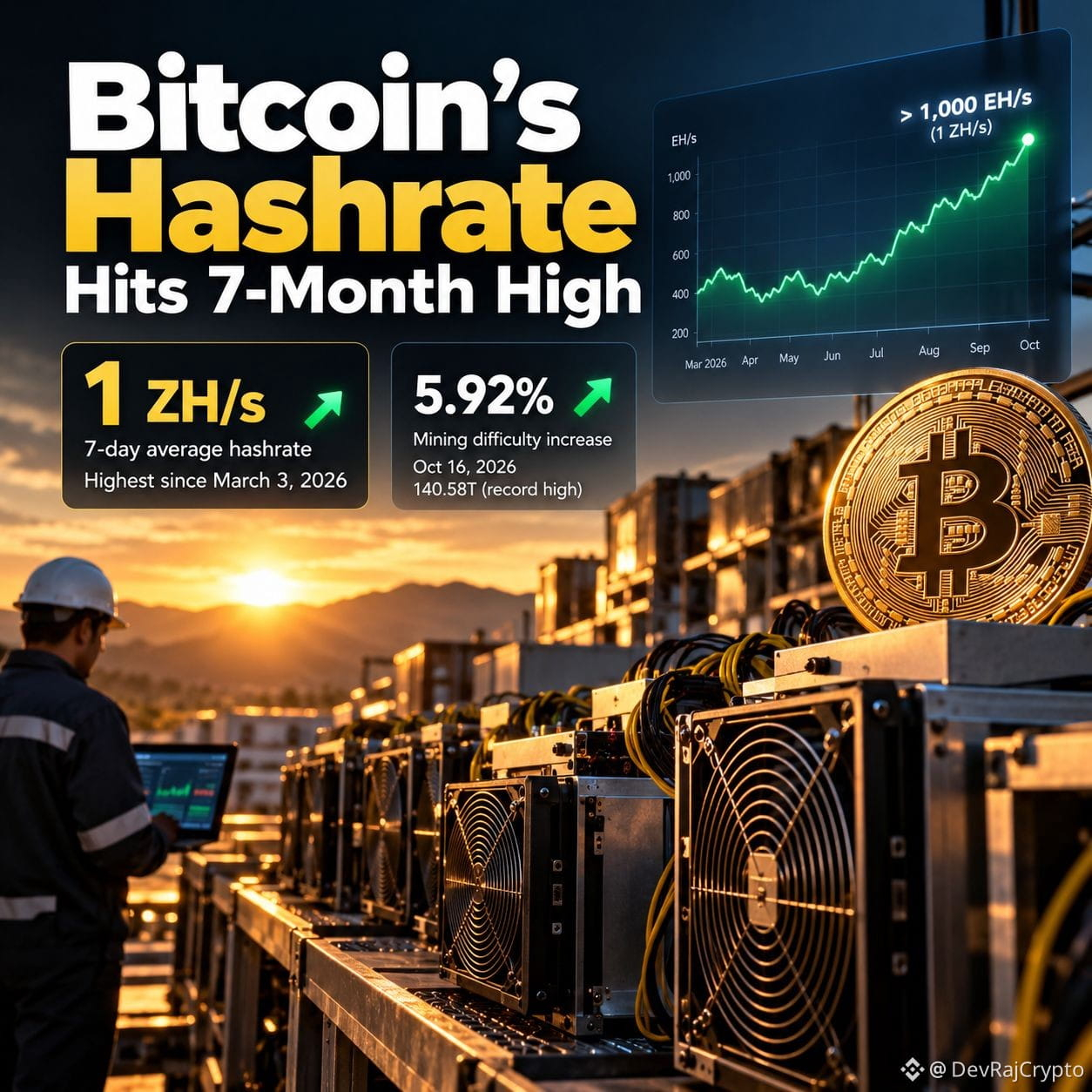
10月22日,BlocksBridge Consulting 報告稱,比特幣七日平均算力已回升至 1,000 EH/s(即每秒 1 澤哈希)以上,爲 2026 年 3 月 3 日以來的最高水平。
值得關注的是這一時間點。
一些上市礦企正將算力轉向人工智能和高性能計算領域。然而,比特幣的整體算力卻已經回升。
整個網絡並沒有簡單地跟着最大的礦企一起轉向其他領域。
但這個故事還有另一面。
10月16日,挖礦難度上調了 5.92%,達到約 140.58 萬億。BlocksBridge 估計,下次調整時難度還會再上調 5.16%,不過這個數字可能會變化。
對礦工來說,在其他條件相同的情況下,難度越高,爭奪區塊獎勵所需的計算工作就越多。
我最大的感受是什麼?
比特幣網絡更強大,並不意味着挖礦業務就會自動變得更賺錢。
二手設備和小型礦工可能爲算力回升做出了貢獻,但現有證據無法確定具體貢獻有多大。
我也不會把算力上升視爲 BTC 價格即將變化的信號。網絡安全性、挖礦盈利能力和市場需求是三件不同的事。
我關注的這個指標能說明比特幣的韌性,卻無法告訴我們接下來價格會走向何方。
你怎麼看:人工智能熱潮會讓更多礦工離開比特幣,還是會創造機會,讓小型礦工接替他們?
$BTC #bitcoin #Bitcoinmining #hashrate #BinanceSquare
來源:BlocksBridge Consulting《礦工週報》,2026年10月22日。難度數據已與比特幣網絡記錄交叉覈對。
本文不構成財務建議。下次難度調整數據爲估算值,並非已確認結果。
#bitcoinhashratehitssevenmonthhigh
比特幣算力正在回升,挖礦難度也在增加。這兩件事可以同時成立。
10月22日,BlocksBridge Consulting 報告稱,比特幣七日平均算力已回升至 1,000 EH/s(即每秒 1 澤哈希)以上,爲 2026 年 3 月 3 日以來的最高水平。
值得關注的是這一時間點。
一些上市礦企正將算力轉向人工智能和高性能計算領域。然而,比特幣的整體算力卻已經回升。
整個網絡並沒有簡單地跟着最大的礦企一起轉向其他領域。
但這個故事還有另一面。
10月16日,挖礦難度上調了 5.92%,達到約 140.58 萬億。BlocksBridge 估計,下次調整時難度還會再上調 5.16%,不過這個數字可能會變化。
對礦工來說,在其他條件相同的情況下,難度越高,爭奪區塊獎勵所需的計算工作就越多。
我最大的感受是什麼?
比特幣網絡更強大,並不意味着挖礦業務就會自動變得更賺錢。
二手設備和小型礦工可能爲算力回升做出了貢獻,但現有證據無法確定具體貢獻有多大。
我也不會把算力上升視爲 BTC 價格即將變化的信號。網絡安全性、挖礦盈利能力和市場需求是三件不同的事。
我關注的這個指標能說明比特幣的韌性,卻無法告訴我們接下來價格會走向何方。
你怎麼看:人工智能熱潮會讓更多礦工離開比特幣,還是會創造機會,讓小型礦工接替他們?
$BTC #bitcoin #Bitcoinmining #hashrate #BinanceSquare
來源:BlocksBridge Consulting《礦工週報》,2026年10月22日。難度數據已與比特幣網絡記錄交叉覈對。
本文不構成財務建議。下次難度調整數據爲估算值,並非已確認結果。
比特幣算力正在回升,挖礦難度也在增加。這兩件事可以同時成立。
10月22日,BlocksBridge Consulting 報告稱,比特幣七日平均算力已回升至 1,000 EH/s(即每秒 1 澤哈希)以上,爲 2026 年 3 月 3 日以來的最高水平。
值得關注的是這一時間點。
一些上市礦企正將算力轉向人工智能和高性能計算領域。然而,比特幣的整體算力卻已經回升。
整個網絡並沒有簡單地跟着最大的礦企一起轉向其他領域。
但這個故事還有另一面。
10月16日,挖礦難度上調了 5.92%,達到約 140.58 萬億。BlocksBridge 估計,下次調整時難度還會再上調 5.16%,不過這個數字可能會變化。
對礦工來說,在其他條件相同的情況下,難度越高,爭奪區塊獎勵所需的計算工作就越多。
我最大的感受是什麼?
比特幣網絡更強大,並不意味着挖礦業務就會自動變得更賺錢。
二手設備和小型礦工可能爲算力回升做出了貢獻,但現有證據無法確定具體貢獻有多大。
我也不會把算力上升視爲 BTC 價格即將變化的信號。網絡安全性、挖礦盈利能力和市場需求是三件不同的事。
我關注的這個指標能說明比特幣的韌性,卻無法告訴我們接下來價格會走向何方。
你怎麼看:人工智能熱潮會讓更多礦工離開比特幣,還是會創造機會,讓小型礦工接替他們?
$BTC #bitcoin #Bitcoinmining #hashrate #BinanceSquare
來源:BlocksBridge Consulting《礦工週報》,2026年10月22日。難度數據已與比特幣網絡記錄交叉覈對。
本文不構成財務建議。下次難度調整數據爲估算值,並非已確認結果。
1
999
·
--
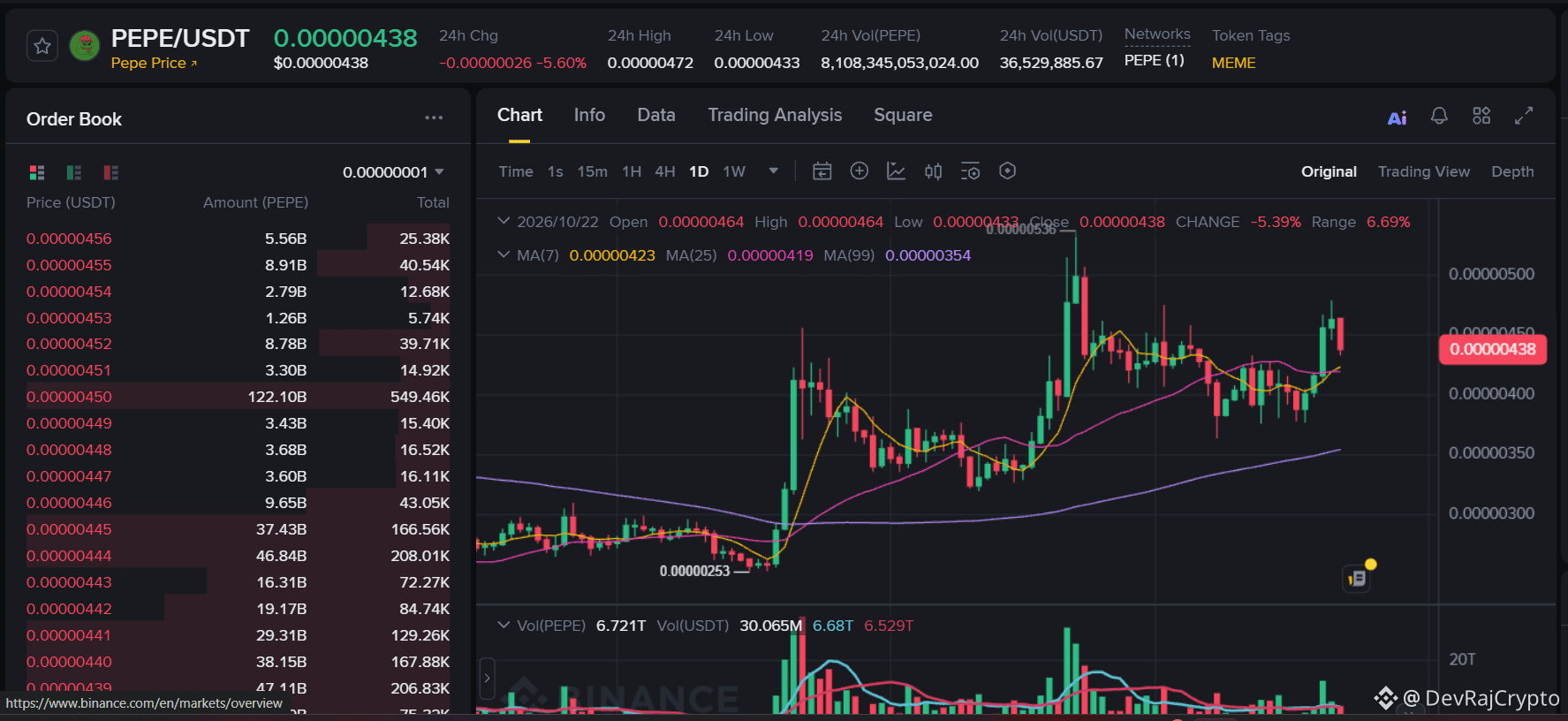
PEPE 下跌了 5.6%。但有一件事比這根紅色蠟燭更值得我密切關注。
買方能否守住此前上漲行情形成的價格區間?
這是我 10 月 22 日的 PEPE/USDT 日線圖顯示的情況:
📉 價格:$0.00000438
📊 MA(7):$0.00000423
📊 MA(25):$0.00000419
📊 MA(99):$0.00000354
PEPE 此前從約 $0.0000025 漲至 $0.00000536。現在價格正在回落,但仍高於圖中顯示的三條移動平均線。
因此,當前的復甦結構仍值得關注,但這並不能證明買方已重新掌控局面。
以下是我關注的價位:
🟢 看漲情景:PEPE 在 $0.00000420 至 $0.00000433 附近企穩,隨後在持續買盤推動下收復 $0.00000450 至 $0.00000472 區間。
🔴 看跌情景:價格跌破支撐區域且未能收復該區域,短期結構將走弱。
我的看法:我不會僅僅因爲 PEPE 下跌就把它稱作買入機會。我會關注價格在支撐位附近的表現,以及買方能否收復阻力位。
健康回調與趨勢破位之間的區別,取決於接下來價格怎麼走,而不是今天這根蠟燭看起來有多紅。
你怎麼看?PEPE 是在盤整蓄勢、準備再次上漲,還是在上漲後失去動能?
$PEPE #pepe #memecoins #CryptoAnalysis #BinanceSquare
以上並非投資建議。這些價位基於我 10 月 22 日的圖表截圖,可能會隨着市場狀況變化而調整。
PEPE 下跌了 5.6%。但有一件事比這根紅色蠟燭更值得我密切關注。
買方能否守住此前上漲行情形成的價格區間?
這是我 10 月 22 日的 PEPE/USDT 日線圖顯示的情況:
📉 價格:$0.00000438
📊 MA(7):$0.00000423
📊 MA(25):$0.00000419
📊 MA(99):$0.00000354
PEPE 此前從約 $0.0000025 漲至 $0.00000536。現在價格正在回落,但仍高於圖中顯示的三條移動平均線。
因此,當前的復甦結構仍值得關注,但這並不能證明買方已重新掌控局面。
以下是我關注的價位:
🟢 看漲情景:PEPE 在 $0.00000420 至 $0.00000433 附近企穩,隨後在持續買盤推動下收復 $0.00000450 至 $0.00000472 區間。
🔴 看跌情景:價格跌破支撐區域且未能收復該區域,短期結構將走弱。
我的看法:我不會僅僅因爲 PEPE 下跌就把它稱作買入機會。我會關注價格在支撐位附近的表現,以及買方能否收復阻力位。
健康回調與趨勢破位之間的區別,取決於接下來價格怎麼走,而不是今天這根蠟燭看起來有多紅。
你怎麼看?PEPE 是在盤整蓄勢、準備再次上漲,還是在上漲後失去動能?
$PEPE #pepe #memecoins #CryptoAnalysis #BinanceSquare
以上並非投資建議。這些價位基於我 10 月 22 日的圖表截圖,可能會隨着市場狀況變化而調整。
買方能否守住此前上漲行情形成的價格區間?
這是我 10 月 22 日的 PEPE/USDT 日線圖顯示的情況:
📉 價格:$0.00000438
📊 MA(7):$0.00000423
📊 MA(25):$0.00000419
📊 MA(99):$0.00000354
PEPE 此前從約 $0.0000025 漲至 $0.00000536。現在價格正在回落,但仍高於圖中顯示的三條移動平均線。
因此,當前的復甦結構仍值得關注,但這並不能證明買方已重新掌控局面。
以下是我關注的價位:
🟢 看漲情景:PEPE 在 $0.00000420 至 $0.00000433 附近企穩,隨後在持續買盤推動下收復 $0.00000450 至 $0.00000472 區間。
🔴 看跌情景:價格跌破支撐區域且未能收復該區域,短期結構將走弱。
我的看法:我不會僅僅因爲 PEPE 下跌就把它稱作買入機會。我會關注價格在支撐位附近的表現,以及買方能否收復阻力位。
健康回調與趨勢破位之間的區別,取決於接下來價格怎麼走,而不是今天這根蠟燭看起來有多紅。
你怎麼看?PEPE 是在盤整蓄勢、準備再次上漲,還是在上漲後失去動能?
$PEPE #pepe #memecoins #CryptoAnalysis #BinanceSquare
以上並非投資建議。這些價位基於我 10 月 22 日的圖表截圖,可能會隨着市場狀況變化而調整。
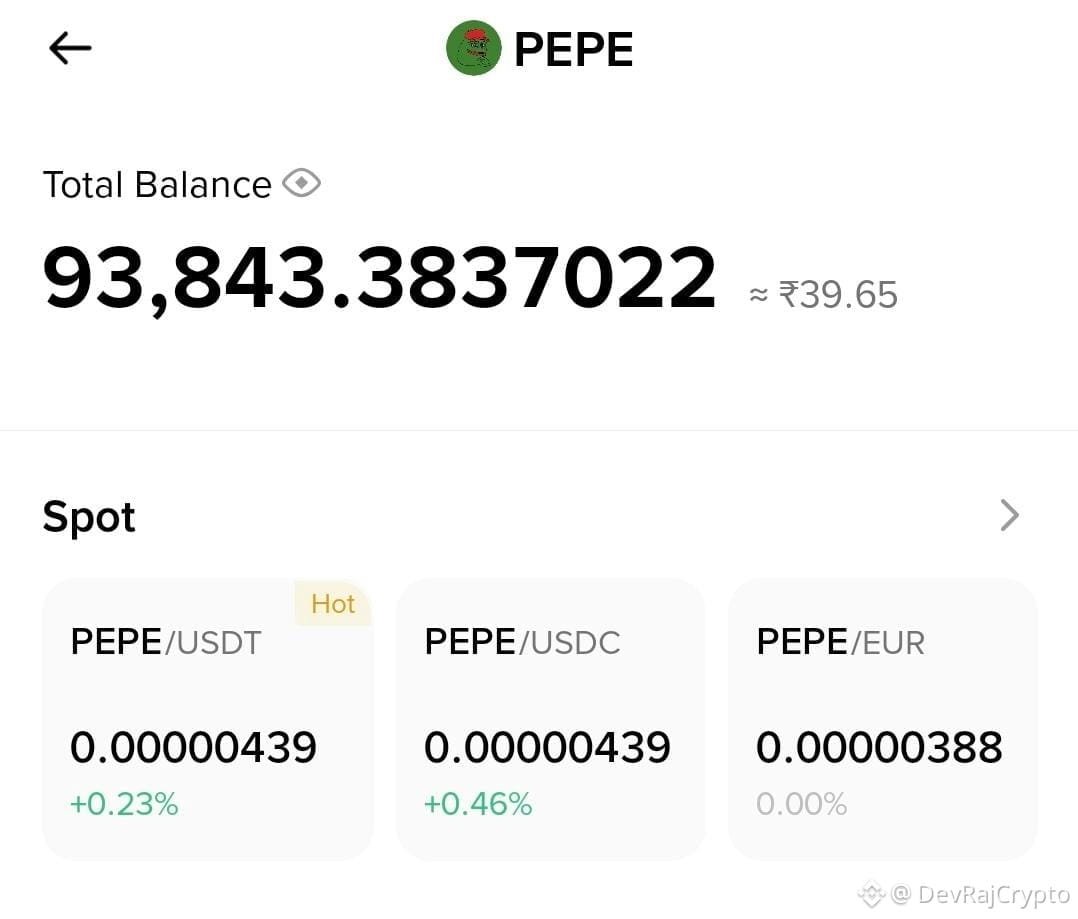
1
102
·
--
#BinancePick
Binance Pick 提供最高 1,000,000 USDC 的獎勵。但每位參與者都應先了解一個重要細節。
活動積分不是錢。
Binance Pick 第一季將於 2026 年 10 月 21 日至 11 月 15 日舉行,符合資格的用戶可以進行模擬市場預測,參與獎勵競賽。
獎池分配方式如下:
🏆 500,000 USDC:由賽季排行榜前 20,000 名符合資格的參與者共享。
📊 400,000 USDC:分配至四個周榜,每週 100,000 USDC。參與者必須進入前 8,000 名,且預測獲得的每週 PnL 爲正數。
🎁 100,000 USDC:面向符合資格、未進入任一排行榜但至少完成五次簽到的用戶發放參與獎勵。每位符合資格的參與者最高可獲 5 USDC。
你可以通過符合資格的活動任務賺取積分,任務可能包括簽到、推薦、交易以及在 Binance Square 發帖。可參與的任務因地區而異。
我的看法:最大的誤區,是以爲攢到積分就一定能獲得 USDC 獎勵。
積分決定你在活動中的排名。實際獎勵則取決於活動規則、你的成績以及你是否符合資格。
我也不會爲了追逐獎勵而隨意做預測。好的市場判斷需要有依據、明確的時間範圍,並清楚瞭解哪些情況可能證明判斷有誤。
參與活動、檢驗自己的判斷,並在衝擊排行榜之前弄清規則,這纔是參與的價值所在。
💬 你會如何參與 Binance Pick:衝擊周榜、爭取賽季排名,還是單純參與並學習?
#BinancePick #BinanceSquare #CryptoAnalysis #bitcoin #CryptoCommunity $BTC
{spot}(BTCUSDT)
注意:獎池最高爲 1,000,000 USDC,並不保證每位參與者都能獲得獎勵。參與資格和任務可用情況因地區而異。參與前請查看 Binance 官方活動規則。
#BinancePick
Binance Pick 提供最高 1,000,000 USDC 的獎勵。但每位參與者都應先了解一個重要細節。
活動積分不是錢。
Binance Pick 第一季將於 2026 年 10 月 21 日至 11 月 15 日舉行,符合資格的用戶可以進行模擬市場預測,參與獎勵競賽。
獎池分配方式如下:
🏆 500,000 USDC:由賽季排行榜前 20,000 名符合資格的參與者共享。
📊 400,000 USDC:分配至四個周榜,每週 100,000 USDC。參與者必須進入前 8,000 名,且預測獲得的每週 PnL 爲正數。
🎁 100,000 USDC:面向符合資格、未進入任一排行榜但至少完成五次簽到的用戶發放參與獎勵。每位符合資格的參與者最高可獲 5 USDC。
你可以通過符合資格的活動任務賺取積分,任務可能包括簽到、推薦、交易以及在 Binance Square 發帖。可參與的任務因地區而異。
我的看法:最大的誤區,是以爲攢到積分就一定能獲得 USDC 獎勵。
積分決定你在活動中的排名。實際獎勵則取決於活動規則、你的成績以及你是否符合資格。
我也不會爲了追逐獎勵而隨意做預測。好的市場判斷需要有依據、明確的時間範圍,並清楚瞭解哪些情況可能證明判斷有誤。
參與活動、檢驗自己的判斷,並在衝擊排行榜之前弄清規則,這纔是參與的價值所在。
💬 你會如何參與 Binance Pick:衝擊周榜、爭取賽季排名,還是單純參與並學習?
#BinancePick #BinanceSquare #CryptoAnalysis #bitcoin #CryptoCommunity $BTC
注意:獎池最高爲 1,000,000 USDC,並不保證每位參與者都能獲得獎勵。參與資格和任務可用情況因地區而異。參與前請查看 Binance 官方活動規則。
Binance Pick 提供最高 1,000,000 USDC 的獎勵。但每位參與者都應先了解一個重要細節。
活動積分不是錢。
Binance Pick 第一季將於 2026 年 10 月 21 日至 11 月 15 日舉行,符合資格的用戶可以進行模擬市場預測,參與獎勵競賽。
獎池分配方式如下:
🏆 500,000 USDC:由賽季排行榜前 20,000 名符合資格的參與者共享。
📊 400,000 USDC:分配至四個周榜,每週 100,000 USDC。參與者必須進入前 8,000 名,且預測獲得的每週 PnL 爲正數。
🎁 100,000 USDC:面向符合資格、未進入任一排行榜但至少完成五次簽到的用戶發放參與獎勵。每位符合資格的參與者最高可獲 5 USDC。
你可以通過符合資格的活動任務賺取積分,任務可能包括簽到、推薦、交易以及在 Binance Square 發帖。可參與的任務因地區而異。
我的看法:最大的誤區,是以爲攢到積分就一定能獲得 USDC 獎勵。
積分決定你在活動中的排名。實際獎勵則取決於活動規則、你的成績以及你是否符合資格。
我也不會爲了追逐獎勵而隨意做預測。好的市場判斷需要有依據、明確的時間範圍,並清楚瞭解哪些情況可能證明判斷有誤。
參與活動、檢驗自己的判斷,並在衝擊排行榜之前弄清規則,這纔是參與的價值所在。
💬 你會如何參與 Binance Pick:衝擊周榜、爭取賽季排名,還是單純參與並學習?
#BinancePick #BinanceSquare #CryptoAnalysis #bitcoin #CryptoCommunity $BTC
注意:獎池最高爲 1,000,000 USDC,並不保證每位參與者都能獲得獎勵。參與資格和任務可用情況因地區而異。參與前請查看 Binance 官方活動規則。

1
110
·
--
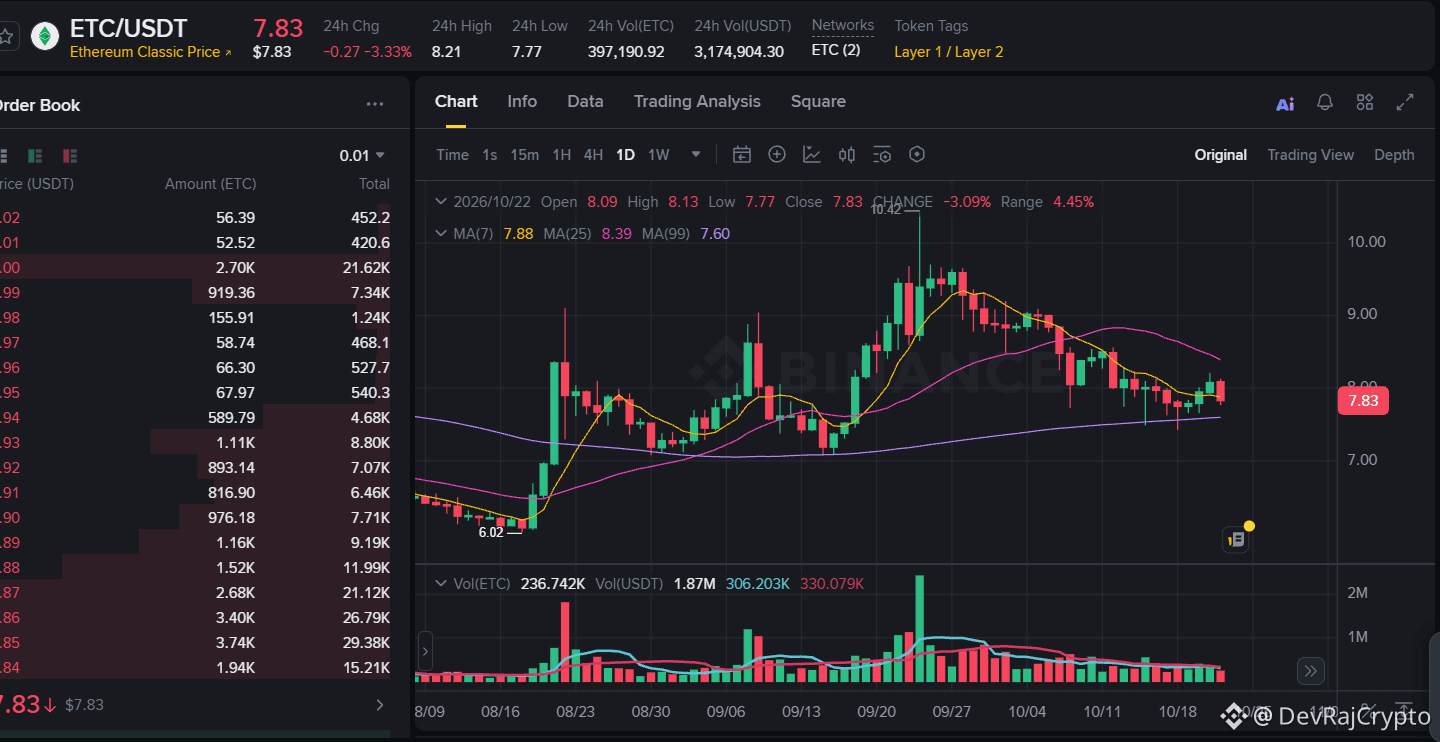
ETC目前在7.80美元附近徘徊。但這是正在形成底部,還是下跌下一段行情前的短暫停頓?
我正在關注以太坊經典(Ethereum Classic),因爲它的日線圖正接近一個重要的決策點。
以下是我注意到的情況:
📉 1. 趨勢仍面臨壓力。
截圖顯示,ETC目前在7.83美元左右交易,過去24小時下跌了3.33%。9月下旬價格一度達到約9.50美元,此後高點不斷走低。
這說明,在我認爲趨勢轉爲看漲之前,賣方仍有一關需要證明自己。
📊 2. 移動均線給出了兩種不同的信號。
7日移動均線約爲7.88美元,25日移動均線則在8.39美元附近。價格低於這兩條均線,顯示短期走勢偏弱。
不過,99日均線在7.60美元附近。因此,7.60至7.80美元區域值得關注,看看這裏是否會出現潛在的支撐反應。
3. 我的看漲與看跌情景
🟢 看漲:ETC守住7.60至7.80美元區間,重新站上8.00美元,並在買入量增強的情況下突破8.40美元。若漲勢持續,價格可能進一步上探8.80至9.00美元。
🔴 看跌:ETC跌破7.60美元且未能重新站回該價位。這可能使價格下探7.40美元附近;如果拋售加劇,還可能進一步走低。
這些只是情景分析,並非保證實現的目標價。
我的看法:我現在還不會斷言底部已經出現。我希望看到買方守住支撐位,並在成交量有力配合的情況下重新突破阻力位。僅僅出現反彈並不足以確認趨勢反轉。
問題在於,ETC能否將這個支撐區域轉化爲底部,而不是僅僅推遲下一輪下跌。
💬 你怎麼看?ETC是在爲反彈做準備,還是你預計價格還會進一步下跌?
#EthereumClassic #CryptoAnalysis #altcoins #BinanceSquare
$ETC
{spot}(ETCUSDT)
不構成投資建議。以上價位依據所提供的圖表分析,可能會隨着市場狀況變化而改變。
ETC目前在7.80美元附近徘徊。但這是正在形成底部,還是下跌下一段行情前的短暫停頓?
我正在關注以太坊經典(Ethereum Classic),因爲它的日線圖正接近一個重要的決策點。
以下是我注意到的情況:
📉 1. 趨勢仍面臨壓力。
截圖顯示,ETC目前在7.83美元左右交易,過去24小時下跌了3.33%。9月下旬價格一度達到約9.50美元,此後高點不斷走低。
這說明,在我認爲趨勢轉爲看漲之前,賣方仍有一關需要證明自己。
📊 2. 移動均線給出了兩種不同的信號。
7日移動均線約爲7.88美元,25日移動均線則在8.39美元附近。價格低於這兩條均線,顯示短期走勢偏弱。
不過,99日均線在7.60美元附近。因此,7.60至7.80美元區域值得關注,看看這裏是否會出現潛在的支撐反應。
3. 我的看漲與看跌情景
🟢 看漲:ETC守住7.60至7.80美元區間,重新站上8.00美元,並在買入量增強的情況下突破8.40美元。若漲勢持續,價格可能進一步上探8.80至9.00美元。
🔴 看跌:ETC跌破7.60美元且未能重新站回該價位。這可能使價格下探7.40美元附近;如果拋售加劇,還可能進一步走低。
這些只是情景分析,並非保證實現的目標價。
我的看法:我現在還不會斷言底部已經出現。我希望看到買方守住支撐位,並在成交量有力配合的情況下重新突破阻力位。僅僅出現反彈並不足以確認趨勢反轉。
問題在於,ETC能否將這個支撐區域轉化爲底部,而不是僅僅推遲下一輪下跌。
💬 你怎麼看?ETC是在爲反彈做準備,還是你預計價格還會進一步下跌?
#EthereumClassic #CryptoAnalysis #altcoins #BinanceSquare
$ETC
不構成投資建議。以上價位依據所提供的圖表分析,可能會隨着市場狀況變化而改變。
我正在關注以太坊經典(Ethereum Classic),因爲它的日線圖正接近一個重要的決策點。
以下是我注意到的情況:
📉 1. 趨勢仍面臨壓力。
截圖顯示,ETC目前在7.83美元左右交易,過去24小時下跌了3.33%。9月下旬價格一度達到約9.50美元,此後高點不斷走低。
這說明,在我認爲趨勢轉爲看漲之前,賣方仍有一關需要證明自己。
📊 2. 移動均線給出了兩種不同的信號。
7日移動均線約爲7.88美元,25日移動均線則在8.39美元附近。價格低於這兩條均線,顯示短期走勢偏弱。
不過,99日均線在7.60美元附近。因此,7.60至7.80美元區域值得關注,看看這裏是否會出現潛在的支撐反應。
3. 我的看漲與看跌情景
🟢 看漲:ETC守住7.60至7.80美元區間,重新站上8.00美元,並在買入量增強的情況下突破8.40美元。若漲勢持續,價格可能進一步上探8.80至9.00美元。
🔴 看跌:ETC跌破7.60美元且未能重新站回該價位。這可能使價格下探7.40美元附近;如果拋售加劇,還可能進一步走低。
這些只是情景分析,並非保證實現的目標價。
我的看法:我現在還不會斷言底部已經出現。我希望看到買方守住支撐位,並在成交量有力配合的情況下重新突破阻力位。僅僅出現反彈並不足以確認趨勢反轉。
問題在於,ETC能否將這個支撐區域轉化爲底部,而不是僅僅推遲下一輪下跌。
💬 你怎麼看?ETC是在爲反彈做準備,還是你預計價格還會進一步下跌?
#EthereumClassic #CryptoAnalysis #altcoins #BinanceSquare
$ETC
不構成投資建議。以上價位依據所提供的圖表分析,可能會隨着市場狀況變化而改變。
1
167
·
--
幣安真的因爲我創作加密貨幣內容而付給我獎勵。你也能賺取獎勵!方法如下。👇
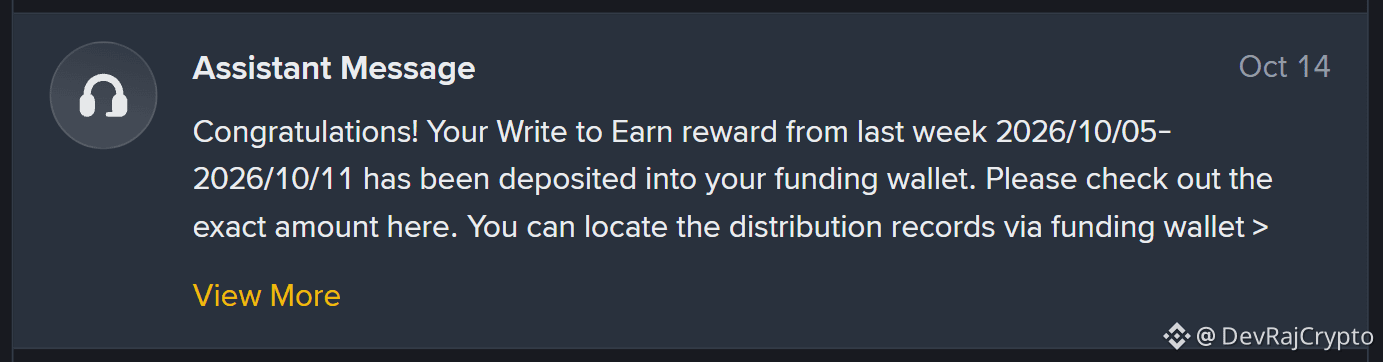
10月14日,我收到了幣安發來的這條通知:
我在10月5日至11日期間獲得的「創作賺幣」獎勵已存入我的錢包。
這是我的真實經歷,不是別人的收益截圖。
但更大的機會不只是獲得獎勵,而是瞭解這個計劃的運作方式。
以下是我在幣安廣場上的做法:
📊 1. 關注熱門加密貨幣話題。我會關注市場動態、比特幣、山寨幣以及重要項目的最新進展。
🔍 2. 發佈前先做研究。我會覈實事實、瞭解背後的催化因素,並分享自己的解讀,而不是簡單照搬標題。
💡 3. 清楚表達自己的觀點。我會說明這則新聞可能意味着什麼、有哪些風險值得關注,以及我正在觀察哪些證據。
💬 4. 鼓勵真誠的討論。我會分享自己的分析、回覆讀者,也歡迎不同的觀點。
爲什麼現在這很重要?
10月19日,幣安升級了「創作賺幣」計劃。符合條件的文字內容現在可以根據真實互動(包括評論、點贊和關注)賺取每週互動獎勵,同時還可獲得符合條件的交易佣金。
符合條件的創作者可從讀者符合條件的交易中獲得20%的基礎佣金。文字內容也可能符合互動獎勵池的獎勵條件。
請注意:獎勵並非保證發放。資格、內容質量、符合條件的活動以及幣安的條款都很重要。切勿爲了追逐獎勵而刷互動或發佈誤導性的價格預測。
我最大的收穫是什麼?
你不必把每一篇加密貨幣帖子都當成交易信號。你可以通過幫助人們瞭解市場來創造價值。
創作有用的內容。用證據支撐你的觀點。建立一個願意傾聽你見解的社羣。
這就是我在幣安廣場上採用的方法。
💬 你收到過「創作賺幣」獎勵嗎?哪種加密貨幣內容對你最有效?
#BinanceSquare #writetoearn #cryptoeducation #bitcoin #CryptoCommunity
幣安真的因爲我創作加密貨幣內容而付給我獎勵。你也能賺取獎勵!方法如下。👇
10月14日,我收到了幣安發來的這條通知:
我在10月5日至11日期間獲得的「創作賺幣」獎勵已存入我的錢包。
這是我的真實經歷,不是別人的收益截圖。
但更大的機會不只是獲得獎勵,而是瞭解這個計劃的運作方式。
以下是我在幣安廣場上的做法:
📊 1. 關注熱門加密貨幣話題。我會關注市場動態、比特幣、山寨幣以及重要項目的最新進展。
🔍 2. 發佈前先做研究。我會覈實事實、瞭解背後的催化因素,並分享自己的解讀,而不是簡單照搬標題。
💡 3. 清楚表達自己的觀點。我會說明這則新聞可能意味着什麼、有哪些風險值得關注,以及我正在觀察哪些證據。
💬 4. 鼓勵真誠的討論。我會分享自己的分析、回覆讀者,也歡迎不同的觀點。
爲什麼現在這很重要?
10月19日,幣安升級了「創作賺幣」計劃。符合條件的文字內容現在可以根據真實互動(包括評論、點贊和關注)賺取每週互動獎勵,同時還可獲得符合條件的交易佣金。
符合條件的創作者可從讀者符合條件的交易中獲得20%的基礎佣金。文字內容也可能符合互動獎勵池的獎勵條件。
請注意:獎勵並非保證發放。資格、內容質量、符合條件的活動以及幣安的條款都很重要。切勿爲了追逐獎勵而刷互動或發佈誤導性的價格預測。
我最大的收穫是什麼?
你不必把每一篇加密貨幣帖子都當成交易信號。你可以通過幫助人們瞭解市場來創造價值。
創作有用的內容。用證據支撐你的觀點。建立一個願意傾聽你見解的社羣。
這就是我在幣安廣場上採用的方法。
💬 你收到過「創作賺幣」獎勵嗎?哪種加密貨幣內容對你最有效?
#BinanceSquare #writetoearn #cryptoeducation #bitcoin #CryptoCommunity
10月14日,我收到了幣安發來的這條通知:
我在10月5日至11日期間獲得的「創作賺幣」獎勵已存入我的錢包。
這是我的真實經歷,不是別人的收益截圖。
但更大的機會不只是獲得獎勵,而是瞭解這個計劃的運作方式。
以下是我在幣安廣場上的做法:
📊 1. 關注熱門加密貨幣話題。我會關注市場動態、比特幣、山寨幣以及重要項目的最新進展。
🔍 2. 發佈前先做研究。我會覈實事實、瞭解背後的催化因素,並分享自己的解讀,而不是簡單照搬標題。
💡 3. 清楚表達自己的觀點。我會說明這則新聞可能意味着什麼、有哪些風險值得關注,以及我正在觀察哪些證據。
💬 4. 鼓勵真誠的討論。我會分享自己的分析、回覆讀者,也歡迎不同的觀點。
爲什麼現在這很重要?
10月19日,幣安升級了「創作賺幣」計劃。符合條件的文字內容現在可以根據真實互動(包括評論、點贊和關注)賺取每週互動獎勵,同時還可獲得符合條件的交易佣金。
符合條件的創作者可從讀者符合條件的交易中獲得20%的基礎佣金。文字內容也可能符合互動獎勵池的獎勵條件。
請注意:獎勵並非保證發放。資格、內容質量、符合條件的活動以及幣安的條款都很重要。切勿爲了追逐獎勵而刷互動或發佈誤導性的價格預測。
我最大的收穫是什麼?
你不必把每一篇加密貨幣帖子都當成交易信號。你可以通過幫助人們瞭解市場來創造價值。
創作有用的內容。用證據支撐你的觀點。建立一個願意傾聽你見解的社羣。
這就是我在幣安廣場上採用的方法。
💬 你收到過「創作賺幣」獎勵嗎?哪種加密貨幣內容對你最有效?
#BinanceSquare #writetoearn #cryptoeducation #bitcoin #CryptoCommunity
2
210
·
--
#muskreportedlyorderedstarlinkslowdowninukraine
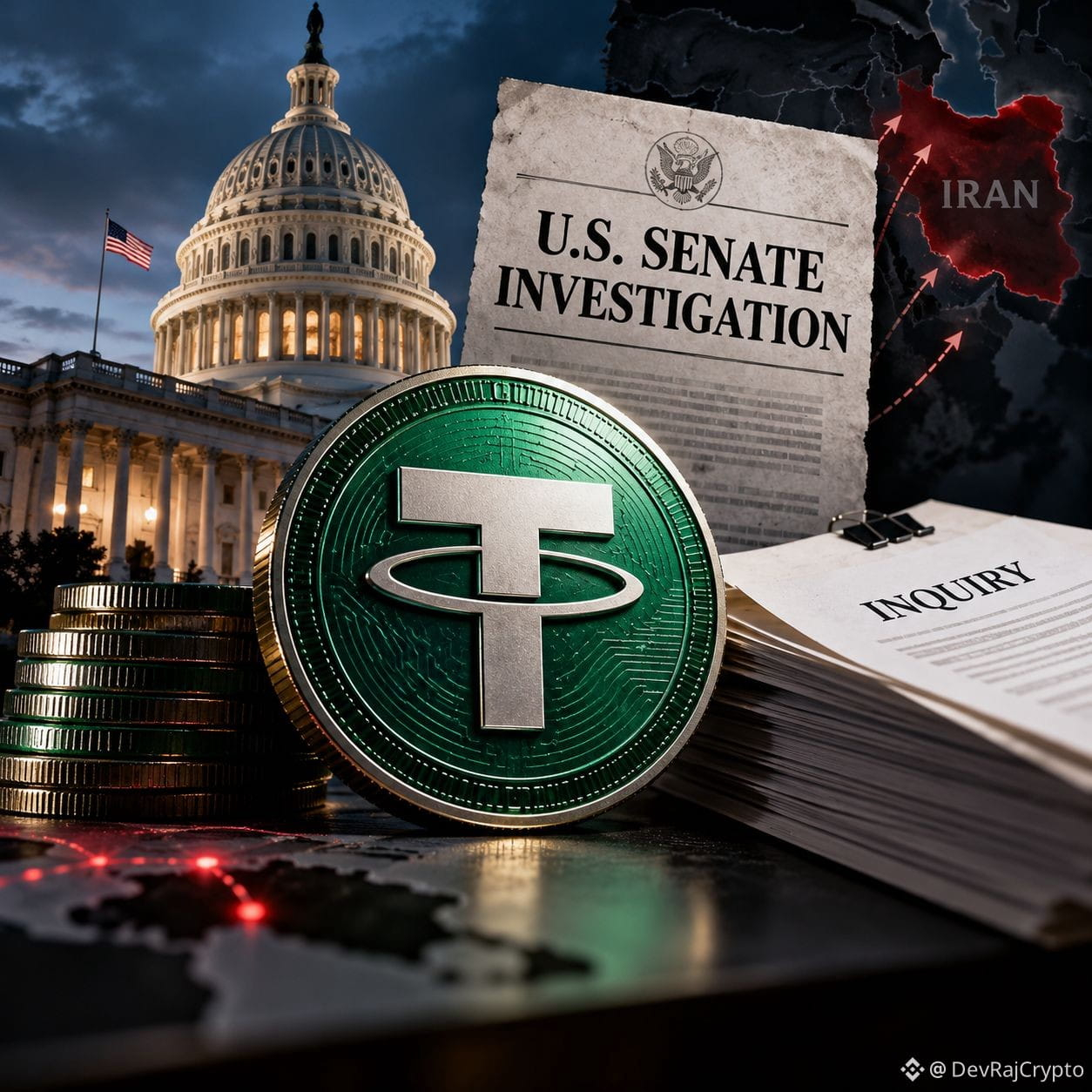
USDT面臨的最大風險或許不是突然脫錨,而是人們對其背後機構失去信任。
9月28日,美國參議院民主黨人開展了一項調查,審查了846個因與伊朗及其地區代理勢力有關聯而遭制裁或被要求查封的加密錢包。調查人員報告稱,其中84%的錢包只使用或幾乎只使用USDT進行交易。
這一發現針對的是這些特定錢包,並不代表更廣泛的USDT用戶羣體。
10月8日,參議員理查德·布盧門撒爾要求坎託·菲茨傑拉德提供其與Tether關係的相關信息,包括資產託管和業務安排。此次問詢並不能證明存在不當行爲。
評估穩定幣時,我關注的是以下區別:
可靠的美元錨定與可信賴的金融管控是兩回事。
交易價格接近$1 ,本身並不能說明穩定幣儲備、贖回安排或合規體系的質量。
但僅憑監管審查,也不能證明USDT即將脫錨。
我會關注相關公司的迴應、可信的儲備披露、有充分依據的合規調查結果,以及USDT價格或流動性是否出現任何實際承壓跡象。
穩定幣的價格告訴我們它的交易價格,卻無法全面反映支撐這一價格的機構情況。
對長期信任穩定幣而言,什麼更重要:可靠的贖回機制、透明的儲備,還是嚴格的合規?
$USDT #Tether #Stablecoins #CryptoRegulation #BinanceSquare
以上不是財務建議。調查仍在進行中,相關指控尚未被證實爲不當行爲。
#muskreportedlyorderedstarlinkslowdowninukraine
USDT面臨的最大風險或許不是突然脫錨,而是人們對其背後機構失去信任。
9月28日,美國參議院民主黨人開展了一項調查,審查了846個因與伊朗及其地區代理勢力有關聯而遭制裁或被要求查封的加密錢包。調查人員報告稱,其中84%的錢包只使用或幾乎只使用USDT進行交易。
這一發現針對的是這些特定錢包,並不代表更廣泛的USDT用戶羣體。
10月8日,參議員理查德·布盧門撒爾要求坎託·菲茨傑拉德提供其與Tether關係的相關信息,包括資產託管和業務安排。此次問詢並不能證明存在不當行爲。
評估穩定幣時,我關注的是以下區別:
可靠的美元錨定與可信賴的金融管控是兩回事。
交易價格接近$1 ,本身並不能說明穩定幣儲備、贖回安排或合規體系的質量。
但僅憑監管審查,也不能證明USDT即將脫錨。
我會關注相關公司的迴應、可信的儲備披露、有充分依據的合規調查結果,以及USDT價格或流動性是否出現任何實際承壓跡象。
穩定幣的價格告訴我們它的交易價格,卻無法全面反映支撐這一價格的機構情況。
對長期信任穩定幣而言,什麼更重要:可靠的贖回機制、透明的儲備,還是嚴格的合規?
$USDT #Tether #Stablecoins #CryptoRegulation #BinanceSquare
以上不是財務建議。調查仍在進行中,相關指控尚未被證實爲不當行爲。
USDT面臨的最大風險或許不是突然脫錨,而是人們對其背後機構失去信任。
9月28日,美國參議院民主黨人開展了一項調查,審查了846個因與伊朗及其地區代理勢力有關聯而遭制裁或被要求查封的加密錢包。調查人員報告稱,其中84%的錢包只使用或幾乎只使用USDT進行交易。
這一發現針對的是這些特定錢包,並不代表更廣泛的USDT用戶羣體。
10月8日,參議員理查德·布盧門撒爾要求坎託·菲茨傑拉德提供其與Tether關係的相關信息,包括資產託管和業務安排。此次問詢並不能證明存在不當行爲。
評估穩定幣時,我關注的是以下區別:
可靠的美元錨定與可信賴的金融管控是兩回事。
交易價格接近$1 ,本身並不能說明穩定幣儲備、贖回安排或合規體系的質量。
但僅憑監管審查,也不能證明USDT即將脫錨。
我會關注相關公司的迴應、可信的儲備披露、有充分依據的合規調查結果,以及USDT價格或流動性是否出現任何實際承壓跡象。
穩定幣的價格告訴我們它的交易價格,卻無法全面反映支撐這一價格的機構情況。
對長期信任穩定幣而言,什麼更重要:可靠的贖回機制、透明的儲備,還是嚴格的合規?
$USDT #Tether #Stablecoins #CryptoRegulation #BinanceSquare
以上不是財務建議。調查仍在進行中,相關指控尚未被證實爲不當行爲。
587
·
--
真實
#earningsseason
特斯拉有 Roadster 帶來的熱度,Meta 則身處 AI 競賽之中。
但它們的財報究竟會告訴我們什麼?
特斯拉和 Meta 計劃於 10 月 21 日公佈第三季度業績。我關注的是兩個不同的問題。
🚗 $TSLA:創新與執行
特斯拉於 10 月 15 日發佈了重新設計的 Roadster,目標是在 2028 年投產。
對於這份財報,我會重點關注汽車業務利潤率、能源業務表現、現金流,以及管理層對自動駕駛的最新說明。
Roadster 是一個長期產品故事,其對短期盈利的貢獻仍不確定。
🤖 $META:AI 投資與回報
Meta 於 10 月 12 日推出了 Muse Wonder AI 模型。
接下來的問題不僅關乎技術,也關乎財務:Meta 能否將 AI 能力轉化爲更強勁的廣告表現和新的營收機會,同時證明其基礎設施支出物有所值?
這正是我想通過財務業績和未來指引來評估的問題。
我的核心結論是:技術進步和投資回報是兩碼事。
產品發佈會帶來期待,而財務業績能幫助投資者判斷業務是否正在兌現承諾。
我不會僅憑兩家公司最近的公告,就將其解讀爲看漲或看跌的交易信號。在形成觀點之前,我會先評估公佈的數據、支出情況和業績展望。
本輪財報季,哪一點更重要:特斯拉的執行力,還是 Meta 的 AI 變現能力?哪項財務指標會影響你的判斷?
$TSLA $META #EarningsSeason
來源:特斯拉投資者關係、Meta 投資者關係,以及路透社關於 Roadster 發佈的報道。
#earningsseason
特斯拉有 Roadster 帶來的熱度,Meta 則身處 AI 競賽之中。
但它們的財報究竟會告訴我們什麼?
特斯拉和 Meta 計劃於 10 月 21 日公佈第三季度業績。我關注的是兩個不同的問題。
🚗 $TSLA :創新與執行
特斯拉於 10 月 15 日發佈了重新設計的 Roadster,目標是在 2028 年投產。
對於這份財報,我會重點關注汽車業務利潤率、能源業務表現、現金流,以及管理層對自動駕駛的最新說明。
Roadster 是一個長期產品故事,其對短期盈利的貢獻仍不確定。
🤖 $META :AI 投資與回報
Meta 於 10 月 12 日推出了 Muse Wonder AI 模型。
接下來的問題不僅關乎技術,也關乎財務:Meta 能否將 AI 能力轉化爲更強勁的廣告表現和新的營收機會,同時證明其基礎設施支出物有所值?
這正是我想通過財務業績和未來指引來評估的問題。
我的核心結論是:技術進步和投資回報是兩碼事。
產品發佈會帶來期待,而財務業績能幫助投資者判斷業務是否正在兌現承諾。
我不會僅憑兩家公司最近的公告,就將其解讀爲看漲或看跌的交易信號。在形成觀點之前,我會先評估公佈的數據、支出情況和業績展望。
本輪財報季,哪一點更重要:特斯拉的執行力,還是 Meta 的 AI 變現能力?哪項財務指標會影響你的判斷?
$TSLA $META #EarningsSeason
來源:特斯拉投資者關係、Meta 投資者關係,以及路透社關於 Roadster 發佈的報道。
特斯拉有 Roadster 帶來的熱度,Meta 則身處 AI 競賽之中。
但它們的財報究竟會告訴我們什麼?
特斯拉和 Meta 計劃於 10 月 21 日公佈第三季度業績。我關注的是兩個不同的問題。
🚗 $TSLA :創新與執行
特斯拉於 10 月 15 日發佈了重新設計的 Roadster,目標是在 2028 年投產。
對於這份財報,我會重點關注汽車業務利潤率、能源業務表現、現金流,以及管理層對自動駕駛的最新說明。
Roadster 是一個長期產品故事,其對短期盈利的貢獻仍不確定。
🤖 $META :AI 投資與回報
Meta 於 10 月 12 日推出了 Muse Wonder AI 模型。
接下來的問題不僅關乎技術,也關乎財務:Meta 能否將 AI 能力轉化爲更強勁的廣告表現和新的營收機會,同時證明其基礎設施支出物有所值?
這正是我想通過財務業績和未來指引來評估的問題。
我的核心結論是:技術進步和投資回報是兩碼事。
產品發佈會帶來期待,而財務業績能幫助投資者判斷業務是否正在兌現承諾。
我不會僅憑兩家公司最近的公告,就將其解讀爲看漲或看跌的交易信號。在形成觀點之前,我會先評估公佈的數據、支出情況和業績展望。
本輪財報季,哪一點更重要:特斯拉的執行力,還是 Meta 的 AI 變現能力?哪項財務指標會影響你的判斷?
$TSLA $META #EarningsSeason
來源:特斯拉投資者關係、Meta 投資者關係,以及路透社關於 Roadster 發佈的報道。

3
734
·
--
真實
#skyaisellsallsolandlaunchescashtenderoffer
SkyAI 已經賣出了全部 SOL。
但更值得關注的是,當一家企業的加密貨幣財庫決定退出時,會發生什麼。
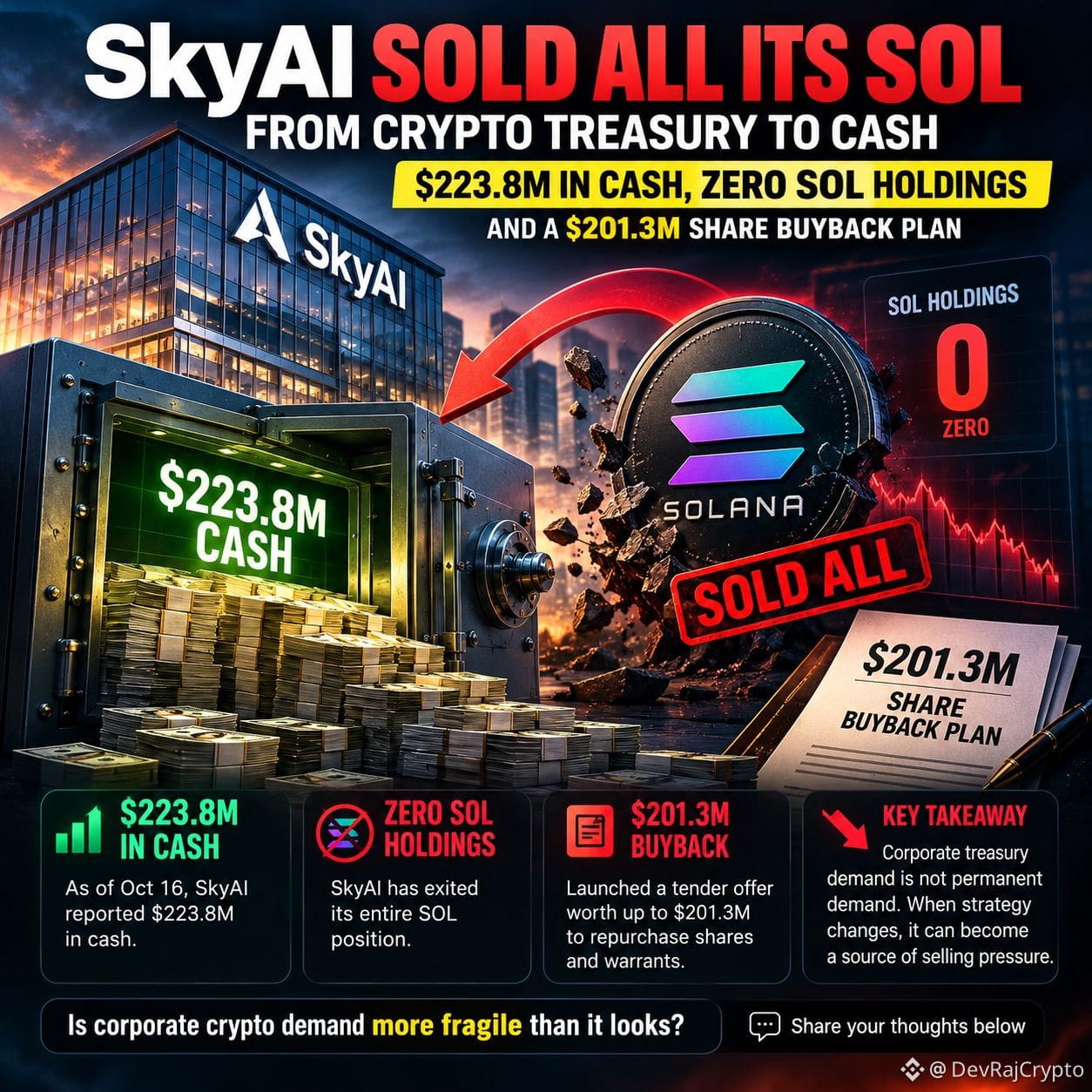
截至 10 月 16 日,SkyAI 報告稱持有 2.238 億美元現金,SOL 持倉爲零。該公司還發起了一項最高價值 2.013 億美元的要約,以回購股票和認股權證。
我的看法是:企業財庫帶來的需求並非永久存在。
企業積累加密貨幣可以形成買盤壓力。但當其資本配置策略發生變化時,同一筆財庫資產也可能成爲賣壓來源。
這並不意味着 SOL 必然看跌。真正的問題在於,市場能否消化這些拋售,並維持其他買家的需求。
這也給投資者提了個醒:買入一家持有加密貨幣的企業,不等於持有其底層代幣。管理層的決策很重要。
你會相信一家公司的加密貨幣財庫策略能經受完整的市場週期考驗嗎?還是說,企業對加密貨幣的需求比看起來更脆弱?
$SOL $SKYA.US #solana #CryptoTreasury #BinanceSquare
#skyaisellsallsolandlaunchescashtenderoffer
SkyAI 已經賣出了全部 SOL。
但更值得關注的是,當一家企業的加密貨幣財庫決定退出時,會發生什麼。
截至 10 月 16 日,SkyAI 報告稱持有 2.238 億美元現金,SOL 持倉爲零。該公司還發起了一項最高價值 2.013 億美元的要約,以回購股票和認股權證。
我的看法是:企業財庫帶來的需求並非永久存在。
企業積累加密貨幣可以形成買盤壓力。但當其資本配置策略發生變化時,同一筆財庫資產也可能成爲賣壓來源。
這並不意味着 SOL 必然看跌。真正的問題在於,市場能否消化這些拋售,並維持其他買家的需求。
這也給投資者提了個醒:買入一家持有加密貨幣的企業,不等於持有其底層代幣。管理層的決策很重要。
你會相信一家公司的加密貨幣財庫策略能經受完整的市場週期考驗嗎?還是說,企業對加密貨幣的需求比看起來更脆弱?
$SOL $SKYA.US #solana #CryptoTreasury #BinanceSquare
SkyAI 已經賣出了全部 SOL。
但更值得關注的是,當一家企業的加密貨幣財庫決定退出時,會發生什麼。
截至 10 月 16 日,SkyAI 報告稱持有 2.238 億美元現金,SOL 持倉爲零。該公司還發起了一項最高價值 2.013 億美元的要約,以回購股票和認股權證。
我的看法是:企業財庫帶來的需求並非永久存在。
企業積累加密貨幣可以形成買盤壓力。但當其資本配置策略發生變化時,同一筆財庫資產也可能成爲賣壓來源。
這並不意味着 SOL 必然看跌。真正的問題在於,市場能否消化這些拋售,並維持其他買家的需求。
這也給投資者提了個醒:買入一家持有加密貨幣的企業,不等於持有其底層代幣。管理層的決策很重要。
你會相信一家公司的加密貨幣財庫策略能經受完整的市場週期考驗嗎?還是說,企業對加密貨幣的需求比看起來更脆弱?
$SOL $SKYA.US #solana #CryptoTreasury #BinanceSquare
SOL+0.61%
SKYAUS-1.21%
3
15.2k
·
--
真實
#kospiopens3.17%lower
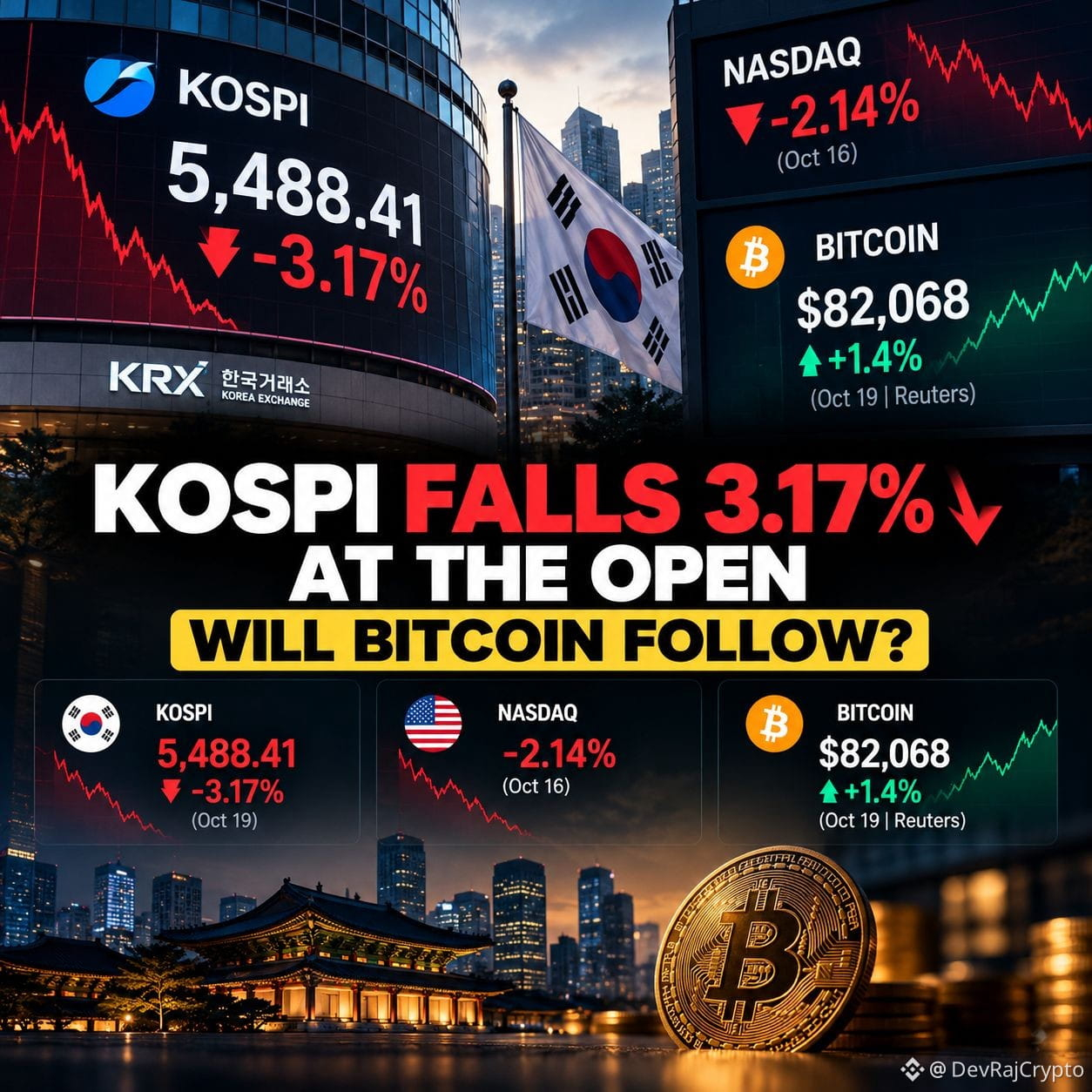
🚨 KOSPI開盤下跌3.17%。比特幣會跟跌嗎?
10月19日,韓國股市大幅低開,此前華爾街在科技股帶動下遭遇拋售。
📉 以下是經覈實的數據:
• KOSPI:開盤報5,488.41點,下跌3.17%。
• 納斯達克:10月16日(週五)下跌2.14%。
• 比特幣:路透社報道稱,截至週一發稿時,BTC約爲82,068美元,當時上漲1.4%。
股市承壓,部分原因是市場擔憂鉅額人工智能基礎設施投資能否帶來足夠回報。
🧠 我的看法:股市遭遇拋售,並不意味着比特幣一定會下跌。
更重要的問題是,疲軟是否會蔓延至各類資產,還是比特幣能在科技股承壓之際保持韌性。
我正在關注三個信號:
• BTC的價格走勢,以及拋售壓力是否加劇。
• 弱勢是否蔓延至更廣泛的加密貨幣市場。
• 市場波動是否引發更多被迫拋售。
我的結論:KOSPI下跌是一個警示信號,但並不能證明比特幣即將暴跌。
我的看法是,與其根據股市單日開盤表現預測比特幣走勢,不如等待更多確認信號。
💬 你怎麼看?
🟢 BTC保持韌性
🔴 避險壓力推動BTC走低
🟡 BTC盤整,等待下一步走勢
投票並分享你的理由。👇
$BTC #bitcoin #KOSPI #CryptoMarket #BinanceSquare
市場評論,不構成財務建議。
#kospiopens3.17%lower
🚨 KOSPI開盤下跌3.17%。比特幣會跟跌嗎?
10月19日,韓國股市大幅低開,此前華爾街在科技股帶動下遭遇拋售。
📉 以下是經覈實的數據:
• KOSPI:開盤報5,488.41點,下跌3.17%。
• 納斯達克:10月16日(週五)下跌2.14%。
• 比特幣:路透社報道稱,截至週一發稿時,BTC約爲82,068美元,當時上漲1.4%。
股市承壓,部分原因是市場擔憂鉅額人工智能基礎設施投資能否帶來足夠回報。
🧠 我的看法:股市遭遇拋售,並不意味着比特幣一定會下跌。
更重要的問題是,疲軟是否會蔓延至各類資產,還是比特幣能在科技股承壓之際保持韌性。
我正在關注三個信號:
• BTC的價格走勢,以及拋售壓力是否加劇。
• 弱勢是否蔓延至更廣泛的加密貨幣市場。
• 市場波動是否引發更多被迫拋售。
我的結論:KOSPI下跌是一個警示信號,但並不能證明比特幣即將暴跌。
我的看法是,與其根據股市單日開盤表現預測比特幣走勢,不如等待更多確認信號。
💬 你怎麼看?
🟢 BTC保持韌性
🔴 避險壓力推動BTC走低
🟡 BTC盤整,等待下一步走勢
投票並分享你的理由。👇
$BTC #bitcoin #KOSPI #CryptoMarket #BinanceSquare
市場評論,不構成財務建議。
🚨 KOSPI開盤下跌3.17%。比特幣會跟跌嗎?
10月19日,韓國股市大幅低開,此前華爾街在科技股帶動下遭遇拋售。
📉 以下是經覈實的數據:
• KOSPI:開盤報5,488.41點,下跌3.17%。
• 納斯達克:10月16日(週五)下跌2.14%。
• 比特幣:路透社報道稱,截至週一發稿時,BTC約爲82,068美元,當時上漲1.4%。
股市承壓,部分原因是市場擔憂鉅額人工智能基礎設施投資能否帶來足夠回報。
🧠 我的看法:股市遭遇拋售,並不意味着比特幣一定會下跌。
更重要的問題是,疲軟是否會蔓延至各類資產,還是比特幣能在科技股承壓之際保持韌性。
我正在關注三個信號:
• BTC的價格走勢,以及拋售壓力是否加劇。
• 弱勢是否蔓延至更廣泛的加密貨幣市場。
• 市場波動是否引發更多被迫拋售。
我的結論:KOSPI下跌是一個警示信號,但並不能證明比特幣即將暴跌。
我的看法是,與其根據股市單日開盤表現預測比特幣走勢,不如等待更多確認信號。
💬 你怎麼看?
🟢 BTC保持韌性
🔴 避險壓力推動BTC走低
🟡 BTC盤整,等待下一步走勢
投票並分享你的理由。👇
$BTC #bitcoin #KOSPI #CryptoMarket #BinanceSquare
市場評論,不構成財務建議。
1
1
383
·
--
🚨 比特幣守住了 81,000 美元。接下來會怎樣?
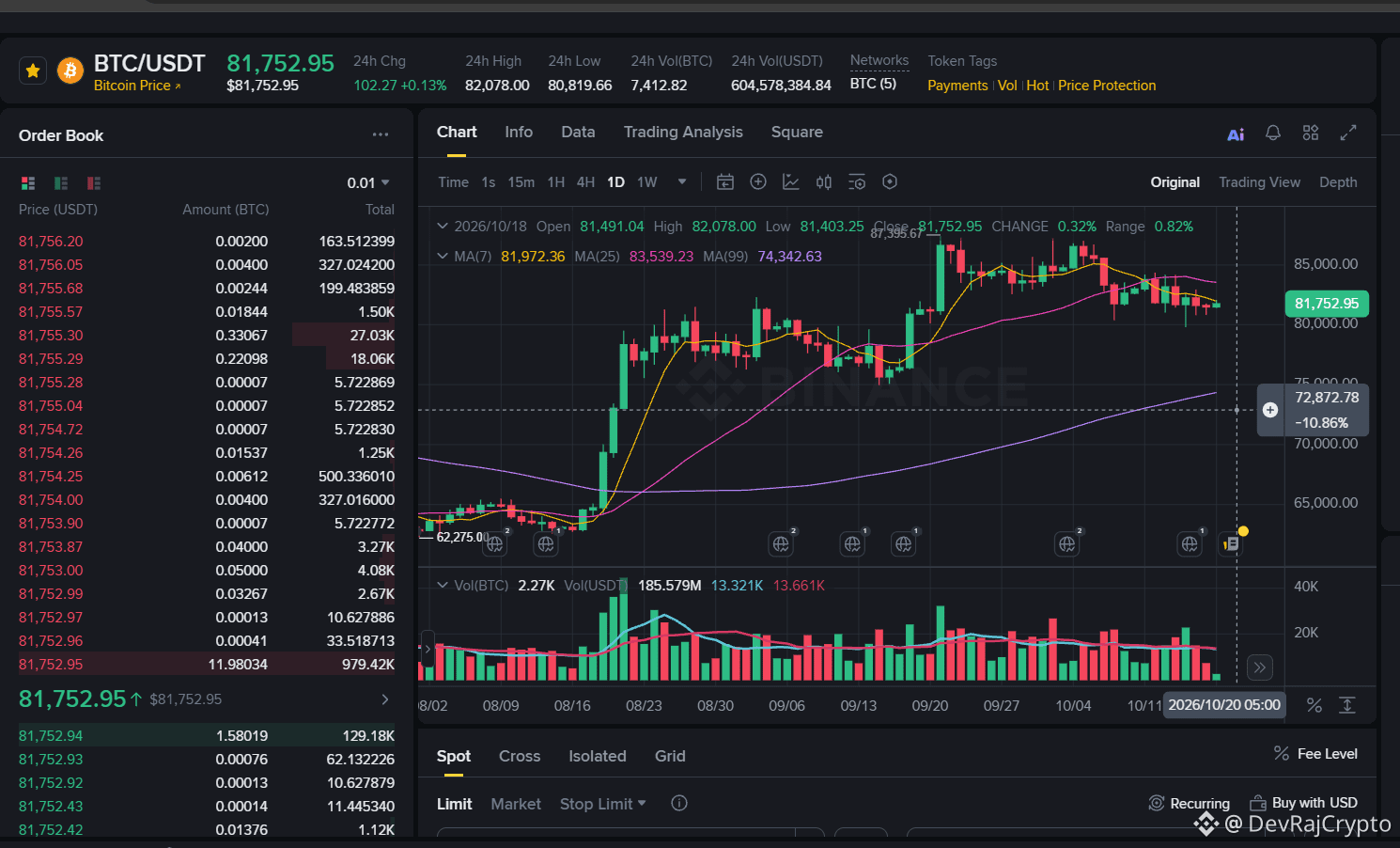
來看 10 月 18 日的 BTC/USDT 日線圖。比特幣從 87,000 美元附近回落後,目前在 81,000 至 82,000 美元附近盤整。
以下是我注意到的幾點。👇
📊 圖表觀察
• BTC 價格:81,752.95 美元
• 24 小時區間:80,819–82,078 美元
• MA(7):81,972 美元
• MA(25):83,539 美元
• MA(99):74,343 美元
BTC 低於 7 日和 25 日移動平均線,但高於 99 日移動平均線。
我的解讀:短期動能依然疲弱,但整體趨勢尚未徹底走壞。
📉 我爲何保持謹慎
美國現貨比特幣 ETF 資金流出,以及圍繞通脹和美聯儲政策的不確定性,都令局勢更難判斷。ETF 資金流出並不意味着價格必然下跌,但在認定行情看漲反轉之前,我希望看到更明確的買盤迴歸跡象。
🎯 我關注的三種情景
🟢 看漲:收復 82,000 美元,隨後在成交量放大的情況下突破 83,500 至 84,300 美元。
🔴 看跌:失守 80,000 美元附近,並跌破 79,700 至 80,000 美元支撐區,屆時可能進一步下行。
🟡 中性:繼續在大約 80,000 至 84,000 美元區間內震盪。
這些只是情景推演,並非有保證的目標價。
🧠 我的看法
我關注的是買方能否收復阻力位並維持漲勢,而不只是 BTC 能否反彈幾百美元。
我的預測:短期內波動可能加劇,價格或在 80,000 至 84,000 美元區間運行。若出現明確突破或跌破,或將揭示下一步方向。
💬 你怎麼看?
🟢 BTC 收復 85,000 美元
🔴 BTC 先測試 78,000 美元
🟡 BTC 橫盤整理
投票並分享你的理由。👇
$BTC #Bitcoin #CryptoMarket #BinanceSquare
市場分析,不構成投資建議。
🚨 比特幣守住了 81,000 美元。接下來會怎樣?
來看 10 月 18 日的 BTC/USDT 日線圖。比特幣從 87,000 美元附近回落後,目前在 81,000 至 82,000 美元附近盤整。
以下是我注意到的幾點。👇
📊 圖表觀察
• BTC 價格:81,752.95 美元
• 24 小時區間:80,819–82,078 美元
• MA(7):81,972 美元
• MA(25):83,539 美元
• MA(99):74,343 美元
BTC 低於 7 日和 25 日移動平均線,但高於 99 日移動平均線。
我的解讀:短期動能依然疲弱,但整體趨勢尚未徹底走壞。
📉 我爲何保持謹慎
美國現貨比特幣 ETF 資金流出,以及圍繞通脹和美聯儲政策的不確定性,都令局勢更難判斷。ETF 資金流出並不意味着價格必然下跌,但在認定行情看漲反轉之前,我希望看到更明確的買盤迴歸跡象。
🎯 我關注的三種情景
🟢 看漲:收復 82,000 美元,隨後在成交量放大的情況下突破 83,500 至 84,300 美元。
🔴 看跌:失守 80,000 美元附近,並跌破 79,700 至 80,000 美元支撐區,屆時可能進一步下行。
🟡 中性:繼續在大約 80,000 至 84,000 美元區間內震盪。
這些只是情景推演,並非有保證的目標價。
🧠 我的看法
我關注的是買方能否收復阻力位並維持漲勢,而不只是 BTC 能否反彈幾百美元。
我的預測:短期內波動可能加劇,價格或在 80,000 至 84,000 美元區間運行。若出現明確突破或跌破,或將揭示下一步方向。
💬 你怎麼看?
🟢 BTC 收復 85,000 美元
🔴 BTC 先測試 78,000 美元
🟡 BTC 橫盤整理
投票並分享你的理由。👇
$BTC #Bitcoin #CryptoMarket #BinanceSquare
市場分析,不構成投資建議。
來看 10 月 18 日的 BTC/USDT 日線圖。比特幣從 87,000 美元附近回落後,目前在 81,000 至 82,000 美元附近盤整。
以下是我注意到的幾點。👇
📊 圖表觀察
• BTC 價格:81,752.95 美元
• 24 小時區間:80,819–82,078 美元
• MA(7):81,972 美元
• MA(25):83,539 美元
• MA(99):74,343 美元
BTC 低於 7 日和 25 日移動平均線,但高於 99 日移動平均線。
我的解讀:短期動能依然疲弱,但整體趨勢尚未徹底走壞。
📉 我爲何保持謹慎
美國現貨比特幣 ETF 資金流出,以及圍繞通脹和美聯儲政策的不確定性,都令局勢更難判斷。ETF 資金流出並不意味着價格必然下跌,但在認定行情看漲反轉之前,我希望看到更明確的買盤迴歸跡象。
🎯 我關注的三種情景
🟢 看漲:收復 82,000 美元,隨後在成交量放大的情況下突破 83,500 至 84,300 美元。
🔴 看跌:失守 80,000 美元附近,並跌破 79,700 至 80,000 美元支撐區,屆時可能進一步下行。
🟡 中性:繼續在大約 80,000 至 84,000 美元區間內震盪。
這些只是情景推演,並非有保證的目標價。
🧠 我的看法
我關注的是買方能否收復阻力位並維持漲勢,而不只是 BTC 能否反彈幾百美元。
我的預測:短期內波動可能加劇,價格或在 80,000 至 84,000 美元區間運行。若出現明確突破或跌破,或將揭示下一步方向。
💬 你怎麼看?
🟢 BTC 收復 85,000 美元
🔴 BTC 先測試 78,000 美元
🟡 BTC 橫盤整理
投票並分享你的理由。👇
$BTC #Bitcoin #CryptoMarket #BinanceSquare
市場分析,不構成投資建議。
1
94
·
--
HOLD
56%
SELL
28%
WAIT
16%
172 票 • 投票已結束
1
2
2.3k
·
--
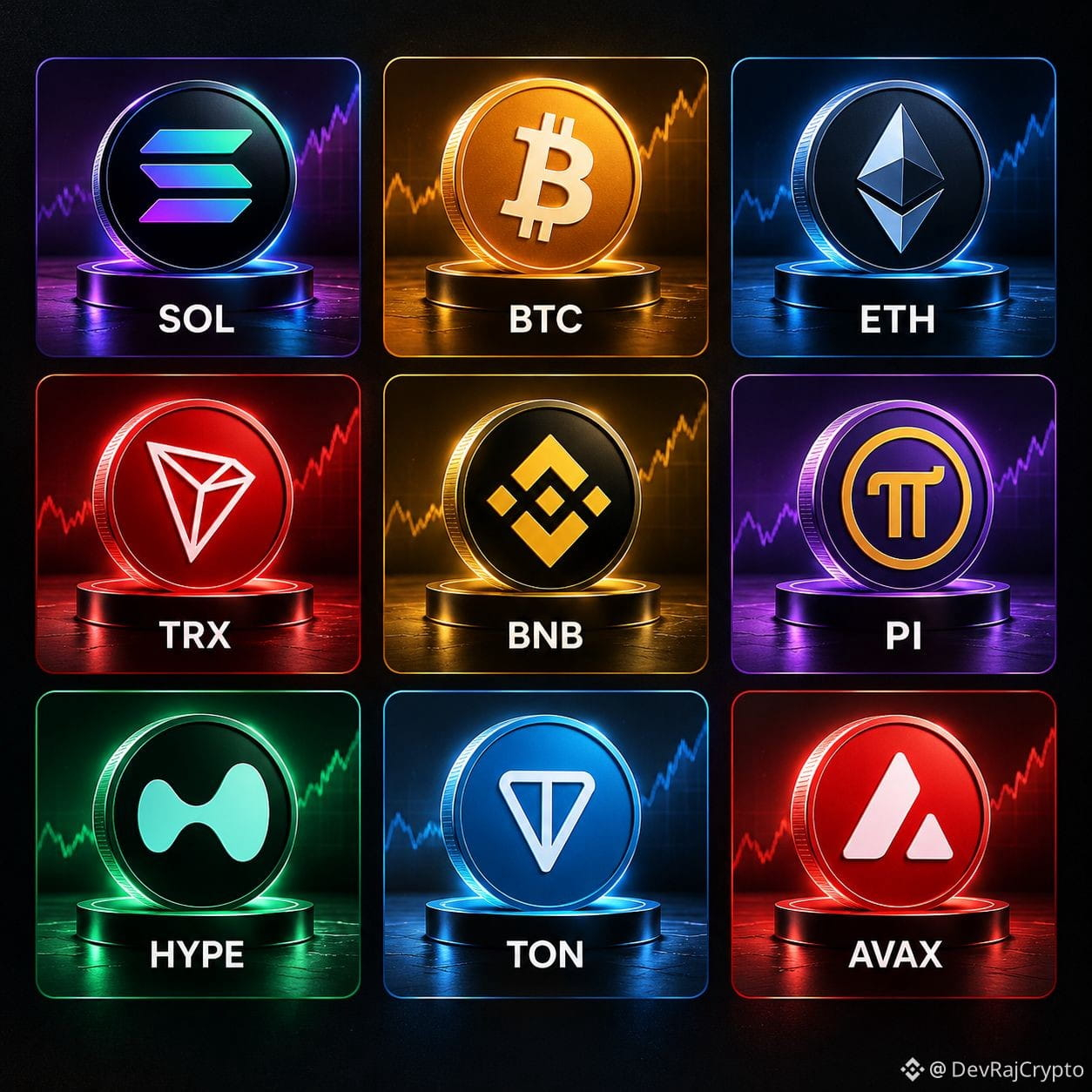
如果今天有 2,000 美元可以投資加密貨幣,你會選擇哪種幣?爲什麼?👀
BTC、ETH、SOL、BNB、AVAX、HYPE、TON、TRX,還是 PI?
你會押注一種幣,還是分散投資?
👇 選出你看好的幣,並說說你的投資理由。
$BTC $ETH $SOL $BNB #crypto #BinanceSquare
如果今天有 2,000 美元可以投資加密貨幣,你會選擇哪種幣?爲什麼?👀
BTC、ETH、SOL、BNB、AVAX、HYPE、TON、TRX,還是 PI?
你會押注一種幣,還是分散投資?
👇 選出你看好的幣,並說說你的投資理由。
$BTC $ETH $SOL $BNB #crypto #BinanceSquare
BTC、ETH、SOL、BNB、AVAX、HYPE、TON、TRX,還是 PI?
你會押注一種幣,還是分散投資?
👇 選出你看好的幣,並說說你的投資理由。
$BTC $ETH $SOL $BNB #crypto #BinanceSquare
1
260
·
--
#celestiarises16%to2026high
在交易者離場後,TIA 的 AI 敘事還能延續嗎?
10 月 16 日,Celestia 的 TIA 大幅上漲,吸引了市場關注;與此同時,人們對 Eden 的興趣也日益濃厚。Eden 是一條面向 AI 智能體打造的實驗性 EVM 鏈。
但我關注的不只是價格圖表。
上漲行情可以說明交易者感興趣,卻無法說明一個項目是否正在構建可持續的需求。
我認爲,最重要的區別在這裏。
Eden 提供了一個實驗性環境,讓 AI 智能體能夠在鏈上交易,而 TIA 則作爲其 Gas 代幣。與此同時,Celestia 爲區塊鏈網絡提供數據可用性基礎設施。
這讓 AI 活動與 TIA 需求之間有了潛在聯繫。但潛力不等於證據。
我會關注以下三個信號:
• 實際使用情況:AI 智能體是否在 Eden 上持續創造經濟活動?
• 代幣需求:這些活動是否能轉化爲對 TIA 及 Celestia 數據可用性服務的顯著需求?
• 供應動態:新增需求是否足以抵消持續的代幣發行和解鎖?
這些問題很重要,因爲產品被採用和代幣升值並不是一回事。
即使 Eden 吸引了開發者和用戶,TIA 的長期表現仍將取決於這些活動如何轉化爲代幣需求,同時也受市場狀況和供應影響。
我的結論是:相比又一個短期價格目標,我更關注持續使用的證據。
對 AI 相關加密項目最有力的驗證,不在於市場如何大肆追捧其敘事,而在於熱潮退去後,人們是否仍繼續使用它的產品。
你認爲 AI 智能體活動能否成爲 TIA 的重要需求驅動力?還是說市場過早地將這種可能性計入價格?
$TIA #celestia #Aİ #crypto
市場評論,不構成財務建議。
#celestiarises16%to2026high
在交易者離場後,TIA 的 AI 敘事還能延續嗎?
10 月 16 日,Celestia 的 TIA 大幅上漲,吸引了市場關注;與此同時,人們對 Eden 的興趣也日益濃厚。Eden 是一條面向 AI 智能體打造的實驗性 EVM 鏈。
但我關注的不只是價格圖表。
上漲行情可以說明交易者感興趣,卻無法說明一個項目是否正在構建可持續的需求。
我認爲,最重要的區別在這裏。
Eden 提供了一個實驗性環境,讓 AI 智能體能夠在鏈上交易,而 TIA 則作爲其 Gas 代幣。與此同時,Celestia 爲區塊鏈網絡提供數據可用性基礎設施。
這讓 AI 活動與 TIA 需求之間有了潛在聯繫。但潛力不等於證據。
我會關注以下三個信號:
• 實際使用情況:AI 智能體是否在 Eden 上持續創造經濟活動?
• 代幣需求:這些活動是否能轉化爲對 TIA 及 Celestia 數據可用性服務的顯著需求?
• 供應動態:新增需求是否足以抵消持續的代幣發行和解鎖?
這些問題很重要,因爲產品被採用和代幣升值並不是一回事。
即使 Eden 吸引了開發者和用戶,TIA 的長期表現仍將取決於這些活動如何轉化爲代幣需求,同時也受市場狀況和供應影響。
我的結論是:相比又一個短期價格目標,我更關注持續使用的證據。
對 AI 相關加密項目最有力的驗證,不在於市場如何大肆追捧其敘事,而在於熱潮退去後,人們是否仍繼續使用它的產品。
你認爲 AI 智能體活動能否成爲 TIA 的重要需求驅動力?還是說市場過早地將這種可能性計入價格?
$TIA #celestia #Aİ #crypto
市場評論,不構成財務建議。
在交易者離場後,TIA 的 AI 敘事還能延續嗎?
10 月 16 日,Celestia 的 TIA 大幅上漲,吸引了市場關注;與此同時,人們對 Eden 的興趣也日益濃厚。Eden 是一條面向 AI 智能體打造的實驗性 EVM 鏈。
但我關注的不只是價格圖表。
上漲行情可以說明交易者感興趣,卻無法說明一個項目是否正在構建可持續的需求。
我認爲,最重要的區別在這裏。
Eden 提供了一個實驗性環境,讓 AI 智能體能夠在鏈上交易,而 TIA 則作爲其 Gas 代幣。與此同時,Celestia 爲區塊鏈網絡提供數據可用性基礎設施。
這讓 AI 活動與 TIA 需求之間有了潛在聯繫。但潛力不等於證據。
我會關注以下三個信號:
• 實際使用情況:AI 智能體是否在 Eden 上持續創造經濟活動?
• 代幣需求:這些活動是否能轉化爲對 TIA 及 Celestia 數據可用性服務的顯著需求?
• 供應動態:新增需求是否足以抵消持續的代幣發行和解鎖?
這些問題很重要,因爲產品被採用和代幣升值並不是一回事。
即使 Eden 吸引了開發者和用戶,TIA 的長期表現仍將取決於這些活動如何轉化爲代幣需求,同時也受市場狀況和供應影響。
我的結論是:相比又一個短期價格目標,我更關注持續使用的證據。
對 AI 相關加密項目最有力的驗證,不在於市場如何大肆追捧其敘事,而在於熱潮退去後,人們是否仍繼續使用它的產品。
你認爲 AI 智能體活動能否成爲 TIA 的重要需求驅動力?還是說市場過早地將這種可能性計入價格?
$TIA #celestia #Aİ #crypto
市場評論,不構成財務建議。

1
165
·
--
#BitcoinRecoversTo$82K
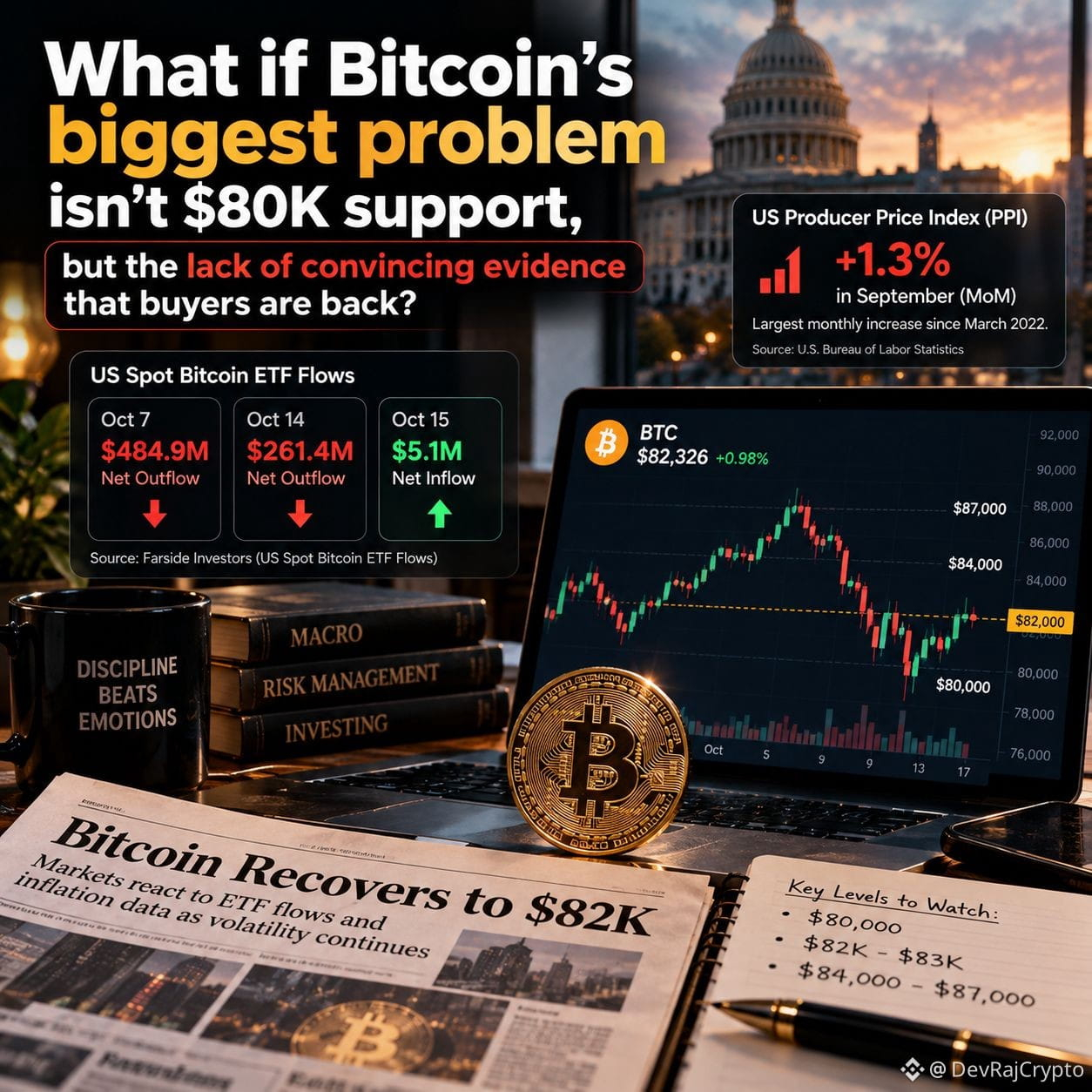
如果比特幣最大的問題不是 8 萬美元的支撐位,而是缺乏令人信服的證據證明買家已經迴歸呢?
BTC 已從 8 萬美元下方回升至 8.2 萬美元附近。但我不會把價格反彈和趨勢反轉得到確認混爲一談。
有三個數據點值得關注:
• 10 月 7 日:美國現貨比特幣 ETF 淨流出 4.849 億美元。
• 10 月 14 日:又有 2.614 億美元流出。
• 10 月 15 日:淨流入轉爲小幅正值,達到 510 萬美元。
Farside Investors 報道的這些數據表明,ETF 需求變化之快。單日流入是個令人鼓舞的信號,但不足以證明持續流入的趨勢已經形成。
宏觀背景還帶來了另一項風險。美國 9 月生產者價格環比上漲 1.3%,創下自 2022 年 3 月以來最大的單月漲幅。這可能會讓通脹前景變得更加複雜,並影響市場對美聯儲政策的預期。
我的看法是:
反彈說明買家入場了。後續走勢才能說明他們是否掌握了主動權。
我正在關注三件事:
→ BTC 能否守住 8 萬美元上方?
→ 能否在持續買盤的推動下收復 8.4 萬美元?
→ ETF 資金流入能否持續多個交易日?
如果這些信號同時增強,此次復甦就會更具說服力。如果它們走弱,價格仍有可能再次測試更低水平。
無論是 7 萬美元還是 10 萬美元,都不是必然結果。應該讓證據引導預測,而不是本末倒置。
你會僅憑價格走勢就相信這輪復甦,還是會等待 ETF 持續流入和突破得到確認?
#bitcoin #CryptoMarket $BTC
{spot}(BTCUSDT)
市場評論,不構成財務建議。
#BitcoinRecoversTo$82K
如果比特幣最大的問題不是 8 萬美元的支撐位,而是缺乏令人信服的證據證明買家已經迴歸呢?
BTC 已從 8 萬美元下方回升至 8.2 萬美元附近。但我不會把價格反彈和趨勢反轉得到確認混爲一談。
有三個數據點值得關注:
• 10 月 7 日:美國現貨比特幣 ETF 淨流出 4.849 億美元。
• 10 月 14 日:又有 2.614 億美元流出。
• 10 月 15 日:淨流入轉爲小幅正值,達到 510 萬美元。
Farside Investors 報道的這些數據表明,ETF 需求變化之快。單日流入是個令人鼓舞的信號,但不足以證明持續流入的趨勢已經形成。
宏觀背景還帶來了另一項風險。美國 9 月生產者價格環比上漲 1.3%,創下自 2022 年 3 月以來最大的單月漲幅。這可能會讓通脹前景變得更加複雜,並影響市場對美聯儲政策的預期。
我的看法是:
反彈說明買家入場了。後續走勢才能說明他們是否掌握了主動權。
我正在關注三件事:
→ BTC 能否守住 8 萬美元上方?
→ 能否在持續買盤的推動下收復 8.4 萬美元?
→ ETF 資金流入能否持續多個交易日?
如果這些信號同時增強,此次復甦就會更具說服力。如果它們走弱,價格仍有可能再次測試更低水平。
無論是 7 萬美元還是 10 萬美元,都不是必然結果。應該讓證據引導預測,而不是本末倒置。
你會僅憑價格走勢就相信這輪復甦,還是會等待 ETF 持續流入和突破得到確認?
#bitcoin #CryptoMarket $BTC
市場評論,不構成財務建議。
如果比特幣最大的問題不是 8 萬美元的支撐位,而是缺乏令人信服的證據證明買家已經迴歸呢?
BTC 已從 8 萬美元下方回升至 8.2 萬美元附近。但我不會把價格反彈和趨勢反轉得到確認混爲一談。
有三個數據點值得關注:
• 10 月 7 日:美國現貨比特幣 ETF 淨流出 4.849 億美元。
• 10 月 14 日:又有 2.614 億美元流出。
• 10 月 15 日:淨流入轉爲小幅正值,達到 510 萬美元。
Farside Investors 報道的這些數據表明,ETF 需求變化之快。單日流入是個令人鼓舞的信號,但不足以證明持續流入的趨勢已經形成。
宏觀背景還帶來了另一項風險。美國 9 月生產者價格環比上漲 1.3%,創下自 2022 年 3 月以來最大的單月漲幅。這可能會讓通脹前景變得更加複雜,並影響市場對美聯儲政策的預期。
我的看法是:
反彈說明買家入場了。後續走勢才能說明他們是否掌握了主動權。
我正在關注三件事:
→ BTC 能否守住 8 萬美元上方?
→ 能否在持續買盤的推動下收復 8.4 萬美元?
→ ETF 資金流入能否持續多個交易日?
如果這些信號同時增強,此次復甦就會更具說服力。如果它們走弱,價格仍有可能再次測試更低水平。
無論是 7 萬美元還是 10 萬美元,都不是必然結果。應該讓證據引導預測,而不是本末倒置。
你會僅憑價格走勢就相信這輪復甦,還是會等待 ETF 持續流入和突破得到確認?
#bitcoin #CryptoMarket $BTC
市場評論,不構成財務建議。
2
1
234
·
--
#solanaalpenglowupgradetoactivateonoct21
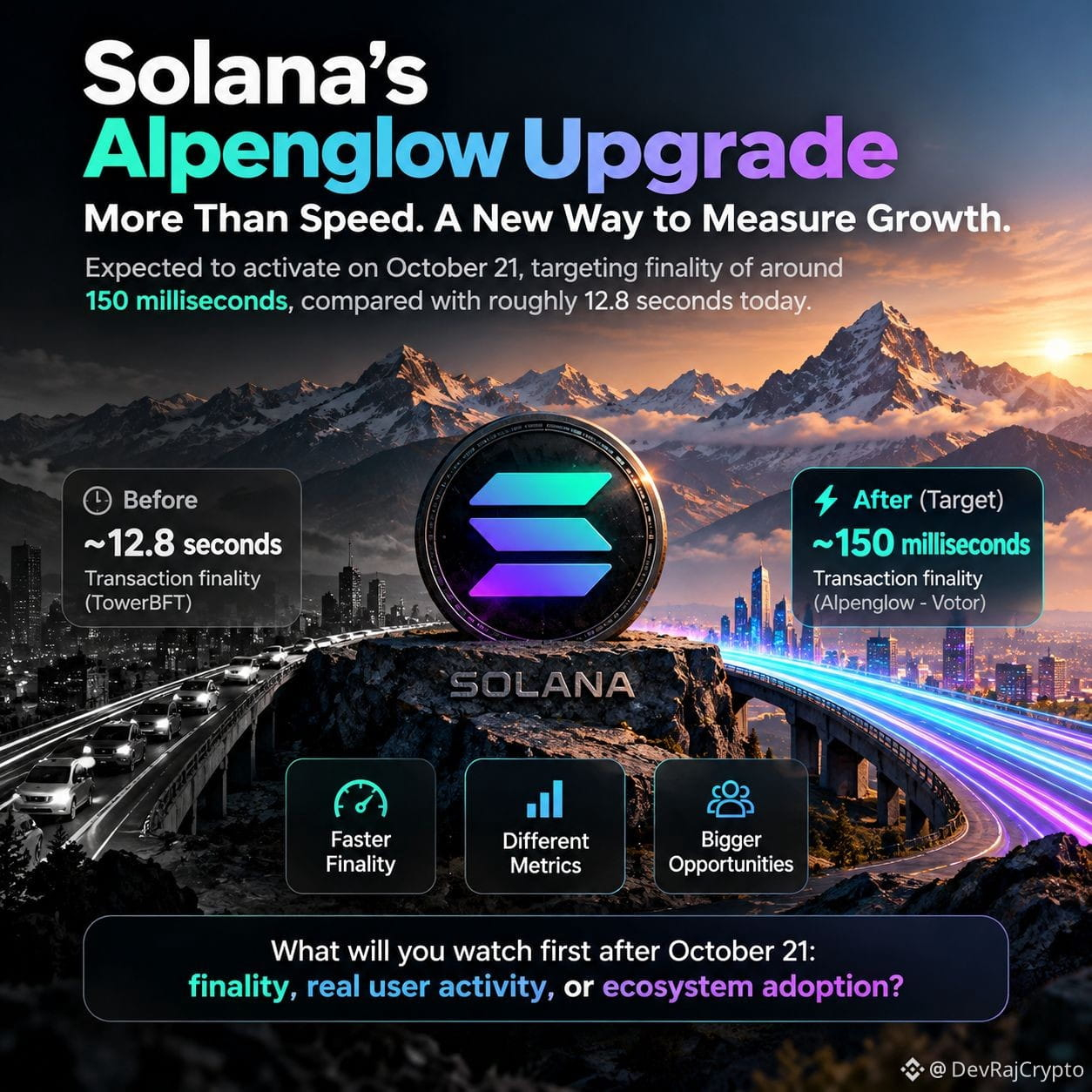
Solana 的 Alpenglow 升級帶來的改變可能不止是交易速度,還可能改變我們衡量網絡增長的方式。
預計此次升級將於 10 月 21 日啓動,目標是將最終確認時間縮短至約 150 毫秒,而目前約爲 12.8 秒。
但有一個指標我會特別密切關注。
Alpenglow 將驗證者投票從鏈上投票交易中移出。這意味着,即使真實用戶活動沒有變化,頭條 TPS 數據也可能發生變化。
升級後 TPS 數值降低,並不意味着 Solana 的活躍度必然下降。在得出結論之前,我們需要先弄清楚這個指標統計的是什麼。
升級啓動後,我會重點關注三個信號:
• 最終確認時間:實際表現是否接近 150 毫秒的目標?
• 用戶活動:在統一的統計口徑下,非投票交易會有什麼變化?
• 生態採用情況:應用、交易成功率和實際使用情況是否有所改善?
我的觀點很簡單:基礎設施升級帶來的是潛力,而不是對 SOL 需求的保證。
更快的最終確認速度很重要。但它的長期價值取決於開發者能否打造更好的體驗,以及用戶是否有更多理由留在鏈上。
真正的考驗始於公告之後,屆時可衡量的結果將取代預期。
10 月 21 日之後,你最先會關注什麼:最終確認時間、真實的用戶活動,還是生態採用情況?
$SOL #solana #Alpenglow $SOL
{spot}(SOLUSDT)
來源:Solana 官方 Alpenglow 文檔:
#solanaalpenglowupgradetoactivateonoct21
Solana 的 Alpenglow 升級帶來的改變可能不止是交易速度,還可能改變我們衡量網絡增長的方式。
預計此次升級將於 10 月 21 日啓動,目標是將最終確認時間縮短至約 150 毫秒,而目前約爲 12.8 秒。
但有一個指標我會特別密切關注。
Alpenglow 將驗證者投票從鏈上投票交易中移出。這意味着,即使真實用戶活動沒有變化,頭條 TPS 數據也可能發生變化。
升級後 TPS 數值降低,並不意味着 Solana 的活躍度必然下降。在得出結論之前,我們需要先弄清楚這個指標統計的是什麼。
升級啓動後,我會重點關注三個信號:
• 最終確認時間:實際表現是否接近 150 毫秒的目標?
• 用戶活動:在統一的統計口徑下,非投票交易會有什麼變化?
• 生態採用情況:應用、交易成功率和實際使用情況是否有所改善?
我的觀點很簡單:基礎設施升級帶來的是潛力,而不是對 SOL 需求的保證。
更快的最終確認速度很重要。但它的長期價值取決於開發者能否打造更好的體驗,以及用戶是否有更多理由留在鏈上。
真正的考驗始於公告之後,屆時可衡量的結果將取代預期。
10 月 21 日之後,你最先會關注什麼:最終確認時間、真實的用戶活動,還是生態採用情況?
$SOL #solana #Alpenglow $SOL
來源:Solana 官方 Alpenglow 文檔:
Solana 的 Alpenglow 升級帶來的改變可能不止是交易速度,還可能改變我們衡量網絡增長的方式。
預計此次升級將於 10 月 21 日啓動,目標是將最終確認時間縮短至約 150 毫秒,而目前約爲 12.8 秒。
但有一個指標我會特別密切關注。
Alpenglow 將驗證者投票從鏈上投票交易中移出。這意味着,即使真實用戶活動沒有變化,頭條 TPS 數據也可能發生變化。
升級後 TPS 數值降低,並不意味着 Solana 的活躍度必然下降。在得出結論之前,我們需要先弄清楚這個指標統計的是什麼。
升級啓動後,我會重點關注三個信號:
• 最終確認時間:實際表現是否接近 150 毫秒的目標?
• 用戶活動:在統一的統計口徑下,非投票交易會有什麼變化?
• 生態採用情況:應用、交易成功率和實際使用情況是否有所改善?
我的觀點很簡單:基礎設施升級帶來的是潛力,而不是對 SOL 需求的保證。
更快的最終確認速度很重要。但它的長期價值取決於開發者能否打造更好的體驗,以及用戶是否有更多理由留在鏈上。
真正的考驗始於公告之後,屆時可衡量的結果將取代預期。
10 月 21 日之後,你最先會關注什麼:最終確認時間、真實的用戶活動,還是生態採用情況?
$SOL #solana #Alpenglow $SOL
來源:Solana 官方 Alpenglow 文檔:
2
161
·
--
真實
#kospicloses7.57%lowertriggeringcircuitbreaker
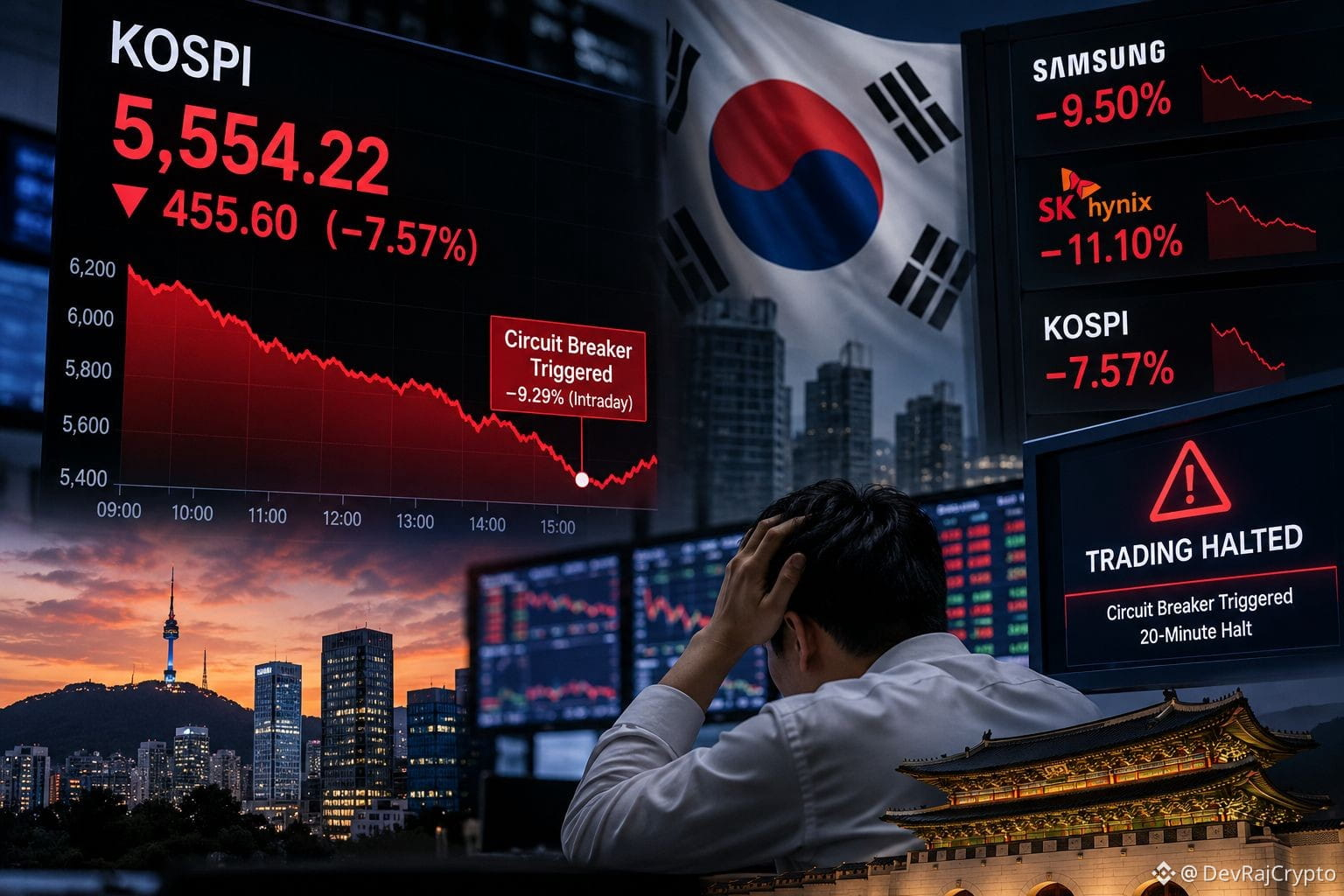
韓國股市爲何在一個交易日內下跌7.57%?答案不止關乎韓國。
10月15日,韓國綜合股價指數(KOSPI)收於5,554.22點,創六個月來新低。盤中指數一度下跌9.29%,觸發了20分鐘的臨時停盤。
兩股壓力同時襲來。
美國9月通脹率同比升至3.7%,高於8月的3.4%。與此同時,市場對人工智能投資熱潮能否持續的擔憂,沉重打擊了半導體股。三星電子下跌9.5%,SK海力士下跌11.1%。
我認爲,這兩者之間的關聯值得關注。
人工智能交易建立在對未來增長的預期之上。通脹走高可能引發對利率和融資成本的擔憂,而對未來回報的疑慮,則可能動搖投資者願意支付的估值。
當兩種壓力同時出現時,持倉集中的市場可能迅速重新定價。
我的看法是:強勁的增長敘事並不能消除宏觀經濟風險,有時反而會讓市場對這類風險更加敏感。
接下來我會關注三件事:美國國債收益率、半導體股的穩定性,以及拋售是否會蔓延至人工智能相關公司以外的領域。
大幅下跌並不意味着長期趨勢必然終結,但它確實暴露出預期和風險可能集中的地方。
你怎麼看:這是人工智能交易的一次暫時回調,還是市場低估了通脹和估值風險的警訊?
#KOSPICloses7.57%LowerTriggeringCircuitBreaker #CryptoMarket #MarketAnalysis
#kospicloses7.57%lowertriggeringcircuitbreaker
韓國股市爲何在一個交易日內下跌7.57%?答案不止關乎韓國。
10月15日,韓國綜合股價指數(KOSPI)收於5,554.22點,創六個月來新低。盤中指數一度下跌9.29%,觸發了20分鐘的臨時停盤。
兩股壓力同時襲來。
美國9月通脹率同比升至3.7%,高於8月的3.4%。與此同時,市場對人工智能投資熱潮能否持續的擔憂,沉重打擊了半導體股。三星電子下跌9.5%,SK海力士下跌11.1%。
我認爲,這兩者之間的關聯值得關注。
人工智能交易建立在對未來增長的預期之上。通脹走高可能引發對利率和融資成本的擔憂,而對未來回報的疑慮,則可能動搖投資者願意支付的估值。
當兩種壓力同時出現時,持倉集中的市場可能迅速重新定價。
我的看法是:強勁的增長敘事並不能消除宏觀經濟風險,有時反而會讓市場對這類風險更加敏感。
接下來我會關注三件事:美國國債收益率、半導體股的穩定性,以及拋售是否會蔓延至人工智能相關公司以外的領域。
大幅下跌並不意味着長期趨勢必然終結,但它確實暴露出預期和風險可能集中的地方。
你怎麼看:這是人工智能交易的一次暫時回調,還是市場低估了通脹和估值風險的警訊?
#KOSPICloses7.57%LowerTriggeringCircuitBreaker #CryptoMarket #MarketAnalysis
韓國股市爲何在一個交易日內下跌7.57%?答案不止關乎韓國。
10月15日,韓國綜合股價指數(KOSPI)收於5,554.22點,創六個月來新低。盤中指數一度下跌9.29%,觸發了20分鐘的臨時停盤。
兩股壓力同時襲來。
美國9月通脹率同比升至3.7%,高於8月的3.4%。與此同時,市場對人工智能投資熱潮能否持續的擔憂,沉重打擊了半導體股。三星電子下跌9.5%,SK海力士下跌11.1%。
我認爲,這兩者之間的關聯值得關注。
人工智能交易建立在對未來增長的預期之上。通脹走高可能引發對利率和融資成本的擔憂,而對未來回報的疑慮,則可能動搖投資者願意支付的估值。
當兩種壓力同時出現時,持倉集中的市場可能迅速重新定價。
我的看法是:強勁的增長敘事並不能消除宏觀經濟風險,有時反而會讓市場對這類風險更加敏感。
接下來我會關注三件事:美國國債收益率、半導體股的穩定性,以及拋售是否會蔓延至人工智能相關公司以外的領域。
大幅下跌並不意味着長期趨勢必然終結,但它確實暴露出預期和風險可能集中的地方。
你怎麼看:這是人工智能交易的一次暫時回調,還是市場低估了通脹和估值風險的警訊?
#KOSPICloses7.57%LowerTriggeringCircuitBreaker #CryptoMarket #MarketAnalysis
2
1
607
登入以探索更多內容
加入幣安廣場中的全球加密貨幣用戶
⚡️ 獲取加密貨幣的最新和實用資訊。
💬 受到全球最大加密貨幣交易所的信任。
👍 發掘來自經過驗證創作者的真實見解。
電子郵件 / 電話號碼