

dev_coder
42 貼文

dev_coder
舉報
封鎖用戶
Crypto content create & Love code. Profession Android App Developer & Web Developer
實盤交易
低頻交易者
4.1 年
12 關注
35 粉絲
58 點讚數
貼文
投資組合
全部
引用

·
--
$ETH
以太坊(ETH)最近經歷了劇烈的下行壓力,自6月初以來大約下跌了16.5%。從超過$2,000跌至週末低點接近$1,524後,它稍微穩定在$1,670 USD(大約205,400 BDT)附近。
展望2026年的大局,領先的現貨以太坊ETF——如iShares以太坊信託(ETHA)——年初至今大約損失了46%到47%的價值。
$ETH
以太坊(ETH)最近經歷了劇烈的下行壓力,自6月初以來大約下跌了16.5%。從超過$2,000跌至週末低點接近$1,524後,它稍微穩定在$1,670 USD(大約205,400 BDT)附近。
展望2026年的大局,領先的現貨以太坊ETF——如iShares以太坊信託(ETHA)——年初至今大約損失了46%到47%的價值。
以太坊(ETH)最近經歷了劇烈的下行壓力,自6月初以來大約下跌了16.5%。從超過$2,000跌至週末低點接近$1,524後,它稍微穩定在$1,670 USD(大約205,400 BDT)附近。
展望2026年的大局,領先的現貨以太坊ETF——如iShares以太坊信託(ETHA)——年初至今大約損失了46%到47%的價值。
1
116
·
--
$ETH $XRP
XRP:運行在XRP賬本上,採用獨特的共識協議。一個獨立且值得信賴的驗證節點網絡每3到5秒審覈交易並達成一致。由於沒有挖礦過程,因此幾乎瞬時結算,並且所需的功率比運行基本郵件服務器要少。
$ETH $XRP
XRP:運行在XRP賬本上,採用獨特的共識協議。一個獨立且值得信賴的驗證節點網絡每3到5秒審覈交易並達成一致。由於沒有挖礦過程,因此幾乎瞬時結算,並且所需的功率比運行基本郵件服務器要少。
XRP:運行在XRP賬本上,採用獨特的共識協議。一個獨立且值得信賴的驗證節點網絡每3到5秒審覈交易並達成一致。由於沒有挖礦過程,因此幾乎瞬時結算,並且所需的功率比運行基本郵件服務器要少。
1
131
·
--
我一直在積累個人儲蓄,尋找進入美國市場的方式以實現長期增長。因爲我傾向於科技行業,自然想在這個領域獲得一些曝光,但我面臨着一些困境。你如何平衡投資於個別高增長科技股與僅持有像QQQ或XLK這樣的廣泛行業ETF?我常常在深入分析個別公司的基本面時被絆倒,難以證明額外風險相對於多元化基金的合理性。對於那些每天都很忙的人,你的策略是什麼,決定何時單獨選擇一隻美國股票而不是ETF? #MyStocksQue
我一直在積累個人儲蓄,尋找進入美國市場的方式以實現長期增長。因爲我傾向於科技行業,自然想在這個領域獲得一些曝光,但我面臨着一些困境。你如何平衡投資於個別高增長科技股與僅持有像QQQ或XLK這樣的廣泛行業ETF?我常常在深入分析個別公司的基本面時被絆倒,難以證明額外風險相對於多元化基金的合理性。對於那些每天都很忙的人,你的策略是什麼,決定何時單獨選擇一隻美國股票而不是ETF? #MyStocksQue
1
202
·
--
我一直在嘗試通過跟隨主要市場趨勢和行業動量來建立美國股票投資組合,但我發現時機把握非常困難。每當某個特定行業火熱時,我都很難決定是買入一個專門的ETF來捕捉整個行情,還是盡力尋找該組中表現最好的單隻股票。我經常是在反彈已經開始後才猶豫不決地買入。你是如何評估一個正在上漲的美國行業是通過ETF更安全,還是通過其權重最大的個股來進行操作的? #MyStocksQuestion
我一直在嘗試通過跟隨主要市場趨勢和行業動量來建立美國股票投資組合,但我發現時機把握非常困難。每當某個特定行業火熱時,我都很難決定是買入一個專門的ETF來捕捉整個行情,還是盡力尋找該組中表現最好的單隻股票。我經常是在反彈已經開始後才猶豫不決地買入。你是如何評估一個正在上漲的美國行業是通過ETF更安全,還是通過其權重最大的個股來進行操作的? #MyStocksQuestion
2
342
·
--
厭倦了嘗試把握市場時機?試試這個 📉📈嘗試在市場底部買入和在頂部賣出是一場壓力山大的猜測遊戲——即使對於專業人士也是如此。這就是美元成本平均法(DCA)發揮作用的地方。
它是如何運作的:
與其一次性投資$1,000,不如每週或每月投資固定金額(比如$50),無論價格如何。
爲什麼它有效:
消除了情緒決策。
當價格低時你會自動買入更多,而當價格高時則買入更少。
在長時間內平滑市場波動。
你是DCA團隊還是一次性投資團隊?告訴我!
厭倦了嘗試把握市場時機?試試這個 📉📈
嘗試在市場底部買入和在頂部賣出是一場壓力山大的猜測遊戲——即使對於專業人士也是如此。這就是美元成本平均法(DCA)發揮作用的地方。
它是如何運作的:
與其一次性投資$1,000,不如每週或每月投資固定金額(比如$50),無論價格如何。
爲什麼它有效:
消除了情緒決策。
當價格低時你會自動買入更多,而當價格高時則買入更少。
在長時間內平滑市場波動。
你是DCA團隊還是一次性投資團隊?告訴我!
它是如何運作的:
與其一次性投資$1,000,不如每週或每月投資固定金額(比如$50),無論價格如何。
爲什麼它有效:
消除了情緒決策。
當價格低時你會自動買入更多,而當價格高時則買入更少。
在長時間內平滑市場波動。
你是DCA團隊還是一次性投資團隊?告訴我!
188
·
--
#genius $GENIUS
如果你厭倦了在10個標籤之間切換、跨鏈和無盡的錢包授權,只爲執行多鏈策略,那就看看 @GeniusOfficial。它將現貨、永續合約和收益整合在一個終端中。無需簽名的交易和鏈隱形執行讓用戶體驗無縫。$GENIUS 有大事要發生。#genius
#genius $GENIUS
如果你厭倦了在10個標籤之間切換、跨鏈和無盡的錢包授權,只爲執行多鏈策略,那就看看 @GeniusOfficial。它將現貨、永續合約和收益整合在一個終端中。無需簽名的交易和鏈隱形執行讓用戶體驗無縫。$GENIUS 有大事要發生。#genius
如果你厭倦了在10個標籤之間切換、跨鏈和無盡的錢包授權,只爲執行多鏈策略,那就看看 @GeniusOfficial。它將現貨、永續合約和收益整合在一個終端中。無需簽名的交易和鏈隱形執行讓用戶體驗無縫。$GENIUS 有大事要發生。#genius
127
·
--
3100萬美元鯨魚警報:鏈上追蹤顯示,Forward Industries(一個主要的Solana國庫參與者)在閒置一個月後,將455,784 SOL存入Coinbase Prime。大型玩家向交易所錢包的大額轉賬通常會引發散戶交易者的即時防禦性賣出,因爲他們擔心市場即將崩盤。$SOL
{spot}(SOLUSDT)
3100萬美元鯨魚警報:鏈上追蹤顯示,Forward Industries(一個主要的Solana國庫參與者)在閒置一個月後,將455,784 SOL存入Coinbase Prime。大型玩家向交易所錢包的大額轉賬通常會引發散戶交易者的即時防禦性賣出,因爲他們擔心市場即將崩盤。$SOL
1
196
·
--
文章
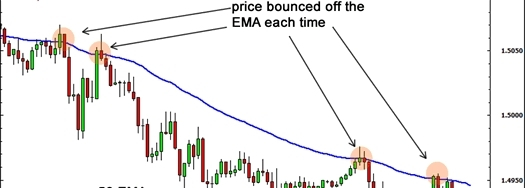
移動平均線作為「動態」支撐與阻力標準線是靜態的(固定在一個價格),而移動平均線(MAs)則像是跟隨趨勢的移動或變動邊界。
在加密貨幣交易中,三條移動平均線在日線或4小時圖上最為重要:20 EMA(短期動能)、50 EMA(中期),以及200 SMA(宏觀的界線)。
看看價格在上面的圖表中如何與移動平均線互動:
1. 動態阻力:在下跌趨勢中,價格反彈觸及移動平均線,但不斷被拒絕向下(就像天花板一樣)。
移動平均線作為「動態」支撐與阻力
標準線是靜態的(固定在一個價格),而移動平均線(MAs)則像是跟隨趨勢的移動或變動邊界。
在加密貨幣交易中,三條移動平均線在日線或4小時圖上最為重要:20 EMA(短期動能)、50 EMA(中期),以及200 SMA(宏觀的界線)。
看看價格在上面的圖表中如何與移動平均線互動:
1. 動態阻力:在下跌趨勢中,價格反彈觸及移動平均線,但不斷被拒絕向下(就像天花板一樣)。
在加密貨幣交易中,三條移動平均線在日線或4小時圖上最為重要:20 EMA(短期動能)、50 EMA(中期),以及200 SMA(宏觀的界線)。
看看價格在上面的圖表中如何與移動平均線互動:
1. 動態阻力:在下跌趨勢中,價格反彈觸及移動平均線,但不斷被拒絕向下(就像天花板一樣)。
1
55
·
--
#Binance
尋找邊界:支撐與阻力
在進行任何交易之前,你必須確定價格反彈的地方。一個區間由兩個關鍵水平組成:
支撐(底部):買入興趣足夠強烈,以克服賣出壓力的價格水平,導致資產反彈。
阻力(頂部):賣出壓力超過買入興趣的價格水平,$BTC 迫使價格回落。
#BinanceSquareTalks #BinanceSquareFamily
#Binance
尋找邊界:支撐與阻力
在進行任何交易之前,你必須確定價格反彈的地方。一個區間由兩個關鍵水平組成:
支撐(底部):買入興趣足夠強烈,以克服賣出壓力的價格水平,導致資產反彈。
阻力(頂部):賣出壓力超過買入興趣的價格水平,$BTC 迫使價格回落。
#BinanceSquareTalks #BinanceSquareFamily
尋找邊界:支撐與阻力
在進行任何交易之前,你必須確定價格反彈的地方。一個區間由兩個關鍵水平組成:
支撐(底部):買入興趣足夠強烈,以克服賣出壓力的價格水平,導致資產反彈。
阻力(頂部):賣出壓力超過買入興趣的價格水平,$BTC 迫使價格回落。
#BinanceSquareTalks #BinanceSquareFamily
1
55
·
--
當週期轉變時,結構底部可能會迅速崩潰。
雖然$SOL 在其高峯時期成功達到了上方$257的目標,但現實情況顯示出多年規劃的波動性有多大。我們實際上已經明顯跌破了預計2026年範圍的底部($85.17),當前#solana 正在$65到$68的區域爭奪支撐。
幾個關鍵因素正在推動這種即時壓力,並測試長線
$SOL #SolanaUSTD #BinanceMegadrop
#BinanceSquareFamily
{future}(SOLUSDT)
當週期轉變時,結構底部可能會迅速崩潰。
雖然$SOL 在其高峯時期成功達到了上方$257的目標,但現實情況顯示出多年規劃的波動性有多大。我們實際上已經明顯跌破了預計2026年範圍的底部($85.17),當前#solana 正在$65到$68的區域爭奪支撐。
幾個關鍵因素正在推動這種即時壓力,並測試長線
$SOL #SolanaUSTD #BinanceMegadrop
#BinanceSquareFamily
雖然$SOL 在其高峯時期成功達到了上方$257的目標,但現實情況顯示出多年規劃的波動性有多大。我們實際上已經明顯跌破了預計2026年範圍的底部($85.17),當前#solana 正在$65到$68的區域爭奪支撐。
幾個關鍵因素正在推動這種即時壓力,並測試長線
$SOL #SolanaUSTD #BinanceMegadrop
#BinanceSquareFamily
3
219
·
--
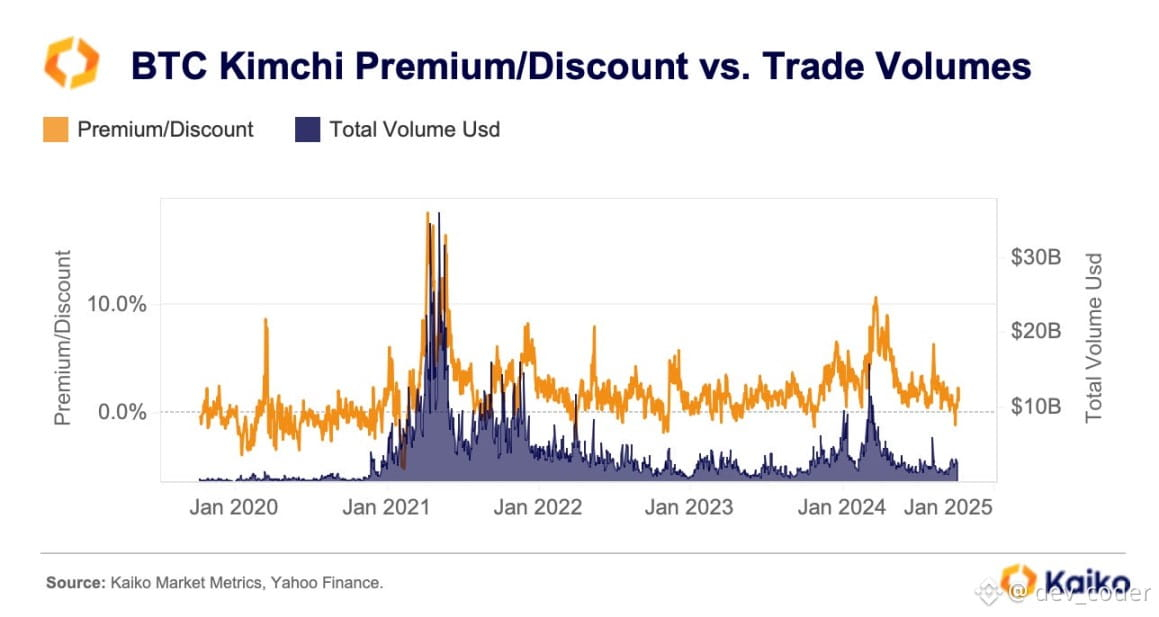
泡菜溢價基本上就是一個本地化的價格差。在韓國交易所(比如Upbit或Bithumb)上,數字貨幣的交易價格明顯高於國際平臺(如Binance或Coinbase)時,就會出現這種情況。\n要理解這爲什麼會發生,以及這爲什麼讓#Xrp🔥🔥 面臨劇烈波動,看看這個溢價與交易活動的緊密關係會有所幫助。\n$XRP \n{future}(XRPUSDT)\n根據Kaiko的歷史數據,每當交易量出現大幅激增時,國內和國際價格之間的差距就會大幅拉大。雖然那個特定的圖表追蹤的是比特幣,但同樣的結構和心理因素也適用於#XRPUSDT🚨 ——通常速度更快。\n以下是這個機制如何驅動#Xrp🔥🔥 價格波動的詳細分析。\n#BTC \n#USDT🔥🔥🔥
泡菜溢價基本上就是一個本地化的價格差。在韓國交易所(比如Upbit或Bithumb)上,數字貨幣的交易價格明顯高於國際平臺(如Binance或Coinbase)時,就會出現這種情況。\n要理解這爲什麼會發生,以及這爲什麼讓#Xrp🔥🔥 面臨劇烈波動,看看這個溢價與交易活動的緊密關係會有所幫助。\n$XRP \n\n根據Kaiko的歷史數據,每當交易量出現大幅激增時,國內和國際價格之間的差距就會大幅拉大。雖然那個特定的圖表追蹤的是比特幣,但同樣的結構和心理因素也適用於#XRPUSDT🚨 ——通常速度更快。\n以下是這個機制如何驅動#Xrp🔥🔥 價格波動的詳細分析。\n#BTC \n#USDT🔥🔥🔥
1
173
·
--
#BTC走勢分析
我們正處於一個主要結構轉折點。如果$60,000支撐住,這就是教科書式的積累區,適合反彈。如果在高成交量下乾脆跌破,下一次主要的歷史公允價值缺口接近$50,000–$55,000。
{future}(BTCUSDT)
你是在這個$60,000的支撐位下單,還是在持幣觀望,等待更深的拋售?
👇 點擊上面的實時價格圖表小部件,監控訂單簿深度,看看買牆是否開始堆積。
#Bitcoin❗ #BTC #CryptoMystery #TechnicalAnalysis
#BTC走勢分析
我們正處於一個主要結構轉折點。如果$60,000支撐住,這就是教科書式的積累區,適合反彈。如果在高成交量下乾脆跌破,下一次主要的歷史公允價值缺口接近$50,000–$55,000。
你是在這個$60,000的支撐位下單,還是在持幣觀望,等待更深的拋售?
👇 點擊上面的實時價格圖表小部件,監控訂單簿深度,看看買牆是否開始堆積。
#Bitcoin❗ #BTC #CryptoMystery #TechnicalAnalysis
我們正處於一個主要結構轉折點。如果$60,000支撐住,這就是教科書式的積累區,適合反彈。如果在高成交量下乾脆跌破,下一次主要的歷史公允價值缺口接近$50,000–$55,000。
你是在這個$60,000的支撐位下單,還是在持幣觀望,等待更深的拋售?
👇 點擊上面的實時價格圖表小部件,監控訂單簿深度,看看買牆是否開始堆積。
#Bitcoin❗ #BTC #CryptoMystery #TechnicalAnalysis
1
207
·
--
看漲
#MyStocksQuestion
🚨 本週超過14億美元的比特幣ETF被拋售。底部到了嗎?
大部分散戶交易者目前正在恐慌性拋售最近的暴跌,但聰明的資金卻在關注一個特定的指標。如果你在這裡盲目買入或做空,那你可是在玩一場危險的遊戲。我們來看看硬數據。
#bitcoin $BTC
#MyStocksQuestion
🚨 本週超過14億美元的比特幣ETF被拋售。底部到了嗎?
大部分散戶交易者目前正在恐慌性拋售最近的暴跌,但聰明的資金卻在關注一個特定的指標。如果你在這裡盲目買入或做空,那你可是在玩一場危險的遊戲。我們來看看硬數據。
#bitcoin $BTC
🚨 本週超過14億美元的比特幣ETF被拋售。底部到了嗎?
大部分散戶交易者目前正在恐慌性拋售最近的暴跌,但聰明的資金卻在關注一個特定的指標。如果你在這裡盲目買入或做空,那你可是在玩一場危險的遊戲。我們來看看硬數據。
#bitcoin $BTC
2
205
·
--
#genius $GENIUS
在一個被噪音和持續追蹤所困擾的市場中,戰略性的謹慎至關重要。@GeniusOfficial 正在構建一個私密且最終的鏈上終端,能夠穿透混亂。看到一個項目優先考慮清晰、無干擾的執行和真正的用戶控制,而不僅僅是炒作,真是令人耳目一新。密切關注 $GENIUS。#genius
#genius $GENIUS
在一個被噪音和持續追蹤所困擾的市場中,戰略性的謹慎至關重要。@GeniusOfficial 正在構建一個私密且最終的鏈上終端,能夠穿透混亂。看到一個項目優先考慮清晰、無干擾的執行和真正的用戶控制,而不僅僅是炒作,真是令人耳目一新。密切關注 $GENIUS 。#genius
在一個被噪音和持續追蹤所困擾的市場中,戰略性的謹慎至關重要。@GeniusOfficial 正在構建一個私密且最終的鏈上終端,能夠穿透混亂。看到一個項目優先考慮清晰、無干擾的執行和真正的用戶控制,而不僅僅是炒作,真是令人耳目一新。密切關注 $GENIUS 。#genius
2
1
81
·
--
#bedrock $BR
爲什麼只依賴一種執行方式,當你可以構建一個統一的流水線?最成功的交易者會疊加他們的工具以實現最大效率:
映射市場:將你的Binance圖表設置切換到TradingView。使用EMA確定方向,並通過RSI/MACD背離尋找高概率的反轉。
建立基礎:使用現貨交易配合精準的限價單或自動DCA機器人,以最小風險構建長期持倉。
對衝與投機:將一部分資金分配到Binance期貨中,以便在任何市場方向中獲利。保持你的槓桿低,並始終在交易入場時設定明確的止損,確保你的資金安全。
開啓無情緒的自動化系統,讓它們全天候捕捉波動! #交易策略 #MyStocksQuestion #BinancePizzaVN #BinanceSquareTalks #CryptoTrading
#bedrock $BR
爲什麼只依賴一種執行方式,當你可以構建一個統一的流水線?最成功的交易者會疊加他們的工具以實現最大效率:
映射市場:將你的Binance圖表設置切換到TradingView。使用EMA確定方向,並通過RSI/MACD背離尋找高概率的反轉。
建立基礎:使用現貨交易配合精準的限價單或自動DCA機器人,以最小風險構建長期持倉。
對衝與投機:將一部分資金分配到Binance期貨中,以便在任何市場方向中獲利。保持你的槓桿低,並始終在交易入場時設定明確的止損,確保你的資金安全。
開啓無情緒的自動化系統,讓它們全天候捕捉波動! #交易策略 #MyStocksQuestion #BinancePizzaVN #BinanceSquareTalks #CryptoTrading
爲什麼只依賴一種執行方式,當你可以構建一個統一的流水線?最成功的交易者會疊加他們的工具以實現最大效率:
映射市場:將你的Binance圖表設置切換到TradingView。使用EMA確定方向,並通過RSI/MACD背離尋找高概率的反轉。
建立基礎:使用現貨交易配合精準的限價單或自動DCA機器人,以最小風險構建長期持倉。
對衝與投機:將一部分資金分配到Binance期貨中,以便在任何市場方向中獲利。保持你的槓桿低,並始終在交易入場時設定明確的止損,確保你的資金安全。
開啓無情緒的自動化系統,讓它們全天候捕捉波動! #交易策略 #MyStocksQuestion #BinancePizzaVN #BinanceSquareTalks #CryptoTrading
1
78
·
--
#MyStocksQuestion
識別趨勢:使用指數移動平均線(EMA 20、50 和 200)來即時檢測市場方向。如果價格乾淨利落地位於200 EMA之上,尋找買入/做多的機會;如果在其下方,則尋找空頭或累積區域。
{spot}(BTCUSDT)
#MyStocksQuestion
識別趨勢:使用指數移動平均線(EMA 20、50 和 200)來即時檢測市場方向。如果價格乾淨利落地位於200 EMA之上,尋找買入/做多的機會;如果在其下方,則尋找空頭或累積區域。
識別趨勢:使用指數移動平均線(EMA 20、50 和 200)來即時檢測市場方向。如果價格乾淨利落地位於200 EMA之上,尋找買入/做多的機會;如果在其下方,則尋找空頭或累積區域。
1
170
登入以探索更多內容
加入幣安廣場中的全球加密貨幣用戶
⚡️ 獲取加密貨幣的最新和實用資訊。
💬 受到全球最大加密貨幣交易所的信任。
👍 發掘來自經過驗證創作者的真實見解。
電子郵件 / 電話號碼