

Notorious_Analyst
183 貼文

Notorious_Analyst
舉報
封鎖用戶
Crypto Alpha!! Sharing Experience.
中頻交易者
5.2 年
148 關注
7.7K+ 粉絲
421 點讚數
貼文
置頂
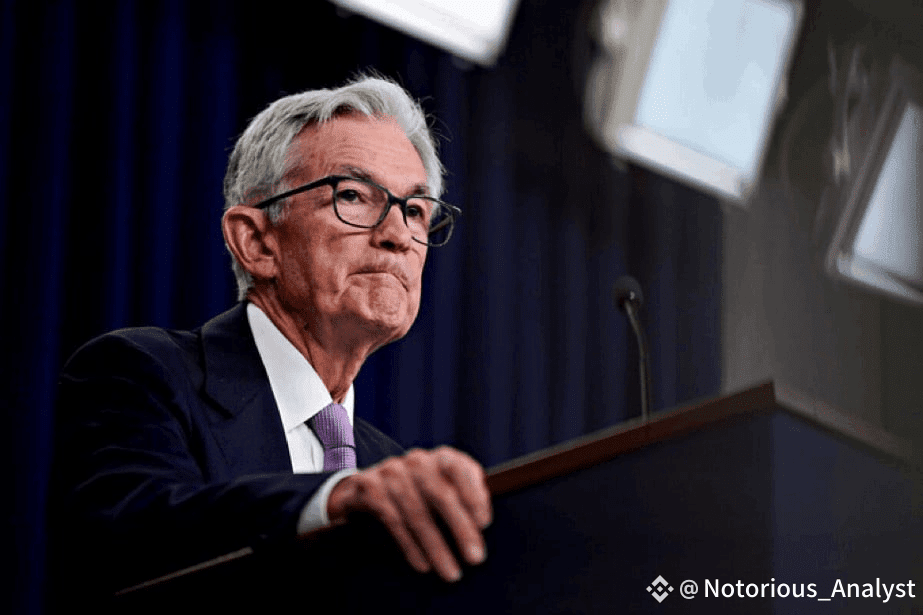
🚨 交易者保持警惕 (高波動性即將來臨)
📌 今晚:FOMC 會議紀要將於印度標準時間晚上 11:30 發布
📌 明天:初次失業救濟申請
這兩天對於 🇺🇸 降息預期至關重要。
#PowellWatch #ETHInstitutionalFlows #AltcoinSeasonLoading
🚨 交易者保持警惕 (高波動性即將來臨)
📌 今晚:FOMC 會議紀要將於印度標準時間晚上 11:30 發布
📌 明天:初次失業救濟申請
這兩天對於 🇺🇸 降息預期至關重要。
#PowellWatch #ETHInstitutionalFlows #AltcoinSeasonLoading
📌 今晚:FOMC 會議紀要將於印度標準時間晚上 11:30 發布
📌 明天:初次失業救濟申請
這兩天對於 🇺🇸 降息預期至關重要。
#PowellWatch #ETHInstitutionalFlows #AltcoinSeasonLoading
7
5.4k
🧠 Nillion ($NIL ):探索隱私保護計算 + 創作者獎勵
什麼是 Nillion?
Nillion 正在構建以隱私爲核心的基礎設施,旨在讓應用能夠處理敏感數據,同時確保數據安全。其生態系統包含兩個關鍵部分:核心產品 Covenants,以及其在以太坊上的首個版本 Dusk。
幣安廣場已圍繞 Nillion 發起創作者活動,設有兩個賽道,獎勵總額爲 458,900 NIL。
🎯 參與方式:
1️⃣ 在幣安廣場至少擁有 1,000 名粉絲,並滿足活動近期發帖要求。
2️⃣ 在幣安廣場及其他社交媒體上關注 Nillion。
3️⃣ 通過 CreatorPad 活動頁面發佈一篇原創帖子。
4️⃣ 附上符合條件的 $NIL 現貨或合約交易分享卡片,交易金額至少爲 20 美元,並帶上 #NIL 和 @Nillion。
5️⃣ 用英文或中文撰寫至少 100 個字符,介紹 Covenants、Dusk 或 Nillion 的路線圖。
🏆 獎勵詳情
• 344,100 NIL 獎勵池,面向完成所有任務的合格創作者;每位創作者的獎勵上限爲等值 50 美元。
• 另設 114,800 NIL 獎勵池,面向共享 NIL 盈虧排名前 100 的合格創作者;每位創作者的獎勵上限爲等值 200 美元。
📅 截止時間:2026 年 10 月 26 日 02:00(UTC)。
重要提示:請通過官方 CreatorPad 活動頁面完成任務。僅在其他地方發佈帖子不計入活動。須符合 KYC 及其他參與資格要求。
參與前請查看活動詳情,並謹記加密資產價格波動較大。
{future}(NILUSDT)
#NIL #NillionNIL #BinanceSquareFamilyFeed #Web3
🧠 Nillion ($NIL ):探索隱私保護計算 + 創作者獎勵
什麼是 Nillion?
Nillion 正在構建以隱私爲核心的基礎設施,旨在讓應用能夠處理敏感數據,同時確保數據安全。其生態系統包含兩個關鍵部分:核心產品 Covenants,以及其在以太坊上的首個版本 Dusk。
幣安廣場已圍繞 Nillion 發起創作者活動,設有兩個賽道,獎勵總額爲 458,900 NIL。
🎯 參與方式:
1️⃣ 在幣安廣場至少擁有 1,000 名粉絲,並滿足活動近期發帖要求。
2️⃣ 在幣安廣場及其他社交媒體上關注 Nillion。
3️⃣ 通過 CreatorPad 活動頁面發佈一篇原創帖子。
4️⃣ 附上符合條件的 $NIL 現貨或合約交易分享卡片,交易金額至少爲 20 美元,並帶上 #NIL 和 @Nillion。
5️⃣ 用英文或中文撰寫至少 100 個字符,介紹 Covenants、Dusk 或 Nillion 的路線圖。
🏆 獎勵詳情
• 344,100 NIL 獎勵池,面向完成所有任務的合格創作者;每位創作者的獎勵上限爲等值 50 美元。
• 另設 114,800 NIL 獎勵池,面向共享 NIL 盈虧排名前 100 的合格創作者;每位創作者的獎勵上限爲等值 200 美元。
📅 截止時間:2026 年 10 月 26 日 02:00(UTC)。
重要提示:請通過官方 CreatorPad 活動頁面完成任務。僅在其他地方發佈帖子不計入活動。須符合 KYC 及其他參與資格要求。
參與前請查看活動詳情,並謹記加密資產價格波動較大。
#NIL #NillionNIL #BinanceSquareFamilyFeed #Web3
什麼是 Nillion?
Nillion 正在構建以隱私爲核心的基礎設施,旨在讓應用能夠處理敏感數據,同時確保數據安全。其生態系統包含兩個關鍵部分:核心產品 Covenants,以及其在以太坊上的首個版本 Dusk。
幣安廣場已圍繞 Nillion 發起創作者活動,設有兩個賽道,獎勵總額爲 458,900 NIL。
🎯 參與方式:
1️⃣ 在幣安廣場至少擁有 1,000 名粉絲,並滿足活動近期發帖要求。
2️⃣ 在幣安廣場及其他社交媒體上關注 Nillion。
3️⃣ 通過 CreatorPad 活動頁面發佈一篇原創帖子。
4️⃣ 附上符合條件的 $NIL 現貨或合約交易分享卡片,交易金額至少爲 20 美元,並帶上 #NIL 和 @Nillion。
5️⃣ 用英文或中文撰寫至少 100 個字符,介紹 Covenants、Dusk 或 Nillion 的路線圖。
🏆 獎勵詳情
• 344,100 NIL 獎勵池,面向完成所有任務的合格創作者;每位創作者的獎勵上限爲等值 50 美元。
• 另設 114,800 NIL 獎勵池,面向共享 NIL 盈虧排名前 100 的合格創作者;每位創作者的獎勵上限爲等值 200 美元。
📅 截止時間:2026 年 10 月 26 日 02:00(UTC)。
重要提示:請通過官方 CreatorPad 活動頁面完成任務。僅在其他地方發佈帖子不計入活動。須符合 KYC 及其他參與資格要求。
參與前請查看活動詳情,並謹記加密資產價格波動較大。
#NIL #NillionNIL #BinanceSquareFamilyFeed #Web3
2
175
·
--
看漲
部分真實
突發!!!!🚨🚨:
熊貓(PANDA)歷史上規模最大的代幣銷燬之一剛剛發生。
在直接聯繫了熊貓團隊之後,我們瞭解到,在正式上線之前,還預計將發生另一輪代幣銷燬。🔥
這可能會讓熊貓(PANDA)迎來一場強勁且備受期待的啓動:代幣供應量將顯著減少,同時社區關注度也在不斷增長。
熊貓團隊還暗示即將進行大型交易所上交易所,我們現在正在等待最終公告。👀🚀
如果接下來的上幣確實是我們預期的那家大型交易所,它可能會爲熊貓(PANDA)帶來全新的曝光水平。
而如果勢頭繼續延續,$20 可能會成爲上線當天值得關注的數字。📈🐼
下一個公告可能會改變一切。
幣安即將到來🔥
#PANDA
突發!!!!🚨🚨:
熊貓(PANDA)歷史上規模最大的代幣銷燬之一剛剛發生。
在直接聯繫了熊貓團隊之後,我們瞭解到,在正式上線之前,還預計將發生另一輪代幣銷燬。🔥
這可能會讓熊貓(PANDA)迎來一場強勁且備受期待的啓動:代幣供應量將顯著減少,同時社區關注度也在不斷增長。
熊貓團隊還暗示即將進行大型交易所上交易所,我們現在正在等待最終公告。👀🚀
如果接下來的上幣確實是我們預期的那家大型交易所,它可能會爲熊貓(PANDA)帶來全新的曝光水平。
而如果勢頭繼續延續,$20 可能會成爲上線當天值得關注的數字。📈🐼
下一個公告可能會改變一切。
幣安即將到來🔥
#PANDA
熊貓(PANDA)歷史上規模最大的代幣銷燬之一剛剛發生。
在直接聯繫了熊貓團隊之後,我們瞭解到,在正式上線之前,還預計將發生另一輪代幣銷燬。🔥
這可能會讓熊貓(PANDA)迎來一場強勁且備受期待的啓動:代幣供應量將顯著減少,同時社區關注度也在不斷增長。
熊貓團隊還暗示即將進行大型交易所上交易所,我們現在正在等待最終公告。👀🚀
如果接下來的上幣確實是我們預期的那家大型交易所,它可能會爲熊貓(PANDA)帶來全新的曝光水平。
而如果勢頭繼續延續,$20 可能會成爲上線當天值得關注的數字。📈🐼
下一個公告可能會改變一切。
幣安即將到來🔥
#PANDA

2
388
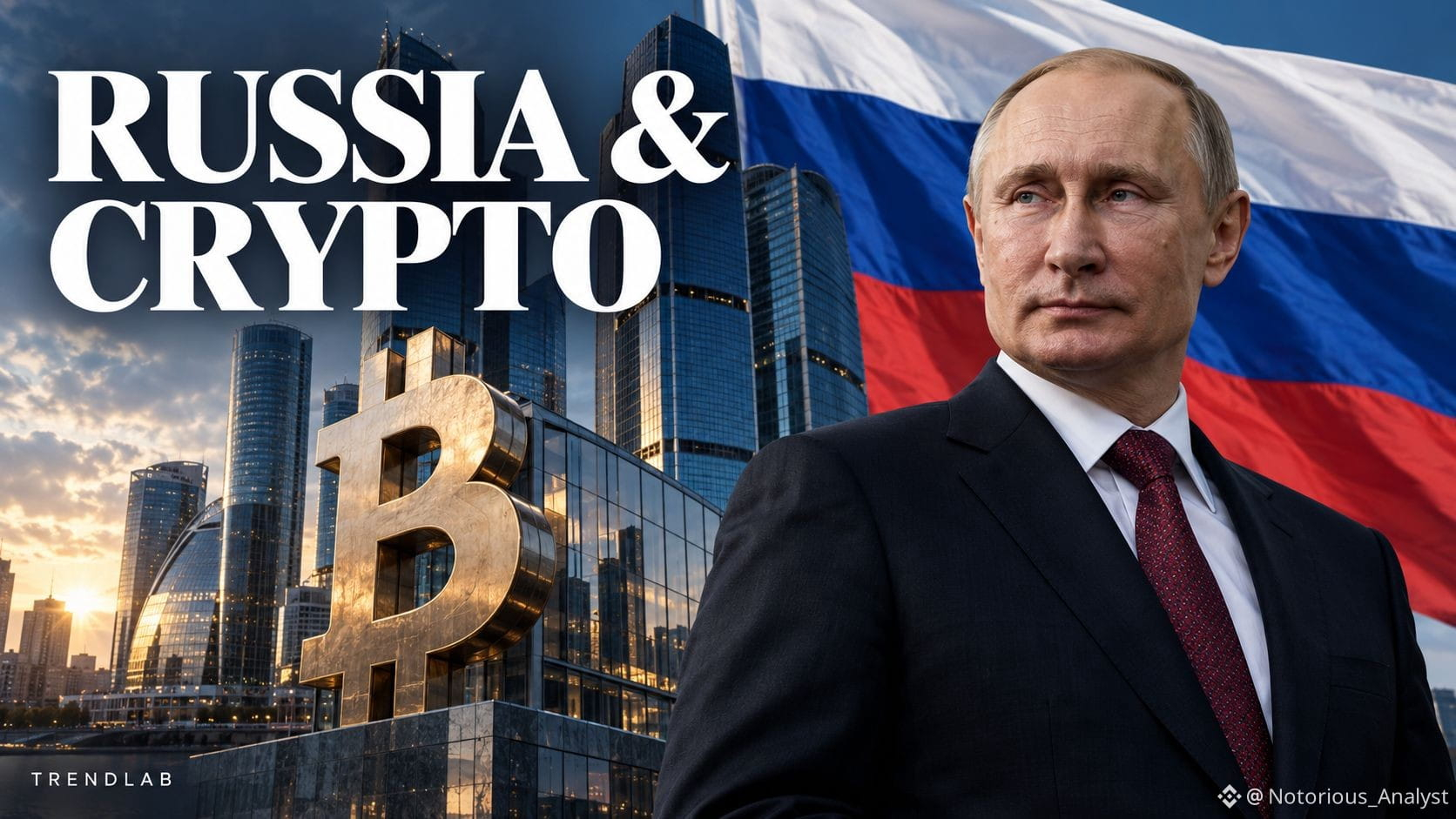
俄羅斯加密貨幣市場向傳統金融敞開大門
加密貨幣中介機構的新註冊規定於2026年10月5日生效。
T-Technologies集團旗下公司已提交申請:Atomyze申請加入數字存管機構名錄,T-Invest Lab申請加入加密貨幣交易服務機構名錄。提交申請並不代表已獲批准。
現有金融機構可以通過簡化流程進入市場,這可能使它們相比獨立加密貨幣企業更具優勢。
我的看法是:這可能讓銀行客戶更熟悉受監管的$BTC 訪問方式,同時促使較小的服務提供商尋求合作或整合。
下一步要看實際執行情況:哪些服務真正上線、收費如何,以及用戶能否獲得有意義的選擇。
這會吸引新的參與者進入加密貨幣領域,還是會讓現有業務進一步集中到大型金融集團手中?
{future}(BTCUSDT)
俄羅斯加密貨幣市場向傳統金融敞開大門
加密貨幣中介機構的新註冊規定於2026年10月5日生效。
T-Technologies集團旗下公司已提交申請:Atomyze申請加入數字存管機構名錄,T-Invest Lab申請加入加密貨幣交易服務機構名錄。提交申請並不代表已獲批准。
現有金融機構可以通過簡化流程進入市場,這可能使它們相比獨立加密貨幣企業更具優勢。
我的看法是:這可能讓銀行客戶更熟悉受監管的$BTC 訪問方式,同時促使較小的服務提供商尋求合作或整合。
下一步要看實際執行情況:哪些服務真正上線、收費如何,以及用戶能否獲得有意義的選擇。
這會吸引新的參與者進入加密貨幣領域,還是會讓現有業務進一步集中到大型金融集團手中?
加密貨幣中介機構的新註冊規定於2026年10月5日生效。
T-Technologies集團旗下公司已提交申請:Atomyze申請加入數字存管機構名錄,T-Invest Lab申請加入加密貨幣交易服務機構名錄。提交申請並不代表已獲批准。
現有金融機構可以通過簡化流程進入市場,這可能使它們相比獨立加密貨幣企業更具優勢。
我的看法是:這可能讓銀行客戶更熟悉受監管的$BTC 訪問方式,同時促使較小的服務提供商尋求合作或整合。
下一步要看實際執行情況:哪些服務真正上線、收費如何,以及用戶能否獲得有意義的選擇。
這會吸引新的參與者進入加密貨幣領域,還是會讓現有業務進一步集中到大型金融集團手中?
1
72
·
--
看漲
兩家規模最大的加密貨幣財庫公布了每週買入情況
🟠 Strategy 在 10 月 1 日至 4 日期間增持 334 $BTC
花費約 2,870 萬美元,平均價格約為 85,839 美元。目前總持倉達 848,000 BTC,每枚平均成本約為 75,441 美元。
有趣的是,這是 Strategy 在 2026 年規模最小的一次正向比特幣買入。同一週,該公司花了 1.763 億美元回購其 STRC 優先股。因此目前大量資金正用於支撐優先股,而非繼續增持 BTC。
🔷 BitMine 延續連續買入的勢頭,上週又買入 15,112 $ETH 。該公司目前持有 6,016,414 ETH,約占總供應量的 4.9%,達成其「5%鍊金術」目標的 99%。其中已有超過 500 萬枚 ETH 質押。
Strategy 顯然正著手管理其資本結構,而 BitMine 則每週持續買入,並且幾乎達到目標。BitMine 達到 5% 後會怎麼做,值得期待 🤔
兩家規模最大的加密貨幣財庫公布了每週買入情況
🟠 Strategy 在 10 月 1 日至 4 日期間增持 334 $BTC
花費約 2,870 萬美元,平均價格約為 85,839 美元。目前總持倉達 848,000 BTC,每枚平均成本約為 75,441 美元。
有趣的是,這是 Strategy 在 2026 年規模最小的一次正向比特幣買入。同一週,該公司花了 1.763 億美元回購其 STRC 優先股。因此目前大量資金正用於支撐優先股,而非繼續增持 BTC。
🔷 BitMine 延續連續買入的勢頭,上週又買入 15,112 $ETH 。該公司目前持有 6,016,414 ETH,約占總供應量的 4.9%,達成其「5%鍊金術」目標的 99%。其中已有超過 500 萬枚 ETH 質押。
Strategy 顯然正著手管理其資本結構,而 BitMine 則每週持續買入,並且幾乎達到目標。BitMine 達到 5% 後會怎麼做,值得期待 🤔
🟠 Strategy 在 10 月 1 日至 4 日期間增持 334 $BTC
花費約 2,870 萬美元,平均價格約為 85,839 美元。目前總持倉達 848,000 BTC,每枚平均成本約為 75,441 美元。
有趣的是,這是 Strategy 在 2026 年規模最小的一次正向比特幣買入。同一週,該公司花了 1.763 億美元回購其 STRC 優先股。因此目前大量資金正用於支撐優先股,而非繼續增持 BTC。
🔷 BitMine 延續連續買入的勢頭,上週又買入 15,112 $ETH 。該公司目前持有 6,016,414 ETH,約占總供應量的 4.9%,達成其「5%鍊金術」目標的 99%。其中已有超過 500 萬枚 ETH 質押。
Strategy 顯然正著手管理其資本結構,而 BitMine 則每週持續買入,並且幾乎達到目標。BitMine 達到 5% 後會怎麼做,值得期待 🤔
1
64

文章
Stellar 正悄然成爲值得關注的最重要 RWA 網絡之一代幣化現實世界資產單日增長 9650 萬美元,還不足以證明趨勢已經形成。但資金流向何處、由誰發行這些資產,表明 Stellar 已構建出 RWA 市場日益需要的基礎。
現實世界資產市場的規模已不容小覷,不能再將其視爲又一個加密貨幣敘事;最新的 24 小時數據也爲我們揭示了代幣化下一階段可能的發展方向。
根據 Token Terminal 對 10 個最大區塊鏈網絡的追蹤數據,代幣化 RWA 市值在 24 小時內增長了 9650 萬美元。其中,Stellar 增長了 3640 萬美元,BNB Chain 則增加了 2320 萬美元。兩大網絡合計佔當日增幅的 62%。COINOTAG
Stellar 正悄然成爲值得關注的最重要 RWA 網絡之一
代幣化現實世界資產單日增長 9650 萬美元,還不足以證明趨勢已經形成。但資金流向何處、由誰發行這些資產,表明 Stellar 已構建出 RWA 市場日益需要的基礎。
現實世界資產市場的規模已不容小覷,不能再將其視爲又一個加密貨幣敘事;最新的 24 小時數據也爲我們揭示了代幣化下一階段可能的發展方向。
根據 Token Terminal 對 10 個最大區塊鏈網絡的追蹤數據,代幣化 RWA 市值在 24 小時內增長了 9650 萬美元。其中,Stellar 增長了 3640 萬美元,BNB Chain 則增加了 2320 萬美元。兩大網絡合計佔當日增幅的 62%。COINOTAG
現實世界資產市場的規模已不容小覷,不能再將其視爲又一個加密貨幣敘事;最新的 24 小時數據也爲我們揭示了代幣化下一階段可能的發展方向。
根據 Token Terminal 對 10 個最大區塊鏈網絡的追蹤數據,代幣化 RWA 市值在 24 小時內增長了 9650 萬美元。其中,Stellar 增長了 3640 萬美元,BNB Chain 則增加了 2320 萬美元。兩大網絡合計佔當日增幅的 62%。COINOTAG
1
110
文章
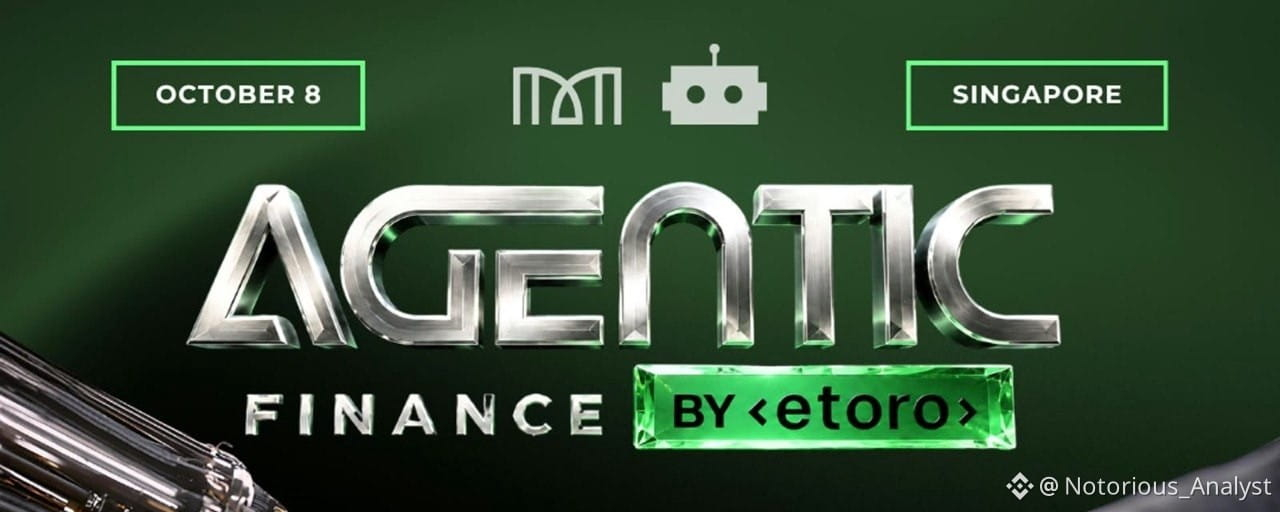
More & More 將攜手 etoro、Pantera Capital 和 Chainlink,在 TOKEN20 期間舉辦 Agentic Finance Summit新加坡,2026年10月5日——More & More 將於2026年10月8日在新加坡新達城會展中心舉辦 Agentic Finance Summit,這是 TOKEN2049 Singapore 的官方周邊活動。etoro 是峯會的首席合作伙伴。
這項僅限受邀者參加的項目將匯聚來自銀行、交易所、支付網絡、基金和監管機構的400位高級決策者,共同探討持有錢包、執行交易和處理支付的人工智能智能體。參與企業包括 etoro、Coinbase、Pantera Capital、AWS、KPMG、Chainlink、Aave、Fireblocks、Alpaca 和 Gate。
More & More 將攜手 etoro、Pantera Capital 和 Chainlink,在 TOKEN20 期間舉辦 Agentic Finance Summit
新加坡,2026年10月5日——More & More 將於2026年10月8日在新加坡新達城會展中心舉辦 Agentic Finance Summit,這是 TOKEN2049 Singapore 的官方周邊活動。etoro 是峯會的首席合作伙伴。
這項僅限受邀者參加的項目將匯聚來自銀行、交易所、支付網絡、基金和監管機構的400位高級決策者,共同探討持有錢包、執行交易和處理支付的人工智能智能體。參與企業包括 etoro、Coinbase、Pantera Capital、AWS、KPMG、Chainlink、Aave、Fireblocks、Alpaca 和 Gate。
這項僅限受邀者參加的項目將匯聚來自銀行、交易所、支付網絡、基金和監管機構的400位高級決策者,共同探討持有錢包、執行交易和處理支付的人工智能智能體。參與企業包括 etoro、Coinbase、Pantera Capital、AWS、KPMG、Chainlink、Aave、Fireblocks、Alpaca 和 Gate。
1
23

文章
The Best Event 將在 Token2049 週期間把 AFTERDARK 帶到新加坡國會劇院新加坡
Tujamo 已確認將於亞洲最具傳奇色彩的場館之一,舉辦一場3,000人容量的夜場演出;主秀陣容公告仍將於後續發佈。
“The Best Event(最佳活動)”——作爲製作公司,已在全球24個城市舉辦超過130場活動——將於10月5日把 AFTERDARK 帶到新加坡的國會劇院(Capitol Theatre)。這是一場爲 Token2049 這一週量身打造的單晚獨立演出:恰逢週末,Token2049 與新加坡大獎賽(Singapore Grand Prix)撞上同一個日曆。陣容中已確認 Tujamo;主秀陣容公告仍將於後續發佈,且將在接下來幾周陸續公佈更多藝人名單。
The Best Event 將在 Token2049 週期間把 AFTERDARK 帶到新加坡國會劇院
新加坡
Tujamo 已確認將於亞洲最具傳奇色彩的場館之一,舉辦一場3,000人容量的夜場演出;主秀陣容公告仍將於後續發佈。
“The Best Event(最佳活動)”——作爲製作公司,已在全球24個城市舉辦超過130場活動——將於10月5日把 AFTERDARK 帶到新加坡的國會劇院(Capitol Theatre)。這是一場爲 Token2049 這一週量身打造的單晚獨立演出:恰逢週末,Token2049 與新加坡大獎賽(Singapore Grand Prix)撞上同一個日曆。陣容中已確認 Tujamo;主秀陣容公告仍將於後續發佈,且將在接下來幾周陸續公佈更多藝人名單。
Tujamo 已確認將於亞洲最具傳奇色彩的場館之一,舉辦一場3,000人容量的夜場演出;主秀陣容公告仍將於後續發佈。
“The Best Event(最佳活動)”——作爲製作公司,已在全球24個城市舉辦超過130場活動——將於10月5日把 AFTERDARK 帶到新加坡的國會劇院(Capitol Theatre)。這是一場爲 Token2049 這一週量身打造的單晚獨立演出:恰逢週末,Token2049 與新加坡大獎賽(Singapore Grand Prix)撞上同一個日曆。陣容中已確認 Tujamo;主秀陣容公告仍將於後續發佈,且將在接下來幾周陸續公佈更多藝人名單。
1
107
$LSK 再次開始引起關注。
但我不認爲這次動作只與價格有關。
萊斯克(Lisk)過去一年一直在圍繞以太坊和二層(Layer 2)基礎設施重新定位,使開發者更容易構建應用,同時還能受益於以太坊的安全性。
這種轉變終於開始被注意到。
市場通常會在敘事發生變化之後獎勵項目,而不是在技術上線之時。
我的觀點?👇
我不會因爲一根大陽線就FOMO追高。
我會觀察成交量是否持續保持在高位,以及開發者是否繼續在生態中持續交付。如果採用率跟隨了敘事,那麼該趨勢就還有空間繼續延續。若不然,就要預期波動加劇。
強趨勢建立在持續的興趣之上,而不是隻靠一個不錯的星期。
這是萊斯克復出的開始……
還是另一輪短期資金輪動,涌向被遺忘的山寨幣?
#LISK
$LSK 再次開始引起關注。
但我不認爲這次動作只與價格有關。
萊斯克(Lisk)過去一年一直在圍繞以太坊和二層(Layer 2)基礎設施重新定位,使開發者更容易構建應用,同時還能受益於以太坊的安全性。
這種轉變終於開始被注意到。
市場通常會在敘事發生變化之後獎勵項目,而不是在技術上線之時。
我的觀點?👇
我不會因爲一根大陽線就FOMO追高。
我會觀察成交量是否持續保持在高位,以及開發者是否繼續在生態中持續交付。如果採用率跟隨了敘事,那麼該趨勢就還有空間繼續延續。若不然,就要預期波動加劇。
強趨勢建立在持續的興趣之上,而不是隻靠一個不錯的星期。
這是萊斯克復出的開始……
還是另一輪短期資金輪動,涌向被遺忘的山寨幣?
#LISK
但我不認爲這次動作只與價格有關。
萊斯克(Lisk)過去一年一直在圍繞以太坊和二層(Layer 2)基礎設施重新定位,使開發者更容易構建應用,同時還能受益於以太坊的安全性。
這種轉變終於開始被注意到。
市場通常會在敘事發生變化之後獎勵項目,而不是在技術上線之時。
我的觀點?👇
我不會因爲一根大陽線就FOMO追高。
我會觀察成交量是否持續保持在高位,以及開發者是否繼續在生態中持續交付。如果採用率跟隨了敘事,那麼該趨勢就還有空間繼續延續。若不然,就要預期波動加劇。
強趨勢建立在持續的興趣之上,而不是隻靠一個不錯的星期。
這是萊斯克復出的開始……
還是另一輪短期資金輪動,涌向被遺忘的山寨幣?
#LISK
1
567
·
--
看漲
👀 Web3 遊戲項目 BattleTown 值得保持關注。
爲什麼?
因爲它是一個融合了多個知名概念的生態系統:
🎮 復古坦克動作
🛡️ 坦克成長進度共 10 級
🧩 NFT 功能
🌐 Web3 集成
📊 多輪預售結構
📈 後續輪次公佈的價格更高
該項目本質上是在採用一套經過驗證的遊戲公式,並圍繞它構建一個 Web3 經濟。
這比單純觀察代幣的發展歷程更有意思。
接下來關鍵的里程碑將包括:
🎮 遊戲玩法的演進
🏆 解釋坦克成長
🛡️ 玩家如何與生態系統互動
🌐 Web3 機制如何融入體驗
因爲歸根結底,最強的 GameFi 項目需要首先讓遊戲變得好玩。
BattleTown 已經有了這個想法。
在做任何事情之前先自行盡職調查(DYOR)。
#BattleTown #BTOWN #GameFi #Web3Gaming
👀 Web3 遊戲項目 BattleTown 值得保持關注。
爲什麼?
因爲它是一個融合了多個知名概念的生態系統:
🎮 復古坦克動作
🛡️ 坦克成長進度共 10 級
🧩 NFT 功能
🌐 Web3 集成
📊 多輪預售結構
📈 後續輪次公佈的價格更高
該項目本質上是在採用一套經過驗證的遊戲公式,並圍繞它構建一個 Web3 經濟。
這比單純觀察代幣的發展歷程更有意思。
接下來關鍵的里程碑將包括:
🎮 遊戲玩法的演進
🏆 解釋坦克成長
🛡️ 玩家如何與生態系統互動
🌐 Web3 機制如何融入體驗
因爲歸根結底,最強的 GameFi 項目需要首先讓遊戲變得好玩。
BattleTown 已經有了這個想法。
在做任何事情之前先自行盡職調查(DYOR)。
#BattleTown #BTOWN #GameFi #Web3Gaming
爲什麼?
因爲它是一個融合了多個知名概念的生態系統:
🎮 復古坦克動作
🛡️ 坦克成長進度共 10 級
🧩 NFT 功能
🌐 Web3 集成
📊 多輪預售結構
📈 後續輪次公佈的價格更高
該項目本質上是在採用一套經過驗證的遊戲公式,並圍繞它構建一個 Web3 經濟。
這比單純觀察代幣的發展歷程更有意思。
接下來關鍵的里程碑將包括:
🎮 遊戲玩法的演進
🏆 解釋坦克成長
🛡️ 玩家如何與生態系統互動
🌐 Web3 機制如何融入體驗
因爲歸根結底,最強的 GameFi 項目需要首先讓遊戲變得好玩。
BattleTown 已經有了這個想法。
在做任何事情之前先自行盡職調查(DYOR)。
#BattleTown #BTOWN #GameFi #Web3Gaming

11
3
3.6k
真實

文章
Web3 遊戲創業公司《Battle Town》在 13.5 百萬美元代幣發售前獲得重大投資關注街機坦克射擊遊戲《Battle Town》表示,隨著專案準備進行其原生代幣預售,已獲得強勁的早期投資關注。即將於 2026 年 9 月 15 日推出的 $BTOWN 公開代幣發售,將以 1 億個代幣(100,000,000 tokens)進行代幣銷售,並透過其獨特的競技型區塊鏈遊戲方式,目標募資高達 13,516,000 美元。
專案的策略設定了最低資金門檻為 2,000,000 美元,確保在展開後續工作前有穩固的基礎保障。開發團隊表示,這筆資本將用於遊戲開發、市場流動性以及行銷推廣。
Web3 遊戲創業公司《Battle Town》在 13.5 百萬美元代幣發售前獲得重大投資關注
街機坦克射擊遊戲《Battle Town》表示,隨著專案準備進行其原生代幣預售,已獲得強勁的早期投資關注。即將於 2026 年 9 月 15 日推出的 $BTOWN 公開代幣發售,將以 1 億個代幣(100,000,000 tokens)進行代幣銷售,並透過其獨特的競技型區塊鏈遊戲方式,目標募資高達 13,516,000 美元。
專案的策略設定了最低資金門檻為 2,000,000 美元,確保在展開後續工作前有穩固的基礎保障。開發團隊表示,這筆資本將用於遊戲開發、市場流動性以及行銷推廣。
專案的策略設定了最低資金門檻為 2,000,000 美元,確保在展開後續工作前有穩固的基礎保障。開發團隊表示,這筆資本將用於遊戲開發、市場流動性以及行銷推廣。
3
2
327
·
--
看漲
最近遇到 Solarious,覺得這個想法很有趣,尤其是如果你對 DePIN + 真實世界效用領域感興趣。
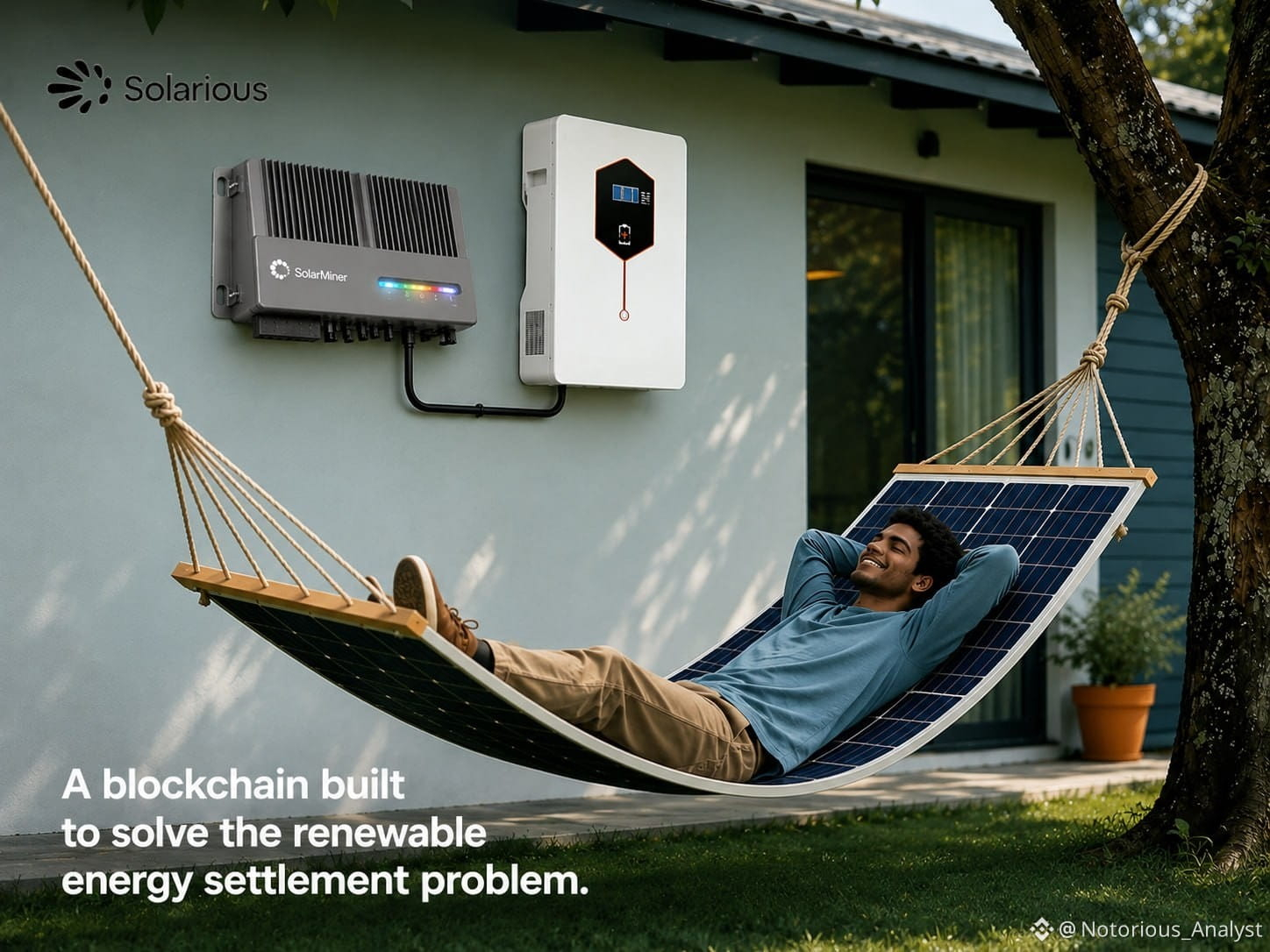
他們圍繞一個叫做「Proof-of-Energy(能源證明)」的概念在建設。這個方案使用 Solar Miner(太陽能礦機),連接到太陽能面板,並追蹤它所產生的電力。
最酷的是,這些資料不只是被動地留在那裡。裝置會產生可驗證的證明,並可傳送到 Solarious 網路。
所以基本上,真正的太陽能發電會變成一件區塊鏈能夠實際驗證的事情。
這是對 DePIN 相當不同的切入方式,我很好奇他們接下來會把它帶往哪裡。
在這裡了解更多:Solarious.us ☀️
#Solarious #defi
最近遇到 Solarious,覺得這個想法很有趣,尤其是如果你對 DePIN + 真實世界效用領域感興趣。
他們圍繞一個叫做「Proof-of-Energy(能源證明)」的概念在建設。這個方案使用 Solar Miner(太陽能礦機),連接到太陽能面板,並追蹤它所產生的電力。
最酷的是,這些資料不只是被動地留在那裡。裝置會產生可驗證的證明,並可傳送到 Solarious 網路。
所以基本上,真正的太陽能發電會變成一件區塊鏈能夠實際驗證的事情。
這是對 DePIN 相當不同的切入方式,我很好奇他們接下來會把它帶往哪裡。
在這裡了解更多:Solarious.us ☀️
#Solarious #defi
他們圍繞一個叫做「Proof-of-Energy(能源證明)」的概念在建設。這個方案使用 Solar Miner(太陽能礦機),連接到太陽能面板,並追蹤它所產生的電力。
最酷的是,這些資料不只是被動地留在那裡。裝置會產生可驗證的證明,並可傳送到 Solarious 網路。
所以基本上,真正的太陽能發電會變成一件區塊鏈能夠實際驗證的事情。
這是對 DePIN 相當不同的切入方式,我很好奇他們接下來會把它帶往哪裡。
在這裡了解更多:Solarious.us ☀️
#Solarious #defi
19
5
647
$BTC 和ETH顯然正在吸引大部分關注,但我注意到近期在趨勢榜上有一些較小的名字出現得更頻繁。
$VET 就是其中之一。VeChain已經存在多年,但對現實世界效用以及其生態系統的重新關注,正在把代幣重新帶回討論之中。
還有$TAO Bittensor,它一直處在去中心化AI敘事的核心位置;每當AI代幣開始積聚動能時,TAO通常也會很快引起關注。
MAMO是個有意思的案例,但原因完全不同。該代幣是在最近Moonwell事件之後開始走上趨勢榜的,所以這種突然的關注不一定是看漲信號。更應該仔細觀察,而不是盲目追逐。
另外,ANSEM在近期的價格走勢之後也同樣受到了關注。這類小市值標的往往動能變化非常快。
我覺得有趣的是,這四個都在因完全不同的原因走上趨勢榜。
BTC和ETH或許在推動更廣泛的市場,但在山寨幣這一側,你可以看到一些非常不同的敘事正在形成。
你現在在關注哪一個?
$BTC 和ETH顯然正在吸引大部分關注,但我注意到近期在趨勢榜上有一些較小的名字出現得更頻繁。
$VET 就是其中之一。VeChain已經存在多年,但對現實世界效用以及其生態系統的重新關注,正在把代幣重新帶回討論之中。
還有$TAO Bittensor,它一直處在去中心化AI敘事的核心位置;每當AI代幣開始積聚動能時,TAO通常也會很快引起關注。
MAMO是個有意思的案例,但原因完全不同。該代幣是在最近Moonwell事件之後開始走上趨勢榜的,所以這種突然的關注不一定是看漲信號。更應該仔細觀察,而不是盲目追逐。
另外,ANSEM在近期的價格走勢之後也同樣受到了關注。這類小市值標的往往動能變化非常快。
我覺得有趣的是,這四個都在因完全不同的原因走上趨勢榜。
BTC和ETH或許在推動更廣泛的市場,但在山寨幣這一側,你可以看到一些非常不同的敘事正在形成。
你現在在關注哪一個?
$VET 就是其中之一。VeChain已經存在多年,但對現實世界效用以及其生態系統的重新關注,正在把代幣重新帶回討論之中。
還有$TAO Bittensor,它一直處在去中心化AI敘事的核心位置;每當AI代幣開始積聚動能時,TAO通常也會很快引起關注。
MAMO是個有意思的案例,但原因完全不同。該代幣是在最近Moonwell事件之後開始走上趨勢榜的,所以這種突然的關注不一定是看漲信號。更應該仔細觀察,而不是盲目追逐。
另外,ANSEM在近期的價格走勢之後也同樣受到了關注。這類小市值標的往往動能變化非常快。
我覺得有趣的是,這四個都在因完全不同的原因走上趨勢榜。
BTC和ETH或許在推動更廣泛的市場,但在山寨幣這一側,你可以看到一些非常不同的敘事正在形成。
你現在在關注哪一個?


3
182
·
--
看漲
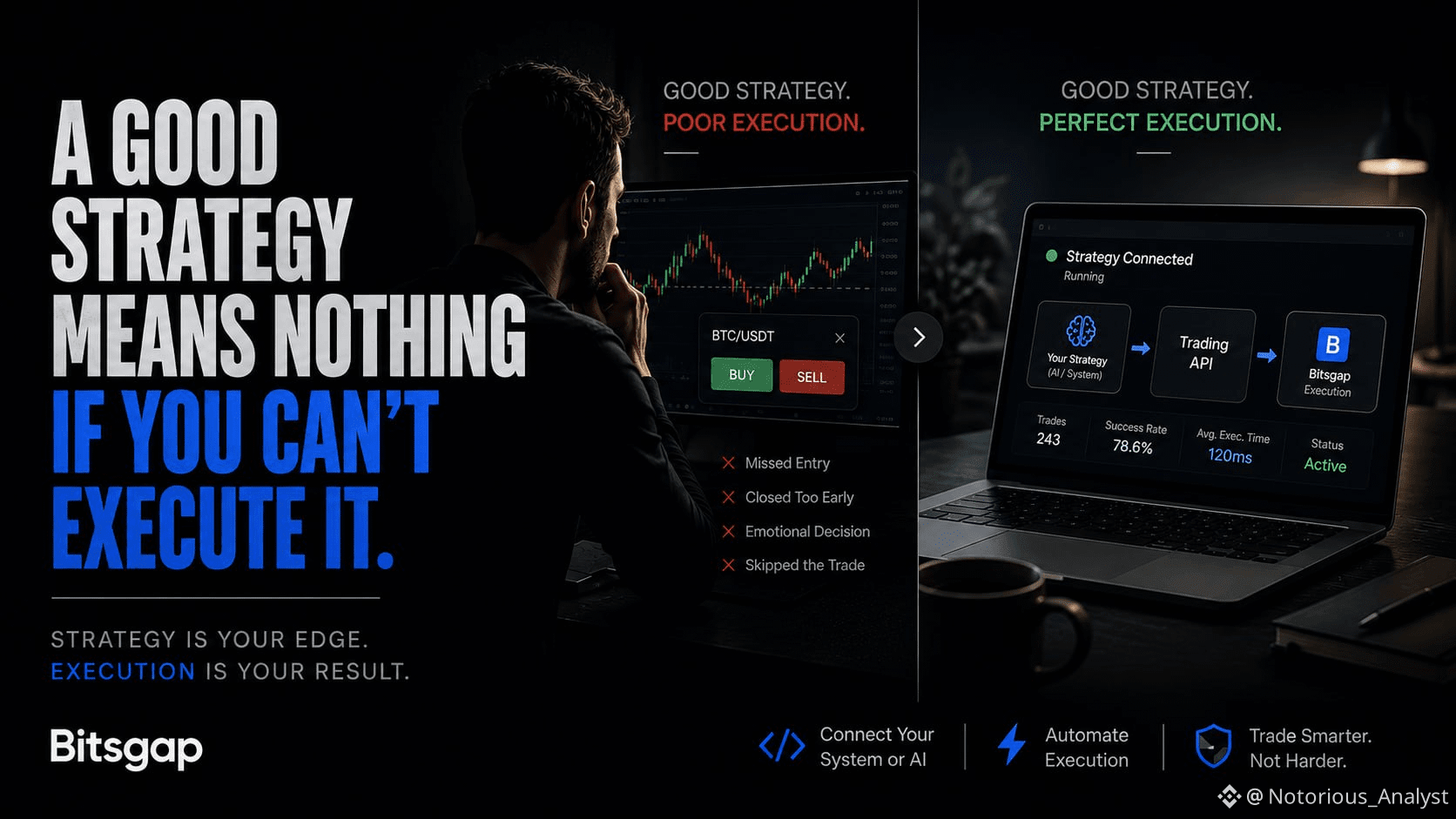
大多數人認爲他們的交易策略失敗,是因爲策略本身有問題。
很多時候,並不是這樣。問題在於執行。
你因爲離開了而錯過進場。你因爲緊張而過早平倉。你因爲當下感覺不對而跳過一筆委託。
策略本來就沒問題。是執行把它打亂了。
這也正是 Bitsgap 的交易 API 所圍繞的核心。你把自己的交易系統或 AI 接入到平臺,它負責決策,而 Bitsgap 則會在你授權的情況下替你完成實際交易。
不過有一點需要講清楚:Bitsgap 並不是替你思考。你提供策略、規則和邏輯。他們確保它會完全按照你設置的方式運行,而無需你每秒都盯着屏幕。
如果你曾經有過這樣的交易想法:在紙面上是有效的,但一旦情緒介入就立刻土崩瓦解——那麼這值得你去看看。
#Bitsgap #CryptoTrading #AlgoTrading #TradingAutomation
大多數人認爲他們的交易策略失敗,是因爲策略本身有問題。
很多時候,並不是這樣。問題在於執行。
你因爲離開了而錯過進場。你因爲緊張而過早平倉。你因爲當下感覺不對而跳過一筆委託。
策略本來就沒問題。是執行把它打亂了。
這也正是 Bitsgap 的交易 API 所圍繞的核心。你把自己的交易系統或 AI 接入到平臺,它負責決策,而 Bitsgap 則會在你授權的情況下替你完成實際交易。
不過有一點需要講清楚:Bitsgap 並不是替你思考。你提供策略、規則和邏輯。他們確保它會完全按照你設置的方式運行,而無需你每秒都盯着屏幕。
如果你曾經有過這樣的交易想法:在紙面上是有效的,但一旦情緒介入就立刻土崩瓦解——那麼這值得你去看看。
#Bitsgap #CryptoTrading #AlgoTrading #TradingAutomation
很多時候,並不是這樣。問題在於執行。
你因爲離開了而錯過進場。你因爲緊張而過早平倉。你因爲當下感覺不對而跳過一筆委託。
策略本來就沒問題。是執行把它打亂了。
這也正是 Bitsgap 的交易 API 所圍繞的核心。你把自己的交易系統或 AI 接入到平臺,它負責決策,而 Bitsgap 則會在你授權的情況下替你完成實際交易。
不過有一點需要講清楚:Bitsgap 並不是替你思考。你提供策略、規則和邏輯。他們確保它會完全按照你設置的方式運行,而無需你每秒都盯着屏幕。
如果你曾經有過這樣的交易想法:在紙面上是有效的,但一旦情緒介入就立刻土崩瓦解——那麼這值得你去看看。
#Bitsgap #CryptoTrading #AlgoTrading #TradingAutomation
9
4
872
$VIRTUAL 是我目前更關注的其中一個項目 👀
有意思的並不只是代幣在移動。
而是 AI 代理敘事似乎又重新引起了關注,而 VIRTUAL 這個名字具備足夠的既有認知基礎,能夠從這一輪輪轉中受益。
我們之前在加密領域見過這種循環 🔄
一個敘事沉寂了,流動性轉移到別處,大家也就不再談論它……
然後突然間,同一板塊又開始出現在交易者的關注清單上。
VIRTUAL 在 AI 代理生態中已經佔據了一個容易被認出的位置 🤖
所以我對追逐當前這一根K線沒那麼感興趣,更想觀察從這裏開始,成交量、生態活動和社區關注度是否會持續累積。
如果 AI 代理再次成爲重要敘事,VIRTUAL 很難被忽視。 🚀
#VirtualsProtocol
$VIRTUAL 是我目前更關注的其中一個項目 👀
有意思的並不只是代幣在移動。
而是 AI 代理敘事似乎又重新引起了關注,而 VIRTUAL 這個名字具備足夠的既有認知基礎,能夠從這一輪輪轉中受益。
我們之前在加密領域見過這種循環 🔄
一個敘事沉寂了,流動性轉移到別處,大家也就不再談論它……
然後突然間,同一板塊又開始出現在交易者的關注清單上。
VIRTUAL 在 AI 代理生態中已經佔據了一個容易被認出的位置 🤖
所以我對追逐當前這一根K線沒那麼感興趣,更想觀察從這裏開始,成交量、生態活動和社區關注度是否會持續累積。
如果 AI 代理再次成爲重要敘事,VIRTUAL 很難被忽視。 🚀
#VirtualsProtocol
有意思的並不只是代幣在移動。
而是 AI 代理敘事似乎又重新引起了關注,而 VIRTUAL 這個名字具備足夠的既有認知基礎,能夠從這一輪輪轉中受益。
我們之前在加密領域見過這種循環 🔄
一個敘事沉寂了,流動性轉移到別處,大家也就不再談論它……
然後突然間,同一板塊又開始出現在交易者的關注清單上。
VIRTUAL 在 AI 代理生態中已經佔據了一個容易被認出的位置 🤖
所以我對追逐當前這一根K線沒那麼感興趣,更想觀察從這裏開始,成交量、生態活動和社區關注度是否會持續累積。
如果 AI 代理再次成爲重要敘事,VIRTUAL 很難被忽視。 🚀
#VirtualsProtocol
1
125
·
--
看漲
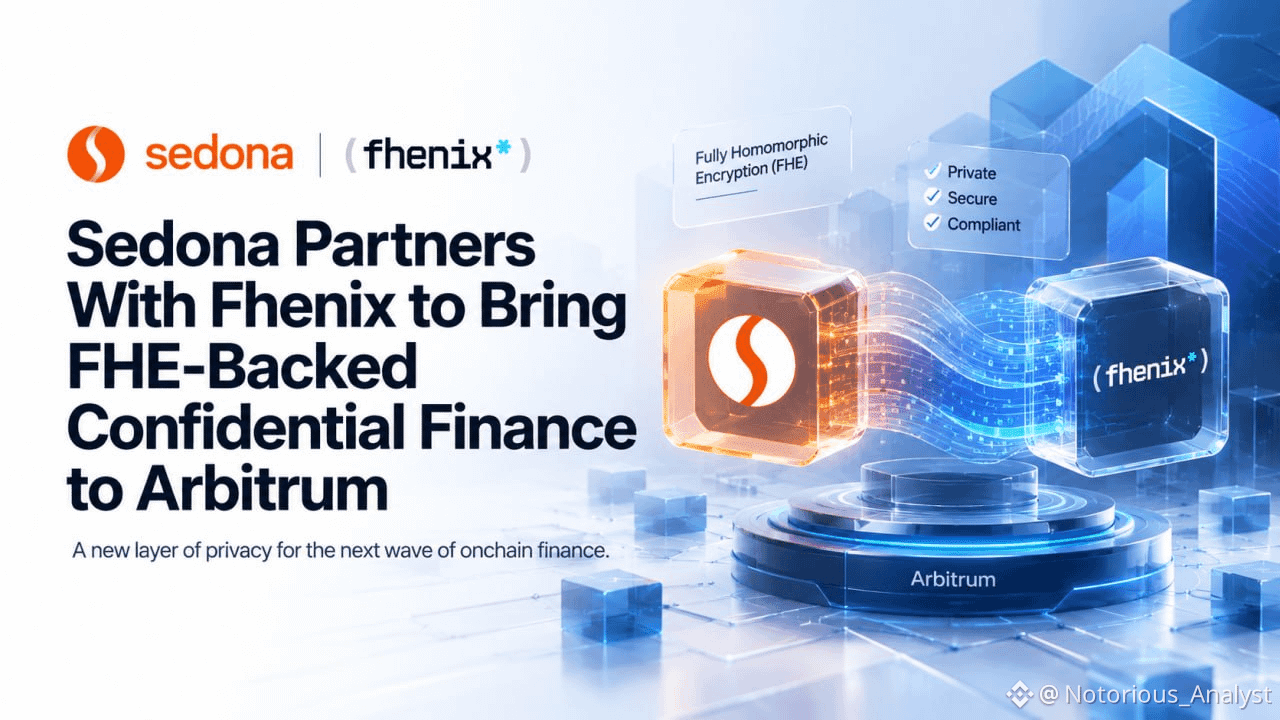
多年來,我感覺你似乎不得不在隱私和自我託管之間做選擇。
你可以完全掌控自己的資產,但你的餘額、持倉和活動會對任何知道你錢包地址的人可見。這個權衡對我來說一直說不太通。
畢竟,爲什麼要在擁有自己資金的同時,也要放棄自己的財務隱私呢?
這也是我注意到 Sedona 和 Fhenix 在 $ARB 上的合作的原因。他們正試圖證明:你不必再作出這種選擇。藉助保密基礎設施,用戶可以在保持完全自我託管的同時,將餘額和持倉加密保存。
自我託管不應該自動意味着財務透明。
如果加密貨幣要成爲傳統金融的真正替代方案,那麼這看起來就是朝那個方向邁出的重要一步。
這對 DeFi 未來而言是一幅相當令人信服的願景。
🔗 瞭解更多:
https://x.com/fhenix
#Fhenix #ARBİTRUM #Privacy #DeFi
多年來,我感覺你似乎不得不在隱私和自我託管之間做選擇。
你可以完全掌控自己的資產,但你的餘額、持倉和活動會對任何知道你錢包地址的人可見。這個權衡對我來說一直說不太通。
畢竟,爲什麼要在擁有自己資金的同時,也要放棄自己的財務隱私呢?
這也是我注意到 Sedona 和 Fhenix 在 $ARB 上的合作的原因。他們正試圖證明:你不必再作出這種選擇。藉助保密基礎設施,用戶可以在保持完全自我託管的同時,將餘額和持倉加密保存。
自我託管不應該自動意味着財務透明。
如果加密貨幣要成爲傳統金融的真正替代方案,那麼這看起來就是朝那個方向邁出的重要一步。
這對 DeFi 未來而言是一幅相當令人信服的願景。
🔗 瞭解更多:
https://x.com/fhenix
#Fhenix #ARBİTRUM #Privacy #DeFi
你可以完全掌控自己的資產,但你的餘額、持倉和活動會對任何知道你錢包地址的人可見。這個權衡對我來說一直說不太通。
畢竟,爲什麼要在擁有自己資金的同時,也要放棄自己的財務隱私呢?
這也是我注意到 Sedona 和 Fhenix 在 $ARB 上的合作的原因。他們正試圖證明:你不必再作出這種選擇。藉助保密基礎設施,用戶可以在保持完全自我託管的同時,將餘額和持倉加密保存。
自我託管不應該自動意味着財務透明。
如果加密貨幣要成爲傳統金融的真正替代方案,那麼這看起來就是朝那個方向邁出的重要一步。
這對 DeFi 未來而言是一幅相當令人信服的願景。
🔗 瞭解更多:
https://x.com/fhenix
#Fhenix #ARBİTRUM #Privacy #DeFi
10
5
3.4k
文章
Sedona 正在告別基於硬件的隱私,並攜手 Fhenix 搭乘 Arbitrum自託管交易平臺 Sedona 正在對其底層技術進行重大調整。公司正在遷移至 Arbitrum,並與隱私基礎設施提供商 Fhenix 合作,從根本上重新思考如何在鏈上保護用戶數據。
該公告於 7 月 16 日發佈,標誌着 Sedona 實現長期願景的重要一步:構建一個金融平臺,讓用戶能夠進行交易、自動化策略並管理資產,同時不向公開區塊鏈暴露敏感信息。
在完成從 Seismic 生態系統遷移之後,Sedona 計劃集成 Fhenix 的機密計算基礎設施,以打造一種全新的、以隱私爲先的體驗。
Sedona 正在告別基於硬件的隱私,並攜手 Fhenix 搭乘 Arbitrum
自託管交易平臺 Sedona 正在對其底層技術進行重大調整。公司正在遷移至 Arbitrum,並與隱私基礎設施提供商 Fhenix 合作,從根本上重新思考如何在鏈上保護用戶數據。
該公告於 7 月 16 日發佈,標誌着 Sedona 實現長期願景的重要一步:構建一個金融平臺,讓用戶能夠進行交易、自動化策略並管理資產,同時不向公開區塊鏈暴露敏感信息。
在完成從 Seismic 生態系統遷移之後,Sedona 計劃集成 Fhenix 的機密計算基礎設施,以打造一種全新的、以隱私爲先的體驗。
該公告於 7 月 16 日發佈,標誌着 Sedona 實現長期願景的重要一步:構建一個金融平臺,讓用戶能夠進行交易、自動化策略並管理資產,同時不向公開區塊鏈暴露敏感信息。
在完成從 Seismic 生態系統遷移之後,Sedona 計劃集成 Fhenix 的機密計算基礎設施,以打造一種全新的、以隱私爲先的體驗。
5
1.5k

文章
爲什麼ORBS代幣成爲加密領域最意外的地緣政治“代理”交易當昨天傳出消息稱美國和以色列部隊打擊了伊朗目標設施時,更廣泛的加密市場幾乎沒有眨眼。大多數山寨幣只是橫盤交易。
但不是 $ORBS
該代幣在數小時內暴漲了約20%。
這並非偶然。它是一種模式。一個高度特定、頑固持久的市場現象。自2023年末以來,每當中東局勢緊張升級,ORBS就會飆升。而幾乎所有這股購買力都來自同一個地方:韓國。
讓我們看一下硬數據。基於現場的事實。
爲什麼ORBS代幣成爲加密領域最意外的地緣政治“代理”交易
當昨天傳出消息稱美國和以色列部隊打擊了伊朗目標設施時,更廣泛的加密市場幾乎沒有眨眼。大多數山寨幣只是橫盤交易。
但不是 $ORBS
該代幣在數小時內暴漲了約20%。
這並非偶然。它是一種模式。一個高度特定、頑固持久的市場現象。自2023年末以來,每當中東局勢緊張升級,ORBS就會飆升。而幾乎所有這股購買力都來自同一個地方:韓國。
讓我們看一下硬數據。基於現場的事實。
但不是 $ORBS
該代幣在數小時內暴漲了約20%。
這並非偶然。它是一種模式。一個高度特定、頑固持久的市場現象。自2023年末以來,每當中東局勢緊張升級,ORBS就會飆升。而幾乎所有這股購買力都來自同一個地方:韓國。
讓我們看一下硬數據。基於現場的事實。
3
192
文章
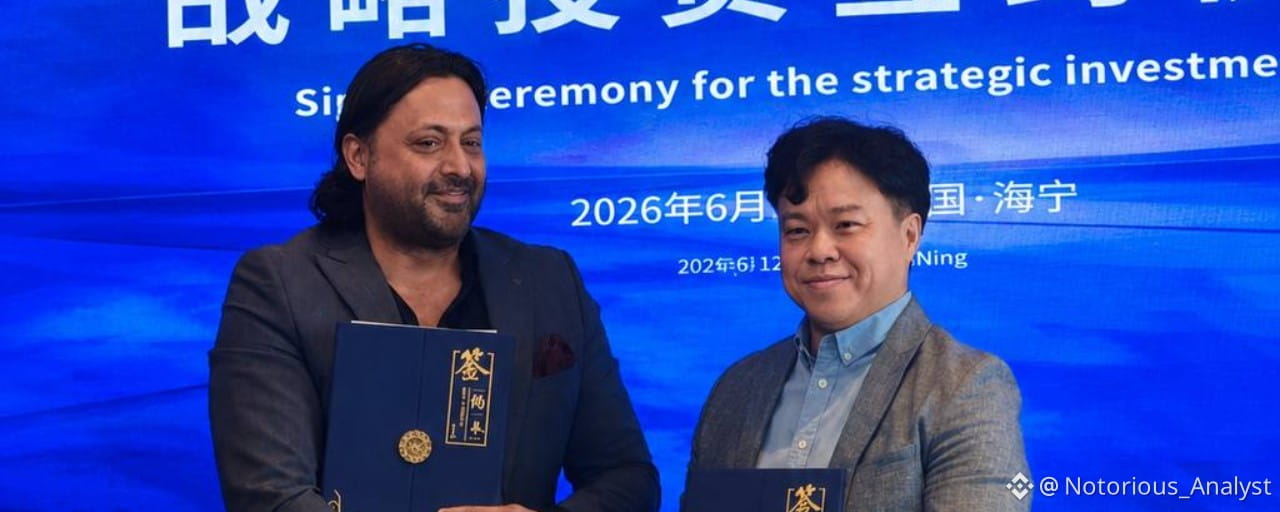
RWA Global Inc 正如何嘗試爲全球投資者打開中國新能源繁榮新機遇通過一項3億美元的顧問合作,RWA Global Inc 正在將自己定位在一個多數公司仍無法在法律上觸及的市場的最前沿。
問任何一個在過去十年裏嘗試直接投資中國新能源汽車故事的人,你都會聽到同一種抱怨:增長是顯而易見的,但准入卻並不容易。汽車賣得出去。充電網絡不斷上馬。數據持續攀升。而外國資本大多在場外觀望,受到資本管制的限制,並被監管“圍欄”擋在外面,幾乎沒有空間參與其中。
RWA Global Inc 正如何嘗試爲全球投資者打開中國新能源繁榮新機遇
通過一項3億美元的顧問合作,RWA Global Inc 正在將自己定位在一個多數公司仍無法在法律上觸及的市場的最前沿。
問任何一個在過去十年裏嘗試直接投資中國新能源汽車故事的人,你都會聽到同一種抱怨:增長是顯而易見的,但准入卻並不容易。汽車賣得出去。充電網絡不斷上馬。數據持續攀升。而外國資本大多在場外觀望,受到資本管制的限制,並被監管“圍欄”擋在外面,幾乎沒有空間參與其中。
問任何一個在過去十年裏嘗試直接投資中國新能源汽車故事的人,你都會聽到同一種抱怨:增長是顯而易見的,但准入卻並不容易。汽車賣得出去。充電網絡不斷上馬。數據持續攀升。而外國資本大多在場外觀望,受到資本管制的限制,並被監管“圍欄”擋在外面,幾乎沒有空間參與其中。
3
174
登入以探索更多內容
加入幣安廣場中的全球加密貨幣用戶
⚡️ 獲取加密貨幣的最新和實用資訊。
💬 受到全球最大加密貨幣交易所的信任。
👍 發掘來自經過驗證創作者的真實見解。
電子郵件 / 電話號碼