
CryptoQuill_5
1.7k 貼文

CryptoQuill_5
1.1K+ 關注
10.1K+ 粉絲
1.6K+ 點讚數
貼文
全部
引用
直播
置頂
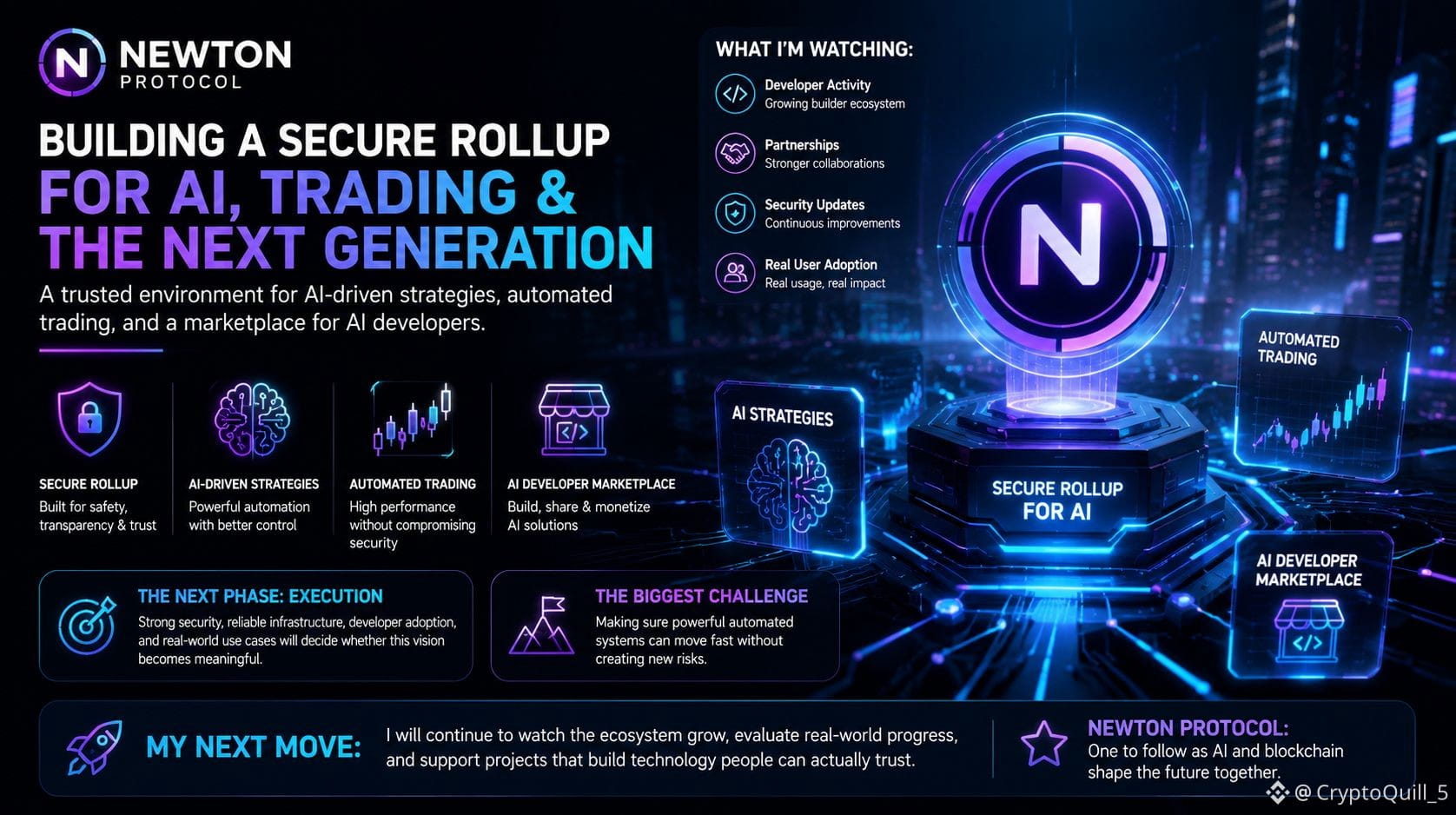
讓我印象最深的是,對構建一個安全的 rollup 環境的重視——該環境面向 AI 策略、自動化交易,以及一個讓 AI 開發者能夠創建並分享解決方案的市場。這個理念不僅僅關乎速度,更在於打造一個值得信賴的空間,使自動化能夠在更好的控制與透明度下運行。我認爲下一階段將是落實執行。強有力的安全性、可靠的基礎設施、開發者的採用以及真實世界的使用案例,將決定這一願景能否真正變得有意義。最大的挑戰在於,確保強大的自動化系統能夠快速運轉,同時不會引入新的風險。我的下一步是觀察生態系統的增長:開發者活動、合作伙伴關係、安全更新,以及真實用戶如何與這項技術互動。在這個領域,吸引關注很容易,但持續的價值來自於建立人們確實能夠信任的東西。隨着 AI 與區塊鏈之間的連接不斷演進,Newton Protocol 值得關注。
@NewtonProtocol #newt $NEWT
@NewtonProtocol #newt $NEWT
請點贊或評論🙏🙏🙏🙏😭

Bull Fox 29
·
--
看跌大多數人仍在追逐下一個敘事。
我關注的是資本如何變得更高效。
這就是我對OpenGradient感興趣的原因。
乍一看,它像是一個專注於託管、推理和驗證的AI基礎設施網絡。但更深層的機會在於價值如何在多個生態系統中流動,而不強迫用戶鎖定在單一路徑上。
我在加密貨幣中學到的一件事是,閒置資本是昂貴的。如果一個資產靜止不動,它可能表現不佳。獲勝的項目通常會找到增加效用而不犧牲靈活性的方法。
這就是爲什麼在保持流動性的同時重新質押的想法變得越來越有趣。它爲在以太坊、比特幣和DePIN生態系統中保持資本活躍而非被困在一個地方打開了額外的收益機會。
讓我興奮的不是頭條指標,而是創造一個AI基礎設施、經濟激勵和資產效率相互強化的網絡的可能性。
市場通常關注一個項目今天做了什麼。
我更感興趣的是當流動性、安全性和智能基礎設施開始協同工作時會出現什麼可能性。
感覺很多人仍在用錯誤的視角看待OpenGradient。
我錯過了什麼?
@OpenGradient #OPG $OPG
我關注的是資本如何變得更高效。
這就是我對OpenGradient感興趣的原因。
乍一看,它像是一個專注於託管、推理和驗證的AI基礎設施網絡。但更深層的機會在於價值如何在多個生態系統中流動,而不強迫用戶鎖定在單一路徑上。
我在加密貨幣中學到的一件事是,閒置資本是昂貴的。如果一個資產靜止不動,它可能表現不佳。獲勝的項目通常會找到增加效用而不犧牲靈活性的方法。
這就是爲什麼在保持流動性的同時重新質押的想法變得越來越有趣。它爲在以太坊、比特幣和DePIN生態系統中保持資本活躍而非被困在一個地方打開了額外的收益機會。
讓我興奮的不是頭條指標,而是創造一個AI基礎設施、經濟激勵和資產效率相互強化的網絡的可能性。
市場通常關注一個項目今天做了什麼。
我更感興趣的是當流動性、安全性和智能基礎設施開始協同工作時會出現什麼可能性。
感覺很多人仍在用錯誤的視角看待OpenGradient。
我錯過了什麼?
@OpenGradient #OPG $OPG
請點贊或評論🙏

Matthew t
·
--
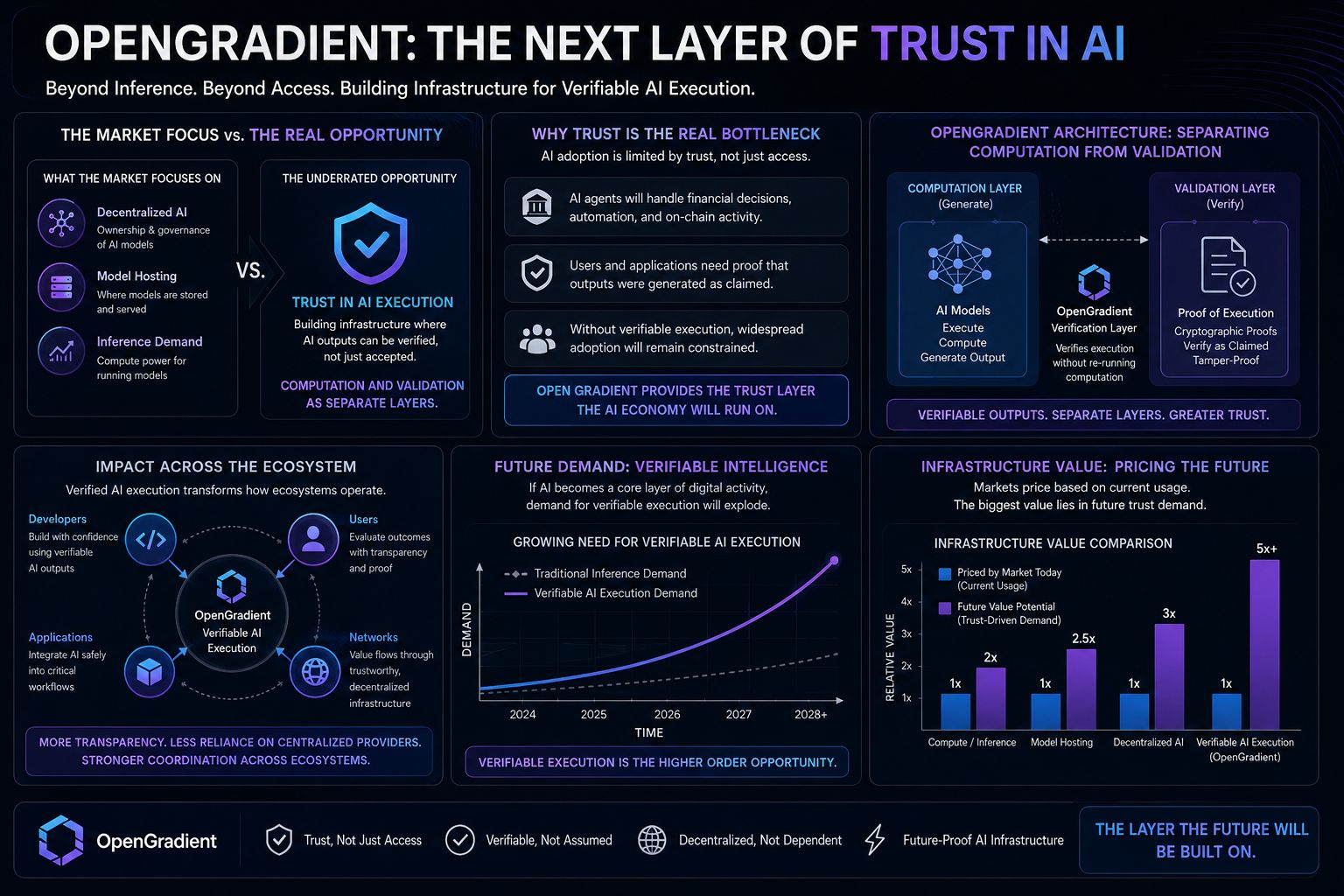
看跌我一直在研究OpenGradient,我覺得市場關注的敘述是錯誤的。
大多數討論圍繞去中心化AI、模型託管或推理需求展開。但更有趣的是OpenGradient如何重塑對AI執行的信任。該項目正在構建基礎設施,使AI輸出可以被驗證,而不僅僅是被接受,從而創建一個計算和驗證作爲獨立層的系統。
這個區別很重要,因爲AI的採用越來越多地受到信任的限制,而不僅僅是訪問。當AI代理開始處理金融決策、自動化和鏈上活動時,用戶和應用程序將需要證明輸出是按照聲明生成的。OpenGradient正圍繞這一未來需求進行定位。
我認爲被低估的是在生態系統之間協調的潛在影響。經過驗證的AI執行可以減少對中心化提供者的依賴,同時使應用程序能夠以更透明的方式與AI互動。這改變了開發者的構建方式、用戶評估結果的方式,以及價值在去中心化網絡中的流動方式。
市場通常根據當前使用情況對基礎設施進行定價。我認爲更大的機會在於對可驗證智能的未來需求。如果AI成爲數字活動的核心層,能夠可靠證明執行的網絡可能會變得比市場當前預期的重要得多。
這是我正在關注的層。
@OpenGradient #OPG $OPG
大多數討論圍繞去中心化AI、模型託管或推理需求展開。但更有趣的是OpenGradient如何重塑對AI執行的信任。該項目正在構建基礎設施,使AI輸出可以被驗證,而不僅僅是被接受,從而創建一個計算和驗證作爲獨立層的系統。
這個區別很重要,因爲AI的採用越來越多地受到信任的限制,而不僅僅是訪問。當AI代理開始處理金融決策、自動化和鏈上活動時,用戶和應用程序將需要證明輸出是按照聲明生成的。OpenGradient正圍繞這一未來需求進行定位。
我認爲被低估的是在生態系統之間協調的潛在影響。經過驗證的AI執行可以減少對中心化提供者的依賴,同時使應用程序能夠以更透明的方式與AI互動。這改變了開發者的構建方式、用戶評估結果的方式,以及價值在去中心化網絡中的流動方式。
市場通常根據當前使用情況對基礎設施進行定價。我認爲更大的機會在於對可驗證智能的未來需求。如果AI成爲數字活動的核心層,能夠可靠證明執行的網絡可能會變得比市場當前預期的重要得多。
這是我正在關注的層。
@OpenGradient #OPG $OPG
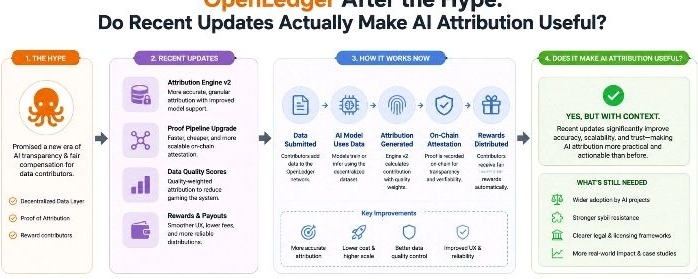
#openledger $OPEN 我一直在密切關注OpenLedger(OPEN),讓我印象深刻的是它將數據、模型和代理轉化爲可生成價值的資產的願景,而不是閒置。雖然許多項目只關注基礎設施,但OpenLedger正在構建一個經濟層,讓貢獻者能夠有可能從他們創建和分享的內容中獲利。
讓我興奮的是圍繞與AI相關資產解鎖流動性的想法。數據爲智能系統提供動力,模型提供能力,代理執行任務。OpenLedger旨在通過基於區塊鏈的生態系統連接這些部分,在這裏,所有權、歸屬和獎勵可以更透明地追蹤。
這裏的機會不僅僅是技術——而是創造激勵。如果建設者、研究人員和貢獻者得到公平的回報,網絡可能會吸引更多參與並加速增長。這使得OPEN成爲一個值得關注的項目。
我接下來的舉動很簡單:我在監控生態系統的發展、社區的增長、合作伙伴關係和現實世界的應用。我想看看有多少開發者在網絡上構建,用戶是否積極使用其工具和服務。強大的實用性和持續的活動往往比炒作更重要。
目前,OpenLedger看起來是一個大膽的嘗試,旨在橋接區塊鏈和AI經濟。如果執行與願景相符,OPEN可能會成爲數據、模型和自主代理新興市場中的重要參與者。
@OpenLedger #OpenLedger
$PORTAL
$LAB
讓我興奮的是圍繞與AI相關資產解鎖流動性的想法。數據爲智能系統提供動力,模型提供能力,代理執行任務。OpenLedger旨在通過基於區塊鏈的生態系統連接這些部分,在這裏,所有權、歸屬和獎勵可以更透明地追蹤。
這裏的機會不僅僅是技術——而是創造激勵。如果建設者、研究人員和貢獻者得到公平的回報,網絡可能會吸引更多參與並加速增長。這使得OPEN成爲一個值得關注的項目。
我接下來的舉動很簡單:我在監控生態系統的發展、社區的增長、合作伙伴關係和現實世界的應用。我想看看有多少開發者在網絡上構建,用戶是否積極使用其工具和服務。強大的實用性和持續的活動往往比炒作更重要。
目前,OpenLedger看起來是一個大膽的嘗試,旨在橋接區塊鏈和AI經濟。如果執行與願景相符,OPEN可能會成爲數據、模型和自主代理新興市場中的重要參與者。
@OpenLedger #OpenLedger
$PORTAL
$LAB
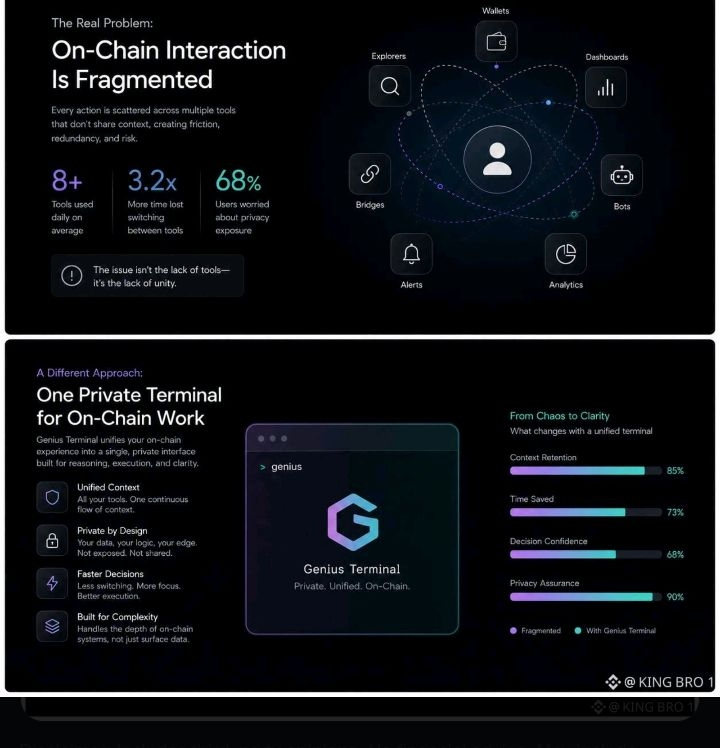
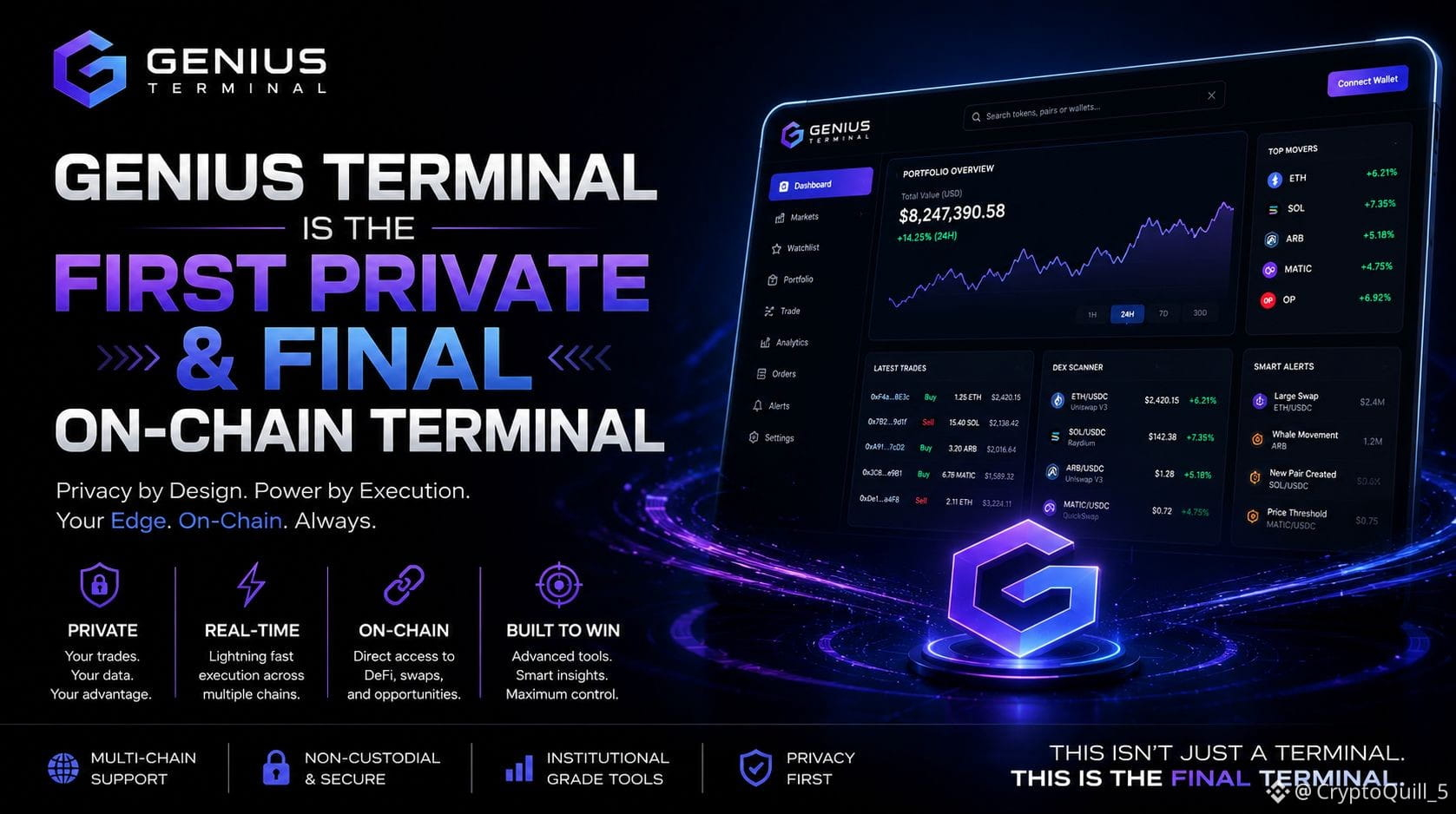
#genius $GENIUS 我一直在關注Genius Terminal,讓我印象深刻的是它對許多交易者和鏈上用戶所關心的隱私的專注。雖然大多數平台在多個工具和儀表板上留下痕跡,但Genius Terminal正定位為首個私密且最終的鏈上終端,旨在將所有功能整合到一個地方。
吸引我注意的是減少複雜性的理念。Genius Terminal正在建立一個精簡的使用體驗,讓用戶在保持隱私的同時更接近鏈,而不是在不同的應用之間跳轉以進行研究、執行和監控。在一個信息快速流動且每一秒都至關重要的市場,擁有一個專用的終端可以是一個嚴重的優勢。
我認為這裡最大的機會是採用。如果團隊能持續改善功能、安全性和用戶體驗,Genius Terminal可能會成為活躍鏈上參與者的關鍵工具。隱私不再是一種奢侈品——它正成為一種必需品。
我的下一步很簡單:我會持續追蹤產品更新、社區增長和功能發布。我還會關注合作夥伴關係、用戶採用指標以及來自經驗豐富的交易者的反饋。如果該平台能繼續實現其願景,Genius Terminal可能會成為鏈上生態系統中更有趣的基礎設施項目之一。
目前,我保持專注,進行研究,並將Genius Terminal列入我的觀察名單。
@GeniusOfficial #genius
$LAB
$ALLO
吸引我注意的是減少複雜性的理念。Genius Terminal正在建立一個精簡的使用體驗,讓用戶在保持隱私的同時更接近鏈,而不是在不同的應用之間跳轉以進行研究、執行和監控。在一個信息快速流動且每一秒都至關重要的市場,擁有一個專用的終端可以是一個嚴重的優勢。
我認為這裡最大的機會是採用。如果團隊能持續改善功能、安全性和用戶體驗,Genius Terminal可能會成為活躍鏈上參與者的關鍵工具。隱私不再是一種奢侈品——它正成為一種必需品。
我的下一步很簡單:我會持續追蹤產品更新、社區增長和功能發布。我還會關注合作夥伴關係、用戶採用指標以及來自經驗豐富的交易者的反饋。如果該平台能繼續實現其願景,Genius Terminal可能會成為鏈上生態系統中更有趣的基礎設施項目之一。
目前,我保持專注,進行研究,並將Genius Terminal列入我的觀察名單。
@GeniusOfficial #genius
$LAB
$ALLO
#openledger $OPEN
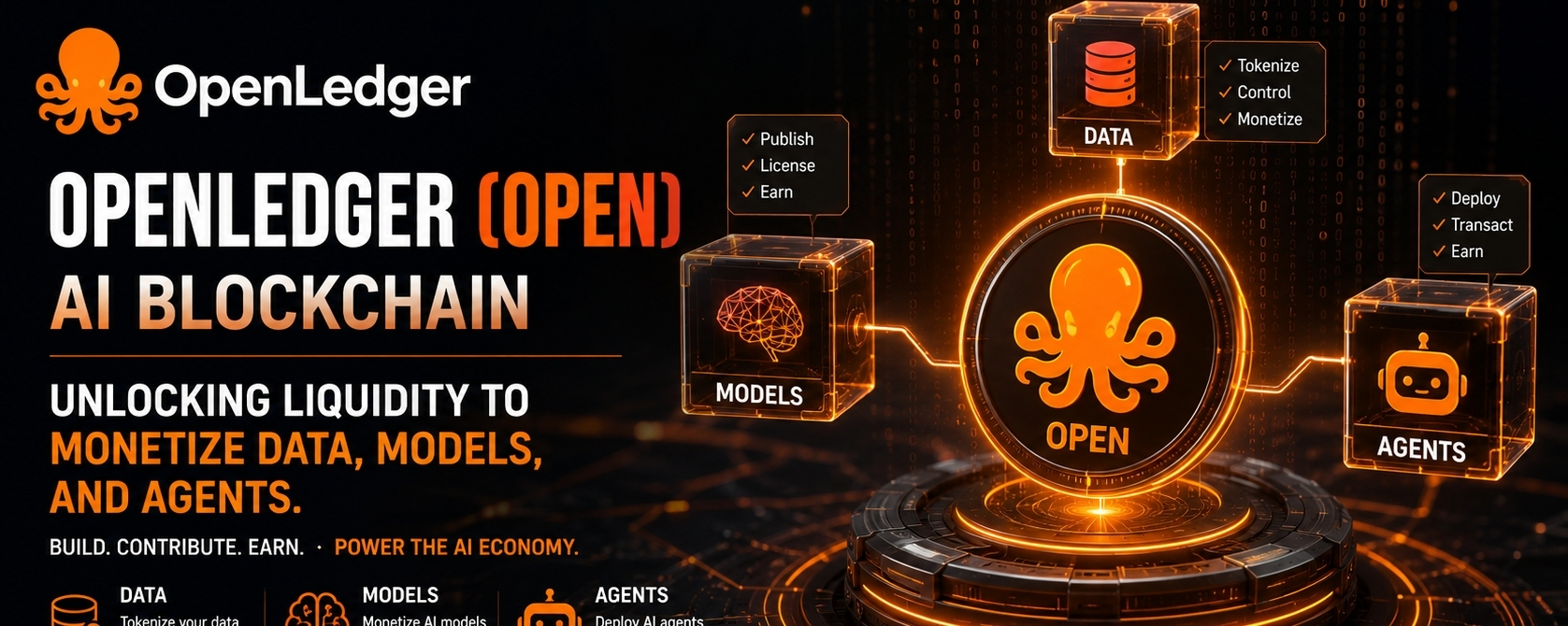
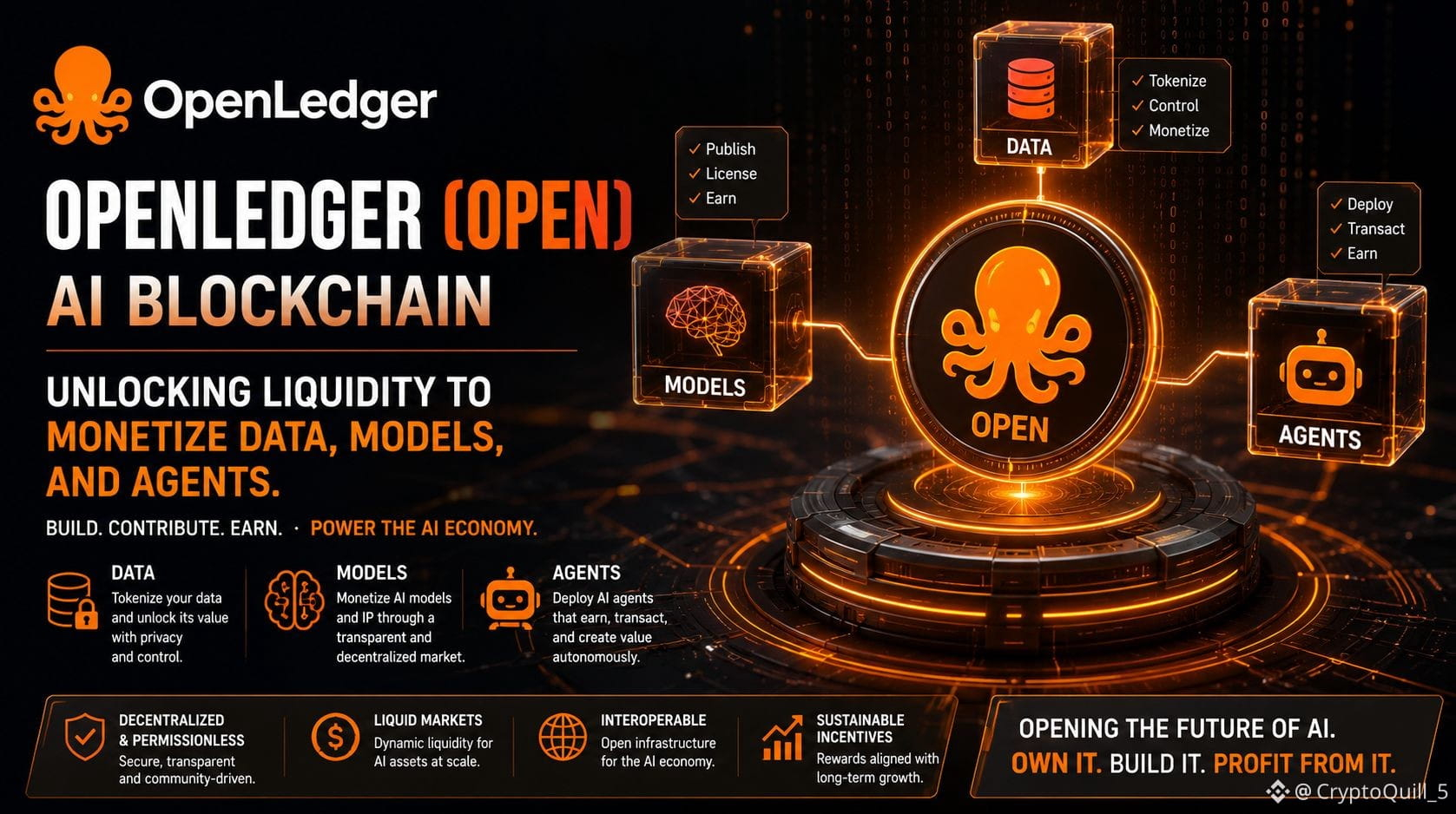
我一直在密切關注OpenLedger的增長,令我印象深刻的是它專注於將數據、模型和代理轉化爲可以產生價值的資產,而不是閒置。
大多數平臺談論創新,但OpenLedger正在構建一個經濟層,在這裏貢獻者可以潛在地將他們創造的東西變現。數據提供者、模型構建者和代理開發者在生態系統中都扮演着重要角色,創造出一種獎勵參與並促進增長的結構。
讓我興奮的是流動性方面。在許多生態系統中,有價值的資源往往被鎖定,有限的方式來捕捉它們的價值。OpenLedger旨在通過創建將創造與經濟機會連接起來的機制來改變這一點。如果成功,這將使AI基礎設施對貢獻者更加可及、透明和有回報。
我接下來的動作很簡單:我在關注生態系統的增長、開發者活動、合作伙伴關係和現實世界的應用。技術固然重要,但使用情況纔是最終決定長期價值的因素。我想看看有多少建設者加入,資產是如何利用的,以及網絡是否能夠維持有意義的經濟活動。
OpenLedger不僅在技術上競爭——它還在所有權、激勵和價值分配上競爭。如果採用率持續擴大,OPEN可能會成爲數字資產經濟演變過程中值得關注的項目之一。
@OpenLedger #OpenLedger
$PORTAL
$LAB
我一直在密切關注OpenLedger的增長,令我印象深刻的是它專注於將數據、模型和代理轉化爲可以產生價值的資產,而不是閒置。
大多數平臺談論創新,但OpenLedger正在構建一個經濟層,在這裏貢獻者可以潛在地將他們創造的東西變現。數據提供者、模型構建者和代理開發者在生態系統中都扮演着重要角色,創造出一種獎勵參與並促進增長的結構。
讓我興奮的是流動性方面。在許多生態系統中,有價值的資源往往被鎖定,有限的方式來捕捉它們的價值。OpenLedger旨在通過創建將創造與經濟機會連接起來的機制來改變這一點。如果成功,這將使AI基礎設施對貢獻者更加可及、透明和有回報。
我接下來的動作很簡單:我在關注生態系統的增長、開發者活動、合作伙伴關係和現實世界的應用。技術固然重要,但使用情況纔是最終決定長期價值的因素。我想看看有多少建設者加入,資產是如何利用的,以及網絡是否能夠維持有意義的經濟活動。
OpenLedger不僅在技術上競爭——它還在所有權、激勵和價值分配上競爭。如果採用率持續擴大,OPEN可能會成爲數字資產經濟演變過程中值得關注的項目之一。
@OpenLedger #OpenLedger
$PORTAL
$LAB
真實
#genius $GENIUS 我關注鏈上工具的演變已經有一段時間了,而Genius Terminal之所以脫穎而出,原因很簡單:它圍繞隱私和執行構建,而不是噪音。雖然大多數平臺專注於儀表盤、信號和無盡的數據流,Genius Terminal卻將自己定位爲首個私人且最終的鏈上終端,旨在爲那些希望快速從信息轉向行動的交易者提供服務。
吸引我注意的是,它專注於保持關鍵交易活動的流暢性。在每一秒都至關重要的市場中,減少摩擦與找到正確的機會同樣重要。隱私、速度和直接的鏈上訪問創造了一個環境,讓決策可以自信地執行,而不是被不必要的複雜性拖延。
我看到這裏形成了一個更大的趨勢。隨着鏈上活動的增長,用戶將會要求將智能、隱私和執行結合成一個工作流程的工具。Genius Terminal似乎正在朝着那個未來發展。
我接下來的動作是監控平臺更新,探索新發布的功能,並觀察交易社區的採用情況。強勁的用戶增長、更深層的集成和持續的產品改進可能成爲長期動能的關鍵指標。
目前,Genius Terminal是我關注的項目,因爲它針對一個真實的問題:讓鏈上執行對認真的用戶來說變得私密、高效和實用。
@GeniusOfficial #genius
$LAB
$ALLO
吸引我注意的是,它專注於保持關鍵交易活動的流暢性。在每一秒都至關重要的市場中,減少摩擦與找到正確的機會同樣重要。隱私、速度和直接的鏈上訪問創造了一個環境,讓決策可以自信地執行,而不是被不必要的複雜性拖延。
我看到這裏形成了一個更大的趨勢。隨着鏈上活動的增長,用戶將會要求將智能、隱私和執行結合成一個工作流程的工具。Genius Terminal似乎正在朝着那個未來發展。
我接下來的動作是監控平臺更新,探索新發布的功能,並觀察交易社區的採用情況。強勁的用戶增長、更深層的集成和持續的產品改進可能成爲長期動能的關鍵指標。
目前,Genius Terminal是我關注的項目,因爲它針對一個真實的問題:讓鏈上執行對認真的用戶來說變得私密、高效和實用。
@GeniusOfficial #genius
$LAB
$ALLO
好的

KINGBHAI 29
·
--
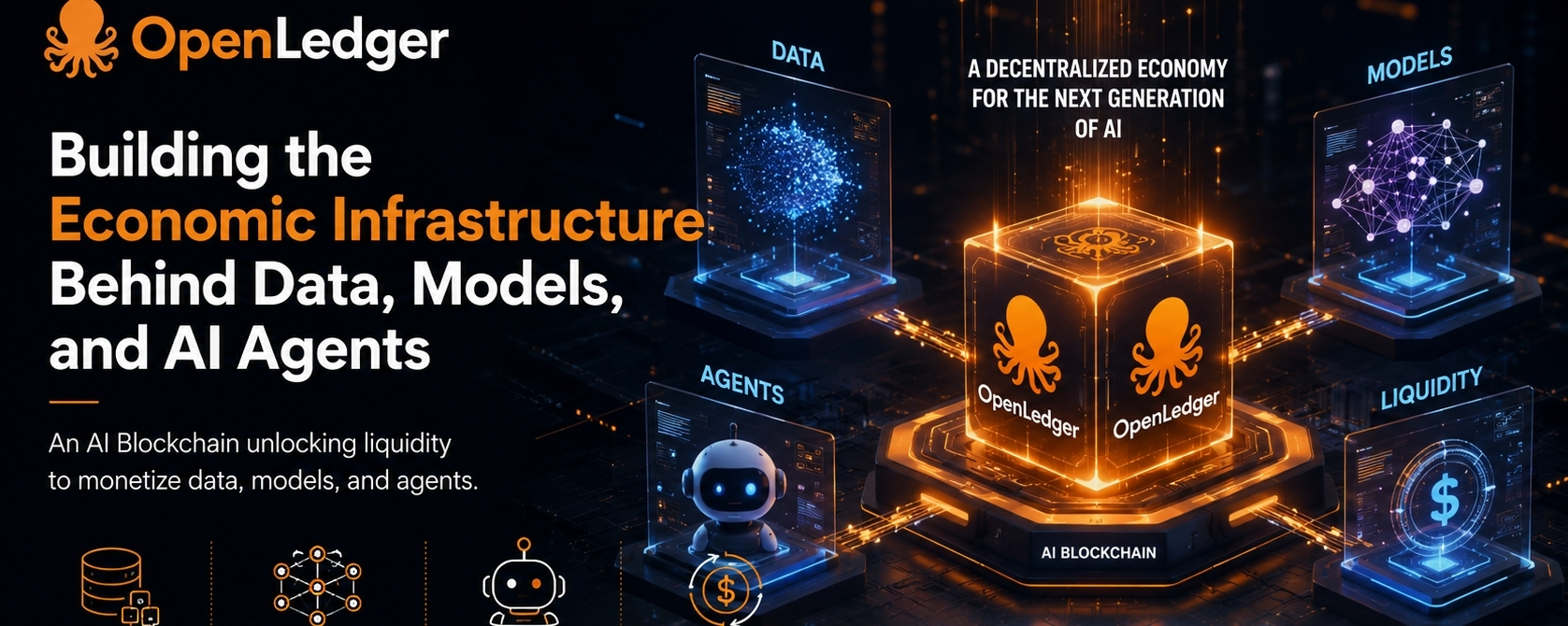
OpenLedger:構建數據、模型和AI代理背後的經濟基礎設施
當我看到OpenLedger時,我並不立即看到另一個試圖附加在AI敘事上的區塊鏈。我看到的是一種試圖解決協調問題的努力,這一問題隨着AI系統的擴大和參與者的增加而變得更加明顯。
今天,AI的發展很少是單一貢獻者的結果。數據提供者生成數據集,開發者構建模型,運營商運行基礎設施,用戶通過實際使用創造需求。每個參與者都在貢獻價值,但他們之間的經濟關係往往不清晰。技術進步持續進行,但所有權、激勵和貨幣化仍然分散。OpenLedger似乎是圍繞這一特定缺口設計的。
今天,AI的發展很少是單一貢獻者的結果。數據提供者生成數據集,開發者構建模型,運營商運行基礎設施,用戶通過實際使用創造需求。每個參與者都在貢獻價值,但他們之間的經濟關係往往不清晰。技術進步持續進行,但所有權、激勵和貨幣化仍然分散。OpenLedger似乎是圍繞這一特定缺口設計的。
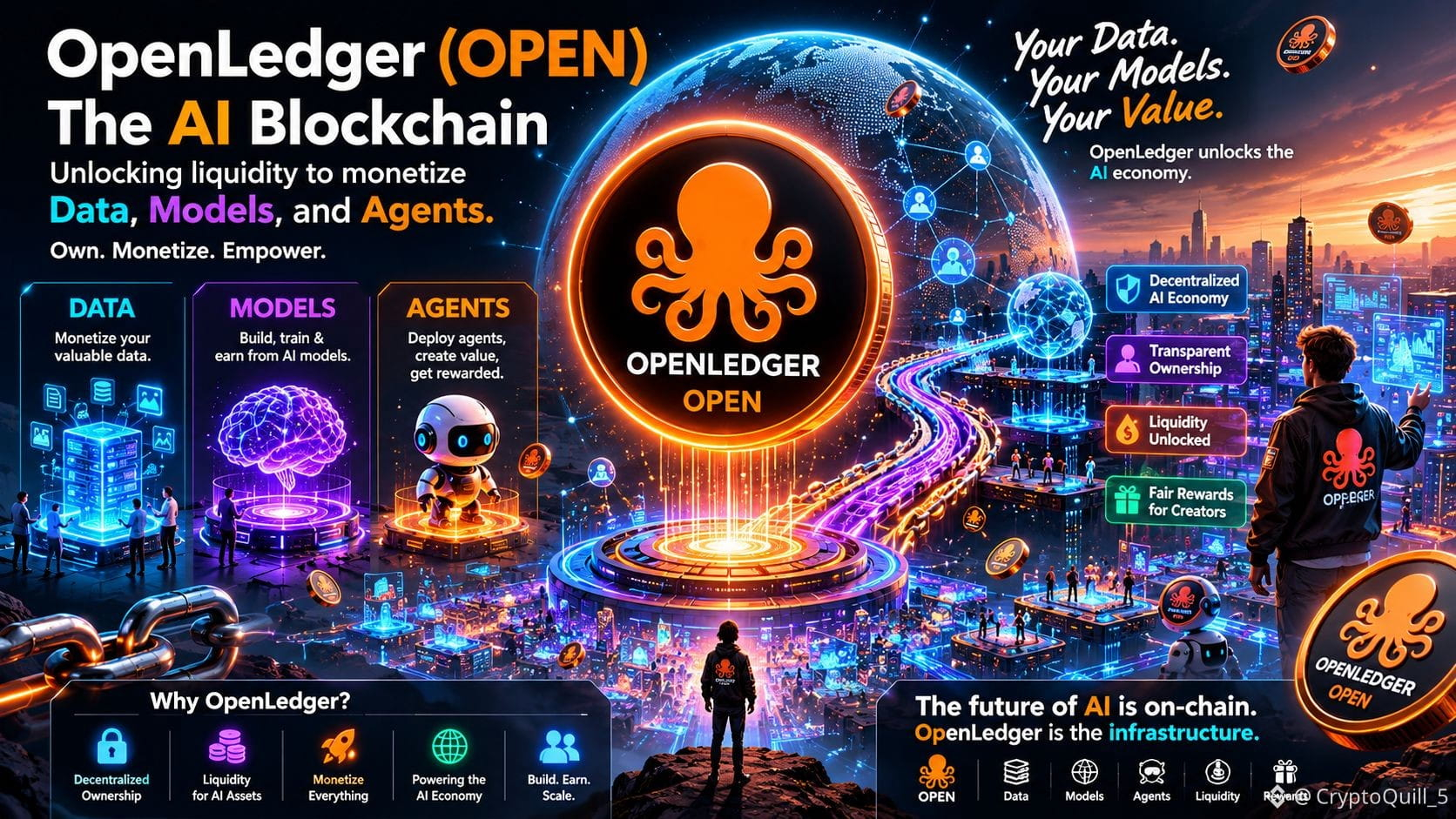
#openledger $OPEN 我一直在密切關注 OpenLedger ($OPEN ),我覺得最引人注目的是它的使命是將數據、模型和代理轉變為真正的數字資產,以創造價值。與其讓有用的信息閒置,OpenLedger 專注於為創作者和貢獻者提供一種從他們所建設和分享的東西中受益的方法。
最讓我興奮的是解鎖數據和智慧周圍流動性的想法。隨著對智能應用需求的不斷增長,通過透明的區塊鏈基礎設施連接貢獻者、開發者和用戶的項目可能會獲得相當大的關注。OpenLedger 正在將自己置於這一運動的中心,創建一個可以發現、使用和獲得獎勵的生態系統。
從市場的角度來看,我正在觀察生態系統的增長、新的合作夥伴關係、開發者活動和日益增長的採用率。這些因素通常在決定區塊鏈項目是否能保持長期動能方面扮演著重要角色。
我接下來的動作很簡單:我會將其保持在我的觀察名單上,關注項目更新,追蹤社區增長,並尋找擴大實用性的跡象。如果採用率持續增長,且網絡吸引到更多建設者,OpenLedger 可能成為在不斷演變的區塊鏈領域中最有趣的項目之一。
目前,我保持耐心,進行我的研究,並觀察故事如何從這裡發展。
@OpenLedger #OpenLedger
$ALLO
$ID
最讓我興奮的是解鎖數據和智慧周圍流動性的想法。隨著對智能應用需求的不斷增長,通過透明的區塊鏈基礎設施連接貢獻者、開發者和用戶的項目可能會獲得相當大的關注。OpenLedger 正在將自己置於這一運動的中心,創建一個可以發現、使用和獲得獎勵的生態系統。
從市場的角度來看,我正在觀察生態系統的增長、新的合作夥伴關係、開發者活動和日益增長的採用率。這些因素通常在決定區塊鏈項目是否能保持長期動能方面扮演著重要角色。
我接下來的動作很簡單:我會將其保持在我的觀察名單上,關注項目更新,追蹤社區增長,並尋找擴大實用性的跡象。如果採用率持續增長,且網絡吸引到更多建設者,OpenLedger 可能成為在不斷演變的區塊鏈領域中最有趣的項目之一。
目前,我保持耐心,進行我的研究,並觀察故事如何從這裡發展。
@OpenLedger #OpenLedger
$ALLO
$ID
真實
#genius $GENIUS 我最近在關注Genius Terminal的增長,有一點立刻引起了我的注意:它旨在成爲第一個爲追求速度、控制和隱私的用戶打造的私人終端。在一個信息迅速流動、每秒都至關重要的領域,擁有一個旨在簡化鏈上活動的終端可能會成爲一個重要的優勢。
令我最感興趣的是對隱私的關注。許多工具提供數據,但Genius Terminal正致力於爲用戶提供一種更清晰、更安全的方式來互動鏈上機會。將重要見解、執行工具和實時訪問整合到一個終端中的想法,爲交易者、研究人員和普通用戶創造了更流暢的體驗。
我認爲下一步很簡單:密切關注生態系統更新、產品發佈和社區公告。新特性、合作伙伴關係和整合往往能在更廣泛的市場注意到之前揭示一個項目的方向。我還認爲,親自探索平臺、理解其工具並關注採用情況隨時間的增長也很重要。
對我而言,Genius Terminal不僅僅是另一個儀表板。它代表了朝着更高效和私人化的鏈上體驗的推動。如果開發繼續保持強勁的步伐,這個項目可能會成爲用戶在區塊鏈世界中更自信和精確導航的重要目的地。
@GeniusOfficial l #genius
$BASED
$WARD
令我最感興趣的是對隱私的關注。許多工具提供數據,但Genius Terminal正致力於爲用戶提供一種更清晰、更安全的方式來互動鏈上機會。將重要見解、執行工具和實時訪問整合到一個終端中的想法,爲交易者、研究人員和普通用戶創造了更流暢的體驗。
我認爲下一步很簡單:密切關注生態系統更新、產品發佈和社區公告。新特性、合作伙伴關係和整合往往能在更廣泛的市場注意到之前揭示一個項目的方向。我還認爲,親自探索平臺、理解其工具並關注採用情況隨時間的增長也很重要。
對我而言,Genius Terminal不僅僅是另一個儀表板。它代表了朝着更高效和私人化的鏈上體驗的推動。如果開發繼續保持強勁的步伐,這個項目可能會成爲用戶在區塊鏈世界中更自信和精確導航的重要目的地。
@GeniusOfficial l #genius
$BASED
$WARD
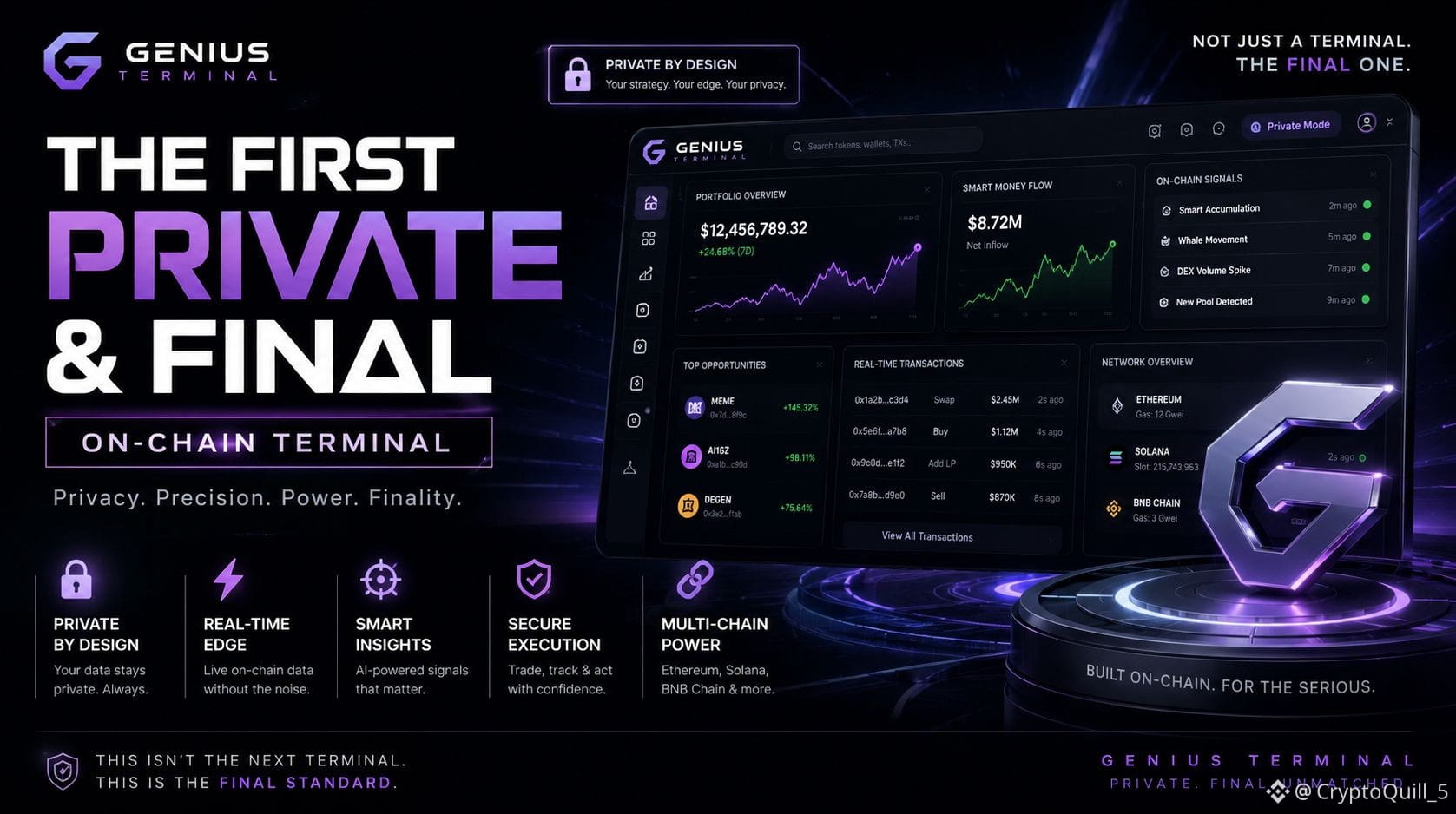
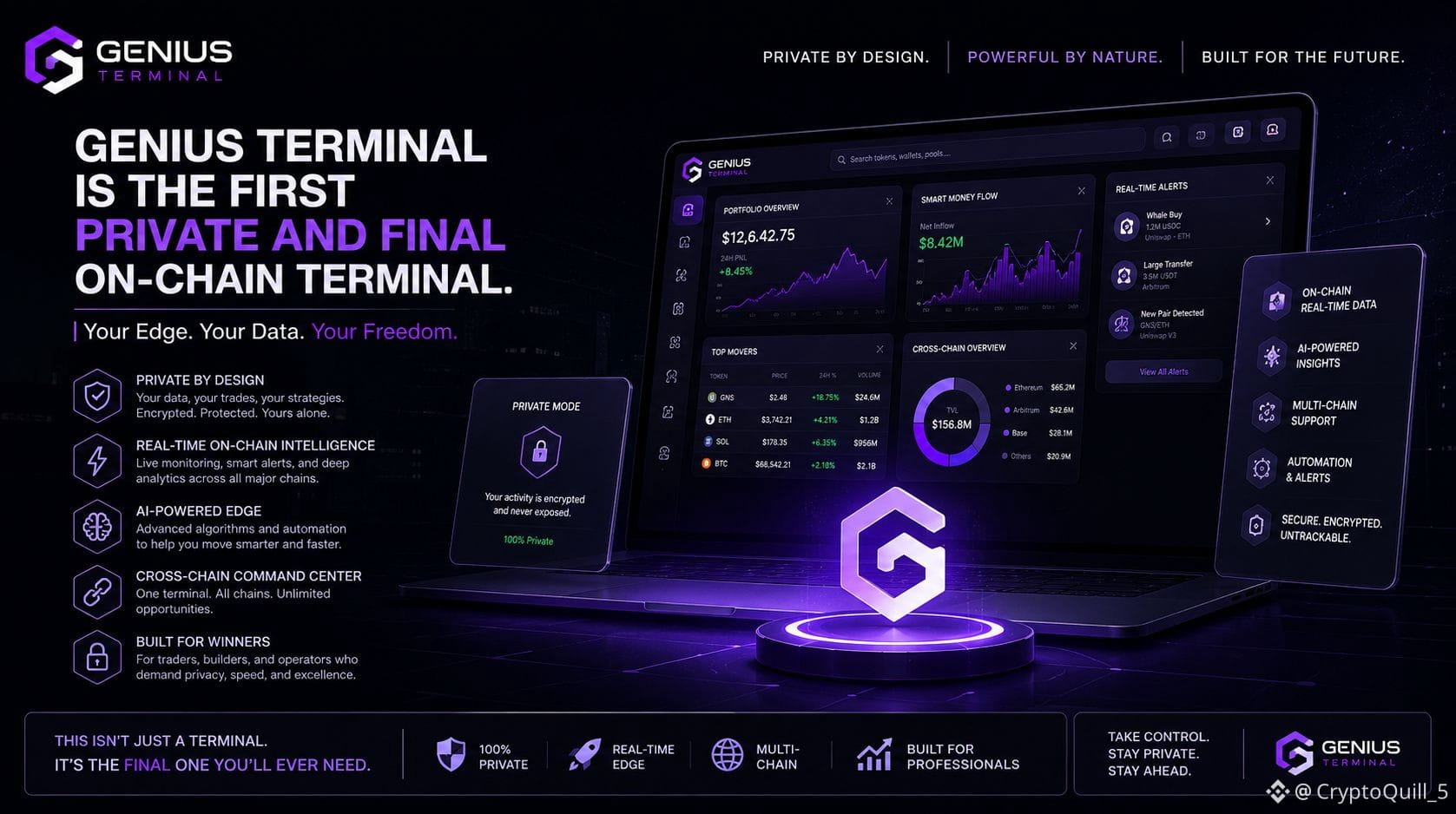
#genius $GENIUS 我已經關注鏈上工具的興起很久了,但Genius Terminal讓我感覺不一樣。它並不是試圖喧鬧,而是想要成為終極的選擇。這是首先吸引我注意的地方。在一個充滿噪音、假信號和延遲反應的空間裡,我看到Genius Terminal正在建立一個私密的環境,在這裡速度和精確度比炒作更重要。
最讓我興奮的是對隱私和執行的重視。我可以追蹤機會、管理活動,並在不將每一步動作暴露於公眾的情況下更快地反應。這完全改變了遊戲規則。大多數交易者仍在使用過時的儀表板,而市場在幾秒鐘內就能發生變化。Genius Terminal看起來是為鏈上交易的下一階段打造的,當信息控制成為權力時。
我還認為這不僅僅是一個普通的終端。它感覺像是為那些希望在波動市場中獲得更乾淨數據、更智能決策和更強保護的嚴肅用戶而設的基礎設施。
我接下來的動作很簡單:我會密切關注生態系統的增長、用戶採用和即將到來的整合。如果團隊能持續提供強大的工具,同時保持平台的私密性和高效性,我相信Genius Terminal可能會成為鏈上世界中最重要的名字之一。 @geniusofficial #genius $GENIUS
最讓我興奮的是對隱私和執行的重視。我可以追蹤機會、管理活動,並在不將每一步動作暴露於公眾的情況下更快地反應。這完全改變了遊戲規則。大多數交易者仍在使用過時的儀表板,而市場在幾秒鐘內就能發生變化。Genius Terminal看起來是為鏈上交易的下一階段打造的,當信息控制成為權力時。
我還認為這不僅僅是一個普通的終端。它感覺像是為那些希望在波動市場中獲得更乾淨數據、更智能決策和更強保護的嚴肅用戶而設的基礎設施。
我接下來的動作很簡單:我會密切關注生態系統的增長、用戶採用和即將到來的整合。如果團隊能持續提供強大的工具,同時保持平台的私密性和高效性,我相信Genius Terminal可能會成為鏈上世界中最重要的名字之一。 @geniusofficial #genius $GENIUS
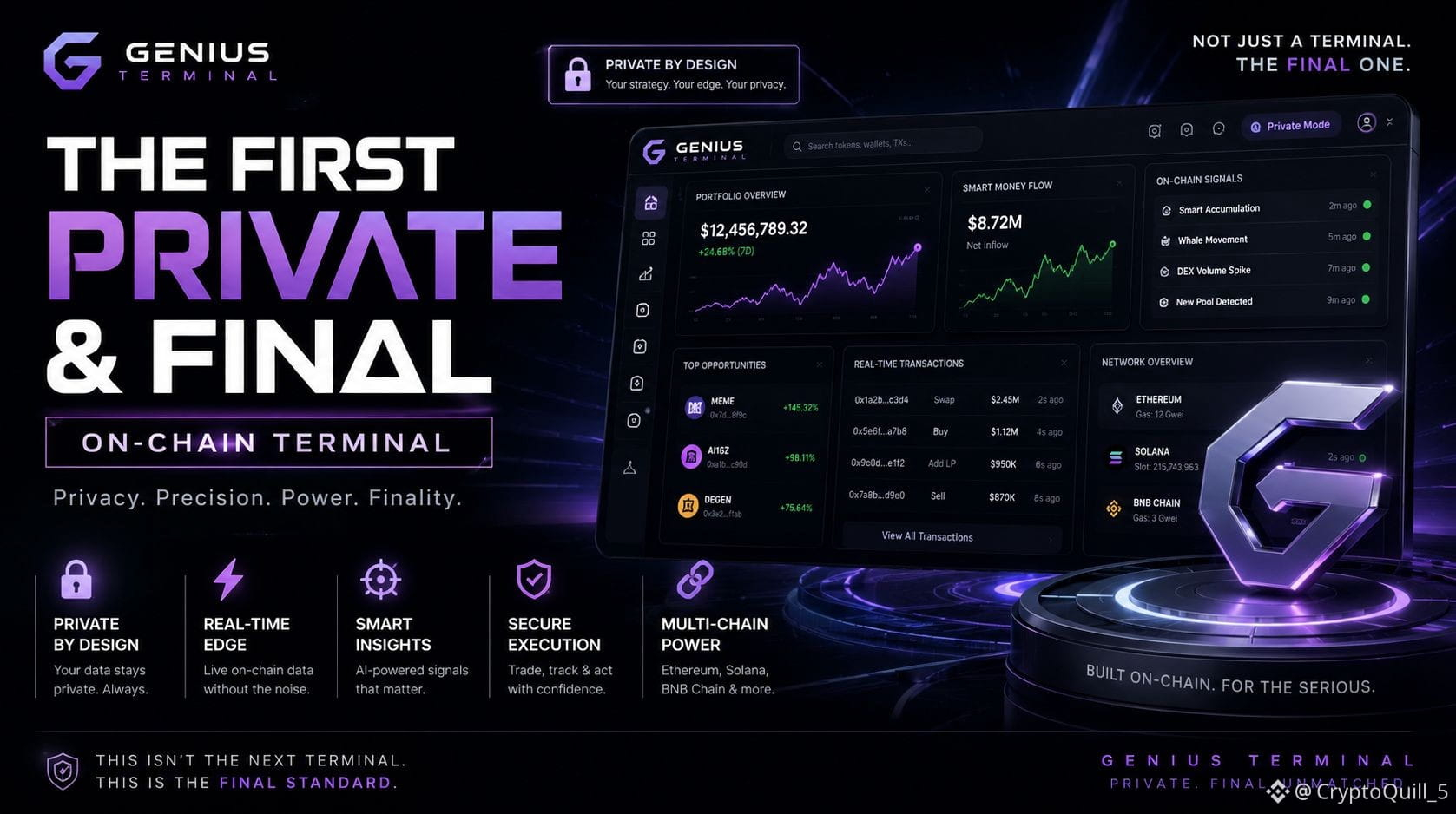
#openledger $OPEN 我一直在關注數字經濟的快速變化,老實說,OpenLedger 感覺是少數幾個試圖解決真實問題而不是追逐炒作的項目之一。OpenLedger 正在構建一個系統,讓數據、模型和代理不再被鎖住而無價值。人們最終能夠從他們創造、訓練或貢獻的內容中獲利,這完全改變了遊戲規則。
讓我關注的是它背後的流動性層。大多數平臺收集用戶活動,而社區幾乎沒有得到任何回報。OpenLedger 正在推動一個不同的方向,讓價值能夠迴流到創造者、建設者和貢獻者手中。隨着對更智能數字系統的需求不斷增長,我認爲這將變得非常重要。
我還注意到 OPEN 正在圍繞長期效用而不是短期興奮進行定位。這很重要。項目只有在創造出人們真正使用的生態系統時才能生存。如果採用率增長,圍繞數據和代理的網絡效應可能會變得巨大。
我接下來的動作很簡單:我在關注生態系統的增長、合作伙伴關係、開發者活動以及鏈上新工具的推出速度。我還認爲,早期社區參與在平臺按許多人預期的方式擴展時可能會變得重要。
現在,OpenLedger 感覺不再像噪音,而更像是在衆人完全注意到之前悄然構建的基礎設施。
$OPEN
讓我關注的是它背後的流動性層。大多數平臺收集用戶活動,而社區幾乎沒有得到任何回報。OpenLedger 正在推動一個不同的方向,讓價值能夠迴流到創造者、建設者和貢獻者手中。隨着對更智能數字系統的需求不斷增長,我認爲這將變得非常重要。
我還注意到 OPEN 正在圍繞長期效用而不是短期興奮進行定位。這很重要。項目只有在創造出人們真正使用的生態系統時才能生存。如果採用率增長,圍繞數據和代理的網絡效應可能會變得巨大。
我接下來的動作很簡單:我在關注生態系統的增長、合作伙伴關係、開發者活動以及鏈上新工具的推出速度。我還認爲,早期社區參與在平臺按許多人預期的方式擴展時可能會變得重要。
現在,OpenLedger 感覺不再像噪音,而更像是在衆人完全注意到之前悄然構建的基礎設施。
$OPEN
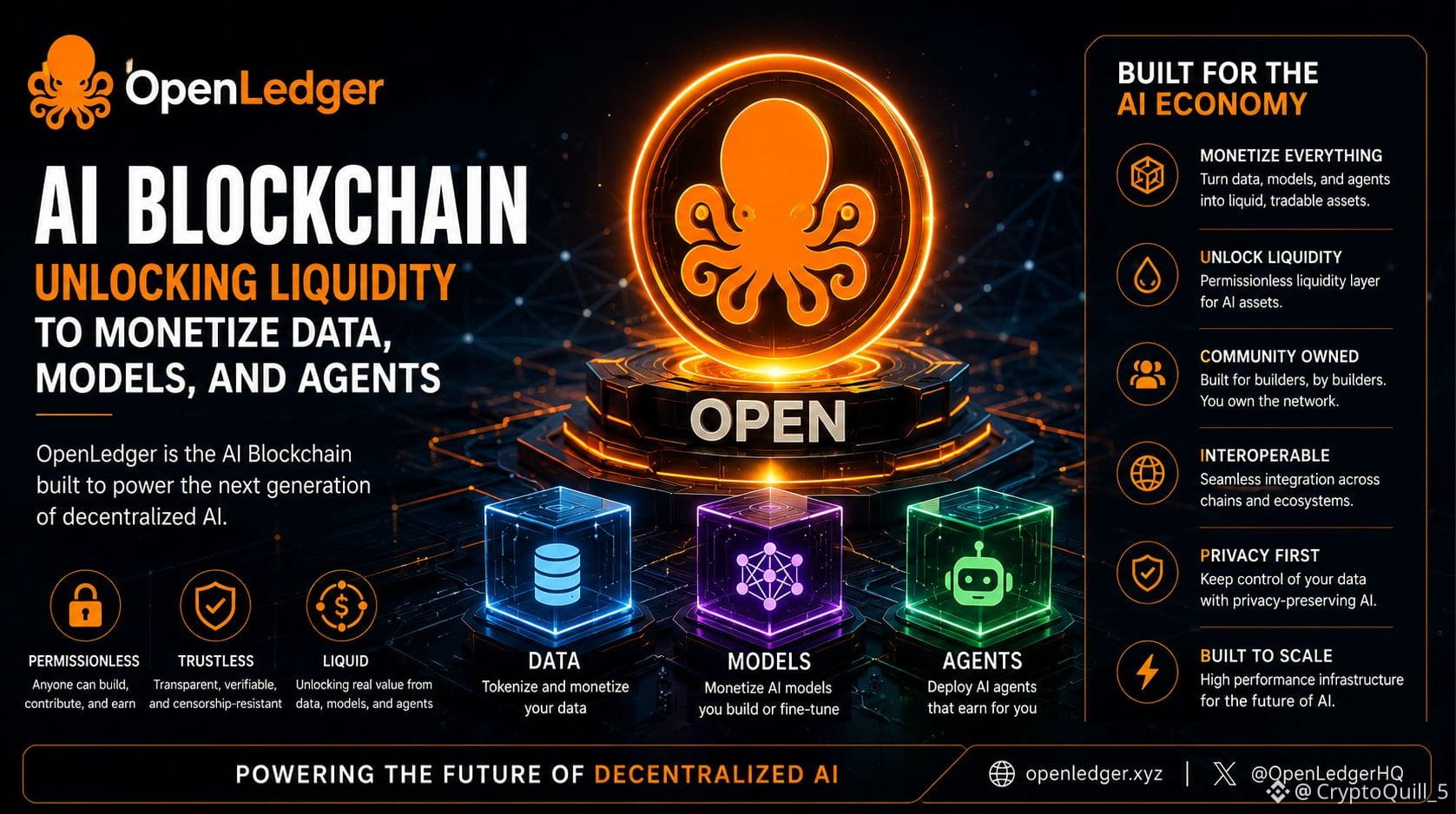
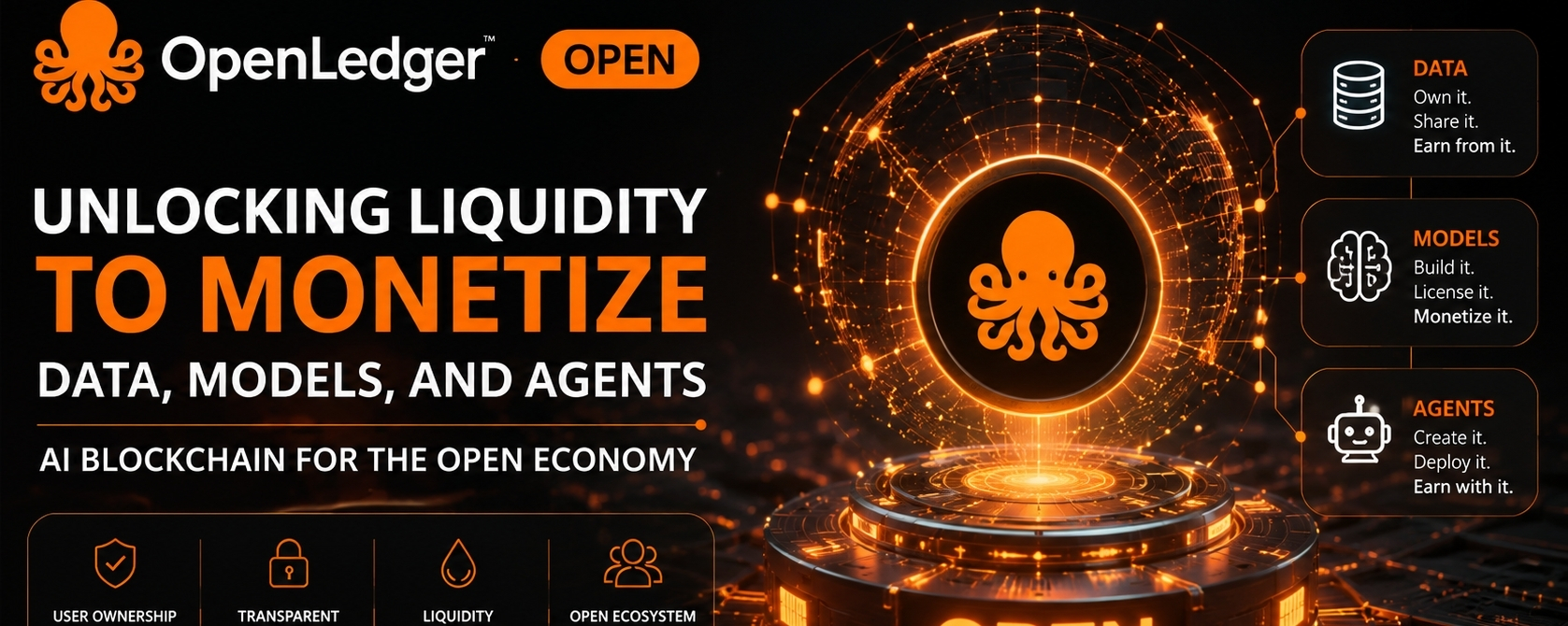
大多數AI鏈都在談論速度,但很少有人談論所有權。這就是我密切關注@OpenLedger的原因。$OPEN 正在構建基礎設施,使得數據、模型和AI代理實際上可以成爲可貨幣化的資產,而不是集中平臺的免費燃料。
有趣的地方不僅僅是TPS或炒作週期——而是AI貢獻背後的流動性層。如果OpenLedger成功,創作者和開發者可能終於能夠從他們在鏈上生成的智能中獲取價值。
我認爲加密貨幣的下一個階段將獎勵那些將AI實用性與透明經濟激勵相結合的網絡,而#OpenLedger 正好在這個對話中佔據了位置。$OPEN
這是你@OpenLedger #OpenLedger $OPEN 的一條原創Binance Square帖子。
有趣的地方不僅僅是TPS或炒作週期——而是AI貢獻背後的流動性層。如果OpenLedger成功,創作者和開發者可能終於能夠從他們在鏈上生成的智能中獲取價值。
我認爲加密貨幣的下一個階段將獎勵那些將AI實用性與透明經濟激勵相結合的網絡,而#OpenLedger 正好在這個對話中佔據了位置。$OPEN
這是你@OpenLedger #OpenLedger $OPEN 的一條原創Binance Square帖子。
我一直在密切關注,$GENIUS 背後的願景開始比大多數人意識到的要更大。以隱私爲首的基礎設施、強大的鏈上智能,以及爲下一代交易者打造的終端,感覺像是加密貨幣領域一次重大轉變的開始。
讓我印象深刻的是,Genius專注於速度,同時不犧牲安全性或用戶控制。在一個充滿噪音的市場中,真正具有實用性和強大執行力的項目通常會在長期中勝出。
我的下一步?我正在追蹤生態系統更新,關注社區增長,並在更廣泛關注到來之前提前佈局。最聰明的機會往往在羣衆理解之前就出現了。
$GENIUS 可能會成爲這一週期中最受關注的鏈上智能項目之一。#genius
這是一個激動人心的Binance Square帖子,你可以使用:
@GeniusOfficial #genius $GENIUS
讓我印象深刻的是,Genius專注於速度,同時不犧牲安全性或用戶控制。在一個充滿噪音的市場中,真正具有實用性和強大執行力的項目通常會在長期中勝出。
我的下一步?我正在追蹤生態系統更新,關注社區增長,並在更廣泛關注到來之前提前佈局。最聰明的機會往往在羣衆理解之前就出現了。
$GENIUS 可能會成爲這一週期中最受關注的鏈上智能項目之一。#genius
這是一個激動人心的Binance Square帖子,你可以使用:
@GeniusOfficial #genius $GENIUS
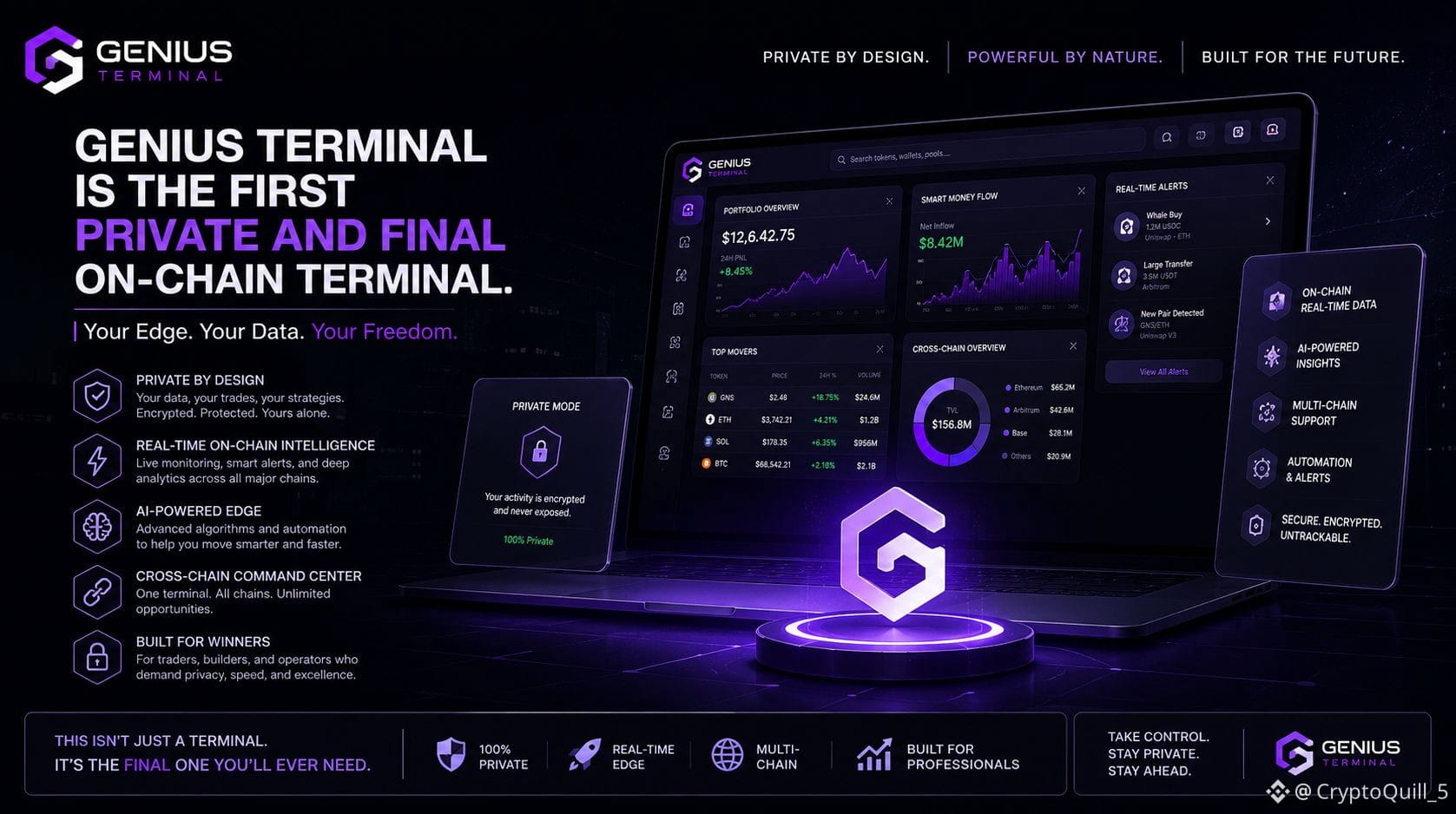
#genius $GENIUS 我多年來一直在關注鏈上基礎設施的演變,但Genius Terminal感覺與衆不同。這不僅僅是另一個僞裝成革命性交易儀表板的工具。它自我定位爲第一個私有且最終的鏈上終端,一個執行、智能和隱私在一個戰鬥-ready系統中碰撞的地方。
吸引我注意的是,在大多數鏈上活動完全暴露的時候,它對隱私的關注。在加密貨幣領域,信息泄露是昂貴的。錢包追蹤、跟單交易和前置交易已經成爲遊戲的一部分。Genius Terminal似乎正在爲那些希望在不犧牲隱蔽性的情況下追求速度的交易者和操作者構建。這完全改變了動態。
我還注意到對AI輔助分析、終端自動化和跨鏈監控日益增長的興趣。如果Genius Terminal執行得當,它可能不僅僅是一個工具-它可能演變成一個嚴肅鏈上參與者的操作層。
我接下來的舉動很簡單:我非常密切地關注生態系統的增長、用戶的採用、合作伙伴關係和代幣的實用性。我想看看這個平臺是否能夠維持真實的交易量,並吸引高水平的交易者,而不僅僅是炒作週期。如果勢頭繼續建立,Genius Terminal可能會成爲下一個階段加密市場中最重要的基礎設施敘事之一。
@GeniusOfficial #genius $GENIUS
吸引我注意的是,在大多數鏈上活動完全暴露的時候,它對隱私的關注。在加密貨幣領域,信息泄露是昂貴的。錢包追蹤、跟單交易和前置交易已經成爲遊戲的一部分。Genius Terminal似乎正在爲那些希望在不犧牲隱蔽性的情況下追求速度的交易者和操作者構建。這完全改變了動態。
我還注意到對AI輔助分析、終端自動化和跨鏈監控日益增長的興趣。如果Genius Terminal執行得當,它可能不僅僅是一個工具-它可能演變成一個嚴肅鏈上參與者的操作層。
我接下來的舉動很簡單:我非常密切地關注生態系統的增長、用戶的採用、合作伙伴關係和代幣的實用性。我想看看這個平臺是否能夠維持真實的交易量,並吸引高水平的交易者,而不僅僅是炒作週期。如果勢頭繼續建立,Genius Terminal可能會成爲下一個階段加密市場中最重要的基礎設施敘事之一。
@GeniusOfficial #genius $GENIUS
登入以探索更多內容