
Crypto Cycles CC
198 貼文
Crypto Cycles CC
舉報
封鎖用戶
Simplifying complex crypto analysis to understand the mechanism of crypto cycles. DeFi fundamental and high impact altcoin events
實盤交易
中頻交易者
3.3 年
29 關注
39 粉絲
366 點讚數
貼文
投資組合
文章
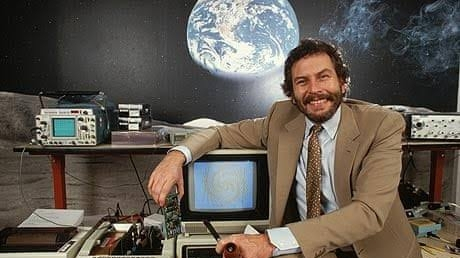
🕹️ 乒乓之王:諾蘭·布什奈爾從雅達利到蘋果的1萬億美元錯誤 🍕他從零開始創建了一個行業。他給了史蒂夫·喬布斯他的第一份工作。他建立了一個價值十億美元的帝國,被自己公司踢出,失去了一切,然後又重新站了起來。
諾蘭·布什奈爾是“電子遊戲之父”——這個將乒乓遊戲帶給世界並創辦雅達利的人。但是他的故事不僅僅是關於成功。它講述的是一個讓他損失了1萬億美元的決定,令他謙卑的破產,以及那個在80多歲時仍然保持創新精神的無畏精神。
這是原始硅谷野孩子的鬥爭。🧵👇
🕹️ 乒乓之王:諾蘭·布什奈爾從雅達利到蘋果的1萬億美元錯誤 🍕
他從零開始創建了一個行業。他給了史蒂夫·喬布斯他的第一份工作。他建立了一個價值十億美元的帝國,被自己公司踢出,失去了一切,然後又重新站了起來。
諾蘭·布什奈爾是“電子遊戲之父”——這個將乒乓遊戲帶給世界並創辦雅達利的人。但是他的故事不僅僅是關於成功。它講述的是一個讓他損失了1萬億美元的決定,令他謙卑的破產,以及那個在80多歲時仍然保持創新精神的無畏精神。
這是原始硅谷野孩子的鬥爭。🧵👇
諾蘭·布什奈爾是“電子遊戲之父”——這個將乒乓遊戲帶給世界並創辦雅達利的人。但是他的故事不僅僅是關於成功。它講述的是一個讓他損失了1萬億美元的決定,令他謙卑的破產,以及那個在80多歲時仍然保持創新精神的無畏精神。
這是原始硅谷野孩子的鬥爭。🧵👇
3
128

文章
📉 少年衝擊者:傑西·利弗莫爾從5美元到1億美元...再到一無所有的奮鬥 🎢他在一週內賺了1億美元——按1929年的美元計算。他是最初的"華爾街之狼",是有史以來最偉大的交易書籍的靈感來源,還是一個如此頻繁擊敗市場的人,以至於經紀人僅僅因爲他走進來就禁止他。
但傑西·利弗莫爾在酒店的外套間裏頭部中彈而死,留下了一封自殺信,上面寫着:"我的人生是一場失敗。"
這是他奮鬥的故事。一個天才、貪婪和摧毀交易者內心的惡魔的故事。🧵👇
🌱 逃跑者:一個與世界對抗的男孩(1877-1892)
📉 少年衝擊者:傑西·利弗莫爾從5美元到1億美元...再到一無所有的奮鬥 🎢
他在一週內賺了1億美元——按1929年的美元計算。他是最初的"華爾街之狼",是有史以來最偉大的交易書籍的靈感來源,還是一個如此頻繁擊敗市場的人,以至於經紀人僅僅因爲他走進來就禁止他。
但傑西·利弗莫爾在酒店的外套間裏頭部中彈而死,留下了一封自殺信,上面寫着:"我的人生是一場失敗。"
這是他奮鬥的故事。一個天才、貪婪和摧毀交易者內心的惡魔的故事。🧵👇
🌱 逃跑者:一個與世界對抗的男孩(1877-1892)
但傑西·利弗莫爾在酒店的外套間裏頭部中彈而死,留下了一封自殺信,上面寫着:"我的人生是一場失敗。"
這是他奮鬥的故事。一個天才、貪婪和摧毀交易者內心的惡魔的故事。🧵👇
🌱 逃跑者:一個與世界對抗的男孩(1877-1892)
1
24
文章
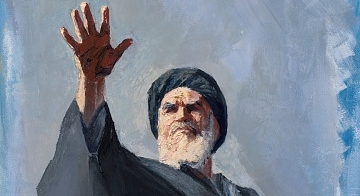
🕯️ 從流亡到偶像:阿亞圖拉霍梅尼的生活與遺產 🇮🇷他是一個重塑中東的角色,挑戰超級大國,點燃了一場至今仍在迴響的革命。無論是愛他還是恨他,阿亞圖拉魯霍拉·霍梅尼從一個小鎮到達政治和宗教權力巔峯的旅程,是20世紀最戲劇性的故事之一。
讓我們來看看他生活中的關鍵章節。 🧵👇
🌱 早期生活:學者的成長(1902-1962)
魯霍拉·穆薩維於1902年出生在伊朗的霍梅因,來自一個宗教學者的家庭。他在年輕時失去了父親,由母親(她在他15歲時去世)和姑姑撫養長大。他沉浸在伊斯蘭神學中,在阿拉克和庫姆這兩座聖城學習,最終成爲一位受人尊敬的教師和學者,獲得了“阿亞圖拉”的稱號。
🕯️ 從流亡到偶像:阿亞圖拉霍梅尼的生活與遺產 🇮🇷
他是一個重塑中東的角色,挑戰超級大國,點燃了一場至今仍在迴響的革命。無論是愛他還是恨他,阿亞圖拉魯霍拉·霍梅尼從一個小鎮到達政治和宗教權力巔峯的旅程,是20世紀最戲劇性的故事之一。
讓我們來看看他生活中的關鍵章節。 🧵👇
🌱 早期生活:學者的成長(1902-1962)
魯霍拉·穆薩維於1902年出生在伊朗的霍梅因,來自一個宗教學者的家庭。他在年輕時失去了父親,由母親(她在他15歲時去世)和姑姑撫養長大。他沉浸在伊斯蘭神學中,在阿拉克和庫姆這兩座聖城學習,最終成爲一位受人尊敬的教師和學者,獲得了“阿亞圖拉”的稱號。
讓我們來看看他生活中的關鍵章節。 🧵👇
🌱 早期生活:學者的成長(1902-1962)
魯霍拉·穆薩維於1902年出生在伊朗的霍梅因,來自一個宗教學者的家庭。他在年輕時失去了父親,由母親(她在他15歲時去世)和姑姑撫養長大。他沉浸在伊斯蘭神學中,在阿拉克和庫姆這兩座聖城學習,最終成爲一位受人尊敬的教師和學者,獲得了“阿亞圖拉”的稱號。
1
44
人工智能正在快速發展,但我們真的可以信任它嗎? 🧠
主要模型的準確率仍然在~75%之間,給金融、醫療和日常決策帶來了風險。@mira_network 通過鏈上驗證解決了這個問題,將準確率提升至96%,同時將錯誤率降低了90%。
得到頂級風險投資公司的支持,並剛剛在Binance Alpha上市,$MIRA 正在成爲整個人工智能經濟的信任層。
真正的問題不是人工智能是否需要驗證,而是你是否已爲此做好準備。
你是在購買$MIRA 還是仍在決定中? 🗳️
#Mira $MIRA #trending
{future}(MIRAUSDT)
人工智能正在快速發展,但我們真的可以信任它嗎? 🧠
主要模型的準確率仍然在~75%之間,給金融、醫療和日常決策帶來了風險。@Mira - Trust Layer of AI 通過鏈上驗證解決了這個問題,將準確率提升至96%,同時將錯誤率降低了90%。
得到頂級風險投資公司的支持,並剛剛在Binance Alpha上市,$MIRA 正在成爲整個人工智能經濟的信任層。
真正的問題不是人工智能是否需要驗證,而是你是否已爲此做好準備。
你是在購買$MIRA 還是仍在決定中? 🗳️
#Mira $MIRA #trending
主要模型的準確率仍然在~75%之間,給金融、醫療和日常決策帶來了風險。@Mira - Trust Layer of AI 通過鏈上驗證解決了這個問題,將準確率提升至96%,同時將錯誤率降低了90%。
得到頂級風險投資公司的支持,並剛剛在Binance Alpha上市,$MIRA 正在成爲整個人工智能經濟的信任層。
真正的問題不是人工智能是否需要驗證,而是你是否已爲此做好準備。
你是在購買$MIRA 還是仍在決定中? 🗳️
#Mira $MIRA #trending
1
13
機器人的經濟曙光:爲什麼@FabricFoundation正在爲自主構建金融層。我們經常將人工智能討論爲軟件,但它的最終物理表現是機器人。然而,正如最近行業分析中所強調的,機器人行業面臨着一個關鍵瓶頸:機器人是沒有財務身份的孤立工具。它們無法支付電費,出租自己,或擁有維護合同。這正是@FabricFND 基金會通過ROBO代幣解決的確切問題。
Fabric正在構建一個代理原生基礎設施層,超越簡單的自動化,爲機器創造一個可驗證的協作經濟。通過利用區塊鏈的不可變性,他們引入了可驗證計算,以確保機器人行爲的可信賴性——這是工業安全和家庭部署的必要條件。
機器人的經濟曙光:爲什麼@FabricFoundation正在爲自主構建金融層。
我們經常將人工智能討論爲軟件,但它的最終物理表現是機器人。然而,正如最近行業分析中所強調的,機器人行業面臨着一個關鍵瓶頸:機器人是沒有財務身份的孤立工具。它們無法支付電費,出租自己,或擁有維護合同。這正是@Fabric Foundation 基金會通過ROBO代幣解決的確切問題。
Fabric正在構建一個代理原生基礎設施層,超越簡單的自動化,爲機器創造一個可驗證的協作經濟。通過利用區塊鏈的不可變性,他們引入了可驗證計算,以確保機器人行爲的可信賴性——這是工業安全和家庭部署的必要條件。
Fabric正在構建一個代理原生基礎設施層,超越簡單的自動化,爲機器創造一個可驗證的協作經濟。通過利用區塊鏈的不可變性,他們引入了可驗證計算,以確保機器人行爲的可信賴性——這是工業安全和家庭部署的必要條件。
2
66
當世界目睹舊勢力的衝突 🌍⚔️,未來並不是在伊朗和美國之間選擇立場——而是選擇一個全新的系統。 🚀
我們會繼續困在地緣政治衝突中,還是會擁抱去中心化的技術作爲通向主權的最終道路? 🔗✨
@FabricFND 正在爲這個新現實構建基礎設施,而$ROBO
{future}(ROBOUSDT)
是關鍵。 🔑
投票 🗳️:哪條路徑通向全球穩定?
#ROBO 🤖#AltcoinSeasonTalkTwoYearLow
當世界目睹舊勢力的衝突 🌍⚔️,未來並不是在伊朗和美國之間選擇立場——而是選擇一個全新的系統。 🚀
我們會繼續困在地緣政治衝突中,還是會擁抱去中心化的技術作爲通向主權的最終道路? 🔗✨
@Fabric Foundation 正在爲這個新現實構建基礎設施,而$ROBO
是關鍵。 🔑
投票 🗳️:哪條路徑通向全球穩定?
#ROBO 🤖#AltcoinSeasonTalkTwoYearLow
我們會繼續困在地緣政治衝突中,還是會擁抱去中心化的技術作爲通向主權的最終道路? 🔗✨
@Fabric Foundation 正在爲這個新現實構建基礎設施,而$ROBO
是關鍵。 🔑
投票 🗳️:哪條路徑通向全球穩定?
#ROBO 🤖#AltcoinSeasonTalkTwoYearLow
Iran
43%
America
57%
7 票 • 投票已結束
5
257
·
--
看跌
目前有超過45000人蔘與Robo binance活動,這得益於其強大的項目、強大的團隊和當前的動力,市場上有太多的AiAi,這是一個剛剛進入市場的機器人項目,希望2026年可能是機器人時代。
#ROBO
@FabricFND $ROBO
{future}(ROBOUSDT)
目前有超過45000人蔘與Robo binance活動,這得益於其強大的項目、強大的團隊和當前的動力,市場上有太多的AiAi,這是一個剛剛進入市場的機器人項目,希望2026年可能是機器人時代。
#ROBO
@Fabric Foundation $ROBO
#ROBO
@Fabric Foundation $ROBO
1
18
昨天我創建了一個投票,關於人工智能是否與加密貨幣有某種聯繫,我得到了確切的50/50的結果,這可能是運氣或其他原因,但我得出結論,人們對人工智能在加密貨幣中的影響也不太確定。人們只是找到項目中的“人工智能”一詞,並將其與深度搜索、chatgpt或gemni聯繫起來,但加密貨幣中的人工智能是另一回事,不是那個 bot.@mira_network .
#Mira #AIBinance #Square $MIRA
{future}(MIRAUSDT)
$BTC
{future}(BTCUSDT)
$XRP
{future}(XRPUSDT)
昨天我創建了一個投票,關於人工智能是否與加密貨幣有某種聯繫,我得到了確切的50/50的結果,這可能是運氣或其他原因,但我得出結論,人們對人工智能在加密貨幣中的影響也不太確定。人們只是找到項目中的“人工智能”一詞,並將其與深度搜索、chatgpt或gemni聯繫起來,但加密貨幣中的人工智能是另一回事,不是那個 bot.@Mira - Trust Layer of AI .
#Mira #AIBinance #Square $MIRA
$BTC
$XRP
#Mira #AIBinance #Square $MIRA
$BTC
$XRP
2
42
·
--
看漲
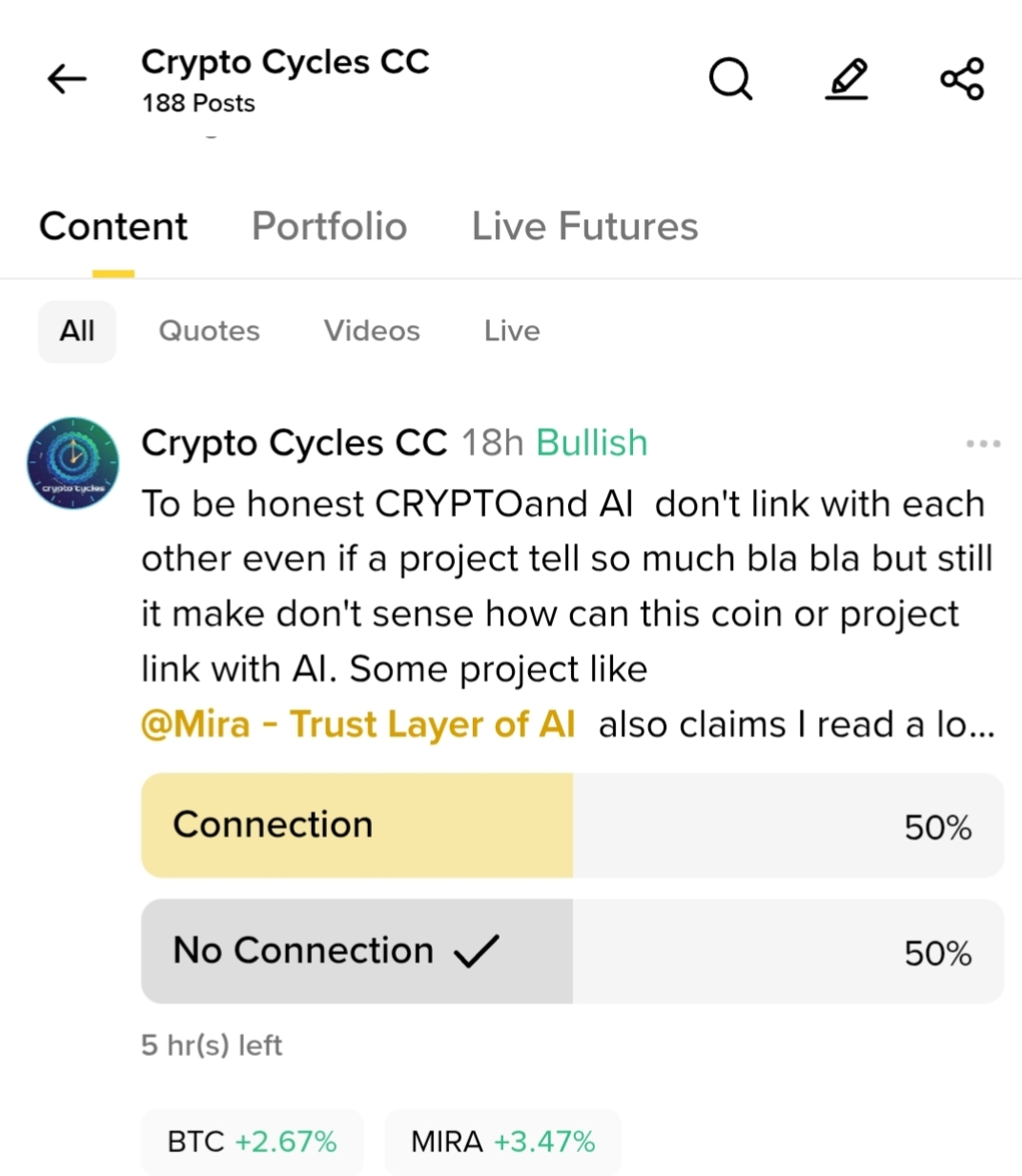
老實說,CRYPTO和AI並沒有聯繫,即使有項目說了很多廢話,但仍然沒有道理,怎麼可能這個幣或項目與AI聯繫在一起。有些項目像@mira_network 也聲稱我讀了很多,但無法弄清楚。也許以後會有道理😅。
在投票中投票,並在評論中告訴我,如果你有一些強烈的意見或觀點能夠澄清這一點。
#mira #AIBinance $MIRA
{future}(MIRAUSDT)
$BTC
{future}(BTCUSDT)
老實說,CRYPTO和AI並沒有聯繫,即使有項目說了很多廢話,但仍然沒有道理,怎麼可能這個幣或項目與AI聯繫在一起。有些項目像@Mira - Trust Layer of AI 也聲稱我讀了很多,但無法弄清楚。也許以後會有道理😅。
在投票中投票,並在評論中告訴我,如果你有一些強烈的意見或觀點能夠澄清這一點。
#mira #AIBinance $MIRA
$BTC
在投票中投票,並在評論中告訴我,如果你有一些強烈的意見或觀點能夠澄清這一點。
#mira #AIBinance $MIRA
$BTC
Connection
50%
No Connection
50%
6 票 • 投票已結束
6
427
·
--
看漲
Good Project
70%
Weak Project
30%
113 票 • 投票已結束
3
6
1.9k
標題:$ROBO登陸Binance期貨:鏈上AI經濟剛剛變得真實。人工智能、機器人技術和加密貨幣的融合長期以來一直是一個投機的話題,但隨着Fabric Foundation的出現,它正式成爲了一種基礎設施現實。作爲一個深入參與AI協議鏈上分析的人,我一直在追蹤OpenMind的發展,這是Fabric生態系統的核心貢獻者,他們的進展簡直是革命性的。
與那些僅僅將"AI"作爲流行詞的項目不同,Fabric正在爲機器經濟構建一個明確的協調層。他們的開源操作系統OM1作爲領先製造商如Unitree和UBTECH的機器人的"大腦",能夠實現自然語言互動和自主決策。然而,真正的創新在於FABRIC,這是一個由robo驅動的去中心化網絡。該協議爲每個設備分配一個可驗證的數字身份,使機器能夠建立信任、共享技能,並且——最重要的是——能夠自主進行交易。
標題:$ROBO登陸Binance期貨:鏈上AI經濟剛剛變得真實。
人工智能、機器人技術和加密貨幣的融合長期以來一直是一個投機的話題,但隨着Fabric Foundation的出現,它正式成爲了一種基礎設施現實。作爲一個深入參與AI協議鏈上分析的人,我一直在追蹤OpenMind的發展,這是Fabric生態系統的核心貢獻者,他們的進展簡直是革命性的。
與那些僅僅將"AI"作爲流行詞的項目不同,Fabric正在爲機器經濟構建一個明確的協調層。他們的開源操作系統OM1作爲領先製造商如Unitree和UBTECH的機器人的"大腦",能夠實現自然語言互動和自主決策。然而,真正的創新在於FABRIC,這是一個由robo驅動的去中心化網絡。該協議爲每個設備分配一個可驗證的數字身份,使機器能夠建立信任、共享技能,並且——最重要的是——能夠自主進行交易。
與那些僅僅將"AI"作爲流行詞的項目不同,Fabric正在爲機器經濟構建一個明確的協調層。他們的開源操作系統OM1作爲領先製造商如Unitree和UBTECH的機器人的"大腦",能夠實現自然語言互動和自主決策。然而,真正的創新在於FABRIC,這是一個由robo驅動的去中心化網絡。該協議爲每個設備分配一個可驗證的數字身份,使機器能夠建立信任、共享技能,並且——最重要的是——能夠自主進行交易。
1
111
·
--
看跌
帖子內容:
從炒作到實用的轉變是構建真正價值的地方。Mira 正在解決人工智能最大的障礙之一:可驗證推理。通過去中心化驗證人工智能輸出,@mira_network 確保你看到的實際上就是模型所意圖的——沒有幻覺,沒有黑箱。
隨着其獨特的 opML 技術獲得關注,Mira 正在將自己定位爲鏈上人工智能代理的安全層。
這是連接人工智能和無信任驗證的基礎設施嗎?
👇 請在下方投票!
#Mira @mira_network $MIRA #IranIsraelConflict #XCryptoBanMistake
{spot}(MIRAUSDT)
$ETH
{spot}(ETHUSDT)
$AVAX
{spot}(AVAXUSDT)
帖子內容:
從炒作到實用的轉變是構建真正價值的地方。Mira 正在解決人工智能最大的障礙之一:可驗證推理。通過去中心化驗證人工智能輸出,@Mira - Trust Layer of AI 確保你看到的實際上就是模型所意圖的——沒有幻覺,沒有黑箱。
隨着其獨特的 opML 技術獲得關注,Mira 正在將自己定位爲鏈上人工智能代理的安全層。
這是連接人工智能和無信任驗證的基礎設施嗎?
👇 請在下方投票!
#Mira @Mira - Trust Layer of AI $MIRA #IranIsraelConflict #XCryptoBanMistake
$ETH
$AVAX
從炒作到實用的轉變是構建真正價值的地方。Mira 正在解決人工智能最大的障礙之一:可驗證推理。通過去中心化驗證人工智能輸出,@Mira - Trust Layer of AI 確保你看到的實際上就是模型所意圖的——沒有幻覺,沒有黑箱。
隨着其獨特的 opML 技術獲得關注,Mira 正在將自己定位爲鏈上人工智能代理的安全層。
這是連接人工智能和無信任驗證的基礎設施嗎?
👇 請在下方投票!
#Mira @Mira - Trust Layer of AI $MIRA #IranIsraelConflict #XCryptoBanMistake
$ETH
$AVAX
Buy
33%
Sell
67%
6 票 • 投票已結束
4
249
·
--
看漲
帖子內容:
Fabric 的機器人不僅僅是另一個代幣;它是去中心化 AI 經濟的支柱。通過啟用可驗證計算和無縫的代理之間交易,@FabricFND 正在解決困擾 Web3 AI 的數據完整性問題。
隨著測試網的升溫和現實世界用例 (use cases) 的上線,勢頭正在增長。你相信基礎設施層將推動下一波的採納,還是市場仍在這項技術上沉睡?
👇 在下面的投票中留下你的選擇,讓我們看看群眾的立場!
#ROBO #XCryptoBanMistake #GoldSilverOilSurge $ROBO
{future}(ROBOUSDT)
@FabricFND $BTC
{spot}(BTCUSDT)
$XRP
{spot}(XRPUSDT)
帖子內容:
Fabric 的機器人不僅僅是另一個代幣;它是去中心化 AI 經濟的支柱。通過啟用可驗證計算和無縫的代理之間交易,@Fabric Foundation 正在解決困擾 Web3 AI 的數據完整性問題。
隨著測試網的升溫和現實世界用例 (use cases) 的上線,勢頭正在增長。你相信基礎設施層將推動下一波的採納,還是市場仍在這項技術上沉睡?
👇 在下面的投票中留下你的選擇,讓我們看看群眾的立場!
#ROBO #XCryptoBanMistake #GoldSilverOilSurge $ROBO
@Fabric Foundation $BTC
$XRP
Fabric 的機器人不僅僅是另一個代幣;它是去中心化 AI 經濟的支柱。通過啟用可驗證計算和無縫的代理之間交易,@Fabric Foundation 正在解決困擾 Web3 AI 的數據完整性問題。
隨著測試網的升溫和現實世界用例 (use cases) 的上線,勢頭正在增長。你相信基礎設施層將推動下一波的採納,還是市場仍在這項技術上沉睡?
👇 在下面的投票中留下你的選擇,讓我們看看群眾的立場!
#ROBO #XCryptoBanMistake #GoldSilverOilSurge $ROBO
@Fabric Foundation $BTC
$XRP
Buy
78%
Sell
22%
18 票 • 投票已結束
2
566
標題:超越炒作:爲何像@mira_network這樣的透明人工智能基礎設施可能是替代幣的未來當我們翻到三月的日曆時,加密市場屏息以待。我們即將進入一個充滿高風險事件的月份:FOMC會議、美國#ClarityAct的潛在突破,以及可能考驗許多項目韌性的鉅額代幣解鎖。儘管許多交易者緊盯比特幣接近$67k的價格波動,真正的機會正在於解決實際問題的領域——特別是人工智能與區塊鏈的交集。
關於人工智能代理的熱議是不可否認的。然而,市場開始區分簡單的炒作與具有真正實用性的項目。關鍵問題不僅僅是“這是否使用了人工智能?”,而是“我們能信任這個人工智能嗎?”
標題:超越炒作:爲何像@mira_network這樣的透明人工智能基礎設施可能是替代幣的未來
當我們翻到三月的日曆時,加密市場屏息以待。我們即將進入一個充滿高風險事件的月份:FOMC會議、美國#ClarityAct的潛在突破,以及可能考驗許多項目韌性的鉅額代幣解鎖。儘管許多交易者緊盯比特幣接近$67k的價格波動,真正的機會正在於解決實際問題的領域——特別是人工智能與區塊鏈的交集。
關於人工智能代理的熱議是不可否認的。然而,市場開始區分簡單的炒作與具有真正實用性的項目。關鍵問題不僅僅是“這是否使用了人工智能?”,而是“我們能信任這個人工智能嗎?”
關於人工智能代理的熱議是不可否認的。然而,市場開始區分簡單的炒作與具有真正實用性的項目。關鍵問題不僅僅是“這是否使用了人工智能?”,而是“我們能信任這個人工智能嗎?”
1
31
·
--
看漲
#mira $MIRA 期待看到@mira_network _network如何接近去中心化的人工智慧基礎設施! 🌐
隨著人工智慧融入醫療和金融等關鍵領域,對可驗證推斷的需求極為龐大。通過提高模型生成輸出的透明度,$MIRA 確保我們可以信任結果,而不僅僅是希望準確性。
建立可靠的無偏見人工智慧代理基礎是至關重要的。這不僅僅是去中心化——而是關於創建實際上負責任的系統。人工智慧的未來取決於這一信任層級。
#Mira #crypto #AI #latestupdate $AMZNon
{alpha}(560x4553cfe1c09f37f38b12dc509f676964e392f8fc)
#mira $MIRA 期待看到@Mira - Trust Layer of AI _network如何接近去中心化的人工智慧基礎設施! 🌐
隨著人工智慧融入醫療和金融等關鍵領域,對可驗證推斷的需求極為龐大。通過提高模型生成輸出的透明度,$MIRA 確保我們可以信任結果,而不僅僅是希望準確性。
建立可靠的無偏見人工智慧代理基礎是至關重要的。這不僅僅是去中心化——而是關於創建實際上負責任的系統。人工智慧的未來取決於這一信任層級。
#Mira #crypto #AI #latestupdate $AMZNon
隨著人工智慧融入醫療和金融等關鍵領域,對可驗證推斷的需求極為龐大。通過提高模型生成輸出的透明度,$MIRA 確保我們可以信任結果,而不僅僅是希望準確性。
建立可靠的無偏見人工智慧代理基礎是至關重要的。這不僅僅是去中心化——而是關於創建實際上負責任的系統。人工智慧的未來取決於這一信任層級。
#Mira #crypto #AI #latestupdate $AMZNon
1
2
機器人經濟來臨:理解 Fabric Foundation 和 $ROBO 代幣我們正在見證一個歷史性的融合。三股不可阻擋的力量正在碰撞:能夠在動態環境中導航的自適應人工智能系統、硬件成本終於降低到足以進行大規模部署的水平,以及製造、物流和護理行業的長期勞動力短缺。
然而直到現在,機器人仍然是孤立的工具。它們可以焊接、分類和清潔,但它們無法參與經濟。人類擁有護照和銀行賬戶。機器人則沒有。
Fabric Foundation 正在改變這一點。
機器人經濟來臨:理解 Fabric Foundation 和 $ROBO 代幣
我們正在見證一個歷史性的融合。三股不可阻擋的力量正在碰撞:能夠在動態環境中導航的自適應人工智能系統、硬件成本終於降低到足以進行大規模部署的水平,以及製造、物流和護理行業的長期勞動力短缺。
然而直到現在,機器人仍然是孤立的工具。它們可以焊接、分類和清潔,但它們無法參與經濟。人類擁有護照和銀行賬戶。機器人則沒有。
Fabric Foundation 正在改變這一點。
然而直到現在,機器人仍然是孤立的工具。它們可以焊接、分類和清潔,但它們無法參與經濟。人類擁有護照和銀行賬戶。機器人則沒有。
Fabric Foundation 正在改變這一點。
1
4
#robo $ROBO 機器人僅僅是孤立工具的時代即將結束。@FabricFND 正在為#機器人經濟建立必要的基礎設施,通過區塊鏈賦予機器財務身份。
$ROBO 不僅僅是另一種代幣;它是這種新型機器對機器經濟的燃料。它作為網絡結算代幣,使自主代理能夠支付服務費用、協調任務並作為獨立的經濟參與者運作。這與虛擬協議的合作將人工智能、機器人技術與區塊鏈相結合,完成自主生產力的閉環。我們正在建設未來。#ROBO #IranConfirmsKhameneiIsDead #Aİ #Square $AAPLon
{alpha}(560x390a684ef9cade28a7ad0dfa61ab1eb3842618c4)
#robo $ROBO 機器人僅僅是孤立工具的時代即將結束。@Fabric Foundation 正在為#機器人經濟建立必要的基礎設施,通過區塊鏈賦予機器財務身份。
$ROBO 不僅僅是另一種代幣;它是這種新型機器對機器經濟的燃料。它作為網絡結算代幣,使自主代理能夠支付服務費用、協調任務並作為獨立的經濟參與者運作。這與虛擬協議的合作將人工智能、機器人技術與區塊鏈相結合,完成自主生產力的閉環。我們正在建設未來。#ROBO #IranConfirmsKhameneiIsDead #Aİ #Square $AAPLon
$ROBO 不僅僅是另一種代幣;它是這種新型機器對機器經濟的燃料。它作為網絡結算代幣,使自主代理能夠支付服務費用、協調任務並作為獨立的經濟參與者運作。這與虛擬協議的合作將人工智能、機器人技術與區塊鏈相結合,完成自主生產力的閉環。我們正在建設未來。#ROBO #IranConfirmsKhameneiIsDead #Aİ #Square $AAPLon
1
8
登入以探索更多內容
加入幣安廣場中的全球加密貨幣用戶
⚡️ 獲取加密貨幣的最新和實用資訊。
💬 受到全球最大加密貨幣交易所的信任。
👍 發掘來自經過驗證創作者的真實見解。
電子郵件 / 電話號碼
熱門話題
USDC链上交易量突破100万亿美元
3,831 次瀏覽
64 討論中
USDC鏈上交易量突破100萬億美元!穩定幣正在成爲“數字美元”?
一個非常值得關注的數據來了:USDC累計鏈上交易量已經突破100萬億美元。
這背後反映的已經不只是加密市場交易需求,更是穩定幣在支付、DeFi、跨境結算和鏈上資金流轉中的使用規模正在快速擴大。
Circle數據顯示,2026年第二季度USDC鏈上交易量就達到 14.8萬億美元,同比增長151%。
100萬億美元只是一個數字,但它背後的意義可能更大:
穩定幣正在從“交易工具”,逐漸變成連接傳統金融與鏈上經濟的重要基礎設施。
#USDC #stablecoin #crypto
#USDC链上交易量突破100万亿美元
Wan-candy
·1 人按讚
·32 次瀏覽
比特币现货ETF净流入1.6亿美元
78,004 次瀏覽
497 討論中
韩国延迟加密税请愿破5万签名
55,218 次瀏覽
322 討論中