

ICEBAG
140 貼文

ICEBAG
舉報
封鎖用戶
Degen 09; multi chain degen; strategist; marketing guy
0 關注
4 粉絲
28 點讚數
貼文
·
--
大多數人仍在像它上市首週那樣交易 $ARC。
91% 的 DeFi TVL
已經坐在 @Morpho 和 @aave 上,這告訴你真正的故事並不是迷因幣,而是信用市場正在比任何人所預期的更快成形。
啟動平台(Launchpads)吸走了注意力,而 $USDC 的信用體系則正悄悄成為真正的基礎層。
這種輪動(launchpads → 信用 → RWA♻️)是目前還沒人把部位押上的交易。
𝑩𝒖𝒕 𝒊 𝒔 𝟓 𝒅𝒂𝒚𝒔 𝒓𝒆𝒂𝒍𝒍𝒚 𝒆𝒏𝒐𝒖𝒈𝒉 𝒕𝒐 𝒔𝒆𝒑𝒂𝒓𝒂𝒕𝒆 𝒔𝒊𝒈𝒏𝒂𝒍 𝒇𝒓𝒐𝒎 𝒏𝒐𝒊𝒔𝒆 𝒐𝒏 𝒂 𝒏𝒆𝒘 𝒄𝒉𝒂𝒊𝒏 ?
#Arguspad 從 2.8M 的預上市 MC 飆升到 16-17M,同時在熱度退去後仍持續運行 11-20M/天。
#TollyLabs($TOLLY)我找到的第二深的原生代幣掛單簿,背後是啟動平台加上交易終端的組合,而且長期邏輯確實說得通。
其他所有都在複製貼上啟動平台模式,然後在主網脈衝後就死掉。這兩個沒有,所以目前這就是我看到的短名單。
如往常一樣,當初始主網的炒作熱度退去後,大多數從中爆紅的啟動平台代幣也會隨之冷卻。那些在熱度清空後仍持續拉出真正的交易量、並且保有流動性的,才是真正的訊號;而不是那些在第一天暴衝、之後就安靜下來的。
大多數人仍在像它上市首週那樣交易 $ARC。
91% 的 DeFi TVL
已經坐在 @Morpho 和 @aave 上,這告訴你真正的故事並不是迷因幣,而是信用市場正在比任何人所預期的更快成形。
啟動平台(Launchpads)吸走了注意力,而 $USDC 的信用體系則正悄悄成為真正的基礎層。
這種輪動(launchpads → 信用 → RWA♻️)是目前還沒人把部位押上的交易。
𝑩𝒖𝒕 𝒊 𝒔 𝟓 𝒅𝒂𝒚𝒔 𝒓𝒆𝒂𝒍𝒍𝒚 𝒆𝒏𝒐𝒖𝒈𝒉 𝒕𝒐 𝒔𝒆𝒑𝒂𝒓𝒂𝒕𝒆 𝒔𝒊𝒈𝒏𝒂𝒍 𝒇𝒓𝒐𝒎 𝒏𝒐𝒊𝒔𝒆 𝒐𝒏 𝒂 𝒏𝒆𝒘 𝒄𝒉𝒂𝒊𝒏 ?
#Arguspad 從 2.8M 的預上市 MC 飆升到 16-17M,同時在熱度退去後仍持續運行 11-20M/天。
#TollyLabs($TOLLY)我找到的第二深的原生代幣掛單簿,背後是啟動平台加上交易終端的組合,而且長期邏輯確實說得通。
其他所有都在複製貼上啟動平台模式,然後在主網脈衝後就死掉。這兩個沒有,所以目前這就是我看到的短名單。
如往常一樣,當初始主網的炒作熱度退去後,大多數從中爆紅的啟動平台代幣也會隨之冷卻。那些在熱度清空後仍持續拉出真正的交易量、並且保有流動性的,才是真正的訊號;而不是那些在第一天暴衝、之後就安靜下來的。
91% 的 DeFi TVL
已經坐在 @Morpho 和 @aave 上,這告訴你真正的故事並不是迷因幣,而是信用市場正在比任何人所預期的更快成形。
啟動平台(Launchpads)吸走了注意力,而 $USDC 的信用體系則正悄悄成為真正的基礎層。
這種輪動(launchpads → 信用 → RWA♻️)是目前還沒人把部位押上的交易。
𝑩𝒖𝒕 𝒊 𝒔 𝟓 𝒅𝒂𝒚𝒔 𝒓𝒆𝒂𝒍𝒍𝒚 𝒆𝒏𝒐𝒖𝒈𝒉 𝒕𝒐 𝒔𝒆𝒑𝒂𝒓𝒂𝒕𝒆 𝒔𝒊𝒈𝒏𝒂𝒍 𝒇𝒓𝒐𝒎 𝒏𝒐𝒊𝒔𝒆 𝒐𝒏 𝒂 𝒏𝒆𝒘 𝒄𝒉𝒂𝒊𝒏 ?
#Arguspad 從 2.8M 的預上市 MC 飆升到 16-17M,同時在熱度退去後仍持續運行 11-20M/天。
#TollyLabs($TOLLY)我找到的第二深的原生代幣掛單簿,背後是啟動平台加上交易終端的組合,而且長期邏輯確實說得通。
其他所有都在複製貼上啟動平台模式,然後在主網脈衝後就死掉。這兩個沒有,所以目前這就是我看到的短名單。
如往常一樣,當初始主網的炒作熱度退去後,大多數從中爆紅的啟動平台代幣也會隨之冷卻。那些在熱度清空後仍持續拉出真正的交易量、並且保有流動性的,才是真正的訊號;而不是那些在第一天暴衝、之後就安靜下來的。
71
·
--
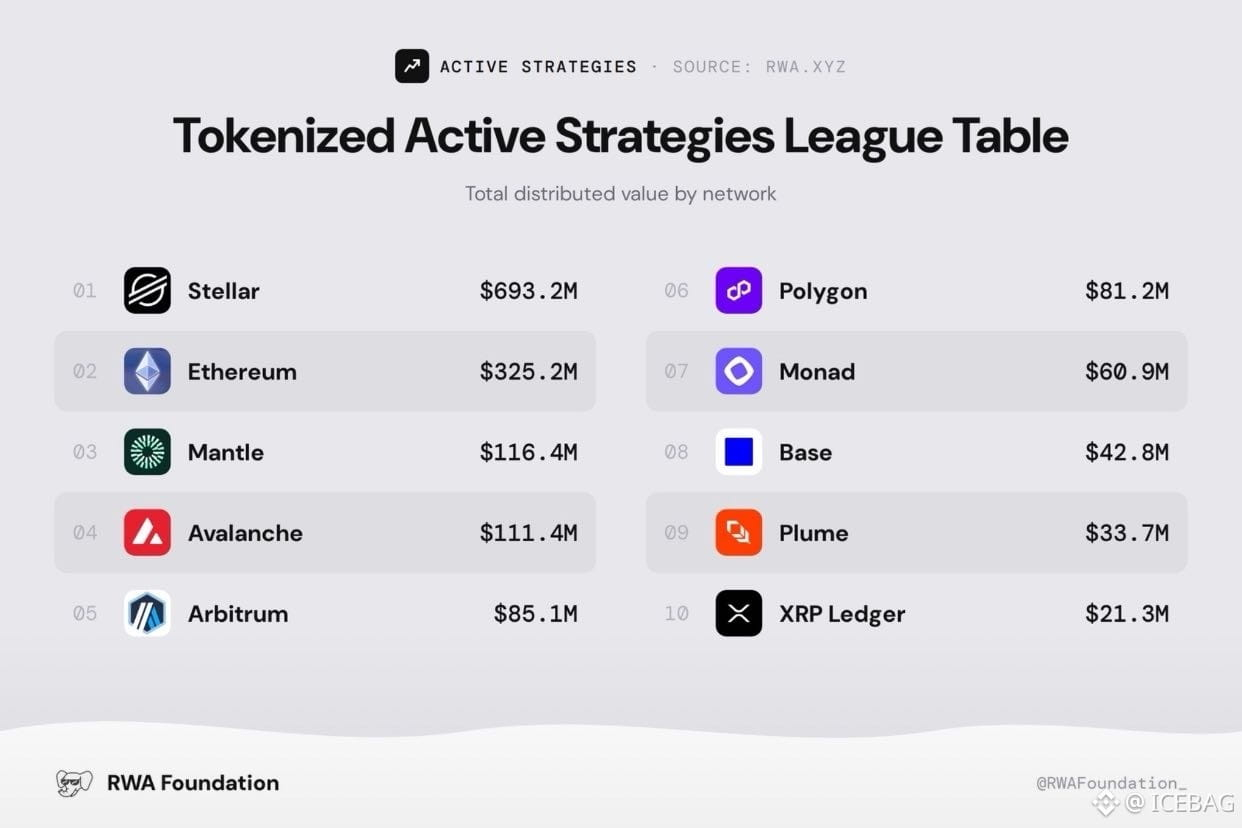
在 Stellar 上,以「代幣化 RWA」衡量的乾淨指標,不是總鎖定價值(TVL)。真正看的是帳本的周轉幾次。
把某個月內移動的資金(Money that moved in a Month)除以鏈上正在停放的總價值(Total value sitting on the chain)。這才是沒人去做的稽核。
@StellarOrg 的 RWA 帳本大約每 8 個月周轉一次。@ethereum 則幾乎每月周轉一次。Stellar 上那 32.8 億美元,多數是被設計成「買入並持有」的基金份額,而不是拿來交易。
• @Spiko_finance 的 eurSAFO 基金接近 9.68 億美元。• 富蘭克林坦普頓(Franklin Templeton)名為 BENJI 的代幣化貨幣市場基金持有約 4.50 億美元。
• @Ondo 的代幣化國庫產品 USDY 持有 5.35 億美元。
• Onebond 的產品 VuMe Bond 2030 持有 5 億美元,且僅有單一持有者。
最後這個應該足以結束「這是個真實市場嗎?」的爭論。
與此同時,Stellar 的穩定幣也大約每月周轉 23 次,超過以太坊約 11 次。鏈本身並不慢。停在鏈上的資產只是被「停放」著。
資產管理方之所以傾向 Stellar,是因為結算成本很低,且他們能直接掌握誰可以持有他們的代幣;而不是因為這些基金背後存在一個活躍的雙向交易市場。
所以,直到有某些事迫使這些代幣進入放貸(Lending)、成為抵押品(Collateral),或被放到受監管的交易場所(Regulated Trading Venue),否則周轉率都只會是相對於總價值的一個四捨五入級別的數字。
有人說:「沒有第二位買家相伴的發行,只是在更漂亮的 NAV 檔案上塗了油 🤔 👀」
#RWA #Stellar #stable
在 Stellar 上,以「代幣化 RWA」衡量的乾淨指標,不是總鎖定價值(TVL)。真正看的是帳本的周轉幾次。
把某個月內移動的資金(Money that moved in a Month)除以鏈上正在停放的總價值(Total value sitting on the chain)。這才是沒人去做的稽核。
@StellarOrg 的 RWA 帳本大約每 8 個月周轉一次。@ethereum 則幾乎每月周轉一次。Stellar 上那 32.8 億美元,多數是被設計成「買入並持有」的基金份額,而不是拿來交易。
• @Spiko_finance 的 eurSAFO 基金接近 9.68 億美元。• 富蘭克林坦普頓(Franklin Templeton)名為 BENJI 的代幣化貨幣市場基金持有約 4.50 億美元。
• @Ondo 的代幣化國庫產品 USDY 持有 5.35 億美元。
• Onebond 的產品 VuMe Bond 2030 持有 5 億美元,且僅有單一持有者。
最後這個應該足以結束「這是個真實市場嗎?」的爭論。
與此同時,Stellar 的穩定幣也大約每月周轉 23 次,超過以太坊約 11 次。鏈本身並不慢。停在鏈上的資產只是被「停放」著。
資產管理方之所以傾向 Stellar,是因為結算成本很低,且他們能直接掌握誰可以持有他們的代幣;而不是因為這些基金背後存在一個活躍的雙向交易市場。
所以,直到有某些事迫使這些代幣進入放貸(Lending)、成為抵押品(Collateral),或被放到受監管的交易場所(Regulated Trading Venue),否則周轉率都只會是相對於總價值的一個四捨五入級別的數字。
有人說:「沒有第二位買家相伴的發行,只是在更漂亮的 NAV 檔案上塗了油 🤔 👀」
#RWA #Stellar #stable
把某個月內移動的資金(Money that moved in a Month)除以鏈上正在停放的總價值(Total value sitting on the chain)。這才是沒人去做的稽核。
@StellarOrg 的 RWA 帳本大約每 8 個月周轉一次。@ethereum 則幾乎每月周轉一次。Stellar 上那 32.8 億美元,多數是被設計成「買入並持有」的基金份額,而不是拿來交易。
• @Spiko_finance 的 eurSAFO 基金接近 9.68 億美元。• 富蘭克林坦普頓(Franklin Templeton)名為 BENJI 的代幣化貨幣市場基金持有約 4.50 億美元。
• @Ondo 的代幣化國庫產品 USDY 持有 5.35 億美元。
• Onebond 的產品 VuMe Bond 2030 持有 5 億美元,且僅有單一持有者。
最後這個應該足以結束「這是個真實市場嗎?」的爭論。
與此同時,Stellar 的穩定幣也大約每月周轉 23 次,超過以太坊約 11 次。鏈本身並不慢。停在鏈上的資產只是被「停放」著。
資產管理方之所以傾向 Stellar,是因為結算成本很低,且他們能直接掌握誰可以持有他們的代幣;而不是因為這些基金背後存在一個活躍的雙向交易市場。
所以,直到有某些事迫使這些代幣進入放貸(Lending)、成為抵押品(Collateral),或被放到受監管的交易場所(Regulated Trading Venue),否則周轉率都只會是相對於總價值的一個四捨五入級別的數字。
有人說:「沒有第二位買家相伴的發行,只是在更漂亮的 NAV 檔案上塗了油 🤔 👀」
#RWA #Stellar #stable
80
·
--
這個 $STRIP ITTC 特惠正在進行中(8 月 7 日)
這不只是對代幣的提前存取。而是對可真正付諸行動的跨鏈資產基礎層的完整提前存取,而不僅僅是到處移動。
每個人都一直在關注 $Stripchain 正在打造別人從未做過的那一塊。
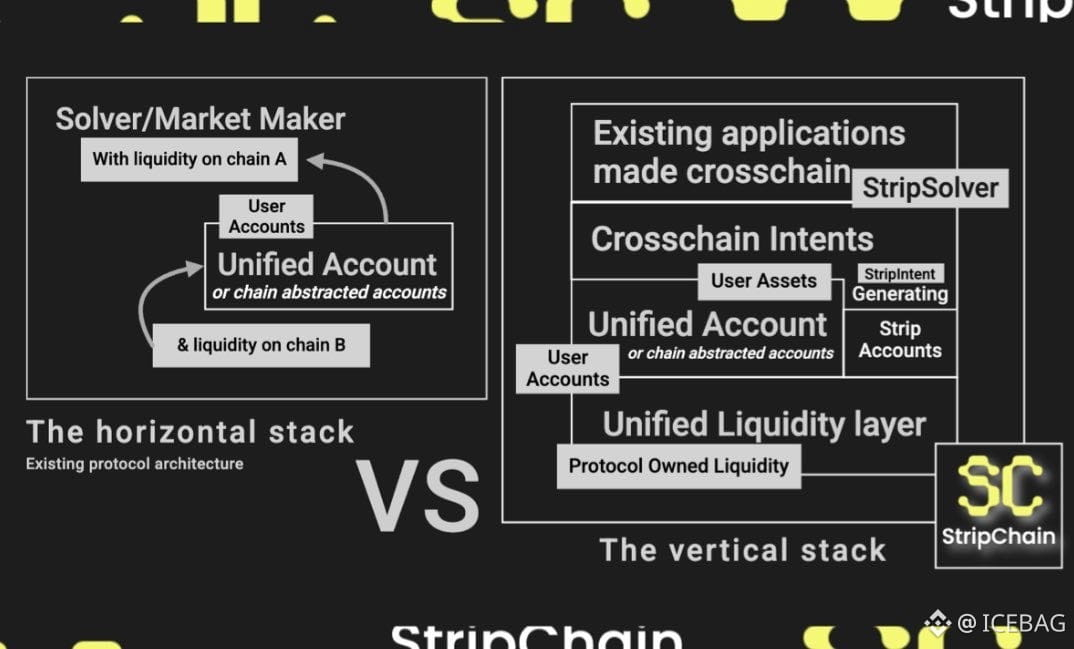
它沒有像逐段租用流動性那樣,去向解算器(solvers)路由租借,而是自有一個協議層級的 Level Bridge,鑄造合成資產,並將解算器視為可程式化的應用(Programmable Applications),而不只是單純的存貨持有人(inventory holders)。
朋友,這就是置換引擎(Swap Engine)和一台統一電腦(unified Computer)之間的差別。
$Stripchain Sale 連結:
🌐 https://ico.stripchain.xyz?wl=WLeqRQr49XAm
這個 $STRIP ITTC 特惠正在進行中(8 月 7 日)
這不只是對代幣的提前存取。而是對可真正付諸行動的跨鏈資產基礎層的完整提前存取,而不僅僅是到處移動。
每個人都一直在關注 $Stripchain 正在打造別人從未做過的那一塊。
它沒有像逐段租用流動性那樣,去向解算器(solvers)路由租借,而是自有一個協議層級的 Level Bridge,鑄造合成資產,並將解算器視為可程式化的應用(Programmable Applications),而不只是單純的存貨持有人(inventory holders)。
朋友,這就是置換引擎(Swap Engine)和一台統一電腦(unified Computer)之間的差別。
$Stripchain Sale 連結:
🌐 https://ico.stripchain.xyz?wl=WLeqRQr49XAm
這不只是對代幣的提前存取。而是對可真正付諸行動的跨鏈資產基礎層的完整提前存取,而不僅僅是到處移動。
每個人都一直在關注 $Stripchain 正在打造別人從未做過的那一塊。
它沒有像逐段租用流動性那樣,去向解算器(solvers)路由租借,而是自有一個協議層級的 Level Bridge,鑄造合成資產,並將解算器視為可程式化的應用(Programmable Applications),而不只是單純的存貨持有人(inventory holders)。
朋友,這就是置換引擎(Swap Engine)和一台統一電腦(unified Computer)之間的差別。
$Stripchain Sale 連結:
🌐 https://ico.stripchain.xyz?wl=WLeqRQr49XAm
75
·
--
大家都很期待意圖(intents)。但幾乎沒有人在問:為什麼每一種意圖協議最後都變成了同一件事——一個「高級交換(Fancy Swap)引擎。
在近端意圖(Near Intents)中,多數「鏈抽象(chain abstraction)」的玩法都解決了身分(identity),而不是資產(assets)。你會得到一個地址,能在不同鏈之間代表你。很酷。但資產本身從未離開家門口。你的 BTC 仍然只是「停在比特幣(Bitcoin)上的 BTC」。當你提交一個意圖時,做市商會從自己手上的庫存先墊付目標資產,之後再進行再平衡。就這樣。這就是整個把戲。協議本身的流動性根本不會碰到交易,它只是外包給當天持有庫存的那個人。
@Stripchain 正在打造大家都跳過的那一塊。公測網 v1 已在 Arbitrum Sepolia 上線,覆蓋 Bitcoin、Solana、Ethereum、Sui 和 Arbitrum;而它是第一個真的要去追求「統一流動性(unified liquidity)」的協議,不只是「統一身分(unified identity)」。
為什麼時機剛好?
基於求解器(solver-based)的意圖很快就撞到上限,所以你最多只能租用那麼多做市商的庫存,否則瓶頸就會出現。@Stripchain 反過來做:透過協議層級的橋(bridge)來「擁有」流動性,而不是逐條路徑去借用;並把求解器(solvers)視為可程式化的應用(programmable applications),而不只是資產出借者。
這帶來什麼優勢?
這不是一個多加步驟的換匯(swap)應用。它是跨鏈資產的基礎層,能真正被執行,而不只是被搬運。
測試網現在就開放,無需撰寫程式碼。
去生成你的 StripAccount、充值資金、鑄造你的合成資產(synthetic assets),並在 v2 開放權限之前搶先進來。
社群計畫與 ITTC 代售(sale)候補名單也都即將開放;早期測試網使用者將率先獲得第一手體驗。
🌐 home.stripchain.xyz
大家都很期待意圖(intents)。但幾乎沒有人在問:為什麼每一種意圖協議最後都變成了同一件事——一個「高級交換(Fancy Swap)引擎。
在近端意圖(Near Intents)中,多數「鏈抽象(chain abstraction)」的玩法都解決了身分(identity),而不是資產(assets)。你會得到一個地址,能在不同鏈之間代表你。很酷。但資產本身從未離開家門口。你的 BTC 仍然只是「停在比特幣(Bitcoin)上的 BTC」。當你提交一個意圖時,做市商會從自己手上的庫存先墊付目標資產,之後再進行再平衡。就這樣。這就是整個把戲。協議本身的流動性根本不會碰到交易,它只是外包給當天持有庫存的那個人。
@Stripchain 正在打造大家都跳過的那一塊。公測網 v1 已在 Arbitrum Sepolia 上線,覆蓋 Bitcoin、Solana、Ethereum、Sui 和 Arbitrum;而它是第一個真的要去追求「統一流動性(unified liquidity)」的協議,不只是「統一身分(unified identity)」。
為什麼時機剛好?
基於求解器(solver-based)的意圖很快就撞到上限,所以你最多只能租用那麼多做市商的庫存,否則瓶頸就會出現。@Stripchain 反過來做:透過協議層級的橋(bridge)來「擁有」流動性,而不是逐條路徑去借用;並把求解器(solvers)視為可程式化的應用(programmable applications),而不只是資產出借者。
這帶來什麼優勢?
這不是一個多加步驟的換匯(swap)應用。它是跨鏈資產的基礎層,能真正被執行,而不只是被搬運。
測試網現在就開放,無需撰寫程式碼。
去生成你的 StripAccount、充值資金、鑄造你的合成資產(synthetic assets),並在 v2 開放權限之前搶先進來。
社群計畫與 ITTC 代售(sale)候補名單也都即將開放;早期測試網使用者將率先獲得第一手體驗。
🌐 home.stripchain.xyz
在近端意圖(Near Intents)中,多數「鏈抽象(chain abstraction)」的玩法都解決了身分(identity),而不是資產(assets)。你會得到一個地址,能在不同鏈之間代表你。很酷。但資產本身從未離開家門口。你的 BTC 仍然只是「停在比特幣(Bitcoin)上的 BTC」。當你提交一個意圖時,做市商會從自己手上的庫存先墊付目標資產,之後再進行再平衡。就這樣。這就是整個把戲。協議本身的流動性根本不會碰到交易,它只是外包給當天持有庫存的那個人。
@Stripchain 正在打造大家都跳過的那一塊。公測網 v1 已在 Arbitrum Sepolia 上線,覆蓋 Bitcoin、Solana、Ethereum、Sui 和 Arbitrum;而它是第一個真的要去追求「統一流動性(unified liquidity)」的協議,不只是「統一身分(unified identity)」。
為什麼時機剛好?
基於求解器(solver-based)的意圖很快就撞到上限,所以你最多只能租用那麼多做市商的庫存,否則瓶頸就會出現。@Stripchain 反過來做:透過協議層級的橋(bridge)來「擁有」流動性,而不是逐條路徑去借用;並把求解器(solvers)視為可程式化的應用(programmable applications),而不只是資產出借者。
這帶來什麼優勢?
這不是一個多加步驟的換匯(swap)應用。它是跨鏈資產的基礎層,能真正被執行,而不只是被搬運。
測試網現在就開放,無需撰寫程式碼。
去生成你的 StripAccount、充值資金、鑄造你的合成資產(synthetic assets),並在 v2 開放權限之前搶先進來。
社群計畫與 ITTC 代售(sale)候補名單也都即將開放;早期測試網使用者將率先獲得第一手體驗。
🌐 home.stripchain.xyz
76
·
--
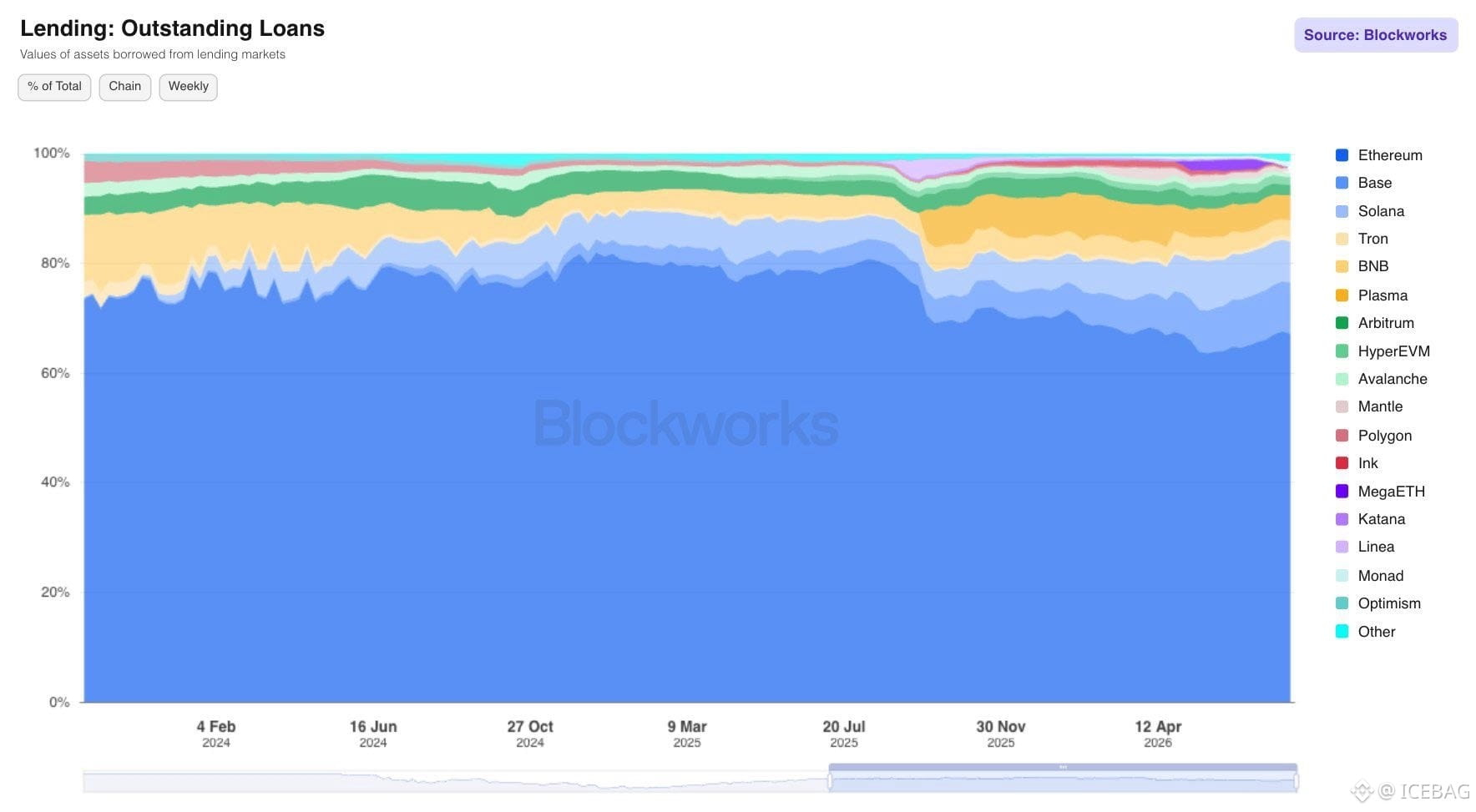
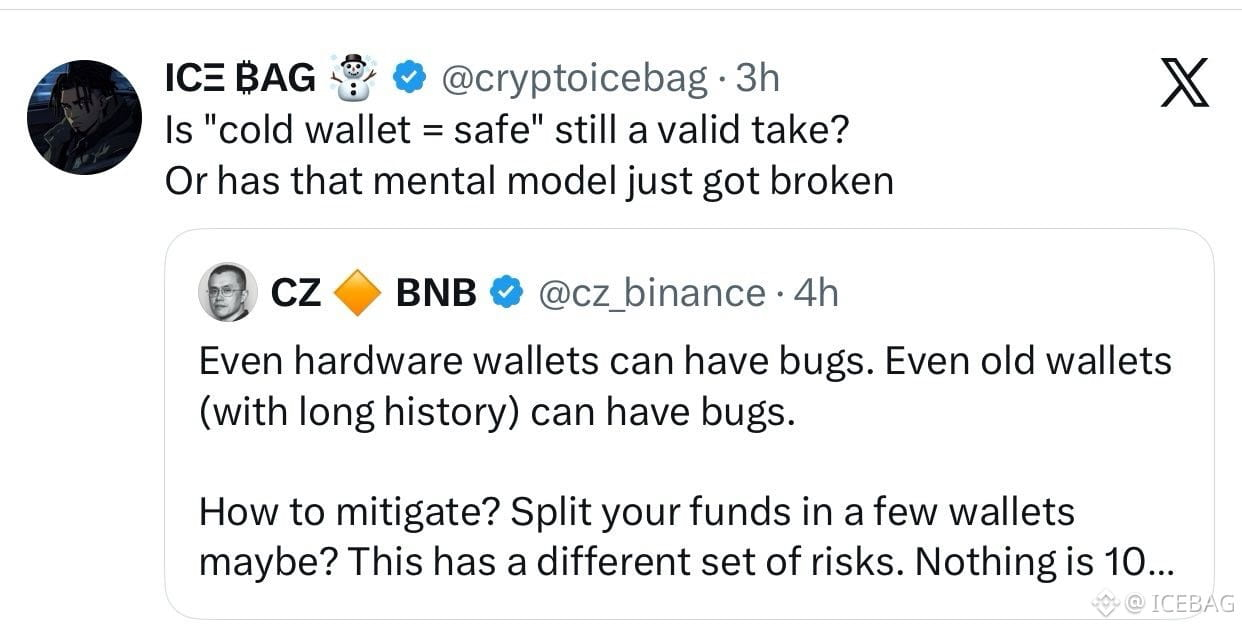
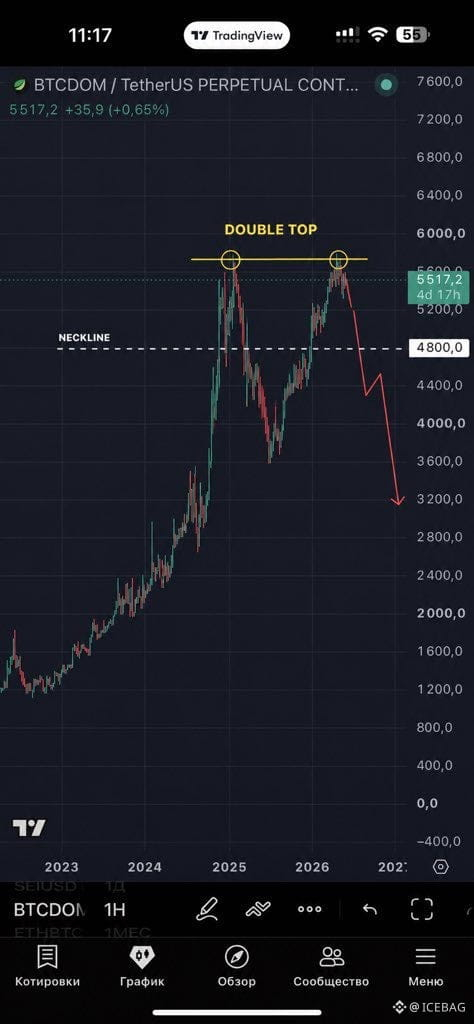
#以太坊是鏈上借貸的主要目的地,目前佔所有 DeFi 借貸的 67%。
https://blockworks.com/analytics/lending
$ETH
#以太坊是鏈上借貸的主要目的地,目前佔所有 DeFi 借貸的 67%。
https://blockworks.com/analytics/lending
$ETH
https://blockworks.com/analytics/lending
$ETH
2
·
--
Robinhood 感覺就像 Solana 一樣,沒有黑客、打包者、連環跑路者和內幕消息團伙。
令人耳目一新。
$rHOOD #Robinhood
Robinhood 感覺就像 Solana 一樣,沒有黑客、打包者、連環跑路者和內幕消息團伙。
令人耳目一新。
$rHOOD #Robinhood
令人耳目一新。
$rHOOD #Robinhood

HOODUS-1.51%
85
·
--
特倫斯·郭現在已經炸掉了兩家公司。
#TinkLabs: 從 #SoftBank 和其他投資者那裡籌集了 1.6 億美元,瘋狂擴張,資金耗盡,關閉了公司。投資者損失慘重。員工失業。
他回來了,帶著 #HumanityProtocol。掌紋掃描身份,信息金融敘事,成為本周期最熱門的項目之一。看起來像是一次救贖的故事。
事實並非如此。
在黑客事件發生之前,$H 社區已經開始發出警報。
不公平的獎勵分配,內部偏袒,從社區錢包直接轉賬 6 萬美元 USDC 到團隊錢包。信任已經出現裂痕。
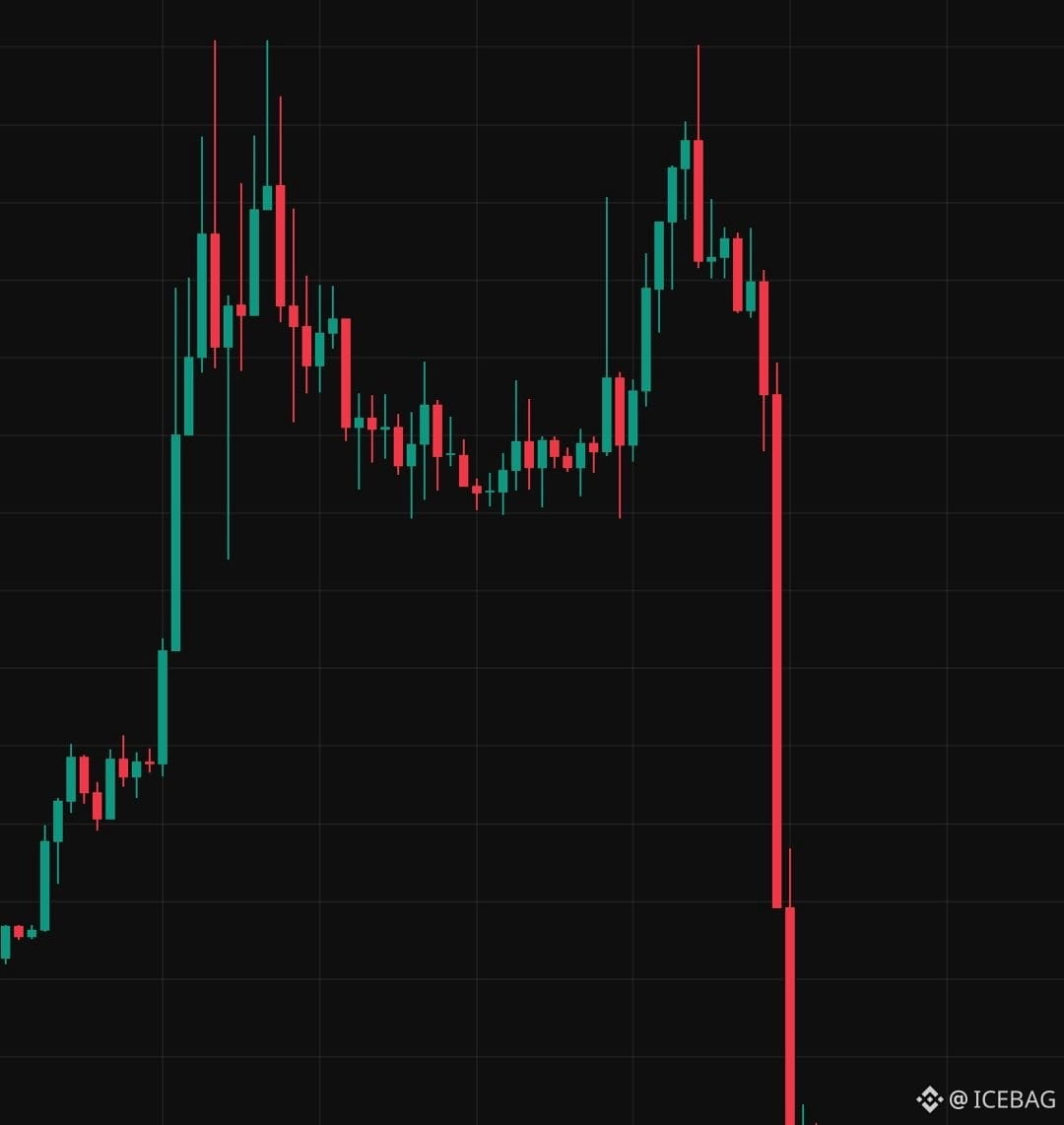
現在在 2026 年 6 月:黑客獲得了私鑰,抽走了 3100 萬美元,鑄造了 1 億個新的 $H 代幣並拋售。代幣在幾小時內下跌了 85%。
但這實際上是什麼呢?
兩次不同的失敗卻有著相同的指紋。Tink Labs 失敗是因為操作上的魯莽。Humanity Protocol 的失敗則是因為在“所謂”的黑客事件之前,信任已經遭到侵蝕。
當你的社區已經在記錄錢包轉賬並指責偏袒時,你就沒有足夠的善意來度過危機。黑客事件是火柴,而基礎則已經是汽油。
他們的信息金融運行是真實的,該項目擁有真正的動能;但建立在受損信任基礎上的動能,在遭遇黑天鵝事件時無法生存。
一次欺騙市場,這是運氣不佳。
如果以同樣的模式再來一次,市場就會開始問完全不同的問題。
特倫斯·郭現在已經炸掉了兩家公司。
#TinkLabs: 從 #SoftBank 和其他投資者那裡籌集了 1.6 億美元,瘋狂擴張,資金耗盡,關閉了公司。投資者損失慘重。員工失業。
他回來了,帶著 #HumanityProtocol。掌紋掃描身份,信息金融敘事,成為本周期最熱門的項目之一。看起來像是一次救贖的故事。
事實並非如此。
在黑客事件發生之前,$H 社區已經開始發出警報。
不公平的獎勵分配,內部偏袒,從社區錢包直接轉賬 6 萬美元 USDC 到團隊錢包。信任已經出現裂痕。
現在在 2026 年 6 月:黑客獲得了私鑰,抽走了 3100 萬美元,鑄造了 1 億個新的 $H 代幣並拋售。代幣在幾小時內下跌了 85%。
但這實際上是什麼呢?
兩次不同的失敗卻有著相同的指紋。Tink Labs 失敗是因為操作上的魯莽。Humanity Protocol 的失敗則是因為在“所謂”的黑客事件之前,信任已經遭到侵蝕。
當你的社區已經在記錄錢包轉賬並指責偏袒時,你就沒有足夠的善意來度過危機。黑客事件是火柴,而基礎則已經是汽油。
他們的信息金融運行是真實的,該項目擁有真正的動能;但建立在受損信任基礎上的動能,在遭遇黑天鵝事件時無法生存。
一次欺騙市場,這是運氣不佳。
如果以同樣的模式再來一次,市場就會開始問完全不同的問題。
#TinkLabs: 從 #SoftBank 和其他投資者那裡籌集了 1.6 億美元,瘋狂擴張,資金耗盡,關閉了公司。投資者損失慘重。員工失業。
他回來了,帶著 #HumanityProtocol。掌紋掃描身份,信息金融敘事,成為本周期最熱門的項目之一。看起來像是一次救贖的故事。
事實並非如此。
在黑客事件發生之前,$H 社區已經開始發出警報。
不公平的獎勵分配,內部偏袒,從社區錢包直接轉賬 6 萬美元 USDC 到團隊錢包。信任已經出現裂痕。
現在在 2026 年 6 月:黑客獲得了私鑰,抽走了 3100 萬美元,鑄造了 1 億個新的 $H 代幣並拋售。代幣在幾小時內下跌了 85%。
但這實際上是什麼呢?
兩次不同的失敗卻有著相同的指紋。Tink Labs 失敗是因為操作上的魯莽。Humanity Protocol 的失敗則是因為在“所謂”的黑客事件之前,信任已經遭到侵蝕。
當你的社區已經在記錄錢包轉賬並指責偏袒時,你就沒有足夠的善意來度過危機。黑客事件是火柴,而基礎則已經是汽油。
他們的信息金融運行是真實的,該項目擁有真正的動能;但建立在受損信任基礎上的動能,在遭遇黑天鵝事件時無法生存。
一次欺騙市場,這是運氣不佳。
如果以同樣的模式再來一次,市場就會開始問完全不同的問題。

78
·
--
一個人賣掉了32 $BTC,你們都瘋狂了 🤣
你們從來沒有冷靜過……你們只是追隨噪音的韭菜。
有錢人會一直割韭菜,直到你有自己的判斷。看看這個人剛剛在你們的低點買進了🤣🤣 1500+ $BTC
歡迎來到遊戲,寶貝!!
那些說「結束了」的兄弟們在哪裡?
一個人賣掉了32 $BTC,你們都瘋狂了 🤣
你們從來沒有冷靜過……你們只是追隨噪音的韭菜。
有錢人會一直割韭菜,直到你有自己的判斷。看看這個人剛剛在你們的低點買進了🤣🤣 1500+ $BTC
歡迎來到遊戲,寶貝!!
那些說「結束了」的兄弟們在哪裡?
你們從來沒有冷靜過……你們只是追隨噪音的韭菜。
有錢人會一直割韭菜,直到你有自己的判斷。看看這個人剛剛在你們的低點買進了🤣🤣 1500+ $BTC
歡迎來到遊戲,寶貝!!
那些說「結束了」的兄弟們在哪裡?
86
·
--
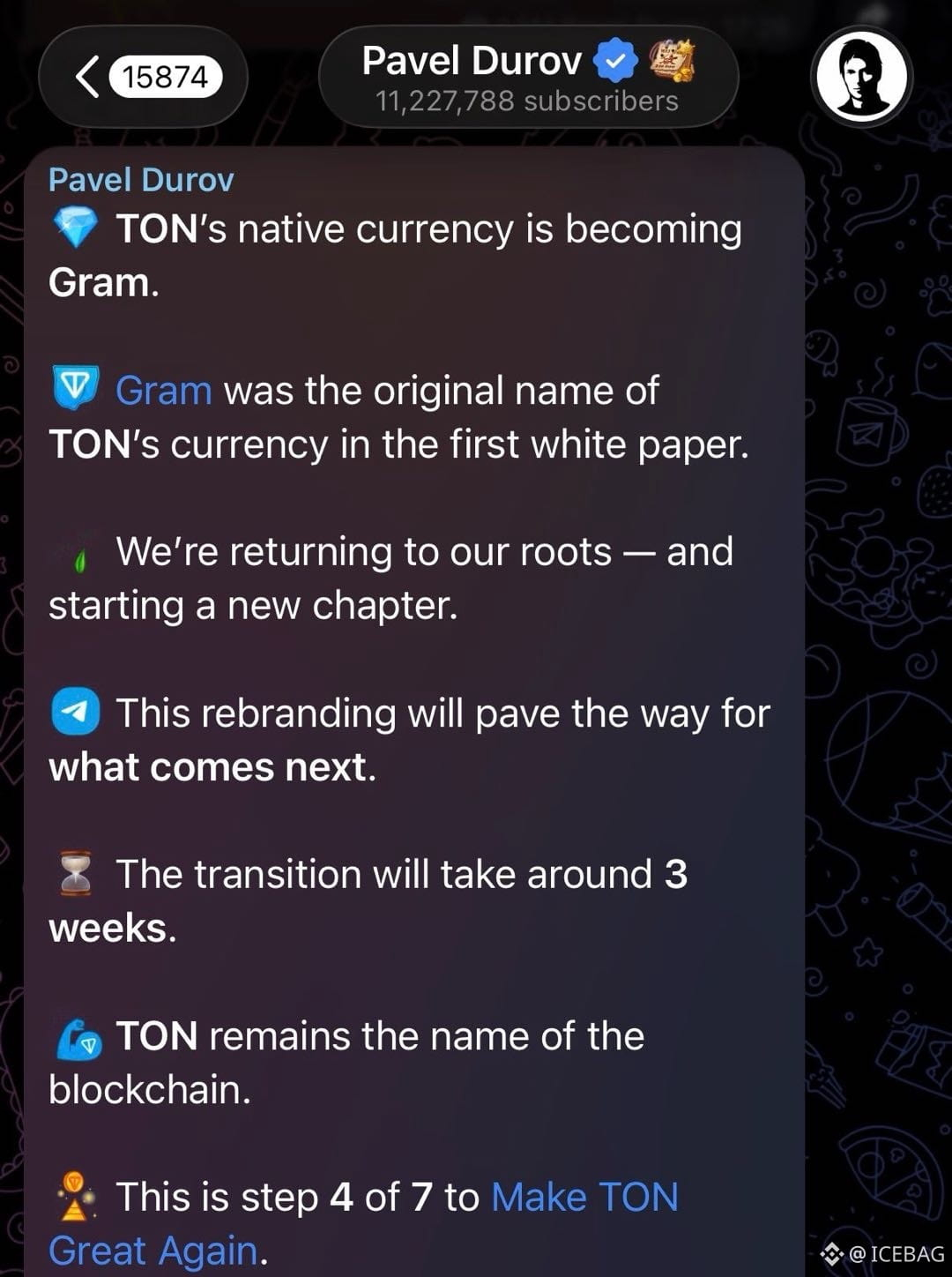
Telegram 的 CEO Pavel Durov 剛剛宣佈將 $TON 重新品牌爲 $GRAM,恢復原名。

$Ton = 鏈
交易代碼 = $GRAM
這是他計劃中讓 $TON 再次崛起的第四步。
你們怎麼看?
Telegram 的 CEO Pavel Durov 剛剛宣佈將 $TON 重新品牌爲 $GRAM,恢復原名。

$Ton = 鏈
交易代碼 = $GRAM
這是他計劃中讓 $TON 再次崛起的第四步。
你們怎麼看?

$Ton = 鏈
交易代碼 = $GRAM
這是他計劃中讓 $TON 再次崛起的第四步。
你們怎麼看?
86
·
--
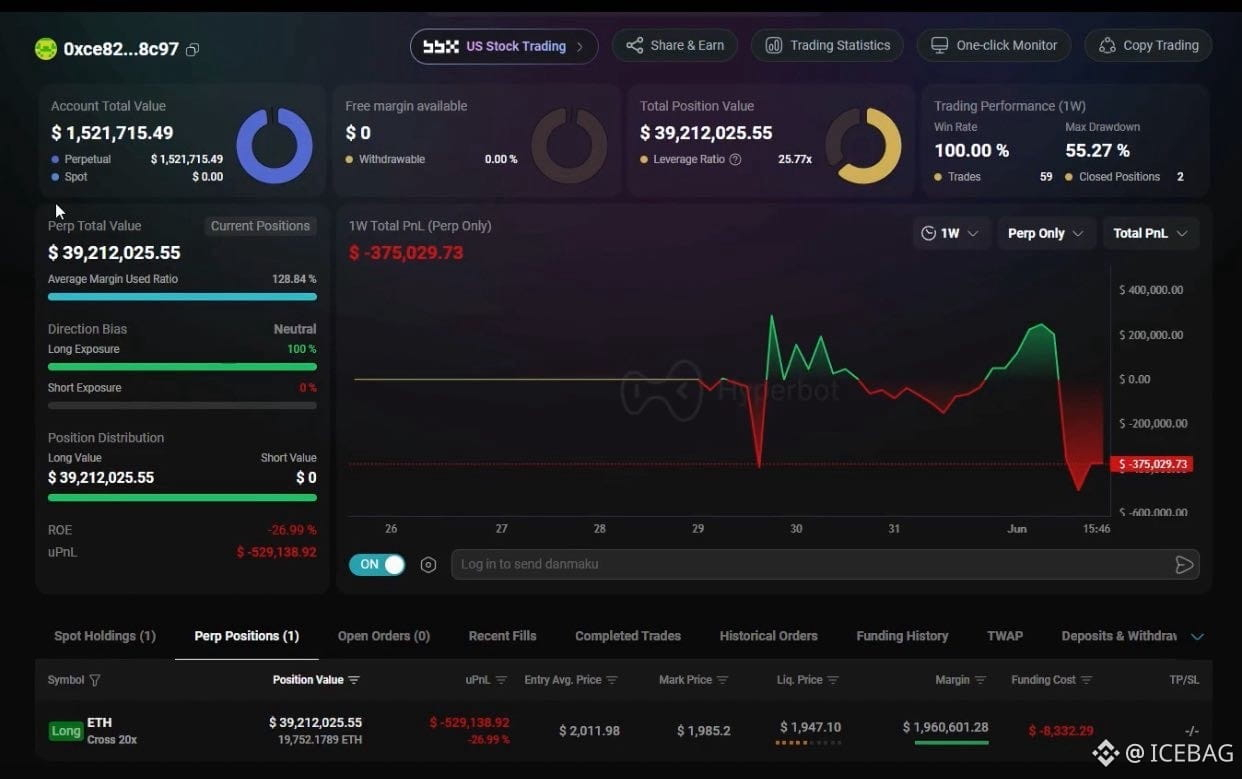
一個在Hyperliquid上的鯨魚持有19,752個$ETH的多頭,價值3900萬美元,使用20倍的槓桿,進場價為$2,012。
他現在已經投入了196萬美元的帳戶來操作這個規模,而他已經虧損了$556K。
$ETH只需要再跌$37到$1,947,整個交易就會被清算。🤯🤯
他的這一週看起來完美無瑕,但他的終身紀錄卻是五五開,這一局將決定他是否能繼續留在市場。
$ETH甚至不需要崩盤,只需要一根紅色的蜡燭。讓我們看看最後結果如何。
一個在Hyperliquid上的鯨魚持有19,752個$ETH的多頭,價值3900萬美元,使用20倍的槓桿,進場價為$2,012。
他現在已經投入了196萬美元的帳戶來操作這個規模,而他已經虧損了$556K。
$ETH只需要再跌$37到$1,947,整個交易就會被清算。🤯🤯
他的這一週看起來完美無瑕,但他的終身紀錄卻是五五開,這一局將決定他是否能繼續留在市場。
$ETH甚至不需要崩盤,只需要一根紅色的蜡燭。讓我們看看最後結果如何。
他現在已經投入了196萬美元的帳戶來操作這個規模,而他已經虧損了$556K。
$ETH只需要再跌$37到$1,947,整個交易就會被清算。🤯🤯
他的這一週看起來完美無瑕,但他的終身紀錄卻是五五開,這一局將決定他是否能繼續留在市場。
$ETH甚至不需要崩盤,只需要一根紅色的蜡燭。讓我們看看最後結果如何。
84
·
--
很明顯,$BTC這週遭受了重創,但像#Tron、#YZi Labs、#KuCoin、#Avalanche這些頂尖項目仍然在推出新方案
有誰能幫我進場,兄弟們🙏
很明顯,$BTC這週遭受了重創,但像#Tron、#YZi Labs、#KuCoin、#Avalanche這些頂尖項目仍然在推出新方案
有誰能幫我進場,兄弟們🙏
有誰能幫我進場,兄弟們🙏
5
·
--
新聞:
#比特幣現金跌至$343,市場幾乎沒有反應。
事情是這樣的:當BRC Inc.開始出現現金流裂縫時,這不僅僅是公司的問題。這是一個信號,表明BCH的敘述沒有機構的支持了。
沒有#ETF的助力。沒有開發者的動能。沒有堅定的買家。
這就是緩慢流血的樣子,之後會加速。
新聞:
#比特幣現金跌至$343,市場幾乎沒有反應。
事情是這樣的:當BRC Inc.開始出現現金流裂縫時,這不僅僅是公司的問題。這是一個信號,表明BCH的敘述沒有機構的支持了。
沒有#ETF的助力。沒有開發者的動能。沒有堅定的買家。
這就是緩慢流血的樣子,之後會加速。
#比特幣現金跌至$343,市場幾乎沒有反應。
事情是這樣的:當BRC Inc.開始出現現金流裂縫時,這不僅僅是公司的問題。這是一個信號,表明BCH的敘述沒有機構的支持了。
沒有#ETF的助力。沒有開發者的動能。沒有堅定的買家。
這就是緩慢流血的樣子,之後會加速。

1
540
·
--
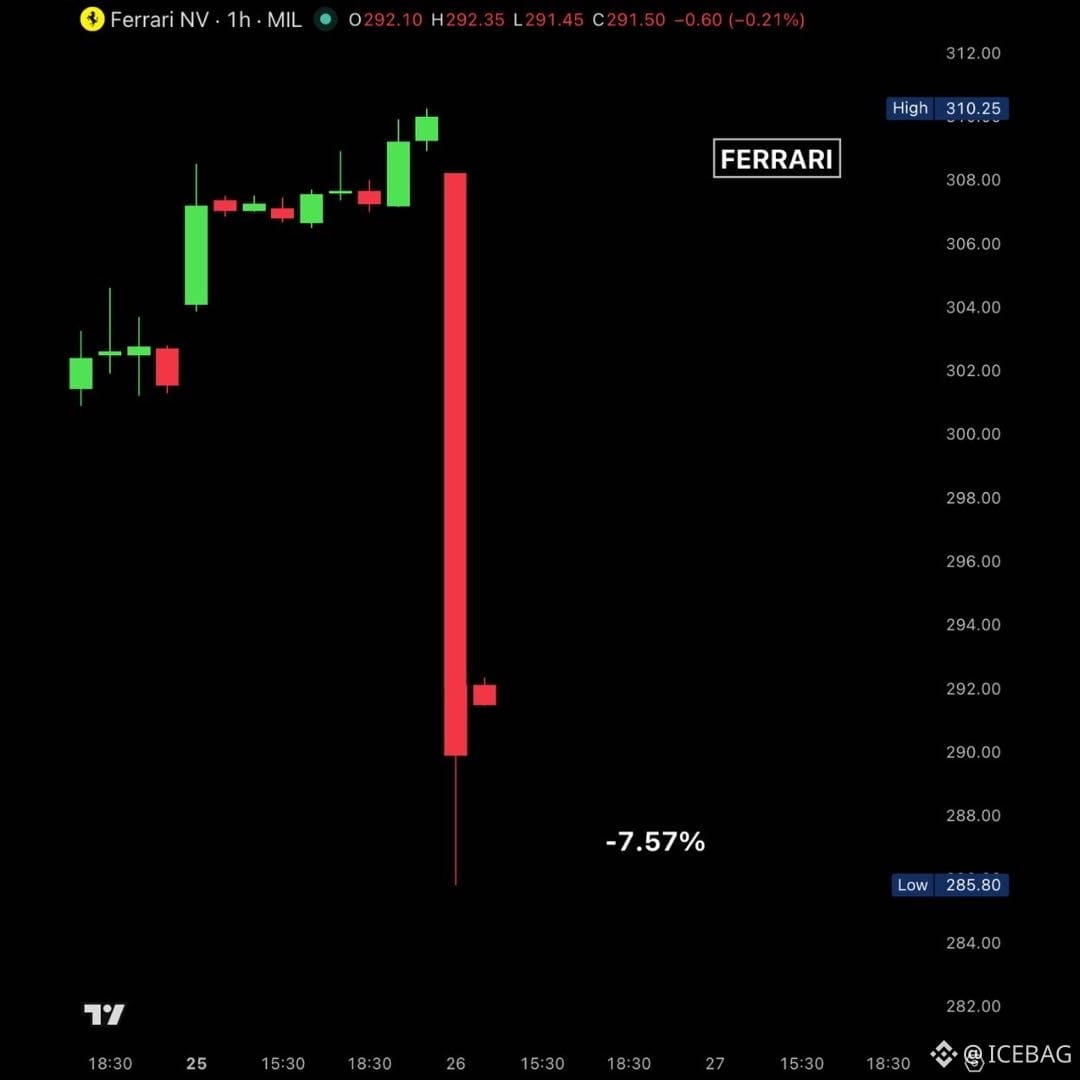
法拉利 $RACE 在推出其首款電動汽車——功率爲1,050馬力的“法拉利光輝”後下跌了-7%,起售價爲€550K。
投資者對傳統法拉利買家是否願意購買無聲電動車表示懷疑。
該公司還預計2030年的收入爲€90億,比預期低了約€8億。
$RACE 目前比2025年的高峯下跌了41%。
法拉利 $RACE 在推出其首款電動汽車——功率爲1,050馬力的“法拉利光輝”後下跌了-7%,起售價爲€550K。
投資者對傳統法拉利買家是否願意購買無聲電動車表示懷疑。
該公司還預計2030年的收入爲€90億,比預期低了約€8億。
$RACE 目前比2025年的高峯下跌了41%。
投資者對傳統法拉利買家是否願意購買無聲電動車表示懷疑。
該公司還預計2030年的收入爲€90億,比預期低了約€8億。
$RACE 目前比2025年的高峯下跌了41%。
80
·
--
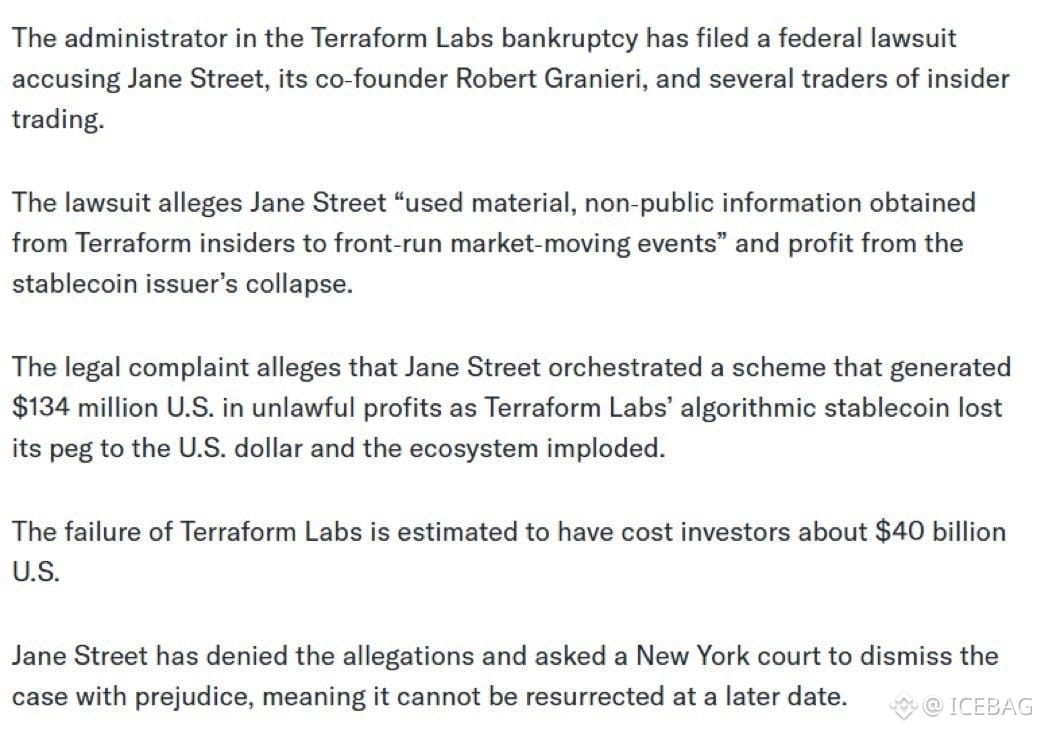
簡街在2022年通過做空$LUNA賺取了$134,000,000,而大多數人卻損失殆盡。
此外,簡街還有一個私密的Telegram頻道,用於獲取內幕消息,他們在2022年5月利用這些信息使UST脫錨。
這些傢伙應該入獄。
簡街在2022年通過做空$LUNA賺取了$134,000,000,而大多數人卻損失殆盡。
此外,簡街還有一個私密的Telegram頻道,用於獲取內幕消息,他們在2022年5月利用這些信息使UST脫錨。
這些傢伙應該入獄。
此外,簡街還有一個私密的Telegram頻道,用於獲取內幕消息,他們在2022年5月利用這些信息使UST脫錨。
這些傢伙應該入獄。
78
·
--
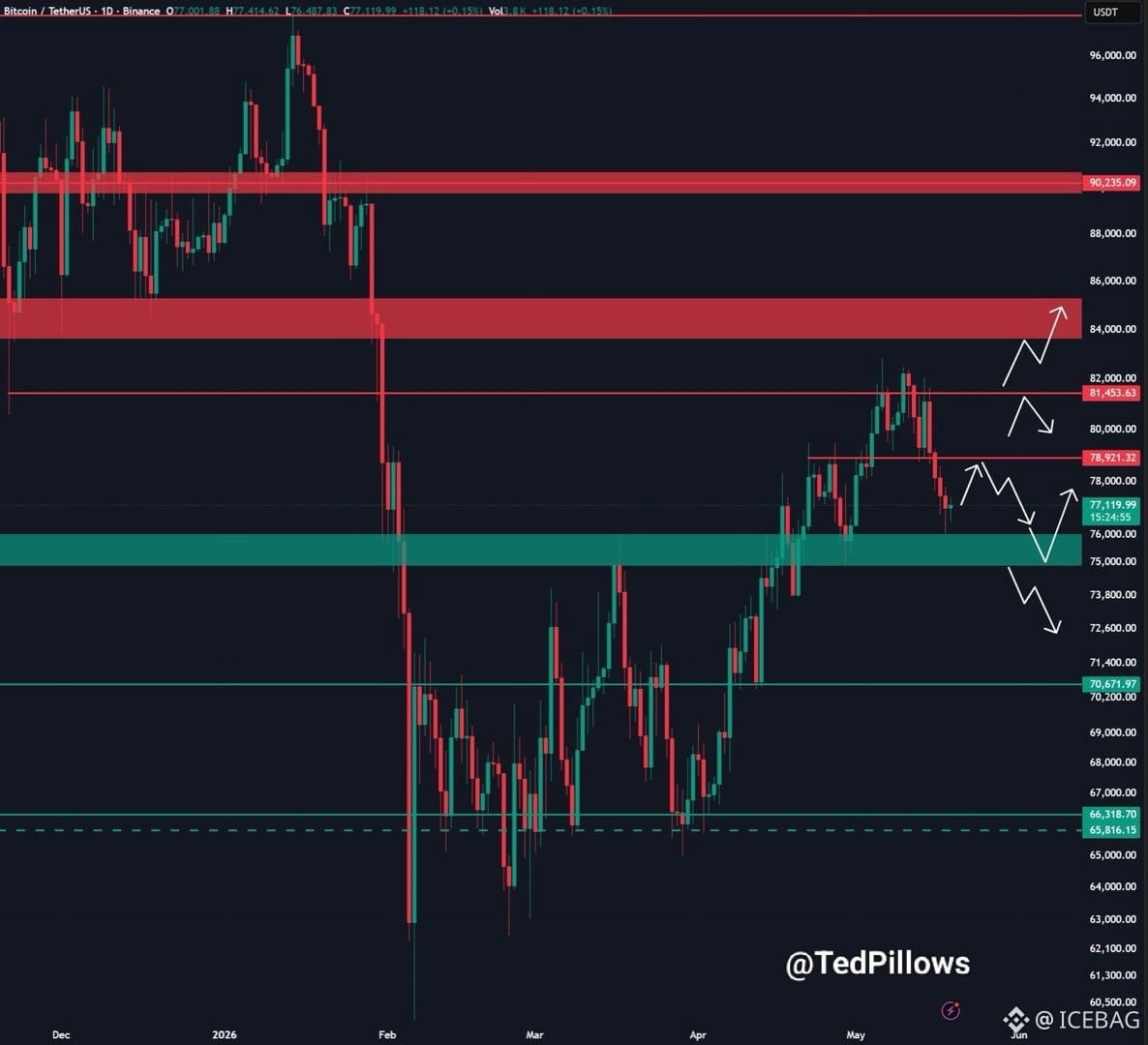
$BTC觸及了$75,000-$76,000支撐區間,現在正在反彈。
在$79,200水平有一個CME缺口,可能會被填補。
$BTC觸及了$75,000-$76,000支撐區間,現在正在反彈。
在$79,200水平有一個CME缺口,可能會被填補。
在$79,200水平有一個CME缺口,可能會被填補。
52
登入以探索更多內容
加入幣安廣場中的全球加密貨幣用戶
⚡️ 獲取加密貨幣的最新和實用資訊。
💬 受到全球最大加密貨幣交易所的信任。
👍 發掘來自經過驗證創作者的真實見解。
電子郵件 / 電話號碼