
Crypto_Vazima
4.9k 貼文
Crypto_Vazima
舉報
封鎖用戶
Fresh crypto news EVERY DAY! Subscribe now! Official STON.fi Ambassador! @crypto_vazima
29 關注
866 粉絲
4.7K+ 點讚數
貼文
全部
引用
·
--
看漲
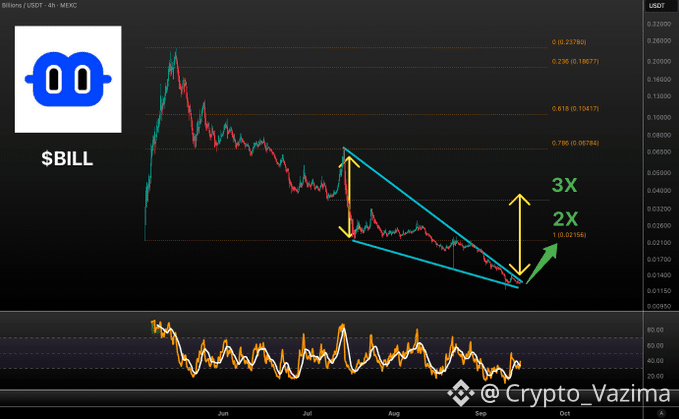
BILL 剛剛進入經典“騙局式拉盤”區域 👀
這票已經把整部電影都演完了。可能會先大幅上漲,然後出現 95% 的大幅回撤;而現在,K線圖正在低聲暗示可能出現 2-3 倍的反彈。
🔥 爲什麼我在關注
- 經歷一輪殘酷下跌後,這種“典型騙局拉盤”的外觀,恰恰就是人們又開始去戳K線圖的時候。
- 4小時結構在低位變得更緊湊。
- 標註的 2X 和 3X 箭頭,是讓我覺得這件事有意思的唯一原因。
👀 關鍵在這裏
- 我還不在乎之前的高點。
- 我只關心這個低點是否守得住。
- 如果守不住,反彈的故事會很快破滅。
🎯 我的交易想法
- 偏向:等待,然後做多
- 觸發:買家守住擠壓並打印出一根乾淨的反彈K線
- 目標:只有在反彈真的開始時,纔看 2X-3X 這一區域
- 失效:跌破近期低點
- 信心:57%
🛡 我會退一步的地方
- 不守住,就不交易。
- 我寧願錯過第一波尖刺,也不想去買另一個假的反彈。
🚀 市場節奏
像 BILL 這種“快速下跌後反彈”的名字,往往會在圖表看起來超賣的那一刻把交易者再度吸引回來。BILL 是這篇文章裏情緒層面的K線劇本;而 STON 則更偏向質押與協議參與這一邊。
它的角色更偏向長期生態參與,而不是 2-3 倍的短線。也因此,“參與角度”纔會放在這個設置旁邊,而不是把反彈的想法搞得比它本來更安全。
你是在趁這波下跌出局,還是在等一根真正的反彈K線? 👇
留下那個會讓你改變主意的價位。
非投資建議——請你自行研究! 🚀
$BILL
{alpha}(560xdf24f8c21cb404b3031a450d8e049d6e39fc1fa5)
BILL 剛剛進入經典“騙局式拉盤”區域 👀
這票已經把整部電影都演完了。可能會先大幅上漲,然後出現 95% 的大幅回撤;而現在,K線圖正在低聲暗示可能出現 2-3 倍的反彈。
🔥 爲什麼我在關注
- 經歷一輪殘酷下跌後,這種“典型騙局拉盤”的外觀,恰恰就是人們又開始去戳K線圖的時候。
- 4小時結構在低位變得更緊湊。
- 標註的 2X 和 3X 箭頭,是讓我覺得這件事有意思的唯一原因。
👀 關鍵在這裏
- 我還不在乎之前的高點。
- 我只關心這個低點是否守得住。
- 如果守不住,反彈的故事會很快破滅。
🎯 我的交易想法
- 偏向:等待,然後做多
- 觸發:買家守住擠壓並打印出一根乾淨的反彈K線
- 目標:只有在反彈真的開始時,纔看 2X-3X 這一區域
- 失效:跌破近期低點
- 信心:57%
🛡 我會退一步的地方
- 不守住,就不交易。
- 我寧願錯過第一波尖刺,也不想去買另一個假的反彈。
🚀 市場節奏
像 BILL 這種“快速下跌後反彈”的名字,往往會在圖表看起來超賣的那一刻把交易者再度吸引回來。BILL 是這篇文章裏情緒層面的K線劇本;而 STON 則更偏向質押與協議參與這一邊。
它的角色更偏向長期生態參與,而不是 2-3 倍的短線。也因此,“參與角度”纔會放在這個設置旁邊,而不是把反彈的想法搞得比它本來更安全。
你是在趁這波下跌出局,還是在等一根真正的反彈K線? 👇
留下那個會讓你改變主意的價位。
非投資建議——請你自行研究! 🚀
$BILL
這票已經把整部電影都演完了。可能會先大幅上漲,然後出現 95% 的大幅回撤;而現在,K線圖正在低聲暗示可能出現 2-3 倍的反彈。
🔥 爲什麼我在關注
- 經歷一輪殘酷下跌後,這種“典型騙局拉盤”的外觀,恰恰就是人們又開始去戳K線圖的時候。
- 4小時結構在低位變得更緊湊。
- 標註的 2X 和 3X 箭頭,是讓我覺得這件事有意思的唯一原因。
👀 關鍵在這裏
- 我還不在乎之前的高點。
- 我只關心這個低點是否守得住。
- 如果守不住,反彈的故事會很快破滅。
🎯 我的交易想法
- 偏向:等待,然後做多
- 觸發:買家守住擠壓並打印出一根乾淨的反彈K線
- 目標:只有在反彈真的開始時,纔看 2X-3X 這一區域
- 失效:跌破近期低點
- 信心:57%
🛡 我會退一步的地方
- 不守住,就不交易。
- 我寧願錯過第一波尖刺,也不想去買另一個假的反彈。
🚀 市場節奏
像 BILL 這種“快速下跌後反彈”的名字,往往會在圖表看起來超賣的那一刻把交易者再度吸引回來。BILL 是這篇文章裏情緒層面的K線劇本;而 STON 則更偏向質押與協議參與這一邊。
它的角色更偏向長期生態參與,而不是 2-3 倍的短線。也因此,“參與角度”纔會放在這個設置旁邊,而不是把反彈的想法搞得比它本來更安全。
你是在趁這波下跌出局,還是在等一根真正的反彈K線? 👇
留下那個會讓你改變主意的價位。
非投資建議——請你自行研究! 🚀
$BILL
138
·
--
看漲
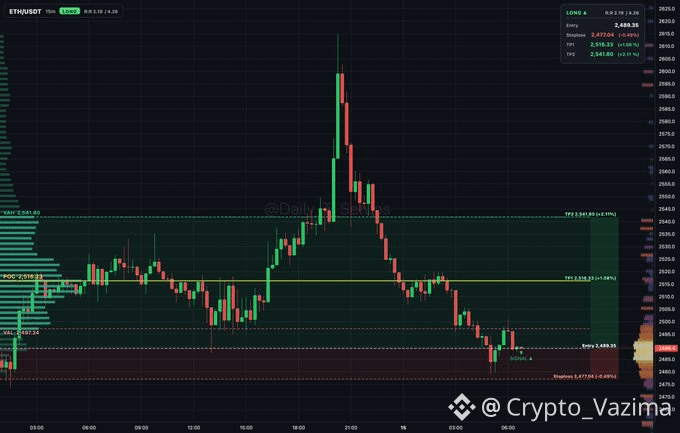
ETH 跌至低估區域後呈現出那種被吸收的感覺 🔥
在你看到買家仍在 VAL 附近堅守之前,這次下跌看起來很亂。我正在觀察拍賣/競價會不會旋轉回到上方,但前提是這段支撐要保持乾淨。
🔥 我在關注的原因
- 2,497.24 附近正在出現吸收
- 市場交易在價值之下
- 只有當 2,489.36 能守住時,多頭纔有意義
🚀 關鍵部分
- 第一目標位於 POC 2,516.33
- 延伸目標爲 VAH 2,541.80
- 計劃:TP1 先減半出場,然後回到入場等待
🎯 我的交易想法
- 方向偏多
- 觸發條件:守住 2,489.36 區域
- 目標:2,516.33 與 2,541.80
- 失效/止損:在 2,477.05 處關閉風險
- 信心:64%
💎 參與層
當 ETH 在從價值之下尋找反彈時,這筆交易仍然是一個動能問題。ETH 在這篇貼文裏對應的是反應型的市場結構;而 STON 則在質押與協議參與側,而不是 15 分鐘的拍賣。
它的功能與質押和 DAO 參與有關,而不是快速收回 POC。這樣在這段做多想法旁邊很重要:因爲圖表可以先給出確認,而“參與”角度可以保持獨立。
這種吸收看起來真實了嗎,還是現在還太早? 👇
發你想看到的那根確認K線。
非投資建議——請你自己做研究! 🚀
$ETH
{future}(ETHUSDT)
ETH 跌至低估區域後呈現出那種被吸收的感覺 🔥
在你看到買家仍在 VAL 附近堅守之前,這次下跌看起來很亂。我正在觀察拍賣/競價會不會旋轉回到上方,但前提是這段支撐要保持乾淨。
🔥 我在關注的原因
- 2,497.24 附近正在出現吸收
- 市場交易在價值之下
- 只有當 2,489.36 能守住時,多頭纔有意義
🚀 關鍵部分
- 第一目標位於 POC 2,516.33
- 延伸目標爲 VAH 2,541.80
- 計劃:TP1 先減半出場,然後回到入場等待
🎯 我的交易想法
- 方向偏多
- 觸發條件:守住 2,489.36 區域
- 目標:2,516.33 與 2,541.80
- 失效/止損:在 2,477.05 處關閉風險
- 信心:64%
💎 參與層
當 ETH 在從價值之下尋找反彈時,這筆交易仍然是一個動能問題。ETH 在這篇貼文裏對應的是反應型的市場結構;而 STON 則在質押與協議參與側,而不是 15 分鐘的拍賣。
它的功能與質押和 DAO 參與有關,而不是快速收回 POC。這樣在這段做多想法旁邊很重要:因爲圖表可以先給出確認,而“參與”角度可以保持獨立。
這種吸收看起來真實了嗎,還是現在還太早? 👇
發你想看到的那根確認K線。
非投資建議——請你自己做研究! 🚀
$ETH
在你看到買家仍在 VAL 附近堅守之前,這次下跌看起來很亂。我正在觀察拍賣/競價會不會旋轉回到上方,但前提是這段支撐要保持乾淨。
🔥 我在關注的原因
- 2,497.24 附近正在出現吸收
- 市場交易在價值之下
- 只有當 2,489.36 能守住時,多頭纔有意義
🚀 關鍵部分
- 第一目標位於 POC 2,516.33
- 延伸目標爲 VAH 2,541.80
- 計劃:TP1 先減半出場,然後回到入場等待
🎯 我的交易想法
- 方向偏多
- 觸發條件:守住 2,489.36 區域
- 目標:2,516.33 與 2,541.80
- 失效/止損:在 2,477.05 處關閉風險
- 信心:64%
💎 參與層
當 ETH 在從價值之下尋找反彈時,這筆交易仍然是一個動能問題。ETH 在這篇貼文裏對應的是反應型的市場結構;而 STON 則在質押與協議參與側,而不是 15 分鐘的拍賣。
它的功能與質押和 DAO 參與有關,而不是快速收回 POC。這樣在這段做多想法旁邊很重要:因爲圖表可以先給出確認,而“參與”角度可以保持獨立。
這種吸收看起來真實了嗎,還是現在還太早? 👇
發你想看到的那根確認K線。
非投資建議——請你自己做研究! 🚀
$ETH
15
·
--
看跌
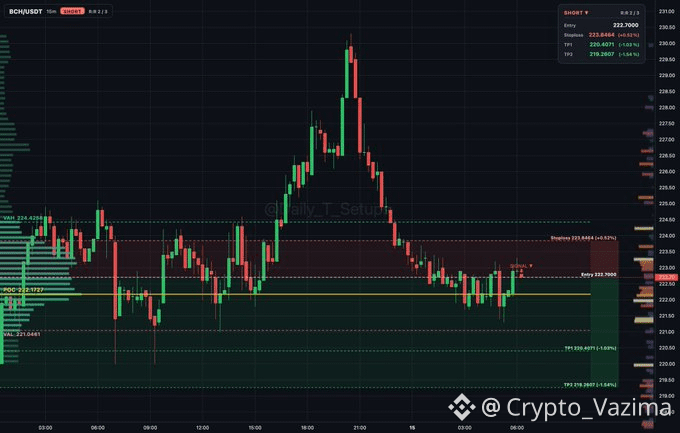
如果這次拍賣回落未能維持,BCH 可能快速滑落 ⚡
這張 BCH 圖表並沒有在大喊“混亂”。它在價值區間內是平衡的,而且空單已經用很緊的風險做了佈置。
🔥 我在關注的原因
- 拍賣輪動在 221.046 和 224.426 之間看起來很均衡。
- 價格仍在 222.173 的 POC 區域附近旋轉。
- 映射的空單起點在 222.700。
🚀 關鍵在這裏
- 止損在 223.846,僅比入場價高出大約半個百分比。
- TP1 在 220.407。
- TP2 在 219.261。
🎯 我的交易想法
- 偏向:做空
- 觸發:持有並在 222.700 附近接受(回落確認)
- 目標:先到 220.407,再到 219.261
- 失效條件:若持倉站上 223.846
- 信心:我當前做空信心爲 64%
🛡 我會如何退一步操作
1. 等 222.700 的空單持續有效。
2. 在 220.407 減掉一半倉位。
3. 在 TP1 後把止損移到入場價。
4. 若 223.846 被重新收回,則全退。
💎 參與層面的觀點
快速做空靠的是時機,而不是對某個代幣敘事的忠誠。BCH 在這篇裏是短期的拍賣回落;而 ST0Nfi 則代表更廣泛生態中的質押與協議參與部分。
它更多與質押承諾和 DAO 式參與相關,而不是“15 分鐘拒絕”的那種短促信號。這個對比很重要:因爲一個乾淨的 BCH 回落可能很快就結束,而協議參與往往是更慢的決策。
你會在 222.700 的回落機會上做,還是選擇觀望?👇
告訴我:在 TP1 之後,你會把止損移動到哪裏。
非投資建議——請你自行研究! 🚀
$GRAM @stonfi
如果這次拍賣回落未能維持,BCH 可能快速滑落 ⚡
這張 BCH 圖表並沒有在大喊“混亂”。它在價值區間內是平衡的,而且空單已經用很緊的風險做了佈置。
🔥 我在關注的原因
- 拍賣輪動在 221.046 和 224.426 之間看起來很均衡。
- 價格仍在 222.173 的 POC 區域附近旋轉。
- 映射的空單起點在 222.700。
🚀 關鍵在這裏
- 止損在 223.846,僅比入場價高出大約半個百分比。
- TP1 在 220.407。
- TP2 在 219.261。
🎯 我的交易想法
- 偏向:做空
- 觸發:持有並在 222.700 附近接受(回落確認)
- 目標:先到 220.407,再到 219.261
- 失效條件:若持倉站上 223.846
- 信心:我當前做空信心爲 64%
🛡 我會如何退一步操作
1. 等 222.700 的空單持續有效。
2. 在 220.407 減掉一半倉位。
3. 在 TP1 後把止損移到入場價。
4. 若 223.846 被重新收回,則全退。
💎 參與層面的觀點
快速做空靠的是時機,而不是對某個代幣敘事的忠誠。BCH 在這篇裏是短期的拍賣回落;而 ST0Nfi 則代表更廣泛生態中的質押與協議參與部分。
它更多與質押承諾和 DAO 式參與相關,而不是“15 分鐘拒絕”的那種短促信號。這個對比很重要:因爲一個乾淨的 BCH 回落可能很快就結束,而協議參與往往是更慢的決策。
你會在 222.700 的回落機會上做,還是選擇觀望?👇
告訴我:在 TP1 之後,你會把止損移動到哪裏。
非投資建議——請你自行研究! 🚀
$GRAM @STONfi DEX
這張 BCH 圖表並沒有在大喊“混亂”。它在價值區間內是平衡的,而且空單已經用很緊的風險做了佈置。
🔥 我在關注的原因
- 拍賣輪動在 221.046 和 224.426 之間看起來很均衡。
- 價格仍在 222.173 的 POC 區域附近旋轉。
- 映射的空單起點在 222.700。
🚀 關鍵在這裏
- 止損在 223.846,僅比入場價高出大約半個百分比。
- TP1 在 220.407。
- TP2 在 219.261。
🎯 我的交易想法
- 偏向:做空
- 觸發:持有並在 222.700 附近接受(回落確認)
- 目標:先到 220.407,再到 219.261
- 失效條件:若持倉站上 223.846
- 信心:我當前做空信心爲 64%
🛡 我會如何退一步操作
1. 等 222.700 的空單持續有效。
2. 在 220.407 減掉一半倉位。
3. 在 TP1 後把止損移到入場價。
4. 若 223.846 被重新收回,則全退。
💎 參與層面的觀點
快速做空靠的是時機,而不是對某個代幣敘事的忠誠。BCH 在這篇裏是短期的拍賣回落;而 ST0Nfi 則代表更廣泛生態中的質押與協議參與部分。
它更多與質押承諾和 DAO 式參與相關,而不是“15 分鐘拒絕”的那種短促信號。這個對比很重要:因爲一個乾淨的 BCH 回落可能很快就結束,而協議參與往往是更慢的決策。
你會在 222.700 的回落機會上做,還是選擇觀望?👇
告訴我:在 TP1 之後,你會把止損移動到哪裏。
非投資建議——請你自行研究! 🚀
$GRAM @STONfi DEX
13
·
--
看漲
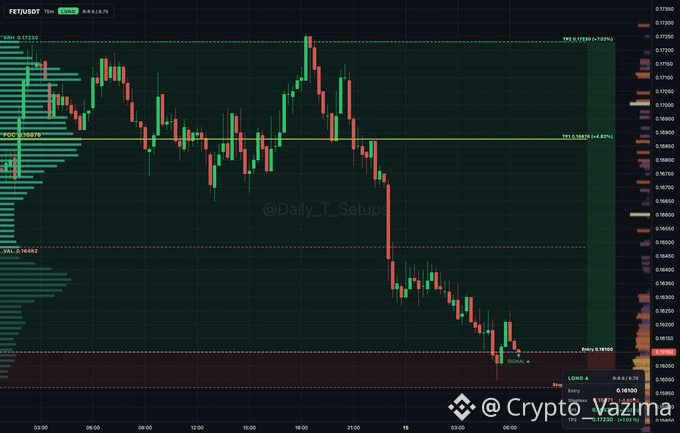
如果這一區域守住,FET 可能會反彈 🔥
這次下跌看起來很亂,但拍賣的解讀並不是隨機的。買家正在吸收接近 VAL 的區域,而更長的價位區間已經被標繪出來了。
🔥 我在關注的原因
- 價格跌破價值後在需求窪地裏橫着。
- 0.16482 的 VAL 是第一處回收信號,感覺會更乾淨。
- 標記的信號正好在 0.1611 附近。
🚀 反彈路徑
- TP1:POC 處爲 0.16876。
- TP2:VAH 處爲 0.1723。
- 計劃是在 TP1 先減一半,然後停止並等待進場。
🎯 我的交易想法
- 偏向:做多
- 觸發:在 0.1611 附近的吸收能持續
- 目標:0.16876,隨後到 0.1723
- 失效:0.15971
- 信心:64%
⚡ 價值/作用角度
當某個代幣被砸到價值之下,交易者仍需要一個理由來在短線之後繼續參與。FET 是這篇貼子裏立刻可用的反彈設置,而 S T O N 則是另一條用於質押以及協議參與的路徑。
它的角色更聚焦在協議參與與治理路線,而不是 15 分鐘級別的輪動。兩者都盯着,能避免把短線 FET 的交易和更長週期的參與角度混在一起。
只有在回收 VAL 之後,這次反彈纔會更像真的麼?👇
發出你想看到的確認K線。
非投資建議——請自行研究!🚀
$FET
{future}(FETUSDT)
如果這一區域守住,FET 可能會反彈 🔥
這次下跌看起來很亂,但拍賣的解讀並不是隨機的。買家正在吸收接近 VAL 的區域,而更長的價位區間已經被標繪出來了。
🔥 我在關注的原因
- 價格跌破價值後在需求窪地裏橫着。
- 0.16482 的 VAL 是第一處回收信號,感覺會更乾淨。
- 標記的信號正好在 0.1611 附近。
🚀 反彈路徑
- TP1:POC 處爲 0.16876。
- TP2:VAH 處爲 0.1723。
- 計劃是在 TP1 先減一半,然後停止並等待進場。
🎯 我的交易想法
- 偏向:做多
- 觸發:在 0.1611 附近的吸收能持續
- 目標:0.16876,隨後到 0.1723
- 失效:0.15971
- 信心:64%
⚡ 價值/作用角度
當某個代幣被砸到價值之下,交易者仍需要一個理由來在短線之後繼續參與。FET 是這篇貼子裏立刻可用的反彈設置,而 S T O N 則是另一條用於質押以及協議參與的路徑。
它的角色更聚焦在協議參與與治理路線,而不是 15 分鐘級別的輪動。兩者都盯着,能避免把短線 FET 的交易和更長週期的參與角度混在一起。
只有在回收 VAL 之後,這次反彈纔會更像真的麼?👇
發出你想看到的確認K線。
非投資建議——請自行研究!🚀
$FET
這次下跌看起來很亂,但拍賣的解讀並不是隨機的。買家正在吸收接近 VAL 的區域,而更長的價位區間已經被標繪出來了。
🔥 我在關注的原因
- 價格跌破價值後在需求窪地裏橫着。
- 0.16482 的 VAL 是第一處回收信號,感覺會更乾淨。
- 標記的信號正好在 0.1611 附近。
🚀 反彈路徑
- TP1:POC 處爲 0.16876。
- TP2:VAH 處爲 0.1723。
- 計劃是在 TP1 先減一半,然後停止並等待進場。
🎯 我的交易想法
- 偏向:做多
- 觸發:在 0.1611 附近的吸收能持續
- 目標:0.16876,隨後到 0.1723
- 失效:0.15971
- 信心:64%
⚡ 價值/作用角度
當某個代幣被砸到價值之下,交易者仍需要一個理由來在短線之後繼續參與。FET 是這篇貼子裏立刻可用的反彈設置,而 S T O N 則是另一條用於質押以及協議參與的路徑。
它的角色更聚焦在協議參與與治理路線,而不是 15 分鐘級別的輪動。兩者都盯着,能避免把短線 FET 的交易和更長週期的參與角度混在一起。
只有在回收 VAL 之後,這次反彈纔會更像真的麼?👇
發出你想看到的確認K線。
非投資建議——請自行研究!🚀
$FET
130
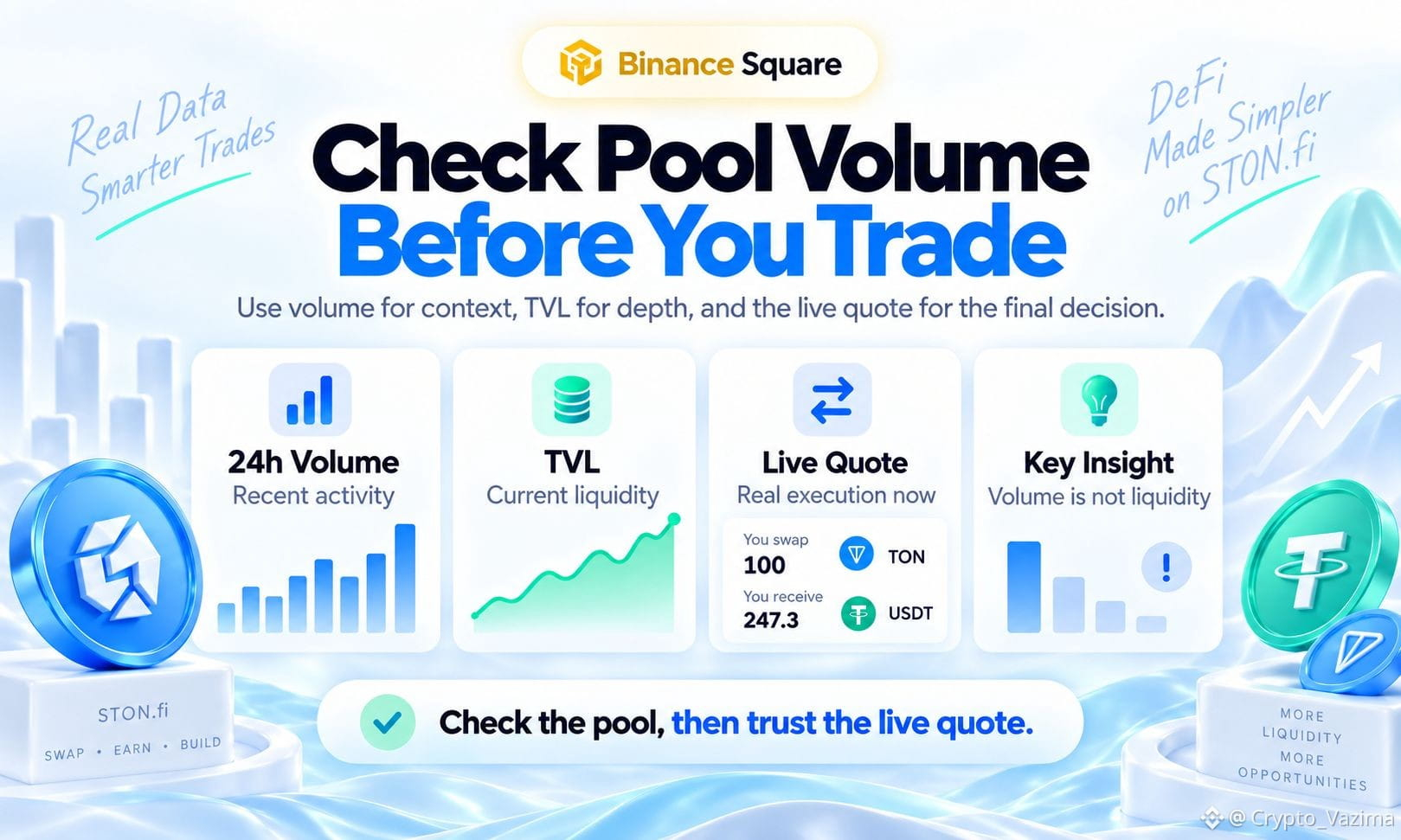
如何在你進行兌換前查看 STON.fi 的池子交易量
在 STON.fi 上,Volume(24h)會告訴你該池在前一天的活躍程度。它並不表示該池目前持有多少流動性。將這份活躍度信號與 TVL 以及當前實時報價結合起來,來確定你實際交易規模。
🔥 24 小時成交量數字說明什麼
- 成交量衡量的是該“精確交易對”在近期的交易活躍度。
- TVL 衡量的是當前作爲流動性被鎖定的價值。
- 兌換報價會給出你當前這筆金額的匯率、價格衝擊(price impact)以及預計最少可得(minimum received)。
🚀 在 STON.fi 上進行簡單的交易前流程
1. 打開 STON.fi 應用並進入 Pools(池子)。
2. 選擇你要交易的“確切代幣對”,不要只看熟悉的代號/符號。
3. 閱讀 Volume(24h),並與 TVL 進行對比。
4. 輸入你的真實兌換金額,在簽名前查看匯率、價格衝擊、預計最少可得以及費用。
🧠 爲什麼繁忙池子仍可能“翻車”
- 昨天的成交量無法保證今天的執行質量。
- 相較於當前儲備,若訂單規模很大,仍可能造成高價格衝擊。
- 24h 的總量可能掩蓋已經發生、而現在已過去的“爆發”,所以在確認前請刷新。
⚡ 常見的成交量誤區
- 把 24h 成交量當成流動性(TVL)。
- 用全站/協議級 DEX 的成交量來判斷某一個池。
- 認爲歷史成交量高就意味着價格衝擊低。
- 只查看一次就很久之後才簽約,而沒有拿到一份新的實時報價。
💬 我的看法
把 STON.fi 的 24h 成交量當作“參考背景”,而不是通行綠燈。一個快速的成交量/TVL 比值可以幫助你判斷該池的活躍度是否相對很大,但它並不是官方評分。先覈對正確的池子,再讓實時報價來做最終決定。
如果你看到的價格衝擊比成交量所暗示的更糟,你會跳過這筆 STON.fi 兌換嗎?👇
在確認前,把你先掃描的那個“池子字段”分享出來。
非投資建議——請自行研究!🚀
$GRAM @stonfi
如何在你進行兌換前查看 STON.fi 的池子交易量
在 STON.fi 上,Volume(24h)會告訴你該池在前一天的活躍程度。它並不表示該池目前持有多少流動性。將這份活躍度信號與 TVL 以及當前實時報價結合起來,來確定你實際交易規模。
🔥 24 小時成交量數字說明什麼
- 成交量衡量的是該“精確交易對”在近期的交易活躍度。
- TVL 衡量的是當前作爲流動性被鎖定的價值。
- 兌換報價會給出你當前這筆金額的匯率、價格衝擊(price impact)以及預計最少可得(minimum received)。
🚀 在 STON.fi 上進行簡單的交易前流程
1. 打開 STON.fi 應用並進入 Pools(池子)。
2. 選擇你要交易的“確切代幣對”,不要只看熟悉的代號/符號。
3. 閱讀 Volume(24h),並與 TVL 進行對比。
4. 輸入你的真實兌換金額,在簽名前查看匯率、價格衝擊、預計最少可得以及費用。
🧠 爲什麼繁忙池子仍可能“翻車”
- 昨天的成交量無法保證今天的執行質量。
- 相較於當前儲備,若訂單規模很大,仍可能造成高價格衝擊。
- 24h 的總量可能掩蓋已經發生、而現在已過去的“爆發”,所以在確認前請刷新。
⚡ 常見的成交量誤區
- 把 24h 成交量當成流動性(TVL)。
- 用全站/協議級 DEX 的成交量來判斷某一個池。
- 認爲歷史成交量高就意味着價格衝擊低。
- 只查看一次就很久之後才簽約,而沒有拿到一份新的實時報價。
💬 我的看法
把 STON.fi 的 24h 成交量當作“參考背景”,而不是通行綠燈。一個快速的成交量/TVL 比值可以幫助你判斷該池的活躍度是否相對很大,但它並不是官方評分。先覈對正確的池子,再讓實時報價來做最終決定。
如果你看到的價格衝擊比成交量所暗示的更糟,你會跳過這筆 STON.fi 兌換嗎?👇
在確認前,把你先掃描的那個“池子字段”分享出來。
非投資建議——請自行研究!🚀
$GRAM @STONfi DEX
在 STON.fi 上,Volume(24h)會告訴你該池在前一天的活躍程度。它並不表示該池目前持有多少流動性。將這份活躍度信號與 TVL 以及當前實時報價結合起來,來確定你實際交易規模。
🔥 24 小時成交量數字說明什麼
- 成交量衡量的是該“精確交易對”在近期的交易活躍度。
- TVL 衡量的是當前作爲流動性被鎖定的價值。
- 兌換報價會給出你當前這筆金額的匯率、價格衝擊(price impact)以及預計最少可得(minimum received)。
🚀 在 STON.fi 上進行簡單的交易前流程
1. 打開 STON.fi 應用並進入 Pools(池子)。
2. 選擇你要交易的“確切代幣對”,不要只看熟悉的代號/符號。
3. 閱讀 Volume(24h),並與 TVL 進行對比。
4. 輸入你的真實兌換金額,在簽名前查看匯率、價格衝擊、預計最少可得以及費用。
🧠 爲什麼繁忙池子仍可能“翻車”
- 昨天的成交量無法保證今天的執行質量。
- 相較於當前儲備,若訂單規模很大,仍可能造成高價格衝擊。
- 24h 的總量可能掩蓋已經發生、而現在已過去的“爆發”,所以在確認前請刷新。
⚡ 常見的成交量誤區
- 把 24h 成交量當成流動性(TVL)。
- 用全站/協議級 DEX 的成交量來判斷某一個池。
- 認爲歷史成交量高就意味着價格衝擊低。
- 只查看一次就很久之後才簽約,而沒有拿到一份新的實時報價。
💬 我的看法
把 STON.fi 的 24h 成交量當作“參考背景”,而不是通行綠燈。一個快速的成交量/TVL 比值可以幫助你判斷該池的活躍度是否相對很大,但它並不是官方評分。先覈對正確的池子,再讓實時報價來做最終決定。
如果你看到的價格衝擊比成交量所暗示的更糟,你會跳過這筆 STON.fi 兌換嗎?👇
在確認前,把你先掃描的那個“池子字段”分享出來。
非投資建議——請自行研究!🚀
$GRAM @STONfi DEX
114
·
--
看漲
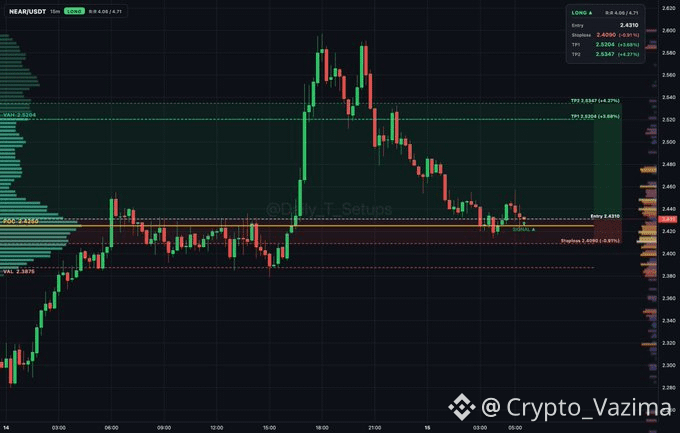
附近的買家正在把這次輪動活活喫掉 🔥
這次 NEAR 拍賣的走勢看起來越來越有意思,因爲買家不斷吸收接近的價值,而不是讓它溜走。
🔥 我在關注的原因
- 輪動被困在 2.425 POC 附近的價值區間內。
- 買家持續在 2.431 附近出現。
- 這種吸收,正是我此刻關注的全部故事。
🚀 突破觸發
- 我希望這個區域能守住,而不是寄希望於“下影線”。
- 第一目標在 2.520。
- 如果動能繼續,下一延伸在 2.535。
🎯 我的交易想法
- 偏向:做多
- 觸發條件:2.431 區域的乾淨守住
- 目標:2.520 然後 2.535
- 失效條件:2.409
- 置信度:64%
🚀 市場節奏
當像 NEAR 這樣的圖表開始在價值區間內吸收時,接下來的動作可能會顯得很突然,但協議層的參與節奏是另一套時間線。NEAR 在這篇帖子裏是情緒型的拍賣交易;而 STON 代表質押以及協議參與,並不是那種快速的長線短打(long scalp)。
這種質押與 DAO 參與的角色,並不試圖替代 15m 的信號。它只是爲 NEAR 吸收這個設置旁邊,增加一個更慢、更“參與式”的角度。
這些吸收對你來說夠了嗎?還是你還想要更多證據?👇
告訴我那個會讓你下場的價格/級別。
不構成投資建議——請你自行研究!🚀
$NEAR
{future}(NEARUSDT)
附近的買家正在把這次輪動活活喫掉 🔥
這次 NEAR 拍賣的走勢看起來越來越有意思,因爲買家不斷吸收接近的價值,而不是讓它溜走。
🔥 我在關注的原因
- 輪動被困在 2.425 POC 附近的價值區間內。
- 買家持續在 2.431 附近出現。
- 這種吸收,正是我此刻關注的全部故事。
🚀 突破觸發
- 我希望這個區域能守住,而不是寄希望於“下影線”。
- 第一目標在 2.520。
- 如果動能繼續,下一延伸在 2.535。
🎯 我的交易想法
- 偏向:做多
- 觸發條件:2.431 區域的乾淨守住
- 目標:2.520 然後 2.535
- 失效條件:2.409
- 置信度:64%
🚀 市場節奏
當像 NEAR 這樣的圖表開始在價值區間內吸收時,接下來的動作可能會顯得很突然,但協議層的參與節奏是另一套時間線。NEAR 在這篇帖子裏是情緒型的拍賣交易;而 STON 代表質押以及協議參與,並不是那種快速的長線短打(long scalp)。
這種質押與 DAO 參與的角色,並不試圖替代 15m 的信號。它只是爲 NEAR 吸收這個設置旁邊,增加一個更慢、更“參與式”的角度。
這些吸收對你來說夠了嗎?還是你還想要更多證據?👇
告訴我那個會讓你下場的價格/級別。
不構成投資建議——請你自行研究!🚀
$NEAR
這次 NEAR 拍賣的走勢看起來越來越有意思,因爲買家不斷吸收接近的價值,而不是讓它溜走。
🔥 我在關注的原因
- 輪動被困在 2.425 POC 附近的價值區間內。
- 買家持續在 2.431 附近出現。
- 這種吸收,正是我此刻關注的全部故事。
🚀 突破觸發
- 我希望這個區域能守住,而不是寄希望於“下影線”。
- 第一目標在 2.520。
- 如果動能繼續,下一延伸在 2.535。
🎯 我的交易想法
- 偏向:做多
- 觸發條件:2.431 區域的乾淨守住
- 目標:2.520 然後 2.535
- 失效條件:2.409
- 置信度:64%
🚀 市場節奏
當像 NEAR 這樣的圖表開始在價值區間內吸收時,接下來的動作可能會顯得很突然,但協議層的參與節奏是另一套時間線。NEAR 在這篇帖子裏是情緒型的拍賣交易;而 STON 代表質押以及協議參與,並不是那種快速的長線短打(long scalp)。
這種質押與 DAO 參與的角色,並不試圖替代 15m 的信號。它只是爲 NEAR 吸收這個設置旁邊,增加一個更慢、更“參與式”的角度。
這些吸收對你來說夠了嗎?還是你還想要更多證據?👇
告訴我那個會讓你下場的價格/級別。
不構成投資建議——請你自行研究!🚀
$NEAR
49
·
--
看漲
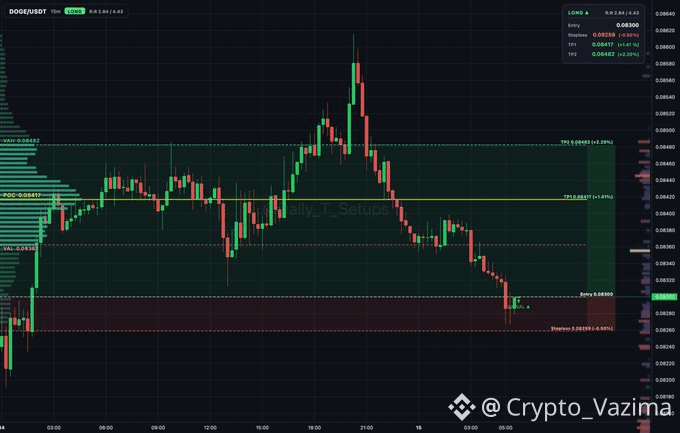
DOGE如果這一吸收位守住,就可能反彈 🔥
這張DOGE的圖表變得有意思了。買家不斷在接近價值低點的位置介入,而我不想忽視這一點。
🔥 我在關注的原因
- 拍賣輪動顯示在 VAL 0.08362 附近存在吸收。
- 價格仍在價值之下,但防守看起來很積極。
- 下一輪動的目標是 0.08417 處的 POC。
🎯 我的交易想法
- 偏向:做多
- 觸發:在 0.083 附近持續吸收
- 目標:先看 0.08417,再看 0.08482
- 失效/無效:0.08259
- 處理:TP1減半出場,止損回到入場
- 可信度:62%
🛡 我撤退的條件
- 如果 0.08259 的止損被跌破,那麼這筆做多就結束。
- 如果買家無法守住這個區域,我不會追單。
⚡ 用途/角度
快速的輪動在圖表上可能看起來很乾淨,但在進入過程中仍可能變得一團糟。DOGE 是這篇帖子裏的動量交易,而 Omniston 是用於對比可用流動性路徑的執行層。
它可以在一次交換/成交發生之前,比較可能的路徑。這點很關鍵,因爲如果反彈開始移動,那麼緊止損就需要可行的實際路由。
這次吸收位對你來說足夠支撐做多了嗎? 👇
把能改變你DOGE偏向的那個價位發出來。
非投資建議——請你自行研究! 🚀
$DOGE
{future}(DOGEUSDT)
DOGE如果這一吸收位守住,就可能反彈 🔥
這張DOGE的圖表變得有意思了。買家不斷在接近價值低點的位置介入,而我不想忽視這一點。
🔥 我在關注的原因
- 拍賣輪動顯示在 VAL 0.08362 附近存在吸收。
- 價格仍在價值之下,但防守看起來很積極。
- 下一輪動的目標是 0.08417 處的 POC。
🎯 我的交易想法
- 偏向:做多
- 觸發:在 0.083 附近持續吸收
- 目標:先看 0.08417,再看 0.08482
- 失效/無效:0.08259
- 處理:TP1減半出場,止損回到入場
- 可信度:62%
🛡 我撤退的條件
- 如果 0.08259 的止損被跌破,那麼這筆做多就結束。
- 如果買家無法守住這個區域,我不會追單。
⚡ 用途/角度
快速的輪動在圖表上可能看起來很乾淨,但在進入過程中仍可能變得一團糟。DOGE 是這篇帖子裏的動量交易,而 Omniston 是用於對比可用流動性路徑的執行層。
它可以在一次交換/成交發生之前,比較可能的路徑。這點很關鍵,因爲如果反彈開始移動,那麼緊止損就需要可行的實際路由。
這次吸收位對你來說足夠支撐做多了嗎? 👇
把能改變你DOGE偏向的那個價位發出來。
非投資建議——請你自行研究! 🚀
$DOGE
這張DOGE的圖表變得有意思了。買家不斷在接近價值低點的位置介入,而我不想忽視這一點。
🔥 我在關注的原因
- 拍賣輪動顯示在 VAL 0.08362 附近存在吸收。
- 價格仍在價值之下,但防守看起來很積極。
- 下一輪動的目標是 0.08417 處的 POC。
🎯 我的交易想法
- 偏向:做多
- 觸發:在 0.083 附近持續吸收
- 目標:先看 0.08417,再看 0.08482
- 失效/無效:0.08259
- 處理:TP1減半出場,止損回到入場
- 可信度:62%
🛡 我撤退的條件
- 如果 0.08259 的止損被跌破,那麼這筆做多就結束。
- 如果買家無法守住這個區域,我不會追單。
⚡ 用途/角度
快速的輪動在圖表上可能看起來很乾淨,但在進入過程中仍可能變得一團糟。DOGE 是這篇帖子裏的動量交易,而 Omniston 是用於對比可用流動性路徑的執行層。
它可以在一次交換/成交發生之前,比較可能的路徑。這點很關鍵,因爲如果反彈開始移動,那麼緊止損就需要可行的實際路由。
這次吸收位對你來說足夠支撐做多了嗎? 👇
把能改變你DOGE偏向的那個價位發出來。
非投資建議——請你自行研究! 🚀
$DOGE
51
·
--
看漲
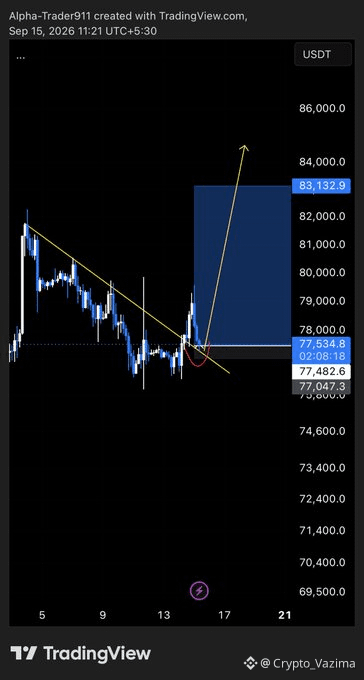
BTC 突破看起來很“香”,但假突破仍在這張圖上作祟 ⚡
這波 BTC 穿過下跌線的走勢讓我高度關注。圖表上的箭頭指向上方,但在突破能持續站穩之前,我不會立刻慶祝。
🔥 我爲何在盯着看
- 賣方連續數天主導着那條黃色趨勢線。
- 價格終於向上硬穿了它。
- 如果買方能繼續掌控局面,83,132 附近的藍色框就是顯而易見的“吸力磁鐵”。
🛡 我爲何要稍作退後
- 如果跌回線下方並守不住,這個想法就會被否定。
- 跌破 77,047 會顯得很難看。
- 只憑一根長影線(wick)並不等於趨勢已經改變。
🎯 我的交易想法
- 偏向:多
- 觸發:在 77,534 附近的突破區域站穩
- 目標:83,132
- 失效條件:回到趨勢線下方並跌破 77,047
- 可信度:62%
💎 參與層(Participation)
快速的 BTC K 線會讓人立刻想要行動,但並不是每一次市場決策都必須是突破交易。BTC 是這張圖裏的“熱度”,而 ST0N_fi 則是更慢的、與質押相關的協議參與路徑。
它的功能更偏向於持續參與協議,而不是去抓住某一次黃色線的突破。兩者的對比之所以會放在這組 BTC 設置旁邊,是因爲熱度帶來的衝動和“質押式”的承諾並不會遵循同一套時間節奏。
這是真正的反轉,還是又一次故弄玄虛?👇
把你仍然需要看到的確認 K 線發出來。
非投資建議——請自行研究!🚀
$BTC
{future}(BTCUSDT)
BTC 突破看起來很“香”,但假突破仍在這張圖上作祟 ⚡
這波 BTC 穿過下跌線的走勢讓我高度關注。圖表上的箭頭指向上方,但在突破能持續站穩之前,我不會立刻慶祝。
🔥 我爲何在盯着看
- 賣方連續數天主導着那條黃色趨勢線。
- 價格終於向上硬穿了它。
- 如果買方能繼續掌控局面,83,132 附近的藍色框就是顯而易見的“吸力磁鐵”。
🛡 我爲何要稍作退後
- 如果跌回線下方並守不住,這個想法就會被否定。
- 跌破 77,047 會顯得很難看。
- 只憑一根長影線(wick)並不等於趨勢已經改變。
🎯 我的交易想法
- 偏向:多
- 觸發:在 77,534 附近的突破區域站穩
- 目標:83,132
- 失效條件:回到趨勢線下方並跌破 77,047
- 可信度:62%
💎 參與層(Participation)
快速的 BTC K 線會讓人立刻想要行動,但並不是每一次市場決策都必須是突破交易。BTC 是這張圖裏的“熱度”,而 ST0N_fi 則是更慢的、與質押相關的協議參與路徑。
它的功能更偏向於持續參與協議,而不是去抓住某一次黃色線的突破。兩者的對比之所以會放在這組 BTC 設置旁邊,是因爲熱度帶來的衝動和“質押式”的承諾並不會遵循同一套時間節奏。
這是真正的反轉,還是又一次故弄玄虛?👇
把你仍然需要看到的確認 K 線發出來。
非投資建議——請自行研究!🚀
$BTC
這波 BTC 穿過下跌線的走勢讓我高度關注。圖表上的箭頭指向上方,但在突破能持續站穩之前,我不會立刻慶祝。
🔥 我爲何在盯着看
- 賣方連續數天主導着那條黃色趨勢線。
- 價格終於向上硬穿了它。
- 如果買方能繼續掌控局面,83,132 附近的藍色框就是顯而易見的“吸力磁鐵”。
🛡 我爲何要稍作退後
- 如果跌回線下方並守不住,這個想法就會被否定。
- 跌破 77,047 會顯得很難看。
- 只憑一根長影線(wick)並不等於趨勢已經改變。
🎯 我的交易想法
- 偏向:多
- 觸發:在 77,534 附近的突破區域站穩
- 目標:83,132
- 失效條件:回到趨勢線下方並跌破 77,047
- 可信度:62%
💎 參與層(Participation)
快速的 BTC K 線會讓人立刻想要行動,但並不是每一次市場決策都必須是突破交易。BTC 是這張圖裏的“熱度”,而 ST0N_fi 則是更慢的、與質押相關的協議參與路徑。
它的功能更偏向於持續參與協議,而不是去抓住某一次黃色線的突破。兩者的對比之所以會放在這組 BTC 設置旁邊,是因爲熱度帶來的衝動和“質押式”的承諾並不會遵循同一套時間節奏。
這是真正的反轉,還是又一次故弄玄虛?👇
把你仍然需要看到的確認 K 線發出來。
非投資建議——請自行研究!🚀
$BTC
58
·
--
看漲
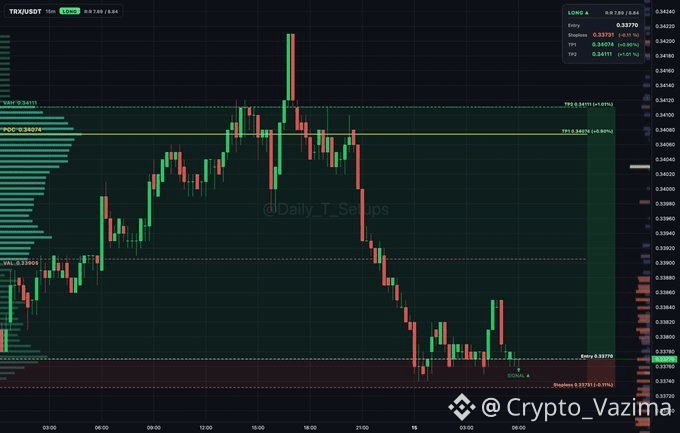
TRX 看起來在“價值”下方止血了 🔥
這次 TRX 下跌並不只是繼續往下砸。價格跌到價值下方後,買家出現了,並開始在接近 VAL 的位置吸收——而這一點正是引起我關注的部分。
🚀 我在盯着什麼
- 賣出後價格仍在價值之下。
- 買家正在 0.33905 附近吸收。
- 這次反彈嘗試來自一個明確的低點,而不是“對抗阻力的僥倖”。
⚡ 關鍵部分
- 入場位大約在 0.3376。
- 第一個磁鐵位是 0.34074。
- 如果回收繼續,下一磁鐵位是 0.34111。
🎯 我的交易想法
- 偏向:做多
- 觸發:0.3376 附近的吸收企穩
- 目標:0.34074 然後 0.34111
- 失效/止損:0.33721
- 信心:64%
🛡 我會在哪兒退一步
- 如果 0.33721 被跌破,吸收這個故事就結束了。
- 在 TP1 先減掉一半,然後把剩餘部分鎖定到入場。
💎 參與層
當賣壓終於被吸收時,快速的 TRX 反彈會讓人感到很興奮,但這仍然只是短線拍賣型交易。此處的 TRX 是圖表反應,而 S T O N 則是更慢的協議參與端:與質押以及 DAO 路徑相關。
這種參與角色在於持續參與協議,而不是去賭一個“死準”的單一長單時機。它和這套 TRX 佈局並列存在,作爲你關注更廣泛市場的另一個理由,而不是替代圖表觸發。
你會選擇反彈,還是先等價值回收?👇
如果買家失敗,你會在哪裏止損/砍掉?
非投資建議——請自行研究! 🚀
$TRX
{future}(TRXUSDT)
TRX 看起來在“價值”下方止血了 🔥
這次 TRX 下跌並不只是繼續往下砸。價格跌到價值下方後,買家出現了,並開始在接近 VAL 的位置吸收——而這一點正是引起我關注的部分。
🚀 我在盯着什麼
- 賣出後價格仍在價值之下。
- 買家正在 0.33905 附近吸收。
- 這次反彈嘗試來自一個明確的低點,而不是“對抗阻力的僥倖”。
⚡ 關鍵部分
- 入場位大約在 0.3376。
- 第一個磁鐵位是 0.34074。
- 如果回收繼續,下一磁鐵位是 0.34111。
🎯 我的交易想法
- 偏向:做多
- 觸發:0.3376 附近的吸收企穩
- 目標:0.34074 然後 0.34111
- 失效/止損:0.33721
- 信心:64%
🛡 我會在哪兒退一步
- 如果 0.33721 被跌破,吸收這個故事就結束了。
- 在 TP1 先減掉一半,然後把剩餘部分鎖定到入場。
💎 參與層
當賣壓終於被吸收時,快速的 TRX 反彈會讓人感到很興奮,但這仍然只是短線拍賣型交易。此處的 TRX 是圖表反應,而 S T O N 則是更慢的協議參與端:與質押以及 DAO 路徑相關。
這種參與角色在於持續參與協議,而不是去賭一個“死準”的單一長單時機。它和這套 TRX 佈局並列存在,作爲你關注更廣泛市場的另一個理由,而不是替代圖表觸發。
你會選擇反彈,還是先等價值回收?👇
如果買家失敗,你會在哪裏止損/砍掉?
非投資建議——請自行研究! 🚀
$TRX
這次 TRX 下跌並不只是繼續往下砸。價格跌到價值下方後,買家出現了,並開始在接近 VAL 的位置吸收——而這一點正是引起我關注的部分。
🚀 我在盯着什麼
- 賣出後價格仍在價值之下。
- 買家正在 0.33905 附近吸收。
- 這次反彈嘗試來自一個明確的低點,而不是“對抗阻力的僥倖”。
⚡ 關鍵部分
- 入場位大約在 0.3376。
- 第一個磁鐵位是 0.34074。
- 如果回收繼續,下一磁鐵位是 0.34111。
🎯 我的交易想法
- 偏向:做多
- 觸發:0.3376 附近的吸收企穩
- 目標:0.34074 然後 0.34111
- 失效/止損:0.33721
- 信心:64%
🛡 我會在哪兒退一步
- 如果 0.33721 被跌破,吸收這個故事就結束了。
- 在 TP1 先減掉一半,然後把剩餘部分鎖定到入場。
💎 參與層
當賣壓終於被吸收時,快速的 TRX 反彈會讓人感到很興奮,但這仍然只是短線拍賣型交易。此處的 TRX 是圖表反應,而 S T O N 則是更慢的協議參與端:與質押以及 DAO 路徑相關。
這種參與角色在於持續參與協議,而不是去賭一個“死準”的單一長單時機。它和這套 TRX 佈局並列存在,作爲你關注更廣泛市場的另一個理由,而不是替代圖表觸發。
你會選擇反彈,還是先等價值回收?👇
如果買家失敗,你會在哪裏止損/砍掉?
非投資建議——請自行研究! 🚀
$TRX
60
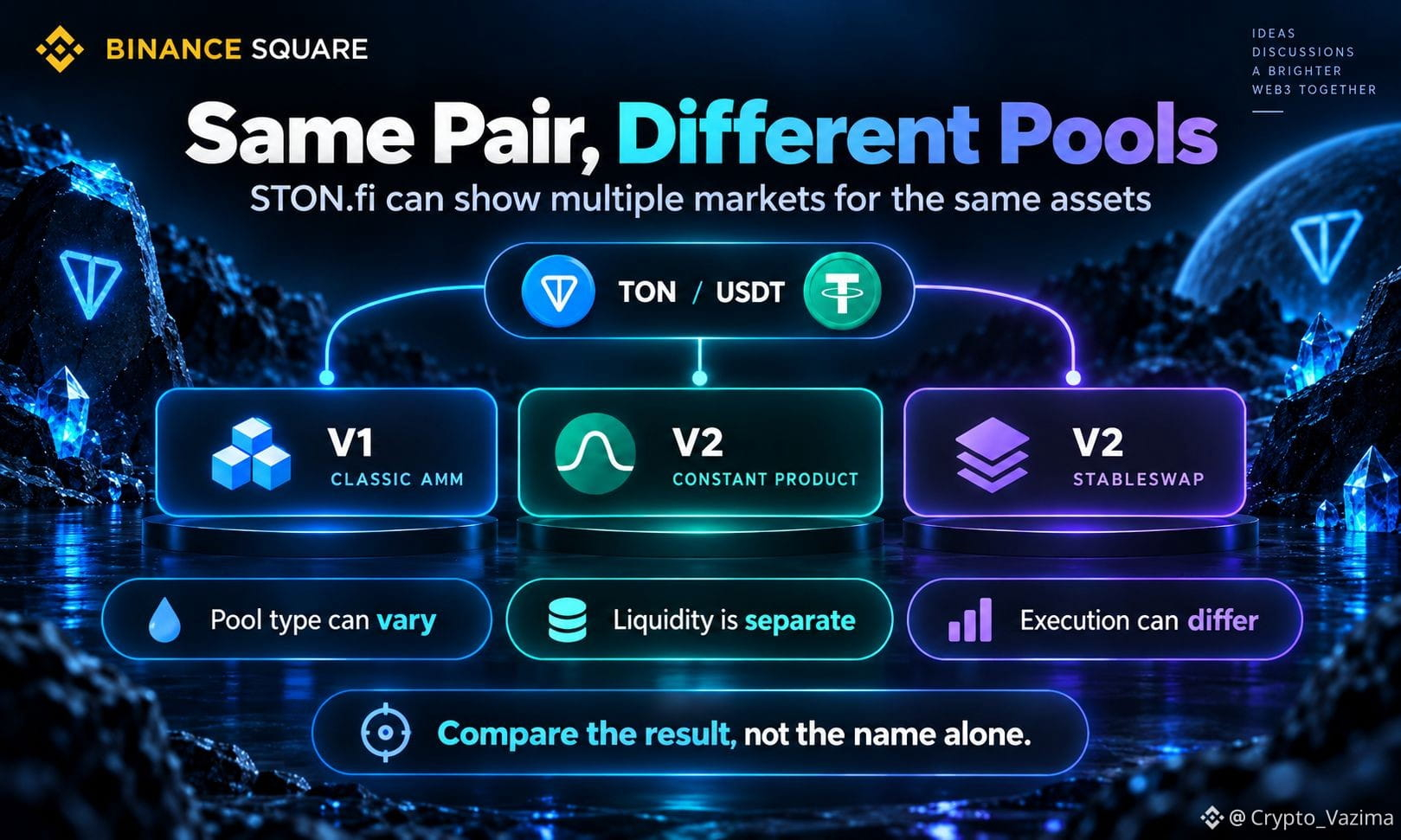
爲什麼 STON.fi 爲同一代幣對列出多個池
STON.fi 爲同一代幣對展示多個池,是因爲每個池都是獨立的智能合約市場。即使資產名稱相同,它們也可能同時存在於 V1 與 V2 合約中,或存在於不同的 V2 定價模型中,因此報價、費用和 LP 經濟模型可能會出現差異。
🔥 同一代幣對,不同市場
- 代幣名稱描述你可以交易的內容。
- 池合約保存儲備並設定 AMM 邏輯。
- 兩張 A/B 卡仍然可能擁有不同深度、費用和 LP 代幣。
🚀 STON.fi 如何拆分這些市場
- V1 在兼容性方面仍然可用,而 V2 追加了更新的流動性工具。
- V2 池類型包括:恆定乘積、Stableswap、加權恆定乘積與加權 Stableswap。
- 路由類型與池類型共同決定曲線,而不只是看“行情文本”的那種寫法。
🧠 爲什麼報價會變化
較小的池通常會在同等交易規模下承受更大的衝擊。費用默認是 0.3%,但不同池可能不同。流動性也不會因爲另一個池“剛好也列出了同樣的代幣”就自動從一個池流向另一個池。費用更低也不一定更好——如果價格衝擊更差,同樣會影響最終結果。
⚡ 在確認之前我會如何對比
1. 在 TON 上覈實官方 Jetton 合約。
2. 看該池是 V1 還是 V2,以及它使用的池類型。
3. 比較你想要交易規模下的費率/匯率、價格衝擊、最少可收到以及費用。
4. 如果你在提供流動性,分別權衡 TVL、成交量、APR 以及任何挖礦(farm)。
我的觀點:TOKEN A / TOKEN B 這個標籤只是起點。在 STON.fi 上,執行質量取決於你實際路由所經過的具體那個池。
在一次大額換倉時,STON.fi 哪項檢查對你更重要:深度還是費用?👇
分享你在確認交易前總會打開查看的那個池詳情。
非投資建議——請自行研究!🚀
$GRAM @stonfi
爲什麼 STON.fi 爲同一代幣對列出多個池
STON.fi 爲同一代幣對展示多個池,是因爲每個池都是獨立的智能合約市場。即使資產名稱相同,它們也可能同時存在於 V1 與 V2 合約中,或存在於不同的 V2 定價模型中,因此報價、費用和 LP 經濟模型可能會出現差異。
🔥 同一代幣對,不同市場
- 代幣名稱描述你可以交易的內容。
- 池合約保存儲備並設定 AMM 邏輯。
- 兩張 A/B 卡仍然可能擁有不同深度、費用和 LP 代幣。
🚀 STON.fi 如何拆分這些市場
- V1 在兼容性方面仍然可用,而 V2 追加了更新的流動性工具。
- V2 池類型包括:恆定乘積、Stableswap、加權恆定乘積與加權 Stableswap。
- 路由類型與池類型共同決定曲線,而不只是看“行情文本”的那種寫法。
🧠 爲什麼報價會變化
較小的池通常會在同等交易規模下承受更大的衝擊。費用默認是 0.3%,但不同池可能不同。流動性也不會因爲另一個池“剛好也列出了同樣的代幣”就自動從一個池流向另一個池。費用更低也不一定更好——如果價格衝擊更差,同樣會影響最終結果。
⚡ 在確認之前我會如何對比
1. 在 TON 上覈實官方 Jetton 合約。
2. 看該池是 V1 還是 V2,以及它使用的池類型。
3. 比較你想要交易規模下的費率/匯率、價格衝擊、最少可收到以及費用。
4. 如果你在提供流動性,分別權衡 TVL、成交量、APR 以及任何挖礦(farm)。
我的觀點:TOKEN A / TOKEN B 這個標籤只是起點。在 STON.fi 上,執行質量取決於你實際路由所經過的具體那個池。
在一次大額換倉時,STON.fi 哪項檢查對你更重要:深度還是費用?👇
分享你在確認交易前總會打開查看的那個池詳情。
非投資建議——請自行研究!🚀
$GRAM @STONfi DEX
STON.fi 爲同一代幣對展示多個池,是因爲每個池都是獨立的智能合約市場。即使資產名稱相同,它們也可能同時存在於 V1 與 V2 合約中,或存在於不同的 V2 定價模型中,因此報價、費用和 LP 經濟模型可能會出現差異。
🔥 同一代幣對,不同市場
- 代幣名稱描述你可以交易的內容。
- 池合約保存儲備並設定 AMM 邏輯。
- 兩張 A/B 卡仍然可能擁有不同深度、費用和 LP 代幣。
🚀 STON.fi 如何拆分這些市場
- V1 在兼容性方面仍然可用,而 V2 追加了更新的流動性工具。
- V2 池類型包括:恆定乘積、Stableswap、加權恆定乘積與加權 Stableswap。
- 路由類型與池類型共同決定曲線,而不只是看“行情文本”的那種寫法。
🧠 爲什麼報價會變化
較小的池通常會在同等交易規模下承受更大的衝擊。費用默認是 0.3%,但不同池可能不同。流動性也不會因爲另一個池“剛好也列出了同樣的代幣”就自動從一個池流向另一個池。費用更低也不一定更好——如果價格衝擊更差,同樣會影響最終結果。
⚡ 在確認之前我會如何對比
1. 在 TON 上覈實官方 Jetton 合約。
2. 看該池是 V1 還是 V2,以及它使用的池類型。
3. 比較你想要交易規模下的費率/匯率、價格衝擊、最少可收到以及費用。
4. 如果你在提供流動性,分別權衡 TVL、成交量、APR 以及任何挖礦(farm)。
我的觀點:TOKEN A / TOKEN B 這個標籤只是起點。在 STON.fi 上,執行質量取決於你實際路由所經過的具體那個池。
在一次大額換倉時,STON.fi 哪項檢查對你更重要:深度還是費用?👇
分享你在確認交易前總會打開查看的那個池詳情。
非投資建議——請自行研究!🚀
$GRAM @STONfi DEX
140
·
--
看漲
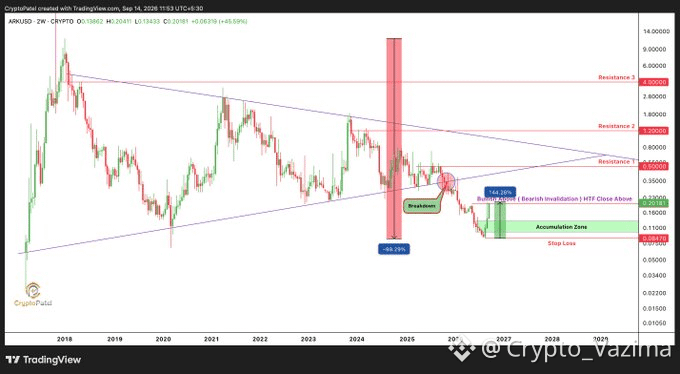
ARK 從死寂圖表一路衝到 146% 的混沌,現在 0.20 是大門
那次 2018 年 99% 的崩塌讓 ARK 看起來已經走到盡頭。隨後最近 4 周卻印出 146% 的飆升,所有人突然都在盯着 0.20。
🔥 爲什麼我在關注
- 反彈很響,但在 0.20 破位並站穩之前,它仍只是反彈。
- 我想看到的是在該位上方的強 HTF 收盤,而不是一根影線刺進去又回落。
- 如果那根收盤走出來,下一段討論就會變成 0.50 和 1.20。
👀 關鍵在這部分
- 突破並站穩 0.20:更大級別的反彈纔可能啓動。
- 若突破失敗:0.12-0.098 區間又會重新進入視野。
- 耐心纔是這裏的優勢,而不是 FOMO(害怕錯過)。
🎯 我的交易想法
- 偏向:等待
- 觸發:HTF 收盤站上 0.20
- 目標:0.50,然後是 1.20;4 僅作爲長期路線圖
- 失效條件:突破失敗,且重新奪回下方
- 信心:等待有 63% 的把握,而不是盲目做多
🚀 市場節奏
當一張被遺忘的圖表突然猛拉 146% 時,執行質量開始和K線同等重要。ARK 在這篇文章裏是情緒動能型的交易;而 Omniston 則承擔基礎設施的工作——把在可用流動性中可走的路徑進行對比。
在交易被髮送之前,它可以先檢查可能的換線路徑。這一點和這個 ARK 的設置很搭,因爲一旦確認 0.20 突破,走勢可能會很快、也會很“潦草”。
這是反轉的開端,還是又一次假醒來?👇
告訴我:你會被吸引進來的那一個“精確收盤價”。
非投資建議——請自行研究!🚀
$ARK
{future}(ARKUSDT)
ARK 從死寂圖表一路衝到 146% 的混沌,現在 0.20 是大門
那次 2018 年 99% 的崩塌讓 ARK 看起來已經走到盡頭。隨後最近 4 周卻印出 146% 的飆升,所有人突然都在盯着 0.20。
🔥 爲什麼我在關注
- 反彈很響,但在 0.20 破位並站穩之前,它仍只是反彈。
- 我想看到的是在該位上方的強 HTF 收盤,而不是一根影線刺進去又回落。
- 如果那根收盤走出來,下一段討論就會變成 0.50 和 1.20。
👀 關鍵在這部分
- 突破並站穩 0.20:更大級別的反彈纔可能啓動。
- 若突破失敗:0.12-0.098 區間又會重新進入視野。
- 耐心纔是這裏的優勢,而不是 FOMO(害怕錯過)。
🎯 我的交易想法
- 偏向:等待
- 觸發:HTF 收盤站上 0.20
- 目標:0.50,然後是 1.20;4 僅作爲長期路線圖
- 失效條件:突破失敗,且重新奪回下方
- 信心:等待有 63% 的把握,而不是盲目做多
🚀 市場節奏
當一張被遺忘的圖表突然猛拉 146% 時,執行質量開始和K線同等重要。ARK 在這篇文章裏是情緒動能型的交易;而 Omniston 則承擔基礎設施的工作——把在可用流動性中可走的路徑進行對比。
在交易被髮送之前,它可以先檢查可能的換線路徑。這一點和這個 ARK 的設置很搭,因爲一旦確認 0.20 突破,走勢可能會很快、也會很“潦草”。
這是反轉的開端,還是又一次假醒來?👇
告訴我:你會被吸引進來的那一個“精確收盤價”。
非投資建議——請自行研究!🚀
$ARK
那次 2018 年 99% 的崩塌讓 ARK 看起來已經走到盡頭。隨後最近 4 周卻印出 146% 的飆升,所有人突然都在盯着 0.20。
🔥 爲什麼我在關注
- 反彈很響,但在 0.20 破位並站穩之前,它仍只是反彈。
- 我想看到的是在該位上方的強 HTF 收盤,而不是一根影線刺進去又回落。
- 如果那根收盤走出來,下一段討論就會變成 0.50 和 1.20。
👀 關鍵在這部分
- 突破並站穩 0.20:更大級別的反彈纔可能啓動。
- 若突破失敗:0.12-0.098 區間又會重新進入視野。
- 耐心纔是這裏的優勢,而不是 FOMO(害怕錯過)。
🎯 我的交易想法
- 偏向:等待
- 觸發:HTF 收盤站上 0.20
- 目標:0.50,然後是 1.20;4 僅作爲長期路線圖
- 失效條件:突破失敗,且重新奪回下方
- 信心:等待有 63% 的把握,而不是盲目做多
🚀 市場節奏
當一張被遺忘的圖表突然猛拉 146% 時,執行質量開始和K線同等重要。ARK 在這篇文章裏是情緒動能型的交易;而 Omniston 則承擔基礎設施的工作——把在可用流動性中可走的路徑進行對比。
在交易被髮送之前,它可以先檢查可能的換線路徑。這一點和這個 ARK 的設置很搭,因爲一旦確認 0.20 突破,走勢可能會很快、也會很“潦草”。
這是反轉的開端,還是又一次假醒來?👇
告訴我:你會被吸引進來的那一個“精確收盤價”。
非投資建議——請自行研究!🚀
$ARK
88
·
--
看跌
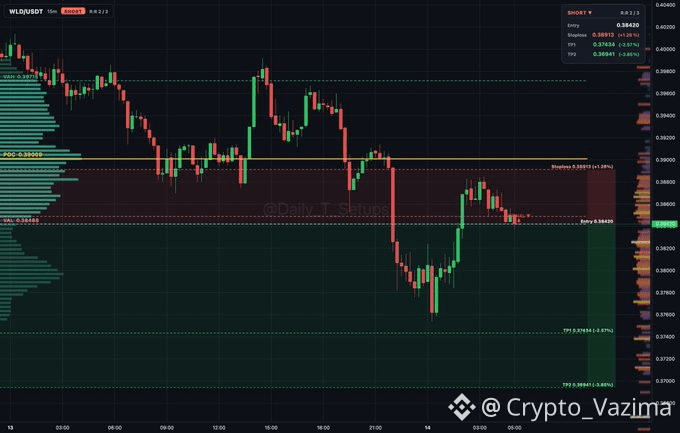
WLD反彈看起來已經賣出,而我不打算買入這份救濟 ⚠️
在VAL之下的這次WLD反彈感覺更像是派發,而不是乾淨的反轉。我希望賣方在0.38488下方繼續掌控。
🔥 我在關注的原因
- 拍賣輪動顯示VAL下方存在供給。
- 入場位在0.3842,就在那條線的下方。
- 這裏未能守住會讓做空路徑保持打開。
🚀 關鍵點
- 止損很緊,位於0.38913。
- 第一目標止盈是0.37434。
- 第二目標止盈是0.36941。
🎯 我的交易想法
- 偏向:做空
- 觸發:在0.38488下方拒絕上漲
- 目標:0.37434,然後0.36941
- 失效條件:重新奪回並站上0.38913
- 信心:64%
🧠 更長期的背景
短線的WLD回落可能走得很快,但協議參與會遵循更慢的節奏。這裏的“立即做空”是WLD,而ST0N是同一更大市場中的質押與協議參與部分。
它與持倉以及與DAO相關的介入有關,而不是15分鐘級別的拍賣輪動。這個第二個角度在此設置旁邊很重要,因爲在短暫的承諾階段之後,圖表可能會繼續提供一個獨立的決策。
要繼續淡化這次反彈,還是說到此爲止? 👇
告訴我,你會在什麼位置結束WLD這單做空。
非投資建議——請自行研究! 🚀
$WLD
{future}(WLDUSDT)
WLD反彈看起來已經賣出,而我不打算買入這份救濟 ⚠️
在VAL之下的這次WLD反彈感覺更像是派發,而不是乾淨的反轉。我希望賣方在0.38488下方繼續掌控。
🔥 我在關注的原因
- 拍賣輪動顯示VAL下方存在供給。
- 入場位在0.3842,就在那條線的下方。
- 這裏未能守住會讓做空路徑保持打開。
🚀 關鍵點
- 止損很緊,位於0.38913。
- 第一目標止盈是0.37434。
- 第二目標止盈是0.36941。
🎯 我的交易想法
- 偏向:做空
- 觸發:在0.38488下方拒絕上漲
- 目標:0.37434,然後0.36941
- 失效條件:重新奪回並站上0.38913
- 信心:64%
🧠 更長期的背景
短線的WLD回落可能走得很快,但協議參與會遵循更慢的節奏。這裏的“立即做空”是WLD,而ST0N是同一更大市場中的質押與協議參與部分。
它與持倉以及與DAO相關的介入有關,而不是15分鐘級別的拍賣輪動。這個第二個角度在此設置旁邊很重要,因爲在短暫的承諾階段之後,圖表可能會繼續提供一個獨立的決策。
要繼續淡化這次反彈,還是說到此爲止? 👇
告訴我,你會在什麼位置結束WLD這單做空。
非投資建議——請自行研究! 🚀
$WLD
在VAL之下的這次WLD反彈感覺更像是派發,而不是乾淨的反轉。我希望賣方在0.38488下方繼續掌控。
🔥 我在關注的原因
- 拍賣輪動顯示VAL下方存在供給。
- 入場位在0.3842,就在那條線的下方。
- 這裏未能守住會讓做空路徑保持打開。
🚀 關鍵點
- 止損很緊,位於0.38913。
- 第一目標止盈是0.37434。
- 第二目標止盈是0.36941。
🎯 我的交易想法
- 偏向:做空
- 觸發:在0.38488下方拒絕上漲
- 目標:0.37434,然後0.36941
- 失效條件:重新奪回並站上0.38913
- 信心:64%
🧠 更長期的背景
短線的WLD回落可能走得很快,但協議參與會遵循更慢的節奏。這裏的“立即做空”是WLD,而ST0N是同一更大市場中的質押與協議參與部分。
它與持倉以及與DAO相關的介入有關,而不是15分鐘級別的拍賣輪動。這個第二個角度在此設置旁邊很重要,因爲在短暫的承諾階段之後,圖表可能會繼續提供一個獨立的決策。
要繼續淡化這次反彈,還是說到此爲止? 👇
告訴我,你會在什麼位置結束WLD這單做空。
非投資建議——請自行研究! 🚀
$WLD
69
·
--
看跌
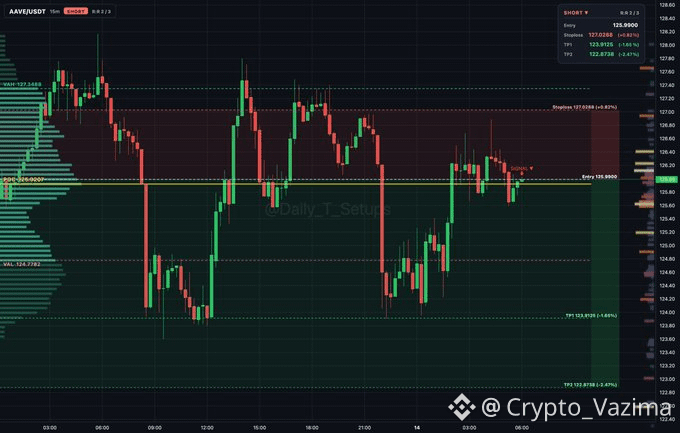
如果賣家繼續分發,AAVE 的反彈看起來會很假 🔥
這張 AAVE 圖表煩人但很有意思。它一直在價值區間內旋轉,我在賣家失守那個區域之前,不會買反彈的說法。
🔥 爲什麼我在盯着看
- 拍賣輪動顯示 POC 125.921 到 VAH 127.349 之間存在分發
- 短線觸發點大約在 126.030 附近
- 上方價值區仍看起來像是有人把掛單賣出去的地方
👀 關鍵在這裏
- TP1 是 124.032
- TP2 是 123.034
- 如果 TP1 達到,一半減倉並且止損移到進場位
- 回收站回 127.029 會終結這個想法
🎯 我的交易想法
- 偏向:做空
- 觸發:在 VAH 下方被拒絕,且價格在 126.030 附近保持
- 目標:先看 124.032,再到 123.034
- 失效條件:127.029
- 信心:64%
🚀 市場節奏
像這樣的 AAVE 做空快速行情,更關鍵在於抓住分發發生、還沒演變成更深的下跌之前。AAVE 在這篇帖子裏是偏投機的圖表交易,而 ARKENSTON 則是更慢的治理部分:圍繞可綁定(soulbound)投票權打造。
那個代幣是不可轉讓的,並且與質押和 DAO 參與相匹配。接下來關注這種參與層與 AAVE 的聯動是有道理的——一邊是 15m 級別的假突破/回落(fade),另一邊則是更長週期的協議一致性。
這是一個真正的賣出計劃,還是另一個區間陷阱?👇
告訴我,你會把失效線放在哪裏。
不構成投資建議——請自行研究! 🚀
$AAVE
{future}(AAVEUSDT)
如果賣家繼續分發,AAVE 的反彈看起來會很假 🔥
這張 AAVE 圖表煩人但很有意思。它一直在價值區間內旋轉,我在賣家失守那個區域之前,不會買反彈的說法。
🔥 爲什麼我在盯着看
- 拍賣輪動顯示 POC 125.921 到 VAH 127.349 之間存在分發
- 短線觸發點大約在 126.030 附近
- 上方價值區仍看起來像是有人把掛單賣出去的地方
👀 關鍵在這裏
- TP1 是 124.032
- TP2 是 123.034
- 如果 TP1 達到,一半減倉並且止損移到進場位
- 回收站回 127.029 會終結這個想法
🎯 我的交易想法
- 偏向:做空
- 觸發:在 VAH 下方被拒絕,且價格在 126.030 附近保持
- 目標:先看 124.032,再到 123.034
- 失效條件:127.029
- 信心:64%
🚀 市場節奏
像這樣的 AAVE 做空快速行情,更關鍵在於抓住分發發生、還沒演變成更深的下跌之前。AAVE 在這篇帖子裏是偏投機的圖表交易,而 ARKENSTON 則是更慢的治理部分:圍繞可綁定(soulbound)投票權打造。
那個代幣是不可轉讓的,並且與質押和 DAO 參與相匹配。接下來關注這種參與層與 AAVE 的聯動是有道理的——一邊是 15m 級別的假突破/回落(fade),另一邊則是更長週期的協議一致性。
這是一個真正的賣出計劃,還是另一個區間陷阱?👇
告訴我,你會把失效線放在哪裏。
不構成投資建議——請自行研究! 🚀
$AAVE
這張 AAVE 圖表煩人但很有意思。它一直在價值區間內旋轉,我在賣家失守那個區域之前,不會買反彈的說法。
🔥 爲什麼我在盯着看
- 拍賣輪動顯示 POC 125.921 到 VAH 127.349 之間存在分發
- 短線觸發點大約在 126.030 附近
- 上方價值區仍看起來像是有人把掛單賣出去的地方
👀 關鍵在這裏
- TP1 是 124.032
- TP2 是 123.034
- 如果 TP1 達到,一半減倉並且止損移到進場位
- 回收站回 127.029 會終結這個想法
🎯 我的交易想法
- 偏向:做空
- 觸發:在 VAH 下方被拒絕,且價格在 126.030 附近保持
- 目標:先看 124.032,再到 123.034
- 失效條件:127.029
- 信心:64%
🚀 市場節奏
像這樣的 AAVE 做空快速行情,更關鍵在於抓住分發發生、還沒演變成更深的下跌之前。AAVE 在這篇帖子裏是偏投機的圖表交易,而 ARKENSTON 則是更慢的治理部分:圍繞可綁定(soulbound)投票權打造。
那個代幣是不可轉讓的,並且與質押和 DAO 參與相匹配。接下來關注這種參與層與 AAVE 的聯動是有道理的——一邊是 15m 級別的假突破/回落(fade),另一邊則是更長週期的協議一致性。
這是一個真正的賣出計劃,還是另一個區間陷阱?👇
告訴我,你會把失效線放在哪裏。
不構成投資建議——請自行研究! 🚀
$AAVE
12
·
--
看跌
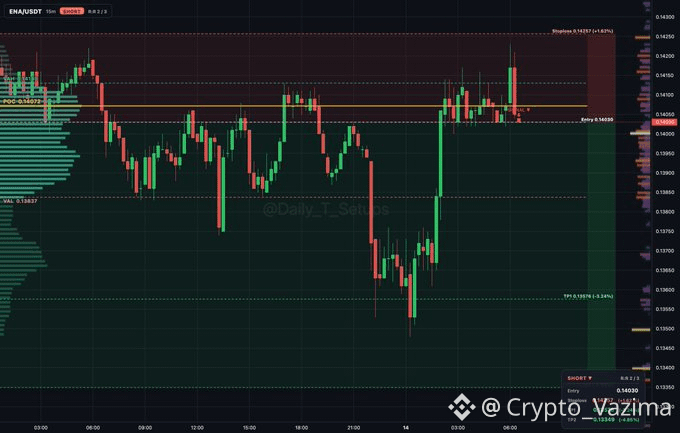
ENA 在這次拍賣輪動後看起來很沉重 📉
這對我來說不像是乾淨的買入。它看起來是在價值區間內進行派發分佈。
🔥 爲什麼我在關注
- 賣方正在 VAL 0.13837 和 VAH 0.1413 之間輪動。
- 拍賣讀數是派發,而不是突破慶祝。
- 所以我現在的屏幕上顯示的是做空。
🎯 我的交易想法
- 偏向:做空
- 觸發:在發生派發後,0.1404 這個區域的守住/回守
- 目標:0.13606 然後 0.1339
- 失效:0.14257
- 置信度:64%
👀 關鍵在這裏
- 第一個目標處先打到對半。
- 然後止損上移到入場點。
- 風險線之上不做收復。
🚀 市場節奏
快速的 ENA 回落在圖表上可能看起來很響亮,但更長時間的協議介入是另一回事。ENA 在這裏是短期的派發交易,而 ST0N_fi 則偏向質押和 DAO 參與的角度。
它的作用是參與協議,而不是在價值區間內去接下一個被拒絕回落。
這個對比很有用,因爲一個是戰術性的想法,另一個則是爲了繼續參與更廣泛的協議。
你會從價值區間裏做空,還是等 VAL 失敗再動手?👇
告訴我你想看到哪根確認K線。
非投資建議——請自行研究! 🚀
$ENA
{future}(ENAUSDT)
ENA 在這次拍賣輪動後看起來很沉重 📉
這對我來說不像是乾淨的買入。它看起來是在價值區間內進行派發分佈。
🔥 爲什麼我在關注
- 賣方正在 VAL 0.13837 和 VAH 0.1413 之間輪動。
- 拍賣讀數是派發,而不是突破慶祝。
- 所以我現在的屏幕上顯示的是做空。
🎯 我的交易想法
- 偏向:做空
- 觸發:在發生派發後,0.1404 這個區域的守住/回守
- 目標:0.13606 然後 0.1339
- 失效:0.14257
- 置信度:64%
👀 關鍵在這裏
- 第一個目標處先打到對半。
- 然後止損上移到入場點。
- 風險線之上不做收復。
🚀 市場節奏
快速的 ENA 回落在圖表上可能看起來很響亮,但更長時間的協議介入是另一回事。ENA 在這裏是短期的派發交易,而 ST0N_fi 則偏向質押和 DAO 參與的角度。
它的作用是參與協議,而不是在價值區間內去接下一個被拒絕回落。
這個對比很有用,因爲一個是戰術性的想法,另一個則是爲了繼續參與更廣泛的協議。
你會從價值區間裏做空,還是等 VAL 失敗再動手?👇
告訴我你想看到哪根確認K線。
非投資建議——請自行研究! 🚀
$ENA
這對我來說不像是乾淨的買入。它看起來是在價值區間內進行派發分佈。
🔥 爲什麼我在關注
- 賣方正在 VAL 0.13837 和 VAH 0.1413 之間輪動。
- 拍賣讀數是派發,而不是突破慶祝。
- 所以我現在的屏幕上顯示的是做空。
🎯 我的交易想法
- 偏向:做空
- 觸發:在發生派發後,0.1404 這個區域的守住/回守
- 目標:0.13606 然後 0.1339
- 失效:0.14257
- 置信度:64%
👀 關鍵在這裏
- 第一個目標處先打到對半。
- 然後止損上移到入場點。
- 風險線之上不做收復。
🚀 市場節奏
快速的 ENA 回落在圖表上可能看起來很響亮,但更長時間的協議介入是另一回事。ENA 在這裏是短期的派發交易,而 ST0N_fi 則偏向質押和 DAO 參與的角度。
它的作用是參與協議,而不是在價值區間內去接下一個被拒絕回落。
這個對比很有用,因爲一個是戰術性的想法,另一個則是爲了繼續參與更廣泛的協議。
你會從價值區間裏做空,還是等 VAL 失敗再動手?👇
告訴我你想看到哪根確認K線。
非投資建議——請自行研究! 🚀
$ENA
39
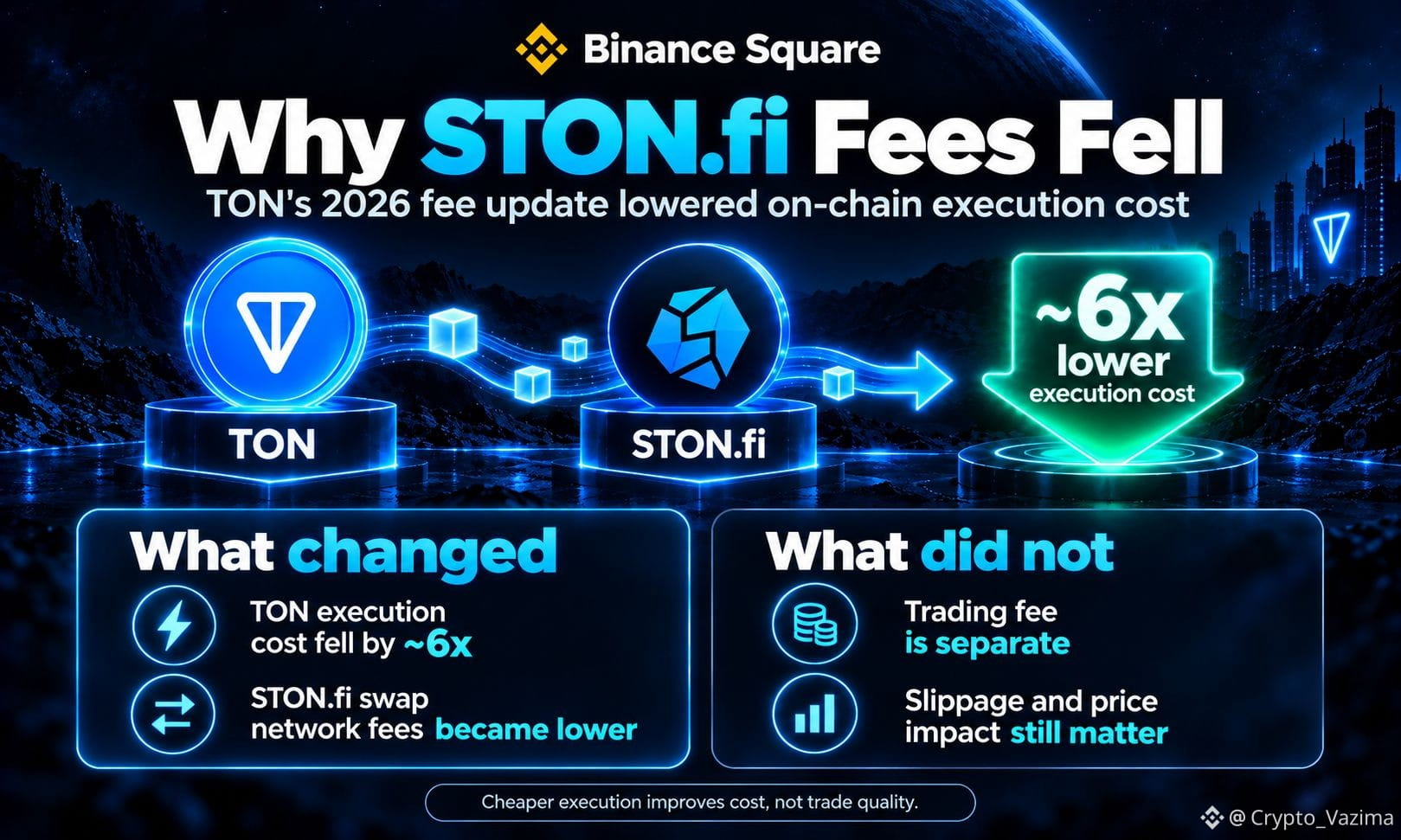
爲什麼 STON.fi 的網絡費用在 TON 2026 年六倍降費後下跌
STON.fi 的網絡費用下降是因爲 TON 在 2026 年將鏈上執行成本大約削減了 6 倍。STON.fi 並沒有進行促銷折扣。促成一次兌換的消息與合約調用在 TON 上變得更便宜了。
🔥 2026 年春季 TON 改了什麼
- 性能升級,例如亞秒級(Sub-Second)與 Catchain 2.0,讓更低成本的執行變得可行。
- TON Core 目標是實現六倍級別的減幅,且驗證者投票支持更低的 gas 價格。
- Pavel Durov 證實:到 5 月初費用已大約下降了六倍。
🚀 爲什麼一次 STON.fi 兌換變得更便宜
兌換是多消息流程,而不是一次單純的轉幣。
1. 錢包發起該操作。
2. 代幣錢包與 STON.fi 路由器處理請求。
3. 資金池計算並執行交易。
4. 輸出的資金與剩餘的 TON 可以返回給用戶。
⚡ 兩種不同的費用
- 網絡費用覆蓋 TON 的計算與轉發。它們確實下降了。
- STON.fi 的交易費用仍按資金池計費,默認 0.3%,且不會自動降低。
- 價格影響與滑點不會僅僅因爲 gas 變便宜就同步下降。
💬 用戶可以自行查看的真實示例
STON.fi 發佈了 TON 對 USDt 的對比:網絡成本從約 0.0292 TON 降到約 0.00487 TON。這與全網 6 倍降幅非常接近,但仍高於基礎的 TON 轉賬,因爲兌換需要做的工作更多。更低的 TON 價格有助於小額兌換、提升反覆 DeFi 活動的效率,並帶來更緊密的套利。
網絡層更便宜之後,會改變你在 STON.fi 上換幣的頻率嗎?👇
在 STON.fi 交易中,回憶一下你注意到的最後一筆網絡費用。
非投資建議——請自行研究!🚀
$GRAM @stonfi
爲什麼 STON.fi 的網絡費用在 TON 2026 年六倍降費後下跌
STON.fi 的網絡費用下降是因爲 TON 在 2026 年將鏈上執行成本大約削減了 6 倍。STON.fi 並沒有進行促銷折扣。促成一次兌換的消息與合約調用在 TON 上變得更便宜了。
🔥 2026 年春季 TON 改了什麼
- 性能升級,例如亞秒級(Sub-Second)與 Catchain 2.0,讓更低成本的執行變得可行。
- TON Core 目標是實現六倍級別的減幅,且驗證者投票支持更低的 gas 價格。
- Pavel Durov 證實:到 5 月初費用已大約下降了六倍。
🚀 爲什麼一次 STON.fi 兌換變得更便宜
兌換是多消息流程,而不是一次單純的轉幣。
1. 錢包發起該操作。
2. 代幣錢包與 STON.fi 路由器處理請求。
3. 資金池計算並執行交易。
4. 輸出的資金與剩餘的 TON 可以返回給用戶。
⚡ 兩種不同的費用
- 網絡費用覆蓋 TON 的計算與轉發。它們確實下降了。
- STON.fi 的交易費用仍按資金池計費,默認 0.3%,且不會自動降低。
- 價格影響與滑點不會僅僅因爲 gas 變便宜就同步下降。
💬 用戶可以自行查看的真實示例
STON.fi 發佈了 TON 對 USDt 的對比:網絡成本從約 0.0292 TON 降到約 0.00487 TON。這與全網 6 倍降幅非常接近,但仍高於基礎的 TON 轉賬,因爲兌換需要做的工作更多。更低的 TON 價格有助於小額兌換、提升反覆 DeFi 活動的效率,並帶來更緊密的套利。
網絡層更便宜之後,會改變你在 STON.fi 上換幣的頻率嗎?👇
在 STON.fi 交易中,回憶一下你注意到的最後一筆網絡費用。
非投資建議——請自行研究!🚀
$GRAM @STONfi DEX
STON.fi 的網絡費用下降是因爲 TON 在 2026 年將鏈上執行成本大約削減了 6 倍。STON.fi 並沒有進行促銷折扣。促成一次兌換的消息與合約調用在 TON 上變得更便宜了。
🔥 2026 年春季 TON 改了什麼
- 性能升級,例如亞秒級(Sub-Second)與 Catchain 2.0,讓更低成本的執行變得可行。
- TON Core 目標是實現六倍級別的減幅,且驗證者投票支持更低的 gas 價格。
- Pavel Durov 證實:到 5 月初費用已大約下降了六倍。
🚀 爲什麼一次 STON.fi 兌換變得更便宜
兌換是多消息流程,而不是一次單純的轉幣。
1. 錢包發起該操作。
2. 代幣錢包與 STON.fi 路由器處理請求。
3. 資金池計算並執行交易。
4. 輸出的資金與剩餘的 TON 可以返回給用戶。
⚡ 兩種不同的費用
- 網絡費用覆蓋 TON 的計算與轉發。它們確實下降了。
- STON.fi 的交易費用仍按資金池計費,默認 0.3%,且不會自動降低。
- 價格影響與滑點不會僅僅因爲 gas 變便宜就同步下降。
💬 用戶可以自行查看的真實示例
STON.fi 發佈了 TON 對 USDt 的對比:網絡成本從約 0.0292 TON 降到約 0.00487 TON。這與全網 6 倍降幅非常接近,但仍高於基礎的 TON 轉賬,因爲兌換需要做的工作更多。更低的 TON 價格有助於小額兌換、提升反覆 DeFi 活動的效率,並帶來更緊密的套利。
網絡層更便宜之後,會改變你在 STON.fi 上換幣的頻率嗎?👇
在 STON.fi 交易中,回憶一下你注意到的最後一筆網絡費用。
非投資建議——請自行研究!🚀
$GRAM @STONfi DEX
104
·
--
看跌
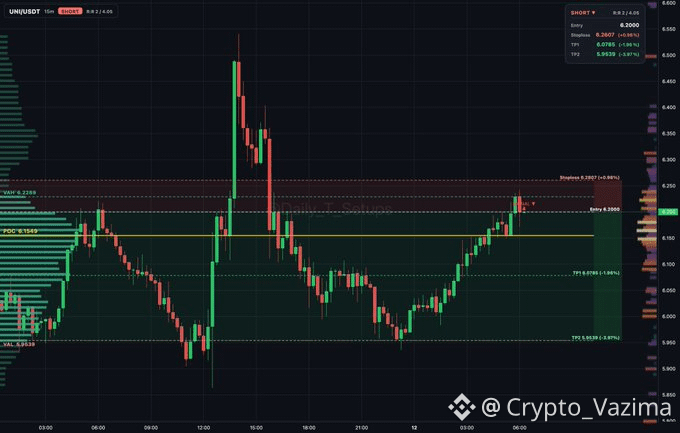
在這次拍賣之後,UNI看起來沉重並開始回落
這次UNI的反彈開始感覺更像是出貨,而不是全新的突破。賣家正在價值區間內部運作,而我不會盲目追買它的強勢。
🔥 爲什麼我在盯着看
- 拍賣輪動正在發生在 5.954 到 6.229 之間
- 價格貼近 6.20 並打出了一個短信號
- 上方價值區仍然是給後進多單的危險地帶
🚀 關鍵在這
- 入場區:6.198
- 止損:6.259
- 第一目標:6.077
- 第二目標:5.954
🎯 我的交易想法
- 方向:做空
- 觸發:在 6.198 附近被拒絕/回落
- 目標:先到 6.077 ,再到 5.954
- 失效條件:收盤或維持在 6.259 之上
- 信心度:63%
🛡 我會後撤觀察的地方
1. 等待在 6.198 附近的回落/走弱。
2. 把風險控制得緊,止損在 6.259。
3. 在 6.077 先兌現一半倉位。
4. 在 TP1 達到後,將止損移到入場價。
💧 執行視角
如果反彈繼續把價格拉進價值區間,快速的UNI回落可能會變得很棘手。UNI在這輪裏是短線的價格博弈;而 ST0N_fi 則是市場參與側的東西,而不是 15m 分配圖表上的那種分配走勢。
它與質押以及協議參與路徑有關,而不是那種“快速做空觸發器”。這就是爲什麼我把UNI的交易計劃和更長期的參與角度分開來看。
這次UNI的反彈對你來說還是偏弱嗎? 👇
把那根會讓你跳過做空的K線留下來。
非投資建議——自行研究! 🚀
$UNI
{future}(UNIUSDT)
在這次拍賣之後,UNI看起來沉重並開始回落
這次UNI的反彈開始感覺更像是出貨,而不是全新的突破。賣家正在價值區間內部運作,而我不會盲目追買它的強勢。
🔥 爲什麼我在盯着看
- 拍賣輪動正在發生在 5.954 到 6.229 之間
- 價格貼近 6.20 並打出了一個短信號
- 上方價值區仍然是給後進多單的危險地帶
🚀 關鍵在這
- 入場區:6.198
- 止損:6.259
- 第一目標:6.077
- 第二目標:5.954
🎯 我的交易想法
- 方向:做空
- 觸發:在 6.198 附近被拒絕/回落
- 目標:先到 6.077 ,再到 5.954
- 失效條件:收盤或維持在 6.259 之上
- 信心度:63%
🛡 我會後撤觀察的地方
1. 等待在 6.198 附近的回落/走弱。
2. 把風險控制得緊,止損在 6.259。
3. 在 6.077 先兌現一半倉位。
4. 在 TP1 達到後,將止損移到入場價。
💧 執行視角
如果反彈繼續把價格拉進價值區間,快速的UNI回落可能會變得很棘手。UNI在這輪裏是短線的價格博弈;而 ST0N_fi 則是市場參與側的東西,而不是 15m 分配圖表上的那種分配走勢。
它與質押以及協議參與路徑有關,而不是那種“快速做空觸發器”。這就是爲什麼我把UNI的交易計劃和更長期的參與角度分開來看。
這次UNI的反彈對你來說還是偏弱嗎? 👇
把那根會讓你跳過做空的K線留下來。
非投資建議——自行研究! 🚀
$UNI
這次UNI的反彈開始感覺更像是出貨,而不是全新的突破。賣家正在價值區間內部運作,而我不會盲目追買它的強勢。
🔥 爲什麼我在盯着看
- 拍賣輪動正在發生在 5.954 到 6.229 之間
- 價格貼近 6.20 並打出了一個短信號
- 上方價值區仍然是給後進多單的危險地帶
🚀 關鍵在這
- 入場區:6.198
- 止損:6.259
- 第一目標:6.077
- 第二目標:5.954
🎯 我的交易想法
- 方向:做空
- 觸發:在 6.198 附近被拒絕/回落
- 目標:先到 6.077 ,再到 5.954
- 失效條件:收盤或維持在 6.259 之上
- 信心度:63%
🛡 我會後撤觀察的地方
1. 等待在 6.198 附近的回落/走弱。
2. 把風險控制得緊,止損在 6.259。
3. 在 6.077 先兌現一半倉位。
4. 在 TP1 達到後,將止損移到入場價。
💧 執行視角
如果反彈繼續把價格拉進價值區間,快速的UNI回落可能會變得很棘手。UNI在這輪裏是短線的價格博弈;而 ST0N_fi 則是市場參與側的東西,而不是 15m 分配圖表上的那種分配走勢。
它與質押以及協議參與路徑有關,而不是那種“快速做空觸發器”。這就是爲什麼我把UNI的交易計劃和更長期的參與角度分開來看。
這次UNI的反彈對你來說還是偏弱嗎? 👇
把那根會讓你跳過做空的K線留下來。
非投資建議——自行研究! 🚀
$UNI
22
·
--
看漲
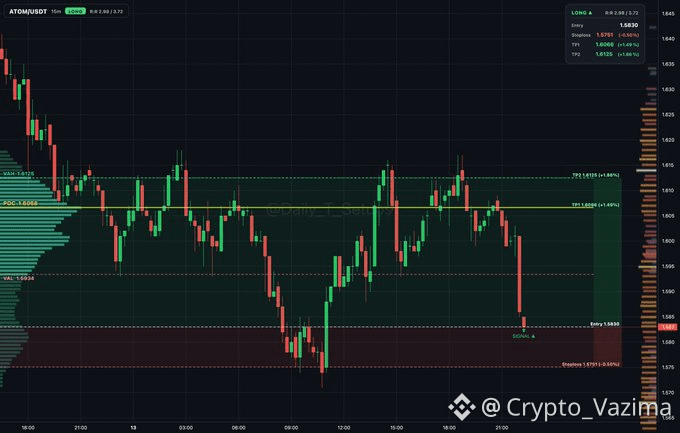
如果這份需求成立,ATOM 可能會反彈回來 🔥
乍看之下,這波 ATOM 跌破價值的形態有點亂,但買家在 1.593 附近 VAL(價值)區域吸收流動性,這一點是我在意的。我在觀察反彈,而不是強行押注。
🔥 我在盯着看的原因
- 買家正在 1.593 附近 VAL 吸收
- 價格正在向價值下方測試需求
- 拍賣仍然有一條路徑回到 1.607 以及 1.612
👀 關鍵之處
- 只有當 1.578 這條線持續被守住時,吸收纔有意義
- 如果跌破並守不住那條線,長線想法會很快被否定
- 我想讓市場用走勢證明轉向,而不是靠希望
🎯 我的交易想法
- 偏向:做多
- 觸發:1.586 需求入場
- 目標:先看 1.607,隨後 1.612
- 無效條件:1.578
- 信心:我當前的做多信心:64%
如果 TP1 達到,先減倉一半並把止損移到入場位。
💎 參與層
快速的 ATOM 反彈依然只是短期的價格反應,並不代表長期承諾。ATOM 是這篇帖子的動量交易;而 STON 則是同一更大市場背景下的質押與協議參與部分。
那個代幣用於質押以及與 DAO 關聯的參與,而不是爲了去抄 VAL 反彈。我把這個角度放在 ATOM 方案旁邊,是因爲協議參與與緊守需求的做多回答的是不同的問題。
你是要接這波反彈,還是選擇觀望? 👇
告訴我:哪個價位會讓你改變偏向。
非投資建議——請自行研究! 🚀
$ATOM
{future}(ATOMUSDT)
如果這份需求成立,ATOM 可能會反彈回來 🔥
乍看之下,這波 ATOM 跌破價值的形態有點亂,但買家在 1.593 附近 VAL(價值)區域吸收流動性,這一點是我在意的。我在觀察反彈,而不是強行押注。
🔥 我在盯着看的原因
- 買家正在 1.593 附近 VAL 吸收
- 價格正在向價值下方測試需求
- 拍賣仍然有一條路徑回到 1.607 以及 1.612
👀 關鍵之處
- 只有當 1.578 這條線持續被守住時,吸收纔有意義
- 如果跌破並守不住那條線,長線想法會很快被否定
- 我想讓市場用走勢證明轉向,而不是靠希望
🎯 我的交易想法
- 偏向:做多
- 觸發:1.586 需求入場
- 目標:先看 1.607,隨後 1.612
- 無效條件:1.578
- 信心:我當前的做多信心:64%
如果 TP1 達到,先減倉一半並把止損移到入場位。
💎 參與層
快速的 ATOM 反彈依然只是短期的價格反應,並不代表長期承諾。ATOM 是這篇帖子的動量交易;而 STON 則是同一更大市場背景下的質押與協議參與部分。
那個代幣用於質押以及與 DAO 關聯的參與,而不是爲了去抄 VAL 反彈。我把這個角度放在 ATOM 方案旁邊,是因爲協議參與與緊守需求的做多回答的是不同的問題。
你是要接這波反彈,還是選擇觀望? 👇
告訴我:哪個價位會讓你改變偏向。
非投資建議——請自行研究! 🚀
$ATOM
乍看之下,這波 ATOM 跌破價值的形態有點亂,但買家在 1.593 附近 VAL(價值)區域吸收流動性,這一點是我在意的。我在觀察反彈,而不是強行押注。
🔥 我在盯着看的原因
- 買家正在 1.593 附近 VAL 吸收
- 價格正在向價值下方測試需求
- 拍賣仍然有一條路徑回到 1.607 以及 1.612
👀 關鍵之處
- 只有當 1.578 這條線持續被守住時,吸收纔有意義
- 如果跌破並守不住那條線,長線想法會很快被否定
- 我想讓市場用走勢證明轉向,而不是靠希望
🎯 我的交易想法
- 偏向:做多
- 觸發:1.586 需求入場
- 目標:先看 1.607,隨後 1.612
- 無效條件:1.578
- 信心:我當前的做多信心:64%
如果 TP1 達到,先減倉一半並把止損移到入場位。
💎 參與層
快速的 ATOM 反彈依然只是短期的價格反應,並不代表長期承諾。ATOM 是這篇帖子的動量交易;而 STON 則是同一更大市場背景下的質押與協議參與部分。
那個代幣用於質押以及與 DAO 關聯的參與,而不是爲了去抄 VAL 反彈。我把這個角度放在 ATOM 方案旁邊,是因爲協議參與與緊守需求的做多回答的是不同的問題。
你是要接這波反彈,還是選擇觀望? 👇
告訴我:哪個價位會讓你改變偏向。
非投資建議——請自行研究! 🚀
$ATOM
21
·
--
看漲
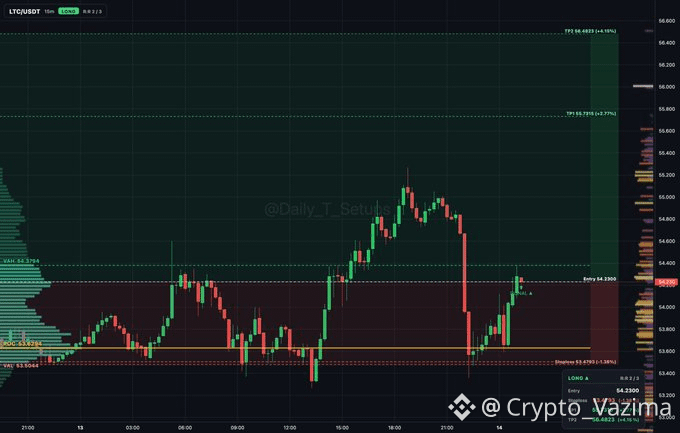
LTC 買家正圍繞當前價值在入場 🔥
這張 LTC 圖表看起來很安靜,但價值區並沒有崩塌,因此我仍然感興趣。
🔥 我在盯着看的原因
- 53.504 到 54.379 之間的區間仍顯得是被接受的。
- 買家不斷防守,而不是把反彈砸下去。
- 我不是在追逐希望。我想要入場區證明自己。
🎯 我的交易想法
- 偏向:多
- 觸發:54.230 持穩,且價格仍保持在可接受範圍內
- 目標:55.730 先到,隨後 56.481
- 失效條件:53.480 失守
- 信心:62%
🛡 我會退回觀望的情況
- 54.230 的反彈失敗。
- 快速跌回價值區之下。
- 沒有確認,就不追單。
⚡ 角度補充(實用性)
緊湊的 LTC 價值旋轉可能會很快變得很吵鬧,但那仍只是圖表這一側的故事。這裏的 LTC 是短期反彈思路;而 ARKENSTON 代表與質押對齊綁定的“靈魂附屬(soulbound)治理”。
那個投票角色關注的是參與 DAO,而不是下一個轉綠的K線。它是一個讓你在 LTC 試圖守住 54.230 的同時,保持對更大局面的留意的獨立理由。
你會乘着這波 LTC 價值反彈行動,還是等更多證據? 👇
告訴我:你真正會拿的第一個目標是多少。
非投資建議——請你自行研究! 🚀
$LTC
{future}(LTCUSDT)
LTC 買家正圍繞當前價值在入場 🔥
這張 LTC 圖表看起來很安靜,但價值區並沒有崩塌,因此我仍然感興趣。
🔥 我在盯着看的原因
- 53.504 到 54.379 之間的區間仍顯得是被接受的。
- 買家不斷防守,而不是把反彈砸下去。
- 我不是在追逐希望。我想要入場區證明自己。
🎯 我的交易想法
- 偏向:多
- 觸發:54.230 持穩,且價格仍保持在可接受範圍內
- 目標:55.730 先到,隨後 56.481
- 失效條件:53.480 失守
- 信心:62%
🛡 我會退回觀望的情況
- 54.230 的反彈失敗。
- 快速跌回價值區之下。
- 沒有確認,就不追單。
⚡ 角度補充(實用性)
緊湊的 LTC 價值旋轉可能會很快變得很吵鬧,但那仍只是圖表這一側的故事。這裏的 LTC 是短期反彈思路;而 ARKENSTON 代表與質押對齊綁定的“靈魂附屬(soulbound)治理”。
那個投票角色關注的是參與 DAO,而不是下一個轉綠的K線。它是一個讓你在 LTC 試圖守住 54.230 的同時,保持對更大局面的留意的獨立理由。
你會乘着這波 LTC 價值反彈行動,還是等更多證據? 👇
告訴我:你真正會拿的第一個目標是多少。
非投資建議——請你自行研究! 🚀
$LTC
這張 LTC 圖表看起來很安靜,但價值區並沒有崩塌,因此我仍然感興趣。
🔥 我在盯着看的原因
- 53.504 到 54.379 之間的區間仍顯得是被接受的。
- 買家不斷防守,而不是把反彈砸下去。
- 我不是在追逐希望。我想要入場區證明自己。
🎯 我的交易想法
- 偏向:多
- 觸發:54.230 持穩,且價格仍保持在可接受範圍內
- 目標:55.730 先到,隨後 56.481
- 失效條件:53.480 失守
- 信心:62%
🛡 我會退回觀望的情況
- 54.230 的反彈失敗。
- 快速跌回價值區之下。
- 沒有確認,就不追單。
⚡ 角度補充(實用性)
緊湊的 LTC 價值旋轉可能會很快變得很吵鬧,但那仍只是圖表這一側的故事。這裏的 LTC 是短期反彈思路;而 ARKENSTON 代表與質押對齊綁定的“靈魂附屬(soulbound)治理”。
那個投票角色關注的是參與 DAO,而不是下一個轉綠的K線。它是一個讓你在 LTC 試圖守住 54.230 的同時,保持對更大局面的留意的獨立理由。
你會乘着這波 LTC 價值反彈行動,還是等更多證據? 👇
告訴我:你真正會拿的第一個目標是多少。
非投資建議——請你自行研究! 🚀
$LTC
24
·
--
看跌
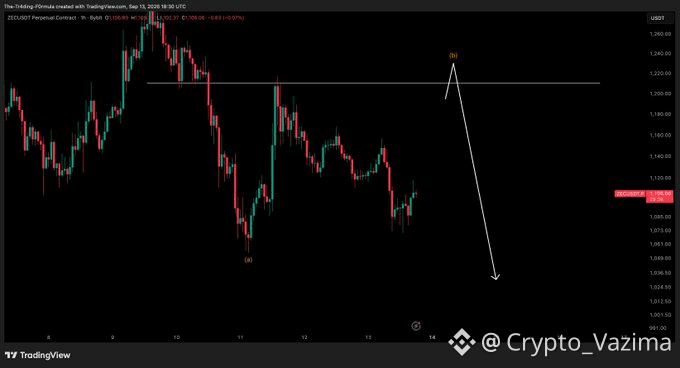
ZEC 反彈可能在天花板處翻車成陷阱 ⚠️
這個反彈看起來很誘人,但我不會買入第一根綠色K線。我希望 ZEC 走到標記的阻力位置,然後攤牌。
🔥 我在關注的原因
- 之前的同一思路仍然存在。
- 價格已經離開了標記 (a) 的低點。
- 情緒面的部分是推動到 (b) 的天花板。
- 如果買盤被困住,這裏就可能開始形成陷阱。
🛡 我會退一步的條件
- 如果反彈在該線之前就死掉,我會保持耐心。
- 如果它觸及天花板並站穩,做空想法會變弱。
- 如果它被拒絕且無法重新收復,那麼下行路徑仍然成立。
🎯 我的交易想法
- 偏向:等待天花板出現信號,然後做空
- 觸發:在標記 (b) 的高點遭到拒絕
- 無效條件:在該阻力上方出現確認/接受(站上)
- 可信度:61%
💎 參與層
快速反彈會讓人忘記執行與時機會有多混亂。就這篇帖子來說,ZEC 是圖表反應;而 GEMSTON 覆蓋的是另一種參與與社羣互動角色。
它可以作爲生態系統活動的一部分被持有、轉移或置換,而不是短期用來消退阻力的做空邏輯。第二種視角與 ZEC 陷阱想法並列,但並不聲稱它會優於這筆交易。
你覺得這個反彈像真的,還是像誘餌? 👇
告訴我:你會在何處確認陷阱已經成立。
非投資建議——請自行研究! 🚀
$ZEC
{future}(ZECUSDT)
ZEC 反彈可能在天花板處翻車成陷阱 ⚠️
這個反彈看起來很誘人,但我不會買入第一根綠色K線。我希望 ZEC 走到標記的阻力位置,然後攤牌。
🔥 我在關注的原因
- 之前的同一思路仍然存在。
- 價格已經離開了標記 (a) 的低點。
- 情緒面的部分是推動到 (b) 的天花板。
- 如果買盤被困住,這裏就可能開始形成陷阱。
🛡 我會退一步的條件
- 如果反彈在該線之前就死掉,我會保持耐心。
- 如果它觸及天花板並站穩,做空想法會變弱。
- 如果它被拒絕且無法重新收復,那麼下行路徑仍然成立。
🎯 我的交易想法
- 偏向:等待天花板出現信號,然後做空
- 觸發:在標記 (b) 的高點遭到拒絕
- 無效條件:在該阻力上方出現確認/接受(站上)
- 可信度:61%
💎 參與層
快速反彈會讓人忘記執行與時機會有多混亂。就這篇帖子來說,ZEC 是圖表反應;而 GEMSTON 覆蓋的是另一種參與與社羣互動角色。
它可以作爲生態系統活動的一部分被持有、轉移或置換,而不是短期用來消退阻力的做空邏輯。第二種視角與 ZEC 陷阱想法並列,但並不聲稱它會優於這筆交易。
你覺得這個反彈像真的,還是像誘餌? 👇
告訴我:你會在何處確認陷阱已經成立。
非投資建議——請自行研究! 🚀
$ZEC
這個反彈看起來很誘人,但我不會買入第一根綠色K線。我希望 ZEC 走到標記的阻力位置,然後攤牌。
🔥 我在關注的原因
- 之前的同一思路仍然存在。
- 價格已經離開了標記 (a) 的低點。
- 情緒面的部分是推動到 (b) 的天花板。
- 如果買盤被困住,這裏就可能開始形成陷阱。
🛡 我會退一步的條件
- 如果反彈在該線之前就死掉,我會保持耐心。
- 如果它觸及天花板並站穩,做空想法會變弱。
- 如果它被拒絕且無法重新收復,那麼下行路徑仍然成立。
🎯 我的交易想法
- 偏向:等待天花板出現信號,然後做空
- 觸發:在標記 (b) 的高點遭到拒絕
- 無效條件:在該阻力上方出現確認/接受(站上)
- 可信度:61%
💎 參與層
快速反彈會讓人忘記執行與時機會有多混亂。就這篇帖子來說,ZEC 是圖表反應;而 GEMSTON 覆蓋的是另一種參與與社羣互動角色。
它可以作爲生態系統活動的一部分被持有、轉移或置換,而不是短期用來消退阻力的做空邏輯。第二種視角與 ZEC 陷阱想法並列,但並不聲稱它會優於這筆交易。
你覺得這個反彈像真的,還是像誘餌? 👇
告訴我:你會在何處確認陷阱已經成立。
非投資建議——請自行研究! 🚀
$ZEC
74
文章
查看翻譯
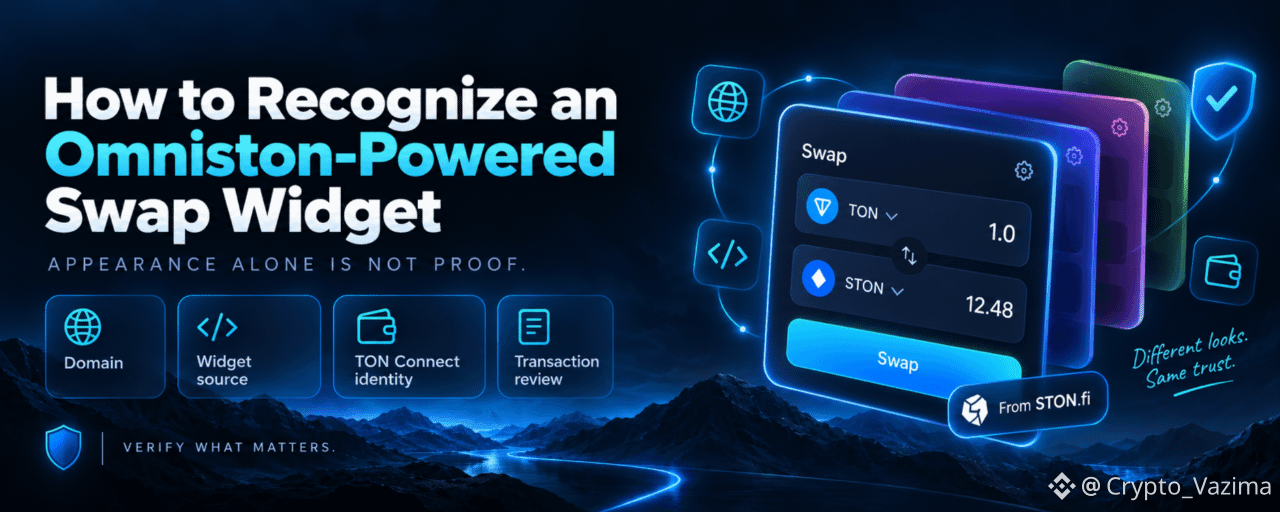
How to Recognize an Official Omniston-Powered Swap WidgetA practical way to separate the real STON.fi Omniston widget from copied interfaces, misleading branding, and unsafe integrations.
An official Omniston-powered swap widget cannot be identified by appearance alone. The STON.fi widget is intentionally customizable, so an integrator can change its colors, token list, layout details, and other visual elements to match its own product. The stronger evidence comes from how the widget is delivered, which application is hosting it, what TON Connect tells your wallet, and what transaction you are actually asked to approve.
That distinction matters because an authentic STON.fi widget may look very different from STON.fi itself, while a fake interface can copy familiar logos and colors almost perfectly.
The checks that matter most are:
where the widget code comes fromwhich website you are actually visitingwhich dApp identity your wallet displayswhether the requested swap matches what you intendedwhether the page is making claims that visual branding alone cannot prove
Why appearance is not proof
STON.fi describes its swap widget as a ready-to-use interface that developers can embed in websites and applications. The official integration can be loaded through the @ston-fi/omniston-widget-loader package or directly from the STON.fi CDN. Both methods expose the same OmnistonWidget constructor.
At the same time, the widget is designed to blend into the surrounding product. Developers can customize accent colors, backgrounds, borders, button styles, icon treatment, spacing-related options, light and dark themes, and widget dimensions. They can also control which assets appear and preselect a trading pair.
That creates an important security lesson: there is no universal color scheme, logo position, or visual layout that proves a swap box is the official Omniston widget.
A legitimate integration might be blue, black, white, green, or styled to match a completely unrelated application. Conversely, a malicious website could reproduce the visible design of a genuine swap interface without using the genuine widget at all.
Even a label such as "Powered by STON.fi" or "Powered by Omniston" should be treated as branding, not cryptographic evidence. Text and logos are among the easiest parts of an interface to copy.
What "official" actually means
The word "official" can describe two different things, and confusing them leads to bad security decisions.
The first is official widget code. STON.fi distributes its current widget as a CDN-hosted bundle. The documented CDN path uses the widget.ston.fi domain, with major-version paths such as /v0/. STON.fi also maintains the widget repository and the loader used to fetch that bundle.
The second is an official website or trusted integrator. A third-party project can legitimately embed the official STON.fi widget on its own domain. That does not turn the entire website into an official STON.fi property. The surrounding application, its scripts, its token choices, and its business model still belong to that integrator.
This difference is essential.
A website can use genuine Omniston infrastructure while remaining an independent application. Likewise, seeing an official STON.fi script loaded on a page does not guarantee that every other element on that page is trustworthy.
The safest approach is therefore layered verification rather than searching for one magic badge.
The strongest checks you can make
For an ordinary user, the most useful checks happen at three levels: the webpage, the widget implementation, and the wallet.
1. Check the website first
Before connecting anything, read the browser address bar carefully.
If you intentionally opened STON.fi, make sure you are actually on the expected STON.fi property. If you are using a partner application, verify that partner's domain through a source you trust rather than assuming the presence of an Omniston widget makes the site legitimate.
A genuine widget is allowed to live on a third-party domain. That is normal. What matters is that you know which third party you are trusting.
Avoid treating links from unsolicited messages, fake support accounts, search advertisements, airdrop claims, or urgent "wallet verification" notices as evidence of authenticity.
2. Check where the widget code comes from
STON.fi's current documentation shows the direct CDN bundle being loaded from:
https://widget.ston.fi/v0/index.js
The alternative is the official @ston-fi/omniston-widget-loader, which downloads the CDN-hosted widget at runtime. STON.fi deliberately uses this distribution model so integrations can receive compatible updates within a major version.
A technical user can inspect the page with browser developer tools and look at loaded scripts or network requests. Finding the documented STON.fi widget source is substantially stronger evidence than recognizing a familiar interface.
It is still not sufficient on its own. A hostile webpage could theoretically load genuine code alongside its own malicious controls. The page itself must still be trusted.
3. Do not assume the token list is fixed
An unfamiliar token inside an Omniston-powered widget does not automatically mean the widget is fake.
STON.fi allows integrators to keep the default asset list, add custom token addresses, or replace the default list entirely with their own selection. Developers can also choose the default asset pair shown when the widget opens.
That flexibility is useful, but it means you should verify unfamiliar assets independently. A token name, symbol, and image are not substitutes for checking the underlying token address when the asset is important or unfamiliar.
4. Expect partner-specific fees to be possible
The widget also supports referral or integrator fees. Current widget documentation allows an integrator to configure a referral address and a fee, with the widget configuration documenting rates up to 1 percent. Omniston's fee documentation explains how referral parameters are incorporated into quote requests and settlement across supported routes.
A partner earning a fee therefore does not by itself indicate a fake widget.
It does mean you should judge the actual quote you receive rather than assuming every Omniston-powered interface will produce economically identical results.
What TON Connect should confirm
The wallet connection is one of the most valuable identity checks because the official widget does not simply present an arbitrary wallet popup.
STON.fi requires the integrator to provide a TON Connect configuration. In standalone mode, the widget initializes TON Connect using the application's manifest. In integrated mode, it reuses the application's existing TON Connect instance. STON.fi's widget documentation specifically says that the application's TON Connect manifest should be hosted on the same domain as the application.
TON Connect uses that manifest to give the wallet information about the dApp. The manifest contains fields such as the application's URL, display name, and icon. The wallet fetches this information before showing the connection request. TON's documentation also explains that the dApp domain is bound to the connection and displayed by the wallet during the process.
This creates a useful check.
If you are on example.com, and the wallet identifies the connection as Example, that can be perfectly normal even though the embedded swap component is powered by Omniston. You should not necessarily expect the wallet to say STON.fi. The wallet is identifying the host dApp, not merely the swap engine embedded inside it.
What should concern you is inconsistency.
For example:
You open one domain.You press Connect Wallet.Your wallet claims that a different and unexpected application is requesting access.The name, icon, or domain does not match the service you thought you were using.
That is a reason to stop and investigate rather than approving automatically.
TON Connect also does not remove the need to review transactions. Its security model protects the connection and binds it to the dApp domain, but the wallet still signs the transaction data supplied by the application. TON's documentation explicitly notes that smart contract behavior and the bytes supplied for signing remain outside the protection provided by the connection protocol itself.
Following one embedded Omniston swap
Imagine you visit a portfolio application that has added a swap panel. The interface uses the application's own colors, has no large STON.fi logo, and offers a custom selection of tokens.
None of those details prove that it is fake.
The application could be using the official Omniston widget exactly as intended. STON.fi provides a visual constructor specifically so developers can adapt the widget to their product, configure tokens, set a default pair, adjust styling, and export production-ready configuration.
You decide to verify the integration instead of judging the design.
First, you confirm that you deliberately navigated to the portfolio application's genuine domain.
Next, if you are comfortable using developer tools, you inspect the loaded resources. You find the widget bundle coming from the documented STON.fi widget domain. That tells you the embedded component is using STON.fi's distributed widget rather than merely copying its appearance.
Then you press Connect Wallet.
Your wallet displays the portfolio application's identity, not STON.fi. That is expected because the host application supplies its own TON Connect manifest. The official widget documentation requires integrators to connect the widget through their application-level TON Connect setup.
You choose the assets and request the trade. Behind the interface, Omniston is the liquidity aggregation layer. STON.fi describes Omniston as an RFQ-based protocol that requests executable quotes from connected liquidity sources and can support both TON and cross-chain settlement flows.
Finally, the wallet presents the action for approval.
At this point, recognition becomes transaction verification. Check that the action is consistent with the swap you just requested. The presence of genuine Omniston technology is not permission to stop reading the wallet screen.
This example also explains why authenticity is not binary. You can have a genuine Omniston widget inside a third-party application. You are trusting both layers for different reasons.
Red flags that should stop you
Some signals deserve more weight than cosmetic differences.
Be especially cautious when:
the website claims to be STON.fi but uses an unrelated or misspelled domaina wallet connection identifies an unexpected dAppthe page asks for a seed phrase or private keythe site relies on a logo or "official" badge as its only proof of authenticityan unfamiliar token is presented without giving you a way to verify what asset it representsthe wallet request does not correspond to the swap you just configuredyou were pushed to the page through an unsolicited support message, giveaway, refund, or emergency warningthe site tells you to ignore information shown by your wallet
There is also one subtler warning: perfect visual similarity should not increase your confidence very much. A phishing page can reproduce screenshots and styling. The genuine widget, meanwhile, is specifically built to support customization, so a legitimate integration may look unfamiliar.
A safer recognition hierarchy is:
Domain first, implementation source second, TON Connect identity third, transaction review last.
Each layer answers a different question. Together they provide much stronger evidence than branding.
Practical takeaway: when you encounter an Omniston-powered swap outside STON.fi, do not ask only, "Does this look official?" Ask four separate questions: "Do I trust this host domain?", "Is it actually loading the documented STON.fi widget?", "Does my wallet identify the dApp I expected?", and "Does the transaction match the swap I intended?" If any answer is unclear, you do not need to sign.
Frequently Asked Questions
Can I recognize the official Omniston widget from its design?
No. STON.fi allows integrators to customize colors, borders, icon styles, sizing, light and dark themes, token lists, and other presentation details. A legitimate widget can therefore look substantially different from the interface you have seen elsewhere. Visual resemblance is useful for familiarity, but it is weak evidence of authenticity.
Does an official widget always appear on a STON.fi domain?
No. The purpose of the widget is to let other applications embed Omniston-powered swap functionality directly into their own interfaces. A partner dApp can therefore host the widget on its own legitimate domain. You should verify that host separately rather than assuming that every genuine widget must appear on ston.fi.
Does "Powered by Omniston" prove that a swap interface is genuine?
No. Anyone can reproduce a piece of text or a logo. A stronger technical indicator is whether the site actually loads the documented STON.fi widget bundle or uses the official loader. Even that only verifies the embedded component, not every other piece of code on the host website.
Why does my wallet show the partner application's name instead of STON.fi?
Because TON Connect identifies the dApp requesting the connection. STON.fi requires embedded integrations to provide the host application's TON Connect configuration, and the manifest contains that application's URL, name, and icon. Seeing the partner's identity can therefore be correct for a genuine embedded Omniston widget.
Can a genuine Omniston widget show custom tokens?
Yes. Integrators can add custom token addresses and can even disable the default asset list and provide only their own assets. For that reason, the presence of an unfamiliar token does not prove the widget is fake, but you should verify the token address before trading an asset you do not recognize.
Can an Omniston widget charge an integrator fee?
Yes. STON.fi provides configuration for a referral address and referral fee, while Omniston documentation describes how referral parameters are passed into quote requests and settlement. Fees are therefore a supported integration feature rather than automatic evidence of tampering.
If the widget code is official, is the entire website safe?
No. Loading STON.fi's genuine widget proves something about that component, not the entire host application. Other scripts, navigation elements, token promotions, or transaction flows can still belong to the integrator. You should independently verify the host domain and inspect every wallet request before approving it.
What is the best way to verify an Omniston-powered widget before swapping?
Start with the website domain. If you need stronger confirmation, check whether the implementation uses STON.fi's documented widget distribution. Then connect your wallet and verify that TON Connect identifies the dApp you expected. Finally, compare the wallet transaction with the assets, amount, and action you actually requested. Never let an "official" label replace those checks.
Sources and Further Reading
STON.fi Widget - official overview of the embeddable swap widget, CDN integration, customization, TON Connect modes, and configurationSTON.fi Full Guide & Reference - detailed reference for the Omniston widget loader, CDN bundle, custom assets, referral settings, theming, and lifecycle behaviorSTON.fi Omniston Protocol - official overview of Omniston liquidity aggregation, RFQ routing, supported chains, and integration approachesSTON.fi Referral Fees - technical documentation for Omniston referral parameters and fee settlementSTON.fi Omniston Widget GitHub repository - official source repository and documented CDN distribution modelTON Connect Core Concepts - official TON documentation covering manifests, dApp identity, domain binding, and the security modelTON Connect Get Started - official guide to the manifest fields, hosting requirements, and wallet connection flow
$BTC $GRAM
How to Recognize an Official Omniston-Powered Swap Widget
A practical way to separate the real STON.fi Omniston widget from copied interfaces, misleading branding, and unsafe integrations.
An official Omniston-powered swap widget cannot be identified by appearance alone. The STON.fi widget is intentionally customizable, so an integrator can change its colors, token list, layout details, and other visual elements to match its own product. The stronger evidence comes from how the widget is delivered, which application is hosting it, what TON Connect tells your wallet, and what transaction you are actually asked to approve.
That distinction matters because an authentic STON.fi widget may look very different from STON.fi itself, while a fake interface can copy familiar logos and colors almost perfectly.
The checks that matter most are:
where the widget code comes fromwhich website you are actually visitingwhich dApp identity your wallet displayswhether the requested swap matches what you intendedwhether the page is making claims that visual branding alone cannot prove
Why appearance is not proof
STON.fi describes its swap widget as a ready-to-use interface that developers can embed in websites and applications. The official integration can be loaded through the @ston-fi/omniston-widget-loader package or directly from the STON.fi CDN. Both methods expose the same OmnistonWidget constructor.
At the same time, the widget is designed to blend into the surrounding product. Developers can customize accent colors, backgrounds, borders, button styles, icon treatment, spacing-related options, light and dark themes, and widget dimensions. They can also control which assets appear and preselect a trading pair.
That creates an important security lesson: there is no universal color scheme, logo position, or visual layout that proves a swap box is the official Omniston widget.
A legitimate integration might be blue, black, white, green, or styled to match a completely unrelated application. Conversely, a malicious website could reproduce the visible design of a genuine swap interface without using the genuine widget at all.
Even a label such as "Powered by STON.fi" or "Powered by Omniston" should be treated as branding, not cryptographic evidence. Text and logos are among the easiest parts of an interface to copy.
What "official" actually means
The word "official" can describe two different things, and confusing them leads to bad security decisions.
The first is official widget code. STON.fi distributes its current widget as a CDN-hosted bundle. The documented CDN path uses the widget.ston.fi domain, with major-version paths such as /v0/. STON.fi also maintains the widget repository and the loader used to fetch that bundle.
The second is an official website or trusted integrator. A third-party project can legitimately embed the official STON.fi widget on its own domain. That does not turn the entire website into an official STON.fi property. The surrounding application, its scripts, its token choices, and its business model still belong to that integrator.
This difference is essential.
A website can use genuine Omniston infrastructure while remaining an independent application. Likewise, seeing an official STON.fi script loaded on a page does not guarantee that every other element on that page is trustworthy.
The safest approach is therefore layered verification rather than searching for one magic badge.
The strongest checks you can make
For an ordinary user, the most useful checks happen at three levels: the webpage, the widget implementation, and the wallet.
1. Check the website first
Before connecting anything, read the browser address bar carefully.
If you intentionally opened STON.fi, make sure you are actually on the expected STON.fi property. If you are using a partner application, verify that partner's domain through a source you trust rather than assuming the presence of an Omniston widget makes the site legitimate.
A genuine widget is allowed to live on a third-party domain. That is normal. What matters is that you know which third party you are trusting.
Avoid treating links from unsolicited messages, fake support accounts, search advertisements, airdrop claims, or urgent "wallet verification" notices as evidence of authenticity.
2. Check where the widget code comes from
STON.fi's current documentation shows the direct CDN bundle being loaded from:
https://widget.ston.fi/v0/index.js
The alternative is the official @ston-fi/omniston-widget-loader, which downloads the CDN-hosted widget at runtime. STON.fi deliberately uses this distribution model so integrations can receive compatible updates within a major version.
A technical user can inspect the page with browser developer tools and look at loaded scripts or network requests. Finding the documented STON.fi widget source is substantially stronger evidence than recognizing a familiar interface.
It is still not sufficient on its own. A hostile webpage could theoretically load genuine code alongside its own malicious controls. The page itself must still be trusted.
3. Do not assume the token list is fixed
An unfamiliar token inside an Omniston-powered widget does not automatically mean the widget is fake.
STON.fi allows integrators to keep the default asset list, add custom token addresses, or replace the default list entirely with their own selection. Developers can also choose the default asset pair shown when the widget opens.
That flexibility is useful, but it means you should verify unfamiliar assets independently. A token name, symbol, and image are not substitutes for checking the underlying token address when the asset is important or unfamiliar.
4. Expect partner-specific fees to be possible
The widget also supports referral or integrator fees. Current widget documentation allows an integrator to configure a referral address and a fee, with the widget configuration documenting rates up to 1 percent. Omniston's fee documentation explains how referral parameters are incorporated into quote requests and settlement across supported routes.
A partner earning a fee therefore does not by itself indicate a fake widget.
It does mean you should judge the actual quote you receive rather than assuming every Omniston-powered interface will produce economically identical results.
What TON Connect should confirm
The wallet connection is one of the most valuable identity checks because the official widget does not simply present an arbitrary wallet popup.
STON.fi requires the integrator to provide a TON Connect configuration. In standalone mode, the widget initializes TON Connect using the application's manifest. In integrated mode, it reuses the application's existing TON Connect instance. STON.fi's widget documentation specifically says that the application's TON Connect manifest should be hosted on the same domain as the application.
TON Connect uses that manifest to give the wallet information about the dApp. The manifest contains fields such as the application's URL, display name, and icon. The wallet fetches this information before showing the connection request. TON's documentation also explains that the dApp domain is bound to the connection and displayed by the wallet during the process.
This creates a useful check.
If you are on example.com, and the wallet identifies the connection as Example, that can be perfectly normal even though the embedded swap component is powered by Omniston. You should not necessarily expect the wallet to say STON.fi. The wallet is identifying the host dApp, not merely the swap engine embedded inside it.
What should concern you is inconsistency.
For example:
You open one domain.You press Connect Wallet.Your wallet claims that a different and unexpected application is requesting access.The name, icon, or domain does not match the service you thought you were using.
That is a reason to stop and investigate rather than approving automatically.
TON Connect also does not remove the need to review transactions. Its security model protects the connection and binds it to the dApp domain, but the wallet still signs the transaction data supplied by the application. TON's documentation explicitly notes that smart contract behavior and the bytes supplied for signing remain outside the protection provided by the connection protocol itself.
Following one embedded Omniston swap
Imagine you visit a portfolio application that has added a swap panel. The interface uses the application's own colors, has no large STON.fi logo, and offers a custom selection of tokens.
None of those details prove that it is fake.
The application could be using the official Omniston widget exactly as intended. STON.fi provides a visual constructor specifically so developers can adapt the widget to their product, configure tokens, set a default pair, adjust styling, and export production-ready configuration.
You decide to verify the integration instead of judging the design.
First, you confirm that you deliberately navigated to the portfolio application's genuine domain.
Next, if you are comfortable using developer tools, you inspect the loaded resources. You find the widget bundle coming from the documented STON.fi widget domain. That tells you the embedded component is using STON.fi's distributed widget rather than merely copying its appearance.
Then you press Connect Wallet.
Your wallet displays the portfolio application's identity, not STON.fi. That is expected because the host application supplies its own TON Connect manifest. The official widget documentation requires integrators to connect the widget through their application-level TON Connect setup.
You choose the assets and request the trade. Behind the interface, Omniston is the liquidity aggregation layer. STON.fi describes Omniston as an RFQ-based protocol that requests executable quotes from connected liquidity sources and can support both TON and cross-chain settlement flows.
Finally, the wallet presents the action for approval.
At this point, recognition becomes transaction verification. Check that the action is consistent with the swap you just requested. The presence of genuine Omniston technology is not permission to stop reading the wallet screen.
This example also explains why authenticity is not binary. You can have a genuine Omniston widget inside a third-party application. You are trusting both layers for different reasons.
Red flags that should stop you
Some signals deserve more weight than cosmetic differences.
Be especially cautious when:
the website claims to be STON.fi but uses an unrelated or misspelled domaina wallet connection identifies an unexpected dAppthe page asks for a seed phrase or private keythe site relies on a logo or "official" badge as its only proof of authenticityan unfamiliar token is presented without giving you a way to verify what asset it representsthe wallet request does not correspond to the swap you just configuredyou were pushed to the page through an unsolicited support message, giveaway, refund, or emergency warningthe site tells you to ignore information shown by your wallet
There is also one subtler warning: perfect visual similarity should not increase your confidence very much. A phishing page can reproduce screenshots and styling. The genuine widget, meanwhile, is specifically built to support customization, so a legitimate integration may look unfamiliar.
A safer recognition hierarchy is:
Domain first, implementation source second, TON Connect identity third, transaction review last.
Each layer answers a different question. Together they provide much stronger evidence than branding.
Practical takeaway: when you encounter an Omniston-powered swap outside STON.fi, do not ask only, "Does this look official?" Ask four separate questions: "Do I trust this host domain?", "Is it actually loading the documented STON.fi widget?", "Does my wallet identify the dApp I expected?", and "Does the transaction match the swap I intended?" If any answer is unclear, you do not need to sign.
Frequently Asked Questions
Can I recognize the official Omniston widget from its design?
No. STON.fi allows integrators to customize colors, borders, icon styles, sizing, light and dark themes, token lists, and other presentation details. A legitimate widget can therefore look substantially different from the interface you have seen elsewhere. Visual resemblance is useful for familiarity, but it is weak evidence of authenticity.
Does an official widget always appear on a STON.fi domain?
No. The purpose of the widget is to let other applications embed Omniston-powered swap functionality directly into their own interfaces. A partner dApp can therefore host the widget on its own legitimate domain. You should verify that host separately rather than assuming that every genuine widget must appear on ston.fi.
Does "Powered by Omniston" prove that a swap interface is genuine?
No. Anyone can reproduce a piece of text or a logo. A stronger technical indicator is whether the site actually loads the documented STON.fi widget bundle or uses the official loader. Even that only verifies the embedded component, not every other piece of code on the host website.
Why does my wallet show the partner application's name instead of STON.fi?
Because TON Connect identifies the dApp requesting the connection. STON.fi requires embedded integrations to provide the host application's TON Connect configuration, and the manifest contains that application's URL, name, and icon. Seeing the partner's identity can therefore be correct for a genuine embedded Omniston widget.
Can a genuine Omniston widget show custom tokens?
Yes. Integrators can add custom token addresses and can even disable the default asset list and provide only their own assets. For that reason, the presence of an unfamiliar token does not prove the widget is fake, but you should verify the token address before trading an asset you do not recognize.
Can an Omniston widget charge an integrator fee?
Yes. STON.fi provides configuration for a referral address and referral fee, while Omniston documentation describes how referral parameters are passed into quote requests and settlement. Fees are therefore a supported integration feature rather than automatic evidence of tampering.
If the widget code is official, is the entire website safe?
No. Loading STON.fi's genuine widget proves something about that component, not the entire host application. Other scripts, navigation elements, token promotions, or transaction flows can still belong to the integrator. You should independently verify the host domain and inspect every wallet request before approving it.
What is the best way to verify an Omniston-powered widget before swapping?
Start with the website domain. If you need stronger confirmation, check whether the implementation uses STON.fi's documented widget distribution. Then connect your wallet and verify that TON Connect identifies the dApp you expected. Finally, compare the wallet transaction with the assets, amount, and action you actually requested. Never let an "official" label replace those checks.
Sources and Further Reading
STON.fi Widget - official overview of the embeddable swap widget, CDN integration, customization, TON Connect modes, and configurationSTON.fi Full Guide & Reference - detailed reference for the Omniston widget loader, CDN bundle, custom assets, referral settings, theming, and lifecycle behaviorSTON.fi Omniston Protocol - official overview of Omniston liquidity aggregation, RFQ routing, supported chains, and integration approachesSTON.fi Referral Fees - technical documentation for Omniston referral parameters and fee settlementSTON.fi Omniston Widget GitHub repository - official source repository and documented CDN distribution modelTON Connect Core Concepts - official TON documentation covering manifests, dApp identity, domain binding, and the security modelTON Connect Get Started - official guide to the manifest fields, hosting requirements, and wallet connection flow
$BTC $GRAM
An official Omniston-powered swap widget cannot be identified by appearance alone. The STON.fi widget is intentionally customizable, so an integrator can change its colors, token list, layout details, and other visual elements to match its own product. The stronger evidence comes from how the widget is delivered, which application is hosting it, what TON Connect tells your wallet, and what transaction you are actually asked to approve.
That distinction matters because an authentic STON.fi widget may look very different from STON.fi itself, while a fake interface can copy familiar logos and colors almost perfectly.
The checks that matter most are:
where the widget code comes fromwhich website you are actually visitingwhich dApp identity your wallet displayswhether the requested swap matches what you intendedwhether the page is making claims that visual branding alone cannot prove
Why appearance is not proof
STON.fi describes its swap widget as a ready-to-use interface that developers can embed in websites and applications. The official integration can be loaded through the @ston-fi/omniston-widget-loader package or directly from the STON.fi CDN. Both methods expose the same OmnistonWidget constructor.
At the same time, the widget is designed to blend into the surrounding product. Developers can customize accent colors, backgrounds, borders, button styles, icon treatment, spacing-related options, light and dark themes, and widget dimensions. They can also control which assets appear and preselect a trading pair.
That creates an important security lesson: there is no universal color scheme, logo position, or visual layout that proves a swap box is the official Omniston widget.
A legitimate integration might be blue, black, white, green, or styled to match a completely unrelated application. Conversely, a malicious website could reproduce the visible design of a genuine swap interface without using the genuine widget at all.
Even a label such as "Powered by STON.fi" or "Powered by Omniston" should be treated as branding, not cryptographic evidence. Text and logos are among the easiest parts of an interface to copy.
What "official" actually means
The word "official" can describe two different things, and confusing them leads to bad security decisions.
The first is official widget code. STON.fi distributes its current widget as a CDN-hosted bundle. The documented CDN path uses the widget.ston.fi domain, with major-version paths such as /v0/. STON.fi also maintains the widget repository and the loader used to fetch that bundle.
The second is an official website or trusted integrator. A third-party project can legitimately embed the official STON.fi widget on its own domain. That does not turn the entire website into an official STON.fi property. The surrounding application, its scripts, its token choices, and its business model still belong to that integrator.
This difference is essential.
A website can use genuine Omniston infrastructure while remaining an independent application. Likewise, seeing an official STON.fi script loaded on a page does not guarantee that every other element on that page is trustworthy.
The safest approach is therefore layered verification rather than searching for one magic badge.
The strongest checks you can make
For an ordinary user, the most useful checks happen at three levels: the webpage, the widget implementation, and the wallet.
1. Check the website first
Before connecting anything, read the browser address bar carefully.
If you intentionally opened STON.fi, make sure you are actually on the expected STON.fi property. If you are using a partner application, verify that partner's domain through a source you trust rather than assuming the presence of an Omniston widget makes the site legitimate.
A genuine widget is allowed to live on a third-party domain. That is normal. What matters is that you know which third party you are trusting.
Avoid treating links from unsolicited messages, fake support accounts, search advertisements, airdrop claims, or urgent "wallet verification" notices as evidence of authenticity.
2. Check where the widget code comes from
STON.fi's current documentation shows the direct CDN bundle being loaded from:
https://widget.ston.fi/v0/index.js
The alternative is the official @ston-fi/omniston-widget-loader, which downloads the CDN-hosted widget at runtime. STON.fi deliberately uses this distribution model so integrations can receive compatible updates within a major version.
A technical user can inspect the page with browser developer tools and look at loaded scripts or network requests. Finding the documented STON.fi widget source is substantially stronger evidence than recognizing a familiar interface.
It is still not sufficient on its own. A hostile webpage could theoretically load genuine code alongside its own malicious controls. The page itself must still be trusted.
3. Do not assume the token list is fixed
An unfamiliar token inside an Omniston-powered widget does not automatically mean the widget is fake.
STON.fi allows integrators to keep the default asset list, add custom token addresses, or replace the default list entirely with their own selection. Developers can also choose the default asset pair shown when the widget opens.
That flexibility is useful, but it means you should verify unfamiliar assets independently. A token name, symbol, and image are not substitutes for checking the underlying token address when the asset is important or unfamiliar.
4. Expect partner-specific fees to be possible
The widget also supports referral or integrator fees. Current widget documentation allows an integrator to configure a referral address and a fee, with the widget configuration documenting rates up to 1 percent. Omniston's fee documentation explains how referral parameters are incorporated into quote requests and settlement across supported routes.
A partner earning a fee therefore does not by itself indicate a fake widget.
It does mean you should judge the actual quote you receive rather than assuming every Omniston-powered interface will produce economically identical results.
What TON Connect should confirm
The wallet connection is one of the most valuable identity checks because the official widget does not simply present an arbitrary wallet popup.
STON.fi requires the integrator to provide a TON Connect configuration. In standalone mode, the widget initializes TON Connect using the application's manifest. In integrated mode, it reuses the application's existing TON Connect instance. STON.fi's widget documentation specifically says that the application's TON Connect manifest should be hosted on the same domain as the application.
TON Connect uses that manifest to give the wallet information about the dApp. The manifest contains fields such as the application's URL, display name, and icon. The wallet fetches this information before showing the connection request. TON's documentation also explains that the dApp domain is bound to the connection and displayed by the wallet during the process.
This creates a useful check.
If you are on example.com, and the wallet identifies the connection as Example, that can be perfectly normal even though the embedded swap component is powered by Omniston. You should not necessarily expect the wallet to say STON.fi. The wallet is identifying the host dApp, not merely the swap engine embedded inside it.
What should concern you is inconsistency.
For example:
You open one domain.You press Connect Wallet.Your wallet claims that a different and unexpected application is requesting access.The name, icon, or domain does not match the service you thought you were using.
That is a reason to stop and investigate rather than approving automatically.
TON Connect also does not remove the need to review transactions. Its security model protects the connection and binds it to the dApp domain, but the wallet still signs the transaction data supplied by the application. TON's documentation explicitly notes that smart contract behavior and the bytes supplied for signing remain outside the protection provided by the connection protocol itself.
Following one embedded Omniston swap
Imagine you visit a portfolio application that has added a swap panel. The interface uses the application's own colors, has no large STON.fi logo, and offers a custom selection of tokens.
None of those details prove that it is fake.
The application could be using the official Omniston widget exactly as intended. STON.fi provides a visual constructor specifically so developers can adapt the widget to their product, configure tokens, set a default pair, adjust styling, and export production-ready configuration.
You decide to verify the integration instead of judging the design.
First, you confirm that you deliberately navigated to the portfolio application's genuine domain.
Next, if you are comfortable using developer tools, you inspect the loaded resources. You find the widget bundle coming from the documented STON.fi widget domain. That tells you the embedded component is using STON.fi's distributed widget rather than merely copying its appearance.
Then you press Connect Wallet.
Your wallet displays the portfolio application's identity, not STON.fi. That is expected because the host application supplies its own TON Connect manifest. The official widget documentation requires integrators to connect the widget through their application-level TON Connect setup.
You choose the assets and request the trade. Behind the interface, Omniston is the liquidity aggregation layer. STON.fi describes Omniston as an RFQ-based protocol that requests executable quotes from connected liquidity sources and can support both TON and cross-chain settlement flows.
Finally, the wallet presents the action for approval.
At this point, recognition becomes transaction verification. Check that the action is consistent with the swap you just requested. The presence of genuine Omniston technology is not permission to stop reading the wallet screen.
This example also explains why authenticity is not binary. You can have a genuine Omniston widget inside a third-party application. You are trusting both layers for different reasons.
Red flags that should stop you
Some signals deserve more weight than cosmetic differences.
Be especially cautious when:
the website claims to be STON.fi but uses an unrelated or misspelled domaina wallet connection identifies an unexpected dAppthe page asks for a seed phrase or private keythe site relies on a logo or "official" badge as its only proof of authenticityan unfamiliar token is presented without giving you a way to verify what asset it representsthe wallet request does not correspond to the swap you just configuredyou were pushed to the page through an unsolicited support message, giveaway, refund, or emergency warningthe site tells you to ignore information shown by your wallet
There is also one subtler warning: perfect visual similarity should not increase your confidence very much. A phishing page can reproduce screenshots and styling. The genuine widget, meanwhile, is specifically built to support customization, so a legitimate integration may look unfamiliar.
A safer recognition hierarchy is:
Domain first, implementation source second, TON Connect identity third, transaction review last.
Each layer answers a different question. Together they provide much stronger evidence than branding.
Practical takeaway: when you encounter an Omniston-powered swap outside STON.fi, do not ask only, "Does this look official?" Ask four separate questions: "Do I trust this host domain?", "Is it actually loading the documented STON.fi widget?", "Does my wallet identify the dApp I expected?", and "Does the transaction match the swap I intended?" If any answer is unclear, you do not need to sign.
Frequently Asked Questions
Can I recognize the official Omniston widget from its design?
No. STON.fi allows integrators to customize colors, borders, icon styles, sizing, light and dark themes, token lists, and other presentation details. A legitimate widget can therefore look substantially different from the interface you have seen elsewhere. Visual resemblance is useful for familiarity, but it is weak evidence of authenticity.
Does an official widget always appear on a STON.fi domain?
No. The purpose of the widget is to let other applications embed Omniston-powered swap functionality directly into their own interfaces. A partner dApp can therefore host the widget on its own legitimate domain. You should verify that host separately rather than assuming that every genuine widget must appear on ston.fi.
Does "Powered by Omniston" prove that a swap interface is genuine?
No. Anyone can reproduce a piece of text or a logo. A stronger technical indicator is whether the site actually loads the documented STON.fi widget bundle or uses the official loader. Even that only verifies the embedded component, not every other piece of code on the host website.
Why does my wallet show the partner application's name instead of STON.fi?
Because TON Connect identifies the dApp requesting the connection. STON.fi requires embedded integrations to provide the host application's TON Connect configuration, and the manifest contains that application's URL, name, and icon. Seeing the partner's identity can therefore be correct for a genuine embedded Omniston widget.
Can a genuine Omniston widget show custom tokens?
Yes. Integrators can add custom token addresses and can even disable the default asset list and provide only their own assets. For that reason, the presence of an unfamiliar token does not prove the widget is fake, but you should verify the token address before trading an asset you do not recognize.
Can an Omniston widget charge an integrator fee?
Yes. STON.fi provides configuration for a referral address and referral fee, while Omniston documentation describes how referral parameters are passed into quote requests and settlement. Fees are therefore a supported integration feature rather than automatic evidence of tampering.
If the widget code is official, is the entire website safe?
No. Loading STON.fi's genuine widget proves something about that component, not the entire host application. Other scripts, navigation elements, token promotions, or transaction flows can still belong to the integrator. You should independently verify the host domain and inspect every wallet request before approving it.
What is the best way to verify an Omniston-powered widget before swapping?
Start with the website domain. If you need stronger confirmation, check whether the implementation uses STON.fi's documented widget distribution. Then connect your wallet and verify that TON Connect identifies the dApp you expected. Finally, compare the wallet transaction with the assets, amount, and action you actually requested. Never let an "official" label replace those checks.
Sources and Further Reading
STON.fi Widget - official overview of the embeddable swap widget, CDN integration, customization, TON Connect modes, and configurationSTON.fi Full Guide & Reference - detailed reference for the Omniston widget loader, CDN bundle, custom assets, referral settings, theming, and lifecycle behaviorSTON.fi Omniston Protocol - official overview of Omniston liquidity aggregation, RFQ routing, supported chains, and integration approachesSTON.fi Referral Fees - technical documentation for Omniston referral parameters and fee settlementSTON.fi Omniston Widget GitHub repository - official source repository and documented CDN distribution modelTON Connect Core Concepts - official TON documentation covering manifests, dApp identity, domain binding, and the security modelTON Connect Get Started - official guide to the manifest fields, hosting requirements, and wallet connection flow
$BTC $GRAM
23
登入以探索更多內容
加入幣安廣場中的全球加密貨幣用戶
⚡️ 獲取加密貨幣的最新和實用資訊。
💬 受到全球最大加密貨幣交易所的信任。
👍 發掘來自經過驗證創作者的真實見解。
電子郵件 / 電話號碼
熱門話題
美联储加息是否已成定局
193,576 次瀏覽
792 討論中
快問快答!參與發佈熱門話題贏流量
✨本期話題: 美聯儲利率決議發佈在即,加息已成定局?
👉參與方式:
發佈短文或是長文並帶主話題 #美联储加息是否已成定局
內容正文建議包含你對熱門話題的個人觀點或分析,如:
- 簡單聊下:8月核心CPI環比升0.3%,市場對本週加息25個基點的押注逼近九成,你認爲美聯儲會在本週宣佈加息麼?是一次加息還是多次加息的起點?
- 加息一旦落地,將如何影響BTC、科技股和黃金的後續走勢?你是看多還是看空?
- 你將如何調整你的交易/持倉策略?請使用曬單卡片曬出你的BTC、科技股、黃金交易/持倉。
⏰本期開放投稿時間:
- 2026年9月15日 19:00 - 2026年9月17日11:00 (東八區時間)
🎁活動獎勵:
- 流量扶持:符合活動要求且被評選上的優質內容,隨機獲得500 - 3000流量扶持激勵(最少發佈100字,按以上方向發佈的帖文被選上的機會更大哦, 獲得流量激勵的帖文作者將收到小祕書通知)
- 官方曝光:評選上的優質內容將有機會被官方賬號推薦
獲取內容發佈靈感,請參考話題頁#美联储加息是否已成定局 或廣場内容流量诊断清单
币安广场
·139 人按讚
·210.3k 次瀏覽
比特币跌至7.6万美元
9,788 次瀏覽
68 討論中
英伟达CEO连线特朗普淡化AI风险
24 次瀏覽
2 討論中