
CryptoForge
87 貼文
CryptoForge
Crypto analyst| passionate Blockchain technology
中頻交易者
4.8 年
530 關注
221 粉絲
170 點讚數
貼文
全部
引用
查看翻譯
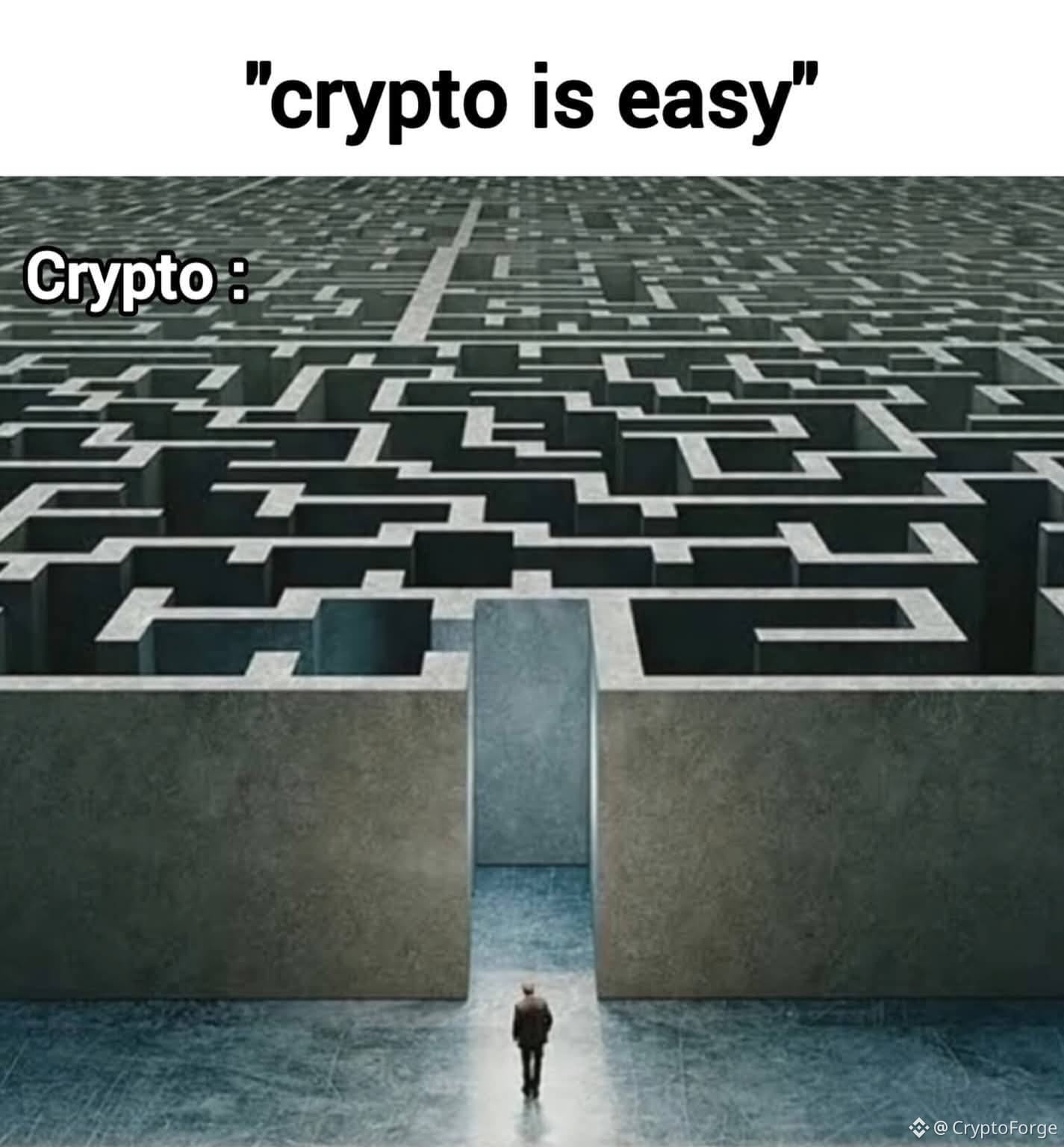
No one's more stressed than the guy who's been in crypto since 2021 and still isn't rich.
He's been through the wringer.
He's watched his account get wiped out.
He's heard everyone tell him it's over.
And now he watches the newbies arrive, wondering why, after all these years, he still has nothing.
The hardest part isn't losing.
It's hanging in there for years…
and realizing the jackpot still hasn't arrived.
He's been through the wringer.
He's watched his account get wiped out.
He's heard everyone tell him it's over.
And now he watches the newbies arrive, wondering why, after all these years, he still has nothing.
The hardest part isn't losing.
It's hanging in there for years…
and realizing the jackpot still hasn't arrived.
查看翻譯
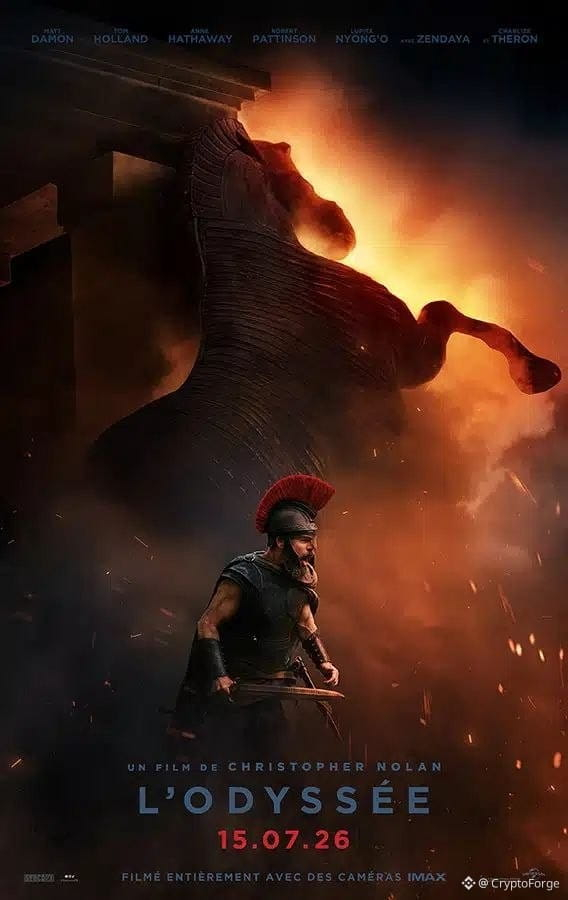
⚠️ A real TROJAN HORSE could be hiding in your illegally downloaded copy of the movie "The Odyssey"...
According to Bitdefender, fake copies of the film are circulating disguised as HD/WebRip/Blu-ray versions. However, instead of the movie, some .exe files install Lumma Stealer, malware specializing in data theft.
Once launched, it can retrieve your crypto wallets, passwords, saved data, and session cookies, potentially allowing the hijacking of accounts even those protected by two-factor authentication. It sometimes hides behind VLC-style icons.
According to Bitdefender, fake copies of the film are circulating disguised as HD/WebRip/Blu-ray versions. However, instead of the movie, some .exe files install Lumma Stealer, malware specializing in data theft.
Once launched, it can retrieve your crypto wallets, passwords, saved data, and session cookies, potentially allowing the hijacking of accounts even those protected by two-factor authentication. It sometimes hides behind VLC-style icons.
查看翻譯
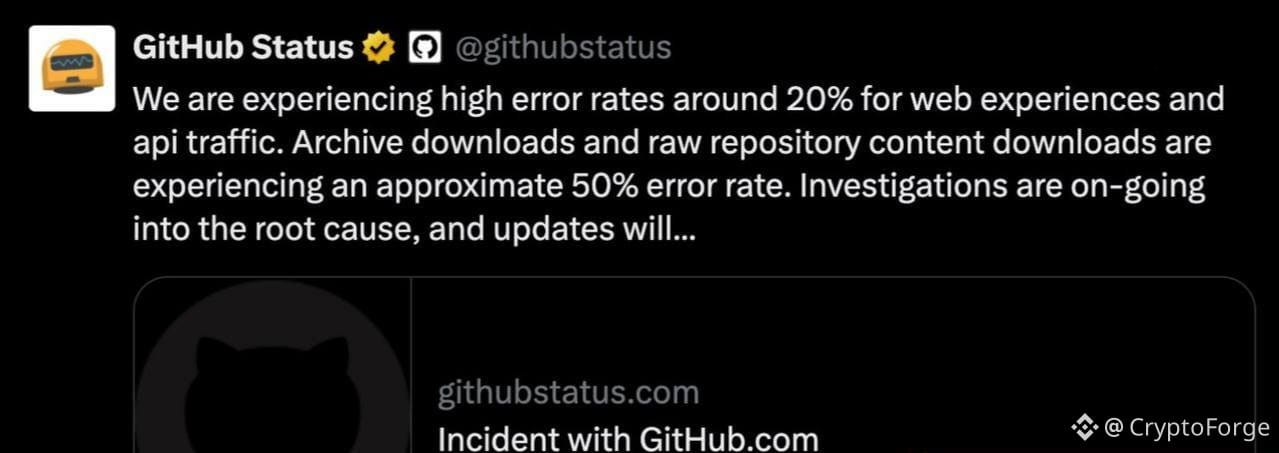
🚨 GitHub is down worldwide.
GitHub and Copilot are experiencing issues: 20% of website and API errors, and 50% of archives and raw content errors. The issues affect the API, Actions, problems, merge requests, and webhooks. The team is investigating; the time to resolution is not yet known.
GitHub and Copilot are experiencing issues: 20% of website and API errors, and 50% of archives and raw content errors. The issues affect the API, Actions, problems, merge requests, and webhooks. The team is investigating; the time to resolution is not yet known.
查看翻譯
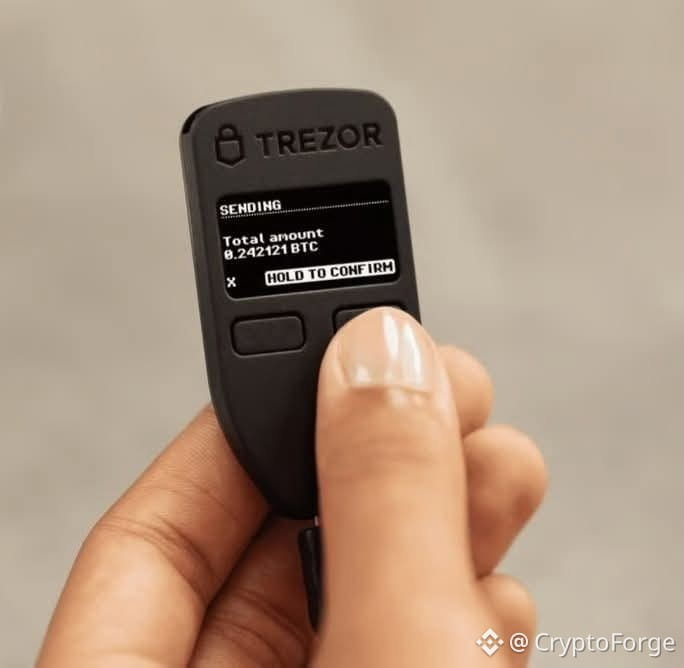
⚠️🔐 Nearly 14,000 @Trezor customers have had their personal data exposed after a shipping provider was hacked.
In total, 11,742 customers were affected by a complete data breach, including their name, email address, phone number, and, most importantly, their shipping address, while another 1,947 customers had some of their information exposed.
The incident affected new customers who received an order within 90 days prior to August 8, 2026, in the United States, the United Kingdom, Sweden, Colombia, Brazil, Italy, and Portugal.
Trezor clarifies that its systems and hardware wallets were not compromised.
In total, 11,742 customers were affected by a complete data breach, including their name, email address, phone number, and, most importantly, their shipping address, while another 1,947 customers had some of their information exposed.
The incident affected new customers who received an order within 90 days prior to August 8, 2026, in the United States, the United Kingdom, Sweden, Colombia, Brazil, Italy, and Portugal.
Trezor clarifies that its systems and hardware wallets were not compromised.
真實
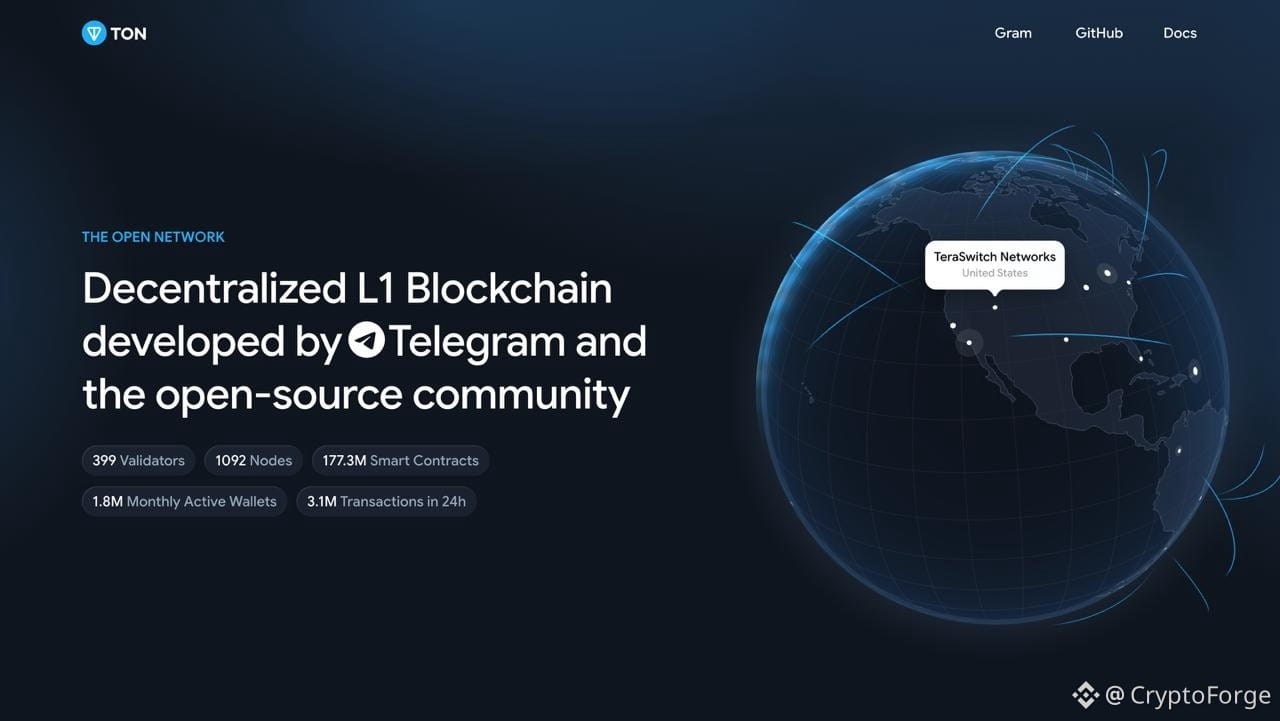
🧵 Telegram $GRAM - 完整論文
億萬用戶的賭局 🌍
⚠️ 首先,必須避免的陷阱
$GRAM 不是一枚新代幣。它是此前的 $TON (Toncoin),在 2026 年 6 月 15 日經社區投票(81.22% 支持)更名。它從 2018 年《Telegram 白皮書》的原始名稱迴歸。
1:1 等值轉換,無需遷移,餘額不變 👉 任何要求你去“領取 GRAM”或“遷移”你的 TON 的網站,都是騙局。不存在合法的遷移。
該鏈保留其原名:The Open Network(TON)。
Gram = 代幣。TON = 區塊鏈。
億萬用戶的賭局 🌍
⚠️ 首先,必須避免的陷阱
$GRAM 不是一枚新代幣。它是此前的 $TON (Toncoin),在 2026 年 6 月 15 日經社區投票(81.22% 支持)更名。它從 2018 年《Telegram 白皮書》的原始名稱迴歸。
1:1 等值轉換,無需遷移,餘額不變 👉 任何要求你去“領取 GRAM”或“遷移”你的 TON 的網站,都是騙局。不存在合法的遷移。
該鏈保留其原名:The Open Network(TON)。
Gram = 代幣。TON = 區塊鏈。
查看翻譯
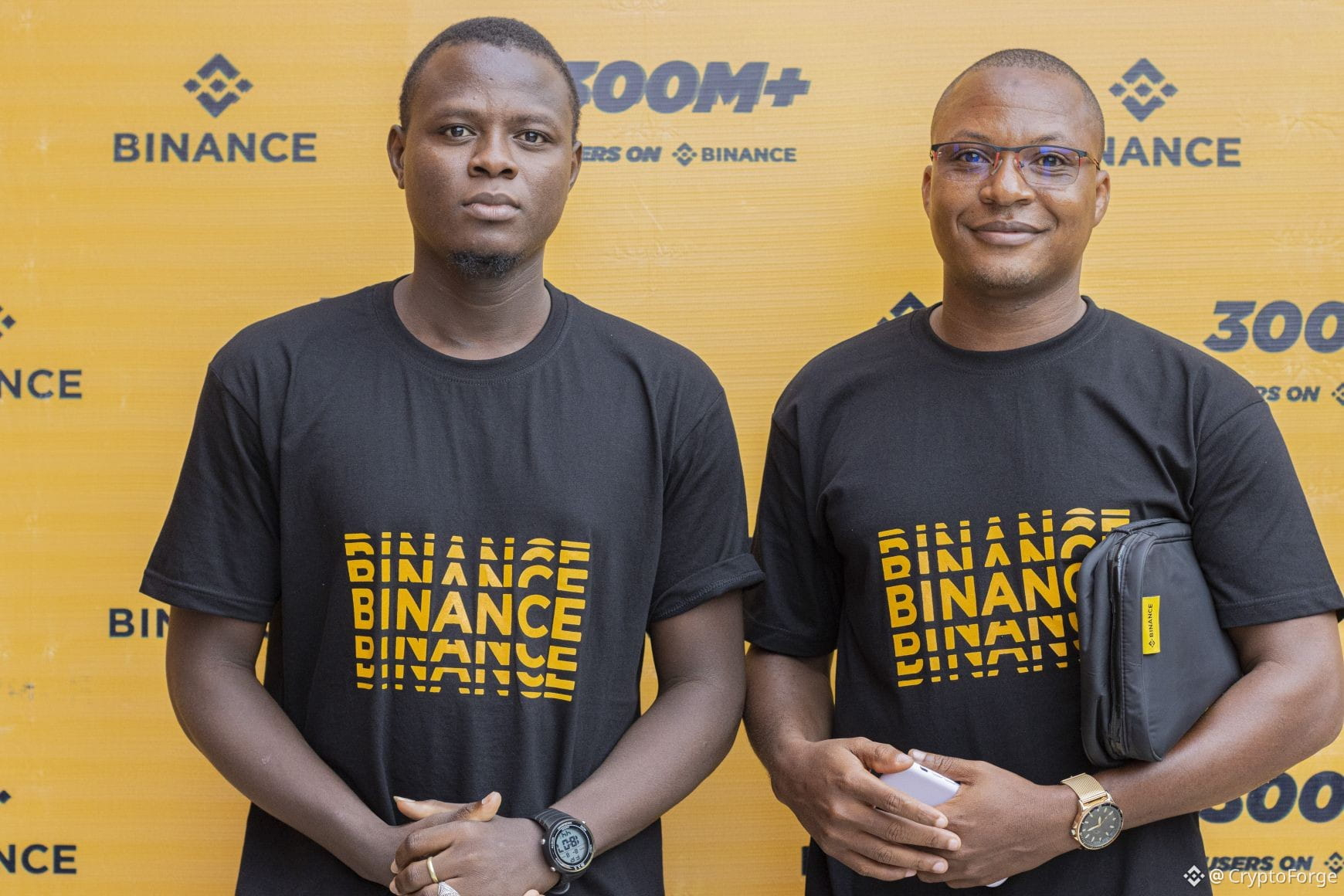
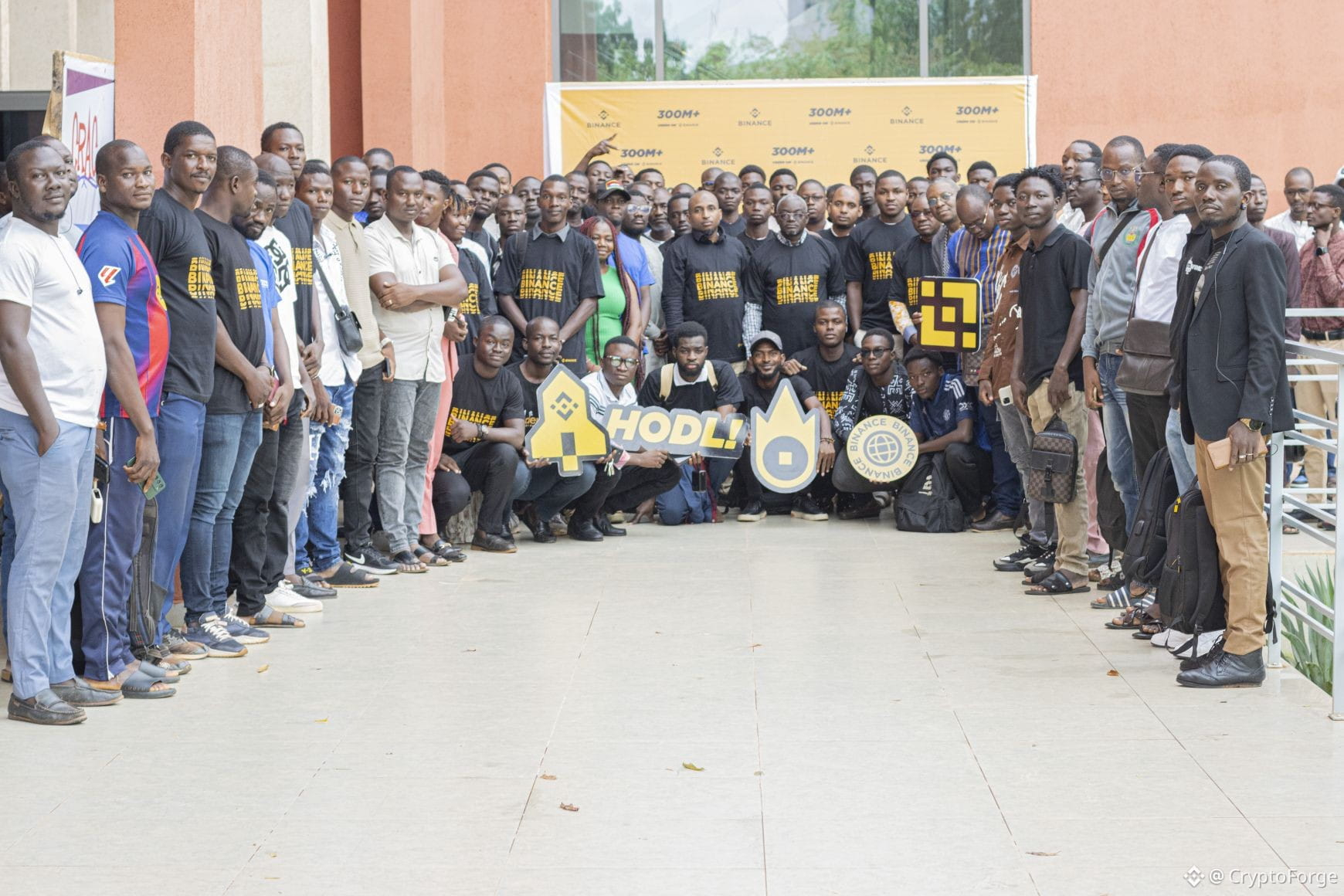
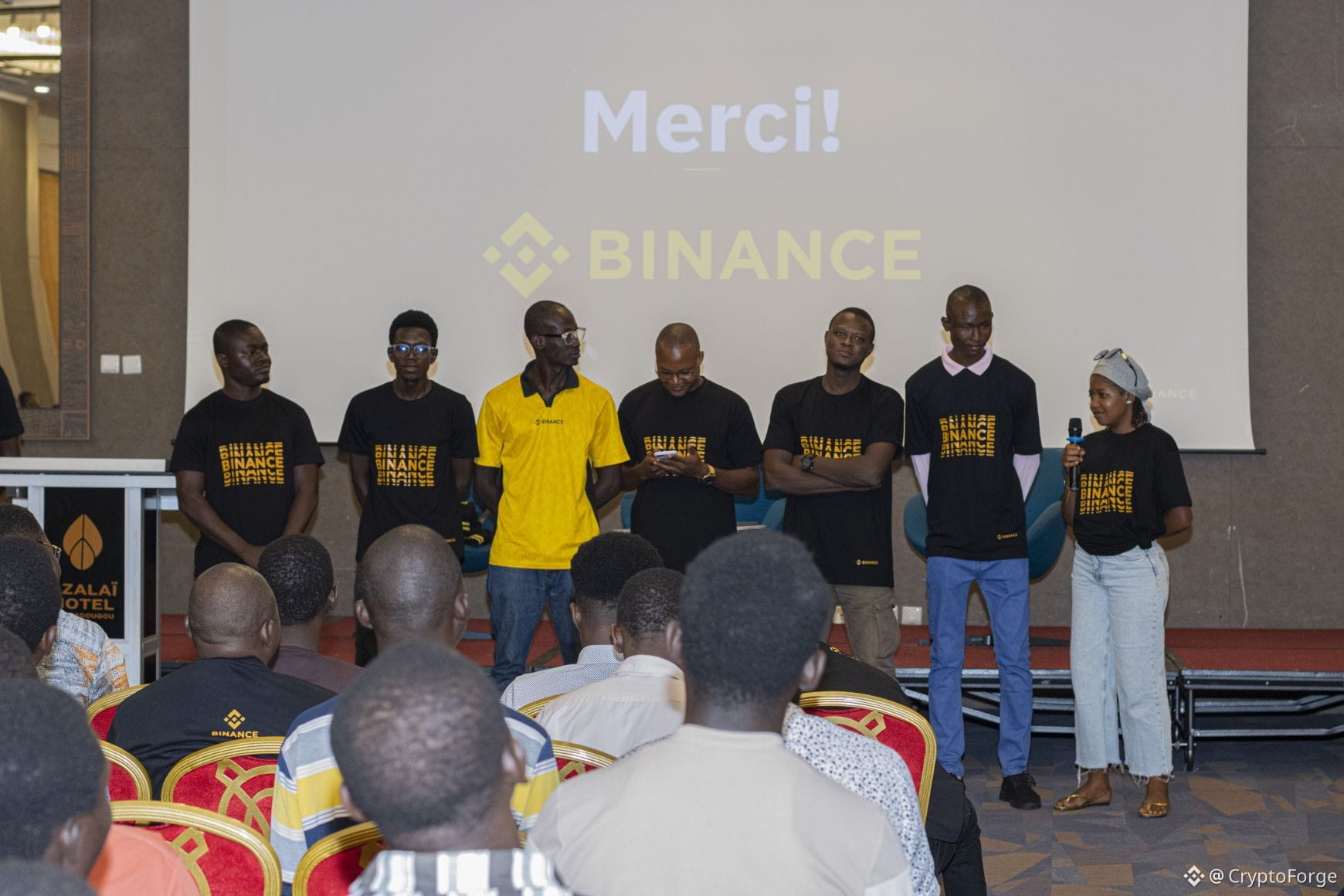
Over 300 people came together around Web3 in Burkina Faso🇧🇫!
On Saturday, I had the chance to be part of the organizing team for the Binance Meetup, hosted by @Binance Afrique que through the Binance Angels, right here in Burkina Faso.
The event brought together more than 300 participants, all driven by the same curiosity and belief: that Web3 has a real role to play in our region.
For me, this kind of gathering goes far beyond just a meetup. It's a genuine space for exchange, mutual learning, and above all, a concrete way to show people that real career opportunities exist in this space.
Our goal was straightforward: to help attendees understand how they can find their footing in an ecosystem that's evolving at lightning speed.
The discussions were lively, the questions were sharp, and the energy in the room was truly interactive.
A big thank you to @Binance for creating these spaces for connection and knowledge-sharing—they're essential for nurturing the Web3 momentum across Africa.
African Web3 is still being built. And it's together, on the ground, that we'll shape what comes next.
On Saturday, I had the chance to be part of the organizing team for the Binance Meetup, hosted by @Binance Afrique que through the Binance Angels, right here in Burkina Faso.
The event brought together more than 300 participants, all driven by the same curiosity and belief: that Web3 has a real role to play in our region.
For me, this kind of gathering goes far beyond just a meetup. It's a genuine space for exchange, mutual learning, and above all, a concrete way to show people that real career opportunities exist in this space.
Our goal was straightforward: to help attendees understand how they can find their footing in an ecosystem that's evolving at lightning speed.
The discussions were lively, the questions were sharp, and the energy in the room was truly interactive.
A big thank you to @Binance for creating these spaces for connection and knowledge-sharing—they're essential for nurturing the Web3 momentum across Africa.
African Web3 is still being built. And it's together, on the ground, that we'll shape what comes next.
熊市是一個令人難以置信的機會!不,這對 99% 的投資者來說完全是錯誤的。❌
那些自 2021 年以來一直在這裡並從過去中吸取教訓的人知道,這對 99% 的持有者來說並不是真正的機會。
如果我們確實處於熊市,我向您保證,到 2027 年,您目前積累的 95% 的替代幣將會過時,無法實現巨額收益。
我深信不疑。
在 2023 年初,曾經主導市場的幾種加密貨幣被取代了,要麼被新的加密貨幣,要麼被創新的舊加密貨幣取代。一些趨勢已經消逝,讓位於其他趨勢。
SAND、MANA、GALA、AXS、MATIC、FANTOM、BAKE、HARMONY ONE、ROSE、ENJ、QNT、ADA、BABYDOGE、CAKE、SUSHI……名單很長。
短期交易者當然可以利用熊市。但長期的替代幣投資者則不行。
如果您在熊市中管理不善,復甦時將一無所有。
比特幣在熊市期間是最好的。
我知道您喜歡讚美,即使這樣您也會賠錢。
那些自 2021 年以來一直在這裡並從過去中吸取教訓的人知道,這對 99% 的持有者來說並不是真正的機會。
如果我們確實處於熊市,我向您保證,到 2027 年,您目前積累的 95% 的替代幣將會過時,無法實現巨額收益。
我深信不疑。
在 2023 年初,曾經主導市場的幾種加密貨幣被取代了,要麼被新的加密貨幣,要麼被創新的舊加密貨幣取代。一些趨勢已經消逝,讓位於其他趨勢。
SAND、MANA、GALA、AXS、MATIC、FANTOM、BAKE、HARMONY ONE、ROSE、ENJ、QNT、ADA、BABYDOGE、CAKE、SUSHI……名單很長。
短期交易者當然可以利用熊市。但長期的替代幣投資者則不行。
如果您在熊市中管理不善,復甦時將一無所有。
比特幣在熊市期間是最好的。
我知道您喜歡讚美,即使這樣您也會賠錢。
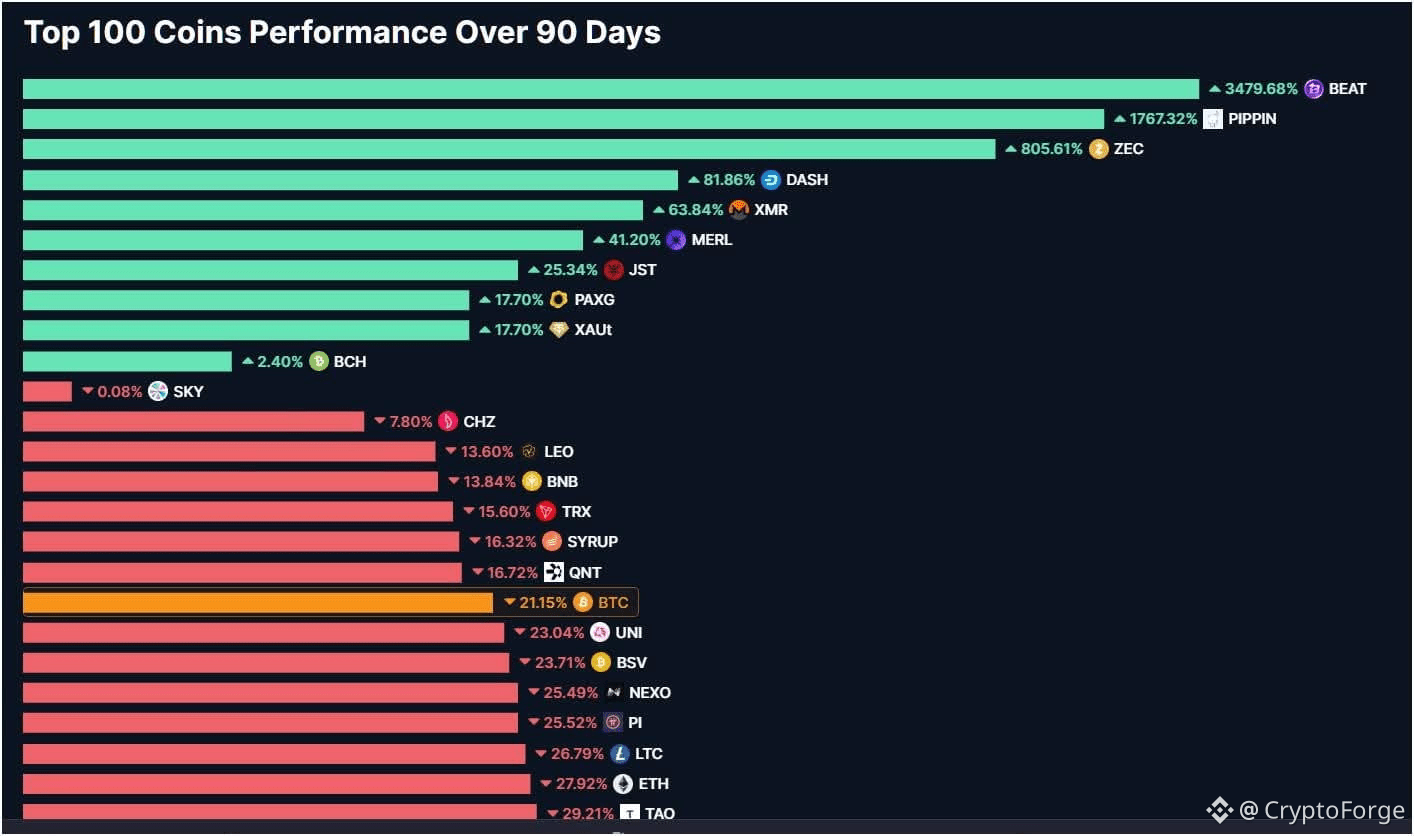
L’indice de l’altseason est souvent mal compris. Beaucoup pensent qu’il indique automatiquement une saison haussière des altcoins, alors que son mode de calcul est bien plus nuancé.
Concrètement, cet indice mesure la performance des 100 principales altcoins sur une période de 90 jours, en les comparant à la performance du Bitcoin sur la même période.
Lorsque l’indice affiche 17, cela signifie que 17 altcoins du top 100 ont surperformé le Bitcoin sur les 90 derniers jours.
À l’inverse, un indice élevé (par exemple 92) signifie que 92 altcoins ont fait mieux que le Bitcoin, mais cela ne veut pas forcément dire que le marché est haussier.
Point fondamental à comprendre :
👉 Surperformer le Bitcoin ne signifie pas être en hausse.
Si le Bitcoin chute fortement et que certaines altcoins chutent moins que lui, elles sont considérées comme « plus performantes » dans le calcul de l’indice.
Ainsi :
Vous pouvez être globalement en perte,
Tout en voyant l’indice d’altseason monter fortement.
Dans certains cas extrêmes, l’indice peut même approcher 90 ou plus, simplement parce que le Bitcoin corrige plus violemment que le reste du marché — sans qu’il n’y ait de véritable altseason.
L’indice d’altseason est un indicateur statistique, pas un signal de marché suffisant à lui seul.
Il peut aider à lire une tendance relative, mais il ne doit jamais servir de base unique pour prendre une décision d’investissement ou de trading.
Concrètement, cet indice mesure la performance des 100 principales altcoins sur une période de 90 jours, en les comparant à la performance du Bitcoin sur la même période.
Lorsque l’indice affiche 17, cela signifie que 17 altcoins du top 100 ont surperformé le Bitcoin sur les 90 derniers jours.
À l’inverse, un indice élevé (par exemple 92) signifie que 92 altcoins ont fait mieux que le Bitcoin, mais cela ne veut pas forcément dire que le marché est haussier.
Point fondamental à comprendre :
👉 Surperformer le Bitcoin ne signifie pas être en hausse.
Si le Bitcoin chute fortement et que certaines altcoins chutent moins que lui, elles sont considérées comme « plus performantes » dans le calcul de l’indice.
Ainsi :
Vous pouvez être globalement en perte,
Tout en voyant l’indice d’altseason monter fortement.
Dans certains cas extrêmes, l’indice peut même approcher 90 ou plus, simplement parce que le Bitcoin corrige plus violemment que le reste du marché — sans qu’il n’y ait de véritable altseason.
L’indice d’altseason est un indicateur statistique, pas un signal de marché suffisant à lui seul.
Il peut aider à lire une tendance relative, mais il ne doit jamais servir de base unique pour prendre une décision d’investissement ou de trading.
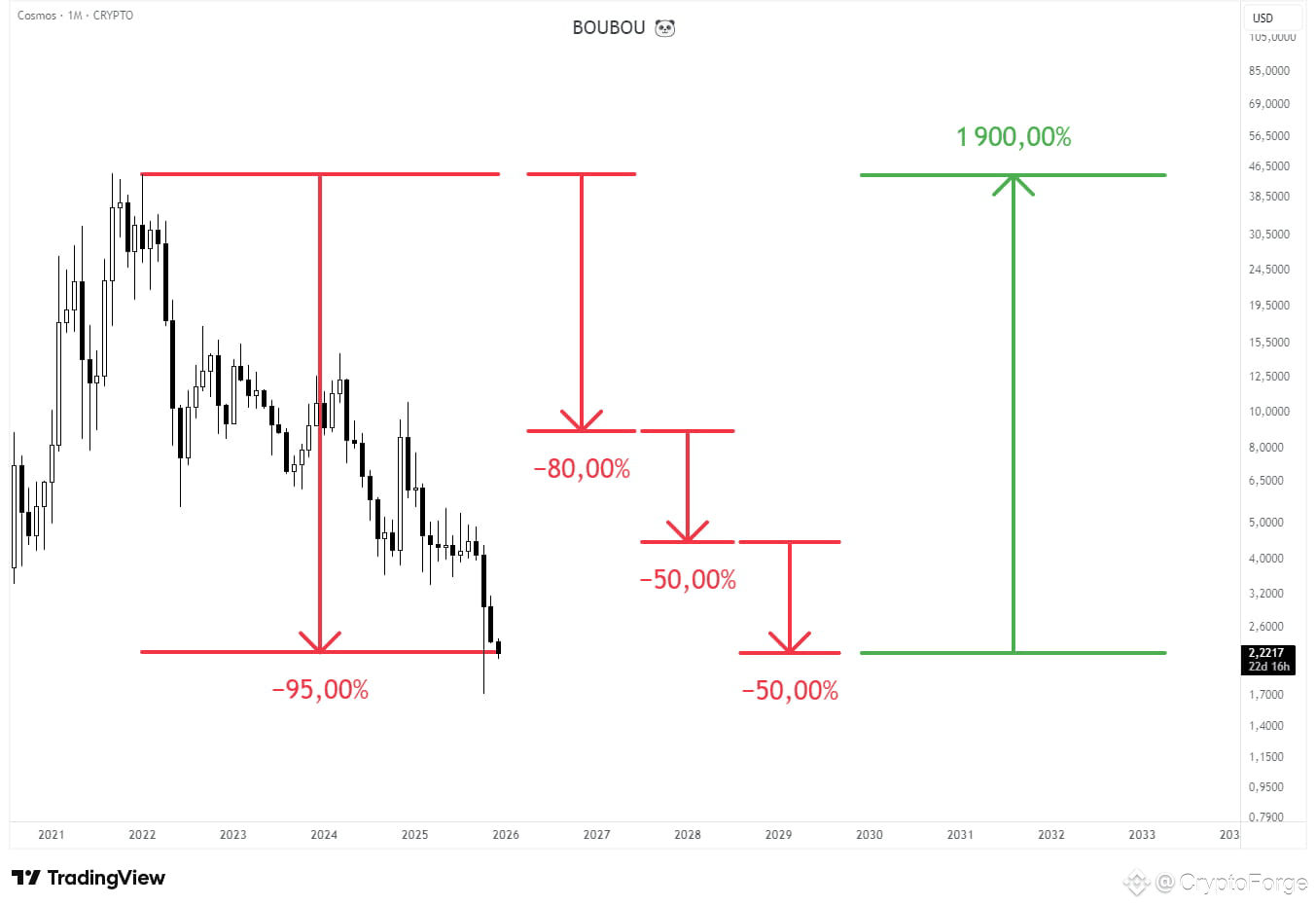
重要提示:
要在下降後恢復到初始價格,資產必須達到比下降更高的百分比漲幅。
以下是一些說明這一原則的例子:
· ➡️ 在下降10%後,需要上漲11%才能回到盈虧平衡點。
· ➡️ 在下降30%後,需要上漲43%。
· ➡️ 在下降50%後,需要上漲100%(即翻倍)。
· ➡️ 在下降70%後,需要上漲233%。
· ➡️ 在下降90%後,需要上漲900%。
總之,跌幅越大,恢復的難度就越大。失去一個百分比總是比重新獲得它更容易。
要在下降後恢復到初始價格,資產必須達到比下降更高的百分比漲幅。
以下是一些說明這一原則的例子:
· ➡️ 在下降10%後,需要上漲11%才能回到盈虧平衡點。
· ➡️ 在下降30%後,需要上漲43%。
· ➡️ 在下降50%後,需要上漲100%(即翻倍)。
· ➡️ 在下降70%後,需要上漲233%。
· ➡️ 在下降90%後,需要上漲900%。
總之,跌幅越大,恢復的難度就越大。失去一個百分比總是比重新獲得它更容易。
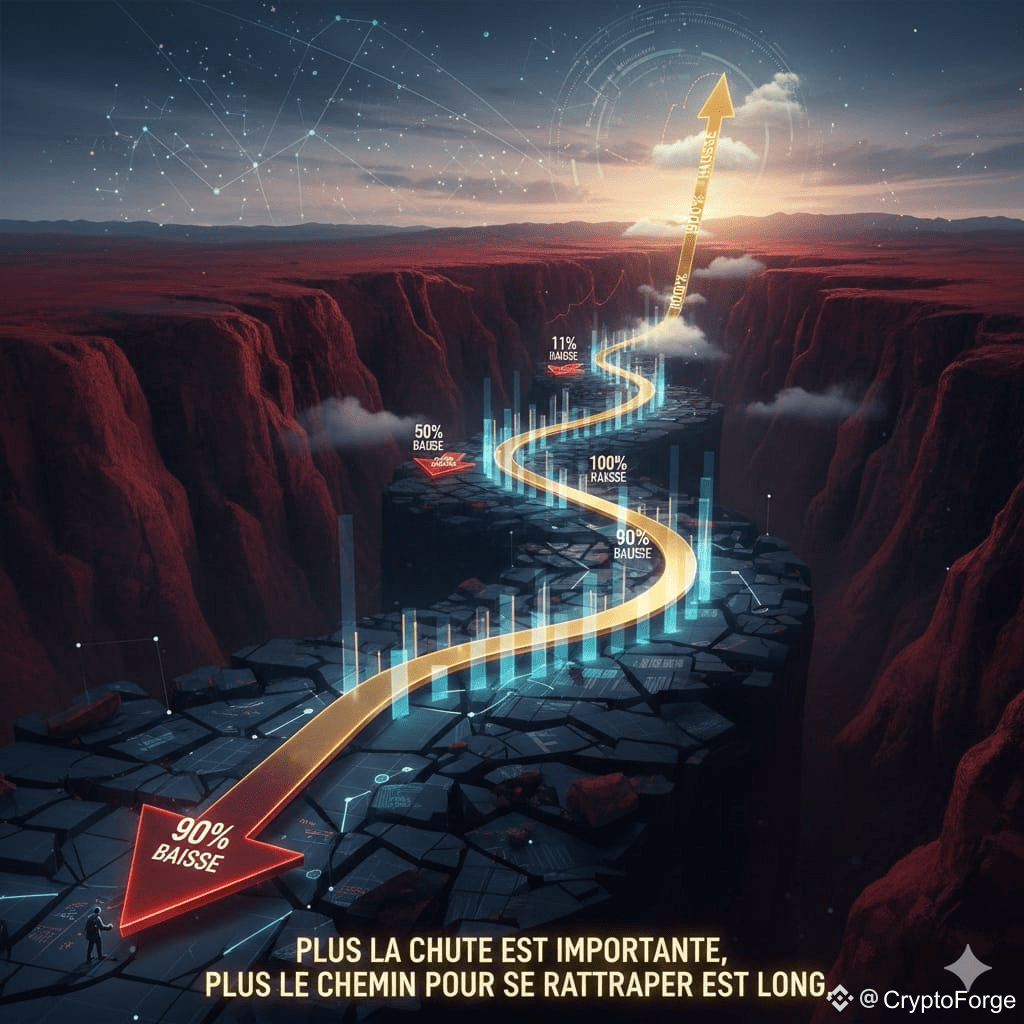
即使是火影忍者在2025年的持有者們也沒有遭受這樣的痛苦。
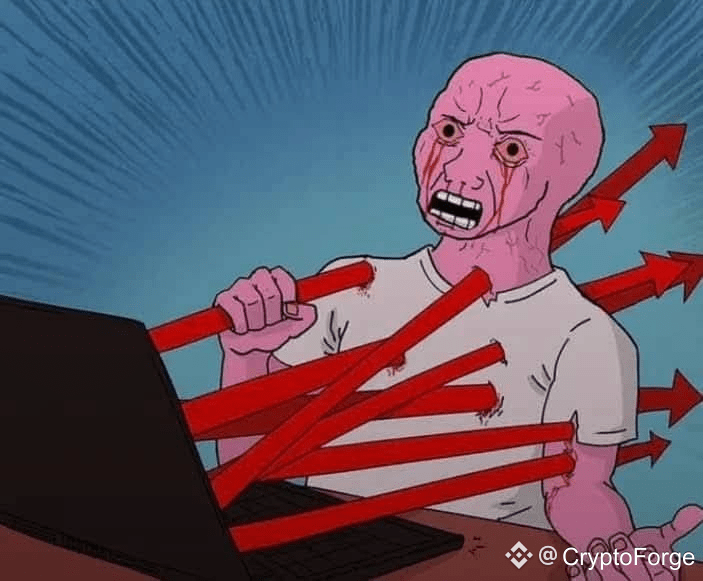
這個萬聖節無需Netflix觀看恐怖電影 🎃👻
你的錢包已經是一場恐怖 🤣
從$5,000到$200 📉😭
你的錢包已經是一場恐怖 🤣
從$5,000到$200 📉😭

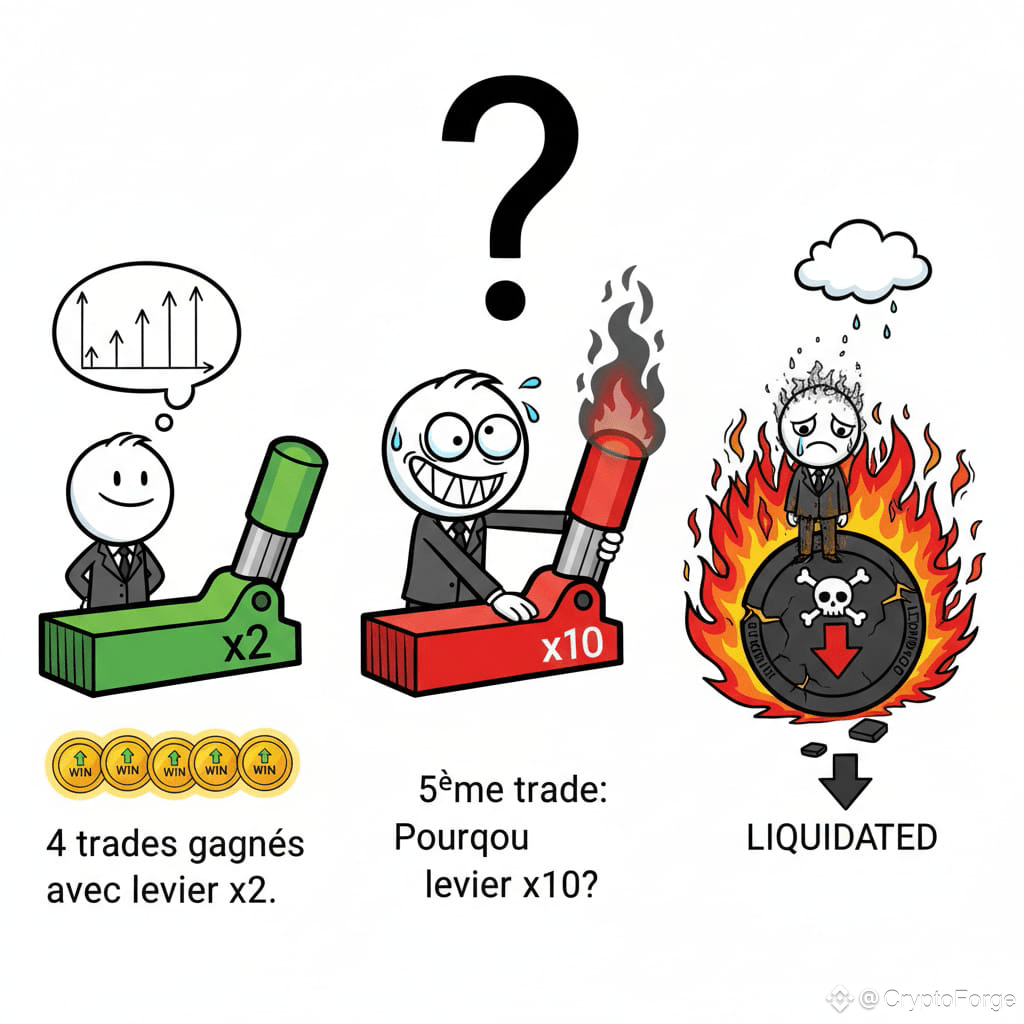
使用2倍槓桿,你贏得了4筆交易。爲什麼在第5筆交易中你選擇10倍槓桿?
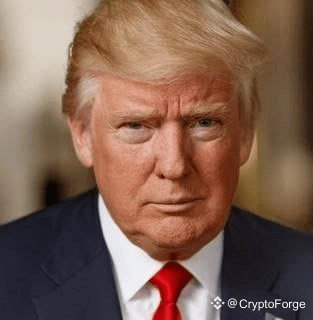
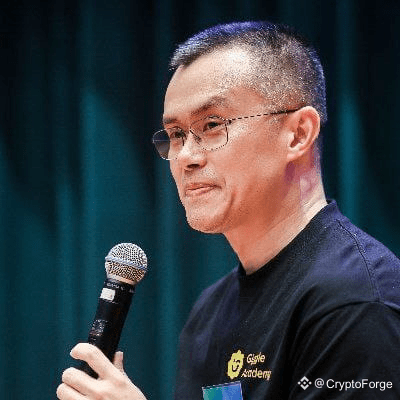
特朗普赦免幣安創始人趙長鵬
根據消息來源,特朗普總統已赦免幣安創始人趙長鵬,此舉是由於趙對特朗普家族的加密貨幣投資的支持。
白宮表示,特朗普此舉是爲了結束“拜登政府對加密貨幣的戰爭。”
根據消息來源,特朗普總統已赦免幣安創始人趙長鵬,此舉是由於趙對特朗普家族的加密貨幣投資的支持。
白宮表示,特朗普此舉是爲了結束“拜登政府對加密貨幣的戰爭。”
爲什麼稀土市場在波動?
稀土既不是神祕的發明,也不是NASA的新奇事物。
這是一個由17種金屬(如釹、鑭、鈰等)組成的名稱,這些金屬對現代工業至關重要,特別是對所有尖端技術,包括著名的人工智能。
一些使用的例子:
• 超強磁鐵用於電動機
• 屏幕、智能手機、計算機
• 導彈制導系統、衛星
• 電子芯片、電池、風力渦輪機等。
總結:
稀土 = 所有高科技和能源轉型背後的戰略原材料。
它們在地殼中並不一定稀有,但分佈廣泛,提取困難且成本高昂。
最重要的是:
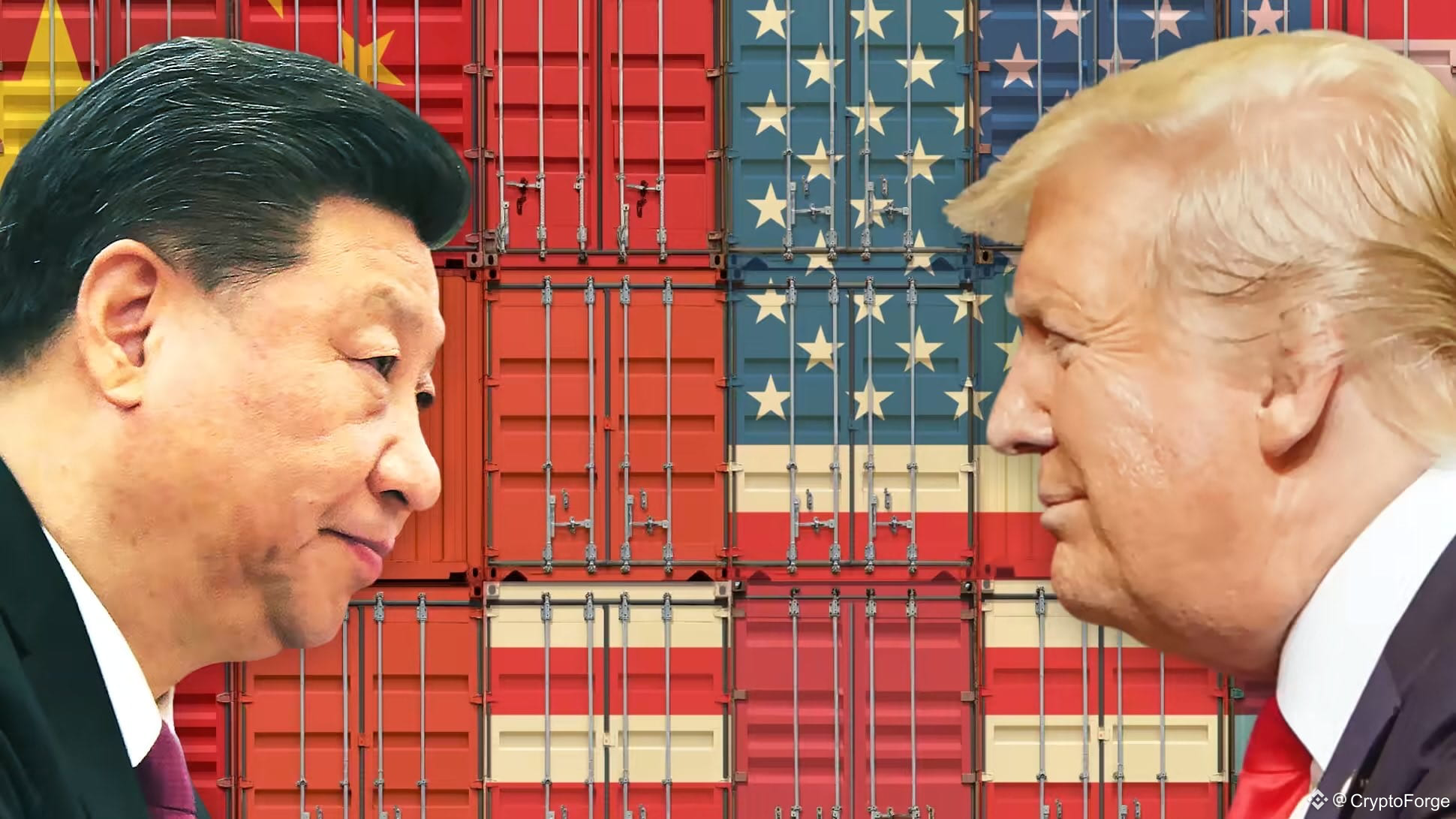
中國控制着全球生產的60%到80%(根據年份而定)。
所以,當北京談到它的稀土時,往往意味着:
“要小心,我們掌握着一個重要的戰略槓桿。如果你挑釁我們(貿易戰、限制等),我們可以關閉閥門。”
最後:
稀土有點像21世紀的石油,涉及所有與技術、防禦和能源轉型相關的事務。
而中國已將其轉變爲一種強大的地緣政治武器!
$BTC $ETH $BTC
稀土既不是神祕的發明,也不是NASA的新奇事物。
這是一個由17種金屬(如釹、鑭、鈰等)組成的名稱,這些金屬對現代工業至關重要,特別是對所有尖端技術,包括著名的人工智能。
一些使用的例子:
• 超強磁鐵用於電動機
• 屏幕、智能手機、計算機
• 導彈制導系統、衛星
• 電子芯片、電池、風力渦輪機等。
總結:
稀土 = 所有高科技和能源轉型背後的戰略原材料。
它們在地殼中並不一定稀有,但分佈廣泛,提取困難且成本高昂。
最重要的是:
中國控制着全球生產的60%到80%(根據年份而定)。
所以,當北京談到它的稀土時,往往意味着:
“要小心,我們掌握着一個重要的戰略槓桿。如果你挑釁我們(貿易戰、限制等),我們可以關閉閥門。”
最後:
稀土有點像21世紀的石油,涉及所有與技術、防禦和能源轉型相關的事務。
而中國已將其轉變爲一種強大的地緣政治武器!
$BTC $ETH $BTC
ASTER的代幣經濟是奇怪的:ASTER的總供應量超過了HyperLiquid。ASTER不是一個DEX,ASTER是由CZ編寫的,ASTER機器機器……是的,我們都知道這一切,那又怎樣?
你已經忘記你爲什麼會對此持有立場了。在代幣解鎖之後,如果價格沒有按照你的希望發展,清算頭寸。不要被法國的影響者所愚弄:總是做他們所說的相反的事情。
你已經忘記你爲什麼會對此持有立場了。在代幣解鎖之後,如果價格沒有按照你的希望發展,清算頭寸。不要被法國的影響者所愚弄:總是做他們所說的相反的事情。
保持專注,市場正在自由下跌,現在是加強頭寸的時候。
引用內容已移除
這很簡單 錢包 + 區塊鏈 + 穩定幣,你就可以開始了。
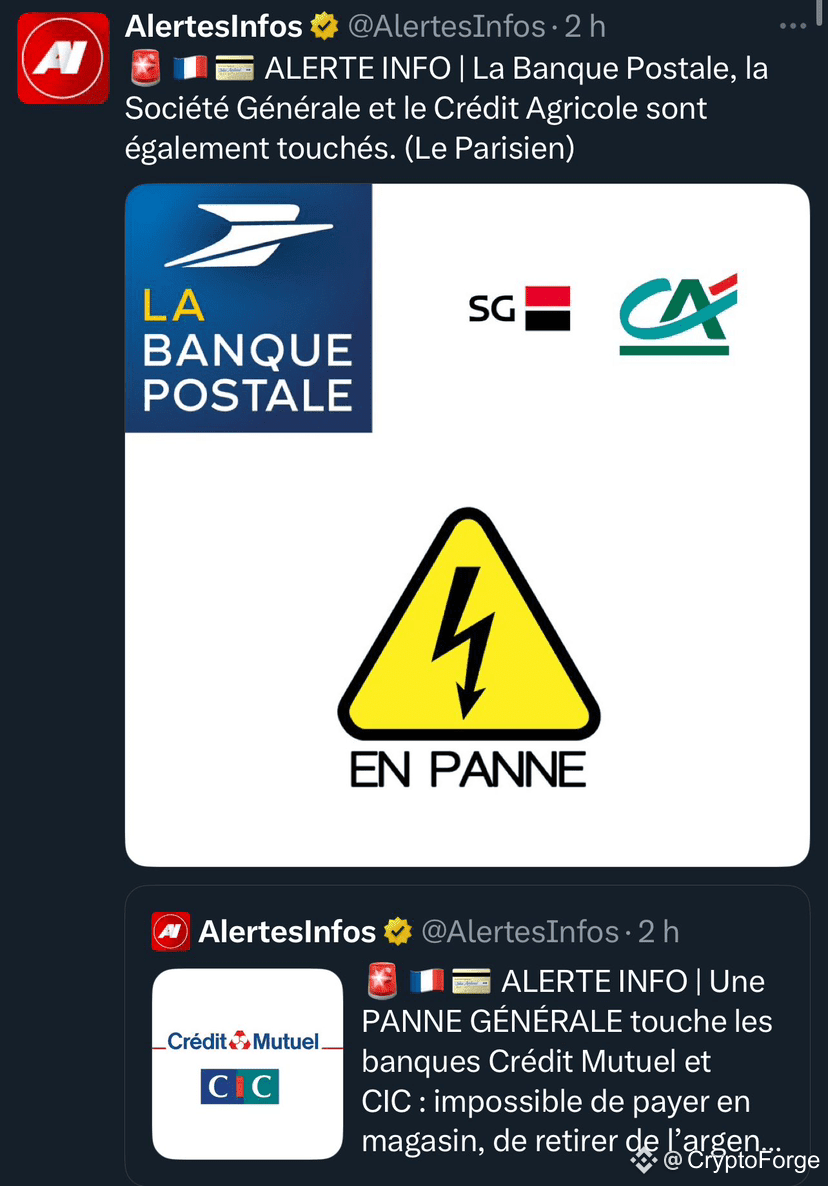
總是相同的荒謬……一旦下降,他們就會拿出他們陳舊的圖形。如果市場走向相反,嘿,又一箇舊圖表。沒有信念的變色龍,無法承擔真正的立場。無法知道他們真正的想法。
引用內容已移除
登入以探索更多內容