

0xMohamed 1
568 貼文

0xMohamed 1
舉報
封鎖用戶
Web3 Community Manager | Content Creator | Crypto Project Ambassador linktr.ee/0xmohamed
0 關注
31 粉絲
61 點讚數
貼文
·
--
我在 Web3 領域學到的一件事是,優秀的 CM 或大使不應該只知道如何解釋某項功能,還應該理解它要解決什麼問題。爲什麼要這樣設計?它帶來了哪些取捨?出了問題會發生什麼?這就是重複轉發公告和幫助人們理解這項技術之間的區別。我把 Liberdus 當作學習實踐的平臺之一,探索隱私、去中心化和數字所有權背後的理念。少一些重複,多一些探究。@Liberdus #ONDO $ONDO
我在 Web3 領域學到的一件事是,優秀的 CM 或大使不應該只知道如何解釋某項功能,還應該理解它要解決什麼問題。爲什麼要這樣設計?它帶來了哪些取捨?出了問題會發生什麼?這就是重複轉發公告和幫助人們理解這項技術之間的區別。我把 Liberdus 當作學習實踐的平臺之一,探索隱私、去中心化和數字所有權背後的理念。少一些重複,多一些探究。@Liberdus #ONDO $ONDO

69

·
--
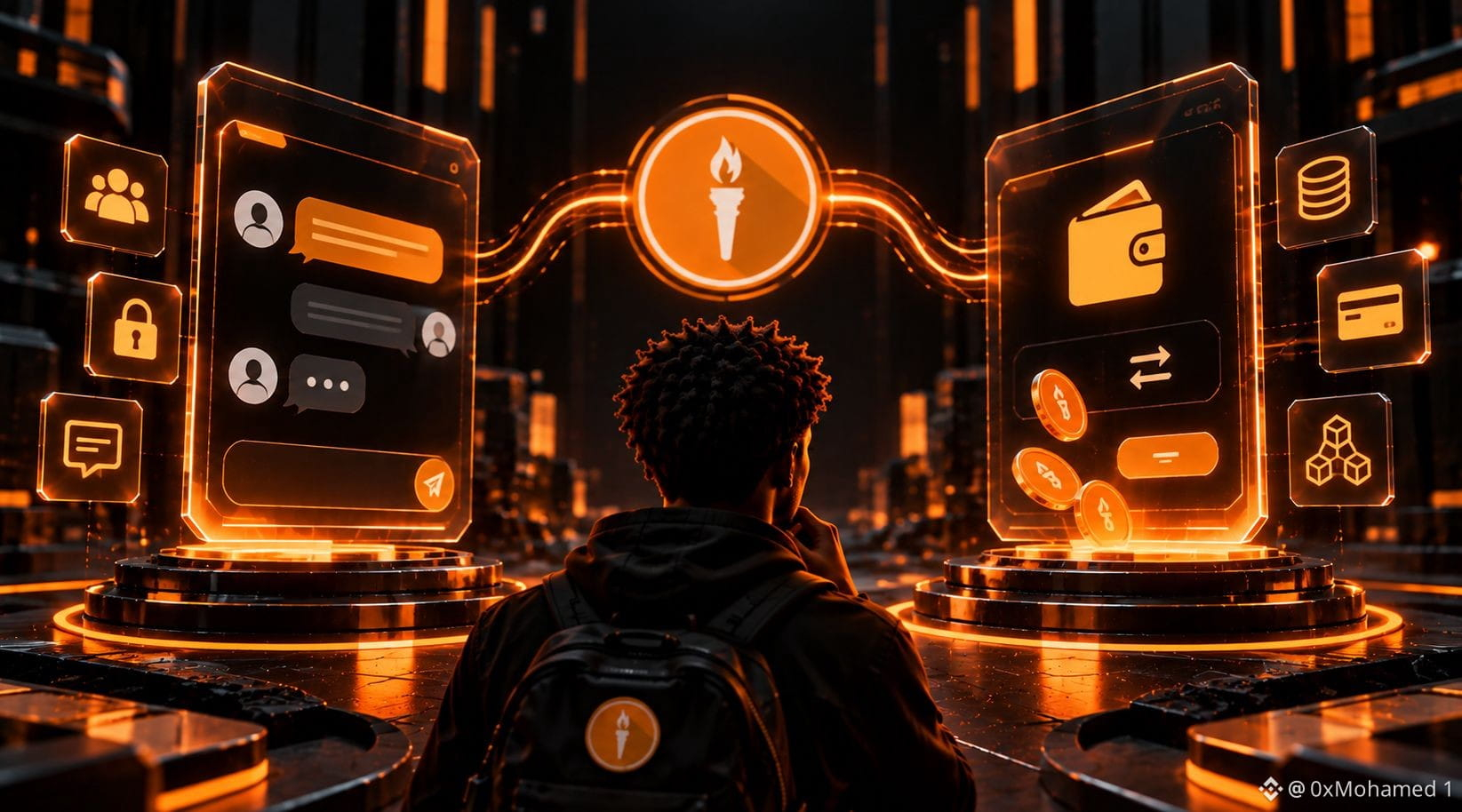
爲什麼要在同一個生態系統中連接消息與支付?乍一看,它們似乎是兩個截然不同的問題。但仔細想想:消息讓你能夠溝通,支付讓你能夠交換價值。將兩者結合起來,會引發一些有趣的問題,涉及身份、隱私、用戶體驗和交易元數據。真正的問題並不是把它們結合起來聽起來是否有用,而是你能從中獲得什麼,又會因此面臨哪些取捨。你更喜歡一體化的體驗,還是分別使用不同的應用?@Liberdus #Gold $PAXG $XAUt
爲什麼要在同一個生態系統中連接消息與支付?乍一看,它們似乎是兩個截然不同的問題。但仔細想想:消息讓你能夠溝通,支付讓你能夠交換價值。將兩者結合起來,會引發一些有趣的問題,涉及身份、隱私、用戶體驗和交易元數據。真正的問題並不是把它們結合起來聽起來是否有用,而是你能從中獲得什麼,又會因此面臨哪些取捨。你更喜歡一體化的體驗,還是分別使用不同的應用?@Liberdus #Gold $PAXG $XAUt
64
·
--
我對 Web3 探索得越多,就越意識到一件事:理解一項功能很容易,理解它爲什麼要這樣設計,則是另一回事。爲什麼採用這種架構?它解決了什麼問題?又帶來了哪些取捨?出了問題會怎樣?這些纔是我想深入探索的問題。@Liberdus 是我的一個試驗場,但我的好奇心不止於一個項目。隱私、去中心化、數字所有權。我想了解這些理念實際上是如何運作的,並用人們能聽懂的方式解釋清楚。少一些炒作,多一些理解。別隻聽我一面之詞。#Liberdus $BNB #BNB
我對 Web3 探索得越多,就越意識到一件事:理解一項功能很容易,理解它爲什麼要這樣設計,則是另一回事。爲什麼採用這種架構?它解決了什麼問題?又帶來了哪些取捨?出了問題會怎樣?這些纔是我想深入探索的問題。@Liberdus 是我的一個試驗場,但我的好奇心不止於一個項目。隱私、去中心化、數字所有權。我想了解這些理念實際上是如何運作的,並用人們能聽懂的方式解釋清楚。少一些炒作,多一些理解。別隻聽我一面之詞。#Liberdus $BNB #BNB
69
·
--
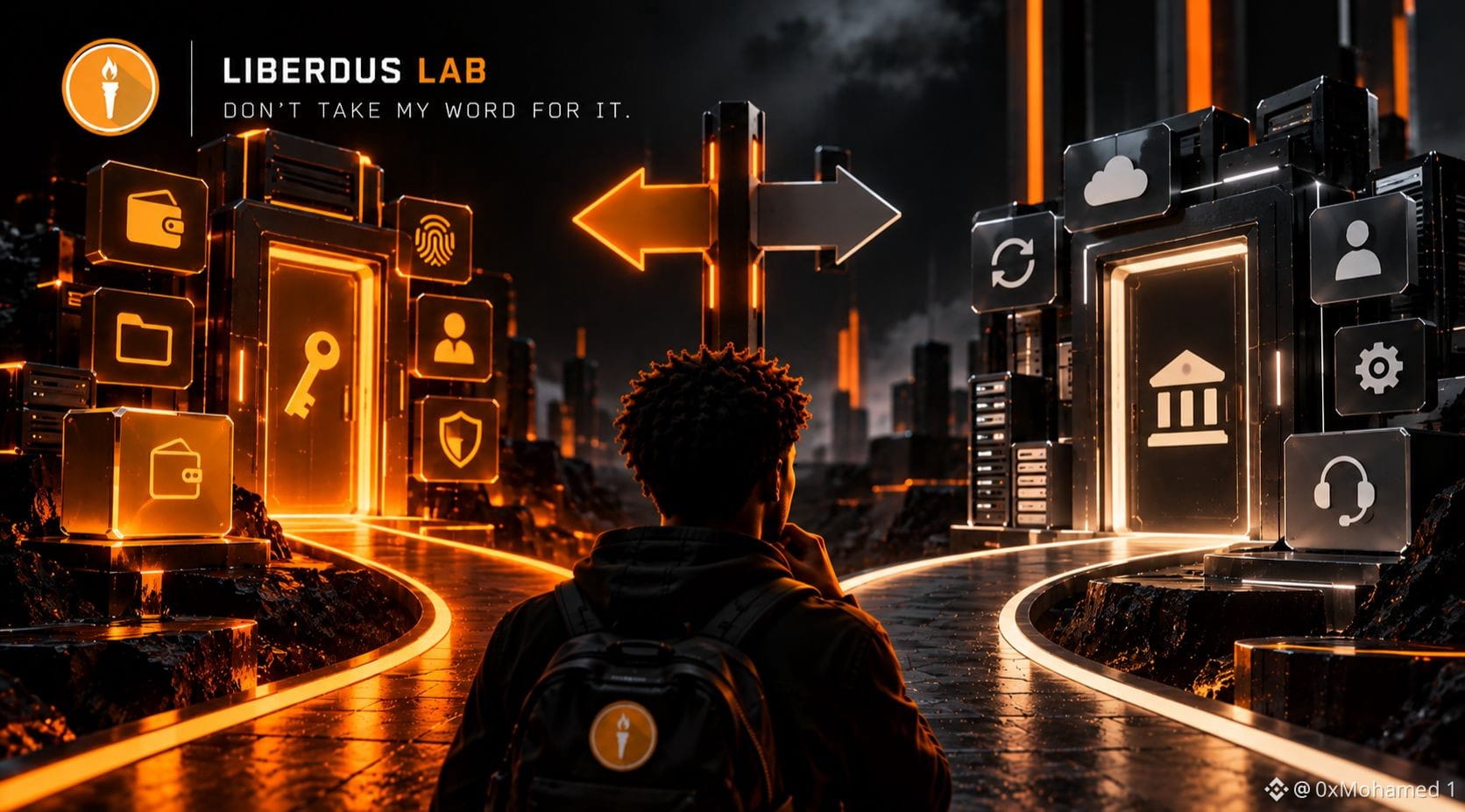
來聊聊數位所有權。如果你掌控自己的身分、金鑰和資料,出了問題時,你也得承擔更多責任。你會選擇完全掌控並承擔全部責任,還是選擇方便,交由公司處理復原事宜?你會怎麼選? @Liberdus #liberdus #BTC $BTC
來聊聊數位所有權。如果你掌控自己的身分、金鑰和資料,出了問題時,你也得承擔更多責任。你會選擇完全掌控並承擔全部責任,還是選擇方便,交由公司處理復原事宜?你會怎麼選? @Liberdus #liberdus #BTC $BTC
56
·
--
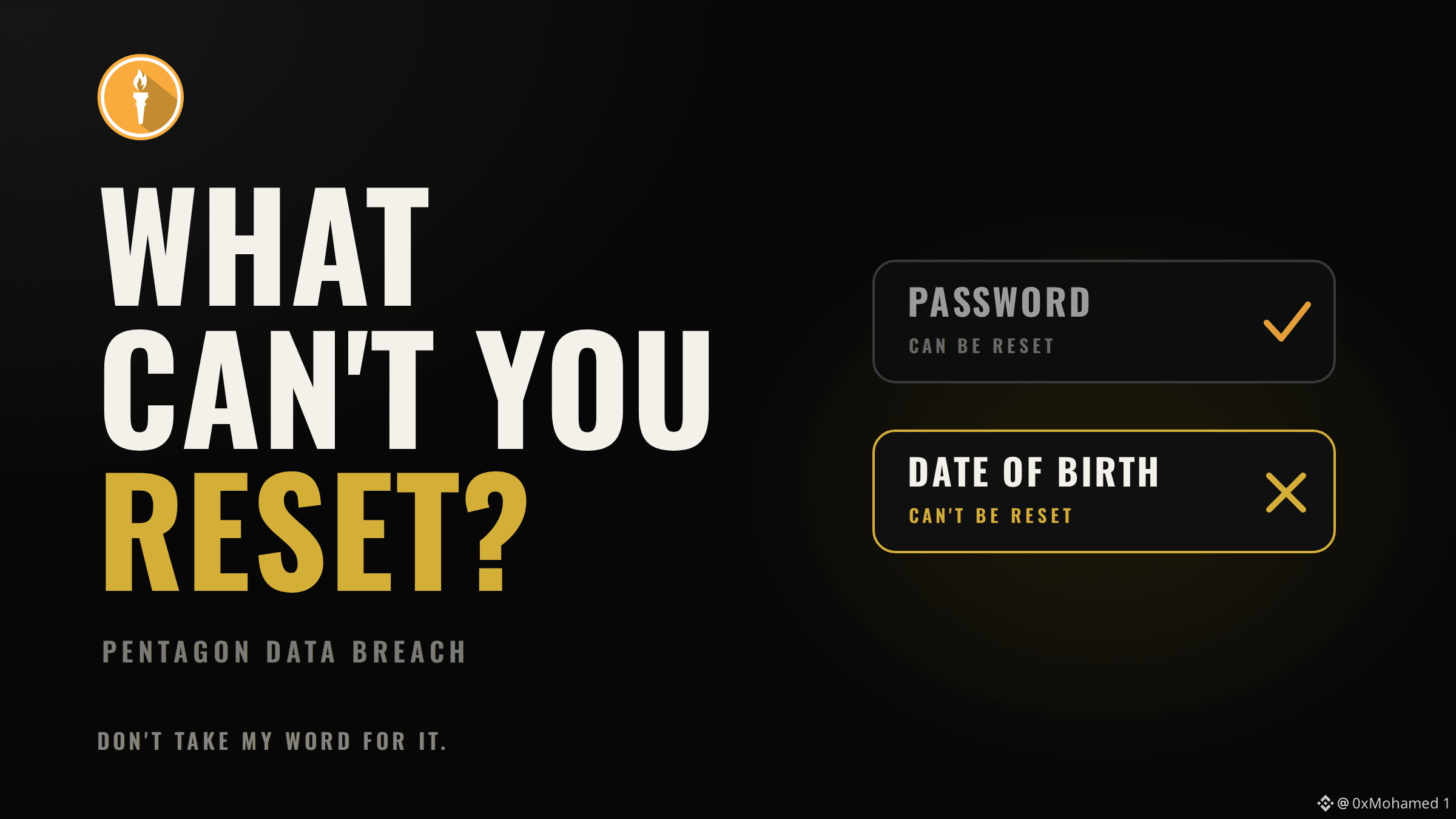
你可以重設密碼。你無法重設你的出生日期。這才是五角大廈資料外洩事件中,比頭條數字更值得關注的部分。發生了什麼事:五角大廈紀錄單位——國防人力資料中心(Defense Manpower Data Center)表示,未經授權的使用者在 2025 年 10 月至 2026 年 7 月期間,利用檔案分享系統中的一個漏洞。五角大廈官員表示,約有 280 萬名在世人士受到影響,另有 29.4 萬名已故人士。外洩內容包括:姓名、社會安全號碼、出生日期、聯絡資訊以及軍事服役紀錄。該五角大廈官員形容這些資料是未加密的。五角大廈表示,目前沒有跡象顯示資料遭到濫用,並提供 12 個月的信用監測服務。看看這種不對稱性。支援只持續 12 個月。資料暴露卻不會消失。出生日期永遠不會改變,而社會安全號碼也很難更換。無法輪替的身分資料,是最昂貴、也最不該失去的資料。人們常忽略的是:DMDC 保存超過 6,000 萬筆人事紀錄,並為五角大廈 ID 卡執行身分驗證。當身分資料集中存放在少數大型系統中時,一個漏洞就可能波及數百萬人。取捨在於:集中式資料庫讓驗證更簡單,但每一個漏洞的代價也更高。保留較少資料意味著可失去的也更少,但同時也需要另一種驗證身分的方式。即使驗證變得更困難,機構是否應該保留更少我們的身分資料?@Liberdus #ONDO $ONDO @Liberdus
你可以重設密碼。你無法重設你的出生日期。這才是五角大廈資料外洩事件中,比頭條數字更值得關注的部分。發生了什麼事:五角大廈紀錄單位——國防人力資料中心(Defense Manpower Data Center)表示,未經授權的使用者在 2025 年 10 月至 2026 年 7 月期間,利用檔案分享系統中的一個漏洞。五角大廈官員表示,約有 280 萬名在世人士受到影響,另有 29.4 萬名已故人士。外洩內容包括:姓名、社會安全號碼、出生日期、聯絡資訊以及軍事服役紀錄。該五角大廈官員形容這些資料是未加密的。五角大廈表示,目前沒有跡象顯示資料遭到濫用,並提供 12 個月的信用監測服務。看看這種不對稱性。支援只持續 12 個月。資料暴露卻不會消失。出生日期永遠不會改變,而社會安全號碼也很難更換。無法輪替的身分資料,是最昂貴、也最不該失去的資料。人們常忽略的是:DMDC 保存超過 6,000 萬筆人事紀錄,並為五角大廈 ID 卡執行身分驗證。當身分資料集中存放在少數大型系統中時,一個漏洞就可能波及數百萬人。取捨在於:集中式資料庫讓驗證更簡單,但每一個漏洞的代價也更高。保留較少資料意味著可失去的也更少,但同時也需要另一種驗證身分的方式。即使驗證變得更困難,機構是否應該保留更少我們的身分資料?@Liberdus #ONDO $ONDO @Liberdus
79
·
--
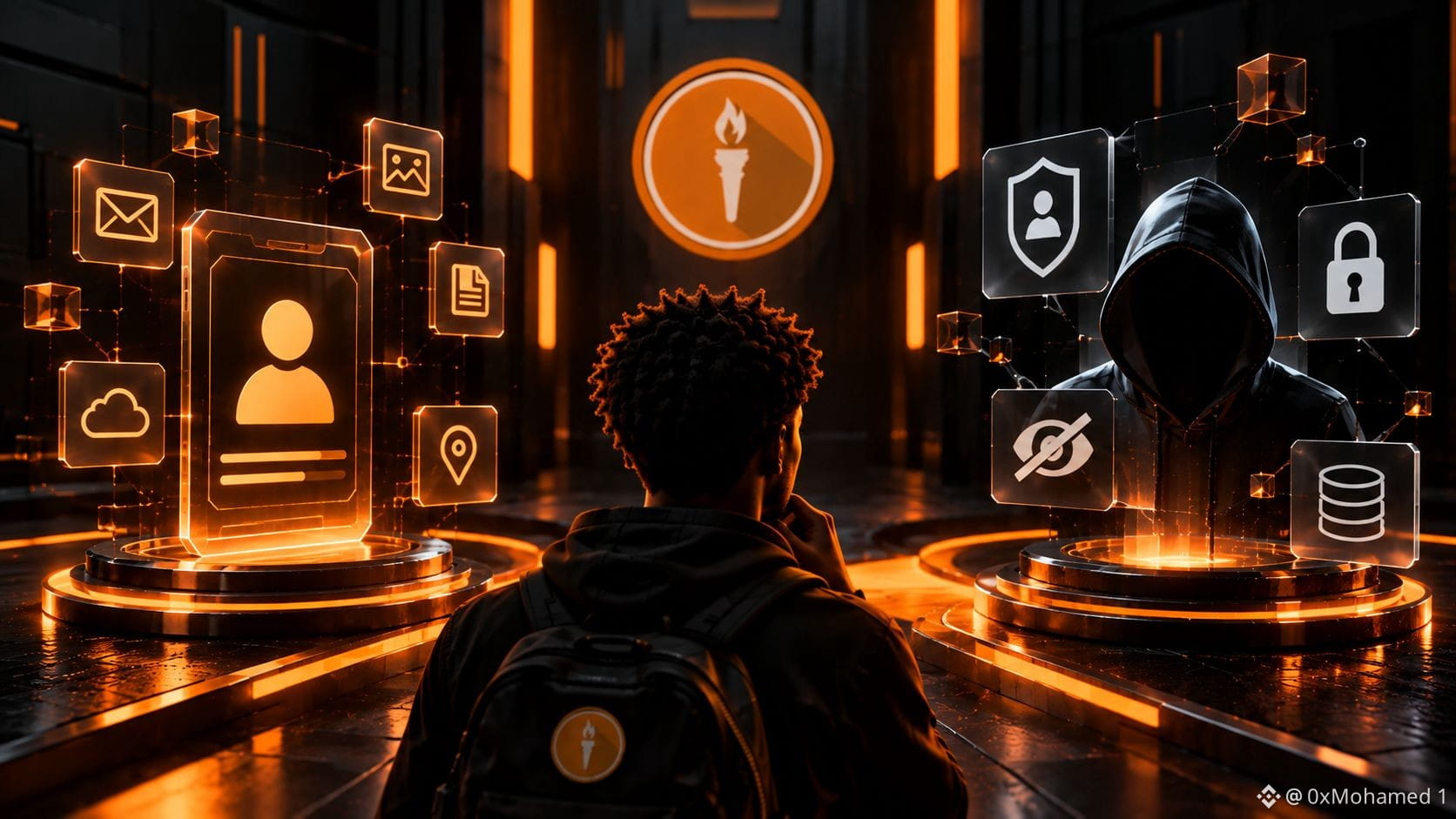
隱私與匿名並非同一回事。你可以對大眾隱藏身分,同時仍將資料暴露給平台。你也可以使用加密技術,而不隱藏每一項中繼資料。因此,當 Web3 專案聲稱能保護你的隱私時,不妨問問:究竟哪些資訊受到保護?你的身分?你的訊息?你的交易?你的中繼資料?隱私不是一個勾選框,而是一系列設計決策。 @Liberdus #Liberdus $XRP #XRP
隱私與匿名並非同一回事。你可以對大眾隱藏身分,同時仍將資料暴露給平台。你也可以使用加密技術,而不隱藏每一項中繼資料。因此,當 Web3 專案聲稱能保護你的隱私時,不妨問問:究竟哪些資訊受到保護?你的身分?你的訊息?你的交易?你的中繼資料?隱私不是一個勾選框,而是一系列設計決策。 @Liberdus #Liberdus $XRP #XRP
63
·
--
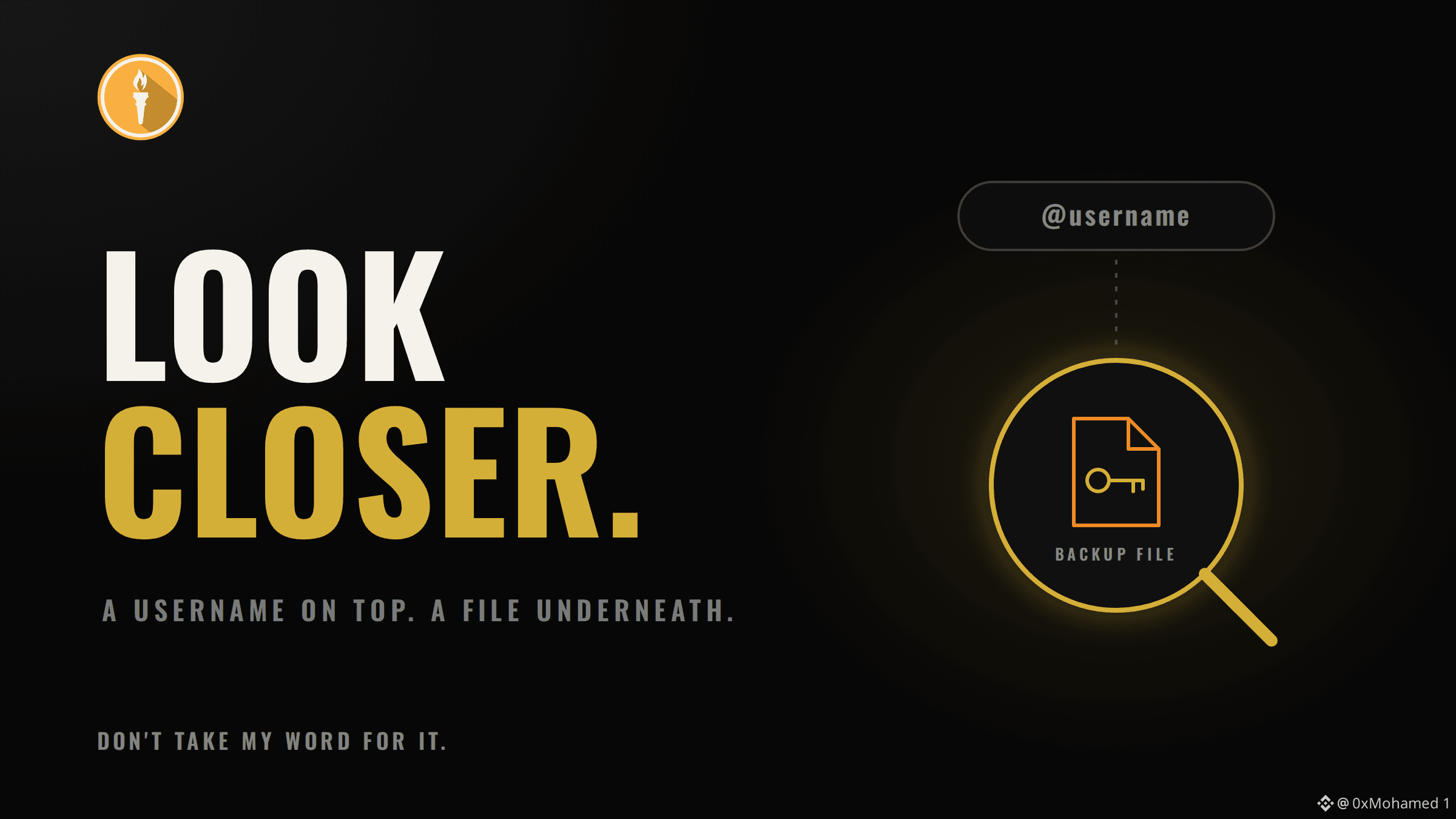
大家都在談論用使用者名稱而非電話號碼註冊 Liberdus。比較少人討論的是,當你有一天弄丟手機時,這個選擇意味著什麼。我仔細研究了帳戶的運作方式。以下是背後的設計。 註冊很簡單,點選「建立帳戶」,選個使用者名稱,幾秒鐘內就會產生你的帳戶金鑰。不需要電話號碼,也不需要電子郵件。這表示你的帳戶不會綁定任何由電信業者或服務供應商提供的資料。 帳戶存在哪裡?在你的裝置上。只有在某部裝置上建立或還原帳戶後,你才能登入,而且裝置上的每個帳戶都是獨立的。你的金鑰、聯絡人和設定會一起存放在同一個備份檔案中。 這個備份檔案就是復原機制。選單 → 備份 → 下載,你也可以選擇設定密碼來加密檔案。在新裝置上:選單 → 還原,選取檔案;如果你設定了密碼,就輸入密碼。建議加密備份檔案。 接下來是值得仔細留意的部分。遺失備份密碼後,無法找回。應用程式鎖定密碼也無法復原。如果你從裝置移除帳戶,只有有效的備份檔案才能將它還原。復原完全掌握在你自己手中。 這就是不使用電話號碼所要付出的代價。建立帳戶時,你不必依賴電話號碼或電子郵件,但你得依賴一個檔案和一組只有你自己能妥善保管的密碼。兩者都不是沒有代價:一種是把信任交給服務供應商,另一種則是把責任交給你。 還有一點,從裝置移除帳戶,並不會將它從網路上移除。遷移工具甚至會把已註冊的名稱標示為「已被使用」。所以,名稱已在網路上註冊,而金鑰則保存在你的備份檔案中。 你寧可依賴能重設你存取權限的服務供應商,還是依賴一個只有你自己可能弄丟的檔案? @Liberdus #ETH $ETH
大家都在談論用使用者名稱而非電話號碼註冊 Liberdus。比較少人討論的是,當你有一天弄丟手機時,這個選擇意味著什麼。我仔細研究了帳戶的運作方式。以下是背後的設計。 註冊很簡單,點選「建立帳戶」,選個使用者名稱,幾秒鐘內就會產生你的帳戶金鑰。不需要電話號碼,也不需要電子郵件。這表示你的帳戶不會綁定任何由電信業者或服務供應商提供的資料。 帳戶存在哪裡?在你的裝置上。只有在某部裝置上建立或還原帳戶後,你才能登入,而且裝置上的每個帳戶都是獨立的。你的金鑰、聯絡人和設定會一起存放在同一個備份檔案中。 這個備份檔案就是復原機制。選單 → 備份 → 下載,你也可以選擇設定密碼來加密檔案。在新裝置上:選單 → 還原,選取檔案;如果你設定了密碼,就輸入密碼。建議加密備份檔案。 接下來是值得仔細留意的部分。遺失備份密碼後,無法找回。應用程式鎖定密碼也無法復原。如果你從裝置移除帳戶,只有有效的備份檔案才能將它還原。復原完全掌握在你自己手中。 這就是不使用電話號碼所要付出的代價。建立帳戶時,你不必依賴電話號碼或電子郵件,但你得依賴一個檔案和一組只有你自己能妥善保管的密碼。兩者都不是沒有代價:一種是把信任交給服務供應商,另一種則是把責任交給你。 還有一點,從裝置移除帳戶,並不會將它從網路上移除。遷移工具甚至會把已註冊的名稱標示為「已被使用」。所以,名稱已在網路上註冊,而金鑰則保存在你的備份檔案中。 你寧可依賴能重設你存取權限的服務供應商,還是依賴一個只有你自己可能弄丟的檔案? @Liberdus #ETH $ETH
65
·
--
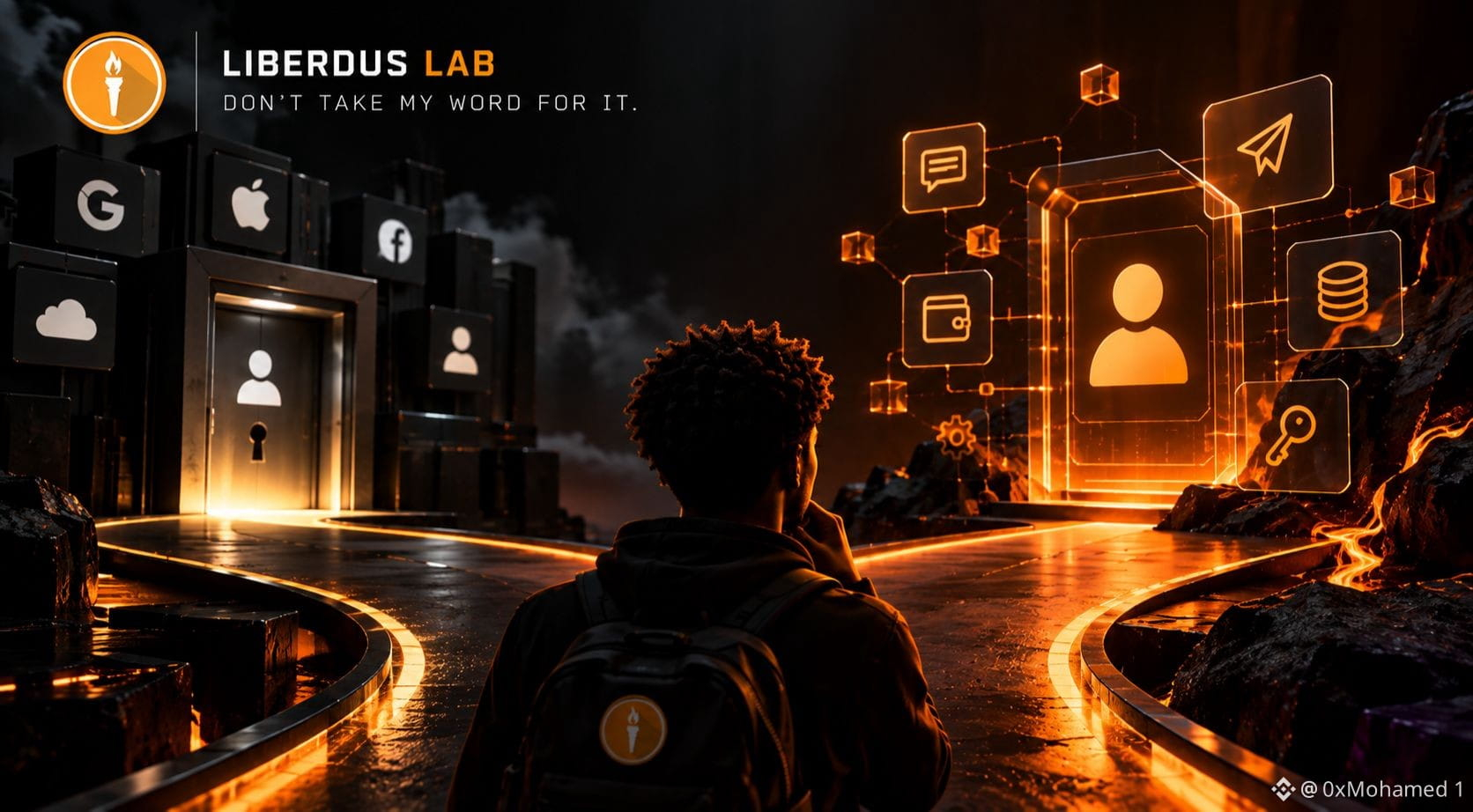
推廣一項功能很容易,理解其中的權衡卻更難。以去中心化身份爲例。減少對中心化平臺的依賴,聽起來很不錯。但如果你失去了訪問權限,會發生什麼?誰能幫你恢復?數字所有權不只是掌控,也意味着責任。這種權衡值得探討。 #Liberdus @Liberdus #ONDO $ONDO
推廣一項功能很容易,理解其中的權衡卻更難。以去中心化身份爲例。減少對中心化平臺的依賴,聽起來很不錯。但如果你失去了訪問權限,會發生什麼?誰能幫你恢復?數字所有權不只是掌控,也意味着責任。這種權衡值得探討。 #Liberdus @Liberdus #ONDO $ONDO
74
·
--
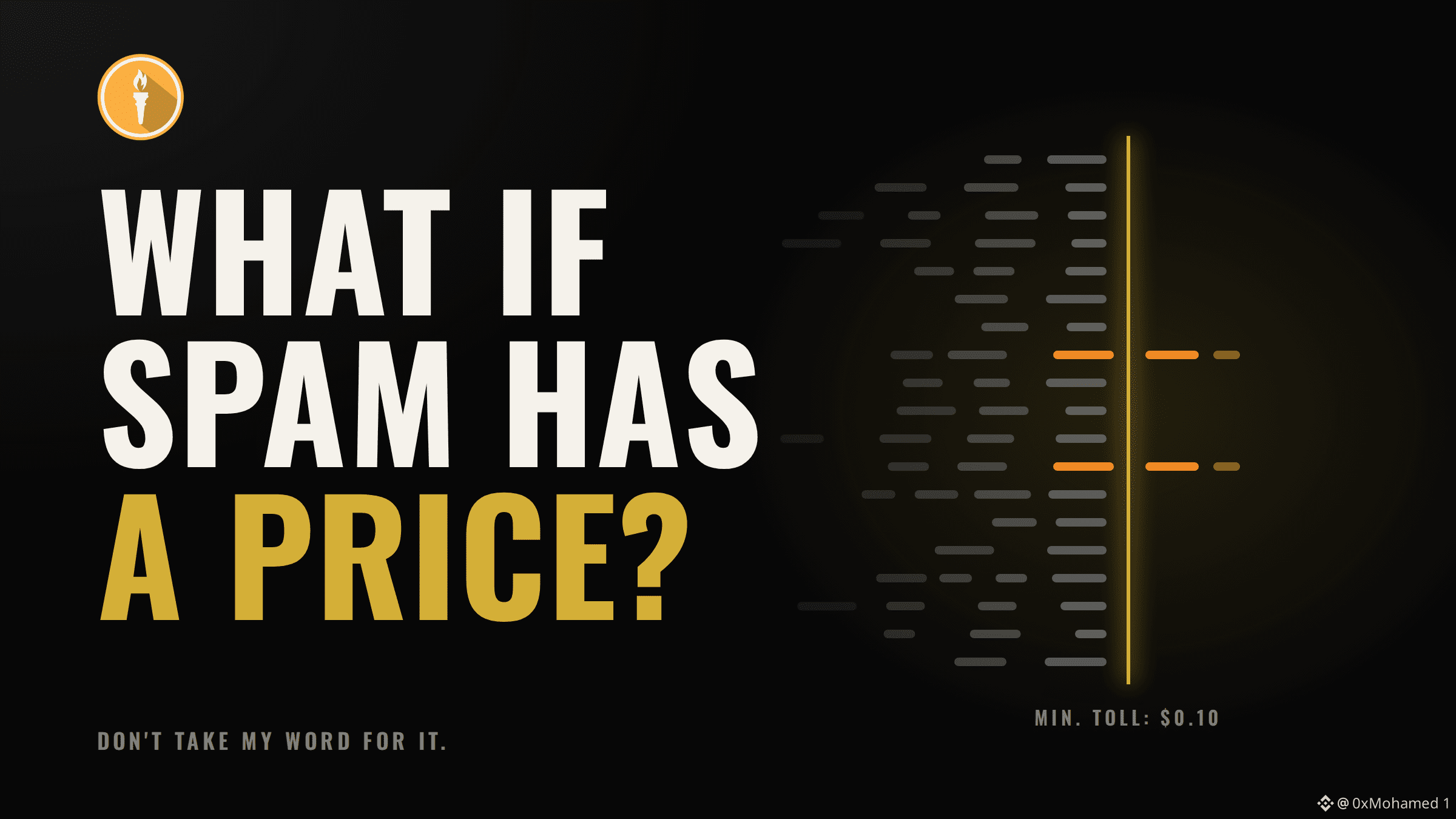
如果垃圾信息是激勵機制的問題,而不是內容審覈的問題呢?@Liberdus 押注於這個想法,採用消息收費機制。我看了相關文檔,想一步步弄清楚它究竟是如何運作的。別光聽我說,來看看具體機制。 設置:每位用戶都可以設置一筆費用,也就是別人給自己發消息必須支付的金額。你以美元輸入金額,Liberdus 會按當前匯率將其換算爲 LIB。最低金額爲 0.10 美元。設爲 0,你的收件箱就會保持開放。 誰需要付費?這筆費用適用於還沒有把你添加爲好友或聯繫人,或被你設爲收費對象的用戶。所以,它相當於過濾陌生人的工具,而不是一道封住整個收件箱的牆。 接下來,就要看收件人怎麼做了。發件人可以收回費用:→ 如果消息從未被讀,退回 100% → 如果消息已讀但沒有收到回覆,退回 50% → 如果收件人回覆,退回 0% 所以,只有在對話真正開始後,這筆費用纔會最終確定。 我覺得有意思的是退款機制。如果對方沒有回覆,發件人可以在 7 天后取回款項,只需打開聊天即可。不用點任何按鈕,而且這個操作不會通知收件人。在第 7 天之前再發一條消息,倒計時就會重置。 這種做法確實有取捨。收費能遏制垃圾信息,但也會給正當的初次聯繫增加阻力:善意的陌生人也得付費。而發出消息卻沒收到回覆的人,需要等 7 天才能取回費用。抵禦垃圾信息是有代價的,問題在於誰來承擔。 這讓我看到了這種設計的理念:注意力有了價格,而價格由被聯繫的人設定,而不是由平臺設定。這是應對垃圾信息的一種不同於內容審覈的方案,但並非免費的方案。 你會向陌生人收費,讓他們聯繫你嗎?還是會讓收件箱保持開放? #SOL $SOL
如果垃圾信息是激勵機制的問題,而不是內容審覈的問題呢?@Liberdus 押注於這個想法,採用消息收費機制。我看了相關文檔,想一步步弄清楚它究竟是如何運作的。別光聽我說,來看看具體機制。 設置:每位用戶都可以設置一筆費用,也就是別人給自己發消息必須支付的金額。你以美元輸入金額,Liberdus 會按當前匯率將其換算爲 LIB。最低金額爲 0.10 美元。設爲 0,你的收件箱就會保持開放。 誰需要付費?這筆費用適用於還沒有把你添加爲好友或聯繫人,或被你設爲收費對象的用戶。所以,它相當於過濾陌生人的工具,而不是一道封住整個收件箱的牆。 接下來,就要看收件人怎麼做了。發件人可以收回費用:→ 如果消息從未被讀,退回 100% → 如果消息已讀但沒有收到回覆,退回 50% → 如果收件人回覆,退回 0% 所以,只有在對話真正開始後,這筆費用纔會最終確定。 我覺得有意思的是退款機制。如果對方沒有回覆,發件人可以在 7 天后取回款項,只需打開聊天即可。不用點任何按鈕,而且這個操作不會通知收件人。在第 7 天之前再發一條消息,倒計時就會重置。 這種做法確實有取捨。收費能遏制垃圾信息,但也會給正當的初次聯繫增加阻力:善意的陌生人也得付費。而發出消息卻沒收到回覆的人,需要等 7 天才能取回費用。抵禦垃圾信息是有代價的,問題在於誰來承擔。 這讓我看到了這種設計的理念:注意力有了價格,而價格由被聯繫的人設定,而不是由平臺設定。這是應對垃圾信息的一種不同於內容審覈的方案,但並非免費的方案。 你會向陌生人收費,讓他們聯繫你嗎?還是會讓收件箱保持開放? #SOL $SOL
59
·
--
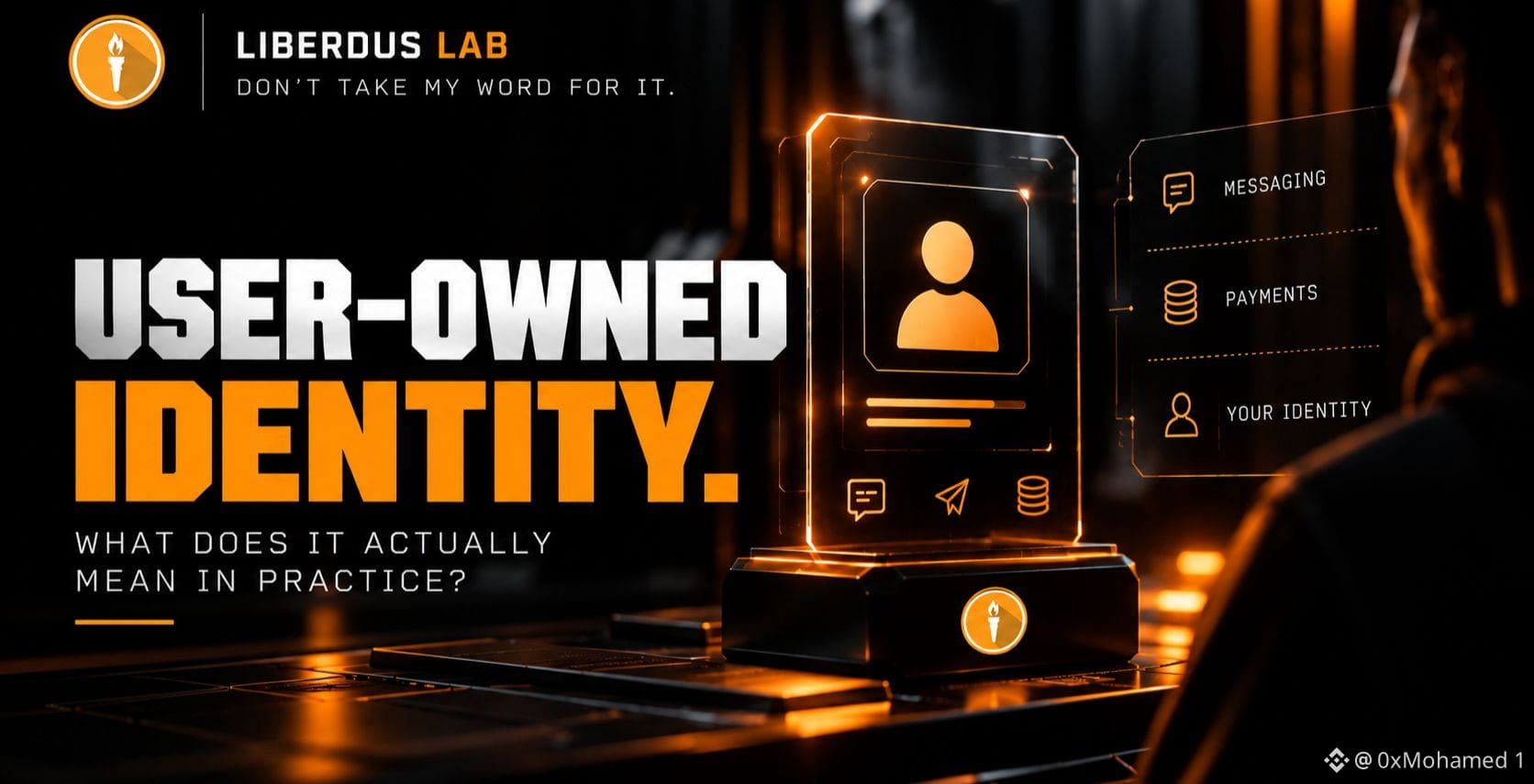
我想了解用戶自主擁有身份在實踐中究竟意味着什麼。不是營銷話術,而是背後的架構。於是我開始深入研究 @Liberdus 是如何處理身份問題的。以下是我的一些發現:真正值得關注的問題不是誰擁有你的身份,而是誰有權控制它。兩者的區別至關重要。 #ONDO $ONDO #Liberdus
我想了解用戶自主擁有身份在實踐中究竟意味着什麼。不是營銷話術,而是背後的架構。於是我開始深入研究 @Liberdus 是如何處理身份問題的。以下是我的一些發現:真正值得關注的問題不是誰擁有你的身份,而是誰有權控制它。兩者的區別至關重要。 #ONDO $ONDO #Liberdus
74
·
--
XRP 財庫公司
evernorthxrp
的 SPAC 上週幾乎漲了四倍,
$XRPN
在週三合併交易完成前一度觸及 53 美元。
合併後的公司將持有 4.73 億枚
$XRP
,價值 7.14 億美元,並於週四在
Nasdaq
開始交易。 #XRP
XRP 財庫公司
evernorthxrp
的 SPAC 上週幾乎漲了四倍,
$XRPN
在週三合併交易完成前一度觸及 53 美元。
合併後的公司將持有 4.73 億枚
$XRP
,價值 7.14 億美元,並於週四在
Nasdaq
開始交易。 #XRP
evernorthxrp
的 SPAC 上週幾乎漲了四倍,
$XRPN
在週三合併交易完成前一度觸及 53 美元。
合併後的公司將持有 4.73 億枚
$XRP
,價值 7.14 億美元,並於週四在
Nasdaq
開始交易。 #XRP

109
·
--
美國證券交易委員會批准史上首批 3 倍槓桿比特幣和以太坊 ETF。
• 美國證券交易委員會批准 Cboe BZX 上市六隻全新的 Volatility Shares ETF,包括 3 倍槓桿比特幣和以太幣 ETF,以及 3 倍槓桿黃金、白銀、原油和天然氣 ETF。
• 這是美國首次批准 3 倍槓桿的
$BTC
和
$ETH
交易所交易產品。
• 這些產品基於 CME 期貨合約,而非持有現貨比特幣或以太坊。 #BTC #ETH
美國證券交易委員會批准史上首批 3 倍槓桿比特幣和以太坊 ETF。
• 美國證券交易委員會批准 Cboe BZX 上市六隻全新的 Volatility Shares ETF,包括 3 倍槓桿比特幣和以太幣 ETF,以及 3 倍槓桿黃金、白銀、原油和天然氣 ETF。
• 這是美國首次批准 3 倍槓桿的
$BTC
和
$ETH
交易所交易產品。
• 這些產品基於 CME 期貨合約,而非持有現貨比特幣或以太坊。 #BTC #ETH
• 美國證券交易委員會批准 Cboe BZX 上市六隻全新的 Volatility Shares ETF,包括 3 倍槓桿比特幣和以太幣 ETF,以及 3 倍槓桿黃金、白銀、原油和天然氣 ETF。
• 這是美國首次批准 3 倍槓桿的
$BTC
和
$ETH
交易所交易產品。
• 這些產品基於 CME 期貨合約,而非持有現貨比特幣或以太坊。 #BTC #ETH
76
·
--
TRON 平均每日活躍賬戶數達 441 萬。$TRX 網絡在過去 30 天內,日均活躍賬戶數一直保持在 441 萬。#TRX
TRON 平均每日活躍賬戶數達 441 萬。$TRX 網絡在過去 30 天內,日均活躍賬戶數一直保持在 441 萬。#TRX
70
·
--
Tether 的 1840 億美元 $USDT 將於本月正式重返比特幣。獲得 Tether 支持的 Utexo 已取得在比特幣上發行 USDT 的許可證。用戶將能夠私密地發送 $USDT、直接將其兌換爲 $BTC,並以比特幣作抵押借款,無需封裝比特幣。USDT 於 2014 年首次在比特幣上推出,之後主要在以太坊和 Tron 上發展。#BTC #USDT
Tether 的 1840 億美元 $USDT 將於本月正式重返比特幣。獲得 Tether 支持的 Utexo 已取得在比特幣上發行 USDT 的許可證。用戶將能夠私密地發送 $USDT、直接將其兌換爲 $BTC,並以比特幣作抵押借款,無需封裝比特幣。USDT 於 2014 年首次在比特幣上推出,之後主要在以太坊和 Tron 上發展。#BTC #USDT

81
·
--
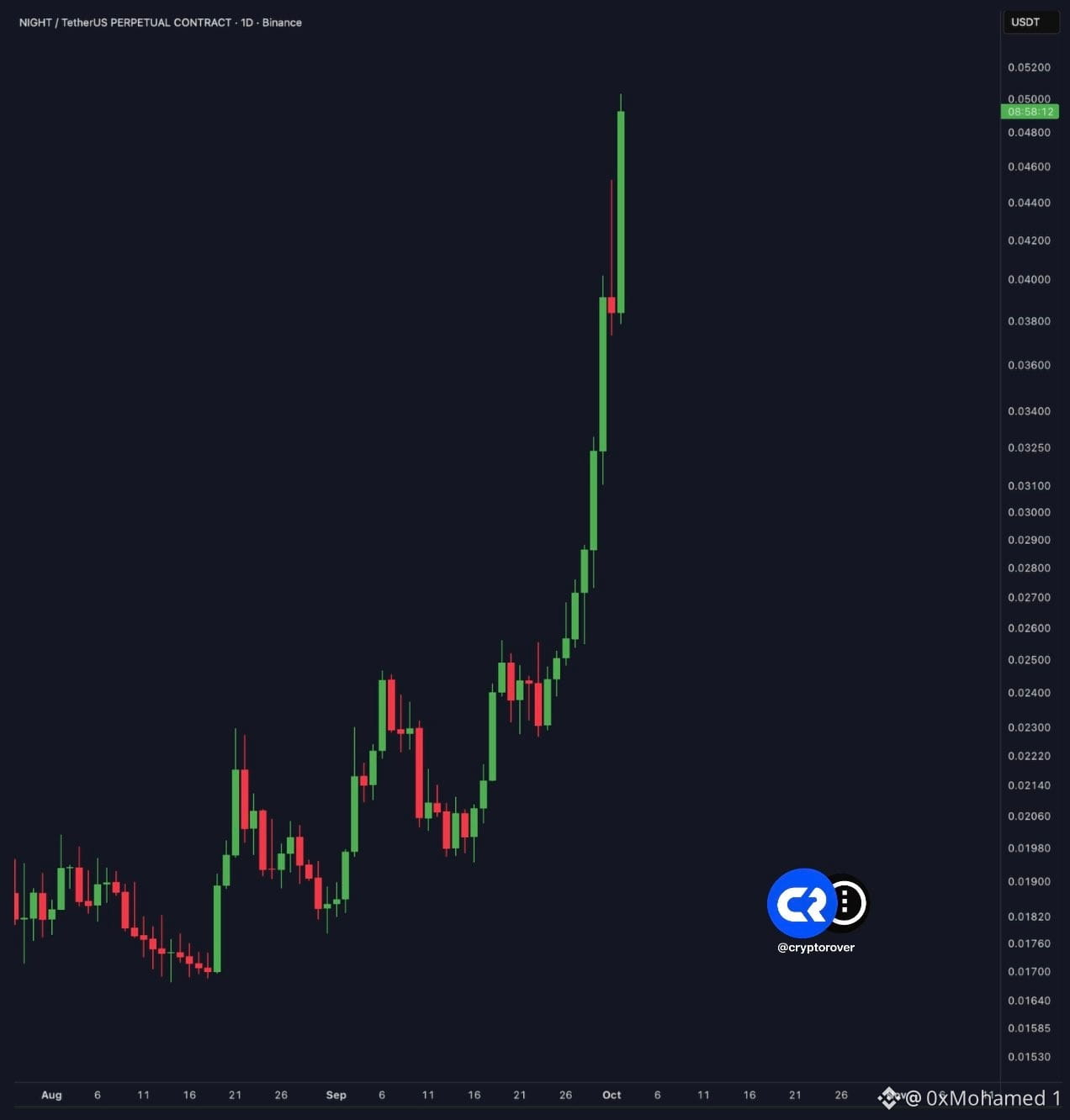
查爾斯·霍斯金森的 Cardano 隱私項目 Midnight $NIGHT 在整個 9 月和 10 月初大漲 159%。 #ADA $ADA
查爾斯·霍斯金森的 Cardano 隱私項目 Midnight $NIGHT 在整個 9 月和 10 月初大漲 159%。 #ADA $ADA
45
·
--
代幣化股票剛剛迎來重大升級。$LINK 與 Swift 展示了跨 4 條區塊鏈自動發放股息。那些枯燥但必要的基礎設施正在搭建。代幣化股票即將到來。#LINK
代幣化股票剛剛迎來重大升級。$LINK 與 Swift 展示了跨 4 條區塊鏈自動發放股息。那些枯燥但必要的基礎設施正在搭建。代幣化股票即將到來。#LINK
50
·
--
垃圾信息不只是一個內容審覈問題,也是一個激勵機制問題。在大多數平臺上,給別人發消息幾乎沒有任何經濟成本。因此,向成千上萬人發送同一條消息也很便宜。Liberdus 正在嘗試一種不同的機制:消息通行費。如果對方不是你的好友或聯繫人,那麼在給你發消息前,可能需要先支付一筆費用。金額由接收方設定,也可以完全關閉。有意思的並不是費用本身,而是激勵機制的變化:之前:發送 → 觸達 → 重複發送。收取費用後:發送 → 付費 → 由接收方決定是否互動。如果接收方始終沒有互動,系統還可以退還未使用的費用。所以,Web3 消息傳遞更值得思考的問題或許不是:我們如何過濾更多垃圾信息?而是:我們如何從一開始就降低發送垃圾信息的經濟吸引力?這是一種截然不同的數字通信思路。你更希望擁有更好的垃圾信息過濾器,還是讓發送垃圾信息的人面臨更強的經濟阻力?@Liberdus #liberdus #SOL $SOL
垃圾信息不只是一個內容審覈問題,也是一個激勵機制問題。在大多數平臺上,給別人發消息幾乎沒有任何經濟成本。因此,向成千上萬人發送同一條消息也很便宜。Liberdus 正在嘗試一種不同的機制:消息通行費。如果對方不是你的好友或聯繫人,那麼在給你發消息前,可能需要先支付一筆費用。金額由接收方設定,也可以完全關閉。有意思的並不是費用本身,而是激勵機制的變化:之前:發送 → 觸達 → 重複發送。收取費用後:發送 → 付費 → 由接收方決定是否互動。如果接收方始終沒有互動,系統還可以退還未使用的費用。所以,Web3 消息傳遞更值得思考的問題或許不是:我們如何過濾更多垃圾信息?而是:我們如何從一開始就降低發送垃圾信息的經濟吸引力?這是一種截然不同的數字通信思路。你更希望擁有更好的垃圾信息過濾器,還是讓發送垃圾信息的人面臨更強的經濟阻力?@Liberdus #liberdus #SOL $SOL
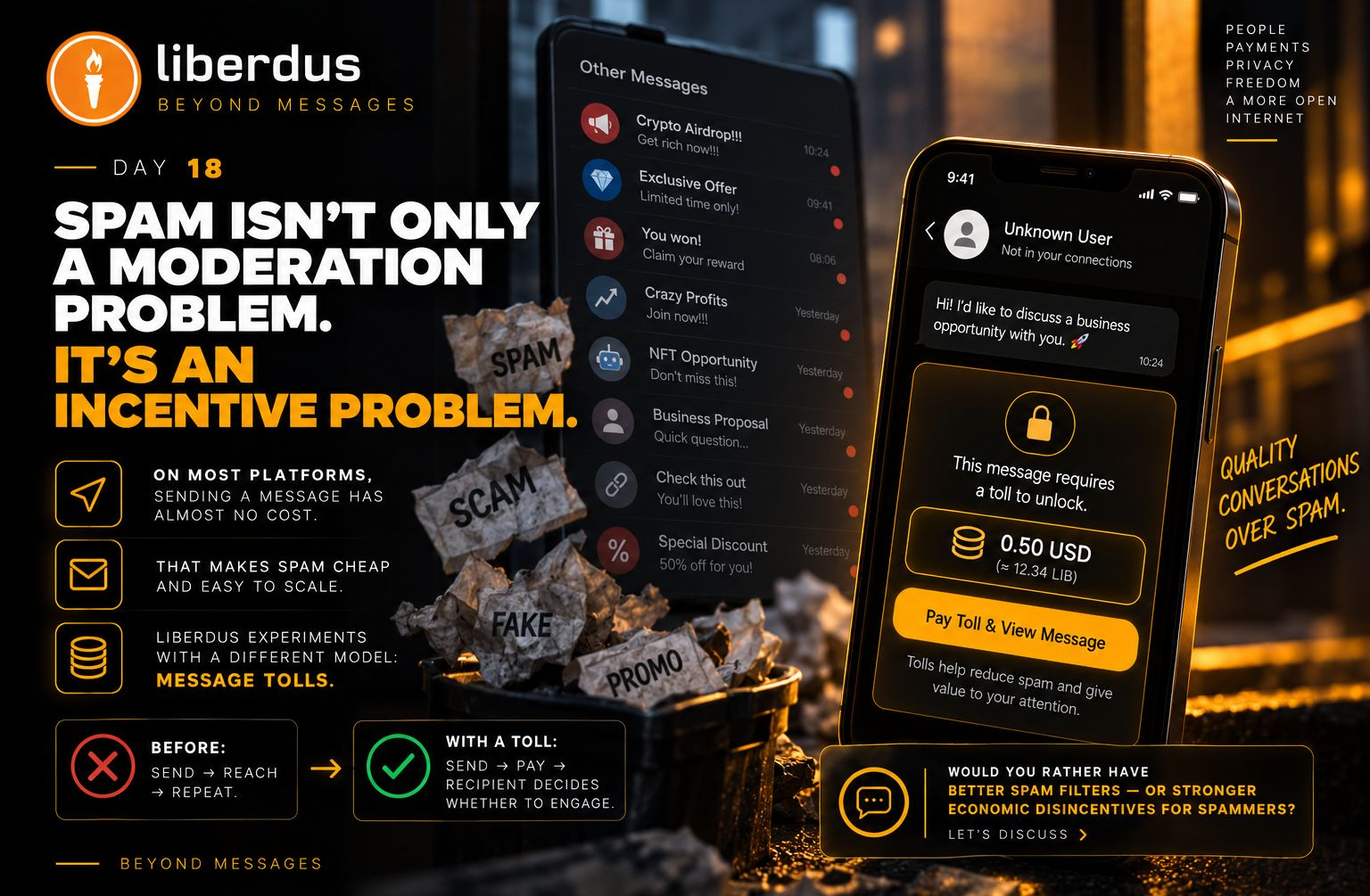
25
·
--
如何在 Liberdus 上控制誰可以給你發消息,以及他們需要支付什麼費用。並不是每一條消息都必須適用相同的規則。在 Liberdus 上,你可以決定不同聯繫人如何與你互動,包括是否需要繳納通行費。具體如下:打開你的通訊錄(Contacts),選擇一種關係狀態:• 朋友(Friend)→ 開放溝通 • 連接(Connection)→ 不需要通行費 • 付費(Tolled)→ 發送者必須支付 • 已屏蔽(Blocked)→ 不能給你發消息 你的聯繫人狀態會改變消息規則。 你還可以設置你的通行費金額。進入 設置(Settings)→ 通行費(Toll)→ 設置新的通行費金額(Set New Toll Amount)你以美元(USD)輸入金額,Liberdus 會自動將其轉換爲 LIB。 這裏有最低通行費 $0.10。但如果你希望實現無需通行費要求的開放式消息,你也可以將通行費設置爲 $0。 其中還有一個有趣的機制:當有人支付通行費來給你發消息時,讀(read)→ 50%,回覆(reply)→ 剩餘 50%。所以系統的設計圍繞真實互動,而不僅僅是收到一條消息。 如果對方從不回覆呢?發送者可以在 7 天后取回未使用的通行費。如果消息從未被閱讀或回覆,當前文檔說明發送者可以取回 100%。 因此,這個功能並不只是“付費才能和我說話”。它增加了另一層控制:誰可以聯繫我?在什麼條件下?當他們真的聯繫時會發生什麼? 這也是我覺得 Web3 設計有趣的地方:與其把垃圾信息單純當作一個審覈(moderation)問題,Liberdus 試驗了一種圍繞注意力訪問的經濟機制。 這是一個小功能。但它引出了一個更大的問題:用戶是否應該擁有更多權限來控制自己在線注意力的經濟價值?這部分值得討論。 #liberdus @Liberdus $PI
如何在 Liberdus 上控制誰可以給你發消息,以及他們需要支付什麼費用。並不是每一條消息都必須適用相同的規則。在 Liberdus 上,你可以決定不同聯繫人如何與你互動,包括是否需要繳納通行費。具體如下:打開你的通訊錄(Contacts),選擇一種關係狀態:• 朋友(Friend)→ 開放溝通 • 連接(Connection)→ 不需要通行費 • 付費(Tolled)→ 發送者必須支付 • 已屏蔽(Blocked)→ 不能給你發消息 你的聯繫人狀態會改變消息規則。 你還可以設置你的通行費金額。進入 設置(Settings)→ 通行費(Toll)→ 設置新的通行費金額(Set New Toll Amount)你以美元(USD)輸入金額,Liberdus 會自動將其轉換爲 LIB。 這裏有最低通行費 $0.10。但如果你希望實現無需通行費要求的開放式消息,你也可以將通行費設置爲 $0。 其中還有一個有趣的機制:當有人支付通行費來給你發消息時,讀(read)→ 50%,回覆(reply)→ 剩餘 50%。所以系統的設計圍繞真實互動,而不僅僅是收到一條消息。 如果對方從不回覆呢?發送者可以在 7 天后取回未使用的通行費。如果消息從未被閱讀或回覆,當前文檔說明發送者可以取回 100%。 因此,這個功能並不只是“付費才能和我說話”。它增加了另一層控制:誰可以聯繫我?在什麼條件下?當他們真的聯繫時會發生什麼? 這也是我覺得 Web3 設計有趣的地方:與其把垃圾信息單純當作一個審覈(moderation)問題,Liberdus 試驗了一種圍繞注意力訪問的經濟機制。 這是一個小功能。但它引出了一個更大的問題:用戶是否應該擁有更多權限來控制自己在線注意力的經濟價值?這部分值得討論。 #liberdus @Liberdus $PI
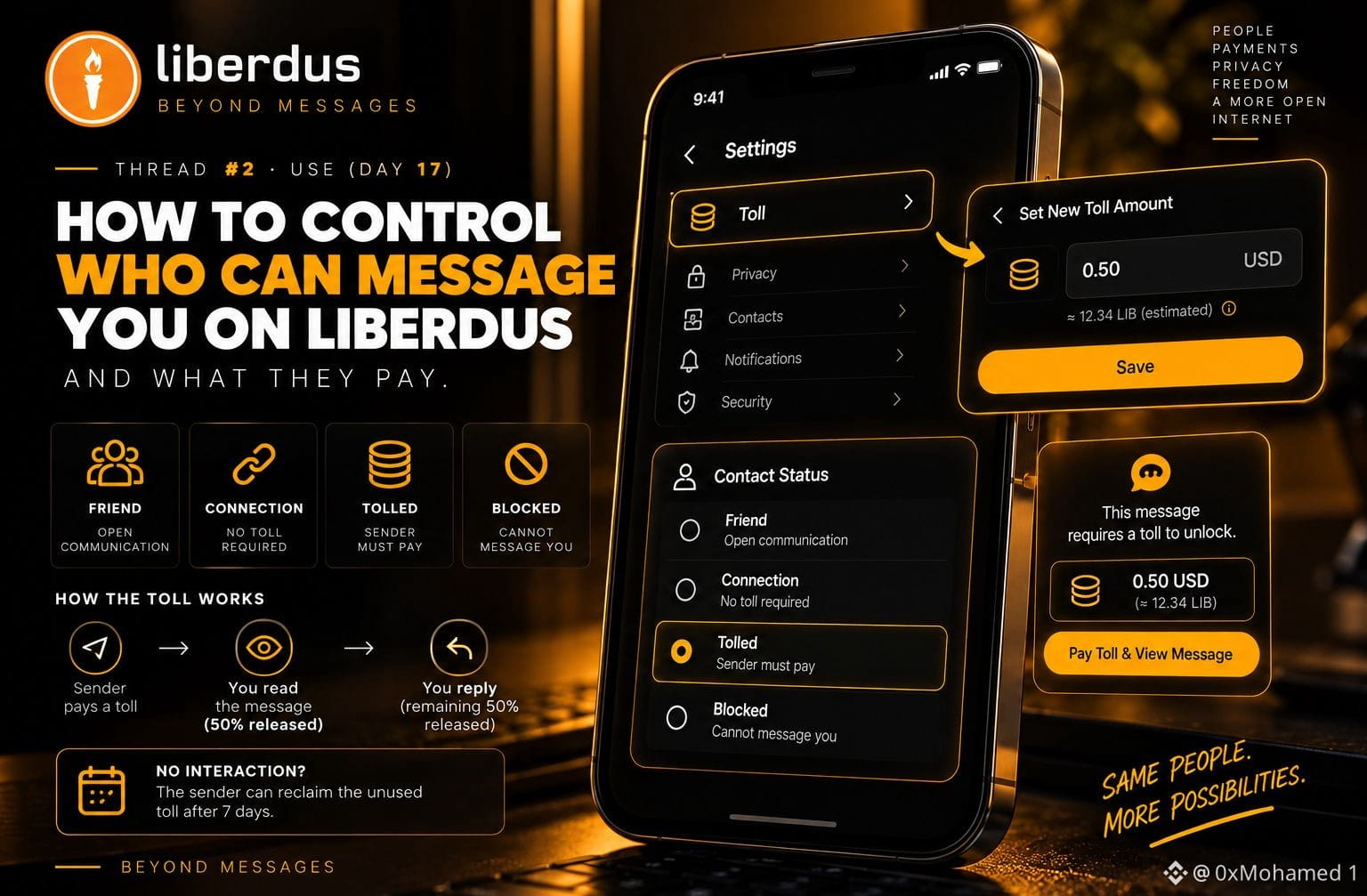
82
登入以探索更多內容
加入幣安廣場中的全球加密貨幣用戶
⚡️ 獲取加密貨幣的最新和實用資訊。
💬 受到全球最大加密貨幣交易所的信任。
👍 發掘來自經過驗證創作者的真實見解。
電子郵件 / 電話號碼
熱門話題
Anthropic滚动12个月营收增长约1200%
95,805 次瀏覽
239 討論中
Anthropic 的招股書今天公開了。營收曲線長這樣。
2023 年 4100 萬美元,2024 年 3.86 億,2025 年 45.9 億,2026 年上半年 162.9 億。
二季度單季同比 1368%。市面上流傳的「滾動 12 個月增長約 1200%」是另一個口徑,量級對得上。
三年時間,從四千萬做到年化三百億。
同一份文件裏還有另一個數。上半年淨虧損 807 億美元,去年同期 130 億,擴大了六倍。
這兩件事是連着的。企業客戶在搶 Claude,公司就得搶算力,算力要提前付錢。招股書裏那筆最高 7500 億美元的算力承諾,不可取消。
錢先花出去,收入後到賬。$ANTHROPIC
#anthropic滚动12个月营收增长约1200%
层楼bnb
·7 人按讚
·22.8k 次瀏覽
Anthropic预计今日公布S1招股书
70,909 次瀏覽
179 討論中
据报韩国考虑第四次推迟加密税
80,824 次瀏覽
388 討論中