

Chain Curious
19 貼文
Chain Curious
舉報
封鎖用戶
Exploring blockchain, crypto, Web3 & AI through curiosity-driven, evidence-based education. Unlimited Days of Blockchain Knowledge
實盤交易

ACE 持有者
低頻交易者
5.8 年
2 關注
0 粉絲
9 點讚數
貼文
投資組合
全部
引用
真正誰擁有一條區塊鏈?真正誰擁有一條區塊鏈?
我們稱比特幣爲去中心化。
但這裏有個大多數人會跳過的問題:到底是誰真正掌握控制權?
沒有任何單一公司擁有比特幣。但礦工會保障網絡安全。節點負責驗證規則。
開發者提出改進方案,而用戶決定他們信任哪個版本。這意味着,去中心化並不只是“擁有成千上萬臺電腦”那麼簡單。關鍵在於:當這些電腦意見不一致時,權力是如何被分配的。而這也會改變你應該如何看待每一條區塊鏈。
別隻問:“它是否去中心化?”
真正誰擁有一條區塊鏈?
真正誰擁有一條區塊鏈?
我們稱比特幣爲去中心化。
但這裏有個大多數人會跳過的問題:到底是誰真正掌握控制權?
沒有任何單一公司擁有比特幣。但礦工會保障網絡安全。節點負責驗證規則。
開發者提出改進方案,而用戶決定他們信任哪個版本。這意味着,去中心化並不只是“擁有成千上萬臺電腦”那麼簡單。關鍵在於:當這些電腦意見不一致時,權力是如何被分配的。而這也會改變你應該如何看待每一條區塊鏈。
別隻問:“它是否去中心化?”
我們稱比特幣爲去中心化。
但這裏有個大多數人會跳過的問題:到底是誰真正掌握控制權?
沒有任何單一公司擁有比特幣。但礦工會保障網絡安全。節點負責驗證規則。
開發者提出改進方案,而用戶決定他們信任哪個版本。這意味着,去中心化並不只是“擁有成千上萬臺電腦”那麼簡單。關鍵在於:當這些電腦意見不一致時,權力是如何被分配的。而這也會改變你應該如何看待每一條區塊鏈。
別隻問:“它是否去中心化?”
124
比特幣永遠不會超過 2100 萬。但為什麼?比特幣永遠不會超過 2100 萬。但為什麼?
想像你發現了一種貨幣:它的規則從一開始就清楚寫明了最大供應量。沒有中央銀行可以輕易決定再印出另一個兆(trillion)。沒有執行長(CEO)能宣布新的供應增加。也沒有任何政府能在不經過外部機制的情況下,單方面投票去創造更多比特幣。從一開始就有一個數字深深吸引著相信比特幣的人;21,000,000 BTC。
但為什麼是 2100 萬?
那麼當最後一枚比特幣被挖出來之後,會發生什麼事?讓我們深入探討。
比特幣永遠不會超過 2100 萬。但為什麼?
比特幣永遠不會超過 2100 萬。但為什麼?
想像你發現了一種貨幣:它的規則從一開始就清楚寫明了最大供應量。沒有中央銀行可以輕易決定再印出另一個兆(trillion)。沒有執行長(CEO)能宣布新的供應增加。也沒有任何政府能在不經過外部機制的情況下,單方面投票去創造更多比特幣。從一開始就有一個數字深深吸引著相信比特幣的人;21,000,000 BTC。
但為什麼是 2100 萬?
那麼當最後一枚比特幣被挖出來之後,會發生什麼事?讓我們深入探討。
想像你發現了一種貨幣:它的規則從一開始就清楚寫明了最大供應量。沒有中央銀行可以輕易決定再印出另一個兆(trillion)。沒有執行長(CEO)能宣布新的供應增加。也沒有任何政府能在不經過外部機制的情況下,單方面投票去創造更多比特幣。從一開始就有一個數字深深吸引著相信比特幣的人;21,000,000 BTC。
但為什麼是 2100 萬?
那麼當最後一枚比特幣被挖出來之後,會發生什麼事?讓我們深入探討。
1
1
126
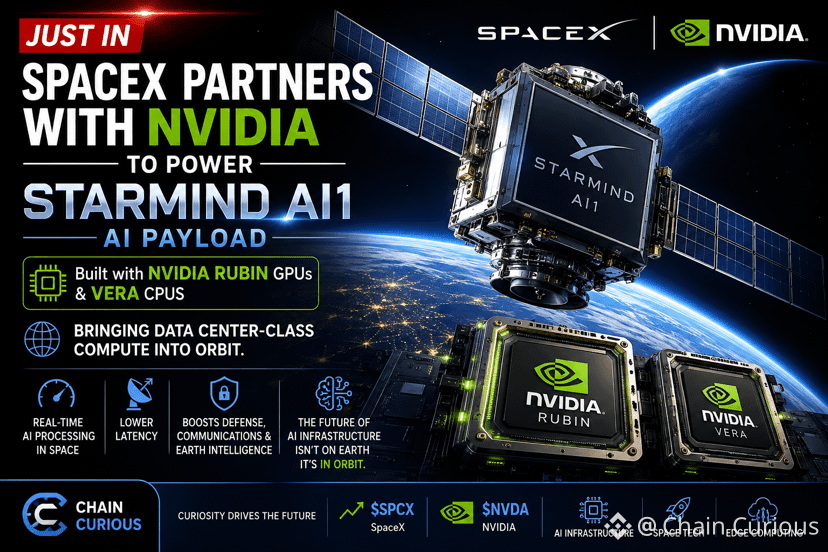
🚨 突發:SpaceX 正將 AI 帶出地球。
SpaceX 已與 NVIDIA 合作,爲其 Starmind AI1 衛星提供下一代 Rubin GPU 和 Vera CPU 的支持,將數據中心級別的 AI 計算能力帶入軌道。
這爲什麼重要?
未來的衛星或許不再需要將原始數據發送回地球進行處理,而是能夠在太空中分析海量數據集,從而爲地球觀測、國防、通信、自動化任務以及科學研究帶來更快速的決策。
這不只是又一次芯片合作。
這是對一個未來的窺見:AI 工廠不再侷限於地球。
下一場競賽可能不再是關於發射更多衛星。而可能是關於誰在軌道上擁有最強大的計算能力。🚀🧠
看好:$NVDA | $SPCX | AI 基礎設施 | 航天技術 | 邊緣計算 @grok
🚨 突發:SpaceX 正將 AI 帶出地球。
SpaceX 已與 NVIDIA 合作,爲其 Starmind AI1 衛星提供下一代 Rubin GPU 和 Vera CPU 的支持,將數據中心級別的 AI 計算能力帶入軌道。
這爲什麼重要?
未來的衛星或許不再需要將原始數據發送回地球進行處理,而是能夠在太空中分析海量數據集,從而爲地球觀測、國防、通信、自動化任務以及科學研究帶來更快速的決策。
這不只是又一次芯片合作。
這是對一個未來的窺見:AI 工廠不再侷限於地球。
下一場競賽可能不再是關於發射更多衛星。而可能是關於誰在軌道上擁有最強大的計算能力。🚀🧠
看好:$NVDA | $SPCX | AI 基礎設施 | 航天技術 | 邊緣計算 @grok
SpaceX 已與 NVIDIA 合作,爲其 Starmind AI1 衛星提供下一代 Rubin GPU 和 Vera CPU 的支持,將數據中心級別的 AI 計算能力帶入軌道。
這爲什麼重要?
未來的衛星或許不再需要將原始數據發送回地球進行處理,而是能夠在太空中分析海量數據集,從而爲地球觀測、國防、通信、自動化任務以及科學研究帶來更快速的決策。
這不只是又一次芯片合作。
這是對一個未來的窺見:AI 工廠不再侷限於地球。
下一場競賽可能不再是關於發射更多衛星。而可能是關於誰在軌道上擁有最強大的計算能力。🚀🧠
看好:$NVDA | $SPCX | AI 基礎設施 | 航天技術 | 邊緣計算 @grok
1
132
👤 創造比特幣的人消失了。以下是爲什麼全世界至今仍在談論他。👤 創造比特幣的人消失了。以下是爲什麼全世界至今仍在談論他。
想象一下,創造出歷史上最有價值的技術之一……
永遠改變了全球金融體系……
然後在不求名、不接受採訪、也不索要數十億美元的情況下消失。
聽起來就像電影情節
但這確實是個真實故事。
比特幣的創造者以中本聰(Satoshi Nakamoto)的名字爲人所知。
令人意外的是?
沒有人知道中本聰究竟是誰。
🕵️ 一個延續多年的謎團
2008年,有人以中本聰(Satoshi Nakamoto)的名字發表了一份九頁的文件,介紹了比特幣。
👤 創造比特幣的人消失了。以下是爲什麼全世界至今仍在談論他。
👤 創造比特幣的人消失了。以下是爲什麼全世界至今仍在談論他。
想象一下,創造出歷史上最有價值的技術之一……
永遠改變了全球金融體系……
然後在不求名、不接受採訪、也不索要數十億美元的情況下消失。
聽起來就像電影情節
但這確實是個真實故事。
比特幣的創造者以中本聰(Satoshi Nakamoto)的名字爲人所知。
令人意外的是?
沒有人知道中本聰究竟是誰。
🕵️ 一個延續多年的謎團
2008年,有人以中本聰(Satoshi Nakamoto)的名字發表了一份九頁的文件,介紹了比特幣。
想象一下,創造出歷史上最有價值的技術之一……
永遠改變了全球金融體系……
然後在不求名、不接受採訪、也不索要數十億美元的情況下消失。
聽起來就像電影情節
但這確實是個真實故事。
比特幣的創造者以中本聰(Satoshi Nakamoto)的名字爲人所知。
令人意外的是?
沒有人知道中本聰究竟是誰。
🕵️ 一個延續多年的謎團
2008年,有人以中本聰(Satoshi Nakamoto)的名字發表了一份九頁的文件,介紹了比特幣。
1
101
🪙 你的比特幣實際上存在哪裏?幾乎所有人都搞錯了。🪙 你的比特幣實際上存在哪裏?幾乎所有人都搞錯了。
如果我請你把你的比特幣給我看……
你會打開你的錢包嗎?
你的手機?
或許你的硬體錢包?
這裏有個令人驚訝的真相:
你的比特幣其實並不存放在這些地方。
等等……什麼?
🤯 那它到底在哪裏?
許多人會把比特幣想像成一張照片或是儲存在裝置上的檔案。
但比特幣並不住在你的手機裏。
它不會躺在你的 Ledger 或 Trezor 裏。
它並沒有藏在 USB 隨身碟裏。
🪙 你的比特幣實際上存在哪裏?幾乎所有人都搞錯了。
🪙 你的比特幣實際上存在哪裏?幾乎所有人都搞錯了。
如果我請你把你的比特幣給我看……
你會打開你的錢包嗎?
你的手機?
或許你的硬體錢包?
這裏有個令人驚訝的真相:
你的比特幣其實並不存放在這些地方。
等等……什麼?
🤯 那它到底在哪裏?
許多人會把比特幣想像成一張照片或是儲存在裝置上的檔案。
但比特幣並不住在你的手機裏。
它不會躺在你的 Ledger 或 Trezor 裏。
它並沒有藏在 USB 隨身碟裏。
如果我請你把你的比特幣給我看……
你會打開你的錢包嗎?
你的手機?
或許你的硬體錢包?
這裏有個令人驚訝的真相:
你的比特幣其實並不存放在這些地方。
等等……什麼?
🤯 那它到底在哪裏?
許多人會把比特幣想像成一張照片或是儲存在裝置上的檔案。
但比特幣並不住在你的手機裏。
它不會躺在你的 Ledger 或 Trezor 裏。
它並沒有藏在 USB 隨身碟裏。
1
110
🚨 比特幣真的會被駭嗎?多數人把這件事搞錯了。🚨 比特幣真的會被駭嗎?多數人把這件事搞錯了。
每當加密貨幣上新聞時,你就會聽到有人說:
“比特幣被駭了。”但重點在這裏……
比特幣區塊鏈本身從未被成功駭入過。
那爲什麼人們還是一直損失價值數百萬美元的比特幣?
答案几乎和比特幣本身沒什麼關係。
🔍 多數新手忽略的差異
想像你擁有世界上最堅固的金庫。
金庫根本不可能被打開。
但有一天,你不小心把你的鑰匙交給陌生人。
🚨 比特幣真的會被駭嗎?多數人把這件事搞錯了。
🚨 比特幣真的會被駭嗎?多數人把這件事搞錯了。
每當加密貨幣上新聞時,你就會聽到有人說:
“比特幣被駭了。”但重點在這裏……
比特幣區塊鏈本身從未被成功駭入過。
那爲什麼人們還是一直損失價值數百萬美元的比特幣?
答案几乎和比特幣本身沒什麼關係。
🔍 多數新手忽略的差異
想像你擁有世界上最堅固的金庫。
金庫根本不可能被打開。
但有一天,你不小心把你的鑰匙交給陌生人。
每當加密貨幣上新聞時,你就會聽到有人說:
“比特幣被駭了。”但重點在這裏……
比特幣區塊鏈本身從未被成功駭入過。
那爲什麼人們還是一直損失價值數百萬美元的比特幣?
答案几乎和比特幣本身沒什麼關係。
🔍 多數新手忽略的差異
想像你擁有世界上最堅固的金庫。
金庫根本不可能被打開。
但有一天,你不小心把你的鑰匙交給陌生人。
1
125
如果你丟了你的比特幣會怎樣?答案可能會讓你驚訝。🔑如果你丟了你的比特幣會怎樣?答案可能會讓你驚訝。🔑
想象一下,你發現自己擁有價值 1000 萬美元的比特幣……但你永遠無法花掉其中任何一枚幣。聽起來不可能。可成千上萬的人確實遇到了這種情況。與銀行賬戶不同,比特幣沒有“忘記密碼”的按鈕。
如果你丟失了錢包的私鑰或助記詞/種子短語,就沒有客服、沒有銀行經理,也沒有任何公司能幫你恢復資金。
比特幣還在……你只是無法訪問它。
如果你丟了你的比特幣會怎樣?答案可能會讓你驚訝。🔑
如果你丟了你的比特幣會怎樣?答案可能會讓你驚訝。🔑
想象一下,你發現自己擁有價值 1000 萬美元的比特幣……但你永遠無法花掉其中任何一枚幣。聽起來不可能。可成千上萬的人確實遇到了這種情況。與銀行賬戶不同,比特幣沒有“忘記密碼”的按鈕。
如果你丟失了錢包的私鑰或助記詞/種子短語,就沒有客服、沒有銀行經理,也沒有任何公司能幫你恢復資金。
比特幣還在……你只是無法訪問它。
想象一下,你發現自己擁有價值 1000 萬美元的比特幣……但你永遠無法花掉其中任何一枚幣。聽起來不可能。可成千上萬的人確實遇到了這種情況。與銀行賬戶不同,比特幣沒有“忘記密碼”的按鈕。
如果你丟失了錢包的私鑰或助記詞/種子短語,就沒有客服、沒有銀行經理,也沒有任何公司能幫你恢復資金。
比特幣還在……你只是無法訪問它。
1
1
143
第一筆比特幣交易買的……披薩? 🍕第一筆比特幣交易買的……披薩? 🍕
想象一下,擁有某樣東西,它有一天可能價值數億美元……
……並用它買了兩份披薩。
這聽起來難以置信,但它確實發生了。
2010年5月22日,一位名叫 Laszlo Hanyecz 的程序員創造了歷史:他用 10,000 比特幣爲兩份披薩付款。當時,比特幣在現實世界中幾乎沒有實際價值,而這次購買之所以被慶祝,是因爲它證明了比特幣可以用來購買有形的東西。
如今,同樣數量的比特幣將價值一筆非比尋常的鉅額財富。
第一筆比特幣交易買的……披薩? 🍕
第一筆比特幣交易買的……披薩? 🍕
想象一下,擁有某樣東西,它有一天可能價值數億美元……
……並用它買了兩份披薩。
這聽起來難以置信,但它確實發生了。
2010年5月22日,一位名叫 Laszlo Hanyecz 的程序員創造了歷史:他用 10,000 比特幣爲兩份披薩付款。當時,比特幣在現實世界中幾乎沒有實際價值,而這次購買之所以被慶祝,是因爲它證明了比特幣可以用來購買有形的東西。
如今,同樣數量的比特幣將價值一筆非比尋常的鉅額財富。
想象一下,擁有某樣東西,它有一天可能價值數億美元……
……並用它買了兩份披薩。
這聽起來難以置信,但它確實發生了。
2010年5月22日,一位名叫 Laszlo Hanyecz 的程序員創造了歷史:他用 10,000 比特幣爲兩份披薩付款。當時,比特幣在現實世界中幾乎沒有實際價值,而這次購買之所以被慶祝,是因爲它證明了比特幣可以用來購買有形的東西。
如今,同樣數量的比特幣將價值一筆非比尋常的鉅額財富。
1
1
161
誰擁有比特幣?🤔
大多數人以爲它屬於某個公司或政府。
但事實可能會讓你大喫一驚。
比特幣由一個去中心化的全球網絡維護——並不是由任何單一的人或組織掌控。
理解這一概念,會永遠改變你看待加密貨幣的方式。
#Binance #WriteToEarn #Bitcoin #Blockchain #CryptoEducation #ChainCurious #FootballSeason2026
誰擁有比特幣?🤔
大多數人以爲它屬於某個公司或政府。
但事實可能會讓你大喫一驚。
比特幣由一個去中心化的全球網絡維護——並不是由任何單一的人或組織掌控。
理解這一概念,會永遠改變你看待加密貨幣的方式。
#Binance #WriteToEarn #Bitcoin #Blockchain #CryptoEducation #ChainCurious #FootballSeason2026
大多數人以爲它屬於某個公司或政府。
但事實可能會讓你大喫一驚。
比特幣由一個去中心化的全球網絡維護——並不是由任何單一的人或組織掌控。
理解這一概念,會永遠改變你看待加密貨幣的方式。
#Binance #WriteToEarn #Bitcoin #Blockchain #CryptoEducation #ChainCurious #FootballSeason2026
Chain Curious
·
--
比特幣不受任何人控制。這爲什麼重要。
當人們第一次聽到比特幣時,他們最先問的問題之一是:
「誰擁有比特幣?」
令人驚訝的答案是:
沒有人。
與由中央銀行發行並受其控制的傳統貨幣不同,比特幣運作於一個分散式網路,包含遍佈全球的數千臺電腦(稱爲節點)。
這些電腦會共同運作,以驗證交易並維護區塊鏈。沒有任何單一公司、政府或個人能夠獨自改變比特幣的規則。
這是比特幣最大的創新之一。
「誰擁有比特幣?」
令人驚訝的答案是:
沒有人。
與由中央銀行發行並受其控制的傳統貨幣不同,比特幣運作於一個分散式網路,包含遍佈全球的數千臺電腦(稱爲節點)。
這些電腦會共同運作,以驗證交易並維護區塊鏈。沒有任何單一公司、政府或個人能夠獨自改變比特幣的規則。
這是比特幣最大的創新之一。
114
比特幣不受任何人控制。這爲什麼重要。當人們第一次聽到比特幣時,他們最先問的問題之一是:
「誰擁有比特幣?」
令人驚訝的答案是:
沒有人。
與由中央銀行發行並受其控制的傳統貨幣不同,比特幣運作於一個分散式網路,包含遍佈全球的數千臺電腦(稱爲節點)。
這些電腦會共同運作,以驗證交易並維護區塊鏈。沒有任何單一公司、政府或個人能夠獨自改變比特幣的規則。
這是比特幣最大的創新之一。
比特幣不受任何人控制。這爲什麼重要。
當人們第一次聽到比特幣時,他們最先問的問題之一是:
「誰擁有比特幣?」
令人驚訝的答案是:
沒有人。
與由中央銀行發行並受其控制的傳統貨幣不同,比特幣運作於一個分散式網路,包含遍佈全球的數千臺電腦(稱爲節點)。
這些電腦會共同運作,以驗證交易並維護區塊鏈。沒有任何單一公司、政府或個人能夠獨自改變比特幣的規則。
這是比特幣最大的創新之一。
「誰擁有比特幣?」
令人驚訝的答案是:
沒有人。
與由中央銀行發行並受其控制的傳統貨幣不同,比特幣運作於一個分散式網路,包含遍佈全球的數千臺電腦(稱爲節點)。
這些電腦會共同運作,以驗證交易並維護區塊鏈。沒有任何單一公司、政府或個人能夠獨自改變比特幣的規則。
這是比特幣最大的創新之一。
1
1
123
文章
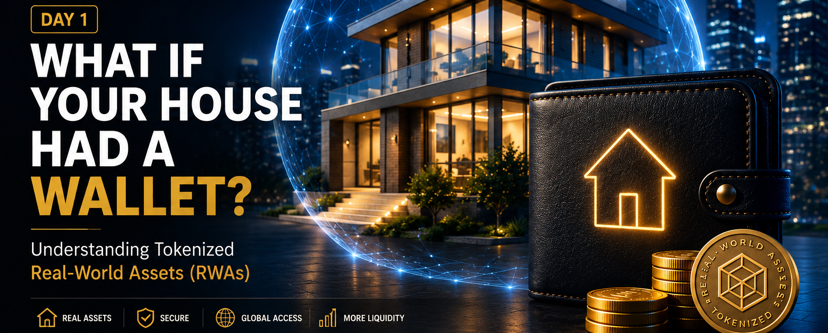
如果你的房子有一個錢包?理解代幣化的現實世界資產(RWA)如果你的房子有一個錢包?
⏱️
“聽起來不可思議……直到你意識到它已經開始了。”
想象一下,打開一個應用,看到你的房子被列在你的銀行賬戶旁邊——不是因爲你在賣它,而是因爲你的家擁有基於區塊鏈的安全數字身份。
聽起來像科幻小說嗎?
不太像。
這個想法是區塊鏈增長最快的創新之一:現實世界資產(RWA)代幣化的核心。
與其把所有權記錄困在紙質文件和彼此割裂的數據庫裏,區塊鏈讓現實世界資產可以被數字化表示。你的房子並不會真的獲得一個加密貨幣錢包——但它的所有權可以與安全的數字代幣建立關聯,從而讓資產的轉移、追蹤和管理更高效。
如果你的房子有一個錢包?理解代幣化的現實世界資產(RWA)
如果你的房子有一個錢包?
⏱️
“聽起來不可思議……直到你意識到它已經開始了。”
想象一下,打開一個應用,看到你的房子被列在你的銀行賬戶旁邊——不是因爲你在賣它,而是因爲你的家擁有基於區塊鏈的安全數字身份。
聽起來像科幻小說嗎?
不太像。
這個想法是區塊鏈增長最快的創新之一:現實世界資產(RWA)代幣化的核心。
與其把所有權記錄困在紙質文件和彼此割裂的數據庫裏,區塊鏈讓現實世界資產可以被數字化表示。你的房子並不會真的獲得一個加密貨幣錢包——但它的所有權可以與安全的數字代幣建立關聯,從而讓資產的轉移、追蹤和管理更高效。
⏱️
“聽起來不可思議……直到你意識到它已經開始了。”
想象一下,打開一個應用,看到你的房子被列在你的銀行賬戶旁邊——不是因爲你在賣它,而是因爲你的家擁有基於區塊鏈的安全數字身份。
聽起來像科幻小說嗎?
不太像。
這個想法是區塊鏈增長最快的創新之一:現實世界資產(RWA)代幣化的核心。
與其把所有權記錄困在紙質文件和彼此割裂的數據庫裏,區塊鏈讓現實世界資產可以被數字化表示。你的房子並不會真的獲得一個加密貨幣錢包——但它的所有權可以與安全的數字代幣建立關聯,從而讓資產的轉移、追蹤和管理更高效。
1
130
好的
好的
0xKlark
·
--
沒辦法📈📈📈
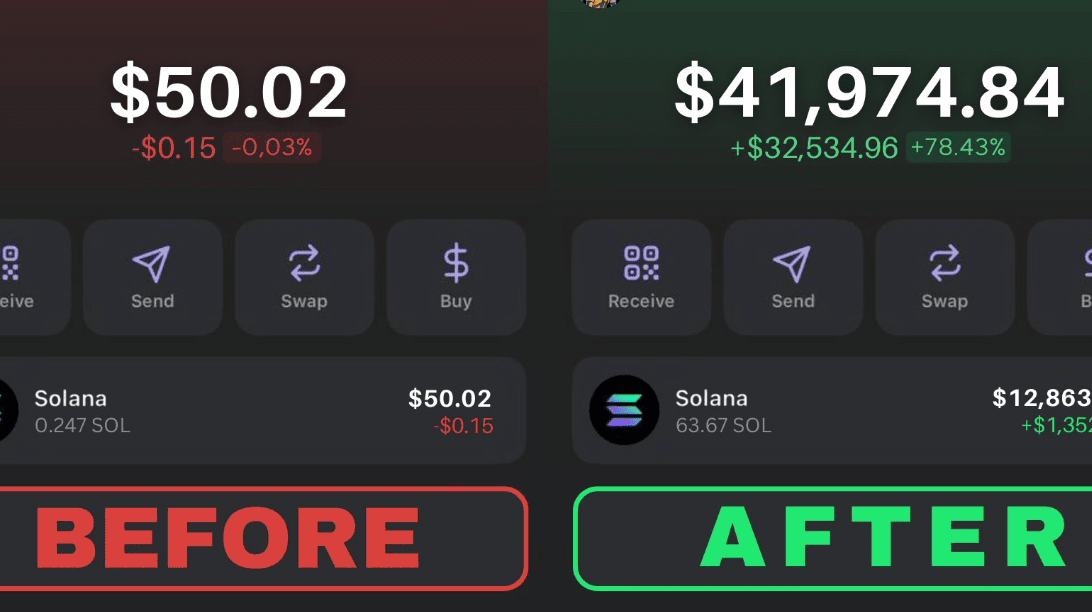
我之前給你 $AVA,現在它正在高峯!(312x!!)
我最後再做一次! 在你後悔之前和我一起做這個。
加入我,一起踏上 $100k 的旅程🧵👇
✥ 模因幣已成爲近年來加密貨幣中增長最快的趨勢之一
✥ 他們現在是社區的一部分
✥ 它們直接的吸引力和來自普通“ degens”的支持使它們在許多傳統的“風險投資支持的山寨幣”中脫穎而出,確立了自己在加密貨幣領域的顯著敘事
✥ 今天,模因幣的世界極其多樣化
我最後再做一次! 在你後悔之前和我一起做這個。
加入我,一起踏上 $100k 的旅程🧵👇
✥ 模因幣已成爲近年來加密貨幣中增長最快的趨勢之一
✥ 他們現在是社區的一部分
✥ 它們直接的吸引力和來自普通“ degens”的支持使它們在許多傳統的“風險投資支持的山寨幣”中脫穎而出,確立了自己在加密貨幣領域的顯著敘事
✥ 今天,模因幣的世界極其多樣化
184
登入以探索更多內容
加入幣安廣場中的全球加密貨幣用戶
⚡️ 獲取加密貨幣的最新和實用資訊。
💬 受到全球最大加密貨幣交易所的信任。
👍 發掘來自經過驗證創作者的真實見解。
電子郵件 / 電話號碼