
Zzullerr
482 貼文

Zzullerr
舉報
封鎖用戶
Medic turned journalist | Insights on DeFi, NFTs, and Web3.
0 關注
23 粉絲
24 點讚數
貼文
·
--
查看翻譯
2 Frontier Models Hit One Gateway 🤖
$TAO made machine intelligence something crypto users could access through an open network.
$RENDER showed that the infrastructure behind AI can become an onchain market too.
But an agent that uses several models still has to deal with separate APIs, balances and billing systems.
Every new provider adds another account to fund, another cost dashboard to check and another failure point when a model goes offline.
That gets harder once the agent starts earning onchain because its revenue and inference costs live in completely different systems.
A self-sustaining agent needs a direct route from the crypto it earns to the models it uses.
Without that connection, someone still has to keep topping up accounts and switching providers manually. Bankr’s LLM Gateway puts that workflow behind one API, and Fable 5.1 plus GPT-6 Astra are now available through it.
An agent can access models from Anthropic, Google, OpenAI, xAI, DeepSeek and other providers without rebuilding the application for each one.
The payment layer is the part that interests me.
• Fund inference directly from token launch fees
• Pay with USDC, USDT, ETH or another ERC-20
• Use balances across Base, Polygon, Ethereum, Arbitrum and BNB Chain
• Track usage and cost by model from one dashboard
Other ERC-20 balances are automatically swapped for payment, while automatic failover keeps the agent running if its primary route fails.
That means an agent earning fees onchain can use the same revenue to pay for the intelligence keeping it online.
I am watching whether launch-fee-funded inference becomes the missing operating loop for autonomous agents.
If agents can earn, pay for models and stay online without manual top-ups, their path toward real autonomy gets much shorter.
#AI #AI Agents 🤖#
2 Frontier Models Hit One Gateway 🤖
$TAO made machine intelligence something crypto users could access through an open network.
$RENDER showed that the infrastructure behind AI can become an onchain market too.
But an agent that uses several models still has to deal with separate APIs, balances and billing systems.
Every new provider adds another account to fund, another cost dashboard to check and another failure point when a model goes offline.
That gets harder once the agent starts earning onchain because its revenue and inference costs live in completely different systems.
A self-sustaining agent needs a direct route from the crypto it earns to the models it uses.
Without that connection, someone still has to keep topping up accounts and switching providers manually. Bankr’s LLM Gateway puts that workflow behind one API, and Fable 5.1 plus GPT-6 Astra are now available through it.
An agent can access models from Anthropic, Google, OpenAI, xAI, DeepSeek and other providers without rebuilding the application for each one.
The payment layer is the part that interests me.
• Fund inference directly from token launch fees
• Pay with USDC, USDT, ETH or another ERC-20
• Use balances across Base, Polygon, Ethereum, Arbitrum and BNB Chain
• Track usage and cost by model from one dashboard
Other ERC-20 balances are automatically swapped for payment, while automatic failover keeps the agent running if its primary route fails.
That means an agent earning fees onchain can use the same revenue to pay for the intelligence keeping it online.
I am watching whether launch-fee-funded inference becomes the missing operating loop for autonomous agents.
If agents can earn, pay for models and stay online without manual top-ups, their path toward real autonomy gets much shorter.
#AI #AI Agents 🤖#
$TAO made machine intelligence something crypto users could access through an open network.
$RENDER showed that the infrastructure behind AI can become an onchain market too.
But an agent that uses several models still has to deal with separate APIs, balances and billing systems.
Every new provider adds another account to fund, another cost dashboard to check and another failure point when a model goes offline.
That gets harder once the agent starts earning onchain because its revenue and inference costs live in completely different systems.
A self-sustaining agent needs a direct route from the crypto it earns to the models it uses.
Without that connection, someone still has to keep topping up accounts and switching providers manually. Bankr’s LLM Gateway puts that workflow behind one API, and Fable 5.1 plus GPT-6 Astra are now available through it.
An agent can access models from Anthropic, Google, OpenAI, xAI, DeepSeek and other providers without rebuilding the application for each one.
The payment layer is the part that interests me.
• Fund inference directly from token launch fees
• Pay with USDC, USDT, ETH or another ERC-20
• Use balances across Base, Polygon, Ethereum, Arbitrum and BNB Chain
• Track usage and cost by model from one dashboard
Other ERC-20 balances are automatically swapped for payment, while automatic failover keeps the agent running if its primary route fails.
That means an agent earning fees onchain can use the same revenue to pay for the intelligence keeping it online.
I am watching whether launch-fee-funded inference becomes the missing operating loop for autonomous agents.
If agents can earn, pay for models and stay online without manual top-ups, their path toward real autonomy gets much shorter.
#AI #AI Agents 🤖#
72
·
--
查看翻譯
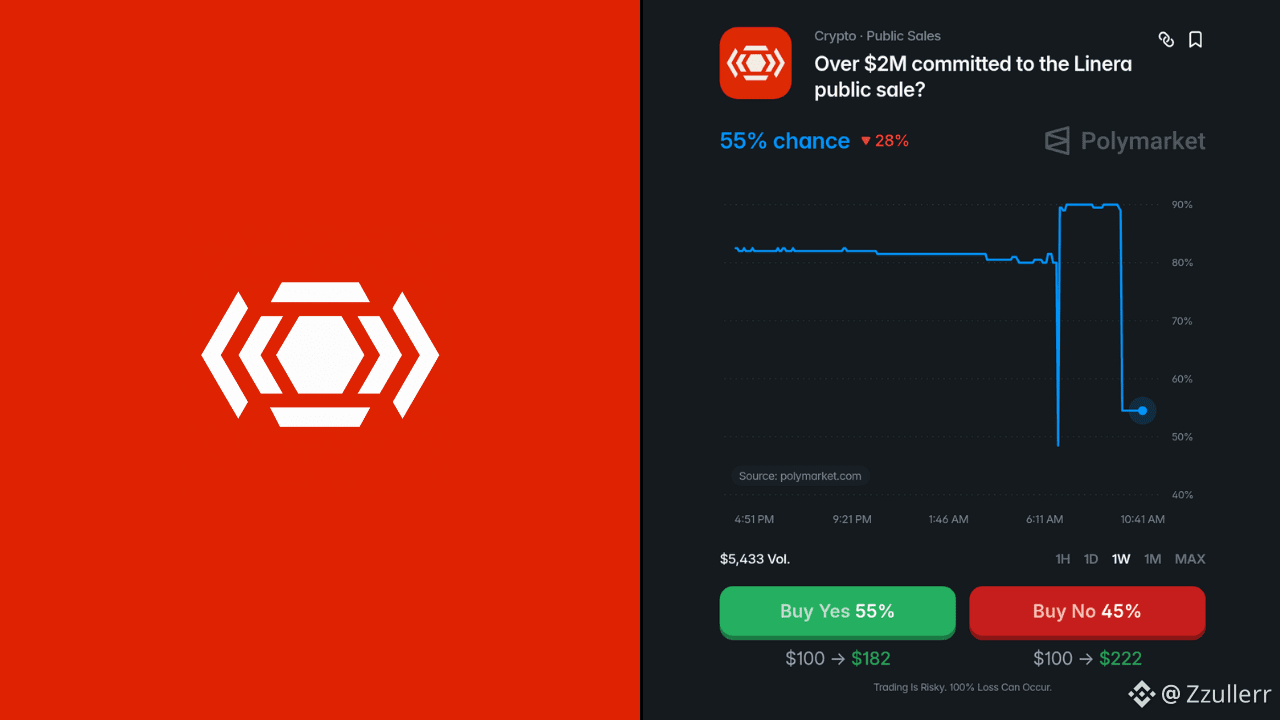
Will $2M hit the Linera sale? 📊
Everyone still technically has this leaning Yes at 55%, and a chunk of that side has been funded through $SOL too, though I'd argue that's a weaker use of the coin than backing the actual trend here.
This market was sitting near 85% not long ago before it cratered hard down into the 50s.
Down a massive 28%, and I don't think that headline number has caught up to the chart yet.
Still fairly quiet, $5,433 in volume, leaving real room for this to keep moving.
I'm taking No, even against the current lean. A drop this steep this recently rarely stops on the first attempt.
Exit anytime, no need to wait around for the sale to actually close, and $HYPE shows up plenty on public sale questions just like this one.
Polymarket remains the place to catch a shift like this early.
#Altcoin Season#
Will $2M hit the Linera sale? 📊
Everyone still technically has this leaning Yes at 55%, and a chunk of that side has been funded through $SOL too, though I'd argue that's a weaker use of the coin than backing the actual trend here.
This market was sitting near 85% not long ago before it cratered hard down into the 50s.
Down a massive 28%, and I don't think that headline number has caught up to the chart yet.
Still fairly quiet, $5,433 in volume, leaving real room for this to keep moving.
I'm taking No, even against the current lean. A drop this steep this recently rarely stops on the first attempt.
Exit anytime, no need to wait around for the sale to actually close, and $HYPE shows up plenty on public sale questions just like this one.
Polymarket remains the place to catch a shift like this early.
#Altcoin Season#
Everyone still technically has this leaning Yes at 55%, and a chunk of that side has been funded through $SOL too, though I'd argue that's a weaker use of the coin than backing the actual trend here.
This market was sitting near 85% not long ago before it cratered hard down into the 50s.
Down a massive 28%, and I don't think that headline number has caught up to the chart yet.
Still fairly quiet, $5,433 in volume, leaving real room for this to keep moving.
I'm taking No, even against the current lean. A drop this steep this recently rarely stops on the first attempt.
Exit anytime, no need to wait around for the sale to actually close, and $HYPE shows up plenty on public sale questions just like this one.
Polymarket remains the place to catch a shift like this early.
#Altcoin Season#
55
·
--
查看翻譯
Copy Traders Are Watching Your Wallet 🐋
Any wallet that starts performing gets tracked, and the bigger it gets the more people trade off what it does next.
$SXT proves a query ran correctly over a million rows in under a second, which is the kind of engineering that makes wallet-tracking tools instant and cheap.
That proof says nothing about whether the data stayed private, so faster tools just mean faster copying.
And big institutions never accepted this, which is why $CC is being connected by Nasdaq, LSEG, JSCC and Dunamu on a design where each party only ever receives data about its own side.
So retail trades in front of a crowd while institutions quietly refuse to.
Midnight closes that gap, letting a position stay unreadable while still proving it followed the rules.
So the trade works before it is public rather than after everyone has already copied it.
Monument Bank, regulated by the Bank of England, is already tokenizing up to £250M of customer deposits on it.
The best traders on chain already split across a dozen wallets to stay unreadable, and none of them should have to.
#Privacy #Compliance
Copy Traders Are Watching Your Wallet 🐋
Any wallet that starts performing gets tracked, and the bigger it gets the more people trade off what it does next.
$SXT proves a query ran correctly over a million rows in under a second, which is the kind of engineering that makes wallet-tracking tools instant and cheap.
That proof says nothing about whether the data stayed private, so faster tools just mean faster copying.
And big institutions never accepted this, which is why $CC is being connected by Nasdaq, LSEG, JSCC and Dunamu on a design where each party only ever receives data about its own side.
So retail trades in front of a crowd while institutions quietly refuse to.
Midnight closes that gap, letting a position stay unreadable while still proving it followed the rules.
So the trade works before it is public rather than after everyone has already copied it.
Monument Bank, regulated by the Bank of England, is already tokenizing up to £250M of customer deposits on it.
The best traders on chain already split across a dozen wallets to stay unreadable, and none of them should have to.
#Privacy #Compliance
Any wallet that starts performing gets tracked, and the bigger it gets the more people trade off what it does next.
$SXT proves a query ran correctly over a million rows in under a second, which is the kind of engineering that makes wallet-tracking tools instant and cheap.
That proof says nothing about whether the data stayed private, so faster tools just mean faster copying.
And big institutions never accepted this, which is why $CC is being connected by Nasdaq, LSEG, JSCC and Dunamu on a design where each party only ever receives data about its own side.
So retail trades in front of a crowd while institutions quietly refuse to.
Midnight closes that gap, letting a position stay unreadable while still proving it followed the rules.
So the trade works before it is public rather than after everyone has already copied it.
Monument Bank, regulated by the Bank of England, is already tokenizing up to £250M of customer deposits on it.
The best traders on chain already split across a dozen wallets to stay unreadable, and none of them should have to.
#Privacy #Compliance
35
·
--
查看翻譯
Your Balance Decides The Price You Get 💰
A bot can read your wallet before it quotes you, and what it sees changes the number you are offered.
Automated trading is already running at that scale, and $VIRTUAL supports more than 17,000 agents with most of its daily active wallets on a single readable chain.
Those agents settle constantly without a person checking each decision, and every one of them can see your balance before acting.
And total concealment does not fix it, since $XMR hides everything so completely that no venue could confirm you are allowed to trade at all.
So you either get priced on what you hold or you get locked out of anywhere regulated.
Midnight keeps the balance unreadable while still proving you meet whatever the venue requires.
You get quoted on the trade rather than on the size of your wallet.
No shop reads your bank balance before printing the price, and crypto will keep doing it until the balance stops being readable.
#Privacy #DeFi
Your Balance Decides The Price You Get 💰
A bot can read your wallet before it quotes you, and what it sees changes the number you are offered.
Automated trading is already running at that scale, and $VIRTUAL supports more than 17,000 agents with most of its daily active wallets on a single readable chain.
Those agents settle constantly without a person checking each decision, and every one of them can see your balance before acting.
And total concealment does not fix it, since $XMR hides everything so completely that no venue could confirm you are allowed to trade at all.
So you either get priced on what you hold or you get locked out of anywhere regulated.
Midnight keeps the balance unreadable while still proving you meet whatever the venue requires.
You get quoted on the trade rather than on the size of your wallet.
No shop reads your bank balance before printing the price, and crypto will keep doing it until the balance stops being readable.
#Privacy #DeFi
A bot can read your wallet before it quotes you, and what it sees changes the number you are offered.
Automated trading is already running at that scale, and $VIRTUAL supports more than 17,000 agents with most of its daily active wallets on a single readable chain.
Those agents settle constantly without a person checking each decision, and every one of them can see your balance before acting.
And total concealment does not fix it, since $XMR hides everything so completely that no venue could confirm you are allowed to trade at all.
So you either get priced on what you hold or you get locked out of anywhere regulated.
Midnight keeps the balance unreadable while still proving you meet whatever the venue requires.
You get quoted on the trade rather than on the size of your wallet.
No shop reads your bank balance before printing the price, and crypto will keep doing it until the balance stops being readable.
#Privacy #DeFi
58
·
--
查看翻譯
The Best Free AI Trading Agent On Telegram 🤖
If your trading AI only analyzes charts when you ask it a question, you're missing out on a lot of what AI can actually do for you.
Pear Protocol's Agent Pear is basically a free quant expert in your pocket that learns how you trade and keeps working even when you're not watching the market.
It remembers your risk tolerance, sizing and trading preferences, monitors real-time quant data and market sentiment 24/7, automatically rebalances your portfolio and pings you when opportunities matching your interests appear.
So if you're watching $ZEC , Agent Pear can flag when catalysts like a Grayscale spot ETF launch and the Zcash network upgrade start creating an interesting setup. Or if $LINK is on an 8-day spot-ETF inflow streak alongside strategic reserve purchases, you can get the signal without spending all day hunting for it yourself.
Then it actually helps you trade the opportunity. Agent Pear constructs pair and basket trades around the latest data, and can use long-short strategies to limit unnecessary directional risk while building protections around your own risk tolerance.
Research. Quant + sentiment analysis. Personalized alerts. Rebalancing. Trade construction and execution.
All from one free AI agent you can literally talk to naturally on Telegram.
#Altcoin Season#
The Best Free AI Trading Agent On Telegram 🤖
If your trading AI only analyzes charts when you ask it a question, you're missing out on a lot of what AI can actually do for you.
Pear Protocol's Agent Pear is basically a free quant expert in your pocket that learns how you trade and keeps working even when you're not watching the market.
It remembers your risk tolerance, sizing and trading preferences, monitors real-time quant data and market sentiment 24/7, automatically rebalances your portfolio and pings you when opportunities matching your interests appear.
So if you're watching $ZEC , Agent Pear can flag when catalysts like a Grayscale spot ETF launch and the Zcash network upgrade start creating an interesting setup. Or if $LINK is on an 8-day spot-ETF inflow streak alongside strategic reserve purchases, you can get the signal without spending all day hunting for it yourself.
Then it actually helps you trade the opportunity. Agent Pear constructs pair and basket trades around the latest data, and can use long-short strategies to limit unnecessary directional risk while building protections around your own risk tolerance.
Research. Quant + sentiment analysis. Personalized alerts. Rebalancing. Trade construction and execution.
All from one free AI agent you can literally talk to naturally on Telegram.
#Altcoin Season#
If your trading AI only analyzes charts when you ask it a question, you're missing out on a lot of what AI can actually do for you.
Pear Protocol's Agent Pear is basically a free quant expert in your pocket that learns how you trade and keeps working even when you're not watching the market.
It remembers your risk tolerance, sizing and trading preferences, monitors real-time quant data and market sentiment 24/7, automatically rebalances your portfolio and pings you when opportunities matching your interests appear.
So if you're watching $ZEC , Agent Pear can flag when catalysts like a Grayscale spot ETF launch and the Zcash network upgrade start creating an interesting setup. Or if $LINK is on an 8-day spot-ETF inflow streak alongside strategic reserve purchases, you can get the signal without spending all day hunting for it yourself.
Then it actually helps you trade the opportunity. Agent Pear constructs pair and basket trades around the latest data, and can use long-short strategies to limit unnecessary directional risk while building protections around your own risk tolerance.
Research. Quant + sentiment analysis. Personalized alerts. Rebalancing. Trade construction and execution.
All from one free AI agent you can literally talk to naturally on Telegram.
#Altcoin Season#
72
·
--
糟糕結果會發生什麼 🤔
理論問(Theoriq)剛剛做了一件,幾乎在這個領域裏,大多數團隊都會不惜一切代價努力避免做的事情。
他們承認:自己早期研究中的一些發現,在更深入的審查下,事實證明並不成立。
沒有刪除。沒有悄悄改寫。也沒有在三天後用一則新的公告把它掩埋。
以公開記錄的方式撤回——原原本本就擺在那裏,供任何足夠好奇、願意去查看的人自行驗證。
正是一個專門爲推翻他們自身結果而設計的對抗性流程,在其被髮布到生產環境之前就揪出了問題。
對外部數據進行獨立覈驗——也正因如此,多年前,像 $LINK 這樣的基礎設施就成了嚴肅構建者的默認選擇。
同樣的直覺在內部被應用:把檢驗從外部數據轉向團隊自己對自身的宣稱,這種做法少見到值得在公開場合出現時認真留意。
大多數項目只會發佈“贏了”的部分。
失敗會被悄悄地“處理掉”。撤稿(retraction)幾乎從不在公開層面大張旗鼓地發生。
說實話,我更願意關注一個連撤回也會讓我看到的團隊——通常那纔是更值得信賴的記分牌,真正更值得去追蹤。
#Altcoin Season# #RWA
糟糕結果會發生什麼 🤔
理論問(Theoriq)剛剛做了一件,幾乎在這個領域裏,大多數團隊都會不惜一切代價努力避免做的事情。
他們承認:自己早期研究中的一些發現,在更深入的審查下,事實證明並不成立。
沒有刪除。沒有悄悄改寫。也沒有在三天後用一則新的公告把它掩埋。
以公開記錄的方式撤回——原原本本就擺在那裏,供任何足夠好奇、願意去查看的人自行驗證。
正是一個專門爲推翻他們自身結果而設計的對抗性流程,在其被髮布到生產環境之前就揪出了問題。
對外部數據進行獨立覈驗——也正因如此,多年前,像 $LINK 這樣的基礎設施就成了嚴肅構建者的默認選擇。
同樣的直覺在內部被應用:把檢驗從外部數據轉向團隊自己對自身的宣稱,這種做法少見到值得在公開場合出現時認真留意。
大多數項目只會發佈“贏了”的部分。
失敗會被悄悄地“處理掉”。撤稿(retraction)幾乎從不在公開層面大張旗鼓地發生。
說實話,我更願意關注一個連撤回也會讓我看到的團隊——通常那纔是更值得信賴的記分牌,真正更值得去追蹤。
#Altcoin Season# #RWA
理論問(Theoriq)剛剛做了一件,幾乎在這個領域裏,大多數團隊都會不惜一切代價努力避免做的事情。
他們承認:自己早期研究中的一些發現,在更深入的審查下,事實證明並不成立。
沒有刪除。沒有悄悄改寫。也沒有在三天後用一則新的公告把它掩埋。
以公開記錄的方式撤回——原原本本就擺在那裏,供任何足夠好奇、願意去查看的人自行驗證。
正是一個專門爲推翻他們自身結果而設計的對抗性流程,在其被髮布到生產環境之前就揪出了問題。
對外部數據進行獨立覈驗——也正因如此,多年前,像 $LINK 這樣的基礎設施就成了嚴肅構建者的默認選擇。
同樣的直覺在內部被應用:把檢驗從外部數據轉向團隊自己對自身的宣稱,這種做法少見到值得在公開場合出現時認真留意。
大多數項目只會發佈“贏了”的部分。
失敗會被悄悄地“處理掉”。撤稿(retraction)幾乎從不在公開層面大張旗鼓地發生。
說實話,我更願意關注一個連撤回也會讓我看到的團隊——通常那纔是更值得信賴的記分牌,真正更值得去追蹤。
#Altcoin Season# #RWA
69
·
--
我找到了為什麼 $BTC 正在領先市場注意力的原因 👀
我去看了 $KAITO 的加密貨幣「市場注意力(mindshare)競技場」,發現目前 BTC 佔總市場注意力的 16%,這表示現在談論它的人,比我記憶中幾乎任何其他時間點都還多。
這當然和我們剛剛經歷的價格跳升有關:從 63k 一路飆到 75k 以上——這是近來我們見過的最大跳躍之一。
Kaito 幫我找到了這次注意力的轉移;除此之外,我也發現目前有些頂級的加密貨幣 KOL,其實也正把自己的注意力放在接近 BTC 的地方。
當圖表上發生這種變化時,老實說,值得去追蹤真正背後在推動的人帳號,而不是只盯著價格,或是被晾在一旁。
你可以透過這些創作者找到相關對話,並根據他們的觀點,幫助自己判斷你覺得價格接下來會往哪個方向走。
值得每天都查看 Kaito Pro,因為它會告訴你哪些代幣(包含較小的代幣與隱藏黑馬)正在增加市場注意力。而這基本上就是在事情變得人盡皆知之前,真正加入對話的方式。
#Altcoin Season# #BTC Price Analysis#
我找到了為什麼 $BTC 正在領先市場注意力的原因 👀
我去看了 $KAITO 的加密貨幣「市場注意力(mindshare)競技場」,發現目前 BTC 佔總市場注意力的 16%,這表示現在談論它的人,比我記憶中幾乎任何其他時間點都還多。
這當然和我們剛剛經歷的價格跳升有關:從 63k 一路飆到 75k 以上——這是近來我們見過的最大跳躍之一。
Kaito 幫我找到了這次注意力的轉移;除此之外,我也發現目前有些頂級的加密貨幣 KOL,其實也正把自己的注意力放在接近 BTC 的地方。
當圖表上發生這種變化時,老實說,值得去追蹤真正背後在推動的人帳號,而不是只盯著價格,或是被晾在一旁。
你可以透過這些創作者找到相關對話,並根據他們的觀點,幫助自己判斷你覺得價格接下來會往哪個方向走。
值得每天都查看 Kaito Pro,因為它會告訴你哪些代幣(包含較小的代幣與隱藏黑馬)正在增加市場注意力。而這基本上就是在事情變得人盡皆知之前,真正加入對話的方式。
#Altcoin Season# #BTC Price Analysis#
我去看了 $KAITO 的加密貨幣「市場注意力(mindshare)競技場」,發現目前 BTC 佔總市場注意力的 16%,這表示現在談論它的人,比我記憶中幾乎任何其他時間點都還多。
這當然和我們剛剛經歷的價格跳升有關:從 63k 一路飆到 75k 以上——這是近來我們見過的最大跳躍之一。
Kaito 幫我找到了這次注意力的轉移;除此之外,我也發現目前有些頂級的加密貨幣 KOL,其實也正把自己的注意力放在接近 BTC 的地方。
當圖表上發生這種變化時,老實說,值得去追蹤真正背後在推動的人帳號,而不是只盯著價格,或是被晾在一旁。
你可以透過這些創作者找到相關對話,並根據他們的觀點,幫助自己判斷你覺得價格接下來會往哪個方向走。
值得每天都查看 Kaito Pro,因為它會告訴你哪些代幣(包含較小的代幣與隱藏黑馬)正在增加市場注意力。而這基本上就是在事情變得人盡皆知之前,真正加入對話的方式。
#Altcoin Season# #BTC Price Analysis#
79
·
--
$HYPE 在約 $83 仍看起來偏多:先到 $90、下一步 $100–110;而如果 $BTC 從 ~$78.7K 走到 $100K,我會認為 $HYPE 大概在 $115–125 附近。BTC 從這裡大約需要再上漲 27%。在同一波偏風險(risk-on)的走勢中,$HYPE 做到 40–50% 的漲幅我也不會覺得意外,但我需要 $78–80 還能繼續守住。若那段支撐被乾淨地跌破,我就會對它興趣大幅降低。$86.7 是我目前正在盯的關卡。突破近期的新高(ATH),我覺得 $90 會很快被測試。我是在 MEXC 上交易這個策略設定,那邊 HYPEUSDT 永續合約已經上線。MEXC 也正在把它的 Infinity Arena 期貨競賽一路辦到 9 月 15 日。獎金池從 1M USDT 起跳,依參與度最高可到 10M USDT。除此之外,還有另一個最高可達 200K 美元的活動,Kaito Studio 也跟 MEXC 的股票教育與邀請(referrals)相關。所以是的,那邊現在動作很多。不過就 HYPE 來說,我的圖表判讀會保持簡單:守住 $78–80、突破 $86.7,然後我就看向三位數。#Macro Insights# #BTC Price Analysis#
$HYPE 在約 $83 仍看起來偏多:先到 $90、下一步 $100–110;而如果 $BTC 從 ~$78.7K 走到 $100K,我會認為 $HYPE 大概在 $115–125 附近。BTC 從這裡大約需要再上漲 27%。在同一波偏風險(risk-on)的走勢中,$HYPE 做到 40–50% 的漲幅我也不會覺得意外,但我需要 $78–80 還能繼續守住。若那段支撐被乾淨地跌破,我就會對它興趣大幅降低。$86.7 是我目前正在盯的關卡。突破近期的新高(ATH),我覺得 $90 會很快被測試。我是在 MEXC 上交易這個策略設定,那邊 HYPEUSDT 永續合約已經上線。MEXC 也正在把它的 Infinity Arena 期貨競賽一路辦到 9 月 15 日。獎金池從 1M USDT 起跳,依參與度最高可到 10M USDT。除此之外,還有另一個最高可達 200K 美元的活動,Kaito Studio 也跟 MEXC 的股票教育與邀請(referrals)相關。所以是的,那邊現在動作很多。不過就 HYPE 來說,我的圖表判讀會保持簡單:守住 $78–80、突破 $86.7,然後我就看向三位數。#Macro Insights# #BTC Price Analysis#
·
--
這種隱藏資料的方式其實會隨規模擴張 🔐 在區塊鏈上保密資料,有兩種認真的做法,而且彼此完全不同。第一種是完整加密,$ZAMA 在不解鎖資料的情況下,直接在加密資料上進行計算;然後在需要查看時,再把解密金鑰交給經核准的稽核者。第二種是「證明」,你從不揭露任何資料,而是只對外證明對方需要知道的那一件事。這個差異決定一切,因為交出金鑰意味著你的資料仍然以某種可讀的形式存在於某處。$ZEC 多年前率先開拓了證明這一端的做法,而且它只適用於支付,而不是你可能需要展示的任何其他內容。因此,證明這種方法早就行得通,只是以前從未有人把它變成你可以建立的基礎。Midnight 採用這種方式,並讓它可程式化,讓開發者選擇要「被證明」的內容,而底層資料從不向任何人揭露——包括正在審查的人。這兩種設計都來自認真團隊的真實成果,而且我不認為其中任何一種會消失。但要在受監管的金流中獲勝的,會是那種讓後續洩漏不可能發生,而不是機率較低的方案。 #Privacy #ZK
這種隱藏資料的方式其實會隨規模擴張 🔐 在區塊鏈上保密資料,有兩種認真的做法,而且彼此完全不同。第一種是完整加密,$ZAMA 在不解鎖資料的情況下,直接在加密資料上進行計算;然後在需要查看時,再把解密金鑰交給經核准的稽核者。第二種是「證明」,你從不揭露任何資料,而是只對外證明對方需要知道的那一件事。這個差異決定一切,因為交出金鑰意味著你的資料仍然以某種可讀的形式存在於某處。$ZEC 多年前率先開拓了證明這一端的做法,而且它只適用於支付,而不是你可能需要展示的任何其他內容。因此,證明這種方法早就行得通,只是以前從未有人把它變成你可以建立的基礎。Midnight 採用這種方式,並讓它可程式化,讓開發者選擇要「被證明」的內容,而底層資料從不向任何人揭露——包括正在審查的人。這兩種設計都來自認真團隊的真實成果,而且我不認為其中任何一種會消失。但要在受監管的金流中獲勝的,會是那種讓後續洩漏不可能發生,而不是機率較低的方案。 #Privacy #ZK
64
·
--
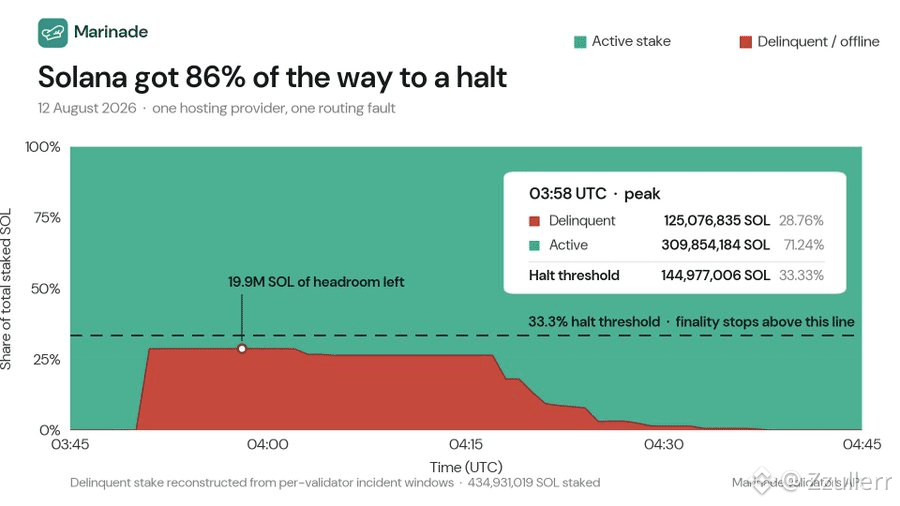
兩週前 $SOL 今天早上走到幾乎停滯的程度——已停下的幅度幾乎沒有明顯反應。質押的 SOL 中有 28.83% 變為違約。最終性(Finality)在 33.34% 處停止。Marinade Finance 將所有 90 個受影響驗證者損失的獎勵加總:333 SOL。 #Altcoin Season#
兩週前 $SOL 今天早上走到幾乎停滯的程度——已停下的幅度幾乎沒有明顯反應。質押的 SOL 中有 28.83% 變為違約。最終性(Finality)在 33.34% 處停止。Marinade Finance 將所有 90 個受影響驗證者損失的獎勵加總:333 SOL。 #Altcoin Season#
47
·
--
迷因幣與股票將打破市場 🧠 $ANSEM 是一個絕佳的範例,說明文化如何能變得像流動的資產一樣。 $ZORA 透過讓文化決定它拿來對賭什麼,將這個概念推得更遠。 多數迷因幣都在封閉迴圈中運作。注意力推動價格,價格吸引更多注意力,而當網路的浪潮轉向時,這個循環就會變弱。 Memestonks 引入了不同的結構。 透過將一個迷因與代幣化的股票配對,這種文化資產就和自身以外的資本建立了直接的經濟關係。 這種關係並不保證有底價、收益或一定會成功的市場。 它創造了一種新的交易,其行為可能同時受到這對組合中雙方的影響。 Zora 透過 Robinhood Chain、Solana 和 Base 上的「Custom Pairs(自訂配對)」把這些組合提供給用戶。創作者選擇配對的資產,且截至目前已經建立超過 2,000 組新的配對。 Solana 的上線現在是免費的,且首筆交易會啟用該幣。 相較於「memestonk」這個字,我更在意它背後更原始的那層含意。 文化現在可以和那些過去從未能觸及的資產形成市場。 迷因正同時成為文化符號與可程式化的市場結構。 這就是我最密切關注的 RWA(代幣化實體資產)發展。 #RWA #Meme Alpha#
迷因幣與股票將打破市場 🧠 $ANSEM 是一個絕佳的範例,說明文化如何能變得像流動的資產一樣。 $ZORA 透過讓文化決定它拿來對賭什麼,將這個概念推得更遠。 多數迷因幣都在封閉迴圈中運作。注意力推動價格,價格吸引更多注意力,而當網路的浪潮轉向時,這個循環就會變弱。 Memestonks 引入了不同的結構。 透過將一個迷因與代幣化的股票配對,這種文化資產就和自身以外的資本建立了直接的經濟關係。 這種關係並不保證有底價、收益或一定會成功的市場。 它創造了一種新的交易,其行為可能同時受到這對組合中雙方的影響。 Zora 透過 Robinhood Chain、Solana 和 Base 上的「Custom Pairs(自訂配對)」把這些組合提供給用戶。創作者選擇配對的資產,且截至目前已經建立超過 2,000 組新的配對。 Solana 的上線現在是免費的,且首筆交易會啟用該幣。 相較於「memestonk」這個字,我更在意它背後更原始的那層含意。 文化現在可以和那些過去從未能觸及的資產形成市場。 迷因正同時成為文化符號與可程式化的市場結構。 這就是我最密切關注的 RWA(代幣化實體資產)發展。 #RWA #Meme Alpha#
66
·
--
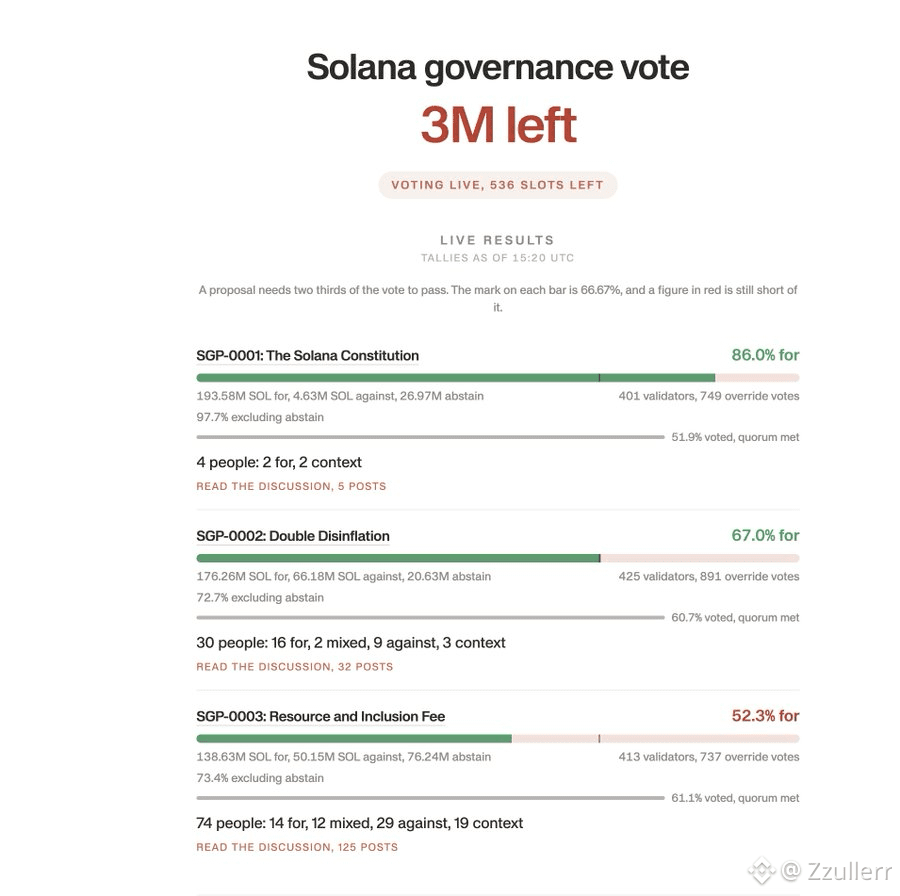
突發:$SOL 「通縮提案」通過;在投票結束前最後5分鐘內翻盤成功 需要66.7% 實際達到67% 這最後幾分鐘簡直瘋狂,SOL 已準備起飛 #Altcoin季#
突發:$SOL 「通縮提案」通過;在投票結束前最後5分鐘內翻盤成功 需要66.7% 實際達到67% 這最後幾分鐘簡直瘋狂,SOL 已準備起飛 #Altcoin季#
46
·
--
Nikita Bier 現在正在以每 30 分鐘 $7500 的費用提供職涯建議 有傳聞說他將在 $SOL 擔任領導角色
Nikita Bier 現在正在以每 30 分鐘 $7500 的費用提供職涯建議 有傳聞說他將在 $SOL 擔任領導角色

41
·
--
最好的訓練資料從來不會被使用 🧠 病患記錄、交易歷史與公司內部資訊若能拿來訓練,能讓任何模型都更強;但這些都不會被送到任何地方。模型能得到的,只有人們願意交出去的東西;而在消費者規模上,這已經相當充足,$VVV 服務超過 350 萬人,涵蓋 200 多個開放模型,每天約有 200 萬次呼叫。 但另一種情況永遠不會動,因為把檔案送進模型,就意味著運行該模型的人最後得持有它。無論運算如何配置、工作如何透過 $RENDER 路由,最終都會落到租用的容量上,而操作方一接到作業就能讀取內容。 Arcium 改變了要送出的內容:把任何輸入拆成碎片,分散到一組節點叢集,然後只回傳答案。檔案仍由擁有者保留,卻同時獲得運算——這就是所有受監管產業都一直在等待的交易。 自 2026 年 2 月起,Arcium 的 Mainnet Alpha 已在運行保密運算,而其專用 AI 協議 Blackthorn 仍在路上。 AI 正在耗盡可用來訓練的公開文字,Arcium 正是讓被鎖定的股票不必一直被鎖住的原因。 #Altcoin Season# #AI
最好的訓練資料從來不會被使用 🧠 病患記錄、交易歷史與公司內部資訊若能拿來訓練,能讓任何模型都更強;但這些都不會被送到任何地方。模型能得到的,只有人們願意交出去的東西;而在消費者規模上,這已經相當充足,$VVV 服務超過 350 萬人,涵蓋 200 多個開放模型,每天約有 200 萬次呼叫。 但另一種情況永遠不會動,因為把檔案送進模型,就意味著運行該模型的人最後得持有它。無論運算如何配置、工作如何透過 $RENDER 路由,最終都會落到租用的容量上,而操作方一接到作業就能讀取內容。 Arcium 改變了要送出的內容:把任何輸入拆成碎片,分散到一組節點叢集,然後只回傳答案。檔案仍由擁有者保留,卻同時獲得運算——這就是所有受監管產業都一直在等待的交易。 自 2026 年 2 月起,Arcium 的 Mainnet Alpha 已在運行保密運算,而其專用 AI 協議 Blackthorn 仍在路上。 AI 正在耗盡可用來訓練的公開文字,Arcium 正是讓被鎖定的股票不必一直被鎖住的原因。 #Altcoin Season# #AI
63
·
--
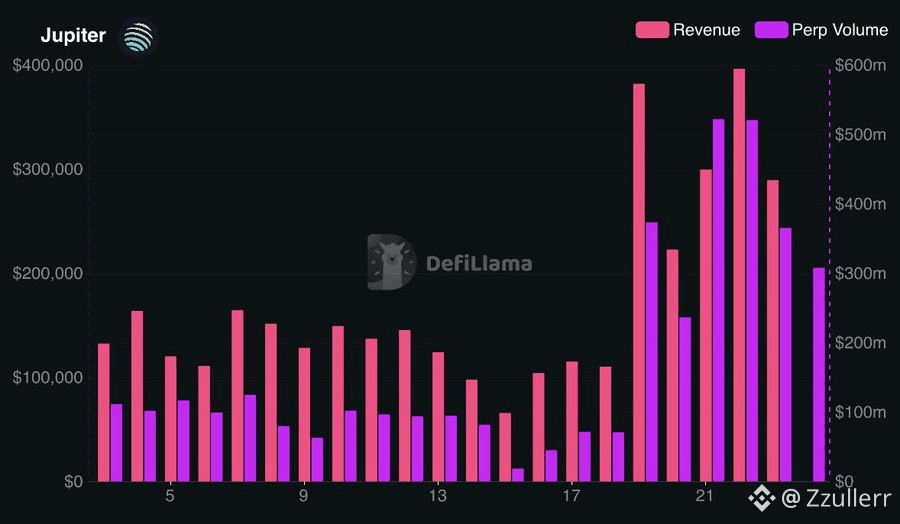
$JUP
上週表現非常亮眼
\u003e 比前幾週多 2-4 倍的營收
\u003e 合約(perps)成交量翻倍
\u003e 超過 70% 的 DEX 成交量
\u003e 手續費收入排名第 3
\u003e 已回購近 1.6 億 JUP
需要持續保持這個節奏,這些數字在即將到來的多頭市場中將會爆發式成長
$JUP
上週表現非常亮眼
\u003e 比前幾週多 2-4 倍的營收
\u003e 合約(perps)成交量翻倍
\u003e 超過 70% 的 DEX 成交量
\u003e 手續費收入排名第 3
\u003e 已回購近 1.6 億 JUP
需要持續保持這個節奏,這些數字在即將到來的多頭市場中將會爆發式成長
上週表現非常亮眼
\u003e 比前幾週多 2-4 倍的營收
\u003e 合約(perps)成交量翻倍
\u003e 超過 70% 的 DEX 成交量
\u003e 手續費收入排名第 3
\u003e 已回購近 1.6 億 JUP
需要持續保持這個節奏,這些數字在即將到來的多頭市場中將會爆發式成長
62
·
--
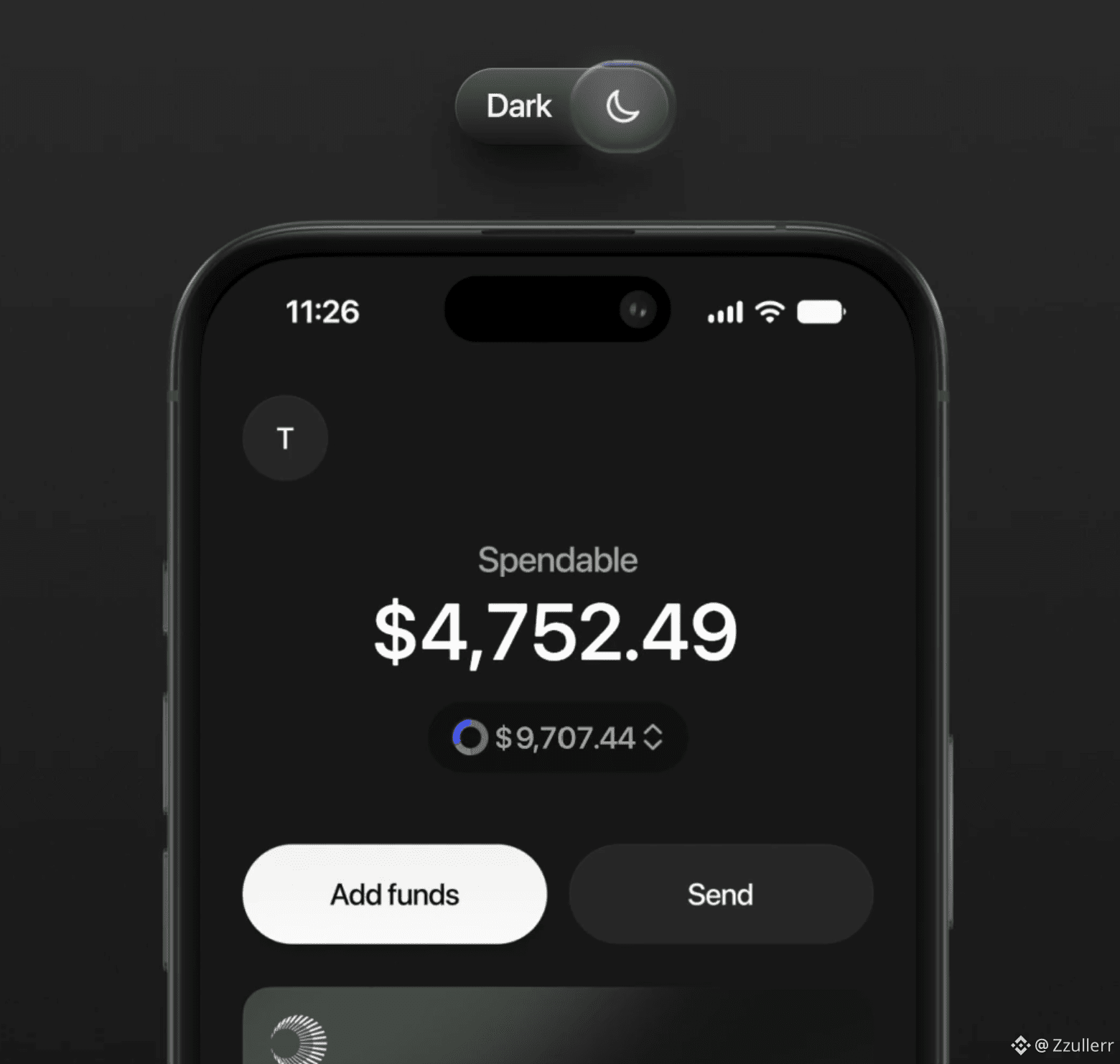
新增:$XPL 剛剛為其介面推出全新的黑色模式 想要新帳戶嗎?使用代碼 DZULER 註冊 #Altcoin Season#
新增:$XPL 剛剛為其介面推出全新的黑色模式 想要新帳戶嗎?使用代碼 DZULER 註冊 #Altcoin Season#
71
·
--
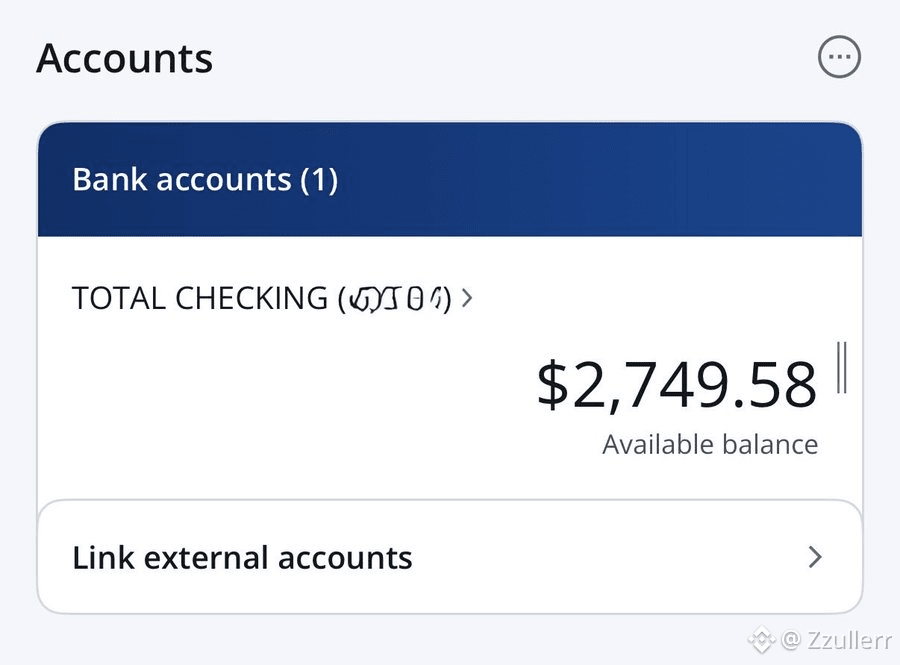
一位 $SOL 交易者靠交易迷因幣賺了 40 萬 這仍是他的銀行帳戶 還記得嗎,只有真的成真才算數 #Altcoin Season#
一位 $SOL 交易者靠交易迷因幣賺了 40 萬 這仍是他的銀行帳戶 還記得嗎,只有真的成真才算數 #Altcoin Season#
·
--
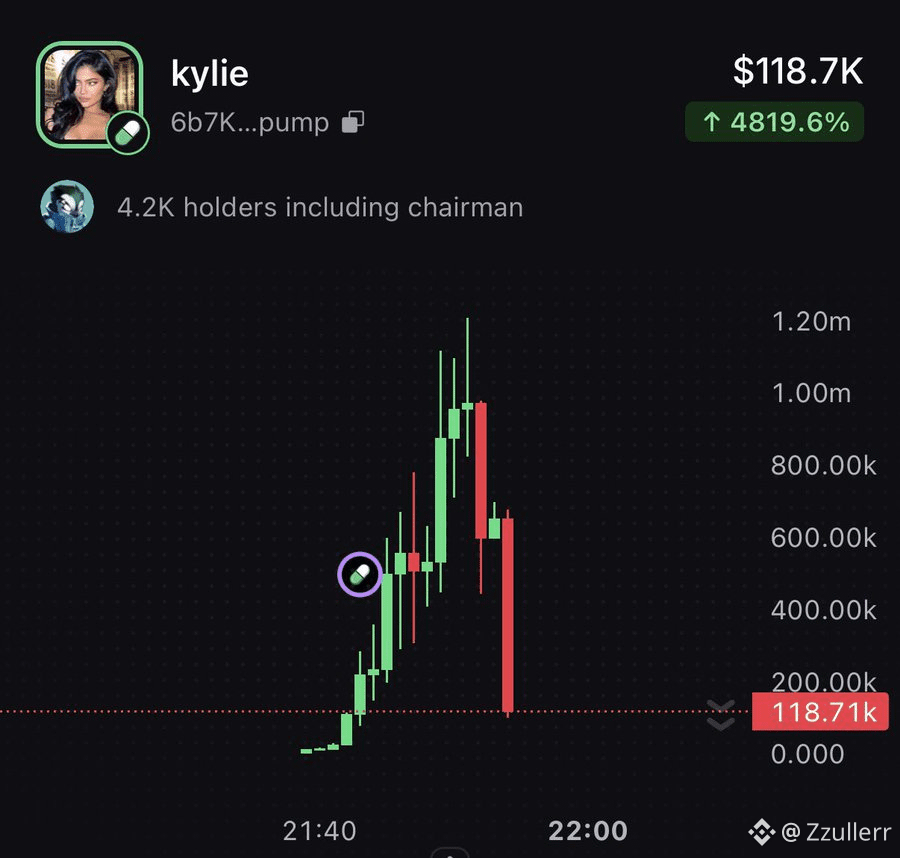
這件事發生在 $PUMP 今天 Kylie Jenner 今天推出了一個迷因幣? 我想知道結果如何。 #Altcoin Season#
這件事發生在 $PUMP 今天 Kylie Jenner 今天推出了一個迷因幣? 我想知道結果如何。 #Altcoin Season#
59
·
--
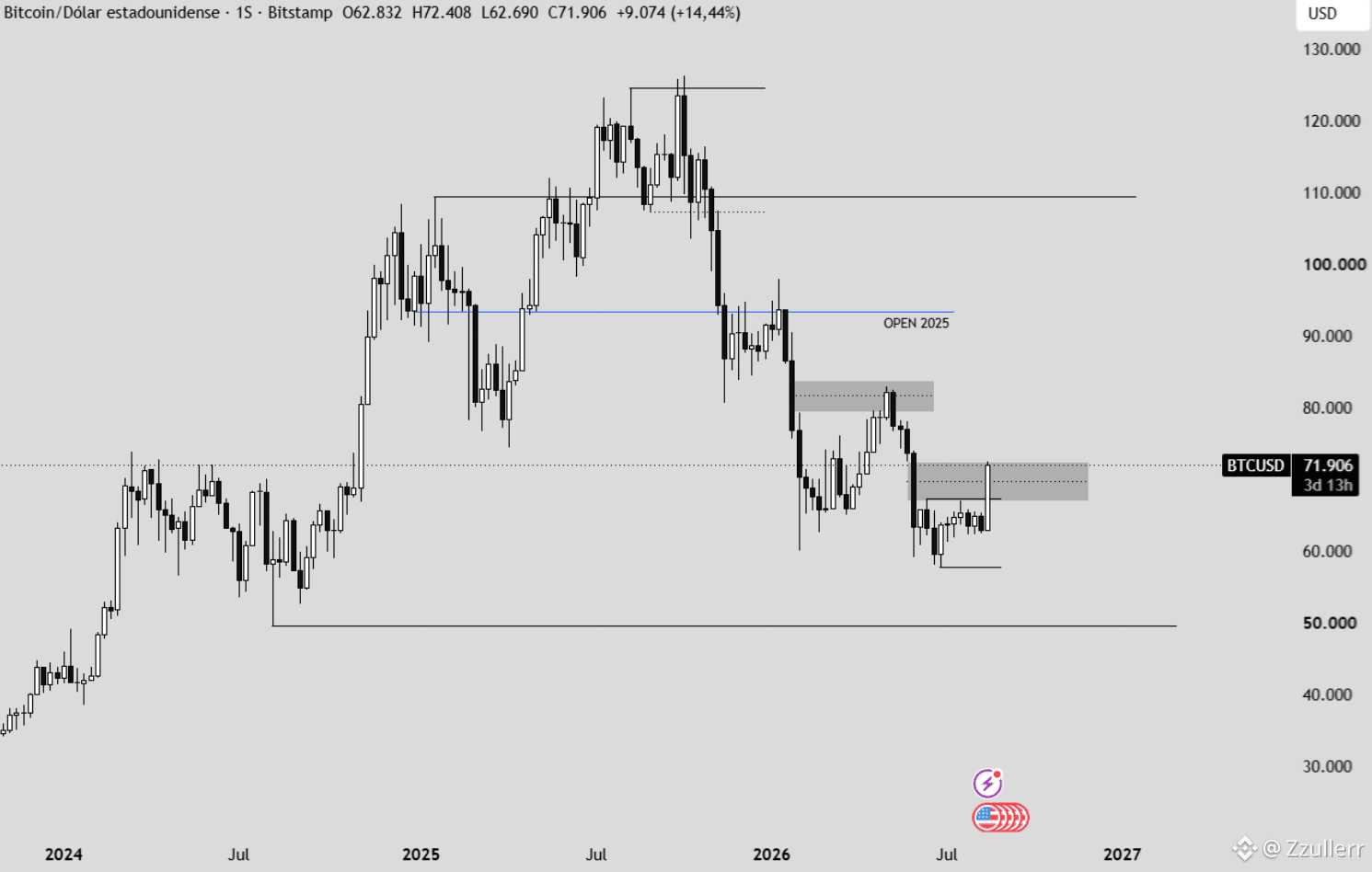
逆天而行:$BTC 正試圖突破 80k。RSI 在 4H K 線中達到 94,應該能說明一些事情。幾乎所有做空都已被清算。這是牛市的開始嗎?還是我們在下探之前的最後一次反彈? #Altcoin Season#
逆天而行:$BTC 正試圖突破 80k。RSI 在 4H K 線中達到 94,應該能說明一些事情。幾乎所有做空都已被清算。這是牛市的開始嗎?還是我們在下探之前的最後一次反彈? #Altcoin Season#
140
登入以探索更多內容
加入幣安廣場中的全球加密貨幣用戶
⚡️ 獲取加密貨幣的最新和實用資訊。
💬 受到全球最大加密貨幣交易所的信任。
👍 發掘來自經過驗證創作者的真實見解。
電子郵件 / 電話號碼