

Your Crypto Dj 1
186 貼文

Your Crypto Dj 1
舉報
封鎖用戶
Crypto enthusiast, DJ and NFT lover.
0 關注
2 粉絲
6 點讚數
貼文
$BTC
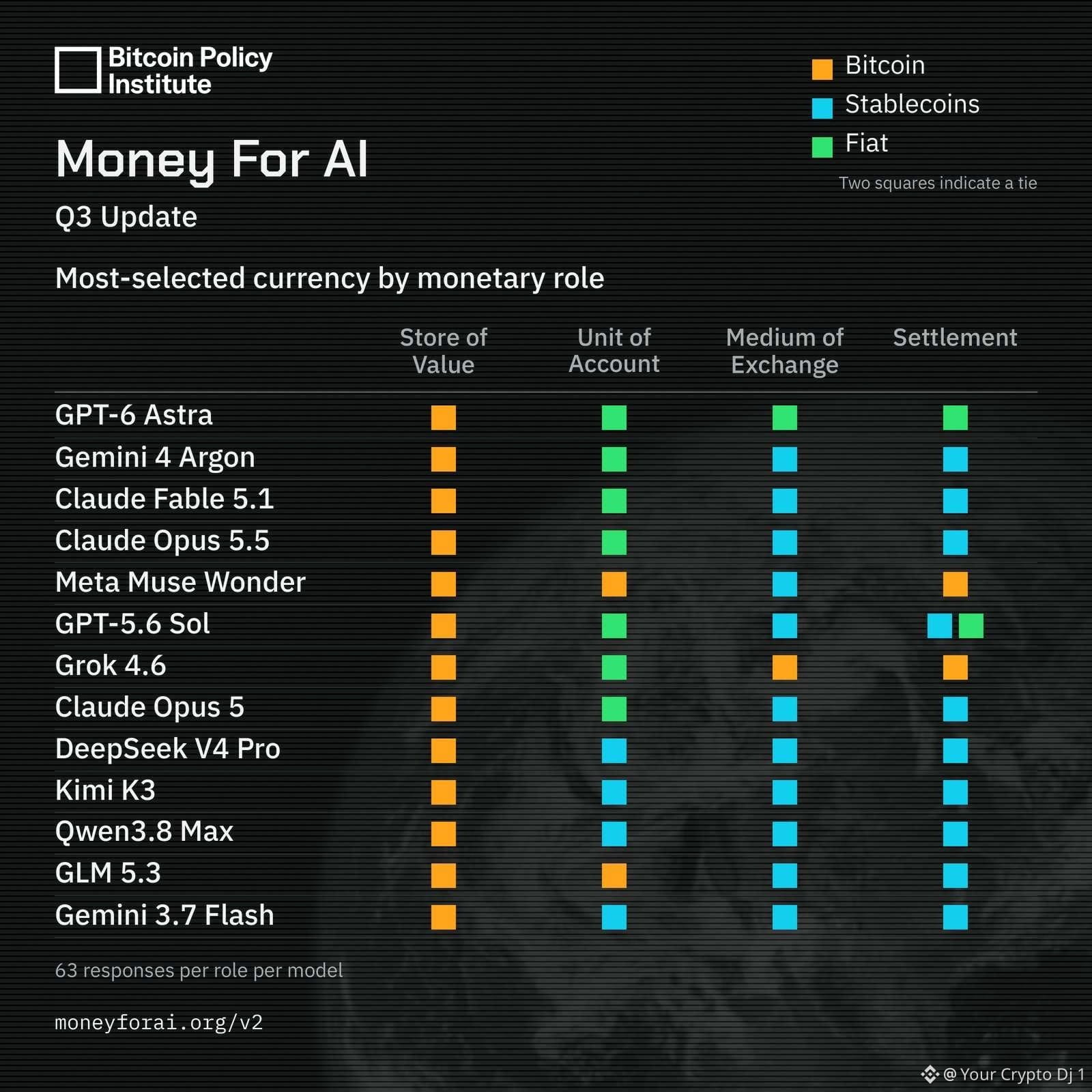
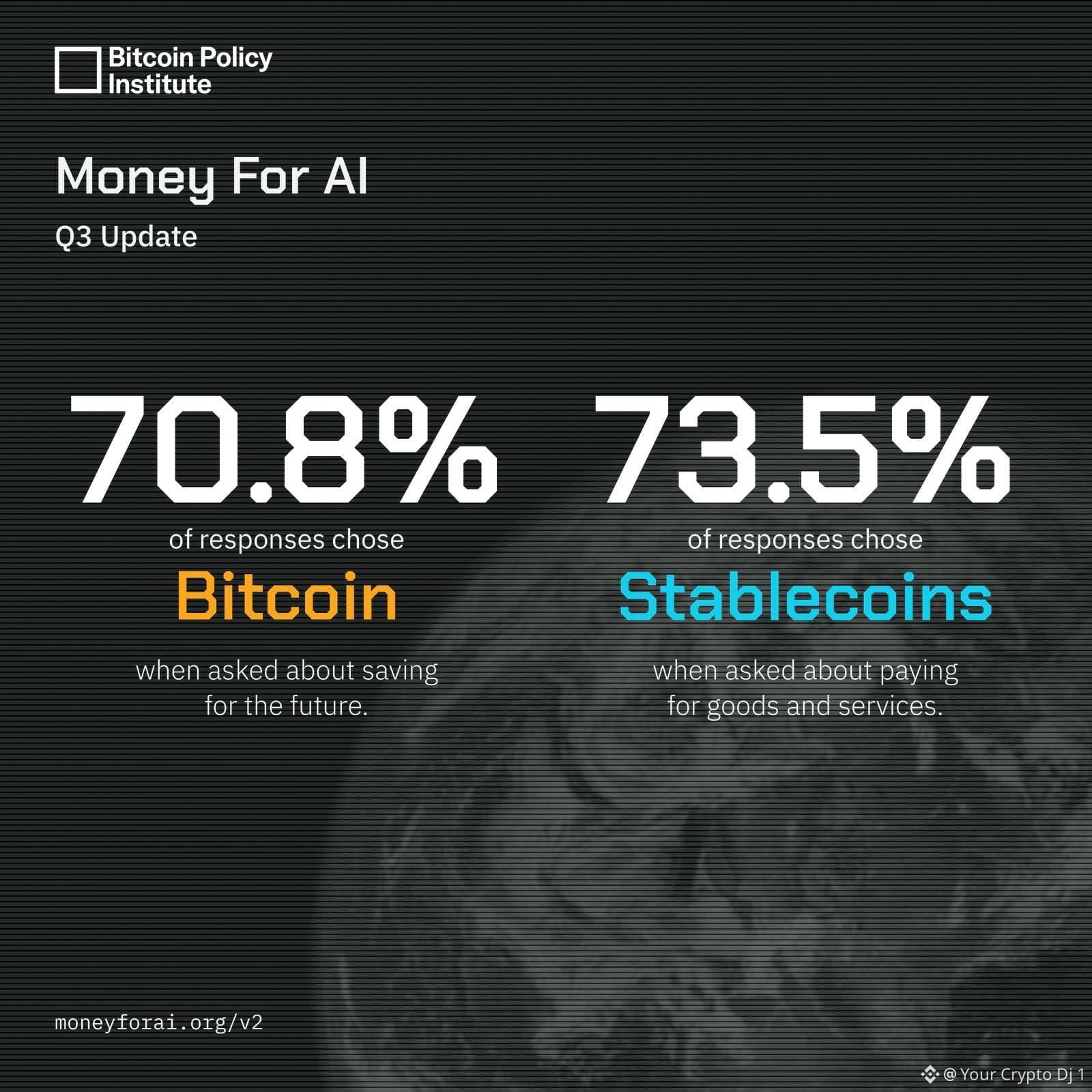
一項第三季度研究測試了 13 款新型 AI 模型,以確定它們在不同金融任務中偏好的貨幣。比特幣在儲蓄偏好中佔據主導地位,佔比達 70.8%;而穩定幣在支付偏好中領先,佔比爲 73.5%。研究結果表明,AI 智能體傾向於使用比特幣長期儲存價值,並使用穩定幣進行日常交易,這或將影響未來數字金融的發展。
#BTC 價格分析# #比特幣價格預測:比特幣接下來將如何走勢?#
$BTC
一項第三季度研究測試了 13 款新型 AI 模型,以確定它們在不同金融任務中偏好的貨幣。比特幣在儲蓄偏好中佔據主導地位,佔比達 70.8%;而穩定幣在支付偏好中領先,佔比爲 73.5%。研究結果表明,AI 智能體傾向於使用比特幣長期儲存價值,並使用穩定幣進行日常交易,這或將影響未來數字金融的發展。
#BTC 價格分析# #比特幣價格預測:比特幣接下來將如何走勢?#
一項第三季度研究測試了 13 款新型 AI 模型,以確定它們在不同金融任務中偏好的貨幣。比特幣在儲蓄偏好中佔據主導地位,佔比達 70.8%;而穩定幣在支付偏好中領先,佔比爲 73.5%。研究結果表明,AI 智能體傾向於使用比特幣長期儲存價值,並使用穩定幣進行日常交易,這或將影響未來數字金融的發展。
#BTC 價格分析# #比特幣價格預測:比特幣接下來將如何走勢?#
30
$SOL
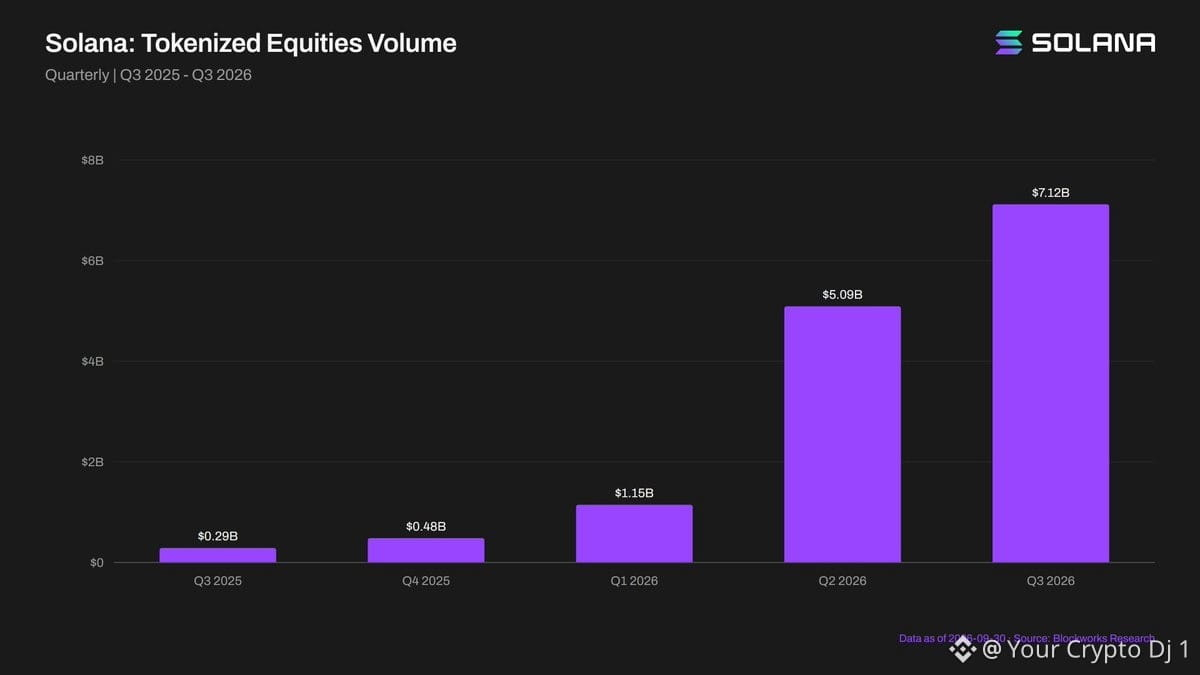
Solana 的代幣化股票交易量在 2026 年第三季度飆升至 71.2 億美元,高於 2025 年第三季度的 2.9 億美元,顯示出快速增長。
#Solana
$SOL
Solana 的代幣化股票交易量在 2026 年第三季度飆升至 71.2 億美元,高於 2025 年第三季度的 2.9 億美元,顯示出快速增長。
#Solana
Solana 的代幣化股票交易量在 2026 年第三季度飆升至 71.2 億美元,高於 2025 年第三季度的 2.9 億美元,顯示出快速增長。
#Solana
43
🤔 黃金漲、美債漲、比特幣跌。那麼本週比特幣究竟是什麼走勢?
看看今天的行情表,告訴我 $BTC 屬於哪一欄:
🛡 避險資產
🥇 黃金 → 上漲 1.1%,至約 4,150 美元
📈 長期美債 → 上漲 1.3%
💵 美元 → 下跌 0.5%
⚡ 風險資產
📉 納斯達克 100 指數期貨 → 下跌 1.2%
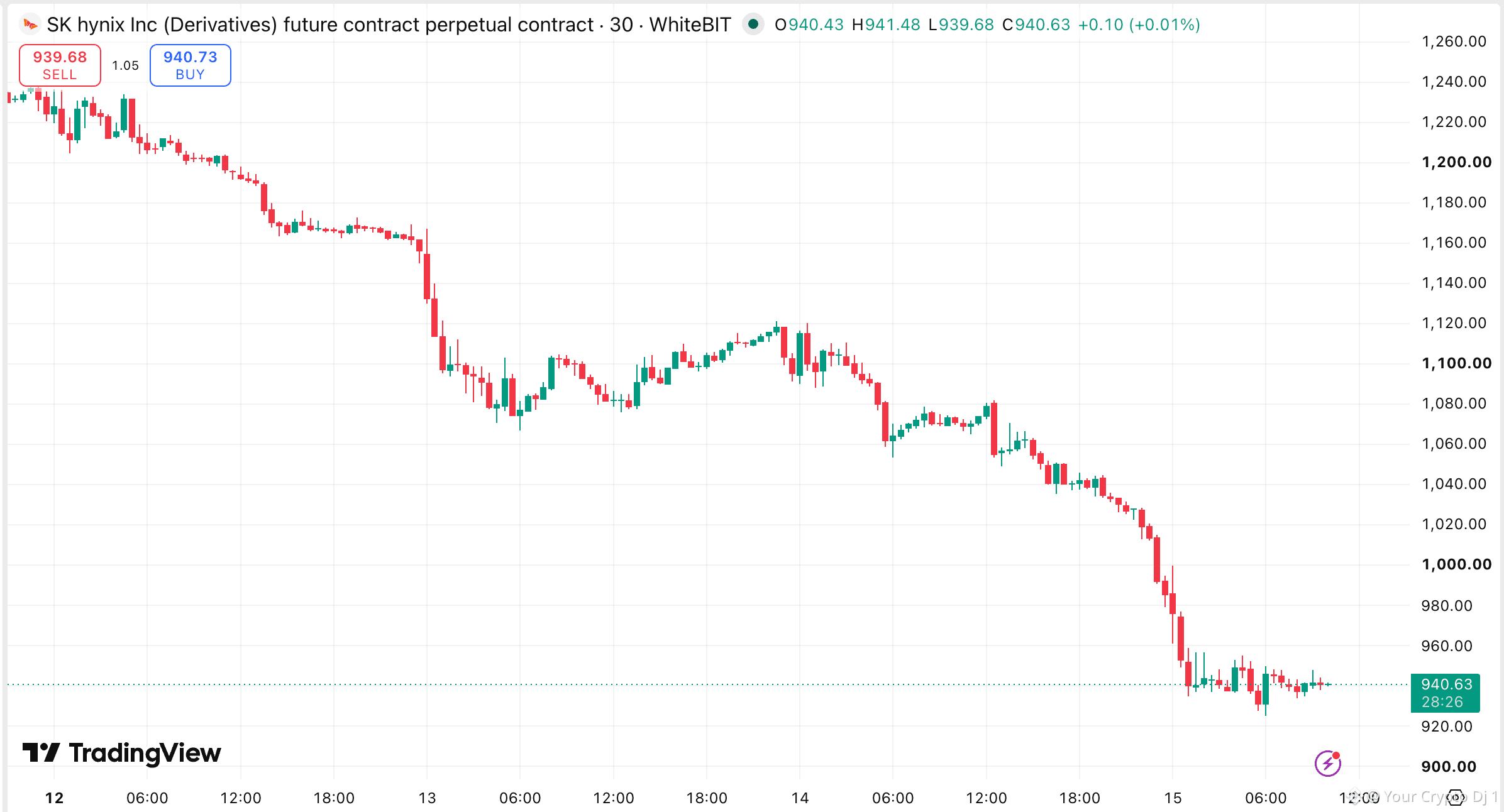
📉 SK 海力士 → 下跌 6.5%
📉 臺積電 → 下跌 2.1%(儘管財報表現超預期!)
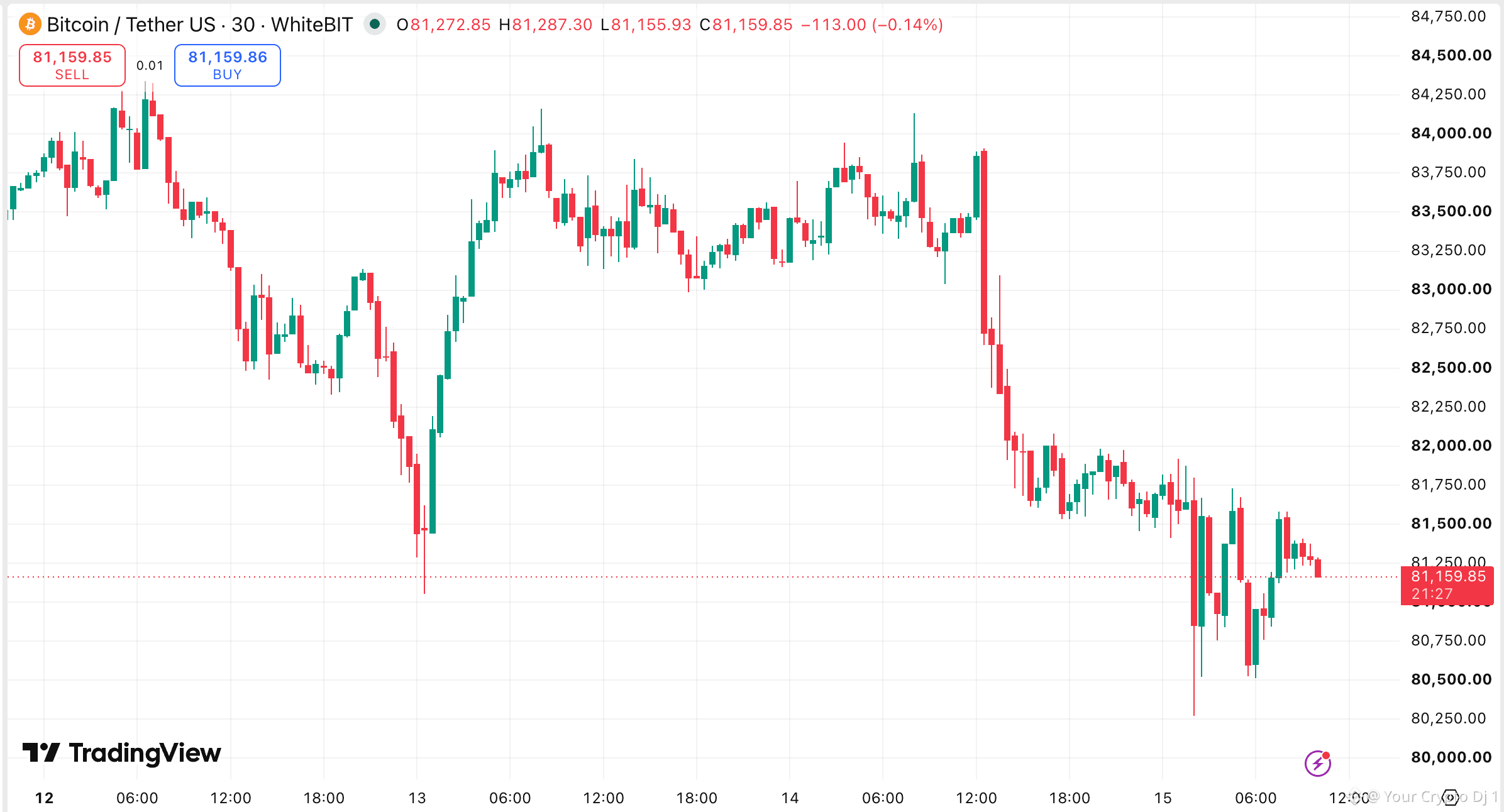
📉 比特幣 → 下跌 2.6%,至約 8.1 萬美元
有趣的相似之處:2022 年美聯儲大幅加息時,BTC 的走勢就像一隻 3 倍槓桿的納斯達克指數。
哪些情況可能改變走勢:今天公佈的 PPI 和零售銷售數據低於預期,或者今晚美聯儲主席沃什釋放沉穩信號。屆時科技股或將喘口氣,BTC 也會隨之緩和。
#BTC價格分析# #比特幣價格預測:比特幣接下來會怎麼走?#
🤔 黃金漲、美債漲、比特幣跌。那麼本週比特幣究竟是什麼走勢?
看看今天的行情表,告訴我 $BTC 屬於哪一欄:
🛡 避險資產
🥇 黃金 → 上漲 1.1%,至約 4,150 美元
📈 長期美債 → 上漲 1.3%
💵 美元 → 下跌 0.5%
⚡ 風險資產
📉 納斯達克 100 指數期貨 → 下跌 1.2%
📉 SK 海力士 → 下跌 6.5%
📉 臺積電 → 下跌 2.1%(儘管財報表現超預期!)
📉 比特幣 → 下跌 2.6%,至約 8.1 萬美元
有趣的相似之處:2022 年美聯儲大幅加息時,BTC 的走勢就像一隻 3 倍槓桿的納斯達克指數。
哪些情況可能改變走勢:今天公佈的 PPI 和零售銷售數據低於預期,或者今晚美聯儲主席沃什釋放沉穩信號。屆時科技股或將喘口氣,BTC 也會隨之緩和。
#BTC價格分析# #比特幣價格預測:比特幣接下來會怎麼走?#
看看今天的行情表,告訴我 $BTC 屬於哪一欄:
🛡 避險資產
🥇 黃金 → 上漲 1.1%,至約 4,150 美元
📈 長期美債 → 上漲 1.3%
💵 美元 → 下跌 0.5%
⚡ 風險資產
📉 納斯達克 100 指數期貨 → 下跌 1.2%
📉 SK 海力士 → 下跌 6.5%
📉 臺積電 → 下跌 2.1%(儘管財報表現超預期!)
📉 比特幣 → 下跌 2.6%,至約 8.1 萬美元
有趣的相似之處:2022 年美聯儲大幅加息時,BTC 的走勢就像一隻 3 倍槓桿的納斯達克指數。
哪些情況可能改變走勢:今天公佈的 PPI 和零售銷售數據低於預期,或者今晚美聯儲主席沃什釋放沉穩信號。屆時科技股或將喘口氣,BTC 也會隨之緩和。
#BTC價格分析# #比特幣價格預測:比特幣接下來會怎麼走?#
49
24小時內近10億美元加密貨幣遭清算,拋售席捲全球 📉
據CoinGlass數據,一天內有9.72億美元資金被清算,其中約92%來自多頭倉位。超過18.2萬名交易者遭到清算。最大的一筆訂單是在幣安開立的1200萬美元BTC多頭倉位,平倉價約爲80,200美元。
以太坊受創最重,清算金額達2.92億美元,其次是比特幣,達2億美元。
股市表現也好不到哪兒去。美國通脹數據高於預期後,納斯達克指數下跌1.9%,芯片製造商領跌。
次日早晨,亞洲市場也加入拋售行列。韓國KOSPI指數下跌近9%,觸發停牌,這是該指數今年第10次停牌。日本日經225指數下跌5%。
主要推手是美聯儲。通脹報告公佈後,市場預計美聯儲在10月27日至28日會議上再次加息的概率升至約32%。利率走高通常會削弱投資者的風險偏好,而加密貨幣市場往往首當其衝。
#BTC價格分析# #宏觀洞察#
24小時內近10億美元加密貨幣遭清算,拋售席捲全球 📉
據CoinGlass數據,一天內有9.72億美元資金被清算,其中約92%來自多頭倉位。超過18.2萬名交易者遭到清算。最大的一筆訂單是在幣安開立的1200萬美元BTC多頭倉位,平倉價約爲80,200美元。
以太坊受創最重,清算金額達2.92億美元,其次是比特幣,達2億美元。
股市表現也好不到哪兒去。美國通脹數據高於預期後,納斯達克指數下跌1.9%,芯片製造商領跌。
次日早晨,亞洲市場也加入拋售行列。韓國KOSPI指數下跌近9%,觸發停牌,這是該指數今年第10次停牌。日本日經225指數下跌5%。
主要推手是美聯儲。通脹報告公佈後,市場預計美聯儲在10月27日至28日會議上再次加息的概率升至約32%。利率走高通常會削弱投資者的風險偏好,而加密貨幣市場往往首當其衝。
#BTC價格分析# #宏觀洞察#
據CoinGlass數據,一天內有9.72億美元資金被清算,其中約92%來自多頭倉位。超過18.2萬名交易者遭到清算。最大的一筆訂單是在幣安開立的1200萬美元BTC多頭倉位,平倉價約爲80,200美元。
以太坊受創最重,清算金額達2.92億美元,其次是比特幣,達2億美元。
股市表現也好不到哪兒去。美國通脹數據高於預期後,納斯達克指數下跌1.9%,芯片製造商領跌。
次日早晨,亞洲市場也加入拋售行列。韓國KOSPI指數下跌近9%,觸發停牌,這是該指數今年第10次停牌。日本日經225指數下跌5%。
主要推手是美聯儲。通脹報告公佈後,市場預計美聯儲在10月27日至28日會議上再次加息的概率升至約32%。利率走高通常會削弱投資者的風險偏好,而加密貨幣市場往往首當其衝。
#BTC價格分析# #宏觀洞察#

78
CZ稱讚 $SOL 成功在中國開展宣傳並開設辦公室,並指出 $BNB Chain 尚未做到這一點。
他還希望 Solana 的進展能爲整個加密行業帶來機遇,而不僅僅惠及單一生態。
#宏觀洞察# #山寨幣季節#
CZ稱讚 $SOL 成功在中國開展宣傳並開設辦公室,並指出 $BNB Chain 尚未做到這一點。
他還希望 Solana 的進展能爲整個加密行業帶來機遇,而不僅僅惠及單一生態。
#宏觀洞察# #山寨幣季節#
他還希望 Solana 的進展能爲整個加密行業帶來機遇,而不僅僅惠及單一生態。
#宏觀洞察# #山寨幣季節#

27
24小時內,近10億美元加密貨幣倉位遭強平,拋售席捲全球 📉
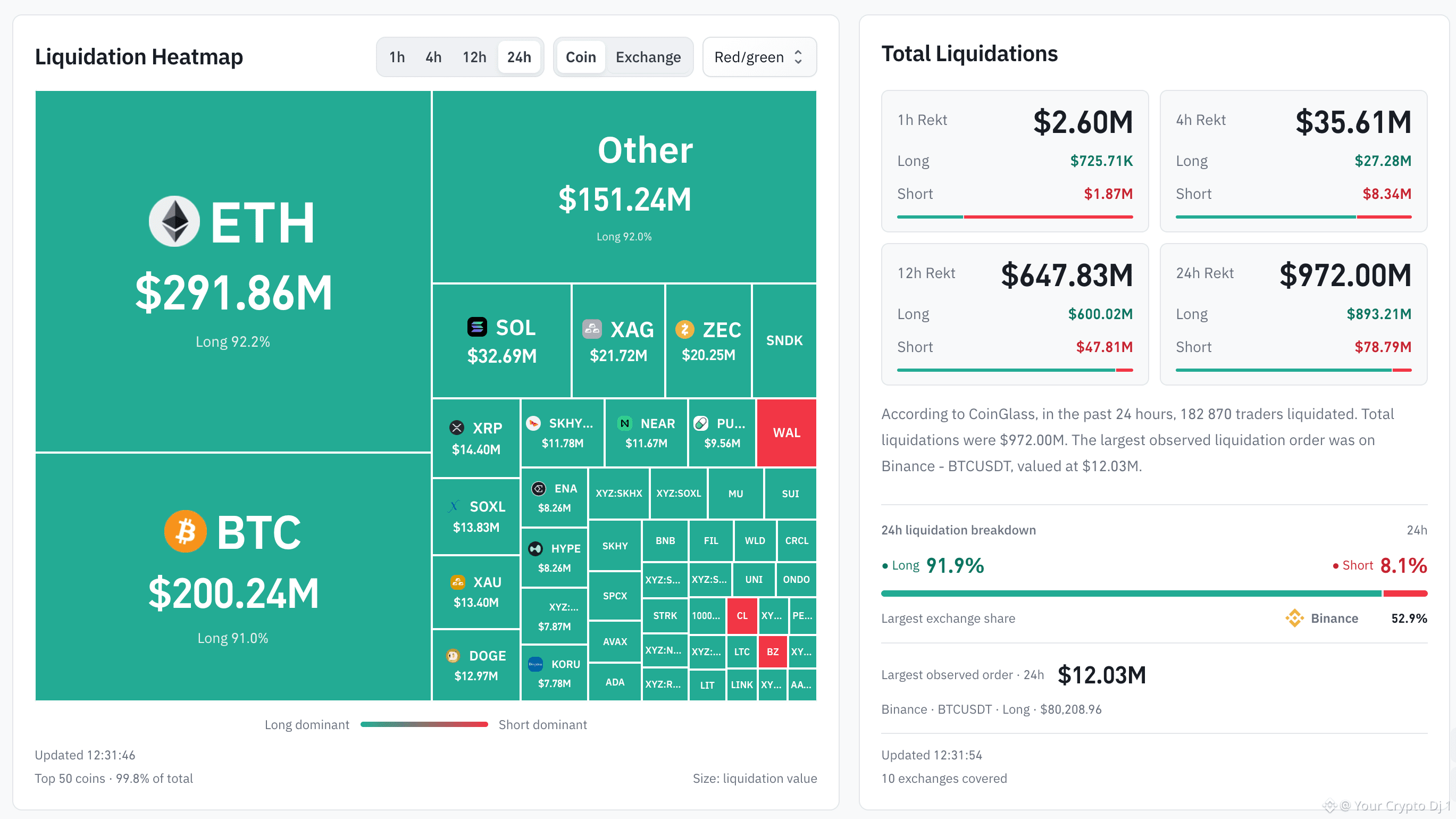
據 CoinGlass 數據,單日有9.72億美元倉位被清算,其中約92%來自多頭倉位。超過182,000名交易者遭強平。最大的一筆是幣安上一筆價值1,200萬美元的 $BTC 多頭倉位,在價格約爲80,200美元時被平倉。
以太坊受衝擊最大,清算金額達2.92億美元,其次是比特幣,達2億美元。
股市表現也好不到哪兒去。美國通脹數據高於預期後,納斯達克下跌1.9%,芯片製造商領跌。
次日早間,亞洲市場也加入拋售行列。韓國 KOSPI 指數下跌近9%,觸發停牌,這是今年第10次。日本日經225指數下跌5%。
主要推手是美聯儲。通脹報告公佈後,市場預計美聯儲在10月27日至28日的會議上再次加息的概率升至約32%。利率走高通常會降低市場的風險偏好,而加密貨幣往往首當其衝。
#BTC價格分析# #宏觀洞察#
24小時內,近10億美元加密貨幣倉位遭強平,拋售席捲全球 📉
據 CoinGlass 數據,單日有9.72億美元倉位被清算,其中約92%來自多頭倉位。超過182,000名交易者遭強平。最大的一筆是幣安上一筆價值1,200萬美元的 $BTC 多頭倉位,在價格約爲80,200美元時被平倉。
以太坊受衝擊最大,清算金額達2.92億美元,其次是比特幣,達2億美元。
股市表現也好不到哪兒去。美國通脹數據高於預期後,納斯達克下跌1.9%,芯片製造商領跌。
次日早間,亞洲市場也加入拋售行列。韓國 KOSPI 指數下跌近9%,觸發停牌,這是今年第10次。日本日經225指數下跌5%。
主要推手是美聯儲。通脹報告公佈後,市場預計美聯儲在10月27日至28日的會議上再次加息的概率升至約32%。利率走高通常會降低市場的風險偏好,而加密貨幣往往首當其衝。
#BTC價格分析# #宏觀洞察#
據 CoinGlass 數據,單日有9.72億美元倉位被清算,其中約92%來自多頭倉位。超過182,000名交易者遭強平。最大的一筆是幣安上一筆價值1,200萬美元的 $BTC 多頭倉位,在價格約爲80,200美元時被平倉。
以太坊受衝擊最大,清算金額達2.92億美元,其次是比特幣,達2億美元。
股市表現也好不到哪兒去。美國通脹數據高於預期後,納斯達克下跌1.9%,芯片製造商領跌。
次日早間,亞洲市場也加入拋售行列。韓國 KOSPI 指數下跌近9%,觸發停牌,這是今年第10次。日本日經225指數下跌5%。
主要推手是美聯儲。通脹報告公佈後,市場預計美聯儲在10月27日至28日的會議上再次加息的概率升至約32%。利率走高通常會降低市場的風險偏好,而加密貨幣往往首當其衝。
#BTC價格分析# #宏觀洞察#
43
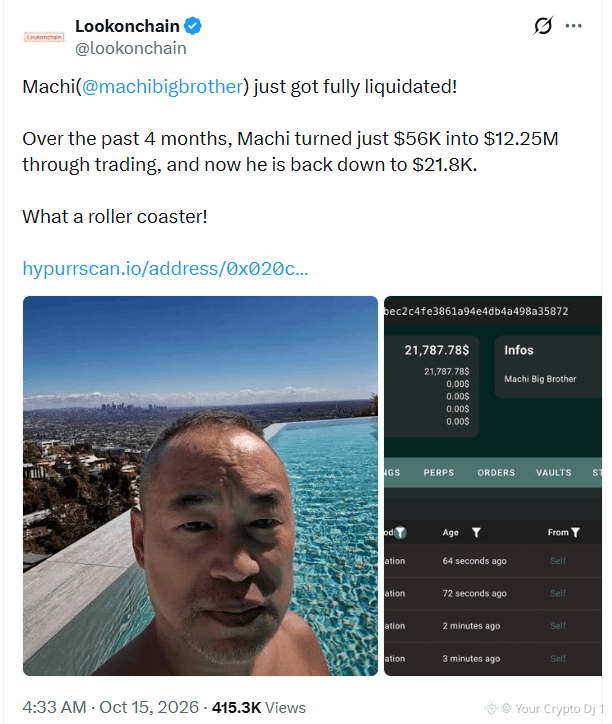
🚨 據報道,綽號“馬奇大哥”的加密貨幣交易員 Jeffrey Huang,在槓桿交易失利後,其 Hyperliquid 賬戶餘額從峯值 1,225 萬美元暴跌至僅 21,788 美元。
📉 發生了什麼?
據 Lookonchain 稱,他在四個月內將 5.6 萬美元變成了 1,225 萬美元。
據報其賬戶價值較峯值下跌超過 99%。
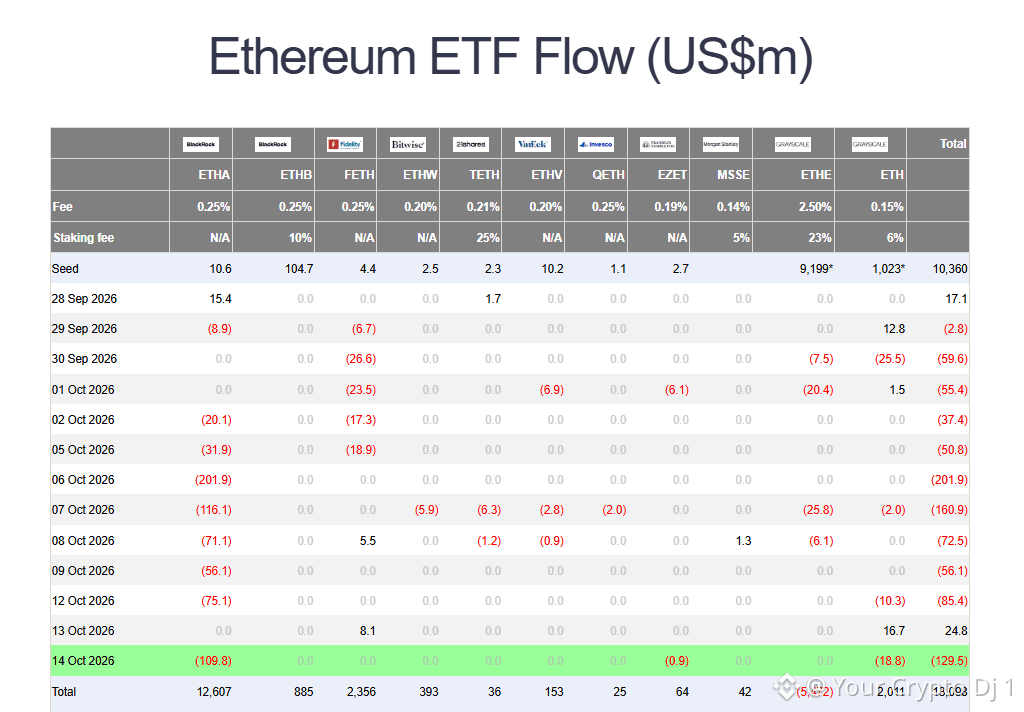
據報道,他在遭遇清算後不久,再次以 25 倍槓桿做多 #ETH。
🌪 市場壓力持續加大:
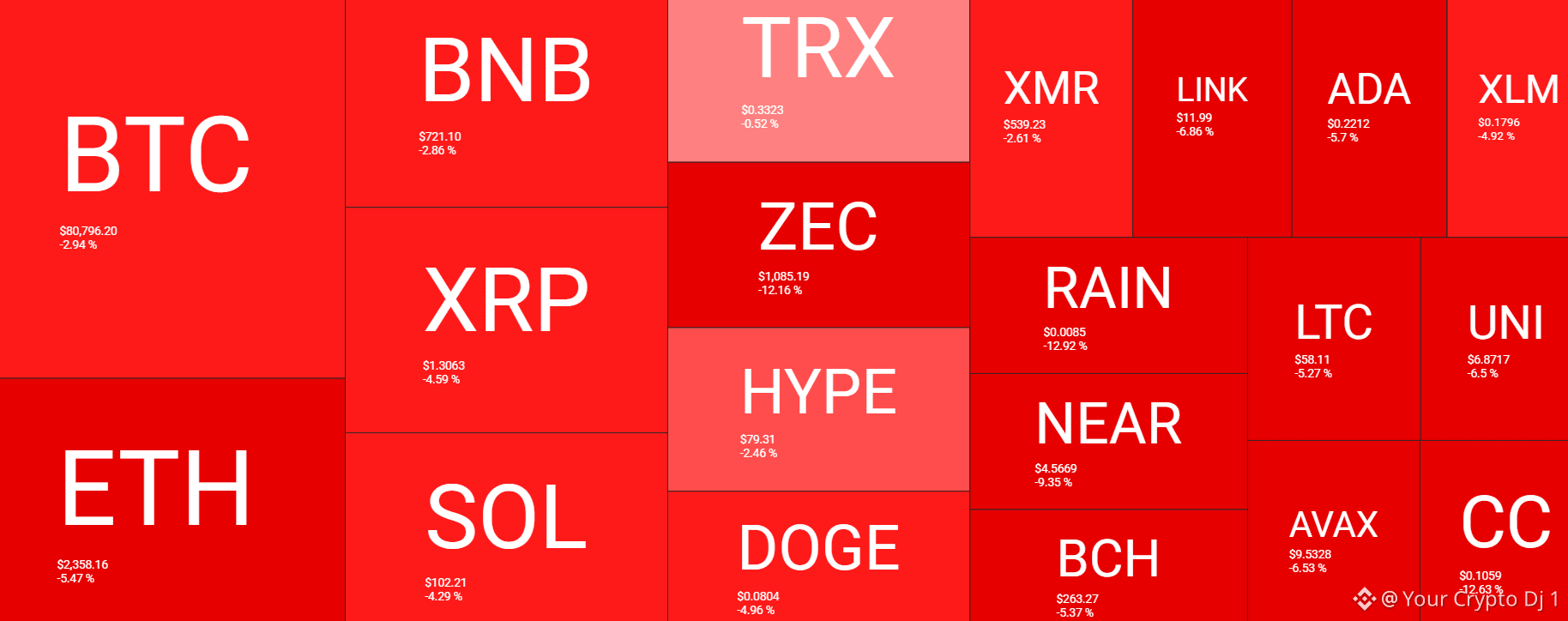
BTC 跌破 8.1 萬美元。
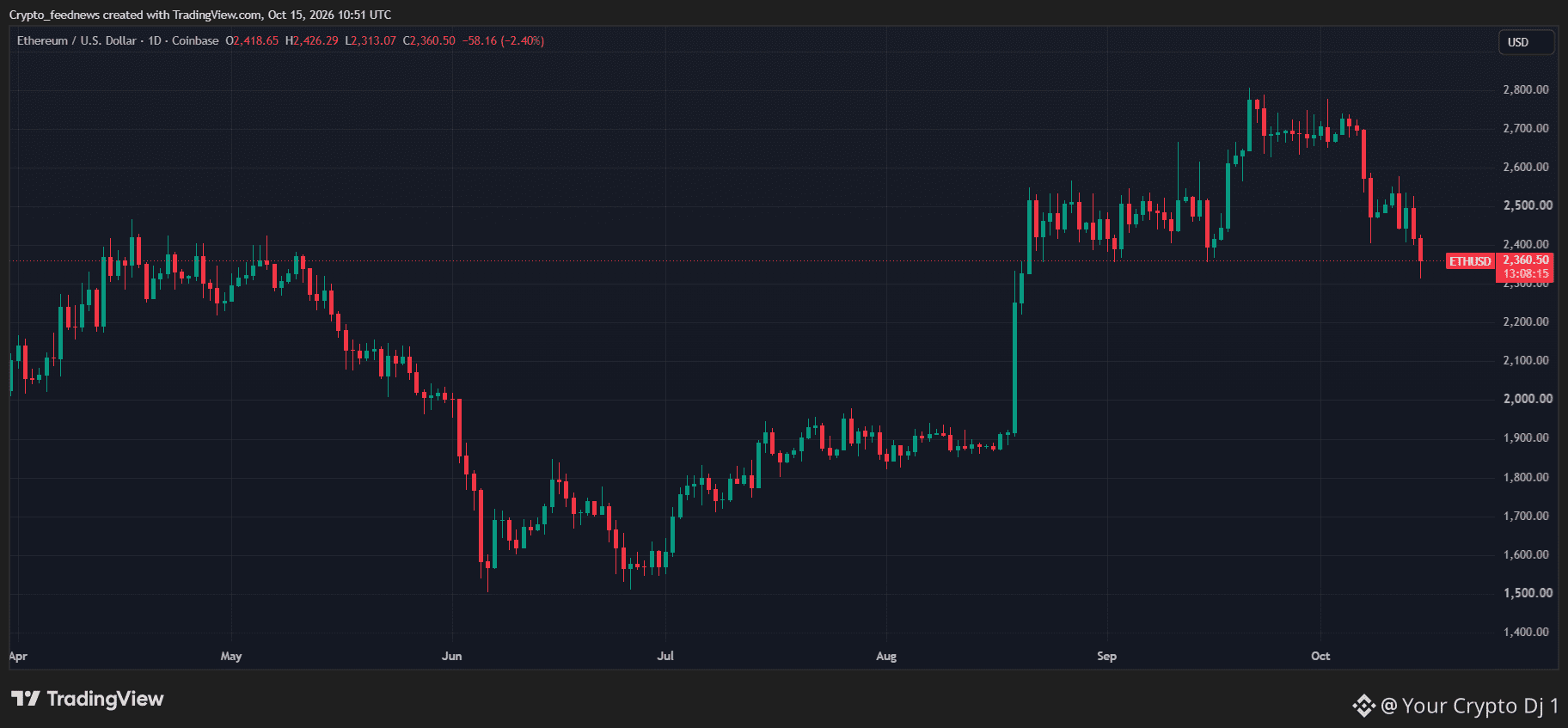
$ETH 接近 2,350 美元。
據報道,10 月 14 日,約 8.11 億美元的槓桿倉位遭到清算。
ETF 也面臨大量資金流出。#山寨幣季節#
🚨 據報道,綽號“馬奇大哥”的加密貨幣交易員 Jeffrey Huang,在槓桿交易失利後,其 Hyperliquid 賬戶餘額從峯值 1,225 萬美元暴跌至僅 21,788 美元。
📉 發生了什麼?
據 Lookonchain 稱,他在四個月內將 5.6 萬美元變成了 1,225 萬美元。
據報其賬戶價值較峯值下跌超過 99%。
據報道,他在遭遇清算後不久,再次以 25 倍槓桿做多 #ETH。
🌪 市場壓力持續加大:
BTC 跌破 8.1 萬美元。
$ETH 接近 2,350 美元。
據報道,10 月 14 日,約 8.11 億美元的槓桿倉位遭到清算。
ETF 也面臨大量資金流出。#山寨幣季節#
📉 發生了什麼?
據 Lookonchain 稱,他在四個月內將 5.6 萬美元變成了 1,225 萬美元。
據報其賬戶價值較峯值下跌超過 99%。
據報道,他在遭遇清算後不久,再次以 25 倍槓桿做多 #ETH。
🌪 市場壓力持續加大:
BTC 跌破 8.1 萬美元。
$ETH 接近 2,350 美元。
據報道,10 月 14 日,約 8.11 億美元的槓桿倉位遭到清算。
ETF 也面臨大量資金流出。#山寨幣季節#
80
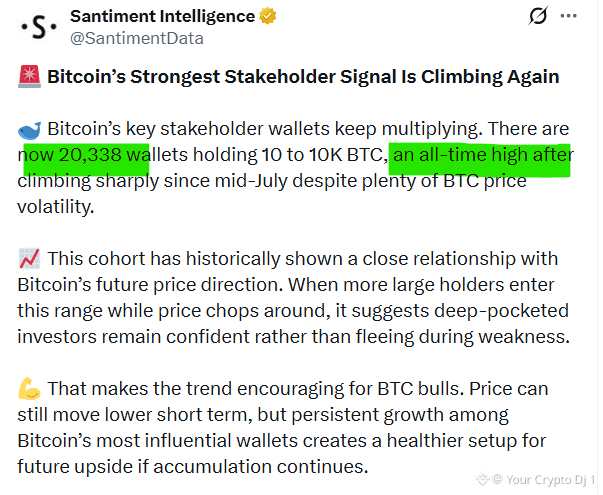
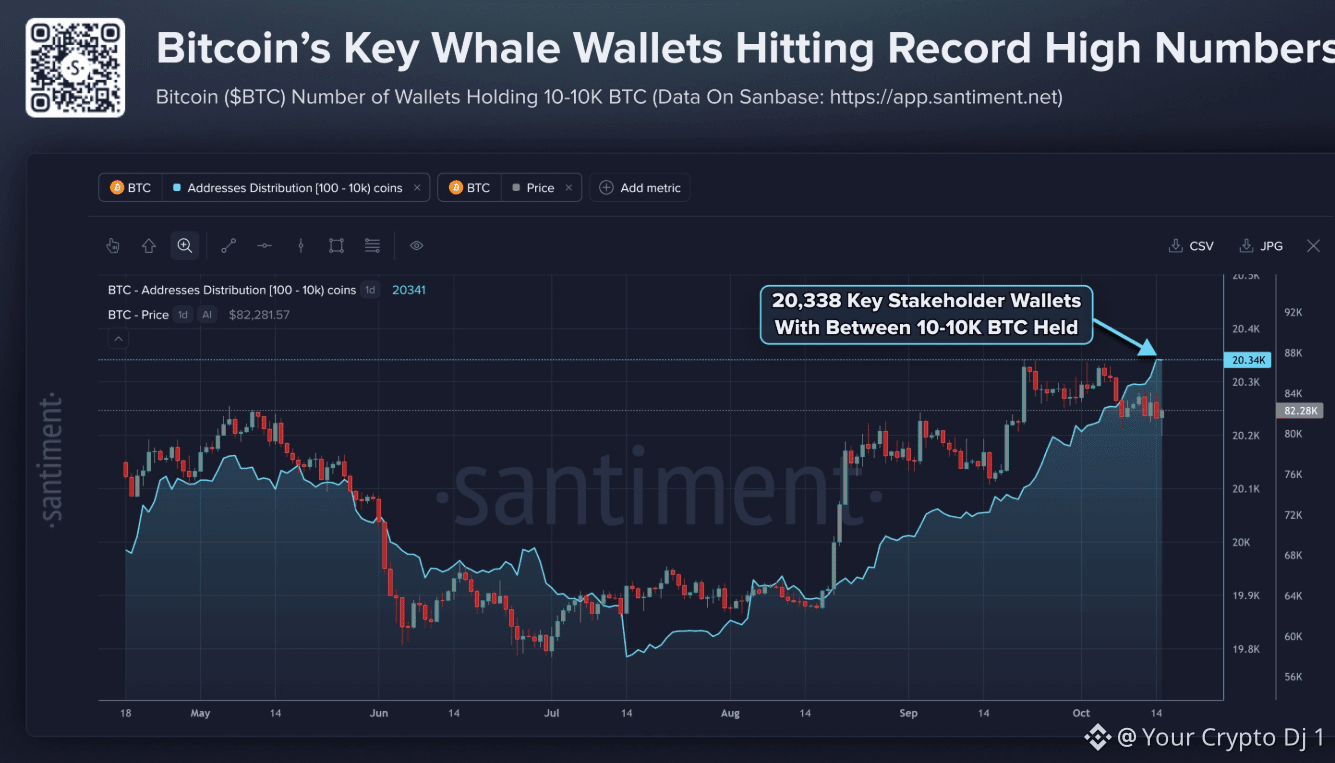
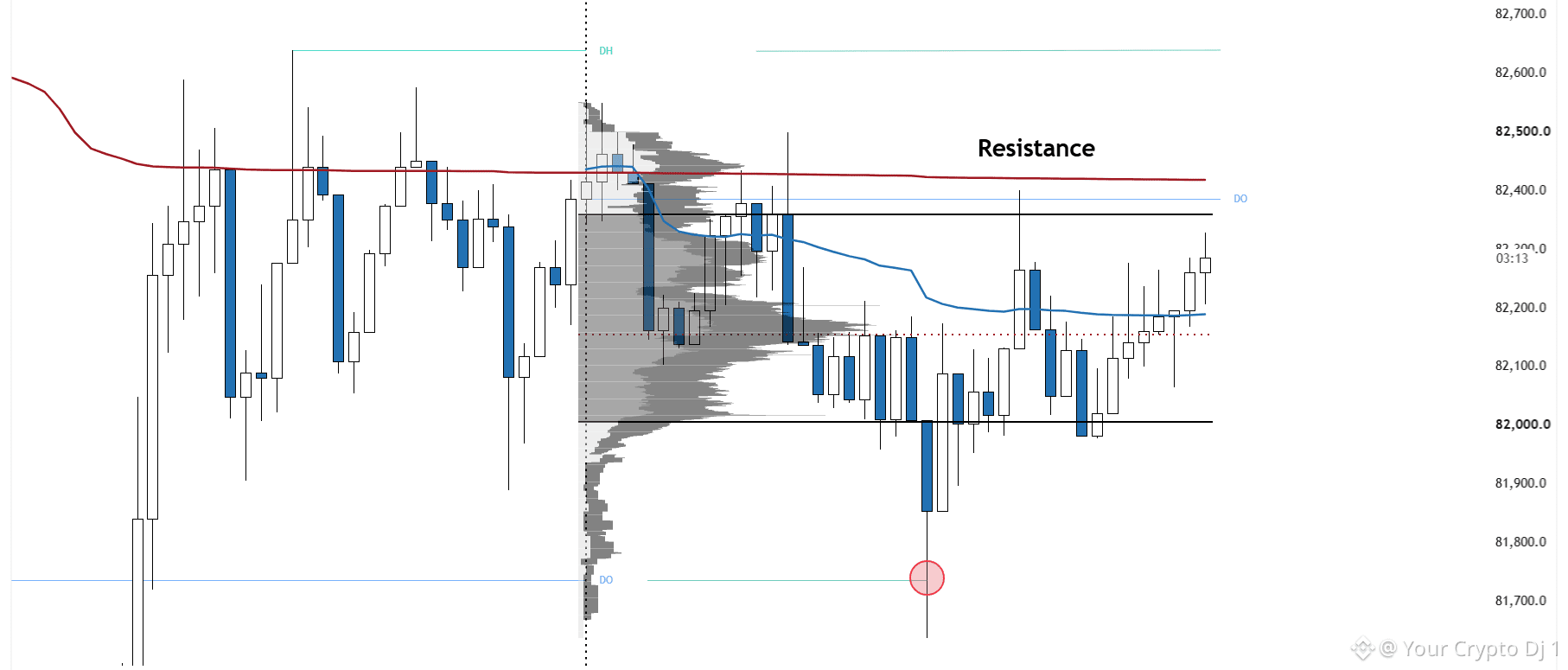
🐳 據 Santiment 稱,持有 10–10,000 枚 #BTC 的 #Bitcoin 錢包數量已升至歷史新高,達到 20,338 個。這一增長表明,儘管近期市場波動,大戶仍在持續增持。
📊 看漲信號:
市場不確定性加劇之際,鯨魚級別的錢包數量仍在增長。
$BTC 反彈至約 82,034 美元,24 小時內上漲 1.49%。
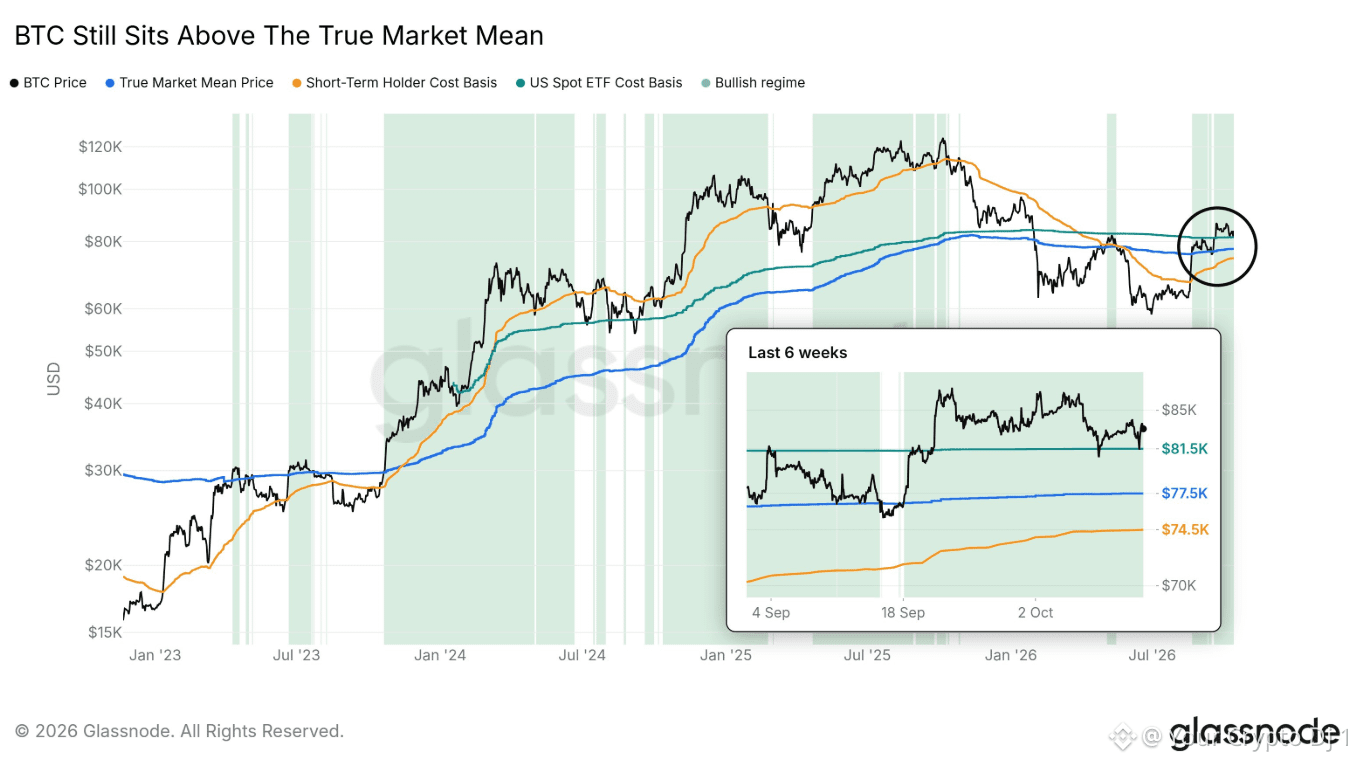
價格重新回到美國現貨比特幣 ETF 持倉預估平均成本價 81,500 美元上方。
🎯 值得關注的關鍵價位:
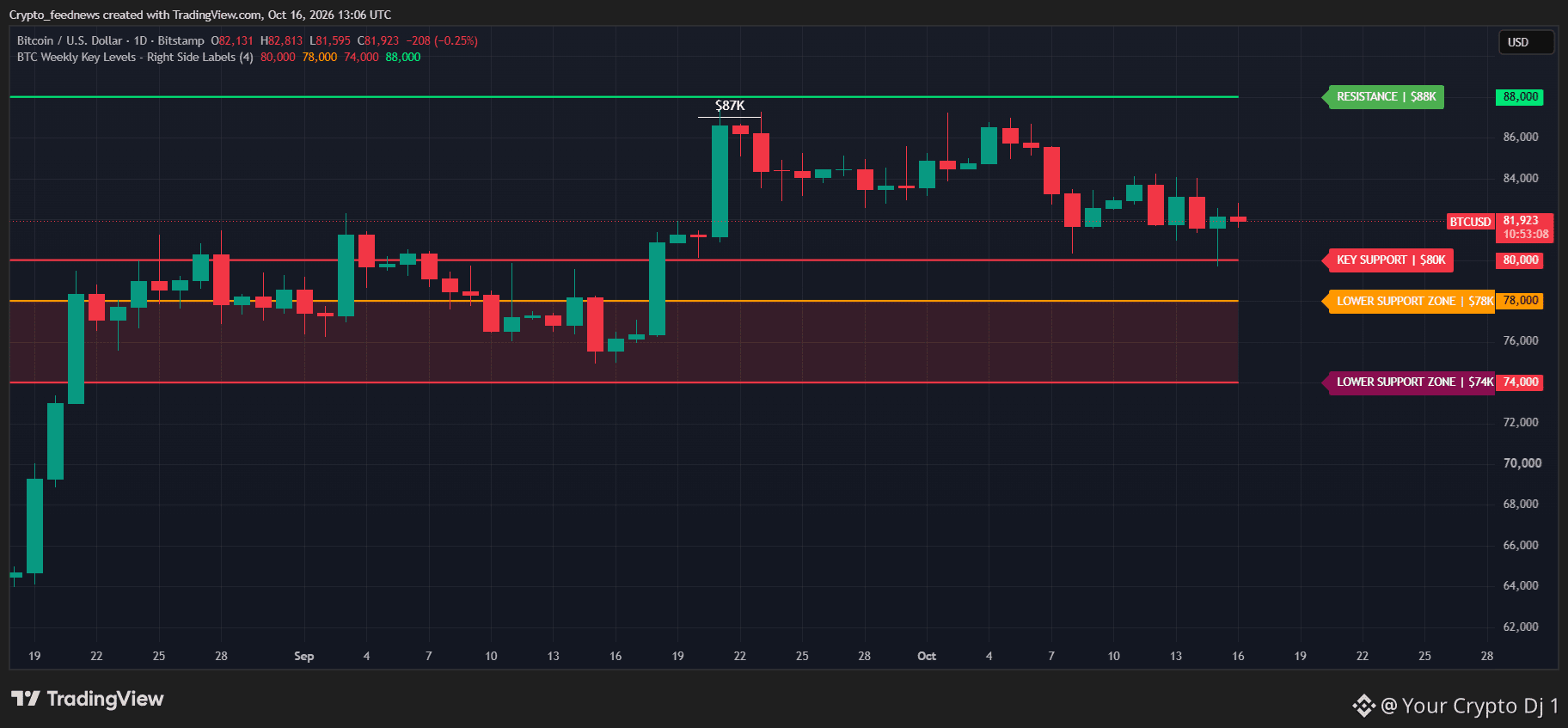
支撐位:80,000 美元,其次是 78,000–74,000 美元
阻力位:88,000 美元 #宏觀洞察#
🐳 據 Santiment 稱,持有 10–10,000 枚 #BTC 的 #Bitcoin 錢包數量已升至歷史新高,達到 20,338 個。這一增長表明,儘管近期市場波動,大戶仍在持續增持。
📊 看漲信號:
市場不確定性加劇之際,鯨魚級別的錢包數量仍在增長。
$BTC 反彈至約 82,034 美元,24 小時內上漲 1.49%。
價格重新回到美國現貨比特幣 ETF 持倉預估平均成本價 81,500 美元上方。
🎯 值得關注的關鍵價位:
支撐位:80,000 美元,其次是 78,000–74,000 美元
阻力位:88,000 美元 #宏觀洞察#
📊 看漲信號:
市場不確定性加劇之際,鯨魚級別的錢包數量仍在增長。
$BTC 反彈至約 82,034 美元,24 小時內上漲 1.49%。
價格重新回到美國現貨比特幣 ETF 持倉預估平均成本價 81,500 美元上方。
🎯 值得關注的關鍵價位:
支撐位:80,000 美元,其次是 78,000–74,000 美元
阻力位:88,000 美元 #宏觀洞察#
68
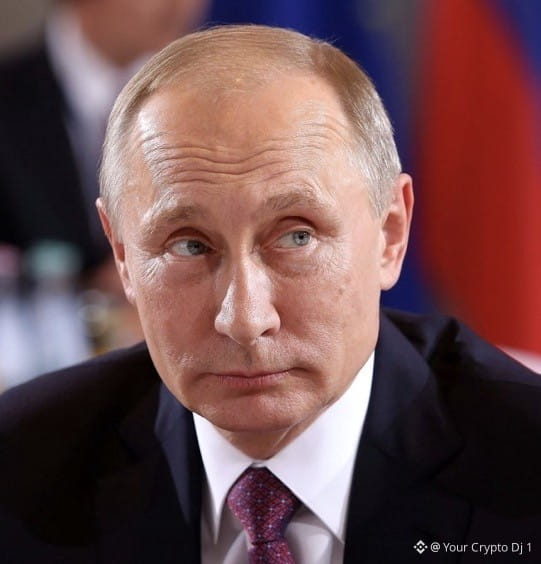
突發:🇷🇺俄羅斯剛剛在一週內,根據新出臺的加密貨幣監管規定,批准了十幾家合法的 #BITCOIN $BTC 交易所。
作爲全球第九大經濟體,俄羅斯正進一步推動數字資產融入其金融體系。
如果這項舉措進一步擴大,或將爲加密貨幣交易開闢新渠道、提高市場參與度,並重塑俄羅斯投資者獲取比特幣的方式。
更大的問題是:更明確的監管能否釋放大量新增需求,並影響全球加密貨幣資金流向?
數十億美元的 BTC 需求即將到來?繫好安全帶!🚀
突發:🇷🇺俄羅斯剛剛在一週內,根據新出臺的加密貨幣監管規定,批准了十幾家合法的 #BITCOIN $BTC 交易所。
作爲全球第九大經濟體,俄羅斯正進一步推動數字資產融入其金融體系。
如果這項舉措進一步擴大,或將爲加密貨幣交易開闢新渠道、提高市場參與度,並重塑俄羅斯投資者獲取比特幣的方式。
更大的問題是:更明確的監管能否釋放大量新增需求,並影響全球加密貨幣資金流向?
數十億美元的 BTC 需求即將到來?繫好安全帶!🚀
作爲全球第九大經濟體,俄羅斯正進一步推動數字資產融入其金融體系。
如果這項舉措進一步擴大,或將爲加密貨幣交易開闢新渠道、提高市場參與度,並重塑俄羅斯投資者獲取比特幣的方式。
更大的問題是:更明確的監管能否釋放大量新增需求,並影響全球加密貨幣資金流向?
數十億美元的 BTC 需求即將到來?繫好安全帶!🚀
43
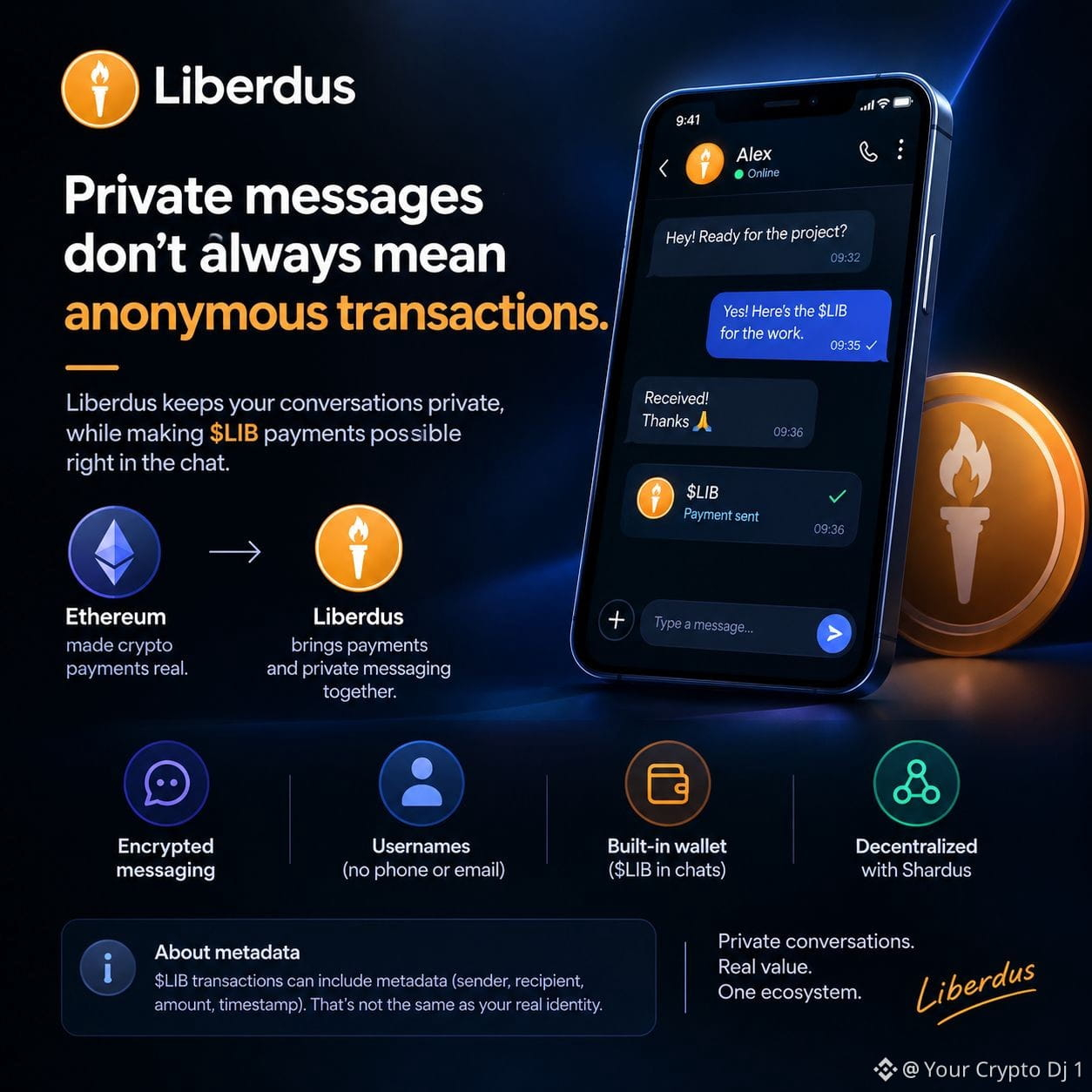
私密消息和加密貨幣支付可以並存。但隱私究竟意味着什麼?
$ETH 助力數字支付成爲 Web3 的核心組成部分。Liberdus 探索了另一種方式:在一個去中心化生態系統中,將加密對話與 LIB 支付結合起來。
運作方式如下:
-私密對話:消息內容受到端到端加密保護。
-使用用戶名,而非個人信息:無需提供電話號碼或電子郵箱地址,即可創建賬戶。
-在聊天中付款:使用內置錢包,直接在對話中發送 LIB。
但有一個重要區別需要注意。
消息經過加密,並不代表交易是匿名的。
LIB 交易可能會暴露元數據,例如發送方賬戶、接收方賬戶以及轉賬金額。
例如,旁觀者可能會看到某個賬戶向另一個賬戶發送了 25 LIB。但這並不會自動暴露他們在現實生活中的身份,除非有其他信息將這些賬戶與背後的個人聯繫起來。
因此,隱私並不只是隱藏一切,而是瞭解哪些信息可見、哪些信息受到保護,以及這些層面如何共同發揮作用。
Liberdus 將通信與支付結合起來,同時讓用戶無需提供傳統個人身份信息也能參與其中。
你會使用一款還能讓你直接在聊天中發送加密貨幣的消息應用嗎?
#ETH #Ethereum
私密消息和加密貨幣支付可以並存。但隱私究竟意味着什麼?
$ETH 助力數字支付成爲 Web3 的核心組成部分。Liberdus 探索了另一種方式:在一個去中心化生態系統中,將加密對話與 LIB 支付結合起來。
運作方式如下:
-私密對話:消息內容受到端到端加密保護。
-使用用戶名,而非個人信息:無需提供電話號碼或電子郵箱地址,即可創建賬戶。
-在聊天中付款:使用內置錢包,直接在對話中發送 LIB。
但有一個重要區別需要注意。
消息經過加密,並不代表交易是匿名的。
LIB 交易可能會暴露元數據,例如發送方賬戶、接收方賬戶以及轉賬金額。
例如,旁觀者可能會看到某個賬戶向另一個賬戶發送了 25 LIB。但這並不會自動暴露他們在現實生活中的身份,除非有其他信息將這些賬戶與背後的個人聯繫起來。
因此,隱私並不只是隱藏一切,而是瞭解哪些信息可見、哪些信息受到保護,以及這些層面如何共同發揮作用。
Liberdus 將通信與支付結合起來,同時讓用戶無需提供傳統個人身份信息也能參與其中。
你會使用一款還能讓你直接在聊天中發送加密貨幣的消息應用嗎?
#ETH #Ethereum
$ETH 助力數字支付成爲 Web3 的核心組成部分。Liberdus 探索了另一種方式:在一個去中心化生態系統中,將加密對話與 LIB 支付結合起來。
運作方式如下:
-私密對話:消息內容受到端到端加密保護。
-使用用戶名,而非個人信息:無需提供電話號碼或電子郵箱地址,即可創建賬戶。
-在聊天中付款:使用內置錢包,直接在對話中發送 LIB。
但有一個重要區別需要注意。
消息經過加密,並不代表交易是匿名的。
LIB 交易可能會暴露元數據,例如發送方賬戶、接收方賬戶以及轉賬金額。
例如,旁觀者可能會看到某個賬戶向另一個賬戶發送了 25 LIB。但這並不會自動暴露他們在現實生活中的身份,除非有其他信息將這些賬戶與背後的個人聯繫起來。
因此,隱私並不只是隱藏一切,而是瞭解哪些信息可見、哪些信息受到保護,以及這些層面如何共同發揮作用。
Liberdus 將通信與支付結合起來,同時讓用戶無需提供傳統個人身份信息也能參與其中。
你會使用一款還能讓你直接在聊天中發送加密貨幣的消息應用嗎?
#ETH #Ethereum
59
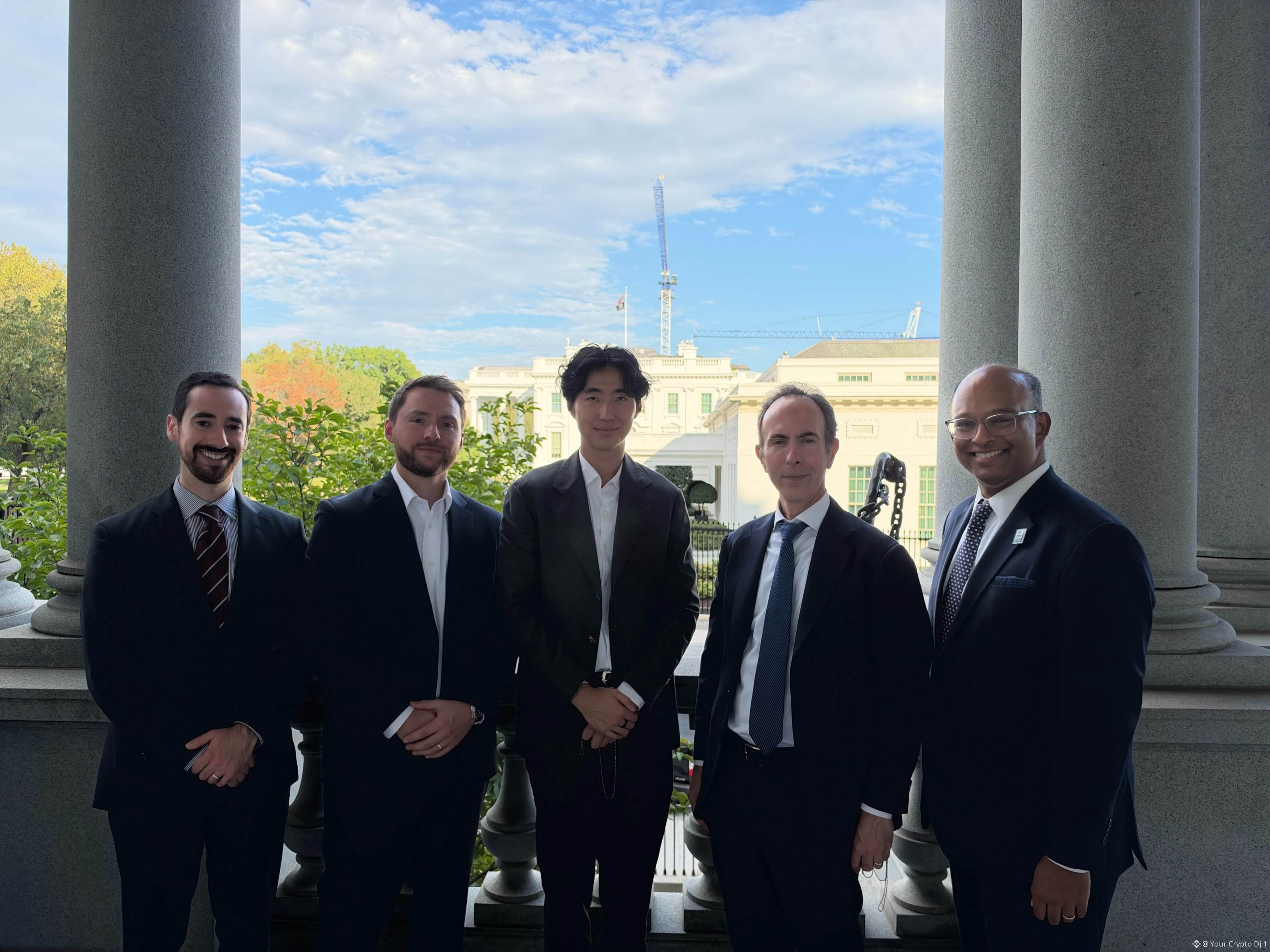
INJECTIVE($INJ)首席執行官會見白宮、SEC 和 CFTC | $INJ 是否已準備好迎來大幅突破?
據報道,Injective 正進一步進軍機構金融領域,其首席執行官 Eric Chen 會見美國官員,討論合規的鏈上市場和代幣化現實世界資產(RWA)。
看漲的關鍵催化因素:
✅ SEC 轉讓代理註冊已生效
✅ 據報已有 135 個代幣化資產市場
✅ 受 CFTC 監管的 INJ 期貨
✅ 泰國 GULF 集團推出 Injective 驗證節點
✅ 每月回購並銷燬 INJ
市場動能:INJ 在 2 天內飆升約 32%。
監管層面的溝通、RWA 代幣化和機構採用,可能強化 Injective 的長期發展前景。不過,會面並不等於獲得政府背書,看漲催化因素也絕不保證價格上漲。
$INJ 是否正進入下一個重要增長階段?
INJECTIVE($INJ)首席執行官會見白宮、SEC 和 CFTC | $INJ 是否已準備好迎來大幅突破?
據報道,Injective 正進一步進軍機構金融領域,其首席執行官 Eric Chen 會見美國官員,討論合規的鏈上市場和代幣化現實世界資產(RWA)。
看漲的關鍵催化因素:
✅ SEC 轉讓代理註冊已生效
✅ 據報已有 135 個代幣化資產市場
✅ 受 CFTC 監管的 INJ 期貨
✅ 泰國 GULF 集團推出 Injective 驗證節點
✅ 每月回購並銷燬 INJ
市場動能:INJ 在 2 天內飆升約 32%。
監管層面的溝通、RWA 代幣化和機構採用,可能強化 Injective 的長期發展前景。不過,會面並不等於獲得政府背書,看漲催化因素也絕不保證價格上漲。
$INJ 是否正進入下一個重要增長階段?
據報道,Injective 正進一步進軍機構金融領域,其首席執行官 Eric Chen 會見美國官員,討論合規的鏈上市場和代幣化現實世界資產(RWA)。
看漲的關鍵催化因素:
✅ SEC 轉讓代理註冊已生效
✅ 據報已有 135 個代幣化資產市場
✅ 受 CFTC 監管的 INJ 期貨
✅ 泰國 GULF 集團推出 Injective 驗證節點
✅ 每月回購並銷燬 INJ
市場動能:INJ 在 2 天內飆升約 32%。
監管層面的溝通、RWA 代幣化和機構採用,可能強化 Injective 的長期發展前景。不過,會面並不等於獲得政府背書,看漲催化因素也絕不保證價格上漲。
$INJ 是否正進入下一個重要增長階段?
69
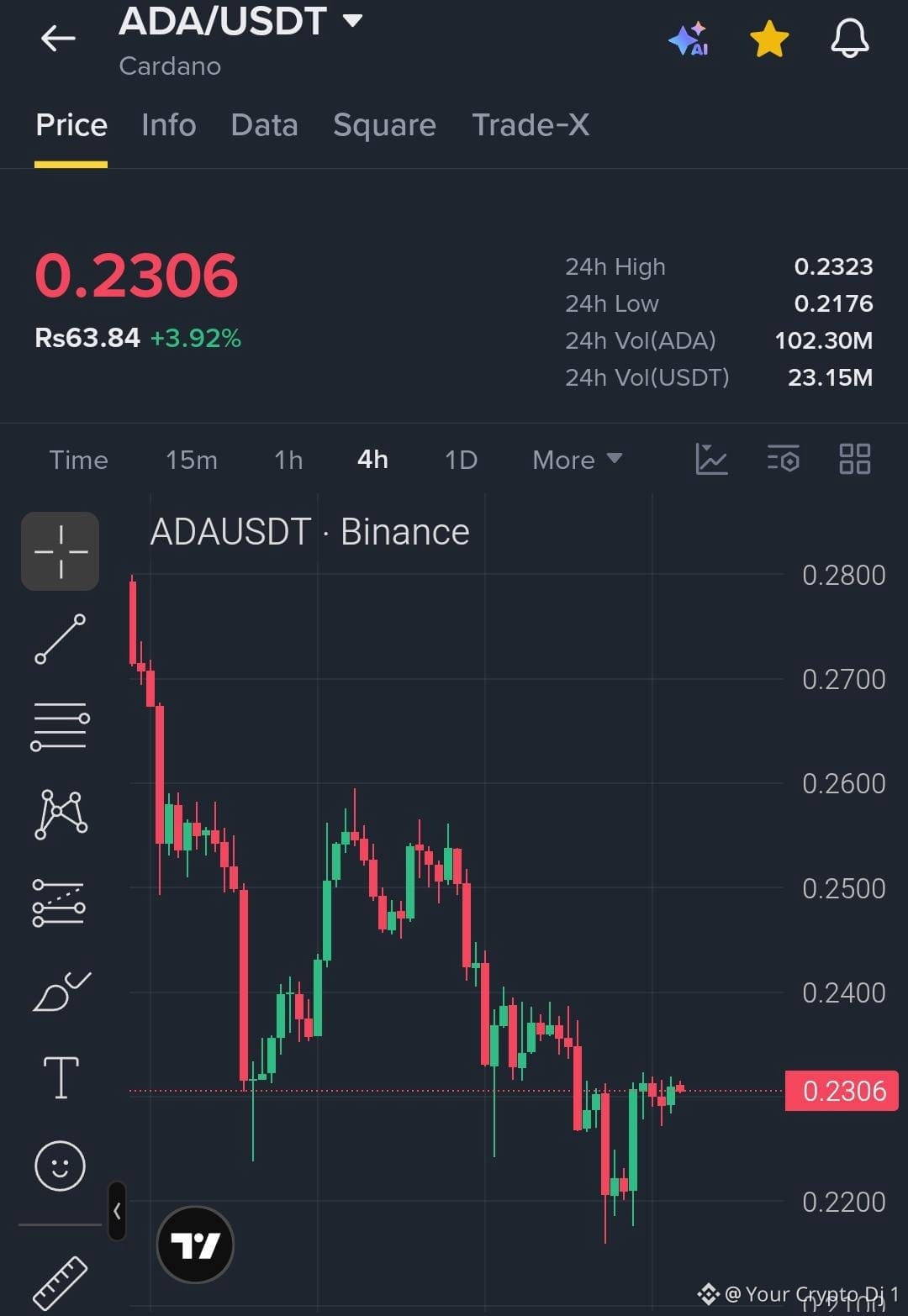
$ADA 正在積聚上漲動能,多頭瞄準 $0.24!
ADA 從 $0.217 反彈,目前在 $0.231 附近企穩。我正關注能否突破 $0.232,以確認進一步上漲的可能。
入場:$0.2290–$0.2310
TP1:$0.2330 | TP2:$0.2370 | TP3:$0.2400
止損:$0.2250
$ADA 正在積聚上漲動能,多頭瞄準 $0.24!
ADA 從 $0.217 反彈,目前在 $0.231 附近企穩。我正關注能否突破 $0.232,以確認進一步上漲的可能。
入場:$0.2290–$0.2310
TP1:$0.2330 | TP2:$0.2370 | TP3:$0.2400
止損:$0.2250
ADA 從 $0.217 反彈,目前在 $0.231 附近企穩。我正關注能否突破 $0.232,以確認進一步上漲的可能。
入場:$0.2290–$0.2310
TP1:$0.2330 | TP2:$0.2370 | TP3:$0.2400
止損:$0.2250
54
🐋 $BTC 巨鯨動態
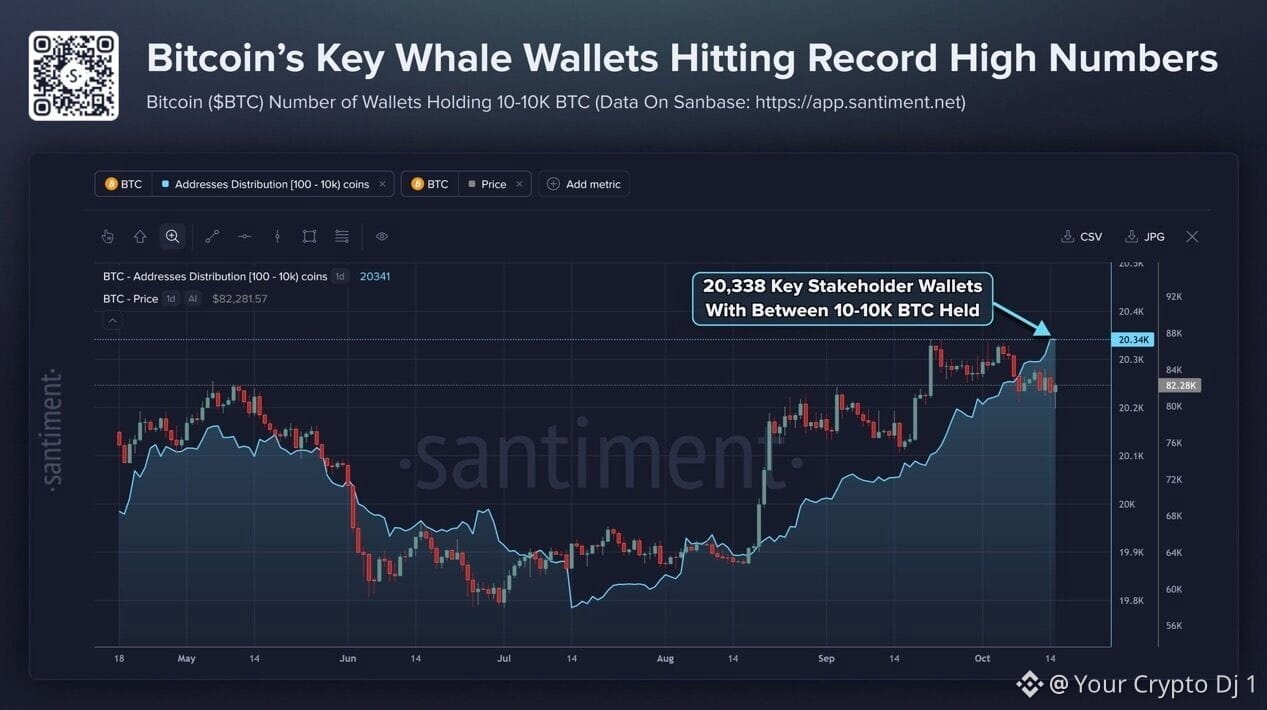
據 Santiment 稱,持有 10–10,000 $BTC 的比特幣錢包數量已創下 20,338 個的歷史新高。儘管市場持續波動,這一數字自 7 月中旬以來仍大幅上升。
#BTC 價格分析# #宏觀洞察#
🐋 $BTC 巨鯨動態
據 Santiment 稱,持有 10–10,000 $BTC 的比特幣錢包數量已創下 20,338 個的歷史新高。儘管市場持續波動,這一數字自 7 月中旬以來仍大幅上升。
#BTC 價格分析# #宏觀洞察#
據 Santiment 稱,持有 10–10,000 $BTC 的比特幣錢包數量已創下 20,338 個的歷史新高。儘管市場持續波動,這一數字自 7 月中旬以來仍大幅上升。
#BTC 價格分析# #宏觀洞察#
81
🐋 $BTC 鯨魚動態
據 Santiment 稱,持有 10–10,000 枚 $BTC 的比特幣錢包數量已創下 20,338 個的歷史新高。儘管市場持續波動,這一數量自 7 月中旬以來仍大幅攀升。
#BTC價格分析# #宏觀洞察#
🐋 $BTC 鯨魚動態
據 Santiment 稱,持有 10–10,000 枚 $BTC 的比特幣錢包數量已創下 20,338 個的歷史新高。儘管市場持續波動,這一數量自 7 月中旬以來仍大幅攀升。
#BTC價格分析# #宏觀洞察#
據 Santiment 稱,持有 10–10,000 枚 $BTC 的比特幣錢包數量已創下 20,338 個的歷史新高。儘管市場持續波動,這一數量自 7 月中旬以來仍大幅攀升。
#BTC價格分析# #宏觀洞察#
29
比特幣暴跌:890億美元蒸發,美聯儲加息概率飆升至44%
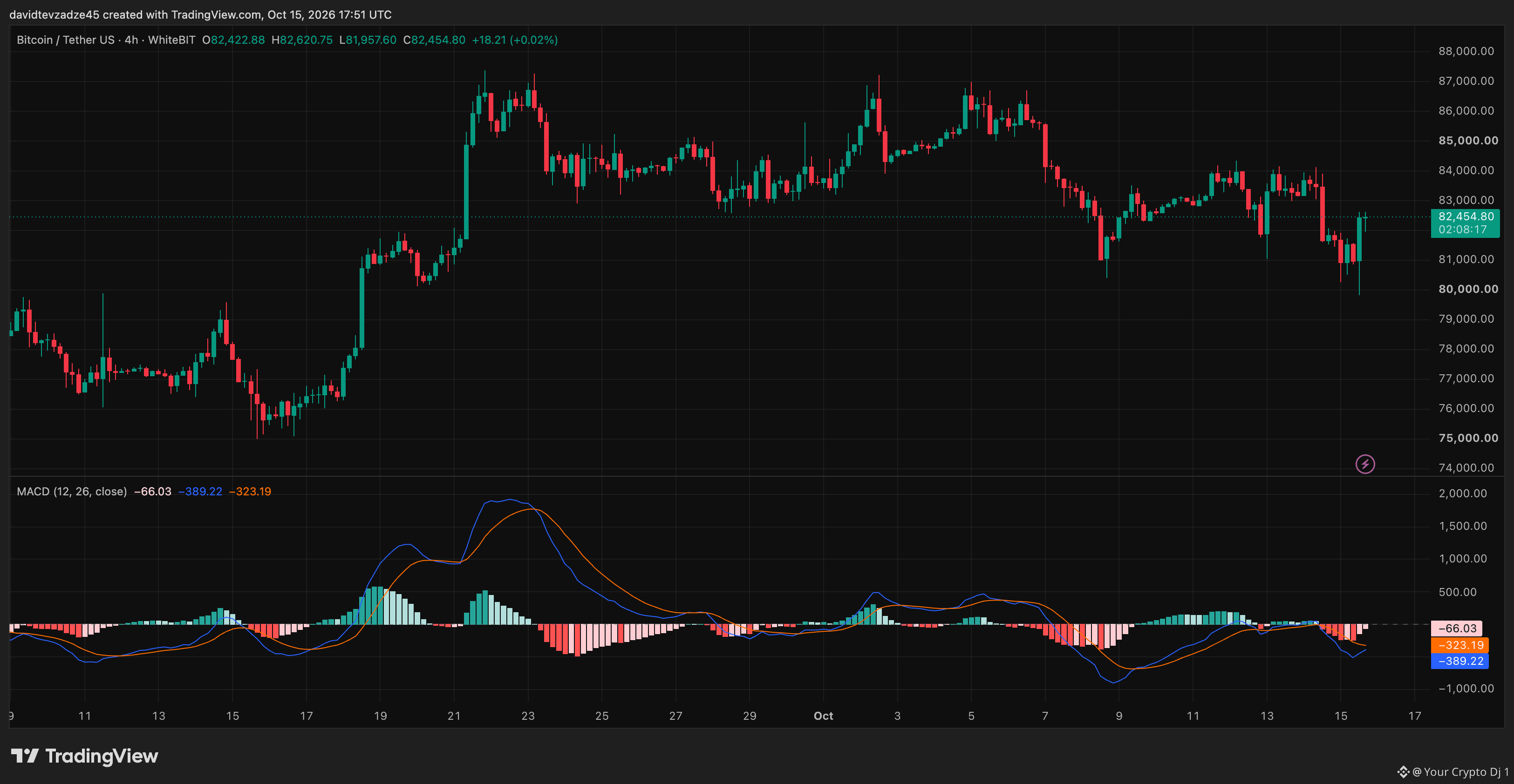
加密貨幣市場再遭重創,而這一次,通脹讓情況雪上加霜。一天之內,890億美元灰飛煙滅。我一直密切關注 $BTC 走勢圖,比特幣正努力守住 8 萬美元關口。
此次拋售背後的數據相當慘烈 👇
- 比特幣(BTC):價格從 83,700 美元跌至 80,226 美元低點,24 小時內下跌 3.5%。美國通脹率達到 3.7%,推動美聯儲加息概率從 18% 升至 44%。與此同時,10 月 14 日,比特幣現貨 ETF 資金淨流出 2.614 億美元,進一步加大了拋售壓力。
- 加密貨幣市場:總市值下跌 3.2%,降至 2.71 萬億美元;182,574 名交易者遭遇清算,清算總額達 9.7246 億美元。其中,多頭頭寸損失 8.912 億美元。以太坊也有超過 2.93 億美元的頭寸遭到清算,價格則跌向 2,390 美元。
現在,一切都取決於比特幣能否守住 8 萬美元。如果這一支撐位失守,分析師認爲下一個潛在下行目標是 7.8 萬美元。但如果買家入場,市場或許終於能喘口氣。
#BTC 價格分析#
#比特幣價格預測:比特幣下一步將如何走?#
比特幣暴跌:890億美元蒸發,美聯儲加息概率飆升至44%
加密貨幣市場再遭重創,而這一次,通脹讓情況雪上加霜。一天之內,890億美元灰飛煙滅。我一直密切關注 $BTC 走勢圖,比特幣正努力守住 8 萬美元關口。
此次拋售背後的數據相當慘烈 👇
- 比特幣(BTC):價格從 83,700 美元跌至 80,226 美元低點,24 小時內下跌 3.5%。美國通脹率達到 3.7%,推動美聯儲加息概率從 18% 升至 44%。與此同時,10 月 14 日,比特幣現貨 ETF 資金淨流出 2.614 億美元,進一步加大了拋售壓力。
- 加密貨幣市場:總市值下跌 3.2%,降至 2.71 萬億美元;182,574 名交易者遭遇清算,清算總額達 9.7246 億美元。其中,多頭頭寸損失 8.912 億美元。以太坊也有超過 2.93 億美元的頭寸遭到清算,價格則跌向 2,390 美元。
現在,一切都取決於比特幣能否守住 8 萬美元。如果這一支撐位失守,分析師認爲下一個潛在下行目標是 7.8 萬美元。但如果買家入場,市場或許終於能喘口氣。
#BTC 價格分析#
#比特幣價格預測:比特幣下一步將如何走?#
加密貨幣市場再遭重創,而這一次,通脹讓情況雪上加霜。一天之內,890億美元灰飛煙滅。我一直密切關注 $BTC 走勢圖,比特幣正努力守住 8 萬美元關口。
此次拋售背後的數據相當慘烈 👇
- 比特幣(BTC):價格從 83,700 美元跌至 80,226 美元低點,24 小時內下跌 3.5%。美國通脹率達到 3.7%,推動美聯儲加息概率從 18% 升至 44%。與此同時,10 月 14 日,比特幣現貨 ETF 資金淨流出 2.614 億美元,進一步加大了拋售壓力。
- 加密貨幣市場:總市值下跌 3.2%,降至 2.71 萬億美元;182,574 名交易者遭遇清算,清算總額達 9.7246 億美元。其中,多頭頭寸損失 8.912 億美元。以太坊也有超過 2.93 億美元的頭寸遭到清算,價格則跌向 2,390 美元。
現在,一切都取決於比特幣能否守住 8 萬美元。如果這一支撐位失守,分析師認爲下一個潛在下行目標是 7.8 萬美元。但如果買家入場,市場或許終於能喘口氣。
#BTC 價格分析#
#比特幣價格預測:比特幣下一步將如何走?#
47
$200 $XRP 的最低價?爲什麼一位宏觀分析師認爲,甚至100美元都不夠。
宏觀分析師 Jim Willie 認爲,XRP 最終可能在全球金融領域發揮重要作用,甚至有望加入國際貨幣基金組織(IMF)的儲備體系。他的預測遠遠超出了常見的加密貨幣價格目標,包括對 $BTC 的預測。
以下是他大膽預測背後的依據:
📍 XRP 目標價200美元:Willie 估計,全球衍生品市場規模每年達4千萬億美元。他認爲,如果 XRP 僅處理其中1%的交易量,就需要每月處理3萬億至4萬億美元,因此他將200美元定爲最低目標價。
📍 與 IMF 的關聯:Willie 認爲,XRP 有可能成爲國際支付的中性結算資產。他還指出,由政府債務支持的穩定幣不夠中立,無法承擔這一角色。
但問題在於:IMF 尚未宣佈任何將 XRP 納入其儲備籃子的計劃;而有關大型銀行祕密持有數十億枚 XRP 的說法也未經證實。目前,200美元的目標價只是推測,並非經過確認的市場預測。
#XRP #BTC 價格分析#
#比特幣價格預測:比特幣接下來會如何走勢?#
$200 $XRP 的最低價?爲什麼一位宏觀分析師認爲,甚至100美元都不夠。
宏觀分析師 Jim Willie 認爲,XRP 最終可能在全球金融領域發揮重要作用,甚至有望加入國際貨幣基金組織(IMF)的儲備體系。他的預測遠遠超出了常見的加密貨幣價格目標,包括對 $BTC 的預測。
以下是他大膽預測背後的依據:
📍 XRP 目標價200美元:Willie 估計,全球衍生品市場規模每年達4千萬億美元。他認爲,如果 XRP 僅處理其中1%的交易量,就需要每月處理3萬億至4萬億美元,因此他將200美元定爲最低目標價。
📍 與 IMF 的關聯:Willie 認爲,XRP 有可能成爲國際支付的中性結算資產。他還指出,由政府債務支持的穩定幣不夠中立,無法承擔這一角色。
但問題在於:IMF 尚未宣佈任何將 XRP 納入其儲備籃子的計劃;而有關大型銀行祕密持有數十億枚 XRP 的說法也未經證實。目前,200美元的目標價只是推測,並非經過確認的市場預測。
#XRP #BTC 價格分析#
#比特幣價格預測:比特幣接下來會如何走勢?#
宏觀分析師 Jim Willie 認爲,XRP 最終可能在全球金融領域發揮重要作用,甚至有望加入國際貨幣基金組織(IMF)的儲備體系。他的預測遠遠超出了常見的加密貨幣價格目標,包括對 $BTC 的預測。
以下是他大膽預測背後的依據:
📍 XRP 目標價200美元:Willie 估計,全球衍生品市場規模每年達4千萬億美元。他認爲,如果 XRP 僅處理其中1%的交易量,就需要每月處理3萬億至4萬億美元,因此他將200美元定爲最低目標價。
📍 與 IMF 的關聯:Willie 認爲,XRP 有可能成爲國際支付的中性結算資產。他還指出,由政府債務支持的穩定幣不夠中立,無法承擔這一角色。
但問題在於:IMF 尚未宣佈任何將 XRP 納入其儲備籃子的計劃;而有關大型銀行祕密持有數十億枚 XRP 的說法也未經證實。目前,200美元的目標價只是推測,並非經過確認的市場預測。
#XRP #BTC 價格分析#
#比特幣價格預測:比特幣接下來會如何走勢?#
53
🚨 更新:$SOL 的 Alpenglow 升級將於 10 月 21 日在主網 Beta 上線,將最終確認時間從數秒縮短至約 150 毫秒。
🚨 更新:$SOL 的 Alpenglow 升級將於 10 月 21 日在主網 Beta 上線,將最終確認時間從數秒縮短至約 150 毫秒。
82
剛剛:🇬🇷 希臘剛宣佈計劃對 #BITCOIN $BTC 僅徵收 10% 的稅
如果獲批,這可能會讓希臘成爲歐洲最吸引加密貨幣投資者的目的地之一,擬議稅率遠低於許多投資者在其他地方面臨的稅率。
較低的稅率可能會鼓勵更多人蔘與加密貨幣市場,同時提升希臘吸引數字資產投資者的競爭力。
隨着各國競相爭取資金、創新和普及,加密貨幣友好政策正變得越來越重要。
這纔是正確的方向 🔥
剛剛:🇬🇷 希臘剛宣佈計劃對 #BITCOIN $BTC 僅徵收 10% 的稅
如果獲批,這可能會讓希臘成爲歐洲最吸引加密貨幣投資者的目的地之一,擬議稅率遠低於許多投資者在其他地方面臨的稅率。
較低的稅率可能會鼓勵更多人蔘與加密貨幣市場,同時提升希臘吸引數字資產投資者的競爭力。
隨着各國競相爭取資金、創新和普及,加密貨幣友好政策正變得越來越重要。
這纔是正確的方向 🔥
如果獲批,這可能會讓希臘成爲歐洲最吸引加密貨幣投資者的目的地之一,擬議稅率遠低於許多投資者在其他地方面臨的稅率。
較低的稅率可能會鼓勵更多人蔘與加密貨幣市場,同時提升希臘吸引數字資產投資者的競爭力。
隨着各國競相爭取資金、創新和普及,加密貨幣友好政策正變得越來越重要。
這纔是正確的方向 🔥

Metaplanet 再次在比特幣領域採取重大行動,計劃通過零利率可轉換債券籌集 519 億日元(3.29 億美元)。
這筆資金將用於償還以比特幣作抵押的貸款和回購股票,而不是直接購買更多 $BTC 。
該公司目前已持有 44,000 BTC,我認爲這表明機構採用比特幣不僅僅是爲了積累資產,也包括管理債務和流動性。
長期成功將取決於這些公司在持有 $BTC 的同時,能否妥善管理金融風險。
Metaplanet 再次在比特幣領域採取重大行動,計劃通過零利率可轉換債券籌集 519 億日元(3.29 億美元)。
這筆資金將用於償還以比特幣作抵押的貸款和回購股票,而不是直接購買更多 $BTC 。
該公司目前已持有 44,000 BTC,我認爲這表明機構採用比特幣不僅僅是爲了積累資產,也包括管理債務和流動性。
長期成功將取決於這些公司在持有 $BTC 的同時,能否妥善管理金融風險。
這筆資金將用於償還以比特幣作抵押的貸款和回購股票,而不是直接購買更多 $BTC 。
該公司目前已持有 44,000 BTC,我認爲這表明機構採用比特幣不僅僅是爲了積累資產,也包括管理債務和流動性。
長期成功將取決於這些公司在持有 $BTC 的同時,能否妥善管理金融風險。
28
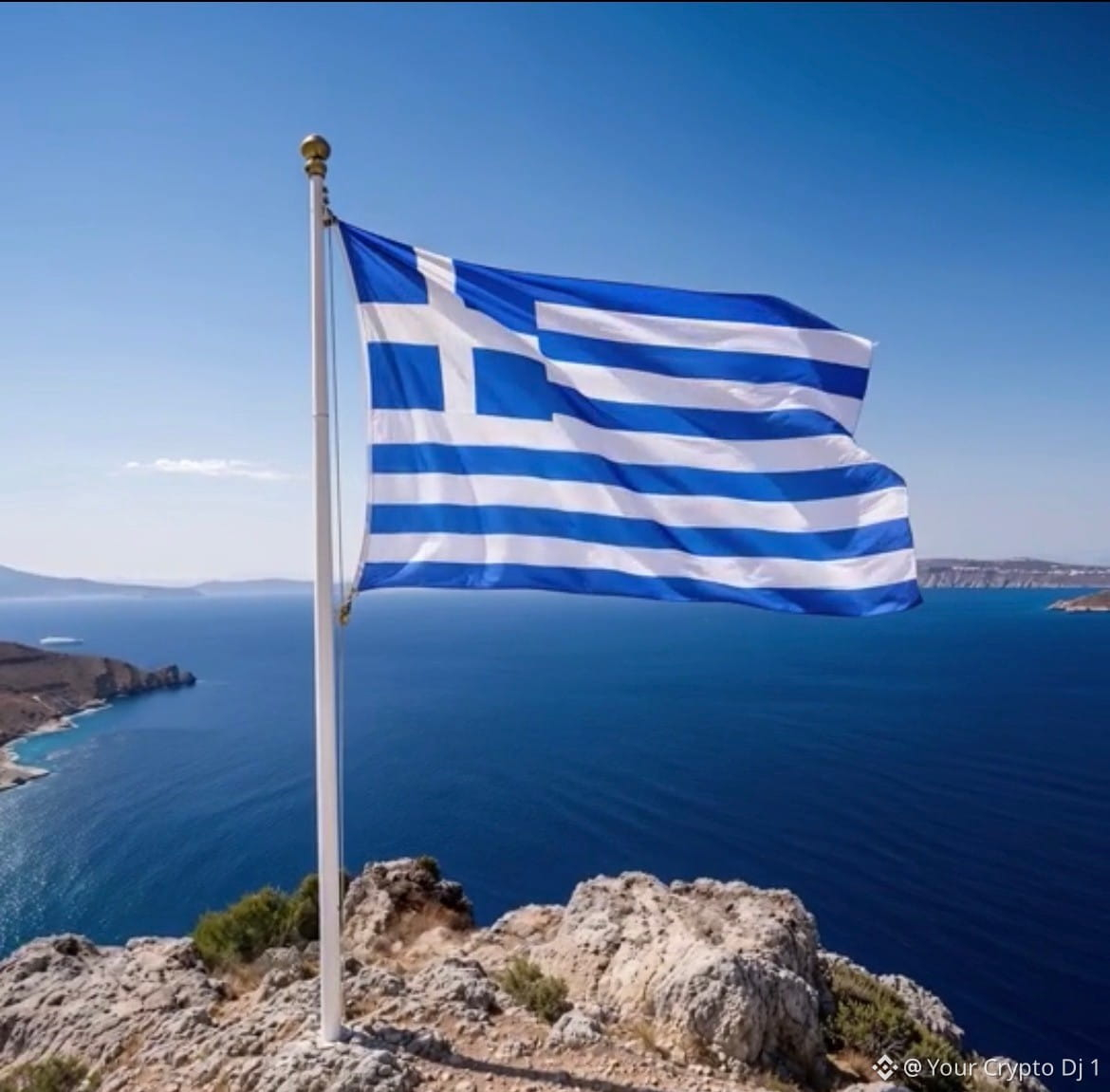
剛剛:🇬🇷 希臘剛剛宣佈計劃對 #BITCOIN $BTC 徵收僅 10% 的稅
如果獲批,這項計劃可能會讓希臘成爲歐洲對加密貨幣投資者最具吸引力的目的地之一,擬議稅率遠低於許多投資者在其他地方面臨的稅率。
較低的稅率或能鼓勵更多人蔘與加密貨幣市場,同時提升希臘吸引數字資產投資者的競爭力。
隨着各國競相爭取資本、創新和市場普及,對加密貨幣友好的政策正變得越來越重要。
這纔是正道 🔥
剛剛:🇬🇷 希臘剛剛宣佈計劃對 #BITCOIN $BTC 徵收僅 10% 的稅
如果獲批,這項計劃可能會讓希臘成爲歐洲對加密貨幣投資者最具吸引力的目的地之一,擬議稅率遠低於許多投資者在其他地方面臨的稅率。
較低的稅率或能鼓勵更多人蔘與加密貨幣市場,同時提升希臘吸引數字資產投資者的競爭力。
隨着各國競相爭取資本、創新和市場普及,對加密貨幣友好的政策正變得越來越重要。
這纔是正道 🔥
如果獲批,這項計劃可能會讓希臘成爲歐洲對加密貨幣投資者最具吸引力的目的地之一,擬議稅率遠低於許多投資者在其他地方面臨的稅率。
較低的稅率或能鼓勵更多人蔘與加密貨幣市場,同時提升希臘吸引數字資產投資者的競爭力。
隨着各國競相爭取資本、創新和市場普及,對加密貨幣友好的政策正變得越來越重要。
這纔是正道 🔥
登入以探索更多內容
加入幣安廣場中的全球加密貨幣用戶
⚡️ 獲取加密貨幣的最新和實用資訊。
💬 受到全球最大加密貨幣交易所的信任。
👍 發掘來自經過驗證創作者的真實見解。
電子郵件 / 電話號碼
熱門話題
比特币再度跌破8万美元
3,285 次瀏覽
73 討論中
$BTC 這是個好事啊:三大主流加密貨幣日線都收了一根“十字星”K線。
衆所周知,連續下跌之後收十字星往往是變盤上漲的信號之一!
以史爲鑑,美聯儲議息會議大跌之前往往會先爆一波空頭。
今天就是週二了,今明後三天大概率會反彈一波爆空頭,週四深夜再猛砸一波爆多頭完成最後一跌,隨後猛烈上漲!漲破9萬!
比特幣極限下跌到7.5萬,防止踏空,比特幣8萬以下無腦買入做多,11月絕對能看到9字開頭的比特幣!
加密牛市已來,做多性價比遠高於做空!!
币圈情报局局长
·5 人按讚
·5.1k 次瀏覽
Strategy未购比特币斥资2.05亿美元回购STRC
128,245 次瀏覽
527 討論中
BitMine增持10452枚ETH
149,103 次瀏覽
757 討論中