

YohannaOlva 1
146 貼文

YohannaOlva 1
舉報
封鎖用戶
Verified BS creator || KOL || TG~ @YohannaOlva56 24/7 Dm me
0 關注
8 粉絲
32 點讚數
貼文
稽核員從未看過資料 🌳
每一筆碳權都建立在一項關於「未曾發生之事」的主張上:也就是有一公噸的排放並未發生,而背後唯一的依據,就是一位簽字核可的稽核員。
上個月發布的一份報告檢視了這些稽核,發現查證機構並非買家以為的那種把關者。對目前成長最快的 RWA 類別來說,這是個問題。
$LINK 多年來致力於將現實世界的測量資料接入合約,服務對象包括 Swift、Euroclear 和 UBS 等機構;而在 $SOL 上,任何建構於其上的事物都受同樣的限制,因為程式必須取得完整輸入資料才能採取行動。
因此,真正能證明專案情況的營運資料——包括電表讀數、燃料紀錄、衛星影像和產量數據——仍由受稽核的公司掌握,因為公開這些資料,就等於將公司的內部資訊拱手交給競爭對手。
Arcium 能在不接收資料的情況下對其進行運算。讀數會拆分成片段,分散至一組節點中,沒有任何單一節點持有可讀取的完整副本;最後傳回的結果則會告訴你該項主張是否成立。
這個答案會以一般公開交易的形式在 Solana 上確認,因此買家或監管機構都能看到測試確實執行過,以及測試回傳的結果。
機密運算自 2 月 2 日起已在 Mainnet Alpha 上線,目前有十五個團隊正在其上開發。
一個價值數十億美元的市場,靠的是簽名而非測量資料;而能經得起考驗的版本,是以運算得出的證明取代人為背書。
#RWA #Solana
稽核員從未看過資料 🌳
每一筆碳權都建立在一項關於「未曾發生之事」的主張上:也就是有一公噸的排放並未發生,而背後唯一的依據,就是一位簽字核可的稽核員。
上個月發布的一份報告檢視了這些稽核,發現查證機構並非買家以為的那種把關者。對目前成長最快的 RWA 類別來說,這是個問題。
$LINK 多年來致力於將現實世界的測量資料接入合約,服務對象包括 Swift、Euroclear 和 UBS 等機構;而在 $SOL 上,任何建構於其上的事物都受同樣的限制,因為程式必須取得完整輸入資料才能採取行動。
因此,真正能證明專案情況的營運資料——包括電表讀數、燃料紀錄、衛星影像和產量數據——仍由受稽核的公司掌握,因為公開這些資料,就等於將公司的內部資訊拱手交給競爭對手。
Arcium 能在不接收資料的情況下對其進行運算。讀數會拆分成片段,分散至一組節點中,沒有任何單一節點持有可讀取的完整副本;最後傳回的結果則會告訴你該項主張是否成立。
這個答案會以一般公開交易的形式在 Solana 上確認,因此買家或監管機構都能看到測試確實執行過,以及測試回傳的結果。
機密運算自 2 月 2 日起已在 Mainnet Alpha 上線,目前有十五個團隊正在其上開發。
一個價值數十億美元的市場,靠的是簽名而非測量資料;而能經得起考驗的版本,是以運算得出的證明取代人為背書。
#RWA #Solana
每一筆碳權都建立在一項關於「未曾發生之事」的主張上:也就是有一公噸的排放並未發生,而背後唯一的依據,就是一位簽字核可的稽核員。
上個月發布的一份報告檢視了這些稽核,發現查證機構並非買家以為的那種把關者。對目前成長最快的 RWA 類別來說,這是個問題。
$LINK 多年來致力於將現實世界的測量資料接入合約,服務對象包括 Swift、Euroclear 和 UBS 等機構;而在 $SOL 上,任何建構於其上的事物都受同樣的限制,因為程式必須取得完整輸入資料才能採取行動。
因此,真正能證明專案情況的營運資料——包括電表讀數、燃料紀錄、衛星影像和產量數據——仍由受稽核的公司掌握,因為公開這些資料,就等於將公司的內部資訊拱手交給競爭對手。
Arcium 能在不接收資料的情況下對其進行運算。讀數會拆分成片段,分散至一組節點中,沒有任何單一節點持有可讀取的完整副本;最後傳回的結果則會告訴你該項主張是否成立。
這個答案會以一般公開交易的形式在 Solana 上確認,因此買家或監管機構都能看到測試確實執行過,以及測試回傳的結果。
機密運算自 2 月 2 日起已在 Mainnet Alpha 上線,目前有十五個團隊正在其上開發。
一個價值數十億美元的市場,靠的是簽名而非測量資料;而能經得起考驗的版本,是以運算得出的證明取代人為背書。
#RWA #Solana
78
代幣化需要的不只是代幣 🏦
我一直在關注現實世界資產代幣化的發展,而我認為有一項挑戰值得更多關注。
支持這些資產的資訊,往往存在於區塊鏈之外。
我們談的是估值、財務紀錄、付款時程,以及應用程式可能需要參照的其他資料。
像 $ONDO 這樣的專案正在開發代幣化金融產品,但代幣化本身並不會自動讓所有相關計算都變得可驗證。
這正是 Space and Time 發揮作用的地方。
其去中心化資料基礎架構,讓應用程式能夠使用已承諾的鏈下資料集,並為受支援的 SQL 計算產生加密證明。
💡 代幣代表一項資產。
🔐 可驗證的資料,有助於建立人們對涉及該資產之計算的信心。
對我來說,代幣化的下一階段,不只是把更多金融產品帶上鏈。
而是建構所需的基礎架構,讓支持這些產品的資訊更值得信賴。
#山寨幣季節#
代幣化需要的不只是代幣 🏦
我一直在關注現實世界資產代幣化的發展,而我認為有一項挑戰值得更多關注。
支持這些資產的資訊,往往存在於區塊鏈之外。
我們談的是估值、財務紀錄、付款時程,以及應用程式可能需要參照的其他資料。
像 $ONDO 這樣的專案正在開發代幣化金融產品,但代幣化本身並不會自動讓所有相關計算都變得可驗證。
這正是 Space and Time 發揮作用的地方。
其去中心化資料基礎架構,讓應用程式能夠使用已承諾的鏈下資料集,並為受支援的 SQL 計算產生加密證明。
💡 代幣代表一項資產。
🔐 可驗證的資料,有助於建立人們對涉及該資產之計算的信心。
對我來說,代幣化的下一階段,不只是把更多金融產品帶上鏈。
而是建構所需的基礎架構,讓支持這些產品的資訊更值得信賴。
#山寨幣季節#
我一直在關注現實世界資產代幣化的發展,而我認為有一項挑戰值得更多關注。
支持這些資產的資訊,往往存在於區塊鏈之外。
我們談的是估值、財務紀錄、付款時程,以及應用程式可能需要參照的其他資料。
像 $ONDO 這樣的專案正在開發代幣化金融產品,但代幣化本身並不會自動讓所有相關計算都變得可驗證。
這正是 Space and Time 發揮作用的地方。
其去中心化資料基礎架構,讓應用程式能夠使用已承諾的鏈下資料集,並為受支援的 SQL 計算產生加密證明。
💡 代幣代表一項資產。
🔐 可驗證的資料,有助於建立人們對涉及該資產之計算的信心。
對我來說,代幣化的下一階段,不只是把更多金融產品帶上鏈。
而是建構所需的基礎架構,讓支持這些產品的資訊更值得信賴。
#山寨幣季節#
72
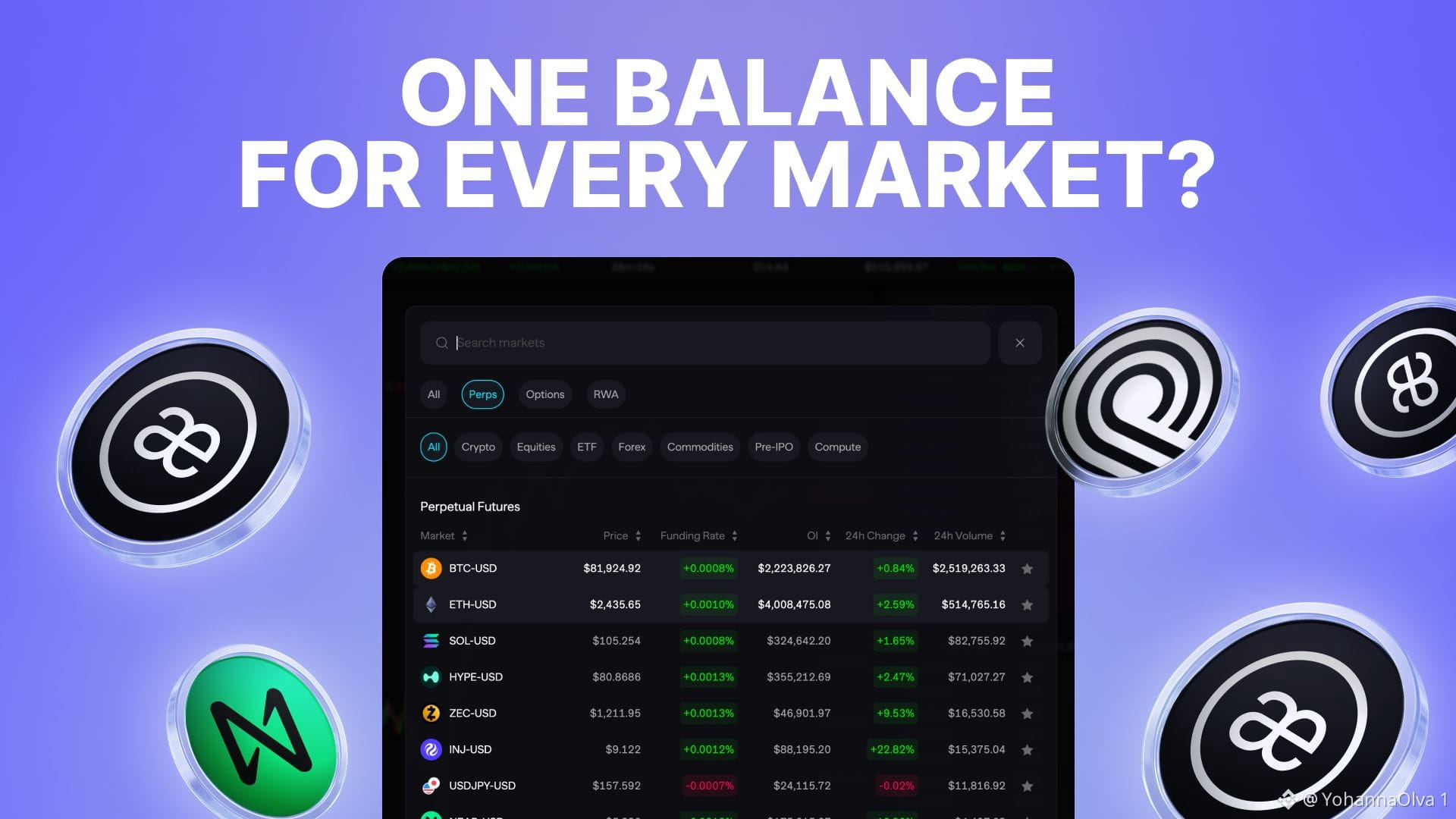
一個帳戶,跟著機會走 🔥
$ONDO 和 $NEAR 周邊的市場可能因截然不同的原因而波動,這正是我不喜歡把每個市場觀點都放在不同帳戶裡的原因。
本週最佳機會可能來自加密貨幣,下一個則可能出現在股票、外匯、大宗商品,甚至 AI 算力價格上。
每當投資焦點轉移,把資金分散在不同平台就會造成摩擦;我認為更好的做法,是讓抵押資產跟著機會走。
Aevo 現在提供涵蓋加密貨幣、股票、大宗商品、外匯和算力的永續合約市場。
這些倉位可以透過同一個帳戶和抵押資金池開立。
對我來說,當資金可以在這些市場之間流動,又不必離開交易帳戶時,這種市場廣度才真正派得上用場 💫
#山寨幣季節#
一個帳戶,跟著機會走 🔥
$ONDO 和 $NEAR 周邊的市場可能因截然不同的原因而波動,這正是我不喜歡把每個市場觀點都放在不同帳戶裡的原因。
本週最佳機會可能來自加密貨幣,下一個則可能出現在股票、外匯、大宗商品,甚至 AI 算力價格上。
每當投資焦點轉移,把資金分散在不同平台就會造成摩擦;我認為更好的做法,是讓抵押資產跟著機會走。
Aevo 現在提供涵蓋加密貨幣、股票、大宗商品、外匯和算力的永續合約市場。
這些倉位可以透過同一個帳戶和抵押資金池開立。
對我來說,當資金可以在這些市場之間流動,又不必離開交易帳戶時,這種市場廣度才真正派得上用場 💫
#山寨幣季節#
$ONDO 和 $NEAR 周邊的市場可能因截然不同的原因而波動,這正是我不喜歡把每個市場觀點都放在不同帳戶裡的原因。
本週最佳機會可能來自加密貨幣,下一個則可能出現在股票、外匯、大宗商品,甚至 AI 算力價格上。
每當投資焦點轉移,把資金分散在不同平台就會造成摩擦;我認為更好的做法,是讓抵押資產跟著機會走。
Aevo 現在提供涵蓋加密貨幣、股票、大宗商品、外匯和算力的永續合約市場。
這些倉位可以透過同一個帳戶和抵押資金池開立。
對我來說,當資金可以在這些市場之間流動,又不必離開交易帳戶時,這種市場廣度才真正派得上用場 💫
#山寨幣季節#
76
$PYTH 定價涵蓋 2.04 兆美元,取得 94.4% 的 RWA 市占率 📈
談到預言機,大家都會提起 $LINK,但 Pyth 最近公布季度 ARR 成長 86%,並通過一項規則,承諾將 DAO 產品收入的 100% 用於增持 PYTH。
我一直在關注最新的 RWA 衍生品數據,兩個專案在市場上的認知落差相當驚人。
在 22 個交易平台、429 種資產中,納入追蹤的 RWA 永續合約第三季成交量達 2.16 兆美元,其中 2.04 兆美元的交易由 Pyth 提供價格資訊。
Chainlink、Stork 和 RedStone 合計約占同一市場的 3%。
在有人說 Pyth 只在一個類別占優勢之前,不妨看看細項:
• 股票:98.3%
• 商品:91.6%
• 指數:91.2%
對一家基礎設施供應商而言,這些數字十分驚人;它所競爭的市場中,交易者仰賴準確價格來進行保證金計算、風險管理與強制平倉。
如今,財務表現也逐漸跟上了。
Pyth 第三季結束時 ARR 達 1,149 萬美元,季增 86%,其 DAO 也通過了「100% 規則」。DAO 從 Pyth 產品收到的所有資金,現在都將用於增持 PYTH;其中的穩定幣收入則會用於公開市場買入。
我認為這裡存在一個耐人尋味的落差。
最廣為人知的預言機品牌,未必就是在 RWA 衍生品定價領域占主導地位的那個。而 Pyth 現在不僅擁有這樣的市場地位,商業收入也正在加速成長,並制定了可量化的代幣累積政策。
我會密切關注下一季的數據。
#Altcoin Season# #RWA
$PYTH 定價涵蓋 2.04 兆美元,取得 94.4% 的 RWA 市占率 📈
談到預言機,大家都會提起 $LINK,但 Pyth 最近公布季度 ARR 成長 86%,並通過一項規則,承諾將 DAO 產品收入的 100% 用於增持 PYTH。
我一直在關注最新的 RWA 衍生品數據,兩個專案在市場上的認知落差相當驚人。
在 22 個交易平台、429 種資產中,納入追蹤的 RWA 永續合約第三季成交量達 2.16 兆美元,其中 2.04 兆美元的交易由 Pyth 提供價格資訊。
Chainlink、Stork 和 RedStone 合計約占同一市場的 3%。
在有人說 Pyth 只在一個類別占優勢之前,不妨看看細項:
• 股票:98.3%
• 商品:91.6%
• 指數:91.2%
對一家基礎設施供應商而言,這些數字十分驚人;它所競爭的市場中,交易者仰賴準確價格來進行保證金計算、風險管理與強制平倉。
如今,財務表現也逐漸跟上了。
Pyth 第三季結束時 ARR 達 1,149 萬美元,季增 86%,其 DAO 也通過了「100% 規則」。DAO 從 Pyth 產品收到的所有資金,現在都將用於增持 PYTH;其中的穩定幣收入則會用於公開市場買入。
我認為這裡存在一個耐人尋味的落差。
最廣為人知的預言機品牌,未必就是在 RWA 衍生品定價領域占主導地位的那個。而 Pyth 現在不僅擁有這樣的市場地位,商業收入也正在加速成長,並制定了可量化的代幣累積政策。
我會密切關注下一季的數據。
#Altcoin Season# #RWA
談到預言機,大家都會提起 $LINK,但 Pyth 最近公布季度 ARR 成長 86%,並通過一項規則,承諾將 DAO 產品收入的 100% 用於增持 PYTH。
我一直在關注最新的 RWA 衍生品數據,兩個專案在市場上的認知落差相當驚人。
在 22 個交易平台、429 種資產中,納入追蹤的 RWA 永續合約第三季成交量達 2.16 兆美元,其中 2.04 兆美元的交易由 Pyth 提供價格資訊。
Chainlink、Stork 和 RedStone 合計約占同一市場的 3%。
在有人說 Pyth 只在一個類別占優勢之前,不妨看看細項:
• 股票:98.3%
• 商品:91.6%
• 指數:91.2%
對一家基礎設施供應商而言,這些數字十分驚人;它所競爭的市場中,交易者仰賴準確價格來進行保證金計算、風險管理與強制平倉。
如今,財務表現也逐漸跟上了。
Pyth 第三季結束時 ARR 達 1,149 萬美元,季增 86%,其 DAO 也通過了「100% 規則」。DAO 從 Pyth 產品收到的所有資金,現在都將用於增持 PYTH;其中的穩定幣收入則會用於公開市場買入。
我認為這裡存在一個耐人尋味的落差。
最廣為人知的預言機品牌,未必就是在 RWA 衍生品定價領域占主導地位的那個。而 Pyth 現在不僅擁有這樣的市場地位,商業收入也正在加速成長,並制定了可量化的代幣累積政策。
我會密切關注下一季的數據。
#Altcoin Season# #RWA
69
一些最精彩的山寨季敘事,藏在應用程式之下 ⛏️
$2Z 是基礎設施,而非另一個爭奪交易者注意力的交易平台。
$SOL 展現了生態系開始產生大量活動後,底層軌道會變得多麼重要。
加密市場熱絡起來時,大家都會注意到應用程式。
交易所。
代幣。
交易量。
但每一層都會在其底下帶來需求。
連線能力。
頻寬。
市場資料分發。
DoubleZero 就位於這個底層。
因此,2Z 的山寨季敘事,與另一種應用程式代幣截然不同。
#山寨季# #宏觀洞察#
一些最精彩的山寨季敘事,藏在應用程式之下 ⛏️
$2Z 是基礎設施,而非另一個爭奪交易者注意力的交易平台。
$SOL 展現了生態系開始產生大量活動後,底層軌道會變得多麼重要。
加密市場熱絡起來時,大家都會注意到應用程式。
交易所。
代幣。
交易量。
但每一層都會在其底下帶來需求。
連線能力。
頻寬。
市場資料分發。
DoubleZero 就位於這個底層。
因此,2Z 的山寨季敘事,與另一種應用程式代幣截然不同。
#山寨季# #宏觀洞察#
$2Z 是基礎設施,而非另一個爭奪交易者注意力的交易平台。
$SOL 展現了生態系開始產生大量活動後,底層軌道會變得多麼重要。
加密市場熱絡起來時,大家都會注意到應用程式。
交易所。
代幣。
交易量。
但每一層都會在其底下帶來需求。
連線能力。
頻寬。
市場資料分發。
DoubleZero 就位於這個底層。
因此,2Z 的山寨季敘事,與另一種應用程式代幣截然不同。
#山寨季# #宏觀洞察#
63
距離下一篇章還有38天 👀
圍繞 $HYPE 和 $INJ 的社羣,早已習慣隨着市場關注焦點的轉移,從一個催化因素轉向下一個。
活動日曆面臨着不同的挑戰:關注度必須在各個日期之間延續。但我認爲,活動之間的間隔和活動本身同樣重要。
空檔期可能會消磨勢頭,而匆忙開啓下一步,又可能讓上一篇章來不及沉澱。
一場重要的週末活動結束後,這一點尤爲重要。
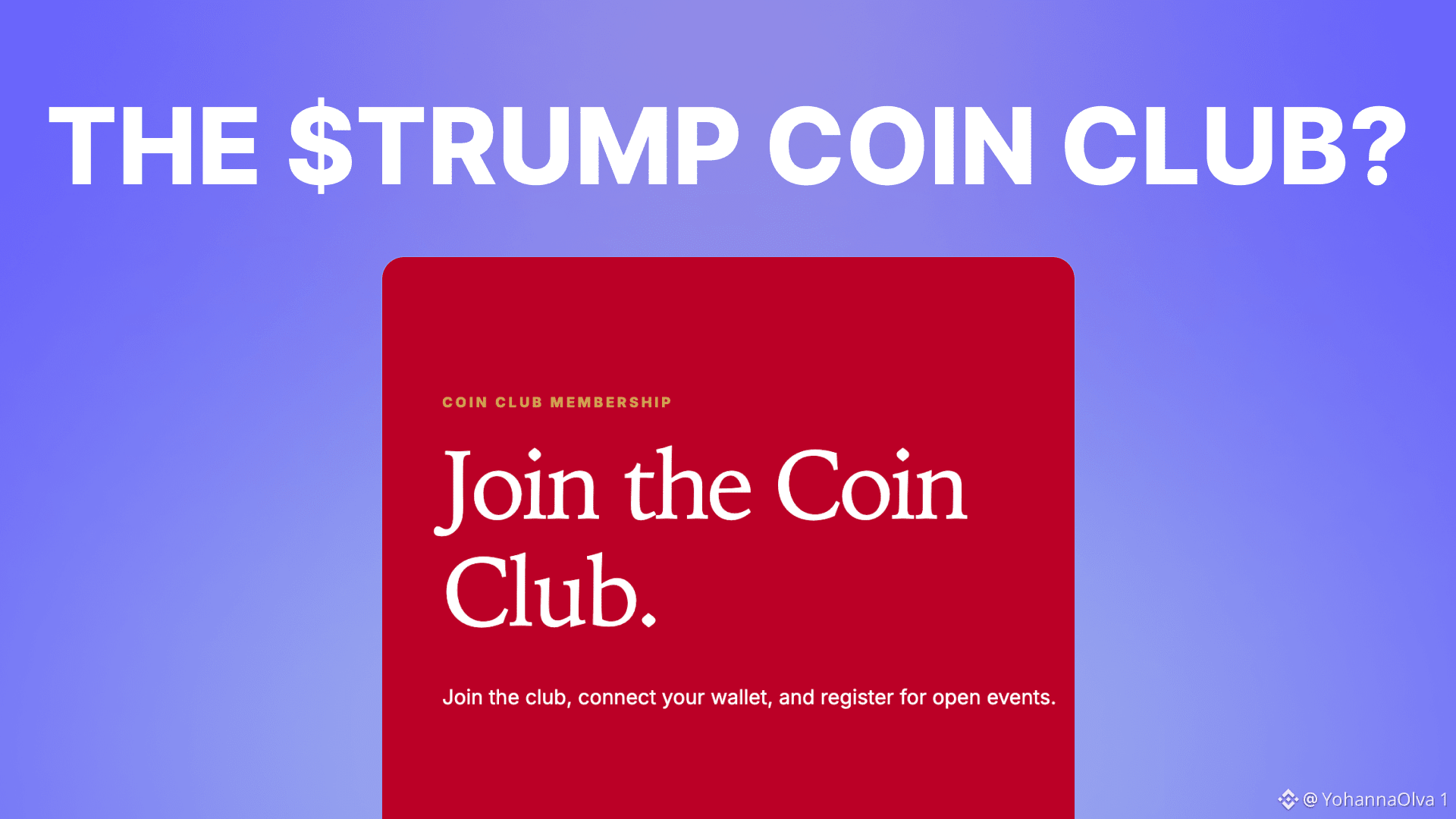
新加坡如今已成爲 $Trump Coin Club 已圓滿舉辦的活動記錄之一,而俱樂部下一場公佈的活動,是計劃於11月22日舉行的晚宴盛會。
從10月15日算起,現在的討論熱度與下一場活動之間相隔38天。
在我看來,這段時間應該讓兩個篇章自然銜接。
新加坡之行可以繼續留在人們的視野中,作爲一段圓滿的體驗;與此同時,晚宴盛會也逐漸成爲下一個焦點。
#宏觀洞察#
距離下一篇章還有38天 👀
圍繞 $HYPE 和 $INJ 的社羣,早已習慣隨着市場關注焦點的轉移,從一個催化因素轉向下一個。
活動日曆面臨着不同的挑戰:關注度必須在各個日期之間延續。但我認爲,活動之間的間隔和活動本身同樣重要。
空檔期可能會消磨勢頭,而匆忙開啓下一步,又可能讓上一篇章來不及沉澱。
一場重要的週末活動結束後,這一點尤爲重要。
新加坡如今已成爲 $Trump Coin Club 已圓滿舉辦的活動記錄之一,而俱樂部下一場公佈的活動,是計劃於11月22日舉行的晚宴盛會。
從10月15日算起,現在的討論熱度與下一場活動之間相隔38天。
在我看來,這段時間應該讓兩個篇章自然銜接。
新加坡之行可以繼續留在人們的視野中,作爲一段圓滿的體驗;與此同時,晚宴盛會也逐漸成爲下一個焦點。
#宏觀洞察#
圍繞 $HYPE 和 $INJ 的社羣,早已習慣隨着市場關注焦點的轉移,從一個催化因素轉向下一個。
活動日曆面臨着不同的挑戰:關注度必須在各個日期之間延續。但我認爲,活動之間的間隔和活動本身同樣重要。
空檔期可能會消磨勢頭,而匆忙開啓下一步,又可能讓上一篇章來不及沉澱。
一場重要的週末活動結束後,這一點尤爲重要。
新加坡如今已成爲 $Trump Coin Club 已圓滿舉辦的活動記錄之一,而俱樂部下一場公佈的活動,是計劃於11月22日舉行的晚宴盛會。
從10月15日算起,現在的討論熱度與下一場活動之間相隔38天。
在我看來,這段時間應該讓兩個篇章自然銜接。
新加坡之行可以繼續留在人們的視野中,作爲一段圓滿的體驗;與此同時,晚宴盛會也逐漸成爲下一個焦點。
#宏觀洞察#
71
DeFi 真正的問題從來不是金融 💬
$UNI 解決了鏈上交易的問題,卻花了六年看着人們被界面勸退。$BNKR 試圖證明,解決辦法就是一個聊天框。
Bankr 終端可直接在瀏覽器中運行,無需安裝、無需擴展,也不必經過繁瑣的設置。打開它,輸入你想做什麼,它就會執行。
這個描述聽起來簡單得不像一款產品——而這恰恰是大多數人還沒試過它的原因。
想想看,平時使用 DeFi 都需要些什麼:錢包擴展、一個你希望存放得足夠安全的助記詞、選對網絡、備足正確的 Gas 代幣、一個聚合器標籤頁、一個區塊瀏覽器標籤頁,以及你所使用的那個協議特有的術語。
這些都不是金融。它們只是操作上的額外負擔,而這個行業早已對此習以爲常,因爲這裏的每個人都已經付出過學習的代價。
聊天界面首先消除了對專業術語的要求。你不必知道自己要做的是兌換、路由還是跨鏈橋接,只需描述想要的結果。
但也得坦誠地說,界面更友好,並不意味着底層操作更安全。一句話就能轉移真金白銀,而檢查自己簽署了什麼的責任並沒有因此消失。
但大多數人對 DeFi 猶豫不決,從來不是因爲他們不願承擔風險,而是不想在一個默認你什麼都懂的界面前顯得很笨。
這一點是可以解決的,而這就是解決它的樣子。
#DeFi #Base
DeFi 真正的問題從來不是金融 💬
$UNI 解決了鏈上交易的問題,卻花了六年看着人們被界面勸退。$BNKR 試圖證明,解決辦法就是一個聊天框。
Bankr 終端可直接在瀏覽器中運行,無需安裝、無需擴展,也不必經過繁瑣的設置。打開它,輸入你想做什麼,它就會執行。
這個描述聽起來簡單得不像一款產品——而這恰恰是大多數人還沒試過它的原因。
想想看,平時使用 DeFi 都需要些什麼:錢包擴展、一個你希望存放得足夠安全的助記詞、選對網絡、備足正確的 Gas 代幣、一個聚合器標籤頁、一個區塊瀏覽器標籤頁,以及你所使用的那個協議特有的術語。
這些都不是金融。它們只是操作上的額外負擔,而這個行業早已對此習以爲常,因爲這裏的每個人都已經付出過學習的代價。
聊天界面首先消除了對專業術語的要求。你不必知道自己要做的是兌換、路由還是跨鏈橋接,只需描述想要的結果。
但也得坦誠地說,界面更友好,並不意味着底層操作更安全。一句話就能轉移真金白銀,而檢查自己簽署了什麼的責任並沒有因此消失。
但大多數人對 DeFi 猶豫不決,從來不是因爲他們不願承擔風險,而是不想在一個默認你什麼都懂的界面前顯得很笨。
這一點是可以解決的,而這就是解決它的樣子。
#DeFi #Base
$UNI 解決了鏈上交易的問題,卻花了六年看着人們被界面勸退。$BNKR 試圖證明,解決辦法就是一個聊天框。
Bankr 終端可直接在瀏覽器中運行,無需安裝、無需擴展,也不必經過繁瑣的設置。打開它,輸入你想做什麼,它就會執行。
這個描述聽起來簡單得不像一款產品——而這恰恰是大多數人還沒試過它的原因。
想想看,平時使用 DeFi 都需要些什麼:錢包擴展、一個你希望存放得足夠安全的助記詞、選對網絡、備足正確的 Gas 代幣、一個聚合器標籤頁、一個區塊瀏覽器標籤頁,以及你所使用的那個協議特有的術語。
這些都不是金融。它們只是操作上的額外負擔,而這個行業早已對此習以爲常,因爲這裏的每個人都已經付出過學習的代價。
聊天界面首先消除了對專業術語的要求。你不必知道自己要做的是兌換、路由還是跨鏈橋接,只需描述想要的結果。
但也得坦誠地說,界面更友好,並不意味着底層操作更安全。一句話就能轉移真金白銀,而檢查自己簽署了什麼的責任並沒有因此消失。
但大多數人對 DeFi 猶豫不決,從來不是因爲他們不願承擔風險,而是不想在一個默認你什麼都懂的界面前顯得很笨。
這一點是可以解決的,而這就是解決它的樣子。
#DeFi #Base

67
Kinetiq 的價格預測 🌊
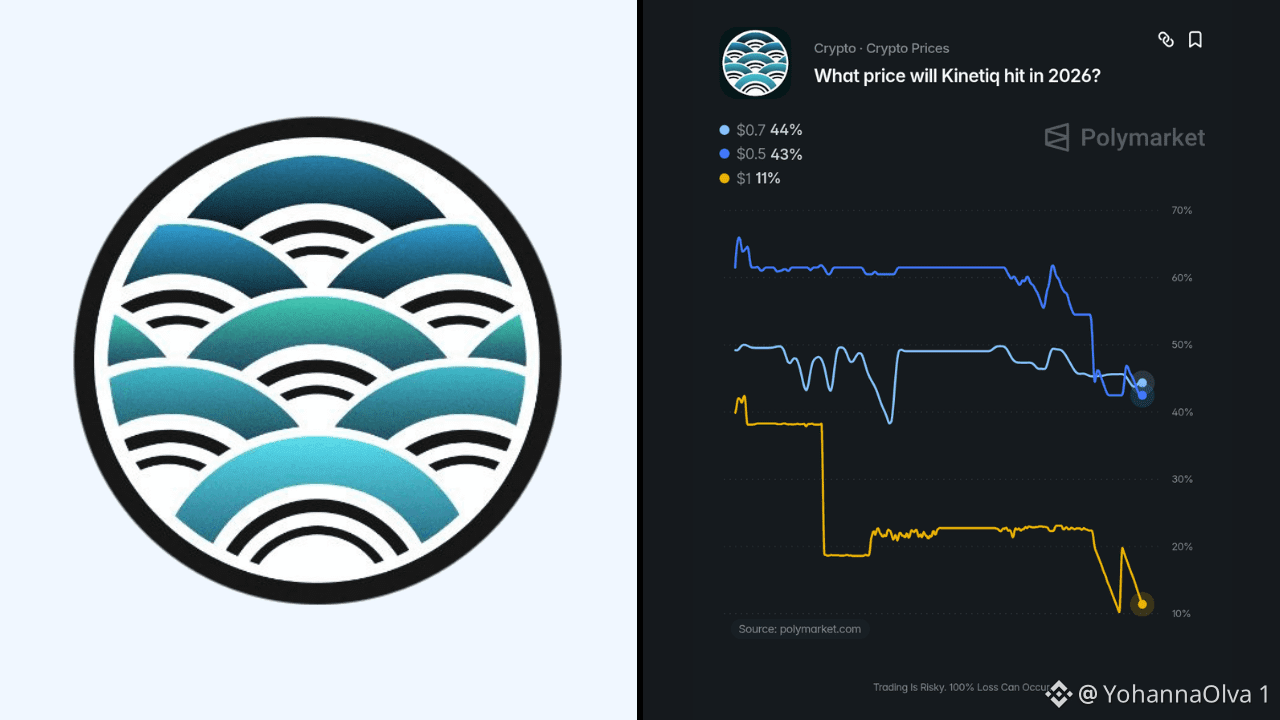
三個目標,三種截然不同的概率。
Polymarket 交易者正在爲 Kinetiq 在 2026 年可能達到的幾個里程碑定價,這些數字值得關注。
以下是具體情況:
🌊 $0.70 → 44% 概率
📈 $0.50 → 43% 概率
🚀 $1.00 → 11% 概率
最顯眼的是,前兩個結果的定價非常接近。
與此同時,根據市場判斷,達到 $1 的可能性要低得多。
按 11% 的 YES 價格計算,如果 $1 這一里程碑最終實現,投入 $100 的頭寸可能帶來約 $909 的回報。
這意味着潛在回報可達 9 倍。
不過,我更感興趣的是,隨着時間推移,這些概率會如何變化。
假設圍繞 Kinetiq 的利好進展,讓達到 $1 的概率從 11% 升至 22%。
即使代幣從未達到這個價格,已有的 YES 頭寸也可能在市場價值上翻倍。
這正是我喜歡關注這些規模較小的加密貨幣預測市場的原因。
我無需購買標的資產,就可以交易市場對特定價格里程碑的預期。
對於關注 $HYPE 生態系統的交易者來說,Kinetiq 是另一個值得通過 Polymarket 留意的敘事。
真正的問題是:當前的概率是否低估了它的潛力,還是準確反映了年底前剩餘的時間?
你會交易哪個目標?
#山寨幣季節#
Kinetiq 的價格預測 🌊
三個目標,三種截然不同的概率。
Polymarket 交易者正在爲 Kinetiq 在 2026 年可能達到的幾個里程碑定價,這些數字值得關注。
以下是具體情況:
🌊 $0.70 → 44% 概率
📈 $0.50 → 43% 概率
🚀 $1.00 → 11% 概率
最顯眼的是,前兩個結果的定價非常接近。
與此同時,根據市場判斷,達到 $1 的可能性要低得多。
按 11% 的 YES 價格計算,如果 $1 這一里程碑最終實現,投入 $100 的頭寸可能帶來約 $909 的回報。
這意味着潛在回報可達 9 倍。
不過,我更感興趣的是,隨着時間推移,這些概率會如何變化。
假設圍繞 Kinetiq 的利好進展,讓達到 $1 的概率從 11% 升至 22%。
即使代幣從未達到這個價格,已有的 YES 頭寸也可能在市場價值上翻倍。
這正是我喜歡關注這些規模較小的加密貨幣預測市場的原因。
我無需購買標的資產,就可以交易市場對特定價格里程碑的預期。
對於關注 $HYPE 生態系統的交易者來說,Kinetiq 是另一個值得通過 Polymarket 留意的敘事。
真正的問題是:當前的概率是否低估了它的潛力,還是準確反映了年底前剩餘的時間?
你會交易哪個目標?
#山寨幣季節#
三個目標,三種截然不同的概率。
Polymarket 交易者正在爲 Kinetiq 在 2026 年可能達到的幾個里程碑定價,這些數字值得關注。
以下是具體情況:
🌊 $0.70 → 44% 概率
📈 $0.50 → 43% 概率
🚀 $1.00 → 11% 概率
最顯眼的是,前兩個結果的定價非常接近。
與此同時,根據市場判斷,達到 $1 的可能性要低得多。
按 11% 的 YES 價格計算,如果 $1 這一里程碑最終實現,投入 $100 的頭寸可能帶來約 $909 的回報。
這意味着潛在回報可達 9 倍。
不過,我更感興趣的是,隨着時間推移,這些概率會如何變化。
假設圍繞 Kinetiq 的利好進展,讓達到 $1 的概率從 11% 升至 22%。
即使代幣從未達到這個價格,已有的 YES 頭寸也可能在市場價值上翻倍。
這正是我喜歡關注這些規模較小的加密貨幣預測市場的原因。
我無需購買標的資產,就可以交易市場對特定價格里程碑的預期。
對於關注 $HYPE 生態系統的交易者來說,Kinetiq 是另一個值得通過 Polymarket 留意的敘事。
真正的問題是:當前的概率是否低估了它的潛力,還是準確反映了年底前剩餘的時間?
你會交易哪個目標?
#山寨幣季節#
72
$LINK 剛剛變得更有意思了 👀
值得更多關注的一項進展是,Space and Time 已接入 Chainlink Runtime Environment。
想想這能帶來什麼。
智能合約越來越需要獲取其原生區塊鏈之外的信息。但依賴外部數據也會引發有關準確性和可信度的問題。
Space and Time 通過 Proof of SQL 解決計算方面的問題。
流程很簡單:
➡️ 通過 Space and Time 查詢區塊鏈數據。
➡️ 在生成結果的同時,生成一份密碼學證明。
➡️ 在 Chainlink CRE 工作流中驗證該證明。
➡️ 使用經過驗證的結果,爲後續合約操作提供依據。
這爲更復雜的 DeFi 應用創造了機會,包括儲備金覈查、自動化決策和數據驅動的金融產品。
最吸引我的是兩種互補技術的結合:Chainlink 的編排基礎設施,以及 Space and Time 的可驗證計算。
下一代智能合約需要的不只是更多數據,還需要對所用數據有更可靠的保障。
#山寨幣季節#
$LINK 剛剛變得更有意思了 👀
值得更多關注的一項進展是,Space and Time 已接入 Chainlink Runtime Environment。
想想這能帶來什麼。
智能合約越來越需要獲取其原生區塊鏈之外的信息。但依賴外部數據也會引發有關準確性和可信度的問題。
Space and Time 通過 Proof of SQL 解決計算方面的問題。
流程很簡單:
➡️ 通過 Space and Time 查詢區塊鏈數據。
➡️ 在生成結果的同時,生成一份密碼學證明。
➡️ 在 Chainlink CRE 工作流中驗證該證明。
➡️ 使用經過驗證的結果,爲後續合約操作提供依據。
這爲更復雜的 DeFi 應用創造了機會,包括儲備金覈查、自動化決策和數據驅動的金融產品。
最吸引我的是兩種互補技術的結合:Chainlink 的編排基礎設施,以及 Space and Time 的可驗證計算。
下一代智能合約需要的不只是更多數據,還需要對所用數據有更可靠的保障。
#山寨幣季節#
值得更多關注的一項進展是,Space and Time 已接入 Chainlink Runtime Environment。
想想這能帶來什麼。
智能合約越來越需要獲取其原生區塊鏈之外的信息。但依賴外部數據也會引發有關準確性和可信度的問題。
Space and Time 通過 Proof of SQL 解決計算方面的問題。
流程很簡單:
➡️ 通過 Space and Time 查詢區塊鏈數據。
➡️ 在生成結果的同時,生成一份密碼學證明。
➡️ 在 Chainlink CRE 工作流中驗證該證明。
➡️ 使用經過驗證的結果,爲後續合約操作提供依據。
這爲更復雜的 DeFi 應用創造了機會,包括儲備金覈查、自動化決策和數據驅動的金融產品。
最吸引我的是兩種互補技術的結合:Chainlink 的編排基礎設施,以及 Space and Time 的可驗證計算。
下一代智能合約需要的不只是更多數據,還需要對所用數據有更可靠的保障。
#山寨幣季節#
73
強大的社區需要屬於自己的最終確定性 🔥
$STRK 和 $ZK 周邊的網絡旨在將活動從待處理狀態推進到已確認狀態。
Web3 社區也面臨着同樣挑戰的人性化版本。
網絡上的瞬間轉瞬即逝,即使意義非凡的互動也可能淹沒在無盡的信息流中;而線下體驗能爲羣體共同的歷史留下一個固定的座標。
我認爲這很重要,因爲文化是在那些人們能夠確切提及的時刻中發展起來的。
$Trump Coin Club Singapore 的體驗活動今天迎來預定的最後一天。活動結束後,這個週末便能成爲俱樂部理解自身故事的一部分。
未來的交流將有真實體驗作爲依託,而不再完全存在於網絡之上。
這就是社區層面的最終確定性。
#宏觀洞察#
強大的社區需要屬於自己的最終確定性 🔥
$STRK 和 $ZK 周邊的網絡旨在將活動從待處理狀態推進到已確認狀態。
Web3 社區也面臨着同樣挑戰的人性化版本。
網絡上的瞬間轉瞬即逝,即使意義非凡的互動也可能淹沒在無盡的信息流中;而線下體驗能爲羣體共同的歷史留下一個固定的座標。
我認爲這很重要,因爲文化是在那些人們能夠確切提及的時刻中發展起來的。
$Trump Coin Club Singapore 的體驗活動今天迎來預定的最後一天。活動結束後,這個週末便能成爲俱樂部理解自身故事的一部分。
未來的交流將有真實體驗作爲依託,而不再完全存在於網絡之上。
這就是社區層面的最終確定性。
#宏觀洞察#
$STRK 和 $ZK 周邊的網絡旨在將活動從待處理狀態推進到已確認狀態。
Web3 社區也面臨着同樣挑戰的人性化版本。
網絡上的瞬間轉瞬即逝,即使意義非凡的互動也可能淹沒在無盡的信息流中;而線下體驗能爲羣體共同的歷史留下一個固定的座標。
我認爲這很重要,因爲文化是在那些人們能夠確切提及的時刻中發展起來的。
$Trump Coin Club Singapore 的體驗活動今天迎來預定的最後一天。活動結束後,這個週末便能成爲俱樂部理解自身故事的一部分。
未來的交流將有真實體驗作爲依託,而不再完全存在於網絡之上。
這就是社區層面的最終確定性。
#宏觀洞察#

62
共同的興趣跨越地圖 🌍
$XLM 故事中一個值得關注的方面,是 Stellar 對數字資產普及的重視。
這讓我想到社羣是如何跨越國界形成的。
對汽車的興趣,能讓從未去過同一個國家的人彼此相連。
DeLorean 擁有這種令人過目難忘的品牌形象。
它的數字生態系統創造了另一個探索共同興趣的場景,只要當地支持訪問,人們無論身在何處都能參與其中。
這對更廣泛的現實世界資產(RWA)討論來說,是一個頗具吸引力的發展方向。
潛在受衆包括因文化、收藏或對汽車的熱情而參與進來的人。
他們會帶着各自不同的期待而來。
對於山寨幣季,我認爲值得考慮這些多元的參與途徑。
在某個人開始把自己視爲加密用戶之前,一個項目就可能已經引起了他的興趣。
#山寨幣季#
共同的興趣跨越地圖 🌍
$XLM 故事中一個值得關注的方面,是 Stellar 對數字資產普及的重視。
這讓我想到社羣是如何跨越國界形成的。
對汽車的興趣,能讓從未去過同一個國家的人彼此相連。
DeLorean 擁有這種令人過目難忘的品牌形象。
它的數字生態系統創造了另一個探索共同興趣的場景,只要當地支持訪問,人們無論身在何處都能參與其中。
這對更廣泛的現實世界資產(RWA)討論來說,是一個頗具吸引力的發展方向。
潛在受衆包括因文化、收藏或對汽車的熱情而參與進來的人。
他們會帶着各自不同的期待而來。
對於山寨幣季,我認爲值得考慮這些多元的參與途徑。
在某個人開始把自己視爲加密用戶之前,一個項目就可能已經引起了他的興趣。
#山寨幣季#
$XLM 故事中一個值得關注的方面,是 Stellar 對數字資產普及的重視。
這讓我想到社羣是如何跨越國界形成的。
對汽車的興趣,能讓從未去過同一個國家的人彼此相連。
DeLorean 擁有這種令人過目難忘的品牌形象。
它的數字生態系統創造了另一個探索共同興趣的場景,只要當地支持訪問,人們無論身在何處都能參與其中。
這對更廣泛的現實世界資產(RWA)討論來說,是一個頗具吸引力的發展方向。
潛在受衆包括因文化、收藏或對汽車的熱情而參與進來的人。
他們會帶着各自不同的期待而來。
對於山寨幣季,我認爲值得考慮這些多元的參與途徑。
在某個人開始把自己視爲加密用戶之前,一個項目就可能已經引起了他的興趣。
#山寨幣季#

59
從敘事差異中獲利 💸
$DRV 現已在 Pear Protocol 上線交易,而且已經出現了一個值得關注的有趣相對價值機會。
Derive 的收入最近創下歷史新高,而 PONS 的收入則一直在逐漸下降。
配對交易可以讓你利用這種背離獲利。Pear Protocol 上的頂級交易者已經開始佈局這筆交易,你可以輕鬆一鍵跟單或反向操作。
你可以從信任的交易者那裏發現交易思路,使用 AI Agent Pear 結合量化數據檢驗推理、協助構建頭寸,然後跟單或反向操作。
對於這筆具體交易,你需要選擇 $LIT 引擎。你不是押注某種敘事會帶動價格上漲,而是在表達對哪種資產表現可能優於另一種資產的判斷。這樣可以大幅降低頭寸的方向性風險。
前往 app.pear.garden/trade 探索交易機會
#山寨幣季#
從敘事差異中獲利 💸
$DRV 現已在 Pear Protocol 上線交易,而且已經出現了一個值得關注的有趣相對價值機會。
Derive 的收入最近創下歷史新高,而 PONS 的收入則一直在逐漸下降。
配對交易可以讓你利用這種背離獲利。Pear Protocol 上的頂級交易者已經開始佈局這筆交易,你可以輕鬆一鍵跟單或反向操作。
你可以從信任的交易者那裏發現交易思路,使用 AI Agent Pear 結合量化數據檢驗推理、協助構建頭寸,然後跟單或反向操作。
對於這筆具體交易,你需要選擇 $LIT 引擎。你不是押注某種敘事會帶動價格上漲,而是在表達對哪種資產表現可能優於另一種資產的判斷。這樣可以大幅降低頭寸的方向性風險。
前往 app.pear.garden/trade 探索交易機會
#山寨幣季#
$DRV 現已在 Pear Protocol 上線交易,而且已經出現了一個值得關注的有趣相對價值機會。
Derive 的收入最近創下歷史新高,而 PONS 的收入則一直在逐漸下降。
配對交易可以讓你利用這種背離獲利。Pear Protocol 上的頂級交易者已經開始佈局這筆交易,你可以輕鬆一鍵跟單或反向操作。
你可以從信任的交易者那裏發現交易思路,使用 AI Agent Pear 結合量化數據檢驗推理、協助構建頭寸,然後跟單或反向操作。
對於這筆具體交易,你需要選擇 $LIT 引擎。你不是押注某種敘事會帶動價格上漲,而是在表達對哪種資產表現可能優於另一種資產的判斷。這樣可以大幅降低頭寸的方向性風險。
前往 app.pear.garden/trade 探索交易機會
#山寨幣季#
65
Binance 數據現已接入同一套 Edge 架構 📡
$2Z 通過一個共享連接,爲交易團隊提供不斷擴大的市場數據源。
$HYPE 說明了這一點的價值:交易團隊已經在關注多個瞬息萬變的交易平臺。
如今,Binance 期貨市場數據也可通過 DoubleZero Edge 獲取,數據目錄因此更加實用,而底層交付模式無需改變。
這些數據可以與其他 Edge 數據流一樣,傳輸到同一個區域。
同一個連接。
同一種格式。
通過現有基礎設施覆蓋更多市場。這是我最喜歡這次上線的地方。
每個新增數據源都會讓現有架構更有價值。
#市場數據 #DeFi
Binance 數據現已接入同一套 Edge 架構 📡
$2Z 通過一個共享連接,爲交易團隊提供不斷擴大的市場數據源。
$HYPE 說明了這一點的價值:交易團隊已經在關注多個瞬息萬變的交易平臺。
如今,Binance 期貨市場數據也可通過 DoubleZero Edge 獲取,數據目錄因此更加實用,而底層交付模式無需改變。
這些數據可以與其他 Edge 數據流一樣,傳輸到同一個區域。
同一個連接。
同一種格式。
通過現有基礎設施覆蓋更多市場。這是我最喜歡這次上線的地方。
每個新增數據源都會讓現有架構更有價值。
#市場數據 #DeFi
$2Z 通過一個共享連接,爲交易團隊提供不斷擴大的市場數據源。
$HYPE 說明了這一點的價值:交易團隊已經在關注多個瞬息萬變的交易平臺。
如今,Binance 期貨市場數據也可通過 DoubleZero Edge 獲取,數據目錄因此更加實用,而底層交付模式無需改變。
這些數據可以與其他 Edge 數據流一樣,傳輸到同一個區域。
同一個連接。
同一種格式。
通過現有基礎設施覆蓋更多市場。這是我最喜歡這次上線的地方。
每個新增數據源都會讓現有架構更有價值。
#市場數據 #DeFi
87
$11.49M ARR,增長86%,且現在100%的產品資金都流向PYTH 📈
對於$SEI和$UNI的讀者來說,重要的並不是又一條“合作”標題。而是Pyth出現在真正被檢驗的地方:監管申報、由交易所產生的數據、預測市場以及實時金融產品。
Pyth在Q3以$11.49M的活躍ARR收官,較Q2增長86%,而DAO通過了100%規則——其中它從Pyth產品獲得的所有資金,現在都將投入到在公開市場上買入的PYTH。
僅這一點就是一個強有力的持倉更新,但文件材料讓人更難忽視。
Kalshi在股票和商品市場使用Pyth價格,並在9月份在其向CFTC註冊交易所提交的申報中,將Pyth指定爲黃金和白銀永續合約的唯一來源機構(Source Agency)。
Coinbase在持續定價的主題市場中使用Pyth數據,並在其關於單一標的股票永續合約的申報中點名Pyth。
通過Pyth Data Marketplace,Pyth還獲得批准,成爲Nasdaq Basic的外部分發方。
我喜歡這個切入點,因爲申報文件比“貼logo”的帖子更難被輕易帶過。當真實場所與機構級數據持續觸碰同一層定價邏輯時,市場就必須更新它對支撐那一層資產的認知。
我的判斷是:在這裏,PYTH開始不再只是“在預言機心智(oracle mindshare)上進行的一筆交易”,而更像是一筆押注於Pyth成爲認真嚴肅的市場數據基礎設施。
收入增長很快,可信度疊加層層提升,而新規則也爲與產品掛鉤的資金提供了一條直接進入公開市場、買入PYTH的路徑。
#Altcoin Season# #DeFi
$11.49M ARR,增長86%,且現在100%的產品資金都流向PYTH 📈
對於$SEI和$UNI的讀者來說,重要的並不是又一條“合作”標題。而是Pyth出現在真正被檢驗的地方:監管申報、由交易所產生的數據、預測市場以及實時金融產品。
Pyth在Q3以$11.49M的活躍ARR收官,較Q2增長86%,而DAO通過了100%規則——其中它從Pyth產品獲得的所有資金,現在都將投入到在公開市場上買入的PYTH。
僅這一點就是一個強有力的持倉更新,但文件材料讓人更難忽視。
Kalshi在股票和商品市場使用Pyth價格,並在9月份在其向CFTC註冊交易所提交的申報中,將Pyth指定爲黃金和白銀永續合約的唯一來源機構(Source Agency)。
Coinbase在持續定價的主題市場中使用Pyth數據,並在其關於單一標的股票永續合約的申報中點名Pyth。
通過Pyth Data Marketplace,Pyth還獲得批准,成爲Nasdaq Basic的外部分發方。
我喜歡這個切入點,因爲申報文件比“貼logo”的帖子更難被輕易帶過。當真實場所與機構級數據持續觸碰同一層定價邏輯時,市場就必須更新它對支撐那一層資產的認知。
我的判斷是:在這裏,PYTH開始不再只是“在預言機心智(oracle mindshare)上進行的一筆交易”,而更像是一筆押注於Pyth成爲認真嚴肅的市場數據基礎設施。
收入增長很快,可信度疊加層層提升,而新規則也爲與產品掛鉤的資金提供了一條直接進入公開市場、買入PYTH的路徑。
#Altcoin Season# #DeFi
對於$SEI和$UNI的讀者來說,重要的並不是又一條“合作”標題。而是Pyth出現在真正被檢驗的地方:監管申報、由交易所產生的數據、預測市場以及實時金融產品。
Pyth在Q3以$11.49M的活躍ARR收官,較Q2增長86%,而DAO通過了100%規則——其中它從Pyth產品獲得的所有資金,現在都將投入到在公開市場上買入的PYTH。
僅這一點就是一個強有力的持倉更新,但文件材料讓人更難忽視。
Kalshi在股票和商品市場使用Pyth價格,並在9月份在其向CFTC註冊交易所提交的申報中,將Pyth指定爲黃金和白銀永續合約的唯一來源機構(Source Agency)。
Coinbase在持續定價的主題市場中使用Pyth數據,並在其關於單一標的股票永續合約的申報中點名Pyth。
通過Pyth Data Marketplace,Pyth還獲得批准,成爲Nasdaq Basic的外部分發方。
我喜歡這個切入點,因爲申報文件比“貼logo”的帖子更難被輕易帶過。當真實場所與機構級數據持續觸碰同一層定價邏輯時,市場就必須更新它對支撐那一層資產的認知。
我的判斷是:在這裏,PYTH開始不再只是“在預言機心智(oracle mindshare)上進行的一筆交易”,而更像是一筆押注於Pyth成爲認真嚴肅的市場數據基礎設施。
收入增長很快,可信度疊加層層提升,而新規則也爲與產品掛鉤的資金提供了一條直接進入公開市場、買入PYTH的路徑。
#Altcoin Season# #DeFi
61
線下沒有推薦算法 👀
信息流決定我們看到哪些敘事、聽到哪些聲音。圍繞 $HYPE 和 $TON 的社羣在線上或許聲勢浩大,但每個人看到的內容,仍由算法選擇推送什麼來塑造。
TOKEN2049 今天開幕,預計將有超過 25,000 名參會者齊聚新加坡。
爲期兩天的活動中,探索將從線上走到線下。人們可以自行決定繼續參與哪些對話,以及哪些聯結值得投入更多時間。
在我看來,這就是讓線上社羣相聚於同一空間所帶來的、常被忽視的價值。
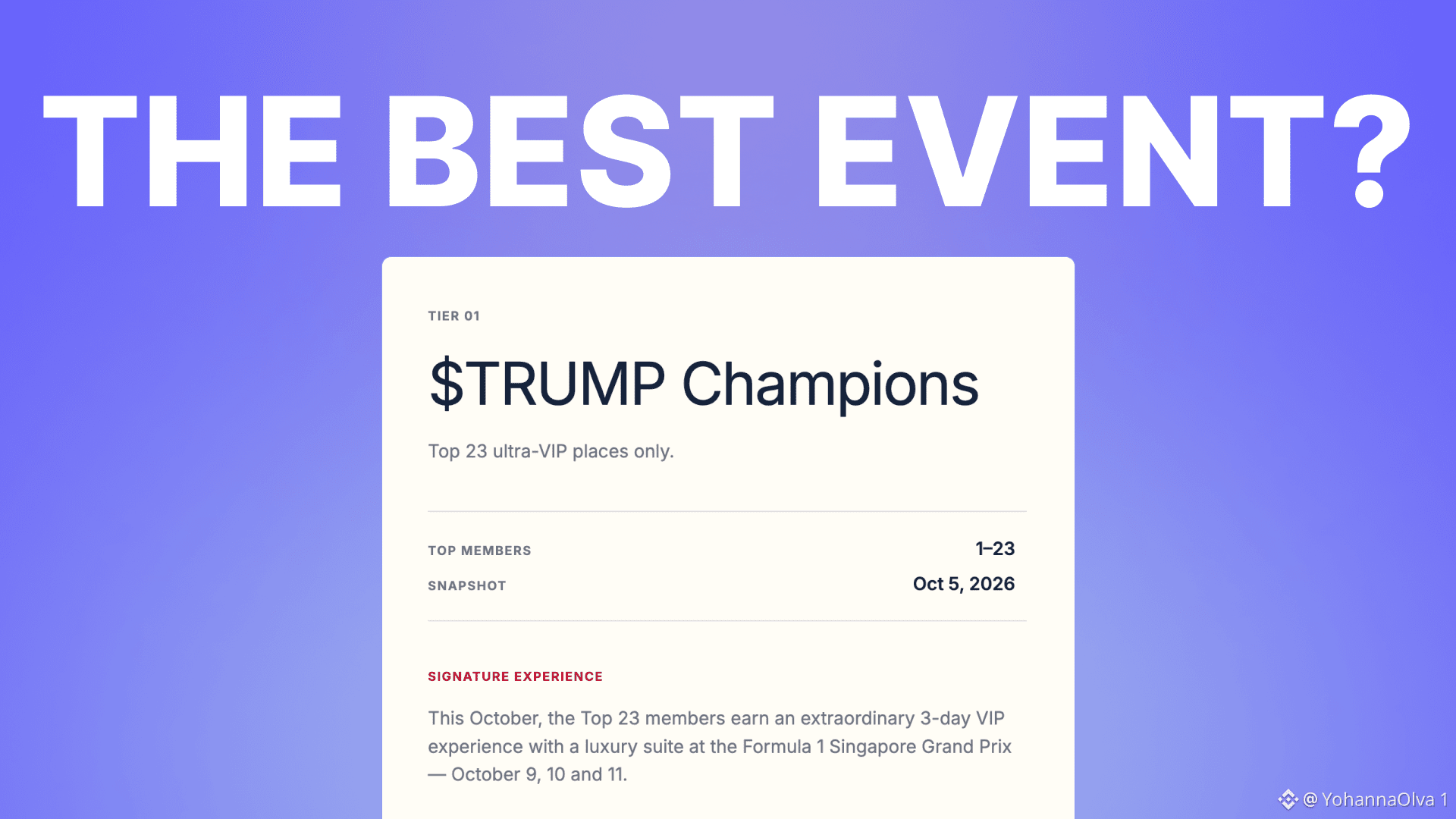
計劃中的 $Trump Coin Club Singapore 體驗,將這一理念帶到更小規模的場景中,活動將在新加坡賽車週末期間舉行。
爲期三天,符合資格的成員預計將在新加坡一同享受款待與活動。
我覺得,這纔是項目和俱樂部舉辦活動應有的方式。
#宏觀洞察#
線下沒有推薦算法 👀
信息流決定我們看到哪些敘事、聽到哪些聲音。圍繞 $HYPE 和 $TON 的社羣在線上或許聲勢浩大,但每個人看到的內容,仍由算法選擇推送什麼來塑造。
TOKEN2049 今天開幕,預計將有超過 25,000 名參會者齊聚新加坡。
爲期兩天的活動中,探索將從線上走到線下。人們可以自行決定繼續參與哪些對話,以及哪些聯結值得投入更多時間。
在我看來,這就是讓線上社羣相聚於同一空間所帶來的、常被忽視的價值。
計劃中的 $Trump Coin Club Singapore 體驗,將這一理念帶到更小規模的場景中,活動將在新加坡賽車週末期間舉行。
爲期三天,符合資格的成員預計將在新加坡一同享受款待與活動。
我覺得,這纔是項目和俱樂部舉辦活動應有的方式。
#宏觀洞察#
信息流決定我們看到哪些敘事、聽到哪些聲音。圍繞 $HYPE 和 $TON 的社羣在線上或許聲勢浩大,但每個人看到的內容,仍由算法選擇推送什麼來塑造。
TOKEN2049 今天開幕,預計將有超過 25,000 名參會者齊聚新加坡。
爲期兩天的活動中,探索將從線上走到線下。人們可以自行決定繼續參與哪些對話,以及哪些聯結值得投入更多時間。
在我看來,這就是讓線上社羣相聚於同一空間所帶來的、常被忽視的價值。
計劃中的 $Trump Coin Club Singapore 體驗,將這一理念帶到更小規模的場景中,活動將在新加坡賽車週末期間舉行。
爲期三天,符合資格的成員預計將在新加坡一同享受款待與活動。
我覺得,這纔是項目和俱樂部舉辦活動應有的方式。
#宏觀洞察#
76
隱私保護幣不等於隱私保護應用 🪙
人們現在正在做的交易,是買入一種可以悄然持有的資產,而支撐它的數據是真實的:今年,$ZEC 在隱私池中的供應量佔比已超過 30%,而 2024 年初這一比例爲 8%。
這回答了一個問題:如何在不公開餘額的情況下持有價值。但對於個人或公司所做的其他一切,它並沒有給出任何答案。
在 $SOL 上,公開的不是幣,而是活動本身。訂單、倉位、工資發放、被查詢的模型——所有這些都必須以可讀形式交給程序,之後才能進行任何操作。
因此,一種可以悄然持有的資產,並不能幫助那些無法公開賬本的基金、無法公開薪資的公司,或無法公開輸入數據的 AI 應用。
Arcium 構建在資產之下的一個層級。任何計算都會被拆分成片段,分散到一組節點中;沒有任何單個節點持有可讀的完整副本,但仍能得出正確答案。
這個答案會作爲普通的公開交易在 Solana 上完成結算,因此 DeFi 應用仍可接受審計,而輸入數據從未公開。
自 2 月 2 日起,Mainnet Alpha 一直以這種方式運行,目前已有 15 支團隊在其上構建。
買入一種密封資產,與擁有所有密封應用賴以運行的底層層級,是兩種不同的交易;隨着越來越多的事物轉移到鏈上,只有其中一種會隨之壯大。
#DeFi #Solana
隱私保護幣不等於隱私保護應用 🪙
人們現在正在做的交易,是買入一種可以悄然持有的資產,而支撐它的數據是真實的:今年,$ZEC 在隱私池中的供應量佔比已超過 30%,而 2024 年初這一比例爲 8%。
這回答了一個問題:如何在不公開餘額的情況下持有價值。但對於個人或公司所做的其他一切,它並沒有給出任何答案。
在 $SOL 上,公開的不是幣,而是活動本身。訂單、倉位、工資發放、被查詢的模型——所有這些都必須以可讀形式交給程序,之後才能進行任何操作。
因此,一種可以悄然持有的資產,並不能幫助那些無法公開賬本的基金、無法公開薪資的公司,或無法公開輸入數據的 AI 應用。
Arcium 構建在資產之下的一個層級。任何計算都會被拆分成片段,分散到一組節點中;沒有任何單個節點持有可讀的完整副本,但仍能得出正確答案。
這個答案會作爲普通的公開交易在 Solana 上完成結算,因此 DeFi 應用仍可接受審計,而輸入數據從未公開。
自 2 月 2 日起,Mainnet Alpha 一直以這種方式運行,目前已有 15 支團隊在其上構建。
買入一種密封資產,與擁有所有密封應用賴以運行的底層層級,是兩種不同的交易;隨着越來越多的事物轉移到鏈上,只有其中一種會隨之壯大。
#DeFi #Solana
人們現在正在做的交易,是買入一種可以悄然持有的資產,而支撐它的數據是真實的:今年,$ZEC 在隱私池中的供應量佔比已超過 30%,而 2024 年初這一比例爲 8%。
這回答了一個問題:如何在不公開餘額的情況下持有價值。但對於個人或公司所做的其他一切,它並沒有給出任何答案。
在 $SOL 上,公開的不是幣,而是活動本身。訂單、倉位、工資發放、被查詢的模型——所有這些都必須以可讀形式交給程序,之後才能進行任何操作。
因此,一種可以悄然持有的資產,並不能幫助那些無法公開賬本的基金、無法公開薪資的公司,或無法公開輸入數據的 AI 應用。
Arcium 構建在資產之下的一個層級。任何計算都會被拆分成片段,分散到一組節點中;沒有任何單個節點持有可讀的完整副本,但仍能得出正確答案。
這個答案會作爲普通的公開交易在 Solana 上完成結算,因此 DeFi 應用仍可接受審計,而輸入數據從未公開。
自 2 月 2 日起,Mainnet Alpha 一直以這種方式運行,目前已有 15 支團隊在其上構建。
買入一種密封資產,與擁有所有密封應用賴以運行的底層層級,是兩種不同的交易;隨着越來越多的事物轉移到鏈上,只有其中一種會隨之壯大。
#DeFi #Solana
63
Basecamp 或將開啓 Sui 的金融新時代 💧
鏈上金融領域不乏各類會議,人們總在討論哪些東西將來可能行得通。$SUI Basecamp 正逐漸成爲一個能讓市場親眼見證金融基礎設施實時運作的舞臺。
DeepBook 的全新應用運行在鏈上訂單簿之上,而該訂單簿已支撐 Sui 上超過 200 億美元的交易量。
在 Basecamp 上,Trading Arena 將通過 Hudi 競賽,讓與會者直接觀摩實時交易。我很喜歡這種方式,因爲市場會迅速暴露弱點。
流動性、執行和結算,要麼能經受住交易者到來的考驗,要麼不能。Sui 正讓這項技術直面壓力,同時讓生態團隊展示他們在此基礎上構建的成果。
Basecamp 官方日程還承諾將發佈新產品,並帶領大家深入瞭解支撐鏈上金融運轉的基礎設施。
這可能會成爲網絡發展的一個重要時刻。
Sui 已經構建了快速結算、原生流動性基礎設施和免 Gas 費的穩定幣轉賬功能。Basecamp 可以將這些環節整合爲一個易於理解的金融敘事,並展示資金在生態中實際流動的方式。
如果活動能帶來有意義的項目發佈和現場演示,Sui 離開新加坡時,或許將擁有更鮮明的定位,成爲一個真正有實力的金融網絡。
我看好 Sui,因爲 Basecamp 有望展示一個已準備好與交易者、開發者和全球流動性爭奪機會的生態。
#山寨幣季# #DeFi#
Basecamp 或將開啓 Sui 的金融新時代 💧
鏈上金融領域不乏各類會議,人們總在討論哪些東西將來可能行得通。$SUI Basecamp 正逐漸成爲一個能讓市場親眼見證金融基礎設施實時運作的舞臺。
DeepBook 的全新應用運行在鏈上訂單簿之上,而該訂單簿已支撐 Sui 上超過 200 億美元的交易量。
在 Basecamp 上,Trading Arena 將通過 Hudi 競賽,讓與會者直接觀摩實時交易。我很喜歡這種方式,因爲市場會迅速暴露弱點。
流動性、執行和結算,要麼能經受住交易者到來的考驗,要麼不能。Sui 正讓這項技術直面壓力,同時讓生態團隊展示他們在此基礎上構建的成果。
Basecamp 官方日程還承諾將發佈新產品,並帶領大家深入瞭解支撐鏈上金融運轉的基礎設施。
這可能會成爲網絡發展的一個重要時刻。
Sui 已經構建了快速結算、原生流動性基礎設施和免 Gas 費的穩定幣轉賬功能。Basecamp 可以將這些環節整合爲一個易於理解的金融敘事,並展示資金在生態中實際流動的方式。
如果活動能帶來有意義的項目發佈和現場演示,Sui 離開新加坡時,或許將擁有更鮮明的定位,成爲一個真正有實力的金融網絡。
我看好 Sui,因爲 Basecamp 有望展示一個已準備好與交易者、開發者和全球流動性爭奪機會的生態。
#山寨幣季# #DeFi#
鏈上金融領域不乏各類會議,人們總在討論哪些東西將來可能行得通。$SUI Basecamp 正逐漸成爲一個能讓市場親眼見證金融基礎設施實時運作的舞臺。
DeepBook 的全新應用運行在鏈上訂單簿之上,而該訂單簿已支撐 Sui 上超過 200 億美元的交易量。
在 Basecamp 上,Trading Arena 將通過 Hudi 競賽,讓與會者直接觀摩實時交易。我很喜歡這種方式,因爲市場會迅速暴露弱點。
流動性、執行和結算,要麼能經受住交易者到來的考驗,要麼不能。Sui 正讓這項技術直面壓力,同時讓生態團隊展示他們在此基礎上構建的成果。
Basecamp 官方日程還承諾將發佈新產品,並帶領大家深入瞭解支撐鏈上金融運轉的基礎設施。
這可能會成爲網絡發展的一個重要時刻。
Sui 已經構建了快速結算、原生流動性基礎設施和免 Gas 費的穩定幣轉賬功能。Basecamp 可以將這些環節整合爲一個易於理解的金融敘事,並展示資金在生態中實際流動的方式。
如果活動能帶來有意義的項目發佈和現場演示,Sui 離開新加坡時,或許將擁有更鮮明的定位,成爲一個真正有實力的金融網絡。
我看好 Sui,因爲 Basecamp 有望展示一個已準備好與交易者、開發者和全球流動性爭奪機會的生態。
#山寨幣季# #DeFi#
74
$DOGE 今年會觸及 $0.20 嗎?🐶
我押 YES。
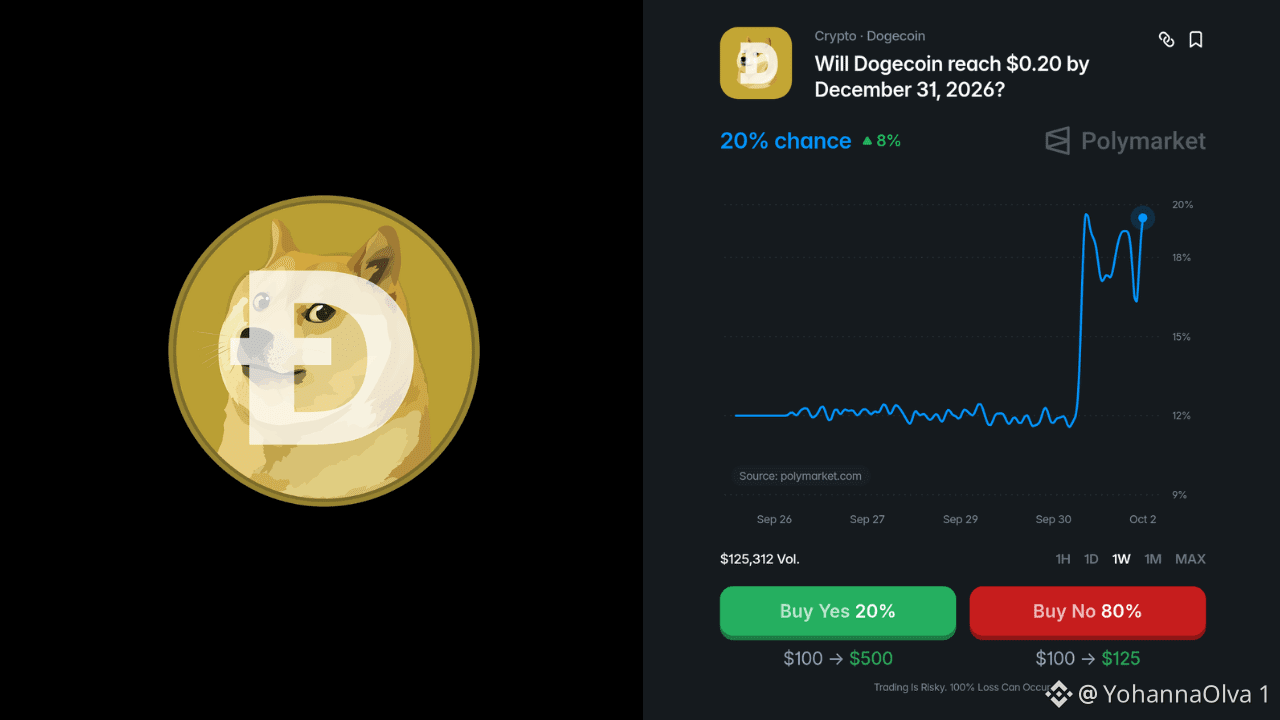
市場上的人也不看好這個結果。截圖顯示,只有 20% 的概率認爲 DOGE 會在 12 月 31 日前達到這一價位。
但要讓這個市場判定 DOGE 達標,它不需要一直維持在 $0.20 以上。根據 Polymarket 的規則,只要在截止時間前,幣安的一根符合條件的 1 分鐘 K 線最高價達到或超過 $0.20 即可。
這是個很重要的區別。
一波猛烈的迷因幣輪動就可能足夠了。
我最喜歡的一點是:按截圖上的價格,如果 YES 最終獲勝,投入 $100 可獲得 $500 的總回報。
換句話說,我看好這個結果的程度,比市場定價所反映的要高,而這筆押注的回報是 5 倍。
這個市場目前也已經有超過 $125K 的資金支持,所以這並不是一個完全無人問津的預測。
相比單純買入更多 DOGE、並寄望價格持續上漲,Polymarket 讓我能更直接地表達對 DOGE 的這一特定判斷。
有趣的是,在衆多其他代幣中,DOGE 也可以直接用於這筆交易。
#山寨幣季節#
$DOGE 今年會觸及 $0.20 嗎?🐶
我押 YES。
市場上的人也不看好這個結果。截圖顯示,只有 20% 的概率認爲 DOGE 會在 12 月 31 日前達到這一價位。
但要讓這個市場判定 DOGE 達標,它不需要一直維持在 $0.20 以上。根據 Polymarket 的規則,只要在截止時間前,幣安的一根符合條件的 1 分鐘 K 線最高價達到或超過 $0.20 即可。
這是個很重要的區別。
一波猛烈的迷因幣輪動就可能足夠了。
我最喜歡的一點是:按截圖上的價格,如果 YES 最終獲勝,投入 $100 可獲得 $500 的總回報。
換句話說,我看好這個結果的程度,比市場定價所反映的要高,而這筆押注的回報是 5 倍。
這個市場目前也已經有超過 $125K 的資金支持,所以這並不是一個完全無人問津的預測。
相比單純買入更多 DOGE、並寄望價格持續上漲,Polymarket 讓我能更直接地表達對 DOGE 的這一特定判斷。
有趣的是,在衆多其他代幣中,DOGE 也可以直接用於這筆交易。
#山寨幣季節#
我押 YES。
市場上的人也不看好這個結果。截圖顯示,只有 20% 的概率認爲 DOGE 會在 12 月 31 日前達到這一價位。
但要讓這個市場判定 DOGE 達標,它不需要一直維持在 $0.20 以上。根據 Polymarket 的規則,只要在截止時間前,幣安的一根符合條件的 1 分鐘 K 線最高價達到或超過 $0.20 即可。
這是個很重要的區別。
一波猛烈的迷因幣輪動就可能足夠了。
我最喜歡的一點是:按截圖上的價格,如果 YES 最終獲勝,投入 $100 可獲得 $500 的總回報。
換句話說,我看好這個結果的程度,比市場定價所反映的要高,而這筆押注的回報是 5 倍。
這個市場目前也已經有超過 $125K 的資金支持,所以這並不是一個完全無人問津的預測。
相比單純買入更多 DOGE、並寄望價格持續上漲,Polymarket 讓我能更直接地表達對 DOGE 的這一特定判斷。
有趣的是,在衆多其他代幣中,DOGE 也可以直接用於這筆交易。
#山寨幣季節#
84
交易時段是人類的約定 🌙
$LINK 和 $ONDO 都旨在將鏈下事物帶到鏈上:前者是事實,後者是現實世界資產。無論如何,這都改變不了一個事實:這些資產所來自的交易場所會在四點收盤。
最清楚地展示這種時間差會造成什麼的,是一個在 Bankr 上發行、並在 Robinhood Chain 上與 GameStop 真實股票配對的 GME Meme 代幣。
傳統市場休市期間,隔夜交易的 Meme 代幣成交量約爲 1,800 萬美元,股票代幣成交量約爲 3,000 萬美元。由於鏈上代幣的流通量有限,GME 在鏈上的交易價格約爲 200 美元,而現實世界中的價格約爲 21 美元。
真正重要的是差價如何彌合。
套利者在鏈下買入 GameStop 真實股票,再將其帶到鏈上以彌合差價,大幅增加了代幣化流通量。鏈上需求促成了現實世界中的股票買入。這種因果方向值得仔細思考,而大多數人可能會猜測事情恰恰是反過來的。
這些數字描述的是一次事件,而非持續表現;要出現如此大的價格偏離,流通量必須足夠稀少。這是市場結構的結果,不是一種策略。
即便考慮到這些限制,結構性結論依然成立。一個永不休市的市場和一個每天傍晚都會收盤的市場,不可能始終保持一致;要讓兩者重新對齊,就必須有某種東西發生變化。
#RWA #DeFi
交易時段是人類的約定 🌙
$LINK 和 $ONDO 都旨在將鏈下事物帶到鏈上:前者是事實,後者是現實世界資產。無論如何,這都改變不了一個事實:這些資產所來自的交易場所會在四點收盤。
最清楚地展示這種時間差會造成什麼的,是一個在 Bankr 上發行、並在 Robinhood Chain 上與 GameStop 真實股票配對的 GME Meme 代幣。
傳統市場休市期間,隔夜交易的 Meme 代幣成交量約爲 1,800 萬美元,股票代幣成交量約爲 3,000 萬美元。由於鏈上代幣的流通量有限,GME 在鏈上的交易價格約爲 200 美元,而現實世界中的價格約爲 21 美元。
真正重要的是差價如何彌合。
套利者在鏈下買入 GameStop 真實股票,再將其帶到鏈上以彌合差價,大幅增加了代幣化流通量。鏈上需求促成了現實世界中的股票買入。這種因果方向值得仔細思考,而大多數人可能會猜測事情恰恰是反過來的。
這些數字描述的是一次事件,而非持續表現;要出現如此大的價格偏離,流通量必須足夠稀少。這是市場結構的結果,不是一種策略。
即便考慮到這些限制,結構性結論依然成立。一個永不休市的市場和一個每天傍晚都會收盤的市場,不可能始終保持一致;要讓兩者重新對齊,就必須有某種東西發生變化。
#RWA #DeFi
$LINK 和 $ONDO 都旨在將鏈下事物帶到鏈上:前者是事實,後者是現實世界資產。無論如何,這都改變不了一個事實:這些資產所來自的交易場所會在四點收盤。
最清楚地展示這種時間差會造成什麼的,是一個在 Bankr 上發行、並在 Robinhood Chain 上與 GameStop 真實股票配對的 GME Meme 代幣。
傳統市場休市期間,隔夜交易的 Meme 代幣成交量約爲 1,800 萬美元,股票代幣成交量約爲 3,000 萬美元。由於鏈上代幣的流通量有限,GME 在鏈上的交易價格約爲 200 美元,而現實世界中的價格約爲 21 美元。
真正重要的是差價如何彌合。
套利者在鏈下買入 GameStop 真實股票,再將其帶到鏈上以彌合差價,大幅增加了代幣化流通量。鏈上需求促成了現實世界中的股票買入。這種因果方向值得仔細思考,而大多數人可能會猜測事情恰恰是反過來的。
這些數字描述的是一次事件,而非持續表現;要出現如此大的價格偏離,流通量必須足夠稀少。這是市場結構的結果,不是一種策略。
即便考慮到這些限制,結構性結論依然成立。一個永不休市的市場和一個每天傍晚都會收盤的市場,不可能始終保持一致;要讓兩者重新對齊,就必須有某種東西發生變化。
#RWA #DeFi
77
緊跟應用,然後關注數據 🌐
關於加密基礎設施,我注意到:
每當應用變得更加複雜,對數據的需求就會激增。
用戶越多 → 歷史數據越多
鏈越多 → 數據來源越多
資產越多 → 計算越多
自動化程度越高 → 影響越大
這就是爲什麼我認爲 Space and Time 在整個技術棧中佔據着一個很有意思的位置。
$SUI 和其他高吞吐量生態系統可以繼續推動執行能力的發展,而 Space and Time 則專注於讓應用能夠訪問大型數據集,並對這些數據集進行可驗證計算。
這並不是相互競爭的工作。
它們是相輔相成的基礎設施。
加密領域的前端正變得越來越快。
後端也必須隨之進化。
#山寨幣季節#
緊跟應用,然後關注數據 🌐
關於加密基礎設施,我注意到:
每當應用變得更加複雜,對數據的需求就會激增。
用戶越多 → 歷史數據越多
鏈越多 → 數據來源越多
資產越多 → 計算越多
自動化程度越高 → 影響越大
這就是爲什麼我認爲 Space and Time 在整個技術棧中佔據着一個很有意思的位置。
$SUI 和其他高吞吐量生態系統可以繼續推動執行能力的發展,而 Space and Time 則專注於讓應用能夠訪問大型數據集,並對這些數據集進行可驗證計算。
這並不是相互競爭的工作。
它們是相輔相成的基礎設施。
加密領域的前端正變得越來越快。
後端也必須隨之進化。
#山寨幣季節#
關於加密基礎設施,我注意到:
每當應用變得更加複雜,對數據的需求就會激增。
用戶越多 → 歷史數據越多
鏈越多 → 數據來源越多
資產越多 → 計算越多
自動化程度越高 → 影響越大
這就是爲什麼我認爲 Space and Time 在整個技術棧中佔據着一個很有意思的位置。
$SUI 和其他高吞吐量生態系統可以繼續推動執行能力的發展,而 Space and Time 則專注於讓應用能夠訪問大型數據集,並對這些數據集進行可驗證計算。
這並不是相互競爭的工作。
它們是相輔相成的基礎設施。
加密領域的前端正變得越來越快。
後端也必須隨之進化。
#山寨幣季節#
72
登入以探索更多內容
加入幣安廣場中的全球加密貨幣用戶
⚡️ 獲取加密貨幣的最新和實用資訊。
💬 受到全球最大加密貨幣交易所的信任。
👍 發掘來自經過驗證創作者的真實見解。
電子郵件 / 電話號碼