

JENNA 1
113 貼文

JENNA 1
舉報
封鎖用戶
#Web3 girl |KOL| DM for prom. 🤝
0 關注
0 粉絲
0 點讚數
貼文
·
--
查看翻譯
50 indices and Nasdaq Basic 📈 🚀
$HYPE turned 24/7 perps into a real category. $SOL showed how fast apps and liquid onchain markets can pull attention when the user experience works. Pyth is attacking the part underneath both: the pricing layer for markets that do not fit inside one asset class anymore.
The new Pyth Indices map now covers equities, commodities, market indices, ETFs, metals, FX and pre-IPO exposure.
That is a very different surface from a basic crypto price-feed network.
It means builders can start thinking in broader market terms: gold, oil, FX, ETFs, equity indices, private-market exposure, and traditional assets that traders already understand.
The Nasdaq Basic update makes this more serious. Pyth is now an external distributor channel for Nasdaq Basic through the Pyth Data Marketplace, giving approved clients another way to access real-time U.S. equity market data after licensing directly with Nasdaq.
So the picture is getting clearer.
50 live indices. 3,500+ market feeds. 138+ first-party publishers.
$751.9B in August RWA perp volume, with 96.27% priced by Pyth.
$10.4M ARR in August.
This is how Pyth keeps widening the market map while the token narrative still feels early compared to the product.
More markets. More data. More reasons for traders to pay attention 📈
#Altcoin Season# #Trading
50 indices and Nasdaq Basic 📈 🚀
$HYPE turned 24/7 perps into a real category. $SOL showed how fast apps and liquid onchain markets can pull attention when the user experience works. Pyth is attacking the part underneath both: the pricing layer for markets that do not fit inside one asset class anymore.
The new Pyth Indices map now covers equities, commodities, market indices, ETFs, metals, FX and pre-IPO exposure.
That is a very different surface from a basic crypto price-feed network.
It means builders can start thinking in broader market terms: gold, oil, FX, ETFs, equity indices, private-market exposure, and traditional assets that traders already understand.
The Nasdaq Basic update makes this more serious. Pyth is now an external distributor channel for Nasdaq Basic through the Pyth Data Marketplace, giving approved clients another way to access real-time U.S. equity market data after licensing directly with Nasdaq.
So the picture is getting clearer.
50 live indices. 3,500+ market feeds. 138+ first-party publishers.
$751.9B in August RWA perp volume, with 96.27% priced by Pyth.
$10.4M ARR in August.
This is how Pyth keeps widening the market map while the token narrative still feels early compared to the product.
More markets. More data. More reasons for traders to pay attention 📈
#Altcoin Season# #Trading
$HYPE turned 24/7 perps into a real category. $SOL showed how fast apps and liquid onchain markets can pull attention when the user experience works. Pyth is attacking the part underneath both: the pricing layer for markets that do not fit inside one asset class anymore.
The new Pyth Indices map now covers equities, commodities, market indices, ETFs, metals, FX and pre-IPO exposure.
That is a very different surface from a basic crypto price-feed network.
It means builders can start thinking in broader market terms: gold, oil, FX, ETFs, equity indices, private-market exposure, and traditional assets that traders already understand.
The Nasdaq Basic update makes this more serious. Pyth is now an external distributor channel for Nasdaq Basic through the Pyth Data Marketplace, giving approved clients another way to access real-time U.S. equity market data after licensing directly with Nasdaq.
So the picture is getting clearer.
50 live indices. 3,500+ market feeds. 138+ first-party publishers.
$751.9B in August RWA perp volume, with 96.27% priced by Pyth.
$10.4M ARR in August.
This is how Pyth keeps widening the market map while the token narrative still feels early compared to the product.
More markets. More data. More reasons for traders to pay attention 📈
#Altcoin Season# #Trading
60
·
--
查看翻譯
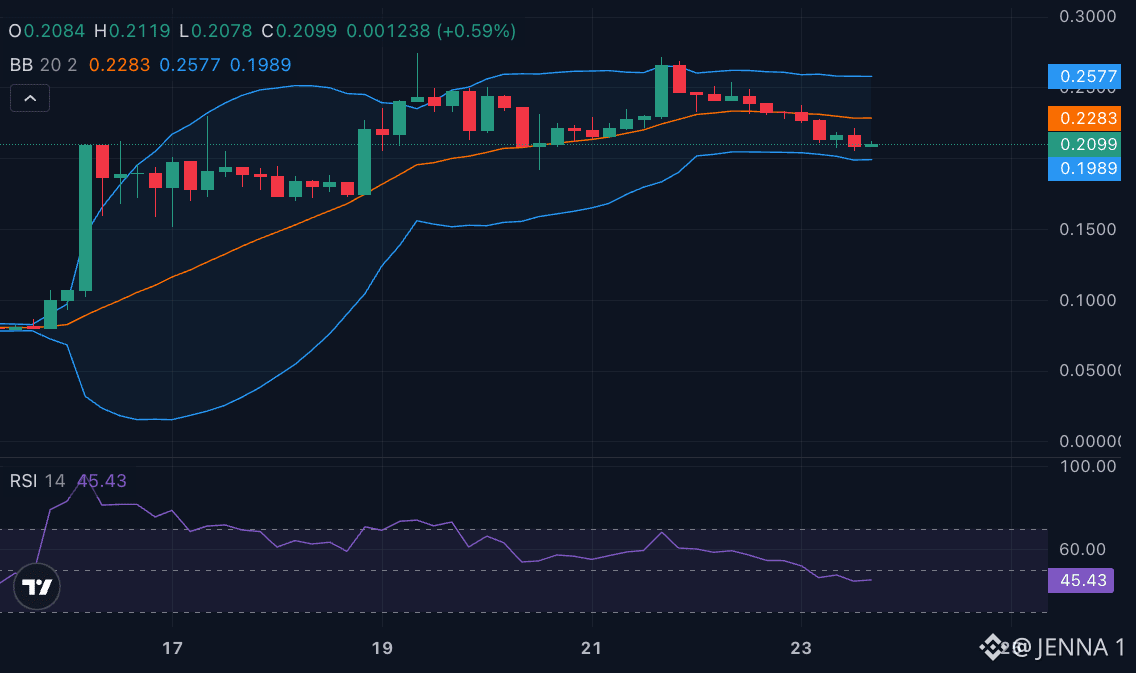
$SYN 4H chart is doing something I like.
Bands are squeezing. Lower band's come up from $0.02 to $0.1989 while the top just sat there at $0.2577.
Price is $0.2099. First real test of the lower band since this whole thing kicked off.
But look at RSI. 45.4. We're 22% off the high and momentum still hasn't gone oversold. This is price coming back to the mean, which is good news.
And it came back without rushed wicks, it was controlled.
The bit I think gets skipped is that the lower band is rising fast. Every sideways candle, the floor moves up. This range is closing from underneath, not from above.
#Altcoin Season#
$SYN 4H chart is doing something I like.
Bands are squeezing. Lower band's come up from $0.02 to $0.1989 while the top just sat there at $0.2577.
Price is $0.2099. First real test of the lower band since this whole thing kicked off.
But look at RSI. 45.4. We're 22% off the high and momentum still hasn't gone oversold. This is price coming back to the mean, which is good news.
And it came back without rushed wicks, it was controlled.
The bit I think gets skipped is that the lower band is rising fast. Every sideways candle, the floor moves up. This range is closing from underneath, not from above.
#Altcoin Season#
Bands are squeezing. Lower band's come up from $0.02 to $0.1989 while the top just sat there at $0.2577.
Price is $0.2099. First real test of the lower band since this whole thing kicked off.
But look at RSI. 45.4. We're 22% off the high and momentum still hasn't gone oversold. This is price coming back to the mean, which is good news.
And it came back without rushed wicks, it was controlled.
The bit I think gets skipped is that the lower band is rising fast. Every sideways candle, the floor moves up. This range is closing from underneath, not from above.
#Altcoin Season#
47
·
--
查看翻譯
4 Figure Returns in 24Hours 📈
It didn't take long for Pear Protocol's new third-party Vaults to start making profit for traders.
Within the first 24 hours, Emporium Ventures' “S&P 500 of Crypto” Vault recorded an early win of +$1,764.84 for depositors.
This is the same strategy Emporium spent 2 years refining before becoming the first external manager to launch through Pear Vaults.
Instead of traders having to research, construct and manage a multi-asset strategy themselves, the Vault puts an experienced manager's strategy to work automatically across baskets and tokens from Ethereum to $ZEC .
And the whole thing is built on HyperEVM, adding another use case to the growing $HYPE ecosystem beyond simply trading perps yourself.
Not a bad start tbh.
See which strategies are live for yourself at vaults.pear.garden
#Altcoin Season#
4 Figure Returns in 24Hours 📈
It didn't take long for Pear Protocol's new third-party Vaults to start making profit for traders.
Within the first 24 hours, Emporium Ventures' “S&P 500 of Crypto” Vault recorded an early win of +$1,764.84 for depositors.
This is the same strategy Emporium spent 2 years refining before becoming the first external manager to launch through Pear Vaults.
Instead of traders having to research, construct and manage a multi-asset strategy themselves, the Vault puts an experienced manager's strategy to work automatically across baskets and tokens from Ethereum to $ZEC .
And the whole thing is built on HyperEVM, adding another use case to the growing $HYPE ecosystem beyond simply trading perps yourself.
Not a bad start tbh.
See which strategies are live for yourself at vaults.pear.garden
#Altcoin Season#
It didn't take long for Pear Protocol's new third-party Vaults to start making profit for traders.
Within the first 24 hours, Emporium Ventures' “S&P 500 of Crypto” Vault recorded an early win of +$1,764.84 for depositors.
This is the same strategy Emporium spent 2 years refining before becoming the first external manager to launch through Pear Vaults.
Instead of traders having to research, construct and manage a multi-asset strategy themselves, the Vault puts an experienced manager's strategy to work automatically across baskets and tokens from Ethereum to $ZEC .
And the whole thing is built on HyperEVM, adding another use case to the growing $HYPE ecosystem beyond simply trading perps yourself.
Not a bad start tbh.
See which strategies are live for yourself at vaults.pear.garden
#Altcoin Season#
55
·
--
查看翻譯
Your Trade Needs Time To Work ⏳
$AAVE users know collateral levels matter. $SYN options offer another way to think about the risk of a trading position.
A view can eventually be correct while the position fails along the way.That is why paying an option premium deserves more attention in DeFi.
Buy a fully paid call and the premium sets the loss on that option. An adverse move does not create a margin liquidation for the long option itself.
You still need the move to happen before expiry, and it needs to be large enough to overcome the premium. The option can expire worthless.
Hypercall brings that structure to markets including NVDA and SP500, with fractional sizing and trading through weekends.
I find the practical choice compelling. A trader can select a timeframe and review the payoff before committing the premium.
That usefulness is part of the product case behind SYN and Hypercall’s role in the Hyperliquid ecosystem.
#RWA
Your Trade Needs Time To Work ⏳
$AAVE users know collateral levels matter. $SYN options offer another way to think about the risk of a trading position.
A view can eventually be correct while the position fails along the way.That is why paying an option premium deserves more attention in DeFi.
Buy a fully paid call and the premium sets the loss on that option. An adverse move does not create a margin liquidation for the long option itself.
You still need the move to happen before expiry, and it needs to be large enough to overcome the premium. The option can expire worthless.
Hypercall brings that structure to markets including NVDA and SP500, with fractional sizing and trading through weekends.
I find the practical choice compelling. A trader can select a timeframe and review the payoff before committing the premium.
That usefulness is part of the product case behind SYN and Hypercall’s role in the Hyperliquid ecosystem.
#RWA
$AAVE users know collateral levels matter. $SYN options offer another way to think about the risk of a trading position.
A view can eventually be correct while the position fails along the way.That is why paying an option premium deserves more attention in DeFi.
Buy a fully paid call and the premium sets the loss on that option. An adverse move does not create a margin liquidation for the long option itself.
You still need the move to happen before expiry, and it needs to be large enough to overcome the premium. The option can expire worthless.
Hypercall brings that structure to markets including NVDA and SP500, with fractional sizing and trading through weekends.
I find the practical choice compelling. A trader can select a timeframe and review the payoff before committing the premium.
That usefulness is part of the product case behind SYN and Hypercall’s role in the Hyperliquid ecosystem.
#RWA
74
·
--
查看翻譯
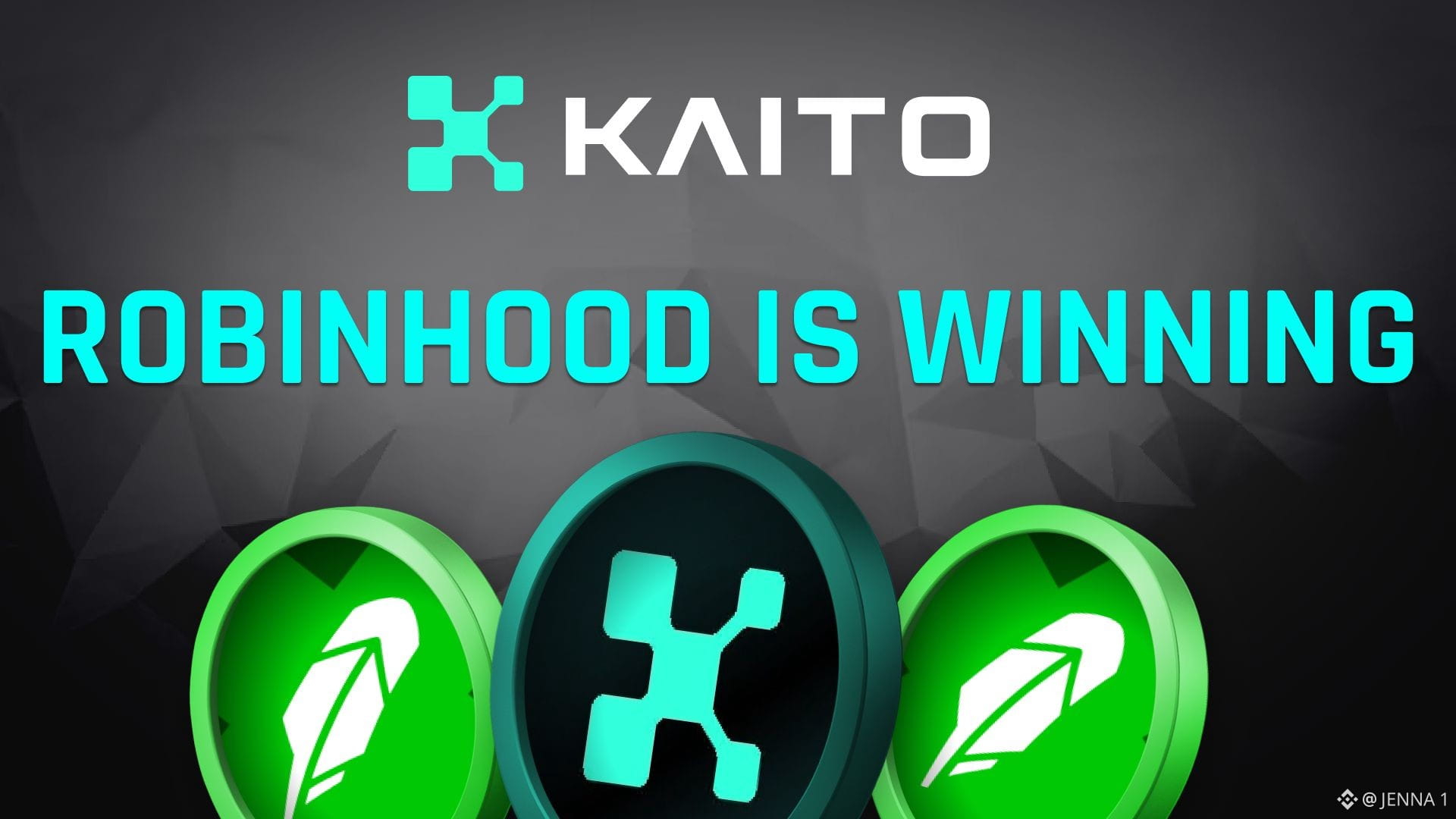
Robinhood Is Winning the Attention Game 📈
$PONS and $CASHCAT are quickly becoming two of the most recognizable names within the growing Robinhood Chain ecosystem and the attention is beginning to show in Robinhood’s stock mindshare.
Robinhood recently captured approximately 5.55% of total stock mindshare on Kaito AI.
I think that matters because market narratives often gain traction online before their impact becomes obvious on a price chart or earnings report.
Robinhood is no longer attracting attention solely as a brokerage. Its new onchain ecosystem has reportedly generated approximately $42.6 million in cumulative revenue, supported by memecoin activity, token launches and growing user participation.
Pons has helped accelerate the creation and trading of new tokens, while CashCat has given the network a recognizable native meme. Together, they have helped turn Robinhood Chain into a narrative traders are actively following.
This is why I use Kaito AI’s Mindshare Arena.
It organizes conversations from fragmented sources and shows how much attention companies are capturing relative to the wider market. I can also compare different timeframes to determine whether interest is a temporary spike or the beginning of a sustained trend.
For traders and creators, that can mean identifying the next major stock narrative before it takes over the timeline.
Open Kaito AI’s Mindshare Arena and see what the market is paying attention to now.
#AltcoinSeason #MacroInsights
Robinhood Is Winning the Attention Game 📈
$PONS and $CASHCAT are quickly becoming two of the most recognizable names within the growing Robinhood Chain ecosystem and the attention is beginning to show in Robinhood’s stock mindshare.
Robinhood recently captured approximately 5.55% of total stock mindshare on Kaito AI.
I think that matters because market narratives often gain traction online before their impact becomes obvious on a price chart or earnings report.
Robinhood is no longer attracting attention solely as a brokerage. Its new onchain ecosystem has reportedly generated approximately $42.6 million in cumulative revenue, supported by memecoin activity, token launches and growing user participation.
Pons has helped accelerate the creation and trading of new tokens, while CashCat has given the network a recognizable native meme. Together, they have helped turn Robinhood Chain into a narrative traders are actively following.
This is why I use Kaito AI’s Mindshare Arena.
It organizes conversations from fragmented sources and shows how much attention companies are capturing relative to the wider market. I can also compare different timeframes to determine whether interest is a temporary spike or the beginning of a sustained trend.
For traders and creators, that can mean identifying the next major stock narrative before it takes over the timeline.
Open Kaito AI’s Mindshare Arena and see what the market is paying attention to now.
#AltcoinSeason #MacroInsights
$PONS and $CASHCAT are quickly becoming two of the most recognizable names within the growing Robinhood Chain ecosystem and the attention is beginning to show in Robinhood’s stock mindshare.
Robinhood recently captured approximately 5.55% of total stock mindshare on Kaito AI.
I think that matters because market narratives often gain traction online before their impact becomes obvious on a price chart or earnings report.
Robinhood is no longer attracting attention solely as a brokerage. Its new onchain ecosystem has reportedly generated approximately $42.6 million in cumulative revenue, supported by memecoin activity, token launches and growing user participation.
Pons has helped accelerate the creation and trading of new tokens, while CashCat has given the network a recognizable native meme. Together, they have helped turn Robinhood Chain into a narrative traders are actively following.
This is why I use Kaito AI’s Mindshare Arena.
It organizes conversations from fragmented sources and shows how much attention companies are capturing relative to the wider market. I can also compare different timeframes to determine whether interest is a temporary spike or the beginning of a sustained trend.
For traders and creators, that can mean identifying the next major stock narrative before it takes over the timeline.
Open Kaito AI’s Mindshare Arena and see what the market is paying attention to now.
#AltcoinSeason #MacroInsights
·
--
市場可能會在 Pyth 🧠 上“遲到”
$NEAR 這邊,AI、代理以及應用層(app-layer)領域的從業者都在思考軟件接下來還能做什麼。$PYTH 正變得愈發重要,因爲每一家嚴肅的金融應用、代理(agent)、交易場所或預測市場,都需要可靠的數據,才能真正觸達現實市場。
從 Nasdaq Basic 到 Pyth Data Marketplace,正好指向這一精確方向。
獲批客戶可以直接與 Nasdaq 授權,並通過 Pyth 獲取 Nasdaq Basic。也就是說,實時的美國股票市場數據將獲得另一條“軟件原生”的分發渠道。
再加上現有的 Pyth 架構。
3,500+ 個市場數據源(market feeds)。
1,901 條股票(equity)數據源。
138+ 家第一方(first-party)發佈方。
45 個正在運行的 Pyth 指數(Pyth Indices)。
2024 年 8 月,來自 Pyth Indices 的 ARR 爲 159 萬美元($1.59M)。
單月 90,850 名 Terminal 訪問者。
這並不是一個項目停留在舊有“預言機幣(oracle coin)”那一類裏的畫像。
更像是:一家市場數據公司正在被加密交易者實時發現。
這也是“代幣(token)角度”變得有意思的地方——但不需要強行硬湊。
如果市場繼續把 $PYTH 當作狹義的 DeFi 數據源(feed)來對待,而產品則持續增加機構級數據分發以及付費的市場數據產品,那麼這種差距就會成爲故事。
Nasdaq Basic 會讓這個差距變得更加顯眼。
#Altcoin Season# #AI
市場可能會在 Pyth 🧠 上“遲到”
$NEAR 這邊,AI、代理以及應用層(app-layer)領域的從業者都在思考軟件接下來還能做什麼。$PYTH 正變得愈發重要,因爲每一家嚴肅的金融應用、代理(agent)、交易場所或預測市場,都需要可靠的數據,才能真正觸達現實市場。
從 Nasdaq Basic 到 Pyth Data Marketplace,正好指向這一精確方向。
獲批客戶可以直接與 Nasdaq 授權,並通過 Pyth 獲取 Nasdaq Basic。也就是說,實時的美國股票市場數據將獲得另一條“軟件原生”的分發渠道。
再加上現有的 Pyth 架構。
3,500+ 個市場數據源(market feeds)。
1,901 條股票(equity)數據源。
138+ 家第一方(first-party)發佈方。
45 個正在運行的 Pyth 指數(Pyth Indices)。
2024 年 8 月,來自 Pyth Indices 的 ARR 爲 159 萬美元($1.59M)。
單月 90,850 名 Terminal 訪問者。
這並不是一個項目停留在舊有“預言機幣(oracle coin)”那一類裏的畫像。
更像是:一家市場數據公司正在被加密交易者實時發現。
這也是“代幣(token)角度”變得有意思的地方——但不需要強行硬湊。
如果市場繼續把 $PYTH 當作狹義的 DeFi 數據源(feed)來對待,而產品則持續增加機構級數據分發以及付費的市場數據產品,那麼這種差距就會成爲故事。
Nasdaq Basic 會讓這個差距變得更加顯眼。
#Altcoin Season# #AI
$NEAR 這邊,AI、代理以及應用層(app-layer)領域的從業者都在思考軟件接下來還能做什麼。$PYTH 正變得愈發重要,因爲每一家嚴肅的金融應用、代理(agent)、交易場所或預測市場,都需要可靠的數據,才能真正觸達現實市場。
從 Nasdaq Basic 到 Pyth Data Marketplace,正好指向這一精確方向。
獲批客戶可以直接與 Nasdaq 授權,並通過 Pyth 獲取 Nasdaq Basic。也就是說,實時的美國股票市場數據將獲得另一條“軟件原生”的分發渠道。
再加上現有的 Pyth 架構。
3,500+ 個市場數據源(market feeds)。
1,901 條股票(equity)數據源。
138+ 家第一方(first-party)發佈方。
45 個正在運行的 Pyth 指數(Pyth Indices)。
2024 年 8 月,來自 Pyth Indices 的 ARR 爲 159 萬美元($1.59M)。
單月 90,850 名 Terminal 訪問者。
這並不是一個項目停留在舊有“預言機幣(oracle coin)”那一類裏的畫像。
更像是:一家市場數據公司正在被加密交易者實時發現。
這也是“代幣(token)角度”變得有意思的地方——但不需要強行硬湊。
如果市場繼續把 $PYTH 當作狹義的 DeFi 數據源(feed)來對待,而產品則持續增加機構級數據分發以及付費的市場數據產品,那麼這種差距就會成爲故事。
Nasdaq Basic 會讓這個差距變得更加顯眼。
#Altcoin Season# #AI
41
·
--
查看翻譯
KBW is about to take over the space 🌏
When communities around $AVAX and $SUI arrive in the same city, the official conference is only one part of what makes the week valuable.
Korea Blockchain Week will take over the convo with its main programme bringing the industry together, while events across Seoul give people different settings in which to continue the week.
I think this is where a crypto week separates itself from an ordinary conference.
The conference provides a shared agenda, and the surrounding gatherings allow people to explore it beyond a crowded venue.
The October 1st gathering shared through $Trump Coin Club channels fits into that second layer.
Planned for around 100 guests on the final day of KBW, it offers a smaller setting alongside the wider industry programme.
KBW establishes the conversation across Seoul, and the October 1st gathering gives selected $Trump Coin Club guests another place to continue it.
I’ll be watching what gets revealed as the date gets closer.
KBW is about to take over the space 🌏
When communities around $AVAX and $SUI arrive in the same city, the official conference is only one part of what makes the week valuable.
Korea Blockchain Week will take over the convo with its main programme bringing the industry together, while events across Seoul give people different settings in which to continue the week.
I think this is where a crypto week separates itself from an ordinary conference.
The conference provides a shared agenda, and the surrounding gatherings allow people to explore it beyond a crowded venue.
The October 1st gathering shared through $Trump Coin Club channels fits into that second layer.
Planned for around 100 guests on the final day of KBW, it offers a smaller setting alongside the wider industry programme.
KBW establishes the conversation across Seoul, and the October 1st gathering gives selected $Trump Coin Club guests another place to continue it.
I’ll be watching what gets revealed as the date gets closer.
When communities around $AVAX and $SUI arrive in the same city, the official conference is only one part of what makes the week valuable.
Korea Blockchain Week will take over the convo with its main programme bringing the industry together, while events across Seoul give people different settings in which to continue the week.
I think this is where a crypto week separates itself from an ordinary conference.
The conference provides a shared agenda, and the surrounding gatherings allow people to explore it beyond a crowded venue.
The October 1st gathering shared through $Trump Coin Club channels fits into that second layer.
Planned for around 100 guests on the final day of KBW, it offers a smaller setting alongside the wider industry programme.
KBW establishes the conversation across Seoul, and the October 1st gathering gives selected $Trump Coin Club guests another place to continue it.
I’ll be watching what gets revealed as the date gets closer.

58
·
--
查看翻譯
Your Transfer Shows The Amount To Everyone 💸
Send money across a border on most chains and the amount, the sender and the receiver stay public forever.
$NEAR shipped an update in May that strips names, account IDs and tax numbers out of user data on the device before any of it leaves.
That is the right instinct, and it protects one app rather than everything else built on the network.
And going fully dark is not the answer either, since $XMR hides a transfer so completely that no licensed operator could ever prove it followed sanctions rules.
So you pick between broadcasting the amount and using something no regulated service will touch.
Midnight handles it at the chain level instead, so every app gets it without each team solving the problem again.
A transfer stays unreadable while still proving to a regulator that it followed the rules.
Remittances are the biggest real use case crypto has, and the version that hides the amount beats the version that does not.
#Privacy #Macro Insights#
Your Transfer Shows The Amount To Everyone 💸
Send money across a border on most chains and the amount, the sender and the receiver stay public forever.
$NEAR shipped an update in May that strips names, account IDs and tax numbers out of user data on the device before any of it leaves.
That is the right instinct, and it protects one app rather than everything else built on the network.
And going fully dark is not the answer either, since $XMR hides a transfer so completely that no licensed operator could ever prove it followed sanctions rules.
So you pick between broadcasting the amount and using something no regulated service will touch.
Midnight handles it at the chain level instead, so every app gets it without each team solving the problem again.
A transfer stays unreadable while still proving to a regulator that it followed the rules.
Remittances are the biggest real use case crypto has, and the version that hides the amount beats the version that does not.
#Privacy #Macro Insights#
Send money across a border on most chains and the amount, the sender and the receiver stay public forever.
$NEAR shipped an update in May that strips names, account IDs and tax numbers out of user data on the device before any of it leaves.
That is the right instinct, and it protects one app rather than everything else built on the network.
And going fully dark is not the answer either, since $XMR hides a transfer so completely that no licensed operator could ever prove it followed sanctions rules.
So you pick between broadcasting the amount and using something no regulated service will touch.
Midnight handles it at the chain level instead, so every app gets it without each team solving the problem again.
A transfer stays unreadable while still proving to a regulator that it followed the rules.
Remittances are the biggest real use case crypto has, and the version that hides the amount beats the version that does not.
#Privacy #Macro Insights#
64
·
--
查看翻譯
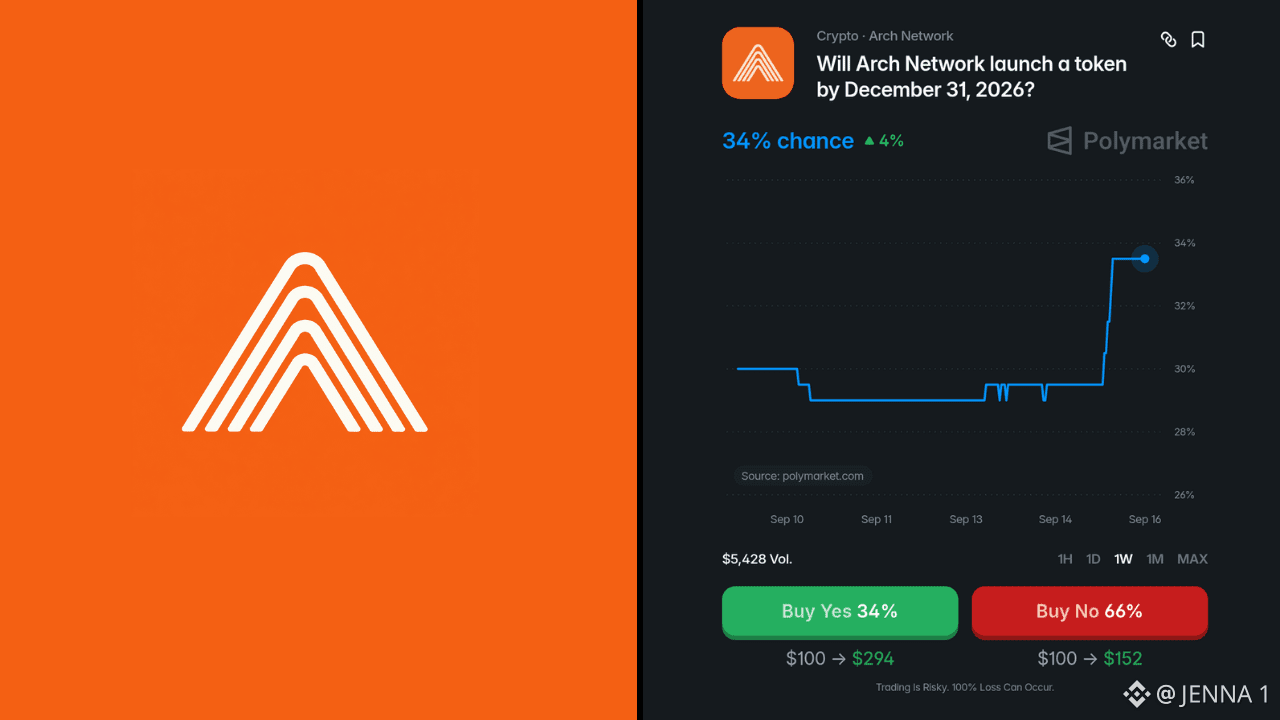
Arch just woke the market 📈
34% and up 4%.
That move interests me more when I look at the volume.
Only around $5.4K has traded in this Polymarket market so far, which means I still consider this an early prediction rather than an overcrowded trade.
I'm taking Yes on Arch Network launching a token before year-end.
The market spent most of the week around the high-20s before moving into the mid-30s. When a smaller prediction begins repricing before serious volume arrives, I pay attention.
This is one of those trades where I would rather be early and wrong with a controlled position than discover it after everyone suddenly wants Yes.
I'll rotate a little $POL exposure into the prediction and let the information develop.
If we get credible launch signals, the move could be:
34% → 45% → 55%
I don't need to sit there until December waiting to see whether the token actually launches.
Polymarket lets me sell into that repricing.
That's what makes these markets powerful during a bull cycle. I'm not restricted to trading price charts anymore.
I can trade attention, expectations and upcoming catalysts themselves.
Yes is my side here.
#Altcoin Season#
Arch just woke the market 📈
34% and up 4%.
That move interests me more when I look at the volume.
Only around $5.4K has traded in this Polymarket market so far, which means I still consider this an early prediction rather than an overcrowded trade.
I'm taking Yes on Arch Network launching a token before year-end.
The market spent most of the week around the high-20s before moving into the mid-30s. When a smaller prediction begins repricing before serious volume arrives, I pay attention.
This is one of those trades where I would rather be early and wrong with a controlled position than discover it after everyone suddenly wants Yes.
I'll rotate a little $POL exposure into the prediction and let the information develop.
If we get credible launch signals, the move could be:
34% → 45% → 55%
I don't need to sit there until December waiting to see whether the token actually launches.
Polymarket lets me sell into that repricing.
That's what makes these markets powerful during a bull cycle. I'm not restricted to trading price charts anymore.
I can trade attention, expectations and upcoming catalysts themselves.
Yes is my side here.
#Altcoin Season#
34% and up 4%.
That move interests me more when I look at the volume.
Only around $5.4K has traded in this Polymarket market so far, which means I still consider this an early prediction rather than an overcrowded trade.
I'm taking Yes on Arch Network launching a token before year-end.
The market spent most of the week around the high-20s before moving into the mid-30s. When a smaller prediction begins repricing before serious volume arrives, I pay attention.
This is one of those trades where I would rather be early and wrong with a controlled position than discover it after everyone suddenly wants Yes.
I'll rotate a little $POL exposure into the prediction and let the information develop.
If we get credible launch signals, the move could be:
34% → 45% → 55%
I don't need to sit there until December waiting to see whether the token actually launches.
Polymarket lets me sell into that repricing.
That's what makes these markets powerful during a bull cycle. I'm not restricted to trading price charts anymore.
I can trade attention, expectations and upcoming catalysts themselves.
Yes is my side here.
#Altcoin Season#
42
·
--
查看翻譯
Professional Market Data Was Always A Private Club 🏦
The market can be open while the infrastructure around the market stays very closed. That has been normal in traditional finance for decades.
Large firms pay for dedicated connectivity, specialist data feeds and infrastructure that smaller participants rarely build for themselves.
$HYPE showed how far crypto could push open access to sophisticated markets without recreating every old gate around participation.
$SOL did something similar with high-performance blockchain infrastructure, where anyone capable of meeting the requirements can participate rather than asking a financial institution for permission.
The networking layer has been slower to follow.DoubleZero Edge takes infrastructure that looks much closer to professional exchange networking and turns access into a software-defined service over shared dedicated fiber.
The Kalshi feed is a good example because the data can reach subscribing firms without each one provisioning the sort of private connectivity relationship traditional finance historically required.
That does not make every trader equal. It changes who can buy the infrastructure serious trading normally expects.
Crypto spent years opening markets that used to have gatekeepers. Opening the roads into those markets feels like the logical next step.
#Altcoin Season#
Professional Market Data Was Always A Private Club 🏦
The market can be open while the infrastructure around the market stays very closed. That has been normal in traditional finance for decades.
Large firms pay for dedicated connectivity, specialist data feeds and infrastructure that smaller participants rarely build for themselves.
$HYPE showed how far crypto could push open access to sophisticated markets without recreating every old gate around participation.
$SOL did something similar with high-performance blockchain infrastructure, where anyone capable of meeting the requirements can participate rather than asking a financial institution for permission.
The networking layer has been slower to follow.DoubleZero Edge takes infrastructure that looks much closer to professional exchange networking and turns access into a software-defined service over shared dedicated fiber.
The Kalshi feed is a good example because the data can reach subscribing firms without each one provisioning the sort of private connectivity relationship traditional finance historically required.
That does not make every trader equal. It changes who can buy the infrastructure serious trading normally expects.
Crypto spent years opening markets that used to have gatekeepers. Opening the roads into those markets feels like the logical next step.
#Altcoin Season#
The market can be open while the infrastructure around the market stays very closed. That has been normal in traditional finance for decades.
Large firms pay for dedicated connectivity, specialist data feeds and infrastructure that smaller participants rarely build for themselves.
$HYPE showed how far crypto could push open access to sophisticated markets without recreating every old gate around participation.
$SOL did something similar with high-performance blockchain infrastructure, where anyone capable of meeting the requirements can participate rather than asking a financial institution for permission.
The networking layer has been slower to follow.DoubleZero Edge takes infrastructure that looks much closer to professional exchange networking and turns access into a software-defined service over shared dedicated fiber.
The Kalshi feed is a good example because the data can reach subscribing firms without each one provisioning the sort of private connectivity relationship traditional finance historically required.
That does not make every trader equal. It changes who can buy the infrastructure serious trading normally expects.
Crypto spent years opening markets that used to have gatekeepers. Opening the roads into those markets feels like the logical next step.
#Altcoin Season#
81
·
--
每個主要汽車品牌都會在鏈上做這件事🔥
$ZEC 證明了鏈上資產身份驗證能夠在規模化條件下運行,而 $UNI 則表明:一旦基礎設施穩定起來,全球企業就會跟進採用。
接下來輪到汽車行業。DeLorean(DMC)已經搭建好了藍圖。
鏈上車輛預訂:一個面向生產名額的實時市場。
經過驗證的所有權與性能歷史——會隨車輛一起以鏈上形式保存。
通過 FLUX 協議將“開車賺取”獎勵與真實使用數據綁定。由社區治理決定品牌發展方向。
最終,每個主要的汽車品牌都將需要正是這種基礎設施,才能保持相關性。
DeLorean 最先做到了:用真實的產品流水線進行壓力測試,並正在證明這套模式可以在商業規模下運行。
後續跟進的品牌不需要再去摸索架構。他們只需要看 DeLorean(DMC)已經構建了什麼。
在一個每個競爭對手最終都會進入的品類中成爲先行者,這是一種不同的定位方式。我不確定市場是否已經完全把這一點計入了定價。
#RWA #DePIN
每個主要汽車品牌都會在鏈上做這件事🔥
$ZEC 證明了鏈上資產身份驗證能夠在規模化條件下運行,而 $UNI 則表明:一旦基礎設施穩定起來,全球企業就會跟進採用。
接下來輪到汽車行業。DeLorean(DMC)已經搭建好了藍圖。
鏈上車輛預訂:一個面向生產名額的實時市場。
經過驗證的所有權與性能歷史——會隨車輛一起以鏈上形式保存。
通過 FLUX 協議將“開車賺取”獎勵與真實使用數據綁定。由社區治理決定品牌發展方向。
最終,每個主要的汽車品牌都將需要正是這種基礎設施,才能保持相關性。
DeLorean 最先做到了:用真實的產品流水線進行壓力測試,並正在證明這套模式可以在商業規模下運行。
後續跟進的品牌不需要再去摸索架構。他們只需要看 DeLorean(DMC)已經構建了什麼。
在一個每個競爭對手最終都會進入的品類中成爲先行者,這是一種不同的定位方式。我不確定市場是否已經完全把這一點計入了定價。
#RWA #DePIN
$ZEC 證明了鏈上資產身份驗證能夠在規模化條件下運行,而 $UNI 則表明:一旦基礎設施穩定起來,全球企業就會跟進採用。
接下來輪到汽車行業。DeLorean(DMC)已經搭建好了藍圖。
鏈上車輛預訂:一個面向生產名額的實時市場。
經過驗證的所有權與性能歷史——會隨車輛一起以鏈上形式保存。
通過 FLUX 協議將“開車賺取”獎勵與真實使用數據綁定。由社區治理決定品牌發展方向。
最終,每個主要的汽車品牌都將需要正是這種基礎設施,才能保持相關性。
DeLorean 最先做到了:用真實的產品流水線進行壓力測試,並正在證明這套模式可以在商業規模下運行。
後續跟進的品牌不需要再去摸索架構。他們只需要看 DeLorean(DMC)已經構建了什麼。
在一個每個競爭對手最終都會進入的品類中成爲先行者,這是一種不同的定位方式。我不確定市場是否已經完全把這一點計入了定價。
#RWA #DePIN
83
·
--
查看翻譯
Wallet Setup Still Has Friction 📱
Crypto still asks people to understand seed phrases, wallet software and network choices before they can use the product they actually came for.
$SUI showed one route around that problem with account experiences that can feel closer to normal web onboarding than a traditional wallet flow.
$NEAR has pushed the same broader idea through chain abstraction, where users should care less about which network plumbing sits underneath an action.
Midnight's roadmap includes Midnight Passport, a biometric onboarding product designed to abstract wallet setup rather than make every new user become their own security engineer first.
If Passport works as intended, the product story is not only about what Midnight can hide or prove.
It is about whether a serious onchain application can onboard somebody without forcing them to learn the stack before they get value from it.
The next hundred million users will not arrive because seed phrase education finally improved.
#Altcoin Season# #Wallets
Wallet Setup Still Has Friction 📱
Crypto still asks people to understand seed phrases, wallet software and network choices before they can use the product they actually came for.
$SUI showed one route around that problem with account experiences that can feel closer to normal web onboarding than a traditional wallet flow.
$NEAR has pushed the same broader idea through chain abstraction, where users should care less about which network plumbing sits underneath an action.
Midnight's roadmap includes Midnight Passport, a biometric onboarding product designed to abstract wallet setup rather than make every new user become their own security engineer first.
If Passport works as intended, the product story is not only about what Midnight can hide or prove.
It is about whether a serious onchain application can onboard somebody without forcing them to learn the stack before they get value from it.
The next hundred million users will not arrive because seed phrase education finally improved.
#Altcoin Season# #Wallets
Crypto still asks people to understand seed phrases, wallet software and network choices before they can use the product they actually came for.
$SUI showed one route around that problem with account experiences that can feel closer to normal web onboarding than a traditional wallet flow.
$NEAR has pushed the same broader idea through chain abstraction, where users should care less about which network plumbing sits underneath an action.
Midnight's roadmap includes Midnight Passport, a biometric onboarding product designed to abstract wallet setup rather than make every new user become their own security engineer first.
If Passport works as intended, the product story is not only about what Midnight can hide or prove.
It is about whether a serious onchain application can onboard somebody without forcing them to learn the stack before they get value from it.
The next hundred million users will not arrive because seed phrase education finally improved.
#Altcoin Season# #Wallets
67
·
--
建立更有利可圖的交易,其實沒你想得那麼複雜 👀
如果你今天已經在交易,那就不妨讓每個交易設定都為你多努力一點。
假設我覺得因為近期的供應衝擊,$FIL 可能會跑贏 $ZEC。我可以把這個基本想法交給像 Pear Protocol 的 Agent Pear 這樣的 AITA,讓免費的量化工具跑統計、核實新聞內容,接著再依照我的交易偏好去建立交易策略。
我不只押注 FIL 單純上漲,而是拿 FIL 的表現去對比 ZEC,所以我的獲利就不那麼依賴整體市場往哪個方向移動。
Agent Pear 會檢查這種關聯是否真的站得住,並告訴我是否有更強的交易結構方式。然後在執行前,它還能優化避險、部位大小、槓桿以及風險保護。
而且一旦進場?Agent Pear 會持續監控,並對部位進行再平衡。
在今天的市場環境中,你不應該依賴價格方向來賺錢;如果你沒有把外面那些免費的專業工具都用起來,你是在浪費時間。
使用 Agent Pear 交易,甚至還會讓你參加他們每週的交易競賽,獲得更多獎勵。本週獎項的最後一天是今天:NFTs 與 Orchard 每週費用的 10%。
故事的重點是:聰明交易。你不需要靠不必要的風險去做那包「月亮袋」🫡
pear.garden/leaderboard
#Altcoin Season#
建立更有利可圖的交易,其實沒你想得那麼複雜 👀
如果你今天已經在交易,那就不妨讓每個交易設定都為你多努力一點。
假設我覺得因為近期的供應衝擊,$FIL 可能會跑贏 $ZEC。我可以把這個基本想法交給像 Pear Protocol 的 Agent Pear 這樣的 AITA,讓免費的量化工具跑統計、核實新聞內容,接著再依照我的交易偏好去建立交易策略。
我不只押注 FIL 單純上漲,而是拿 FIL 的表現去對比 ZEC,所以我的獲利就不那麼依賴整體市場往哪個方向移動。
Agent Pear 會檢查這種關聯是否真的站得住,並告訴我是否有更強的交易結構方式。然後在執行前,它還能優化避險、部位大小、槓桿以及風險保護。
而且一旦進場?Agent Pear 會持續監控,並對部位進行再平衡。
在今天的市場環境中,你不應該依賴價格方向來賺錢;如果你沒有把外面那些免費的專業工具都用起來,你是在浪費時間。
使用 Agent Pear 交易,甚至還會讓你參加他們每週的交易競賽,獲得更多獎勵。本週獎項的最後一天是今天:NFTs 與 Orchard 每週費用的 10%。
故事的重點是:聰明交易。你不需要靠不必要的風險去做那包「月亮袋」🫡
pear.garden/leaderboard
#Altcoin Season#
如果你今天已經在交易,那就不妨讓每個交易設定都為你多努力一點。
假設我覺得因為近期的供應衝擊,$FIL 可能會跑贏 $ZEC。我可以把這個基本想法交給像 Pear Protocol 的 Agent Pear 這樣的 AITA,讓免費的量化工具跑統計、核實新聞內容,接著再依照我的交易偏好去建立交易策略。
我不只押注 FIL 單純上漲,而是拿 FIL 的表現去對比 ZEC,所以我的獲利就不那麼依賴整體市場往哪個方向移動。
Agent Pear 會檢查這種關聯是否真的站得住,並告訴我是否有更強的交易結構方式。然後在執行前,它還能優化避險、部位大小、槓桿以及風險保護。
而且一旦進場?Agent Pear 會持續監控,並對部位進行再平衡。
在今天的市場環境中,你不應該依賴價格方向來賺錢;如果你沒有把外面那些免費的專業工具都用起來,你是在浪費時間。
使用 Agent Pear 交易,甚至還會讓你參加他們每週的交易競賽,獲得更多獎勵。本週獎項的最後一天是今天:NFTs 與 Orchard 每週費用的 10%。
故事的重點是:聰明交易。你不需要靠不必要的風險去做那包「月亮袋」🫡
pear.garden/leaderboard
#Altcoin Season#
55
·
--
AI 需求需要一個去處🔥
當需求能夠被連結到某種可衡量的指標時,AI 交易會變得更有意思,因為在應用層的使用最終必定會在基礎設施堆疊中以某種方式顯現。
Venice $VVV 是推理端的一個好例子。
它的 API 目前已涵蓋超過 230 種模型,涵蓋文字、影像、影片以及其他工作負載;並提供私有、匿名、TEE 與 E2EE 路線,讓開發者能以不同方式使用該算力。
這就為 AI 需求打造了一個廣泛的分發層。
B3 $B3 對我來說則是因為另一個原因而特別引人注意:B3IQ 正在讓其下層硬體經濟變得更清晰、更可見。
一台 B3IQ 機器可以作為永遠在線的推理端點運作,並以硬體類型顯示即時的 GPU 市場行情,同時也能在單台機器層級追蹤獲利。現正依照 B3IQ 的供購(of take)合約運作的機器所有者,目前可保留機器收入在扣除 B3 的網路份額後的 85%。
這意味著論點不僅僅是「AI 需要更多 GPU」。
你可以開始從特定一塊基礎設施來看利用率、市場定價與現金產生,而不是把運算當成一個龐大的抽象市場。
VVV 讓我能廣泛地看出 AI 消費正在走向何處。
而 B3IQ 則讓我更具體地理解,當這些消費真正觸及硬體時會發生什麼。
對我而言,這就是交易中的 B3 部分特別開始變得令人興奮的地方
#AI #Infrastructure
AI 需求需要一個去處🔥
當需求能夠被連結到某種可衡量的指標時,AI 交易會變得更有意思,因為在應用層的使用最終必定會在基礎設施堆疊中以某種方式顯現。
Venice $VVV 是推理端的一個好例子。
它的 API 目前已涵蓋超過 230 種模型,涵蓋文字、影像、影片以及其他工作負載;並提供私有、匿名、TEE 與 E2EE 路線,讓開發者能以不同方式使用該算力。
這就為 AI 需求打造了一個廣泛的分發層。
B3 $B3 對我來說則是因為另一個原因而特別引人注意:B3IQ 正在讓其下層硬體經濟變得更清晰、更可見。
一台 B3IQ 機器可以作為永遠在線的推理端點運作,並以硬體類型顯示即時的 GPU 市場行情,同時也能在單台機器層級追蹤獲利。現正依照 B3IQ 的供購(of take)合約運作的機器所有者,目前可保留機器收入在扣除 B3 的網路份額後的 85%。
這意味著論點不僅僅是「AI 需要更多 GPU」。
你可以開始從特定一塊基礎設施來看利用率、市場定價與現金產生,而不是把運算當成一個龐大的抽象市場。
VVV 讓我能廣泛地看出 AI 消費正在走向何處。
而 B3IQ 則讓我更具體地理解,當這些消費真正觸及硬體時會發生什麼。
對我而言,這就是交易中的 B3 部分特別開始變得令人興奮的地方
#AI #Infrastructure
當需求能夠被連結到某種可衡量的指標時,AI 交易會變得更有意思,因為在應用層的使用最終必定會在基礎設施堆疊中以某種方式顯現。
Venice $VVV 是推理端的一個好例子。
它的 API 目前已涵蓋超過 230 種模型,涵蓋文字、影像、影片以及其他工作負載;並提供私有、匿名、TEE 與 E2EE 路線,讓開發者能以不同方式使用該算力。
這就為 AI 需求打造了一個廣泛的分發層。
B3 $B3 對我來說則是因為另一個原因而特別引人注意:B3IQ 正在讓其下層硬體經濟變得更清晰、更可見。
一台 B3IQ 機器可以作為永遠在線的推理端點運作,並以硬體類型顯示即時的 GPU 市場行情,同時也能在單台機器層級追蹤獲利。現正依照 B3IQ 的供購(of take)合約運作的機器所有者,目前可保留機器收入在扣除 B3 的網路份額後的 85%。
這意味著論點不僅僅是「AI 需要更多 GPU」。
你可以開始從特定一塊基礎設施來看利用率、市場定價與現金產生,而不是把運算當成一個龐大的抽象市場。
VVV 讓我能廣泛地看出 AI 消費正在走向何處。
而 B3IQ 則讓我更具體地理解,當這些消費真正觸及硬體時會發生什麼。
對我而言,這就是交易中的 B3 部分特別開始變得令人興奮的地方
#AI #Infrastructure
62
·
--
沒有人能贏下這場賽跑 🏁
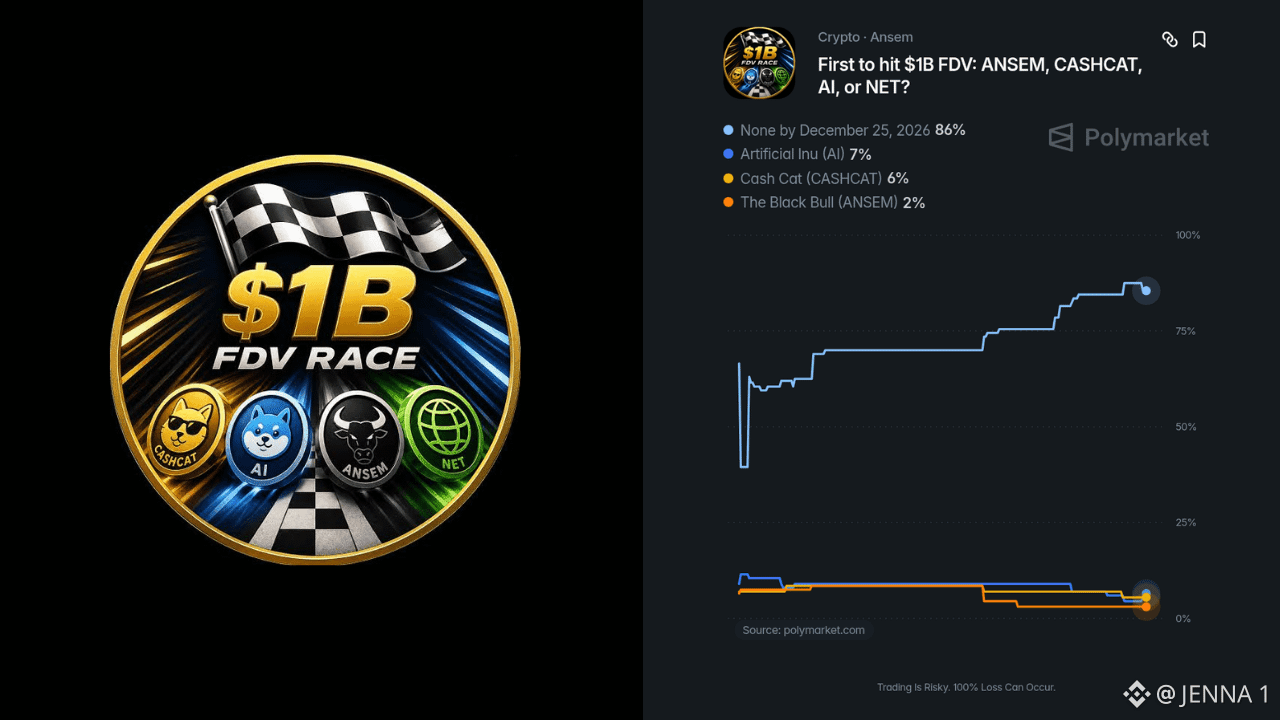
這是我一直在觀察的,最離奇的 Polymarket 市場之一。
誰會先在 $1B FDV 命中?
目前市場顯示:
📊 12 月 25 日前:沒有人 86%
📊 Artificial Inu:7%
📊 Cash Cat:6%
📊 $ANSEM:2%
我押「沒有人」。
人們低估了:一旦加上期限,$1B 會變得多麼困難。
一個代幣可以快速走紅。
一個社群也能瞬間爆發。
流動性甚至能在一夜之間出現。
但要在聖誕節前達到十位數,三者都必須很快同時發生。
$TRUMP 很重要,因為圍繞其生態系的投機型新發行,反覆展示了關注度能有多快完成輪轉。
政治層面的關注確實能創造巨大的初始需求,但關注並不保證能帶來可持續的估值。
這也是為什麼 Polymarket 正在成為一個如此有用的加密遊樂場。
你可以交易敘事本身,而不必盲目買進其內的每一個代幣。
我的資金押在沒有人。
#Altcoin Season#
沒有人能贏下這場賽跑 🏁
這是我一直在觀察的,最離奇的 Polymarket 市場之一。
誰會先在 $1B FDV 命中?
目前市場顯示:
📊 12 月 25 日前:沒有人 86%
📊 Artificial Inu:7%
📊 Cash Cat:6%
📊 $ANSEM:2%
我押「沒有人」。
人們低估了:一旦加上期限,$1B 會變得多麼困難。
一個代幣可以快速走紅。
一個社群也能瞬間爆發。
流動性甚至能在一夜之間出現。
但要在聖誕節前達到十位數,三者都必須很快同時發生。
$TRUMP 很重要,因為圍繞其生態系的投機型新發行,反覆展示了關注度能有多快完成輪轉。
政治層面的關注確實能創造巨大的初始需求,但關注並不保證能帶來可持續的估值。
這也是為什麼 Polymarket 正在成為一個如此有用的加密遊樂場。
你可以交易敘事本身,而不必盲目買進其內的每一個代幣。
我的資金押在沒有人。
#Altcoin Season#
這是我一直在觀察的,最離奇的 Polymarket 市場之一。
誰會先在 $1B FDV 命中?
目前市場顯示:
📊 12 月 25 日前:沒有人 86%
📊 Artificial Inu:7%
📊 Cash Cat:6%
📊 $ANSEM:2%
我押「沒有人」。
人們低估了:一旦加上期限,$1B 會變得多麼困難。
一個代幣可以快速走紅。
一個社群也能瞬間爆發。
流動性甚至能在一夜之間出現。
但要在聖誕節前達到十位數,三者都必須很快同時發生。
$TRUMP 很重要,因為圍繞其生態系的投機型新發行,反覆展示了關注度能有多快完成輪轉。
政治層面的關注確實能創造巨大的初始需求,但關注並不保證能帶來可持續的估值。
這也是為什麼 Polymarket 正在成為一個如此有用的加密遊樂場。
你可以交易敘事本身,而不必盲目買進其內的每一個代幣。
我的資金押在沒有人。
#Altcoin Season#
90
·
--
當交易者意見不一致時,市場會變得更好 🔥
當交易者能夠表達行情上行與下行的兩種觀點時,山寨幣市場就會更有用。關注 $HYPE 或 $PONS 的交易者往往很難在接下來會發生什麼上達成一致,而這種分歧本身就是關鍵。
一位交易者看到的是延續,另一位交易者看到的是反轉,而雙方都需要一種直接的方式來建倉。
現貨讓看多的一邊更直觀,但想站在另一邊往往意味着借入資產或轉到其他交易場所。
這種阻力在新興市場中尤爲重要,因爲機會可能會很快發生變化。
Aevo 現在已新增 PONS、VVV 和 USELESS 永續合約市場。
這三者都支持做多或做空,最高可用 3x 槓桿;並且每個倉位都會留在同一賬戶及與交易者其他 Aevo 市場共享的保證金資金池中。
對我來說,這纔是市場擴張真正有用的版本 🏹
#Altcoin Season#
當交易者意見不一致時,市場會變得更好 🔥
當交易者能夠表達行情上行與下行的兩種觀點時,山寨幣市場就會更有用。關注 $HYPE 或 $PONS 的交易者往往很難在接下來會發生什麼上達成一致,而這種分歧本身就是關鍵。
一位交易者看到的是延續,另一位交易者看到的是反轉,而雙方都需要一種直接的方式來建倉。
現貨讓看多的一邊更直觀,但想站在另一邊往往意味着借入資產或轉到其他交易場所。
這種阻力在新興市場中尤爲重要,因爲機會可能會很快發生變化。
Aevo 現在已新增 PONS、VVV 和 USELESS 永續合約市場。
這三者都支持做多或做空,最高可用 3x 槓桿;並且每個倉位都會留在同一賬戶及與交易者其他 Aevo 市場共享的保證金資金池中。
對我來說,這纔是市場擴張真正有用的版本 🏹
#Altcoin Season#
當交易者能夠表達行情上行與下行的兩種觀點時,山寨幣市場就會更有用。關注 $HYPE 或 $PONS 的交易者往往很難在接下來會發生什麼上達成一致,而這種分歧本身就是關鍵。
一位交易者看到的是延續,另一位交易者看到的是反轉,而雙方都需要一種直接的方式來建倉。
現貨讓看多的一邊更直觀,但想站在另一邊往往意味着借入資產或轉到其他交易場所。
這種阻力在新興市場中尤爲重要,因爲機會可能會很快發生變化。
Aevo 現在已新增 PONS、VVV 和 USELESS 永續合約市場。
這三者都支持做多或做空,最高可用 3x 槓桿;並且每個倉位都會留在同一賬戶及與交易者其他 Aevo 市場共享的保證金資金池中。
對我來說,這纔是市場擴張真正有用的版本 🏹
#Altcoin Season#
62
·
--
模仿即產品驗證 👀
昨天,$PUMP 推出了一個名爲 Custom Pairs(自定義配對)的功能。
它允許用戶創建與代幣化股票、主流資產、金屬以及其他受支持資產配對的代幣。
這個時機引起了我的注意,因爲這正在成爲最清晰的新型 RWA(現實世界資產)與 memecoin(模因幣)敘事之一。
啓動平臺不再想讓每一個代幣都被困在同一種報價資產上。
他們希望創作者去選擇“模因”之下的市場。
一旦像 PumpFun 這樣擁有其分發渠道的平臺採用了這個想法,這一概念就會變得更難被輕易否定。
但看起來他們確實是從 Zora 那裏“照搬”了相同的名字和想法。
Zora 早在幾周前就已經以 Custom Pairs 這個名稱推出了自己的產品。
自那之後,那裏已經創建了超過 4,000 對配對。
對我來說,Pump 同時採用了這個概念和名字,看起來是一種格外“令人愉悅”的模仿形式。
在 Zora 換了新領導之後——他們現在必須確保市場明白:Zora 建了什麼、爲什麼重要、以及這個想法源自哪裏。
隨着分發更強、溝通更清晰,這個時刻有可能成爲對 Zora 的驗證,而不是被更“吵”的競爭者搶走的又一個故事。
我會非常強調這種差異。
#RWA #Altcoin Season#
模仿即產品驗證 👀
昨天,$PUMP 推出了一個名爲 Custom Pairs(自定義配對)的功能。
它允許用戶創建與代幣化股票、主流資產、金屬以及其他受支持資產配對的代幣。
這個時機引起了我的注意,因爲這正在成爲最清晰的新型 RWA(現實世界資產)與 memecoin(模因幣)敘事之一。
啓動平臺不再想讓每一個代幣都被困在同一種報價資產上。
他們希望創作者去選擇“模因”之下的市場。
一旦像 PumpFun 這樣擁有其分發渠道的平臺採用了這個想法,這一概念就會變得更難被輕易否定。
但看起來他們確實是從 Zora 那裏“照搬”了相同的名字和想法。
Zora 早在幾周前就已經以 Custom Pairs 這個名稱推出了自己的產品。
自那之後,那裏已經創建了超過 4,000 對配對。
對我來說,Pump 同時採用了這個概念和名字,看起來是一種格外“令人愉悅”的模仿形式。
在 Zora 換了新領導之後——他們現在必須確保市場明白:Zora 建了什麼、爲什麼重要、以及這個想法源自哪裏。
隨着分發更強、溝通更清晰,這個時刻有可能成爲對 Zora 的驗證,而不是被更“吵”的競爭者搶走的又一個故事。
我會非常強調這種差異。
#RWA #Altcoin Season#
昨天,$PUMP 推出了一個名爲 Custom Pairs(自定義配對)的功能。
它允許用戶創建與代幣化股票、主流資產、金屬以及其他受支持資產配對的代幣。
這個時機引起了我的注意,因爲這正在成爲最清晰的新型 RWA(現實世界資產)與 memecoin(模因幣)敘事之一。
啓動平臺不再想讓每一個代幣都被困在同一種報價資產上。
他們希望創作者去選擇“模因”之下的市場。
一旦像 PumpFun 這樣擁有其分發渠道的平臺採用了這個想法,這一概念就會變得更難被輕易否定。
但看起來他們確實是從 Zora 那裏“照搬”了相同的名字和想法。
Zora 早在幾周前就已經以 Custom Pairs 這個名稱推出了自己的產品。
自那之後,那裏已經創建了超過 4,000 對配對。
對我來說,Pump 同時採用了這個概念和名字,看起來是一種格外“令人愉悅”的模仿形式。
在 Zora 換了新領導之後——他們現在必須確保市場明白:Zora 建了什麼、爲什麼重要、以及這個想法源自哪裏。
隨着分發更強、溝通更清晰,這個時刻有可能成爲對 Zora 的驗證,而不是被更“吵”的競爭者搶走的又一個故事。
我會非常強調這種差異。
#RWA #Altcoin Season#

59
·
--
你的投票不應該追隨你的錢包 🗳️
在鏈上投票意味著把公開錢包附在一項決策上,因此你之後交易的每個人都能清楚看到你究竟如何投票。
$ZEC 透過為付款「遮蔽」寄件者、收件者與金額,解決了這種暴露問題,但它沒有智慧合約層,讓 DAO 能把投票本身隱藏起來。
所以付款消失了,但使用它的應用程式卻仍然沒有地方可以私密地運行。
而機構則採取相反做法,用 $CC 把敏感活動留在「被授權的網域」中,只有獲准的參與者才能取得底層資料。
當每個人投票本來就都屬於同一個私有網路時,這樣是行得通的;但一旦治理需要保持開放,這個模式就會立刻失效。
因此,公有 DAO 會把每一票都公開;而私有系統則透過決定「誰能被允許進門」來解決這問題。
Midnight 在仍能讓應用程式證明投票者有資格且規則已被遵守的前提下,讓選擇保持不可讀。
ClarityDAO 已在用這種模式打造私密的鏈上投票。
一場治理投票應該決定某個協議接下來要做什麼,而不是讓投票者錢包上多一個永久的標籤。
#隱私 #治理
你的投票不應該追隨你的錢包 🗳️
在鏈上投票意味著把公開錢包附在一項決策上,因此你之後交易的每個人都能清楚看到你究竟如何投票。
$ZEC 透過為付款「遮蔽」寄件者、收件者與金額,解決了這種暴露問題,但它沒有智慧合約層,讓 DAO 能把投票本身隱藏起來。
所以付款消失了,但使用它的應用程式卻仍然沒有地方可以私密地運行。
而機構則採取相反做法,用 $CC 把敏感活動留在「被授權的網域」中,只有獲准的參與者才能取得底層資料。
當每個人投票本來就都屬於同一個私有網路時,這樣是行得通的;但一旦治理需要保持開放,這個模式就會立刻失效。
因此,公有 DAO 會把每一票都公開;而私有系統則透過決定「誰能被允許進門」來解決這問題。
Midnight 在仍能讓應用程式證明投票者有資格且規則已被遵守的前提下,讓選擇保持不可讀。
ClarityDAO 已在用這種模式打造私密的鏈上投票。
一場治理投票應該決定某個協議接下來要做什麼,而不是讓投票者錢包上多一個永久的標籤。
#隱私 #治理
在鏈上投票意味著把公開錢包附在一項決策上,因此你之後交易的每個人都能清楚看到你究竟如何投票。
$ZEC 透過為付款「遮蔽」寄件者、收件者與金額,解決了這種暴露問題,但它沒有智慧合約層,讓 DAO 能把投票本身隱藏起來。
所以付款消失了,但使用它的應用程式卻仍然沒有地方可以私密地運行。
而機構則採取相反做法,用 $CC 把敏感活動留在「被授權的網域」中,只有獲准的參與者才能取得底層資料。
當每個人投票本來就都屬於同一個私有網路時,這樣是行得通的;但一旦治理需要保持開放,這個模式就會立刻失效。
因此,公有 DAO 會把每一票都公開;而私有系統則透過決定「誰能被允許進門」來解決這問題。
Midnight 在仍能讓應用程式證明投票者有資格且規則已被遵守的前提下,讓選擇保持不可讀。
ClarityDAO 已在用這種模式打造私密的鏈上投票。
一場治理投票應該決定某個協議接下來要做什麼,而不是讓投票者錢包上多一個永久的標籤。
#隱私 #治理
40
·
--
快照空投為「會留下又離開」的錢包付錢 🎯
多數代幣分配會選擇一個快照日期;只要在那一天持有,就會獲得報酬——即使他們從此不再回來。
這種做法的成本會在後面顯現出來:那些已經領到錢包的使用者,事後就再也沒有理由留在那裡。
這種模式在 $SOL 上最明顯。因為各種發布已經訓練出一整類錢包:為了快照出現,隔天早上就消失。
這個族群也很龐大,因為 $JUP 目前能以低至十美元的金額進行免 Gas 交換;而每一次快照最後都會衡量到的,正是這樣的錢包基礎。
所以這其實不是什麼設計失誤;用「付費給某一個時間點」的必然結果就是如此。
在單一日期持有餘額,才是整場遊戲的重點——因為被衡量的只有那一天的餘額。
Arcium 則是反著來做:不採用單次快照,而是以每月波次運行其分配。
因此,核准的生態系貢獻會換算成積分,而這些積分會在每一個波次中轉化為 ARX 資助。
而且額外再進行人工的僞身(sybil)過濾:會把機器人礦場與掠奪型錢包剔除掉,而不是納入統計。
這意味著某一個月做出的貢獻,仍然可能在之後某個月份轉換生效——這樣的誘因,和「週二出現就算」完全不同。
我喜歡的點在於:它運行成本很高,但對方仍然做了。
人工審查無法規模化,這也正是為什麼幾乎沒有人願意這麼做。
到目前為止,已有團隊在網路上籌集超過 $7.5M;而網路本身自 2 月 2 日起已在 Solana 上運行,節點超過 4,000 個,並且有超過 30 款應用程式。
DeFi 對「忠誠」花了三年時間,試圖用單次付款來買到;但我寧願看見專案們為了貢獻而一再付費,也不想看那些只為了出席而一次付錢的。
#DeFi #Airdrop
快照空投為「會留下又離開」的錢包付錢 🎯
多數代幣分配會選擇一個快照日期;只要在那一天持有,就會獲得報酬——即使他們從此不再回來。
這種做法的成本會在後面顯現出來:那些已經領到錢包的使用者,事後就再也沒有理由留在那裡。
這種模式在 $SOL 上最明顯。因為各種發布已經訓練出一整類錢包:為了快照出現,隔天早上就消失。
這個族群也很龐大,因為 $JUP 目前能以低至十美元的金額進行免 Gas 交換;而每一次快照最後都會衡量到的,正是這樣的錢包基礎。
所以這其實不是什麼設計失誤;用「付費給某一個時間點」的必然結果就是如此。
在單一日期持有餘額,才是整場遊戲的重點——因為被衡量的只有那一天的餘額。
Arcium 則是反著來做:不採用單次快照,而是以每月波次運行其分配。
因此,核准的生態系貢獻會換算成積分,而這些積分會在每一個波次中轉化為 ARX 資助。
而且額外再進行人工的僞身(sybil)過濾:會把機器人礦場與掠奪型錢包剔除掉,而不是納入統計。
這意味著某一個月做出的貢獻,仍然可能在之後某個月份轉換生效——這樣的誘因,和「週二出現就算」完全不同。
我喜歡的點在於:它運行成本很高,但對方仍然做了。
人工審查無法規模化,這也正是為什麼幾乎沒有人願意這麼做。
到目前為止,已有團隊在網路上籌集超過 $7.5M;而網路本身自 2 月 2 日起已在 Solana 上運行,節點超過 4,000 個,並且有超過 30 款應用程式。
DeFi 對「忠誠」花了三年時間,試圖用單次付款來買到;但我寧願看見專案們為了貢獻而一再付費,也不想看那些只為了出席而一次付錢的。
#DeFi #Airdrop
多數代幣分配會選擇一個快照日期;只要在那一天持有,就會獲得報酬——即使他們從此不再回來。
這種做法的成本會在後面顯現出來:那些已經領到錢包的使用者,事後就再也沒有理由留在那裡。
這種模式在 $SOL 上最明顯。因為各種發布已經訓練出一整類錢包:為了快照出現,隔天早上就消失。
這個族群也很龐大,因為 $JUP 目前能以低至十美元的金額進行免 Gas 交換;而每一次快照最後都會衡量到的,正是這樣的錢包基礎。
所以這其實不是什麼設計失誤;用「付費給某一個時間點」的必然結果就是如此。
在單一日期持有餘額,才是整場遊戲的重點——因為被衡量的只有那一天的餘額。
Arcium 則是反著來做:不採用單次快照,而是以每月波次運行其分配。
因此,核准的生態系貢獻會換算成積分,而這些積分會在每一個波次中轉化為 ARX 資助。
而且額外再進行人工的僞身(sybil)過濾:會把機器人礦場與掠奪型錢包剔除掉,而不是納入統計。
這意味著某一個月做出的貢獻,仍然可能在之後某個月份轉換生效——這樣的誘因,和「週二出現就算」完全不同。
我喜歡的點在於:它運行成本很高,但對方仍然做了。
人工審查無法規模化,這也正是為什麼幾乎沒有人願意這麼做。
到目前為止,已有團隊在網路上籌集超過 $7.5M;而網路本身自 2 月 2 日起已在 Solana 上運行,節點超過 4,000 個,並且有超過 30 款應用程式。
DeFi 對「忠誠」花了三年時間,試圖用單次付款來買到;但我寧願看見專案們為了貢獻而一再付費,也不想看那些只為了出席而一次付錢的。
#DeFi #Airdrop
60
·
--
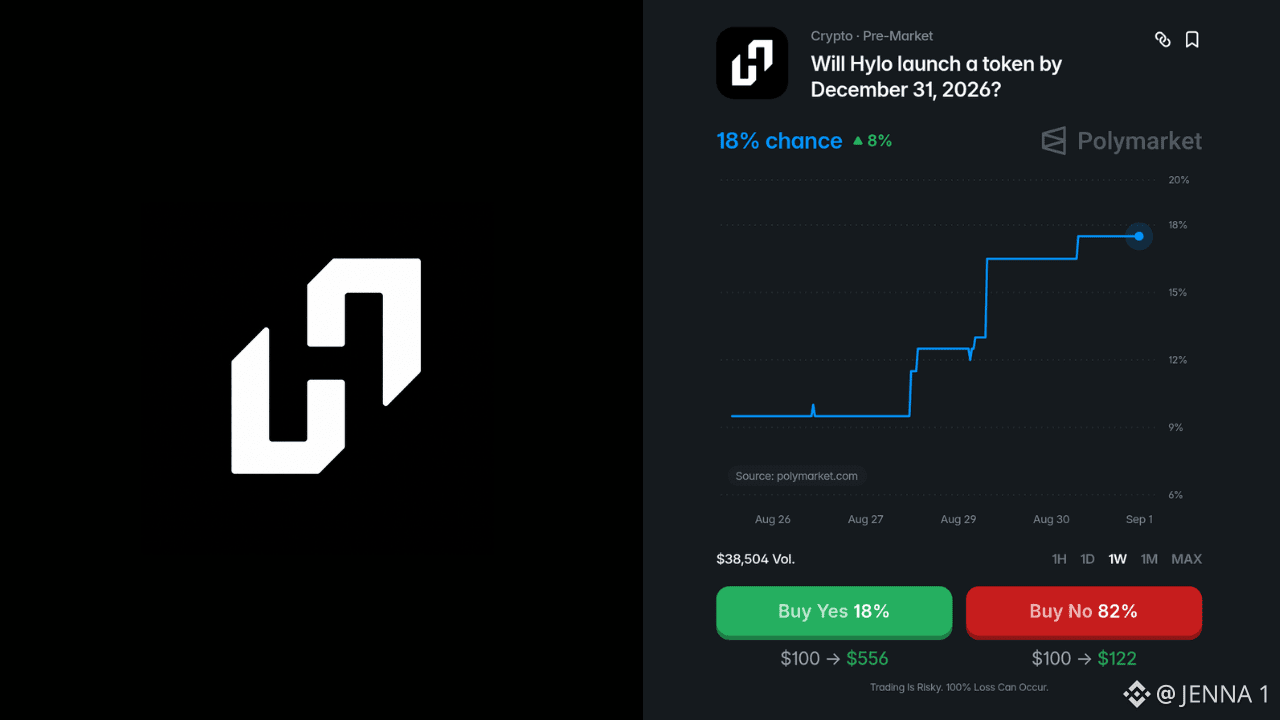
海洛正在朝代幣發行攀升嗎?👀
一步一步,這張圖表一路攀登上來,沒有大幅跳動,只有穩步進展。
目前有18%的概率,上漲了8%,嚴格來說仍是落後方,但這是牌面上最“乾淨”的階梯走勢之一。
交易量達$38,504,說明攀升背後確實有真實規模在累積。其中相當一部分已經流入了$BNB,相比讓幣閒置,這樣使用要更好。
我投“是”。這種穩定的上行通常意味着真實的積累,而不是噪音。
你隨時都可以退出,截止時間到來之前你不會被鎖定;而且$DOGE 也往往會像這張圖這樣,跟着攀升走勢一路走。
Polymarket 真的正在成爲交易這類信息的地方。
#Altcoin Season#
海洛正在朝代幣發行攀升嗎?👀
一步一步,這張圖表一路攀登上來,沒有大幅跳動,只有穩步進展。
目前有18%的概率,上漲了8%,嚴格來說仍是落後方,但這是牌面上最“乾淨”的階梯走勢之一。
交易量達$38,504,說明攀升背後確實有真實規模在累積。其中相當一部分已經流入了$BNB,相比讓幣閒置,這樣使用要更好。
我投“是”。這種穩定的上行通常意味着真實的積累,而不是噪音。
你隨時都可以退出,截止時間到來之前你不會被鎖定;而且$DOGE 也往往會像這張圖這樣,跟着攀升走勢一路走。
Polymarket 真的正在成爲交易這類信息的地方。
#Altcoin Season#
一步一步,這張圖表一路攀登上來,沒有大幅跳動,只有穩步進展。
目前有18%的概率,上漲了8%,嚴格來說仍是落後方,但這是牌面上最“乾淨”的階梯走勢之一。
交易量達$38,504,說明攀升背後確實有真實規模在累積。其中相當一部分已經流入了$BNB,相比讓幣閒置,這樣使用要更好。
我投“是”。這種穩定的上行通常意味着真實的積累,而不是噪音。
你隨時都可以退出,截止時間到來之前你不會被鎖定;而且$DOGE 也往往會像這張圖這樣,跟着攀升走勢一路走。
Polymarket 真的正在成爲交易這類信息的地方。
#Altcoin Season#
36
登入以探索更多內容
加入幣安廣場中的全球加密貨幣用戶
⚡️ 獲取加密貨幣的最新和實用資訊。
💬 受到全球最大加密貨幣交易所的信任。
👍 發掘來自經過驗證創作者的真實見解。
電子郵件 / 電話號碼