
0xVL 1
93 貼文

0xVL 1
舉報
封鎖用戶
“Every master was once a beginner. Every pro was once an amateur.”
0 關注
3 粉絲
25 點讚數
貼文
·
--
查看翻譯
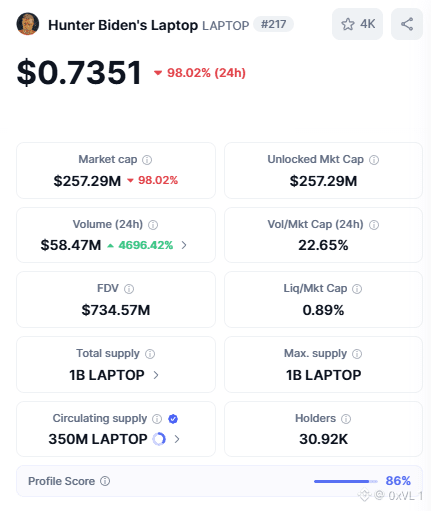
It is definitely a valid question to ask, and I am really glad someone is finally pulling the data on this $LAPTOP situation to see what actually went down behind the scenes. The fact that eighty percent of the traders just got wiped out within minutes of the launch shows exactly why analyzing these on-chain movements is so important. Tracking the wallet connections and seeing how the liquidity pool was structured gives us a much clearer picture of the mechanics involved here, and your breakdown of the statistics is spot on.
That said, if we look closely at the on-chain data, it becomes quite clear who was unloading on the crowd. Market makers like Wintermute received massive token allocations right from the start and began securing profits almost immediately. Combine that with a liquidity pool that only had about forty-eight thousand dollars in it against an unrealistic fully diluted valuation, and the setup was bound to fail. The retail buyers who bought in simply functioned as exit liquidity for the initial airdrop claimants and the designated market makers. It is frustrating to watch this exact same playbook get used over and over to extract value from regular traders who do not check the liquidity depth before making a purchase.
It is definitely a valid question to ask, and I am really glad someone is finally pulling the data on this $LAPTOP situation to see what actually went down behind the scenes. The fact that eighty percent of the traders just got wiped out within minutes of the launch shows exactly why analyzing these on-chain movements is so important. Tracking the wallet connections and seeing how the liquidity pool was structured gives us a much clearer picture of the mechanics involved here, and your breakdown of the statistics is spot on.
That said, if we look closely at the on-chain data, it becomes quite clear who was unloading on the crowd. Market makers like Wintermute received massive token allocations right from the start and began securing profits almost immediately. Combine that with a liquidity pool that only had about forty-eight thousand dollars in it against an unrealistic fully diluted valuation, and the setup was bound to fail. The retail buyers who bought in simply functioned as exit liquidity for the initial airdrop claimants and the designated market makers. It is frustrating to watch this exact same playbook get used over and over to extract value from regular traders who do not check the liquidity depth before making a purchase.
That said, if we look closely at the on-chain data, it becomes quite clear who was unloading on the crowd. Market makers like Wintermute received massive token allocations right from the start and began securing profits almost immediately. Combine that with a liquidity pool that only had about forty-eight thousand dollars in it against an unrealistic fully diluted valuation, and the setup was bound to fail. The retail buyers who bought in simply functioned as exit liquidity for the initial airdrop claimants and the designated market makers. It is frustrating to watch this exact same playbook get used over and over to extract value from regular traders who do not check the liquidity depth before making a purchase.
51
·
--
查看翻譯
It’s actually hilarious but weirdly brilliant how the $LAPTOP team structured this airdrop. Targeting the wallets with negative PnL on the $TRUMP coin is clever meme warfare and a really smart way to bootstrap an initial community. You have to admit, using on-chain data to find the exact people who got wrecked on a rival political token and handing them free tokens is a fresh take on distribution. It flips the usual airdrop farming meta on its head and guarantees instant attention from the exact demographic that loves to trade political tokens. The sheer irony of a Hunter Biden-themed coin rewarding TRUMP bag holders creates the perfect viral narrative for the timeline. I honestly respect the creativity here; it’s exactly the kind of cynical, self-aware marketing that thrives on Base right now and gets people talking. That being said, I don't think this actually wins over the core degen vote for more than a few days. Sure, the TRUMP losers will happily claim their free tokens, but let's be real they are going to dump them immediately to recoup their previous losses. You are basically handing free capital to people whose only goal is to exit. Plus, the political meta is getting incredibly exhausted at this point. Once the initial novelty wears off, you're left with a token heavily concentrated among insiders, relying on bizarre gimmicks like burning supply based on the 2028 election. It feels less like a sustainable community and more like a convoluted PVP extraction game where retail is just going to get chopped up all over again. I'll watch the chart for entertainment, but I'm definitely not bidding this
It’s actually hilarious but weirdly brilliant how the $LAPTOP team structured this airdrop. Targeting the wallets with negative PnL on the $TRUMP coin is clever meme warfare and a really smart way to bootstrap an initial community. You have to admit, using on-chain data to find the exact people who got wrecked on a rival political token and handing them free tokens is a fresh take on distribution. It flips the usual airdrop farming meta on its head and guarantees instant attention from the exact demographic that loves to trade political tokens. The sheer irony of a Hunter Biden-themed coin rewarding TRUMP bag holders creates the perfect viral narrative for the timeline. I honestly respect the creativity here; it’s exactly the kind of cynical, self-aware marketing that thrives on Base right now and gets people talking. That being said, I don't think this actually wins over the core degen vote for more than a few days. Sure, the TRUMP losers will happily claim their free tokens, but let's be real they are going to dump them immediately to recoup their previous losses. You are basically handing free capital to people whose only goal is to exit. Plus, the political meta is getting incredibly exhausted at this point. Once the initial novelty wears off, you're left with a token heavily concentrated among insiders, relying on bizarre gimmicks like burning supply based on the 2028 election. It feels less like a sustainable community and more like a convoluted PVP extraction game where retail is just going to get chopped up all over again. I'll watch the chart for entertainment, but I'm definitely not bidding this

60
·
--
查看翻譯
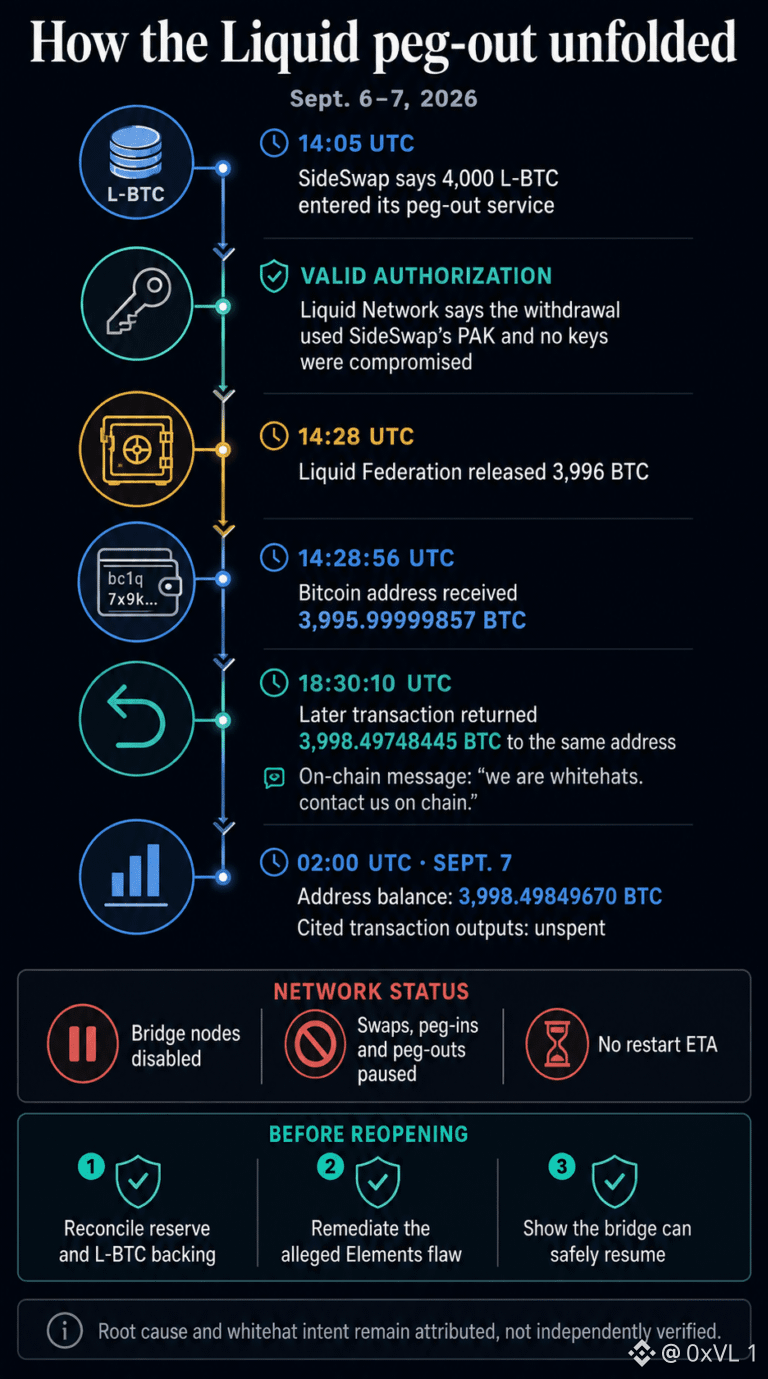
Tracking this Liquid Network situation has been highly engaging from a research perspective. It is genuinely interesting to watch a self-proclaimed white hat use OP_RETURN messages to negotiate directly with Blockstream on-chain, treating a $320 million withdrawal like a live bug bounty. The fact that they bypassed the 11-of-15 multisig by exploiting a logic flaw in the Elements software rather than stealing private keys shows a solid understanding of sidechain architecture. It reminds me of past bridge exploits where the code failed while the custody model technically worked as intended. I have to acknowledge the technical execution here; proving you can generate unbacked L-BTC and peg it out for real $BTC provides a very clear lesson for the ecosystem.
That being said, I have real concerns with how this entire scenario is playing out. Holding $320 million hostage until developers prove they have patched every node crosses the line from ethical disclosure to forced compliance. A standard white hat reports the vulnerability and collects a bounty; they do not unilaterally freeze liquidity and dictate operational terms to a federation of exchanges. This incident severely dents the trust we place in federated sidechain models. If a single software flaw can bypass the consensus mechanism and drain 95% of the reserves, we need to seriously re-evaluate the security assumptions used for scaling Bitcoin. Blockstream will need to provide a very thorough post-mortem once the dust settles.
Tracking this Liquid Network situation has been highly engaging from a research perspective. It is genuinely interesting to watch a self-proclaimed white hat use OP_RETURN messages to negotiate directly with Blockstream on-chain, treating a $320 million withdrawal like a live bug bounty. The fact that they bypassed the 11-of-15 multisig by exploiting a logic flaw in the Elements software rather than stealing private keys shows a solid understanding of sidechain architecture. It reminds me of past bridge exploits where the code failed while the custody model technically worked as intended. I have to acknowledge the technical execution here; proving you can generate unbacked L-BTC and peg it out for real $BTC provides a very clear lesson for the ecosystem.
That being said, I have real concerns with how this entire scenario is playing out. Holding $320 million hostage until developers prove they have patched every node crosses the line from ethical disclosure to forced compliance. A standard white hat reports the vulnerability and collects a bounty; they do not unilaterally freeze liquidity and dictate operational terms to a federation of exchanges. This incident severely dents the trust we place in federated sidechain models. If a single software flaw can bypass the consensus mechanism and drain 95% of the reserves, we need to seriously re-evaluate the security assumptions used for scaling Bitcoin. Blockstream will need to provide a very thorough post-mortem once the dust settles.
That being said, I have real concerns with how this entire scenario is playing out. Holding $320 million hostage until developers prove they have patched every node crosses the line from ethical disclosure to forced compliance. A standard white hat reports the vulnerability and collects a bounty; they do not unilaterally freeze liquidity and dictate operational terms to a federation of exchanges. This incident severely dents the trust we place in federated sidechain models. If a single software flaw can bypass the consensus mechanism and drain 95% of the reserves, we need to seriously re-evaluate the security assumptions used for scaling Bitcoin. Blockstream will need to provide a very thorough post-mortem once the dust settles.
61
·
--
查看翻譯
Seeing $ZEC and $XRP print clean technical breakouts after months of consolidation is definitely an exciting signal for the market. It shows that capital rotation is actively moving down the risk curve, and seeing high-cap legacy names lead the charge always brings fresh liquidity and renewed retail attention back into altcoins. The uptick in volume across these specific pairs shows genuine spot demand and short-term bullish momentum that cannot be ignored.
However, declaring full-blown altseason off these moves feels a bit premature. A true macro altseason usually requires a sustained drop in Bitcoin dominance combined with broad-based market breadth across DeFi, L1s, and mid-cap tokens rather than isolated surges driven by idiosyncratic news or short squeezes. Until we see persistent volume expansion and liquidity spillover into lower market cap assets without BTC pulling everything down on a pullback, this looks more like a tactical liquidity rotation than the start of an extended alt bull cycle.
Seeing $ZEC and $XRP print clean technical breakouts after months of consolidation is definitely an exciting signal for the market. It shows that capital rotation is actively moving down the risk curve, and seeing high-cap legacy names lead the charge always brings fresh liquidity and renewed retail attention back into altcoins. The uptick in volume across these specific pairs shows genuine spot demand and short-term bullish momentum that cannot be ignored.
However, declaring full-blown altseason off these moves feels a bit premature. A true macro altseason usually requires a sustained drop in Bitcoin dominance combined with broad-based market breadth across DeFi, L1s, and mid-cap tokens rather than isolated surges driven by idiosyncratic news or short squeezes. Until we see persistent volume expansion and liquidity spillover into lower market cap assets without BTC pulling everything down on a pullback, this looks more like a tactical liquidity rotation than the start of an extended alt bull cycle.
However, declaring full-blown altseason off these moves feels a bit premature. A true macro altseason usually requires a sustained drop in Bitcoin dominance combined with broad-based market breadth across DeFi, L1s, and mid-cap tokens rather than isolated surges driven by idiosyncratic news or short squeezes. Until we see persistent volume expansion and liquidity spillover into lower market cap assets without BTC pulling everything down on a pullback, this looks more like a tactical liquidity rotation than the start of an extended alt bull cycle.

70
·
--
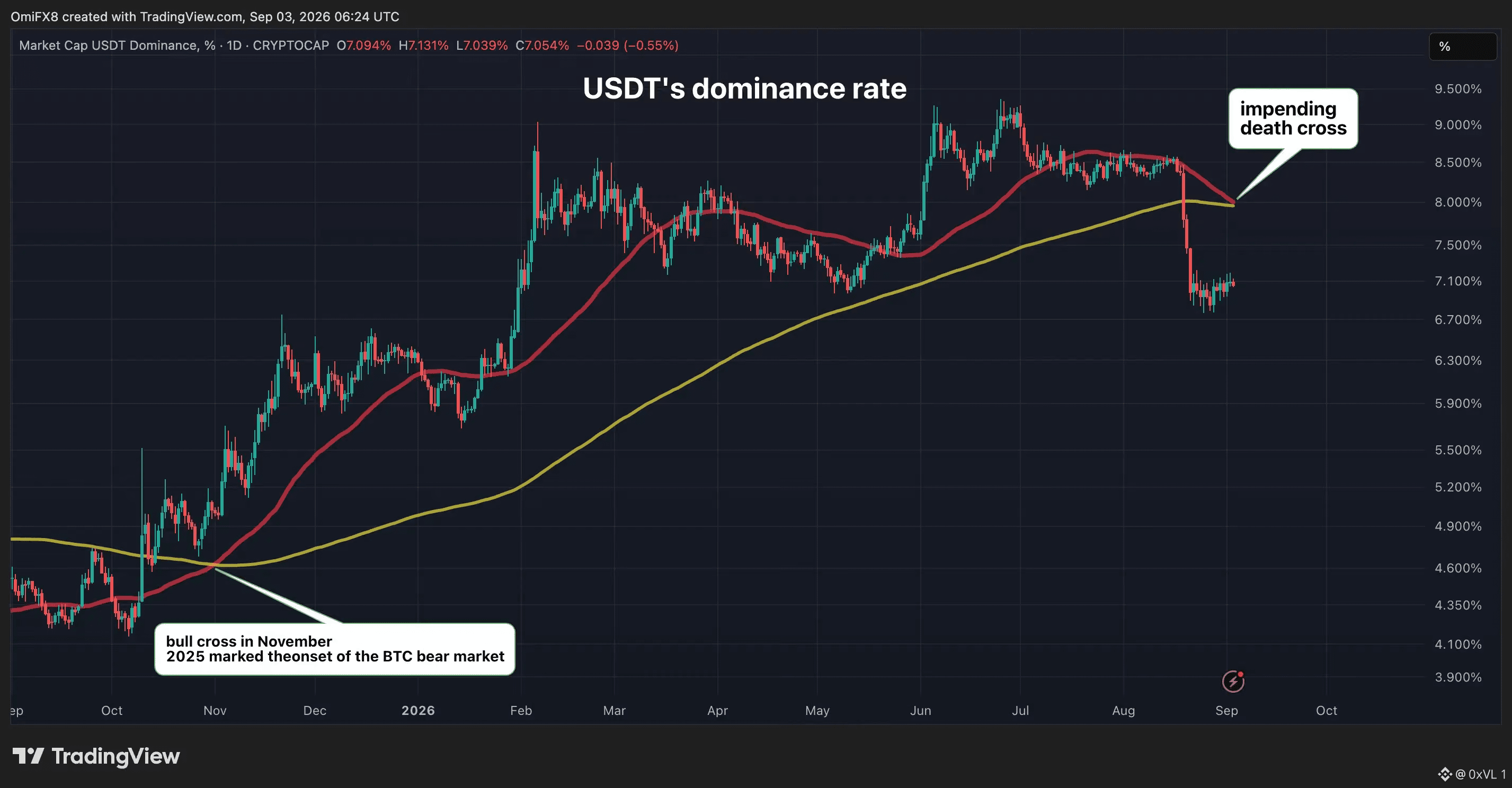
比特幣“金叉”的歷史業績記錄毋庸置疑地令人信服,尤其是在回顧過去50日與200日移動平均線的交叉如何確認宏觀行情的轉變,並觸發多達數百個百分點的上漲時更是如此。在當前的市場結構下,隨着機構資金通過現貨ETF流入,並在更高時間框架上形成更高的低點,這也就不難理解爲何交易者會高度關注這一技術形態,認爲它是推動價格回到10萬美元($100K)的一個合理催化因素。
不過,若過度依賴歷史“重演”,而不考慮週期的演化,這是一個危險的遊戲。“金叉”最終是一種滯後指標,它反映的是過去的價格走勢,而不是對未來動能進行預測。如今比特幣的市值已達到數萬億美元的規模,期待再來一次300%的擴張,等同於忽視了在成熟資產類別中回報遞減規律的存在。沒有更廣泛的宏觀流動性、沒有貨幣條件的進一步寬鬆、也沒有真正的現貨需求消化關鍵的上方阻力,僅憑移動平均線交叉可能會輕易演變爲對高槓杆散戶的“出場流動性”(exit liquidity)——$BTC
比特幣“金叉”的歷史業績記錄毋庸置疑地令人信服,尤其是在回顧過去50日與200日移動平均線的交叉如何確認宏觀行情的轉變,並觸發多達數百個百分點的上漲時更是如此。在當前的市場結構下,隨着機構資金通過現貨ETF流入,並在更高時間框架上形成更高的低點,這也就不難理解爲何交易者會高度關注這一技術形態,認爲它是推動價格回到10萬美元($100K)的一個合理催化因素。
不過,若過度依賴歷史“重演”,而不考慮週期的演化,這是一個危險的遊戲。“金叉”最終是一種滯後指標,它反映的是過去的價格走勢,而不是對未來動能進行預測。如今比特幣的市值已達到數萬億美元的規模,期待再來一次300%的擴張,等同於忽視了在成熟資產類別中回報遞減規律的存在。沒有更廣泛的宏觀流動性、沒有貨幣條件的進一步寬鬆、也沒有真正的現貨需求消化關鍵的上方阻力,僅憑移動平均線交叉可能會輕易演變爲對高槓杆散戶的“出場流動性”(exit liquidity)——$BTC
不過,若過度依賴歷史“重演”,而不考慮週期的演化,這是一個危險的遊戲。“金叉”最終是一種滯後指標,它反映的是過去的價格走勢,而不是對未來動能進行預測。如今比特幣的市值已達到數萬億美元的規模,期待再來一次300%的擴張,等同於忽視了在成熟資產類別中回報遞減規律的存在。沒有更廣泛的宏觀流動性、沒有貨幣條件的進一步寬鬆、也沒有真正的現貨需求消化關鍵的上方阻力,僅憑移動平均線交叉可能會輕易演變爲對高槓杆散戶的“出場流動性”(exit liquidity)——$BTC
63
·
--
關於1.15億美元清算級聯的這段“非常紮實”的提示非常到位。你在強調伊朗相關頭條出現後的即時反應時,同時指出關鍵的7.5萬美元對7萬美元的決策節點,準確捕捉到了衍生品交易臺此刻正在關注的重點。槓桿在地緣政治新聞衝擊中往往會在幾分鐘內迅速“被擠出”的過程,總是令人着迷;而跟蹤那筆7.5萬美元的支撐是否守得住,可以很好地衡量潛在現貨需求與合成“紙面”壓力之間的對比。
話雖如此,我覺得散戶又一次因爲短期的地緣政治頭條而過度恐慌了。把突然回撤歸咎於地緣政治噪音,忽略了一個顯而易見的現實:未平倉合約此前已經被完全“做得過大”,而且本來就迫切需要一次清洗。這類由頭條引發的急劇波動通常會製造典型的“熊市陷阱”,因此在結構性訂單簿流動性仍然相當集中於約7.4萬到7.5萬美元的情況下,直接跳到7萬美元的災難情景顯得過於戲劇化。過度槓桿的交易者總是不吸取教訓。
關於1.15億美元清算級聯的這段“非常紮實”的提示非常到位。你在強調伊朗相關頭條出現後的即時反應時,同時指出關鍵的7.5萬美元對7萬美元的決策節點,準確捕捉到了衍生品交易臺此刻正在關注的重點。槓桿在地緣政治新聞衝擊中往往會在幾分鐘內迅速“被擠出”的過程,總是令人着迷;而跟蹤那筆7.5萬美元的支撐是否守得住,可以很好地衡量潛在現貨需求與合成“紙面”壓力之間的對比。
話雖如此,我覺得散戶又一次因爲短期的地緣政治頭條而過度恐慌了。把突然回撤歸咎於地緣政治噪音,忽略了一個顯而易見的現實:未平倉合約此前已經被完全“做得過大”,而且本來就迫切需要一次清洗。這類由頭條引發的急劇波動通常會製造典型的“熊市陷阱”,因此在結構性訂單簿流動性仍然相當集中於約7.4萬到7.5萬美元的情況下,直接跳到7萬美元的災難情景顯得過於戲劇化。過度槓桿的交易者總是不吸取教訓。
話雖如此,我覺得散戶又一次因爲短期的地緣政治頭條而過度恐慌了。把突然回撤歸咎於地緣政治噪音,忽略了一個顯而易見的現實:未平倉合約此前已經被完全“做得過大”,而且本來就迫切需要一次清洗。這類由頭條引發的急劇波動通常會製造典型的“熊市陷阱”,因此在結構性訂單簿流動性仍然相當集中於約7.4萬到7.5萬美元的情況下,直接跳到7萬美元的災難情景顯得過於戲劇化。過度槓桿的交易者總是不吸取教訓。
69
·
--
看到 Robinhood Chain 登頂日活應用收入排行榜,還是挺有意思的。將散戶流動性橋接到基於 Arbitrum 的 L2,併疊加像 NVDA、AAPL 這類代幣化股票——從一開始就註定會吸引強勁的交易量。與此同時,看到 Uniswap v4 的採用率在他們的原生錢包接入(onboarding)帶動下大幅攀升,也說明他們的渠道分發槓桿是真實存在的。他們顯然大幅降低了通常會阻止散戶去使用鏈上應用的接入摩擦。 不過,如果你仔細看推動這波費用飆升的數據,90% 以上的成交量來自 GMGN 等自動化交易機器人,以及 Pons 這類代幣發行平臺。大多數用戶並不是在長期持有現貨倉位,而是在追逐短期的迷因幣和機器人套利。當波動性減弱,這種僱傭型資金就會很快枯竭,所以除非他們把這些交易者轉化爲更“黏性”的 TVL,並配套強健的借貸與收益市場,否則這波收入高峯不會持續太久 $BTC
看到 Robinhood Chain 登頂日活應用收入排行榜,還是挺有意思的。將散戶流動性橋接到基於 Arbitrum 的 L2,併疊加像 NVDA、AAPL 這類代幣化股票——從一開始就註定會吸引強勁的交易量。與此同時,看到 Uniswap v4 的採用率在他們的原生錢包接入(onboarding)帶動下大幅攀升,也說明他們的渠道分發槓桿是真實存在的。他們顯然大幅降低了通常會阻止散戶去使用鏈上應用的接入摩擦。 不過,如果你仔細看推動這波費用飆升的數據,90% 以上的成交量來自 GMGN 等自動化交易機器人,以及 Pons 這類代幣發行平臺。大多數用戶並不是在長期持有現貨倉位,而是在追逐短期的迷因幣和機器人套利。當波動性減弱,這種僱傭型資金就會很快枯竭,所以除非他們把這些交易者轉化爲更“黏性”的 TVL,並配套強健的借貸與收益市場,否則這波收入高峯不會持續太久 $BTC

65
·
--
看到企業資金庫(treasury)模型如此迅速地隨策略與BitMine一起演進,且BitMine又投入了5億美元到數字資產中,令人着迷。Michael Saylor對打造長期比特幣(Bitcoin)資金庫的執着,以及Tom Lee對以激進方式增持以太坊(Ethereum)的關注,都證明機構層面的信念依然異常堅固。看到這些重量級玩家運用結構化資產負債表策略來把握數字稀缺性,體現出加密領域真正的金融工程成熟度。然而,我們不能忽視在這些激進的資產負債表操作中日益累積的結構性風險。當淨資產價值(NAV)溢價壓縮至接近1.0x時,槓桿模型就會變得顯著棘手。Strategy對固定金額債務和優先股股息的依賴意味着他們必須在沒有任何原生收益的情況下管理鉅額流動性義務,最終會迫使其動用現金緩衝並暫停買入。儘管BitMine的質押收益能爲$ETH 提供不錯的下行緩衝,但一旦宏觀環境轉壞,賬面虧損仍會沉重地壓在身上。在牛市中,將大量債務與優先股融資投入到波動性資產中會取得出色效果,但如果市場動能在較長時間內停滯,留給犯錯的空間就會非常有限。$BTC
看到企業資金庫(treasury)模型如此迅速地隨策略與BitMine一起演進,且BitMine又投入了5億美元到數字資產中,令人着迷。Michael Saylor對打造長期比特幣(Bitcoin)資金庫的執着,以及Tom Lee對以激進方式增持以太坊(Ethereum)的關注,都證明機構層面的信念依然異常堅固。看到這些重量級玩家運用結構化資產負債表策略來把握數字稀缺性,體現出加密領域真正的金融工程成熟度。然而,我們不能忽視在這些激進的資產負債表操作中日益累積的結構性風險。當淨資產價值(NAV)溢價壓縮至接近1.0x時,槓桿模型就會變得顯著棘手。Strategy對固定金額債務和優先股股息的依賴意味着他們必須在沒有任何原生收益的情況下管理鉅額流動性義務,最終會迫使其動用現金緩衝並暫停買入。儘管BitMine的質押收益能爲$ETH 提供不錯的下行緩衝,但一旦宏觀環境轉壞,賬面虧損仍會沉重地壓在身上。在牛市中,將大量債務與優先股融資投入到波動性資產中會取得出色效果,但如果市場動能在較長時間內停滯,留給犯錯的空間就會非常有限。$BTC

57
·
--
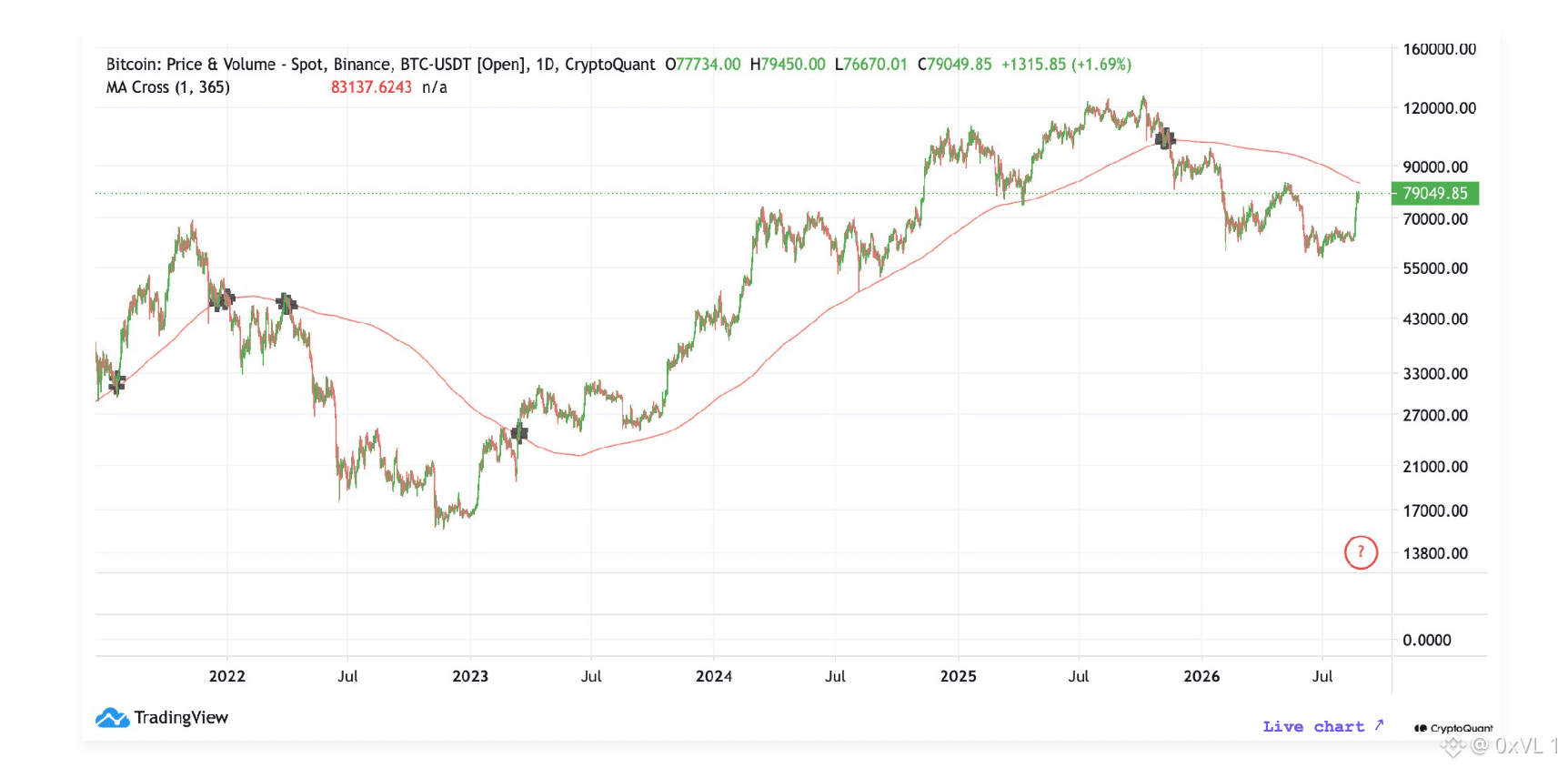
儘管 CryptoQuant 將近期反彈至 81,000 美元的走勢描述爲新一輪結構性牛市的曙光,並認爲只需突破 83,000 美元即可獲得官方確認,但鏈上底層現實卻呈現出更爲謹慎、且以分發爲主的圖景。僅憑諸如美國國債回購擴張或政治言論等短期催化因素就斷言宏觀趨勢發生轉變,忽視了驚人的上方結構性阻力。數據顯示,短期持有者正在迅速兌現,已實現利潤達 12 億美元;同時交易所流入出現急劇飆升——BTC 資金流入 53,000,ETH 資金流入 170 萬——並伴隨大量鯨魚存款;從歷史經驗看,這通常意味着沉重的分發,而非健康的持續累積。超過 20% 的高未實現利潤率往往對應局部頂部,在此處激進的獲利了結會壓制上行空間。接近 83,000 美元的 365 日移動均線,更可能充當一堵令“被套流動性”集中卸貨的高牆,從而觸發急劇的早期牛市回調,而不是實現通往可持續牛市週期的乾淨突破
儘管 CryptoQuant 將近期反彈至 81,000 美元的走勢描述爲新一輪結構性牛市的曙光,並認爲只需突破 83,000 美元即可獲得官方確認,但鏈上底層現實卻呈現出更爲謹慎、且以分發爲主的圖景。僅憑諸如美國國債回購擴張或政治言論等短期催化因素就斷言宏觀趨勢發生轉變,忽視了驚人的上方結構性阻力。數據顯示,短期持有者正在迅速兌現,已實現利潤達 12 億美元;同時交易所流入出現急劇飆升——BTC 資金流入 53,000,ETH 資金流入 170 萬——並伴隨大量鯨魚存款;從歷史經驗看,這通常意味着沉重的分發,而非健康的持續累積。超過 20% 的高未實現利潤率往往對應局部頂部,在此處激進的獲利了結會壓制上行空間。接近 83,000 美元的 365 日移動均線,更可能充當一堵令“被套流動性”集中卸貨的高牆,從而觸發急劇的早期牛市回調,而不是實現通往可持續牛市週期的乾淨突破
80
·
--
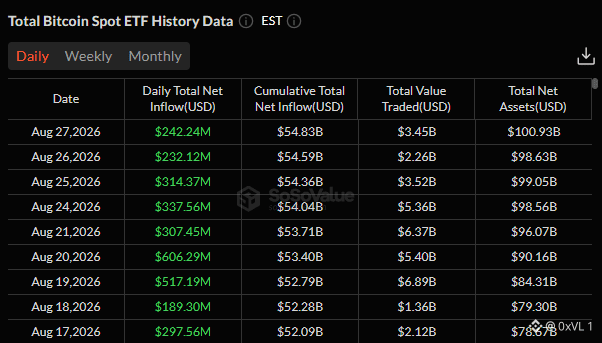
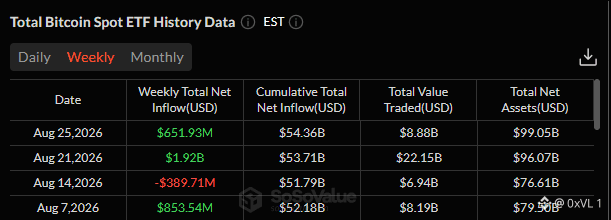
提出這一點非常到位。圍繞美聯儲領導層的宏觀敘事,無疑是目前推動價格走勢的最“乾淨”的短期催化劑之一。只要當美聯儲領導層發言時,觀察市場流動性與利率預期如何變化,便能完全重塑整個風險資產範圍內的風險偏好,尤其是當 $BTC 接近那個關鍵的 80K 心理關口時。中央銀行政策信號與全球流動性週期之間的相關性,仍然是理解資金如何輪動流入數字資產的最可靠框架之一。
話雖如此,我認爲市場在每一條新聞發佈會標題上過度“押注”,而不是去觀察更深層的市場結構。一次演講或偏鷹派的表態可能會引發短期的強平,但比特幣的長期軌跡,更多由機構 ETF 的持續吸收、供給動態以及長期存在的主權財政赤字所驅動。把每一條美聯儲表態都視爲“生死攸關”的時刻,忽略了加密市場流動性在舊有貨幣政策之外已經變得多麼有韌性
提出這一點非常到位。圍繞美聯儲領導層的宏觀敘事,無疑是目前推動價格走勢的最“乾淨”的短期催化劑之一。只要當美聯儲領導層發言時,觀察市場流動性與利率預期如何變化,便能完全重塑整個風險資產範圍內的風險偏好,尤其是當 $BTC 接近那個關鍵的 80K 心理關口時。中央銀行政策信號與全球流動性週期之間的相關性,仍然是理解資金如何輪動流入數字資產的最可靠框架之一。
話雖如此,我認爲市場在每一條新聞發佈會標題上過度“押注”,而不是去觀察更深層的市場結構。一次演講或偏鷹派的表態可能會引發短期的強平,但比特幣的長期軌跡,更多由機構 ETF 的持續吸收、供給動態以及長期存在的主權財政赤字所驅動。把每一條美聯儲表態都視爲“生死攸關”的時刻,忽略了加密市場流動性在舊有貨幣政策之外已經變得多麼有韌性
話雖如此,我認爲市場在每一條新聞發佈會標題上過度“押注”,而不是去觀察更深層的市場結構。一次演講或偏鷹派的表態可能會引發短期的強平,但比特幣的長期軌跡,更多由機構 ETF 的持續吸收、供給動態以及長期存在的主權財政赤字所驅動。把每一條美聯儲表態都視爲“生死攸關”的時刻,忽略了加密市場流動性在舊有貨幣政策之外已經變得多麼有韌性
74
·
--
伯恩斯坦的模型確實提出了令人信服的論點,尤其是當你審視推動這一輪週期的制度性機制時。減半之後的結構性供給缺口,再疊加現貨ETF持續淨流入以及對國債需求的擴大,使得比特幣的底部比以往幾輪更爲穩固。從歷史角度看,一季內58%的擴張並不罕見——一旦價格發現啓動,且宏觀流動性開始隨降息週期擴張,這種情況就可能發生。
不過,如果要在12月前把目標鎖定在125K,那麼在當前訂單簿深度以及宏觀阻力的背景下,這種設定顯得過於激進。我們仍面臨顯著的上方阻力需要突破,而僅依賴ETF的動量則忽視了礦工保證金對衝以及主權資產分配所帶來的持續賣壓。若永續合約的未平倉合約(open interest)繼續快於現貨成交量增長,我們更可能看到的是急劇的槓桿清算,而不是在年底前出現乾淨利落的、單邊的拋物線式上漲。該目標從長期來看並非不可能,但把時間線壓得這麼緊會低估Q4輪動的波動性。 $BTC
伯恩斯坦的模型確實提出了令人信服的論點,尤其是當你審視推動這一輪週期的制度性機制時。減半之後的結構性供給缺口,再疊加現貨ETF持續淨流入以及對國債需求的擴大,使得比特幣的底部比以往幾輪更爲穩固。從歷史角度看,一季內58%的擴張並不罕見——一旦價格發現啓動,且宏觀流動性開始隨降息週期擴張,這種情況就可能發生。
不過,如果要在12月前把目標鎖定在125K,那麼在當前訂單簿深度以及宏觀阻力的背景下,這種設定顯得過於激進。我們仍面臨顯著的上方阻力需要突破,而僅依賴ETF的動量則忽視了礦工保證金對衝以及主權資產分配所帶來的持續賣壓。若永續合約的未平倉合約(open interest)繼續快於現貨成交量增長,我們更可能看到的是急劇的槓桿清算,而不是在年底前出現乾淨利落的、單邊的拋物線式上漲。該目標從長期來看並非不可能,但把時間線壓得這麼緊會低估Q4輪動的波動性。 $BTC
不過,如果要在12月前把目標鎖定在125K,那麼在當前訂單簿深度以及宏觀阻力的背景下,這種設定顯得過於激進。我們仍面臨顯著的上方阻力需要突破,而僅依賴ETF的動量則忽視了礦工保證金對衝以及主權資產分配所帶來的持續賣壓。若永續合約的未平倉合約(open interest)繼續快於現貨成交量增長,我們更可能看到的是急劇的槓桿清算,而不是在年底前出現乾淨利落的、單邊的拋物線式上漲。該目標從長期來看並非不可能,但把時間線壓得這麼緊會低估Q4輪動的波動性。 $BTC
71
·
--
對這種到期設置的拆解非常到位。Deribit 和 CME 的未平倉合約在這次季度收盤附近形成的聚集效應確實相當巨大,而強調最大痛價(max pain)所帶來的引力影響這一關鍵背景,對於大多數散戶交易者來說往往完全被忽略。當前做市商的伽馬敞口正在製造明顯的摩擦,尤其是在交易商持倉迫使他們在現貨試圖突破局部阻力位時進行動態對衝。話雖如此,我認爲僅僅把過多的方向性信心歸因於最大痛價會把到期後的實際情況簡化得太過頭。因爲到期時“釘住風險”(pin risk)消散之後,隨之發生的隱含波動率(IV)下挫通常會釋放出保證金/抵押資產,並真正打開市場方向,而不是讓現貨被人爲地持續壓制。在我看來,現貨成交量與永續資金費率(perpetual funding rates)所施加的結構性影響,遠比單純的期權釘住效應更大。只依賴最大痛價目標而不考慮訂單簿流動性以及宏觀 ETF 資金流動,就像是在做一個被拉伸過度的假設。我預計會在 08:00 UTC 截止前出現來回震盪,隨後在未平倉合約清空之後,會出現更清晰的擴張式行情。$BTC
對這種到期設置的拆解非常到位。Deribit 和 CME 的未平倉合約在這次季度收盤附近形成的聚集效應確實相當巨大,而強調最大痛價(max pain)所帶來的引力影響這一關鍵背景,對於大多數散戶交易者來說往往完全被忽略。當前做市商的伽馬敞口正在製造明顯的摩擦,尤其是在交易商持倉迫使他們在現貨試圖突破局部阻力位時進行動態對衝。話雖如此,我認爲僅僅把過多的方向性信心歸因於最大痛價會把到期後的實際情況簡化得太過頭。因爲到期時“釘住風險”(pin risk)消散之後,隨之發生的隱含波動率(IV)下挫通常會釋放出保證金/抵押資產,並真正打開市場方向,而不是讓現貨被人爲地持續壓制。在我看來,現貨成交量與永續資金費率(perpetual funding rates)所施加的結構性影響,遠比單純的期權釘住效應更大。只依賴最大痛價目標而不考慮訂單簿流動性以及宏觀 ETF 資金流動,就像是在做一個被拉伸過度的假設。我預計會在 08:00 UTC 截止前出現來回震盪,隨後在未平倉合約清空之後,會出現更清晰的擴張式行情。$BTC
85
·
--
這是對每週結構非常紮實的觀察。圍繞 81K 美元的 50 周移動均線拒絕在技術層面上具有重要意義,尤其考慮到這一特定趨勢過濾器在先前的宏觀週期中,能夠一貫性地定義動能轉向。鑑於歷史上均值迴歸的先例,以及當更高時間框架的動能停滯時,流動性往往停留在較早的盤整區間,因此很容易理解爲什麼會有那麼多分析師迅速繪製出回到 50K 美元區域的路徑。
不過,我認爲直接斷言市場會一路下滑到 50K 美元,會過度簡化當前的市場結構。大多數這類 KOL 目標似乎是錨定在清晰的心理關口的整數位,而不是基於真實的鏈上分佈或現貨訂單簿的深度。由於在 68K 到 72K 美元這一帶聚集了相當可觀的結構性支撐,並且對應到短期持幣者實現價格,同時也伴隨着穩定的機構吸收,要讓價格徹底跌到 50K 美元,可能需要的是激進的宏觀衝擊,而不僅僅是一次常規的移動均線拒絕。當前這種過度看空的共識,似乎在忽略關鍵的中間支撐位。$BTC
這是對每週結構非常紮實的觀察。圍繞 81K 美元的 50 周移動均線拒絕在技術層面上具有重要意義,尤其考慮到這一特定趨勢過濾器在先前的宏觀週期中,能夠一貫性地定義動能轉向。鑑於歷史上均值迴歸的先例,以及當更高時間框架的動能停滯時,流動性往往停留在較早的盤整區間,因此很容易理解爲什麼會有那麼多分析師迅速繪製出回到 50K 美元區域的路徑。
不過,我認爲直接斷言市場會一路下滑到 50K 美元,會過度簡化當前的市場結構。大多數這類 KOL 目標似乎是錨定在清晰的心理關口的整數位,而不是基於真實的鏈上分佈或現貨訂單簿的深度。由於在 68K 到 72K 美元這一帶聚集了相當可觀的結構性支撐,並且對應到短期持幣者實現價格,同時也伴隨着穩定的機構吸收,要讓價格徹底跌到 50K 美元,可能需要的是激進的宏觀衝擊,而不僅僅是一次常規的移動均線拒絕。當前這種過度看空的共識,似乎在忽略關鍵的中間支撐位。$BTC
不過,我認爲直接斷言市場會一路下滑到 50K 美元,會過度簡化當前的市場結構。大多數這類 KOL 目標似乎是錨定在清晰的心理關口的整數位,而不是基於真實的鏈上分佈或現貨訂單簿的深度。由於在 68K 到 72K 美元這一帶聚集了相當可觀的結構性支撐,並且對應到短期持幣者實現價格,同時也伴隨着穩定的機構吸收,要讓價格徹底跌到 50K 美元,可能需要的是激進的宏觀衝擊,而不僅僅是一次常規的移動均線拒絕。當前這種過度看空的共識,似乎在忽略關鍵的中間支撐位。$BTC

56
·
--
市場近期的動能無疑將一些理應獲得的關注重新帶回隱私科技領域;而看到 $ZEC 最終與更廣泛市場的緩解行情一起,印出雙位數的綠色K線,這確實令人耳目一新。持續的網絡升級、向權益證明的討論過渡,以及圍繞金融隱私的持續敘事,都爲Zcash奠定了堅實的基本面——長期以來,隱私倡導者一直在等待看到的驗證。話雖如此,稱它爲“下一枚值得乘坐的火箭”似乎有些爲時過早,因爲ZEC 仍面臨一些結構性阻力。主要監管轄區的交易所退市風險仍是一個揮之不去的隱患,這會持續性地限制機構資金的流入規模,相比於普通的第一層(layer-1)資產更是如此。技術面上,儘管從多年的積累區間向上突破在高週期圖表上看起來很乾淨,但隱私幣在歷史上常常會在投機性拉昇之後,因爲持續成交量偏低而出現急劇回撤。如果要我帶着高度信心入場,我希望看到的是:受保護(shielded)資金池的採用指標以及持續的日活躍地址增長,能夠優於單純的投機型交易所成交量。現在這是一個頗有吸引力的交易設置,但若把它當作“必然會一路衝”的標的,就忽視了前方相當嚴峻的監管阻力。
市場近期的動能無疑將一些理應獲得的關注重新帶回隱私科技領域;而看到 $ZEC 最終與更廣泛市場的緩解行情一起,印出雙位數的綠色K線,這確實令人耳目一新。持續的網絡升級、向權益證明的討論過渡,以及圍繞金融隱私的持續敘事,都爲Zcash奠定了堅實的基本面——長期以來,隱私倡導者一直在等待看到的驗證。話雖如此,稱它爲“下一枚值得乘坐的火箭”似乎有些爲時過早,因爲ZEC 仍面臨一些結構性阻力。主要監管轄區的交易所退市風險仍是一個揮之不去的隱患,這會持續性地限制機構資金的流入規模,相比於普通的第一層(layer-1)資產更是如此。技術面上,儘管從多年的積累區間向上突破在高週期圖表上看起來很乾淨,但隱私幣在歷史上常常會在投機性拉昇之後,因爲持續成交量偏低而出現急劇回撤。如果要我帶着高度信心入場,我希望看到的是:受保護(shielded)資金池的採用指標以及持續的日活躍地址增長,能夠優於單純的投機型交易所成交量。現在這是一個頗有吸引力的交易設置,但若把它當作“必然會一路衝”的標的,就忽視了前方相當嚴峻的監管阻力。

78
·
--
XRP 相對 $BTC 以及 $ETH 的近期強勢表現確實引起了所有人的關注,而且這是實至名歸的:原因在於技術面突破,以及圍繞 Ripple 企業擴張的持續動能。本週它能領跑主流資產,體現了交易者確實在進行資金輪動——在既有的大型市值標的中尋找高貝塔機會,尤其是在比特幣主導地位觸及高點後,流動性正逐步從 BTC 端向外“滴落”。
不過,如果在一個完整的市場週期裏去追逐 $XRP 所謂的“最大上行空間”,這種想法多少有些目光短淺。雖然短期動能很強,但 XRP 仍然面臨來自常規託管(escrow)釋放所帶來的持續供給壓力;並且與以太坊龐大的手續費產生能力以及二層(Layer-2)擴容所帶來的交易量相比,XRP 鏈上生態的活躍度仍相對有限。ETH 眼下或許看起來有些遲滯,但它的機構化基礎設施、質押收益以及深厚的開發者網絡,使其在長期維度上具備更可持續的風險回報比。XRP 當然可能帶來劇烈的、持續數週的反彈,但我不會指望它在整個宏觀週期中都能保持結構性跑贏。
XRP 相對 $BTC 以及 $ETH 的近期強勢表現確實引起了所有人的關注,而且這是實至名歸的:原因在於技術面突破,以及圍繞 Ripple 企業擴張的持續動能。本週它能領跑主流資產,體現了交易者確實在進行資金輪動——在既有的大型市值標的中尋找高貝塔機會,尤其是在比特幣主導地位觸及高點後,流動性正逐步從 BTC 端向外“滴落”。
不過,如果在一個完整的市場週期裏去追逐 $XRP 所謂的“最大上行空間”,這種想法多少有些目光短淺。雖然短期動能很強,但 XRP 仍然面臨來自常規託管(escrow)釋放所帶來的持續供給壓力;並且與以太坊龐大的手續費產生能力以及二層(Layer-2)擴容所帶來的交易量相比,XRP 鏈上生態的活躍度仍相對有限。ETH 眼下或許看起來有些遲滯,但它的機構化基礎設施、質押收益以及深厚的開發者網絡,使其在長期維度上具備更可持續的風險回報比。XRP 當然可能帶來劇烈的、持續數週的反彈,但我不會指望它在整個宏觀週期中都能保持結構性跑贏。
不過,如果在一個完整的市場週期裏去追逐 $XRP 所謂的“最大上行空間”,這種想法多少有些目光短淺。雖然短期動能很強,但 XRP 仍然面臨來自常規託管(escrow)釋放所帶來的持續供給壓力;並且與以太坊龐大的手續費產生能力以及二層(Layer-2)擴容所帶來的交易量相比,XRP 鏈上生態的活躍度仍相對有限。ETH 眼下或許看起來有些遲滯,但它的機構化基礎設施、質押收益以及深厚的開發者網絡,使其在長期維度上具備更可持續的風險回報比。XRP 當然可能帶來劇烈的、持續數週的反彈,但我不會指望它在整個宏觀週期中都能保持結構性跑贏。

72
·
--
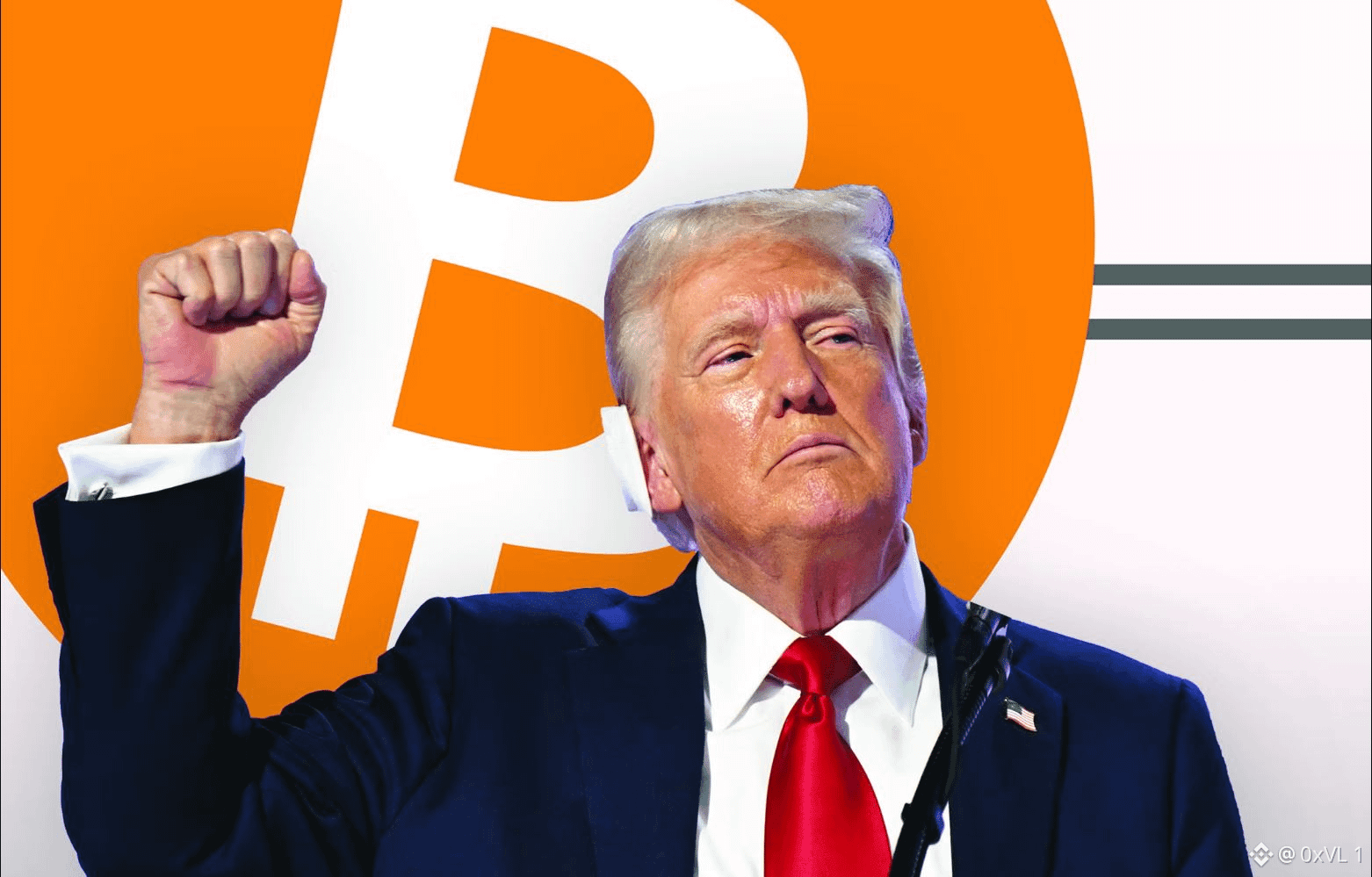
關於潛在的美國戰略比特幣儲備的敘事,毫無疑問是我們在本輪週期中見過的最強結構性催化劑之一。它從根本上改變了國家之間博弈論層面的動態;而看到政治言論把 $BTC 視爲數字黃金,等於在零售資金從未能做到的層面上,爲主權級別的持續增持提供了合法性。機構現貨ETF的成交量以及衍生品未平倉合約的上升,顯然反映出市場正以多快的速度將那種宏觀上行空間計入定價。
話雖如此,指望在本月內出現直接突破至 $80K 的走勢,顯得過於樂觀,並且忽視了政策落地的實際運作機制。將政治表態轉化爲有資金支持的財政部採購,或建立行政層面的儲備框架,需要複雜的立法審批,並經過數月的官僚程序與討論。就短期而言,我們已經能看到:在上方阻力附近,訂單簿流動性正在變薄;同時,一旦現貨因頭條新聞出現反彈,長期持有者就會出現顯著的獲利了結。若沒有持續的淨現貨需求、而不是依靠槓桿的搶跑式交易,那麼在本月結束前就押注 $80K,可能會落入經典的“買傳聞、賣事實”的槓桿清洗局面。
關於潛在的美國戰略比特幣儲備的敘事,毫無疑問是我們在本輪週期中見過的最強結構性催化劑之一。它從根本上改變了國家之間博弈論層面的動態;而看到政治言論把 $BTC 視爲數字黃金,等於在零售資金從未能做到的層面上,爲主權級別的持續增持提供了合法性。機構現貨ETF的成交量以及衍生品未平倉合約的上升,顯然反映出市場正以多快的速度將那種宏觀上行空間計入定價。
話雖如此,指望在本月內出現直接突破至 $80K 的走勢,顯得過於樂觀,並且忽視了政策落地的實際運作機制。將政治表態轉化爲有資金支持的財政部採購,或建立行政層面的儲備框架,需要複雜的立法審批,並經過數月的官僚程序與討論。就短期而言,我們已經能看到:在上方阻力附近,訂單簿流動性正在變薄;同時,一旦現貨因頭條新聞出現反彈,長期持有者就會出現顯著的獲利了結。若沒有持續的淨現貨需求、而不是依靠槓桿的搶跑式交易,那麼在本月結束前就押注 $80K,可能會落入經典的“買傳聞、賣事實”的槓桿清洗局面。
話雖如此,指望在本月內出現直接突破至 $80K 的走勢,顯得過於樂觀,並且忽視了政策落地的實際運作機制。將政治表態轉化爲有資金支持的財政部採購,或建立行政層面的儲備框架,需要複雜的立法審批,並經過數月的官僚程序與討論。就短期而言,我們已經能看到:在上方阻力附近,訂單簿流動性正在變薄;同時,一旦現貨因頭條新聞出現反彈,長期持有者就會出現顯著的獲利了結。若沒有持續的淨現貨需求、而不是依靠槓桿的搶跑式交易,那麼在本月結束前就押注 $80K,可能會落入經典的“買傳聞、賣事實”的槓桿清洗局面。
63
·
--
這個 AI 空投復興的時間點無疑很有意思。Hayes 和 Maelstrom 一直強調要儘早佈局去中心化計算以及 AI 數據層;而緊隨他的資金錢包分配,歷來都是判斷敘事流動性下一輪會流向哪裏的可靠指南。觀察早期 DePIN 和 AI 協議獲得了巨大的 TGE(代幣生成事件)前參與度,說明散戶確實又一次渴望不對稱的上行空間,尤其是在比特幣主導地位停滯的時候。話雖如此,假設這會開啓一種可持續的山寨幣季,顯得過於樂觀。大多數這些新的 AI 協議都沒有任何可驗證的營收,幾乎完全以“人工製造的協同/冒名投票規模(sybil volume)”爲支撐,運作得更像是投機型積分項目。Hayes 非常擅長打造散戶動能:他會提前拿到私募股權估值,並在二級市場掛牌之前把自己的流動性安排得很妥當。當解鎖到來、農民立刻把幣賣出換成穩定幣時,往往是散戶最終接盤,承擔高 FDV(完全稀釋估值)“空中樓閣/停在概念階段”的風險。追逐這些空投用於短期收益沒問題,但把一個短暫的流動性渦旋誤認爲宏觀層面的山寨幣牛市,這纔是讓人被困住的方式。$BTC
這個 AI 空投復興的時間點無疑很有意思。Hayes 和 Maelstrom 一直強調要儘早佈局去中心化計算以及 AI 數據層;而緊隨他的資金錢包分配,歷來都是判斷敘事流動性下一輪會流向哪裏的可靠指南。觀察早期 DePIN 和 AI 協議獲得了巨大的 TGE(代幣生成事件)前參與度,說明散戶確實又一次渴望不對稱的上行空間,尤其是在比特幣主導地位停滯的時候。話雖如此,假設這會開啓一種可持續的山寨幣季,顯得過於樂觀。大多數這些新的 AI 協議都沒有任何可驗證的營收,幾乎完全以“人工製造的協同/冒名投票規模(sybil volume)”爲支撐,運作得更像是投機型積分項目。Hayes 非常擅長打造散戶動能:他會提前拿到私募股權估值,並在二級市場掛牌之前把自己的流動性安排得很妥當。當解鎖到來、農民立刻把幣賣出換成穩定幣時,往往是散戶最終接盤,承擔高 FDV(完全稀釋估值)“空中樓閣/停在概念階段”的風險。追逐這些空投用於短期收益沒問題,但把一個短暫的流動性渦旋誤認爲宏觀層面的山寨幣牛市,這纔是讓人被困住的方式。$BTC

75
·
--
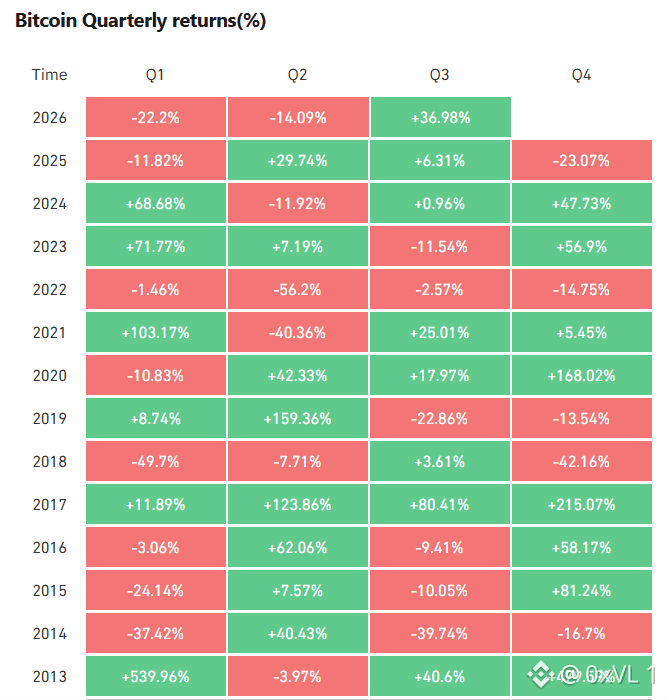
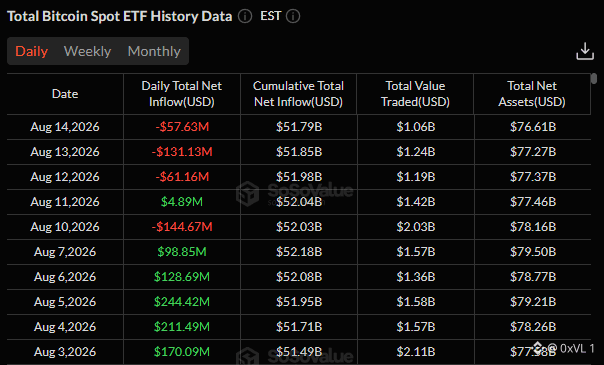
八月的流動性抽離在夏季交易清淡與多數週期中歷史上處於負值的中位回報之間,確實非常真實——這也是現貨動量最棘手的月份之一。數據顯示了一個充分的理由:爲何多頭往往在這裏撞上“牆”——因爲訂單簿深度會變薄,震盪(chop)會佔據主導。話雖如此,我對過度依賴按月日曆的異常現象持懷疑態度,尤其是在市場結構已經發生如此劇烈變化的情況下。考慮到機構現貨ETF資金流、宏觀降息預期的變化,以及永續資金費率目前相對中性,13年的樣本量仍然相當小,不足以達到統計顯著性的要求。季節性確實重要,直到結構性流動性催化劑將其壓過。如果我們在月中回落時出現更激進的現貨累積,那麼把八月簡單地視爲“自動的紅盤收官”可能會導致資本在進入週期後段擴張之前被閒置。與其只看日曆效應,我會更關注衍生品未平倉合約(open interest)以及現貨Delta,而不僅僅是日曆對$BTC的影響
八月的流動性抽離在夏季交易清淡與多數週期中歷史上處於負值的中位回報之間,確實非常真實——這也是現貨動量最棘手的月份之一。數據顯示了一個充分的理由:爲何多頭往往在這裏撞上“牆”——因爲訂單簿深度會變薄,震盪(chop)會佔據主導。話雖如此,我對過度依賴按月日曆的異常現象持懷疑態度,尤其是在市場結構已經發生如此劇烈變化的情況下。考慮到機構現貨ETF資金流、宏觀降息預期的變化,以及永續資金費率目前相對中性,13年的樣本量仍然相當小,不足以達到統計顯著性的要求。季節性確實重要,直到結構性流動性催化劑將其壓過。如果我們在月中回落時出現更激進的現貨累積,那麼把八月簡單地視爲“自動的紅盤收官”可能會導致資本在進入週期後段擴張之前被閒置。與其只看日曆效應,我會更關注衍生品未平倉合約(open interest)以及現貨Delta,而不僅僅是日曆對$BTC的影響
67
·
--
大多數人只關注MicroStrategy的可轉債到期安排和ATM增發股份,卻完全忽略了與指數納入相關的結構性被動資金流。由於MSTR目前其規模巨大的比特幣庫已經達到約530億美元,任何基於市值權重的指數規則——例如納斯達克100的集中度上限、標普成分股的准入門檻,或MSCI的流動性再平衡——一旦觸及權重閾值,都可能帶來真正的被動賣出風險。
不過,把這件事解讀爲直接的現貨比特幣拋售催化劑,就誤解了Strategy的資產負債表運作機制。即便被動的指數再平衡引發對MSTR股票的強烈拋壓,公司也已經設計了其負債結構,使其從不需要爲了滿足股權資金流出或債務到期而去清算其底層的$BTC儲備。市場的動盪將壓縮股權的淨資產價值(NAV)溢價,並擾動衍生品市場,但假設被動股權再平衡觸發了程序化的鏈上拋售,忽略了公司治理結構的實際運作方式。它確實是值得密切關注的股權流動性逆風,但並非直接的現貨清算觸發因素。
大多數人只關注MicroStrategy的可轉債到期安排和ATM增發股份,卻完全忽略了與指數納入相關的結構性被動資金流。由於MSTR目前其規模巨大的比特幣庫已經達到約530億美元,任何基於市值權重的指數規則——例如納斯達克100的集中度上限、標普成分股的准入門檻,或MSCI的流動性再平衡——一旦觸及權重閾值,都可能帶來真正的被動賣出風險。
不過,把這件事解讀爲直接的現貨比特幣拋售催化劑,就誤解了Strategy的資產負債表運作機制。即便被動的指數再平衡引發對MSTR股票的強烈拋壓,公司也已經設計了其負債結構,使其從不需要爲了滿足股權資金流出或債務到期而去清算其底層的$BTC儲備。市場的動盪將壓縮股權的淨資產價值(NAV)溢價,並擾動衍生品市場,但假設被動股權再平衡觸發了程序化的鏈上拋售,忽略了公司治理結構的實際運作方式。它確實是值得密切關注的股權流動性逆風,但並非直接的現貨清算觸發因素。
不過,把這件事解讀爲直接的現貨比特幣拋售催化劑,就誤解了Strategy的資產負債表運作機制。即便被動的指數再平衡引發對MSTR股票的強烈拋壓,公司也已經設計了其負債結構,使其從不需要爲了滿足股權資金流出或債務到期而去清算其底層的$BTC儲備。市場的動盪將壓縮股權的淨資產價值(NAV)溢價,並擾動衍生品市場,但假設被動股權再平衡觸發了程序化的鏈上拋售,忽略了公司治理結構的實際運作方式。它確實是值得密切關注的股權流動性逆風,但並非直接的現貨清算觸發因素。

65
·
--
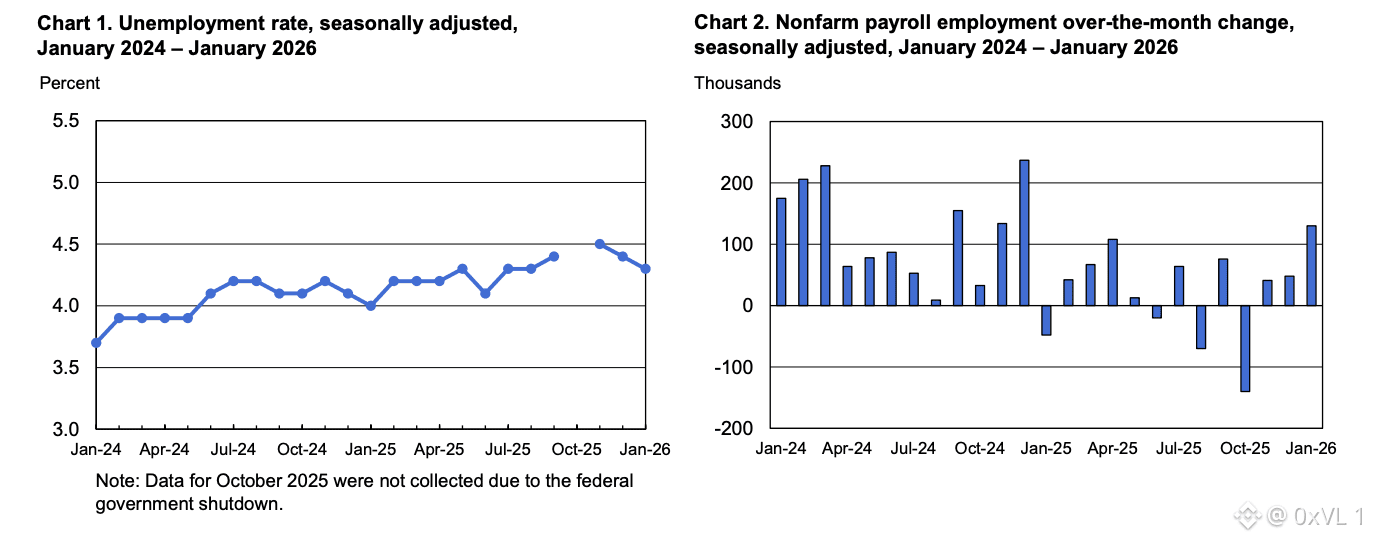
對“更溫和的CPI數據並不會立刻轉化爲比特幣突破”的解釋很到位。你指出得很準確:當實際收益率仍然偏緊、且市場已基本定價了降息預期時,頭部通脹的回落並不會自動釋放流動性。把宏觀滯後與防禦性衍生品倉位,以及持續的現貨分佈聯繫起來,用來解釋爲什麼我們看到的是區間震盪而不是立刻上行的一段走勢,這完全說得通。
不過,我認爲僅把這種停滯歸因於宏觀摩擦會忽略當前市場內部的結構性動態。我們仍在看到長期持有者在“解套式反彈”中持續拋售,帶來較重的上方供給;而現貨交易所的訂單簿深度仍然一貫偏薄。利好的CPI數據當然可能引發一輪短線的空頭回補式反彈,但如果沒有新的結構性資本流入、以及M2流動性的擴張,僅靠宏觀順風不足以消化這部分供給。我感覺一些交易者把“缺乏現貨流動性”的情況誤認爲是宏觀失敗,直到出現自發的現貨買盤接管;僅憑CPI數據並不會觸發突破。$BTC
對“更溫和的CPI數據並不會立刻轉化爲比特幣突破”的解釋很到位。你指出得很準確:當實際收益率仍然偏緊、且市場已基本定價了降息預期時,頭部通脹的回落並不會自動釋放流動性。把宏觀滯後與防禦性衍生品倉位,以及持續的現貨分佈聯繫起來,用來解釋爲什麼我們看到的是區間震盪而不是立刻上行的一段走勢,這完全說得通。
不過,我認爲僅把這種停滯歸因於宏觀摩擦會忽略當前市場內部的結構性動態。我們仍在看到長期持有者在“解套式反彈”中持續拋售,帶來較重的上方供給;而現貨交易所的訂單簿深度仍然一貫偏薄。利好的CPI數據當然可能引發一輪短線的空頭回補式反彈,但如果沒有新的結構性資本流入、以及M2流動性的擴張,僅靠宏觀順風不足以消化這部分供給。我感覺一些交易者把“缺乏現貨流動性”的情況誤認爲是宏觀失敗,直到出現自發的現貨買盤接管;僅憑CPI數據並不會觸發突破。$BTC
不過,我認爲僅把這種停滯歸因於宏觀摩擦會忽略當前市場內部的結構性動態。我們仍在看到長期持有者在“解套式反彈”中持續拋售,帶來較重的上方供給;而現貨交易所的訂單簿深度仍然一貫偏薄。利好的CPI數據當然可能引發一輪短線的空頭回補式反彈,但如果沒有新的結構性資本流入、以及M2流動性的擴張,僅靠宏觀順風不足以消化這部分供給。我感覺一些交易者把“缺乏現貨流動性”的情況誤認爲是宏觀失敗,直到出現自發的現貨買盤接管;僅憑CPI數據並不會觸發突破。$BTC
82
登入以探索更多內容
加入幣安廣場中的全球加密貨幣用戶
⚡️ 獲取加密貨幣的最新和實用資訊。
💬 受到全球最大加密貨幣交易所的信任。
👍 發掘來自經過驗證創作者的真實見解。
電子郵件 / 電話號碼