

TEKT0NIC 1
1.2k 貼文

TEKT0NIC 1
舉報
封鎖用戶
Passionate about crypto and blockchain | Crypto Enthusiastic | Technical Analysis | Fundamental News
0 關注
9 粉絲
39 點讚數
貼文
·
--
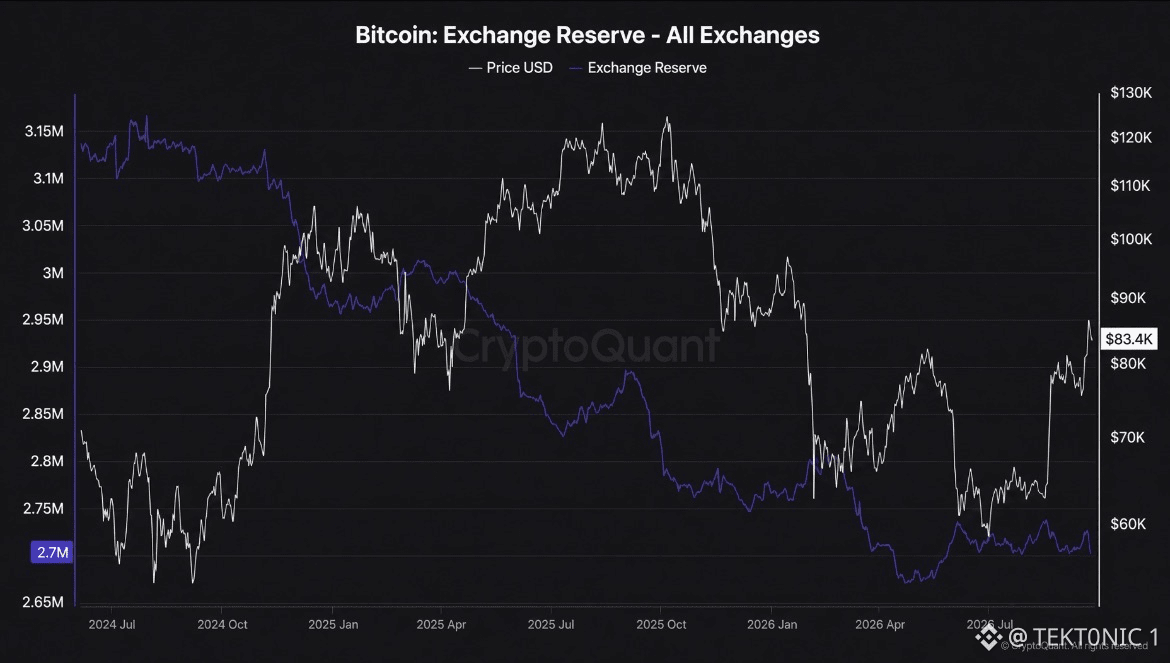
$BTC 交易所的比特幣儲備接近多年低點。CryptoQuant 的全交易所繫列約爲 270 萬 BTC,低於 2024 年中期約 315 萬 BTC。跌勢一直很穩定。儲備在 2024 年的反彈中跌破,隨後一路下行,直到 2025 年的高點附近(接近 $126,000),並在 2026 年 4 月創下約 267 萬的低位。此後幾乎沒有重新建立起來。圖表上的價格約爲 $83,400,因此交易所的供應並沒有隨着 Q3 的反彈迅速回升。交易所持幣更少,意味着市場賣單能立刻打到的“庫存”更少。其中一部分幣已經轉移到冷錢包;還有一部分在 ETF 託管方手中,而本系列並不將其計爲交易所庫存。儲備更低意味着現貨供應更緊。它並不保證持幣者不會出售。儘管這段儲備在下滑,價格已經從 $126,000 下跌到低於 $60,000 的區間。稀缺性並沒有阻止這次回撤。現在的重點是:當價格守在 $86,000 時,270 萬是否會繼續緩慢下探。若跌破 4 月低點,又會進一步收緊供應。若回升至 280 萬左右,則意味着有幣重新回到交易所。低點是真實存在的。它仍然需要買盤。 #BTC 價格分析# #Bitcoin 價格預測:比特幣接下來的動作是什麼?# $BTC $XRP #宏觀洞察#
$BTC 交易所的比特幣儲備接近多年低點。CryptoQuant 的全交易所繫列約爲 270 萬 BTC,低於 2024 年中期約 315 萬 BTC。跌勢一直很穩定。儲備在 2024 年的反彈中跌破,隨後一路下行,直到 2025 年的高點附近(接近 $126,000),並在 2026 年 4 月創下約 267 萬的低位。此後幾乎沒有重新建立起來。圖表上的價格約爲 $83,400,因此交易所的供應並沒有隨着 Q3 的反彈迅速回升。交易所持幣更少,意味着市場賣單能立刻打到的“庫存”更少。其中一部分幣已經轉移到冷錢包;還有一部分在 ETF 託管方手中,而本系列並不將其計爲交易所庫存。儲備更低意味着現貨供應更緊。它並不保證持幣者不會出售。儘管這段儲備在下滑,價格已經從 $126,000 下跌到低於 $60,000 的區間。稀缺性並沒有阻止這次回撤。現在的重點是:當價格守在 $86,000 時,270 萬是否會繼續緩慢下探。若跌破 4 月低點,又會進一步收緊供應。若回升至 280 萬左右,則意味着有幣重新回到交易所。低點是真實存在的。它仍然需要買盤。 #BTC 價格分析# #Bitcoin 價格預測:比特幣接下來的動作是什麼?# $BTC $XRP #宏觀洞察#
·
--
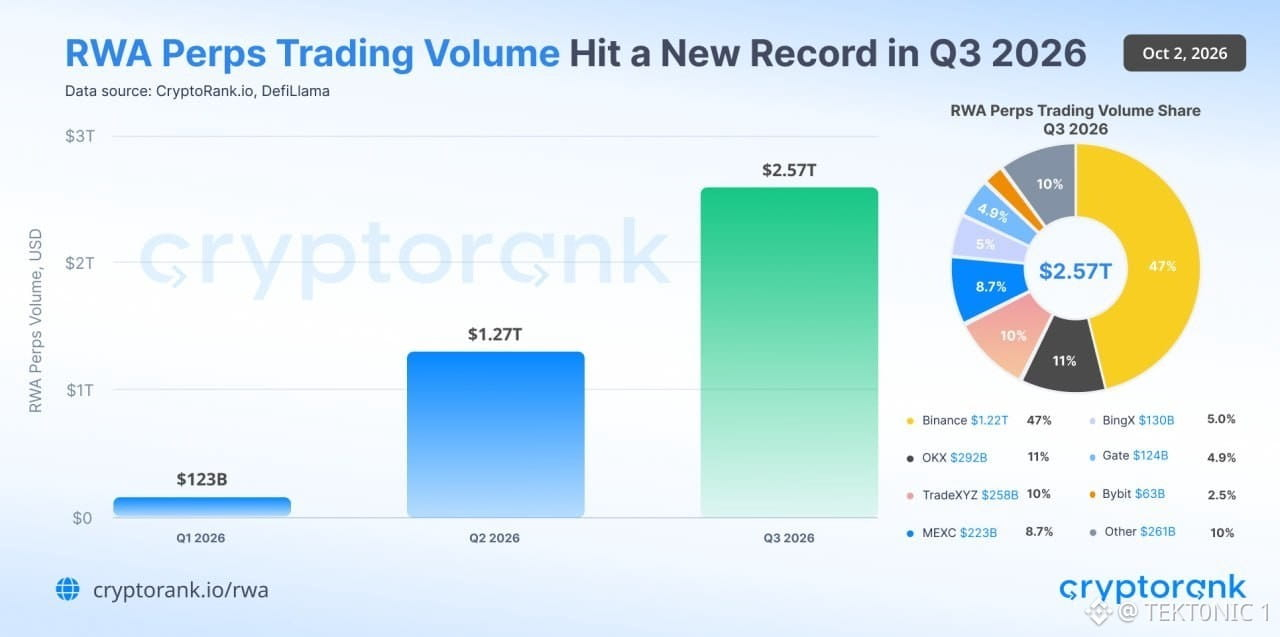
RWA 永續合約剛剛創下一個新紀錄季度。根據 CryptoRank 的數據,2026 年第三季度的交易量達到 2.57 萬億美元,較第二季度的 1.27 萬億美元翻了不止一倍。僅 8 月就達到 9570 億美元。幣安以 1.22 萬億美元領跑,幾乎佔據市場近一半。集中式交易所的佔比超過 80%。Perp DEX 實現 3650 億美元,較上一季度增長 32%。這些合約對應的是代幣化股票、商品和指數,並不是將幣種轉入托管的資金流。一個永續合約可以在一天之內多次週轉同樣的敞口。該板塊的週末交易量到 8 月中旬時已接近 280 億美元——這表明在美國現金市場關閉時,需求仍在出現。交易量不是受管理資產(AUM)。到 9 月中旬,代幣化 RWA 的規模約爲 340 億美元(AUM)。衍生品的數字更大,因爲交易者在獲取價格敞口,而不是進行交割。現在的關注點是:在如此巨大的 8 月衝高之後,第四季度能否延續節奏。若第二季度(Q4)站上 2 萬億美元以上的水平,將說明市場已在這一規模上穩定下來。一次創紀錄的季度仍可能只是高峯。
#BTC Price Analysis# #Bitcoin Price Prediction: What is Bitcoins next move?# $BTC $ETH #Bullish
RWA 永續合約剛剛創下一個新紀錄季度。根據 CryptoRank 的數據,2026 年第三季度的交易量達到 2.57 萬億美元,較第二季度的 1.27 萬億美元翻了不止一倍。僅 8 月就達到 9570 億美元。幣安以 1.22 萬億美元領跑,幾乎佔據市場近一半。集中式交易所的佔比超過 80%。Perp DEX 實現 3650 億美元,較上一季度增長 32%。這些合約對應的是代幣化股票、商品和指數,並不是將幣種轉入托管的資金流。一個永續合約可以在一天之內多次週轉同樣的敞口。該板塊的週末交易量到 8 月中旬時已接近 280 億美元——這表明在美國現金市場關閉時,需求仍在出現。交易量不是受管理資產(AUM)。到 9 月中旬,代幣化 RWA 的規模約爲 340 億美元(AUM)。衍生品的數字更大,因爲交易者在獲取價格敞口,而不是進行交割。現在的關注點是:在如此巨大的 8 月衝高之後,第四季度能否延續節奏。若第二季度(Q4)站上 2 萬億美元以上的水平,將說明市場已在這一規模上穩定下來。一次創紀錄的季度仍可能只是高峯。
#BTC Price Analysis# #Bitcoin Price Prediction: What is Bitcoins next move?# $BTC $ETH #Bullish
#BTC Price Analysis# #Bitcoin Price Prediction: What is Bitcoins next move?# $BTC $ETH #Bullish
·
--
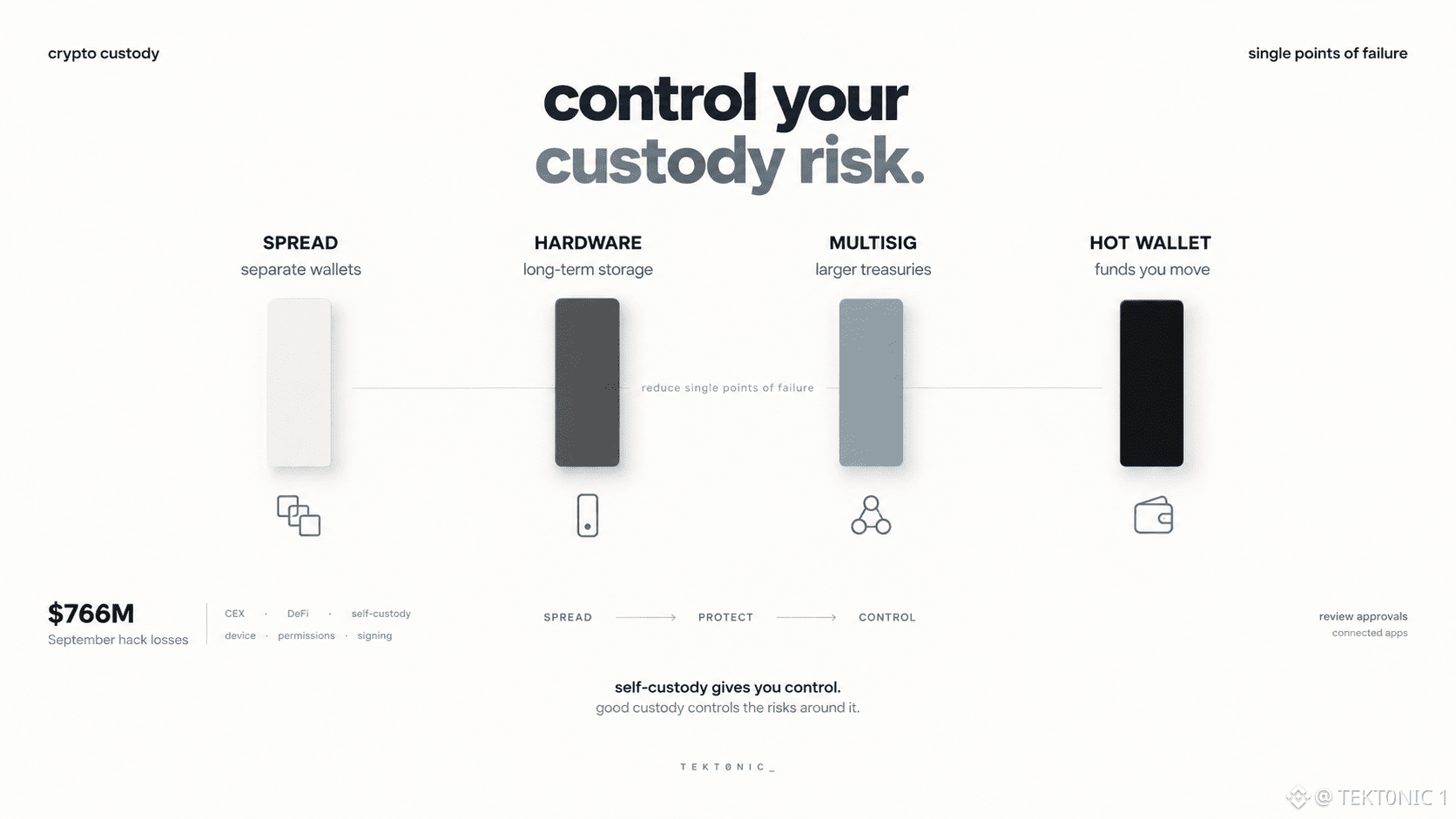
加密託管正在變得越來越難以用一個簡單的“我的資金該放哪裏?”來思考。中心化交易所可能會被黑客攻擊。DeFi 協議可能會被利用。即使是自我託管,如果設備、權限或簽名設置被攻破,也會引入新的風險。僅 9 月,根據 CertiK 的跟蹤,已出現約 7.66 億美元的加密黑客損失。而問題並不侷限於某一種平臺。答案不是去尋找一款“完美”的錢包,而是降低單點故障。→ 將更大規模的資產分散到不同的錢包中 → 對長期存儲使用硬件錢包 → 對更大的金庫使用多重簽名 → 讓熱錢包只保留你確實需要移動的資金 → 定期審查授權和已連接的應用 自我託管讓你擁有控制權。但良好的託管在於對這種控制權周圍的風險進行管理。 #BTC Price Analysis# #Bitcoin Price Prediction: What is Bitcoins next move?# $BTC $XRP #Macro Insights#
加密託管正在變得越來越難以用一個簡單的“我的資金該放哪裏?”來思考。中心化交易所可能會被黑客攻擊。DeFi 協議可能會被利用。即使是自我託管,如果設備、權限或簽名設置被攻破,也會引入新的風險。僅 9 月,根據 CertiK 的跟蹤,已出現約 7.66 億美元的加密黑客損失。而問題並不侷限於某一種平臺。答案不是去尋找一款“完美”的錢包,而是降低單點故障。→ 將更大規模的資產分散到不同的錢包中 → 對長期存儲使用硬件錢包 → 對更大的金庫使用多重簽名 → 讓熱錢包只保留你確實需要移動的資金 → 定期審查授權和已連接的應用 自我託管讓你擁有控制權。但良好的託管在於對這種控制權周圍的風險進行管理。 #BTC Price Analysis# #Bitcoin Price Prediction: What is Bitcoins next move?# $BTC $XRP #Macro Insights#
·
--
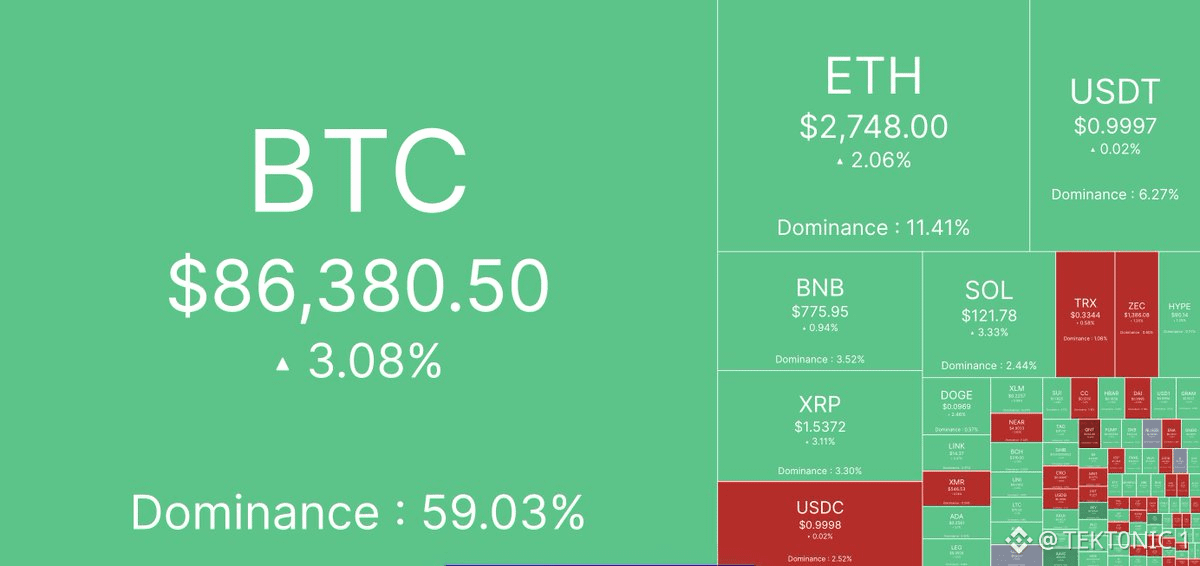
比特幣回到 86,381 美元附近:過去 24 小時約 2.44 億美元空頭被平倉。$ETH 爲 2,748 美元,Solana 爲 121.78 美元。$BTC 仍然掌控大部分走勢。根據市場地圖,比特幣正在領跑反彈,主導率仍接近 59%。在較爲溫和的 PCE 數據之後,並且價格重新回到 85,000 美元上方,這次 24 小時的短期清算正是伴隨該反彈出現的。山寨幣隨之轉綠,但並不領先。關鍵要點: > 比特幣:86,380.50 美元,+3.08%,主導率 59.03%。 > 以太坊:2,748 美元,+2.06%,主導率 11.41%。 > Solana:121.78 美元,+3.33%,主導率 2.44%。 > XRP:1.5372 美元,+3.31%。 > 24 小時短期清算:約 2.44 億美元。 87,000 美元是近期高點。守住 85,000 美元,這次反彈就仍然完整。失守則意味着空頭回補只是一次爲期一天的買盤。 $BTC 86,381,$ETH 2,748,SOL 122。24M 美元空頭在 24 小時內被平倉。你會在 86,000 這個重新奪回的水平上加倉,還是等待日線收盤站上 87,000 美元? #BTC 價格分析# #比特幣價格預測:比特幣的下一步會是什麼?# #山寨幣季#
比特幣回到 86,381 美元附近:過去 24 小時約 2.44 億美元空頭被平倉。$ETH 爲 2,748 美元,Solana 爲 121.78 美元。$BTC 仍然掌控大部分走勢。根據市場地圖,比特幣正在領跑反彈,主導率仍接近 59%。在較爲溫和的 PCE 數據之後,並且價格重新回到 85,000 美元上方,這次 24 小時的短期清算正是伴隨該反彈出現的。山寨幣隨之轉綠,但並不領先。關鍵要點: > 比特幣:86,380.50 美元,+3.08%,主導率 59.03%。 > 以太坊:2,748 美元,+2.06%,主導率 11.41%。 > Solana:121.78 美元,+3.33%,主導率 2.44%。 > XRP:1.5372 美元,+3.31%。 > 24 小時短期清算:約 2.44 億美元。 87,000 美元是近期高點。守住 85,000 美元,這次反彈就仍然完整。失守則意味着空頭回補只是一次爲期一天的買盤。 $BTC 86,381,$ETH 2,748,SOL 122。24M 美元空頭在 24 小時內被平倉。你會在 86,000 這個重新奪回的水平上加倉,還是等待日線收盤站上 87,000 美元? #BTC 價格分析# #比特幣價格預測:比特幣的下一步會是什麼?# #山寨幣季#
·
--
Strategy剛剛超過沙特國家銀行,在上市公司中排名第385位。 $BTC 儲備資產將比特幣的“國庫/賬本”名稱推到了這家沙特貸款機構之前。 根據該排名,這一躍升是在6月22日市值爲393億美元、9月21日增至709億美元的權益反彈之後發生的,同時比特幣也重新站回85000美元上方。 排名以市值爲準,而非收益。 它仍然意味着:比特幣資產負債表緊挨着一家大型銀行。 關鍵信息: > 新排名:第385大上市公司。 > 超越對象:沙特國家銀行。 > 來源:BTC Treasuries(BTC儲備)。 > 持倉:845,100 BTC。 超過一家國家級銀行是一項規模里程碑。 這仍是比特幣的一個標誌。 如果85,000美元仍能站穩,排名可能會保持不變。 如果比特幣跌破84,000美元,那麼在榜單上的位置可能會滑回。 策略:第385大上市公司,位列沙特國家銀行之前。 銀行體量級的排名會改變你對Strategy的看法嗎,還是你仍然只關注那845,100 $BTC 的堆疊? #BTC價格分析# #比特幣價格預測:比特幣下一步會怎麼走?# $ETH #宏觀洞察#
Strategy剛剛超過沙特國家銀行,在上市公司中排名第385位。 $BTC 儲備資產將比特幣的“國庫/賬本”名稱推到了這家沙特貸款機構之前。 根據該排名,這一躍升是在6月22日市值爲393億美元、9月21日增至709億美元的權益反彈之後發生的,同時比特幣也重新站回85000美元上方。 排名以市值爲準,而非收益。 它仍然意味着:比特幣資產負債表緊挨着一家大型銀行。 關鍵信息: > 新排名:第385大上市公司。 > 超越對象:沙特國家銀行。 > 來源:BTC Treasuries(BTC儲備)。 > 持倉:845,100 BTC。 超過一家國家級銀行是一項規模里程碑。 這仍是比特幣的一個標誌。 如果85,000美元仍能站穩,排名可能會保持不變。 如果比特幣跌破84,000美元,那麼在榜單上的位置可能會滑回。 策略:第385大上市公司,位列沙特國家銀行之前。 銀行體量級的排名會改變你對Strategy的看法嗎,還是你仍然只關注那845,100 $BTC 的堆疊? #BTC價格分析# #比特幣價格預測:比特幣下一步會怎麼走?# $ETH #宏觀洞察#

·
--
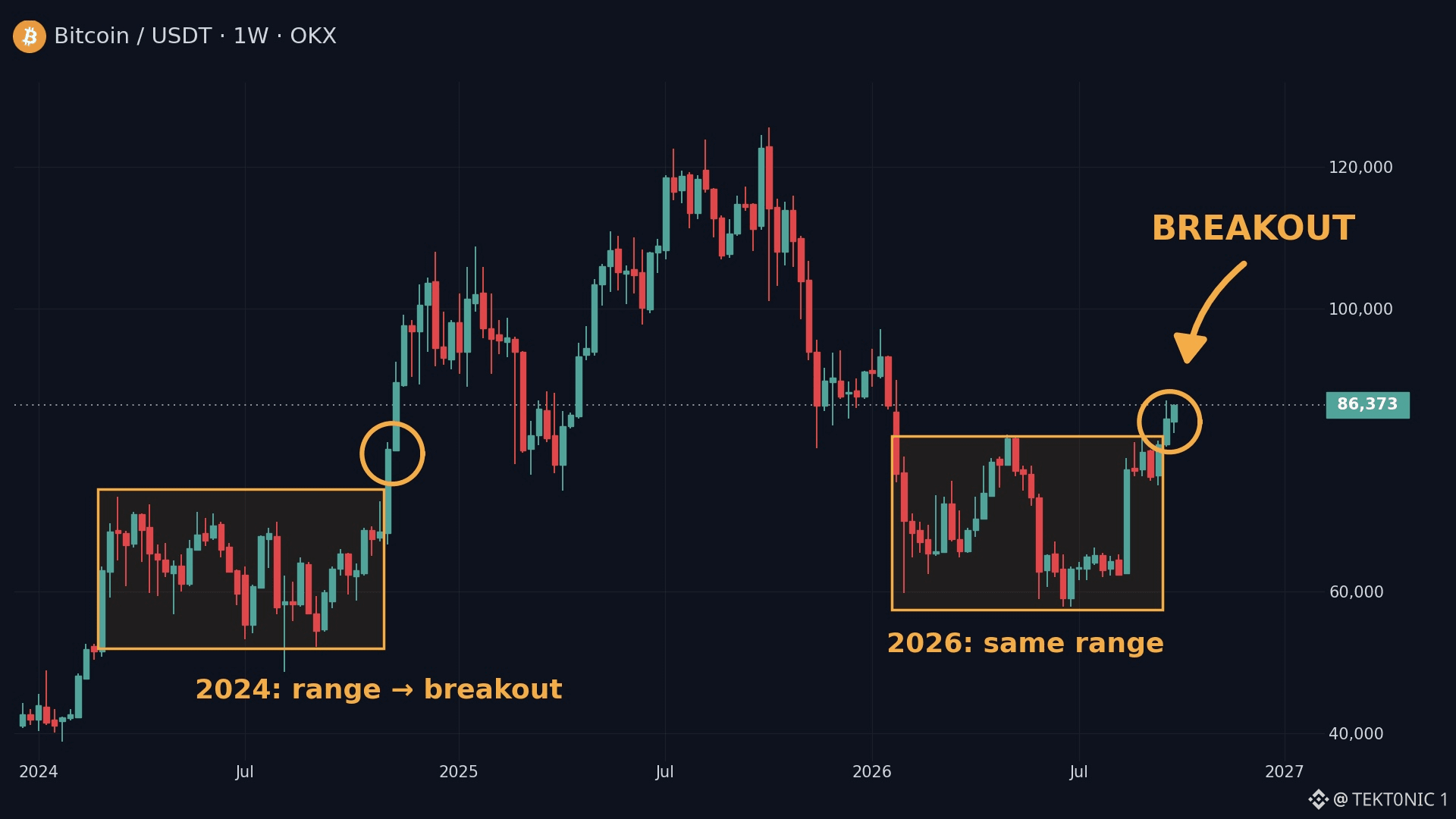
$BTC 已經突破了一個將其維持了約七個月的盤整區間。 在周線圖上,價格在 2026 年於 6 萬美元上下低位與 8 萬多美元中段之間波動之後,重新站上了 $86,373。 同樣類型的區間在 2024 年也出現過。 一旦那個區間被打破,比特幣便在約五週內觸及 $100,000。 圖表正是在做這種對比。 不過,這次突破並不等同於當時的市場。 2024 年的區間是在一個新的高點之下橫盤。 而這次的區間則位於 2025 年峯值附近、約 $126,000 的下方——在 Q1 和 Q2 錄得跌勢以及 Q3 下跌 42.6% 之後形成。 現貨 ETF 上一季度共吸引約 63 億美元資金流入。 Kalshi 仍對年底前達到 $100,000 的定價概率約爲 40%。 現在關注點轉向 $86,000 是否能夠守住。 對該先前天花板的“乾淨回測”將爲交易者提供更多確認,即區間確實已經被打破。 一旦再次跌回其下方,價格又會重新回到這七個月的區間之內。 先突破。 再在 $BTC 圖表上確認。 #BTC 價格分析# #比特幣價格預測:比特幣接下來會怎麼走?# $ETH #看多
$BTC 已經突破了一個將其維持了約七個月的盤整區間。 在周線圖上,價格在 2026 年於 6 萬美元上下低位與 8 萬多美元中段之間波動之後,重新站上了 $86,373。 同樣類型的區間在 2024 年也出現過。 一旦那個區間被打破,比特幣便在約五週內觸及 $100,000。 圖表正是在做這種對比。 不過,這次突破並不等同於當時的市場。 2024 年的區間是在一個新的高點之下橫盤。 而這次的區間則位於 2025 年峯值附近、約 $126,000 的下方——在 Q1 和 Q2 錄得跌勢以及 Q3 下跌 42.6% 之後形成。 現貨 ETF 上一季度共吸引約 63 億美元資金流入。 Kalshi 仍對年底前達到 $100,000 的定價概率約爲 40%。 現在關注點轉向 $86,000 是否能夠守住。 對該先前天花板的“乾淨回測”將爲交易者提供更多確認,即區間確實已經被打破。 一旦再次跌回其下方,價格又會重新回到這七個月的區間之內。 先突破。 再在 $BTC 圖表上確認。 #BTC 價格分析# #比特幣價格預測:比特幣接下來會怎麼走?# $ETH #看多
2
·
--
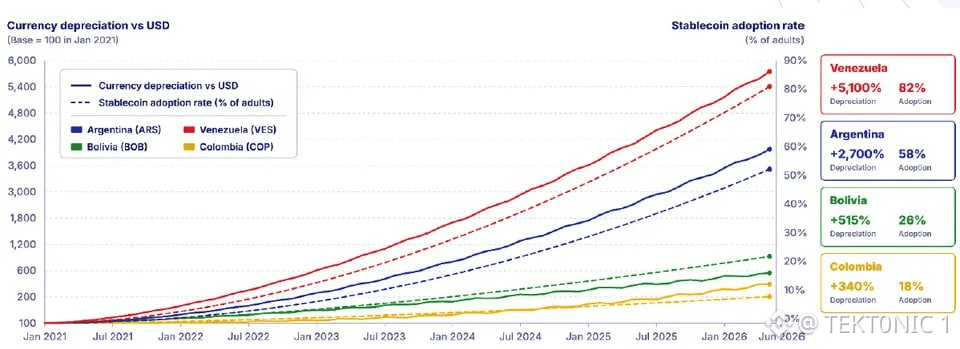
當地貨幣跌得最慘的地方,穩定幣使用率也最高。委內瑞拉以82%的成年人口採用率領跑。通道端的規模仍然很小。根據圖表,自2021年1月以來,每種貨幣相對美元的跌幅越大,採用率就同步上升。虧損最嚴重的四個國家,其穩定幣使用率也最高。需求已經存在。當地流動性卻不足:在該地區的494家公司中,只有16家專門提供商坐鎮。關鍵要點: > 委內瑞拉:+5,100% 貨幣貶值,82% 採用率。 > 阿根廷:+2,700% 貨幣貶值,58% 採用率。 > 玻利維亞:+515% 貨幣貶值,28% 採用率。 > 哥倫比亞:+340% 貨幣貶值,18% 採用率。 > 流動性:在494家公司中,有16家專門提供商。 人們已經在使用美元穩定幣作爲儲值通道。缺失的環節是本地做市商和入金通道,而不是更多用戶。16家提供商對於這樣一個規模龐大的地區來說,通道太窄了。 LATAM 穩定幣:委內瑞拉82%,阿根廷58%。僅16家專門提供商。 #BTC價格分析# #比特幣價格預測:比特幣接下來會怎麼走?# #穩定幣 $BTC $XRP
當地貨幣跌得最慘的地方,穩定幣使用率也最高。委內瑞拉以82%的成年人口採用率領跑。通道端的規模仍然很小。根據圖表,自2021年1月以來,每種貨幣相對美元的跌幅越大,採用率就同步上升。虧損最嚴重的四個國家,其穩定幣使用率也最高。需求已經存在。當地流動性卻不足:在該地區的494家公司中,只有16家專門提供商坐鎮。關鍵要點: > 委內瑞拉:+5,100% 貨幣貶值,82% 採用率。 > 阿根廷:+2,700% 貨幣貶值,58% 採用率。 > 玻利維亞:+515% 貨幣貶值,28% 採用率。 > 哥倫比亞:+340% 貨幣貶值,18% 採用率。 > 流動性:在494家公司中,有16家專門提供商。 人們已經在使用美元穩定幣作爲儲值通道。缺失的環節是本地做市商和入金通道,而不是更多用戶。16家提供商對於這樣一個規模龐大的地區來說,通道太窄了。 LATAM 穩定幣:委內瑞拉82%,阿根廷58%。僅16家專門提供商。 #BTC價格分析# #比特幣價格預測:比特幣接下來會怎麼走?# #穩定幣 $BTC $XRP
·
--
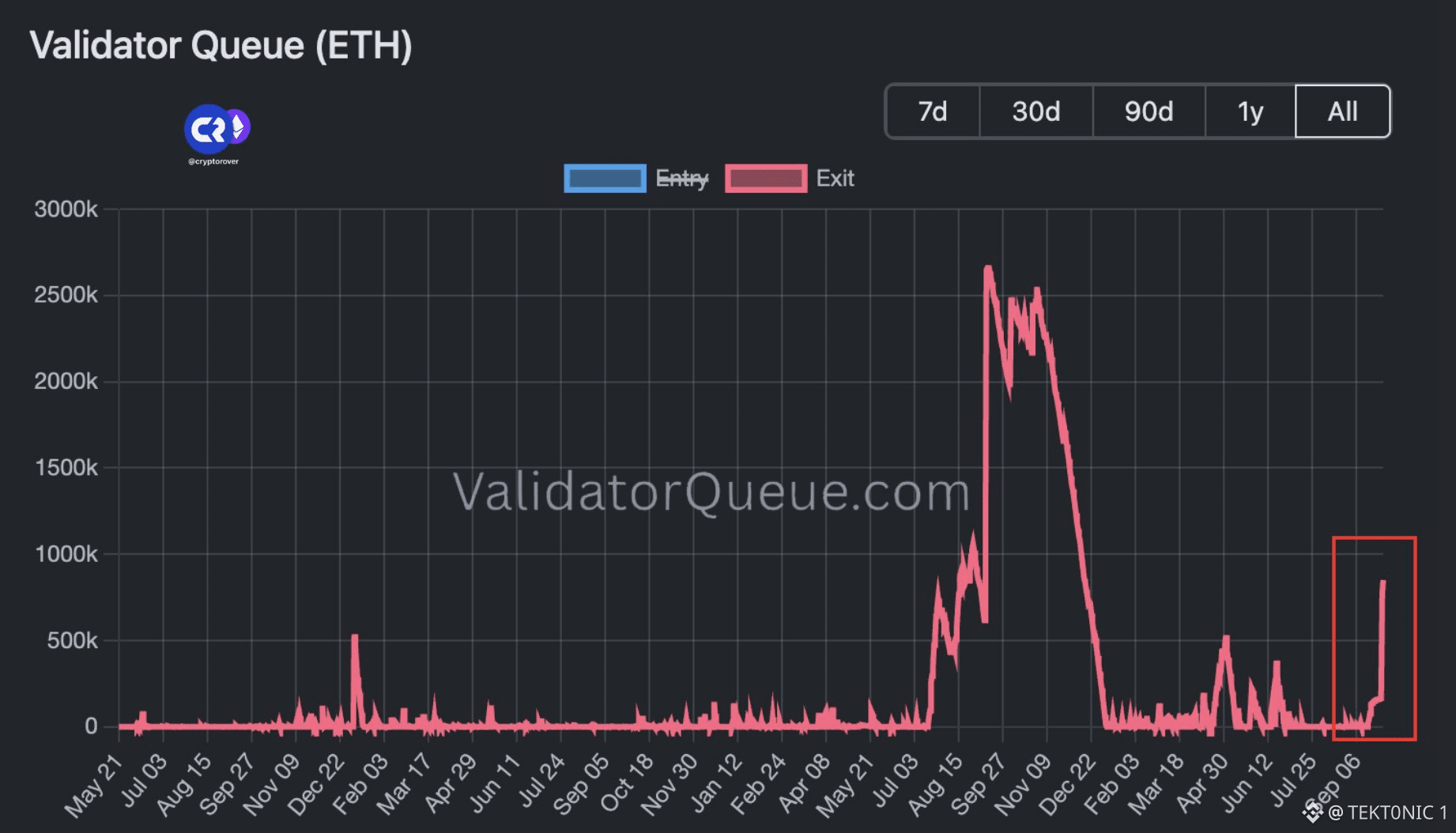
驗證者正在排隊再次解除對 $ETH 的質押。退出積壓量剛從近乎爲零飆升到約 800,000 枚 ETH;這是自積壓在年末前清空以來最急劇的增長。協議每天只處理大約 57,600 枚 ETH 的退出請求,因此這大致相當於兩週的提款量,並不是瞬間拋售。2025 年 8 月那一波峯值接近 2.6 百萬枚 ETH。此次激增大約只有其三分之一。所謂“退出”是提款請求,而不是市場賣出。其中有一部分以再質押或轉移到託管方的形式被處理;也可能有一部分進入交易所,而這就是在 $ETH 仍在 $2,750 到 $2,800 區間徘徊時的短期壓力。至於更長遠的走勢則是另一回事。要把價格推向 $10,000 仍需要經歷完整週期、ETF 需求,以及 $ETH/$BTC 月度突破並能維持。此次激增並不能解決這些問題。現在的關鍵在於:退出積壓是否會繼續攀升並突破 100 萬,還是像今年春天那些較小的峯值一樣逐步消退。兩週的提款等待本身就是壓力,但這並不是週期。#BTC Price Analysis# #Bitcoin Price Prediction: What is Bitcoins next move?# #Ethereum
驗證者正在排隊再次解除對 $ETH 的質押。退出積壓量剛從近乎爲零飆升到約 800,000 枚 ETH;這是自積壓在年末前清空以來最急劇的增長。協議每天只處理大約 57,600 枚 ETH 的退出請求,因此這大致相當於兩週的提款量,並不是瞬間拋售。2025 年 8 月那一波峯值接近 2.6 百萬枚 ETH。此次激增大約只有其三分之一。所謂“退出”是提款請求,而不是市場賣出。其中有一部分以再質押或轉移到託管方的形式被處理;也可能有一部分進入交易所,而這就是在 $ETH 仍在 $2,750 到 $2,800 區間徘徊時的短期壓力。至於更長遠的走勢則是另一回事。要把價格推向 $10,000 仍需要經歷完整週期、ETF 需求,以及 $ETH/$BTC 月度突破並能維持。此次激增並不能解決這些問題。現在的關鍵在於:退出積壓是否會繼續攀升並突破 100 萬,還是像今年春天那些較小的峯值一樣逐步消退。兩週的提款等待本身就是壓力,但這並不是週期。#BTC Price Analysis# #Bitcoin Price Prediction: What is Bitcoins next move?# #Ethereum
27
·
--
美國失業率將於美東時間上午8:30發佈。市場預期爲4.1%。上個月爲4.1%。預測仍爲4.1%。根據此次發佈前的倉位佈局,若高於4.1%,將是交易者所認爲的“更偏弱的勞動力”結果,並被當作對風險的買盤;而若低於4.1%,則是“更偏強的勞動力”結果,可能推升收益率,並對比特幣與股票施壓。若再次爲4.1%,反應將較爲混合。$BTC 在軟PCE數據之後重新站回85,000美元上方,因此這一數據是檢驗那次反彈的下一個宏觀測試。關鍵要點: > 發佈:今天美東時間上午8:30。 > 前值:4.1%。 > 預期:4.1%。 > 高於4.1%:交易者一直在買的“更偏弱的勞動力”情景。 > 低於4.1%:“更偏強的勞動力”情景,可能賣出風險資產。 > 等於4.1%:沒有明確的信號。 這個數字本身不會單獨帶動$BTC。它會影響利率路徑,而利率路徑正是前一輪在$85,000美元上方支撐/主導$BTC走勢的關鍵。發佈期間守住該水平,10月就仍有買盤支撐。若在偏強的勞動力數據後跌破84,000美元,PCE反彈將面臨風險。 失業率(美東時間8:30)。前值4.1%。預期4.1%。你是否爲高於4.1%的更偏弱讀數做好了佈局,還是在數據公佈前保持觀望平倉? #BTC價格分析# #比特幣價格預測:比特幣接下來會怎麼走?# #宏觀洞察# $XRP
美國失業率將於美東時間上午8:30發佈。市場預期爲4.1%。上個月爲4.1%。預測仍爲4.1%。根據此次發佈前的倉位佈局,若高於4.1%,將是交易者所認爲的“更偏弱的勞動力”結果,並被當作對風險的買盤;而若低於4.1%,則是“更偏強的勞動力”結果,可能推升收益率,並對比特幣與股票施壓。若再次爲4.1%,反應將較爲混合。$BTC 在軟PCE數據之後重新站回85,000美元上方,因此這一數據是檢驗那次反彈的下一個宏觀測試。關鍵要點: > 發佈:今天美東時間上午8:30。 > 前值:4.1%。 > 預期:4.1%。 > 高於4.1%:交易者一直在買的“更偏弱的勞動力”情景。 > 低於4.1%:“更偏強的勞動力”情景,可能賣出風險資產。 > 等於4.1%:沒有明確的信號。 這個數字本身不會單獨帶動$BTC。它會影響利率路徑,而利率路徑正是前一輪在$85,000美元上方支撐/主導$BTC走勢的關鍵。發佈期間守住該水平,10月就仍有買盤支撐。若在偏強的勞動力數據後跌破84,000美元,PCE反彈將面臨風險。 失業率(美東時間8:30)。前值4.1%。預期4.1%。你是否爲高於4.1%的更偏弱讀數做好了佈局,還是在數據公佈前保持觀望平倉? #BTC價格分析# #比特幣價格預測:比特幣接下來會怎麼走?# #宏觀洞察# $XRP
29
·
--
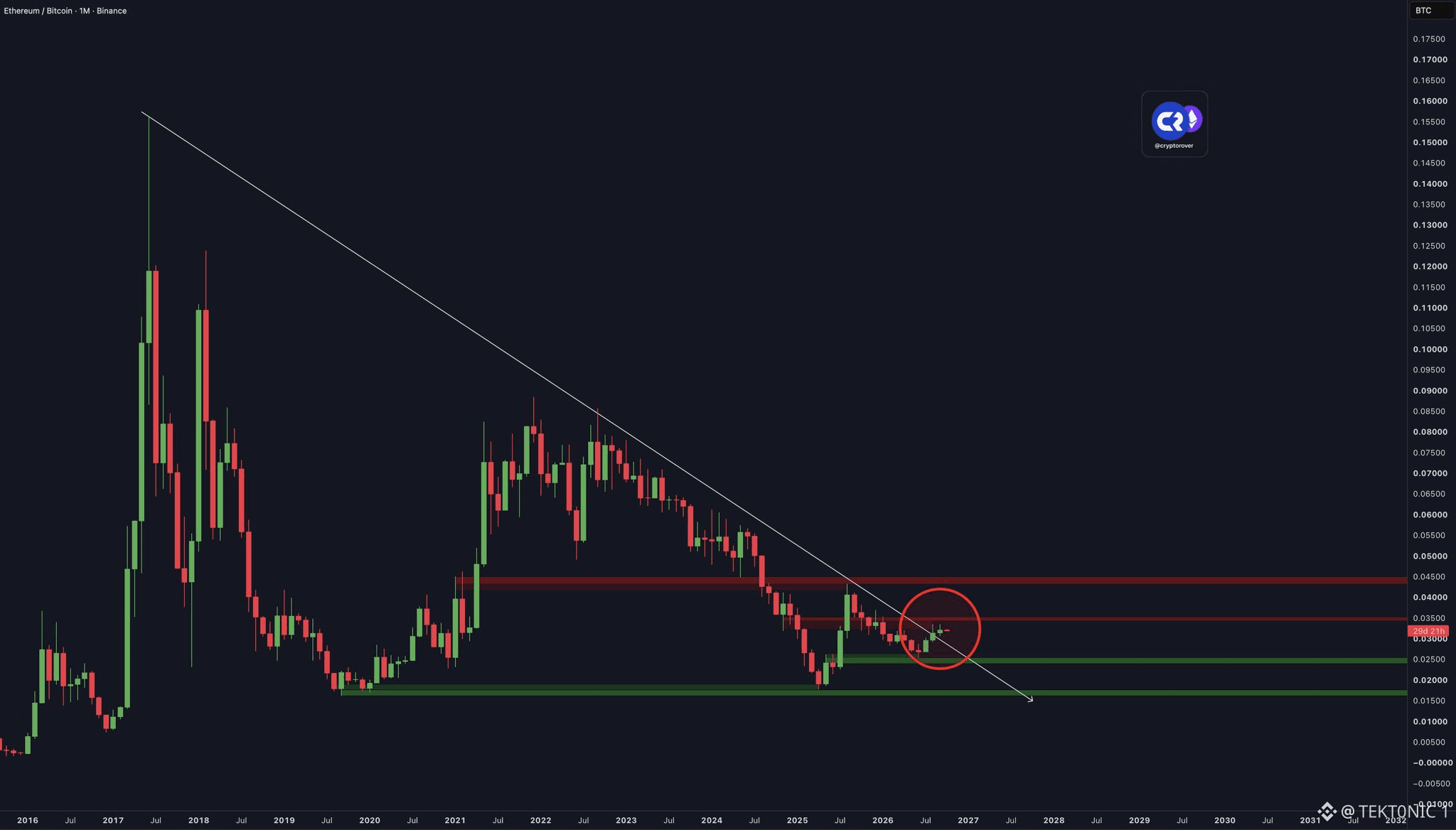
$ETH 相對 $BTC 剛剛突破了自2017年以來一直壓制該走勢的一條下降趨勢線。 這是交易者一直等待的“九年期”月線級別突破。該對目前接近0.032,在8月於0.0334附近未能突破之後,9月中旬又再次失敗。Q3已經顯示出這種轉向:以太坊上漲約67%至71%;比特幣上漲42.6%。現貨以太坊ETF在經歷Q2的資金流出之後,本季度吸引了約30億美元資金。這個比率比任何一張單獨的美元計價圖表都更重要,因爲更高的 $ETH /$BTC 對意味着資金會從比特幣輪動並流入以太坊。美元價格並沒有跟隨圖表走勢。以太坊仍徘徊在約$2,700附近,而$2,750到$2,800則一直是它反覆受阻的區域。比特幣接近$86,000。只要兩種資產仍處於區間震盪,比率一旦突破,就可能繼續延續;前提是讓步的是比特幣。要讓這次突破繼續存在,需要月線收盤站上2017年的趨勢線,並且能夠站穩在0.0334之上。一旦跌破那條趨勢線,它就可能只是一次“插針”;守住則意味着該對獲得了自上一個週期以來從未有過的上行空間。這就是這筆交易。圖表已經擺在那裏了。
$ETH 相對 $BTC 剛剛突破了自2017年以來一直壓制該走勢的一條下降趨勢線。 這是交易者一直等待的“九年期”月線級別突破。該對目前接近0.032,在8月於0.0334附近未能突破之後,9月中旬又再次失敗。Q3已經顯示出這種轉向:以太坊上漲約67%至71%;比特幣上漲42.6%。現貨以太坊ETF在經歷Q2的資金流出之後,本季度吸引了約30億美元資金。這個比率比任何一張單獨的美元計價圖表都更重要,因爲更高的 $ETH /$BTC 對意味着資金會從比特幣輪動並流入以太坊。美元價格並沒有跟隨圖表走勢。以太坊仍徘徊在約$2,700附近,而$2,750到$2,800則一直是它反覆受阻的區域。比特幣接近$86,000。只要兩種資產仍處於區間震盪,比率一旦突破,就可能繼續延續;前提是讓步的是比特幣。要讓這次突破繼續存在,需要月線收盤站上2017年的趨勢線,並且能夠站穩在0.0334之上。一旦跌破那條趨勢線,它就可能只是一次“插針”;守住則意味着該對獲得了自上一個週期以來從未有過的上行空間。這就是這筆交易。圖表已經擺在那裏了。
37
·
--
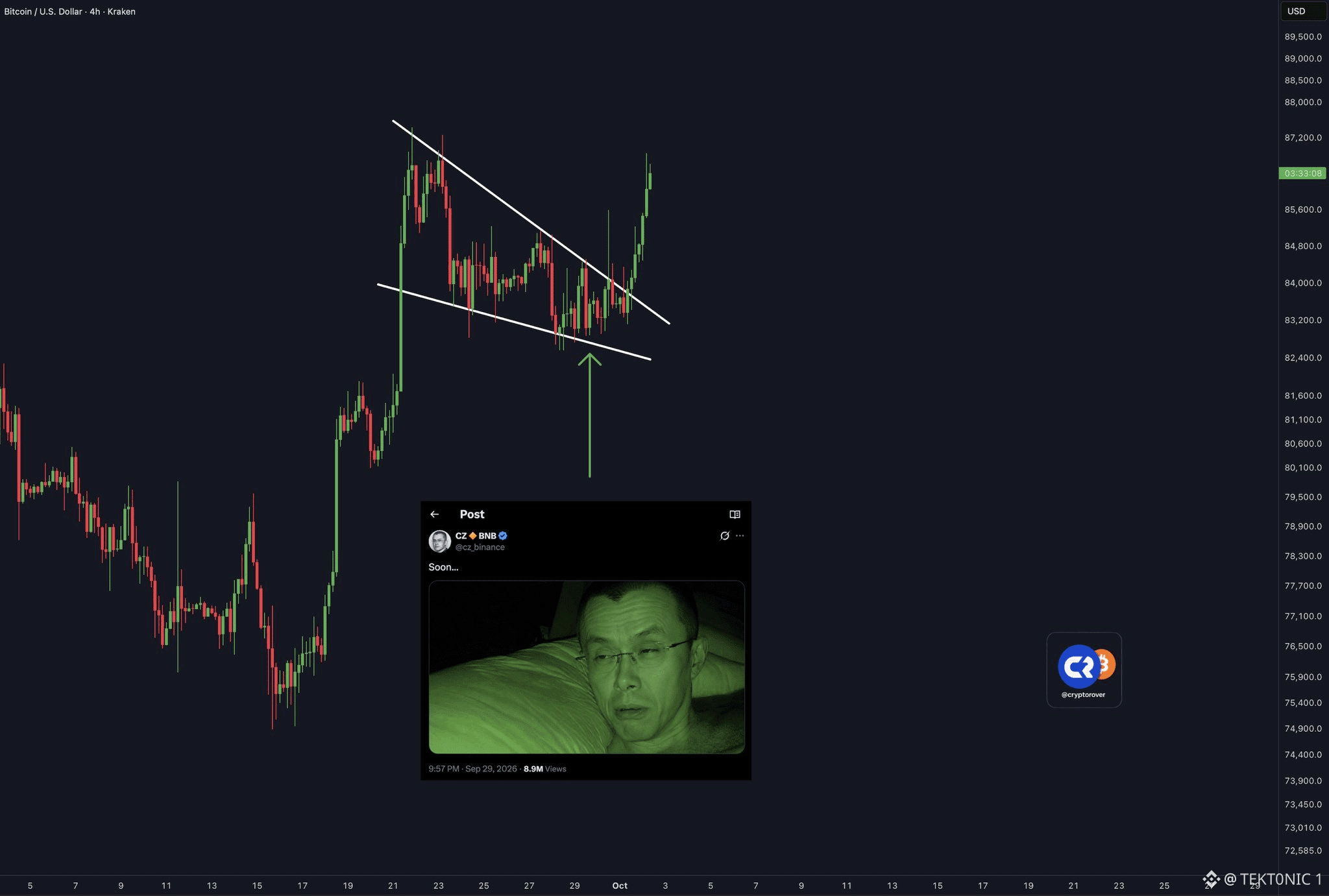
比特幣終於突破了下跌楔形結構。 $BTC 在進入10月後短暫突破了85K上方,儘管目前尚未穩固站上該水平。 下跌楔形一直在最近的回調過程中形成,交易者正觀察上方趨勢線以等待確認性的突破。 CZ 也一直在呼籲比特幣打破其傳統的四年週期,認爲更強的機構採用以及更廣泛的加密貨幣接受度可能會改變歷史模式。 現在關鍵在於突破區間。 如果 $BTC 成功回測此前的阻力位,將爲交易者提供更強的確認信號,表明該結構確實已經發生了轉變。 先突破。 再確認。 #BTC Price Analysis# #Bitcoin Price Prediction: What is Bitcoins next move?# $ETH #Bullish
比特幣終於突破了下跌楔形結構。 $BTC 在進入10月後短暫突破了85K上方,儘管目前尚未穩固站上該水平。 下跌楔形一直在最近的回調過程中形成,交易者正觀察上方趨勢線以等待確認性的突破。 CZ 也一直在呼籲比特幣打破其傳統的四年週期,認爲更強的機構採用以及更廣泛的加密貨幣接受度可能會改變歷史模式。 現在關鍵在於突破區間。 如果 $BTC 成功回測此前的阻力位,將爲交易者提供更強的確認信號,表明該結構確實已經發生了轉變。 先突破。 再確認。 #BTC Price Analysis# #Bitcoin Price Prediction: What is Bitcoins next move?# $ETH #Bullish
57
·
--
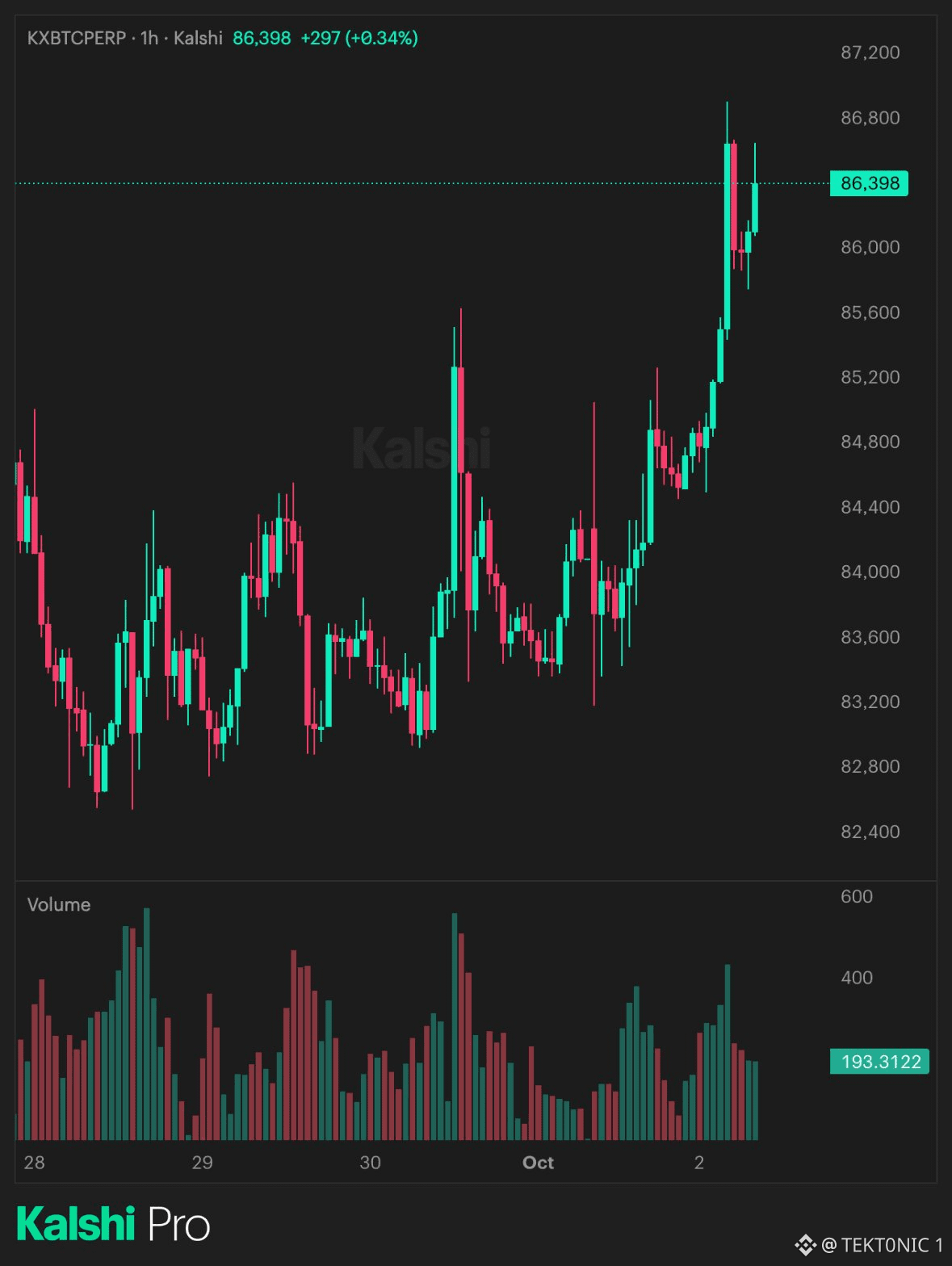
比特幣在Kalshi永續合約走勢圖上重新站上86,000美元,最新接近86,398美元,此前一度推動至86,800美元附近。這是自9月下旬一度從84,000美元下方回落以來,該價位的首次“乾淨”突破。Kalshi的交易者對$BTC在2026年底前交易在100,000美元之上的可能性定價約爲40%。該合約在9月16日附近約17%,在逼空突破86,000美元后觸及40年代中段,隨後在月度轉折期間回落至約34%到40%。Polymarket也處在相同區間。合約價格代表的是“羣體押注”,而不是預測。從86,400美元到100,000美元,約對應16%的漲幅。Q3已實現42.6%的表現,而現貨ETF在該季度吸引了約63億美元資金。10月2025年的高點接近126,000美元,仍遠在上方。同一市場對上破110,000美元的定價則更低,約在20%附近。86,000美元是在偏薄的小時圖上收復的,並不算“守住”。請關注$BTC:日線收盤是否能繼續站在該位之上,以及如果價格重新跌回85,000美元下方,100,000美元這一合約的40%是否仍能守住。賠率是隨着反彈而變化的,它們也可能同樣迅速地回調。 #BTC價格分析# #比特幣價格預測:比特幣的下一步會怎麼走?# $XRP #看漲
比特幣在Kalshi永續合約走勢圖上重新站上86,000美元,最新接近86,398美元,此前一度推動至86,800美元附近。這是自9月下旬一度從84,000美元下方回落以來,該價位的首次“乾淨”突破。Kalshi的交易者對$BTC在2026年底前交易在100,000美元之上的可能性定價約爲40%。該合約在9月16日附近約17%,在逼空突破86,000美元后觸及40年代中段,隨後在月度轉折期間回落至約34%到40%。Polymarket也處在相同區間。合約價格代表的是“羣體押注”,而不是預測。從86,400美元到100,000美元,約對應16%的漲幅。Q3已實現42.6%的表現,而現貨ETF在該季度吸引了約63億美元資金。10月2025年的高點接近126,000美元,仍遠在上方。同一市場對上破110,000美元的定價則更低,約在20%附近。86,000美元是在偏薄的小時圖上收復的,並不算“守住”。請關注$BTC:日線收盤是否能繼續站在該位之上,以及如果價格重新跌回85,000美元下方,100,000美元這一合約的40%是否仍能守住。賠率是隨着反彈而變化的,它們也可能同樣迅速地回調。 #BTC價格分析# #比特幣價格預測:比特幣的下一步會怎麼走?# $XRP #看漲
68
·
--
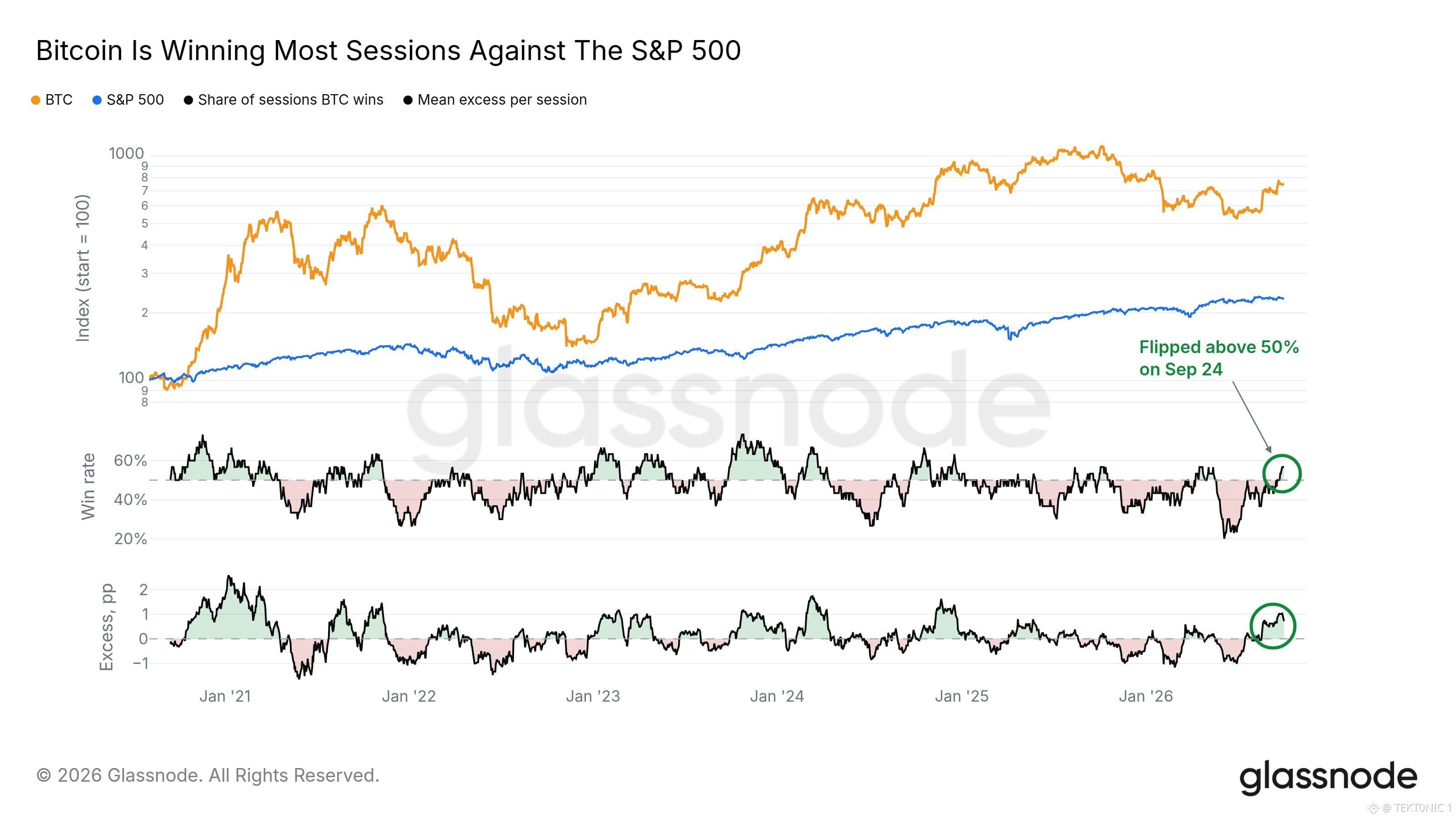
比特幣再次在大多數交易時段中贏過標普500。在 Glassnode 的圖表上,比特幣戰勝該指數的天數佔比在9月24日重新翻回50%以上。6月份該佔比大約是每五場中的一場,也就是該圖表近六年來的最低水平。當時每個時段的平均超額回報爲負。兩條線現在又都變成綠色。勝率已回到50%以上,而相較於股票的平均時段表現爲正。上方面板是更長週期的對比。以100爲基準的比特幣在整個時間序列中仍顯著領先於標普500。標普沿着相對平穩的路徑攀升。比特幣在上半年回吐了一些漲幅,然後在第三季度恢復。期間,股票幾乎沒有太大波動,但那一勝率卻發生了變化。一個區別是:勝率衡量的是比特幣收盤領先了多少天,而不是它贏了多少。少數幾天的大幅下跌仍可能抹去一連串的小幅勝利。9月24日只是計數上的轉折,而不是僅憑這一天開啓了一個全新的週期。留意該佔比是否能在10月期間持續保持在50%以上,以及如果標普開始走出趨勢,超額回報那條線是否仍保持爲綠色。當比特幣在股票並不表現出色的日子裏持續獲勝,就會出現一種“特立獨行”的買盤信號。剛在這條線之上維持一週還不能算數。 #BTC價格分析# #比特幣價格預測:比特幣接下來的走勢是什麼?# $BTC $XRP #看漲
比特幣再次在大多數交易時段中贏過標普500。在 Glassnode 的圖表上,比特幣戰勝該指數的天數佔比在9月24日重新翻回50%以上。6月份該佔比大約是每五場中的一場,也就是該圖表近六年來的最低水平。當時每個時段的平均超額回報爲負。兩條線現在又都變成綠色。勝率已回到50%以上,而相較於股票的平均時段表現爲正。上方面板是更長週期的對比。以100爲基準的比特幣在整個時間序列中仍顯著領先於標普500。標普沿着相對平穩的路徑攀升。比特幣在上半年回吐了一些漲幅,然後在第三季度恢復。期間,股票幾乎沒有太大波動,但那一勝率卻發生了變化。一個區別是:勝率衡量的是比特幣收盤領先了多少天,而不是它贏了多少。少數幾天的大幅下跌仍可能抹去一連串的小幅勝利。9月24日只是計數上的轉折,而不是僅憑這一天開啓了一個全新的週期。留意該佔比是否能在10月期間持續保持在50%以上,以及如果標普開始走出趨勢,超額回報那條線是否仍保持爲綠色。當比特幣在股票並不表現出色的日子裏持續獲勝,就會出現一種“特立獨行”的買盤信號。剛在這條線之上維持一週還不能算數。 #BTC價格分析# #比特幣價格預測:比特幣接下來的走勢是什麼?# $BTC $XRP #看漲
·
--
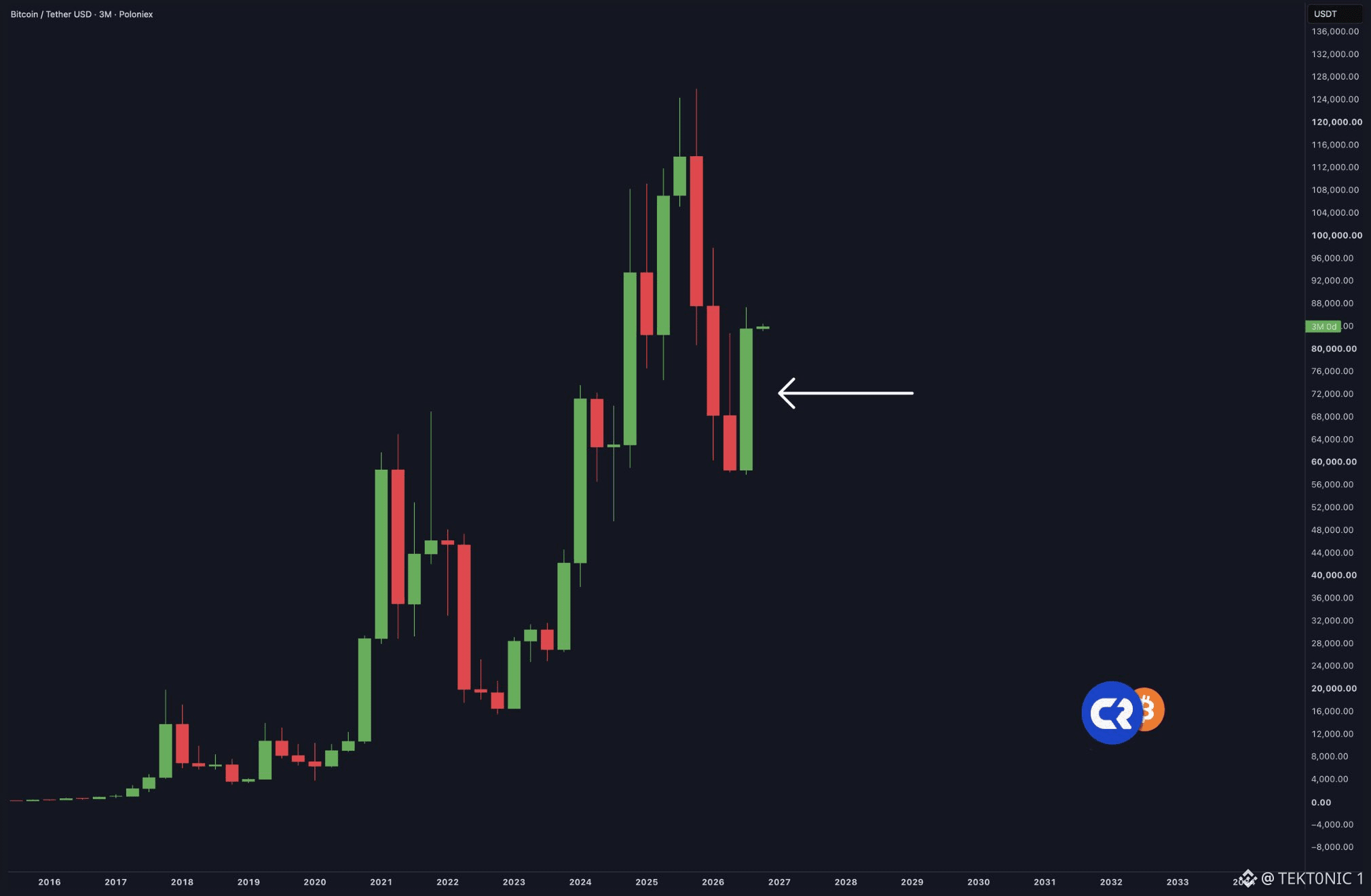
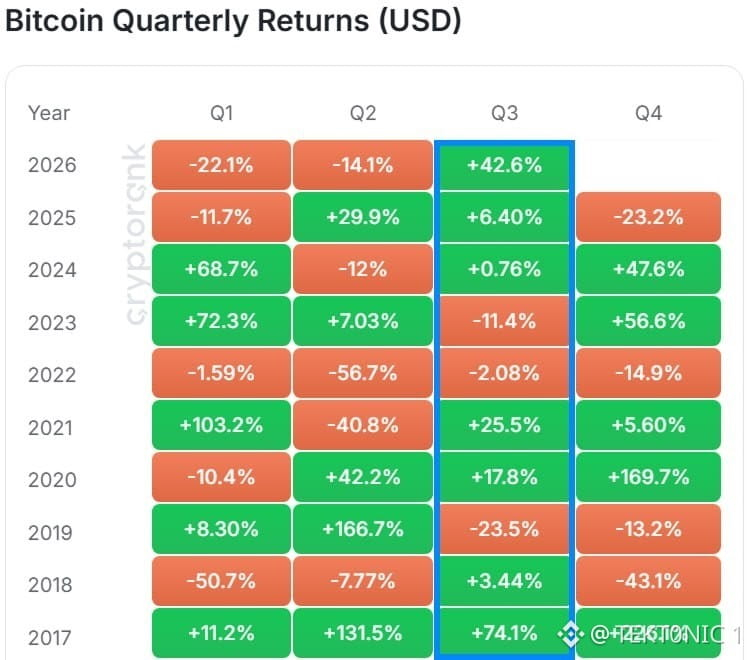
$BTC 剛結束了一個季度,幾乎收回了此前六個月的大部分跌幅。在3個月圖表上,最新的K線是綠色的,前面連續兩根紅色。Q1爲-22.1%。Q2爲-14.1%。兩者合計:從年初到6月底,約有33%的跌幅,價格接近$58,600。隨後Q3上漲42.6%,這是2017年以來最好的第三季度,價格最終收在約$84,000。箭頭指向的就是這根K線。復甦是真實的,但並不是完全重置。要從33%的下跌中回到原來的價格水平,需要大約50%的反彈。42.6%還達不到。全年仍略微爲紅。2025年接近$126,000的高點仍然遠高於這根K線。一個3個月的$BTC K線會掩蓋其中的路徑。8月做了大部分工作。9月只追加了大約6%。現貨ETF在該季度累計吸金約63億美元($6.3 billion),隨後在最後一個交易日,9天資金流入連漲的勢頭被打斷。連續兩根紅K線後的綠色季度,是修復,不是再創新高。觀察10月能否守住$84,000,以及下一根3個月K線是否在這根基礎上繼續構建。上半年帶來的痛苦大多已被回補,但並未被抹除。#BTC價格分析# #比特幣價格預測:比特幣下一步會怎麼走?# $XRP #看多
$BTC 剛結束了一個季度,幾乎收回了此前六個月的大部分跌幅。在3個月圖表上,最新的K線是綠色的,前面連續兩根紅色。Q1爲-22.1%。Q2爲-14.1%。兩者合計:從年初到6月底,約有33%的跌幅,價格接近$58,600。隨後Q3上漲42.6%,這是2017年以來最好的第三季度,價格最終收在約$84,000。箭頭指向的就是這根K線。復甦是真實的,但並不是完全重置。要從33%的下跌中回到原來的價格水平,需要大約50%的反彈。42.6%還達不到。全年仍略微爲紅。2025年接近$126,000的高點仍然遠高於這根K線。一個3個月的$BTC K線會掩蓋其中的路徑。8月做了大部分工作。9月只追加了大約6%。現貨ETF在該季度累計吸金約63億美元($6.3 billion),隨後在最後一個交易日,9天資金流入連漲的勢頭被打斷。連續兩根紅K線後的綠色季度,是修復,不是再創新高。觀察10月能否守住$84,000,以及下一根3個月K線是否在這根基礎上繼續構建。上半年帶來的痛苦大多已被回補,但並未被抹除。#BTC價格分析# #比特幣價格預測:比特幣下一步會怎麼走?# $XRP #看多
30
·
--
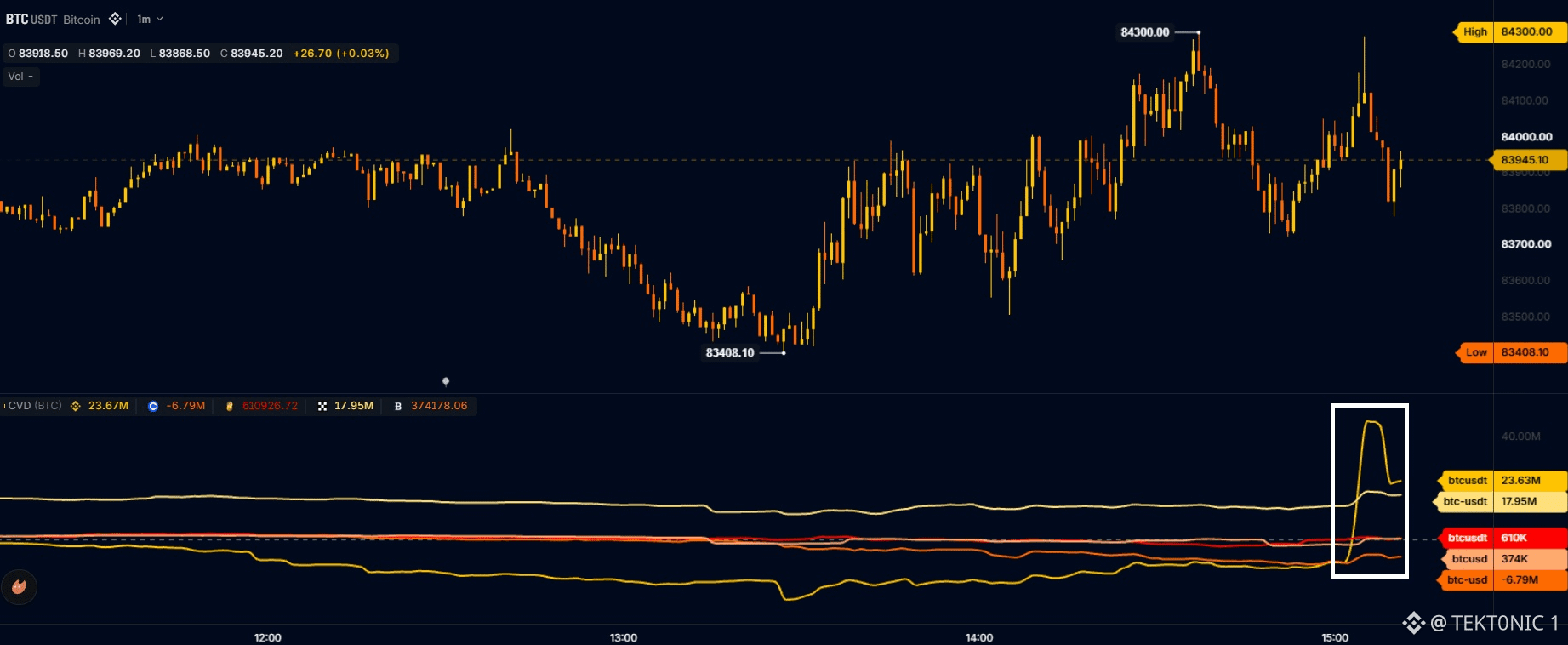
比特幣的Binance CVD剛在一分鐘K線圖上突然飆升。黃色的$BTC線在15:00左右衝向約4000萬美元附近,隨後回落;與此同時,價格觸及$84,300,接着滑回到約$83,945。CVD是累計成交量差,即買入量減去賣出量。垂直的跳升意味着該市場裏有更強勢的買家擡高了掛單。交易者將這次飆升解讀爲一位大型Binance買家的流入——當TWAP在足夠大時打到盤口上,可能就會留下這種形態。一分鐘的短促爆發並不能證明存在定時程序。它也可能只是一次市價單。其餘面板並未跟隨。Coinbase USD在本時段仍約爲−$6.8百萬。其他$BTC相關線條則保持平穩。價格先創下$84,300的高點,然後把大部分漲幅吐回。買盤確實出現了,但沒有守住高位。需要區分的是:這反映的是某一個交易場所的delta,而不是所有交易所之間的淨需求。關注15:00之後Binance那條線是否仍在繼續臺階式上移,或者這只是一個已經回落的單次片段。真正的程序通常會留下連續的多個步驟;只有一次跳點則不能說明。#Bitcoin價格預測:比特幣接下來會怎麼走?# #BTC價格分析# $XRP
比特幣的Binance CVD剛在一分鐘K線圖上突然飆升。黃色的$BTC線在15:00左右衝向約4000萬美元附近,隨後回落;與此同時,價格觸及$84,300,接着滑回到約$83,945。CVD是累計成交量差,即買入量減去賣出量。垂直的跳升意味着該市場裏有更強勢的買家擡高了掛單。交易者將這次飆升解讀爲一位大型Binance買家的流入——當TWAP在足夠大時打到盤口上,可能就會留下這種形態。一分鐘的短促爆發並不能證明存在定時程序。它也可能只是一次市價單。其餘面板並未跟隨。Coinbase USD在本時段仍約爲−$6.8百萬。其他$BTC相關線條則保持平穩。價格先創下$84,300的高點,然後把大部分漲幅吐回。買盤確實出現了,但沒有守住高位。需要區分的是:這反映的是某一個交易場所的delta,而不是所有交易所之間的淨需求。關注15:00之後Binance那條線是否仍在繼續臺階式上移,或者這只是一個已經回落的單次片段。真正的程序通常會留下連續的多個步驟;只有一次跳點則不能說明。#Bitcoin價格預測:比特幣接下來會怎麼走?# #BTC價格分析# $XRP
23
·
--
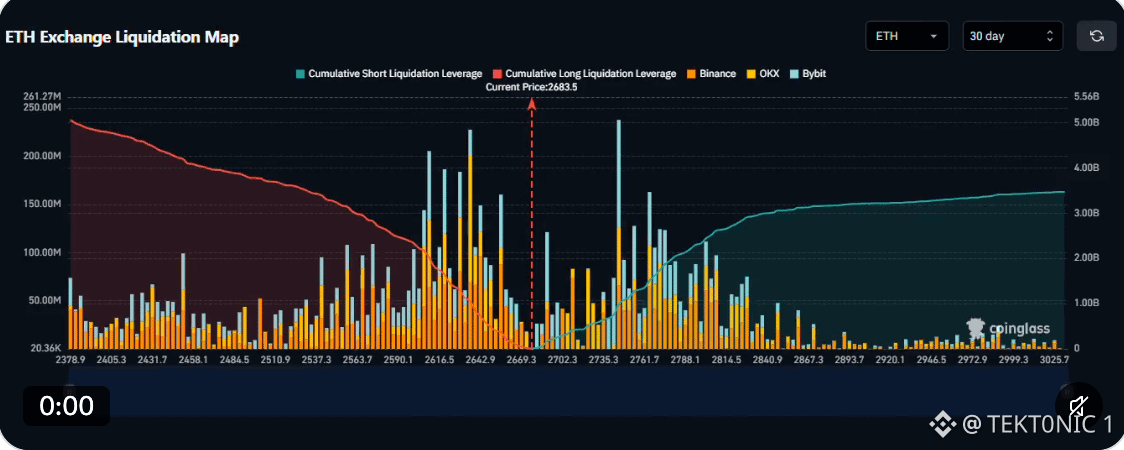
$ETH 正在 Coinglass 地圖上的兩個清算密集區之間波動。當前價格約爲 $2,683。空頭清算在 $2,735 到 $2,760 附近不斷堆積,其中更密集的柱體在約 $2,750。多頭清算位置更低,較重的柱體集中在 $2,600 到 $2,620。幣安、OKX 和 Bybit 佔據了大部分倉位規模。累計線與柱狀圖相匹配。隨着價格上行,空頭清算槓桿在不斷累積。多頭清算槓桿在市場下方已經很大,並在 $2,683 附近逐漸變薄。一個重要區別:這些是估算的槓桿持倉,而不是掛單等待。價格不必觸及任一價位,也可能在其中一側被清掉之前或之後就先清掉一邊並反向。$2,750 與 $2,600 分別約相距 2.5% 和 3%。不過,這兩個聚集區都足夠接近,仍會產生影響。向上突破 $2,750 將清理附近的空頭一側。向下跌破 $2,600 將清理附近的多頭一側。若要在一次行情中同時喫掉兩邊,需要的波動區間會比這張圖所顯示的更寬。#BTC 價格分析# #Altcoin Season# $BTC $ETH #Ethereum
$ETH 正在 Coinglass 地圖上的兩個清算密集區之間波動。當前價格約爲 $2,683。空頭清算在 $2,735 到 $2,760 附近不斷堆積,其中更密集的柱體在約 $2,750。多頭清算位置更低,較重的柱體集中在 $2,600 到 $2,620。幣安、OKX 和 Bybit 佔據了大部分倉位規模。累計線與柱狀圖相匹配。隨着價格上行,空頭清算槓桿在不斷累積。多頭清算槓桿在市場下方已經很大,並在 $2,683 附近逐漸變薄。一個重要區別:這些是估算的槓桿持倉,而不是掛單等待。價格不必觸及任一價位,也可能在其中一側被清掉之前或之後就先清掉一邊並反向。$2,750 與 $2,600 分別約相距 2.5% 和 3%。不過,這兩個聚集區都足夠接近,仍會產生影響。向上突破 $2,750 將清理附近的空頭一側。向下跌破 $2,600 將清理附近的多頭一側。若要在一次行情中同時喫掉兩邊,需要的波動區間會比這張圖所顯示的更寬。#BTC 價格分析# #Altcoin Season# $BTC $ETH #Ethereum
42
·
--
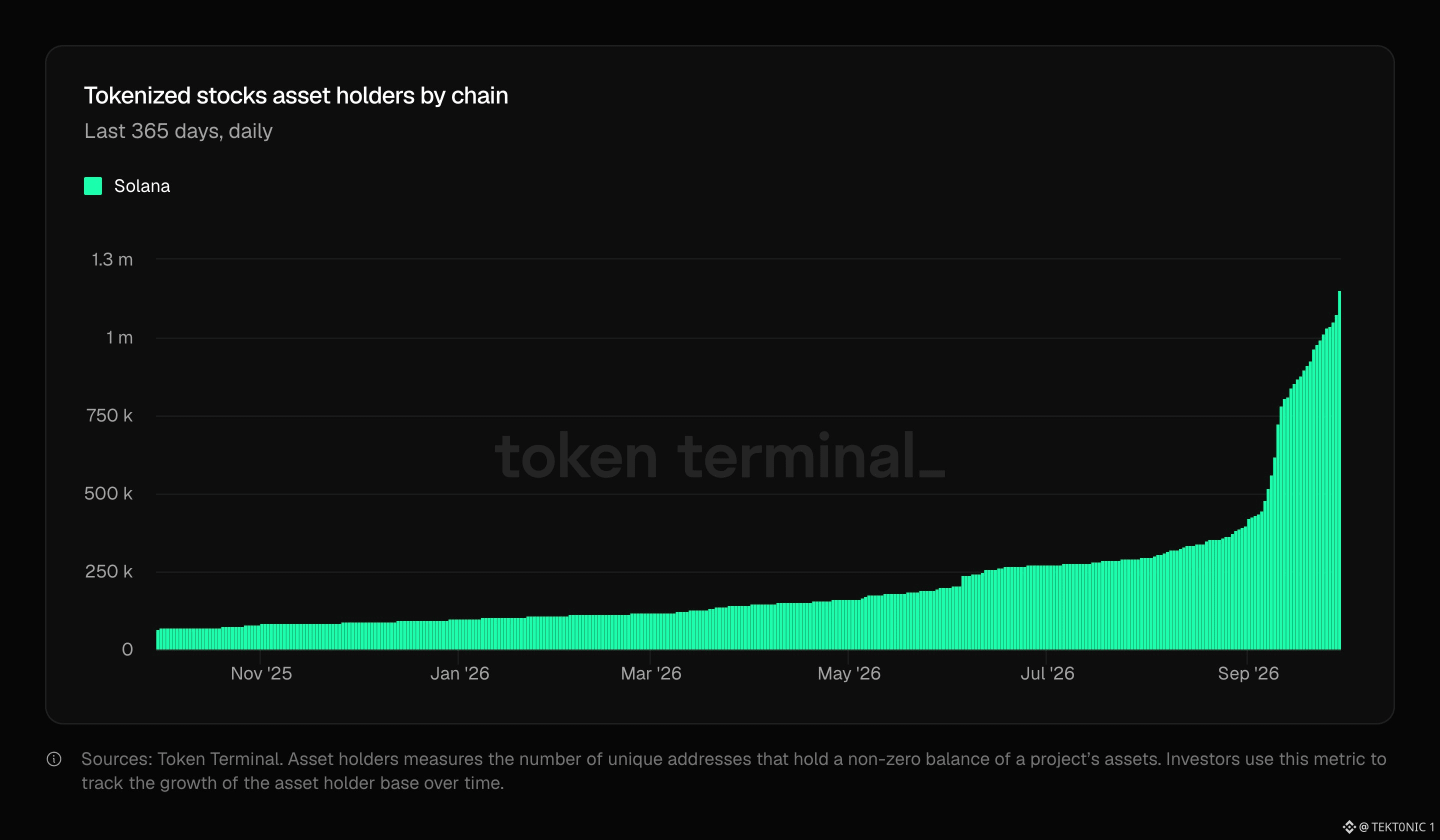
Solana 正在快速增長代幣化股票。最新數據顯示,$SOL 上的代幣化股票持有者數量達到約 120 萬,創下新紀錄。這比 7 月 1 日的 278,784 名持有者大幅增加,約三個月內持有者增長超過 4 倍。增長來自多家發行方。xStocks 擁有超過 626K 名持有者,而 Backpack 已增長至超過 271K。PreStocks 也已突破 100K。與此同時,Solana 的代幣化股票市值在 Q3 上漲 43% 至 5.148 億美元,而 DEX 交易量達到 57.6 億美元。代幣化股票正從小衆用例走向更廣泛的應用。120 萬持有者對於 $SOL 生態中的鏈上股票來說是一個值得關注的重要里程碑。#BTC Price Analysis# #Macro Insights# #Altcoin Season# $BTC
Solana 正在快速增長代幣化股票。最新數據顯示,$SOL 上的代幣化股票持有者數量達到約 120 萬,創下新紀錄。這比 7 月 1 日的 278,784 名持有者大幅增加,約三個月內持有者增長超過 4 倍。增長來自多家發行方。xStocks 擁有超過 626K 名持有者,而 Backpack 已增長至超過 271K。PreStocks 也已突破 100K。與此同時,Solana 的代幣化股票市值在 Q3 上漲 43% 至 5.148 億美元,而 DEX 交易量達到 57.6 億美元。代幣化股票正從小衆用例走向更廣泛的應用。120 萬持有者對於 $SOL 生態中的鏈上股票來說是一個值得關注的重要里程碑。#BTC Price Analysis# #Macro Insights# #Altcoin Season# $BTC
57
·
--
根據 CryptoRank,$BTC 在 2026 年第三季度上漲了 42.6%。這是自 2017 年以來該圖表中最強的第三季度;當時 Q3 爲 +74.1%。最近表現最好的 Q3 是 2021 年的 +25.5%。2020 年爲 +17.8%。2025 年僅爲 +6.4%。42% 的季度幾乎是個異類。上半年的表現纔是爲何這次反彈看起來如此劇烈的原因。Q1 爲 −22.1%。Q2 爲 −14.1%。兩個紅色季度之後,出現了一個綠色季度,幾乎把跌口補回來了。價格從 7 月初的約 $58,600 上漲到約 $84,000。全年目前仍略微下跌。10 月 2025 年的高點附近約 $126,000 仍然顯著高於當前水平。強勁的 Q3 並不意味着 Q4 會延續。在同一張圖上,2024 年 Q3 持平爲 +0.76%,而 Q4 爲 +47.6%。2025 年 Q3 爲 +6.4%,Q4 爲 −23.2%。2017 年 Q3 爲 +74.1%,而 Q4 爲 +226%。下一格的走勢可能會有兩種方向。現貨 ETF 本季度吸納了約 63 億美元的資金。這樣的需求起到了幫助作用。它並不定價 10 月。關注 $BTC 的周線收盤能否守住接近 $79,000 的 50 周均線,以及在 9 月最後一個交易日結束了連續九天的資金流入後,ETF 資金流是否仍保持爲淨流入。本季度已收官。在這張圖上,Q4 這一格是空的。#比特幣價格預測:比特幣下一步會怎麼走?# #BTC 價格分析# $XRP #看漲
根據 CryptoRank,$BTC 在 2026 年第三季度上漲了 42.6%。這是自 2017 年以來該圖表中最強的第三季度;當時 Q3 爲 +74.1%。最近表現最好的 Q3 是 2021 年的 +25.5%。2020 年爲 +17.8%。2025 年僅爲 +6.4%。42% 的季度幾乎是個異類。上半年的表現纔是爲何這次反彈看起來如此劇烈的原因。Q1 爲 −22.1%。Q2 爲 −14.1%。兩個紅色季度之後,出現了一個綠色季度,幾乎把跌口補回來了。價格從 7 月初的約 $58,600 上漲到約 $84,000。全年目前仍略微下跌。10 月 2025 年的高點附近約 $126,000 仍然顯著高於當前水平。強勁的 Q3 並不意味着 Q4 會延續。在同一張圖上,2024 年 Q3 持平爲 +0.76%,而 Q4 爲 +47.6%。2025 年 Q3 爲 +6.4%,Q4 爲 −23.2%。2017 年 Q3 爲 +74.1%,而 Q4 爲 +226%。下一格的走勢可能會有兩種方向。現貨 ETF 本季度吸納了約 63 億美元的資金。這樣的需求起到了幫助作用。它並不定價 10 月。關注 $BTC 的周線收盤能否守住接近 $79,000 的 50 周均線,以及在 9 月最後一個交易日結束了連續九天的資金流入後,ETF 資金流是否仍保持爲淨流入。本季度已收官。在這張圖上,Q4 這一格是空的。#比特幣價格預測:比特幣下一步會怎麼走?# #BTC 價格分析# $XRP #看漲
79
·
--
每個人都想成爲下一個沃倫·巴菲特。意思是每個人都想建立巴菲特所創造的那種財富。但幾乎沒有人願意複製那一部分——真正需要幾十年時間。巴菲特在1988年買入可口可樂,並說他最喜歡的持有期限是“永遠”。伯克希爾今天仍然持有該倉位。現在想象把這種思維應用到 $BTC 上。大多數交易者都很難在承受20%到30%的回撤後仍然持有,更別說經歷多個市場週期了。巴菲特的優勢並不是每週都找到一個交易機會。關鍵在於擁有自己理解的資產,保持耐心,讓複利發揮作用。每個人都想快速致富。巴菲特的財富是慢慢積累的,是耐心地、跨越數十年建立起來的。那部分要複製得難得多。#BTC 價格分析# #比特幣價格預測:比特幣的下一步是什麼?# $BTC $XRP #看漲
每個人都想成爲下一個沃倫·巴菲特。意思是每個人都想建立巴菲特所創造的那種財富。但幾乎沒有人願意複製那一部分——真正需要幾十年時間。巴菲特在1988年買入可口可樂,並說他最喜歡的持有期限是“永遠”。伯克希爾今天仍然持有該倉位。現在想象把這種思維應用到 $BTC 上。大多數交易者都很難在承受20%到30%的回撤後仍然持有,更別說經歷多個市場週期了。巴菲特的優勢並不是每週都找到一個交易機會。關鍵在於擁有自己理解的資產,保持耐心,讓複利發揮作用。每個人都想快速致富。巴菲特的財富是慢慢積累的,是耐心地、跨越數十年建立起來的。那部分要複製得難得多。#BTC 價格分析# #比特幣價格預測:比特幣的下一步是什麼?# $BTC $XRP #看漲


·
--
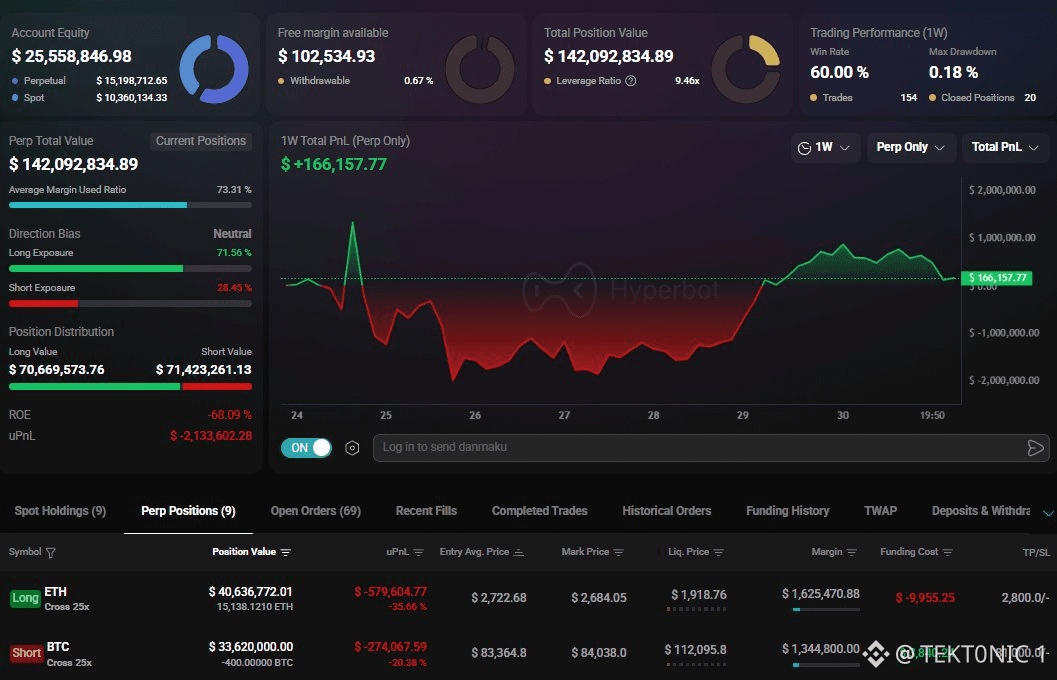
一頭鯨魚正在同時做多$ETH並做空$BTC。以太坊倉位爲4,064萬美元,15,138 ETH,25x槓桿,入場價$2,722.68。比特幣倉位爲3,362萬美元,做空400 BTC,25x槓桿,入場價$83,365。雙方都處於虧損狀態。以太坊大約虧損−$580,000,比特幣大約虧損−$274,000。倉位背後的權益爲2,560萬美元。合約(perp)敞口爲1.42億美元。槓桿爲9.5倍。自由保證金爲$102,500,或0.67%。多頭價值爲7,067萬美元,空頭價值爲7,142萬美元。方向被標記爲“中性”。當前打開了九個合約(perps)。我們只看到這兩個。這個季度以太坊的表現優於比特幣。ETH在Q3大約上漲67–71%。比特幣上漲約43%。$ETH / $BTC 目前徘徊在0.032附近,仍低於9月中旬附近0.0334的高點。現貨比特幣ETF仍然獲得了更大的買盤。做多以太坊並做空比特幣,這就是你用來表達這種價差差距的方法,而不是進行淨敞口的美元下注。這個價差能否繼續運行並非鐵定。雙方都以25倍槓桿、且幾乎沒有自由保證金,這意味着下一次$1,000的波動就會迫使局面發生改變。關注在資金費率結算(funding)之後,這兩種倉位的規模是否仍保持不變,以及另外七個合約是否仍保持平衡。這個對手盤(pair)只是可見部分。 #BTC Price Analysis# #Bitcoin Price Prediction: What is Bitcoins next move?# #Ethereum #Macro Insights#
一頭鯨魚正在同時做多$ETH並做空$BTC。以太坊倉位爲4,064萬美元,15,138 ETH,25x槓桿,入場價$2,722.68。比特幣倉位爲3,362萬美元,做空400 BTC,25x槓桿,入場價$83,365。雙方都處於虧損狀態。以太坊大約虧損−$580,000,比特幣大約虧損−$274,000。倉位背後的權益爲2,560萬美元。合約(perp)敞口爲1.42億美元。槓桿爲9.5倍。自由保證金爲$102,500,或0.67%。多頭價值爲7,067萬美元,空頭價值爲7,142萬美元。方向被標記爲“中性”。當前打開了九個合約(perps)。我們只看到這兩個。這個季度以太坊的表現優於比特幣。ETH在Q3大約上漲67–71%。比特幣上漲約43%。$ETH / $BTC 目前徘徊在0.032附近,仍低於9月中旬附近0.0334的高點。現貨比特幣ETF仍然獲得了更大的買盤。做多以太坊並做空比特幣,這就是你用來表達這種價差差距的方法,而不是進行淨敞口的美元下注。這個價差能否繼續運行並非鐵定。雙方都以25倍槓桿、且幾乎沒有自由保證金,這意味着下一次$1,000的波動就會迫使局面發生改變。關注在資金費率結算(funding)之後,這兩種倉位的規模是否仍保持不變,以及另外七個合約是否仍保持平衡。這個對手盤(pair)只是可見部分。 #BTC Price Analysis# #Bitcoin Price Prediction: What is Bitcoins next move?# #Ethereum #Macro Insights#
登入以探索更多內容
加入幣安廣場中的全球加密貨幣用戶
⚡️ 獲取加密貨幣的最新和實用資訊。
💬 受到全球最大加密貨幣交易所的信任。
👍 發掘來自經過驗證創作者的真實見解。
電子郵件 / 電話號碼
熱門話題
SEC拟修订加密资产托管规则
3,091 次瀏覽
32 討論中
$BTC
SEC突然鬆綁加密託管
華爾街基金終於能夠更方便的碰BTC了
兄弟們
10月1號
SEC又扔了一顆炸彈
擬議新規
給註冊投資顧問和受監管基金搞了個加密託管框架
核心就一條
在特定條件下
投顧可以自己託管客戶的加密資產
臥槽
這算是給機構入場掃清了一大塊障礙
老規則要求投顧客戶的加密資產
必須交給合規第三方託管機構
這次提案放開限制
滿足嚴格安全條件的註冊投顧
可以自行保管客戶的加密資產
不用再強制找第三方合格託管人
以前很多機構想買BTC、ETH這些資產
不是不想買
而是買了以後
幣放在哪?誰來管?怎麼保證合規?
監管規則一直比較模糊
所以很多機構還是猶猶豫豫的想進場不太敢
現在SEC的提案
允許在滿足條件的情況下
投資顧問和基金可以採用新的加密資產託管方式
可以使用符合要求的州信託公司託管
部分情況下也允許機構進行加密資產的自託管
現在這個算是給機構進場鋪墊了重要一環
降低了傳統機構進入加密的門檻
之前不少傳統資管卡在了託管這一環
新規落地後
會有更多的RIA投顧能給高淨值客戶配置加密資產
好事兒
現在方向已經確定
加密資產正在從另類投資進入到了傳統的金融體系
不過現在也只是提案
還沒有真正落地
所以兄弟們不能無腦衝
先觀望是最好的
#sec拟放宽投顾加密托管规则
孔大锤
·28 人按讚
·37.2k 次瀏覽
SEC批准3倍杠杆比特币以太坊ETP
16,050 次瀏覽
57 討論中
G7拟释放最多1亿桶石油柴油储备
17,937 次瀏覽
49 討論中