

Bit _Tycoon 786
15k 貼文

Bit _Tycoon 786
 達人認證+
達人認證+舉報
封鎖用戶
Building wealth, one sat at a time | Sharing my crypto journey...
實盤交易
中頻交易者
1.3 年
19 關注
39.3K+ 粉絲
38.4K+ 點讚數
貼文
投資組合
全部
引用
直播
·
--
看漲
🔥 馬斯克警告民主黨人:政治鬥爭纔剛剛開始!
民主黨人正準備在奪回國會控制權後,可能對 DOGE、聯邦合同以及星盾在烏克蘭所扮演的角色展開國會調查,馬斯克對此予以回擊。⚡
馬斯克在 X 上警告說:“以劍爲生者,必死於劍下。”他還補充說,他要針對的是幕後操縱者,而不只是他們的“傀儡”。
隨着國會控制權成爲焦點,這場衝突可能升級爲一場重大政治對決,圍繞政府支出、企業利益和問責問題展開。👀
11 月可能會迎來一場激烈的權力鬥爭!
$ZEC $SHIB $TSLAB
🔥 馬斯克警告民主黨人:政治鬥爭纔剛剛開始!
民主黨人正準備在奪回國會控制權後,可能對 DOGE、聯邦合同以及星盾在烏克蘭所扮演的角色展開國會調查,馬斯克對此予以回擊。⚡
馬斯克在 X 上警告說:“以劍爲生者,必死於劍下。”他還補充說,他要針對的是幕後操縱者,而不只是他們的“傀儡”。
隨着國會控制權成爲焦點,這場衝突可能升級爲一場重大政治對決,圍繞政府支出、企業利益和問責問題展開。👀
11 月可能會迎來一場激烈的權力鬥爭!
$ZEC $SHIB $TSLAB
民主黨人正準備在奪回國會控制權後,可能對 DOGE、聯邦合同以及星盾在烏克蘭所扮演的角色展開國會調查,馬斯克對此予以回擊。⚡
馬斯克在 X 上警告說:“以劍爲生者,必死於劍下。”他還補充說,他要針對的是幕後操縱者,而不只是他們的“傀儡”。
隨着國會控制權成爲焦點,這場衝突可能升級爲一場重大政治對決,圍繞政府支出、企業利益和問責問題展開。👀
11 月可能會迎來一場激烈的權力鬥爭!
$ZEC $SHIB $TSLAB

1
117
·
--
看漲
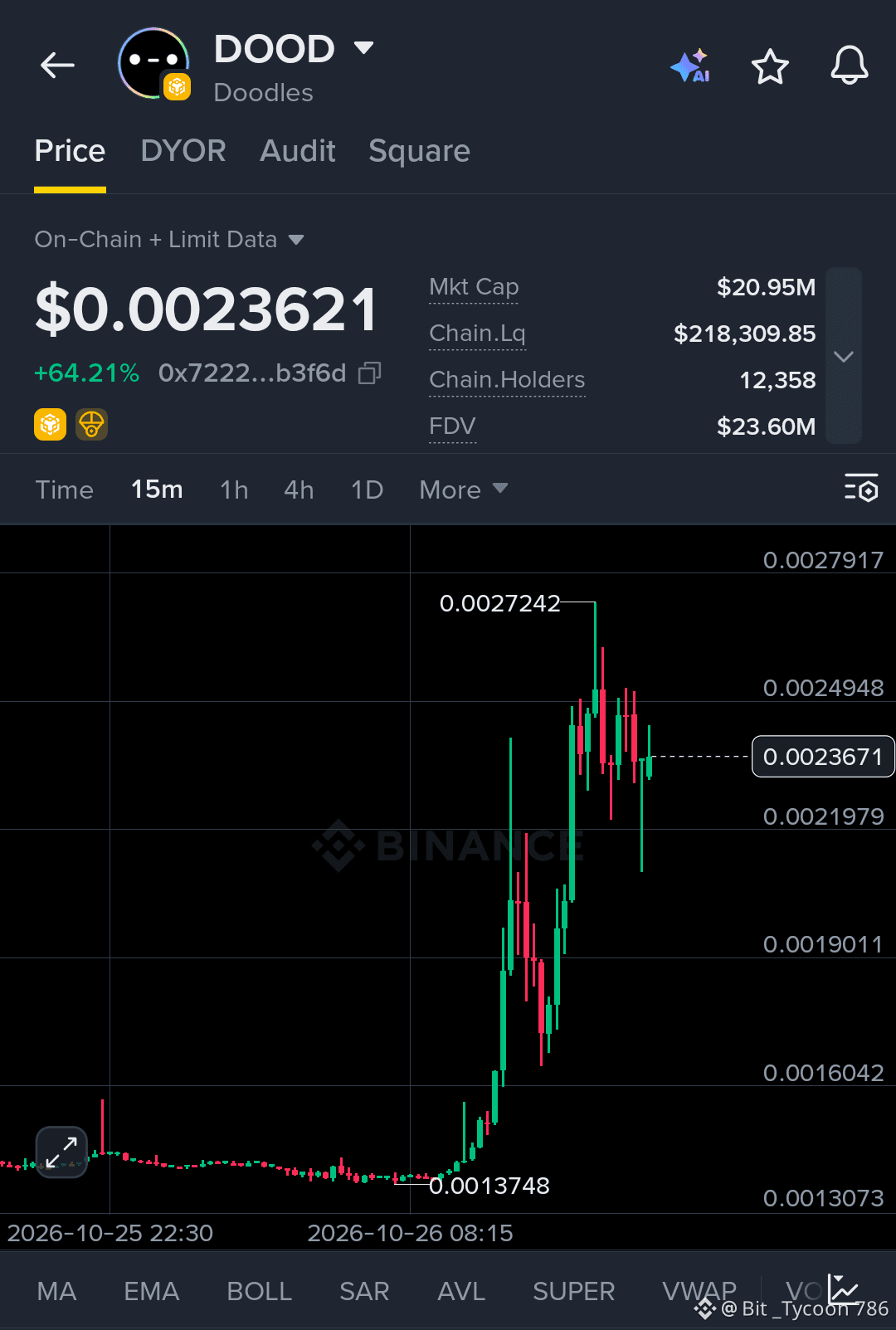
$DOOD 正展現強勁的看漲勢頭,漲幅達64.21%,此前價格從0.00137的累積區間強勢突破。價格在觸及近期高點0.0027242後,目前在0.00236附近盤整。
入場區間:$0.00228–$0.00237
止損:$0.00215
目標價1:$0.00250
目標價2:$0.00265
目標價3:$0.00272
市場展望:15分鐘圖顯示價格強勢上行,隨後進入震盪盤整。若確認突破$0.00250,價格有望進一步上探近期高點;若跌破$0.00220,則可能預示更深的回調。請關注成交量和價格走勢,以確認方向。
⚠️ 經歷快速上漲後,波動性和回調風險仍處於高位。請謹慎管理倉位規模,避免追漲買入綠色K線。
{alpha}(560x722294f6c97102fb0ddb5b907c8d16bdeab3f6d9)
#BinancePick #EarningsSeason #FranklinTempletonFilesForTwoDividendToBitcoinETFs #ElectrumWalletBugLetRogueServersStealFunds #ArgentineCourtDismissesLIBRACaseAgainstMilei
$DOOD 正展現強勁的看漲勢頭,漲幅達64.21%,此前價格從0.00137的累積區間強勢突破。價格在觸及近期高點0.0027242後,目前在0.00236附近盤整。
入場區間:$0.00228–$0.00237
止損:$0.00215
目標價1:$0.00250
目標價2:$0.00265
目標價3:$0.00272
市場展望:15分鐘圖顯示價格強勢上行,隨後進入震盪盤整。若確認突破$0.00250,價格有望進一步上探近期高點;若跌破$0.00220,則可能預示更深的回調。請關注成交量和價格走勢,以確認方向。
⚠️ 經歷快速上漲後,波動性和回調風險仍處於高位。請謹慎管理倉位規模,避免追漲買入綠色K線。
#BinancePick #EarningsSeason #FranklinTempletonFilesForTwoDividendToBitcoinETFs #ElectrumWalletBugLetRogueServersStealFunds #ArgentineCourtDismissesLIBRACaseAgainstMilei
入場區間:$0.00228–$0.00237
止損:$0.00215
目標價1:$0.00250
目標價2:$0.00265
目標價3:$0.00272
市場展望:15分鐘圖顯示價格強勢上行,隨後進入震盪盤整。若確認突破$0.00250,價格有望進一步上探近期高點;若跌破$0.00220,則可能預示更深的回調。請關注成交量和價格走勢,以確認方向。
⚠️ 經歷快速上漲後,波動性和回調風險仍處於高位。請謹慎管理倉位規模,避免追漲買入綠色K線。
#BinancePick #EarningsSeason #FranklinTempletonFilesForTwoDividendToBitcoinETFs #ElectrumWalletBugLetRogueServersStealFunds #ArgentineCourtDismissesLIBRACaseAgainstMilei
121
·
--
看漲
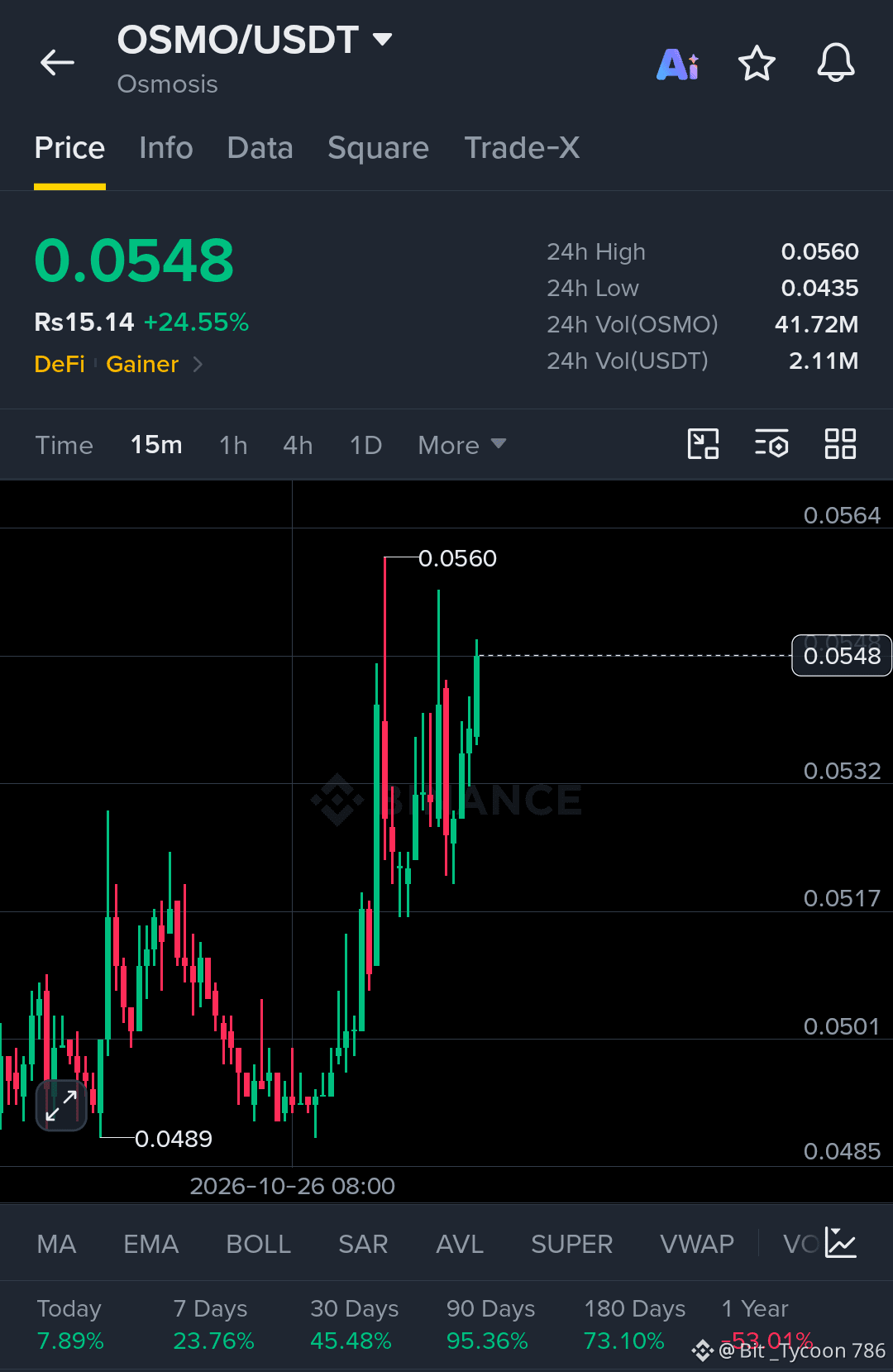
$OSMO /USDT 顯示出強勁的看漲勢頭,漲幅達 24.55%,買方正推動價格向 0.0560 阻力區邁進。15 分鐘圖顯示,價格在急劇反彈後於近期高點附近震盪整理。
入場區間:0.0538–0.0548
止損:0.0528
目標價1:0.0555
目標價2:0.0560
目標價3:0.0572
市場展望:若確認突破 0.0560,價格可能進一步上漲;若遭遇阻力,則可能回落至 0.0532 支撐位附近。入場前請關注成交量和 K 線收盤情況,因爲快速波動會增加市場震盪風險。
⚠️ 請謹慎管理風險,避免在價格急劇上漲後盲目追高。
{spot}(OSMOUSDT)
#BinancePick #EarningsSeason #EarningsSeason #SouthKoreaDelaysCryptoIncomeTax #ElectrumWalletBugLetRogueServersStealFunds
$OSMO /USDT 顯示出強勁的看漲勢頭,漲幅達 24.55%,買方正推動價格向 0.0560 阻力區邁進。15 分鐘圖顯示,價格在急劇反彈後於近期高點附近震盪整理。
入場區間:0.0538–0.0548
止損:0.0528
目標價1:0.0555
目標價2:0.0560
目標價3:0.0572
市場展望:若確認突破 0.0560,價格可能進一步上漲;若遭遇阻力,則可能回落至 0.0532 支撐位附近。入場前請關注成交量和 K 線收盤情況,因爲快速波動會增加市場震盪風險。
⚠️ 請謹慎管理風險,避免在價格急劇上漲後盲目追高。
#BinancePick #EarningsSeason #EarningsSeason #SouthKoreaDelaysCryptoIncomeTax #ElectrumWalletBugLetRogueServersStealFunds
入場區間:0.0538–0.0548
止損:0.0528
目標價1:0.0555
目標價2:0.0560
目標價3:0.0572
市場展望:若確認突破 0.0560,價格可能進一步上漲;若遭遇阻力,則可能回落至 0.0532 支撐位附近。入場前請關注成交量和 K 線收盤情況,因爲快速波動會增加市場震盪風險。
⚠️ 請謹慎管理風險,避免在價格急劇上漲後盲目追高。
#BinancePick #EarningsSeason #EarningsSeason #SouthKoreaDelaysCryptoIncomeTax #ElectrumWalletBugLetRogueServersStealFunds
112
·
--
看漲
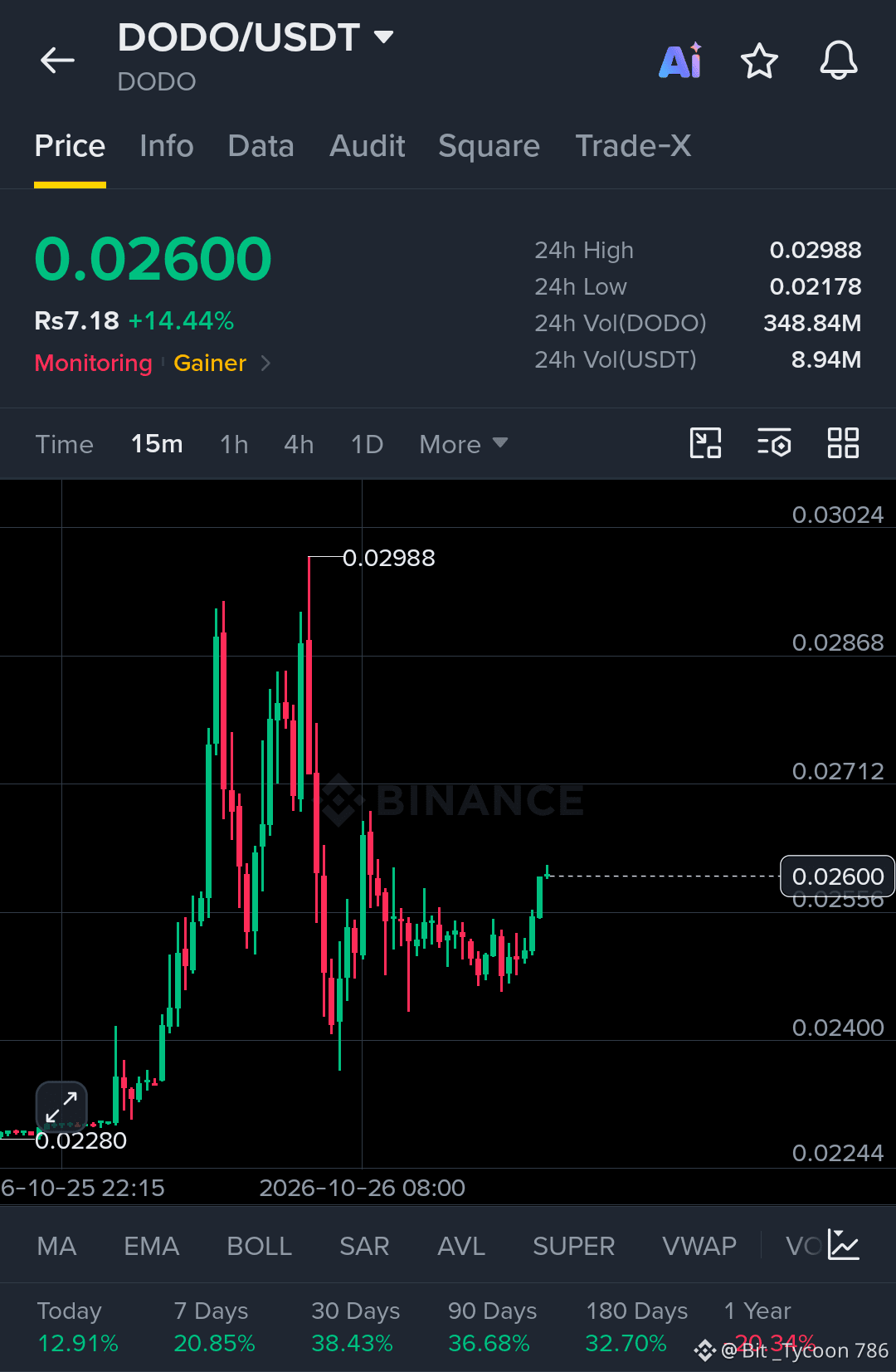
$DODO /USDT 從 0.02988 阻力區大幅回落後,正顯示出嘗試反彈的跡象。目前價格為 0.02600,買方正推動價格回升至短期阻力位附近。
進場區間:0.02550–0.02600
止損:0.02480
TP1:0.02680
TP2:0.02750
TP3:0.02860
市場展望:15 分鐘圖顯示,盤整後出現短期反彈。若價格持續站上 0.02620,可能會增強看漲動能;若在阻力位附近遭遇拒絕,則可能再次回測支撐位。請留意成交量和 K 線收盤價以確認走勢。
⚠️ 風險管理至關重要。請等待確認後再進場,並避免追逐突然的價格飆升。
{spot}(DODOUSDT)
#BinancePick #EarningsSeason #ElectrumWalletBugLetRogueServersStealFunds #ArgentineCourtDismissesLIBRACaseAgainstMilei #USQ3GDPAndSeptemberPCEDueNextWeek
$DODO /USDT 從 0.02988 阻力區大幅回落後,正顯示出嘗試反彈的跡象。目前價格為 0.02600,買方正推動價格回升至短期阻力位附近。
進場區間:0.02550–0.02600
止損:0.02480
TP1:0.02680
TP2:0.02750
TP3:0.02860
市場展望:15 分鐘圖顯示,盤整後出現短期反彈。若價格持續站上 0.02620,可能會增強看漲動能;若在阻力位附近遭遇拒絕,則可能再次回測支撐位。請留意成交量和 K 線收盤價以確認走勢。
⚠️ 風險管理至關重要。請等待確認後再進場,並避免追逐突然的價格飆升。
#BinancePick #EarningsSeason #ElectrumWalletBugLetRogueServersStealFunds #ArgentineCourtDismissesLIBRACaseAgainstMilei #USQ3GDPAndSeptemberPCEDueNextWeek
進場區間:0.02550–0.02600
止損:0.02480
TP1:0.02680
TP2:0.02750
TP3:0.02860
市場展望:15 分鐘圖顯示,盤整後出現短期反彈。若價格持續站上 0.02620,可能會增強看漲動能;若在阻力位附近遭遇拒絕,則可能再次回測支撐位。請留意成交量和 K 線收盤價以確認走勢。
⚠️ 風險管理至關重要。請等待確認後再進場,並避免追逐突然的價格飆升。
#BinancePick #EarningsSeason #ElectrumWalletBugLetRogueServersStealFunds #ArgentineCourtDismissesLIBRACaseAgainstMilei #USQ3GDPAndSeptemberPCEDueNextWeek
117
·
--
看跌
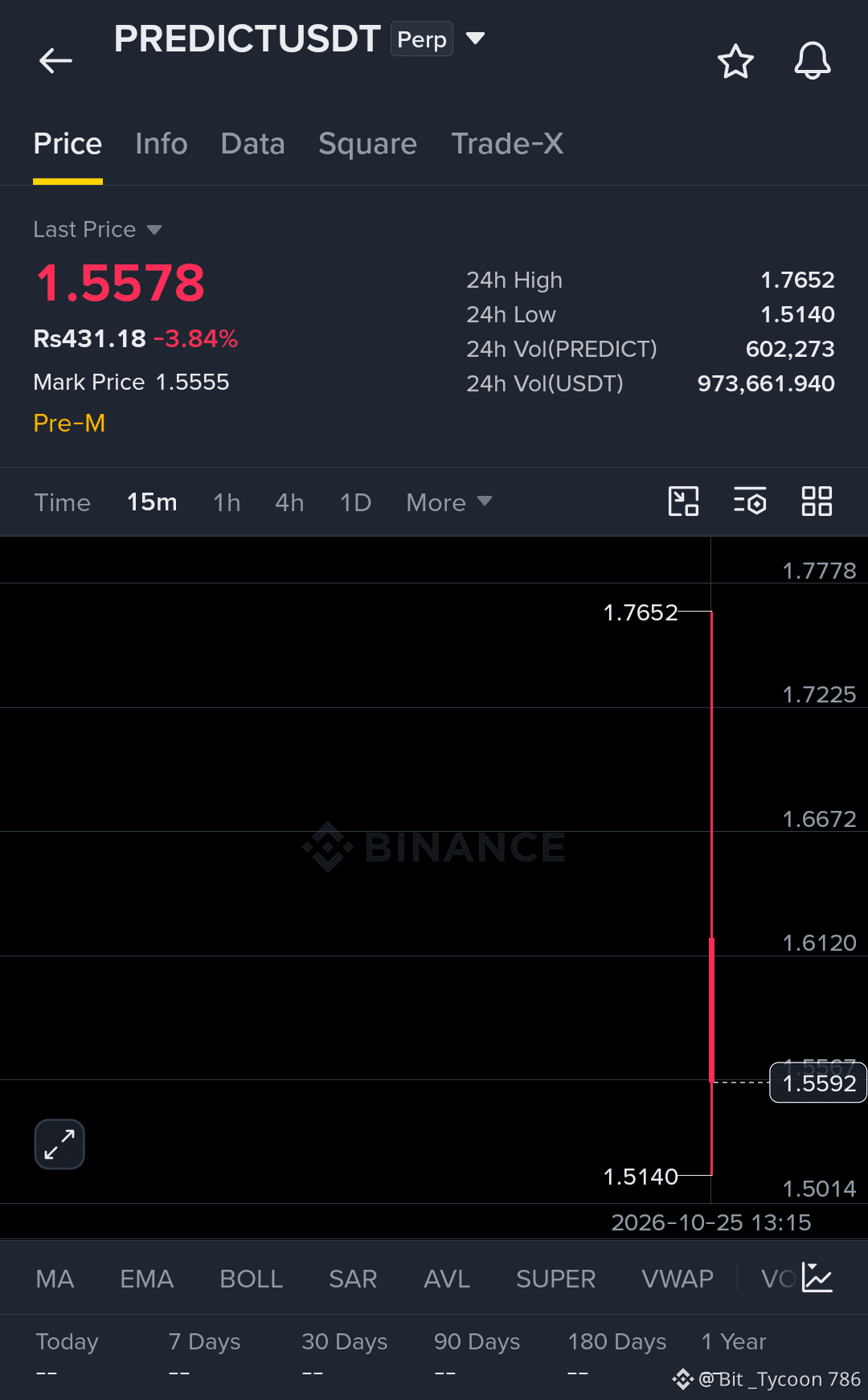
$PREDICT USDT永續合約目前交易價格約爲1.5578,較所示交易時段下跌3.84%。15分鐘圖表顯示,價格從1.7652的高點急劇下跌至1.5140的低點,表明市場波動劇烈且賣壓強勁。
目前價格在1.5578附近,但圖表尚未顯示出明確的反彈信號。鑑於此次波動幅度較大,價格仍可能進一步大幅波動。
值得關注的關鍵價位:
- 阻力位:1.6120,其次是1.6672。
- 支撐位:1.5140,下一個可見的圖表參考位爲1.5014。
- 反彈參考位:若價格持續升至1.6120上方,可能表明短期動能正在改善。
如果價格跌破1.5140,下行壓力可能會持續。若價格守住這一低點並收復附近阻力位,則可爲評估反彈提供更有力的依據。
目前,風險管理至關重要。這是一個永續期貨市場,價格突然波動可能會增加被強平的風險,尤其是在使用槓桿時。
{future}(PREDICTUSDT)
#BinancePick #EarningsSeason #USConsumerSentimentHoldsAtSecondLowestOnRecord #MarketsPriceJust10%ChanceOfFedHikeNextWeek #DowDrops653Points
$PREDICT USDT永續合約目前交易價格約爲1.5578,較所示交易時段下跌3.84%。15分鐘圖表顯示,價格從1.7652的高點急劇下跌至1.5140的低點,表明市場波動劇烈且賣壓強勁。
目前價格在1.5578附近,但圖表尚未顯示出明確的反彈信號。鑑於此次波動幅度較大,價格仍可能進一步大幅波動。
值得關注的關鍵價位:
- 阻力位:1.6120,其次是1.6672。
- 支撐位:1.5140,下一個可見的圖表參考位爲1.5014。
- 反彈參考位:若價格持續升至1.6120上方,可能表明短期動能正在改善。
如果價格跌破1.5140,下行壓力可能會持續。若價格守住這一低點並收復附近阻力位,則可爲評估反彈提供更有力的依據。
目前,風險管理至關重要。這是一個永續期貨市場,價格突然波動可能會增加被強平的風險,尤其是在使用槓桿時。
#BinancePick #EarningsSeason #USConsumerSentimentHoldsAtSecondLowestOnRecord #MarketsPriceJust10%ChanceOfFedHikeNextWeek #DowDrops653Points
目前價格在1.5578附近,但圖表尚未顯示出明確的反彈信號。鑑於此次波動幅度較大,價格仍可能進一步大幅波動。
值得關注的關鍵價位:
- 阻力位:1.6120,其次是1.6672。
- 支撐位:1.5140,下一個可見的圖表參考位爲1.5014。
- 反彈參考位:若價格持續升至1.6120上方,可能表明短期動能正在改善。
如果價格跌破1.5140,下行壓力可能會持續。若價格守住這一低點並收復附近阻力位,則可爲評估反彈提供更有力的依據。
目前,風險管理至關重要。這是一個永續期貨市場,價格突然波動可能會增加被強平的風險,尤其是在使用槓桿時。
#BinancePick #EarningsSeason #USConsumerSentimentHoldsAtSecondLowestOnRecord #MarketsPriceJust10%ChanceOfFedHikeNextWeek #DowDrops653Points
133
·
--
看漲
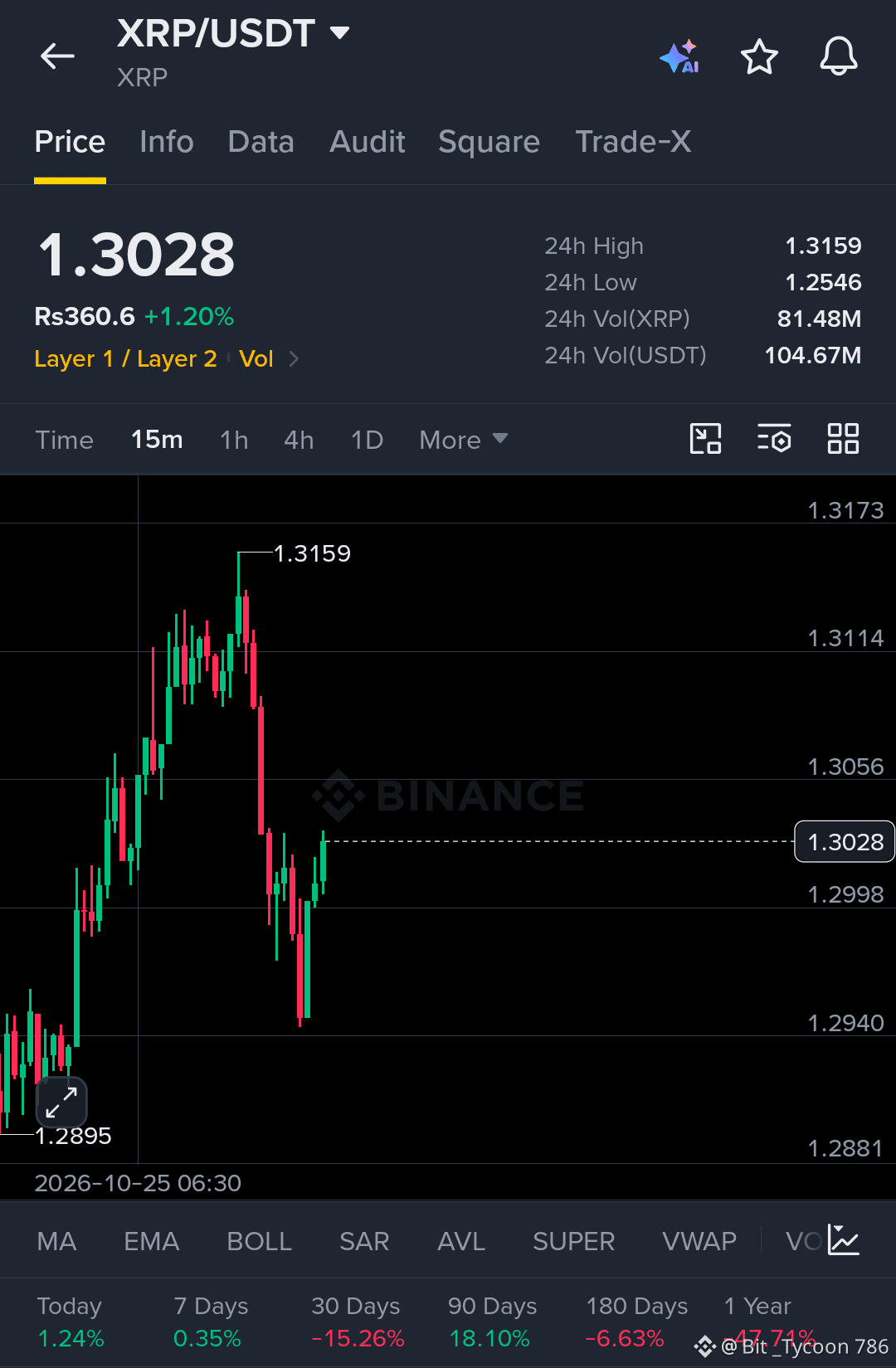
$XRP USDT 當前交易價格爲 1.3028,當日上漲 1.20%。在 15 分鐘圖表上,價格先升至 1.3159,隨後大幅回落至 1.2940 附近,之後反彈至當前水平。
價格下跌後買方開始入場,但反彈仍有待確認。
值得關注的關鍵價位:
- 阻力位:1.3056,其次爲 1.3114 和 1.3159。
- 支撐位:1.2998,其次爲 1.2940。
- 主要下行參考位:1.2895,即圖表中可見的低點。
若價格持續突破 1.3056,可能會增強復甦勢頭,並使更高的阻力位成爲關注焦點。若無法守住 1.2998,價格可能再次下探 1.2940 支撐區。
目前,XRP 正嘗試從短期拋售中反彈。下一步走勢取決於買方能否重新收復阻力位,或賣方能否重新掌控局面。上述價位根據所顯示的 15 分鐘圖表得出,並非對未來價格走勢的確定性預測。
{spot}(XRPUSDT)
#BinancePick #EarningsSeason #SouthKoreaDelaysCryptoIncomeTax #ElectrumFixesHighRiskExploitInVersionsBefore4.8.3 #OCCRemovesStablecoinSevenDayRedemptionExtension
$XRP USDT 當前交易價格爲 1.3028,當日上漲 1.20%。在 15 分鐘圖表上,價格先升至 1.3159,隨後大幅回落至 1.2940 附近,之後反彈至當前水平。
價格下跌後買方開始入場,但反彈仍有待確認。
值得關注的關鍵價位:
- 阻力位:1.3056,其次爲 1.3114 和 1.3159。
- 支撐位:1.2998,其次爲 1.2940。
- 主要下行參考位:1.2895,即圖表中可見的低點。
若價格持續突破 1.3056,可能會增強復甦勢頭,並使更高的阻力位成爲關注焦點。若無法守住 1.2998,價格可能再次下探 1.2940 支撐區。
目前,XRP 正嘗試從短期拋售中反彈。下一步走勢取決於買方能否重新收復阻力位,或賣方能否重新掌控局面。上述價位根據所顯示的 15 分鐘圖表得出,並非對未來價格走勢的確定性預測。
#BinancePick #EarningsSeason #SouthKoreaDelaysCryptoIncomeTax #ElectrumFixesHighRiskExploitInVersionsBefore4.8.3 #OCCRemovesStablecoinSevenDayRedemptionExtension
價格下跌後買方開始入場,但反彈仍有待確認。
值得關注的關鍵價位:
- 阻力位:1.3056,其次爲 1.3114 和 1.3159。
- 支撐位:1.2998,其次爲 1.2940。
- 主要下行參考位:1.2895,即圖表中可見的低點。
若價格持續突破 1.3056,可能會增強復甦勢頭,並使更高的阻力位成爲關注焦點。若無法守住 1.2998,價格可能再次下探 1.2940 支撐區。
目前,XRP 正嘗試從短期拋售中反彈。下一步走勢取決於買方能否重新收復阻力位,或賣方能否重新掌控局面。上述價位根據所顯示的 15 分鐘圖表得出,並非對未來價格走勢的確定性預測。
#BinancePick #EarningsSeason #SouthKoreaDelaysCryptoIncomeTax #ElectrumFixesHighRiskExploitInVersionsBefore4.8.3 #OCCRemovesStablecoinSevenDayRedemptionExtension
49
·
--
看漲
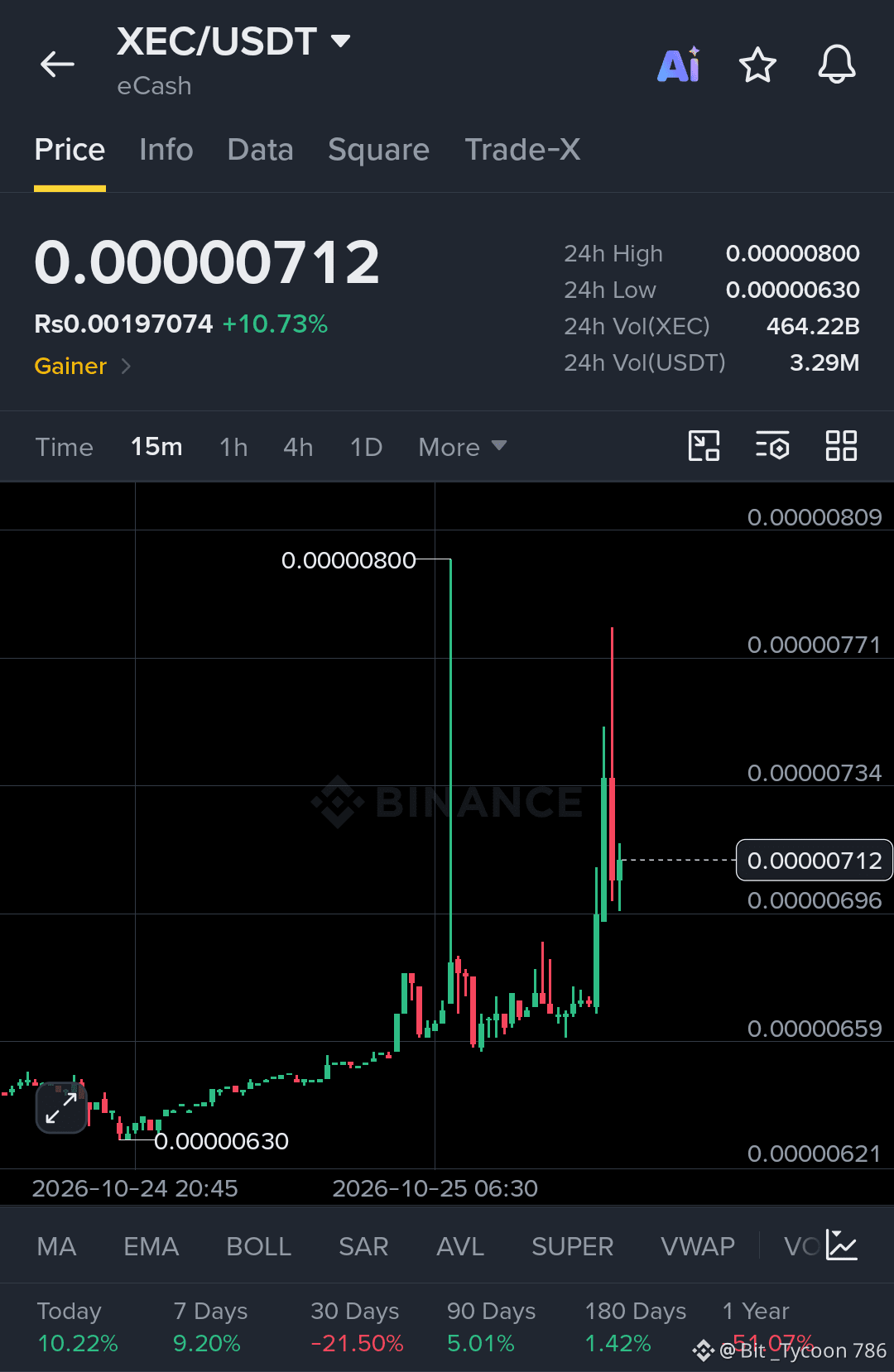
$XEC USDT 正在走強,當前交易價格爲 0.00000712,日內上漲 10.73%。15 分鐘圖顯示,價格從 0.00000630 的低點逐步攀升,隨後快速上行至 0.00000800 附近。
價格在近期高點附近遭遇拋壓,此後有所回落,買家正嘗試在當前價位附近穩住行情。
值得關注的關鍵價位:
- 阻力位:0.00000734,其次是 0.00000771–0.00000800。
- 支撐位:0.00000696,其次是 0.00000659。
- 重要參考位:0.00000630,即近期圖表低點。
若價格持續突破 0.00000734,或將進一步測試上方區間。如果價格跌破 0.00000696,則可能進一步回落至 0.00000659 附近。
快速波動後,市場波動性有所上升。在判斷下一步走勢之前,確認支撐有效或出現突破至關重要。
{spot}(XECUSDT)
#BinancePick #EarningsSeason #ElectrumFixesHighRiskExploitInVersionsBefore4.8.3 #SouthKoreaDelaysCryptoIncomeTax #DowDrops653Points
$XEC USDT 正在走強,當前交易價格爲 0.00000712,日內上漲 10.73%。15 分鐘圖顯示,價格從 0.00000630 的低點逐步攀升,隨後快速上行至 0.00000800 附近。
價格在近期高點附近遭遇拋壓,此後有所回落,買家正嘗試在當前價位附近穩住行情。
值得關注的關鍵價位:
- 阻力位:0.00000734,其次是 0.00000771–0.00000800。
- 支撐位:0.00000696,其次是 0.00000659。
- 重要參考位:0.00000630,即近期圖表低點。
若價格持續突破 0.00000734,或將進一步測試上方區間。如果價格跌破 0.00000696,則可能進一步回落至 0.00000659 附近。
快速波動後,市場波動性有所上升。在判斷下一步走勢之前,確認支撐有效或出現突破至關重要。
#BinancePick #EarningsSeason #ElectrumFixesHighRiskExploitInVersionsBefore4.8.3 #SouthKoreaDelaysCryptoIncomeTax #DowDrops653Points
價格在近期高點附近遭遇拋壓,此後有所回落,買家正嘗試在當前價位附近穩住行情。
值得關注的關鍵價位:
- 阻力位:0.00000734,其次是 0.00000771–0.00000800。
- 支撐位:0.00000696,其次是 0.00000659。
- 重要參考位:0.00000630,即近期圖表低點。
若價格持續突破 0.00000734,或將進一步測試上方區間。如果價格跌破 0.00000696,則可能進一步回落至 0.00000659 附近。
快速波動後,市場波動性有所上升。在判斷下一步走勢之前,確認支撐有效或出現突破至關重要。
#BinancePick #EarningsSeason #ElectrumFixesHighRiskExploitInVersionsBefore4.8.3 #SouthKoreaDelaysCryptoIncomeTax #DowDrops653Points
100
·
--
看漲
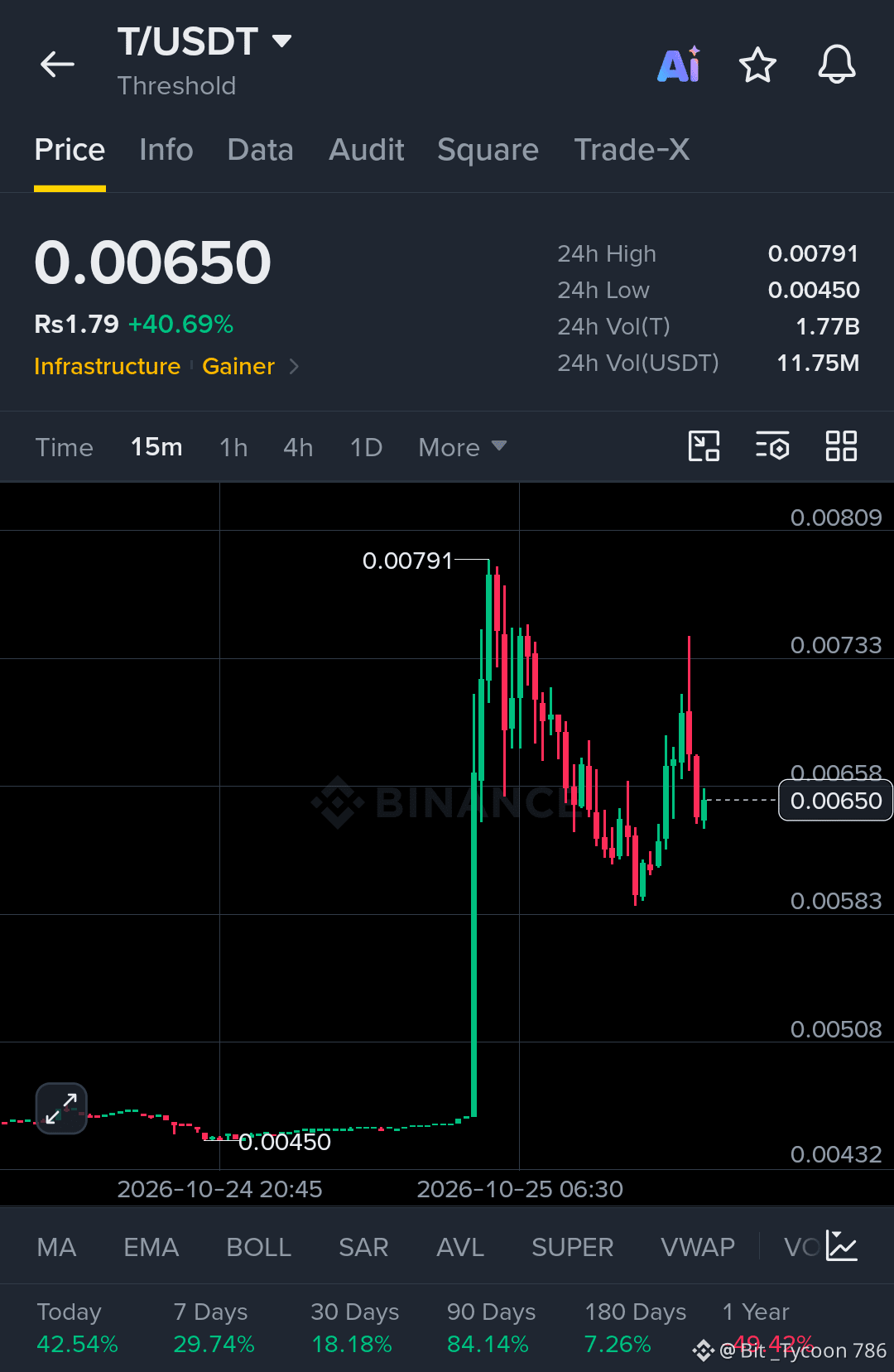
$T USDT 在從 0.00450 附近強勢突破後,正呈現明顯的復甦勢頭。價格已升至 0.00693 附近,而 24 小時高點仍爲 0.00791。
15 分鐘圖顯示,價格回調後買方重新入場,目前正測試 0.00690–0.00700 區間。若能守住 0.00658 上方,可能有助於延續復甦;若突破 0.00733,市場可能會再次關注前期高點。
如果拋售壓力迴歸,0.00600 和 0.00583 是值得關注的重要價位。如此快速的行情過後,波動性仍然較高,因此確認信號比追漲更重要。
下一步走勢取決於買方能否維持動能,並在近期阻力位上方建立支撐。
{spot}(TUSDT)
#BinancePick #EarningsSeason #SouthKoreaDelaysCryptoIncomeTax #DowDrops653Points #USConsumerSentimentHoldsAtSecondLowestOnRecord
$T USDT 在從 0.00450 附近強勢突破後,正呈現明顯的復甦勢頭。價格已升至 0.00693 附近,而 24 小時高點仍爲 0.00791。
15 分鐘圖顯示,價格回調後買方重新入場,目前正測試 0.00690–0.00700 區間。若能守住 0.00658 上方,可能有助於延續復甦;若突破 0.00733,市場可能會再次關注前期高點。
如果拋售壓力迴歸,0.00600 和 0.00583 是值得關注的重要價位。如此快速的行情過後,波動性仍然較高,因此確認信號比追漲更重要。
下一步走勢取決於買方能否維持動能,並在近期阻力位上方建立支撐。
#BinancePick #EarningsSeason #SouthKoreaDelaysCryptoIncomeTax #DowDrops653Points #USConsumerSentimentHoldsAtSecondLowestOnRecord
15 分鐘圖顯示,價格回調後買方重新入場,目前正測試 0.00690–0.00700 區間。若能守住 0.00658 上方,可能有助於延續復甦;若突破 0.00733,市場可能會再次關注前期高點。
如果拋售壓力迴歸,0.00600 和 0.00583 是值得關注的重要價位。如此快速的行情過後,波動性仍然較高,因此確認信號比追漲更重要。
下一步走勢取決於買方能否維持動能,並在近期阻力位上方建立支撐。
#BinancePick #EarningsSeason #SouthKoreaDelaysCryptoIncomeTax #DowDrops653Points #USConsumerSentimentHoldsAtSecondLowestOnRecord
84
·
--
看漲
🚀 $ZEC 正在強勢拉昇!🔥
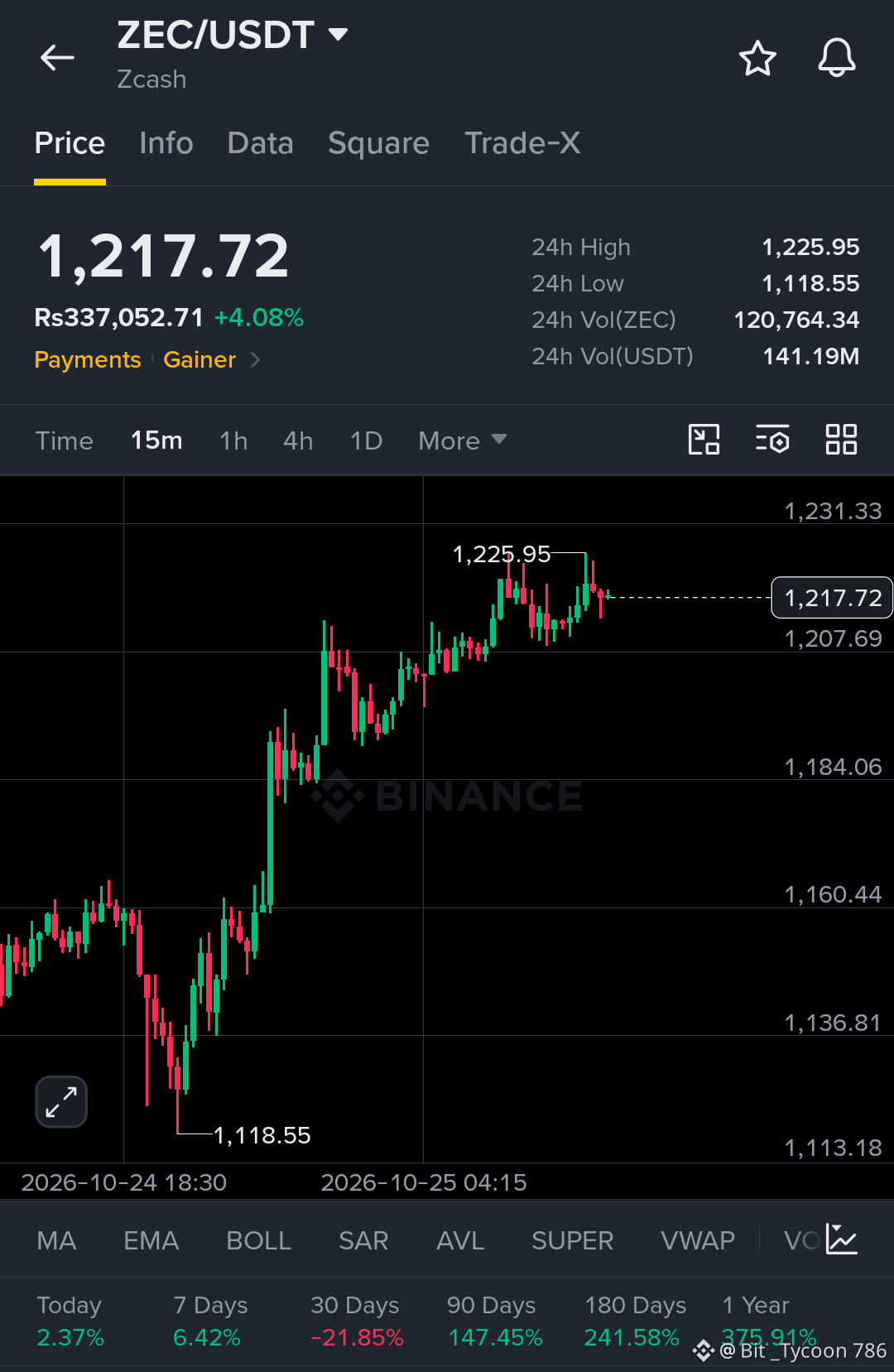
Zcash(ZEC)當前交易價格爲 1,217.72 USDT,24 小時漲幅達 4.08%,多頭展現出強勁勢頭!💚
📊 行情更新:
💰 當前價格:1,217.72 USDT
🚀 24 小時最高價:1,225.95 USDT
📉 24 小時最低價:1,118.55 USDT
📈 24 小時成交量:120,764.34 ZEC
💵 成交額:141.19M USDT
ZEC 從 1,118.55 強勢反彈,並一路攀升至 1,225.95 附近,展現出強勁的買盤動能。目前價格在高位附近盤整。
🔥 值得關注的關鍵價位:
阻力位:1,225.95
支撐位:1,207.69
下一支撐位:1,184.06
如果買方推動價格突破 1,225.95,行情可能進一步走強。但如果上漲動能減弱,價格也可能回落至支撐位附近。
👀 ZEC 行情升溫!多頭能否突破阻力位並繼續上行,還是賣方會進場?接下來的走勢值得期待!⚡
理性交易,並始終做好風險管理。
{spot}(ZECUSDT)
$XRP
{spot}(XRPUSDT)
$LAYER
{spot}(LAYERUSDT)
🚀 $ZEC 正在強勢拉昇!🔥
Zcash(ZEC)當前交易價格爲 1,217.72 USDT,24 小時漲幅達 4.08%,多頭展現出強勁勢頭!💚
📊 行情更新:
💰 當前價格:1,217.72 USDT
🚀 24 小時最高價:1,225.95 USDT
📉 24 小時最低價:1,118.55 USDT
📈 24 小時成交量:120,764.34 ZEC
💵 成交額:141.19M USDT
ZEC 從 1,118.55 強勢反彈,並一路攀升至 1,225.95 附近,展現出強勁的買盤動能。目前價格在高位附近盤整。
🔥 值得關注的關鍵價位:
阻力位:1,225.95
支撐位:1,207.69
下一支撐位:1,184.06
如果買方推動價格突破 1,225.95,行情可能進一步走強。但如果上漲動能減弱,價格也可能回落至支撐位附近。
👀 ZEC 行情升溫!多頭能否突破阻力位並繼續上行,還是賣方會進場?接下來的走勢值得期待!⚡
理性交易,並始終做好風險管理。
$XRP
$LAYER
Zcash(ZEC)當前交易價格爲 1,217.72 USDT,24 小時漲幅達 4.08%,多頭展現出強勁勢頭!💚
📊 行情更新:
💰 當前價格:1,217.72 USDT
🚀 24 小時最高價:1,225.95 USDT
📉 24 小時最低價:1,118.55 USDT
📈 24 小時成交量:120,764.34 ZEC
💵 成交額:141.19M USDT
ZEC 從 1,118.55 強勢反彈,並一路攀升至 1,225.95 附近,展現出強勁的買盤動能。目前價格在高位附近盤整。
🔥 值得關注的關鍵價位:
阻力位:1,225.95
支撐位:1,207.69
下一支撐位:1,184.06
如果買方推動價格突破 1,225.95,行情可能進一步走強。但如果上漲動能減弱,價格也可能回落至支撐位附近。
👀 ZEC 行情升溫!多頭能否突破阻力位並繼續上行,還是賣方會進場?接下來的走勢值得期待!⚡
理性交易,並始終做好風險管理。
$XRP
$LAYER
123
·
--
看漲
🚨 比特幣重磅消息 🇺🇸₿
“永遠不要賣掉你的比特幣。”⚡
唐納德·特朗普總統正在爲美國的比特幣戰略描繪新藍圖,這一表態正受到加密貨幣市場的廣泛關注。
美國政府此前曾出售大量比特幣,而這些資產如今的價值可能已高出數十億美元。現在,特朗普支持保留政府持有的比特幣,並建立戰略比特幣儲備。
🔥 想想這可能意味着什麼:
🇺🇸 美國希望增強其在加密貨幣領域的地位。
₿ 比特幣正作爲一種戰略資產受到關注。
🏦 政府持有的比特幣正成爲越來越熱門的話題。
💰 持有比特幣而非賣出的理念正逐漸獲得支持。
多年來,比特幣支持者一直在說:“永遠不要賣掉你的比特幣。”如今,這一主張正傳到美國政壇最高層。
最大的問題是:比特幣會成爲世界各國的長期戰略資產嗎?👀
有一點很明確:比特幣已不再只是加密貨幣愛好者之間的談資。各國政府都在關注,而未來的發展可能超出許多人的預期。🚀₿
🚨 比特幣重磅消息 🇺🇸₿
“永遠不要賣掉你的比特幣。”⚡
唐納德·特朗普總統正在爲美國的比特幣戰略描繪新藍圖,這一表態正受到加密貨幣市場的廣泛關注。
美國政府此前曾出售大量比特幣,而這些資產如今的價值可能已高出數十億美元。現在,特朗普支持保留政府持有的比特幣,並建立戰略比特幣儲備。
🔥 想想這可能意味着什麼:
🇺🇸 美國希望增強其在加密貨幣領域的地位。
₿ 比特幣正作爲一種戰略資產受到關注。
🏦 政府持有的比特幣正成爲越來越熱門的話題。
💰 持有比特幣而非賣出的理念正逐漸獲得支持。
多年來,比特幣支持者一直在說:“永遠不要賣掉你的比特幣。”如今,這一主張正傳到美國政壇最高層。
最大的問題是:比特幣會成爲世界各國的長期戰略資產嗎?👀
有一點很明確:比特幣已不再只是加密貨幣愛好者之間的談資。各國政府都在關注,而未來的發展可能超出許多人的預期。🚀₿
“永遠不要賣掉你的比特幣。”⚡
唐納德·特朗普總統正在爲美國的比特幣戰略描繪新藍圖,這一表態正受到加密貨幣市場的廣泛關注。
美國政府此前曾出售大量比特幣,而這些資產如今的價值可能已高出數十億美元。現在,特朗普支持保留政府持有的比特幣,並建立戰略比特幣儲備。
🔥 想想這可能意味着什麼:
🇺🇸 美國希望增強其在加密貨幣領域的地位。
₿ 比特幣正作爲一種戰略資產受到關注。
🏦 政府持有的比特幣正成爲越來越熱門的話題。
💰 持有比特幣而非賣出的理念正逐漸獲得支持。
多年來,比特幣支持者一直在說:“永遠不要賣掉你的比特幣。”如今,這一主張正傳到美國政壇最高層。
最大的問題是:比特幣會成爲世界各國的長期戰略資產嗎?👀
有一點很明確:比特幣已不再只是加密貨幣愛好者之間的談資。各國政府都在關注,而未來的發展可能超出許多人的預期。🚀₿

1
151
·
--
看漲
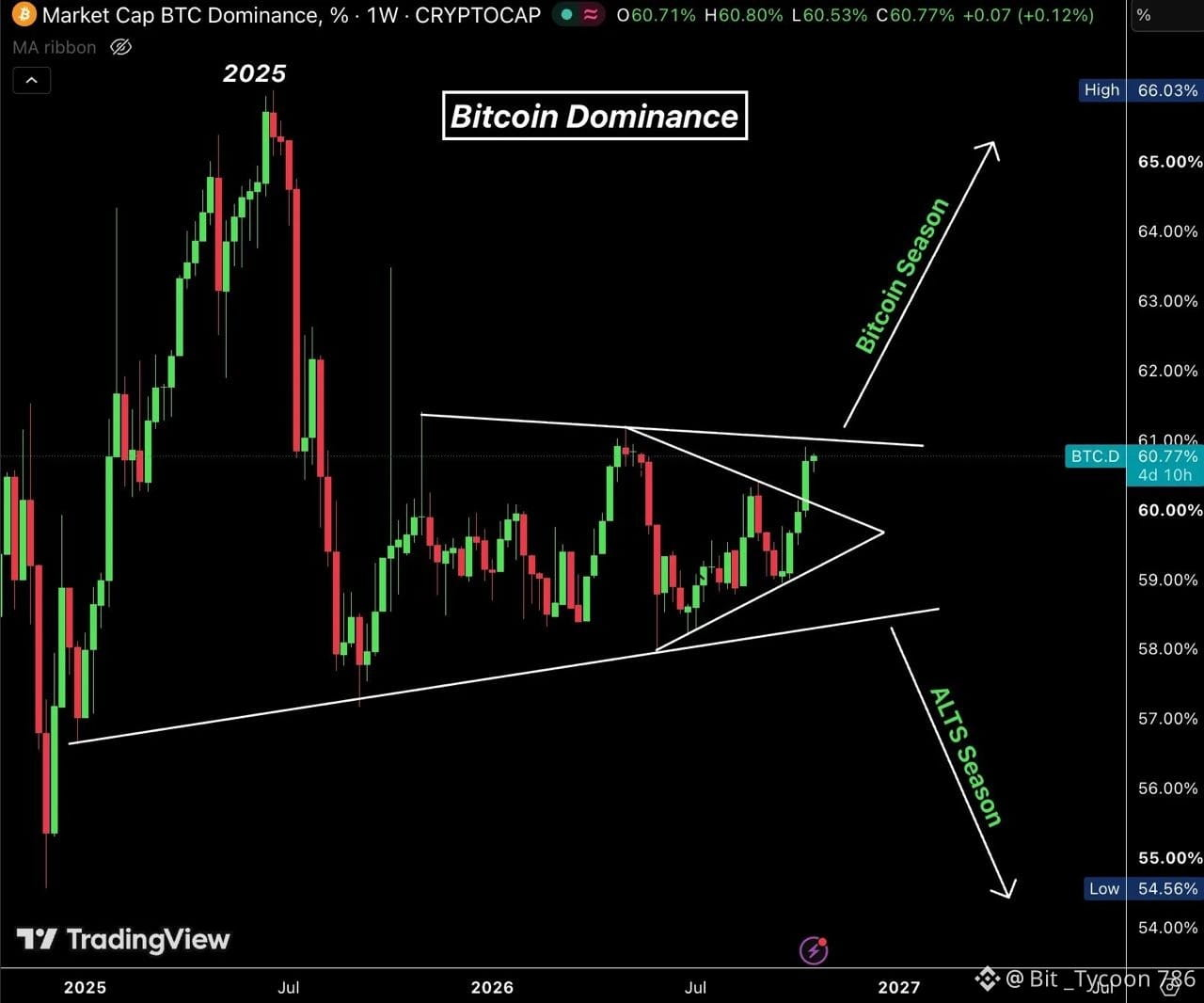
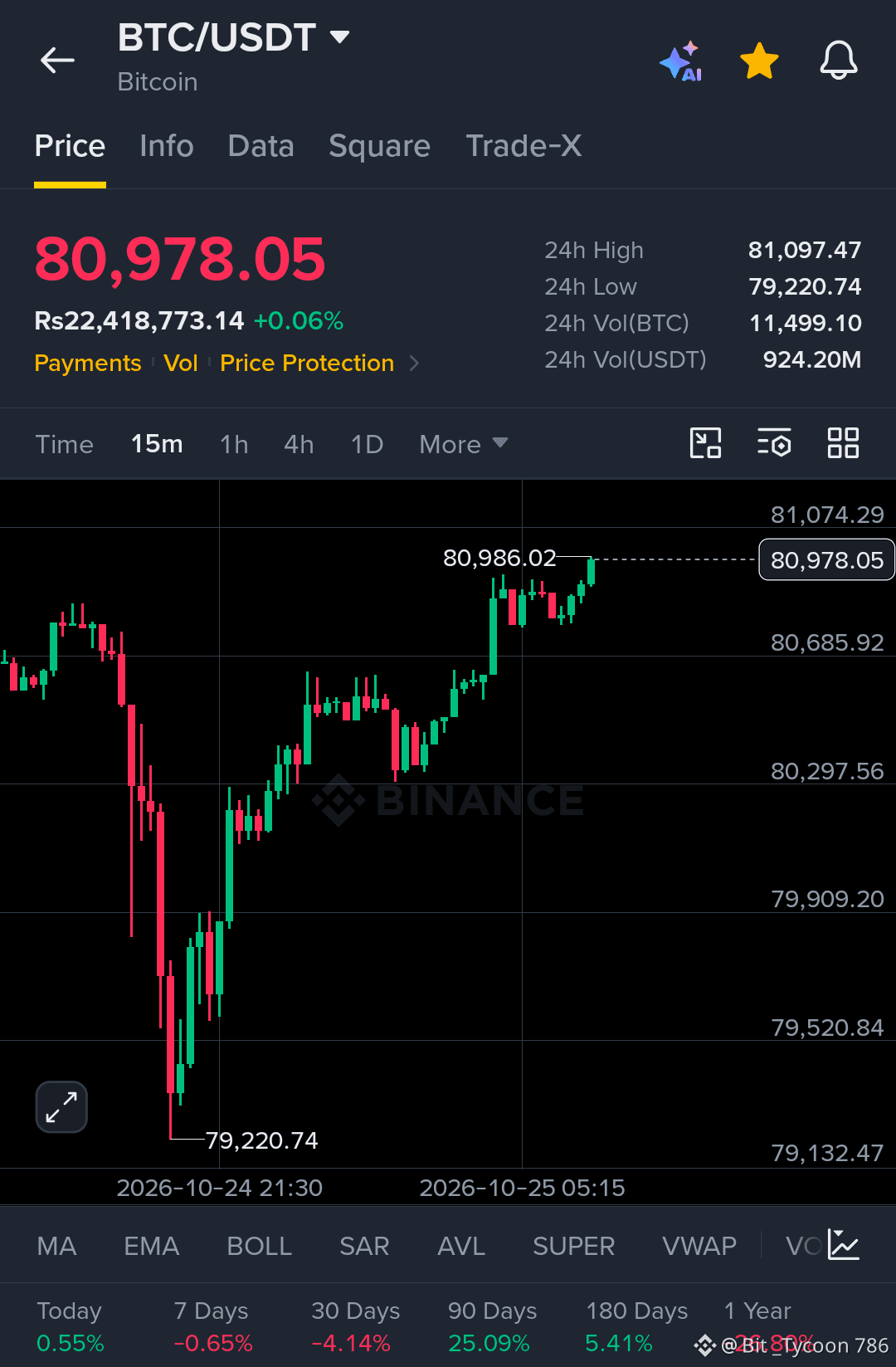
🚨 比特幣主導率正處於重大轉折點!🚀
比特幣主導率目前接近 60.77%,在形成收斂三角形形態後,正測試 61% 附近的關鍵阻力區。
🔥 如果 BTC 主導率突破 61%,比特幣可能再次領先,吸引更多關注和資金流向 BTC。
💥 如果遭遇阻力並回落,資金可能開始流入山寨幣,爲潛在的山寨幣季打開大門。
📊 市場正在醞釀一波大行情。下一次突破可能改變比特幣和山寨幣的走勢格局。
👀 密切關注 61% 這一水平。突破方向至關重要!
目前還不是已確認的信號——讓價格來決定。🎯
$BTC #EarningsSeason
🚨 比特幣主導率正處於重大轉折點!🚀
比特幣主導率目前接近 60.77%,在形成收斂三角形形態後,正測試 61% 附近的關鍵阻力區。
🔥 如果 BTC 主導率突破 61%,比特幣可能再次領先,吸引更多關注和資金流向 BTC。
💥 如果遭遇阻力並回落,資金可能開始流入山寨幣,爲潛在的山寨幣季打開大門。
📊 市場正在醞釀一波大行情。下一次突破可能改變比特幣和山寨幣的走勢格局。
👀 密切關注 61% 這一水平。突破方向至關重要!
目前還不是已確認的信號——讓價格來決定。🎯
$BTC #EarningsSeason
比特幣主導率目前接近 60.77%,在形成收斂三角形形態後,正測試 61% 附近的關鍵阻力區。
🔥 如果 BTC 主導率突破 61%,比特幣可能再次領先,吸引更多關注和資金流向 BTC。
💥 如果遭遇阻力並回落,資金可能開始流入山寨幣,爲潛在的山寨幣季打開大門。
📊 市場正在醞釀一波大行情。下一次突破可能改變比特幣和山寨幣的走勢格局。
👀 密切關注 61% 這一水平。突破方向至關重要!
目前還不是已確認的信號——讓價格來決定。🎯
$BTC #EarningsSeason
179
·
--
看漲
LONG
17%
SHORT
66%
BMT
17%
LA
0%
6 票 • 投票已結束
432
·
--
看跌
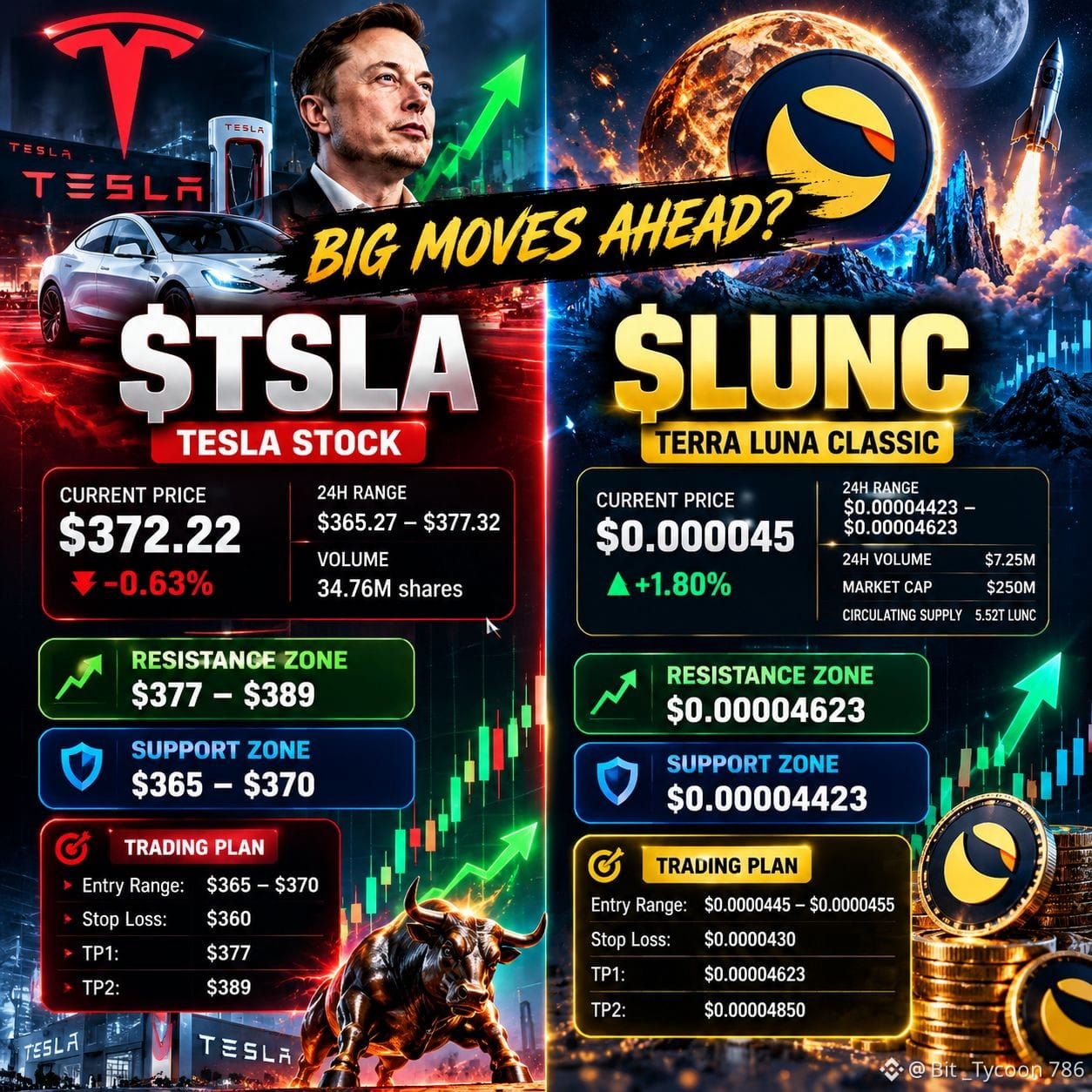
🚨🔥 $TSLA & $LUNC — 大動作即將到來?🚀
📈 $TSLA:關注 $377 阻力位的突破!強勁勢頭或將推動新一輪上漲。⚡
🌕 $LUNC:若放量突破 $0.00004623,或將觸發看漲行情!💥
👀 突破還是反轉?讓價格走勢來確認!
⚠️ 謹慎交易,做好風險管理。
#TSLA #LUNC #CryptoTradingStories #MarketAlert
#EarningsSeason
{future}(TSLAUSDT)
{spot}(LUNCUSDT)
🚨🔥 $TSLA & $LUNC — 大動作即將到來?🚀
📈 $TSLA :關注 $377 阻力位的突破!強勁勢頭或將推動新一輪上漲。⚡
🌕 $LUNC :若放量突破 $0.00004623,或將觸發看漲行情!💥
👀 突破還是反轉?讓價格走勢來確認!
⚠️ 謹慎交易,做好風險管理。
#TSLA #LUNC #CryptoTradingStories #MarketAlert
#EarningsSeason
📈 $TSLA :關注 $377 阻力位的突破!強勁勢頭或將推動新一輪上漲。⚡
🌕 $LUNC :若放量突破 $0.00004623,或將觸發看漲行情!💥
👀 突破還是反轉?讓價格走勢來確認!
⚠️ 謹慎交易,做好風險管理。
#TSLA #LUNC #CryptoTradingStories #MarketAlert
#EarningsSeason
1
186
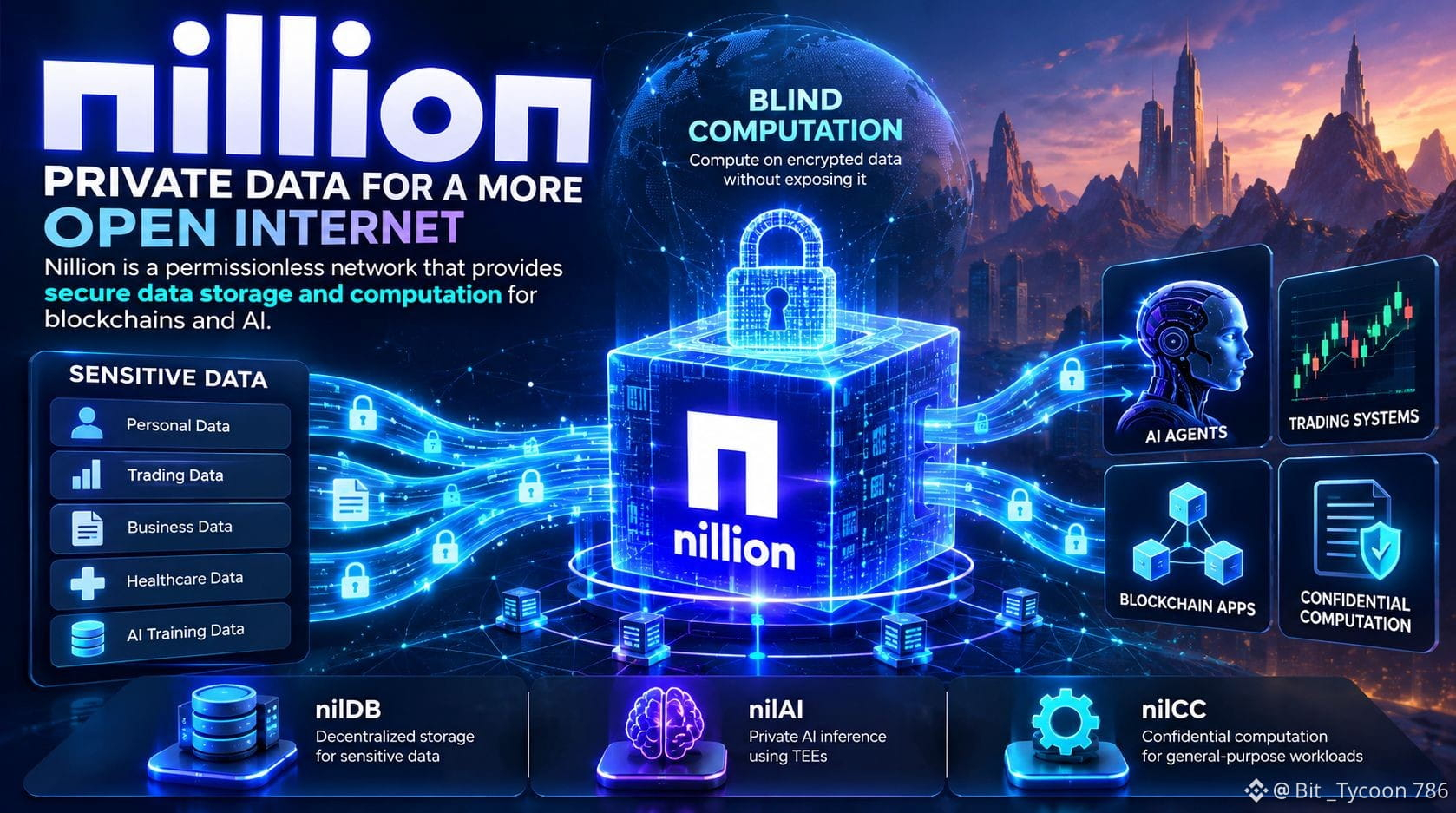
這就是 Nillion($NIL)背後的理念:打造一個去中心化網路,為私密資料儲存與運算建構基礎設施。
如今,AI 代理、交易系統和去中心化應用程式越來越需要存取有價值的資訊。但分享這些資訊也會帶來風險。揭露交易策略可能招致利用,而洩漏個人或財務資料則可能造成嚴重後果。傳統區塊鏈在私密運算方面也面臨挑戰,因為其透明的設計使敏感資訊難以受到保護。
Nillion 透過盲運算(Blind Computation)來解決這個問題,讓資料能透過保護隱私的技術進行儲存與處理,而不必將所有內容以明文公開。
其生態系統包括 nilDB,可將以秘密共享方式處理的資料分散至多個節點;以及 nilAI,透過可信任執行環境(TEE)支援私密 AI 推論。其 nilCC 基礎設施也能為通用工作負載提供機密運算。
想像一下其中的可能性:AI 代理可以處理敏感的使用者資訊,金融應用程式可以分析機密資料,組織也能共同進行研究,而無須不必要地公開各自的底層資料集。
#nil $NIL @nillionnetwork
這就是 Nillion($NIL )背後的理念:打造一個去中心化網路,為私密資料儲存與運算建構基礎設施。
如今,AI 代理、交易系統和去中心化應用程式越來越需要存取有價值的資訊。但分享這些資訊也會帶來風險。揭露交易策略可能招致利用,而洩漏個人或財務資料則可能造成嚴重後果。傳統區塊鏈在私密運算方面也面臨挑戰,因為其透明的設計使敏感資訊難以受到保護。
Nillion 透過盲運算(Blind Computation)來解決這個問題,讓資料能透過保護隱私的技術進行儲存與處理,而不必將所有內容以明文公開。
其生態系統包括 nilDB,可將以秘密共享方式處理的資料分散至多個節點;以及 nilAI,透過可信任執行環境(TEE)支援私密 AI 推論。其 nilCC 基礎設施也能為通用工作負載提供機密運算。
想像一下其中的可能性:AI 代理可以處理敏感的使用者資訊,金融應用程式可以分析機密資料,組織也能共同進行研究,而無須不必要地公開各自的底層資料集。
#nil $NIL @Nillion
如今,AI 代理、交易系統和去中心化應用程式越來越需要存取有價值的資訊。但分享這些資訊也會帶來風險。揭露交易策略可能招致利用,而洩漏個人或財務資料則可能造成嚴重後果。傳統區塊鏈在私密運算方面也面臨挑戰,因為其透明的設計使敏感資訊難以受到保護。
Nillion 透過盲運算(Blind Computation)來解決這個問題,讓資料能透過保護隱私的技術進行儲存與處理,而不必將所有內容以明文公開。
其生態系統包括 nilDB,可將以秘密共享方式處理的資料分散至多個節點;以及 nilAI,透過可信任執行環境(TEE)支援私密 AI 推論。其 nilCC 基礎設施也能為通用工作負載提供機密運算。
想像一下其中的可能性:AI 代理可以處理敏感的使用者資訊,金融應用程式可以分析機密資料,組織也能共同進行研究,而無須不必要地公開各自的底層資料集。
#nil $NIL @Nillion
1
85
·
--
看漲
🚨 突發:全球金融權力博弈正進入危險的新階段!🌍🔥
📉 隨著油價上漲、利率預期變化及地緣政治緊張局勢震盪全球市場,黃金和白銀面臨沉重賣壓。
🇺🇸🇨🇳 美中金融競爭日益激烈,各國央行正在分散儲備,而投資者也開始質疑美元主導地位的未來。
⚠️ 關注美元。關注油價。關注黃金。下一波市場走勢可能改變一切!
💎 流動性、恐懼與全球權力正在推動這場角力。機會確實存在——但風險也不容忽視!
$XAUT | $XAG | $DASH
#Gold #Silver #Crypto #GlobalMarkets #Geopolitics
🚨 突發:全球金融權力博弈正進入危險的新階段!🌍🔥
📉 隨著油價上漲、利率預期變化及地緣政治緊張局勢震盪全球市場,黃金和白銀面臨沉重賣壓。
🇺🇸🇨🇳 美中金融競爭日益激烈,各國央行正在分散儲備,而投資者也開始質疑美元主導地位的未來。
⚠️ 關注美元。關注油價。關注黃金。下一波市場走勢可能改變一切!
💎 流動性、恐懼與全球權力正在推動這場角力。機會確實存在——但風險也不容忽視!
$XAUT | $XAG | $DASH
#Gold #Silver #Crypto #GlobalMarkets #Geopolitics
📉 隨著油價上漲、利率預期變化及地緣政治緊張局勢震盪全球市場,黃金和白銀面臨沉重賣壓。
🇺🇸🇨🇳 美中金融競爭日益激烈,各國央行正在分散儲備,而投資者也開始質疑美元主導地位的未來。
⚠️ 關注美元。關注油價。關注黃金。下一波市場走勢可能改變一切!
💎 流動性、恐懼與全球權力正在推動這場角力。機會確實存在——但風險也不容忽視!
$XAUT | $XAG | $DASH
#Gold #Silver #Crypto #GlobalMarkets #Geopolitics


1
212
·
--
看漲
🚀 漲幅最高的 5 種加密貨幣 🚀
🔥 今日漲幅榜前 5 名
$IRYS +212.24%
$FOREST +113.10%
$IN +80.76%
$AXIS +19.44%
$AGT +16.66%
哪種幣勢頭最強?👀👇
🚀 漲幅最高的 5 種加密貨幣 🚀
🔥 今日漲幅榜前 5 名
$IRYS +212.24%
$FOREST +113.10%
$IN +80.76%
$AXIS +19.44%
$AGT +16.66%
哪種幣勢頭最強?👀👇
🔥 今日漲幅榜前 5 名
$IRYS +212.24%
$FOREST +113.10%
$IN +80.76%
$AXIS +19.44%
$AGT +16.66%
哪種幣勢頭最強?👀👇
$AXIS 😭💦
50%
$IRYS 👇🔥
0%
$AGT ✍️💰
50%
$FOREST 🚦🌲
0%
2 票 • 投票已結束
3
169

文章
SEAPumpkinFrenzy:將萬聖節創意帶入數位世界SEAPumpkinFrenzy 為數位社群注入清新的萬聖節氛圍,讓創意、想像力與參與,將簡單的季節主題化為人們真心喜愛的事物。這個概念不只著重於傳統的南瓜裝飾,更為原創藝術、趣味點子與共享體驗敞開大門。
SEAPumpkinFrenzy 的有趣之處,在於人們很容易就能與它的主題產生共鳴。萬聖節本身就具有鮮明的特色,而南瓜也是最具代表性的象徵之一。將這些元素帶入線上環境,讓創作者能盡情嘗試,同時保留這個季節熟悉的節慶氛圍。
SEAPumpkinFrenzy:將萬聖節創意帶入數位世界
SEAPumpkinFrenzy 為數位社群注入清新的萬聖節氛圍,讓創意、想像力與參與,將簡單的季節主題化為人們真心喜愛的事物。這個概念不只著重於傳統的南瓜裝飾,更為原創藝術、趣味點子與共享體驗敞開大門。
SEAPumpkinFrenzy 的有趣之處,在於人們很容易就能與它的主題產生共鳴。萬聖節本身就具有鮮明的特色,而南瓜也是最具代表性的象徵之一。將這些元素帶入線上環境,讓創作者能盡情嘗試,同時保留這個季節熟悉的節慶氛圍。
SEAPumpkinFrenzy 的有趣之處,在於人們很容易就能與它的主題產生共鳴。萬聖節本身就具有鮮明的特色,而南瓜也是最具代表性的象徵之一。將這些元素帶入線上環境,讓創作者能盡情嘗試,同時保留這個季節熟悉的節慶氛圍。
6
13
2.1k
·
--
看漲
🚀 $IN USDT 永續合約 — 做多
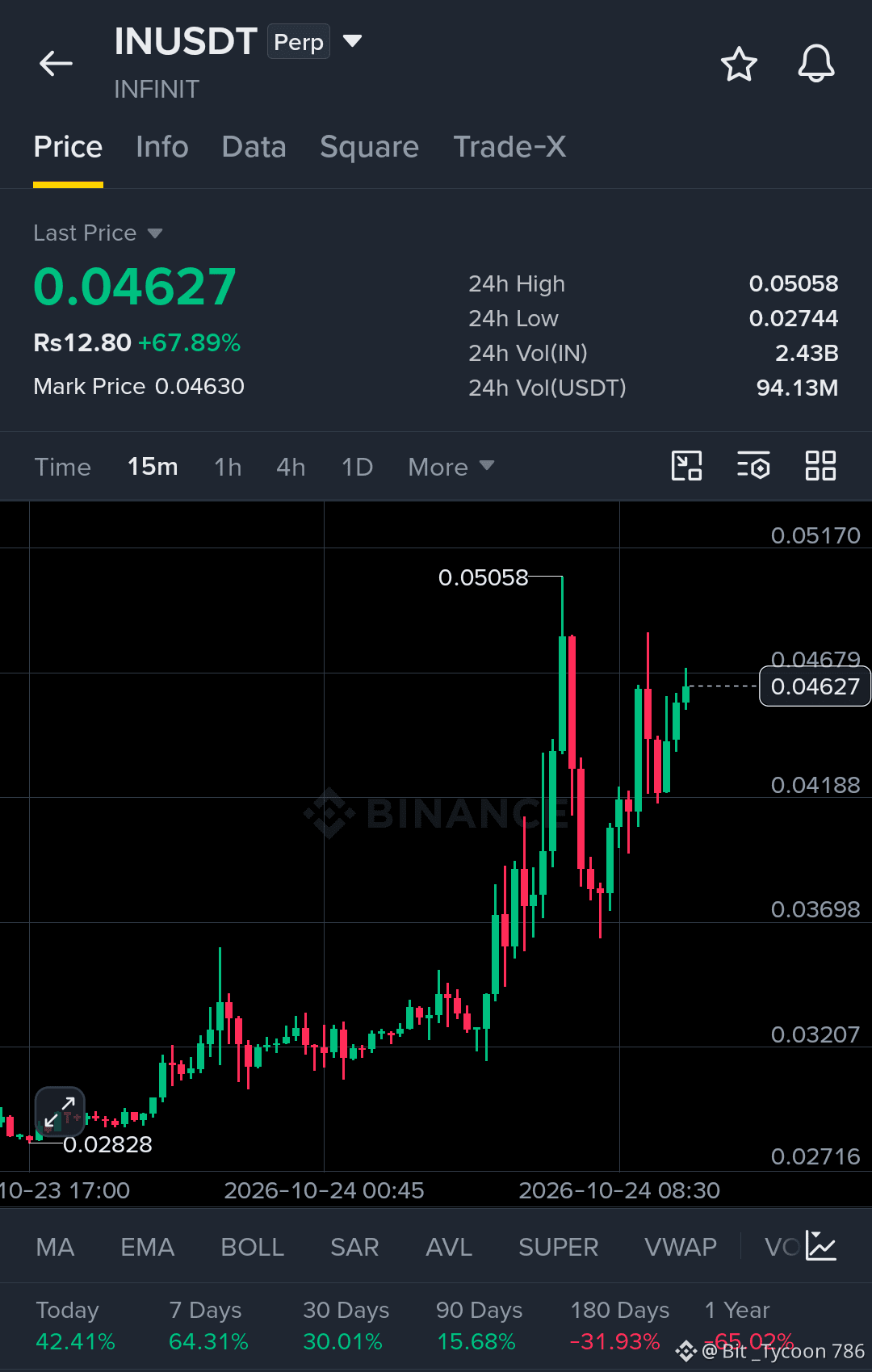
IN 正強勢上行,漲幅高達 +67.89%,從 0.02744 攀升至近期高點 0.05058。價格在大幅回調後強勁反彈,目前正向近期峯值推進——關注後續延續上漲的可能性。
▸ 入場區間:0.0445–0.0465 🎯 止盈1:0.0485 🎯 止盈2:0.0505 🎯 止盈3:0.0540 🛑 止損:0.0415
{future}(INUSDT)
#BitcoinHashrateHitsSevenMonthHigh
🚀 $IN USDT 永續合約 — 做多
IN 正強勢上行,漲幅高達 +67.89%,從 0.02744 攀升至近期高點 0.05058。價格在大幅回調後強勁反彈,目前正向近期峯值推進——關注後續延續上漲的可能性。
▸ 入場區間:0.0445–0.0465 🎯 止盈1:0.0485 🎯 止盈2:0.0505 🎯 止盈3:0.0540 🛑 止損:0.0415
#BitcoinHashrateHitsSevenMonthHigh
IN 正強勢上行,漲幅高達 +67.89%,從 0.02744 攀升至近期高點 0.05058。價格在大幅回調後強勁反彈,目前正向近期峯值推進——關注後續延續上漲的可能性。
▸ 入場區間:0.0445–0.0465 🎯 止盈1:0.0485 🎯 止盈2:0.0505 🎯 止盈3:0.0540 🛑 止損:0.0415
#BitcoinHashrateHitsSevenMonthHigh
1
65
·
--
看跌
⚡ $JCT /USDT 永續合約 — 做空
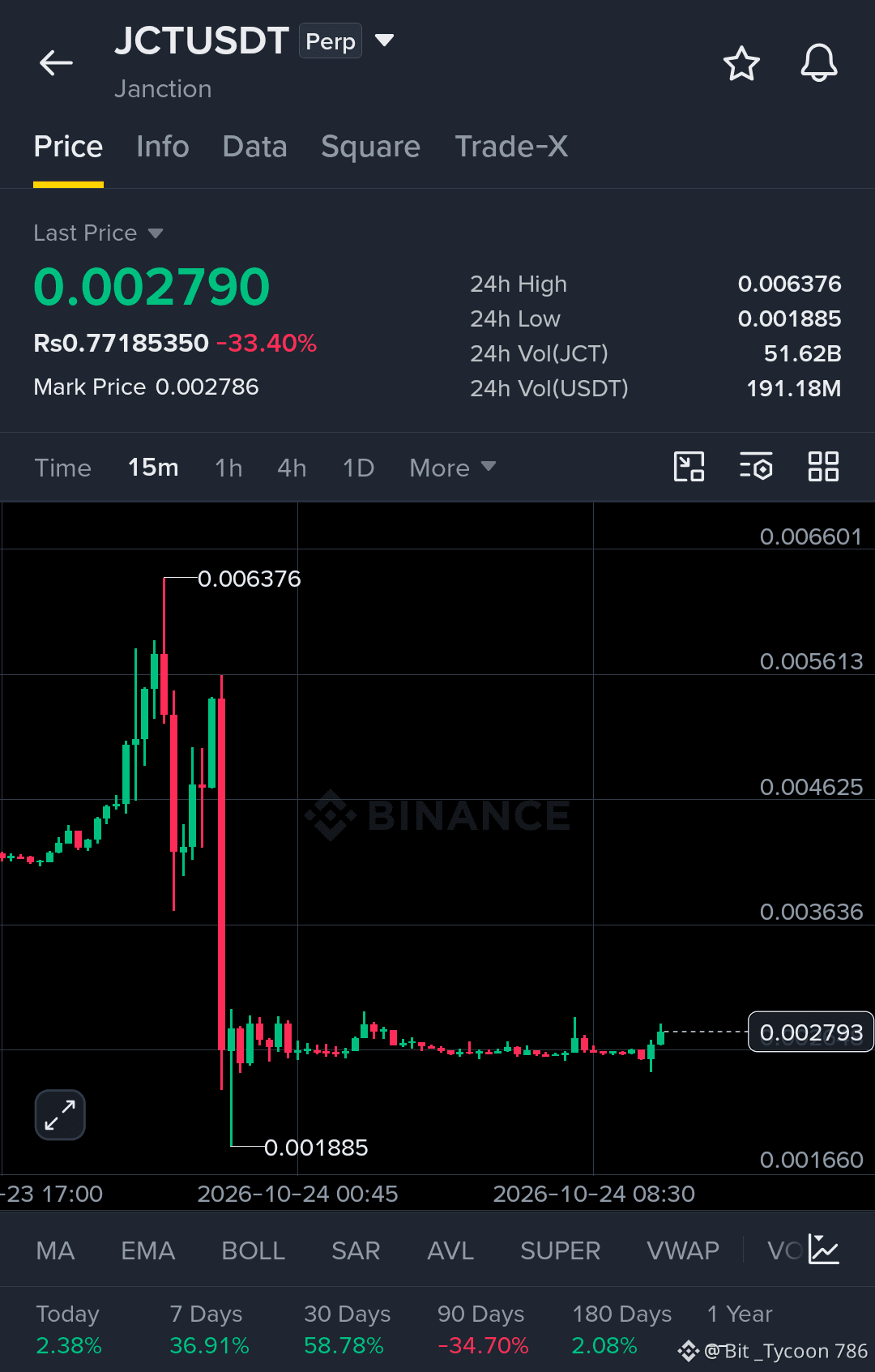
JCT 正承受沉重的拋售壓力,下跌 33.40%;此前價格從 0.006376 處遭遇猛烈回落。大幅下跌後,價格在 0.00279 附近盤整,這是一個值得關注的高波動行情,需留意空頭是否延續。
▸ 入場區間:0.00280–0.00295 🎯 止盈1:0.00260 🎯 止盈2:0.00235 🎯 止盈3:0.00200 🛑 止損:0.00315
{future}(JCTUSDT)
#IRSPlansLowerTaxDisclosurePenaltiesForCryptoCases #EarningsSeason #SwedishCentralBankUrgesEKronaReview #BinancePick #BitcoinHashrateHitsSevenMonthHigh
⚡ $JCT /USDT 永續合約 — 做空
JCT 正承受沉重的拋售壓力,下跌 33.40%;此前價格從 0.006376 處遭遇猛烈回落。大幅下跌後,價格在 0.00279 附近盤整,這是一個值得關注的高波動行情,需留意空頭是否延續。
▸ 入場區間:0.00280–0.00295 🎯 止盈1:0.00260 🎯 止盈2:0.00235 🎯 止盈3:0.00200 🛑 止損:0.00315
#IRSPlansLowerTaxDisclosurePenaltiesForCryptoCases #EarningsSeason #SwedishCentralBankUrgesEKronaReview #BinancePick #BitcoinHashrateHitsSevenMonthHigh
JCT 正承受沉重的拋售壓力,下跌 33.40%;此前價格從 0.006376 處遭遇猛烈回落。大幅下跌後,價格在 0.00279 附近盤整,這是一個值得關注的高波動行情,需留意空頭是否延續。
▸ 入場區間:0.00280–0.00295 🎯 止盈1:0.00260 🎯 止盈2:0.00235 🎯 止盈3:0.00200 🛑 止損:0.00315
#IRSPlansLowerTaxDisclosurePenaltiesForCryptoCases #EarningsSeason #SwedishCentralBankUrgesEKronaReview #BinancePick #BitcoinHashrateHitsSevenMonthHigh
1
51
·
--
看漲
🚀 $BIRB /USDT 永續合約 — 做多
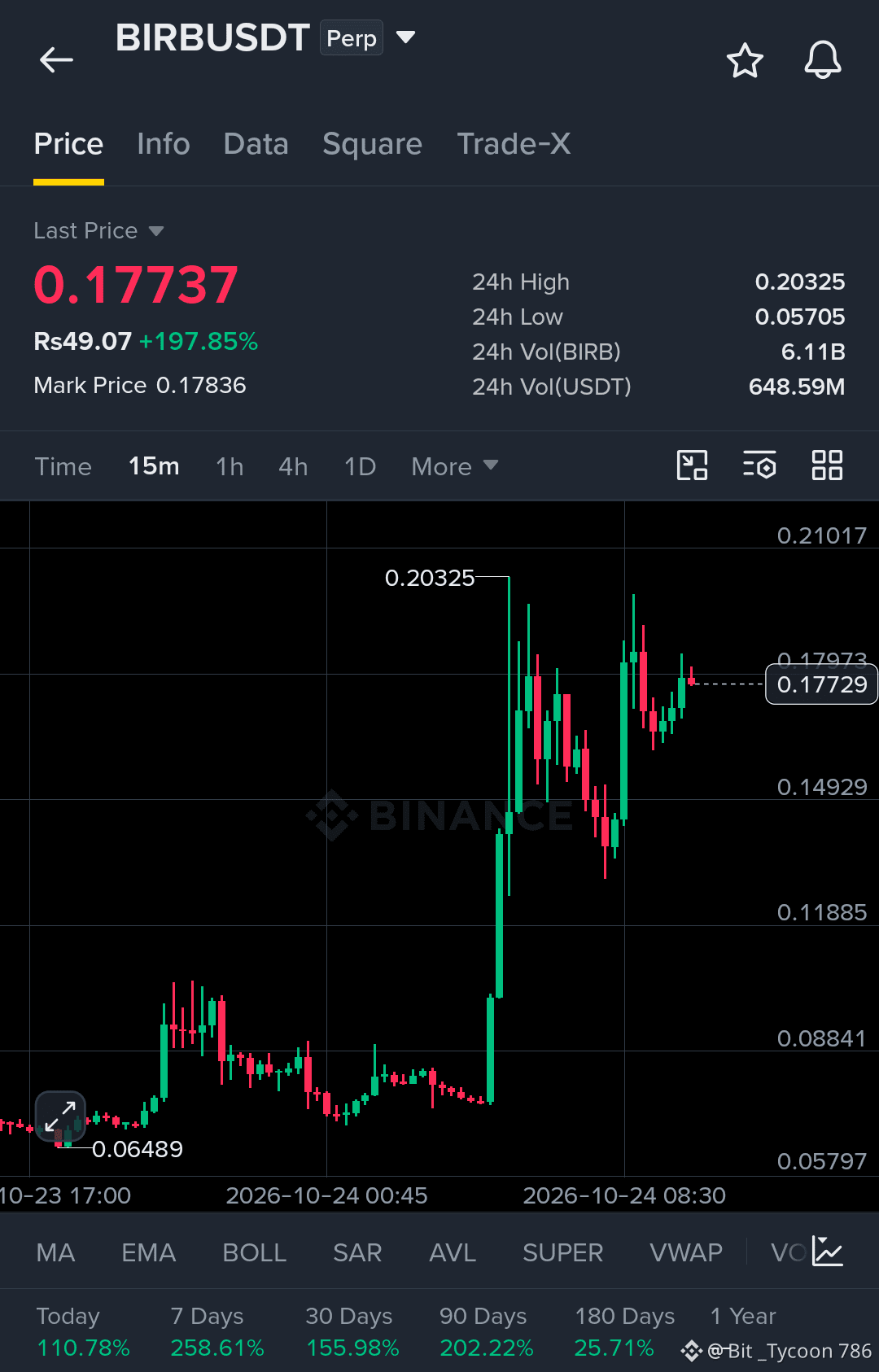
BIRB 正在經歷爆發式上漲,24 小時內漲幅高達 +197.85%!價格飆升至 0.20325 後回落,目前在 0.1773 附近回升。留意後續可能的延續上漲,但經歷如此大幅波動後,預計行情仍會劇烈震盪。
▸ 入場區間:0.1700–0.1780 🎯 止盈1:0.1850 🎯 止盈2:0.1950 🎯 止盈3:0.2030 🛑 止損:0.1580
{future}(BIRBUSDT)
#IRSPlansLowerTaxDisclosurePenaltiesForCryptoCases #EarningsSeason #PepeJumps14%ToLeadAltcoinRebound #BinancePick #SwedishCentralBankUrgesEKronaReview
🚀 $BIRB /USDT 永續合約 — 做多
BIRB 正在經歷爆發式上漲,24 小時內漲幅高達 +197.85%!價格飆升至 0.20325 後回落,目前在 0.1773 附近回升。留意後續可能的延續上漲,但經歷如此大幅波動後,預計行情仍會劇烈震盪。
▸ 入場區間:0.1700–0.1780 🎯 止盈1:0.1850 🎯 止盈2:0.1950 🎯 止盈3:0.2030 🛑 止損:0.1580
#IRSPlansLowerTaxDisclosurePenaltiesForCryptoCases #EarningsSeason #PepeJumps14%ToLeadAltcoinRebound #BinancePick #SwedishCentralBankUrgesEKronaReview
BIRB 正在經歷爆發式上漲,24 小時內漲幅高達 +197.85%!價格飆升至 0.20325 後回落,目前在 0.1773 附近回升。留意後續可能的延續上漲,但經歷如此大幅波動後,預計行情仍會劇烈震盪。
▸ 入場區間:0.1700–0.1780 🎯 止盈1:0.1850 🎯 止盈2:0.1950 🎯 止盈3:0.2030 🛑 止損:0.1580
#IRSPlansLowerTaxDisclosurePenaltiesForCryptoCases #EarningsSeason #PepeJumps14%ToLeadAltcoinRebound #BinancePick #SwedishCentralBankUrgesEKronaReview
53
登入以探索更多內容
加入幣安廣場中的全球加密貨幣用戶
⚡️ 獲取加密貨幣的最新和實用資訊。
💬 受到全球最大加密貨幣交易所的信任。
👍 發掘來自經過驗證創作者的真實見解。
電子郵件 / 電話號碼