

R3N 1
577 貼文

R3N 1
舉報
封鎖用戶
Web3 & crypto Analyst || Breaking down market moves || token updates daily ➪NFA!!!
0 關注
3 粉絲
3 點讚數
貼文
·
--
查看翻譯
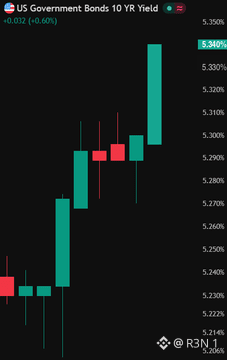
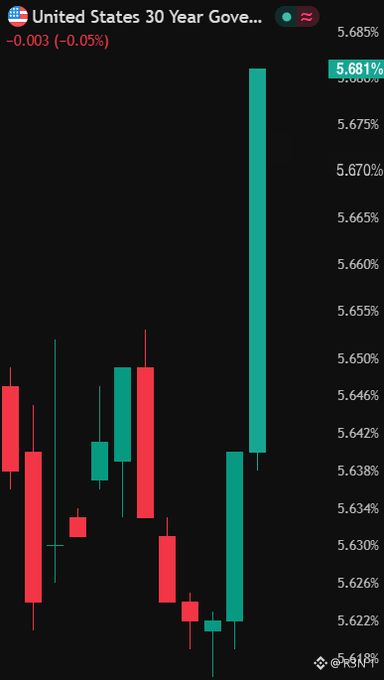
The 30 year mortgage rate hit 8% today, not a forecast, an actual print, the highest in over two decades. Worth correcting that framing directly, this isn't coming, it's already here. The bond moves behind it are real and dramatic. The 10 year Treasury yield hit 5.342% intraday, surpassing its 2007 peak and reaching its highest level since early 2002, a 24 year high. The 30 year climbed to 5.652% to 5.68% depending on the exact print, its highest since June 2002. Per Reuters, this marked the global benchmark's biggest quarterly rise this century. Driving it, persistent inflation, massive government borrowing, strong economic growth keeping rate expectations elevated, and per AllianceBernstein's trading desk, hedge funds and REITs holding mortgage backed securities selling long dated Treasuries in bulk as rising rates slow prepayments and extend MBS duration, forcing them to offload elsewhere to compensate. Worth noting the actual 30 year fixed mortgage rate landed at 8% via Mortgage News Daily's measure specifically, while separate MBA data showed the average contract rate at 7.70% for the week ending the same period, a reminder that different mortgage rate trackers can show meaningfully different numbers depending on methodology and timing. My honest read: this is a genuine, multi decade financial market event, not hype, confirmed by Bloomberg, Reuters, and CNBC all independently. The mechanism connecting it to mortgages is straightforward and well established, the 10 year directly prices 30 year mortgage rates, so this wasn't a surprising knock on effect, it was the expected one. What I'm watching: whether this yield spike stabilizes or keeps climbing toward the actual 2007 or 2002 peak levels, and what that does to housing affordability and crypto's own rate sensitivity heading into Q4. $BTC #BTC Price Analysis# #Meme Alpha# $ETH
The 30 year mortgage rate hit 8% today, not a forecast, an actual print, the highest in over two decades. Worth correcting that framing directly, this isn't coming, it's already here. The bond moves behind it are real and dramatic. The 10 year Treasury yield hit 5.342% intraday, surpassing its 2007 peak and reaching its highest level since early 2002, a 24 year high. The 30 year climbed to 5.652% to 5.68% depending on the exact print, its highest since June 2002. Per Reuters, this marked the global benchmark's biggest quarterly rise this century. Driving it, persistent inflation, massive government borrowing, strong economic growth keeping rate expectations elevated, and per AllianceBernstein's trading desk, hedge funds and REITs holding mortgage backed securities selling long dated Treasuries in bulk as rising rates slow prepayments and extend MBS duration, forcing them to offload elsewhere to compensate. Worth noting the actual 30 year fixed mortgage rate landed at 8% via Mortgage News Daily's measure specifically, while separate MBA data showed the average contract rate at 7.70% for the week ending the same period, a reminder that different mortgage rate trackers can show meaningfully different numbers depending on methodology and timing. My honest read: this is a genuine, multi decade financial market event, not hype, confirmed by Bloomberg, Reuters, and CNBC all independently. The mechanism connecting it to mortgages is straightforward and well established, the 10 year directly prices 30 year mortgage rates, so this wasn't a surprising knock on effect, it was the expected one. What I'm watching: whether this yield spike stabilizes or keeps climbing toward the actual 2007 or 2002 peak levels, and what that does to housing affordability and crypto's own rate sensitivity heading into Q4. $BTC #BTC Price Analysis# #Meme Alpha# $ETH
10
·
--
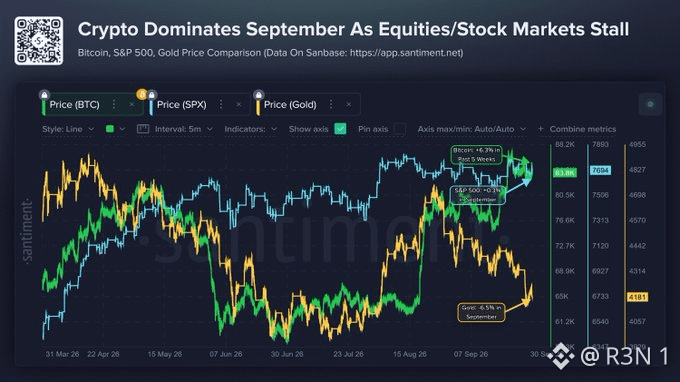
黃金剛經歷了一段時間以來對比特幣最糟的相對月度表現:下跌超過6%,而BTC則上漲約7%。標普幾乎沒有波動。三個資產,三個完全不同的9月。根據Santiment Intelligence在10月1日發佈的數據,這不僅僅是一個月度的小插曲,而是更長一段時期的一部分。比特幣在8月18日至9月22日這五週內累計上漲36%,而標普同期僅上漲0.8%,黃金則在該窗口期下跌1.5%。隨後,9月的月度數據分別爲:BTC約上漲7%,標普持平,黃金下跌超過6%。值得注意的是,這打破了比特幣通常的走勢模式:歷史上9月往往是比特幣最弱的月份,而不是上漲月份。Santiment指出,驅動因素的具體組合並非單純動能所致。美國現貨比特幣ETF在整個9月吸引了數十億美元資金流入,其中包括月末幾天的大額淨流入;在這段時間裏,Strategy又向其金庫追加了1,665枚BTC。文中也提到:金庫回購活動,以及在突破阻力時出現的空頭擠壓,同樣是促成因素。還值得注意相關性的語境。另一個在9月26日發佈的分析發現,即便兩種資產在9月回報上出現了明顯背離,比特幣與黃金的90天相關性在9月中旬仍處於六年來的高位附近。這未必是矛盾之處:相關性衡量的是兩種資產在一段時間內如何共同波動,而不是判斷它們在任意某個月裏誰跑贏誰。我的真實判斷:這是一種確實存在且有充分文檔支撐的背離,而不是挑選對自己有利的對比;多家獨立媒體都證實了相同的Santiment數據。至於這是否意味着與傳統相關性產生了持續的脫鉤,還是僅僅是$BTC特定一個異常強勁的月份,目前仍是個開放問題。接下來我在關注:這種跑贏表現是否會延續到10月,以及那項較高的黃金相關性是會重新站穩,還是繼續維持破裂狀態。#BTC Price Analysis# #Altcoin Season# $XAUt
黃金剛經歷了一段時間以來對比特幣最糟的相對月度表現:下跌超過6%,而BTC則上漲約7%。標普幾乎沒有波動。三個資產,三個完全不同的9月。根據Santiment Intelligence在10月1日發佈的數據,這不僅僅是一個月度的小插曲,而是更長一段時期的一部分。比特幣在8月18日至9月22日這五週內累計上漲36%,而標普同期僅上漲0.8%,黃金則在該窗口期下跌1.5%。隨後,9月的月度數據分別爲:BTC約上漲7%,標普持平,黃金下跌超過6%。值得注意的是,這打破了比特幣通常的走勢模式:歷史上9月往往是比特幣最弱的月份,而不是上漲月份。Santiment指出,驅動因素的具體組合並非單純動能所致。美國現貨比特幣ETF在整個9月吸引了數十億美元資金流入,其中包括月末幾天的大額淨流入;在這段時間裏,Strategy又向其金庫追加了1,665枚BTC。文中也提到:金庫回購活動,以及在突破阻力時出現的空頭擠壓,同樣是促成因素。還值得注意相關性的語境。另一個在9月26日發佈的分析發現,即便兩種資產在9月回報上出現了明顯背離,比特幣與黃金的90天相關性在9月中旬仍處於六年來的高位附近。這未必是矛盾之處:相關性衡量的是兩種資產在一段時間內如何共同波動,而不是判斷它們在任意某個月裏誰跑贏誰。我的真實判斷:這是一種確實存在且有充分文檔支撐的背離,而不是挑選對自己有利的對比;多家獨立媒體都證實了相同的Santiment數據。至於這是否意味着與傳統相關性產生了持續的脫鉤,還是僅僅是$BTC特定一個異常強勁的月份,目前仍是個開放問題。接下來我在關注:這種跑贏表現是否會延續到10月,以及那項較高的黃金相關性是會重新站穩,還是繼續維持破裂狀態。#BTC Price Analysis# #Altcoin Season# $XAUt
23
·
--
查看翻譯
Ten million machine initiated payments, settled by software agents paying for API calls and data with no human involved at checkout. That's a genuinely different use case than the payment volume XRPL usually gets credited for. t54's x402 facilitator is the infrastructure doing the actual work, letting AI agents pay in $XRP or RLUSD for protected endpoints inline with normal HTTP requests, no API keys, no accounts, the facilitator verifies and settles presigned payment transactions on ledger. The network crossed 1 million agentic transactions back in July, and RippleX's own engineering lead had already flagged the trajectory toward 10 million as imminent at that point, with 100 million plausible within a couple of years. Worth noting the cumulative count is self reported by the facilitator operator, tracked via an on chain fingerprint, not independently audited by a third party. The ecosystem around this has been building out in parallel, not just the payment rail alone. t54's XRPL AI Hub now lists 80 live x402 services, Mastercard's Verifiable Intent standard integrated in July to prove who authorized a payment and under what limits before settlement, and Virtuals Protocol brought its Agent Commerce Protocol onto XRPL for escrowed jobs and evaluator based verification. My honest read: this is a real, measurable use case, not a narrative claim, agents are genuinely transacting on chain at volume. Whether it scales meaningfully toward that 100 million target depends on actual agent adoption outside crypto native testing, not just the infrastructure existing. What I'm watching: whether transaction growth stays linear from here or starts compounding as more of those 80 listed services see real agent traffic rather than concentrated testing activity. $XRP #BTC Price Analysis# #Meme Alpha#
Ten million machine initiated payments, settled by software agents paying for API calls and data with no human involved at checkout. That's a genuinely different use case than the payment volume XRPL usually gets credited for. t54's x402 facilitator is the infrastructure doing the actual work, letting AI agents pay in $XRP or RLUSD for protected endpoints inline with normal HTTP requests, no API keys, no accounts, the facilitator verifies and settles presigned payment transactions on ledger. The network crossed 1 million agentic transactions back in July, and RippleX's own engineering lead had already flagged the trajectory toward 10 million as imminent at that point, with 100 million plausible within a couple of years. Worth noting the cumulative count is self reported by the facilitator operator, tracked via an on chain fingerprint, not independently audited by a third party. The ecosystem around this has been building out in parallel, not just the payment rail alone. t54's XRPL AI Hub now lists 80 live x402 services, Mastercard's Verifiable Intent standard integrated in July to prove who authorized a payment and under what limits before settlement, and Virtuals Protocol brought its Agent Commerce Protocol onto XRPL for escrowed jobs and evaluator based verification. My honest read: this is a real, measurable use case, not a narrative claim, agents are genuinely transacting on chain at volume. Whether it scales meaningfully toward that 100 million target depends on actual agent adoption outside crypto native testing, not just the infrastructure existing. What I'm watching: whether transaction growth stays linear from here or starts compounding as more of those 80 listed services see real agent traffic rather than concentrated testing activity. $XRP #BTC Price Analysis# #Meme Alpha#

40
·
--
查看翻譯
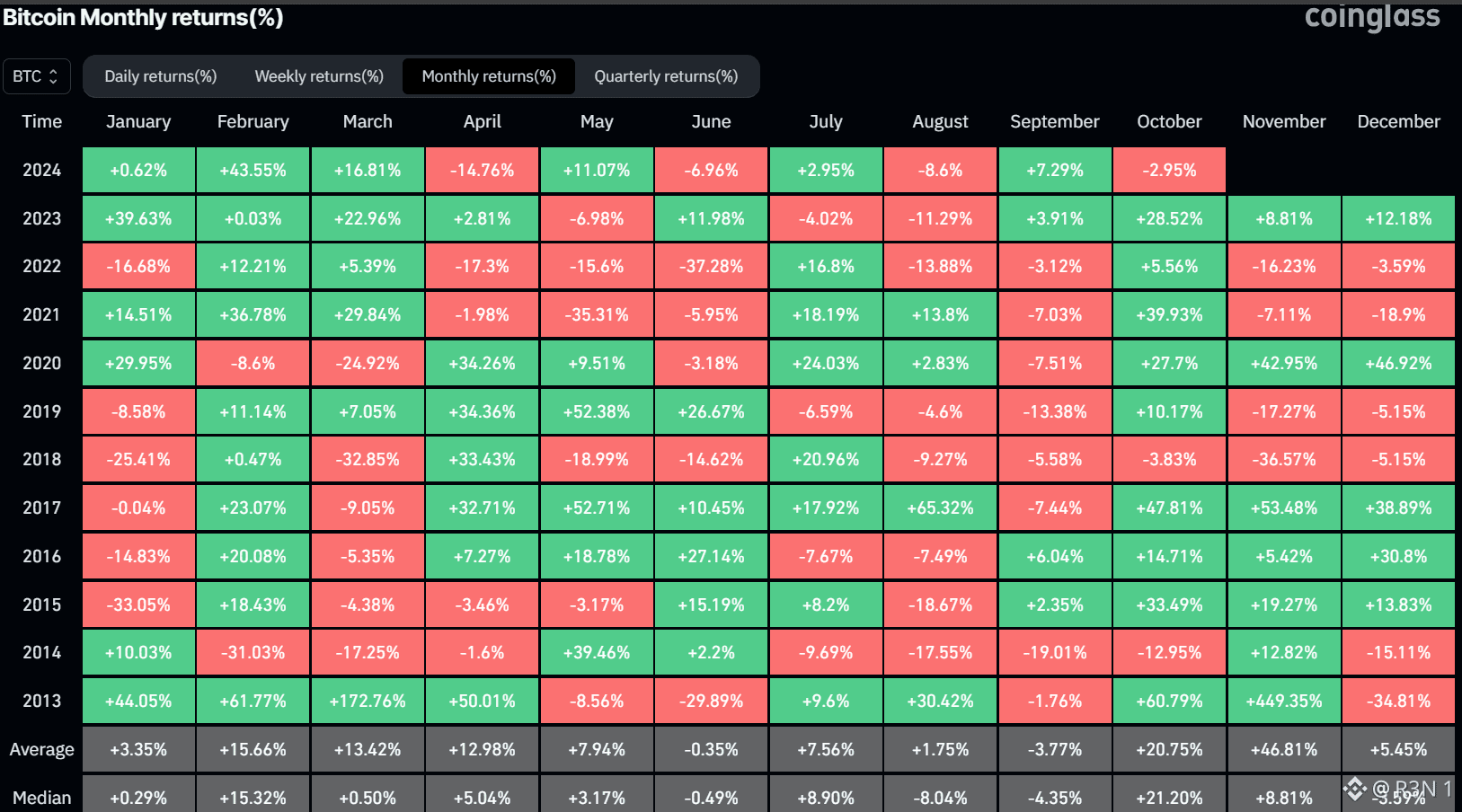
Ten green Octobers out of thirteen since 2013, averaging roughly 19% gains. That's the stat getting repeated everywhere right now, and it's accurate, but the one year that broke the pattern is actually more instructive than the nine that confirmed it. October 2025 started with $BTC near $119,000, hit a record above $126,000 early in the month, looked like Uptober playing out exactly as scripted, then finished down nearly 4%, the first red October since 2018. A US China trade dispute flare up and record liquidations did that, not a failure of the seasonal pattern itself, an external macro shock overriding historical tendency. That's the actual lesson, seasonality is a probability, not a guarantee, and it's broken before specifically when something unrelated to the calendar intervened. This year's setup into October is genuinely different from last year's though. BTC just posted three green months in a row for the first time since 2012, up roughly 25% in August and another 9% in September, reaching an eight month high above $87,000. Large entities reportedly accumulated around 30,269 BTC, worth about $2.57 billion, over a recent 96 hour stretch, and spot ETFs pulled in close to $3 billion over ten days. When September itself closed positive, the five prior instances still saw October gains four times, averaging just under 17%, a smaller sample worth noting, not treating as separately conclusive. My honest read: the base rate is real and well documented, not cherry picked, but 2025 proved strong seasonal odds don't override a genuine macro shock. This year's momentum looks more constructive than last year's setup, but that's a different claim than the pattern being more reliable this time. What I'm watching: whether any comparable macro catalyst, trade policy, Fed surprises, shows up this October the way it did last year, since that's historically been the actual variable that's broken this pattern, not anything about the calendar itself.
Ten green Octobers out of thirteen since 2013, averaging roughly 19% gains. That's the stat getting repeated everywhere right now, and it's accurate, but the one year that broke the pattern is actually more instructive than the nine that confirmed it. October 2025 started with $BTC near $119,000, hit a record above $126,000 early in the month, looked like Uptober playing out exactly as scripted, then finished down nearly 4%, the first red October since 2018. A US China trade dispute flare up and record liquidations did that, not a failure of the seasonal pattern itself, an external macro shock overriding historical tendency. That's the actual lesson, seasonality is a probability, not a guarantee, and it's broken before specifically when something unrelated to the calendar intervened. This year's setup into October is genuinely different from last year's though. BTC just posted three green months in a row for the first time since 2012, up roughly 25% in August and another 9% in September, reaching an eight month high above $87,000. Large entities reportedly accumulated around 30,269 BTC, worth about $2.57 billion, over a recent 96 hour stretch, and spot ETFs pulled in close to $3 billion over ten days. When September itself closed positive, the five prior instances still saw October gains four times, averaging just under 17%, a smaller sample worth noting, not treating as separately conclusive. My honest read: the base rate is real and well documented, not cherry picked, but 2025 proved strong seasonal odds don't override a genuine macro shock. This year's momentum looks more constructive than last year's setup, but that's a different claim than the pattern being more reliable this time. What I'm watching: whether any comparable macro catalyst, trade policy, Fed surprises, shows up this October the way it did last year, since that's historically been the actual variable that's broken this pattern, not anything about the calendar itself.
58
·
--
查看翻譯
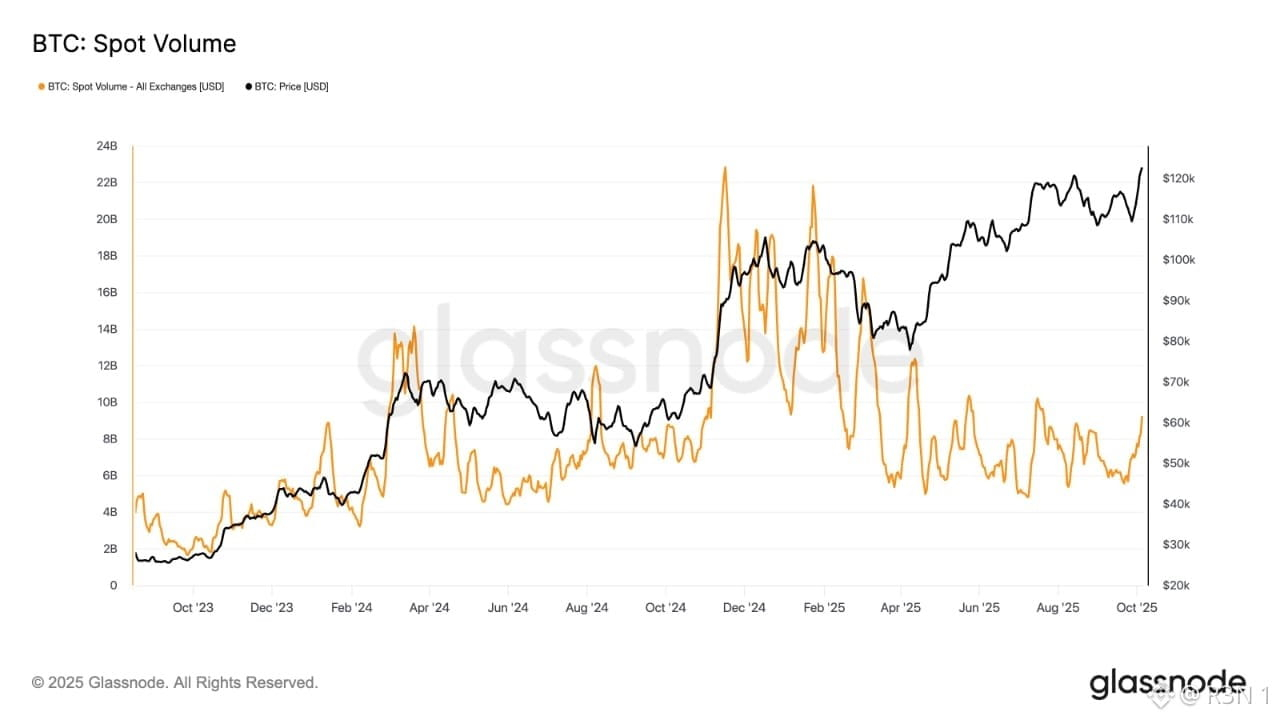
The 4x figure is turnover, not net capital inflow. The same money can get counted repeatedly as positions change hands, and volume captures both buying and selling, not a directional four times more capital rotating into alts. The more accurate read is that trading attention and liquidity have broadened beyond BTC, not that four times as much fresh money showed up.
The breadth data backs that broadening up. 72.5% of tracked altcoins outperformed Bitcoin over the seven days ending September 22, against just 39% during a similar August surge. The Altcoin Season Index climbed to 62%, up from 50% a week earlier and 33% a month prior. Zcash and Uniswap posted 295% and 248% three month gains, dwarfing BTC's own 44%. Worth noting the leverage picture looks calm, altcoin perpetual open interest has barely grown in 30 days, this rotation is showing up in spot participation, not leveraged futures.
Here's the genuine tension. Glassnode itself flagged that similar spikes in this ratio have historically coincided with local Bitcoin price tops, not confirmed altseason continuations. And September 28 specifically saw crypto's total market value fall about 3% while volume surged 125%, a pattern that reads more like forced liquidation than fresh altseason buying.
My honest read: the breadth and index data genuinely support an early altseason case, but Glassnode's own historical framing and last week's volume spike during a selloff argue the opposite just as plausibly. This is a real fork in the data, not a clean signal either way.
What I'm watching: whether altcoin exchange deposits keep climbing, since rising deposits alongside this volume would point toward selling pressure building rather than sustained rotation.
$BTC #BTC Price Analysis# #Altcoin Season# $XAUt
The 4x figure is turnover, not net capital inflow. The same money can get counted repeatedly as positions change hands, and volume captures both buying and selling, not a directional four times more capital rotating into alts. The more accurate read is that trading attention and liquidity have broadened beyond BTC, not that four times as much fresh money showed up.
The breadth data backs that broadening up. 72.5% of tracked altcoins outperformed Bitcoin over the seven days ending September 22, against just 39% during a similar August surge. The Altcoin Season Index climbed to 62%, up from 50% a week earlier and 33% a month prior. Zcash and Uniswap posted 295% and 248% three month gains, dwarfing BTC's own 44%. Worth noting the leverage picture looks calm, altcoin perpetual open interest has barely grown in 30 days, this rotation is showing up in spot participation, not leveraged futures.
Here's the genuine tension. Glassnode itself flagged that similar spikes in this ratio have historically coincided with local Bitcoin price tops, not confirmed altseason continuations. And September 28 specifically saw crypto's total market value fall about 3% while volume surged 125%, a pattern that reads more like forced liquidation than fresh altseason buying.
My honest read: the breadth and index data genuinely support an early altseason case, but Glassnode's own historical framing and last week's volume spike during a selloff argue the opposite just as plausibly. This is a real fork in the data, not a clean signal either way.
What I'm watching: whether altcoin exchange deposits keep climbing, since rising deposits alongside this volume would point toward selling pressure building rather than sustained rotation.
$BTC #BTC Price Analysis# #Altcoin Season# $XAUt
The breadth data backs that broadening up. 72.5% of tracked altcoins outperformed Bitcoin over the seven days ending September 22, against just 39% during a similar August surge. The Altcoin Season Index climbed to 62%, up from 50% a week earlier and 33% a month prior. Zcash and Uniswap posted 295% and 248% three month gains, dwarfing BTC's own 44%. Worth noting the leverage picture looks calm, altcoin perpetual open interest has barely grown in 30 days, this rotation is showing up in spot participation, not leveraged futures.
Here's the genuine tension. Glassnode itself flagged that similar spikes in this ratio have historically coincided with local Bitcoin price tops, not confirmed altseason continuations. And September 28 specifically saw crypto's total market value fall about 3% while volume surged 125%, a pattern that reads more like forced liquidation than fresh altseason buying.
My honest read: the breadth and index data genuinely support an early altseason case, but Glassnode's own historical framing and last week's volume spike during a selloff argue the opposite just as plausibly. This is a real fork in the data, not a clean signal either way.
What I'm watching: whether altcoin exchange deposits keep climbing, since rising deposits alongside this volume would point toward selling pressure building rather than sustained rotation.
$BTC #BTC Price Analysis# #Altcoin Season# $XAUt
57
·
--
UsePaid 的原生代幣下跌了 38% 並不是因爲協議失敗,而是因爲它下面所依賴的支付通道無法處理“成功”這一結果。這一區別會影響你如何解讀。
9 月 27 日,通過 UsePaid 的申領費用激增至 154 萬美元,約爲前一日總額的 26 倍,並且超過了此前整整七天的總和。
UsePaid 通過 X Money 的支付通道,將來自 Pump.fun 代幣發行的創作者費用直接路由到指定的 X 賬戶;而這次成交量的暴漲打斷了這條管線。協議先是將每天向每位收款人的派付上限設爲 750 美元,然後在週日晚些時候徹底暫停了 X Money 轉賬。
讓我印象深刻的是造成這種成交量的機制。任何人都可以發起一個 Pump.fun 代幣,把其創作者費用重定向到 UsePaid,並且幾乎可以不經同意就爲任何 X 賬戶指定爲受益方。據報道,UsePaid 的儀表盤顯示有 367 個代幣指定了某個知名賬戶,另有 764 個代幣指定了埃隆·馬斯克的賬戶。一些受款人把這稱爲“被金融 DDoS”。這種激增正是源於該動態並且還在快速加速。
到 9 月 28 日,UsePaid 已推出一個申領入口門戶,讓收款人可以直接將資金以 SOL 形式提到 Solana 錢包中,從而完全繞過 X Money。根據協議的說法,現有餘額保持不變,並且費用仍在持續累積;這是一種派付瓶頸,而不是償付能力問題。
需要把範圍說清楚:X Money 本身仍在獨立運作。受限制的是具體針對 UsePaid 的集成,而不是更廣泛的 X Money 故障。
懸而未決的問題並不在於申領門戶是否能作爲臨時止損措施——它是在線且可用的。關鍵在於:這是否會促使 UsePaid 在未來永久地更偏向於以鏈上 SOL 作爲申領路徑,而不是它最初圍繞構建的、通過 X Money 的路徑?而這又意味着什麼,對一個“無摩擦的法幣派付”纔是其全部賣點的產品而言。
$SOL #BTC Price Analysis# #Altcoin Season# $HYPE
UsePaid 的原生代幣下跌了 38% 並不是因爲協議失敗,而是因爲它下面所依賴的支付通道無法處理“成功”這一結果。這一區別會影響你如何解讀。
9 月 27 日,通過 UsePaid 的申領費用激增至 154 萬美元,約爲前一日總額的 26 倍,並且超過了此前整整七天的總和。
UsePaid 通過 X Money 的支付通道,將來自 Pump.fun 代幣發行的創作者費用直接路由到指定的 X 賬戶;而這次成交量的暴漲打斷了這條管線。協議先是將每天向每位收款人的派付上限設爲 750 美元,然後在週日晚些時候徹底暫停了 X Money 轉賬。
讓我印象深刻的是造成這種成交量的機制。任何人都可以發起一個 Pump.fun 代幣,把其創作者費用重定向到 UsePaid,並且幾乎可以不經同意就爲任何 X 賬戶指定爲受益方。據報道,UsePaid 的儀表盤顯示有 367 個代幣指定了某個知名賬戶,另有 764 個代幣指定了埃隆·馬斯克的賬戶。一些受款人把這稱爲“被金融 DDoS”。這種激增正是源於該動態並且還在快速加速。
到 9 月 28 日,UsePaid 已推出一個申領入口門戶,讓收款人可以直接將資金以 SOL 形式提到 Solana 錢包中,從而完全繞過 X Money。根據協議的說法,現有餘額保持不變,並且費用仍在持續累積;這是一種派付瓶頸,而不是償付能力問題。
需要把範圍說清楚:X Money 本身仍在獨立運作。受限制的是具體針對 UsePaid 的集成,而不是更廣泛的 X Money 故障。
懸而未決的問題並不在於申領門戶是否能作爲臨時止損措施——它是在線且可用的。關鍵在於:這是否會促使 UsePaid 在未來永久地更偏向於以鏈上 SOL 作爲申領路徑,而不是它最初圍繞構建的、通過 X Money 的路徑?而這又意味着什麼,對一個“無摩擦的法幣派付”纔是其全部賣點的產品而言。
$SOL #BTC Price Analysis# #Altcoin Season# $HYPE
9 月 27 日,通過 UsePaid 的申領費用激增至 154 萬美元,約爲前一日總額的 26 倍,並且超過了此前整整七天的總和。
UsePaid 通過 X Money 的支付通道,將來自 Pump.fun 代幣發行的創作者費用直接路由到指定的 X 賬戶;而這次成交量的暴漲打斷了這條管線。協議先是將每天向每位收款人的派付上限設爲 750 美元,然後在週日晚些時候徹底暫停了 X Money 轉賬。
讓我印象深刻的是造成這種成交量的機制。任何人都可以發起一個 Pump.fun 代幣,把其創作者費用重定向到 UsePaid,並且幾乎可以不經同意就爲任何 X 賬戶指定爲受益方。據報道,UsePaid 的儀表盤顯示有 367 個代幣指定了某個知名賬戶,另有 764 個代幣指定了埃隆·馬斯克的賬戶。一些受款人把這稱爲“被金融 DDoS”。這種激增正是源於該動態並且還在快速加速。
到 9 月 28 日,UsePaid 已推出一個申領入口門戶,讓收款人可以直接將資金以 SOL 形式提到 Solana 錢包中,從而完全繞過 X Money。根據協議的說法,現有餘額保持不變,並且費用仍在持續累積;這是一種派付瓶頸,而不是償付能力問題。
需要把範圍說清楚:X Money 本身仍在獨立運作。受限制的是具體針對 UsePaid 的集成,而不是更廣泛的 X Money 故障。
懸而未決的問題並不在於申領門戶是否能作爲臨時止損措施——它是在線且可用的。關鍵在於:這是否會促使 UsePaid 在未來永久地更偏向於以鏈上 SOL 作爲申領路徑,而不是它最初圍繞構建的、通過 X Money 的路徑?而這又意味着什麼,對一個“無摩擦的法幣派付”纔是其全部賣點的產品而言。
$SOL #BTC Price Analysis# #Altcoin Season# $HYPE

60
·
--
查看翻譯
Blockchain.com hit $14 billion at the top of the last cycle. It's now targeting $4 to 6 billion, less than half that peak, and calling it a comeback story anyway. Worth sitting with that gap before reading this purely as bullish momentum.
Per Bloomberg, the company is telling prospective investors it wants to raise roughly $500 million in a US listing this year, with room to accept a smaller raise if market conditions demand it. It confidentially filed with the SEC back in May, and has reportedly posted adjusted profitability for three straight years, a real operating detail, not just a narrative pitch. The timing lines up with BTC's own recovery, up roughly 30 to 33% since mid August, when Treasury's buyback program started reshaping liquidity conditions.
Worth being honest about the backdrop this IPO is stepping into. Gemini, Bullish, and eToro all went public last year, and the aftermath hasn't been kind, Gemini's down more than 80% from its debut, BitGo roughly 60%, eToro around 50%. That's the actual track record recent crypto listings have set.
Blockchain.com has also been genuinely expanding its product surface beyond core wallet and exchange services, tokenized stocks and ETFs through Ondo Finance, and reportedly a new NYSE agreement explored last week. That diversification is a real part of the pitch to investors, not just riding BTC's price.
My honest read: profitable operations and a real product expansion story make this a more substantive listing than pure momentum plays, but the sector's post IPO performance this year is a genuine headwind this valuation range has to overcome, not just market sentiment.
What I'm watching: whether Blockchain.com actually files the S-1 and locks a valuation, and how it trades relative to Gemini, BitGo, and eToro's rough first year if it does.
$BTC #BTC Price Analysis# $XRP #Meme Alpha#
Blockchain.com hit $14 billion at the top of the last cycle. It's now targeting $4 to 6 billion, less than half that peak, and calling it a comeback story anyway. Worth sitting with that gap before reading this purely as bullish momentum.
Per Bloomberg, the company is telling prospective investors it wants to raise roughly $500 million in a US listing this year, with room to accept a smaller raise if market conditions demand it. It confidentially filed with the SEC back in May, and has reportedly posted adjusted profitability for three straight years, a real operating detail, not just a narrative pitch. The timing lines up with BTC's own recovery, up roughly 30 to 33% since mid August, when Treasury's buyback program started reshaping liquidity conditions.
Worth being honest about the backdrop this IPO is stepping into. Gemini, Bullish, and eToro all went public last year, and the aftermath hasn't been kind, Gemini's down more than 80% from its debut, BitGo roughly 60%, eToro around 50%. That's the actual track record recent crypto listings have set.
Blockchain.com has also been genuinely expanding its product surface beyond core wallet and exchange services, tokenized stocks and ETFs through Ondo Finance, and reportedly a new NYSE agreement explored last week. That diversification is a real part of the pitch to investors, not just riding BTC's price.
My honest read: profitable operations and a real product expansion story make this a more substantive listing than pure momentum plays, but the sector's post IPO performance this year is a genuine headwind this valuation range has to overcome, not just market sentiment.
What I'm watching: whether Blockchain.com actually files the S-1 and locks a valuation, and how it trades relative to Gemini, BitGo, and eToro's rough first year if it does.
$BTC #BTC Price Analysis# $XRP #Meme Alpha#
Per Bloomberg, the company is telling prospective investors it wants to raise roughly $500 million in a US listing this year, with room to accept a smaller raise if market conditions demand it. It confidentially filed with the SEC back in May, and has reportedly posted adjusted profitability for three straight years, a real operating detail, not just a narrative pitch. The timing lines up with BTC's own recovery, up roughly 30 to 33% since mid August, when Treasury's buyback program started reshaping liquidity conditions.
Worth being honest about the backdrop this IPO is stepping into. Gemini, Bullish, and eToro all went public last year, and the aftermath hasn't been kind, Gemini's down more than 80% from its debut, BitGo roughly 60%, eToro around 50%. That's the actual track record recent crypto listings have set.
Blockchain.com has also been genuinely expanding its product surface beyond core wallet and exchange services, tokenized stocks and ETFs through Ondo Finance, and reportedly a new NYSE agreement explored last week. That diversification is a real part of the pitch to investors, not just riding BTC's price.
My honest read: profitable operations and a real product expansion story make this a more substantive listing than pure momentum plays, but the sector's post IPO performance this year is a genuine headwind this valuation range has to overcome, not just market sentiment.
What I'm watching: whether Blockchain.com actually files the S-1 and locks a valuation, and how it trades relative to Gemini, BitGo, and eToro's rough first year if it does.
$BTC #BTC Price Analysis# $XRP #Meme Alpha#


66
·
--
STONfi DAO 是 STON 持有者共同決定協議發展方向的地方。截至目前,已提交了 8 項提案,已有 11,576 位獨立投票者參與。以下是投票與創建提案的完整流程。要進入 DAO,請訪問 dao.ston.fi,或在 app.ston.fi 的主站 Ston.fi 導航中點擊“DAO”標籤。要獲得投票權,你需要通過 app.ston.fi/stake 使用 ARKENSTON 來質押 STON。選擇三到二十四個月之間的鎖倉期。鎖倉時間越長,每質押 1 個 STON 獲得的投票權越高。你的質押倉位會發放一枚 ARKENSTON 的靈魂綁定(soulbound)NFT,用於代表你的投票權重。該 NFT 不可轉讓也不能借出。要對已有提案進行投票,請在 dao.ston.fi 連接錢包,進入 Proposals,找到 Voting(投票)標籤下的進行中提案,並提交你的投票。任何擁有投票權的已質押 STON 倉位都可以參與投票。要創建提案,你需要在單枚 ARKENSTON NFT 中至少擁有 273.32 的投票權。如果你的質押低於該門檻,你將無法創建提案,但仍然可以投票。提案需要一個不超過 80 個字符的標題,以及一份包含 Summary(摘要)、Motivation(動機)和 Details(細節)的描述。任何提案通過所需的法定人數(quorum)爲 25,798 的投票權。投票開啓前的討論期爲 7 天。GEMSTON 會與 STON 質押獎勵一同獲得。治理參與是我們在“質押 vs 農場(staking versus farming)”文章中講到的、質押決策的實際產出。訪問 STONfi DAO → https://dao.ston.fi $BTC #BTC Price Analysis# #Altcoin Season# $HYPE #Meme Alpha#
STONfi DAO 是 STON 持有者共同決定協議發展方向的地方。截至目前,已提交了 8 項提案,已有 11,576 位獨立投票者參與。以下是投票與創建提案的完整流程。要進入 DAO,請訪問 dao.ston.fi,或在 app.ston.fi 的主站 Ston.fi 導航中點擊“DAO”標籤。要獲得投票權,你需要通過 app.ston.fi/stake 使用 ARKENSTON 來質押 STON。選擇三到二十四個月之間的鎖倉期。鎖倉時間越長,每質押 1 個 STON 獲得的投票權越高。你的質押倉位會發放一枚 ARKENSTON 的靈魂綁定(soulbound)NFT,用於代表你的投票權重。該 NFT 不可轉讓也不能借出。要對已有提案進行投票,請在 dao.ston.fi 連接錢包,進入 Proposals,找到 Voting(投票)標籤下的進行中提案,並提交你的投票。任何擁有投票權的已質押 STON 倉位都可以參與投票。要創建提案,你需要在單枚 ARKENSTON NFT 中至少擁有 273.32 的投票權。如果你的質押低於該門檻,你將無法創建提案,但仍然可以投票。提案需要一個不超過 80 個字符的標題,以及一份包含 Summary(摘要)、Motivation(動機)和 Details(細節)的描述。任何提案通過所需的法定人數(quorum)爲 25,798 的投票權。投票開啓前的討論期爲 7 天。GEMSTON 會與 STON 質押獎勵一同獲得。治理參與是我們在“質押 vs 農場(staking versus farming)”文章中講到的、質押決策的實際產出。訪問 STONfi DAO → https://dao.ston.fi $BTC #BTC Price Analysis# #Altcoin Season# $HYPE #Meme Alpha#

70
·
--
查看翻譯
"It's really not just a blockchain anymore." A strange thing for Ethereum's own co-founder to say about Ethereum, and the essay behind it is more specific than the soundbite suggests.
Buterin's new piece, "The Cryptographic World Computer," published Sunday, frames Hegota, next year's upgrade, as likely Ethereum's last "normal" fork. After that, a shift toward recursive STARKs, automated formal verification, and quantum-safe cryptography, a hybrid combining blockchain design with cryptographic tools that weren't mature enough to use back in 2009.
What stands out to me is the mechanism he points to for why Ethereum stops being "just" a blockchain. FOCIL, fork-choice enforced inclusion lists, is a Hegota feature letting a committee of validators force valid transactions into blocks rather than relying on a single builder. Buterin connects this directly to privacy, saying it will make ZK-SNARK-based transactions, which already break the whitepaper's assumption that transactions get announced publicly, "much more first-class citizens" going forward.
Worth adding real numbers to the vision, he projects 4 to 8 second slot times and 8 to 32 second finality by 2030. He's also direct about a limit, Ethereum's base layer is unlikely to match centralized server latency even with all this, though surrounding infrastructure could close some of that gap.
Worth noting Hegota's scope isn't finalized, Ethereum's roadmap places it in 2027 following Glamsterdam, and this essay is Buterin's framing of what comes after, not a locked spec.
The open question isn't whether this direction is real, FOCIL and related EIPs are already scheduled. It's whether "hybrid architecture" delivers privacy and performance simultaneously at scale, or one of those goals ends up trading against the other once this moves from essay to shipped code.
#BTC Price Analysis# $ETH #Ethereum
"It's really not just a blockchain anymore." A strange thing for Ethereum's own co-founder to say about Ethereum, and the essay behind it is more specific than the soundbite suggests.
Buterin's new piece, "The Cryptographic World Computer," published Sunday, frames Hegota, next year's upgrade, as likely Ethereum's last "normal" fork. After that, a shift toward recursive STARKs, automated formal verification, and quantum-safe cryptography, a hybrid combining blockchain design with cryptographic tools that weren't mature enough to use back in 2009.
What stands out to me is the mechanism he points to for why Ethereum stops being "just" a blockchain. FOCIL, fork-choice enforced inclusion lists, is a Hegota feature letting a committee of validators force valid transactions into blocks rather than relying on a single builder. Buterin connects this directly to privacy, saying it will make ZK-SNARK-based transactions, which already break the whitepaper's assumption that transactions get announced publicly, "much more first-class citizens" going forward.
Worth adding real numbers to the vision, he projects 4 to 8 second slot times and 8 to 32 second finality by 2030. He's also direct about a limit, Ethereum's base layer is unlikely to match centralized server latency even with all this, though surrounding infrastructure could close some of that gap.
Worth noting Hegota's scope isn't finalized, Ethereum's roadmap places it in 2027 following Glamsterdam, and this essay is Buterin's framing of what comes after, not a locked spec.
The open question isn't whether this direction is real, FOCIL and related EIPs are already scheduled. It's whether "hybrid architecture" delivers privacy and performance simultaneously at scale, or one of those goals ends up trading against the other once this moves from essay to shipped code.
#BTC Price Analysis# $ETH #Ethereum
Buterin's new piece, "The Cryptographic World Computer," published Sunday, frames Hegota, next year's upgrade, as likely Ethereum's last "normal" fork. After that, a shift toward recursive STARKs, automated formal verification, and quantum-safe cryptography, a hybrid combining blockchain design with cryptographic tools that weren't mature enough to use back in 2009.
What stands out to me is the mechanism he points to for why Ethereum stops being "just" a blockchain. FOCIL, fork-choice enforced inclusion lists, is a Hegota feature letting a committee of validators force valid transactions into blocks rather than relying on a single builder. Buterin connects this directly to privacy, saying it will make ZK-SNARK-based transactions, which already break the whitepaper's assumption that transactions get announced publicly, "much more first-class citizens" going forward.
Worth adding real numbers to the vision, he projects 4 to 8 second slot times and 8 to 32 second finality by 2030. He's also direct about a limit, Ethereum's base layer is unlikely to match centralized server latency even with all this, though surrounding infrastructure could close some of that gap.
Worth noting Hegota's scope isn't finalized, Ethereum's roadmap places it in 2027 following Glamsterdam, and this essay is Buterin's framing of what comes after, not a locked spec.
The open question isn't whether this direction is real, FOCIL and related EIPs are already scheduled. It's whether "hybrid architecture" delivers privacy and performance simultaneously at scale, or one of those goals ends up trading against the other once this moves from essay to shipped code.
#BTC Price Analysis# $ETH #Ethereum

2
·
--
查看翻譯
Omniston just crossed $7.5 million in all-time cross-chain swap volume. Earlier this month it passed $3 million. It more than doubled in the time between those two milestones.
The week of September 17 to 23 alone brought in $1.8 million, up 26% from the week before. The busiest route was BNB Chain to TON at 78% of that weekly volume.
That route distribution is the most interesting data point. BNB Chain to TON at 78% of weekly volume tells you where demand is actually coming from. Capital on BNB Chain wants access to TON's DeFi layer — STONfi's pools, farming opportunities, xStocks, Telegram-native applications. The route isn't theoretical. It is the most active cross-chain path in the network right now.
The doubling from $3M to $7.5M within a single month reflects one of two patterns. Volume spikes at launch from novelty and then normalizes. Or it builds progressively as more users discover the routes and more products integrate the execution layer. The 26% week-over-week growth alongside the all-time milestone suggests the second pattern.
The One Swap Across Chains campaign running simultaneously is driving structured engagement with cross-chain routes. Campaigns that teach by doing produce more durable volume behavior than passive awareness campaigns because participants have actually executed the swap rather than just read about it.
$7.5 million all-time. $1.8 million in one week. 78% on BNB Chain to TON. The network is being used.
Try cross-chain swaps →https://app.ston.fi/swap?mode=cross-chain
$ZEC #BTC Price Analysis# $NEAR #Altcoin Season#
Omniston just crossed $7.5 million in all-time cross-chain swap volume. Earlier this month it passed $3 million. It more than doubled in the time between those two milestones.
The week of September 17 to 23 alone brought in $1.8 million, up 26% from the week before. The busiest route was BNB Chain to TON at 78% of that weekly volume.
That route distribution is the most interesting data point. BNB Chain to TON at 78% of weekly volume tells you where demand is actually coming from. Capital on BNB Chain wants access to TON's DeFi layer — STONfi's pools, farming opportunities, xStocks, Telegram-native applications. The route isn't theoretical. It is the most active cross-chain path in the network right now.
The doubling from $3M to $7.5M within a single month reflects one of two patterns. Volume spikes at launch from novelty and then normalizes. Or it builds progressively as more users discover the routes and more products integrate the execution layer. The 26% week-over-week growth alongside the all-time milestone suggests the second pattern.
The One Swap Across Chains campaign running simultaneously is driving structured engagement with cross-chain routes. Campaigns that teach by doing produce more durable volume behavior than passive awareness campaigns because participants have actually executed the swap rather than just read about it.
$7.5 million all-time. $1.8 million in one week. 78% on BNB Chain to TON. The network is being used.
Try cross-chain swaps →https://app.ston.fi/swap?mode=cross-chain
$ZEC #BTC Price Analysis# $NEAR #Altcoin Season#
The week of September 17 to 23 alone brought in $1.8 million, up 26% from the week before. The busiest route was BNB Chain to TON at 78% of that weekly volume.
That route distribution is the most interesting data point. BNB Chain to TON at 78% of weekly volume tells you where demand is actually coming from. Capital on BNB Chain wants access to TON's DeFi layer — STONfi's pools, farming opportunities, xStocks, Telegram-native applications. The route isn't theoretical. It is the most active cross-chain path in the network right now.
The doubling from $3M to $7.5M within a single month reflects one of two patterns. Volume spikes at launch from novelty and then normalizes. Or it builds progressively as more users discover the routes and more products integrate the execution layer. The 26% week-over-week growth alongside the all-time milestone suggests the second pattern.
The One Swap Across Chains campaign running simultaneously is driving structured engagement with cross-chain routes. Campaigns that teach by doing produce more durable volume behavior than passive awareness campaigns because participants have actually executed the swap rather than just read about it.
$7.5 million all-time. $1.8 million in one week. 78% on BNB Chain to TON. The network is being used.
Try cross-chain swaps →https://app.ston.fi/swap?mode=cross-chain
$ZEC #BTC Price Analysis# $NEAR #Altcoin Season#
38
·
--
查看翻譯
Tokenized stocks just became collateral, not just a tradable wrapper, and that distinction is the actual unlock, more than the headline number.
Aave V4's Equities Hub launched Friday on Base, accepting seven Coinbase-issued tokenized stocks, Apple, Amazon, Alphabet, Meta, Microsoft, Nvidia, Tesla, as collateral for USDC loans. Users deposit equity tokens and borrow USDC against them, collateral-only at launch, the stocks can't be borrowed or shorted yet. Chainlink prices them through dedicated tokenized equity feeds, restricted to eligible non-US users in permitted jurisdictions, not available to US retail right now.
What stands out to me is how deliberately small this launch is. Initial caps sit at $29 million total collateral, $32 million USDC supply, $21 million USDC borrow, genuinely tiny next to Aave's $3.6 trillion in cumulative deposits and $1 trillion in all-time loans. Collateral factors range 65-79% by stock. A cautious pilot, not a full-scale launch, which makes sense given tokenized equities sitting in a still-unsettled regulatory space.
The architecture matters too, Aave's using its Hub and Spoke model, pooling all seven stocks into one USDC market while keeping risk parameters isolated per asset, so a problem with one tokenized stock doesn't cascade into the others.
Worth noting this had a parallel move already, Morpho launched its own lending market for five of Coinbase's tokenized stocks on Base back on September 18, so Aave isn't first to this idea, it's the second major lending protocol adopting the same collateral category within about a week.
The open question isn't whether tokenized equities can function as DeFi collateral, this proves the mechanism works. It's whether $29 million in caps expands once real usage data comes in, or whether regulatory uncertainty keeps this permanently niche and non-US-only.
#BTC Price Analysis# $BTC #Meme Alpha#
Tokenized stocks just became collateral, not just a tradable wrapper, and that distinction is the actual unlock, more than the headline number.
Aave V4's Equities Hub launched Friday on Base, accepting seven Coinbase-issued tokenized stocks, Apple, Amazon, Alphabet, Meta, Microsoft, Nvidia, Tesla, as collateral for USDC loans. Users deposit equity tokens and borrow USDC against them, collateral-only at launch, the stocks can't be borrowed or shorted yet. Chainlink prices them through dedicated tokenized equity feeds, restricted to eligible non-US users in permitted jurisdictions, not available to US retail right now.
What stands out to me is how deliberately small this launch is. Initial caps sit at $29 million total collateral, $32 million USDC supply, $21 million USDC borrow, genuinely tiny next to Aave's $3.6 trillion in cumulative deposits and $1 trillion in all-time loans. Collateral factors range 65-79% by stock. A cautious pilot, not a full-scale launch, which makes sense given tokenized equities sitting in a still-unsettled regulatory space.
The architecture matters too, Aave's using its Hub and Spoke model, pooling all seven stocks into one USDC market while keeping risk parameters isolated per asset, so a problem with one tokenized stock doesn't cascade into the others.
Worth noting this had a parallel move already, Morpho launched its own lending market for five of Coinbase's tokenized stocks on Base back on September 18, so Aave isn't first to this idea, it's the second major lending protocol adopting the same collateral category within about a week.
The open question isn't whether tokenized equities can function as DeFi collateral, this proves the mechanism works. It's whether $29 million in caps expands once real usage data comes in, or whether regulatory uncertainty keeps this permanently niche and non-US-only.
#BTC Price Analysis# $BTC #Meme Alpha#
Aave V4's Equities Hub launched Friday on Base, accepting seven Coinbase-issued tokenized stocks, Apple, Amazon, Alphabet, Meta, Microsoft, Nvidia, Tesla, as collateral for USDC loans. Users deposit equity tokens and borrow USDC against them, collateral-only at launch, the stocks can't be borrowed or shorted yet. Chainlink prices them through dedicated tokenized equity feeds, restricted to eligible non-US users in permitted jurisdictions, not available to US retail right now.
What stands out to me is how deliberately small this launch is. Initial caps sit at $29 million total collateral, $32 million USDC supply, $21 million USDC borrow, genuinely tiny next to Aave's $3.6 trillion in cumulative deposits and $1 trillion in all-time loans. Collateral factors range 65-79% by stock. A cautious pilot, not a full-scale launch, which makes sense given tokenized equities sitting in a still-unsettled regulatory space.
The architecture matters too, Aave's using its Hub and Spoke model, pooling all seven stocks into one USDC market while keeping risk parameters isolated per asset, so a problem with one tokenized stock doesn't cascade into the others.
Worth noting this had a parallel move already, Morpho launched its own lending market for five of Coinbase's tokenized stocks on Base back on September 18, so Aave isn't first to this idea, it's the second major lending protocol adopting the same collateral category within about a week.
The open question isn't whether tokenized equities can function as DeFi collateral, this proves the mechanism works. It's whether $29 million in caps expands once real usage data comes in, or whether regulatory uncertainty keeps this permanently niche and non-US-only.
#BTC Price Analysis# $BTC #Meme Alpha#


31
·
--
能源部長克里斯·賴特(Chris Wright)曾分別聲稱日均油量高達1700萬至1800萬桶,而《財富》(Fortune)早先的報道則點名指出賴特的計算“存疑”。油輪追蹤公司TankerTrackers的聯合創始人薩米爾·馬達尼(Samir Madani)表示,賴特或許是在把多日的船對船(ship-to-ship)轉運量疊加進同一天的總數裏,開玩笑說這是一種“數學魔法(mathemagics)”。因此,即便在密切追蹤的人羣中,對於真實數字的分歧也很實在,並不只是美國和伊朗之間的差異。
至於“翻倍”本身,驅動因素比軍事突破要更爲樸素。Tanker Trackers將其中一部分歸因於:沙特阿拉伯在此前曾通過東—西向管道(East-West Pipeline)改道向紅海港口輸送之後,重新把油運調回波斯灣路線。之所以發生這種繞行,是因爲胡塞武裝以及伊拉克武裝分子在攻擊沙特的基礎設施。一旦這種繞行被暫停,並非主要依賴新的美國軍事能力,才正在把這一數字推上去併產生實質影響。
不過,細化的成本細節比“頭條級”的桶數更關鍵。僅僅爲了把油運過去,每桶要額外支付30至40美元——而這還不包括維持軍事存在本身的成本——這相當於對每一桶離開海峽的油徵收一種“結構性稅負”。有分析師的直白說法是:如果全球價格下跌,那麼這套“賬就不成立(math doesn’t work if global prices fall)”。WTI本週剛下跌了8%,至92.41美元。這兩個事實放在一起,纔是這裏真正的矛盾:流量上升,卻伴隨着價格下滑,使得高企的流量在經濟上更難長期維持。
特朗普拒絕一項7天的停火協議,而此時油輪流量已經達到1300萬桶——遠低於戰前大約2000萬桶——這告訴你,目前的策略是押注:在成本端的“算不通”發生之前,時間和壓力會在華盛頓的有利方向上起作用。值得注意的是,即便是美國官員也並沒有聲稱實現了完全正常化;這是在昂貴且充滿爭議的條件下出現的部分復甦,而不是在確認封鎖實際上已經被打破。
$BTC #BTC Price Analysis# #Altcoin Season# $XAUt
能源部長克里斯·賴特(Chris Wright)曾分別聲稱日均油量高達1700萬至1800萬桶,而《財富》(Fortune)早先的報道則點名指出賴特的計算“存疑”。油輪追蹤公司TankerTrackers的聯合創始人薩米爾·馬達尼(Samir Madani)表示,賴特或許是在把多日的船對船(ship-to-ship)轉運量疊加進同一天的總數裏,開玩笑說這是一種“數學魔法(mathemagics)”。因此,即便在密切追蹤的人羣中,對於真實數字的分歧也很實在,並不只是美國和伊朗之間的差異。
至於“翻倍”本身,驅動因素比軍事突破要更爲樸素。Tanker Trackers將其中一部分歸因於:沙特阿拉伯在此前曾通過東—西向管道(East-West Pipeline)改道向紅海港口輸送之後,重新把油運調回波斯灣路線。之所以發生這種繞行,是因爲胡塞武裝以及伊拉克武裝分子在攻擊沙特的基礎設施。一旦這種繞行被暫停,並非主要依賴新的美國軍事能力,才正在把這一數字推上去併產生實質影響。
不過,細化的成本細節比“頭條級”的桶數更關鍵。僅僅爲了把油運過去,每桶要額外支付30至40美元——而這還不包括維持軍事存在本身的成本——這相當於對每一桶離開海峽的油徵收一種“結構性稅負”。有分析師的直白說法是:如果全球價格下跌,那麼這套“賬就不成立(math doesn’t work if global prices fall)”。WTI本週剛下跌了8%,至92.41美元。這兩個事實放在一起,纔是這裏真正的矛盾:流量上升,卻伴隨着價格下滑,使得高企的流量在經濟上更難長期維持。
特朗普拒絕一項7天的停火協議,而此時油輪流量已經達到1300萬桶——遠低於戰前大約2000萬桶——這告訴你,目前的策略是押注:在成本端的“算不通”發生之前,時間和壓力會在華盛頓的有利方向上起作用。值得注意的是,即便是美國官員也並沒有聲稱實現了完全正常化;這是在昂貴且充滿爭議的條件下出現的部分復甦,而不是在確認封鎖實際上已經被打破。
$BTC #BTC Price Analysis# #Altcoin Season# $XAUt
至於“翻倍”本身,驅動因素比軍事突破要更爲樸素。Tanker Trackers將其中一部分歸因於:沙特阿拉伯在此前曾通過東—西向管道(East-West Pipeline)改道向紅海港口輸送之後,重新把油運調回波斯灣路線。之所以發生這種繞行,是因爲胡塞武裝以及伊拉克武裝分子在攻擊沙特的基礎設施。一旦這種繞行被暫停,並非主要依賴新的美國軍事能力,才正在把這一數字推上去併產生實質影響。
不過,細化的成本細節比“頭條級”的桶數更關鍵。僅僅爲了把油運過去,每桶要額外支付30至40美元——而這還不包括維持軍事存在本身的成本——這相當於對每一桶離開海峽的油徵收一種“結構性稅負”。有分析師的直白說法是:如果全球價格下跌,那麼這套“賬就不成立(math doesn’t work if global prices fall)”。WTI本週剛下跌了8%,至92.41美元。這兩個事實放在一起,纔是這裏真正的矛盾:流量上升,卻伴隨着價格下滑,使得高企的流量在經濟上更難長期維持。
特朗普拒絕一項7天的停火協議,而此時油輪流量已經達到1300萬桶——遠低於戰前大約2000萬桶——這告訴你,目前的策略是押注:在成本端的“算不通”發生之前,時間和壓力會在華盛頓的有利方向上起作用。值得注意的是,即便是美國官員也並沒有聲稱實現了完全正常化;這是在昂貴且充滿爭議的條件下出現的部分復甦,而不是在確認封鎖實際上已經被打破。
$BTC #BTC Price Analysis# #Altcoin Season# $XAUt


95
·
--
查看翻譯
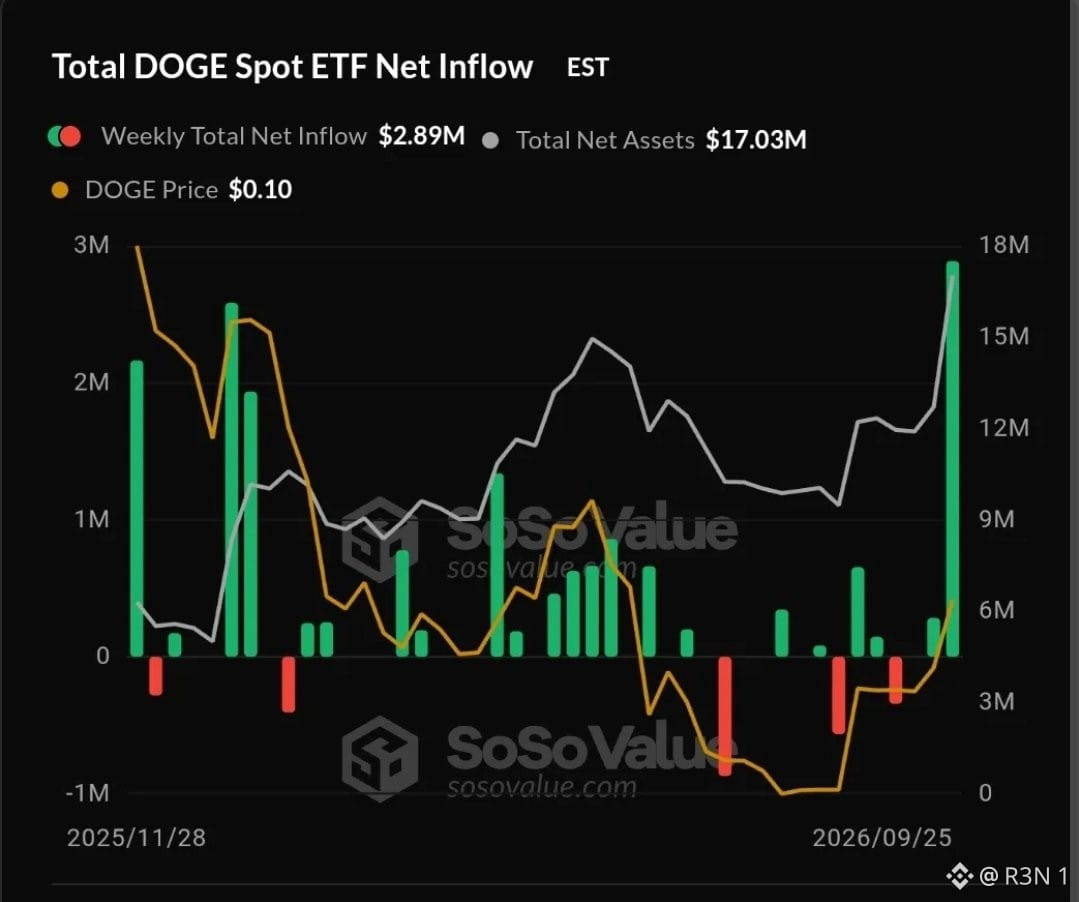
$2.89 million into DOGE ETFs this week, the strongest since they launched in November 2025, but the composition underneath that headline number tells a more fragile story than "record week" implies.
Most of the inflow, $3.48 million, came from Grayscale's Dogecoin Trust alone. 21Shares actually saw $593,000 in outflows over the same week, and Bitwise's DOGE ETF recorded zero, because it's shutting down entirely on October 14. One fund is carrying this record, not broad demand across the product category, and one of the four funds tracking DOGE is already exiting the market.
What stands out to me is a comparison almost nobody's running alongside this headline. Dogecoin's protocol issues roughly 13.53 million new coins daily, worth about $1.32 million at current prices.
The single strongest ETF day this month, $1.17 million on September 22, still came in below one day's worth of new supply. New issuance has outpaced the best day ETFs have ever had. That doesn't mean price has to fall, new supply hitting the market doesn't automatically overwhelm demand, but it does mean a record inflow week isn't the dominant force acting on DOGE's supply-demand balance right now.
Worth adding scale context too, total DOGE ETF net assets sit at $17.03 million, just 0.11% of Dogecoin's $16.6 billion market cap. This is still a genuinely tiny product category in absolute terms, record week or not.
The open question isn't whether institutional interest is picking up, the inflow trend across September, mostly zero to $2.89 million, is a real directional shift. It's whether that interest can broaden beyond Grayscale specifically, and whether it can meaningfully offset daily new issuance, before one shrinking fund lineup means "record week" becomes a smaller and smaller pool to set records in.
$DOGE #BTC Price Analysis# #BNBChain# #BNBChain#
$2.89 million into DOGE ETFs this week, the strongest since they launched in November 2025, but the composition underneath that headline number tells a more fragile story than "record week" implies.
Most of the inflow, $3.48 million, came from Grayscale's Dogecoin Trust alone. 21Shares actually saw $593,000 in outflows over the same week, and Bitwise's DOGE ETF recorded zero, because it's shutting down entirely on October 14. One fund is carrying this record, not broad demand across the product category, and one of the four funds tracking DOGE is already exiting the market.
What stands out to me is a comparison almost nobody's running alongside this headline. Dogecoin's protocol issues roughly 13.53 million new coins daily, worth about $1.32 million at current prices.
The single strongest ETF day this month, $1.17 million on September 22, still came in below one day's worth of new supply. New issuance has outpaced the best day ETFs have ever had. That doesn't mean price has to fall, new supply hitting the market doesn't automatically overwhelm demand, but it does mean a record inflow week isn't the dominant force acting on DOGE's supply-demand balance right now.
Worth adding scale context too, total DOGE ETF net assets sit at $17.03 million, just 0.11% of Dogecoin's $16.6 billion market cap. This is still a genuinely tiny product category in absolute terms, record week or not.
The open question isn't whether institutional interest is picking up, the inflow trend across September, mostly zero to $2.89 million, is a real directional shift. It's whether that interest can broaden beyond Grayscale specifically, and whether it can meaningfully offset daily new issuance, before one shrinking fund lineup means "record week" becomes a smaller and smaller pool to set records in.
$DOGE #BTC Price Analysis# #BNBChain# #BNBChain#
Most of the inflow, $3.48 million, came from Grayscale's Dogecoin Trust alone. 21Shares actually saw $593,000 in outflows over the same week, and Bitwise's DOGE ETF recorded zero, because it's shutting down entirely on October 14. One fund is carrying this record, not broad demand across the product category, and one of the four funds tracking DOGE is already exiting the market.
What stands out to me is a comparison almost nobody's running alongside this headline. Dogecoin's protocol issues roughly 13.53 million new coins daily, worth about $1.32 million at current prices.
The single strongest ETF day this month, $1.17 million on September 22, still came in below one day's worth of new supply. New issuance has outpaced the best day ETFs have ever had. That doesn't mean price has to fall, new supply hitting the market doesn't automatically overwhelm demand, but it does mean a record inflow week isn't the dominant force acting on DOGE's supply-demand balance right now.
Worth adding scale context too, total DOGE ETF net assets sit at $17.03 million, just 0.11% of Dogecoin's $16.6 billion market cap. This is still a genuinely tiny product category in absolute terms, record week or not.
The open question isn't whether institutional interest is picking up, the inflow trend across September, mostly zero to $2.89 million, is a real directional shift. It's whether that interest can broaden beyond Grayscale specifically, and whether it can meaningfully offset daily new issuance, before one shrinking fund lineup means "record week" becomes a smaller and smaller pool to set records in.
$DOGE #BTC Price Analysis# #BNBChain# #BNBChain#
49
·
--
Circle 的 SEC 文件確認,Binance 以每股 80.84 美元購買 1,237,011 股 A 類股份,總計 1 億美元,屬於於 9 月 17 日結束的私募配售;該價格較當日 Circle 的市場價格約有 5% 的折價。與之簽署的爲期五年的商業協議取代了此前 2024 年 11 月和 2025 年 8 月達成的交易——據稱這兩筆交易期限更短、付款結構也不同,當時是 6,025 萬美元的預付費用,而如今則直接轉爲股權。
讓我覺得最突出的是鎖定期安排。Binance 在長達兩年內不能出售、轉讓或對衝這些股份,但在整個期間仍保留全部投票權。這對 Binance 將頭寸迅速“倒手”的能力構成了切實約束,同時仍讓它在 Circle 的運營方式上擁有發言權——這與短期商業合作相比,屬於一種明顯不同的承諾。
其明確的重點是新興市場,特別是擴大對 USDC 的可用性:在 Circle 的存在感相對更薄弱的地區,直接與 Tether 的主導地位展開競爭。Circle 會向 Binance 支付一筆與通過其“模塊化智能合約錢包”基礎設施持有的 USDC 餘額掛鉤的月度激勵費用,因此 Binance 現在同時從 USDC 獲利,方式有兩條:一是這條費用收入流,二是股權本身。
不過也值得把規模講精確一些:1 億美元是真金白銀,但這只是少數股權,並不代表董事會控制權,更不接近那種程度。消息傳出後,Circle 的股價在盤前交易中上漲了 1% 以上,屬於溫和的市場反應,而非爆發式。
未解的關鍵問題並不是這種合作是否會加深關係——從結構上看顯然會。問題在於:Binance 是否會真的在 Tether 已深度固化網絡效應的新興市場中,顯著推動 USDC 的採用?還是說持有股權並不能轉化爲雙方所描述的“分發優勢”。
$BNB #BTC Price Analysis# $XRP #Macro Insights# #Macro Insights#
Circle 的 SEC 文件確認,Binance 以每股 80.84 美元購買 1,237,011 股 A 類股份,總計 1 億美元,屬於於 9 月 17 日結束的私募配售;該價格較當日 Circle 的市場價格約有 5% 的折價。與之簽署的爲期五年的商業協議取代了此前 2024 年 11 月和 2025 年 8 月達成的交易——據稱這兩筆交易期限更短、付款結構也不同,當時是 6,025 萬美元的預付費用,而如今則直接轉爲股權。
讓我覺得最突出的是鎖定期安排。Binance 在長達兩年內不能出售、轉讓或對衝這些股份,但在整個期間仍保留全部投票權。這對 Binance 將頭寸迅速“倒手”的能力構成了切實約束,同時仍讓它在 Circle 的運營方式上擁有發言權——這與短期商業合作相比,屬於一種明顯不同的承諾。
其明確的重點是新興市場,特別是擴大對 USDC 的可用性:在 Circle 的存在感相對更薄弱的地區,直接與 Tether 的主導地位展開競爭。Circle 會向 Binance 支付一筆與通過其“模塊化智能合約錢包”基礎設施持有的 USDC 餘額掛鉤的月度激勵費用,因此 Binance 現在同時從 USDC 獲利,方式有兩條:一是這條費用收入流,二是股權本身。
不過也值得把規模講精確一些:1 億美元是真金白銀,但這只是少數股權,並不代表董事會控制權,更不接近那種程度。消息傳出後,Circle 的股價在盤前交易中上漲了 1% 以上,屬於溫和的市場反應,而非爆發式。
未解的關鍵問題並不是這種合作是否會加深關係——從結構上看顯然會。問題在於:Binance 是否會真的在 Tether 已深度固化網絡效應的新興市場中,顯著推動 USDC 的採用?還是說持有股權並不能轉化爲雙方所描述的“分發優勢”。
$BNB #BTC Price Analysis# $XRP #Macro Insights# #Macro Insights#
讓我覺得最突出的是鎖定期安排。Binance 在長達兩年內不能出售、轉讓或對衝這些股份,但在整個期間仍保留全部投票權。這對 Binance 將頭寸迅速“倒手”的能力構成了切實約束,同時仍讓它在 Circle 的運營方式上擁有發言權——這與短期商業合作相比,屬於一種明顯不同的承諾。
其明確的重點是新興市場,特別是擴大對 USDC 的可用性:在 Circle 的存在感相對更薄弱的地區,直接與 Tether 的主導地位展開競爭。Circle 會向 Binance 支付一筆與通過其“模塊化智能合約錢包”基礎設施持有的 USDC 餘額掛鉤的月度激勵費用,因此 Binance 現在同時從 USDC 獲利,方式有兩條:一是這條費用收入流,二是股權本身。
不過也值得把規模講精確一些:1 億美元是真金白銀,但這只是少數股權,並不代表董事會控制權,更不接近那種程度。消息傳出後,Circle 的股價在盤前交易中上漲了 1% 以上,屬於溫和的市場反應,而非爆發式。
未解的關鍵問題並不是這種合作是否會加深關係——從結構上看顯然會。問題在於:Binance 是否會真的在 Tether 已深度固化網絡效應的新興市場中,顯著推動 USDC 的採用?還是說持有股權並不能轉化爲雙方所描述的“分發優勢”。
$BNB #BTC Price Analysis# $XRP #Macro Insights# #Macro Insights#


68
·
--
當你看到策略公司(Strategy)買入 950 BTC,相較於 Strive 的 1,355 BTC 看起來微不足道,直到你意識到:策略公司已經持有 Strive 整個資金堆疊的 32 倍。 同一週、同一價格區間,卻是截然不同的規模敘事。 依據文件顯示,策略公司於 9 月 14 日至 9 月 20 日之間以平均 $79,670 的價格買入 950 BTC——這也是其自 8 月以來的首次購入——使其總持有量達到 846,000 BTC,平均成本基準為 $75,416。 Strive 則在大致相同的窗口期以 $79,475 購入 1,355 BTC,將其資金庫(treasury)推升至 26,355 BTC。 我無法獨立核實 1.273 百萬 BTC 這個數字是否涵蓋所有上市公司合計,因此我會將該彙總數視為已報導的資料,而非經證實。 真正有趣的是,這個相同的美元區間,卻如何對每家公司產生完全不同的影響。 策略公司的 846,000 BTC 佔比僅略高於比特幣固定供應量 2,100 萬的 4%;以這個規模來看,就算是新增數千萬美元的買盤,對整體指標也幾乎不會有太大動搖——本週的購入為其部位大約新增 0.16%。 Strive 增加的 1,355 BTC,則相當於其自身起始部位的 5.42%;由於基數較小,其百分比成長速度明顯更快。 Strive 的 BTC / 每股有效普通股(per effective common share)在 8 月 21 日至 9 月 18 日之間據報成長了 14.1%。 這同一週,策略公司也回購了 1.74 億美元的 STRC 優先股(preferred shares),在約兩週的暫停之後恢復比特幣購入;同時,它還得管理更複雜的資產負債表——資金、BTC、優先證券以及持續分配(recurring distributions)等多個項目都在競爭資本配置。 我真誠的看法是:把這兩筆購入視為等同訊號,會錯過真正的故事。 策略公司正在優化一個成熟的、多槓桿(multi lever)資產負債表;而 Strive 則仍處在一條陡峭、直接的累積(accumulation)曲線上。 同樣的資產、同一週,卻是完全不同的資本配置難題。 我正在關注的重點:策略公司恢復購入後的節奏,是否會持續維持在這個速度,還是這只是“一週的回歸”,之後又會因回購(buybacks)而再次暫停。 #BTC Price Analysis# $BTC #Altcoin Season# #Meme Alpha#
當你看到策略公司(Strategy)買入 950 BTC,相較於 Strive 的 1,355 BTC 看起來微不足道,直到你意識到:策略公司已經持有 Strive 整個資金堆疊的 32 倍。 同一週、同一價格區間,卻是截然不同的規模敘事。 依據文件顯示,策略公司於 9 月 14 日至 9 月 20 日之間以平均 $79,670 的價格買入 950 BTC——這也是其自 8 月以來的首次購入——使其總持有量達到 846,000 BTC,平均成本基準為 $75,416。 Strive 則在大致相同的窗口期以 $79,475 購入 1,355 BTC,將其資金庫(treasury)推升至 26,355 BTC。 我無法獨立核實 1.273 百萬 BTC 這個數字是否涵蓋所有上市公司合計,因此我會將該彙總數視為已報導的資料,而非經證實。 真正有趣的是,這個相同的美元區間,卻如何對每家公司產生完全不同的影響。 策略公司的 846,000 BTC 佔比僅略高於比特幣固定供應量 2,100 萬的 4%;以這個規模來看,就算是新增數千萬美元的買盤,對整體指標也幾乎不會有太大動搖——本週的購入為其部位大約新增 0.16%。 Strive 增加的 1,355 BTC,則相當於其自身起始部位的 5.42%;由於基數較小,其百分比成長速度明顯更快。 Strive 的 BTC / 每股有效普通股(per effective common share)在 8 月 21 日至 9 月 18 日之間據報成長了 14.1%。 這同一週,策略公司也回購了 1.74 億美元的 STRC 優先股(preferred shares),在約兩週的暫停之後恢復比特幣購入;同時,它還得管理更複雜的資產負債表——資金、BTC、優先證券以及持續分配(recurring distributions)等多個項目都在競爭資本配置。 我真誠的看法是:把這兩筆購入視為等同訊號,會錯過真正的故事。 策略公司正在優化一個成熟的、多槓桿(multi lever)資產負債表;而 Strive 則仍處在一條陡峭、直接的累積(accumulation)曲線上。 同樣的資產、同一週,卻是完全不同的資本配置難題。 我正在關注的重點:策略公司恢復購入後的節奏,是否會持續維持在這個速度,還是這只是“一週的回歸”,之後又會因回購(buybacks)而再次暫停。 #BTC Price Analysis# $BTC #Altcoin Season# #Meme Alpha#


10
·
--
「去中心化是一項設計原則,而不是用來作為推動已知被盜資金流動的盾牌。」這是陳淑儀(Gracy Chen)的真實說法,也是對 THORChain 過去曾被點名的一種模式的直接呼應。Bitget 證實,攻擊者將約 3.875 億美元轉移到受控地址,這一數字在將 Zcash 與 TRON 的轉賬一併計算後,較最初的 3.516 億美元上修。Chen 於 9 月 26 日公開要求 THORChain 對已標記的地址拒絕服務;而她所作的對比相當具指向性——在去年 14.6 億美元的 Bybit 勒索攻擊之後,據報約 12 億美元的被盜資金在洗錢過程中通過了 THORChain。TRM Labs 另行稱,THORChain 是洗錢北韓最大規模竊案的「首選橋樑」,並指出該協議一貫拒絕封鎖非法活動。也值得留意的是:THORChain 自身在這方面的紀錄。其今年早些時候在自家 1,070 萬美元金庫漏洞事件後,並未凍結交易,因此並沒有先例顯示此項請求會得到不同回應。其他行動者則動得更快;據報 Circle 與 Tether 已在 9 月 25 日針對同一場攻擊,凍結了與之相關的約 31.8 萬美元穩定幣資金。Chen 對北韓牽涉的描述是「非常可能」,理由是與 VPN 服務相關、並指向一個已知的北韓駭客組織的 IP 位址;鏈上也出現重疊,將洗錢錢包連到此前 Bybit 與 AFX Bridge 的資金流出。我的真誠判斷:這是一個合理的產業問責問題,不只是公關定位。對於一個屢次成為重大攻擊首選的洗錢路線、且即使在地址已公開的情況下仍多次拒絕採取行動的協議——這是一個值得審視的治理落差。 我正在觀察:THORChain 這次是否真的會回應,還是 Bybit 的先例會再次重演。 #BTC Price Analysis# $BGB #Macro Insights# $SOL
「去中心化是一項設計原則,而不是用來作為推動已知被盜資金流動的盾牌。」這是陳淑儀(Gracy Chen)的真實說法,也是對 THORChain 過去曾被點名的一種模式的直接呼應。Bitget 證實,攻擊者將約 3.875 億美元轉移到受控地址,這一數字在將 Zcash 與 TRON 的轉賬一併計算後,較最初的 3.516 億美元上修。Chen 於 9 月 26 日公開要求 THORChain 對已標記的地址拒絕服務;而她所作的對比相當具指向性——在去年 14.6 億美元的 Bybit 勒索攻擊之後,據報約 12 億美元的被盜資金在洗錢過程中通過了 THORChain。TRM Labs 另行稱,THORChain 是洗錢北韓最大規模竊案的「首選橋樑」,並指出該協議一貫拒絕封鎖非法活動。也值得留意的是:THORChain 自身在這方面的紀錄。其今年早些時候在自家 1,070 萬美元金庫漏洞事件後,並未凍結交易,因此並沒有先例顯示此項請求會得到不同回應。其他行動者則動得更快;據報 Circle 與 Tether 已在 9 月 25 日針對同一場攻擊,凍結了與之相關的約 31.8 萬美元穩定幣資金。Chen 對北韓牽涉的描述是「非常可能」,理由是與 VPN 服務相關、並指向一個已知的北韓駭客組織的 IP 位址;鏈上也出現重疊,將洗錢錢包連到此前 Bybit 與 AFX Bridge 的資金流出。我的真誠判斷:這是一個合理的產業問責問題,不只是公關定位。對於一個屢次成為重大攻擊首選的洗錢路線、且即使在地址已公開的情況下仍多次拒絕採取行動的協議——這是一個值得審視的治理落差。 我正在觀察:THORChain 這次是否真的會回應,還是 Bybit 的先例會再次重演。 #BTC Price Analysis# $BGB #Macro Insights# $SOL


31
·
--
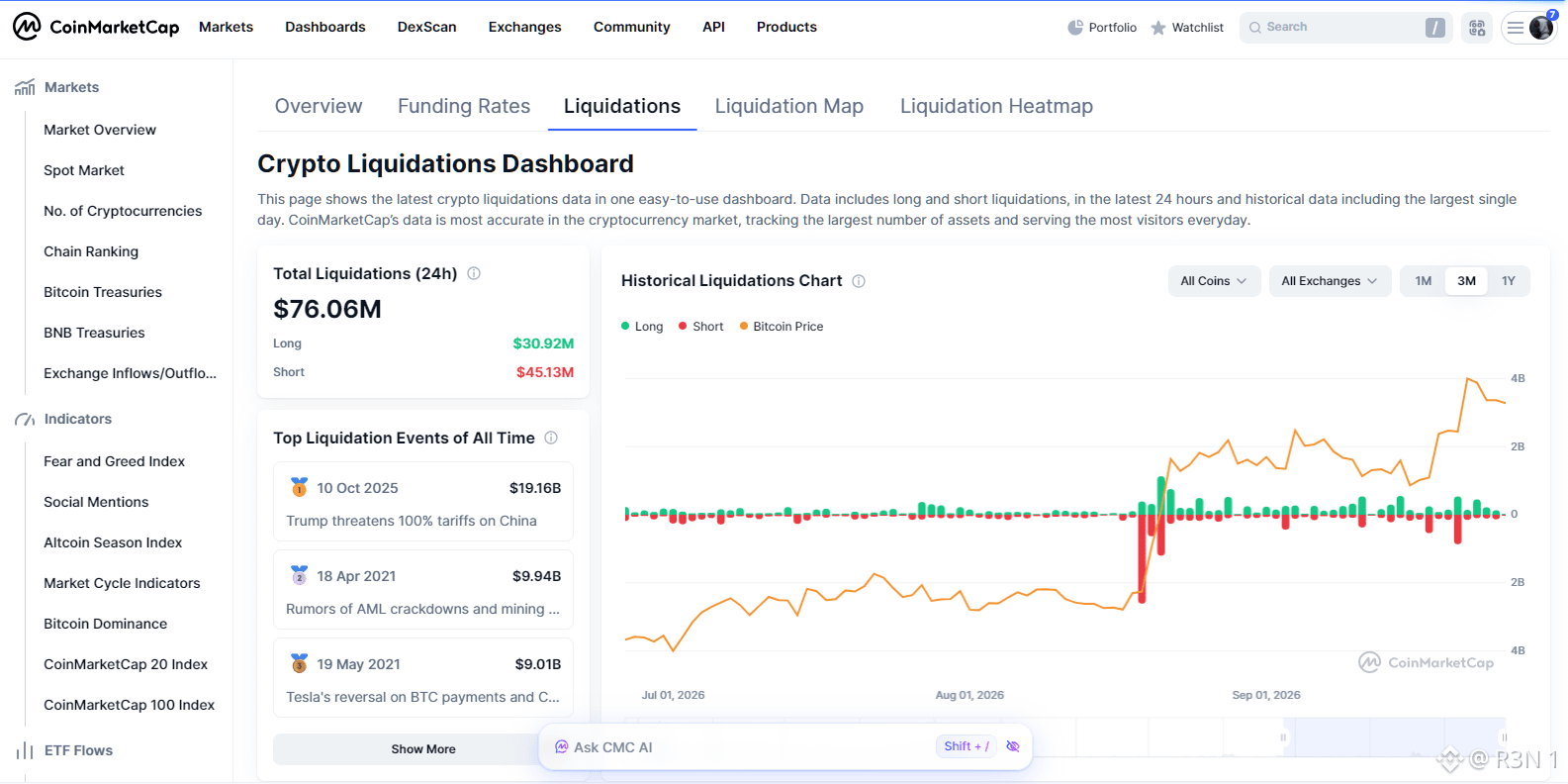
過去24小時總共清算了7.606億美元,分別為3,092萬美元做多清算、4,513萬美元做空清算。在反彈期間,導致領先的是做空清算並不罕見;這其實是預期機制,價格上漲會迫使空單回補,情況與先前在同一張圖表上先出現的大幅尖峰不同。那次尖峰——出現在9月中旬、歷史視圖中的那根巨大的紅色長條——正好對應到《CLARITY法案》參議院失敗以及聯準會升息落在同一時段;這兩個都是真實觸發因素,當BTC跌向75,000美元時,導致了真正的多單清算。值得注意的是,自那之後從圖表上看,清算水位一直維持在偏高且波動的狀態,雙邊都出現交替的綠色與紅色尖峰,而不是回到7月以及大部分8月時那種更安靜、較小的走勢。這張圖上BTC自身的價格線才更能說明重點:它在同一波清算尖峰附近大幅下挫,隨後又繼續上行,朝近期高點前進。這個順序很關鍵:市場吸收了真正的衝擊,並持續上漲,而不是讓那次清算事件就此標記出持久的高點。我的真實觀點是:今天的快照顯示,做空清算在中等規模上仍然超過做多清算,這符合一個市場仍在消化真實上升趨勢的狀態,而不是顯示出恐慌。這個月早些時候更大的歷史尖峰才是真正的壓力測試,而價格在其之後能夠反彈,說明更多是來自內在需求,而非任何單日的清算拆分所能解釋。我接下來會觀察:當價格繼續走高時,清算是否仍能維持這種高位且雙邊同時出現,或是是否會降回9月前較安靜的基準;如果後者發生,將意味著市場找到更趨於穩定的走勢,而不是反覆地消耗槓桿。 #BTC Price Analysis# #Altcoin Season# #BNBChain# $BTC $ETH
過去24小時總共清算了7.606億美元,分別為3,092萬美元做多清算、4,513萬美元做空清算。在反彈期間,導致領先的是做空清算並不罕見;這其實是預期機制,價格上漲會迫使空單回補,情況與先前在同一張圖表上先出現的大幅尖峰不同。那次尖峰——出現在9月中旬、歷史視圖中的那根巨大的紅色長條——正好對應到《CLARITY法案》參議院失敗以及聯準會升息落在同一時段;這兩個都是真實觸發因素,當BTC跌向75,000美元時,導致了真正的多單清算。值得注意的是,自那之後從圖表上看,清算水位一直維持在偏高且波動的狀態,雙邊都出現交替的綠色與紅色尖峰,而不是回到7月以及大部分8月時那種更安靜、較小的走勢。這張圖上BTC自身的價格線才更能說明重點:它在同一波清算尖峰附近大幅下挫,隨後又繼續上行,朝近期高點前進。這個順序很關鍵:市場吸收了真正的衝擊,並持續上漲,而不是讓那次清算事件就此標記出持久的高點。我的真實觀點是:今天的快照顯示,做空清算在中等規模上仍然超過做多清算,這符合一個市場仍在消化真實上升趨勢的狀態,而不是顯示出恐慌。這個月早些時候更大的歷史尖峰才是真正的壓力測試,而價格在其之後能夠反彈,說明更多是來自內在需求,而非任何單日的清算拆分所能解釋。我接下來會觀察:當價格繼續走高時,清算是否仍能維持這種高位且雙邊同時出現,或是是否會降回9月前較安靜的基準;如果後者發生,將意味著市場找到更趨於穩定的走勢,而不是反覆地消耗槓桿。 #BTC Price Analysis# #Altcoin Season# #BNBChain# $BTC $ETH
27
·
--
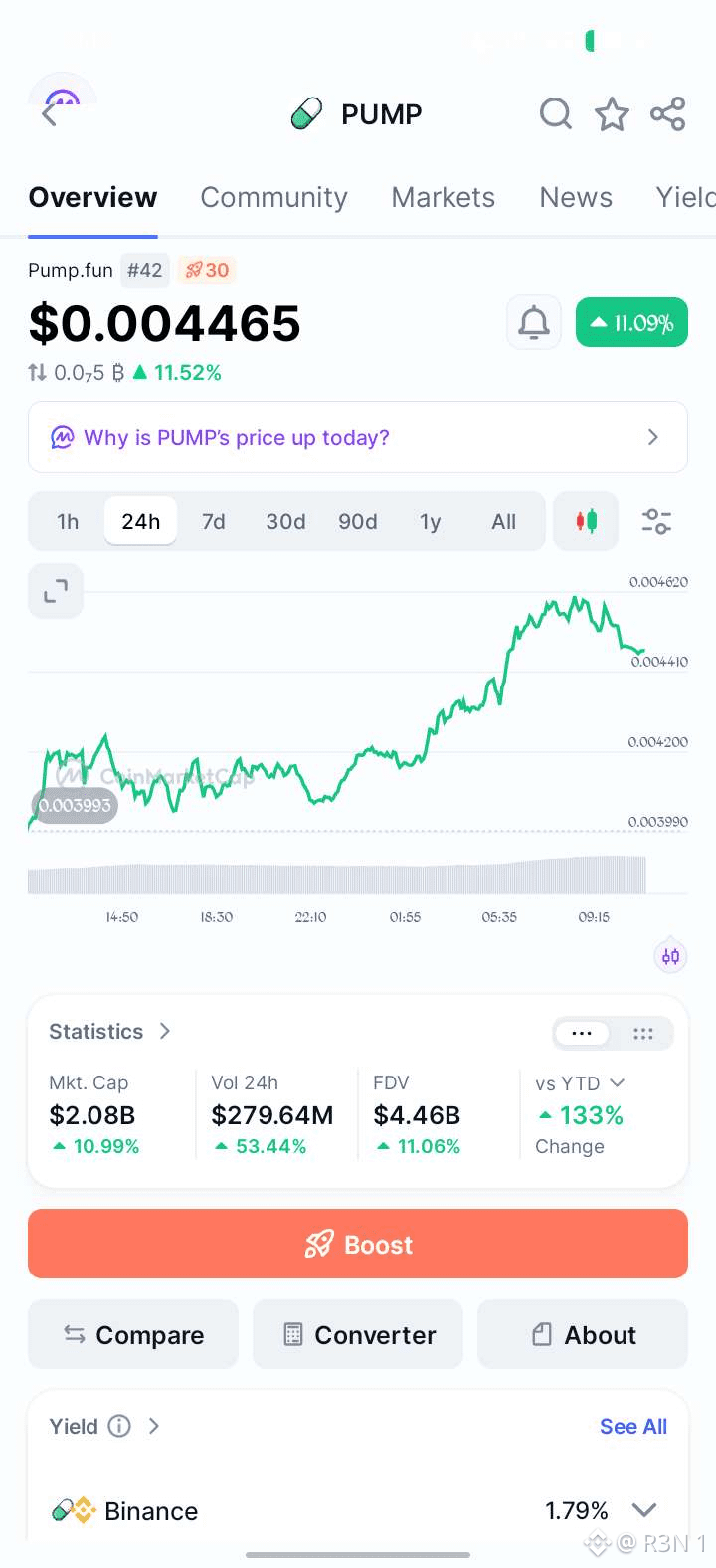
PUMP又開始發出動靜了。
過去24小時內,Pump代幣上漲約11%,目前交易在約0.00446美元附近,市值也已推高至20億美元以上。
但引起我注意的數字並不是價格。
是成交量。
過去24小時的成交量大約在2.80億美元,隨着這波上漲同步增長超過53%。
這說明這不只是緩慢的單邊上行。
有人開始重新關注,而且背後確實有真實的交易活動支撐。
而且PUMP截至今年漲幅大約爲133%。
不過到這裏我會先慢下來。
20億美元的市值對比4.46億美元的FDV(完全稀釋估值),這意味着在流通與完全稀釋估值之間存在相當大的差距。
再加上Launchpad驅動的敘事,動能可能會很快改變。
我從觀察DeFi中學到的一點是:頭條指標往往並不能講完整的故事。
價格會波動。
成交量會突然放大。
但我想知道這波行情下面到底發生了什麼,以及這些活躍度是否真的能夠持續。
所以我關注的重點比“綠色K線”更多。
如果買盤持續出現,且PUMP開始在這些水平之上構築,那麼這波行情就會變得更有意思。
如果成交量消失,價格把漲幅全都吐回去,那可能只是又一次流動性輪動。
目前,我會繼續觀察這波行情在表面之下會發生什麼。
探索鏈上流動性的基礎設施 → https://ston.fi/omniston
$PUMP #BTC Price Analysis# $BTC #Altcoin Season#
PUMP又開始發出動靜了。
過去24小時內,Pump代幣上漲約11%,目前交易在約0.00446美元附近,市值也已推高至20億美元以上。
但引起我注意的數字並不是價格。
是成交量。
過去24小時的成交量大約在2.80億美元,隨着這波上漲同步增長超過53%。
這說明這不只是緩慢的單邊上行。
有人開始重新關注,而且背後確實有真實的交易活動支撐。
而且PUMP截至今年漲幅大約爲133%。
不過到這裏我會先慢下來。
20億美元的市值對比4.46億美元的FDV(完全稀釋估值),這意味着在流通與完全稀釋估值之間存在相當大的差距。
再加上Launchpad驅動的敘事,動能可能會很快改變。
我從觀察DeFi中學到的一點是:頭條指標往往並不能講完整的故事。
價格會波動。
成交量會突然放大。
但我想知道這波行情下面到底發生了什麼,以及這些活躍度是否真的能夠持續。
所以我關注的重點比“綠色K線”更多。
如果買盤持續出現,且PUMP開始在這些水平之上構築,那麼這波行情就會變得更有意思。
如果成交量消失,價格把漲幅全都吐回去,那可能只是又一次流動性輪動。
目前,我會繼續觀察這波行情在表面之下會發生什麼。
探索鏈上流動性的基礎設施 → https://ston.fi/omniston
$PUMP #BTC Price Analysis# $BTC #Altcoin Season#
過去24小時內,Pump代幣上漲約11%,目前交易在約0.00446美元附近,市值也已推高至20億美元以上。
但引起我注意的數字並不是價格。
是成交量。
過去24小時的成交量大約在2.80億美元,隨着這波上漲同步增長超過53%。
這說明這不只是緩慢的單邊上行。
有人開始重新關注,而且背後確實有真實的交易活動支撐。
而且PUMP截至今年漲幅大約爲133%。
不過到這裏我會先慢下來。
20億美元的市值對比4.46億美元的FDV(完全稀釋估值),這意味着在流通與完全稀釋估值之間存在相當大的差距。
再加上Launchpad驅動的敘事,動能可能會很快改變。
我從觀察DeFi中學到的一點是:頭條指標往往並不能講完整的故事。
價格會波動。
成交量會突然放大。
但我想知道這波行情下面到底發生了什麼,以及這些活躍度是否真的能夠持續。
所以我關注的重點比“綠色K線”更多。
如果買盤持續出現,且PUMP開始在這些水平之上構築,那麼這波行情就會變得更有意思。
如果成交量消失,價格把漲幅全都吐回去,那可能只是又一次流動性輪動。
目前,我會繼續觀察這波行情在表面之下會發生什麼。
探索鏈上流動性的基礎設施 → https://ston.fi/omniston
$PUMP #BTC Price Analysis# $BTC #Altcoin Season#
40
·
--
滑點(Slippage)與價格影響(price impact)是 DeFi 中最常被混淆的兩個術語。多數用戶會把它們視為可互換的概念。但它們描述的是不同的事情,理解兩者能改變你設定交換(swap)的方式。
價格影響是你的特定交易對交易池(pool)價格造成的結果。當你從流動性池買入一個資產時,你是在把該資產從池中移除,並加入你正在出售的那個資產。這會改變池中的資產比例,進而改變價格。深度較高的池進行小額交易,價格影響很小;而在深度較淺的池進行大額交易,價格影響就會明顯——你在執行的同時,等於是在把市場往不利於自己的方向推動。
價格影響是可預測(deterministic)的。基於目前池的深度以及你的交易規模,你在送出之前就能計算出價格影響。STONfi 的介面會在你確認前顯示這個數值。若在穩定幣(stablecoin)交換中價格影響超過 1%,就值得重新考慮;任何交換若超過 3%,通常代表該交易池對你的交易規模來說太淺。
滑點則不同。它是你送出交易時預期的價格,與交易確認後你實際收到的價格之間的差異。滑點之所以會發生,是因為在你送出與交易確認之間,其他交易可能先被處理,導致交易池在你的交易執行前狀態已改變。
滑點容忍度(slippage tolerance)是你願意接受的最大滑點。設得太緊,若在送出與確認之間出現任何價格變動,你的交易就可能失敗。設得太寬,則代表你接受的偏離幅度超過必要。對於穩定幣交換,0.5% 通常是合適的;而在波動性資產交換中,於活躍市場期間,1% 到 2% 更常見。
你在確認前就知道價格影響。滑點則是可能發生在送出與確認之間。兩者都很重要,但需要不同的應對方式。
在 STONfi 上進行交換 → https://app.ston.fi/swap
$BTC #BTC Price Analysis# #Meme Alpha# $SOL
滑點(Slippage)與價格影響(price impact)是 DeFi 中最常被混淆的兩個術語。多數用戶會把它們視為可互換的概念。但它們描述的是不同的事情,理解兩者能改變你設定交換(swap)的方式。
價格影響是你的特定交易對交易池(pool)價格造成的結果。當你從流動性池買入一個資產時,你是在把該資產從池中移除,並加入你正在出售的那個資產。這會改變池中的資產比例,進而改變價格。深度較高的池進行小額交易,價格影響很小;而在深度較淺的池進行大額交易,價格影響就會明顯——你在執行的同時,等於是在把市場往不利於自己的方向推動。
價格影響是可預測(deterministic)的。基於目前池的深度以及你的交易規模,你在送出之前就能計算出價格影響。STONfi 的介面會在你確認前顯示這個數值。若在穩定幣(stablecoin)交換中價格影響超過 1%,就值得重新考慮;任何交換若超過 3%,通常代表該交易池對你的交易規模來說太淺。
滑點則不同。它是你送出交易時預期的價格,與交易確認後你實際收到的價格之間的差異。滑點之所以會發生,是因為在你送出與交易確認之間,其他交易可能先被處理,導致交易池在你的交易執行前狀態已改變。
滑點容忍度(slippage tolerance)是你願意接受的最大滑點。設得太緊,若在送出與確認之間出現任何價格變動,你的交易就可能失敗。設得太寬,則代表你接受的偏離幅度超過必要。對於穩定幣交換,0.5% 通常是合適的;而在波動性資產交換中,於活躍市場期間,1% 到 2% 更常見。
你在確認前就知道價格影響。滑點則是可能發生在送出與確認之間。兩者都很重要,但需要不同的應對方式。
在 STONfi 上進行交換 → https://app.ston.fi/swap
$BTC #BTC Price Analysis# #Meme Alpha# $SOL
價格影響是你的特定交易對交易池(pool)價格造成的結果。當你從流動性池買入一個資產時,你是在把該資產從池中移除,並加入你正在出售的那個資產。這會改變池中的資產比例,進而改變價格。深度較高的池進行小額交易,價格影響很小;而在深度較淺的池進行大額交易,價格影響就會明顯——你在執行的同時,等於是在把市場往不利於自己的方向推動。
價格影響是可預測(deterministic)的。基於目前池的深度以及你的交易規模,你在送出之前就能計算出價格影響。STONfi 的介面會在你確認前顯示這個數值。若在穩定幣(stablecoin)交換中價格影響超過 1%,就值得重新考慮;任何交換若超過 3%,通常代表該交易池對你的交易規模來說太淺。
滑點則不同。它是你送出交易時預期的價格,與交易確認後你實際收到的價格之間的差異。滑點之所以會發生,是因為在你送出與交易確認之間,其他交易可能先被處理,導致交易池在你的交易執行前狀態已改變。
滑點容忍度(slippage tolerance)是你願意接受的最大滑點。設得太緊,若在送出與確認之間出現任何價格變動,你的交易就可能失敗。設得太寬,則代表你接受的偏離幅度超過必要。對於穩定幣交換,0.5% 通常是合適的;而在波動性資產交換中,於活躍市場期間,1% 到 2% 更常見。
你在確認前就知道價格影響。滑點則是可能發生在送出與確認之間。兩者都很重要,但需要不同的應對方式。
在 STONfi 上進行交換 → https://app.ston.fi/swap
$BTC #BTC Price Analysis# #Meme Alpha# $SOL

44
·
--
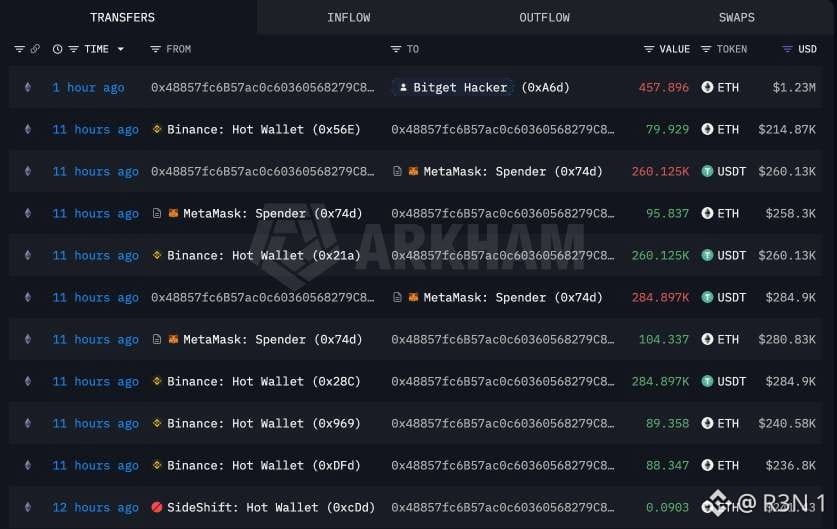
$1.23百萬剛剛通過 Binance 轉入並落到 Bitget 駭客的錢包中,距離最初遭入侵已過兩天。洗錢線索仍在即時進行,尚未收尾。
根據 Arkham 以及多個鏈上追蹤器的說法,錢包 0x4885 於 9 月 26 日從 Binance 提領 257.6 ETH 與 545,000 USDT;隨後將 USDT 交換為另一筆 200.2 ETH,接著把全部 457.9 ETH 轉發至一個與 Bitget 攻擊者相關的地址。這延續了同一套劇本:從 9 月 25 日起的先前五次 Binance 提款中,也都是先從大型交易所提走資金、整合成 ETH,然後再轉移到任何單一平台都難以凍結的地方。
也值得更新更廣泛的數字。Bitget 的總損失已從 3.516 億美元上修到 3.875 億美元;原因是調查人員在 Zcash 與 TRON 上又發現了額外受影響的資產,該部分未包含在最初估算中。現懷疑與北韓相關的行為者、可能是 Lazarus Group,原因來自 IP 位址模式,但這項歸因仍未被當局確認。此次攻擊本身並未涉及竊取金鑰;攻擊者入侵了 Bitget 的後端系統,透過偽造交易資料,誘使其在內部看起來仍屬合法的情況下授權進行轉帳。
我坦白的觀點:這筆特定的 1.23 百萬美元移動相較於總損失來說規模不大,但它具有作為訊號的意義——兩天後洗錢行動仍在持續且有條不紊地進行,並非一次性的猛然出手就結束。Bitget 與 Binance 在公開層面協作追蹤,這本身是正面的;在透明度上勝過沉默。不過,追蹤資金與成功追回資金是不同結果。
我在留意:這些被追蹤的地址是否真的會被凍結,或資金是否會被追回;反之,則可能只是讓這件事持續成為資金更進一步離開可及範圍的現場連載。
$BTC $ETH #Macro Insights# #BNBChain# #BTC Price Analysis#
$1.23百萬剛剛通過 Binance 轉入並落到 Bitget 駭客的錢包中,距離最初遭入侵已過兩天。洗錢線索仍在即時進行,尚未收尾。
根據 Arkham 以及多個鏈上追蹤器的說法,錢包 0x4885 於 9 月 26 日從 Binance 提領 257.6 ETH 與 545,000 USDT;隨後將 USDT 交換為另一筆 200.2 ETH,接著把全部 457.9 ETH 轉發至一個與 Bitget 攻擊者相關的地址。這延續了同一套劇本:從 9 月 25 日起的先前五次 Binance 提款中,也都是先從大型交易所提走資金、整合成 ETH,然後再轉移到任何單一平台都難以凍結的地方。
也值得更新更廣泛的數字。Bitget 的總損失已從 3.516 億美元上修到 3.875 億美元;原因是調查人員在 Zcash 與 TRON 上又發現了額外受影響的資產,該部分未包含在最初估算中。現懷疑與北韓相關的行為者、可能是 Lazarus Group,原因來自 IP 位址模式,但這項歸因仍未被當局確認。此次攻擊本身並未涉及竊取金鑰;攻擊者入侵了 Bitget 的後端系統,透過偽造交易資料,誘使其在內部看起來仍屬合法的情況下授權進行轉帳。
我坦白的觀點:這筆特定的 1.23 百萬美元移動相較於總損失來說規模不大,但它具有作為訊號的意義——兩天後洗錢行動仍在持續且有條不紊地進行,並非一次性的猛然出手就結束。Bitget 與 Binance 在公開層面協作追蹤,這本身是正面的;在透明度上勝過沉默。不過,追蹤資金與成功追回資金是不同結果。
我在留意:這些被追蹤的地址是否真的會被凍結,或資金是否會被追回;反之,則可能只是讓這件事持續成為資金更進一步離開可及範圍的現場連載。
$BTC $ETH #Macro Insights# #BNBChain# #BTC Price Analysis#
根據 Arkham 以及多個鏈上追蹤器的說法,錢包 0x4885 於 9 月 26 日從 Binance 提領 257.6 ETH 與 545,000 USDT;隨後將 USDT 交換為另一筆 200.2 ETH,接著把全部 457.9 ETH 轉發至一個與 Bitget 攻擊者相關的地址。這延續了同一套劇本:從 9 月 25 日起的先前五次 Binance 提款中,也都是先從大型交易所提走資金、整合成 ETH,然後再轉移到任何單一平台都難以凍結的地方。
也值得更新更廣泛的數字。Bitget 的總損失已從 3.516 億美元上修到 3.875 億美元;原因是調查人員在 Zcash 與 TRON 上又發現了額外受影響的資產,該部分未包含在最初估算中。現懷疑與北韓相關的行為者、可能是 Lazarus Group,原因來自 IP 位址模式,但這項歸因仍未被當局確認。此次攻擊本身並未涉及竊取金鑰;攻擊者入侵了 Bitget 的後端系統,透過偽造交易資料,誘使其在內部看起來仍屬合法的情況下授權進行轉帳。
我坦白的觀點:這筆特定的 1.23 百萬美元移動相較於總損失來說規模不大,但它具有作為訊號的意義——兩天後洗錢行動仍在持續且有條不紊地進行,並非一次性的猛然出手就結束。Bitget 與 Binance 在公開層面協作追蹤,這本身是正面的;在透明度上勝過沉默。不過,追蹤資金與成功追回資金是不同結果。
我在留意:這些被追蹤的地址是否真的會被凍結,或資金是否會被追回;反之,則可能只是讓這件事持續成為資金更進一步離開可及範圍的現場連載。
$BTC $ETH #Macro Insights# #BNBChain# #BTC Price Analysis#

58
登入以探索更多內容
加入幣安廣場中的全球加密貨幣用戶
⚡️ 獲取加密貨幣的最新和實用資訊。
💬 受到全球最大加密貨幣交易所的信任。
👍 發掘來自經過驗證創作者的真實見解。
電子郵件 / 電話號碼