

Pentabase
63 貼文
Pentabase
舉報
封鎖用戶
Pentabase specializes in end-to-end Web3 consulting, incubation, and marketing/PR, with a strategic focus on Korea and global support for Web3 projects.
0 關注
3 粉絲
11 點讚數
貼文
·
--
一位通過 Hyperliquid 早期空投獲得大量 HYPE 的交易員宣佈,計劃長期持有 Variational 原生代幣 VAR,引發市場關注。這位交易員在 Hyperliquid 2024 年的空投中獲得了約 474,000 枚 HYPE。截至 10 月中旬,他在 Variational 上的累計交易量也已達到約 35.5 億美元,位列該平臺頂級用戶之列。Variational 是一個去中心化衍生品平臺,支持多種資產,包括加密貨幣、美國股票、大宗商品和股指。其最新運營數據顯示,累計交易量約爲 4179 億美元,雙邊未平倉合約規模約爲 20 億美元。如今,市場關注的焦點是計劃於今年第四季度推出的 VAR 代幣。代幣總供應量中約有 32% 將空投給積分持有者,而分配給協議金庫的所有收入都將用於回購和銷燬 VAR。這一模式類似於 Hyperliquid 利用平臺收入支撐代幣需求的做法。不過,空投代幣在上線後立即流通,可能會帶來拋售壓力。歸根結底,VAR 的長期價值與其說取決於代幣發行本身,不如說取決於 Variational 能否維持交易量和收入,以及其回購銷燬政策能否轉化爲持久的代幣需求。 👀
一位通過 Hyperliquid 早期空投獲得大量 HYPE 的交易員宣佈,計劃長期持有 Variational 原生代幣 VAR,引發市場關注。這位交易員在 Hyperliquid 2024 年的空投中獲得了約 474,000 枚 HYPE。截至 10 月中旬,他在 Variational 上的累計交易量也已達到約 35.5 億美元,位列該平臺頂級用戶之列。Variational 是一個去中心化衍生品平臺,支持多種資產,包括加密貨幣、美國股票、大宗商品和股指。其最新運營數據顯示,累計交易量約爲 4179 億美元,雙邊未平倉合約規模約爲 20 億美元。如今,市場關注的焦點是計劃於今年第四季度推出的 VAR 代幣。代幣總供應量中約有 32% 將空投給積分持有者,而分配給協議金庫的所有收入都將用於回購和銷燬 VAR。這一模式類似於 Hyperliquid 利用平臺收入支撐代幣需求的做法。不過,空投代幣在上線後立即流通,可能會帶來拋售壓力。歸根結底,VAR 的長期價值與其說取決於代幣發行本身,不如說取決於 Variational 能否維持交易量和收入,以及其回購銷燬政策能否轉化爲持久的代幣需求。 👀
72
·
--
韓國原定於2027年1月實施的加密貨幣稅,正面臨投資者日益強烈的反對。值得注意的是,通常支持推進徵稅的執政黨共同民主黨議員,如今也加入了一項法案,試圖將實施時間實際推遲兩年。10月16日,共同民主黨和重建韓國黨共14名議員提出《所得稅法》修正案,擬根據《加密資產報告框架》(CARF)及其信息共享時間表調整徵稅時間。這是共同民主黨議員首次提出推遲加密貨幣徵稅的法案。
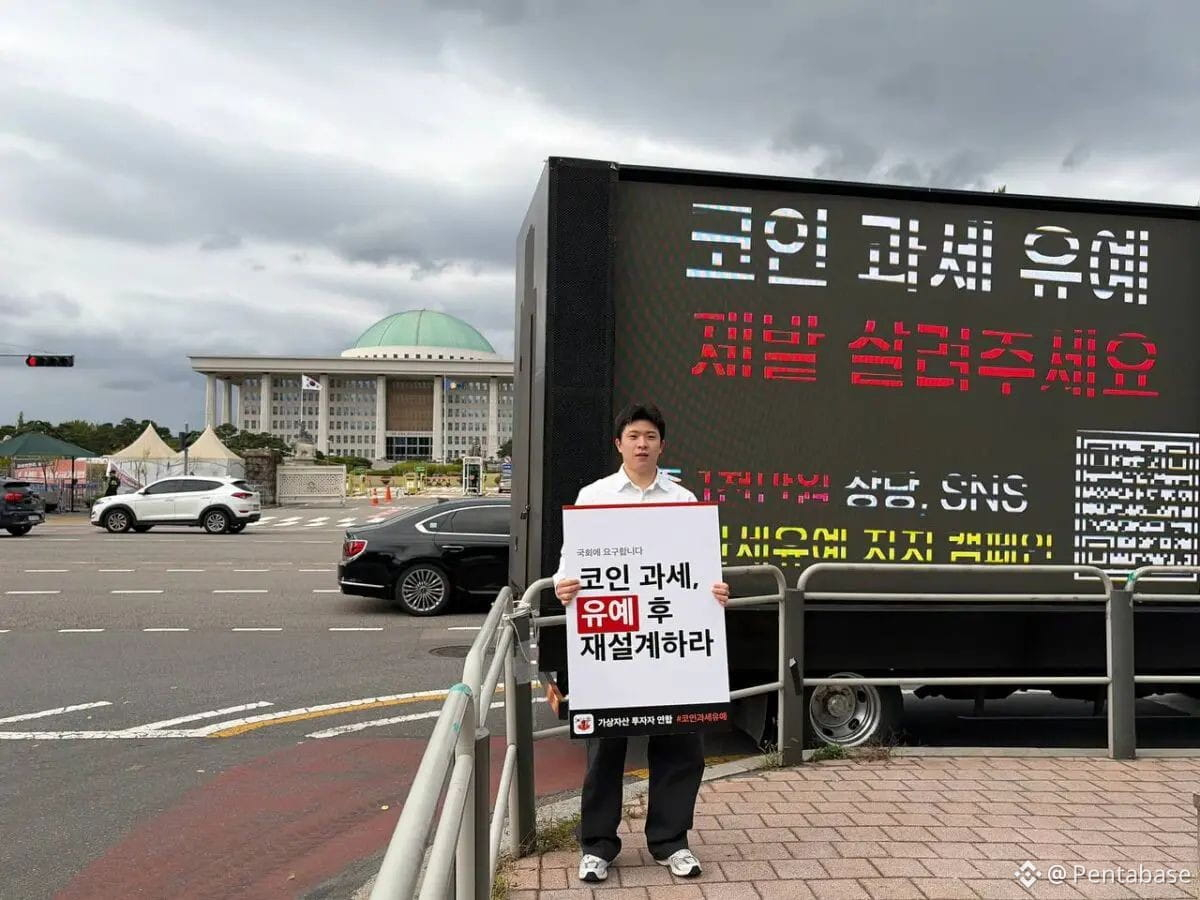
投資者施壓也是這一議題重新受到關注的原因之一。支持延期的人士繼續在國會附近舉行卡車抗議和個人抗議,呼籲制定更明確的稅收規則,並完善申報基礎設施。他們並非一定反對徵稅本身,而是呼籲確保相關制度準備就緒後再實施。
主要關切包括提高基本扣除額、允許結轉虧損,以及明確如何對去中心化金融(DeFi)收入和交易手續費徵稅。
隨着韓國的加密貨幣稅收爭論進入新階段,或許值得考慮是否需要更多時間,在實施前建立清晰且切實可行的框架。準備充分的稅收制度,可能是支持韓國加密市場長期增長和提升競爭力的重要一環。👀
韓國原定於2027年1月實施的加密貨幣稅,正面臨投資者日益強烈的反對。值得注意的是,通常支持推進徵稅的執政黨共同民主黨議員,如今也加入了一項法案,試圖將實施時間實際推遲兩年。10月16日,共同民主黨和重建韓國黨共14名議員提出《所得稅法》修正案,擬根據《加密資產報告框架》(CARF)及其信息共享時間表調整徵稅時間。這是共同民主黨議員首次提出推遲加密貨幣徵稅的法案。
投資者施壓也是這一議題重新受到關注的原因之一。支持延期的人士繼續在國會附近舉行卡車抗議和個人抗議,呼籲制定更明確的稅收規則,並完善申報基礎設施。他們並非一定反對徵稅本身,而是呼籲確保相關制度準備就緒後再實施。
主要關切包括提高基本扣除額、允許結轉虧損,以及明確如何對去中心化金融(DeFi)收入和交易手續費徵稅。
隨着韓國的加密貨幣稅收爭論進入新階段,或許值得考慮是否需要更多時間,在實施前建立清晰且切實可行的框架。準備充分的稅收制度,可能是支持韓國加密市場長期增長和提升競爭力的重要一環。👀
投資者施壓也是這一議題重新受到關注的原因之一。支持延期的人士繼續在國會附近舉行卡車抗議和個人抗議,呼籲制定更明確的稅收規則,並完善申報基礎設施。他們並非一定反對徵稅本身,而是呼籲確保相關制度準備就緒後再實施。
主要關切包括提高基本扣除額、允許結轉虧損,以及明確如何對去中心化金融(DeFi)收入和交易手續費徵稅。
隨着韓國的加密貨幣稅收爭論進入新階段,或許值得考慮是否需要更多時間,在實施前建立清晰且切實可行的框架。準備充分的稅收制度,可能是支持韓國加密市場長期增長和提升競爭力的重要一環。👀
76
·
--
StandX 已取消原定的代幣生成活動(TGE),並宣佈將逐步關閉其永續合約 DEX。
儘管 StandX 在沒有外部風投融資的情況下,TVL 峯值達到 2 億美元,但仍未能實現躋身永續合約 DEX 前三的目標。團隊表示,若代幣無法創造可持續的長期價值,貿然發行將是不負責任的,也辜負了社區。
📅 重要日期
10 月 20 日:永續合約切換爲僅減倉模式
11 月 1 日至 12 月 31 日:
$DUSD
空投領取(無鎖倉期)
1 月 15 日:必須平倉
1 月 31 日:停止提現和贖回
StandX 計劃使用剩餘的資金儲備以及創始人的個人出資來發放空投。團隊表示,用戶資金安全,且
$
DUSD 已獲得足額抵押。
總體而言,這一決定凸顯了在競爭激烈的永續合約 DEX 市場中維持增長所面臨的挑戰。空投發放及資金提現的執行情況,將是維繫用戶信任的關鍵。👀
StandX 已取消原定的代幣生成活動(TGE),並宣佈將逐步關閉其永續合約 DEX。
儘管 StandX 在沒有外部風投融資的情況下,TVL 峯值達到 2 億美元,但仍未能實現躋身永續合約 DEX 前三的目標。團隊表示,若代幣無法創造可持續的長期價值,貿然發行將是不負責任的,也辜負了社區。
📅 重要日期
10 月 20 日:永續合約切換爲僅減倉模式
11 月 1 日至 12 月 31 日:
$DUSD
空投領取(無鎖倉期)
1 月 15 日:必須平倉
1 月 31 日:停止提現和贖回
StandX 計劃使用剩餘的資金儲備以及創始人的個人出資來發放空投。團隊表示,用戶資金安全,且
$
DUSD 已獲得足額抵押。
總體而言,這一決定凸顯了在競爭激烈的永續合約 DEX 市場中維持增長所面臨的挑戰。空投發放及資金提現的執行情況,將是維繫用戶信任的關鍵。👀
儘管 StandX 在沒有外部風投融資的情況下,TVL 峯值達到 2 億美元,但仍未能實現躋身永續合約 DEX 前三的目標。團隊表示,若代幣無法創造可持續的長期價值,貿然發行將是不負責任的,也辜負了社區。
📅 重要日期
10 月 20 日:永續合約切換爲僅減倉模式
11 月 1 日至 12 月 31 日:
$DUSD
空投領取(無鎖倉期)
1 月 15 日:必須平倉
1 月 31 日:停止提現和贖回
StandX 計劃使用剩餘的資金儲備以及創始人的個人出資來發放空投。團隊表示,用戶資金安全,且
$
DUSD 已獲得足額抵押。
總體而言,這一決定凸顯了在競爭激烈的永續合約 DEX 市場中維持增長所面臨的挑戰。空投發放及資金提現的執行情況,將是維繫用戶信任的關鍵。👀
58
·
--
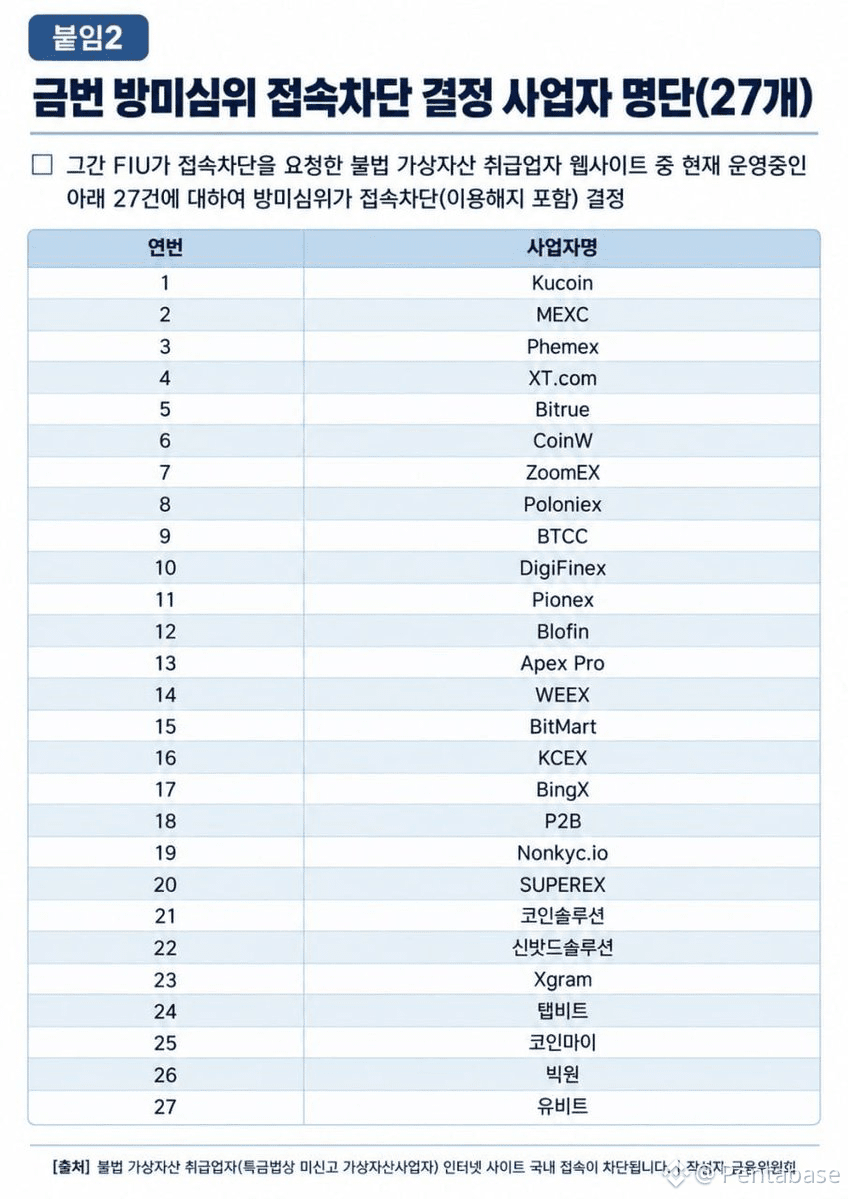
韓國金融情報機構(FIU)和韓國通信標準委員會決定屏蔽由未註冊虛擬資產服務提供商(VASP)運營的27個網站在韓國境內的訪問。此舉將現有針對應用商店中移動應用的限制擴大至網站,旨在加強消費者保護並防止洗錢。要在韓國合法經營虛擬資產業務,服務提供商必須滿足相關要求,包括取得信息安全管理體系(ISMS)認證,並向FIU註冊。面向韓國用戶的海外平臺也可能受到韓國法規約束。此舉凸顯了監管合規、正式註冊和消費者保護機制在加密市場中的重要性日益提升。總體而言,隨着韓國加密市場持續發展,監管合規和企業註冊正變得愈發重要。除了服務競爭力,合法經營資格和可靠的運營機制也可能成爲參與市場的關鍵因素。👀
韓國金融情報機構(FIU)和韓國通信標準委員會決定屏蔽由未註冊虛擬資產服務提供商(VASP)運營的27個網站在韓國境內的訪問。此舉將現有針對應用商店中移動應用的限制擴大至網站,旨在加強消費者保護並防止洗錢。要在韓國合法經營虛擬資產業務,服務提供商必須滿足相關要求,包括取得信息安全管理體系(ISMS)認證,並向FIU註冊。面向韓國用戶的海外平臺也可能受到韓國法規約束。此舉凸顯了監管合規、正式註冊和消費者保護機制在加密市場中的重要性日益提升。總體而言,隨着韓國加密市場持續發展,監管合規和企業註冊正變得愈發重要。除了服務競爭力,合法經營資格和可靠的運營機制也可能成爲參與市場的關鍵因素。👀
1
3
·
--
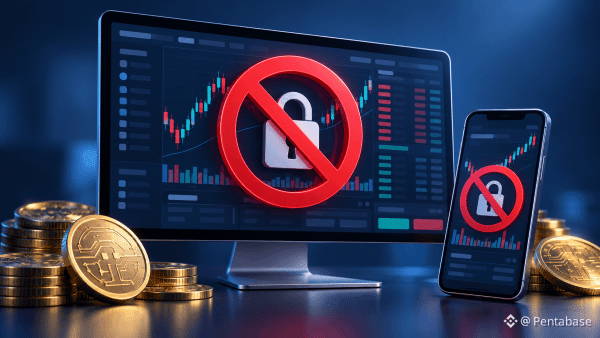
韓國金融情報分析院(FIU)與韓國通信標準委員會決定,封鎖國內使用者存取由未註冊虛擬資產服務提供者(VASP)營運的 27 個網站。這項措施將現行針對應用程式商店中行動應用程式的限制擴大至網站,旨在加強消費者保護並防止洗錢。若要在韓國合法經營虛擬資產業務,服務提供者必須符合相關要求,包括取得資訊安全管理系統(ISMS)認證,並向 FIU 註冊。以韓國使用者為目標的海外平台也可能受到韓國法規管轄。這項措施凸顯了監管合規、妥善註冊及消費者保護制度在加密貨幣市場日益重要。總體而言,隨著韓國加密貨幣市場持續發展,監管合規與企業註冊的重要性也與日俱增。除了服務競爭力,合法營運資格與可靠的營運架構,未來也可能成為參與市場的關鍵因素。👀
韓國金融情報分析院(FIU)與韓國通信標準委員會決定,封鎖國內使用者存取由未註冊虛擬資產服務提供者(VASP)營運的 27 個網站。這項措施將現行針對應用程式商店中行動應用程式的限制擴大至網站,旨在加強消費者保護並防止洗錢。若要在韓國合法經營虛擬資產業務,服務提供者必須符合相關要求,包括取得資訊安全管理系統(ISMS)認證,並向 FIU 註冊。以韓國使用者為目標的海外平台也可能受到韓國法規管轄。這項措施凸顯了監管合規、妥善註冊及消費者保護制度在加密貨幣市場日益重要。總體而言,隨著韓國加密貨幣市場持續發展,監管合規與企業註冊的重要性也與日俱增。除了服務競爭力,合法營運資格與可靠的營運架構,未來也可能成為參與市場的關鍵因素。👀
1
84
·
--
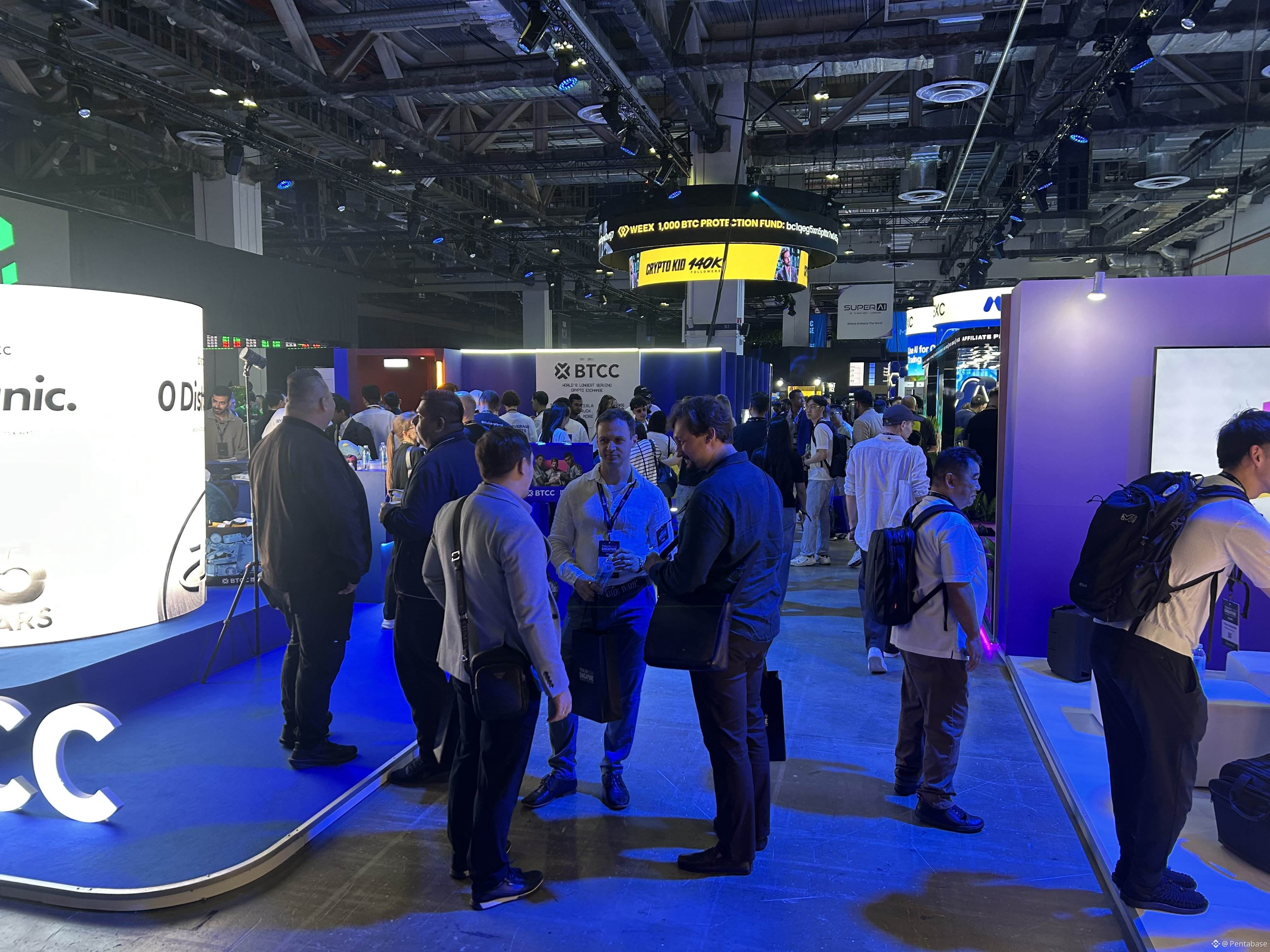
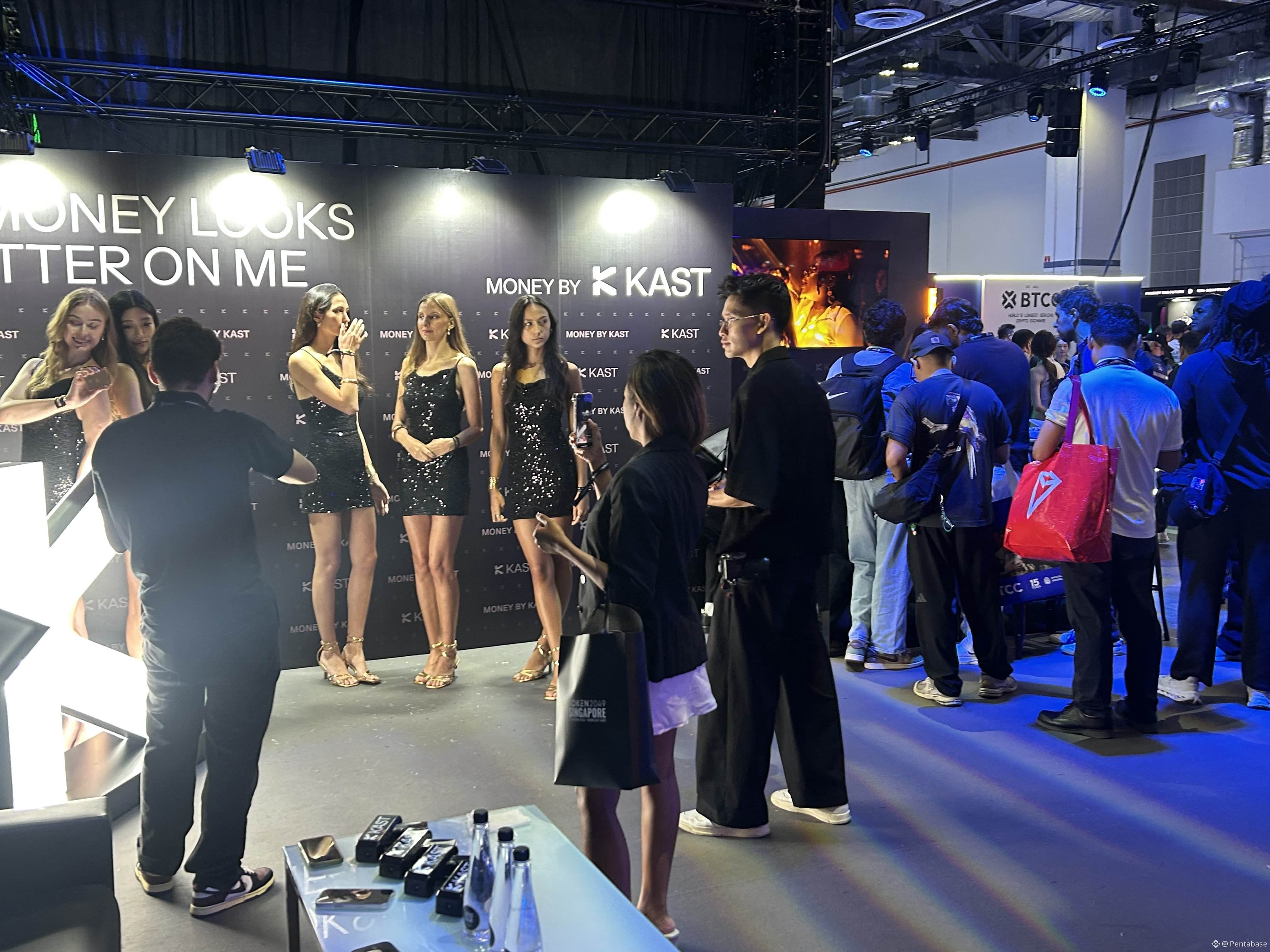
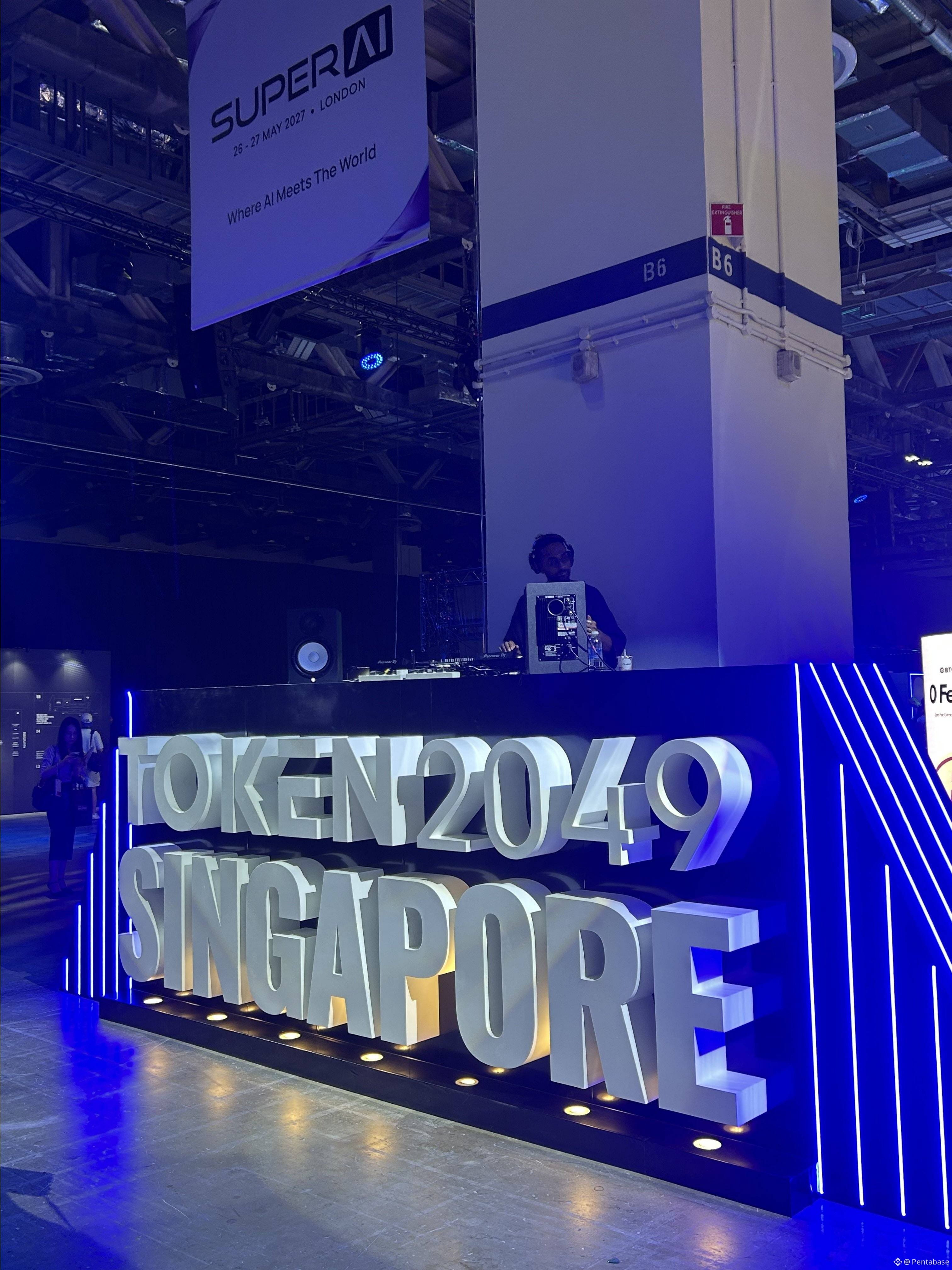
新加坡熱鬧非凡!我們來到新加坡參加 TOKEN2049,今年的盛況更是非同凡響。從建設者、創始人到投資者、KOL 和社區貢獻者,感覺全球 Web3 社羣都齊聚一堂。而這纔剛剛開始。這一週我們都會在新加坡各處,參加不同的活動、拜訪團隊,也和行業裏的朋友們敘敘舊。如果你也在新加坡,咱們見個面吧。看到我們記得打聲招呼 👋
新加坡熱鬧非凡!我們來到新加坡參加 TOKEN2049,今年的盛況更是非同凡響。從建設者、創始人到投資者、KOL 和社區貢獻者,感覺全球 Web3 社羣都齊聚一堂。而這纔剛剛開始。這一週我們都會在新加坡各處,參加不同的活動、拜訪團隊,也和行業裏的朋友們敘敘舊。如果你也在新加坡,咱們見個面吧。看到我們記得打聲招呼 👋
1
66
·
--
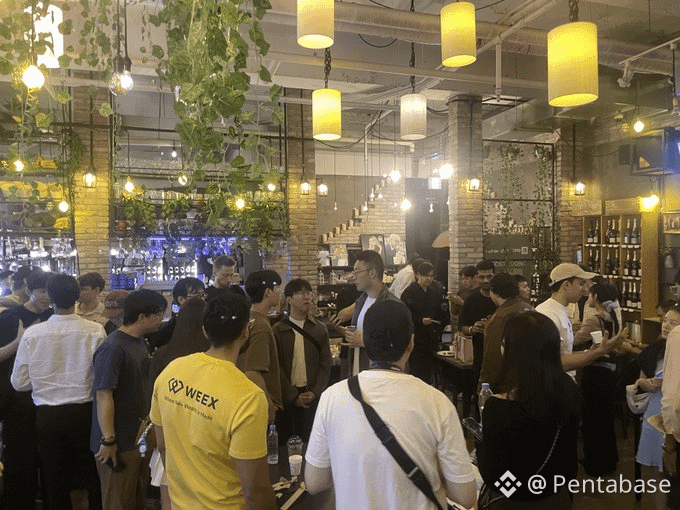
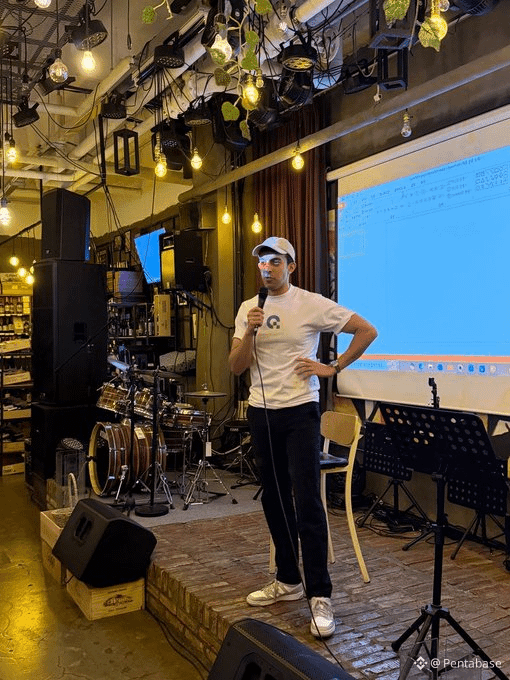
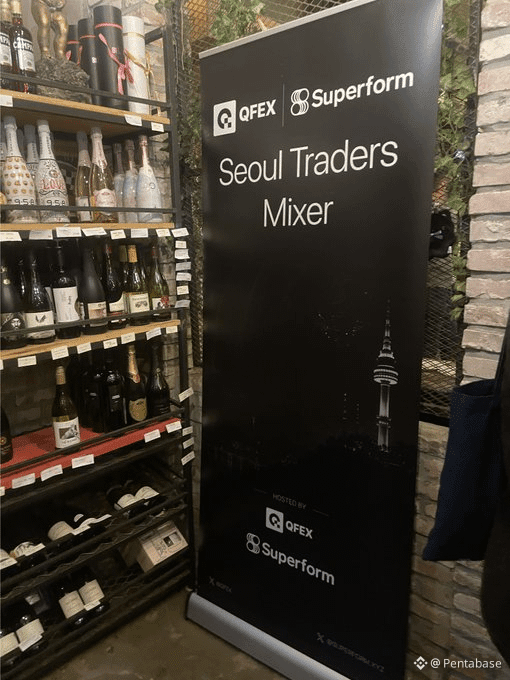
🎉 10月1日,我們成功舉辦了 QFEX × Superform | 首爾交易者交流會!我們匯聚了衆多參與者,介紹了兩個項目,分享了各自的願景,並與交易者和行業人士交流。活動還帶來了有關 QFEX Lossback 活動和積分系統的寶貴一手信息,並安排了開放式交流環節,讓大家分享想法與見解。衷心感謝每一位到場支持、讓活動圓滿成功的朋友!🤝
🎉 10月1日,我們成功舉辦了 QFEX × Superform | 首爾交易者交流會!我們匯聚了衆多參與者,介紹了兩個項目,分享了各自的願景,並與交易者和行業人士交流。活動還帶來了有關 QFEX Lossback 活動和積分系統的寶貴一手信息,並安排了開放式交流環節,讓大家分享想法與見解。衷心感謝每一位到場支持、讓活動圓滿成功的朋友!🤝
1
3
·
--
參訪了 KBW 🇰🇷 的主要場館。這是一個很棒的機會,能夠發掘新的計畫、認識不同的團隊,並更進一步了解各種機構與建置者正在努力推進的內容。作為韓國最大的 Web3 活動之一,現場的氛圍令人難以置信。🔥 一整天的精彩交流、嶄新洞見,以及與來自整個生態系的人們相遇交流。
參訪了 KBW 🇰🇷 的主要場館。這是一個很棒的機會,能夠發掘新的計畫、認識不同的團隊,並更進一步了解各種機構與建置者正在努力推進的內容。作為韓國最大的 Web3 活動之一,現場的氛圍令人難以置信。🔥 一整天的精彩交流、嶄新洞見,以及與來自整個生態系的人們相遇交流。
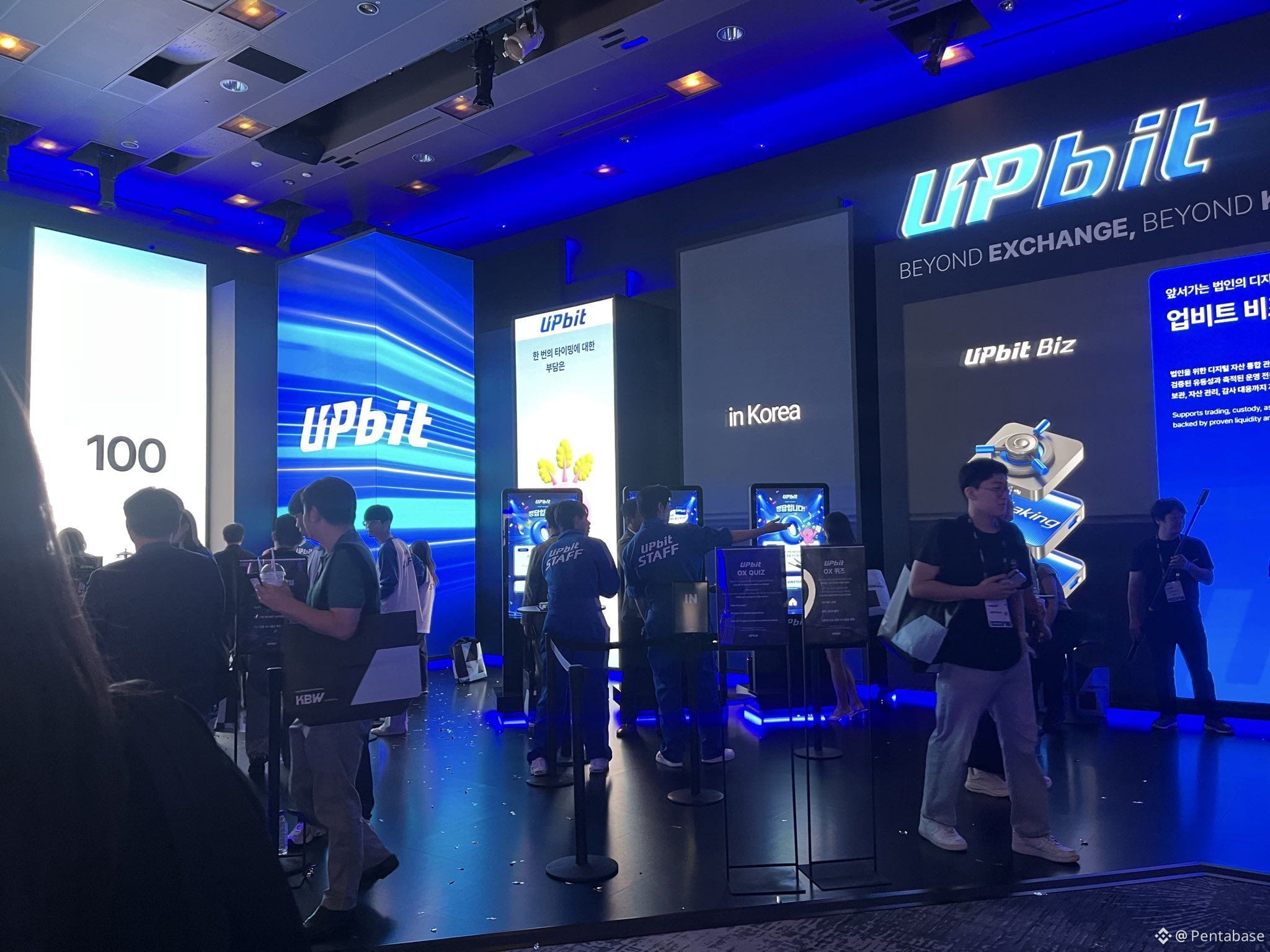
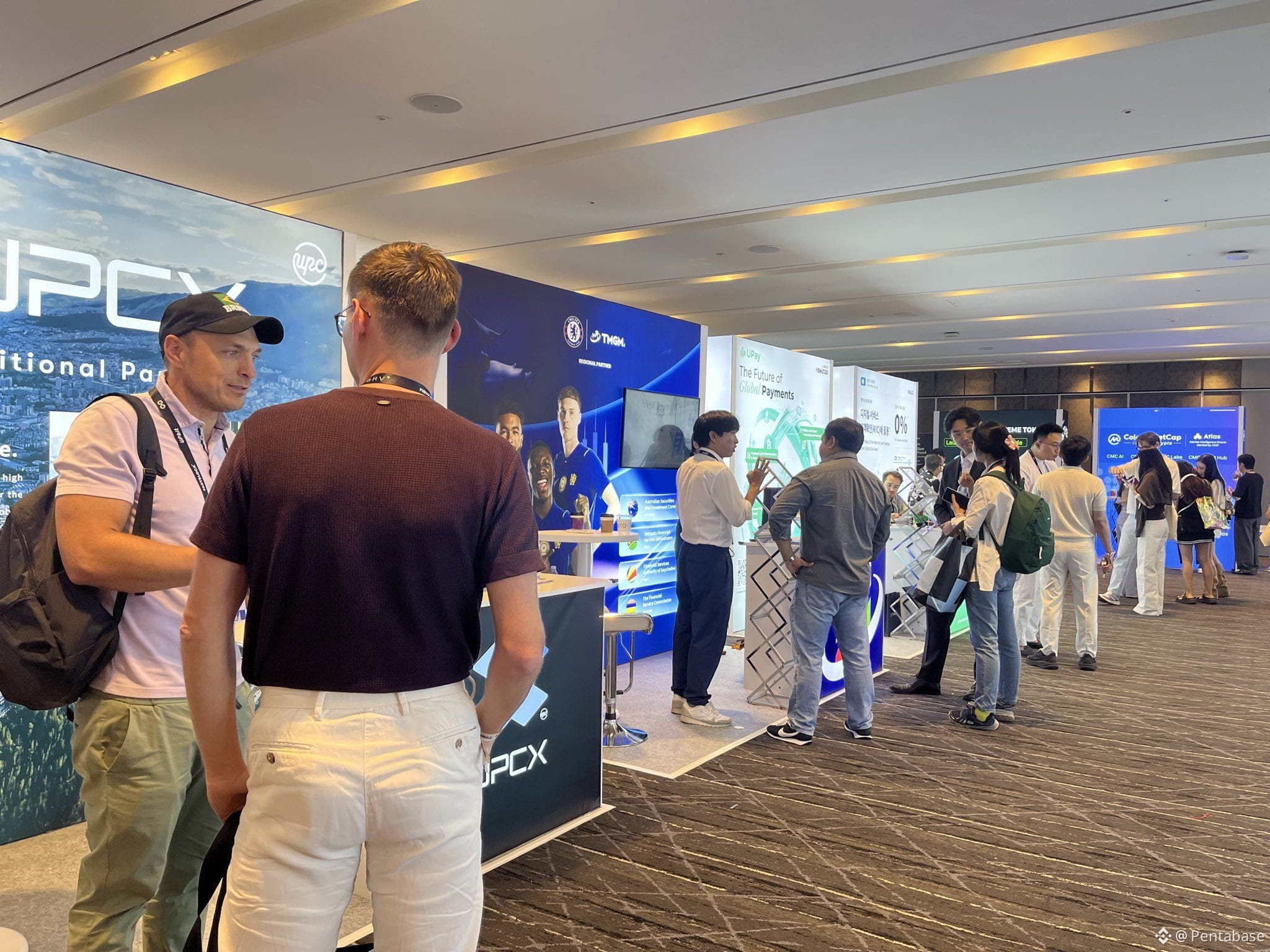
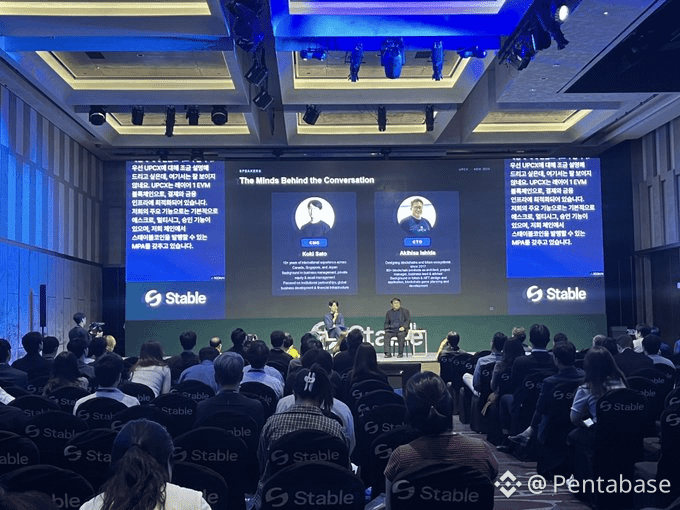
1
73
·
--
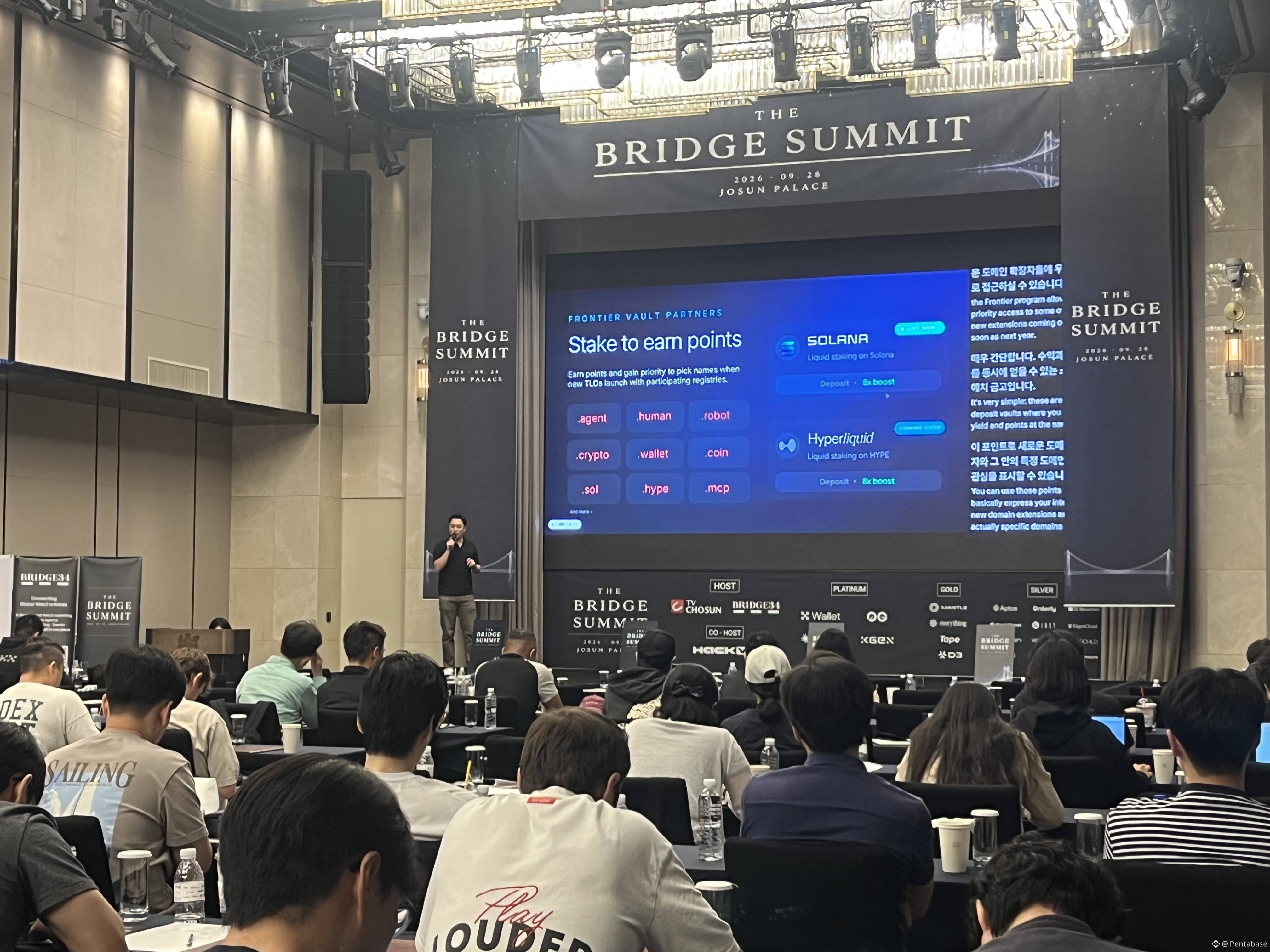
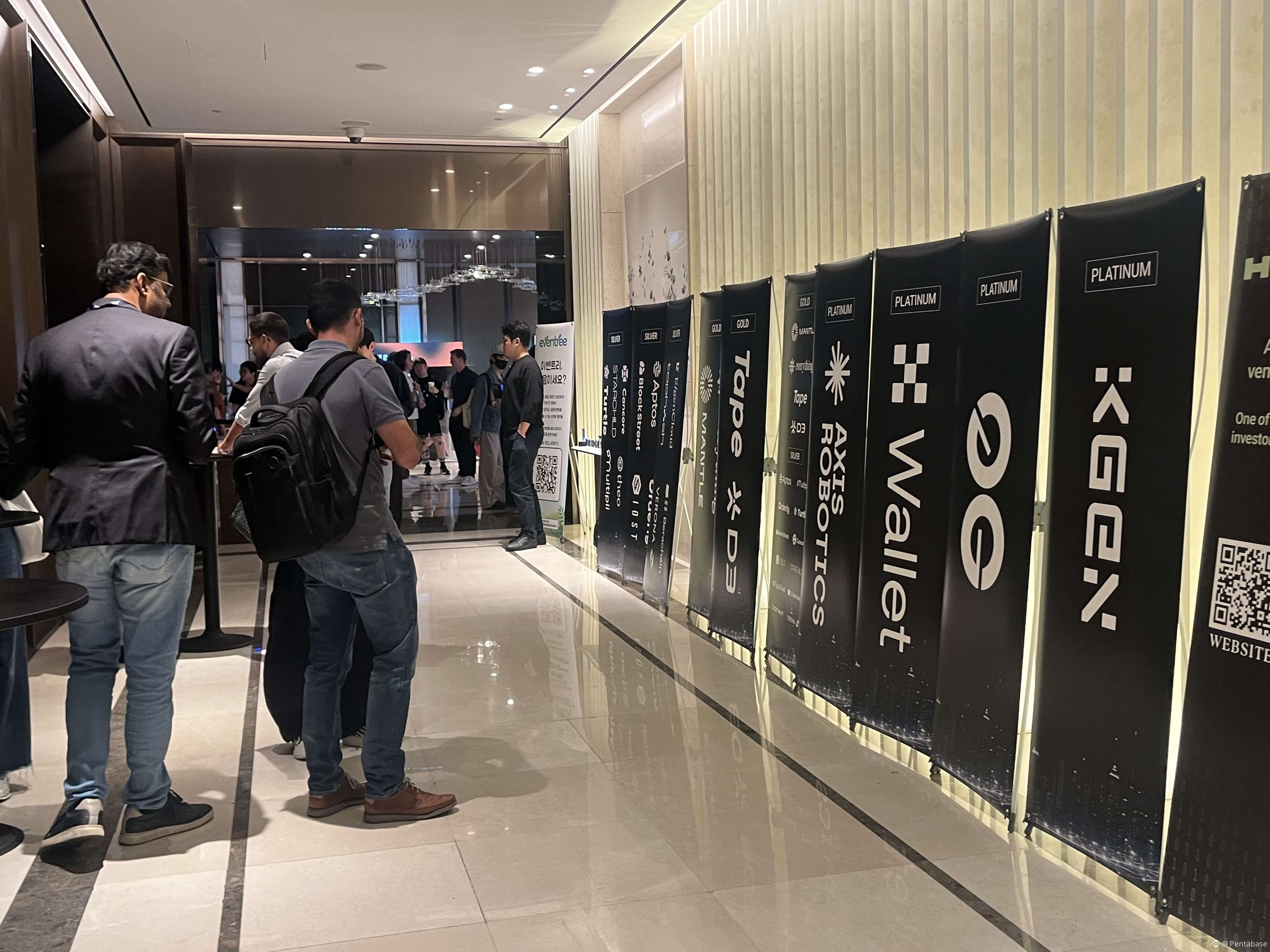
今天參加了在首爾舉辦的 The Bridge Summit 2026。這是一次難得的機會,可以聆聽來自全球 Web3 計畫、機構、投資人與媒體,對數位資產、AI 與代幣化金融的不同觀點。精彩的交流,並結識了業界各方的寶貴人脈。🤝
今天參加了在首爾舉辦的 The Bridge Summit 2026。這是一次難得的機會,可以聆聽來自全球 Web3 計畫、機構、投資人與媒體,對數位資產、AI 與代幣化金融的不同觀點。精彩的交流,並結識了業界各方的寶貴人脈。🤝
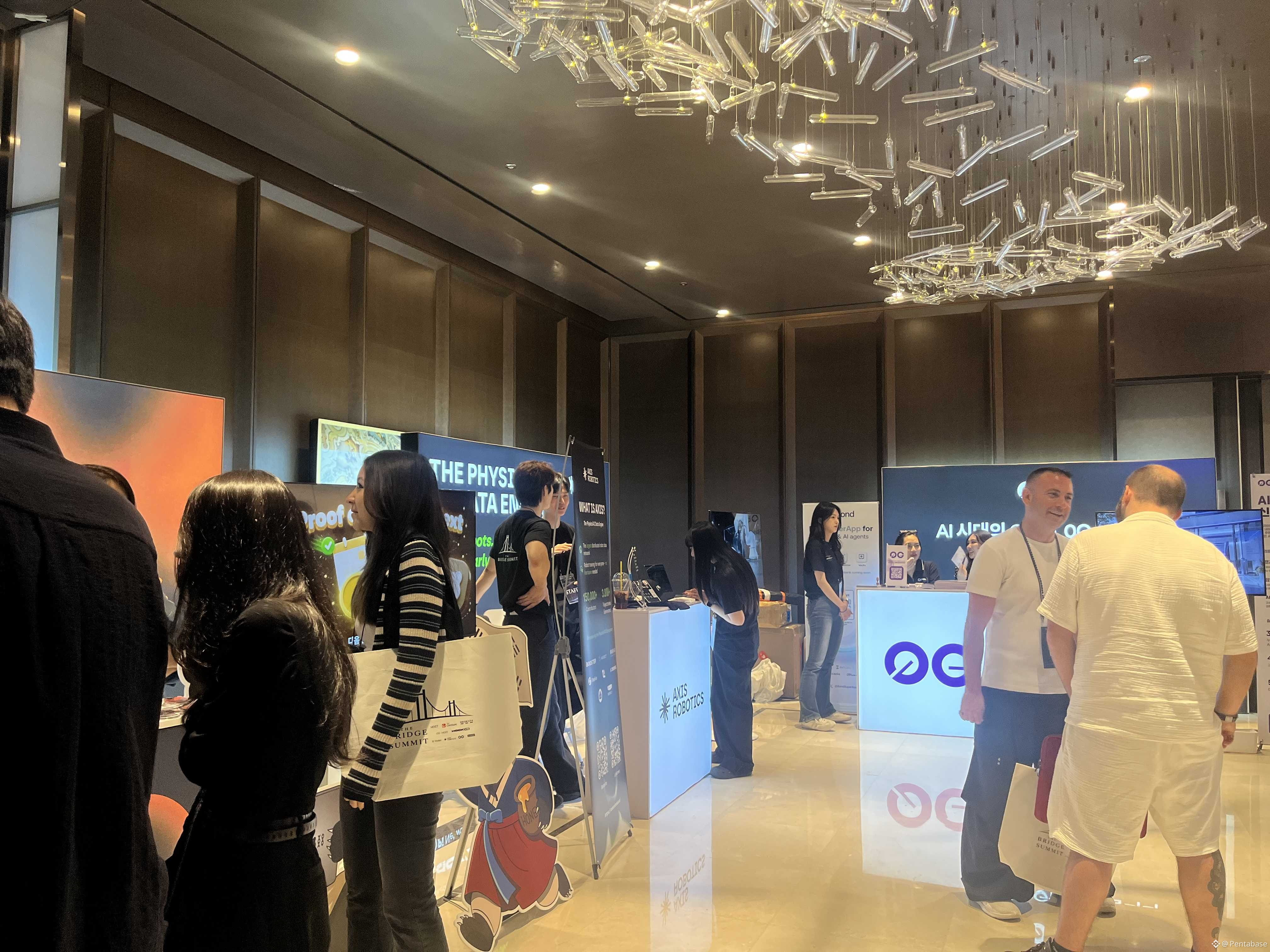
1
67
·
--
冒充 GIWA Chain 的假主網與跨鏈橋已出現,並宣稱為由 Dunamu 開發的以太坊 Layer 2;據報已有超過 766 ETH 透過詐欺橋被轉移。詐騙方使用了實際的 GIWA Chain ID 9134,使該假網路在初步驗證期間看起來具備可信度,並鼓勵用戶透過詐欺橋轉移 ETH。然而,GIWA Chain 已確認其主網尚未啟動。目前透過官方管道可使用的仍是測試網。DYORSWAP 正與專業安全團隊合作,追蹤相關地址與資金流向。交易所也表示,計劃動用庫金資金對受影響用戶進行補償,具體資格與補償細節將在調查後公布。總的來說,此事件凸顯了冒充即將推出的區塊鏈專案之假網路與假橋的風險;在轉移資金前,務必先核實官方 RPC、Chain ID 與合約地址。👀
冒充 GIWA Chain 的假主網與跨鏈橋已出現,並宣稱為由 Dunamu 開發的以太坊 Layer 2;據報已有超過 766 ETH 透過詐欺橋被轉移。詐騙方使用了實際的 GIWA Chain ID 9134,使該假網路在初步驗證期間看起來具備可信度,並鼓勵用戶透過詐欺橋轉移 ETH。然而,GIWA Chain 已確認其主網尚未啟動。目前透過官方管道可使用的仍是測試網。DYORSWAP 正與專業安全團隊合作,追蹤相關地址與資金流向。交易所也表示,計劃動用庫金資金對受影響用戶進行補償,具體資格與補償細節將在調查後公布。總的來說,此事件凸顯了冒充即將推出的區塊鏈專案之假網路與假橋的風險;在轉移資金前,務必先核實官方 RPC、Chain ID 與合約地址。👀
1
85
·
--
隨著 Pentabase 慶祝韓國感謝節(秋夕,Chuseok),我們想花點時間感謝我們的合作夥伴與客戶,讓今年的旅程如此充實而富有收穫。祝福大家與家人度過溫暖的假期,並期待在未來數月攜手打造更多成果。🌕
隨著 Pentabase 慶祝韓國感謝節(秋夕,Chuseok),我們想花點時間感謝我們的合作夥伴與客戶,讓今年的旅程如此充實而富有收穫。祝福大家與家人度過溫暖的假期,並期待在未來數月攜手打造更多成果。🌕

1
58
·
--
幣安已向 Circle 投資 1 億美元,並將其戰略合作伙伴關係延長五年,以擴大 USDC 生態系統。
在新協議下,幣安將重點在新興市場推動 USDC 的獲取與採用,而 Circle 將提供支撐持有與使用 USDC 所需的基礎設施。
此次投資通過以較市場價格低 5% 的折扣購買 Circle 的 A 類普通股進行;同時,幣安同意在最多兩年內不出售該等股份,且適用通常的例外情形。
該合作不僅是單純的股權投資,還代表一種面向長期的協同,旨在在全球穩定幣市場中擴大全球範圍內 USDC 的流通量及使用場景。
幣安已向 Circle 投資 1 億美元,並將其戰略合作伙伴關係延長五年,以擴大 USDC 生態系統。
在新協議下,幣安將重點在新興市場推動 USDC 的獲取與採用,而 Circle 將提供支撐持有與使用 USDC 所需的基礎設施。
此次投資通過以較市場價格低 5% 的折扣購買 Circle 的 A 類普通股進行;同時,幣安同意在最多兩年內不出售該等股份,且適用通常的例外情形。
該合作不僅是單純的股權投資,還代表一種面向長期的協同,旨在在全球穩定幣市場中擴大全球範圍內 USDC 的流通量及使用場景。
在新協議下,幣安將重點在新興市場推動 USDC 的獲取與採用,而 Circle 將提供支撐持有與使用 USDC 所需的基礎設施。
此次投資通過以較市場價格低 5% 的折扣購買 Circle 的 A 類普通股進行;同時,幣安同意在最多兩年內不出售該等股份,且適用通常的例外情形。
該合作不僅是單純的股權投資,還代表一種面向長期的協同,旨在在全球穩定幣市場中擴大全球範圍內 USDC 的流通量及使用場景。
1
61
·
--
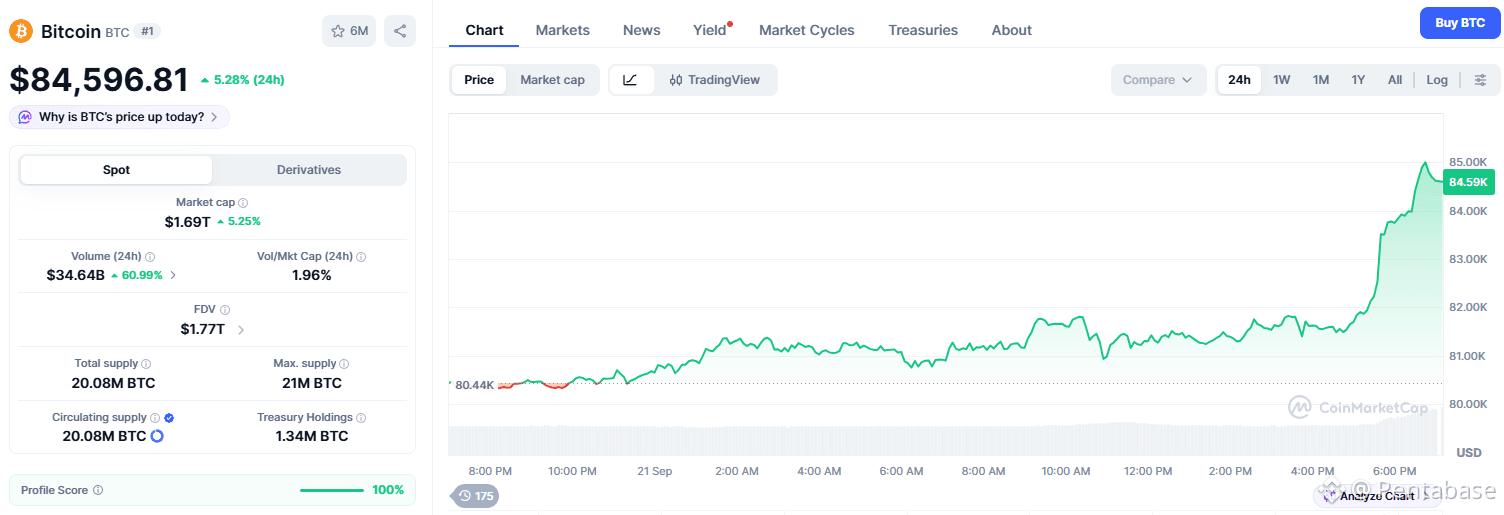
比特幣在過去七天上漲了約8.8%,目前交易價格約爲84,596美元。自近期低點75,384美元反彈以來,BTC已回升約12.4%。
這波反彈似乎由多種因素共同推動:重新出現的現貨ETF資金流入、從76,000美元附近的技術性反彈,以及衍生品交易活動的增加。
9月17日,美國現貨比特幣ETF錄得淨流入1.595億美元,9月18日淨流入4.33億美元。不過資金流仍較爲波動:9月15日至16日約有7.46億美元的資金淨流出。
比特幣也重新站上了80,000美元;同時,期貨持倉量升至約594億美元,暗示空頭平倉以及槓桿的增加可能放大了這次行情。
與此同時,“恐懼與貪婪指數”從51上升至71–72,表明市場情緒發生了迅速轉變。
總體而言,
比特幣近期的反彈反映了ETF需求的重新增強、技術面反彈以及衍生品活動的更強。動能能否繼續,關鍵將取決於能否守住80,000美元並維持持續的ETF資金流入。 👀
比特幣在過去七天上漲了約8.8%,目前交易價格約爲84,596美元。自近期低點75,384美元反彈以來,BTC已回升約12.4%。
這波反彈似乎由多種因素共同推動:重新出現的現貨ETF資金流入、從76,000美元附近的技術性反彈,以及衍生品交易活動的增加。
9月17日,美國現貨比特幣ETF錄得淨流入1.595億美元,9月18日淨流入4.33億美元。不過資金流仍較爲波動:9月15日至16日約有7.46億美元的資金淨流出。
比特幣也重新站上了80,000美元;同時,期貨持倉量升至約594億美元,暗示空頭平倉以及槓桿的增加可能放大了這次行情。
與此同時,“恐懼與貪婪指數”從51上升至71–72,表明市場情緒發生了迅速轉變。
總體而言,
比特幣近期的反彈反映了ETF需求的重新增強、技術面反彈以及衍生品活動的更強。動能能否繼續,關鍵將取決於能否守住80,000美元並維持持續的ETF資金流入。 👀
這波反彈似乎由多種因素共同推動:重新出現的現貨ETF資金流入、從76,000美元附近的技術性反彈,以及衍生品交易活動的增加。
9月17日,美國現貨比特幣ETF錄得淨流入1.595億美元,9月18日淨流入4.33億美元。不過資金流仍較爲波動:9月15日至16日約有7.46億美元的資金淨流出。
比特幣也重新站上了80,000美元;同時,期貨持倉量升至約594億美元,暗示空頭平倉以及槓桿的增加可能放大了這次行情。
與此同時,“恐懼與貪婪指數”從51上升至71–72,表明市場情緒發生了迅速轉變。
總體而言,
比特幣近期的反彈反映了ETF需求的重新增強、技術面反彈以及衍生品活動的更強。動能能否繼續,關鍵將取決於能否守住80,000美元並維持持續的ETF資金流入。 👀
68
·
--
錨定日圓的穩定幣 JPYC 在其於南韓 Upbit 首日交易中出現了極端波動。📈 JPYC 於 9 月 17 日晚間 6:05 開盤報價 ₩12,僅一個多小時後飆升至高點 ₩37.6。之後,該代幣快速跳水,並在 9 月 18 日凌晨 2:32 跌至 ₩8.92。由於 JPYC 的設計係以參考價值為基礎,即 1 JPYC = 1 JPY,因此出現超過四倍的價格波動對穩定幣而言極為不尋常。這種急劇變動似乎受到初始流動性以及存款網路可用性的影響。交易開始時,Upbit 最初僅透過以太坊支援 JPYC 的存入與提領,這限制了其他地方持有的 JPYC 進入交易所的能力。其後,Upbit 增加了對 Kaia 與 Polygon 存款的支援,提升了可用於交易的 JPYC 潛在供給。價格在新增存款路線上線後不久便開始大幅下跌。韓元市場的交易量在前兩小時內達到約 ₩130.4 十億。這一事件凸顯了:即使是穩定幣,當交易所流動性受限時,仍可能相對其底層參考價值出現顯著的價格落差。隨著跨鏈轉帳與套利變得更容易,此類價格差異有望被降低。總體而言,JPYC 在韓國的首次亮相顯示,交易所流動性與跨鏈資產流動性在維持穩定幣價格穩定方面扮演重要角色,特別是在初次上架期間。👀
錨定日圓的穩定幣 JPYC 在其於南韓 Upbit 首日交易中出現了極端波動。📈 JPYC 於 9 月 17 日晚間 6:05 開盤報價 ₩12,僅一個多小時後飆升至高點 ₩37.6。之後,該代幣快速跳水,並在 9 月 18 日凌晨 2:32 跌至 ₩8.92。由於 JPYC 的設計係以參考價值為基礎,即 1 JPYC = 1 JPY,因此出現超過四倍的價格波動對穩定幣而言極為不尋常。這種急劇變動似乎受到初始流動性以及存款網路可用性的影響。交易開始時,Upbit 最初僅透過以太坊支援 JPYC 的存入與提領,這限制了其他地方持有的 JPYC 進入交易所的能力。其後,Upbit 增加了對 Kaia 與 Polygon 存款的支援,提升了可用於交易的 JPYC 潛在供給。價格在新增存款路線上線後不久便開始大幅下跌。韓元市場的交易量在前兩小時內達到約 ₩130.4 十億。這一事件凸顯了:即使是穩定幣,當交易所流動性受限時,仍可能相對其底層參考價值出現顯著的價格落差。隨著跨鏈轉帳與套利變得更容易,此類價格差異有望被降低。總體而言,JPYC 在韓國的首次亮相顯示,交易所流動性與跨鏈資產流動性在維持穩定幣價格穩定方面扮演重要角色,特別是在初次上架期間。👀
72
·
--
南韓當局正在調查預測市場平台 Polymarket 的使用者,並引發更廣泛的問題:在南韓市場中,預測市場應如何受到監管。
根據警方資料,截至 9 月 15 日,已有 26 名使用者被立案,另有 18 人被移送檢察機關。他們的合計交易量約達 ₩176 億(約 1,300 萬美元),其中最大單筆金額約為 ₩57 億(約 420 萬美元)。
關鍵問題在於:Polymarket 應被視為非法賭博,還是以加密貨幣為基礎的衍生品市場。
警方認為,該平台可能落入南韓的賭博法範圍,因為使用者會將資產押注在不確定的結果上,而其財務收益或損失也取決於這些結果。
然而,使用者則主張 Polymarket 與傳統賭博不同:它採用基於委託簿(order-book)的交易架構,允許在結算前平倉,並透過非託管的 P2P 模式運作。
南韓當局也在上個月投票決定封鎖對 Polymarket 的存取。雖然 Polymarket 辯稱其不提供韓語服務、不接受 KRW(韓元)付款,也不直接託管使用者資金,但當局仍表示,這些技術與營運特性並不能使平台免於適用南韓法律。
總體而言,
南韓此案凸顯一個更大的監管議題:現有的賭博與金融法律應如何套用到新興的鏈上(onchain)預測市場? 👀
南韓當局正在調查預測市場平台 Polymarket 的使用者,並引發更廣泛的問題:在南韓市場中,預測市場應如何受到監管。
根據警方資料,截至 9 月 15 日,已有 26 名使用者被立案,另有 18 人被移送檢察機關。他們的合計交易量約達 ₩176 億(約 1,300 萬美元),其中最大單筆金額約為 ₩57 億(約 420 萬美元)。
關鍵問題在於:Polymarket 應被視為非法賭博,還是以加密貨幣為基礎的衍生品市場。
警方認為,該平台可能落入南韓的賭博法範圍,因為使用者會將資產押注在不確定的結果上,而其財務收益或損失也取決於這些結果。
然而,使用者則主張 Polymarket 與傳統賭博不同:它採用基於委託簿(order-book)的交易架構,允許在結算前平倉,並透過非託管的 P2P 模式運作。
南韓當局也在上個月投票決定封鎖對 Polymarket 的存取。雖然 Polymarket 辯稱其不提供韓語服務、不接受 KRW(韓元)付款,也不直接託管使用者資金,但當局仍表示,這些技術與營運特性並不能使平台免於適用南韓法律。
總體而言,
南韓此案凸顯一個更大的監管議題:現有的賭博與金融法律應如何套用到新興的鏈上(onchain)預測市場? 👀
根據警方資料,截至 9 月 15 日,已有 26 名使用者被立案,另有 18 人被移送檢察機關。他們的合計交易量約達 ₩176 億(約 1,300 萬美元),其中最大單筆金額約為 ₩57 億(約 420 萬美元)。
關鍵問題在於:Polymarket 應被視為非法賭博,還是以加密貨幣為基礎的衍生品市場。
警方認為,該平台可能落入南韓的賭博法範圍,因為使用者會將資產押注在不確定的結果上,而其財務收益或損失也取決於這些結果。
然而,使用者則主張 Polymarket 與傳統賭博不同:它採用基於委託簿(order-book)的交易架構,允許在結算前平倉,並透過非託管的 P2P 模式運作。
南韓當局也在上個月投票決定封鎖對 Polymarket 的存取。雖然 Polymarket 辯稱其不提供韓語服務、不接受 KRW(韓元)付款,也不直接託管使用者資金,但當局仍表示,這些技術與營運特性並不能使平台免於適用南韓法律。
總體而言,
南韓此案凸顯一個更大的監管議題:現有的賭博與金融法律應如何套用到新興的鏈上(onchain)預測市場? 👀
63
·
--
去中心化永續合約交易所 Hyperliquid 的未平倉量(OI)已達約 102.8 億美元,超越主要的集中式交易所 Bybit 和 Gate。
值得注意的是,Hyperliquid 的 BTC 永續合約 OI 也已超過 OKX,使該平台與全球一些規模最大的加密交易所站上同一水平。
這凸顯了 Perp DEX 在永續期貨市場中影響力日益增強。去中心化交易所正逐漸成為 CEX 的真正競爭者,不僅在現貨交易上,也在槓桿衍生品領域。
然而,高 OI 也意味著在槓桿部位平倉時,將面臨更大的清算暴露與潛在波動。⚠️
總體而言,
Hyperliquid 的 OI 超越主要 CEX,是一個明確訊號:鏈上衍生品市場正以快速的規模與影響力持續擴張。👀
去中心化永續合約交易所 Hyperliquid 的未平倉量(OI)已達約 102.8 億美元,超越主要的集中式交易所 Bybit 和 Gate。
值得注意的是,Hyperliquid 的 BTC 永續合約 OI 也已超過 OKX,使該平台與全球一些規模最大的加密交易所站上同一水平。
這凸顯了 Perp DEX 在永續期貨市場中影響力日益增強。去中心化交易所正逐漸成為 CEX 的真正競爭者,不僅在現貨交易上,也在槓桿衍生品領域。
然而,高 OI 也意味著在槓桿部位平倉時,將面臨更大的清算暴露與潛在波動。⚠️
總體而言,
Hyperliquid 的 OI 超越主要 CEX,是一個明確訊號:鏈上衍生品市場正以快速的規模與影響力持續擴張。👀
值得注意的是,Hyperliquid 的 BTC 永續合約 OI 也已超過 OKX,使該平台與全球一些規模最大的加密交易所站上同一水平。
這凸顯了 Perp DEX 在永續期貨市場中影響力日益增強。去中心化交易所正逐漸成為 CEX 的真正競爭者,不僅在現貨交易上,也在槓桿衍生品領域。
然而,高 OI 也意味著在槓桿部位平倉時,將面臨更大的清算暴露與潛在波動。⚠️
總體而言,
Hyperliquid 的 OI 超越主要 CEX,是一個明確訊號:鏈上衍生品市場正以快速的規模與影響力持續擴張。👀
52
·
--
Coinbase 已將其 Base App 重新更名為 Coinbase Wallet,這距離它在 2025 年對該錢包進行重新品牌化僅過了一年多。當 Base App 上線時,Coinbase 將其定位為「鏈上超級 App」,結合社交動態、創作者內容、迷你應用、支付與交易。然而,隨著以社交與創作者為導向的策略未能達到預期,產品逐漸轉向鏈上交易與自我託管。如今,Coinbase Wallet 已超越 Base 的範疇,支援多條網路,包括 Solana、Bitcoin、Ethereum、BNB Chain、Monad 與 Robinhood Chain。它也提供存取鏈上金融產品的管道,例如永續合約(perps)、預測市場以及代幣化股票。此次更名反映出更廣泛的轉變:從以 Base 為中心的超級 App,轉向多鏈的鏈上金融平台。重要的是,這項更名並不會改變使用者如何託管其資產。Coinbase Wallet 仍是一款自我託管錢包,使用者保有其資產的控制權。總體而言,Coinbase 似乎正重新定位 Base 為區塊鏈基礎設施,並將 Coinbase Wallet 作為通往鏈上金融的入口。👀
Coinbase 已將其 Base App 重新更名為 Coinbase Wallet,這距離它在 2025 年對該錢包進行重新品牌化僅過了一年多。當 Base App 上線時,Coinbase 將其定位為「鏈上超級 App」,結合社交動態、創作者內容、迷你應用、支付與交易。然而,隨著以社交與創作者為導向的策略未能達到預期,產品逐漸轉向鏈上交易與自我託管。如今,Coinbase Wallet 已超越 Base 的範疇,支援多條網路,包括 Solana、Bitcoin、Ethereum、BNB Chain、Monad 與 Robinhood Chain。它也提供存取鏈上金融產品的管道,例如永續合約(perps)、預測市場以及代幣化股票。此次更名反映出更廣泛的轉變:從以 Base 為中心的超級 App,轉向多鏈的鏈上金融平台。重要的是,這項更名並不會改變使用者如何託管其資產。Coinbase Wallet 仍是一款自我託管錢包,使用者保有其資產的控制權。總體而言,Coinbase 似乎正重新定位 Base 為區塊鏈基礎設施,並將 Coinbase Wallet 作為通往鏈上金融的入口。👀

·
--
預測市場平臺 Polymarket 已擴展至永續合約交易,進入衍生品市場。
永續合約沒有固定到期日,允許交易者在使用槓桿押注價格上漲和下跌的同時,長期持有倉位。
Polymarket 的新產品最高支持 20 倍槓桿。
此舉之際,其競爭對手預測市場平臺 Kalshi 也據稱正在準備提供加密貨幣交易,包括永續合約。
隨着加密交易活動放緩,永續合約可通過讓交易者押注短期價格波動、對衝倉位並使用槓桿,幫助產生更穩定的需求。
2025 年,主要中心化加密交易所記錄的年度永續合約交易量達到 86.2 萬億美元,較前一年增長 47%。
總體而言,
Polymarket 的這一舉動凸顯了預測市場與加密衍生品之間的界限正變得日益模糊。 👀
預測市場平臺 Polymarket 已擴展至永續合約交易,進入衍生品市場。
永續合約沒有固定到期日,允許交易者在使用槓桿押注價格上漲和下跌的同時,長期持有倉位。
Polymarket 的新產品最高支持 20 倍槓桿。
此舉之際,其競爭對手預測市場平臺 Kalshi 也據稱正在準備提供加密貨幣交易,包括永續合約。
隨着加密交易活動放緩,永續合約可通過讓交易者押注短期價格波動、對衝倉位並使用槓桿,幫助產生更穩定的需求。
2025 年,主要中心化加密交易所記錄的年度永續合約交易量達到 86.2 萬億美元,較前一年增長 47%。
總體而言,
Polymarket 的這一舉動凸顯了預測市場與加密衍生品之間的界限正變得日益模糊。 👀
永續合約沒有固定到期日,允許交易者在使用槓桿押注價格上漲和下跌的同時,長期持有倉位。
Polymarket 的新產品最高支持 20 倍槓桿。
此舉之際,其競爭對手預測市場平臺 Kalshi 也據稱正在準備提供加密貨幣交易,包括永續合約。
隨着加密交易活動放緩,永續合約可通過讓交易者押注短期價格波動、對衝倉位並使用槓桿,幫助產生更穩定的需求。
2025 年,主要中心化加密交易所記錄的年度永續合約交易量達到 86.2 萬億美元,較前一年增長 47%。
總體而言,
Polymarket 的這一舉動凸顯了預測市場與加密衍生品之間的界限正變得日益模糊。 👀
64
·
--
Pentabase 的集群合作夥伴 TetherMax 進入全球擴張的新階段,任命韓國演員尹施允(Yoon Shi-yoon)擔任其全球大使。此舉同時伴隨更廣泛的品牌形象重塑;在 TetherMax 準備推出面向國際市場的新全球推廣與行銷活動之際,尹施允憑藉其在韓國電視與娛樂領域的豐富作品,將在協助 TetherMax 建立超越數位資產領域的更廣泛品牌知名度方面扮演關鍵角色。該合作反映了 TetherMax 的雄心:不僅要超越既有形象,還要打造成更易接近、且在全球更具辨識度的品牌。隨著品牌重塑與全球活動在前,TetherMax 正為下一階段的成長做好準備。
Pentabase 的集群合作夥伴 TetherMax 進入全球擴張的新階段,任命韓國演員尹施允(Yoon Shi-yoon)擔任其全球大使。此舉同時伴隨更廣泛的品牌形象重塑;在 TetherMax 準備推出面向國際市場的新全球推廣與行銷活動之際,尹施允憑藉其在韓國電視與娛樂領域的豐富作品,將在協助 TetherMax 建立超越數位資產領域的更廣泛品牌知名度方面扮演關鍵角色。該合作反映了 TetherMax 的雄心:不僅要超越既有形象,還要打造成更易接近、且在全球更具辨識度的品牌。隨著品牌重塑與全球活動在前,TetherMax 正為下一階段的成長做好準備。

72
·
--
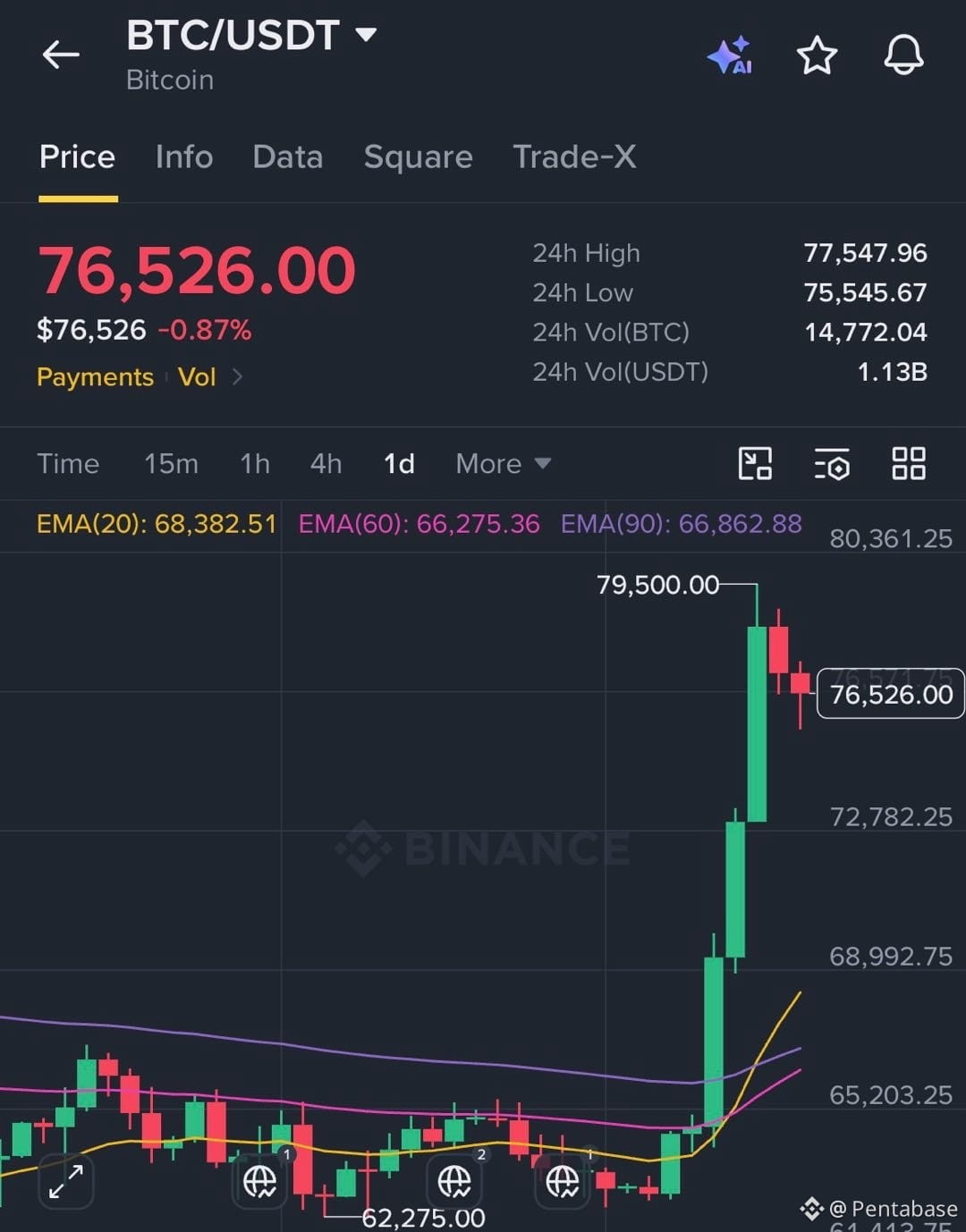
🚨 比特幣在川普發言後突破 79,000 美元
美國總統川普表示,美國正在考慮
「直接購買大量比特幣與其他加密貨幣」。
BTC 持續強勁上漲動能,
最終突破 79,000 美元。📈
🇺🇸 美國政府直接採購的可能性
正在推動市場的強勁買盤預期。
監管 → 持有 → 直接採購
美國對加密貨幣的做法似乎正在進入
新的階段。
🚨 比特幣在川普發言後突破 79,000 美元
美國總統川普表示,美國正在考慮
「直接購買大量比特幣與其他加密貨幣」。
BTC 持續強勁上漲動能,
最終突破 79,000 美元。📈
🇺🇸 美國政府直接採購的可能性
正在推動市場的強勁買盤預期。
監管 → 持有 → 直接採購
美國對加密貨幣的做法似乎正在進入
新的階段。
美國總統川普表示,美國正在考慮
「直接購買大量比特幣與其他加密貨幣」。
BTC 持續強勁上漲動能,
最終突破 79,000 美元。📈
🇺🇸 美國政府直接採購的可能性
正在推動市場的強勁買盤預期。
監管 → 持有 → 直接採購
美國對加密貨幣的做法似乎正在進入
新的階段。
63
登入以探索更多內容
加入幣安廣場中的全球加密貨幣用戶
⚡️ 獲取加密貨幣的最新和實用資訊。
💬 受到全球最大加密貨幣交易所的信任。
👍 發掘來自經過驗證創作者的真實見解。
電子郵件 / 電話號碼
熱門話題
Strategy未购比特币斥资2.05亿美元回购STRC
7,939 次瀏覽
109 討論中
#strategy市值超越纳斯达克跻身全球前400 微策略不買幣了,慌不慌?
兄弟們,盤前掃了一眼MSTR,市值剛超納斯達克擠進全球前400,按理說塞勒該敲鑼打鼓繼續掃貨纔對。結果呢?上週只這周完全沒買。
別急着喊“BTC太貴買不起”。
真相在資金流向上:同一周,MSTR掏了1.93億美金回購自家STRC優先股,買餅才花了2200萬。錢沒少花,但方向換了。
不是餅貴,是優先股股息快把現金流啃穿了。 STR C那玩意兒年化12%的股息,發得越多,美元利息壓得越喘不過氣。
塞勒現在乾的活,是先把高息債往回買,降低未來的固定支出,而不是繼續往餅裏砸錢。
再看盤前實況。 BTC今天已經跌破八萬,報八萬零兩百附近,FOMC前避險情緒拉滿。MSTR盤前掛在141.6左右,昨天收跌3%出頭。
這走勢說明市場也在算賬:你市值靠餅撐着,餅在跌,你又不加倉,溢價靠什麼撐?$MSTR $BTC $ETH #Strategy未购比特币斥资2.05亿美元回购STRC
老腊肉-kevin
·12 人按讚
·30.3k 次瀏覽
BitMine增持10452枚ETH
53,930 次瀏覽
331 討論中
韩国考虑对加密交易所征教育税
38,901 次瀏覽
314 討論中