
Linus parker
96 貼文

Linus parker
舉報
封鎖用戶
Crypto Visionary | Market Analyst | Community Builder | Empowering Investors, Educating the Masses
0 關注
1 粉絲
2 點讚數
貼文
·
--
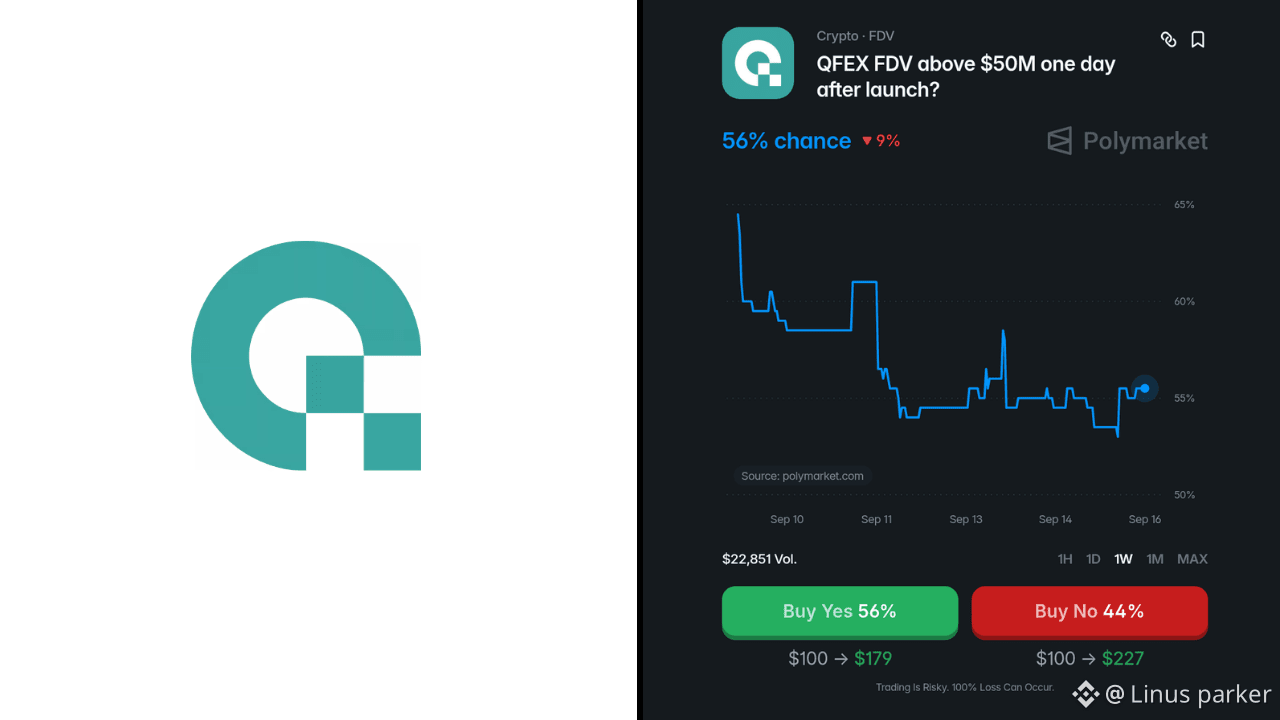
QFEX 能贏下 5,000 萬美元 💰
下跌 9% 後,有 56% 選擇「是」。
我正在買入這個回檔的弱勢。
重點不在於 QFEX 會不會成為加密貨幣中最大的交易所。Polymarket 正在問的是:在上線後的一天內,它是否能達到 5,000 萬美元的 FDV。
對我來說,這是一個更容易支持的論點。
上線估值可以受到關注度、產品敘事、初始流動性,以及爭奪首批可用供給的交易者人數所推動。這個專案並不需要經過數年的營運歷史,就能在短時間內跨過那個門檻。
所以我選「是」。
這個案例也說明了為什麼我更偏好預測市場,而不是單純追逐另一根 $DOGE 的上漲K線。
在一般代幣交易中,我可能在敘事上是對的,卻仍會因為時點錯誤而被打爆。
但在這裡,我能精準鎖定我究竟在賭什麼:
上線後,QFEX 的價值高於 5,000 萬美元。
其他什麼都不需要是真的。
而如果隨著上線臨近,機率從 56% 往 70% 走,我可以在結算前退出,並在重新定價時拿到收益。
這種選擇權的價值很重要。
Polymarket 不只是我做預測的地方。
它越來越成為我用來交易預測的地方。
#Altcoin Season#
QFEX 能贏下 5,000 萬美元 💰
下跌 9% 後,有 56% 選擇「是」。
我正在買入這個回檔的弱勢。
重點不在於 QFEX 會不會成為加密貨幣中最大的交易所。Polymarket 正在問的是:在上線後的一天內,它是否能達到 5,000 萬美元的 FDV。
對我來說,這是一個更容易支持的論點。
上線估值可以受到關注度、產品敘事、初始流動性,以及爭奪首批可用供給的交易者人數所推動。這個專案並不需要經過數年的營運歷史,就能在短時間內跨過那個門檻。
所以我選「是」。
這個案例也說明了為什麼我更偏好預測市場,而不是單純追逐另一根 $DOGE 的上漲K線。
在一般代幣交易中,我可能在敘事上是對的,卻仍會因為時點錯誤而被打爆。
但在這裡,我能精準鎖定我究竟在賭什麼:
上線後,QFEX 的價值高於 5,000 萬美元。
其他什麼都不需要是真的。
而如果隨著上線臨近,機率從 56% 往 70% 走,我可以在結算前退出,並在重新定價時拿到收益。
這種選擇權的價值很重要。
Polymarket 不只是我做預測的地方。
它越來越成為我用來交易預測的地方。
#Altcoin Season#
下跌 9% 後,有 56% 選擇「是」。
我正在買入這個回檔的弱勢。
重點不在於 QFEX 會不會成為加密貨幣中最大的交易所。Polymarket 正在問的是:在上線後的一天內,它是否能達到 5,000 萬美元的 FDV。
對我來說,這是一個更容易支持的論點。
上線估值可以受到關注度、產品敘事、初始流動性,以及爭奪首批可用供給的交易者人數所推動。這個專案並不需要經過數年的營運歷史,就能在短時間內跨過那個門檻。
所以我選「是」。
這個案例也說明了為什麼我更偏好預測市場,而不是單純追逐另一根 $DOGE 的上漲K線。
在一般代幣交易中,我可能在敘事上是對的,卻仍會因為時點錯誤而被打爆。
但在這裡,我能精準鎖定我究竟在賭什麼:
上線後,QFEX 的價值高於 5,000 萬美元。
其他什麼都不需要是真的。
而如果隨著上線臨近,機率從 56% 往 70% 走,我可以在結算前退出,並在重新定價時拿到收益。
這種選擇權的價值很重要。
Polymarket 不只是我做預測的地方。
它越來越成為我用來交易預測的地方。
#Altcoin Season#
54
·
--
你的OTC交易不應該公然宣告買方 👁️
一旦市場知道是誰在嘗試執行,大額交易就會立刻變得更糟。
$JUP 可以在 Solana 流動性中找到深度路徑,但使用這些路徑的大錢包仍會留下足夠的可見活動,讓其他交易者推斷規模與意圖。
機構早就拒絕以這種方式運作,這就是為什麼 $CC 會把交易資訊保留在真正需要它的領域之內。
因此,專業資金保護其訂單流向,而鏈上交易者仍會公開地發出他們的訊號。
Midnight 讓應用程式在同時證明交易已滿足該交易場地的規則的前提下,仍能讓訂單與持倉保持不可讀。
Webisoft 已經在 Midnight 上依照這個精確模型打造一個交易場地。
這很重要,因為對私密執行的需求並非假設而已;而且大錢包已經在規模一旦開始讓價格朝不利方向移動時,離開公開場地去找 OTC 桌。
我正在觀察,是否有了私密的鏈上執行之後,能把部分這種流量拉回到應用程式中;因為客戶已經存在,而這種保密早就已在其他地方發生。
#Privacy #DeFi
你的OTC交易不應該公然宣告買方 👁️
一旦市場知道是誰在嘗試執行,大額交易就會立刻變得更糟。
$JUP 可以在 Solana 流動性中找到深度路徑,但使用這些路徑的大錢包仍會留下足夠的可見活動,讓其他交易者推斷規模與意圖。
機構早就拒絕以這種方式運作,這就是為什麼 $CC 會把交易資訊保留在真正需要它的領域之內。
因此,專業資金保護其訂單流向,而鏈上交易者仍會公開地發出他們的訊號。
Midnight 讓應用程式在同時證明交易已滿足該交易場地的規則的前提下,仍能讓訂單與持倉保持不可讀。
Webisoft 已經在 Midnight 上依照這個精確模型打造一個交易場地。
這很重要,因為對私密執行的需求並非假設而已;而且大錢包已經在規模一旦開始讓價格朝不利方向移動時,離開公開場地去找 OTC 桌。
我正在觀察,是否有了私密的鏈上執行之後,能把部分這種流量拉回到應用程式中;因為客戶已經存在,而這種保密早就已在其他地方發生。
#Privacy #DeFi
一旦市場知道是誰在嘗試執行,大額交易就會立刻變得更糟。
$JUP 可以在 Solana 流動性中找到深度路徑,但使用這些路徑的大錢包仍會留下足夠的可見活動,讓其他交易者推斷規模與意圖。
機構早就拒絕以這種方式運作,這就是為什麼 $CC 會把交易資訊保留在真正需要它的領域之內。
因此,專業資金保護其訂單流向,而鏈上交易者仍會公開地發出他們的訊號。
Midnight 讓應用程式在同時證明交易已滿足該交易場地的規則的前提下,仍能讓訂單與持倉保持不可讀。
Webisoft 已經在 Midnight 上依照這個精確模型打造一個交易場地。
這很重要,因為對私密執行的需求並非假設而已;而且大錢包已經在規模一旦開始讓價格朝不利方向移動時,離開公開場地去找 OTC 桌。
我正在觀察,是否有了私密的鏈上執行之後,能把部分這種流量拉回到應用程式中;因為客戶已經存在,而這種保密早就已在其他地方發生。
#Privacy #DeFi
57
·
--
Injective 現已在 SOLANA 上線 🌐
通過 Sunrise,$INJ 現已在 $SOL 上線,並可在 Jupiter、Raydium 以及其他 Solana 生態系應用中使用。
這為 Solana 使用者提供了更直接的途徑,能透過熟悉的交易與流動性介面來存取 INJ,同時也為 Injective 開闢了另一個分發管道。
將 INJ 帶入 Solana 的應用層,讓該代幣在其原生生態系之外,擁有更多通往使用者與流動性的路徑。
對我而言,這是一個強勁的成長信號,因為每一個新的接觸點都會擴大能夠發現 INJ 與更廣泛 Injective 生態系的受眾 🔥
#Altcoin Season#
Injective 現已在 SOLANA 上線 🌐
通過 Sunrise,$INJ 現已在 $SOL 上線,並可在 Jupiter、Raydium 以及其他 Solana 生態系應用中使用。
這為 Solana 使用者提供了更直接的途徑,能透過熟悉的交易與流動性介面來存取 INJ,同時也為 Injective 開闢了另一個分發管道。
將 INJ 帶入 Solana 的應用層,讓該代幣在其原生生態系之外,擁有更多通往使用者與流動性的路徑。
對我而言,這是一個強勁的成長信號,因為每一個新的接觸點都會擴大能夠發現 INJ 與更廣泛 Injective 生態系的受眾 🔥
#Altcoin Season#
通過 Sunrise,$INJ 現已在 $SOL 上線,並可在 Jupiter、Raydium 以及其他 Solana 生態系應用中使用。
這為 Solana 使用者提供了更直接的途徑,能透過熟悉的交易與流動性介面來存取 INJ,同時也為 Injective 開闢了另一個分發管道。
將 INJ 帶入 Solana 的應用層,讓該代幣在其原生生態系之外,擁有更多通往使用者與流動性的路徑。
對我而言,這是一個強勁的成長信號,因為每一個新的接觸點都會擴大能夠發現 INJ 與更廣泛 Injective 生態系的受眾 🔥
#Altcoin Season#
64
·
--
限制你交易風險的 AI 🛡️
一個交易策略不會因為它能找到獲利機會就代表它夠聰明。它在判斷錯誤時會承受多少風險,幾乎同樣重要。
這也是 Pear Protocol 全新 Agent Pear Vault 最顯眼的特色之一。
每個機會都會根據統計訊號的強度、流動性、未平倉量(open interest)以及波動率等因素進行評分,以決定實際應該投入多少資本到這筆交易中。
還有另一項我想多數交易者都會喜歡的保護:每一筆交易都設有停損(stop loss),用來確保來自任何單一訊號的最大損失不會超過 Vault 總鎖定資產(TVL)的 1%。
它甚至不會把資金全部部署出去。至少有 20% 的 Vault 會以穩定幣形式保留,而不是用作交易抵押品。
然後,用於交易的資金會用在多/空的統計套利(statistical-arbitrage)部位。Agent Pear 並不是像單純押注 $ZEC 會上漲那樣運作;它會尋找相關資產之間的暫時性落差,並交易這種關係,有助於降低對整體市場方向的依賴。
所以當策略透過 $HYPE 自動執行時,風險管理也會同步進行。
這正是交易者需要的 AI 自動化:不只是找到賺錢的方法,而是能夠自動限制我們為了賺錢所願意承受的風險。
了解更多:pear.garden
#Altcoin Season#
限制你交易風險的 AI 🛡️
一個交易策略不會因為它能找到獲利機會就代表它夠聰明。它在判斷錯誤時會承受多少風險,幾乎同樣重要。
這也是 Pear Protocol 全新 Agent Pear Vault 最顯眼的特色之一。
每個機會都會根據統計訊號的強度、流動性、未平倉量(open interest)以及波動率等因素進行評分,以決定實際應該投入多少資本到這筆交易中。
還有另一項我想多數交易者都會喜歡的保護:每一筆交易都設有停損(stop loss),用來確保來自任何單一訊號的最大損失不會超過 Vault 總鎖定資產(TVL)的 1%。
它甚至不會把資金全部部署出去。至少有 20% 的 Vault 會以穩定幣形式保留,而不是用作交易抵押品。
然後,用於交易的資金會用在多/空的統計套利(statistical-arbitrage)部位。Agent Pear 並不是像單純押注 $ZEC 會上漲那樣運作;它會尋找相關資產之間的暫時性落差,並交易這種關係,有助於降低對整體市場方向的依賴。
所以當策略透過 $HYPE 自動執行時,風險管理也會同步進行。
這正是交易者需要的 AI 自動化:不只是找到賺錢的方法,而是能夠自動限制我們為了賺錢所願意承受的風險。
了解更多:pear.garden
#Altcoin Season#
一個交易策略不會因為它能找到獲利機會就代表它夠聰明。它在判斷錯誤時會承受多少風險,幾乎同樣重要。
這也是 Pear Protocol 全新 Agent Pear Vault 最顯眼的特色之一。
每個機會都會根據統計訊號的強度、流動性、未平倉量(open interest)以及波動率等因素進行評分,以決定實際應該投入多少資本到這筆交易中。
還有另一項我想多數交易者都會喜歡的保護:每一筆交易都設有停損(stop loss),用來確保來自任何單一訊號的最大損失不會超過 Vault 總鎖定資產(TVL)的 1%。
它甚至不會把資金全部部署出去。至少有 20% 的 Vault 會以穩定幣形式保留,而不是用作交易抵押品。
然後,用於交易的資金會用在多/空的統計套利(statistical-arbitrage)部位。Agent Pear 並不是像單純押注 $ZEC 會上漲那樣運作;它會尋找相關資產之間的暫時性落差,並交易這種關係,有助於降低對整體市場方向的依賴。
所以當策略透過 $HYPE 自動執行時,風險管理也會同步進行。
這正是交易者需要的 AI 自動化:不只是找到賺錢的方法,而是能夠自動限制我們為了賺錢所願意承受的風險。
了解更多:pear.garden
#Altcoin Season#
67
·
--
$1.4T 比特幣存在生產力問題 🔥
$BTC 是全球最大資產之一,但目前只有 0.22% 的價值被用於 DeFi。
也就是大約有 $3.07B 在鏈上運作,而幾乎一切其他資產都閒置著。
$SUI 正在打造能改變這一切的基礎設施。
Hashi 將原生比特幣轉換為可程式化抵押品,而無需持有者出售它。
上線之初,第一個主要使用案例將是借貸。
比特幣持有者將能取得穩定幣流動性,而開發者則可圍繞以下方向打造產品:
• 信用發放
• 自動化抵押管理
• 結構化收益機會
BitGo、FalconX、Bullish、Ledger、Fordefi 和 Erebor Bank 已經承諾投入該生態系。
AlphaLend、NAVI、Scallop 和 Suilend 也預期將在 Sui 上提供第一天即可使用的接入。
Hashi 目前已在 devnet 上運行,主網預計在今年稍後推出。
如果 Sui 能夠吃到比特幣閒置流動性的哪怕一小部分,這可能會成為它最具價值的金融基礎原語之一。
#BTC #DeFi
$1.4T 比特幣存在生產力問題 🔥
$BTC 是全球最大資產之一,但目前只有 0.22% 的價值被用於 DeFi。
也就是大約有 $3.07B 在鏈上運作,而幾乎一切其他資產都閒置著。
$SUI 正在打造能改變這一切的基礎設施。
Hashi 將原生比特幣轉換為可程式化抵押品,而無需持有者出售它。
上線之初,第一個主要使用案例將是借貸。
比特幣持有者將能取得穩定幣流動性,而開發者則可圍繞以下方向打造產品:
• 信用發放
• 自動化抵押管理
• 結構化收益機會
BitGo、FalconX、Bullish、Ledger、Fordefi 和 Erebor Bank 已經承諾投入該生態系。
AlphaLend、NAVI、Scallop 和 Suilend 也預期將在 Sui 上提供第一天即可使用的接入。
Hashi 目前已在 devnet 上運行,主網預計在今年稍後推出。
如果 Sui 能夠吃到比特幣閒置流動性的哪怕一小部分,這可能會成為它最具價值的金融基礎原語之一。
#BTC #DeFi
$BTC 是全球最大資產之一,但目前只有 0.22% 的價值被用於 DeFi。
也就是大約有 $3.07B 在鏈上運作,而幾乎一切其他資產都閒置著。
$SUI 正在打造能改變這一切的基礎設施。
Hashi 將原生比特幣轉換為可程式化抵押品,而無需持有者出售它。
上線之初,第一個主要使用案例將是借貸。
比特幣持有者將能取得穩定幣流動性,而開發者則可圍繞以下方向打造產品:
• 信用發放
• 自動化抵押管理
• 結構化收益機會
BitGo、FalconX、Bullish、Ledger、Fordefi 和 Erebor Bank 已經承諾投入該生態系。
AlphaLend、NAVI、Scallop 和 Suilend 也預期將在 Sui 上提供第一天即可使用的接入。
Hashi 目前已在 devnet 上運行,主網預計在今年稍後推出。
如果 Sui 能夠吃到比特幣閒置流動性的哪怕一小部分,這可能會成為它最具價值的金融基礎原語之一。
#BTC #DeFi
76
·
--
你的整套 DeFi 策略都能保持私密 🔐
DeFi 基礎建設已變得相當成熟。$LINK 能夠把外部資料帶入鏈上,借貸市場也能讓閒置資本發揮作用,但圍繞其中所有金融活動的事實上仍預設高度公開。
即使你找到了讓部位保持機密的方法,當你真正想要調整策略時又會怎樣呢?
如果從一種策略切換到另一種策略,必須再次經過公開市場,任何在鏈上監視的人都可能看到資金如何移動、移動規模,以及資金去向。
Zama Protocol 剛好補上這個落差。
它的「機密交換(Confidential Swap)協議」已正式公開上線,意味著 LP 能夠從一個機密金庫贖回,切換成另一種機密資產,並在不需在這些行動之間取消遮罩(unshielding)的情況下,重新部署到另一個金庫。
如此一來,整個資本生命週期都能維持私密:
Shield → Earn → Swap → Redeploy。
而且交換不僅限於 Zama 新金庫所支援的五種底層資產。像 cPENDLE/cUSDC 這樣的機密交易對也同樣支援,能把 $PENDLE 帶入機密市場。
甚至連金庫份額也能直接交易。
第一組支援的交易對允許 LP 把 Steakhouse 機密 USDC 金庫份額,交換為 cUSDC;這或許提供了另一種退出部位的方式,不必等待一般的贖回批次,或在贖回流動性不足時仍可選擇出路。
這是一種更實用的鏈上隱私版本。現在你的部位與輪替也能同樣保持機密。
#Altcoin Season#
你的整套 DeFi 策略都能保持私密 🔐
DeFi 基礎建設已變得相當成熟。$LINK 能夠把外部資料帶入鏈上,借貸市場也能讓閒置資本發揮作用,但圍繞其中所有金融活動的事實上仍預設高度公開。
即使你找到了讓部位保持機密的方法,當你真正想要調整策略時又會怎樣呢?
如果從一種策略切換到另一種策略,必須再次經過公開市場,任何在鏈上監視的人都可能看到資金如何移動、移動規模,以及資金去向。
Zama Protocol 剛好補上這個落差。
它的「機密交換(Confidential Swap)協議」已正式公開上線,意味著 LP 能夠從一個機密金庫贖回,切換成另一種機密資產,並在不需在這些行動之間取消遮罩(unshielding)的情況下,重新部署到另一個金庫。
如此一來,整個資本生命週期都能維持私密:
Shield → Earn → Swap → Redeploy。
而且交換不僅限於 Zama 新金庫所支援的五種底層資產。像 cPENDLE/cUSDC 這樣的機密交易對也同樣支援,能把 $PENDLE 帶入機密市場。
甚至連金庫份額也能直接交易。
第一組支援的交易對允許 LP 把 Steakhouse 機密 USDC 金庫份額,交換為 cUSDC;這或許提供了另一種退出部位的方式,不必等待一般的贖回批次,或在贖回流動性不足時仍可選擇出路。
這是一種更實用的鏈上隱私版本。現在你的部位與輪替也能同樣保持機密。
#Altcoin Season#
DeFi 基礎建設已變得相當成熟。$LINK 能夠把外部資料帶入鏈上,借貸市場也能讓閒置資本發揮作用,但圍繞其中所有金融活動的事實上仍預設高度公開。
即使你找到了讓部位保持機密的方法,當你真正想要調整策略時又會怎樣呢?
如果從一種策略切換到另一種策略,必須再次經過公開市場,任何在鏈上監視的人都可能看到資金如何移動、移動規模,以及資金去向。
Zama Protocol 剛好補上這個落差。
它的「機密交換(Confidential Swap)協議」已正式公開上線,意味著 LP 能夠從一個機密金庫贖回,切換成另一種機密資產,並在不需在這些行動之間取消遮罩(unshielding)的情況下,重新部署到另一個金庫。
如此一來,整個資本生命週期都能維持私密:
Shield → Earn → Swap → Redeploy。
而且交換不僅限於 Zama 新金庫所支援的五種底層資產。像 cPENDLE/cUSDC 這樣的機密交易對也同樣支援,能把 $PENDLE 帶入機密市場。
甚至連金庫份額也能直接交易。
第一組支援的交易對允許 LP 把 Steakhouse 機密 USDC 金庫份額,交換為 cUSDC;這或許提供了另一種退出部位的方式,不必等待一般的贖回批次,或在贖回流動性不足時仍可選擇出路。
這是一種更實用的鏈上隱私版本。現在你的部位與輪替也能同樣保持機密。
#Altcoin Season#
48
·
--
$B3 可能是本週期被忽視的基礎建設瑰寶。📈
AI 基礎建設終於開始像一個獨立產業那樣被交易,而市場也已經開始獎勵那些把運算轉化為可投資資產的專案。
$VVV 本月上漲 85.71%。
威尼斯(Venice)圍繞 AI 推論打造了一套經濟。VVV 提供進入運算的存取管道,DIEM 則把這些能力變成可交易的資產,而平台活動會透過回購與銷毀直接回饋到代幣。
市場開始以相應的方式為這套模式定價。
$B3 本月上漲 40.75%,但我覺得更有趣的是代幣底層正在發生的事。
B3IQ 正在把同樣的持有權論點再往下推進一層。
它不是把「存取推論」代幣化,而是提供買家一條路徑:去擁有實際生產推論所需的實體 GPU。
大致先付 30% 預付款,B3 其餘部分進行融資,機器在俄勒岡(Oregon)建置並託管,而在剩餘款項被逐步付清的同時,這些運算能力就能產生收入。
B3IQ 在前兩週就售出了 8 位數規模的 GPU,並且此後已披露超過 9 位數規模的部署需求。
這就是我一直回頭看的部分。
VVV 證明了:對於擁有並金融化 AI 運算資源,是存在需求的。
B3IQ 則是在以真正的、可產出的資產來支撐這個市場。
一個已經上漲 86%
另一個本月上漲 41%,而且仍然感覺像是——人們只是剛開始理解它。
我一直在觀察:敘事與 B3 實際正在打造的東西之間的落差。
目前看起來仍被錯誤定價。
#AI #Altcoin Season#
$B3 可能是本週期被忽視的基礎建設瑰寶。📈
AI 基礎建設終於開始像一個獨立產業那樣被交易,而市場也已經開始獎勵那些把運算轉化為可投資資產的專案。
$VVV 本月上漲 85.71%。
威尼斯(Venice)圍繞 AI 推論打造了一套經濟。VVV 提供進入運算的存取管道,DIEM 則把這些能力變成可交易的資產,而平台活動會透過回購與銷毀直接回饋到代幣。
市場開始以相應的方式為這套模式定價。
$B3 本月上漲 40.75%,但我覺得更有趣的是代幣底層正在發生的事。
B3IQ 正在把同樣的持有權論點再往下推進一層。
它不是把「存取推論」代幣化,而是提供買家一條路徑:去擁有實際生產推論所需的實體 GPU。
大致先付 30% 預付款,B3 其餘部分進行融資,機器在俄勒岡(Oregon)建置並託管,而在剩餘款項被逐步付清的同時,這些運算能力就能產生收入。
B3IQ 在前兩週就售出了 8 位數規模的 GPU,並且此後已披露超過 9 位數規模的部署需求。
這就是我一直回頭看的部分。
VVV 證明了:對於擁有並金融化 AI 運算資源,是存在需求的。
B3IQ 則是在以真正的、可產出的資產來支撐這個市場。
一個已經上漲 86%
另一個本月上漲 41%,而且仍然感覺像是——人們只是剛開始理解它。
我一直在觀察:敘事與 B3 實際正在打造的東西之間的落差。
目前看起來仍被錯誤定價。
#AI #Altcoin Season#
AI 基礎建設終於開始像一個獨立產業那樣被交易,而市場也已經開始獎勵那些把運算轉化為可投資資產的專案。
$VVV 本月上漲 85.71%。
威尼斯(Venice)圍繞 AI 推論打造了一套經濟。VVV 提供進入運算的存取管道,DIEM 則把這些能力變成可交易的資產,而平台活動會透過回購與銷毀直接回饋到代幣。
市場開始以相應的方式為這套模式定價。
$B3 本月上漲 40.75%,但我覺得更有趣的是代幣底層正在發生的事。
B3IQ 正在把同樣的持有權論點再往下推進一層。
它不是把「存取推論」代幣化,而是提供買家一條路徑:去擁有實際生產推論所需的實體 GPU。
大致先付 30% 預付款,B3 其餘部分進行融資,機器在俄勒岡(Oregon)建置並託管,而在剩餘款項被逐步付清的同時,這些運算能力就能產生收入。
B3IQ 在前兩週就售出了 8 位數規模的 GPU,並且此後已披露超過 9 位數規模的部署需求。
這就是我一直回頭看的部分。
VVV 證明了:對於擁有並金融化 AI 運算資源,是存在需求的。
B3IQ 則是在以真正的、可產出的資產來支撐這個市場。
一個已經上漲 86%
另一個本月上漲 41%,而且仍然感覺像是——人們只是剛開始理解它。
我一直在觀察:敘事與 B3 實際正在打造的東西之間的落差。
目前看起來仍被錯誤定價。
#AI #Altcoin Season#
54
·
--
私人金融仍需要可驗證的規則 🔐
$AAVE 展示了 DeFi 如何將借貸規則做成可在鏈上執行。
接下來的挑戰是在不失去可驗證性的前提下處理私人資訊。
放貸方可能只需要知道借款人已通過身分檢查,或達到抵押門檻即可。
公開完整紀錄會暴露比交易實際需要更多的資訊。
ZK 證明可以在保留那些紀錄隱私的同時,確認規則已被滿足。
應用程式仍需要一種可靠的方法來檢查該證明。
我認為,這一步是最多非技術型投資人所忽略的。
zkVerify($VFY)會檢查所提供的證明,並記錄一個可供應用程式或鏈使用的結果。
▪️這就建立了清晰的價值鏈。
▪️使用者分享更少的敏感資訊
▪️應用程式取得經驗證的結果
▪️驗證請求以 VFY 付費
證明的使用量成長,應該也會帶來費用活動的成長。
採用率仍是主要風險,但產品使用與 VFY 用途之間的連結是清楚的。
#DeFi #Altcoin Season#
私人金融仍需要可驗證的規則 🔐
$AAVE 展示了 DeFi 如何將借貸規則做成可在鏈上執行。
接下來的挑戰是在不失去可驗證性的前提下處理私人資訊。
放貸方可能只需要知道借款人已通過身分檢查,或達到抵押門檻即可。
公開完整紀錄會暴露比交易實際需要更多的資訊。
ZK 證明可以在保留那些紀錄隱私的同時,確認規則已被滿足。
應用程式仍需要一種可靠的方法來檢查該證明。
我認為,這一步是最多非技術型投資人所忽略的。
zkVerify($VFY)會檢查所提供的證明,並記錄一個可供應用程式或鏈使用的結果。
▪️這就建立了清晰的價值鏈。
▪️使用者分享更少的敏感資訊
▪️應用程式取得經驗證的結果
▪️驗證請求以 VFY 付費
證明的使用量成長,應該也會帶來費用活動的成長。
採用率仍是主要風險,但產品使用與 VFY 用途之間的連結是清楚的。
#DeFi #Altcoin Season#
$AAVE 展示了 DeFi 如何將借貸規則做成可在鏈上執行。
接下來的挑戰是在不失去可驗證性的前提下處理私人資訊。
放貸方可能只需要知道借款人已通過身分檢查,或達到抵押門檻即可。
公開完整紀錄會暴露比交易實際需要更多的資訊。
ZK 證明可以在保留那些紀錄隱私的同時,確認規則已被滿足。
應用程式仍需要一種可靠的方法來檢查該證明。
我認為,這一步是最多非技術型投資人所忽略的。
zkVerify($VFY)會檢查所提供的證明,並記錄一個可供應用程式或鏈使用的結果。
▪️這就建立了清晰的價值鏈。
▪️使用者分享更少的敏感資訊
▪️應用程式取得經驗證的結果
▪️驗證請求以 VFY 付費
證明的使用量成長,應該也會帶來費用活動的成長。
採用率仍是主要風險,但產品使用與 VFY 用途之間的連結是清楚的。
#DeFi #Altcoin Season#
74
·
--
AI 應該有所限制 🧠
有一部分裴晨(Pei Chen)的思考,我其實比起一般所謂「自主代理」的宣傳方式,更覺得引人信服。
策展人不會消失。
他們仍要負責決定資本流向何處,並界定圍繞這些決策的邊界。
AI 會去做它更適合的工作:持續處理資訊、監控部位,並協助人類以機器般的速度運作。
這種區別很重要。
我不希望某個 AI 只因為它的信心分數跨過了某個任意門檻,就去碰資本。
我更希望由人類的判斷先建立任務授權(mandate)。
$TAO 已經讓去中心化智慧成為主要的加密貨幣類別之一。
$LINK 展示了當可靠、可供機器讀取的資訊變成關鍵金融基礎設施時,會發生什麼。
我認為下一個演進,是把智慧與決策連結起來,同時不假裝人類突然就變得不必要。
對我而言,這才是更可信的「以 AI 驅動」的金融版本。
#Altcoin Season#
AI 應該有所限制 🧠
有一部分裴晨(Pei Chen)的思考,我其實比起一般所謂「自主代理」的宣傳方式,更覺得引人信服。
策展人不會消失。
他們仍要負責決定資本流向何處,並界定圍繞這些決策的邊界。
AI 會去做它更適合的工作:持續處理資訊、監控部位,並協助人類以機器般的速度運作。
這種區別很重要。
我不希望某個 AI 只因為它的信心分數跨過了某個任意門檻,就去碰資本。
我更希望由人類的判斷先建立任務授權(mandate)。
$TAO 已經讓去中心化智慧成為主要的加密貨幣類別之一。
$LINK 展示了當可靠、可供機器讀取的資訊變成關鍵金融基礎設施時,會發生什麼。
我認為下一個演進,是把智慧與決策連結起來,同時不假裝人類突然就變得不必要。
對我而言,這才是更可信的「以 AI 驅動」的金融版本。
#Altcoin Season#
有一部分裴晨(Pei Chen)的思考,我其實比起一般所謂「自主代理」的宣傳方式,更覺得引人信服。
策展人不會消失。
他們仍要負責決定資本流向何處,並界定圍繞這些決策的邊界。
AI 會去做它更適合的工作:持續處理資訊、監控部位,並協助人類以機器般的速度運作。
這種區別很重要。
我不希望某個 AI 只因為它的信心分數跨過了某個任意門檻,就去碰資本。
我更希望由人類的判斷先建立任務授權(mandate)。
$TAO 已經讓去中心化智慧成為主要的加密貨幣類別之一。
$LINK 展示了當可靠、可供機器讀取的資訊變成關鍵金融基礎設施時,會發生什麼。
我認為下一個演進,是把智慧與決策連結起來,同時不假裝人類突然就變得不必要。
對我而言,這才是更可信的「以 AI 驅動」的金融版本。
#Altcoin Season#
66
·
--
Pumpfun 抄了 Zora?
當 $PUMP 宣布自訂配對(Custom Pairs)時,許多人把這個點子當成完全嶄新的啟動台(launchpad)基礎原語。
即使別人更早想到,同樣的概念最後還是會落在誰手上、誰得到功勞——這會影響人們如何分配認可,令人想咳嗽——*咳 $ZORA 咳*
市場會更容易記住最吵的那個宣告,而不是最早推出的產品。
作為一名建造者,我會覺得很挫折。
我也會把它視為一個巨大的訊號。
Zora 早就已經推出自訂配對(Custom Pairs),在 PumpFun 採用相同名稱與底層概念之前,已經建立了超過 4,000 組配對。
你想說這叫靈感也可以。
以我所站的位置看來,這幾乎就是 Pump 把作業抄了,然後拿去給更大的班級交出去。
樂觀的部分是:Zora 的論點現在正被一個更大聲的平台所驗證。
它的新 CEO 已經承諾會增加更多溝通、重啟社群激勵,並回到更強的分發(distribution)。
正是這個時刻需要的東西。
Zora 不需要再發明一個新的故事。
它需要把自己早就正在打造的那個故事拿回來,並確保大家知道自訂配對(Custom Pairs)最先在哪裡獲得動能。
如果領導層的重置能修補那個能見度落差,平台終於可能獲得更接近其產品活動層級的關注。
下一階段應該會更吵得多。
#Meme Alpha# #Altcoin Season#
Pumpfun 抄了 Zora?
當 $PUMP 宣布自訂配對(Custom Pairs)時,許多人把這個點子當成完全嶄新的啟動台(launchpad)基礎原語。
即使別人更早想到,同樣的概念最後還是會落在誰手上、誰得到功勞——這會影響人們如何分配認可,令人想咳嗽——*咳 $ZORA 咳*
市場會更容易記住最吵的那個宣告,而不是最早推出的產品。
作為一名建造者,我會覺得很挫折。
我也會把它視為一個巨大的訊號。
Zora 早就已經推出自訂配對(Custom Pairs),在 PumpFun 採用相同名稱與底層概念之前,已經建立了超過 4,000 組配對。
你想說這叫靈感也可以。
以我所站的位置看來,這幾乎就是 Pump 把作業抄了,然後拿去給更大的班級交出去。
樂觀的部分是:Zora 的論點現在正被一個更大聲的平台所驗證。
它的新 CEO 已經承諾會增加更多溝通、重啟社群激勵,並回到更強的分發(distribution)。
正是這個時刻需要的東西。
Zora 不需要再發明一個新的故事。
它需要把自己早就正在打造的那個故事拿回來,並確保大家知道自訂配對(Custom Pairs)最先在哪裡獲得動能。
如果領導層的重置能修補那個能見度落差,平台終於可能獲得更接近其產品活動層級的關注。
下一階段應該會更吵得多。
#Meme Alpha# #Altcoin Season#
當 $PUMP 宣布自訂配對(Custom Pairs)時,許多人把這個點子當成完全嶄新的啟動台(launchpad)基礎原語。
即使別人更早想到,同樣的概念最後還是會落在誰手上、誰得到功勞——這會影響人們如何分配認可,令人想咳嗽——*咳 $ZORA 咳*
市場會更容易記住最吵的那個宣告,而不是最早推出的產品。
作為一名建造者,我會覺得很挫折。
我也會把它視為一個巨大的訊號。
Zora 早就已經推出自訂配對(Custom Pairs),在 PumpFun 採用相同名稱與底層概念之前,已經建立了超過 4,000 組配對。
你想說這叫靈感也可以。
以我所站的位置看來,這幾乎就是 Pump 把作業抄了,然後拿去給更大的班級交出去。
樂觀的部分是:Zora 的論點現在正被一個更大聲的平台所驗證。
它的新 CEO 已經承諾會增加更多溝通、重啟社群激勵,並回到更強的分發(distribution)。
正是這個時刻需要的東西。
Zora 不需要再發明一個新的故事。
它需要把自己早就正在打造的那個故事拿回來,並確保大家知道自訂配對(Custom Pairs)最先在哪裡獲得動能。
如果領導層的重置能修補那個能見度落差,平台終於可能獲得更接近其產品活動層級的關注。
下一階段應該會更吵得多。
#Meme Alpha# #Altcoin Season#

56
·
--
AI 計算面臨擴展問題 ⚙️
$NEAR 正深入推進 AI,而 $FIL 則持續在其底層建設資料基礎設施。
AI 使用得越多,算力經濟性就越重要。
也正是在這裡,B3IQ 變得特別有意思。
典型的做法:
更多用戶 → 更多推論 → 更大的持續性算力帳單。
B3IQ 透過把工作負載移到公司實際擁有的 GPU 硬體上,改變了這一切。
為什麼重要:
1⃣ 由買家擁有的實體 NVIDIA 伺服器
2⃣ 對機器的 root 存取權
3⃣ 針對既有應用的 OpenAI 相容 API
4⃣ 私有工作負載留在自有硬體上
在幕後,B3IQ 使用主機代理、控制平面與私有閘道來管理硬體,同時確保私有推論與外部工作負載保持隔離。
這部分是我正在關注的。
如果算力需求是暫時的,租用就很有道理。
如果它變成長期需求,擁有機器就開始顯得更有吸引力。
B3IQ 正是圍繞第二種情境在打造。🔮
#Altcoin Season# #AI
AI 計算面臨擴展問題 ⚙️
$NEAR 正深入推進 AI,而 $FIL 則持續在其底層建設資料基礎設施。
AI 使用得越多,算力經濟性就越重要。
也正是在這裡,B3IQ 變得特別有意思。
典型的做法:
更多用戶 → 更多推論 → 更大的持續性算力帳單。
B3IQ 透過把工作負載移到公司實際擁有的 GPU 硬體上,改變了這一切。
為什麼重要:
1⃣ 由買家擁有的實體 NVIDIA 伺服器
2⃣ 對機器的 root 存取權
3⃣ 針對既有應用的 OpenAI 相容 API
4⃣ 私有工作負載留在自有硬體上
在幕後,B3IQ 使用主機代理、控制平面與私有閘道來管理硬體,同時確保私有推論與外部工作負載保持隔離。
這部分是我正在關注的。
如果算力需求是暫時的,租用就很有道理。
如果它變成長期需求,擁有機器就開始顯得更有吸引力。
B3IQ 正是圍繞第二種情境在打造。🔮
#Altcoin Season# #AI
$NEAR 正深入推進 AI,而 $FIL 則持續在其底層建設資料基礎設施。
AI 使用得越多,算力經濟性就越重要。
也正是在這裡,B3IQ 變得特別有意思。
典型的做法:
更多用戶 → 更多推論 → 更大的持續性算力帳單。
B3IQ 透過把工作負載移到公司實際擁有的 GPU 硬體上,改變了這一切。
為什麼重要:
1⃣ 由買家擁有的實體 NVIDIA 伺服器
2⃣ 對機器的 root 存取權
3⃣ 針對既有應用的 OpenAI 相容 API
4⃣ 私有工作負載留在自有硬體上
在幕後,B3IQ 使用主機代理、控制平面與私有閘道來管理硬體,同時確保私有推論與外部工作負載保持隔離。
這部分是我正在關注的。
如果算力需求是暫時的,租用就很有道理。
如果它變成長期需求,擁有機器就開始顯得更有吸引力。
B3IQ 正是圍繞第二種情境在打造。🔮
#Altcoin Season# #AI
66
·
--
加密代幣可以對著特斯拉交易 🚗
正在關注 Plume $PLUME 或 Aerodrome $AERO 的人,應該已經理解為什麼 RWA 與 Base 流動性應該被放在同一個對話裡。
計價化(Tokenized)股票多半一直被當作要買進並長期持有的資產。
隨著有六款新的 Coinbase 股票代幣登陸 Base,讓開發者能在其周圍創造更多可能。Amazon、Microsoft、Strategy、SanDisk、SpaceX 和 Tesla 現在也加入其中。
我認為更大的轉變在於:創作者可以把什麼放到流動性池的另一側。
與特斯拉配對的代幣,表達的意念與與 WETH 配對的是截然不同。
這個配對本身會成為專案論述的一部分,同時讓市場從第一天起就擁有熟悉的參考資產。
直到現在,把這個想法變成一個可運作的市場,意味著要把跨不同工具的代幣部署、流動性與自動化拼接起來。
Bankr 現在讓創作者在於 Base 上啟動代幣時,能選擇這些股票作為配對。
這讓代幣與股票資產從一開始就進入同一個池。
接著,開發者就能透過同一個終端機(terminal)自動化圍繞市場的策略。
這也為社群創造了空間:可以圍繞特定產業、公司或投資主題建立,而不是僅僅再推出另一個孤立的代幣發行。
新的配對並不保證能夠形成持久的流動性,而新奇感也不足以僅靠自己就讓交易量持續活著。
真正有用的測試在於:這些「以股票配對」的市場,在發佈後注意力散去之後是否仍持續交易。
但為創作者提供更多可辨識的資產來進行建構,確實是 Base 市場的一次真正擴張。
我會留意哪一檔股票能吸引最多新的代幣配對,因為這可能揭示在鏈上交易者眼中,哪些地方是加密社群與公開市場之間重疊最強的所在。
#RWA #DeFi
加密代幣可以對著特斯拉交易 🚗
正在關注 Plume $PLUME 或 Aerodrome $AERO 的人,應該已經理解為什麼 RWA 與 Base 流動性應該被放在同一個對話裡。
計價化(Tokenized)股票多半一直被當作要買進並長期持有的資產。
隨著有六款新的 Coinbase 股票代幣登陸 Base,讓開發者能在其周圍創造更多可能。Amazon、Microsoft、Strategy、SanDisk、SpaceX 和 Tesla 現在也加入其中。
我認為更大的轉變在於:創作者可以把什麼放到流動性池的另一側。
與特斯拉配對的代幣,表達的意念與與 WETH 配對的是截然不同。
這個配對本身會成為專案論述的一部分,同時讓市場從第一天起就擁有熟悉的參考資產。
直到現在,把這個想法變成一個可運作的市場,意味著要把跨不同工具的代幣部署、流動性與自動化拼接起來。
Bankr 現在讓創作者在於 Base 上啟動代幣時,能選擇這些股票作為配對。
這讓代幣與股票資產從一開始就進入同一個池。
接著,開發者就能透過同一個終端機(terminal)自動化圍繞市場的策略。
這也為社群創造了空間:可以圍繞特定產業、公司或投資主題建立,而不是僅僅再推出另一個孤立的代幣發行。
新的配對並不保證能夠形成持久的流動性,而新奇感也不足以僅靠自己就讓交易量持續活著。
真正有用的測試在於:這些「以股票配對」的市場,在發佈後注意力散去之後是否仍持續交易。
但為創作者提供更多可辨識的資產來進行建構,確實是 Base 市場的一次真正擴張。
我會留意哪一檔股票能吸引最多新的代幣配對,因為這可能揭示在鏈上交易者眼中,哪些地方是加密社群與公開市場之間重疊最強的所在。
#RWA #DeFi
正在關注 Plume $PLUME 或 Aerodrome $AERO 的人,應該已經理解為什麼 RWA 與 Base 流動性應該被放在同一個對話裡。
計價化(Tokenized)股票多半一直被當作要買進並長期持有的資產。
隨著有六款新的 Coinbase 股票代幣登陸 Base,讓開發者能在其周圍創造更多可能。Amazon、Microsoft、Strategy、SanDisk、SpaceX 和 Tesla 現在也加入其中。
我認為更大的轉變在於:創作者可以把什麼放到流動性池的另一側。
與特斯拉配對的代幣,表達的意念與與 WETH 配對的是截然不同。
這個配對本身會成為專案論述的一部分,同時讓市場從第一天起就擁有熟悉的參考資產。
直到現在,把這個想法變成一個可運作的市場,意味著要把跨不同工具的代幣部署、流動性與自動化拼接起來。
Bankr 現在讓創作者在於 Base 上啟動代幣時,能選擇這些股票作為配對。
這讓代幣與股票資產從一開始就進入同一個池。
接著,開發者就能透過同一個終端機(terminal)自動化圍繞市場的策略。
這也為社群創造了空間:可以圍繞特定產業、公司或投資主題建立,而不是僅僅再推出另一個孤立的代幣發行。
新的配對並不保證能夠形成持久的流動性,而新奇感也不足以僅靠自己就讓交易量持續活著。
真正有用的測試在於:這些「以股票配對」的市場,在發佈後注意力散去之後是否仍持續交易。
但為創作者提供更多可辨識的資產來進行建構,確實是 Base 市場的一次真正擴張。
我會留意哪一檔股票能吸引最多新的代幣配對,因為這可能揭示在鏈上交易者眼中,哪些地方是加密社群與公開市場之間重疊最強的所在。
#RWA #DeFi

55
·
--
把你的基礎交易升級成由量化策略加持的策略 😏
你不需要理解 Z 分數、避險比率或統計套利,也能像懂行的人一樣來交易。
假設你看多 $ZEC 。基本交易很簡單:買進 ZEC 並祈禱你判斷是對的。但這樣做會讓你的交易幾乎完全暴露在市場方向的風險上。
把相同論點交給 Pear 協議的 Agent Pear,它會透過分析最新的量化與情緒數據,幫你找出更聰明的表達方式。接著,它會找到一個像 $ICP 這樣的標的來對沖,並判斷「做多 ZEC / 做空 ICP」是否比單純做多更有利。
它會針對這個機會最佳化避險比率、部位配置與槓桿,同時加入停損單與其他保護機制,旨在降低不必要的方向性風險。
不論你是連如何建置配對交易都還不太懂的初學者,或是希望不用花上好幾小時研究、也不想手動運算數字的老手,這都會是個重大改變。
Agent Pear 已經在這個遊戲裡累積了 28K+ 次獲勝交易。我想量化團隊知道自己在做什麼。
NFA
#Altcoin Season#
把你的基礎交易升級成由量化策略加持的策略 😏
你不需要理解 Z 分數、避險比率或統計套利,也能像懂行的人一樣來交易。
假設你看多 $ZEC 。基本交易很簡單:買進 ZEC 並祈禱你判斷是對的。但這樣做會讓你的交易幾乎完全暴露在市場方向的風險上。
把相同論點交給 Pear 協議的 Agent Pear,它會透過分析最新的量化與情緒數據,幫你找出更聰明的表達方式。接著,它會找到一個像 $ICP 這樣的標的來對沖,並判斷「做多 ZEC / 做空 ICP」是否比單純做多更有利。
它會針對這個機會最佳化避險比率、部位配置與槓桿,同時加入停損單與其他保護機制,旨在降低不必要的方向性風險。
不論你是連如何建置配對交易都還不太懂的初學者,或是希望不用花上好幾小時研究、也不想手動運算數字的老手,這都會是個重大改變。
Agent Pear 已經在這個遊戲裡累積了 28K+ 次獲勝交易。我想量化團隊知道自己在做什麼。
NFA
#Altcoin Season#
你不需要理解 Z 分數、避險比率或統計套利,也能像懂行的人一樣來交易。
假設你看多 $ZEC 。基本交易很簡單:買進 ZEC 並祈禱你判斷是對的。但這樣做會讓你的交易幾乎完全暴露在市場方向的風險上。
把相同論點交給 Pear 協議的 Agent Pear,它會透過分析最新的量化與情緒數據,幫你找出更聰明的表達方式。接著,它會找到一個像 $ICP 這樣的標的來對沖,並判斷「做多 ZEC / 做空 ICP」是否比單純做多更有利。
它會針對這個機會最佳化避險比率、部位配置與槓桿,同時加入停損單與其他保護機制,旨在降低不必要的方向性風險。
不論你是連如何建置配對交易都還不太懂的初學者,或是希望不用花上好幾小時研究、也不想手動運算數字的老手,這都會是個重大改變。
Agent Pear 已經在這個遊戲裡累積了 28K+ 次獲勝交易。我想量化團隊知道自己在做什麼。
NFA
#Altcoin Season#
45
·
--
一個終端可能取代加速器 🤖
$GRT 讓基礎設施應用程式被視為其自身的投資類別,並將其作為可見的投資依據。
$MORPHO 則針對模組化 DeFi 做了類似的事,將可重複使用的金融通道轉化為產品建置者能夠直接接入的解決方案。
代理(agent)經濟已經有足夠的基礎設施,但多數創作者無法在沒有開發者的情況下,將想法變成可運作的產品。接著,他們還需要分發管道、流動性與收入,才能讓軟體在上線後持續運行。
加密貨幣的發行平台(launchpad)解決了這個流程中的代幣部分。
傳統加速器提供資本與指導,但創辦人仍必須自己組裝產品。我認為,有價值的平台將能把從想法到獲得資金的代理(agent)的整段路徑壓縮到更短。
Bankr 正嘗試透過一個終端來做到這點:讓創作者可以在不寫程式碼的情況下,打造擁有自己錢包的客製化代理。
DeFi 技能可增加鏈上能力,而自動化工作流程則把這些動作串成一個可使用的產品。接著,創作者就能發行一個代幣,而代幣的交換(swap)費用用來支付持續性的成本,例如 LLM 推論(inference)。
這會改變 launchpad 的方程式,因為代幣可以為它所代表的軟體提供資金。
Bankr 最近購買了 ClawBank 代幣並鎖定一年,使 ClawBank 成為其第二個受支援的專案。ClawBank 正在打造自主運作所需的金融與企業基礎設施代理。
這就是我認為最重要的一點。Bankr 在上線後支持精選專案,而不是假設只有流動性就能單靠自己創造出一個可長久的商業模式。
兩筆投資根本不足以證明加速器模型。
但我已經看過足夠多的代幣發行在第一波關注週期後消失,因而我知道:資金、產品基礎設施與持續支援必須是彼此相連的。
如果 Bankr 的創作者在上線後仍持續交付(持續發佈),那麼這個終端就可能成為面向代理創辦人的鏈上版 Y Combinator。
#AI #DeFi
一個終端可能取代加速器 🤖
$GRT 讓基礎設施應用程式被視為其自身的投資類別,並將其作為可見的投資依據。
$MORPHO 則針對模組化 DeFi 做了類似的事,將可重複使用的金融通道轉化為產品建置者能夠直接接入的解決方案。
代理(agent)經濟已經有足夠的基礎設施,但多數創作者無法在沒有開發者的情況下,將想法變成可運作的產品。接著,他們還需要分發管道、流動性與收入,才能讓軟體在上線後持續運行。
加密貨幣的發行平台(launchpad)解決了這個流程中的代幣部分。
傳統加速器提供資本與指導,但創辦人仍必須自己組裝產品。我認為,有價值的平台將能把從想法到獲得資金的代理(agent)的整段路徑壓縮到更短。
Bankr 正嘗試透過一個終端來做到這點:讓創作者可以在不寫程式碼的情況下,打造擁有自己錢包的客製化代理。
DeFi 技能可增加鏈上能力,而自動化工作流程則把這些動作串成一個可使用的產品。接著,創作者就能發行一個代幣,而代幣的交換(swap)費用用來支付持續性的成本,例如 LLM 推論(inference)。
這會改變 launchpad 的方程式,因為代幣可以為它所代表的軟體提供資金。
Bankr 最近購買了 ClawBank 代幣並鎖定一年,使 ClawBank 成為其第二個受支援的專案。ClawBank 正在打造自主運作所需的金融與企業基礎設施代理。
這就是我認為最重要的一點。Bankr 在上線後支持精選專案,而不是假設只有流動性就能單靠自己創造出一個可長久的商業模式。
兩筆投資根本不足以證明加速器模型。
但我已經看過足夠多的代幣發行在第一波關注週期後消失,因而我知道:資金、產品基礎設施與持續支援必須是彼此相連的。
如果 Bankr 的創作者在上線後仍持續交付(持續發佈),那麼這個終端就可能成為面向代理創辦人的鏈上版 Y Combinator。
#AI #DeFi
$GRT 讓基礎設施應用程式被視為其自身的投資類別,並將其作為可見的投資依據。
$MORPHO 則針對模組化 DeFi 做了類似的事,將可重複使用的金融通道轉化為產品建置者能夠直接接入的解決方案。
代理(agent)經濟已經有足夠的基礎設施,但多數創作者無法在沒有開發者的情況下,將想法變成可運作的產品。接著,他們還需要分發管道、流動性與收入,才能讓軟體在上線後持續運行。
加密貨幣的發行平台(launchpad)解決了這個流程中的代幣部分。
傳統加速器提供資本與指導,但創辦人仍必須自己組裝產品。我認為,有價值的平台將能把從想法到獲得資金的代理(agent)的整段路徑壓縮到更短。
Bankr 正嘗試透過一個終端來做到這點:讓創作者可以在不寫程式碼的情況下,打造擁有自己錢包的客製化代理。
DeFi 技能可增加鏈上能力,而自動化工作流程則把這些動作串成一個可使用的產品。接著,創作者就能發行一個代幣,而代幣的交換(swap)費用用來支付持續性的成本,例如 LLM 推論(inference)。
這會改變 launchpad 的方程式,因為代幣可以為它所代表的軟體提供資金。
Bankr 最近購買了 ClawBank 代幣並鎖定一年,使 ClawBank 成為其第二個受支援的專案。ClawBank 正在打造自主運作所需的金融與企業基礎設施代理。
這就是我認為最重要的一點。Bankr 在上線後支持精選專案,而不是假設只有流動性就能單靠自己創造出一個可長久的商業模式。
兩筆投資根本不足以證明加速器模型。
但我已經看過足夠多的代幣發行在第一波關注週期後消失,因而我知道:資金、產品基礎設施與持續支援必須是彼此相連的。
如果 Bankr 的創作者在上線後仍持續交付(持續發佈),那麼這個終端就可能成為面向代理創辦人的鏈上版 Y Combinator。
#AI #DeFi
37
·
--
SXT 可能就是本週期的基礎設施瑰寶。📈
Space and Time 這類項目,會讓你感覺自己在市場之前就發現了某些東西。
基本面正在以前所未見、如此清晰地疊加在一起。
Microsoft M12 做了背書,Grayscale 圍繞它推出了信託,而 Virtual Vaults 剛剛上線——作爲首個具備持續加密質押品驗證的機構級加密借貸產品。
CLARITY 合規框架覆蓋了即將進入的美國數字資產市場結構立法的每一項支柱。
MiCA 已在歐盟生效,而滿足它的基礎設施也已經在運行。
$RENDER 建立信譽的一部分,來自擁有深厚企業背景的強大團隊,而市場最終也對其重新進行了定價。
Space and Time 由與打造 Teradata 雲端數據倉庫的同一批人創立——這是歷史上最成功的企業數據業務之一。
在他們寫下白皮書的任何一行之前,就已經非常清楚自己在構建什麼,以及要爲誰構建。
而 $37.4M 的 FDV 卻擺在面前。
我一直在尋找這爲什麼不是高信念(高確定性)的倉位的理由。
但我一直找不到。
#Altcoin Season#
SXT 可能就是本週期的基礎設施瑰寶。📈
Space and Time 這類項目,會讓你感覺自己在市場之前就發現了某些東西。
基本面正在以前所未見、如此清晰地疊加在一起。
Microsoft M12 做了背書,Grayscale 圍繞它推出了信託,而 Virtual Vaults 剛剛上線——作爲首個具備持續加密質押品驗證的機構級加密借貸產品。
CLARITY 合規框架覆蓋了即將進入的美國數字資產市場結構立法的每一項支柱。
MiCA 已在歐盟生效,而滿足它的基礎設施也已經在運行。
$RENDER 建立信譽的一部分,來自擁有深厚企業背景的強大團隊,而市場最終也對其重新進行了定價。
Space and Time 由與打造 Teradata 雲端數據倉庫的同一批人創立——這是歷史上最成功的企業數據業務之一。
在他們寫下白皮書的任何一行之前,就已經非常清楚自己在構建什麼,以及要爲誰構建。
而 $37.4M 的 FDV 卻擺在面前。
我一直在尋找這爲什麼不是高信念(高確定性)的倉位的理由。
但我一直找不到。
#Altcoin Season#
Space and Time 這類項目,會讓你感覺自己在市場之前就發現了某些東西。
基本面正在以前所未見、如此清晰地疊加在一起。
Microsoft M12 做了背書,Grayscale 圍繞它推出了信託,而 Virtual Vaults 剛剛上線——作爲首個具備持續加密質押品驗證的機構級加密借貸產品。
CLARITY 合規框架覆蓋了即將進入的美國數字資產市場結構立法的每一項支柱。
MiCA 已在歐盟生效,而滿足它的基礎設施也已經在運行。
$RENDER 建立信譽的一部分,來自擁有深厚企業背景的強大團隊,而市場最終也對其重新進行了定價。
Space and Time 由與打造 Teradata 雲端數據倉庫的同一批人創立——這是歷史上最成功的企業數據業務之一。
在他們寫下白皮書的任何一行之前,就已經非常清楚自己在構建什麼,以及要爲誰構建。
而 $37.4M 的 FDV 卻擺在面前。
我一直在尋找這爲什麼不是高信念(高確定性)的倉位的理由。
但我一直找不到。
#Altcoin Season#
1
81
·
--
這個代幣從未獲得公平的機會 👇
$STRK 代表一個零知識(Zero Knowledge)領域,其價值取決於隨時間所使用的基礎設施。
真正的價格發現需要的不只是一次啟動的K線與幾天的流動性。
還需要足夠的時間讓使用者到來,並讓市場理解該資產所驅動的應用。
2025年10月10日為新代幣帶來了相反的環境。
當加密市場整體遭遇被迫拋售時,市場出現了191.6億美元的清算。
任何更早幾天上線的代幣,在衝擊到來時仍在建立其持有者基礎。
$VFY 於9月30日開始交易。
後來十天,崩盤打斷了它初始的價格發現。
這不足以作出任何有把握的估值結論。
zkVerify 的情境則基於更清晰的問題。
應用程式是否需要一個專用網路,才能在不同的證明系統之間驗證零知識證明?
VFY 為這種驗證付費,因此「證明活動」才是值得追蹤的機制。
我認為,未來的使用情境與整合,才是真正用來驗證這項基礎設施論點的測試。
早期走勢圖主要只告訴我們,上線時間的環境異常嚴苛。
#Altcoin Season#
這個代幣從未獲得公平的機會 👇
$STRK 代表一個零知識(Zero Knowledge)領域,其價值取決於隨時間所使用的基礎設施。
真正的價格發現需要的不只是一次啟動的K線與幾天的流動性。
還需要足夠的時間讓使用者到來,並讓市場理解該資產所驅動的應用。
2025年10月10日為新代幣帶來了相反的環境。
當加密市場整體遭遇被迫拋售時,市場出現了191.6億美元的清算。
任何更早幾天上線的代幣,在衝擊到來時仍在建立其持有者基礎。
$VFY 於9月30日開始交易。
後來十天,崩盤打斷了它初始的價格發現。
這不足以作出任何有把握的估值結論。
zkVerify 的情境則基於更清晰的問題。
應用程式是否需要一個專用網路,才能在不同的證明系統之間驗證零知識證明?
VFY 為這種驗證付費,因此「證明活動」才是值得追蹤的機制。
我認為,未來的使用情境與整合,才是真正用來驗證這項基礎設施論點的測試。
早期走勢圖主要只告訴我們,上線時間的環境異常嚴苛。
#Altcoin Season#
$STRK 代表一個零知識(Zero Knowledge)領域,其價值取決於隨時間所使用的基礎設施。
真正的價格發現需要的不只是一次啟動的K線與幾天的流動性。
還需要足夠的時間讓使用者到來,並讓市場理解該資產所驅動的應用。
2025年10月10日為新代幣帶來了相反的環境。
當加密市場整體遭遇被迫拋售時,市場出現了191.6億美元的清算。
任何更早幾天上線的代幣,在衝擊到來時仍在建立其持有者基礎。
$VFY 於9月30日開始交易。
後來十天,崩盤打斷了它初始的價格發現。
這不足以作出任何有把握的估值結論。
zkVerify 的情境則基於更清晰的問題。
應用程式是否需要一個專用網路,才能在不同的證明系統之間驗證零知識證明?
VFY 為這種驗證付費,因此「證明活動」才是值得追蹤的機制。
我認為,未來的使用情境與整合,才是真正用來驗證這項基礎設施論點的測試。
早期走勢圖主要只告訴我們,上線時間的環境異常嚴苛。
#Altcoin Season#
70
·
--
有些名字在付款之前就先劃清界線。
$XRP 被打造來在國與國之間無摩擦地移動價值。銀行。走廊。彼此平常不太會互通的貨幣,能在幾秒內完成結算。
DeLorean(回到未來)早就以這種方式在移動,只是它移動的是文化,而不是貨幣。
你問任何在東京、拉各斯或聖保羅的人這台車是什麼,他們會立刻知道。無需翻譯。$DMC 正在把這種無邊界的認知代幣化——40 年的品牌資產,從來不需要跨越任何通道。
有些資產需要基礎設施才能走向全球。而這個早就已經是了。⚡
#Altcoin Season#
有些名字在付款之前就先劃清界線。
$XRP 被打造來在國與國之間無摩擦地移動價值。銀行。走廊。彼此平常不太會互通的貨幣,能在幾秒內完成結算。
DeLorean(回到未來)早就以這種方式在移動,只是它移動的是文化,而不是貨幣。
你問任何在東京、拉各斯或聖保羅的人這台車是什麼,他們會立刻知道。無需翻譯。$DMC 正在把這種無邊界的認知代幣化——40 年的品牌資產,從來不需要跨越任何通道。
有些資產需要基礎設施才能走向全球。而這個早就已經是了。⚡
#Altcoin Season#
$XRP 被打造來在國與國之間無摩擦地移動價值。銀行。走廊。彼此平常不太會互通的貨幣,能在幾秒內完成結算。
DeLorean(回到未來)早就以這種方式在移動,只是它移動的是文化,而不是貨幣。
你問任何在東京、拉各斯或聖保羅的人這台車是什麼,他們會立刻知道。無需翻譯。$DMC 正在把這種無邊界的認知代幣化——40 年的品牌資產,從來不需要跨越任何通道。
有些資產需要基礎設施才能走向全球。而這個早就已經是了。⚡
#Altcoin Season#
81
·
--
$37M FDV。微軟支持。解釋一下。👀
Space and Time 可能是加密領域當下最被低估的基礎設施項目,我這麼說並不過分。
$HYPE 的市值已經達到數十億美元,建立在一個真正令人印象深刻的鏈上永續合約交易所之上。
SXT 的 FDV 只有 $37.4M,而其背後擁有:面向機構借貸的 Virtual Vaults、完整的 CLARITY 合規框架、Microsoft Fabric 集成、Grayscale 信託,以及已在生產環境中運行的 Proof of SQL。
51.98% 的供應量已經在流通中。
100% 的社區獎勵在第零天就已解鎖。
投資者代幣採用嚴格的 4 年線性解鎖,並且永不額外增發。
這個代幣經濟模型比我本週期見過的幾乎任何其他項目都更乾淨。
微軟的風投基金 M12 給予了支持。
Grayscale 圍繞它建立了信託。
到 2030 年,RWA 代幣化市場預計將增長到 16 萬億美元,而 Space and Time 正是位於其下方的經過驗證的數據層。
我經歷過足夠多的週期,足以識別出一個項目的估值何時已經與其基本面完全脫節。
現在就是這樣的時刻之一。
#Altcoin Season#
$37M FDV。微軟支持。解釋一下。👀
Space and Time 可能是加密領域當下最被低估的基礎設施項目,我這麼說並不過分。
$HYPE 的市值已經達到數十億美元,建立在一個真正令人印象深刻的鏈上永續合約交易所之上。
SXT 的 FDV 只有 $37.4M,而其背後擁有:面向機構借貸的 Virtual Vaults、完整的 CLARITY 合規框架、Microsoft Fabric 集成、Grayscale 信託,以及已在生產環境中運行的 Proof of SQL。
51.98% 的供應量已經在流通中。
100% 的社區獎勵在第零天就已解鎖。
投資者代幣採用嚴格的 4 年線性解鎖,並且永不額外增發。
這個代幣經濟模型比我本週期見過的幾乎任何其他項目都更乾淨。
微軟的風投基金 M12 給予了支持。
Grayscale 圍繞它建立了信託。
到 2030 年,RWA 代幣化市場預計將增長到 16 萬億美元,而 Space and Time 正是位於其下方的經過驗證的數據層。
我經歷過足夠多的週期,足以識別出一個項目的估值何時已經與其基本面完全脫節。
現在就是這樣的時刻之一。
#Altcoin Season#
Space and Time 可能是加密領域當下最被低估的基礎設施項目,我這麼說並不過分。
$HYPE 的市值已經達到數十億美元,建立在一個真正令人印象深刻的鏈上永續合約交易所之上。
SXT 的 FDV 只有 $37.4M,而其背後擁有:面向機構借貸的 Virtual Vaults、完整的 CLARITY 合規框架、Microsoft Fabric 集成、Grayscale 信託,以及已在生產環境中運行的 Proof of SQL。
51.98% 的供應量已經在流通中。
100% 的社區獎勵在第零天就已解鎖。
投資者代幣採用嚴格的 4 年線性解鎖,並且永不額外增發。
這個代幣經濟模型比我本週期見過的幾乎任何其他項目都更乾淨。
微軟的風投基金 M12 給予了支持。
Grayscale 圍繞它建立了信託。
到 2030 年,RWA 代幣化市場預計將增長到 16 萬億美元,而 Space and Time 正是位於其下方的經過驗證的數據層。
我經歷過足夠多的週期,足以識別出一個項目的估值何時已經與其基本面完全脫節。
現在就是這樣的時刻之一。
#Altcoin Season#
1
80
·
--
迷因幣季可能要開始了 🚀
我一直在關注 Kaito Pro 上的迷因敘事攀升至總心智份額的 4%,主要由 $PUMP 這類平臺以及像 $PENGU 這樣的特定代幣推動。在過去的 7 天裏,這個敘事的熱度飆升了 95%。
僅僅一週內出現這種規模的變化在任何敘事裏都很罕見,更別說是那種在此之前相對安靜的敘事——而這正是我開始真正關注它的原因,而不是把它當作噪音忽略。
如今,PUMP 已經成爲大量迷因幣交易發生的地方;當吸引到如此多關注的是一個本身就有頂尖迷因幣交易者活躍的場所時,通常會把整個迷因敘事一起往上拽。
而 $PENGU 則在過去 7 天裏,在所有 Solana 代幣中其心智份額上漲了 38%。目前它單獨佔據總 Solana 代幣心智份額的 2.28%,這在整條鏈的生態裏,對於單一代幣來說已經是很可觀的一塊份額。
現在我可以直接通過 Kaito Pulse 來跟蹤這些變化:我會在不同時間範圍和區塊鏈之間進行篩選,以判斷像這樣的飆升到底是一個真實的、會持續數週的趨勢,還是僅僅是一週特別吵的熱度,然後很快就回落。
我不知道迷因幣季會持續多久。像這種敘事通常推進得很快,而且輪轉得更快;尤其是迷因幣關注度,往往會猛地衝高,然後在同樣快的節奏下迅速降溫。
Pulse 實際上給我的,是在變化發生的同時提供可視化。我能看出敘事到底是在真正加速,還是已經開始降溫;並把這當作信號,讓我行動更迅速、做出更有信息量的決策。
有了 Kaito,我能在它發生之前看到變化。
#Meme Alpha# #Altcoin Season#
迷因幣季可能要開始了 🚀
我一直在關注 Kaito Pro 上的迷因敘事攀升至總心智份額的 4%,主要由 $PUMP 這類平臺以及像 $PENGU 這樣的特定代幣推動。在過去的 7 天裏,這個敘事的熱度飆升了 95%。
僅僅一週內出現這種規模的變化在任何敘事裏都很罕見,更別說是那種在此之前相對安靜的敘事——而這正是我開始真正關注它的原因,而不是把它當作噪音忽略。
如今,PUMP 已經成爲大量迷因幣交易發生的地方;當吸引到如此多關注的是一個本身就有頂尖迷因幣交易者活躍的場所時,通常會把整個迷因敘事一起往上拽。
而 $PENGU 則在過去 7 天裏,在所有 Solana 代幣中其心智份額上漲了 38%。目前它單獨佔據總 Solana 代幣心智份額的 2.28%,這在整條鏈的生態裏,對於單一代幣來說已經是很可觀的一塊份額。
現在我可以直接通過 Kaito Pulse 來跟蹤這些變化:我會在不同時間範圍和區塊鏈之間進行篩選,以判斷像這樣的飆升到底是一個真實的、會持續數週的趨勢,還是僅僅是一週特別吵的熱度,然後很快就回落。
我不知道迷因幣季會持續多久。像這種敘事通常推進得很快,而且輪轉得更快;尤其是迷因幣關注度,往往會猛地衝高,然後在同樣快的節奏下迅速降溫。
Pulse 實際上給我的,是在變化發生的同時提供可視化。我能看出敘事到底是在真正加速,還是已經開始降溫;並把這當作信號,讓我行動更迅速、做出更有信息量的決策。
有了 Kaito,我能在它發生之前看到變化。
#Meme Alpha# #Altcoin Season#
我一直在關注 Kaito Pro 上的迷因敘事攀升至總心智份額的 4%,主要由 $PUMP 這類平臺以及像 $PENGU 這樣的特定代幣推動。在過去的 7 天裏,這個敘事的熱度飆升了 95%。
僅僅一週內出現這種規模的變化在任何敘事裏都很罕見,更別說是那種在此之前相對安靜的敘事——而這正是我開始真正關注它的原因,而不是把它當作噪音忽略。
如今,PUMP 已經成爲大量迷因幣交易發生的地方;當吸引到如此多關注的是一個本身就有頂尖迷因幣交易者活躍的場所時,通常會把整個迷因敘事一起往上拽。
而 $PENGU 則在過去 7 天裏,在所有 Solana 代幣中其心智份額上漲了 38%。目前它單獨佔據總 Solana 代幣心智份額的 2.28%,這在整條鏈的生態裏,對於單一代幣來說已經是很可觀的一塊份額。
現在我可以直接通過 Kaito Pulse 來跟蹤這些變化:我會在不同時間範圍和區塊鏈之間進行篩選,以判斷像這樣的飆升到底是一個真實的、會持續數週的趨勢,還是僅僅是一週特別吵的熱度,然後很快就回落。
我不知道迷因幣季會持續多久。像這種敘事通常推進得很快,而且輪轉得更快;尤其是迷因幣關注度,往往會猛地衝高,然後在同樣快的節奏下迅速降溫。
Pulse 實際上給我的,是在變化發生的同時提供可視化。我能看出敘事到底是在真正加速,還是已經開始降溫;並把這當作信號,讓我行動更迅速、做出更有信息量的決策。
有了 Kaito,我能在它發生之前看到變化。
#Meme Alpha# #Altcoin Season#

69
·
--
每條鏈最終都需要證明與收據 🔍
$LINK 幫助標準化了應用如何在不同鏈上消費外部數據。
接下來的基礎設施問題是:這些應用如何使用已驗證的計算。
$VFY 正處在堆棧的這一側。
零知識證明可以在不暴露私有輸入的情況下,證明某項計算已被正確完成。
但生成證明只是工作的一半。還需要另一個系統去驗證它,並信任該結果。
直接在通用型鏈上完成這件事意味着每個節點都要重複進行校驗,並存儲校驗結果。
在以太坊上,一筆在筆記本電腦上大約需要 2 毫秒來驗證的證明,驗證費用可能高達 $60。
當高頻應用持續生成證明時,這就會成爲真正的瓶頸。
zkVerify 將這項工作從應用邏輯中分離出來。
證明會在專用區塊鏈上完成校驗,然後將驗證結果彙總到 Merkle root(默克爾根)收據中。
中繼者(relayer)可以把收據發佈到目標鏈合約中,讓應用消費收據,而不是再次驗證完整證明。
因此,同一套驗證層可以服務於跨不同網絡運行的應用。
文檔目前在五條主網中列出了系統域(system domains)。
VFY 在網絡上支付驗證費用,將用量與被校驗的證明數量關聯起來。
我的觀點是:多鏈採用不僅僅帶來一個“消息傳遞”問題。它會在每個目的地重複產生基礎設施成本。
共享的驗證層讓這些鏈擁有一個統一的位置來校驗數學結果,並複用該結果。
#Altcoin Season# #DeFi
每條鏈最終都需要證明與收據 🔍
$LINK 幫助標準化了應用如何在不同鏈上消費外部數據。
接下來的基礎設施問題是:這些應用如何使用已驗證的計算。
$VFY 正處在堆棧的這一側。
零知識證明可以在不暴露私有輸入的情況下,證明某項計算已被正確完成。
但生成證明只是工作的一半。還需要另一個系統去驗證它,並信任該結果。
直接在通用型鏈上完成這件事意味着每個節點都要重複進行校驗,並存儲校驗結果。
在以太坊上,一筆在筆記本電腦上大約需要 2 毫秒來驗證的證明,驗證費用可能高達 $60。
當高頻應用持續生成證明時,這就會成爲真正的瓶頸。
zkVerify 將這項工作從應用邏輯中分離出來。
證明會在專用區塊鏈上完成校驗,然後將驗證結果彙總到 Merkle root(默克爾根)收據中。
中繼者(relayer)可以把收據發佈到目標鏈合約中,讓應用消費收據,而不是再次驗證完整證明。
因此,同一套驗證層可以服務於跨不同網絡運行的應用。
文檔目前在五條主網中列出了系統域(system domains)。
VFY 在網絡上支付驗證費用,將用量與被校驗的證明數量關聯起來。
我的觀點是:多鏈採用不僅僅帶來一個“消息傳遞”問題。它會在每個目的地重複產生基礎設施成本。
共享的驗證層讓這些鏈擁有一個統一的位置來校驗數學結果,並複用該結果。
#Altcoin Season# #DeFi
$LINK 幫助標準化了應用如何在不同鏈上消費外部數據。
接下來的基礎設施問題是:這些應用如何使用已驗證的計算。
$VFY 正處在堆棧的這一側。
零知識證明可以在不暴露私有輸入的情況下,證明某項計算已被正確完成。
但生成證明只是工作的一半。還需要另一個系統去驗證它,並信任該結果。
直接在通用型鏈上完成這件事意味着每個節點都要重複進行校驗,並存儲校驗結果。
在以太坊上,一筆在筆記本電腦上大約需要 2 毫秒來驗證的證明,驗證費用可能高達 $60。
當高頻應用持續生成證明時,這就會成爲真正的瓶頸。
zkVerify 將這項工作從應用邏輯中分離出來。
證明會在專用區塊鏈上完成校驗,然後將驗證結果彙總到 Merkle root(默克爾根)收據中。
中繼者(relayer)可以把收據發佈到目標鏈合約中,讓應用消費收據,而不是再次驗證完整證明。
因此,同一套驗證層可以服務於跨不同網絡運行的應用。
文檔目前在五條主網中列出了系統域(system domains)。
VFY 在網絡上支付驗證費用,將用量與被校驗的證明數量關聯起來。
我的觀點是:多鏈採用不僅僅帶來一個“消息傳遞”問題。它會在每個目的地重複產生基礎設施成本。
共享的驗證層讓這些鏈擁有一個統一的位置來校驗數學結果,並複用該結果。
#Altcoin Season# #DeFi
87
登入以探索更多內容
加入幣安廣場中的全球加密貨幣用戶
⚡️ 獲取加密貨幣的最新和實用資訊。
💬 受到全球最大加密貨幣交易所的信任。
👍 發掘來自經過驗證創作者的真實見解。
電子郵件 / 電話號碼
熱門話題
AI股持续上涨还有哪些投资机会
40,537 次瀏覽
85 討論中
快問快答!參與發佈熱門話題贏流量
✨本期話題: AI股持續上漲還有哪些投資機會?
👉參與方式:
發佈短文或是長文並帶主話題 #AI股持续上涨还有哪些投资机会
分享您是看漲還是看跌,或是曬出您的持倉
內容正文建議,如:
- 英偉達稱明年芯片銷量或將翻倍,頭部AI公司營收預測屢創新高,背後算力投入同樣驚人。你認爲AI需求真的起飛了嗎?這種需求能持續多久?近日AI股上漲,你覺得這波AI股票行情是強勢反攻,還是短期反彈?
- Anthropic、OpenAI 等行業大佬呼籲放緩AI發展速度,特朗普卻計劃組建AI軍隊,稱AI未來或佔美國GDP的25%。你更認同哪一方?政府下場會成爲AI股的長期利好嗎?
- 你會佈局AI股嗎?請使用曬單卡片曬出你的AI股票相關標的交易/持倉。
⏰本期開放投稿時間:
- 2026年9月22日 15:00 - 2026年9月24日12:00 (東八區時間)
🎁活動獎勵:
- 流量扶持:符合活動要求且被評選上的優質內容,隨機獲得500 - 3000流量扶持激勵(最少發佈100字,按以上方向發佈的帖文被選上的機會更大哦, 獲得流量激勵的帖文作者將收到小祕書通知)
- 官方曝光:評選上的優質內容將有機會被官方賬號推薦
獲取內容發佈靈感,請參考話題頁#AI股持续上涨还有哪些投资机会 或廣場内容流量诊断清单
币安广场
·108 人按讚
·108.7k 次瀏覽
Muse超越ChatGPT成iOS免费榜首
0 次瀏覽
0 討論中
代币化股票平台或最早下季度启动
1,946 次瀏覽
0 討論中