

Veridise Re-poster
82 貼文

Veridise Re-poster
舉報
封鎖用戶
Hardening blockchain security with Formal Methods — Industry-leading security audits and tools for smart contracts, blockchain, and zero-knowledge.
0 關注
1 粉絲
3 點讚數
貼文
全部
影片
查看翻譯
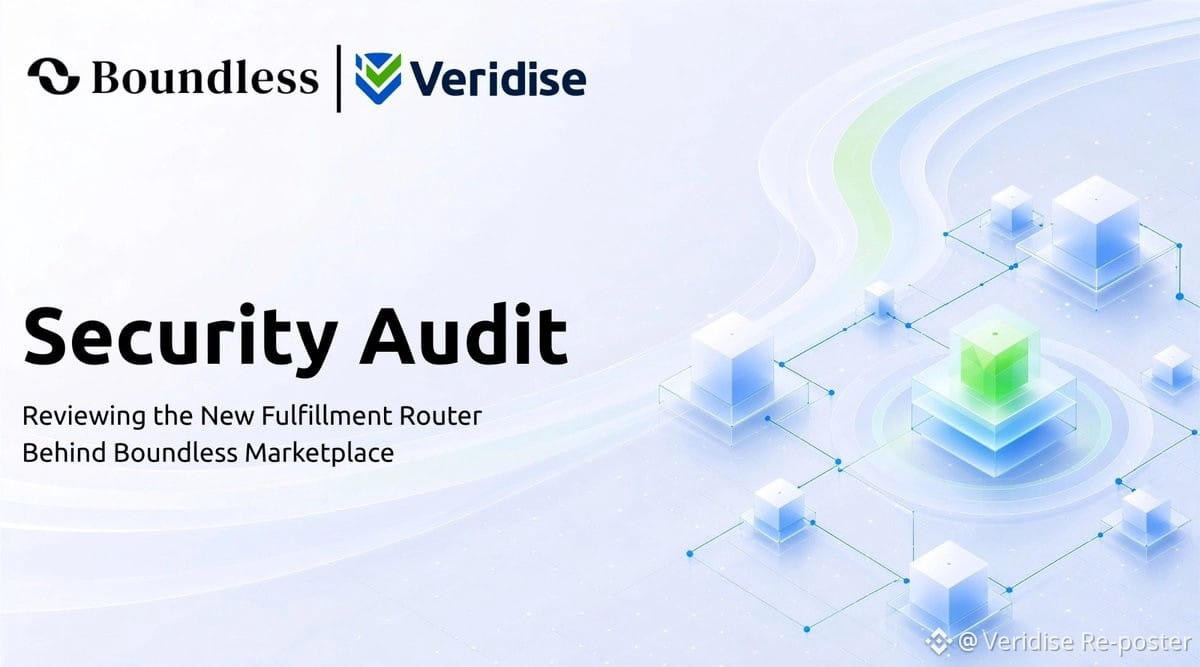
Creating and validating ZK proofs involves intricate mathematical components that only a highly select group of specialists can truly understand and execute. Because of this steep technical barrier, @boundless_xyz chose to enlist the expertise of Veridise once again. Discover the insights shared by @emilianobonassi as he details the reasoning behind commissioning a second Marketplace audit with Veridise. Read the comprehensive overview by visiting the link provided below.
https://veridise.com/blog/audits-archive/boundless-marketplace-audit-methods-findings-and-security/
https://veridise.com/blog/audits-archive/boundless-marketplace-audit-methods-findings-and-security/
38
查看翻譯
Constructing and evaluating ZK proofs involves complex mathematical entities that very few individuals possess the expertise to manage. According to @emilianobonassi, this specific challenge is exactly why @BoundlessHQ chose to partner with Veridise once again to perform a second audit of their Marketplace. You can explore the complete details of this decision and the subsequent findings by reading the full story at the link provided below.
https://veridise.com/blog/audits-archive/boundless-marketplace-audit-methods-findings-and-security/
https://veridise.com/blog/audits-archive/boundless-marketplace-audit-methods-findings-and-security/
61
查看翻譯
Protecting artificial intelligence agents experiences the exact same pitfalls as traditional access control, which means it is crucial to always audit whoever else holds the key.
For a clear example of this, consider a functioning pathway from an older draft of ERC-8468. In that version, a guardian could trigger a suspension for an AI agent, only to see the system come back online after just one block. This quick reactivation happened because the agent had specified a second key under its own command that carried the authorization to resume operations.
https://ethereum-magicians.org/t/erc-8468-agent-safety-framework-asf/30073
68
查看翻譯
Seeing a statement like x = x + 1 is perfectly normal in standard software development, but it creates unnecessary complications for a prover. When variables change, the prover is forced to continuously figure out exactly which version of x is being referenced at any given point in the code. Thanks to LLZK, this problem is completely avoided because every single value is assigned only one time. For a deeper understanding of how this single assignment approach streamlines the verification of ZK circuits, you can read the breakdown provided by @RaghavMalik15.
Seeing a statement like x = x + 1 is perfectly normal in standard software development, but it creates unnecessary complications for a prover. When variables change, the prover is forced to continuously figure out exactly which version of x is being referenced at any given point in the code. Thanks to LLZK, this problem is completely avoided because every single value is assigned only one time. For a deeper understanding of how this single assignment approach streamlines the verification of ZK circuits, you can read the breakdown provided by @RaghavMalik15.
53
查看翻譯
A newly formed coalition known as the Quantum Alliance has been established by nine cryptocurrency organizations. Out of this collaboration comes a dedicated working group focusing on post-quantum zero-knowledge systems, which is the exact initiative our team is closely monitoring.
The primary reason for our interest lies in the technical hurdles involved. It is quite rare for circuits designed for a specific proof system to seamlessly transfer over to a different one. As a result, any necessary rewrites generate completely fresh code that requires a comprehensive new audit.
Further details regarding this announcement can be found here:
https://decrypt.co/381236/crypto-firms-launch-quantum-alliance-as-6-million-bitcoin-sit-exposed
75
如果你不知道一個循環會執行多少次,驗證它的行爲可能會很棘手。祕訣是從一開始就確定一個正確的特定條件,並確保它在每次循環執行期間始終成立。根據歸納原理,你可以確信,程序最終執行完畢時,這個性質依然成立。想看看這種方法的精彩演示嗎?@RaghavMalik15 將詳細講解 LLEQ 如何運用這一方法。
如果你不知道一個循環會執行多少次,驗證它的行爲可能會很棘手。祕訣是從一開始就確定一個正確的特定條件,並確保它在每次循環執行期間始終成立。根據歸納原理,你可以確信,程序最終執行完畢時,這個性質依然成立。想看看這種方法的精彩演示嗎?@RaghavMalik15 將詳細講解 LLEQ 如何運用這一方法。
63
每當你優化 ZK 電路以減少約束時,都需要確保新版本執行的計算與最初的設計完全相同。標準測試只能驗證你預期的特定輸入,而 LLEQ 採用了更全面的方法。它將驗證工作交給 SMT 求解器,由求解器通過邏輯推理評估每一種可能的輸入情況。@RaghavMalik15 提供了完整的操作指南,帶你瞭解如何實際執行這一工作流程。
每當你優化 ZK 電路以減少約束時,都需要確保新版本執行的計算與最初的設計完全相同。標準測試只能驗證你預期的特定輸入,而 LLEQ 採用了更全面的方法。它將驗證工作交給 SMT 求解器,由求解器通過邏輯推理評估每一種可能的輸入情況。@RaghavMalik15 提供了完整的操作指南,帶你瞭解如何實際執行這一工作流程。
71
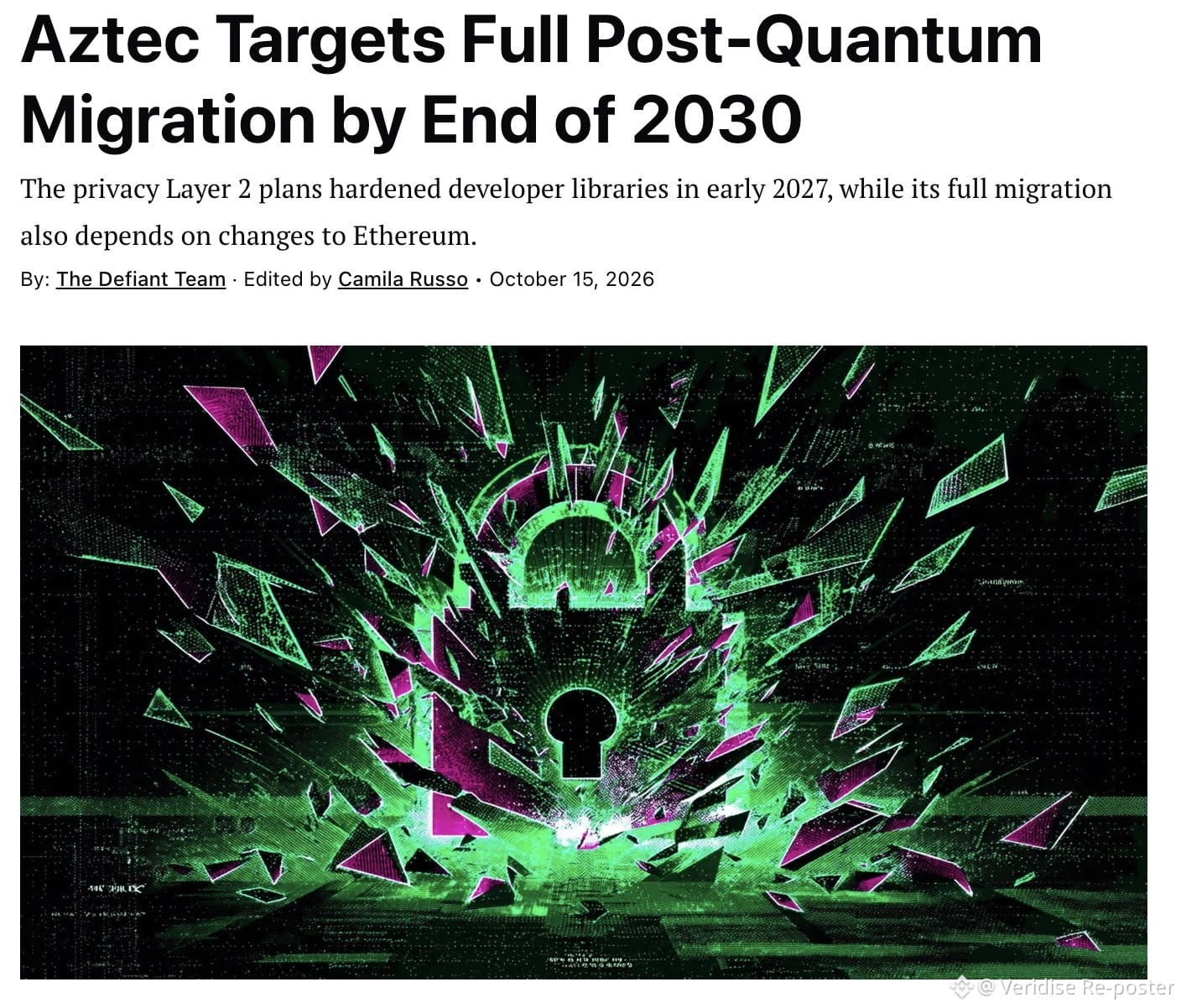
@aztecnetwork 團隊公佈了一份全面的後量子路線圖,計劃於 2030 年前完成。升級計劃的先後順序尤其值得關注。他們將從一開始就優先應對“現在收割、以後解密”的風險。因此,用於保護私密數據的強化版庫將於 2027 年初推出,遠早於證明系統的任何替換工作。
https://thedefiant.io/news/blockchains/aztec-targets-full-post-quantum-migration-by-end-of-2030
@aztecnetwork 團隊公佈了一份全面的後量子路線圖,計劃於 2030 年前完成。升級計劃的先後順序尤其值得關注。他們將從一開始就優先應對“現在收割、以後解密”的風險。因此,用於保護私密數據的強化版庫將於 2027 年初推出,遠早於證明系統的任何替換工作。
https://thedefiant.io/news/blockchains/aztec-targets-full-post-quantum-migration-by-end-of-2030
https://thedefiant.io/news/blockchains/aztec-targets-full-post-quantum-migration-by-end-of-2030
67
在考慮比特幣遷移時,選擇後量子簽名方案其實是最簡單的一步。Coinbase 最近發表的一篇後量子論文指出了一個棘手得多的問題。使用有狀態方案的錢包必須仔細追蹤哪些一次性密鑰已經使用過。如果用戶恢復了過時的備份,隨後再次使用某個密鑰,攻擊者就能成功僞造有效簽名。
https://www.coindesk.com/tech/2026/10/14/coinbase-which-holds-5-of-all-bitcoin-wants-the-quantum-fix-started-now
在考慮比特幣遷移時,選擇後量子簽名方案其實是最簡單的一步。Coinbase 最近發表的一篇後量子論文指出了一個棘手得多的問題。使用有狀態方案的錢包必須仔細追蹤哪些一次性密鑰已經使用過。如果用戶恢復了過時的備份,隨後再次使用某個密鑰,攻擊者就能成功僞造有效簽名。
https://www.coindesk.com/tech/2026/10/14/coinbase-which-holds-5-of-all-bitcoin-wants-the-quantum-fix-started-now
https://www.coindesk.com/tech/2026/10/14/coinbase-which-holds-5-of-all-bitcoin-wants-the-quantum-fix-started-now
68
人工智能代理在整個 @token2049 活動中大放異彩,展示了管理資金庫、執行交易和起草合同等處理複雜任務的能力。然而,在一片熱情之中,一場至關重要的討論卻大多被忽視了:幾乎沒有人談到驗證這些代理實際交付成果的必要性。我們團隊一直致力於解決的,正是這一驗證缺口。期待很快與大家分享更多詳情。
人工智能代理在整個 @token2049 活動中大放異彩,展示了管理資金庫、執行交易和起草合同等處理複雜任務的能力。然而,在一片熱情之中,一場至關重要的討論卻大多被忽視了:幾乎沒有人談到驗證這些代理實際交付成果的必要性。我們團隊一直致力於解決的,正是這一驗證缺口。期待很快與大家分享更多詳情。
71
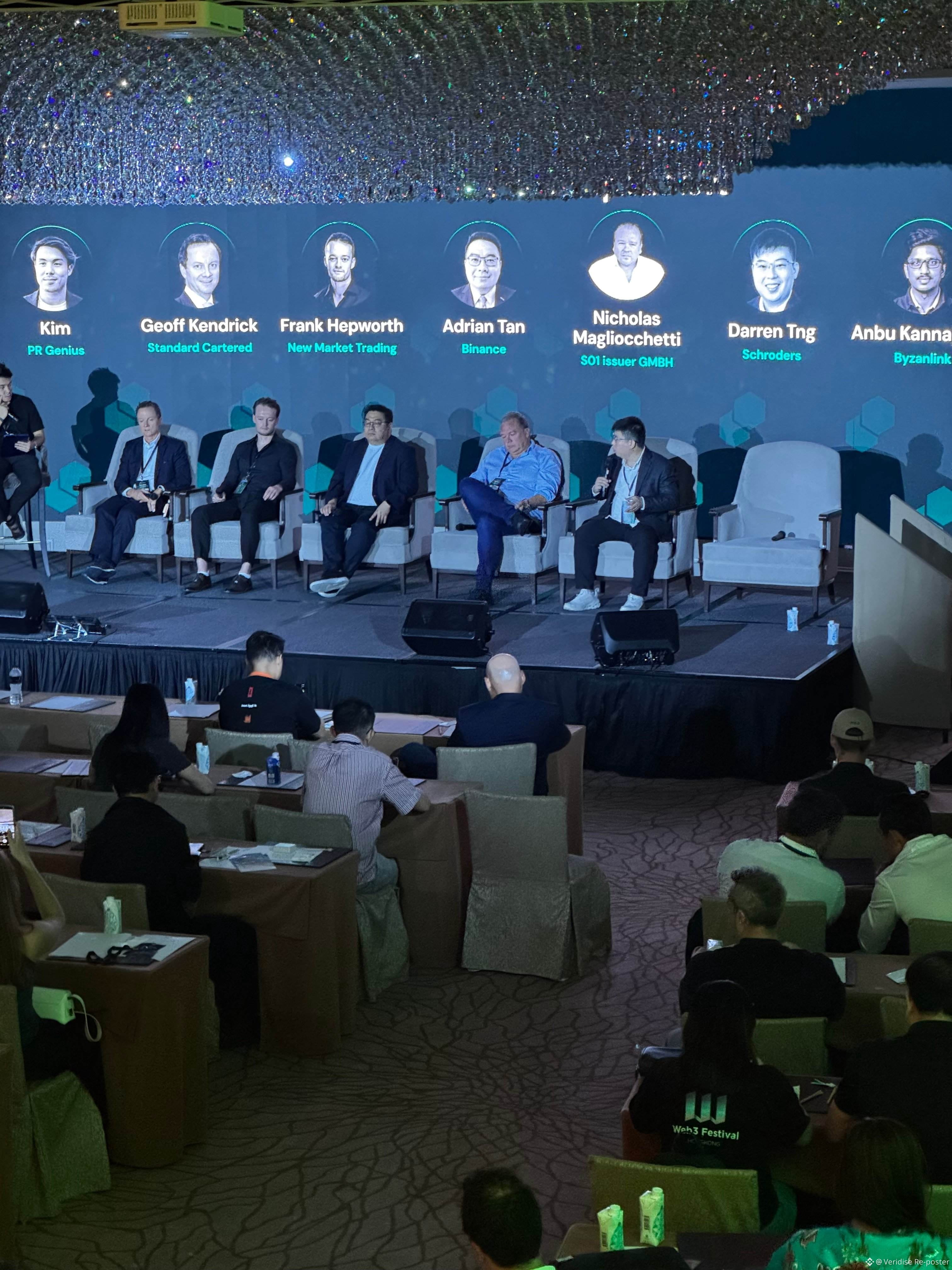
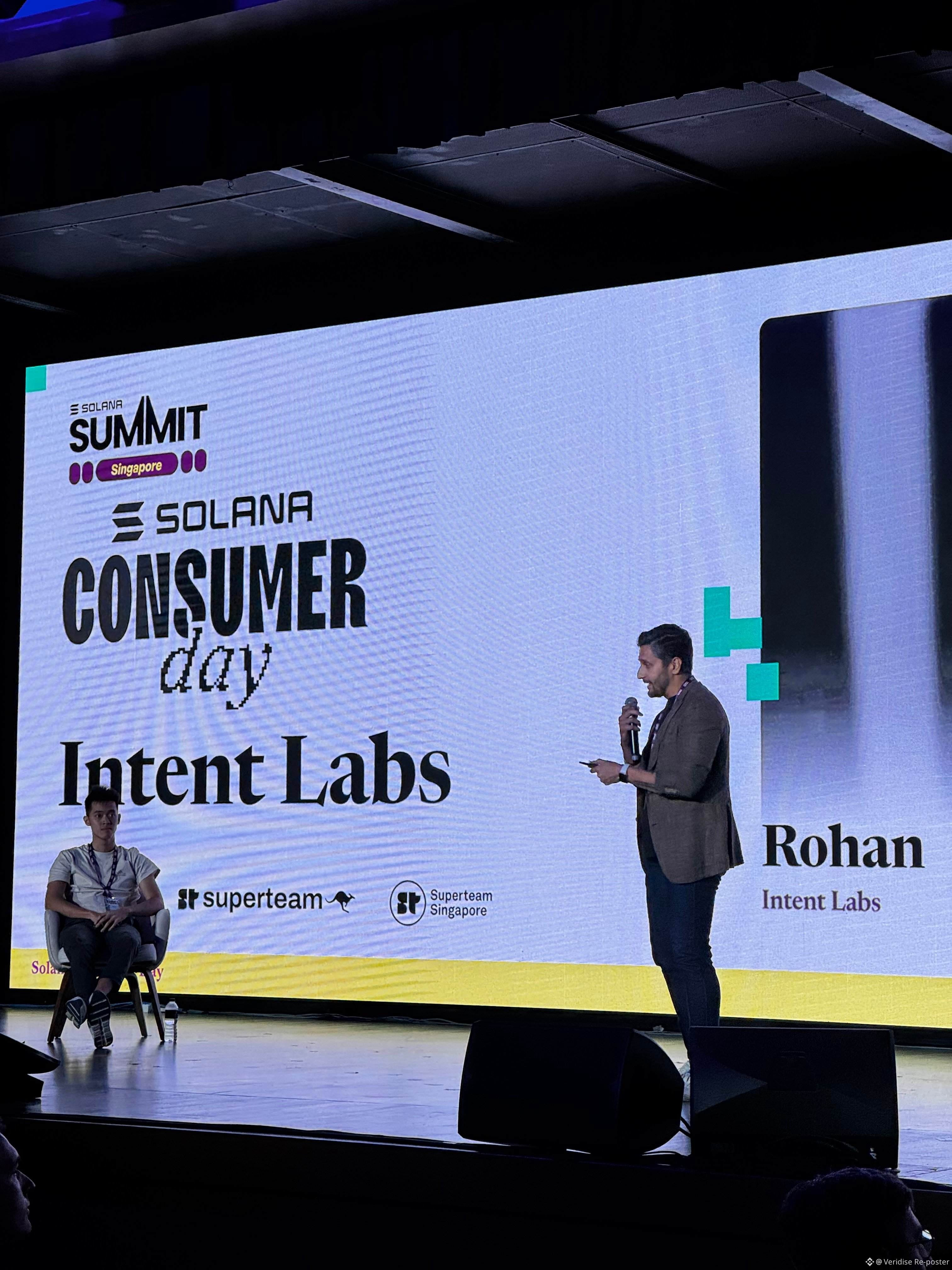
Veridise 團隊在新加坡現場度過了充實的一天,並有幸在三個不同的舞臺上發言。無論是在 @solana Summit 上,參與 @gammaprime 活動,還是出席 Multichain Day,我們的交流都主要圍繞 ZK、安全審計和形式化驗證展開。儘管活動場地各不相同,人們卻總會提到一個共同話題。大家反覆提出的問題是:如何找到一種可靠的方法,驗證給定代碼是否確實嚴格按照其規範運行。
Veridise 團隊在新加坡現場度過了充實的一天,並有幸在三個不同的舞臺上發言。無論是在 @solana Summit 上,參與 @gammaprime 活動,還是出席 Multichain Day,我們的交流都主要圍繞 ZK、安全審計和形式化驗證展開。儘管活動場地各不相同,人們卻總會提到一個共同話題。大家反覆提出的問題是:如何找到一種可靠的方法,驗證給定代碼是否確實嚴格按照其規範運行。
69
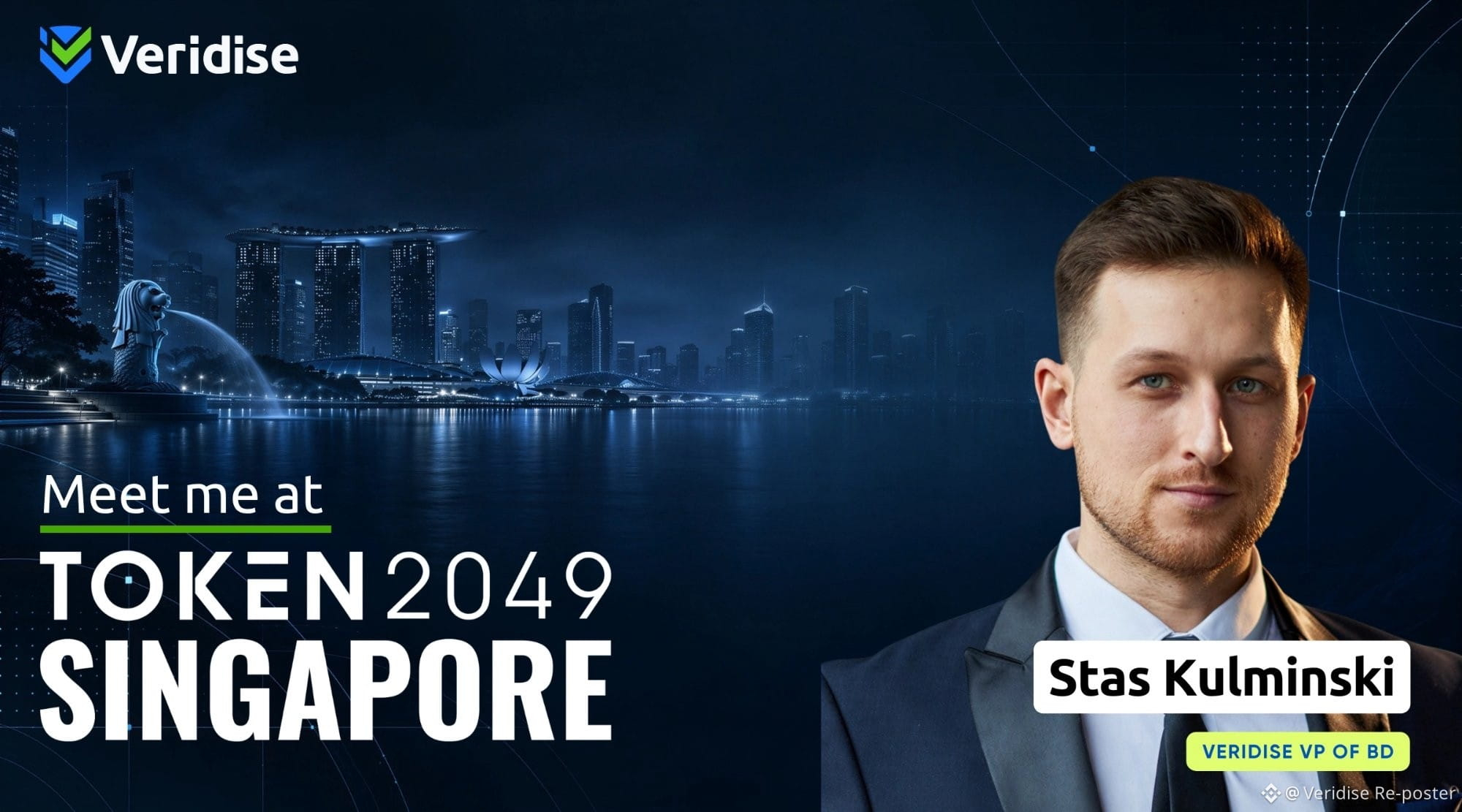
如果你的路線圖包含在第四季度或明年年初即將進行的審計,@kulm1nski 是諮詢你項目範圍和排期的理想人選。他將於 10 月 5 日至 9 日前往新加坡參加 @token2049。請給他發一條私信(DM)以安排會面時間。
如果你的路線圖包含在第四季度或明年年初即將進行的審計,@kulm1nski 是諮詢你項目範圍和排期的理想人選。他將於 10 月 5 日至 9 日前往新加坡參加 @token2049。請給他發一條私信(DM)以安排會面時間。
60
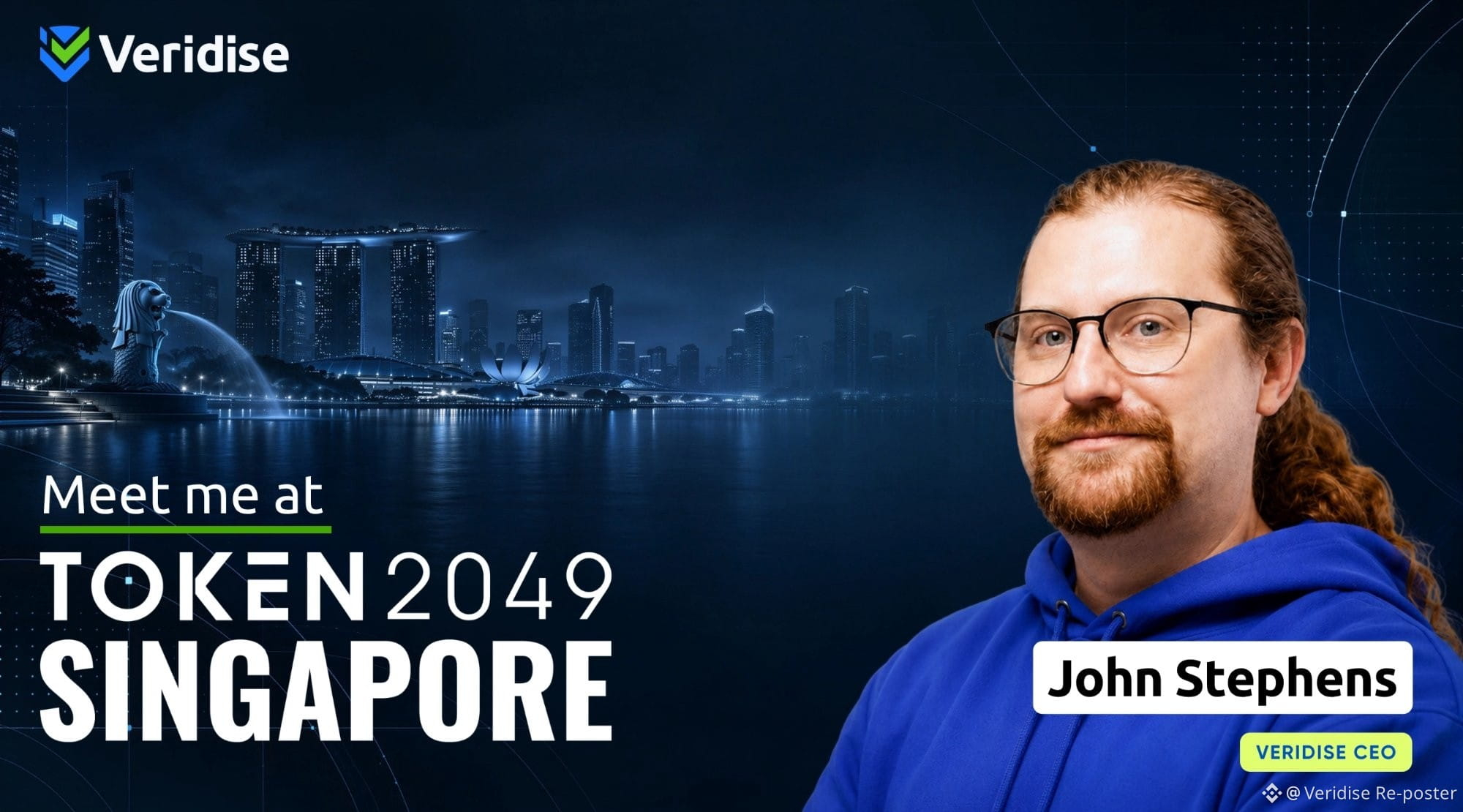
如果你的即將到來的路線圖包含安全相關內容,並且你希望進行一場直接明瞭的討論,那麼下週將是一個絕佳的機會來聯繫。@FormallyJon 將前往新加坡,他將在 10 月 5 日至 9 日期間參加 @token2049,並探索周邊的相關活動。歡迎私信發送,預訂一個會面時間。
如果你的即將到來的路線圖包含安全相關內容,並且你希望進行一場直接明瞭的討論,那麼下週將是一個絕佳的機會來聯繫。@FormallyJon 將前往新加坡,他將在 10 月 5 日至 9 日期間參加 @token2049,並探索周邊的相關活動。歡迎私信發送,預訂一個會面時間。
70
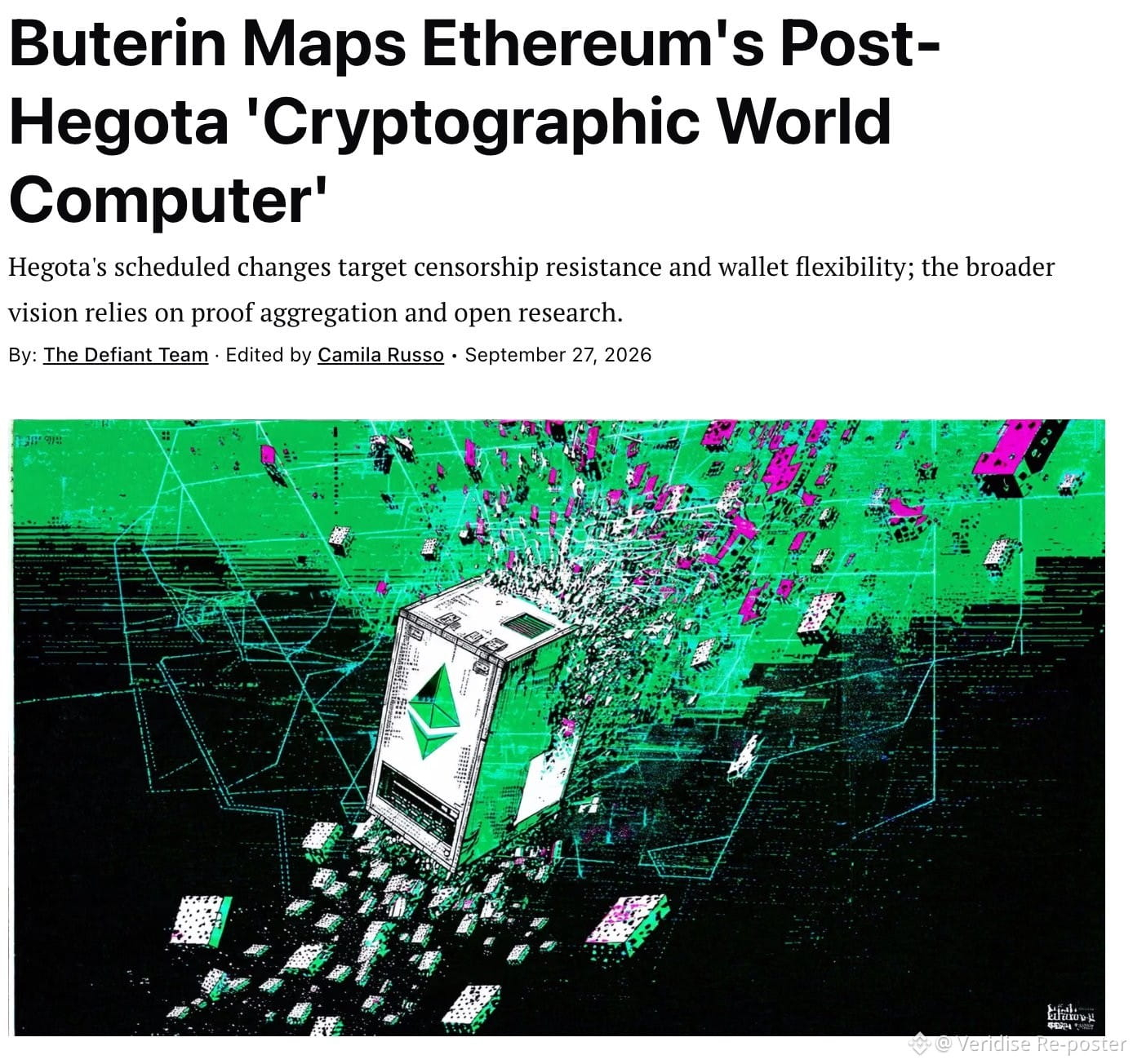
隨着引入幀交易(Frame Transactions),賬戶將具備靈活性來自行確定其特定的授權指南。這意味着用戶可以爲替代簽名方案、賬戶恢復以及多重審批設置定製化規則。由於這種變化,當前位於各個錢包代碼中的操作邏輯將被直接遷移到底層協議中。需要注意的是,隨着這些邏輯的遷移,其對應的故障影響範圍也會隨之轉移到協議層。
https://thedefiant.io/news/blockchains/buterin-maps-ethereum-s-post-hegota-cryptographic-world-computer
隨着引入幀交易(Frame Transactions),賬戶將具備靈活性來自行確定其特定的授權指南。這意味着用戶可以爲替代簽名方案、賬戶恢復以及多重審批設置定製化規則。由於這種變化,當前位於各個錢包代碼中的操作邏輯將被直接遷移到底層協議中。需要注意的是,隨着這些邏輯的遷移,其對應的故障影響範圍也會隨之轉移到協議層。
https://thedefiant.io/news/blockchains/buterin-maps-ethereum-s-post-hegota-cryptographic-world-computer
https://thedefiant.io/news/blockchains/buterin-maps-ethereum-s-post-hegota-cryptographic-world-computer
1
2.1k
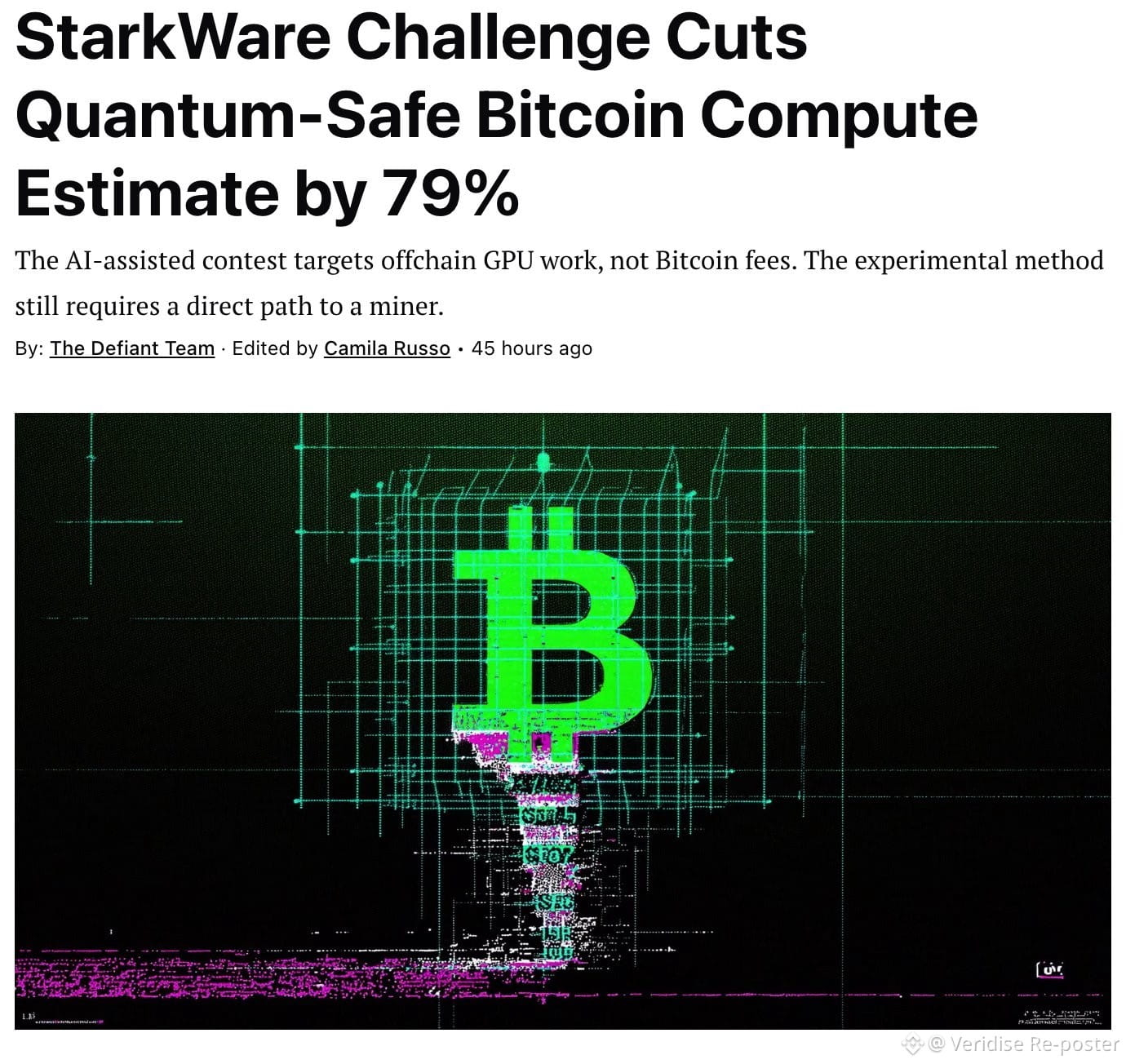
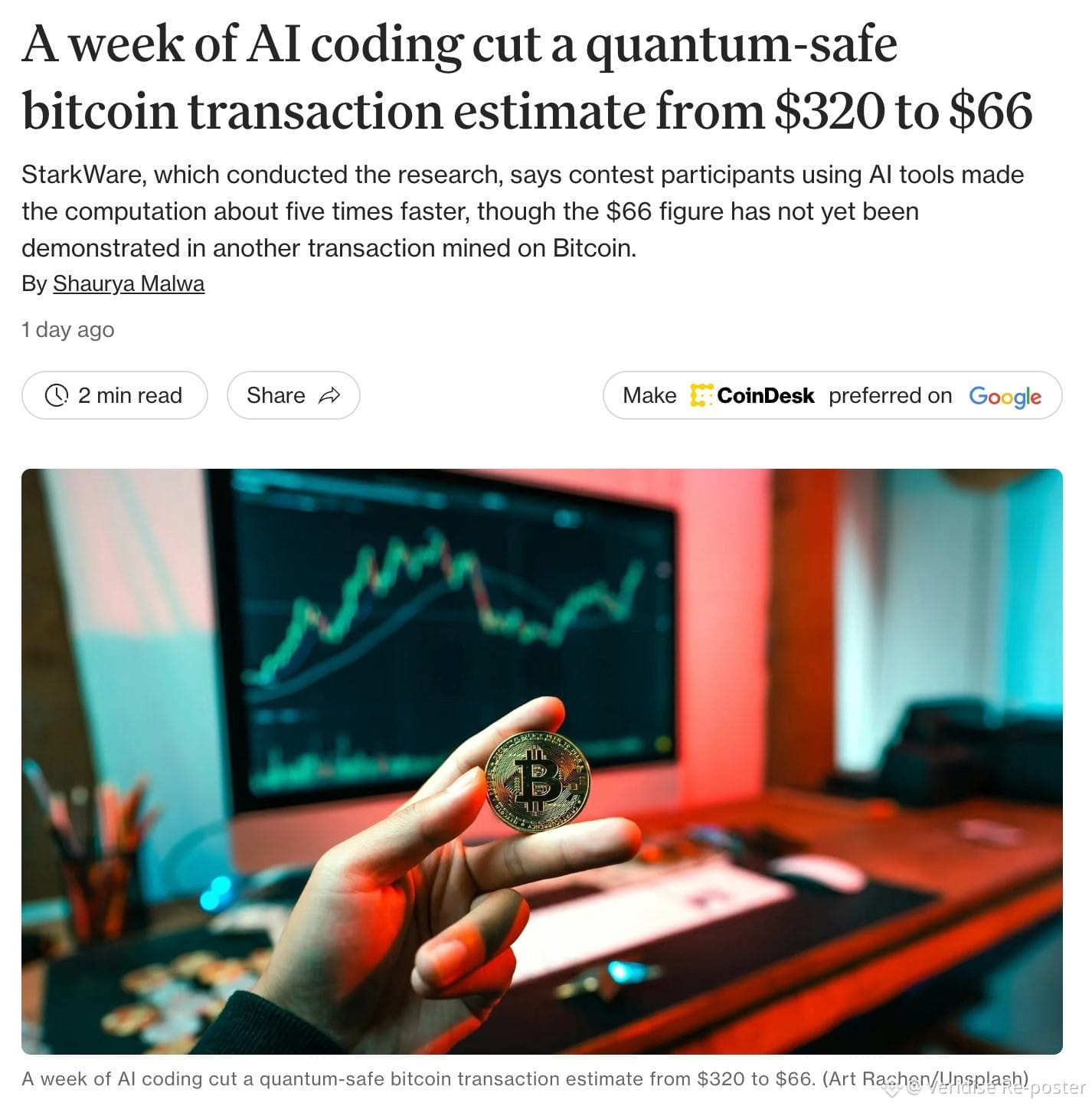
在分享一筆量子安全的比特幣交易所需 63 美元的估算之前,強烈建議先審查其底層方法論。正如 @StarkWareLtd 所清楚解釋的那樣,這一金額純屬理論模型,並非實際發票,這意味着不會生成任何真實交易。此外,儘管性能基準是在使用 RTX 4090 的情況下執行的,但整體成本預測基於一個由 100 臺假設的 RTX 3090 構成的網絡。
https://thedefiant.io/news/blockchains/starkware-challenge-cuts-quantum-safe-bitcoin-compute-estimate-by-79
在分享一筆量子安全的比特幣交易所需 63 美元的估算之前,強烈建議先審查其底層方法論。正如 @StarkWareLtd 所清楚解釋的那樣,這一金額純屬理論模型,並非實際發票,這意味着不會生成任何真實交易。此外,儘管性能基準是在使用 RTX 4090 的情況下執行的,但整體成本預測基於一個由 100 臺假設的 RTX 3090 構成的網絡。
https://thedefiant.io/news/blockchains/starkware-challenge-cuts-quantum-safe-bitcoin-compute-estimate-by-79
https://thedefiant.io/news/blockchains/starkware-challenge-cuts-quantum-safe-bitcoin-compute-estimate-by-79
83
現在,藉助人工智能優化的密碼學代碼,保護比特幣交易免受量子計算威脅的速度快了6倍。儘管速度是一項我們可以輕鬆衡量的指標,但在沒有可驗證證明的情況下,證明兩種方法確實等價是不可能的。
https://www.coindesk.com/tech/2026/09/24/a-week-of-ai-coding-cut-a-quantum-safe-bitcoin-transaction-estimate-from-usd320-to-usd66
現在,藉助人工智能優化的密碼學代碼,保護比特幣交易免受量子計算威脅的速度快了6倍。儘管速度是一項我們可以輕鬆衡量的指標,但在沒有可驗證證明的情況下,證明兩種方法確實等價是不可能的。
https://www.coindesk.com/tech/2026/09/24/a-week-of-ai-coding-cut-a-quantum-safe-bitcoin-transaction-estimate-from-usd320-to-usd66
https://www.coindesk.com/tech/2026/09/24/a-week-of-ai-coding-cut-a-quantum-safe-bitcoin-transaction-estimate-from-usd320-to-usd66
82
真實
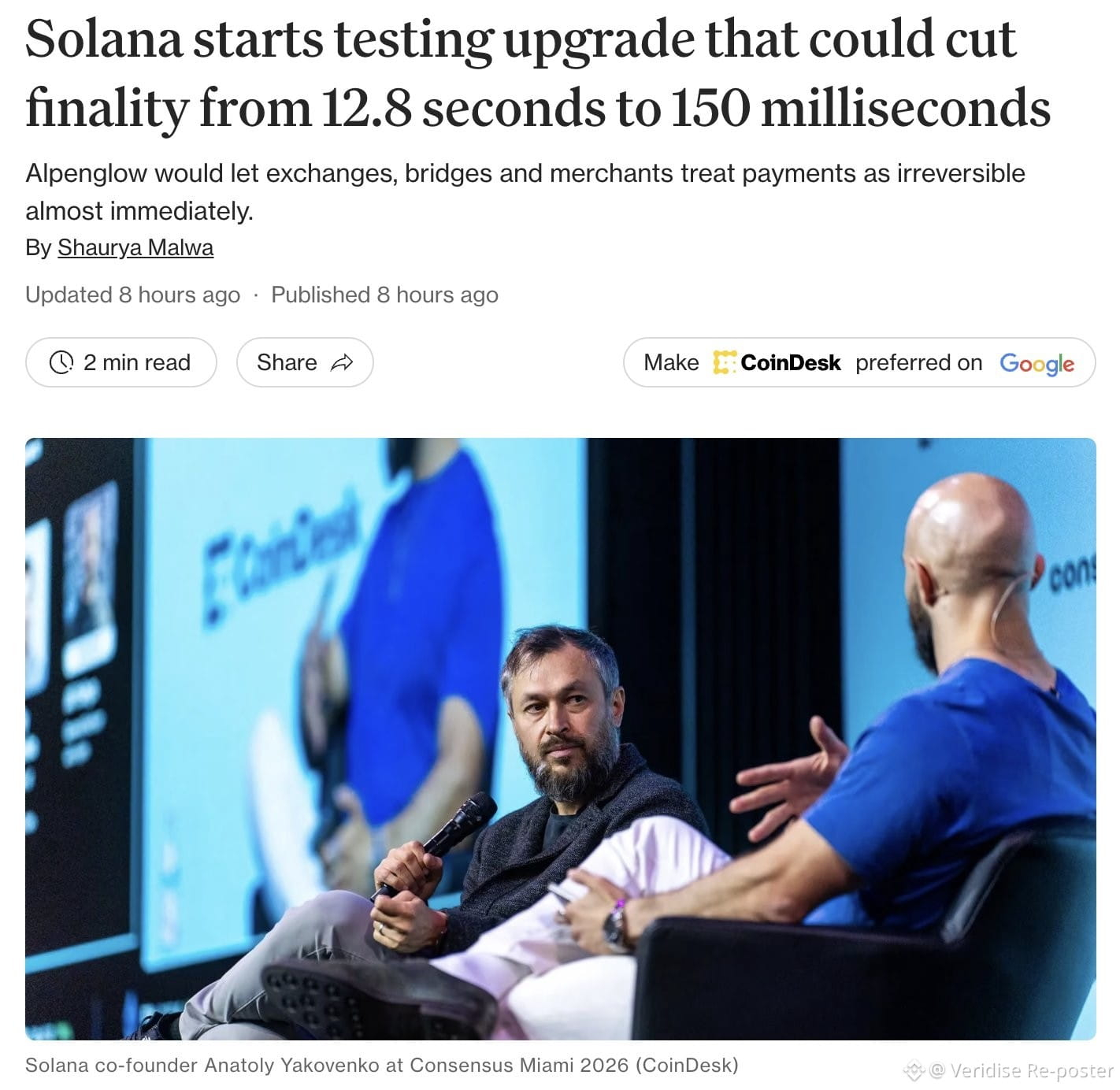
Alpenglow 升級目前正在 Solana 測試網進行試運行,將最終確認時間從 12.8 秒顯著降低到僅 150 毫秒。儘管這一階段可確保驗證者接受充分評估,但不幸的是它仍未對集成進行覈查。因此,任何保持確認常量經過專門爲 32 個時隙校準的存款流程或橋接,都建立在一個前提之上:沒有人重新推導過該假設。
https://www.coindesk.com/tech/2026/09/23/solana-starts-testing-upgrade-that-could-cut-finality-from-12-8-seconds-to-150-milliseconds
Alpenglow 升級目前正在 Solana 測試網進行試運行,將最終確認時間從 12.8 秒顯著降低到僅 150 毫秒。儘管這一階段可確保驗證者接受充分評估,但不幸的是它仍未對集成進行覈查。因此,任何保持確認常量經過專門爲 32 個時隙校準的存款流程或橋接,都建立在一個前提之上:沒有人重新推導過該假設。
https://www.coindesk.com/tech/2026/09/23/solana-starts-testing-upgrade-that-could-cut-finality-from-12-8-seconds-to-150-milliseconds
https://www.coindesk.com/tech/2026/09/23/solana-starts-testing-upgrade-that-could-cut-finality-from-12-8-seconds-to-150-milliseconds
2
1.9k
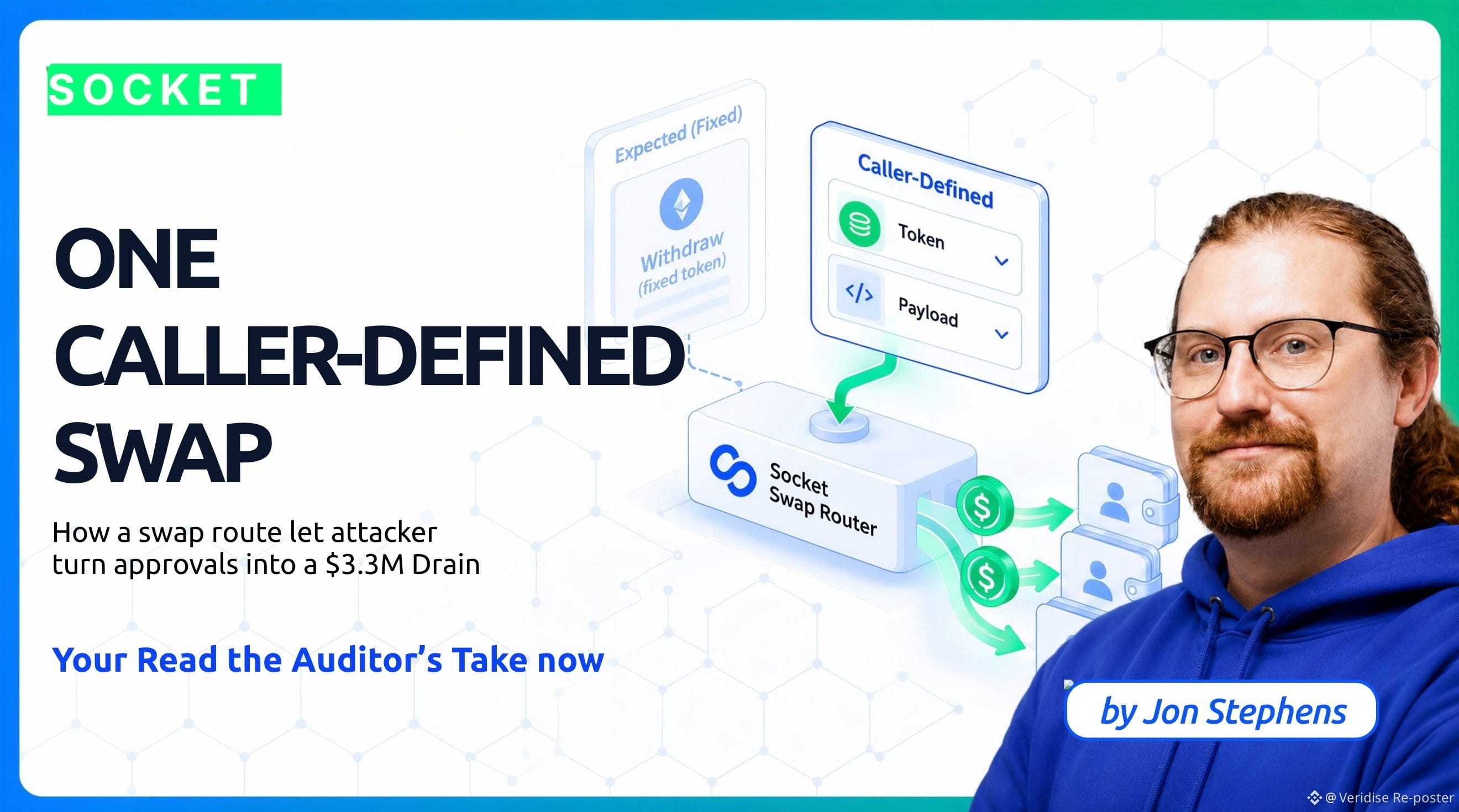
在最新一期《Auditor's Take》中,@FormallyJon 研究了一類獨特的漏洞。核心問題出現在:當某個函數接收調用方提供的 calldata,並將其直接傳遞給低級調用(low level call)時。這樣的結構使得攻擊者能夠觸發目標合約接口中暴露的任意操作。這種情況之所以危險,是因爲這一特定組操作並非由任何人有意設計過,也從未被審計員進行過檢查。你可以通過下方鏈接瀏覽完整分析。
https://veridise.com/blog/audit-insights/arbitrary_external_call_injection_socket_exploit/
在最新一期《Auditor's Take》中,@FormallyJon 研究了一類獨特的漏洞。核心問題出現在:當某個函數接收調用方提供的 calldata,並將其直接傳遞給低級調用(low level call)時。這樣的結構使得攻擊者能夠觸發目標合約接口中暴露的任意操作。這種情況之所以危險,是因爲這一特定組操作並非由任何人有意設計過,也從未被審計員進行過檢查。你可以通過下方鏈接瀏覽完整分析。
https://veridise.com/blog/audit-insights/arbitrary_external_call_injection_socket_exploit/
https://veridise.com/blog/audit-insights/arbitrary_external_call_injection_socket_exploit/
80
雖然形式化驗證在指出某個性質已失敗方面非常有效,但它並未進一步解釋其中的根本原因。請從 @ShankaraPailoo2 瞭解如何將一個基本的反例轉化爲清晰的根本原因這一過程。
雖然形式化驗證在指出某個性質已失敗方面非常有效,但它並未進一步解釋其中的根本原因。請從 @ShankaraPailoo2 瞭解如何將一個基本的反例轉化爲清晰的根本原因這一過程。
77
如需瞭解此過程如何運作的逐步說明,請參閱下方 @RaghavMalik15 提供的演練。你會發現,Z3 能在不到一秒的時間內成功解析這一 LLZK 證明義務。最終,由於前件無法被滿足,因此不需要任何額外證明。
如需瞭解此過程如何運作的逐步說明,請參閱下方 @RaghavMalik15 提供的演練。你會發現,Z3 能在不到一秒的時間內成功解析這一 LLZK 證明義務。最終,由於前件無法被滿足,因此不需要任何額外證明。
1
1
492
登入以探索更多內容
加入幣安廣場中的全球加密貨幣用戶
⚡️ 獲取加密貨幣的最新和實用資訊。
💬 受到全球最大加密貨幣交易所的信任。
👍 發掘來自經過驗證創作者的真實見解。
電子郵件 / 電話號碼