

Kaan Kaya 1
429 貼文

Kaan Kaya 1
舉報
封鎖用戶
Web3 strategist | On-chain analyst Building new projects, sharing smart money insights 📊 Open to collaborations with teams creating real value.
0 關注
1 粉絲
17 點讚數
貼文
·
--
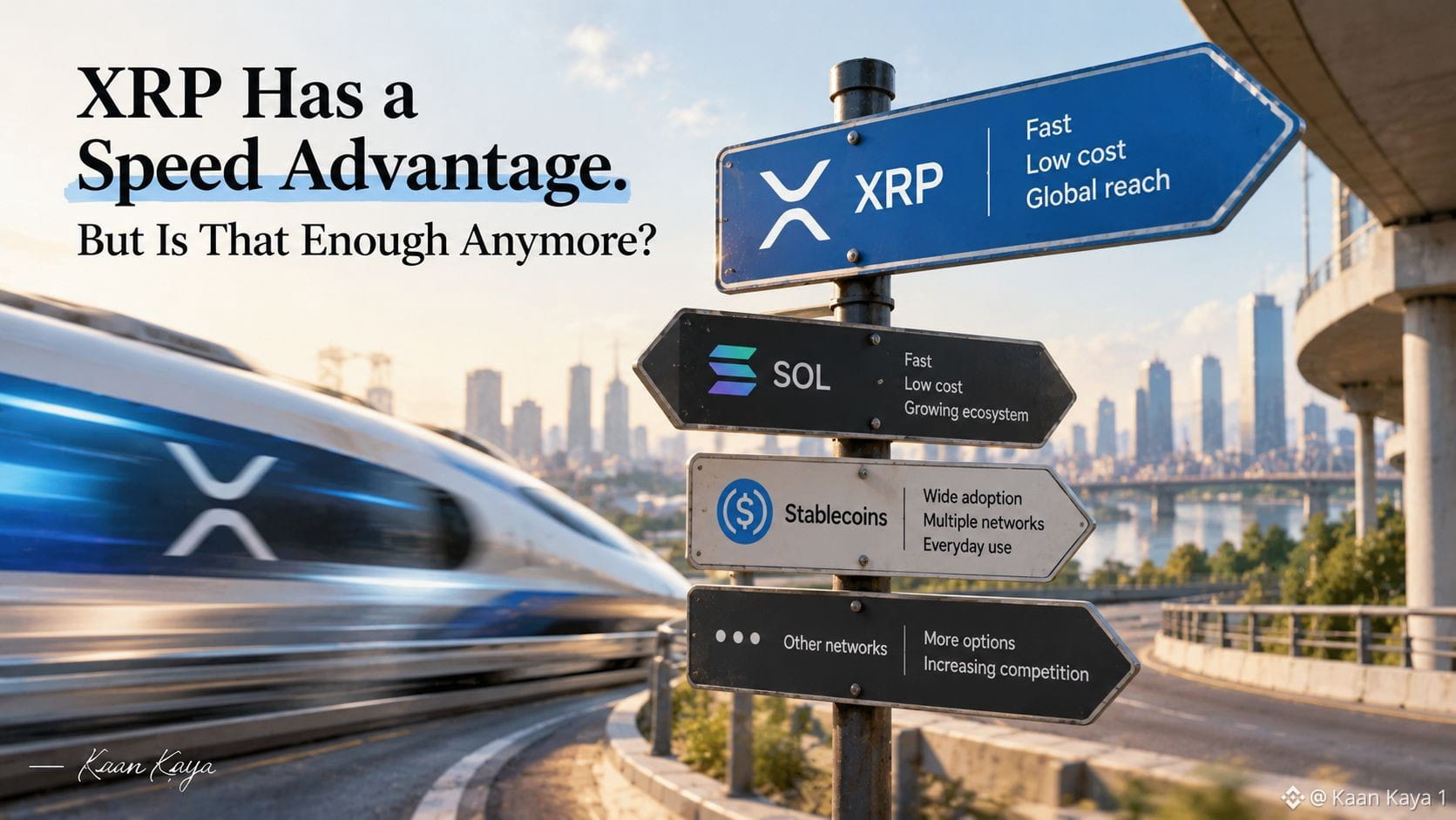
XRP擁有速度優勢。但如今這還夠嗎?還記得快速、低成本的轉賬曾是加密貨幣的一大賣點嗎?多年來,這基本上就是$XRP的主打優勢。 但如今,除了$SOL,你還可以選擇多個網絡上的穩定幣,以及許多其他低成本轉賬方式。 所以我很好奇,如今XRP最大的優勢究竟是什麼?是技術、支付合作夥伴,還是僅僅因爲它是一個人們早已熟悉的名字? 我不是說XRP會就此消失,只是感覺它在某些方面已經被競爭對手趕上了。 現在還有人在用XRP轉賬嗎?還是大多都只是在持有? #宏觀洞察# #山寨幣季#
XRP擁有速度優勢。但如今這還夠嗎?還記得快速、低成本的轉賬曾是加密貨幣的一大賣點嗎?多年來,這基本上就是$XRP的主打優勢。 但如今,除了$SOL,你還可以選擇多個網絡上的穩定幣,以及許多其他低成本轉賬方式。 所以我很好奇,如今XRP最大的優勢究竟是什麼?是技術、支付合作夥伴,還是僅僅因爲它是一個人們早已熟悉的名字? 我不是說XRP會就此消失,只是感覺它在某些方面已經被競爭對手趕上了。 現在還有人在用XRP轉賬嗎?還是大多都只是在持有? #宏觀洞察# #山寨幣季#
66
·
--
🔍 我想找轉賬限額,結果先碰上了自己的餘額 我用過不少 $BTC 錢包和交易所應用,早就習慣了每個“發送”按鈕背後都藏着點限制。通常要麼有最低轉賬金額,小額轉賬根本不划算;要麼有每日限額,偏偏在你需要轉更多錢時突然生效 🙃 所以,當我在 WhiteBIT 應用中打開 QuickSend 時,我像往常測試新轉賬功能那樣,先找找它的限制,再考慮發送真實款項。 https://bit.ly/4dBD8CM 我先試了最小金額,發現最低可以轉相當於 1 USDT 的金額。接着,我輸入了一個遠超自己實際轉賬需求的數字,等着熟悉的“超出限額”提示出現。結果什麼也沒發生,因爲 QuickSend 沒有最高限額,唯一攔住我的只有自己的餘額 😅 其他操作和你對即時通訊應用的預期一樣。你可以通過暱稱選擇收款人,也可以掃描對方的二維碼;款項會立即到賬,如果不小心點了發送,還有 10 秒可以取消。 這讓我開始用不同的眼光看手機上的其他轉賬工具。大多數工具都默默地只專注於一種用途。有些適合分攤午餐費用,轉賬金額很小、限額也低;另一些則適合轉大筆資金,但最低金額高到你根本不會用它給朋友轉幾美元。在這裏,同一個界面既能給同事轉一杯咖啡的錢,也能處理大得多的轉賬,不必切換應用。 我花了一分鐘測試限額,最後卻開始思考,這些數字在多大程度上說明了某種工具適合哪些人。下次無論是要給別人轉幾美元,還是轉一筆更大的金額,我都會用同一個按鈕 🙂 免責聲明:本文不構成財務或投資建議。請在作出任何決定前自行研究。使用風險自負。 #BTC 價格分析# #比特幣價格預測:比特幣接下來會怎麼走?#
🔍 我想找轉賬限額,結果先碰上了自己的餘額 我用過不少 $BTC 錢包和交易所應用,早就習慣了每個“發送”按鈕背後都藏着點限制。通常要麼有最低轉賬金額,小額轉賬根本不划算;要麼有每日限額,偏偏在你需要轉更多錢時突然生效 🙃 所以,當我在 WhiteBIT 應用中打開 QuickSend 時,我像往常測試新轉賬功能那樣,先找找它的限制,再考慮發送真實款項。 https://bit.ly/4dBD8CM 我先試了最小金額,發現最低可以轉相當於 1 USDT 的金額。接着,我輸入了一個遠超自己實際轉賬需求的數字,等着熟悉的“超出限額”提示出現。結果什麼也沒發生,因爲 QuickSend 沒有最高限額,唯一攔住我的只有自己的餘額 😅 其他操作和你對即時通訊應用的預期一樣。你可以通過暱稱選擇收款人,也可以掃描對方的二維碼;款項會立即到賬,如果不小心點了發送,還有 10 秒可以取消。 這讓我開始用不同的眼光看手機上的其他轉賬工具。大多數工具都默默地只專注於一種用途。有些適合分攤午餐費用,轉賬金額很小、限額也低;另一些則適合轉大筆資金,但最低金額高到你根本不會用它給朋友轉幾美元。在這裏,同一個界面既能給同事轉一杯咖啡的錢,也能處理大得多的轉賬,不必切換應用。 我花了一分鐘測試限額,最後卻開始思考,這些數字在多大程度上說明了某種工具適合哪些人。下次無論是要給別人轉幾美元,還是轉一筆更大的金額,我都會用同一個按鈕 🙂 免責聲明:本文不構成財務或投資建議。請在作出任何決定前自行研究。使用風險自負。 #BTC 價格分析# #比特幣價格預測:比特幣接下來會怎麼走?#
·
--
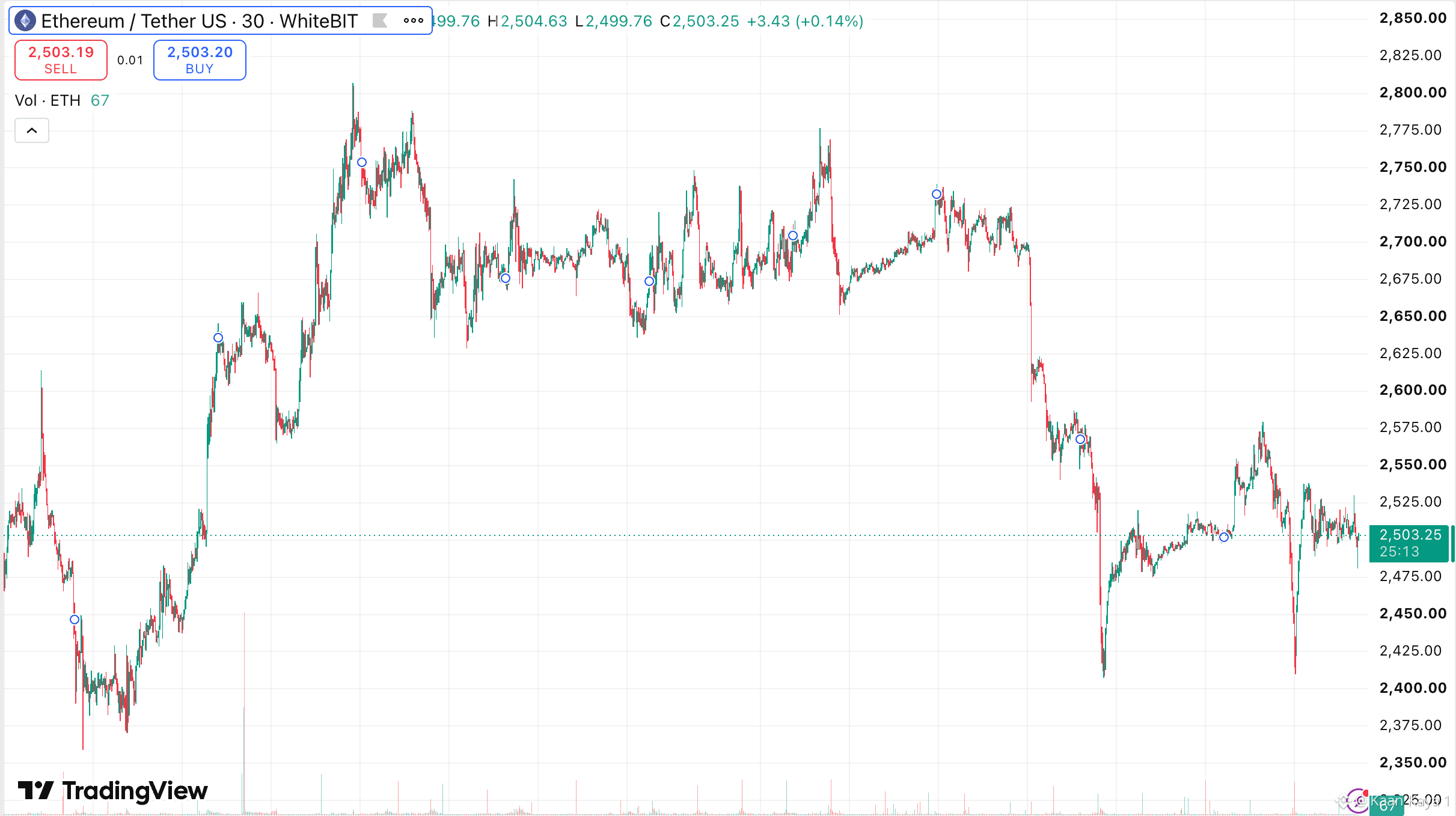
人人都在期待下一輪山寨幣季。但究竟是誰在買入?每當比特幣連續幾天放緩,關於山寨幣季的預測就又開始冒出來。有人發出 ETH/BTC 圖表,有人翻出 2021 年被遺忘的走勢形態,突然間,時間線上一半的人都在討論資金輪動。😂 但在我興奮起來之前,我想先看到一件事:人們是真的在把新資金投入山寨幣,還是隻是在挪動同一筆資金? 設想一下,$BTC 持平,$ETH 上漲 5%,隨後交易者獲利了結並轉投 $SOL,後者又上漲 8%。幾張圖表看起來很漂亮,但這並不一定意味着整個市場吸引了大量新增資金。 資金輪動本身並沒有什麼問題,它是加密市場運作方式的一部分。我只是覺得,少數熱門代幣跑贏大盤,與數百個小型項目獲得持續需求,兩者之間還是有區別的。 目前,我會關注交易量是否擴展到那些常見熱門幣以外,以及行情在第一波熱度過後能否維持。 因爲看到三根綠色蠟燭就斷言山寨幣季到來很容易。真正靠它賺錢,則是完全不同的體驗。 #BTC 價格分析# #比特幣價格預測:比特幣接下來會怎麼走?#
人人都在期待下一輪山寨幣季。但究竟是誰在買入?每當比特幣連續幾天放緩,關於山寨幣季的預測就又開始冒出來。有人發出 ETH/BTC 圖表,有人翻出 2021 年被遺忘的走勢形態,突然間,時間線上一半的人都在討論資金輪動。😂 但在我興奮起來之前,我想先看到一件事:人們是真的在把新資金投入山寨幣,還是隻是在挪動同一筆資金? 設想一下,$BTC 持平,$ETH 上漲 5%,隨後交易者獲利了結並轉投 $SOL,後者又上漲 8%。幾張圖表看起來很漂亮,但這並不一定意味着整個市場吸引了大量新增資金。 資金輪動本身並沒有什麼問題,它是加密市場運作方式的一部分。我只是覺得,少數熱門代幣跑贏大盤,與數百個小型項目獲得持續需求,兩者之間還是有區別的。 目前,我會關注交易量是否擴展到那些常見熱門幣以外,以及行情在第一波熱度過後能否維持。 因爲看到三根綠色蠟燭就斷言山寨幣季到來很容易。真正靠它賺錢,則是完全不同的體驗。 #BTC 價格分析# #比特幣價格預測:比特幣接下來會怎麼走?#
65
·
--
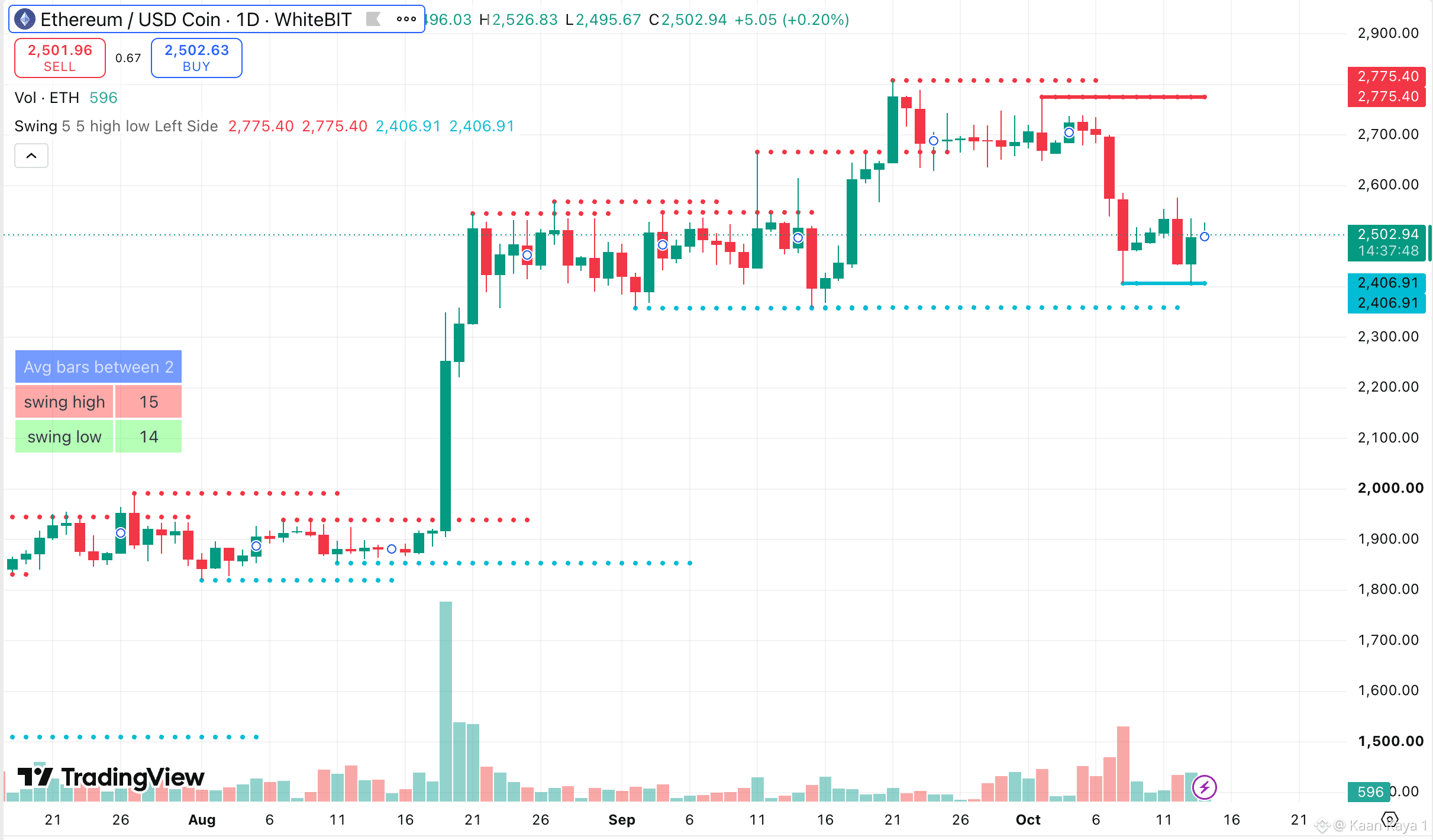
人人都在期待下一輪山寨幣季。但究竟是誰在買?每當比特幣連續幾天走勢放緩,山寨幣季的預測就又開始出現。有人貼出 ETH/BTC 圖表,有人翻出被遺忘的 2021 年型態,突然間,時間軸上有一半的人都在談資金輪動。😂 不過,在我興奮之前,有件事我想先看到:人們真的在把新資金投入山寨幣,還是只是在重新調動同一筆資金? 想像一下,$BTC 持平,$ETH 上漲 5%,接著交易者獲利了結,轉而買入 $SOL,讓它再上漲 8%。幾張圖表看起來很漂亮,但這不一定代表整體市場吸引了大量新資金。 資金輪動本身並沒有什麼問題。這本來就是加密市場運作的一部分。我只是覺得,少數熱門代幣表現優異,和數百個小型專案都獲得持續需求,兩者之間還是有差別。 目前,我會觀察交易量是否擴大到常見熱門幣之外,以及漲勢能否在第一波熱潮過後持續。 畢竟,連續三根綠色 K 線後就宣稱山寨幣季來了很容易。真正靠著山寨幣季賺到錢,則是截然不同的體驗。 #ETHBlockchain #ETHFoundation
人人都在期待下一輪山寨幣季。但究竟是誰在買?每當比特幣連續幾天走勢放緩,山寨幣季的預測就又開始出現。有人貼出 ETH/BTC 圖表,有人翻出被遺忘的 2021 年型態,突然間,時間軸上有一半的人都在談資金輪動。😂 不過,在我興奮之前,有件事我想先看到:人們真的在把新資金投入山寨幣,還是只是在重新調動同一筆資金? 想像一下,$BTC 持平,$ETH 上漲 5%,接著交易者獲利了結,轉而買入 $SOL,讓它再上漲 8%。幾張圖表看起來很漂亮,但這不一定代表整體市場吸引了大量新資金。 資金輪動本身並沒有什麼問題。這本來就是加密市場運作的一部分。我只是覺得,少數熱門代幣表現優異,和數百個小型專案都獲得持續需求,兩者之間還是有差別。 目前,我會觀察交易量是否擴大到常見熱門幣之外,以及漲勢能否在第一波熱潮過後持續。 畢竟,連續三根綠色 K 線後就宣稱山寨幣季來了很容易。真正靠著山寨幣季賺到錢,則是截然不同的體驗。 #ETHBlockchain #ETHFoundation

80
·
--
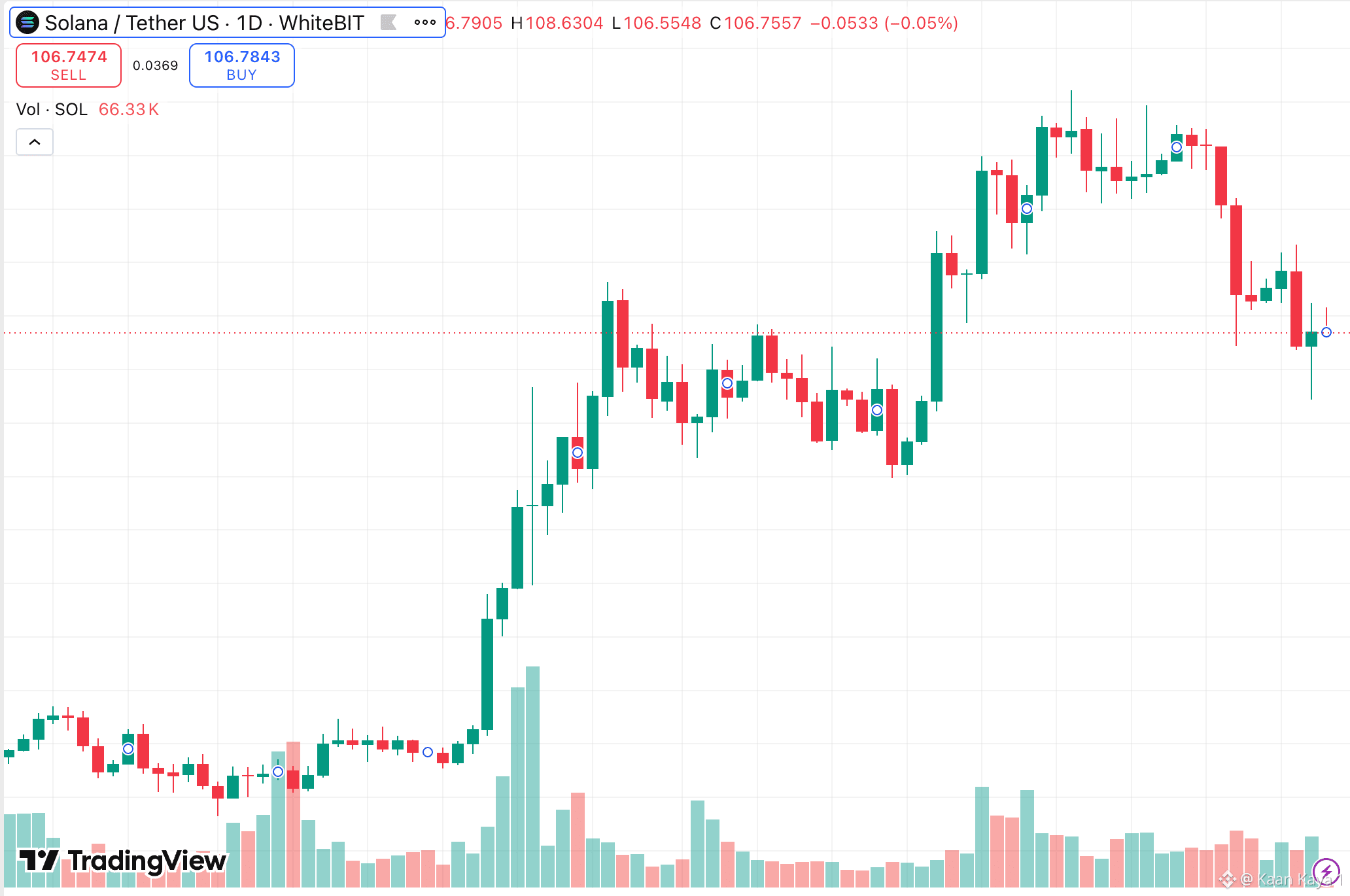
Solana 使用成本很低。也許低得有點過頭了?😉 我覺得 $SOL 有件事挺有意思:交易那些你可能不該碰的東西,實在太容易了。😂 手續費低到再換一次幣,幾乎都不用猶豫。看到某個不知名代幣突然火了?點兩下就入場了。 這對普及來說當然是好事,不過我很好奇,Solana 上有多少活動來自真正使用 Solana 的人,又有多少來自整天在各種迷因幣之間跳來跳去的交易者。 顯然,我並不是在抱怨交易便宜。我只是在想,交易變得更容易,會不會也讓過度交易變得有點太誘人了。 還有人也注意到這一點嗎? #宏觀洞察# #山寨幣季節#
Solana 使用成本很低。也許低得有點過頭了?😉 我覺得 $SOL 有件事挺有意思:交易那些你可能不該碰的東西,實在太容易了。😂 手續費低到再換一次幣,幾乎都不用猶豫。看到某個不知名代幣突然火了?點兩下就入場了。 這對普及來說當然是好事,不過我很好奇,Solana 上有多少活動來自真正使用 Solana 的人,又有多少來自整天在各種迷因幣之間跳來跳去的交易者。 顯然,我並不是在抱怨交易便宜。我只是在想,交易變得更容易,會不會也讓過度交易變得有點太誘人了。 還有人也注意到這一點嗎? #宏觀洞察# #山寨幣季節#
47
·
--
狗狗幣沒有稱霸世界的路線圖,而這也沒關係。 有時候人們分析 $DOGE 的認真勁兒真是挺有意思的。😂 你會看到長達十頁的分析,探討代幣經濟學、普及情景和長期價格目標——而這枚幣最初真的只是個玩笑。 但也許這正是狗狗幣能存活這麼久的原因。它不需要假裝自己要重新定義金融。人們很清楚自己買的是什麼。 當然,這並不是說它就是一項不錯的投資。只是有時候,一個強大的社羣和一個深入人心的迷因,能讓一枚幣比一份華麗的白皮書更長久地保持熱度。 你會在 2030 年依然持有 DOGE 嗎? #宏觀見解# #山寨幣季#
狗狗幣沒有稱霸世界的路線圖,而這也沒關係。 有時候人們分析 $DOGE 的認真勁兒真是挺有意思的。😂 你會看到長達十頁的分析,探討代幣經濟學、普及情景和長期價格目標——而這枚幣最初真的只是個玩笑。 但也許這正是狗狗幣能存活這麼久的原因。它不需要假裝自己要重新定義金融。人們很清楚自己買的是什麼。 當然,這並不是說它就是一項不錯的投資。只是有時候,一個強大的社羣和一個深入人心的迷因,能讓一枚幣比一份華麗的白皮書更長久地保持熱度。 你會在 2030 年依然持有 DOGE 嗎? #宏觀見解# #山寨幣季#

70
·
--
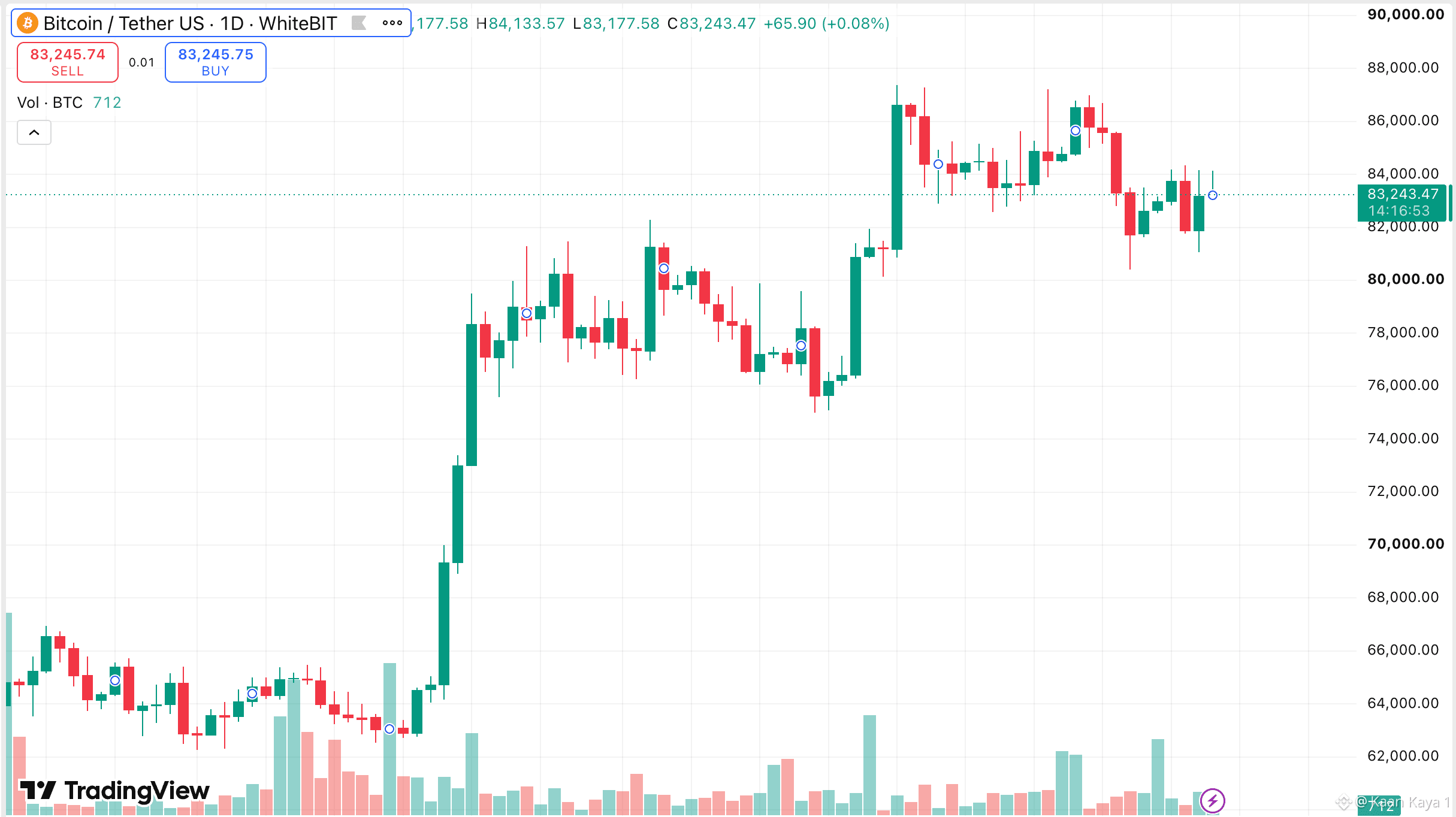
比特幣最大的炫耀資本,或許是它正變得越來越無聊。還記得 $BTC 一天波動 10% 都幾乎沒人感到意外的時候嗎?如今,交易員會花好幾個小時爭論一根 2% 的 K 線,彷彿那是歷史性事件。😂 也許這就是更加成熟的比特幣市場的樣子:更多機構、更多長期持有者,也更少有人指望每個星期二都能改變自己的人生。 當然,波動性迴歸時,比特幣仍然可能讓所有人大喫一驚。 但我不禁好奇,有些交易員暗地裏懷念混亂的程度,會不會超過懷念盈利? 你更喜歡平靜一些的 $BTC,還是 2021 年那種狂野的比特幣? #BTC價格分析# #比特幣價格預測:比特幣接下來會怎麼走?#
比特幣最大的炫耀資本,或許是它正變得越來越無聊。還記得 $BTC 一天波動 10% 都幾乎沒人感到意外的時候嗎?如今,交易員會花好幾個小時爭論一根 2% 的 K 線,彷彿那是歷史性事件。😂 也許這就是更加成熟的比特幣市場的樣子:更多機構、更多長期持有者,也更少有人指望每個星期二都能改變自己的人生。 當然,波動性迴歸時,比特幣仍然可能讓所有人大喫一驚。 但我不禁好奇,有些交易員暗地裏懷念混亂的程度,會不會超過懷念盈利? 你更喜歡平靜一些的 $BTC,還是 2021 年那種狂野的比特幣? #BTC價格分析# #比特幣價格預測:比特幣接下來會怎麼走?#
43
·
--
萊特幣會成爲加密貨幣領域最無聊的成功故事嗎?大家現在幾乎都不怎麼聊 $LTC 了,挺有意思的,畢竟這麼多年過去,它依然存在。😅 沒有無休無止的炒作,也沒有每週一個新敘事。它只是一個人們可以用來轉移加密貨幣的網絡。有時我會想,我們是不是太執着於尋找下一個百倍幣,以至於忘了,光是穩定運行本身就很有價值。這裏還有人在用萊特幣嗎?還是說它已經徹底從你的視野裏消失了?#宏觀洞察# #山寨幣季節#
萊特幣會成爲加密貨幣領域最無聊的成功故事嗎?大家現在幾乎都不怎麼聊 $LTC 了,挺有意思的,畢竟這麼多年過去,它依然存在。😅 沒有無休無止的炒作,也沒有每週一個新敘事。它只是一個人們可以用來轉移加密貨幣的網絡。有時我會想,我們是不是太執着於尋找下一個百倍幣,以至於忘了,光是穩定運行本身就很有價值。這裏還有人在用萊特幣嗎?還是說它已經徹底從你的視野裏消失了?#宏觀洞察# #山寨幣季節#

51
·
--
🚨 想在你的 EMI 中加入加密貨幣?別從零開始搭建後端 試想一下:你的用戶不斷詢問能不能提供 $BTC、$ETH,以及各種加密貨幣,有人便建議自建託管和交易系統。接着,預算估算出爐了:工程師、安全審計、你所涉足的每個市場都要申請牌照,還有以季度爲單位計算的開發週期。等到一切完成時,市場可能早已風向大變 😬 如果你想走捷徑,不妨瞭解一下 Notbank 的加密貨幣即服務(Crypto as a Service)。理論上,企業可以通過單一 API 集成加密貨幣交易、託管、穩定幣和全球資金流轉,並使用 Python、Java 和 Node SDK 加快開發 🌍 https://www.notbank.com/en/crypto-as-a-service?utm_source=coinmarketcap&utm_medium=caaaaskkk&utm_campaign=post 合規團隊可能最關注安全方面。Notbank 已通過 ISO/IEC 27001:2013 認證,並通過智利、阿根廷、巴西、哥倫比亞和祕魯的受監管實體開展業務,因此 EMI 可以覈實這些資質是否適用於自身所在市場。🛡 申請演示是瞭解它如何適配你的業務架構的明智第一步 🚀 免責聲明:本文不構成財務或投資建議。做出任何決定前,請自行研究。使用風險自負。 #BTC 價格分析# #比特幣價格預測:比特幣接下來會如何變動?#
🚨 想在你的 EMI 中加入加密貨幣?別從零開始搭建後端 試想一下:你的用戶不斷詢問能不能提供 $BTC、$ETH,以及各種加密貨幣,有人便建議自建託管和交易系統。接着,預算估算出爐了:工程師、安全審計、你所涉足的每個市場都要申請牌照,還有以季度爲單位計算的開發週期。等到一切完成時,市場可能早已風向大變 😬 如果你想走捷徑,不妨瞭解一下 Notbank 的加密貨幣即服務(Crypto as a Service)。理論上,企業可以通過單一 API 集成加密貨幣交易、託管、穩定幣和全球資金流轉,並使用 Python、Java 和 Node SDK 加快開發 🌍 https://www.notbank.com/en/crypto-as-a-service?utm_source=coinmarketcap&utm_medium=caaaaskkk&utm_campaign=post 合規團隊可能最關注安全方面。Notbank 已通過 ISO/IEC 27001:2013 認證,並通過智利、阿根廷、巴西、哥倫比亞和祕魯的受監管實體開展業務,因此 EMI 可以覈實這些資質是否適用於自身所在市場。🛡 申請演示是瞭解它如何適配你的業務架構的明智第一步 🚀 免責聲明:本文不構成財務或投資建議。做出任何決定前,請自行研究。使用風險自負。 #BTC 價格分析# #比特幣價格預測:比特幣接下來會如何變動?#

67
·
--
Uniswap 面臨的更大挑戰,不只是尋找下一個漲 10 倍的幣 大家都忙着尋找下一個迷因幣,但我更關心的是,人們是否會持續使用他們交易這些幣的交易所。😅 就拿 Uniswap 來說。大多數用 $ETH 兌換 USDC 的人並不關心治理或多麼高深的技術。他們只想要好價格、低手續費,以及一筆能順利完成的交易。 而這正是 $UNI 的有趣之處。交易量增加,並不一定意味着代幣價值上升。 比起某個冷門迷因幣突然爆紅帶來交易量暴漲,我更希望看到交易者每週都回來使用。 你覺得對 DEX 來說,什麼更重要:交易量還是忠實用戶? #宏觀洞察# #山寨幣季節#
Uniswap 面臨的更大挑戰,不只是尋找下一個漲 10 倍的幣 大家都忙着尋找下一個迷因幣,但我更關心的是,人們是否會持續使用他們交易這些幣的交易所。😅 就拿 Uniswap 來說。大多數用 $ETH 兌換 USDC 的人並不關心治理或多麼高深的技術。他們只想要好價格、低手續費,以及一筆能順利完成的交易。 而這正是 $UNI 的有趣之處。交易量增加,並不一定意味着代幣價值上升。 比起某個冷門迷因幣突然爆紅帶來交易量暴漲,我更希望看到交易者每週都回來使用。 你覺得對 DEX 來說,什麼更重要:交易量還是忠實用戶? #宏觀洞察# #山寨幣季節#

48
·
--
借出還是持有?財資團隊該如何在兩者之間做選擇 大多數關於加密貨幣財資的董事會討論,最後都以聳聳肩告終。“視情況而定。”我想看看,當你真正把規則寫下來時,答案會是什麼樣子。 因此,我構思了一個虛構但貼近現實的案例:一家持有價值 1000 萬美元的 $BTC 和穩定幣的公司;董事會希望設定明確的緩衝額度;財資團隊則需要有空間,將其餘資金配置到存款方案中。 這篇文章將介紹政策如何逐步成形、借貸和質押如何納入其中,以及爲什麼能夠調動資金的人和資金數額同樣重要。在此過程中,我也會探討 WhiteBIT、BitGo 和 Kraken 如何融入這一格局。 文章很短,結尾也刻意寫得平淡無奇。這正是重點所在。 👉 閱讀全文:https://medium.com/coinmonks/ten-million-in-stablecoins-three-million-untouchable-now-what-1aea741787ab #BTC價格分析# #比特幣價格預測:比特幣接下來會如何走勢?#
借出還是持有?財資團隊該如何在兩者之間做選擇 大多數關於加密貨幣財資的董事會討論,最後都以聳聳肩告終。“視情況而定。”我想看看,當你真正把規則寫下來時,答案會是什麼樣子。 因此,我構思了一個虛構但貼近現實的案例:一家持有價值 1000 萬美元的 $BTC 和穩定幣的公司;董事會希望設定明確的緩衝額度;財資團隊則需要有空間,將其餘資金配置到存款方案中。 這篇文章將介紹政策如何逐步成形、借貸和質押如何納入其中,以及爲什麼能夠調動資金的人和資金數額同樣重要。在此過程中,我也會探討 WhiteBIT、BitGo 和 Kraken 如何融入這一格局。 文章很短,結尾也刻意寫得平淡無奇。這正是重點所在。 👉 閱讀全文:https://medium.com/coinmonks/ten-million-in-stablecoins-three-million-untouchable-now-what-1aea741787ab #BTC價格分析# #比特幣價格預測:比特幣接下來會如何走勢?#

76
·
--
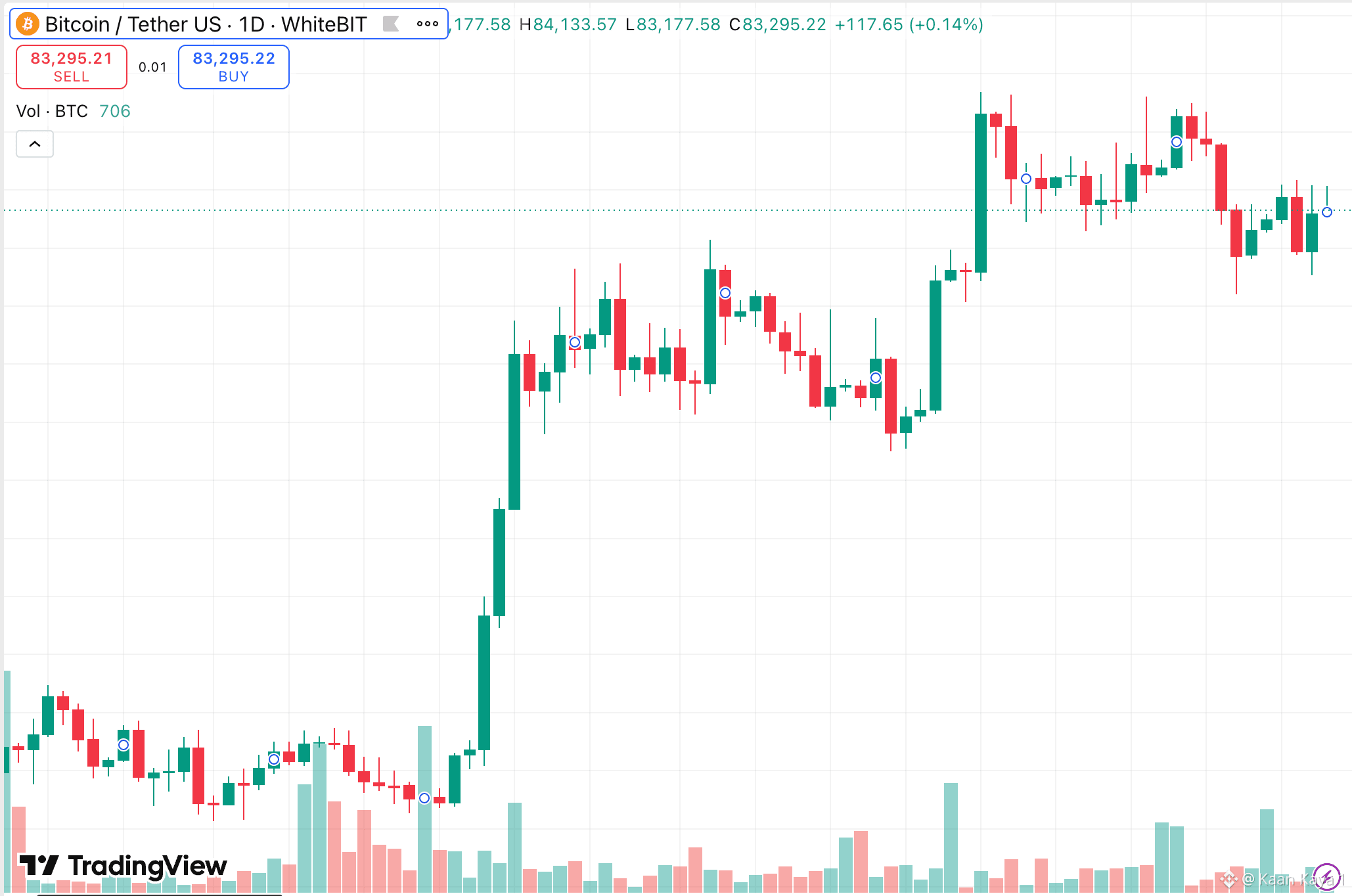
比特幣最讓人煩躁的走勢,可能就是毫無動靜 👀 大家都在等比特幣來點大動作,但說實話,橫盤行情有時比真正的暴跌還讓人煎熬。😅 價格稍微拉昇一下,你就開始覺得突破終於要來了,結果兩小時後,$BTC 又回到了原點。 有意思的是,什麼都不做也是一種交易決策。你沒必要因爲圖表開着,就非得抓住每一次微小波動。 我確實見過有人在無聊的行情裏頻繁交易,虧得比耐心等待合適時機還多。 還有人也越來越會按兵不動了嗎?還是說我們都還在假裝每根綠色蠟燭線都意味着行情即將起飛? #BTC 價格分析# #比特幣價格預測:比特幣下一步會怎麼走?#
比特幣最讓人煩躁的走勢,可能就是毫無動靜 👀 大家都在等比特幣來點大動作,但說實話,橫盤行情有時比真正的暴跌還讓人煎熬。😅 價格稍微拉昇一下,你就開始覺得突破終於要來了,結果兩小時後,$BTC 又回到了原點。 有意思的是,什麼都不做也是一種交易決策。你沒必要因爲圖表開着,就非得抓住每一次微小波動。 我確實見過有人在無聊的行情裏頻繁交易,虧得比耐心等待合適時機還多。 還有人也越來越會按兵不動了嗎?還是說我們都還在假裝每根綠色蠟燭線都意味着行情即將起飛? #BTC 價格分析# #比特幣價格預測:比特幣下一步會怎麼走?#

61
·
--
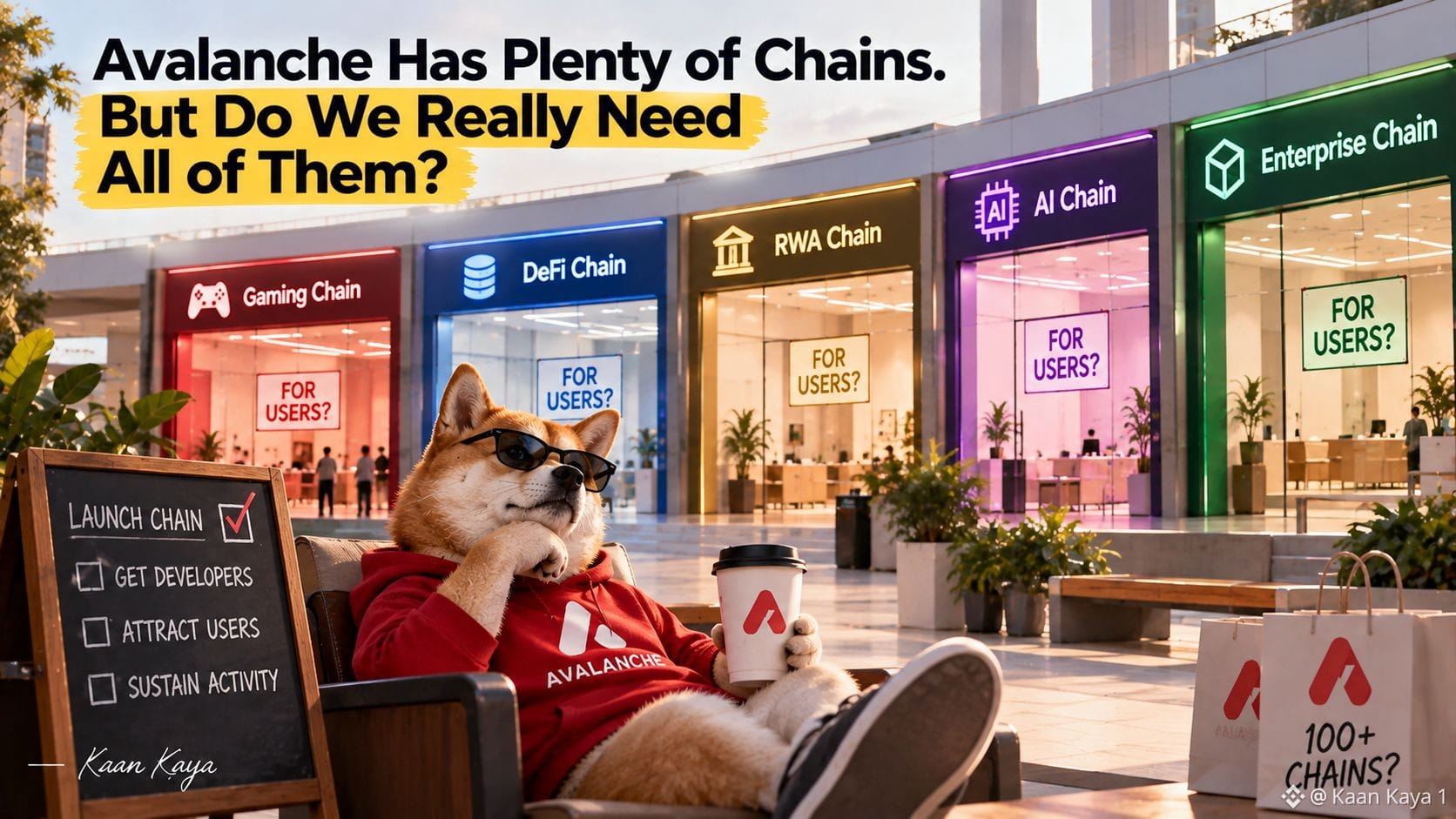
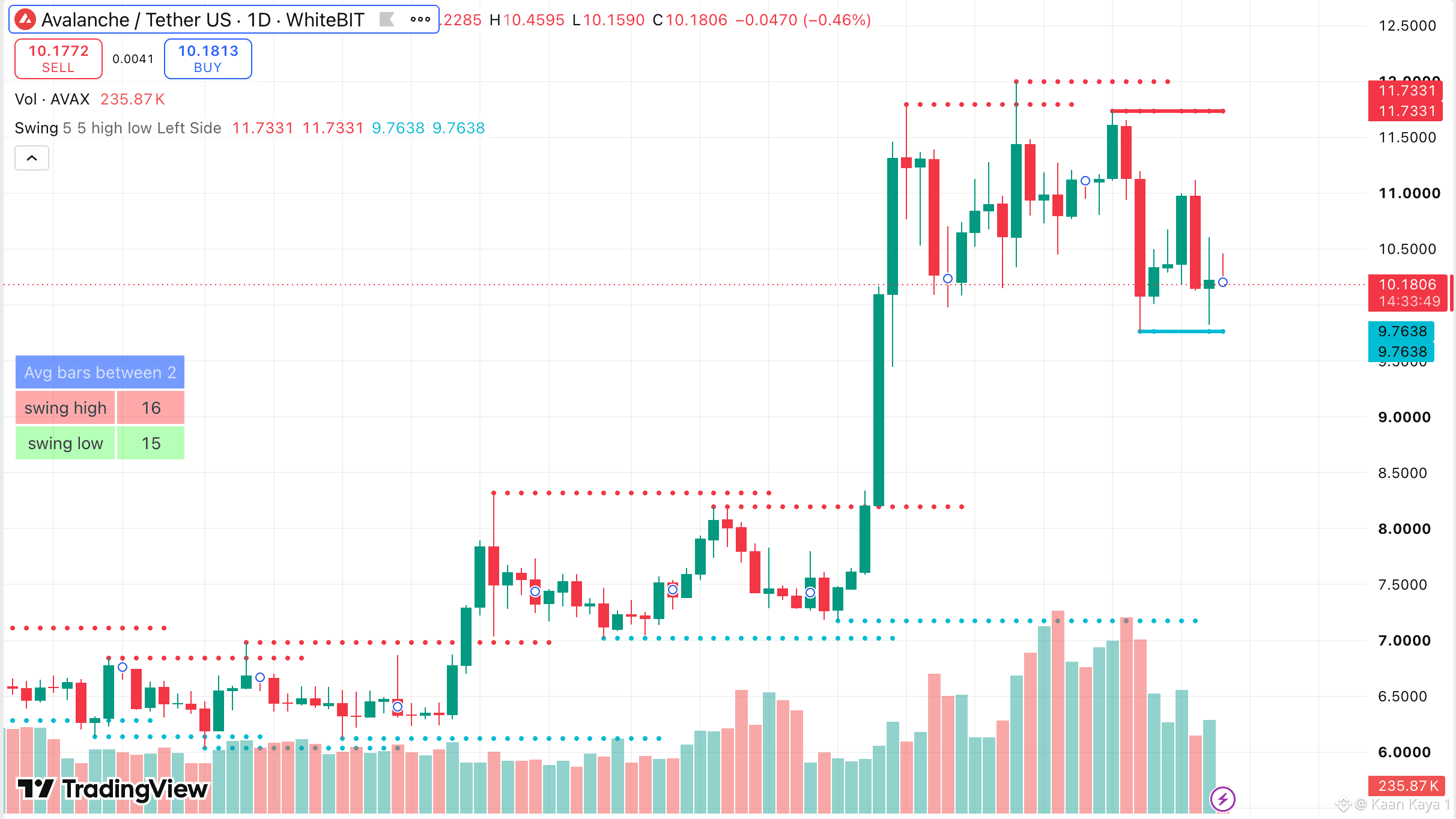
Avalanche 上有很多條鏈,但我們真的需要這麼多嗎?還記得以前每個加密項目都想發行自己的代幣嗎?現在感覺人人都想擁有自己的區塊鏈了。😅 Avalanche 一直在推廣這樣一種理念:企業、遊戲和金融平臺可以運行專屬網絡,而不是把所有東西都擠到一條共享鏈上。 我能理解這種做法的吸引力。遊戲公司大概不希望自己的交易和 DeFi 清算爭搶資源。金融機構可能需要對驗證者、權限和合規設置特定規則。 不過,這裏有一點讓我有些懷疑。 創建一條區塊鏈正變得越來越容易,但要讓人們有理由使用它,依然難得驚人。 一家公司可以擁有自己的驗證者、定製費用和設計精美的生態系統,但這些都無法保證開發者會來這裏開發,或用戶會來這裏使用。 對於 $AVAX,我會關注這些專屬網絡能否帶來持續的活躍度,以及這種活躍度如何轉化爲對代幣的需求。光是統計已經上線的鏈數,說明不了太多。 這有點像開了五十家購物中心。聽起來很厲害,直到你週六去逛,才發現大多數店鋪都空空蕩蕩。 比起一百條主要存在於合作公告裏的網絡,我更願意看到十條熱鬧繁忙的網絡。 #宏觀洞察# #山寨幣季節#
Avalanche 上有很多條鏈,但我們真的需要這麼多嗎?還記得以前每個加密項目都想發行自己的代幣嗎?現在感覺人人都想擁有自己的區塊鏈了。😅 Avalanche 一直在推廣這樣一種理念:企業、遊戲和金融平臺可以運行專屬網絡,而不是把所有東西都擠到一條共享鏈上。 我能理解這種做法的吸引力。遊戲公司大概不希望自己的交易和 DeFi 清算爭搶資源。金融機構可能需要對驗證者、權限和合規設置特定規則。 不過,這裏有一點讓我有些懷疑。 創建一條區塊鏈正變得越來越容易,但要讓人們有理由使用它,依然難得驚人。 一家公司可以擁有自己的驗證者、定製費用和設計精美的生態系統,但這些都無法保證開發者會來這裏開發,或用戶會來這裏使用。 對於 $AVAX,我會關注這些專屬網絡能否帶來持續的活躍度,以及這種活躍度如何轉化爲對代幣的需求。光是統計已經上線的鏈數,說明不了太多。 這有點像開了五十家購物中心。聽起來很厲害,直到你週六去逛,才發現大多數店鋪都空空蕩蕩。 比起一百條主要存在於合作公告裏的網絡,我更願意看到十條熱鬧繁忙的網絡。 #宏觀洞察# #山寨幣季節#
75
·
--
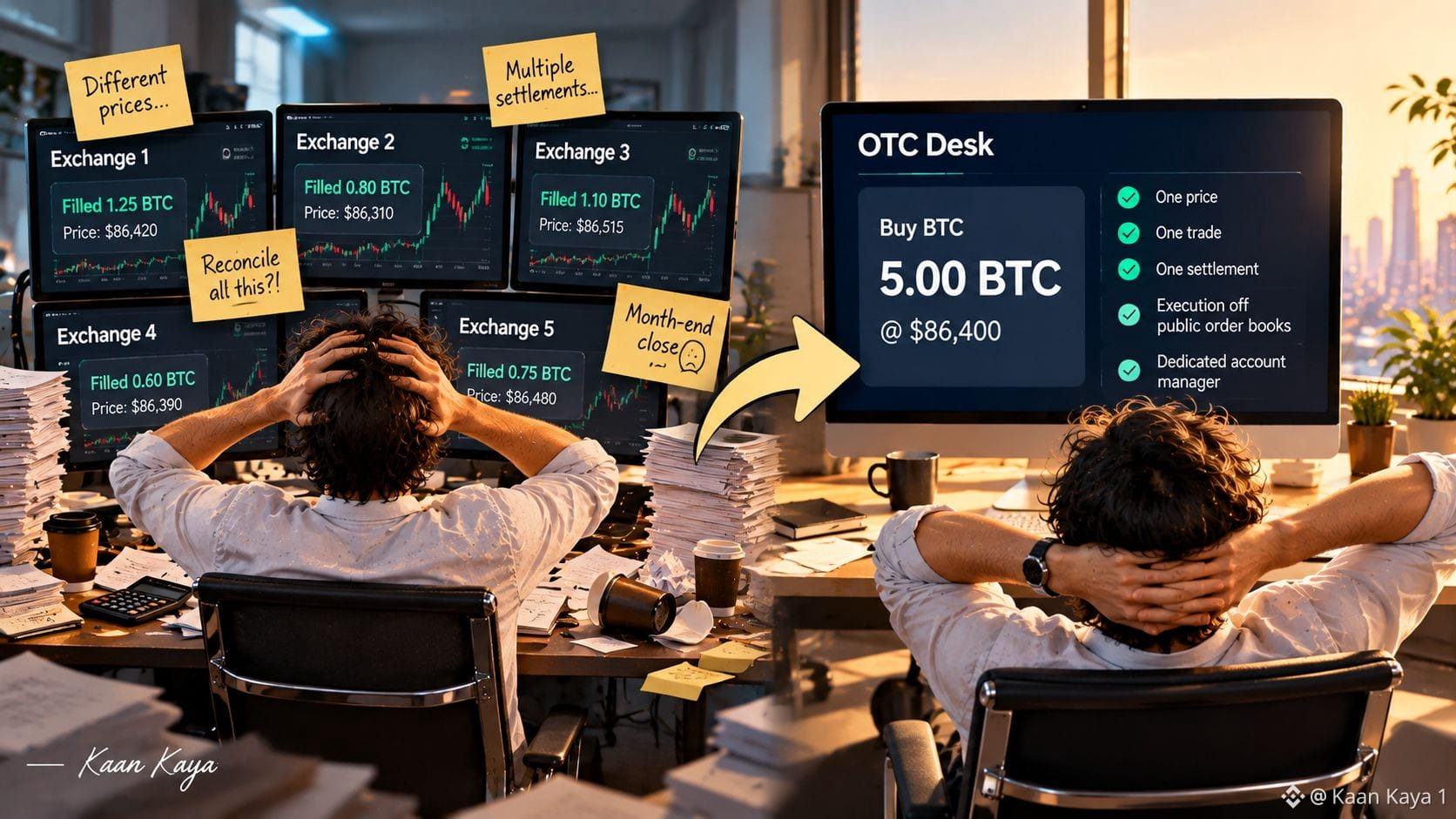
你的大額 $BTC 訂單正被拆成五份。真的有必要嗎?拆分大額訂單聽起來很明智,直到月底你得對賬五個賬戶、五種價格和五筆結算 😩。假設你需要轉出一大筆 $BTC,但沒有任何一家交易所的深度足以一次性承接全部訂單。這種情況正是場外交易(OTC)平臺的用武之地。它們直接撮合買家和賣家,因此大額交易通常可以一次完成,而不必拆成多筆。WhiteBIT 的 OTC 服務就是一個很好的例子。它支持不限交易上限的交易,可在公開訂單簿之外私下執行,並提供實時報價,以及可以直接聯繫的客戶經理。https://institutional.whitebit.com/otc?utm_source=coinmarketcap&utm_medium=otcdkkk&utm_campaign=post 它還支持 USD、EUR、GBP、CHF、USDT 和 USDC,最低交易金額通常約爲 $100K。通常的替代方案是拆分訂單:一部分放在一個交易平臺,另一部分交給第二家 OTC 平臺,還有一部分放到別處。每筆成交都有自己的價格和結算方式,之後還得由運營團隊的人把所有記錄整理到一起。做過月末結賬的人都知道這有多麻煩。一次 OTC 交易就整潔得多。你們商定一個價格,簽署一份協議,最後只需歸檔一條記錄。如果一家 OTC 平臺能夠承接全部交易金額,就能省去很多麻煩。如果沒有任何一家平臺能承接這樣的規模,拆分訂單仍然有意義。所以,真正的問題是:你的訂單規模相對於單家平臺的承接能力有多大 🤝。免責聲明:本文不構成財務或投資建議。請在做出任何決定前自行研究。風險自負。#BTC 價格分析# #比特幣價格預測:比特幣下一步將如何走勢?#
你的大額 $BTC 訂單正被拆成五份。真的有必要嗎?拆分大額訂單聽起來很明智,直到月底你得對賬五個賬戶、五種價格和五筆結算 😩。假設你需要轉出一大筆 $BTC,但沒有任何一家交易所的深度足以一次性承接全部訂單。這種情況正是場外交易(OTC)平臺的用武之地。它們直接撮合買家和賣家,因此大額交易通常可以一次完成,而不必拆成多筆。WhiteBIT 的 OTC 服務就是一個很好的例子。它支持不限交易上限的交易,可在公開訂單簿之外私下執行,並提供實時報價,以及可以直接聯繫的客戶經理。https://institutional.whitebit.com/otc?utm_source=coinmarketcap&utm_medium=otcdkkk&utm_campaign=post 它還支持 USD、EUR、GBP、CHF、USDT 和 USDC,最低交易金額通常約爲 $100K。通常的替代方案是拆分訂單:一部分放在一個交易平臺,另一部分交給第二家 OTC 平臺,還有一部分放到別處。每筆成交都有自己的價格和結算方式,之後還得由運營團隊的人把所有記錄整理到一起。做過月末結賬的人都知道這有多麻煩。一次 OTC 交易就整潔得多。你們商定一個價格,簽署一份協議,最後只需歸檔一條記錄。如果一家 OTC 平臺能夠承接全部交易金額,就能省去很多麻煩。如果沒有任何一家平臺能承接這樣的規模,拆分訂單仍然有意義。所以,真正的問題是:你的訂單規模相對於單家平臺的承接能力有多大 🤝。免責聲明:本文不構成財務或投資建議。請在做出任何決定前自行研究。風險自負。#BTC 價格分析# #比特幣價格預測:比特幣下一步將如何走勢?#
·
--
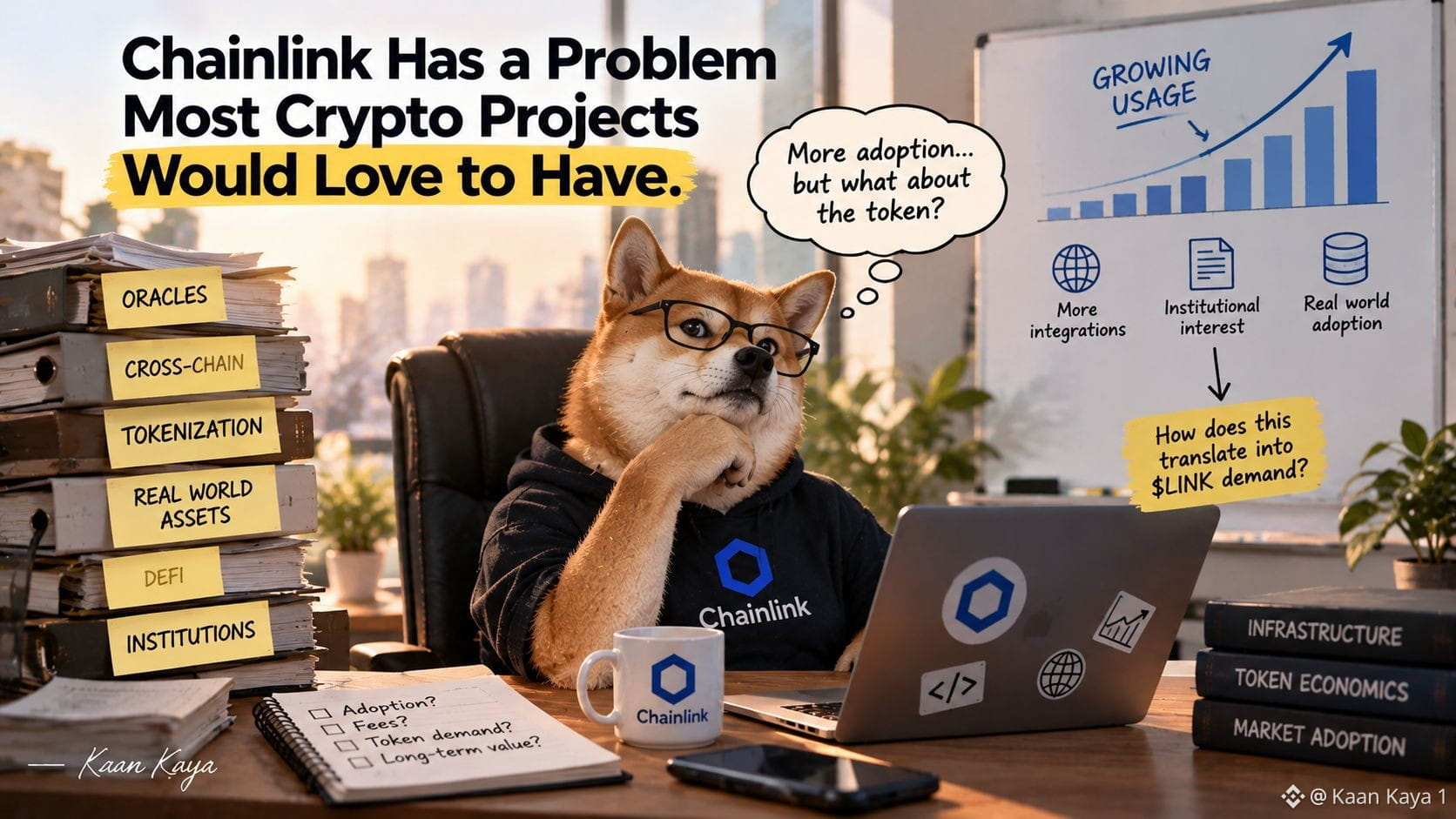
Chainlink 有一個大多數加密項目都夢寐以求的問題 Chainlink 是那種遠沒有像最新表情包幣那樣獲得那麼多關注的項目,儘管它參與了加密基礎設施中一些相當重要的部分。 預言機、跨鏈消息傳遞、代幣化資產……這個清單還在不斷增加。但我一直在思考的一件事是:一個項目變得更有用,並不自動意味着它的代幣會變得更有價值。 銀行可以集成 Chainlink 技術,DeFi 協議可以依賴它的數據饋送,機構也可以使用它的基礎設施在網絡之間轉移代幣化資產。 這對採用來說很好。但這對持有 $LINK 的人意味着什麼?我會把更多時間放在研究網絡使用如何轉化爲代幣需求、費用和激勵上,而不是統計合作公告。 別誤會,我認爲基礎設施的採用值得關注。我只是覺得,它背後的經濟機制比又一條關於大型機構試驗區塊鏈的頭條更有意思。 一則合作公告可以讓交易者興奮一天,而可持續的需求則是一個長得多的話題。 #Macro Insights# #Altcoin Season#
Chainlink 有一個大多數加密項目都夢寐以求的問題 Chainlink 是那種遠沒有像最新表情包幣那樣獲得那麼多關注的項目,儘管它參與了加密基礎設施中一些相當重要的部分。 預言機、跨鏈消息傳遞、代幣化資產……這個清單還在不斷增加。但我一直在思考的一件事是:一個項目變得更有用,並不自動意味着它的代幣會變得更有價值。 銀行可以集成 Chainlink 技術,DeFi 協議可以依賴它的數據饋送,機構也可以使用它的基礎設施在網絡之間轉移代幣化資產。 這對採用來說很好。但這對持有 $LINK 的人意味着什麼?我會把更多時間放在研究網絡使用如何轉化爲代幣需求、費用和激勵上,而不是統計合作公告。 別誤會,我認爲基礎設施的採用值得關注。我只是覺得,它背後的經濟機制比又一條關於大型機構試驗區塊鏈的頭條更有意思。 一則合作公告可以讓交易者興奮一天,而可持續的需求則是一個長得多的話題。 #Macro Insights# #Altcoin Season#
47
·
--
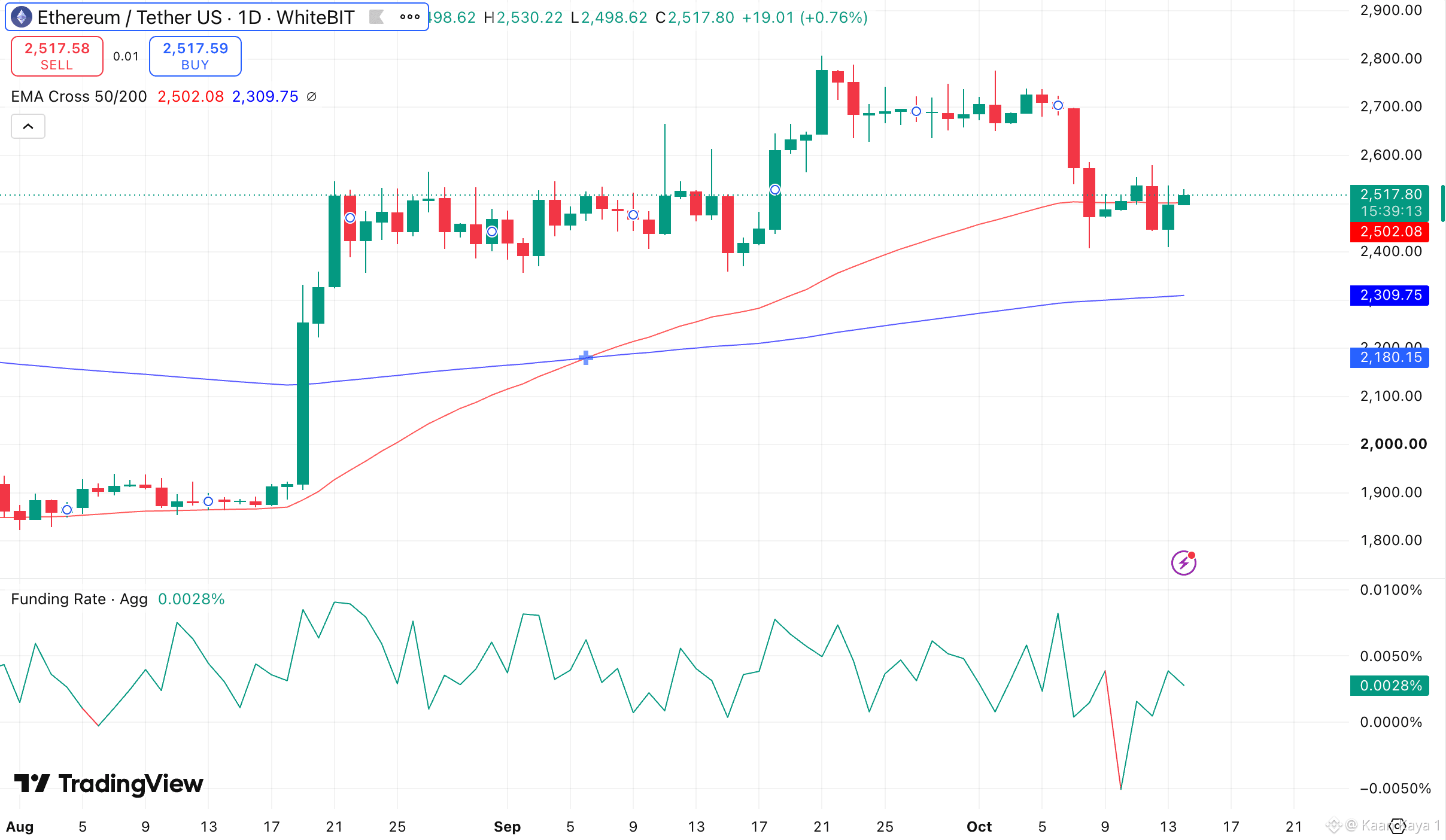
以太坊的使用成本越來越低了。那爲什麼人們還在抱怨?還記得以前轉價值 20 美元的加密貨幣,手續費可能還要再花 15 美元嗎?從那以後,以太坊已經有了長足進步,尤其是使用 Layer 2 網絡時。 但我一直注意到一件事:人們未必覺得加密貨幣變得更容易用了。 你還是得弄清楚自己的資金在哪個網絡上、交易所是否支持那個網絡,以及爲什麼同一種代幣有時會出現在五個不同的地方。 更別說萬一你把資產轉到了錯誤的網絡上 😅 這就是以太坊擴容策略中那個微妙的取捨。我們把活動分散到不同網絡上,讓交易變得更便宜,但也讓那些還不熟悉加密貨幣的人覺得使用起來更加複雜。 我不認爲 $ETH 需要再來一場令人驚歎的交易速度對比,才能吸引普通用戶。它需要更多應用,讓人們可以直接轉賬、交易或付款,而不用操心背後用的是哪條鏈。 交易便宜當然很好。如果不用向朋友解釋這些,那就更好了。 #以太坊區塊鏈 #以太坊基金會
以太坊的使用成本越來越低了。那爲什麼人們還在抱怨?還記得以前轉價值 20 美元的加密貨幣,手續費可能還要再花 15 美元嗎?從那以後,以太坊已經有了長足進步,尤其是使用 Layer 2 網絡時。 但我一直注意到一件事:人們未必覺得加密貨幣變得更容易用了。 你還是得弄清楚自己的資金在哪個網絡上、交易所是否支持那個網絡,以及爲什麼同一種代幣有時會出現在五個不同的地方。 更別說萬一你把資產轉到了錯誤的網絡上 😅 這就是以太坊擴容策略中那個微妙的取捨。我們把活動分散到不同網絡上,讓交易變得更便宜,但也讓那些還不熟悉加密貨幣的人覺得使用起來更加複雜。 我不認爲 $ETH 需要再來一場令人驚歎的交易速度對比,才能吸引普通用戶。它需要更多應用,讓人們可以直接轉賬、交易或付款,而不用操心背後用的是哪條鏈。 交易便宜當然很好。如果不用向朋友解釋這些,那就更好了。 #以太坊區塊鏈 #以太坊基金會

83
·
--
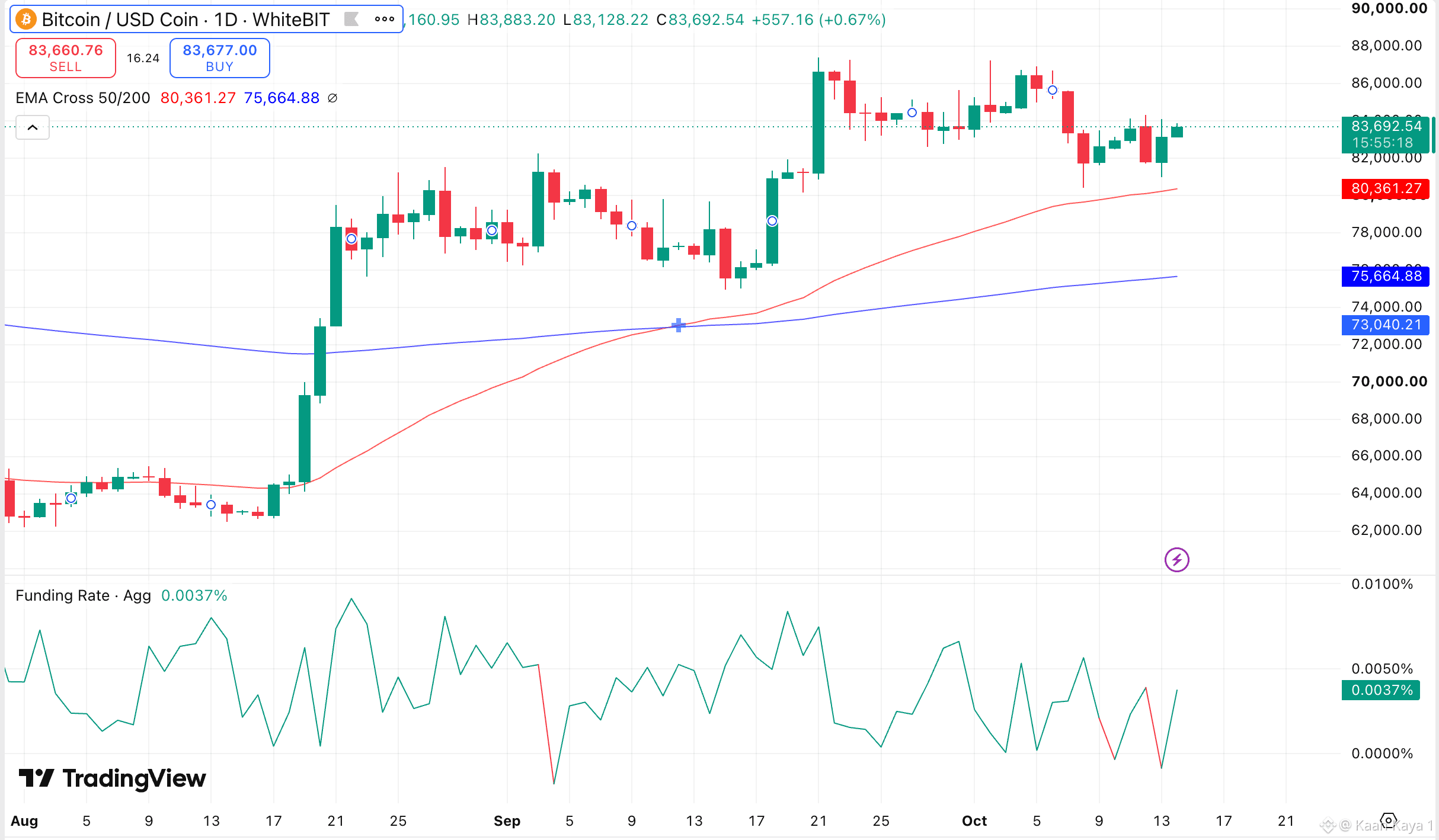
人人都盼着比特幣動起來,卻沒人認同接下來會怎樣。比特幣開始橫盤時,加密推特就特別有意思。一半人堅信即將突破,另一半人已經準備迎接新一輪暴跌。不知怎麼的,雙方的圖表看起來都挺有說服力 😂 我覺得現在交易 $BTC 最難的不是尋找可能的入場機會,而是判斷哪些信號真正值得關注。 幾根綠色蠟燭就能讓阻力位看起來不堪一擊,一根突然出現的紅色蠟燭又能讓整個市場重新顯得看跌。但如果沒有成交量、流動性和後續走勢的配合,這些都說明不了什麼。 就我個人而言,我寧願錯過一輪上漲最初的 2%,也不想因爲 X 上突然人人都興奮起來就進場,然後花接下來的三天爲這個決定辯護。 想知道大家是怎麼應對的。你們會交易這些小幅波動,還是等着比特幣選定方向? #BTC 價格分析# #比特幣價格預測:比特幣下一步會怎麼走?#
人人都盼着比特幣動起來,卻沒人認同接下來會怎樣。比特幣開始橫盤時,加密推特就特別有意思。一半人堅信即將突破,另一半人已經準備迎接新一輪暴跌。不知怎麼的,雙方的圖表看起來都挺有說服力 😂 我覺得現在交易 $BTC 最難的不是尋找可能的入場機會,而是判斷哪些信號真正值得關注。 幾根綠色蠟燭就能讓阻力位看起來不堪一擊,一根突然出現的紅色蠟燭又能讓整個市場重新顯得看跌。但如果沒有成交量、流動性和後續走勢的配合,這些都說明不了什麼。 就我個人而言,我寧願錯過一輪上漲最初的 2%,也不想因爲 X 上突然人人都興奮起來就進場,然後花接下來的三天爲這個決定辯護。 想知道大家是怎麼應對的。你們會交易這些小幅波動,還是等着比特幣選定方向? #BTC 價格分析# #比特幣價格預測:比特幣下一步會怎麼走?#

78
·
--
🔍 策略還是權宜之計?審視我自己的機器人 幾天前,我在整理一箇舊的機器人配置——就是那種“能用就別動”的東西。😅 我注意到,有多少行代碼只是爲了讓我不超出 API 速率限制。我把請求批量處理,減少了查詢 $BTC 訂單簿的頻率,還因爲算下來不划算而放棄了一些做法。多年來,我一直認爲這是良好的實踐。 後來,我在 WhiteBIT VIP 計劃下提高了速率限制,於是開始用不同的眼光看待那些舊規則。這真的是策略的一部分,還是僅僅一種權宜之計? https://whitebit.com/vip-program?utm_source=coinmarketcap&utm_medium=post&utm_campaign=kaannViP 最容易發現的是下單時機。過去我因爲請求限制而間隔下單,後來卻開始把這當作策略的一部分。時間一長,我完全忘了這條規則最初是怎麼來的。 ⚙️ 擴展後的速率限制讓我注意到了這一點。簡單的 API 連接很有幫助;較低的交易手續費——根據 VIP 等級和具體條件,最低可達 -0.001%——在規模擴大後也很重要;而機器人定期運行後,專屬支持也很實用。 有趣的是,並沒有哪項“重大功能”徹底改變了一切。我只是意識到,過去有多少限制其實是別人替我決定的。 我稱之爲交易理念的東西,有一半後來發現不過是在繞開速率限制。 免責聲明:本文不構成財務或投資建議。做出任何決定前,請自行研究。風險自負。 #BTC 價格分析# #比特幣價格預測:比特幣下一步將如何走勢?#
🔍 策略還是權宜之計?審視我自己的機器人 幾天前,我在整理一箇舊的機器人配置——就是那種“能用就別動”的東西。😅 我注意到,有多少行代碼只是爲了讓我不超出 API 速率限制。我把請求批量處理,減少了查詢 $BTC 訂單簿的頻率,還因爲算下來不划算而放棄了一些做法。多年來,我一直認爲這是良好的實踐。 後來,我在 WhiteBIT VIP 計劃下提高了速率限制,於是開始用不同的眼光看待那些舊規則。這真的是策略的一部分,還是僅僅一種權宜之計? https://whitebit.com/vip-program?utm_source=coinmarketcap&utm_medium=post&utm_campaign=kaannViP 最容易發現的是下單時機。過去我因爲請求限制而間隔下單,後來卻開始把這當作策略的一部分。時間一長,我完全忘了這條規則最初是怎麼來的。 ⚙️ 擴展後的速率限制讓我注意到了這一點。簡單的 API 連接很有幫助;較低的交易手續費——根據 VIP 等級和具體條件,最低可達 -0.001%——在規模擴大後也很重要;而機器人定期運行後,專屬支持也很實用。 有趣的是,並沒有哪項“重大功能”徹底改變了一切。我只是意識到,過去有多少限制其實是別人替我決定的。 我稱之爲交易理念的東西,有一半後來發現不過是在繞開速率限制。 免責聲明:本文不構成財務或投資建議。做出任何決定前,請自行研究。風險自負。 #BTC 價格分析# #比特幣價格預測:比特幣下一步將如何走勢?#

·
--
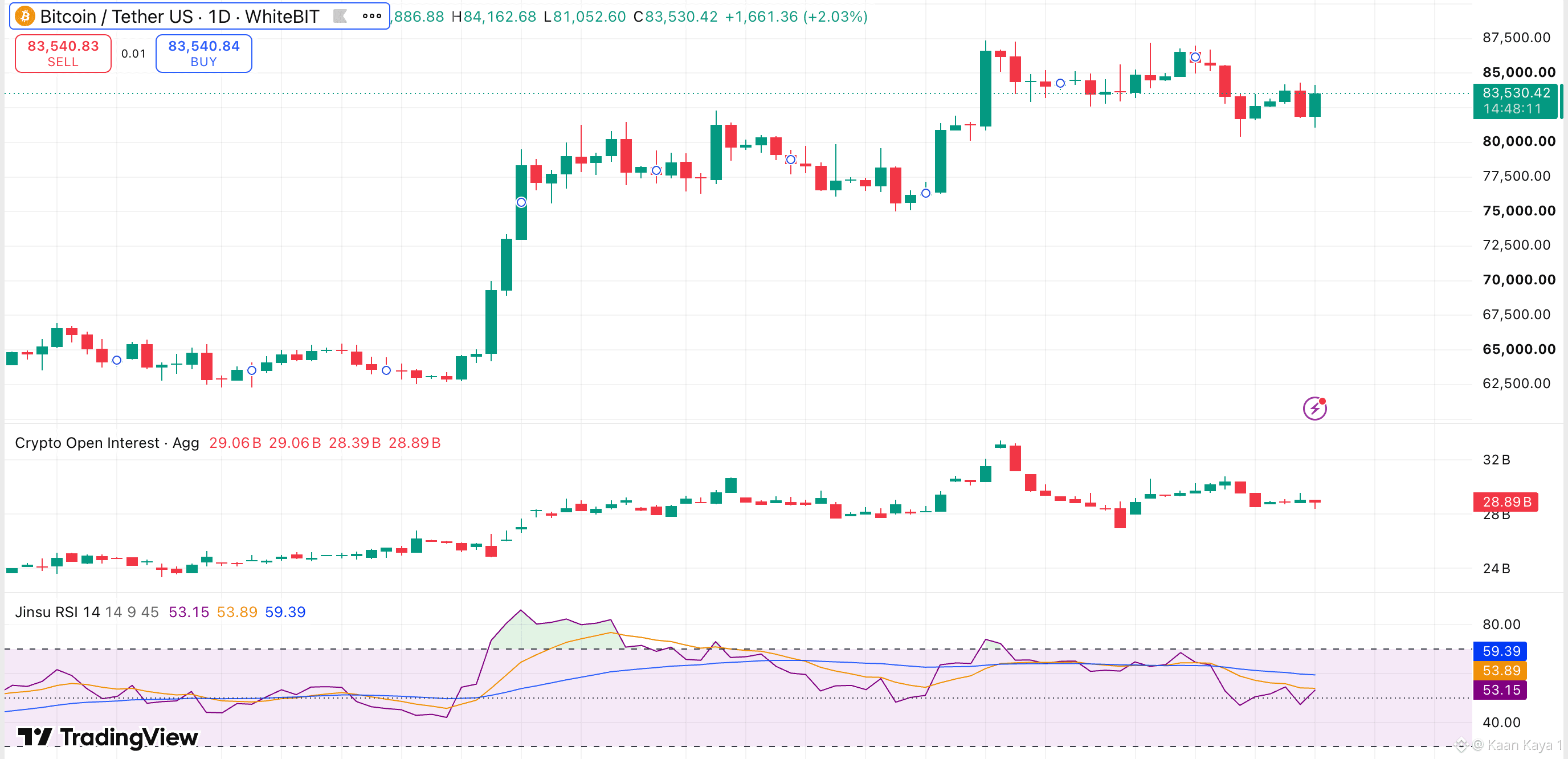
比特幣只需一點動靜,就能讓交易者再次興奮起來 👀 $BTC 的市場情緒轉變得真快。幾根綠色蠟燭線一出現,大家突然就開始談論下一次重大突破。 但快速反彈和市場真正準備好進一步上漲,還是有區別的。 我更關心的是,最初的興奮勁兒消退後,買家能否繼續入場。通常只有到那時,你才能看出這波走勢背後究竟有多大的信心。 還有人在關注比特幣,但暫時還沒想要貿然進場嗎? #BTC價格分析# #比特幣價格預測:比特幣下一步會怎麼走?#
比特幣只需一點動靜,就能讓交易者再次興奮起來 👀 $BTC 的市場情緒轉變得真快。幾根綠色蠟燭線一出現,大家突然就開始談論下一次重大突破。 但快速反彈和市場真正準備好進一步上漲,還是有區別的。 我更關心的是,最初的興奮勁兒消退後,買家能否繼續入場。通常只有到那時,你才能看出這波走勢背後究竟有多大的信心。 還有人在關注比特幣,但暫時還沒想要貿然進場嗎? #BTC價格分析# #比特幣價格預測:比特幣下一步會怎麼走?#

79
·
--
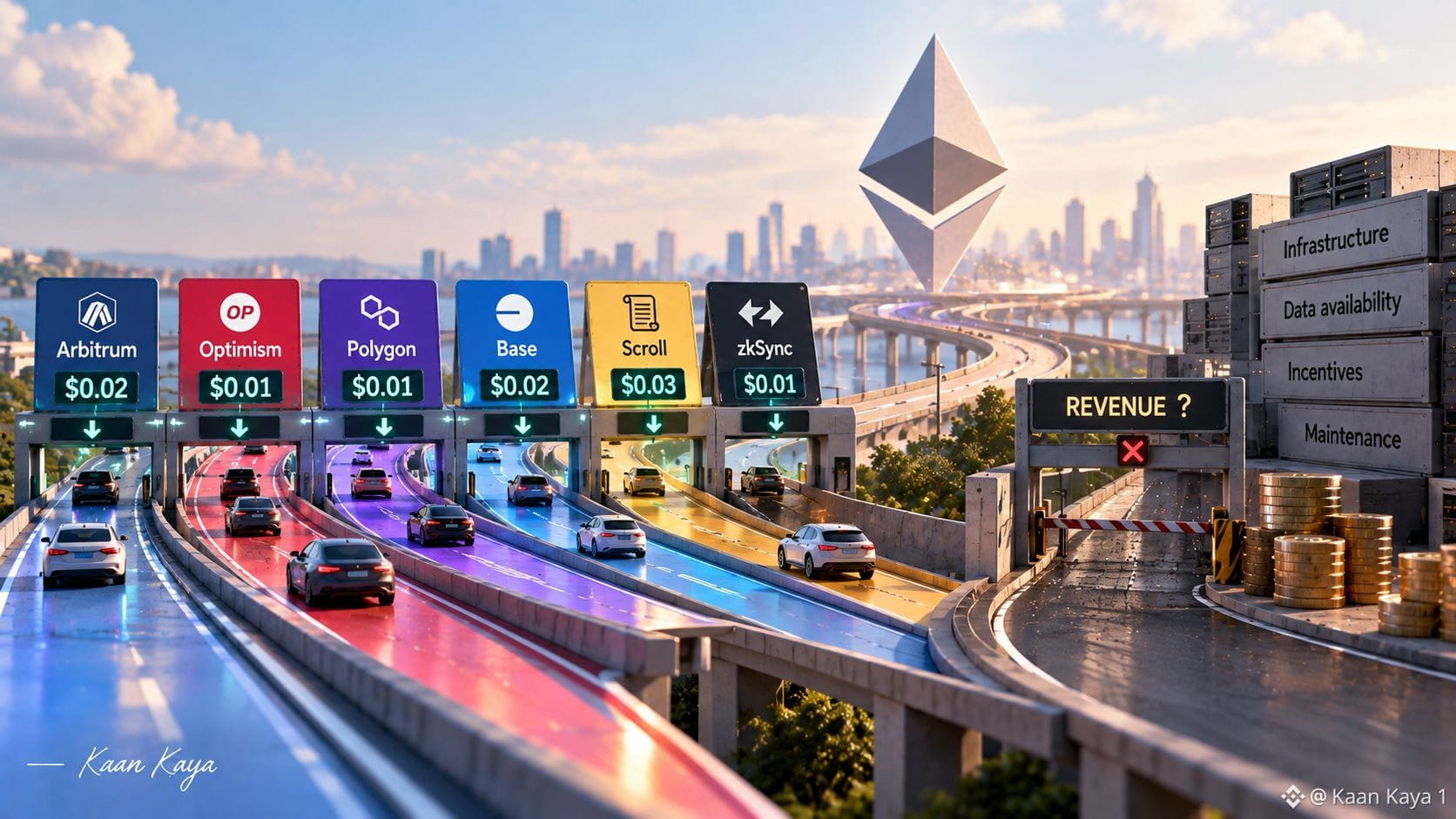
以太坊的 L2 手續費越來越低了。那究竟誰能賺錢?還記得當年一筆 $ETH 交易要花 30 美元,還算是再平常不過的週二嗎?如今,在一些 Layer 2 網絡上轉賬只需幾美分,有時甚至更低。對用戶來說當然是好事。但對於運營這些網絡的企業來說,情況就沒那麼好說了。問題在於:手續費降低,並不自動意味着經濟效益更好。一個 L2 網絡可以處理數百萬筆交易、讓用戶滿意,但在計入基礎設施、數據可用性和生態激勵成本後,仍可能難以創造可觀的收入。還有另一個問題:如果好幾個網絡都能提供差不多便宜的轉賬,也能使用類似的應用,人們爲什麼要留在其中某一個網絡?多年來,我們一直在探討以太坊能否擴容。也許接下來的問題是:這些擴容網絡能否建立起值得長期維護的業務?如果下一場 L2 競爭的重點不再是誰的手續費最低,而是誰擁有那些不靠付錢也會主動回來的用戶,我一點也不會意外。#ETHBlockchain #ETHFoundation
以太坊的 L2 手續費越來越低了。那究竟誰能賺錢?還記得當年一筆 $ETH 交易要花 30 美元,還算是再平常不過的週二嗎?如今,在一些 Layer 2 網絡上轉賬只需幾美分,有時甚至更低。對用戶來說當然是好事。但對於運營這些網絡的企業來說,情況就沒那麼好說了。問題在於:手續費降低,並不自動意味着經濟效益更好。一個 L2 網絡可以處理數百萬筆交易、讓用戶滿意,但在計入基礎設施、數據可用性和生態激勵成本後,仍可能難以創造可觀的收入。還有另一個問題:如果好幾個網絡都能提供差不多便宜的轉賬,也能使用類似的應用,人們爲什麼要留在其中某一個網絡?多年來,我們一直在探討以太坊能否擴容。也許接下來的問題是:這些擴容網絡能否建立起值得長期維護的業務?如果下一場 L2 競爭的重點不再是誰的手續費最低,而是誰擁有那些不靠付錢也會主動回來的用戶,我一點也不會意外。#ETHBlockchain #ETHFoundation
67
登入以探索更多內容
加入幣安廣場中的全球加密貨幣用戶
⚡️ 獲取加密貨幣的最新和實用資訊。
💬 受到全球最大加密貨幣交易所的信任。
👍 發掘來自經過驗證創作者的真實見解。
電子郵件 / 電話號碼
熱門話題
Anthropic滚动12个月营收增长约1200%
35,093 次瀏覽
149 討論中
Anthropic 的招股書今天公開了。營收曲線長這樣。
2023 年 4100 萬美元,2024 年 3.86 億,2025 年 45.9 億,2026 年上半年 162.9 億。
二季度單季同比 1368%。市面上流傳的「滾動 12 個月增長約 1200%」是另一個口徑,量級對得上。
三年時間,從四千萬做到年化三百億。
同一份文件裏還有另一個數。上半年淨虧損 807 億美元,去年同期 130 億,擴大了六倍。
這兩件事是連着的。企業客戶在搶 Claude,公司就得搶算力,算力要提前付錢。招股書裏那筆最高 7500 億美元的算力承諾,不可取消。
錢先花出去,收入後到賬。$ANTHROPIC
#anthropic滚动12个月营收增长约1200%
层楼bnb
·3 人按讚
·18.1k 次瀏覽
Anthropic预计今日公布S1招股书
27,407 次瀏覽
135 討論中
据报韩国考虑第四次推迟加密税
53,879 次瀏覽
327 討論中